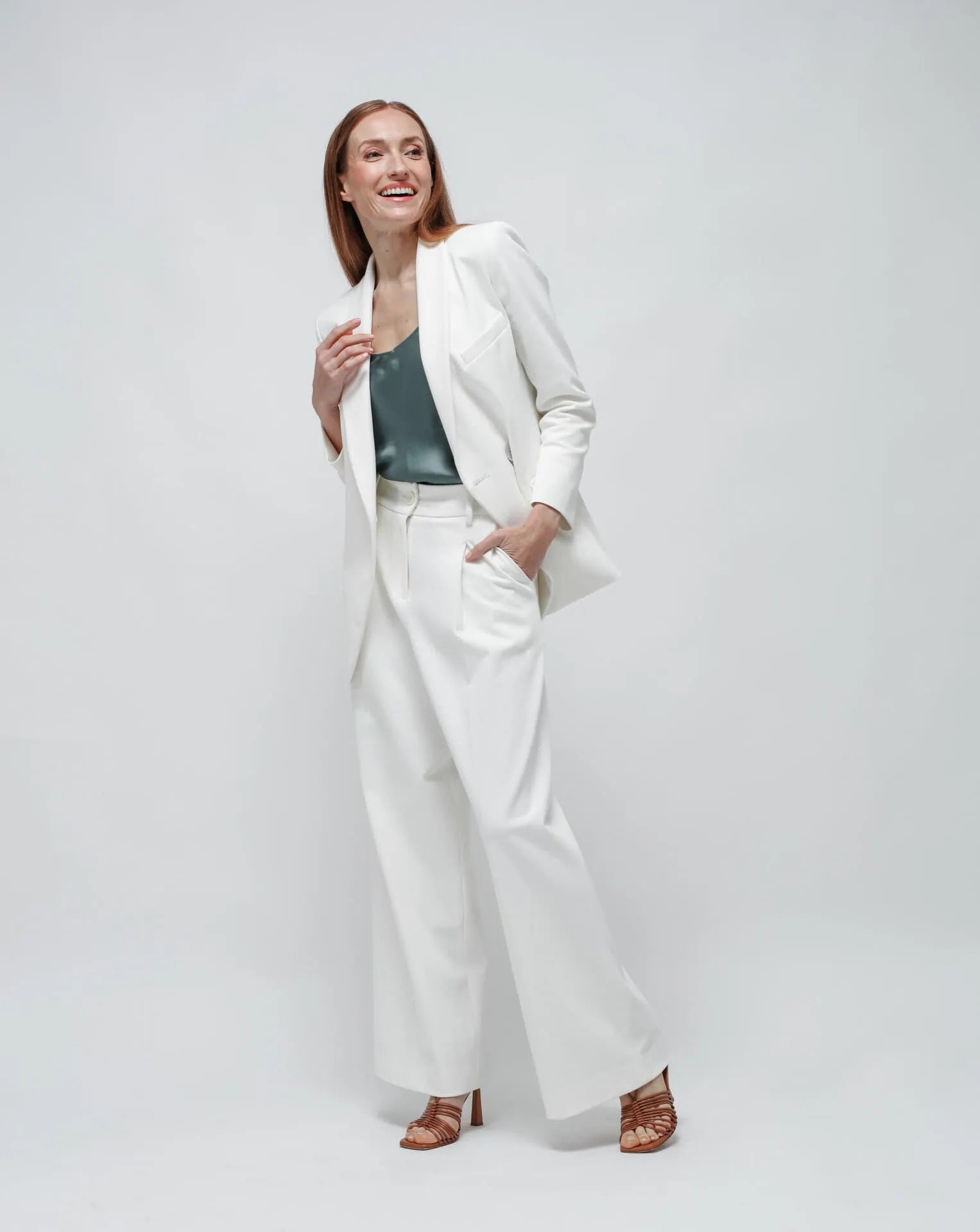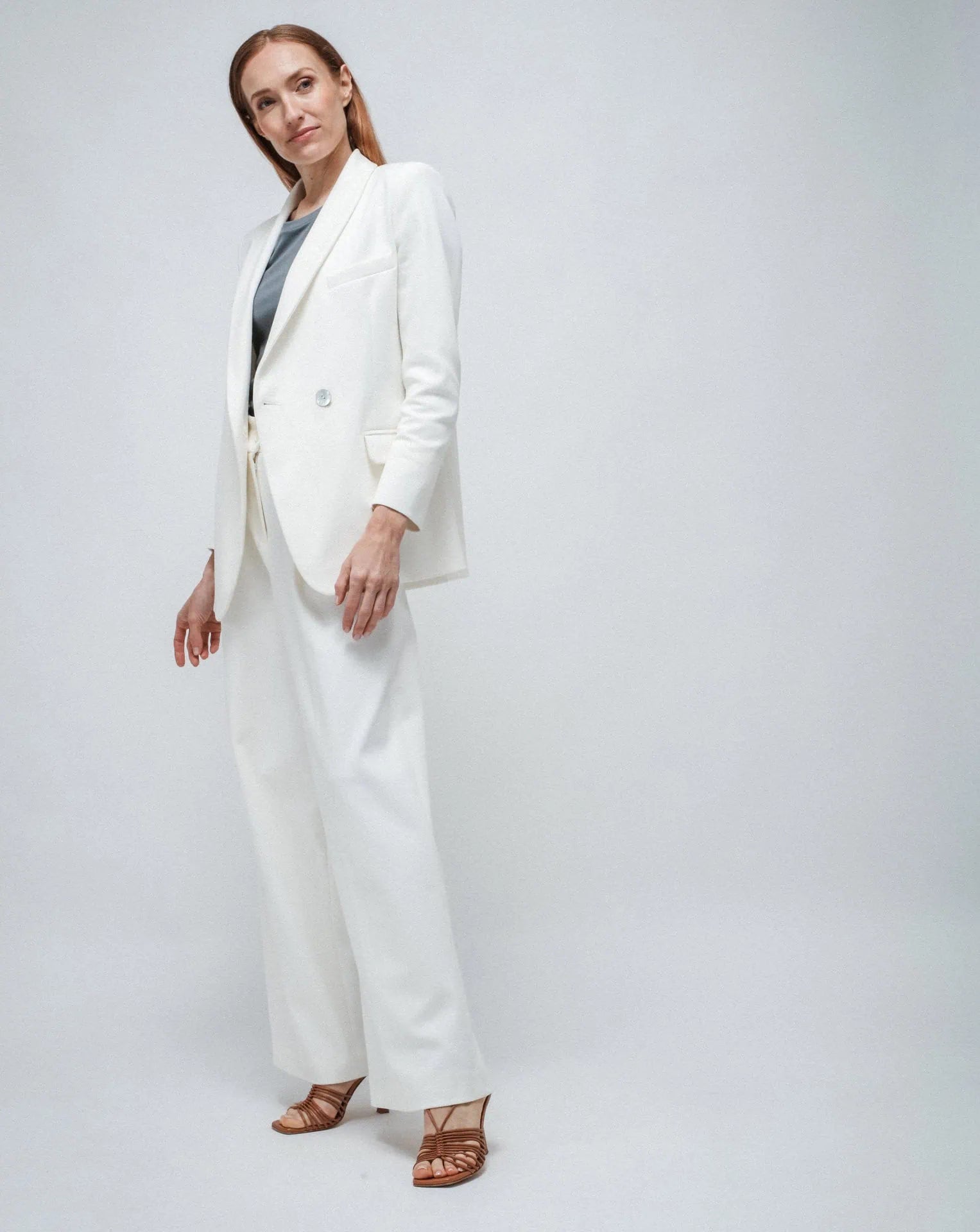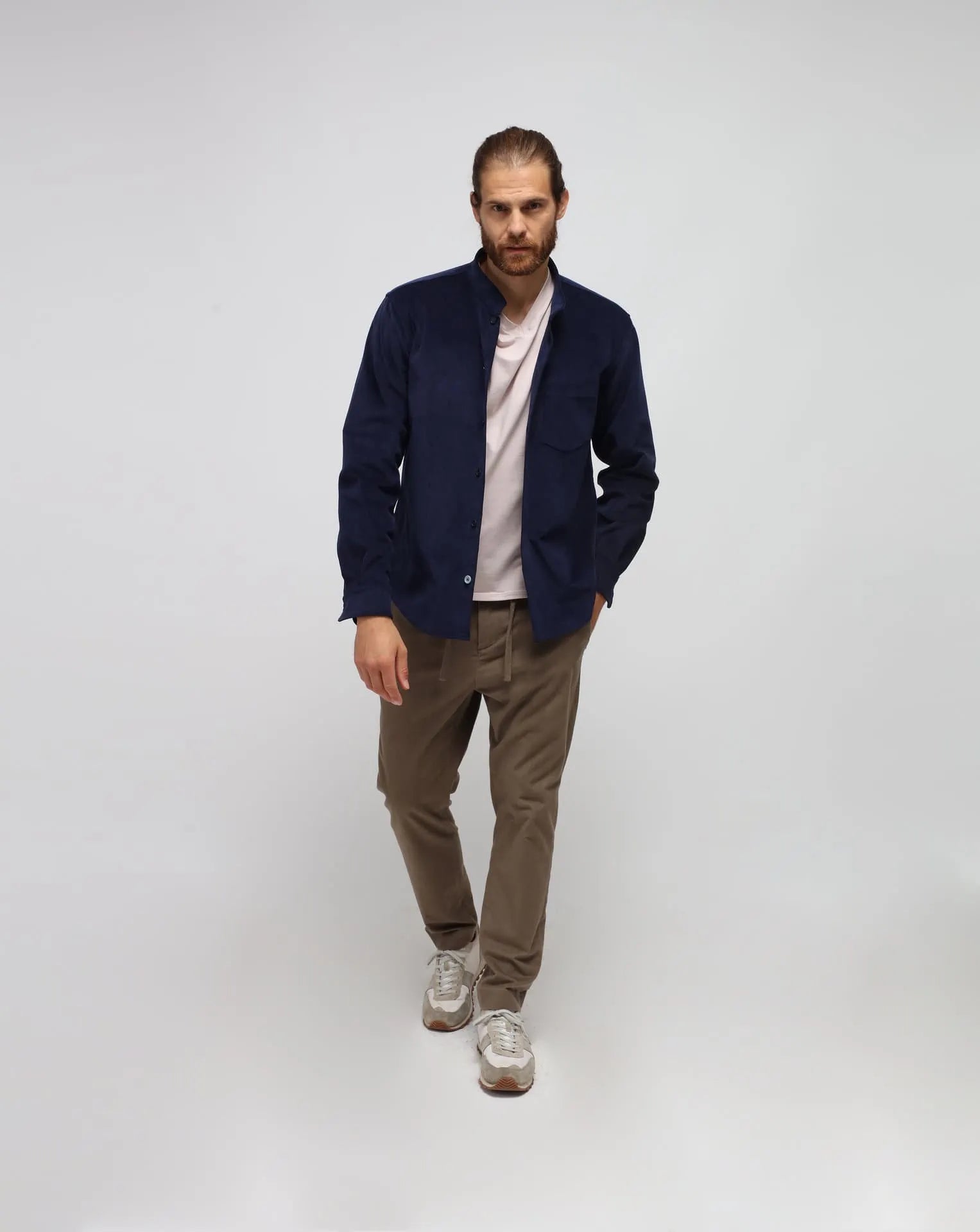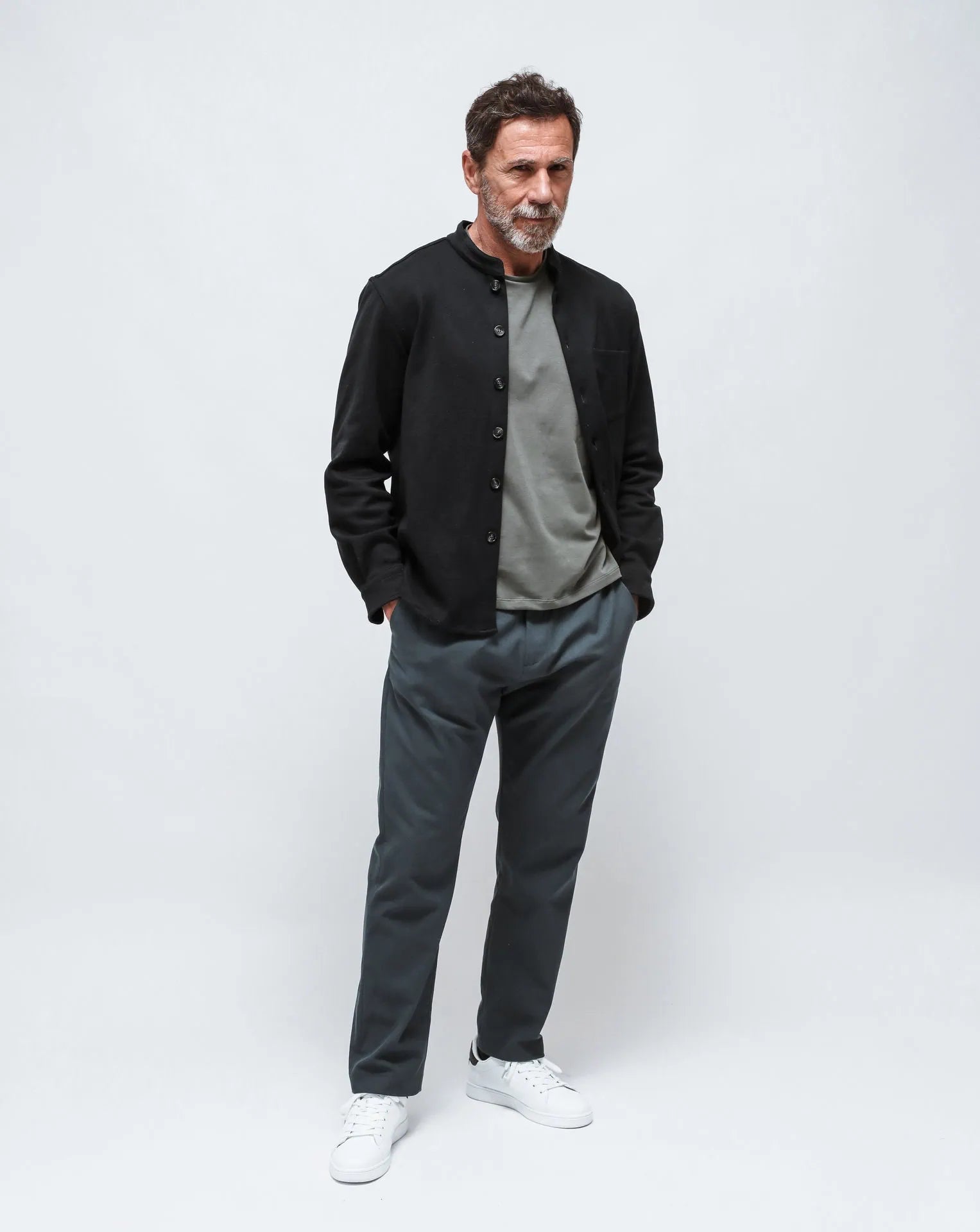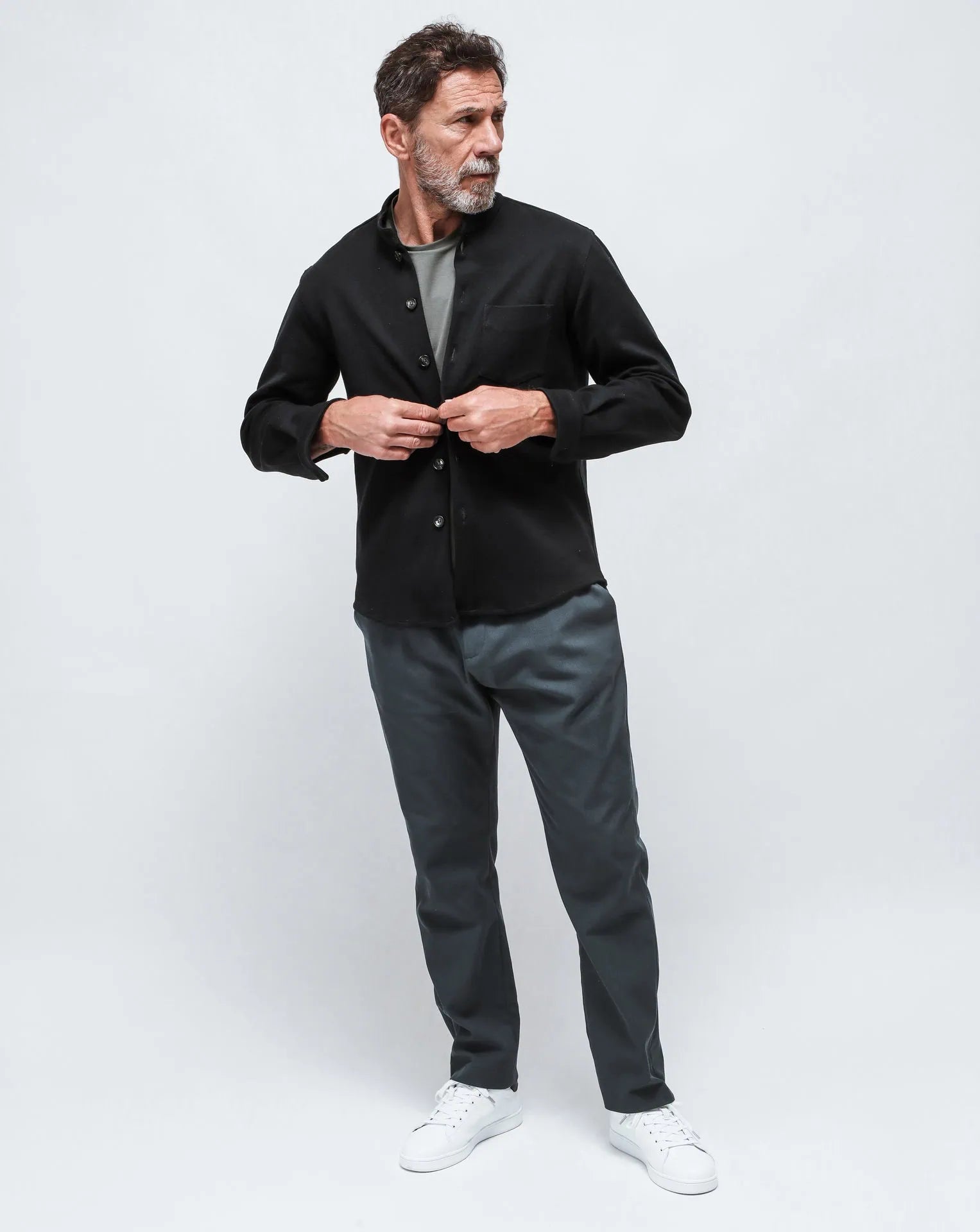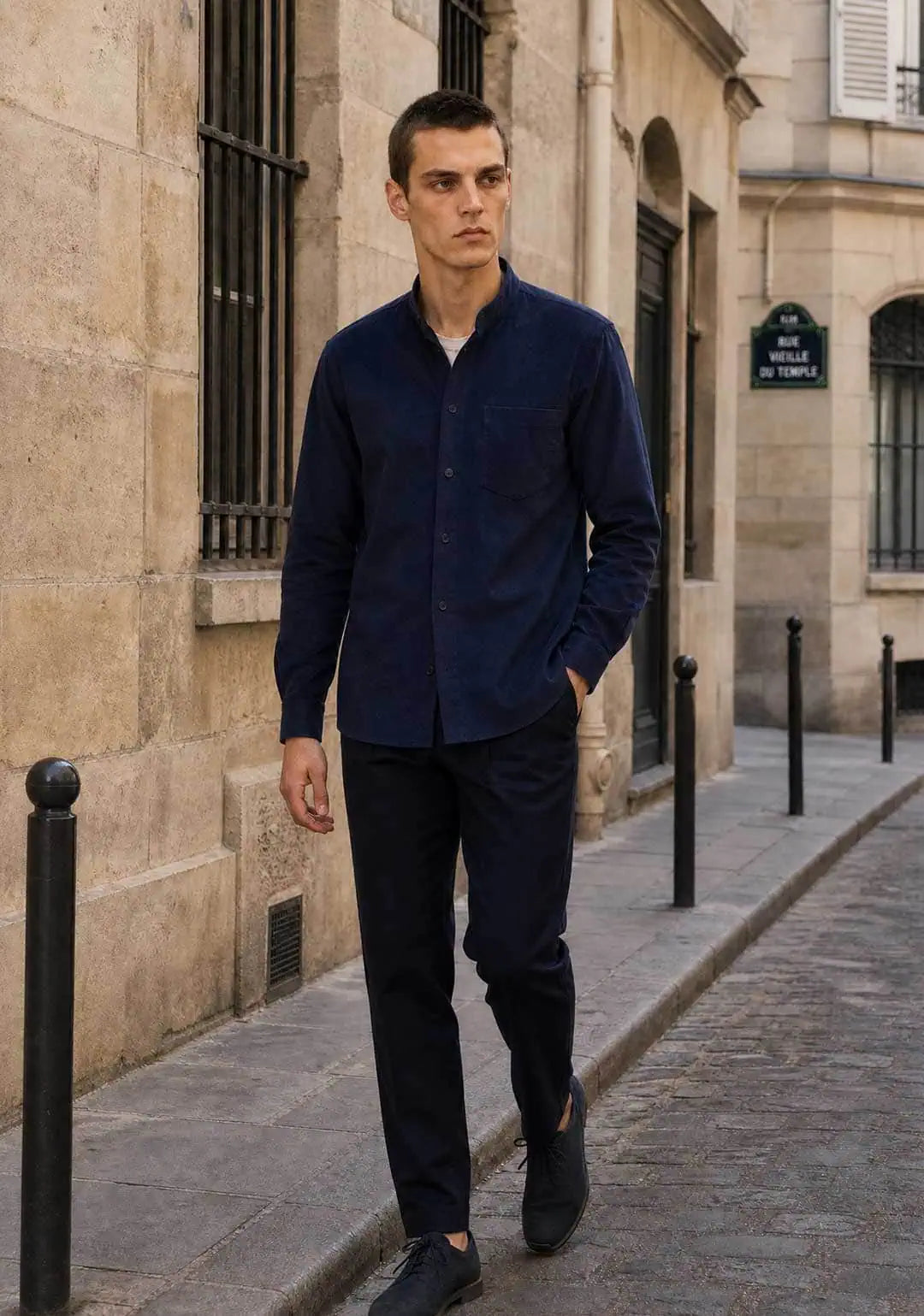

12 Best Women's Winter Coats for Real Life
A good winter coat has to do more than look convincing in a mirror. It has to hold its shape on a crowded commute, work over tailoring, survive a weekend away, and make getting dressed feel considered when the temperature drops. The best women's winter coats balance warmth, proportion, fabric quality, and the kind of versatility that earns a place in your wardrobe for years.
The right choice depends on your winter, not a generic weather forecast. A sharply cut wool coat may be perfect for a mild city season and daily office wear, while a down-filled puffer makes more sense for long walks, freezing rain, and time outdoors. Buy for the life you live most often, then choose a silhouette you will still want to wear after the novelty of a new season has passed.
What Makes the Best Women's Winter Coats?
Warmth begins with fabric, but it is not the only measure of performance. A coat should have enough room for a knit without looking oversized, a collar that protects the neck, and a length that suits how you move through the day. Construction matters too: a lining helps a tailored coat glide over layers, secure closures keep out wind, and a well-cut sleeve allows you to carry a bag, drive, or reach for a coffee without restriction.
For an intentional wardrobe, longevity is equally important. Look for strong natural fibers, considered blends, and finishing that will withstand repeat wear. Deadstock fabrics are particularly compelling because they give exceptional existing materials a second life rather than demanding new production. They also make each small run more finite. That scarcity should encourage a better question than, “What is trending?” Ask, “Will I reach for this next winter, too?”
12 Winter Coat Styles Worth Considering
1. The Long Wool Coat
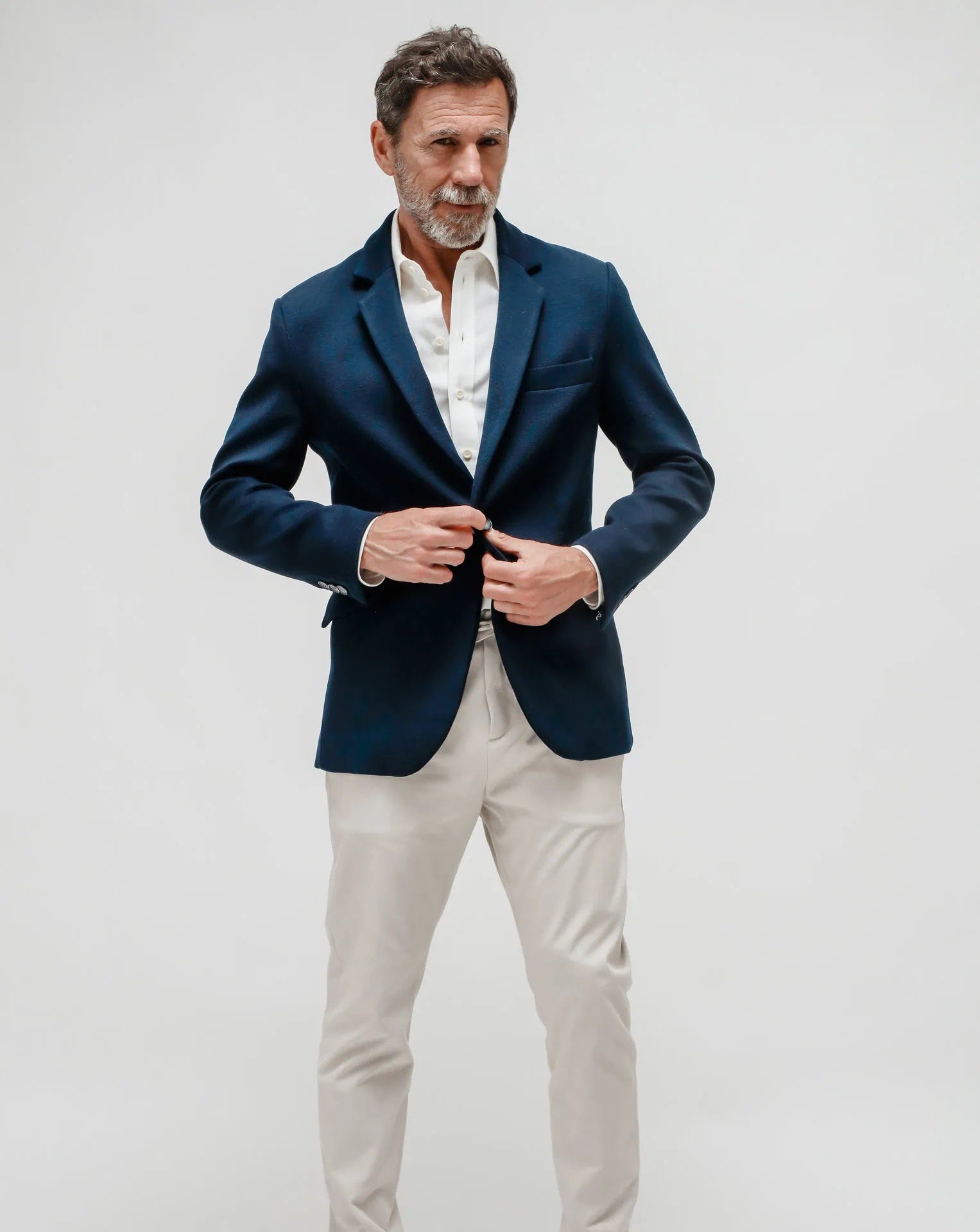
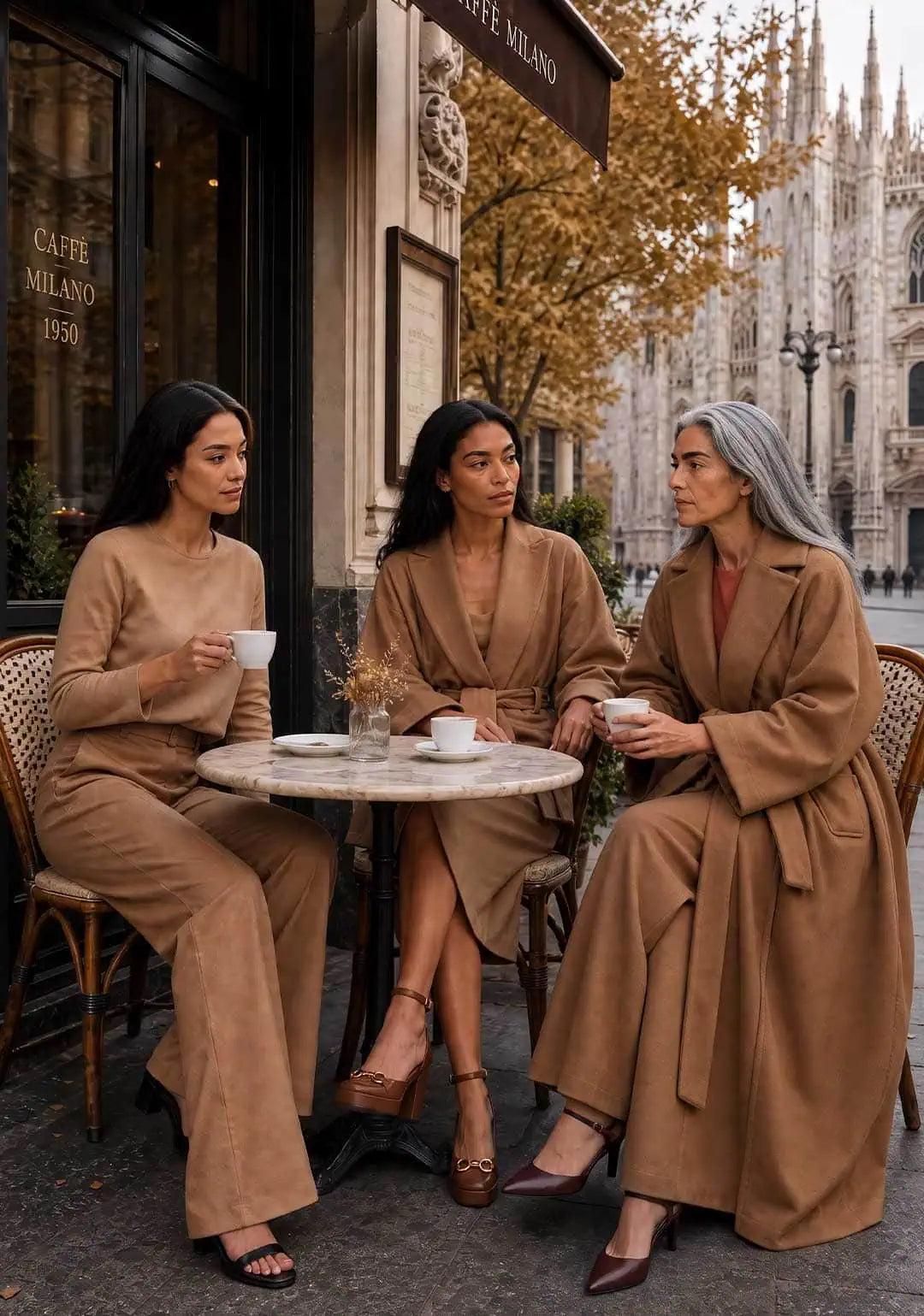
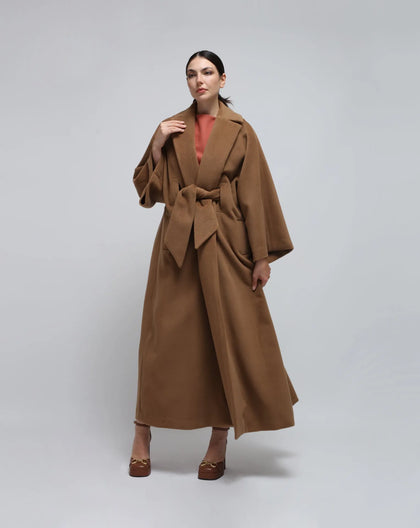
A long wool coat is the most polished answer to everyday winter dressing. It brings structure to denim and sneakers, then feels entirely at home over a suit or evening look. Choose a length between mid-calf and ankle if you walk often or want added coverage. For wet or deeply cold climates, reserve it for drier days and layer a warm knit beneath.
2. The Belted Wrap Coat
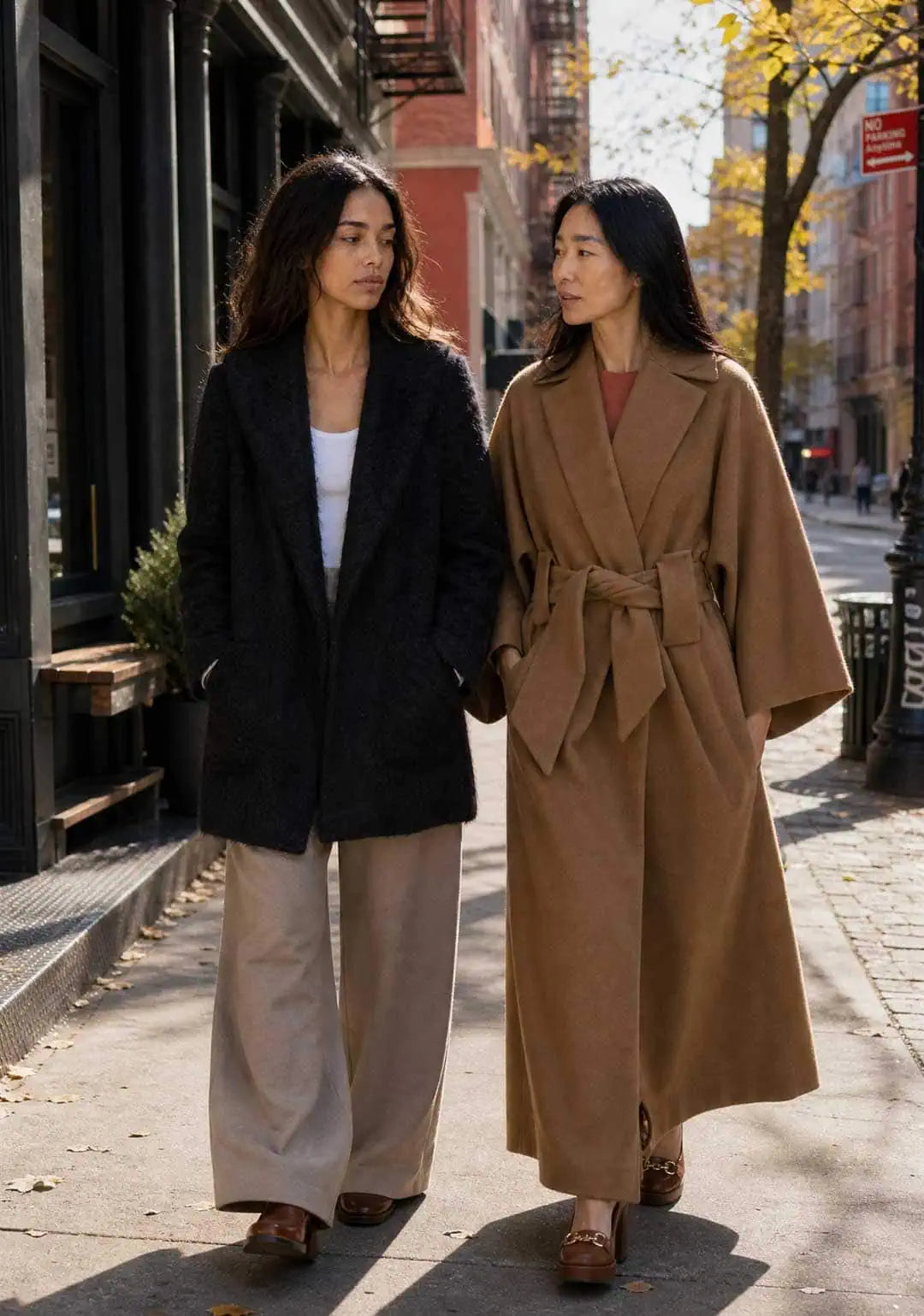
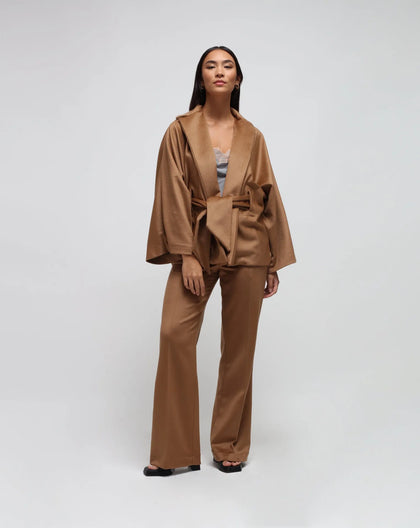
The wrap coat is softer than a traditional tailored overcoat and particularly useful when your winter wardrobe includes dresses, wide-leg pants, or layered knitwear. A belt defines the waist without relying on rigid shaping. The trade-off is exposure: a wrap front is less protective in strong wind unless it includes an interior tie, hidden snap, or substantial overlap.
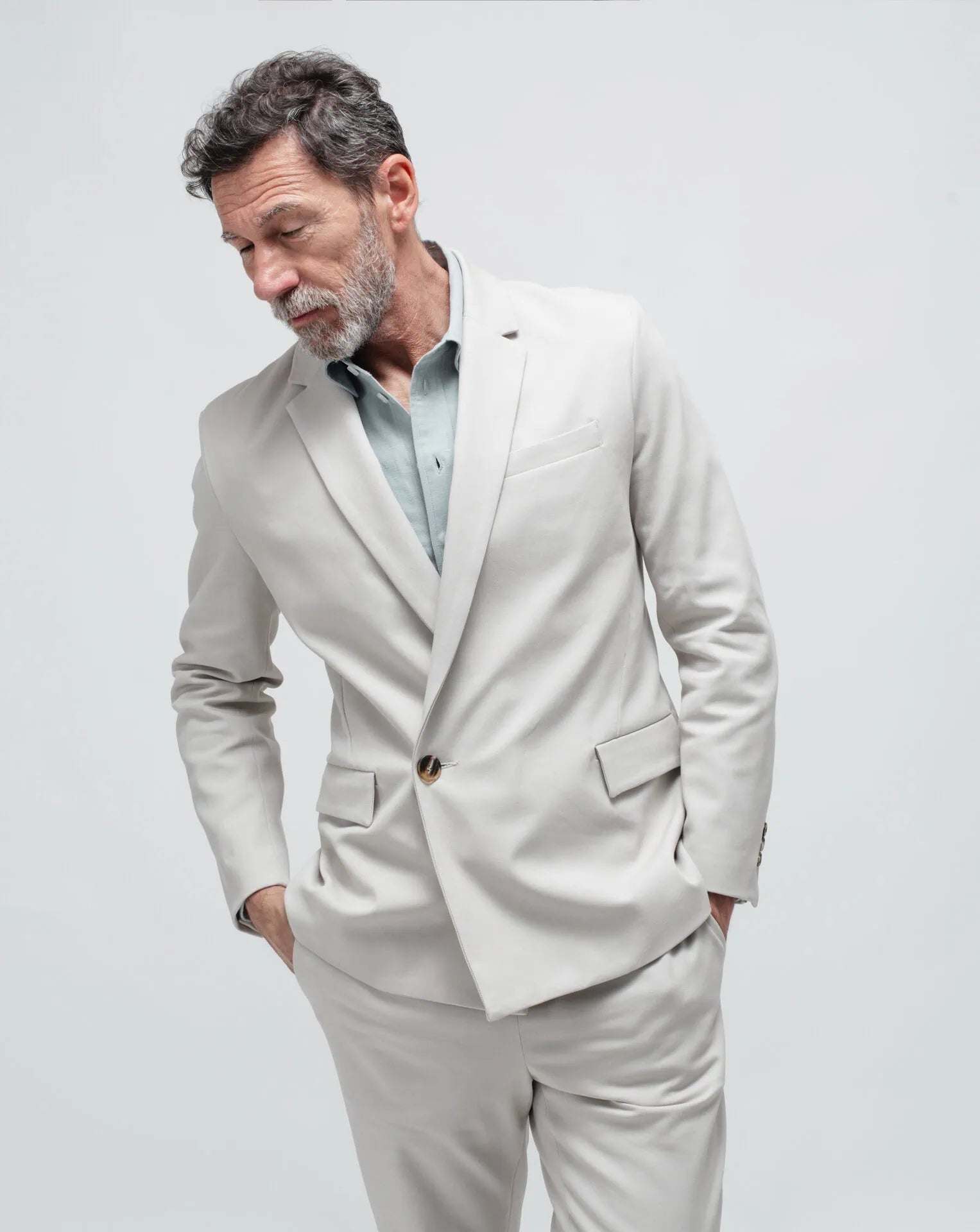
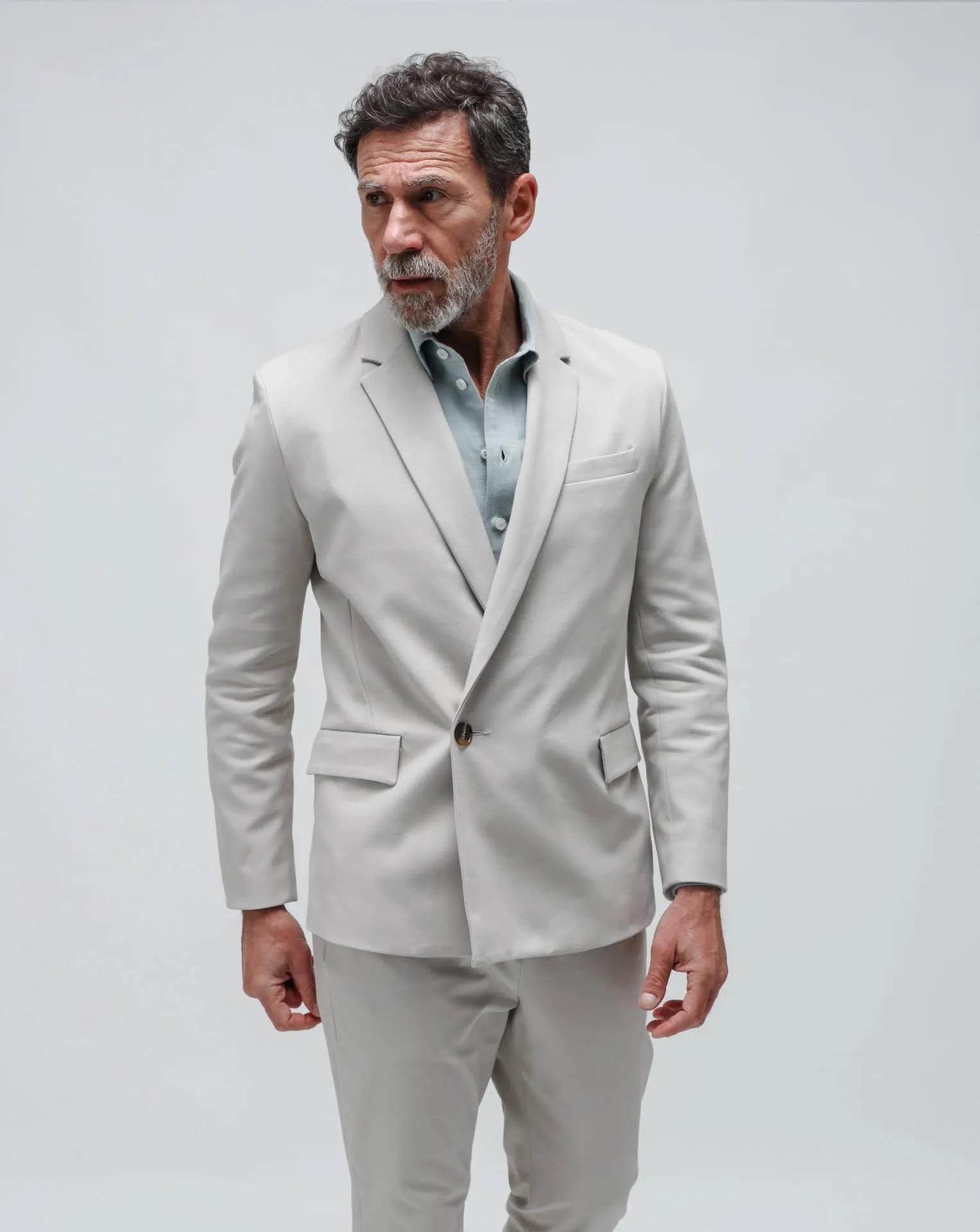
3. The Double-Breasted Coat
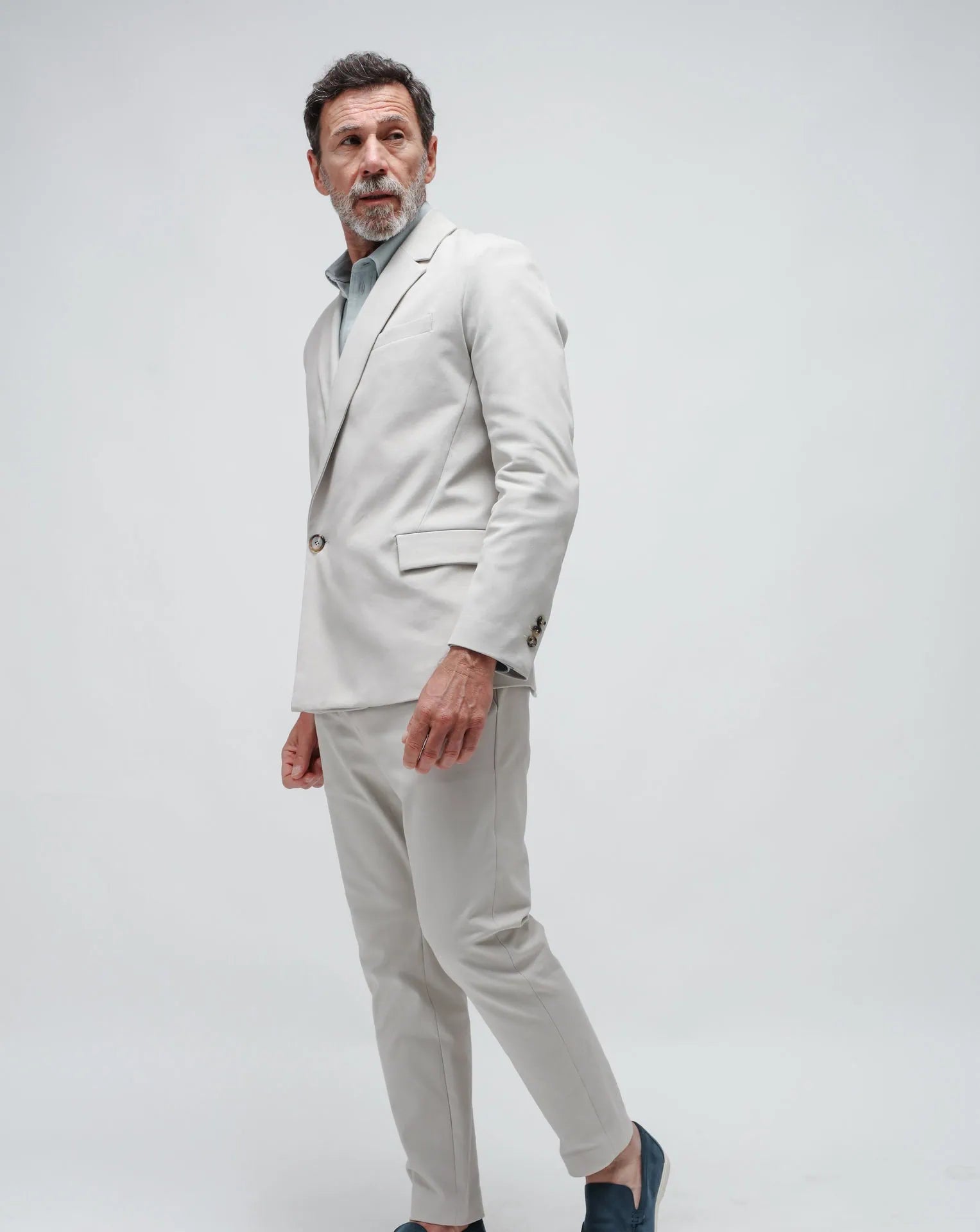
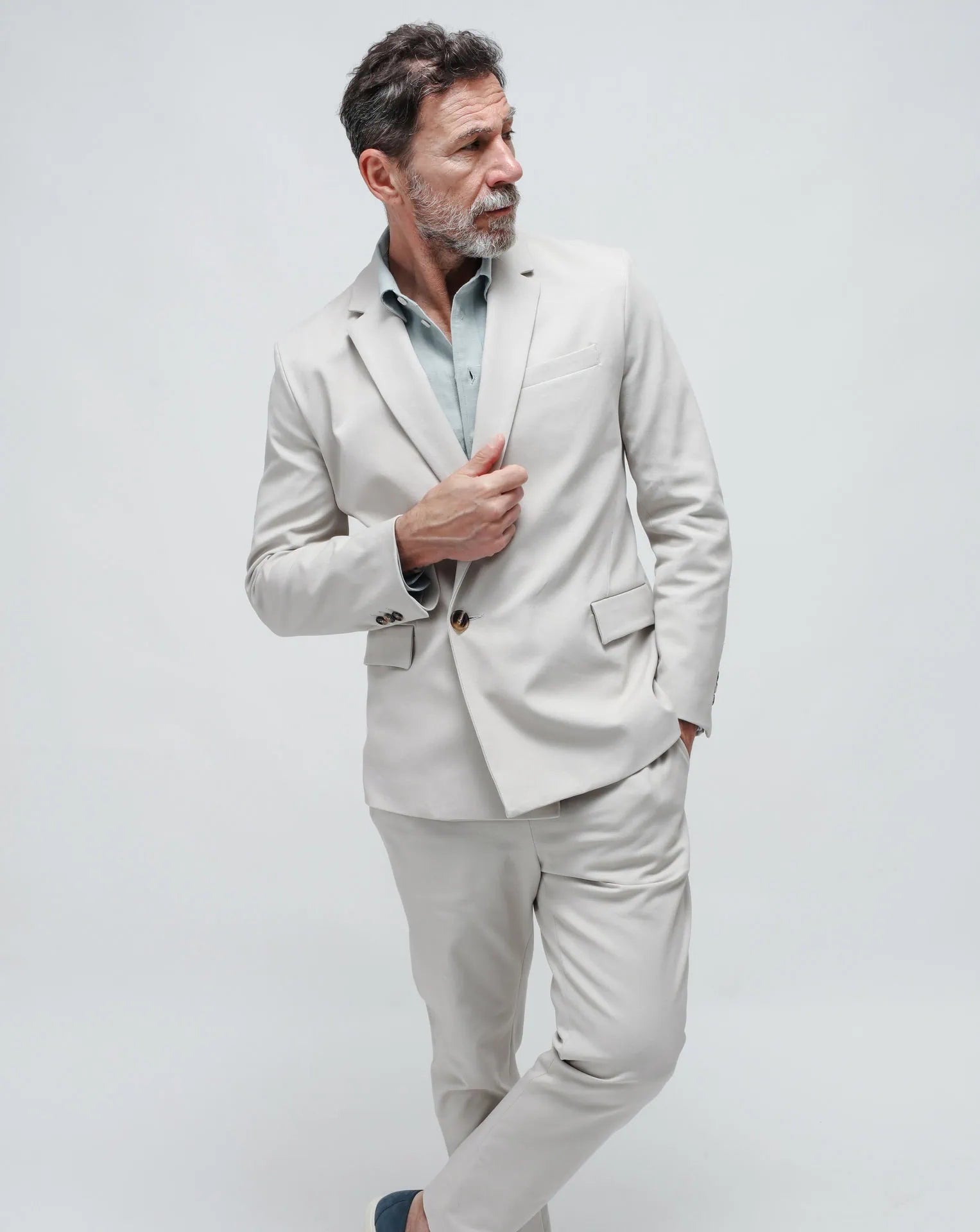
Double-breasted tailoring offers a stronger shoulder line and a more architectural silhouette. It works beautifully for people who want their outerwear to feel decisive rather than delicate. Make sure the buttons sit flat when closed and that the front does not pull across the chest. A good fit here is what separates timeless presence from unnecessary bulk.
4. The Quilted Coat
A quilted coat is a practical middle ground for variable weather. It is lighter than a heavy puffer but warmer than an unlined wool layer, making it useful for travel and transitional months. Look for a clean quilting pattern and a matte finish if you want it to work with more elevated outfits.
5. The Long Puffer
For genuinely cold conditions, the long puffer is hard to replace. Coverage through the hips and thighs changes how comfortable a winter walk can feel. The best versions avoid excessive volume through a considered stitch pattern, a high collar, and an adjustable waist or side snaps. Choose a length that does not interfere with your stride.
6. The Short Puffer
A cropped or hip-length puffer feels more casual and more mobile. It suits driving, active weekends, and relaxed city dressing, especially with high-rise trousers. It will not provide the same protection as a long coat, so consider it a strong second coat if winter temperatures regularly stay below freezing.
7. The Car Coat
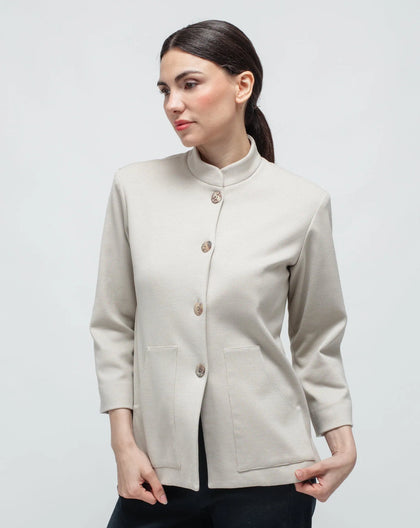
Traditionally cut to around mid-thigh, the car coat is an understated everyday option. It offers more coverage than a jacket without the formality of a full-length overcoat. This silhouette is especially useful for those who move between meetings, errands, and dinner without wanting to change their entire look.
8. The Oversized Tailored Coat
An oversized coat can look effortless, but only when the proportions are deliberate. Look for a defined shoulder, enough sleeve length, and a body that feels spacious rather than shapeless. This style is ideal for layering over blazers and thick sweaters. If you are petite, a slightly shorter oversized cut often keeps the effect intentional.
9. The Faux-Fur Trim Coat
A detachable faux-fur collar or trim can add texture and visual warmth to a simple winter uniform. Keep the rest of the coat restrained: clean lines and a neutral palette prevent the look from feeling overly decorative. Detachable details also create more ways to wear one piece across the season.
10. The Shearling-Effect Coat
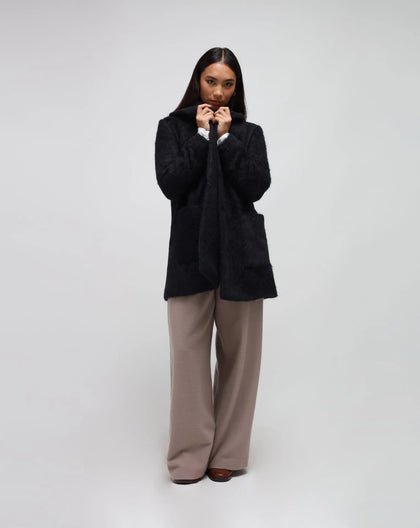
A shearling-effect coat brings softness to winter dressing and pairs naturally with denim, leather boots, and relaxed tailoring. It is often best for dry cold, since moisture can be less forgiving on textured surfaces. Consider it when you want a statement layer that still feels grounded in everyday wear.
11. The Water-Resistant Trench Coat
Not every winter day calls for insulation. In rainy, temperate places, a water-resistant trench with room for layers may be the coat you use most. It is a smart option for travel because it handles shifting forecasts and still looks composed indoors. Check that the fabric has enough density to resist wind, not just a surface treatment for light rain.
12. The Statement Coat
A saturated color, distinctive check, or unusual texture can turn a necessary layer into the center of an outfit. The key is to let the coat do the work. Keep the shape classic and the styling simple, so the piece remains wearable beyond one season. In a limited-edition wardrobe, a statement coat should feel personal, not disposable.
Choose Fabric With Your Climate in Mind
Wool is a natural choice for refined city dressing because it insulates, breathes, and holds a tailored shape. A wool-rich blend can offer easier care and added durability, though the exact composition matters. Read it closely rather than assuming a coat that feels substantial is necessarily warm.
For colder and wetter conditions, quilted or insulated outerwear may be more practical. Insulation traps heat, while a wind-resistant shell helps preserve it. If you spend most of your day indoors and outside only in short intervals, a beautiful wool coat may serve you better than an expedition-level puffer. If your commute includes a train platform, biking, or long walks, performance becomes non-negotiable.
A fabric's story matters alongside its function. Small-batch production and premium deadstock fabrics reduce the pressure to create more material when exceptional fabric already exists. At Humans & Land, that approach informs a winter wardrobe designed around fewer, better pieces rather than seasonal excess.
How to Get the Fit Right Online
Start with your intended layers. If you normally wear a fine knit, shop close to your usual size. If you expect to wear chunky sweaters or a blazer underneath, prioritize the garment measurements and shoulder room over the number on the label. A coat that is too tight through the upper back will stay in your closet, no matter how beautiful it looks.
Check sleeve length with your everyday shoes and bags in mind. Sleeves should reach the wrist or slightly beyond, especially in a tailored wool style. For long coats, consider your height and typical hem lengths. A fuller midi skirt needs room underneath; slim trousers can carry a more fitted silhouette.
Featured product placement: [Insert product name - structured double-breasted winter coat]
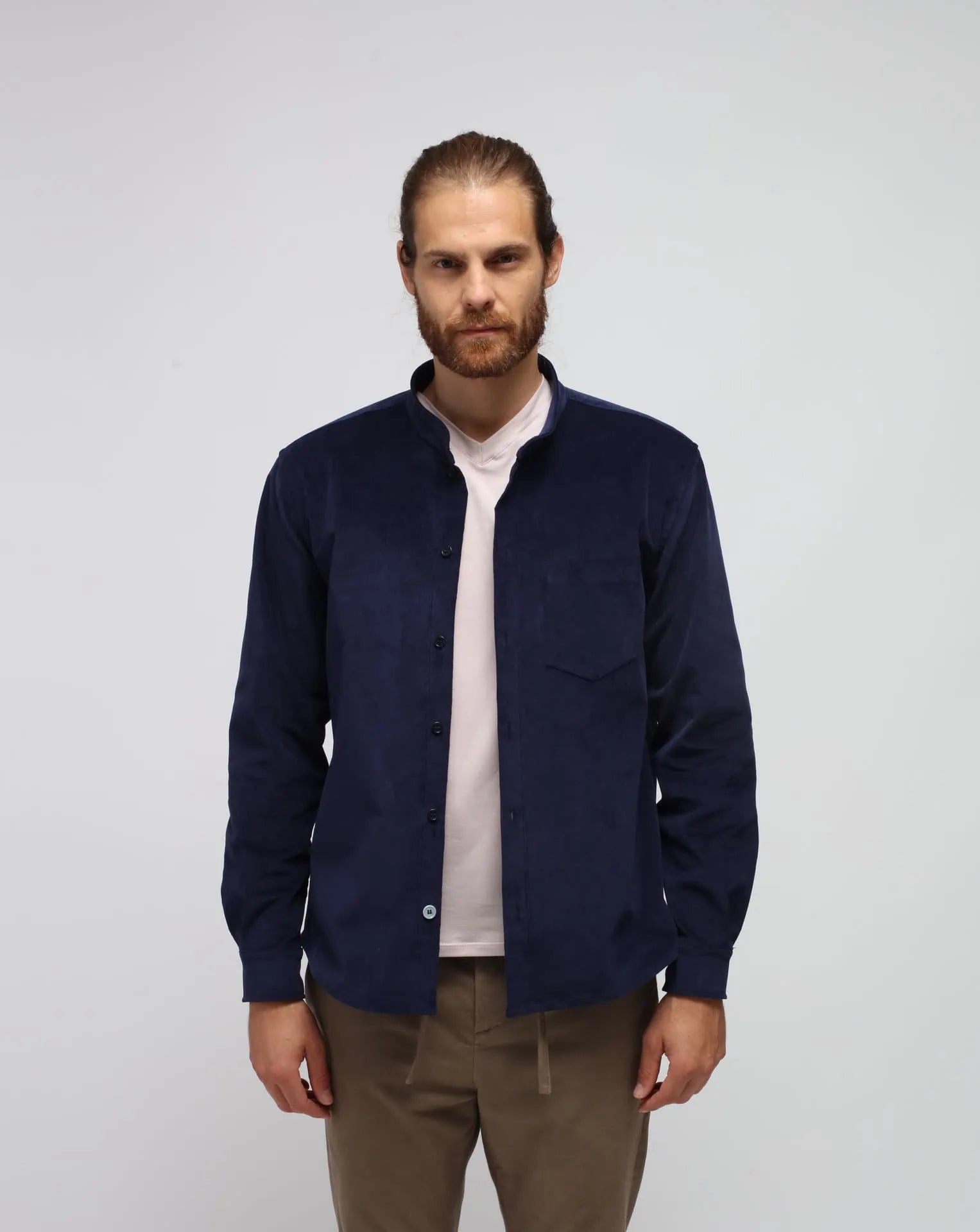
For a more coordinated cold-weather wardrobe, consider the men’s outerwear collection when shopping for a partner or building a thoughtful gift. Shared standards matter: lasting fabric, considered fit, and clothing made to be worn often.
Care Is Part of the Investment
Hang coats on broad, supportive hangers and give them space between wears. Brush wool gently to remove surface dirt, spot-clean quickly, and follow the care label rather than over-cleaning. For puffers, store them clean and fully dry, never compressed for long periods. Care extends the life of the piece and keeps a limited production garment in circulation where it belongs: in your wardrobe, not in landfill.
The most useful winter coat is the one that meets you at the door without requiring a second thought. Choose warmth appropriate to your climate, a shape that supports your routine, and a fabric you can stand behind. That is how outerwear becomes part of a more intentional season.
FAQ
Q: What is the warmest type of women's winter coat?
A: A long insulated puffer is typically the warmest option because it combines heat-trapping fill with coverage below the hips. For dry urban winters, a heavyweight wool coat layered over knitwear can be warm enough and more versatile.
Q: Should a winter coat be oversized?
A: It should allow comfortable movement and the layers you actually wear. An oversized fit is useful over blazers and chunky knits, but a coat that is too large can let in cold air and lose its shape.
Q: Is wool warm enough for winter?
A: Yes, for many city winters. Wool is naturally insulating and breathable, but its effectiveness depends on weight, lining, wind, and how long you spend outdoors. Very cold or wet conditions may call for insulated outerwear instead.
Q: How many winter coats should I own?
A: Two well-chosen coats are often enough: one tailored wool style for polished daily wear and one weather-ready insulated option for cold, rain, or outdoor time. Add a statement coat only if it fills a real gap in how you dress.
Q: What makes a winter coat a more responsible purchase?
A: Prioritize fabric quality, a fit you will wear repeatedly, transparent production, and a design that can outlast one trend cycle. A coat that stays in regular use for years is a better choice than several short-lived alternatives.
the World of H&L