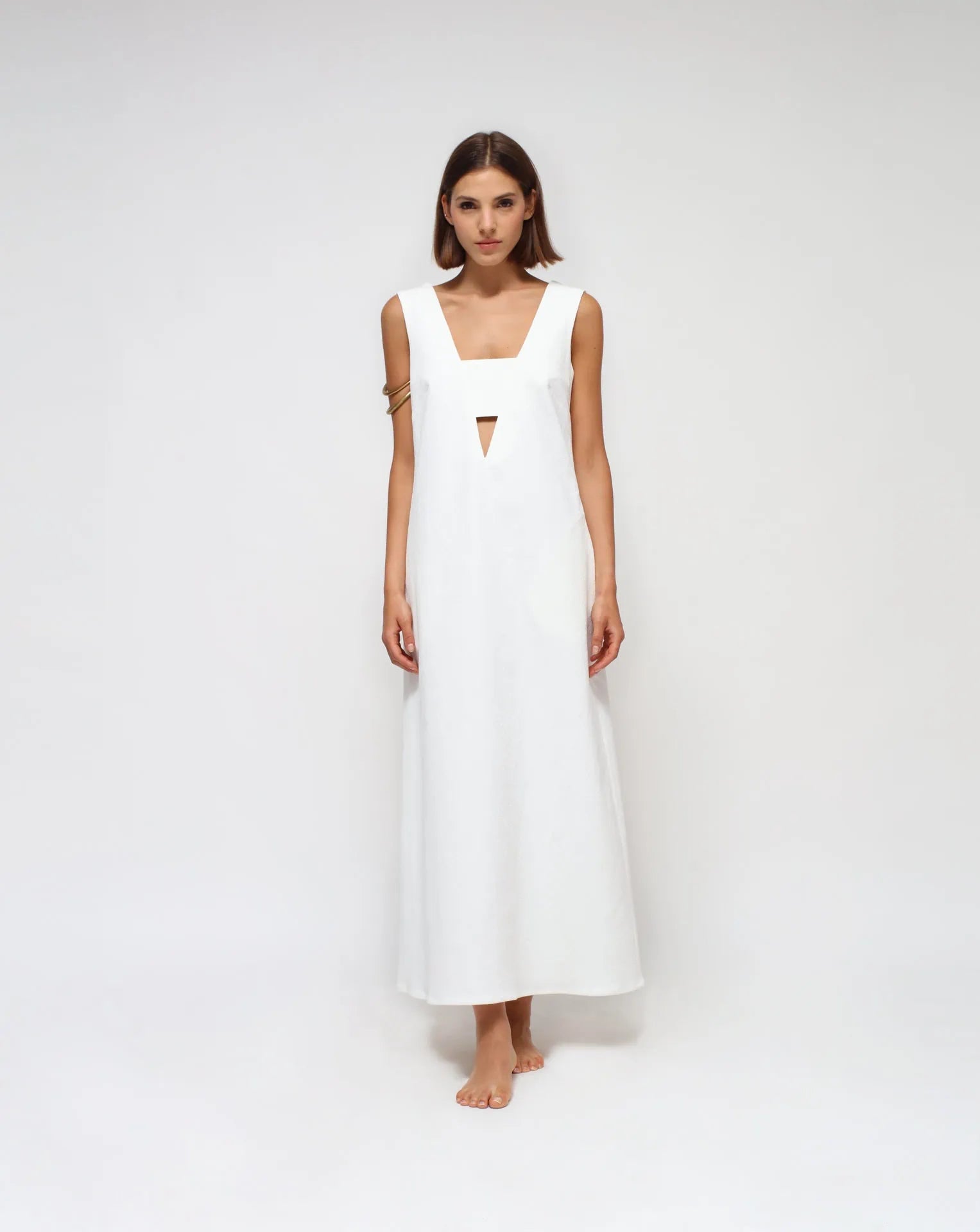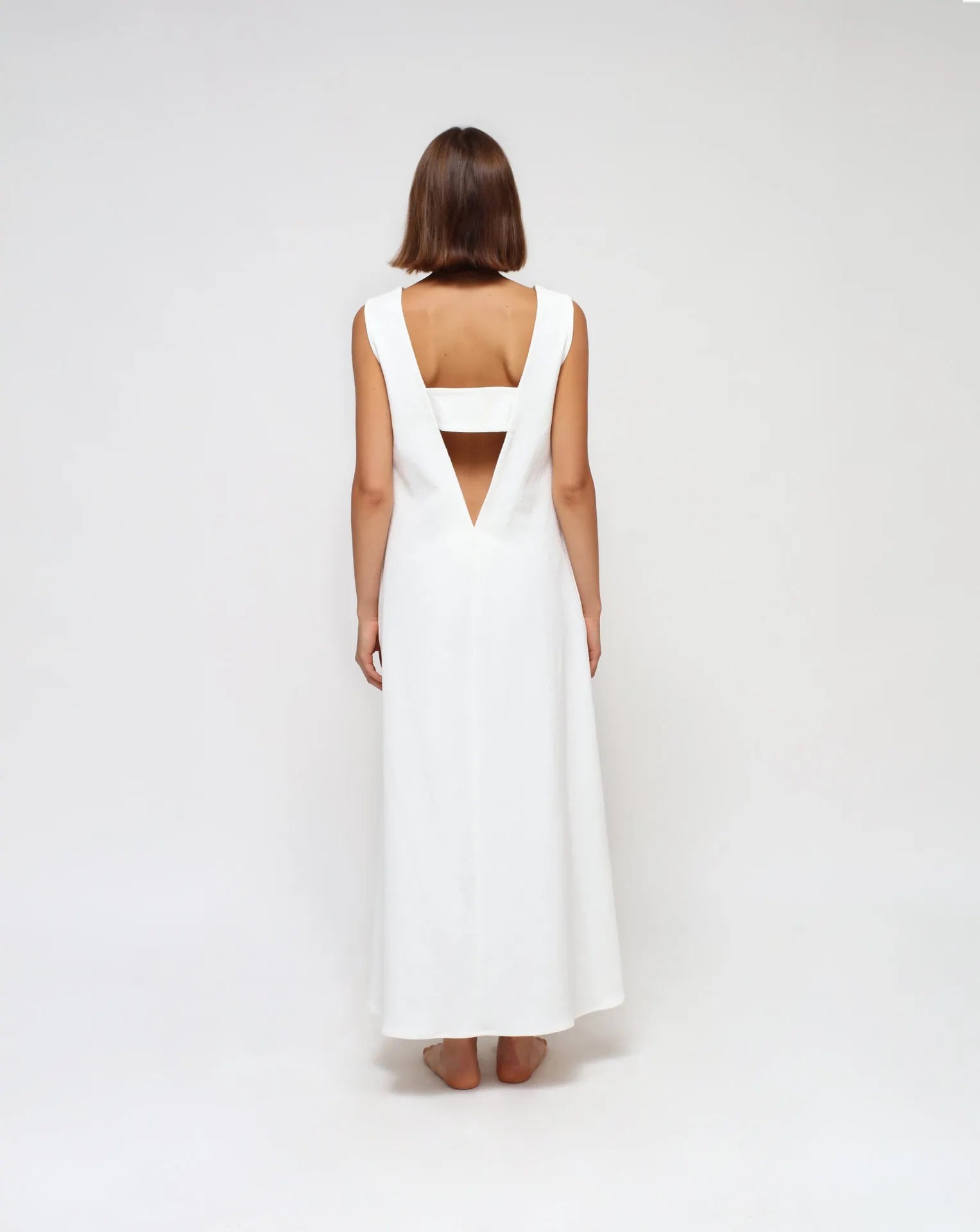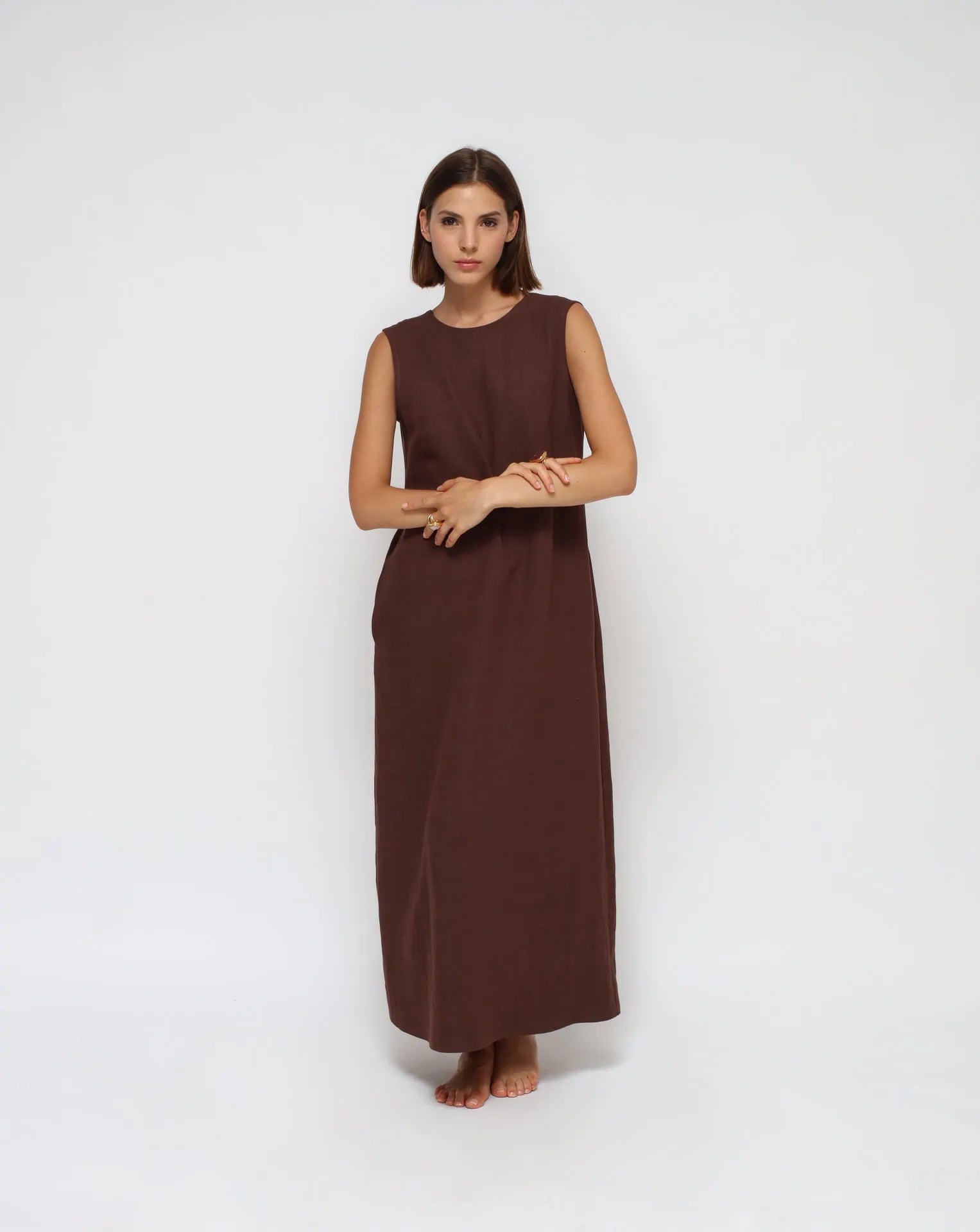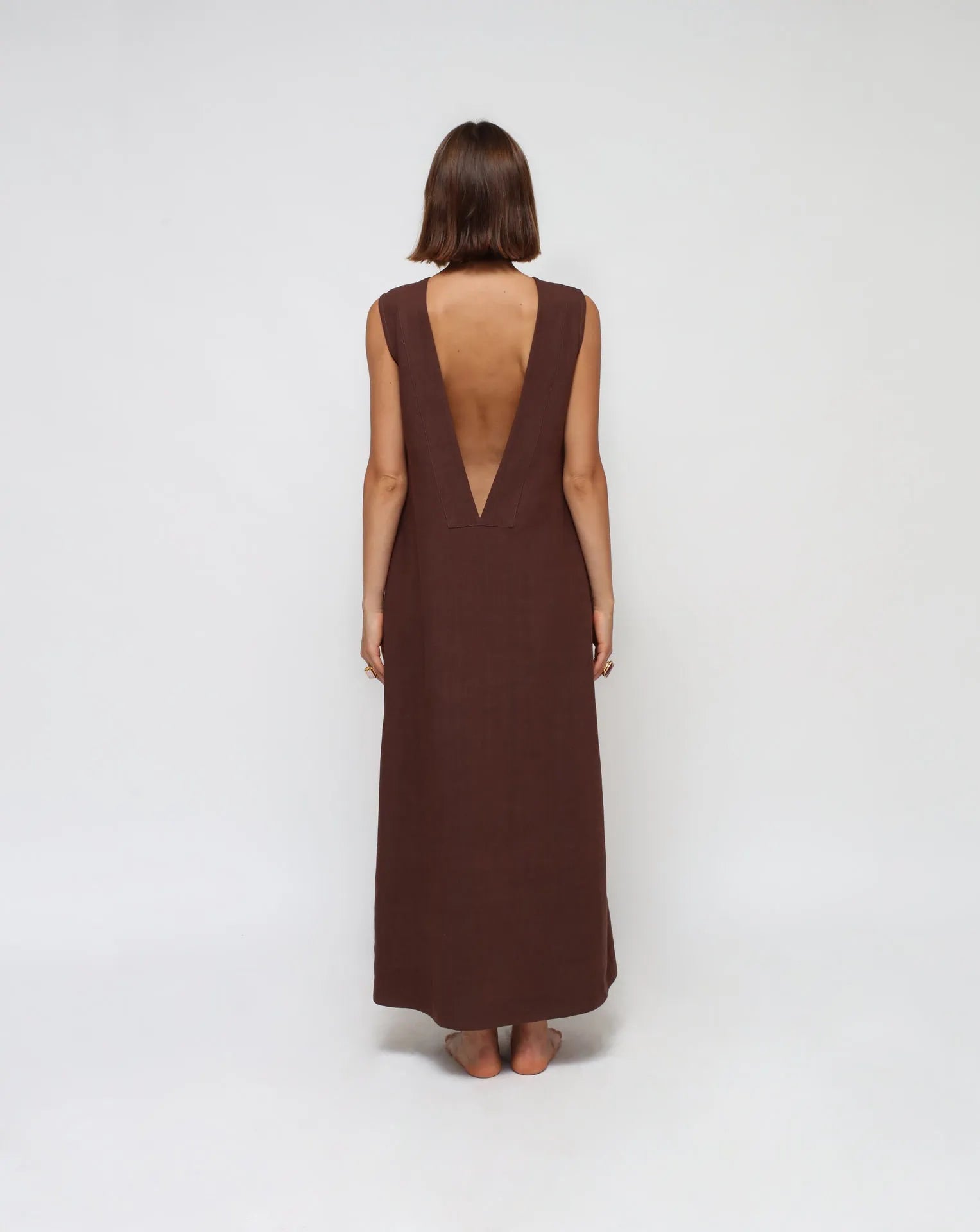

Deadstock Fabric vs Organic Cotton Compared
A fabric label can make a powerful promise, but it rarely tells the whole story. In the debate over deadstock fabric vs organic cotton, there is no universal winner. One choice addresses surplus already sitting in the fashion supply chain. The other addresses how a new fiber is grown. Both can belong in a more considered wardrobe. Neither gives a brand permission to produce carelessly.
For a winter wardrobe built to be worn for years, the better question is not simply, “Which fabric is more sustainable?” Ask: What is this garment made from, what waste does it prevent or create, how long will I wear it, and can I care for it well? That is where material decisions become meaningful.
Deadstock Fabric vs Organic Cotton: The Core Difference
Deadstock fabric is unused, surplus material left behind by mills, factories, or fashion houses. It may exist because a brand overestimated demand, changed a color direction, canceled an order, or required more fabric than a production run ultimately used. The fabric is new, but it has already been made and is at risk of becoming waste.
Organic cotton is newly grown cotton produced according to organic agricultural standards. Those standards generally restrict synthetic pesticides and fertilizers and focus on healthier soil systems. The fiber is then spun, woven or knitted, dyed, finished, and turned into fabric.
The distinction matters. Choosing deadstock redirects an existing material before it is discarded. Choosing organic cotton supports a different approach to growing new raw material. Deadstock is primarily a waste-reduction decision. Organic cotton is primarily a fiber-production decision.
They are not opposites. A roll of deadstock can itself be organic cotton. That is often an especially compelling option, although it still requires clarity about the fabric’s finish, dyeing, transport, and ultimate garment quality.
Why Deadstock Has a Place in Responsible Fashion
Fashion’s waste problem does not begin when a garment is thrown away. It begins much earlier, in sampling rooms, purchasing forecasts, color changes, canceled collections, and industrial overproduction. Deadstock gives exceptional fabrics another life without demanding new fiber production for that particular garment.
For limited-edition clothing, it also creates a more honest relationship with quantity. When a particular Italian wool blend, brushed twill, or textured suiting fabric is available only in a finite amount, production has a natural ceiling. There is no reason to manufacture thousands of identical pieces simply because a trend is moving quickly.
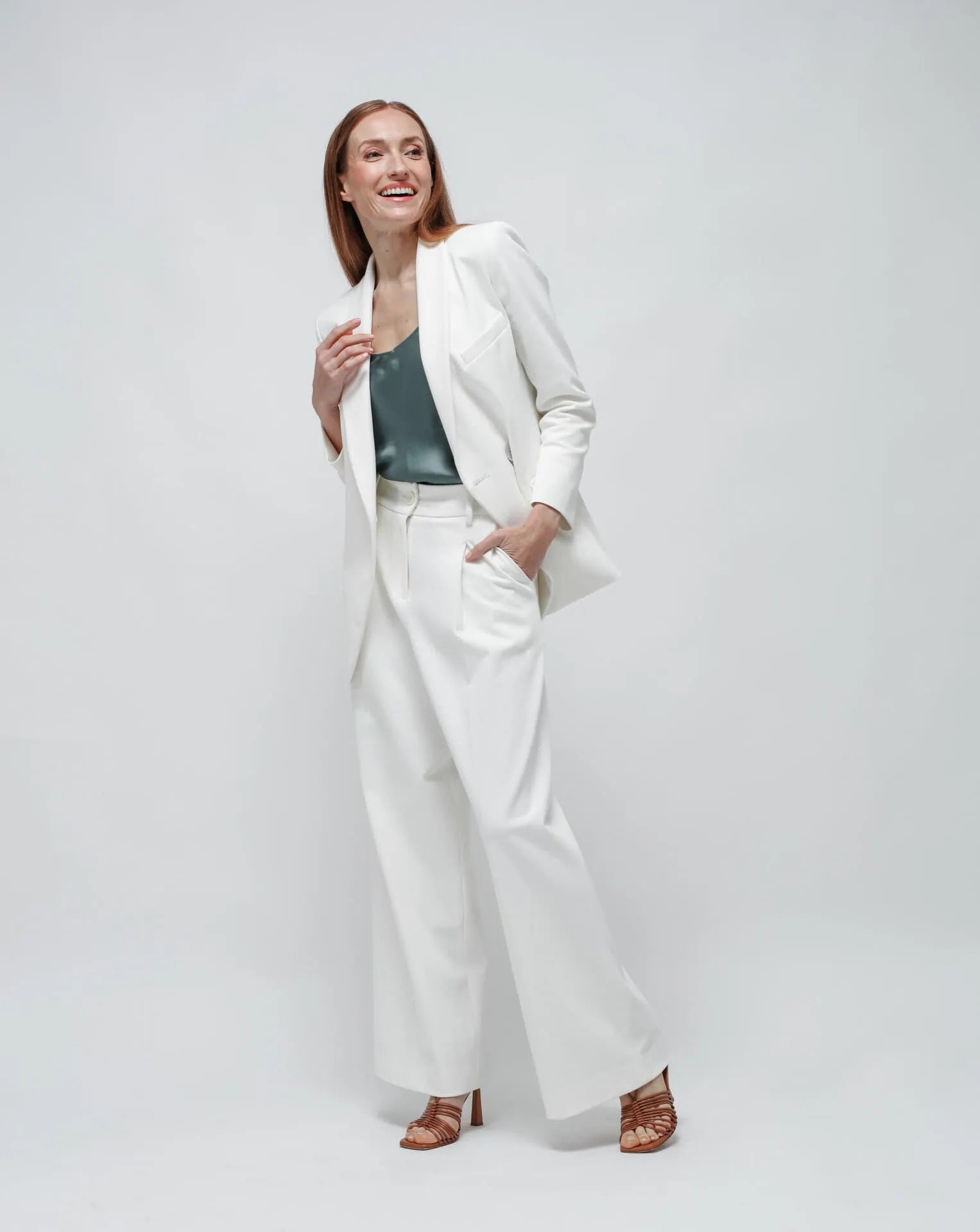
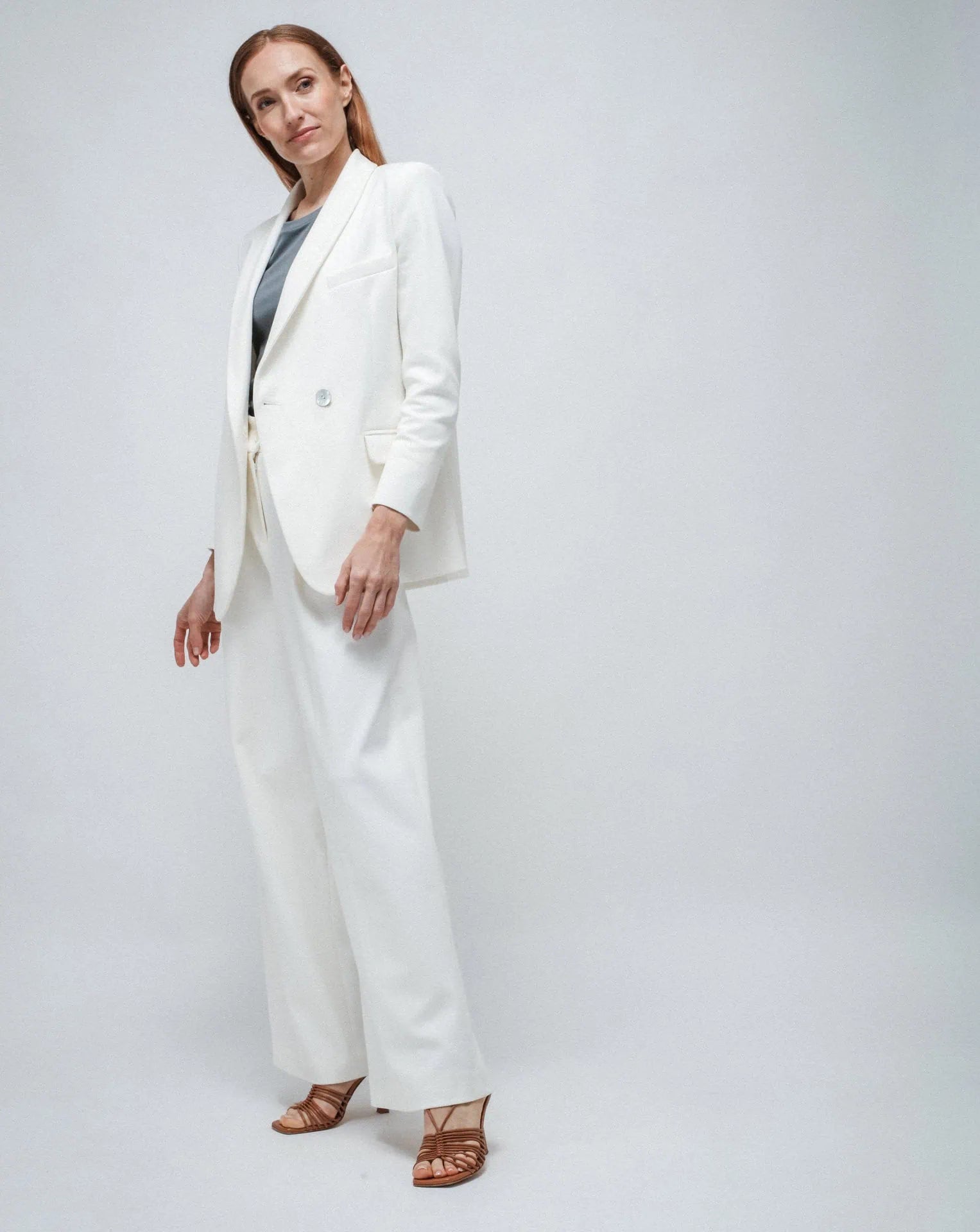
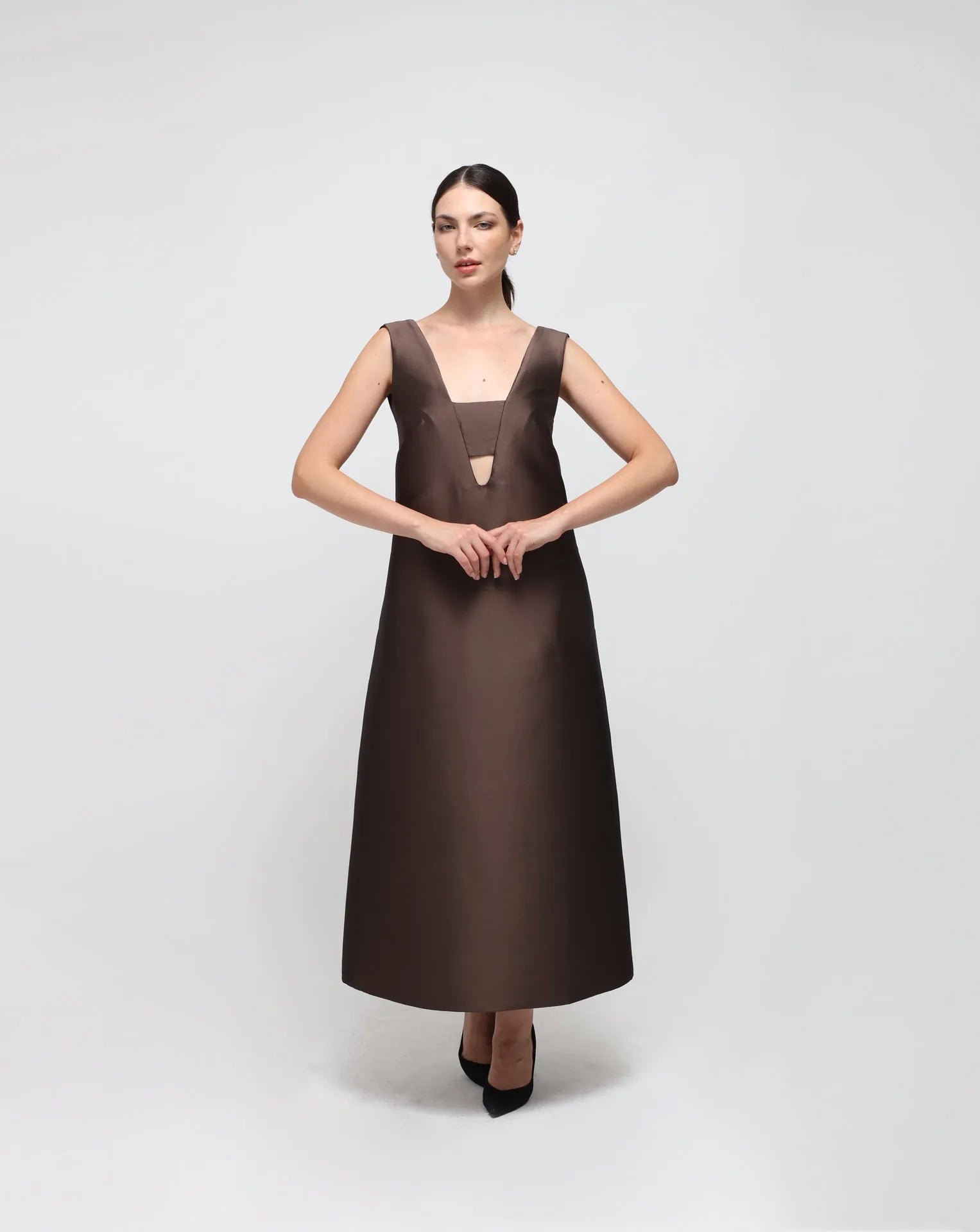
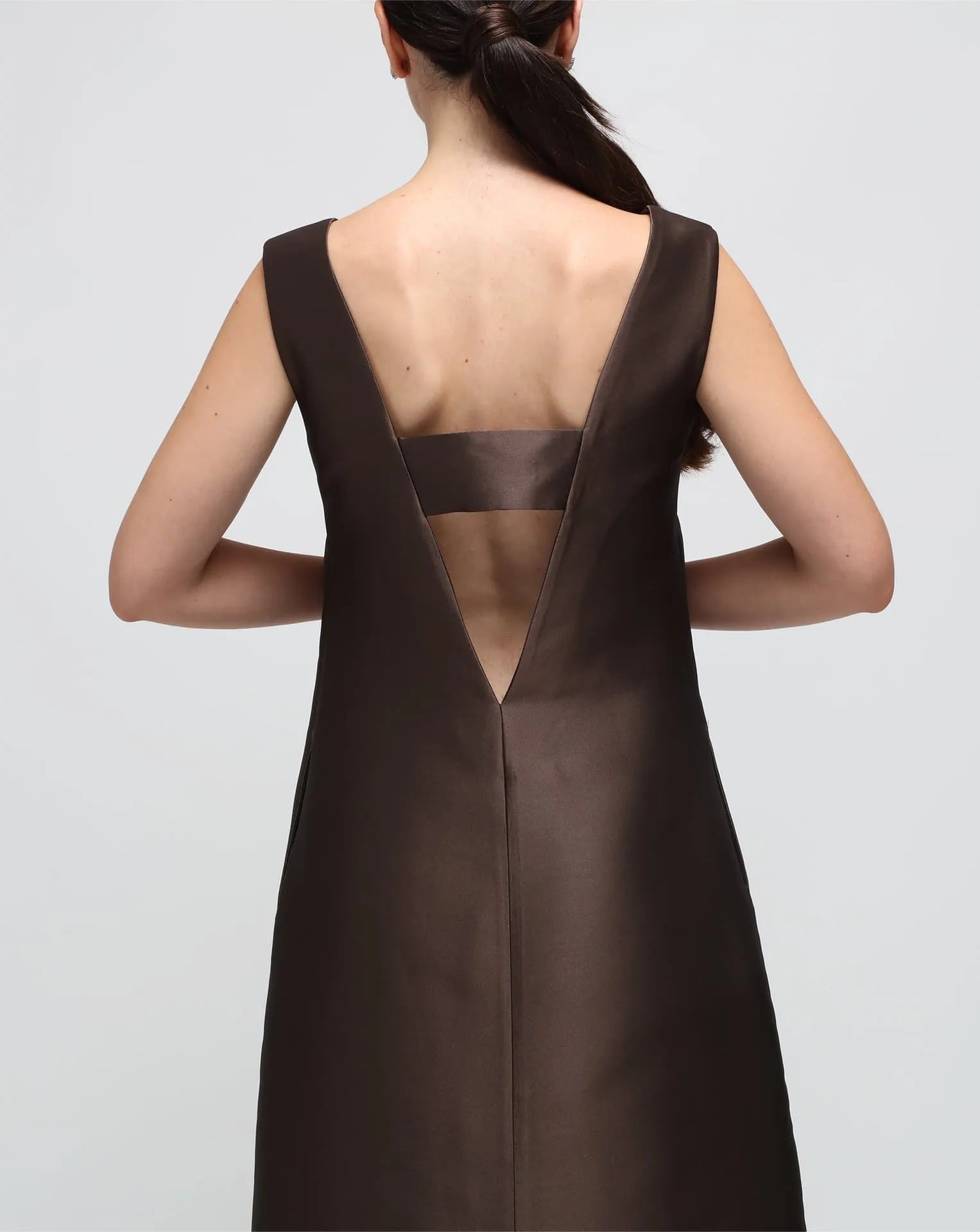
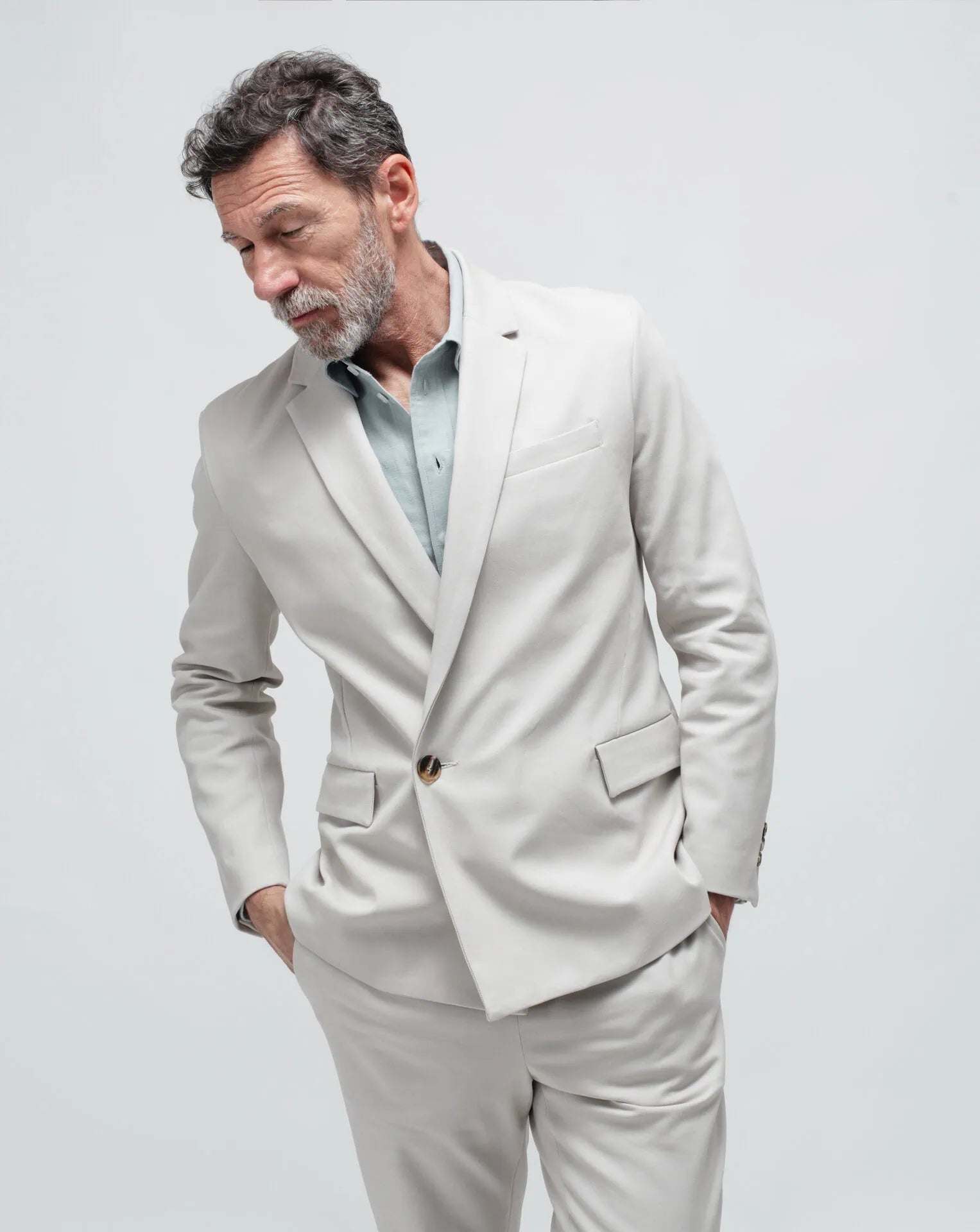
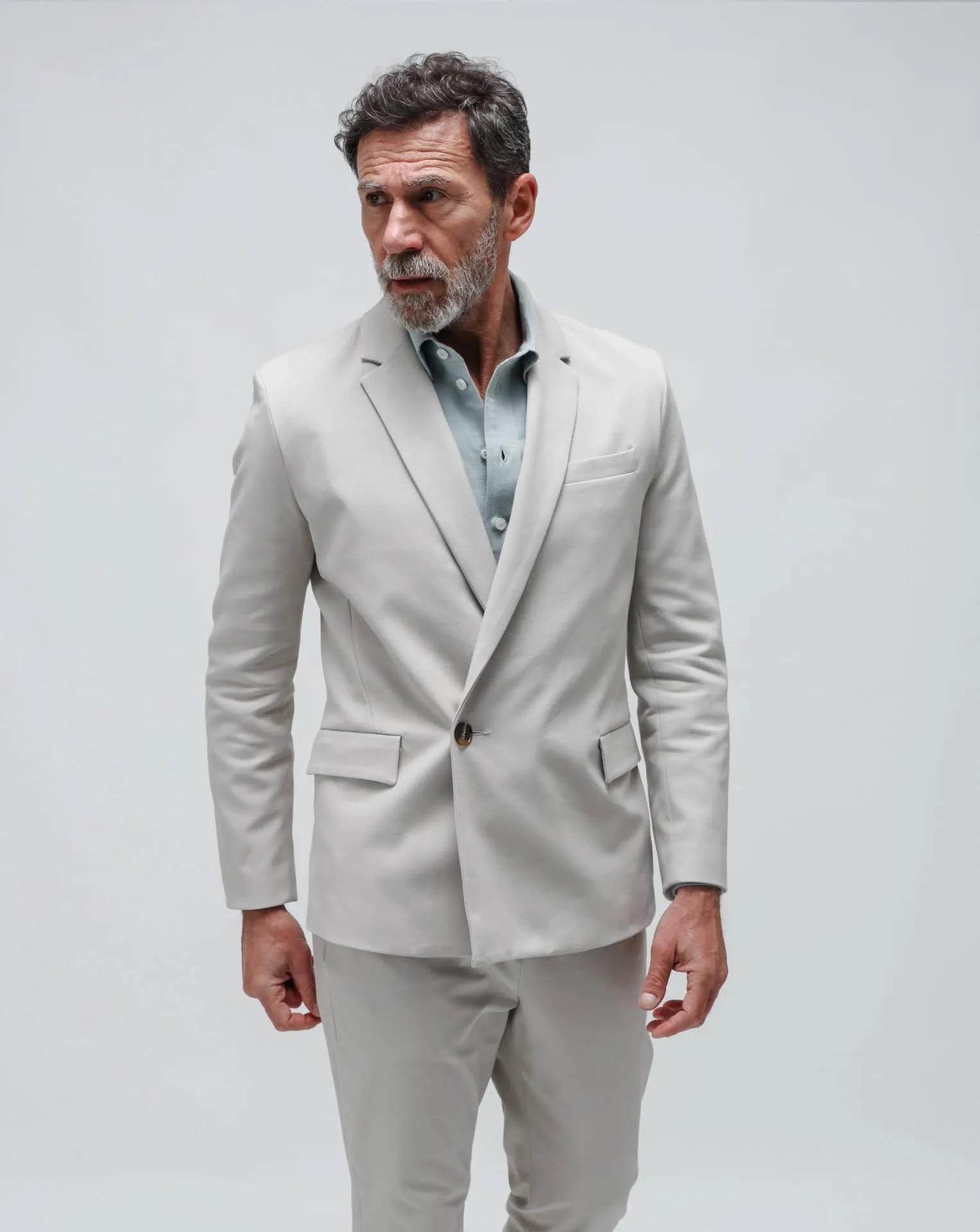
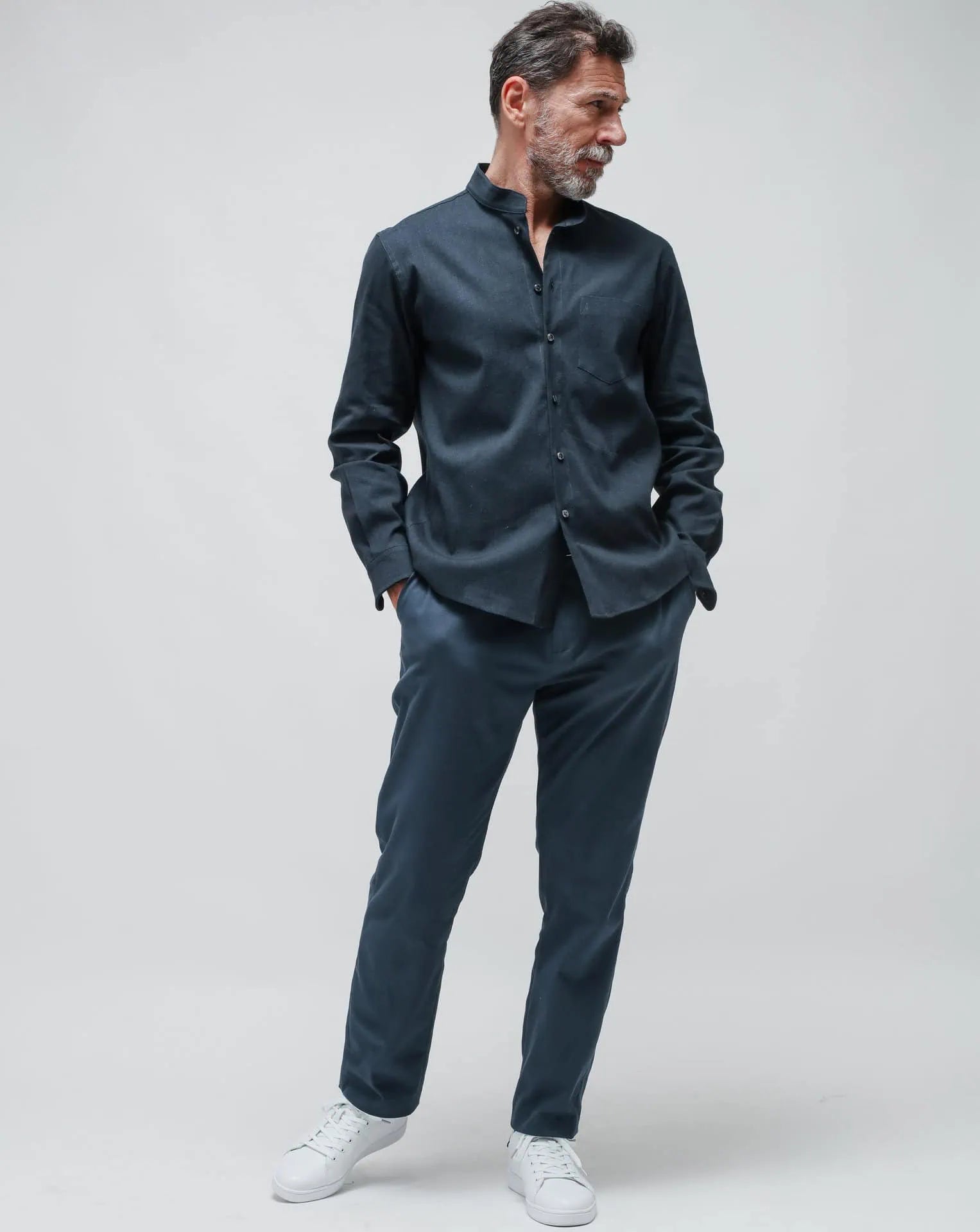
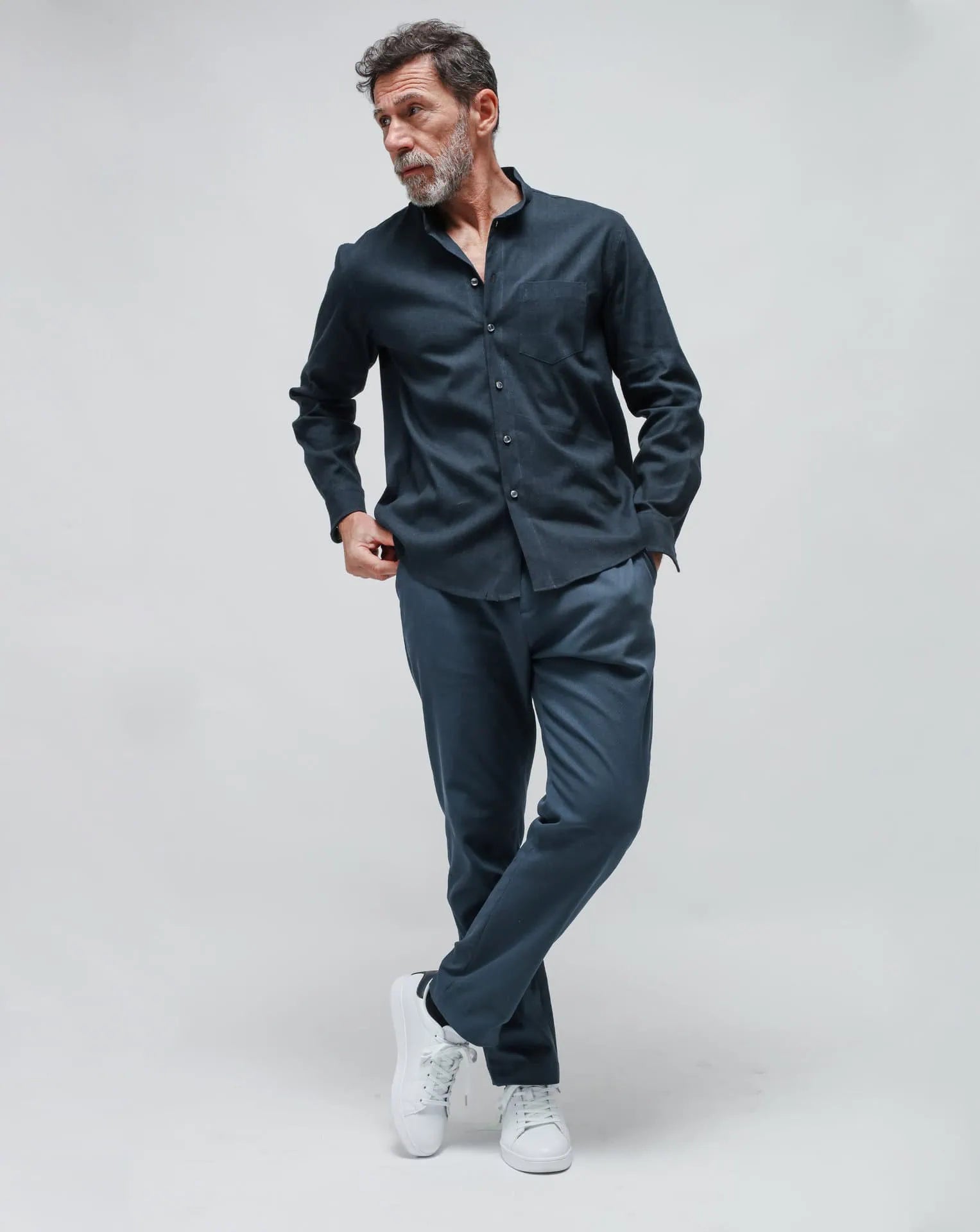
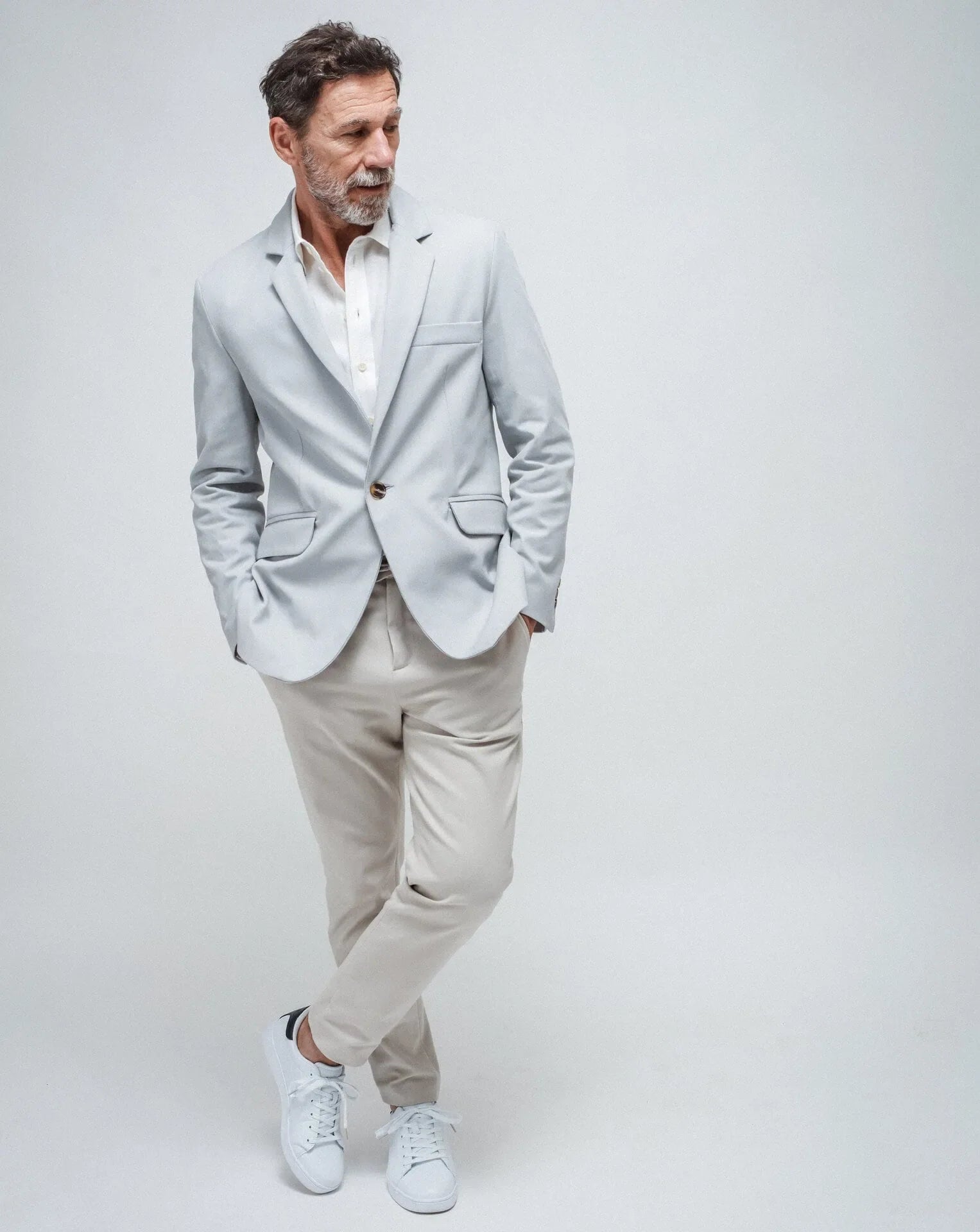
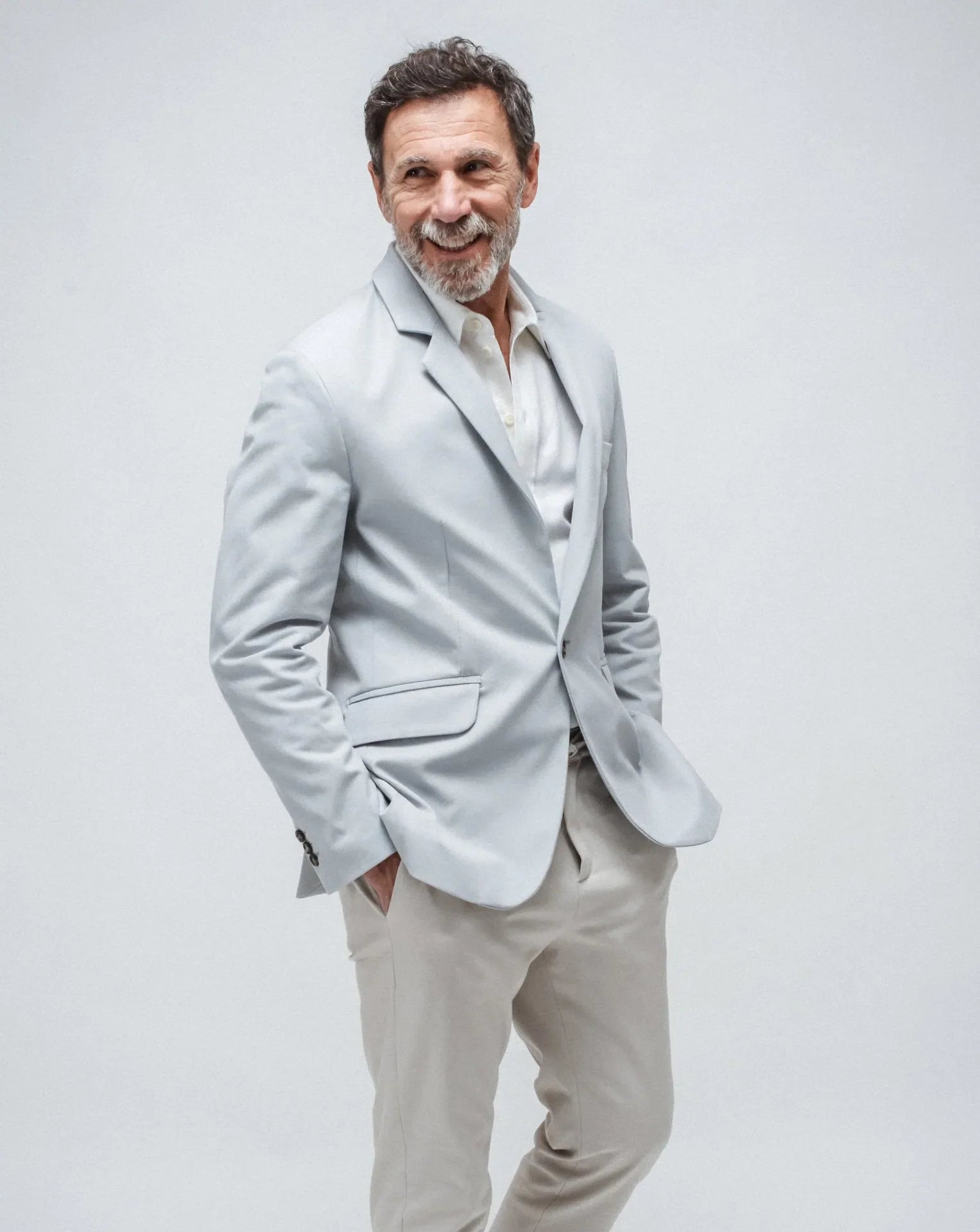
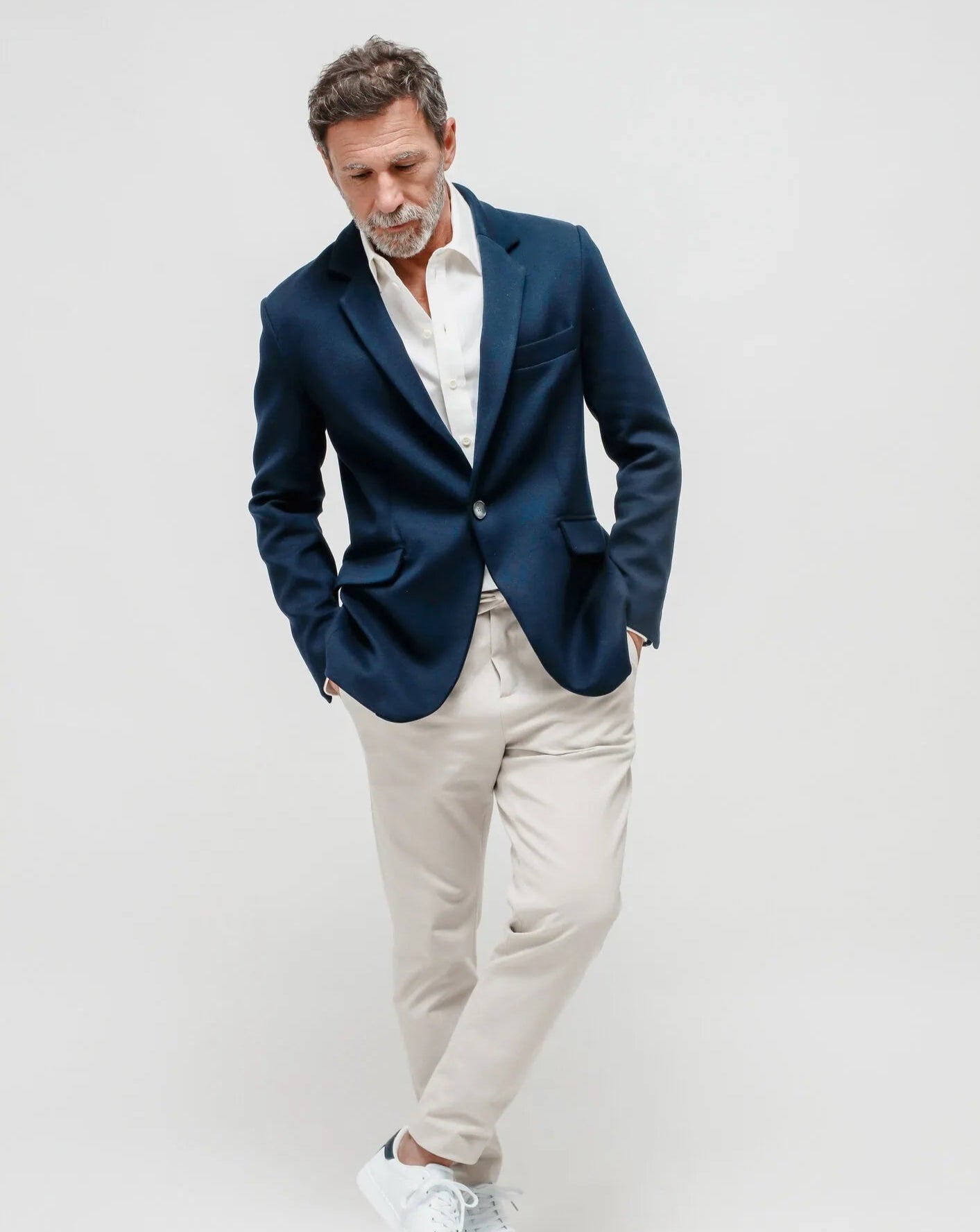
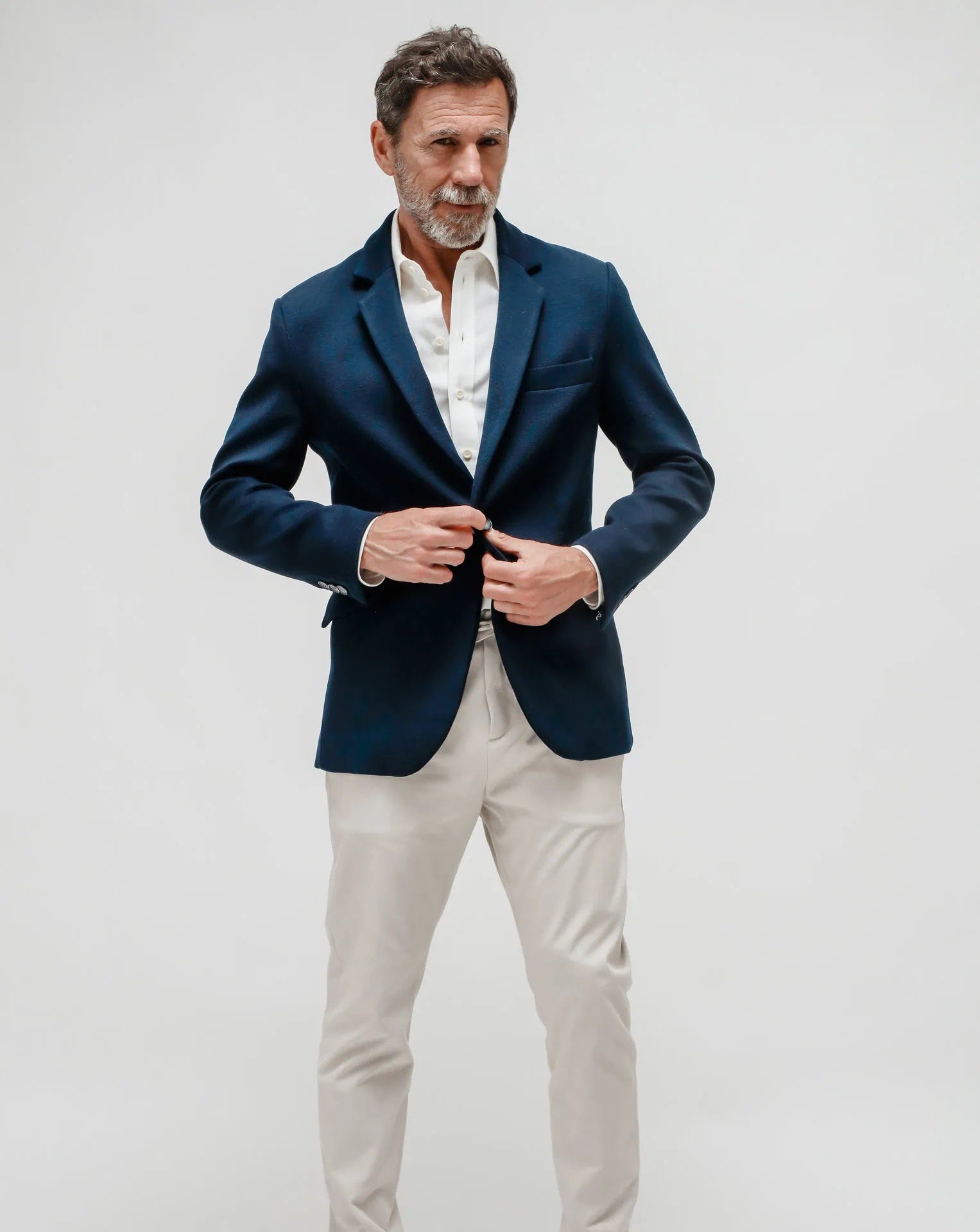
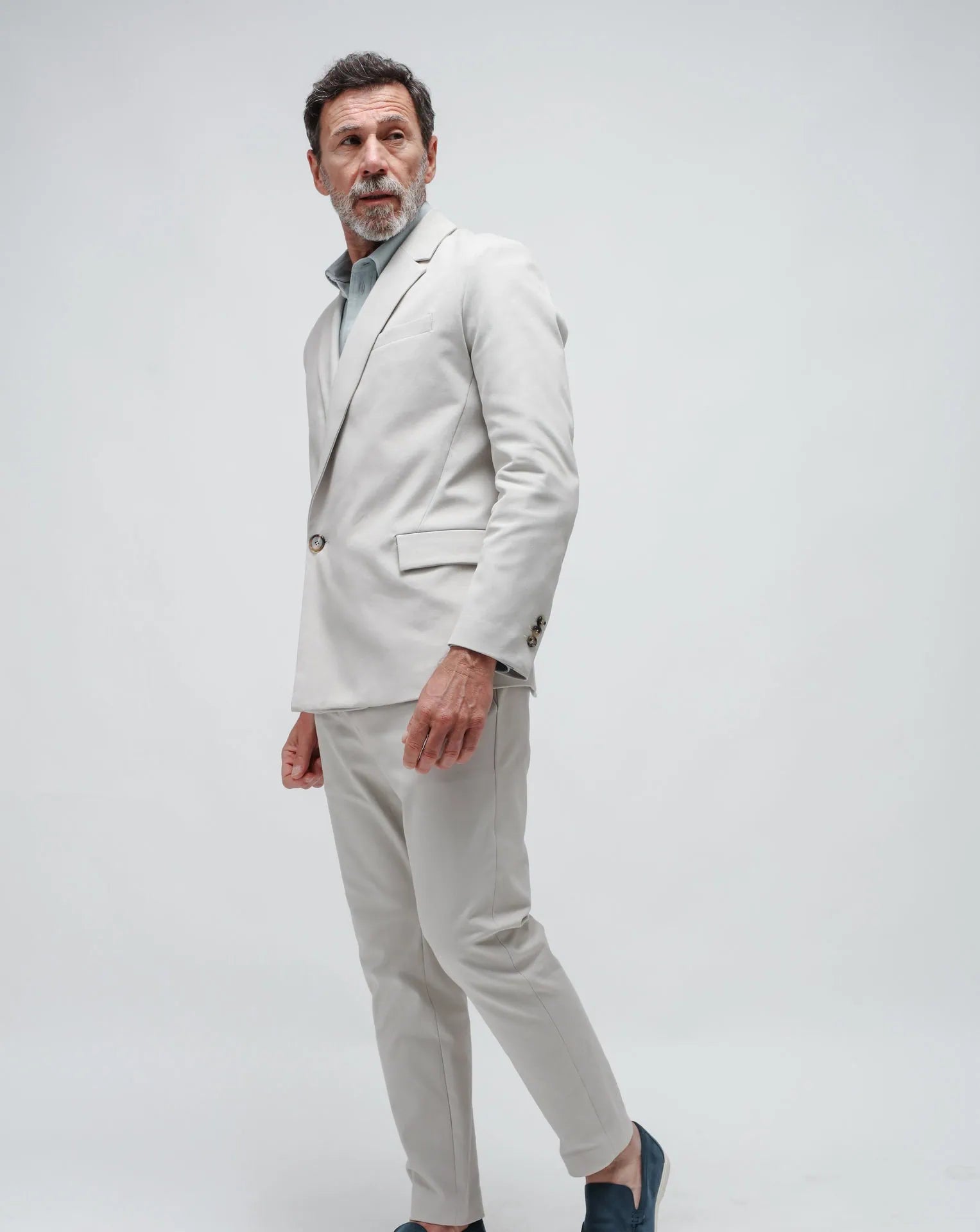
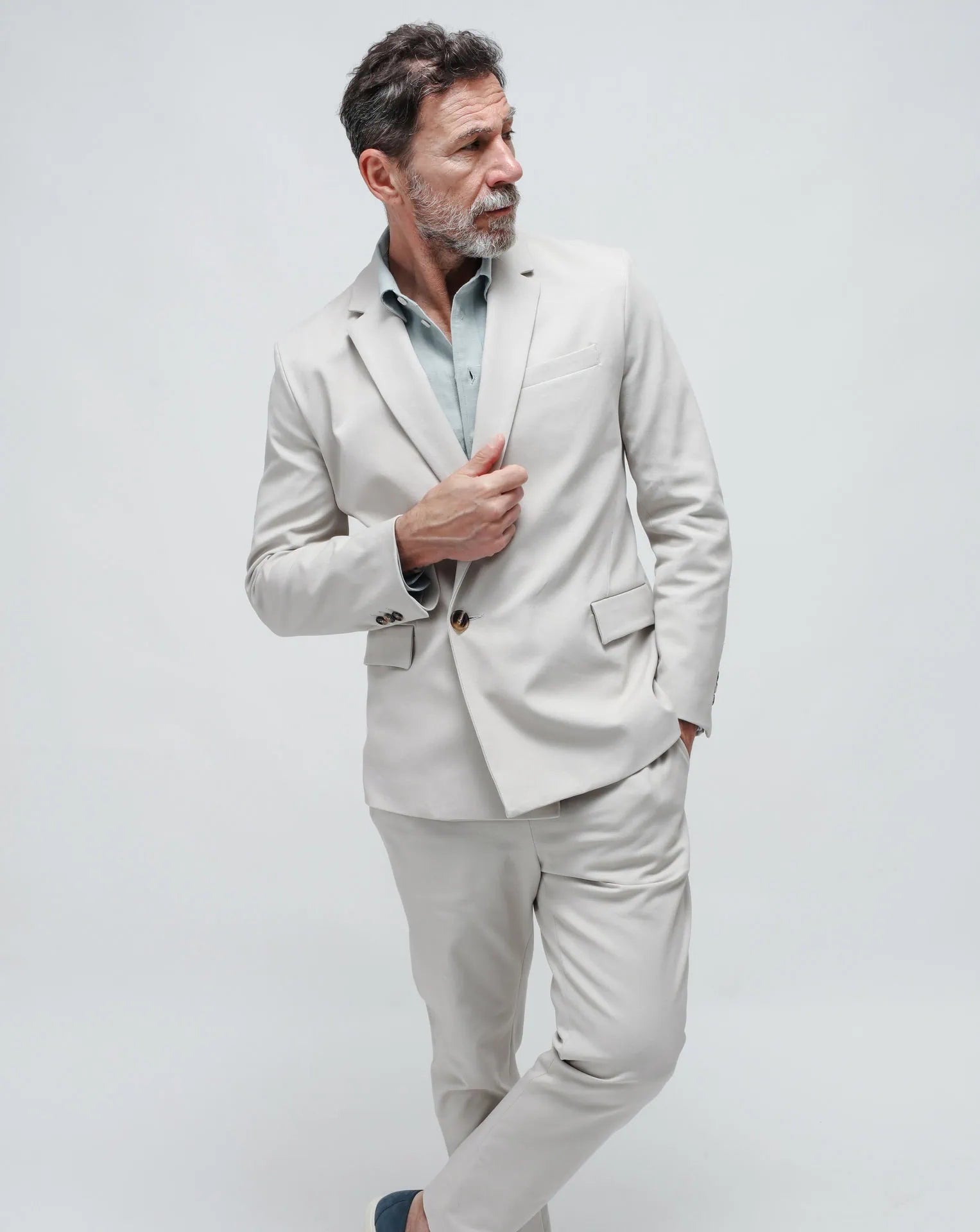
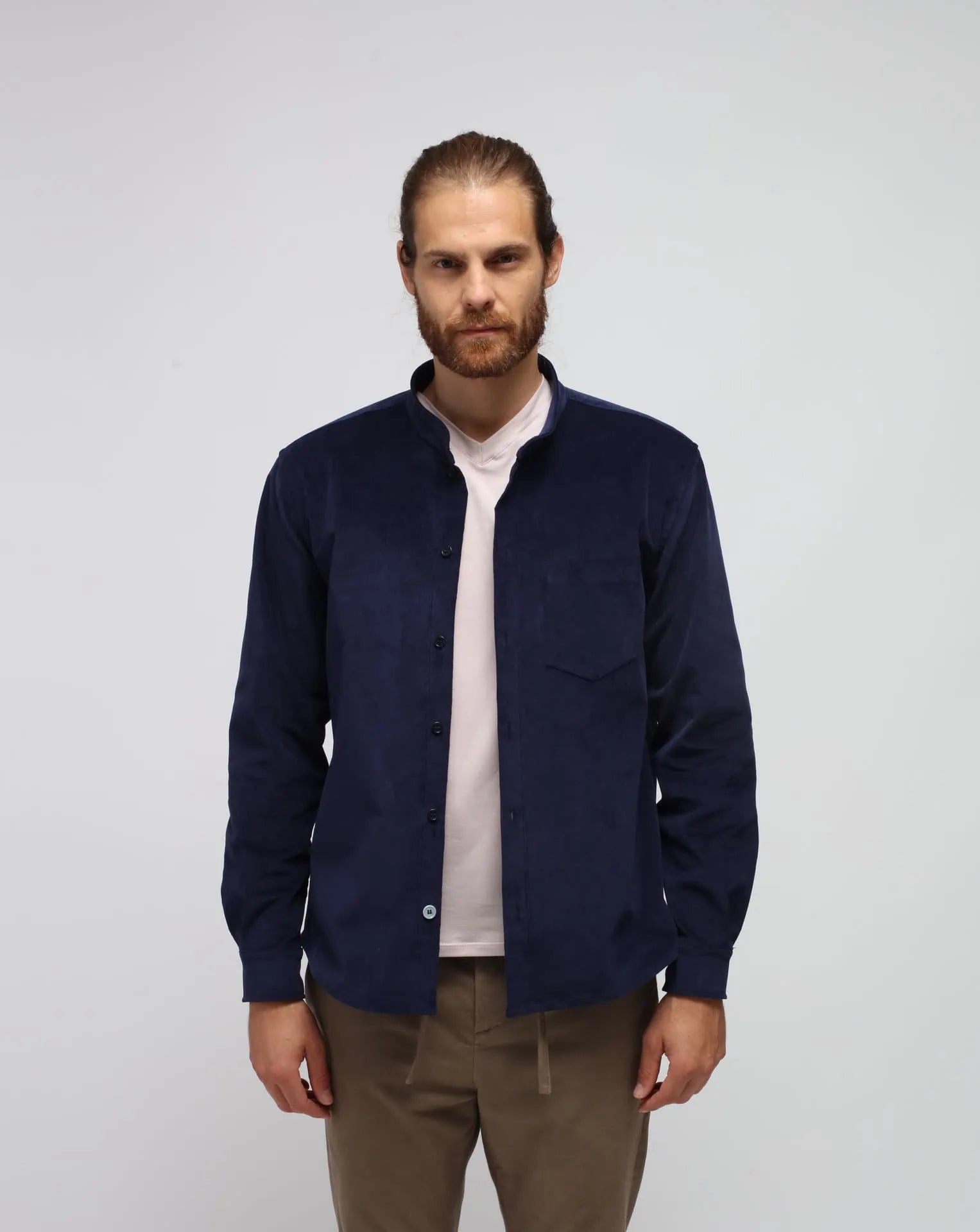
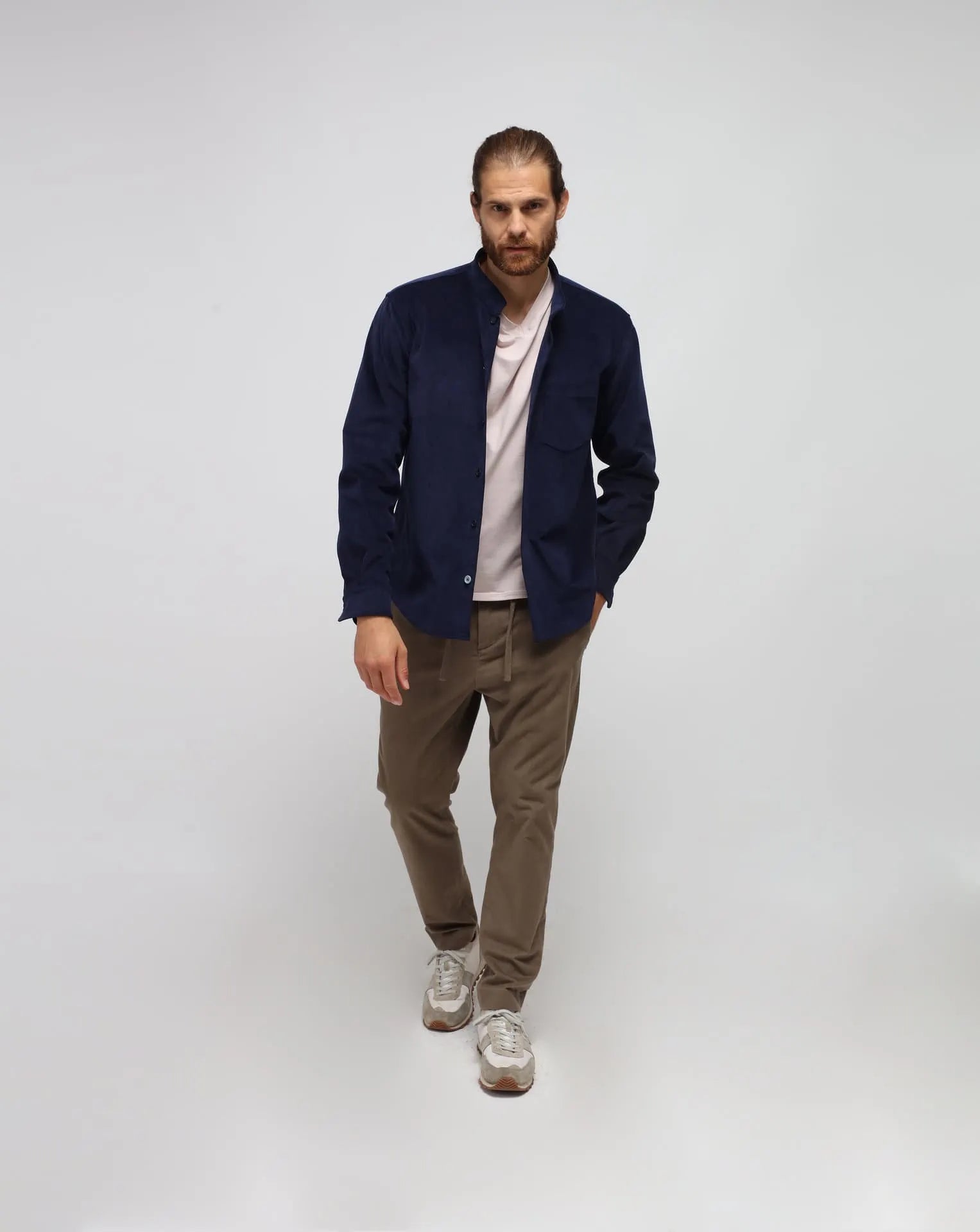
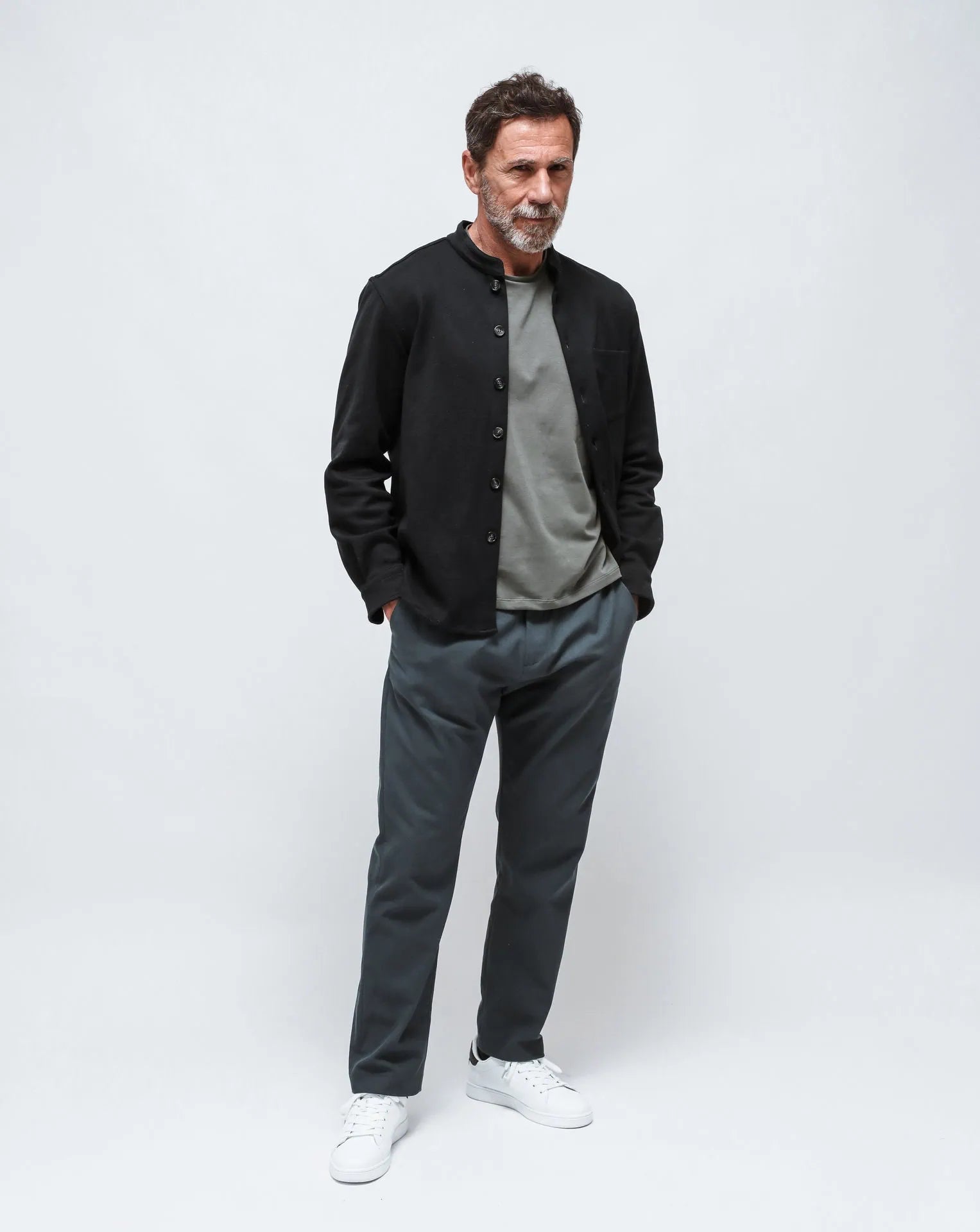
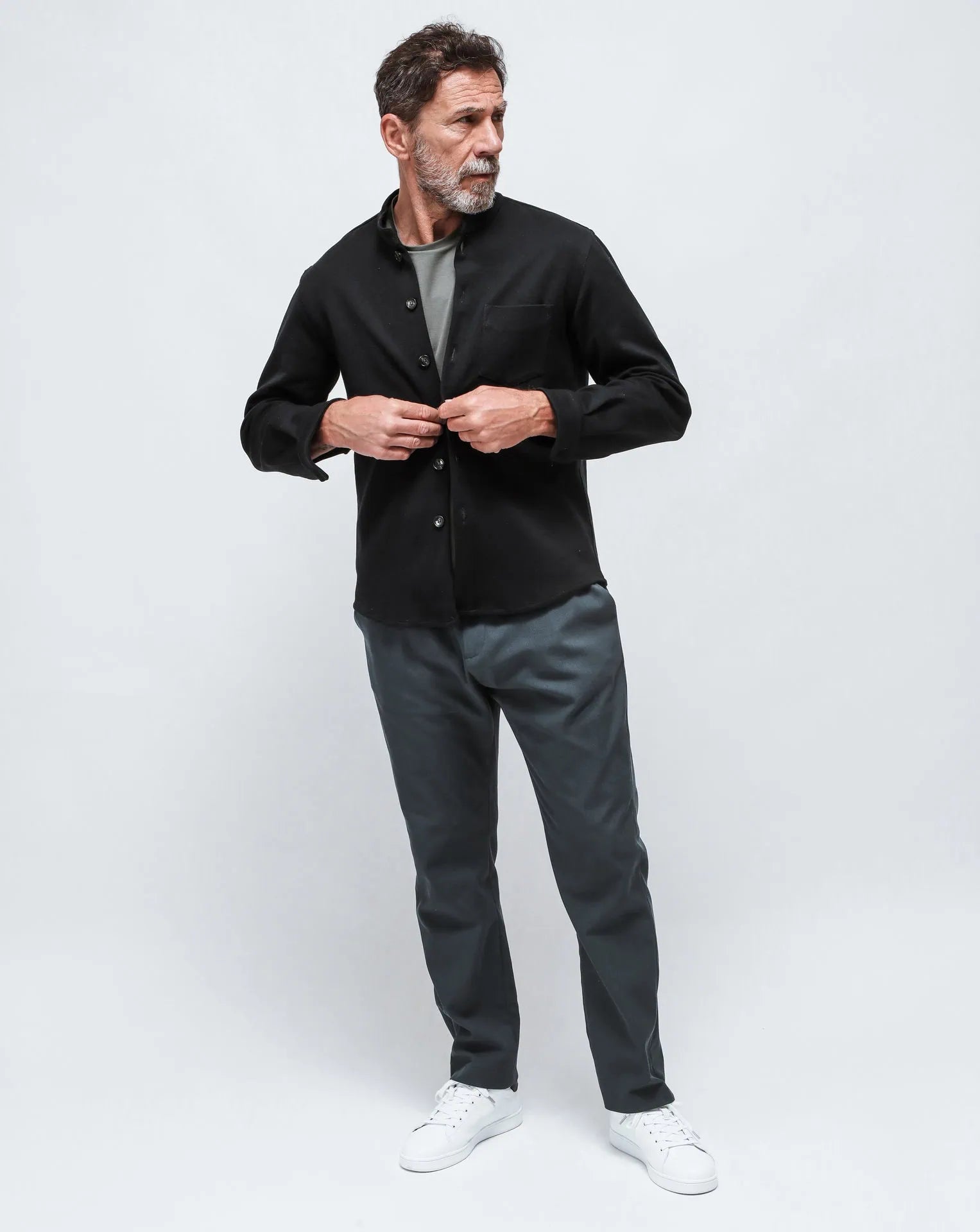
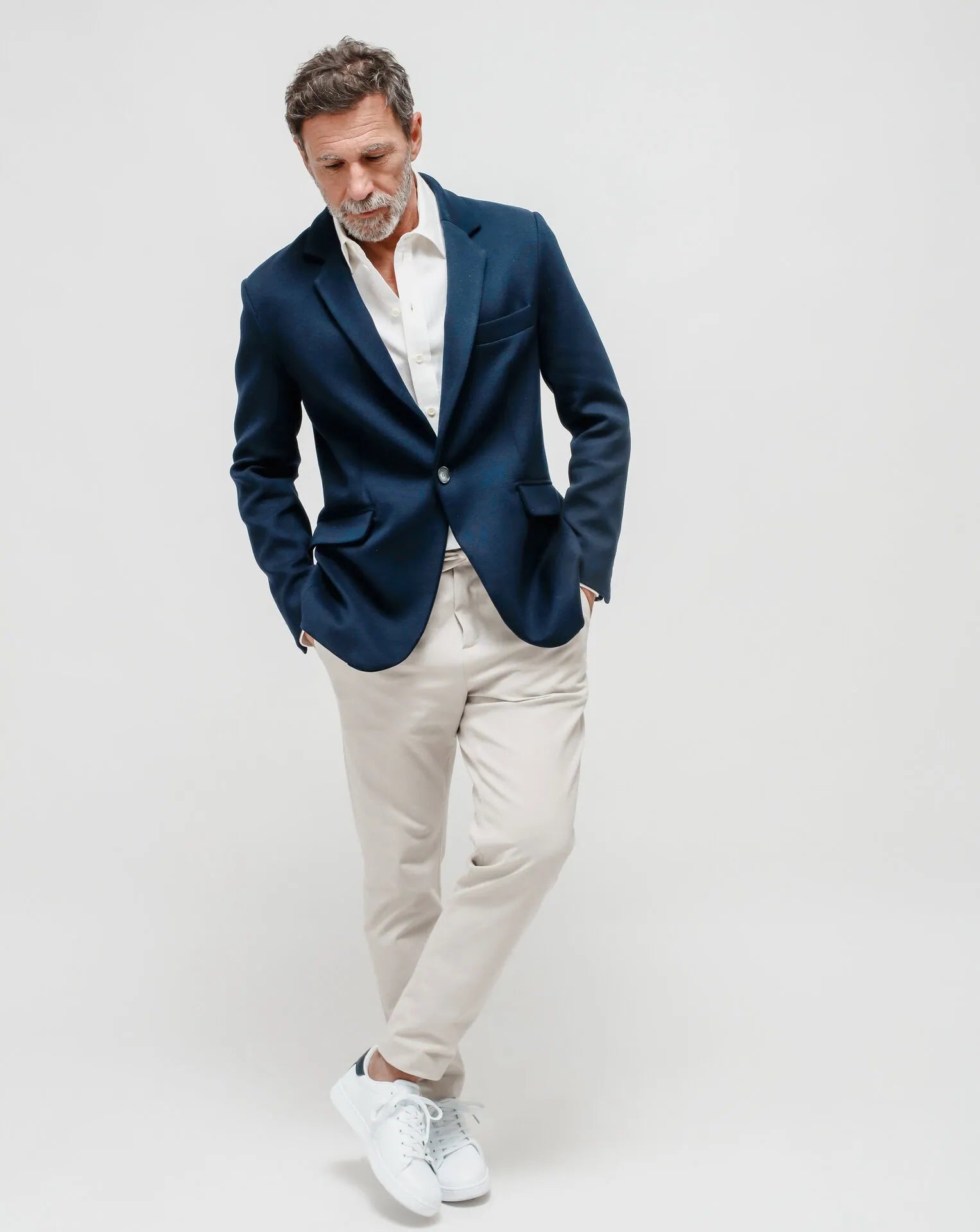
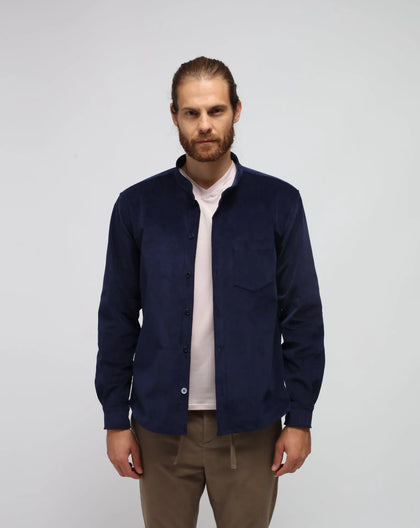
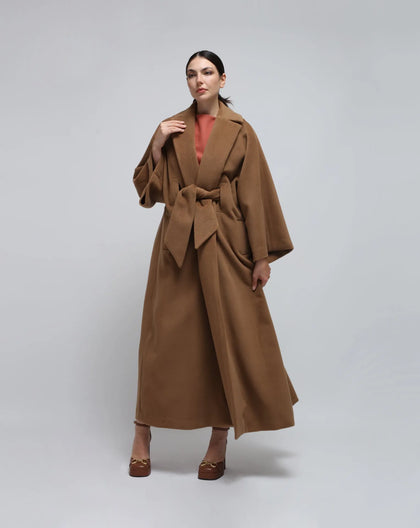
This makes deadstock especially well suited to winter dressing. A Women’s Italian Wool Coat cut from a limited surplus cloth can offer the weight, drape, and finish of a luxury fabric while keeping beautiful existing material in use. A Men’s Cotton Overshirt or tailored trouser in deadstock flannel can become the practical layer that carries a wardrobe through commutes, travel, and colder weekends.
There is an aesthetic advantage, too. Deadstock sourcing allows designers to work with unusual checks, rich neutral tones, dense woolens, and elevated blends that would be difficult to justify in large-volume production. The result is scarcity with purpose, not scarcity manufactured for hype.
The trade-off: limited repeatability
Deadstock is not a perfect system. Because each roll is finite, the same fabric may not be available next season. Sizes can sell through quickly, and a favorite silhouette may return in a different cloth rather than as an exact remake.
That can be inconvenient if you expect endless restocks. But for people tired of seeing the same disposable garment everywhere, it is also a reminder that clothing can be made with restraint. Buy the piece because it fits your life and deserves repeat wear, not because it is temporarily hard to get.
Traceability can also be more complex with deadstock. A responsible brand should be candid about what it knows: fiber composition, country of manufacture where available, fabric performance, and why the material was selected. Surplus sourcing does not erase the need for transparency.
What Organic Cotton Does Better
Organic cotton is valuable because it shifts attention upstream, to the land where the fiber begins. Conventional cotton farming can rely heavily on synthetic chemical inputs. Organic systems aim to reduce those inputs and support soil health through methods such as crop rotation and natural pest management.
For lightweight shirts, jersey tops, underwear, and warm-weather essentials, organic cotton can be an excellent choice. It is familiar, breathable, soft against the skin, and easy to care for. In a winter wardrobe, it remains useful for base layers, crisp shirts beneath tailoring, and heavier cotton jersey worn under knitwear.
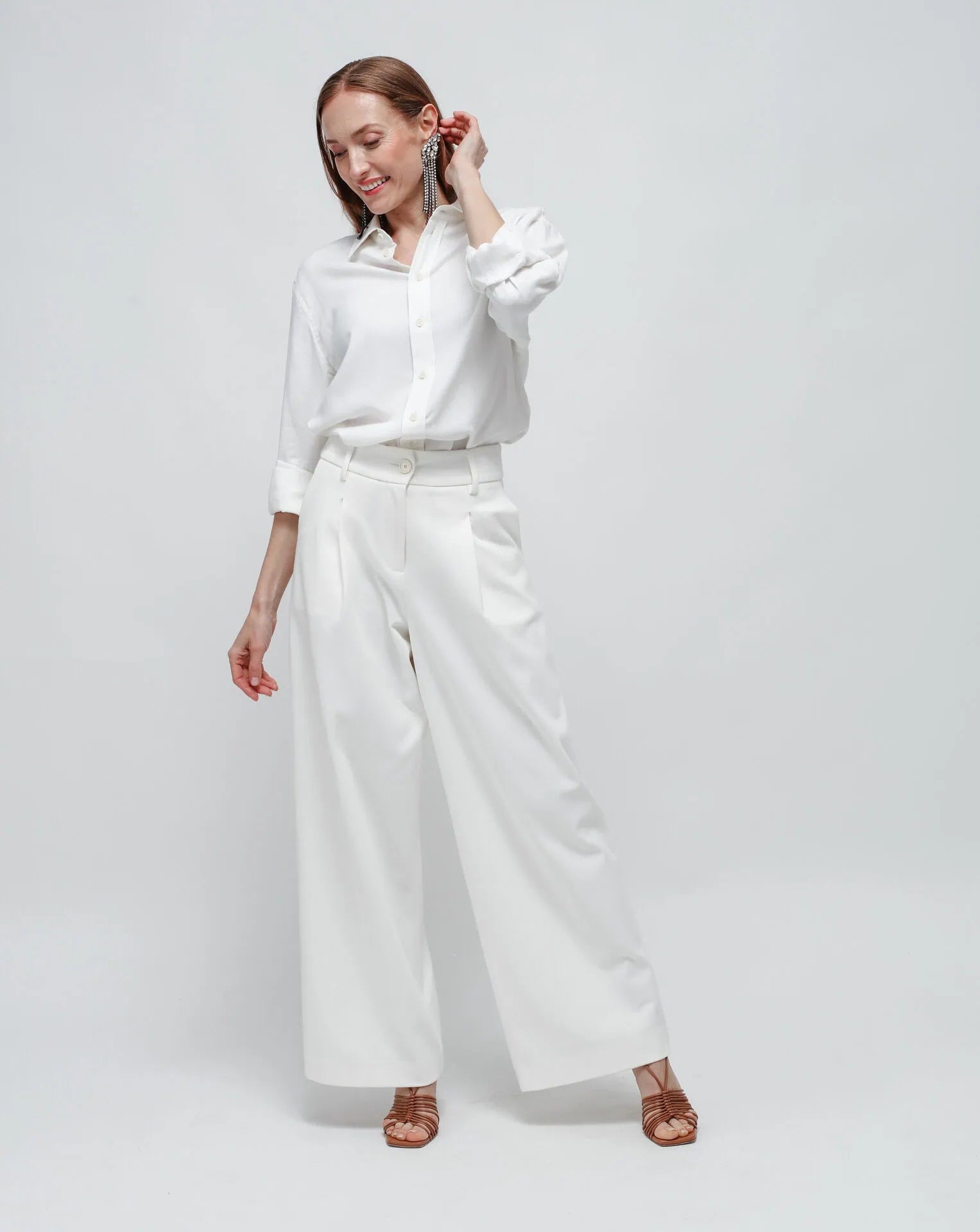
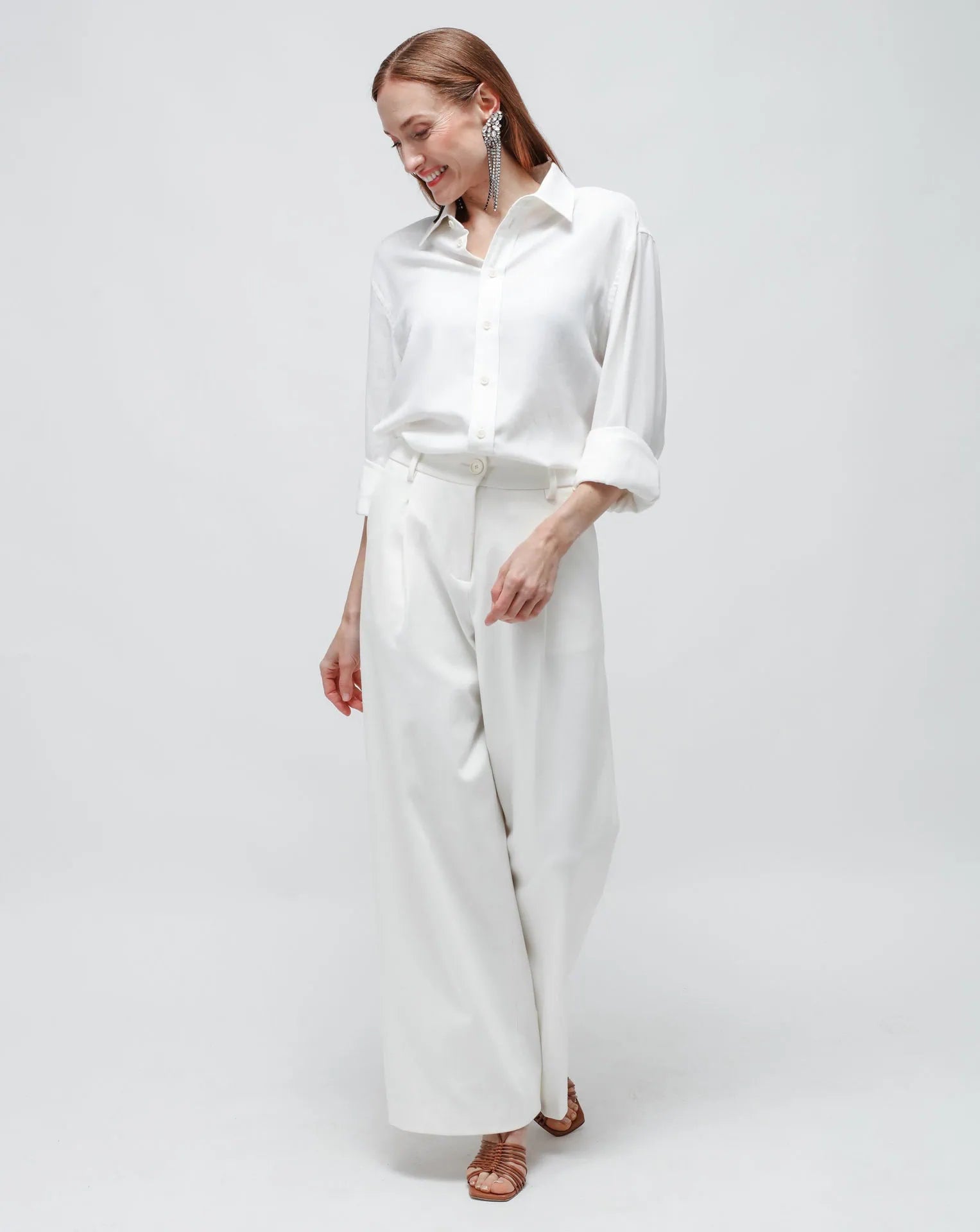
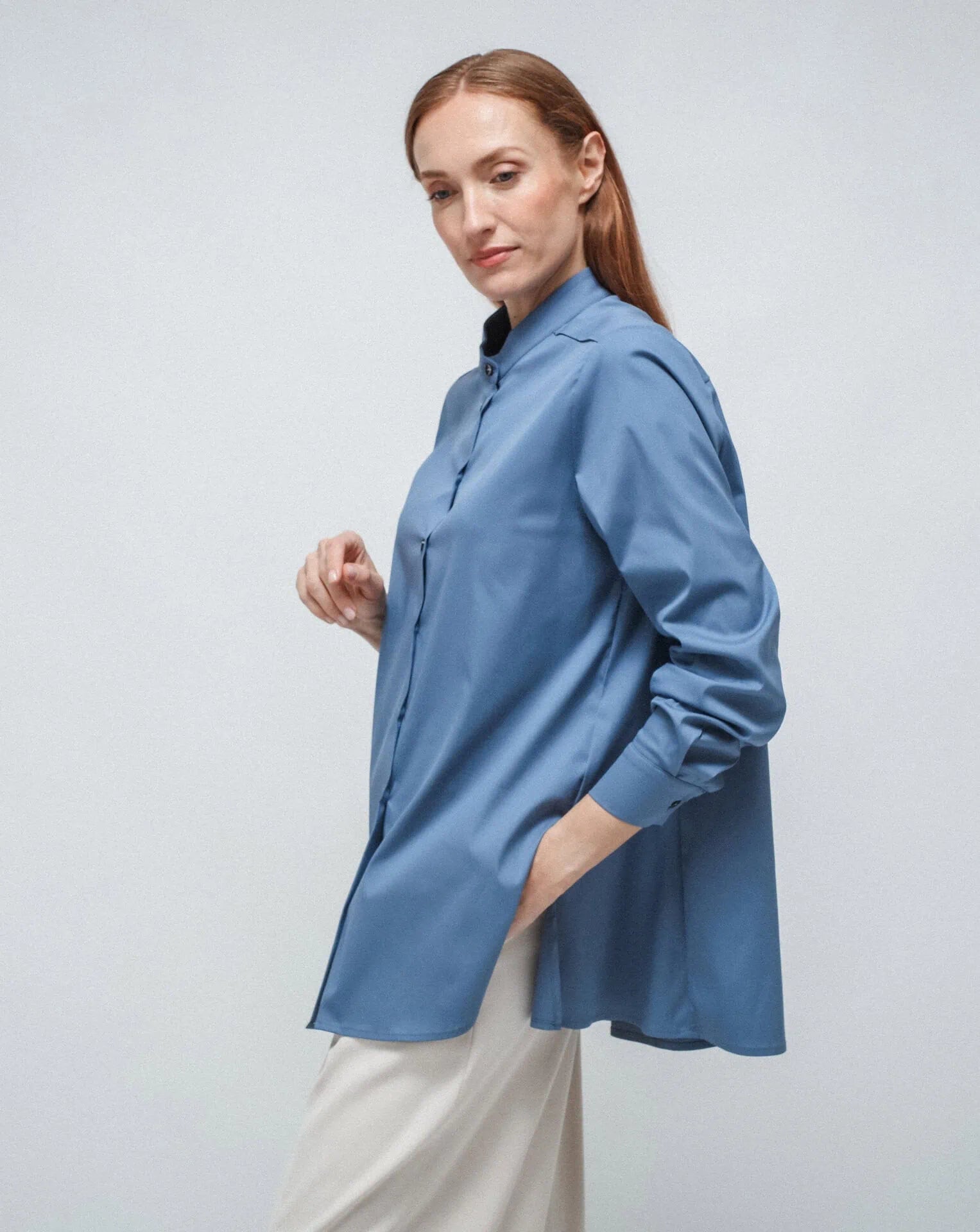
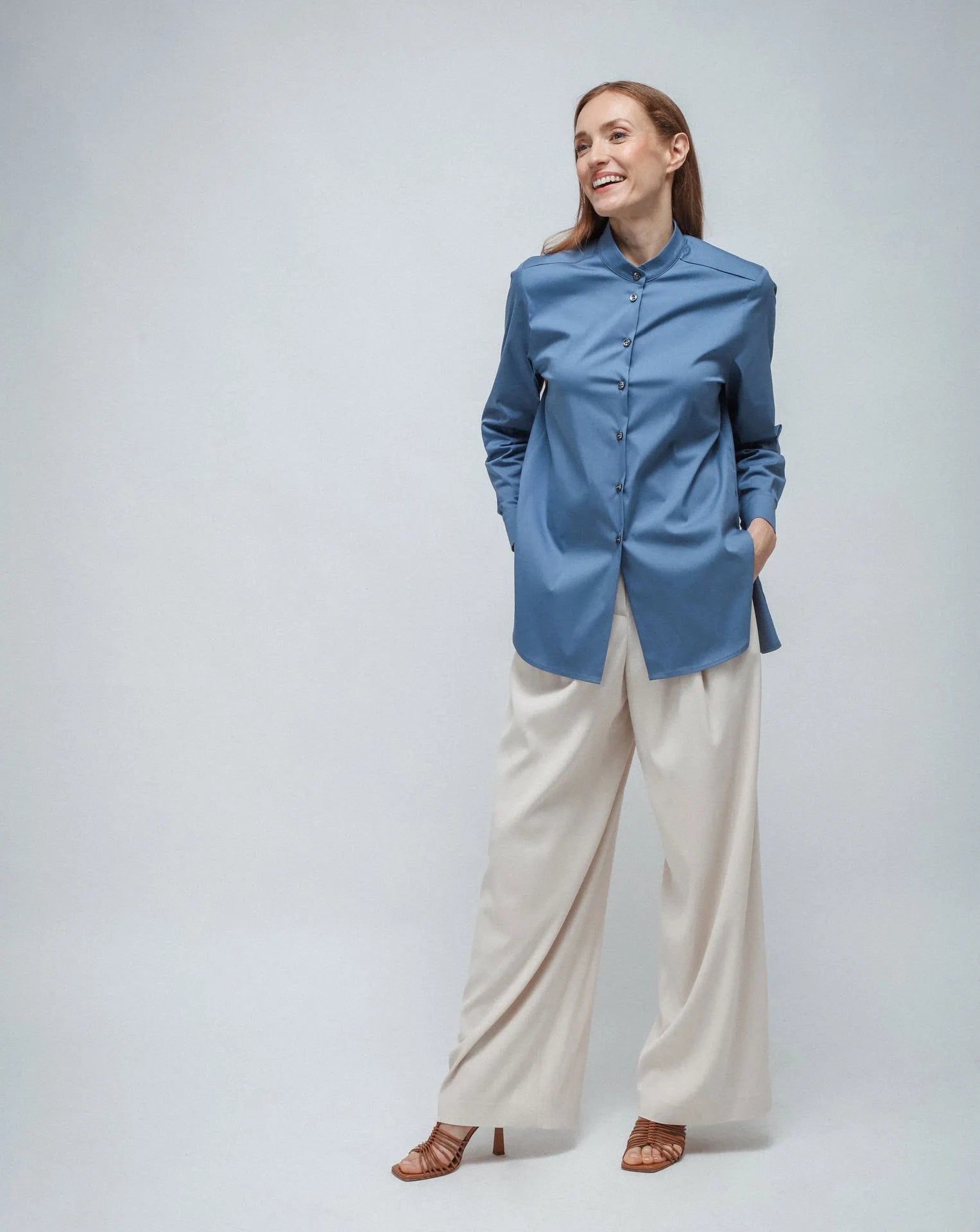
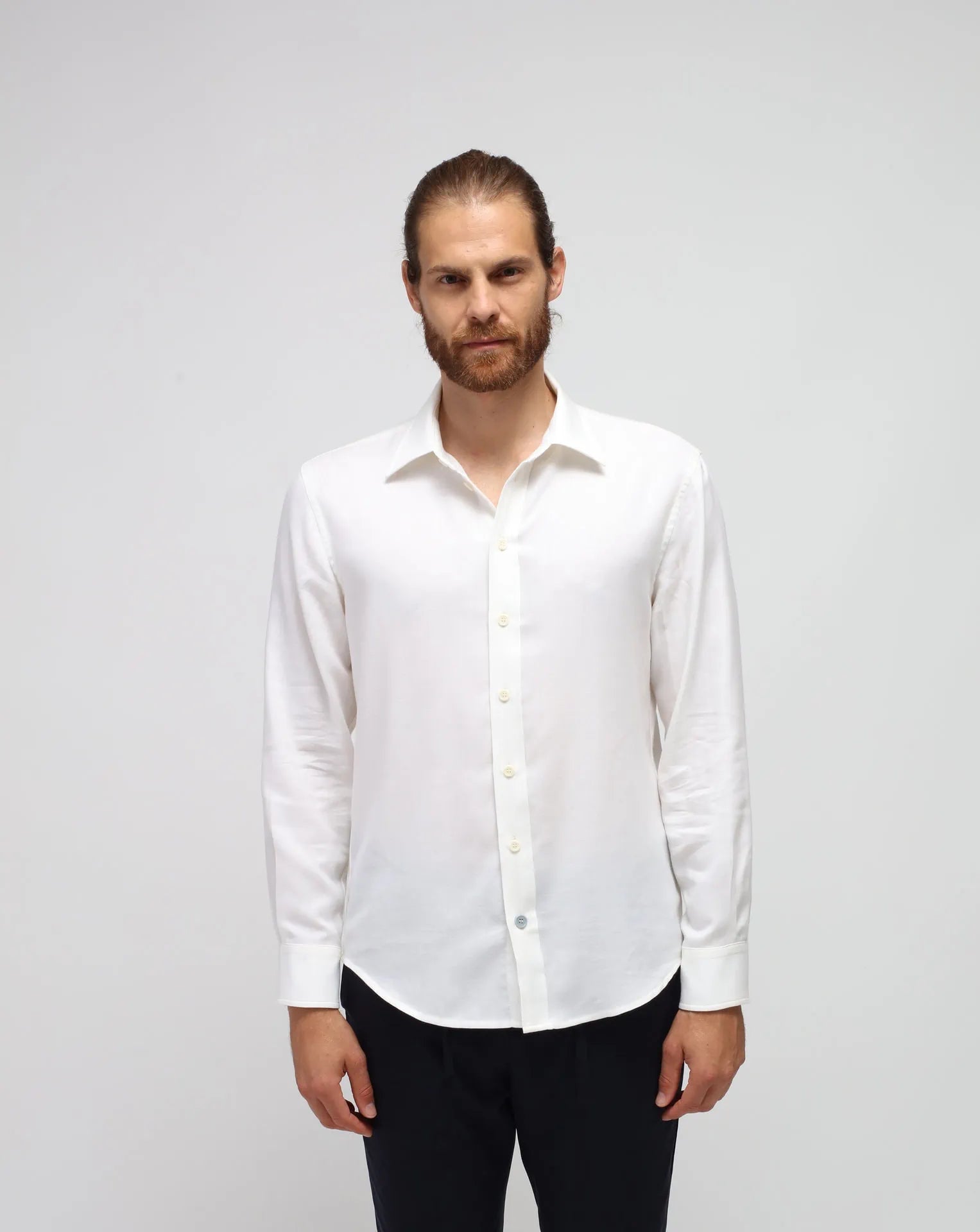
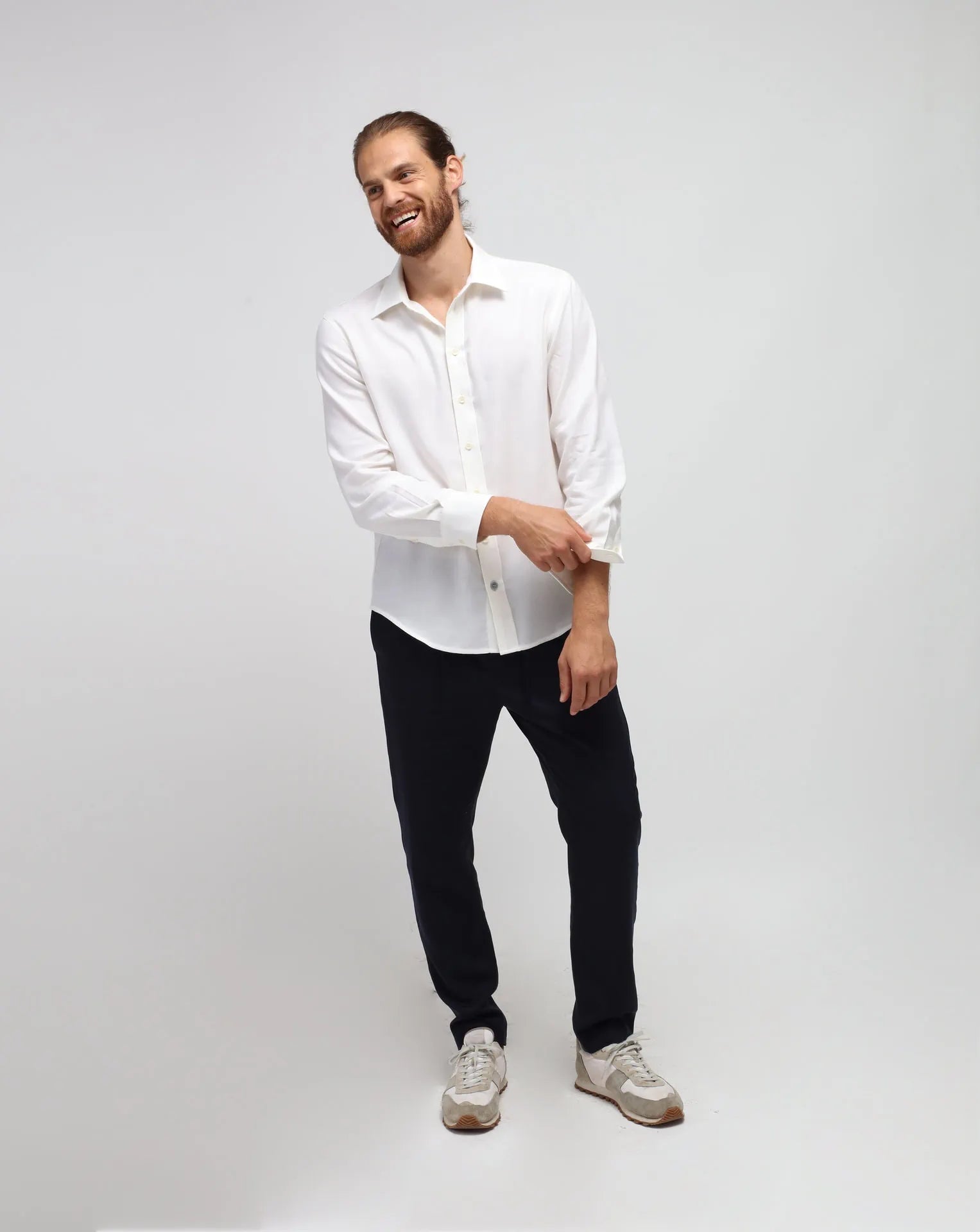
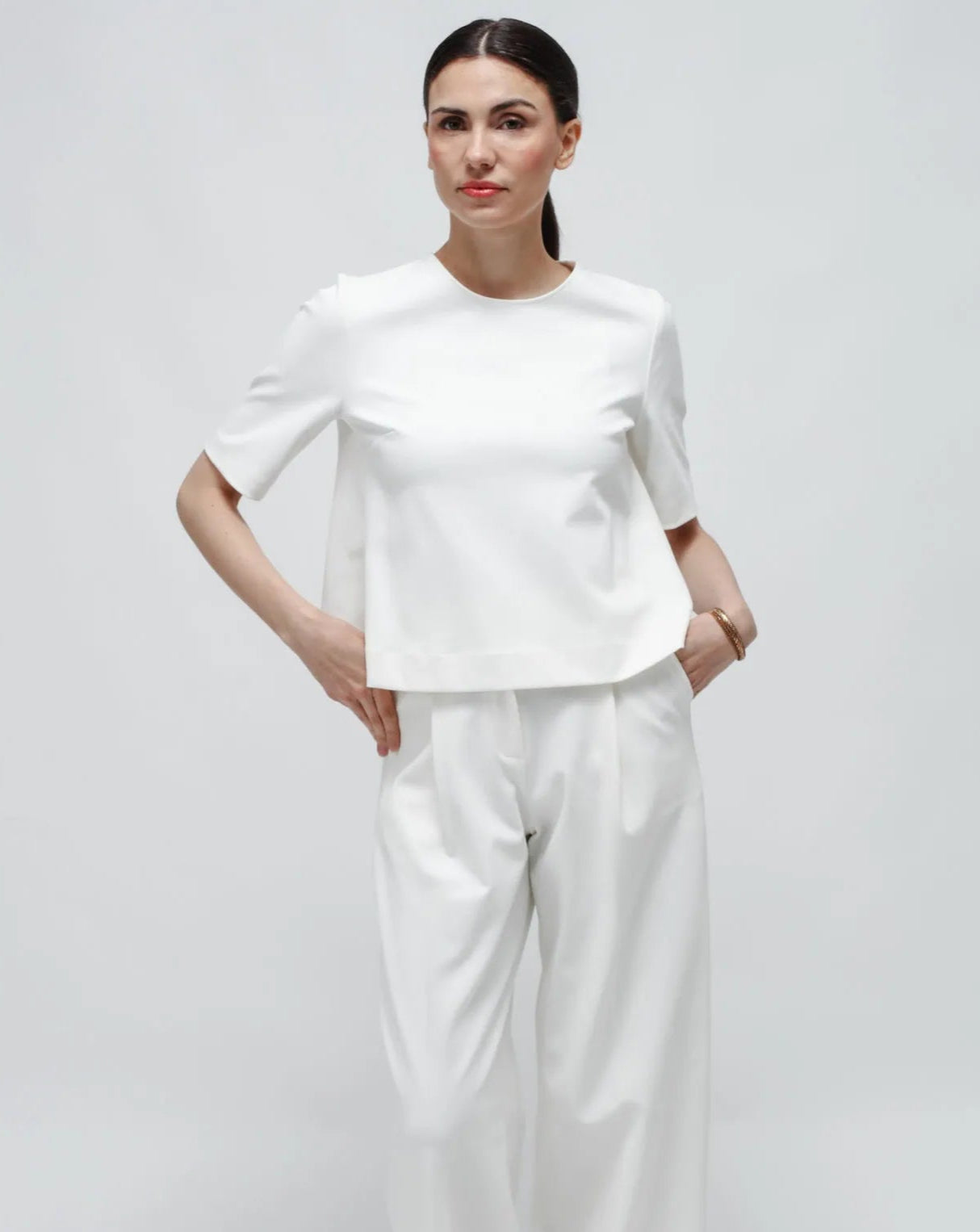
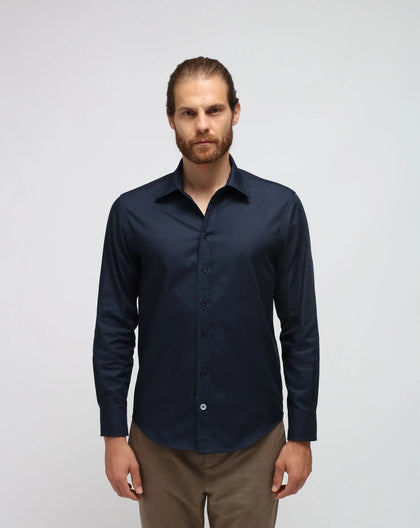
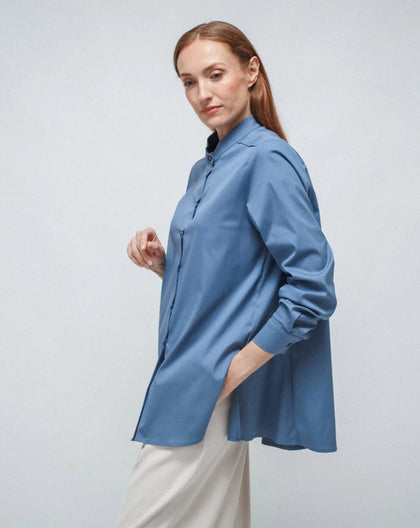
A Women’s Organic Cotton Long-Sleeve Top can be the quiet foundation of a cold-weather uniform. A Men’s Organic Cotton Shirt brings structure beneath a wool jacket without adding unnecessary bulk. These are pieces designed for frequent rotation, where comfort and washability matter as much as the initial material story.
The trade-off: it is still new production
Organic does not mean impact-free. New cotton still requires land, water, energy for processing, and systems for dyeing, finishing, sewing, packaging, and shipping. Conditions vary by region, and cotton’s water footprint is not identical everywhere. A dry-growing region and an irrigated one present different realities.
Nor does an organic claim automatically answer questions about garment workers, durability, chemical finishing, or overproduction. An organic cotton T-shirt that is worn twice and discarded is not a meaningful victory over a well-made deadstock garment worn for years.
This is why fiber labels should start a conversation, not end one.
Which Is Better for a Winter Wardrobe?
For outerwear, tailoring, dresses with structure, and elevated layers, deadstock often makes the stronger case. Surplus wool, wool blends, corduroy, brushed cotton, and tailored fabrics can be transformed into pieces with real longevity. Their existing production impact has already occurred, so using them helps prevent valuable material from sitting unused or being destroyed.
For close-to-skin staples and pieces that need a predictable, repeatable supply, organic cotton may be the better fit. It offers consistency across sizes and seasons, which is useful for the shirt you replace only after years of use or the soft jersey layer you reach for every week.
The strongest wardrobe is not built around a single fiber ideology. It is built around purpose. Choose deadstock when you want to make use of what already exists, particularly in substantial, special fabrics. Choose organic cotton when the garment calls for breathable natural comfort and a newly made fiber with more considered farming standards.
Look Beyond the Material Claim
Material matters, but longevity is the test that turns a good intention into a lower-impact choice. Before purchasing, consider whether the garment will work with at least three outfits you already own. Check the fiber composition and care instructions. Think about seasonality honestly: will this coat, knit, or overshirt still feel right next winter?
Construction deserves equal attention. A carefully cut coat with a durable lining, a trouser with clean finishing, or a shirt with a shape that survives repeated washing is more valuable than a technically preferable fabric made into a short-lived garment. Fit is part of sustainability, too. When clothing fits well, it is more likely to be kept, repaired, and worn.
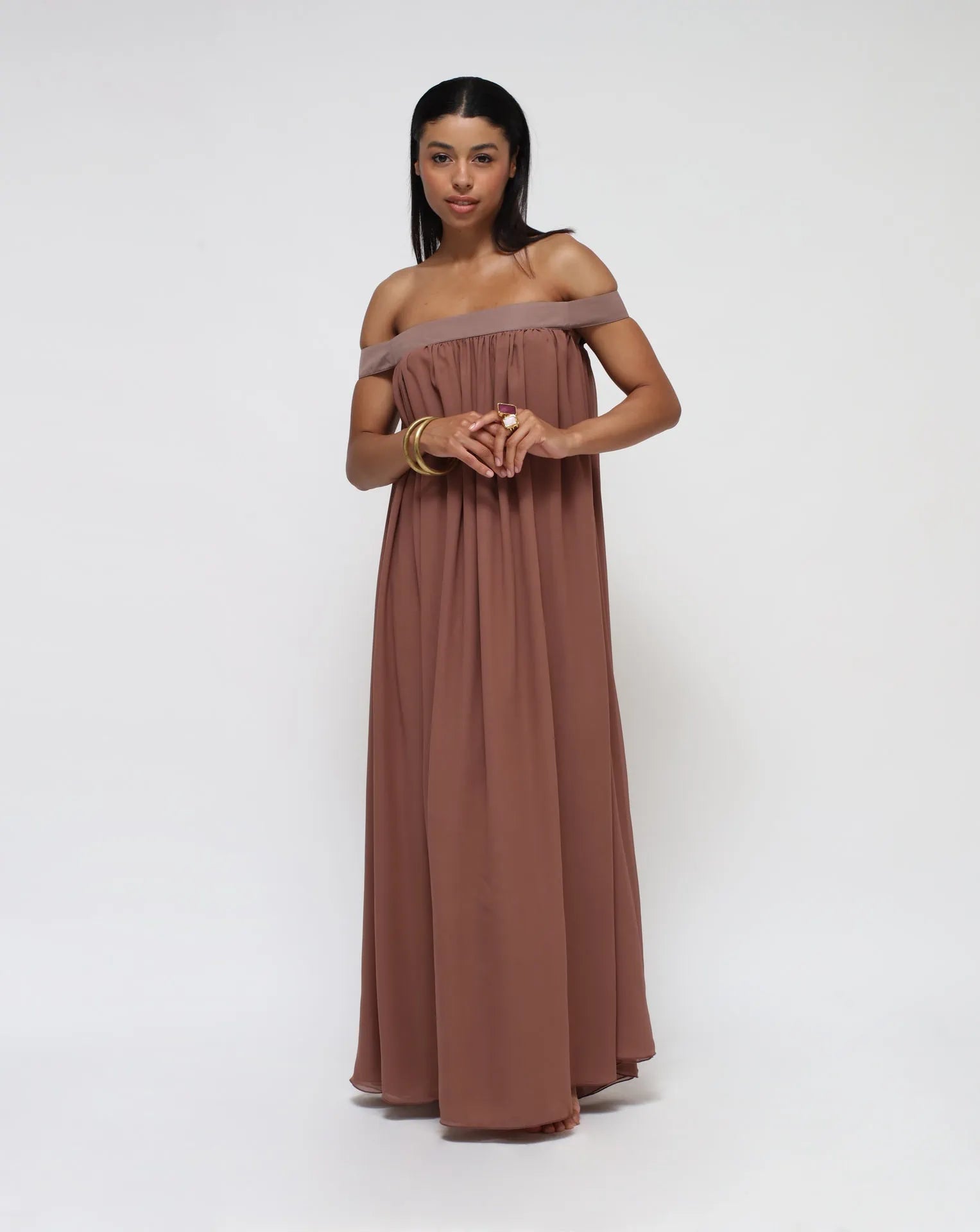
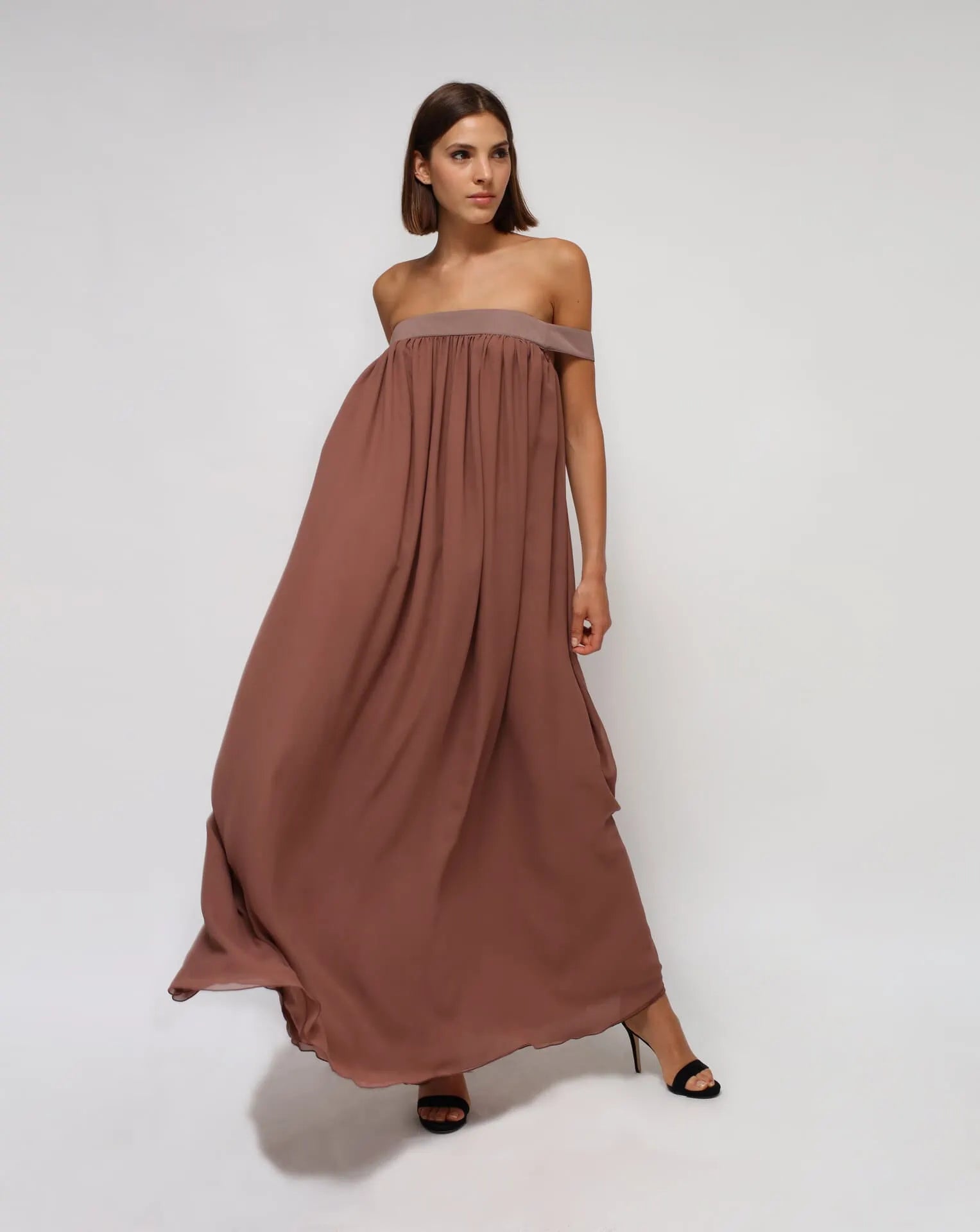
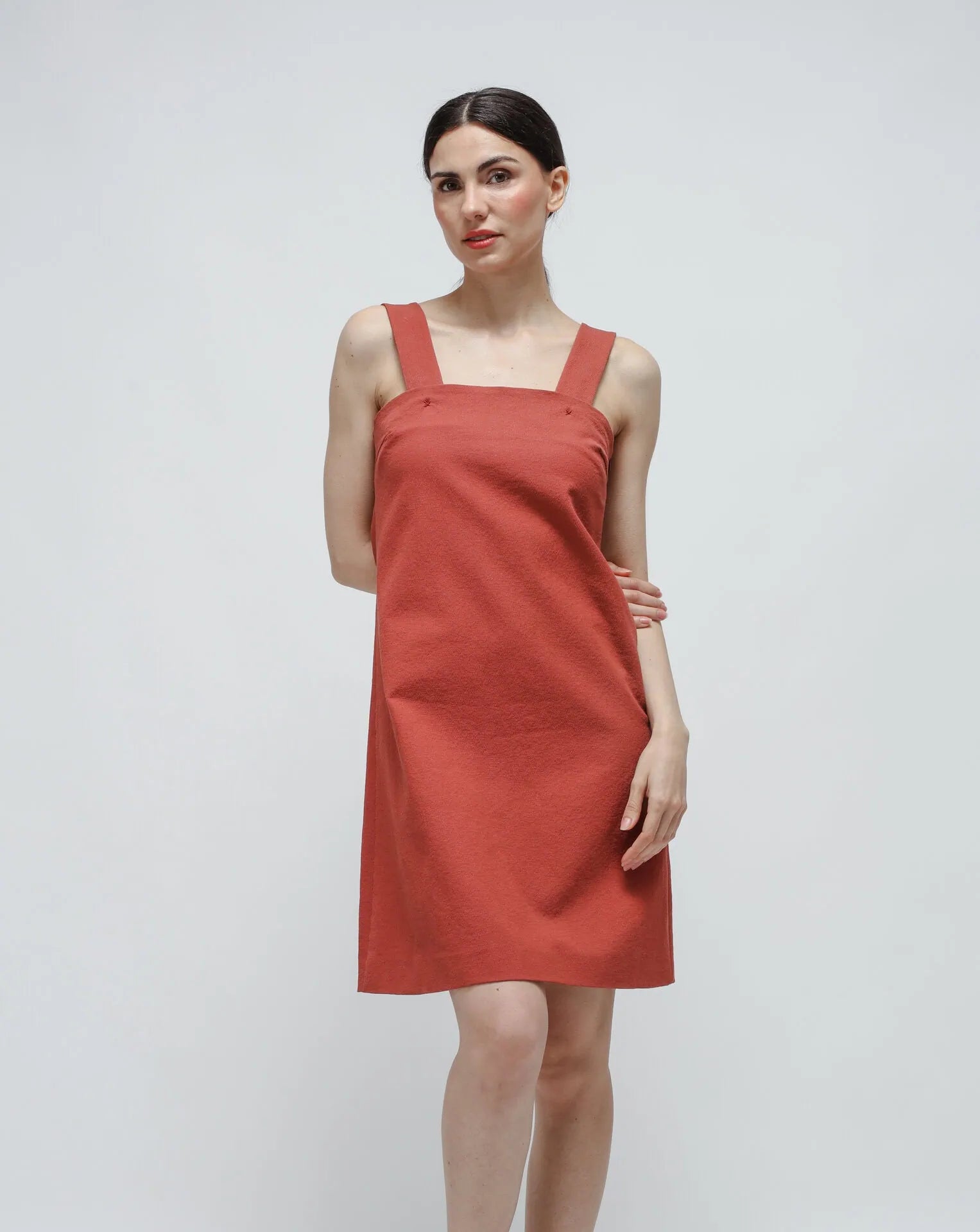
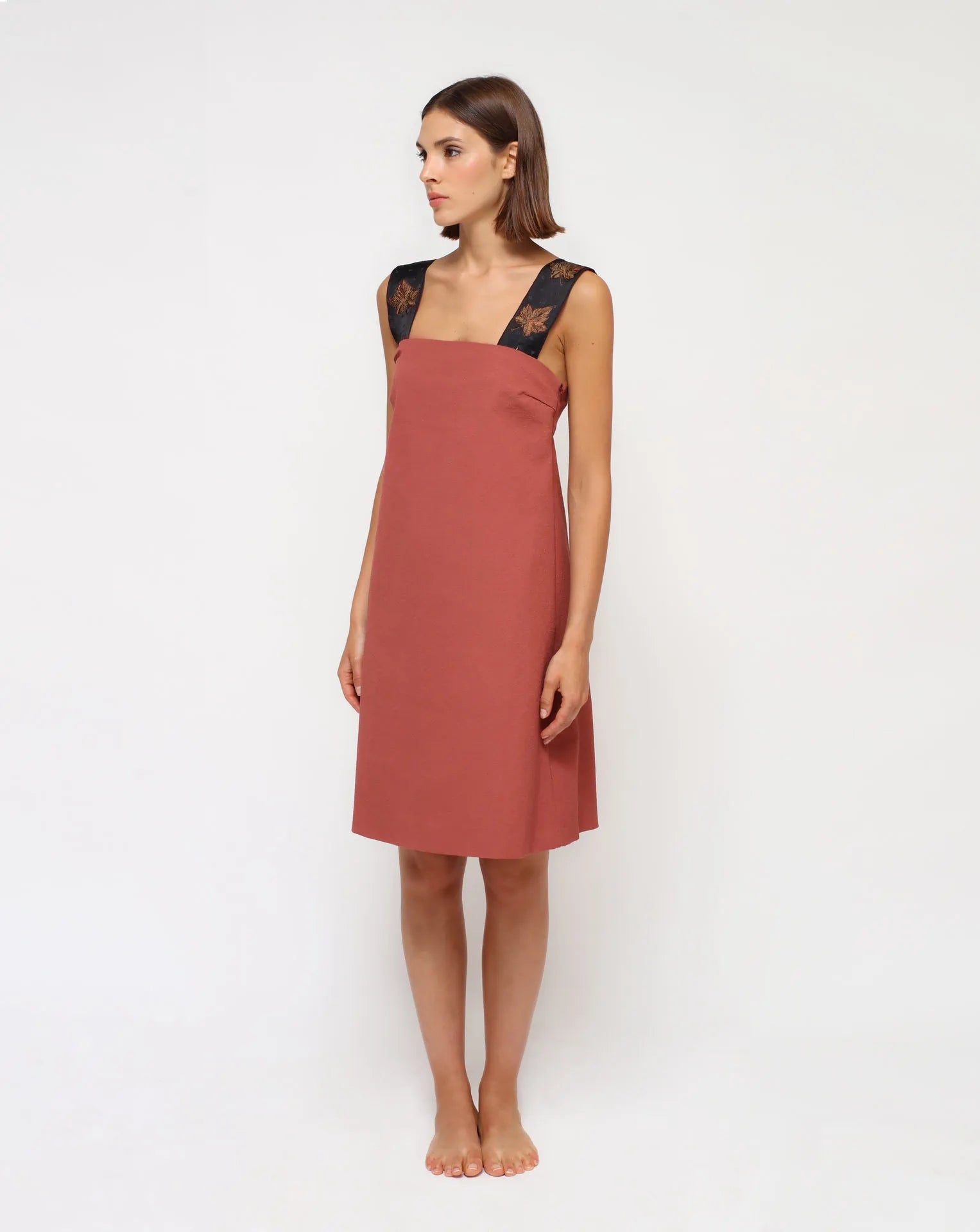
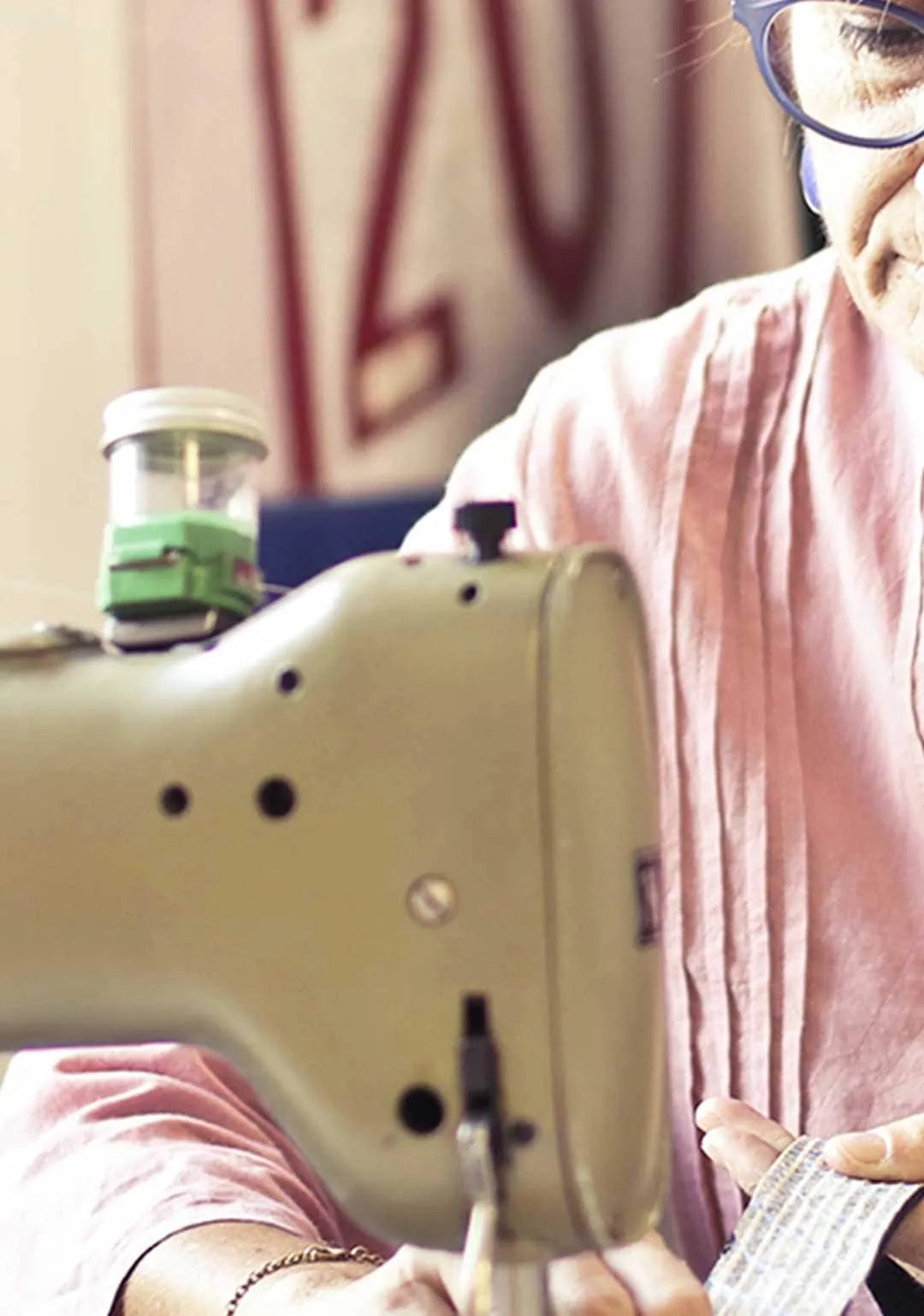
At Humans & Land, small-batch production and premium deadstock fabrics are not a decorative sustainability message. They are a refusal to treat materials as disposable. Each limited run is an opportunity to use what is already here with greater intention, from women’s winter layers to men’s tailored essentials.
The most responsible winter piece is the one that earns its place year after year: cared for, repaired when needed, and worn with the confidence that style does not need excess to make an impact.
FAQ
Q: Is deadstock fabric more sustainable than organic cotton?
A: It depends on what you are measuring. Deadstock can reduce waste by using fabric that already exists, while organic cotton can reduce reliance on synthetic agricultural inputs in new fiber production. Durability, production volume, and how often you wear the garment matter in both cases.
Q: Can deadstock fabric be organic cotton?
A: Yes. Deadstock describes the fabric’s surplus status, while organic cotton describes how the cotton was grown. A surplus roll of certified organic cotton can be deadstock.
Q: Is deadstock fabric lower quality?
A: No. Deadstock can include premium fabrics originally produced for high-end collections. Quality depends on the fiber, weave, finish, condition of the roll, and garment construction, not on whether the fabric is surplus.
Q: Why are deadstock garments often limited edition?
A: The available fabric quantity is finite. Once a roll is used, the same cloth may not be possible to source again. Limited production is a practical outcome of working with existing materials.
Q: What should I choose for winter: deadstock wool or organic cotton?
A: For warmth and outer layers, deadstock wool or a substantial deadstock blend is often more suitable. Organic cotton is ideal for shirts, jersey layers, and breathable basics worn beneath warmer pieces.
the World of H&L