
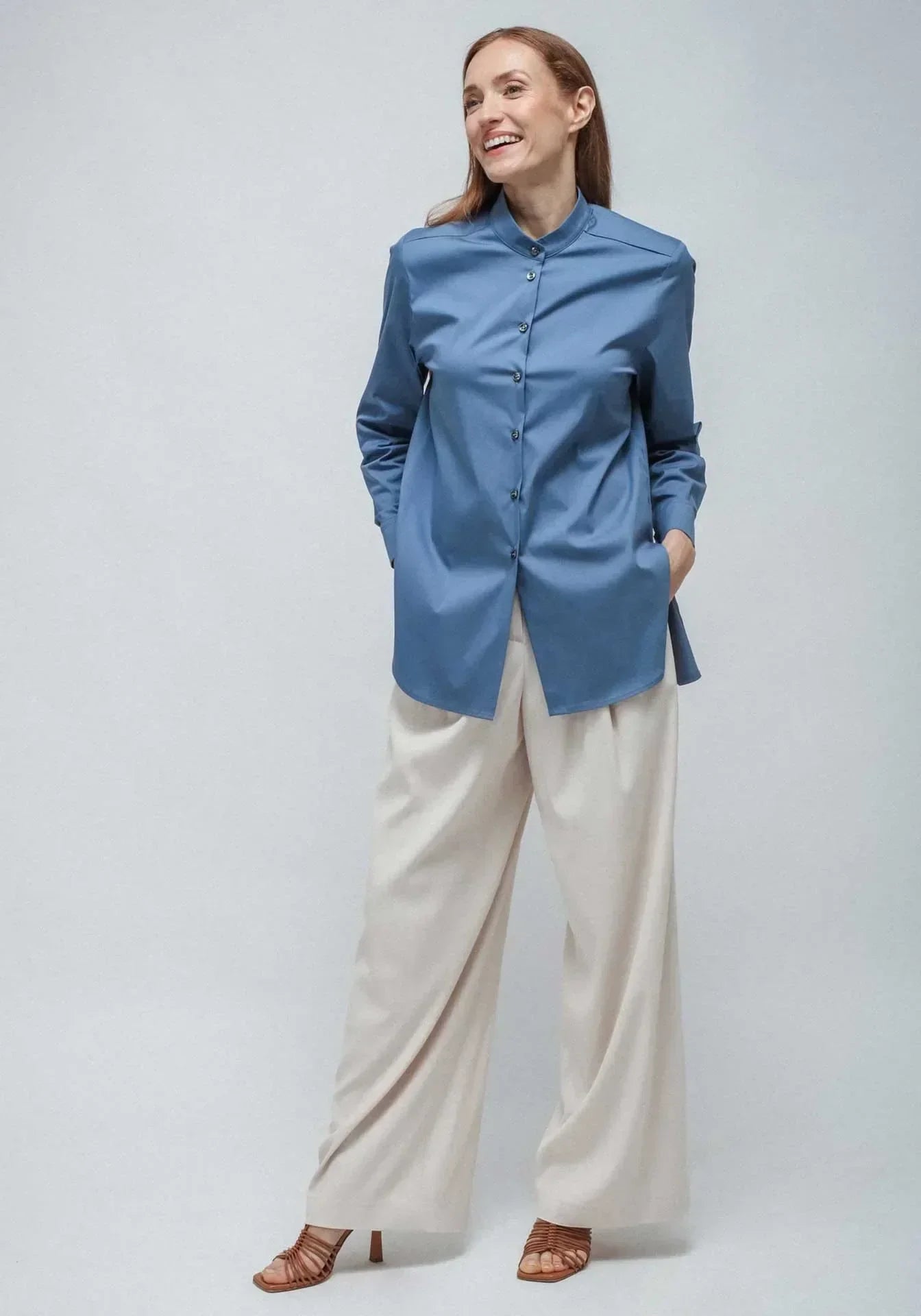
9 Ethical Women's Wardrobe Staples to Build
A closet gets easier the moment you stop shopping for moods and start dressing for real life. The best ethical womens wardrobe staples are not the loudest pieces you own. They are the ones you reach for on a Monday morning, on a last-minute dinner plan, on a work trip with one carry-on, and on the days when you want to look precise without overthinking it.
That shift matters because ethical fashion is not just about buying less. It is about buying with higher standards. Fabric, construction, versatility, and longevity all carry weight. A staple only earns its place if it works hard, wears beautifully, and keeps its shape in your life for years, not weeks.
What makes ethical womens wardrobe staples worth buying
A wardrobe staple is often described as basic, but that word undersells it. The right staple is a foundation piece with range. It should style across settings, layer without friction, and hold visual clarity even after repeated wear. If a garment needs a very specific shoe, season, or mood to work, it may be beautiful, but it is not a staple.
The ethical standard adds another layer. Better pieces come from better decisions - deadstock fabrics that prevent waste, small-batch production that avoids overstock, and craftsmanship that favors durability over speed. Price can be higher upfront, but the trade-off is lower cost per wear and less closet churn.
This is also where discipline matters. An ethical closet does not need to be large. It needs to be edited. For most women, that means choosing pieces that can move between office, weekend, travel, and evening with only minor styling changes.
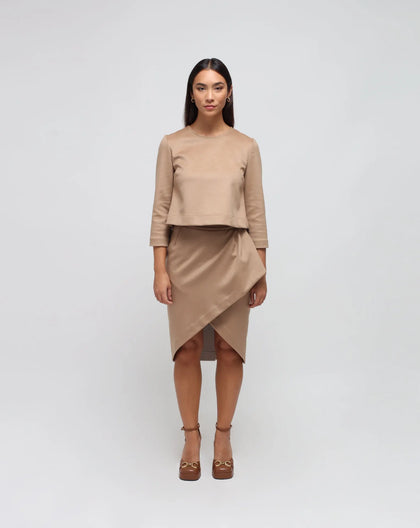
The 9 staples that do the most work
1. A structured white or ivory shirt
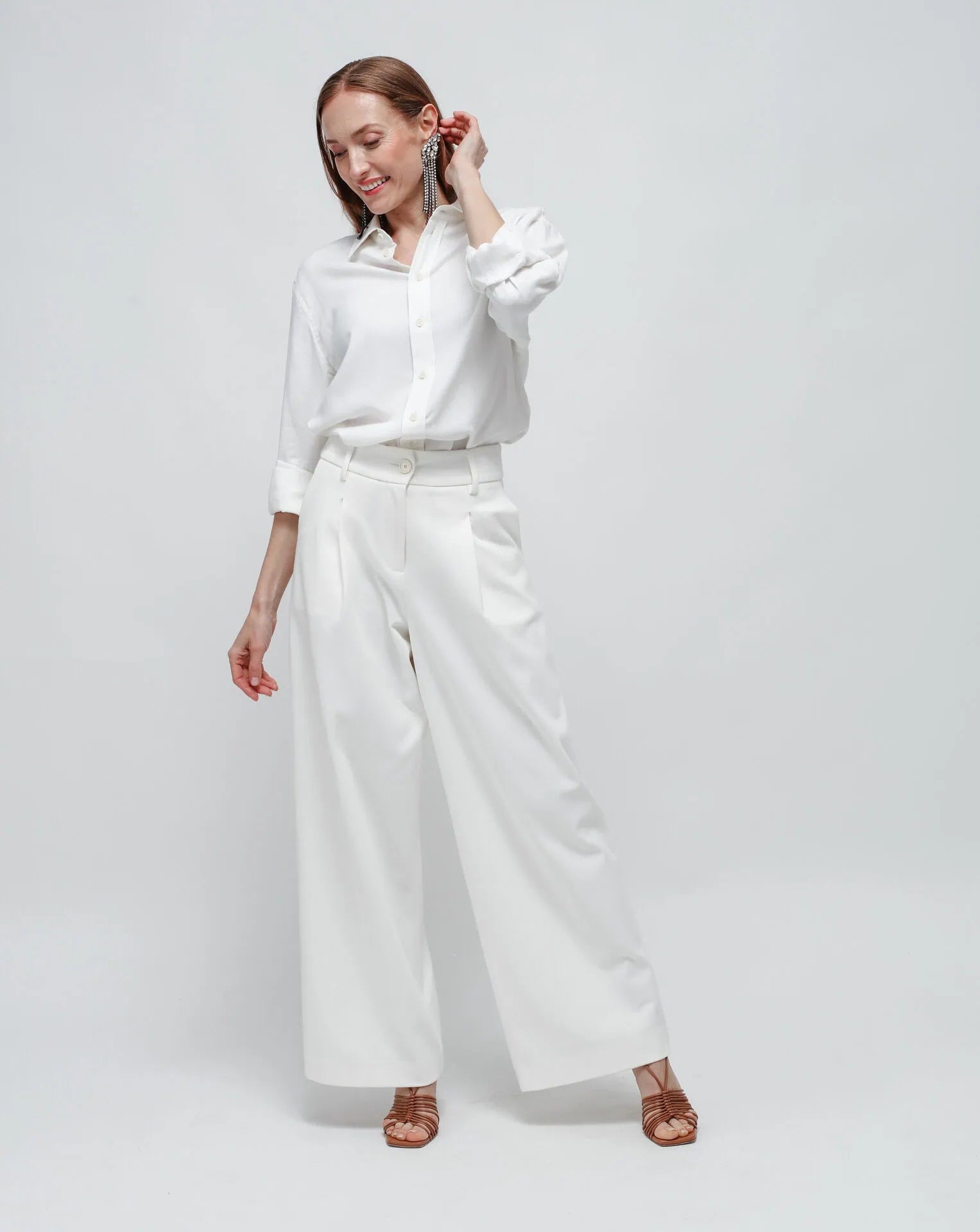
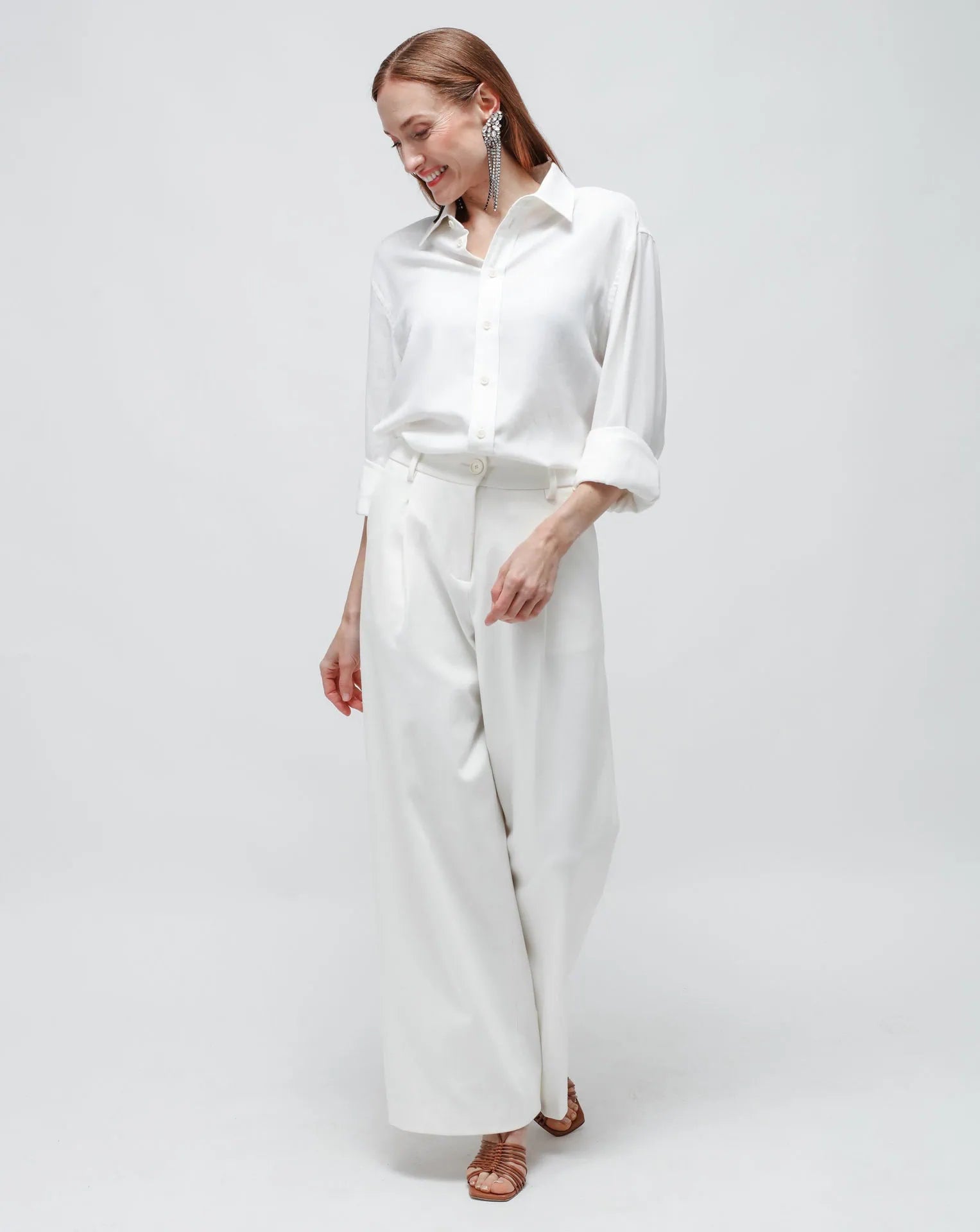
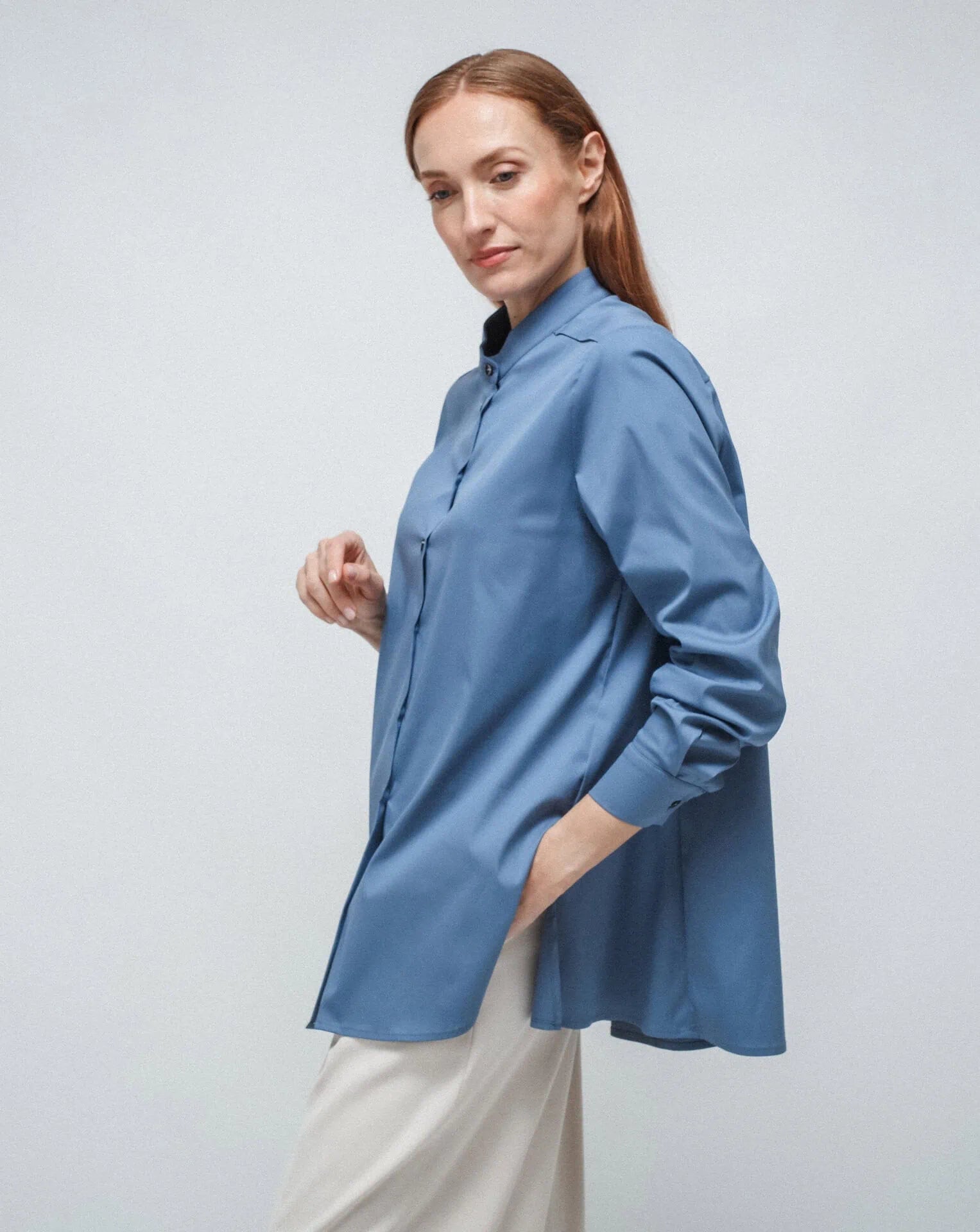
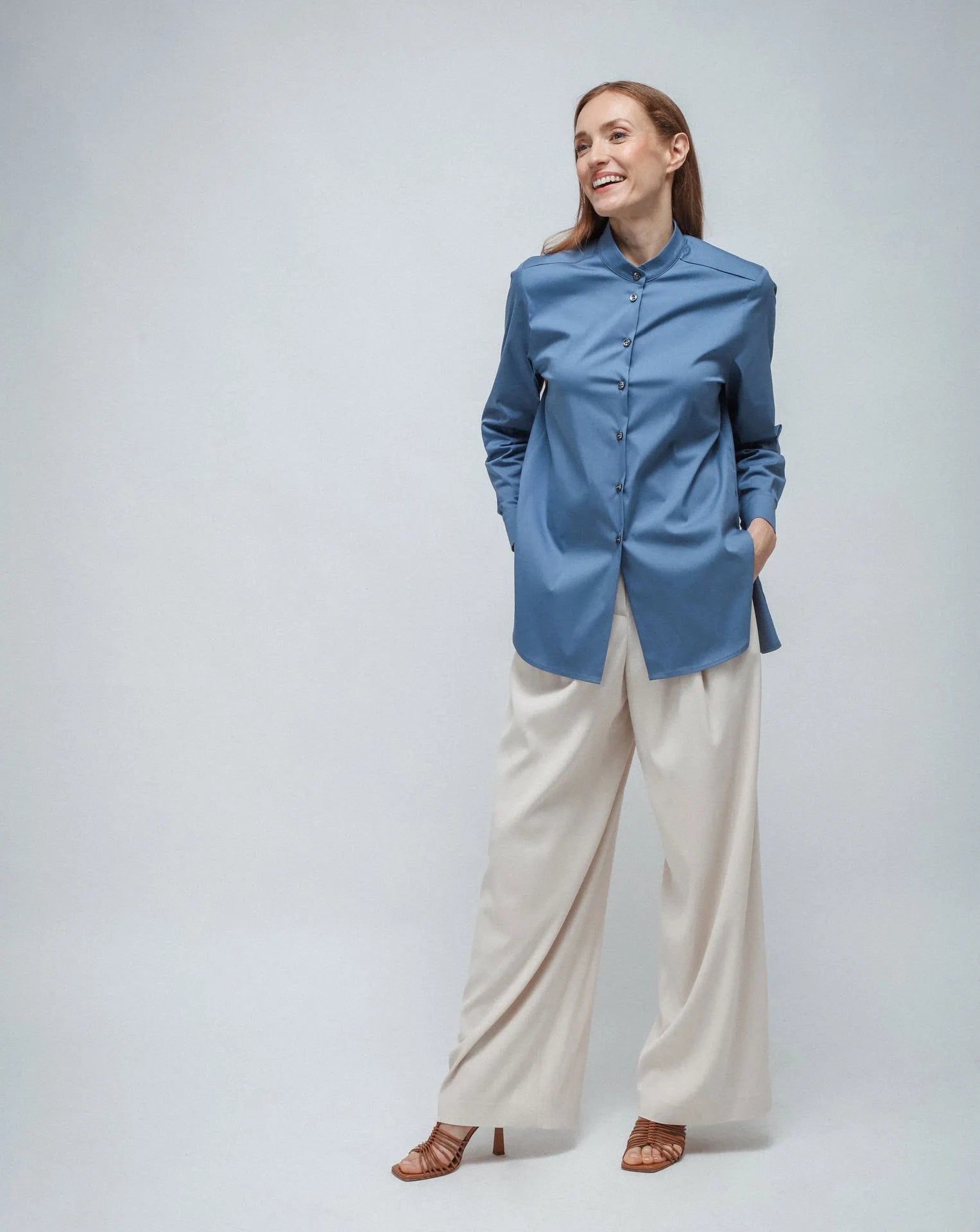
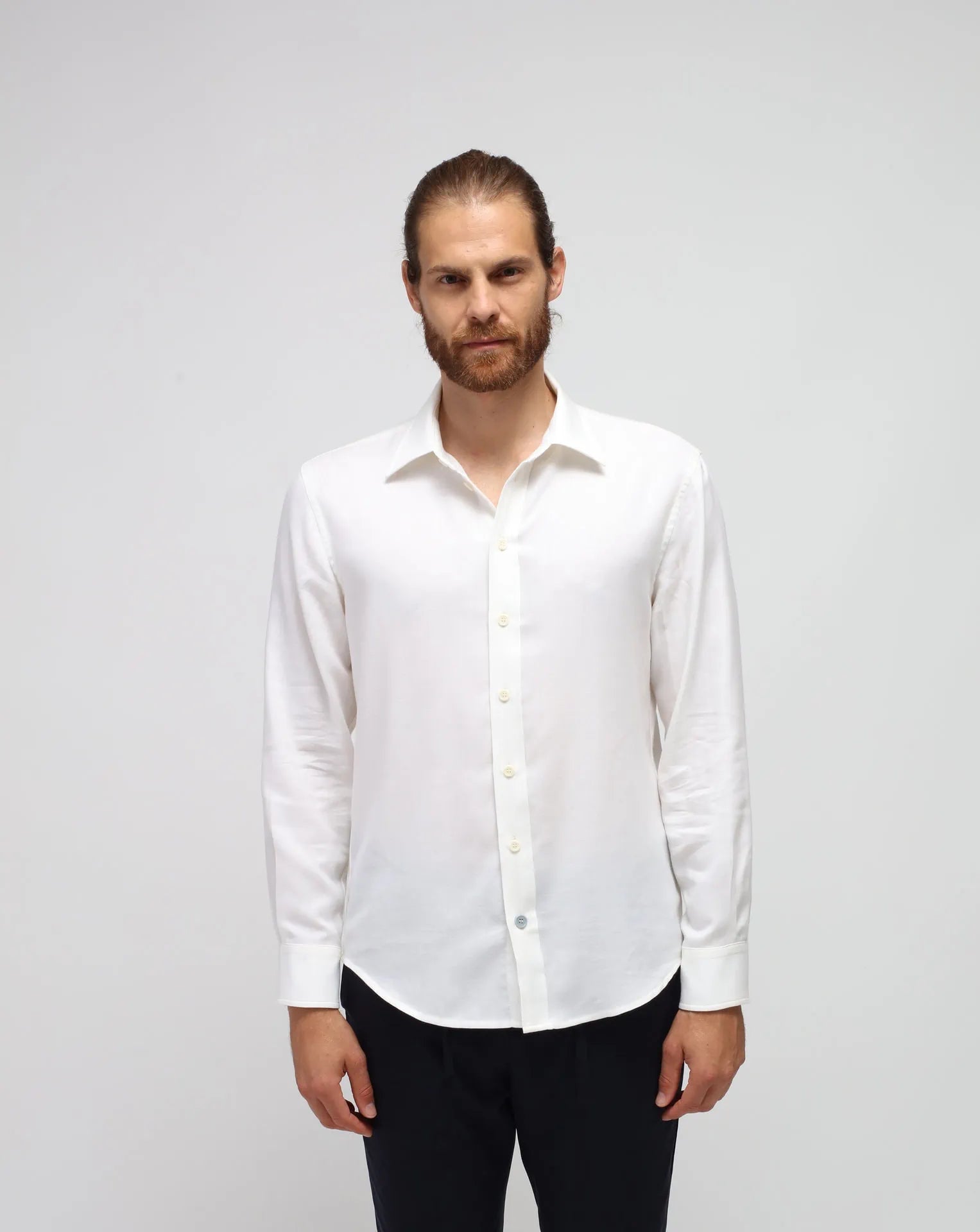
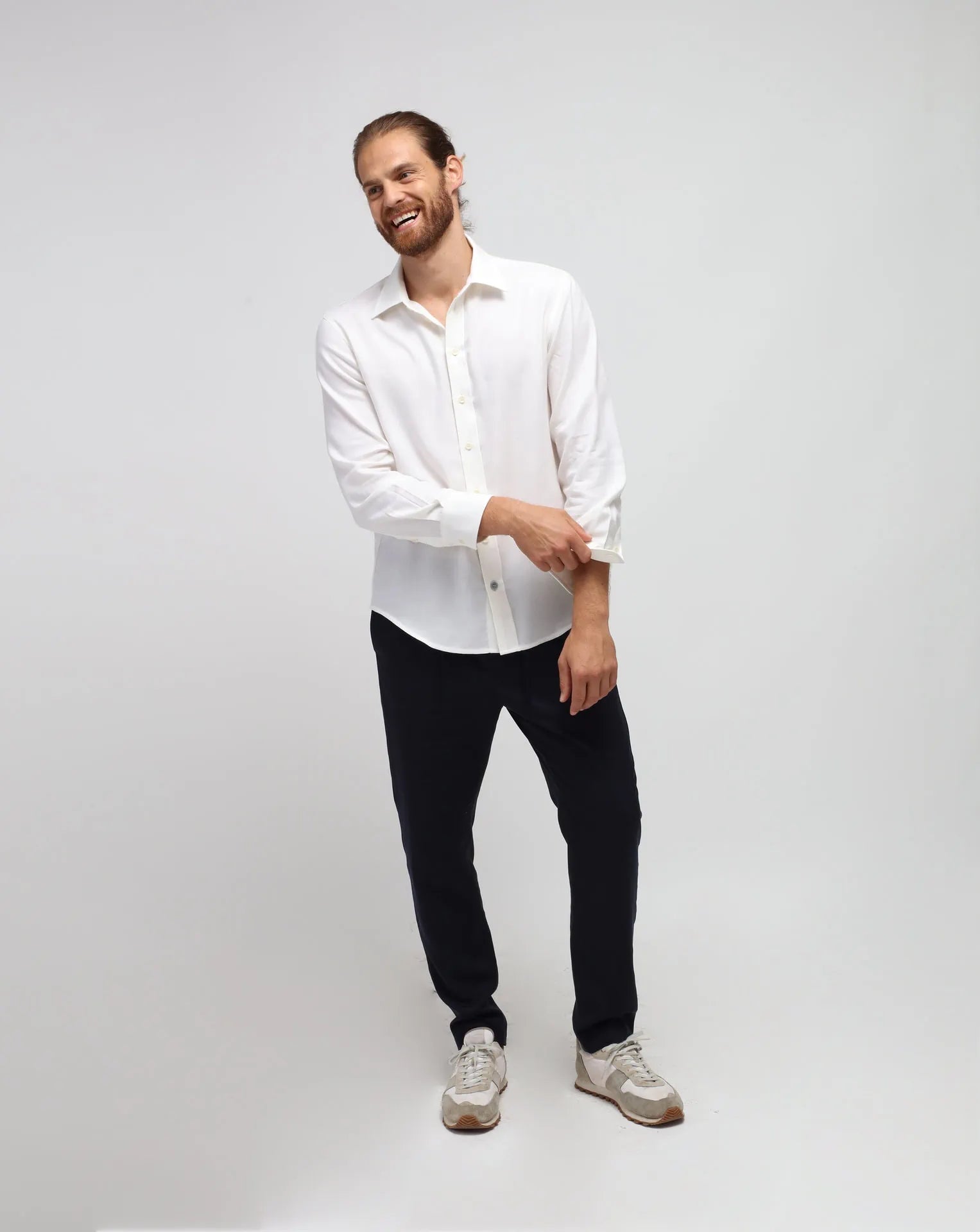
Nothing sharpens a wardrobe faster than a well-cut shirt. It can anchor tailored pants, relax a slip skirt, or sit open over a tank and shorts. The detail to watch is shape. Too fitted, and it dates quickly. Too oversized, and it can lose polish.
Look for clean shoulders, a strong collar, and fabric with enough body to hold its line. In a premium deadstock cotton or cotton blend, a shirt becomes one of the highest-return pieces in your closet. This is also an ideal place to feature a product such as a women’s Italian-made white shirt or an oversized deadstock poplin shirt.
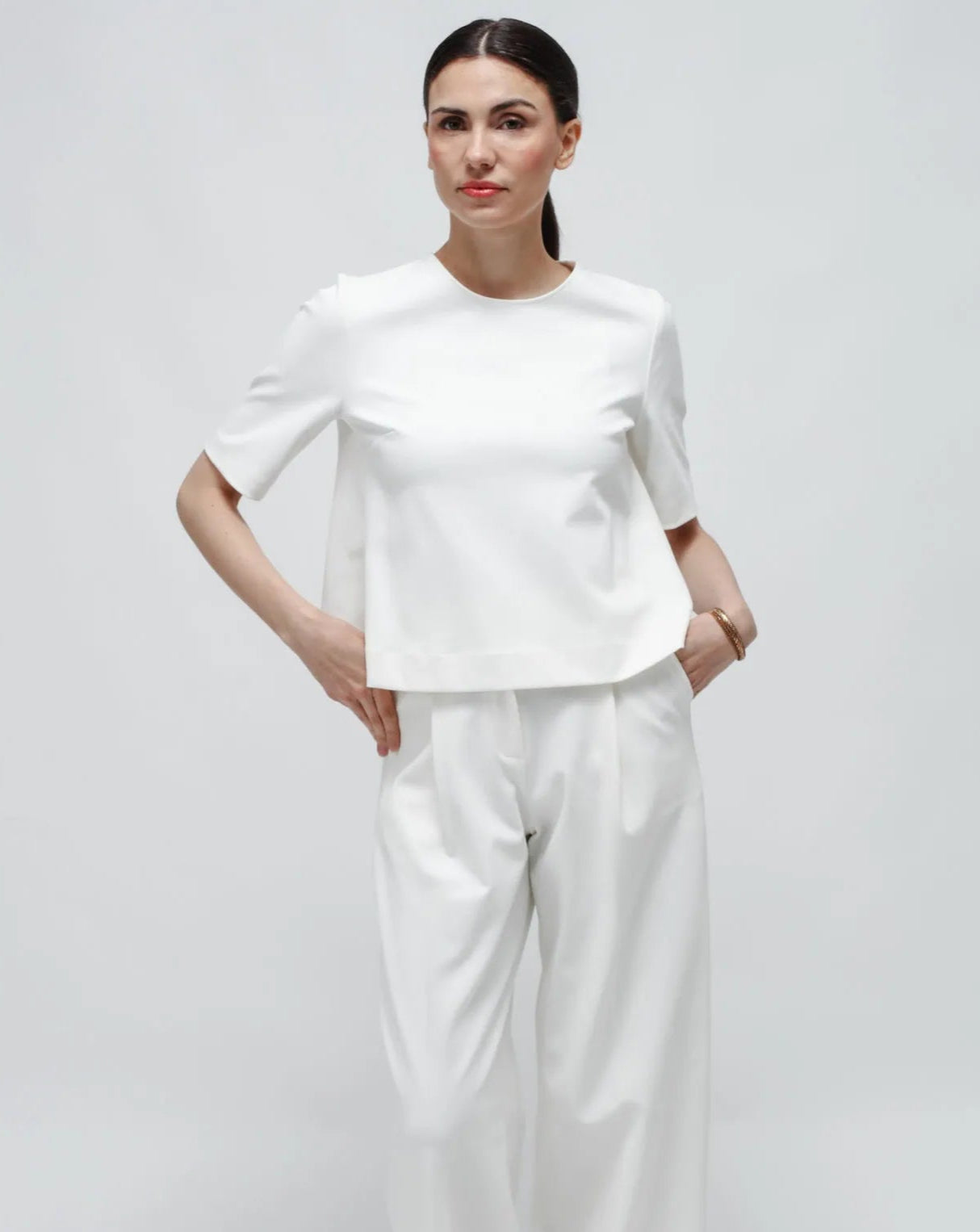
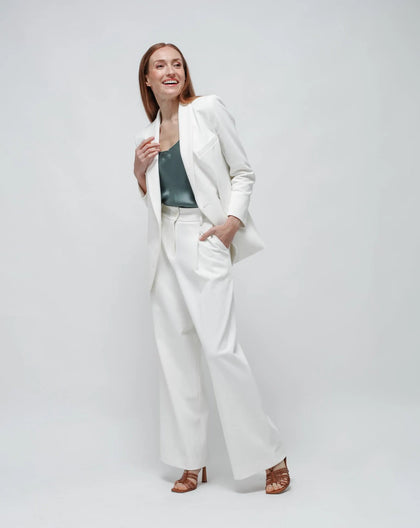
2. Tailored white pants
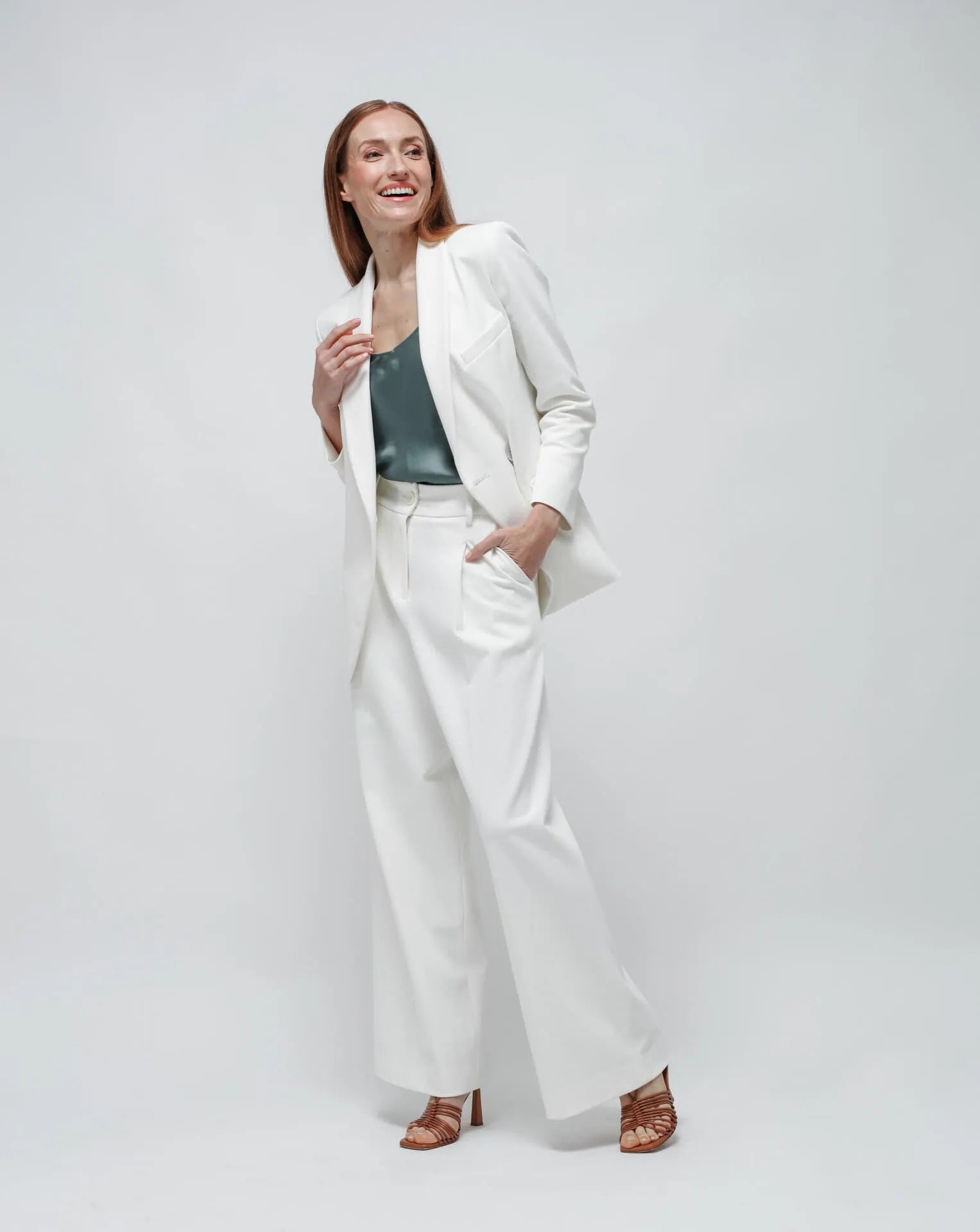
Tailored white (or black) pants solve more outfit problems than almost anything else. They can carry a knit and flats during the day, then shift into evening with a sleeveless top and heel. If your wardrobe leans minimal, this may be your most important purchase.
The nuance is in the leg shape. Straight and slightly wide cuts tend to last longer stylistically than ultra-skinny fits. Pay attention to rise, drape, and whether the fabric wrinkles easily. A beautiful pant that creases beyond recovery by noon will not feel luxurious for long.
3. A refined knit top
Not every staple has to be formal. A fine-gauge knit top offers softness without sacrificing structure. It works under jackets, with denim, with tailored skirts, and during travel when comfort matters.
The best versions avoid excess detail. Think elegant neckline, close but not restrictive fit, and breathable yarn. If you offer women’s knit tops in limited runs, this section naturally supports a product example like a fitted mock-neck knit top or a lightweight merino blend essential.
4. A blazer that can relax
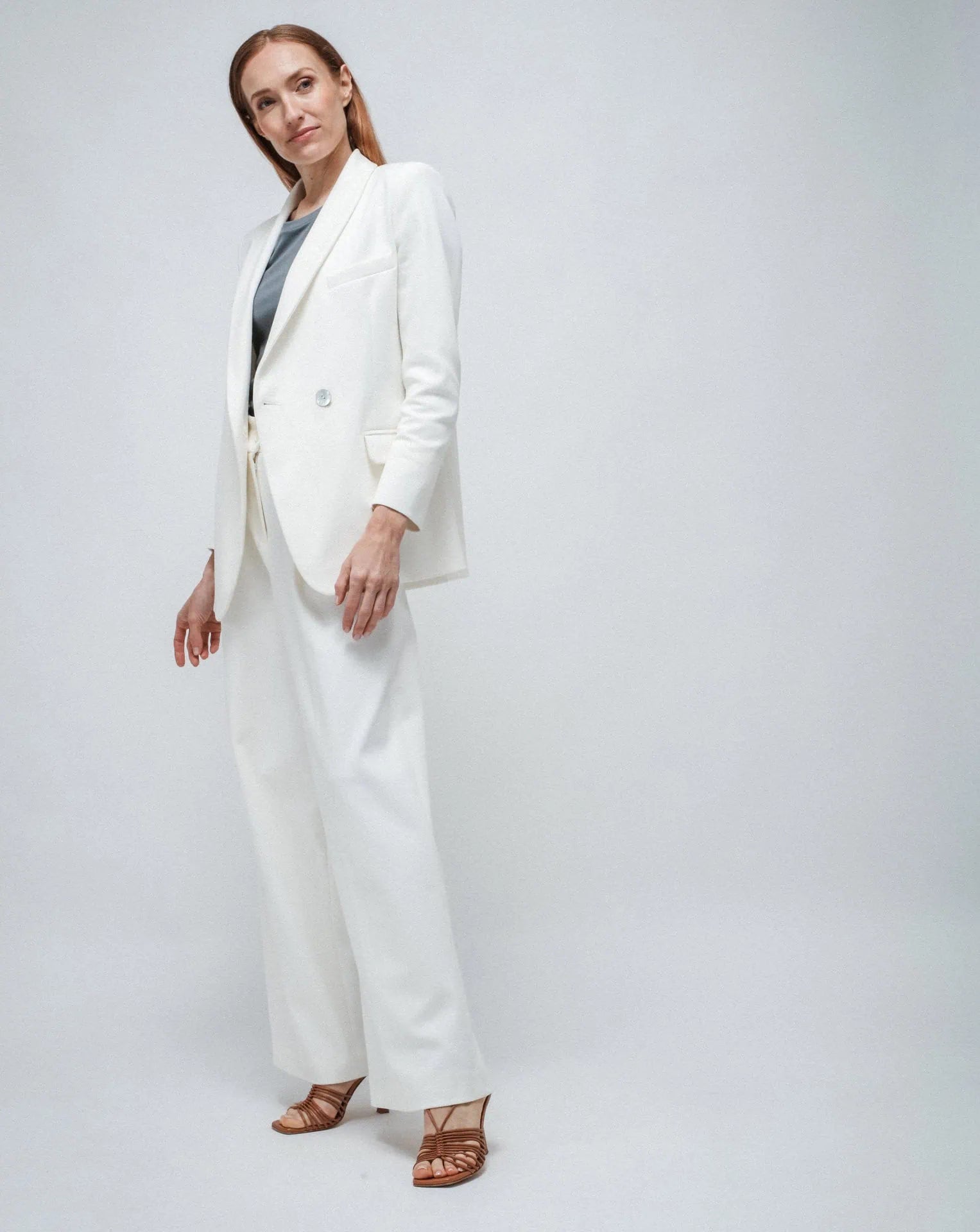
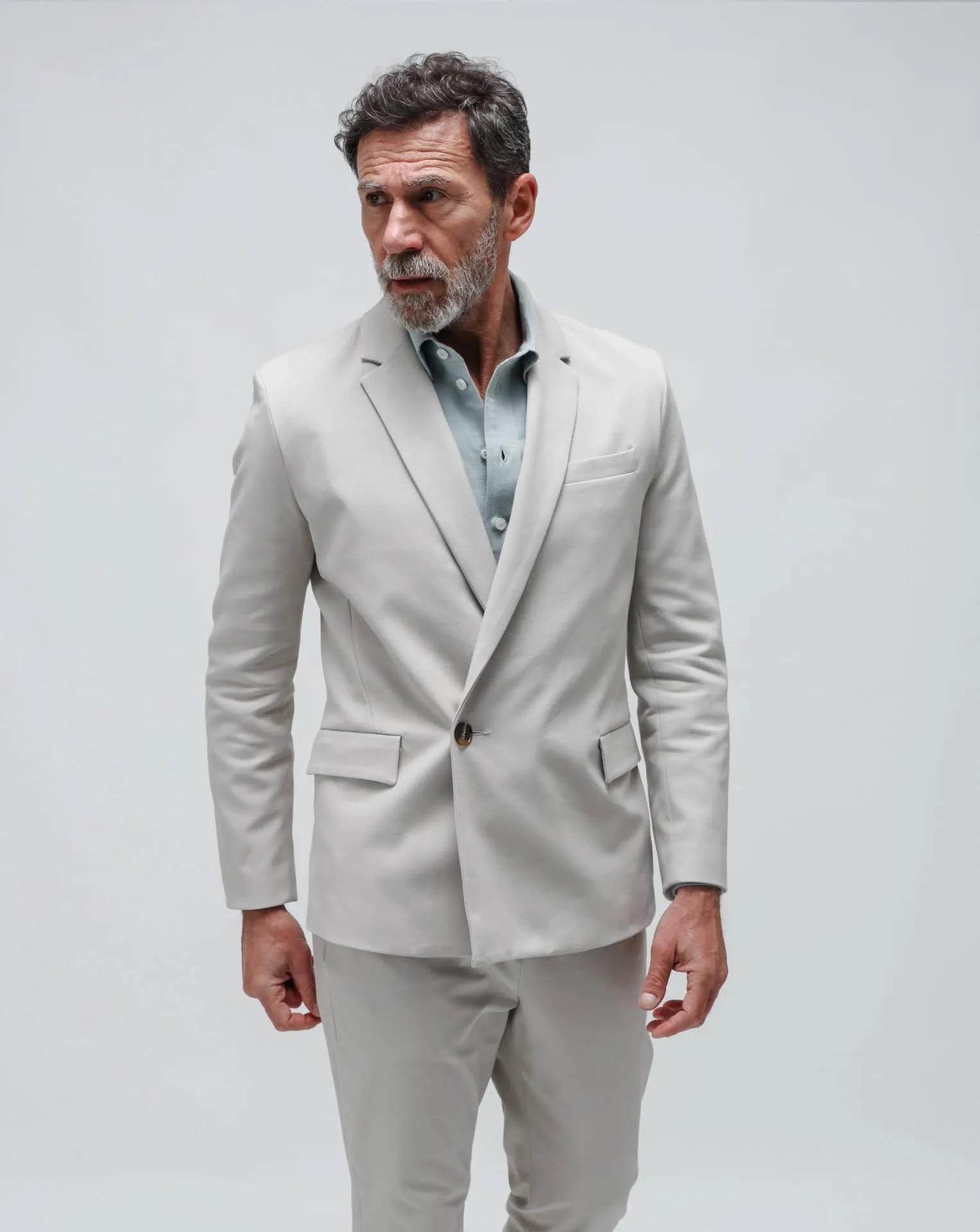
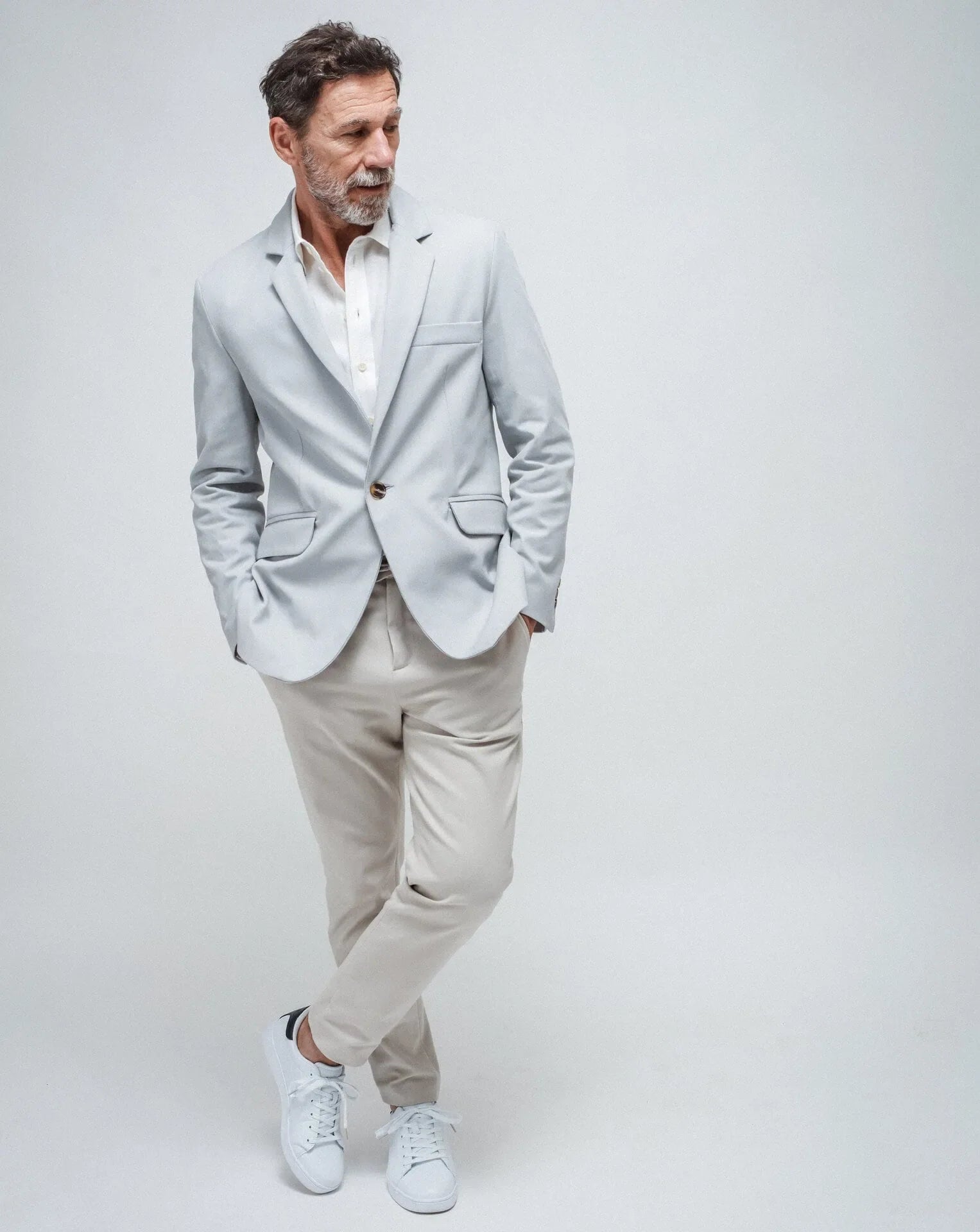
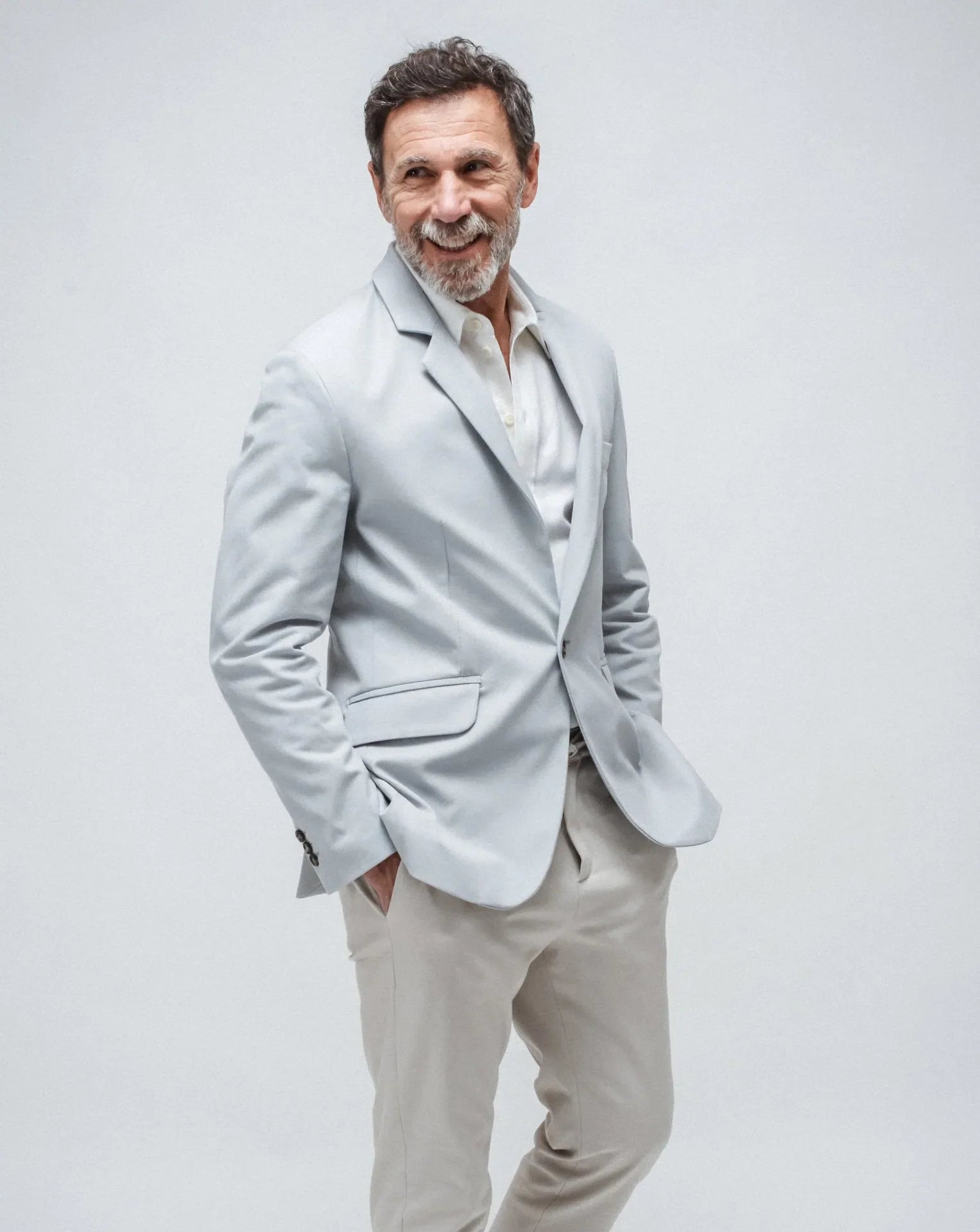
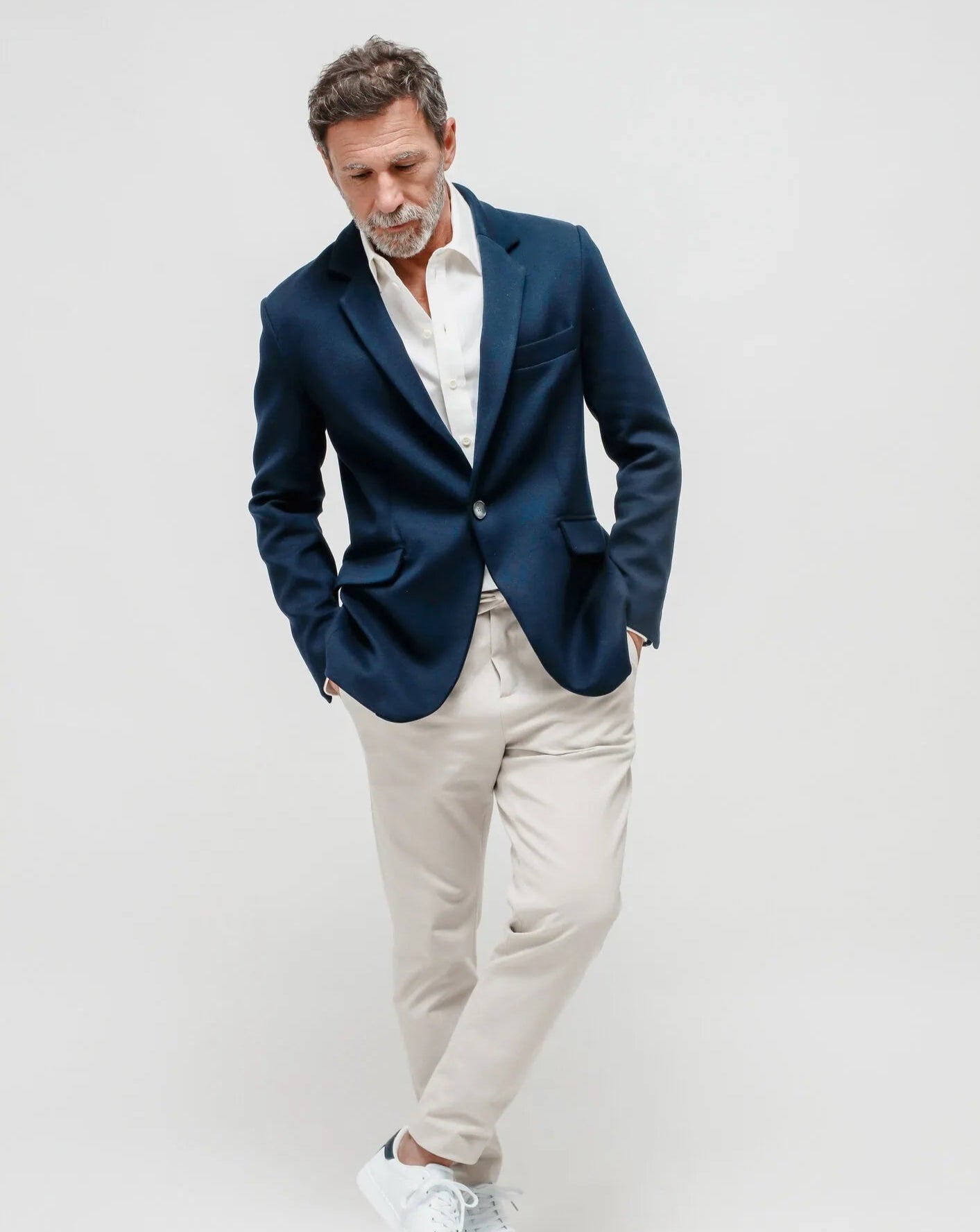
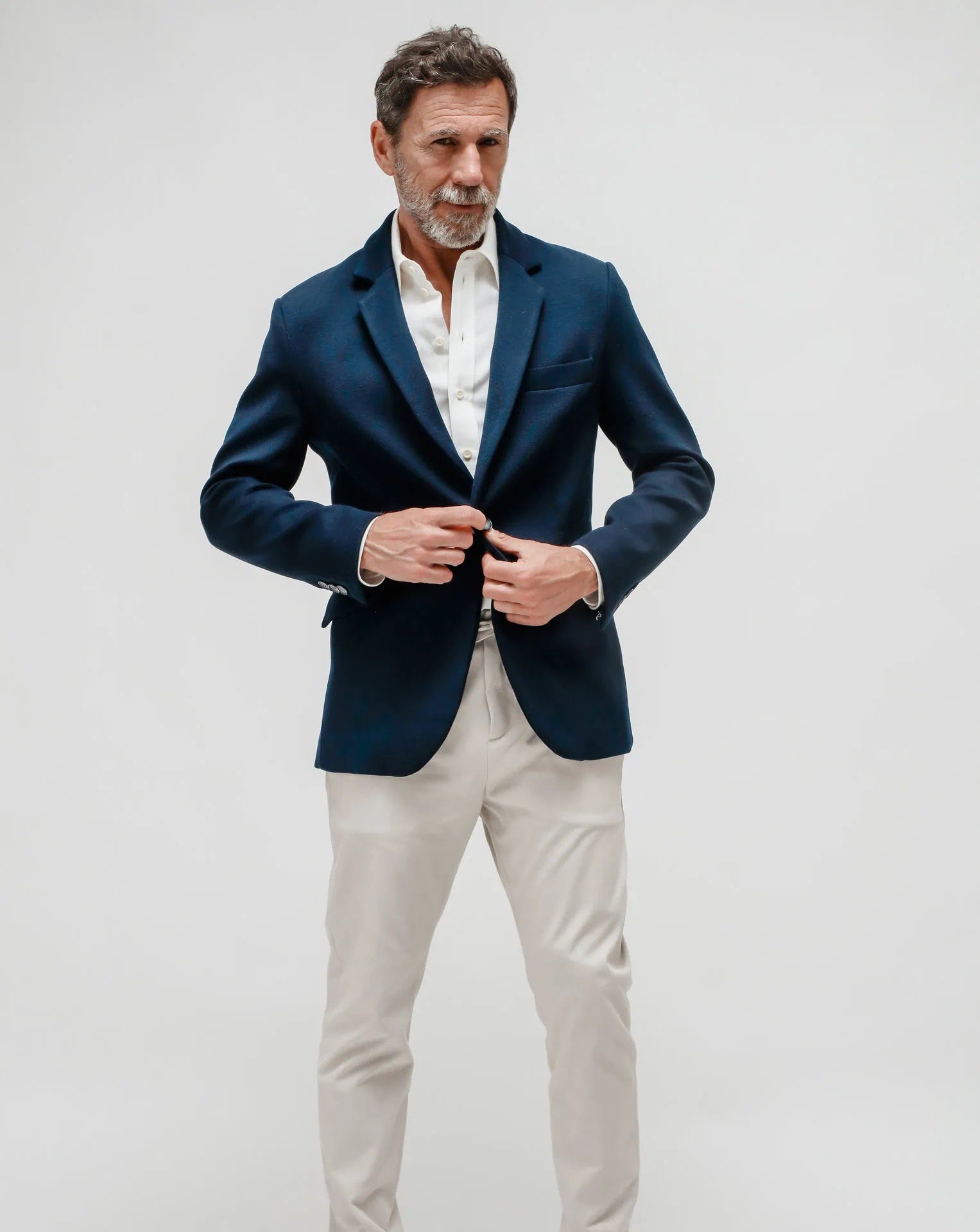
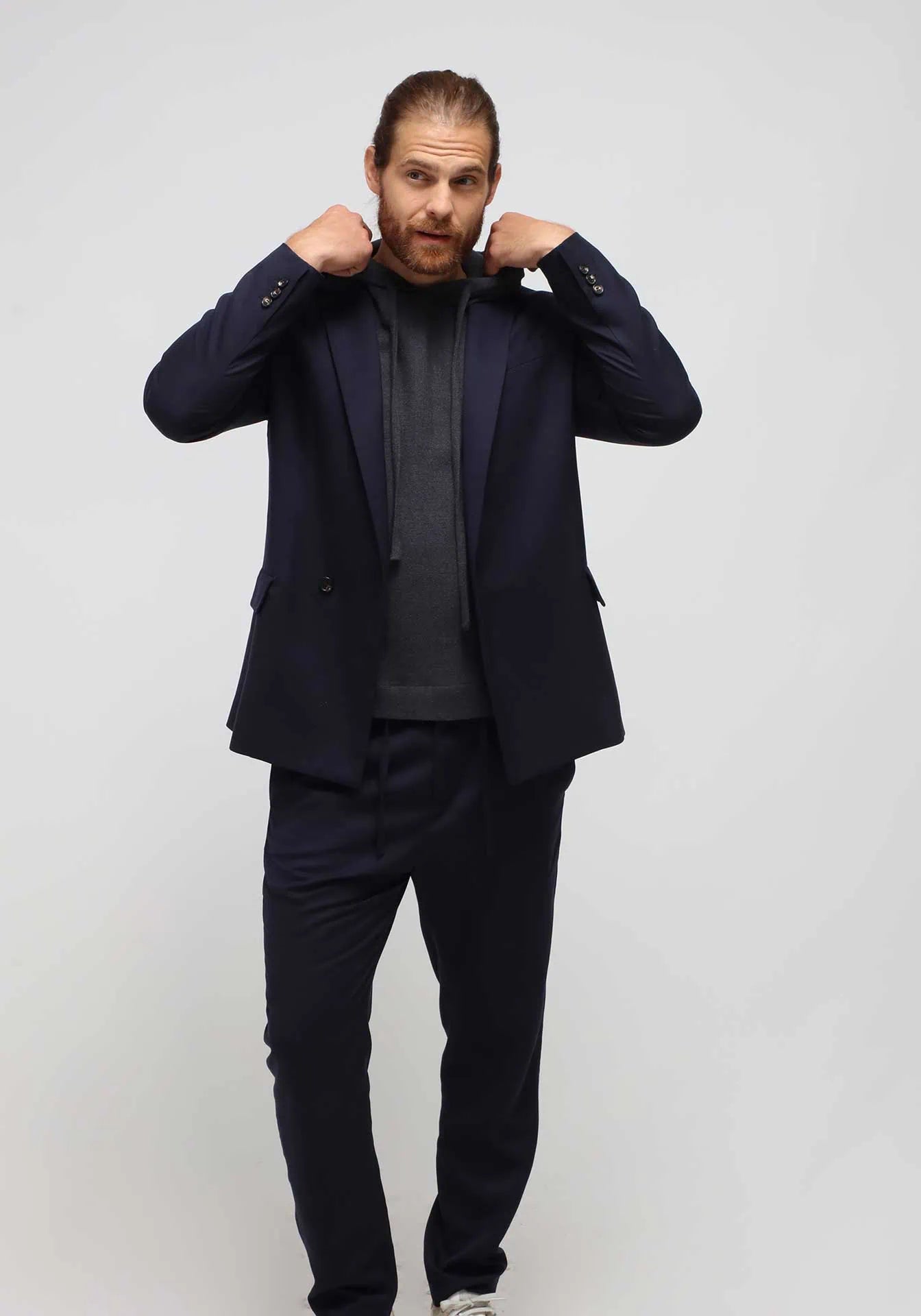
A blazer belongs in nearly every modern wardrobe, but not the kind that feels trapped in one context. The best ethical staple blazer can go to a meeting, over a T-shirt with denim, or over a dress for dinner. That flexibility is what justifies the investment.
Shoulders should feel defined, not aggressive. Fabric should drape, not fight the body. Small-batch tailoring makes a difference here because proportion is everything. A jacket that fits well transforms simpler pieces around it.
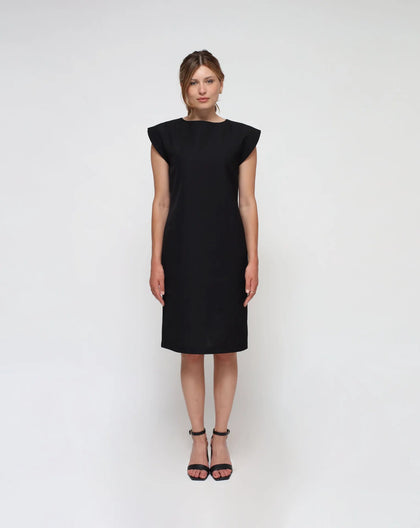
5. A dress with day-to-night range
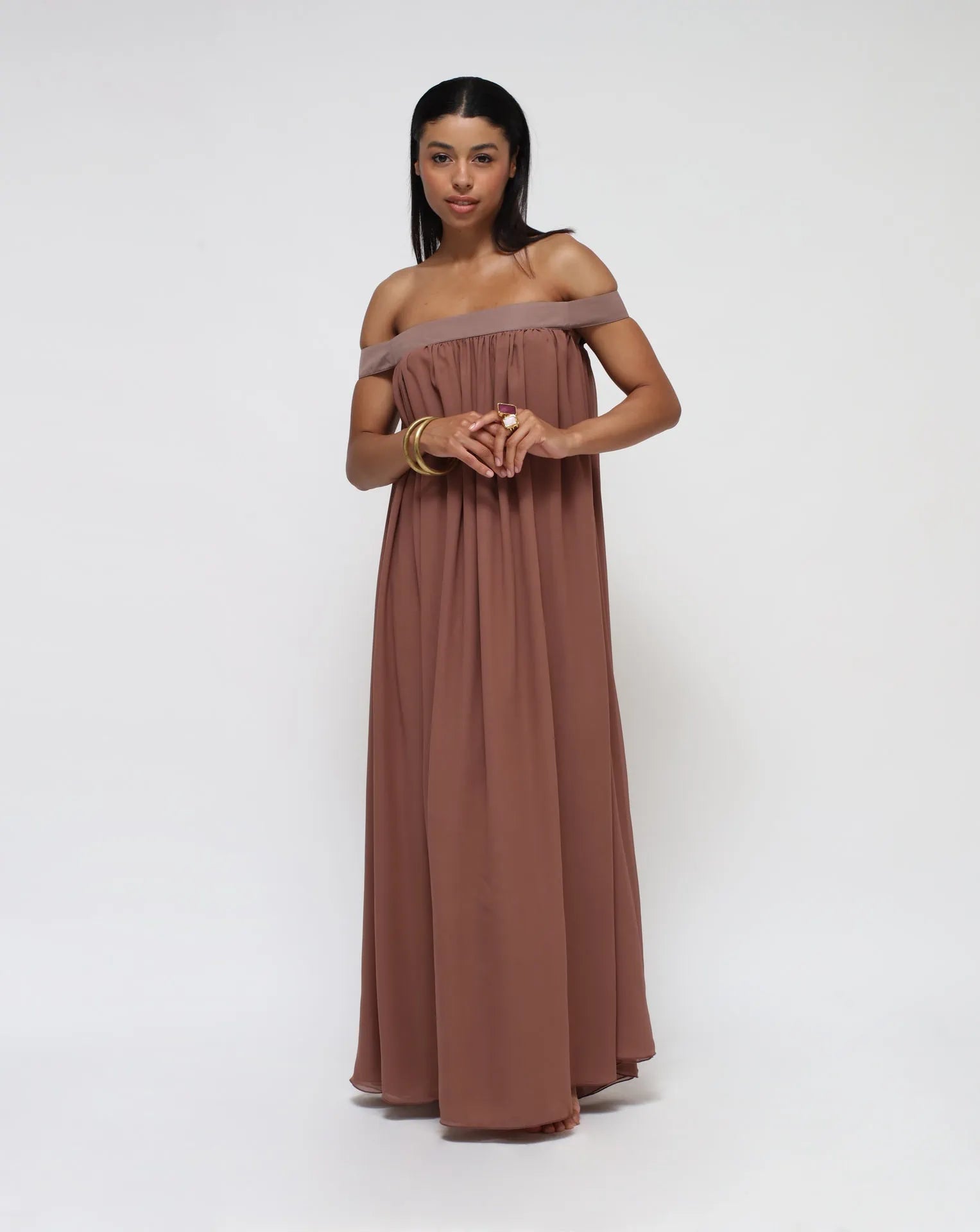
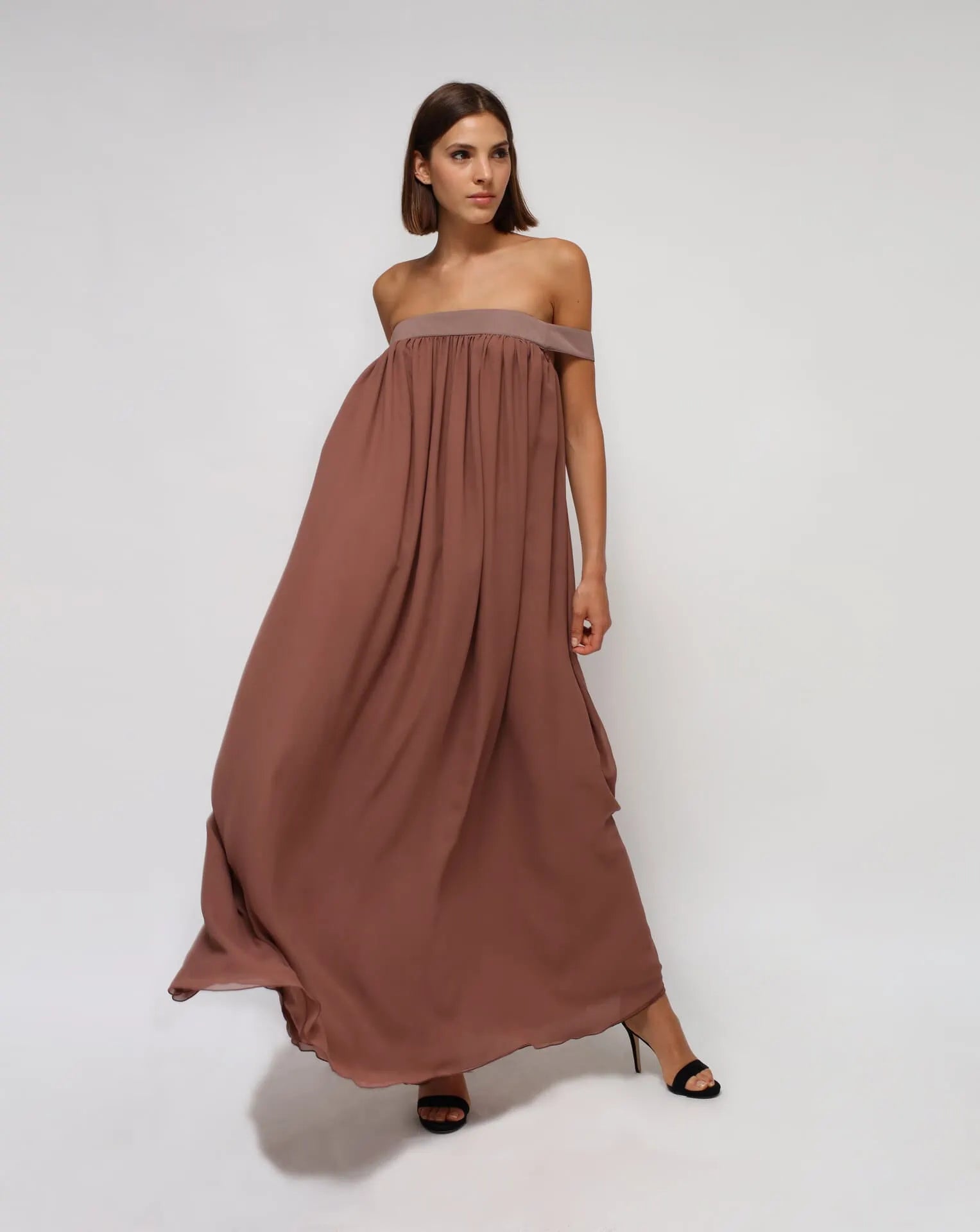
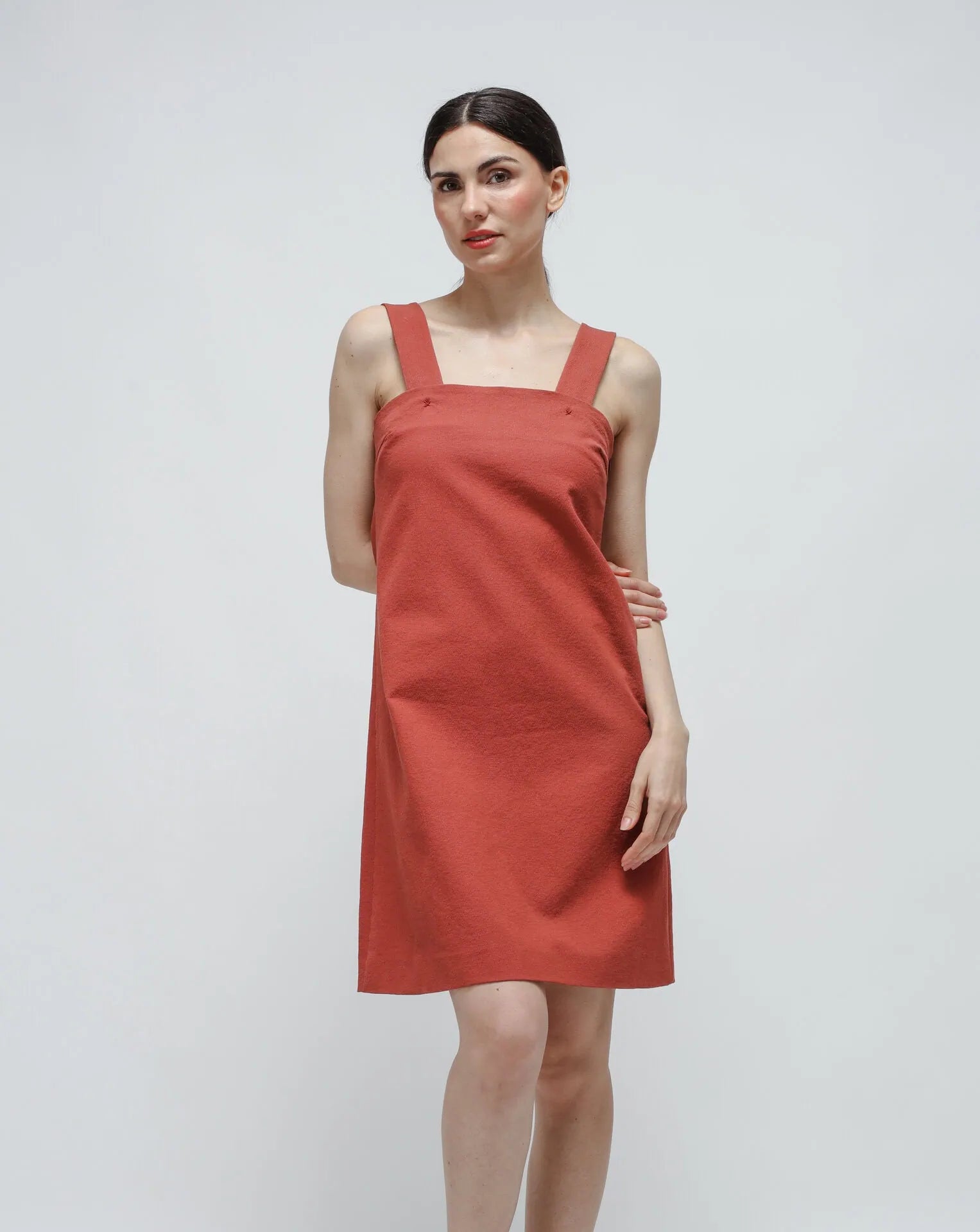
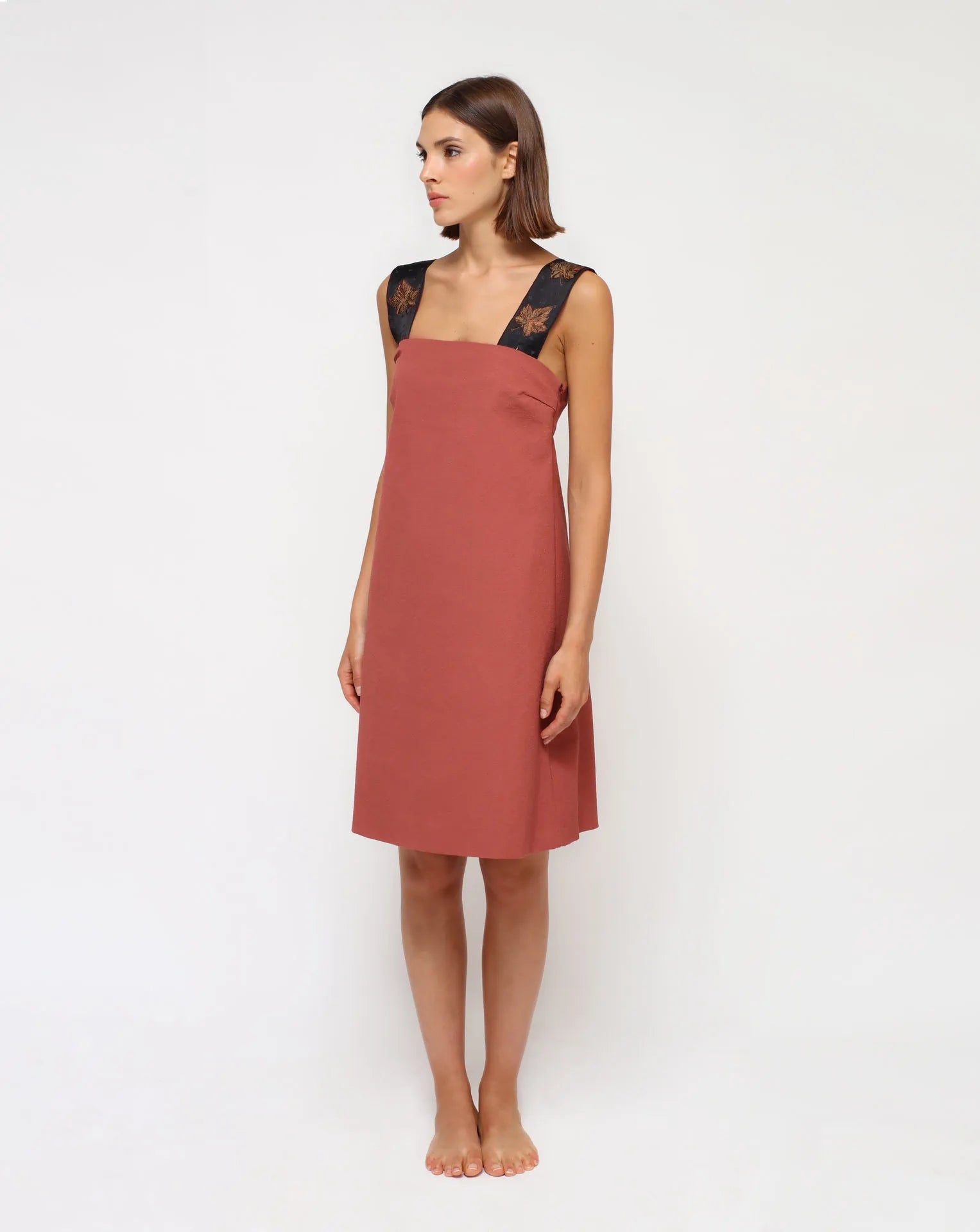
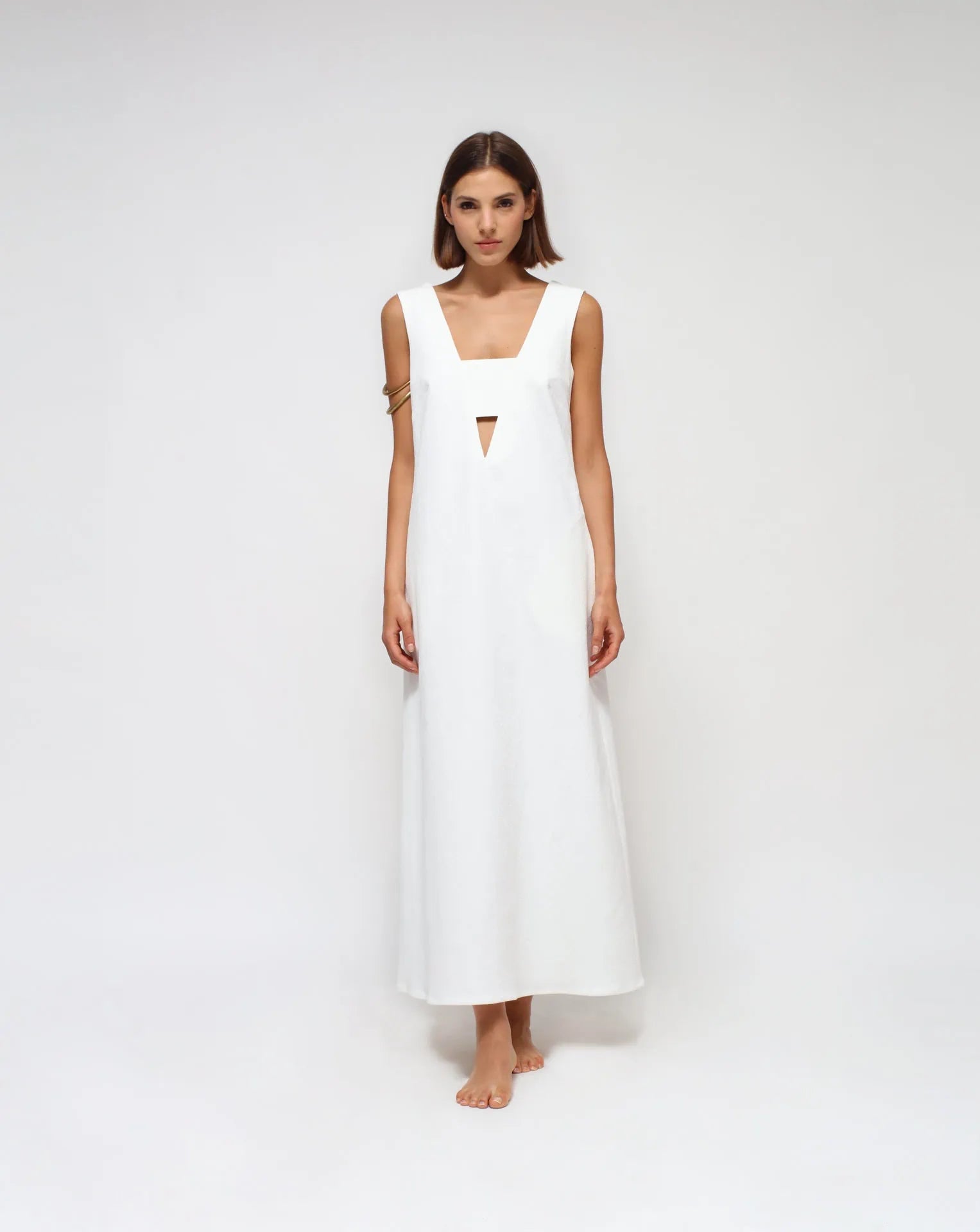
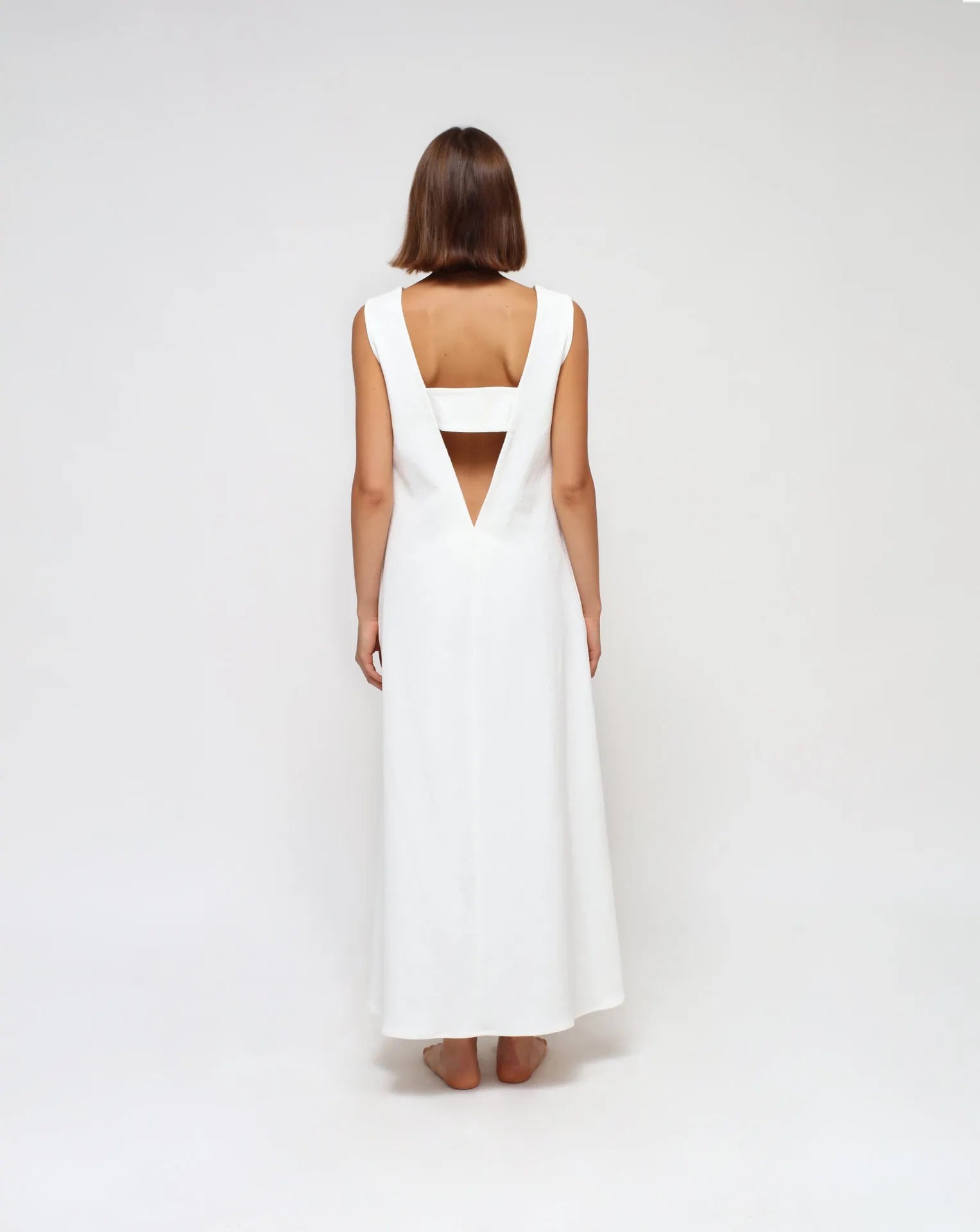
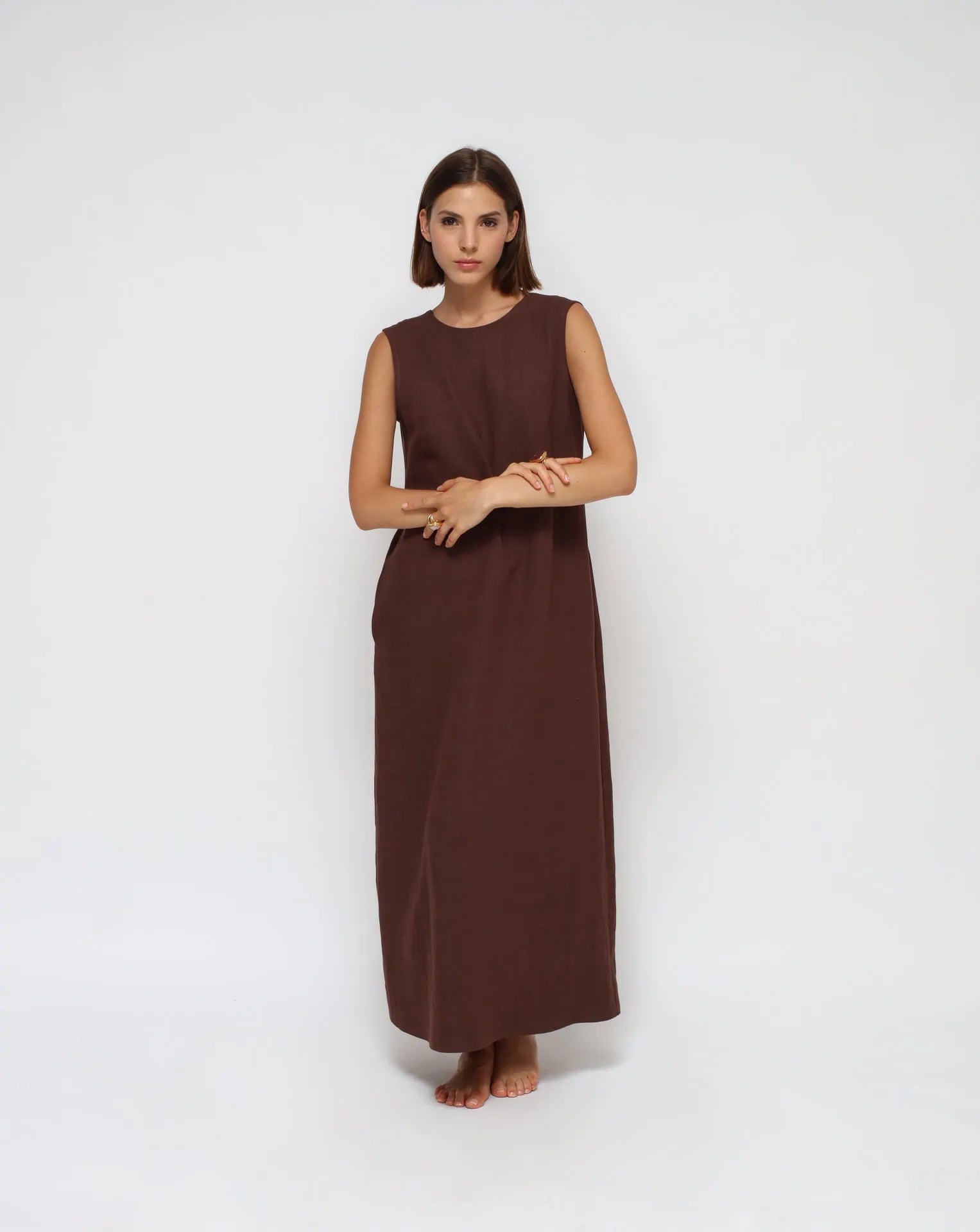
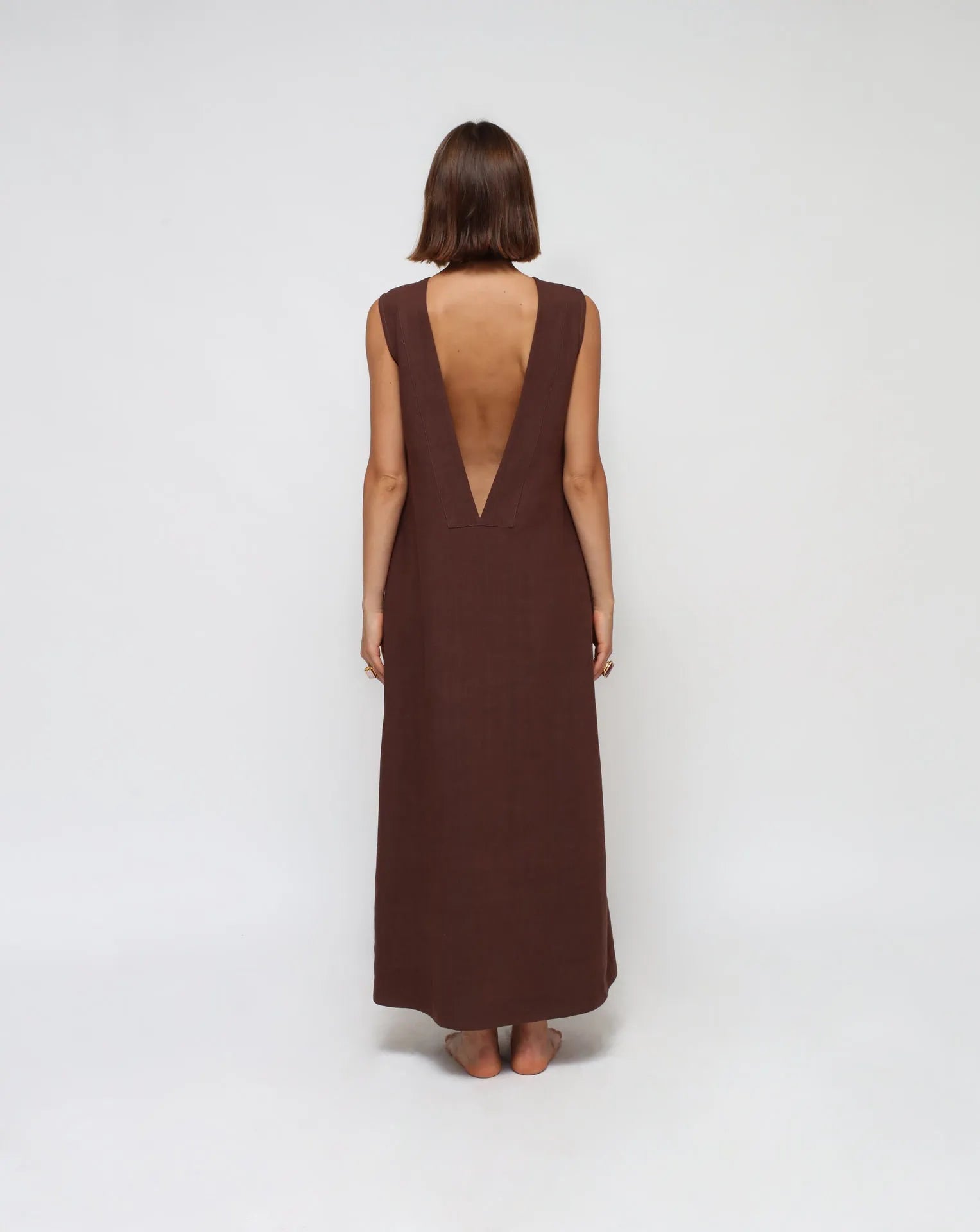
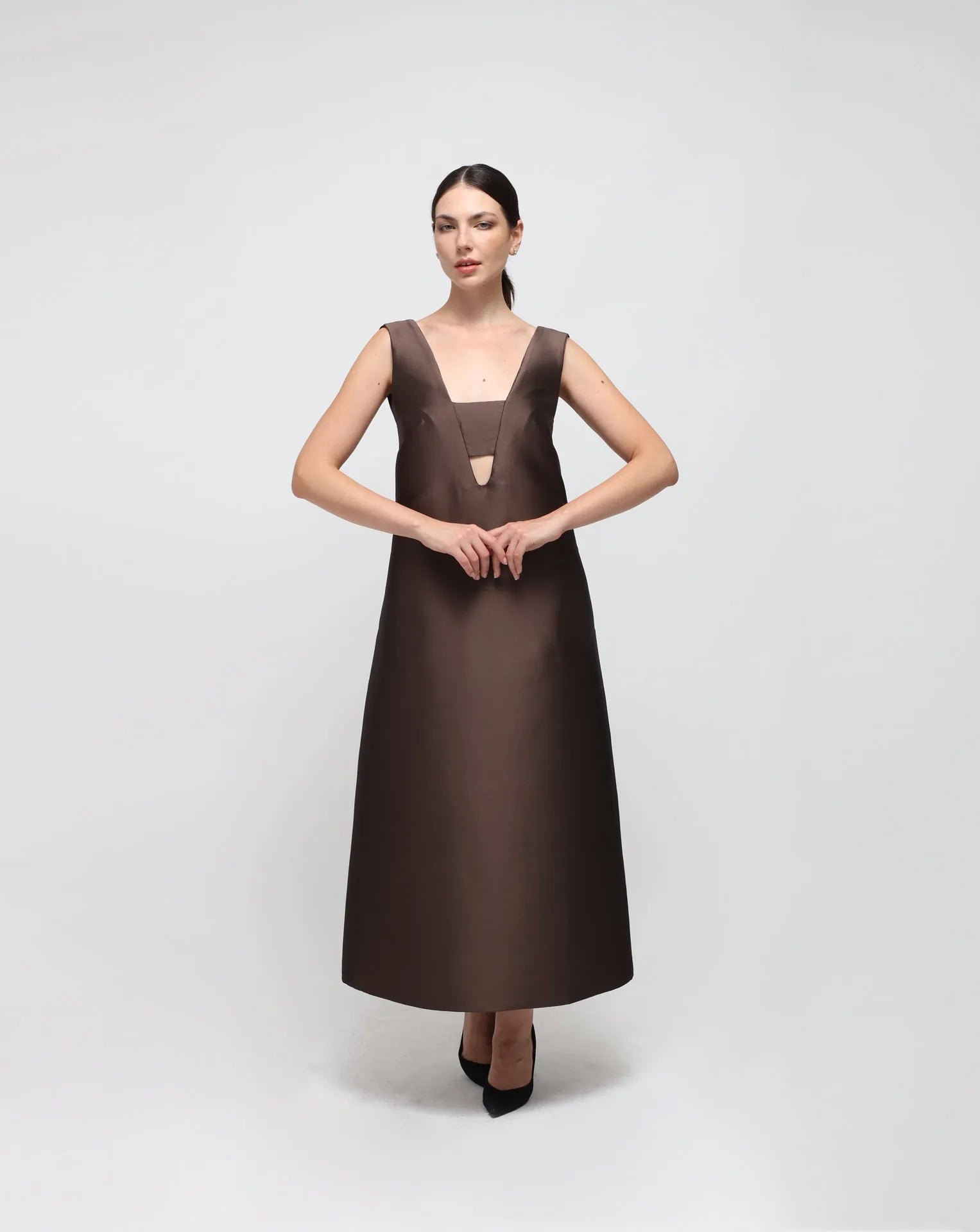
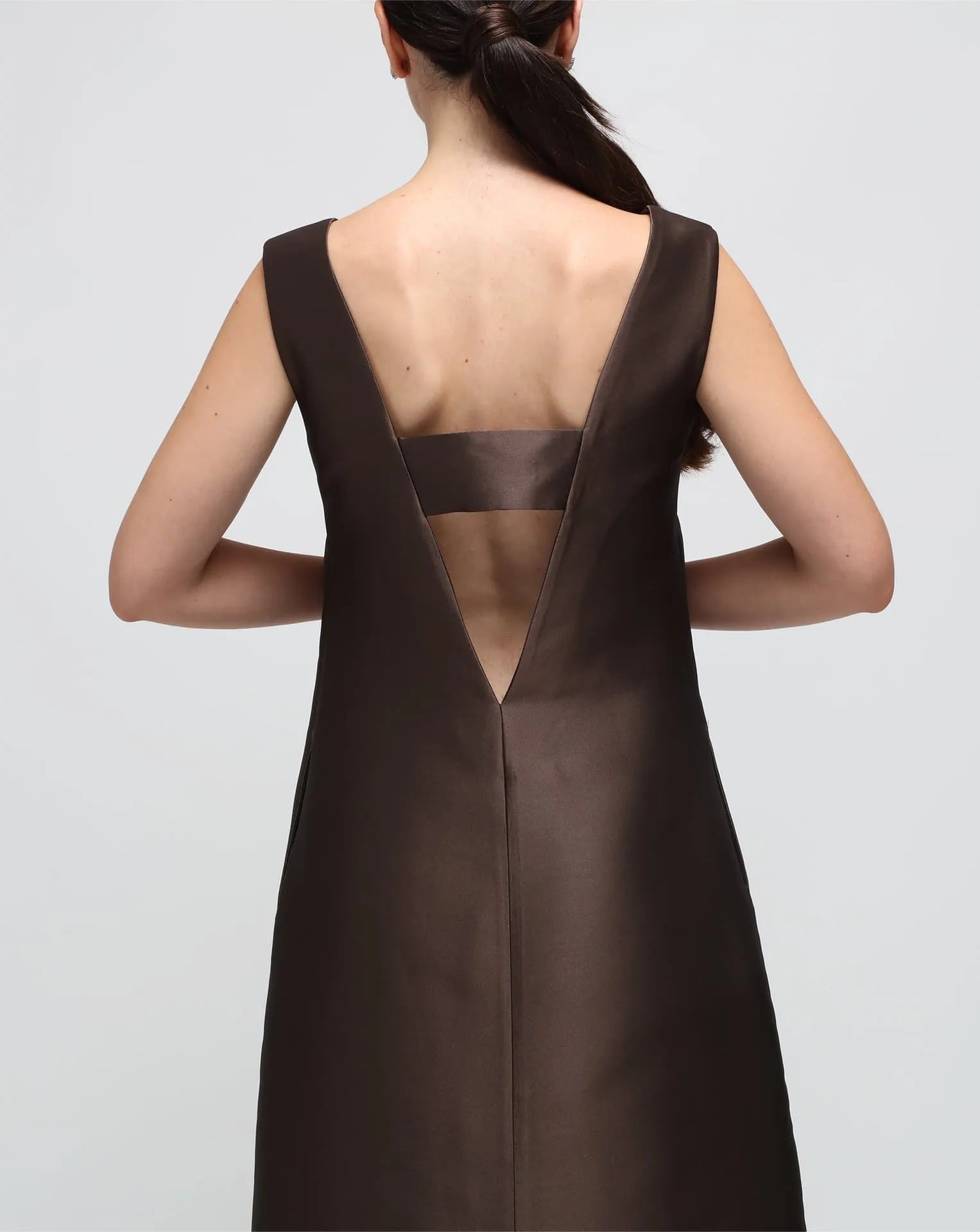
The right dress reduces decision fatigue. It should stand on its own, layer under outerwear, and adapt to flat sandals, boots, or heels. This is where ethical fashion can feel especially satisfying - one excellent dress can replace multiple trend-based purchases.
A midi silhouette usually gives the most range. So does a restrained palette like black, cream, navy, olive, or chocolate. If your collection includes limited-edition wrap dresses, shirt dresses, or bias-cut midis, this is a natural place to build internal product relevance without sounding forced.
6. Premium denim you can actually repeat
Denim is often treated casually, but it deserves scrutiny. A staple pair should feel intentional enough to wear with a blazer and refined enough to support elevated basics. Mid-rise to high-rise straight or relaxed cuts tend to serve more wardrobes than highly distressed or hyper-trendy silhouettes.
Ethically, denim is not always simple. Wash processes, fiber blends, and finishing methods all matter. If a pair contains stretch, it may feel easier at first but lose shape faster. Pure or mostly cotton denim often improves with wear, though the break-in period can be less forgiving. It depends on whether you prioritize immediate comfort or long-term structure.
7. A skirt that works beyond occasionwear
Many women own skirts they rarely wear because they were bought for a single version of themselves. A real staple skirt should not wait for an event. It should pair with a knit, shirt, blazer, or simple tank and move easily through the week.
Slip skirts and clean A-line shapes tend to offer the most versatility. Deadstock satin, structured cotton, or fluid crepe can all work, depending on your climate and styling habits. This is a strong category for editorial merchandising because one skirt can be shown for office, dinner, and travel with almost no change in attitude.
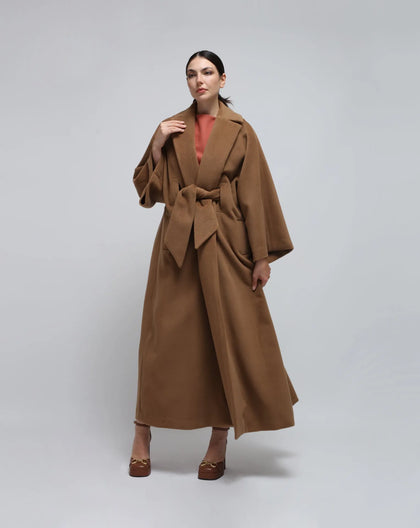
8. A coat or jacket with presence
Outerwear is the first thing people see for months at a time. It should carry authority. That does not mean trendy volume or exaggerated detail. It means clean lines, quality fabrication, and enough room to layer.
A wool coat, transitional trench, or cropped jacket can each qualify as a staple depending on where you live. For US customers, weather needs vary sharply, so versatility matters more than rigid rules. If you live in a mild climate, a lighter layering jacket may outperform a heavy coat. In colder regions, investing in one exceptional wool outer layer usually makes more sense than owning several mediocre options.
9. A matching set for modern ease
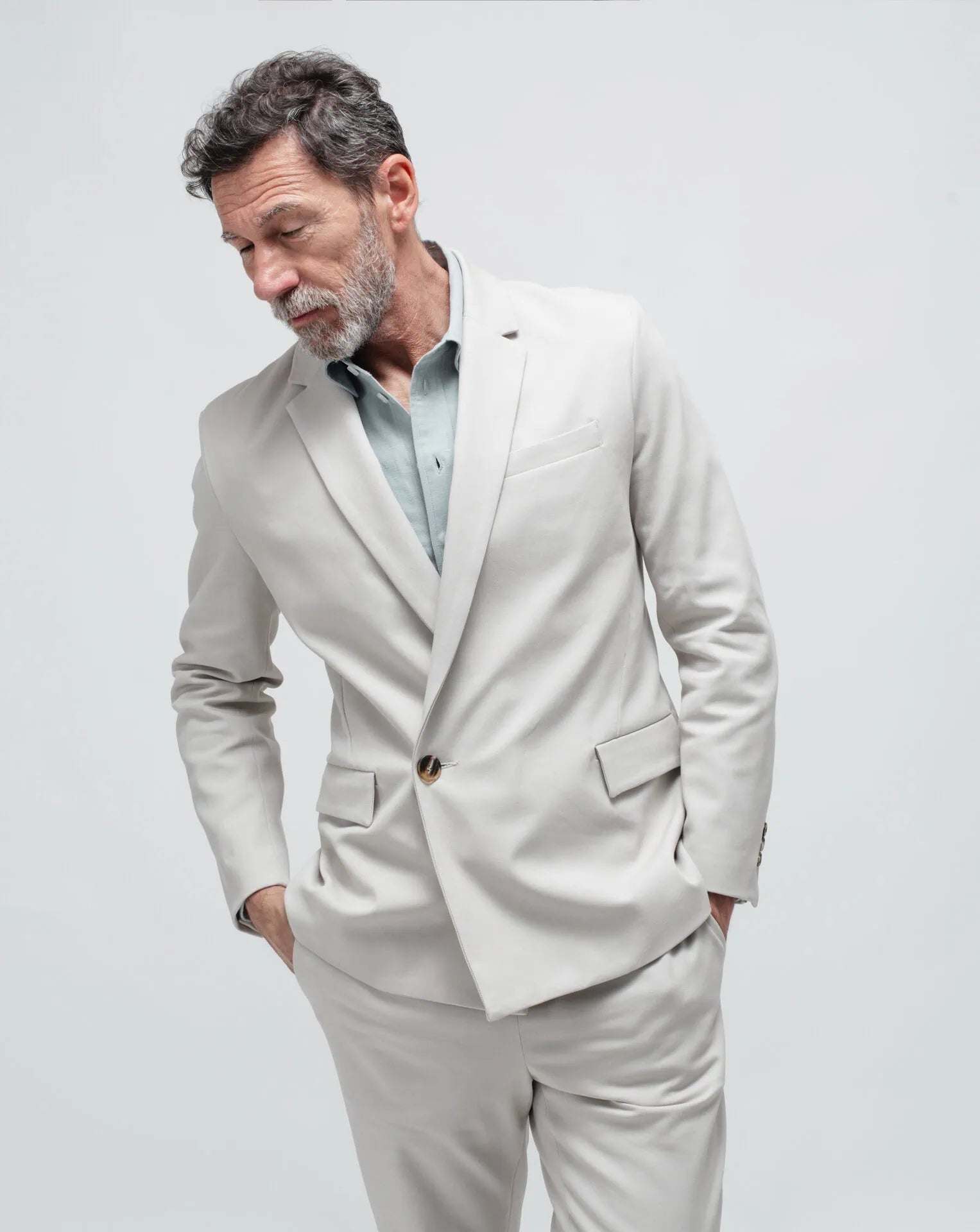
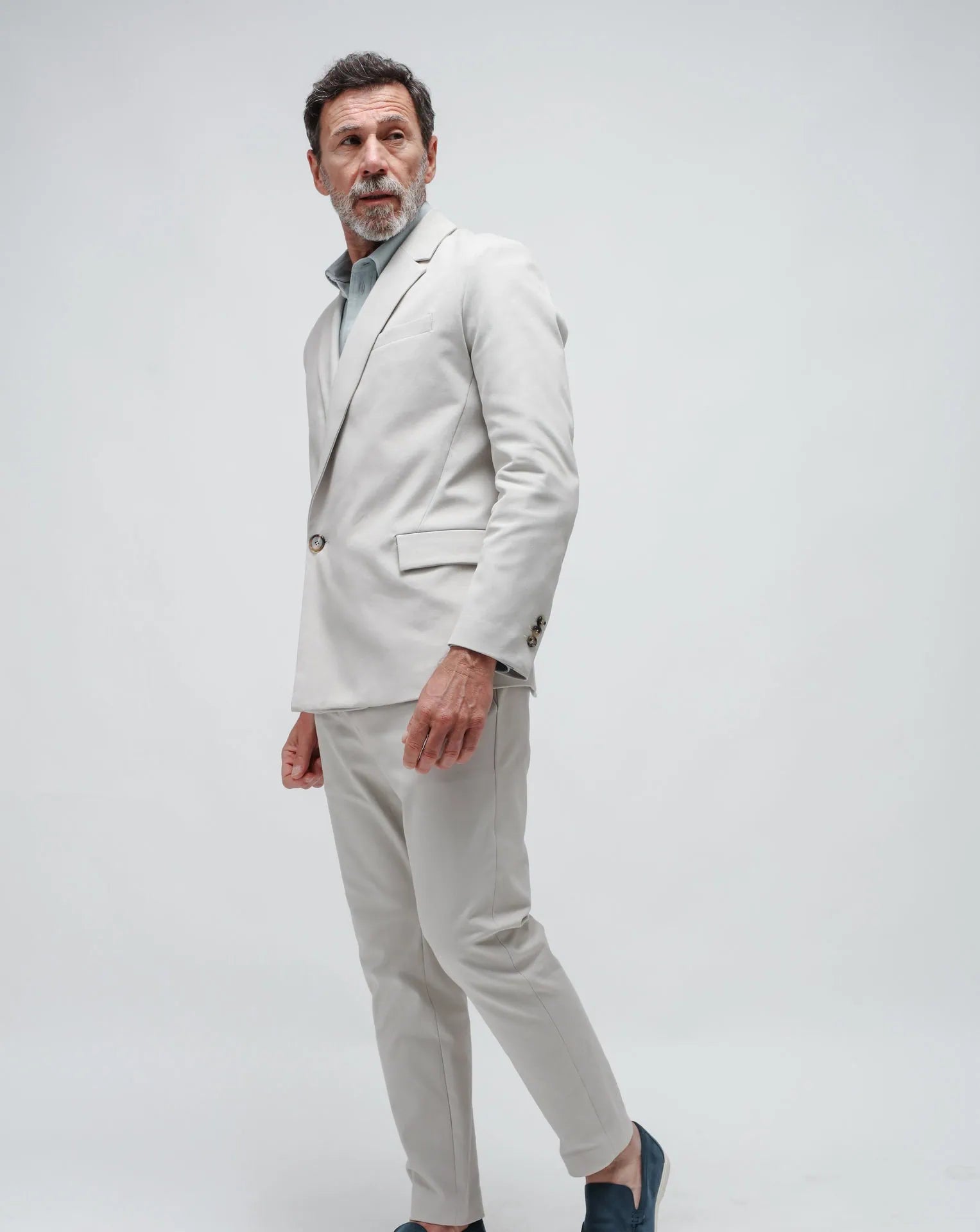
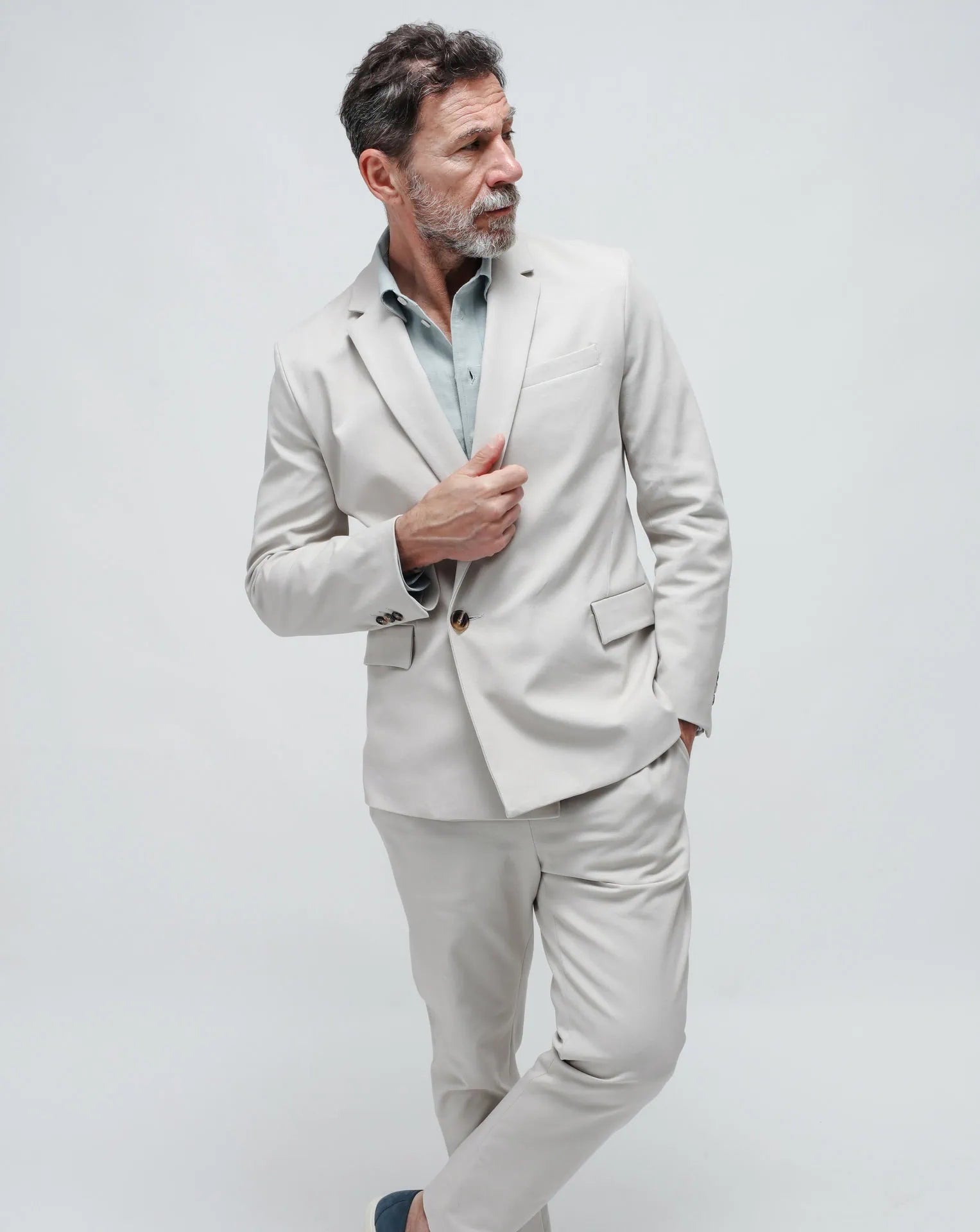
Matching sets have earned staple status because they solve coordination instantly while multiplying outfit options. Worn together, they look considered. Worn apart, they extend the rest of your closet. A shirt-and-short set, a vest-and-pant set, or a soft suiting set can all work.
This is where a limited-edition model feels especially strong. A coordinated set in deadstock fabric offers scarcity with purpose, not excess. It feels current without depending on a microtrend, which is exactly where a modern ethical wardrobe should sit.
How to choose staples without overbuying
The best way to build a wardrobe is slowly enough to notice what is missing. If you keep reaching for the same black pant, you may need a second version in a different fabric. If you never wear skirts, buying one to complete a theoretical capsule will not make your closet better.
Start with the pressure points in your week. Workwear, travel, evening plans, and transitional weather usually reveal the biggest gaps. Buy for repetition, not novelty. A piece should answer at least three uses before it enters your closet.
It also helps to think in fabric, not just silhouette. Deadstock fabrics can be a powerful choice, but they are not all identical. Some offer crisp structure, others softness and fluidity. The right fabric depends on how you dress and how much maintenance you are willing to accept. Low-maintenance pieces often get worn more, even by people with excellent intentions.
Why ethical fashion feels better when it is precise
There is a difference between owning sustainable clothing and building a sustainable wardrobe. One is about labels. The other is about behavior. Precision is what makes the system hold. Fewer pieces, better materials, stronger styling range, and care habits that extend garment life.
For a brand like Humans & Land, that philosophy is not an aesthetic extra. It is the point. Small-batch production, European craftsmanship, and deadstock sourcing only matter fully when the customer chooses with equal intention. Here you can see our women's collection.
The most elegant closet is not the fullest one. It is the one where every piece has a reason to be there, and proves it often.
FAQ
Q: How many ethical womens wardrobe staples do I actually need?
A: Fewer than most people think. For many women, 8 to 12 strong core pieces can support a large share of weekly dressing, especially when they layer well and work across seasons.
Q: Are deadstock fabrics always better?
A: They are often a strong choice because they use existing fabric that might otherwise go to waste. That said, quality still varies. Fabric composition, weight, and finish matter just as much as the sourcing story.
Q: What should I buy first if I am rebuilding my closet?
A: Start with the pieces you need most often: tailored pants, a white shirt, a versatile blazer, and a dress or knit you can wear multiple ways. Build from your actual routine, not an idealized one.
Q: Can wardrobe staples still feel distinctive?
A: Yes. Distinctive does not have to mean loud. Cut, fabric, proportion, and finish can make a staple feel elevated and memorable while staying highly wearable.
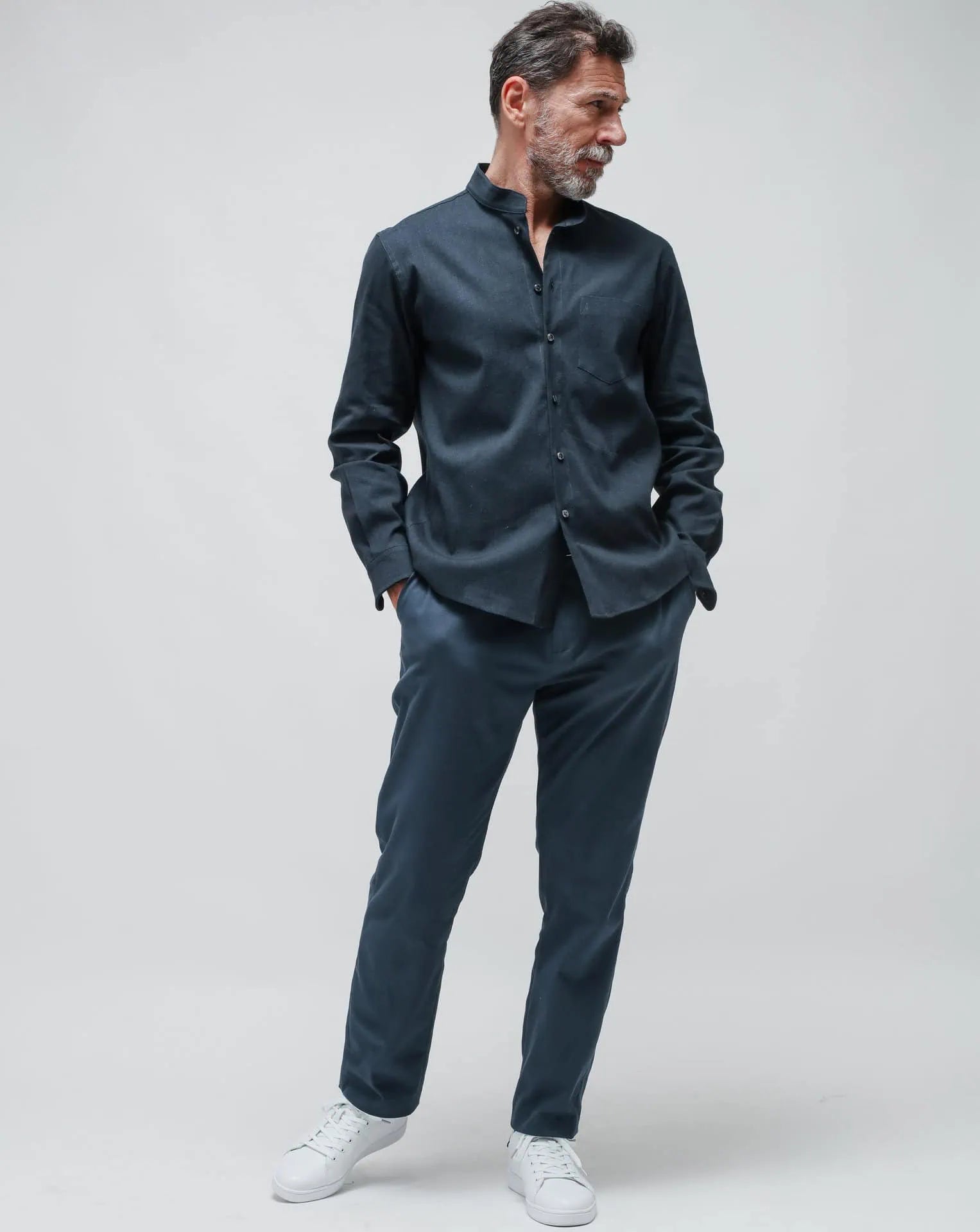
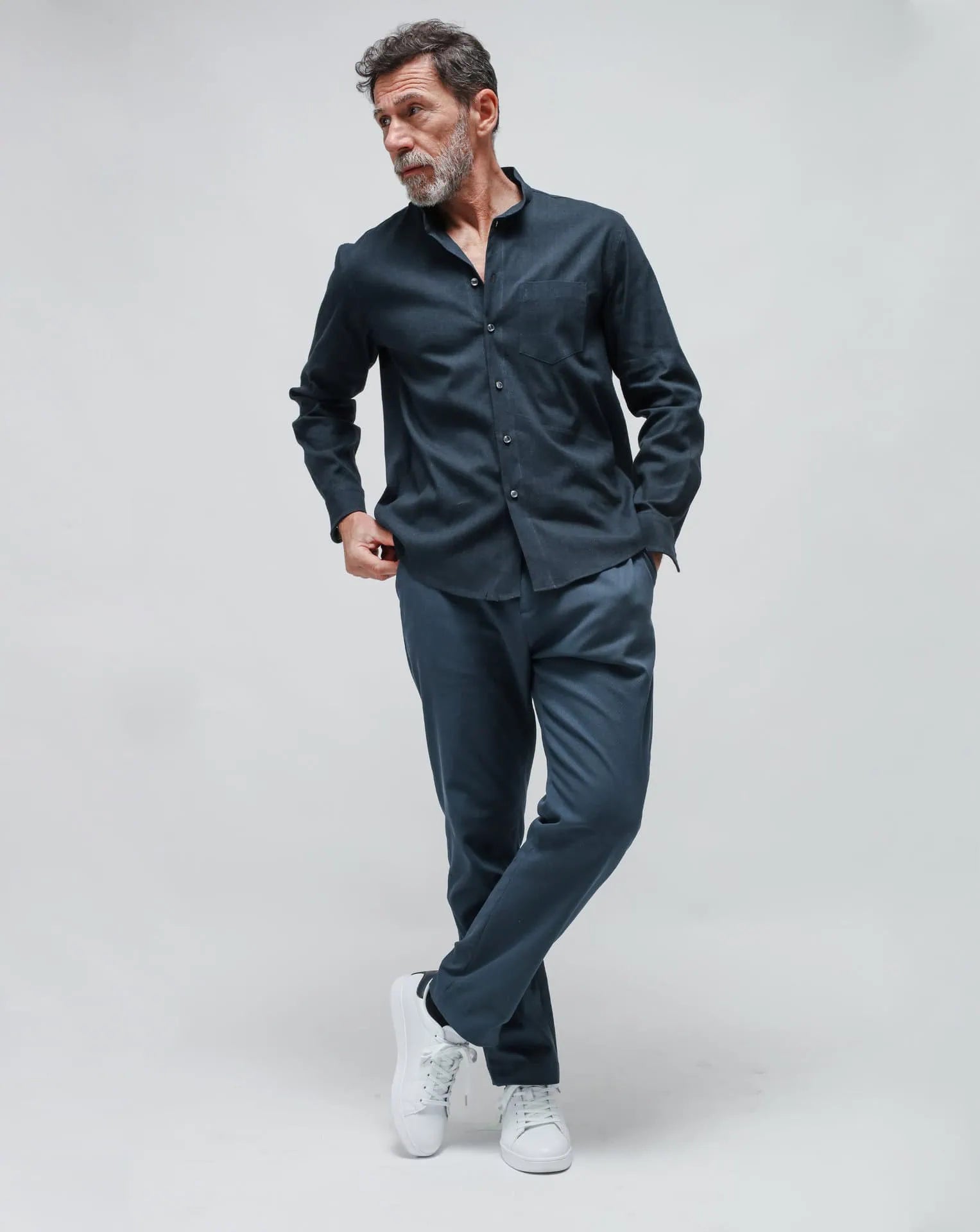
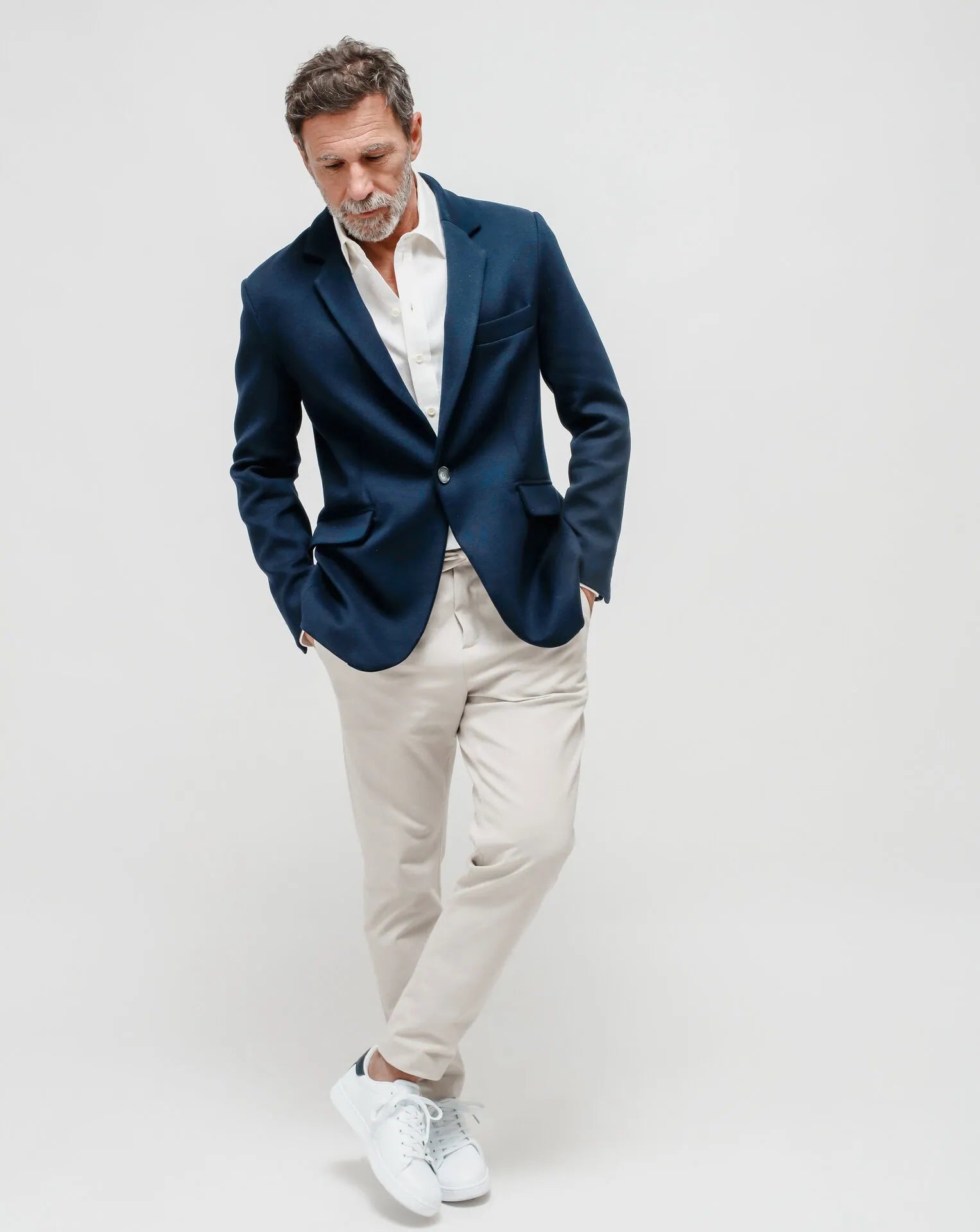
Q: Do men benefit from the same wardrobe approach?
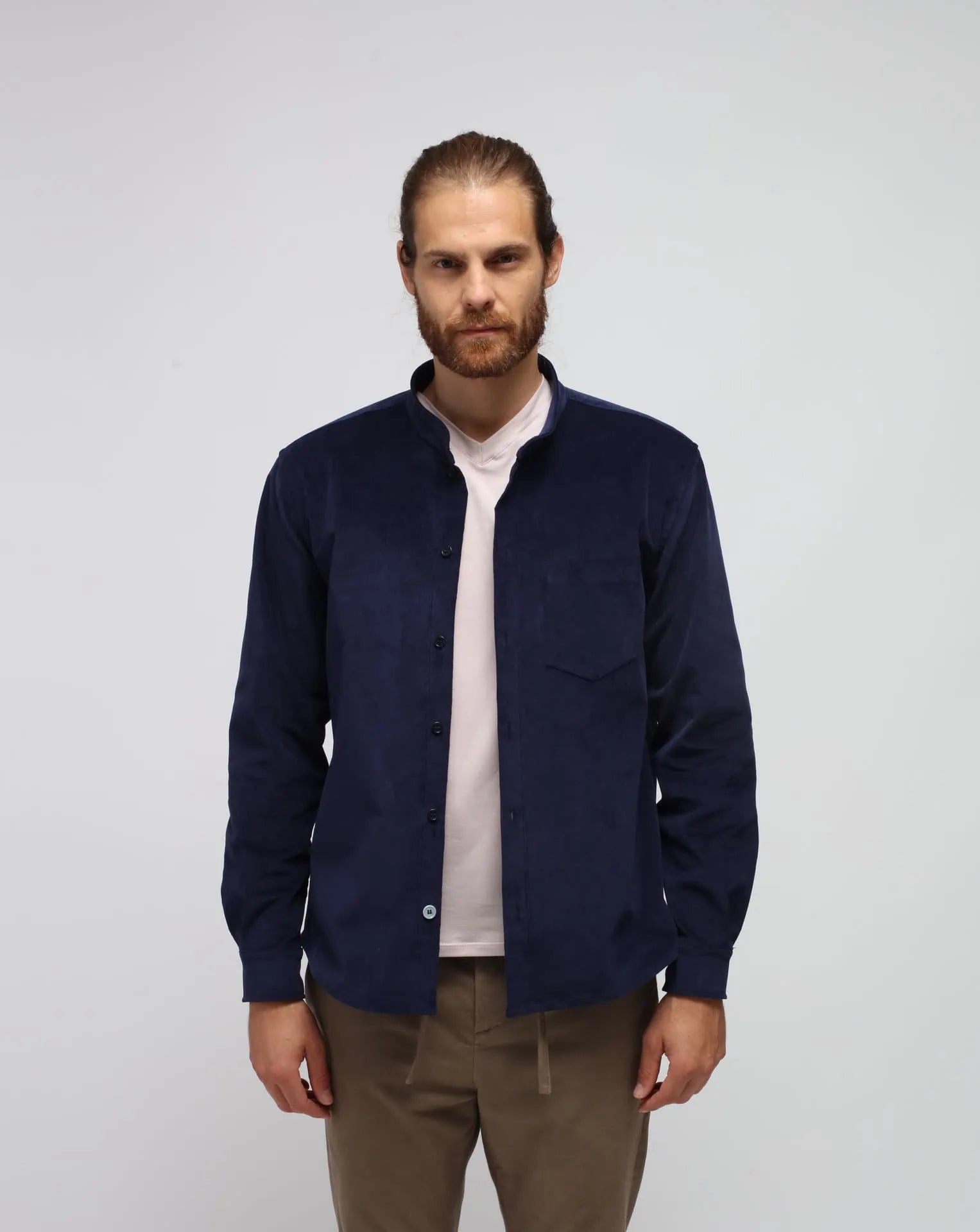
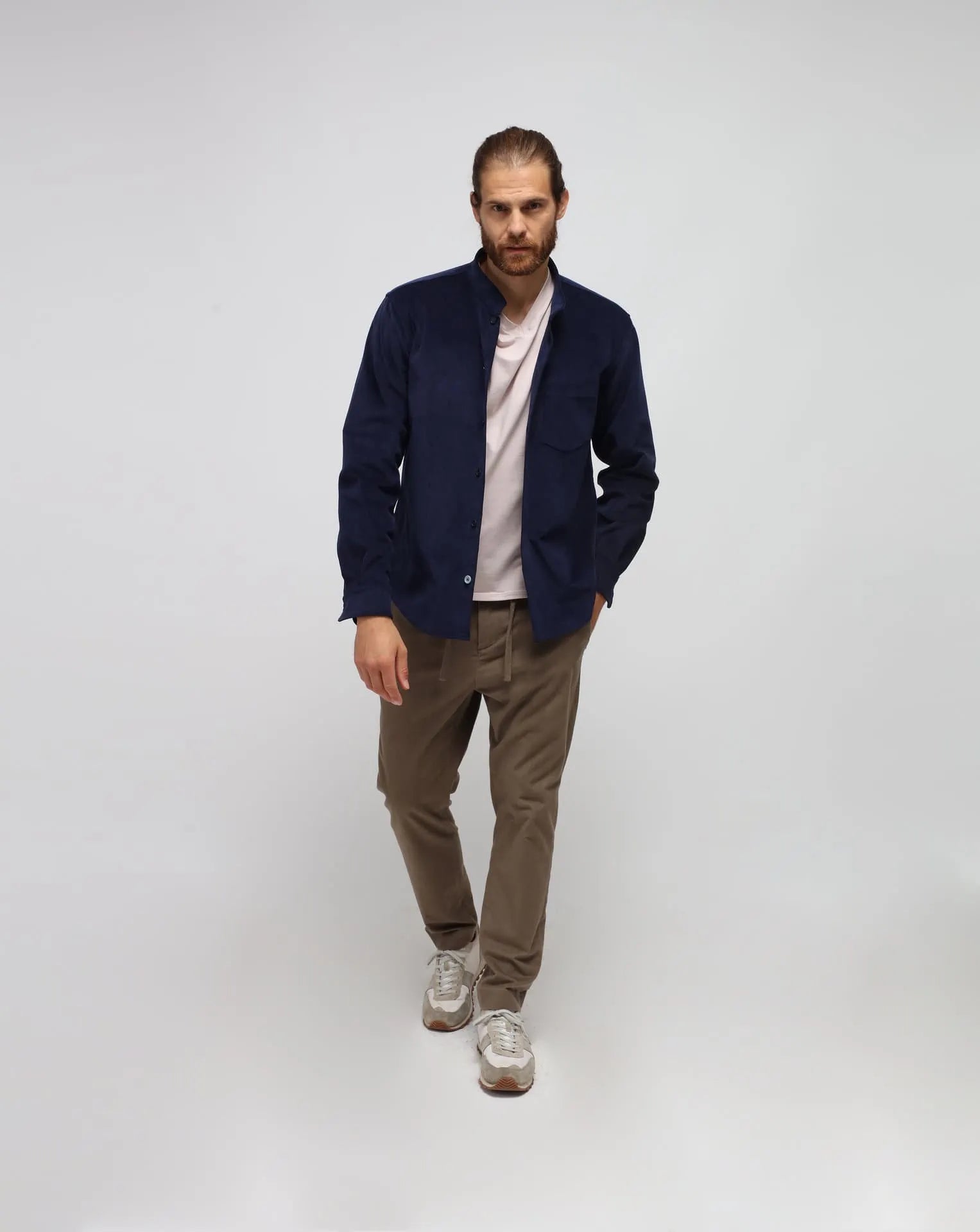
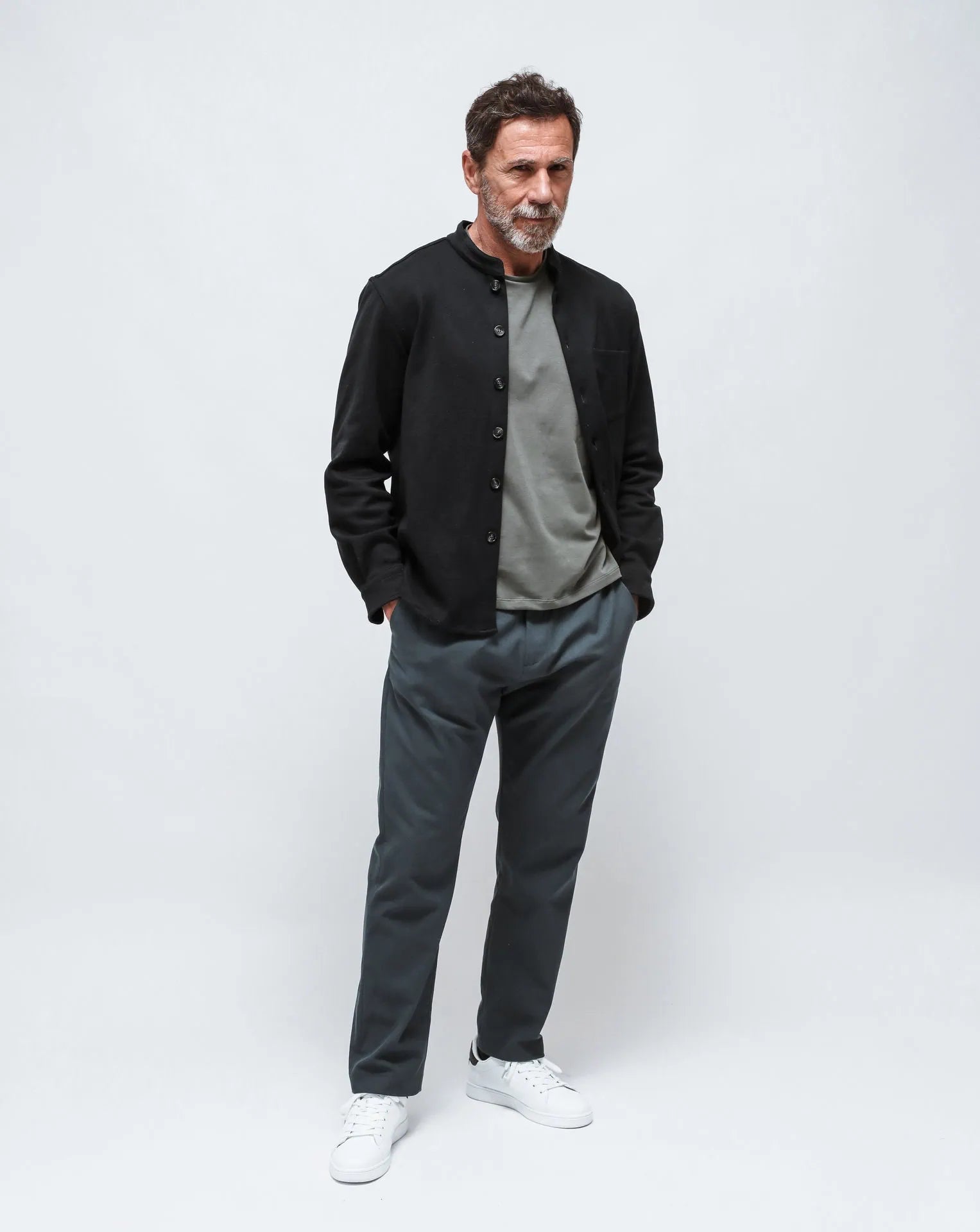
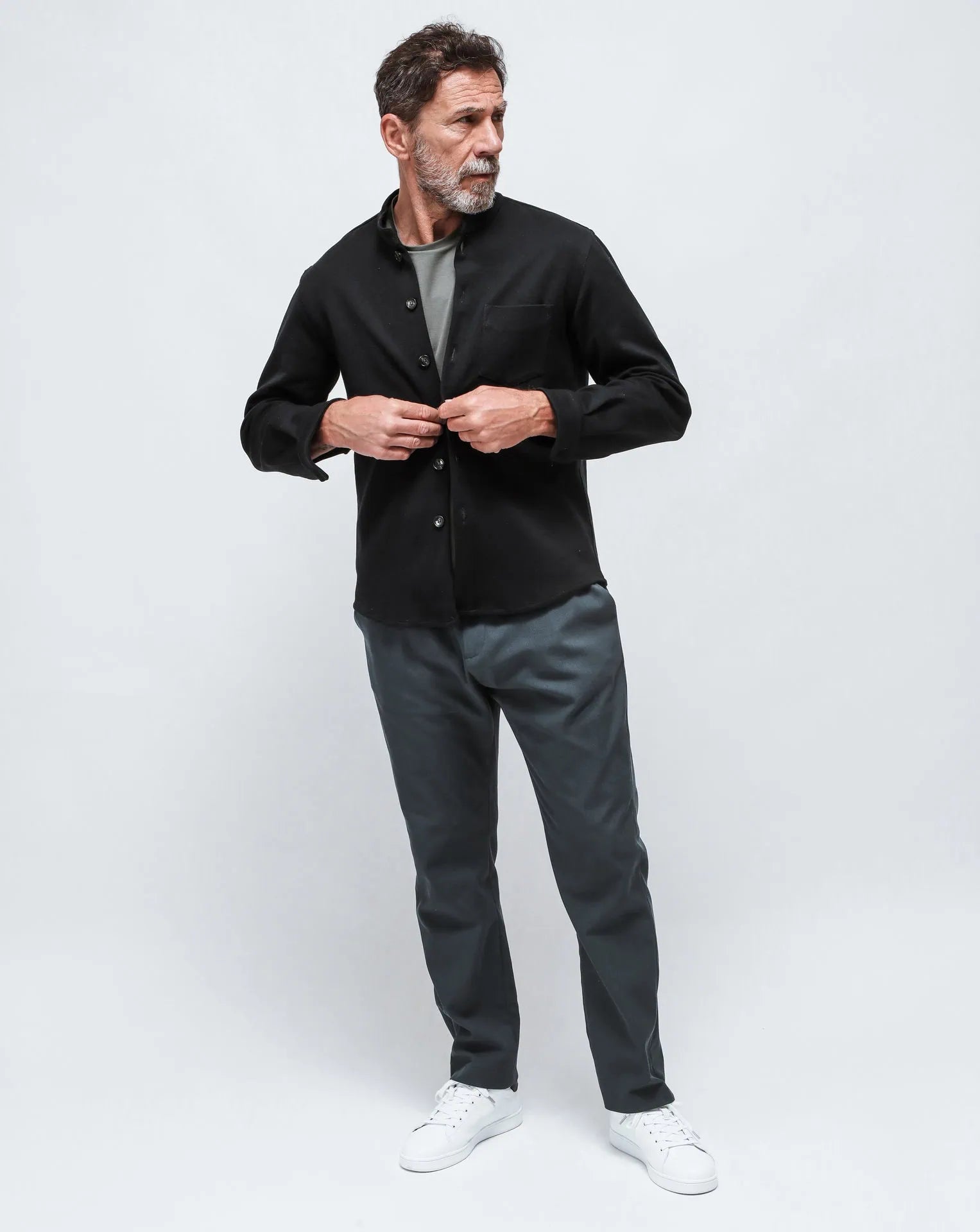
A: Absolutely. The principle is the same across women’s and men’s collections: buy fewer, better pieces with strong construction, versatile styling, and materials chosen to reduce waste and increase longevity.
the World of H&L