
Why Ethical Fashion Made in Italy Matters
A beautifully cut jacket means less when the fabric story is murky, the labor is hidden, and the piece is built to be replaced in a season. That is why ethical fashion made in Italy holds a different kind of value. It is not just about where a garment is sewn. It is about what standards surround that work - materials, pace, skill, waste, and the long-term role a piece plays in your wardrobe.
For a style-conscious buyer, Italy still carries weight. The appeal is obvious: tailoring, textile knowledge, and generations of craft. But country of origin alone is not an ethics badge. A garment can be made in Italy and still be excessive, opaque, or wasteful. The real question is more precise: what does ethical fashion look like when Italian craftsmanship is paired with responsible sourcing and disciplined production?
What ethical fashion made in Italy should actually mean
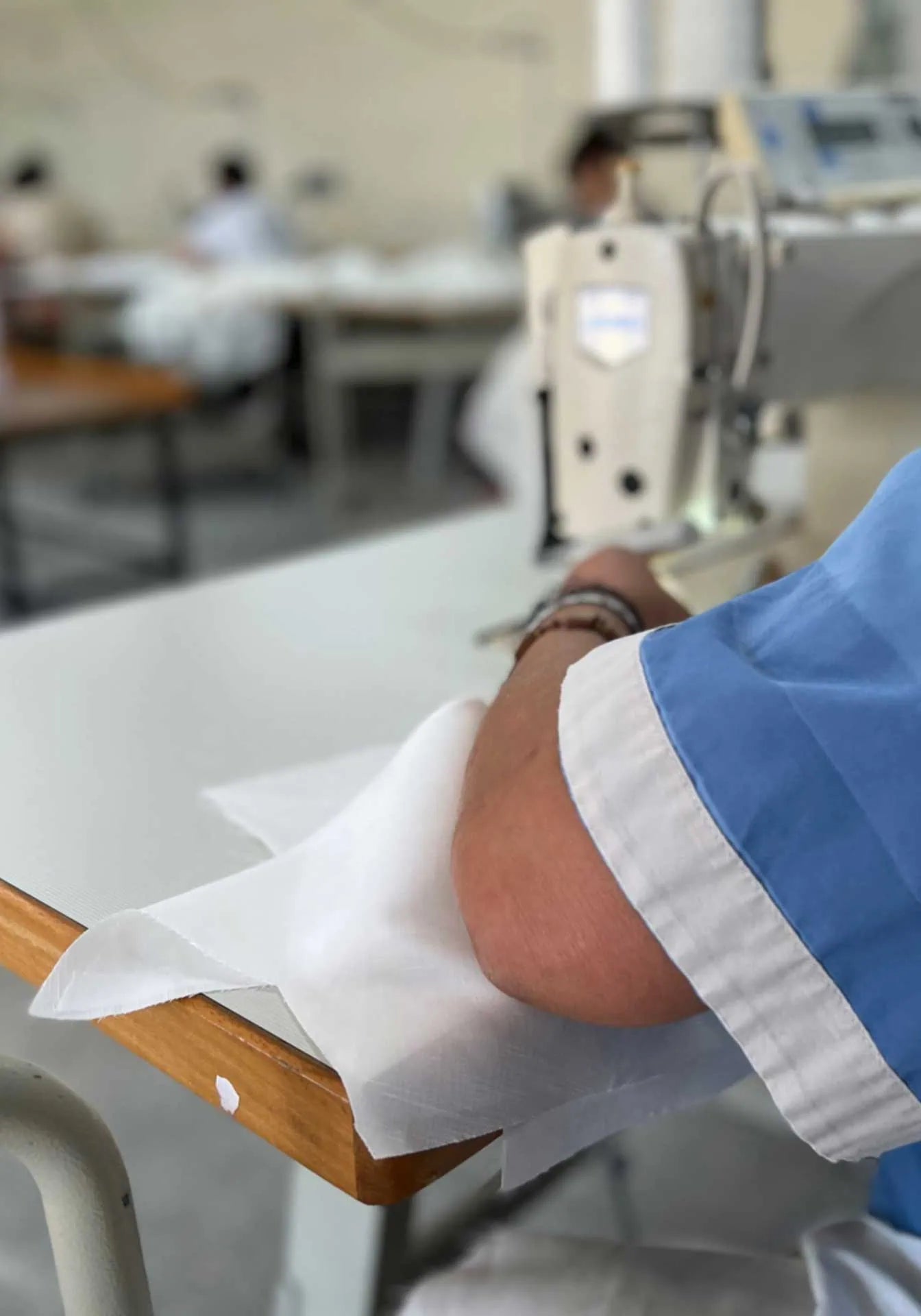
At its best, ethical fashion made in Italy is defined by restraint as much as quality. It means producing fewer pieces, choosing fabrics with intention, and working with makers who are paid fairly for skilled labor. It means designing clothes that justify their footprint because they are made to be worn often, cared for properly, and kept for years.
This is where small-batch production matters. Large-volume fashion depends on predicting demand at scale, which often leads to overproduction, discount cycles, and waste. A limited run operates differently. It protects craftsmanship, reduces unnecessary inventory, and gives each garment a clearer reason to exist.
Deadstock fabrics add another layer of sense. These are premium leftover fabrics from mills or fashion houses that would otherwise sit unused or be discarded. When used well, deadstock transforms excess into scarcity with purpose. The trade-off is that supply is limited, which means a favorite fabric may not return next season. But that limitation is exactly what pushes design away from mass sameness and toward considered creation.
Italian craft is valuable - but ethics requires proof
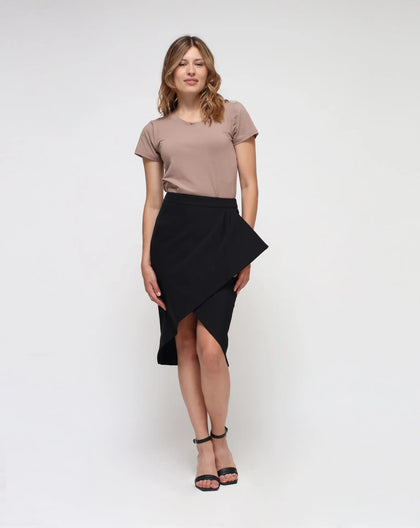
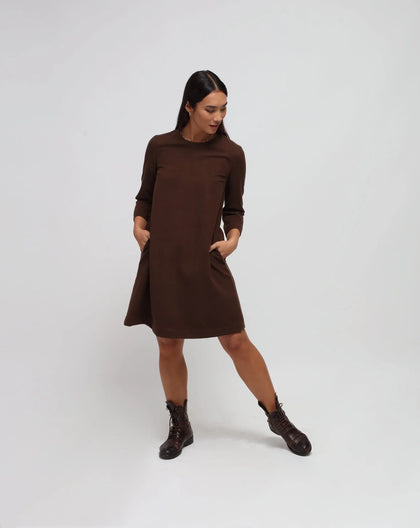
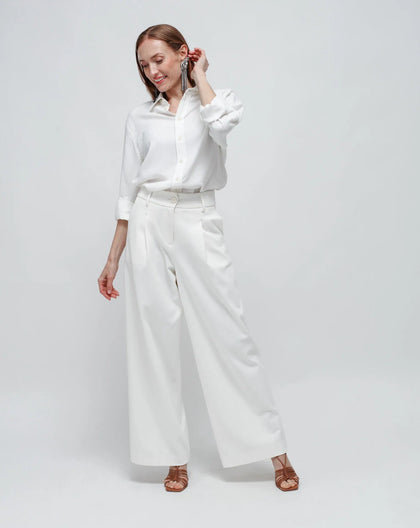
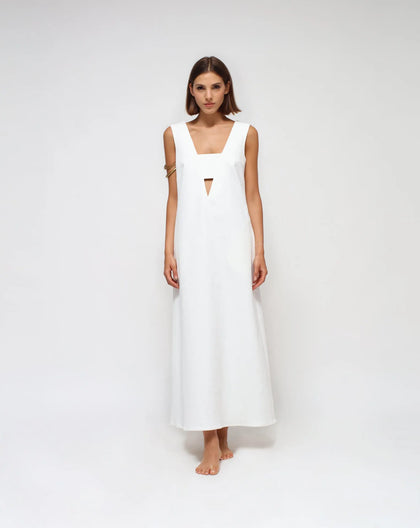
The phrase made in Italy often signals elevated quality, and often for good reason. Italian ateliers and workshops are known for strong pattern cutting, refined finishing, and a deep understanding of how fabric behaves on the body. A dress hangs differently when it has been cut with care. A pair of pants feels different when the line from waist to hem has been resolved properly.
Still, craftsmanship and ethics are not identical. One speaks to skill. The other speaks to accountability. A responsible brand should be able to explain why it chose a fabric, how production quantities are controlled, and what supports the garment's longevity after purchase. Transparency is not a marketing extra. It is part of the product.
For shoppers, this changes the standard. Instead of asking only, Is it made in Italy, ask: Was it made in small batches? Were lower-waste materials used? Is the pricing explained clearly? Is the brand encouraging repair, care, and repeat wear rather than constant replacement?
Better materials change the whole equation
Fabric is where much of fashion's impact begins. If the textile is low quality, heavily synthetic without purpose, or sourced with no regard for waste, even excellent construction can only do so much. Ethical fashion made in Italy becomes more meaningful when the material choice is aligned with the garment's function and lifespan.
Premium deadstock is especially compelling because it combines quality with resourcefulness. It allows brands to work with beautiful fabrics already in existence rather than driving demand for unnecessary new production. For the customer, that often means richer texture, better drape, and a more distinctive finish than standard mass-market materials.
There is nuance here. Deadstock is not a universal solution. Quantities are limited, and consistency across repeated styles can be harder to maintain. But for elevated essentials and limited-edition pieces, that is often a strength rather than a weakness. You are buying something intentionally finite, not an endlessly reproduced product designed for algorithmic demand.
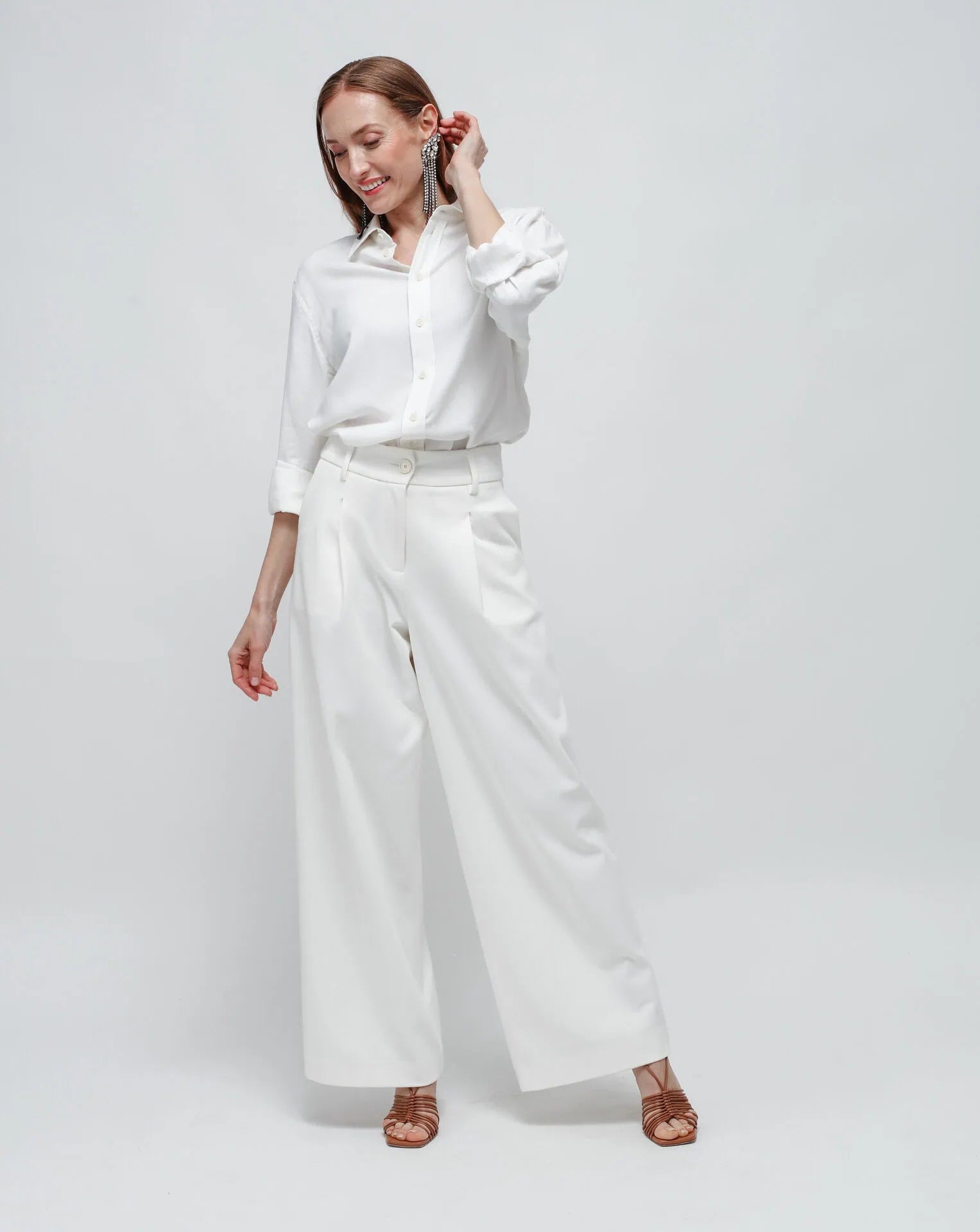
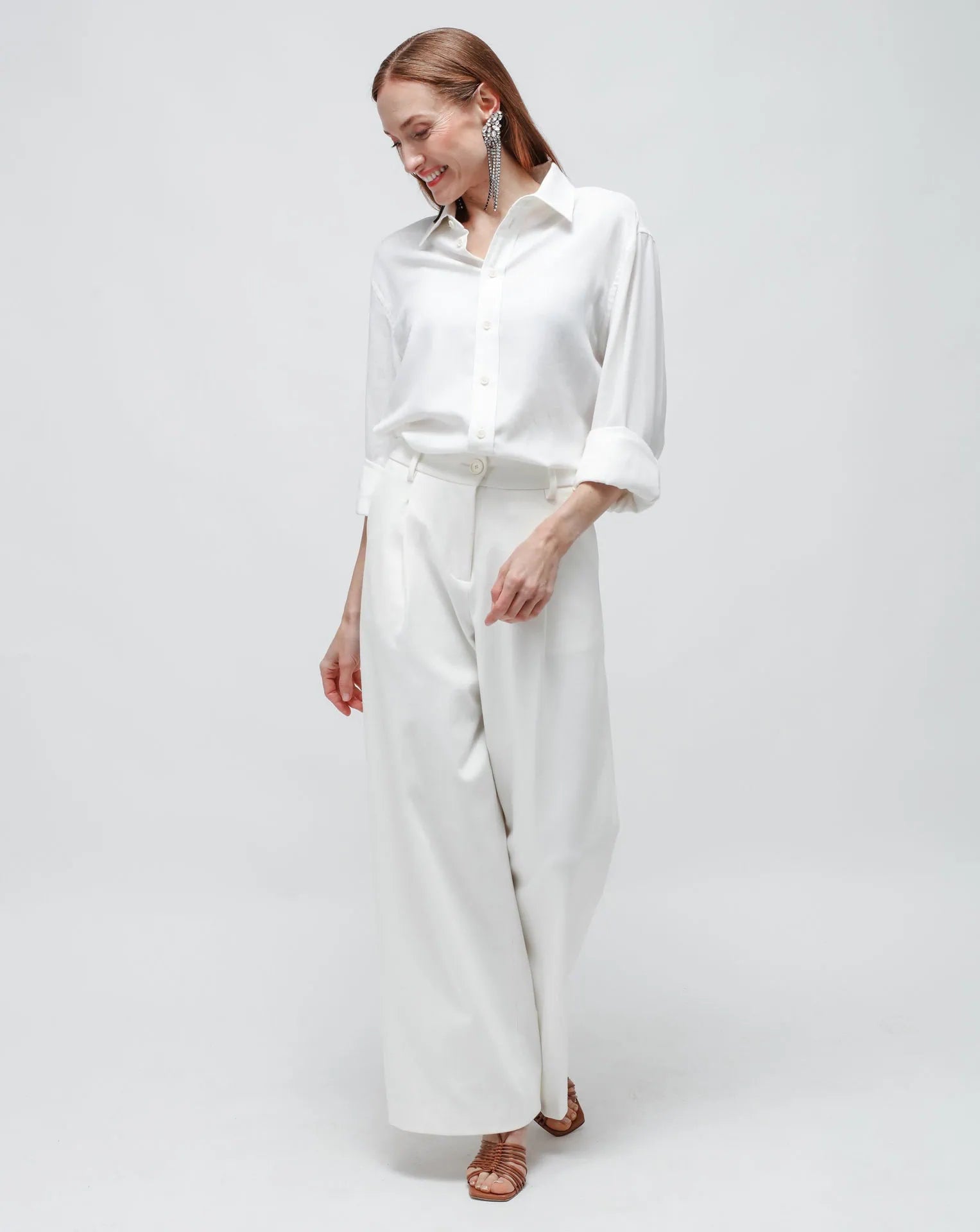
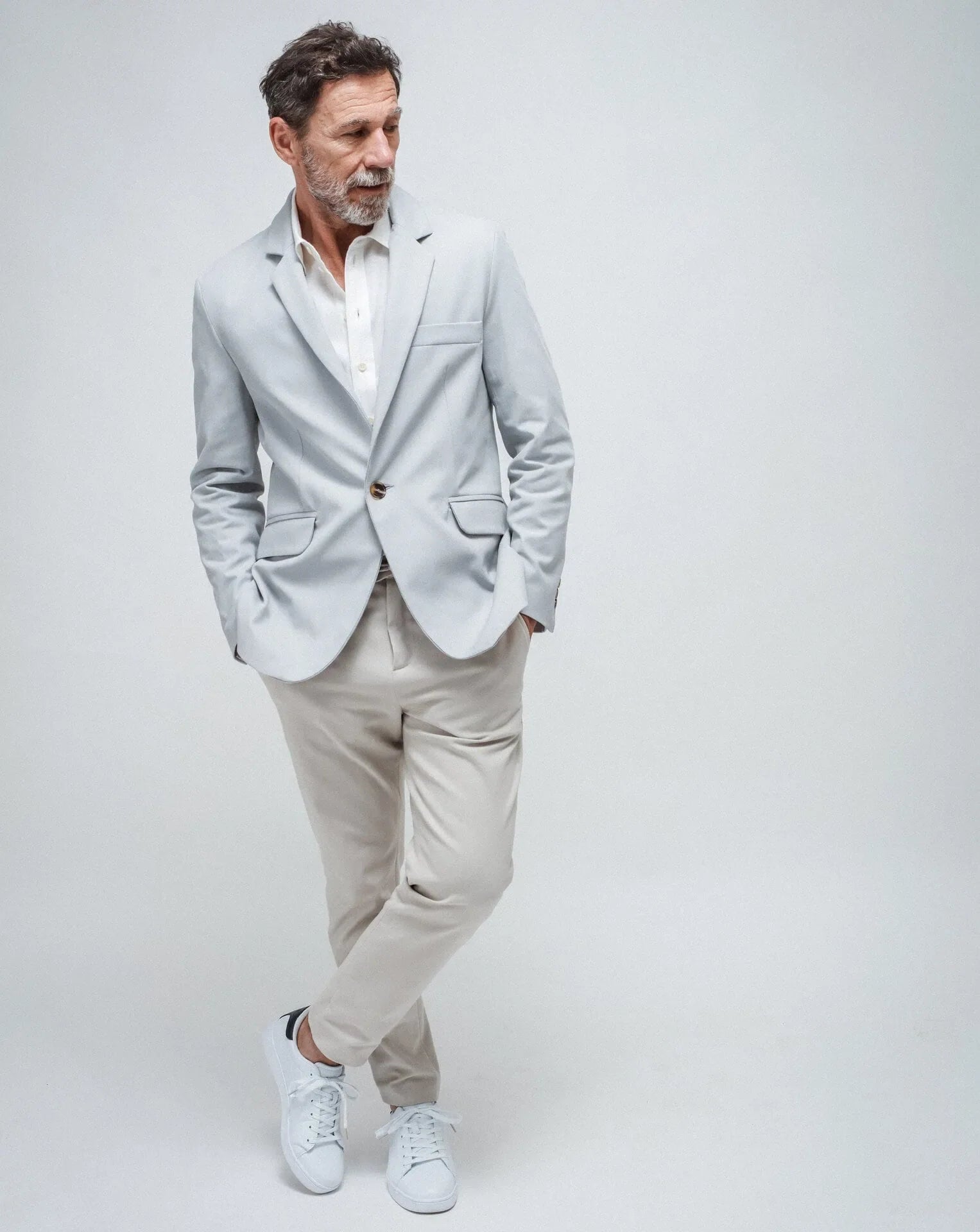
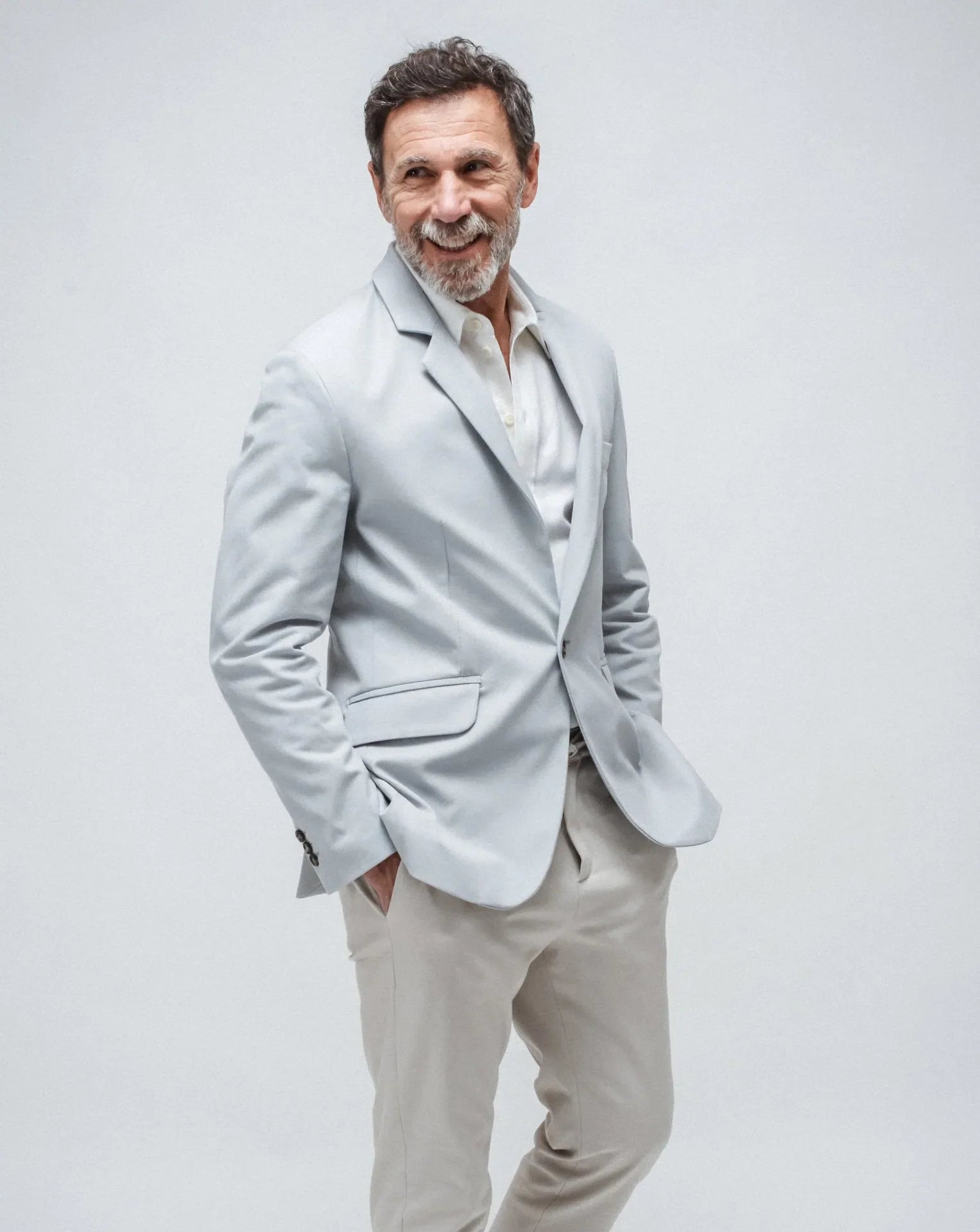
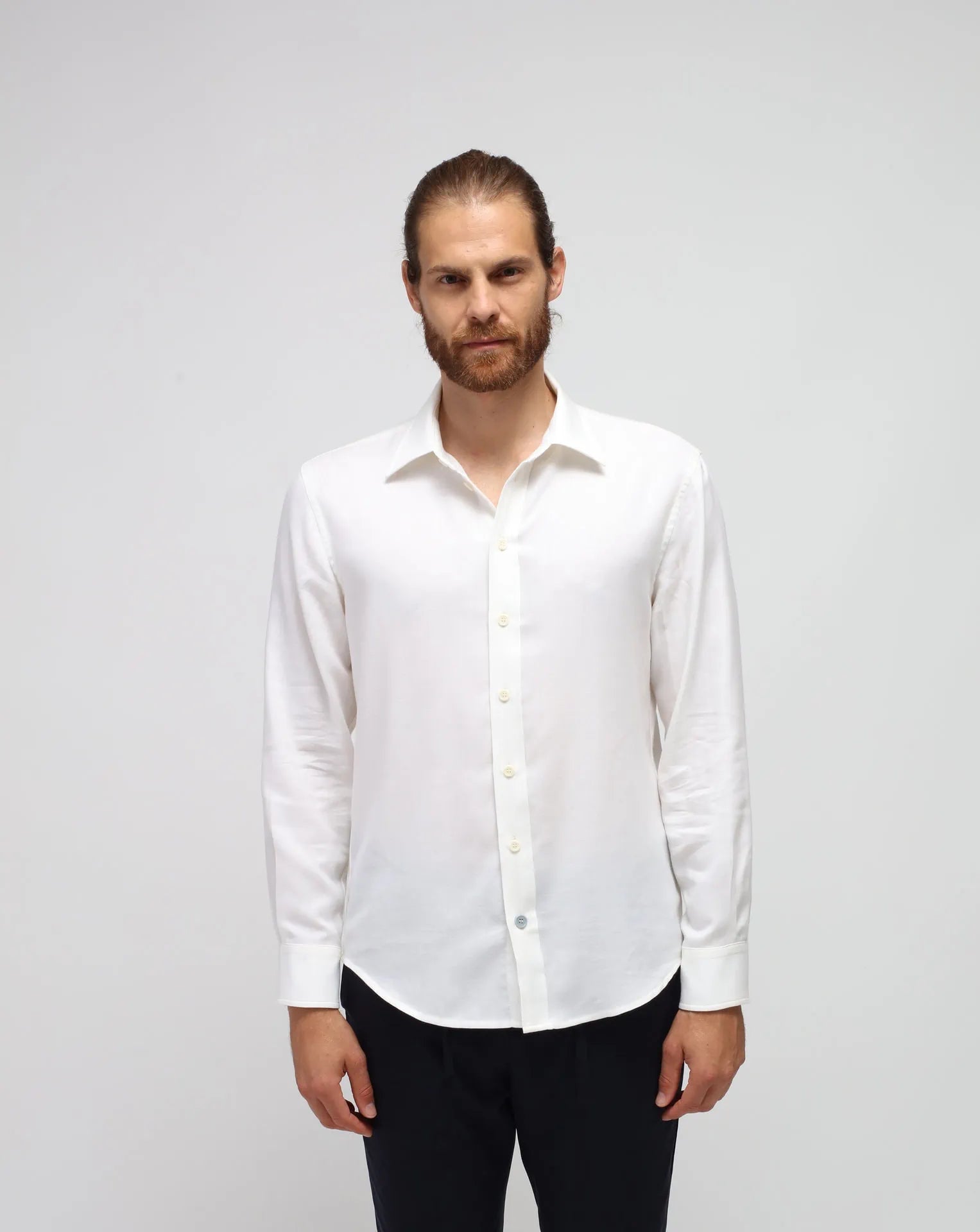
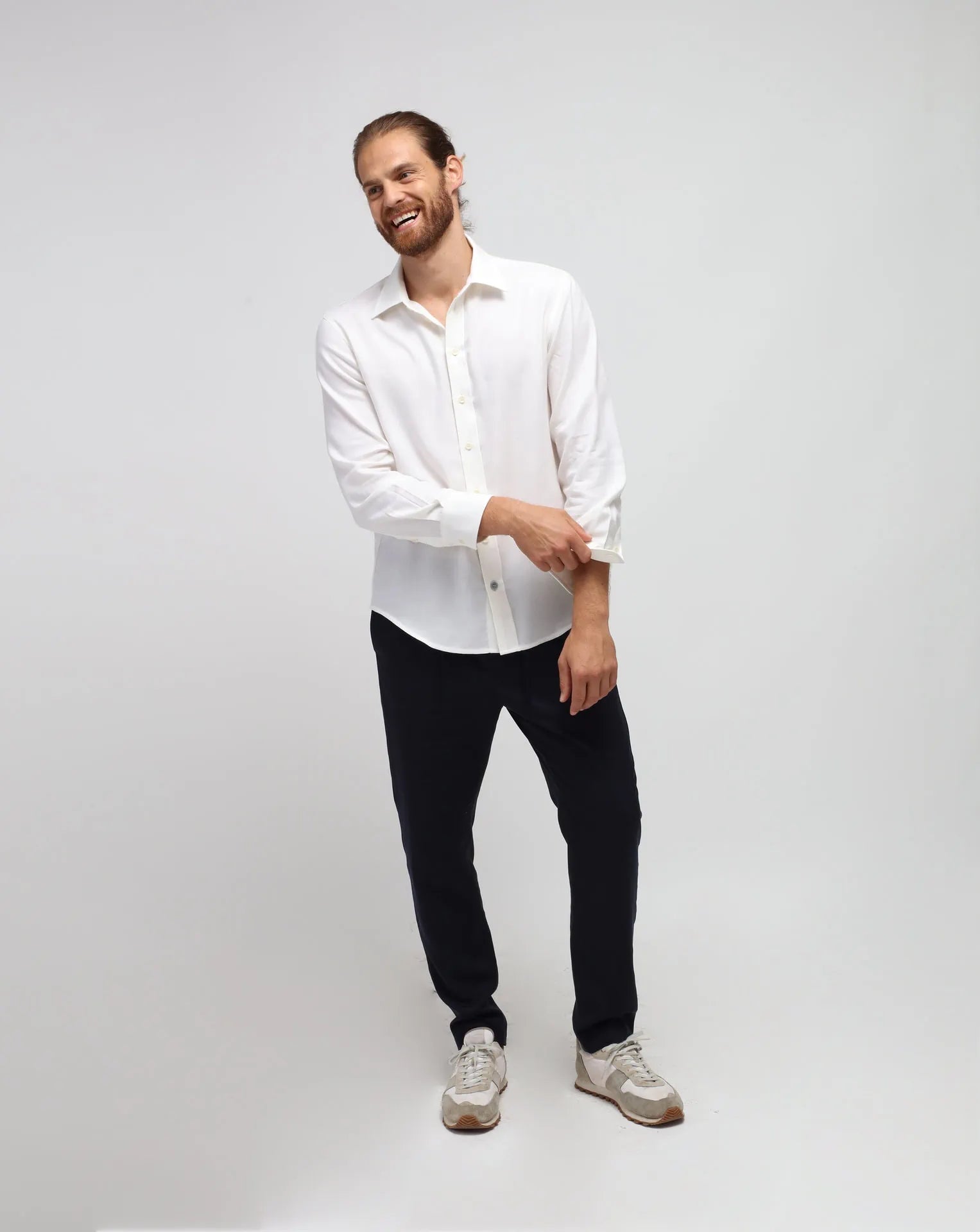
A well-made shirt in a premium deadstock cotton, a softly structured blazer, or a fluid dress cut from surplus luxury fabric can deliver what fast fashion rarely does: immediate visual polish with long-term wearability.
The real luxury is fewer, better clothes
Ethical luxury is not about excess. It is about edit. The most modern wardrobe is not the one with the most options. It is the one where each piece earns its place.
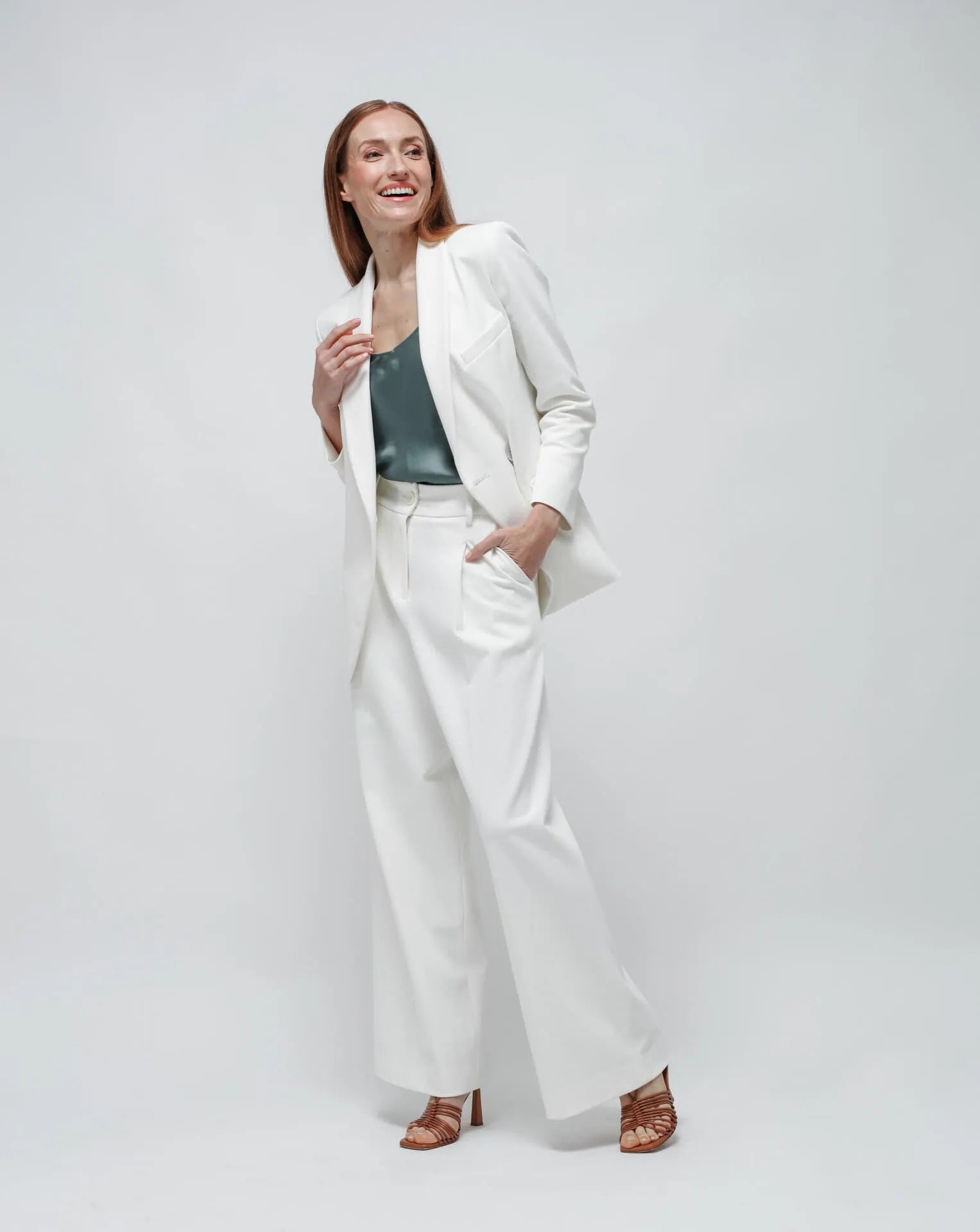
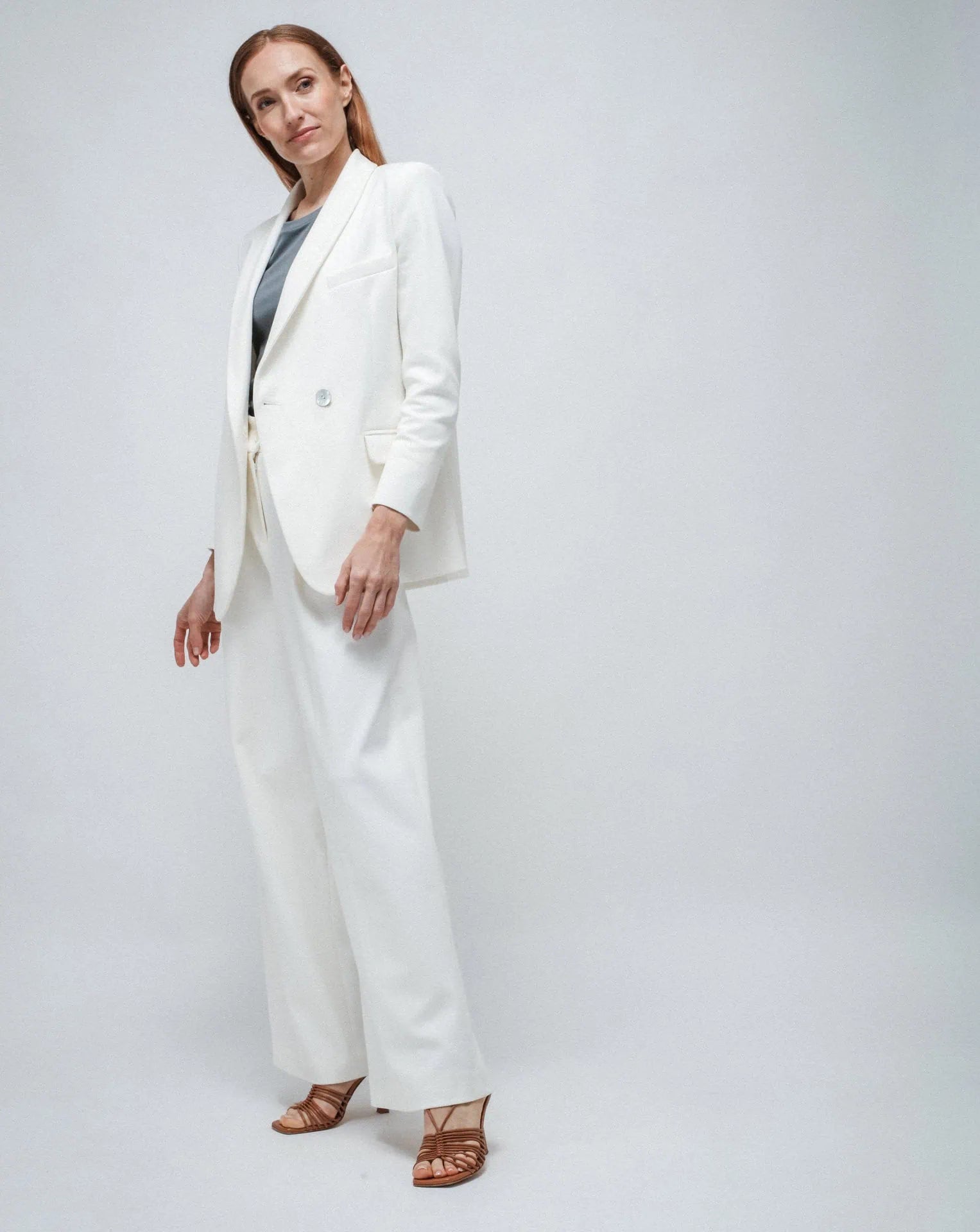
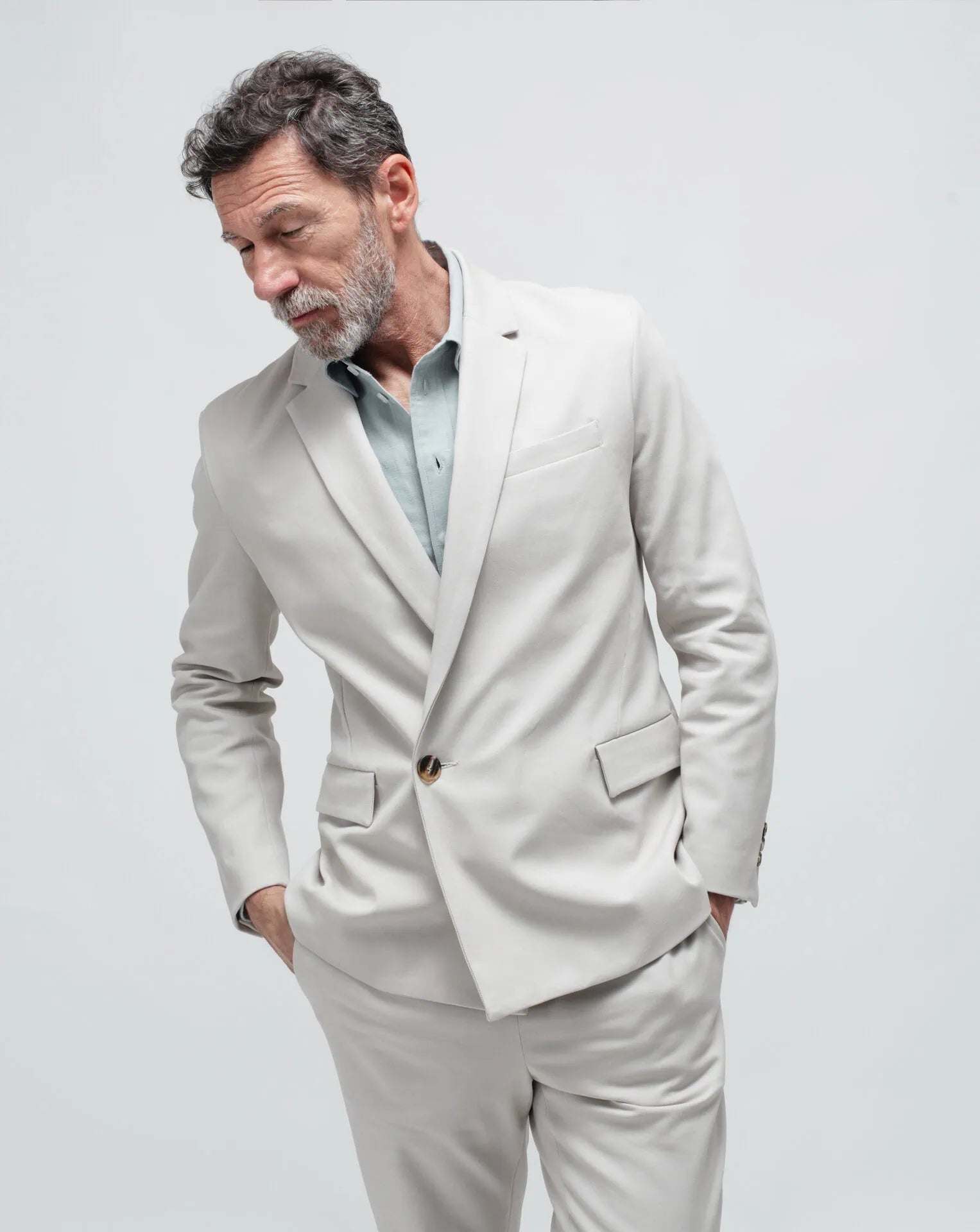
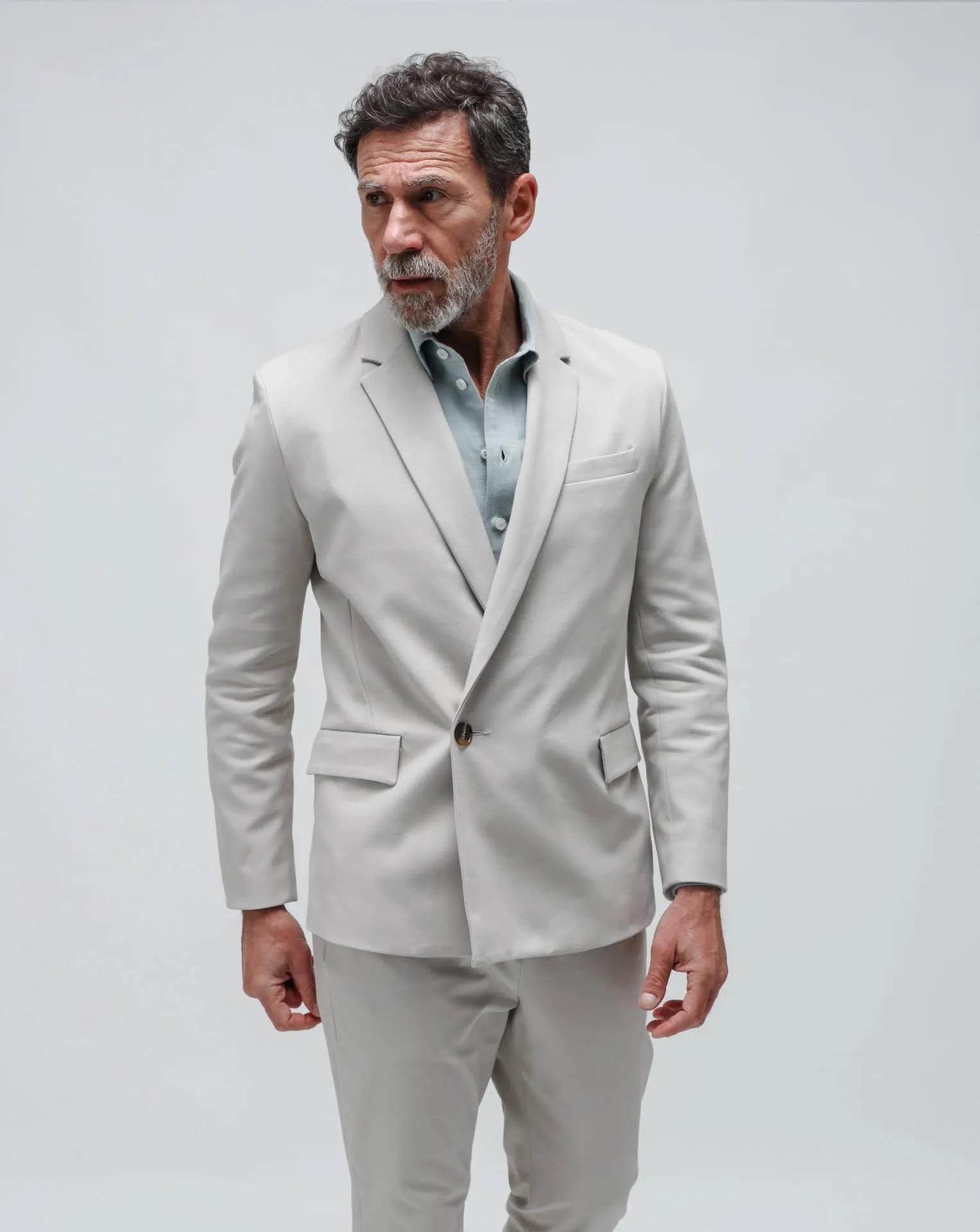
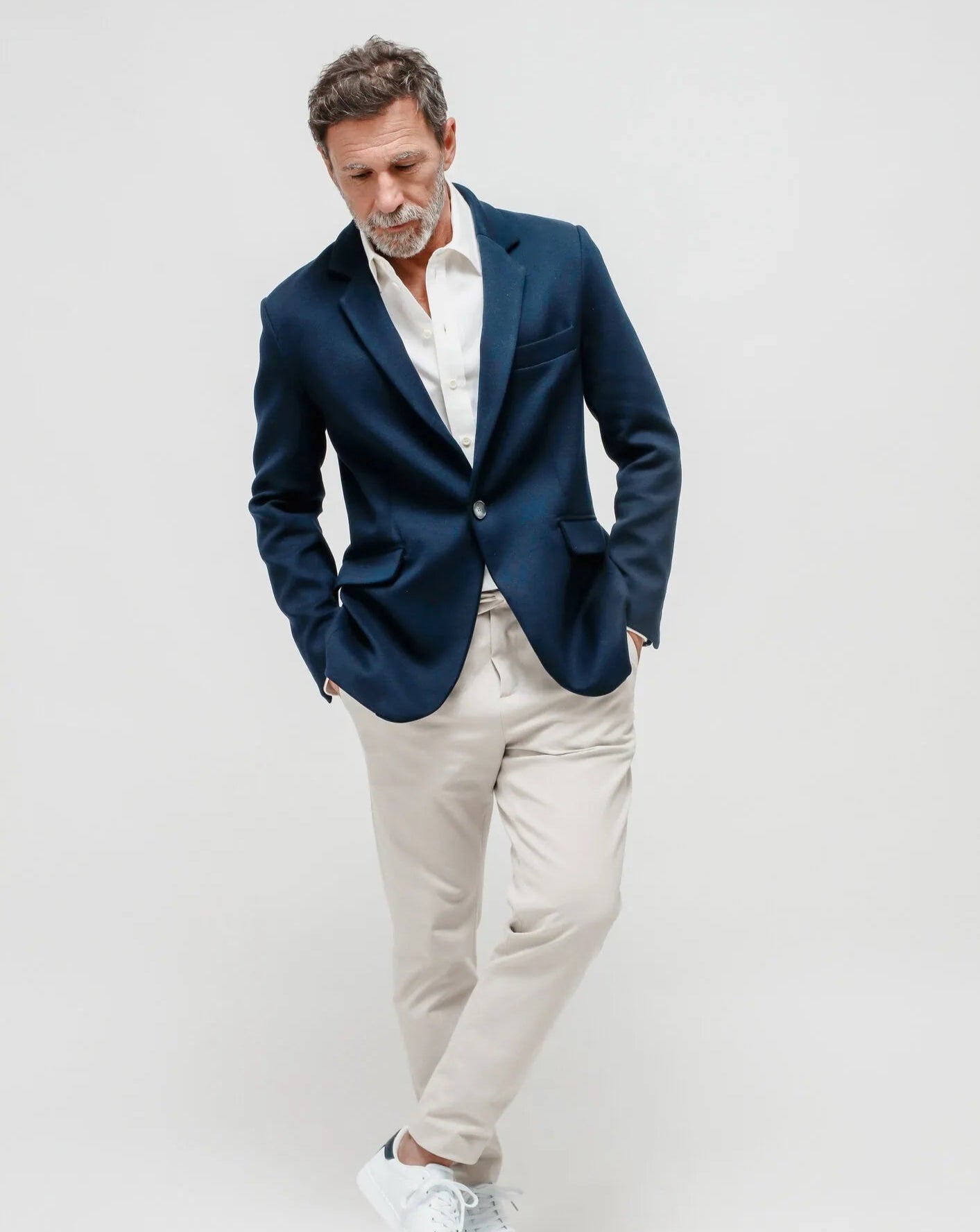
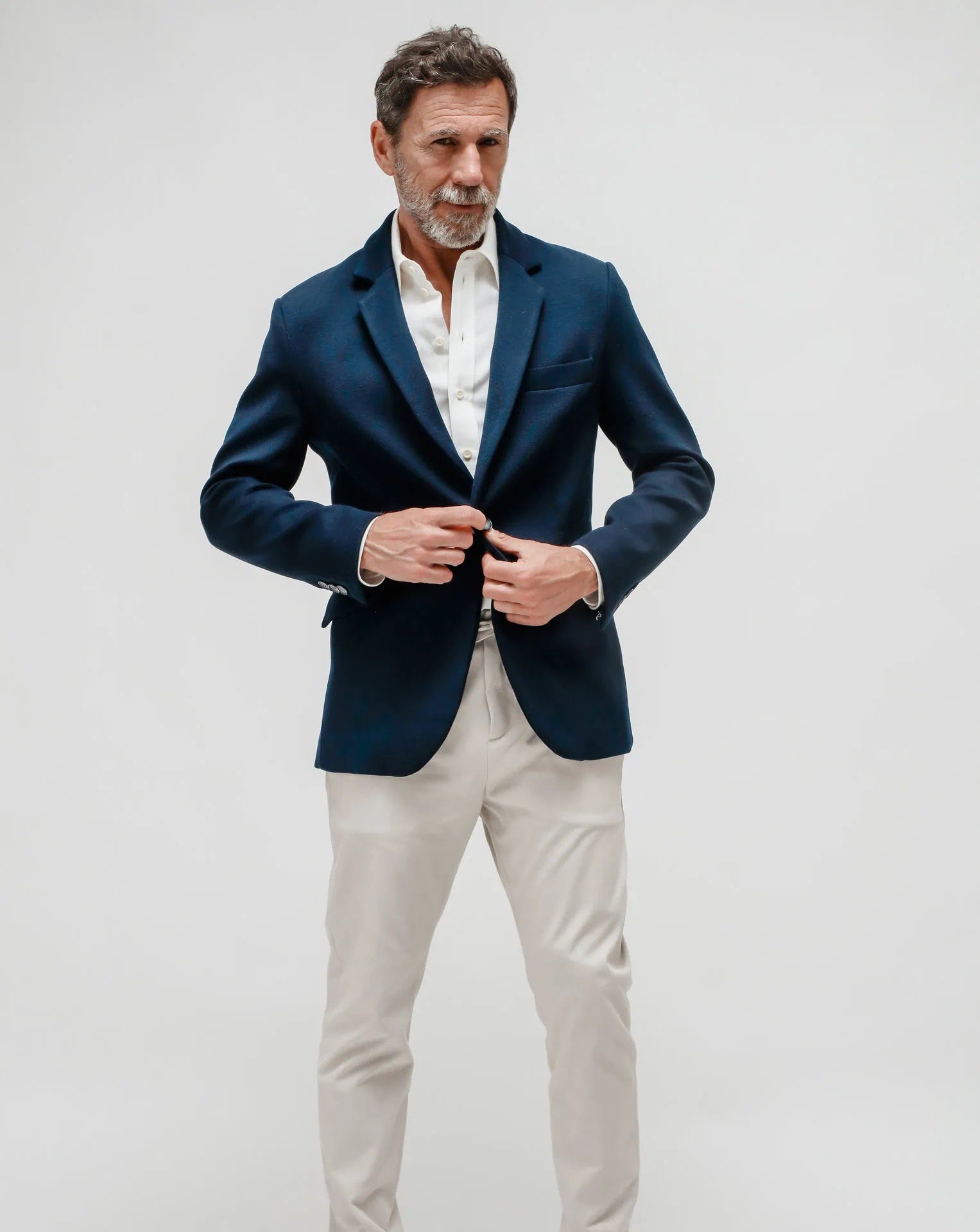
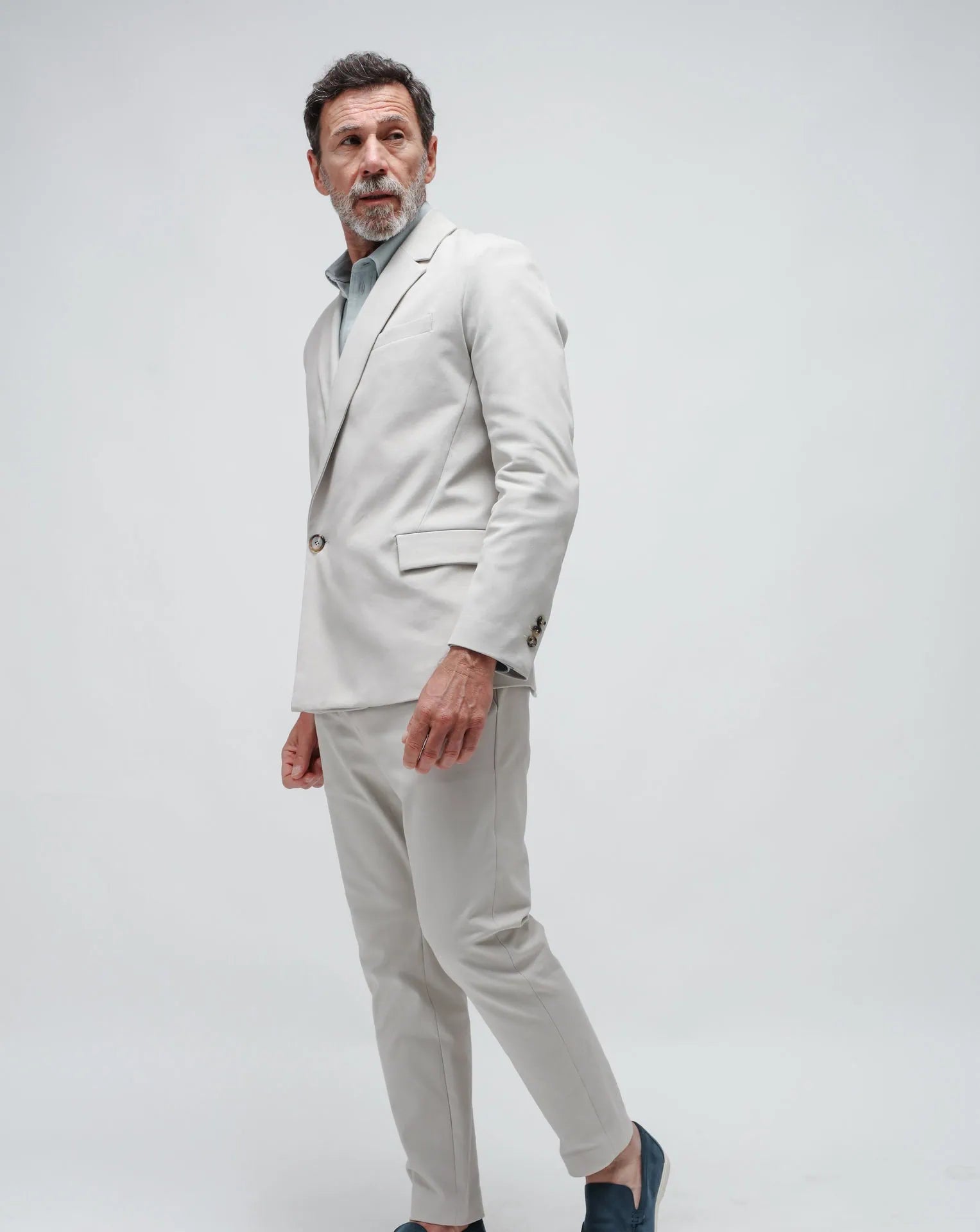
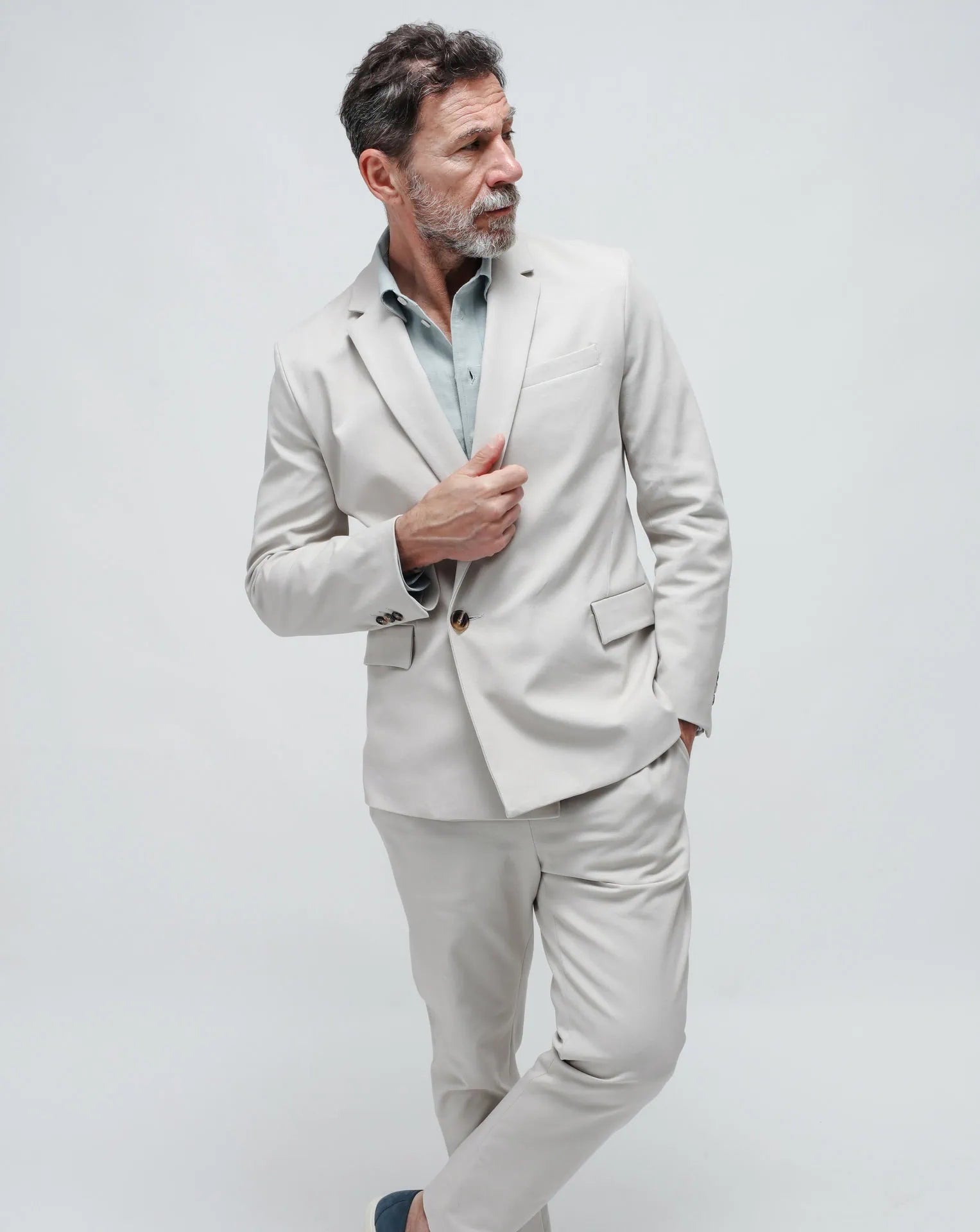
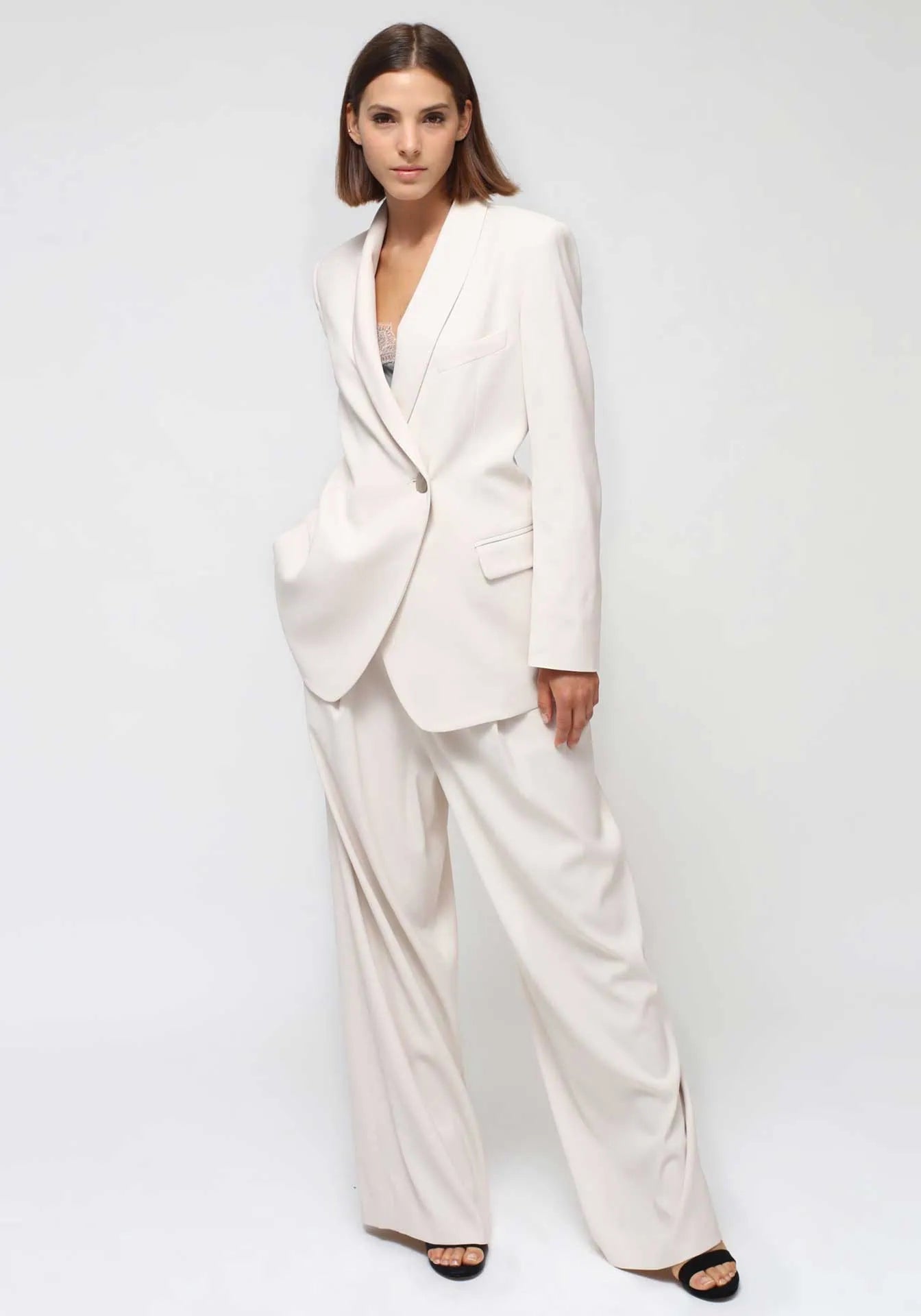
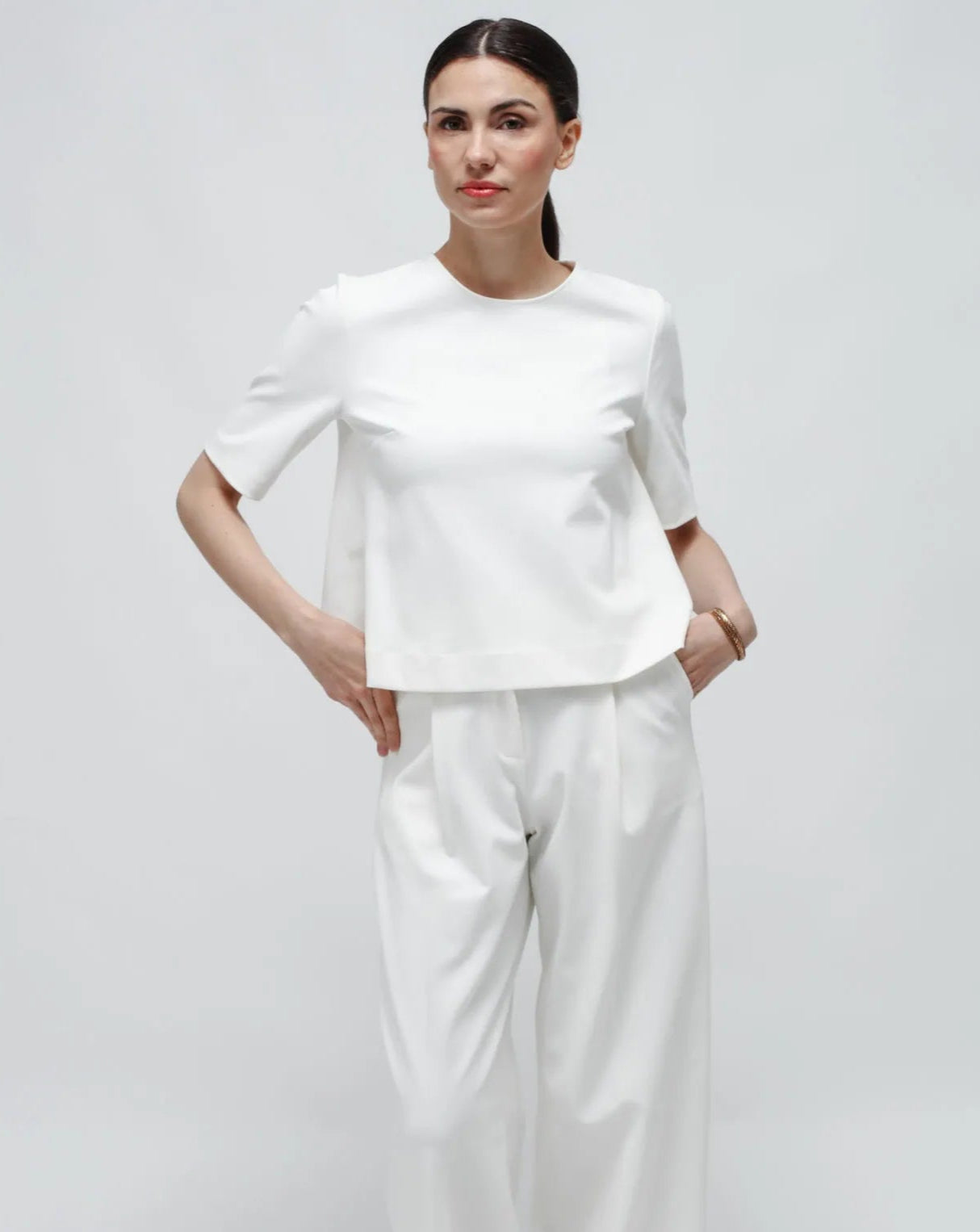
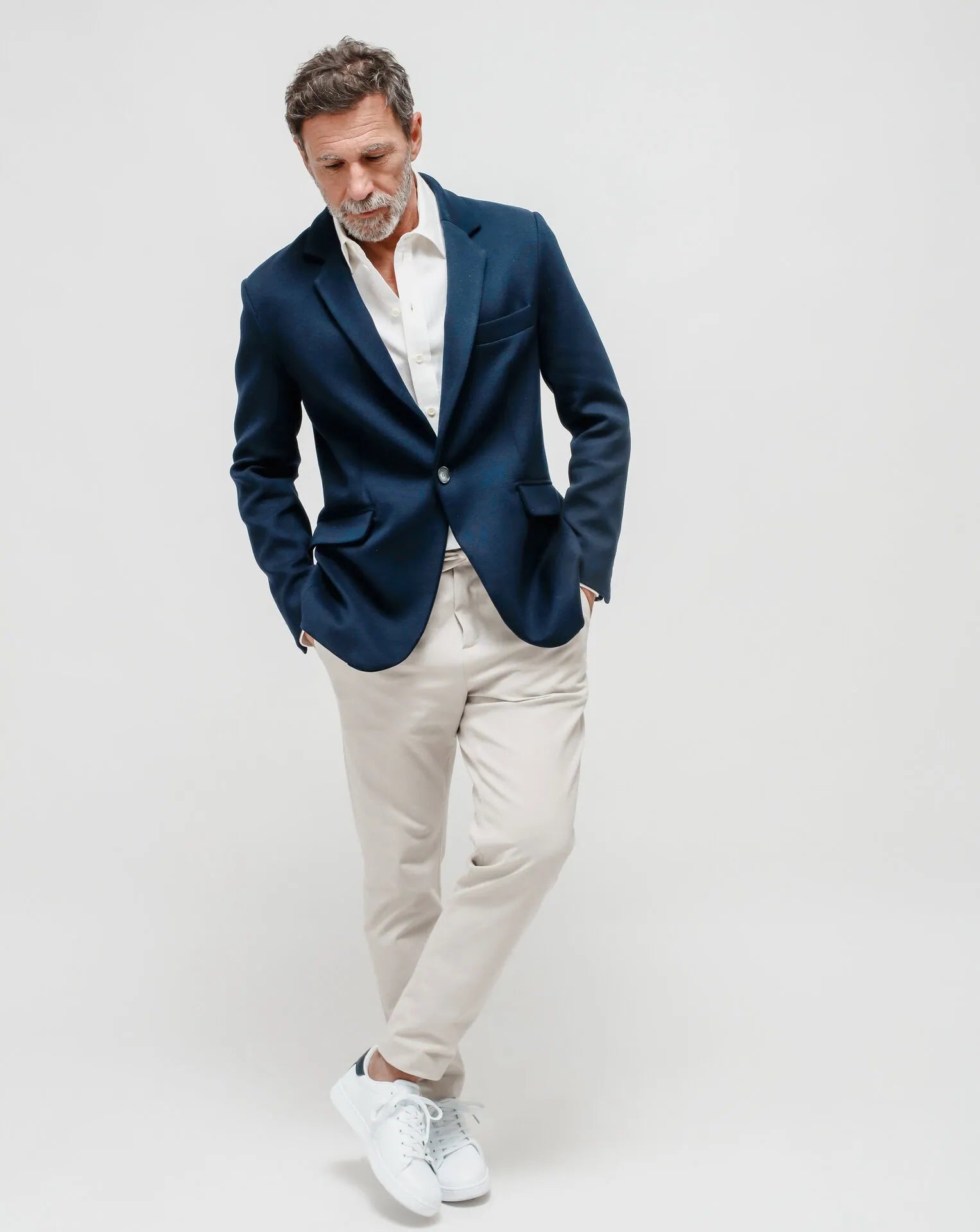
That is why limited-edition production resonates with thoughtful buyers. A sharply tailored women's blazer, a clean men's shirt, or a versatile coordinated set carries more value when it is designed to move across work, dinner, travel, and occasion dressing. The goal is not novelty every week. The goal is repeat confidence.
This is also where pricing deserves honesty. Ethical production in Italy will not compete with disposable pricing, nor should it. Skilled labor, better fabrics, and smaller runs cost more. The more useful question is whether the price reflects actual value. Transparent pricing helps customers understand what they are paying for rather than asking them to trust a luxury markup with no explanation.
When a garment delivers fit, fabric integrity, and staying power, cost per wear becomes far more rational. A refined coat you reach for every cold season, or tailored pants you wear weekly, often ends up being the smarter purchase than several cheaper alternatives that lose shape, color, or relevance quickly.
How to shop ethical fashion made in Italy without being misled
The strongest shoppers are not the most trend-driven. They are the most discerning. If you are evaluating a brand, look beyond polished campaign language and focus on signals of operational integrity.
Production scale is one of the clearest indicators. Small-batch or limited-run language suggests a more controlled model than constant restocking across hundreds of styles. Material sourcing is another. If a brand specifies deadstock fabrics, natural fibers where appropriate, or lower-waste sourcing decisions, that is more meaningful than vague claims about sustainability.
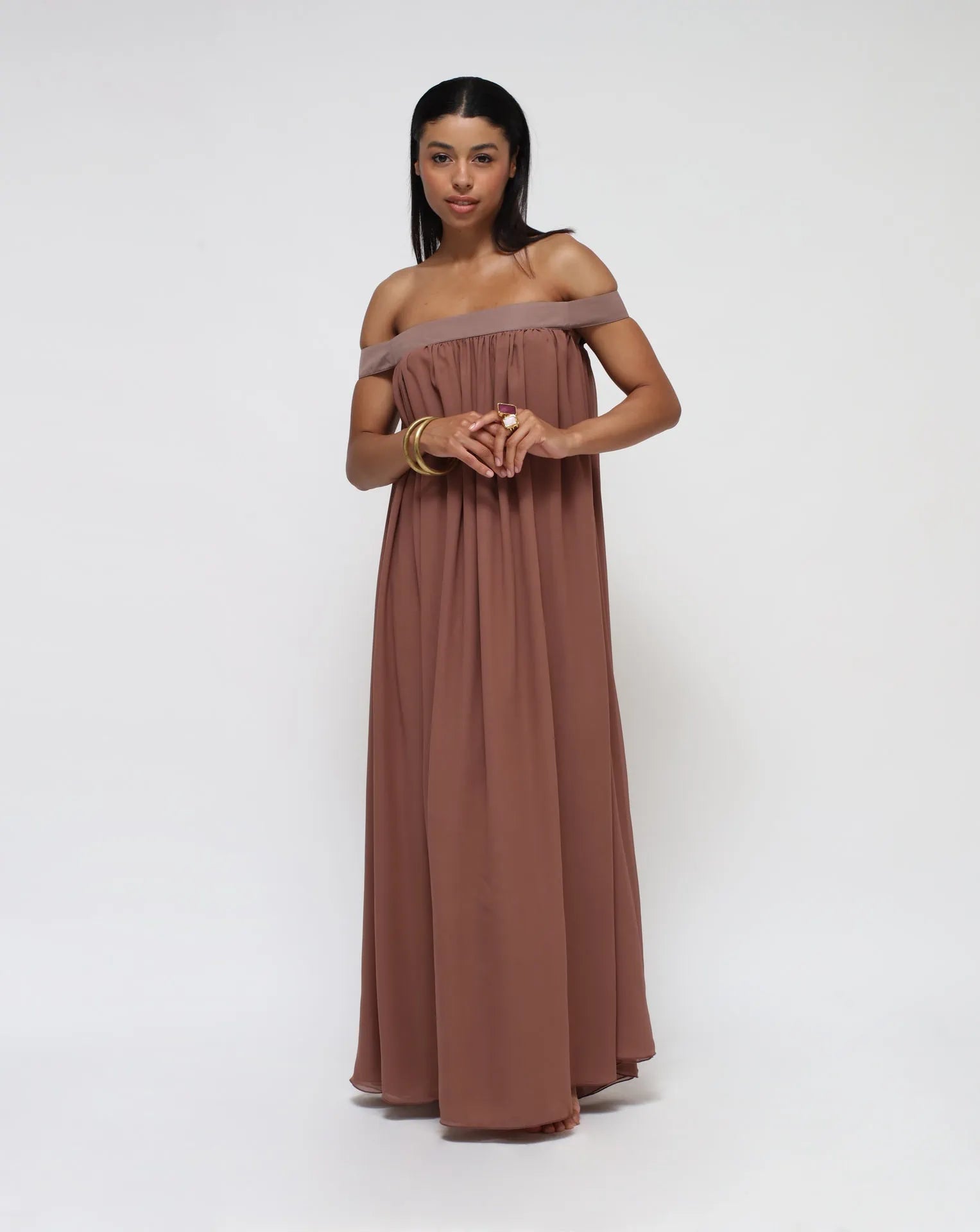
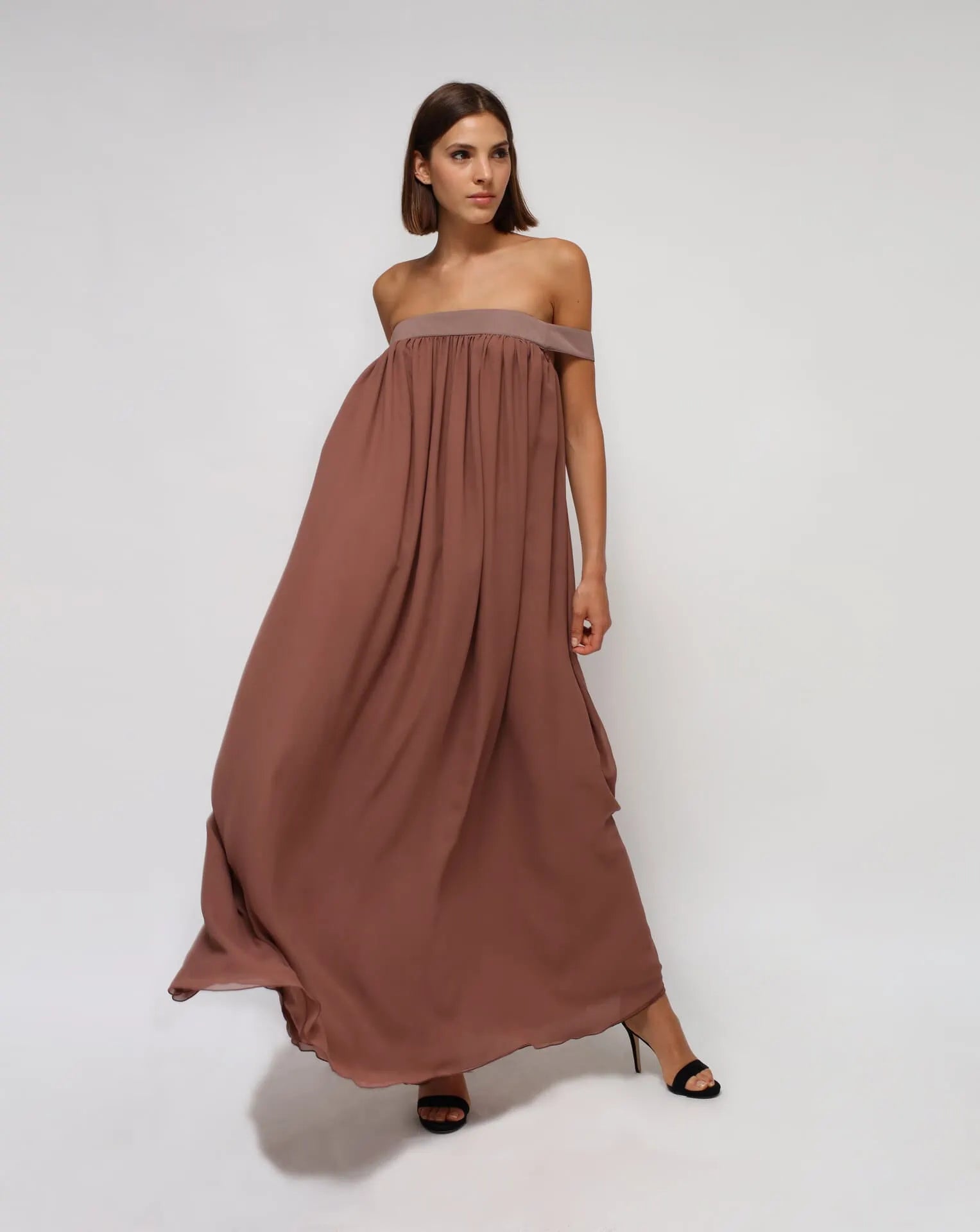
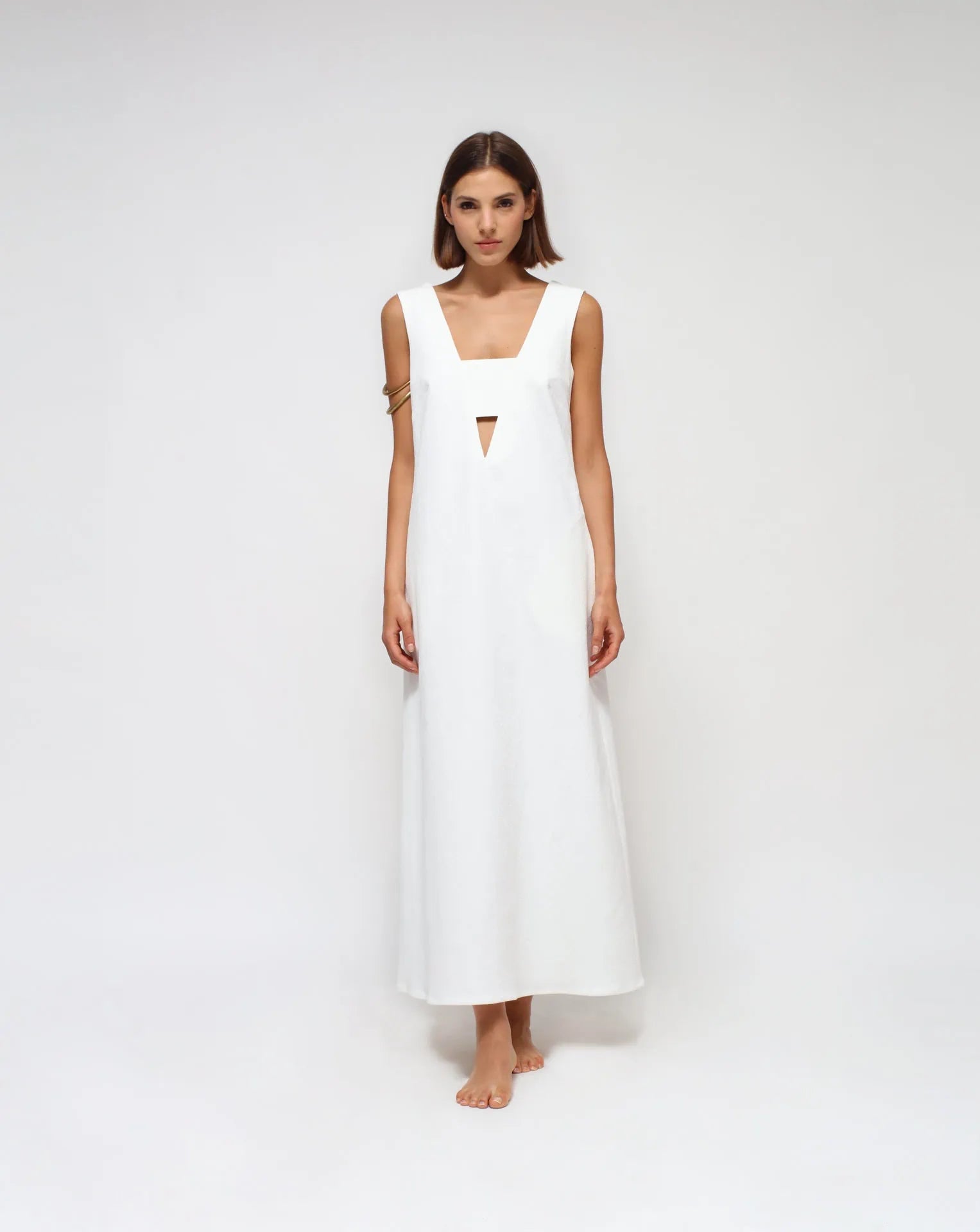
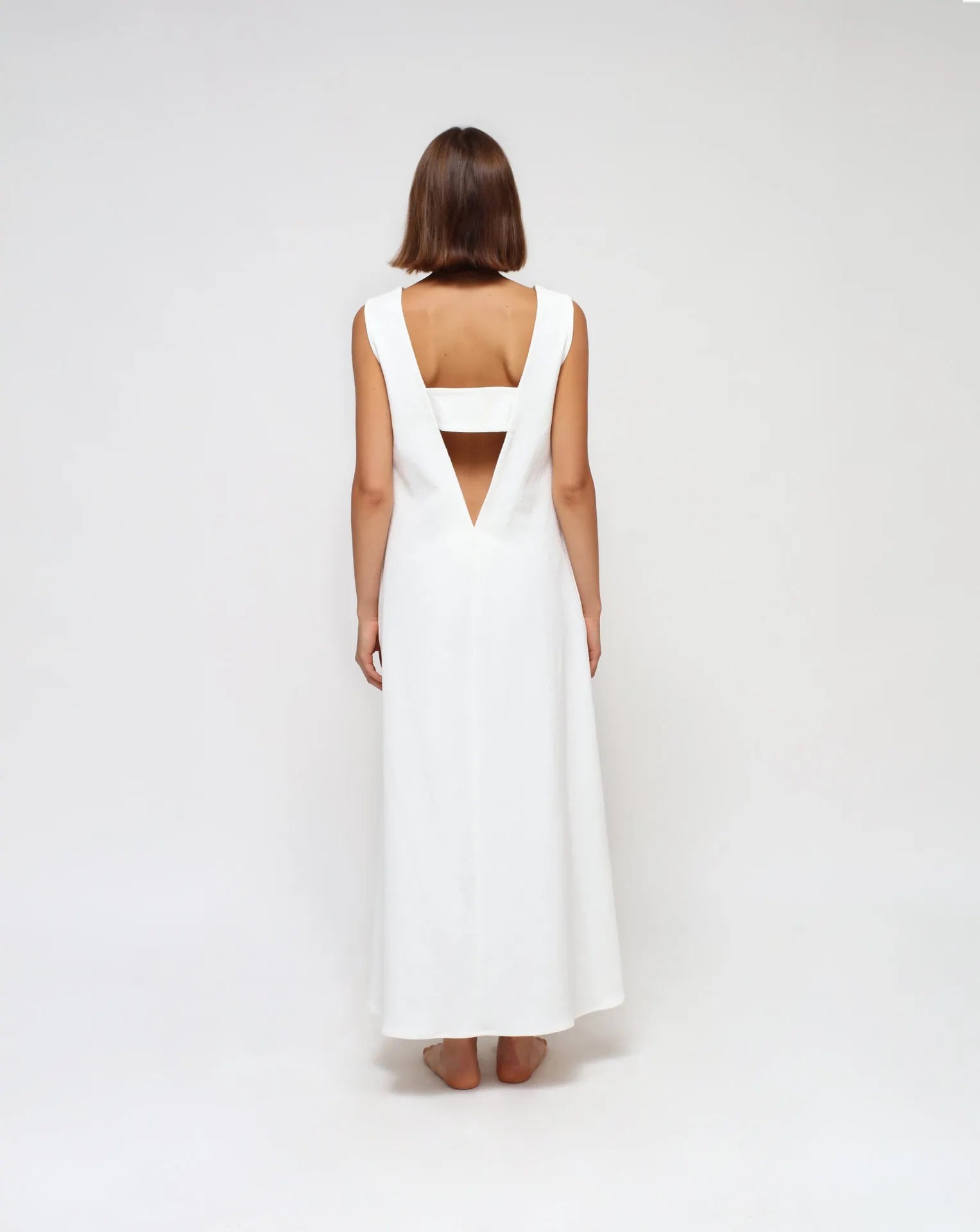
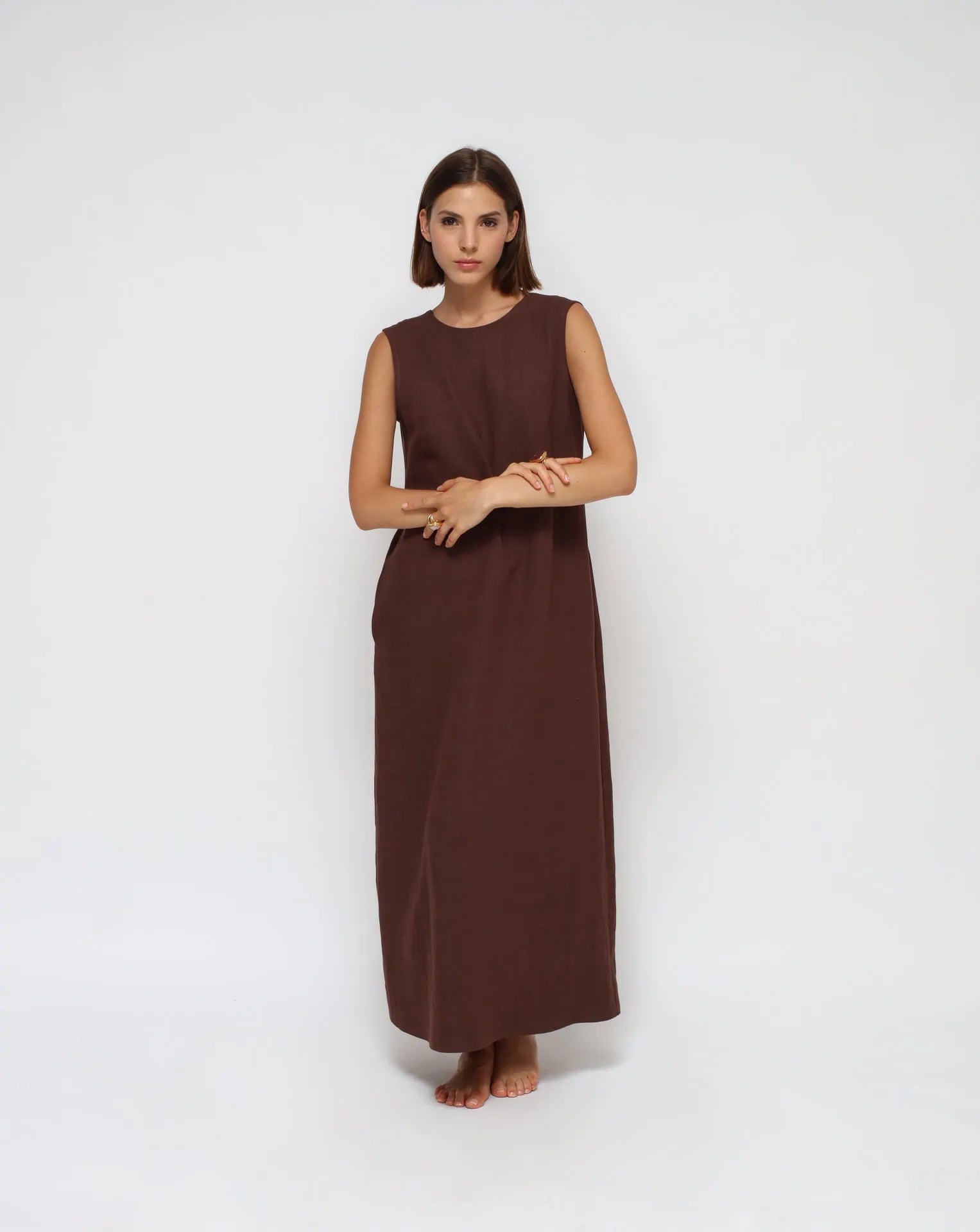
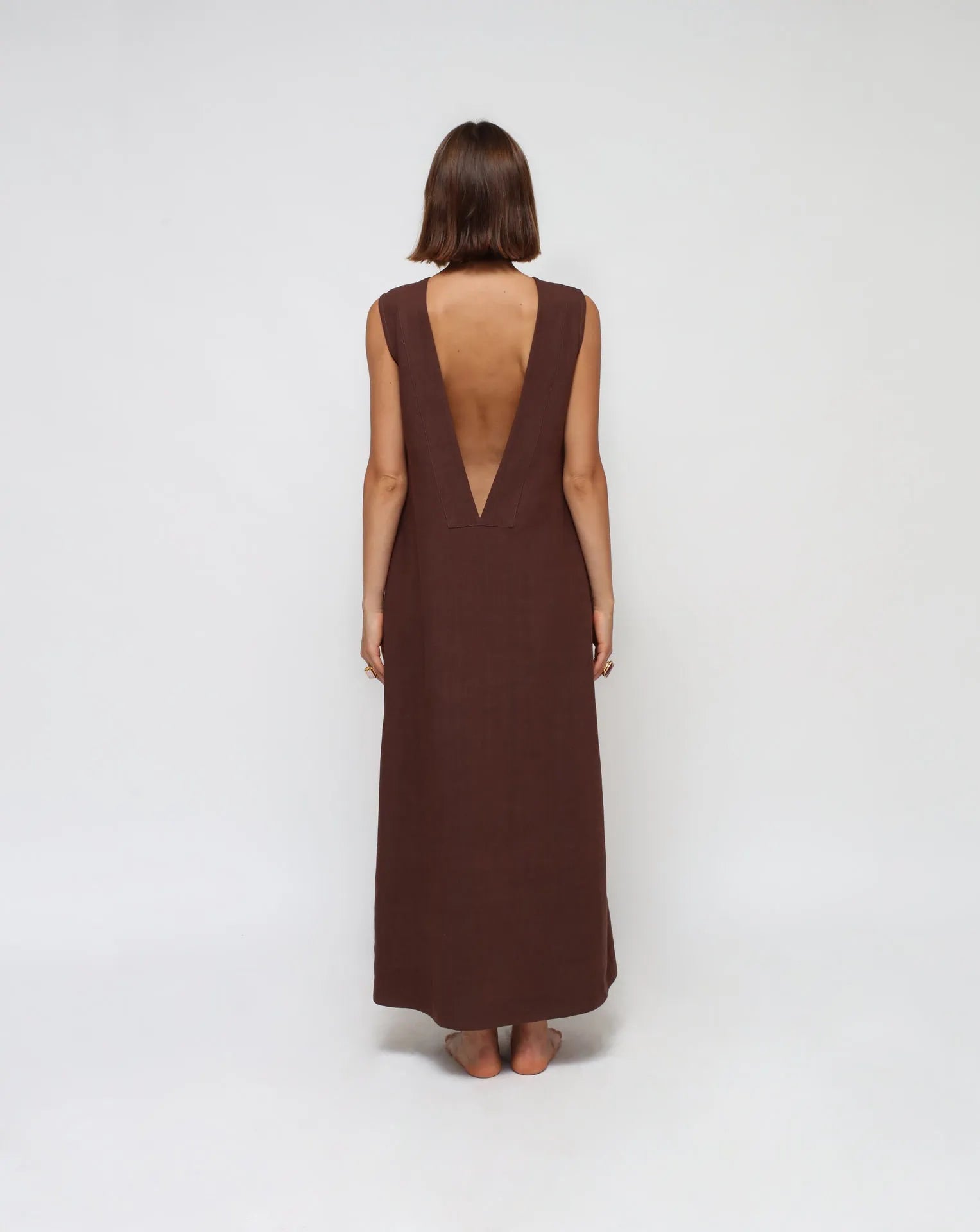
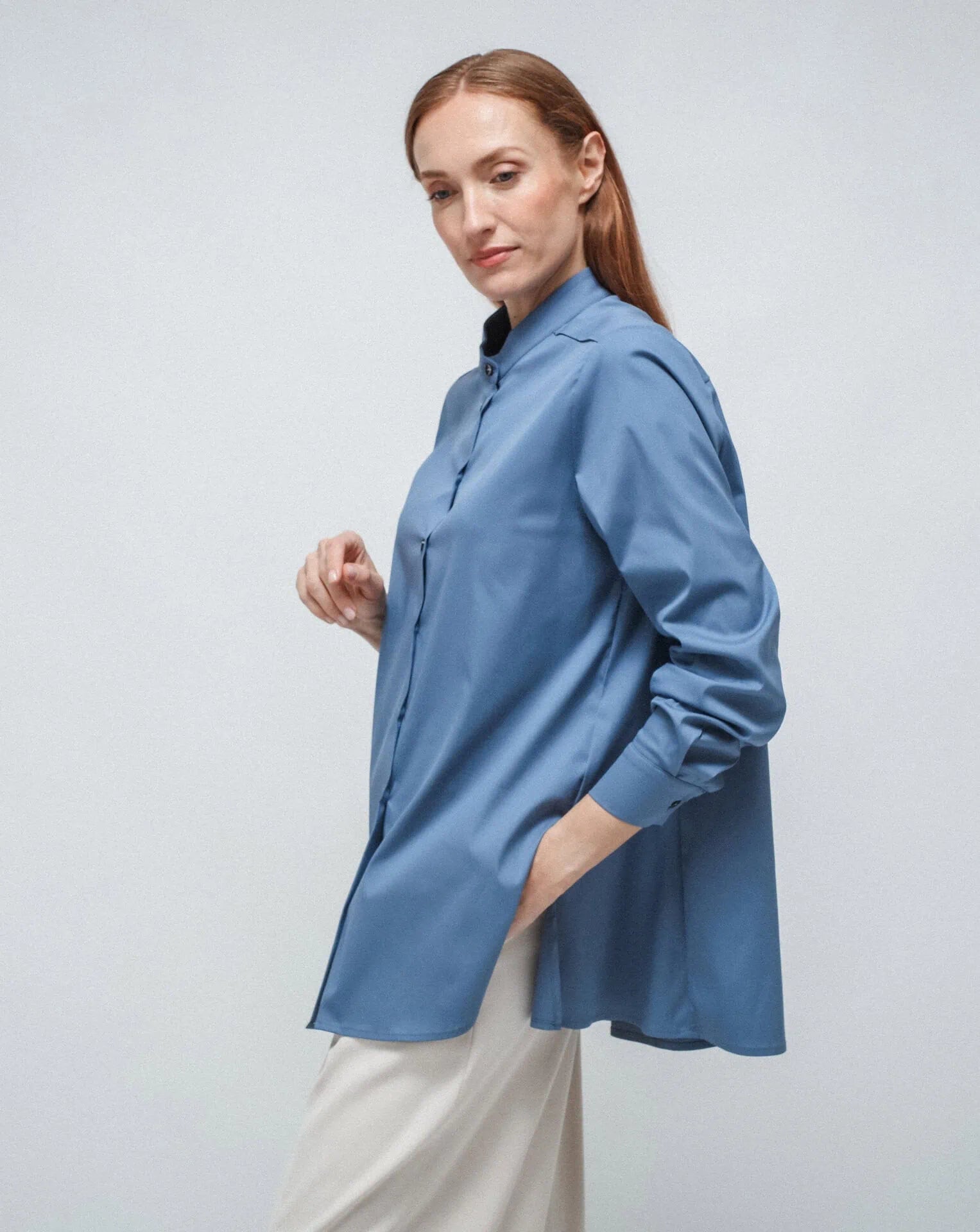
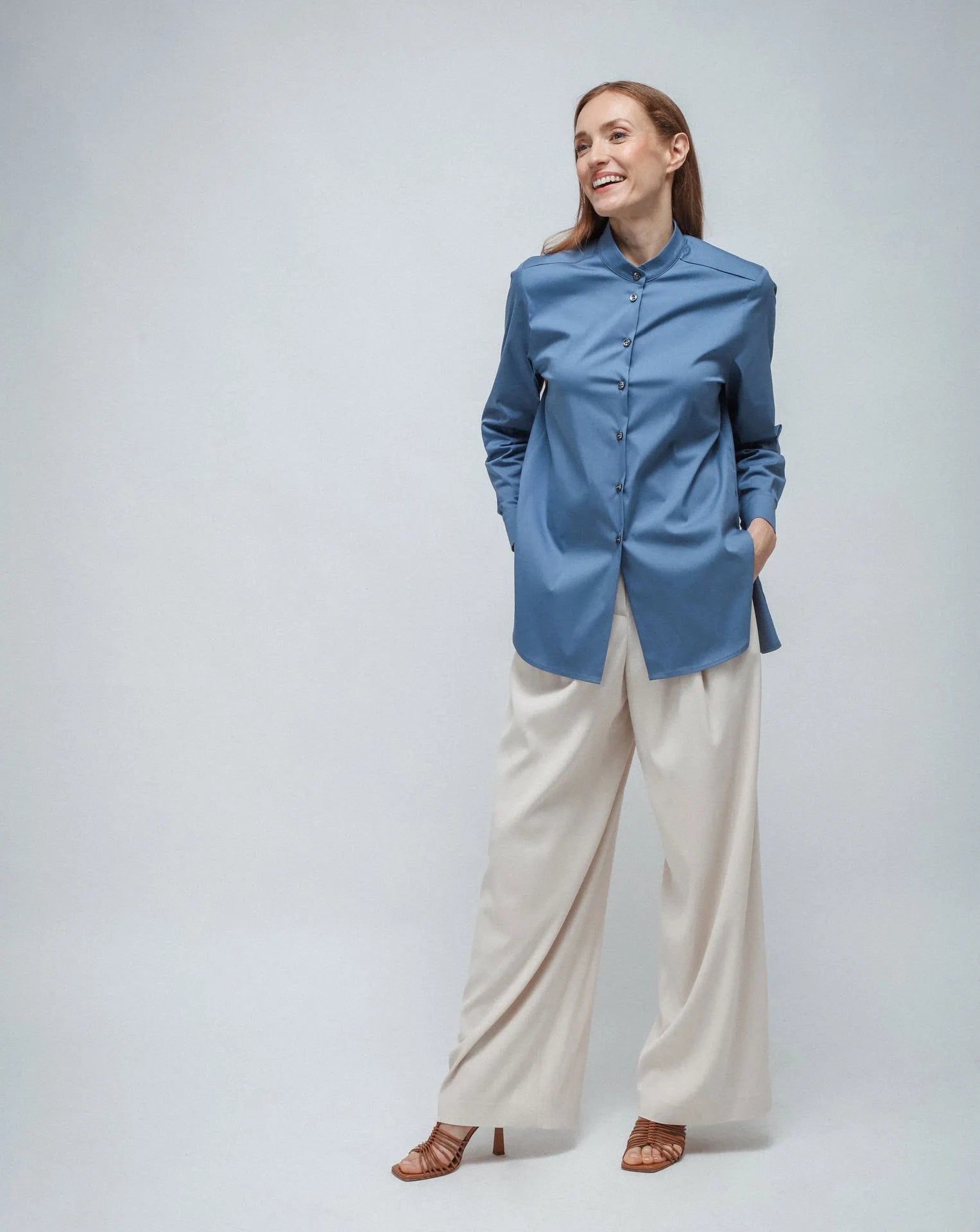
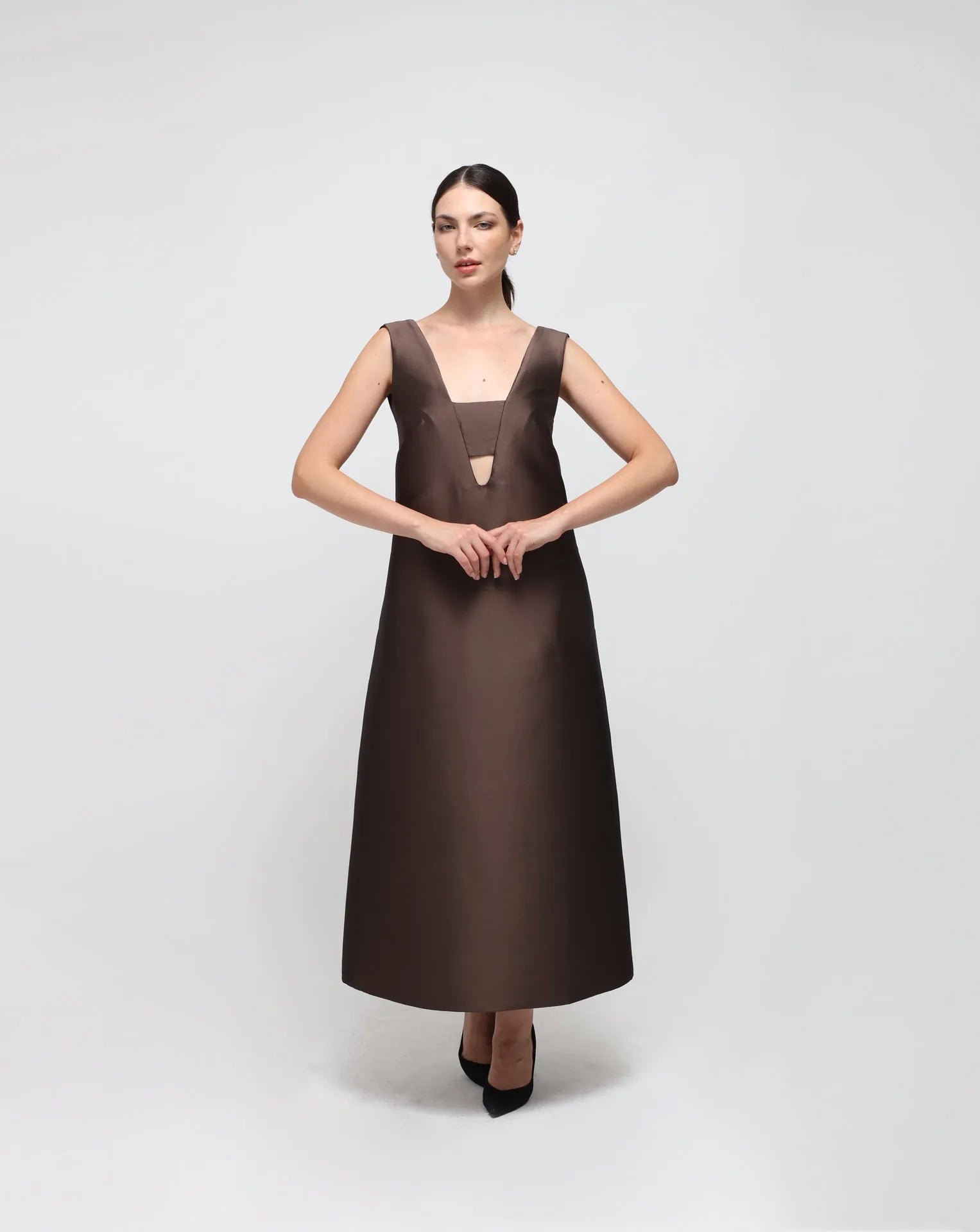
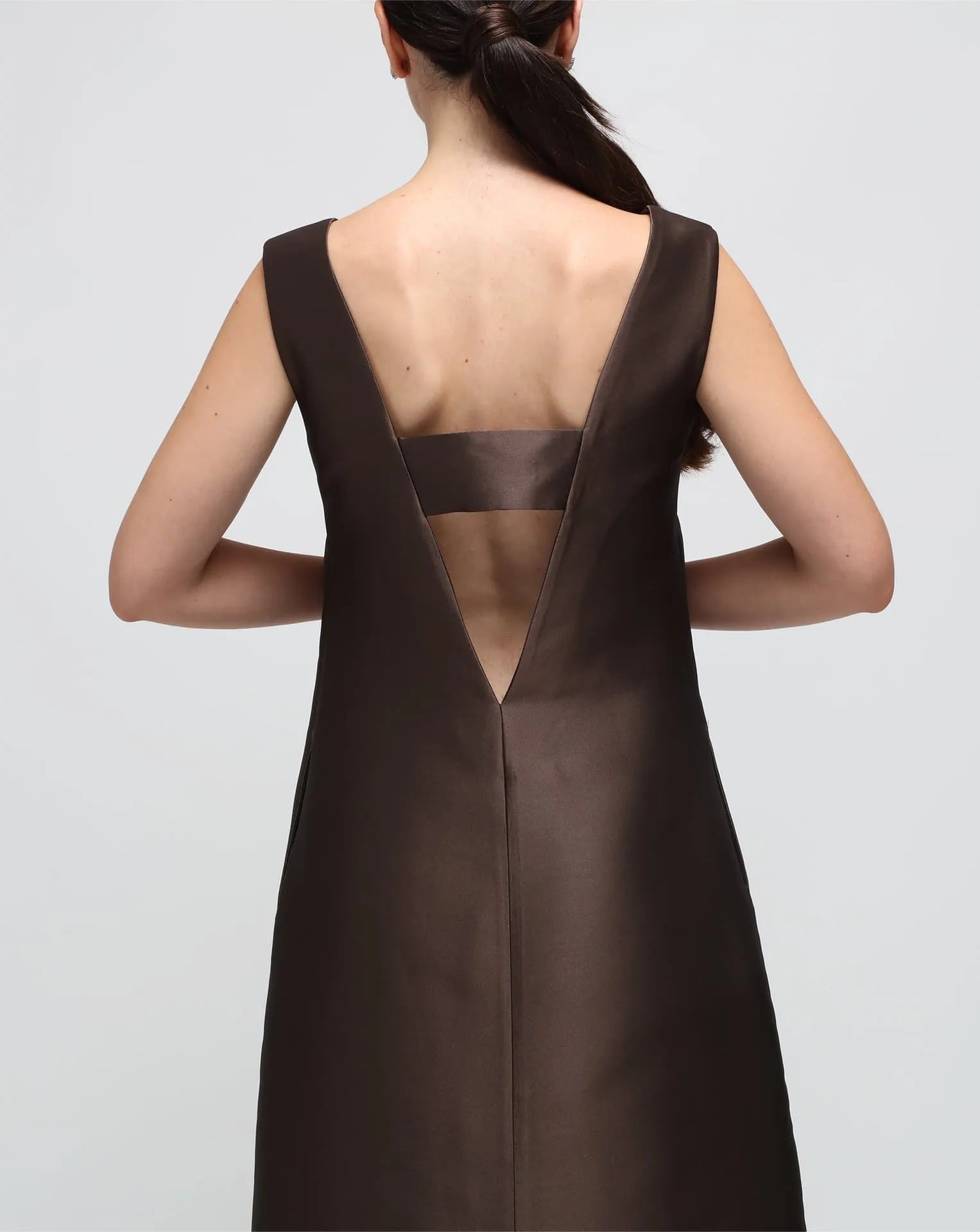
Product design also tells the truth. Ethical brands tend to build around longevity: clean tailoring, versatile silhouettes, and fabrics with substance. Think of a women's midi dress that works with flats for day and a heel for evening, or men's tailored shorts that feel polished rather than disposable. Pieces like these support a wardrobe, not just a moment.
Service details matter too. Free size exchanges, for example, reduce the friction that often pushes customers toward over-ordering or settling for poor fit. Garment care education matters because the life of a piece does not end at checkout. Carbon-neutral shipping can support the larger sustainability picture, though it should complement responsible production rather than distract from it.
If you are building a smarter closet, start with categories that carry the most repeat potential: shirts, jackets, dresses, pants, coats, and coordinated sets. These are the pieces that shape daily dressing habits. They are also where quality becomes visible fast.
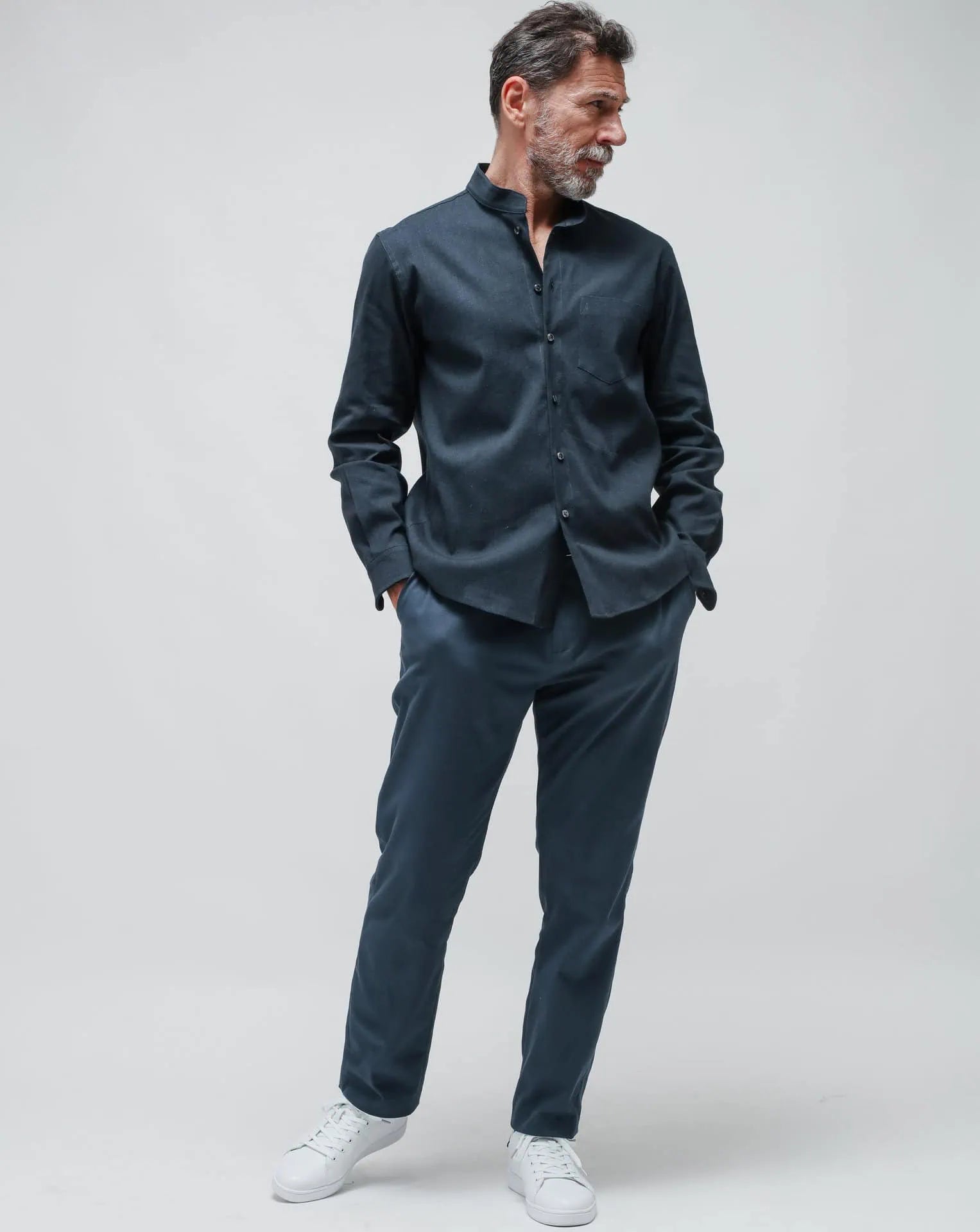
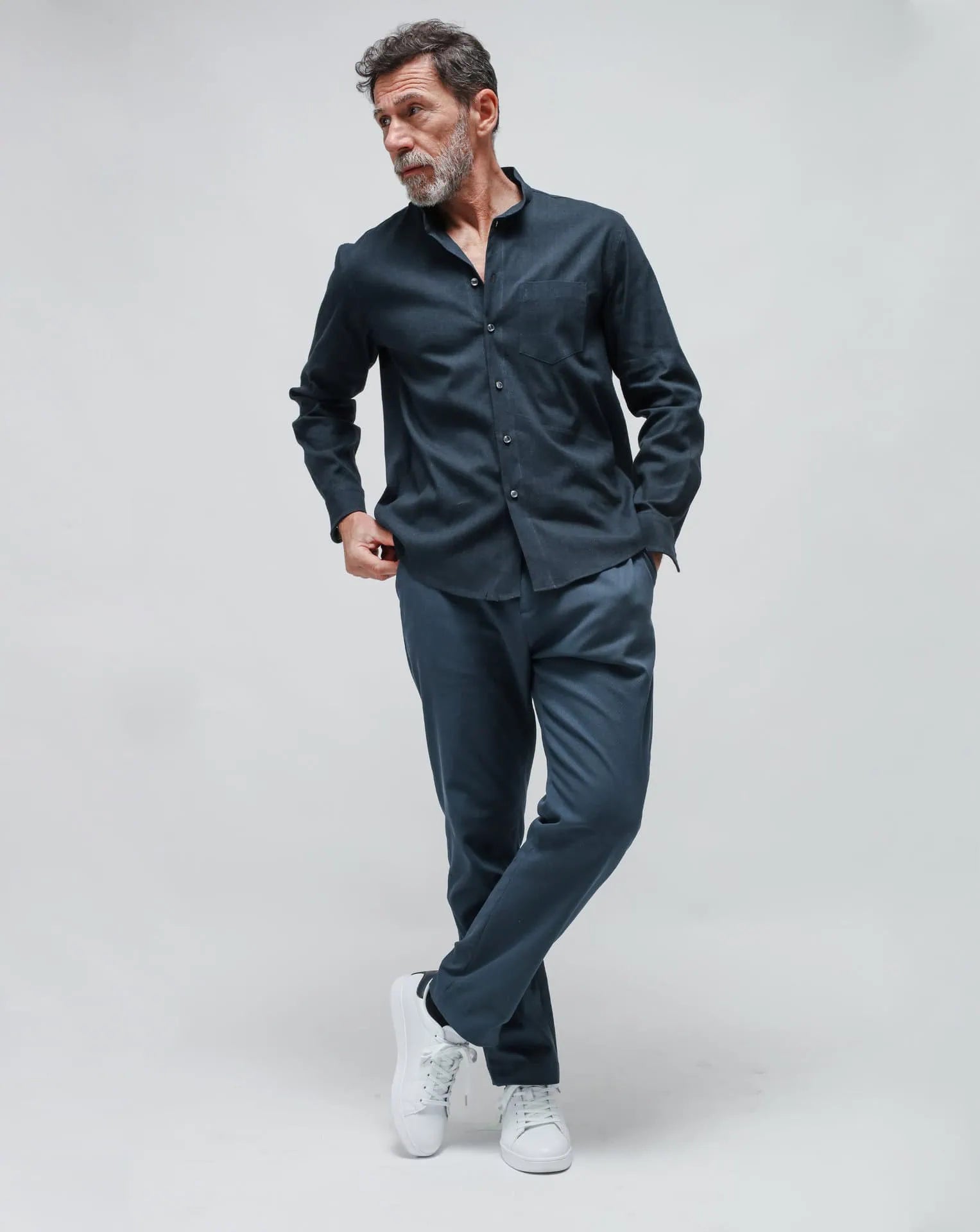
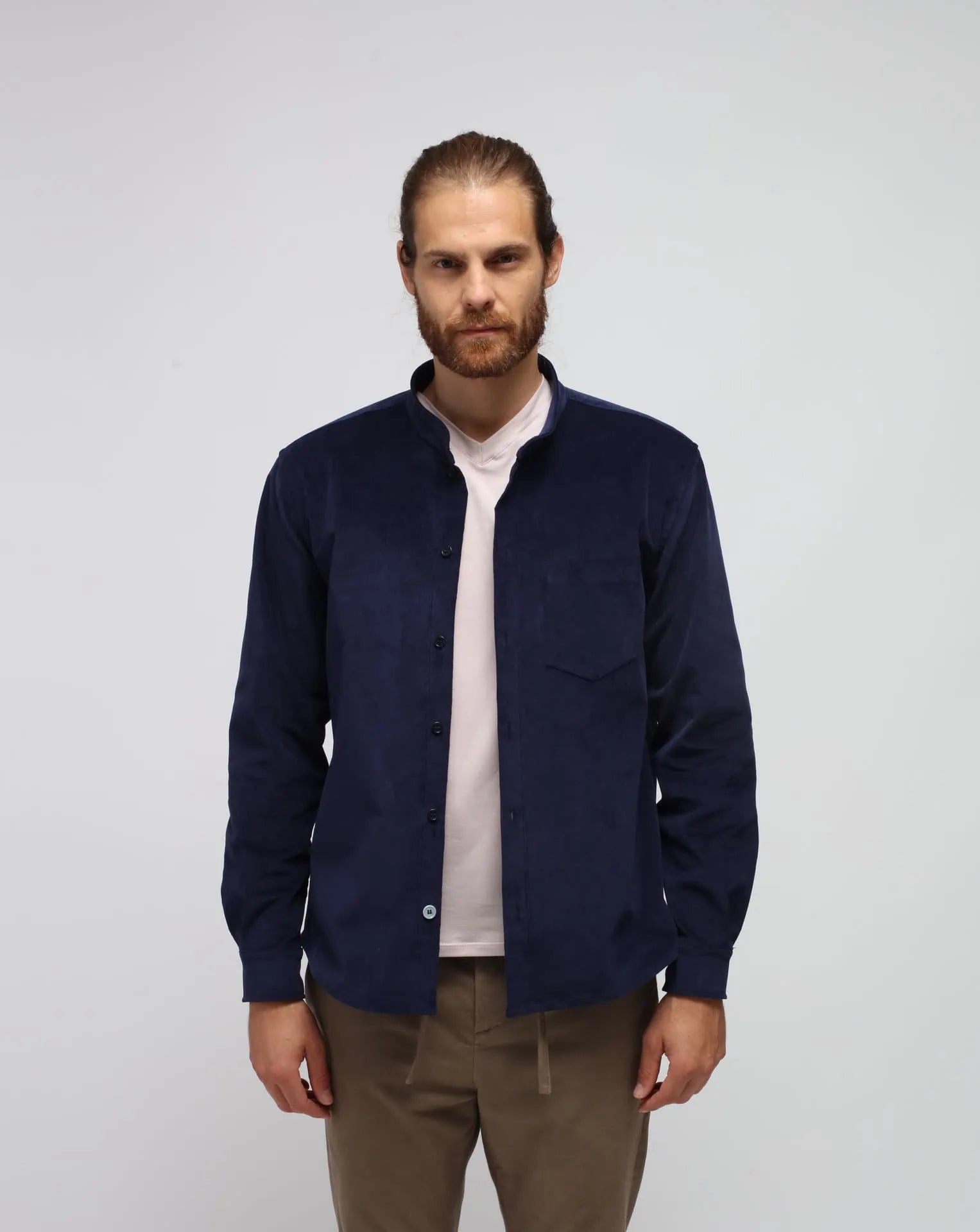
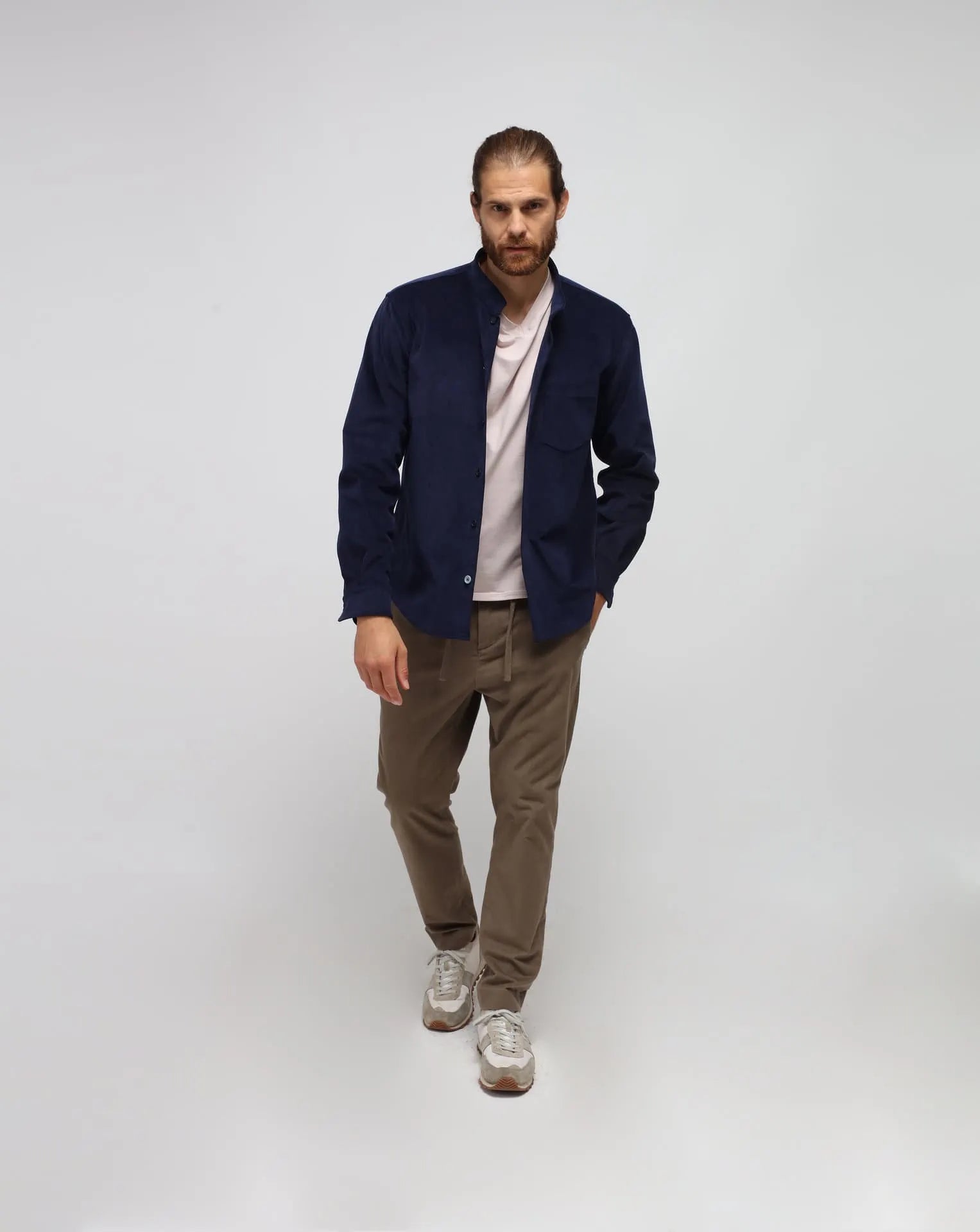
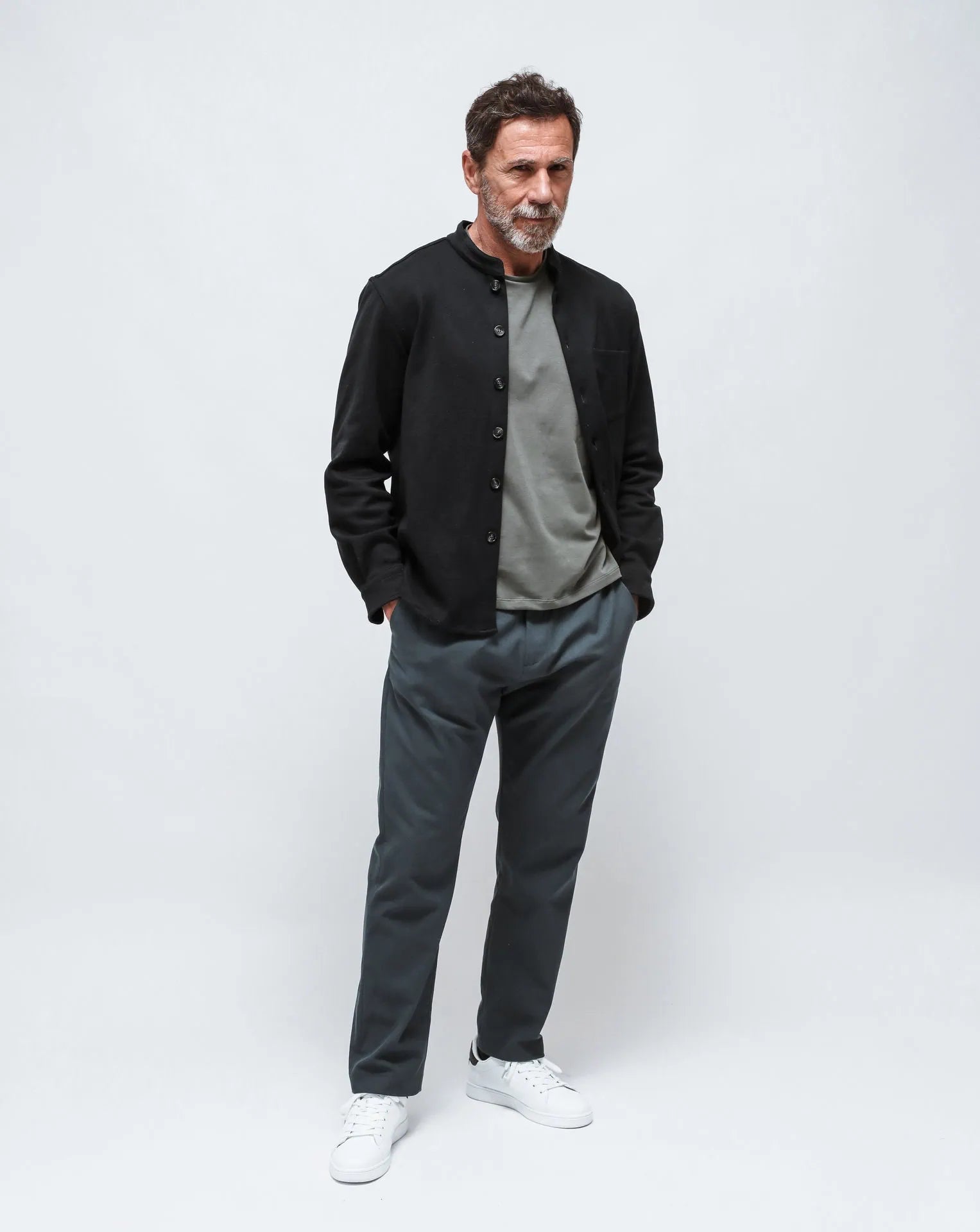
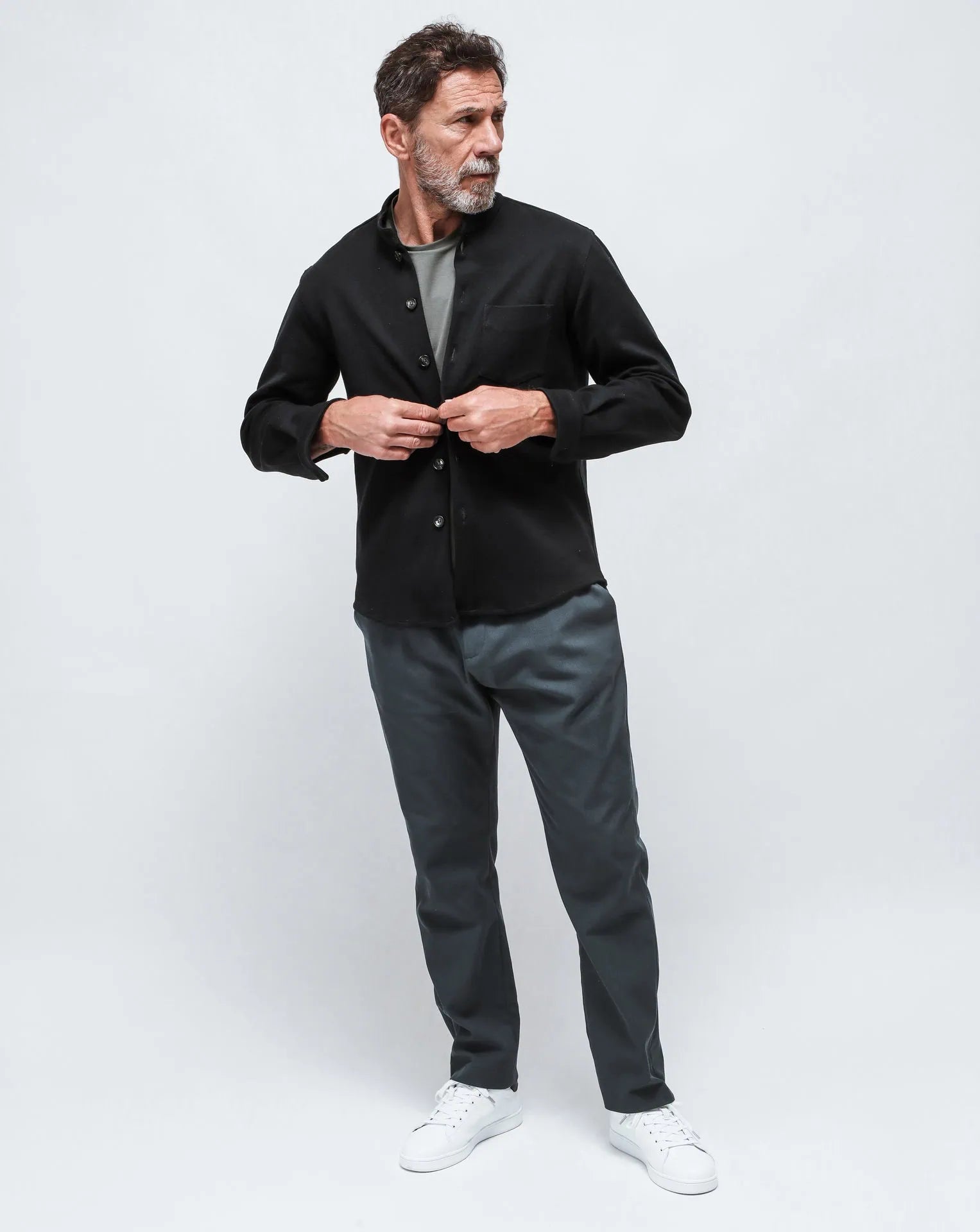
For example, a women's wrap dress in limited quantities, a structured men's overshirt, a pair of clean-lined trousers, or a seasonless wool coat are not just product types. They are high-intent purchases with room for longevity. This is exactly where ethical design should outperform trend-based fashion.
Why this matters more now
Many consumers no longer need to be convinced that fashion has a waste problem. The more immediate issue is knowing what a better alternative actually looks like. Ethical fashion made in Italy offers one answer, but only when it combines craft with discipline.
That discipline shows up in the refusal to overproduce, in the use of deadstock fabrics, in handmade small-batch production, and in a design language built around endurance rather than noise. It respects the maker, the material, and the person wearing the garment.
For modern shoppers in the US and beyond, that creates a sharper kind of luxury. Not louder. Not faster. Just better judged. If a brand can deliver contemporary style, responsible sourcing, transparent pricing, and pieces you genuinely want to wear again next year, it is offering more than fashion. It is offering relief from the cycle that made fashion feel disposable in the first place.
Humans & Land approaches this space with the clarity it deserves - limited-edition apparel for women and men, centered on Italian production, premium deadstock fabrics, and a direct rejection of fashion excess. That model is not about having less style. It is about having more reason behind every choice.
The best wardrobe decisions are rarely impulsive. They are the ones that keep proving themselves each time you get dressed.
FAQ
Q: Is made in Italy always ethical?
A: No. Made in Italy can indicate craftsmanship and quality, but ethics depends on more than geography. You still need to look at sourcing, labor standards, production volume, and transparency.
Q: Why are deadstock fabrics considered a better option?
A: Deadstock fabrics use existing surplus materials that might otherwise go to waste. They can reduce unnecessary new production while also offering premium quality and limited-edition character.
Q: Is ethical fashion made in Italy more expensive?
A: Usually, yes. Smaller production runs, skilled labor, and better materials raise costs. The value comes from durability, fit, lower waste, and stronger cost per wear over time.
Q: What products are worth buying first in an ethical wardrobe?
A: Start with pieces you will wear often - dresses, shirts, pants, jackets, coats, and coordinated sets. These categories deliver the clearest return when quality and versatility are strong.
Q: Does small-batch production really make a difference?
A: Yes. Small-batch production can reduce overstock, support better quality control, and create a more intentional relationship between demand, design, and manufacturing.
the World of H&L