

Zero Waste Fashion Brands Worth Knowing
A beautiful garment can carry a hidden trail of excess - offcuts, overproduction, landfill-bound inventory, and fibers chosen for margin instead of longevity. That is why interest in zero waste fashion brands has moved beyond niche sustainability circles and into the wardrobes of people who care about design, quality, and consequence in equal measure.
The phrase sounds absolute, but fashion rarely is. Very few brands operate with literally zero waste across every stage of sourcing, sampling, production, packaging, shipping, and returns. The better question is not whether a label has reached perfection. It is whether the brand has built its system to prevent waste at the source, reduce what cannot be avoided, and treat materials as something valuable rather than disposable.
What zero waste fashion brands actually do
The strongest zero waste fashion brands tend to share a few clear behaviors. They work with deadstock fabrics, produce in small batches, design with fabric efficiency in mind, and avoid the volume game that defines fast fashion. They do not rely on endless inventory to create the illusion of choice. They create less, make it better, and expect it to stay in a wardrobe for years.
Deadstock fabrics matter here because they put existing materials back into circulation rather than demanding virgin production for every new collection. That does not solve everything. A deadstock fabric can still be delicate, limited, or difficult to reorder. But it prevents perfectly usable textiles from sitting idle or being discarded, and it pushes brands toward a more disciplined model of limited runs and intentional design.
Small-batch production matters for a different reason. It reduces the risk of overordering, markdown cycles, and unsold inventory that eventually becomes waste. It also changes the relationship between brand and customer. You are not buying from an endless stream of product. You are buying from a finite edit, which tends to reward discernment over impulse.
How to evaluate zero waste fashion brands without falling for marketing
Sustainability language is easy to borrow. Operational discipline is harder. If you are assessing a brand, look past broad claims and ask what waste problem it is actually solving.
A credible brand usually explains its material strategy in plain language. That may mean deadstock fabrics, recycled fibers, made-to-order production, fabric-cutting methods that reduce offcuts, or a clear approach to repairing and extending garment life. Specifics matter. If a label speaks only in polished slogans, you still do not know how it works.
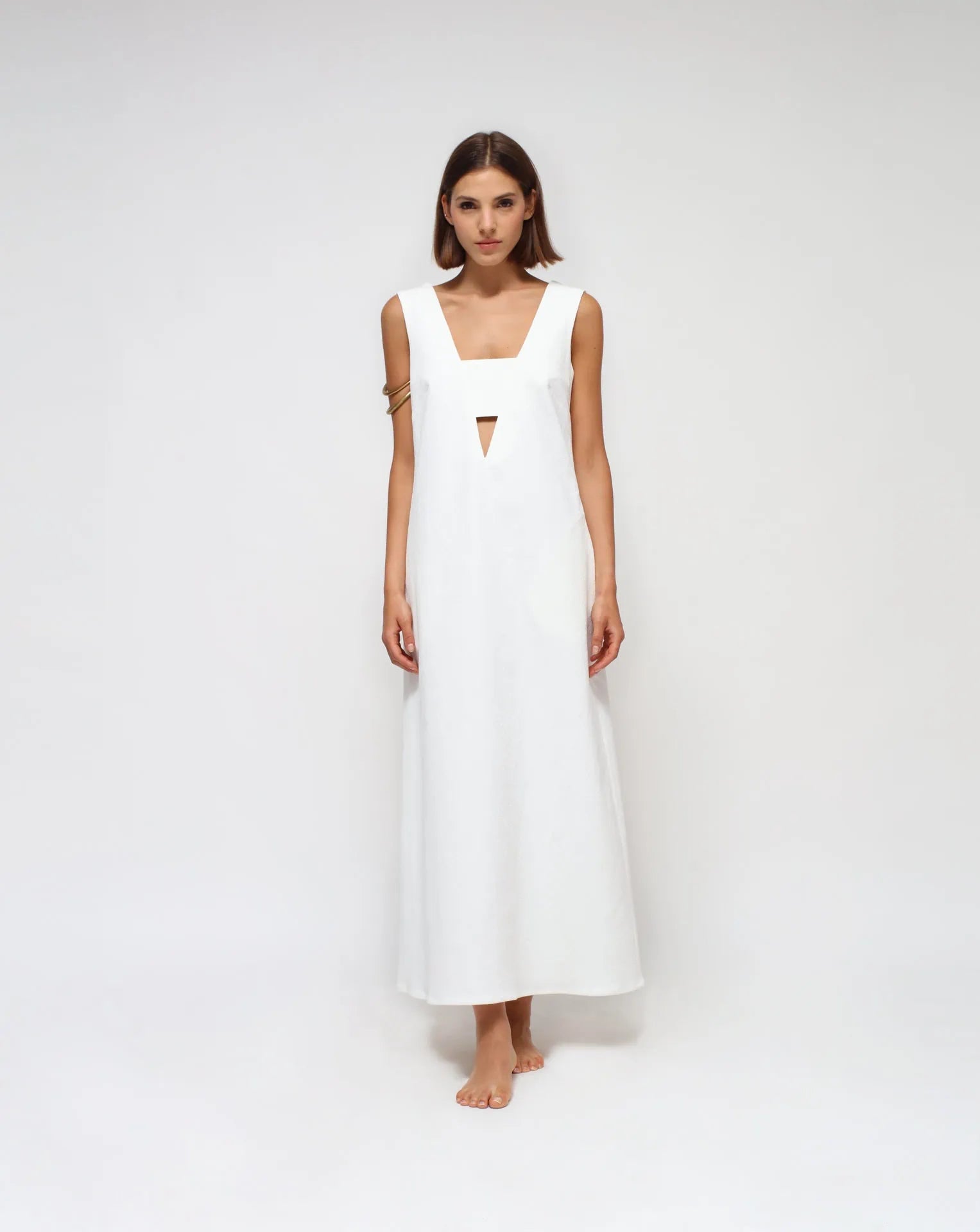
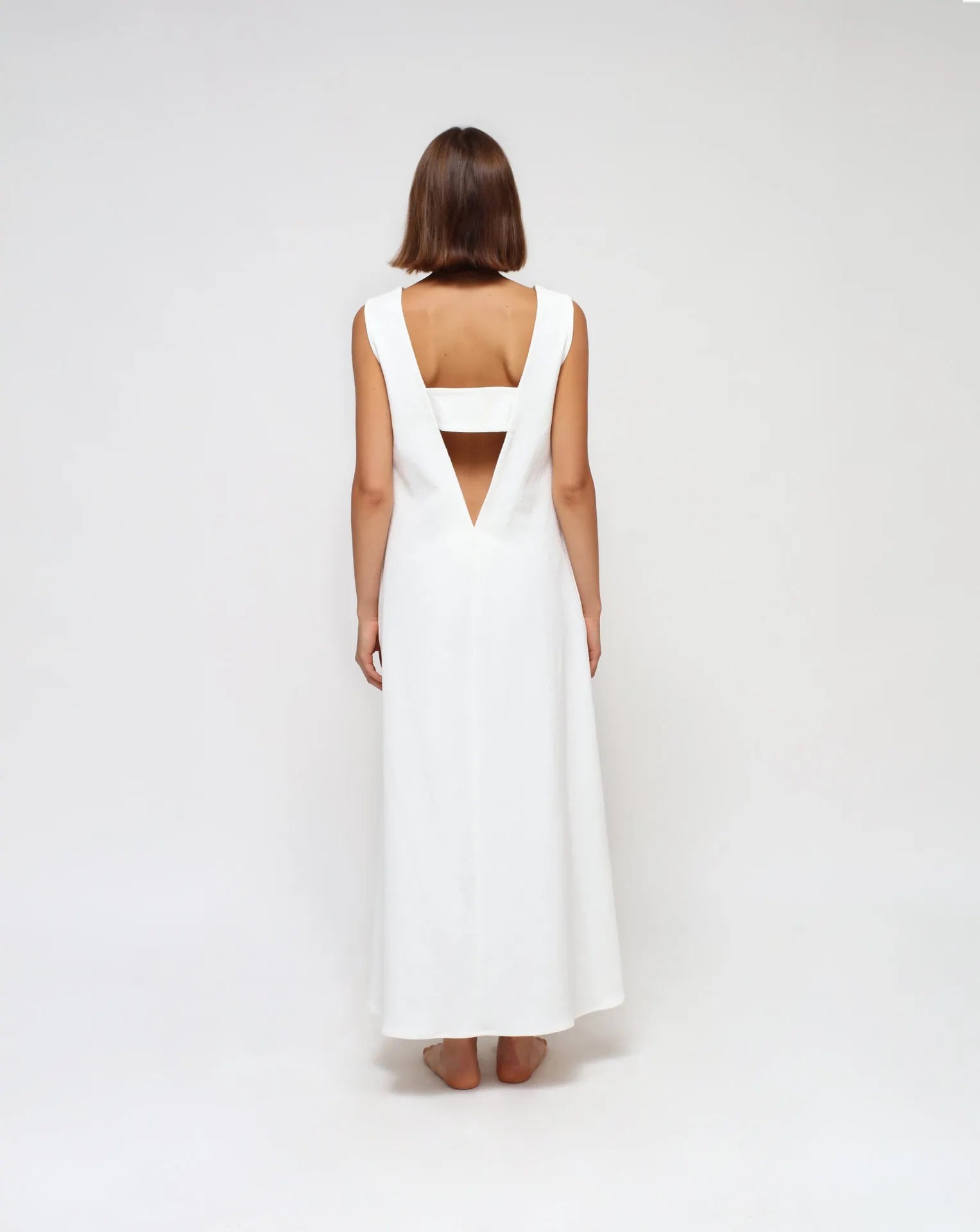
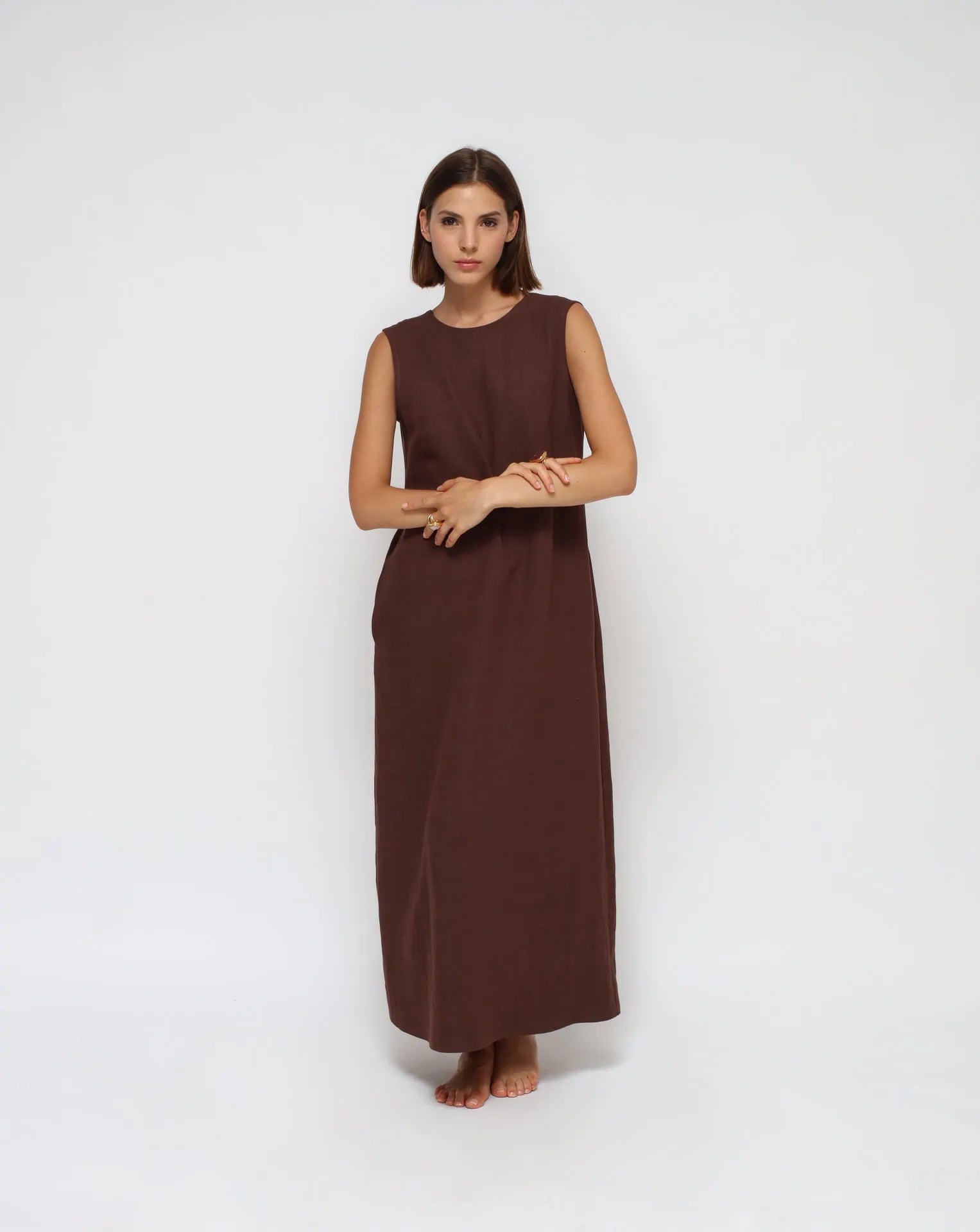
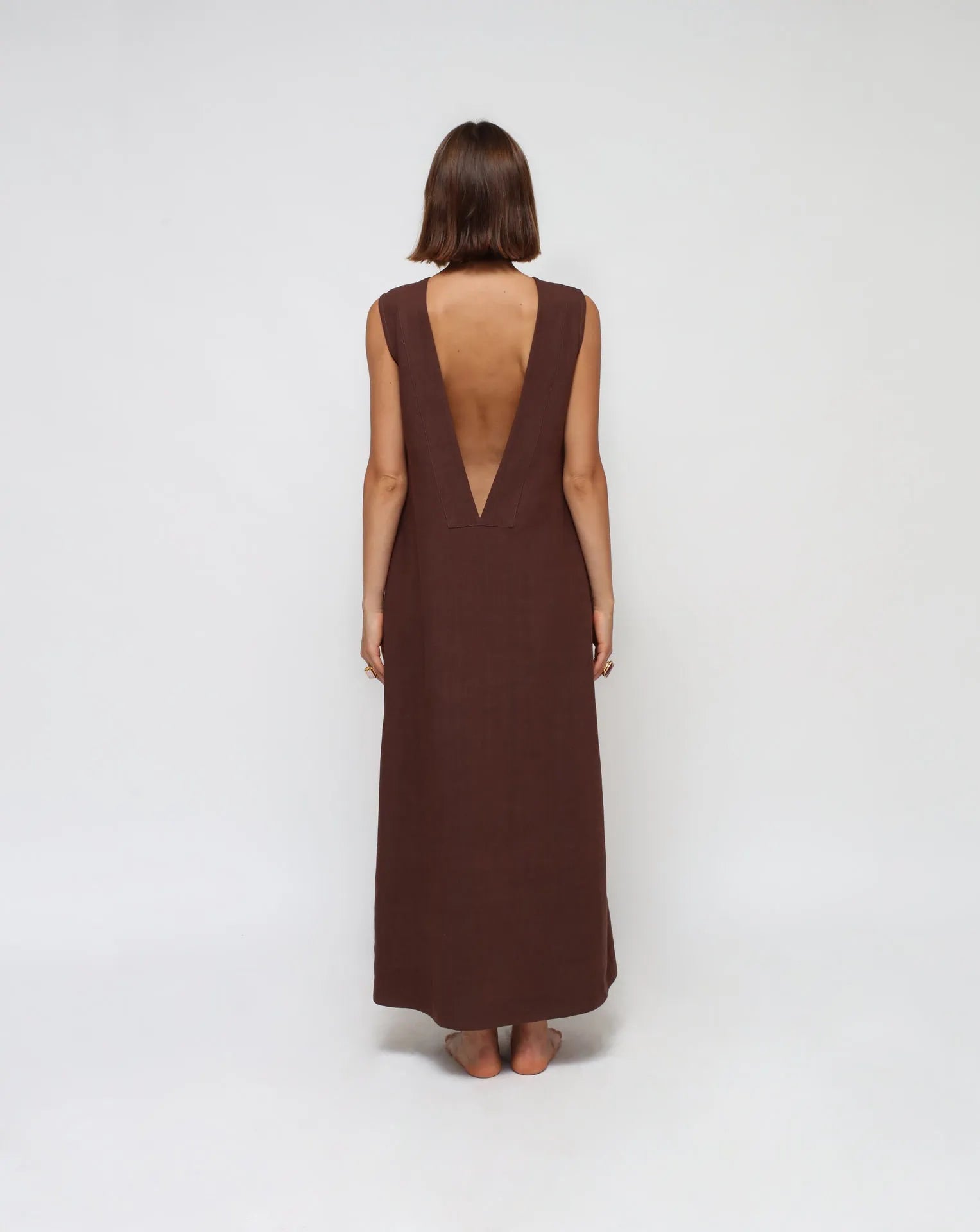
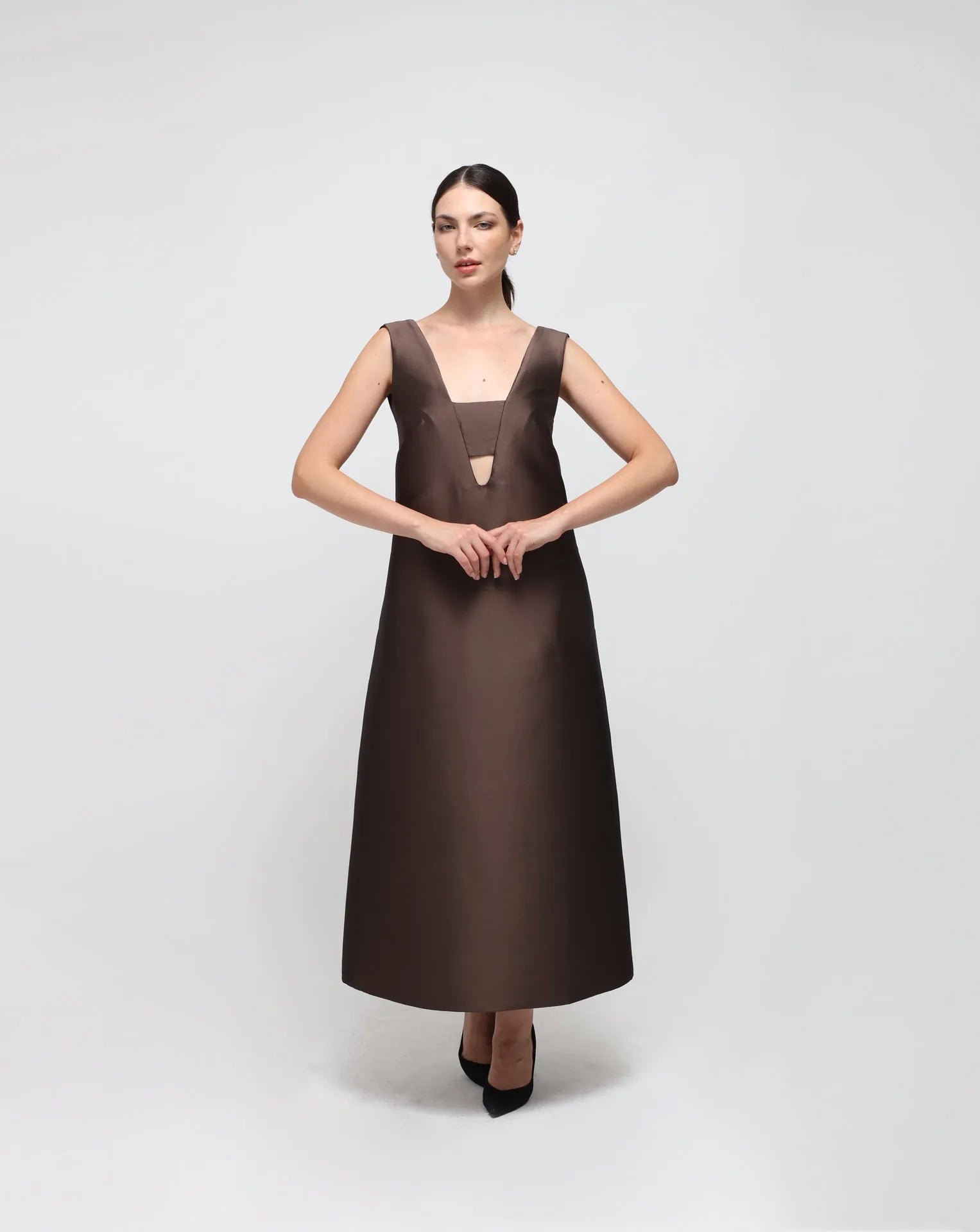
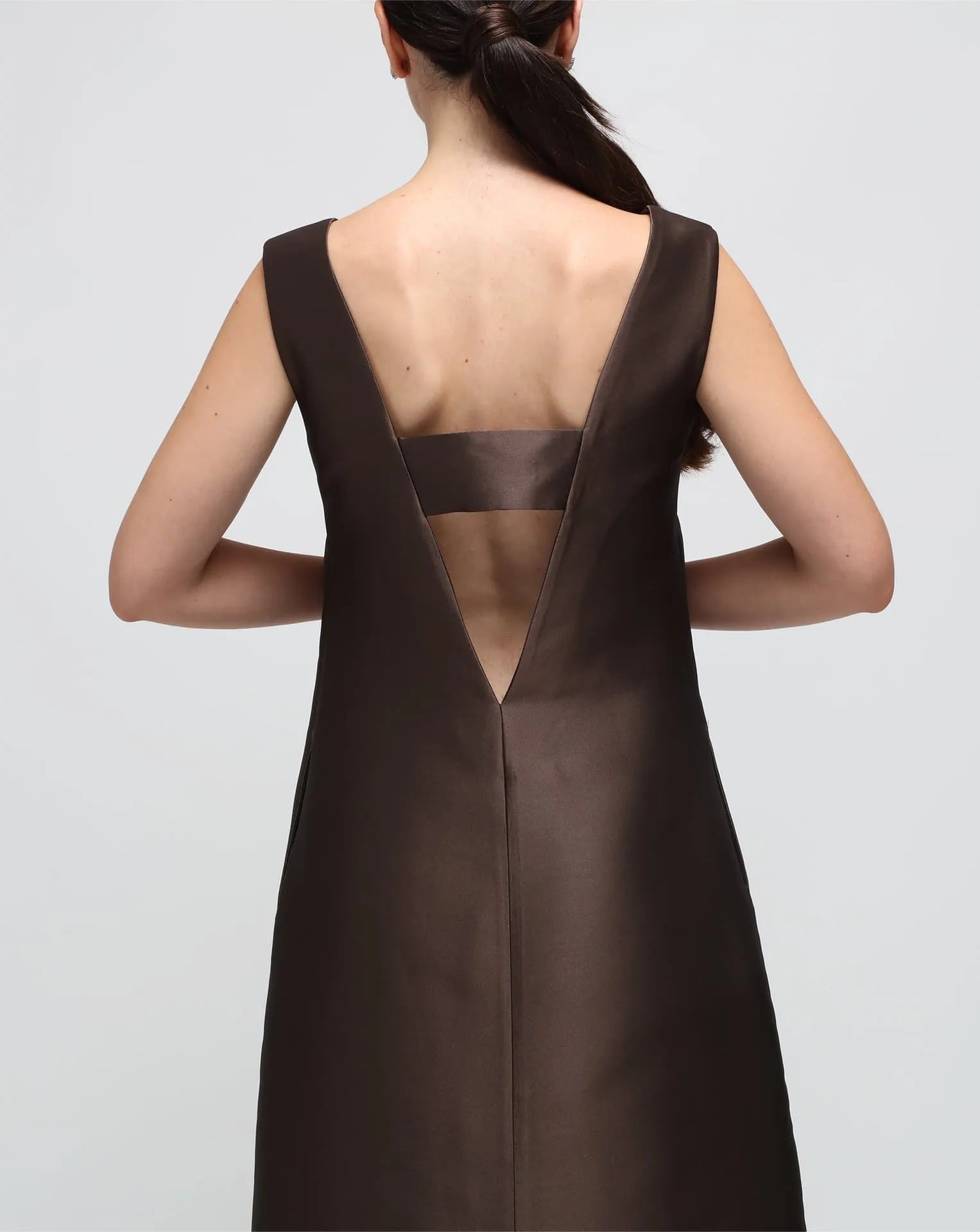
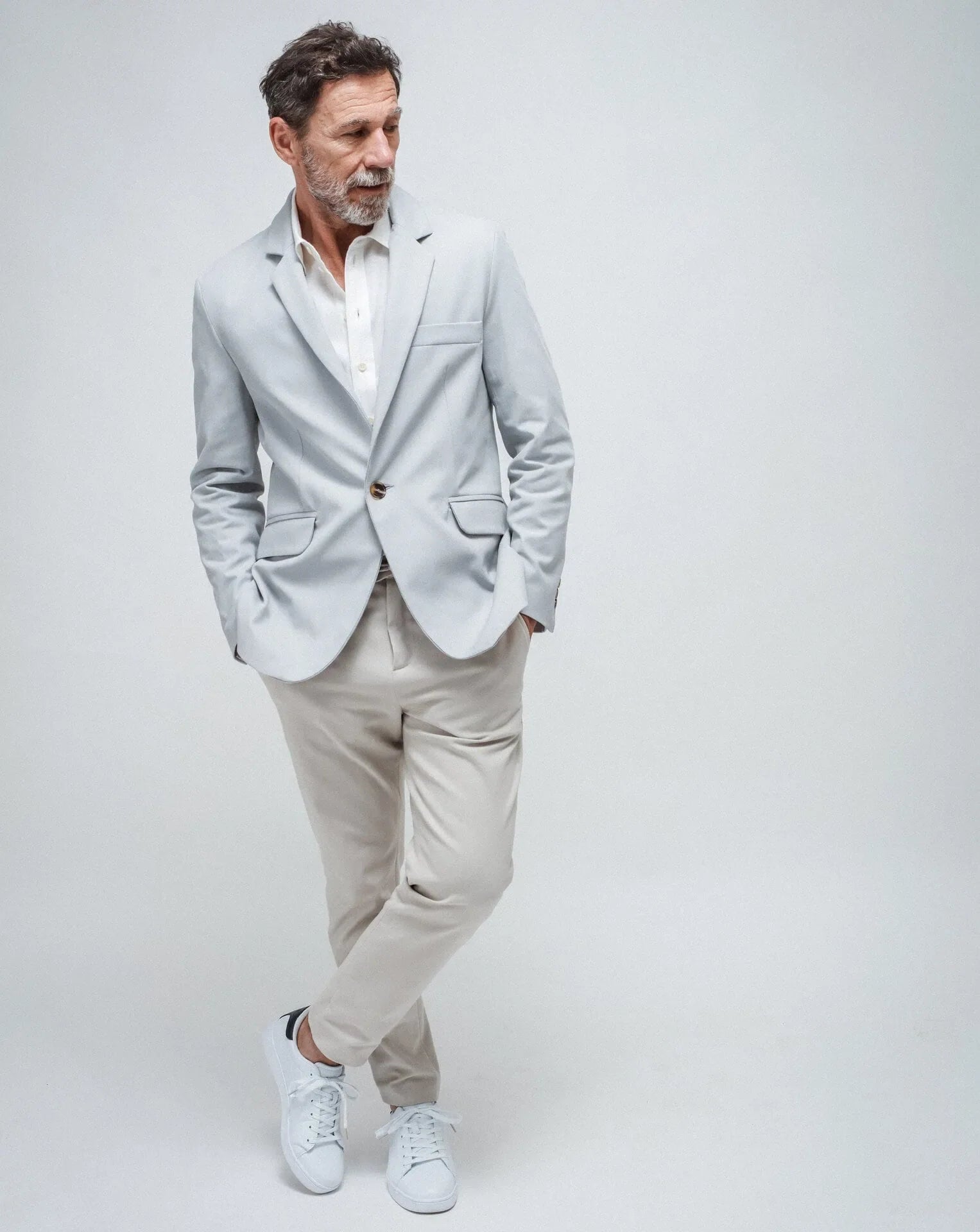
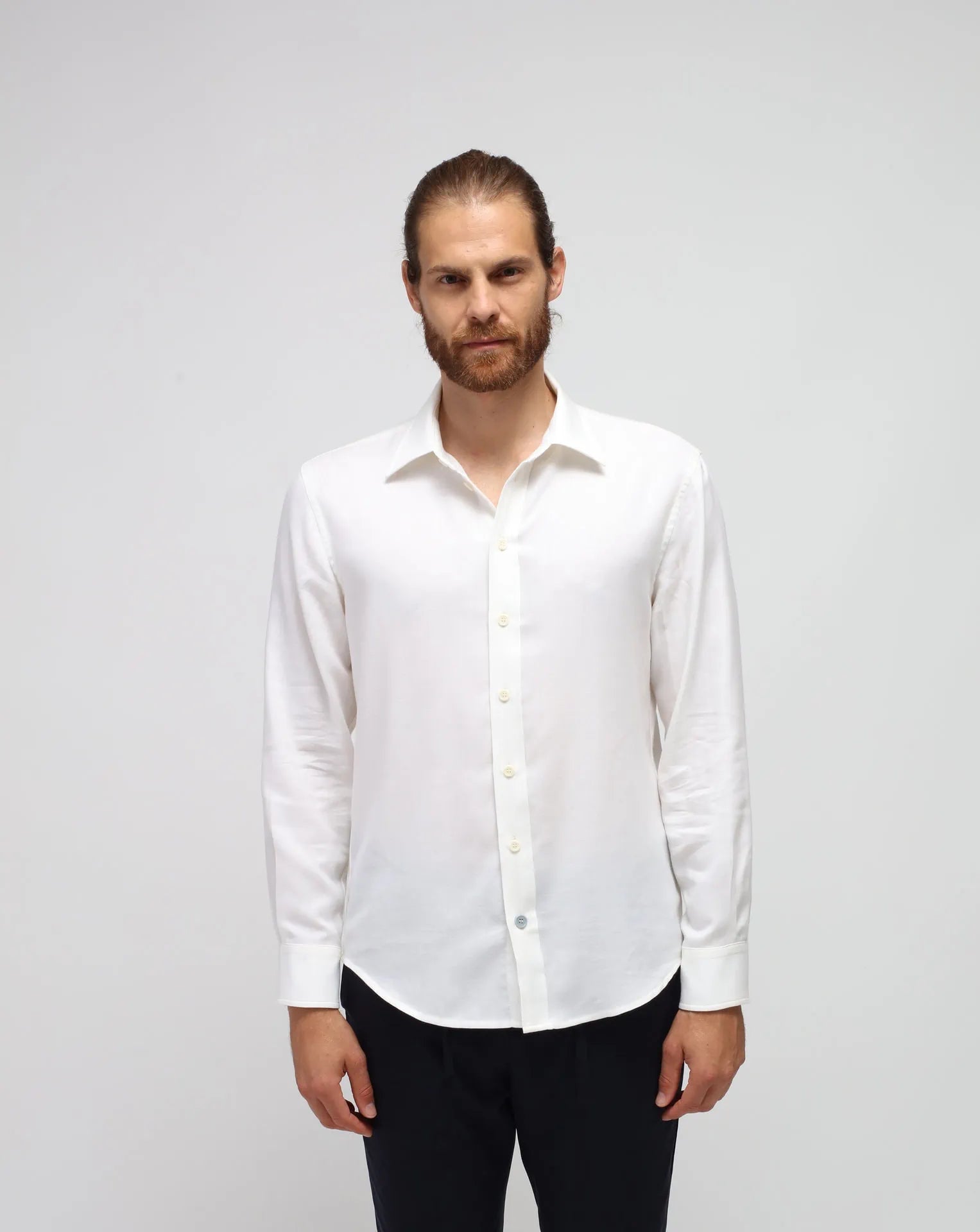
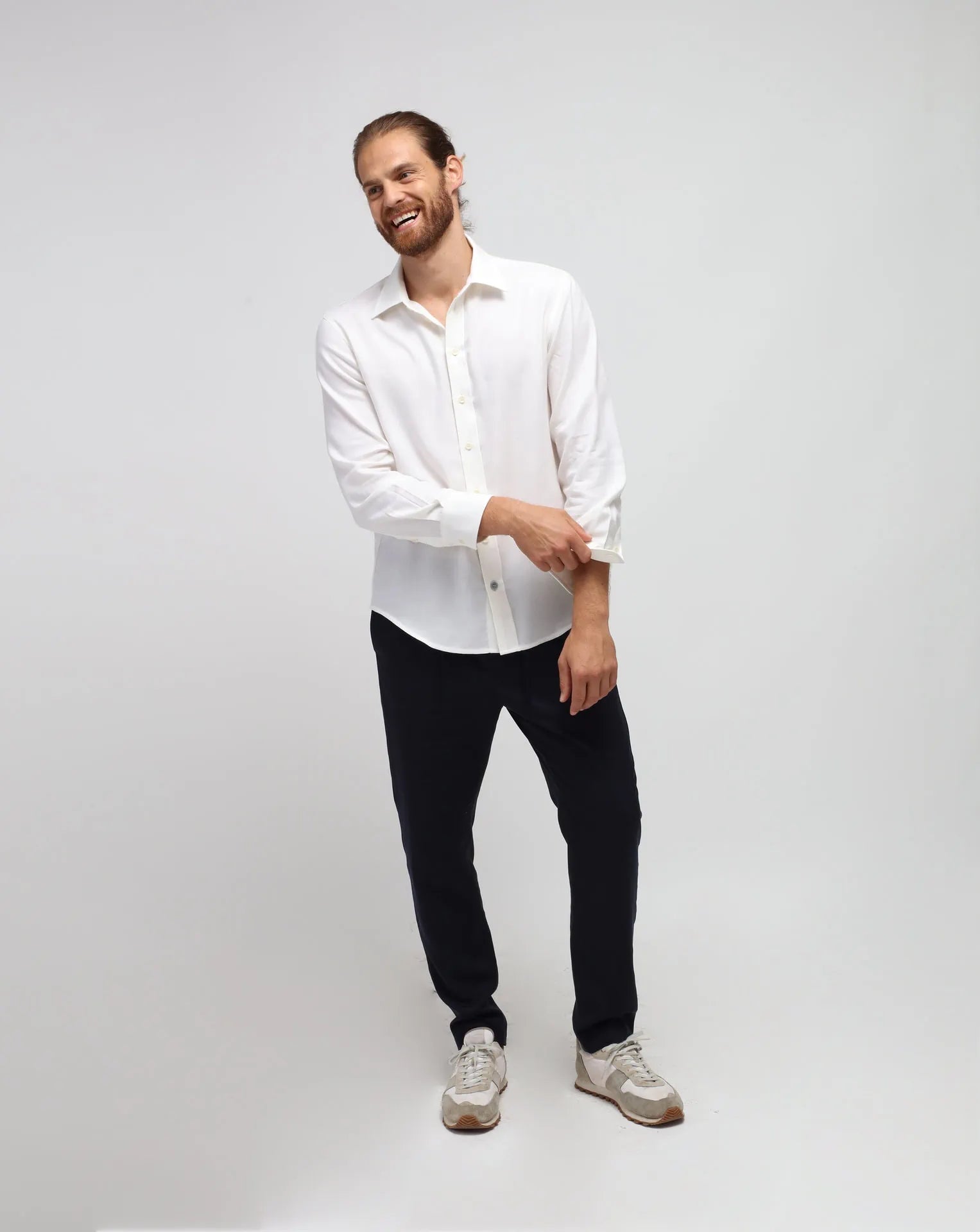
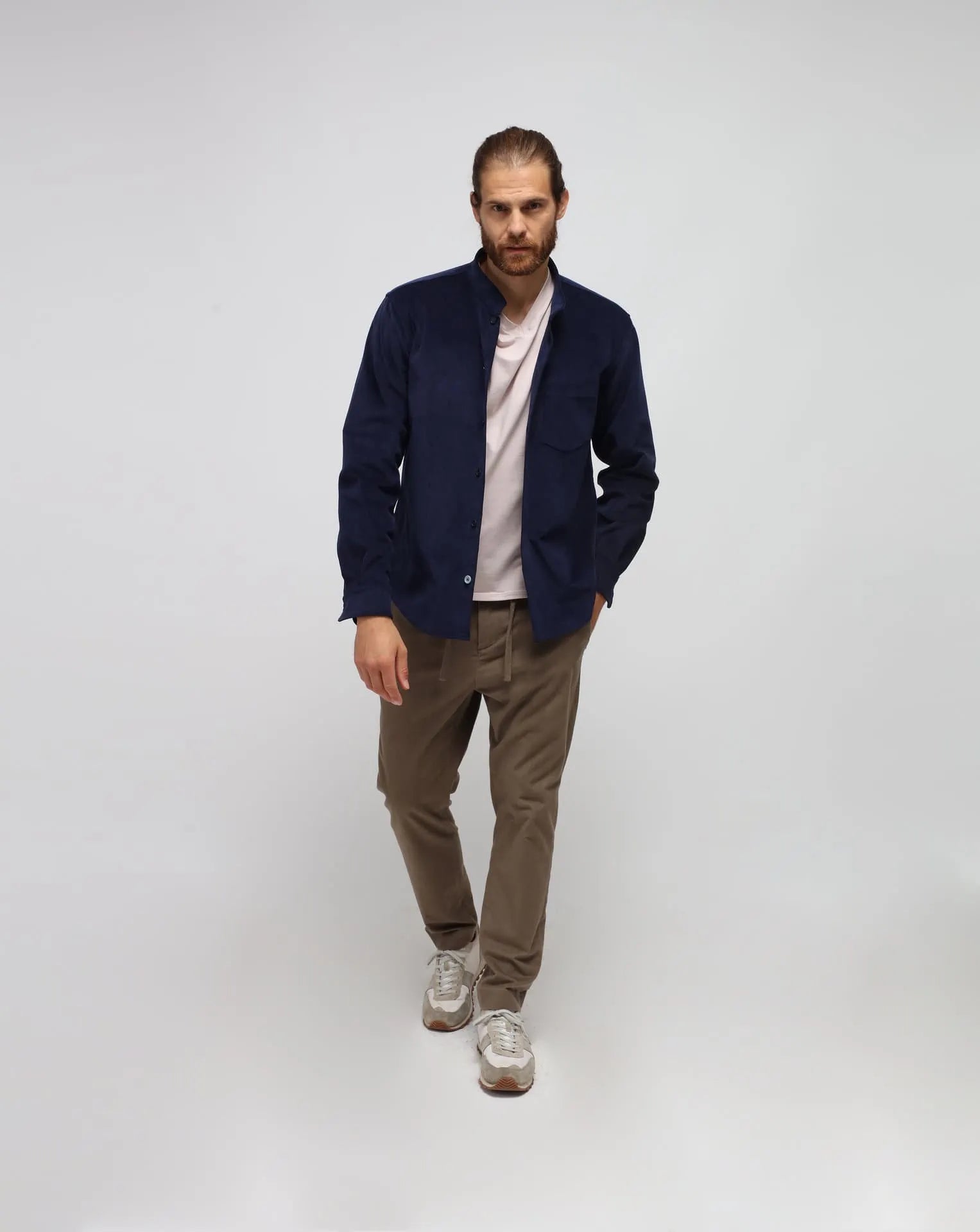
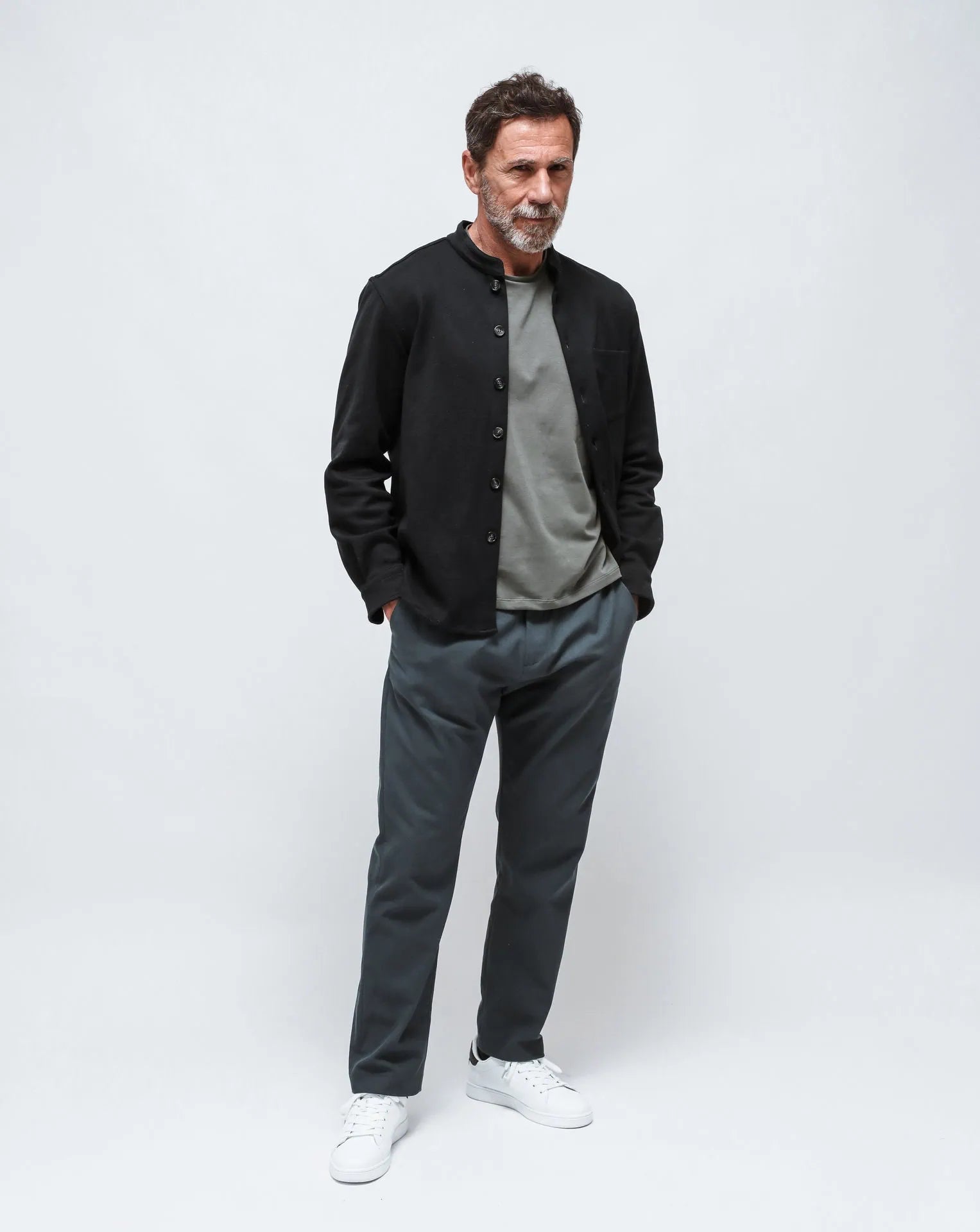
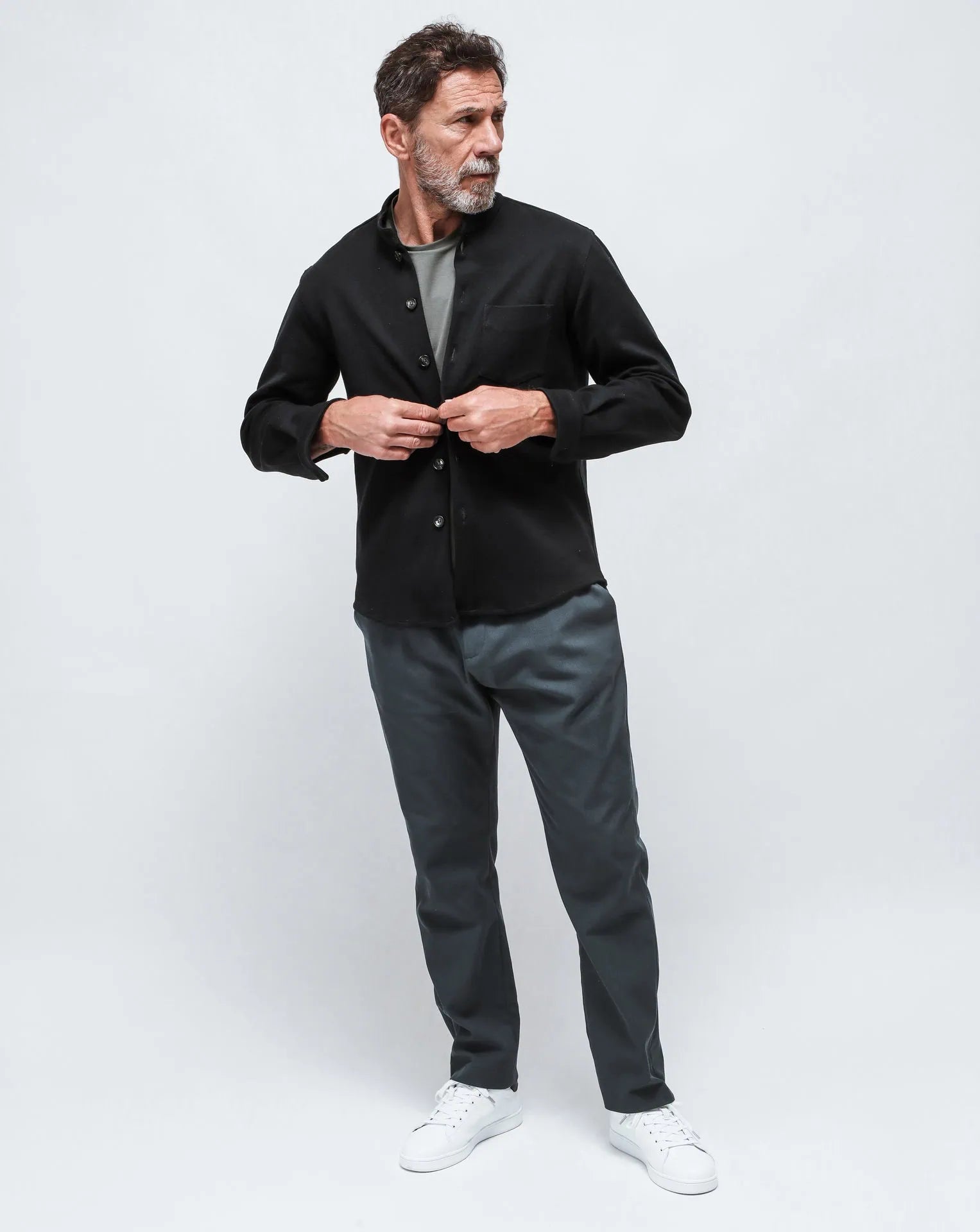
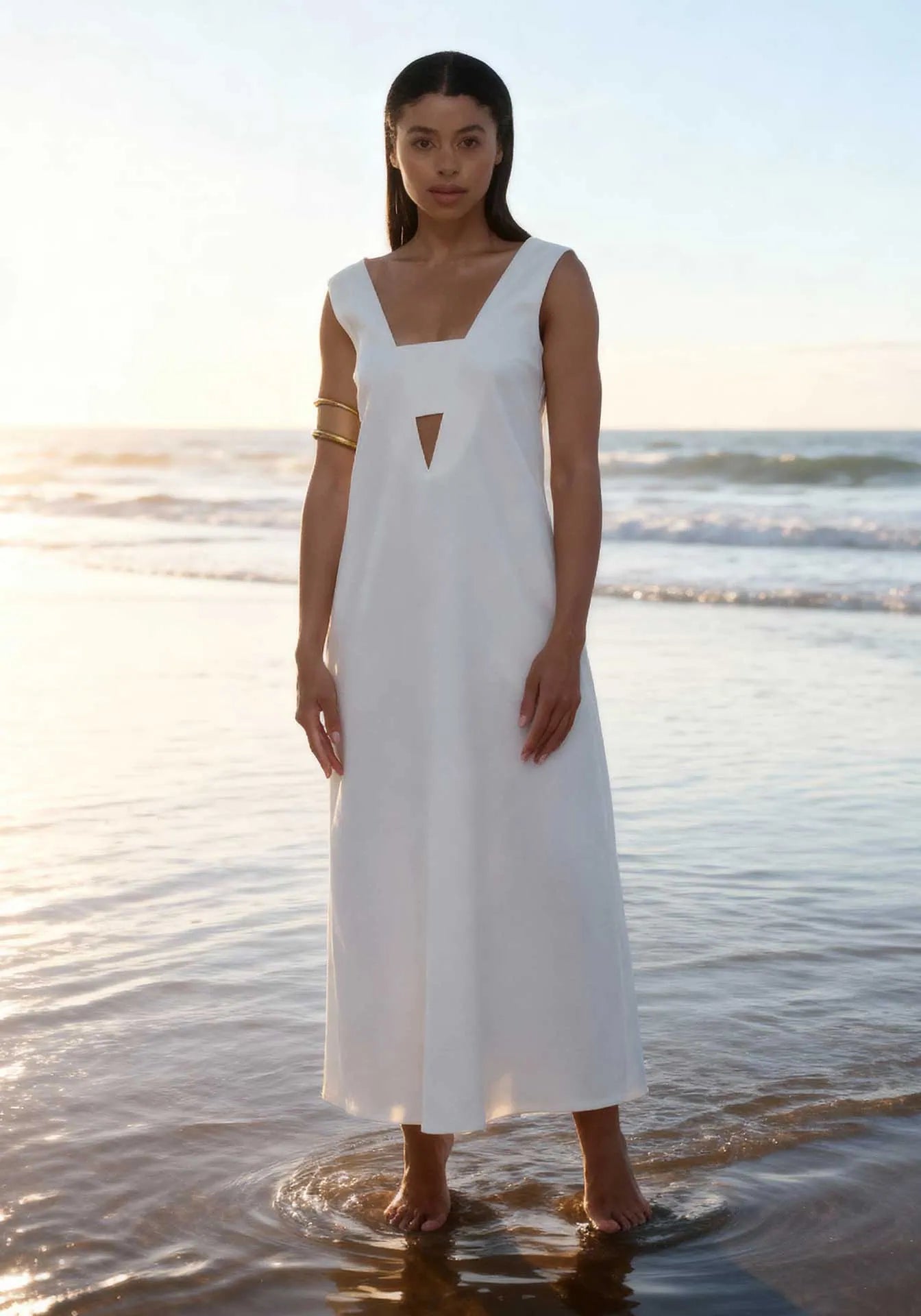
It also helps to examine the product mix. A brand committed to lower waste often favors enduring silhouettes over weekly trend turnover. That does not mean the clothing is austere. It means a women’s tailored dress, a structured skirt, or a men’s shirt is designed to keep earning wear rather than satisfy a short-lived algorithm.
Price transparency is another useful signal. When a brand explains why a garment costs what it costs - fabric, labor, production scale, finishing - it is usually making a case for value instead of volume. Waste thrives where clothing is treated as cheap, interchangeable, and instantly replaceable.
The trade-offs behind zero waste fashion brands
This is where nuance matters. Zero waste systems often create constraints that some shoppers are not used to.
Limited-edition production means your size may sell out. Deadstock fabrics may not return once a run is gone. Small batches can also mean fewer color options and less constant novelty. If you are accustomed to shopping with infinite choice, this can feel restrictive.
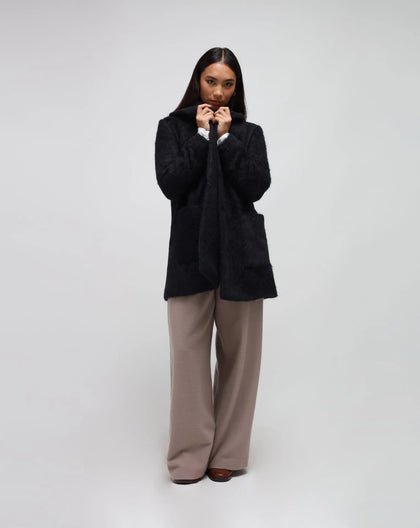
But those constraints are part of the point. They shift fashion away from endless excess and toward considered purchasing. In many cases, they also make the garment feel more personal. A sharply cut women’s coat made from premium deadstock wool, or a men’s suit produced in a tightly controlled run, carries a different kind of value than a mass-market duplicate produced by the tens of thousands.
There are also trade-offs in design. Some zero waste brands prioritize pattern layouts so strictly that silhouette comes second. Others preserve a luxury-level fit and use deadstock or low-volume production to reduce waste in a more balanced way. Neither approach is automatically superior. It depends on what you wear, how long you keep it, and whether the garment fits into a real life rather than an abstract ideal.
Why elevated essentials matter more than novelty
Waste often begins with the wrong product strategy. If a brand is built around disposable trends, even responsible materials can only do so much. The smarter model is an edited wardrobe of pieces that move across settings - office, travel, dinner, weekend, occasion - without losing relevance.
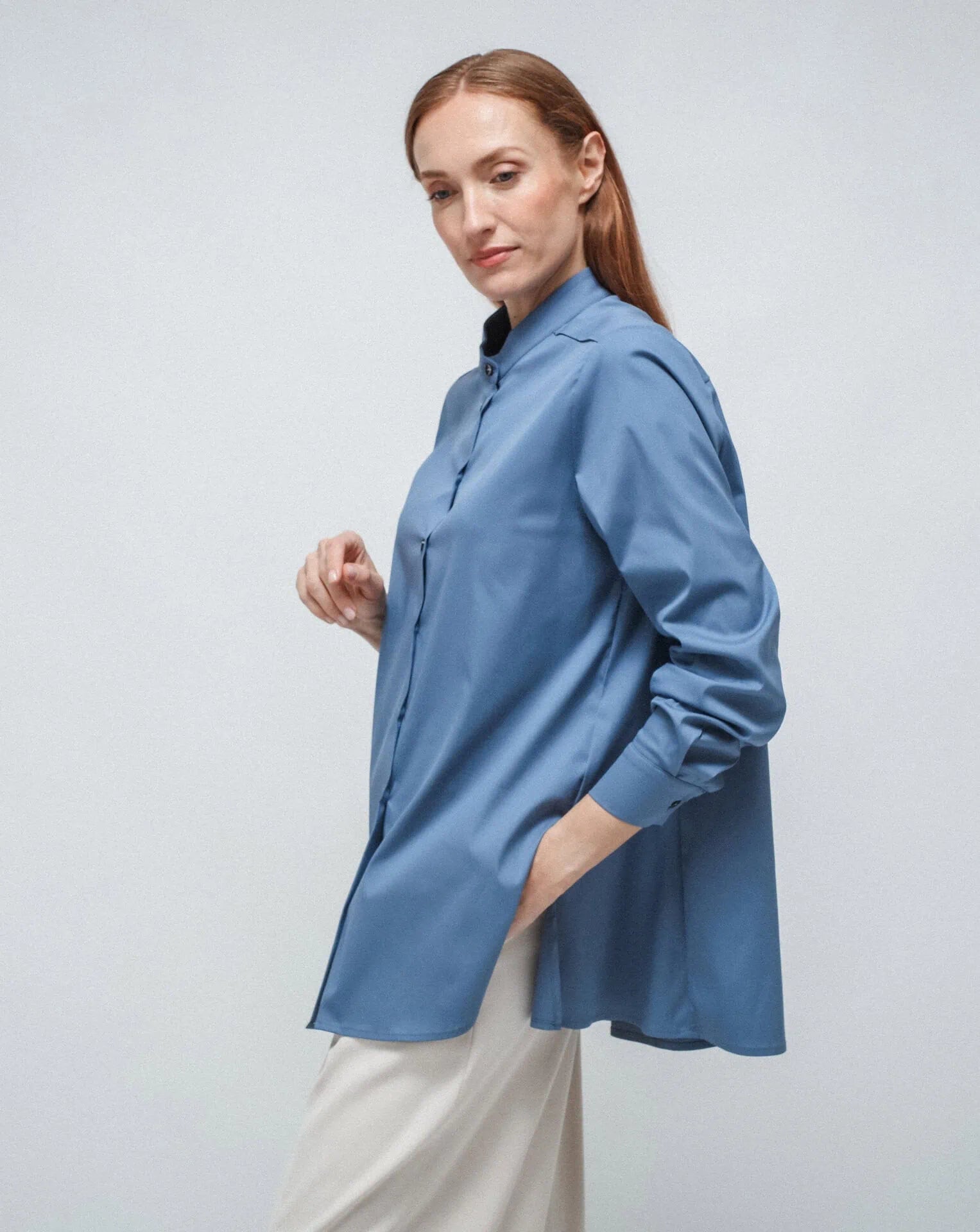
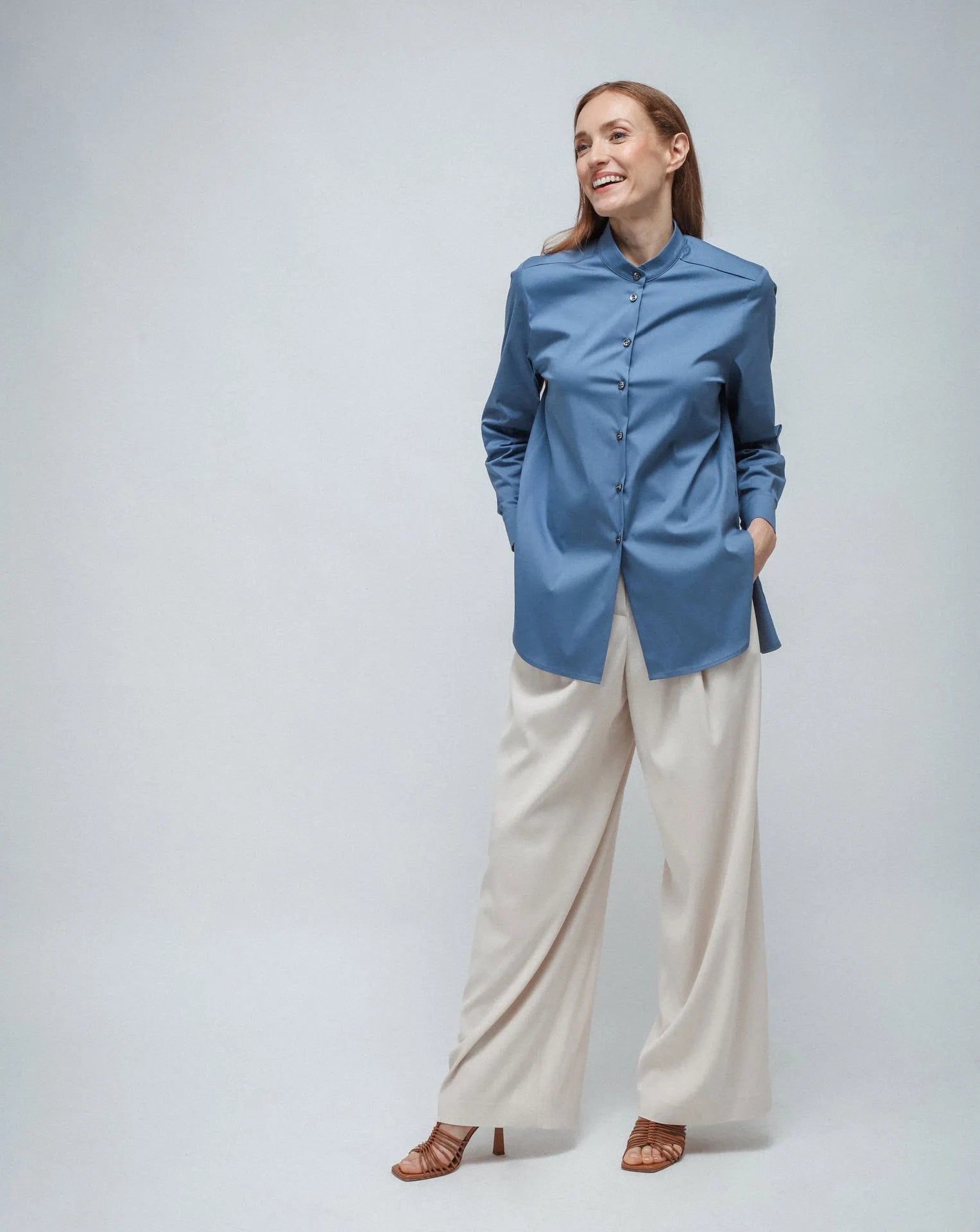
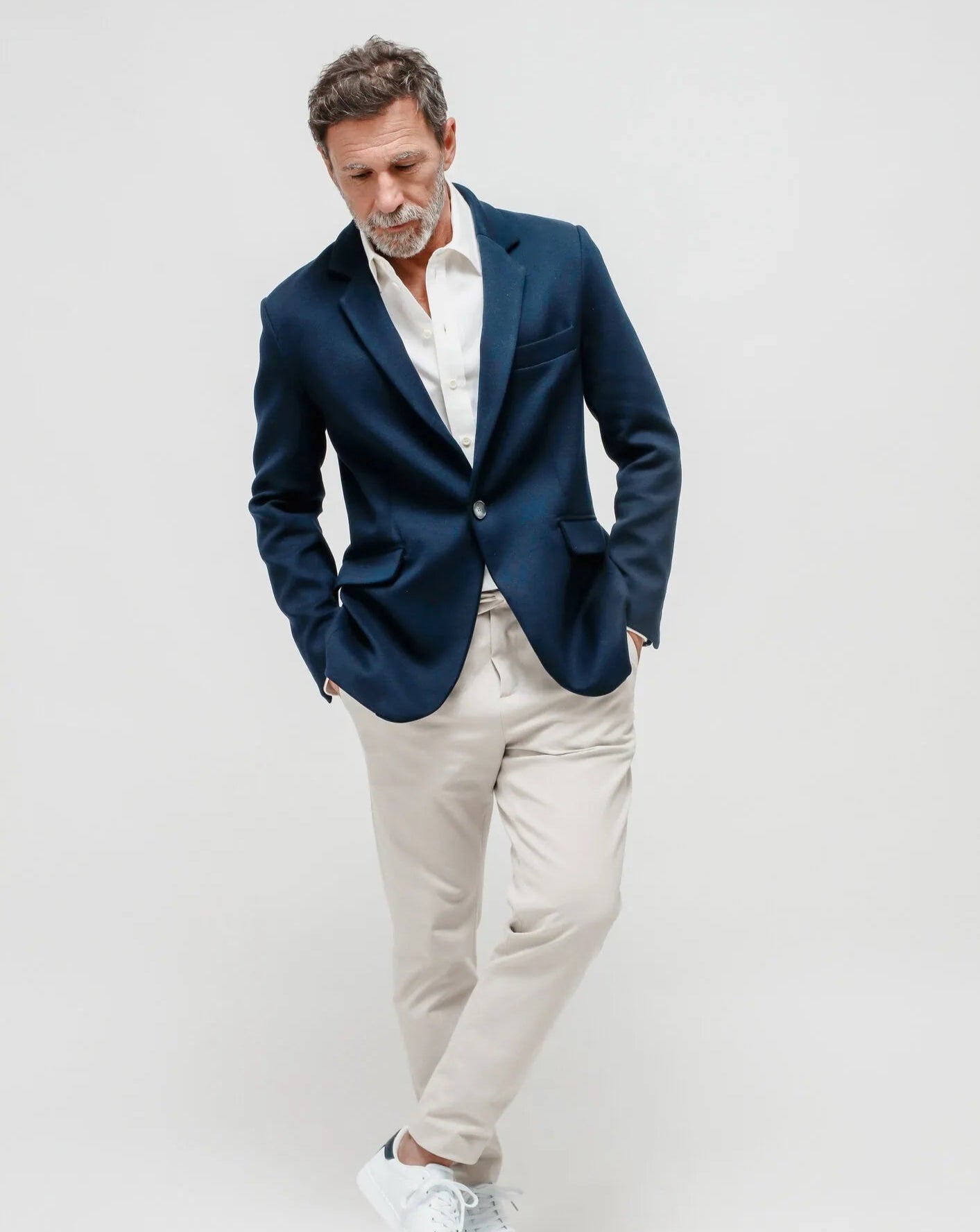
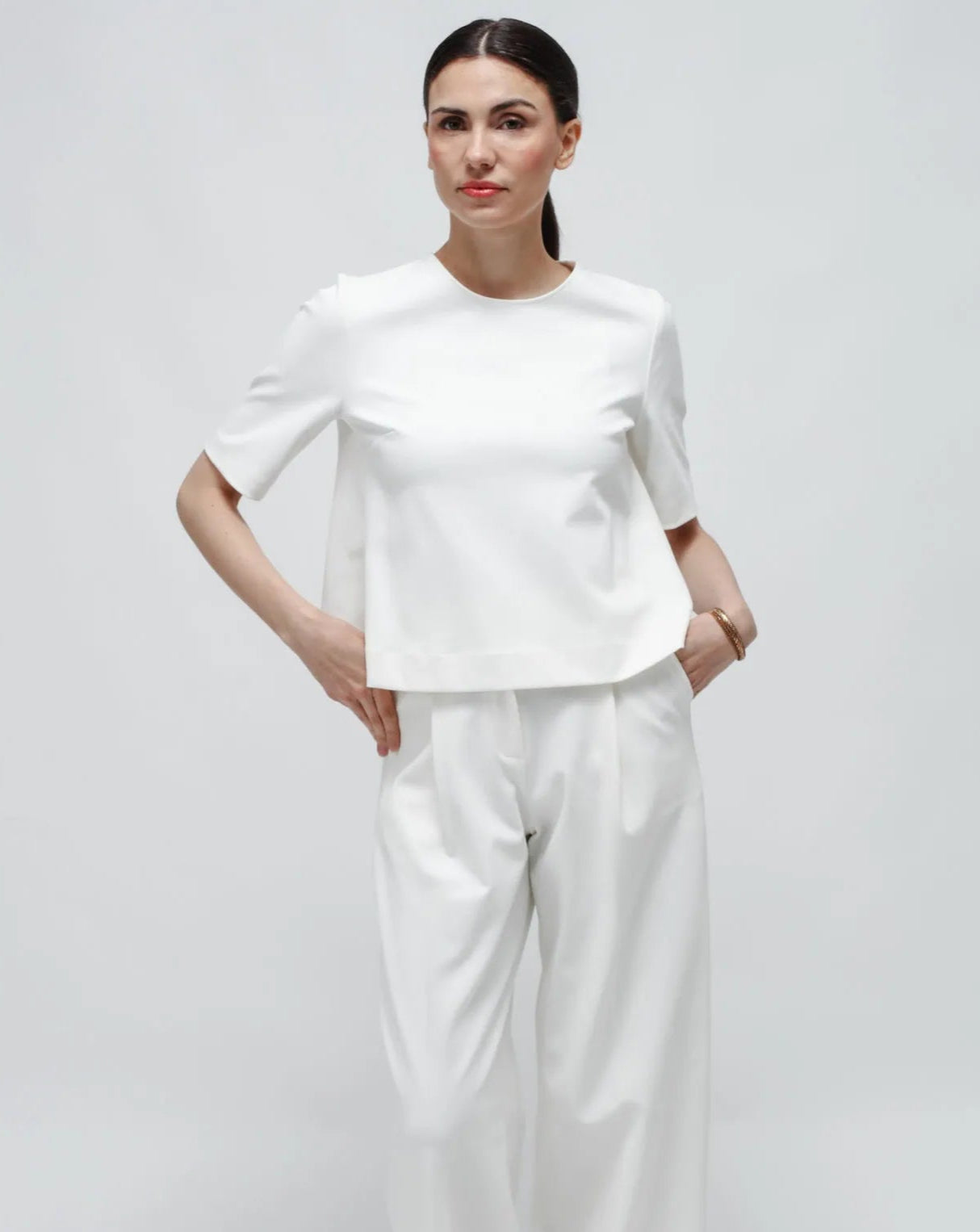
That is where elevated essentials become especially powerful. A clean-lined women’s top in a premium deadstock fabric, tailored pants that hold their shape, a versatile jacket, or a men’s shirt that works under a suit and with denim all support fewer, better purchases. These are not compromise pieces. They are the garments that carry the most real-life wear, which makes them some of the most sustainable choices in any closet.
For a brand building around this philosophy, it makes sense to create product paths that support intentional shopping. Think women’s dresses for work and occasion, men’s shirts for polished daily wear, tailored separates that can be styled as coordinated sets, and outerwear that justifies its place across multiple seasons. Waste drops when product earns repeat use.
What to shop for when you want lower-waste fashion
If your goal is to buy from zero waste fashion brands with more confidence, start with garments that solve frequent wardrobe needs. A statement piece is worthwhile if you will truly wear it, but the strongest foundation usually comes from repeat performers.
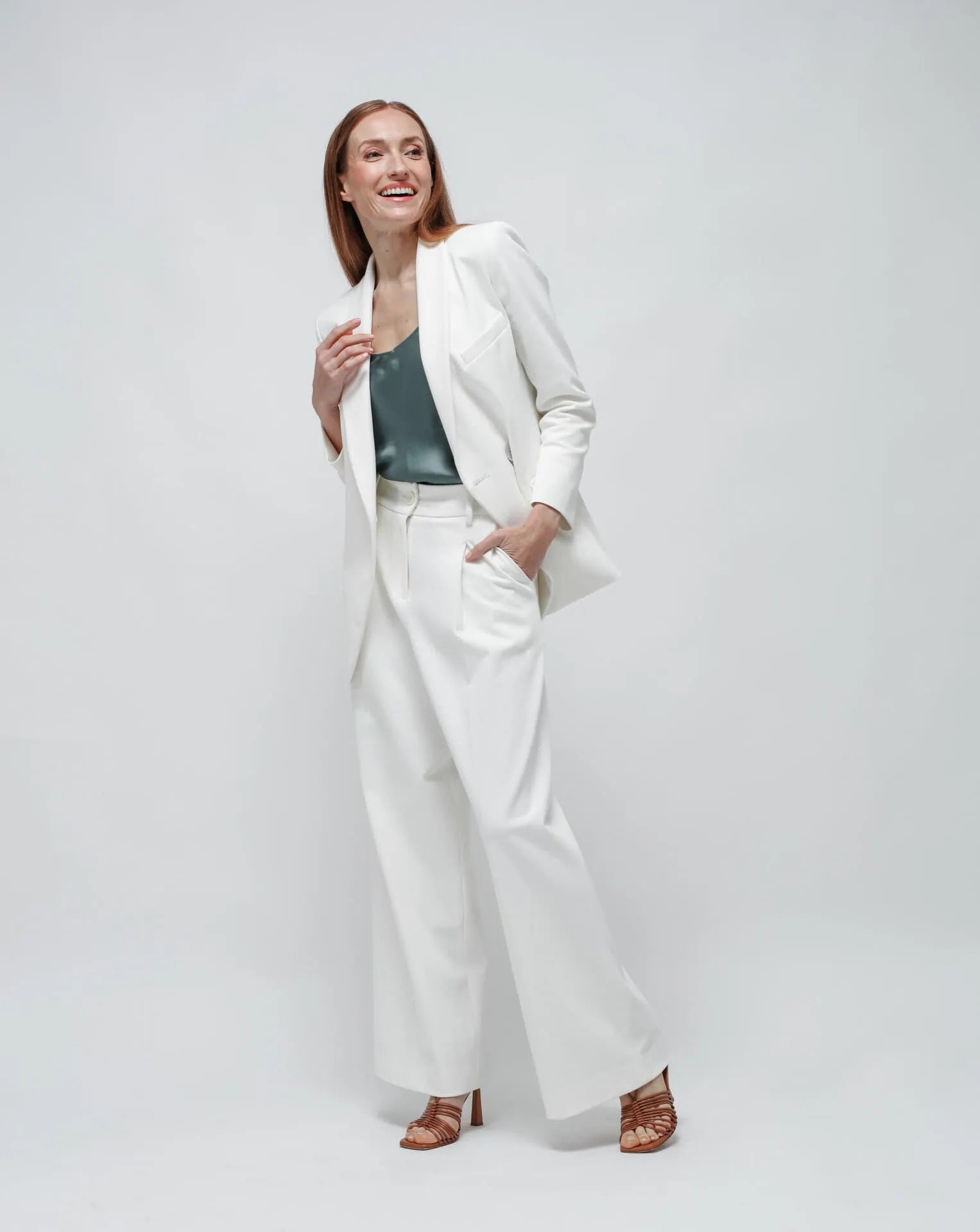
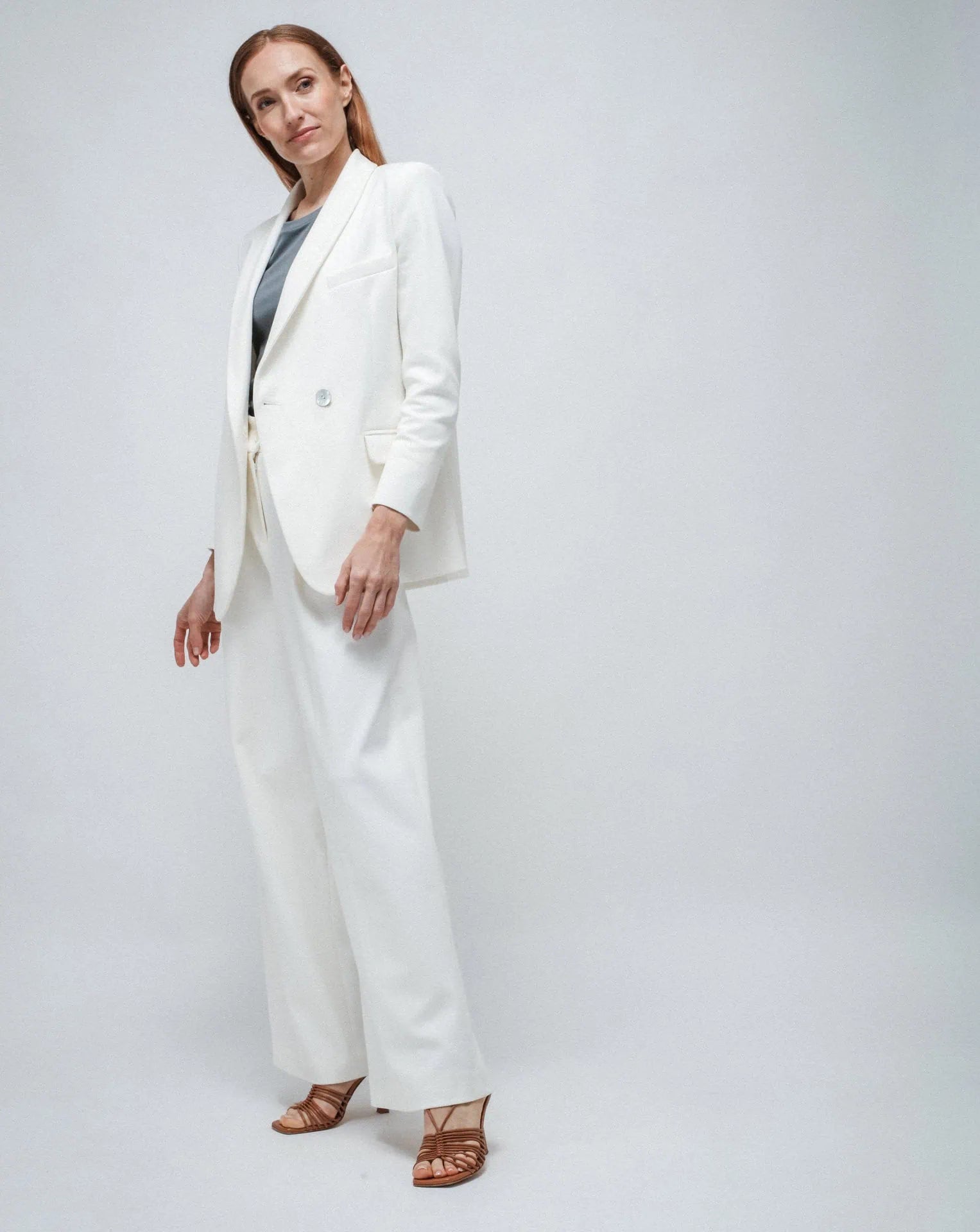
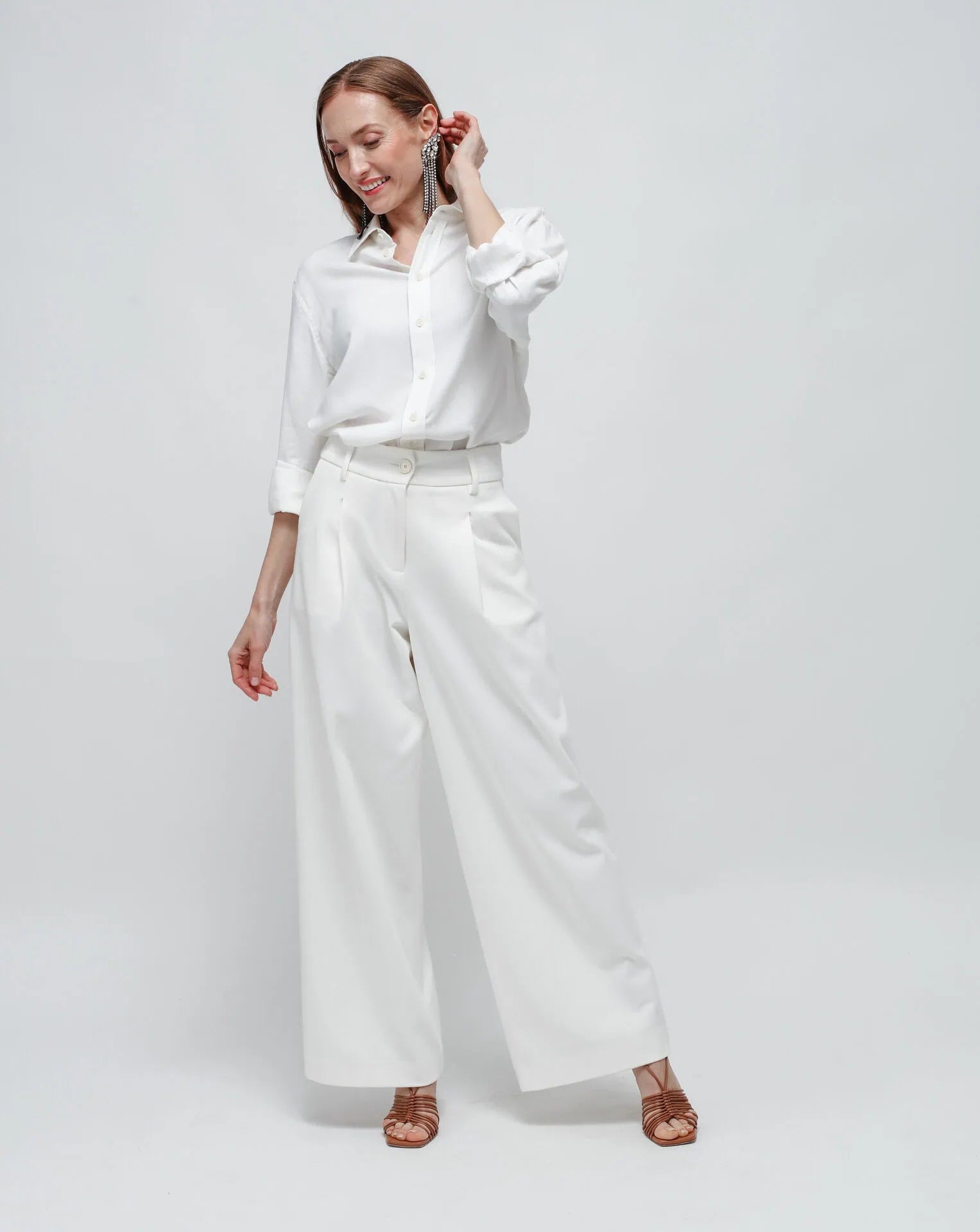
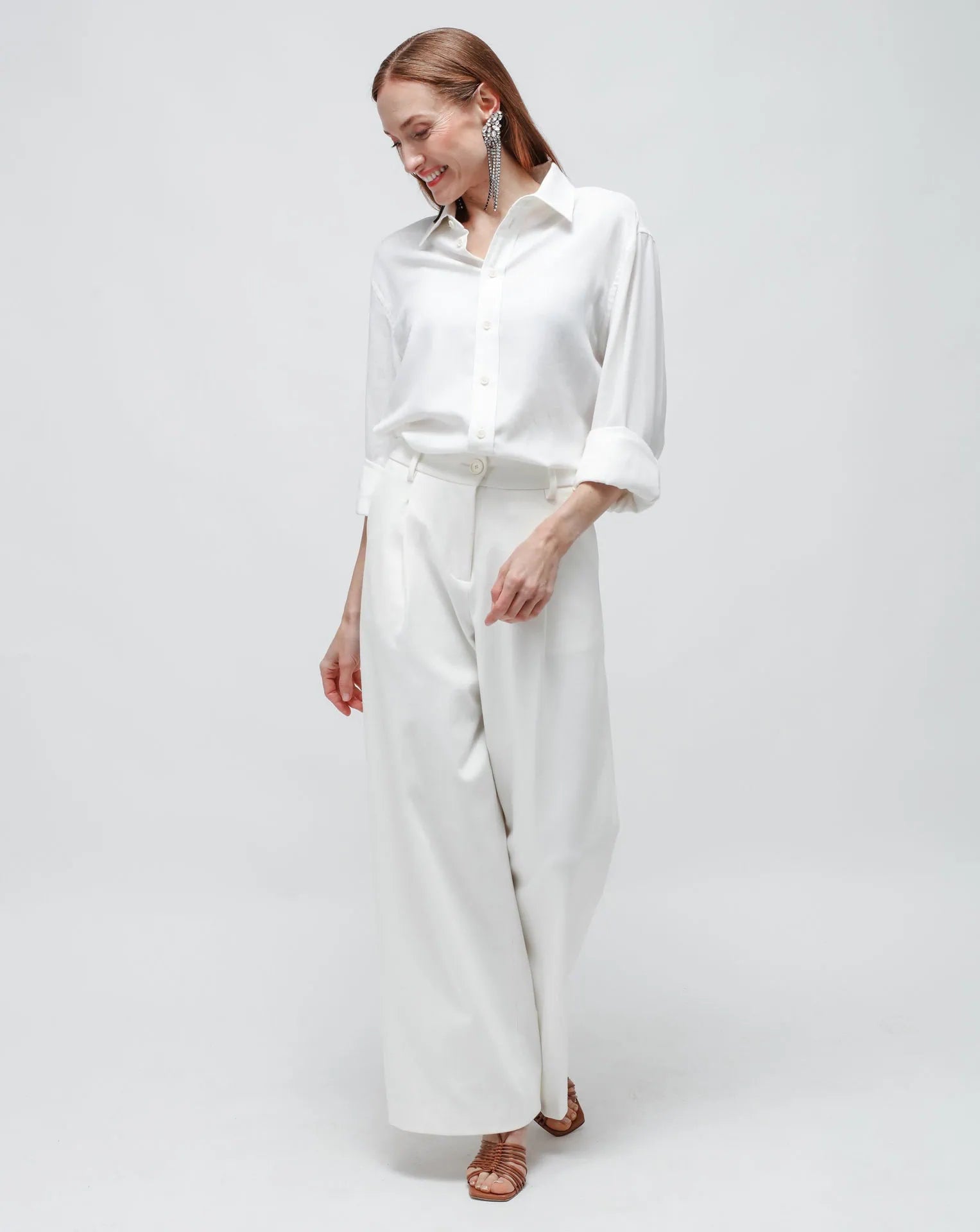
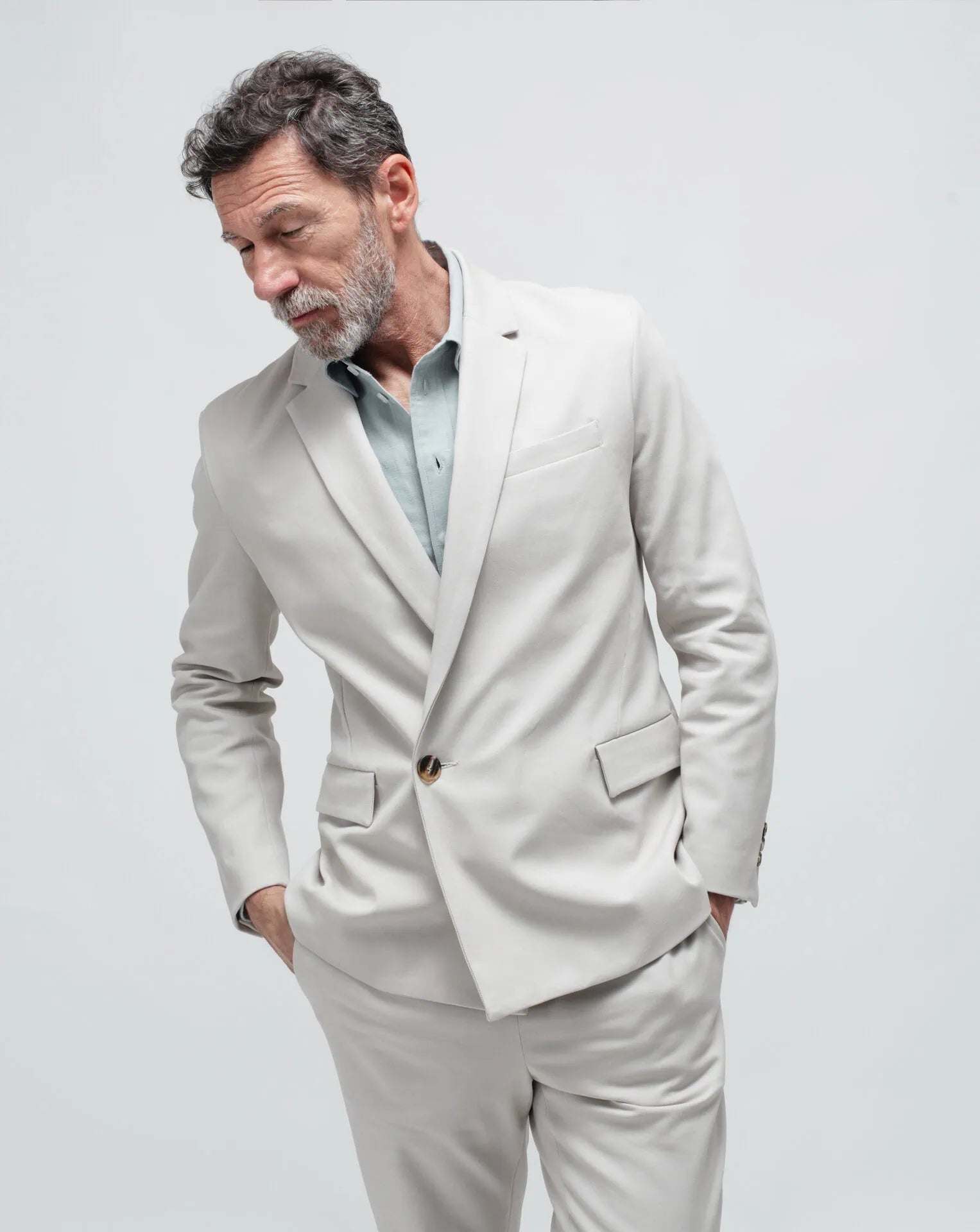
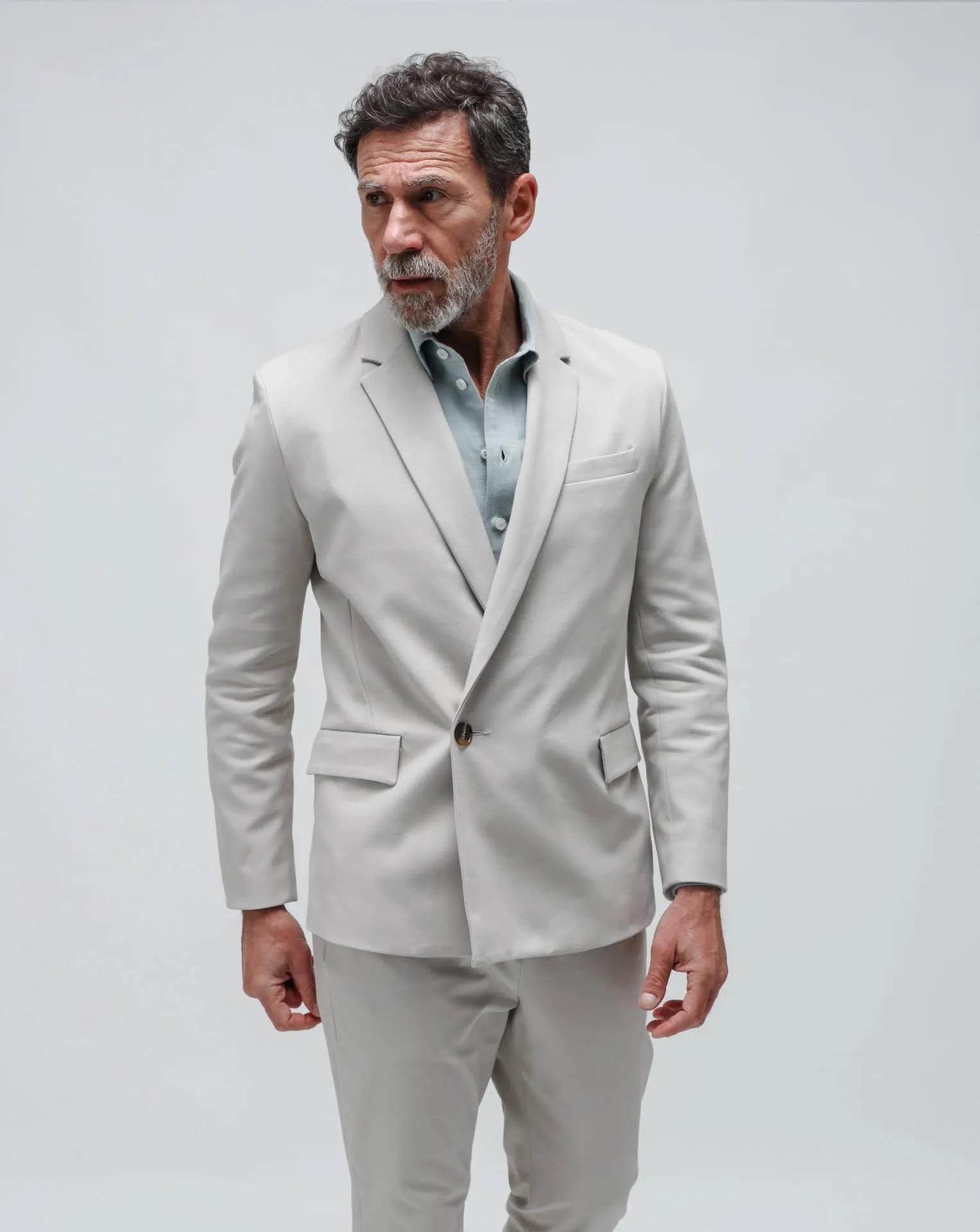
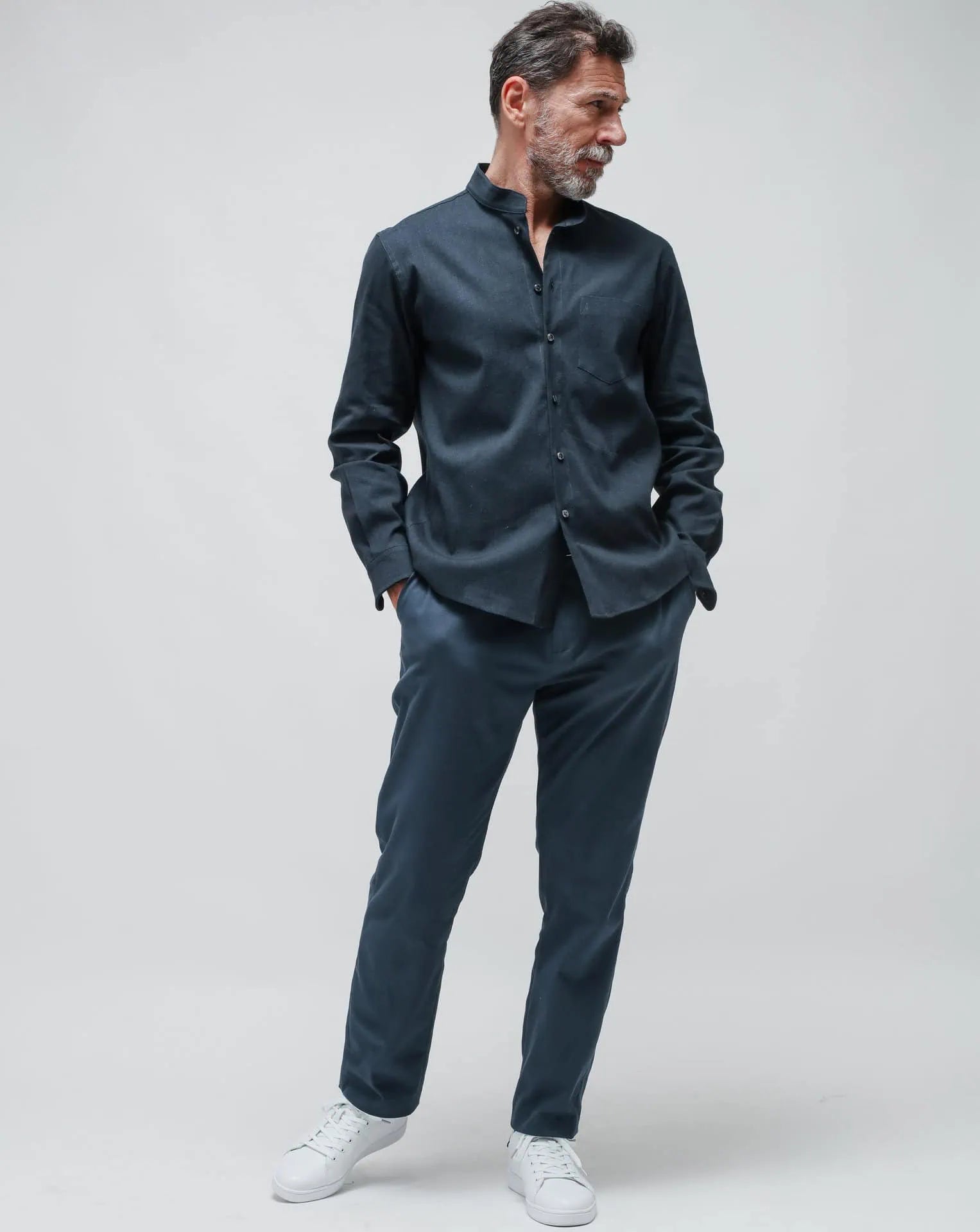
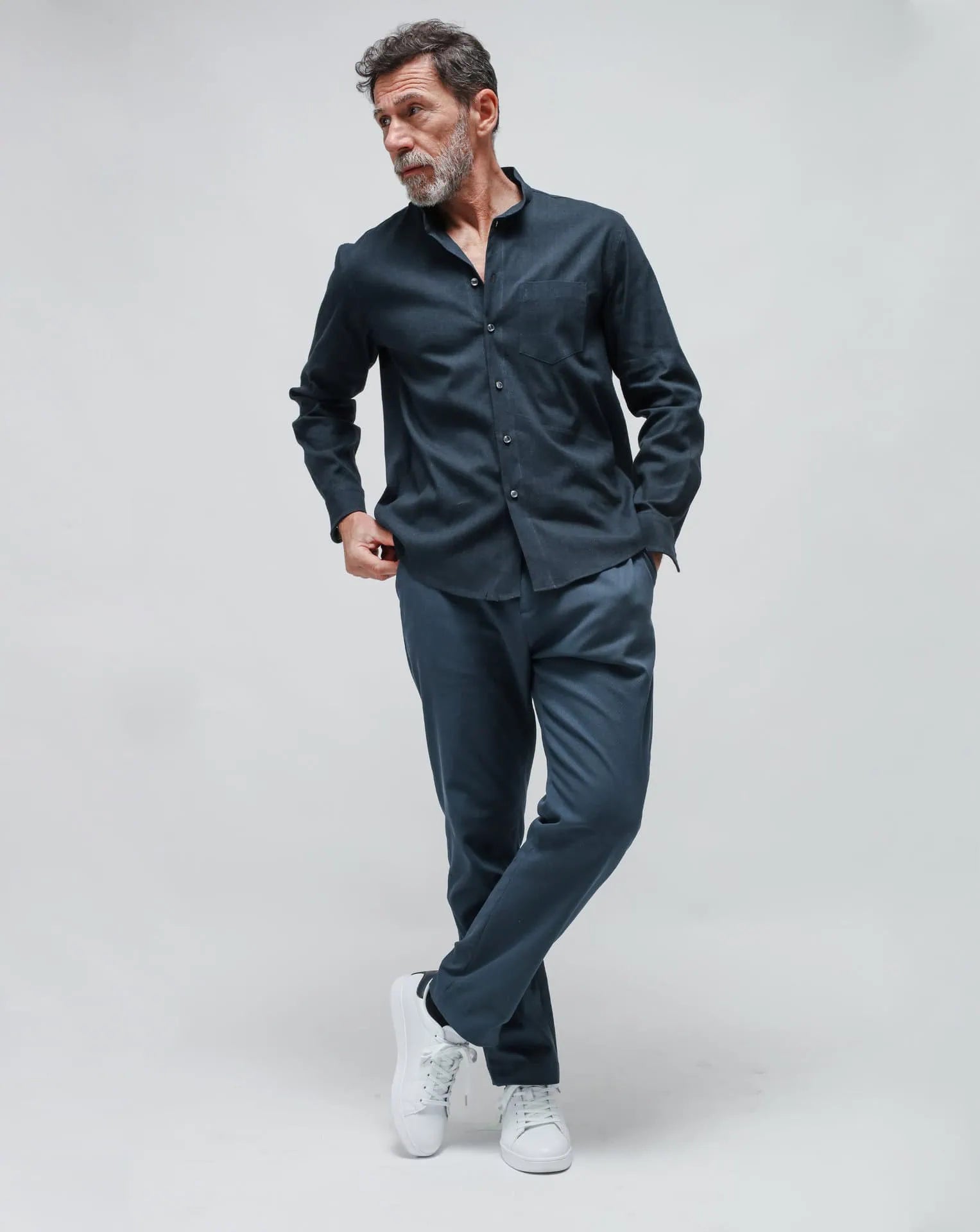
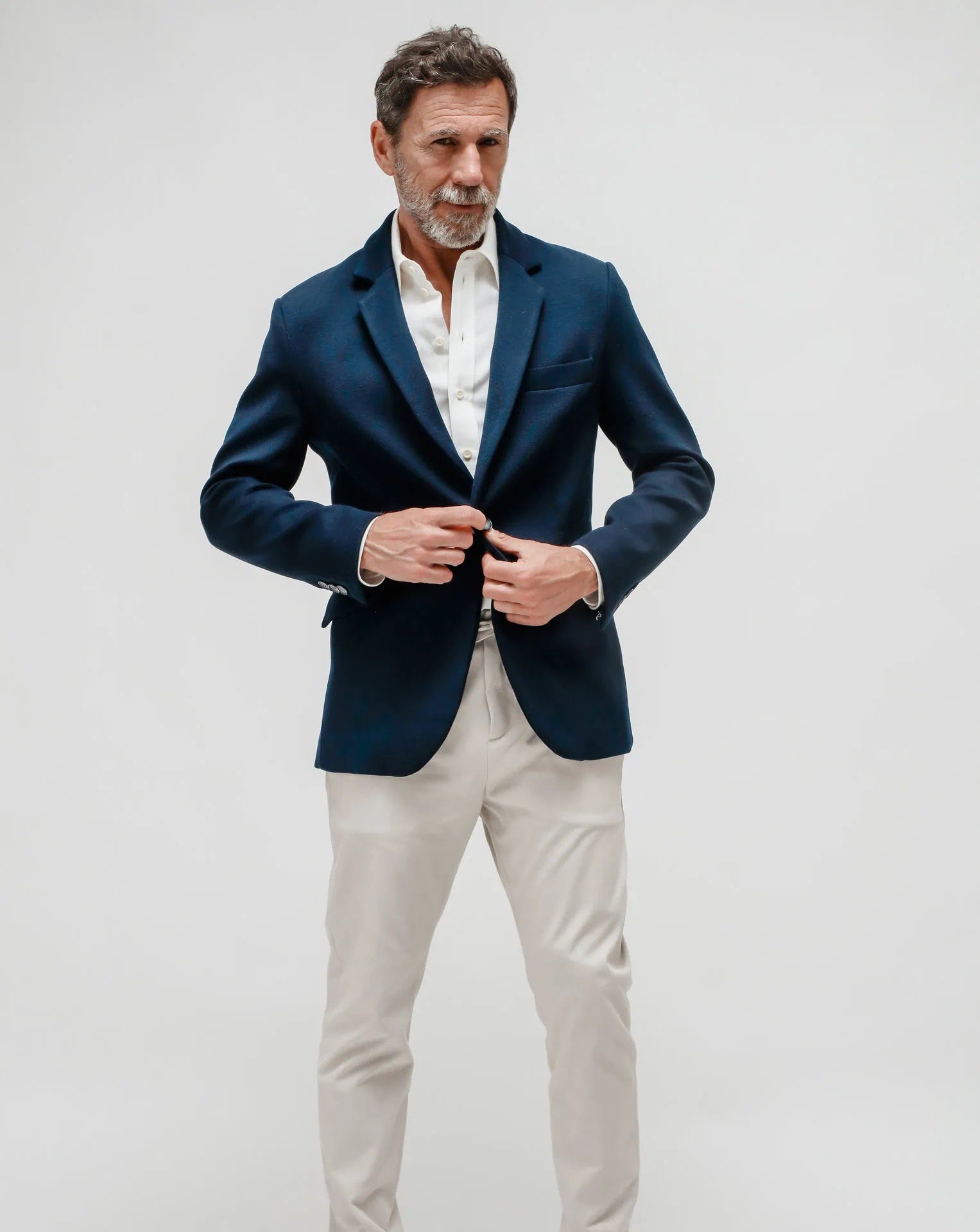
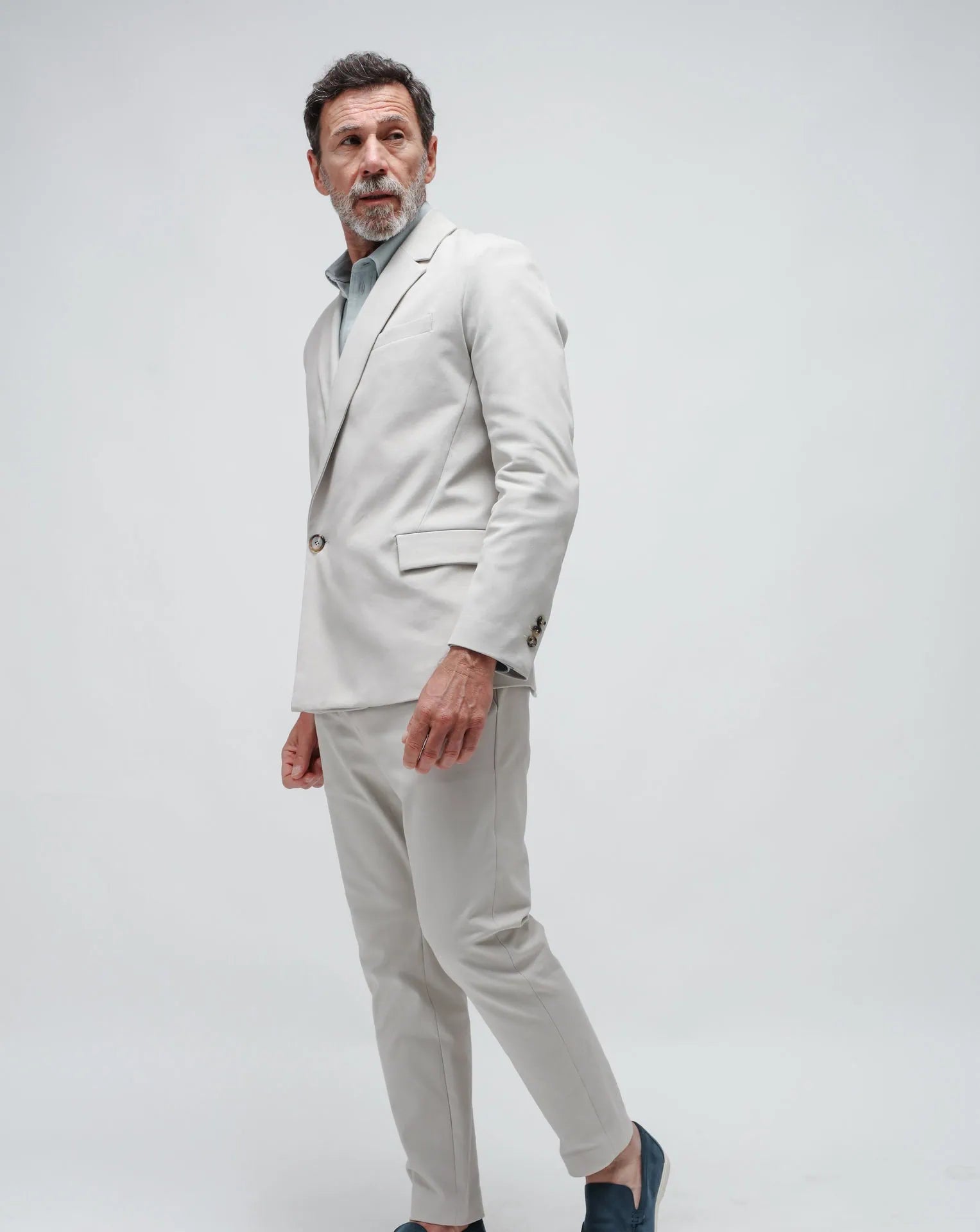
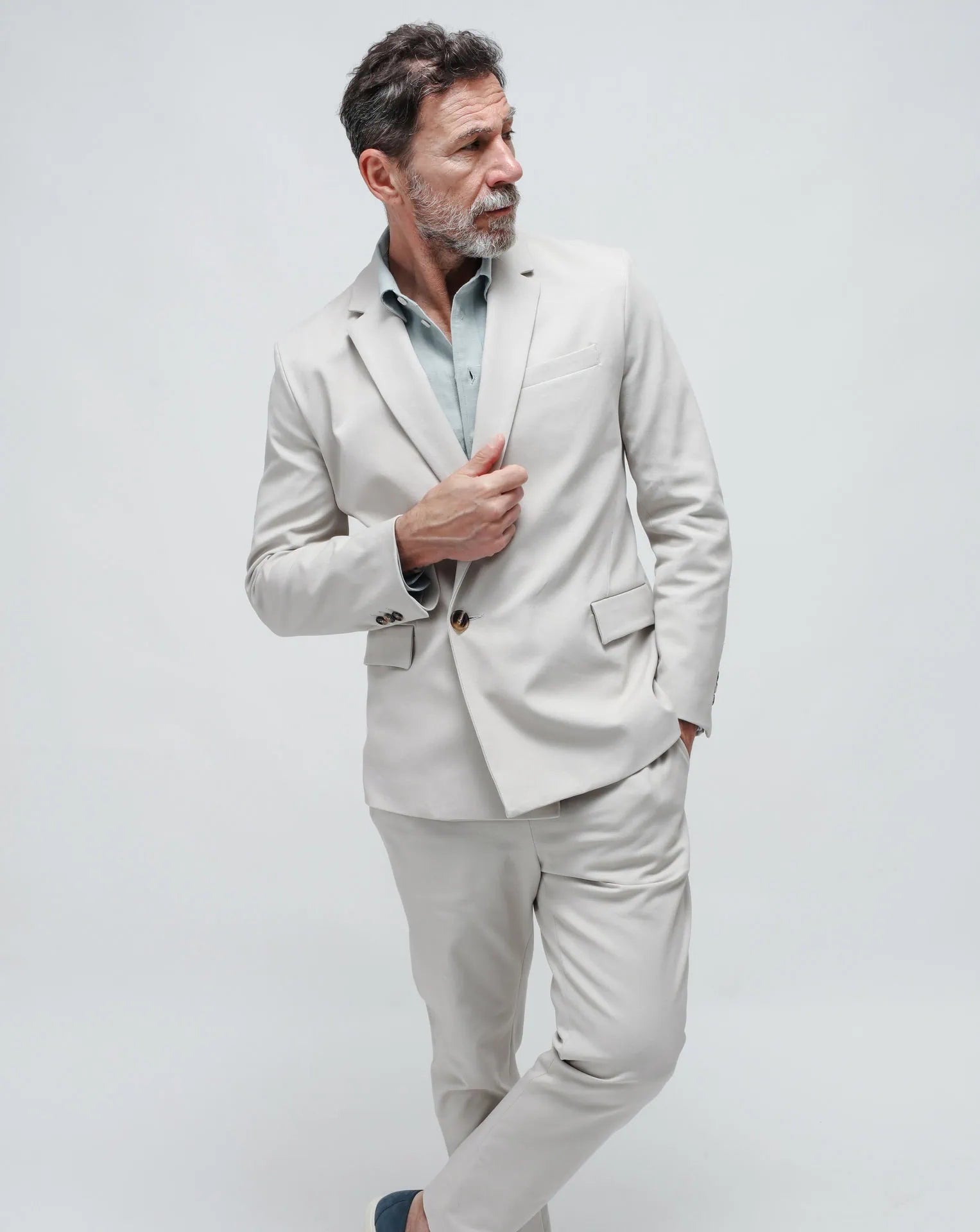
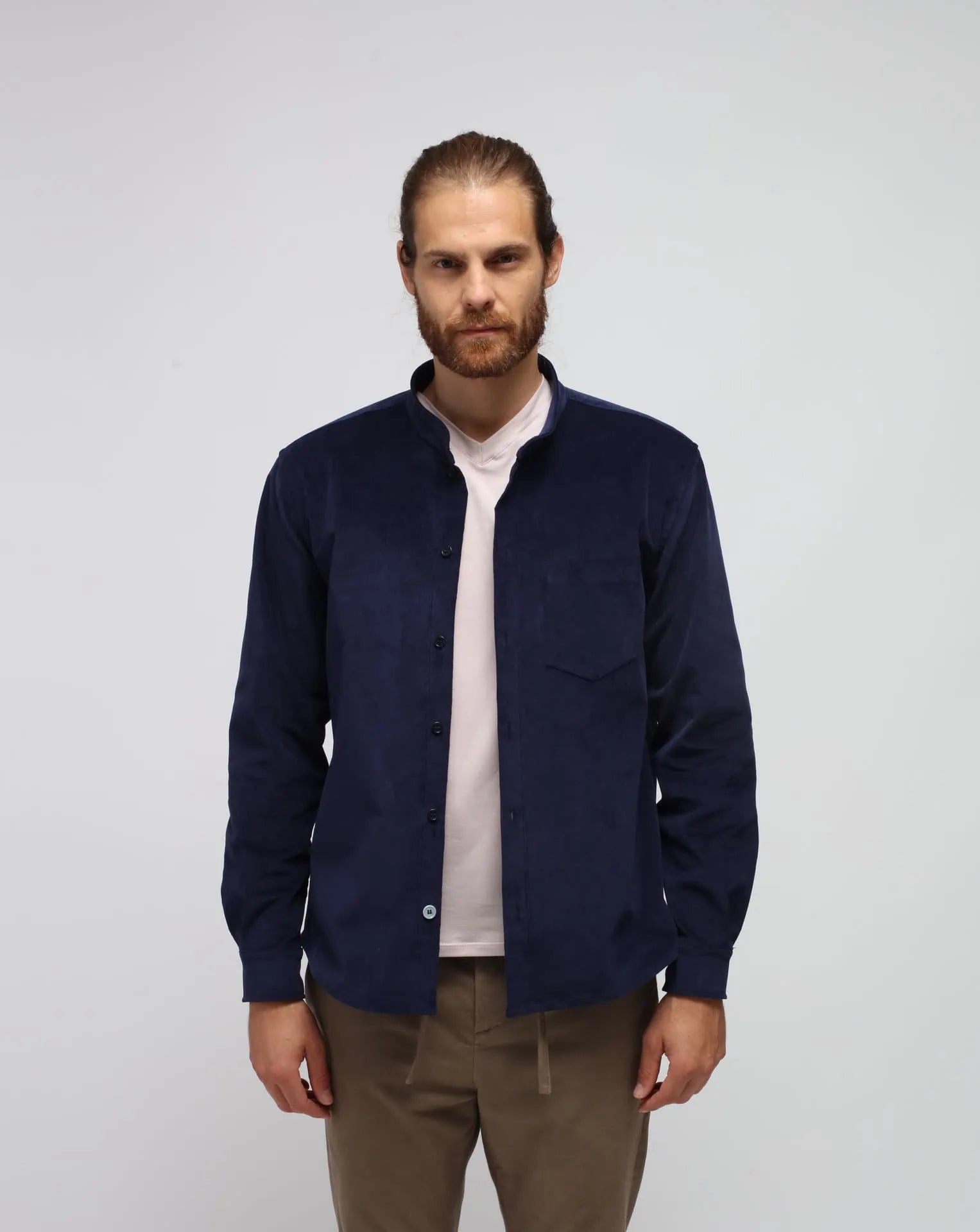
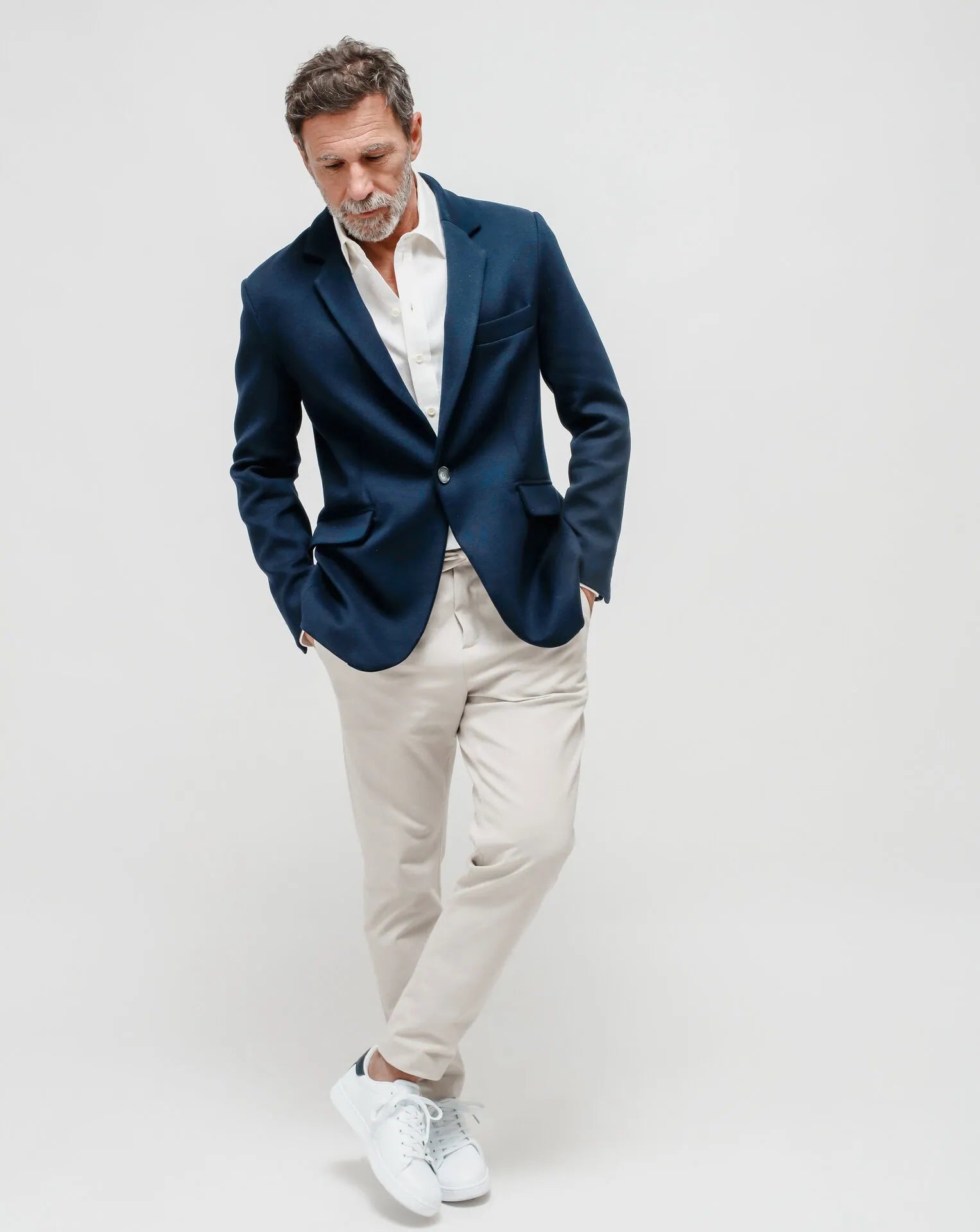
For women, that may mean a dress with enough structure for meetings and enough ease for evening plans, a sharp pair of pants, a skirt that works with knits and shirting, or a coat that elevates everything under it. For men, it may be a refined shirt, a relaxed but tailored short, a jacket with clean lines, or a suit designed to break into separates. When these pieces are made in small batches from premium deadstock fabrics, they combine low-waste thinking with genuine wardrobe utility.
This is also where garment care becomes part of the equation. The most sustainable item is not simply the one made responsibly. It is the one that stays in circulation. Washing less aggressively, storing properly, steaming instead of overcleaning, and repairing early all matter. Waste prevention does not end at checkout.
A better standard for zero waste fashion brands
The most compelling brands in this space are not asking you to lower your expectations for style. They are asking you to raise your expectations for how fashion is made. That is a meaningful distinction.
A premium ethical label can pursue zero-waste fabric sourcing, limit production runs, and offer polished wardrobe staples without slipping into a worthy-but-forgettable aesthetic. In fact, that combination is increasingly the standard discerning customers want. They expect design integrity, transparent pricing, and a clear material story. They also expect the brand to respect their time with thoughtful service details like easy exchanges and a model that does not depend on artificial discounting to move excess stock.
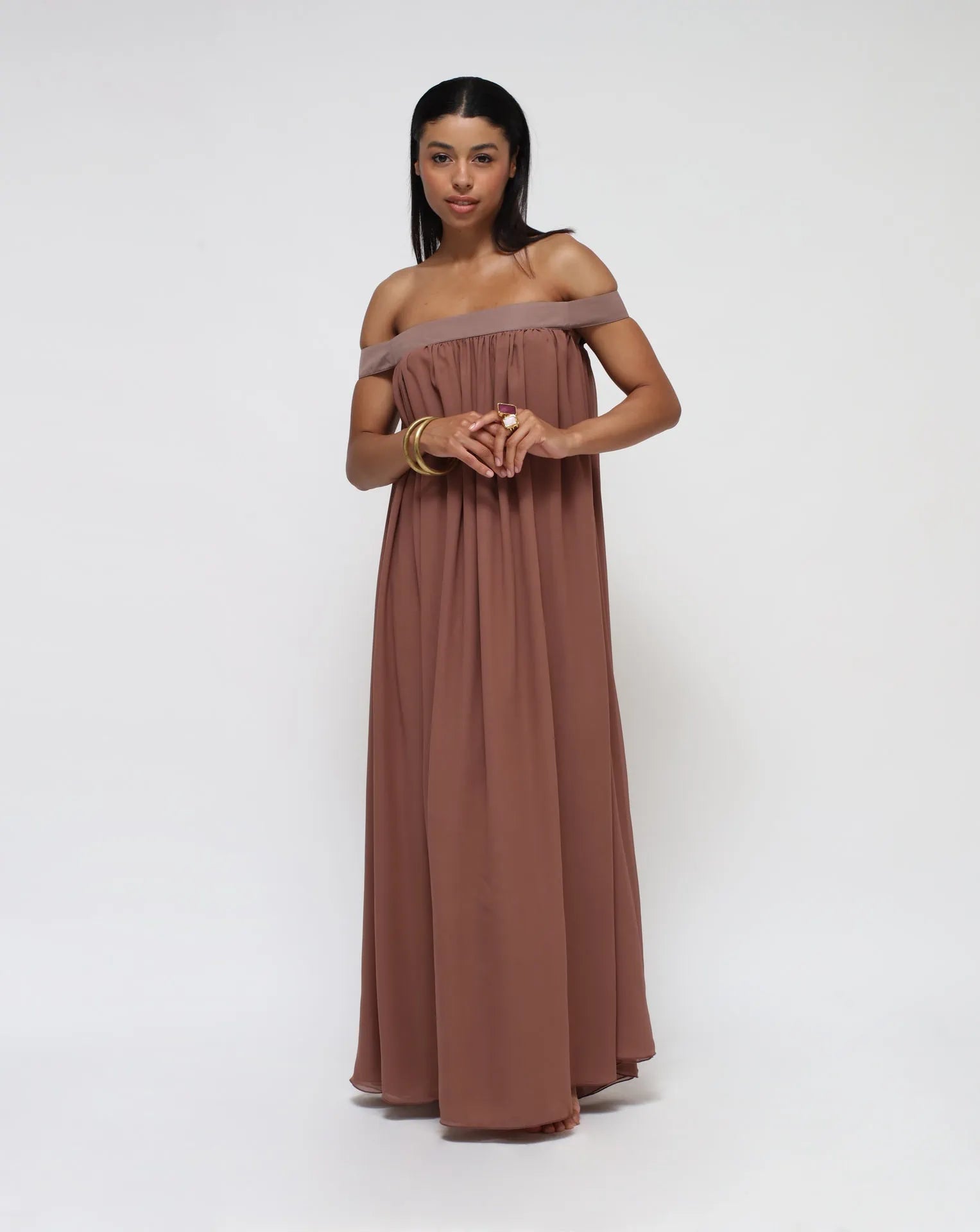
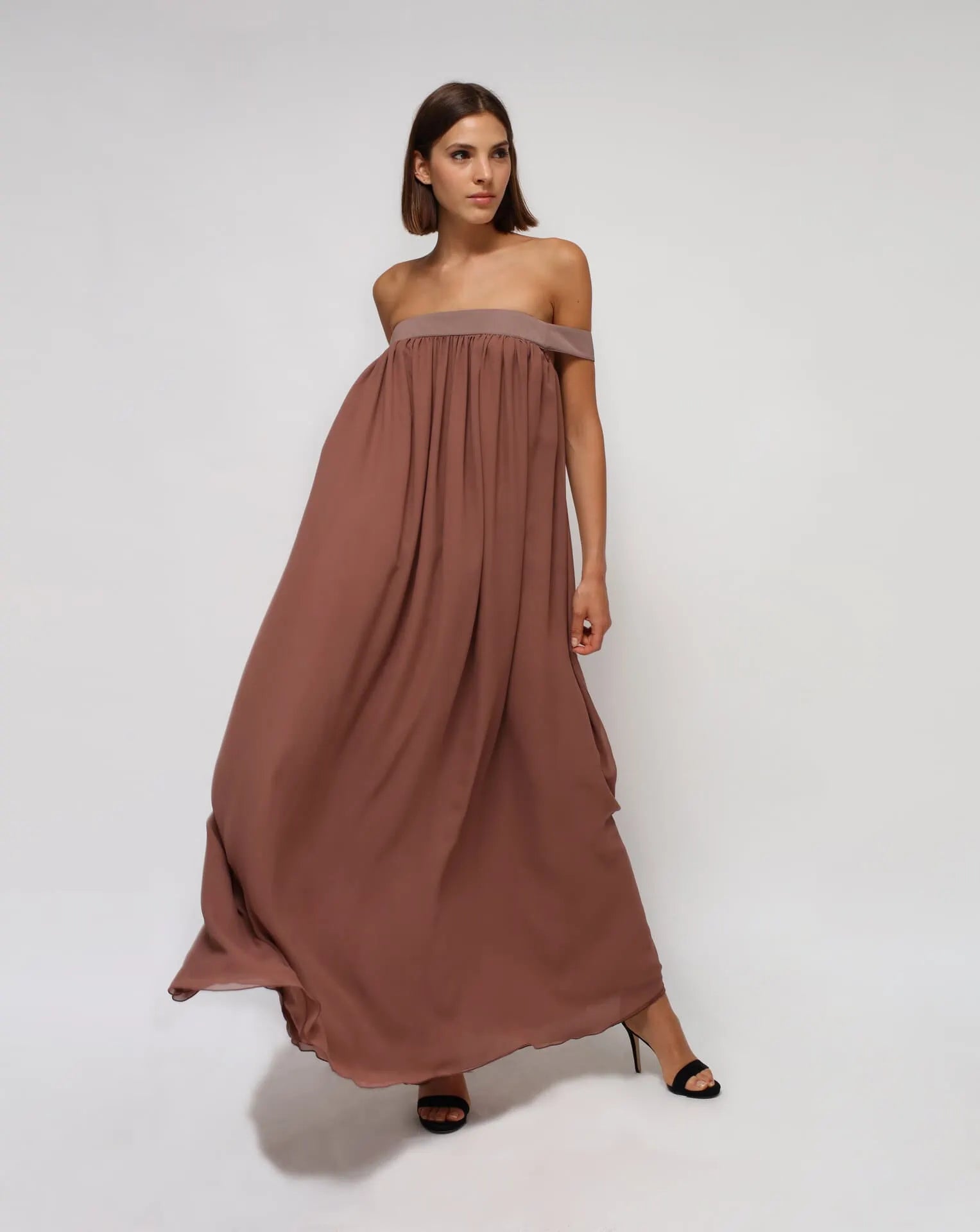
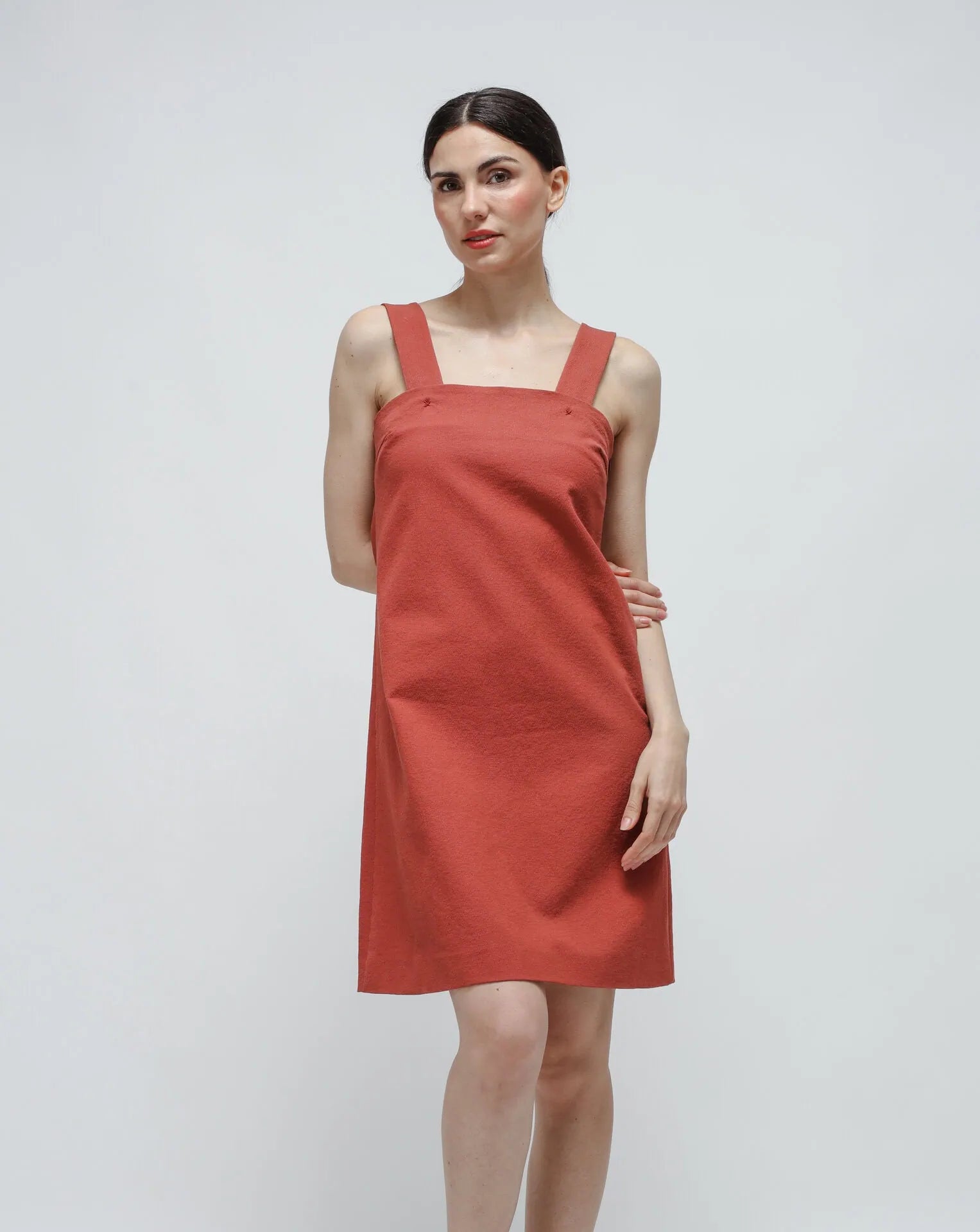
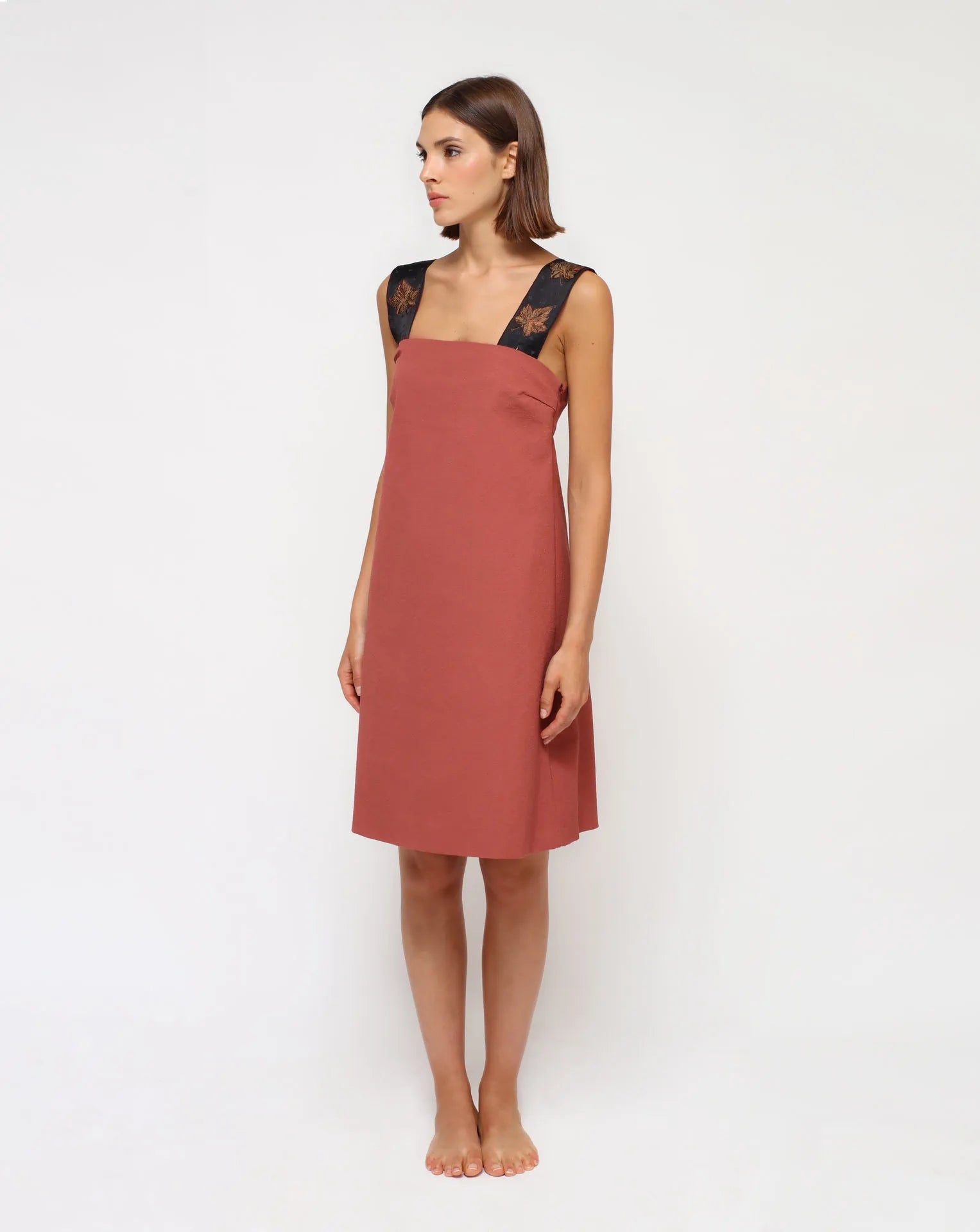
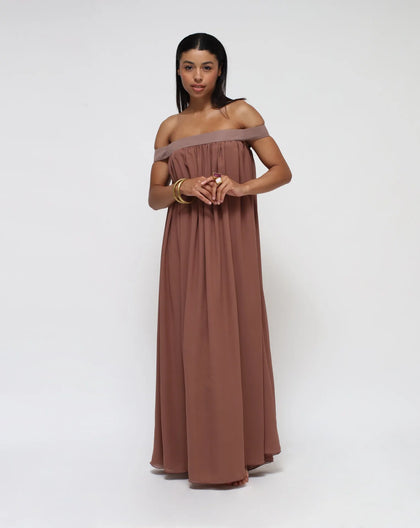
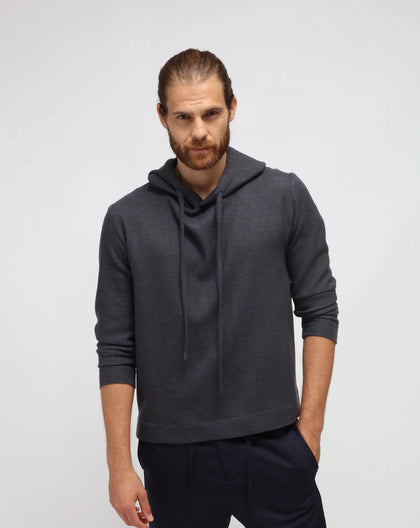
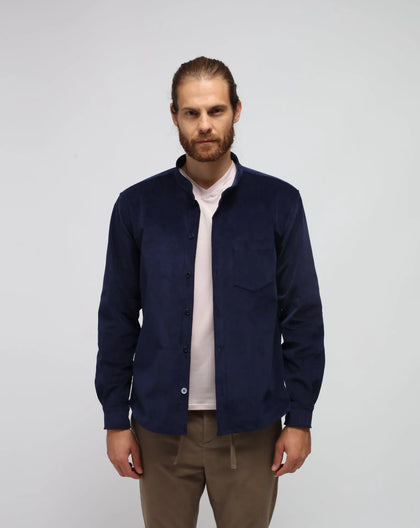
Humans & Land fits naturally into this conversation because the brand treats deadstock fabrics and small-batch production not as decorative claims, but as design constraints that sharpen the collection. For women and men, the result is a more edited wardrobe proposition - dresses, tops, pants, jackets, coats, shirts, shorts, suits, and coordinated sets made to be chosen with intention.
The deeper appeal of zero waste fashion brands is not moral theater. It is clarity. Buy less. Buy with standards. Choose pieces that can hold their place in your life, not just your feed. Fashion becomes more intelligent when waste is no longer accepted as the cost of looking good.
That shift does not require a perfect closet by next month. It starts with one better decision at a time - a shirt you will wear for years, a dress that works harder than three trend purchases, a coat you care for properly, a brand that has built restraint into its business model. For anyone tired of excess disguised as abundance, that feels less like sacrifice and more like relief.
FAQ
Q: Are zero waste fashion brands truly waste-free?
A: Usually not in a literal sense. The strongest brands reduce waste through deadstock fabrics, small-batch production, efficient design, and longer-lasting garments. The goal is meaningful reduction, not empty perfection.
Q: Is deadstock fabric the same as lower quality fabric?
A: No. Deadstock simply means existing fabric that was left unused by mills or brands. It can be premium, luxury-level material. The main difference is limited availability, which often leads to smaller runs.
Q: Why do zero waste fashion brands often have limited quantities?
A: Limited quantities help prevent overproduction, unsold inventory, and markdown-driven waste. It is a more disciplined model, even if it means some pieces will not be restocked.
Q: What are the best pieces to buy first from a zero waste fashion brand?
A: Start with high-use items. For women, think dresses, pants, tops, and coats. For men, shirts, jackets, shorts, and suits often deliver the most repeat wear and long-term value.
Q: Does paying more for sustainable fashion actually make sense?
A: It often does if the garment is well made, versatile, and worn often. Higher upfront cost can mean better fabric, fairer labor, lower waste, and a longer life in your wardrobe.
the World of H&L