

Deadstock Fabric Clothing, Explained
You can feel the difference when a garment was made with restraint. The fabric has substance. The cut feels considered. The quantity is limited for a reason. That is the appeal of deadstock fabric clothing - not as a marketing phrase, but as a different way of making fashion.
For shoppers who care about quality and waste in equal measure, deadstock offers a clear alternative to overproduction. It gives existing textiles a purpose instead of sending them toward storage, discount channels, or disposal. It also changes what ends up in your closet. Pieces made from deadstock tend to be more distinctive, more limited, and often more materially interesting than standard mass-market basics.
What deadstock fabric clothing actually means
Deadstock fabric is unused fabric that already exists. It may come from canceled production runs, excess mill orders, surplus luxury manufacturing, or leftover rolls from larger brands and factories. The key point is simple: the textile has already been produced, but it was never turned into finished garments for sale.
Deadstock fabric clothing takes those existing materials and gives them a second life. Instead of commissioning new yardage, a brand works with what is available. That choice can reduce waste and lower demand for additional fabric production, which matters because textile manufacturing is resource-heavy from the start.
Not all deadstock is equal, though. Some fabrics are exceptional, including premium cottons, wools, silks, and structured blends originally developed for high-end collections. Some are less versatile, harder to trace, or available only in small volumes. That is part of the trade-off. Deadstock can raise the material standard of a garment, but it also requires flexibility in design, timing, and inventory.
Why deadstock fabric clothing matters now
The fashion industry has normalized excess. Too many collections. Too much inventory. Too many garments designed for a few wears and a quick exit. Deadstock interrupts that cycle by starting with what already exists.
This matters for environmental reasons, but also for design reasons. When a brand works with finite fabric, it cannot rely on endless replenishment. It has to make sharper decisions. Quantities stay smaller. Styles become more intentional. The end result often feels closer to a considered wardrobe piece than a trend item.
For the customer, that can be refreshing. You are not buying into a system built on volume at any cost. You are choosing a garment shaped by availability, craft, and limits. In practice, that often means fewer copies in circulation and less chance of seeing the same piece everywhere.
The benefits of deadstock fabrics in a modern wardrobe
The strongest case for deadstock is not that it is perfect. It is that it is smarter than producing more fabric when quality textiles are already sitting unused.
First, there is waste reduction. Using existing fabric keeps viable material in use longer and helps avoid unnecessary new production. That does not erase fashion's footprint, but it is a materially better starting point.
Second, there is quality. Deadstock sourcing often opens access to premium fabrics that would be difficult to offer at the same level in a standard volume model. That can show up in the drape of a dress, the handfeel of a shirt, or the structure of a tailored jacket.
Third, there is scarcity. Limited fabric means limited runs. That makes deadstock fabric clothing especially attractive for people who want personal style without mass duplication. A sharply cut trouser, an elegant slip dress, or a refined overshirt made in small quantities simply carries a different kind of value.
Finally, there is a mindset shift. Deadstock encourages more intentional consumption. When a piece is limited and thoughtfully made, it invites a slower decision and usually a longer relationship.
The trade-offs behind deadstock fabric clothing
Deadstock is not a shortcut, and any honest conversation should say that clearly.
Supply is inconsistent. A fabric may be available once and never again. If you fall in love with a style, the same color or composition may not return. For brands, that makes continuity harder. For customers, it means acting with intention when the right piece appears.
Sizing depth can also be affected by fabric volume. If there are only so many meters available, production runs stay tight. That supports exclusivity and reduces waste, but it can limit how broadly a style can be offered unless planning is exceptionally precise.
There is also the question of consistency. New-production fabric offers predictability across seasons. Deadstock offers variation. For shoppers who want exact repeats, that may be frustrating. For those building a wardrobe with character, it is part of the appeal.
This is why small-batch production matters. When deadstock is paired with careful pattern cutting, handmade finishing, and transparent decision-making, the limits become a strength rather than a compromise.
How to shop deadstock fabric clothing well
The smartest way to buy deadstock is to shop with permanence in mind. Look first at silhouette, fabric feel, and wear frequency. Ask whether the piece fits into your actual life, not an imagined version of it.
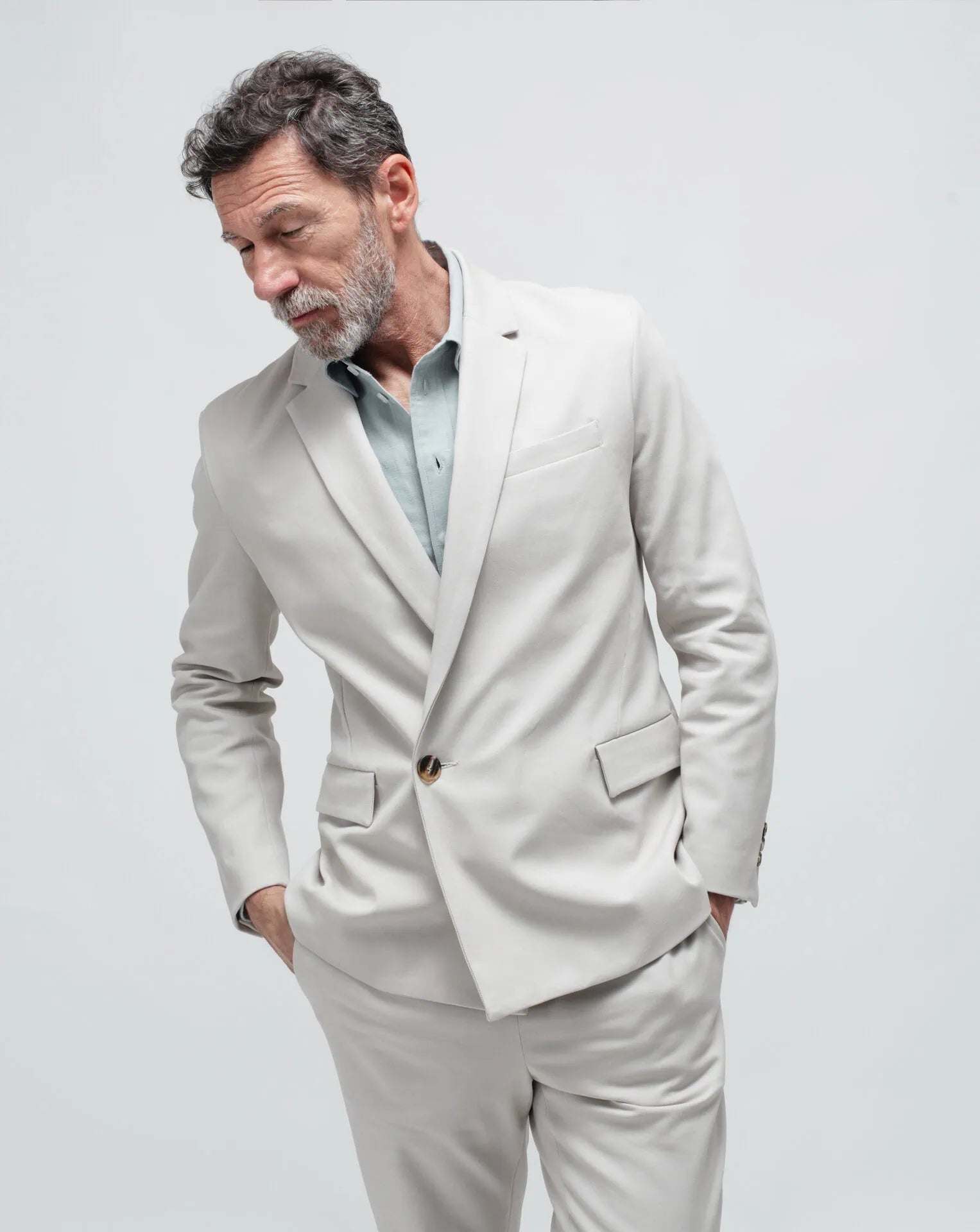
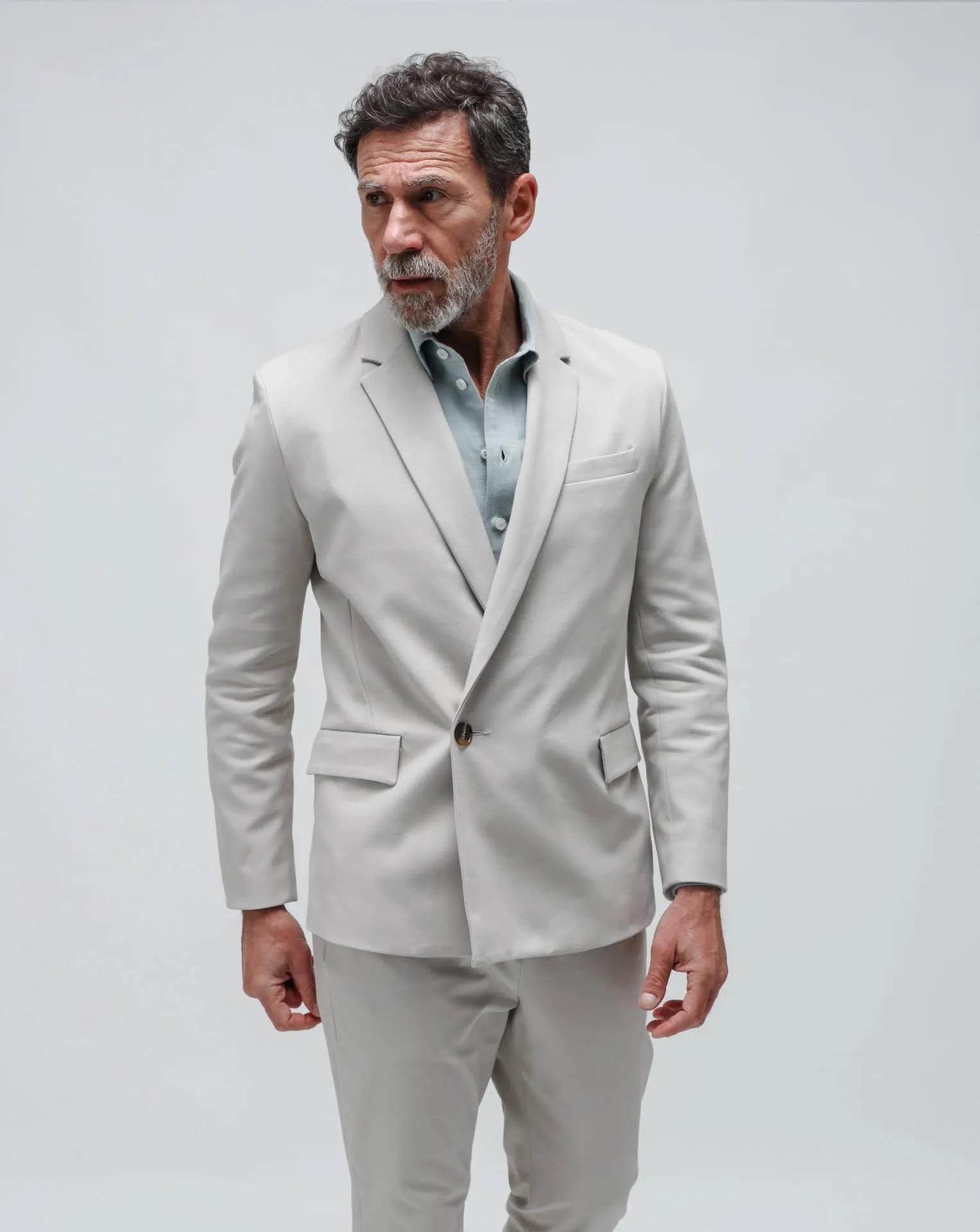
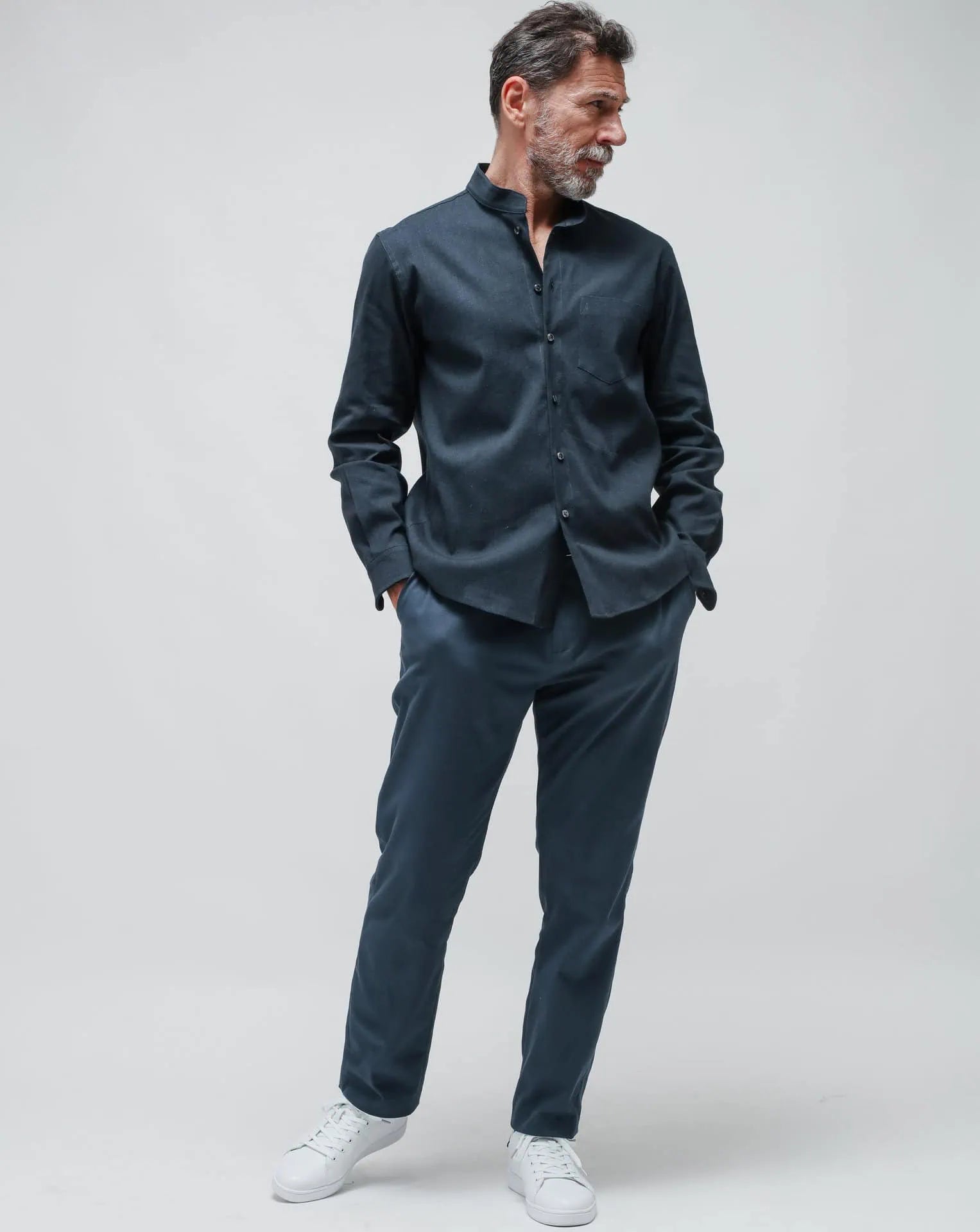
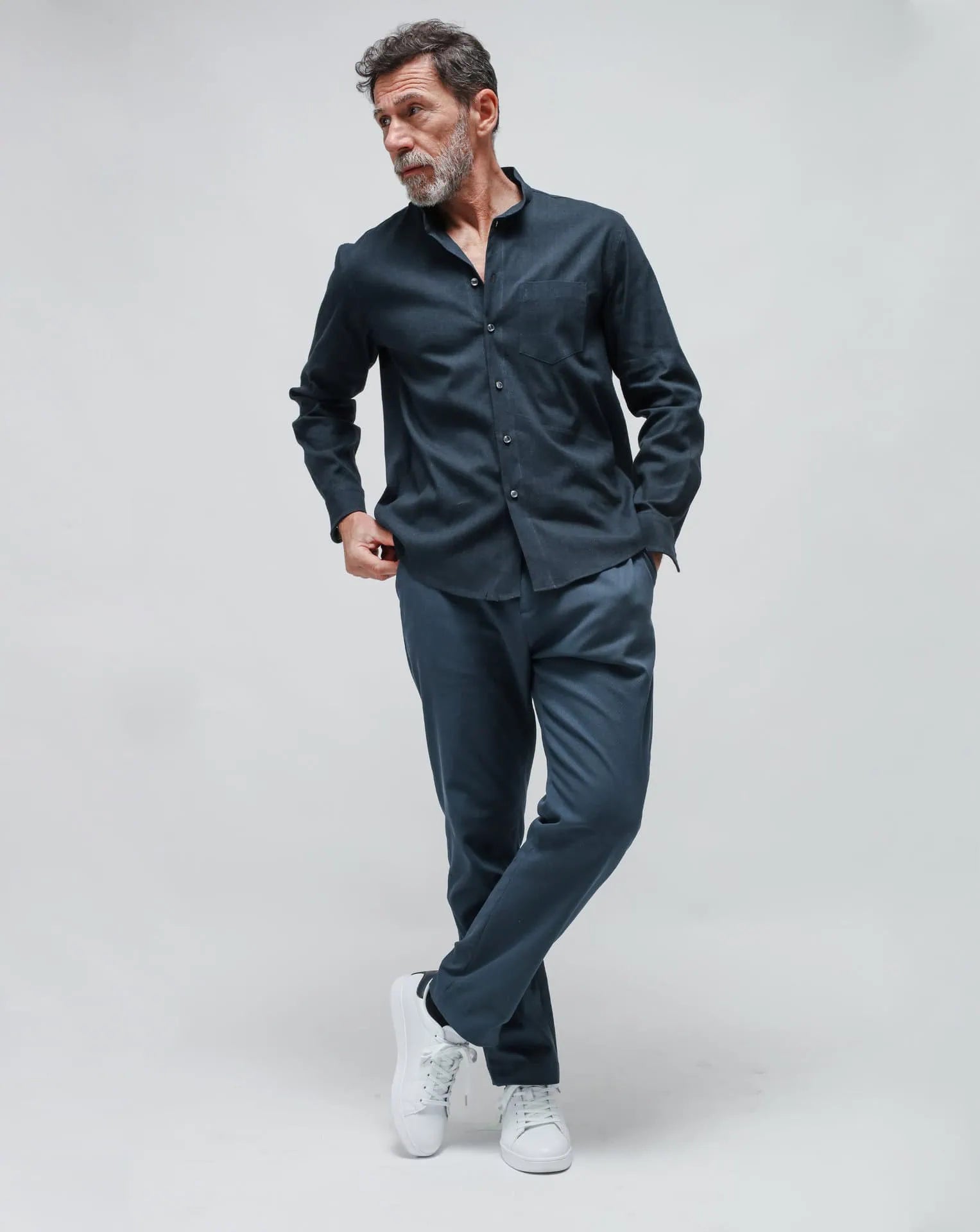
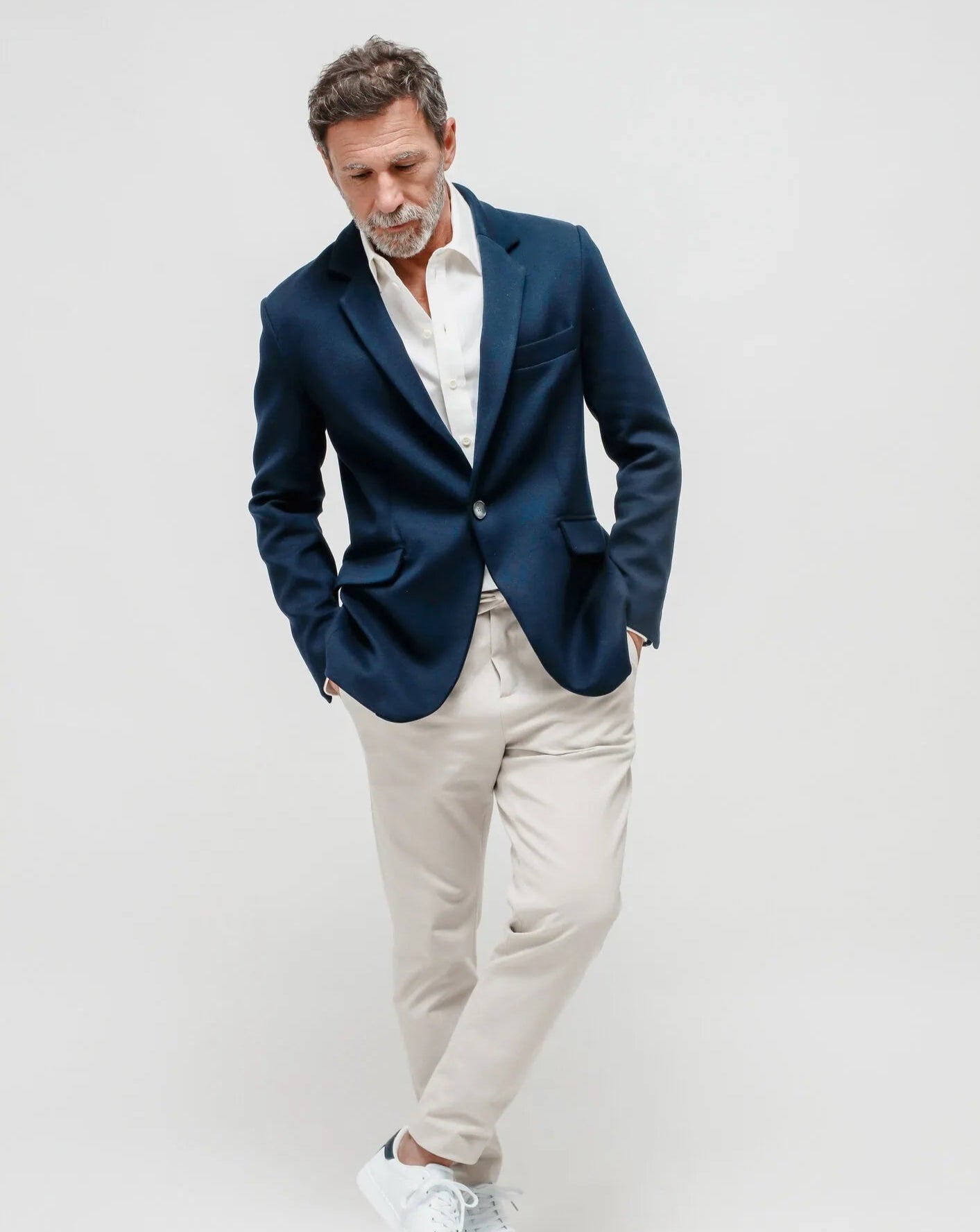
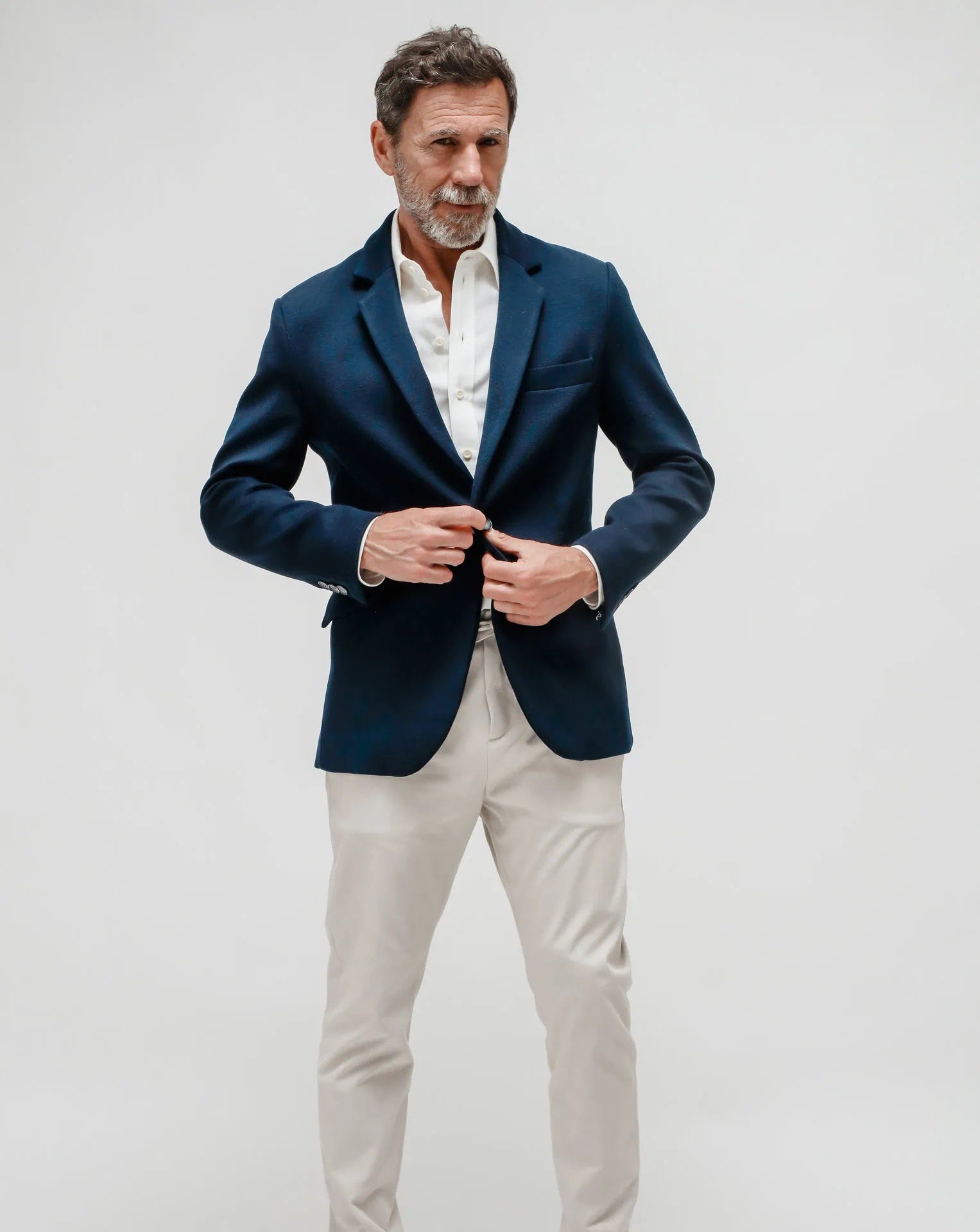
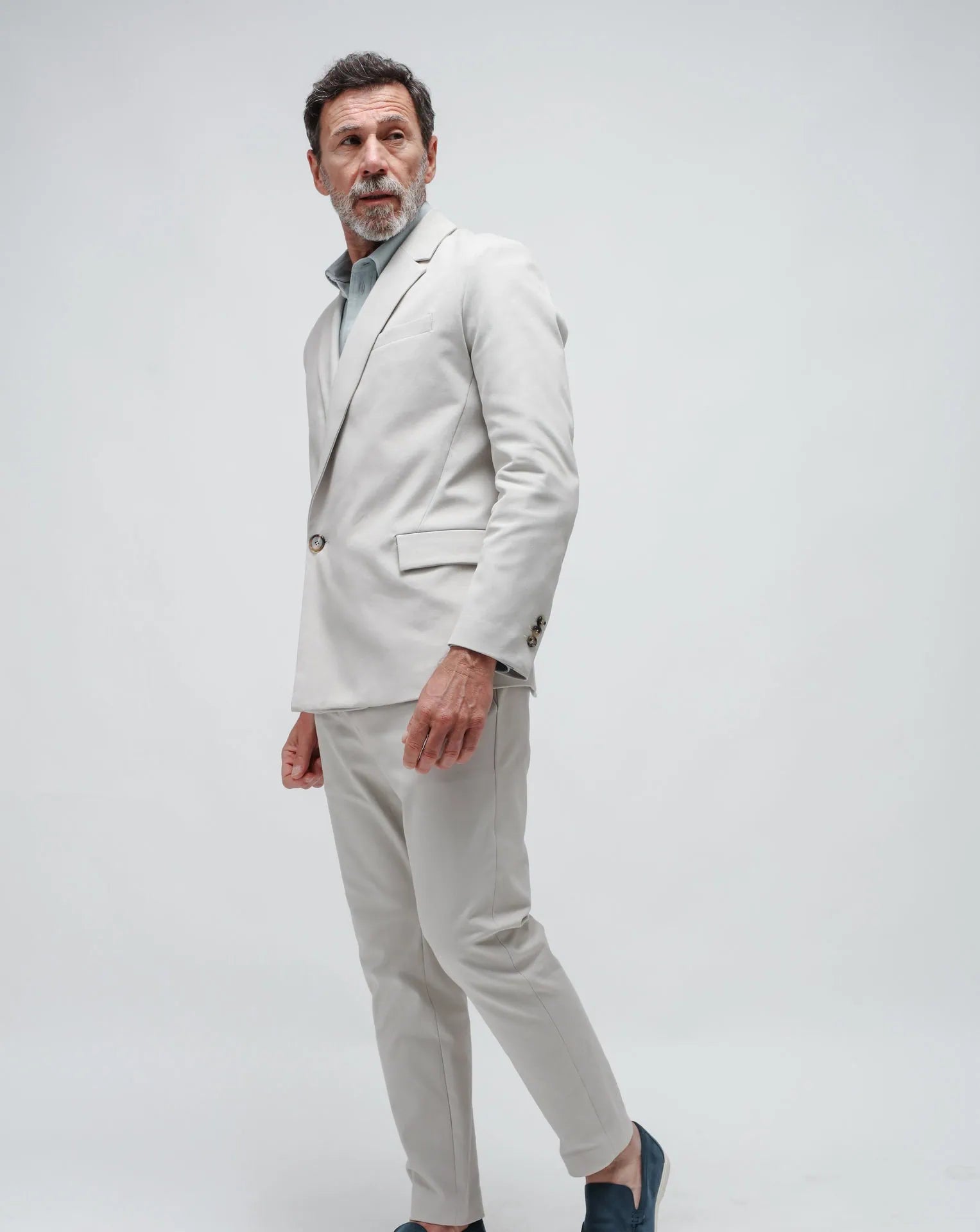
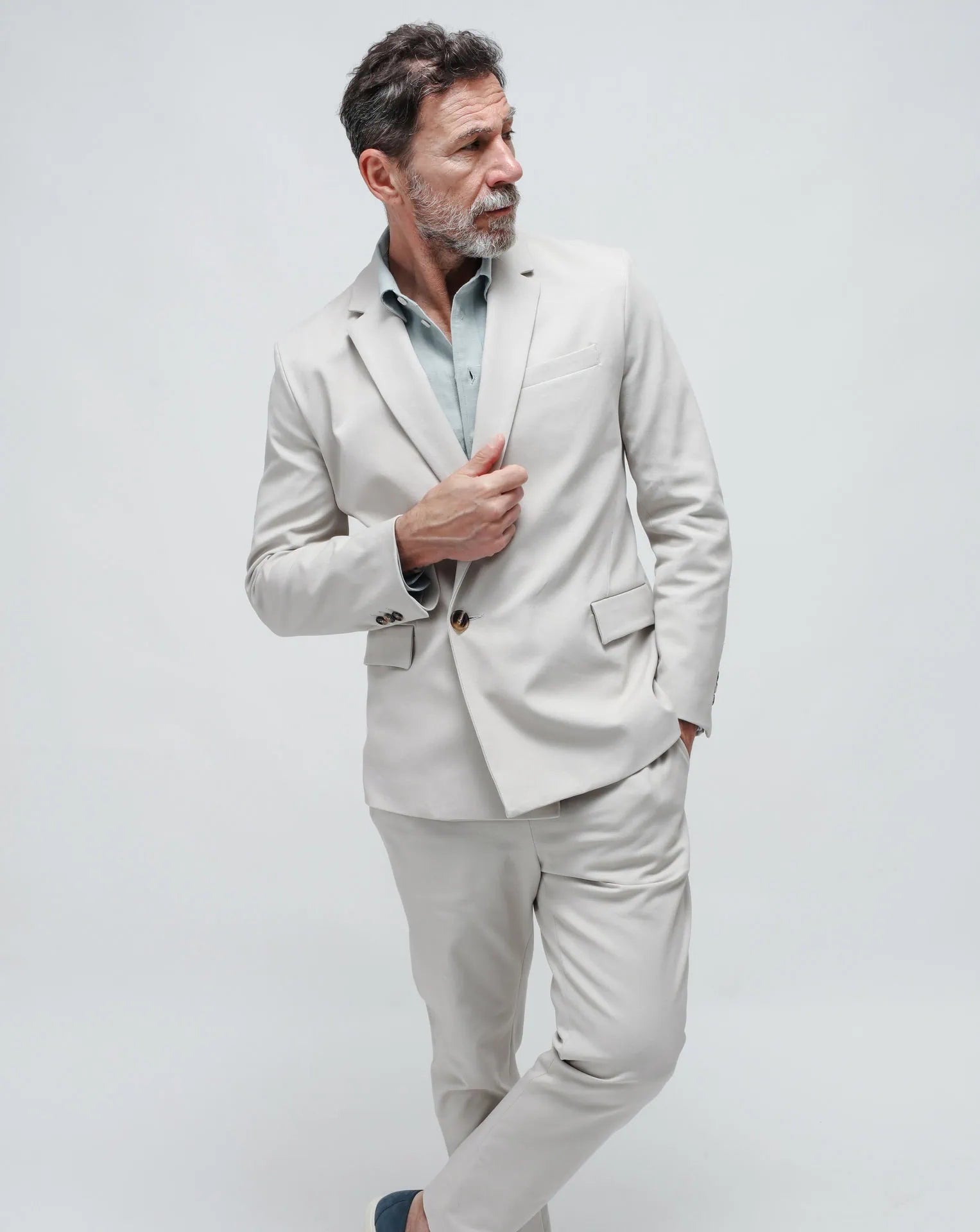
A well-cut deadstock blazer, relaxed trouser, or seasonless dress can carry more value than several impulse purchases because it works harder over time. If you travel often, a coordinated set in a premium deadstock fabric may give you range with less packing. If your week moves between office, dinner, and weekend plans, a structured shirt or elevated pant will likely outperform louder occasion-only pieces.
It also helps to pay attention to care. Premium deadstock fabrics deserve maintenance, not neglect. Proper washing, steaming, storage, and occasional tailoring protect the life of the garment and justify the investment.
When evaluating a brand, look for clarity. You want to know how they source, how they produce, and why quantities are limited. Deadstock should be part of a broader ethic, not an isolated claim.
What deadstock looks like in real products
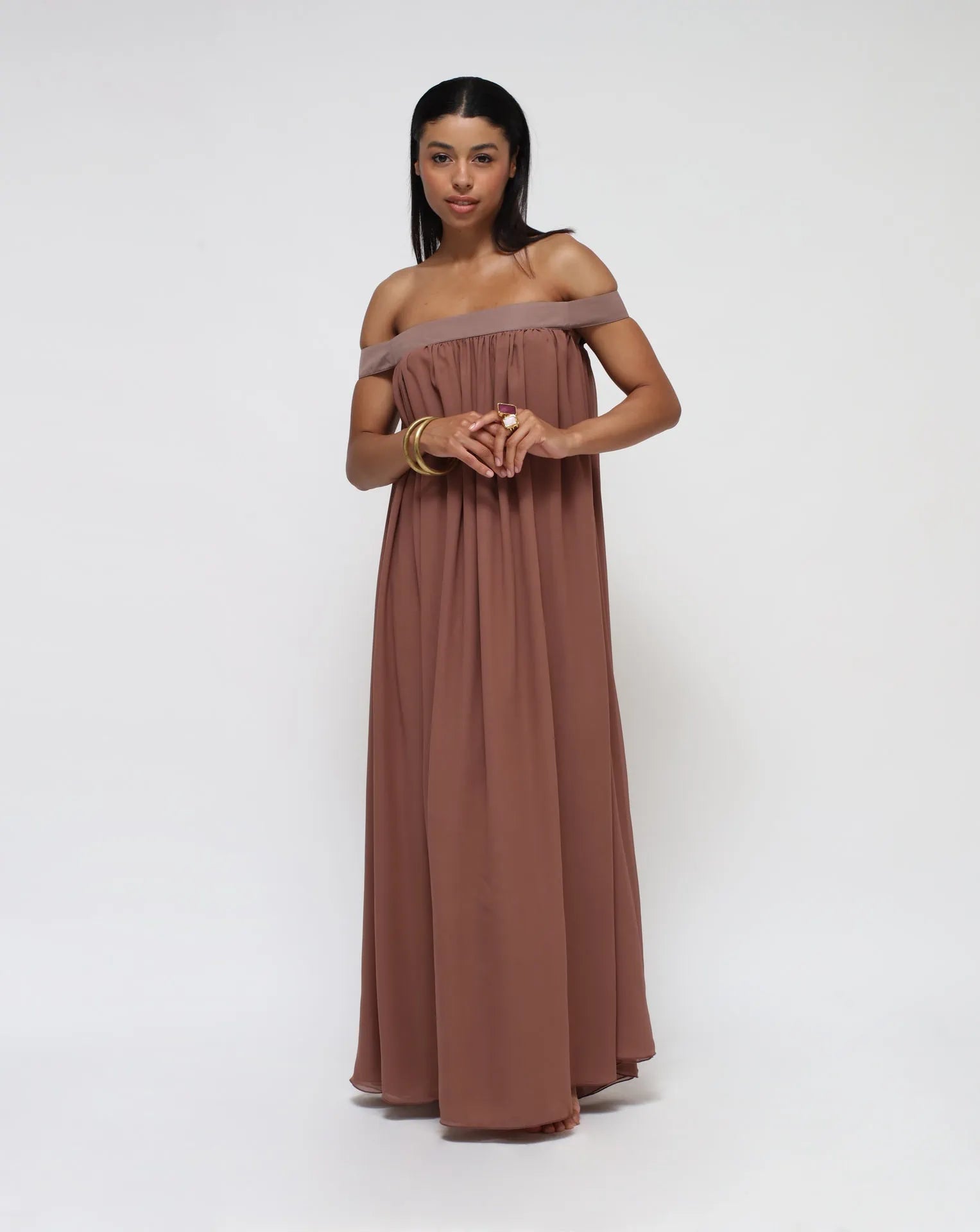
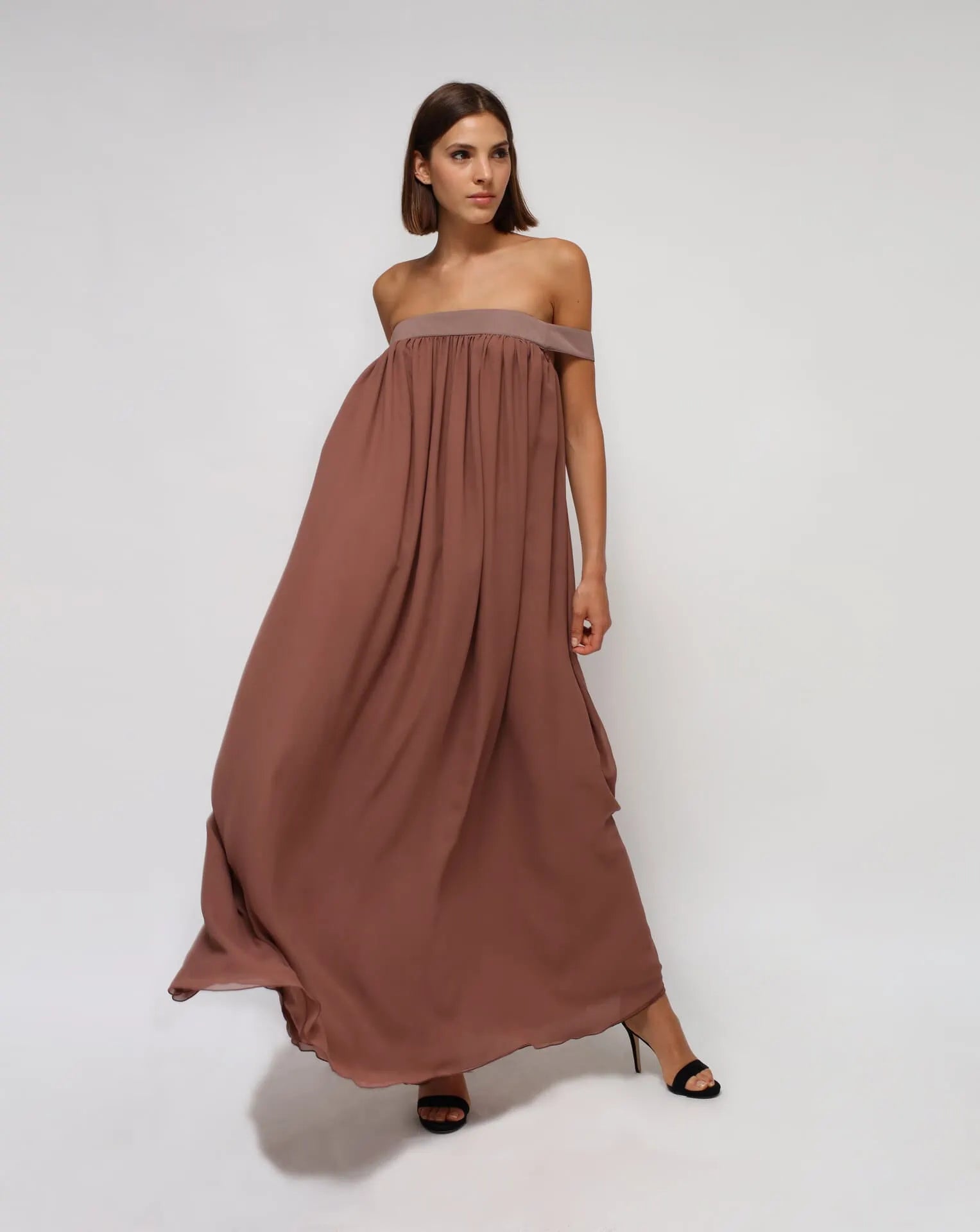
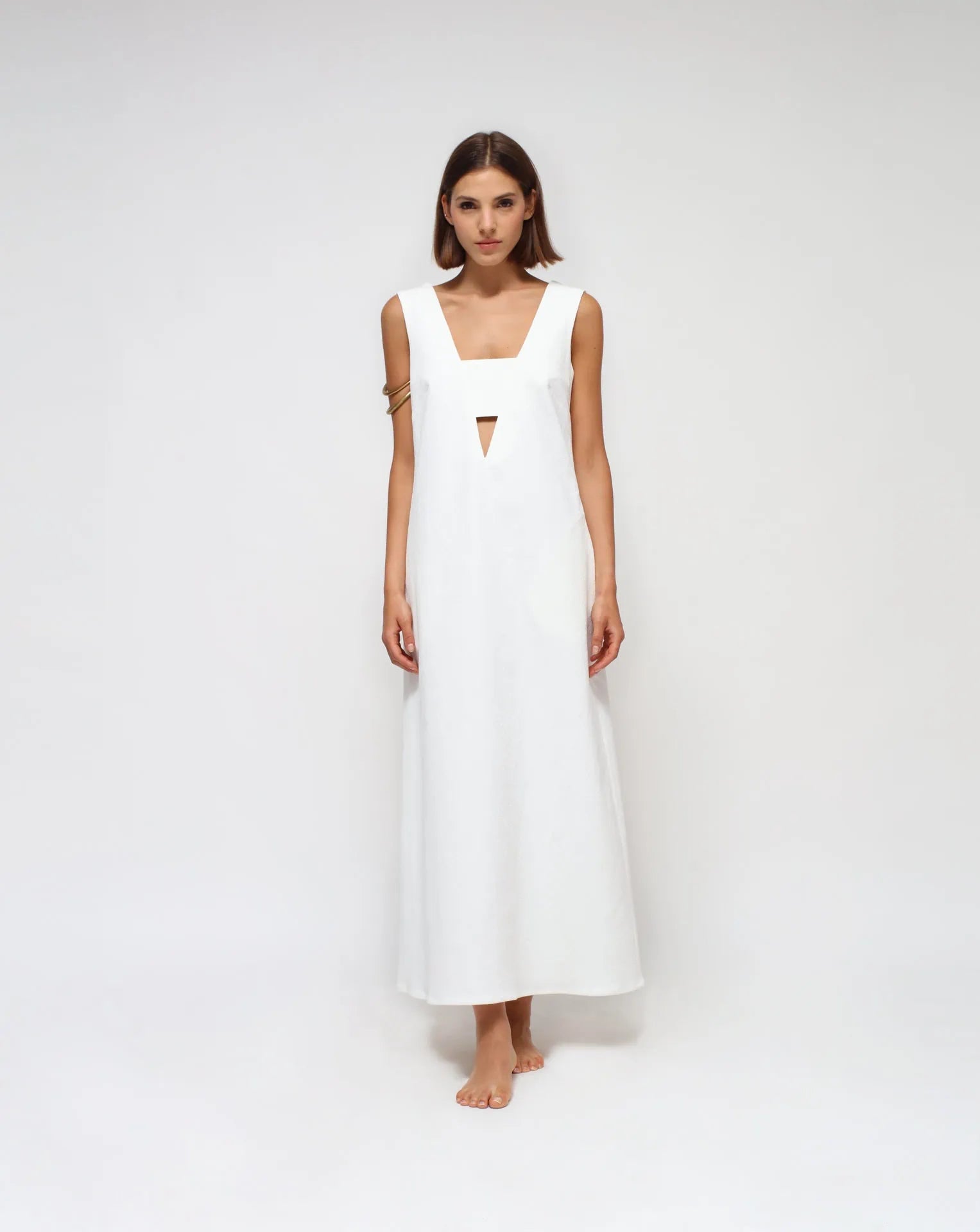
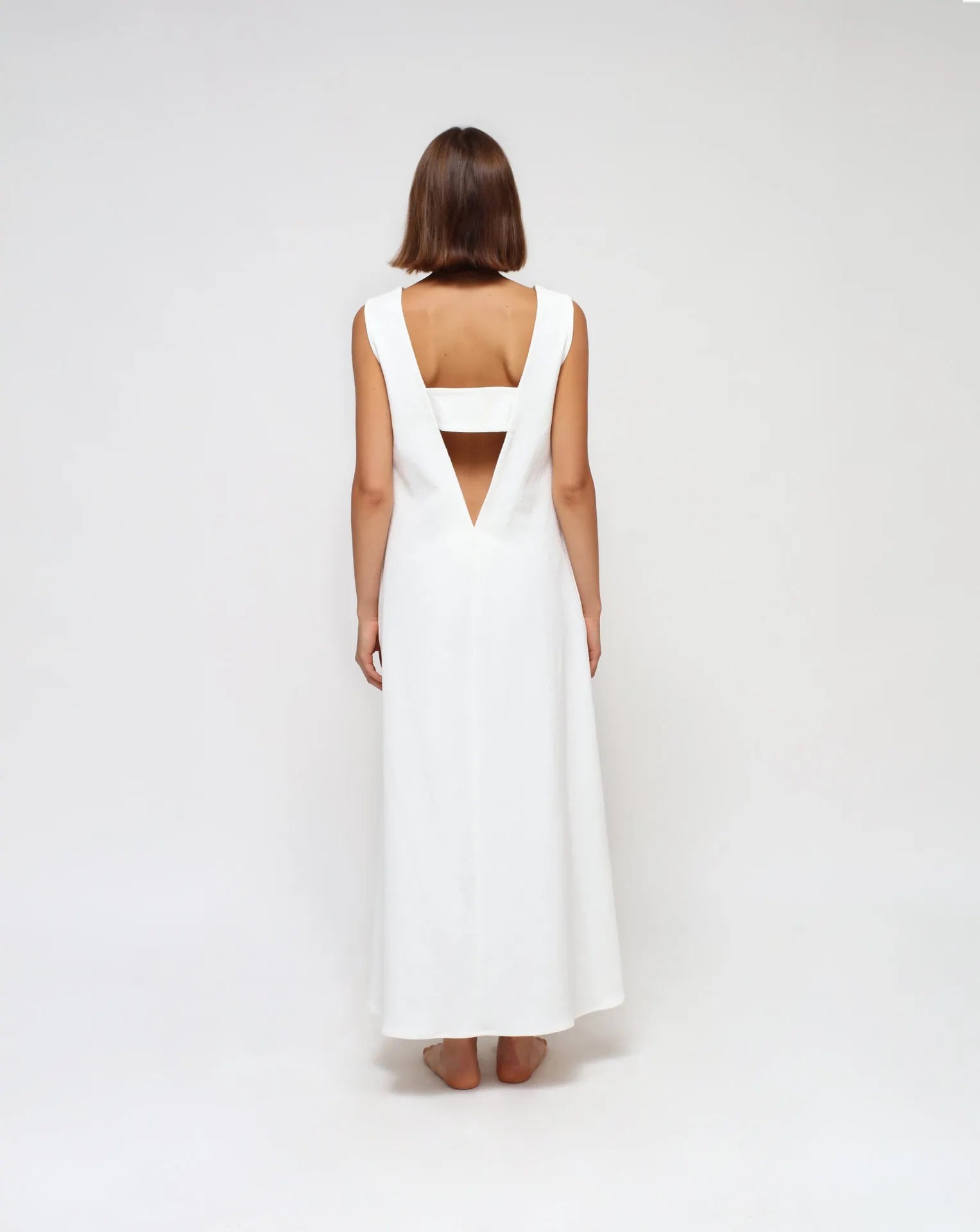
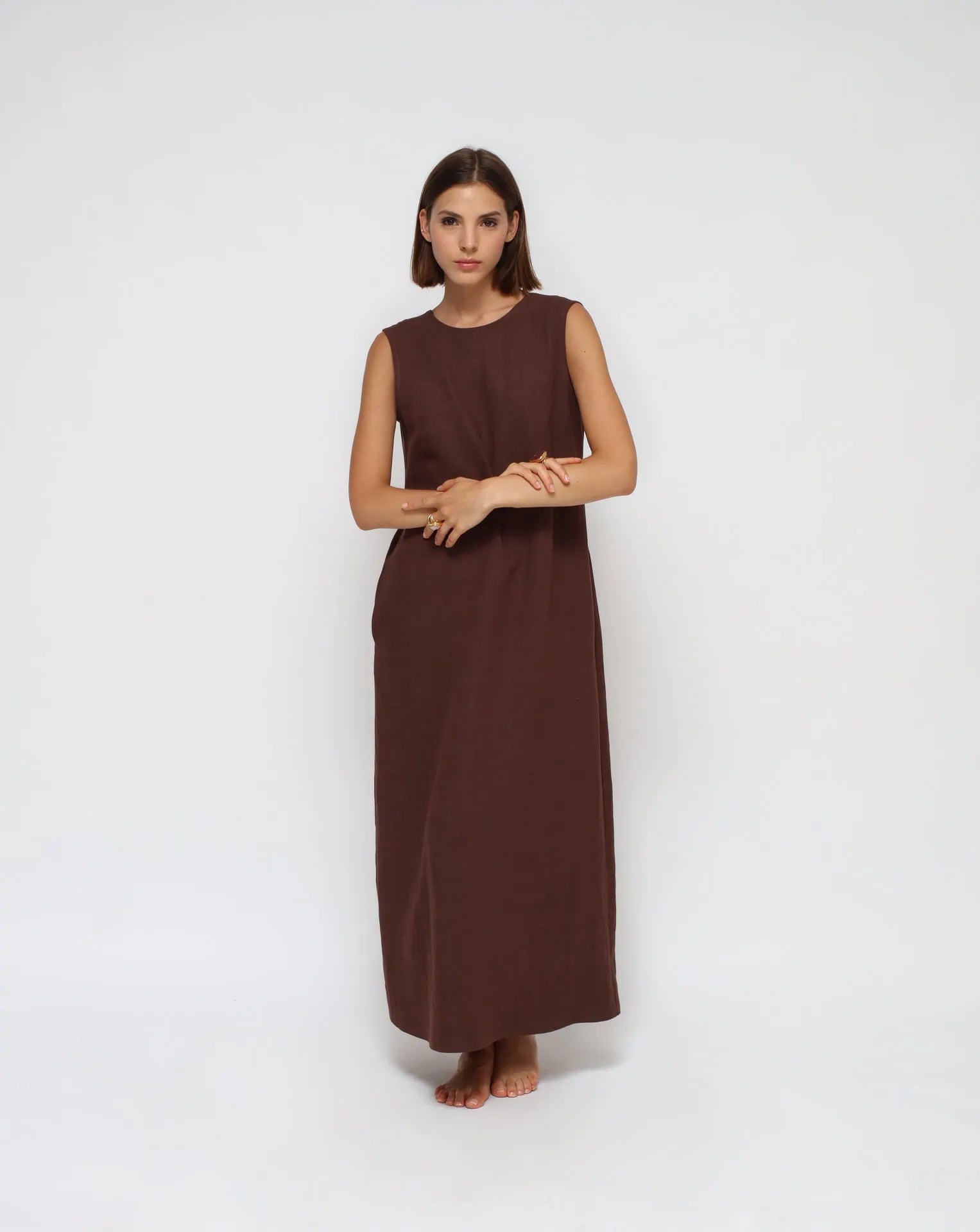
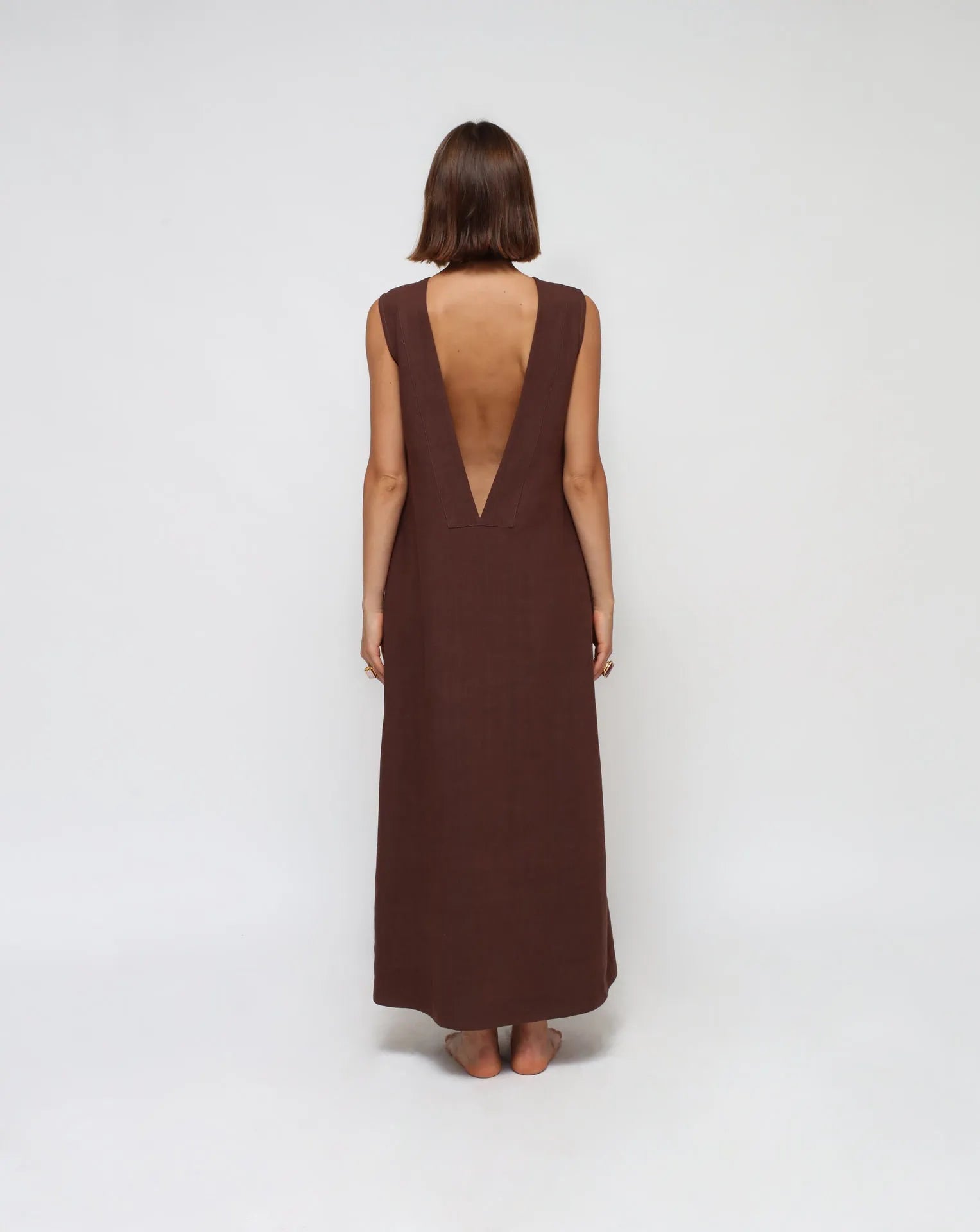
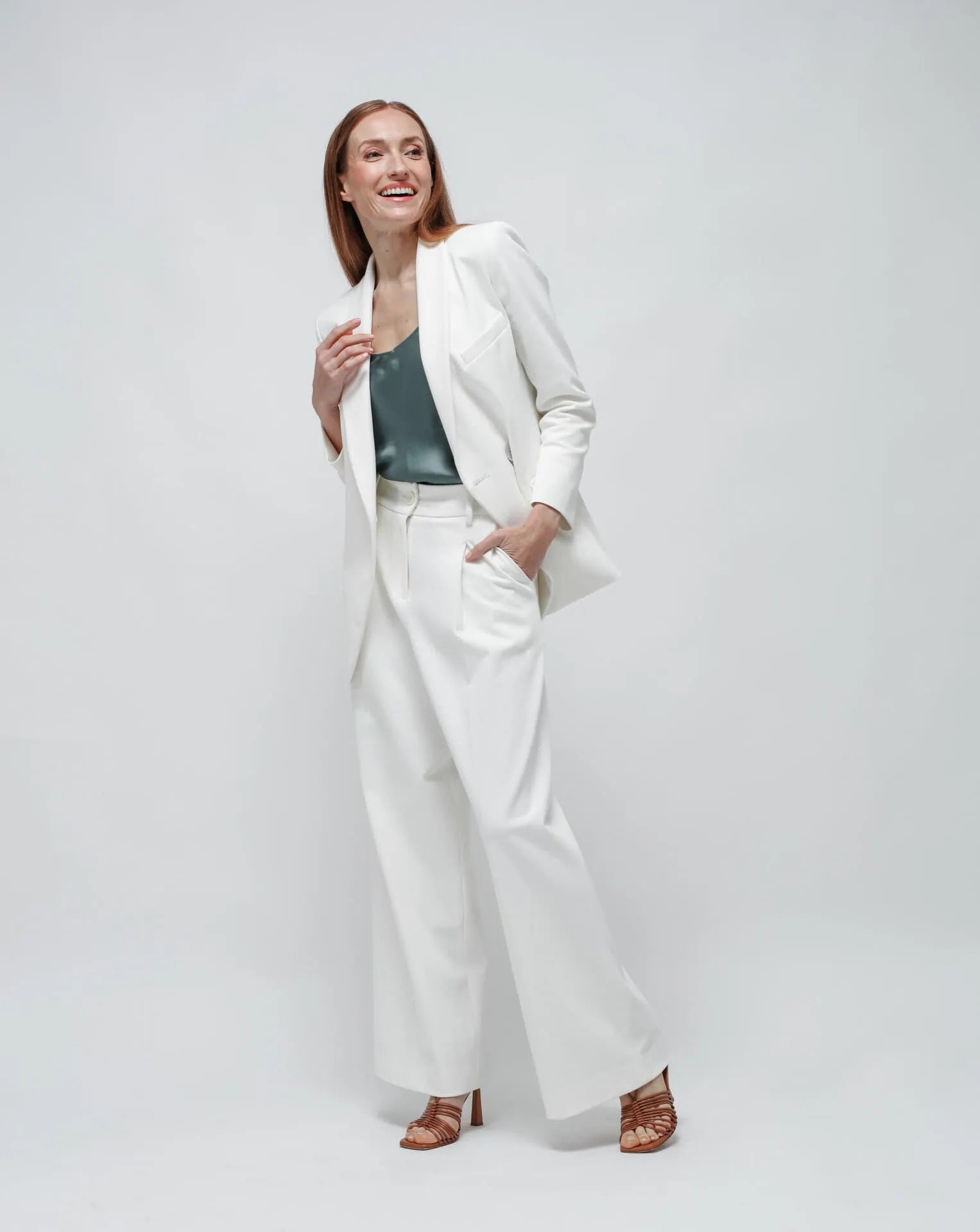
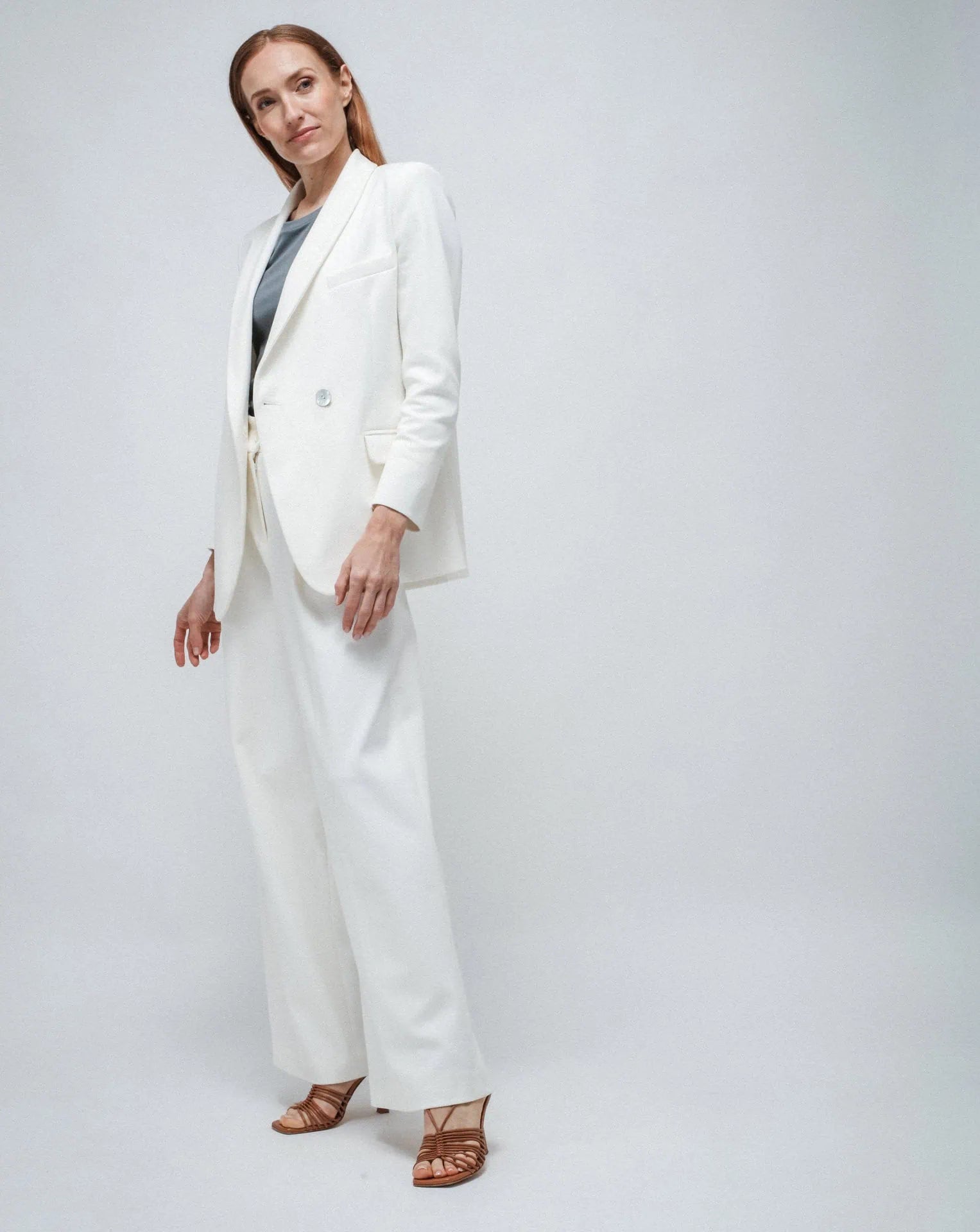
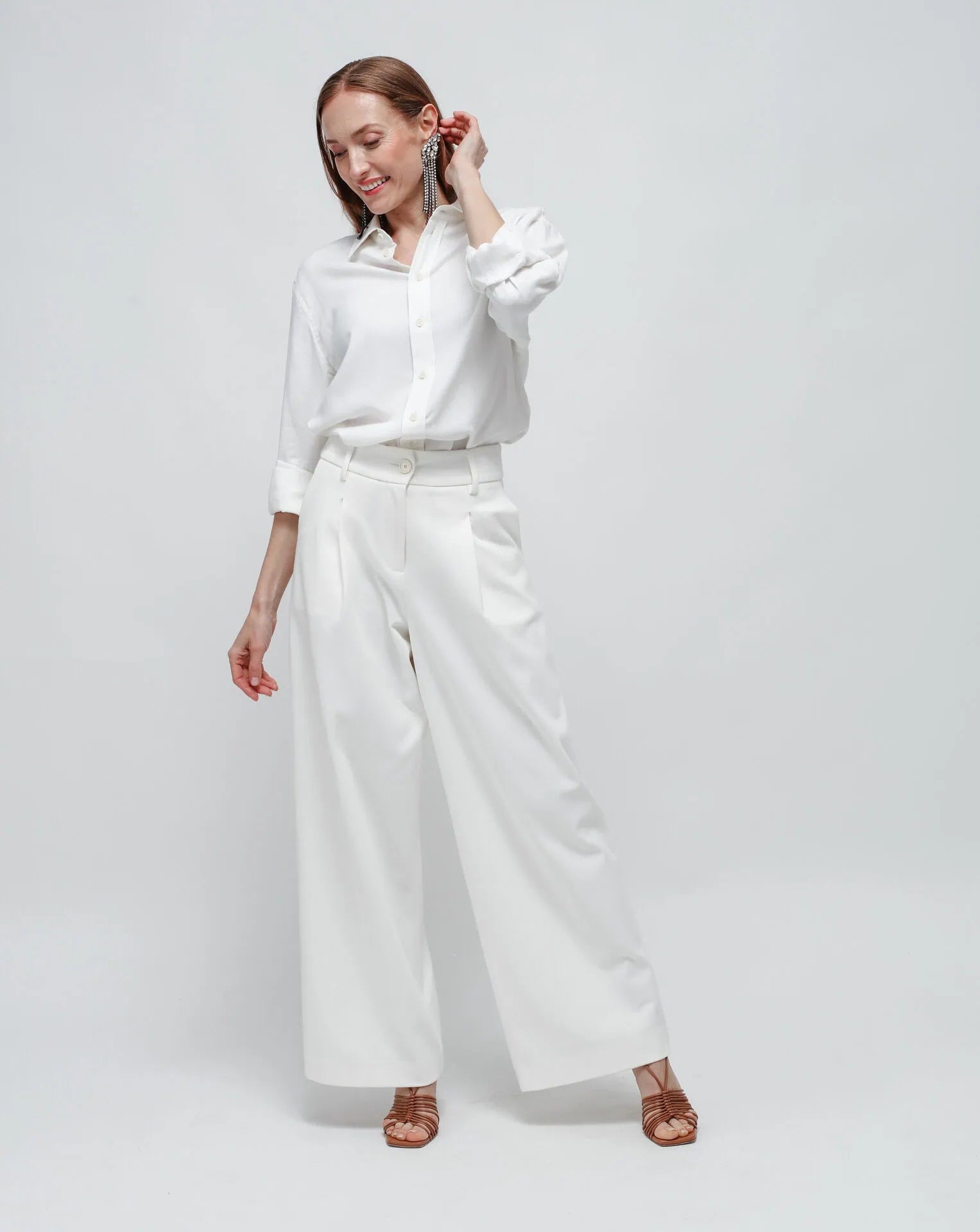
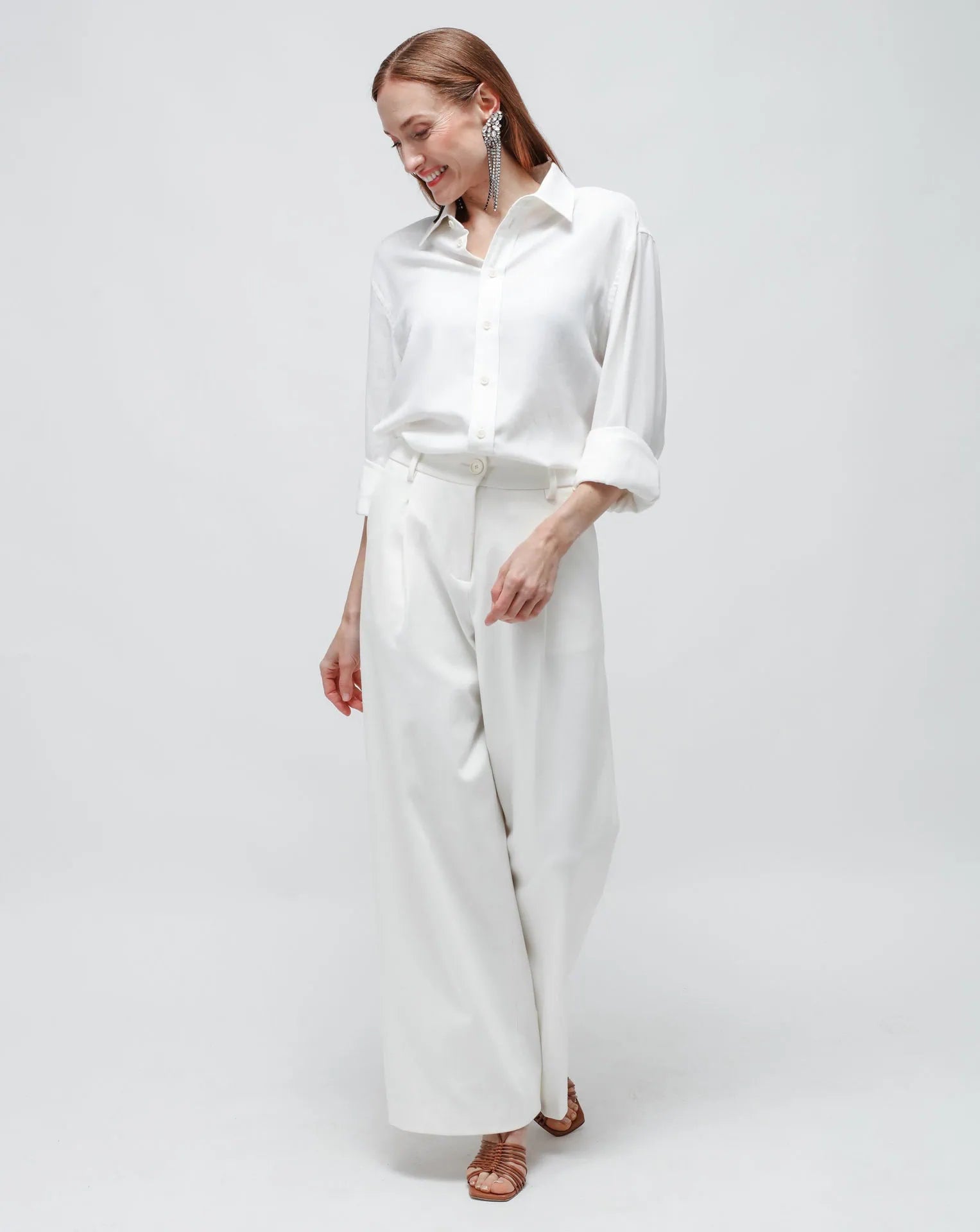
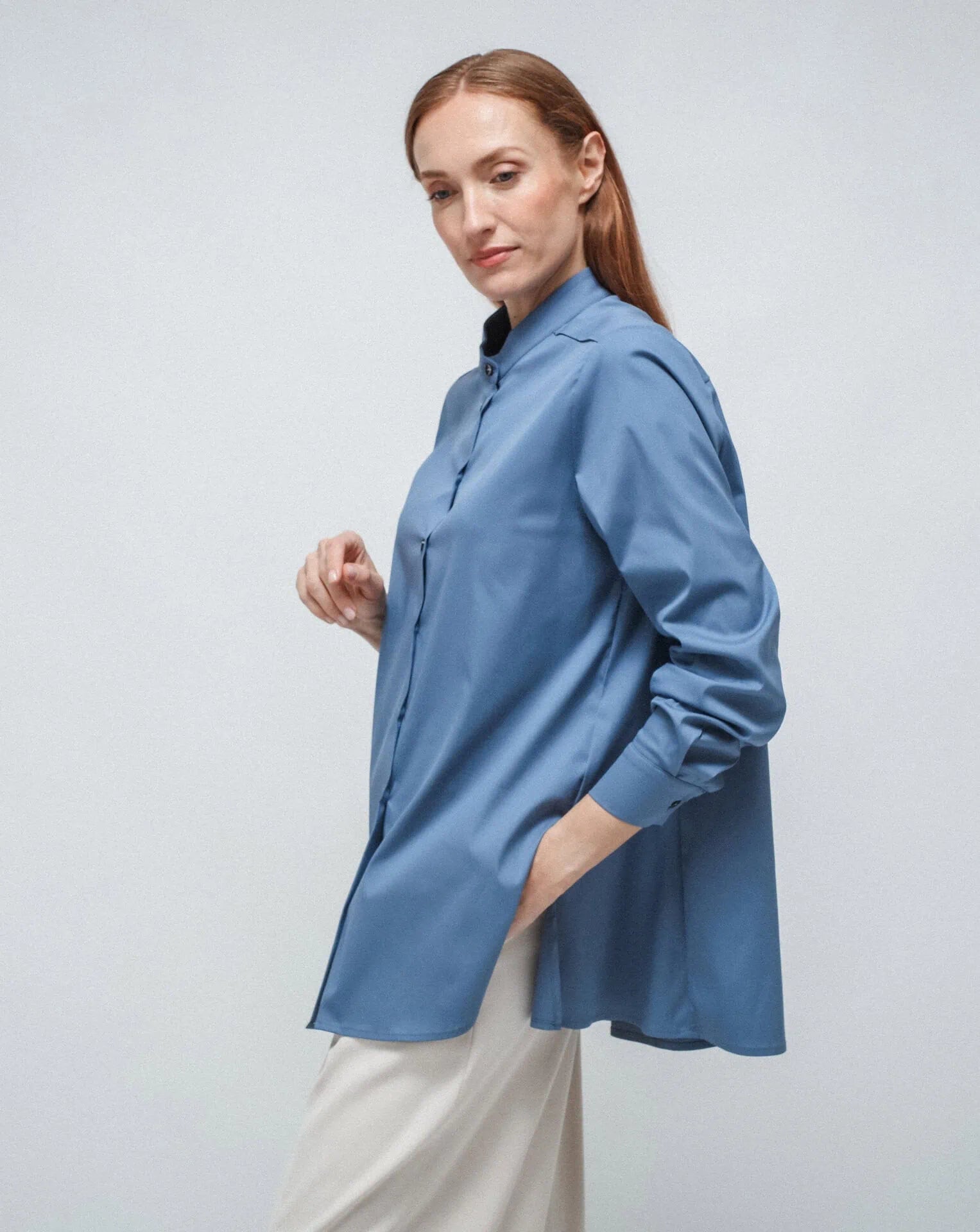
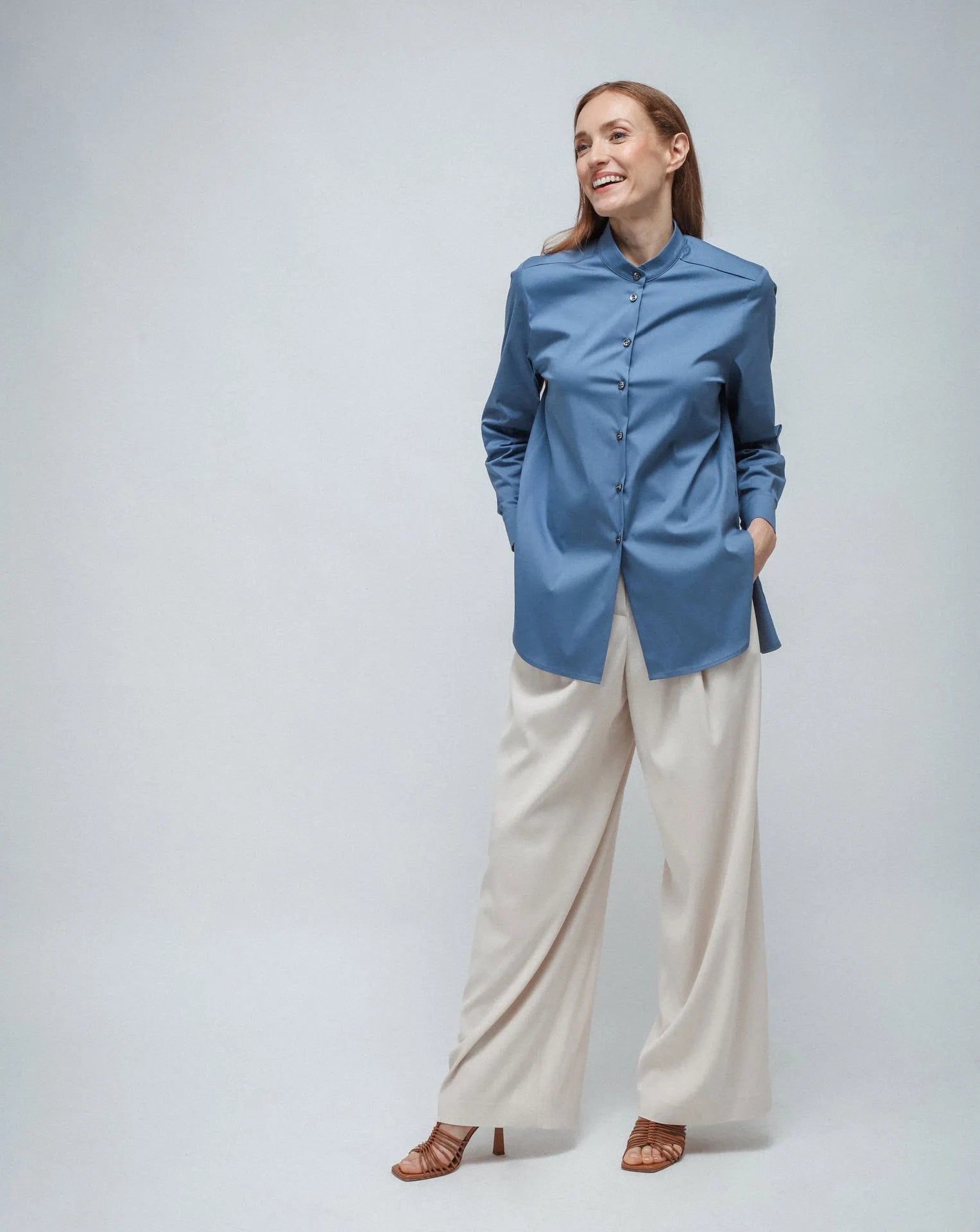
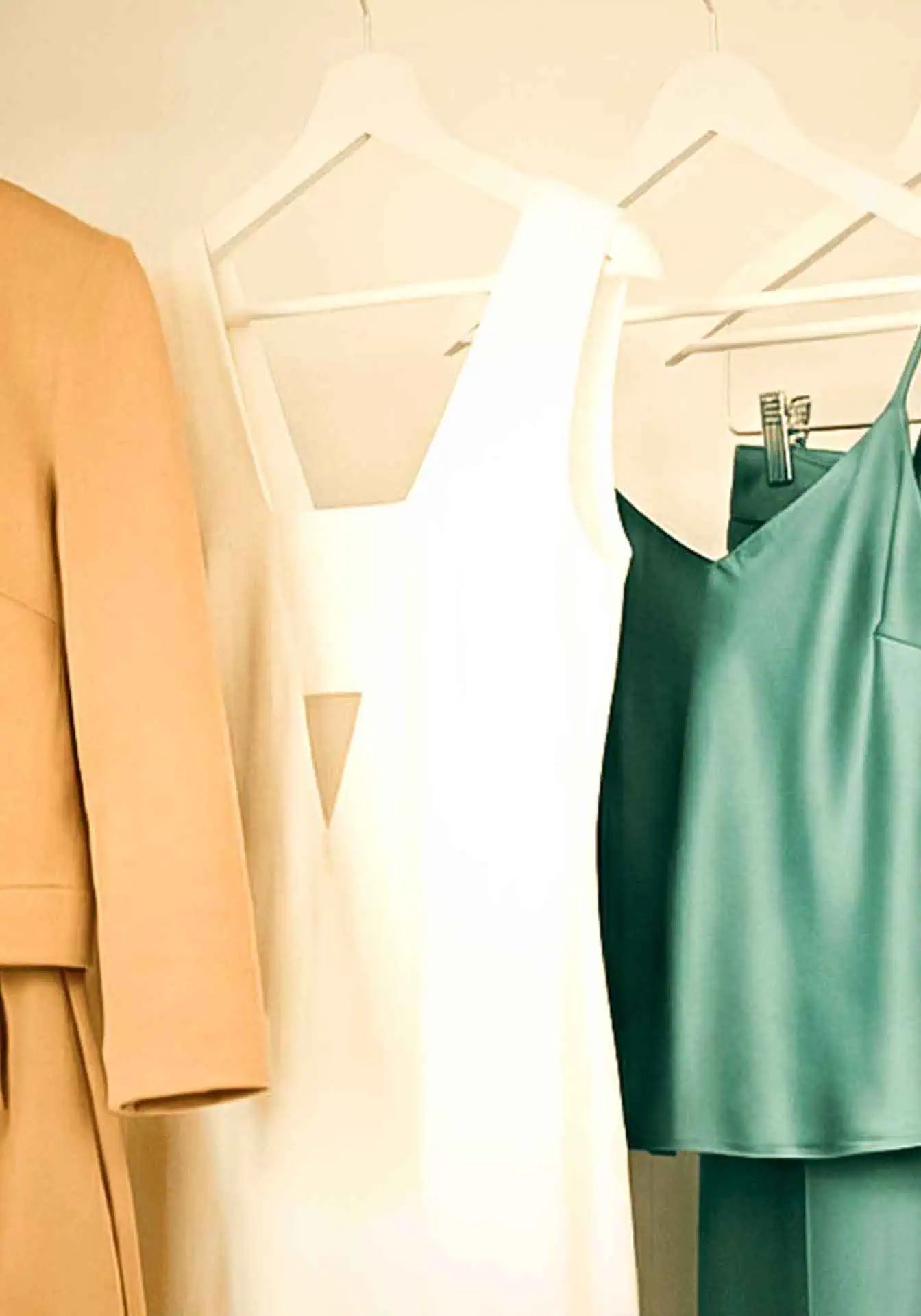
Deadstock works best when the design respects the fabric. A fluid surplus satin becomes more convincing in a bias-cut skirt or understated evening top than in a shape that fights its drape. A structured Italian cotton deadstock is ideal for a clean shirt, tailored short, or polished set intended for repeated wear.
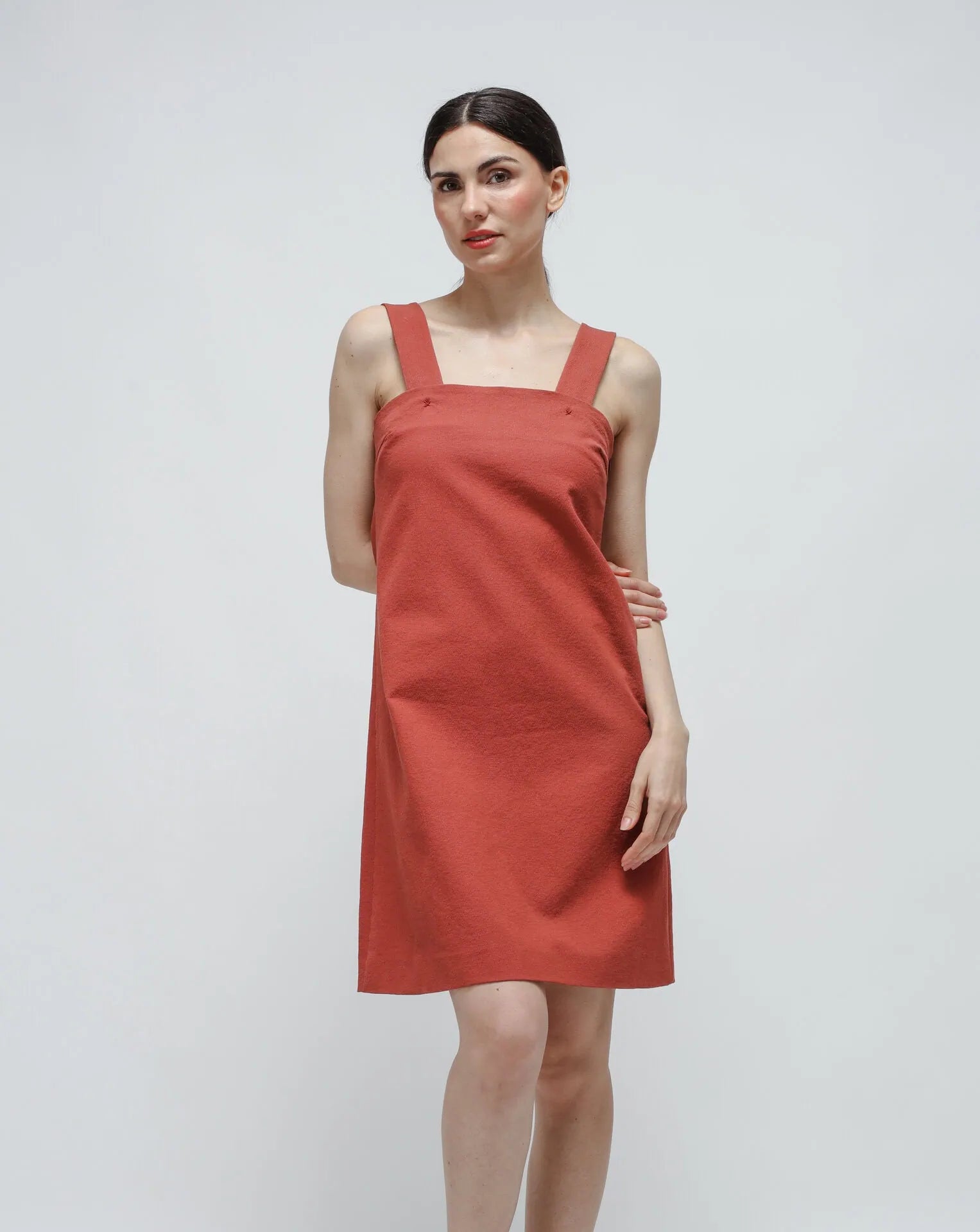
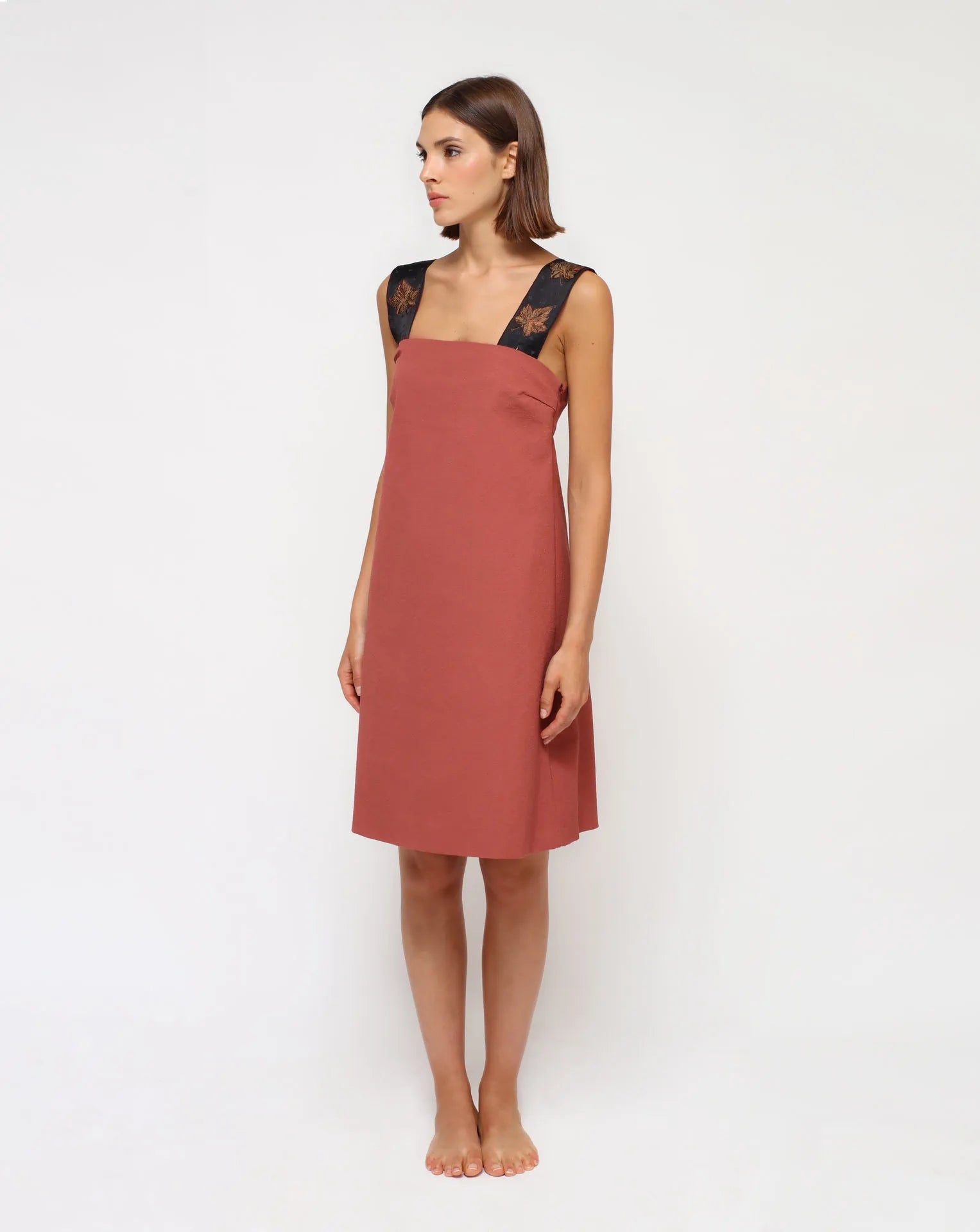
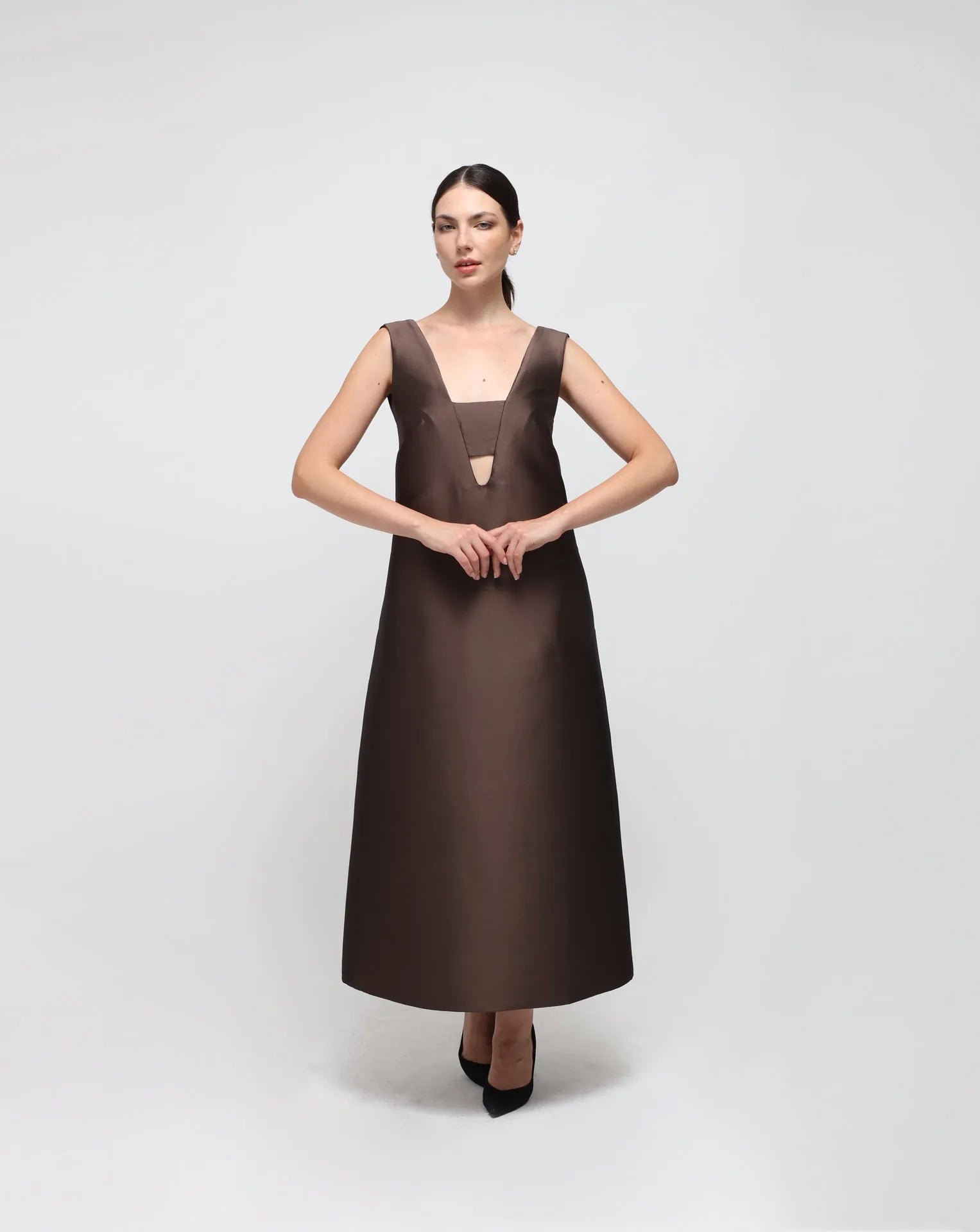
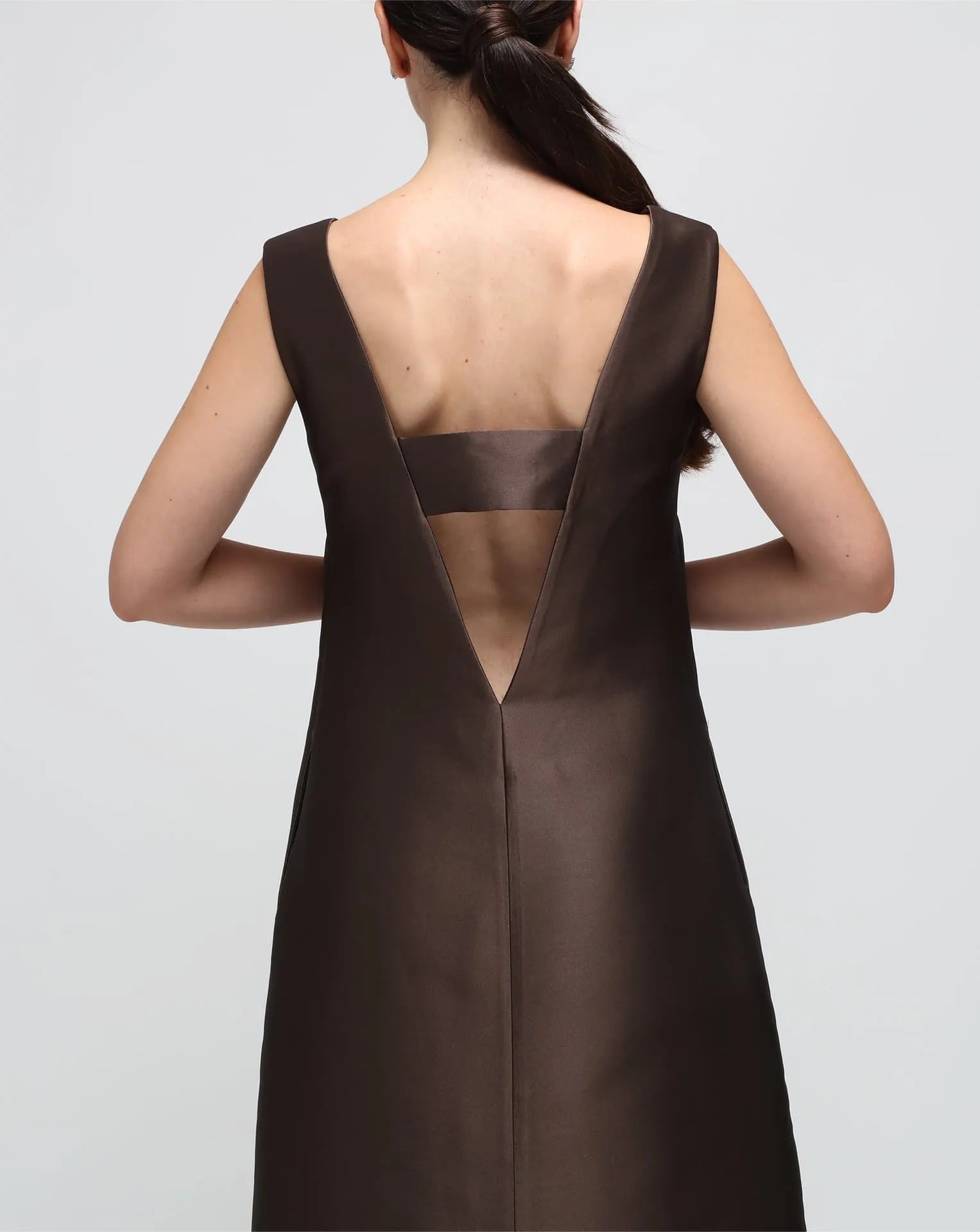
That is where product-level storytelling matters. A page for a deadstock midi dress should explain why the fabric was chosen, how many pieces were made, and where it fits in a real wardrobe. The same goes for a relaxed blazer, wide-leg pant, or matching two-piece set. The point is not just rarity. The point is function, beauty, and reduced waste working together.
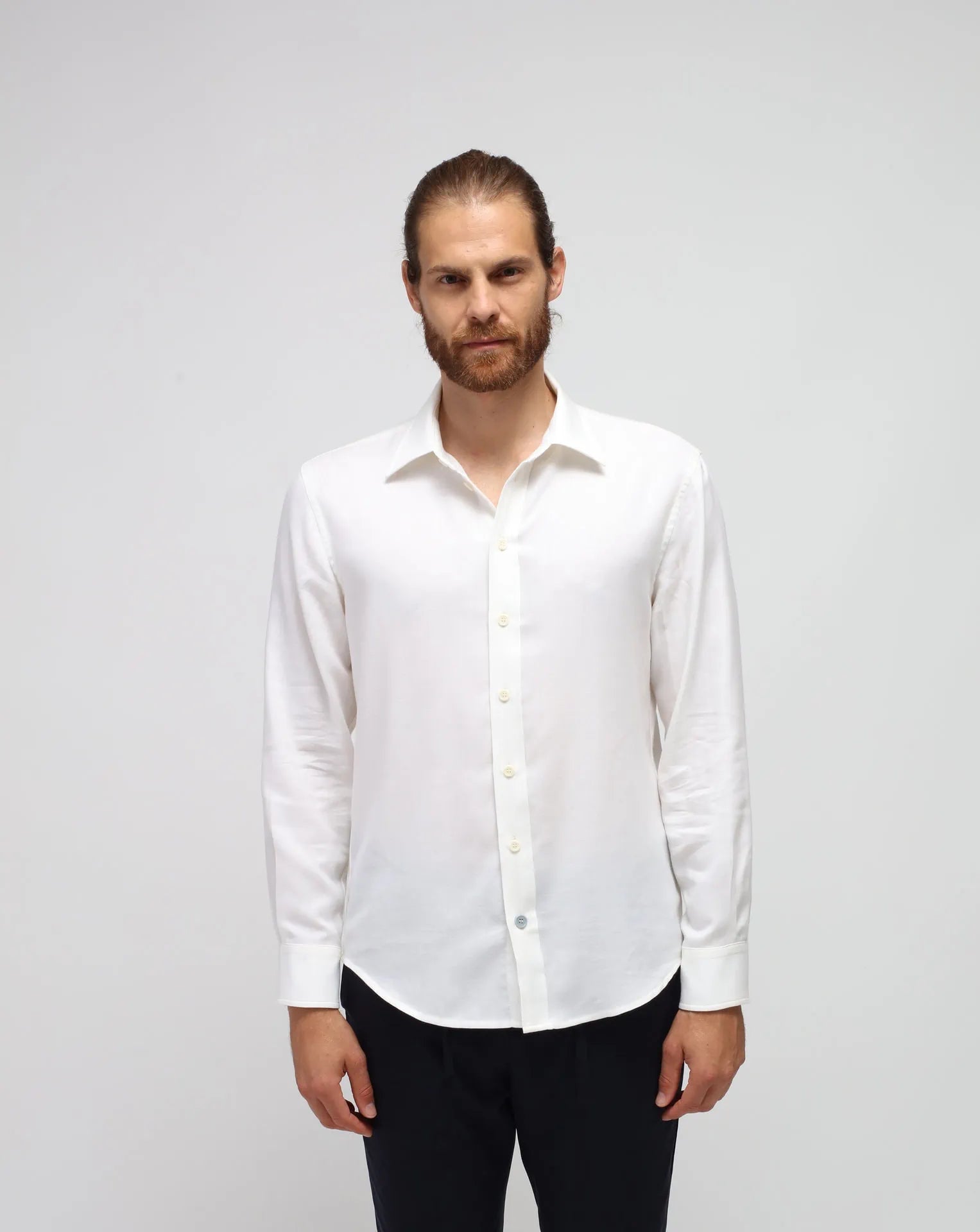
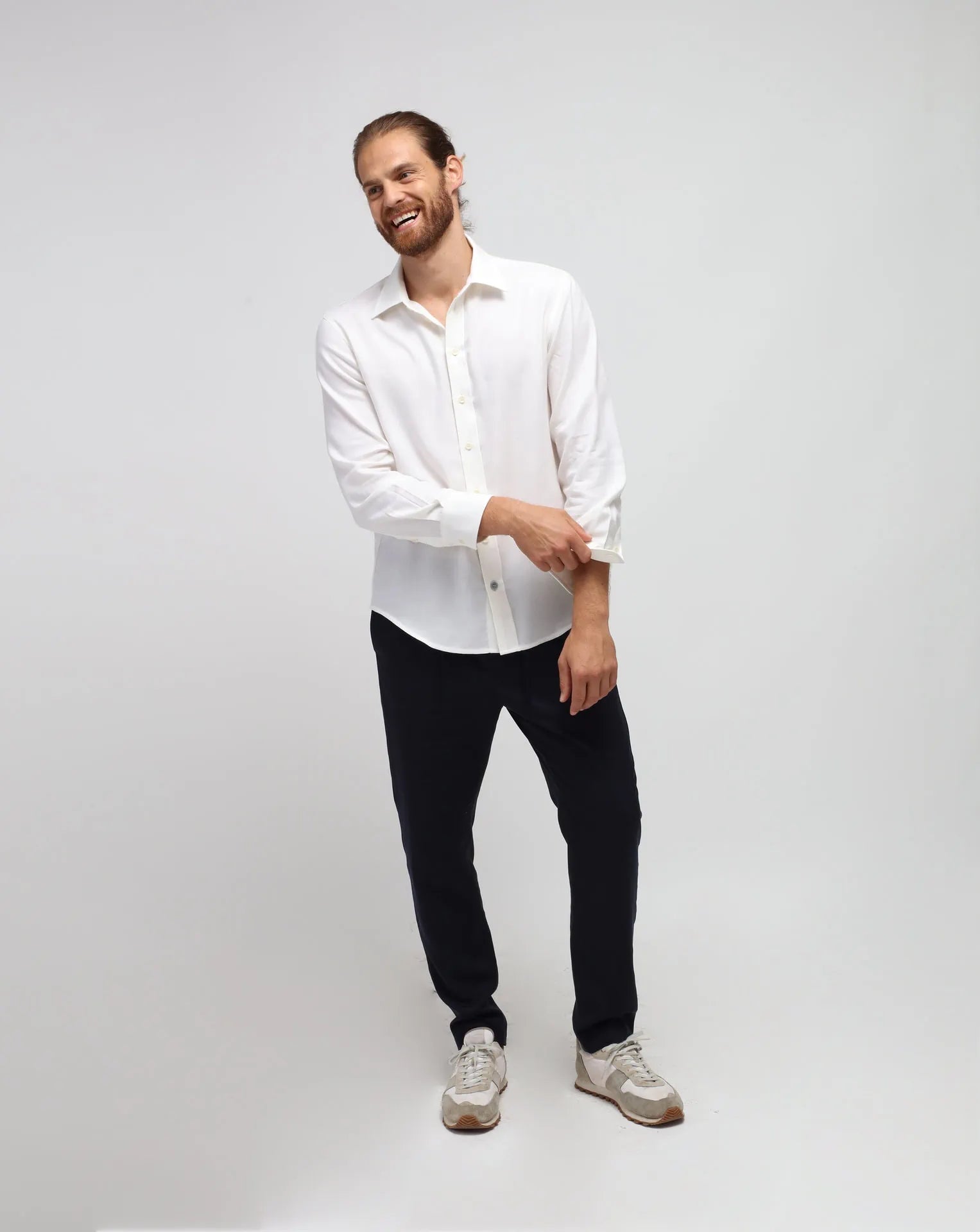
For example, a limited-run deadstock shirt can anchor a work capsule with denim, trousers, and suiting. A deadstock occasion dress can feel special without being disposable because the fabrication already carries depth. A small-batch coat made from surplus wool can become the piece you reach for every cold season instead of replacing every year.
This is also why ethical luxury and deadstock make sense together. Premium materials, low-volume production, and transparent pricing create a stronger case than trend-led sustainability language ever will. Humans & Land builds on that logic by pairing premium deadstock fabrics with small-batch European production and limited-edition design, which is exactly the kind of restraint this category deserves.
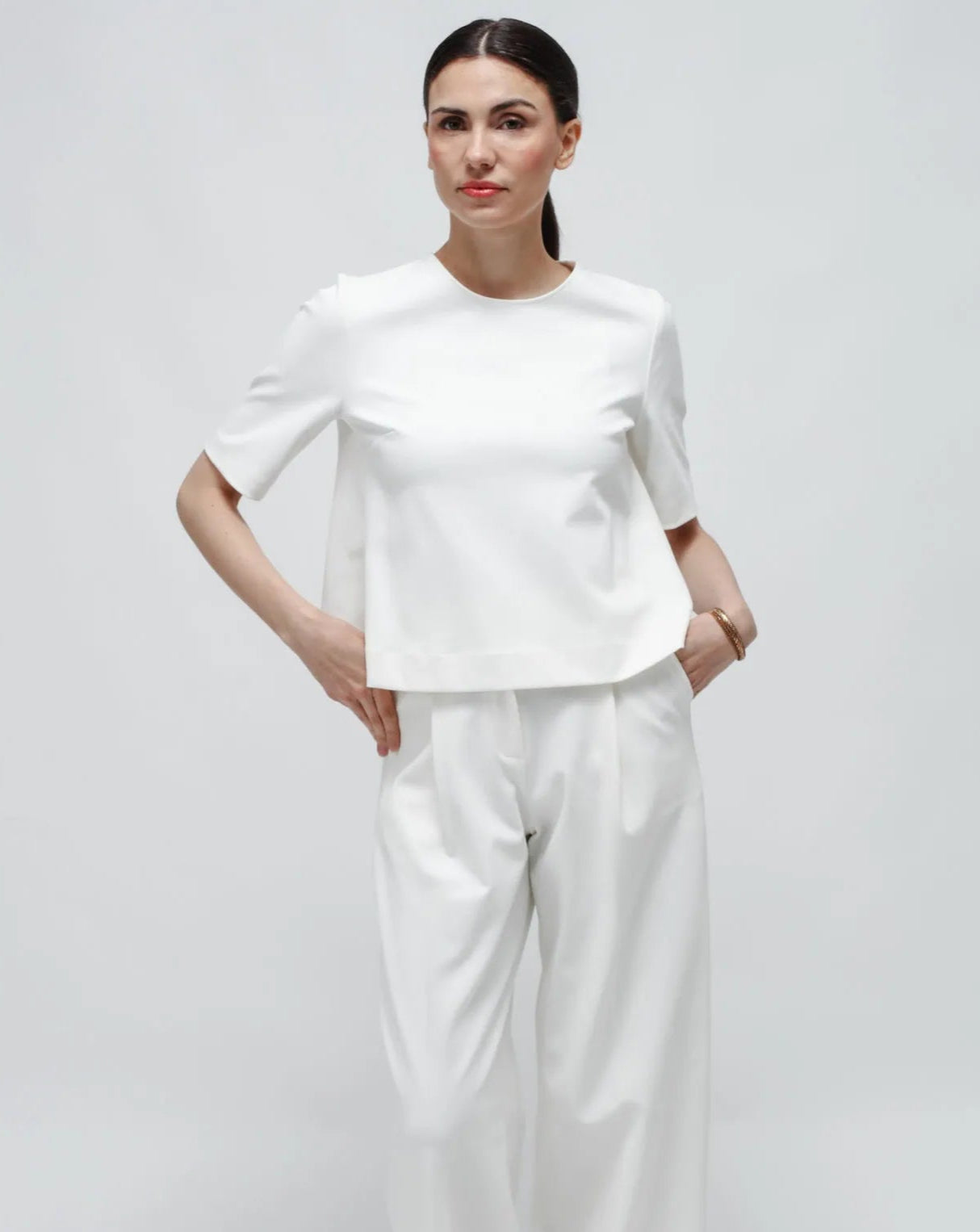
Our women collection
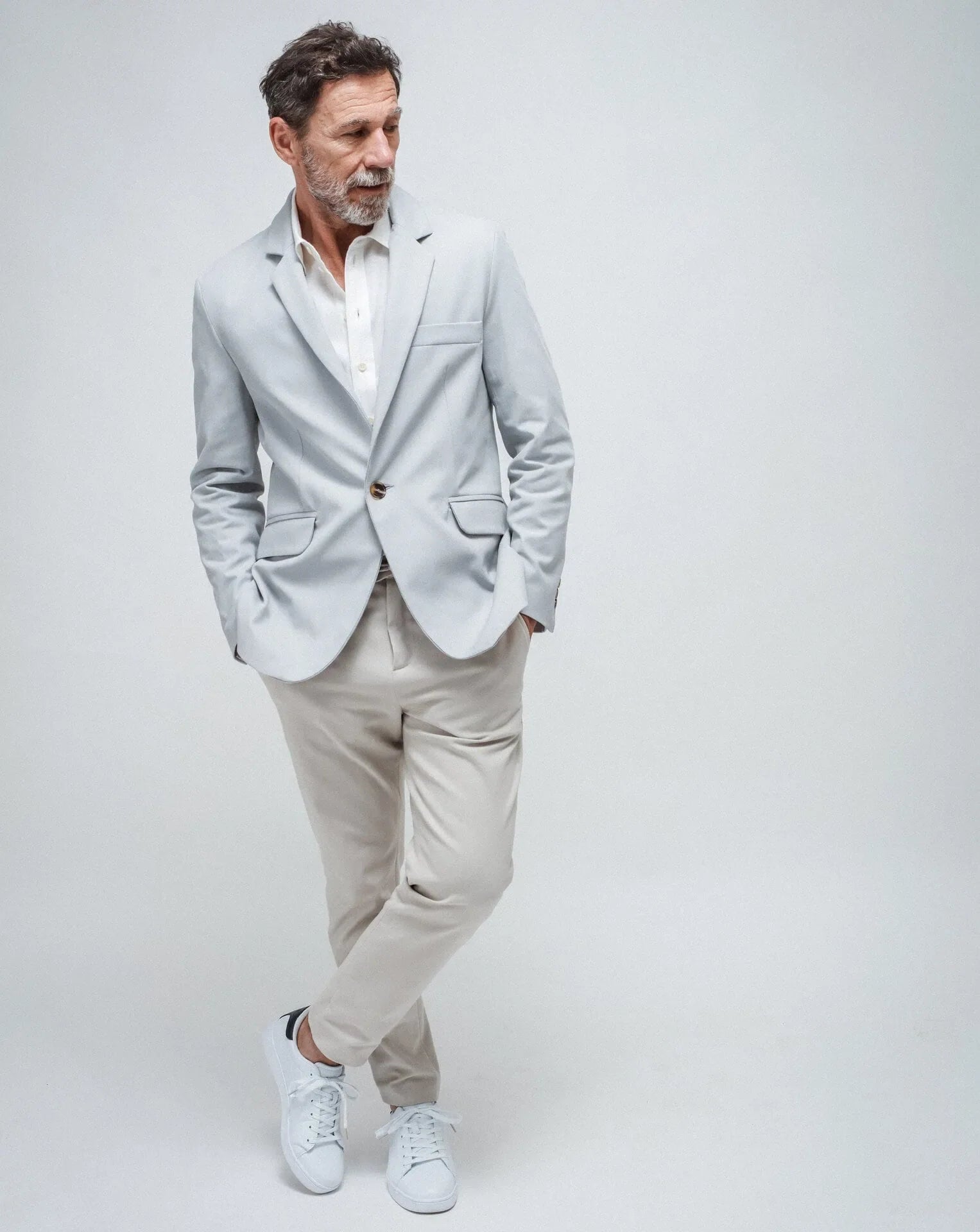
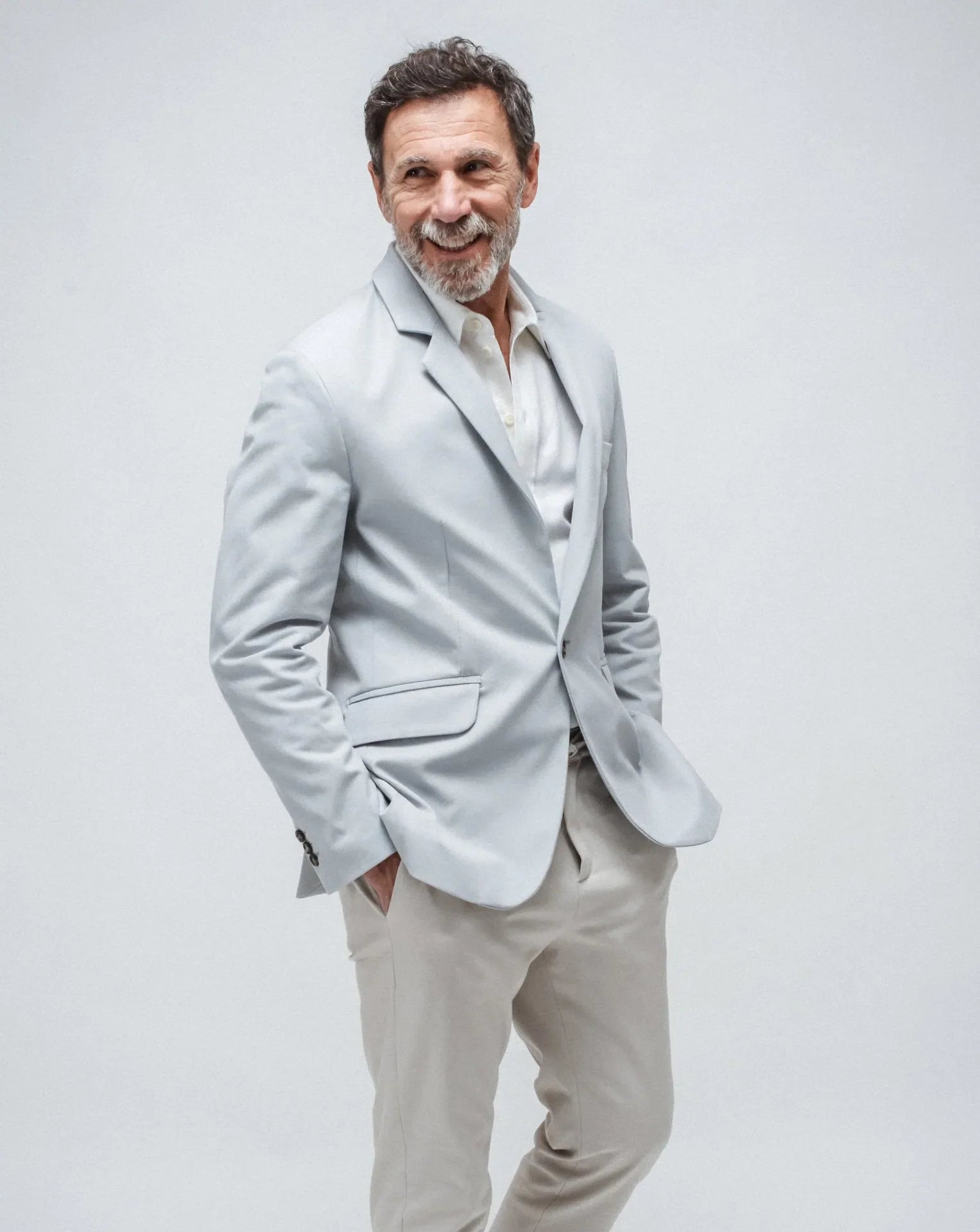
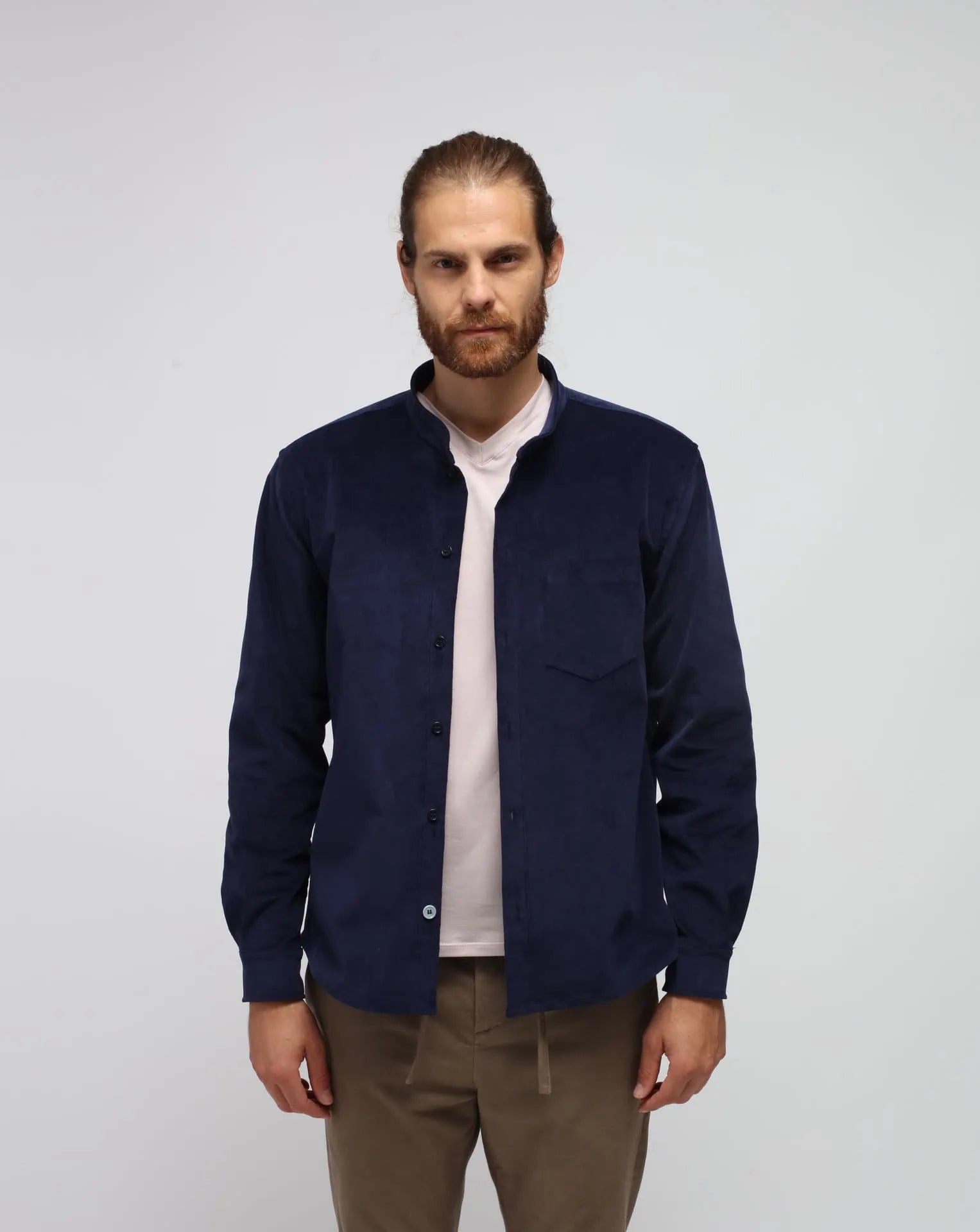
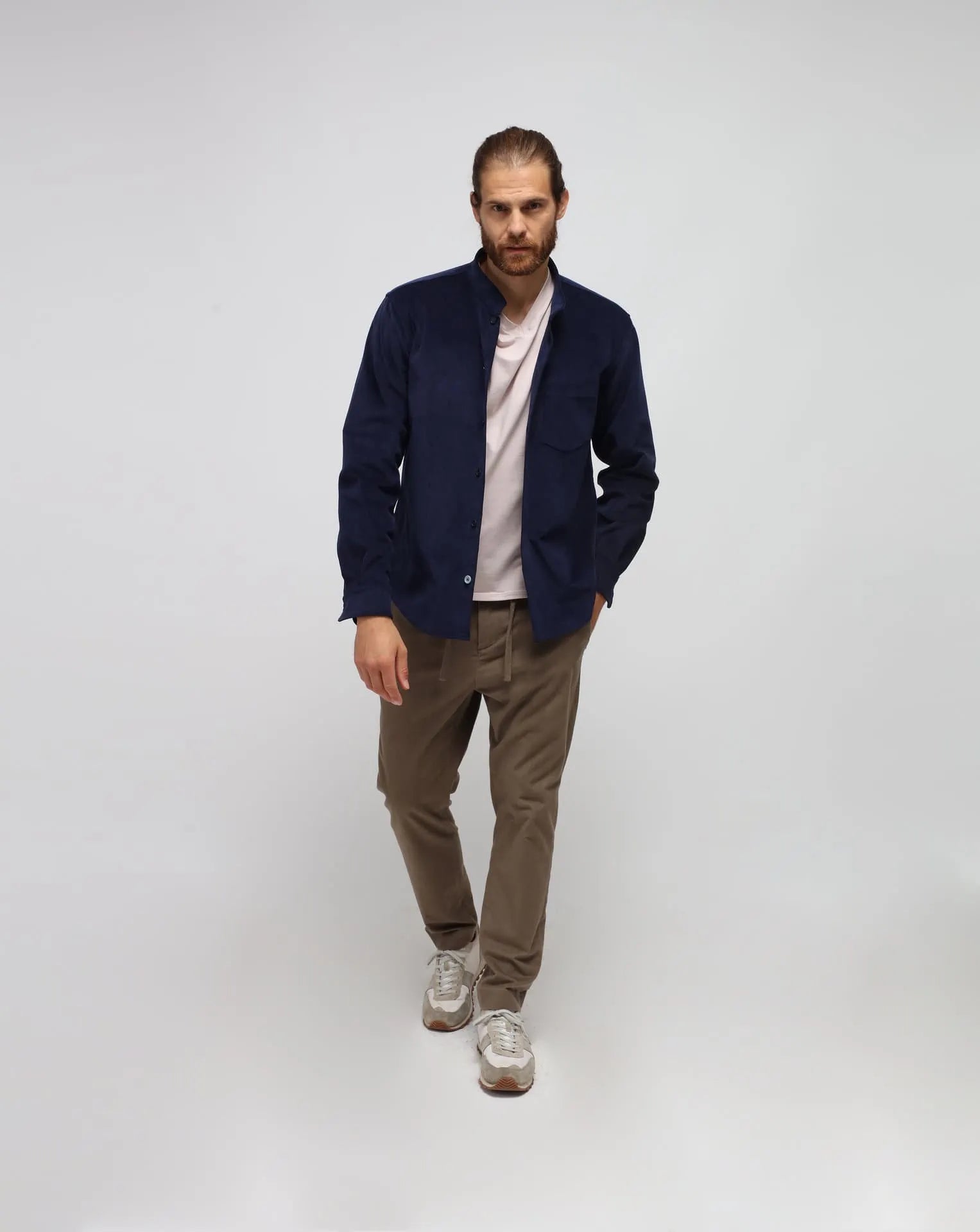
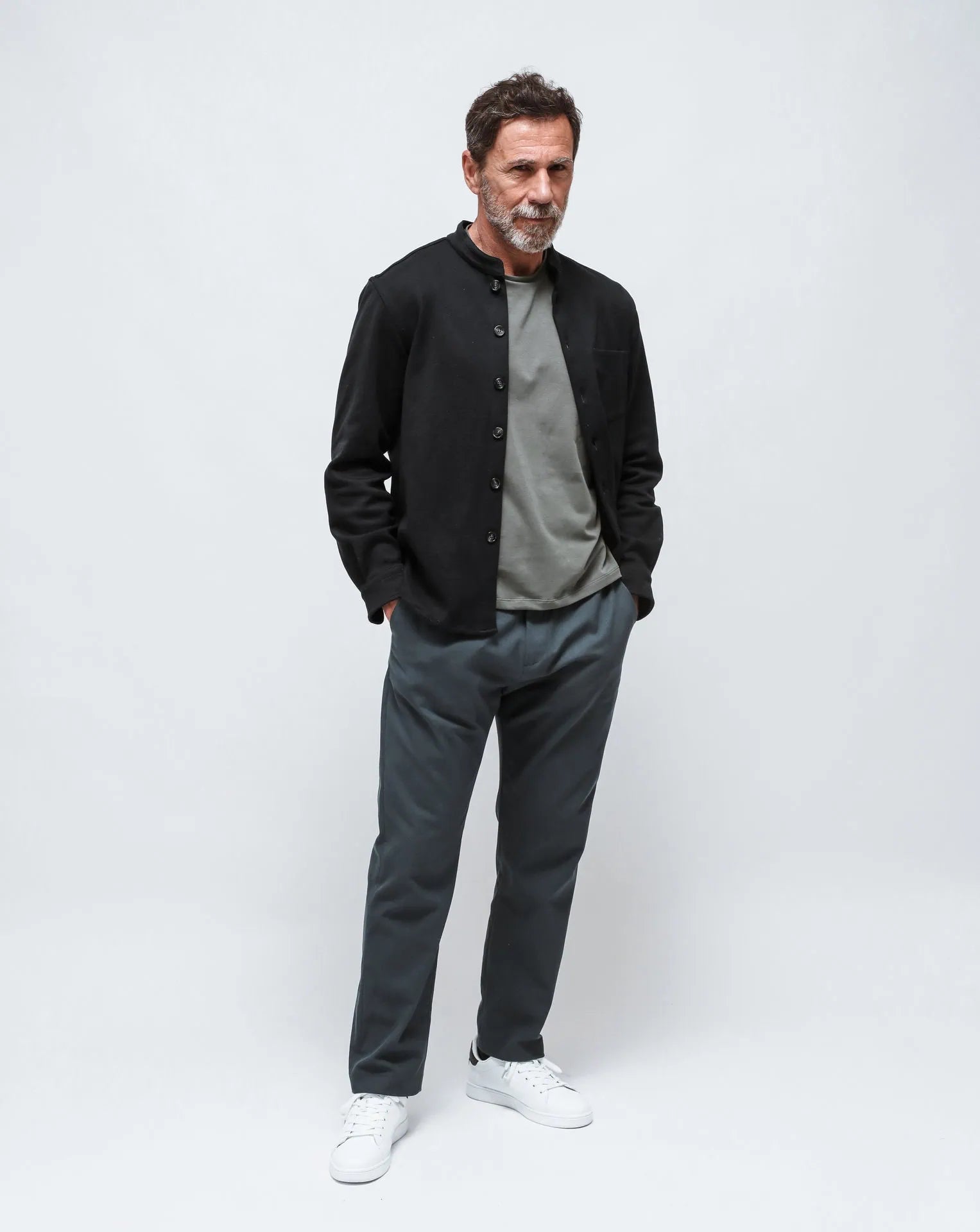
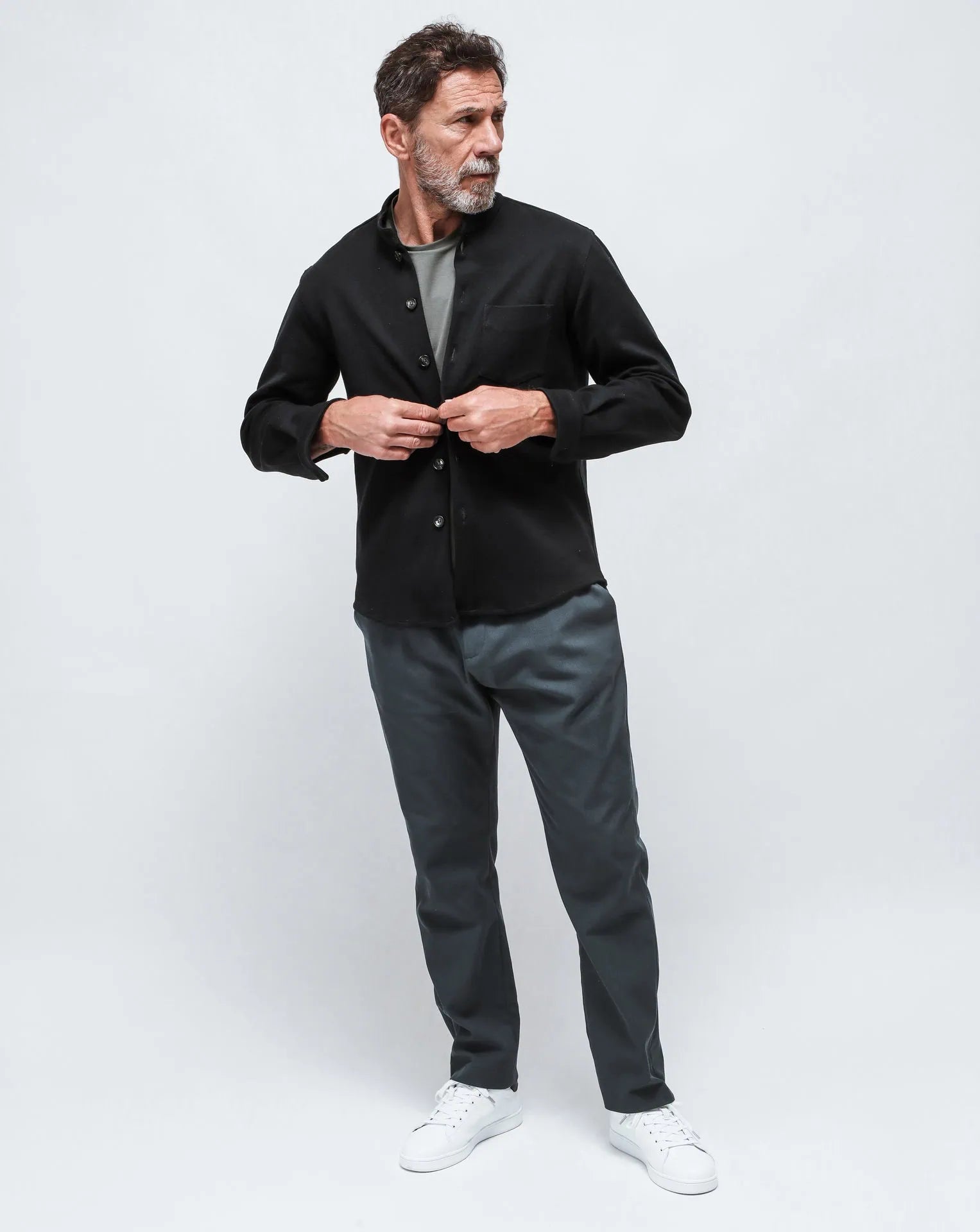
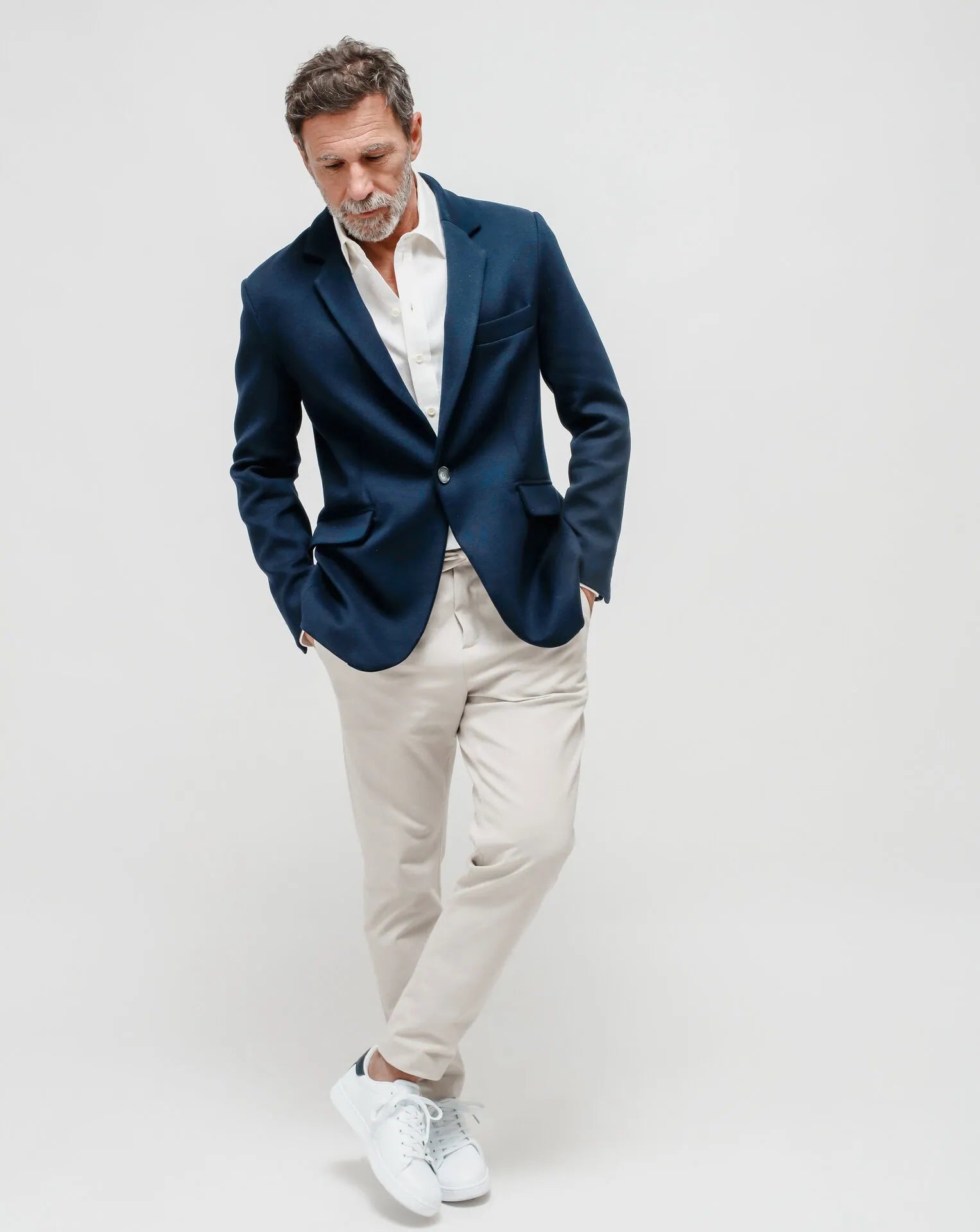
Our men collection
Deadstock fabric clothing and the future of fashion
Deadstock will not solve every problem in fashion. It cannot, on its own, fix labor abuses, overconsumption, or greenwashing. But it does offer a better model than business as usual.
It asks brands to design around existing resources. It asks customers to value fewer, better things. And it puts a useful pressure on the system: make only what matters, from what already exists, and do it with care.
That is a more intelligent standard for getting dressed. Not louder. Not faster. Just more honest.
If your wardrobe is moving toward pieces with longevity, integrity, and a sense of rarity, deadstock fabric clothing is worth your attention - not because it is trendy, but because it reflects a more disciplined idea of style.
FAQ
Q: Is deadstock fabric clothing always sustainable?
A: Not automatically. Deadstock is a stronger sourcing choice because it uses existing material, but sustainability also depends on production methods, labor standards, shipping, and how long you wear the garment.
Q: Does deadstock mean lower quality?
A: Often the opposite. Many deadstock fabrics come from premium mills or unused luxury production. Quality depends on the specific source, but deadstock can be exceptional.
Q: Why are deadstock pieces usually limited edition?
A: Because the fabric supply is finite. Once those rolls are used, the exact same material may not be available again. That naturally leads to smaller runs.
Q: Is deadstock fabric clothing more expensive?
A: It can be. Limited quantities, premium fabrics, and small-batch production often raise costs. The trade-off is better material quality, less waste, and a more exclusive piece.
Q: What kinds of garments work best in deadstock fabrics?
A: Versatile pieces usually deliver the most value - dresses, shirts, tailored pants, jackets, coats, and coordinated sets that can be worn across multiple settings and seasons.
the World of H&L