



Deadstock Fabrics: The Benefits (and the Trade-Offs) of Using What Already Exists
Deadstock Fabrics: The Benefits (and the Trade-Offs) of Using What Already Exists:
Deadstock fabrics are one of the most practical ways to reduce waste in fashion—because they use materials that already exist.
In this guide, we’ll explain what deadstock fabric is, the real benefits (and limitations), and how to spot deadstock claims that actually mean something.
What are deadstock fabrics? Deadstock fabrics are unused textiles that were produced but never used—leftover rolls from mills, canceled orders, or surplus from production. Instead of sitting in warehouses or being discarded, deadstock can be turned into garments people wear for years.
Benefits of deadstock fabrics
1) Deadstock reduces waste Using existing fabric keeps perfectly good material from being wasted. Deadstock helps extend the life of resources that have already been extracted, processed, dyed, and shipped.
In practice, it’s a meaningful step toward a more circular fashion system—one where value is kept in use longer, instead of being thrown away.
2) Lower impact than producing new fabric Making new textiles typically requires energy, water, chemicals, and transport. Deadstock doesn’t erase the impact that already happened—but it can avoid the additional impact of producing new material for the same garment. Read here
3) Premium quality (often better than mass production) Deadstock is frequently sourced from high-end production runs. That means you can find beautiful weaves, better hand-feel, and stronger durability than what’s common in mass-market supply chains.
For customers, that translates into clothing that looks better, feels better, and lasts longer—key ingredients of ethical fashion.
4) Limited editions that stay personal Deadstock comes in finite quantities. When a fabric is gone, it’s gone. That naturally pushes brands toward small-batch production and limited editions—without the overproduction that defines fast fashion.
It also makes your wardrobe feel more personal: fewer “everyone has it” pieces, more items you keep and re-wear.
5) It supports more responsible business choicesDeadstock sourcing encourages a different operating model:
· Smaller runs
· Tighter inventory
· Less pressure to chase micro-trends
· More focus on fit, construction, and longevity
The trade-offs (and why they’re worth it)Deadstock isn’t magic. It comes with real constraints:
· Limited supply: you can’t reorder the exact same fabric forever
· Variation: color and composition can vary between lots
· Planning complexity: design and production need to be more agile
Those constraints can be a feature, not a bug—they encourage smaller runs and less overproduction.
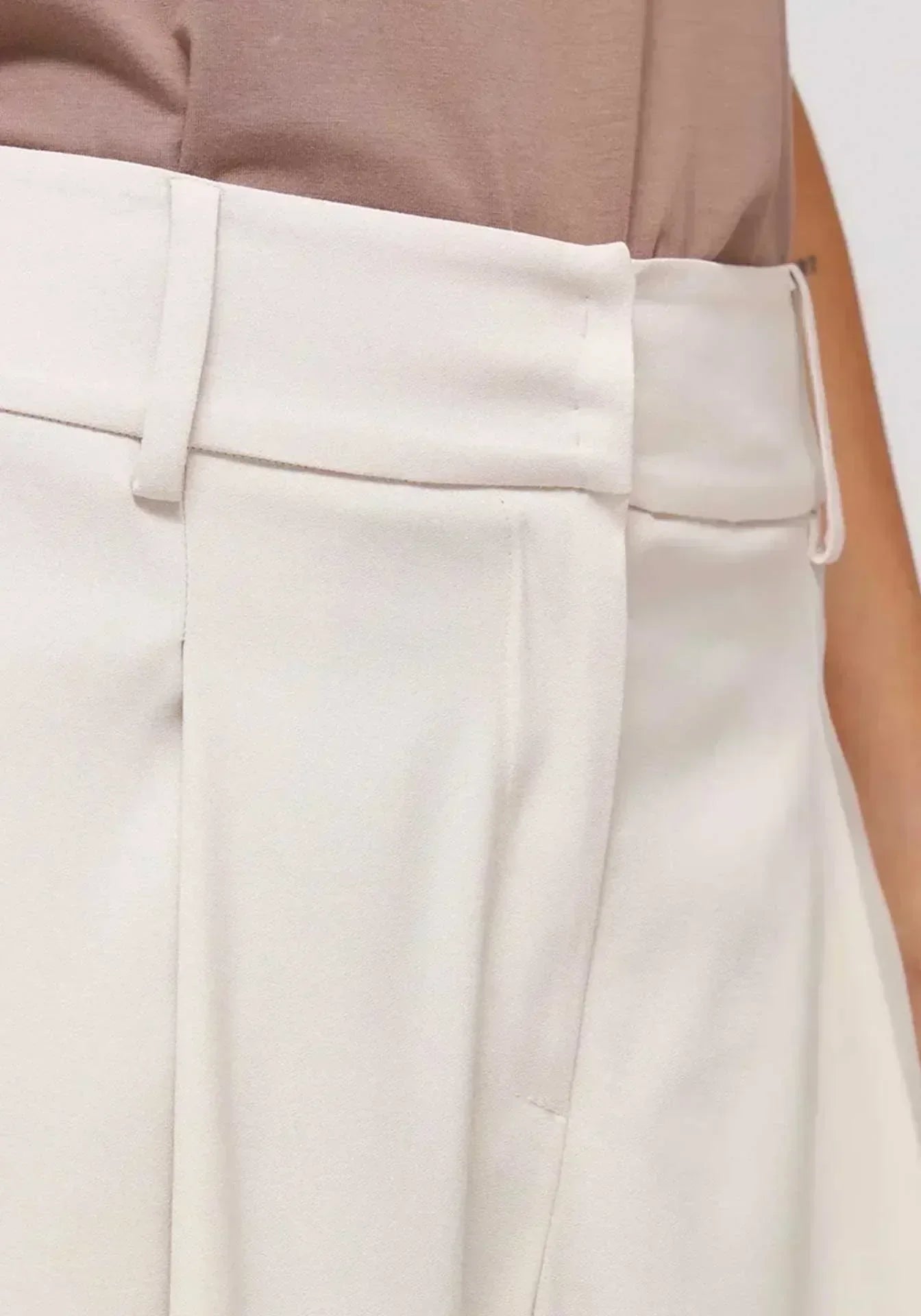
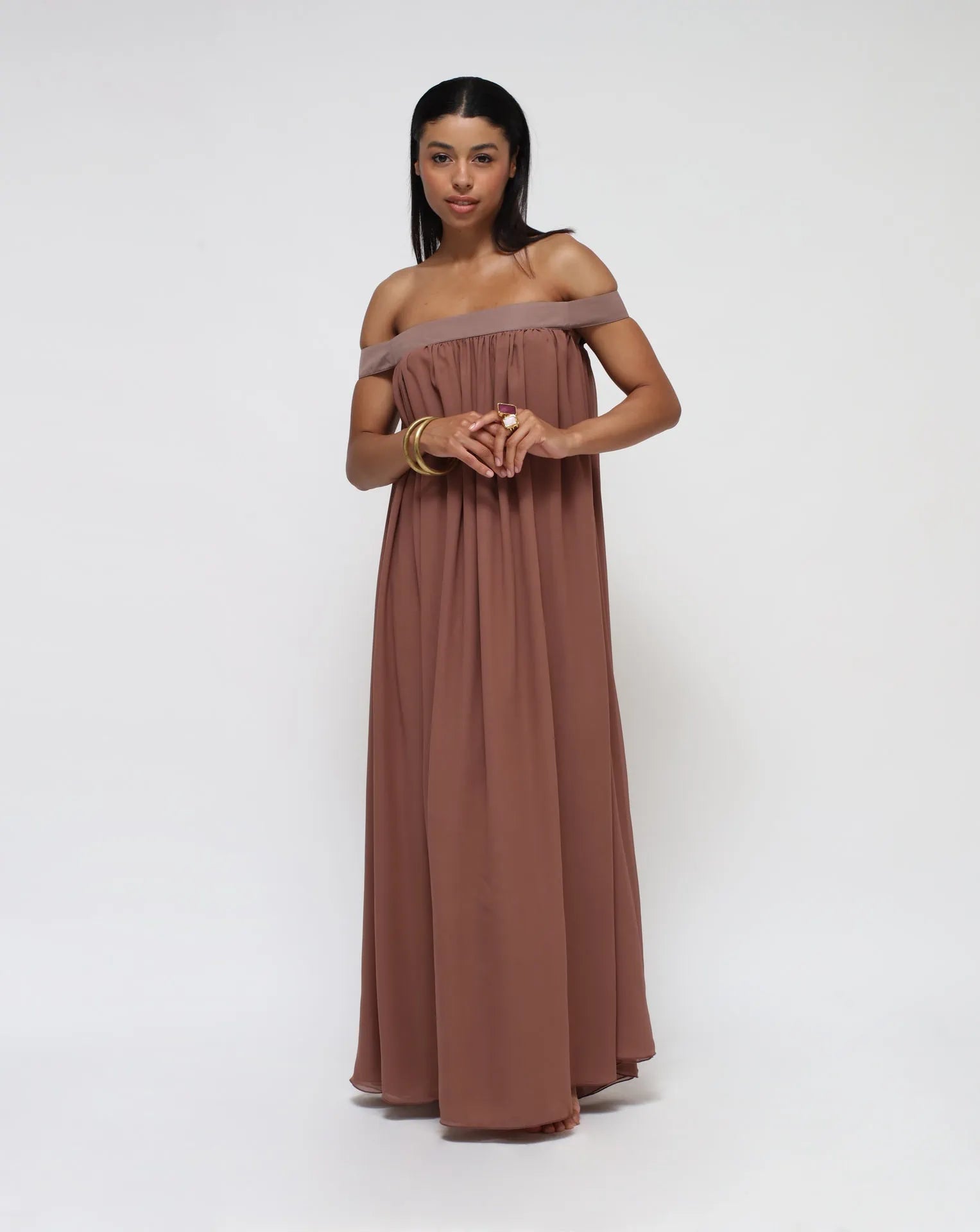
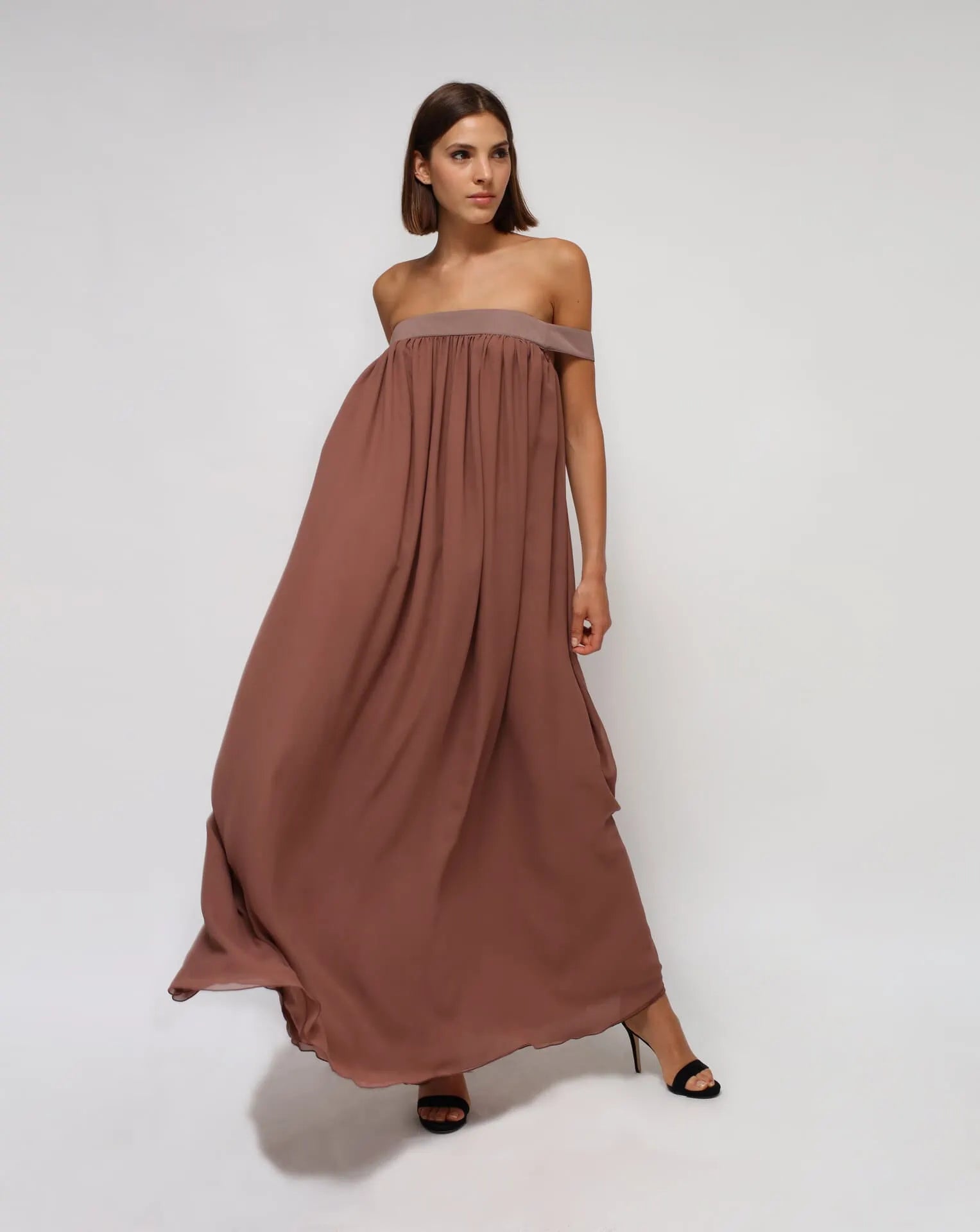
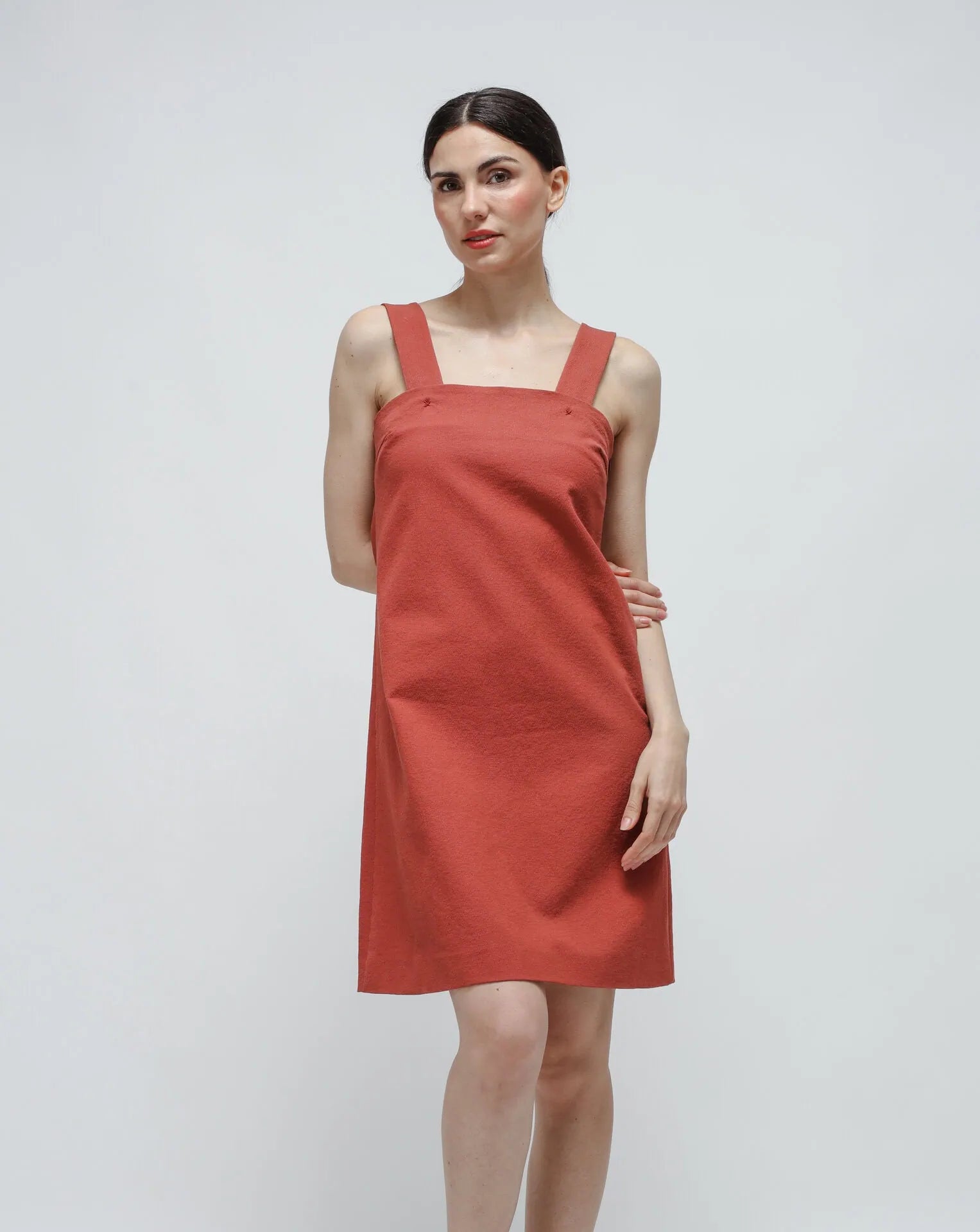
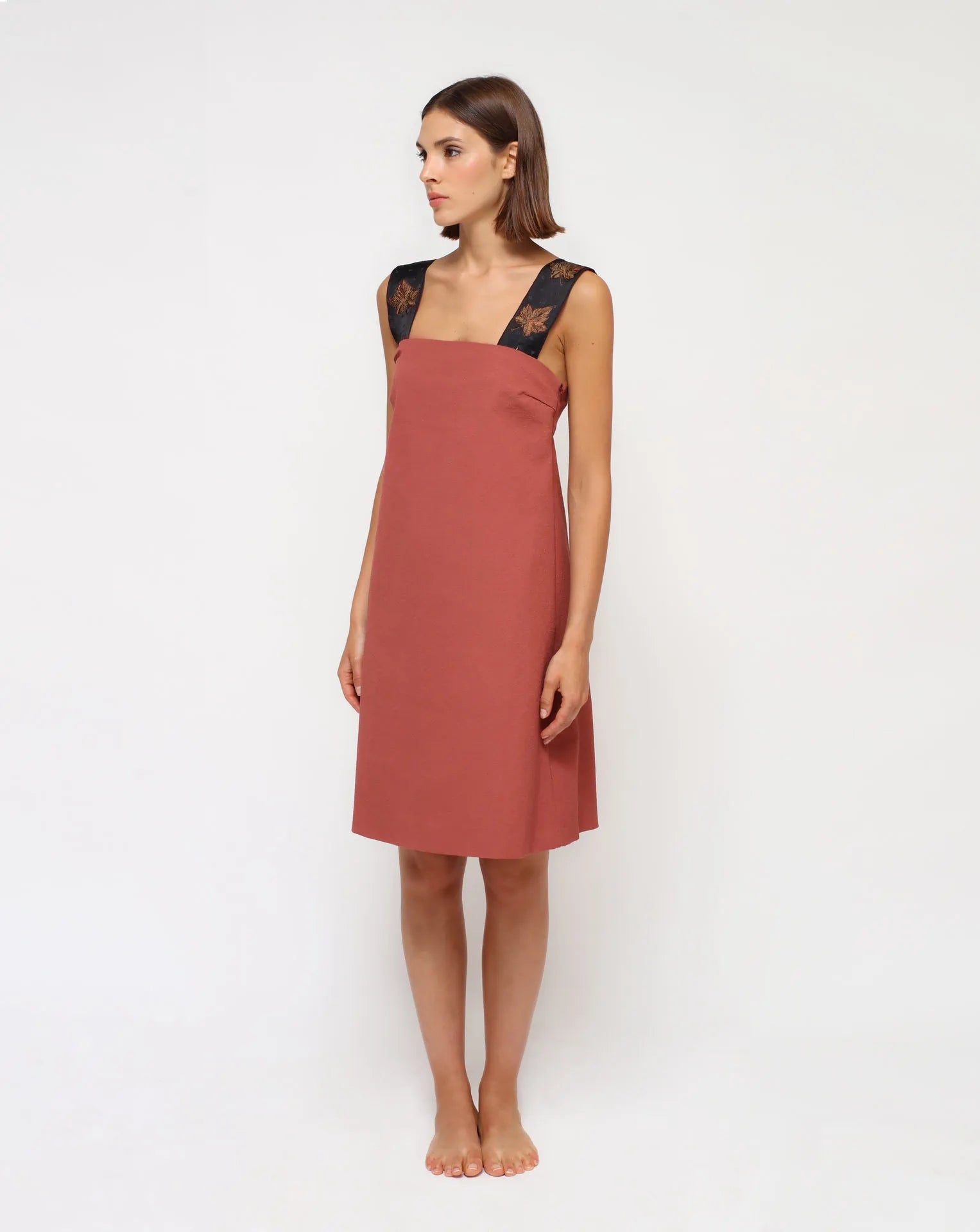
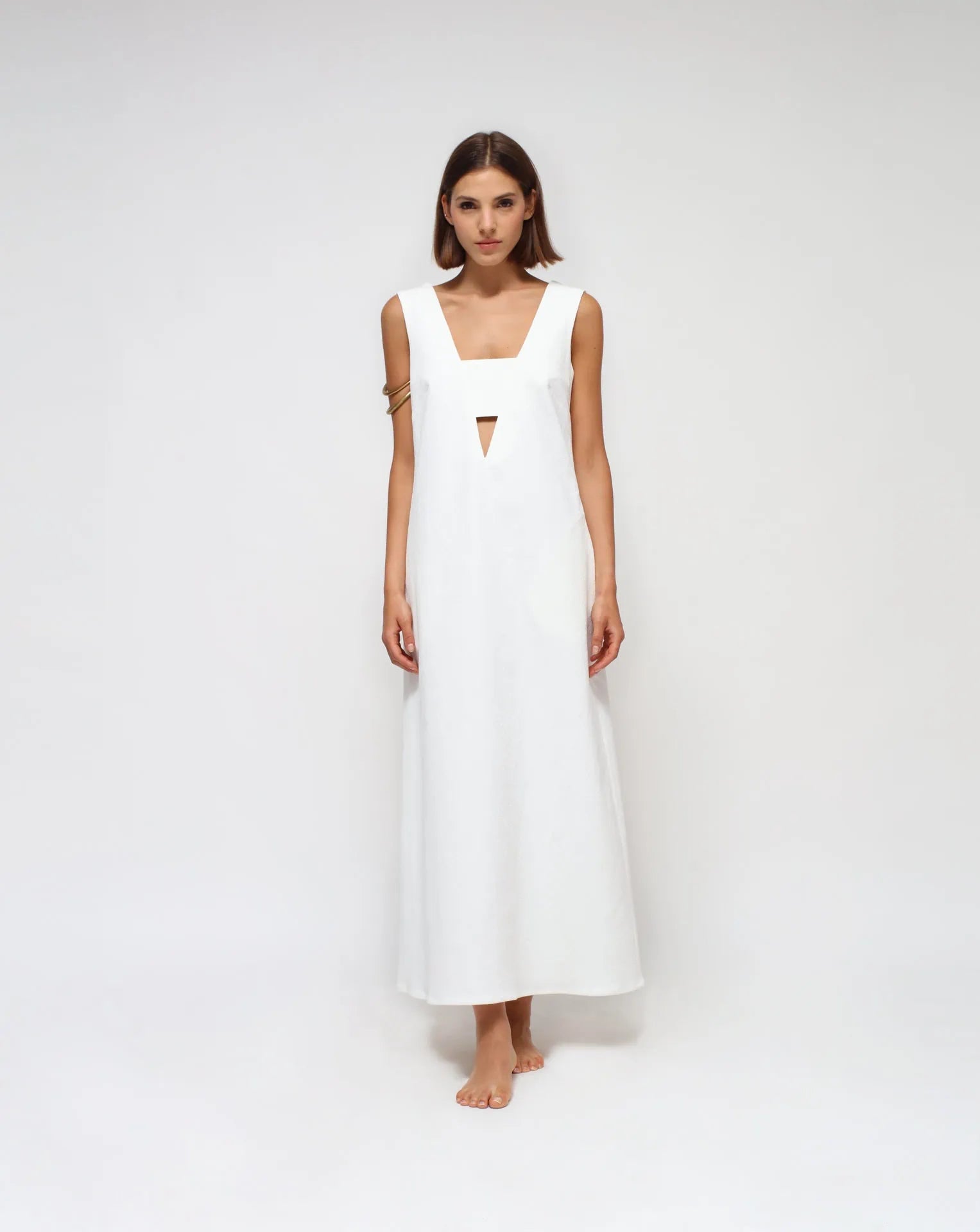
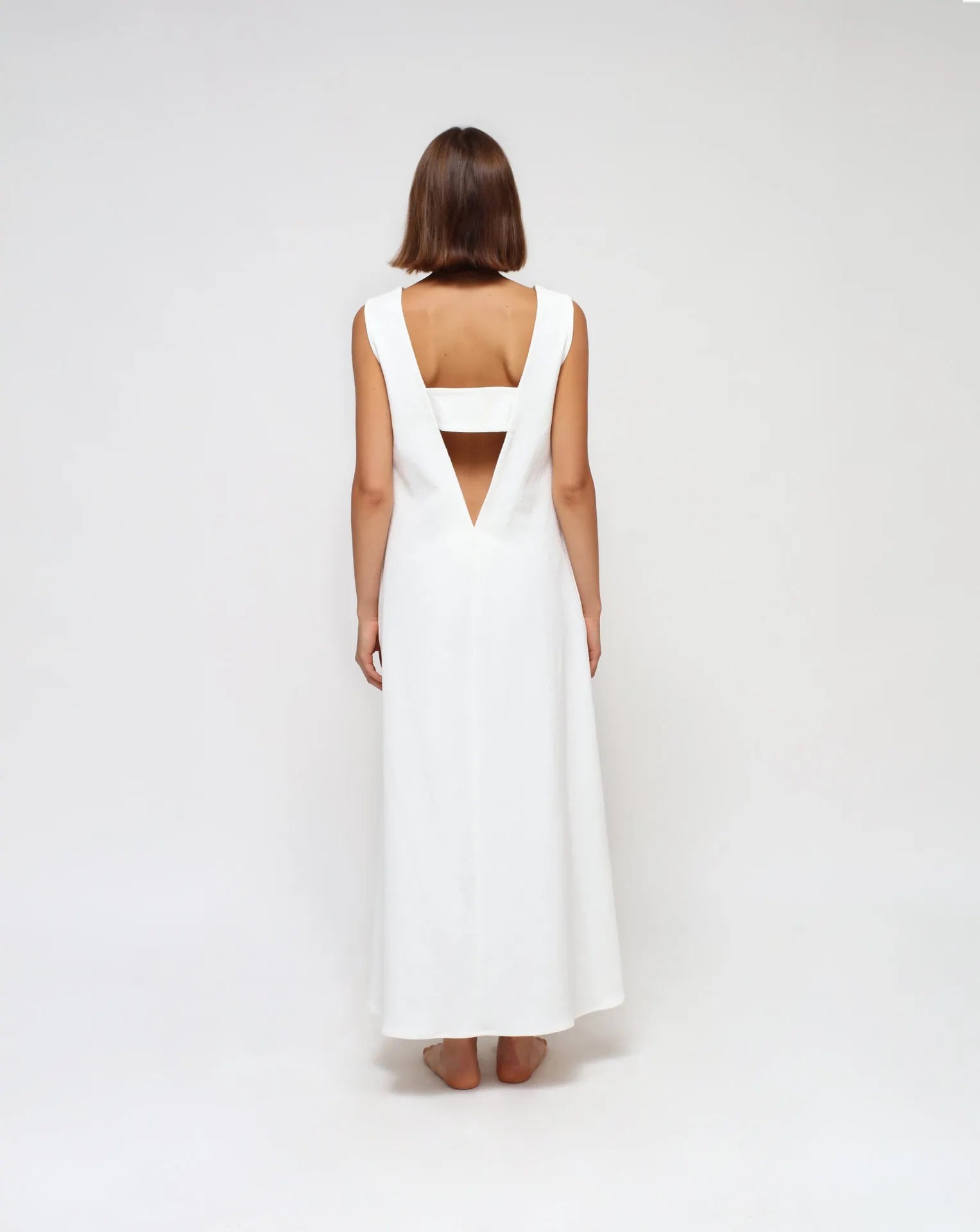
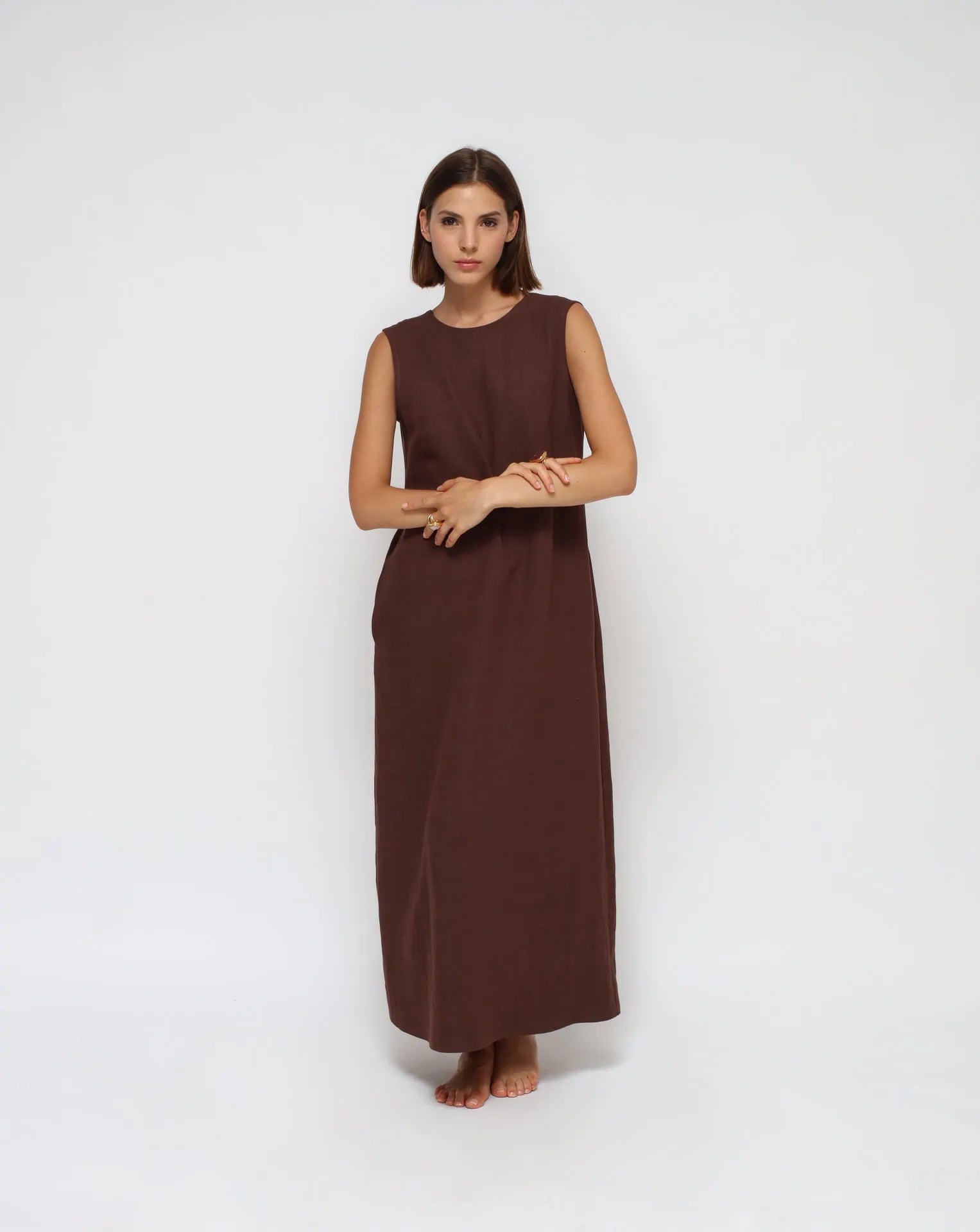
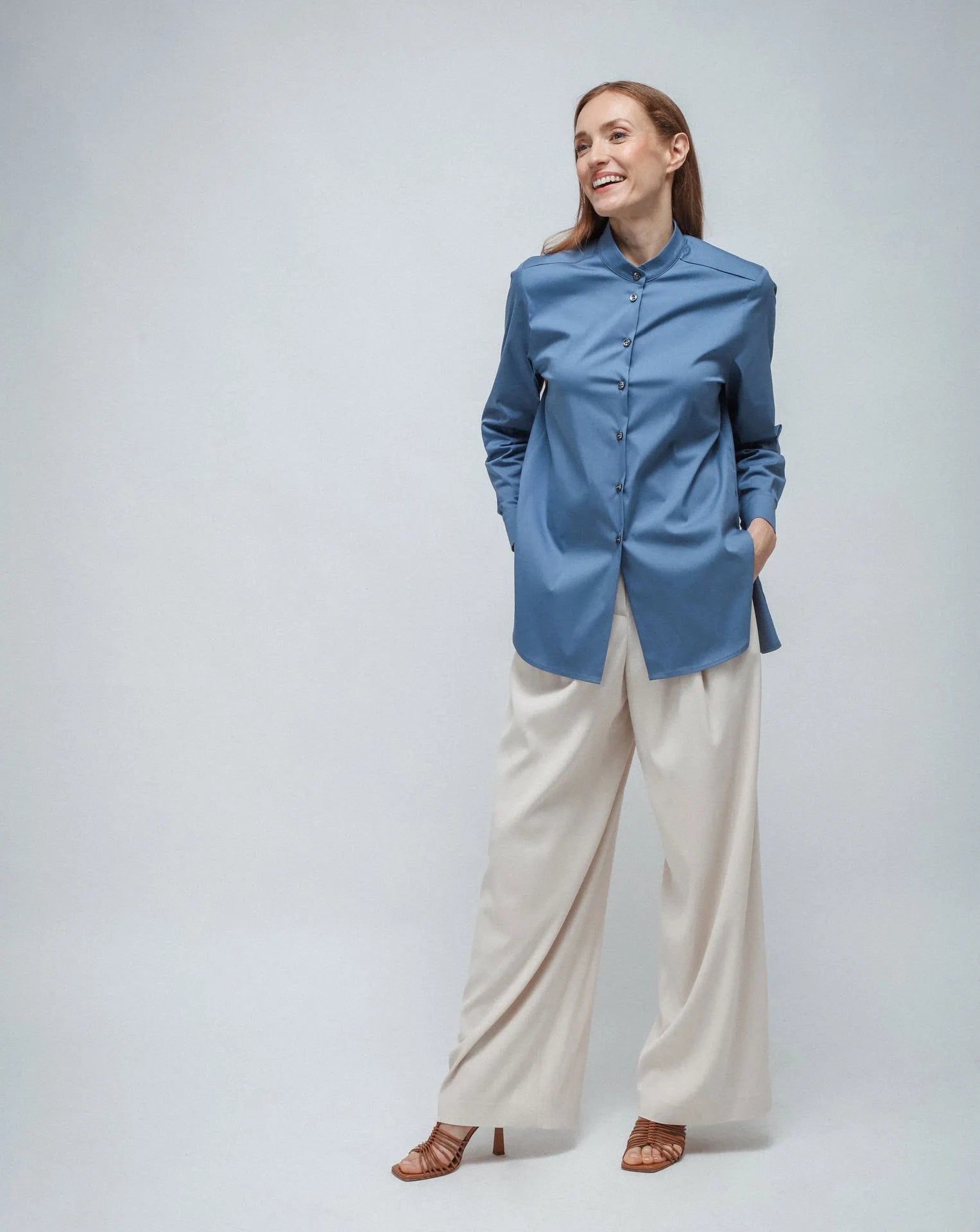
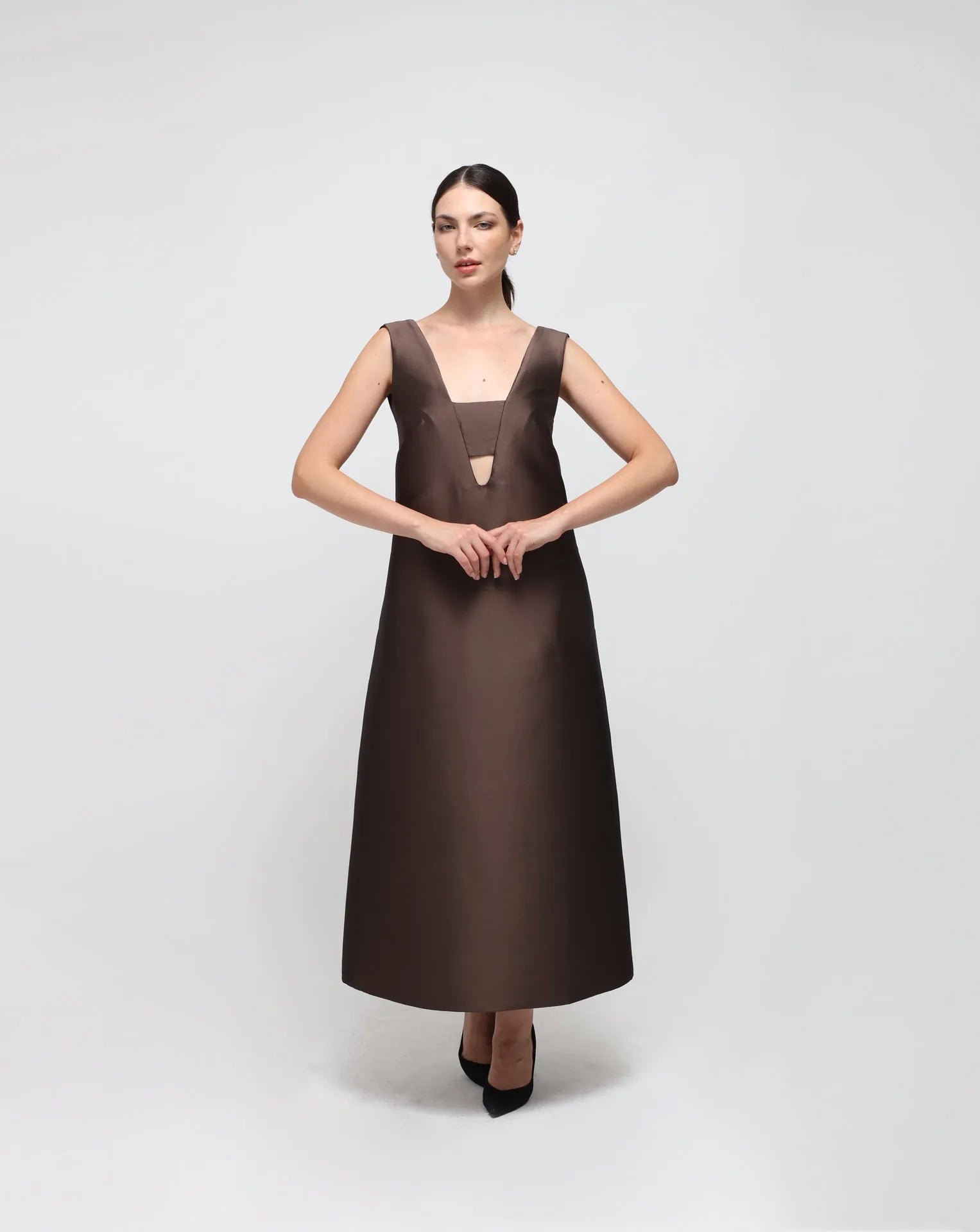
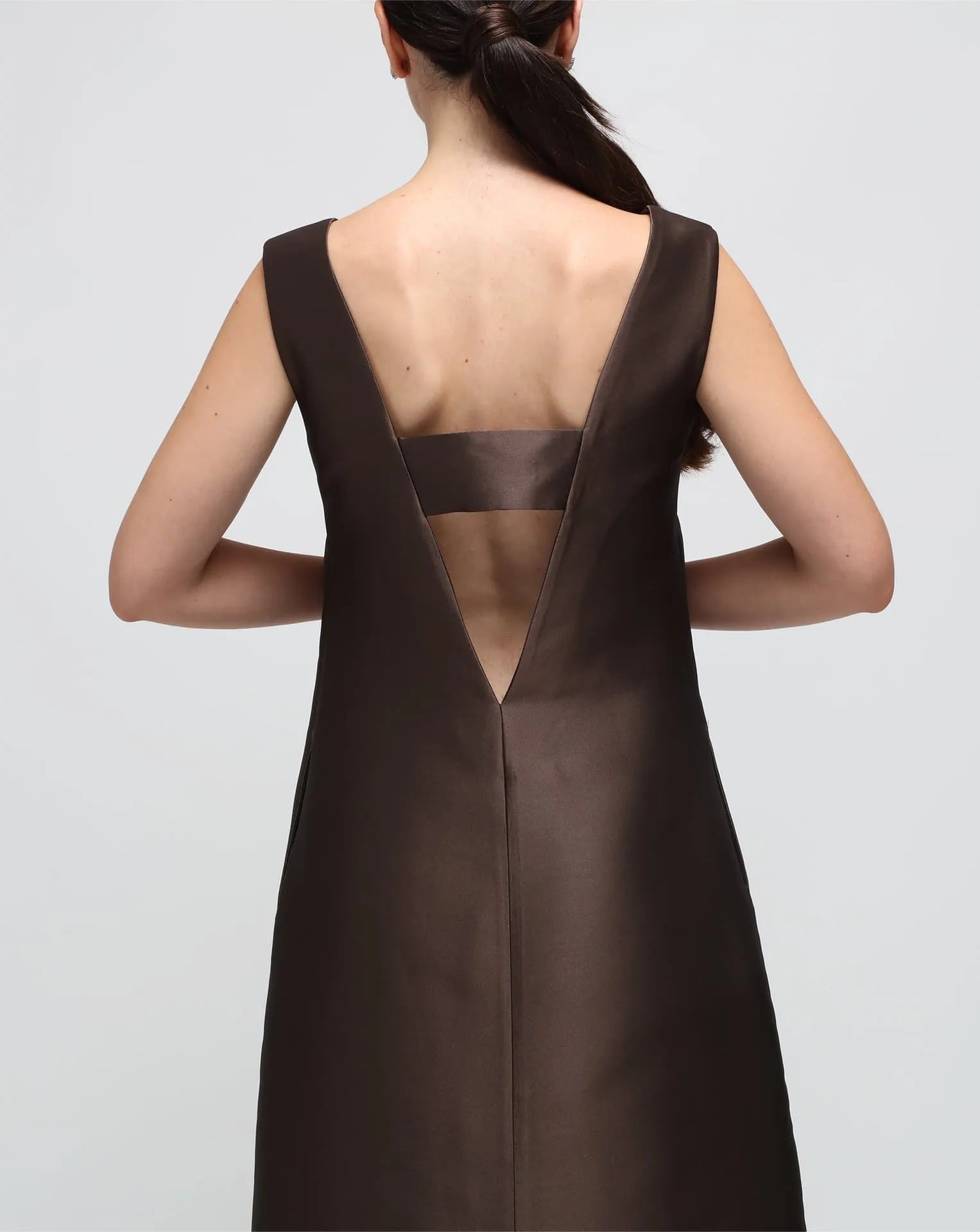
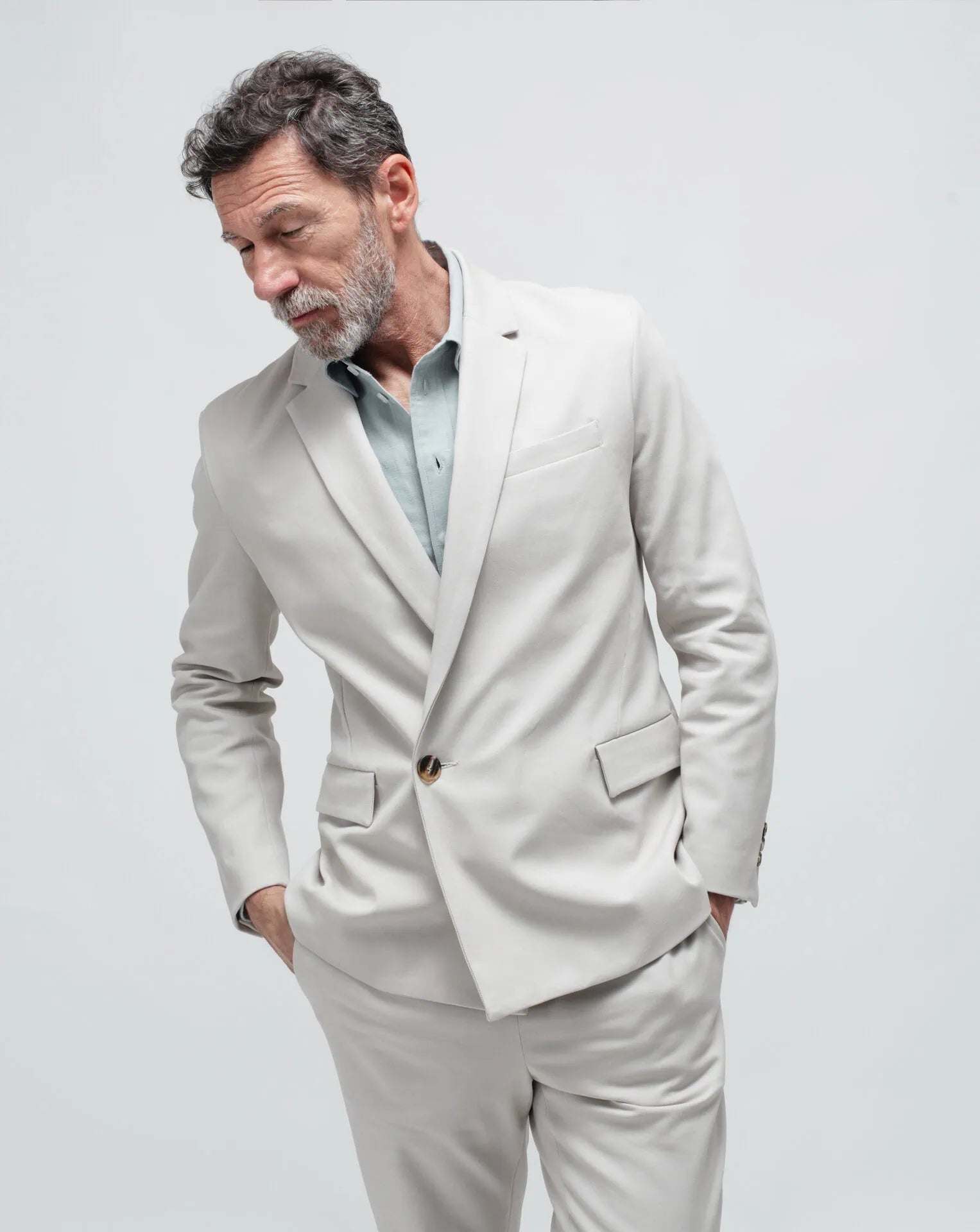
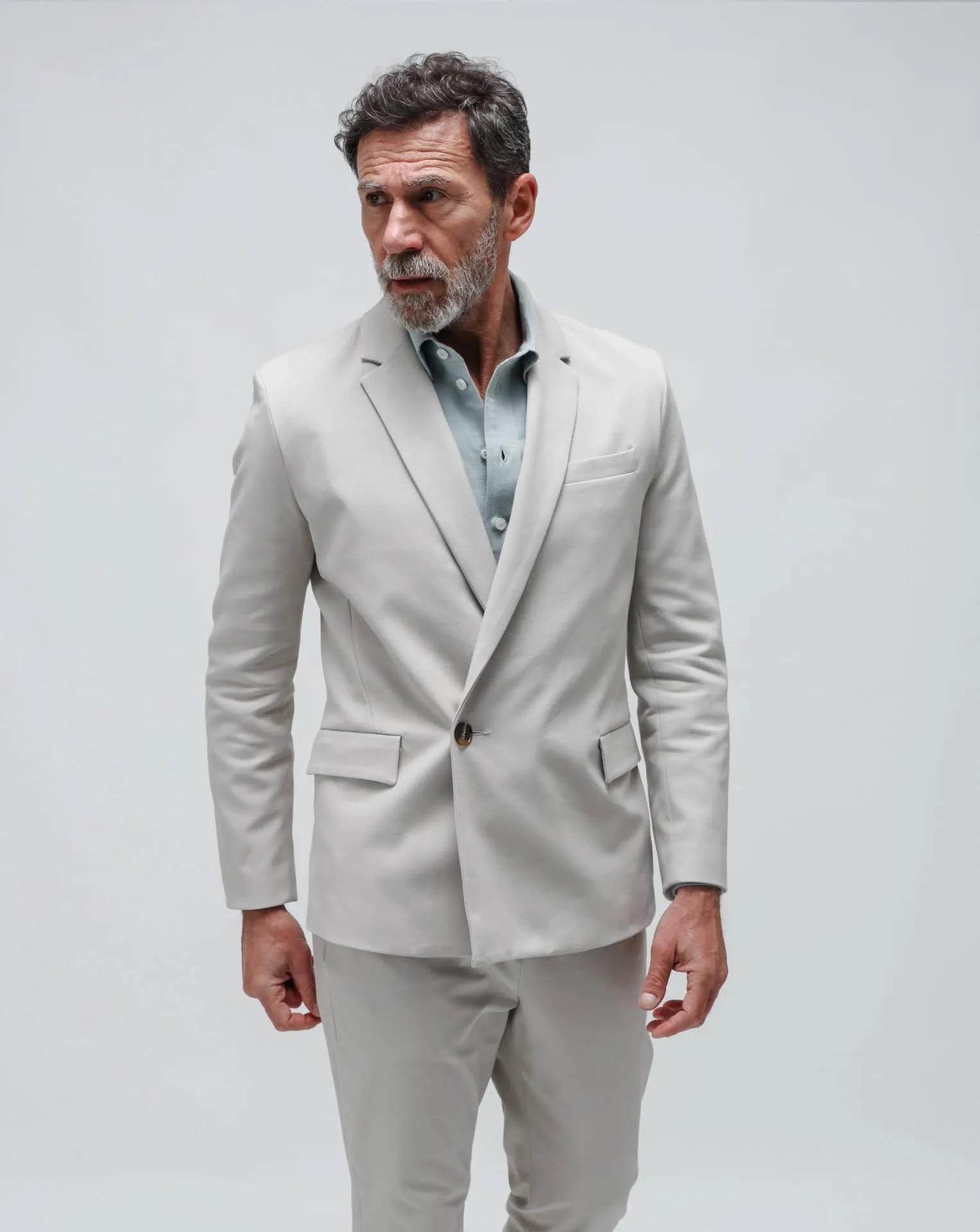
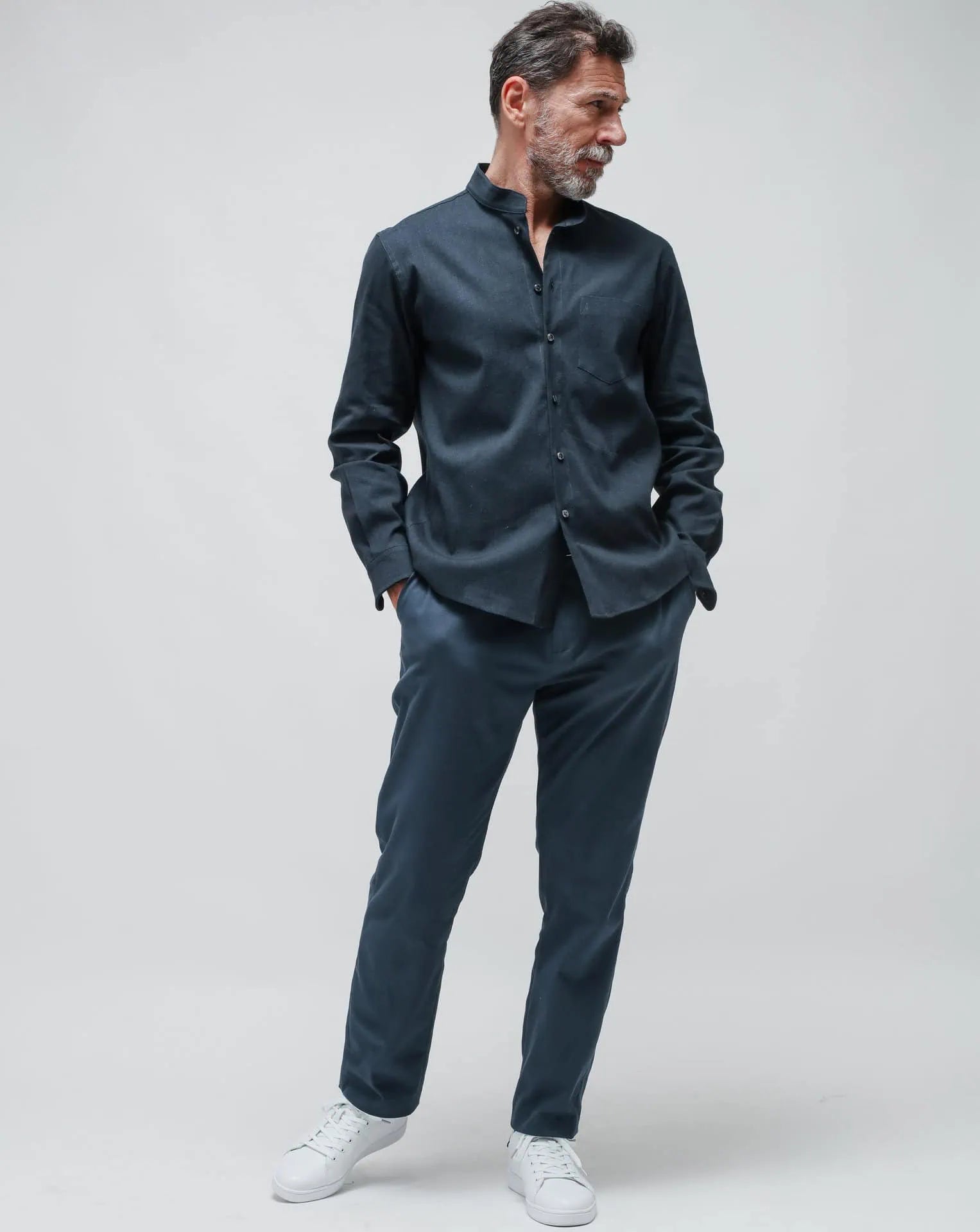
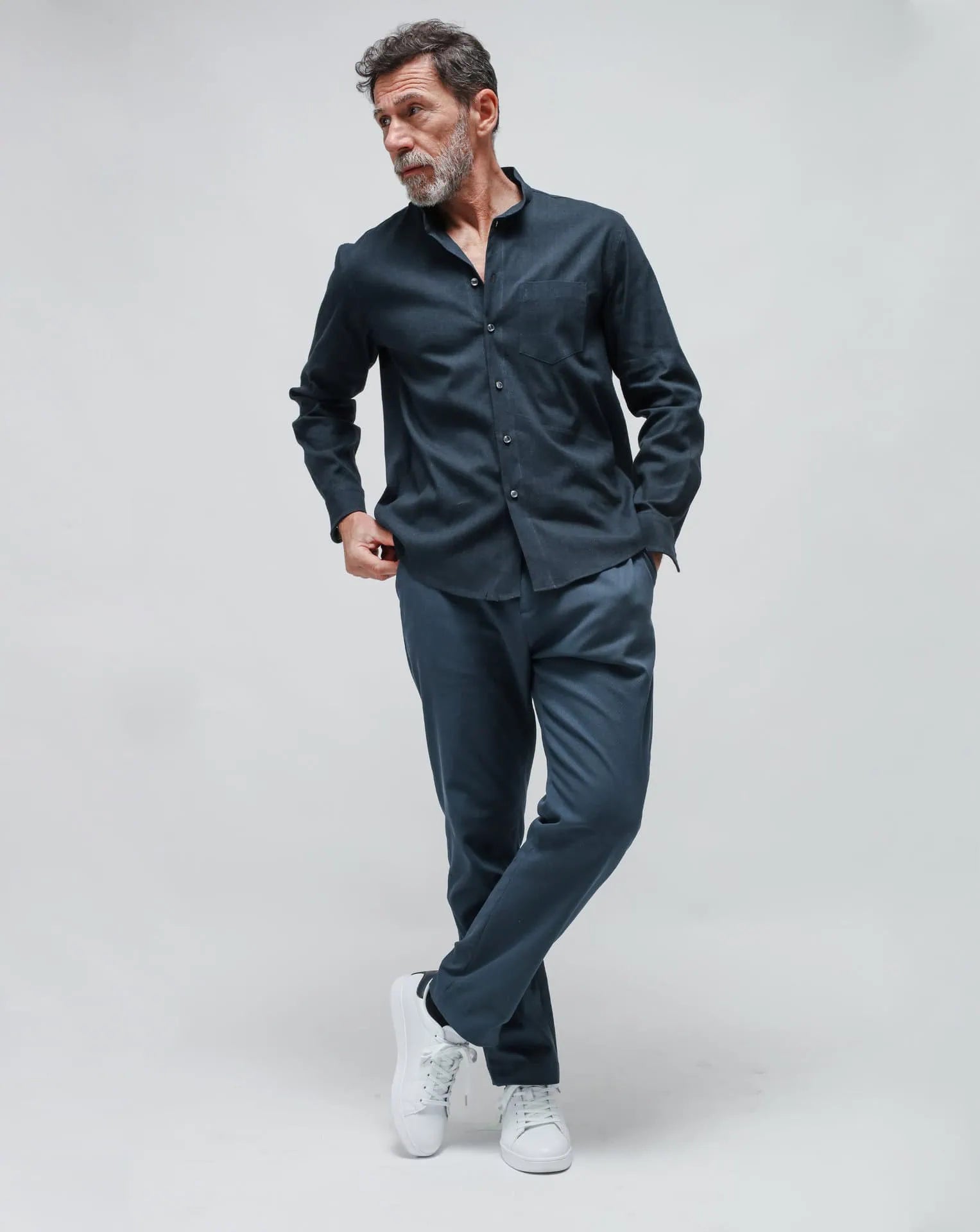
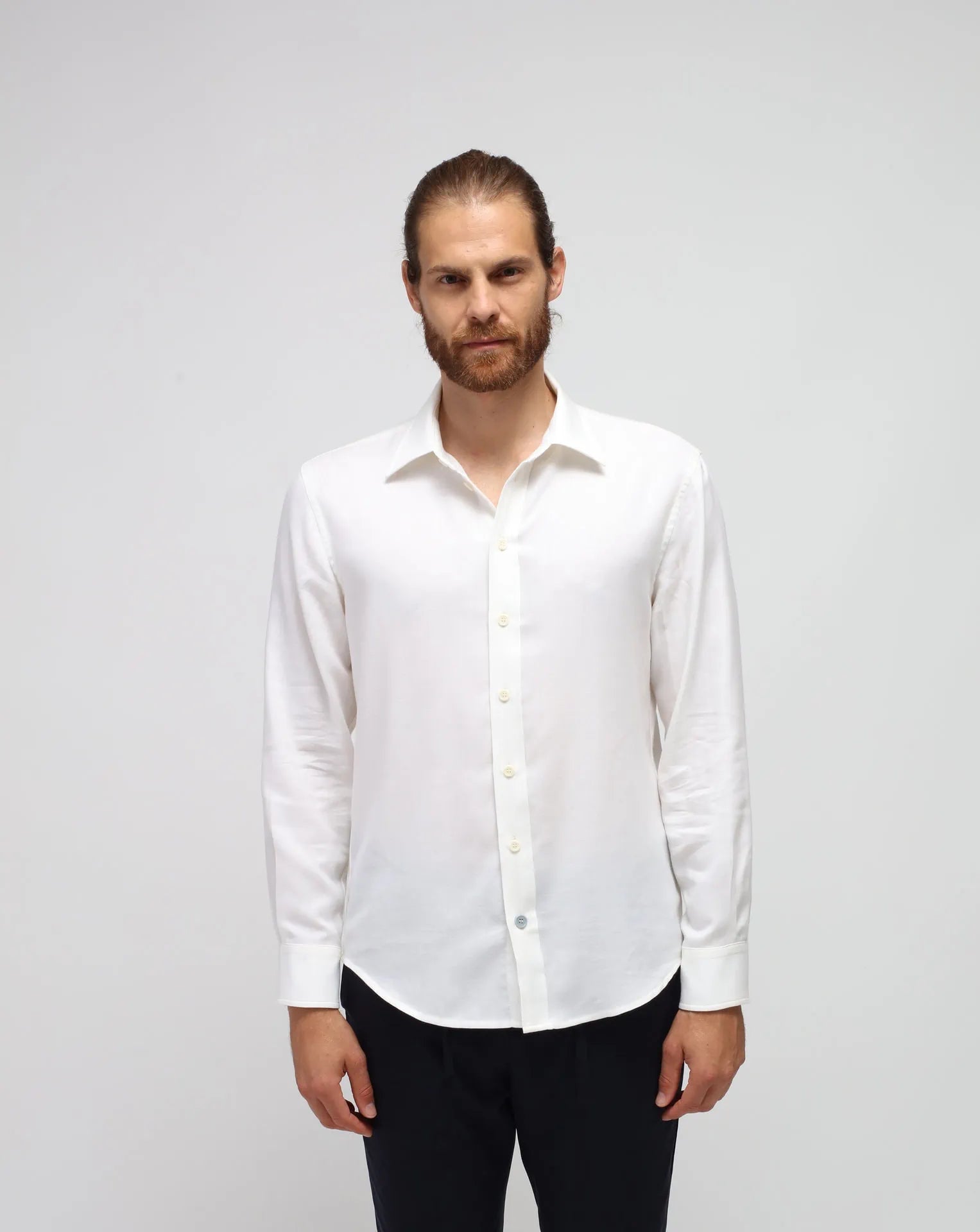
Where Humans & Land fits inHumans & Land is built for people who want ethical fashion without overproduction. We use premium deadstock fabrics, produce in small batches, and make pieces designed for repeat wear.
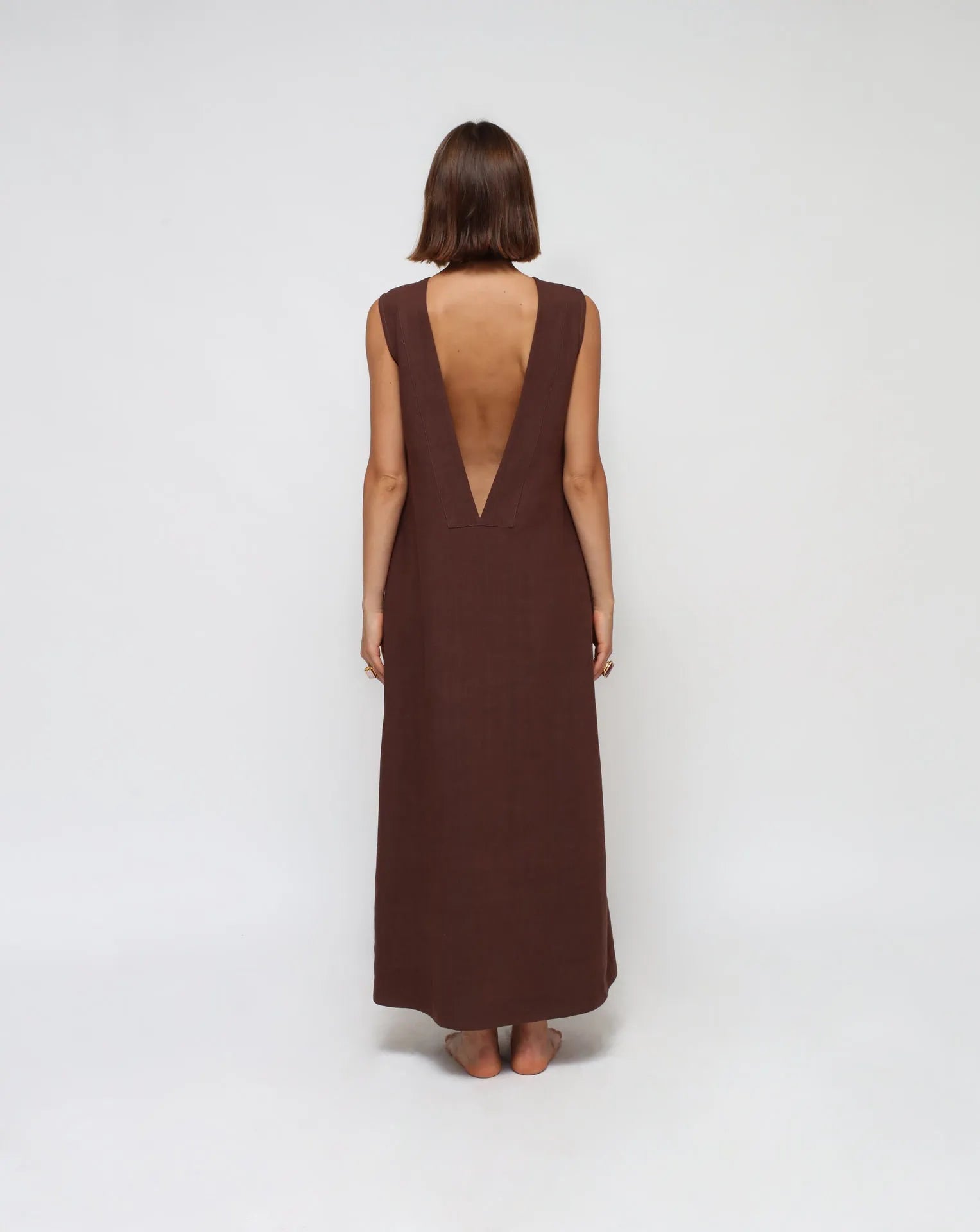
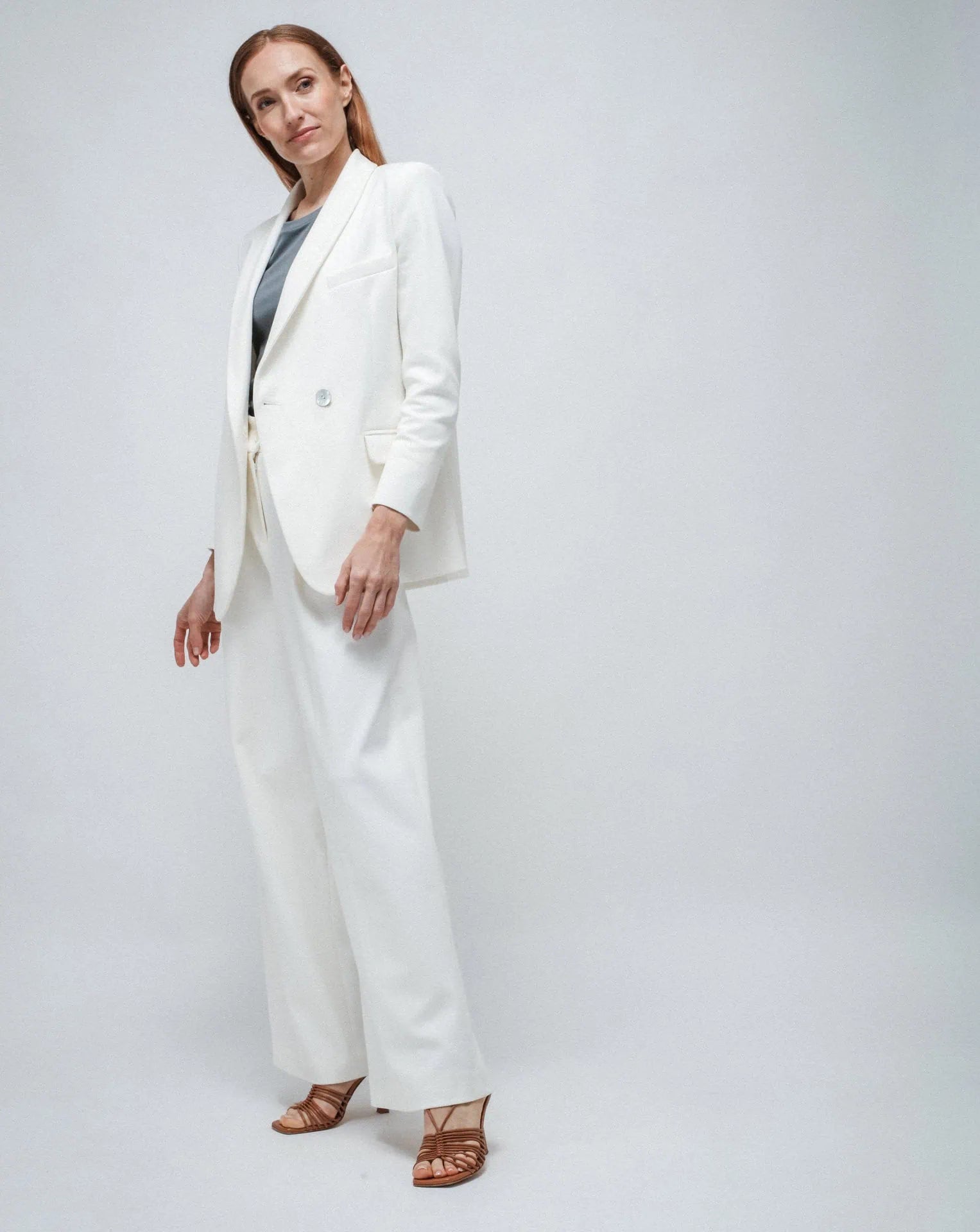
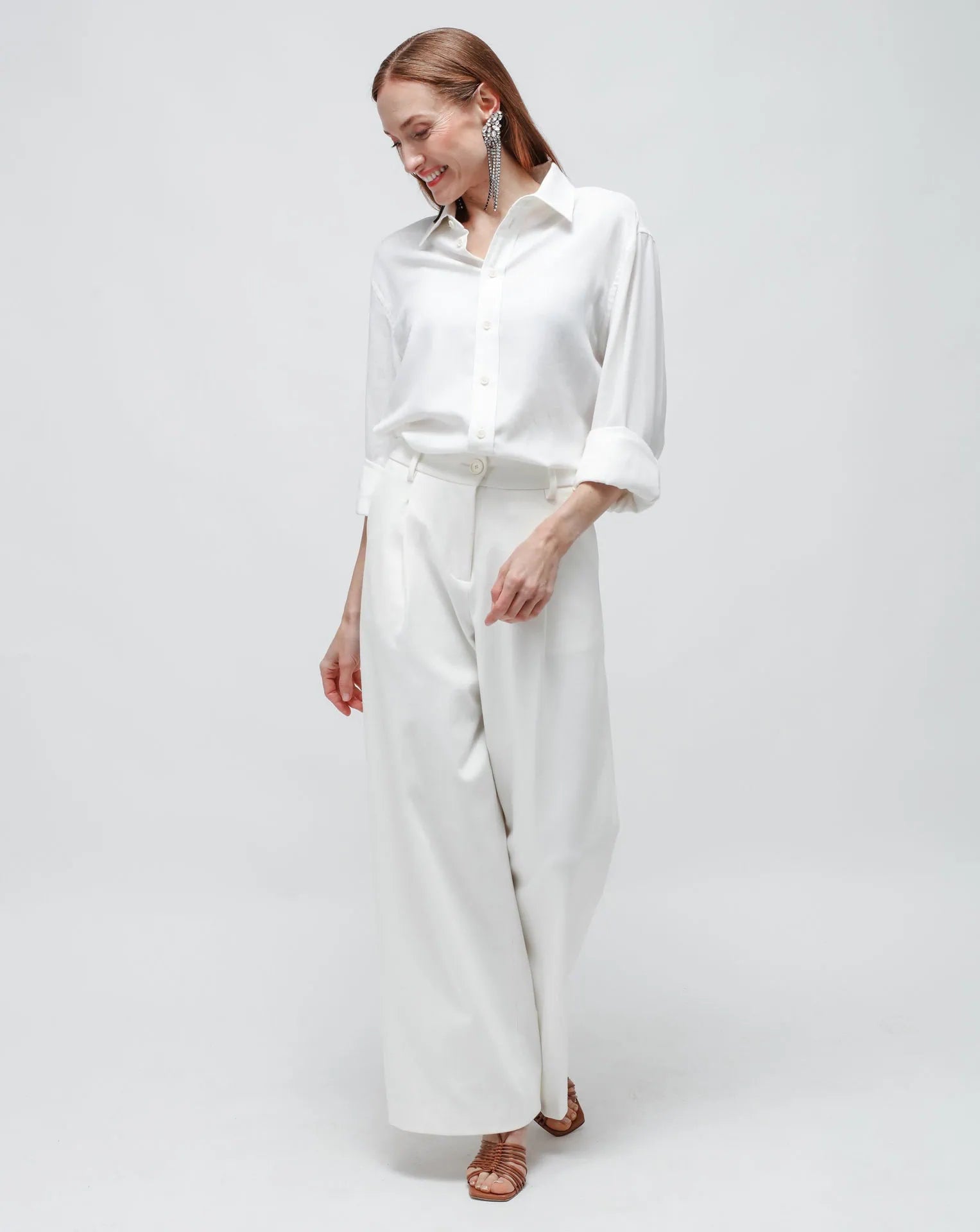
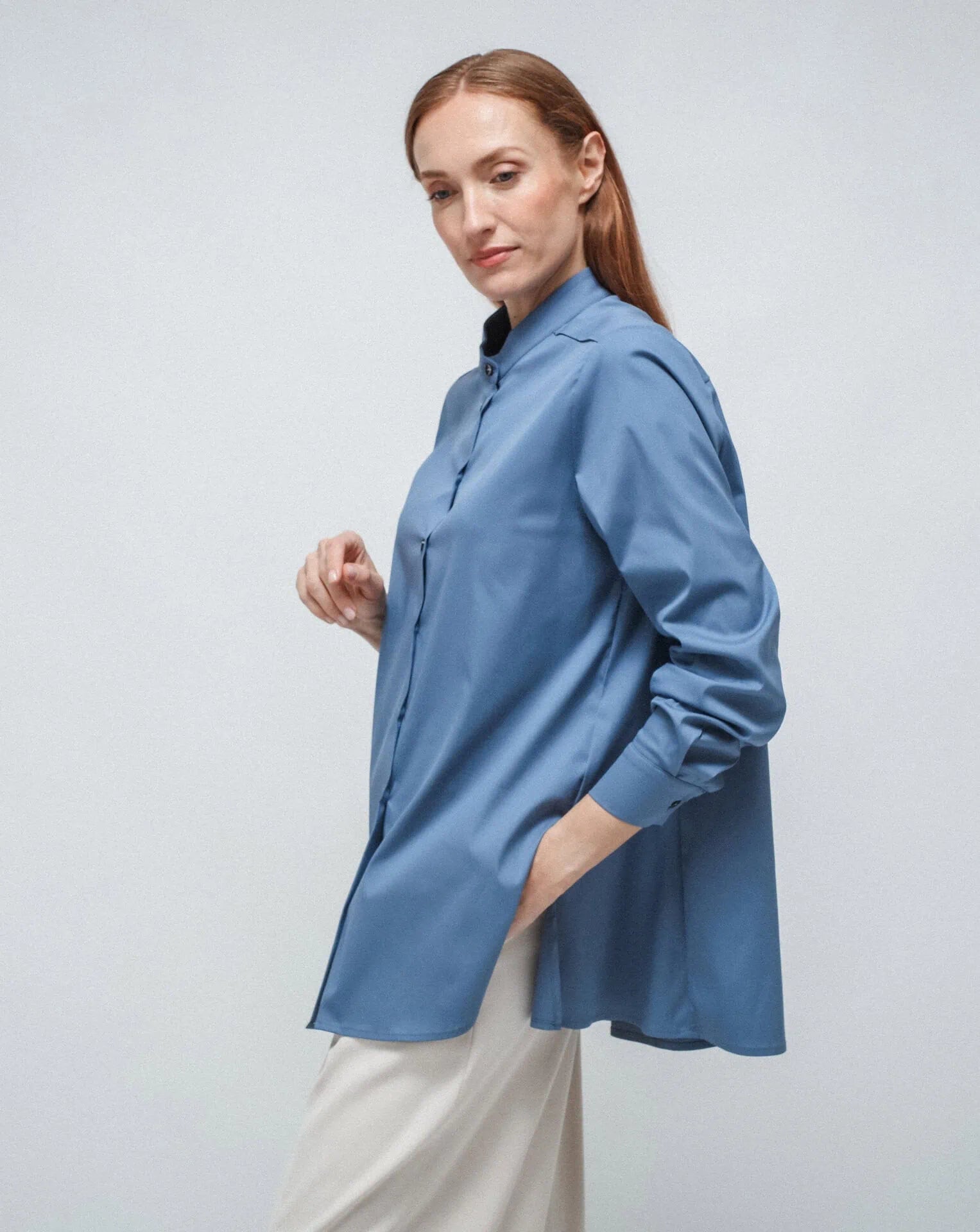
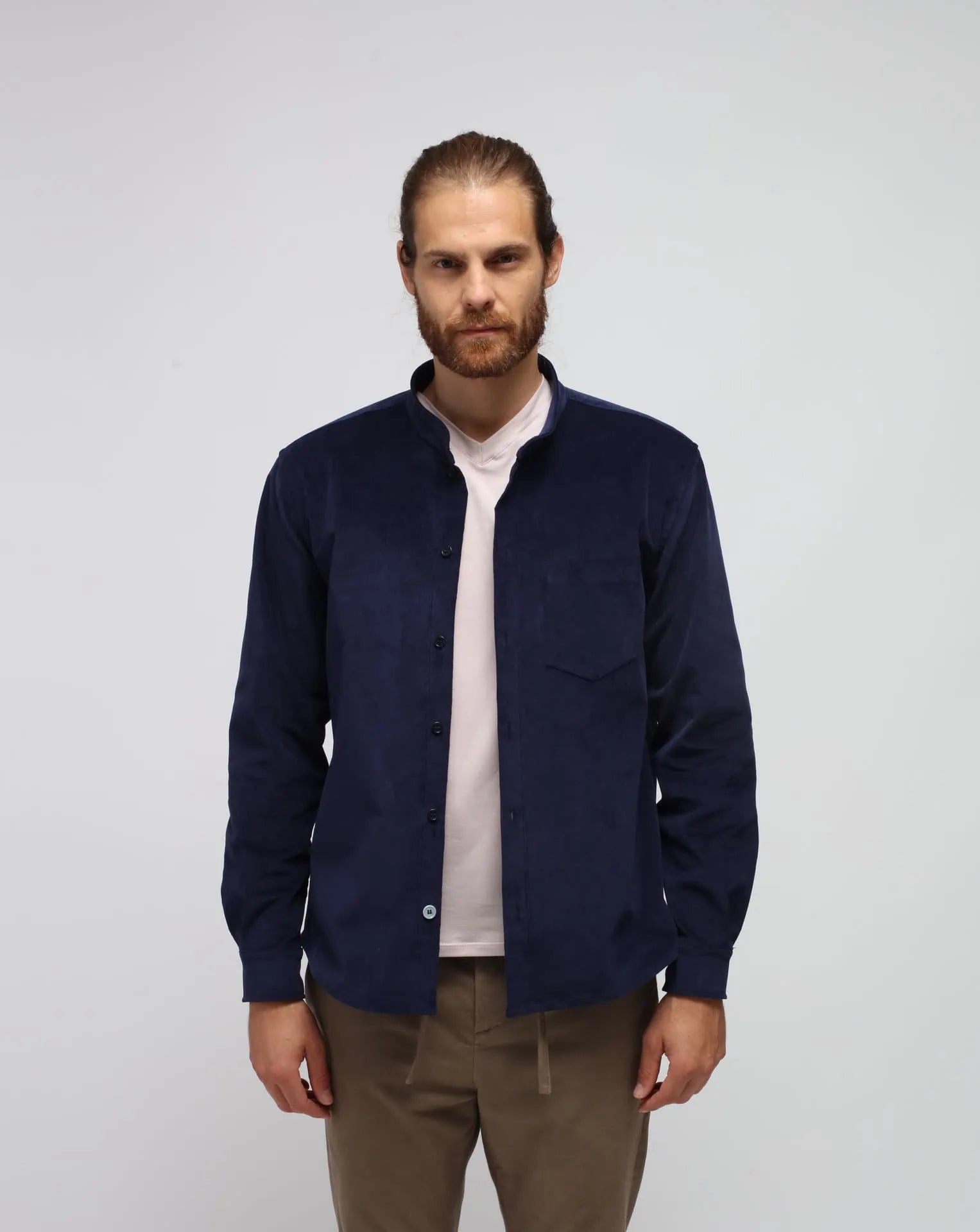
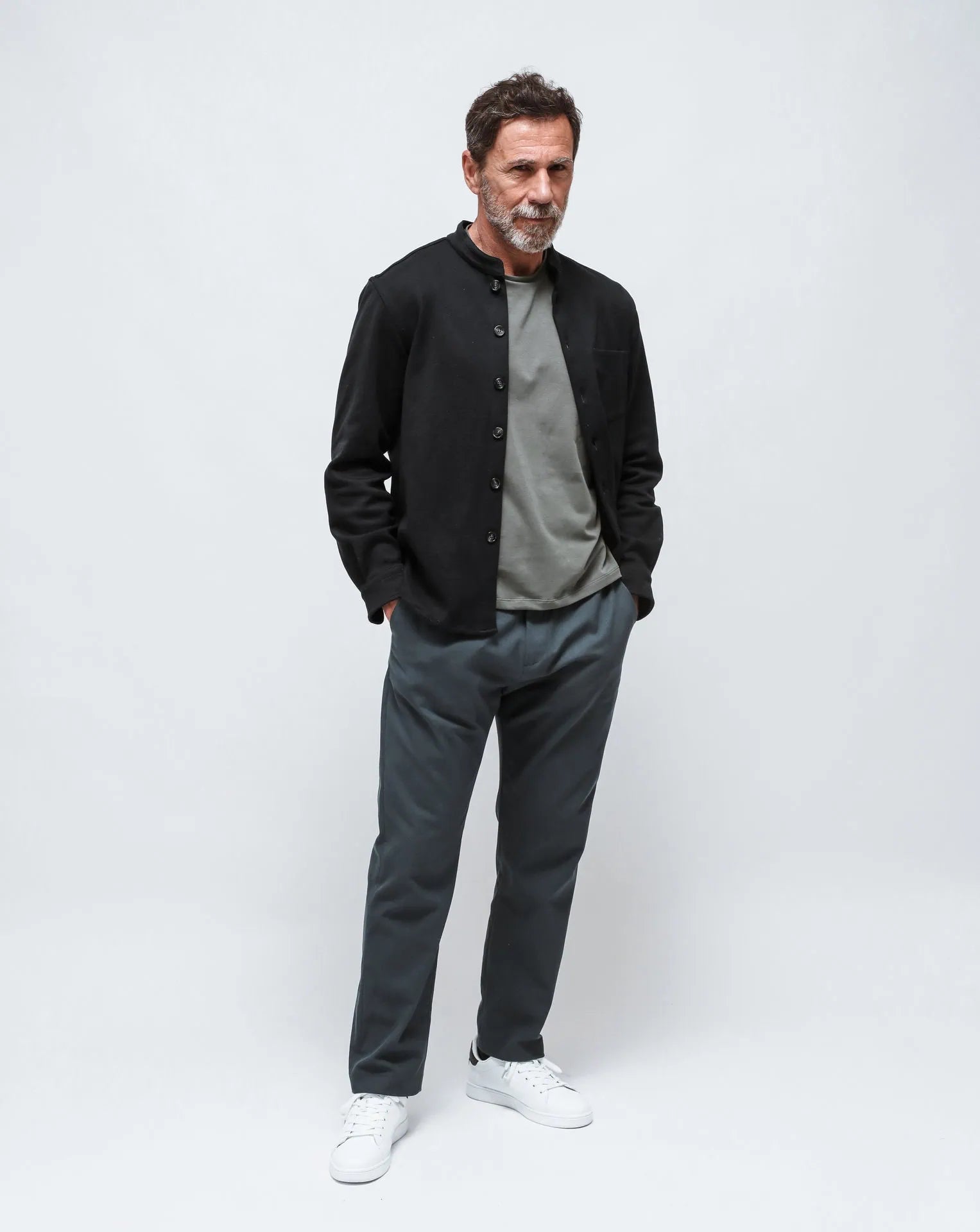
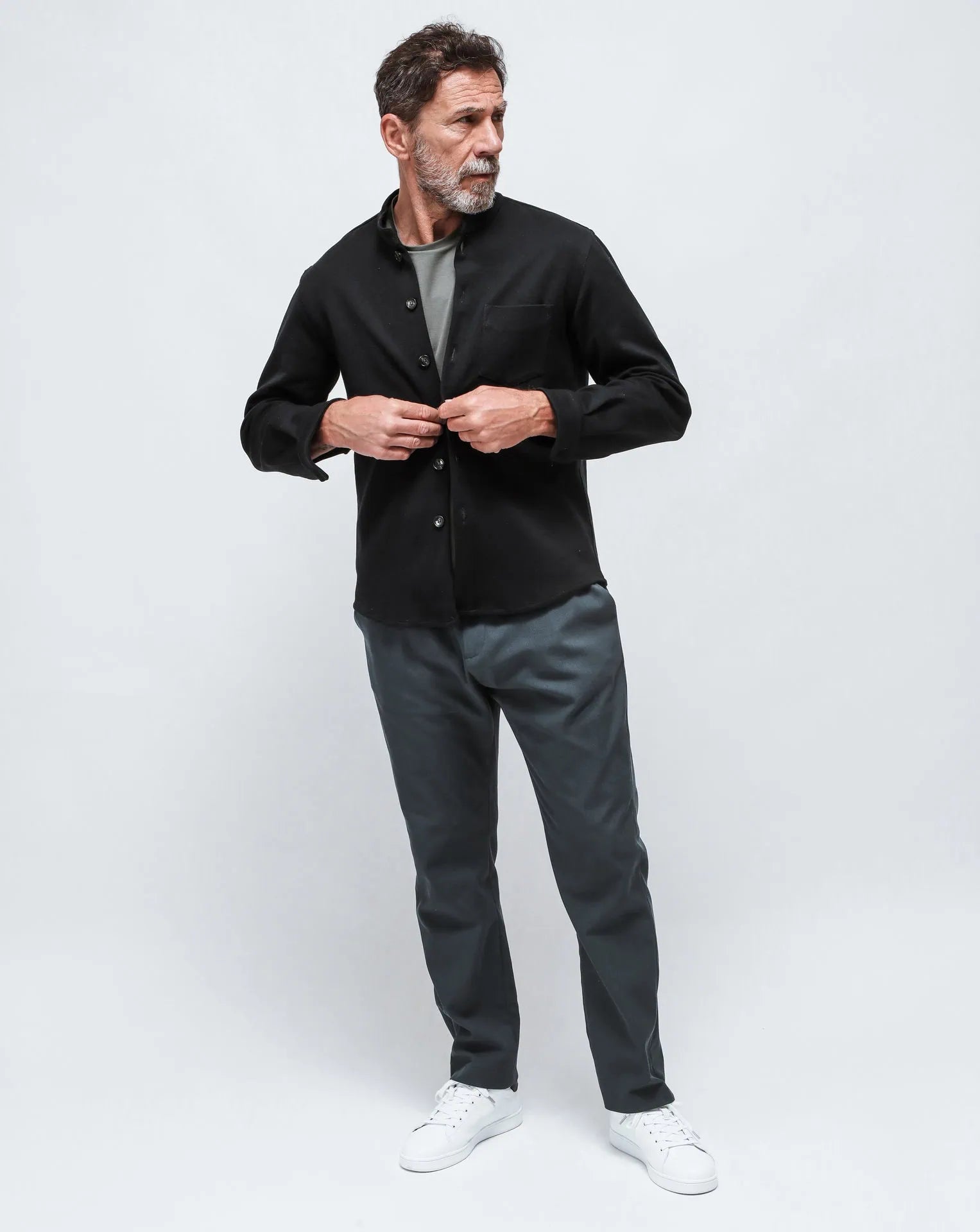
If you want to see how deadstock looks in real life, explore our collections:
· Women
· Men
Related reading to Deadstock Fabrics: The Benefits (and the Trade-Offs) of Using What Already Exists:
· Our fabrics.
· Our approach.
FAQ
What are deadstock fabrics?
Deadstock fabrics are unused textiles that already exist—surplus rolls, canceled orders, or leftover production fabric—repurposed into new garments.
Is deadstock fabric good quality?
Often yes. Deadstock frequently comes from premium runs, so the quality can be excellent. The key is proper sourcing and quality control.
Is deadstock the same as recycled fabric?
No. Deadstock is unused fabric that already exists. Recycled fabric is made by processing old textiles or fibers into new material.
Is clothing made from deadstock sustainable?
It can be a lower-impact option because it avoids producing new fabric. The overall impact still depends on manufacturing, shipping, and how long the garment is worn.
Why is deadstock often limited edition?
Because the fabric supply is finite. Once a roll is used, it usually can’t be restocked—so runs stay small by nature.
the World of H&L












%20of%20Using%20What%20Already%20Exists:%0ADeadstock%20fabrics%20are%20one%20of%20the%20most%20practical%20ways%20to%20reduce%20waste%20in%20fashion%E2%80%94because%20they%20use%20materials%20that%20al...)