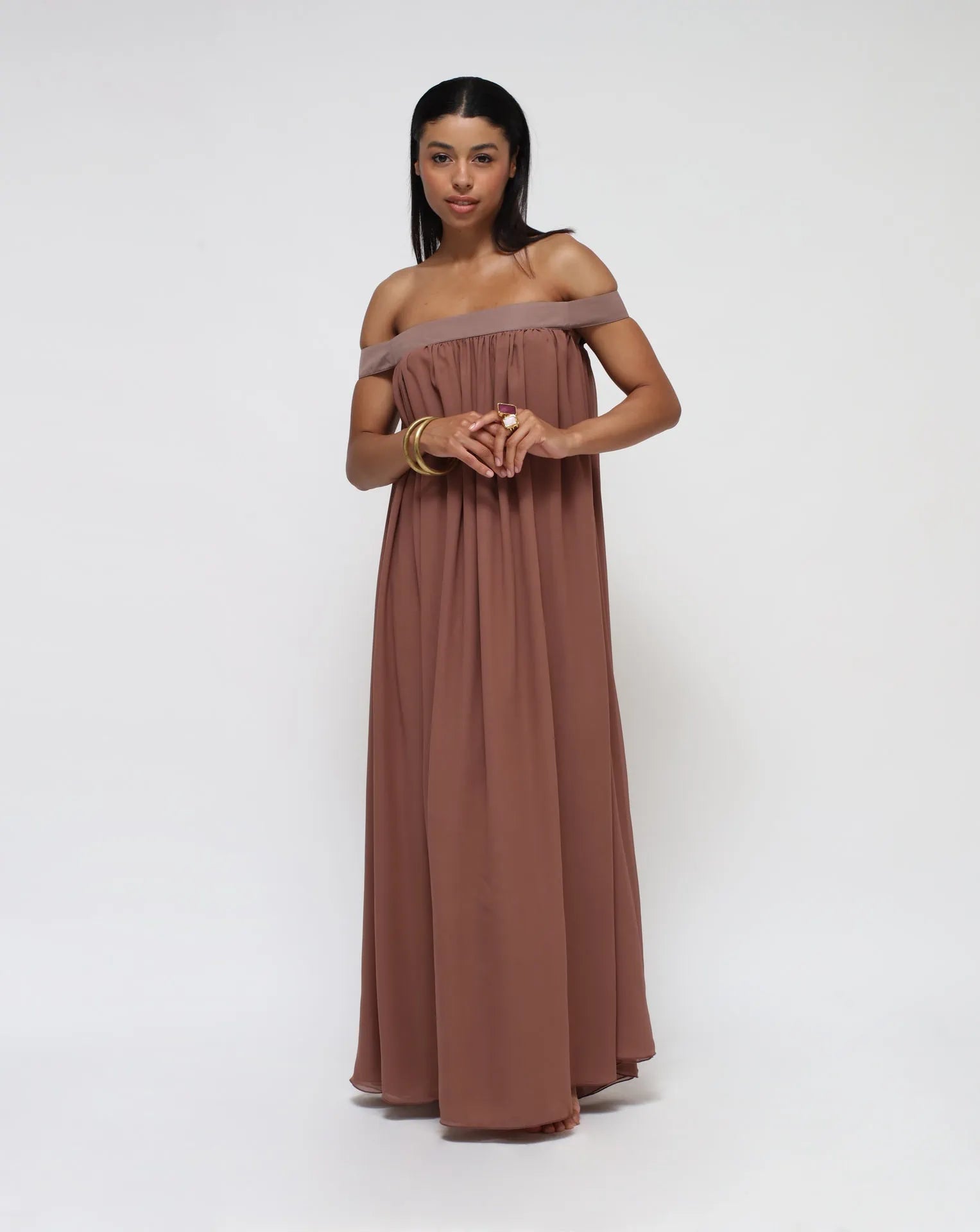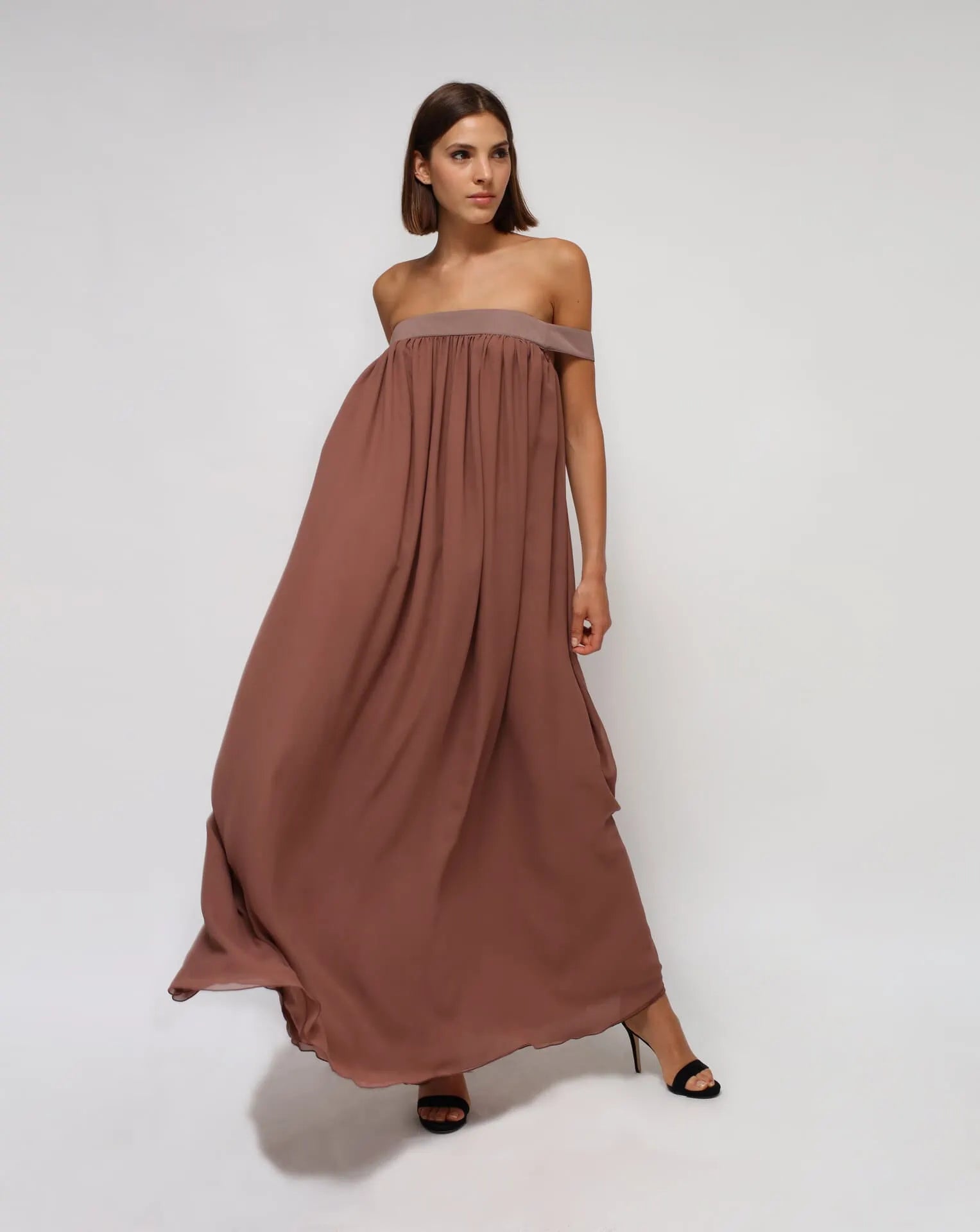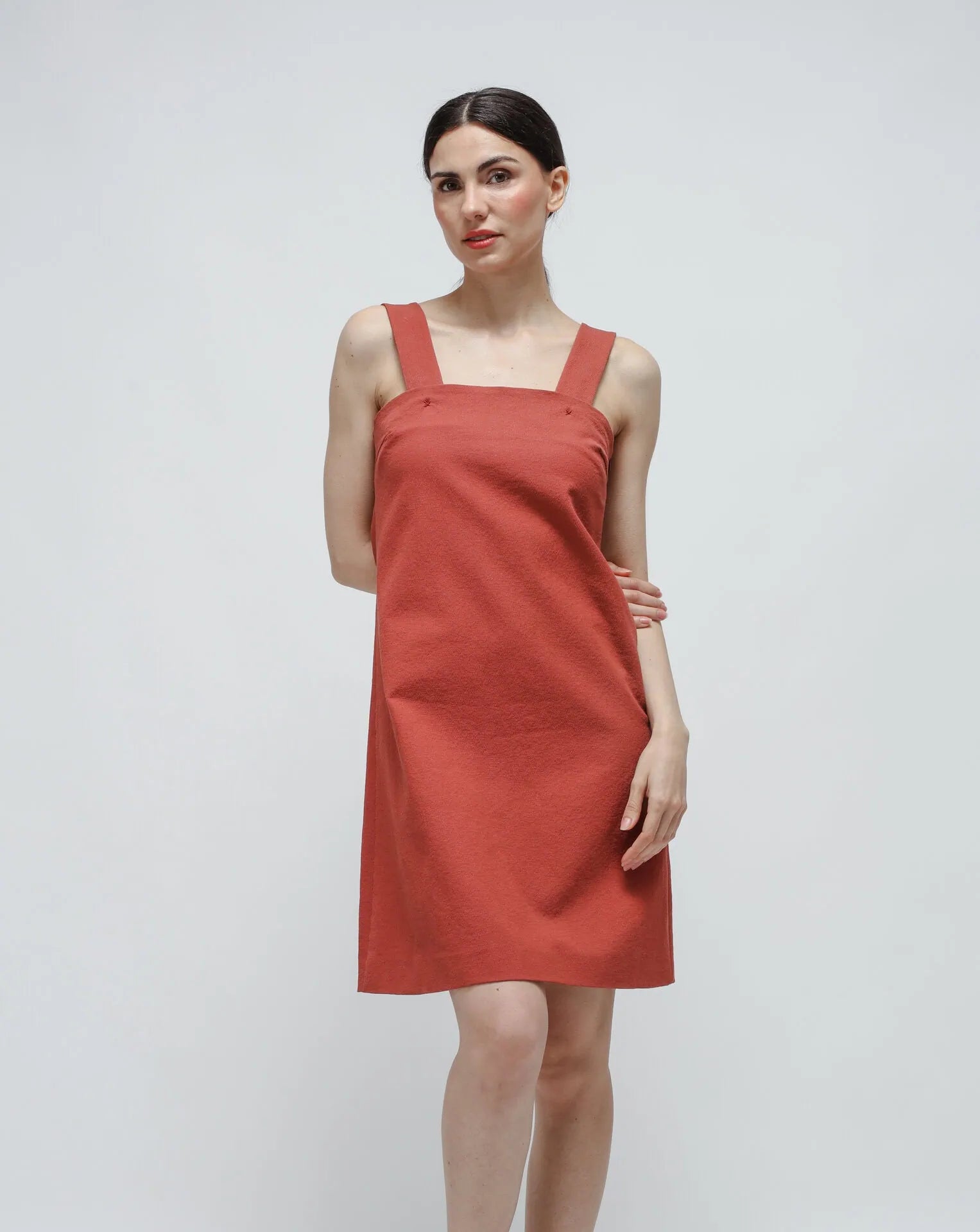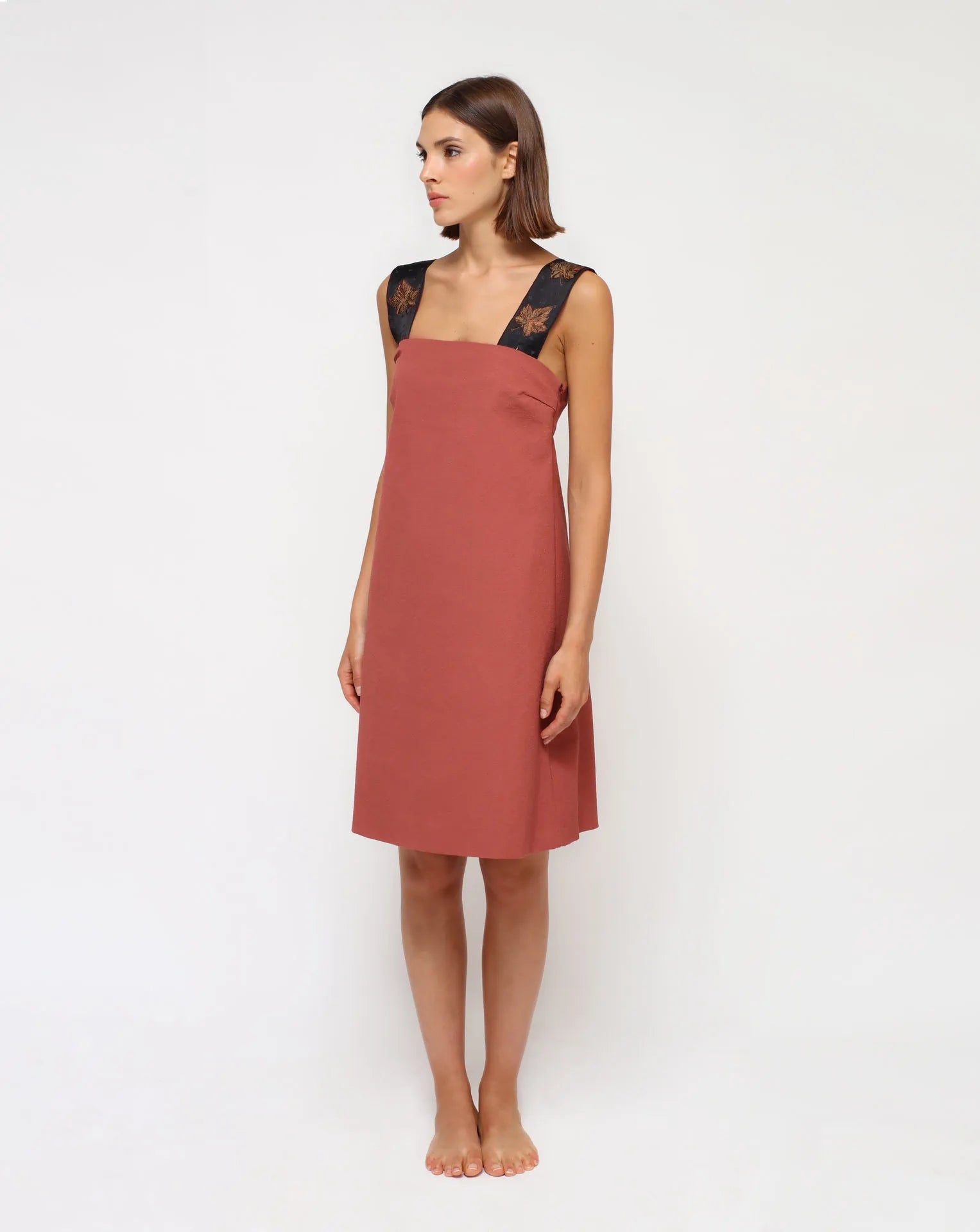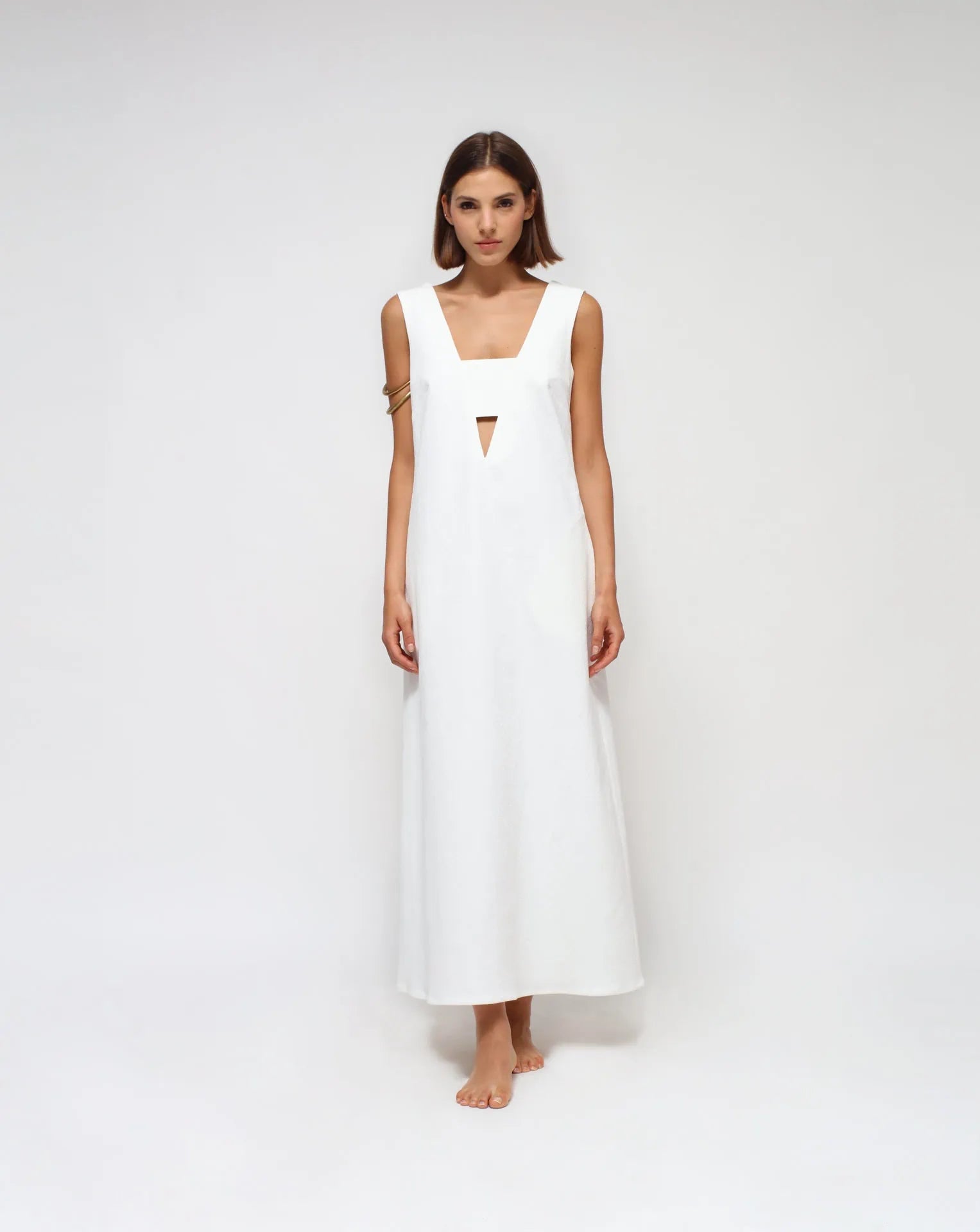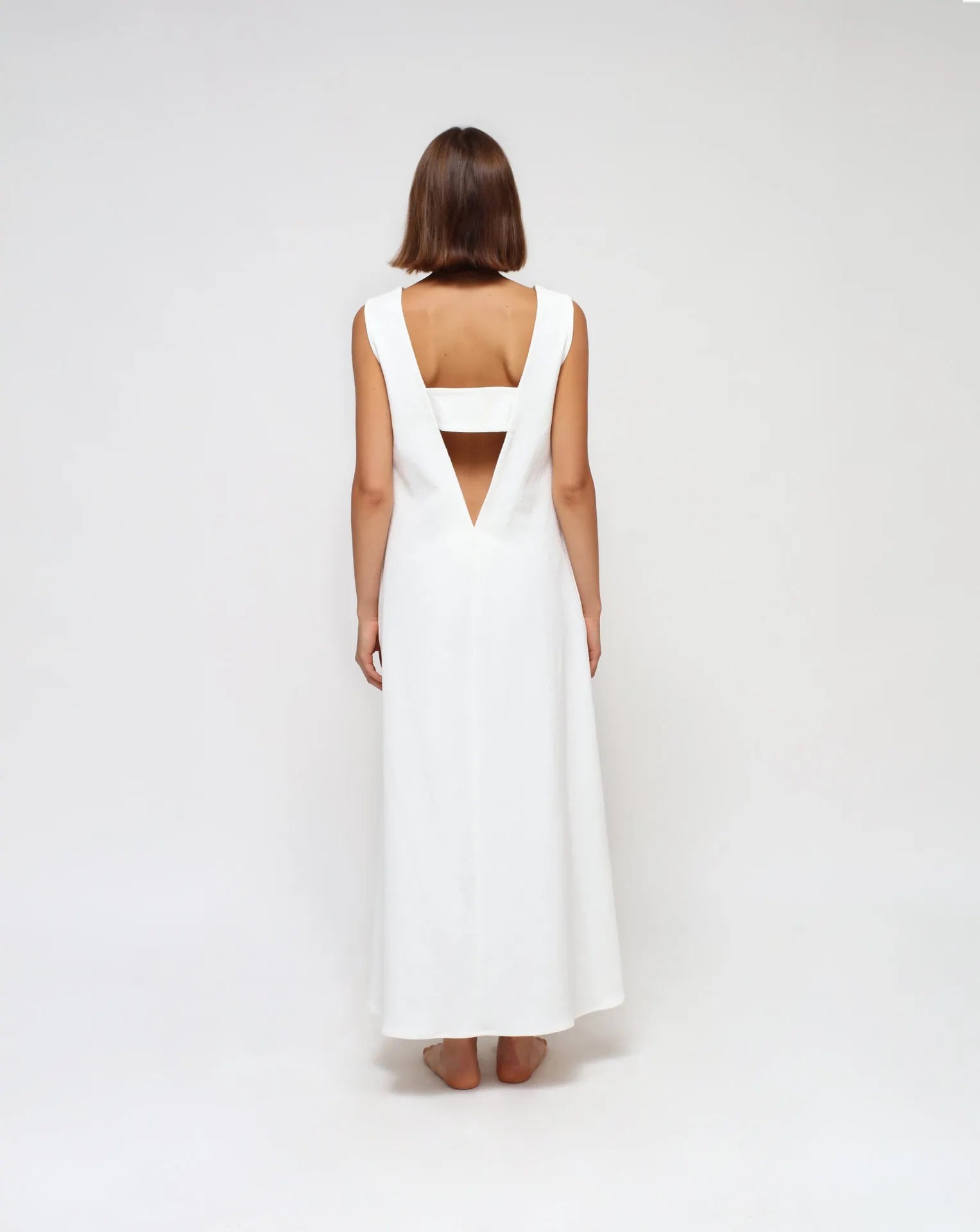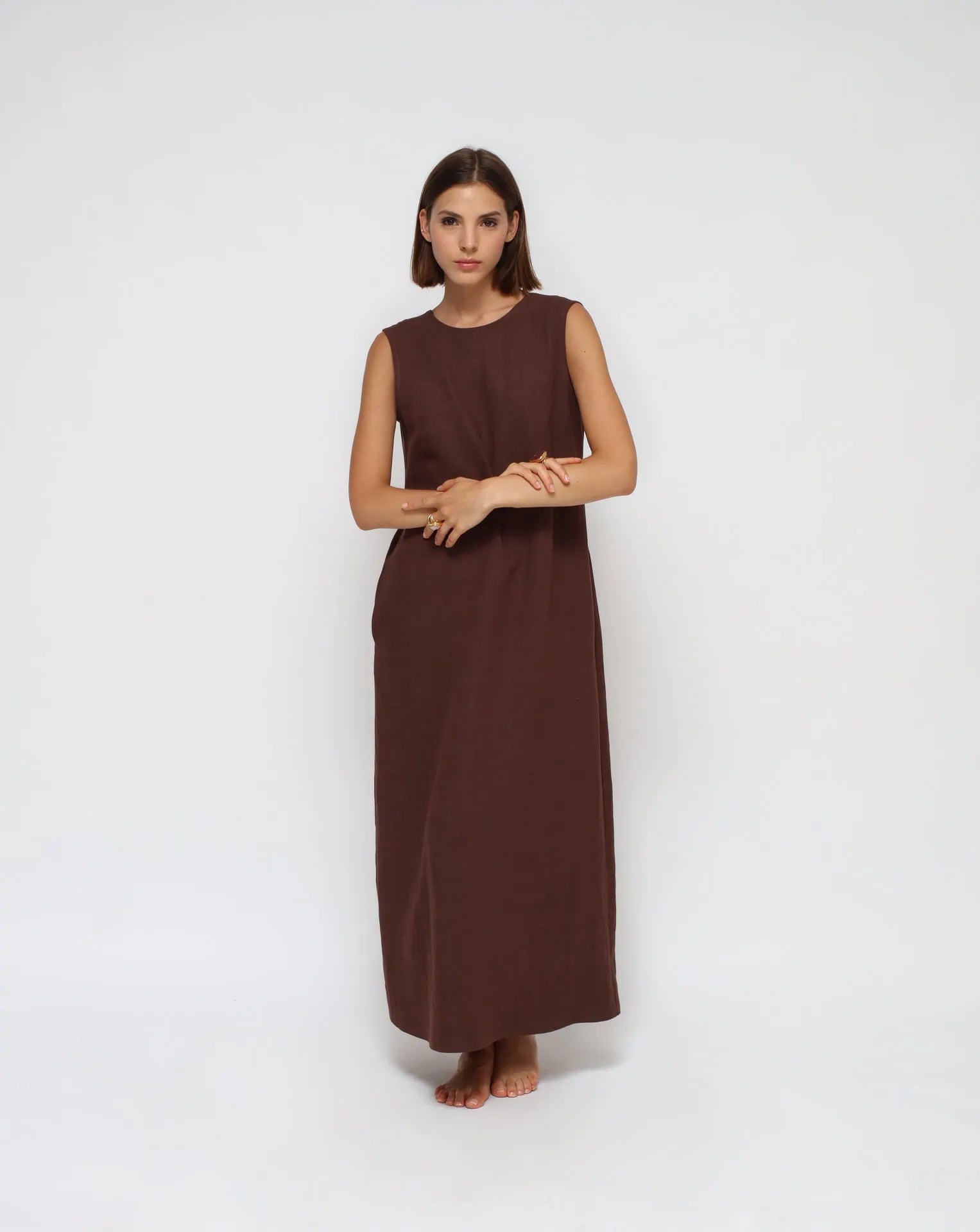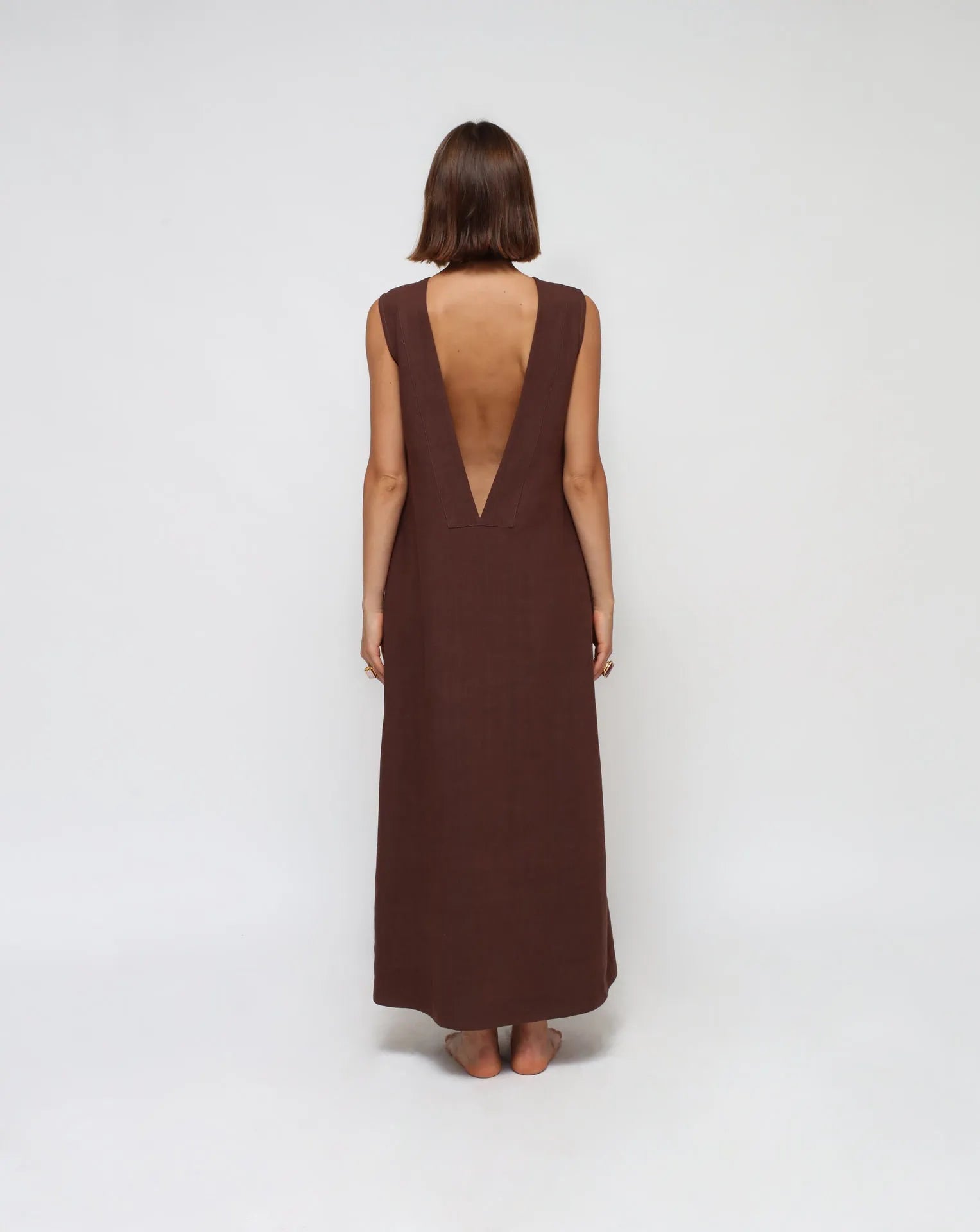

Deadstock Fashion Trends Shaping Winter Style
A winter coat should feel like a decision, not a default. The right one carries a sense of proportion, texture, and permanence long after the first cold morning. That is why deadstock fashion trends matter now: they offer a more considered way to dress for the season, using exceptional existing fabrics rather than demanding more material from an already overproduced industry.
Deadstock is not a passing aesthetic label. It is a sourcing choice with visible consequences. When a limited run of Italian wool, cotton, or tailoring fabric is given a second life, it brings rarity into the wardrobe while reducing demand for newly manufactured textiles. The result is clothing with a more distinct point of view: pieces made in smaller quantities, shaped by the character of the fabric, and unlikely to be repeated at scale.
Why deadstock fashion trends feel right for winter
Winter dressing has always depended on fabric. A coat earns its place through weight and drape. A suit needs structure without stiffness. A knit must feel substantial enough to layer, yet refined enough to wear indoors. Deadstock fabrics make these details central again.
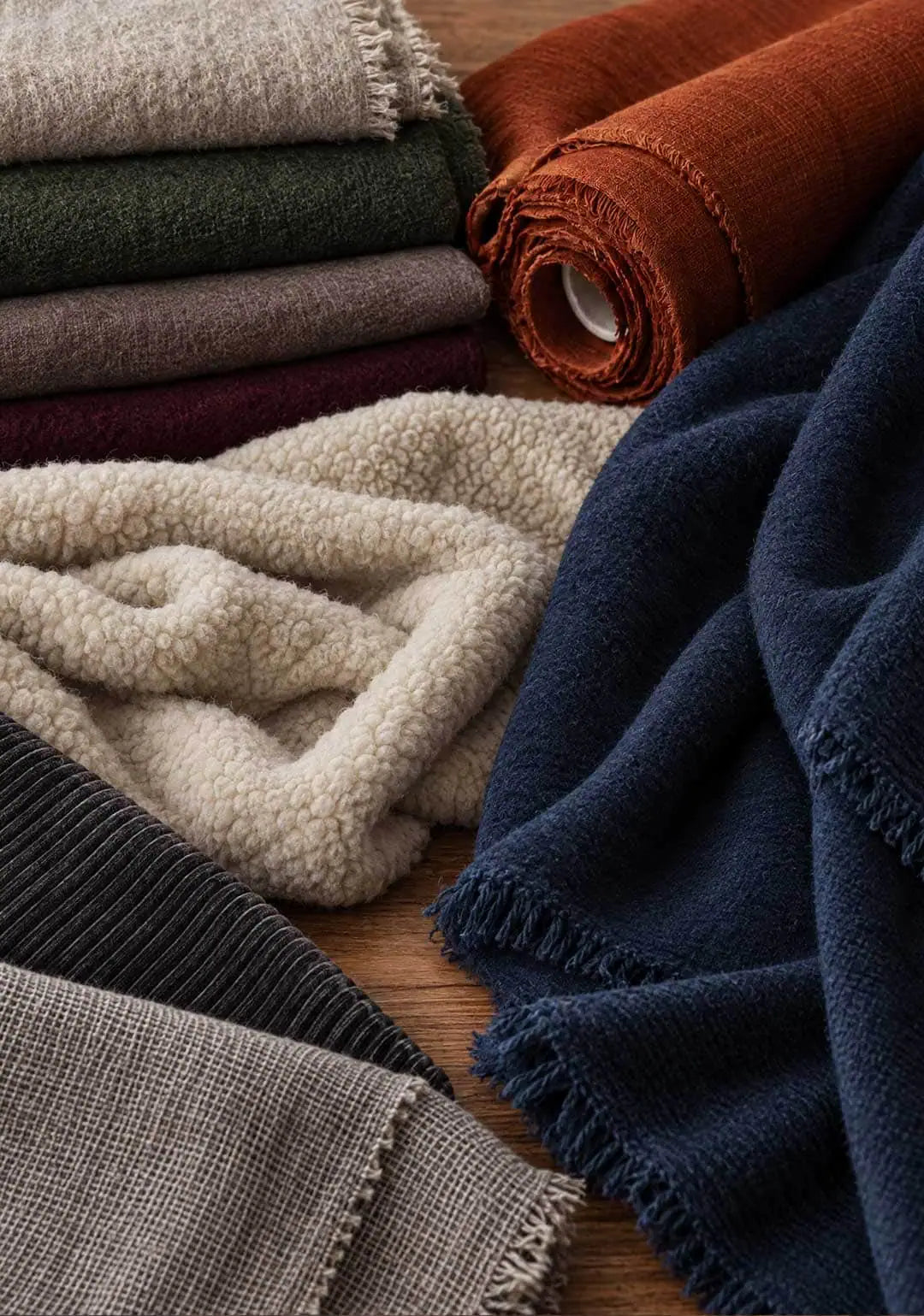
Unlike a conventional production model, where a design can be built around an unlimited fabric order, deadstock-led design begins with what already exists. A designer may find a finite roll of brushed wool, a dense twill, or a crisp cotton shirting with just enough yardage for a small collection. That limitation is not a compromise. It is often the source of a garment's character.
For the wearer, scarcity becomes more meaningful than artificial hype. A limited-edition jacket is limited because the fabric is genuinely finite, not because a marketing calendar says it should disappear. It also creates a wardrobe with less visual sameness. You are less likely to see the same piece repeated across every commute, dinner reservation, and winter city break.
There is a practical benefit, too. Winter clothes ask more from a wardrobe budget. Choosing fewer pieces with strong fabric, thoughtful construction, and multiple styling lives is often the more intelligent purchase than buying several short-lived alternatives.
The winter silhouettes worth watching
The strongest deadstock fashion trends are not about novelty for novelty's sake. They are built around pieces that answer real winter needs while retaining a sharper, more individual presence.
Structured outerwear with a softer attitude
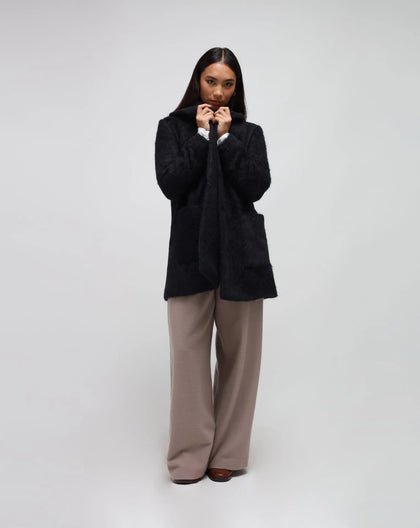
Long wool coats, cropped jackets, and relaxed overshirts are moving away from overly rigid tailoring. The new balance is deliberate but wearable: softened shoulders, clean lapels, room for a knit underneath, and enough length to create a decisive line over trousers or a dress.
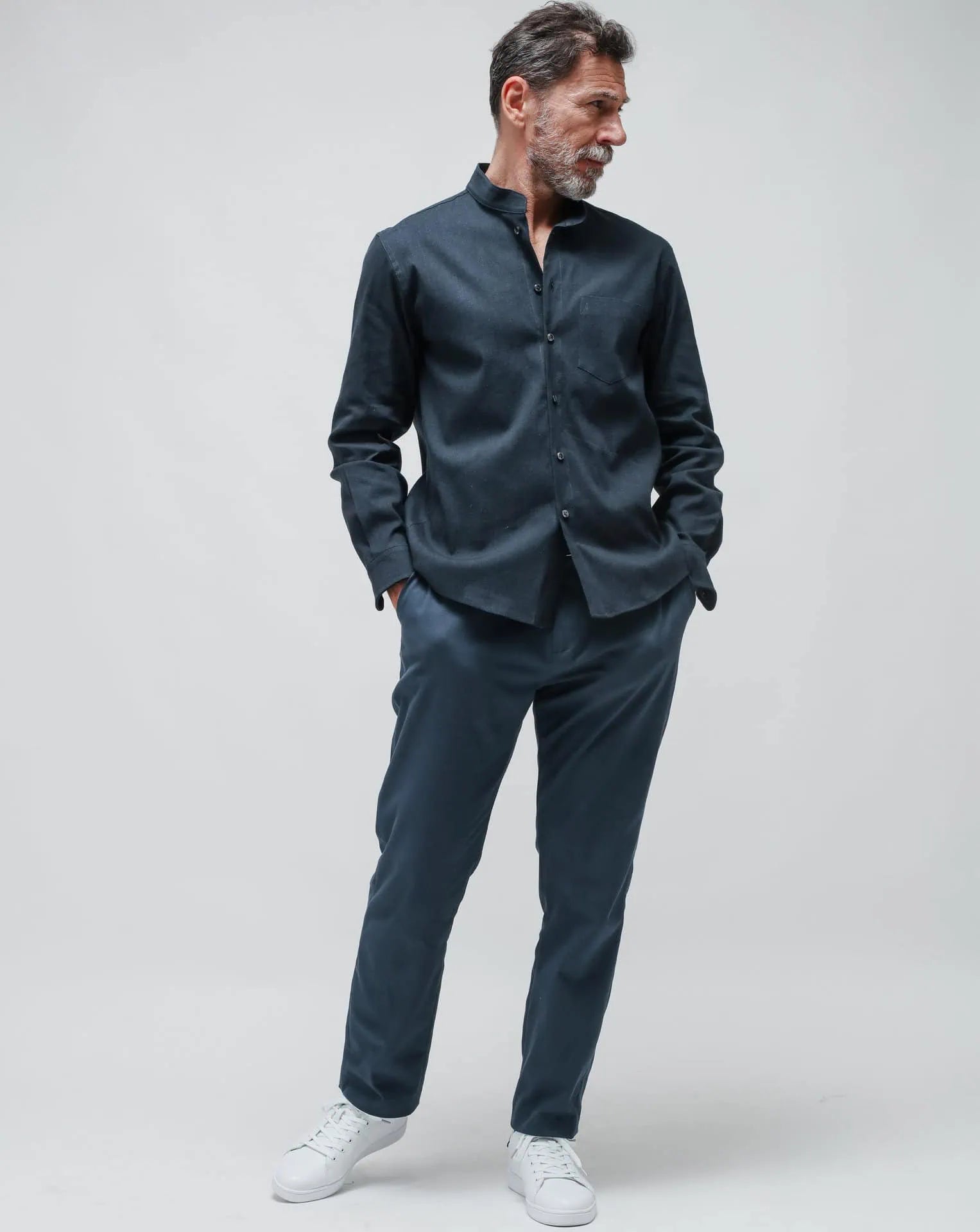
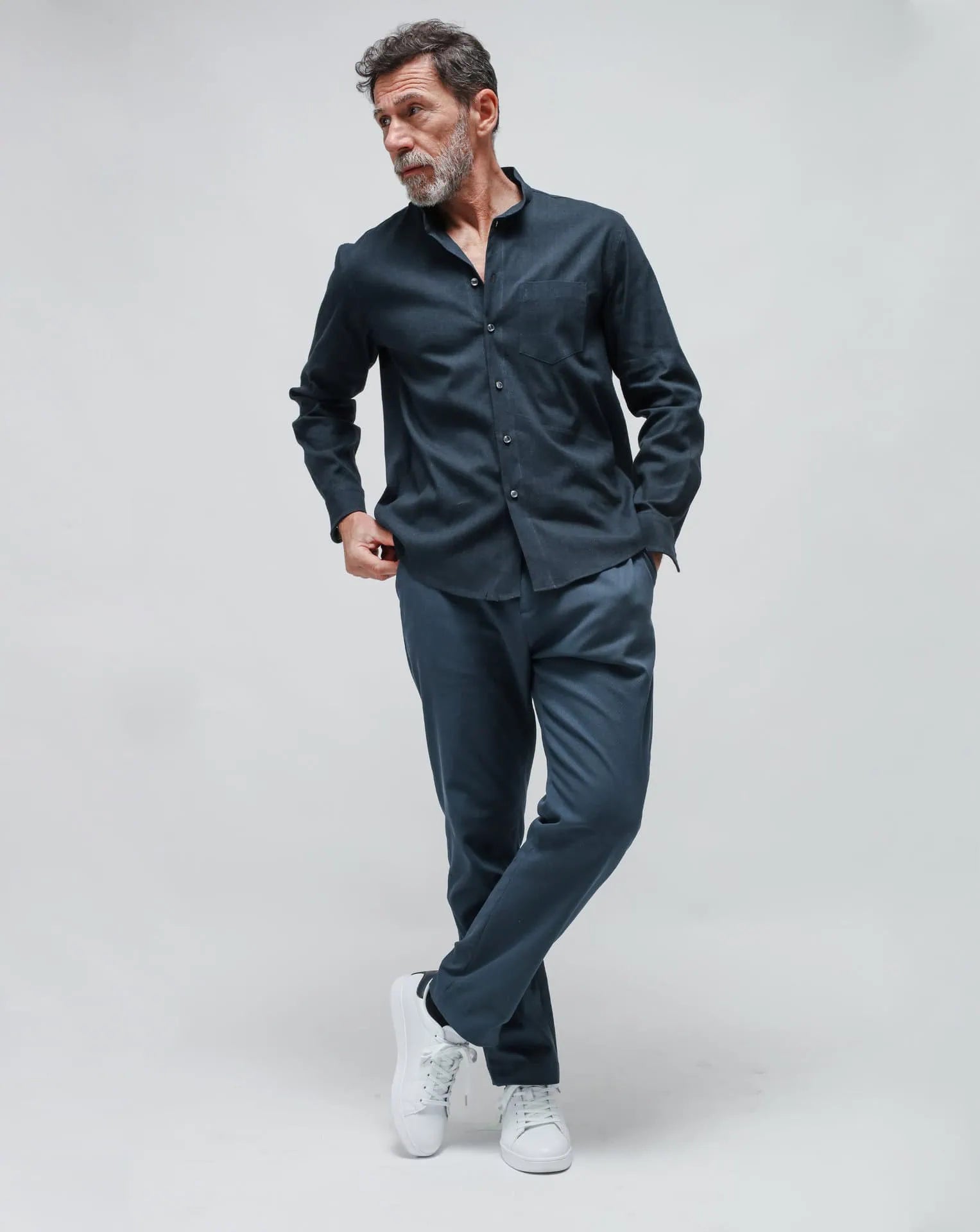
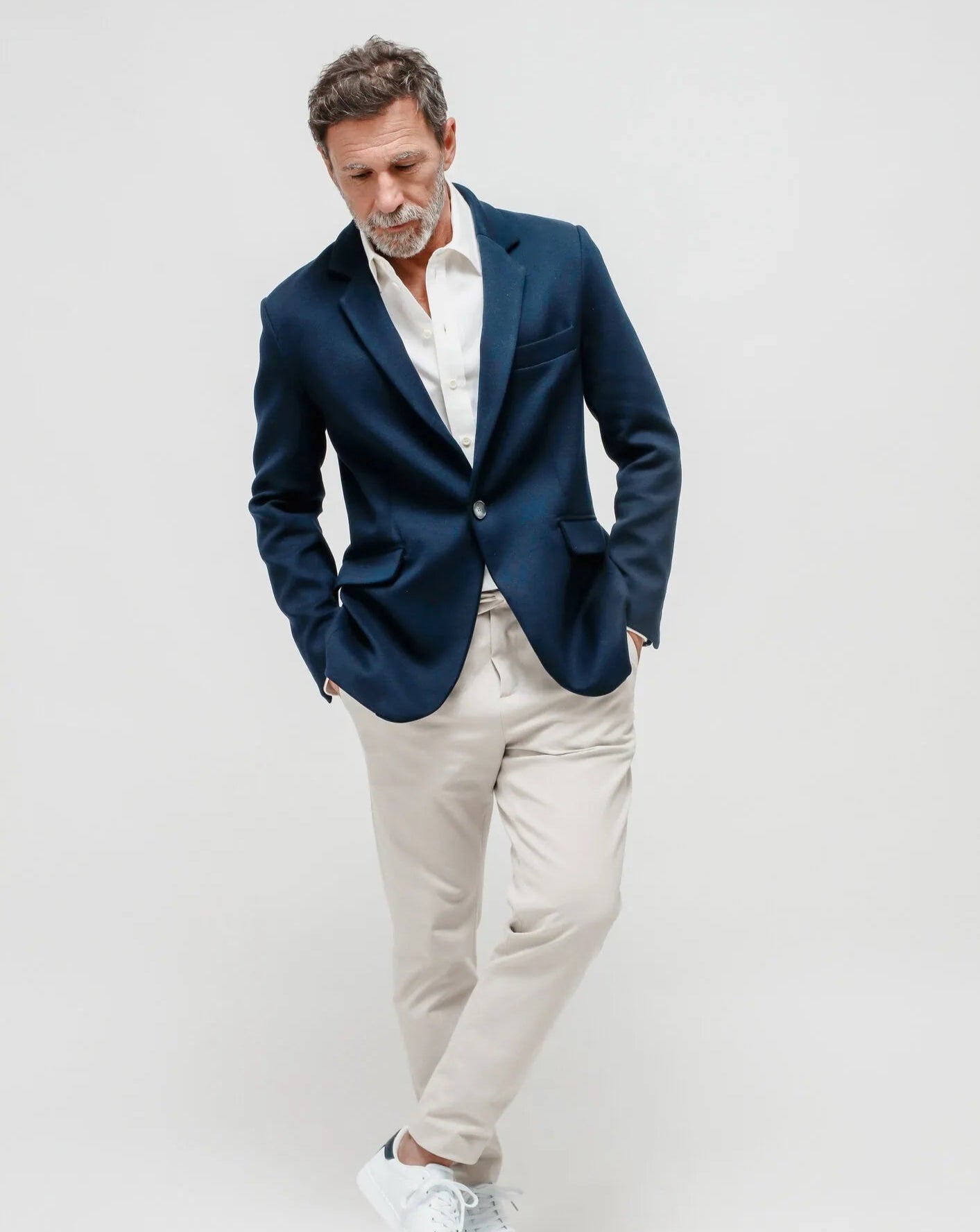
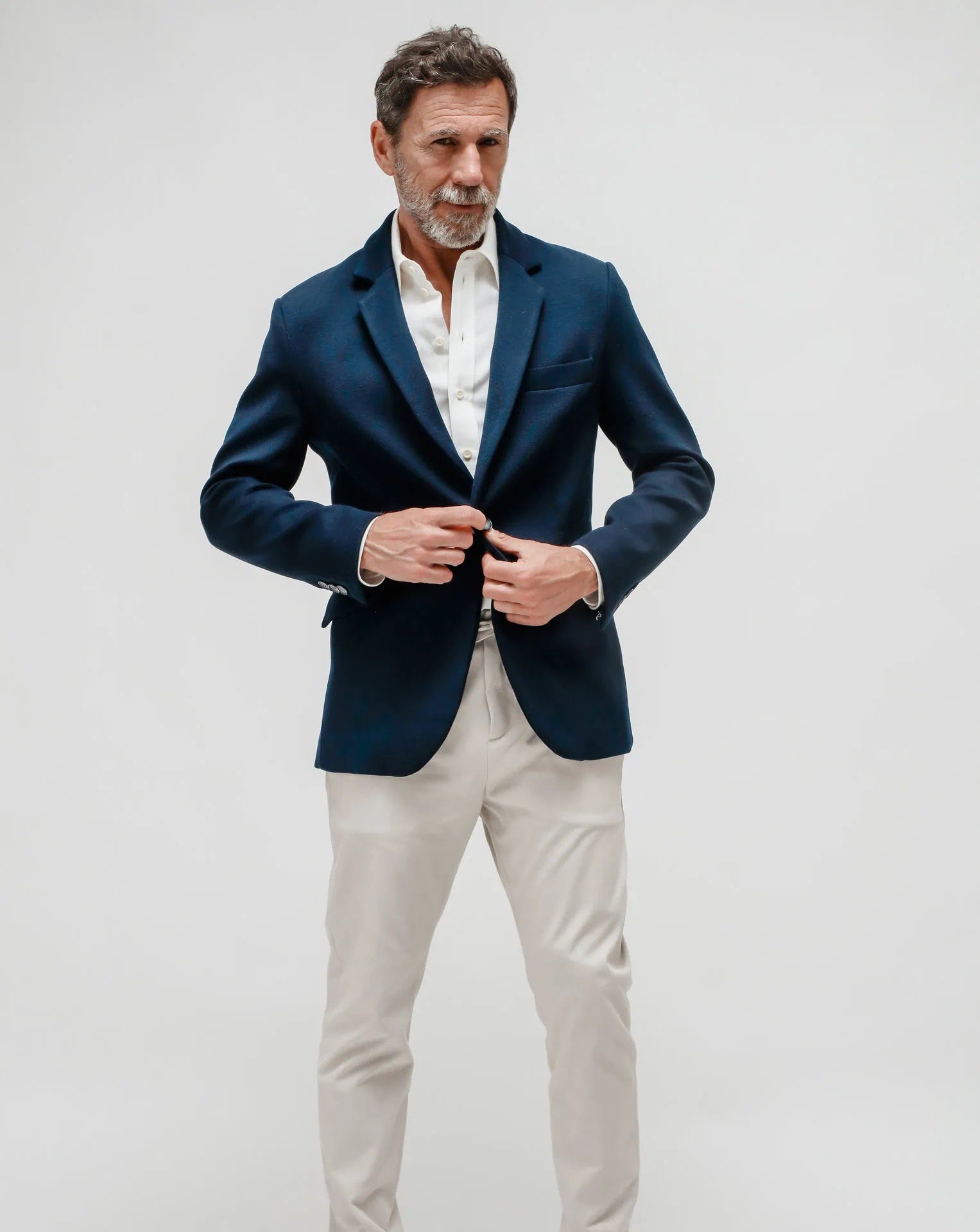
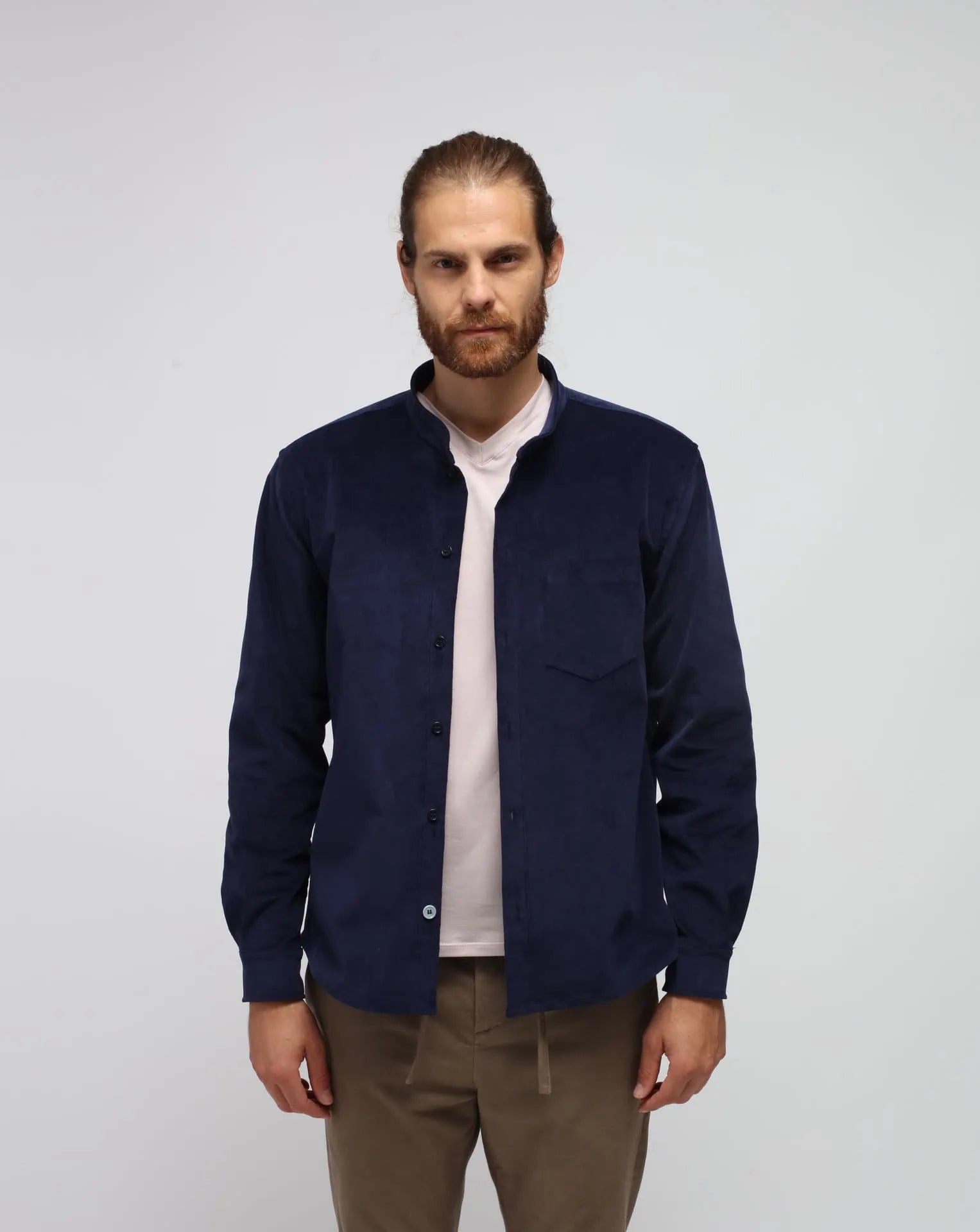
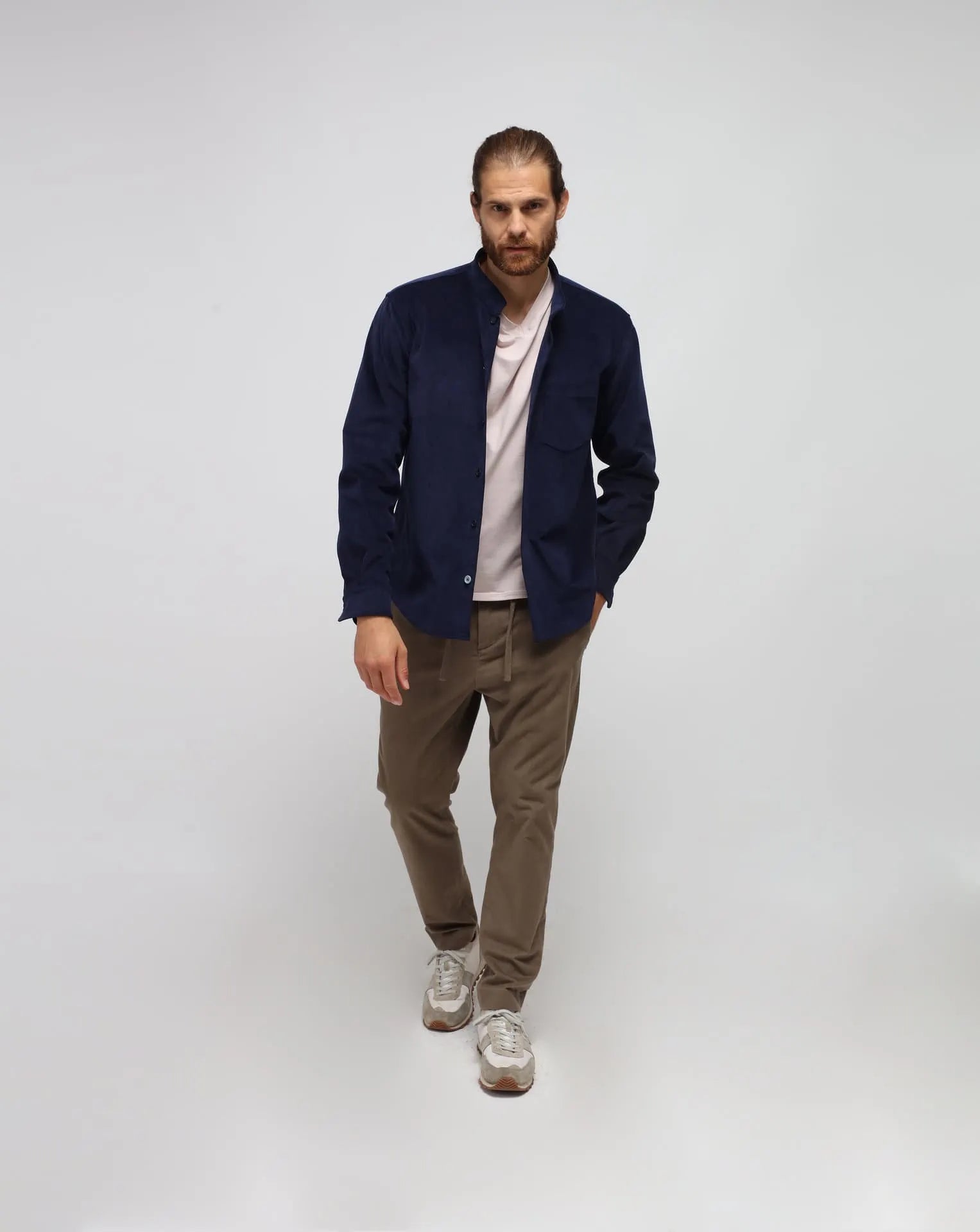
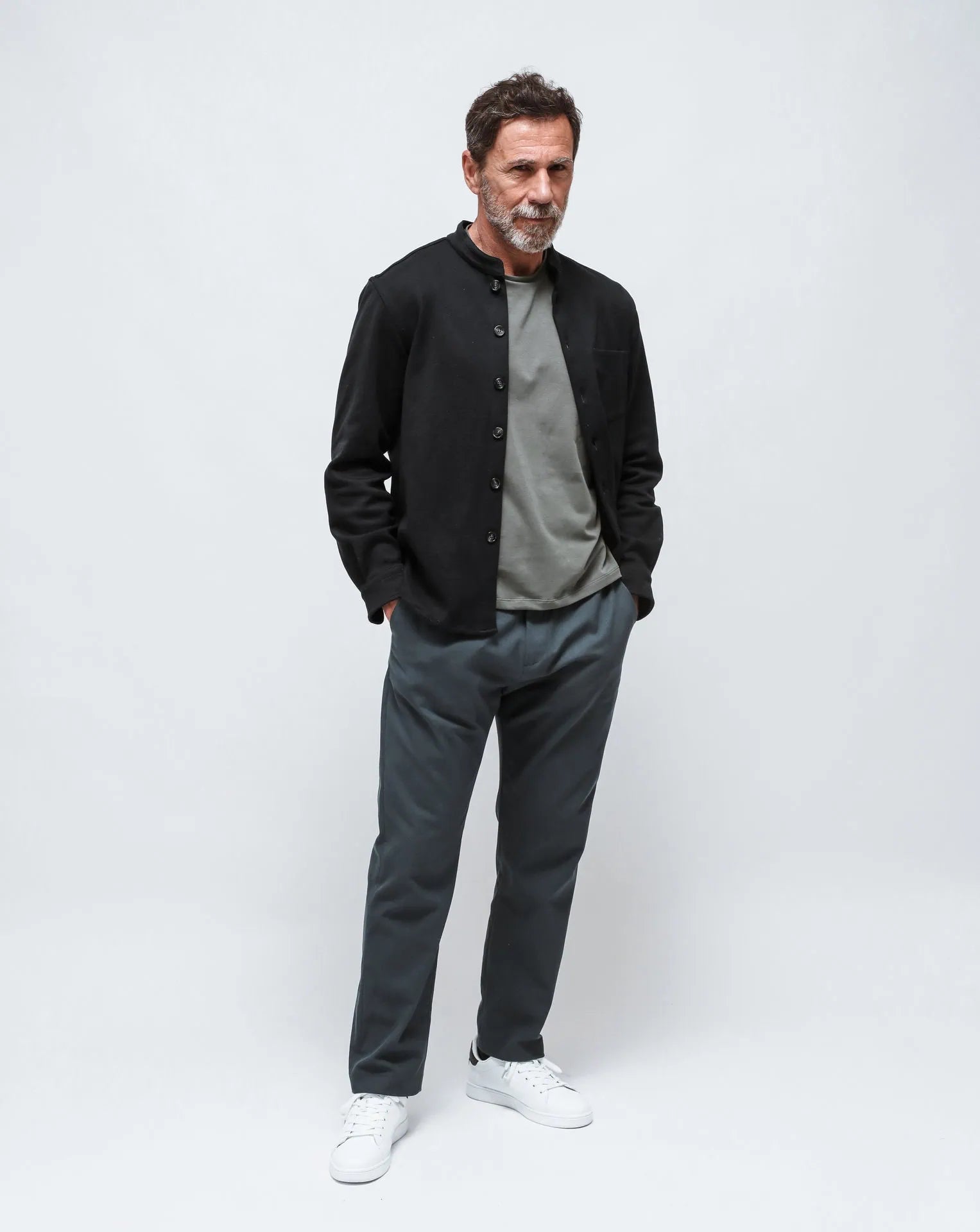
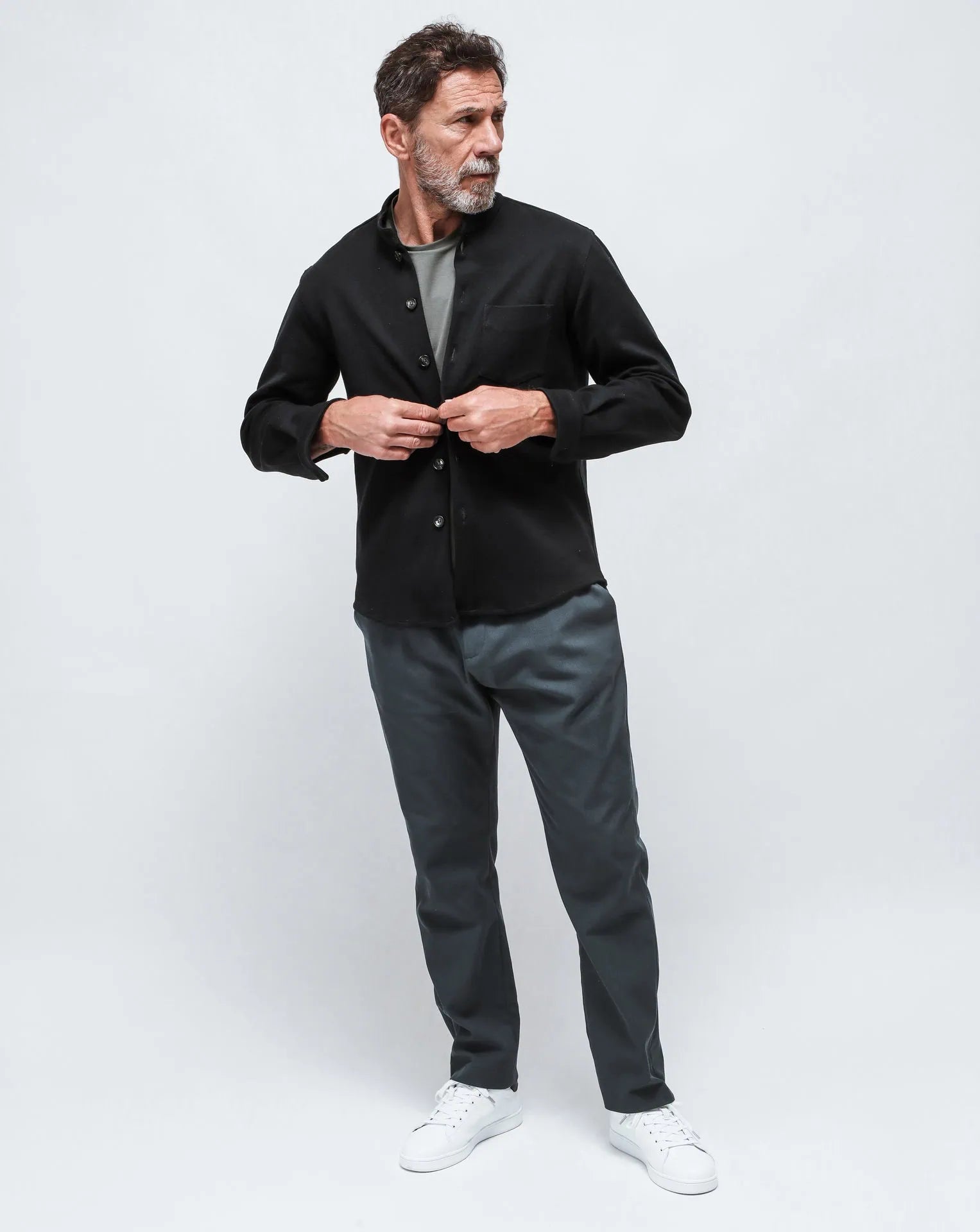
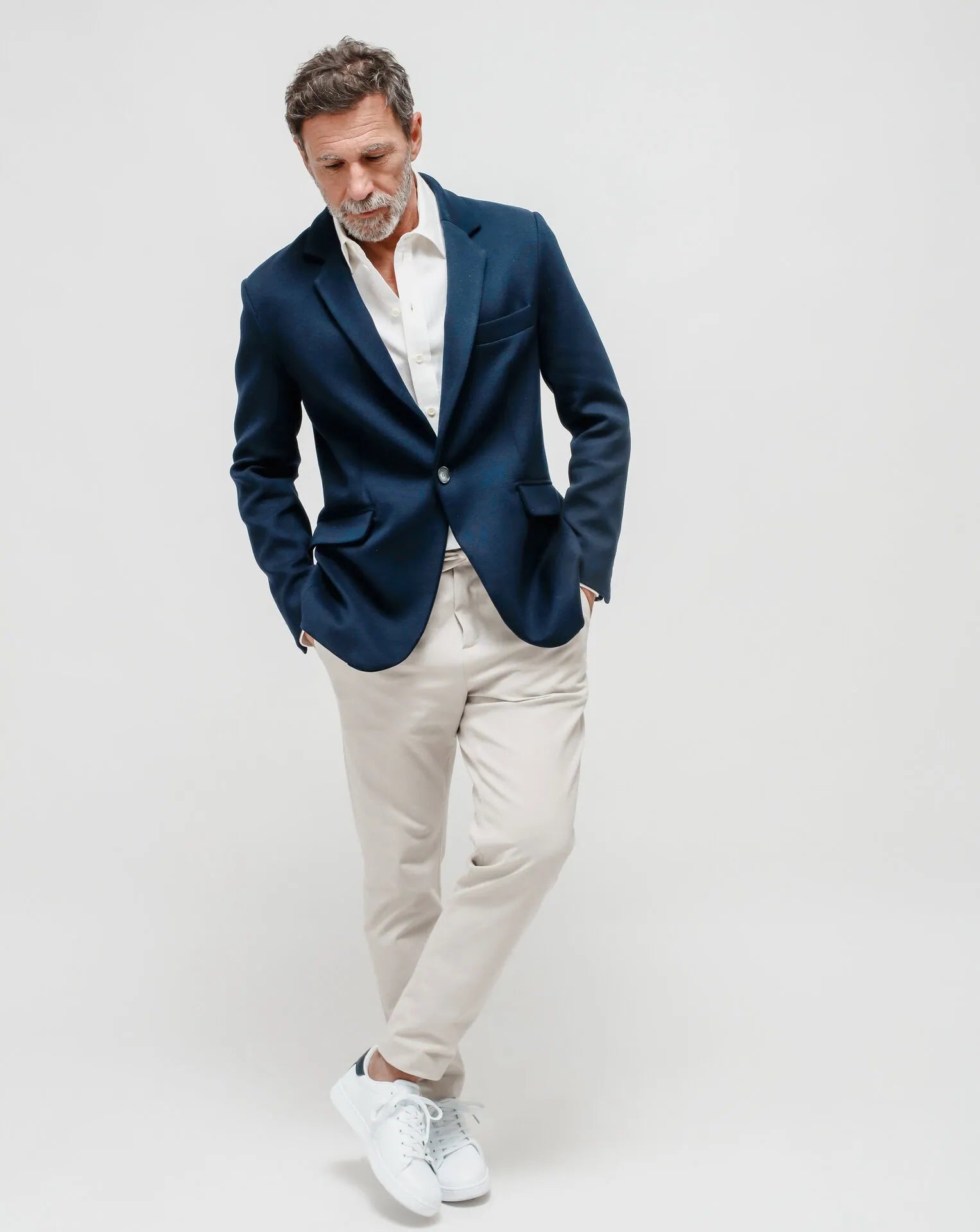
A limited-edition women's wool coat in a deadstock herringbone or textured melange can become the anchor of a winter uniform. Wear it over a fine knit and straight-leg pants for work, then add heeled boots for evening. For men, a deadstock wool overshirt or tailored jacket offers the same flexibility, sitting naturally between formal suiting and casual outerwear.
When exploring a Women's Winter Coats collection or Men's Jackets collection, look beyond color first. Check the fiber composition, weight, lining, and the way the garment is designed to layer. A beautiful fabric deserves a silhouette that lets it perform.
Coordinated sets that reduce decision fatigue
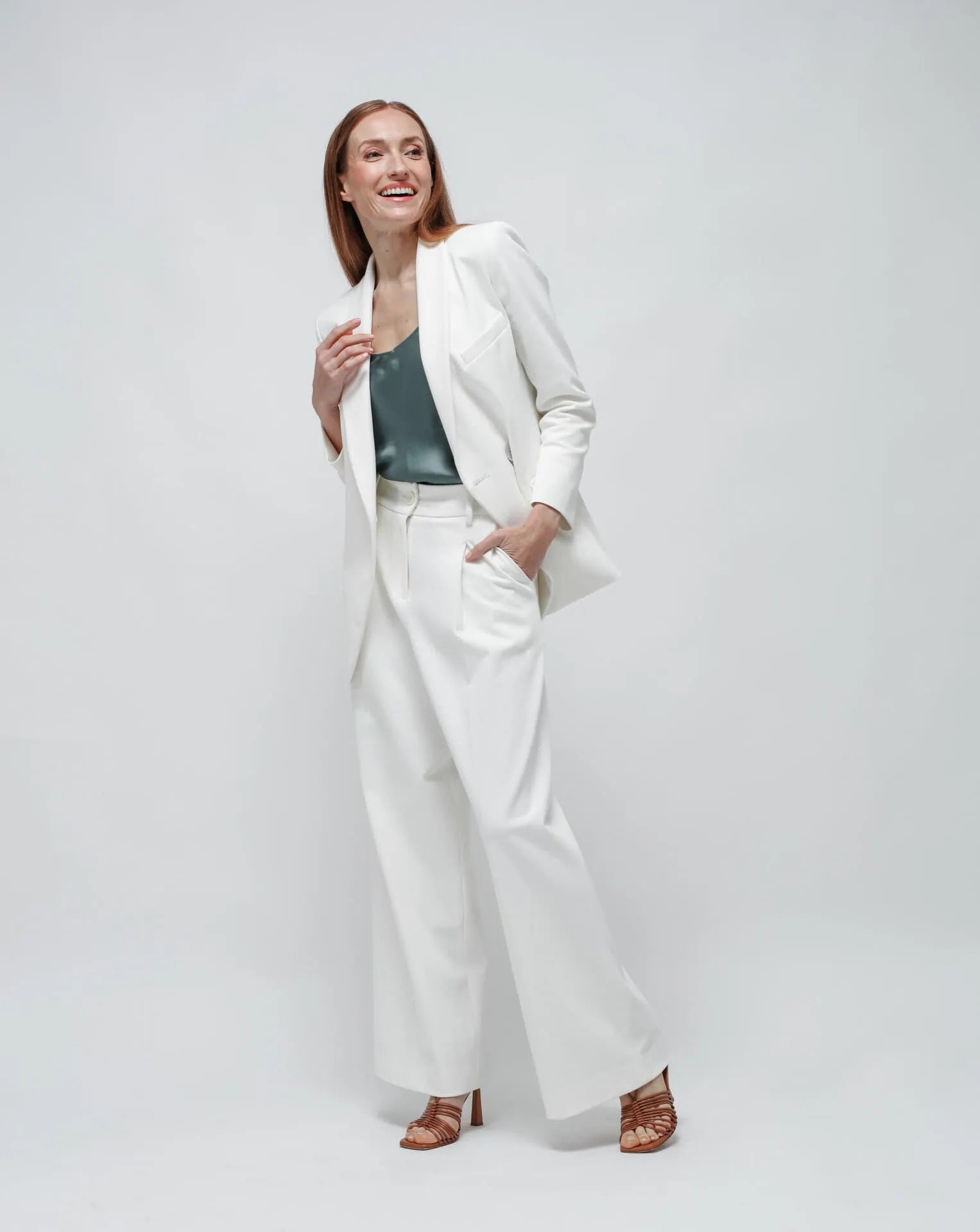
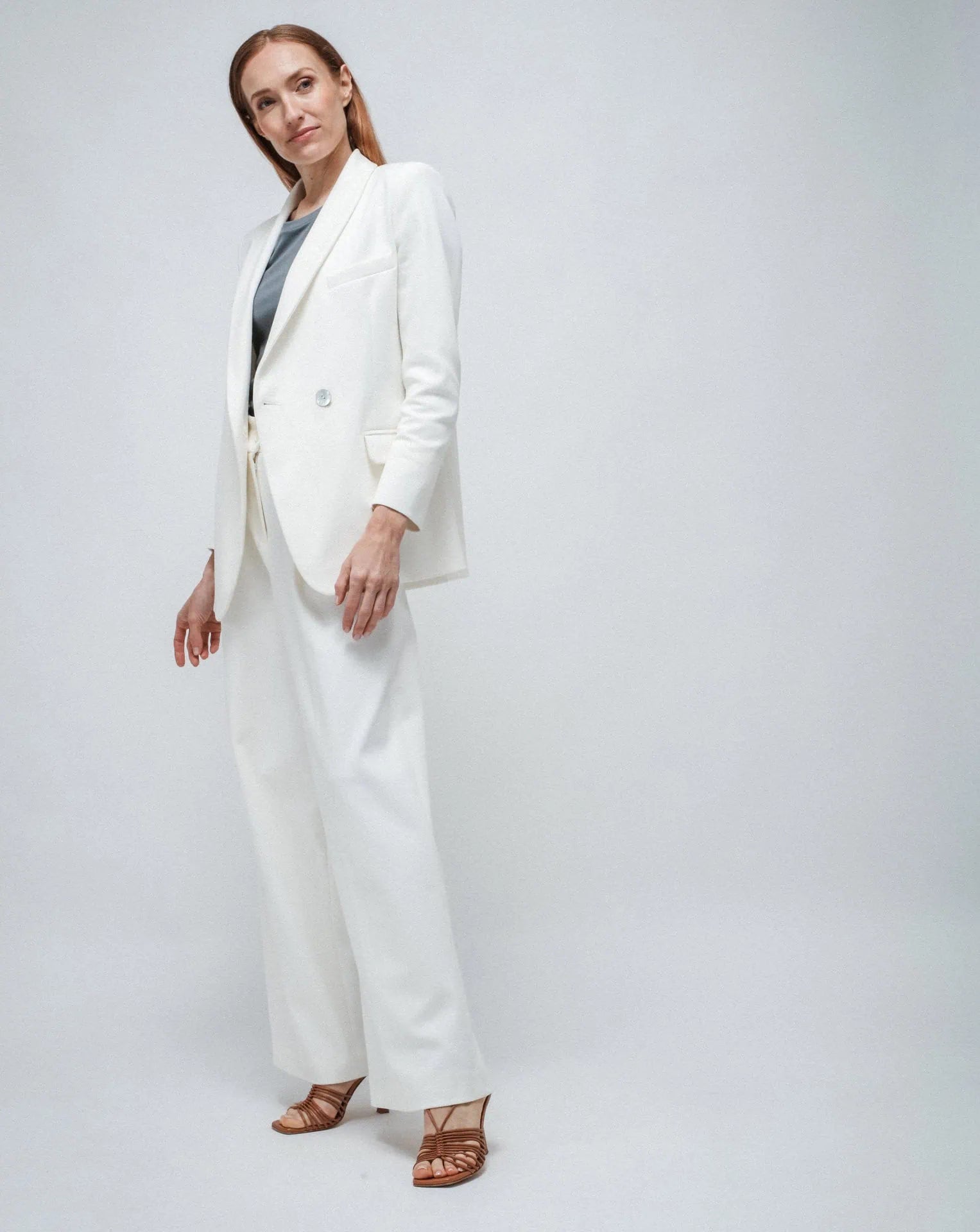
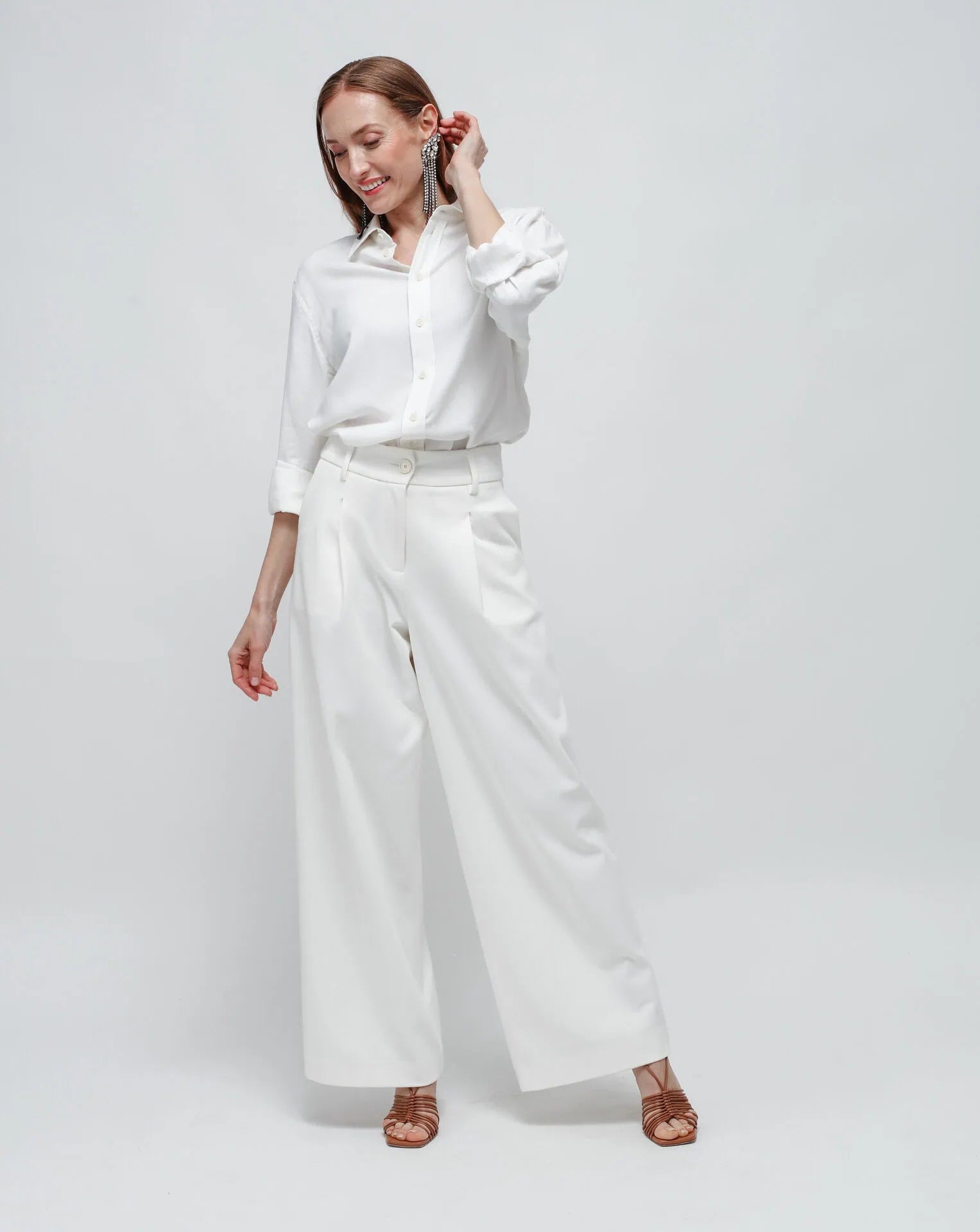
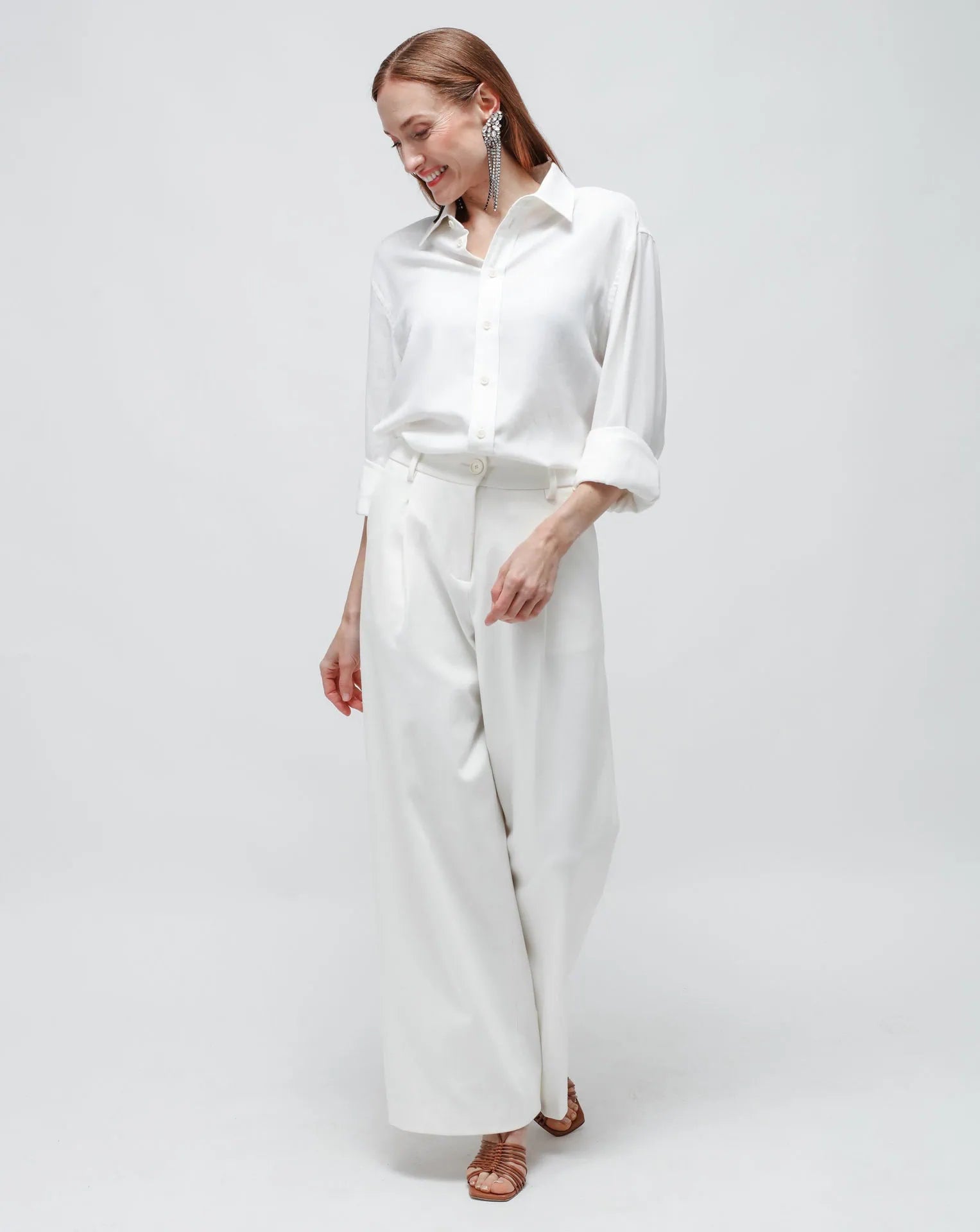
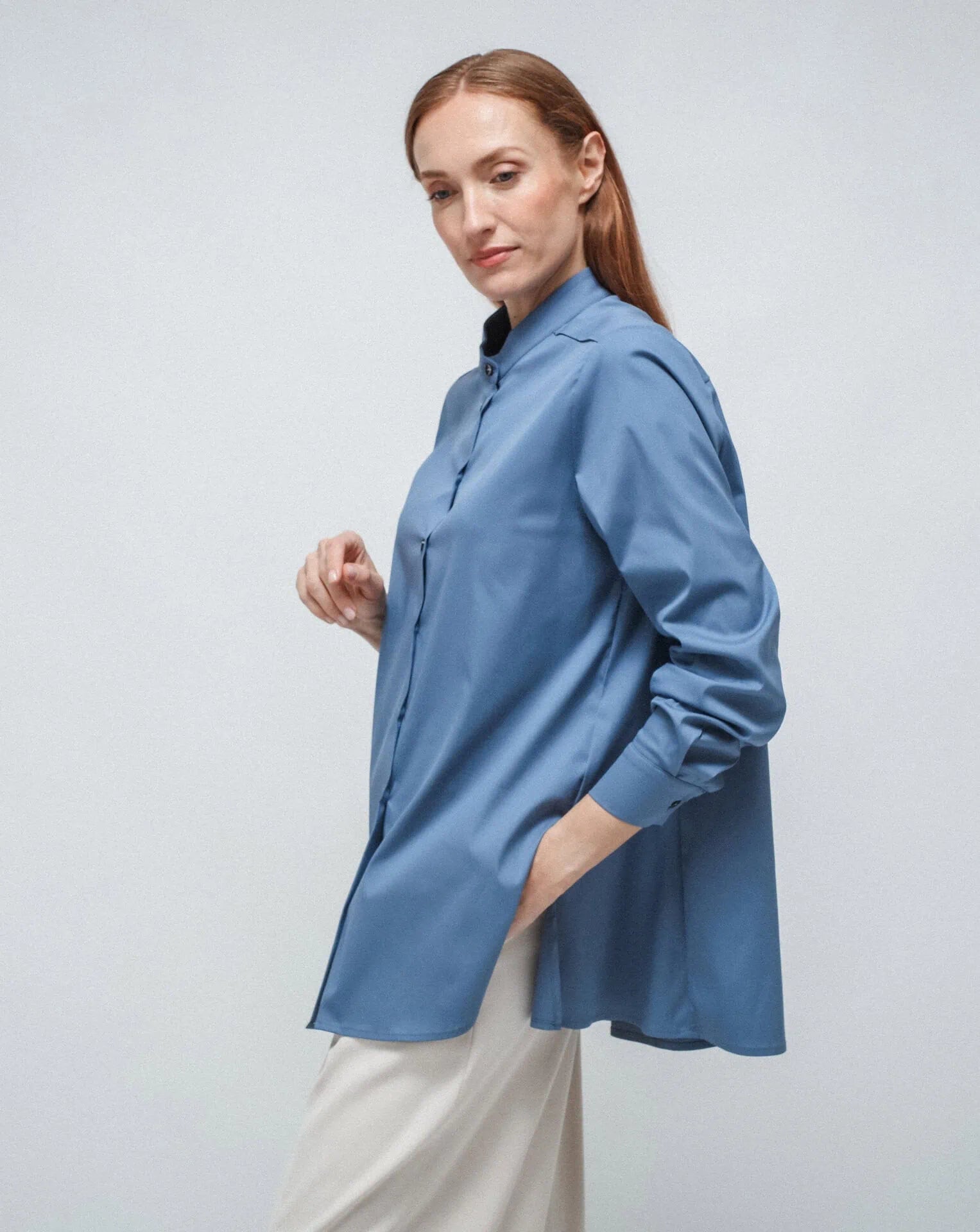
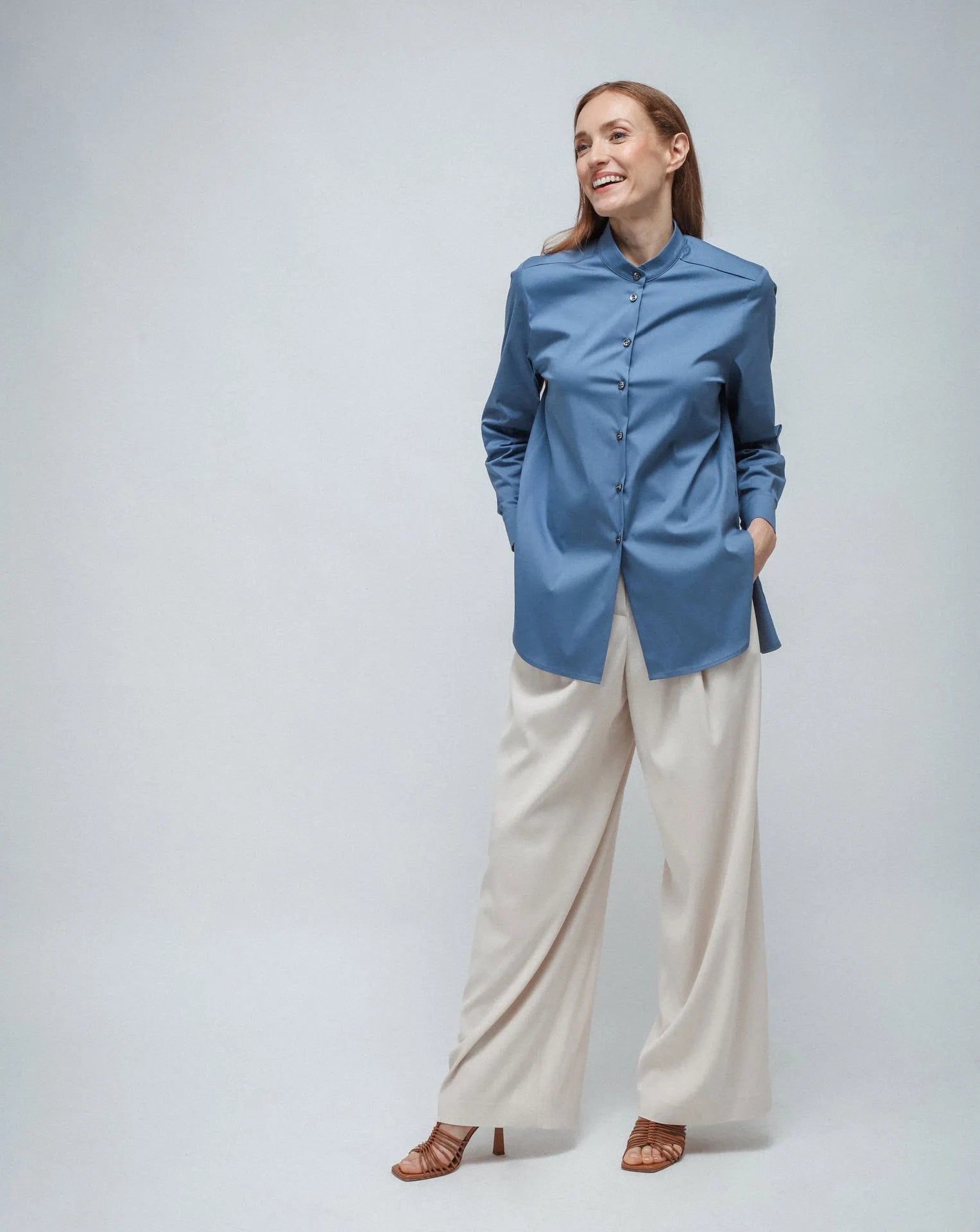
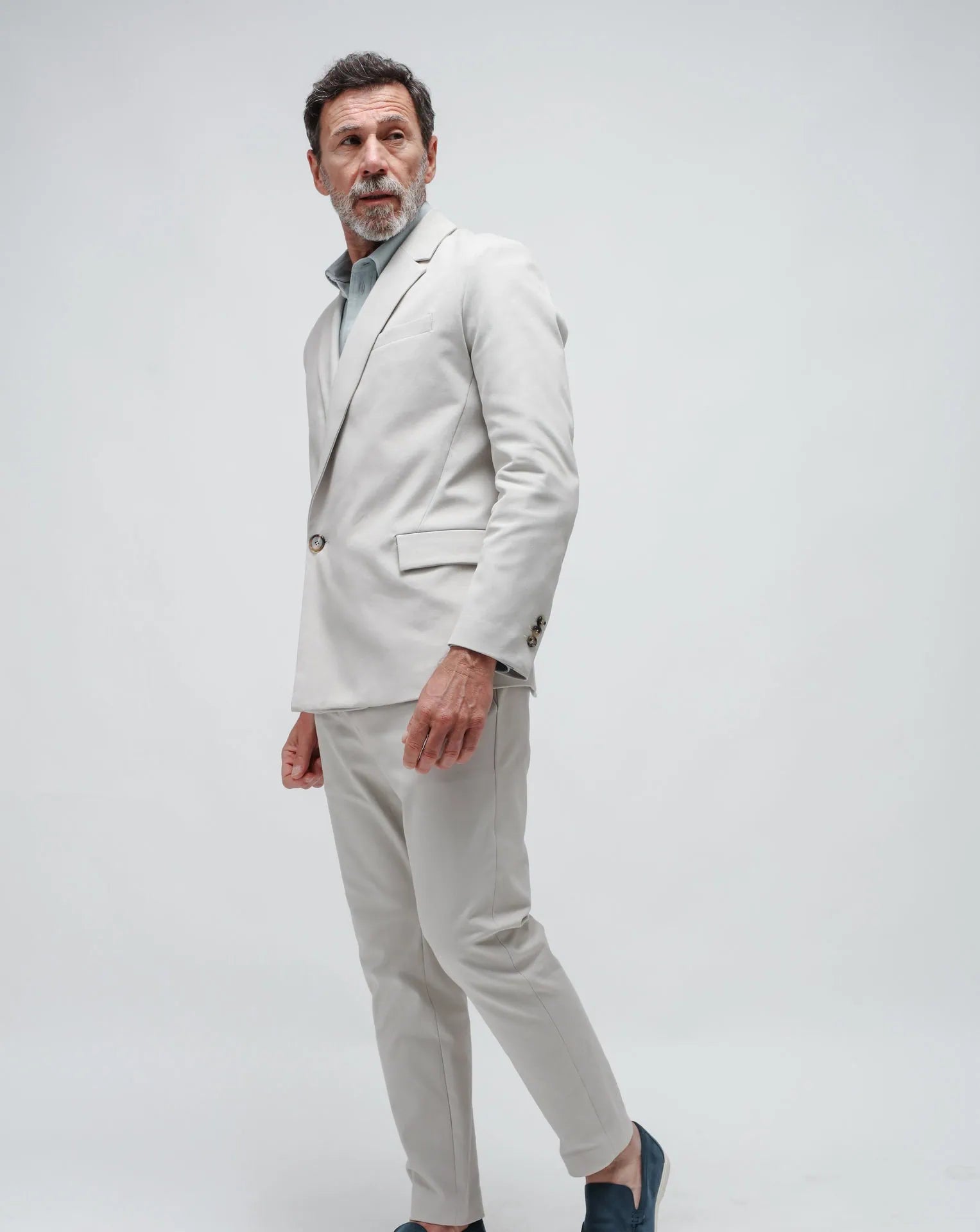
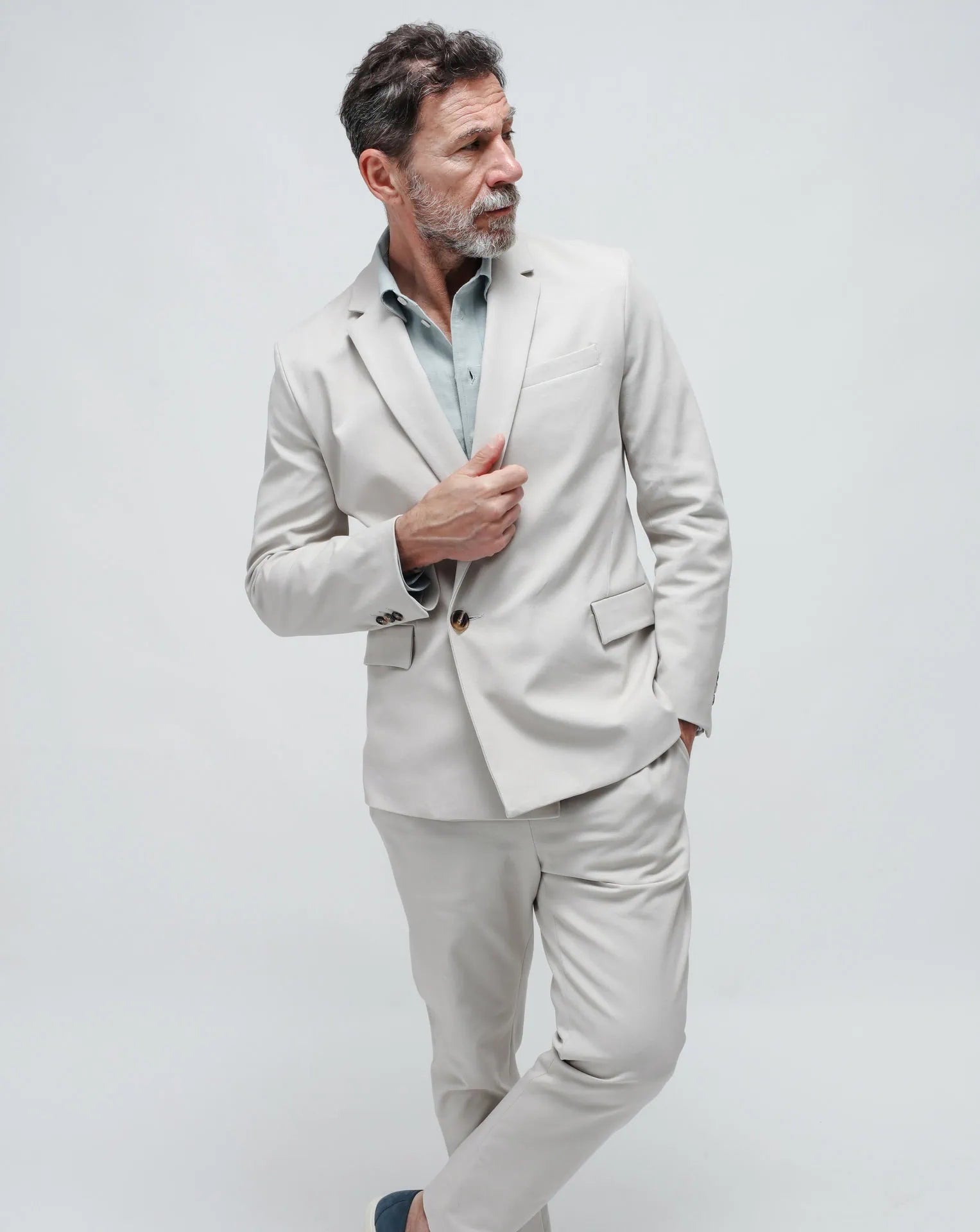
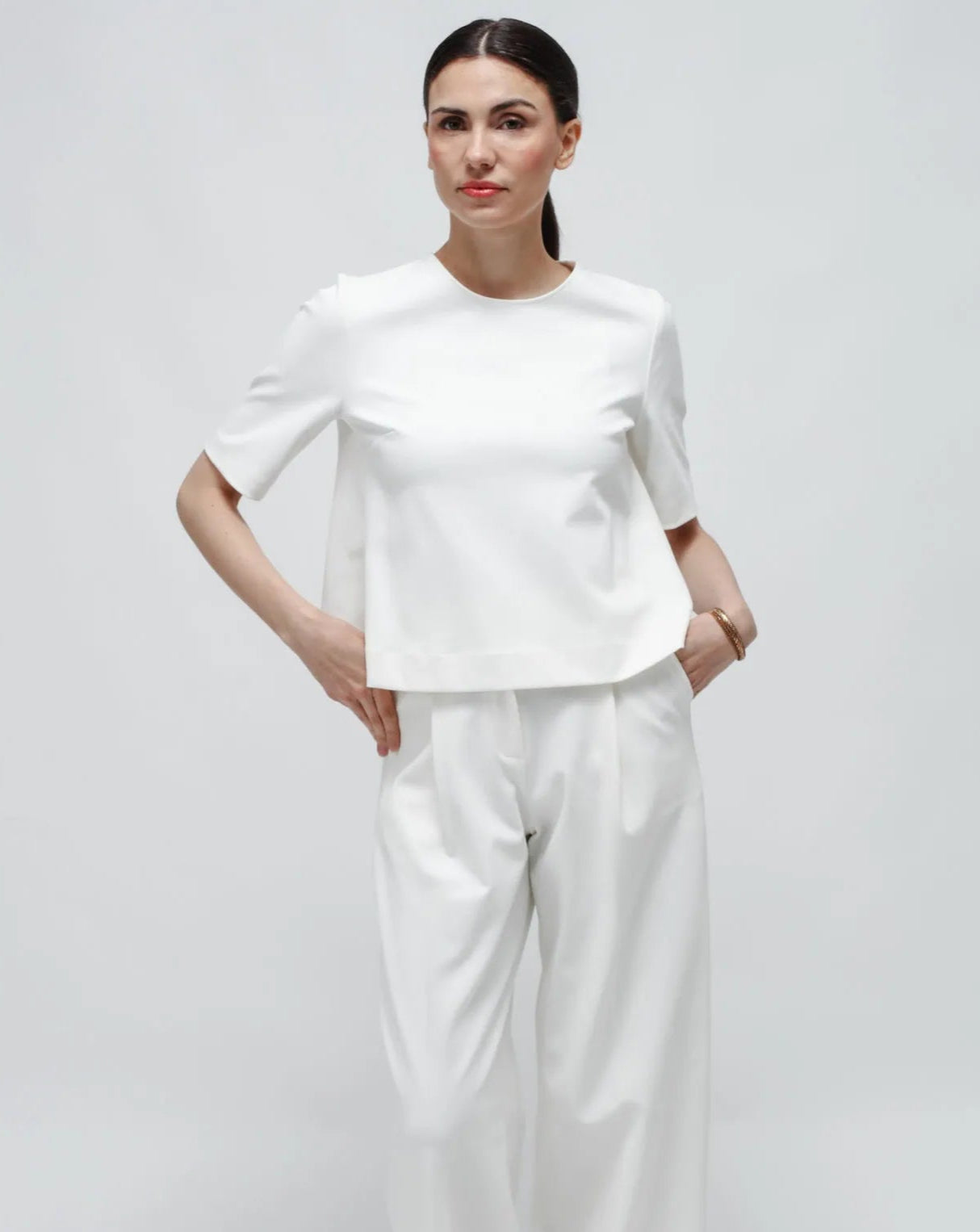
Matching separates remain relevant because they make dressing simpler without making it dull. A jacket and wide-leg trouser in the same deadstock fabric can read as a suit, then separate into multiple outfits. A skirt and top set can move from a gallery opening to a winter dinner with a change of shoes and jewelry.
This is where deadstock can create a particularly elevated effect. A distinctive fabric across two pieces feels intentional, especially when the run is small. The trade-off is availability. If you find a set that fits your life and your proportions, waiting for a restock may not be realistic. Finite fabric means the best approach is to buy with intention, not postpone a considered choice in the hope of endless inventory.
Quiet texture over loud decoration
Texture is doing much of the work this winter. Think brushed wool, compact cotton, subtle checks, ribbed knits, and tailoring fabrics with enough depth to change under different light. These materials bring dimension to restrained palettes of black, charcoal, cream, navy, chocolate, and deep olive.
The appeal is longevity. A textured charcoal coat will not date quickly, but it will never look flat. A checked deadstock shirt can make denim and boots feel composed with almost no effort. This is a useful direction for anyone who wants their wardrobe to feel expressive without relying on logos, excessive embellishment, or fast-moving microtrends.
The return of purposeful tailoring
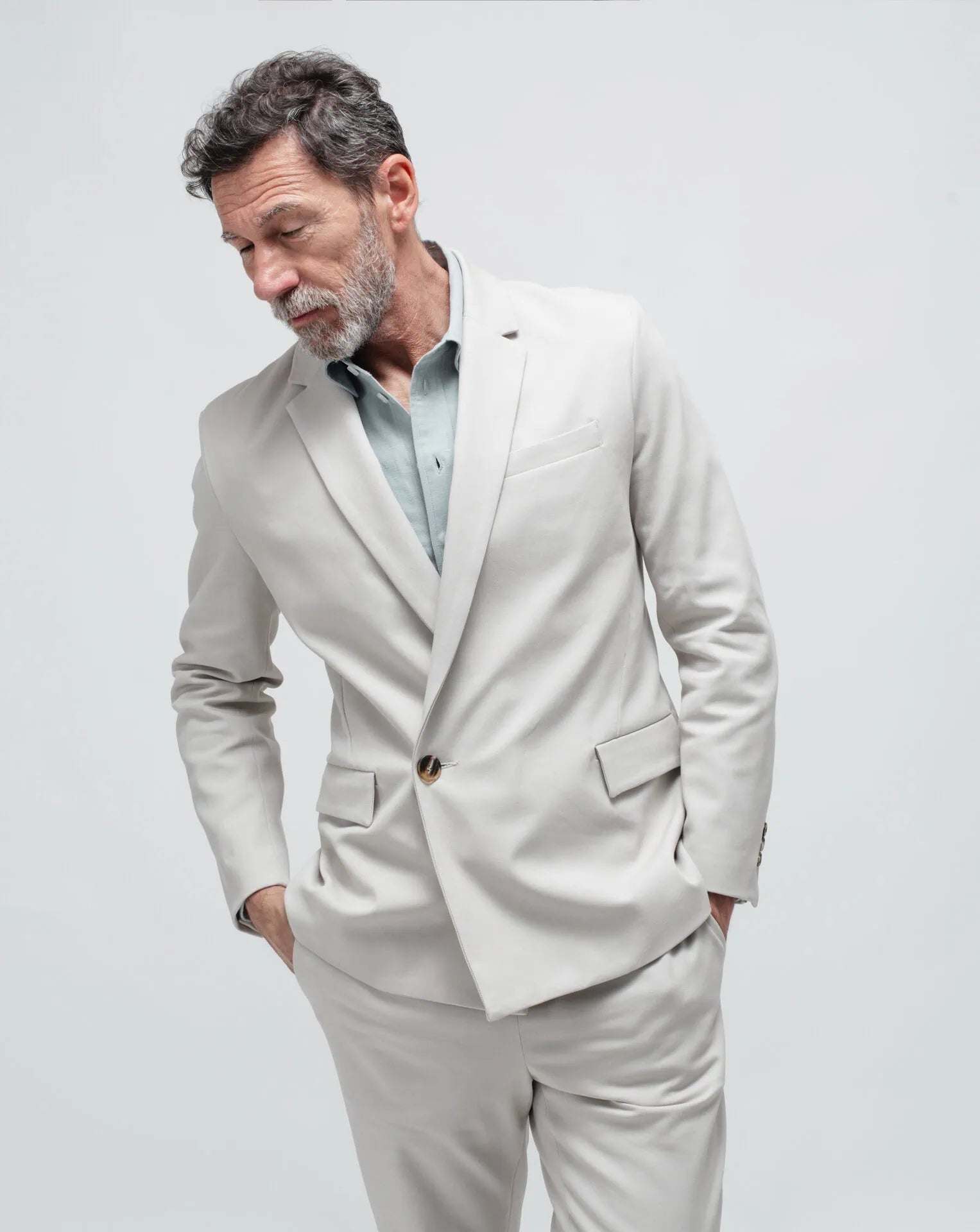
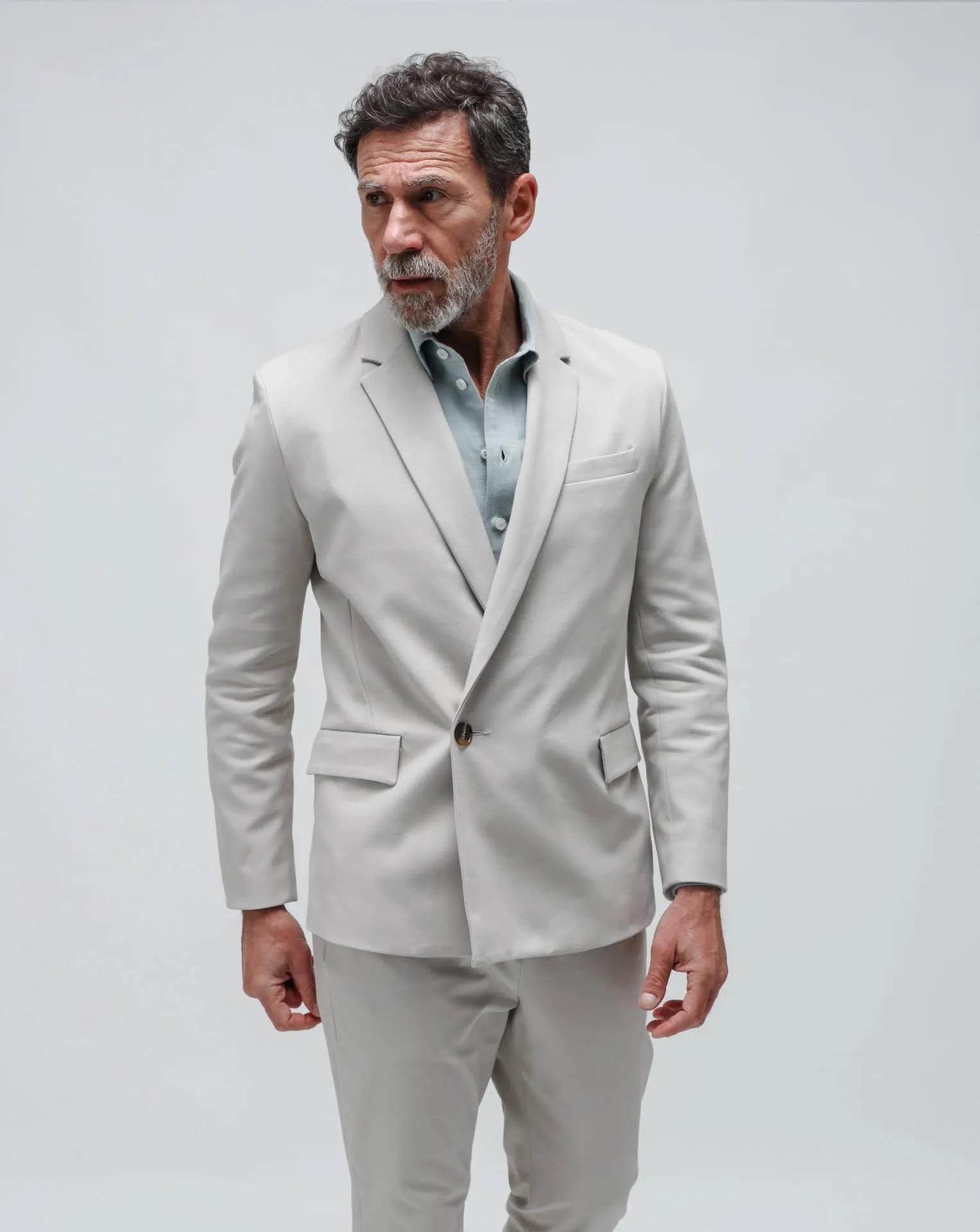
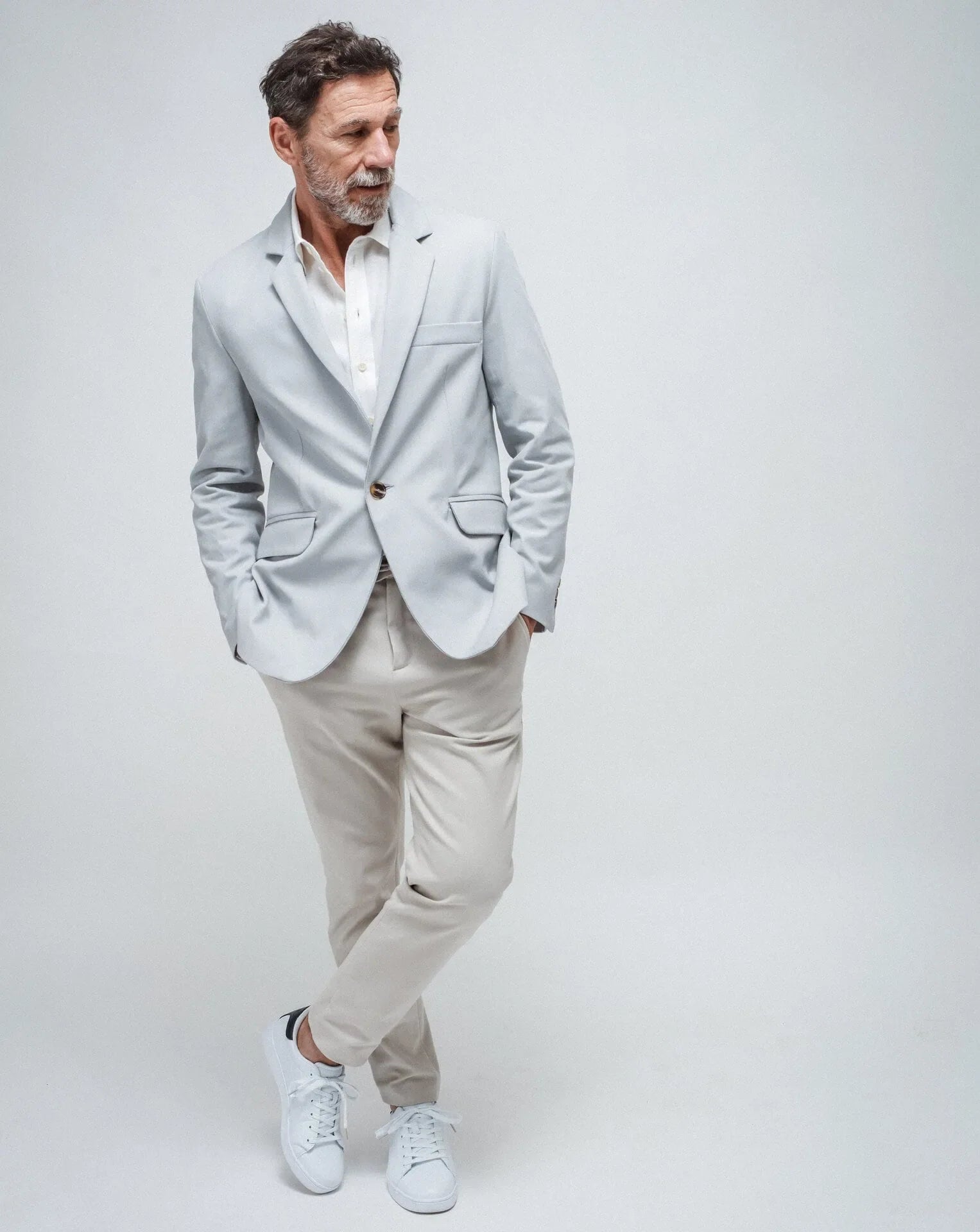
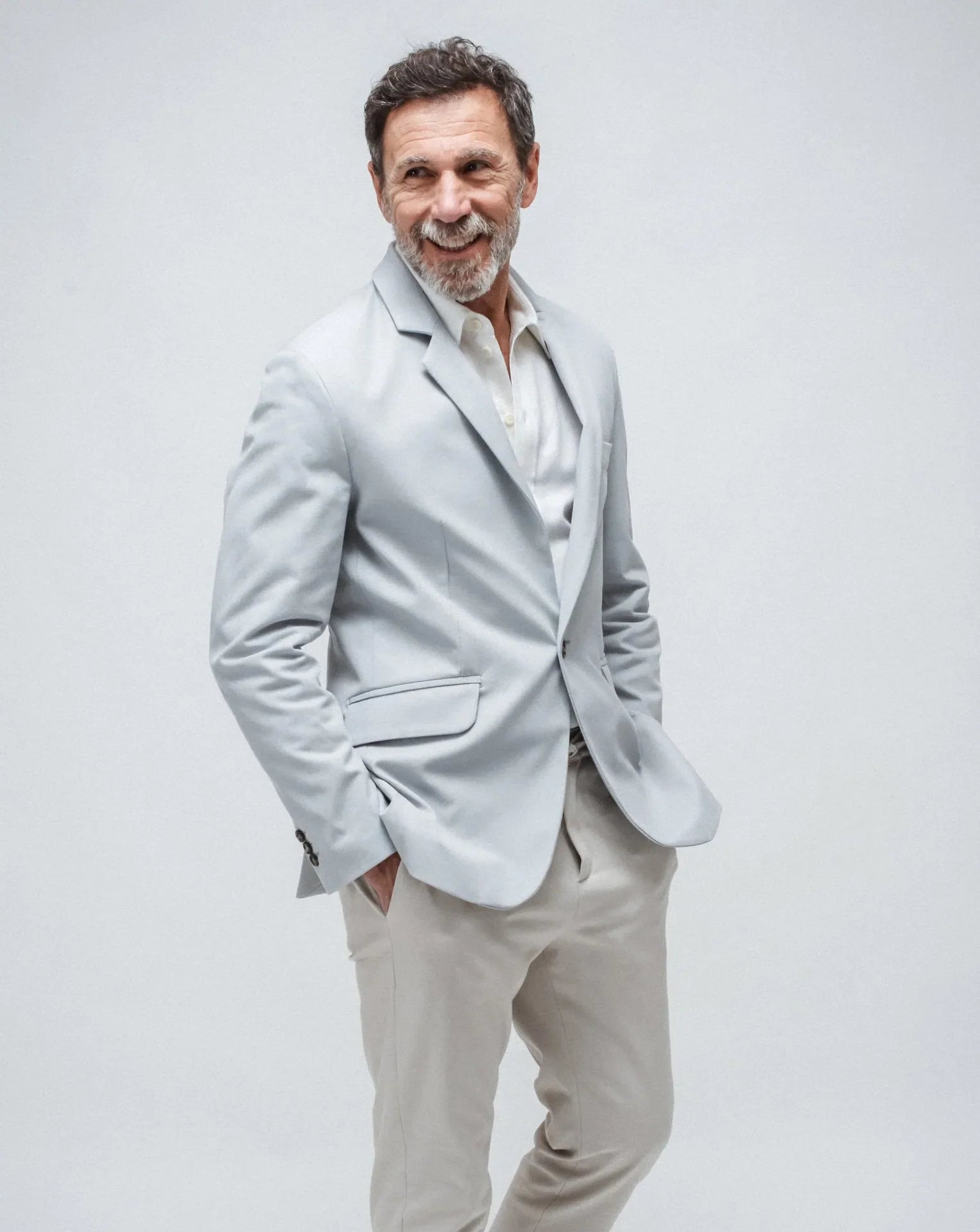
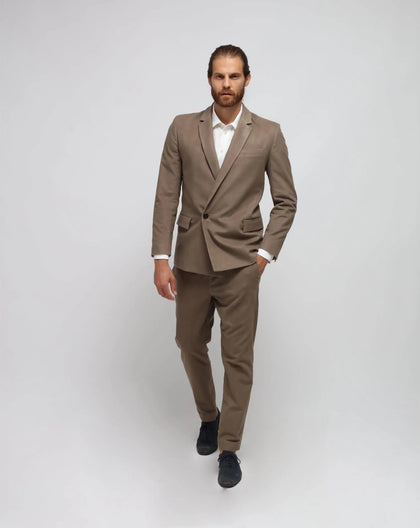
Tailoring is becoming less ceremonial and more adaptable. The best pieces work with sneakers, loafers, boots, and a simple T-shirt as easily as they do with a crisp shirt. For women, consider a relaxed blazer with a fluid trouser or a midi skirt. For men, a softer suit in a weighty deadstock fabric can work across office days, travel, and dinner plans.
Fit still decides everything. Oversized should mean proportioned, not careless. A boxier jacket may need a more precise shoulder. A wide trouser should break cleanly over footwear. Free size exchanges remove some of the risk, but a few minutes with measurements can prevent a piece with excellent fabric from becoming a piece that stays unworn.
How to wear deadstock pieces in a winter city
City dressing rewards clothes that can shift between environments. You might leave home in rain, walk ten blocks, sit in a heated office, and end the evening at a restaurant. The answer is not more clothes. It is better layering.
In New York or London, build around a long coat, a fine layer close to the body, and trousers with enough structure to hold their shape through the day. In Copenhagen or Amsterdam, practical footwear and weather-ready outerwear matter, but the silhouette can remain clean and architectural. In Paris or Milan, let one exceptional fabric lead the look: a textured jacket, a sharp coat, or a coordinated set, kept simple everywhere else.
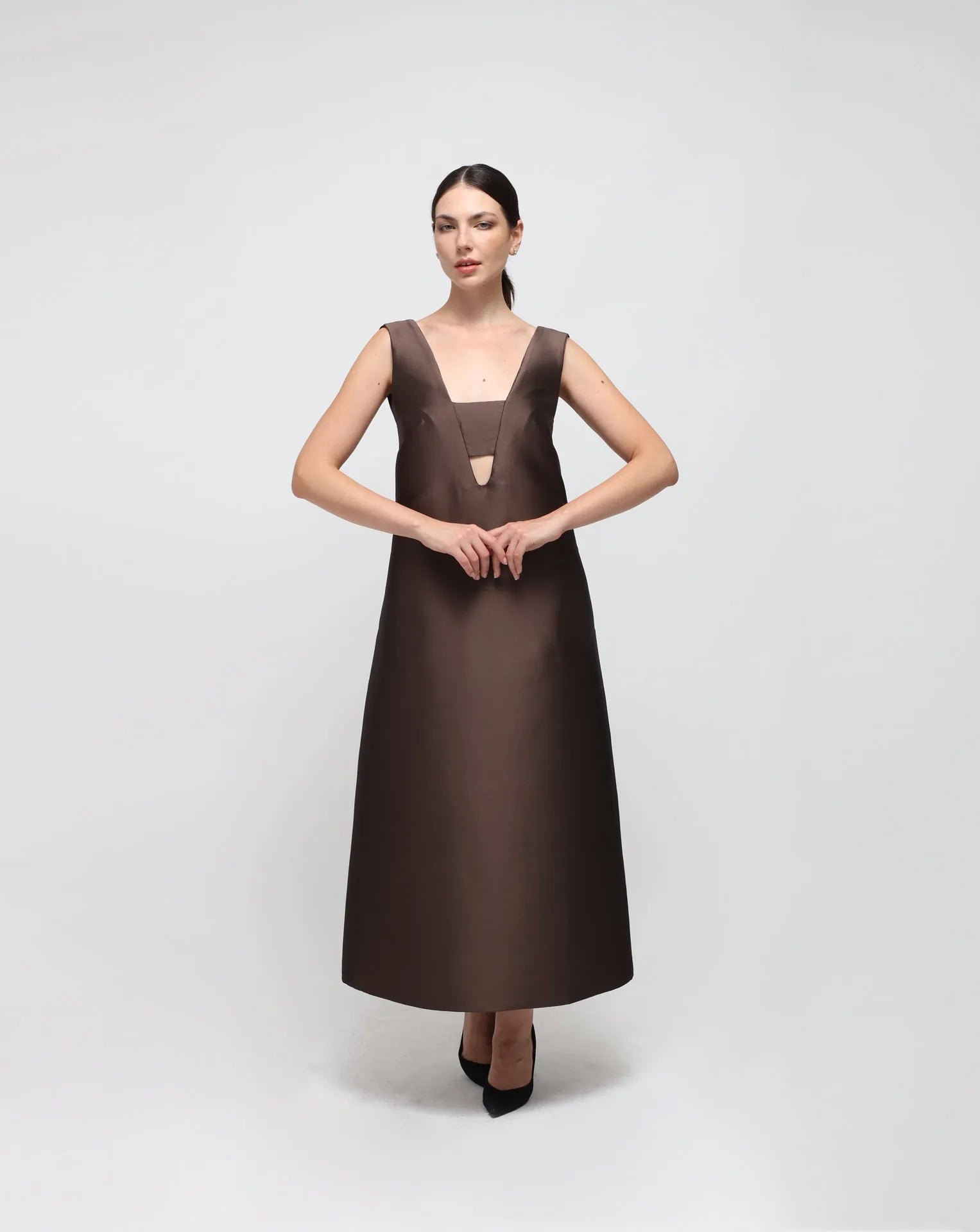
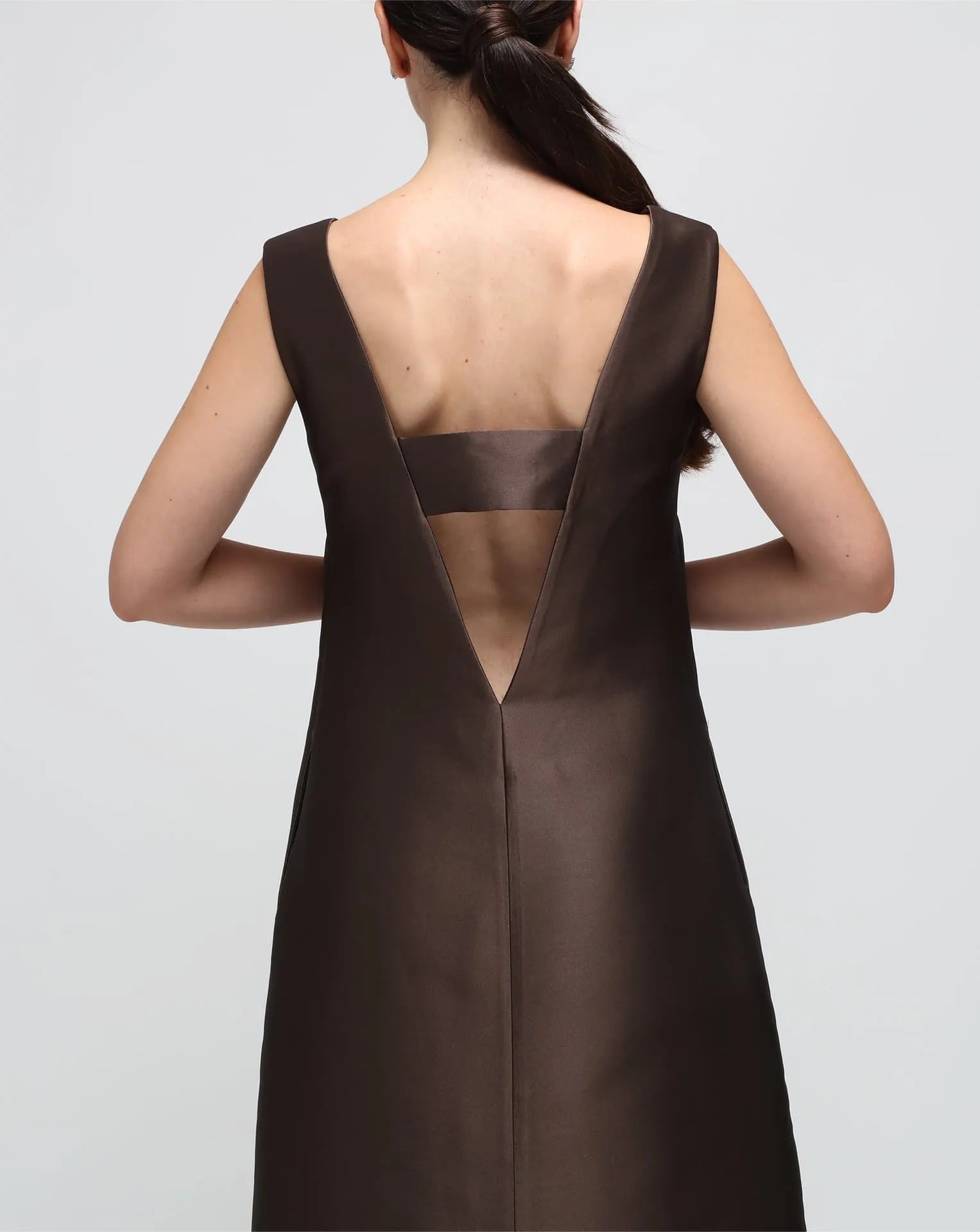
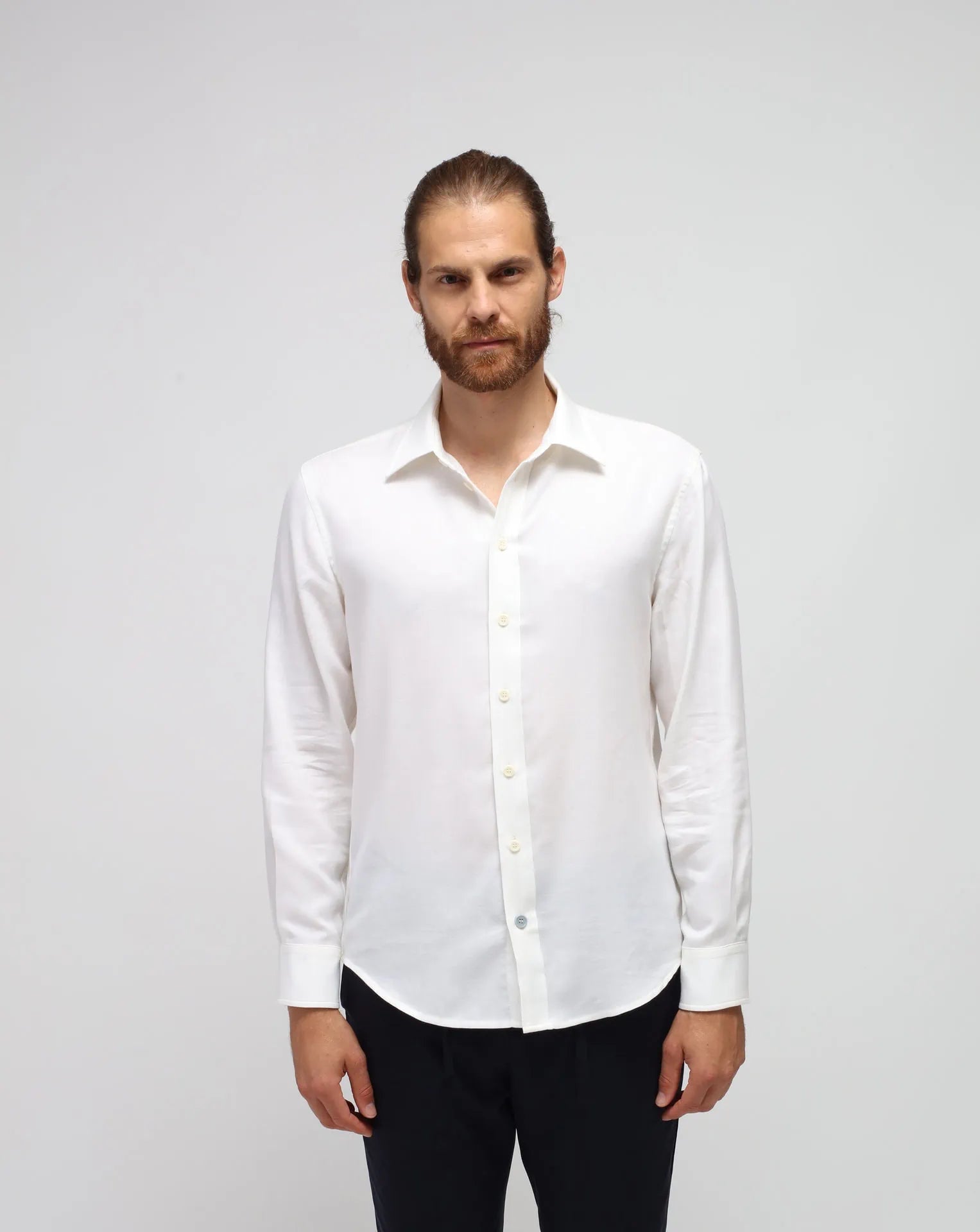
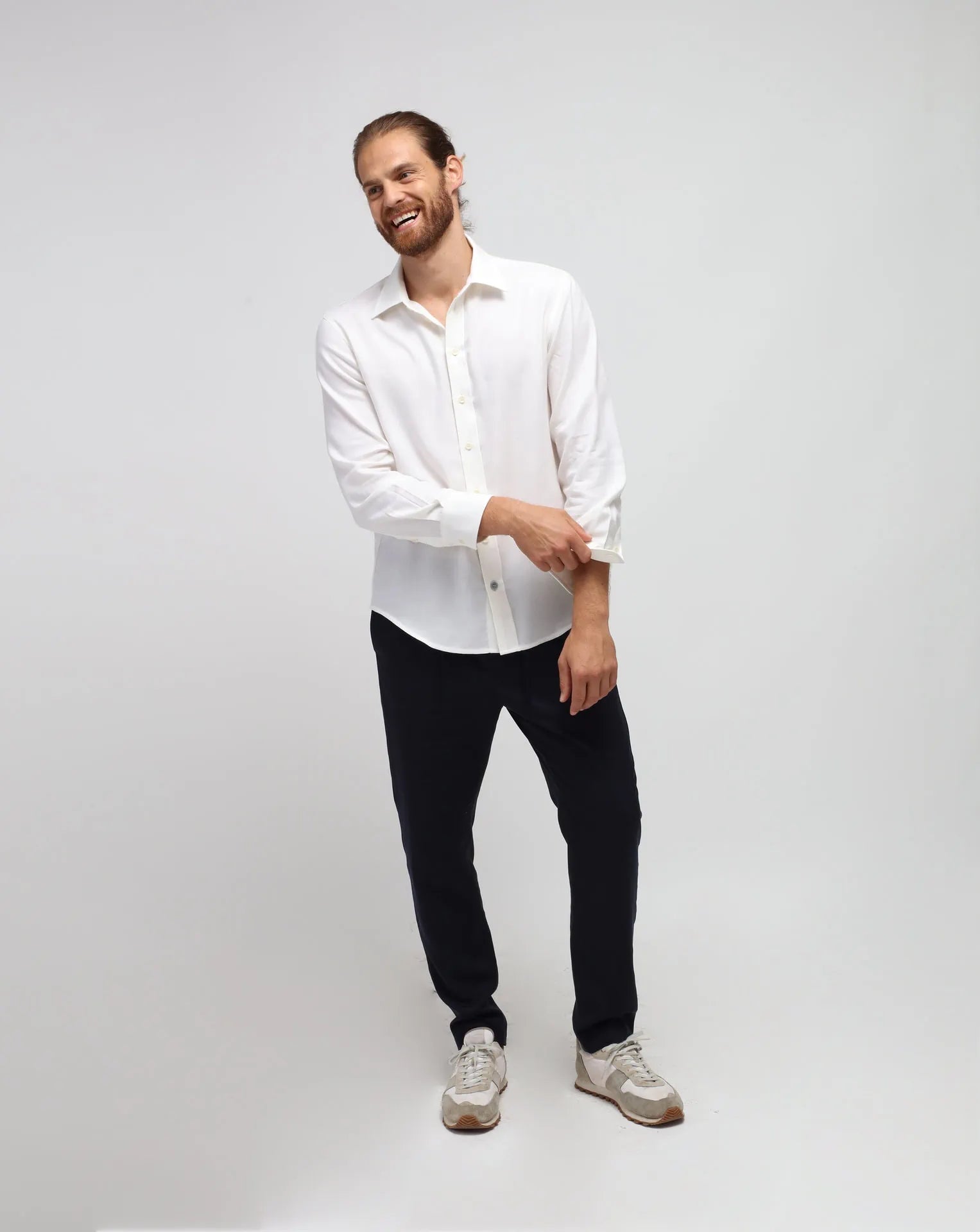
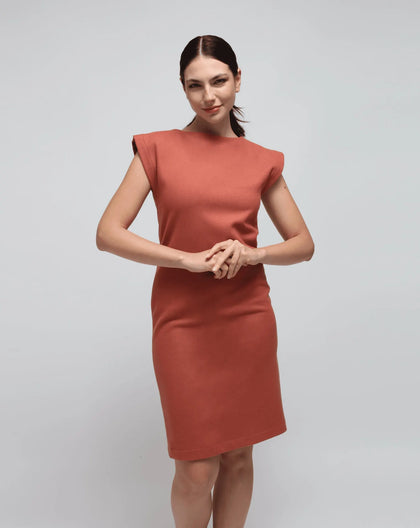
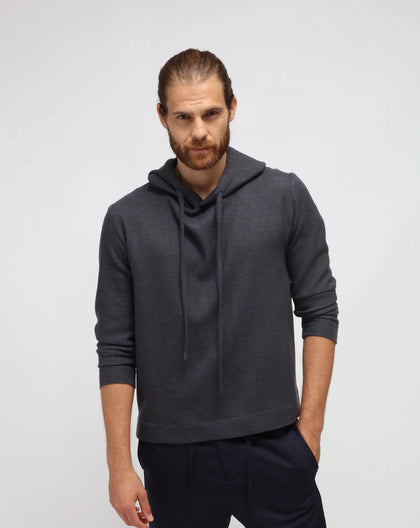
A considered winter formula can be as direct as a deadstock wool coat, knit top, tailored pants, and leather boots. For men, switch the knit top for a heavyweight shirt or merino layer beneath a wool overshirt. For women, a deadstock dress layered with tights, boots, and a long coat offers the same ease with a more polished finish.
The key is contrast. Pair a structured fabric with a softer knit, or a relaxed trouser with a precise jacket. When every piece is oversized, the outfit can lose definition. When every piece is fitted, it can feel restrictive. Let one element hold the shape and another provide movement.
What to ask before buying deadstock fashion
Deadstock is a more responsible material choice, but it is not a blanket claim that makes every garment sustainable. The full picture includes construction quality, production conditions, transport, garment care, and how often you will actually wear it.
Ask whether the piece solves a real wardrobe need. Can it be worn at least three ways? Does the fabric suit your climate? A heavy wool jacket may be perfect for a cold Northeast winter and excessive for a mild coastal one. Does the silhouette work with the shoes, bags, and layers you already own? Responsible buying is less about achieving a perfect wardrobe and more about avoiding predictable regret.
Care is part of the commitment. Air out wool between wears, spot-clean when possible, use a proper hanger for coats and jackets, and follow the garment label rather than washing on habit. Extending the life of a well-made piece is one of the most direct ways to reduce its impact.
Humans & Land approaches this through premium deadstock fabrics and small-batch Italian production, where limited quantity is tied to material reality rather than manufactured urgency. The objective is simple: make clothing worth keeping, repairing, restyling, and remembering.
This winter, choose the piece that makes getting dressed feel calmer. A finite fabric, a strong silhouette, and a wardrobe role you can name are better signals of lasting style than another trend passing through your cart.
FAQ
Q: What are deadstock fabrics?
A: Deadstock fabrics are unused materials left over from previous production runs, mills, or fashion houses. They are still new fabrics, but they already exist, allowing designers to create garments without commissioning new textile production for that material.
Q: Are deadstock fashion trends sustainable?
A: They can be a more responsible choice because they put existing fabric to use and help prevent usable material from becoming waste. The overall impact still depends on garment quality, manufacturing, shipping, care, and how long the item is worn.
Q: Why are deadstock garments often limited edition?
A: The available fabric is finite. Once a particular roll of wool, twill, or cotton is used, it may not be possible to source the exact material again. That makes small-batch production a practical reality rather than a manufactured scarcity tactic.
Q: How should I style deadstock outerwear for winter?
A: Start with one statement layer, such as a textured wool coat or structured jacket, then keep the rest of the look clean. Pair it with fine knits, tailored pants or denim, and practical leather boots to let the fabric stand out.
Q: Do deadstock fabrics require special care?
A: Care depends on the fiber content. Wool pieces generally benefit from airing out, spot-cleaning, and occasional professional cleaning. Always follow the garment care label, and store structured coats and jackets on supportive hangers.
the World of H&L