
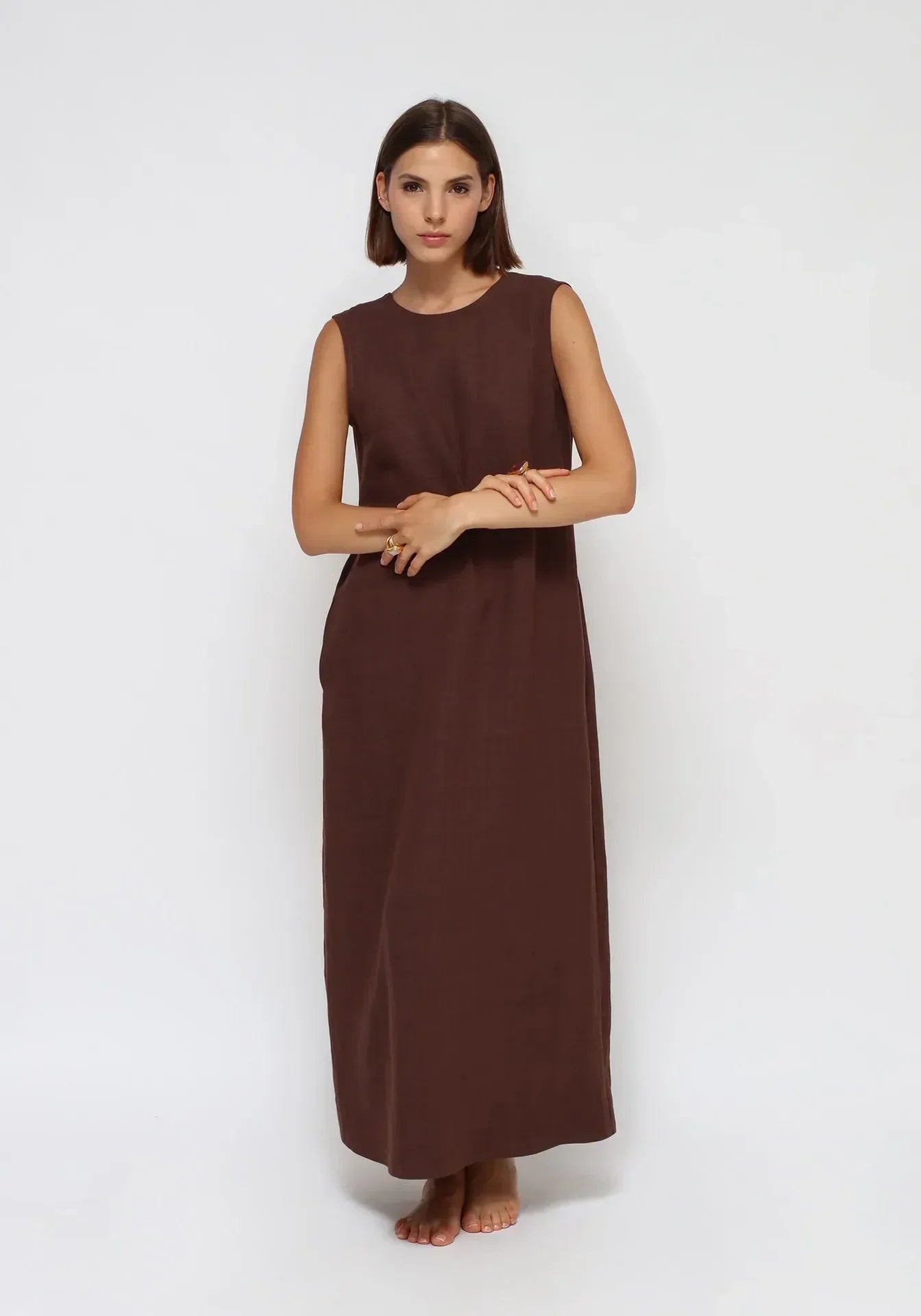
How to make the transition to slow fashion
How to make the transition to slow fashion:
If you’re here, you’re probably feeling the same thing many of us feel: fast fashion makes it too easy to buy more than we need—and too hard to build a wardrobe that truly lasts.
Slow fashion is the antidote. Not as a trend, but as a long-term approach: buy less, choose better, and keep clothes in use for longer. The good news is you don’t need to throw everything out and start over. You can transition step by step.
And when you do buy something new, the goal is simple: choose pieces you’ll repeat-wear for years.

What is slow fashion?
Slow fashion is the opposite of fast fashion’s speed-and-volume model. It’s a mindful way of dressing that considers:
-
how a garment is made and by whom
-
the resources used (materials, water, energy)
-
how long it will realistically be worn
In practice, slow fashion favors quality, longevity, fair treatment of people, and lower waste.
Source: “What is Slow Fashion?”, Good On You
Step 1: Do a closet audit (without guilt)
Start with what you already own.
-
Pull out everything and sort into: wear often, wear sometimes, never wear.
-
For the “never wear” pile, ask why: fit, comfort, quality, color, lifestyle mismatch?
-
Resell, donate, or pass on pieces in good condition so they can be worn again.
This step reduces impulse shopping because you’ll see what you truly need—and what you don’t.
Step 2: Define your “repeat-wear” style
Slow fashion works best when you know what you actually like wearing.
Try this quick exercise:
-
Pick your 10 most-worn items.
-
Write down what they have in common: silhouettes, colors, fabrics, comfort level.
-
Use that as your filter for future purchases.
Step 3: Set 3 simple shopping rules
These rules keep you from sliding back into fast-fashion habits.
-
**30-wear test:** Can I see myself wearing this at least 30 or more times?
-
**Fabric + feel test:** Does it breathe, move well, and feel good on skin?
-
**Construction test:** Are seams, hems, and finishing clean and sturdy?
If a piece fails two of these, it’s usually not a slow-fashion buy.
Step 4: Research brands (and ask better questions)
When you do buy new, research matters—but keep it practical.
Questions to ask:
-
Where is it made?
-
Who made it (and are workers treated fairly)?
-
What is the fabric, and how should it be cared for?
-
Is the brand transparent about materials and production?
Step 5: Choose longevity habits (they matter more than you think)
Slow fashion isn’t only what you buy—it’s how you keep it.
Small habits that extend garment life:
-
air out between wears
-
spot-clean instead of washing immediately
-
wash cold and gentle
-
repair small issues early
Step 6: Add “circular” options to your routine
You can transition faster (and cheaper) by mixing in circular choices:
-
thrift and vintage
-
clothing swaps
-
tailoring and alterations
-
upcycling projects (only if you’ll truly wear the result)

Where Humans & Land fits in
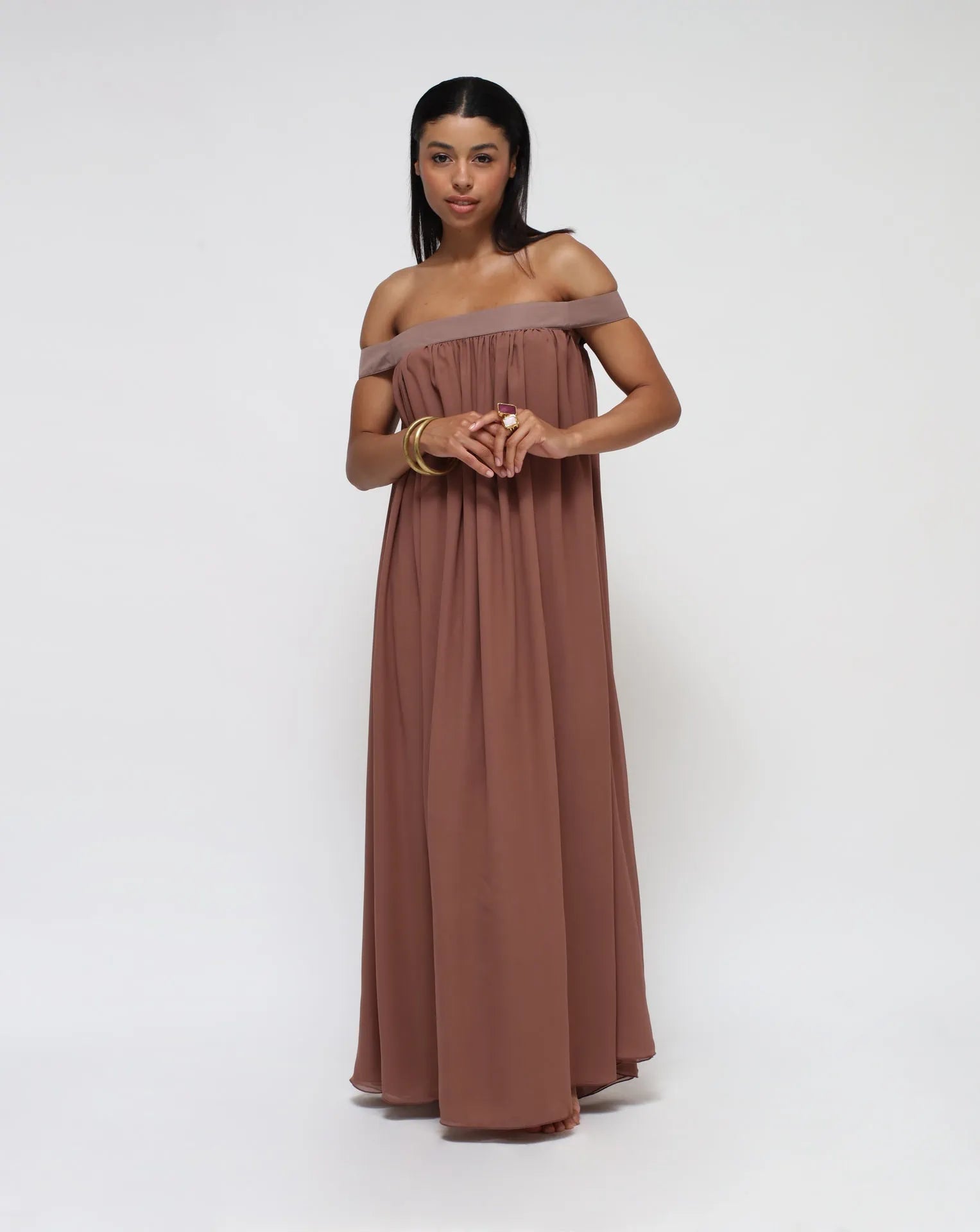
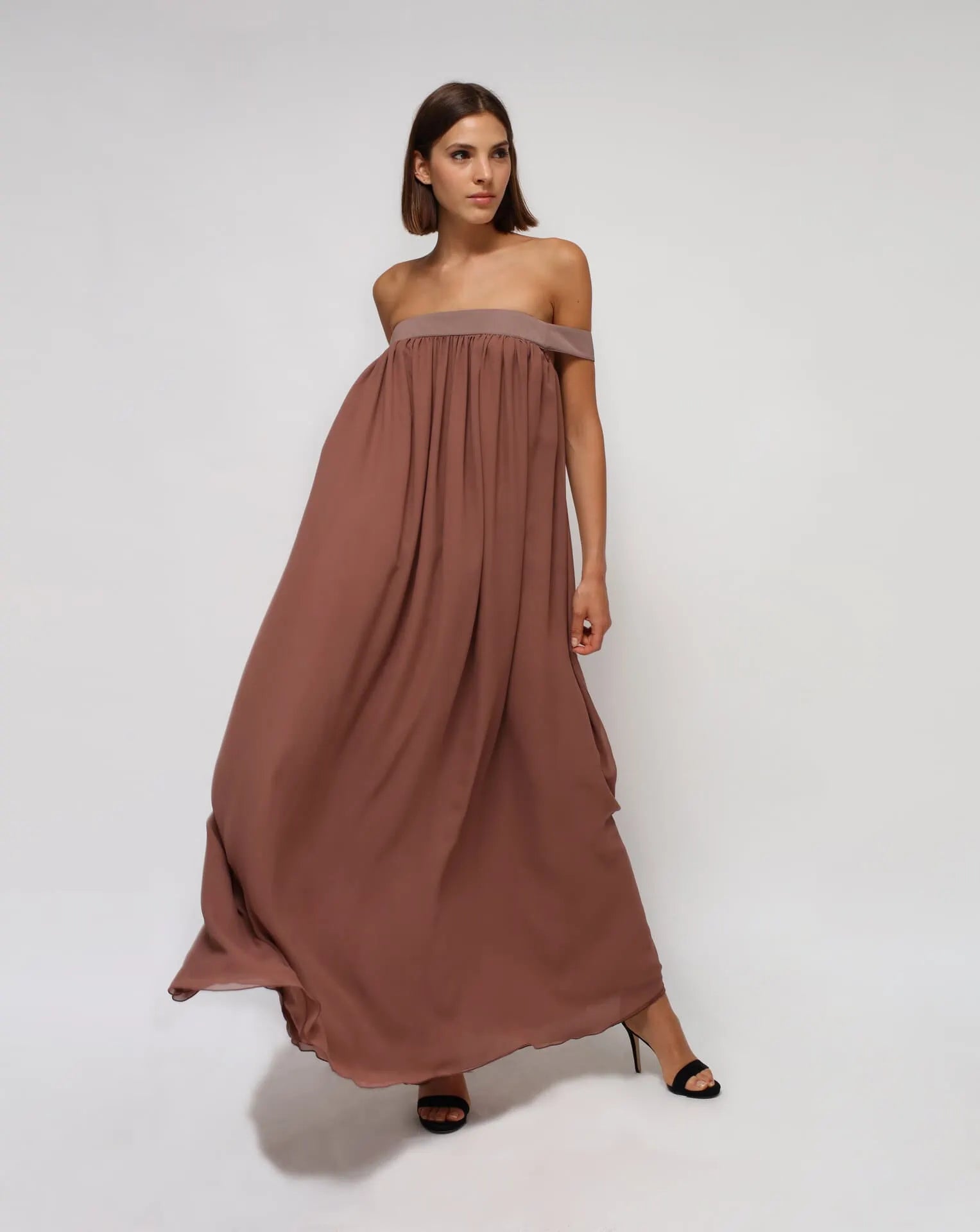
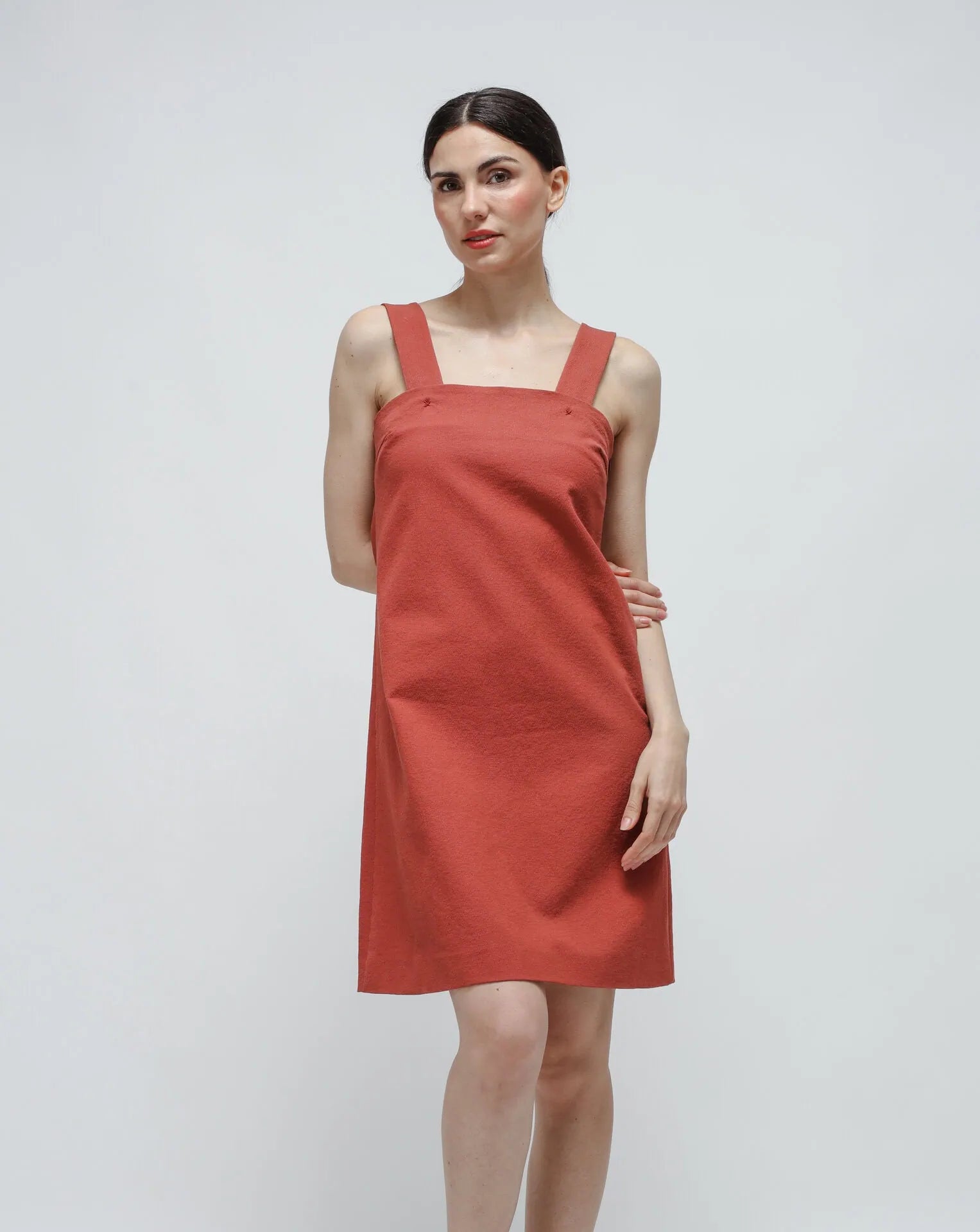
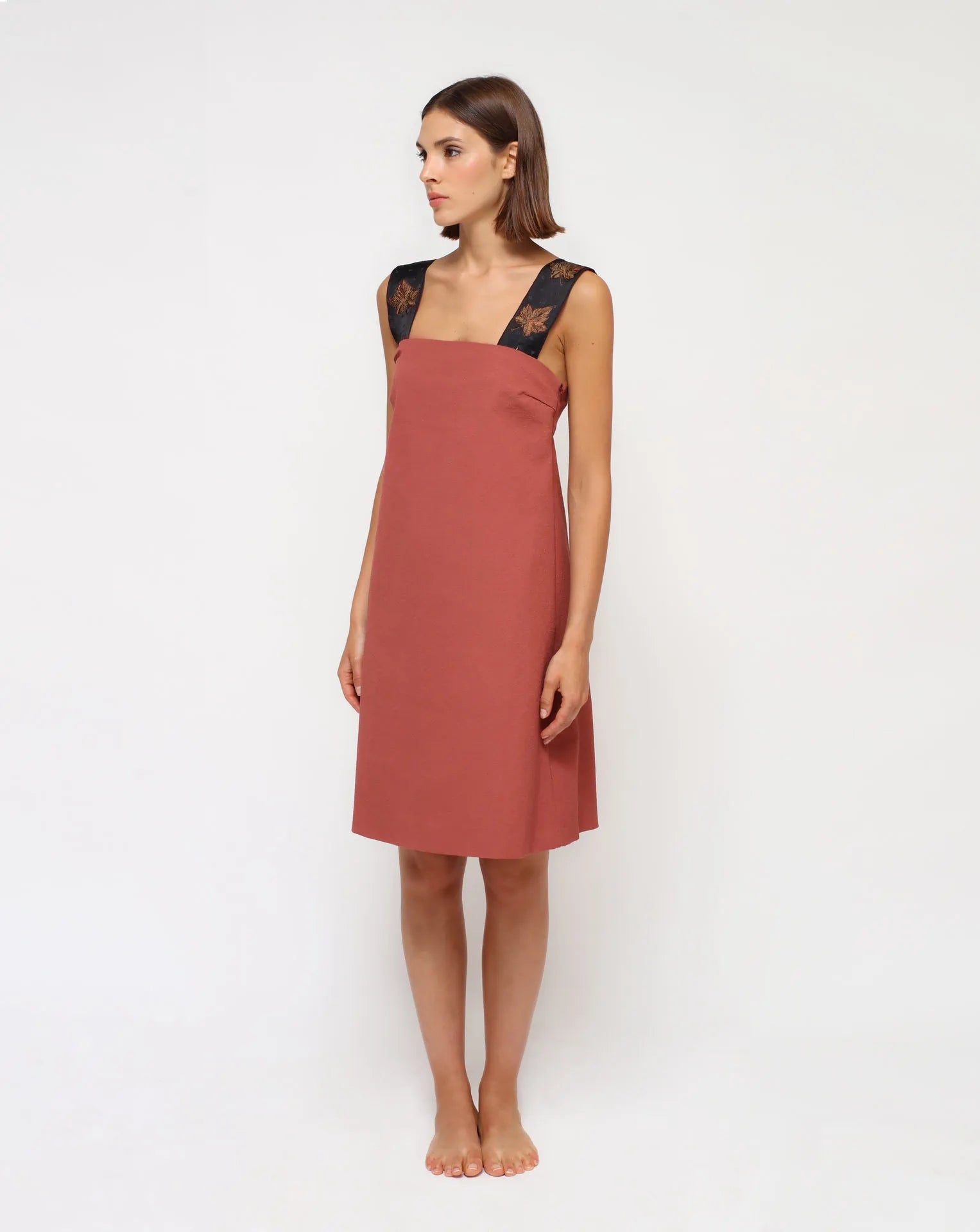
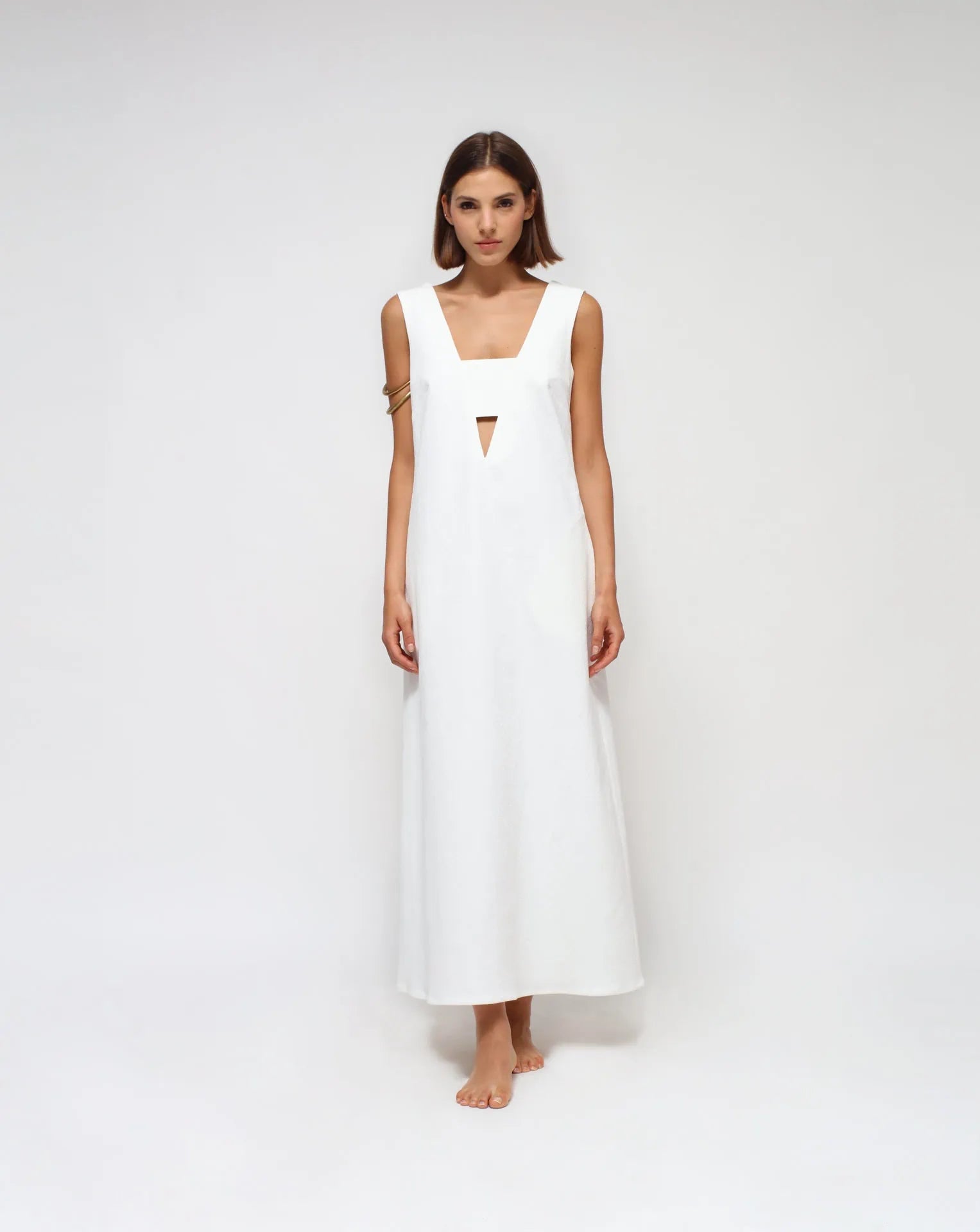
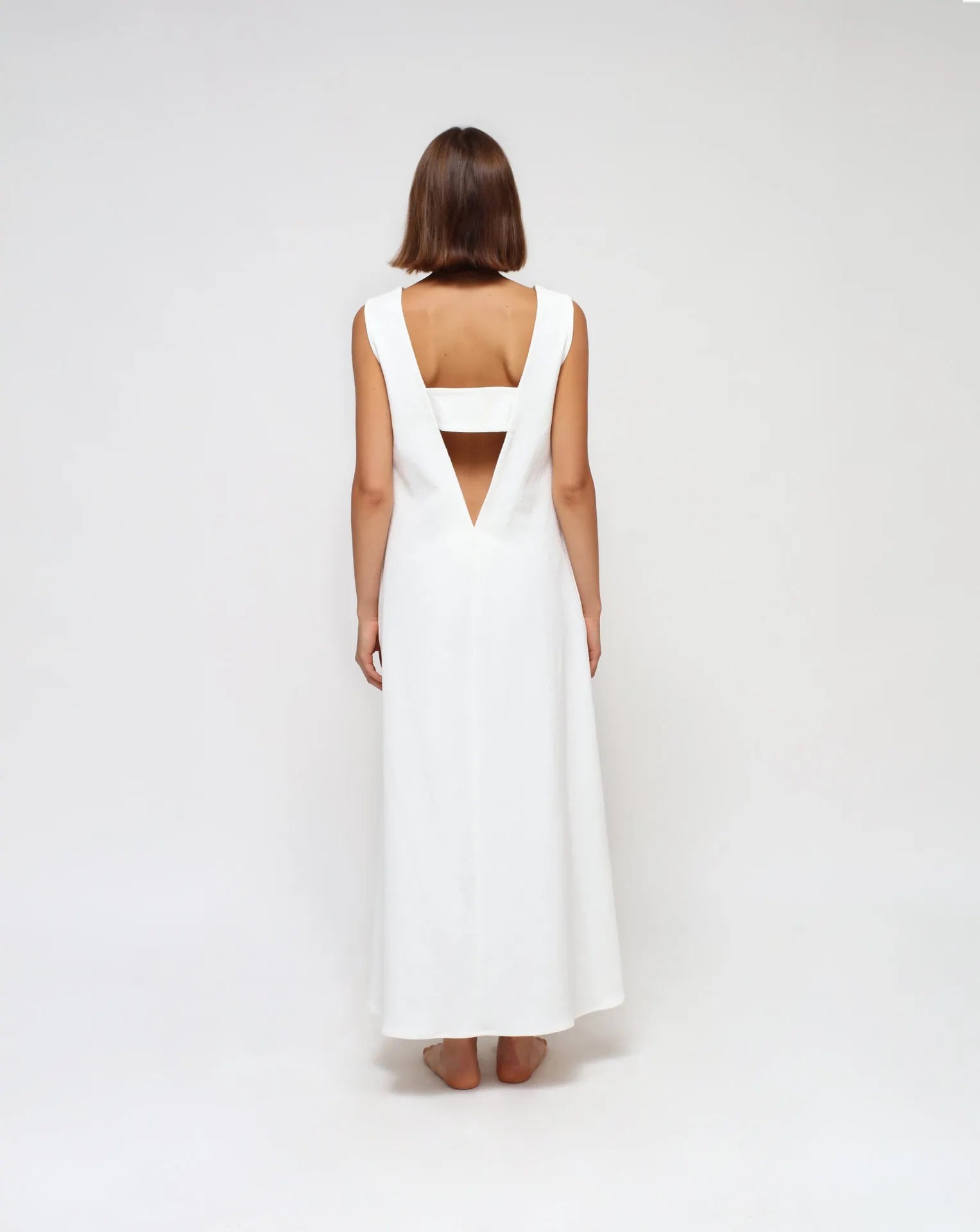
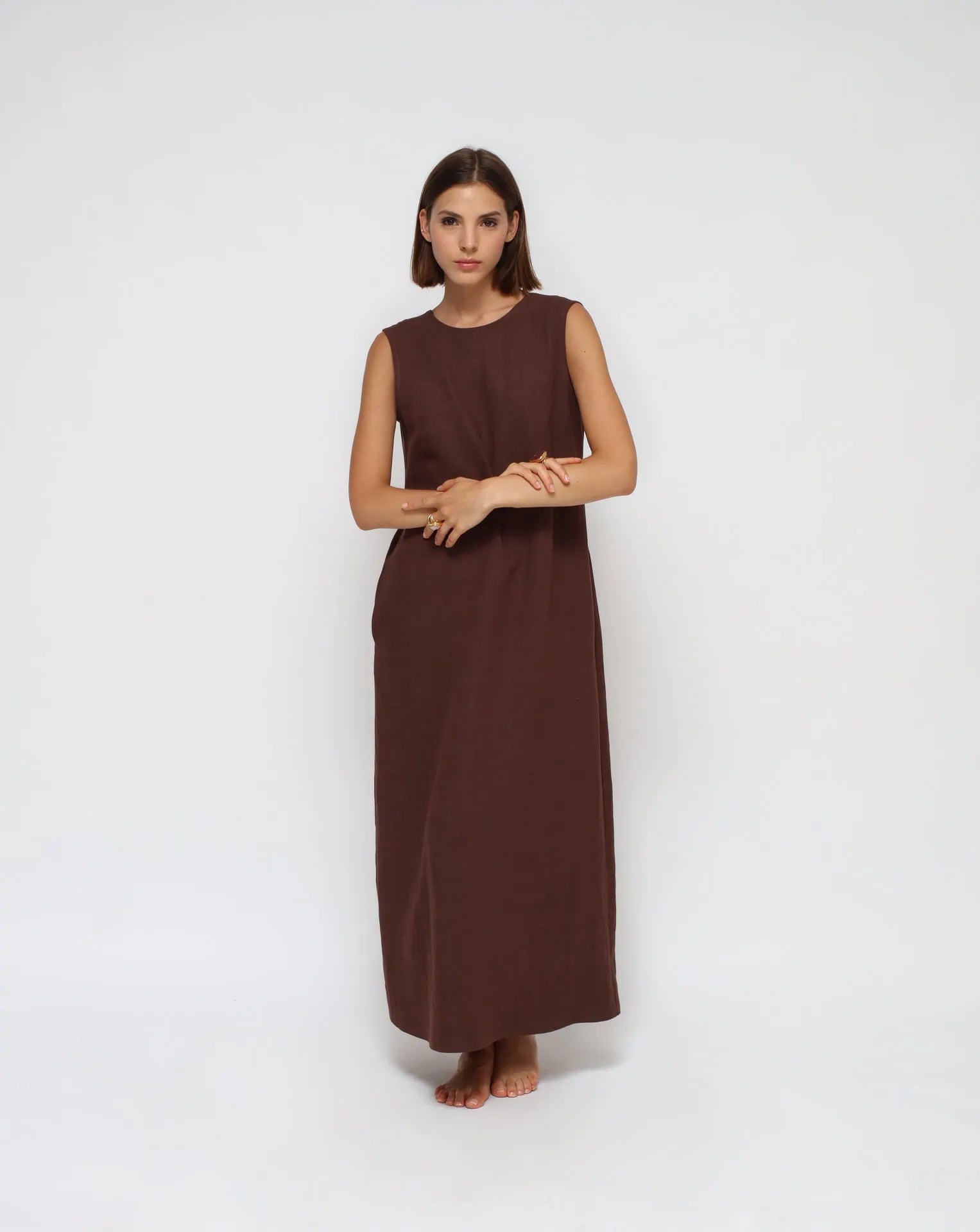
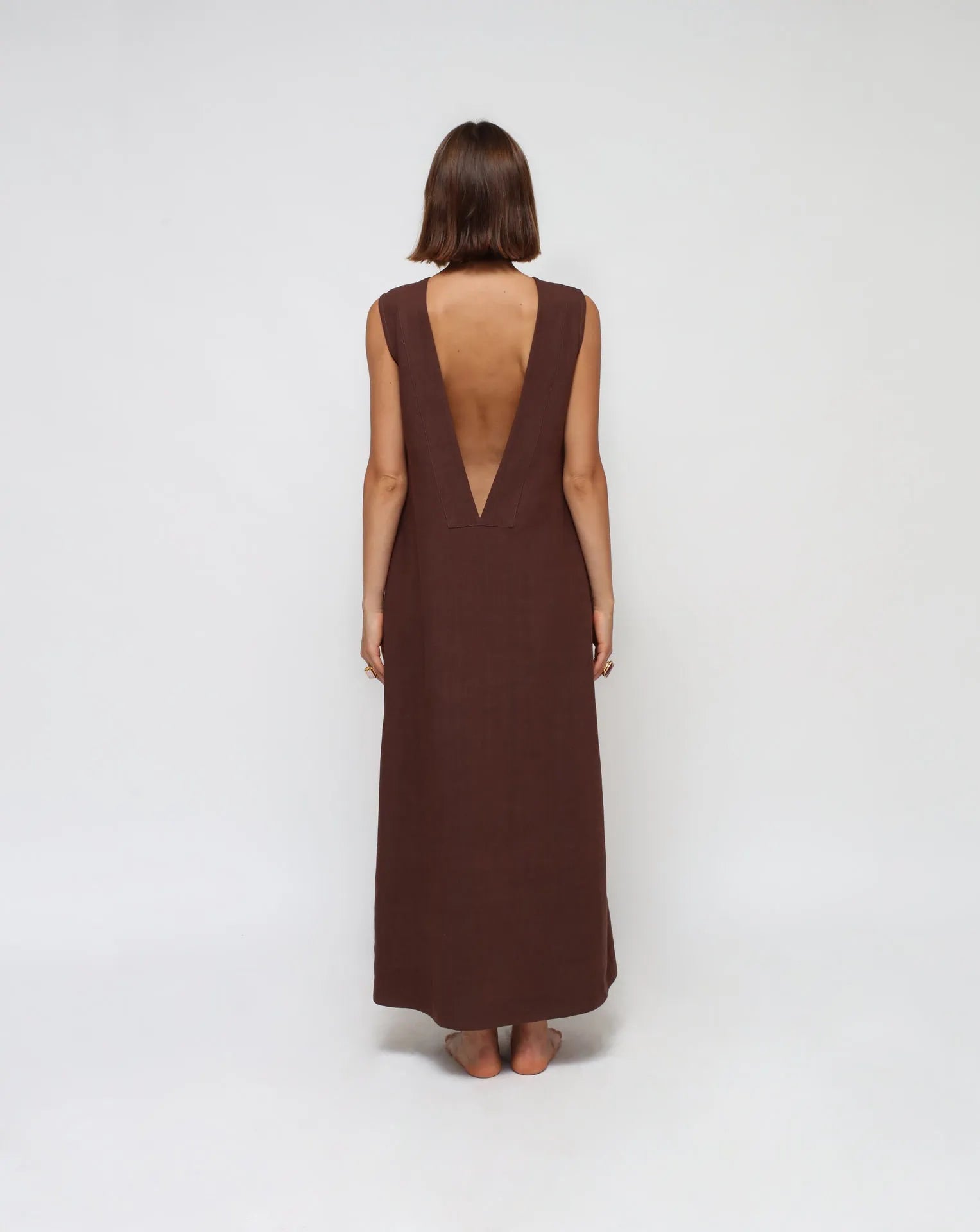
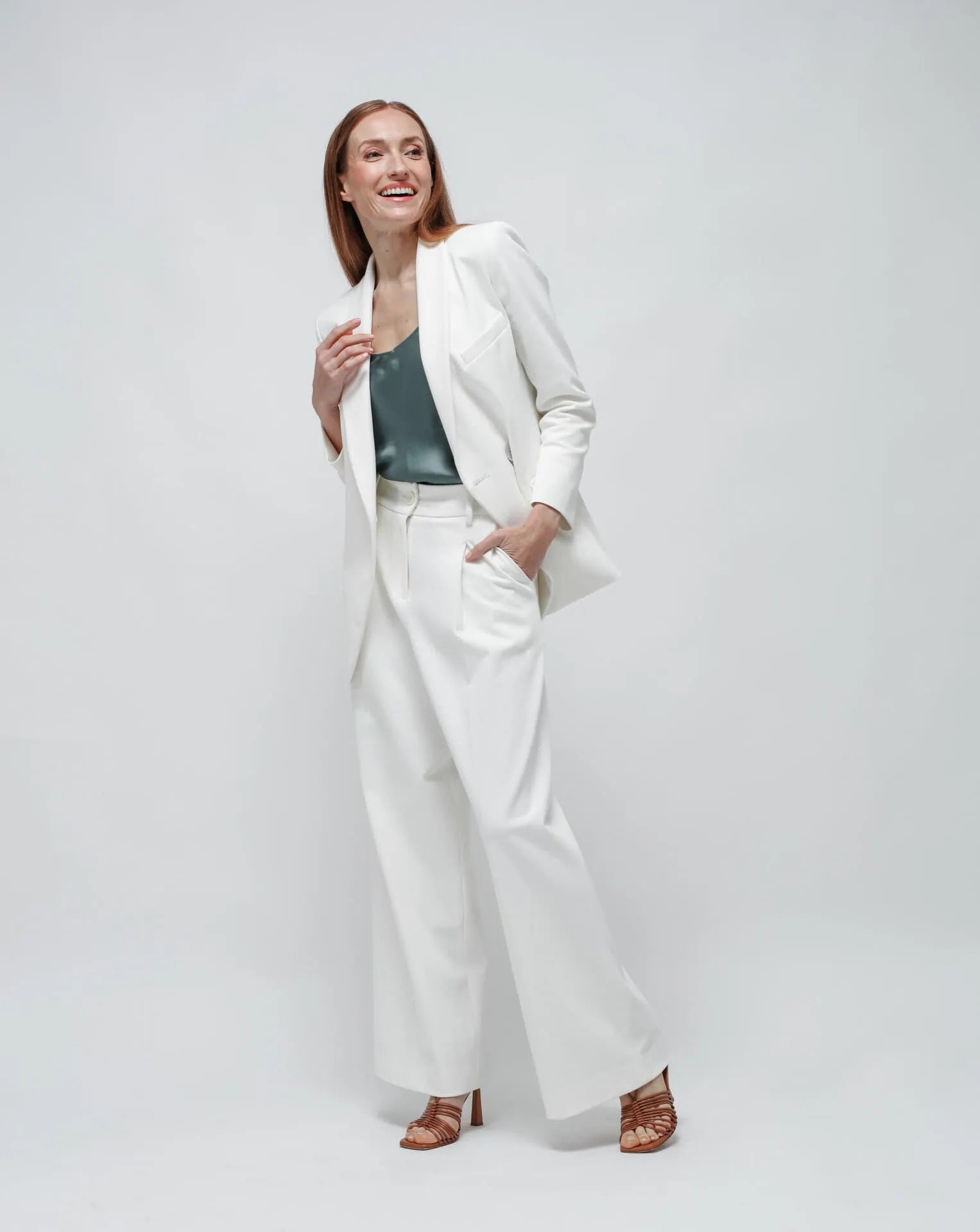
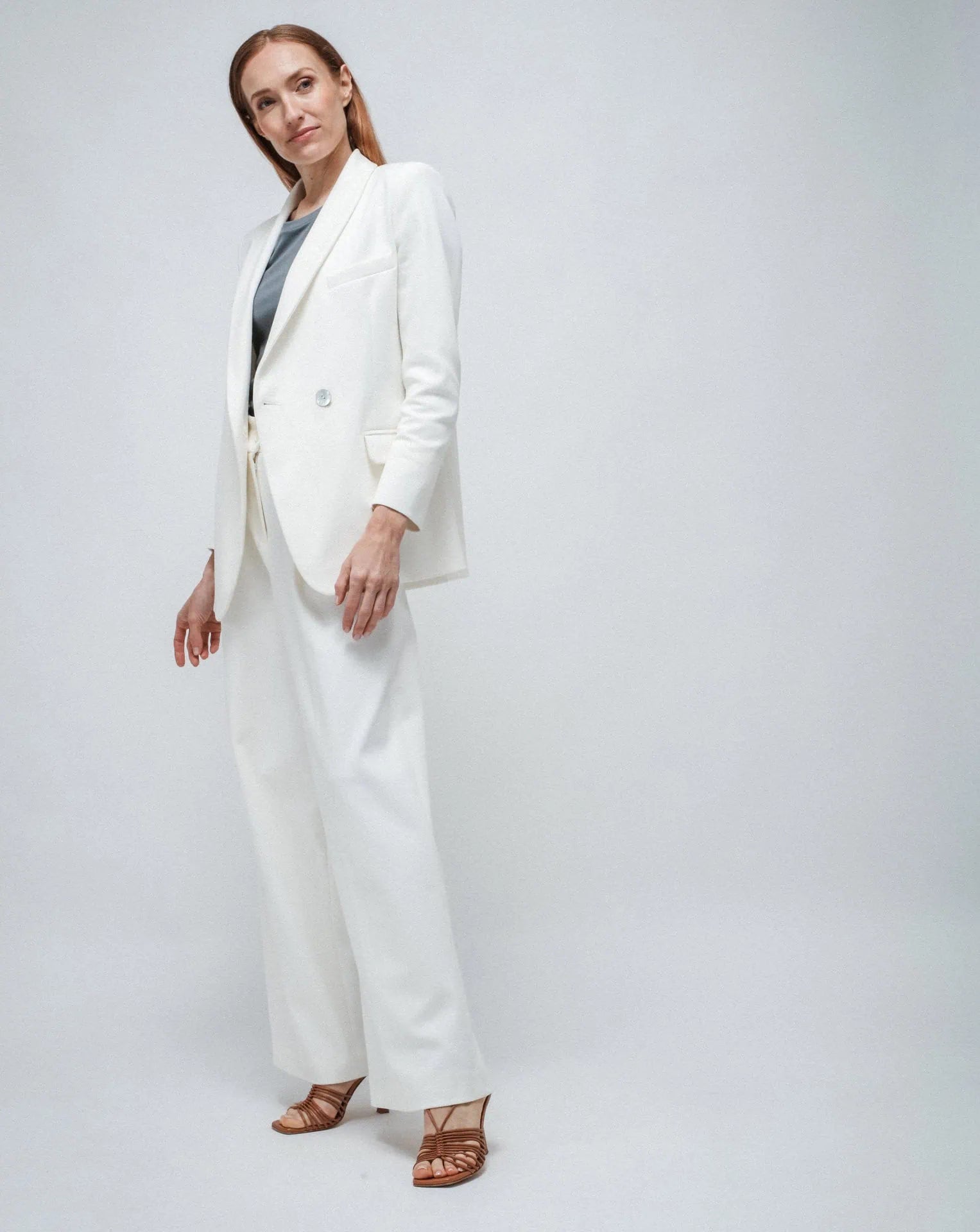
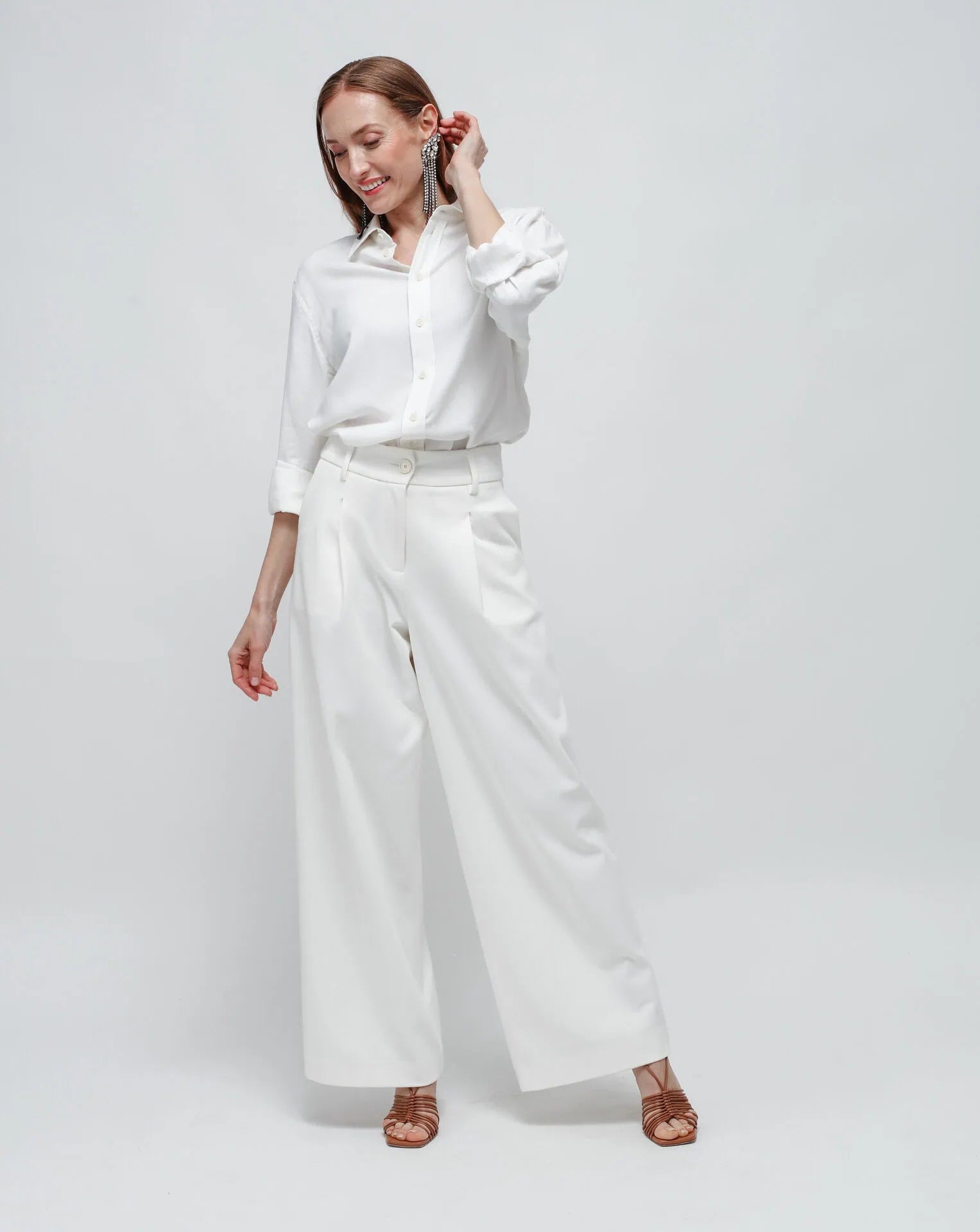
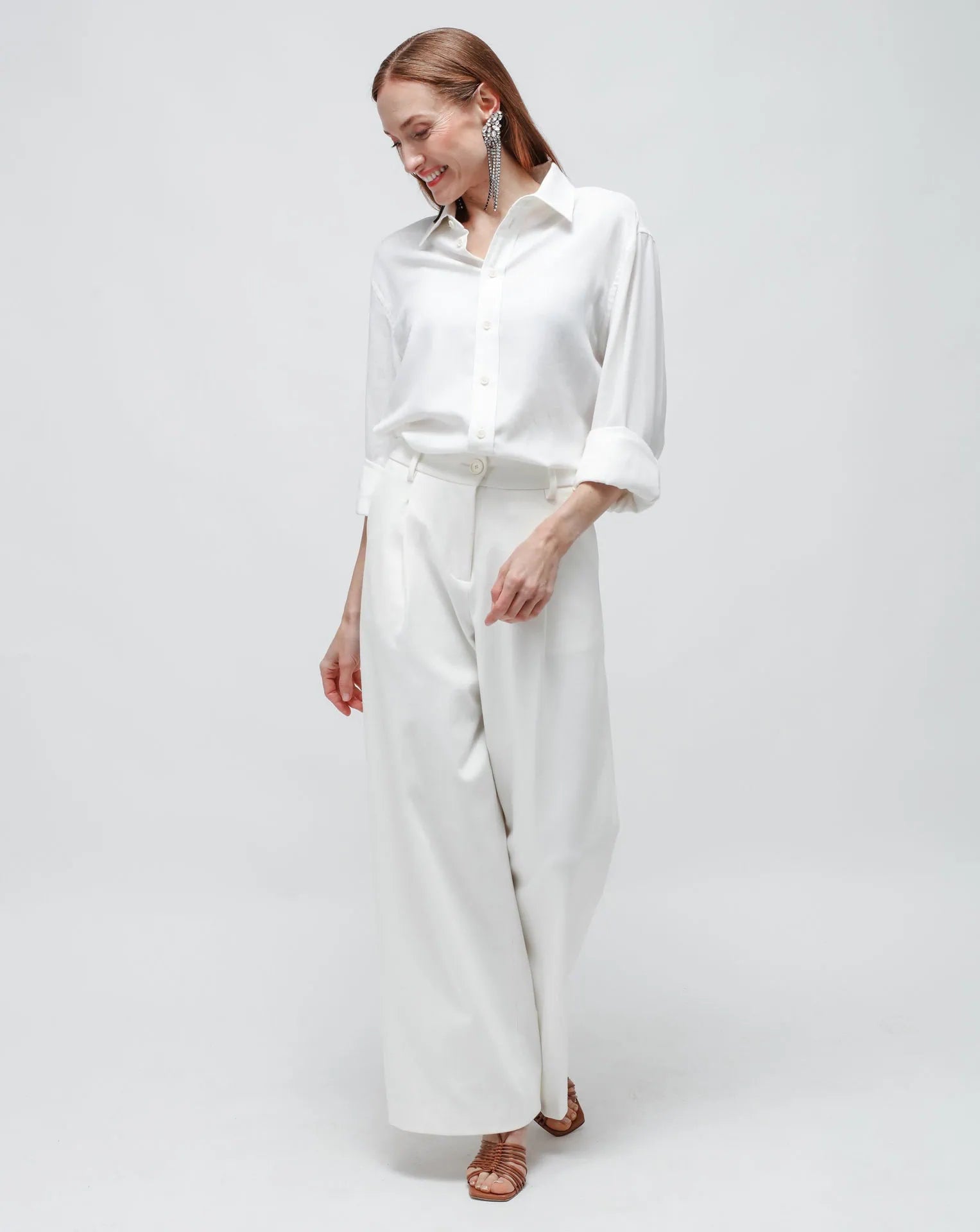
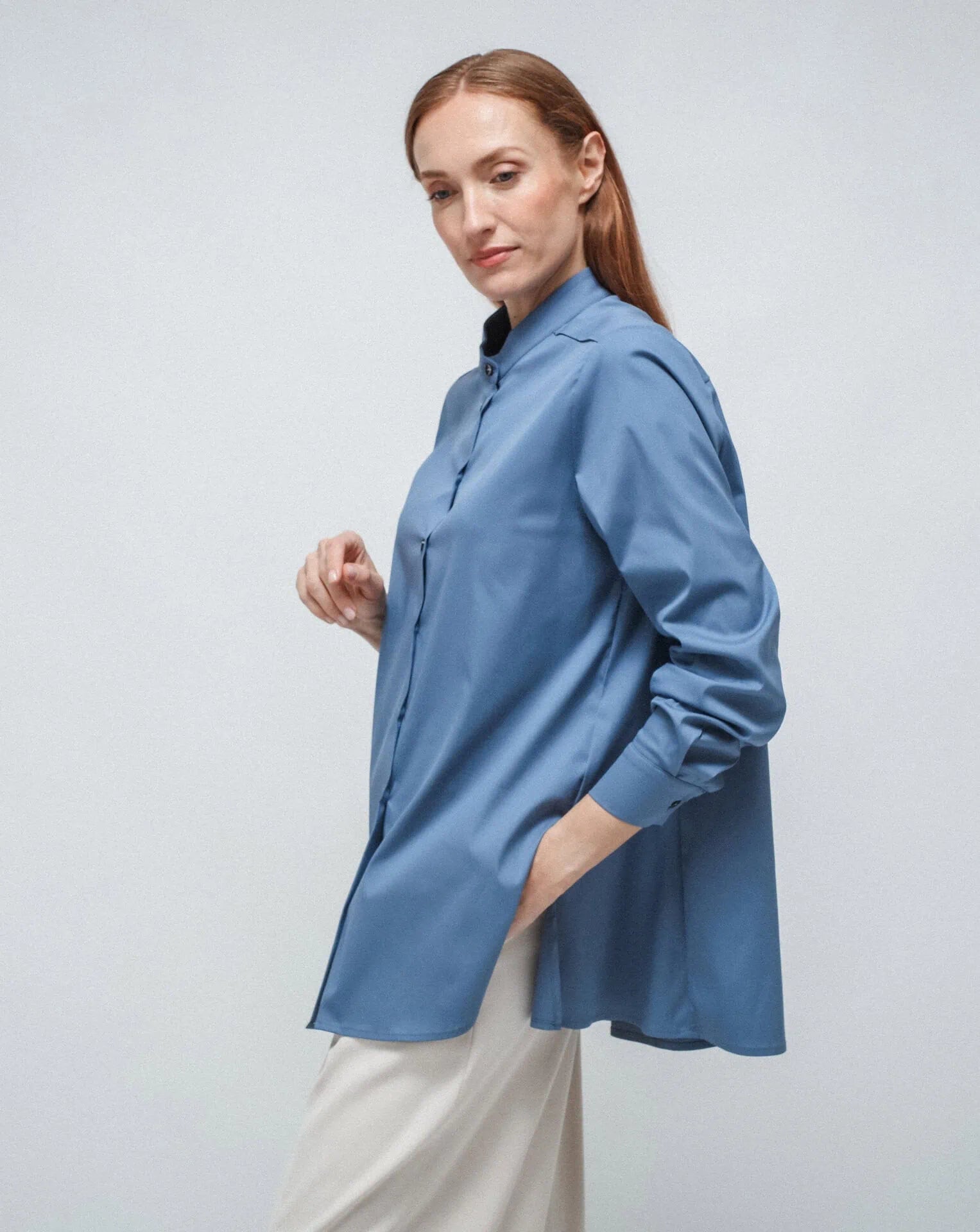
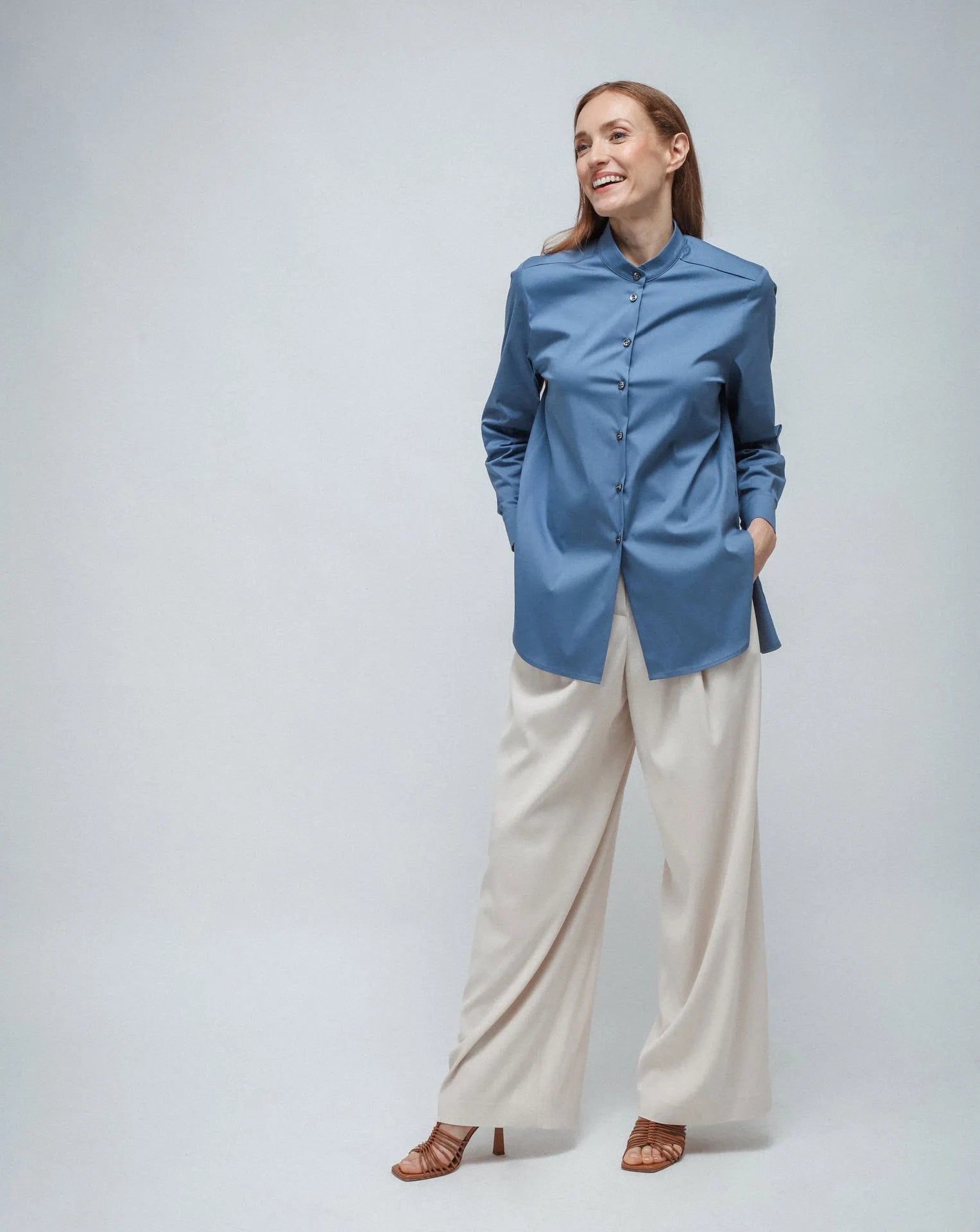
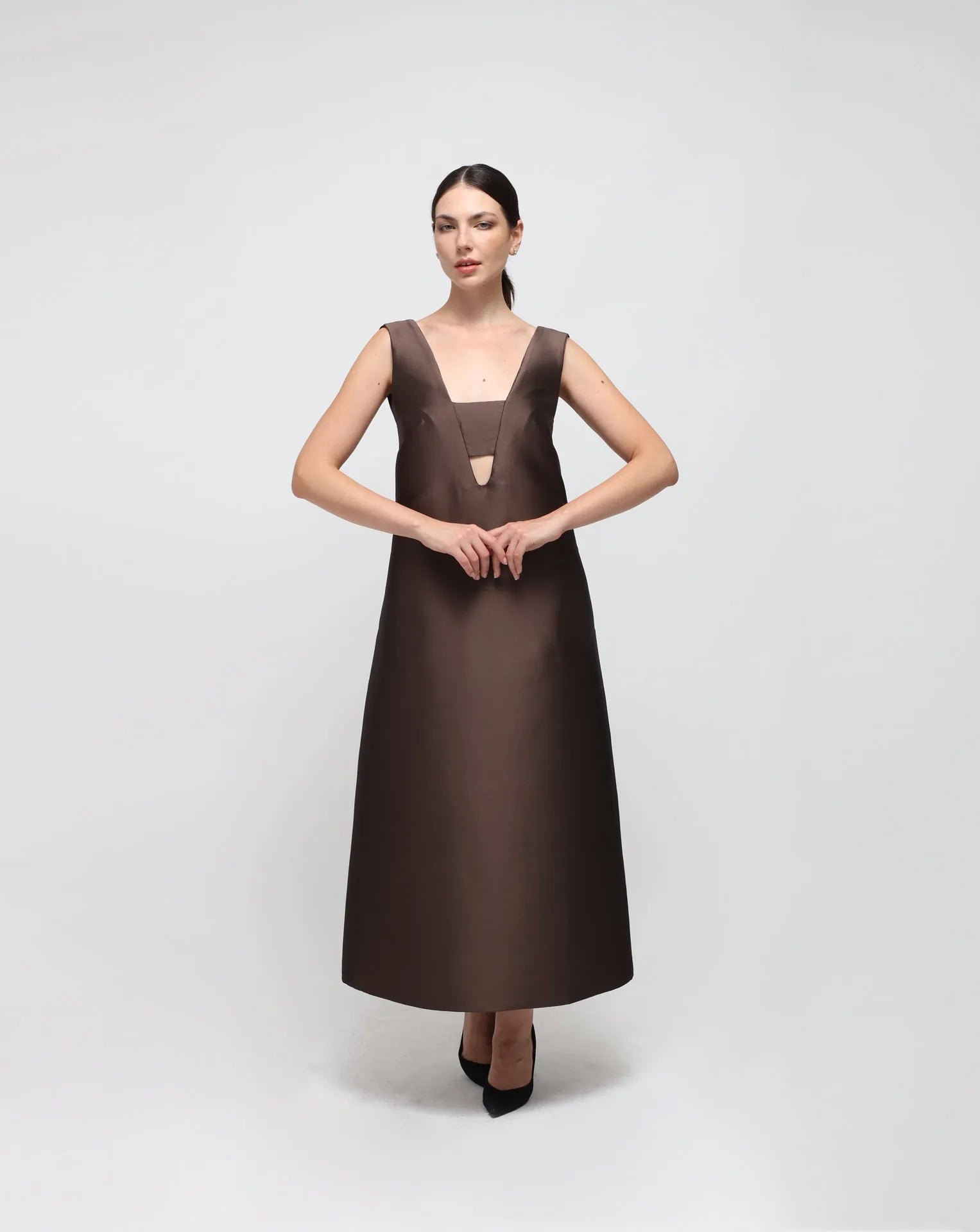
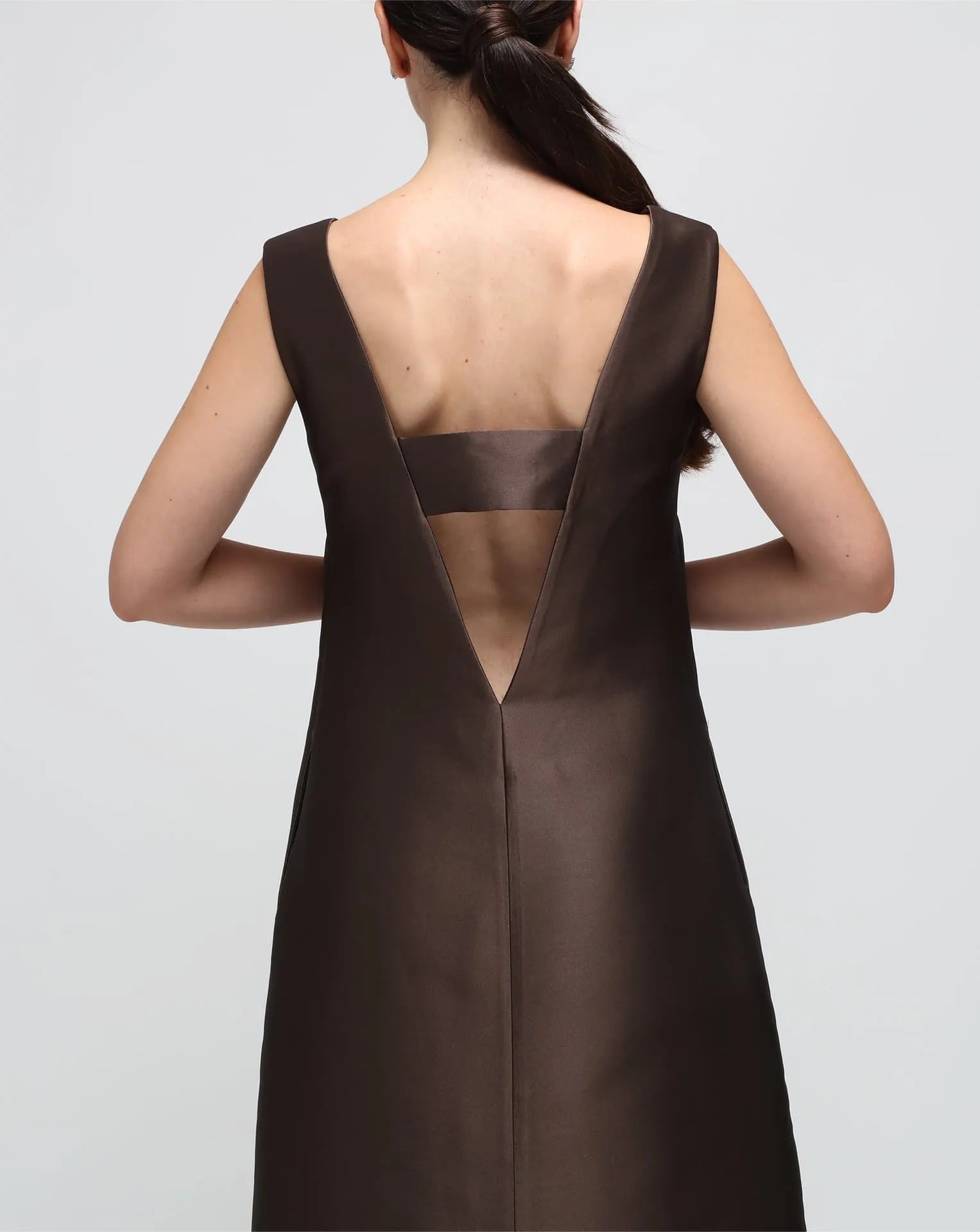
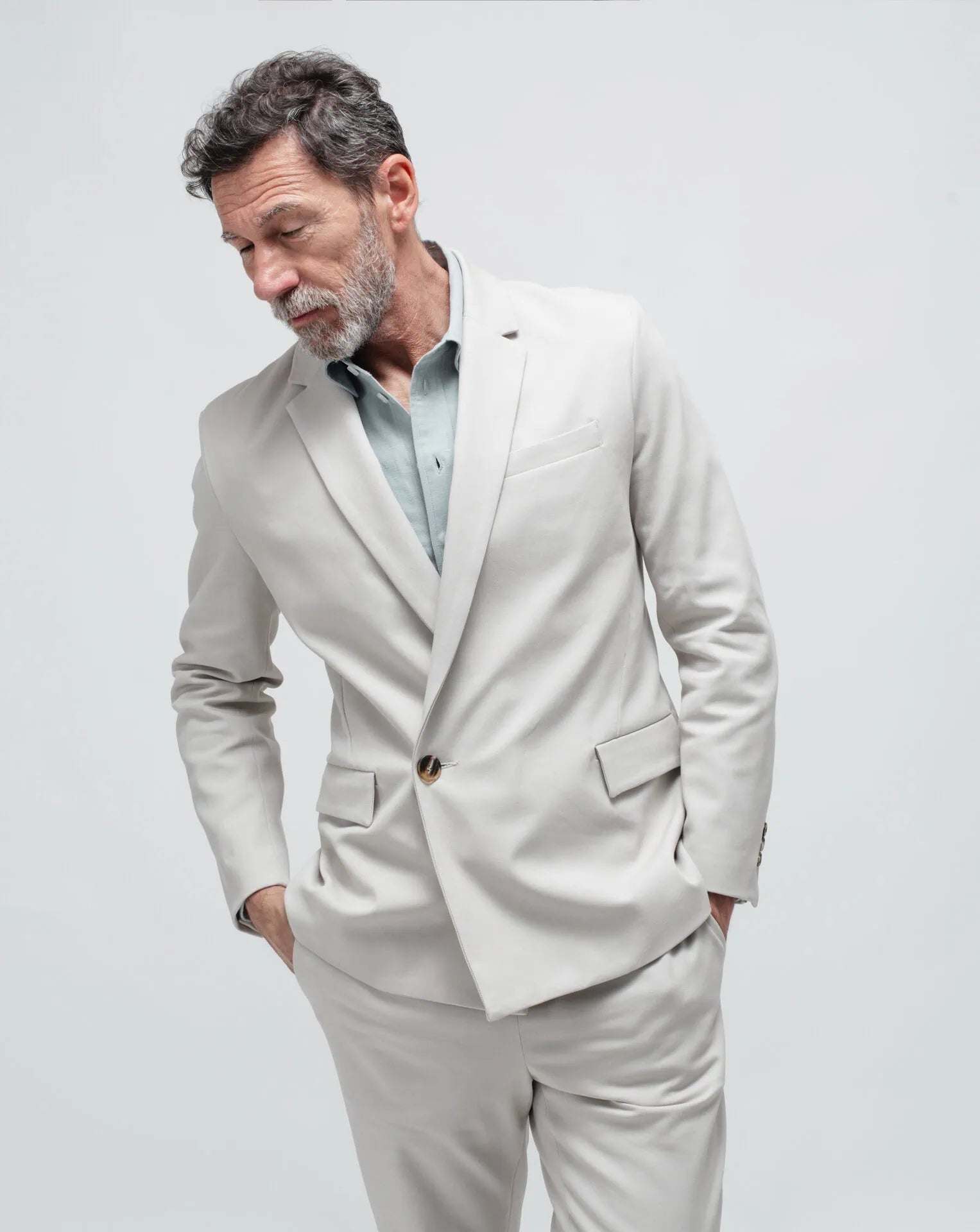
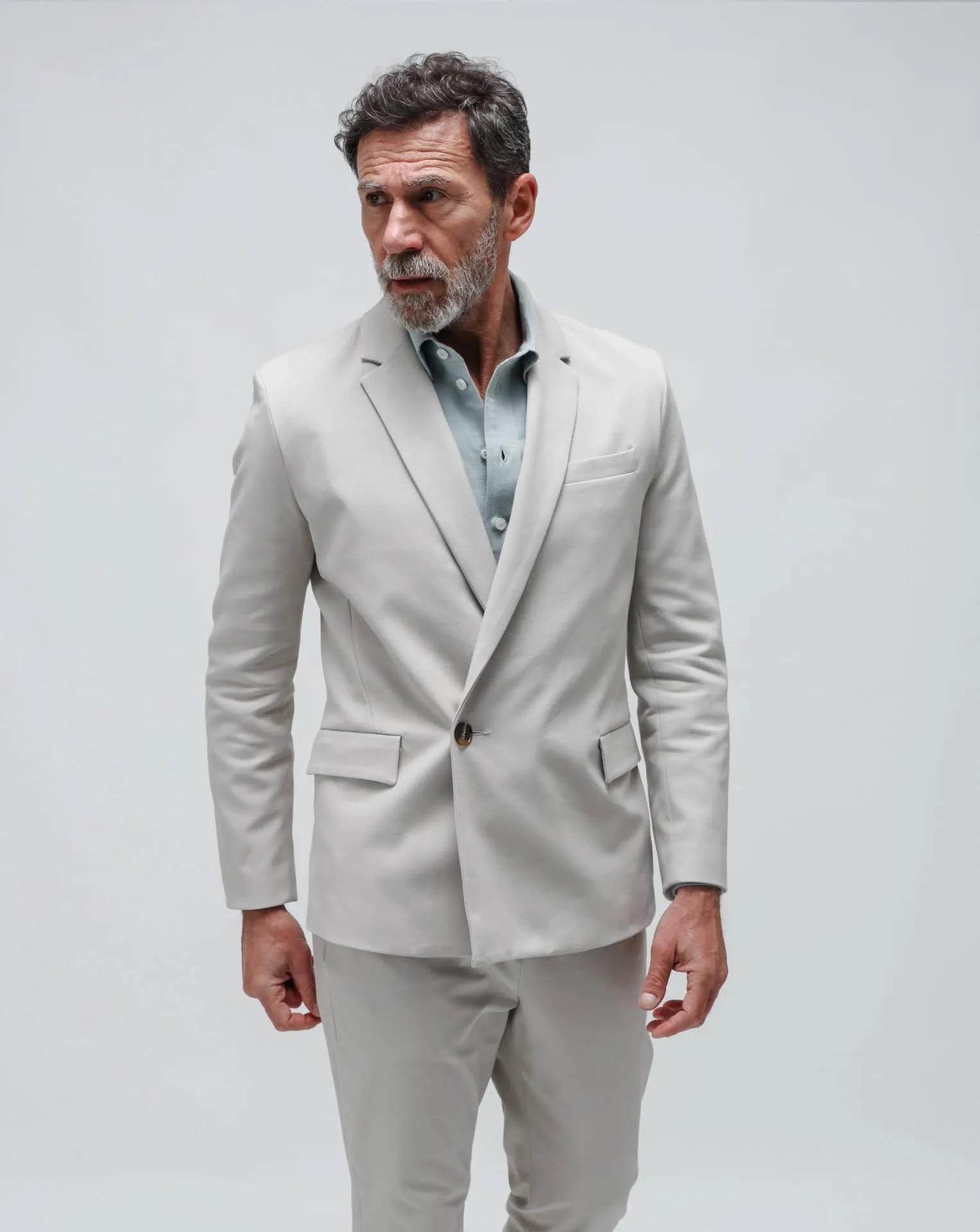
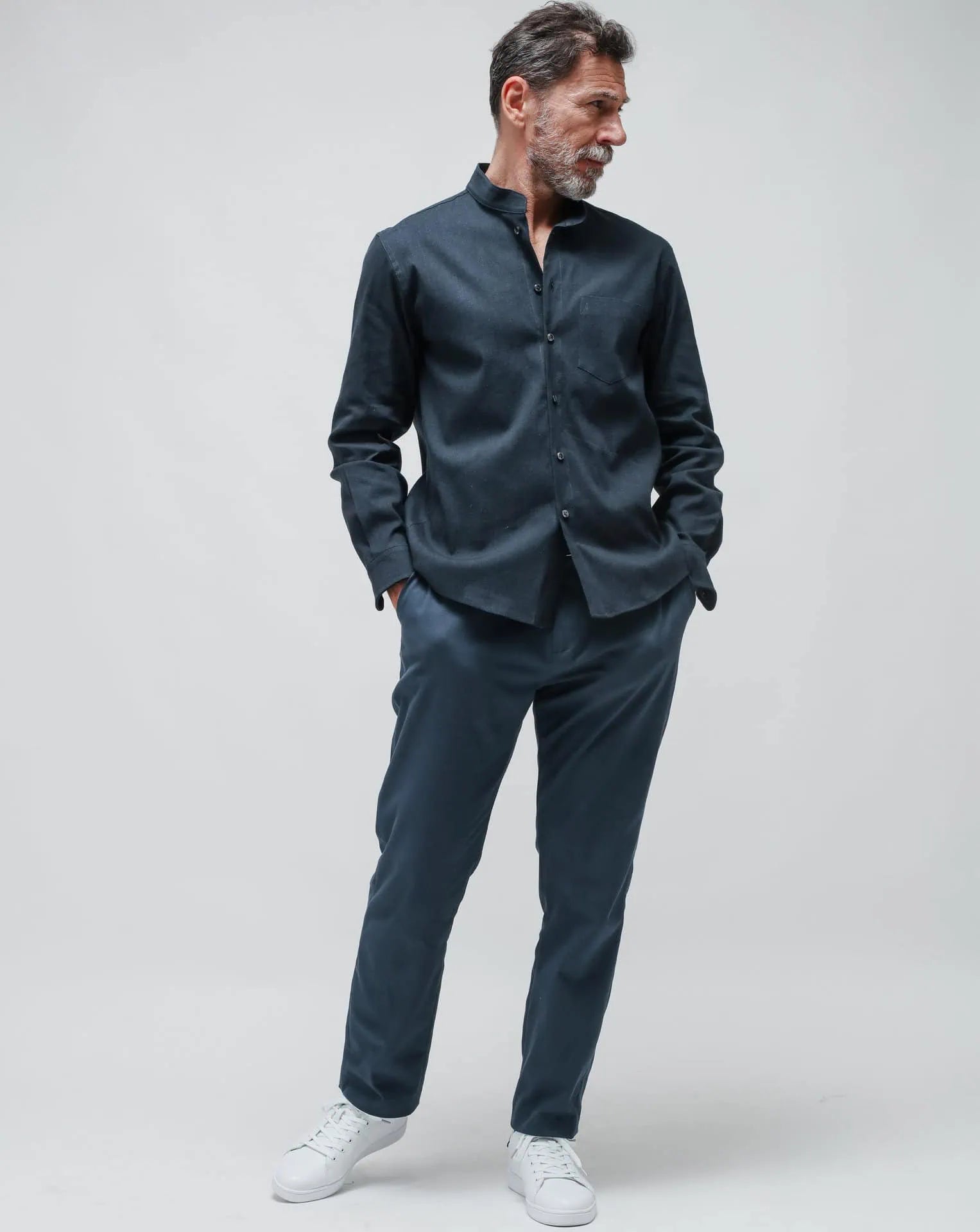
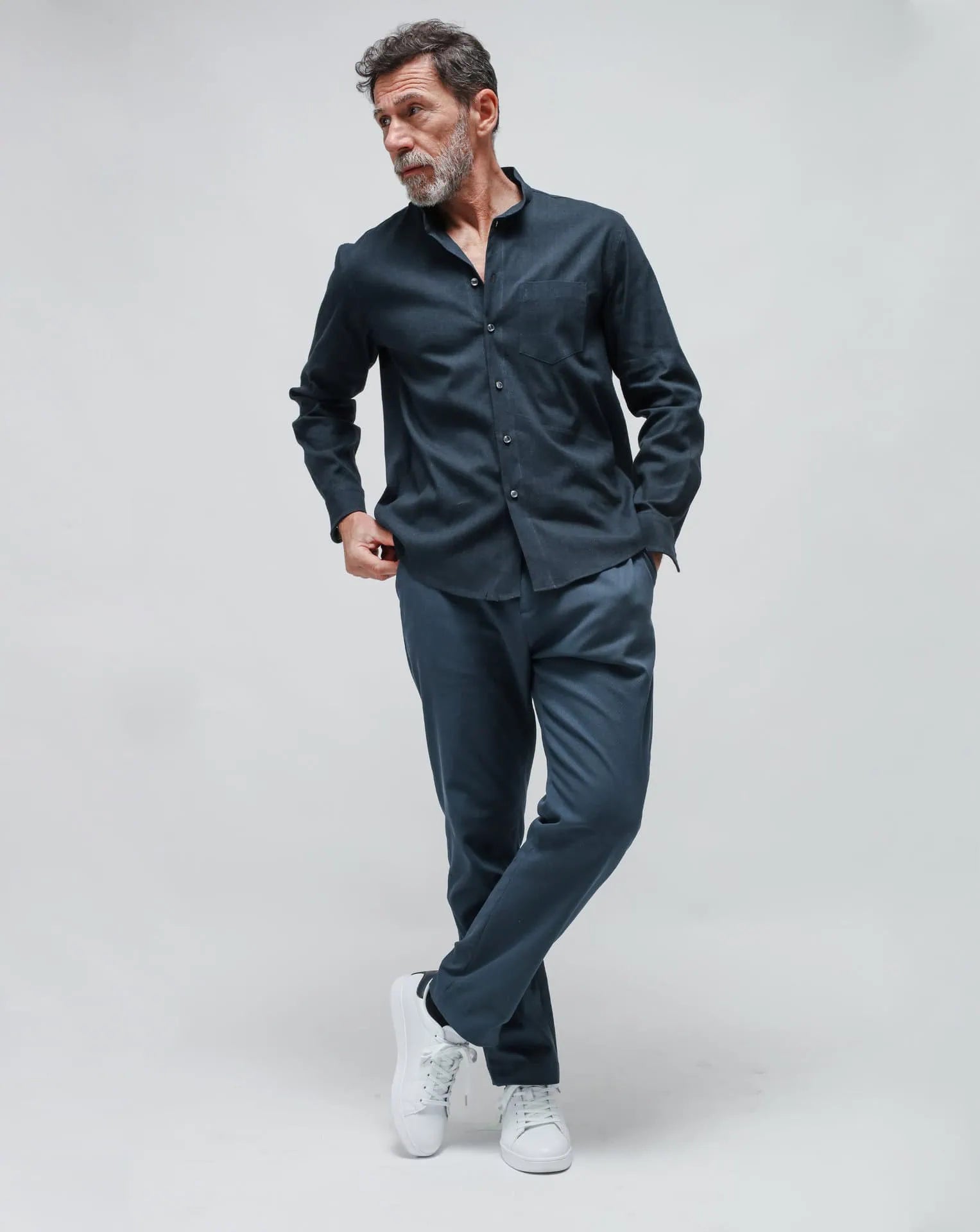
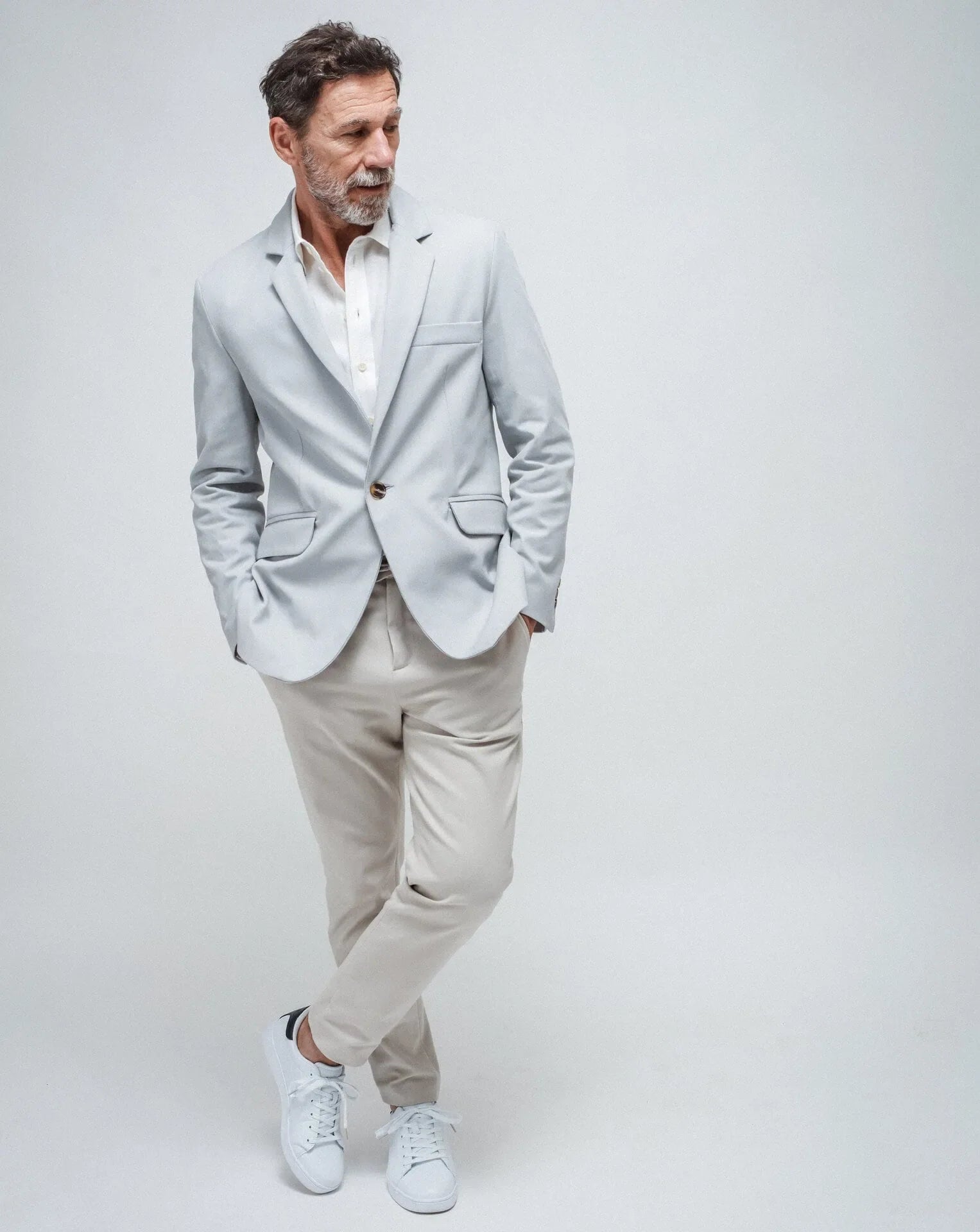
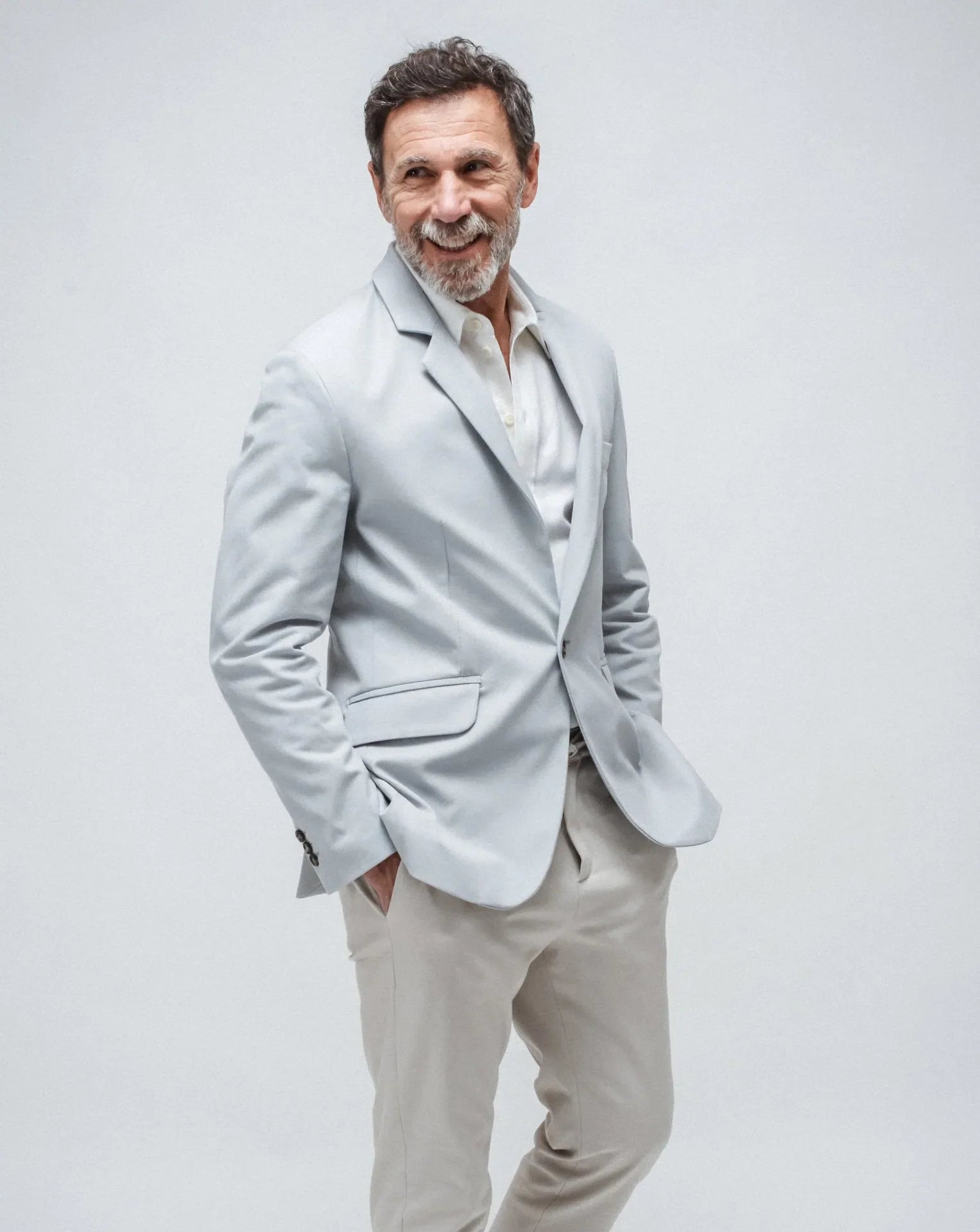
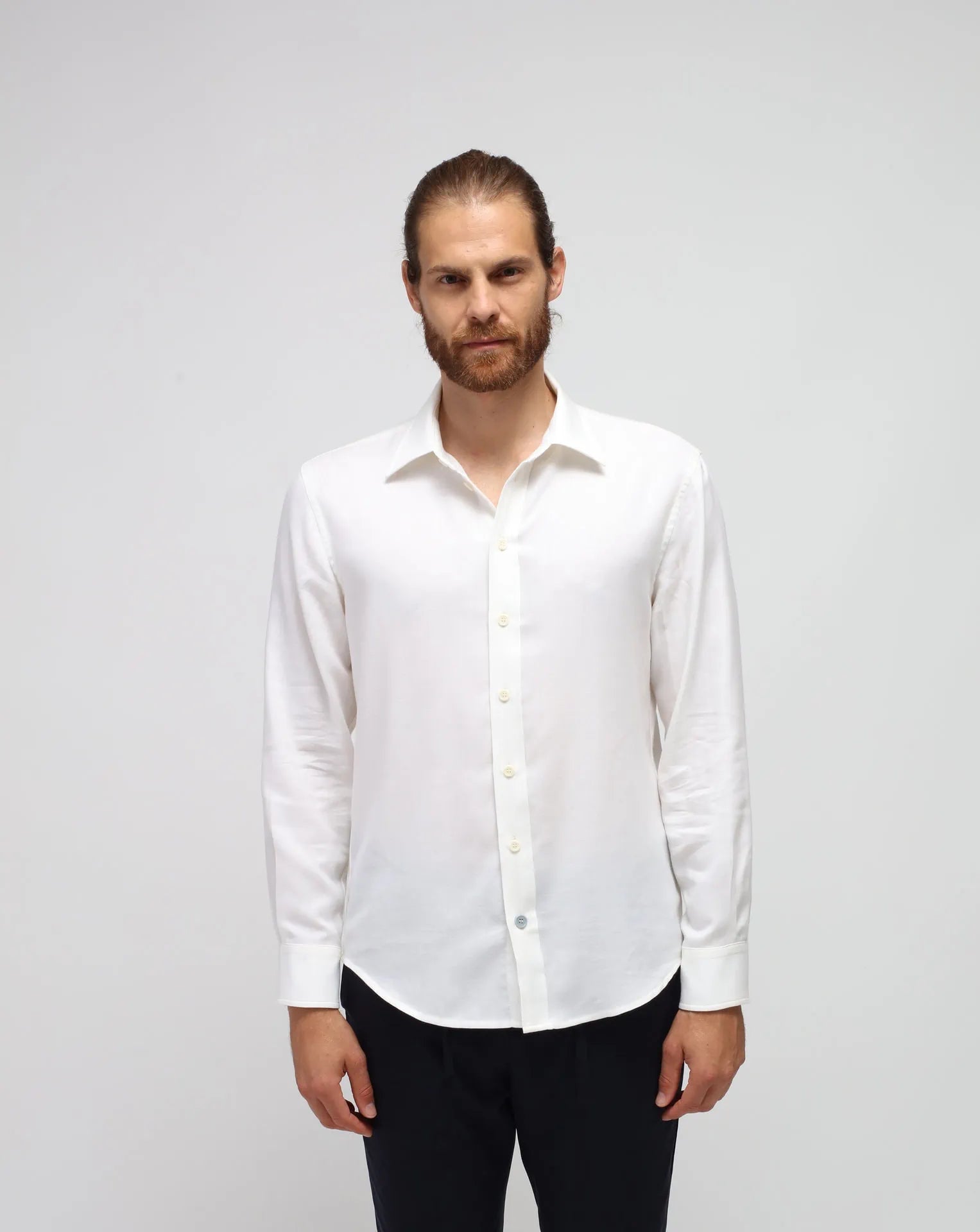
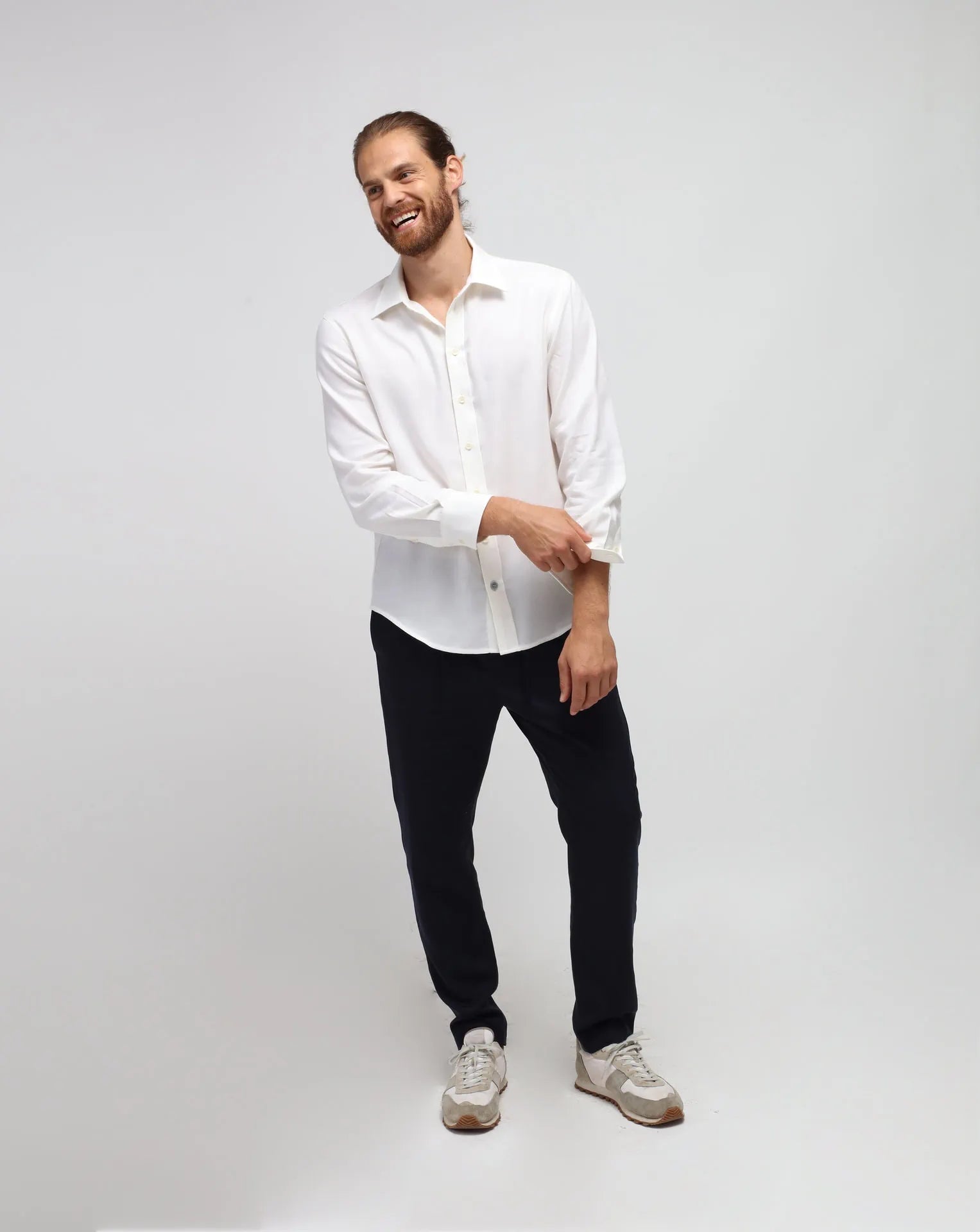
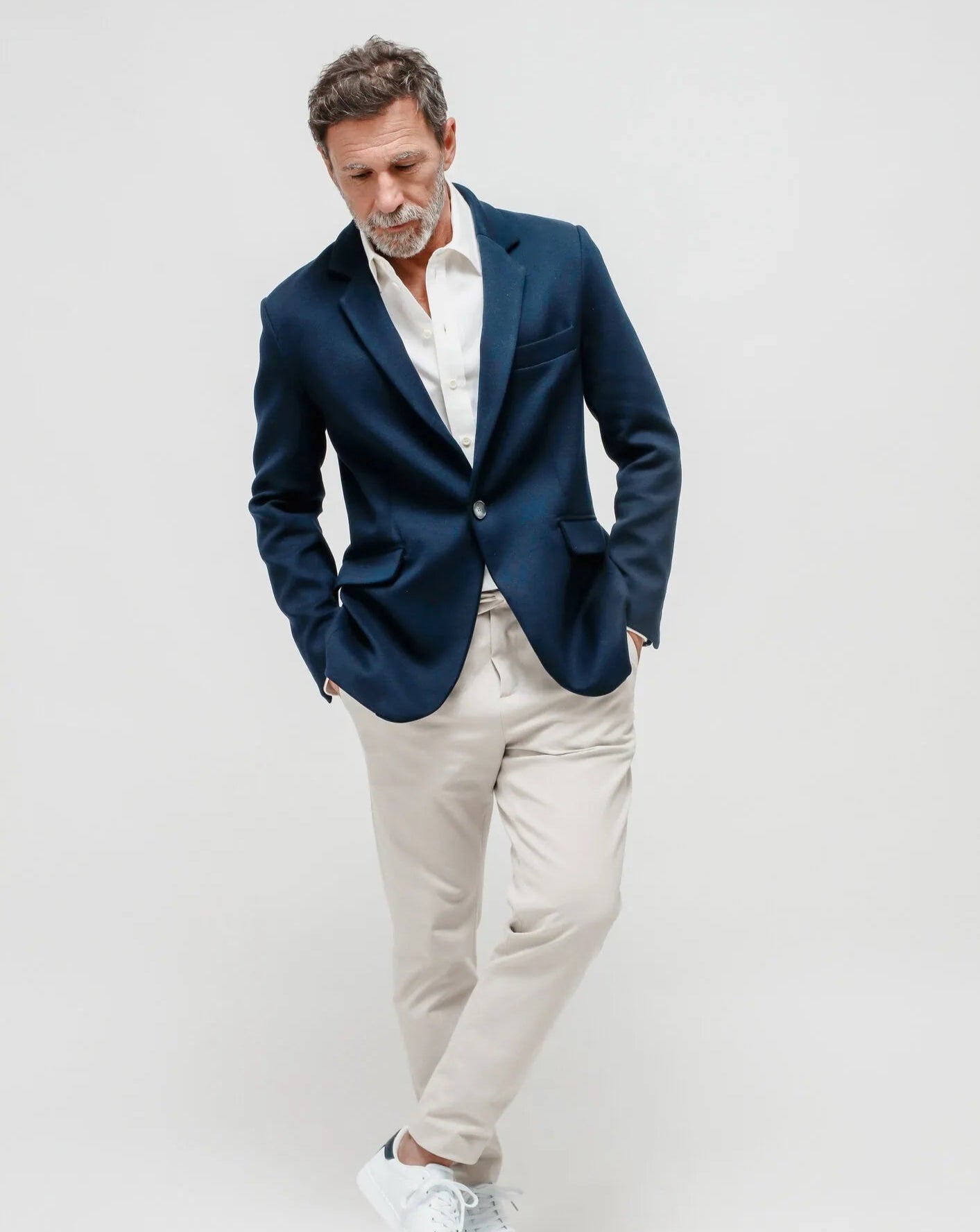
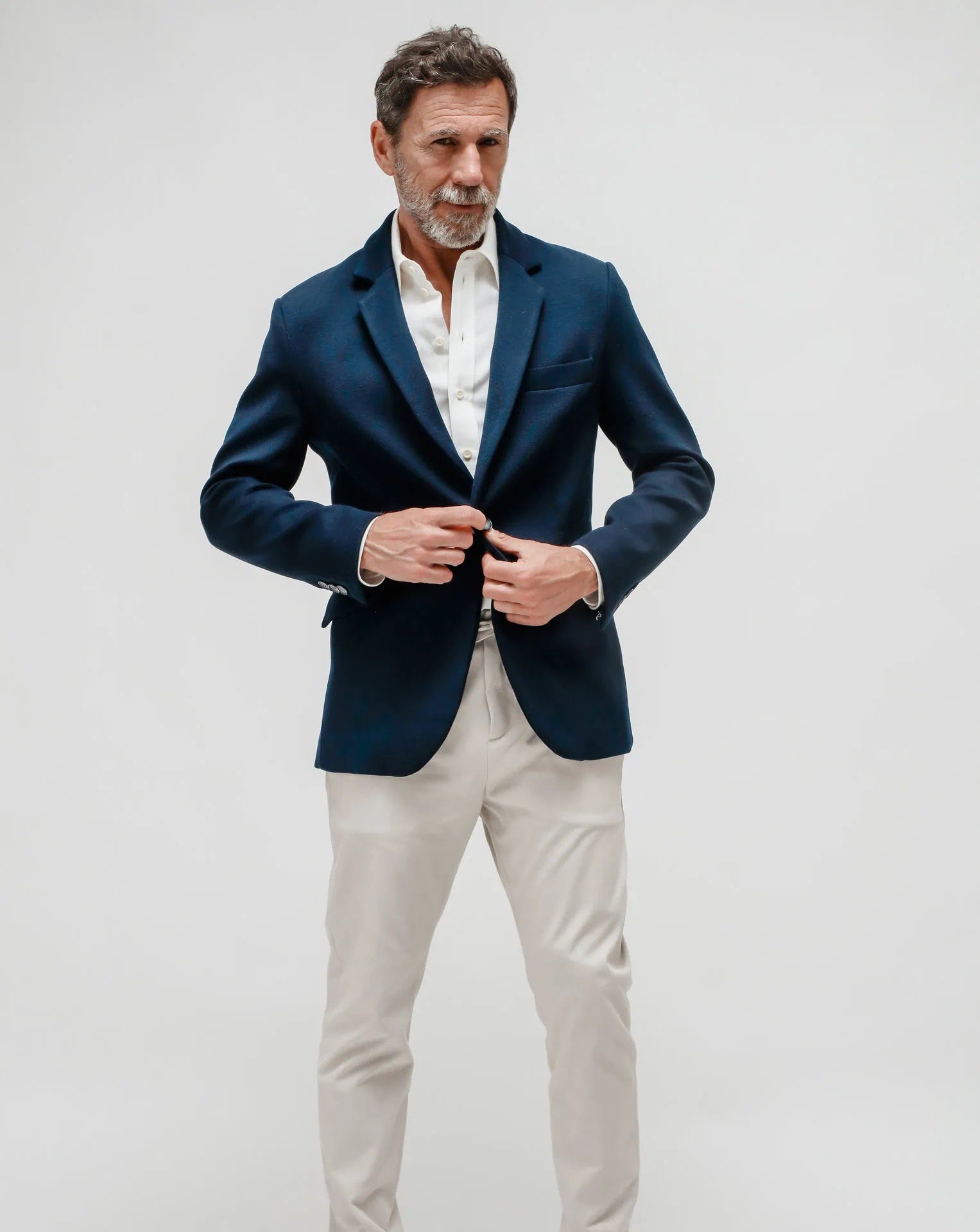
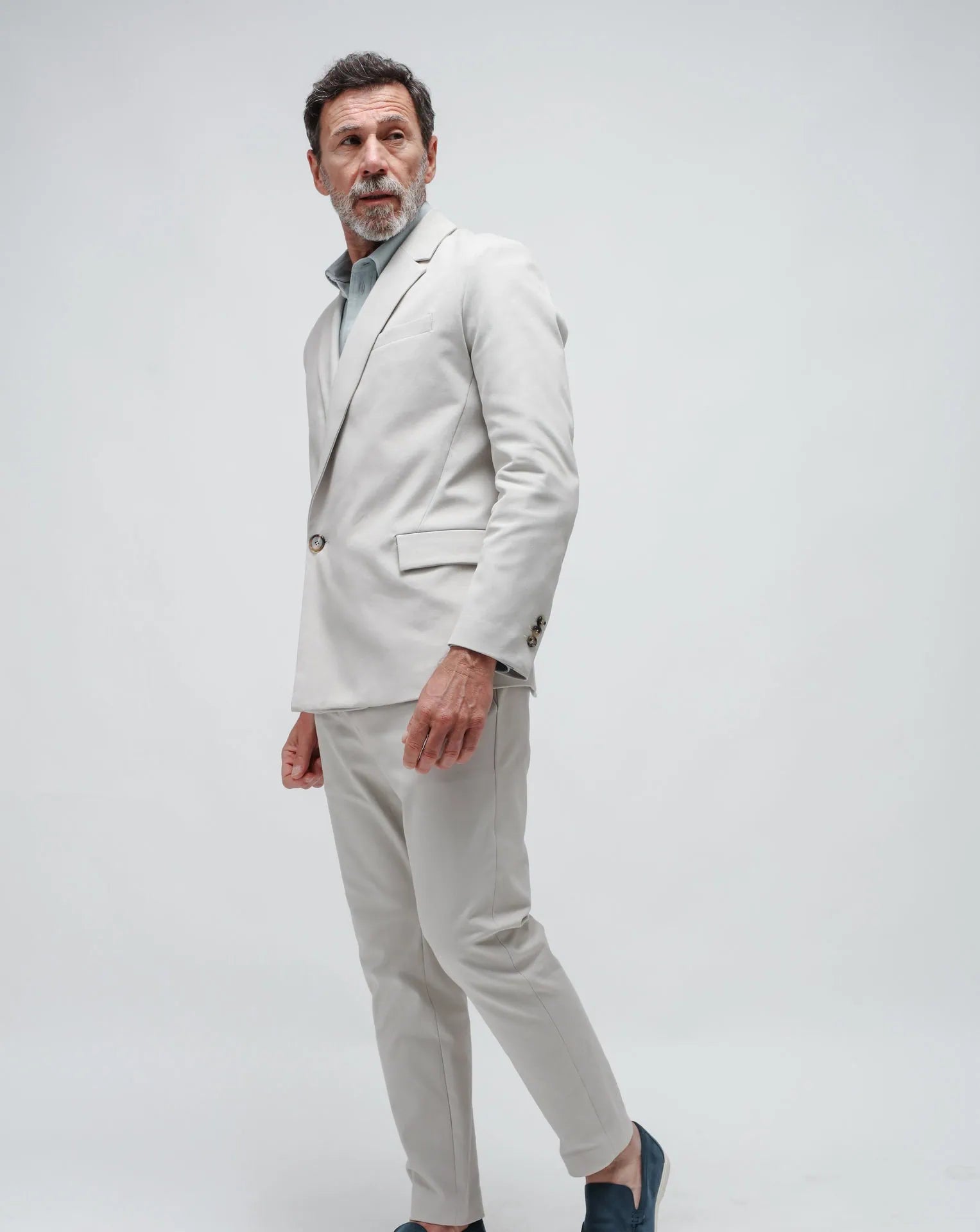
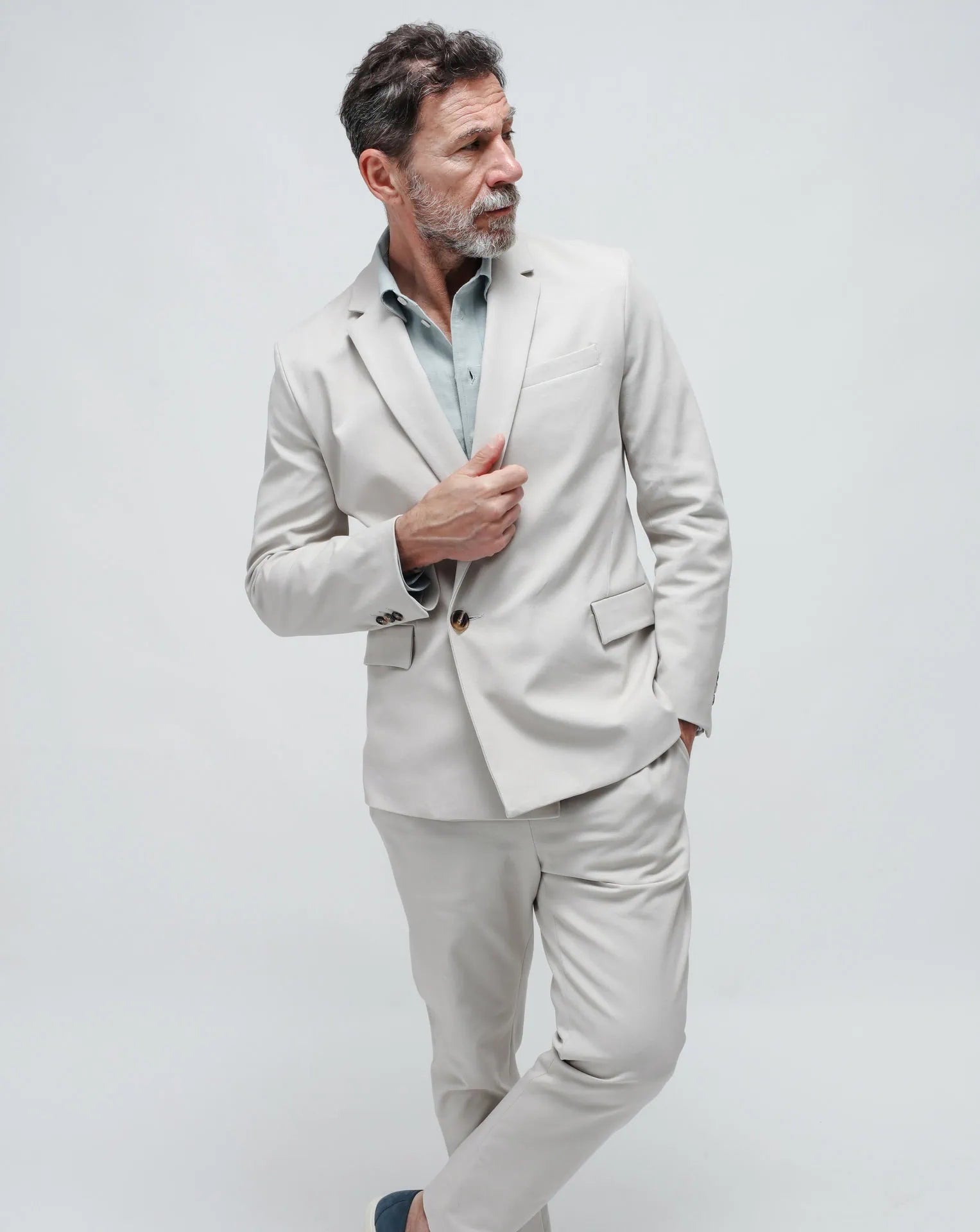
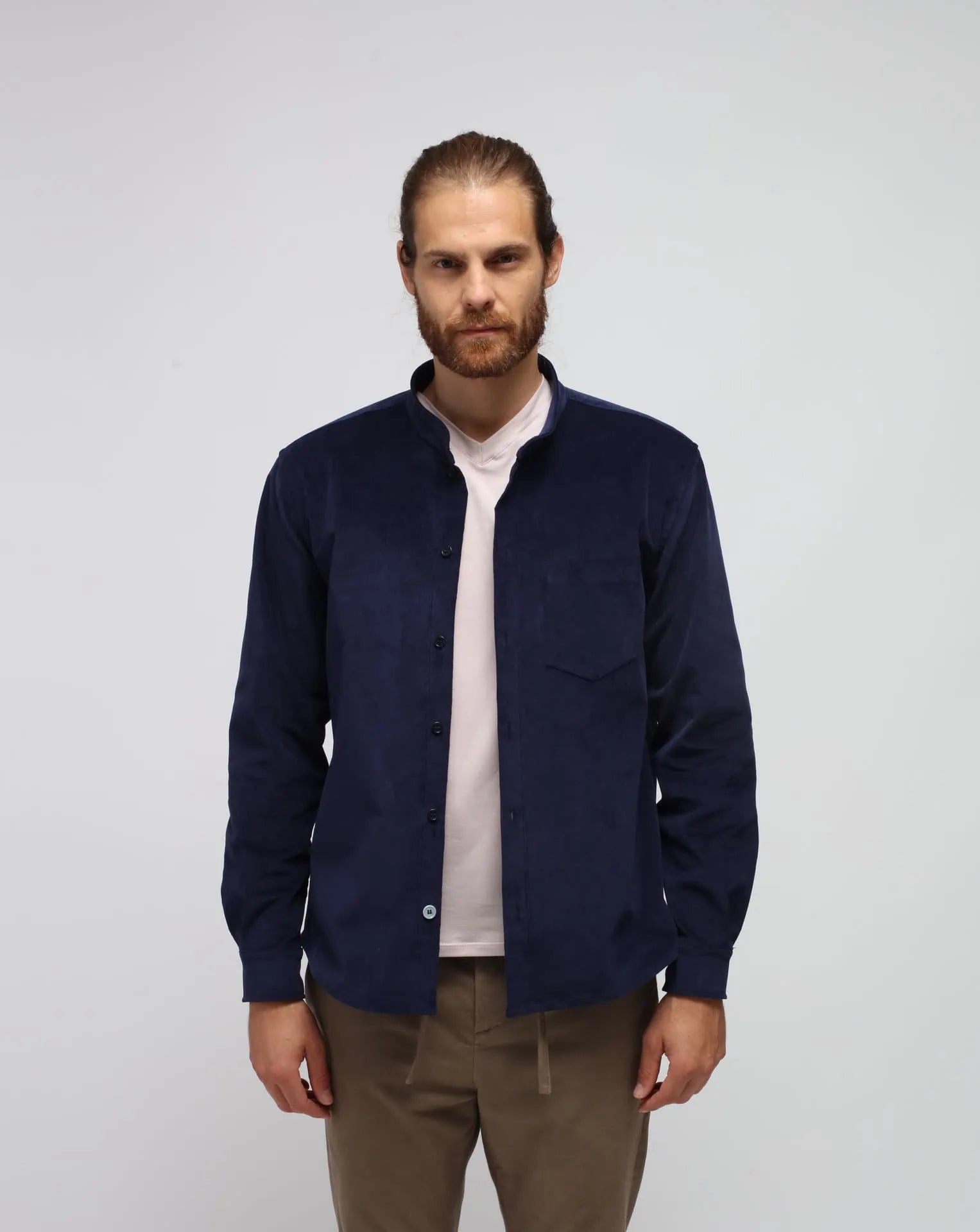
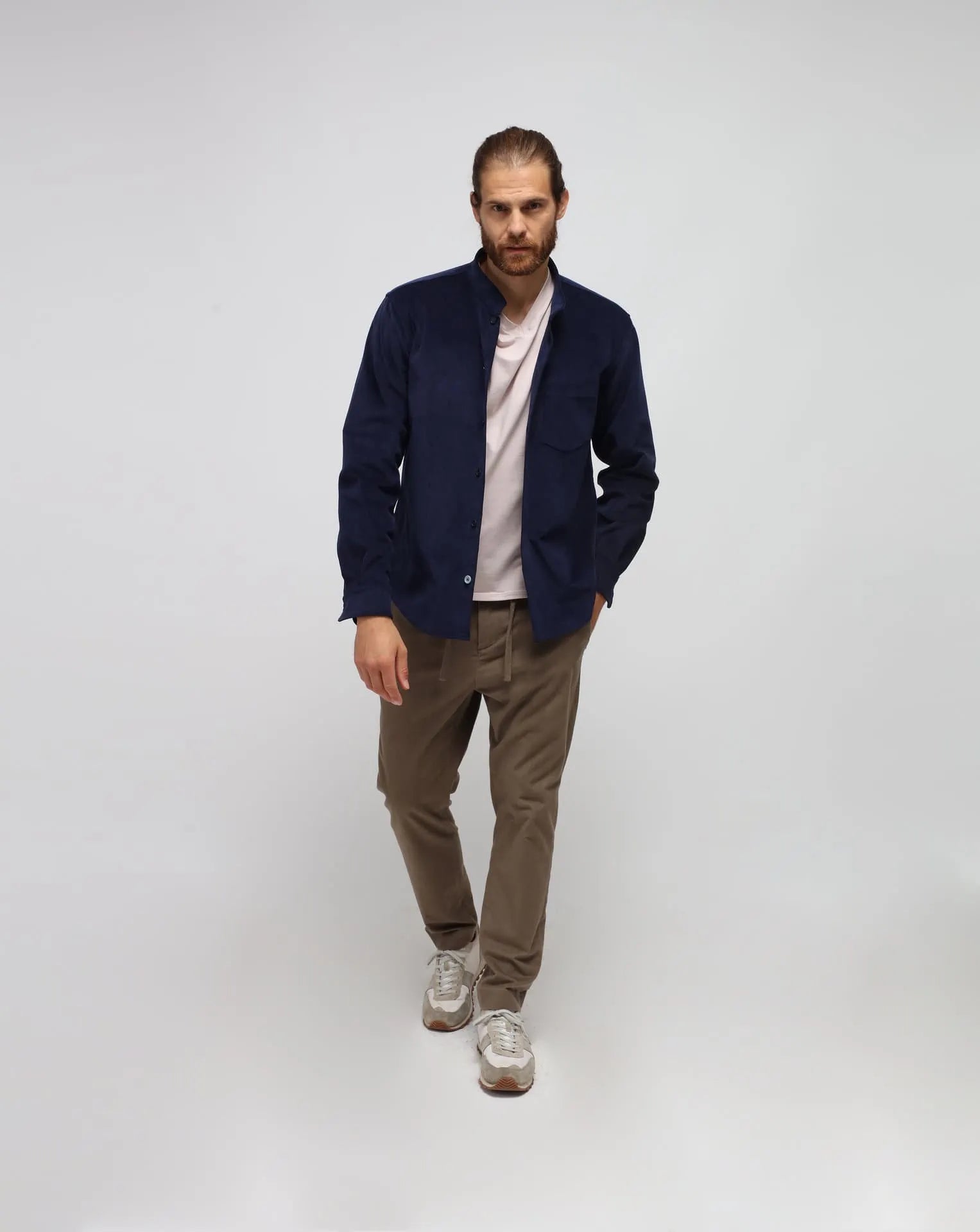
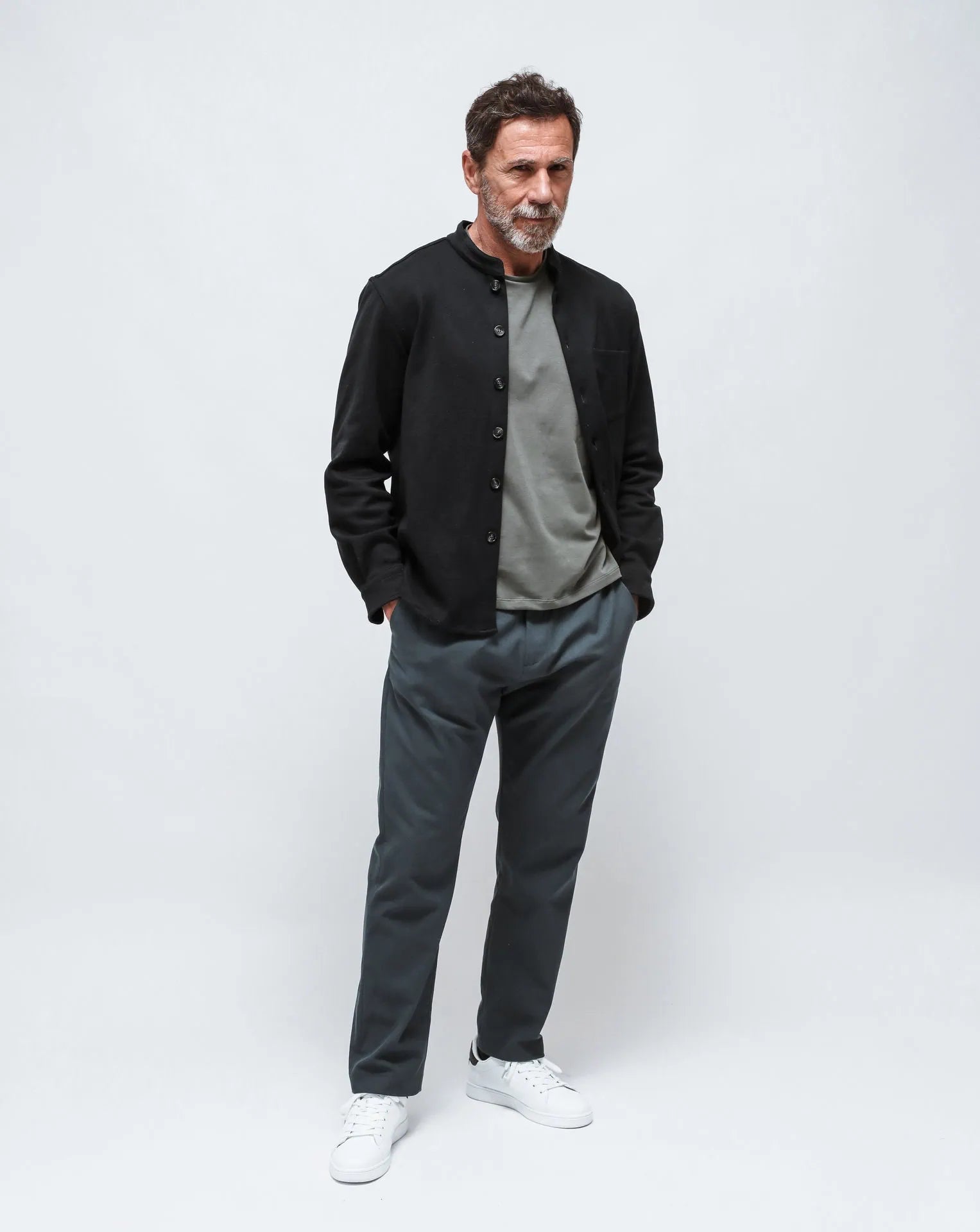
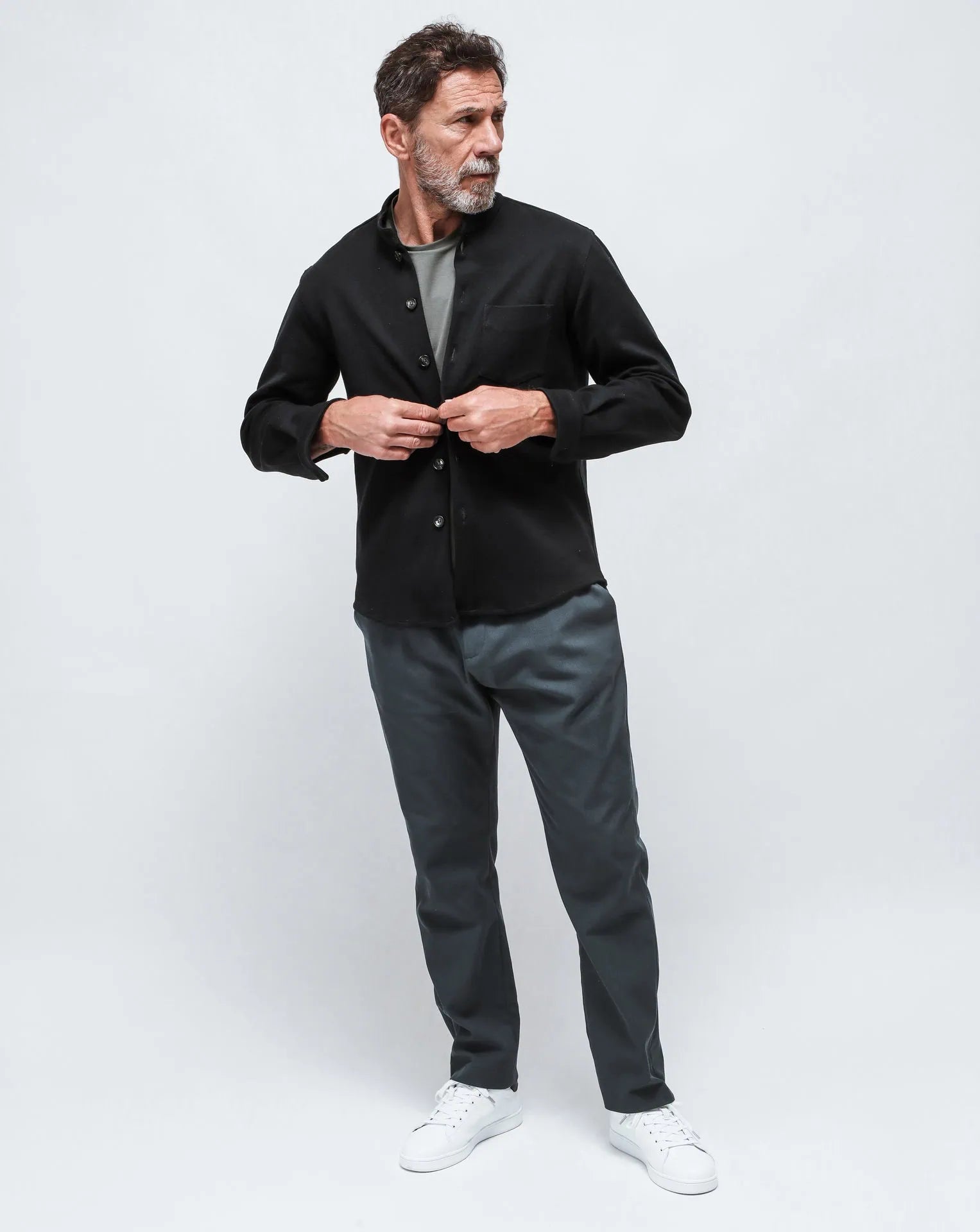
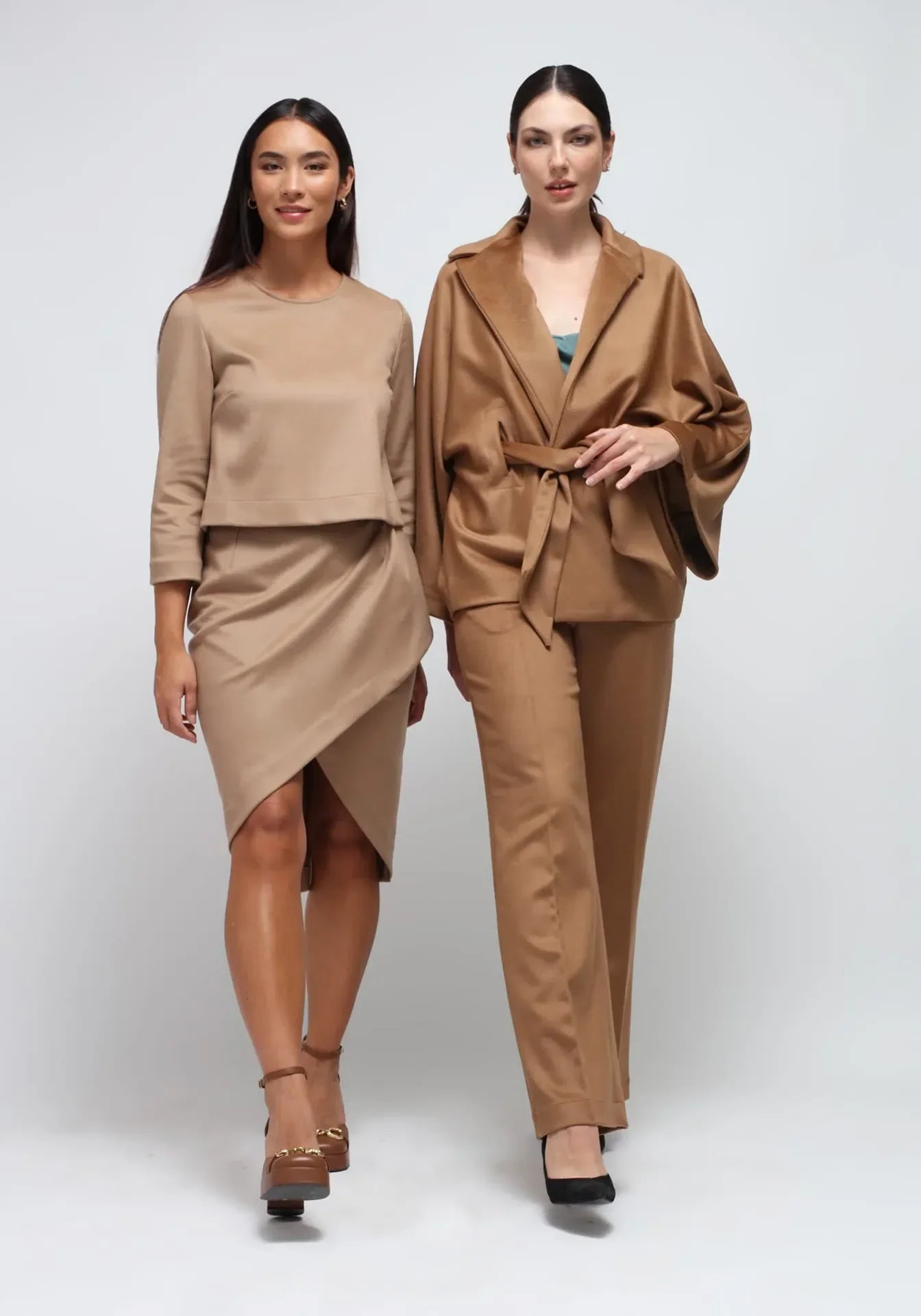
Humans & Land is built for people making the shift away from fast fashion.
We focus on:
-
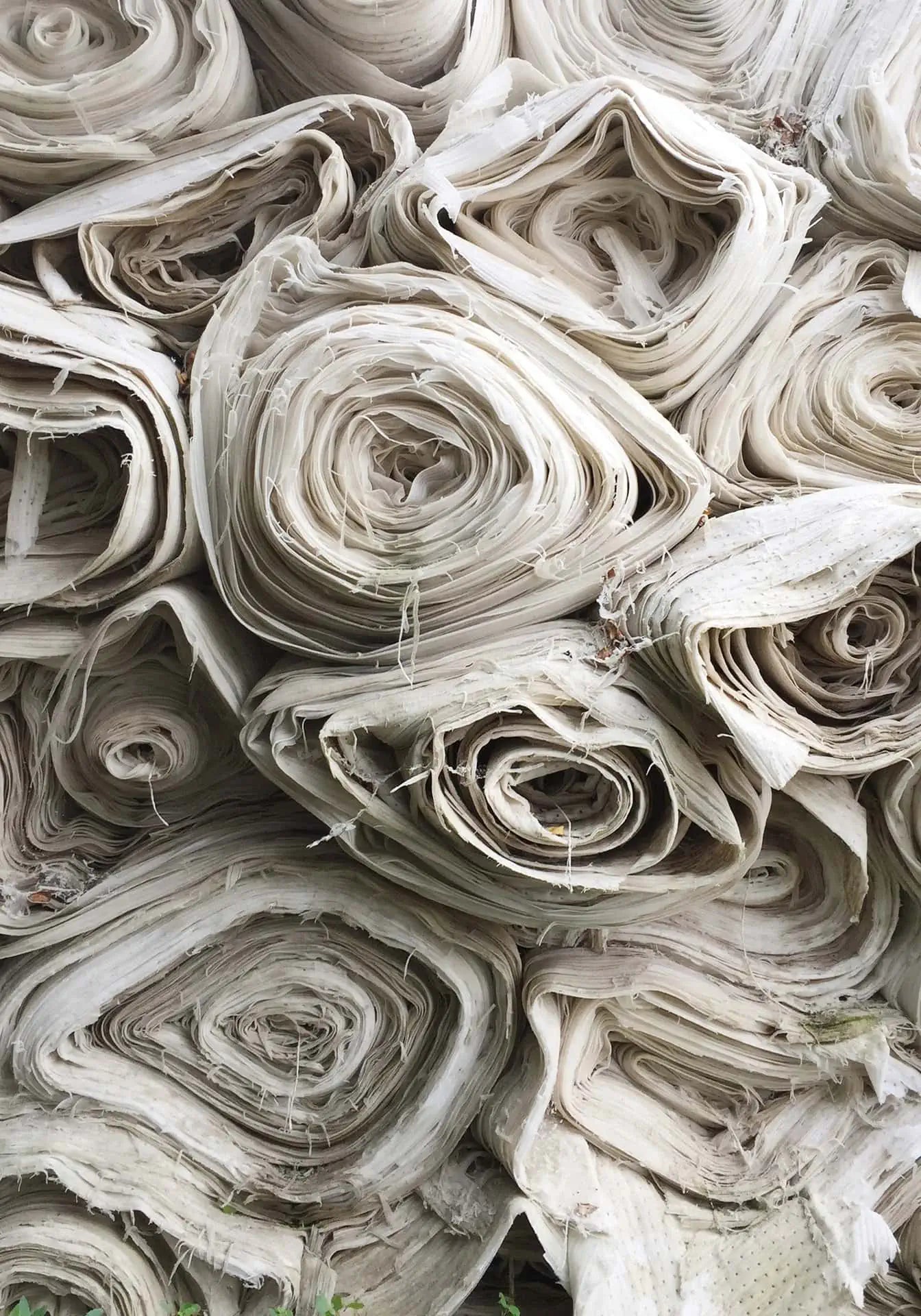
deadstock fabrics (premium leftover fabrics that would otherwise go to waste)
-
small-batch production
-
handmade in Italy craftsmanship
-
pieces designed for repeat wear
If you’re ready to shop sustainably, visit our collections:
Related reading (internal links)
FAQ
What’s the easiest way to start slow fashion?
Start with a closet audit and a simple rule like the 30-wear test. You’ll immediately buy less and choose more intentionally.
Do I need to throw away my fast fashion?
No. The most sustainable garment is the one you already own. Wear what you have, care for it, and replace only when needed.
Is slow fashion more expensive?
Sometimes per item, yes—but it can be cheaper over time because you buy less and wear each piece more.
the World of H&L