
Luxury Alternatives to Fast Fashion That Last
A blazer that pills after three wears is not a bargain. Neither is a dress that loses its shape before the season ends, or a shirt that looked sharp online but arrives feeling thin, synthetic, and forgettable. For people who care how clothing feels, fits, and aligns with their values, luxury alternatives to fast fashion are not about excess. They are about standards.
The shift usually starts with disappointment. You buy more, yet your wardrobe delivers less. Pieces date quickly, fabrics tire early, and the cost of replacing them keeps rising. A better approach is not simply buying "expensive" clothing. It is choosing fewer garments with stronger materials, better construction, and a supply chain that does not depend on waste as a business model.
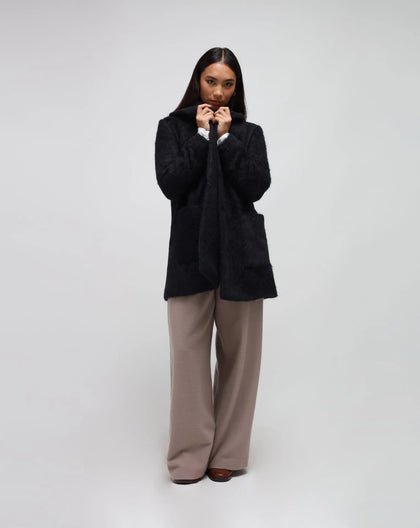
What luxury alternatives to fast fashion really mean
Luxury, in this context, is not logo-driven. It is measured in fabric integrity, cut, finish, and restraint. It is the difference between a jacket that holds its line year after year and one that collapses after a few dry cleans. It is a pair of trousers that fits with intention, not just trend alignment.
The best luxury alternatives to fast fashion also correct what fast fashion gets fundamentally wrong. They slow the cycle down. They prioritize limited runs over overproduction, deadstock fabrics over newly manufactured excess, and small-batch making over anonymous volume. That changes the product, but it also changes your relationship to getting dressed. You stop shopping for a quick hit and start buying with a longer view.
This is where ethics and aesthetics finally meet. A well-made garment is often more sustainable because it stays in rotation. A responsibly sourced fabric matters, but so does whether the piece is compelling enough to wear for years. If style is absent, sustainability alone rarely saves a garment from the back of the closet.
Why the real upgrade is quality, not quantity
Fast fashion trained customers to think in price-per-item. Ethical luxury asks a more useful question: cost per wear. A $300 jacket worn twice a week for years is often the more rational purchase than three disposable versions that need replacing by next winter.
Still, this is not a moral argument for spending more across the board. It depends on category. For trend-heavy items you know you will wear once, restraint may matter more than premium pricing. But for the spine of a wardrobe - coats, trousers, shirting, knitwear, occasion dresses, and refined separates - quality pays back in wear, confidence, and lower replacement churn.
This is especially true for people who need their clothes to move across settings. Urban professionals, travelers, and creative workers rarely dress for one fixed moment. They need pieces that can hold up in meetings, dinners, flights, weekends, and events without feeling generic. That versatility is where premium essentials earn their place.
How to spot a genuine alternative
A luxury price tag alone proves very little. What matters is the logic behind the garment.
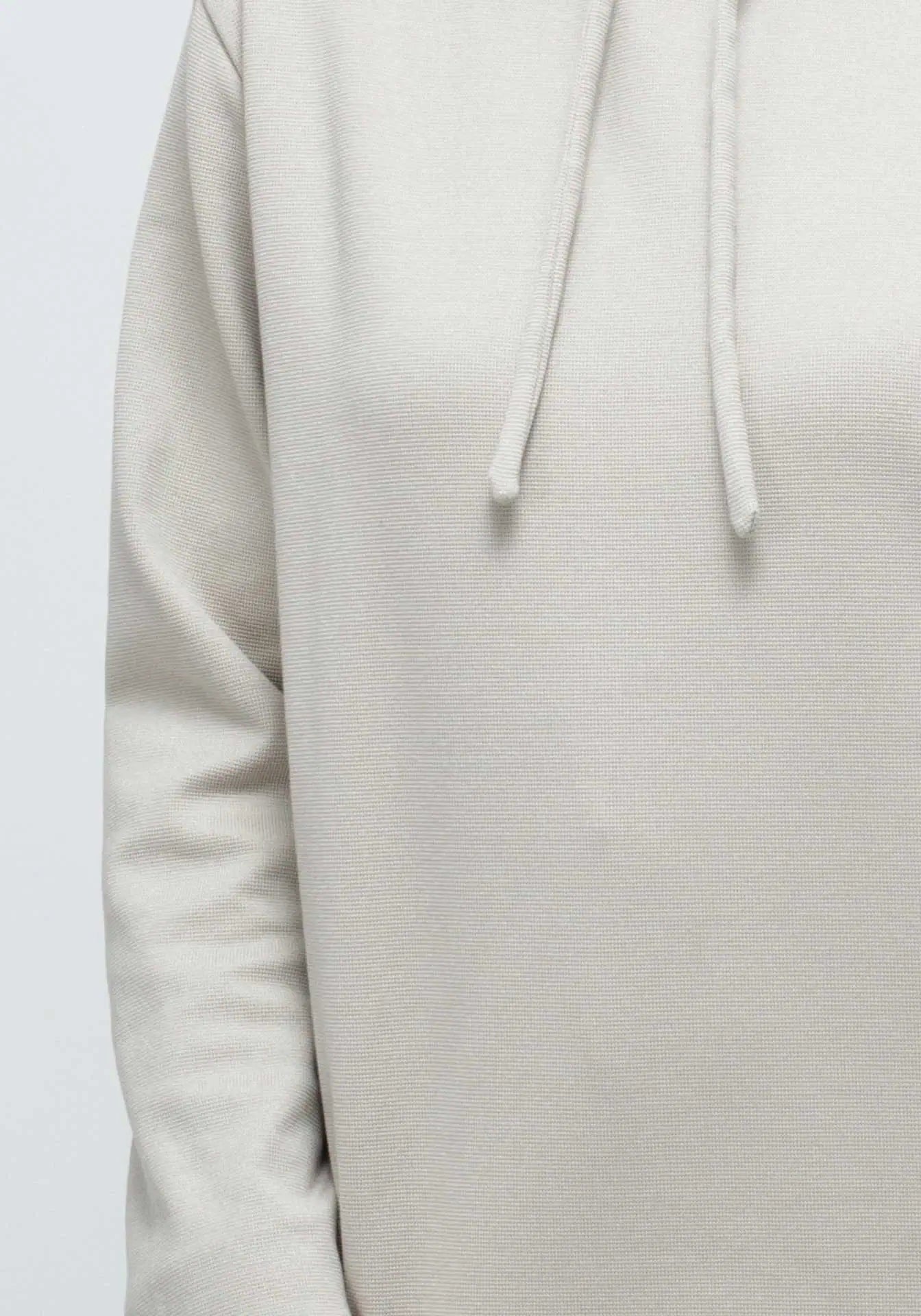
Start with fabric. Deadstock fabrics are a strong signal when used thoughtfully because they rescue high-quality materials that already exist instead of fueling more production. Natural fibers and premium blends often wear better, breathe better, and age with more dignity than cheap synthetics. Texture matters too. Fabric should have body, drape, and a hand-feel that justifies its place in your wardrobe.
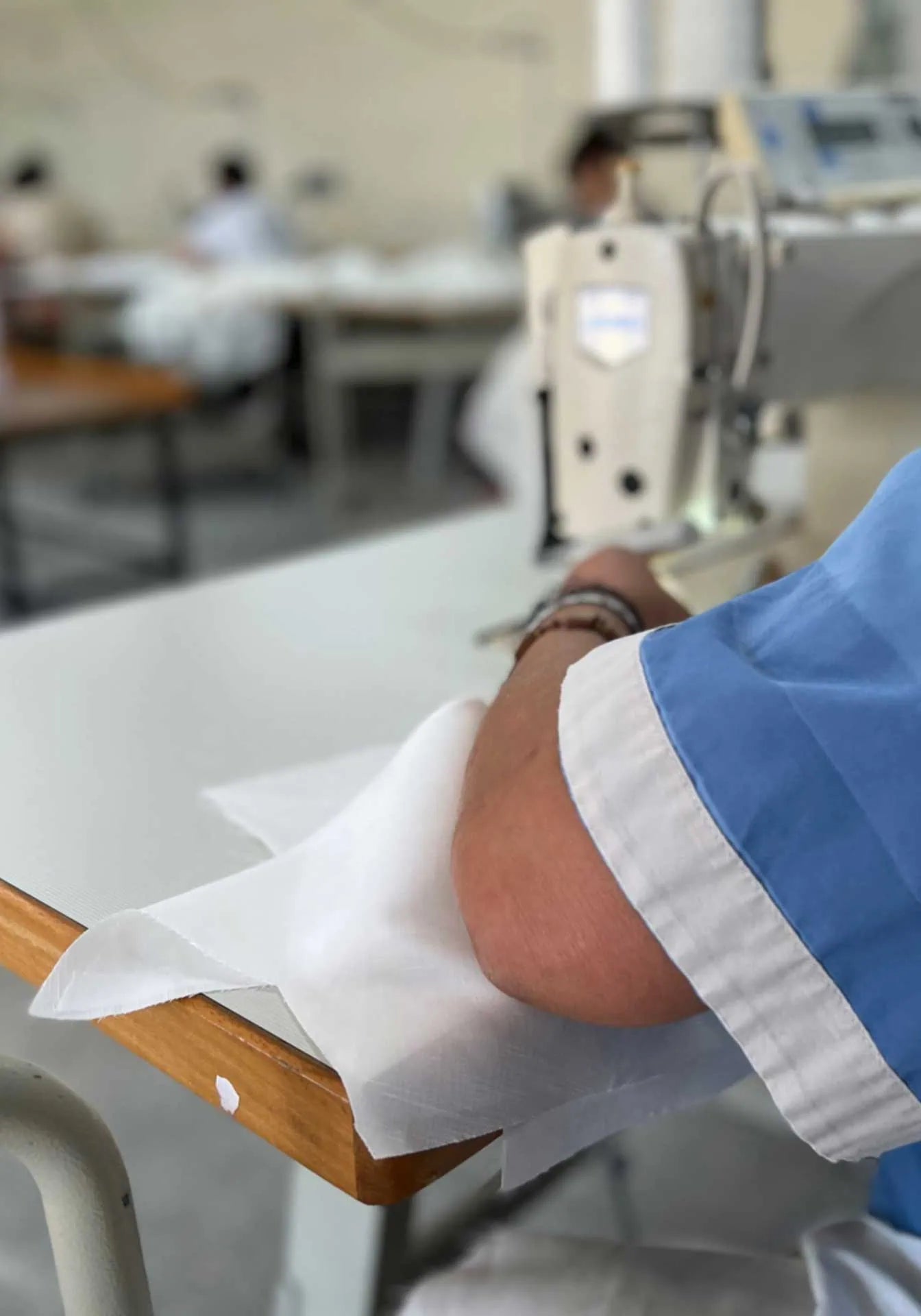
Then look at production scale. Small-batch production usually means more control, less waste, and more intention in design. It also tends to produce a different kind of clothing - less trend panic, more editorial clarity. Limited-edition runs can be practical, not just exclusive. They reduce the chances of mass overstock and make each piece feel chosen rather than churned out.
Construction is another dividing line. Check seam consistency, lining quality, closures, and finishing details. A shirt should sit cleanly at the shoulder. A skirt should move well. A coat should have structure without stiffness. These are not minor details. They determine whether a piece feels elevated after the first wear or only during the unboxing.
Finally, ask whether the brand explains its pricing, sourcing, and care. Transparency is not a marketing extra. It signals respect for the customer and confidence in the product.
Building a wardrobe around fewer, better pieces
The most effective alternative to fast fashion is not a total reset. It is a smarter edit.
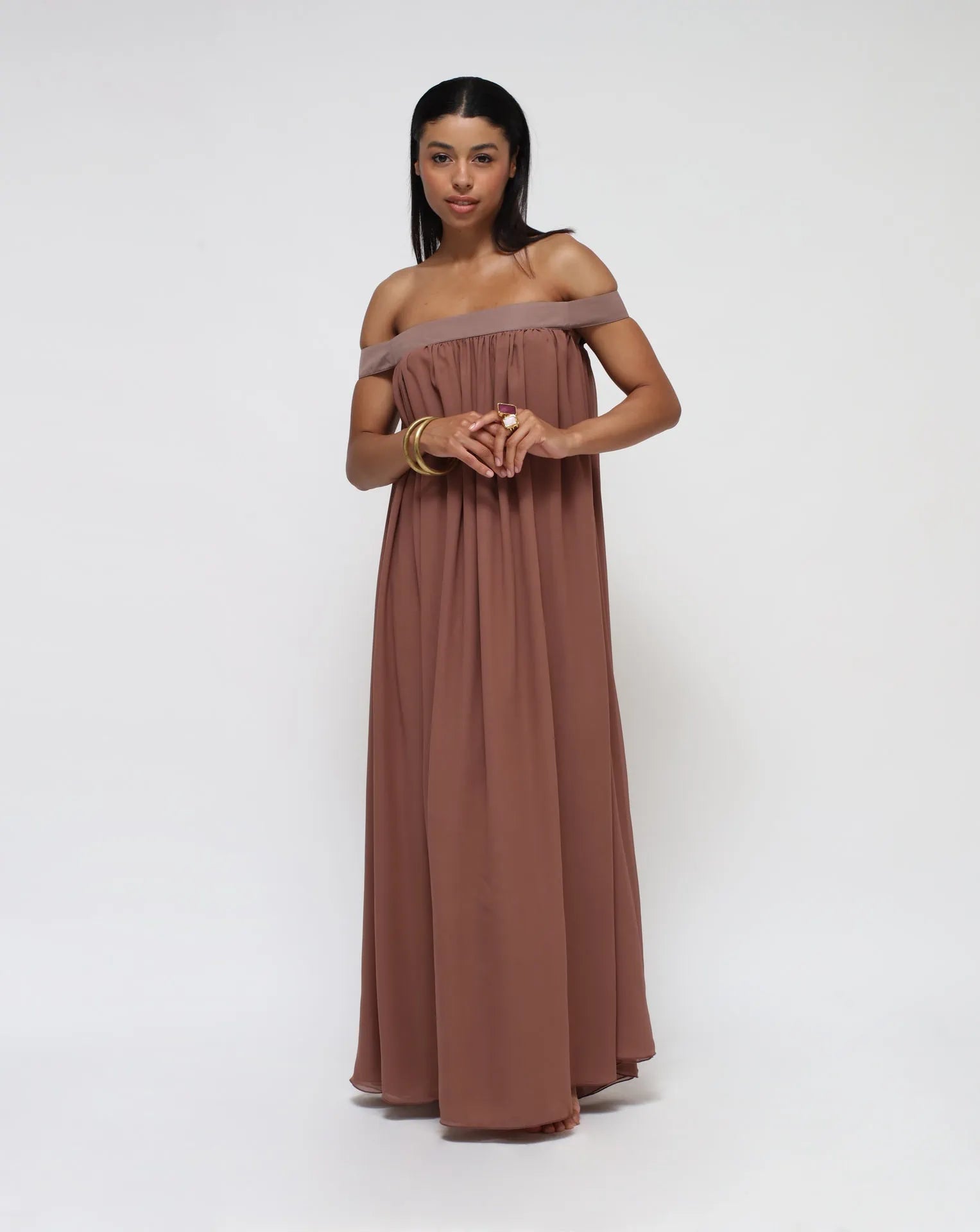
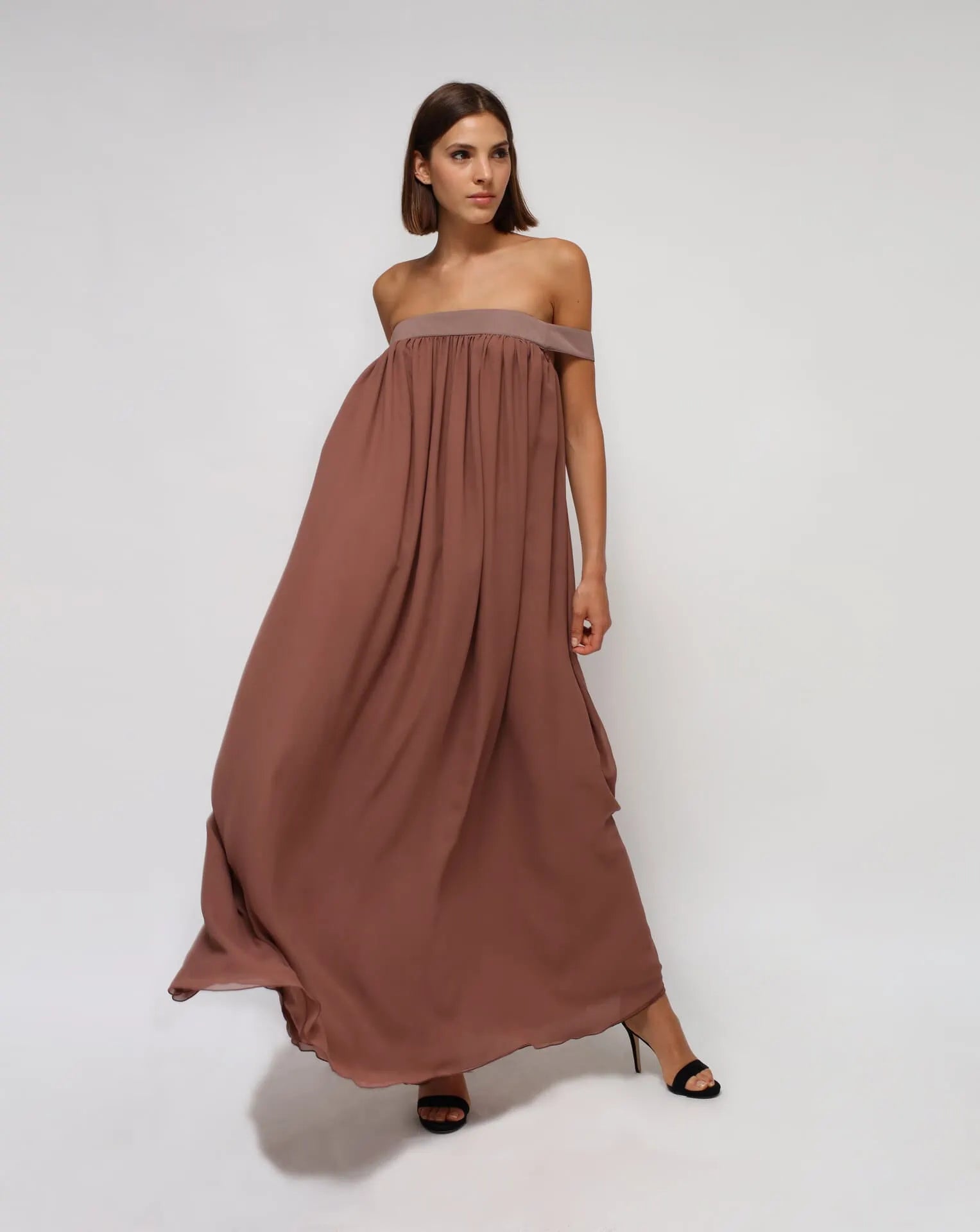
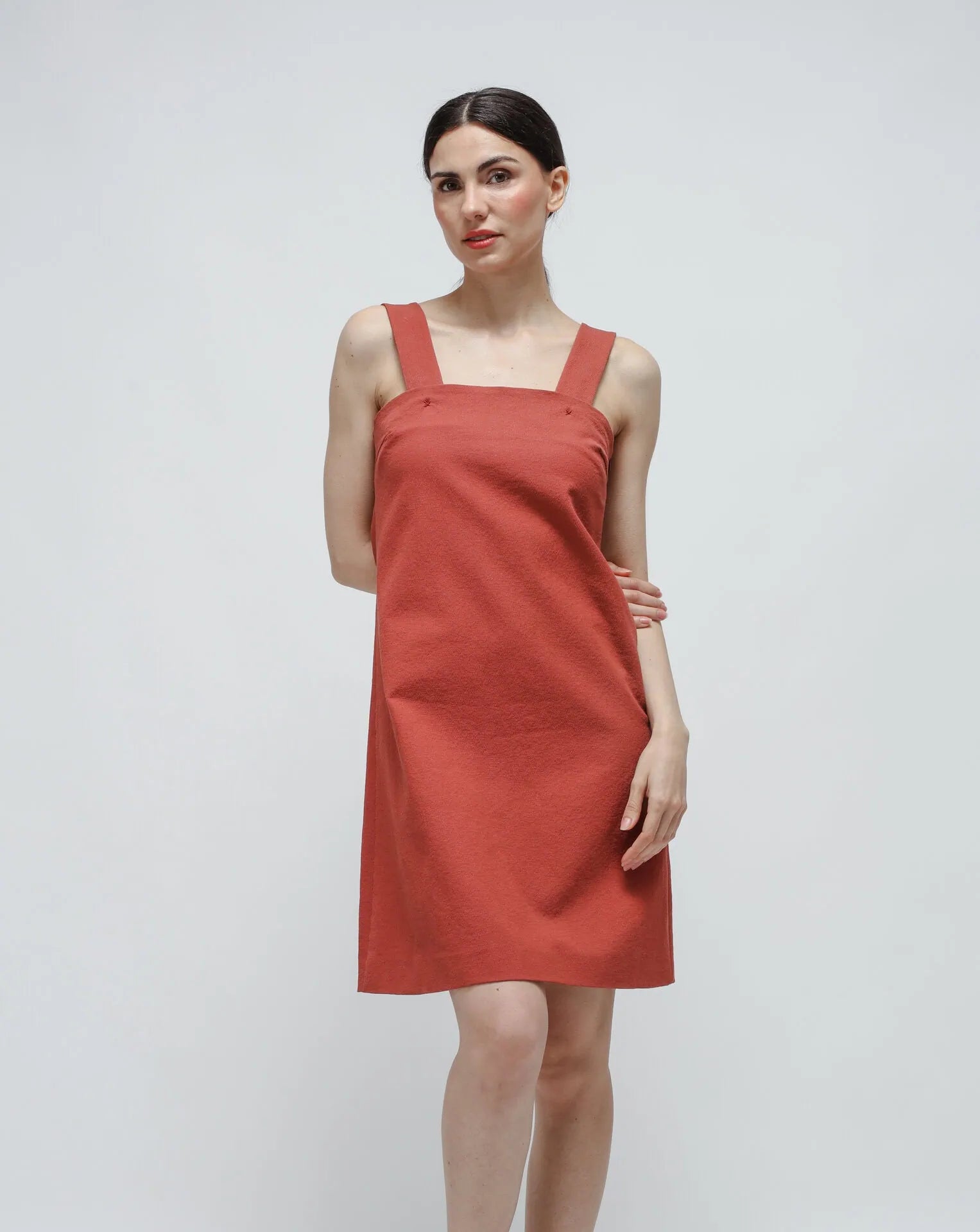
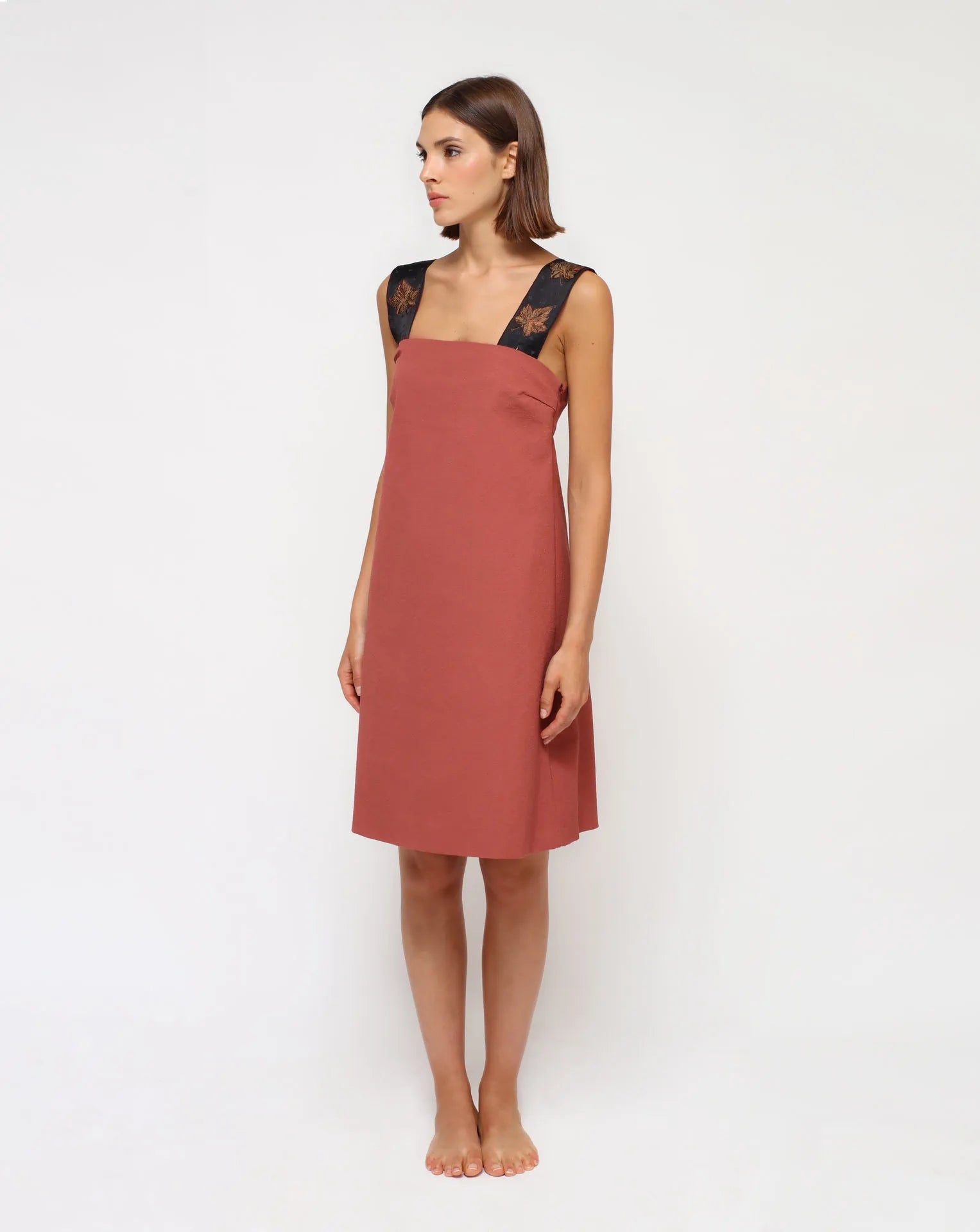
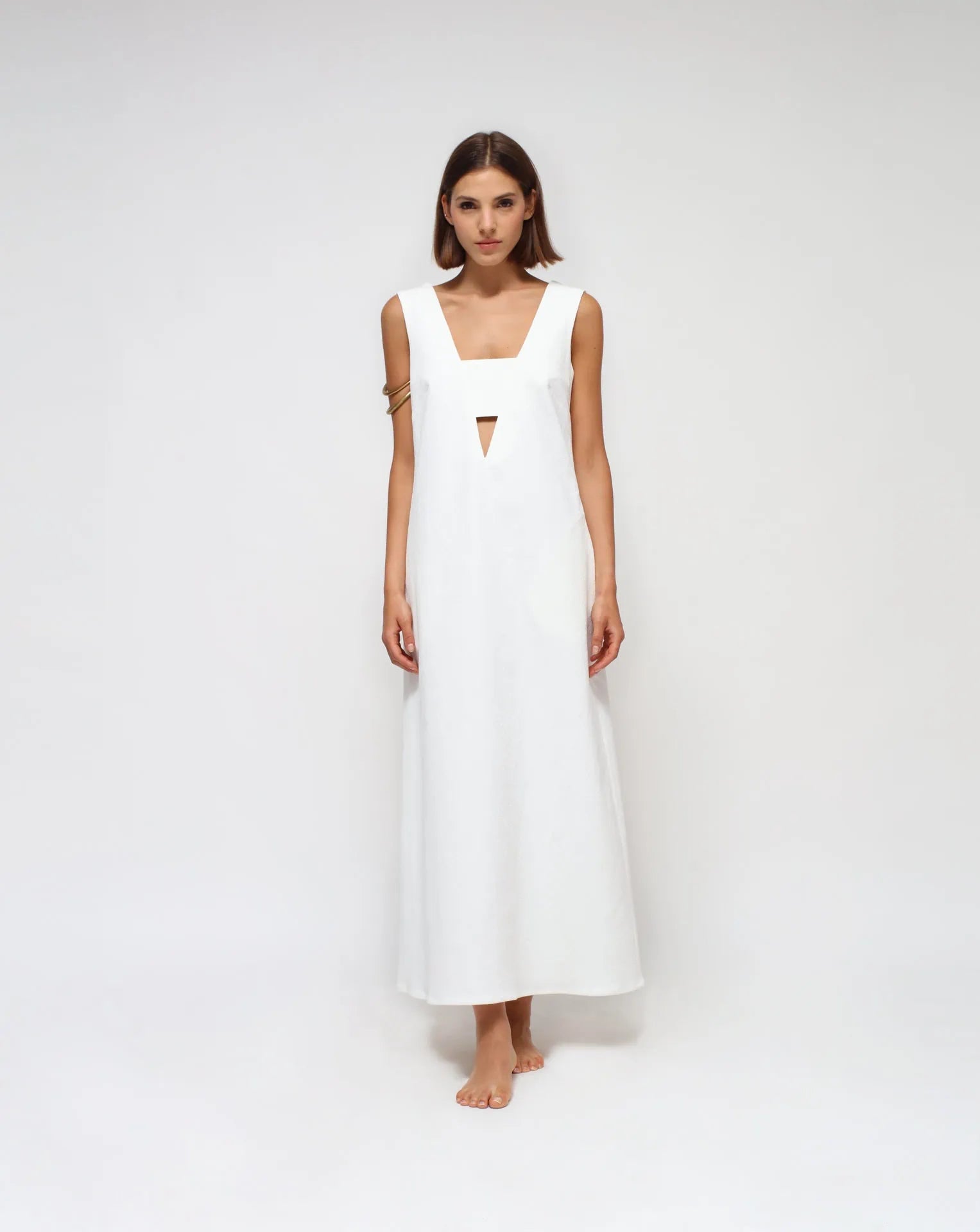
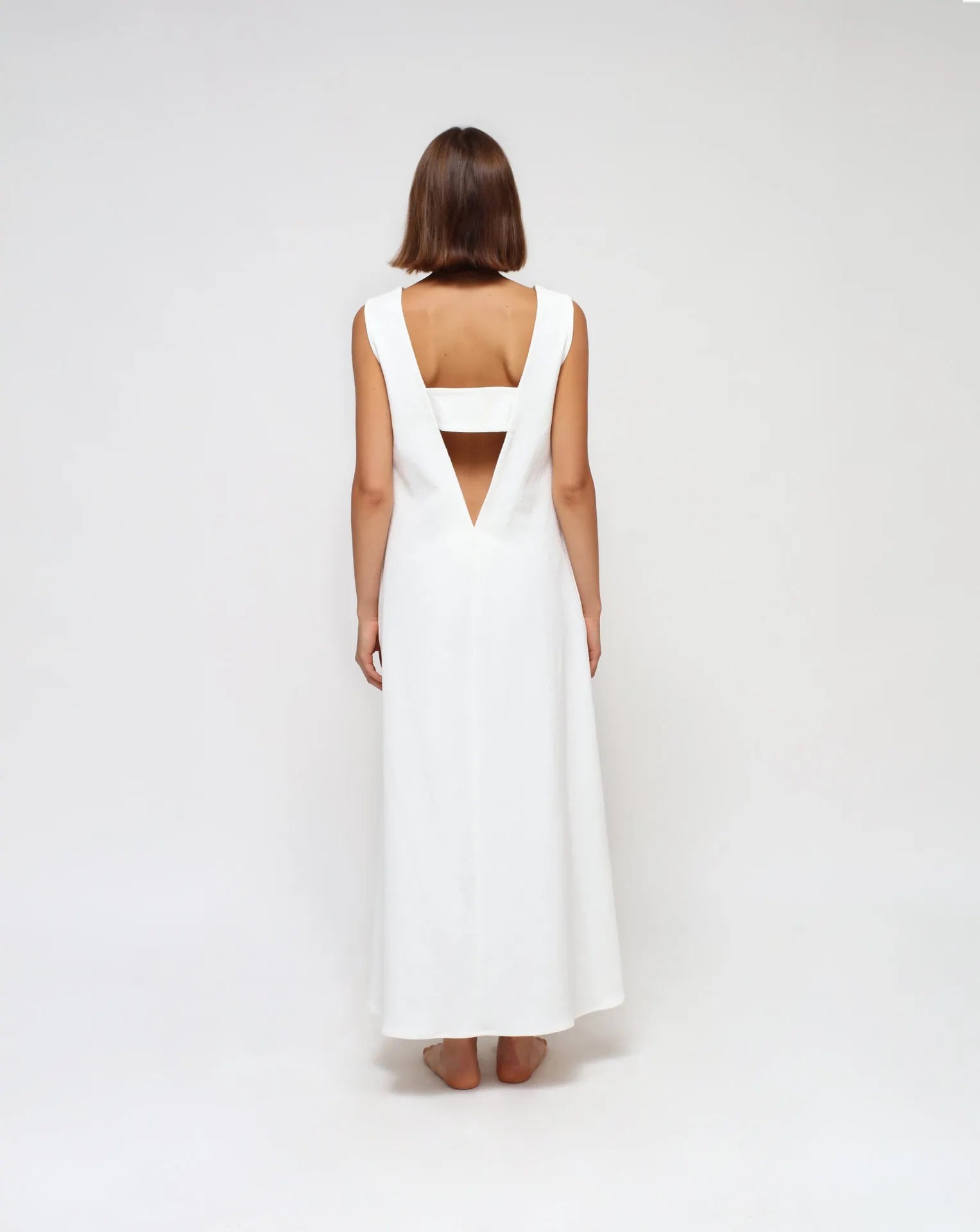
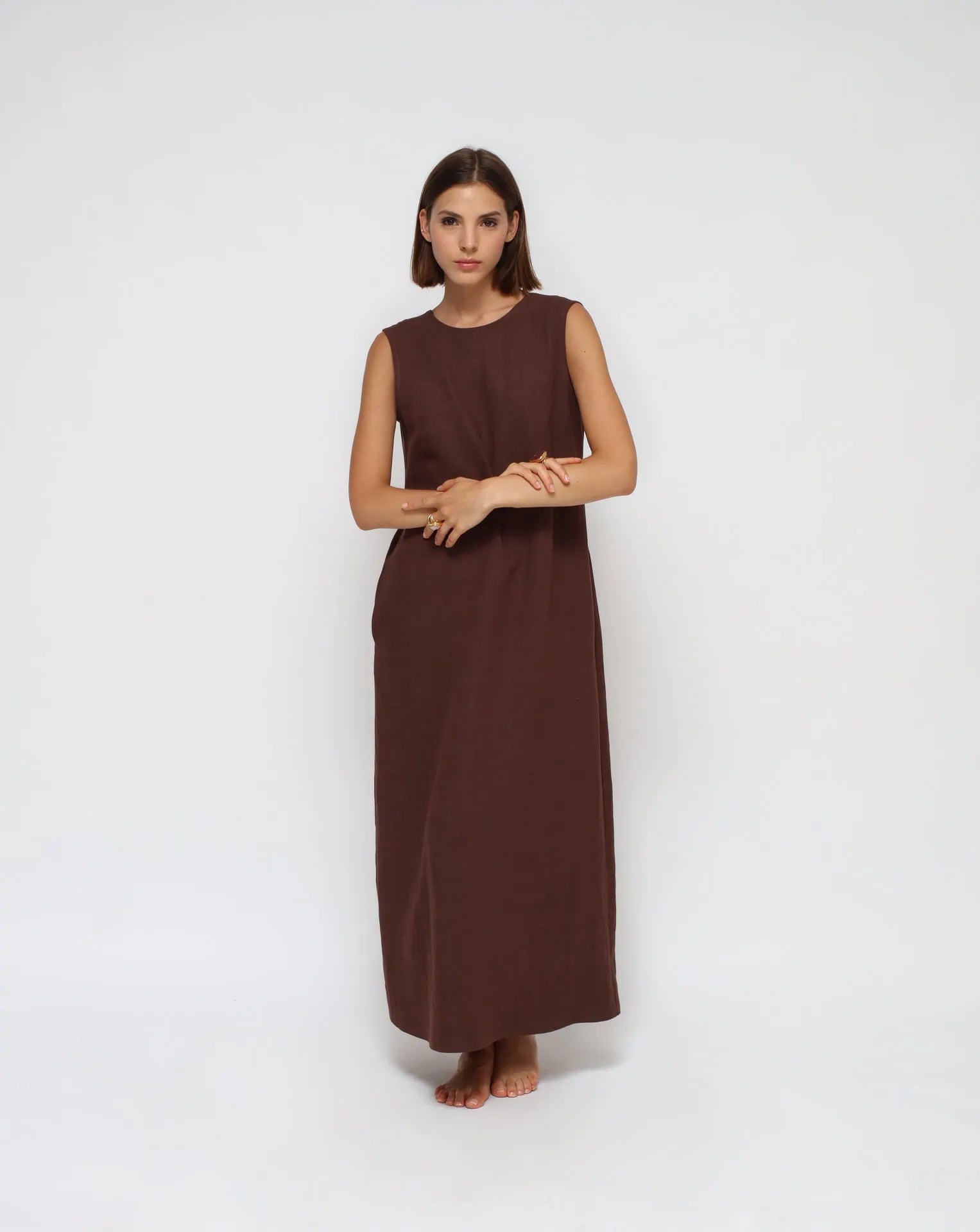
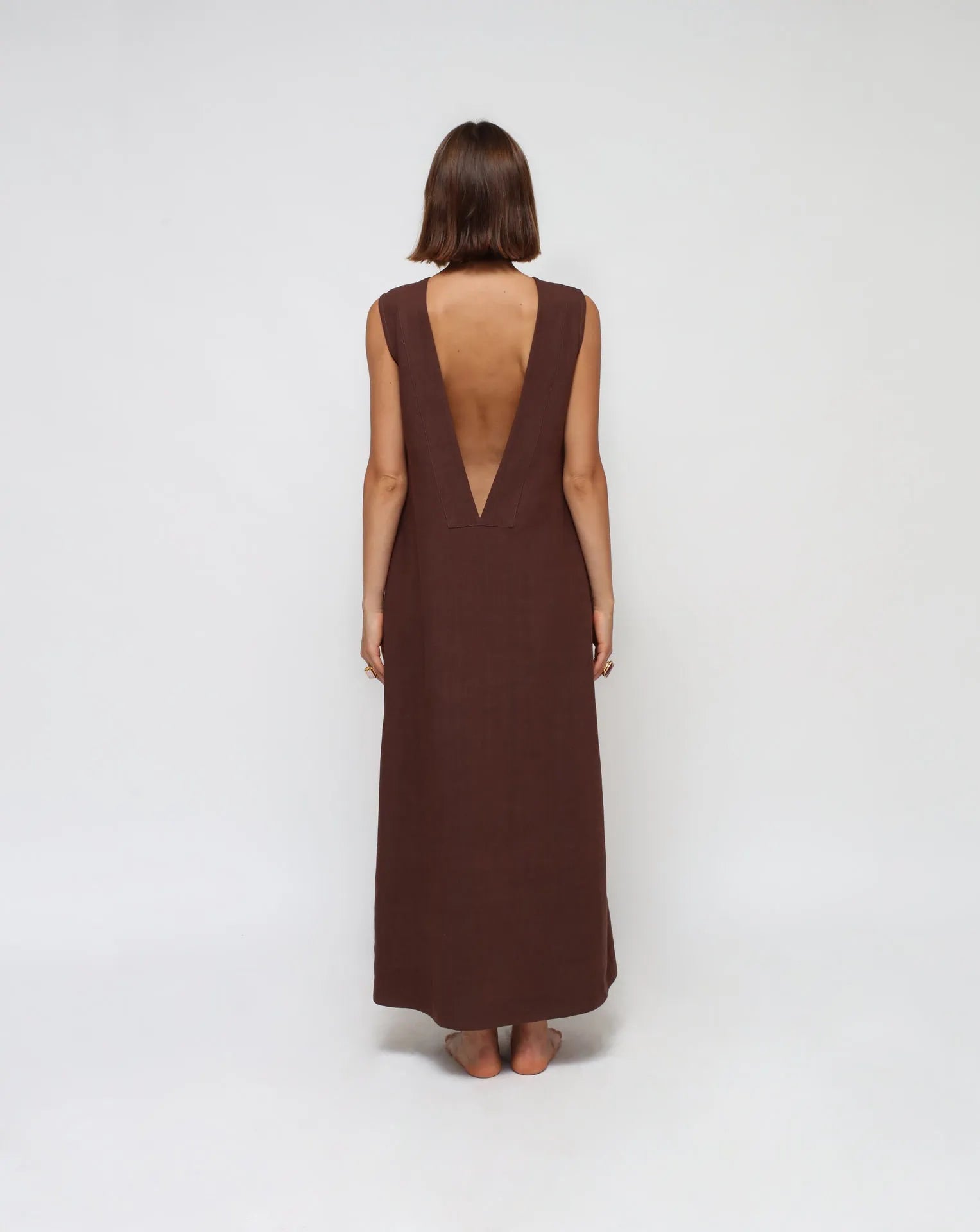
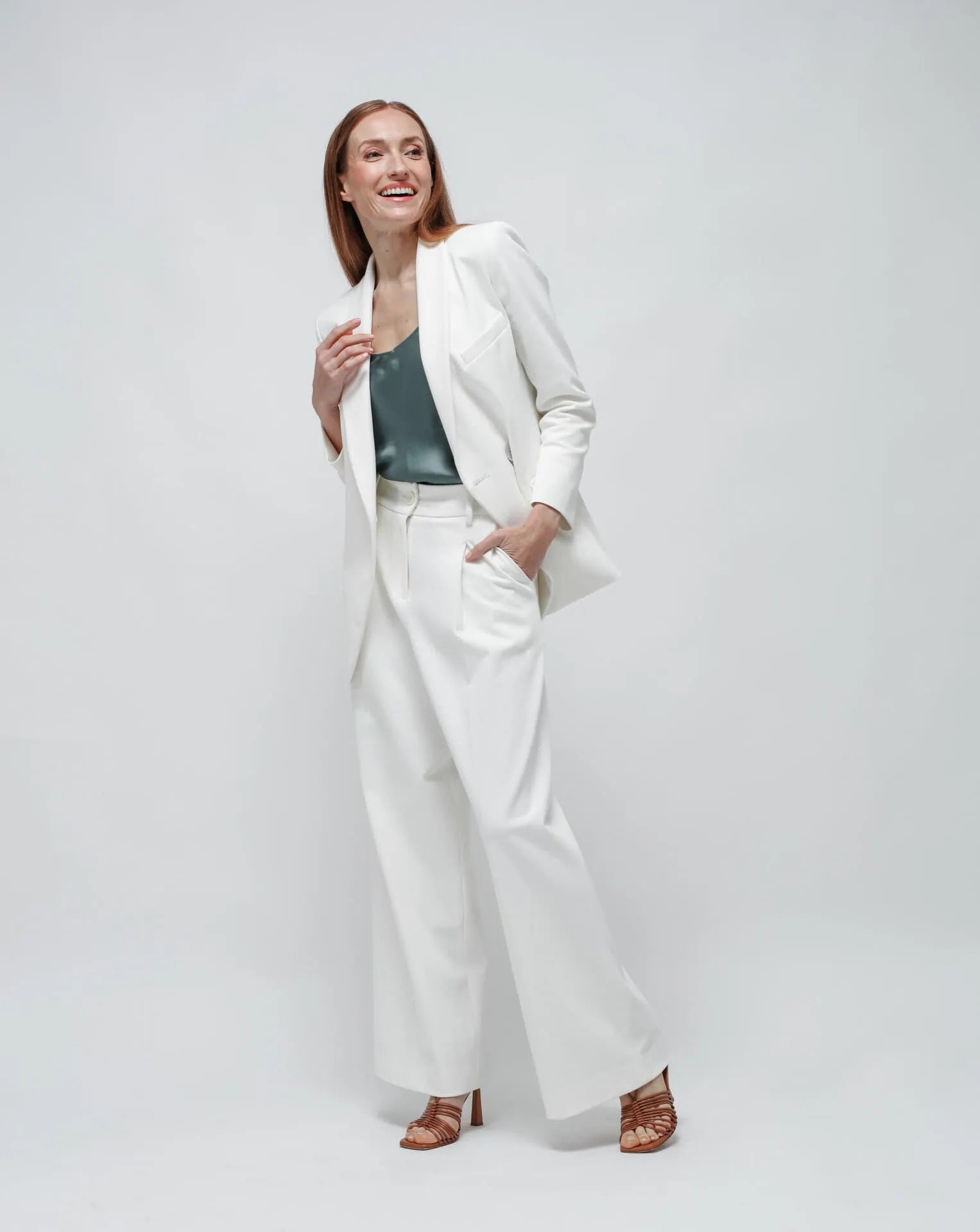
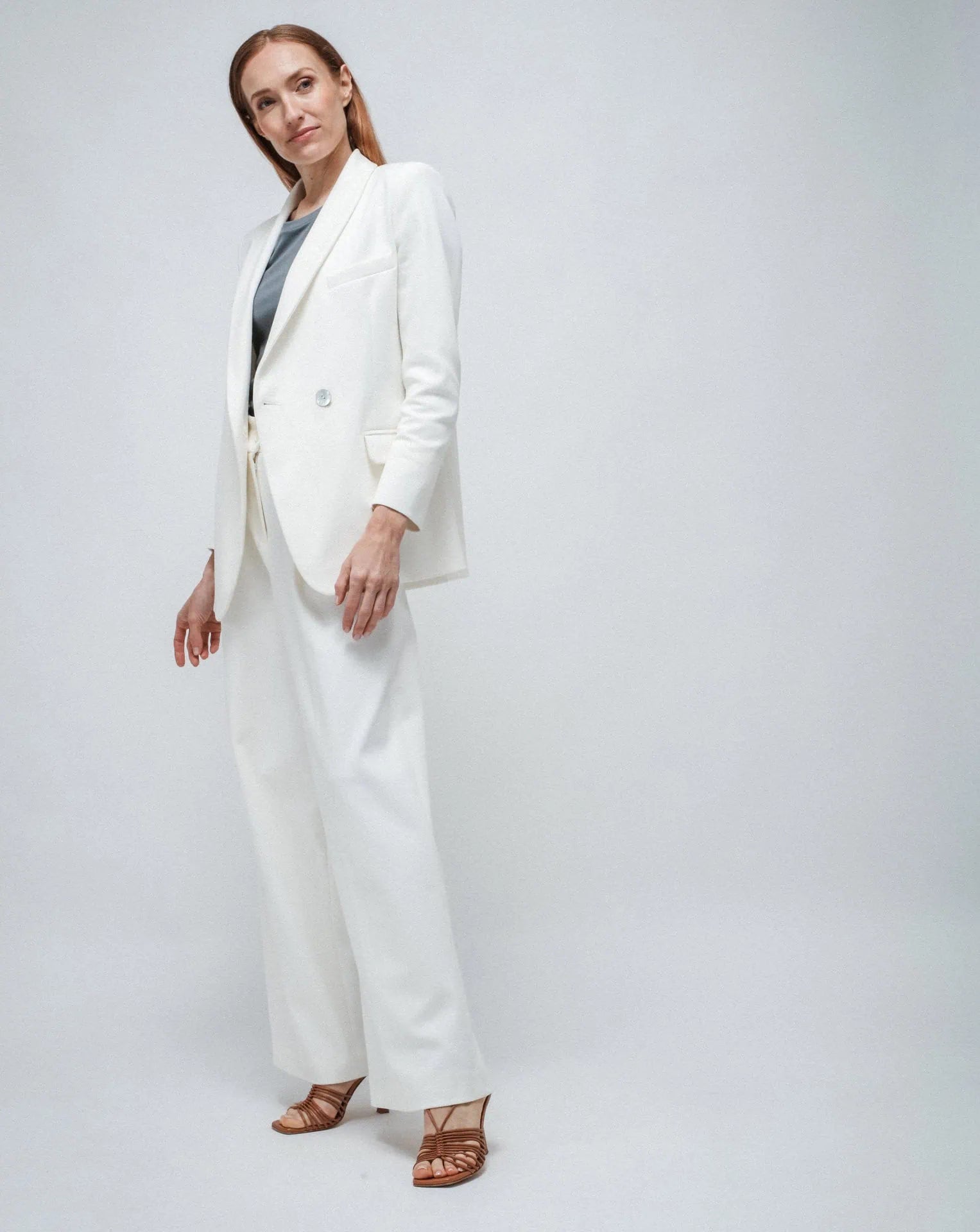
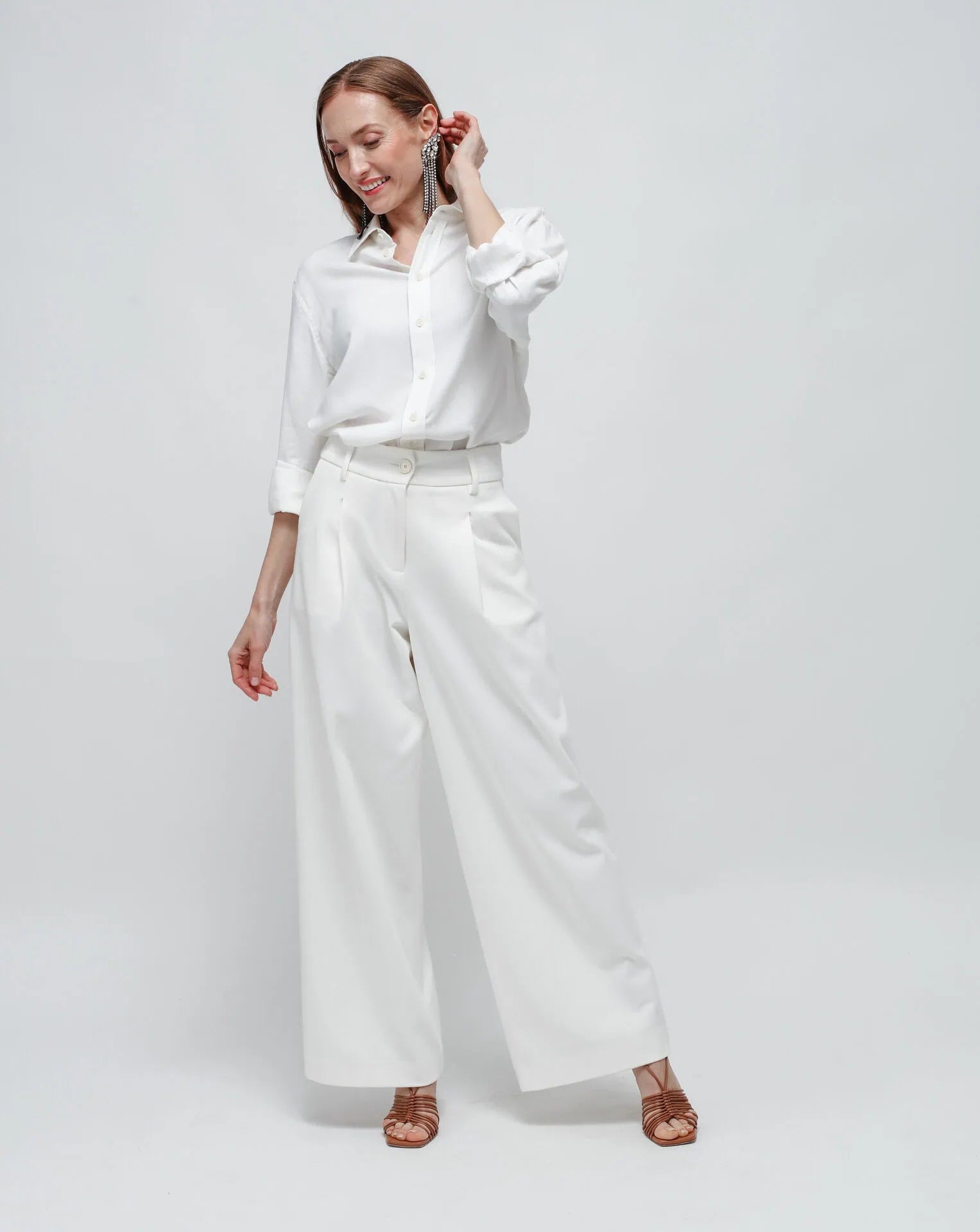
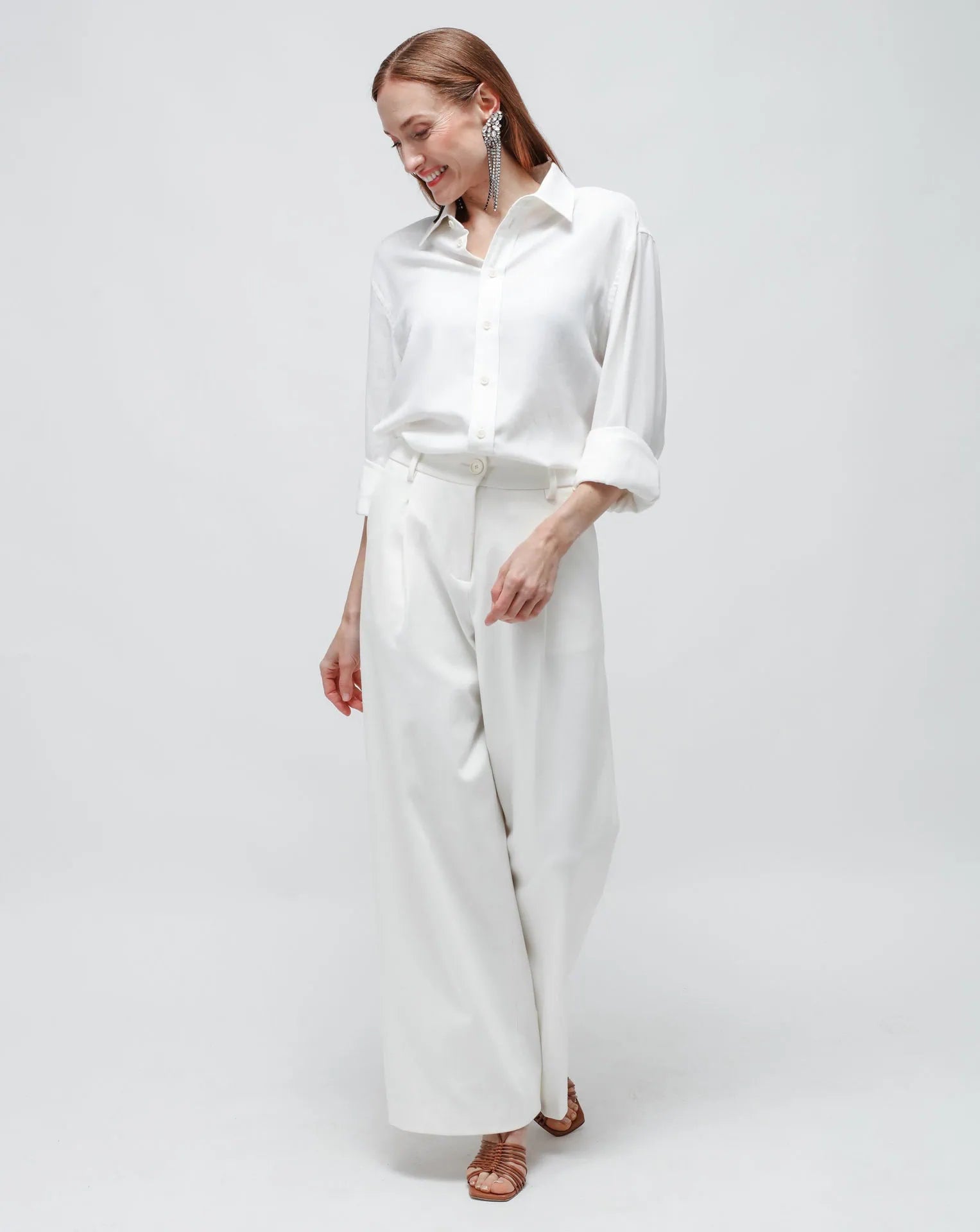
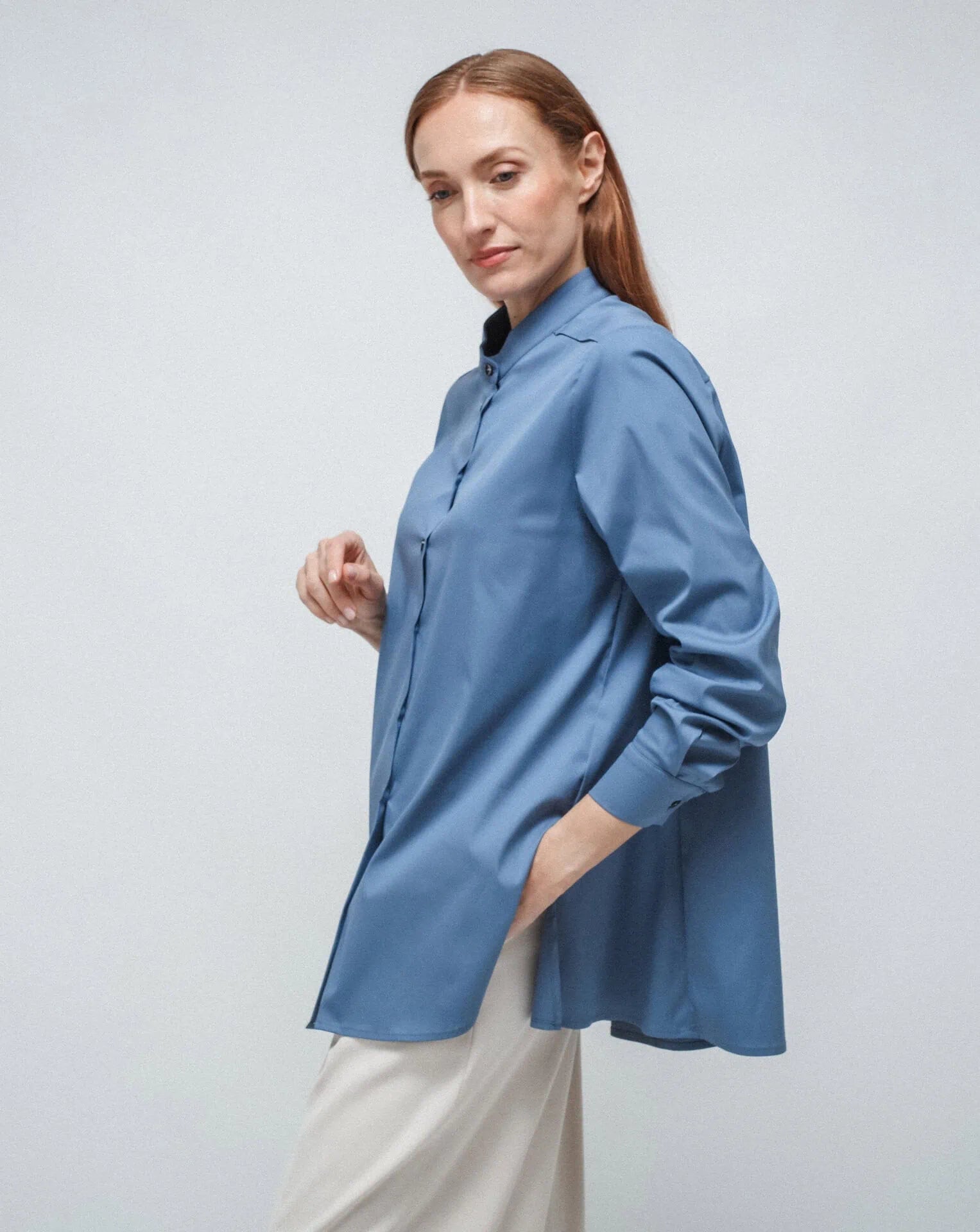
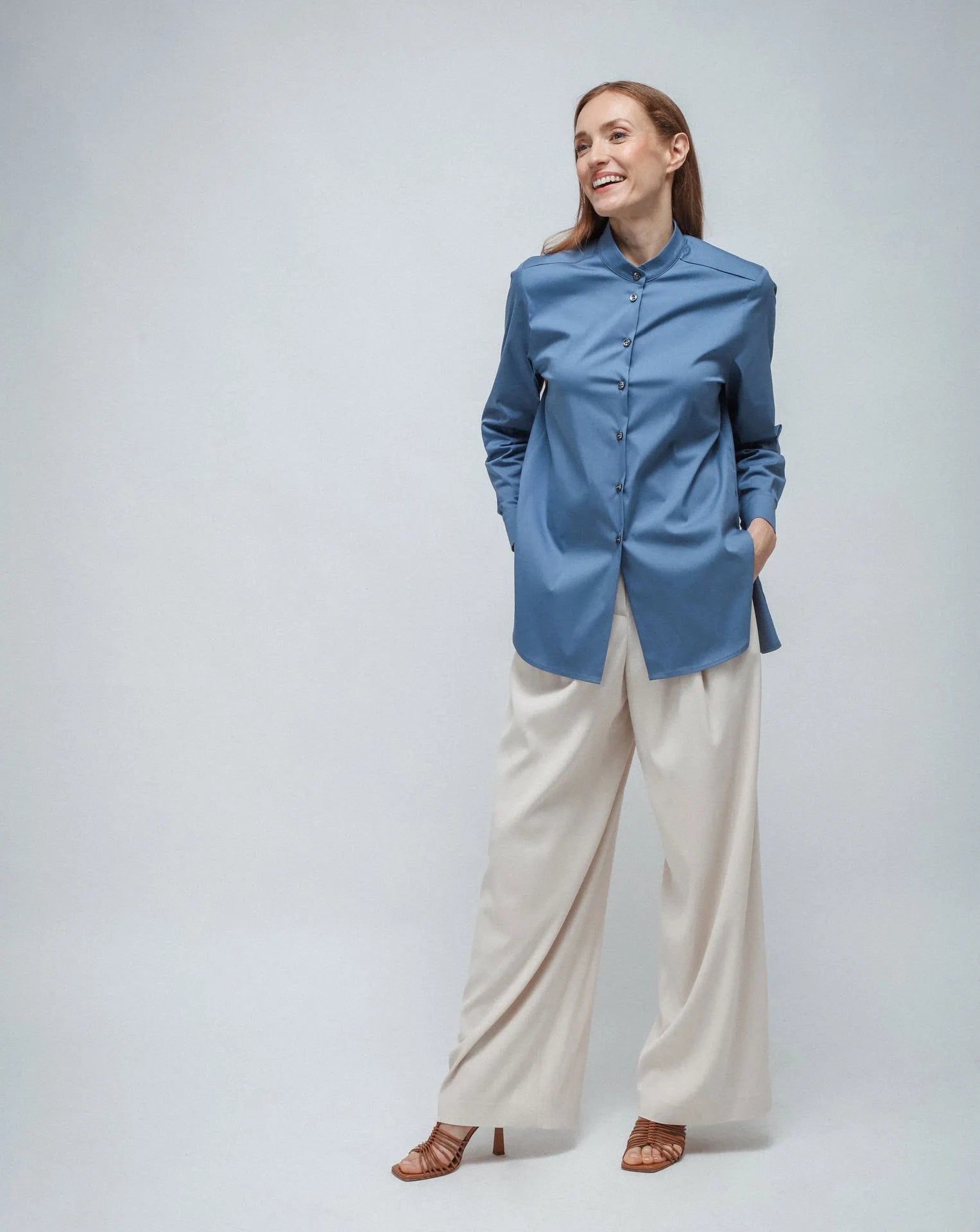
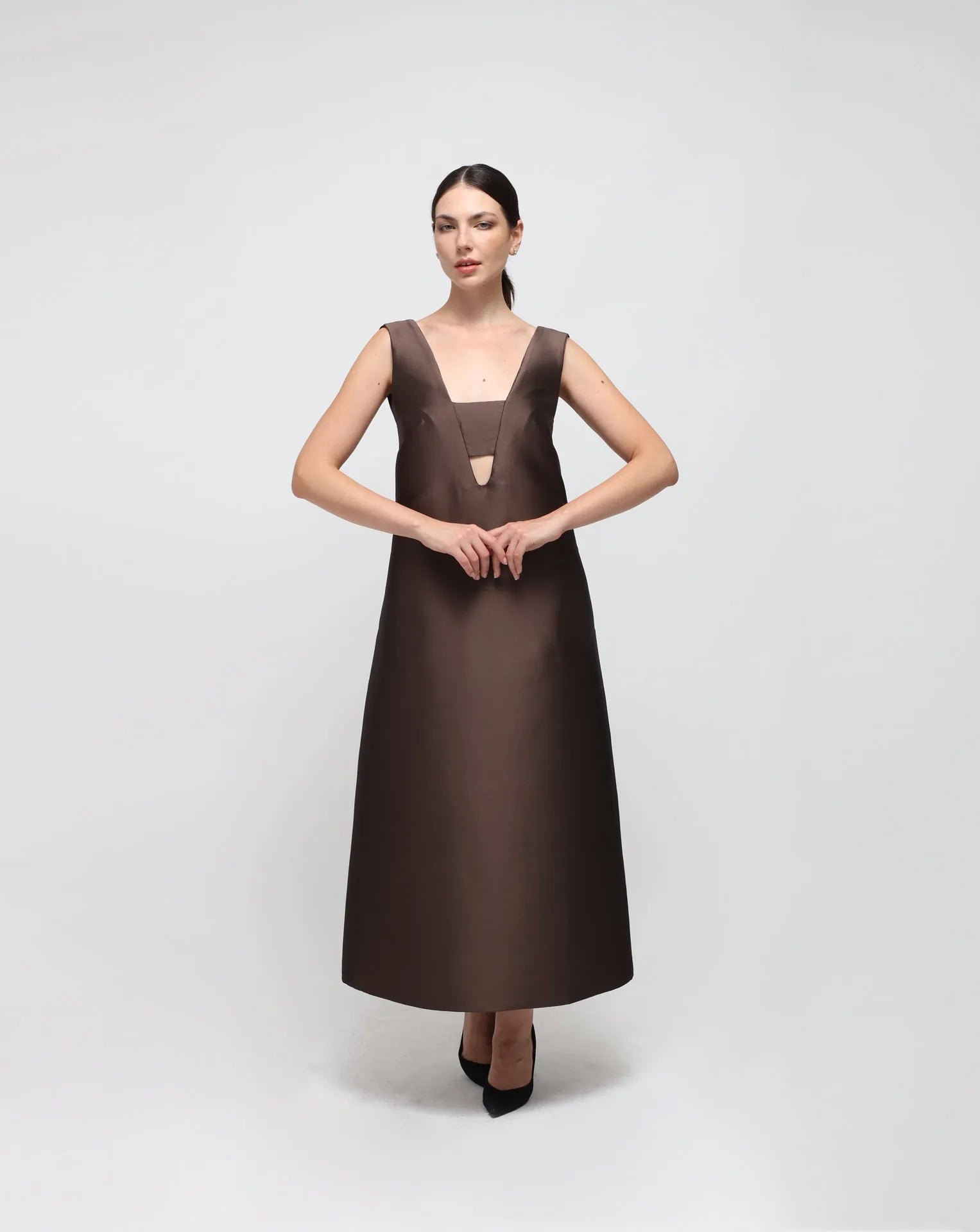
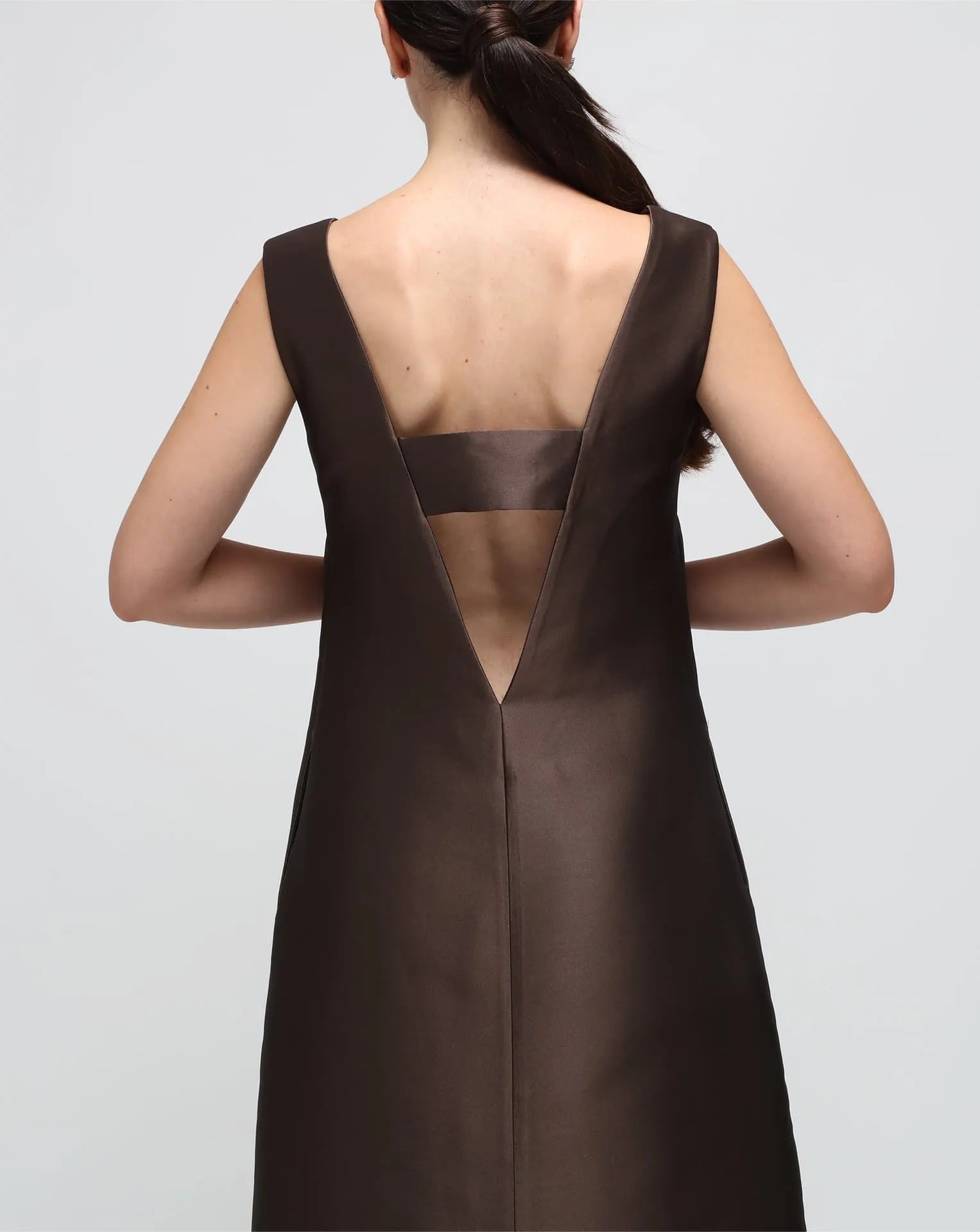
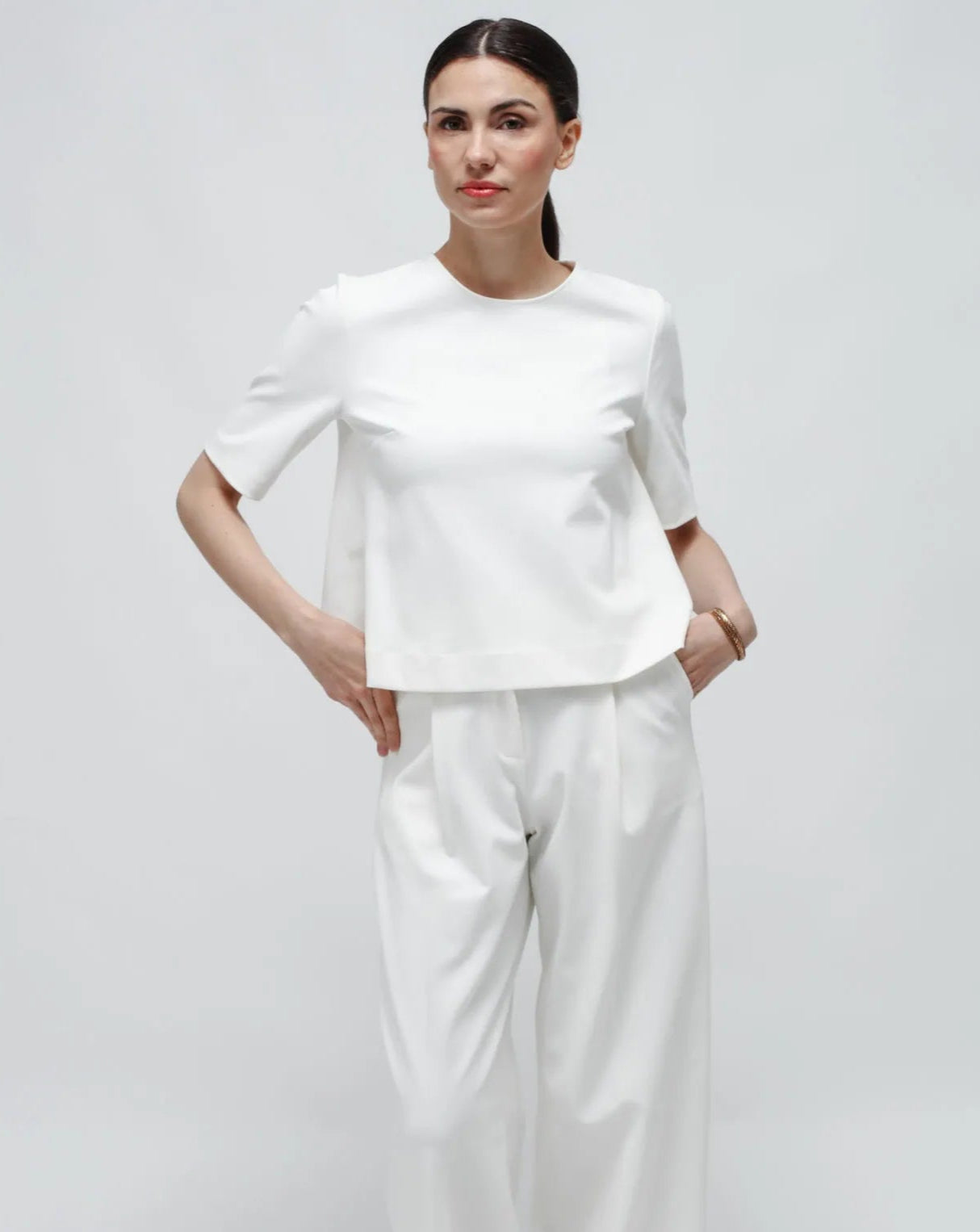
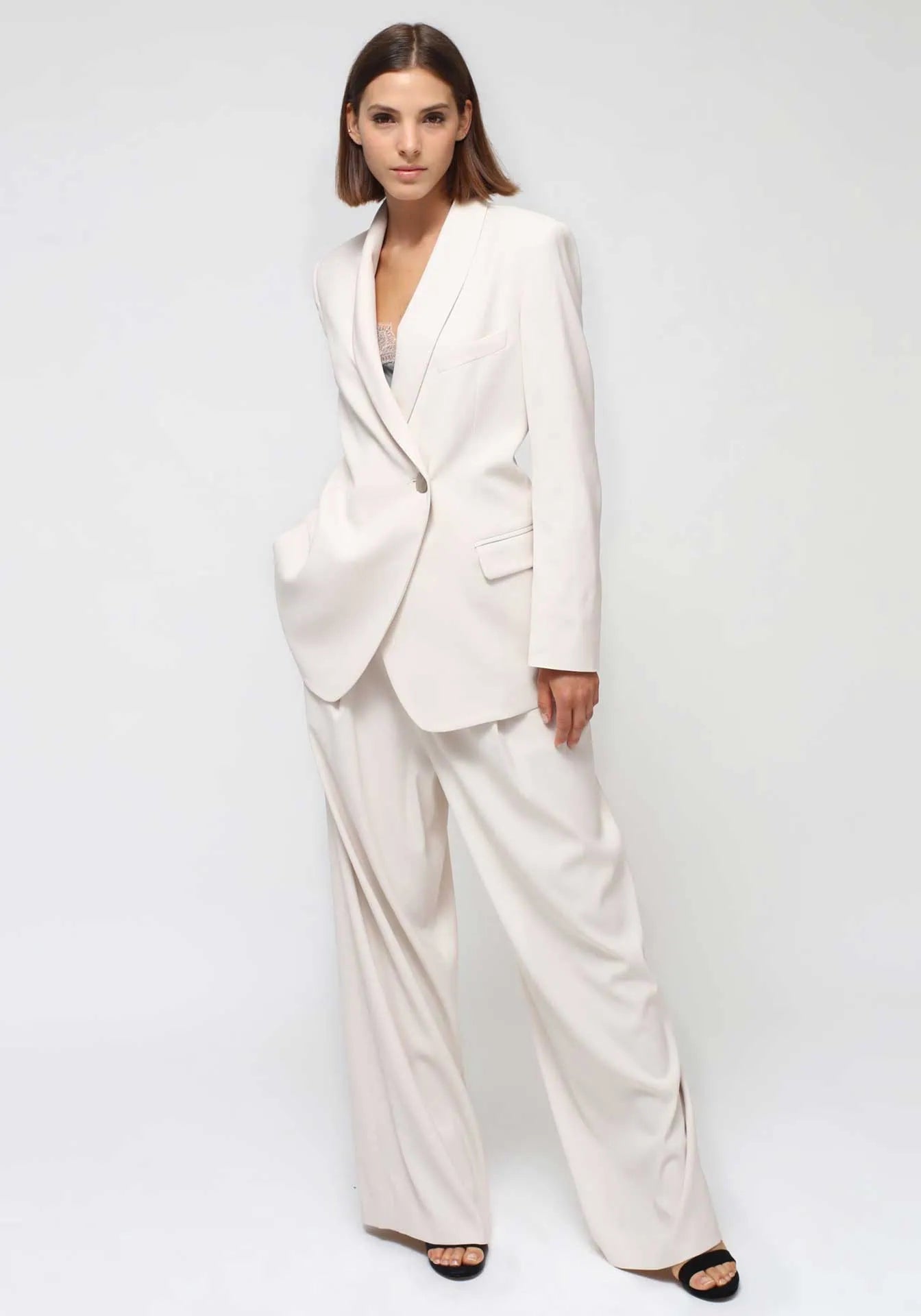
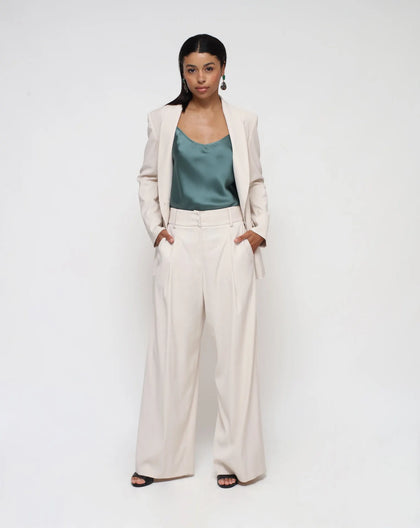
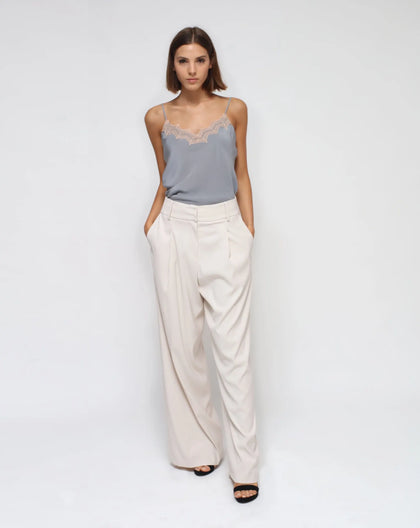
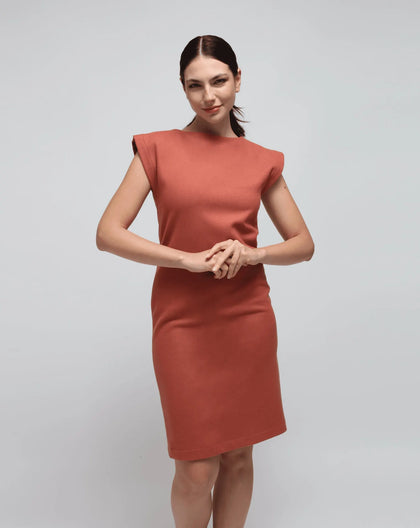
For women, that often starts with a sharp dress that can shift from office to evening, a refined top that works under tailoring or with denim, a pair of tailored pants, and an outer layer with architectural simplicity. A product-led wardrobe story might include a limited-edition silk-blend dress, an elevated deadstock cotton shirt, wide-leg trousers in a premium Italian fabric, and a structured coat designed for repeat wear. These are the kinds of pieces that deserve dedicated collection pages and product features because shoppers often search at the point of need, not as part of a broad sustainability journey.
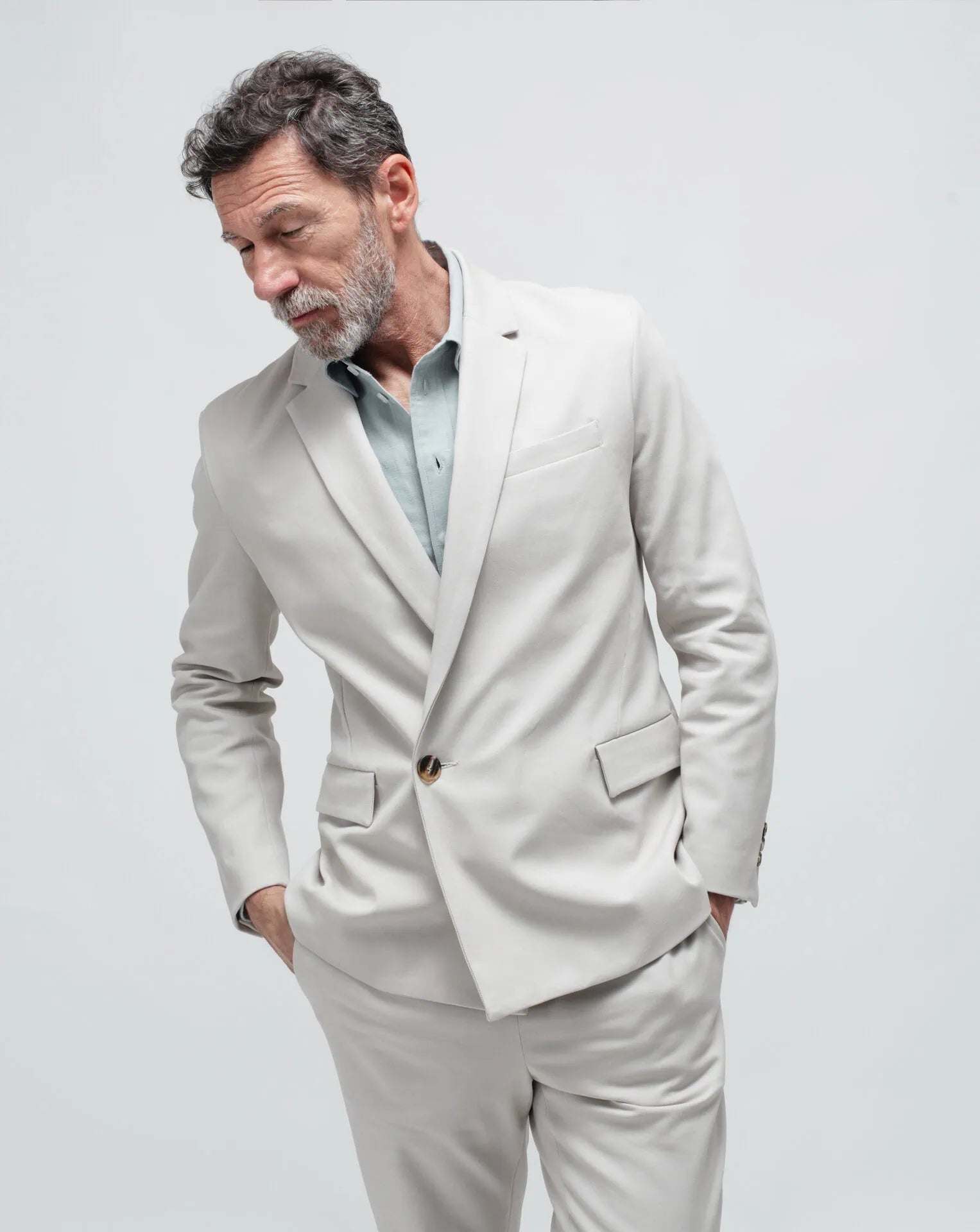
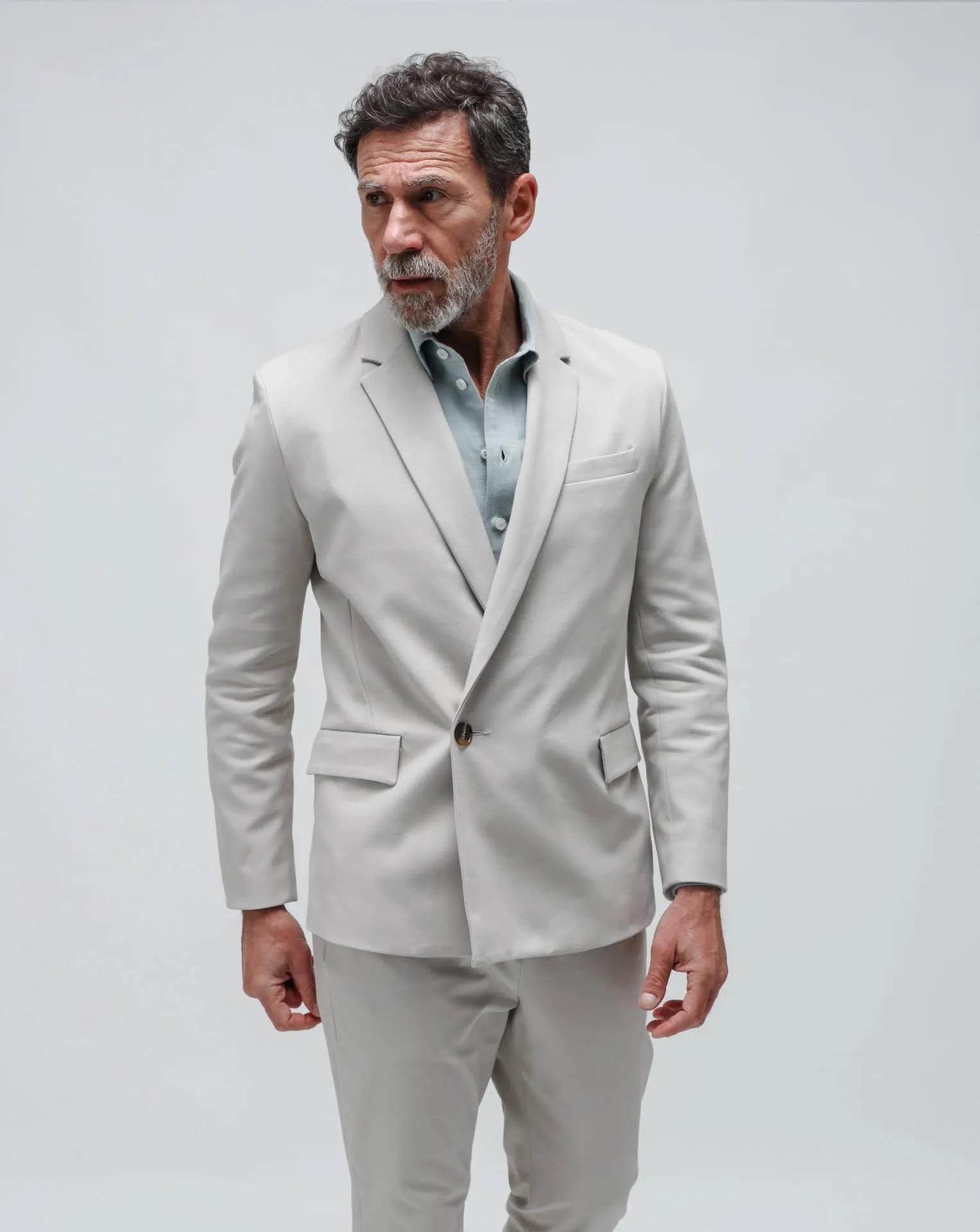
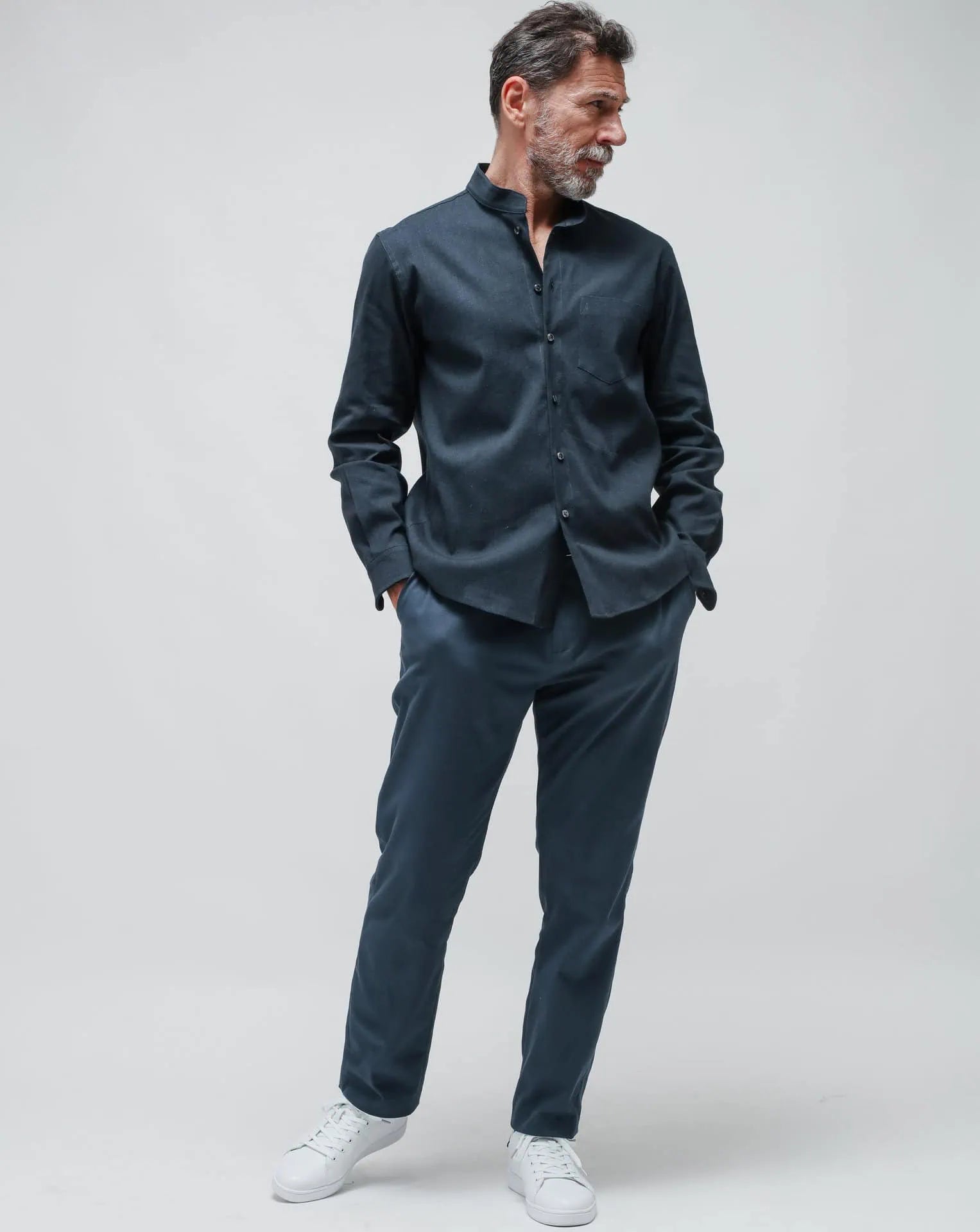
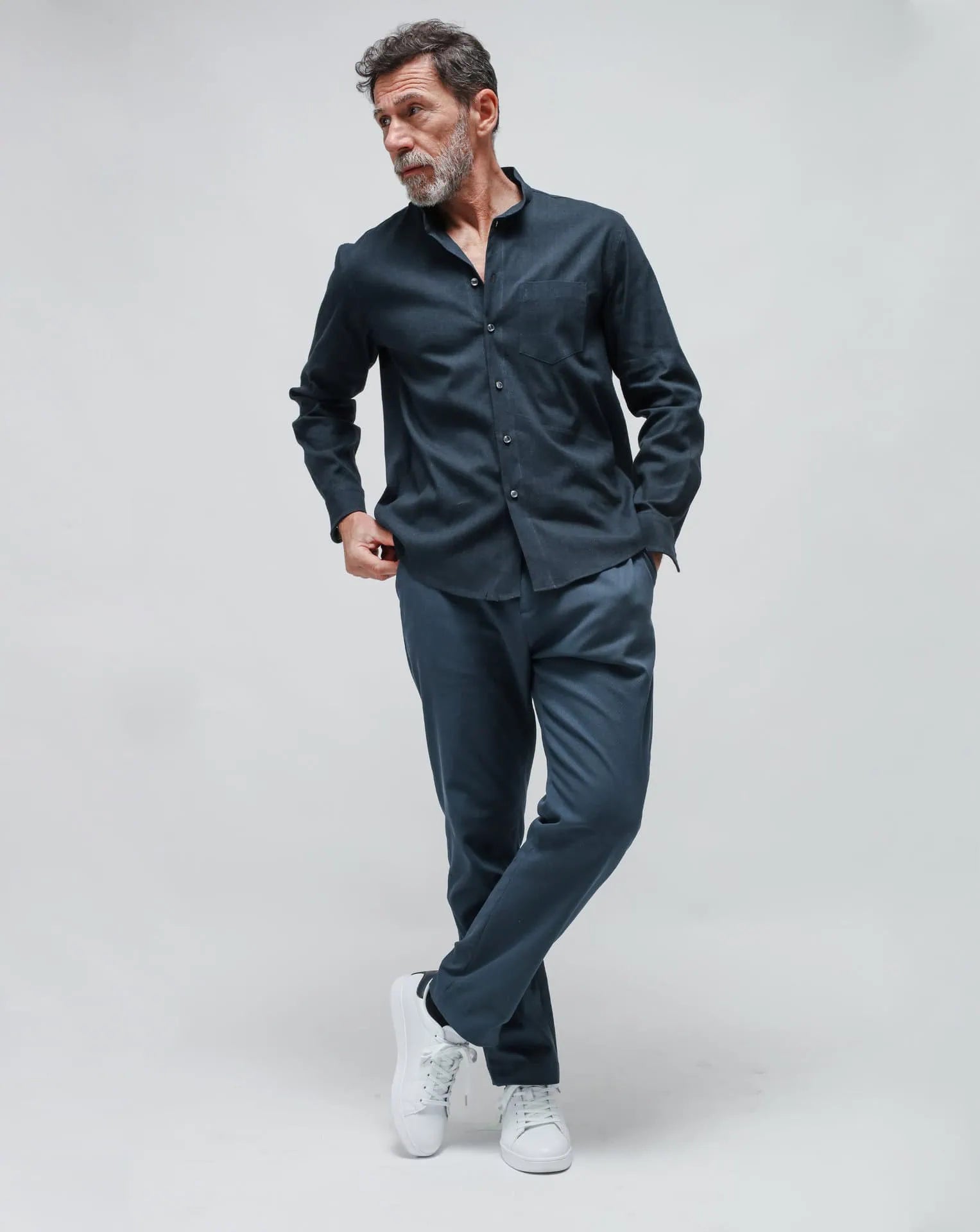
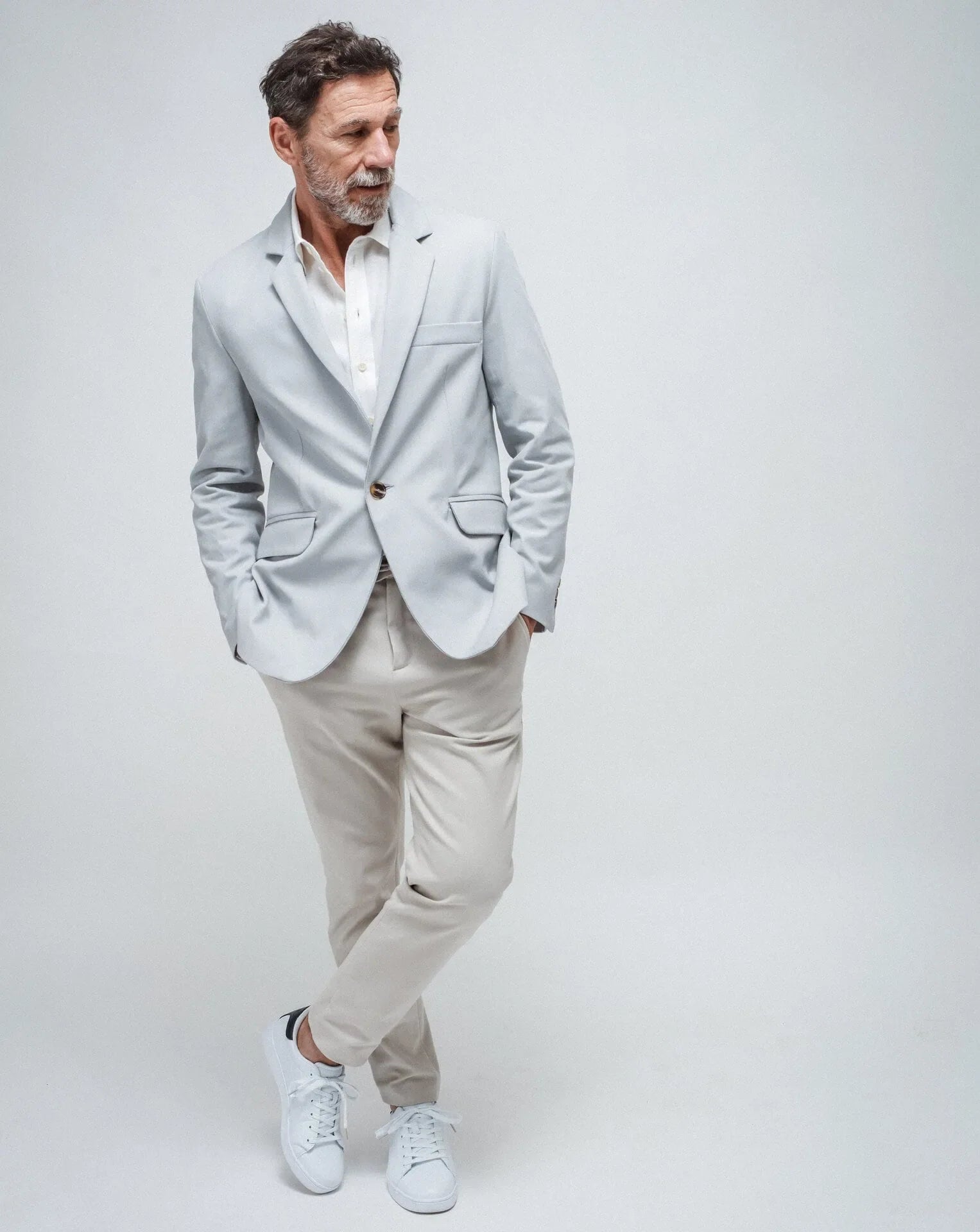
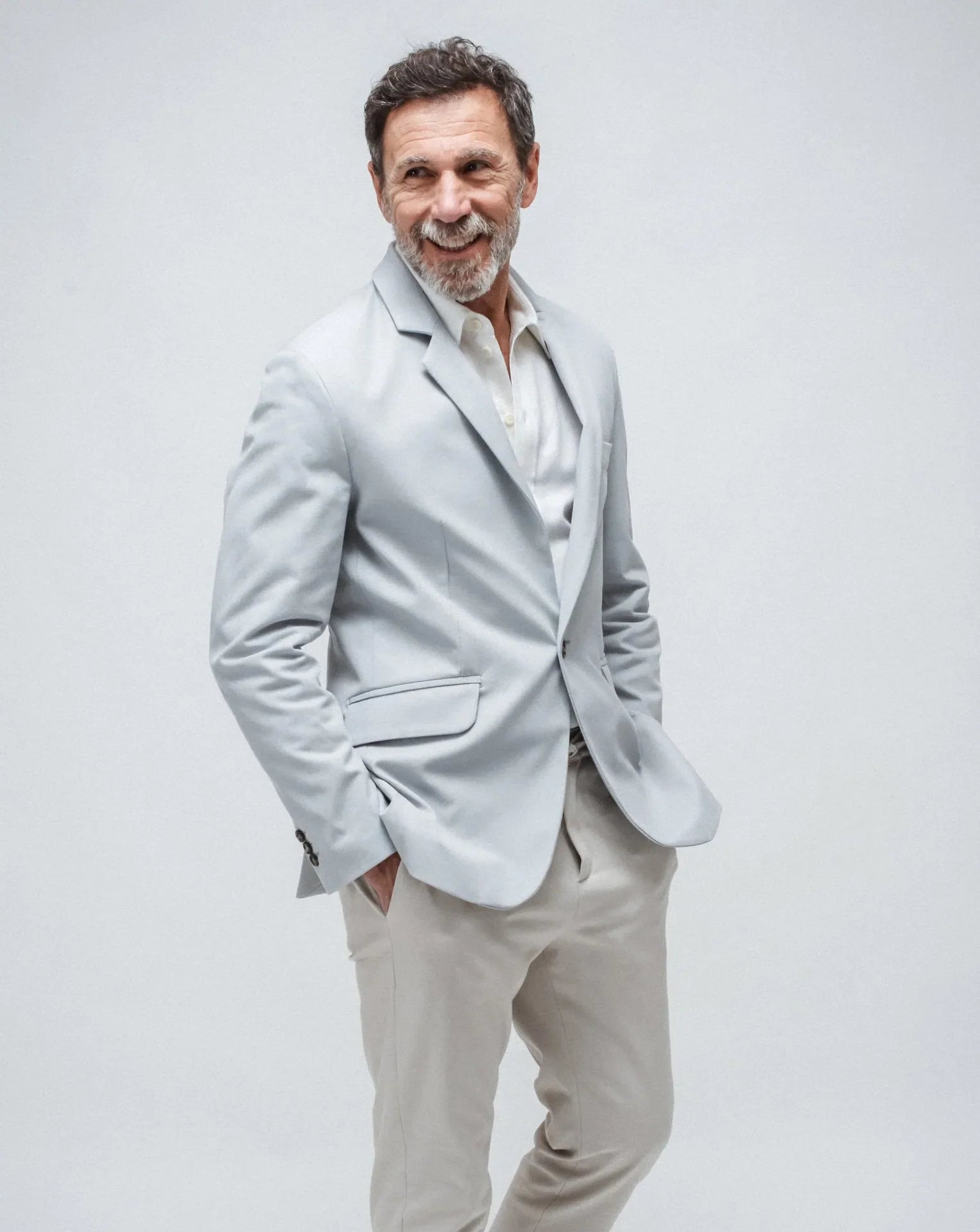
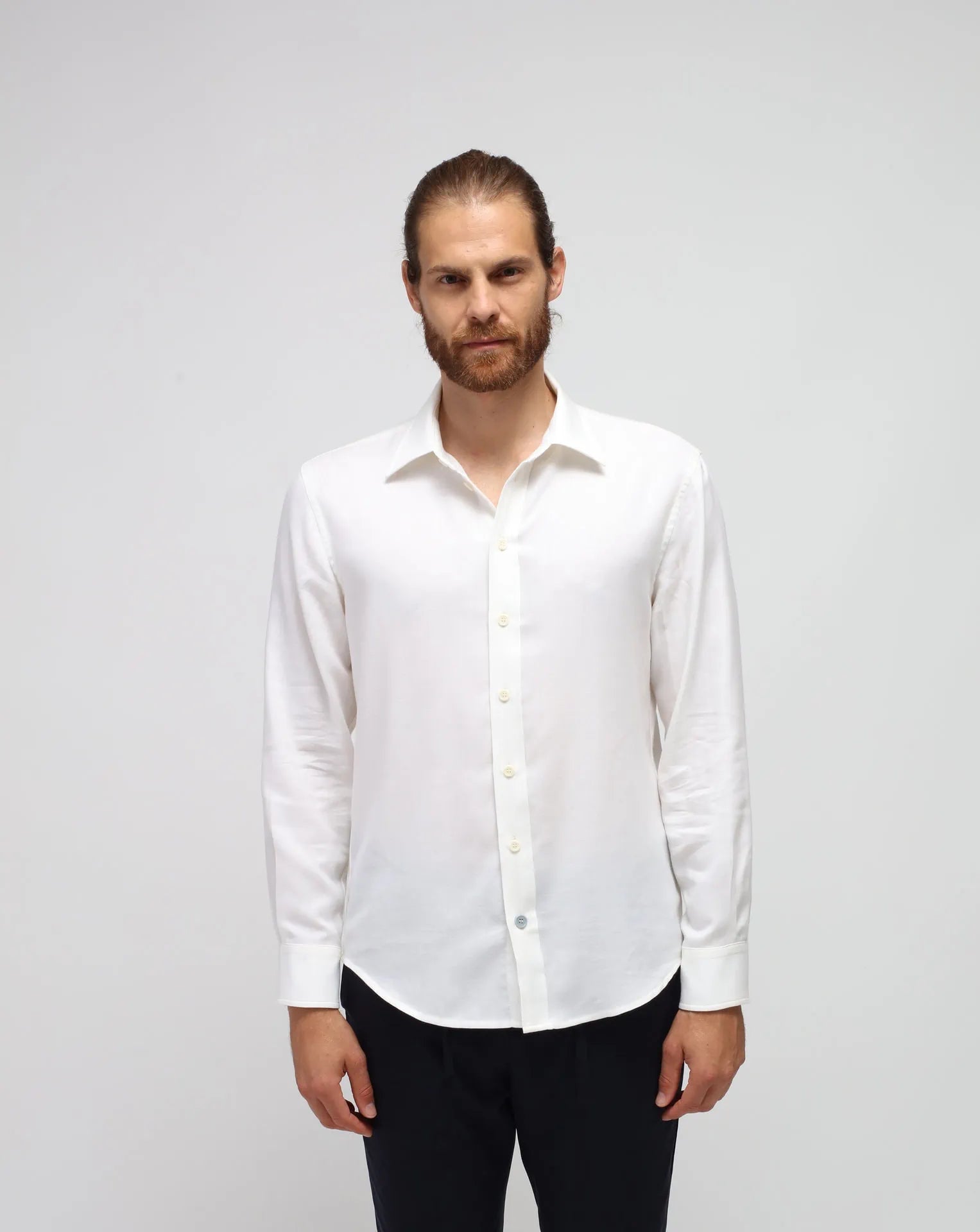
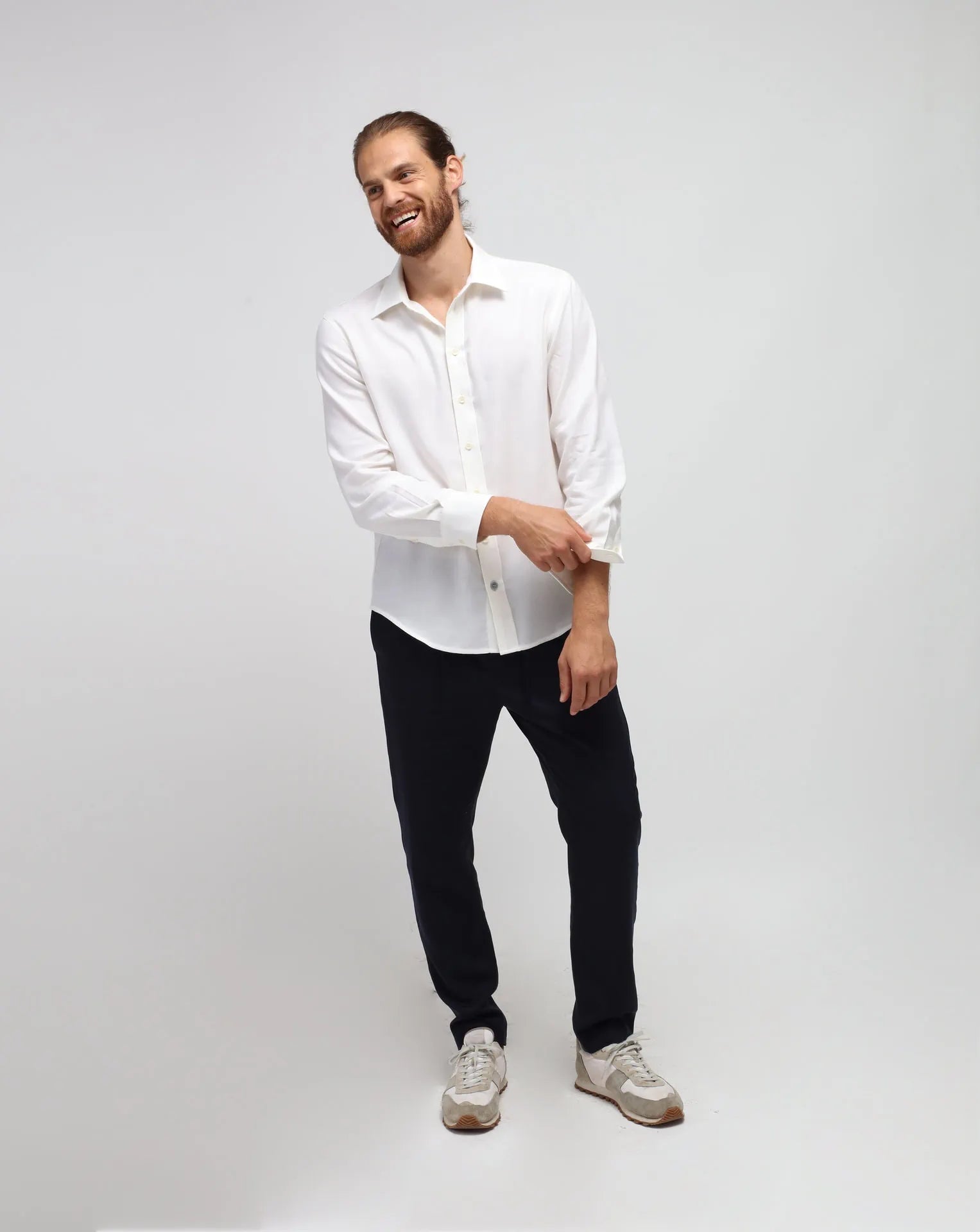
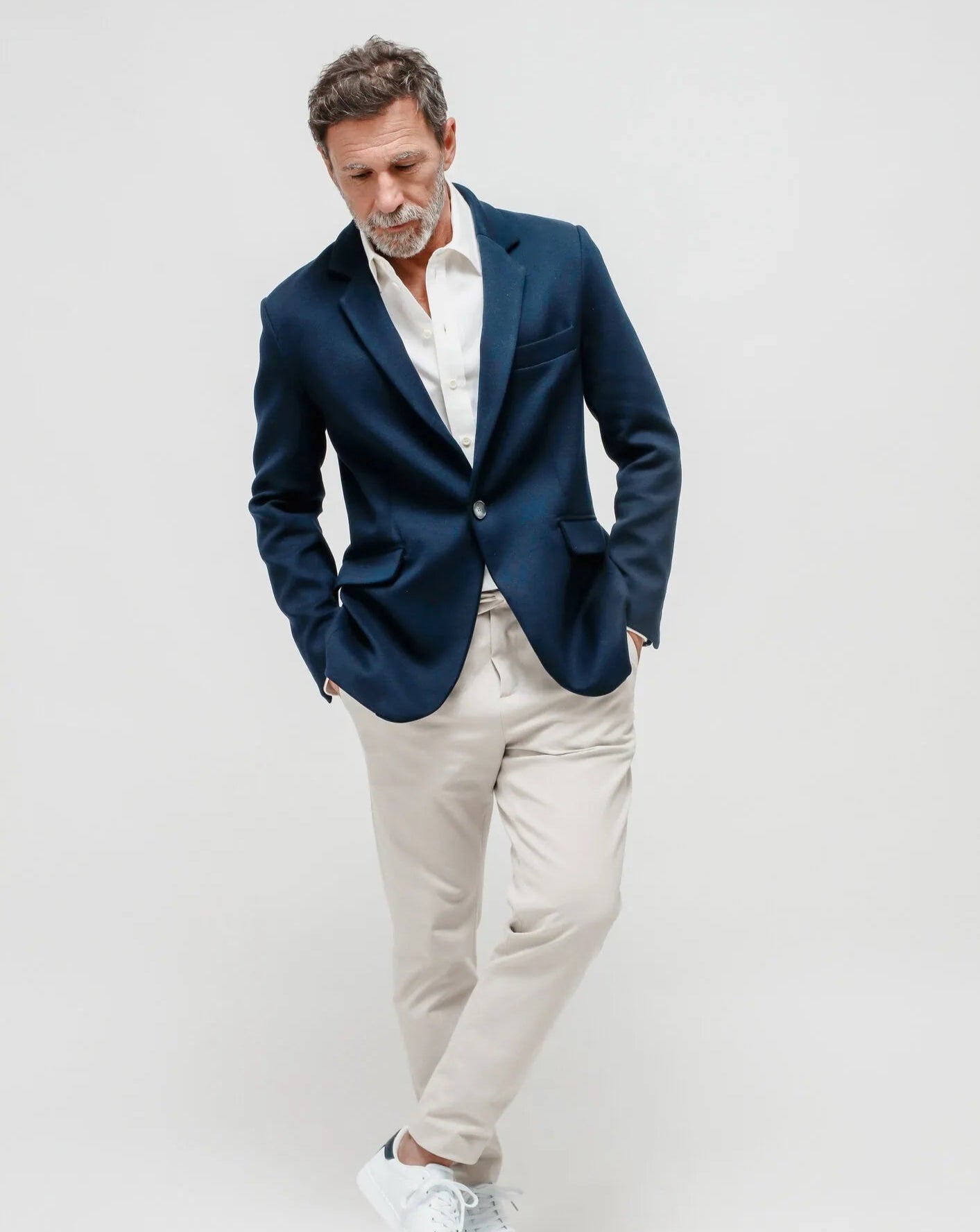
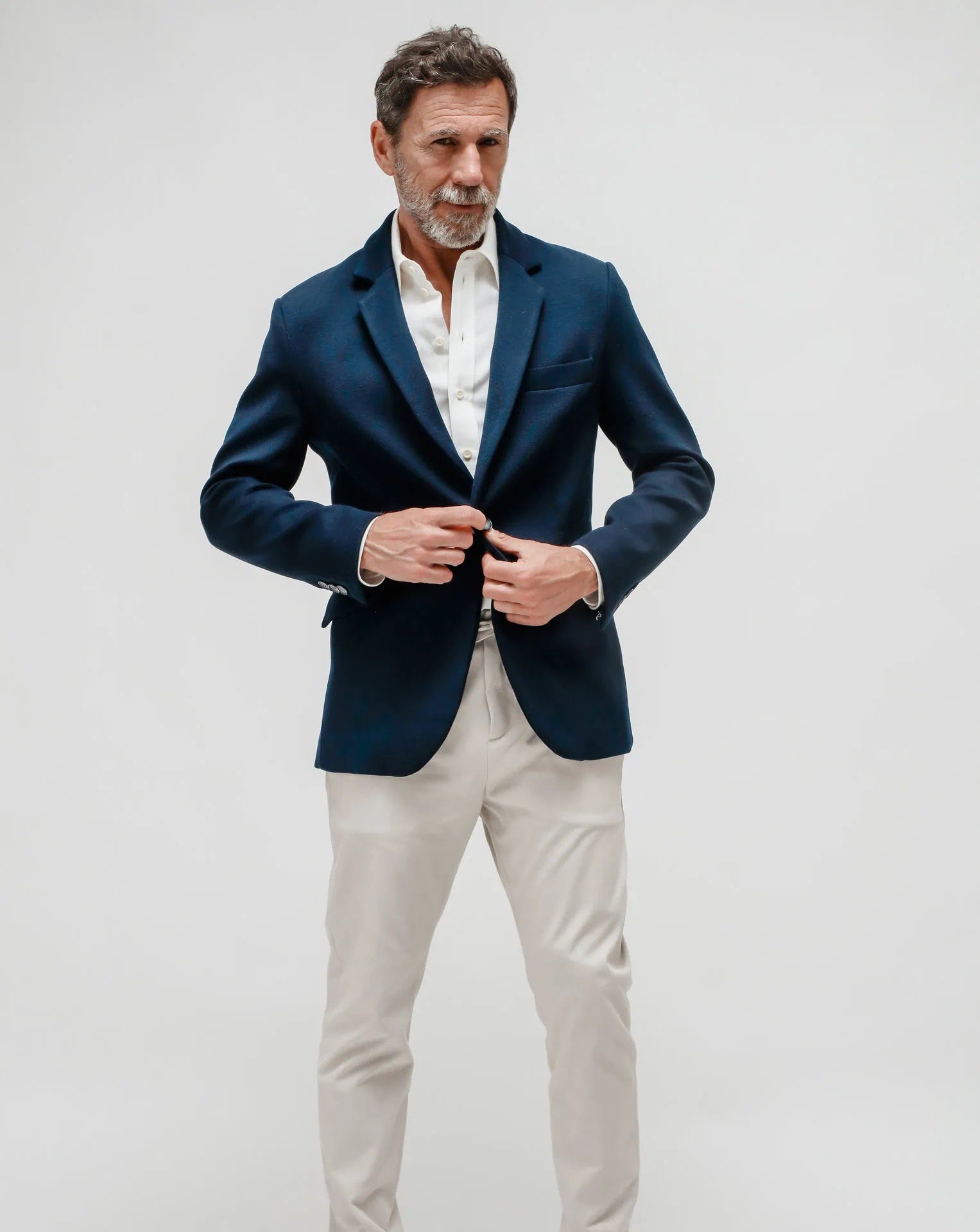
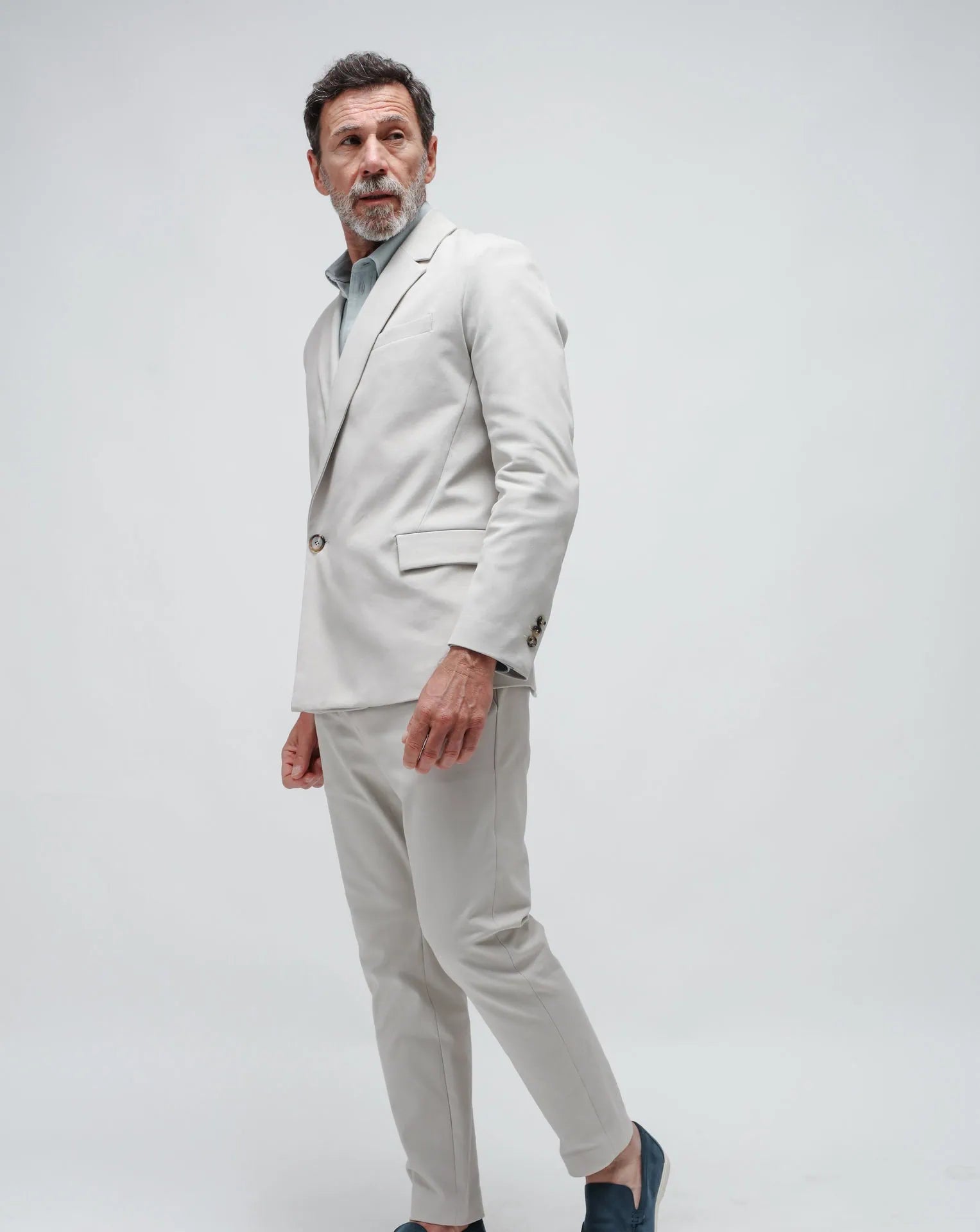
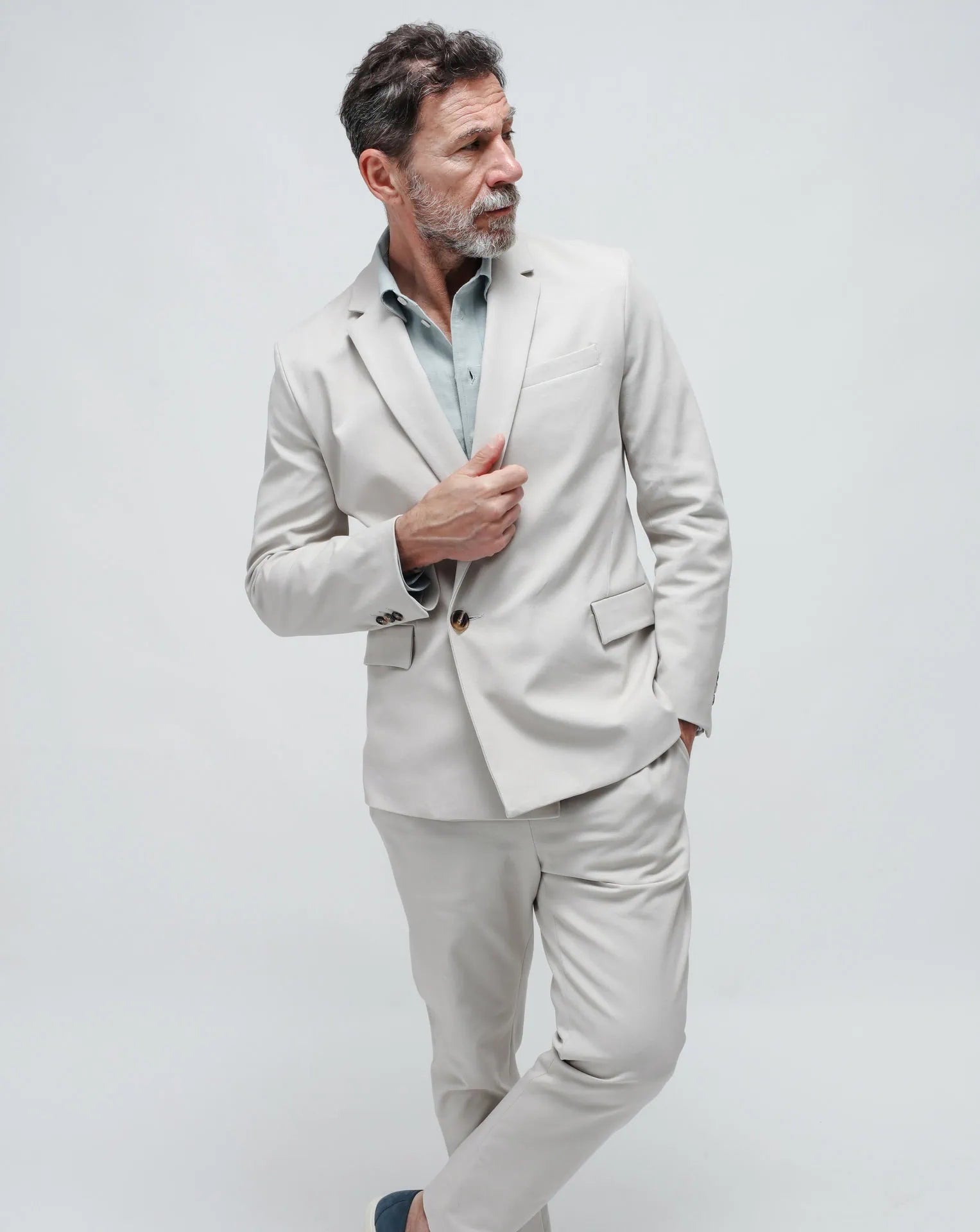
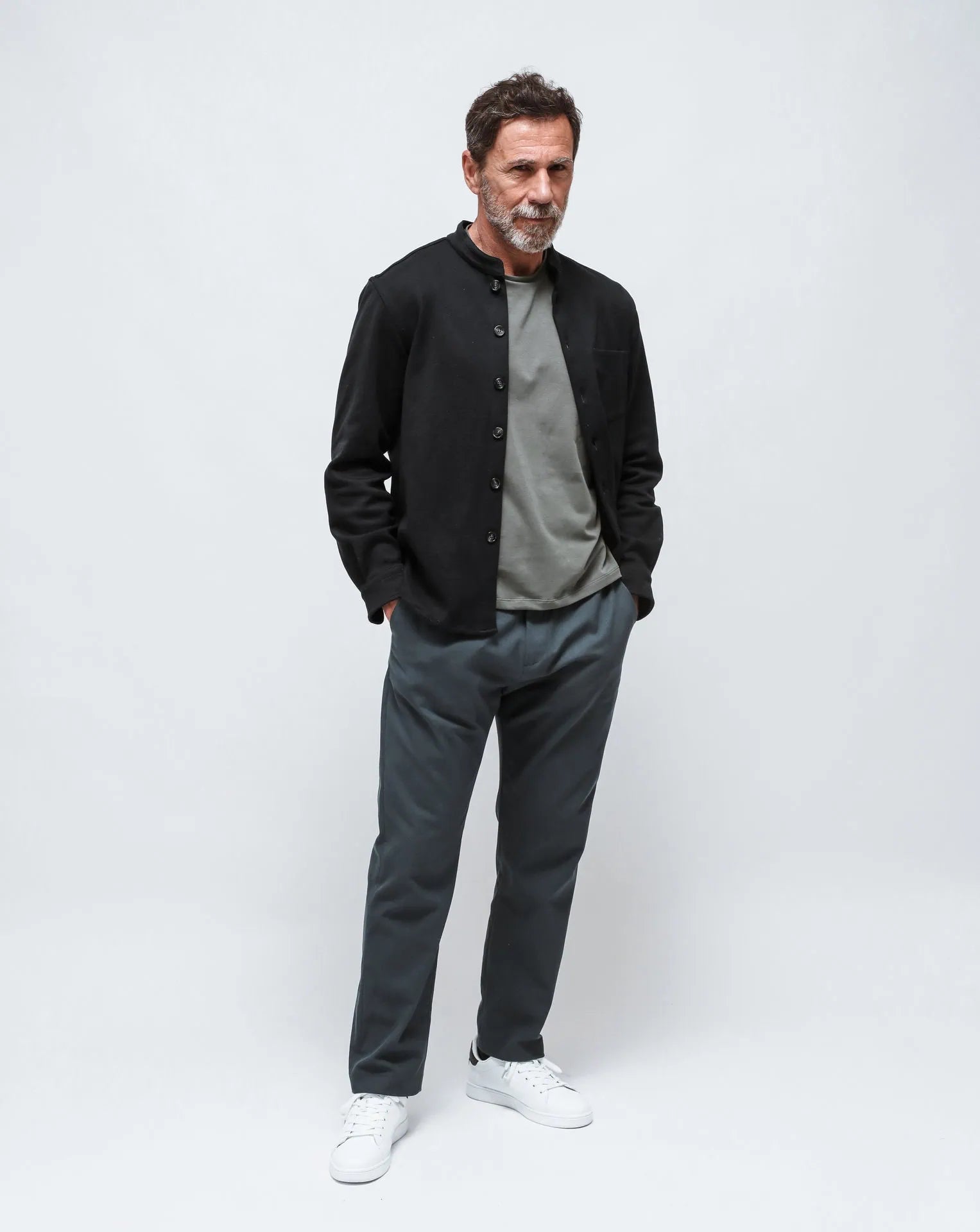
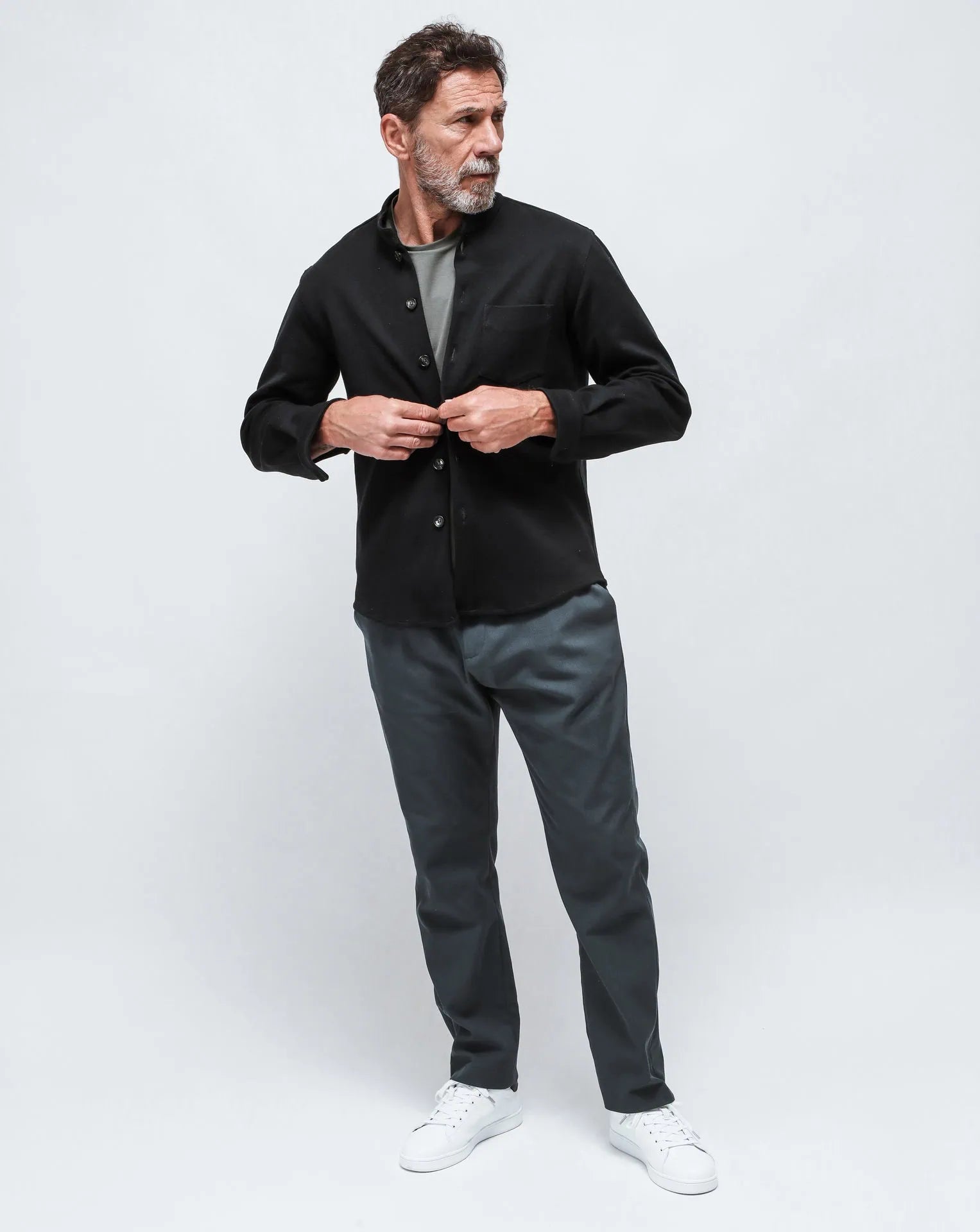
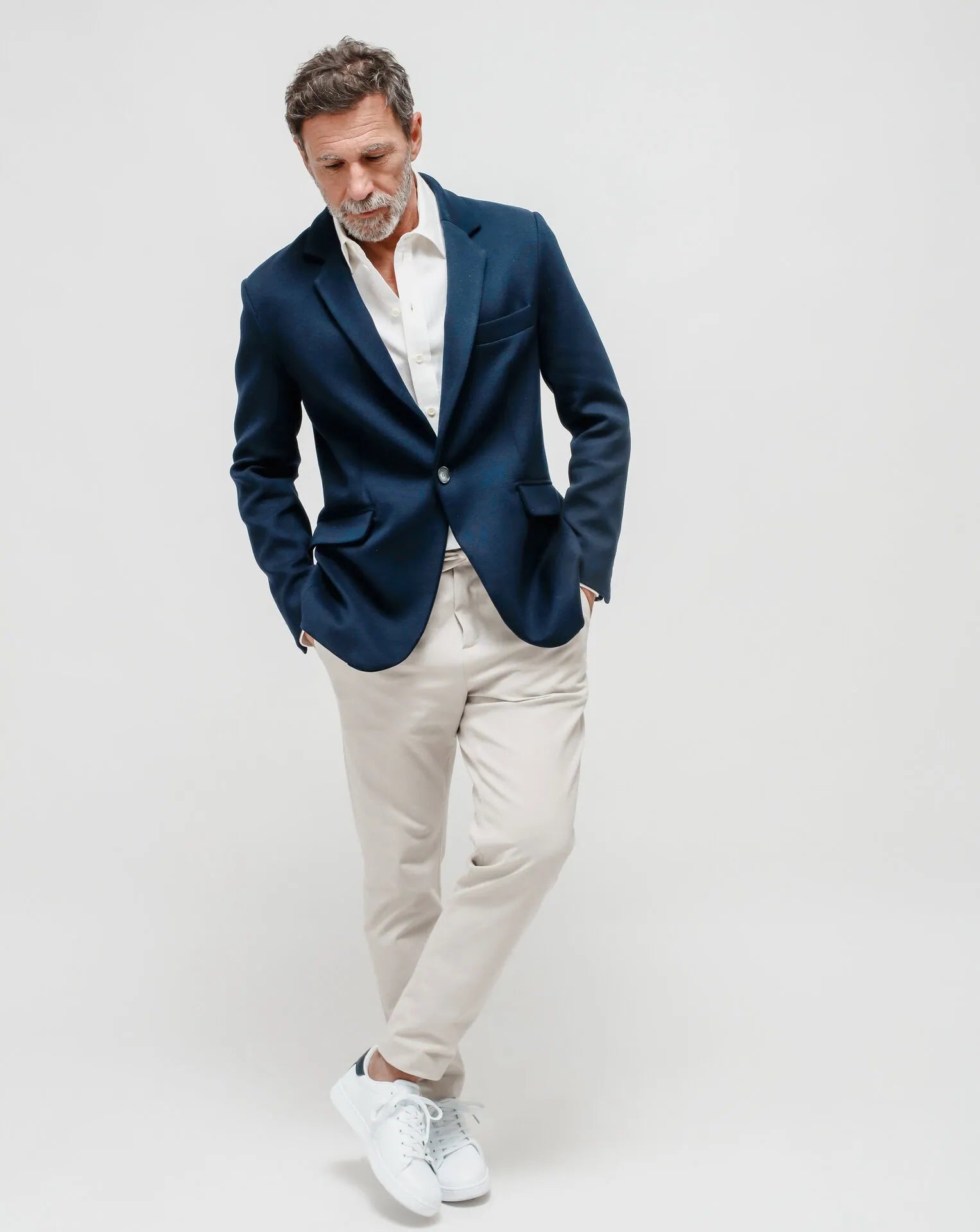
For men, the equivalent foundation is just as clear: a crisp shirt with a clean collar roll, trousers that are relaxed but polished, a jacket that sharpens the entire look, and coordinated sets that simplify travel or warm-weather dressing. Think in terms of exact product pathways such as Italian-made men’s shirts, deadstock men’s trousers, or luxury men’s coordinated sets. High-intent shoppers often know the category first and the brand second.
The point is not uniform dressing. It is reducing friction. When each item can work across several uses, your wardrobe gets smaller but more capable.
The trade-offs are real - and worth understanding
Ethical luxury is not a perfect system, and serious brands should say that plainly. Limited runs can mean your size sells out. Deadstock fabric is more responsible, but it can make replenishment difficult because the material may not exist again. Small-batch production supports quality and control, yet it rarely competes with fast fashion on speed.
Price is the most obvious trade-off. Better fabric, European production, and lower-waste sourcing cost more. For some shoppers, the right answer is not replacing everything overnight. It is buying one excellent piece instead of four average ones. A coat this season. Trousers next. A dress or shirt after that.
There is also the question of taste. Luxury alternatives to fast fashion tend to reward personal style over trend dependency. If you enjoy constant novelty, this shift can feel unfamiliar at first. But that is also the appeal. You stop performing relevance and start refining identity.
What this looks like in practice
A well-built ethical wardrobe does not need dozens of options. It needs range inside a smaller number of strong pieces.
A woman might rely on a black tailored dress, an off-white blouse in deadstock fabric, a fluid skirt, precision-cut pants, and one exceptional jacket. Add a seasonal coat and a coordinated set, and the wardrobe starts to cover workdays, dinners, travel, and events with very little waste.
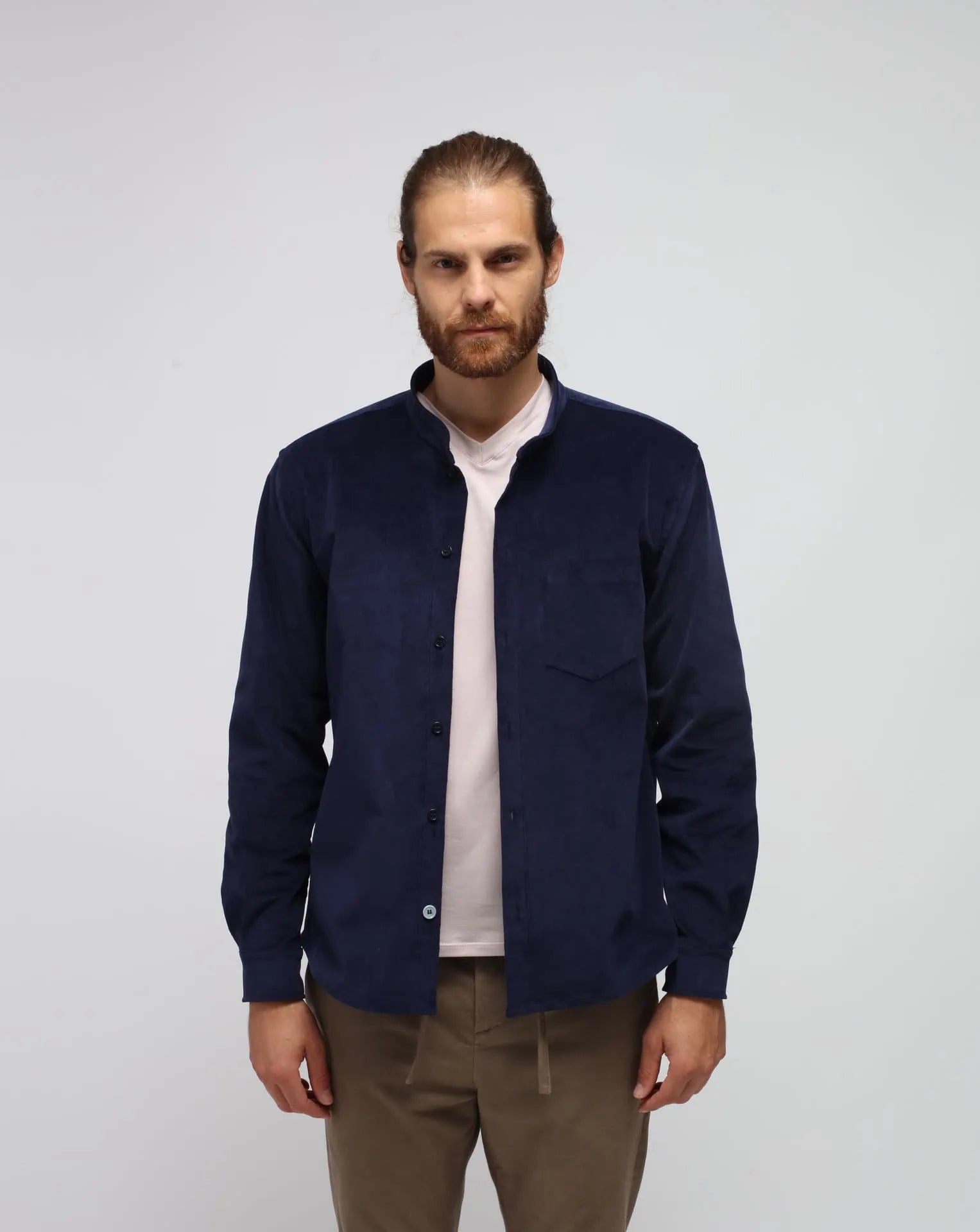
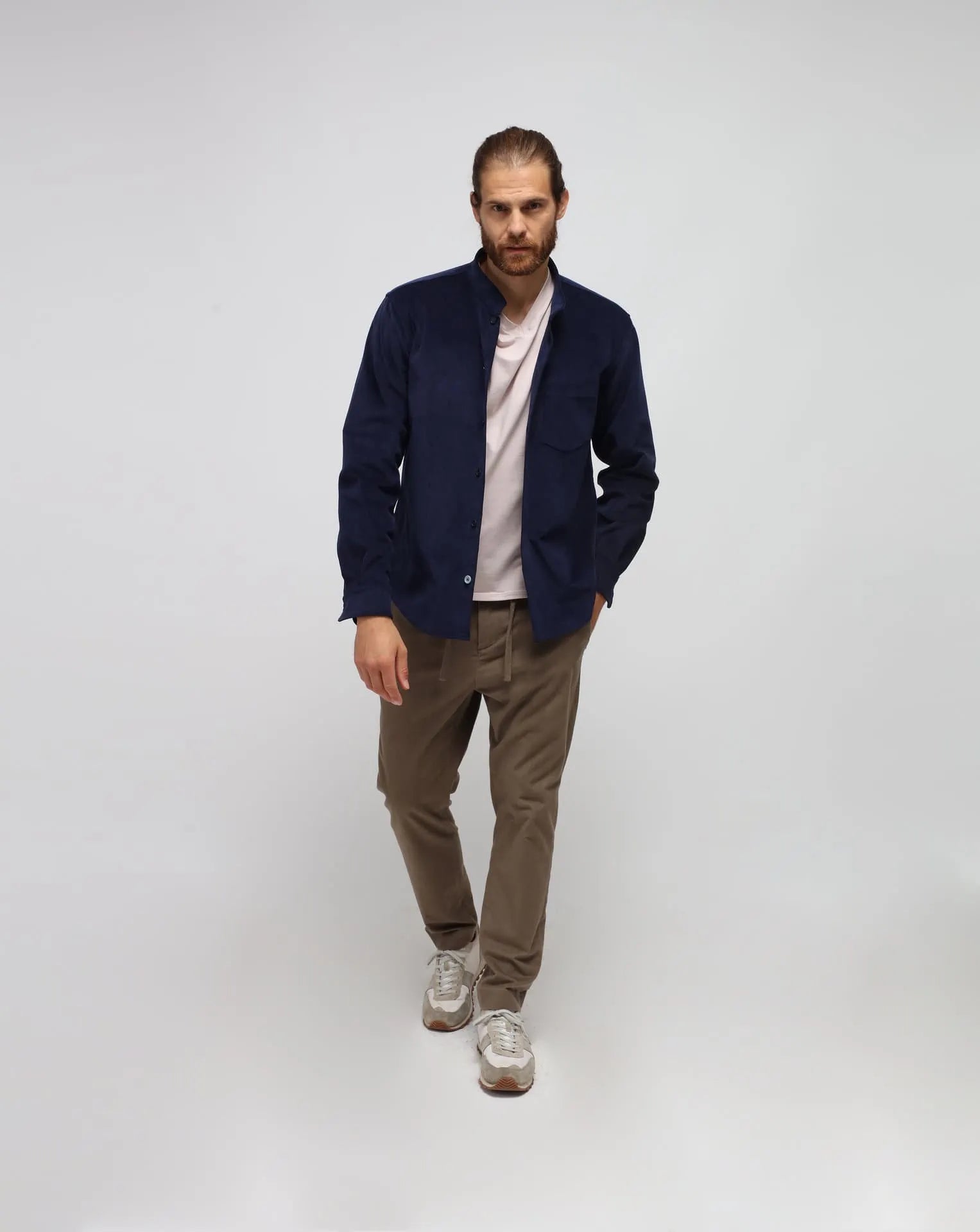
A man might build from a navy overshirt, cream trousers, a relaxed summer short, a sharply cut suit, and two shirts with different weights for year-round use. Add one refined outer layer and the wardrobe begins to do more than a crowded closet ever could.
That is the hidden advantage of buying better. You spend less time compensating for weak pieces. The wardrobe becomes easier to style, easier to maintain, and far more coherent.
Humans & Land approaches this through limited-edition apparel, premium deadstock fabrics, and small-batch production in Italy - a model built for customers who want modern design without the waste built into disposable fashion.
A more intelligent way to buy luxury alternatives to fast fashion
If you are ready to shop differently, start by asking three questions before any purchase. Will I wear this at least thirty times? Does the fabric and construction support that plan? Does this piece work with what I already own?
If the answer is yes, you are not simply buying clothing. You are building a wardrobe with memory, longevity, and intention. That is what makes luxury alternatives to fast fashion feel genuinely modern. Not louder. Not more excessive. Just better made, better considered, and far harder to regret.
The most stylish closets are rarely the fullest ones. They are the ones where every piece has earned its place.
FAQ
Q: What are the best luxury alternatives to fast fashion?
A: The best options are brands and garments that prioritize premium fabrics, small-batch production, transparent pricing, and timeless design. Look for deadstock materials, strong construction, and pieces you can wear across multiple settings.
Q: Are luxury alternatives to fast fashion always more sustainable?
A: Not automatically. A higher price does not guarantee lower impact. Sustainability depends on sourcing, production scale, material choices, durability, and whether the garment is worn often enough to justify its footprint.
Q: How can I start switching from fast fashion without overspending?
A: Replace core wardrobe categories first, such as coats, trousers, dresses, shirts, and jackets. Buy one excellent piece at a time and focus on cost per wear rather than price per item.
Q: Why do deadstock fabrics matter in ethical fashion?
A: Deadstock fabrics use existing materials that might otherwise go to waste. They can reduce excess production while offering access to premium textiles that feel more elevated than standard mass-market fabrications.
Q: What products should I look for first in women’s and men’s collections?
A: For women, start with dresses, tailored pants, skirts, tops, and coats. For men, begin with shirts, trousers, jackets, suits, shorts, and coordinated sets. These categories usually deliver the biggest upgrade in wear, fit, and versatility.
the World of H&L