
Where Can I Buy Limited Edition Clothing?
You see a jacket once, think about it for a day, and it is gone. That is often the first real lesson in limited runs. If you are asking where can I buy limited edition clothing, the better question is where can you buy it without paying for empty hype, unclear sourcing, or a product that only feels exclusive because stock was kept artificially low.
Limited edition clothing can be worth pursuing, but only when scarcity means something. The best pieces are not rare for the sake of marketing. They are rare because the fabric was finite, the production was intentionally small, or the garment was made with a level of care that does not scale well into mass volume. That distinction matters.
Where can I buy limited edition clothing that feels worth it?
The strongest place to start is with direct-to-consumer fashion labels that build their collections around small-batch production. These brands usually release edited drops rather than endless inventory, and they tend to explain why quantities are limited. Sometimes it is because they are working with deadstock fabrics. Sometimes it is because production is handmade or made in tightly controlled European ateliers. Either way, the limitation is tied to process, not just promotion.
This route has another advantage. When you shop directly with a brand, you can usually assess the full picture - material sourcing, production location, garment care guidance, price transparency, and exchange policies. For a considered purchase, that clarity matters more than a countdown timer.
Designer boutiques and concept stores can also be useful, especially if they curate independent labels with disciplined production values. The trade-off is that the storytelling can get diluted. You may find a striking piece, but less context around how it was made and why it exists in limited quantity.
Archive sales, sample sales, and seasonal trunk shows can be worthwhile too, though they require a sharper eye. Not every item marketed as limited edition was designed that way from the beginning. Some are simply leftovers reframed as rare. There is nothing wrong with buying past-season inventory, but it should be presented honestly.
What actually makes limited edition clothing valuable?
Scarcity alone is not value. A garment becomes worth buying when exclusivity is paired with design integrity, quality materials, and wearability.
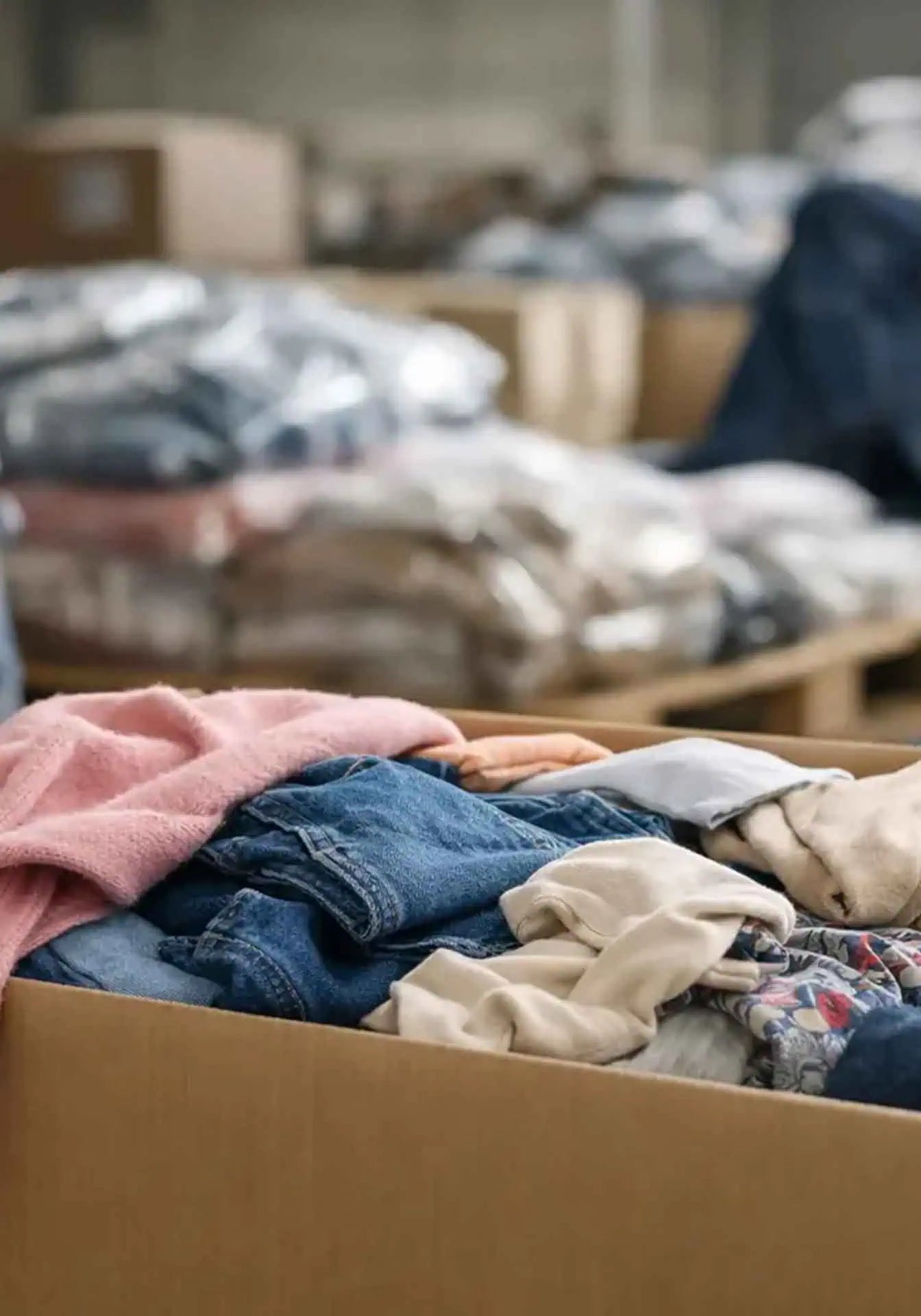
Start with fabric. One of the most credible reasons for a limited run is the use of premium deadstock. These are existing fabrics left over from larger production cycles that would otherwise sit unused or be discarded. Because yardage is finite, the final garment quantity is naturally capped. That makes the piece harder to repeat, but it also reduces waste. Scarcity, in this case, reflects responsible sourcing.
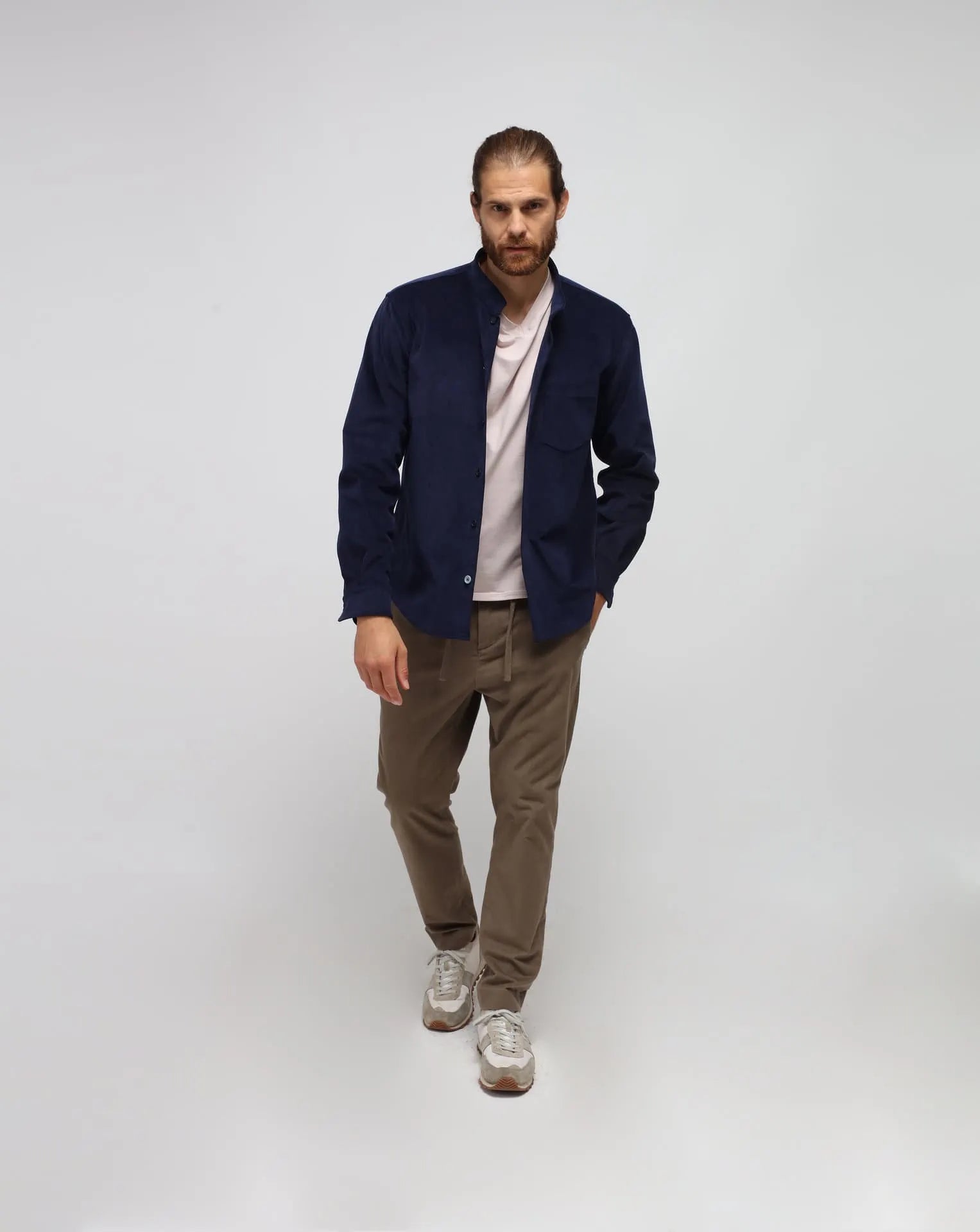
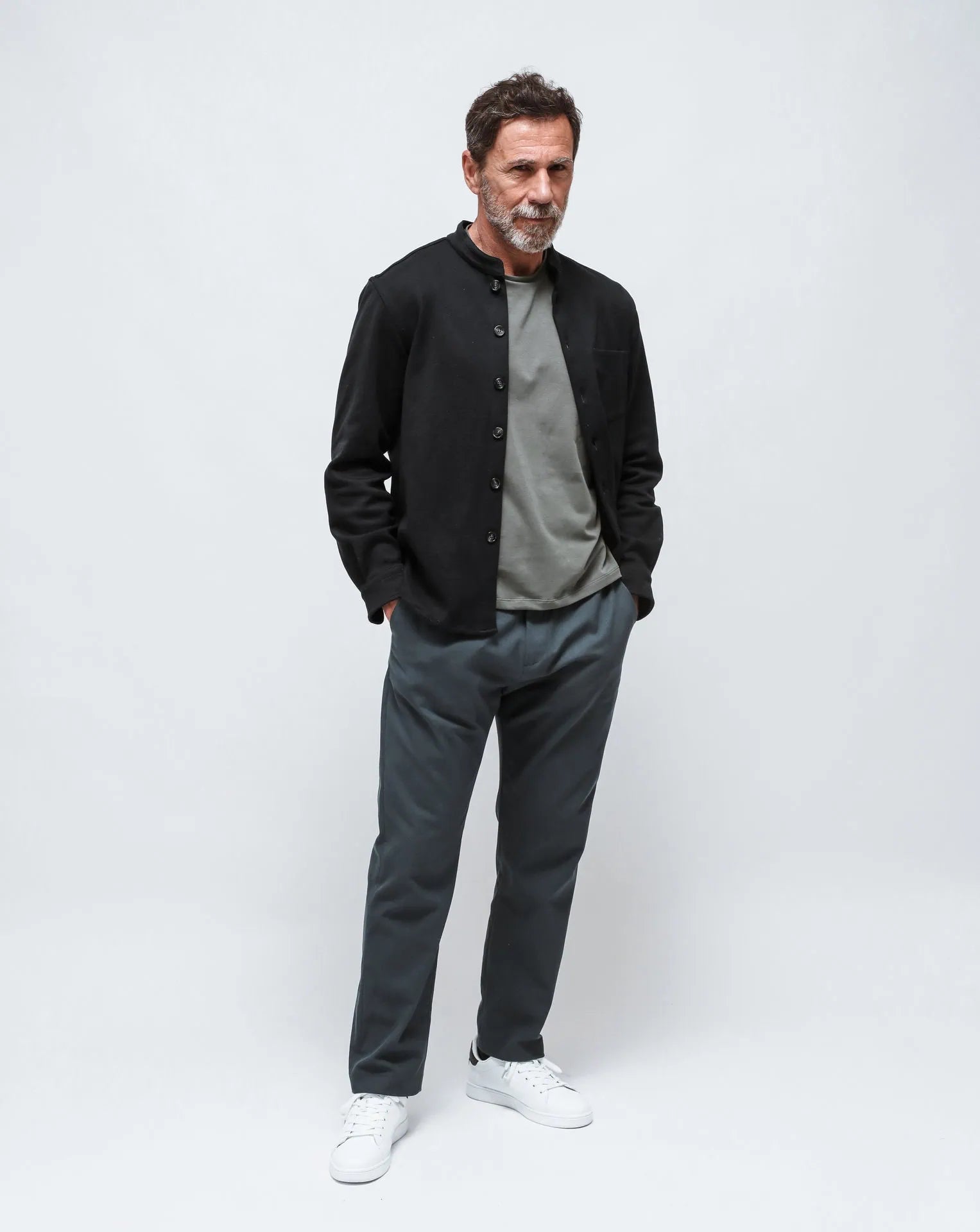
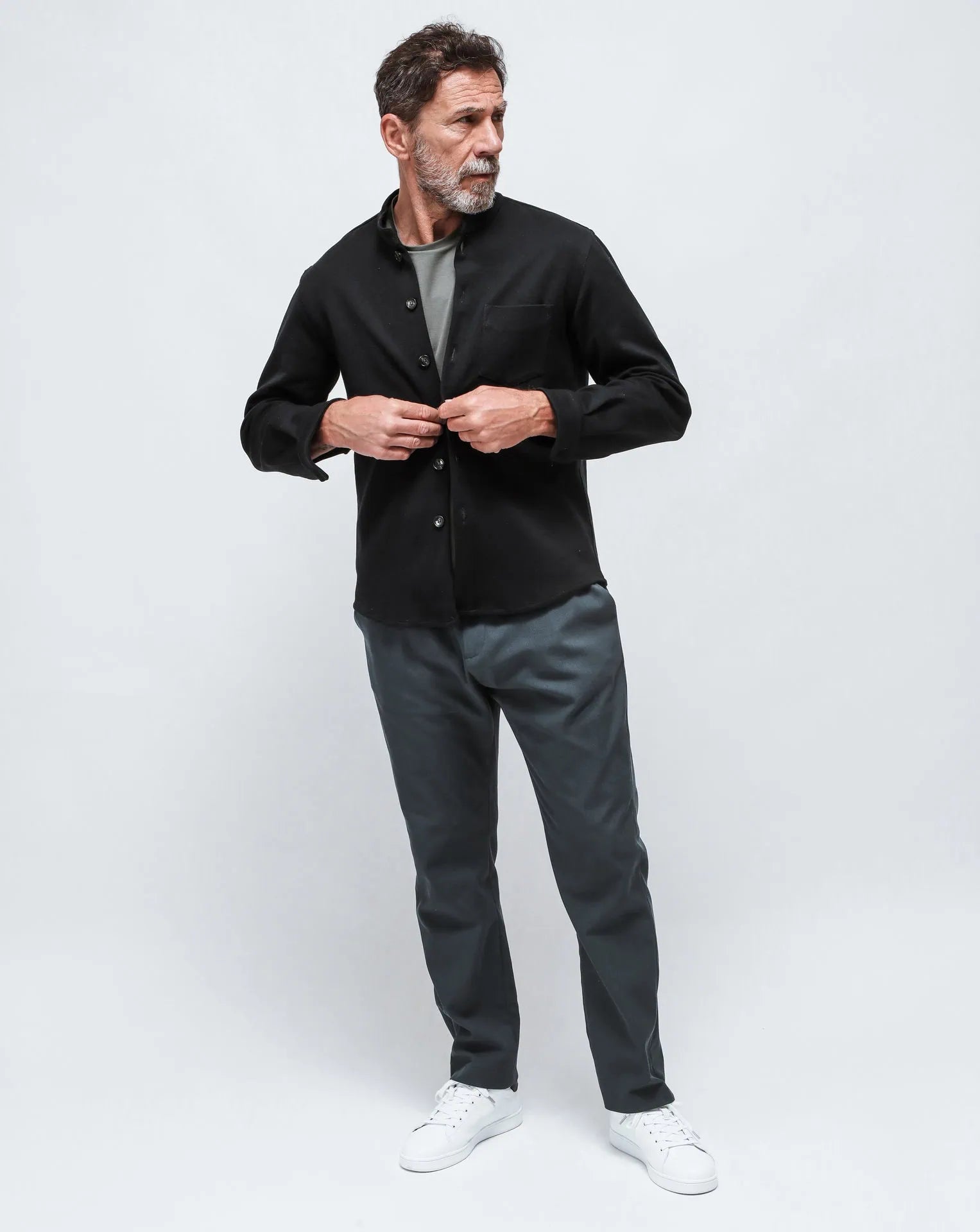
Then consider construction. Small-batch production often means closer oversight, more consistent finishing, and less pressure to cut corners for speed. A coat, tailored pant, or dress made in a limited run can feel different on the body because more attention was given to fit and fabrication. That is especially true when production is centered in regions known for craftsmanship, such as Italy.
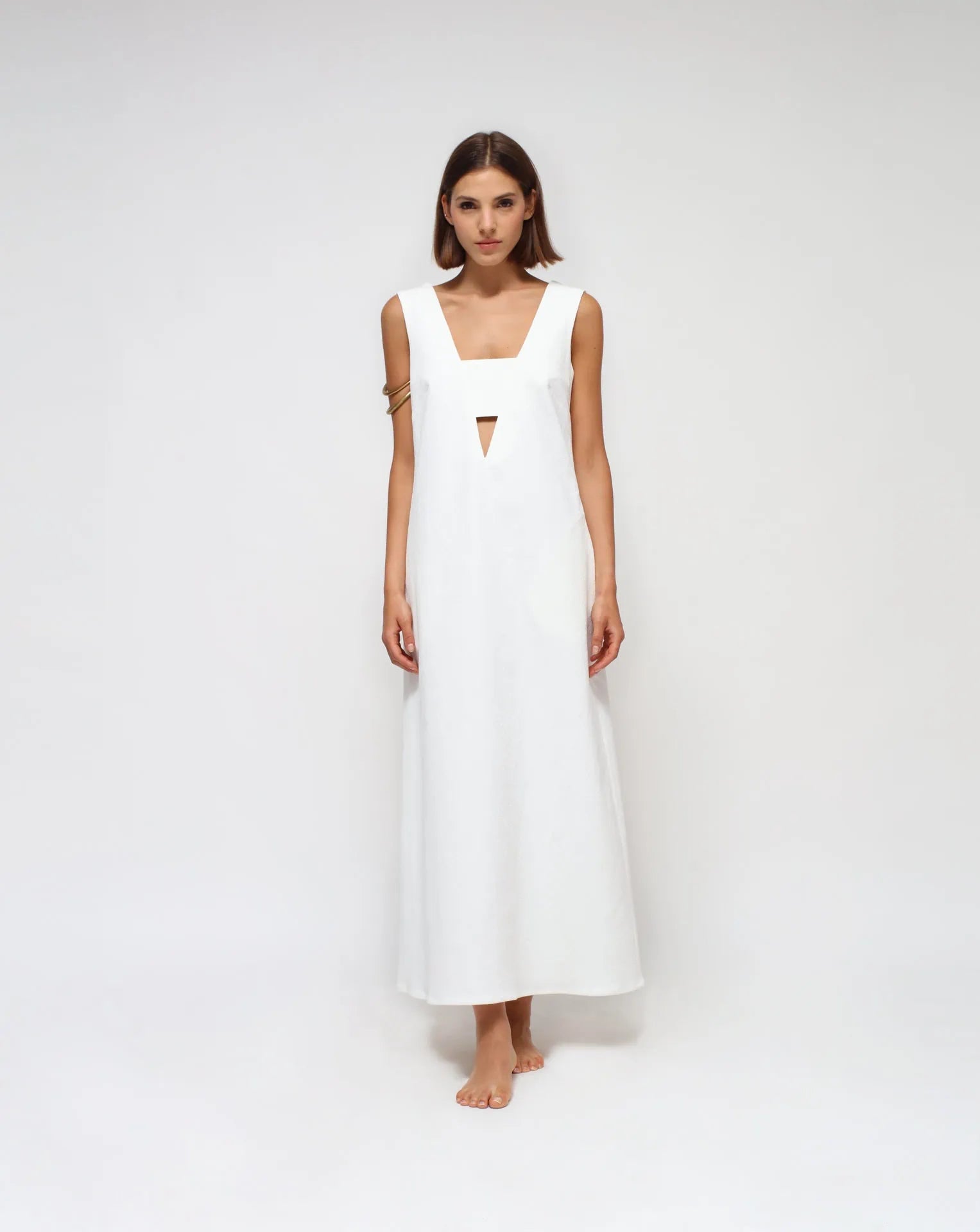
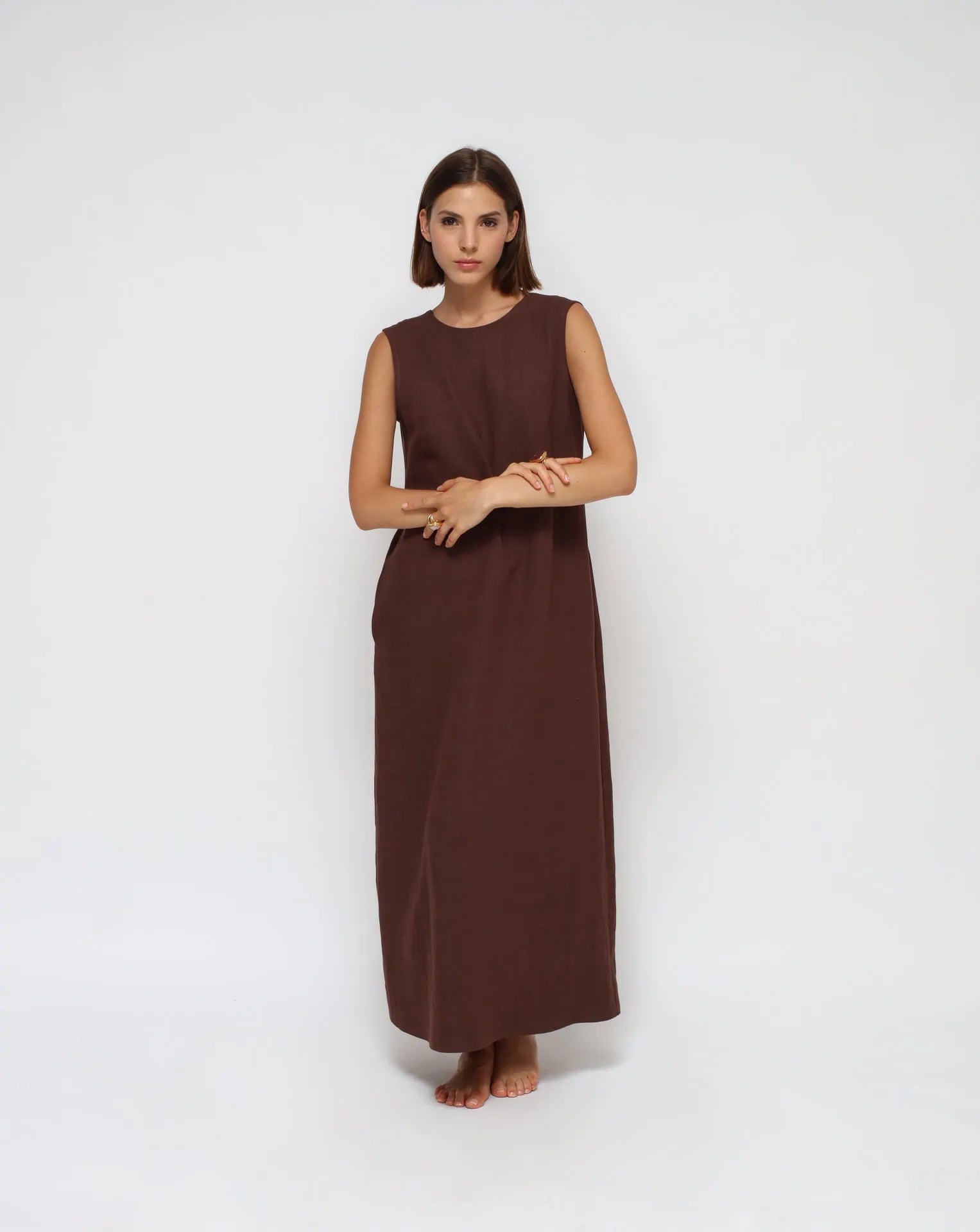
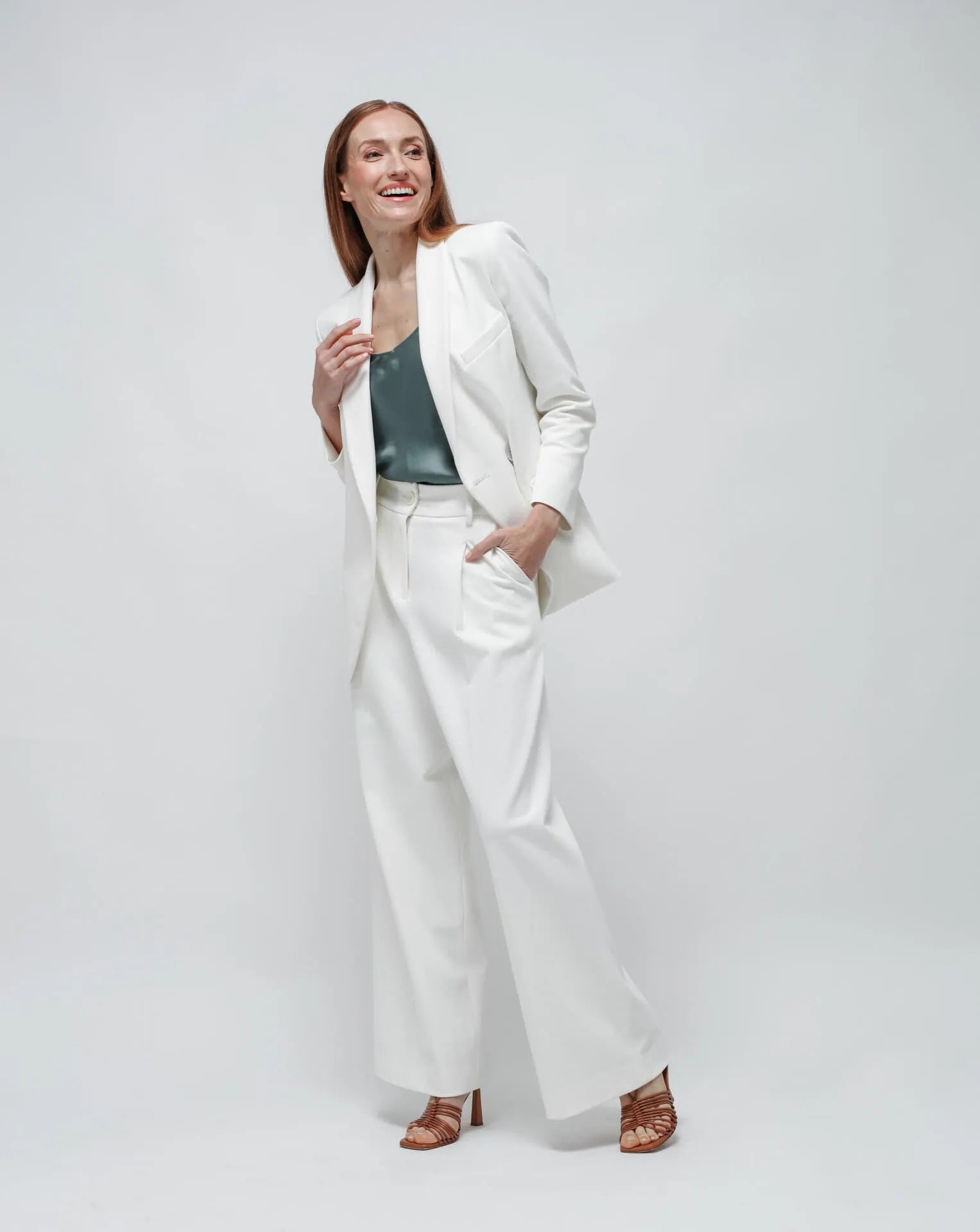
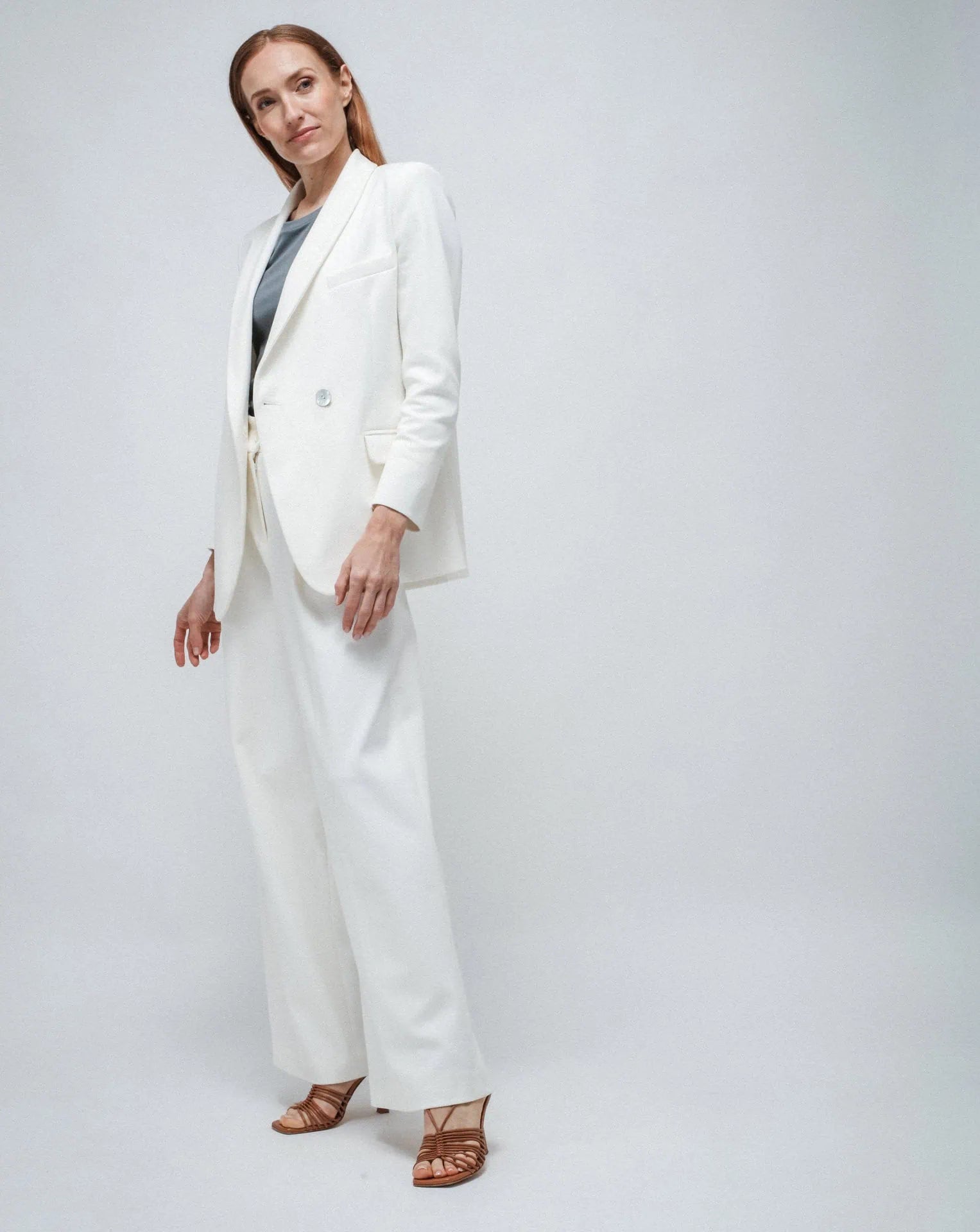
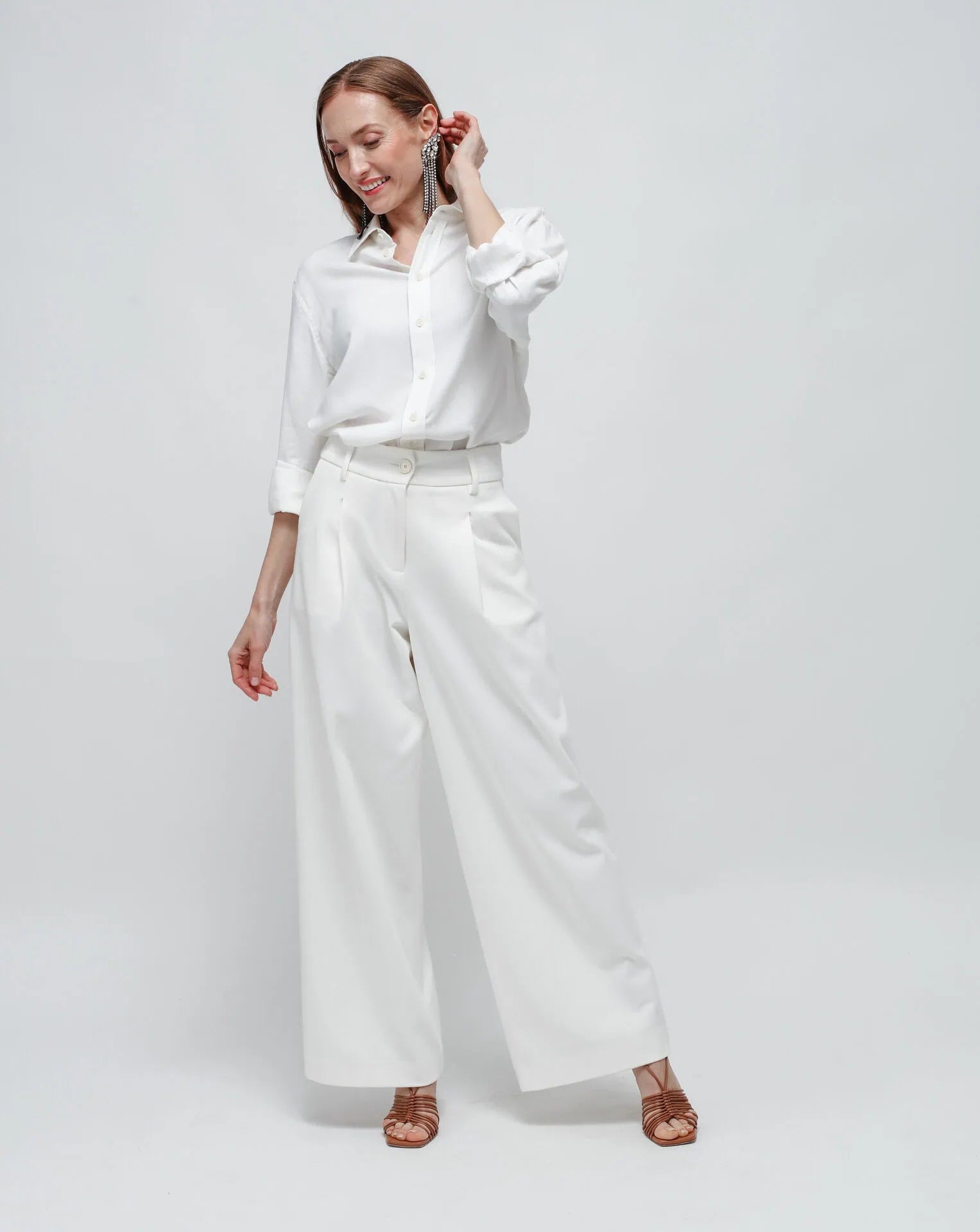
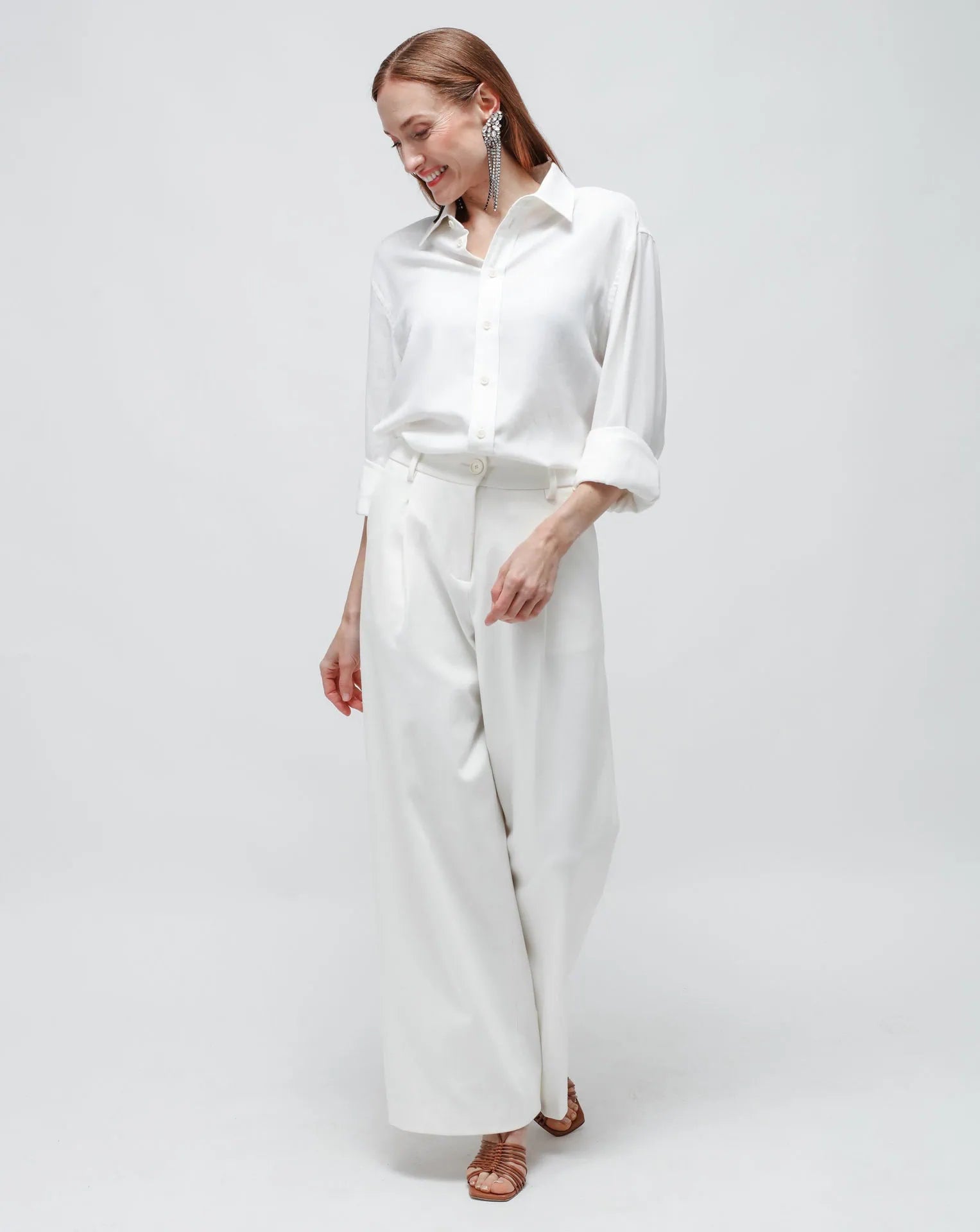
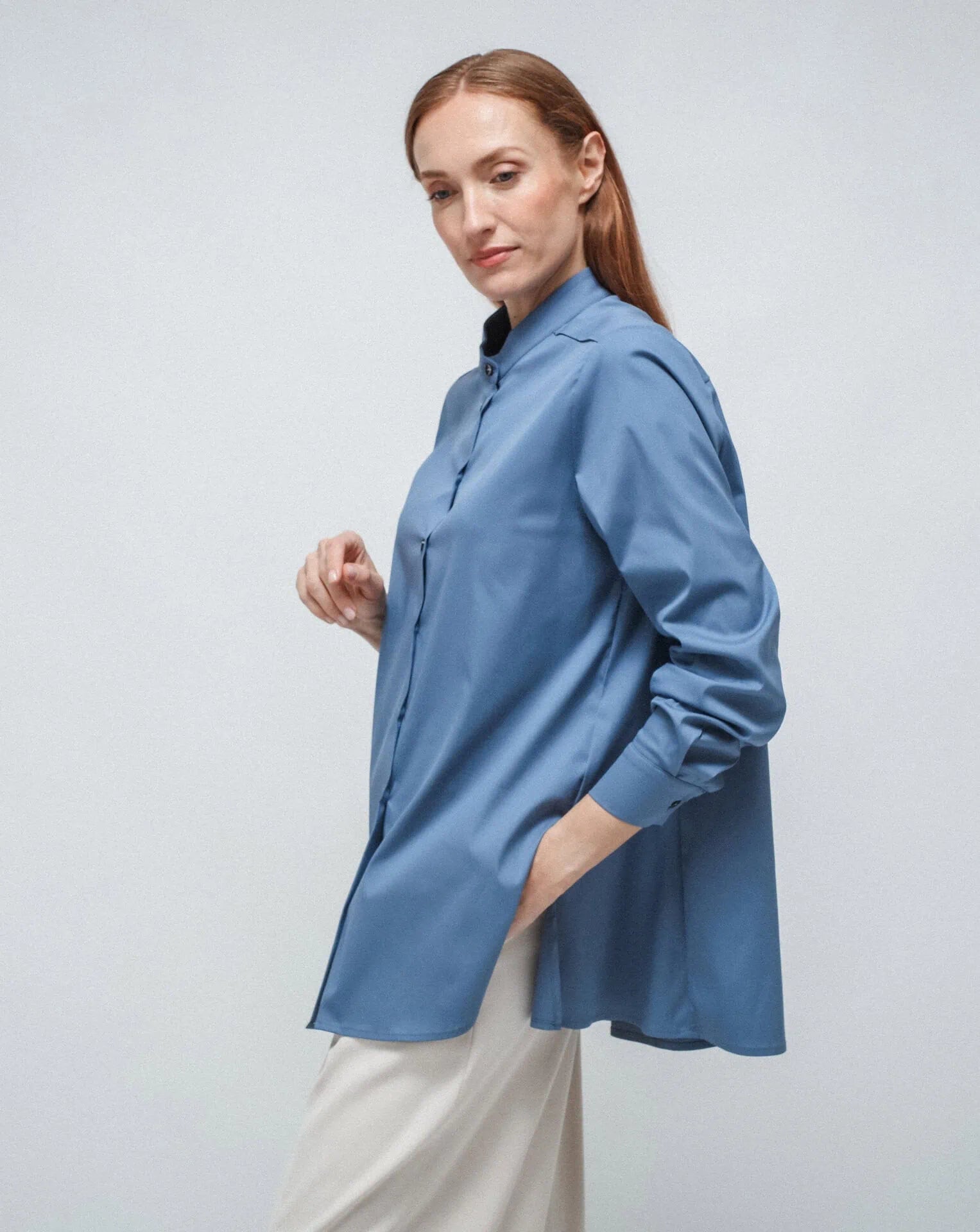
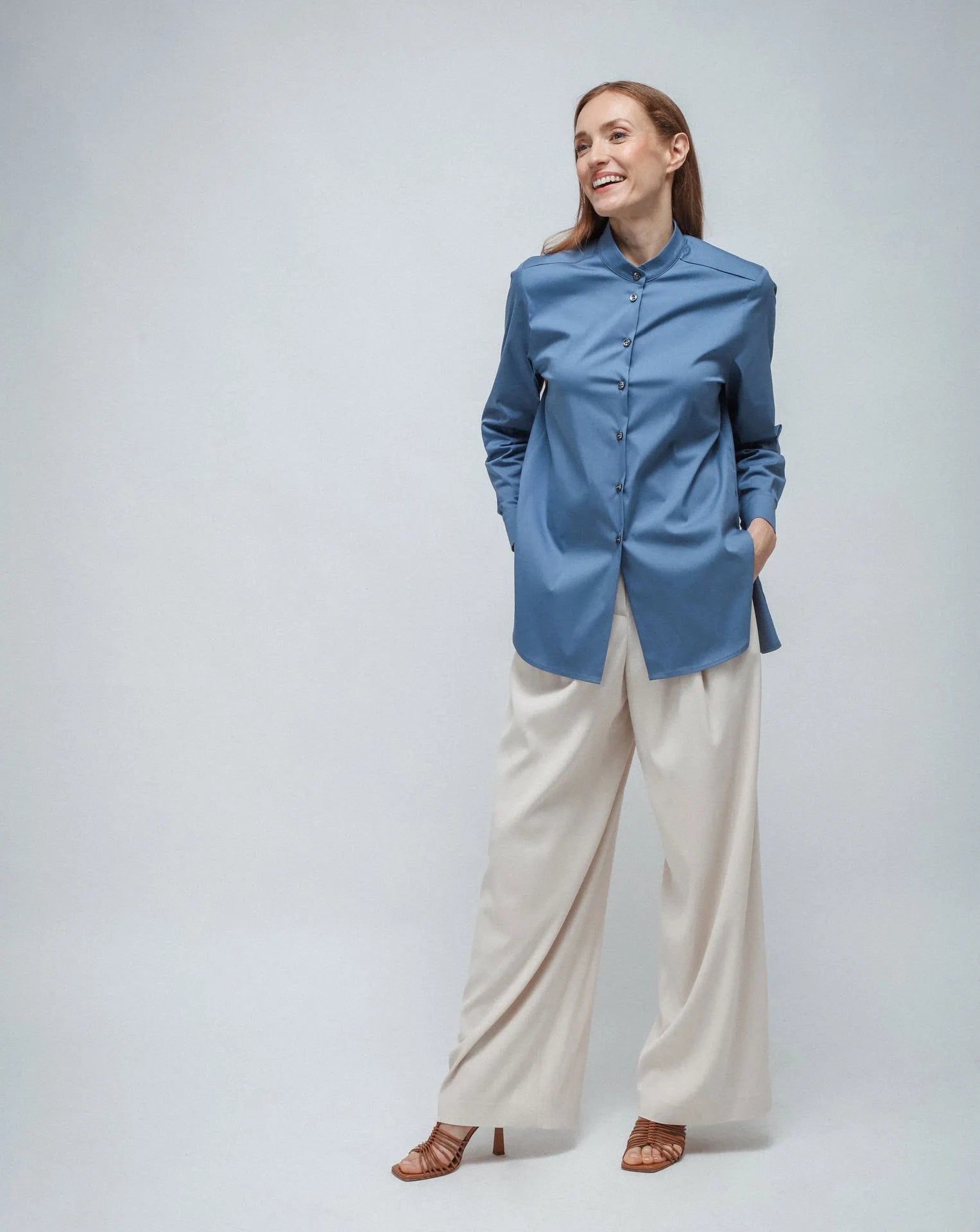
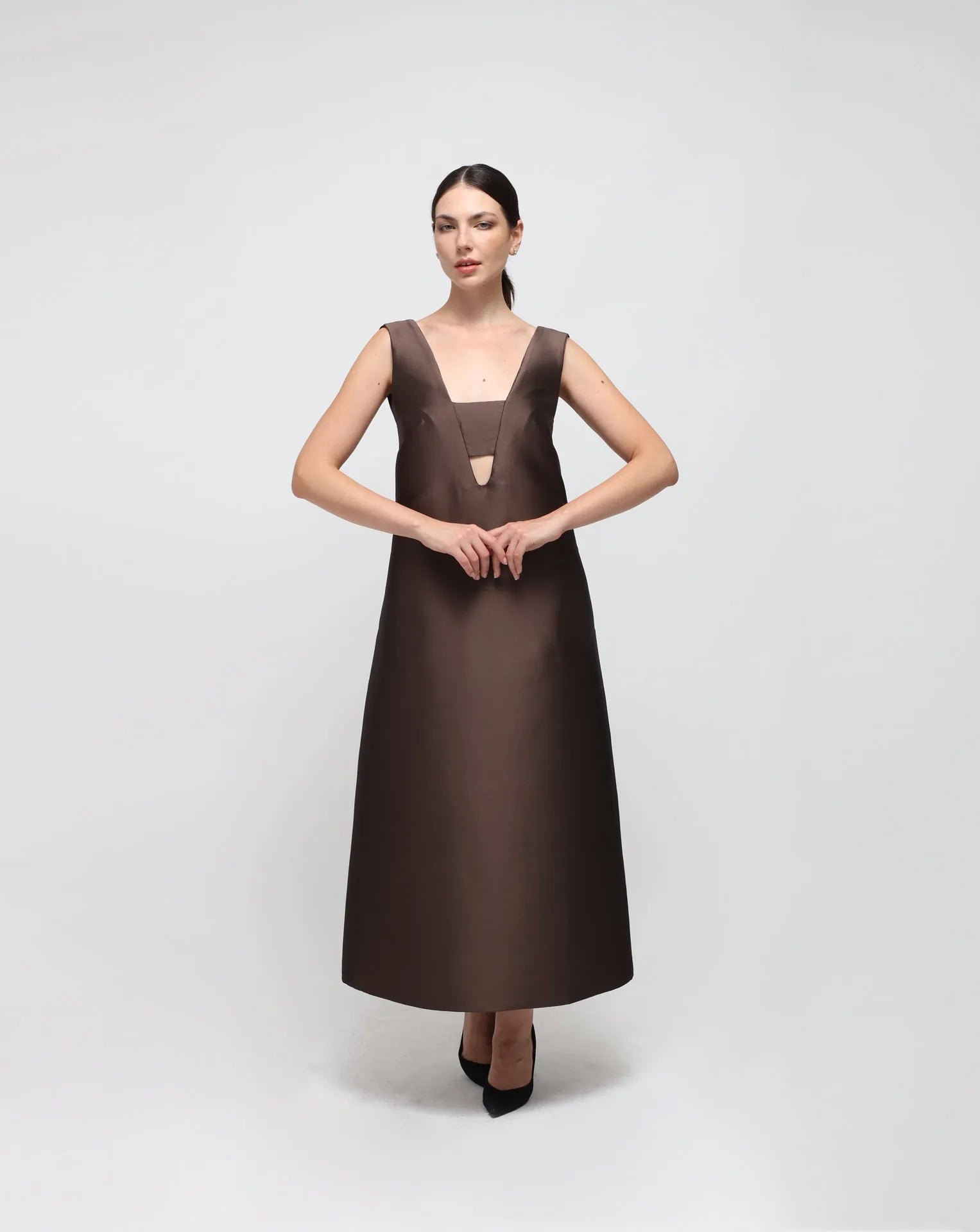
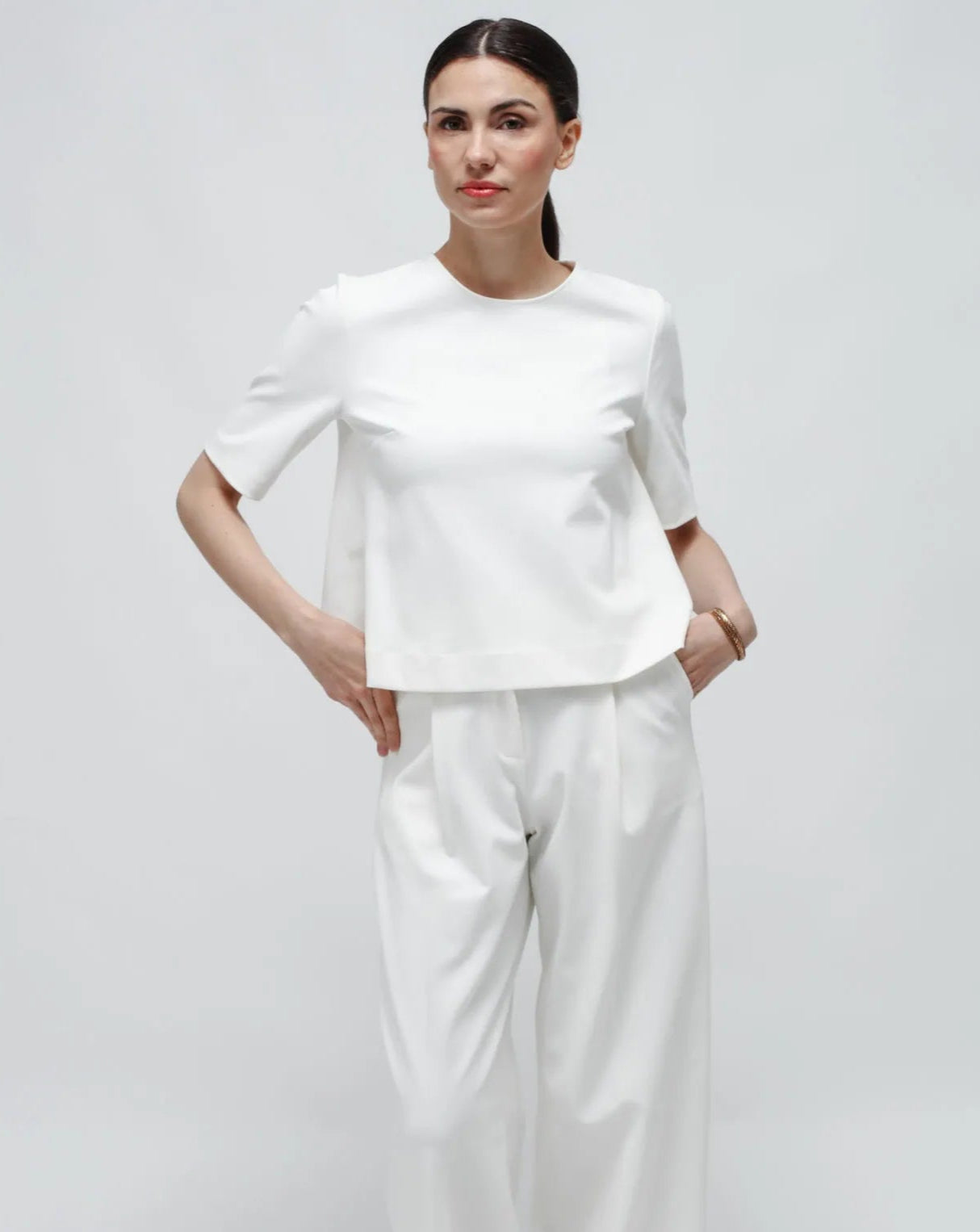
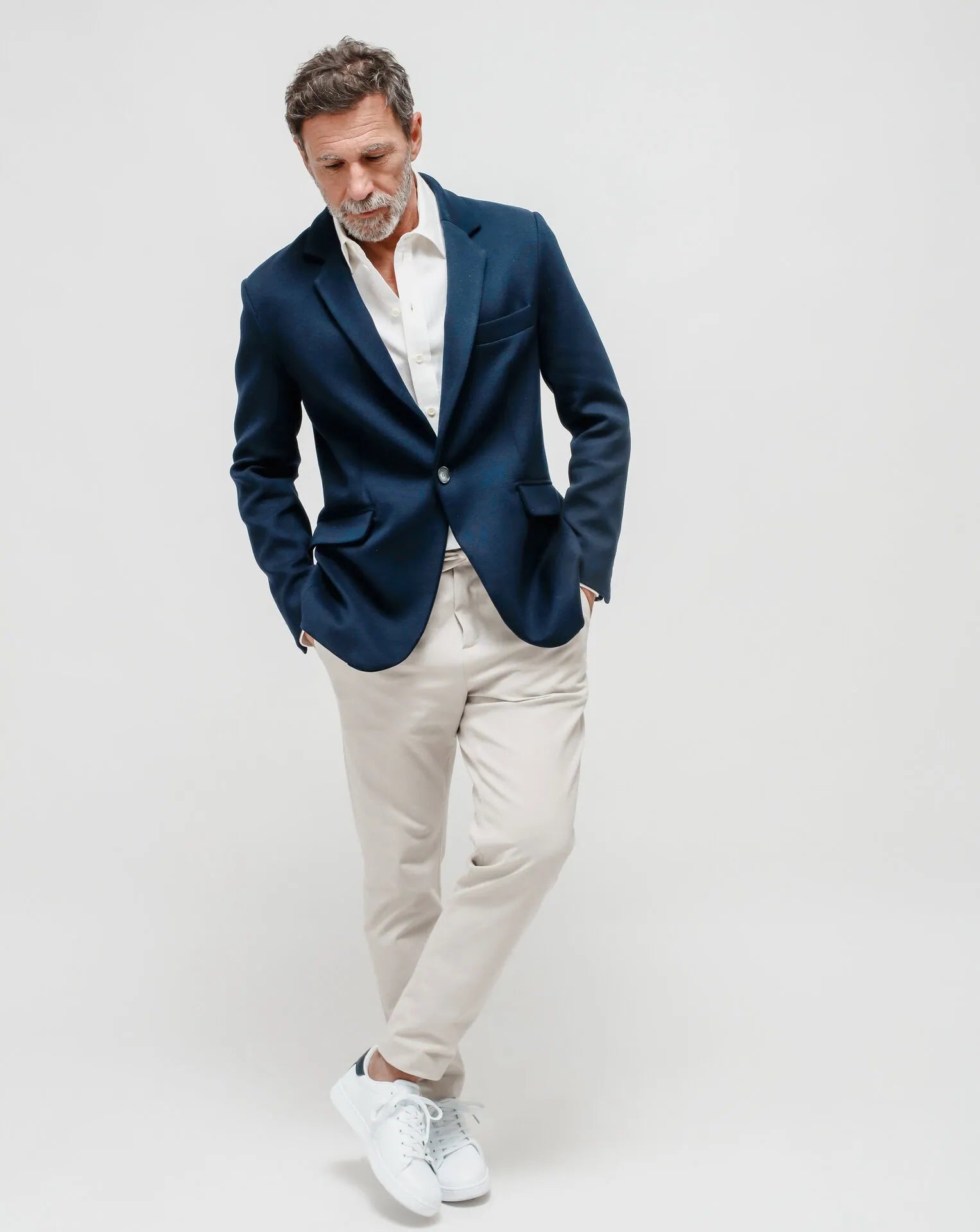
Design restraint matters too. The best limited edition clothing does not depend on novelty to justify its status. It can be a clean shirt, a sharply cut trouser, or an understated dress that simply happens to be made in few quantities. Quiet exclusivity tends to age better than obvious trend-chasing.
How to shop limited edition pieces without getting pulled into hype
A good limited release creates urgency. A weak one creates panic. You want the first, not the second.
Before buying, look for a clear explanation of why the piece is limited. If the brand cannot explain the limitation beyond vague language about rarity, that is a sign to slow down. The strongest brands are specific. They talk about fabric source, batch size, production method, and intended release structure.
Next, check whether the product fits a real place in your wardrobe. Limited edition clothing often feels emotionally charged because the buying window is short. That can lead to expensive, barely worn purchases. The better test is simple: can you style it at least three ways with what you already own? If not, exclusivity may be doing too much of the work.
Pay attention to support around the purchase. Free size exchanges, detailed fit notes, and garment care education signal a serious label. They suggest the brand wants the piece to live in your wardrobe, not just leave the warehouse. For premium clothing, that is a meaningful difference.
Finally, look at pricing in context. Limited edition should not automatically mean inflated. If a brand is transparent about materials, labor, shipping, and production scale, the price tends to feel grounded. If the number seems to rely mostly on mystique, it probably is.
The best places to look, depending on what you want
If you want elevated essentials, focus on labels that build limited runs around seasonless categories - shirts, jackets, tailored pants, dresses, and coordinated sets. These pieces tend to deliver the most long-term value because they are wearable beyond a single trend cycle.
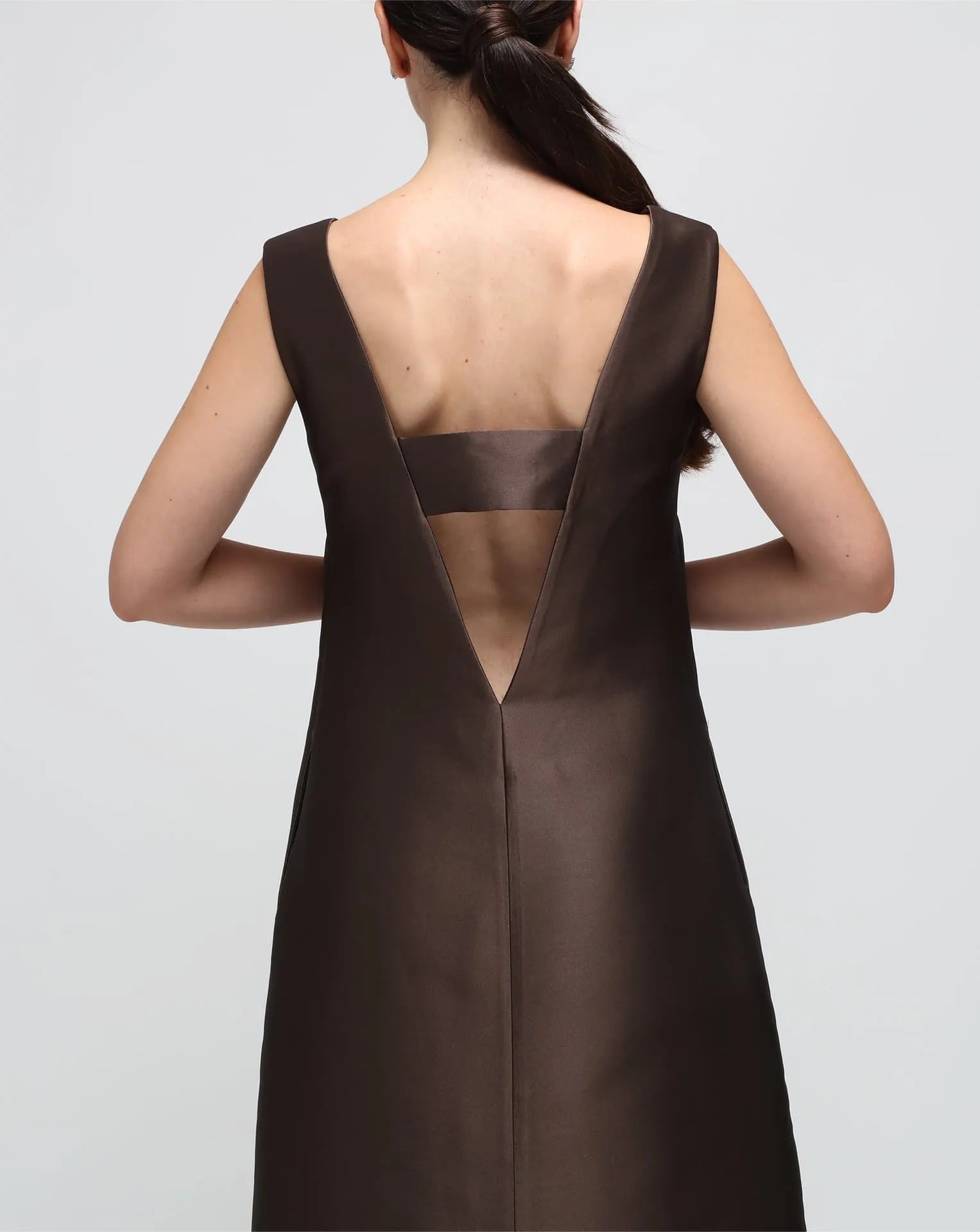
If you are shopping for statement pieces, then capsule drops and occasion edits are often the right territory. Here, limited edition can work beautifully because the garment has a more distinct point of view. Still, craftsmanship should lead. A dramatic silhouette is more convincing when the fabric and cut support it.
If ethics are non-negotiable, prioritize brands that combine scarcity with responsible sourcing and lower-waste production. This is where small-batch labels stand apart. A limited quantity is not automatically sustainable, but when paired with deadstock fabrics, careful manufacturing, and a slower approach to inventory, it becomes a more intelligent model than overproduction.
For shoppers in the US, online access has made this category far easier to navigate. The challenge is no longer finding limited edition clothing at all. The challenge is separating considered, premium small-batch fashion from digital noise. The strongest ecommerce brands solve this through clear merchandising, honest product pages, and a refined assortment rather than endless options.
Where can I buy limited edition clothing online with confidence?
Buy from brands that treat exclusivity as a byproduct of values, not a trick for conversion. That means limited quantities tied to real constraints and real choices - finite fabric, handmade production, smaller collections, slower replenishment, and a refusal to manufacture excess.
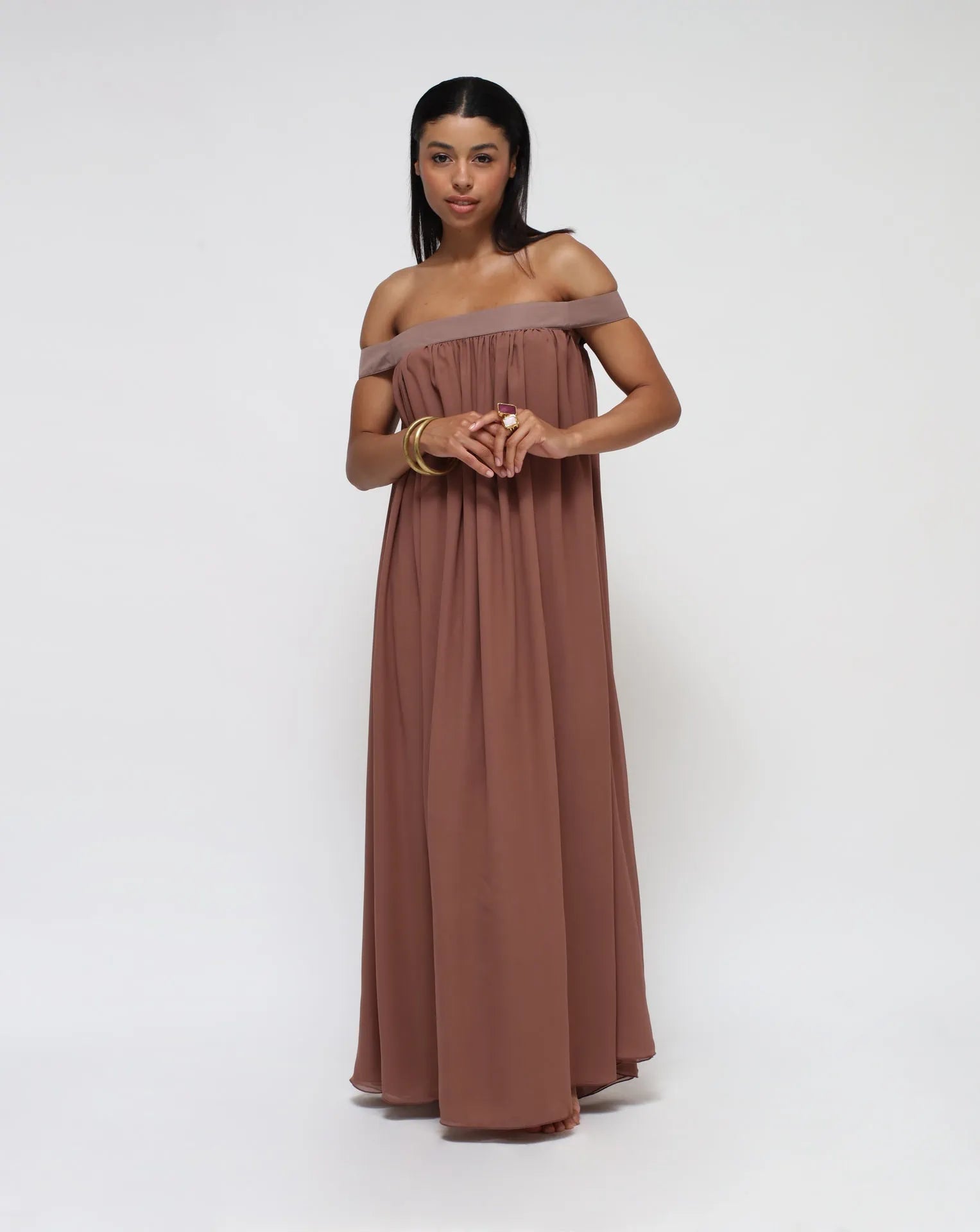
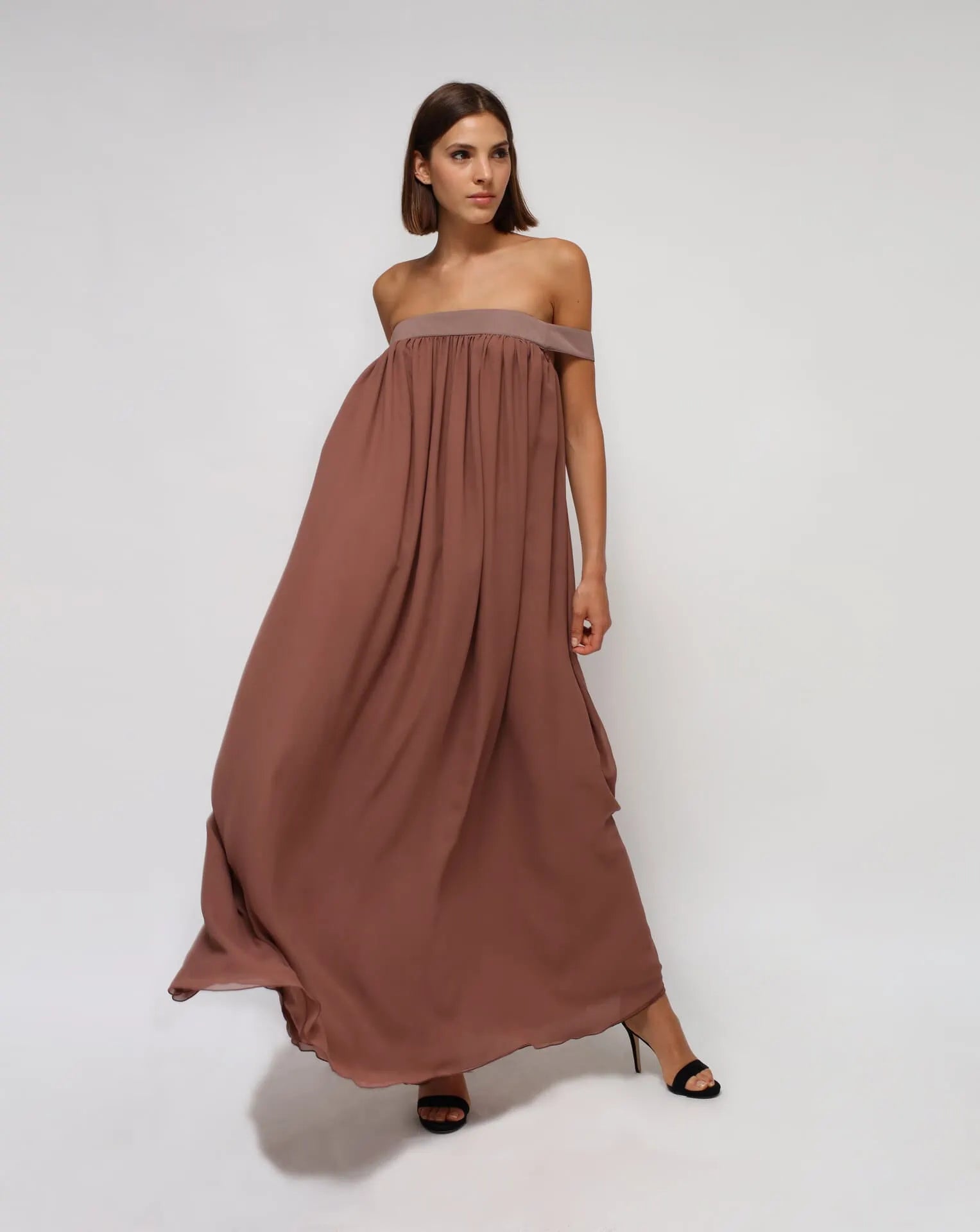
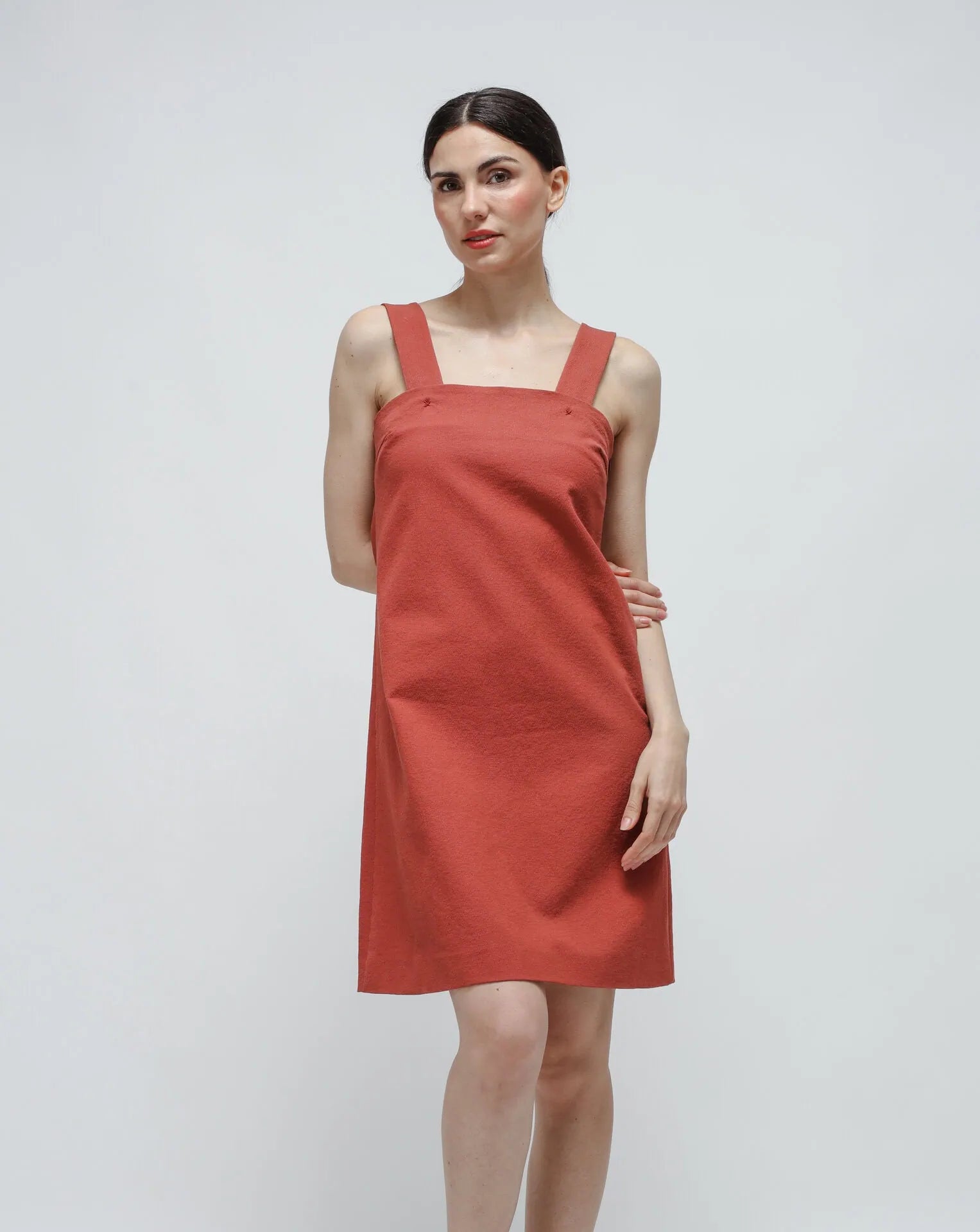
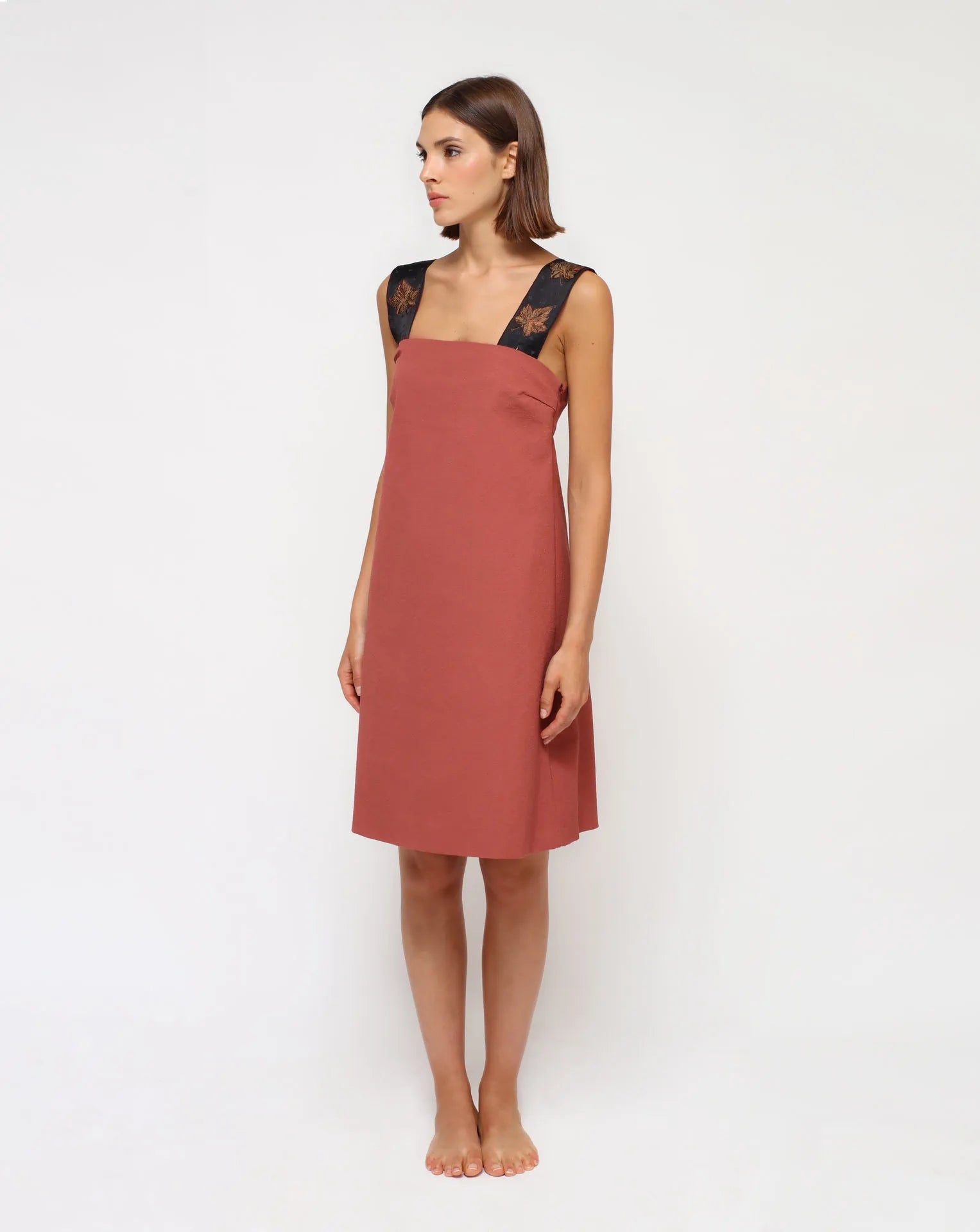
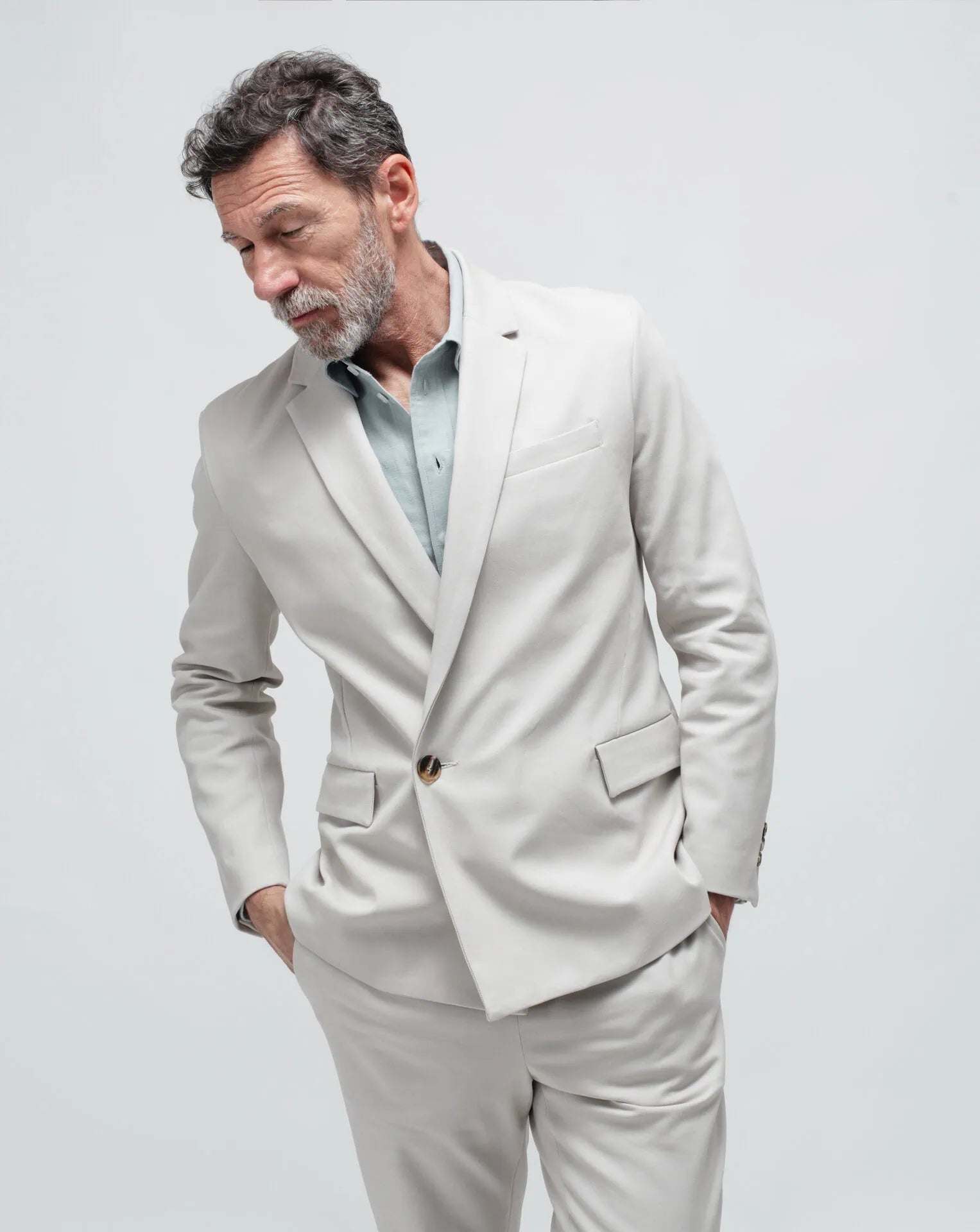
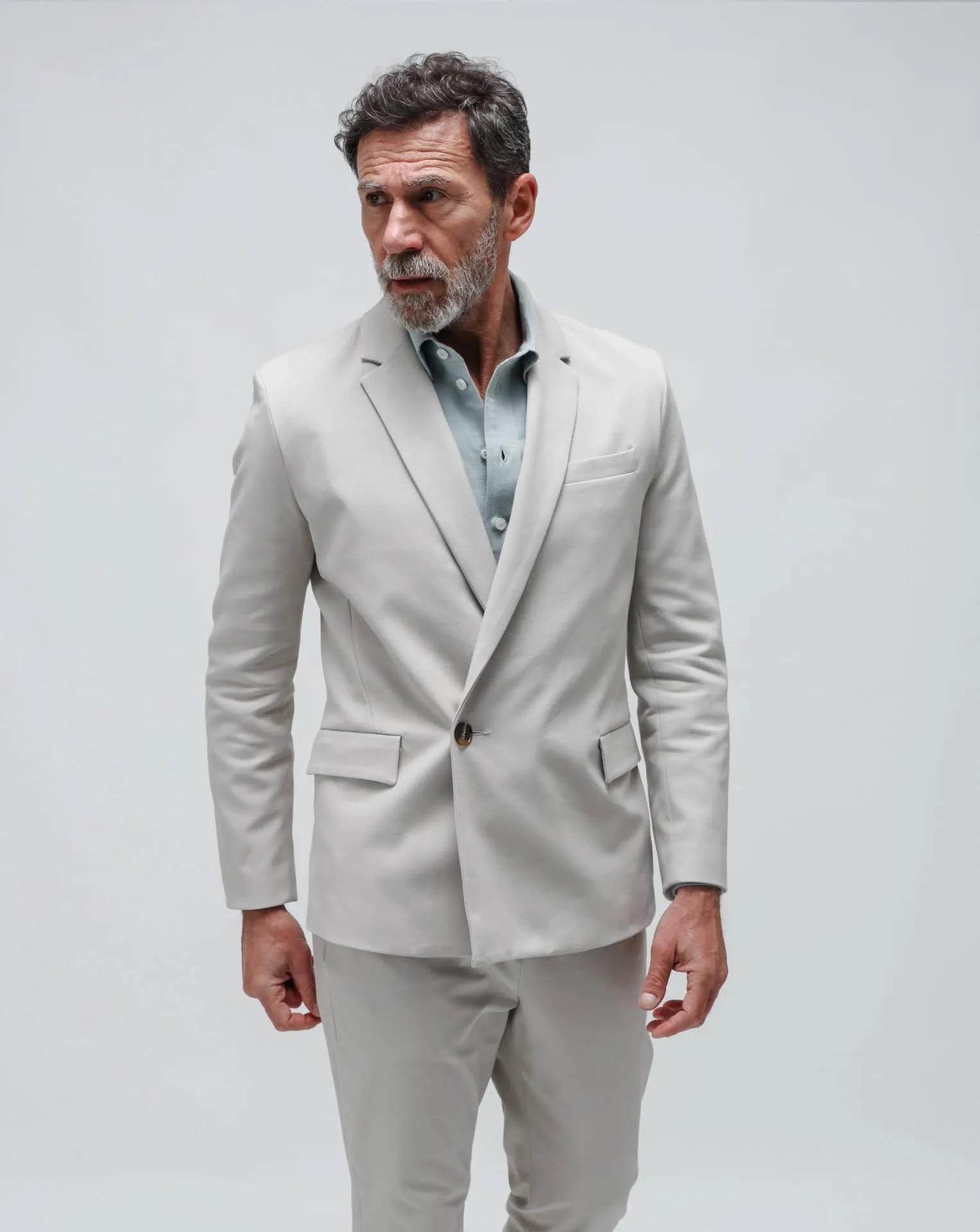
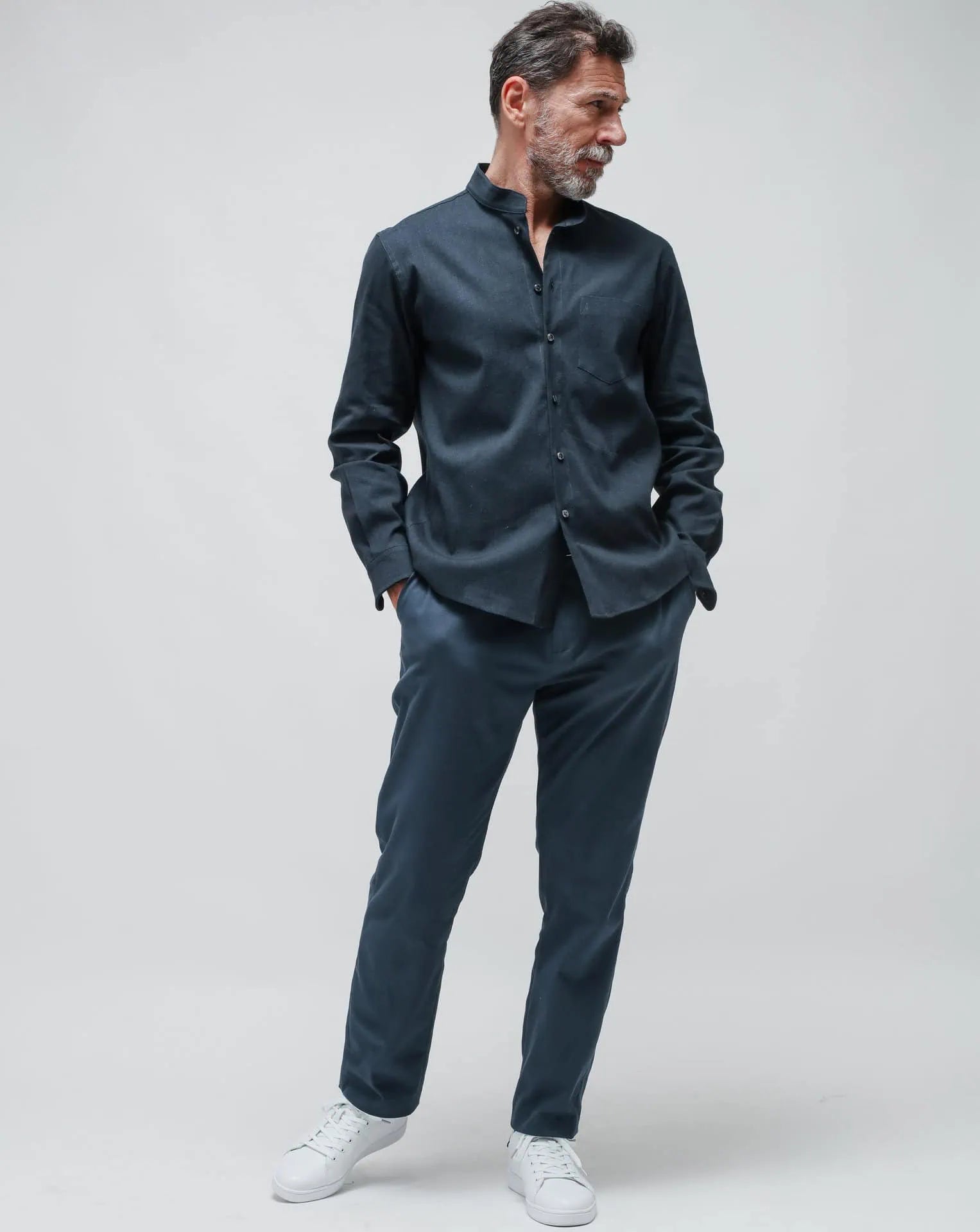
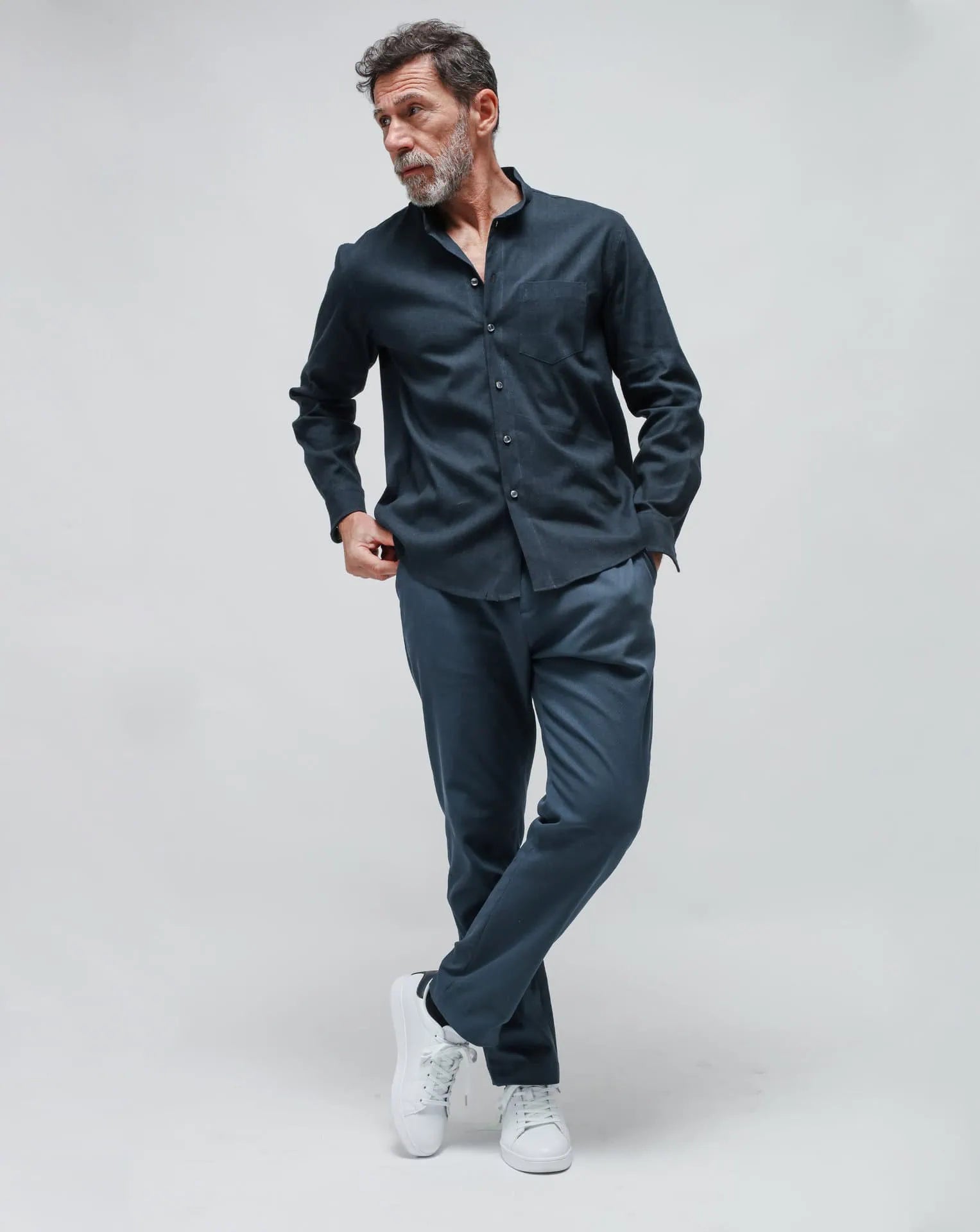
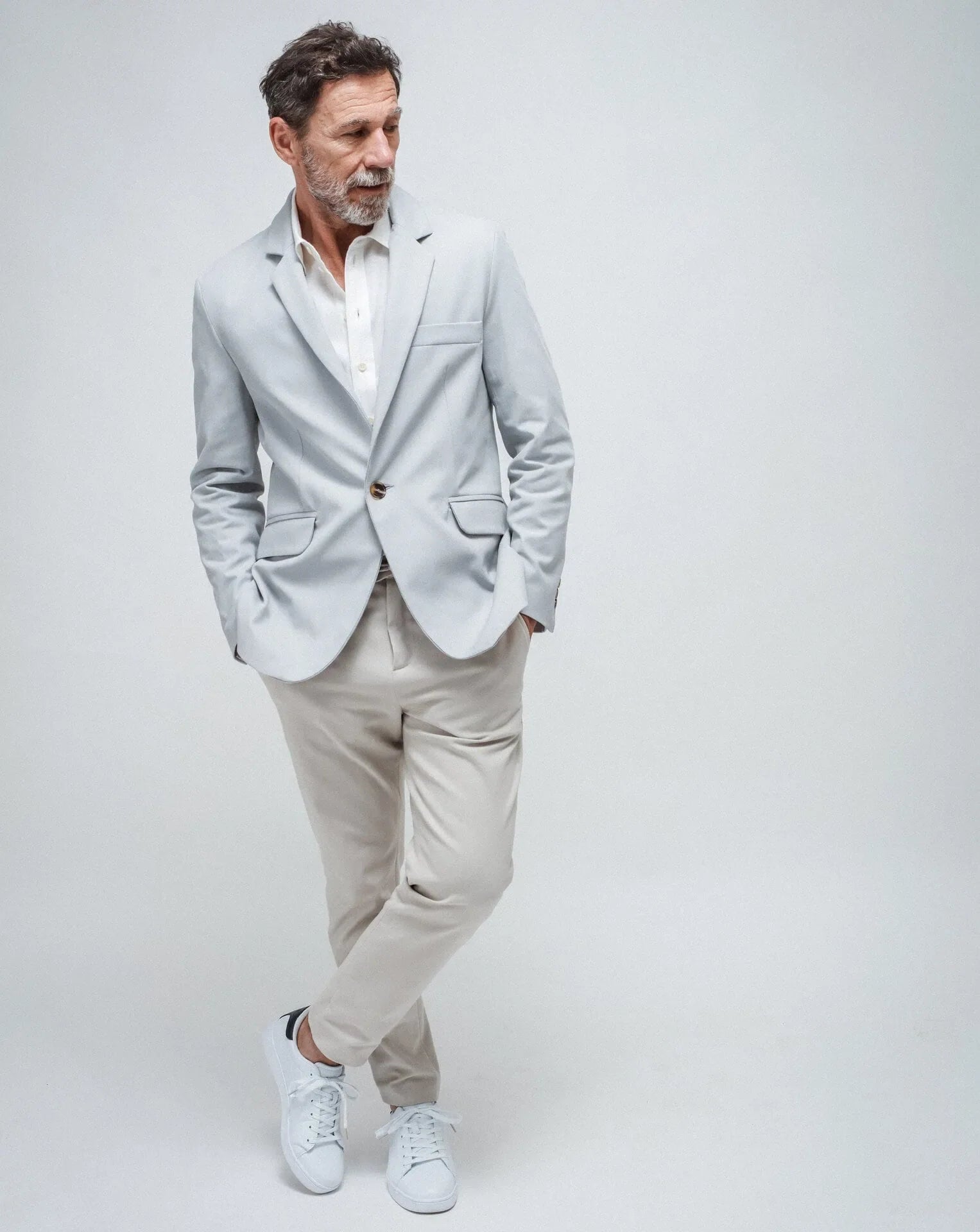
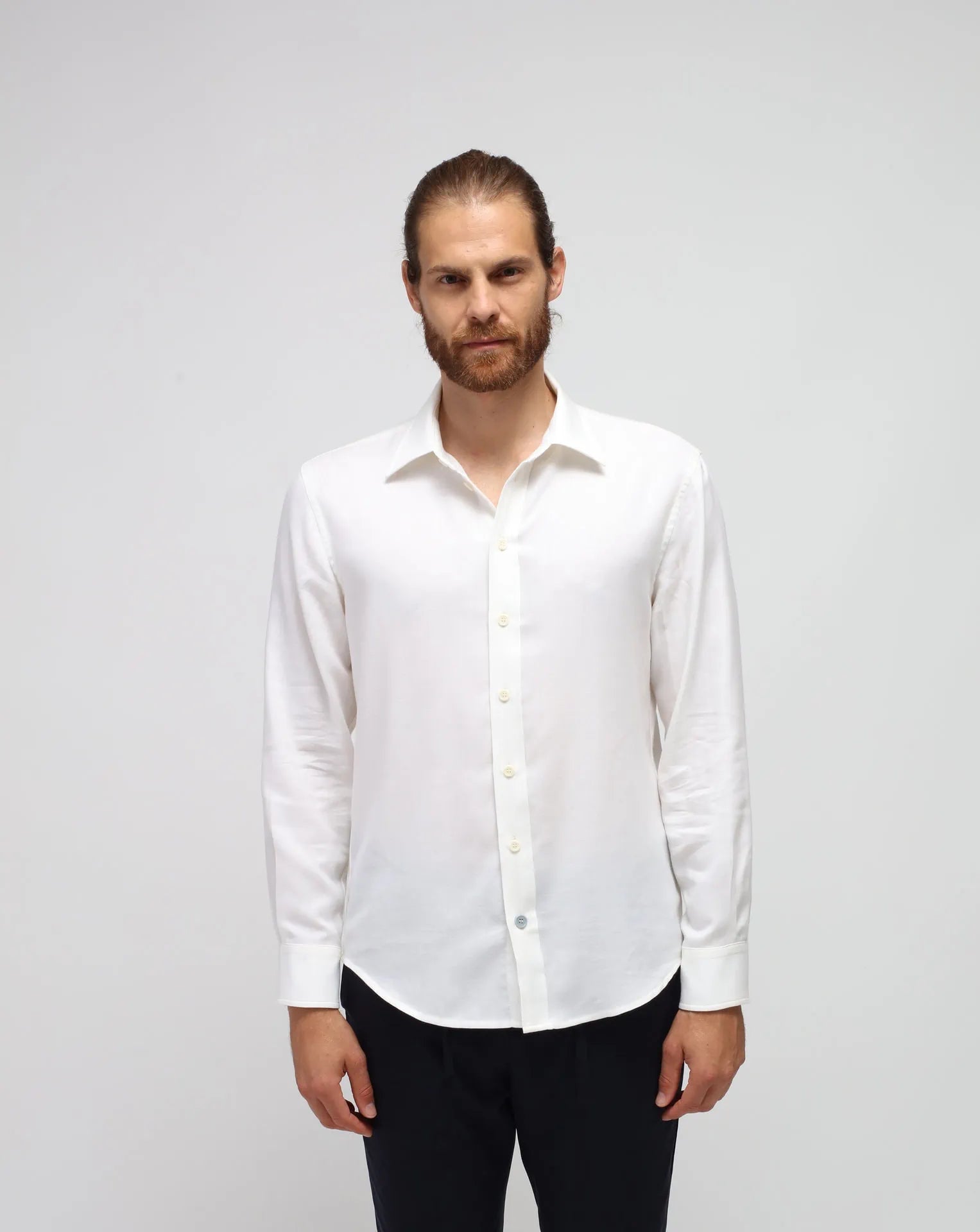
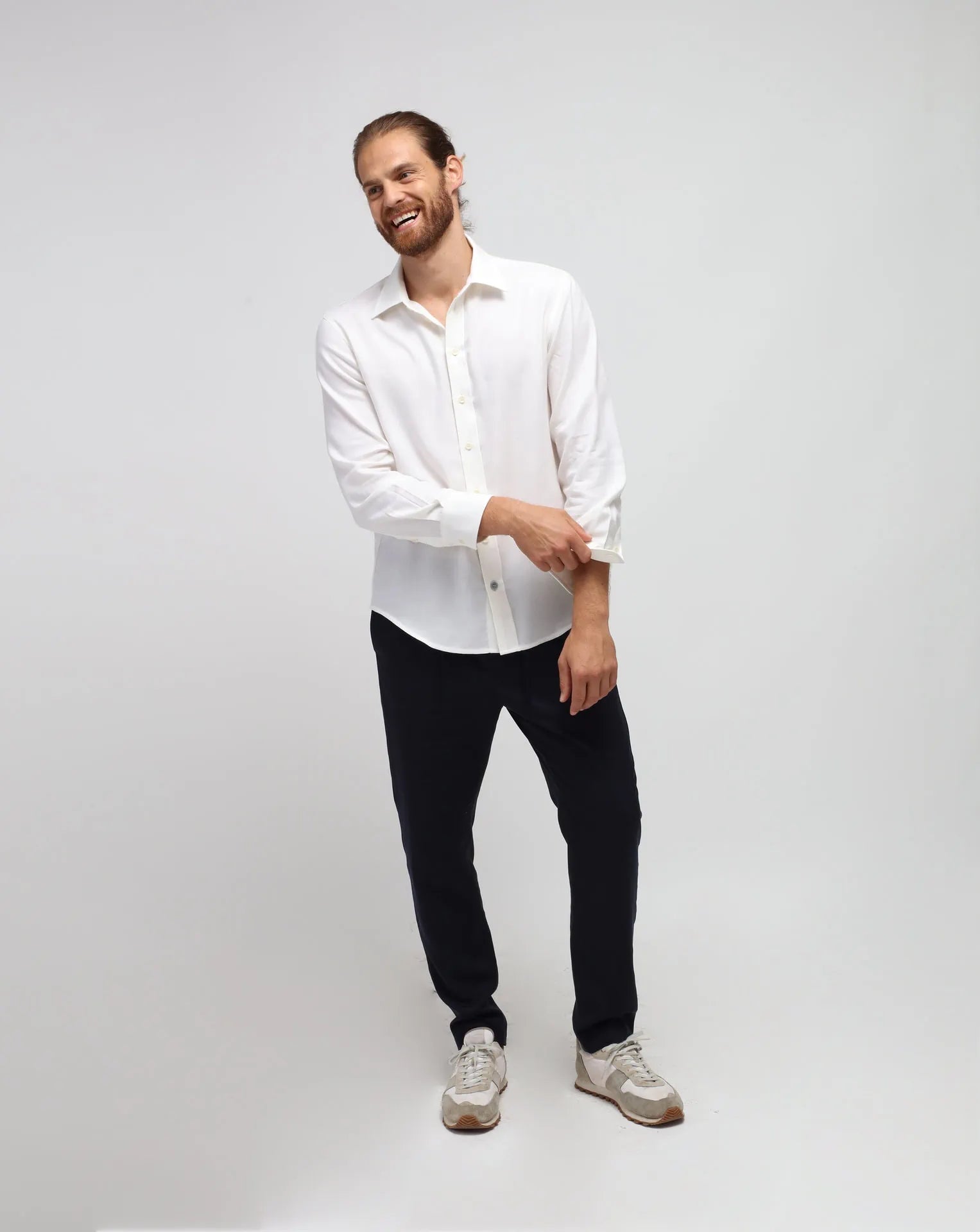
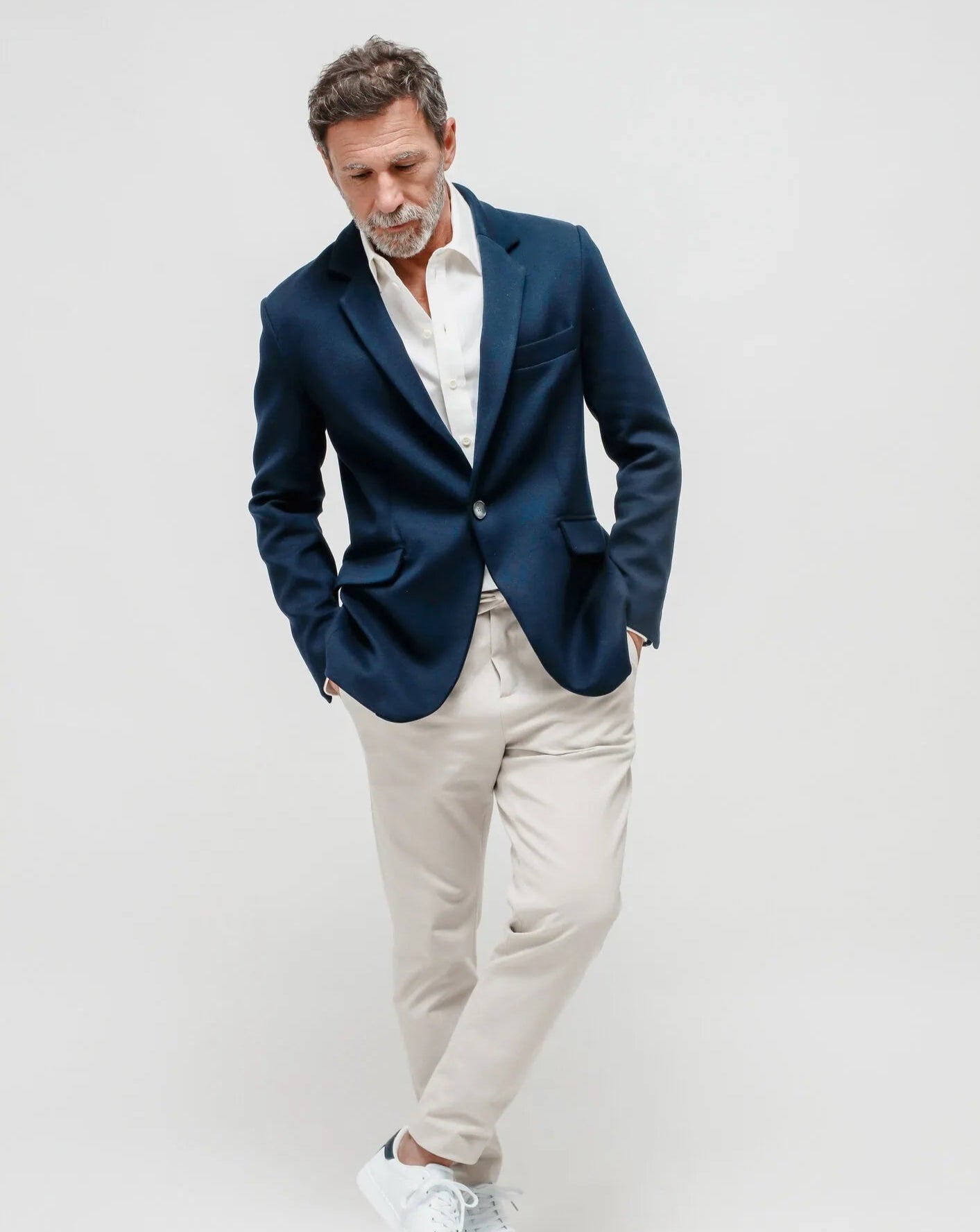
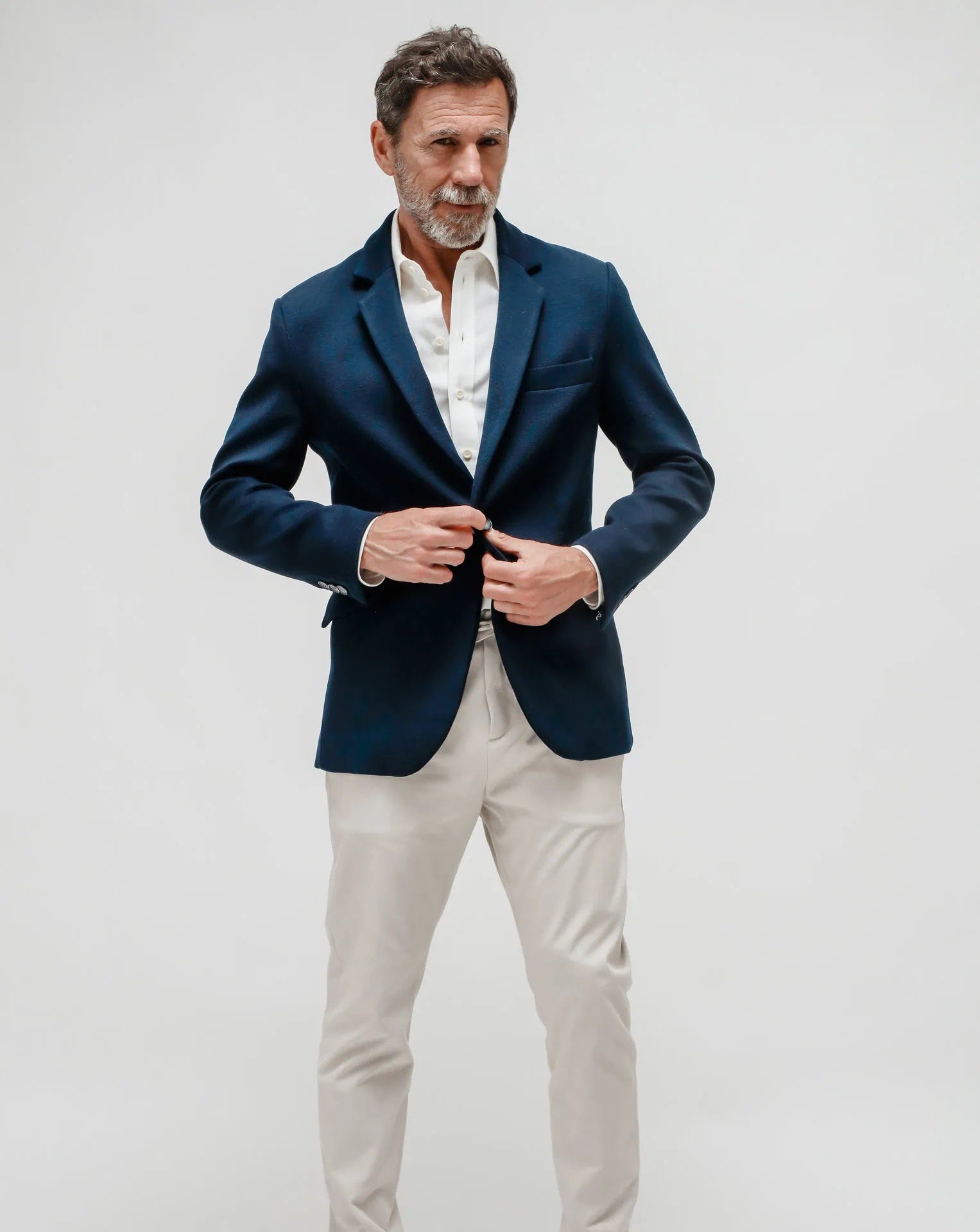
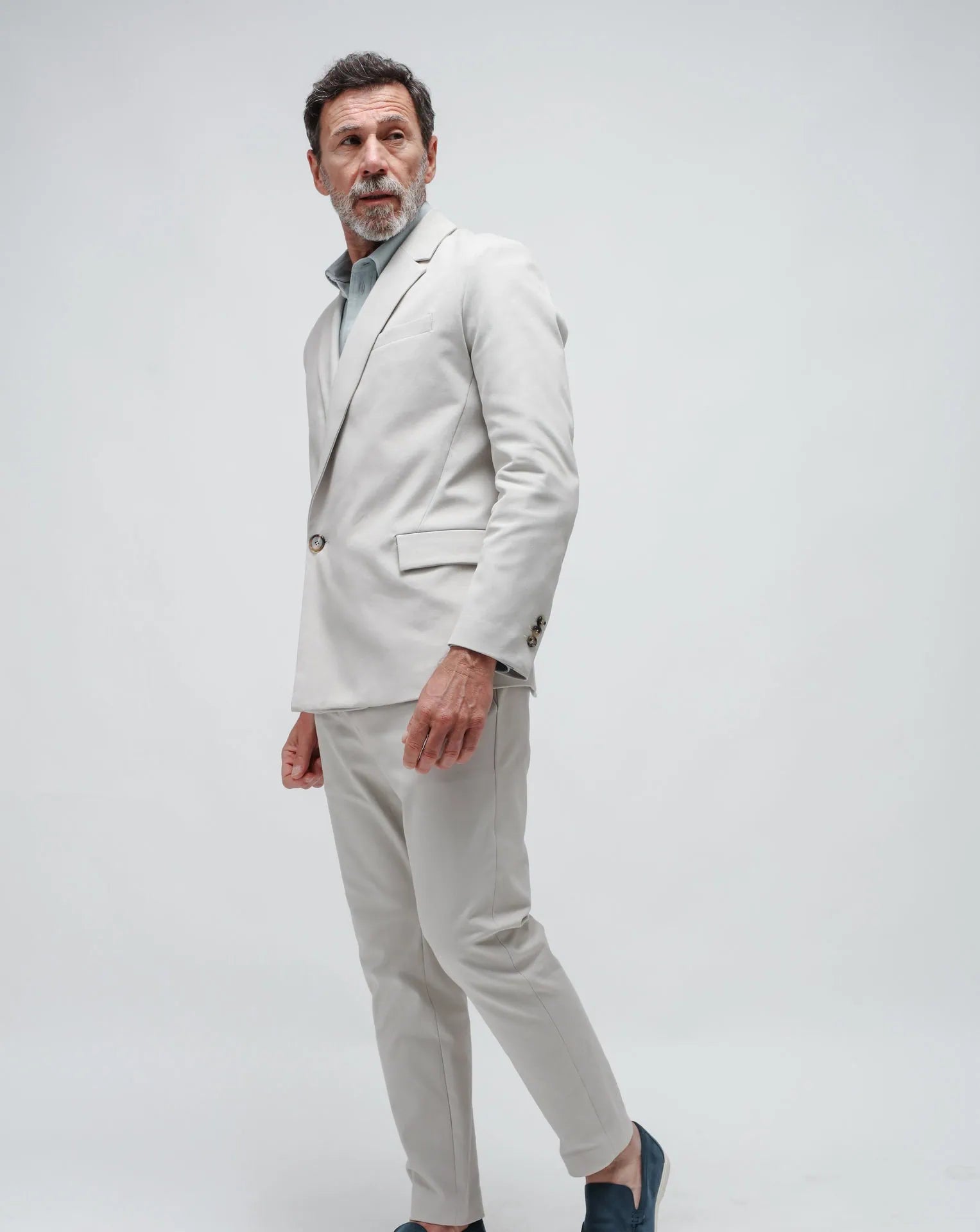
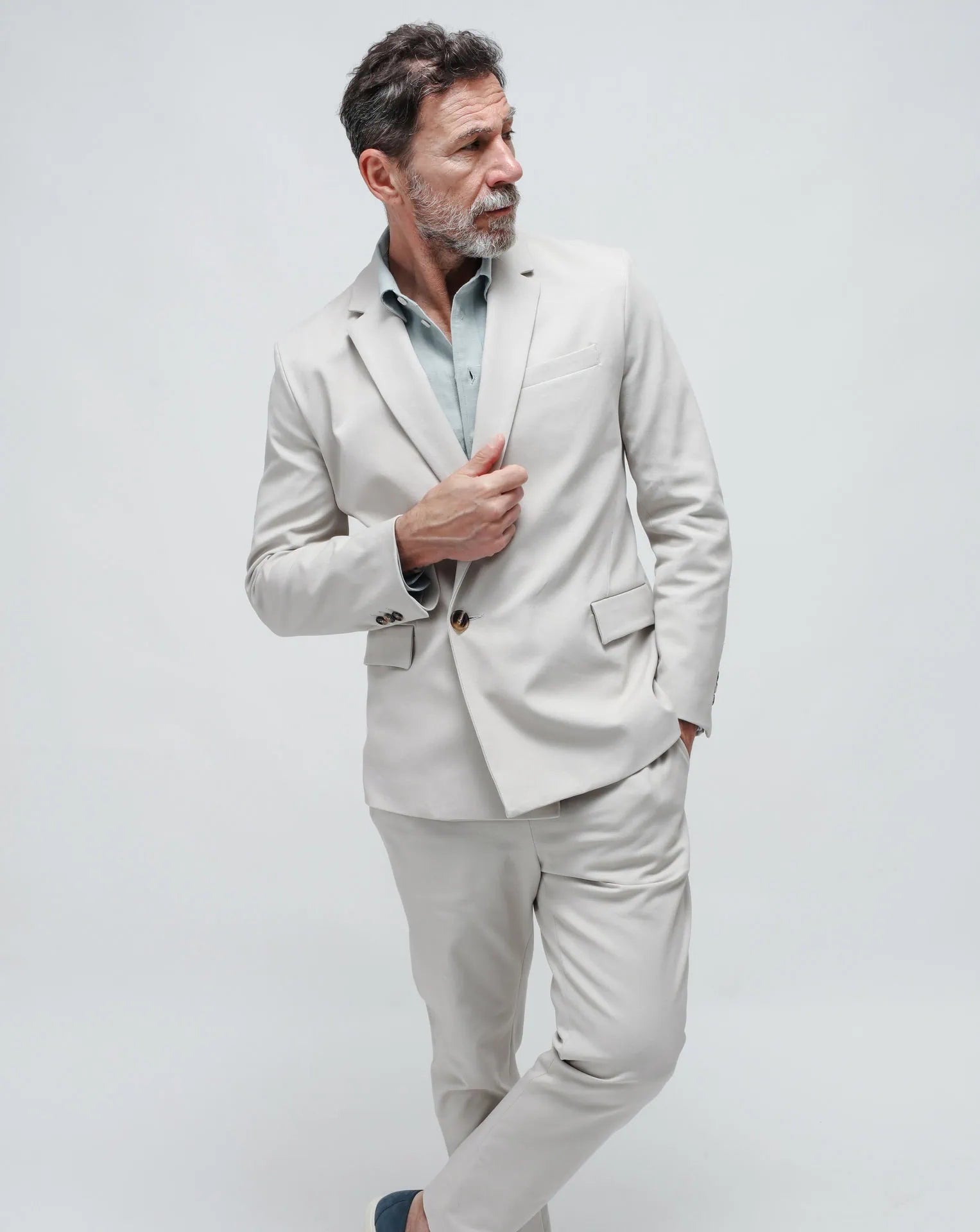
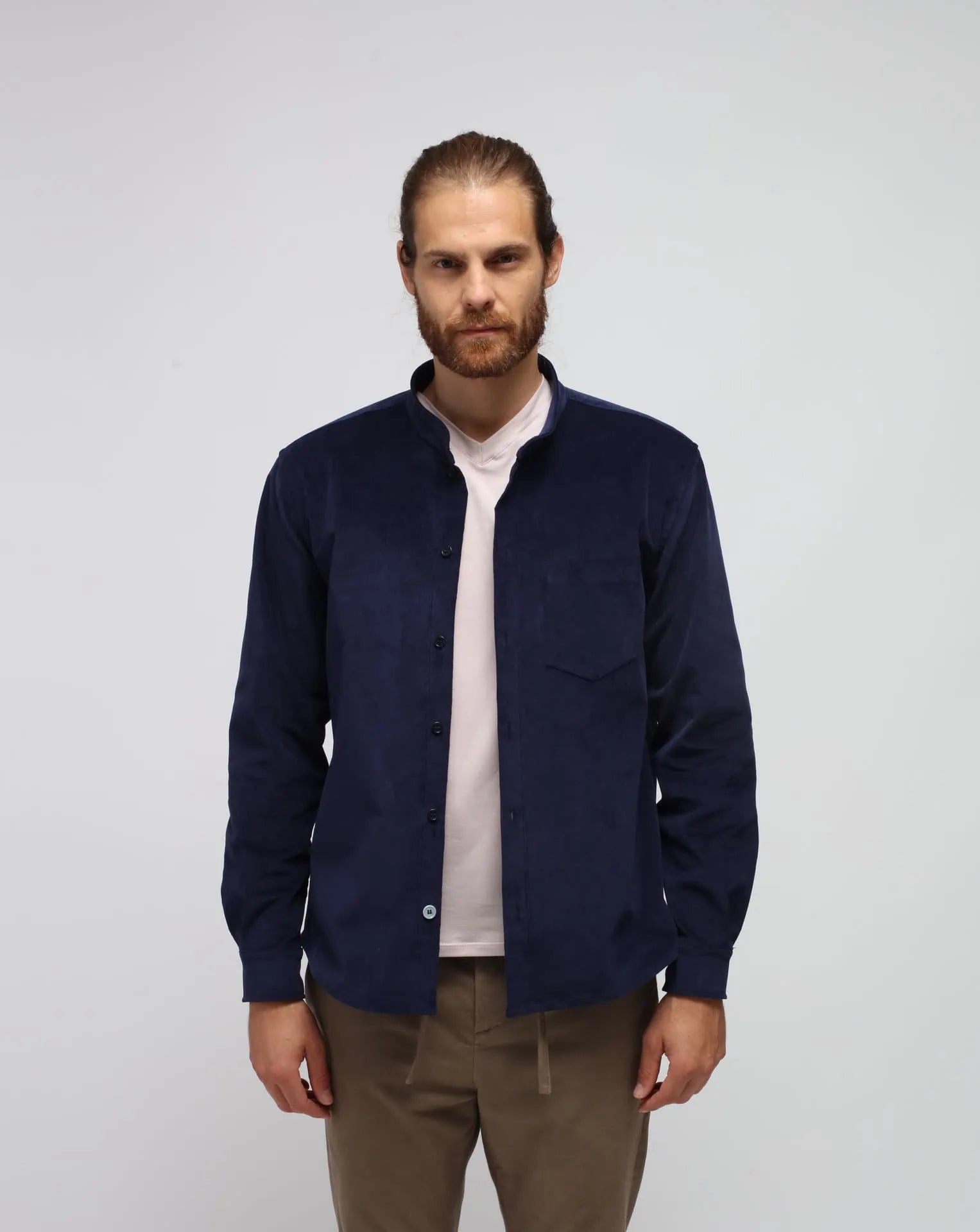
One example of this model is Humans & Land, where small-batch apparel, premium deadstock fabrics, and European production work together to create pieces that feel elevated without feeding fashion waste. That combination is what many shoppers are actually looking for when they ask where can I buy limited edition clothing online. Not just scarcity, but substance.
Confidence also comes from the surrounding experience. Carbon-neutral shipping, straightforward exchange policies, and transparent pricing are not side notes. They reduce the friction and uncertainty that often come with buying premium apparel online. In a limited-run environment, that matters because hesitation can cost you the piece, but pressure should never replace trust.
Red flags to avoid when shopping limited releases
Some brands use limited edition language so broadly that it loses meaning. If every product is described as exclusive, rare, or almost gone at all times, the scarcity is likely manufactured. Real small-batch brands usually have a more disciplined cadence. Not everything is a drop. Not everything needs urgency.
Be cautious with products that offer little detail on fabrication or origin. Limited edition clothing should come with more information, not less. If the garment is truly special, the brand should be able to explain why.
Also watch for pieces that feel too trend-heavy to justify premium pricing. There is always a place for fashion-forward design, but extreme novelty paired with limited stock can be a risky combination. If you suspect the garment will feel dated within months, exclusivity will not save the purchase.
The smartest limited edition buys sit at the intersection of rarity, repeat wear, and responsible making. That is the standard worth holding.
A great limited piece should feel harder to replace, not harder to understand. Buy the one that earns its scarcity.
FAQ
Q: Where can I buy limited edition clothing without overpaying?
A: Start with direct-to-consumer brands that explain their materials, batch size, and production model clearly. You are more likely to pay for fabric, craftsmanship, and ethical production rather than just markup and hype.
Q: Is limited edition clothing always sustainable?
A: No. A small run can still be wasteful if materials, labor, and production standards are poor. Limited quantities matter more when they are paired with deadstock fabrics, careful manufacturing, and reduced overproduction.
Q: How do I know if a limited edition piece is truly worth buying?
A: Look at fabric quality, construction, versatility, and the reason it is limited. If you can wear it often, care for it properly, and understand why the quantity is small, it is more likely to be a smart purchase.
Q: Is it better to buy limited edition clothing directly from a brand?
A: Usually, yes. Buying direct often gives you better product information, clearer sizing support, and more transparency around sourcing and pricing.
Q: What kinds of limited edition clothing are best for high-intent shopping?
A: Jackets, tailored pants, dresses, shirts, coats, and coordinated sets tend to be strong choices. These categories combine wardrobe impact with repeat wear, which makes limited-run investment easier to justify.
the World of H&L