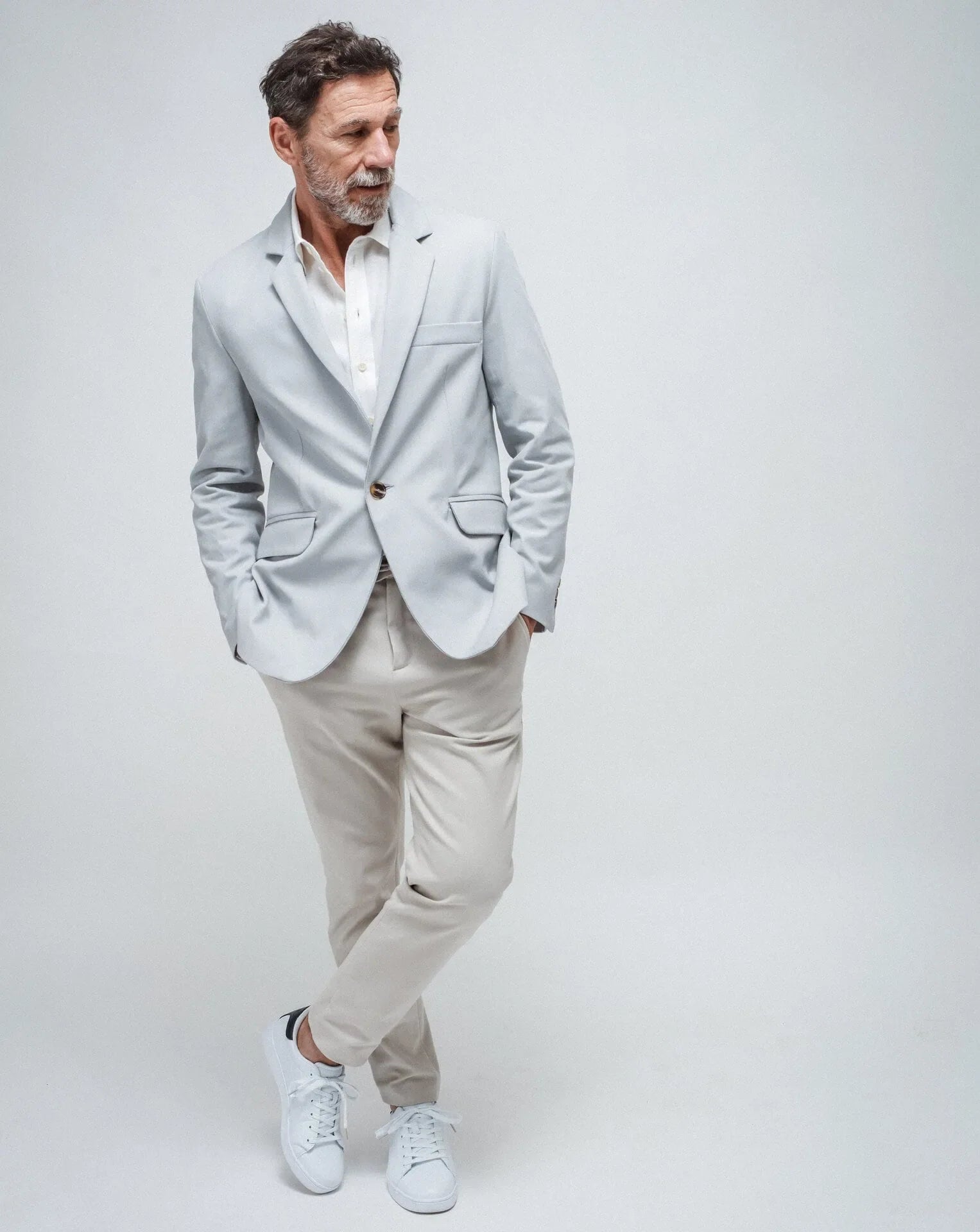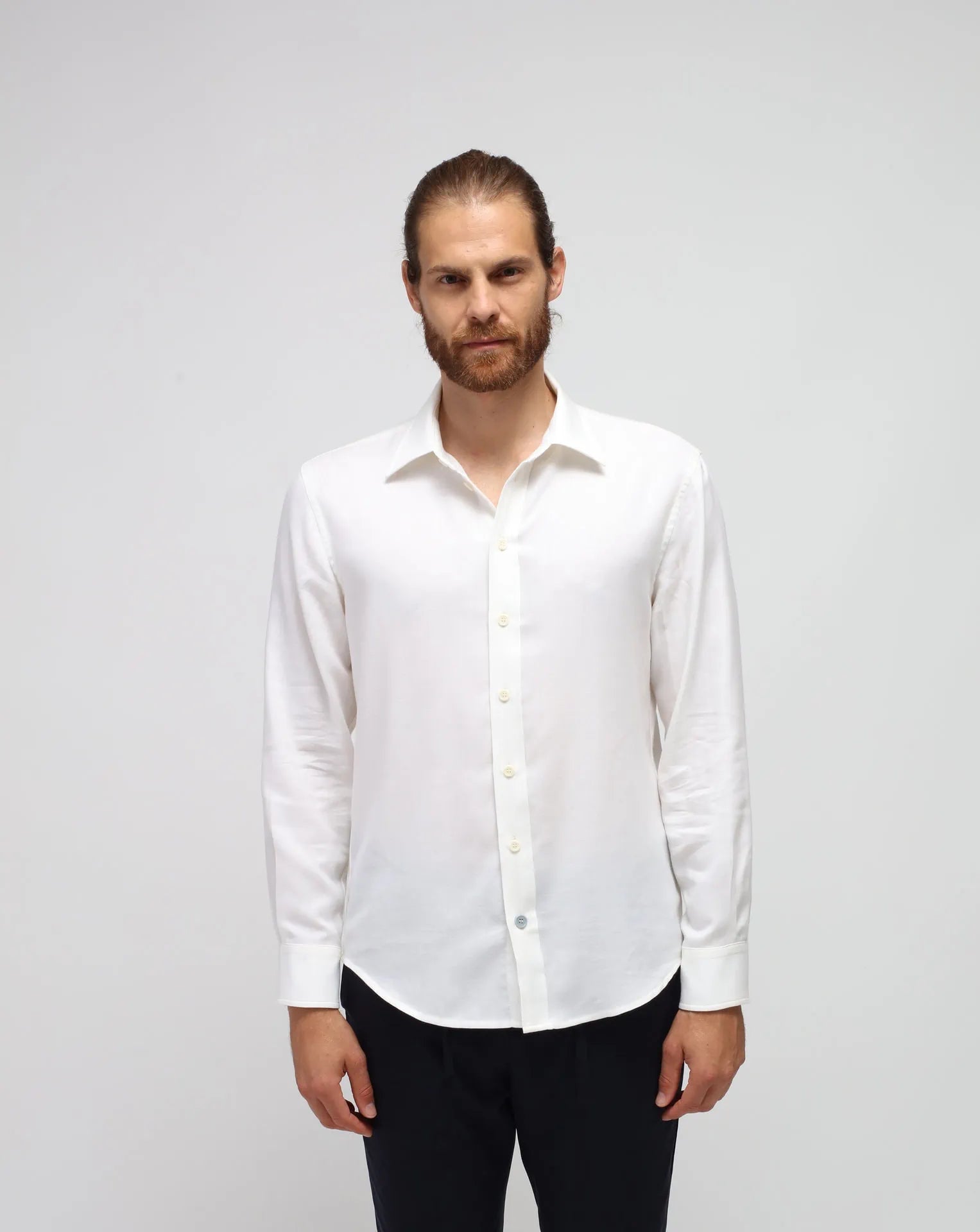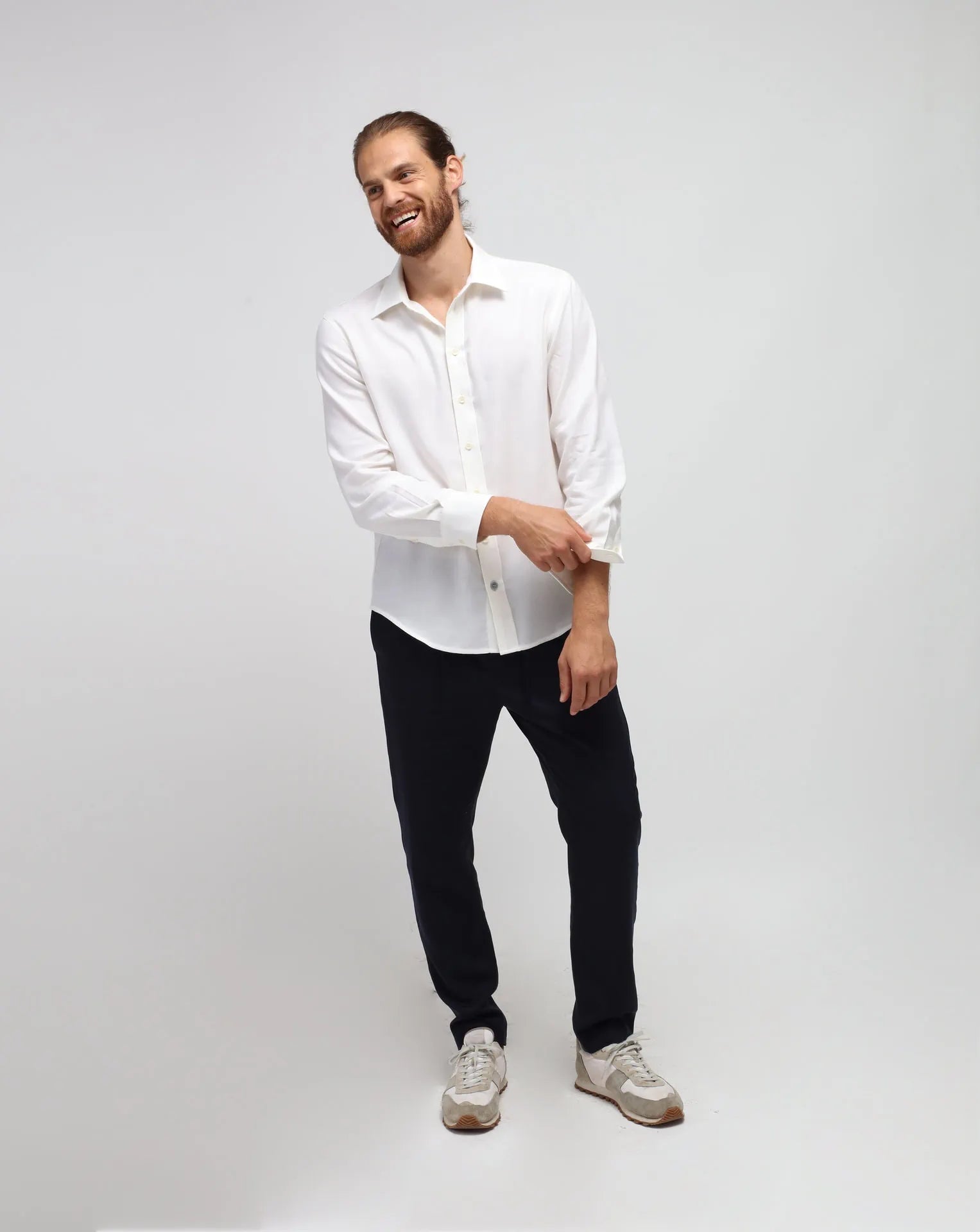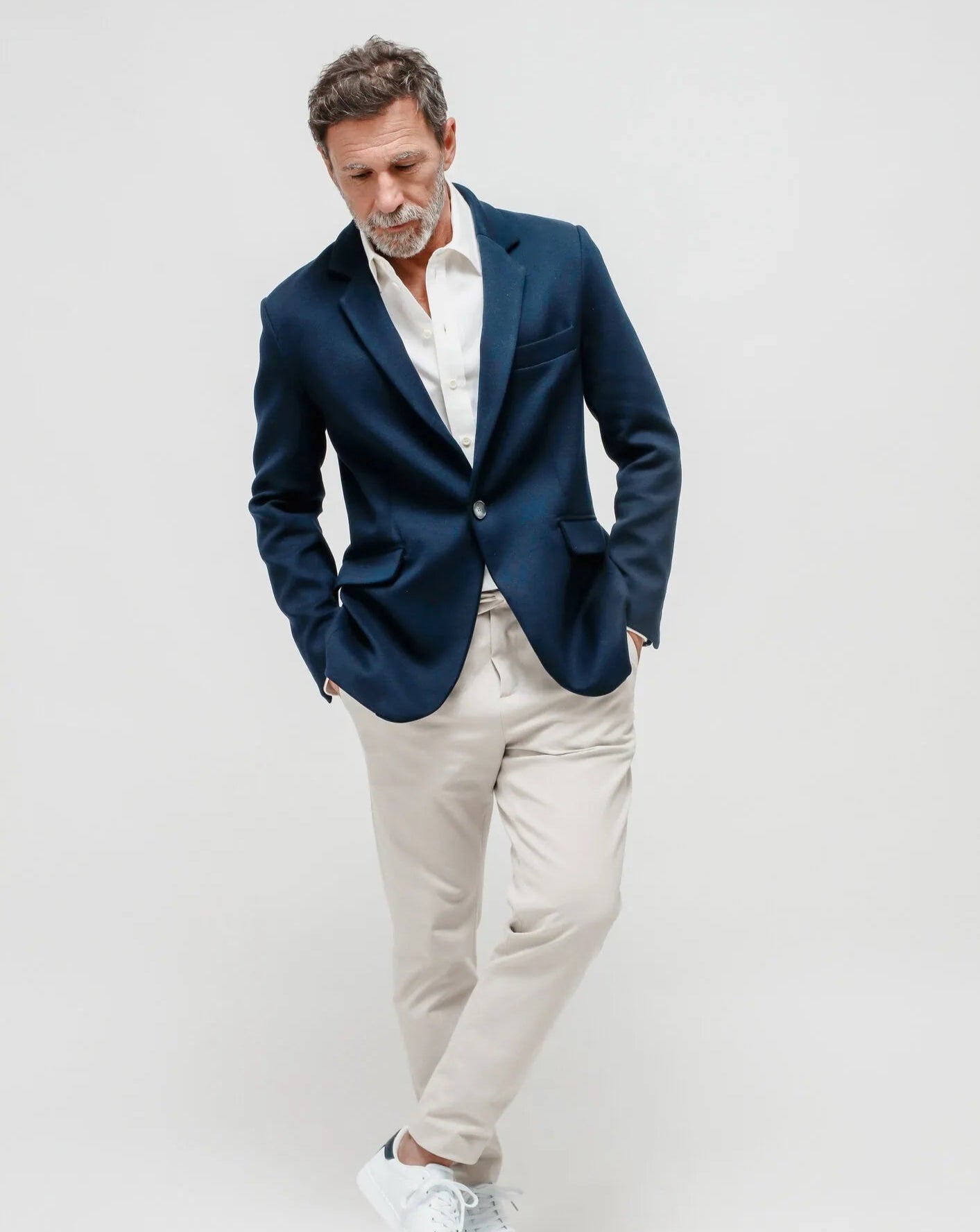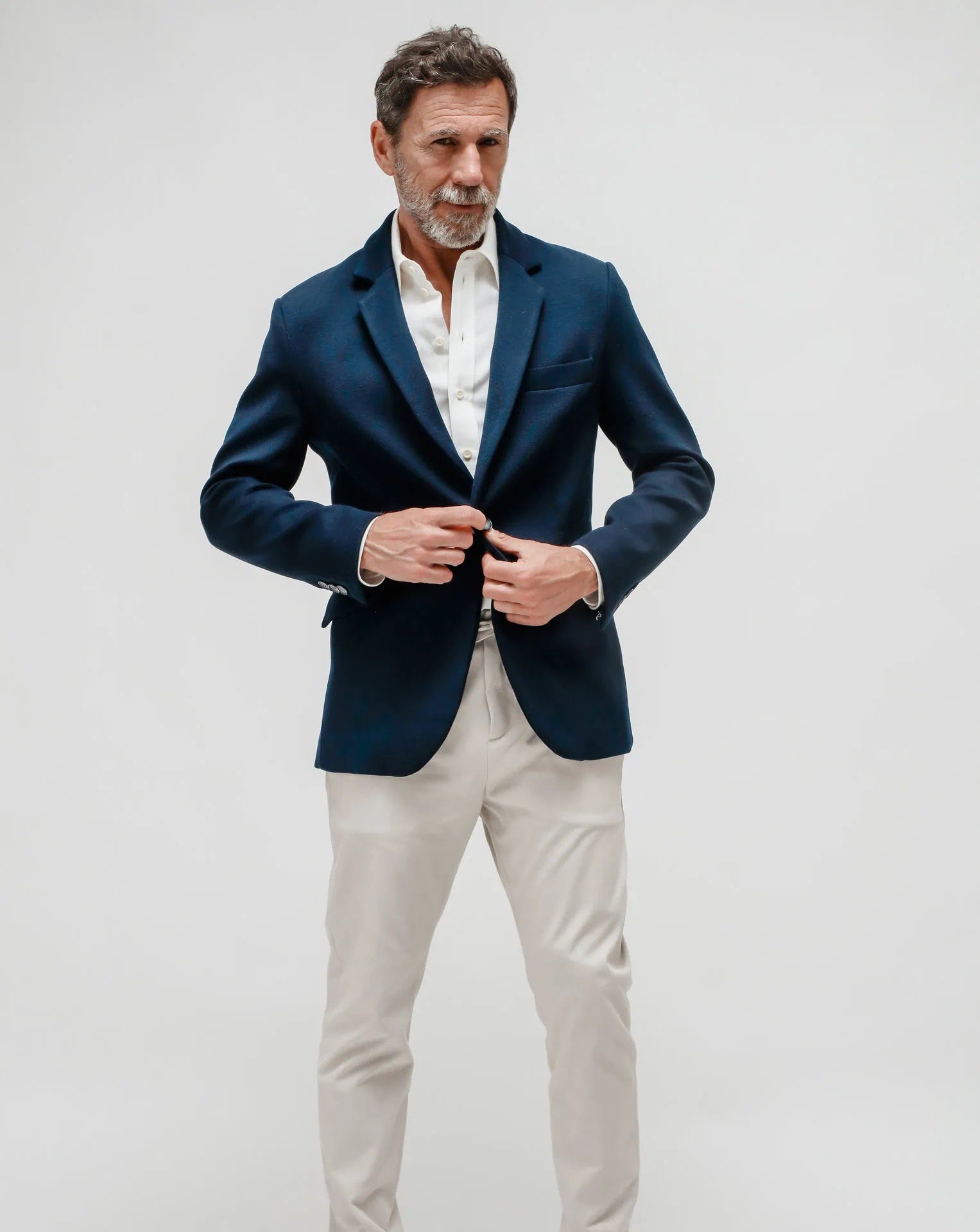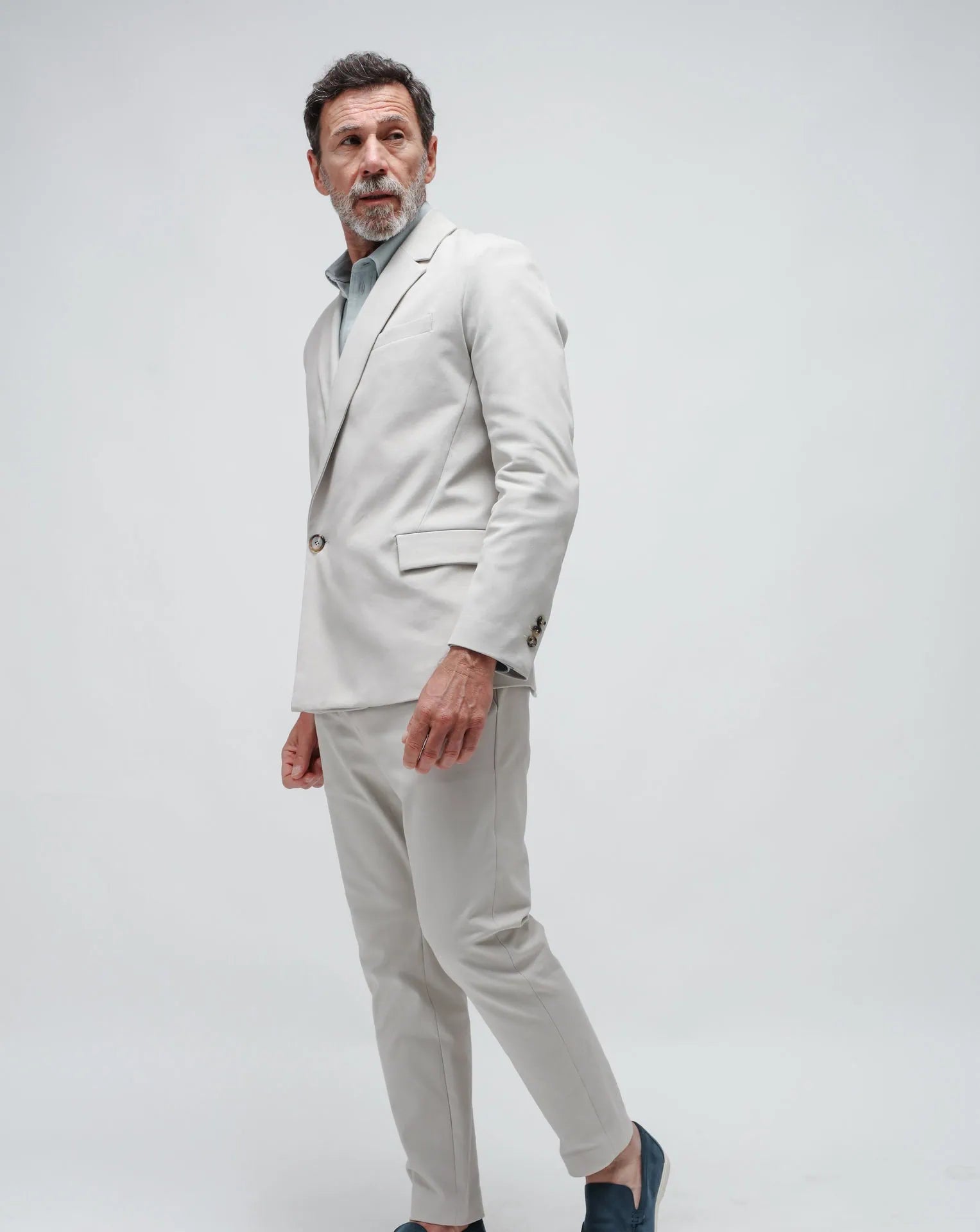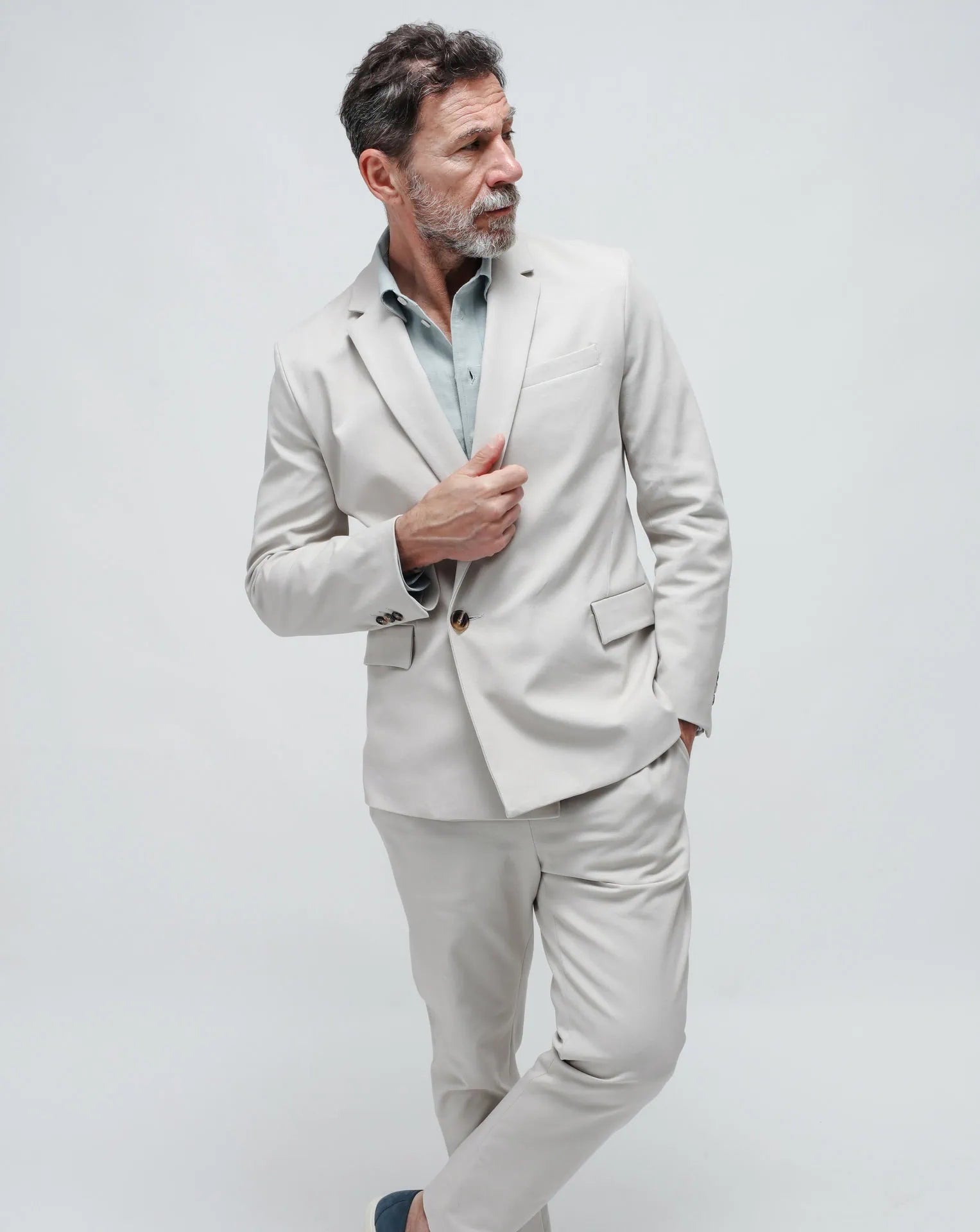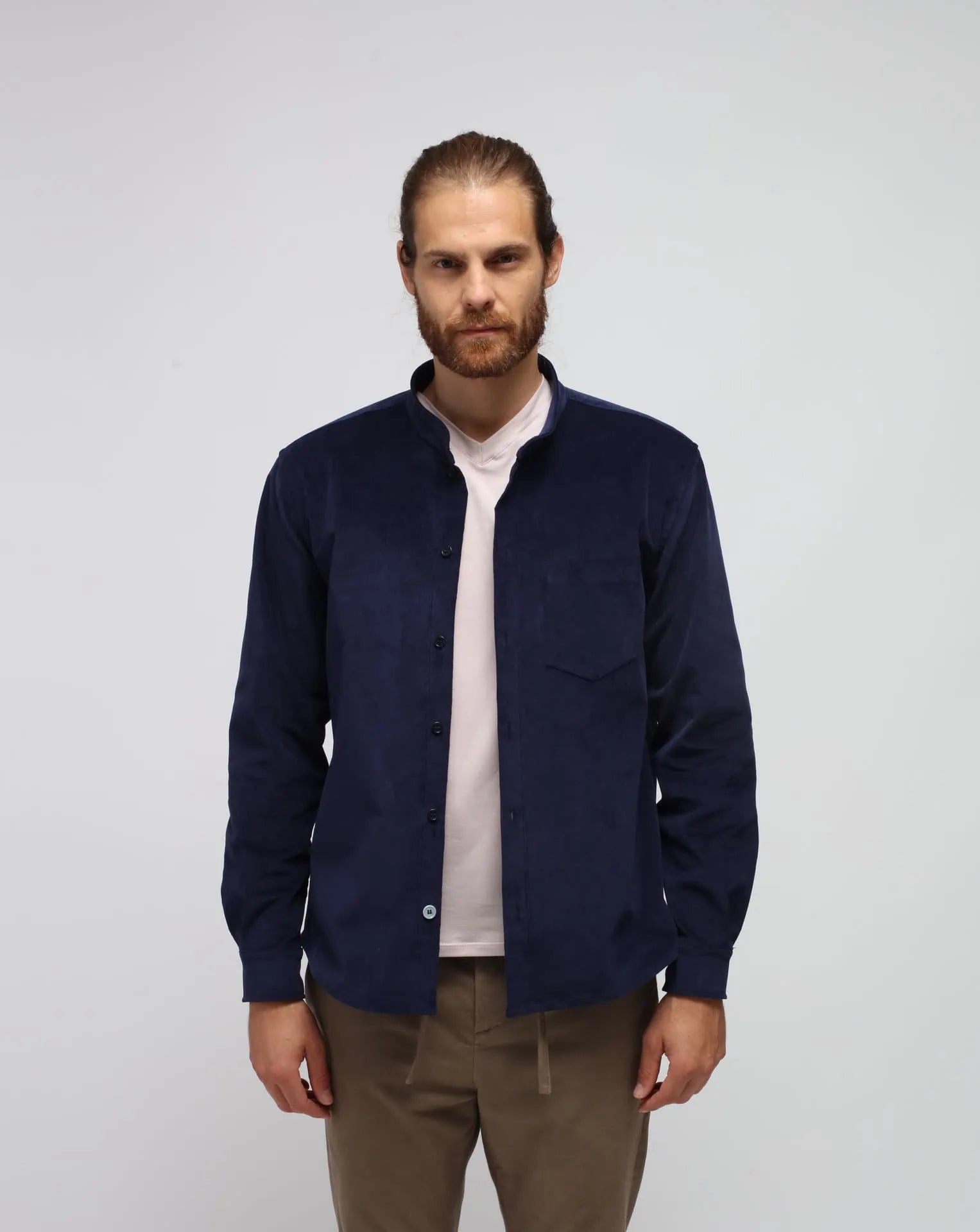

Why Limited Edition Clothing Drops Matter
Scarcity used to be a marketing trick. In fashion, it still can be. But the best limited edition clothing drops do something far more valuable - they place boundaries around production, sharpen design decisions, and ask a better question of the customer: do you want more clothes, or do you want the right ones?
That distinction matters. For anyone building a wardrobe with intention, the old model of endless inventory and constant markdowns feels increasingly out of step. It normalizes overproduction, trains shoppers to wait for discounts, and treats garments as disposable. Limited runs offer a cleaner alternative, but only when the scarcity is real and the product is worthy of it.
What limited edition clothing drops should mean
A limited drop should not simply mean low stock. It should mean a product was created within clear limits - fabric availability, production capacity, or both. That is a very different proposition from a mass-produced item relabeled as exclusive.
When a brand works in small batches, each release carries more intention. Fabric selection becomes more disciplined. Fit and finishing matter more because there is less room to hide behind volume. Timing becomes part of the design language too. A drop is not just a launch date. It is a statement about pace.
This is especially true when deadstock fabrics are involved. Because the material already exists in finite quantities, the collection has a natural endpoint. Once that fabric is gone, it is gone. The limitation is not manufactured. It is built into the sourcing model itself.
The real appeal of limited edition clothing drops
For a design-aware customer, exclusivity is only part of the attraction. The deeper appeal is clarity. A tightly edited release is easier to understand, easier to style, and often easier to trust.
Too much choice creates noise. You see it across mainstream fashion retail: dozens of versions of the same shirt, minor variations presented as novelty, constant seasonal churn. It can make shopping feel less like discernment and more like sorting through waste before it even exists. A limited drop cuts through that.
It also changes the emotional value of a piece. When a garment is made in small numbers, it tends to be worn with more care. You remember why you bought it. You are less likely to treat it as temporary. That shift may sound subtle, but it has real consequences for consumption habits.
Of course, scarcity alone does not create meaning. If the design is forgettable or the quality is weak, a limited quantity only makes the flaws feel more obvious. The strongest drops earn their place through craftsmanship, material integrity, and versatility. They are rare for a reason.
Why small-batch production is better for the system
Fashion’s waste problem begins long before a customer checks out. Overproduction is one of the industry’s most persistent failures, fueled by the assumption that more units increase the chance of more sales. What follows is predictable: excess inventory, discounting, unsold stock, and a cycle that rewards speed over judgment.
Small-batch production challenges that logic. By producing less, brands reduce the risk of surplus. They can respond more carefully to demand, preserve full-price value, and avoid building a business around clearance culture.
That does not mean every limited model is automatically sustainable. Shipping, packaging, fabric origin, and manufacturing conditions still matter. A drop can be small and still be careless. But when limited production is paired with responsible sourcing, transparent pricing, and durable construction, the model becomes far more credible.
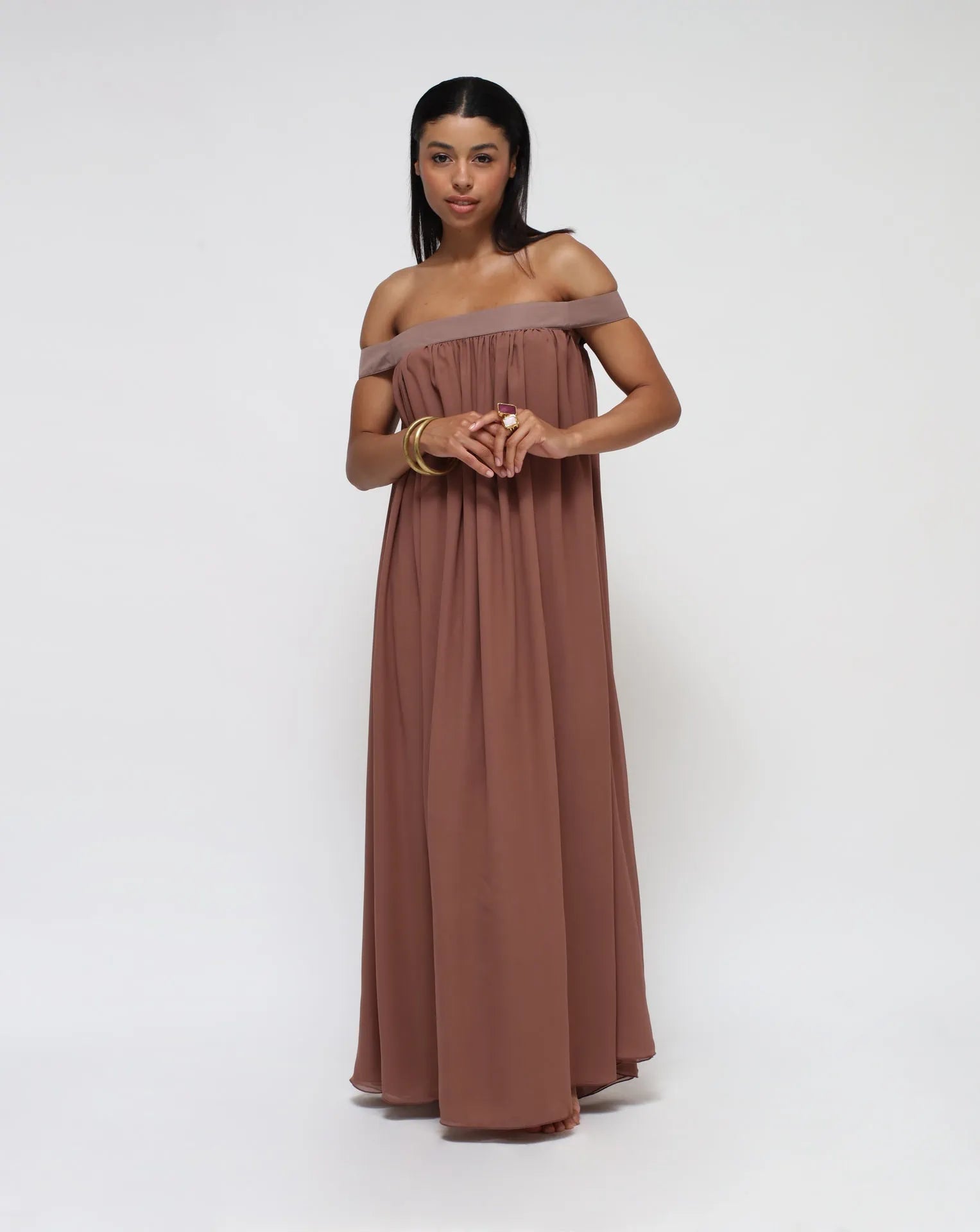
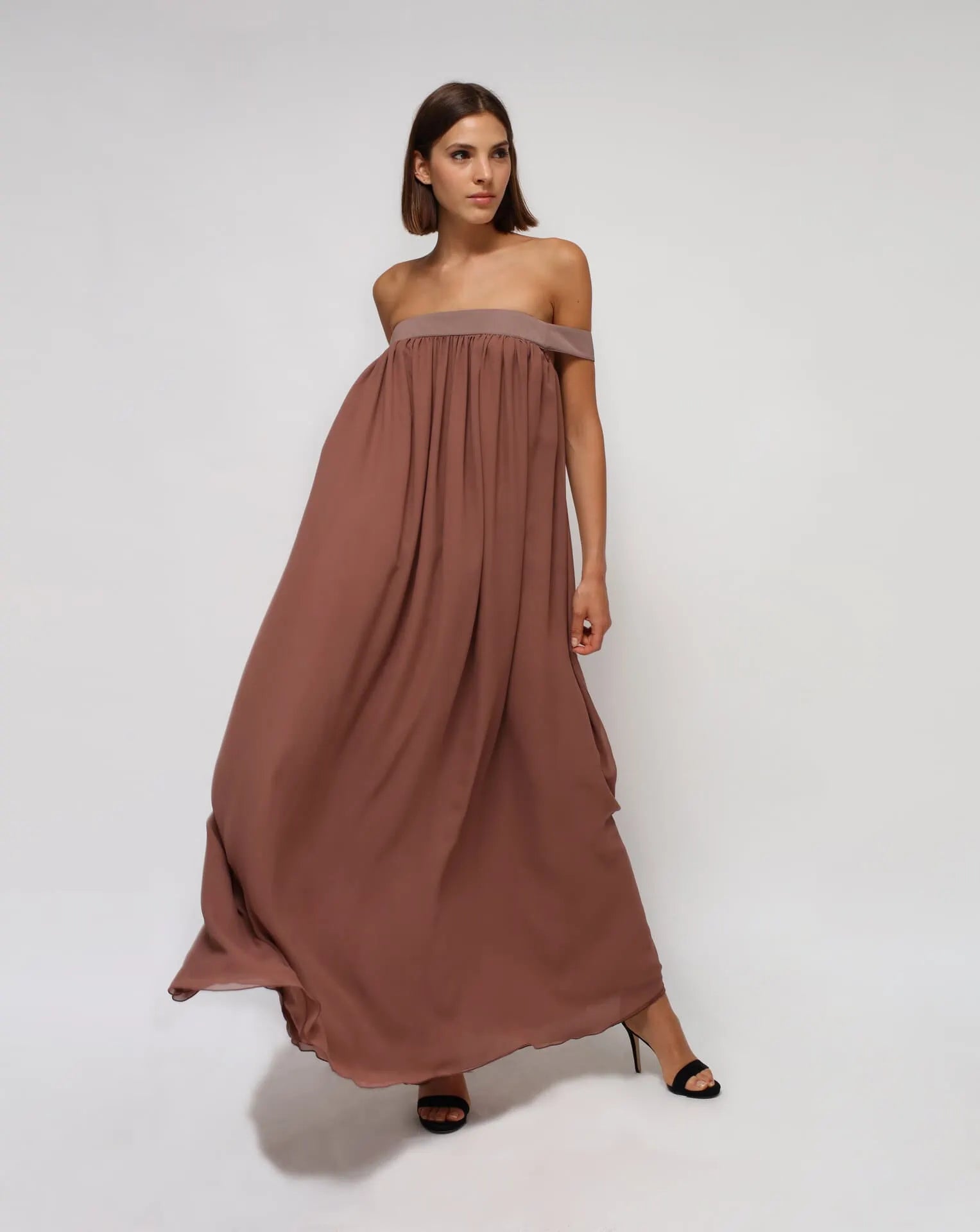
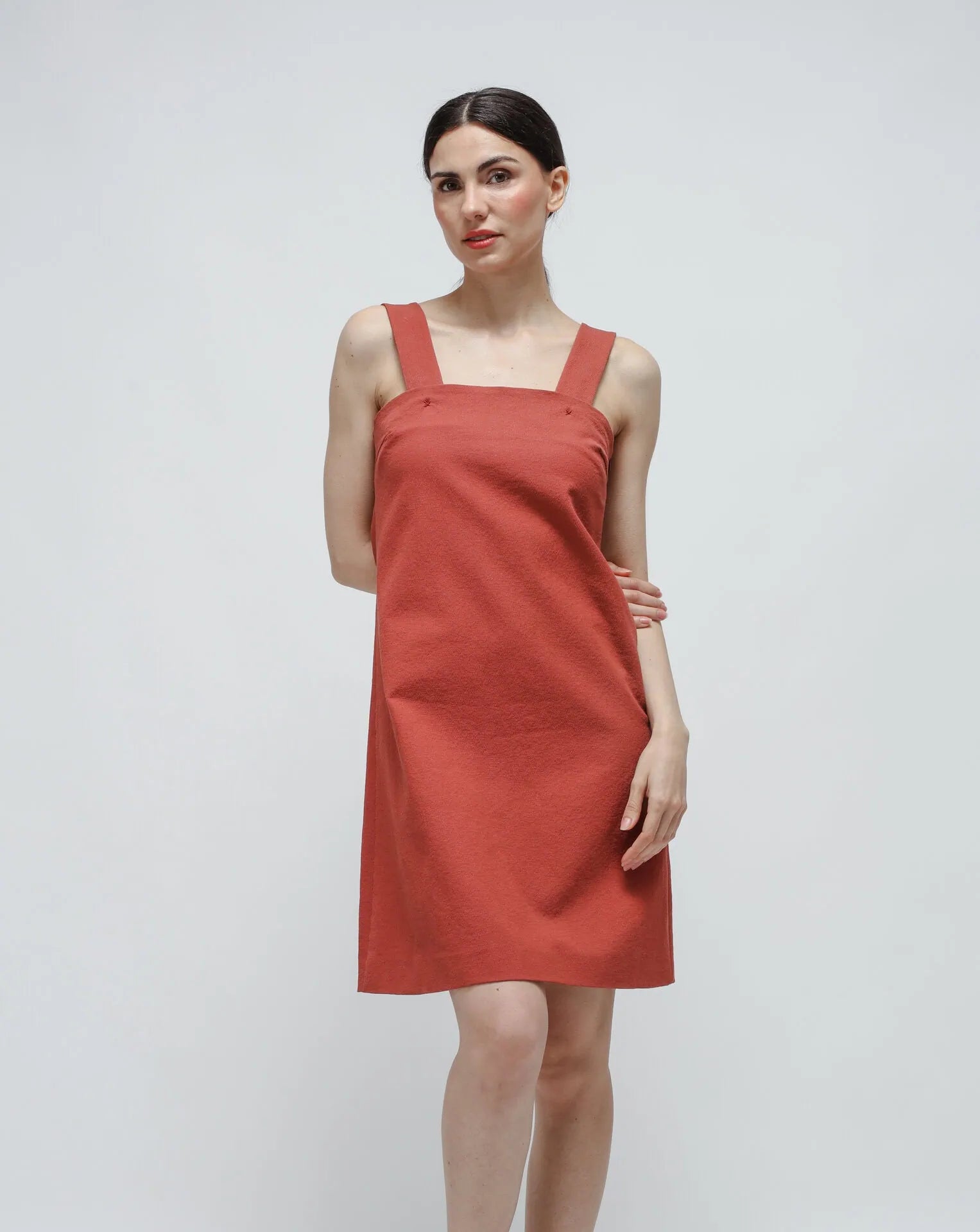
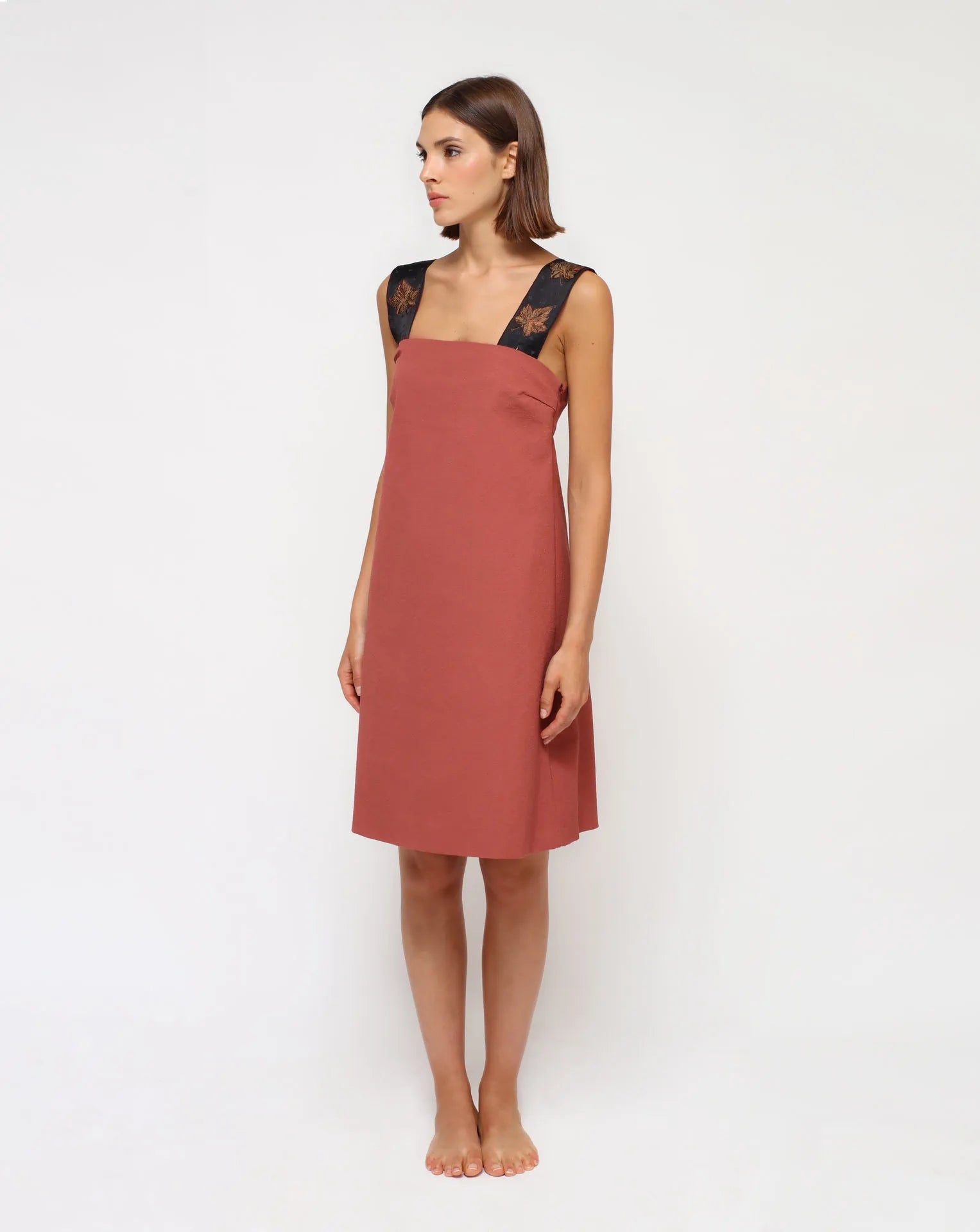
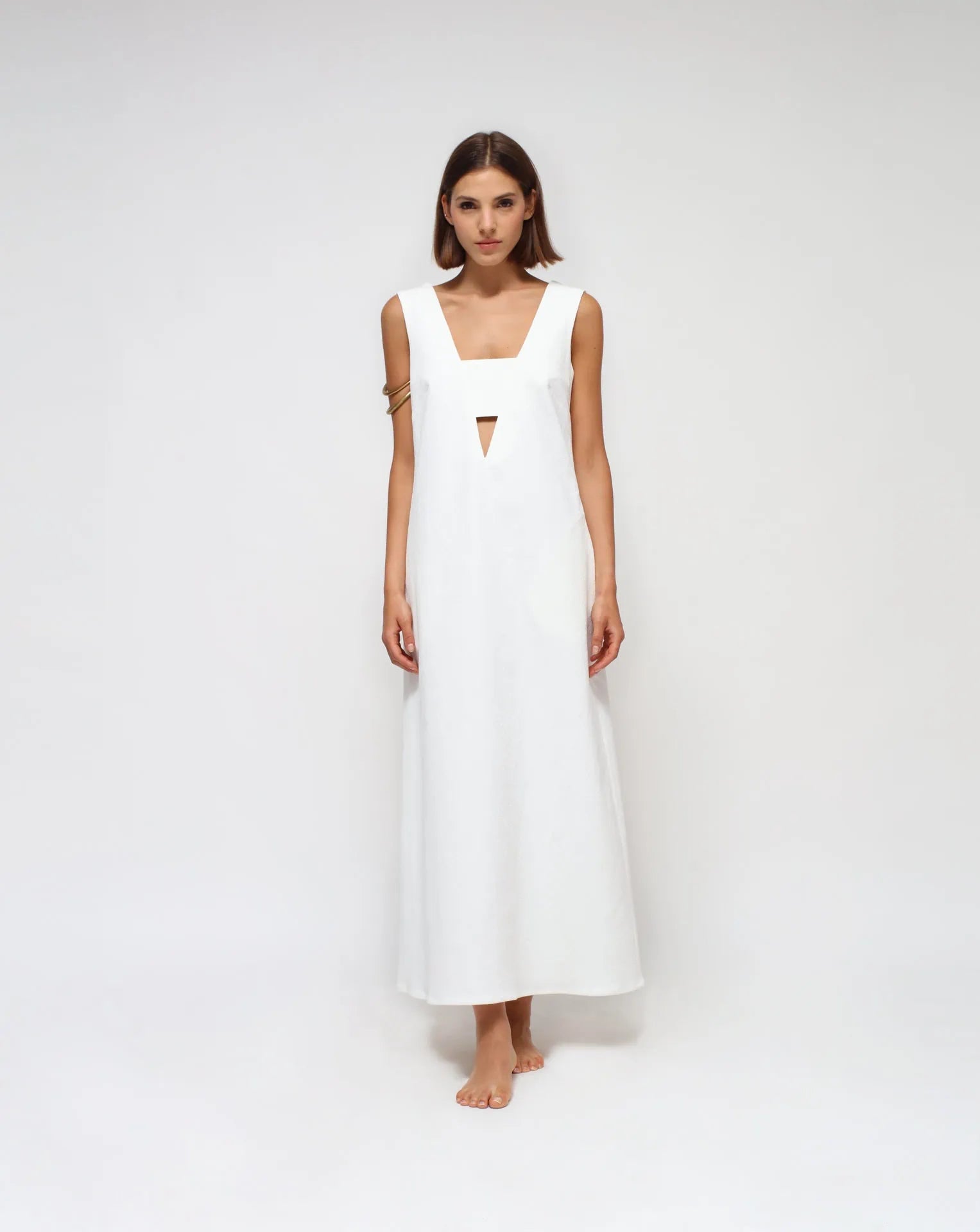
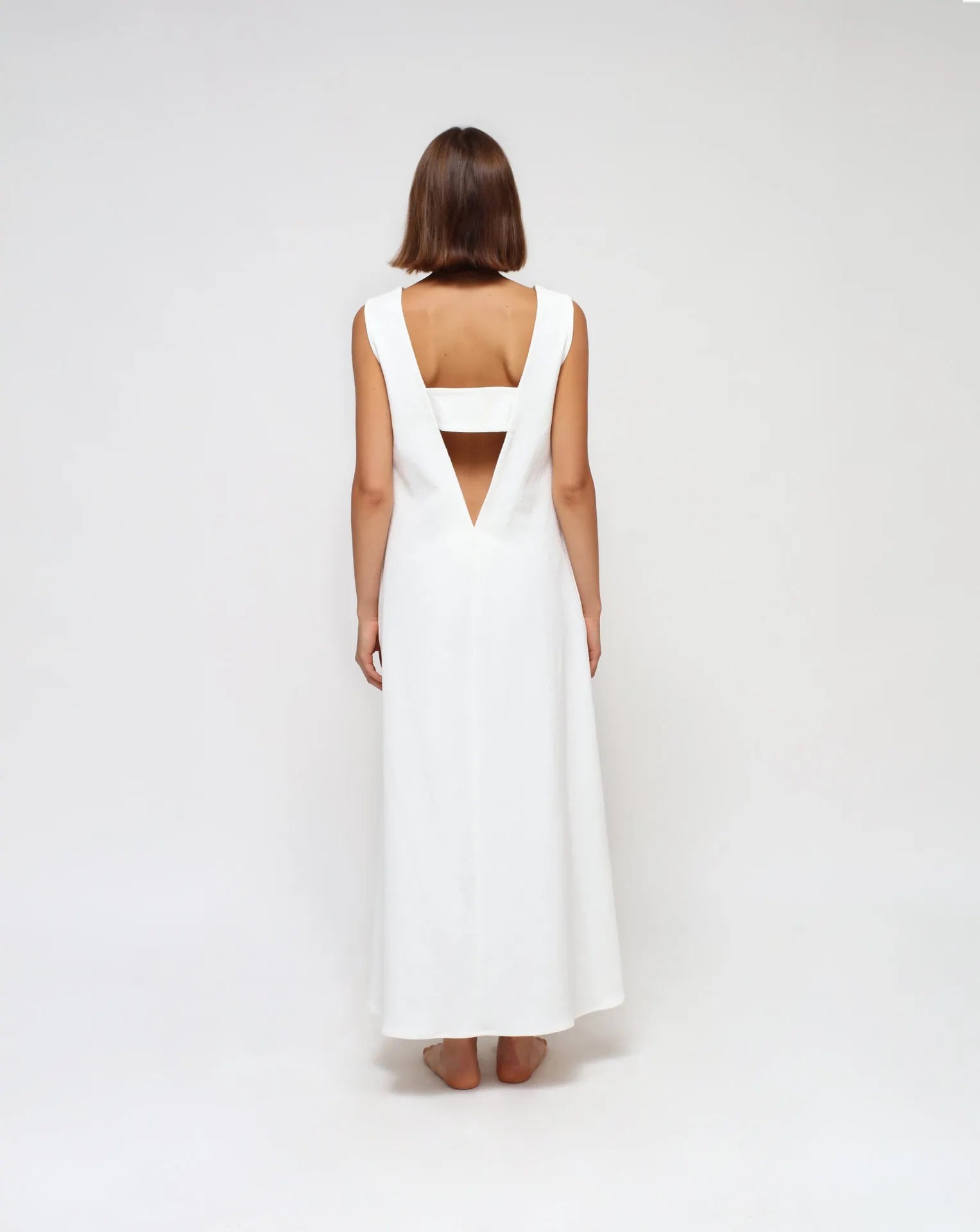
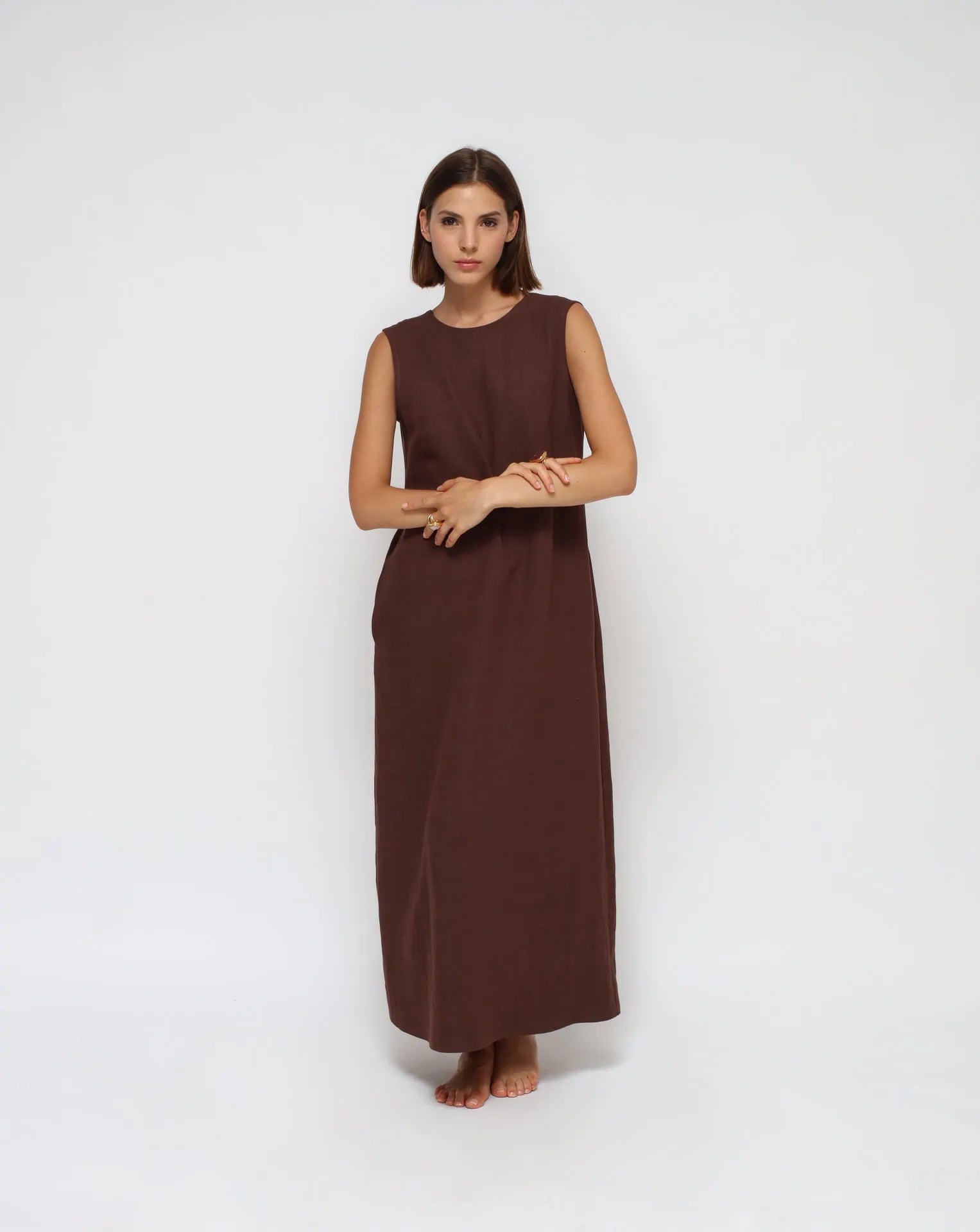
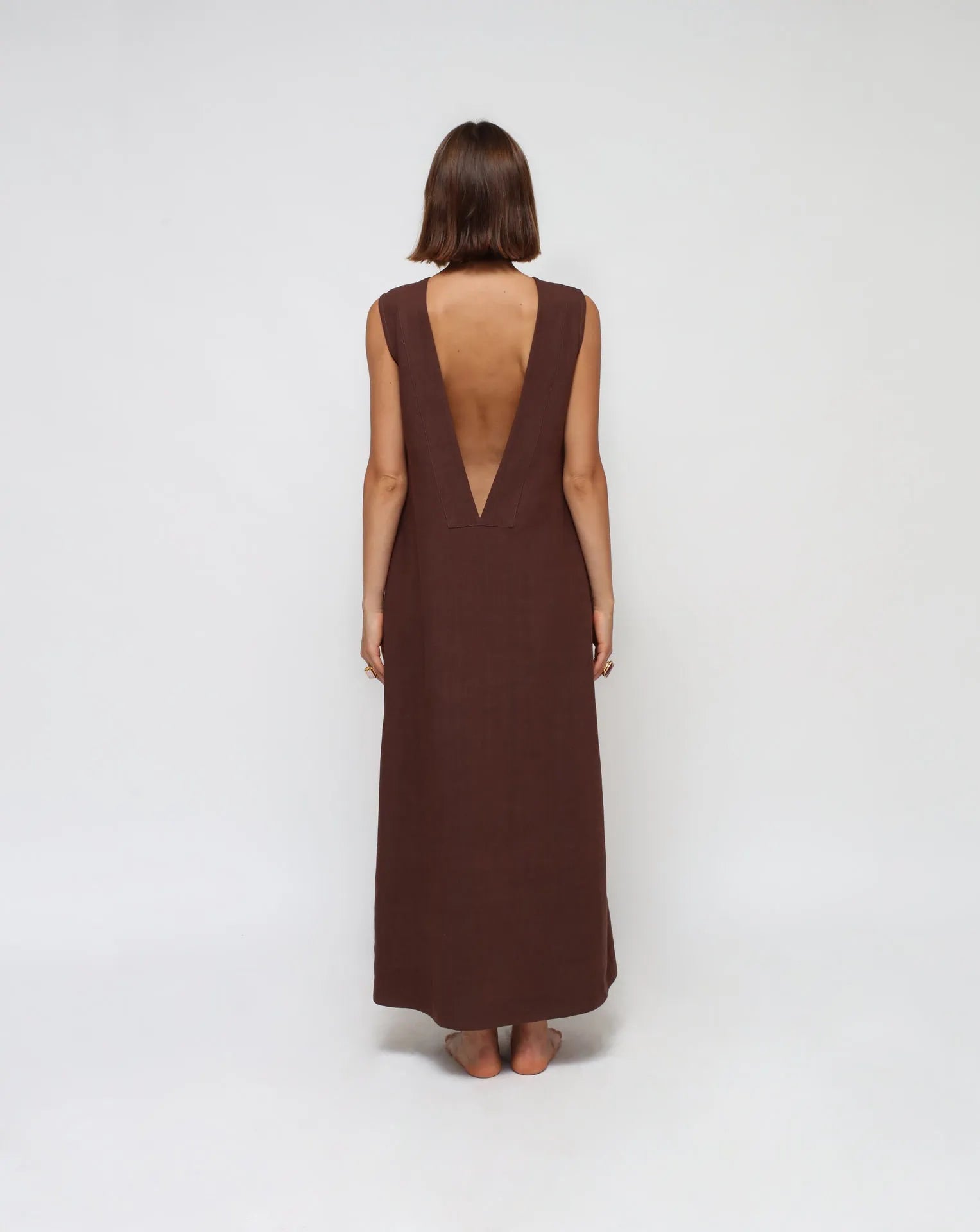
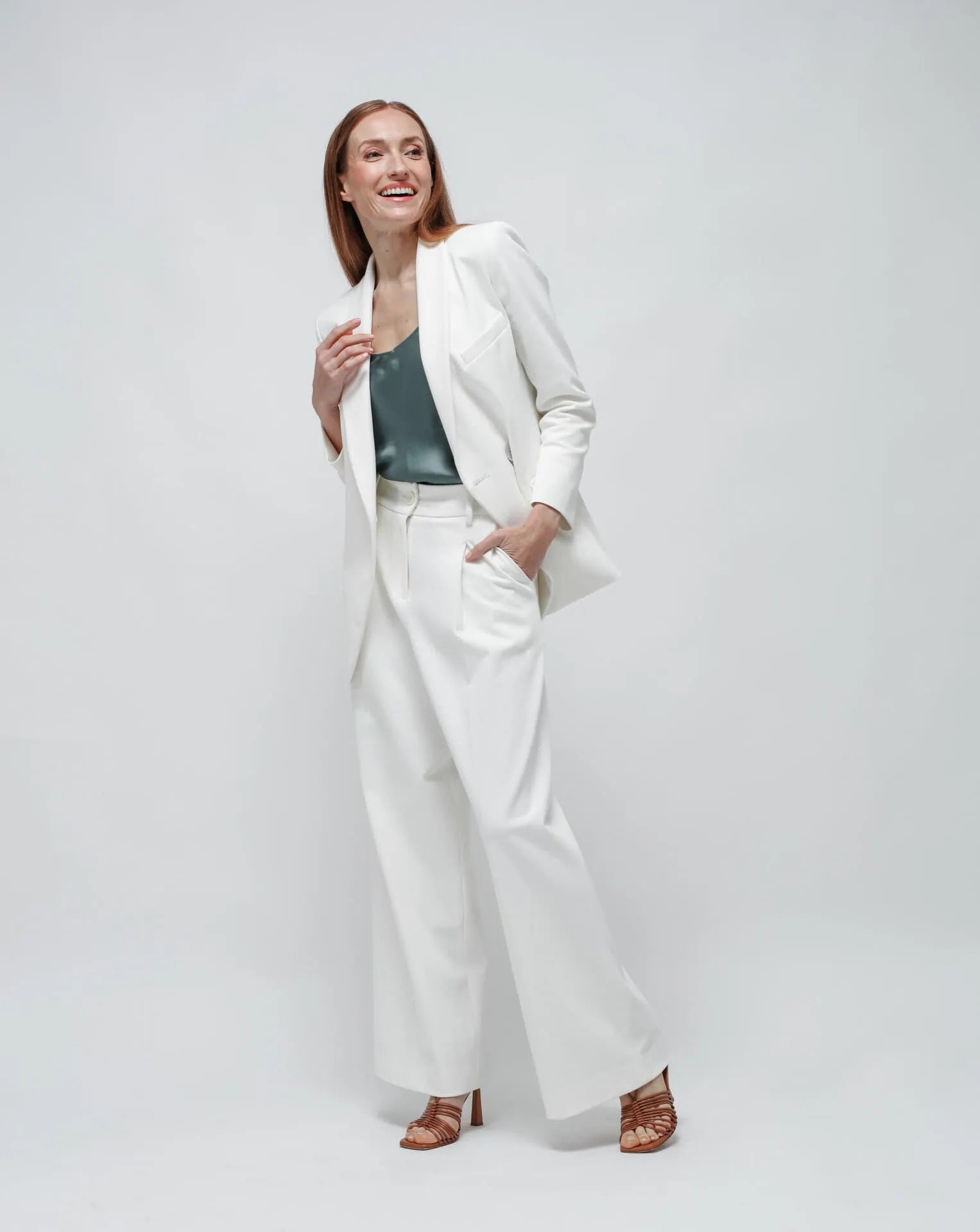
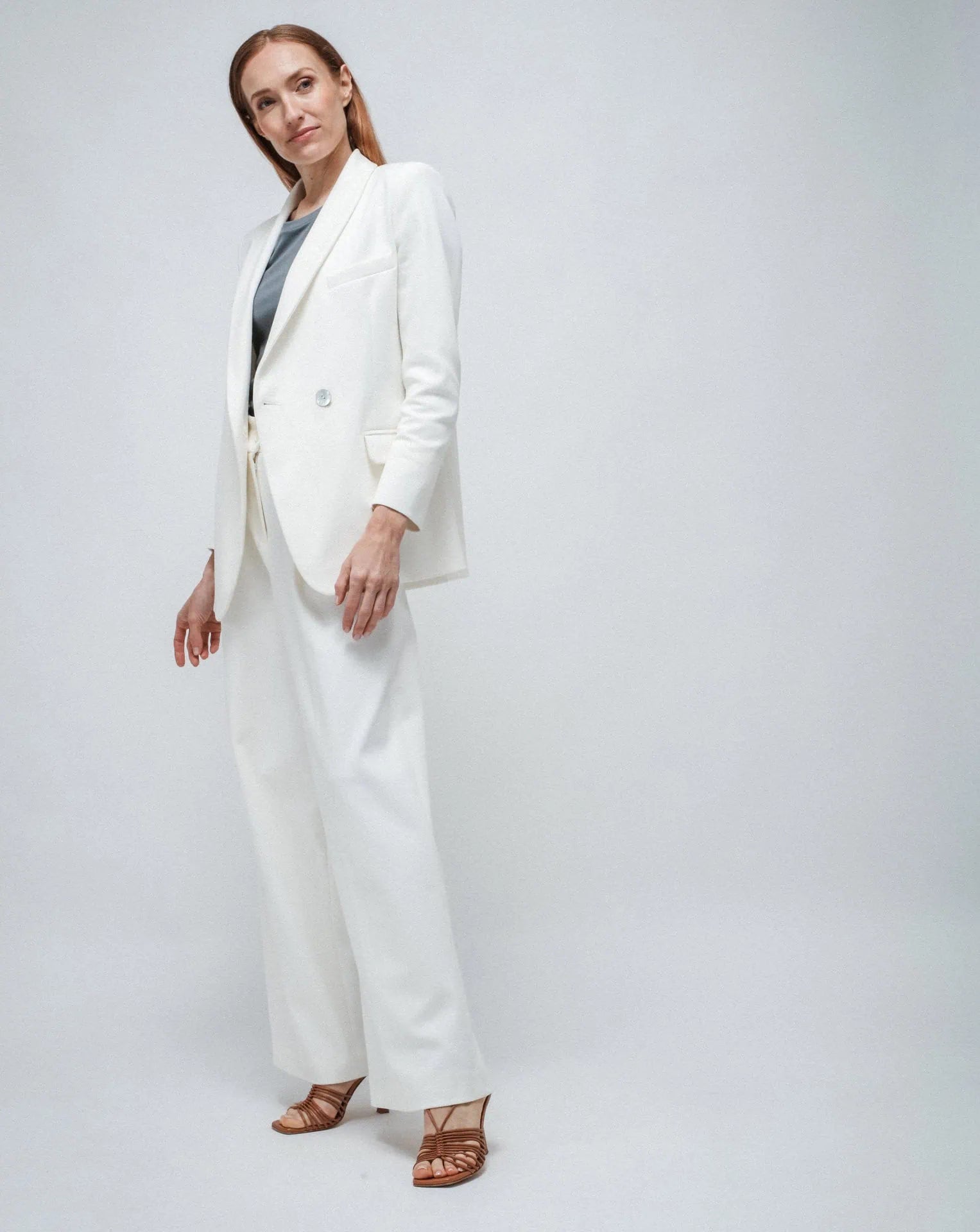
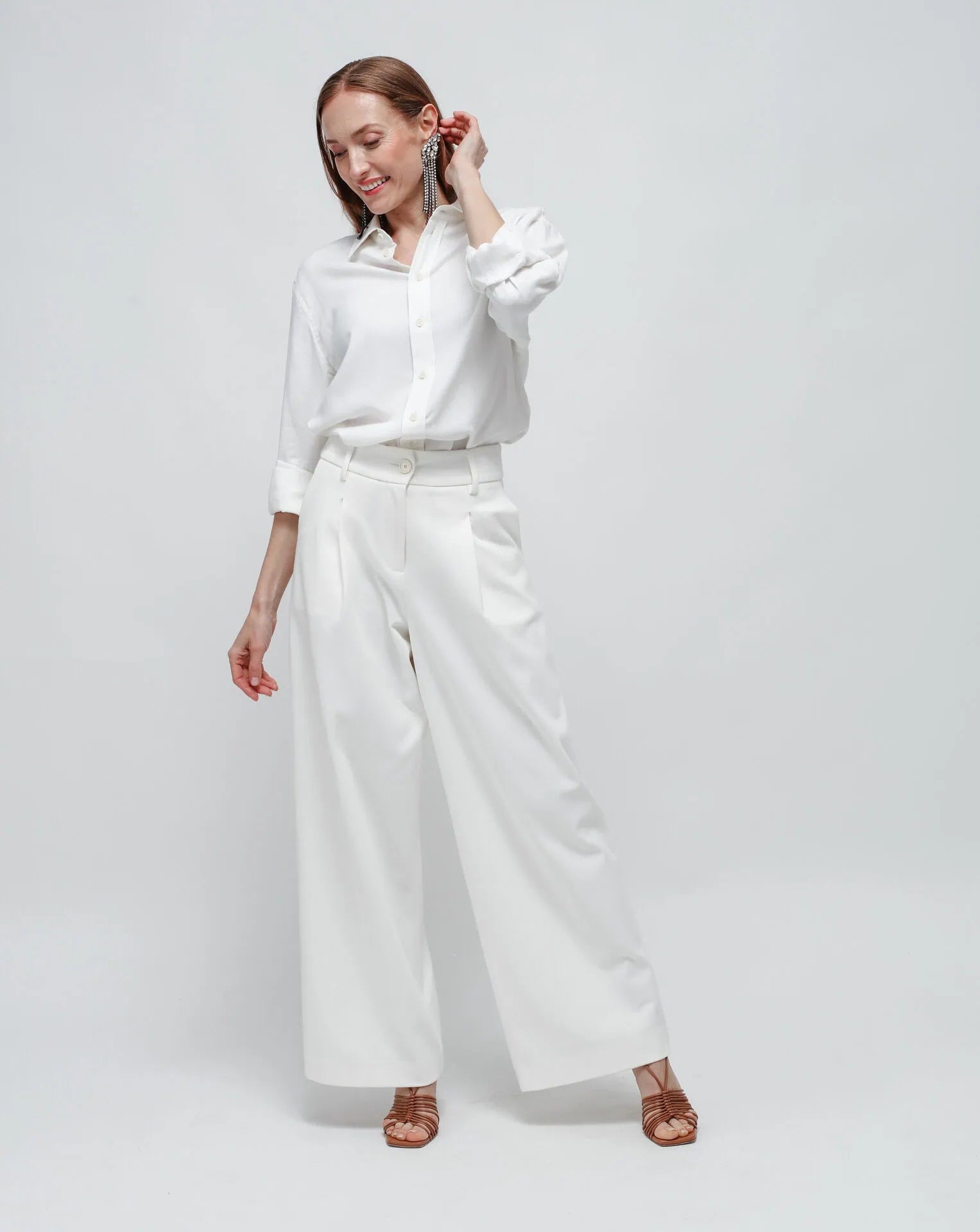
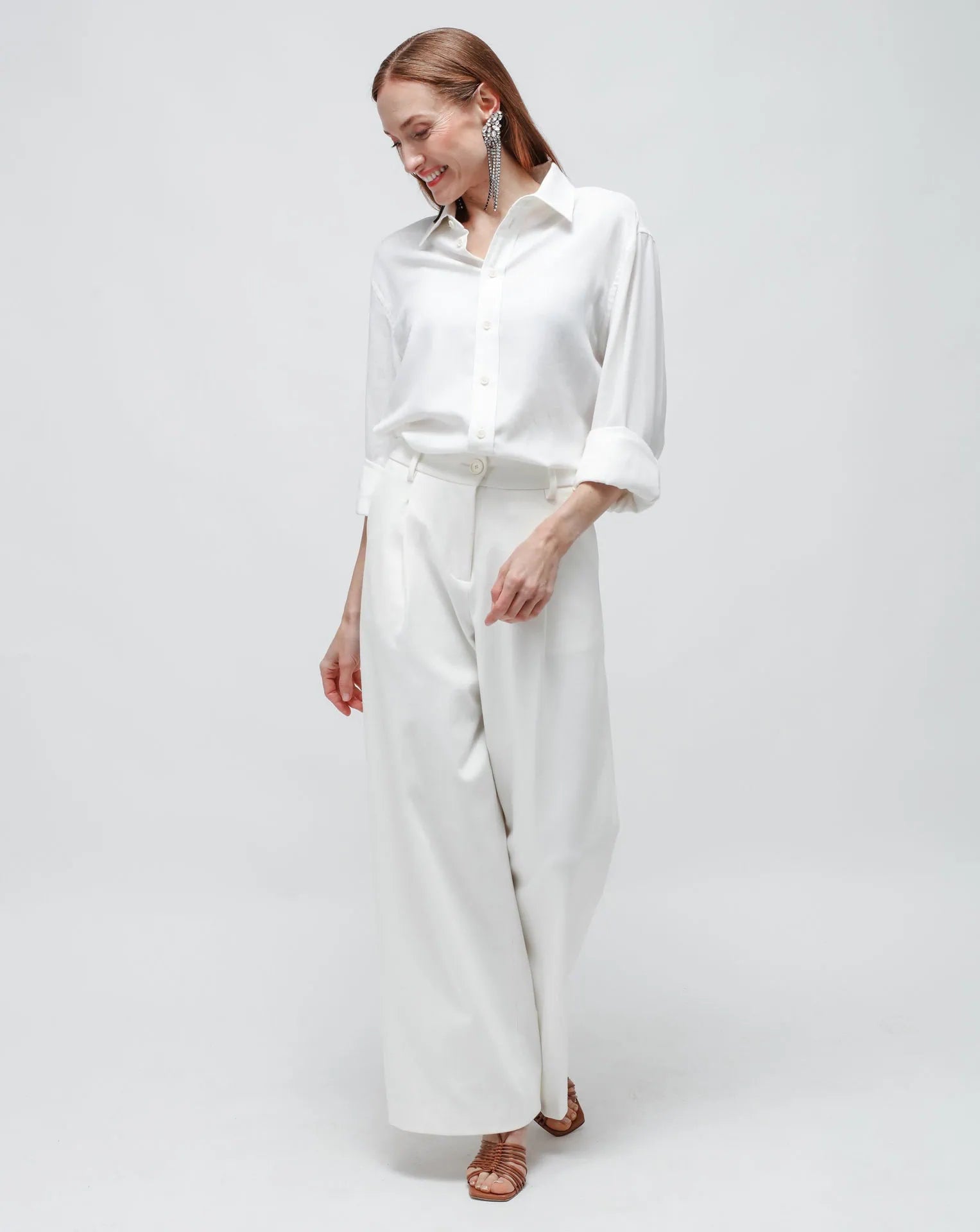
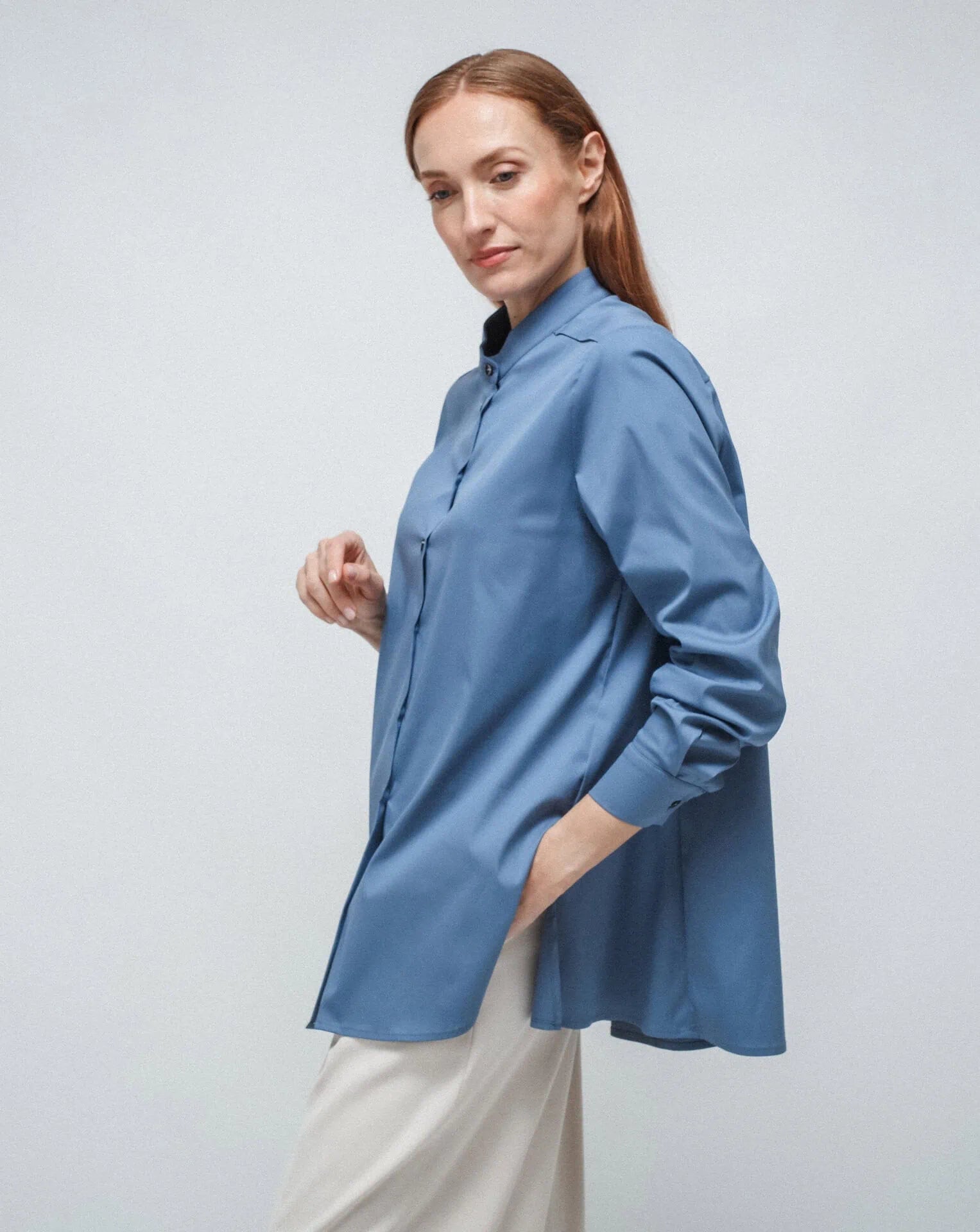
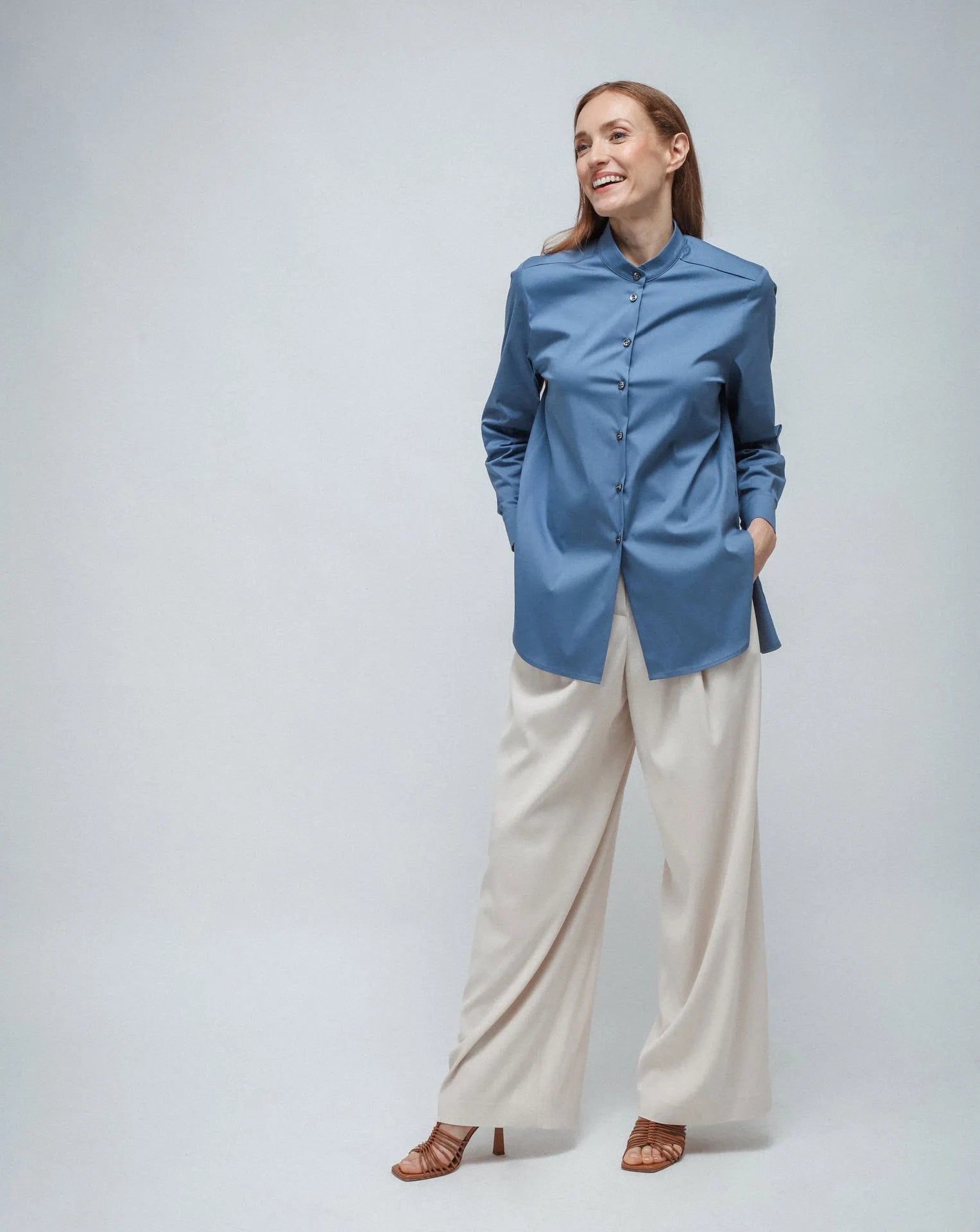
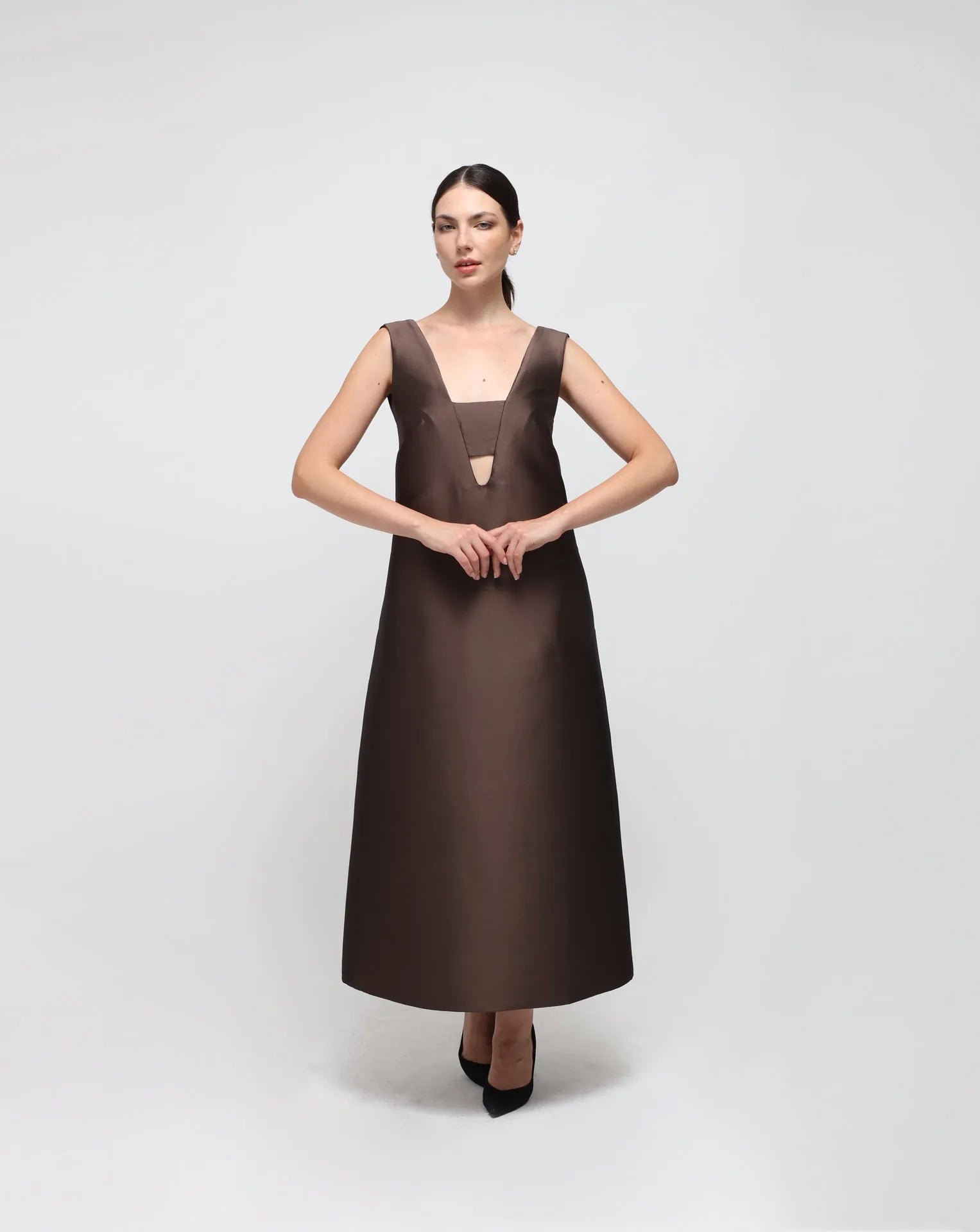
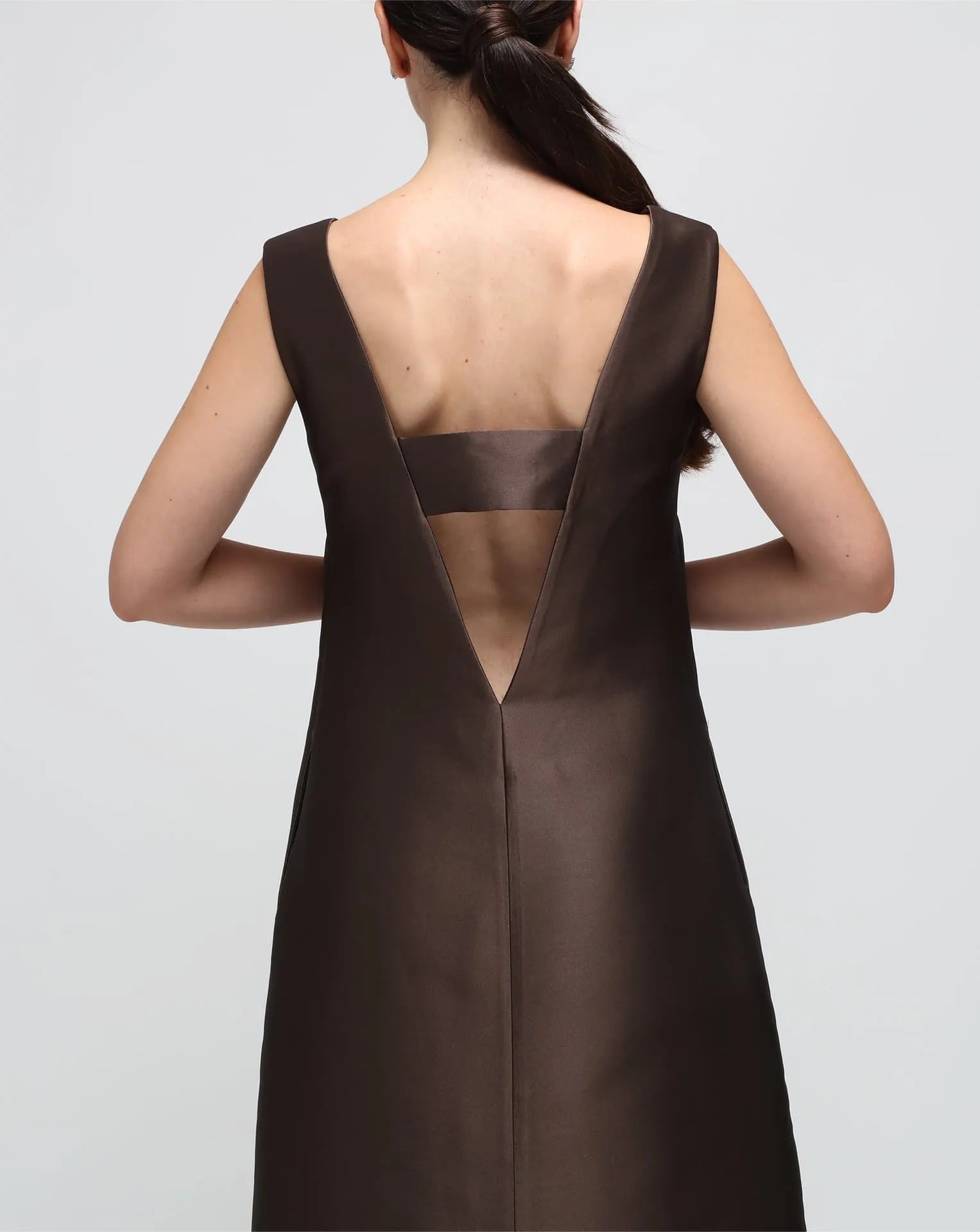
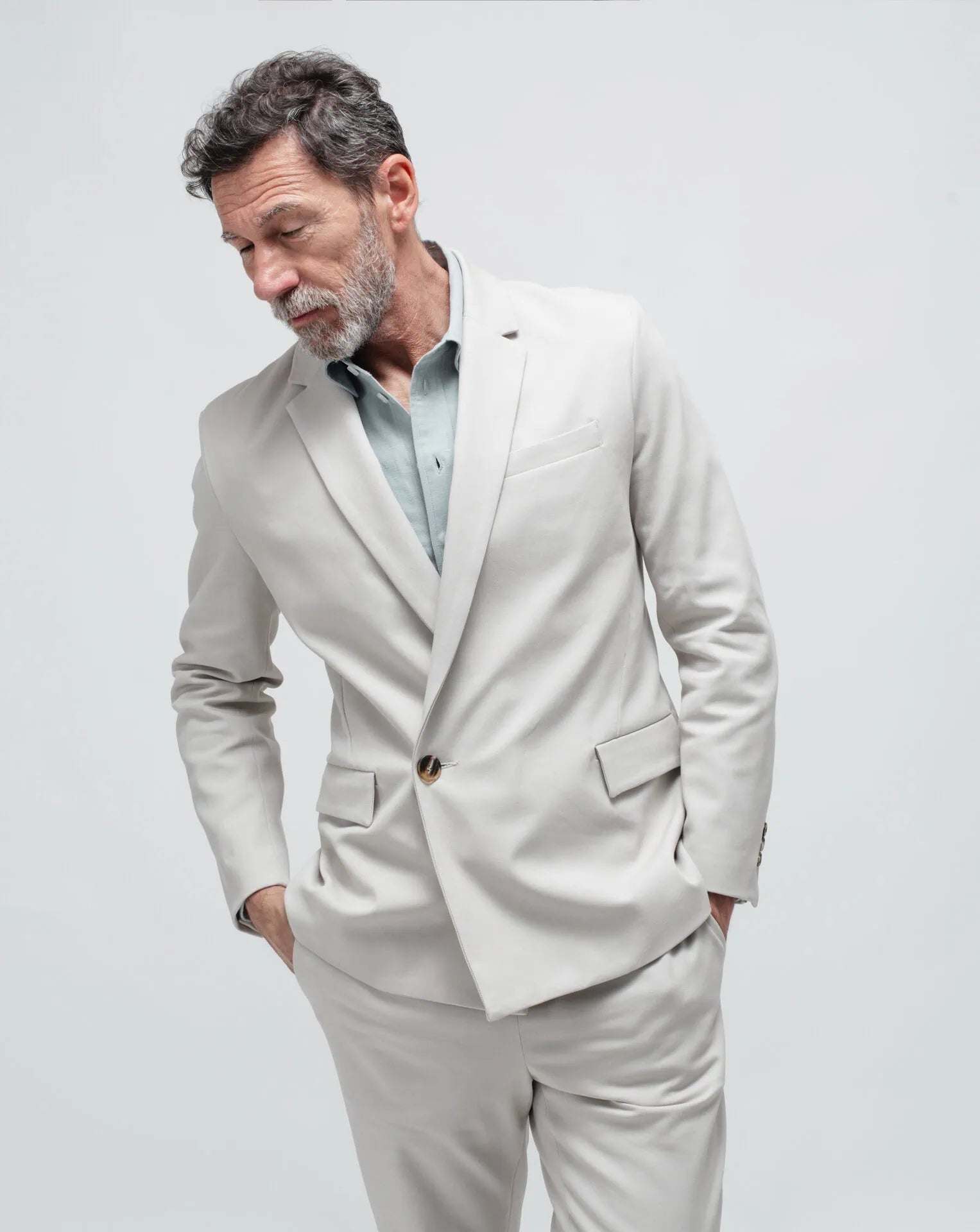
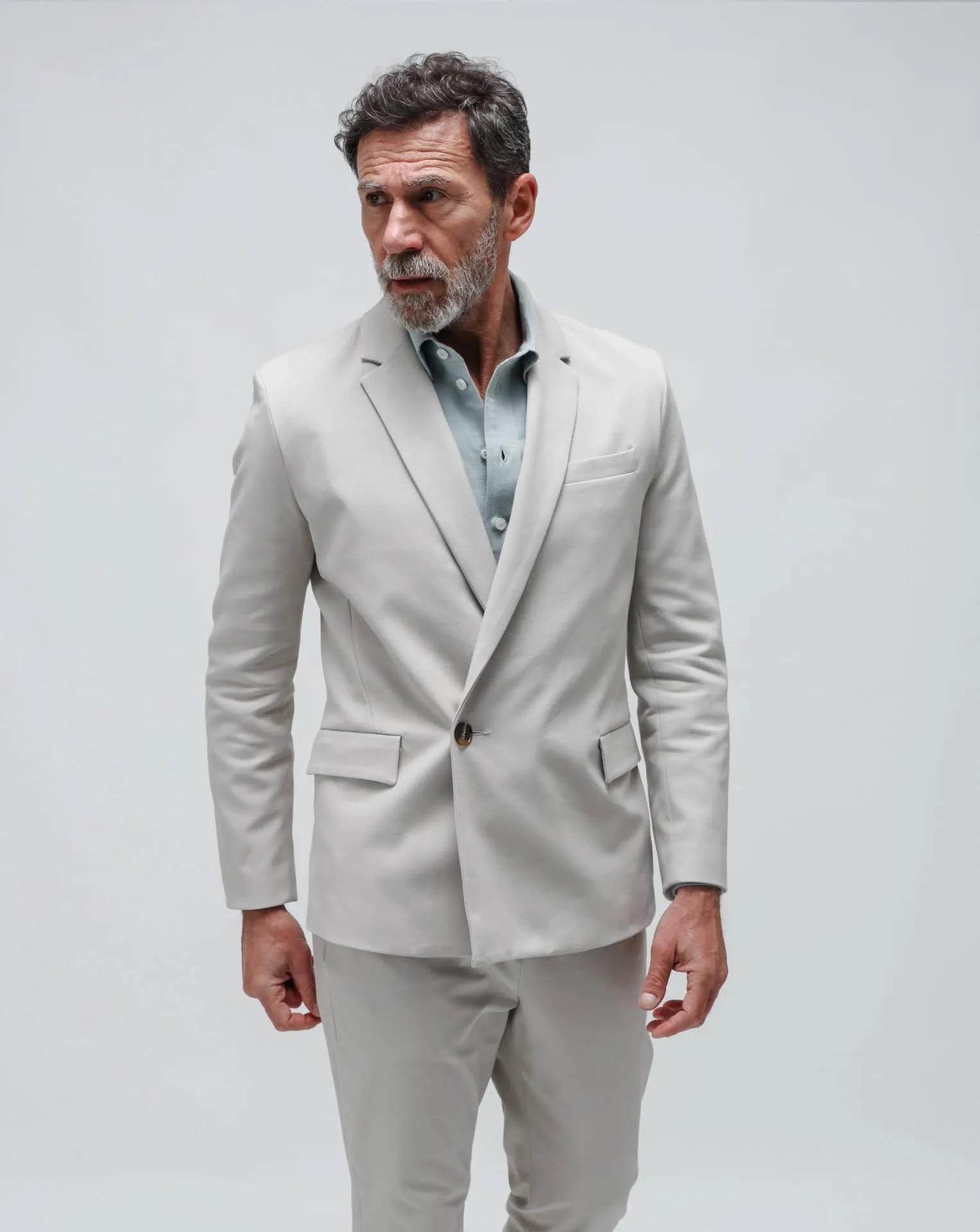
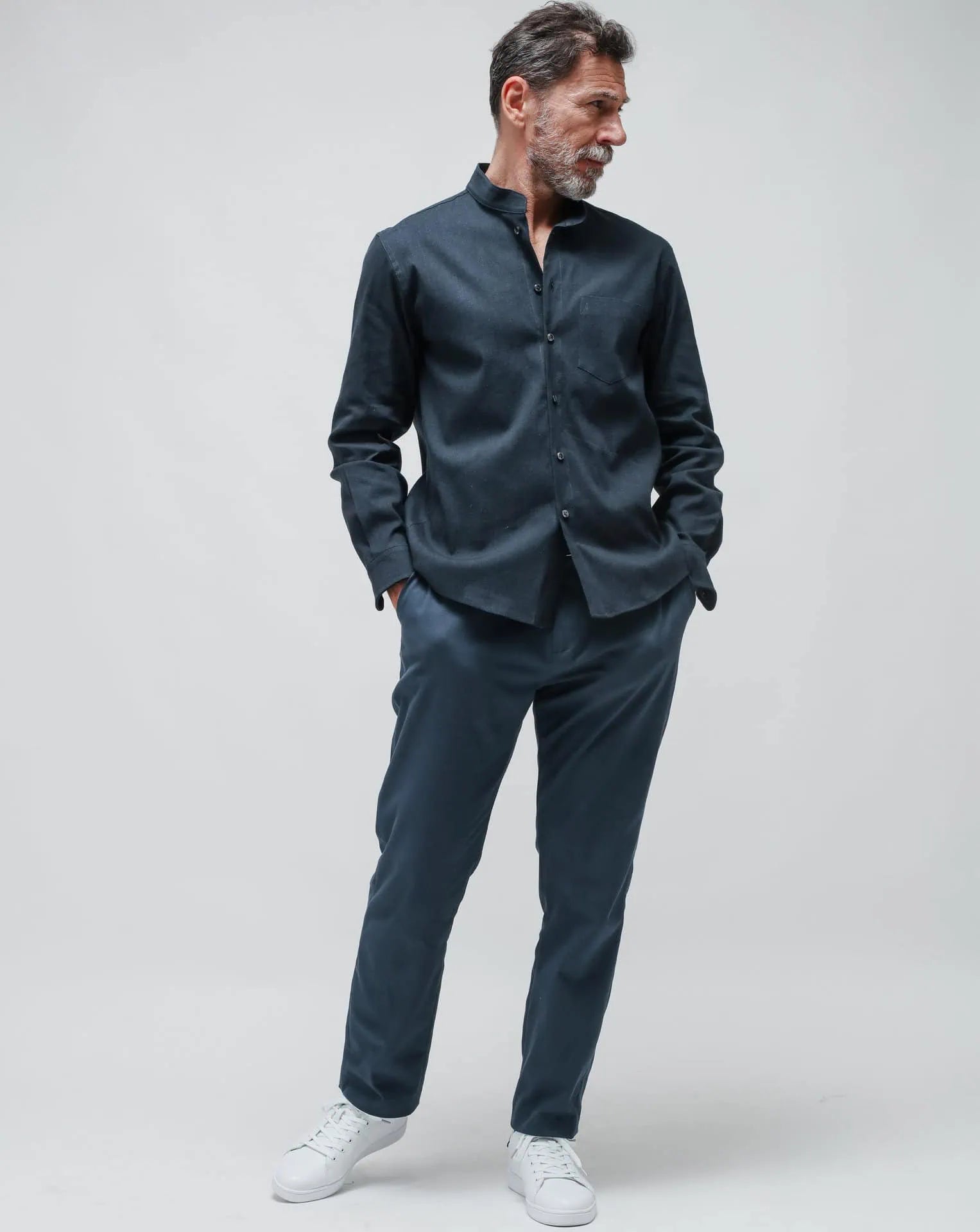
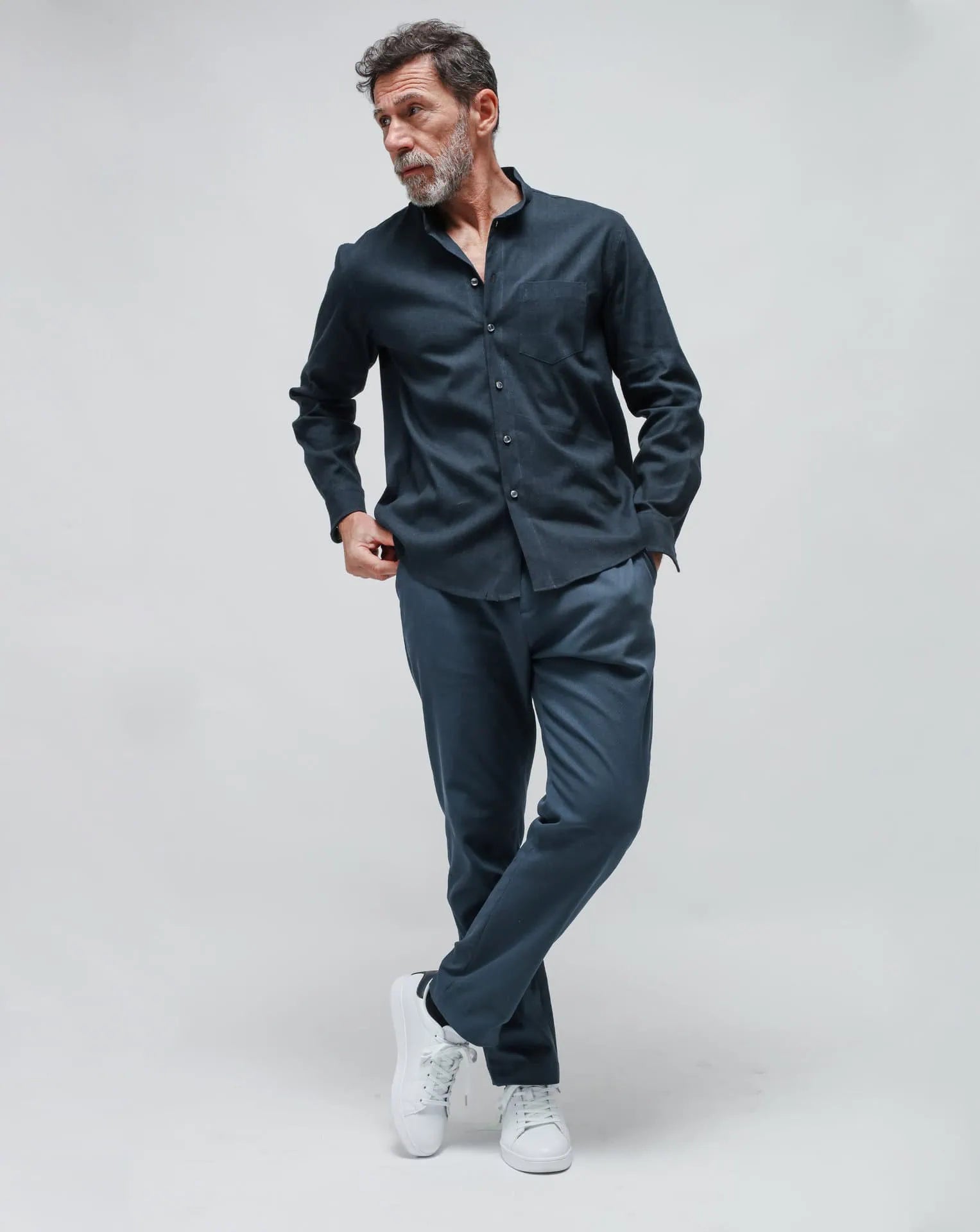
This is where ethical premium brands have an advantage. They are not trying to compete on volume. They are building trust through restraint. Humans & Land, for example, positions scarcity alongside deadstock sourcing and handmade small-batch production, which makes the limitation feel like part of a larger values system rather than a sales tactic.
The trade-off: urgency can be useful, but it can also be manipulative
There is an uncomfortable truth here. Drops create pressure. They ask customers to decide quickly, sometimes before they have had time to reflect. For some brands, that pressure is the whole point.
That approach may drive short-term demand, but it often works against thoughtful consumption. If a customer buys because the countdown is stressful, not because the garment fits their life, the model has failed its ethical promise.
A better drop strategy respects urgency without exploiting it. It gives customers enough information to make a confident choice - clear sizing, precise fabric details, transparent production context, and styling that reflects real use. It does not rely on panic. It relies on conviction.
For the customer, the answer is simple but not always easy: treat a limited release the same way you would treat any serious wardrobe decision. Ask whether the piece works across settings, whether the fabrication justifies the price, and whether you would want it if it were still available next month. Scarcity should sharpen judgment, not replace it.
How to evaluate a limited drop before you buy
The first question is where the limitation comes from. If a brand cannot explain why quantities are low, the exclusivity may be performative. Real limits usually connect back to sourcing, craftsmanship, or a deliberate production philosophy.
The second question is whether the piece has range. A well-made jacket, trouser, dress, or shirt in a limited run should still earn repeat wear. It should move across work, travel, dinner, and downtime with minimal effort. If a garment only works for one very specific moment, the exclusivity may be doing too much of the heavy lifting.
The third question is quality at the construction level. Premium fabric matters, but so do finishing details, cut, lining, closures, and overall shape retention. Limited should never mean rushed.
Then there is pricing. A higher price can be justified when production is small, materials are elevated, and labor standards are visible. But premium positioning should come with premium honesty. Customers are right to expect transparency around what they are paying for.
Finally, consider aftercare. Responsible fashion does not end at purchase. Brands that educate customers on garment care, repairs, and longevity tend to be more serious about sustainability than brands focused only on the drop moment itself.
Why this model resonates now
The appetite for limited releases reflects more than a love of novelty. It reflects fatigue with fashion excess. Many shoppers have reached the point where they do not want a bigger wardrobe. They want a sharper one.
That shift is cultural as much as commercial. People are paying closer attention to origin, material use, labor, and environmental cost. They are also refining their personal style. Instead of buying for constant reinvention, they are buying for consistency - pieces that feel distinct but integrate smoothly into everyday life.
Limited edition clothing drops fit that mindset when they are done well. They offer selectivity without sameness. They allow a wardrobe to feel personal rather than overexposed. And they create room for fashion to feel considered again.
There is also a quiet confidence in wearing something not everyone else has, especially when the rarity comes from craft and sourcing rather than hype. It signals taste, not trend obedience. For a customer who values design and responsibility in equal measure, that balance is hard to ignore.
The future of limited fashion should be less noise, more discipline
Not every product needs to be a drop. Some wardrobe foundations deserve continuity. Core shirting, tailored pants, knit layers, and refined outerwear often benefit from staying available long enough for measured decision-making. The most intelligent brands know when to create urgency and when to offer permanence.
So the future is not endless drops. It is a more disciplined mix of enduring essentials and carefully timed limited releases. That combination serves both style and sustainability better than the constant churn of trend-based retail.
The brands worth watching will be the ones that use limitation as a design and production principle, not just a campaign concept. They will produce less, explain more, and make garments that hold attention after the launch window closes.
If limited fashion is going to matter, it has to leave behind the empty theatrics of hype. The best version of this model is quieter than that. It is precise, responsible, and beautifully made - clothing with a clear endpoint at production, and a much longer life in the wardrobe.
the World of H&L