

Why Transparent Pricing Fashion Brands Matter
A $40 shirt and a $240 shirt can look almost identical on a screen. The difference is usually buried where most fashion marketing stays quiet - fabric origin, labor standards, production scale, freight, markup, and waste. That silence is exactly why transparent pricing fashion brands matter. They give shoppers something rare in apparel: context.
For a customer who buys with intention, price is not just a number. It is a signal. But without a breakdown, it is an incomplete one. A low price may reflect corner-cutting, overproduction, synthetic-heavy fabric, or labor squeezed to the limit. A high price may reflect genuine craft and responsible sourcing, or simply branding and wholesale-era habits carried into digital retail. Transparency helps separate value from theater.

What transparent pricing fashion brands actually reveal
At their best, transparent pricing fashion brands show how a garment moves from concept to closet. That usually includes fabric cost, trims, pattern making, sampling, cutting and sewing, finishing, packaging, shipping, duties, and margin. Some also explain why margin exists in the first place - to cover operations, customer service, returns, development, and future production.
This matters because fashion pricing has long depended on distance. The farther the customer feels from the making of a garment, the easier it becomes to normalize arbitrary markups or suspiciously low prices. Transparency closes that gap. It makes the economics visible and asks a more disciplined question: is this piece worth what it costs, given what went into it?
The answer will not always be simple. Premium natural fabrics cost more. Small-batch production costs more. Skilled manufacturing in Italy costs more than mass production optimized for volume. Limited runs also remove the efficiencies of scale that giant retailers rely on. But higher cost is not automatically better. The point is not to glorify expensive clothing. The point is to understand what you are funding.
Why pricing transparency matters more in ethical fashion
Ethical fashion asks the shopper to care about systems, not just silhouettes. If a brand talks about responsibility but avoids the economics behind its product, the story feels incomplete. Pricing transparency shows whether the values are structural or decorative.
When a brand uses deadstock fabrics, for example, pricing can be less predictable than conventional sourcing. Deadstock offers a way to reduce waste by giving existing high-quality fabric a life in finished garments, but the supply is limited and inconsistent. That often means shorter runs, more careful planning, and less room for overproduction. A dress or tailored pant made from premium deadstock does not behave like a commodity item churned out by the tens of thousands. It carries the realities of scarcity and craft.
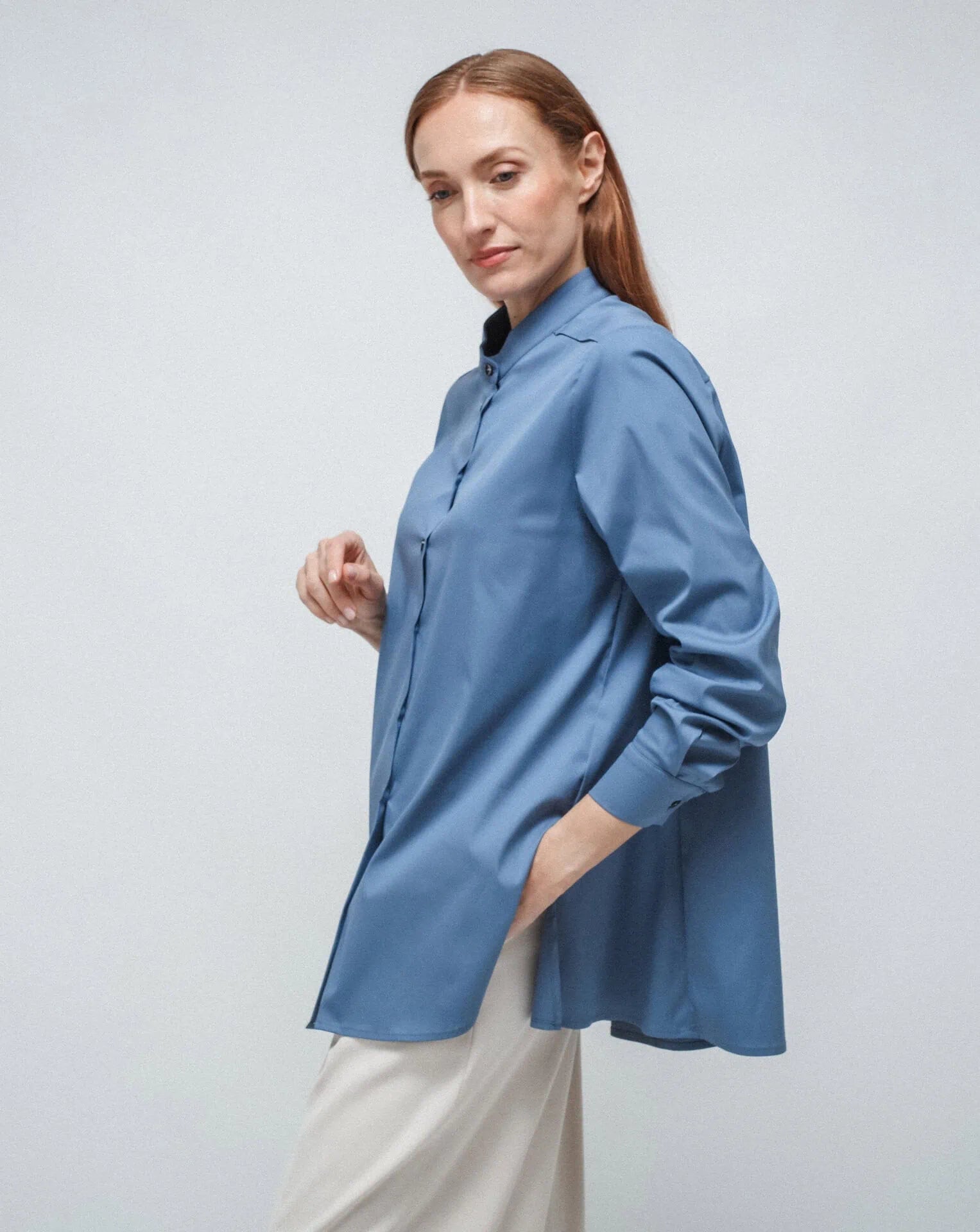
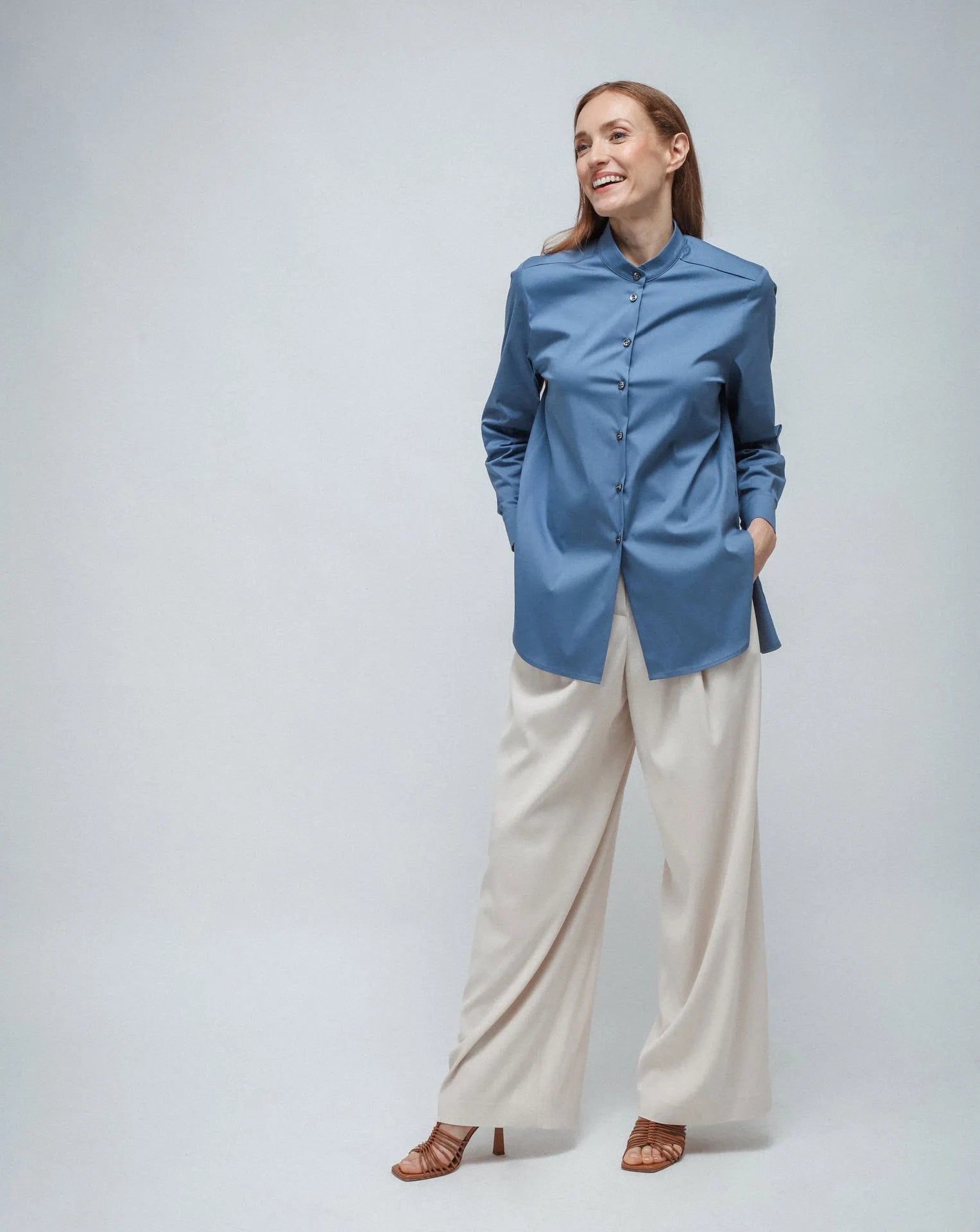
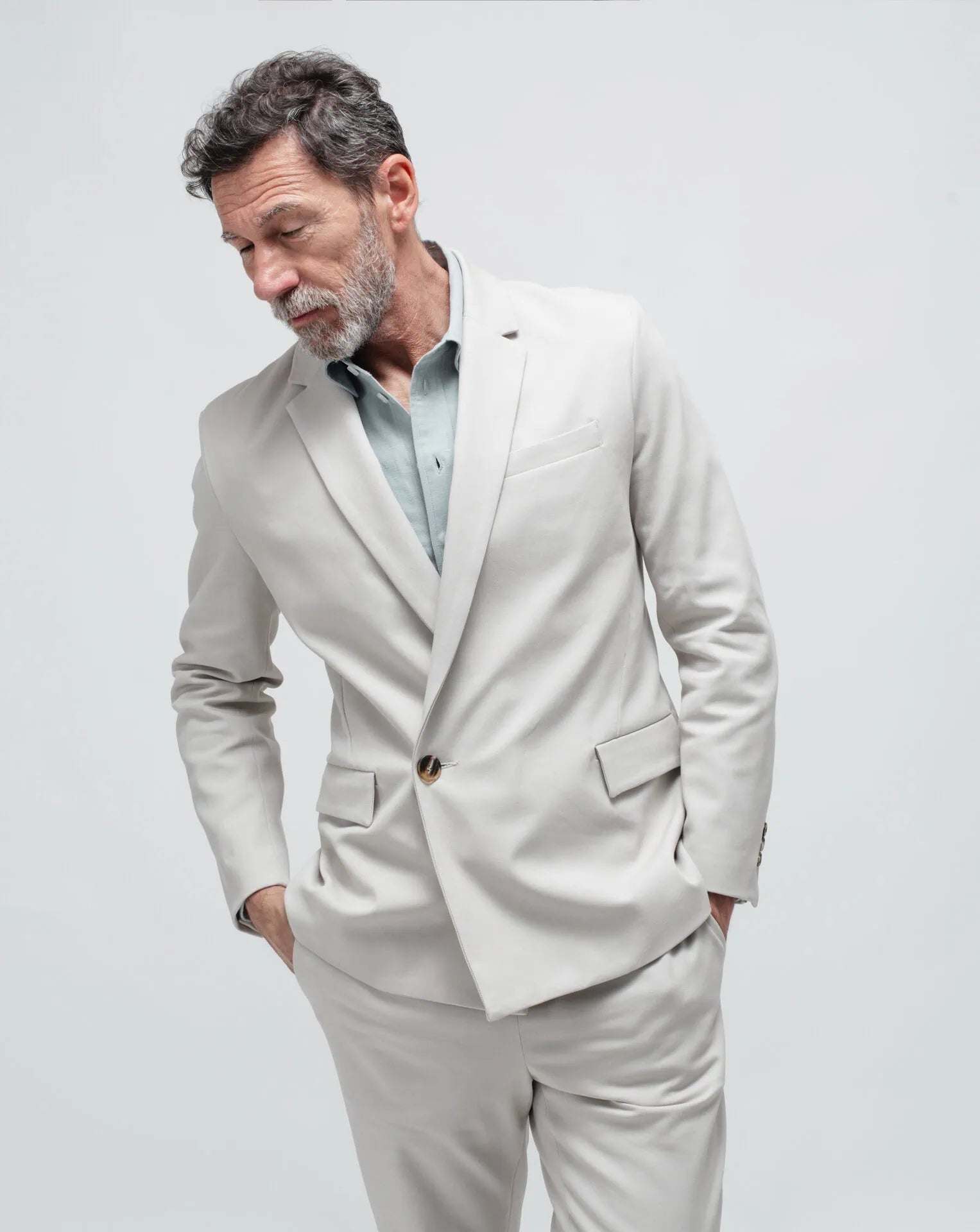
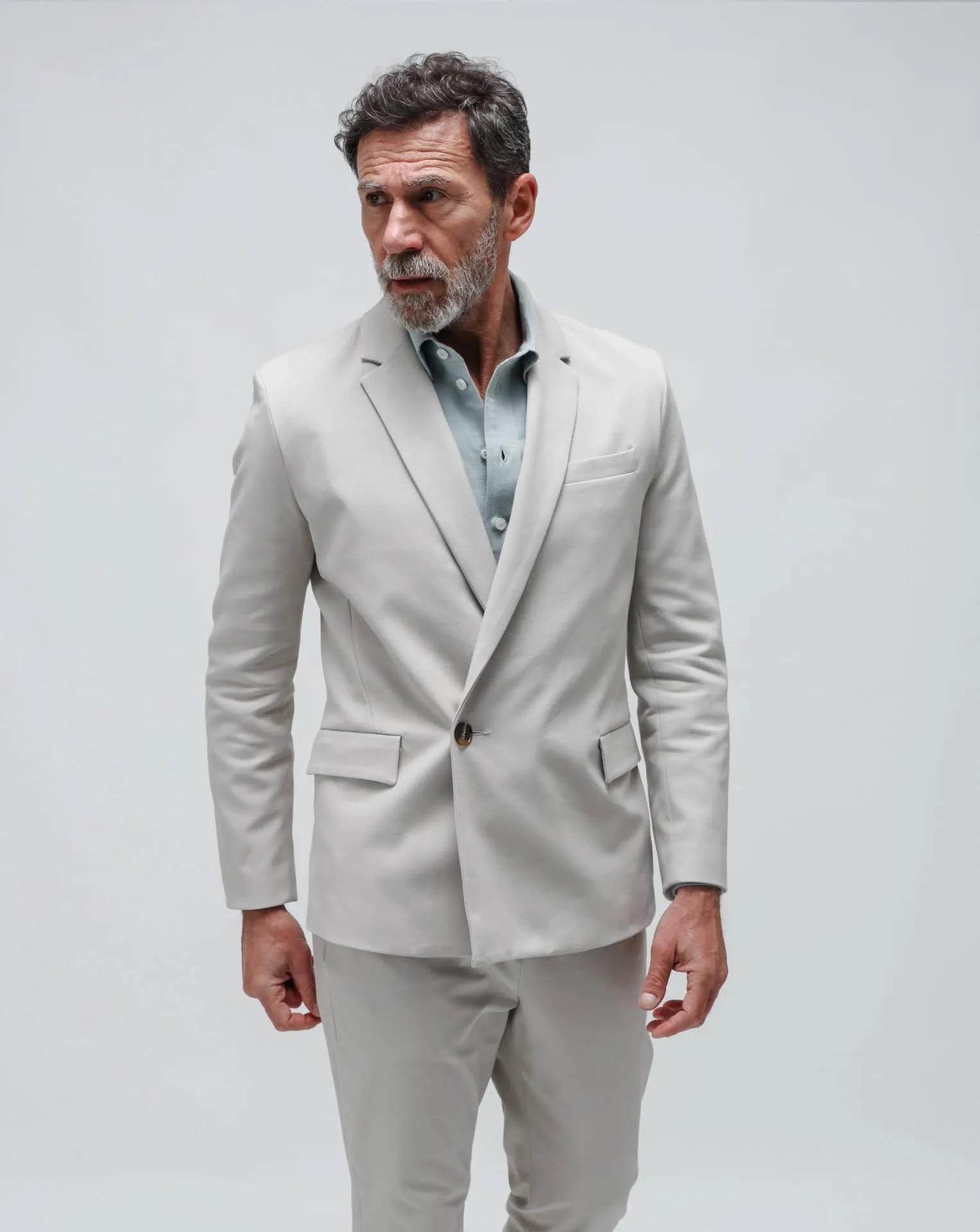
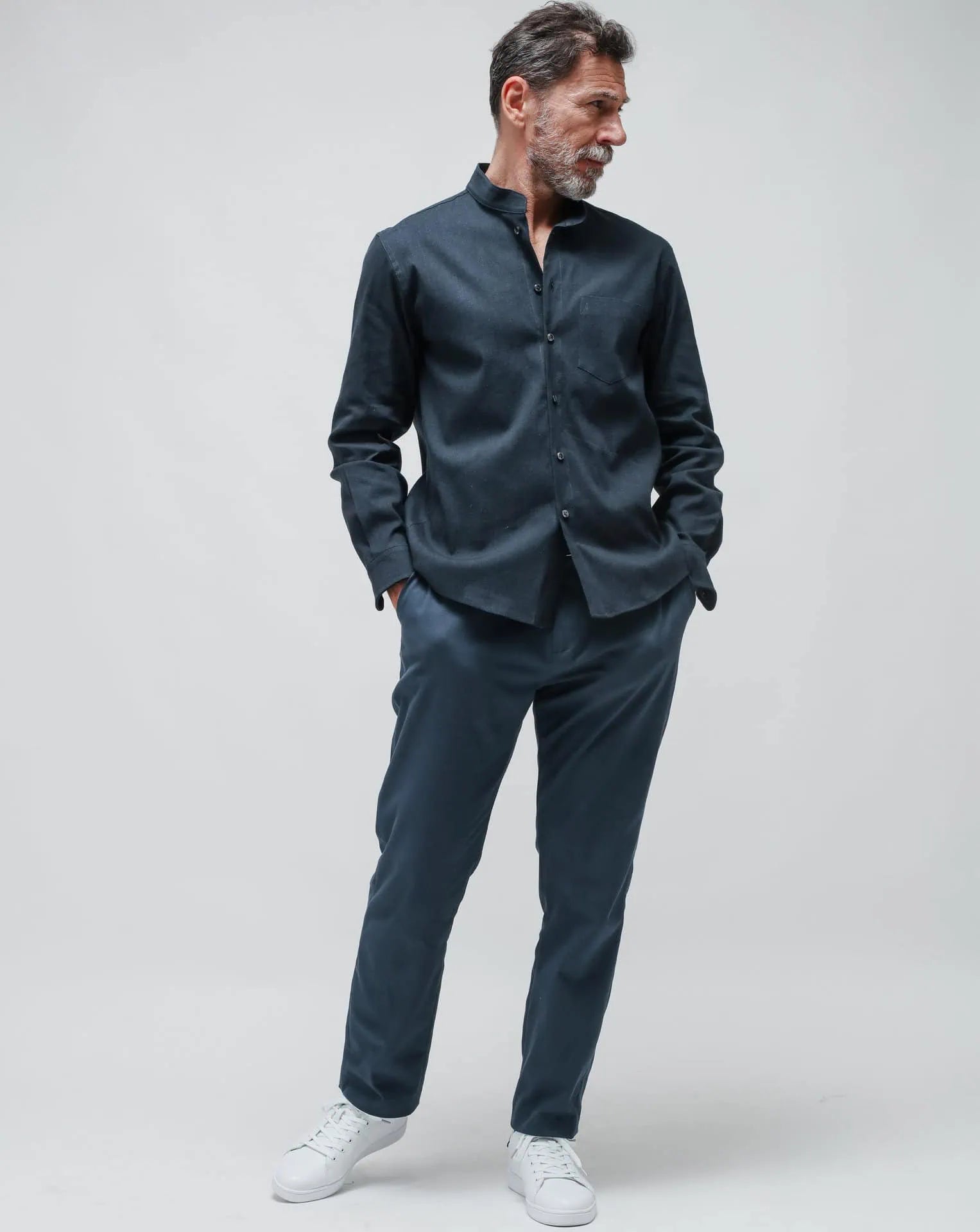
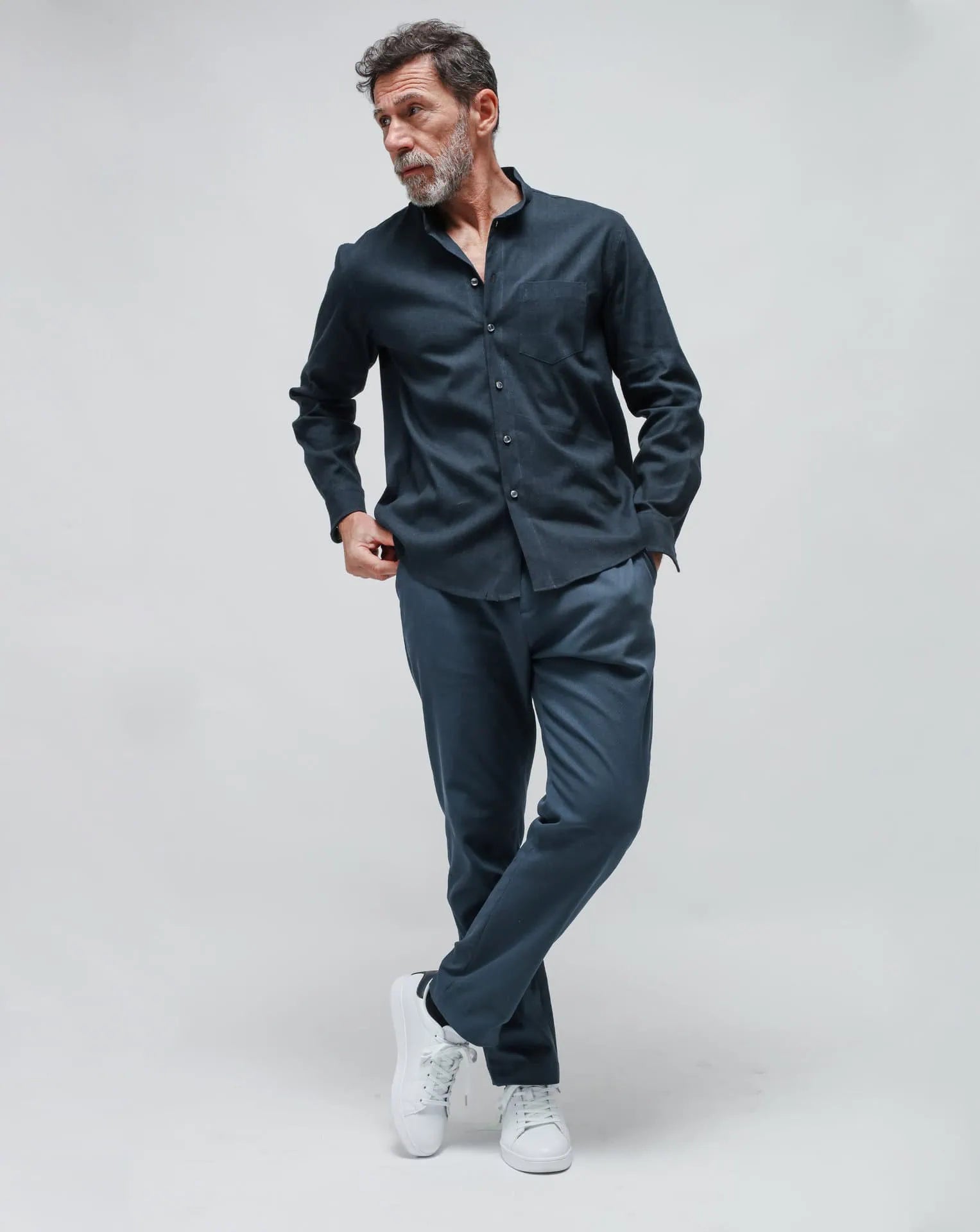
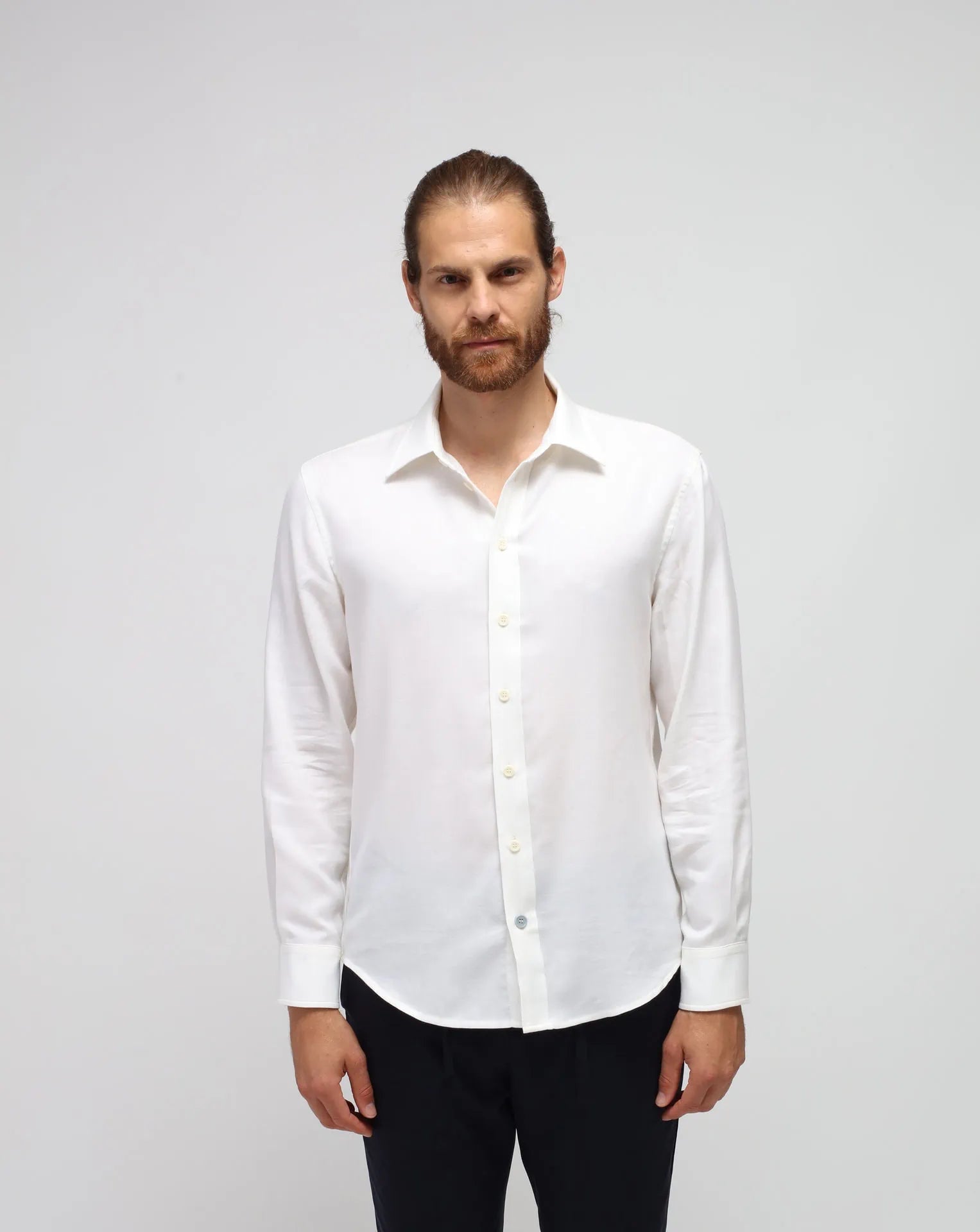
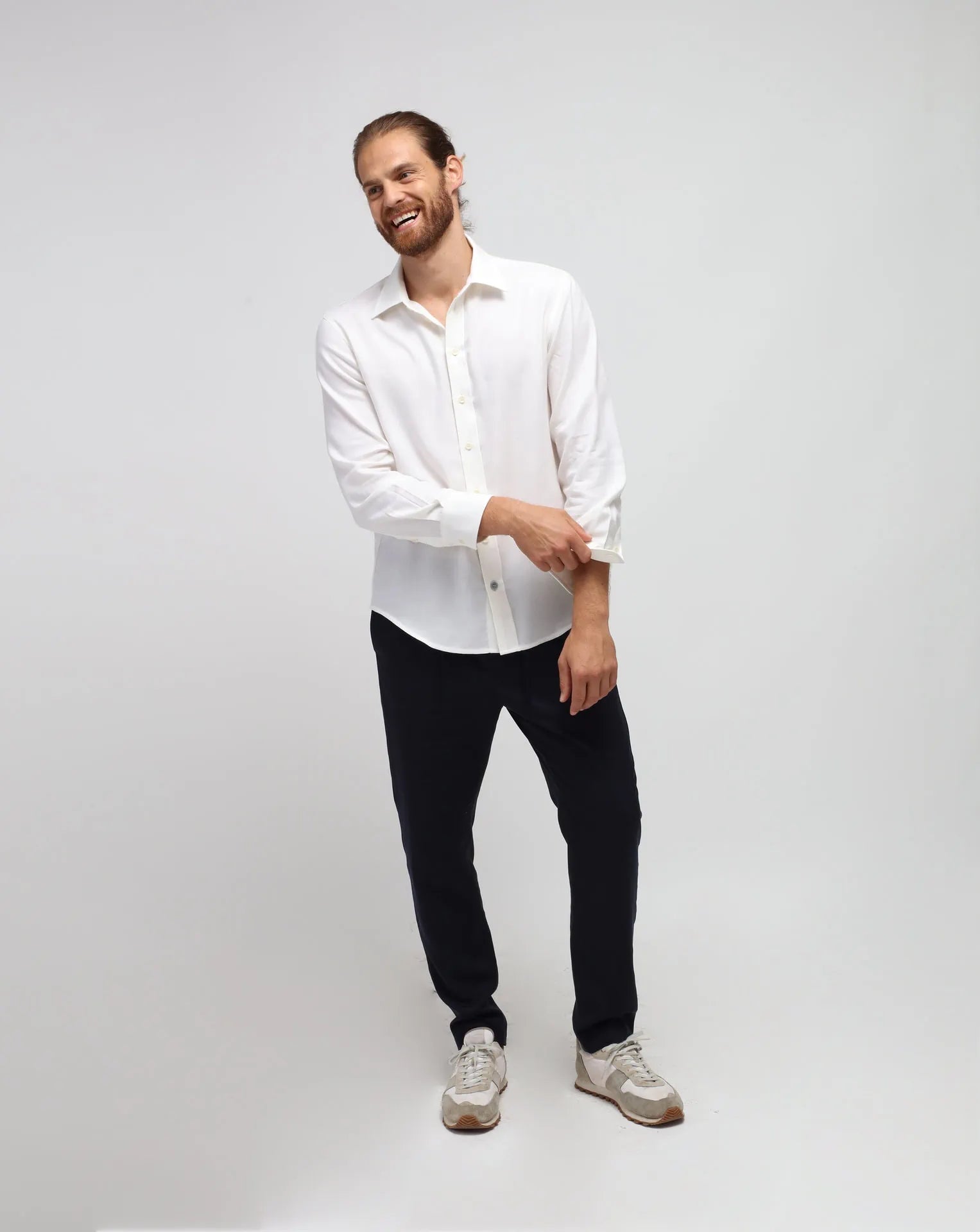
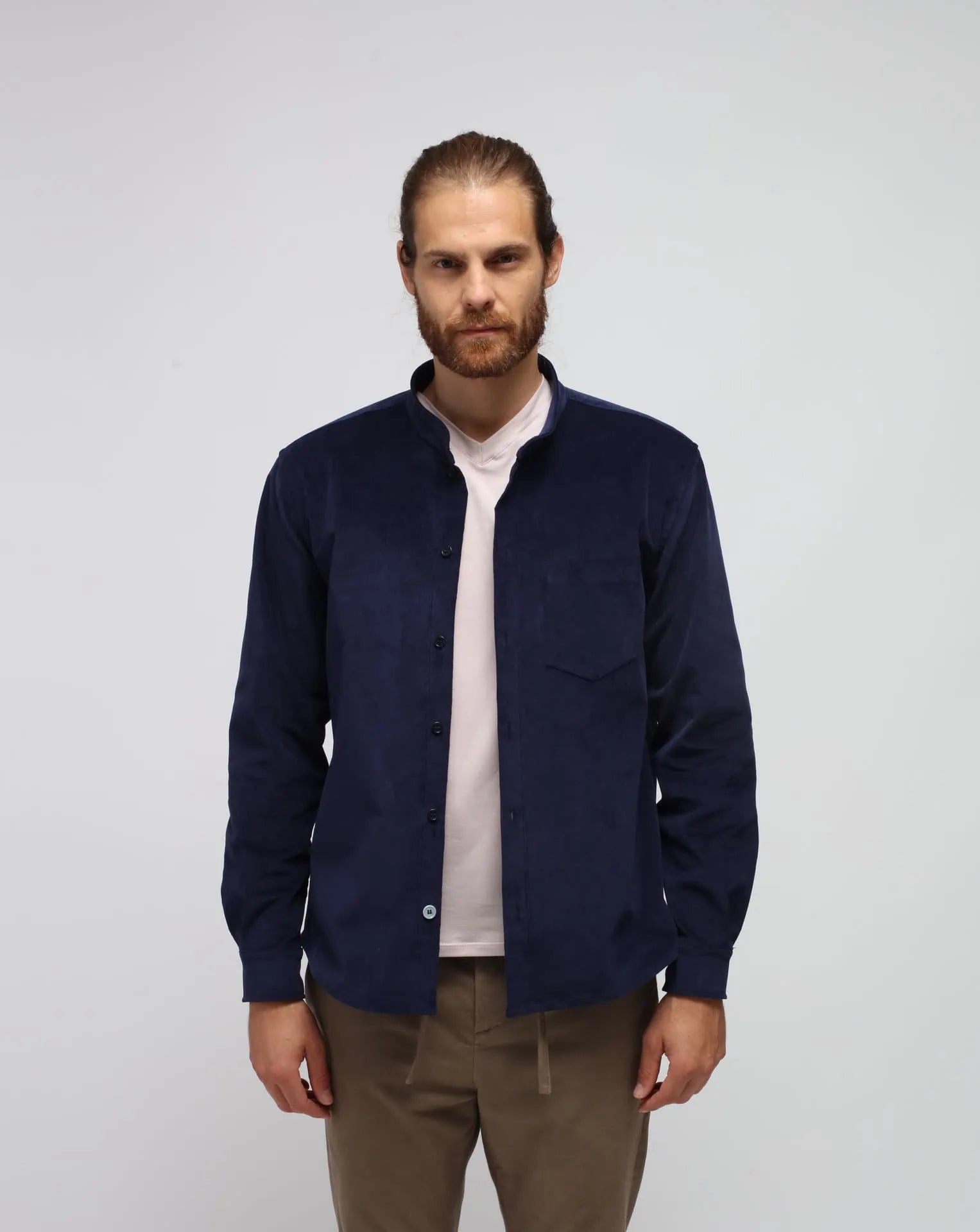
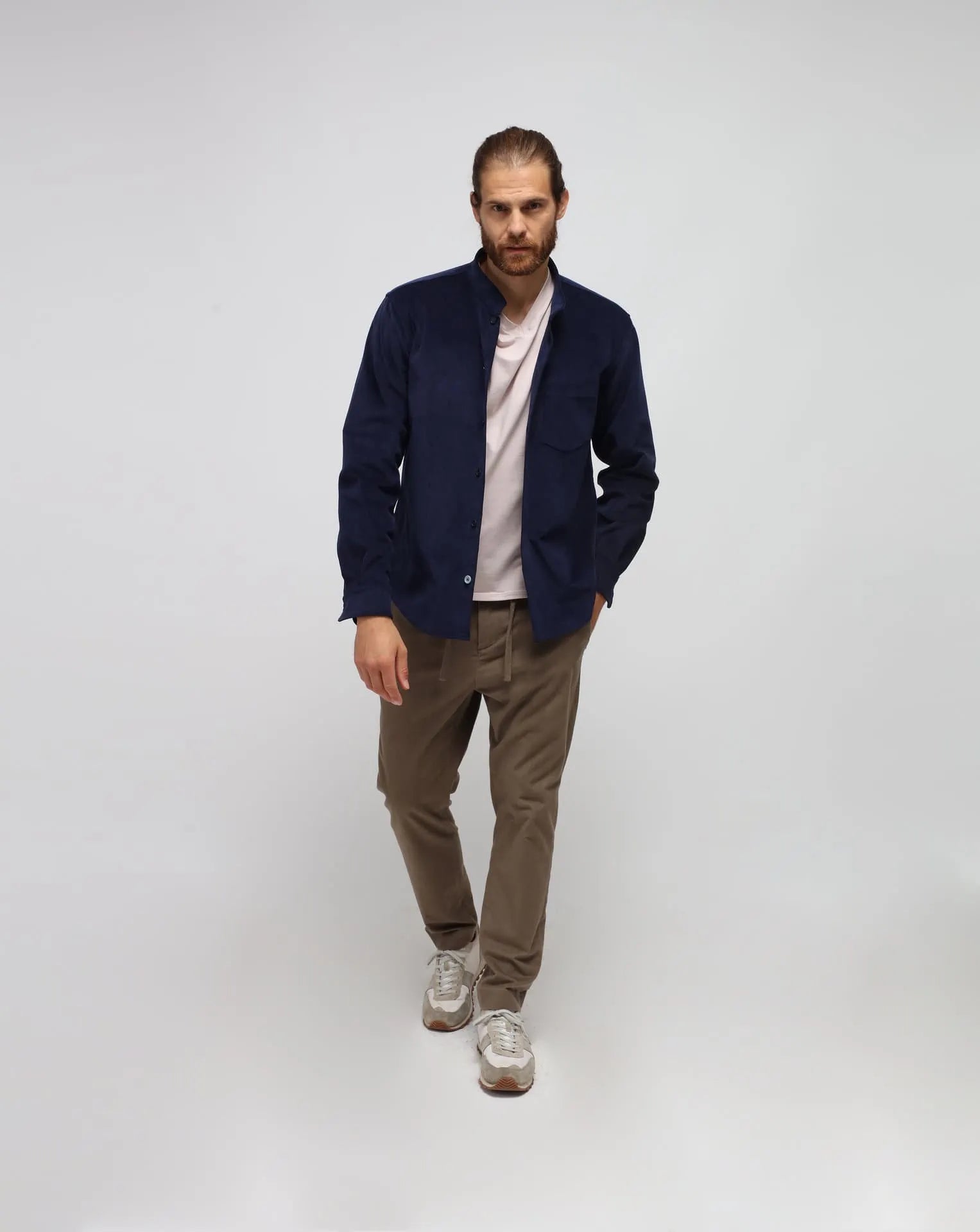
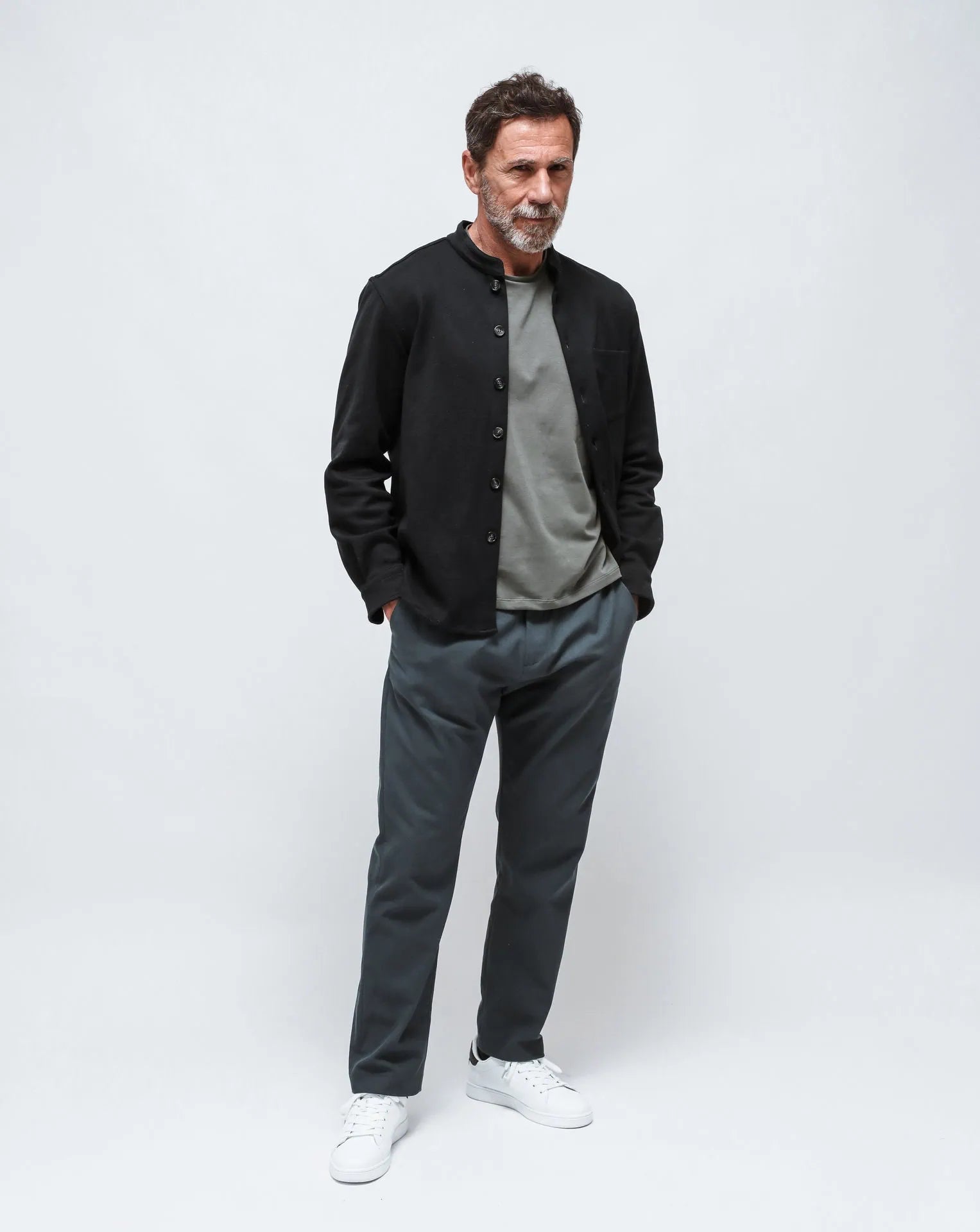
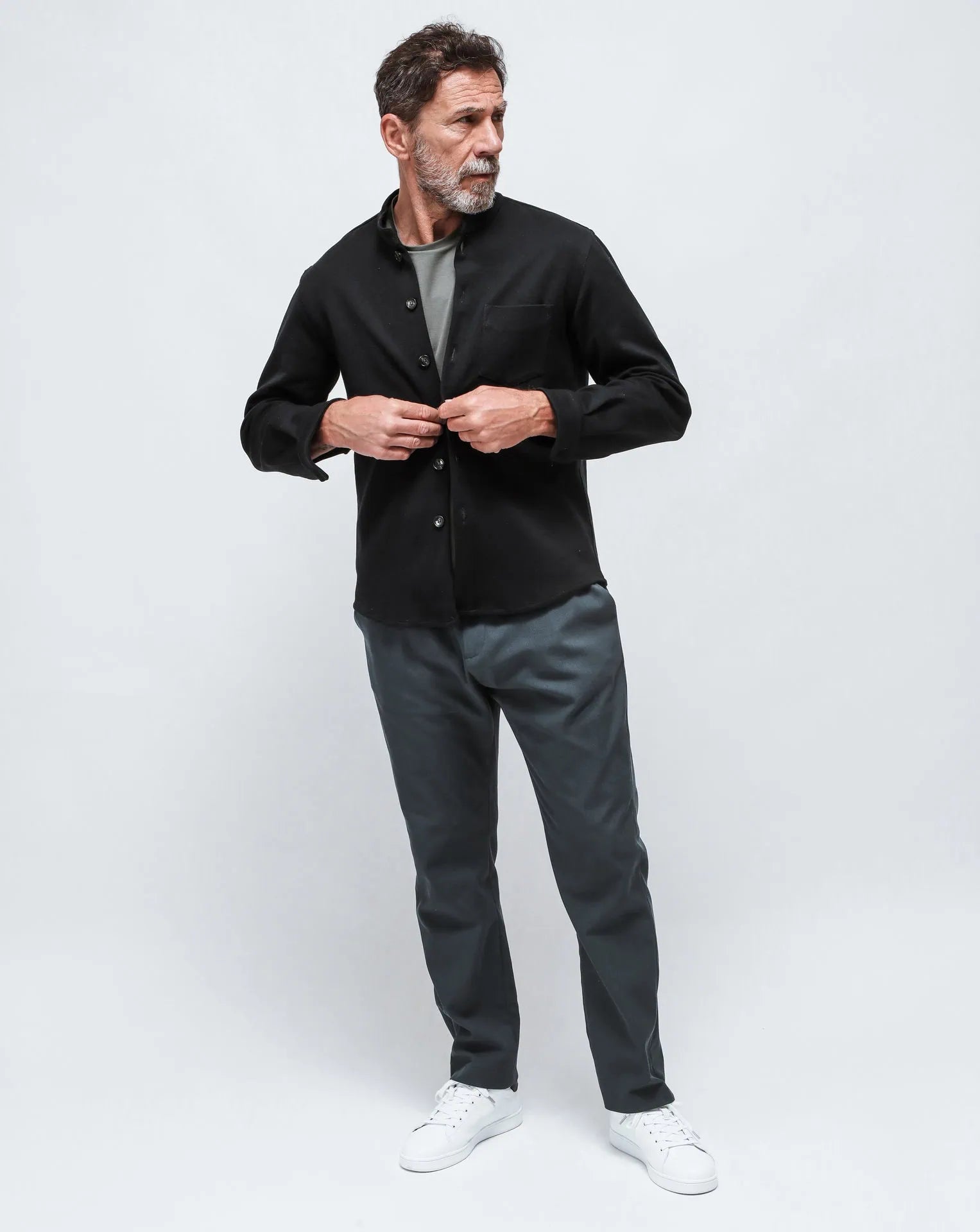
That is also why transparent pricing works especially well for elevated essentials. When you invest in a clean-lined shirt, a sharply cut trouser, or a refined jacket, you are often paying for subtle things: hand feel, drape, fit correction, construction, and wear over time. These details are hard to communicate through trend language. Cost transparency gives them substance.
The limits of transparent pricing fashion brands
Transparency is powerful, but it is not a shortcut to trust. A cost breakdown can still be selective. Some brands reveal material and labor while keeping marketing overhead, return costs, inventory risk, or executive margin offstage. Others frame a dramatic comparison against traditional retail pricing to make their own prices look radically fair, even when the full picture is more nuanced.
So transparency should be read as one indicator, not a verdict. A good brand explains its pricing in a way that feels grounded rather than performative. It does not weaponize guilt. It does not suggest that every higher price is morally superior. It gives enough information for a thoughtful customer to make a clear-eyed decision.
There is also a practical trade-off. Complete transparency can be difficult in a supply chain where costs change by season, shipping rates move, currencies fluctuate, and fabric availability shifts. If a brand produces in small batches, those changes can be even more pronounced. Precision matters, but so does honesty about variability.
How to evaluate a transparent pricing fashion brand
Start with the garment, not the graphic. A pricing chart means little if the product itself feels underdeveloped. Look for specificity around materials, place of production, and construction. "Premium fabric" is vague. "Italian deadstock wool blend" tells you more. "Made ethically" is vague. "Handmade in small batches" tells you more, especially if the brand also explains where and how.
Then consider the relationship between price and longevity. A transparent brand should help you understand why a piece belongs in your wardrobe for years, not weeks. That could mean a structured blazer designed for work and dinner, a dress that moves across seasons, or a shirt with the kind of fit that survives trend cycles. If a product page for a tailored jacket, a fluid dress, or a versatile matching set is built for future internal linking, the strongest examples will connect design purpose with material quality and cost logic.
Customer policies also matter. Free size exchanges, for instance, reduce the friction of buying a better garment online. Carbon-neutral shipping reflects a broader commitment beyond the product itself. Garment care education matters too. A brand that wants you to keep clothing in rotation longer is usually thinking beyond the initial sale.
What this looks like in practice
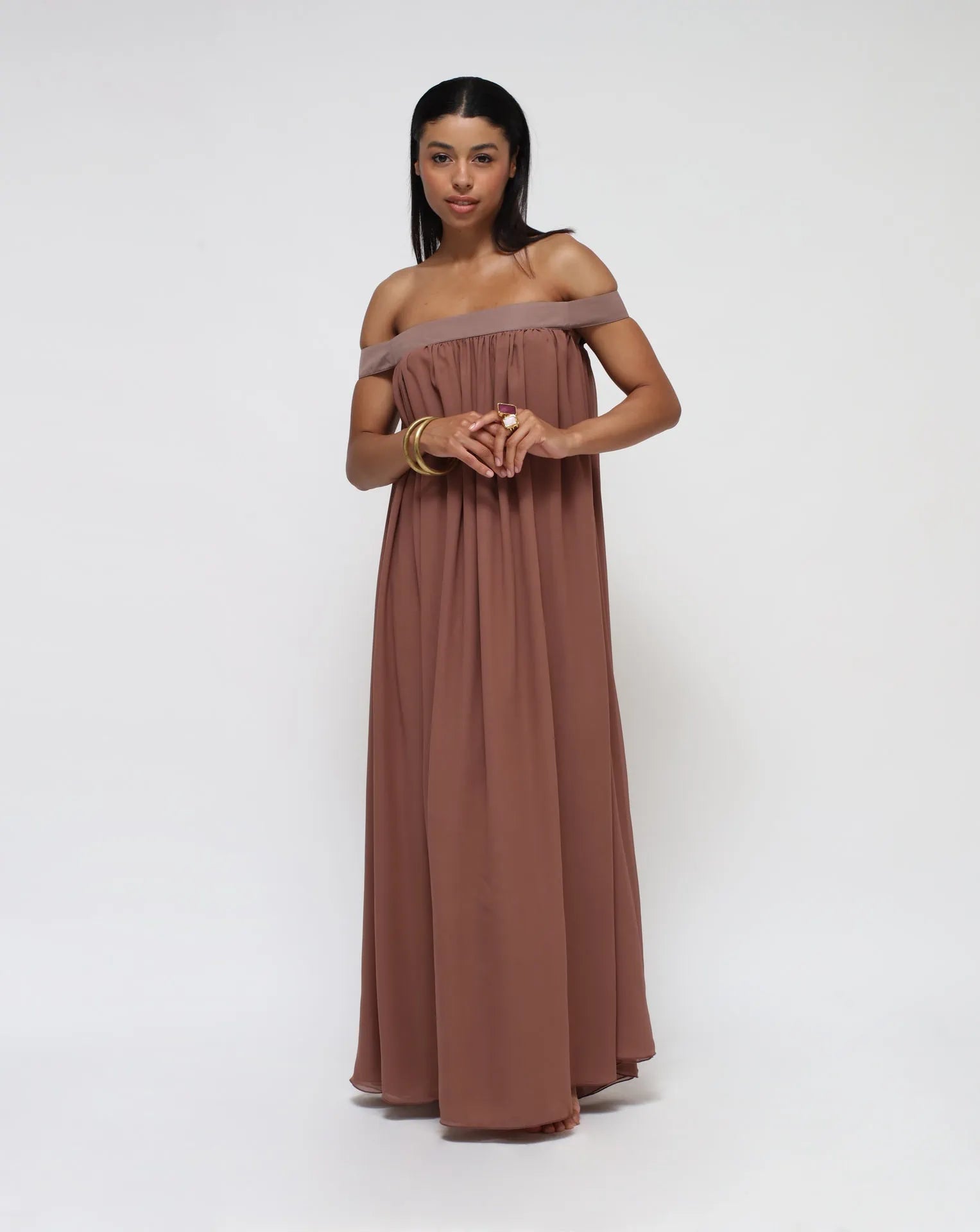
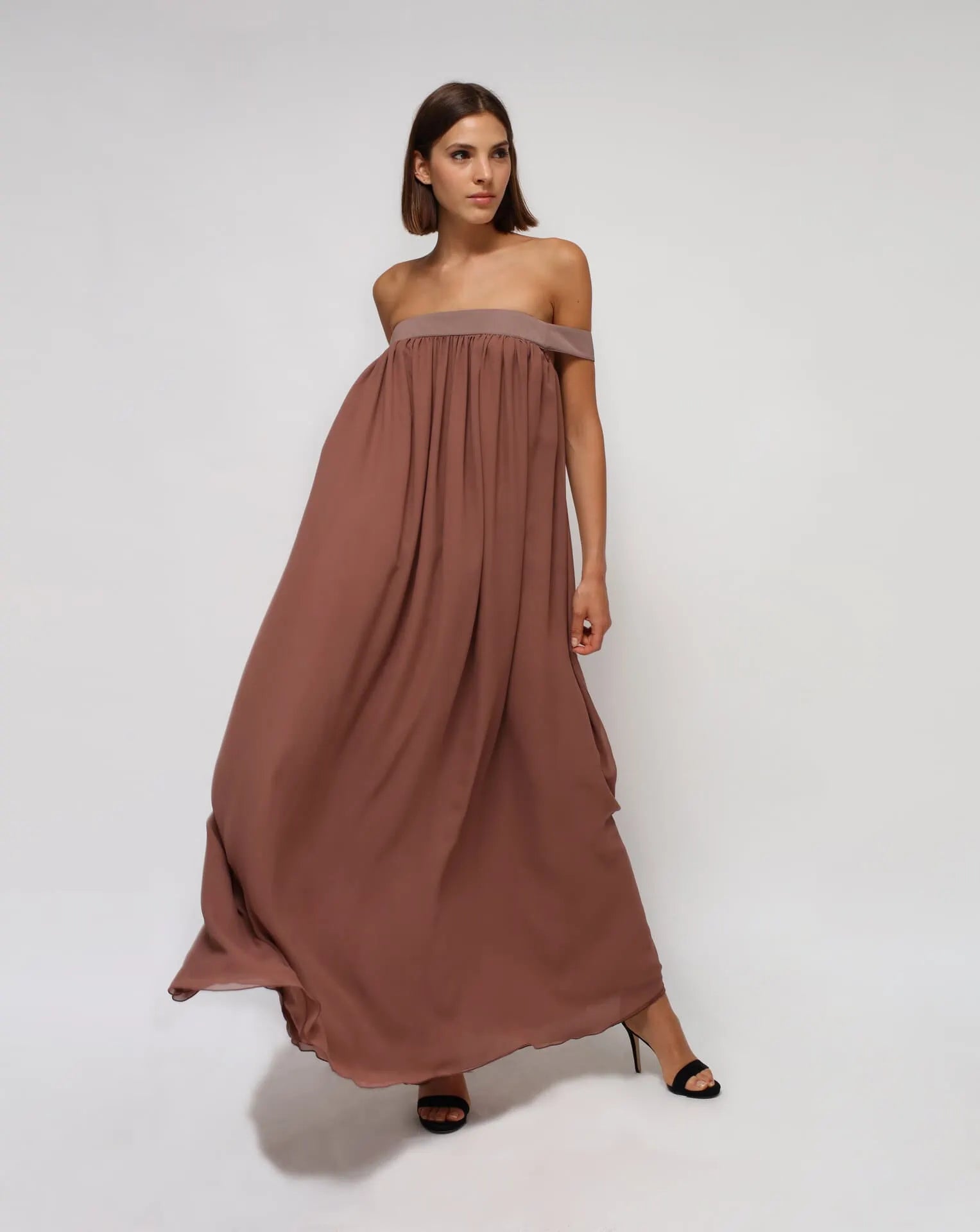
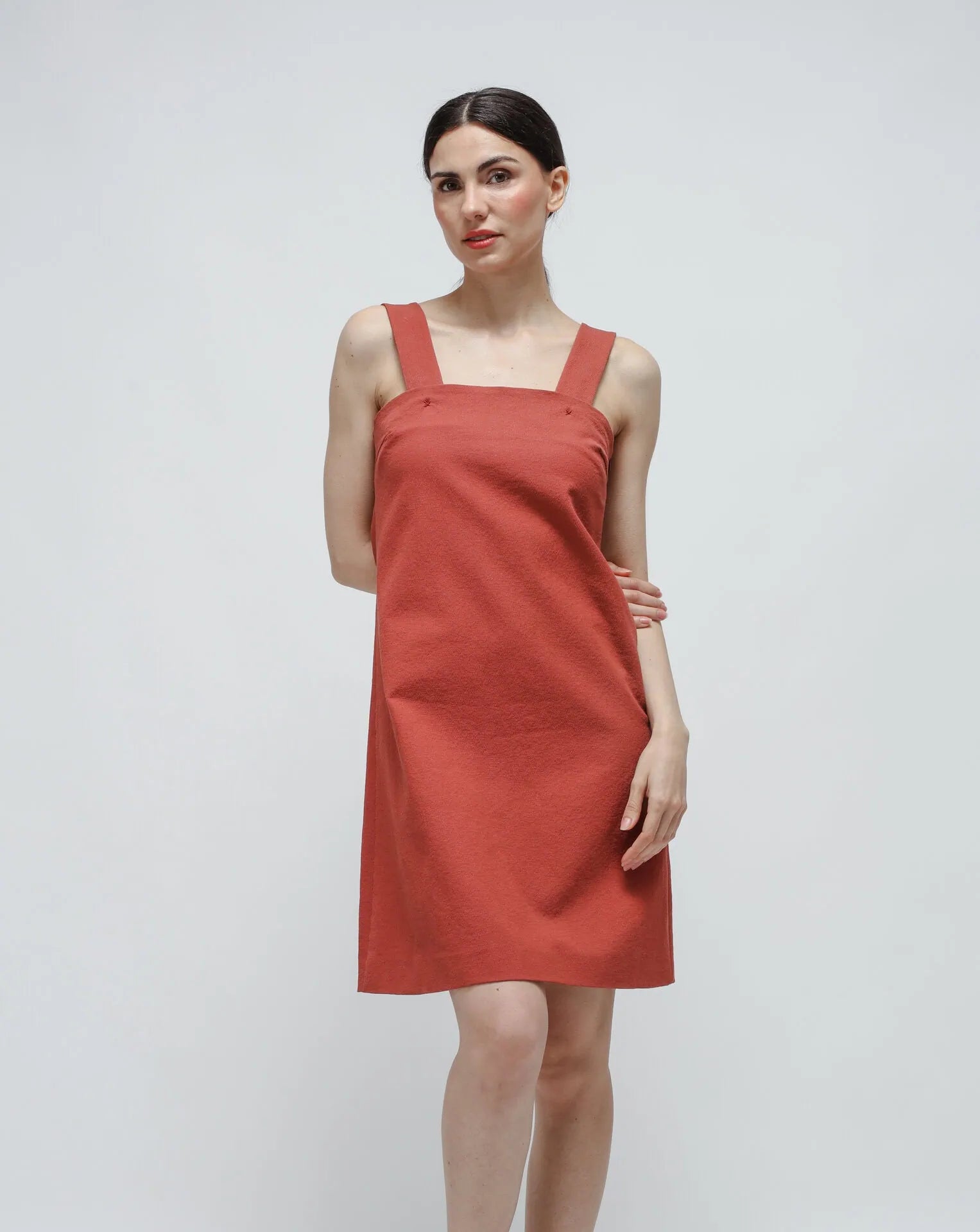
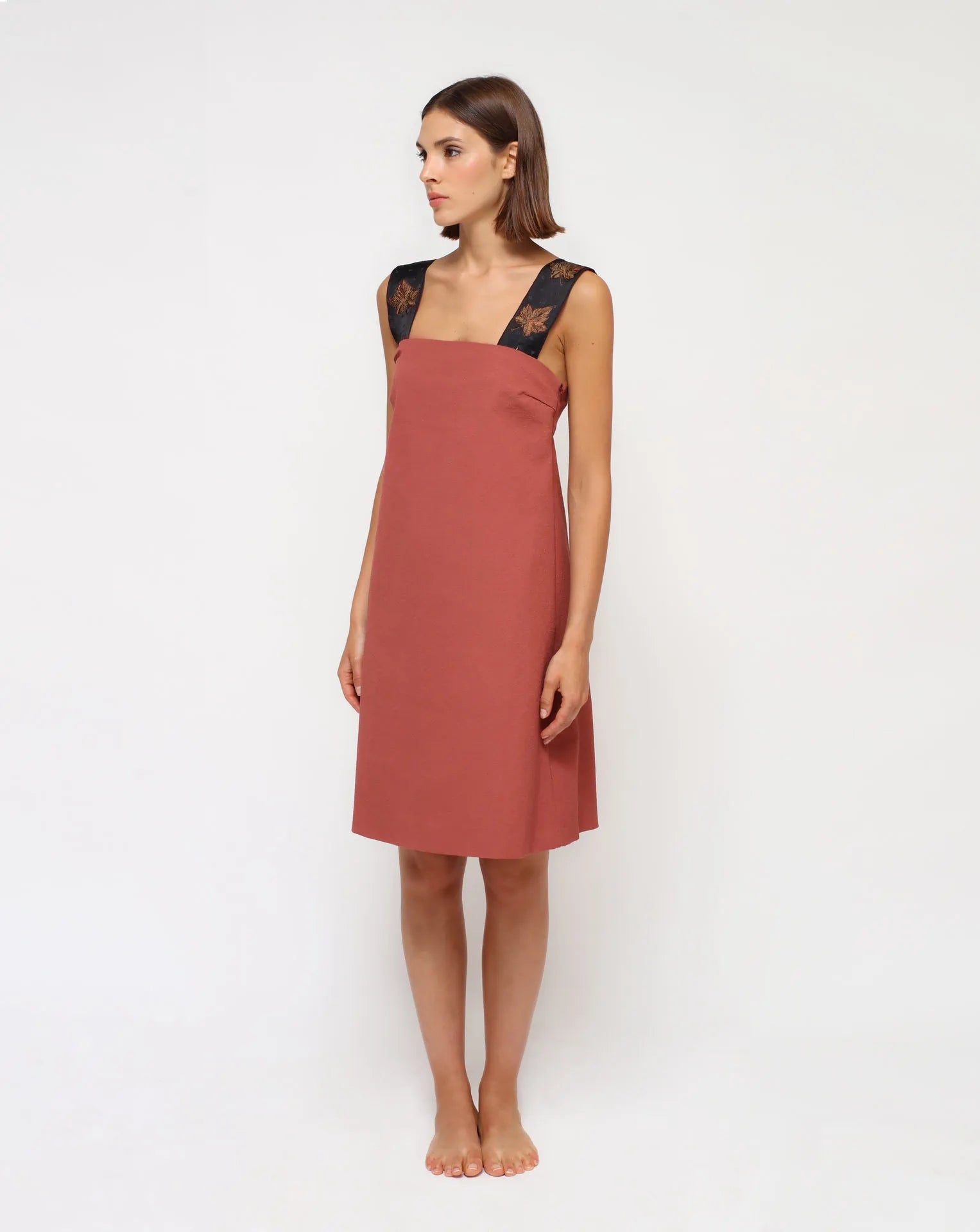
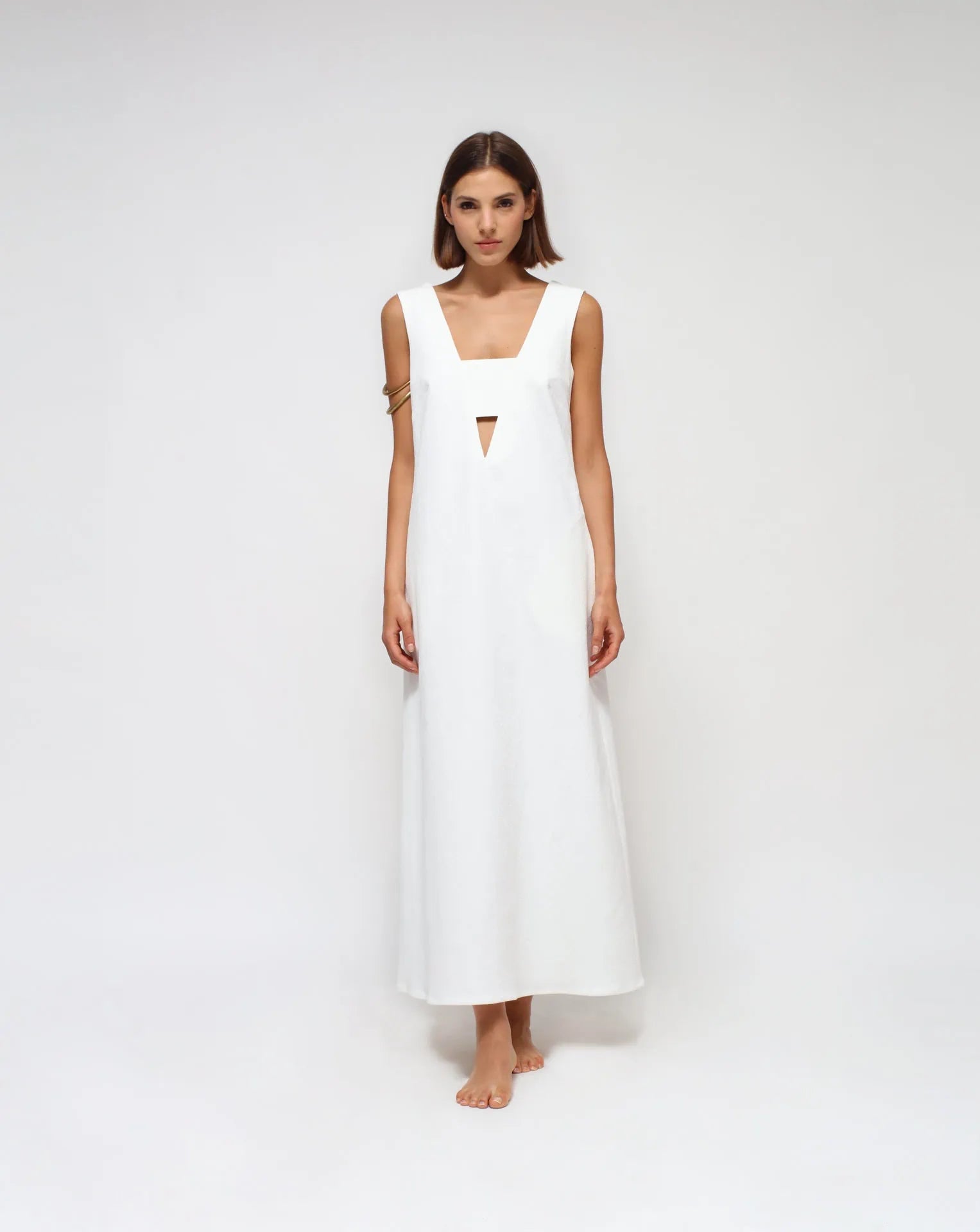
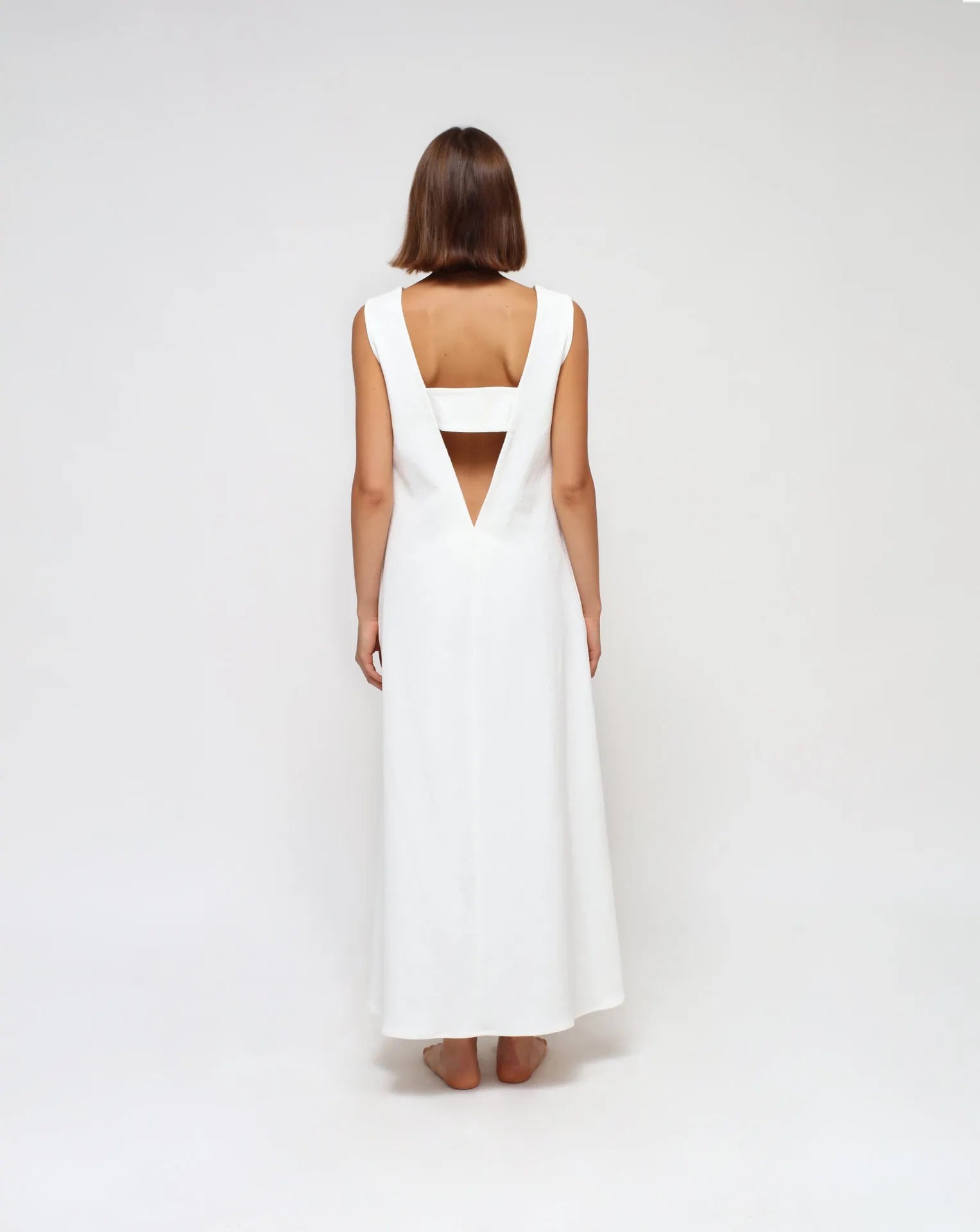
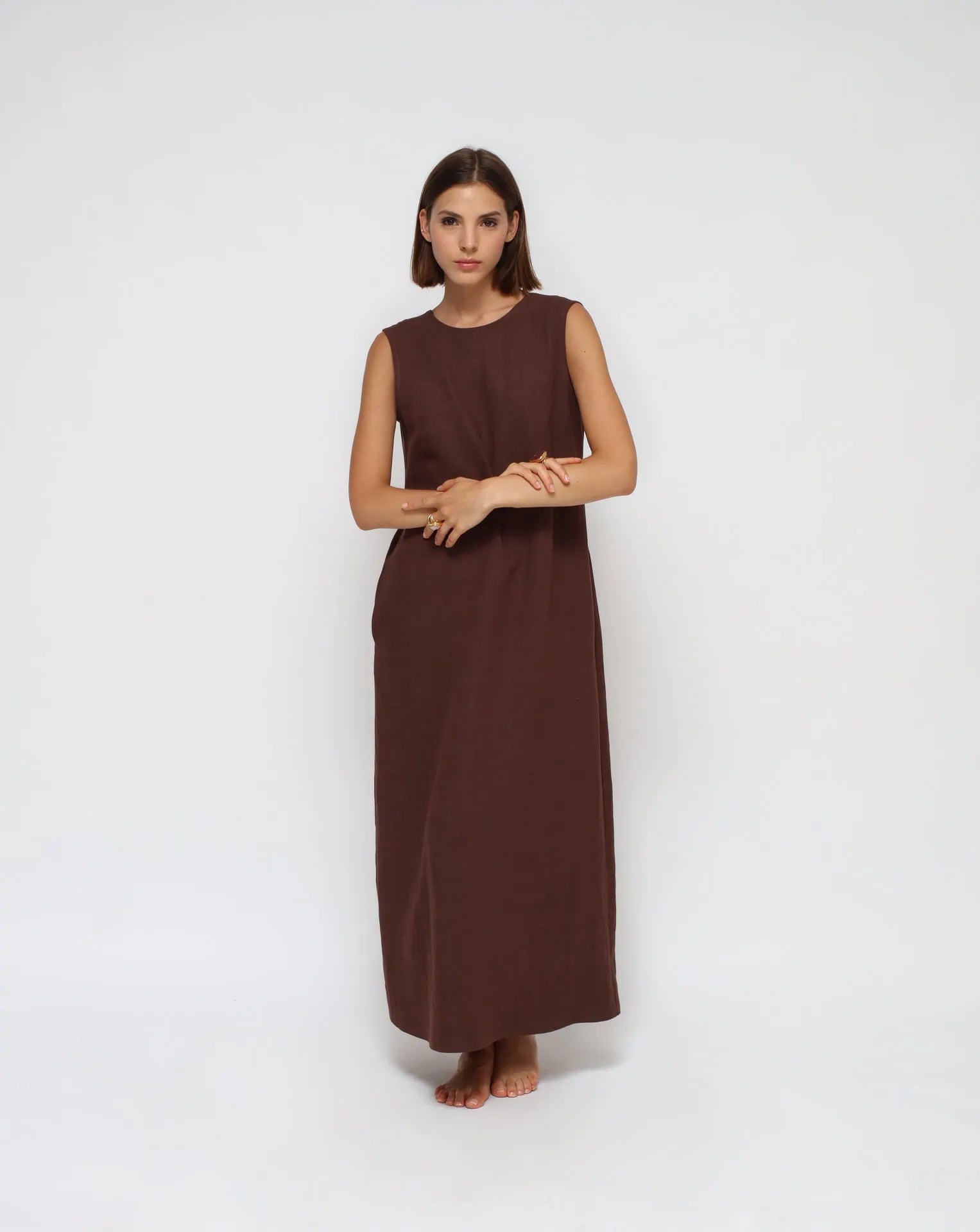
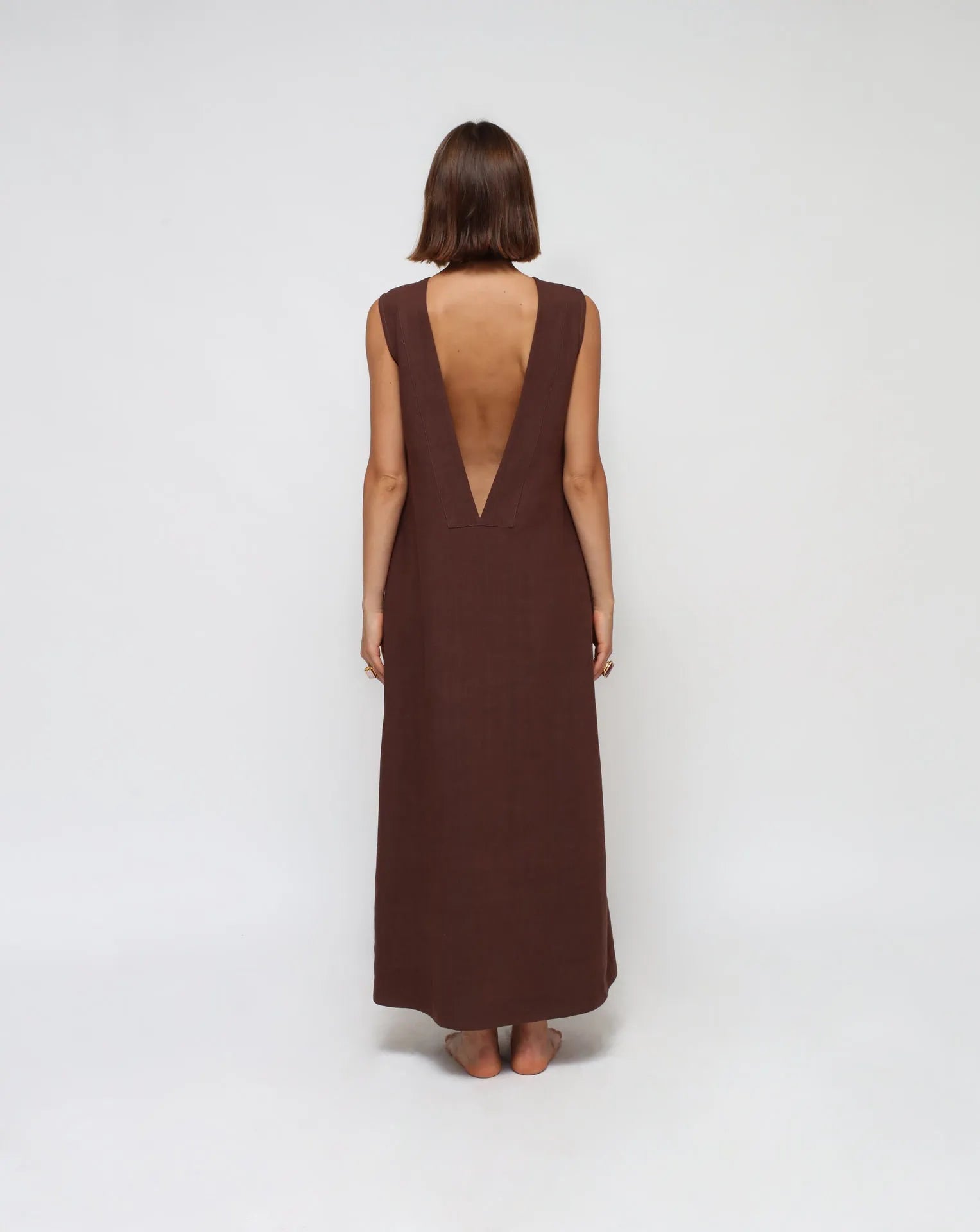
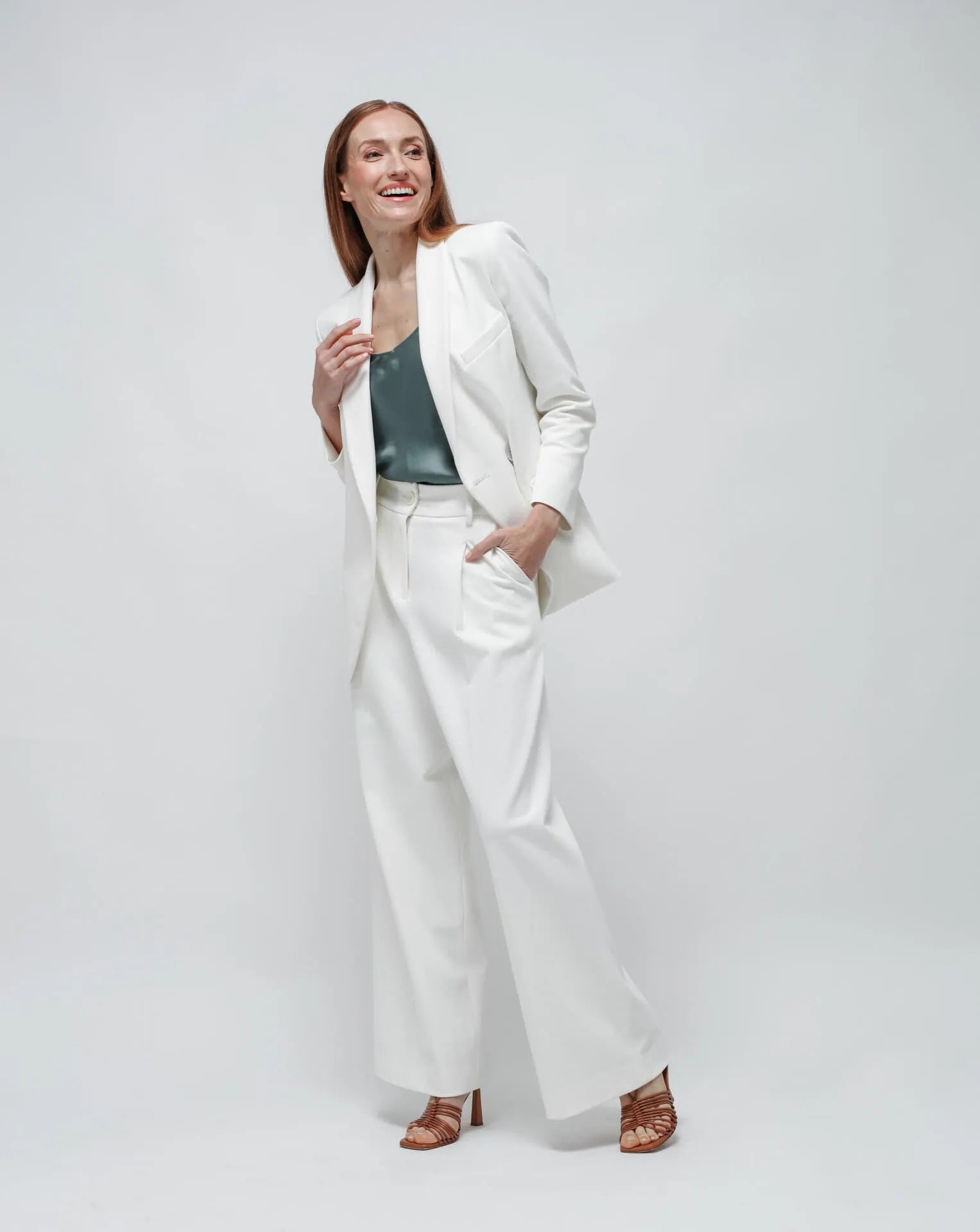
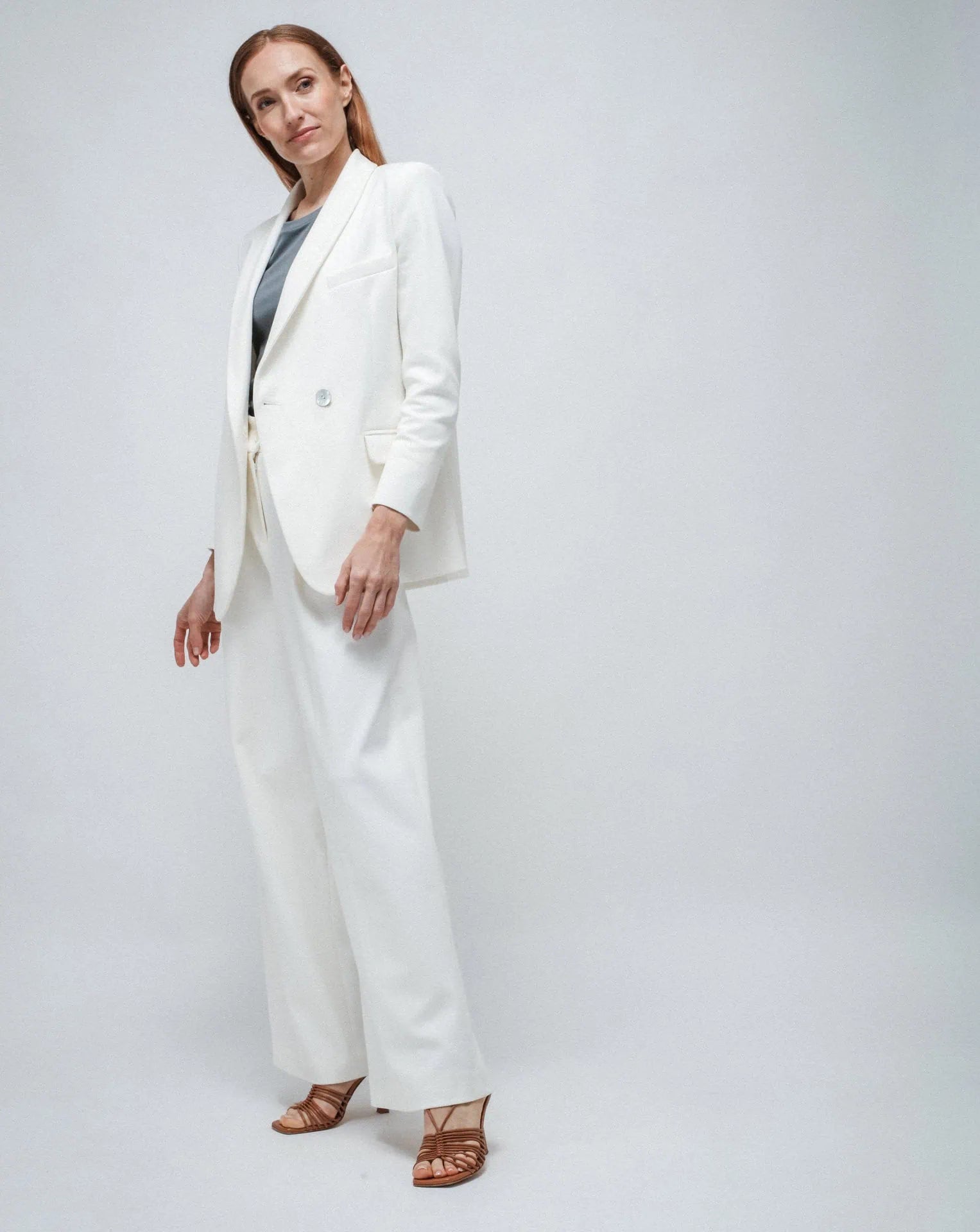
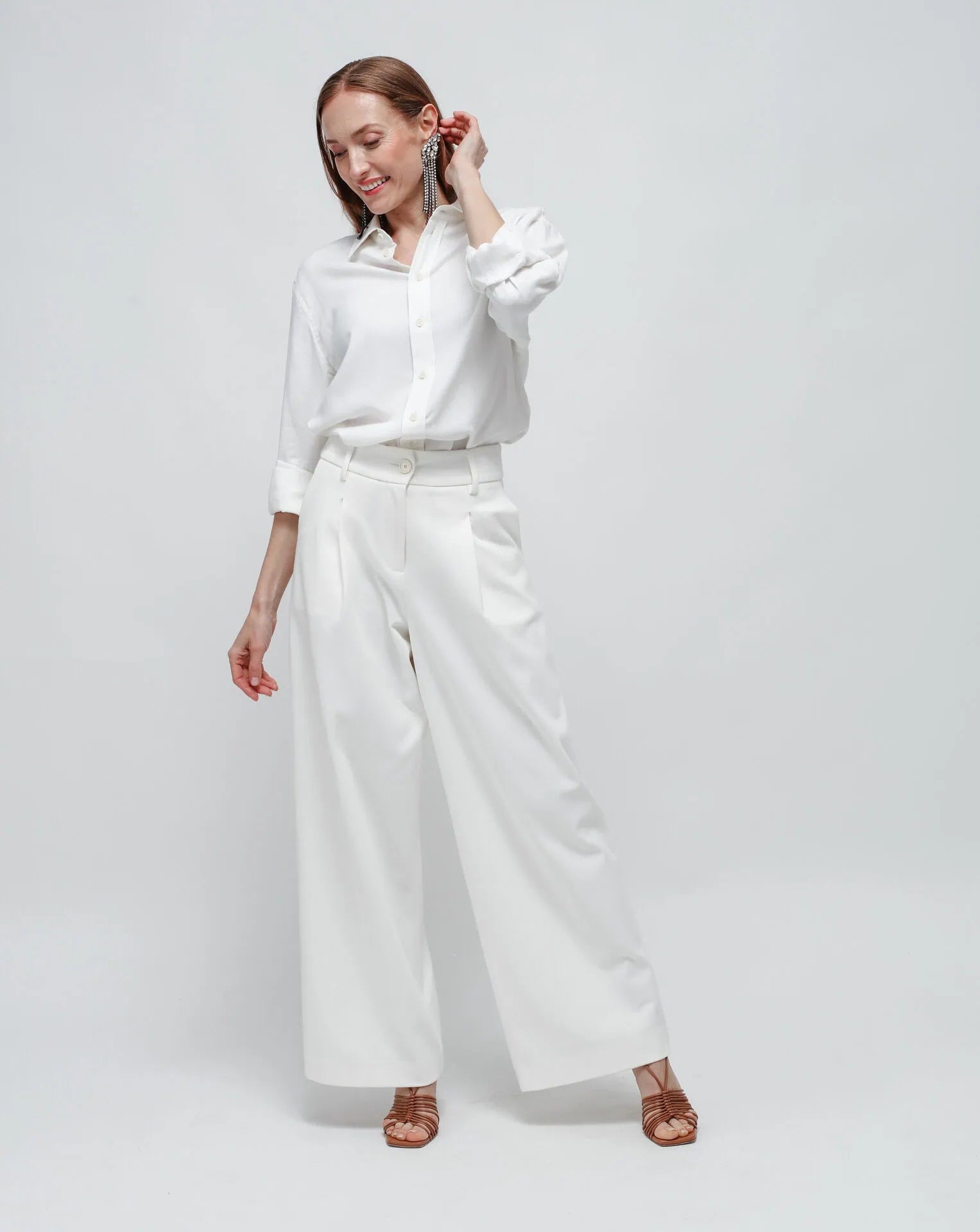
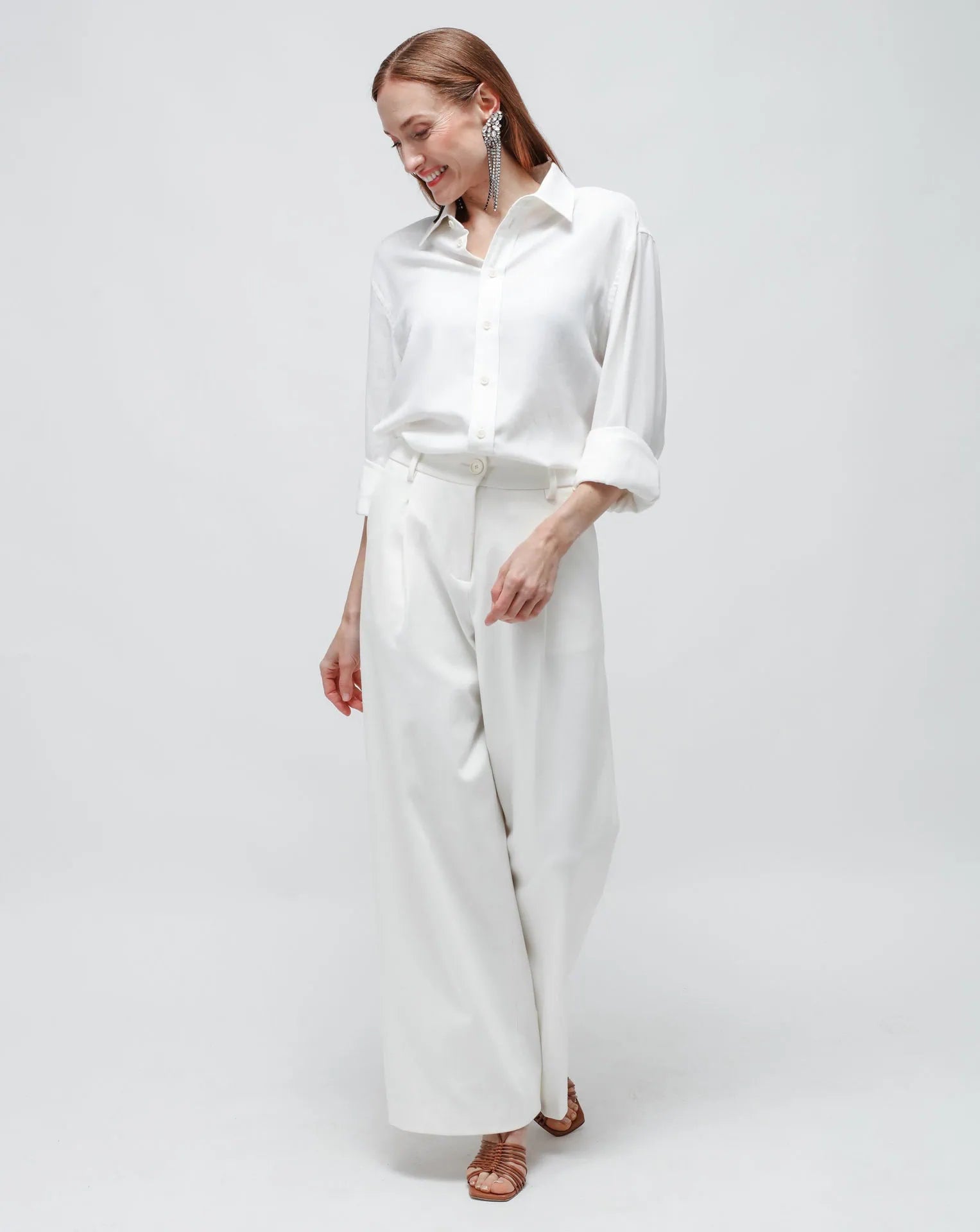
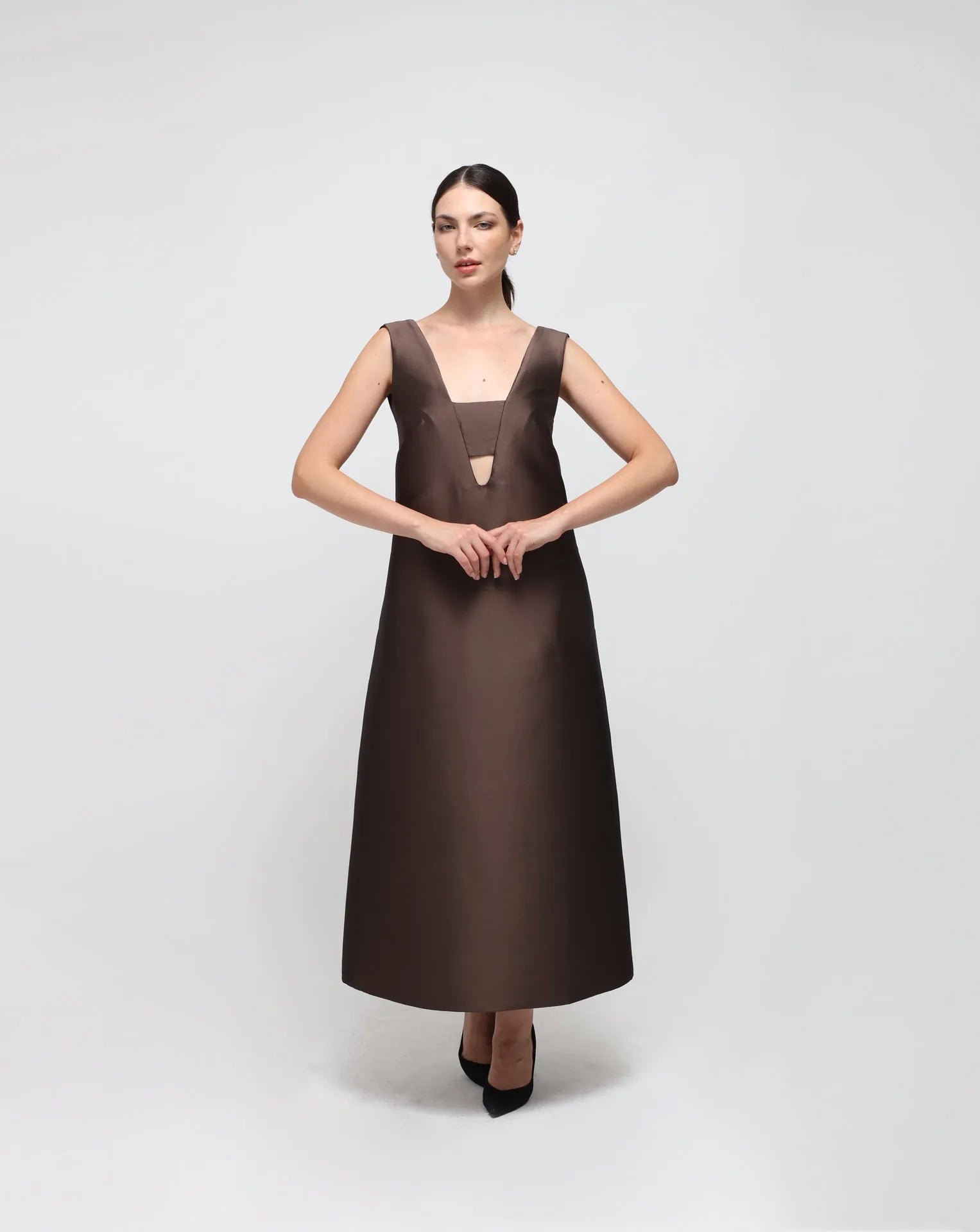
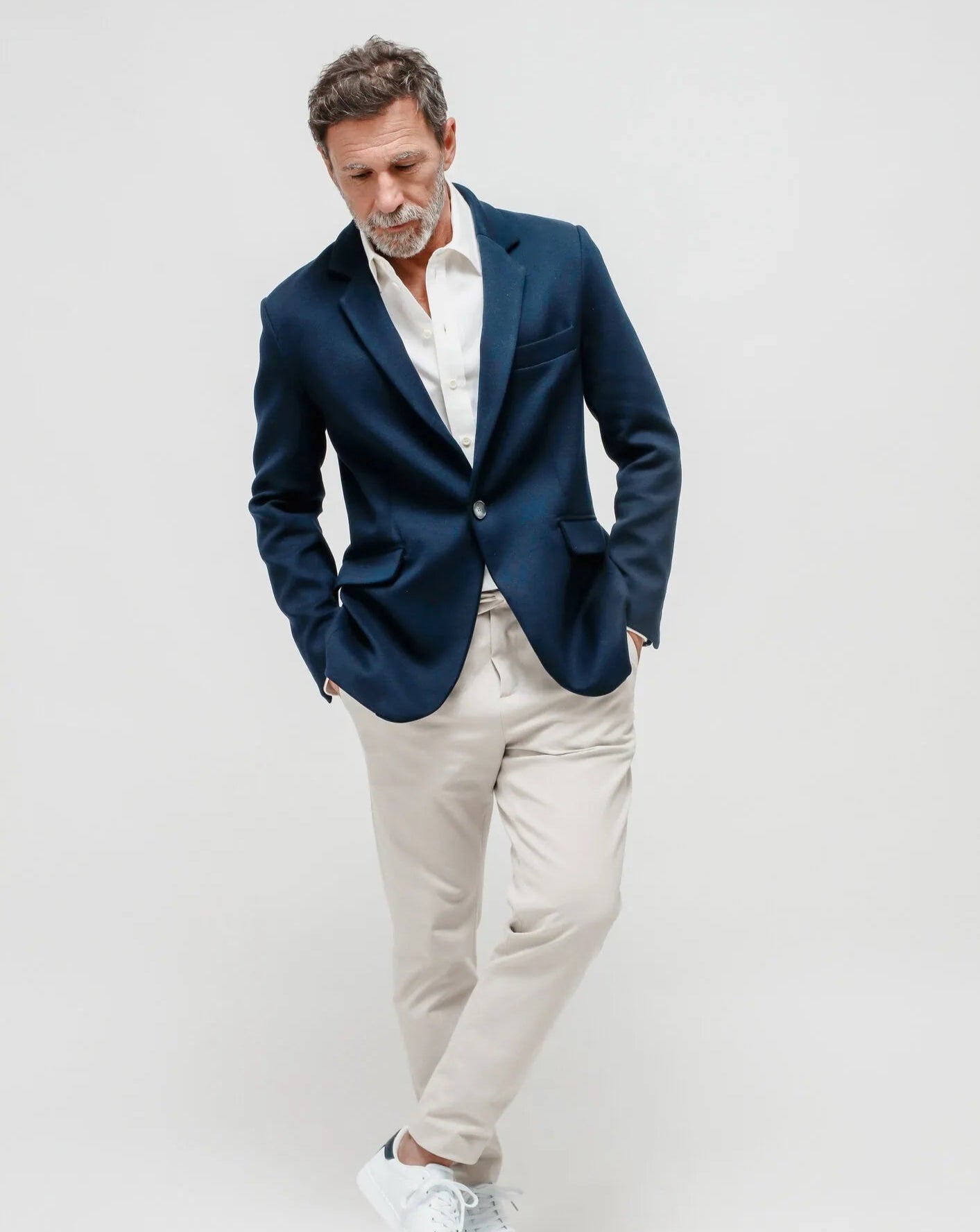
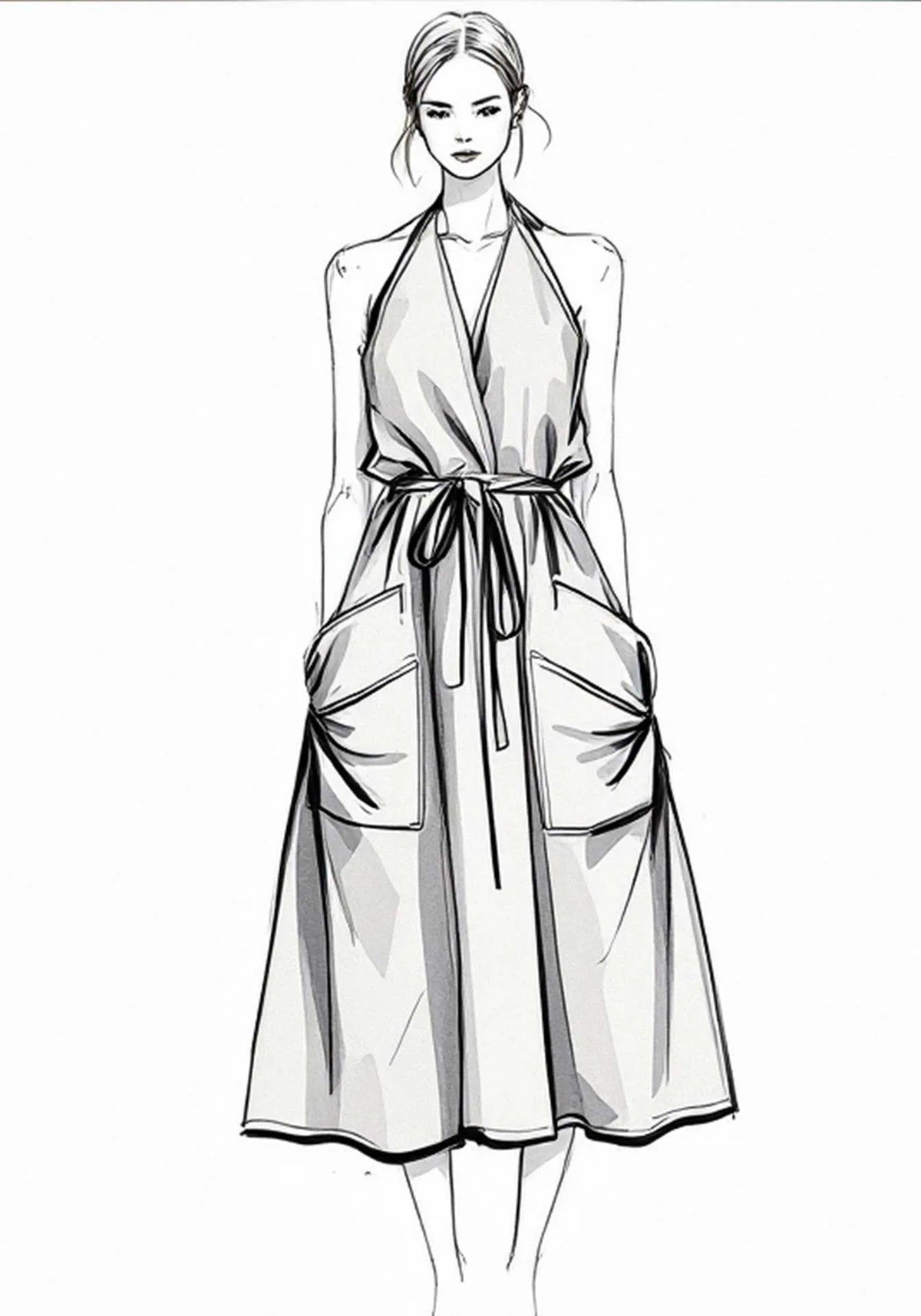
A transparent pricing model becomes compelling when it is attached to pieces with clear use and lasting appeal. Think of a limited-edition blazer in deadstock fabric that can anchor office dressing, travel well, and layer across seasons. Or a sharply cut pair of pants designed to work with knitwear, shirting, and occasion tops rather than one trend-specific look. The same is true of a dress intended to carry equal weight at a dinner, a gallery opening, or a summer event.
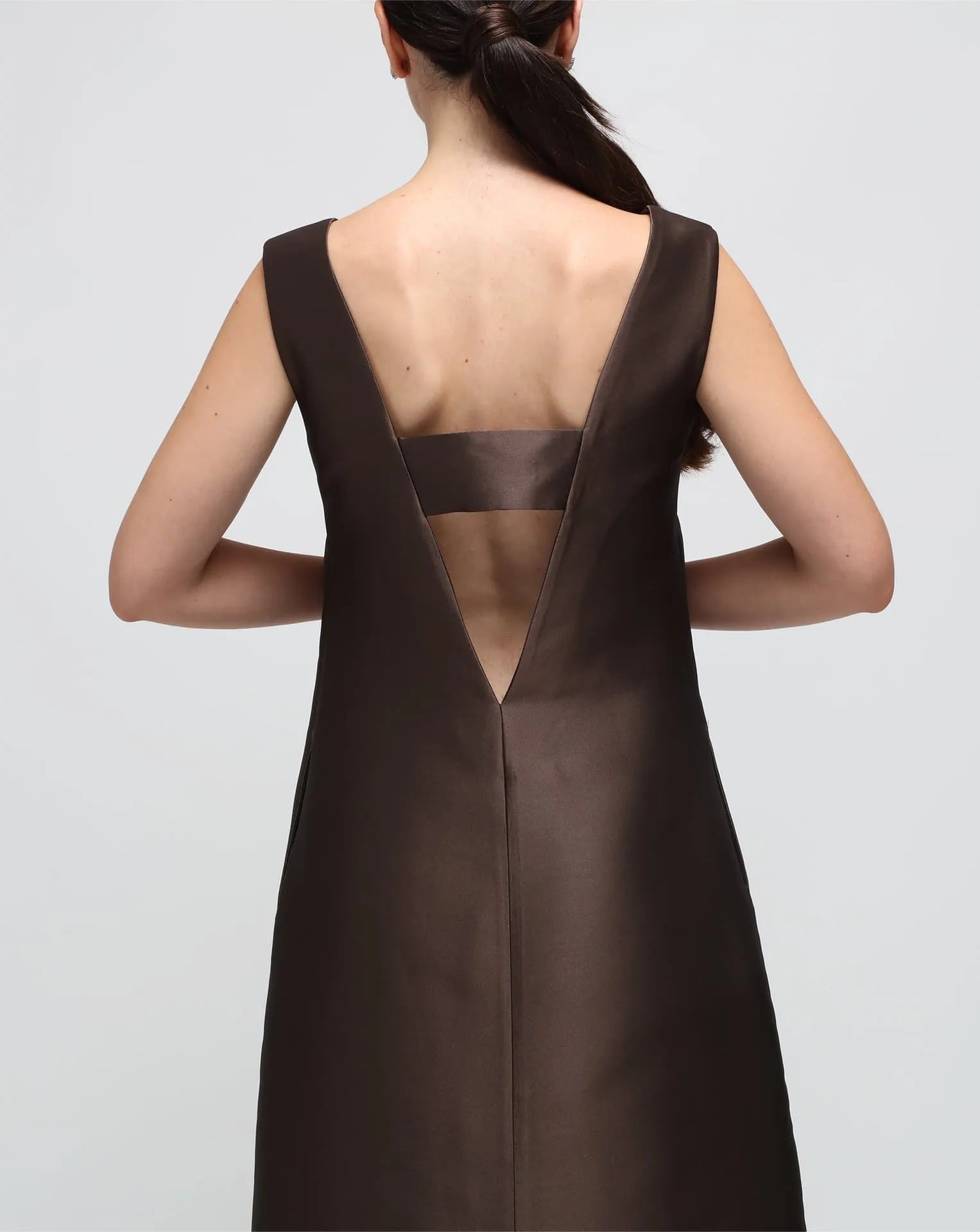
This is where ethical luxury becomes tangible. You are not simply buying less. You are buying with more precision. When a brand presents a product such as a women’s tailored blazer, a men’s Italian shirt, a deadstock dress, or a coordinated set with room for product-specific internal links, the stronger move is to connect price to fabric story, production scale, and wardrobe versatility. That is how cost turns into value.
Humans & Land, for example, positions transparent pricing alongside small-batch production, deadstock fabrics, and free carbon-neutral shipping. That combination matters because it frames the garment as more than an object. It becomes a decision about waste, quality, and longevity - without pretending those choices are cost-free.
Why this model appeals to modern luxury shoppers
The modern premium customer is less interested in old retail mythology. The idea that price alone proves quality has weakened. People want evidence. They want to know why a coat costs what it costs, why a shirt is made in limited quantity, and why one fabric performs better over time than another.
Transparent pricing answers that demand with discipline. It treats the shopper as intelligent. It also aligns with a broader shift in taste. Quiet confidence now reads stronger than excess. Thoughtful production reads stronger than abundance. Limited editions made with care feel more desirable than endless inventory built for markdown cycles.
That does not mean every shopper needs a spreadsheet before buying a skirt or jacket. Fashion is still emotional. It should be. But emotion lands differently when it is supported by facts. A beautiful garment with a clear cost story feels more considered, more defensible, and often more personal.
Transparent pricing is not just about fairness
It is also about design integrity. When a brand is open about costs, it is forced to be sharper about what belongs in the collection. Fewer filler products. Fewer empty trend pieces. More focus on fabric, fit, and purpose. That discipline tends to produce better wardrobes.
For shoppers, the result is a healthier relationship with fashion. You begin to ask better questions. Will I wear this often enough? Does the fabric justify the price? Is this piece versatile, or simply photogenic? Am I paying for craftsmanship, or for noise?
Those are useful questions. They make room for style with standards.
A good garment should earn its place before it earns your money. Transparent pricing gives you a clearer way to decide when it has.
FAQ
Q: What are transparent pricing fashion brands?
A: They are brands that explain how their prices are built, often showing costs for fabric, labor, production, shipping, and margin so customers can understand what they are paying for.
Q: Does transparent pricing always mean better quality?
A: No. Transparency is a strong trust signal, but it is not proof on its own. You still need to assess fabric quality, fit, construction, and whether the brand’s claims are specific and credible.
Q: Why do transparent pricing fashion brands often cost more than fast fashion?
A: Responsible materials, skilled labor, small-batch production, and lower waste usually cost more than high-volume manufacturing built around speed and price compression.
Q: Is transparent pricing only relevant for luxury or premium clothing?
A: Not at all. It matters at every price point. But it is especially helpful in premium fashion, where customers want to understand whether higher prices reflect craftsmanship and ethics or just markup.
Q: What should I look for before buying from a transparent pricing brand?
A: Look for clear material details, place of production, honest cost explanations, strong garment design, and policies that support long-term wear, such as care guidance or easy size exchanges.
the World of H&L