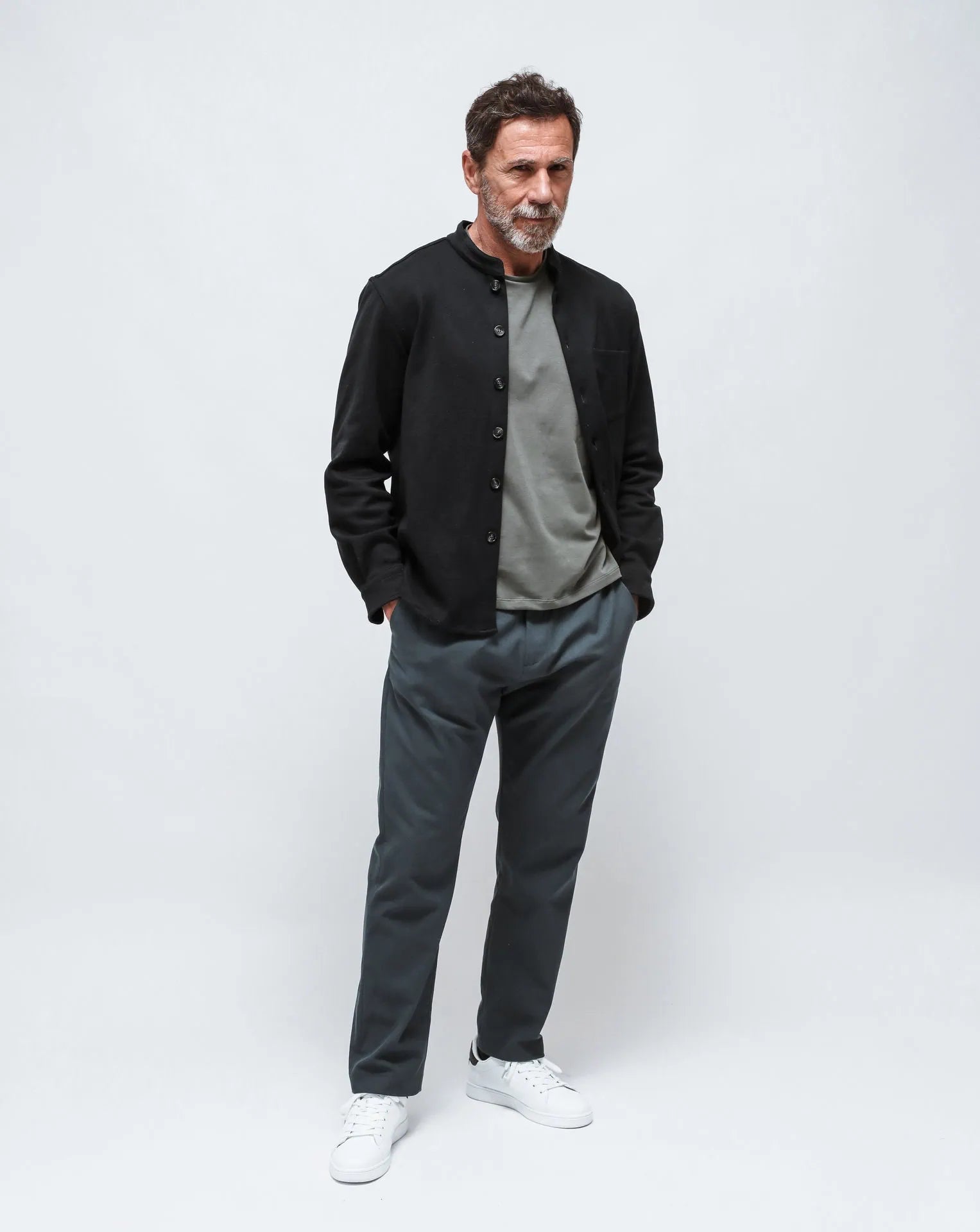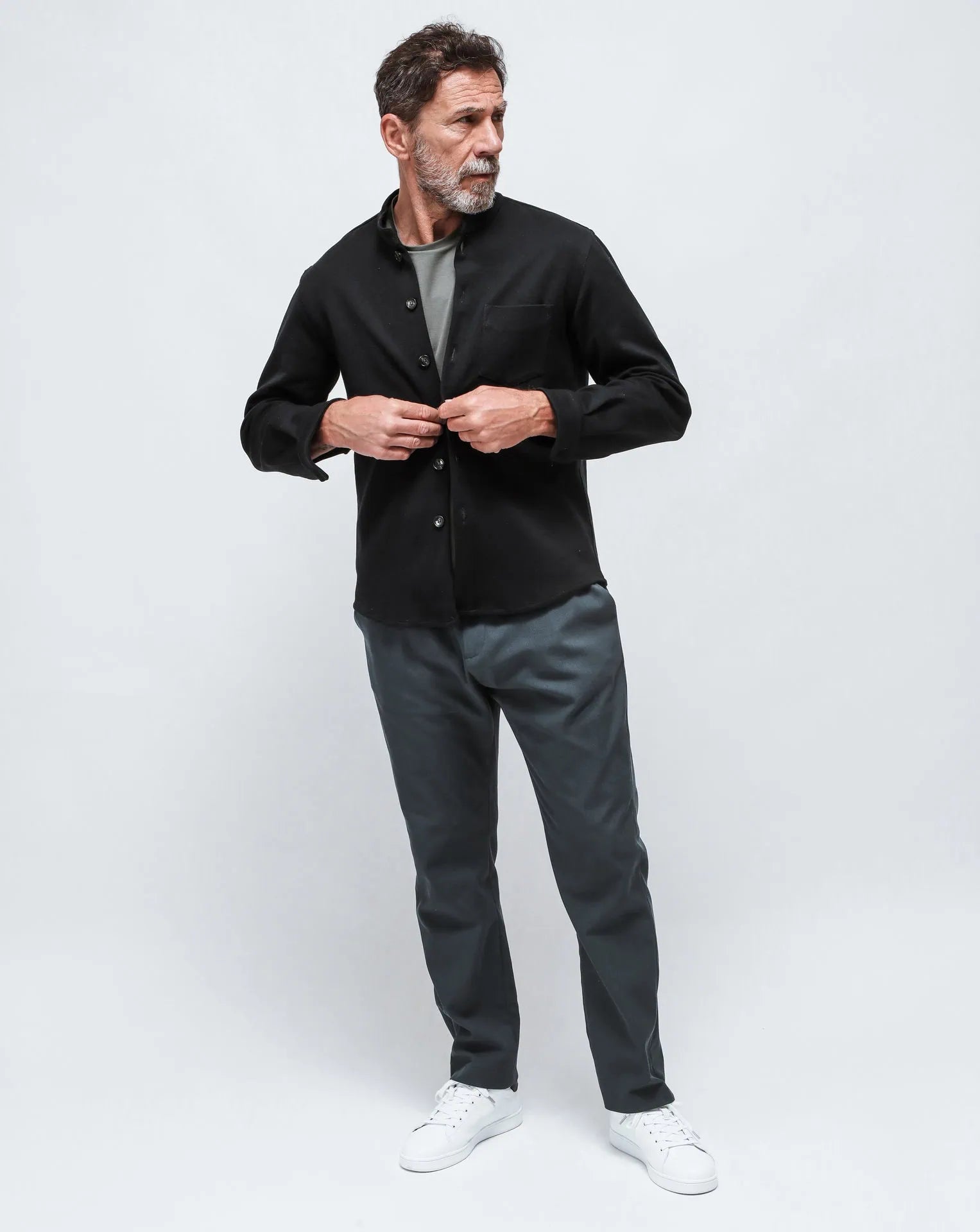



Carbon Neutral Fashion Shipping Explained
A beautiful jacket can lose some of its integrity the moment it arrives with an outsized carbon footprint. That is the tension behind carbon neutral fashion shipping. For shoppers who care how a garment is made, the trip from studio to doorstep matters too.
Shipping is one of the least visible parts of fashion, which is exactly why it deserves more scrutiny. A brand can talk about deadstock fabrics, small-batch production, and careful finishing, then undermine that work with rushed air freight, excessive packaging, and vague climate claims. Carbon neutral shipping is the attempt to close that gap. Done well, it makes delivery more accountable. Done poorly, it becomes a label with very little substance.
What carbon neutral fashion shipping actually means
At its most credible, carbon neutral fashion shipping means a brand measures the emissions created by sending orders to customers, works to reduce those emissions where possible, and compensates for the remaining impact through verified carbon projects. The sequence matters. Neutrality should begin with measurement, then reduction, then offsets for what cannot yet be eliminated.
In fashion, shipping emissions usually come from transport mode, shipping distance, packaging weight, return logistics, and warehouse operations tied to fulfillment. A parcel moving by air across continents will carry a very different footprint than one traveling by ground from a closer distribution point. The fabric inside matters, but so does the route outside.
This is where the nuance starts. Carbon neutral does not mean emission free. It means emissions have been accounted for and balanced. For a customer, that distinction is worth understanding because it separates genuine effort from marketing shorthand.
Why shipping deserves a place in the fashion conversation
Most people think first about fabric, labor, and overproduction. They should. Those are major parts of fashion's impact. But shipping affects every single order, and ecommerce has normalized fast delivery expectations that carry real environmental cost.
The faster the delivery promise, the more likely a brand is to rely on carbon-intensive methods. Speed and sustainability are often in tension. A thoughtful brand has to decide whether it is building around urgency or around responsibility.
That choice shapes the whole customer experience. Free carbon-neutral shipping, for example, means more than absorbing a delivery fee. It signals that delivery has been designed as part of the product's ethics, not added as an afterthought. For premium shoppers, that matters. A refined wardrobe should not depend on reckless logistics.
The three parts of credible carbon neutral fashion shipping
The first part is measurement. A brand needs to know how much carbon its deliveries produce across routes, carriers, package sizes, and return flows. Without this baseline, neutrality is guesswork.
The second part is reduction. This is the harder work and the more meaningful one. It can mean consolidating shipments, using lower-impact delivery methods where practical, reducing packaging bulk, avoiding unnecessary split shipments, and producing closer to core markets when possible. A brand with production in Italy and a considered approach to distribution can often make better shipping decisions than one chasing volume at any cost.
The third part is compensation. Once a brand has reduced what it reasonably can, the remaining emissions are offset through climate projects. Quality matters here. Not all offset programs are equal, and serious shoppers are right to ask whether projects are verified, additional, and transparently reported.
What shoppers should look for beyond the label
If a brand claims carbon neutral shipping, a few questions quickly reveal whether the claim has substance. Does the brand explain how emissions are calculated? Does it mention reduction efforts, or only offsets? Does it speak clearly about packaging and returns? Does the language feel precise, or conveniently vague?
Transparency usually sounds calm and specific. Greenwashing tends to sound broad and self-congratulatory. If the message focuses only on feeling good, with no operational detail behind it, the claim is probably too thin.
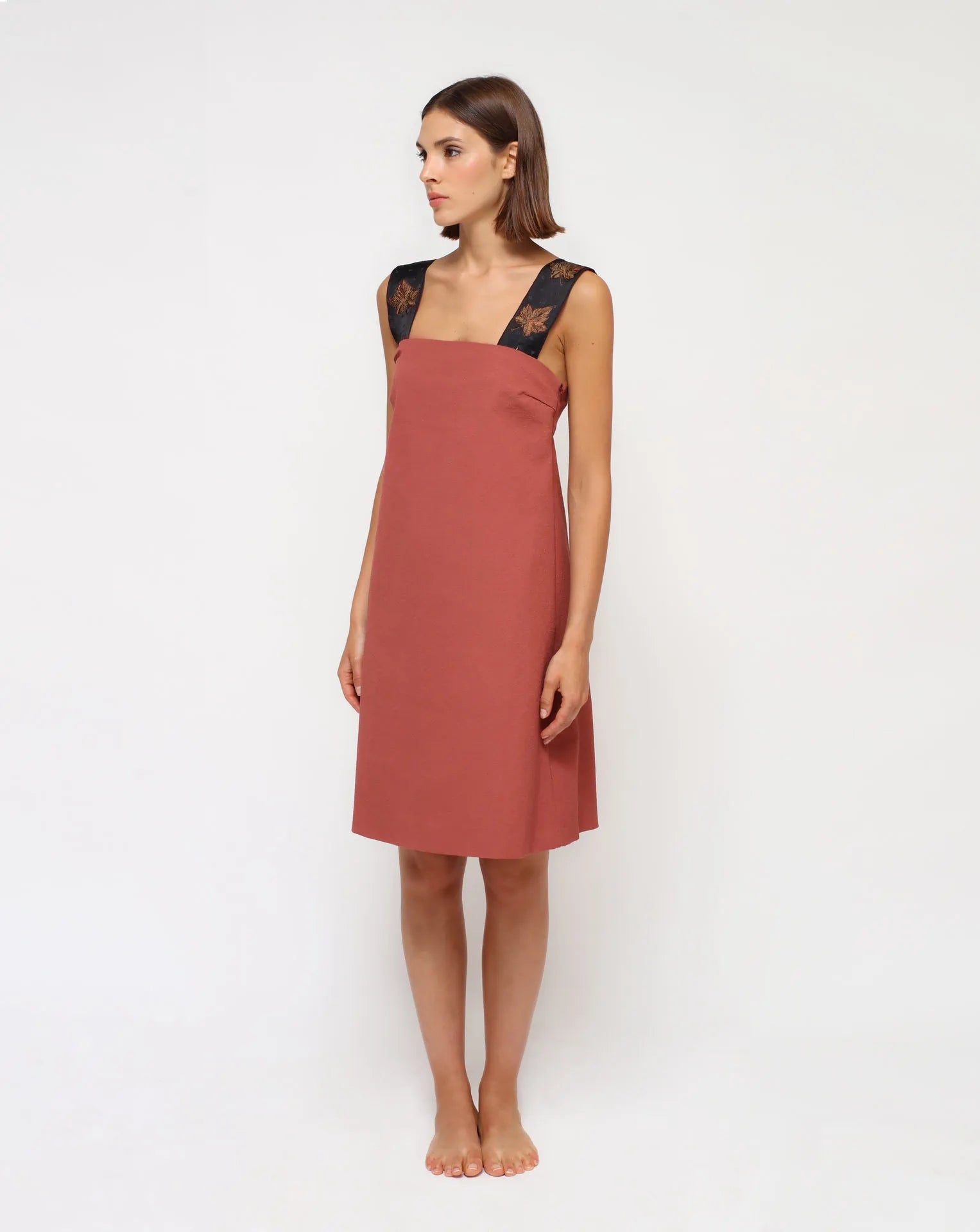
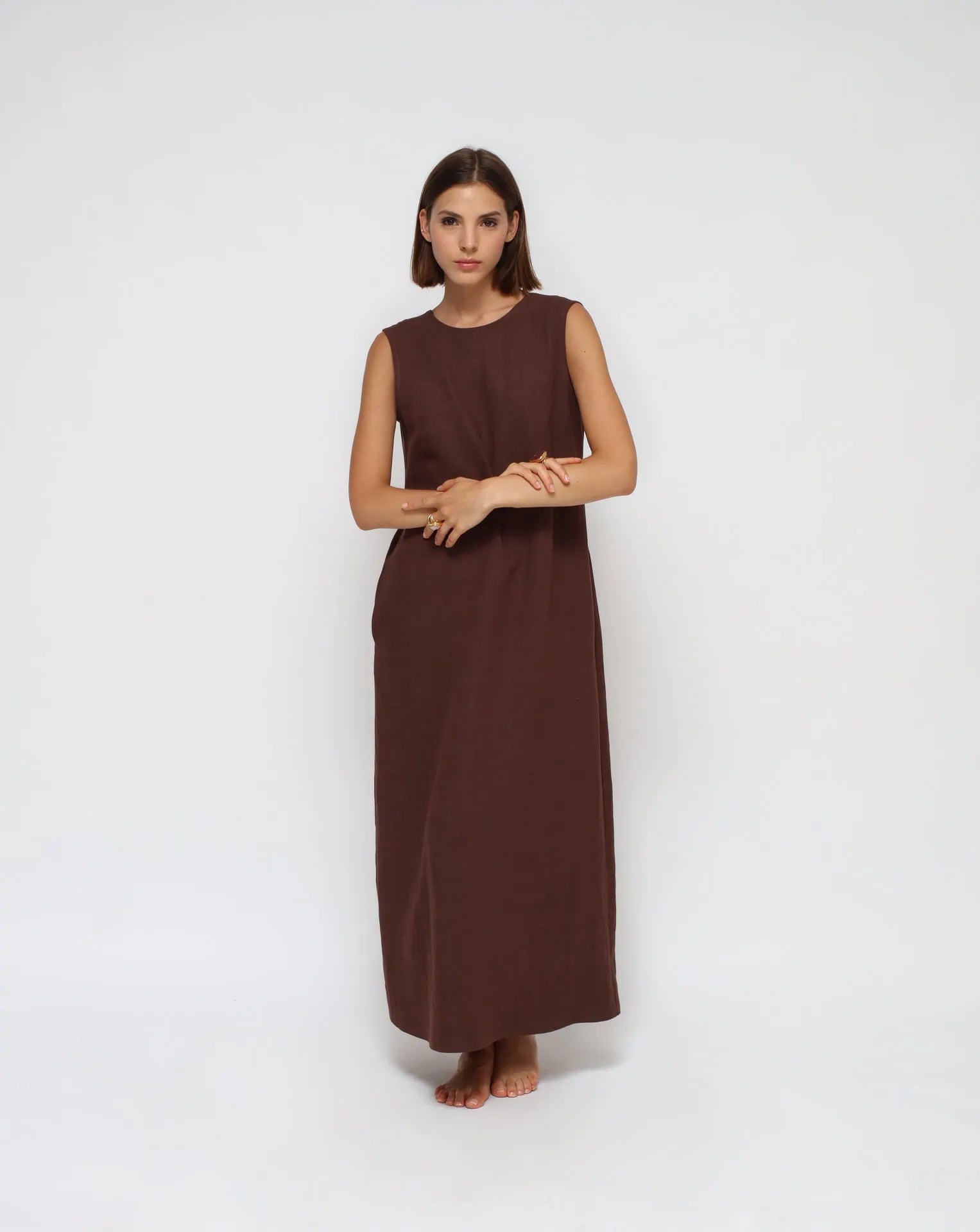
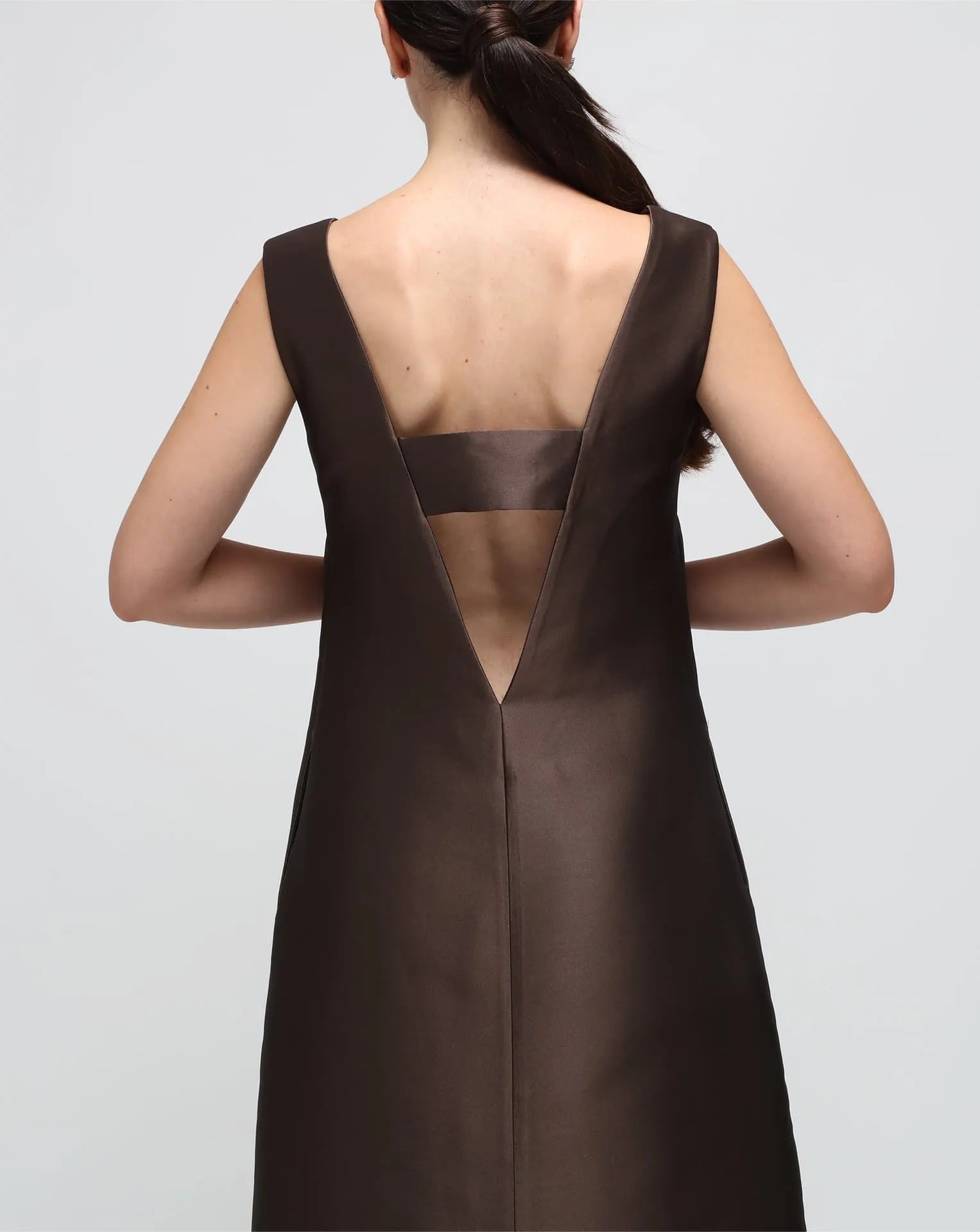
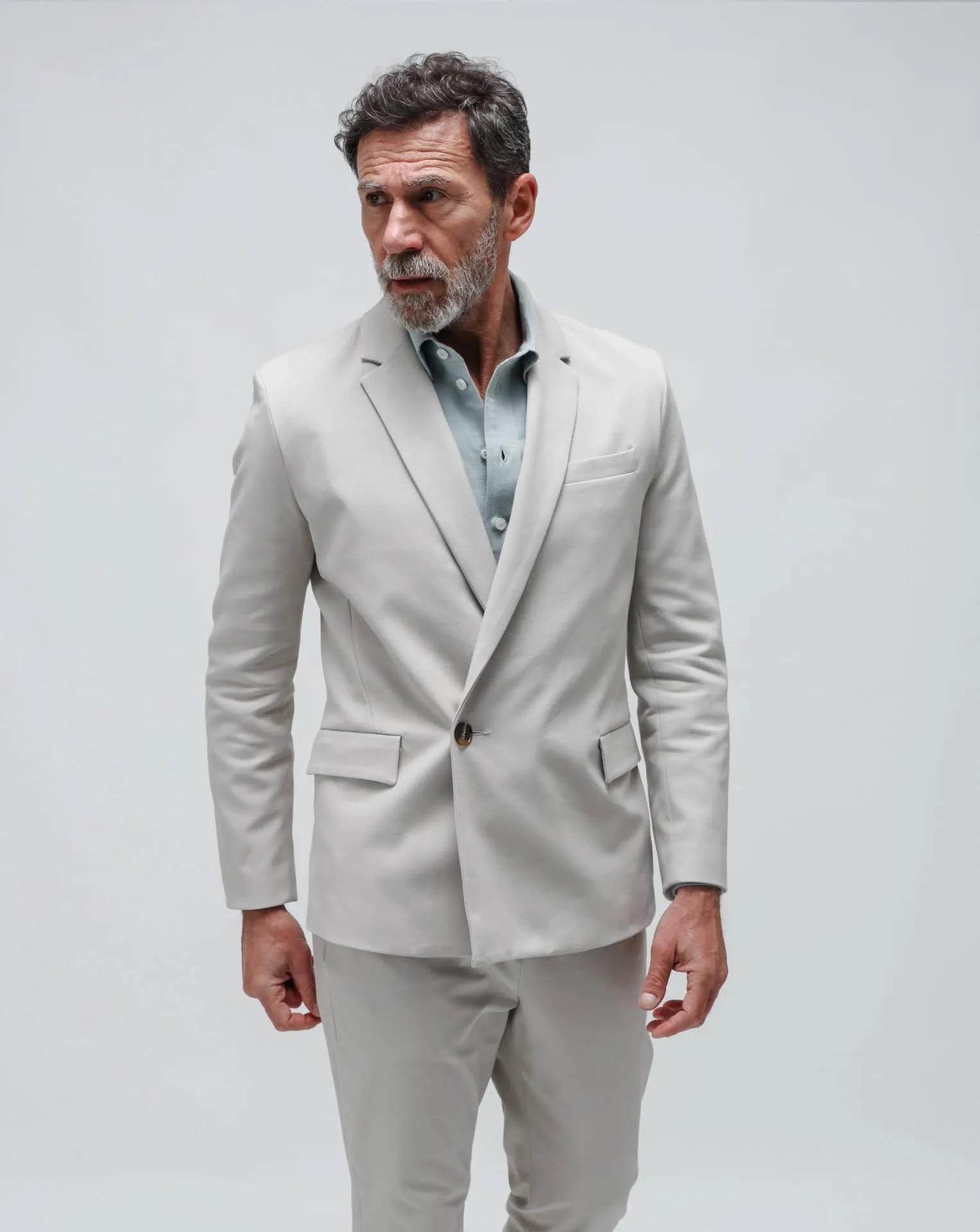
This is also where product context matters. A limited-edition deadstock blazer, tailored trouser, or handmade dress already carries a different logic than trend-driven impulse purchases. When a garment is designed to stay in rotation for years, shipping emissions are attached to something durable and intentional. That does not erase the impact, but it changes the equation. One well-made piece worn repeatedly is not the same as a cycle of disposable orders and returns.
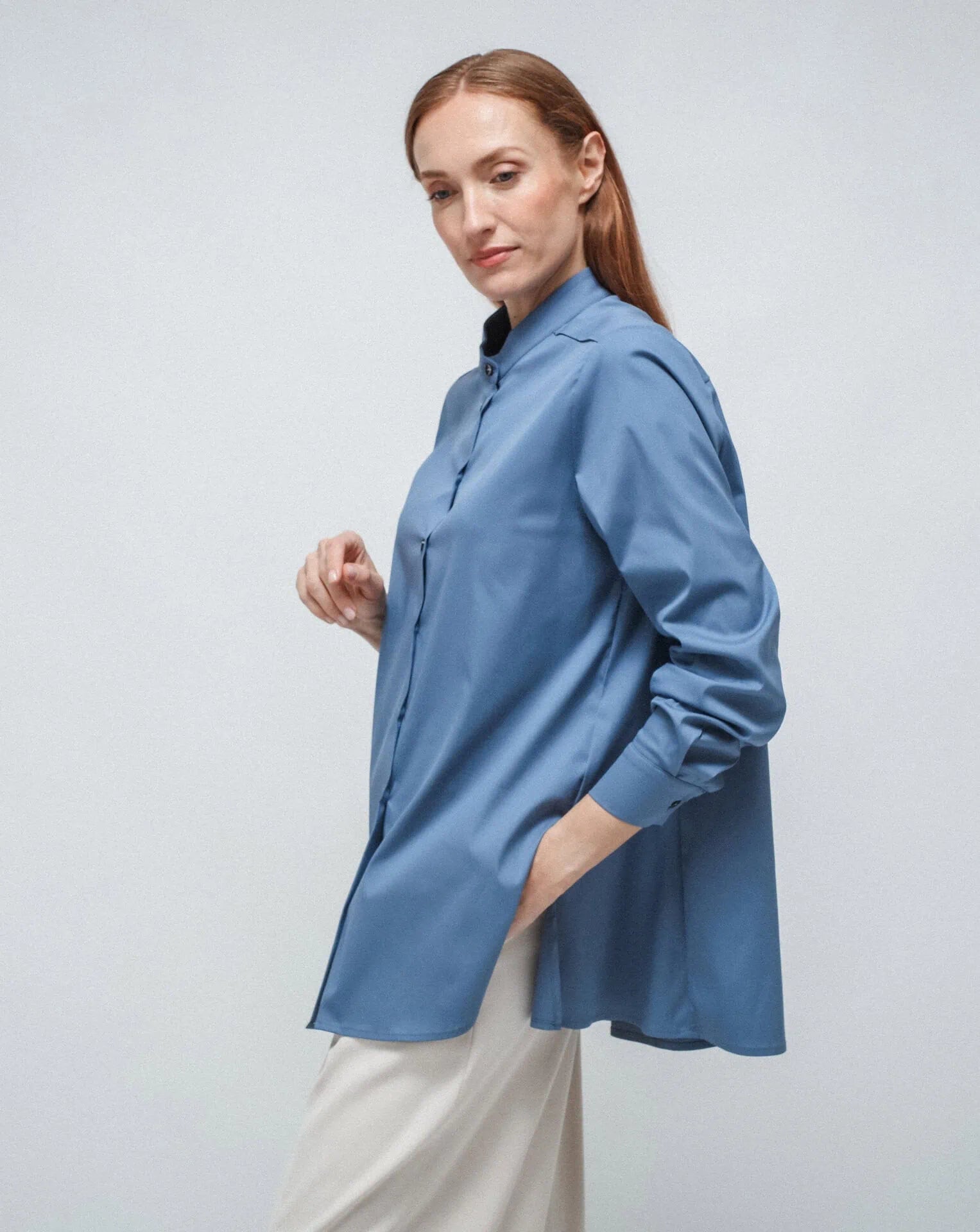
For brands building high-intent product pages, this is useful to state directly. A page for a structured Italian wool coat, a deadstock silk shirt, or a versatile travel set can naturally explain how carbon neutral shipping supports a lower-waste buying model, especially when paired with free size exchanges that help customers keep the right piece longer.
The trade-offs no one should hide
Carbon neutral fashion shipping is not a perfect answer. Offsets remain debated, and some climate projects are stronger than others. There is also a real limit to what shipping programs can accomplish if the underlying business still depends on overproduction, deep discount cycles, or engineered overconsumption.
That is why shipping should be read as one signal, not the entire sustainability story. A brand that uses deadstock fabrics, makes in small batches, prices transparently, and educates customers on garment care is building a stronger foundation than a brand that leads only with a shipping badge.
There is also the issue of returns. Fashion ecommerce depends on fit, and fit uncertainty increases transport emissions. Free size exchanges can be a more responsible system than encouraging customers to order multiple sizes with the expectation that most will go back. It reduces friction for the customer while discouraging unnecessary volume in the shipping loop.
For shoppers, the practical takeaway is simple. If you want lower-impact delivery, slower and fewer shipments usually beat faster and more frequent ones. Buying with intention still matters, even when shipping is carbon neutral.
How carbon neutral fashion shipping supports a better wardrobe
The strongest version of carbon neutral fashion shipping is not just logistical. It supports a different way of dressing. It belongs with garments chosen for longevity, versatility, and emotional staying power.
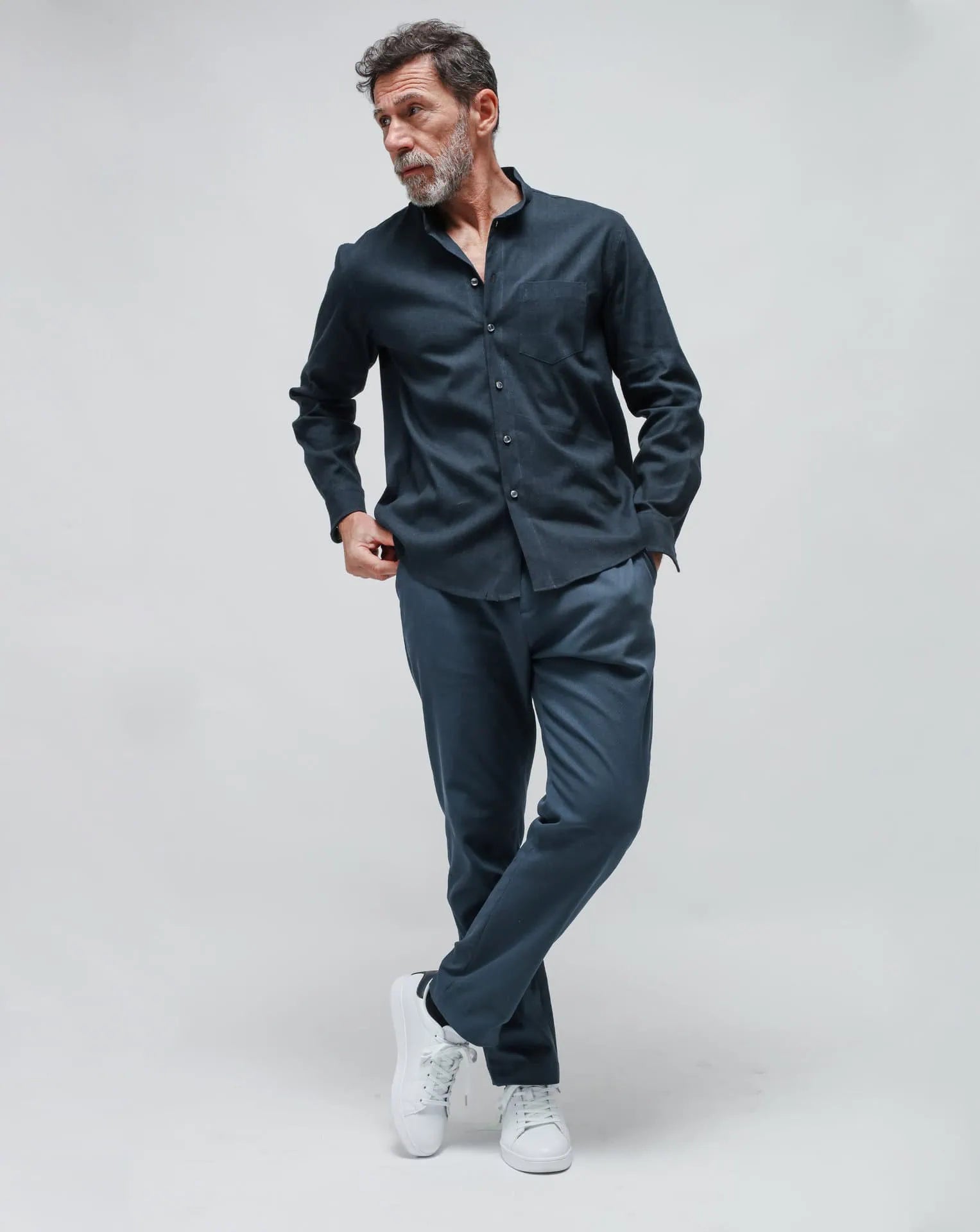
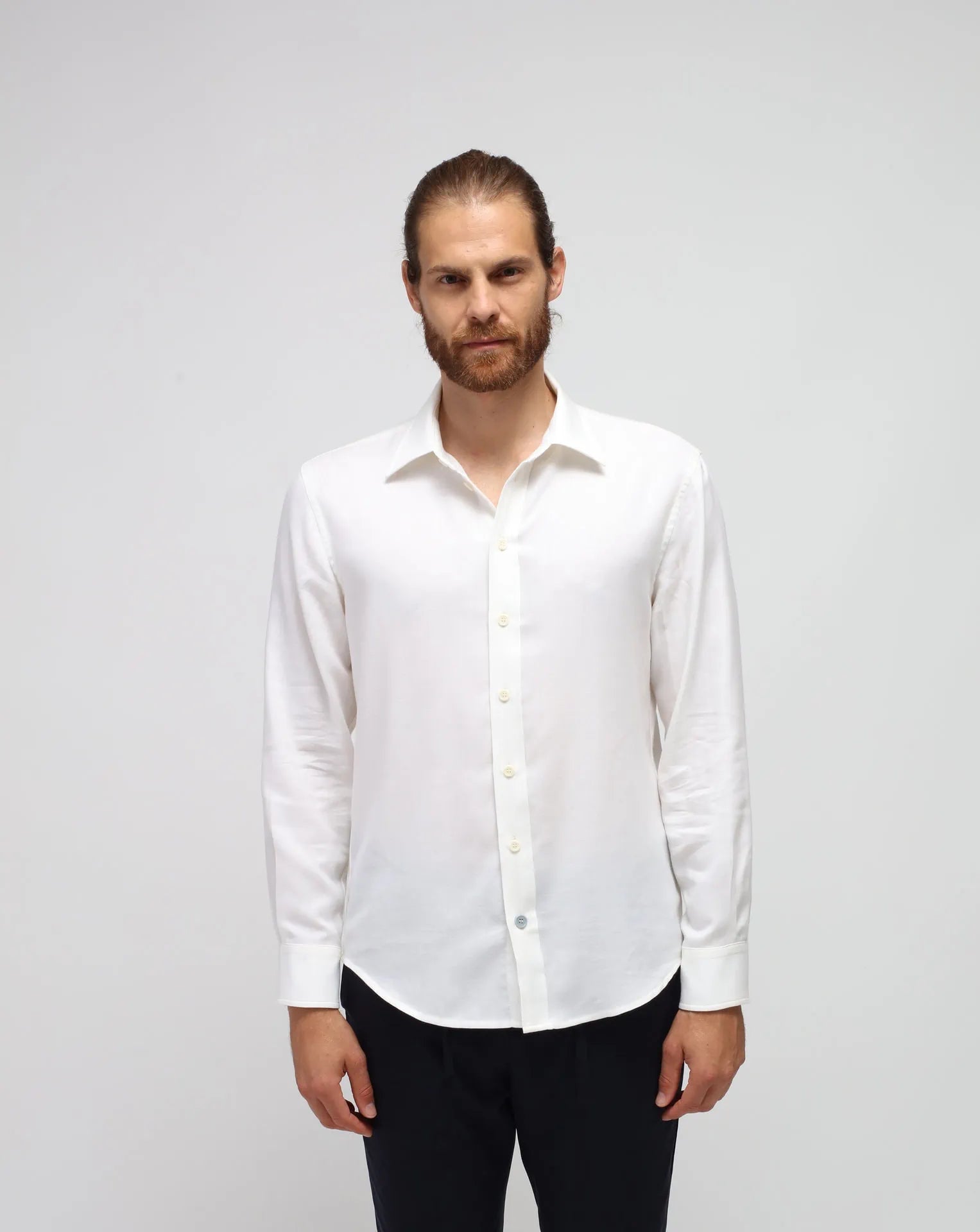
Think about the pieces people actually rely on: the black dress that works for meetings and dinners, the crisp shirt that sharpens a travel capsule, the tailored pants that keep showing up in real life, the coat that makes winter dressing feel considered instead of rushed. These are not throwaway purchases. They are wardrobe anchors. Shipping them responsibly aligns with the same values that made them worth buying in the first place.
That alignment is especially relevant for customers who want premium fashion without the waste structure of fast fashion. They are not just purchasing a product. They are choosing a system. Carbon neutral delivery, when handled credibly, makes that system more coherent.
Carbon neutral fashion shipping and trust
Trust in fashion is built through consistency. If a brand asks customers to pay more for craftsmanship, it also needs to show discipline in the unseen parts of the business. Shipping is one of those parts.
A customer may never watch a parcel move through a carrier network or see the packaging decisions made behind the scenes. But they notice when a brand's sustainability language feels complete rather than selective. They notice when the values extend from fabric sourcing to delivery. And they notice when convenience is offered without pretending it has no environmental cost.
That honesty is part of modern luxury now. Not excess. Not speed for its own sake. Precision, restraint, and accountability.
For a brand like Humans & Land, free carbon-neutral shipping sits naturally beside small-batch production and deadstock sourcing because all three point to the same idea: buy less, choose better, keep what deserves a place in your wardrobe.
A thoughtful wardrobe should arrive with the same care that shaped the garment itself.
FAQ
Q: Does carbon neutral fashion shipping mean no emissions are created?
A: No. It means shipping emissions are measured, reduced where possible, and the remaining impact is compensated for through verified carbon projects.
Q: Is carbon neutral shipping better than standard shipping?
A: Usually, yes, especially when the brand is also reducing emissions through smarter packaging, fewer split shipments, and more efficient transport choices. Offsets alone are less convincing than a full reduction strategy.
Q: Does faster shipping create a bigger carbon footprint?
A: Often it does. Expedited delivery can rely on more carbon-intensive transport methods, particularly air freight. Slower shipping options are typically more efficient.
Q: How do returns affect fashion shipping emissions?
A: Returns add transport and handling emissions. Brands that support better sizing guidance and free size exchanges can help reduce unnecessary back-and-forth shipments.
Q: What should I look for in a brand claiming carbon neutral fashion shipping?
A: Look for clear language about measurement, emission reduction, offset quality, packaging choices, and return practices. Specificity is usually a sign of a more credible claim.
the World of H&L