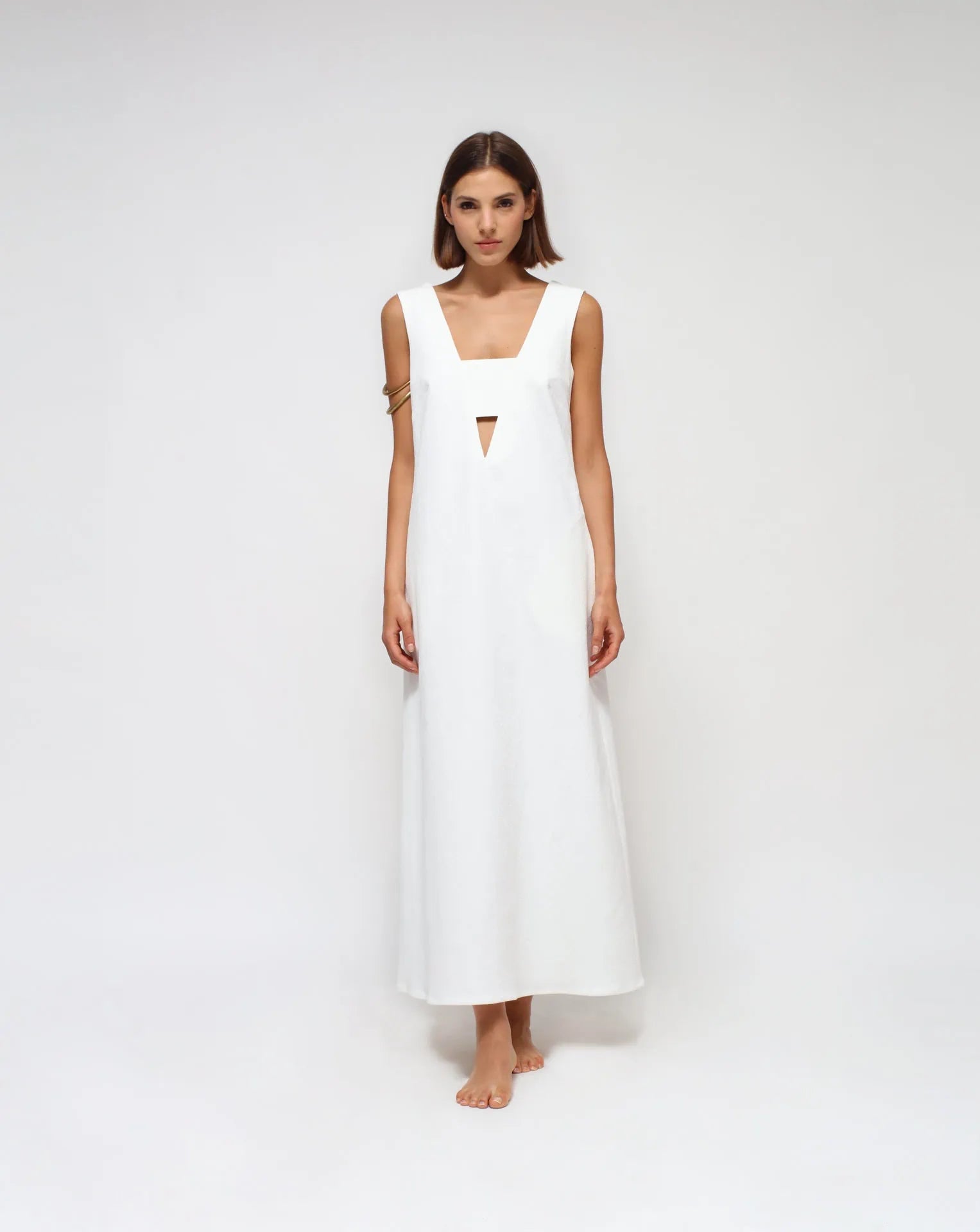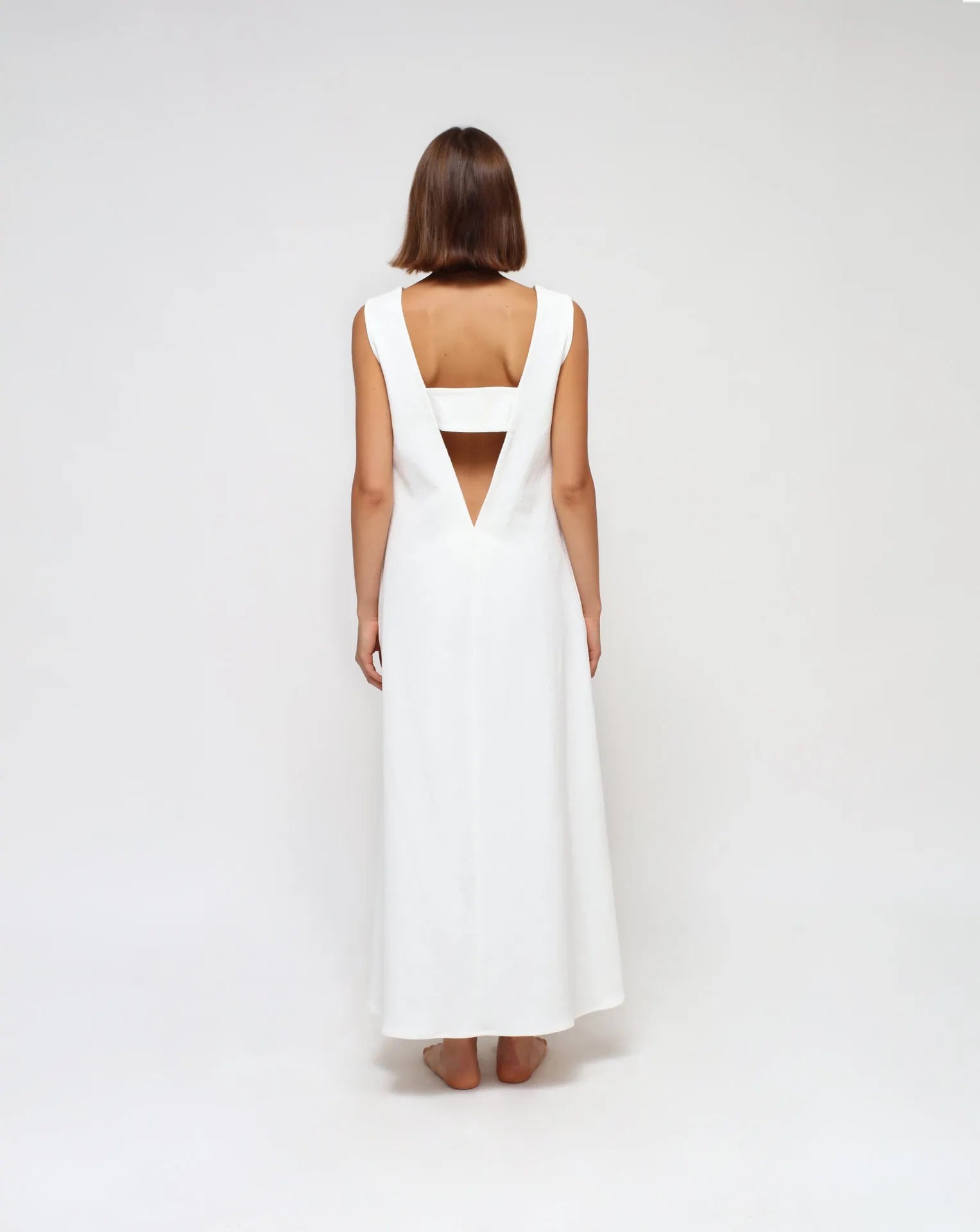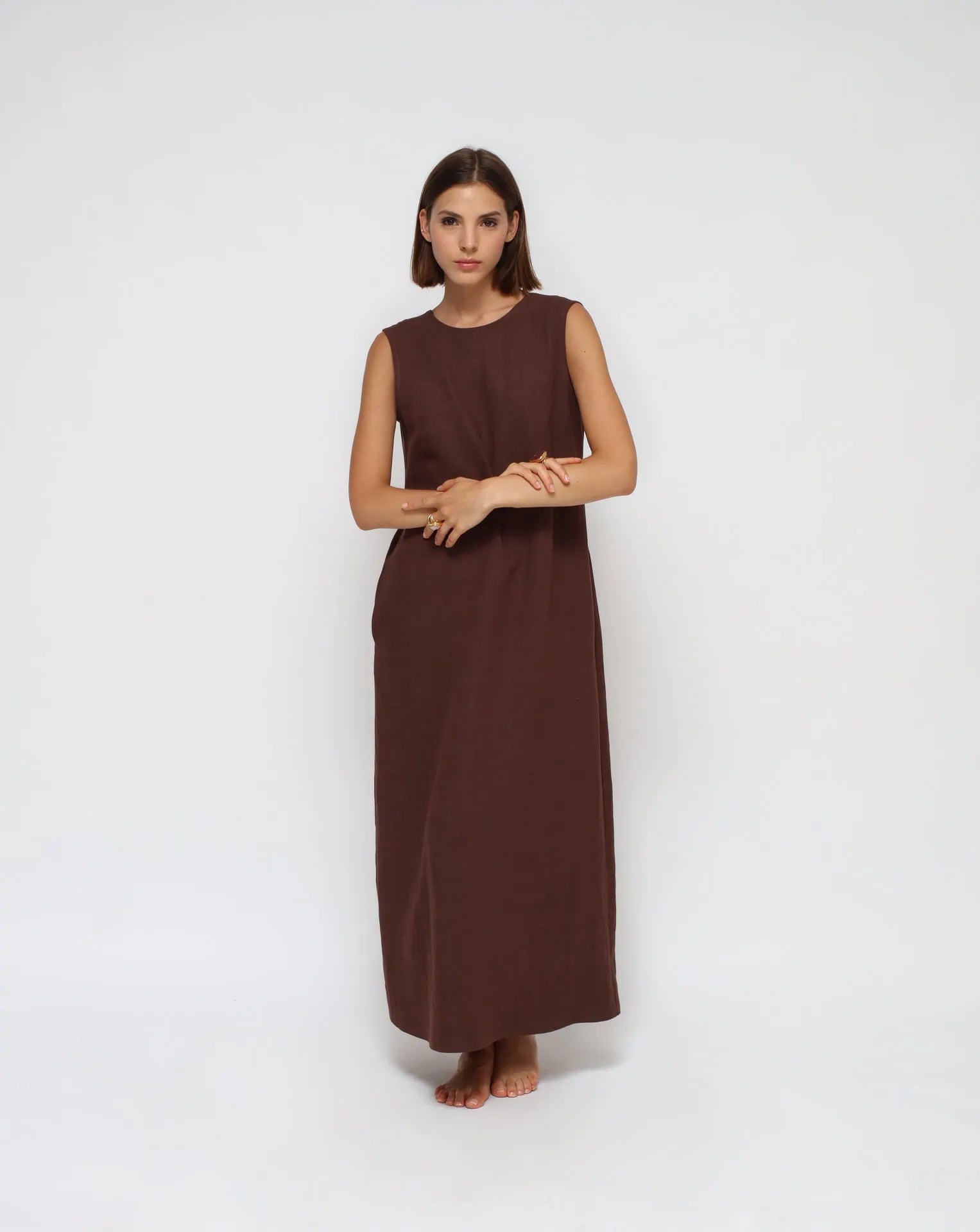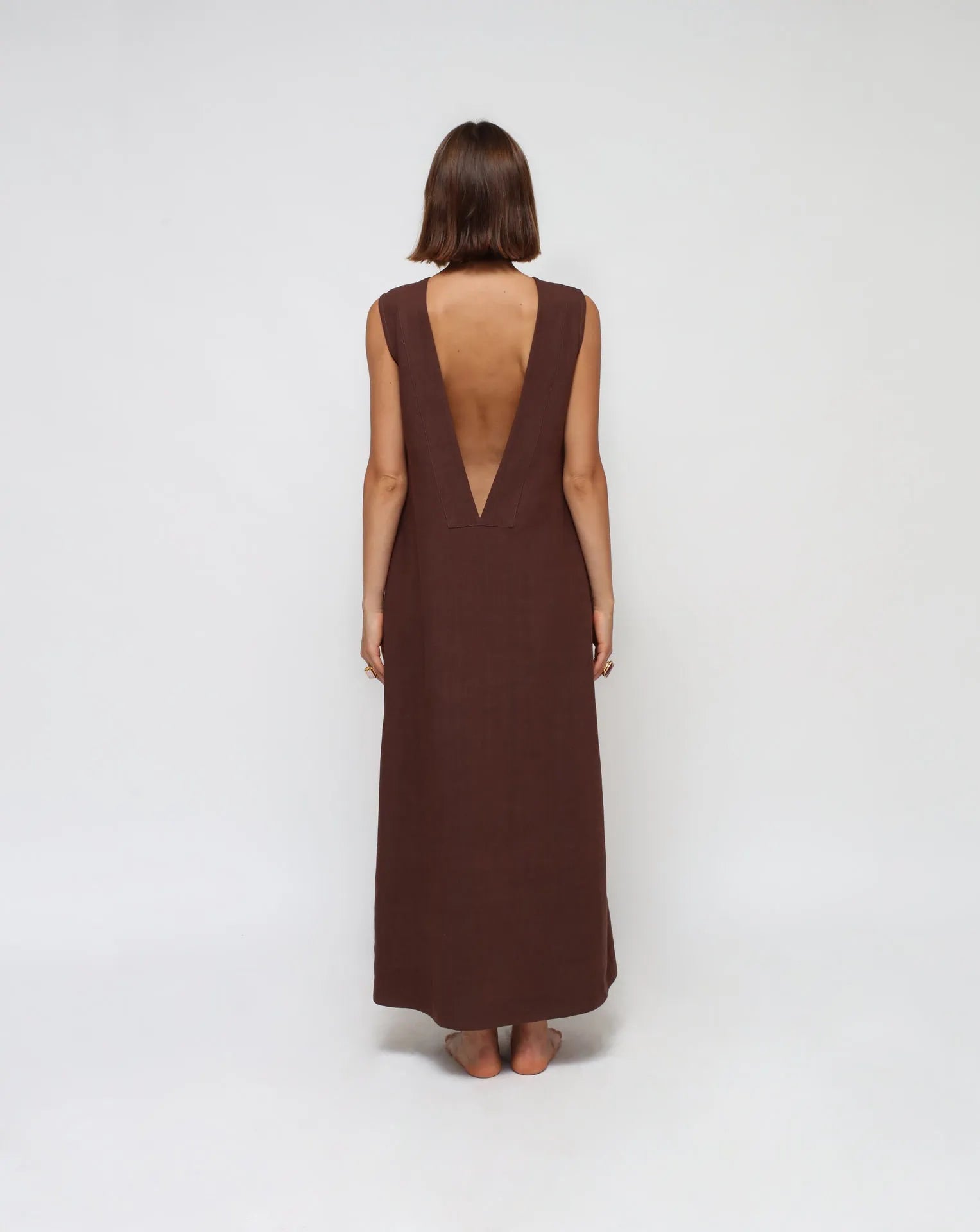

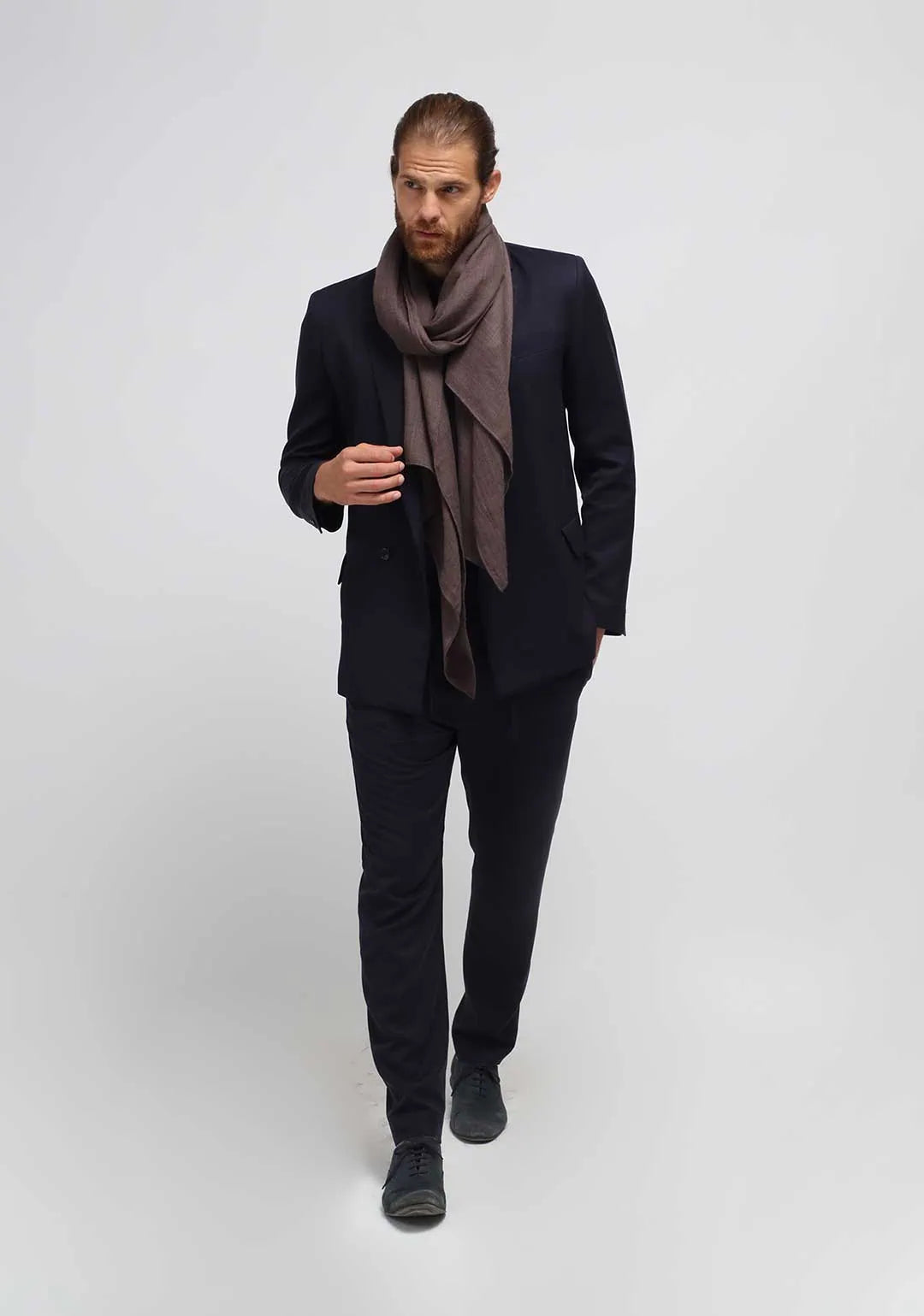
A Guide to Deadstock Fabrics for Winter Style
A great winter coat can begin with a fabric that almost never gets a second chance. In this guide to deadstock fabrics, we look at the overlooked rolls, surplus yardage, and exceptional textiles that can turn a considered wardrobe piece into something genuinely limited. The result is not fashion built around scarcity for its own sake. It is fashion that gives existing materials a more meaningful future.
Deadstock fabric is one of the most compelling answers to fashion’s habit of making too much. But it also comes with nuance. It asks designers to work within real limits, shoppers to think beyond endless replenishment, and everyone to value a garment for more than its label or season.
What are deadstock fabrics?
Deadstock fabrics are unused textiles left over from mills, factories, fashion houses, or production runs. They may be surplus because a brand ordered too much, a collection changed direction, a color was discontinued, or a mill produced more fabric than was needed. The fabric is new and unused. It is simply no longer part of its original plan.
That distinction matters. Deadstock is not worn clothing, damaged fabric, or automatically recycled material. It is often high-quality cloth that would otherwise sit in storage for years, be downcycled, or become waste. In many cases, it includes the kinds of fine wool, textured cotton, fluid viscose, tailoring fabrics, and winter-weight blends that are difficult to source in small quantities through conventional channels.
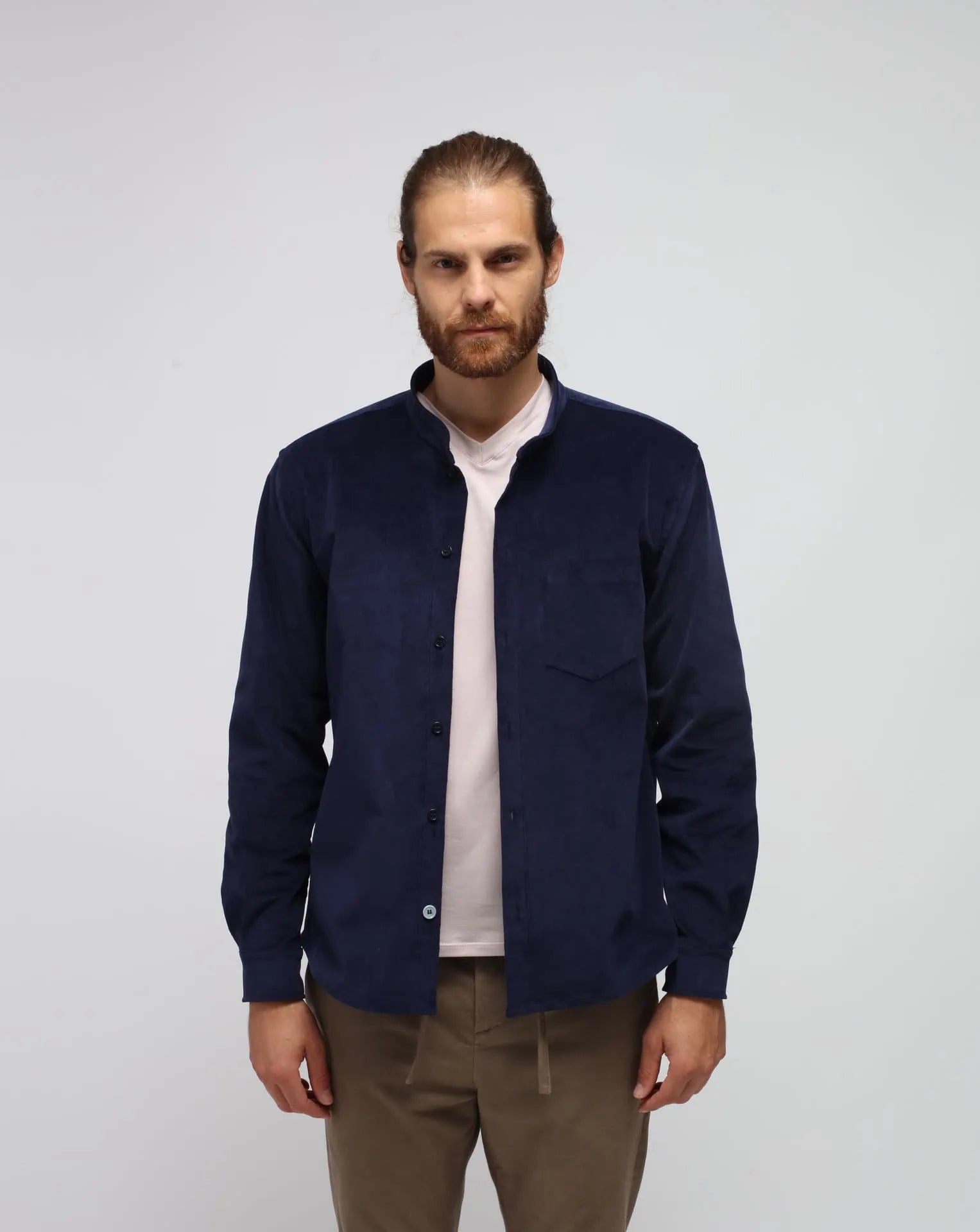
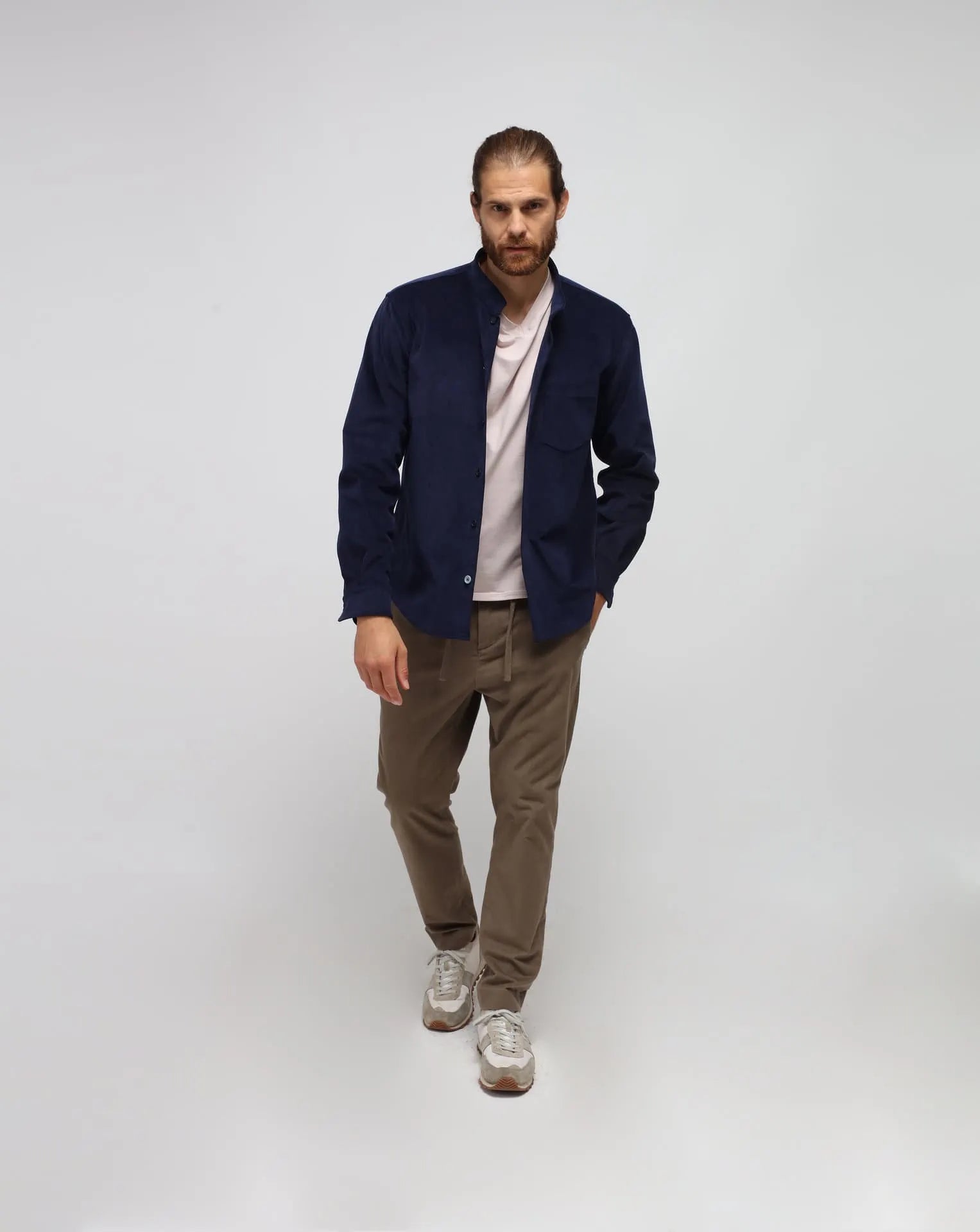
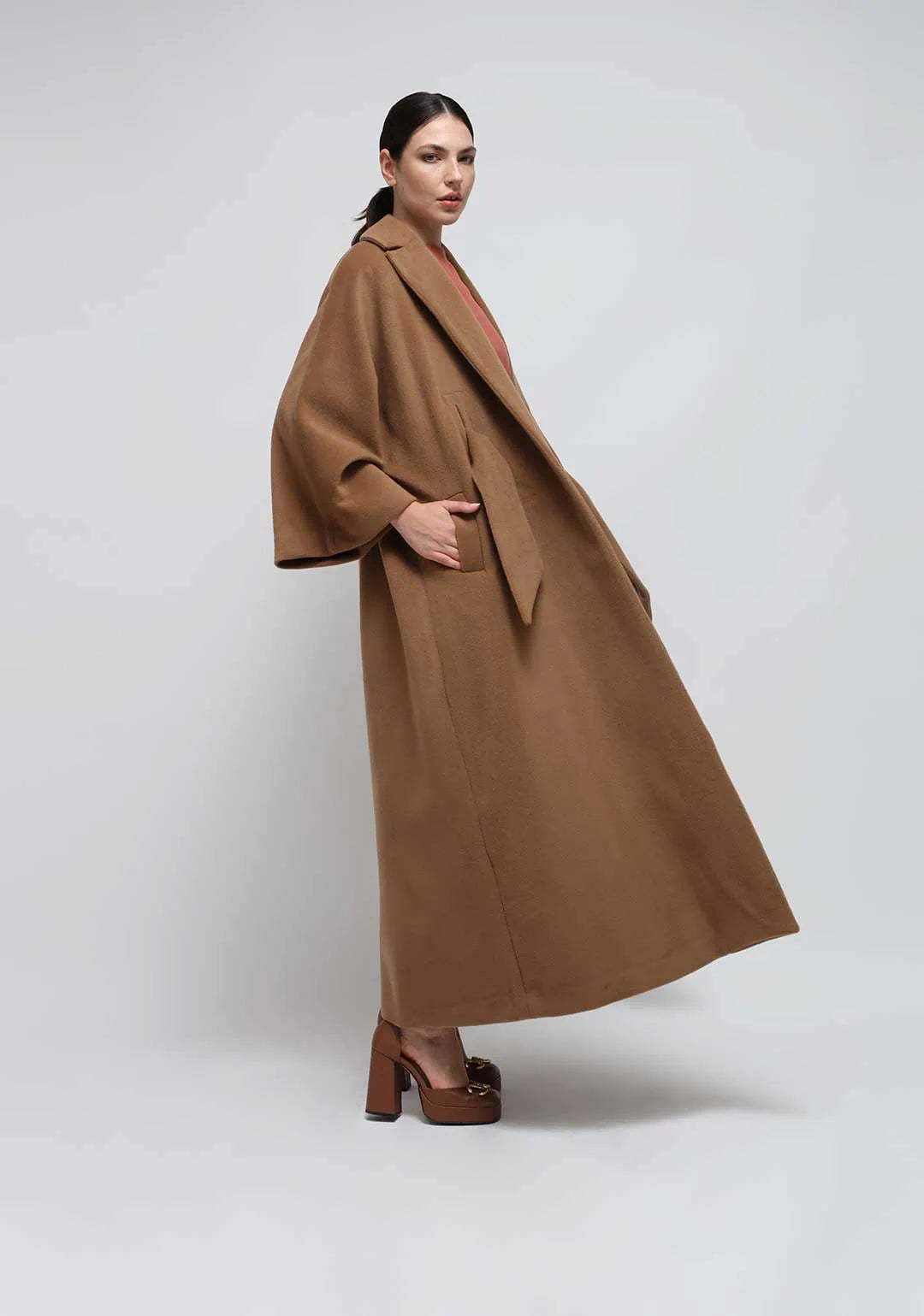
For a small-batch label, this creates a different design process. Rather than choosing a fabric from an unlimited catalog and producing until demand is met, the available material helps define the collection. A rich charcoal wool might become a sharply cut women’s coat. A dense Italian twill could lend structure to men’s trousers or an overshirt. When the roll is finished, that exact garment may be finished too.
Why deadstock matters in a winter wardrobe
Winter clothing asks more from fabric. It must hold warmth, maintain its shape, layer comfortably, and continue to look composed after repeated wear. Those requirements make material choice especially consequential.
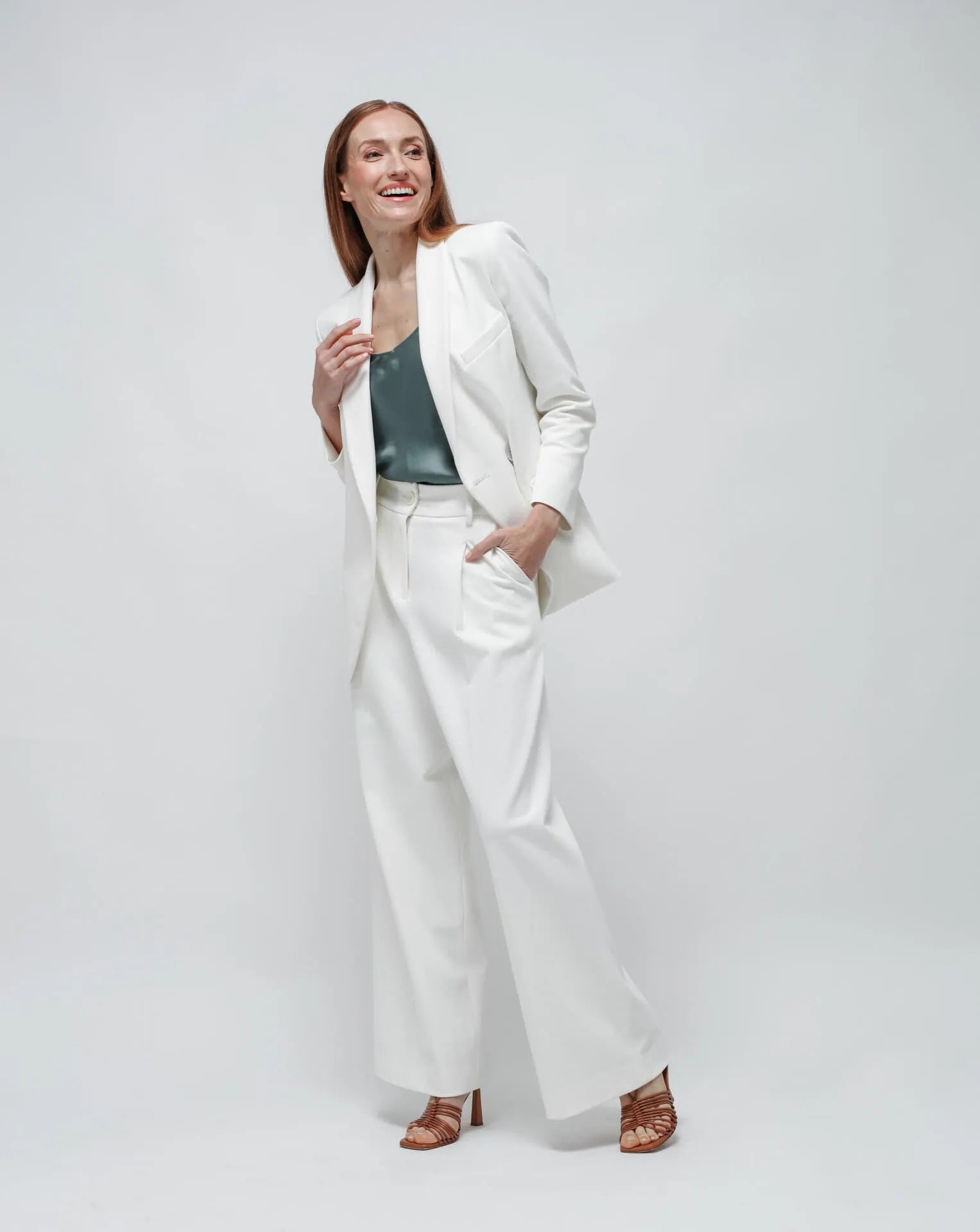
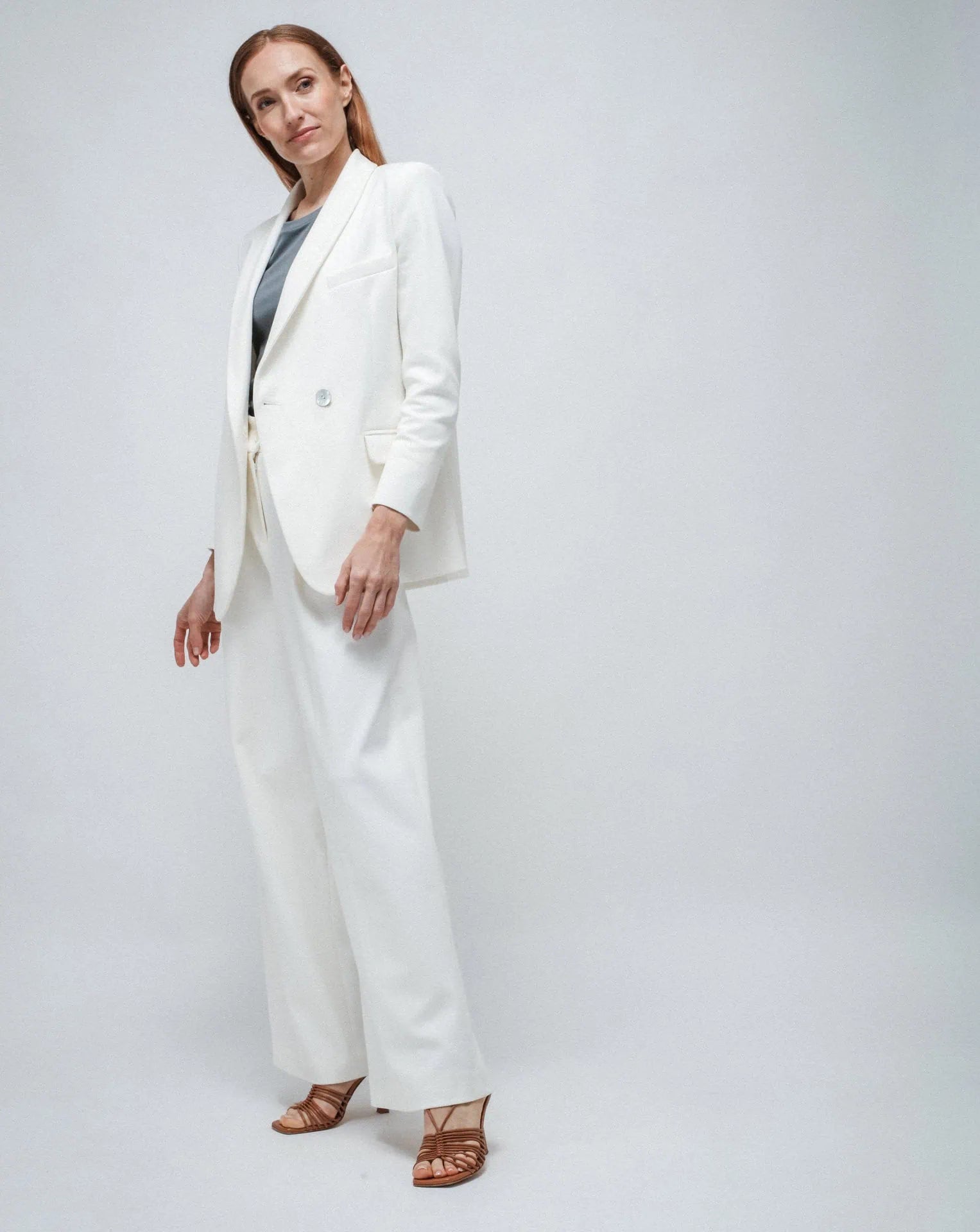
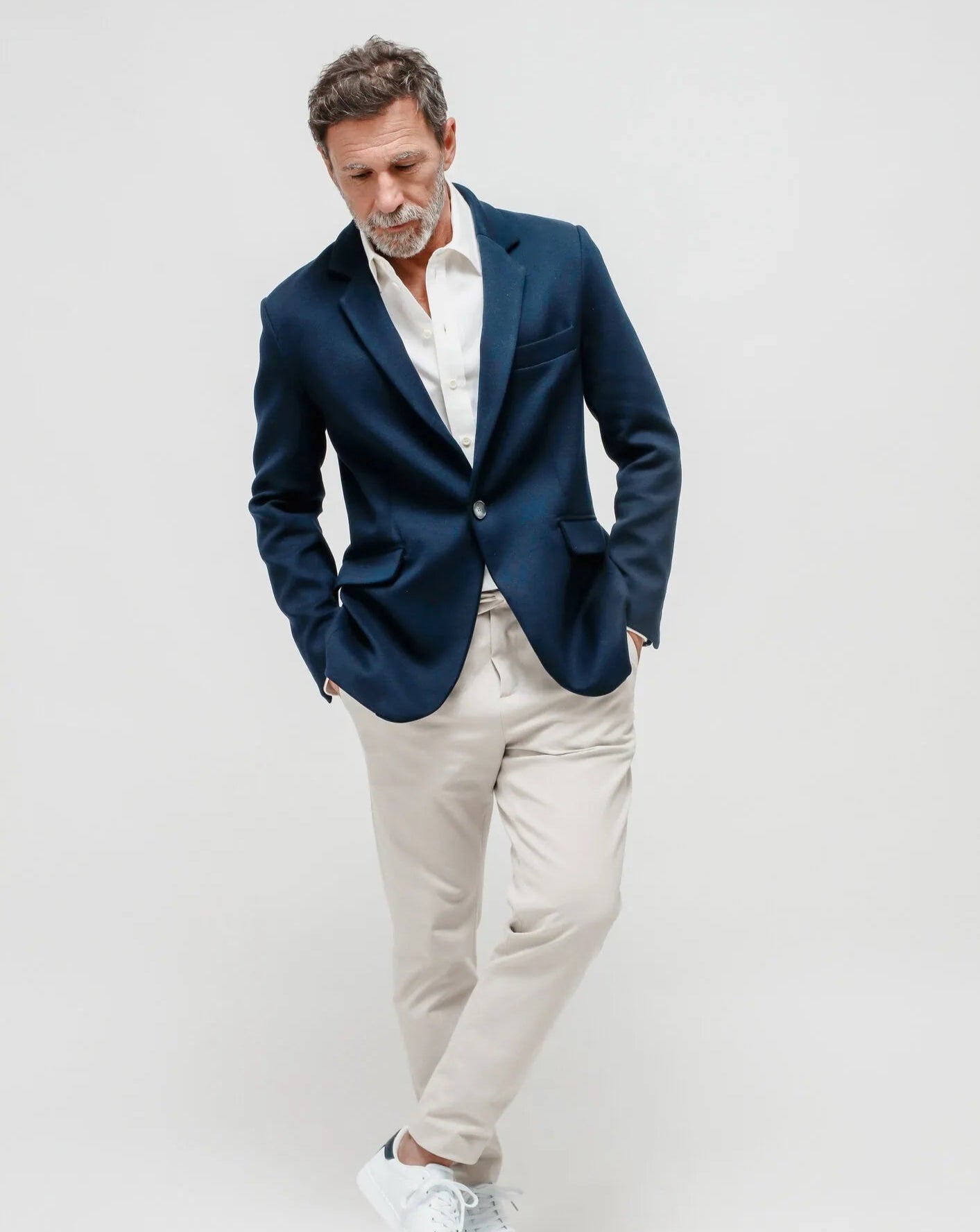
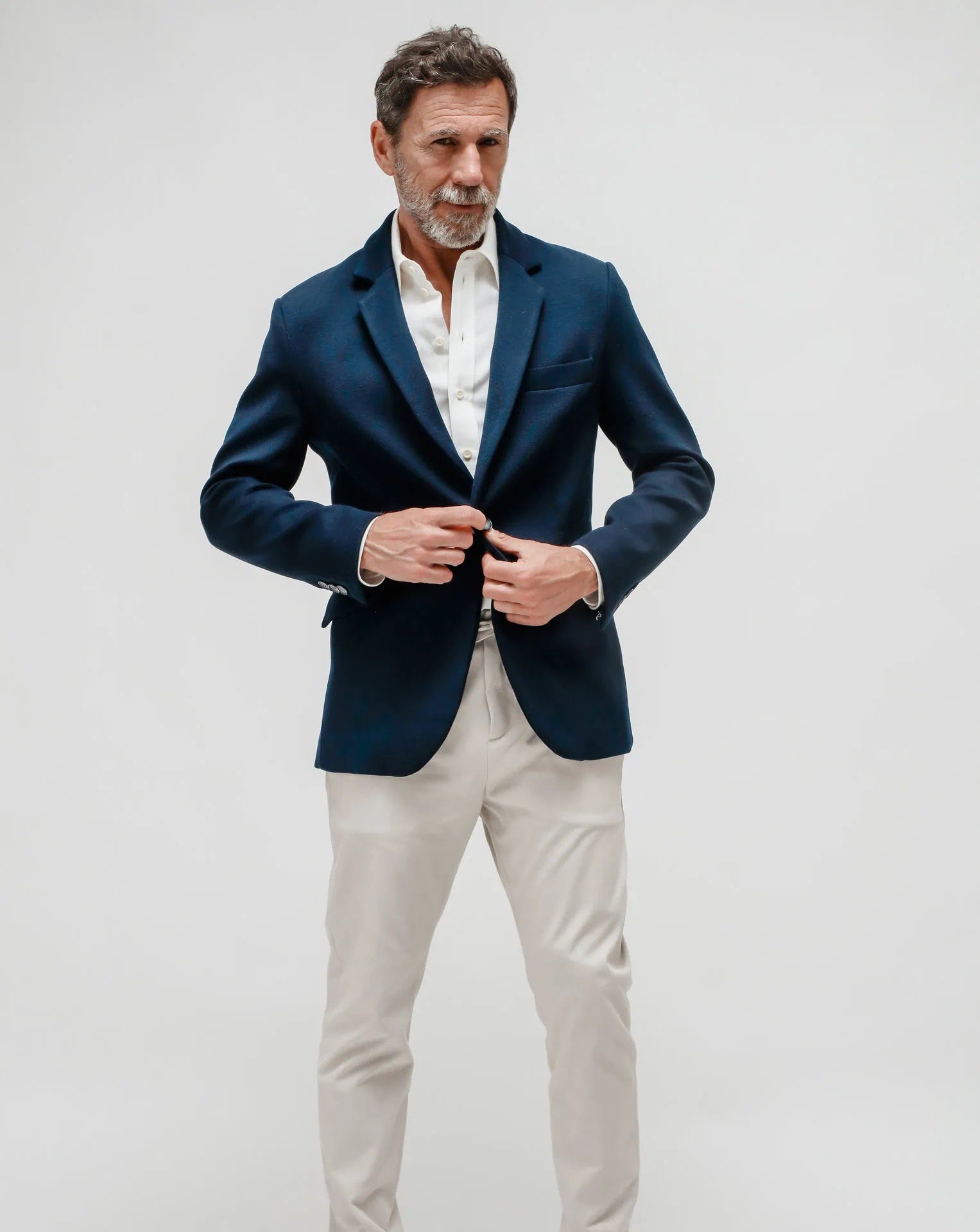
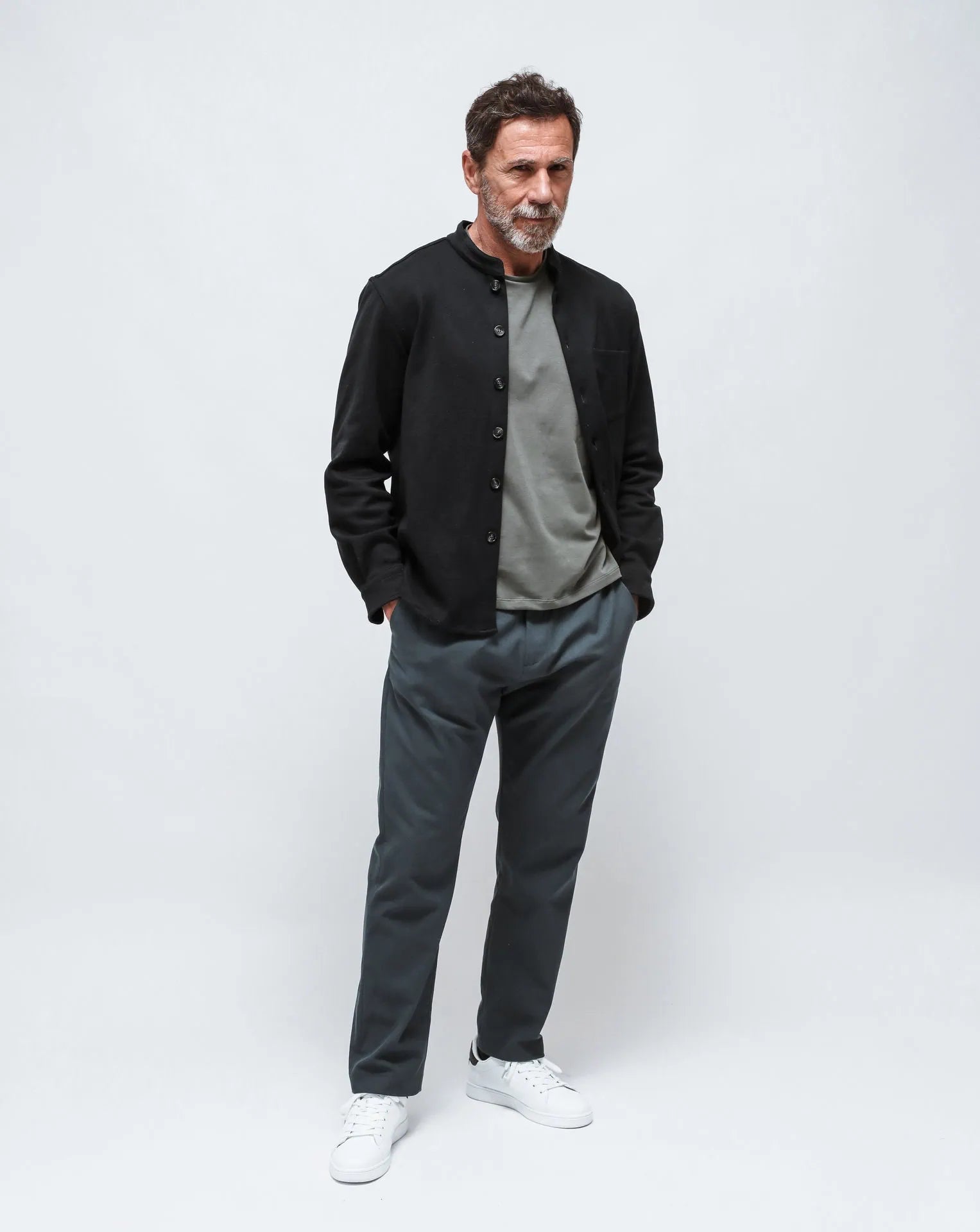
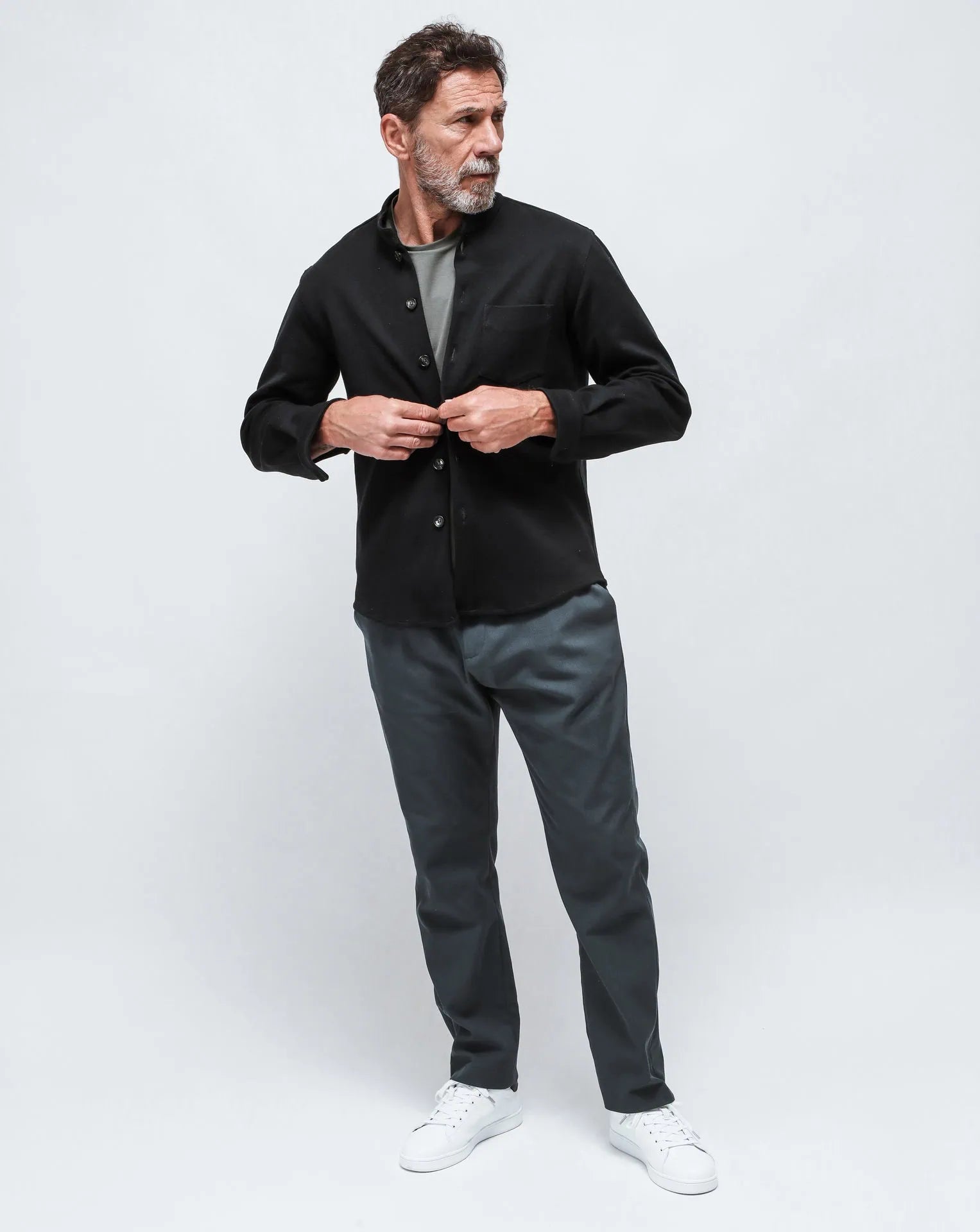
Using premium deadstock fabrics keeps existing resources in circulation while allowing designers to create pieces with depth and performance. Think of a wool-blend jacket that brings substance to a simple knit and denim uniform, or tailored pants with enough weight to carry you from a weekday meeting to dinner. The value lies in how often the piece is worn, not how loudly it announces itself.
Deadstock also challenges the assumption that sustainable fashion must look uniform, overly basic, or compromised. Limited fabrics can offer unusual texture, a refined drape, an unexpected check, or a color that cannot be reproduced once the supply is gone. That singularity is part of the appeal. Your wardrobe becomes more personal, while the material avoids a needless end.
Still, deadstock is not a universal solution to fashion’s waste problem. It does not eliminate the energy, water, or chemicals that went into making the original fabric. Nor does every deadstock source come with perfect traceability. Its strength is direct and practical: it makes responsible use of textiles that already exist, particularly when paired with small-batch production and garments designed to last.
How a guide to deadstock fabrics changes the way you shop
Shopping deadstock pieces requires a small shift in expectations. Availability is limited, restocks are not guaranteed, and the exact fabric composition may vary from one release to the next. That is not a flaw in the model. It is the honest consequence of sourcing what is already available rather than commissioning more material simply to keep a bestseller permanently stocked.
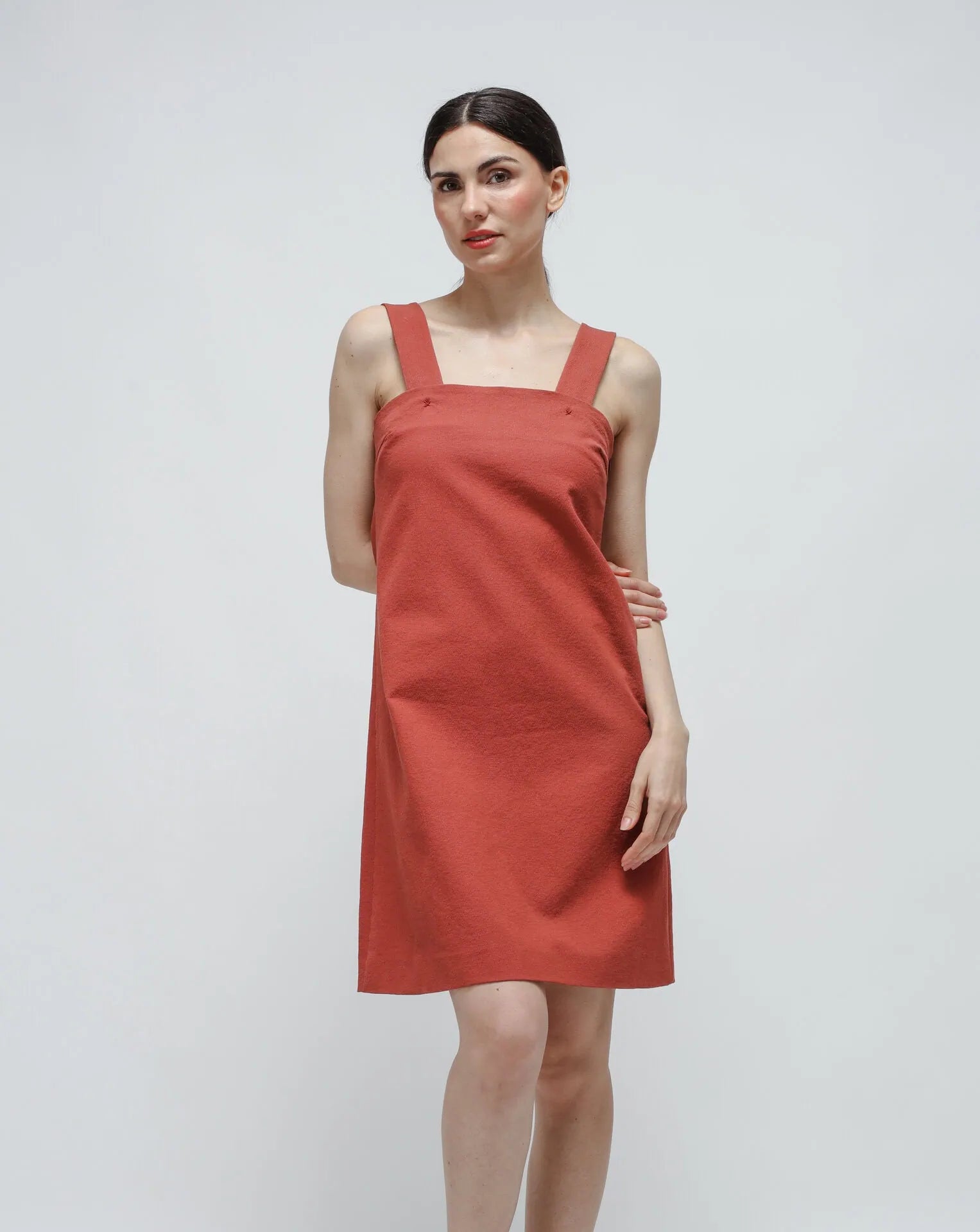
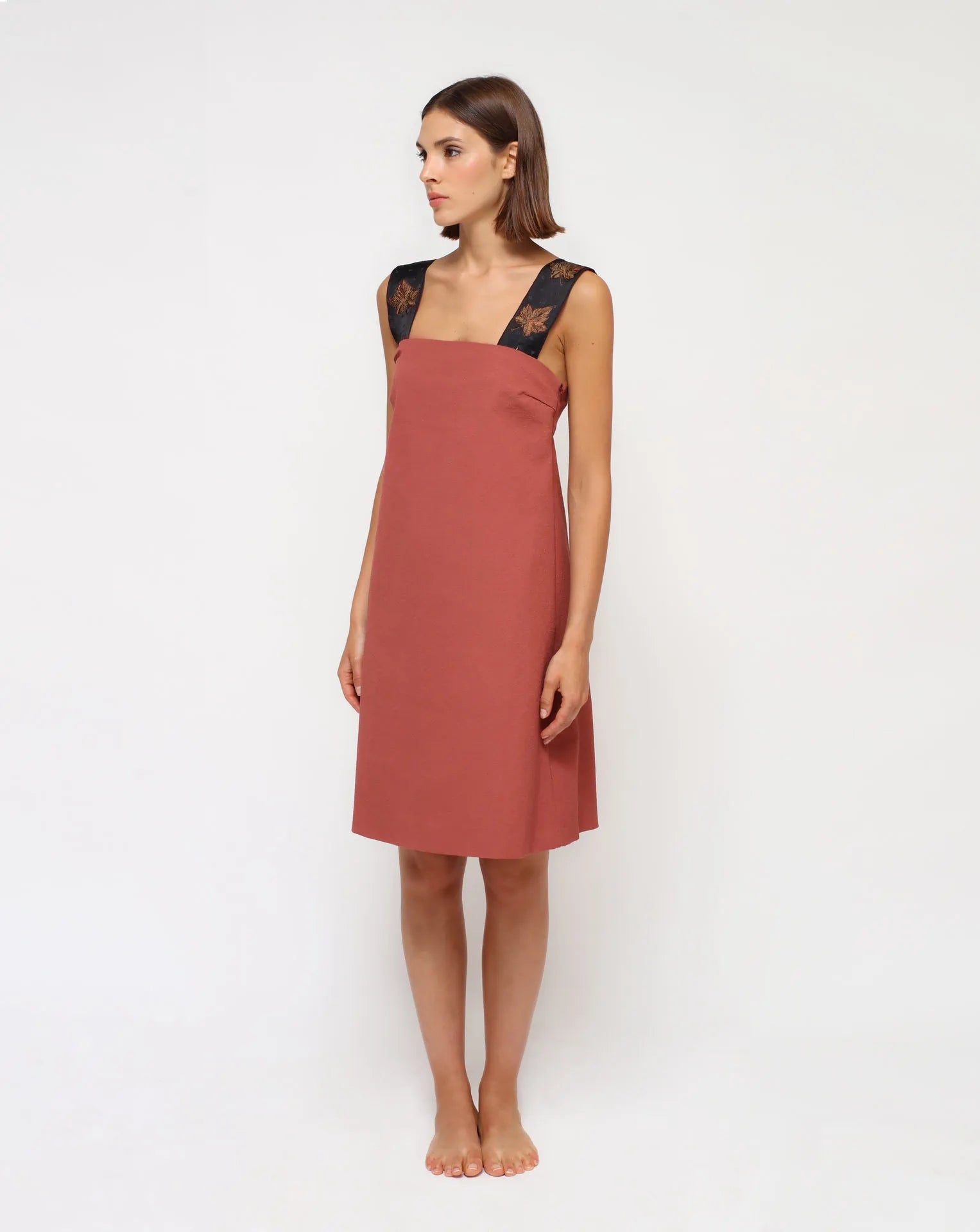
Before buying, begin with the role a piece will play in your life. A winter coat should work with the trousers, denim, boots, and knitwear you already reach for. A dress should be more than an occasion piece if its fabric and silhouette can carry it through multiple settings. A men’s tailored overshirt should be easy to layer over a tee in early fall and under outerwear when temperatures fall.
Then assess the fabric itself. Product details should clarify fiber content, weight, lining, construction, and care needs. Natural fibers such as wool can offer warmth and breathability, while blends may improve durability, shape retention, or ease of care. There is no single best answer. A fully wool outer layer may suit cold, dry climates and a buyer who welcomes professional cleaning. A wool blend may be the wiser choice for frequent travel, packed commutes, or everyday wear.
Color deserves the same attention. Limited-edition does not have to mean difficult to wear. Black, espresso, navy, stone, charcoal, and deep olive create a strong foundation for winter dressing. A saturated red, cobalt, or distinctive check can be equally versatile when it has a clear relationship to the rest of your wardrobe. Buy the unusual fabric when you can imagine at least three ways to wear it, not simply because it may disappear.
The trade-off behind limited editions
Mass production offers consistency and endless choice. Deadstock production offers restraint, material character, and a lower-waste use for existing fabrics. You rarely get both at the same scale.
That is why small-batch fashion can feel different from conventional ecommerce. A coat might be offered in a narrow size run because the fabric is finite. A coordinated set may not return in the same shade next year. A favorite trouser cut may reappear, but in a new textile with a different hand feel and drape.
For intentional shoppers, this is an advantage. It reduces the false urgency of weekly trend cycles and replaces it with a more grounded question: Is this worth keeping? If the answer is yes, limited availability makes the purchase more considered, not more frantic.
At Humans & Land, deadstock sourcing informs limited-edition pieces made in small batches in Italy. The point is not to create disposable exclusivity. It is to treat excellent materials as worth using well, then make garments with the versatility to stay in rotation well beyond one winter.
What to look for in women’s and men’s winter pieces
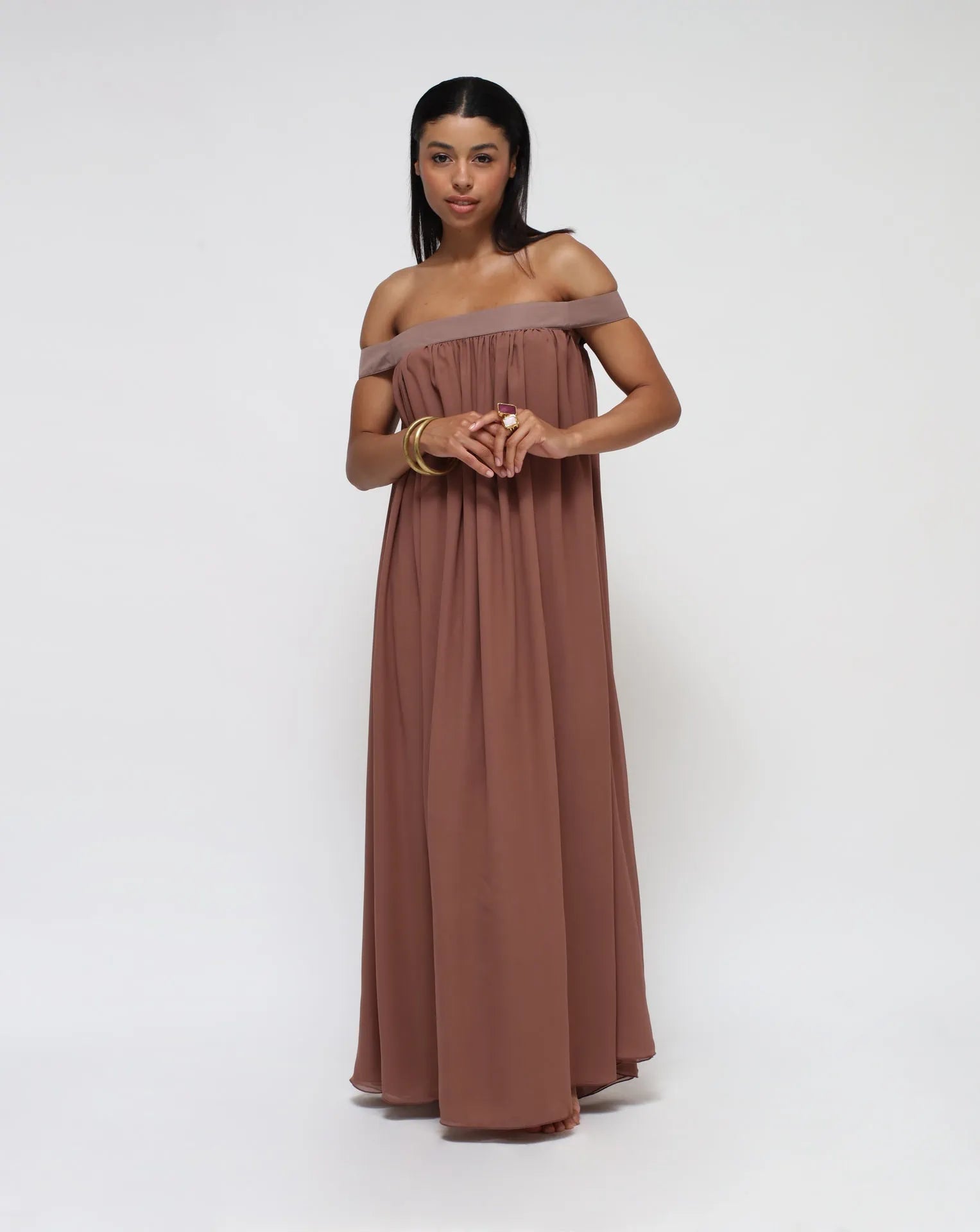
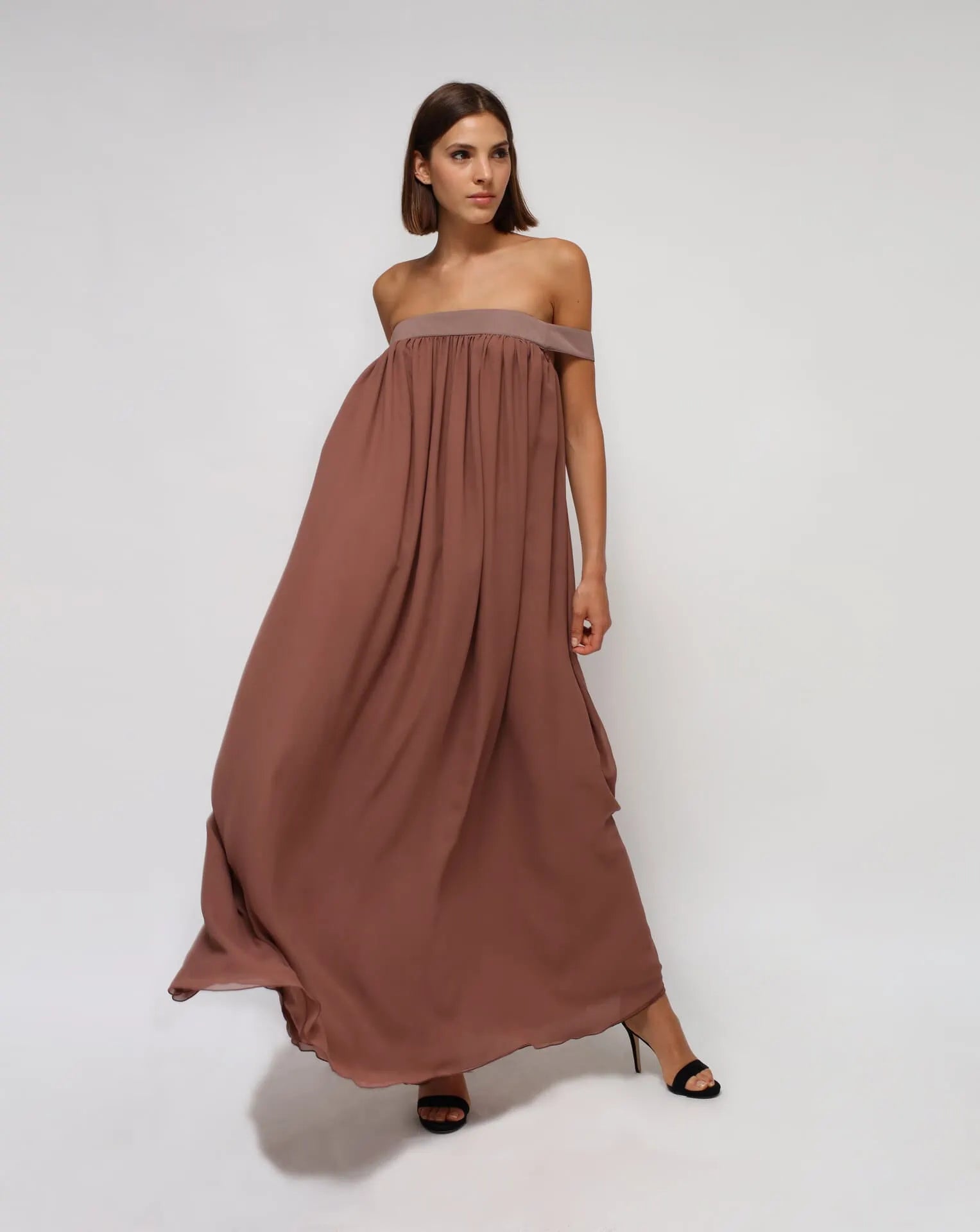
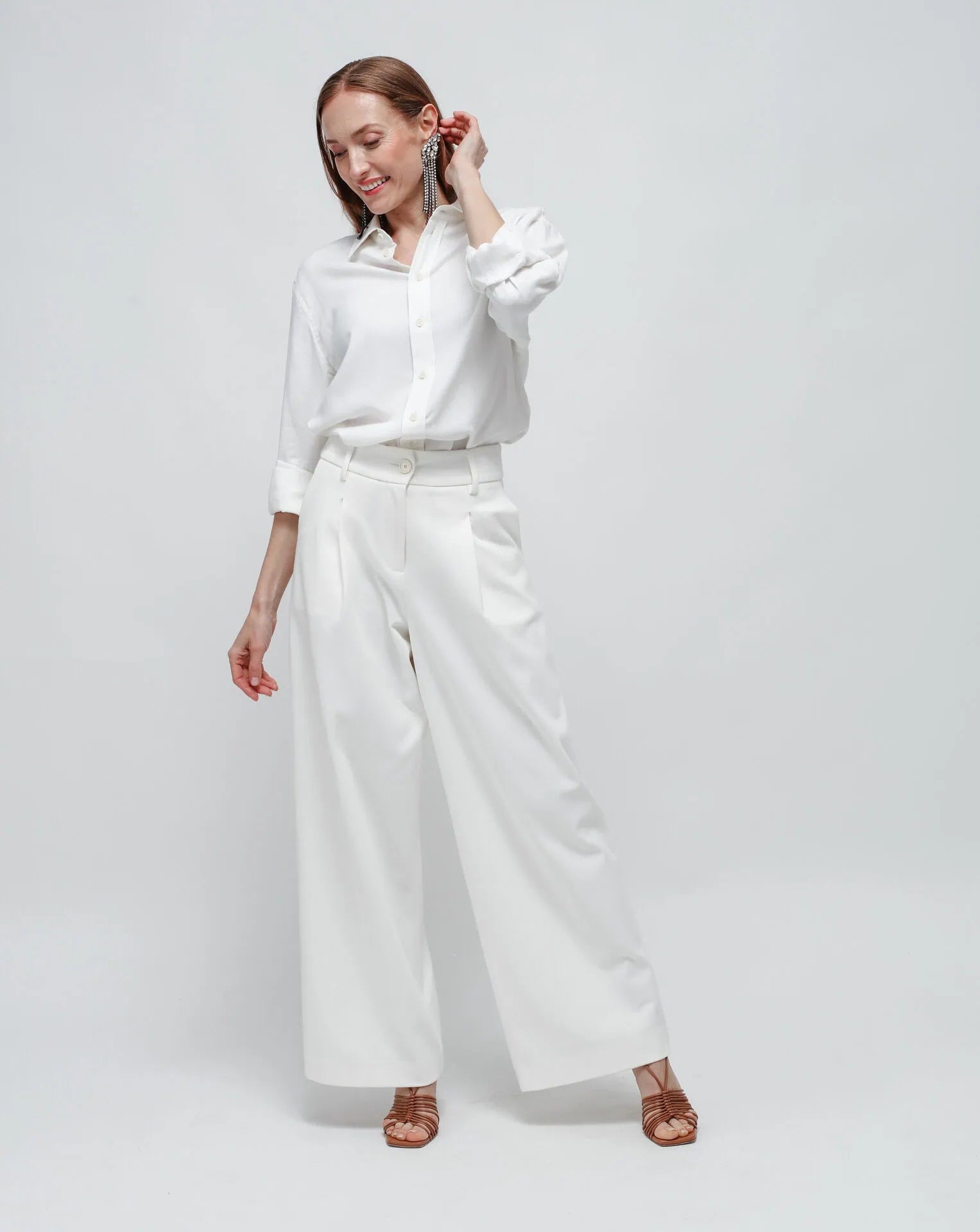
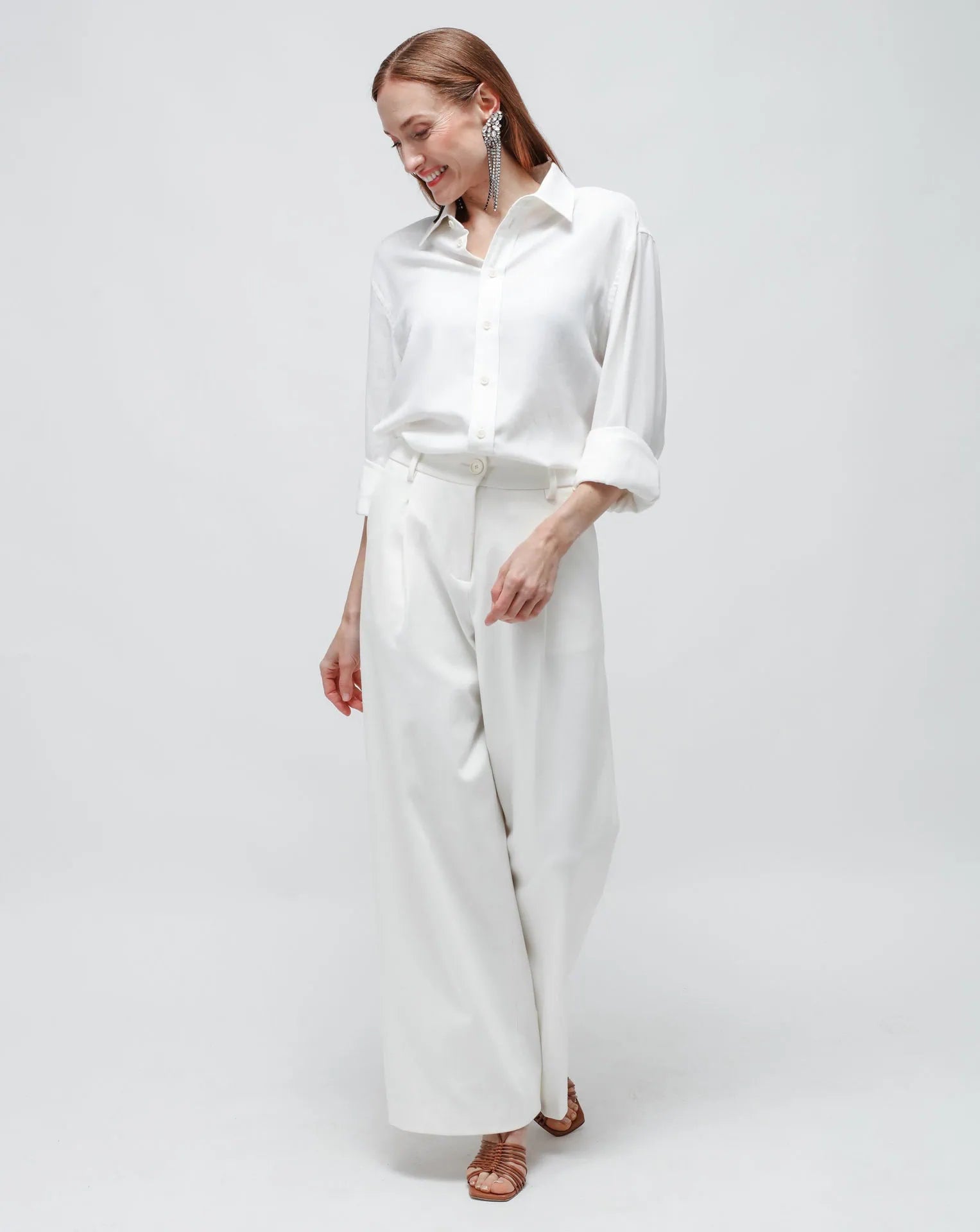
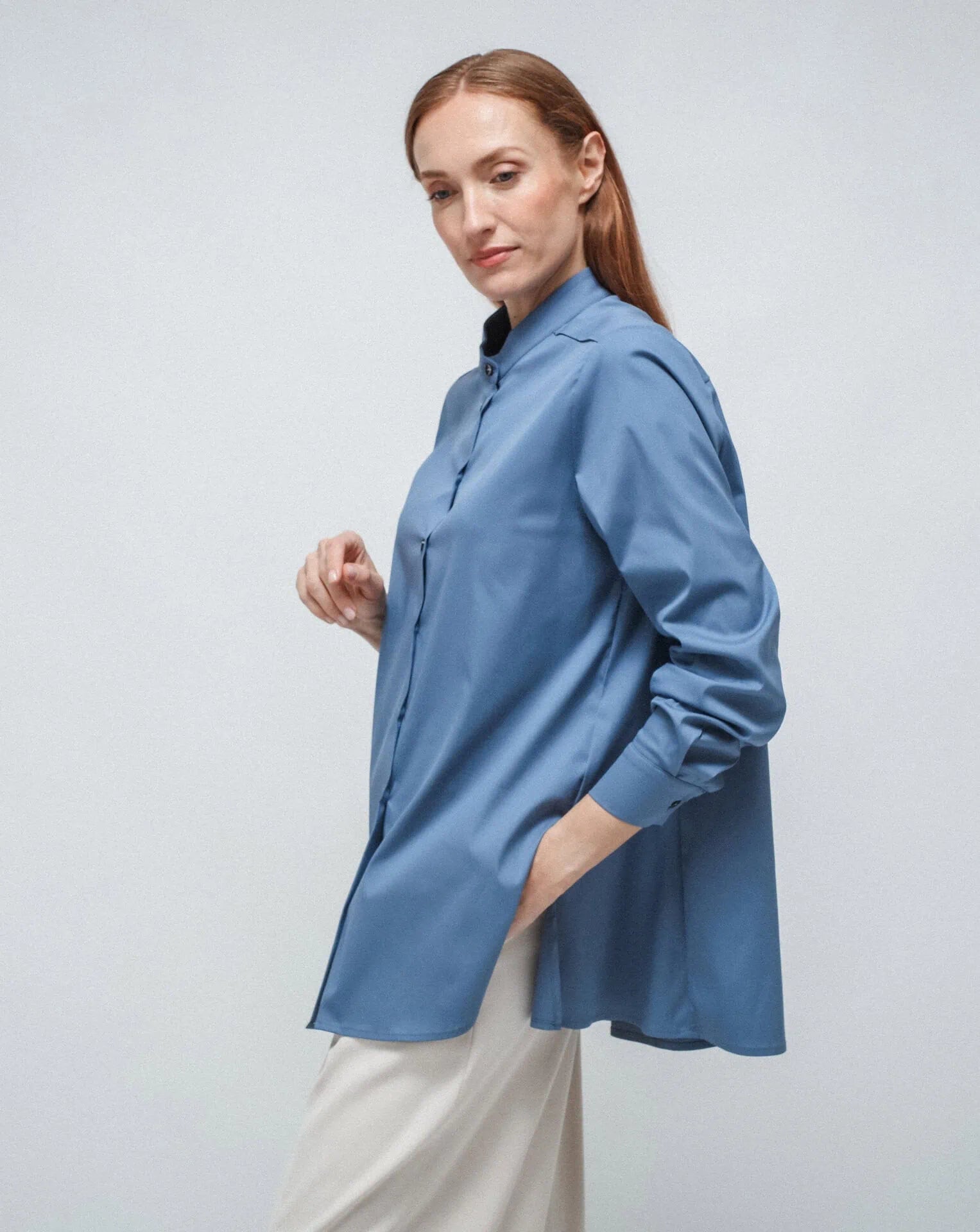
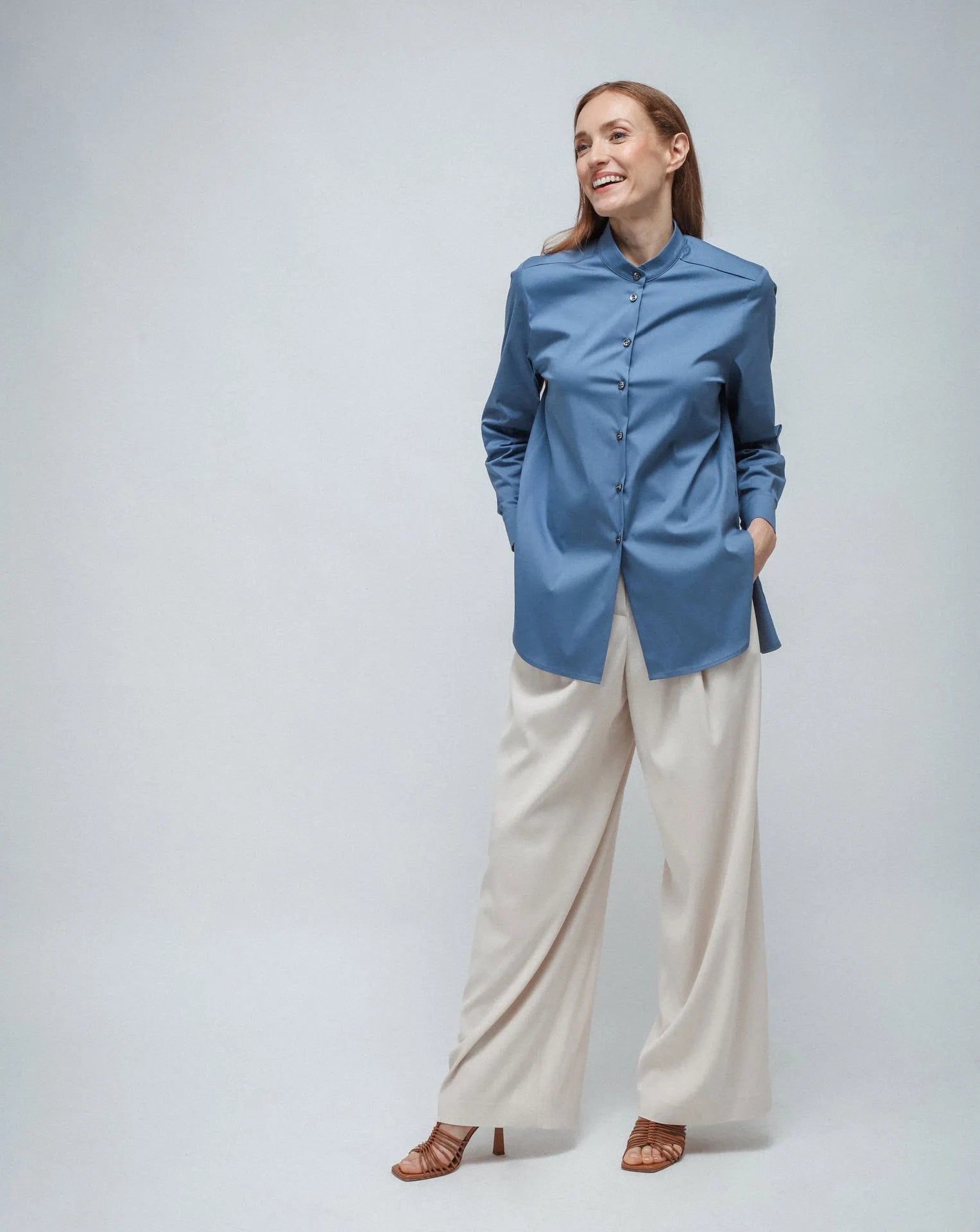
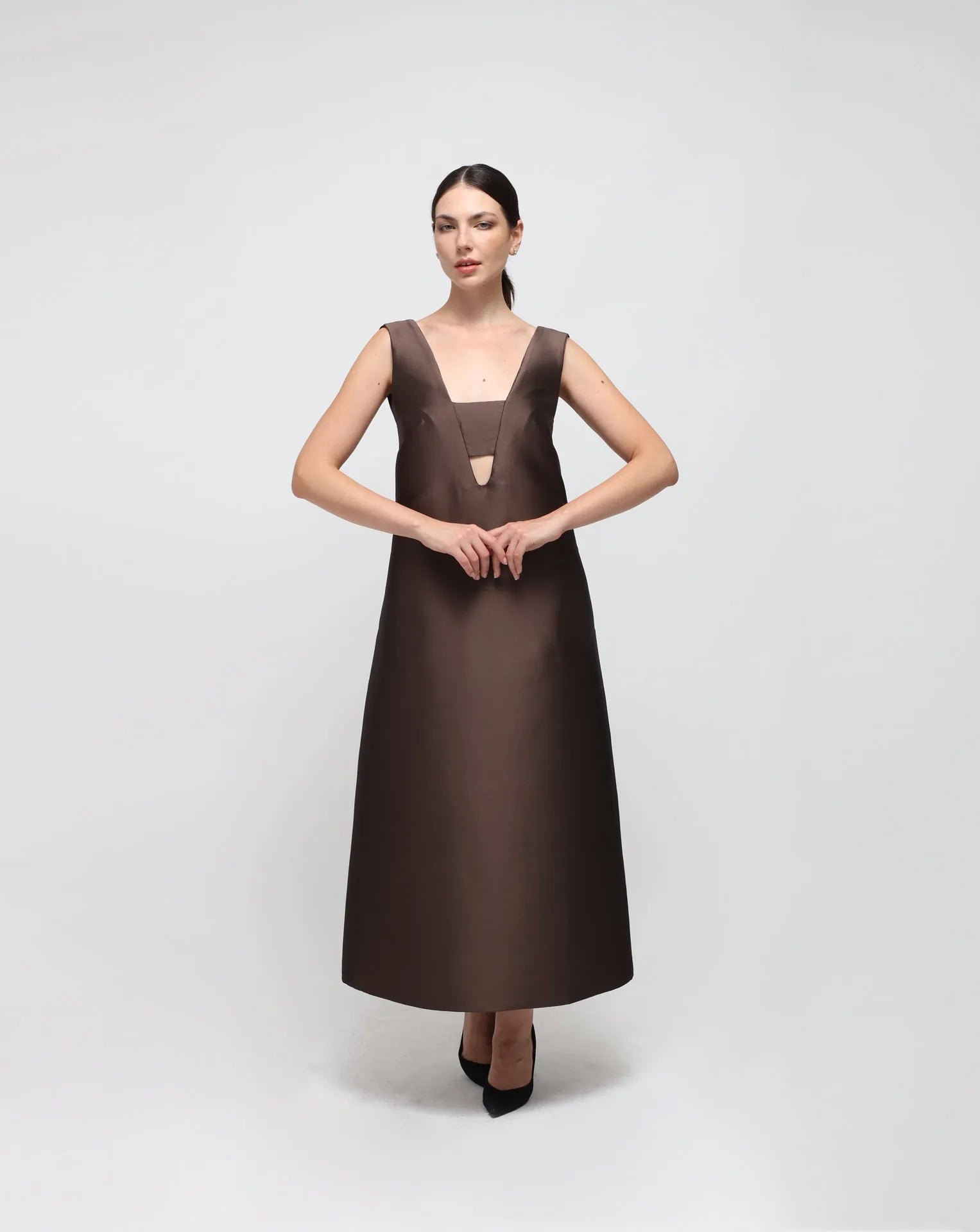
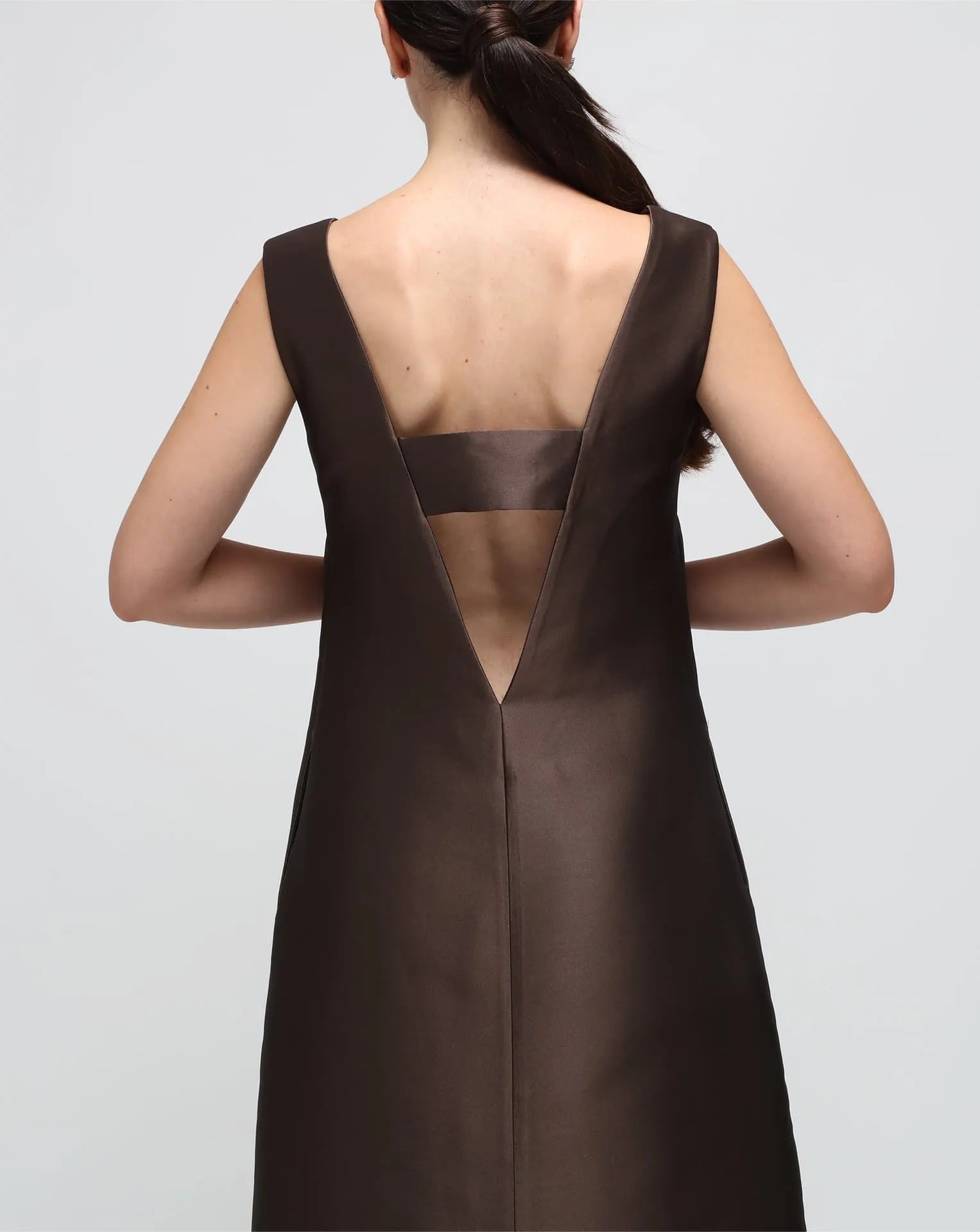
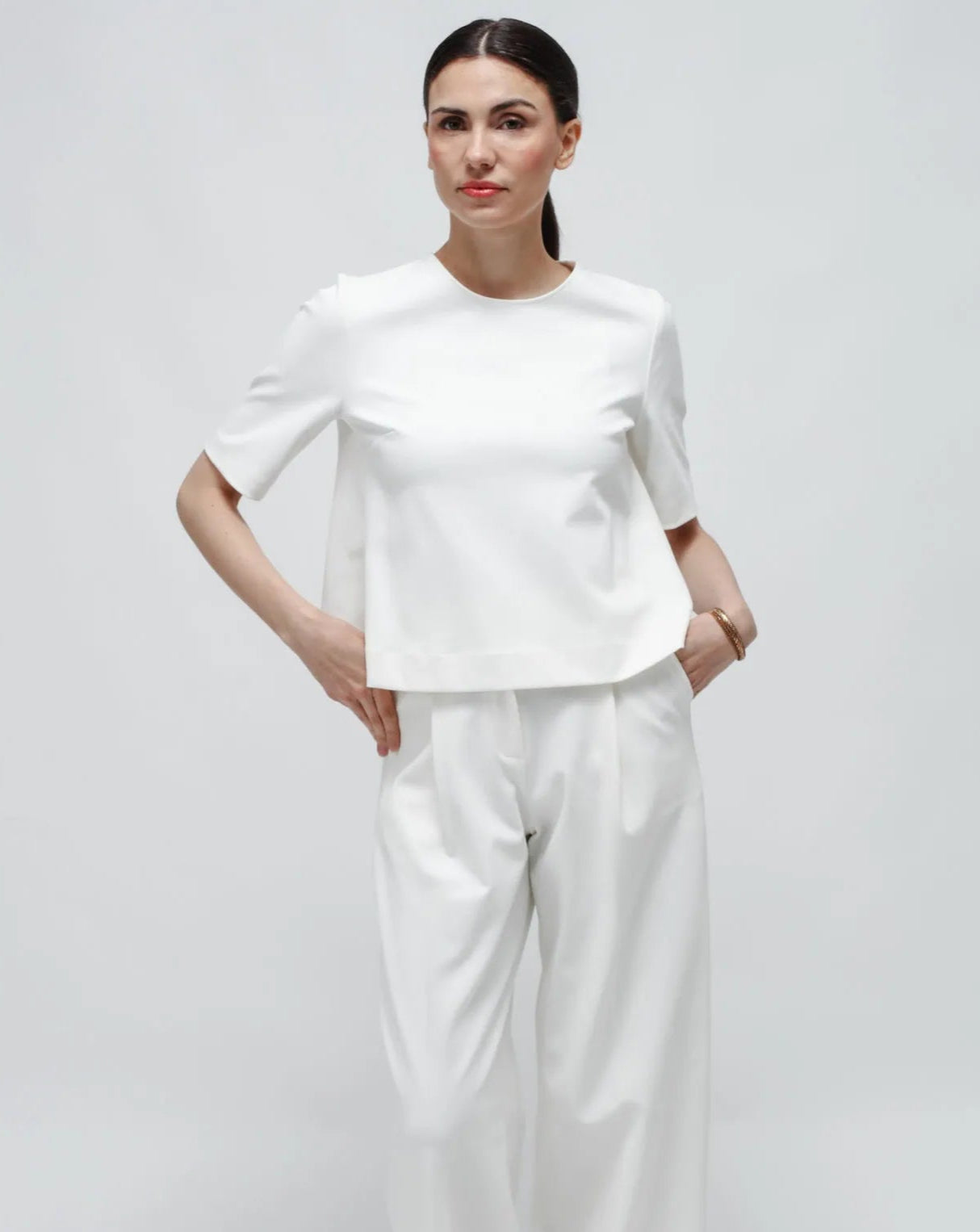
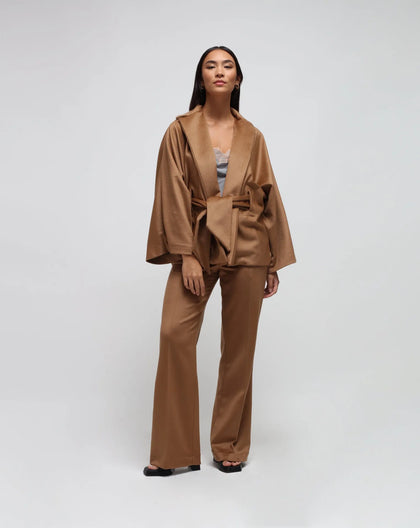
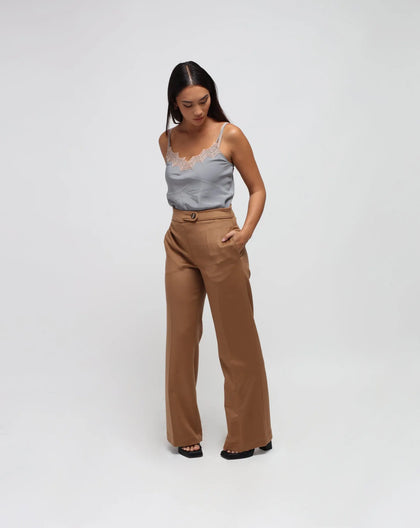
The best deadstock garments balance material interest with dependable construction. For women, a structured wool coat, a long-sleeve dress in a substantial woven fabric, or tailored wide-leg pants can become the center of a winter capsule. These are pieces that let texture do the work, so styling can remain clean: fine-gauge knitwear, leather boots, a precise scarf, and one considered layer of outerwear.
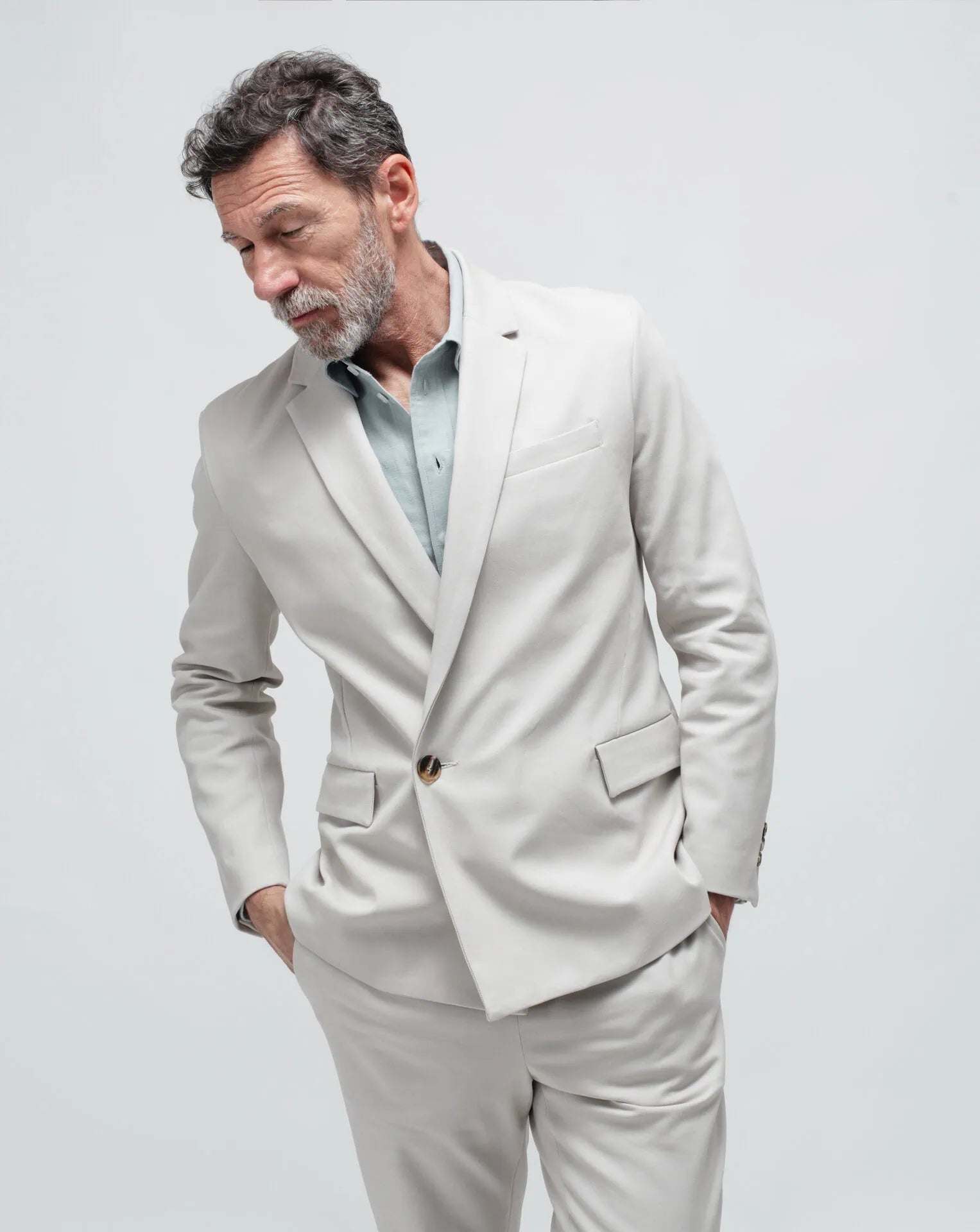
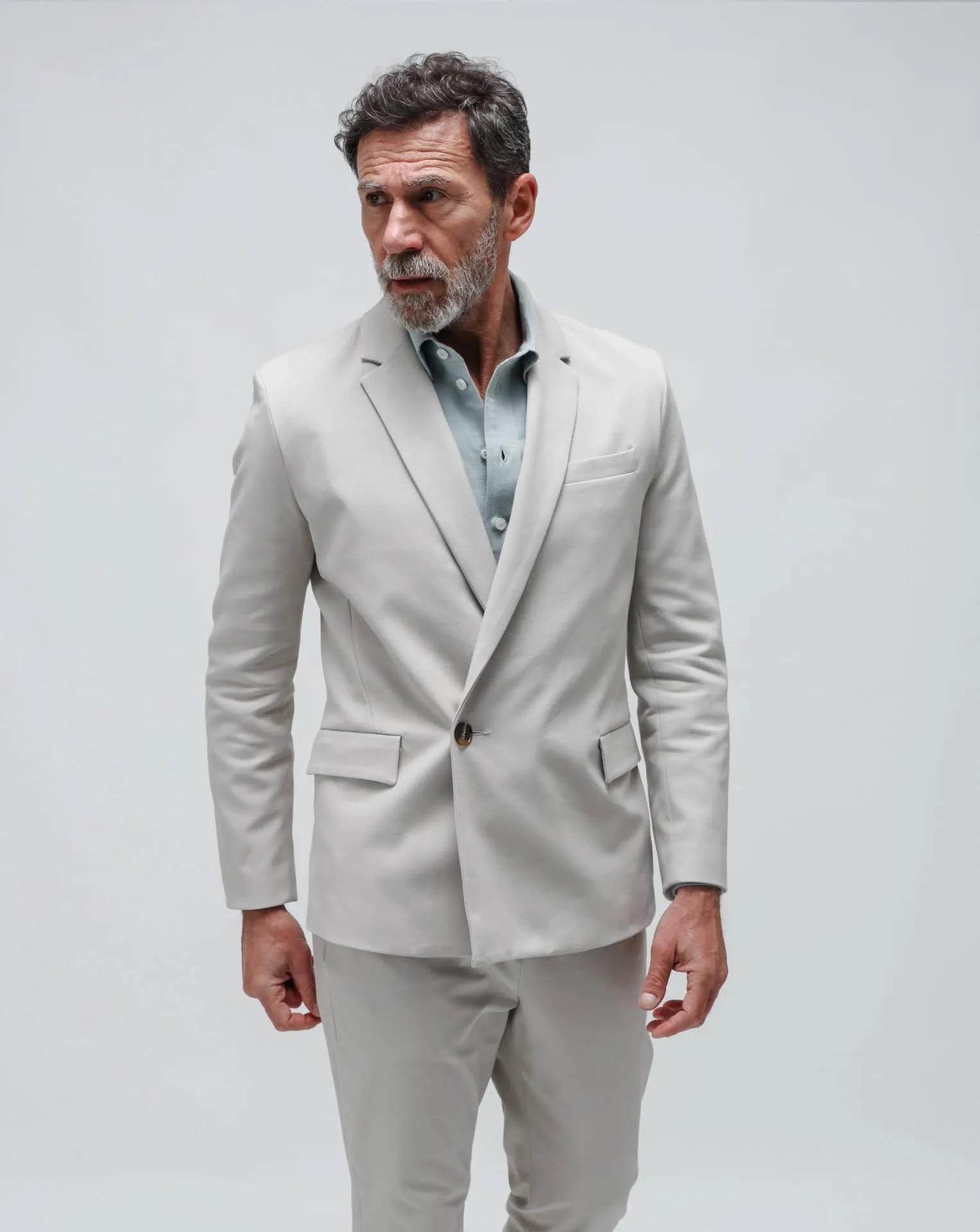
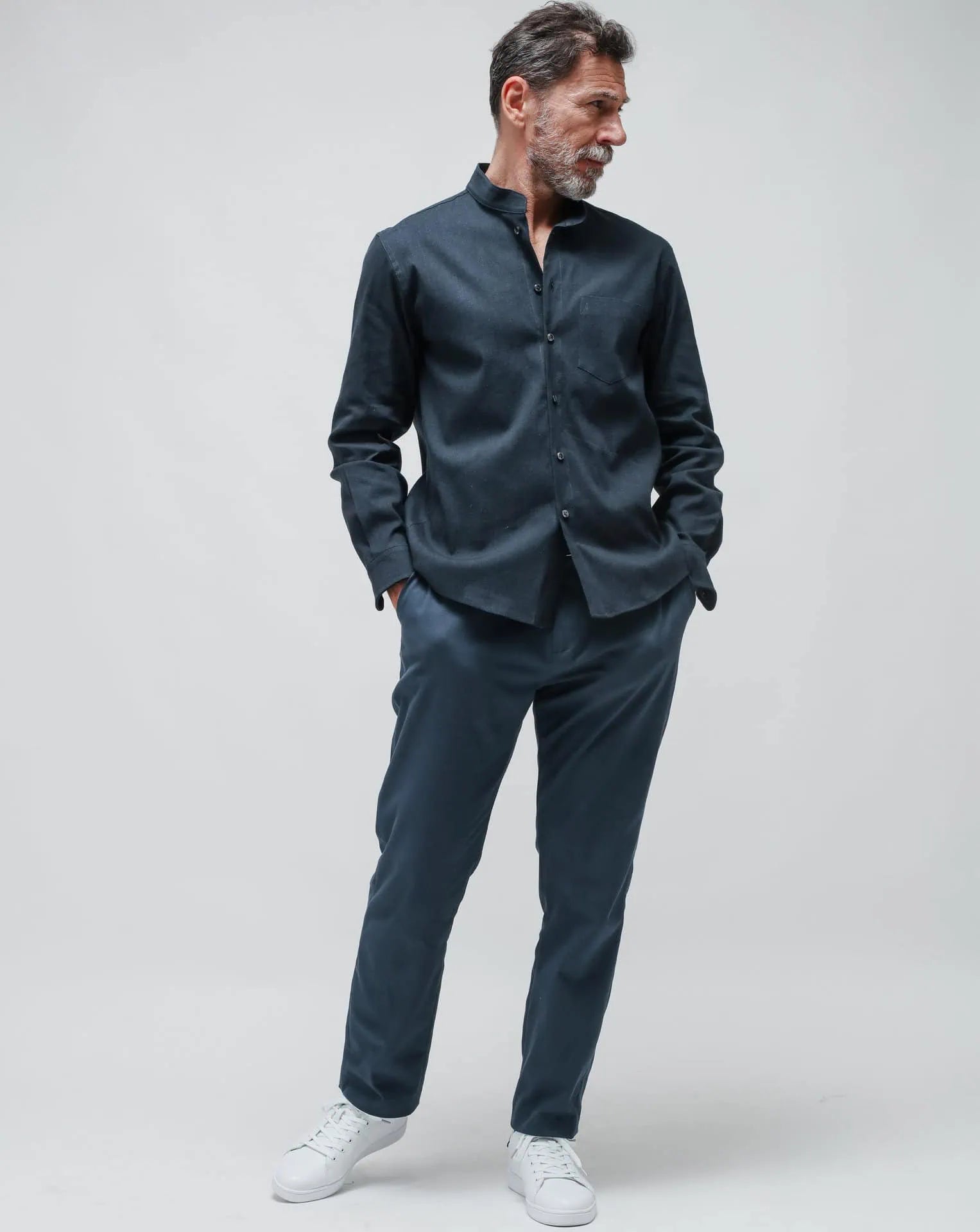
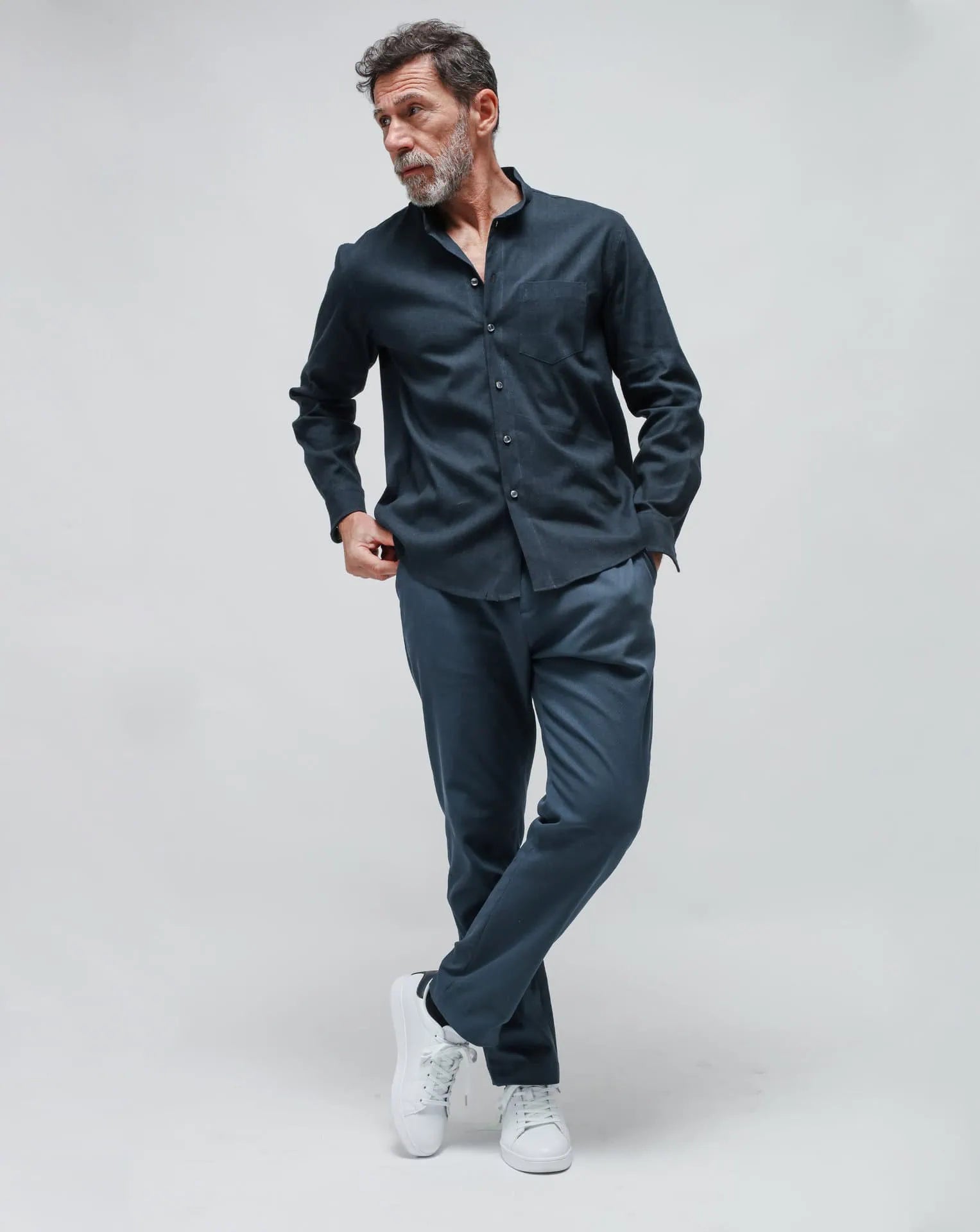
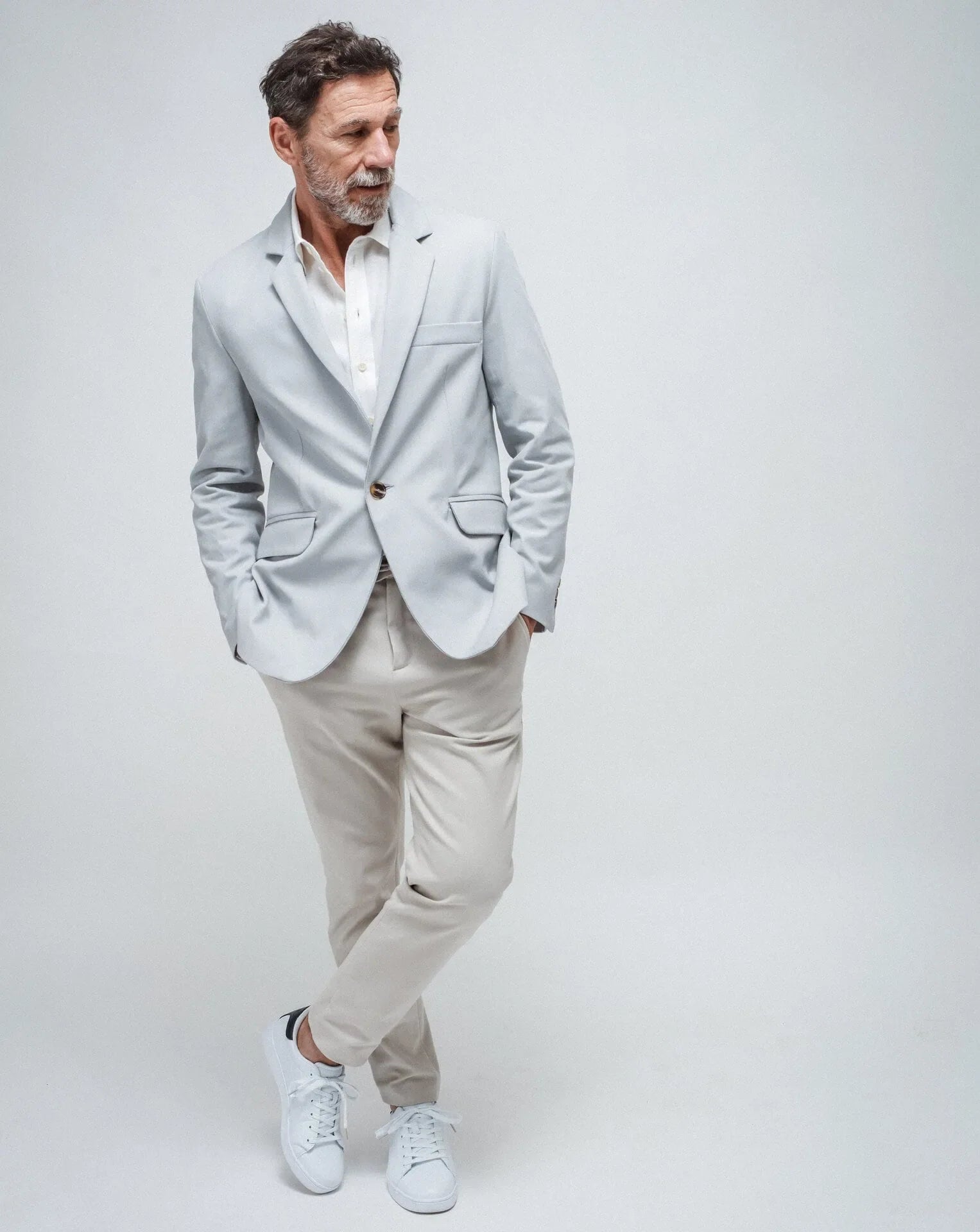
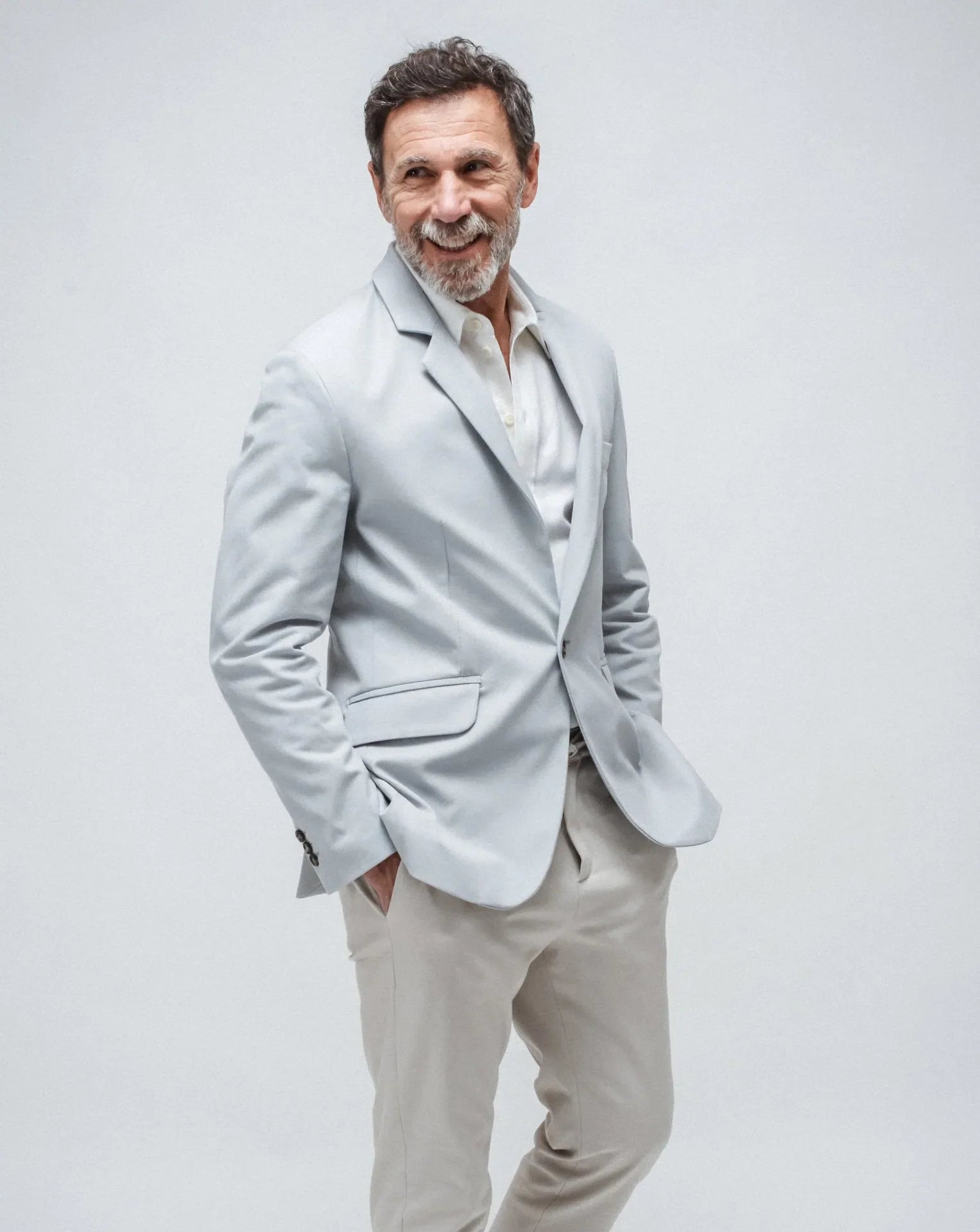
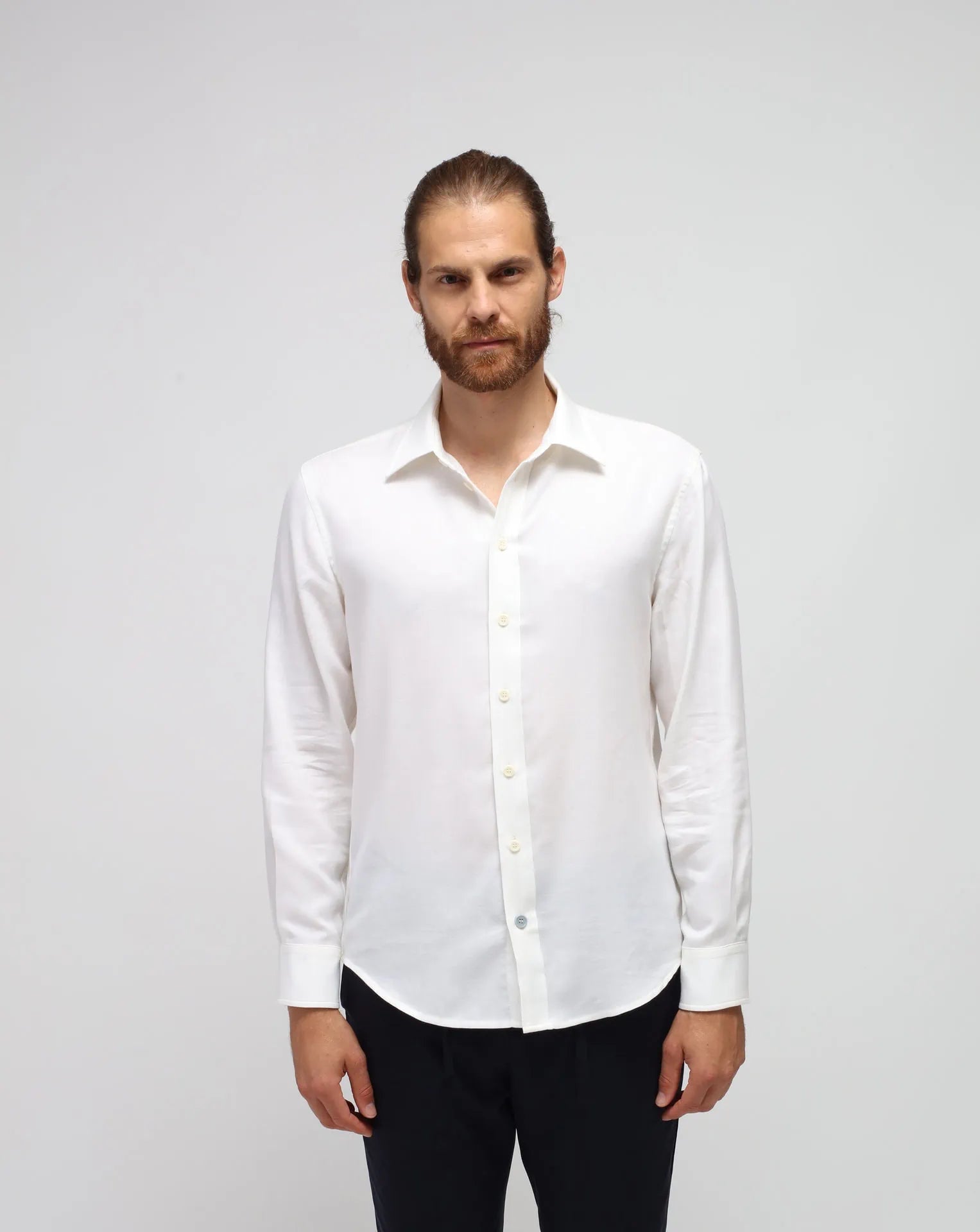
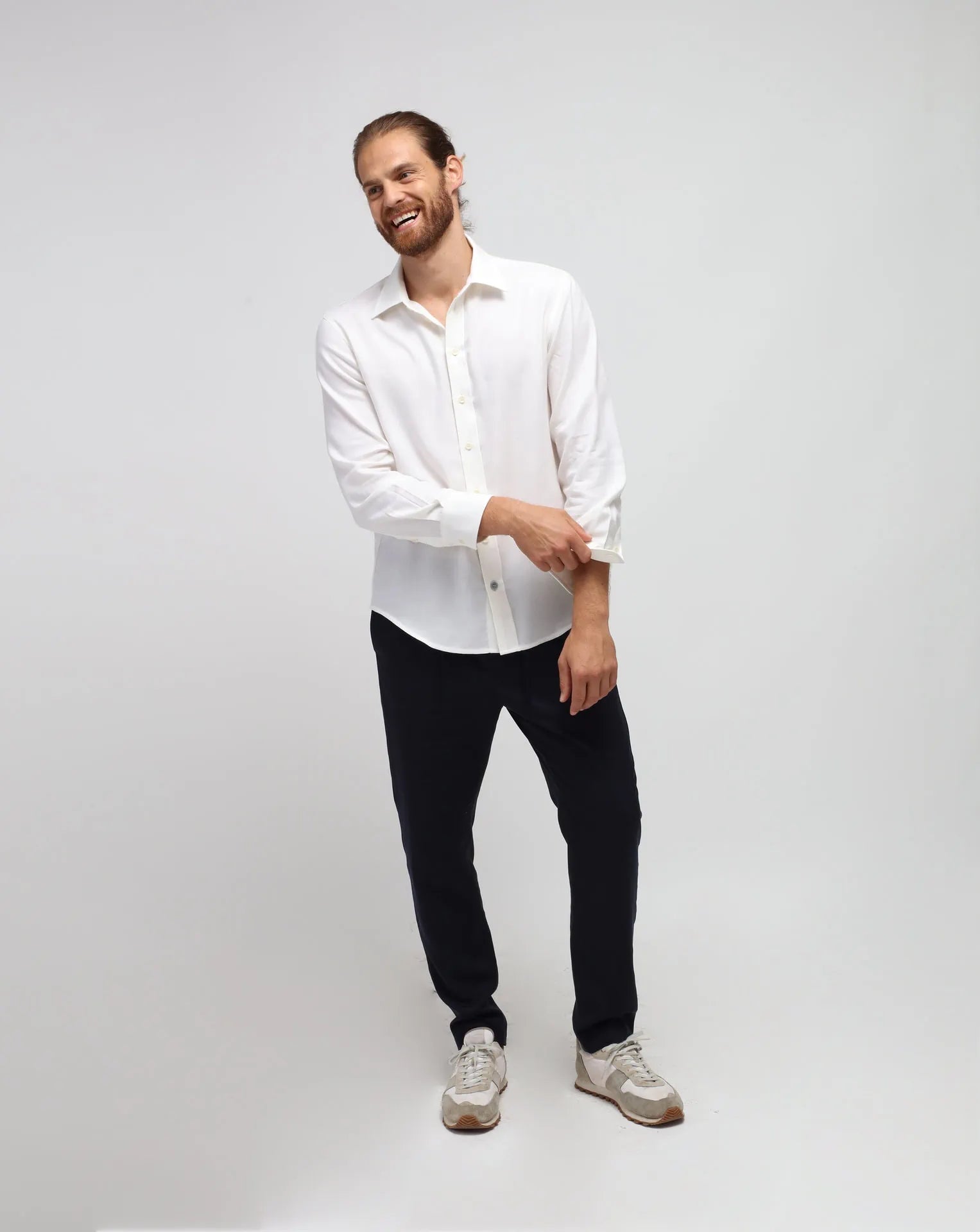
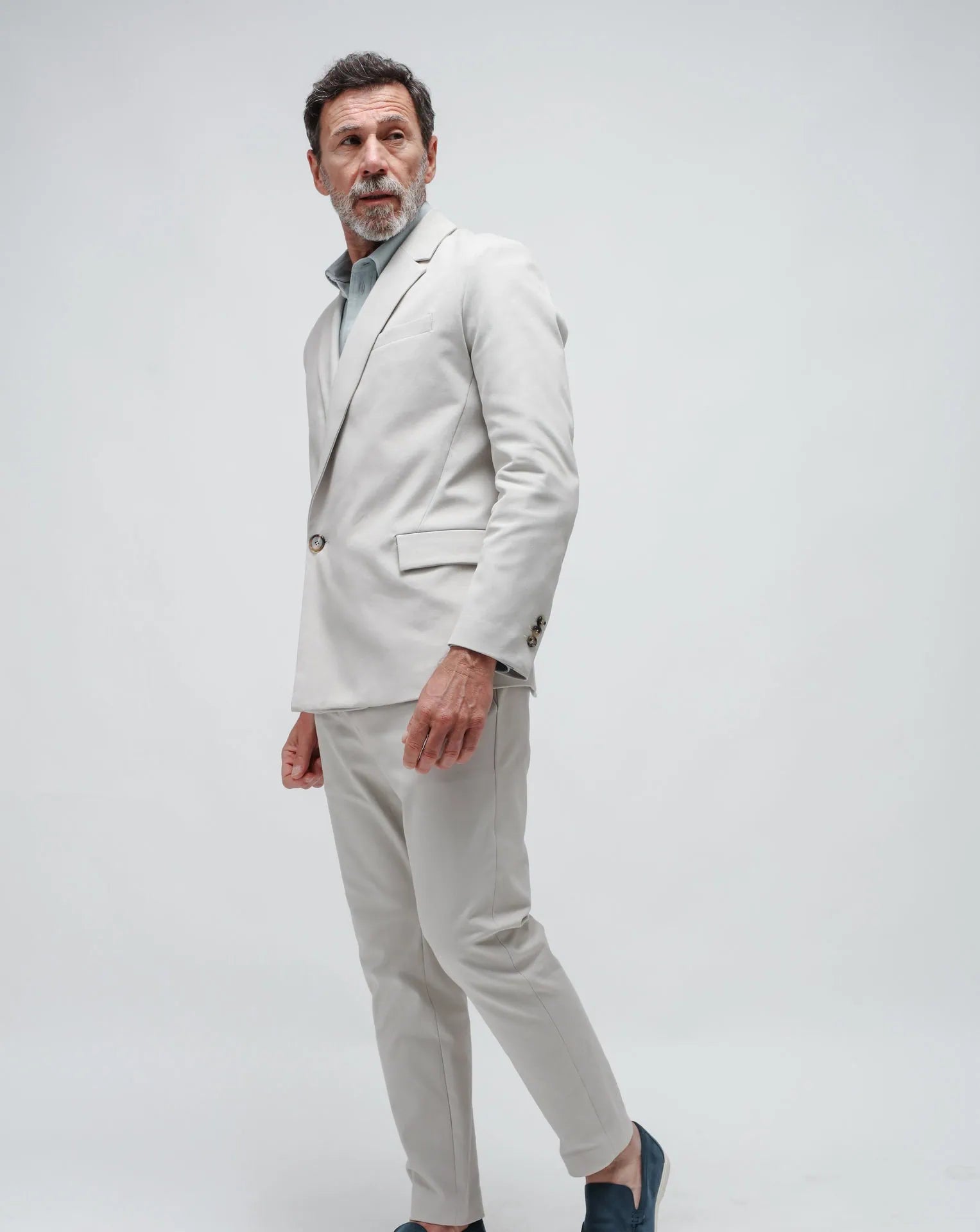
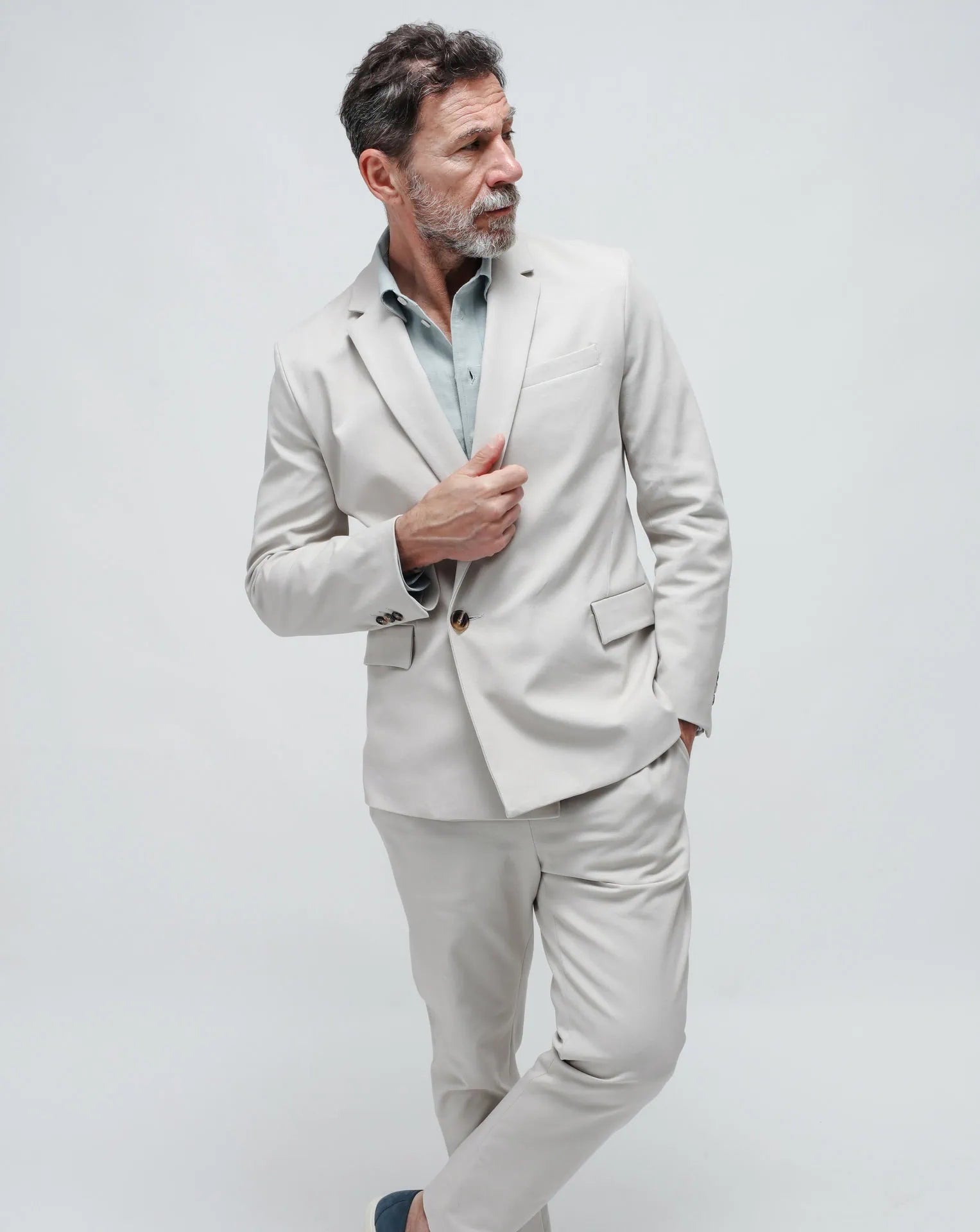
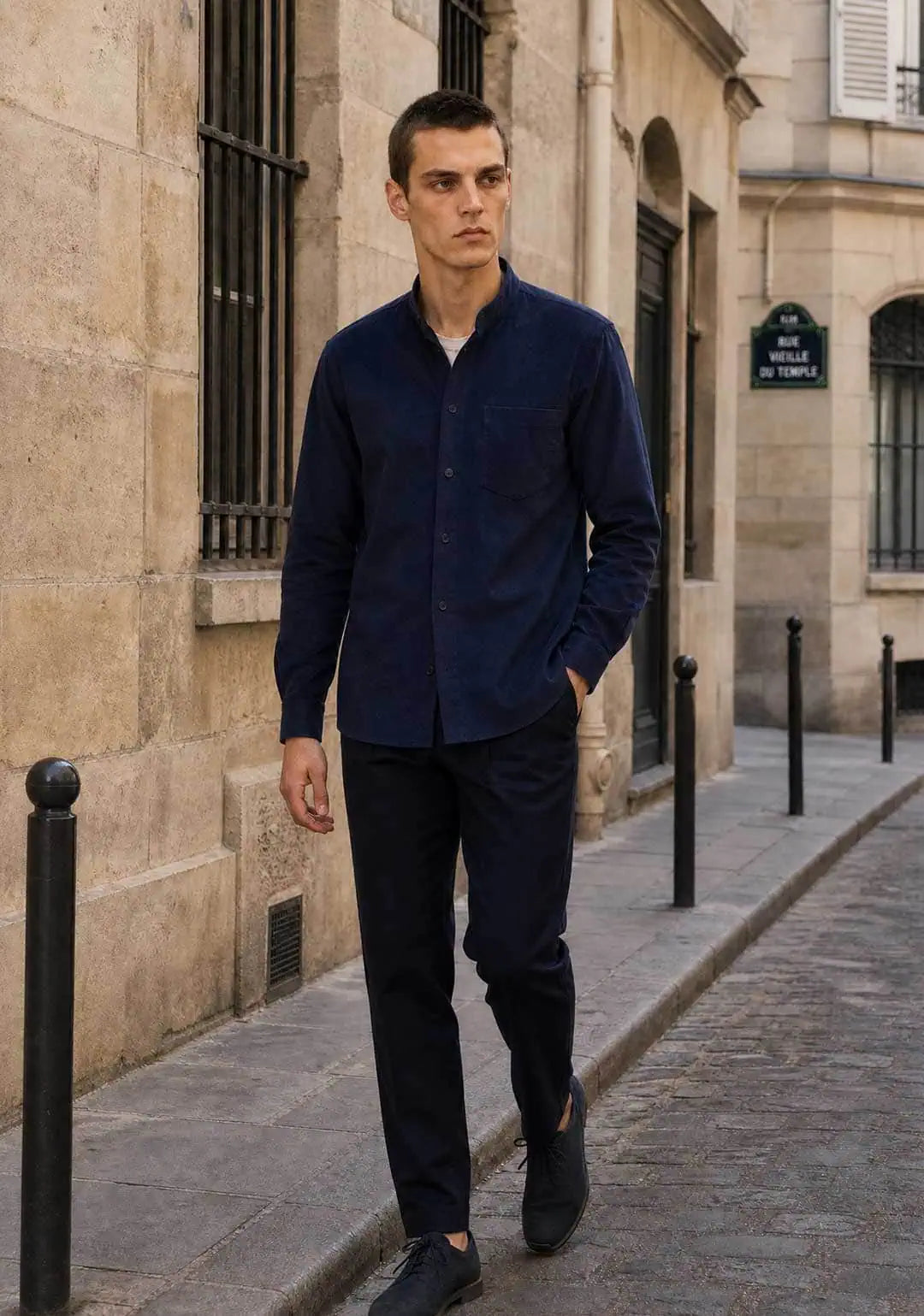
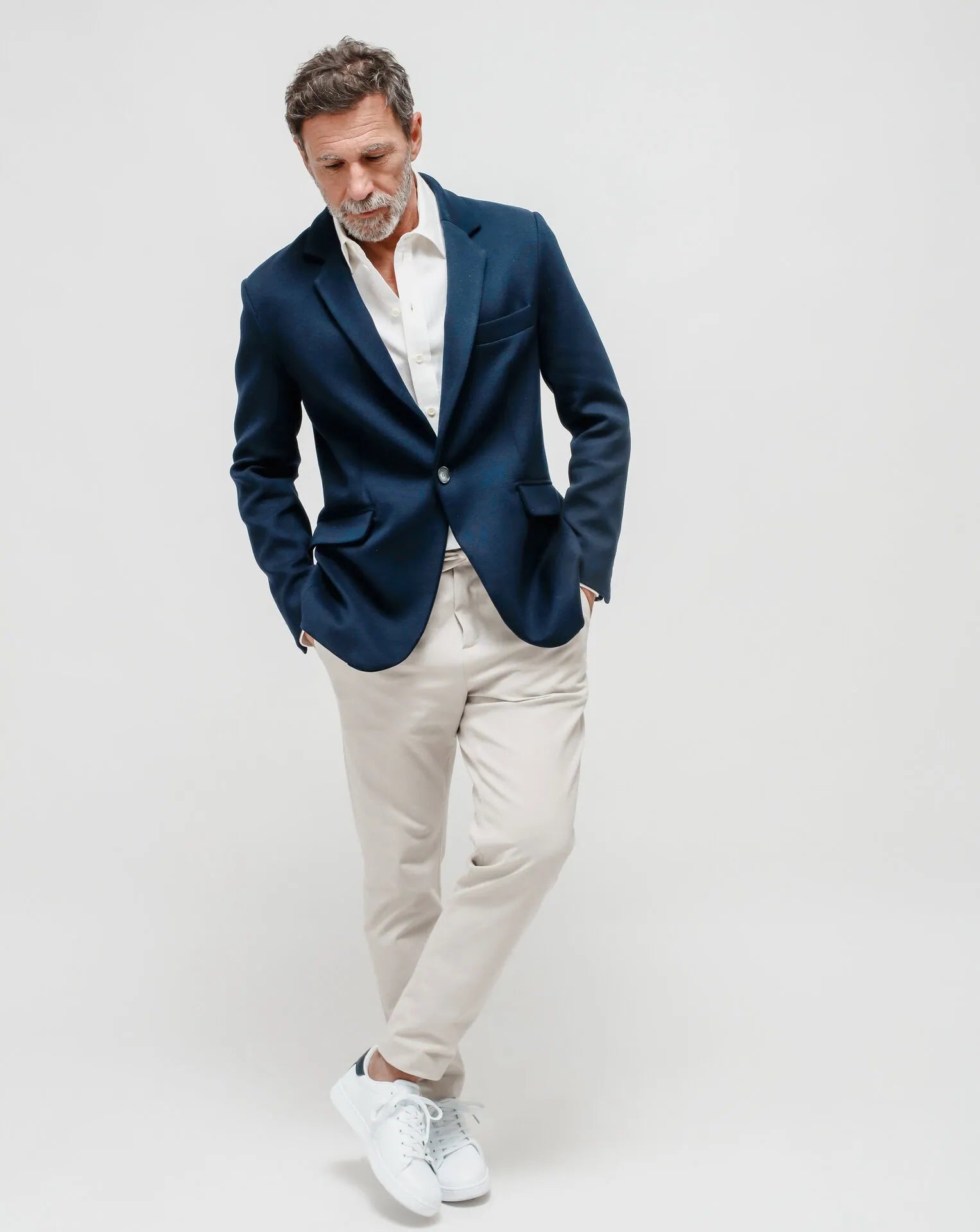
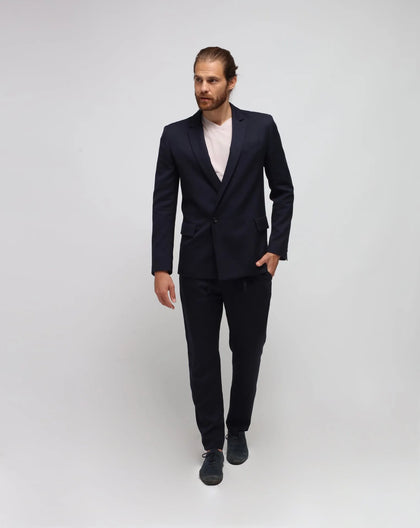
For men, start with a tailored wool overshirt, a refined shirt in a heavier cotton, pleated trousers, or a smart jacket that layers easily. The aim is not an oversized closet. It is a set of reliable combinations that move between office, travel, weekend plans, and winter occasions without requiring a complete outfit change.
When reviewing a women’s winter coat or men’s tailored jacket, check the details that determine longevity: seam finishing, pocket placement, lining, button security, room for layers, and whether the cut supports your daily movement. Fabric may begin the story, but construction determines whether the garment earns years of wear.
Care is part of the sustainability claim
A lower-waste fabric choice only goes so far if a garment is discarded after a few wears. Care is where ownership becomes tangible.
Air wool garments between wears instead of washing them automatically. Use a steamer to refresh fibers and release light creasing. Store knitwear folded to prevent stretched shoulders, and give structured jackets and coats a proper hanger with enough support. For stains, act quickly and follow the care label rather than relying on a one-size-fits-all solution.
Professional cleaning has its place, particularly for tailored wool outerwear, but it should not be the default after every outing. Overcleaning can shorten a garment’s life. A thoughtful maintenance routine protects the material, preserves the fit, and keeps a limited piece looking intentional season after season.
The most considered winter wardrobe is not the one with the most newness. It is the one where every fabric, layer, and silhouette has a reason to remain.
FAQ
Q: Is deadstock fabric the same as recycled fabric?
A: No. Deadstock fabric is unused surplus material from an earlier production cycle. Recycled fabric is made by processing existing textile or plastic waste into new fibers or yarns. Both can reduce waste, but they are different material pathways.
Q: Are deadstock garments lower quality because they use leftover fabric?
A: Not at all. Deadstock can include premium fabric from respected mills and previous fashion production. Quality depends on the specific fiber, weave, weight, and garment construction, not on the fact that the textile was surplus.
Q: Why can’t a deadstock piece always be restocked?
A: The fabric supply is finite. Once the available yardage has been used, producing the exact same piece may be impossible. A similar silhouette may return in another fabric, but its color, texture, and drape can differ.
Q: Are deadstock fabrics suitable for winter clothing?
A: Yes. Deadstock sourcing can include substantial wools, wool blends, twills, cottons, and other textiles well suited to coats, jackets, trousers, dresses, and layering pieces. Check fiber content and garment details to match the piece to your climate and intended use.
the World of H&L