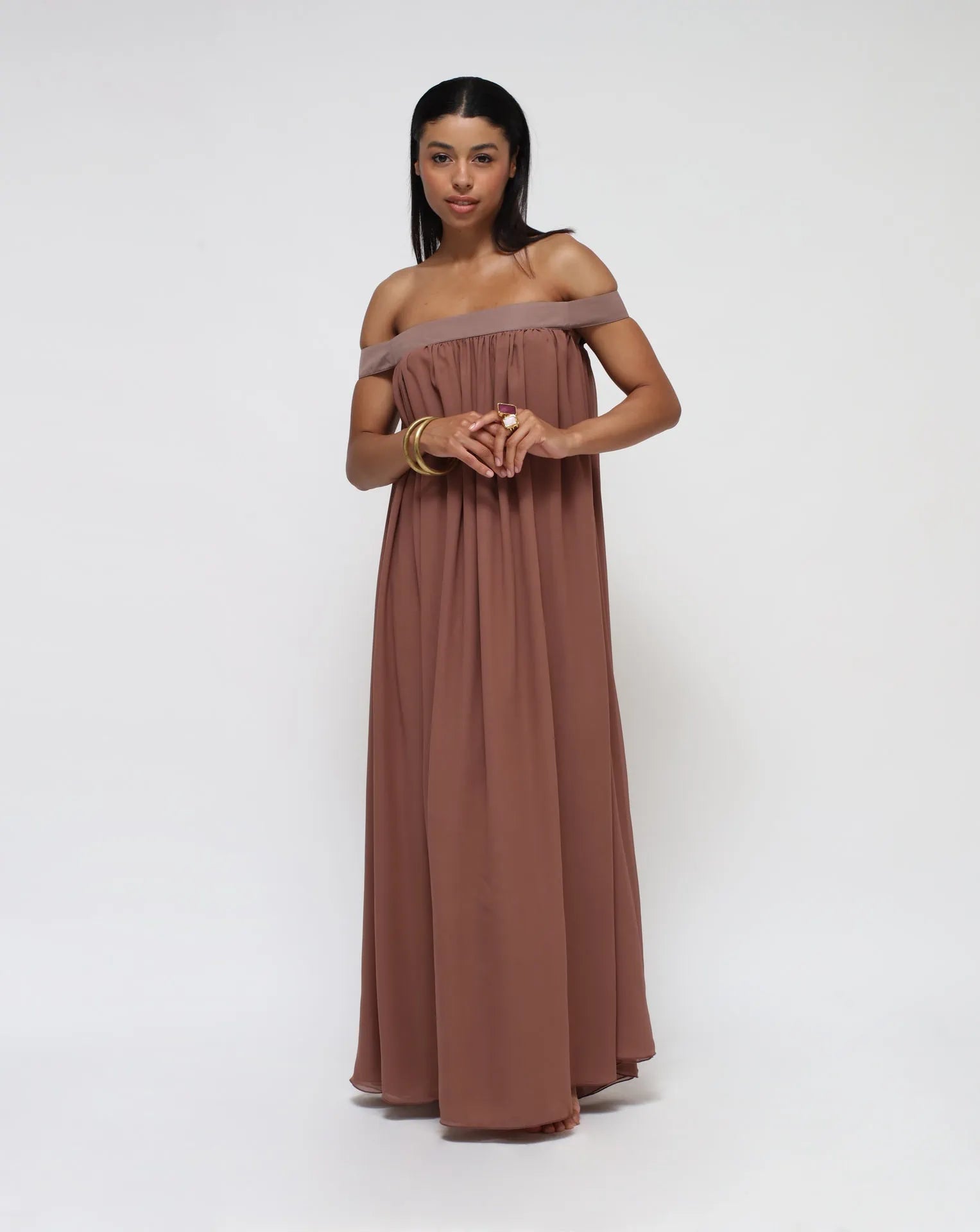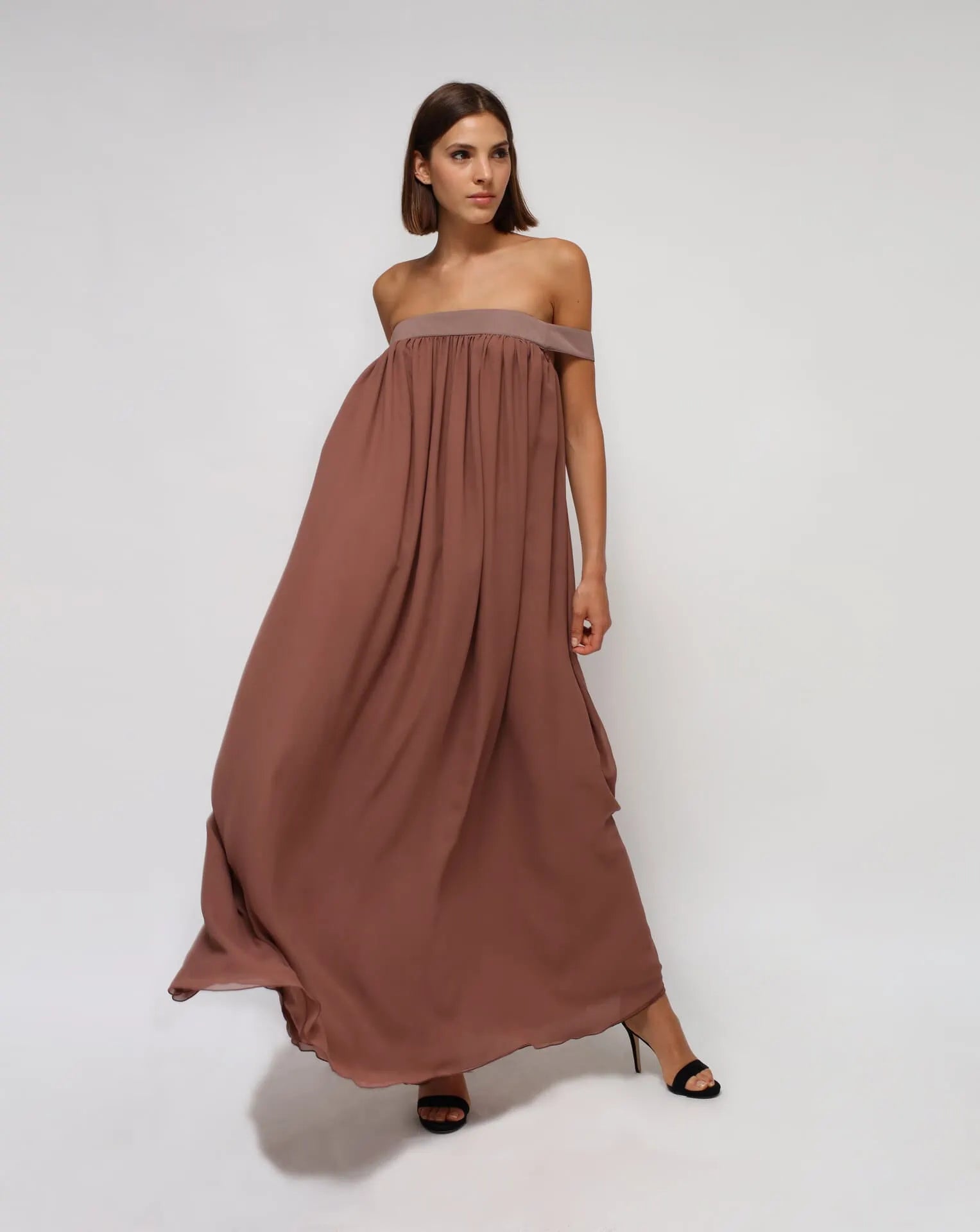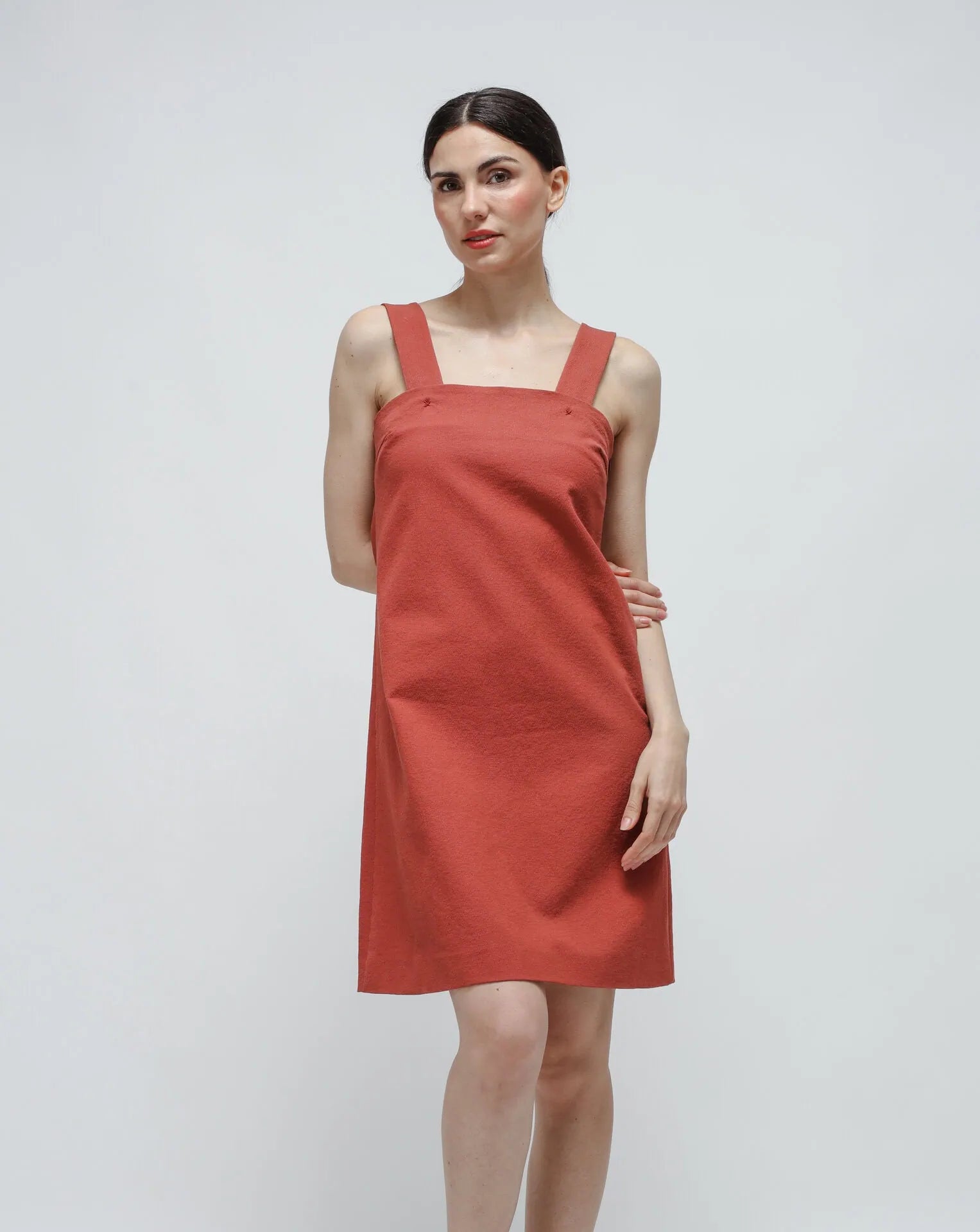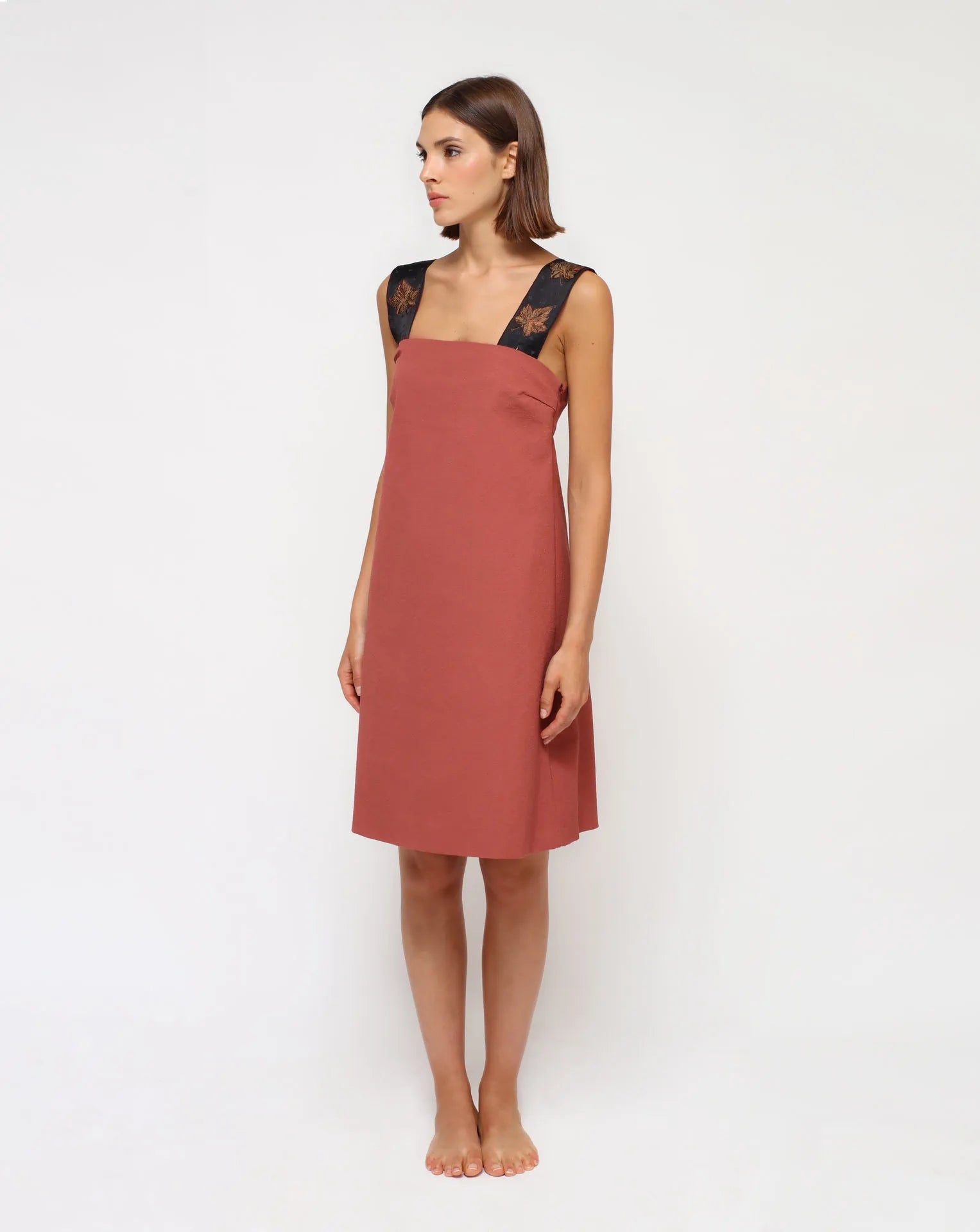


What Happens to Designer Clothes That Do Not Sell?
A silk blazer can spend months on a showroom rail, survive markdown season, and still never reach a wardrobe. So what happens to designer clothes that do not sell? The answer is less glamorous than most fashion campaigns suggest - and far more revealing about how the industry actually works.
Unsold designer inventory does not simply disappear. It moves through a chain of decisions shaped by margins, brand image, storage costs, tax strategy, and increasingly, public scrutiny. Some pieces are discounted. Some are moved quietly into outlet channels. Some are wholesaled to off-price partners. Some are repurposed, donated, or recycled. And yes, some are still destroyed, even now, when consumers are far more alert to waste.
For anyone trying to build a sharper wardrobe with a lighter footprint, this matters. The fate of unsold luxury clothing tells you almost everything about a brand's operating model. It reveals whether the business was built around demand, craftsmanship, and restraint - or around overproduction dressed up as exclusivity.
Why unsold luxury inventory exists in the first place
Designer fashion is often sold on aspiration, but the supply chain behind it is still vulnerable to miscalculation. Brands forecast demand months in advance. They commit to fabrics, production slots, shipping timelines, and seasonal launches before they know what customers will actually buy.
That system creates risk. If a tailored coat is produced in large quantities and a warm winter follows, inventory lingers. If a trend cools faster than expected, dresses sit untouched. If sizing is imbalanced, a style can look successful online while several sizes remain unsold. Luxury does not eliminate these problems. In some cases, it amplifies them because high retail prices narrow the pool of buyers.
The deeper issue is volume. Many brands still produce more than they can realistically sell at full price because growth targets reward scale. That is where the industry begins to separate into two camps: brands trying to move excess, and brands trying not to create it.
What happens to designer clothes that do not sell at full price
The first stop is usually markdown. This is the most visible path and the one shoppers know best. End-of-season sales help brands recover part of their costs while clearing space for new collections. For the customer, this can feel like a win. For the brand, it can be necessary but risky.
Frequent markdowns train shoppers to wait. That erodes full-price trust and weakens the perceived value of the product. A designer label that relies too heavily on discounting may protect short-term cash flow while quietly damaging long-term brand equity.
If pieces still do not move, they may be redirected to outlet stores or separate discount platforms. This creates distance between the original collection and the lower-price environment. Sometimes the product is the same item that once sat at full price. Sometimes it is a similar product made specifically for outlet channels, which is an important distinction consumers do not always see.
Another route is off-price wholesale. Unsold garments are sold in bulk to third-party retailers that specialize in discounted branded goods. This helps clear inventory quickly, but the brand gives up control over presentation and pricing.
Then there is warehousing. Some inventory is simply held back. A brand may store pieces for future archive sales, private client events, sample sales, or selective regional release. This can preserve price positioning, but storage is expensive. If inventory remains unsold for too long, the economics start to collapse.
The least visible outcomes are often the most troubling
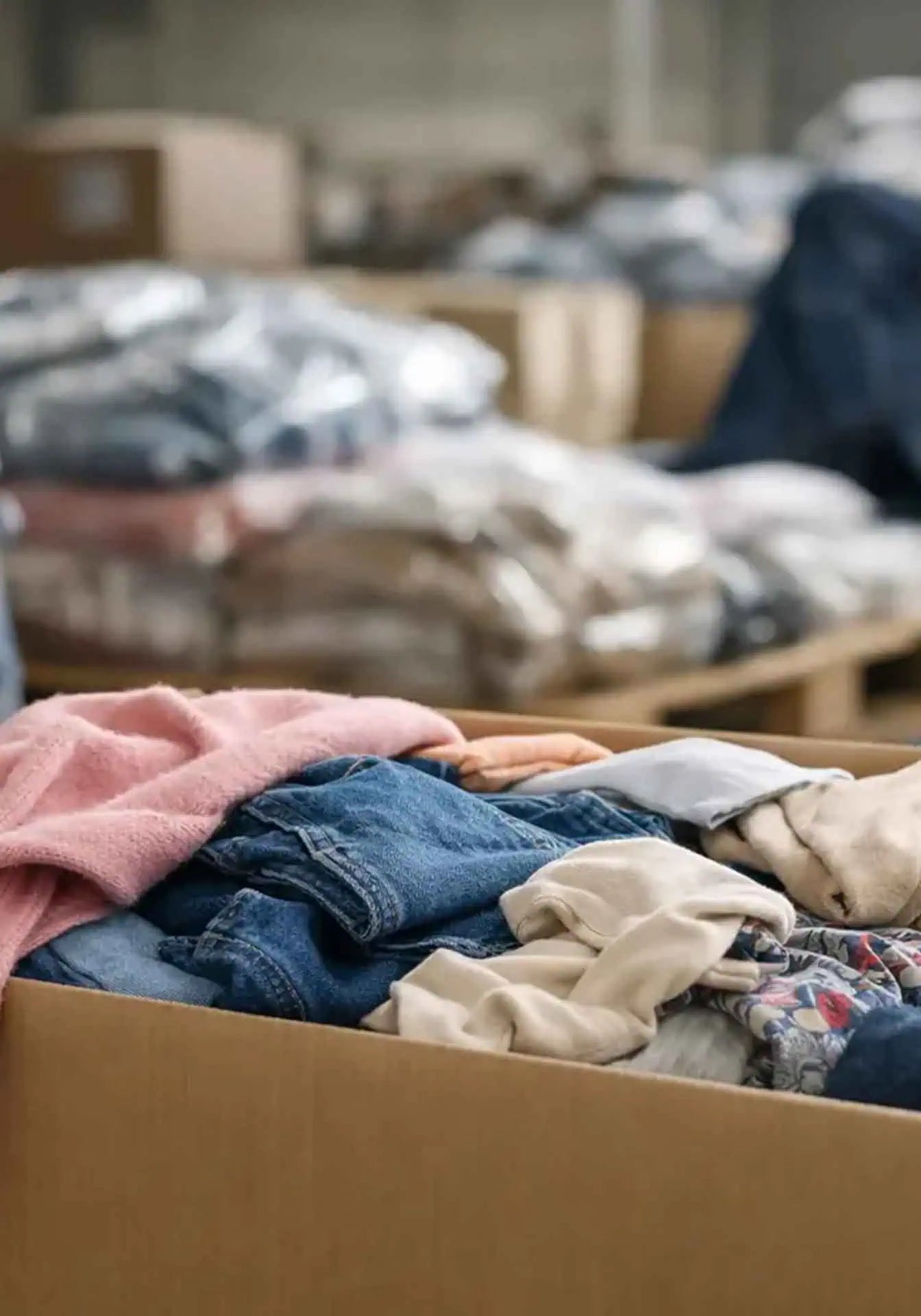
Not every unsold garment gets a second chance. Some are donated, but donation is not the clean solution it appears to be. Large volumes of donated clothing can overwhelm local systems, get resold abroad, or end up as waste anyway. Donation may help, but it does not erase overproduction.
Some items are dismantled for materials, especially if fabrics, trims, or hardware can be recovered. This is better than landfill, but it still means the original labor, design time, transport, and energy were spent on something that never fulfilled its purpose.
And some luxury goods are destroyed. Brands have historically shredded, burned, or otherwise rendered stock unusable to protect exclusivity, avoid gray-market resale, or claim losses. Public backlash has made this harder to justify, but it has not vanished completely. The logic is blunt: preserving the brand image can be treated as more valuable than preserving the garment.
That is the contradiction at the center of conventional luxury. A product can be marketed as timeless, meticulous, and rare, yet be handled as disposable the moment it underperforms commercially.
What happens to designer clothes that do not sell says a lot about sustainability
Sustainability is not only about fiber choice or packaging. It starts with production discipline. The cleanest garment is often the one that was never overproduced.
This is why small-batch production matters. When a brand works in limited quantities, it reduces the chance of excess before the problem starts. When it uses deadstock fabrics, it gives existing materials a purpose instead of demanding new yardage for speculative volume. When it designs around longevity rather than rapid trend turnover, each item has a better chance of being worn, kept, repaired, and valued.
That model is not perfect. Limited runs can sell out faster. Deadstock sourcing can make fabric continuity harder. Size availability may be tighter than in mass-market systems. But these trade-offs are honest. They reflect a business trying to align production with reality instead of manufacturing abundance and calling it choice.
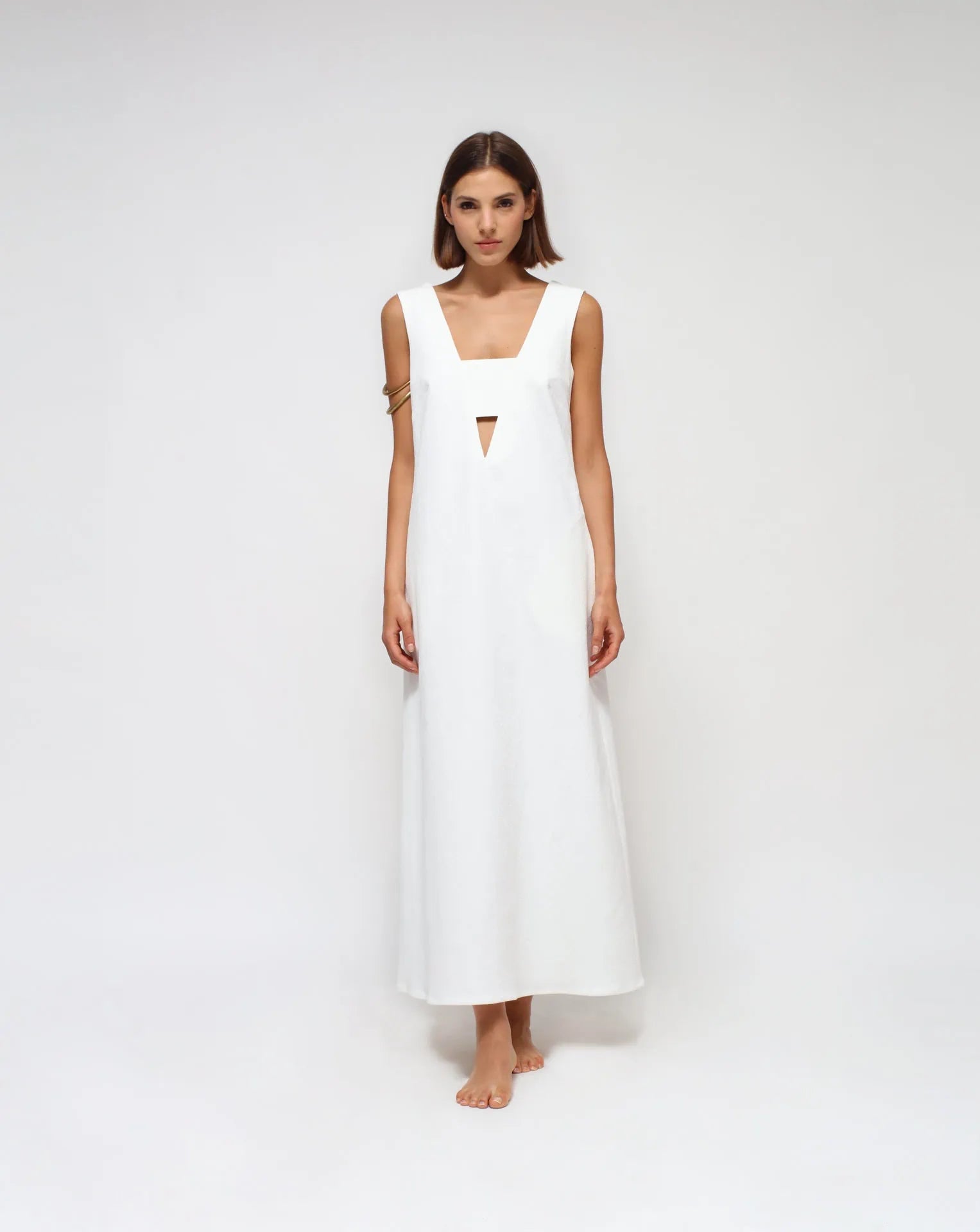
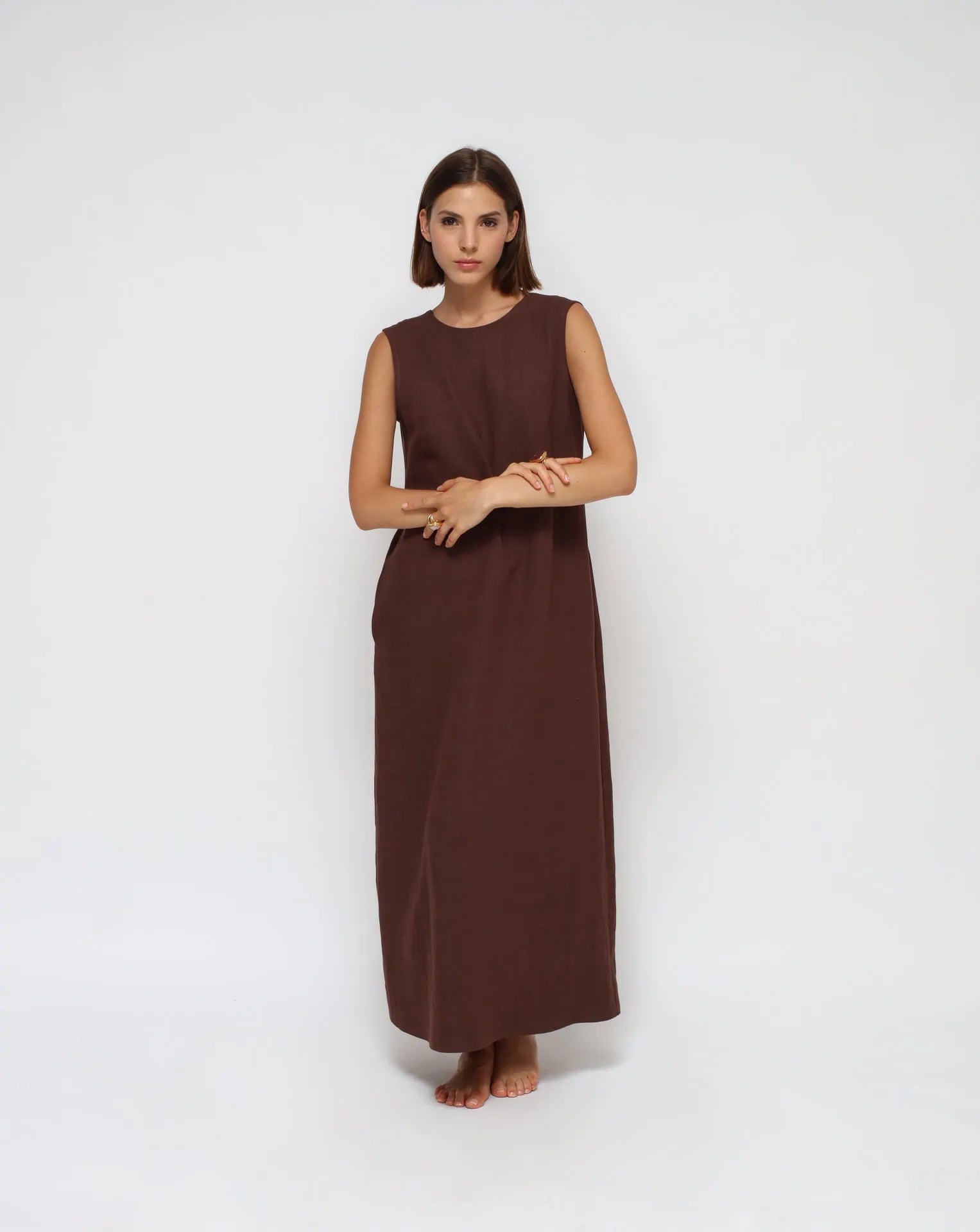
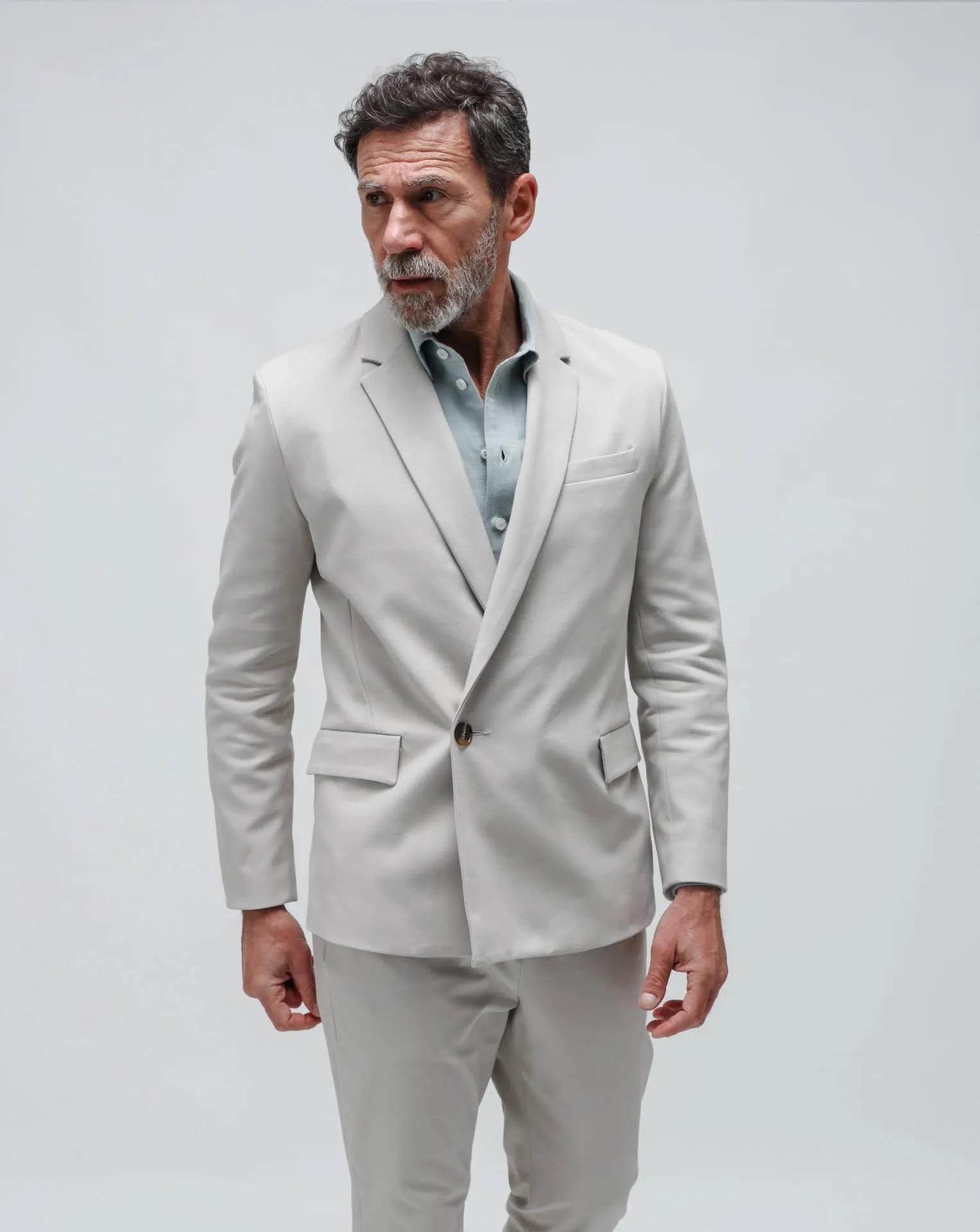
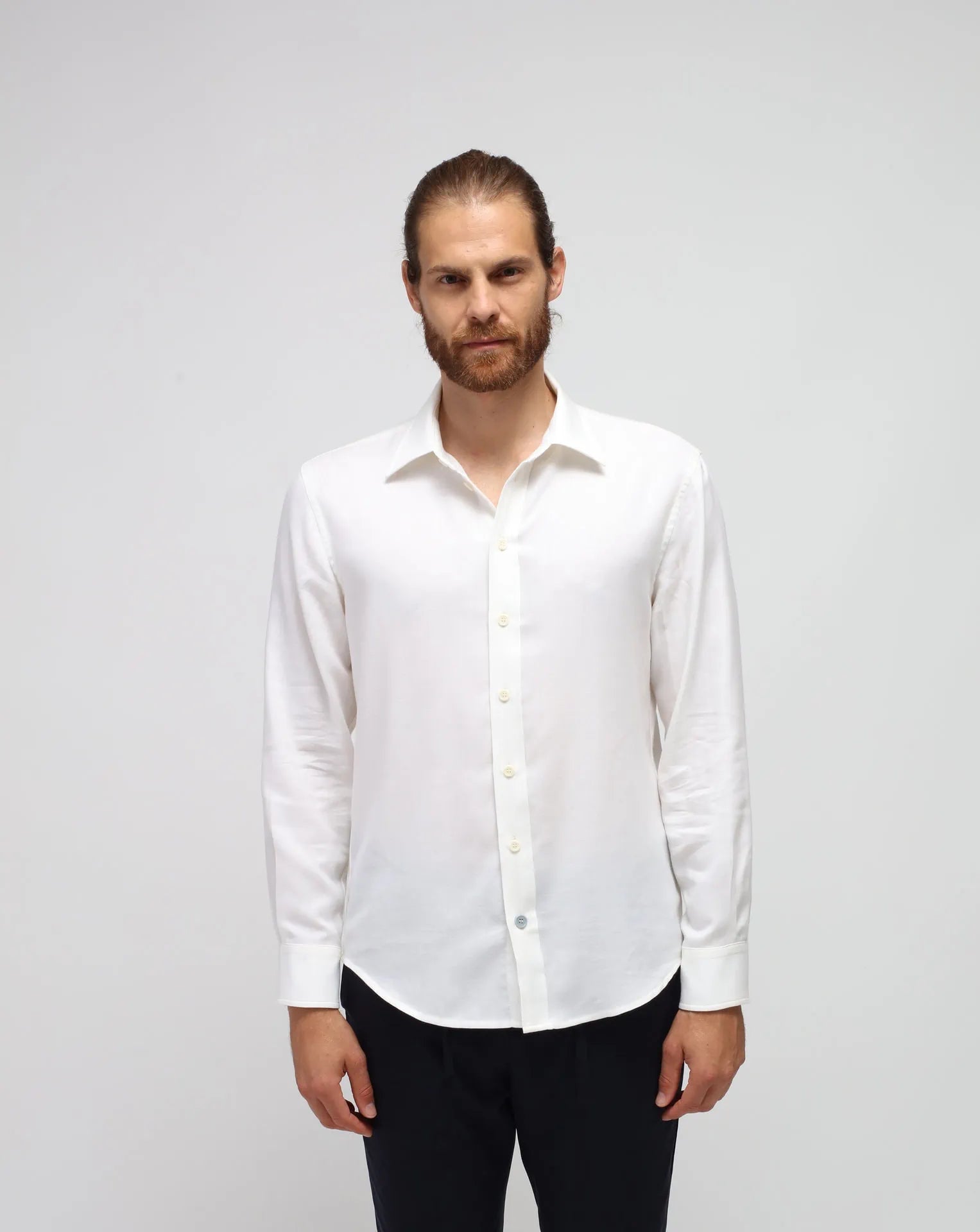
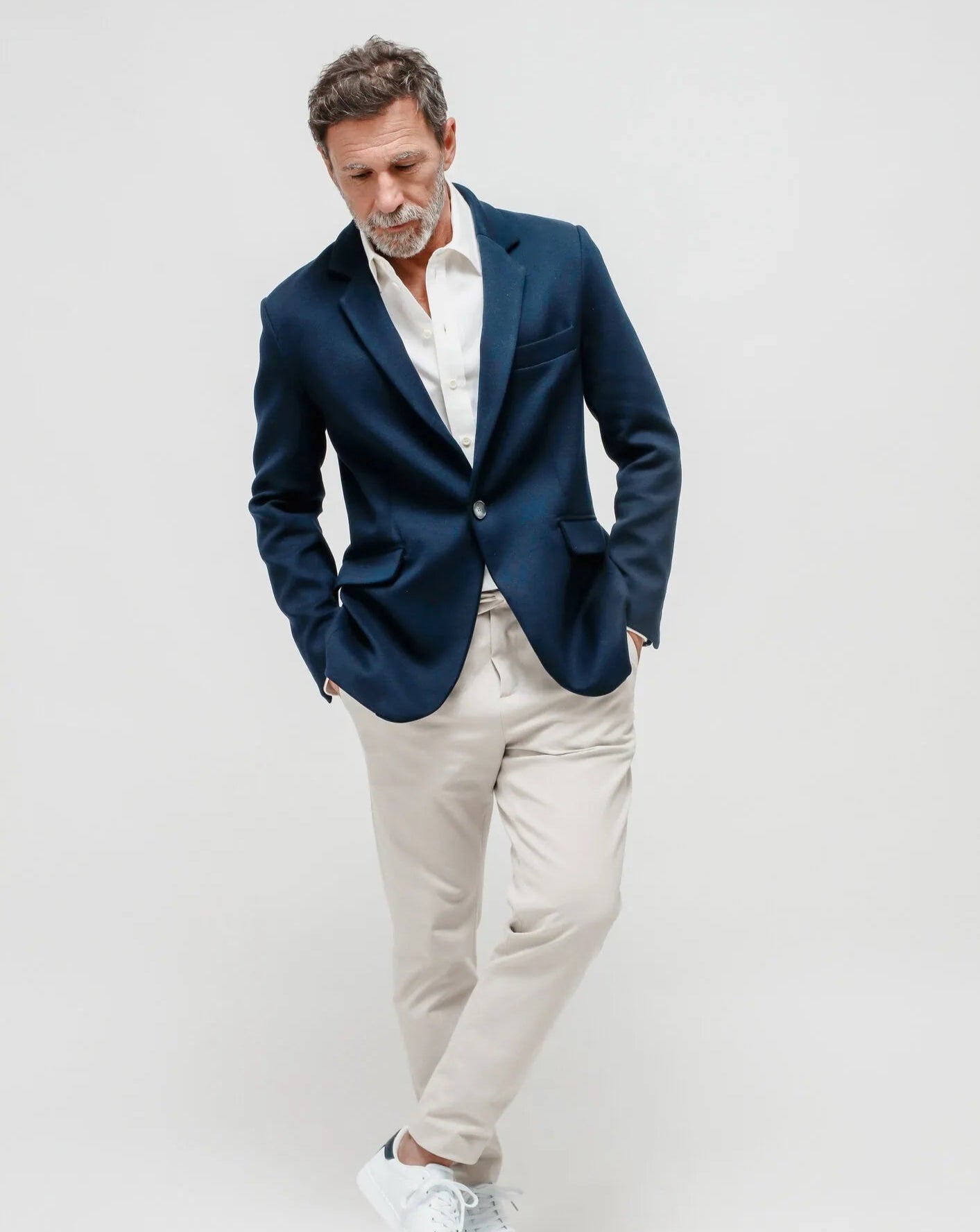
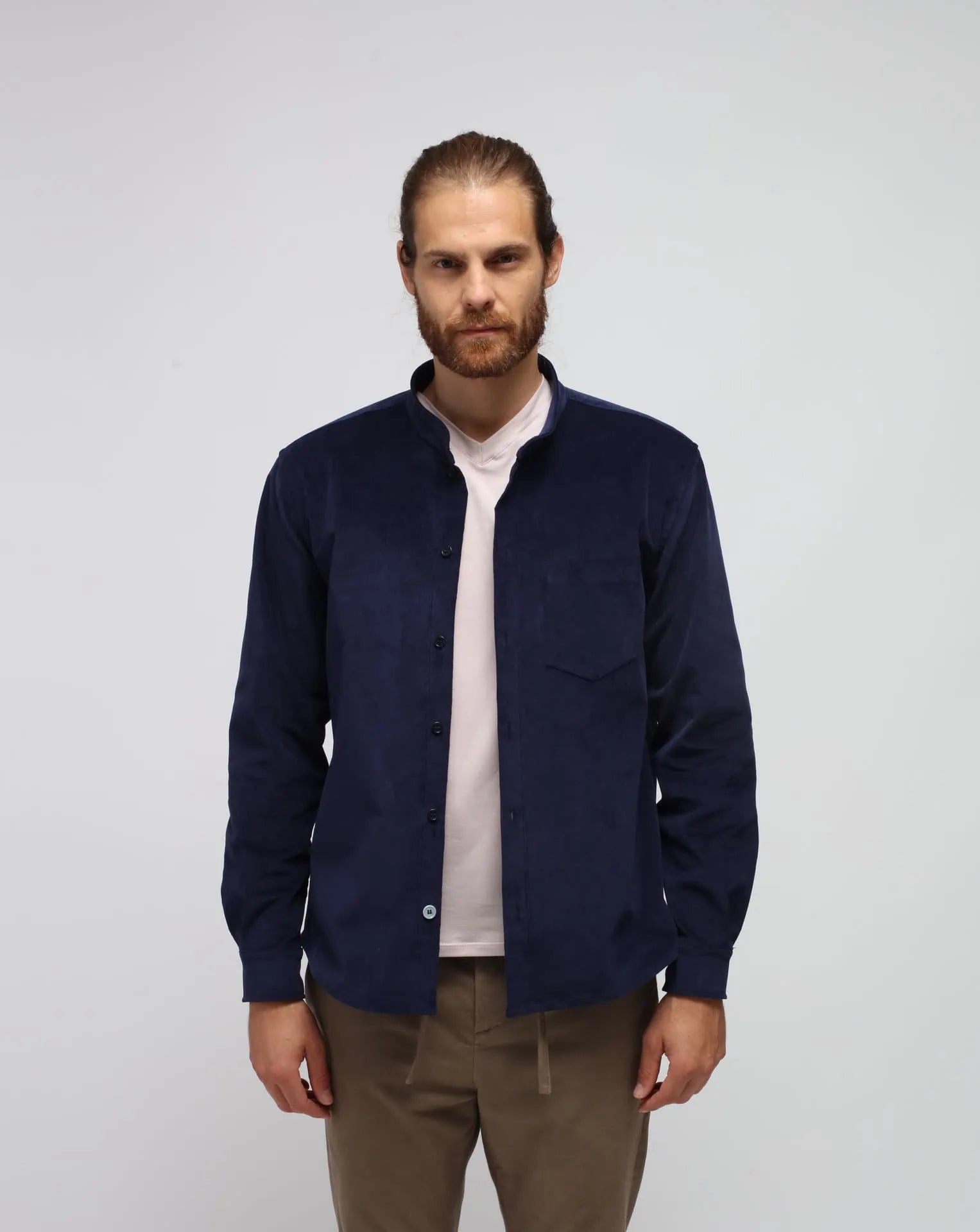
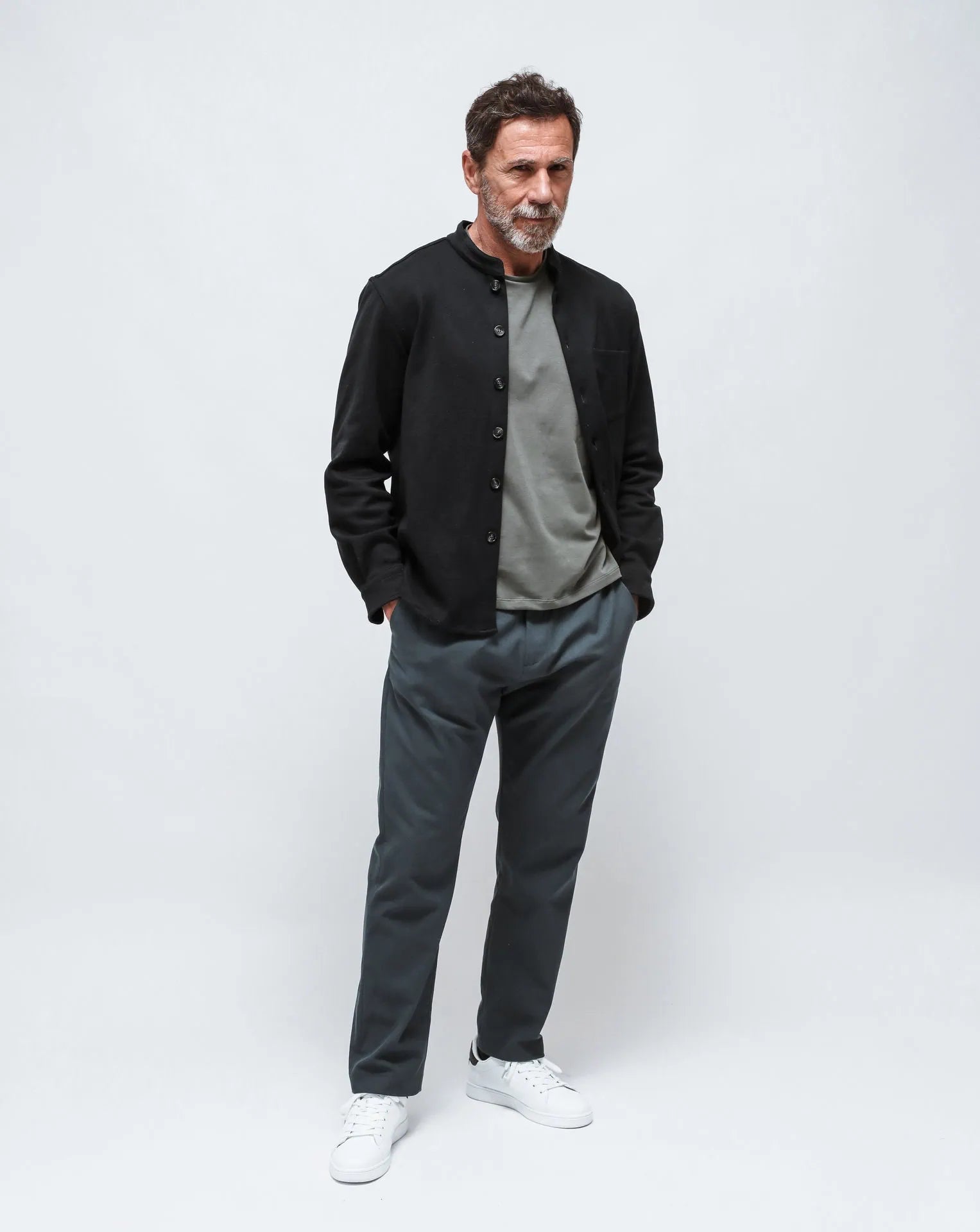
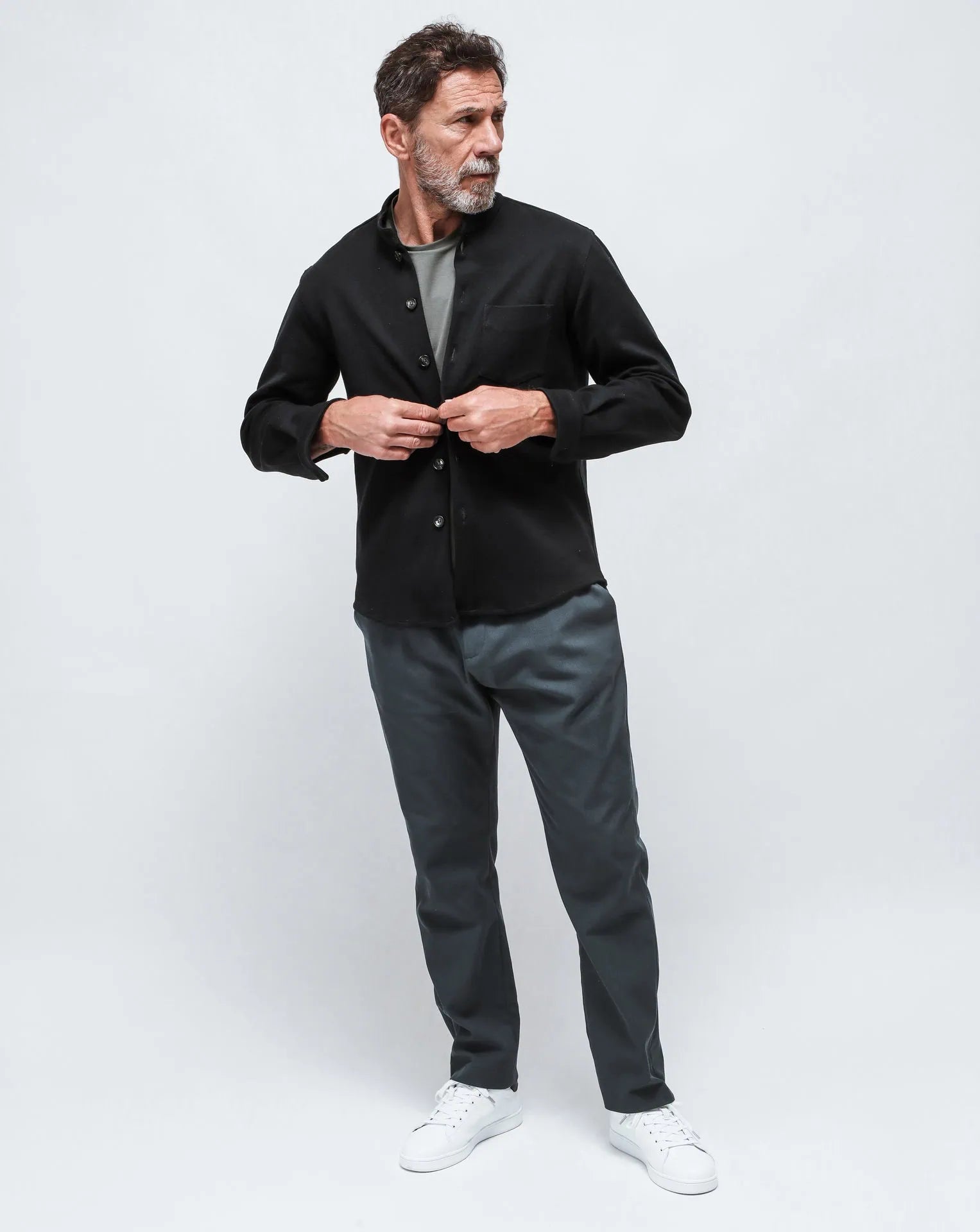
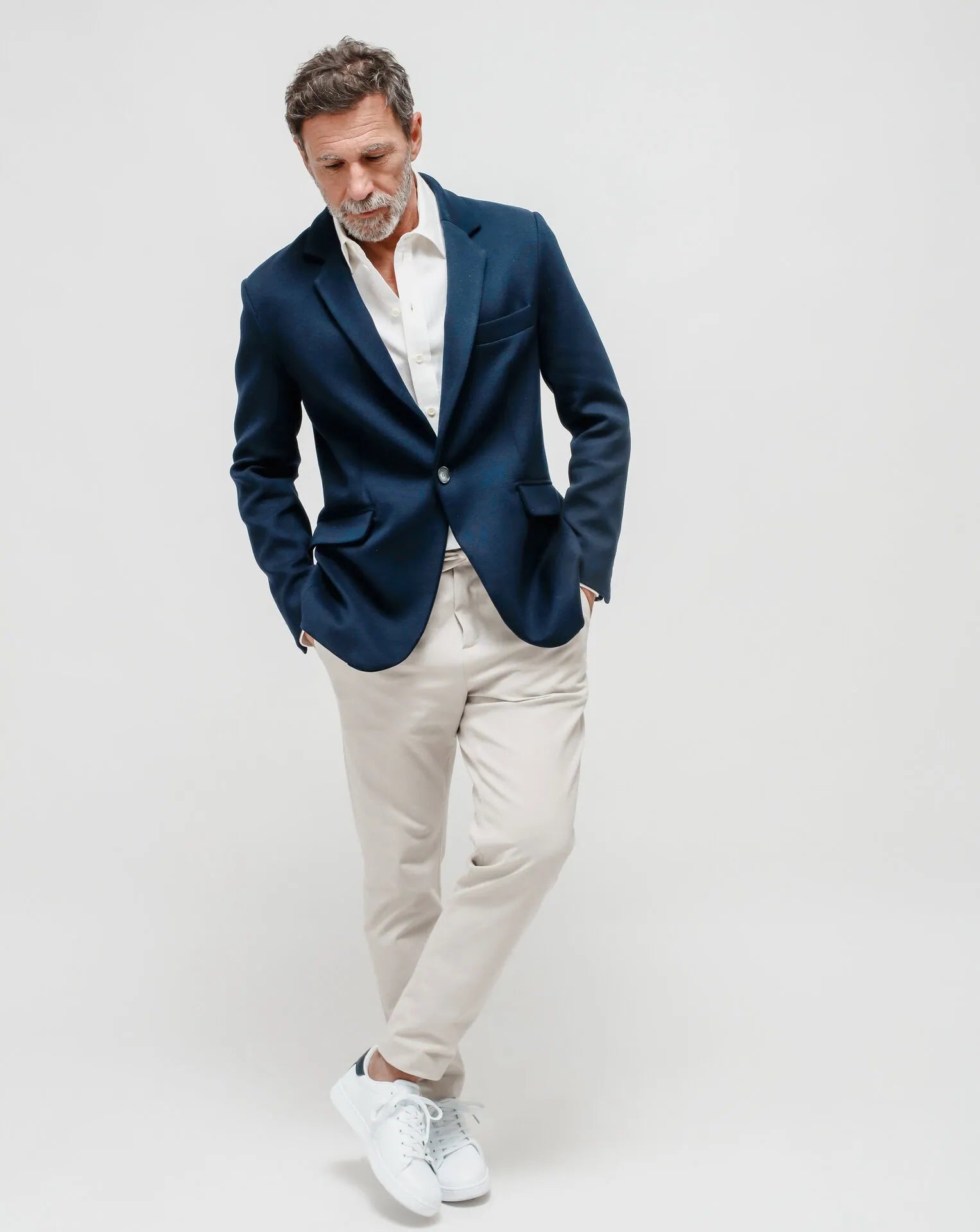
For a shopper building a considered wardrobe, this changes the buying equation. A structured jacket from an Italian-made limited run, a deadstock cotton shirt designed for repeat wear, or tailored pants cut in a small batch may cost more upfront than a heavily discounted surplus item. Yet the first set of choices supports a healthier system. The second often exists because waste was priced into the model from the start.
How to spot brands that are less likely to overproduce
You do not need an internal inventory report to read the signals. Brands that produce responsibly tend to speak clearly about batch size, fabric sourcing, manufacturing partners, and restock patterns. They are less likely to flood the market with constant newness. Their assortment usually feels edited, not endless.
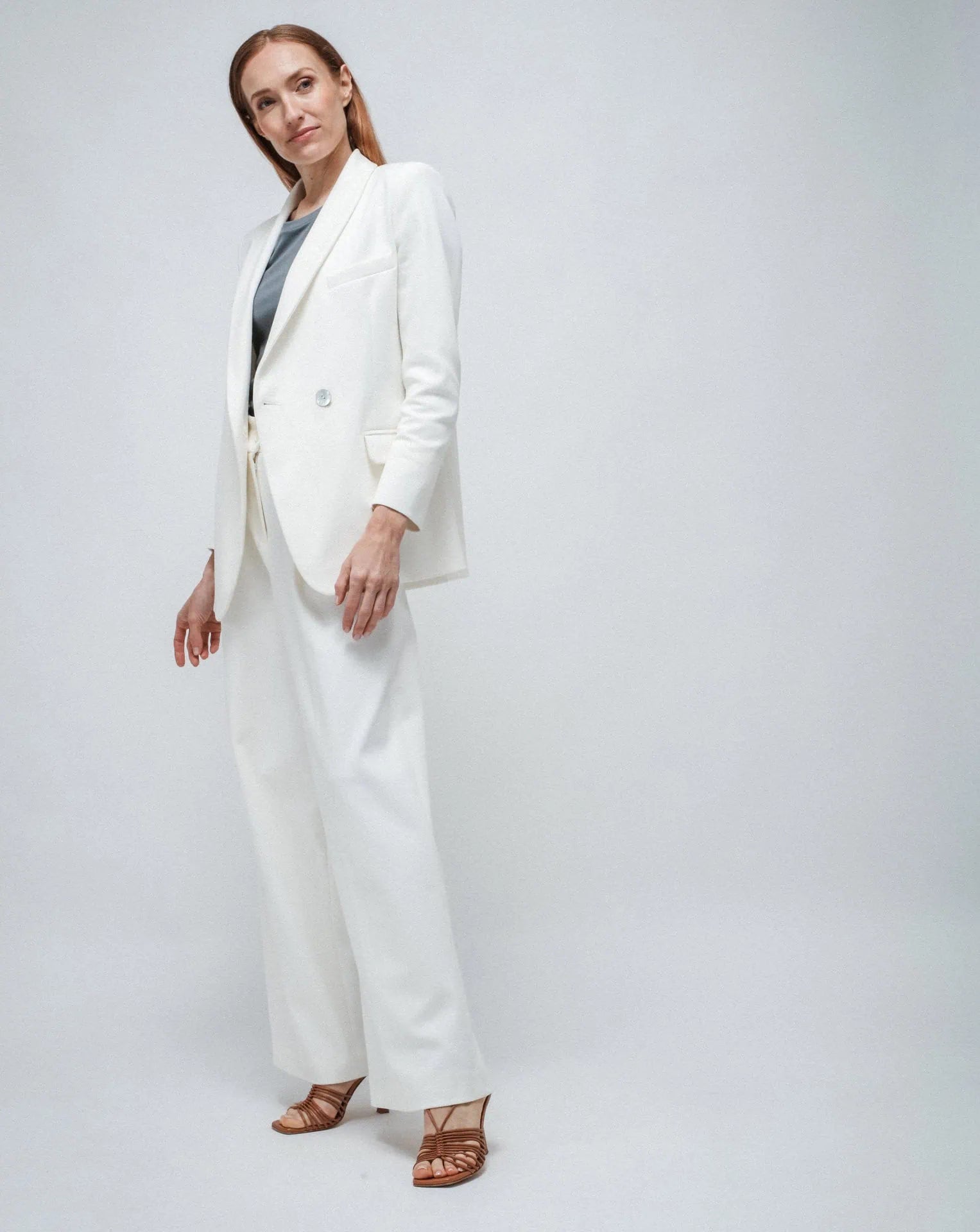
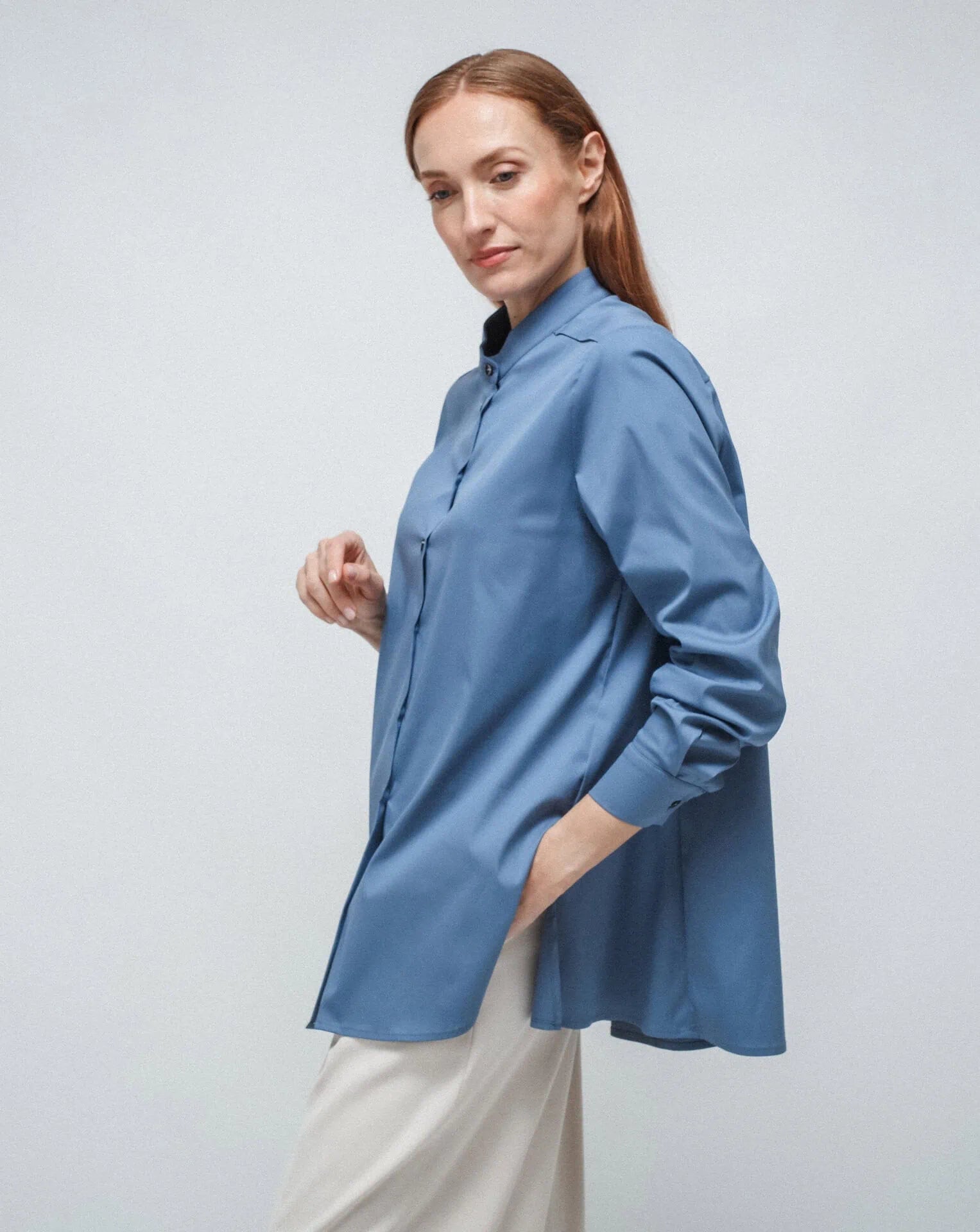
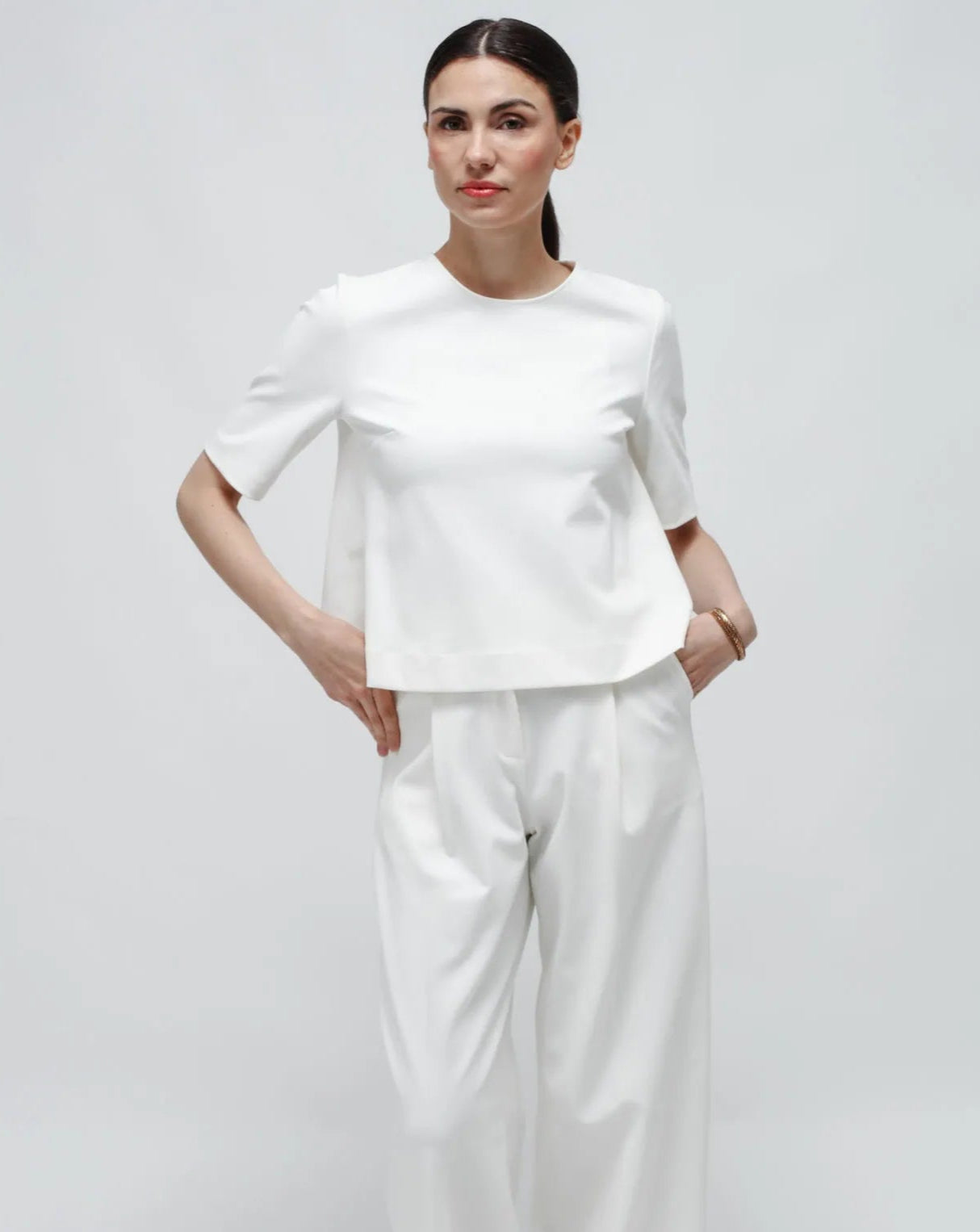
Look at how they merchandise core pieces. A refined shirt, tailored trousers, a sharp dress, or a versatile coat offered as part of a coherent wardrobe is often a stronger sign than dozens of trend-led drops. If a brand highlights Deadstock Fabrics, Small-Batch Production, and garment care, it is showing you that the product is meant to last, not just launch.
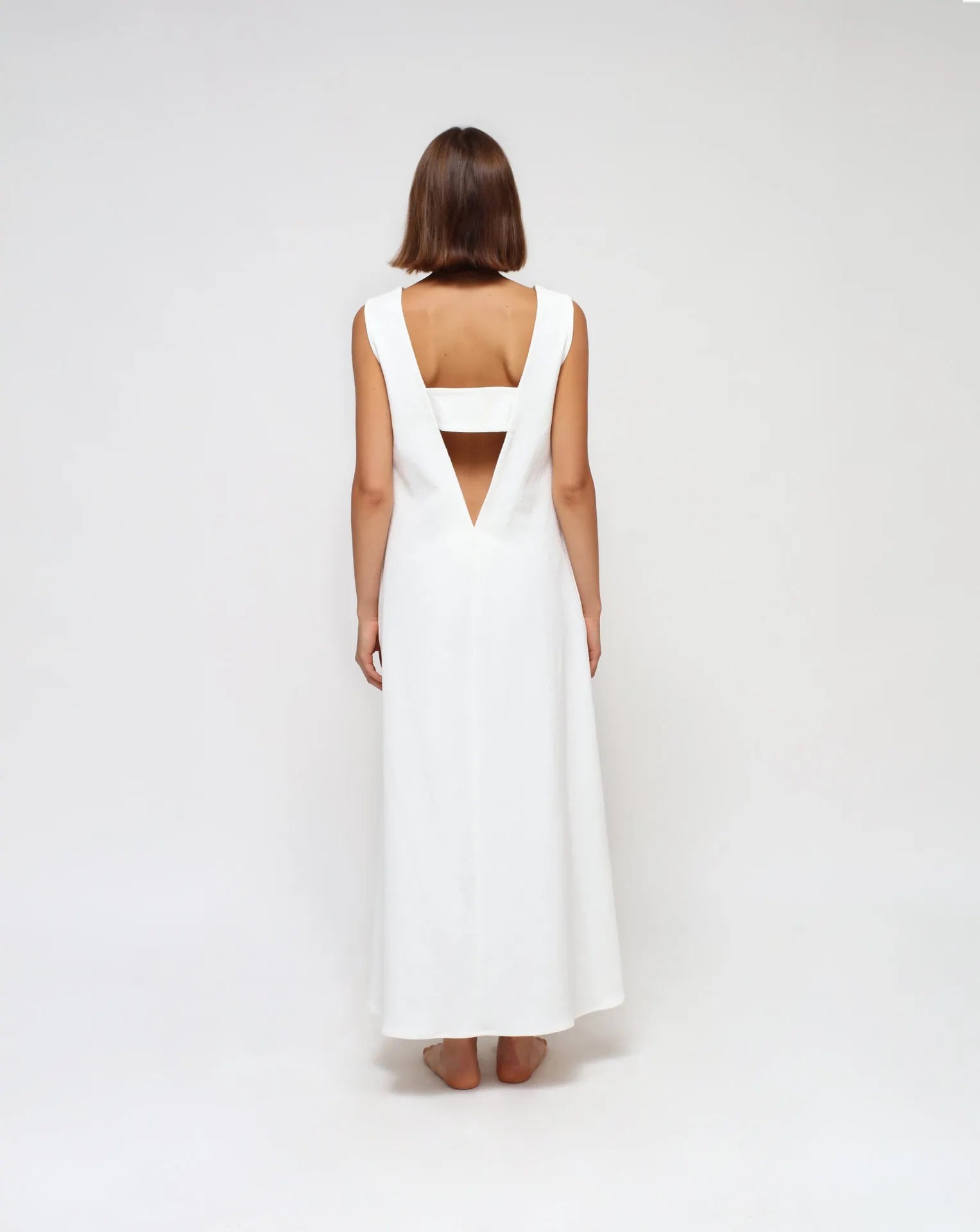
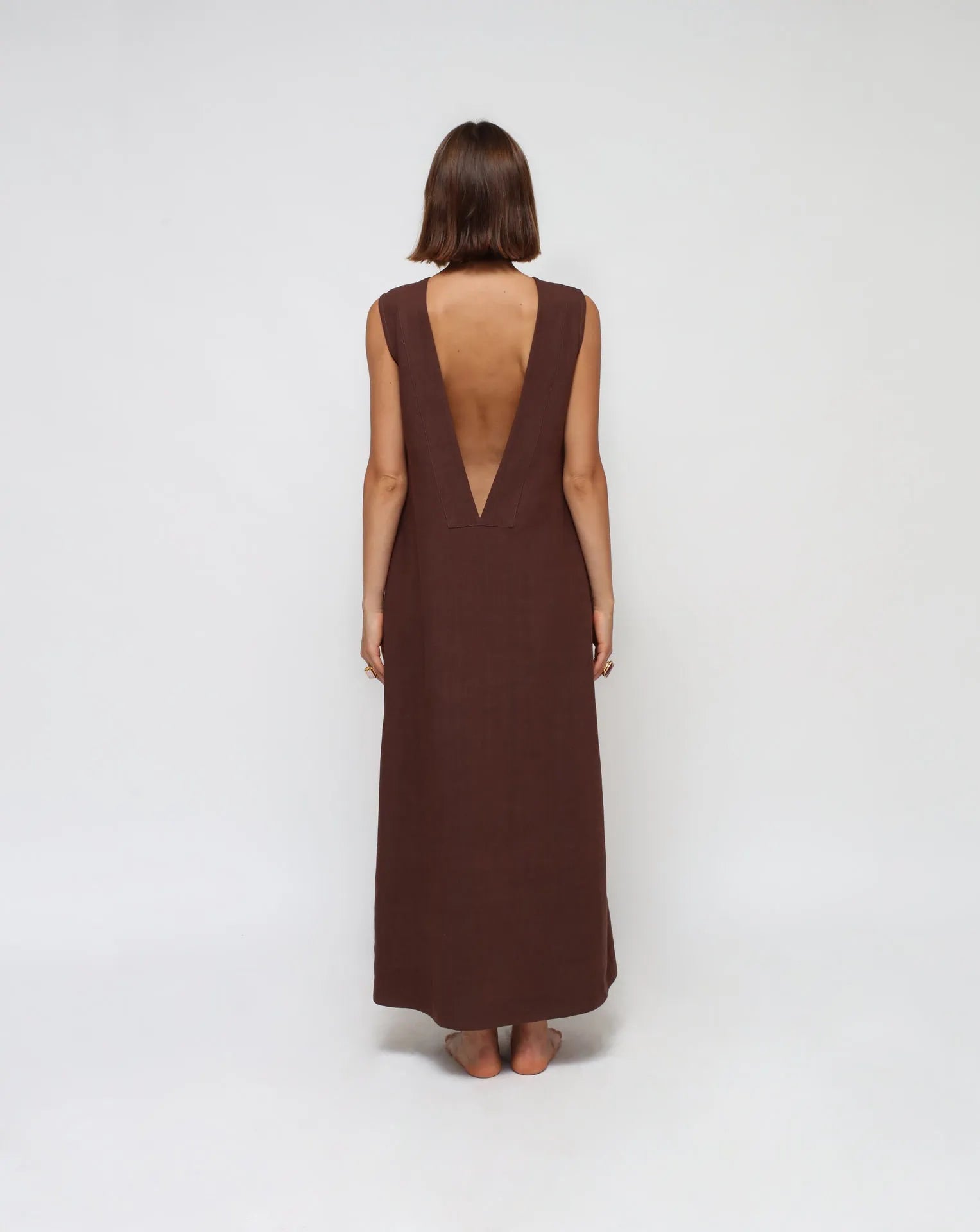
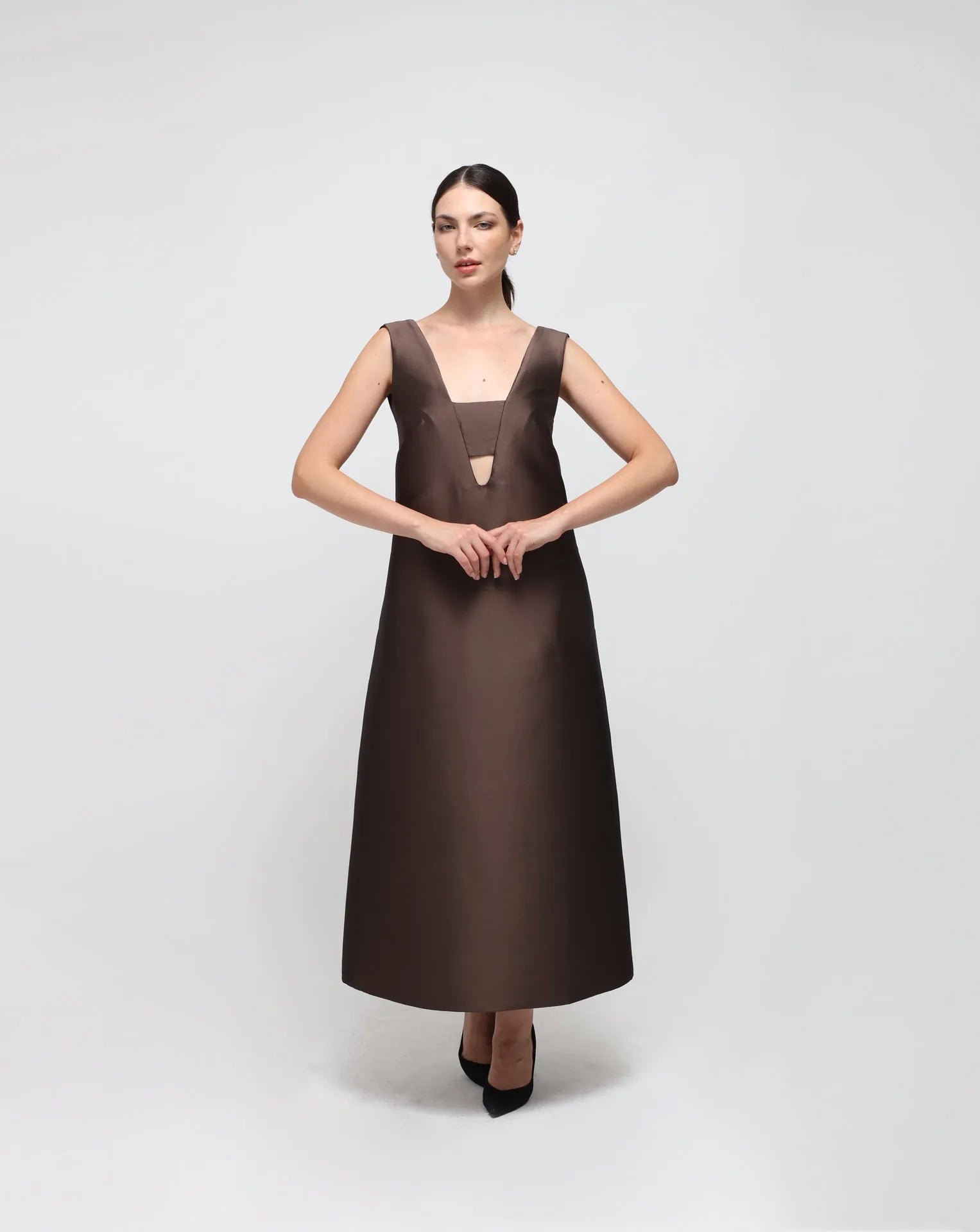
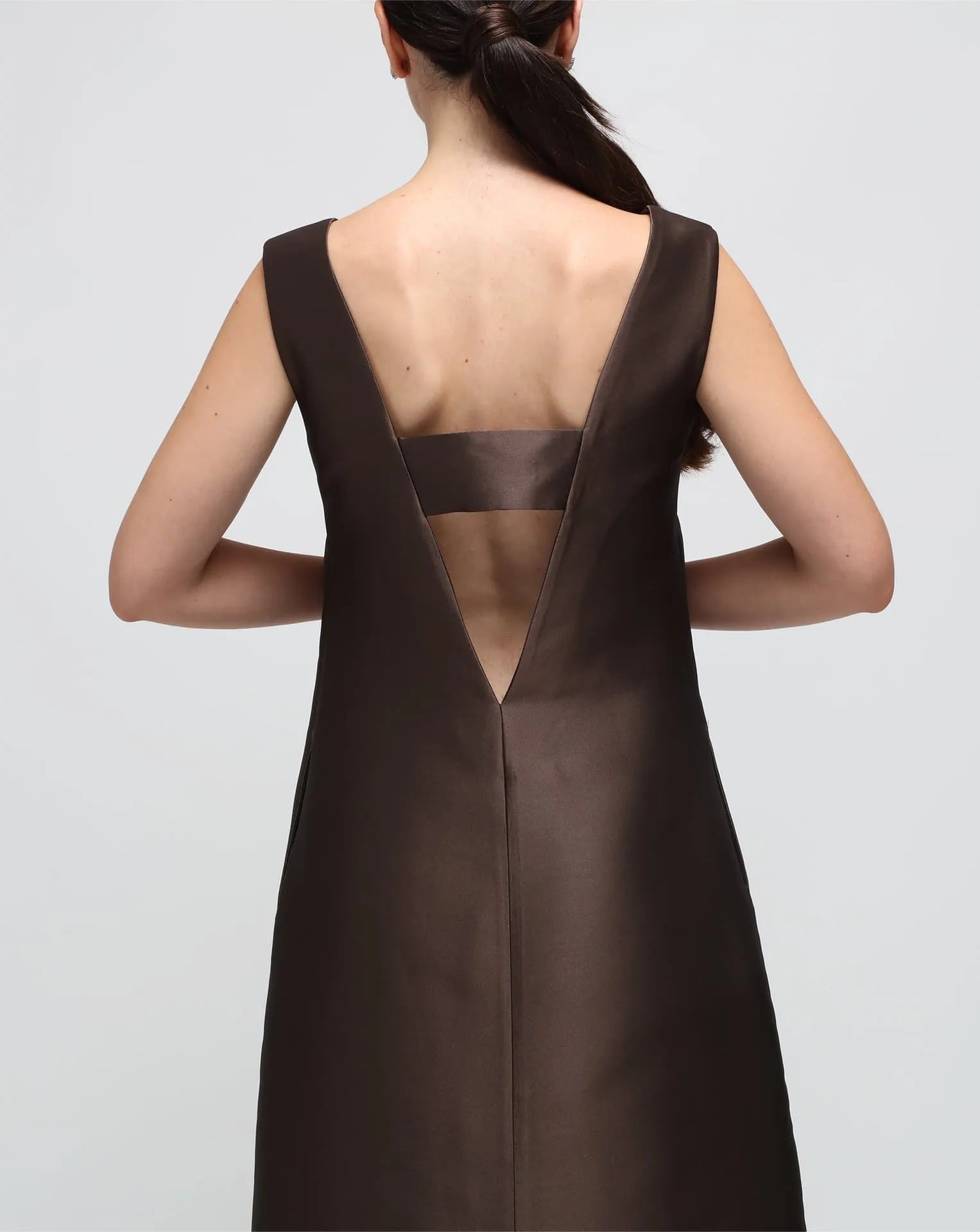
This is also where product-level storytelling matters. A page built around an Italian-made blazer, a deadstock satin skirt, or a travel-ready coordinated set can do more than sell an item. It can explain why that piece exists, how much was made, and why restraint is part of its value. That kind of structure helps customers shop with intent instead of reacting to markdown theater.
The shopper's role in what happens next
Consumers do not control production calendars, but they do shape demand. When shoppers chase steep discounts as the default, brands learn that excess can still be monetized. When shoppers reward thoughtful design, limited runs, and transparent sourcing, brands have stronger reasons to produce carefully.
That does not mean every sale purchase is wrong. Sometimes buying a marked-down garment extends the life of something that would otherwise go to waste. Context matters. The better question is whether the discount is clearing a genuinely exceptional piece you will wear for years, or nudging you toward a purchase that only feels sensible because the original system was wasteful.
The strongest wardrobes are usually built the same way the strongest collections are made - with patience, clarity, and enough restraint to leave impulse behind.
A more responsible future for fashion will not come from better end-of-line disposal alone. It will come from fewer unnecessary garments entering the line in the first place. Until then, what happens after something does not sell will remain one of the clearest tests of a brand's values.
If a piece is worth designing, cutting, sewing, shipping, and presenting as luxury, it should also be worth protecting from becoming waste.
FAQ
Q: Do designer brands really destroy unsold clothes?
A: Some have, particularly to protect pricing and exclusivity. Public pressure has reduced the practice, but it still happens in parts of the industry.
Q: Are outlet items always unsold designer clothes?
A: Not always. Some outlets sell past-season inventory, while others carry products made specifically for outlet distribution.
Q: Is buying discounted designer clothing sustainable?
A: It can be better than letting a garment go to waste, but it depends on whether you will truly wear it. Sustainability is not just about price - it is about use.
Q: How do small-batch brands reduce unsold inventory?
A: They produce in limited quantities, work with tighter assortments, and often use existing materials like deadstock fabrics to avoid speculative overproduction.
Q: What should I look for if I want to avoid supporting overproduction?
A: Look for brands that are transparent about sourcing, batch sizes, manufacturing, and garment longevity, and that offer an edited collection rather than constant volume.
the World of H&L