
Article: Are Handmade Clothes Worth It? The Real Value

Are Handmade Clothes Worth It? The Real Value
A winter coat can look perfect on a hanger and still disappoint after three cold commutes: stiff at the shoulders, thin at the cuffs, already losing its shape. That is where the question becomes practical, not philosophical: are handmade clothes worth it when the price is higher than mass-produced alternatives?
For people building a wardrobe with fewer, better pieces, the answer is often yes. But handmade is not a magic word. Its value depends on the fabric, construction, fit, frequency of wear, and whether the piece has a real place in your life. A beautifully made evening jacket that stays unworn is not more sustainable than a well-chosen everyday layer you reach for every week.


Are Handmade Clothes Worth It for Your Wardrobe?
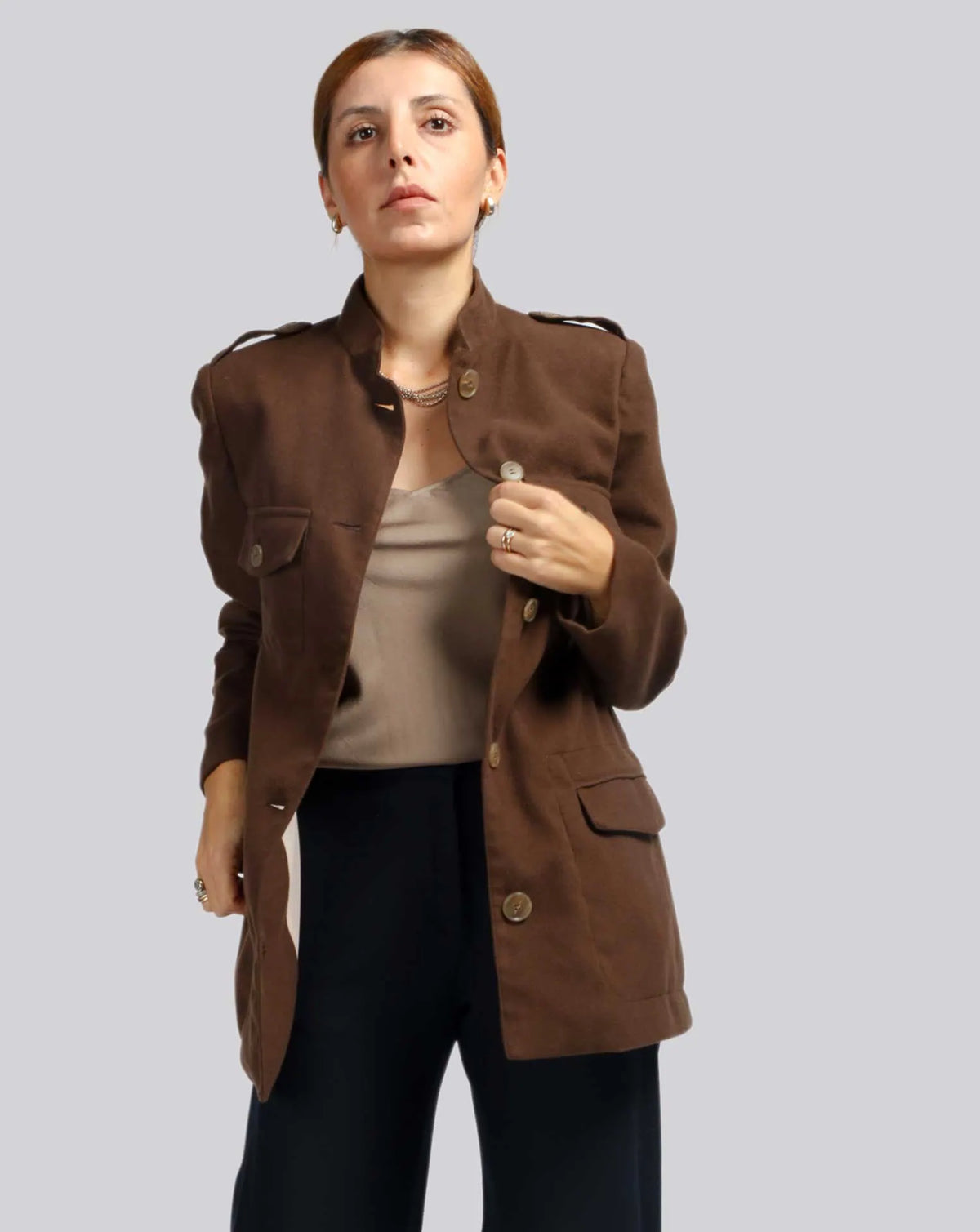
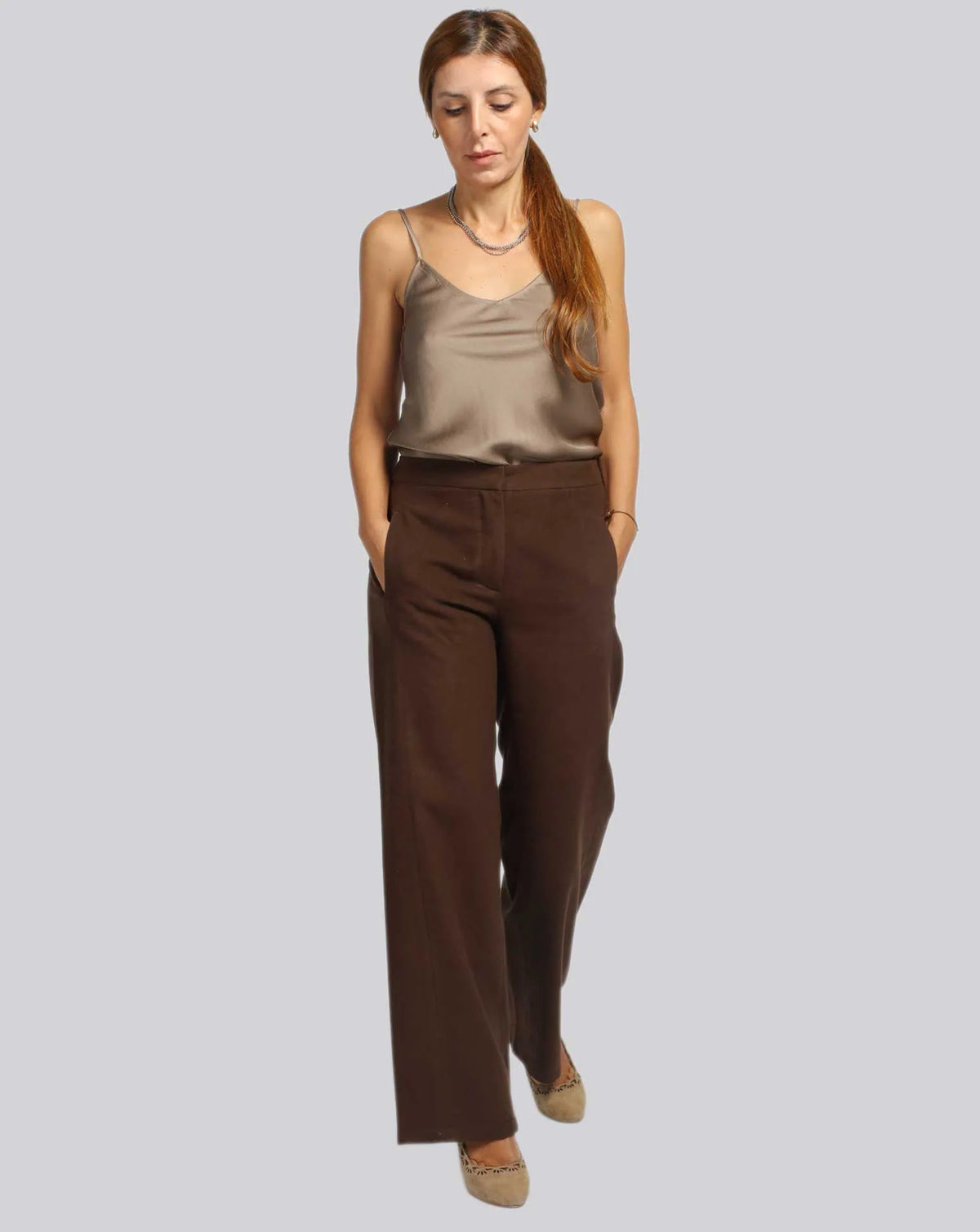
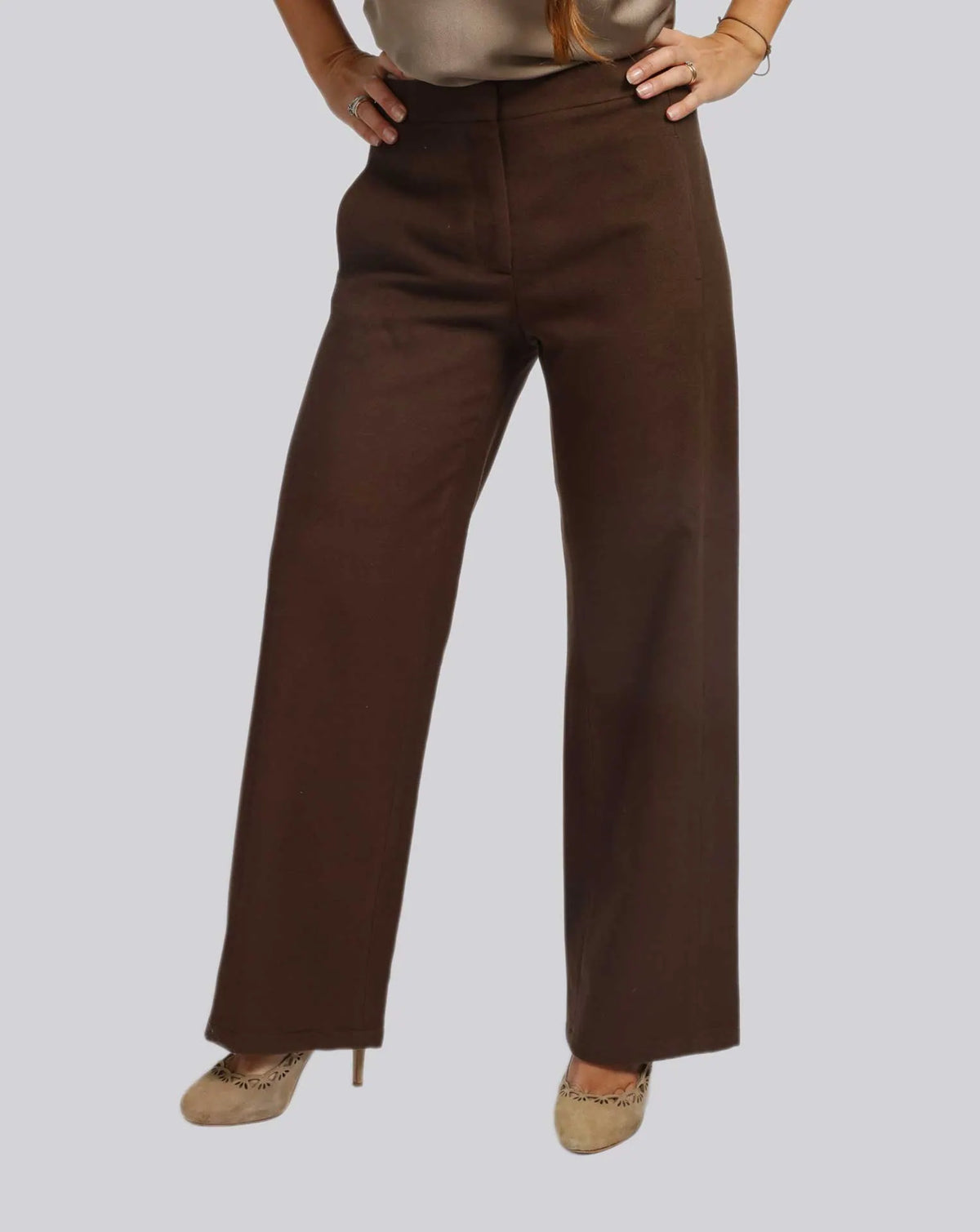
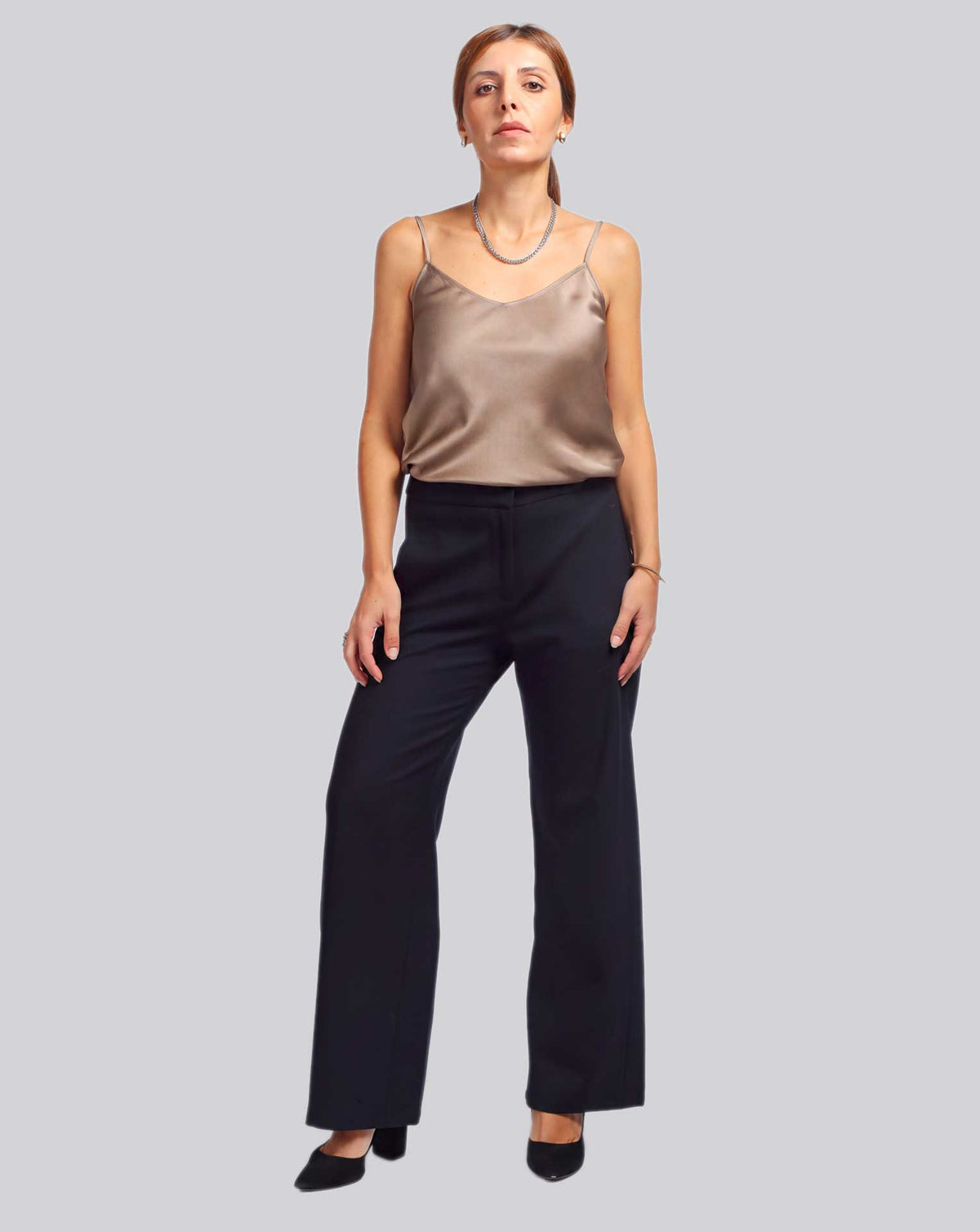
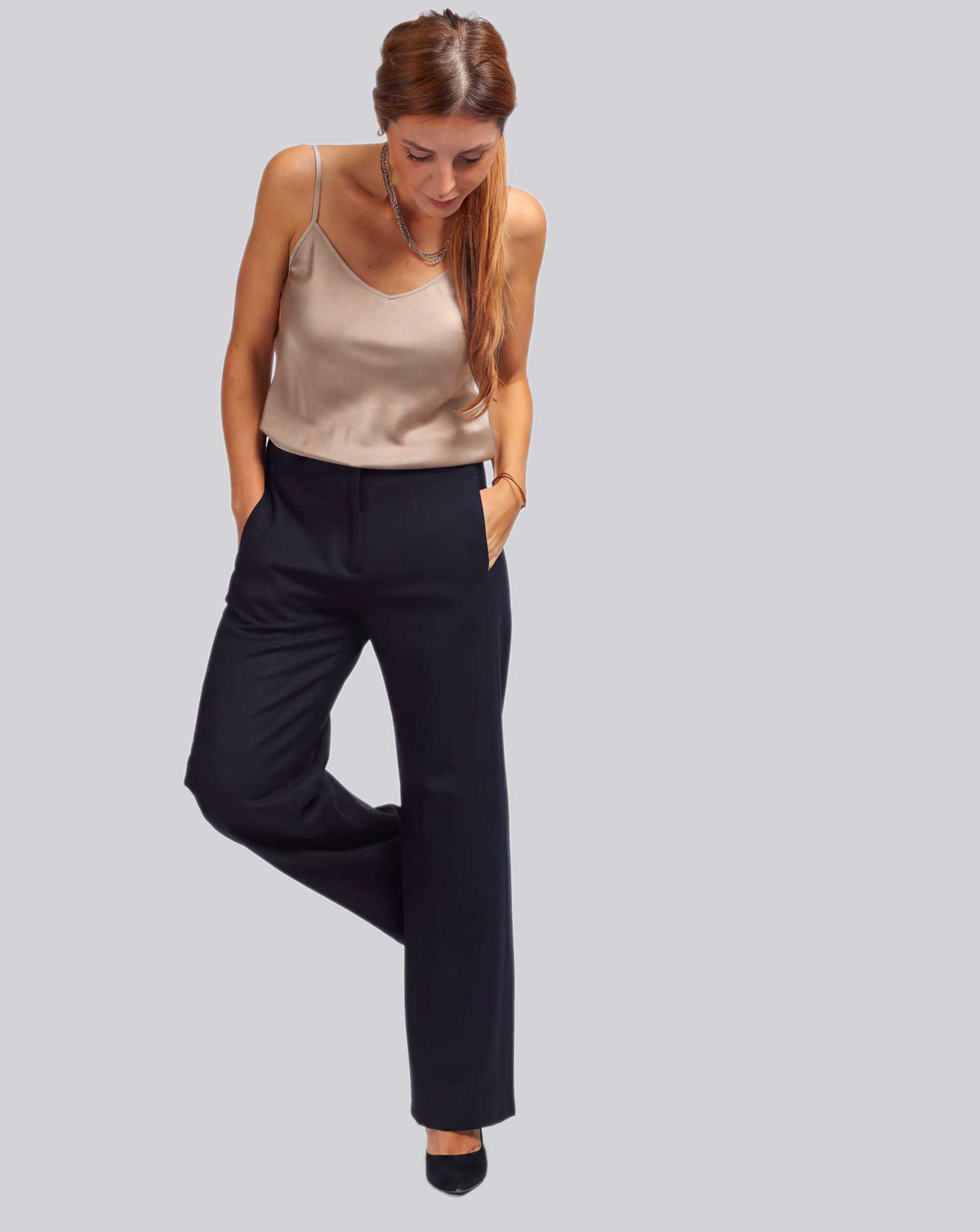
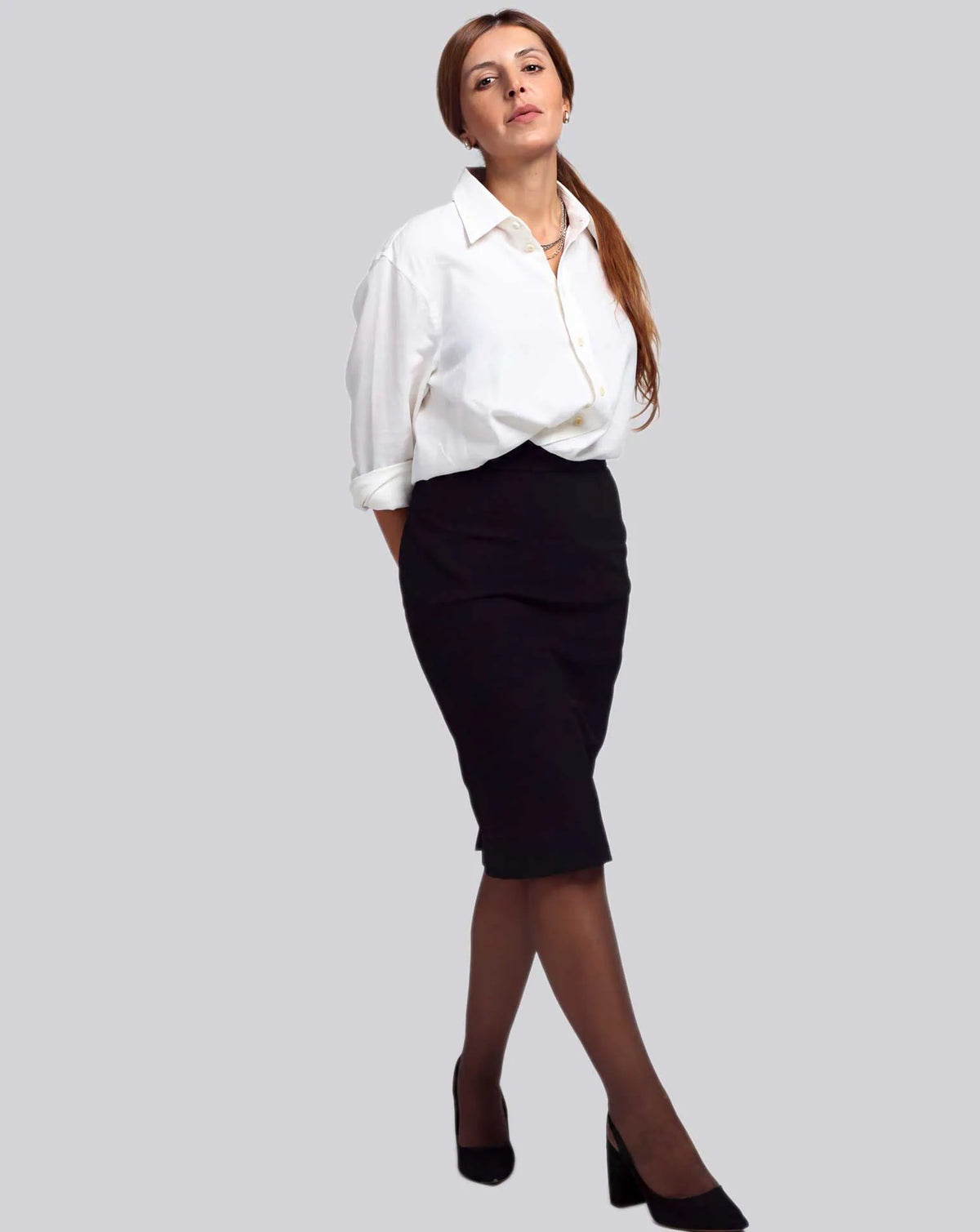
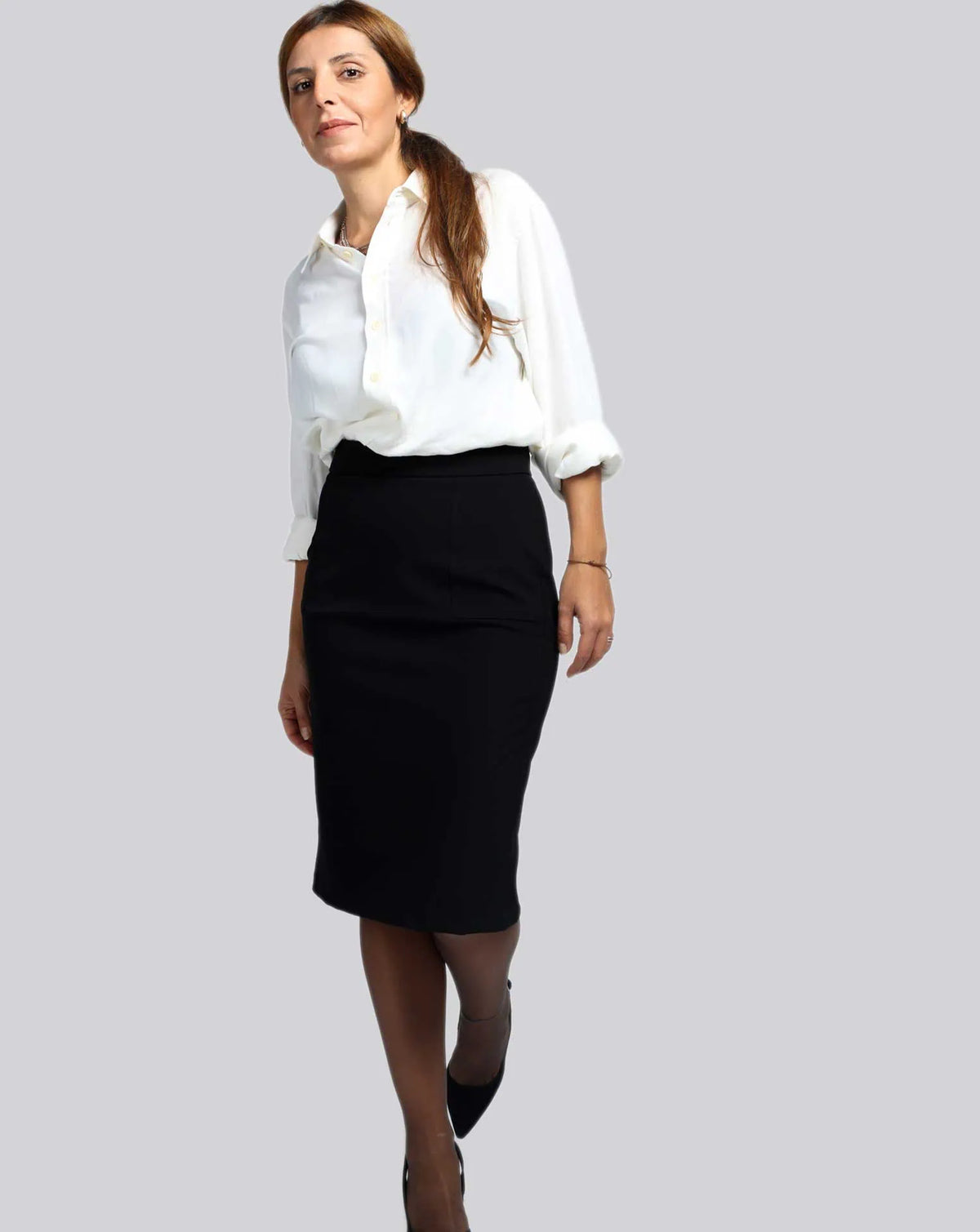
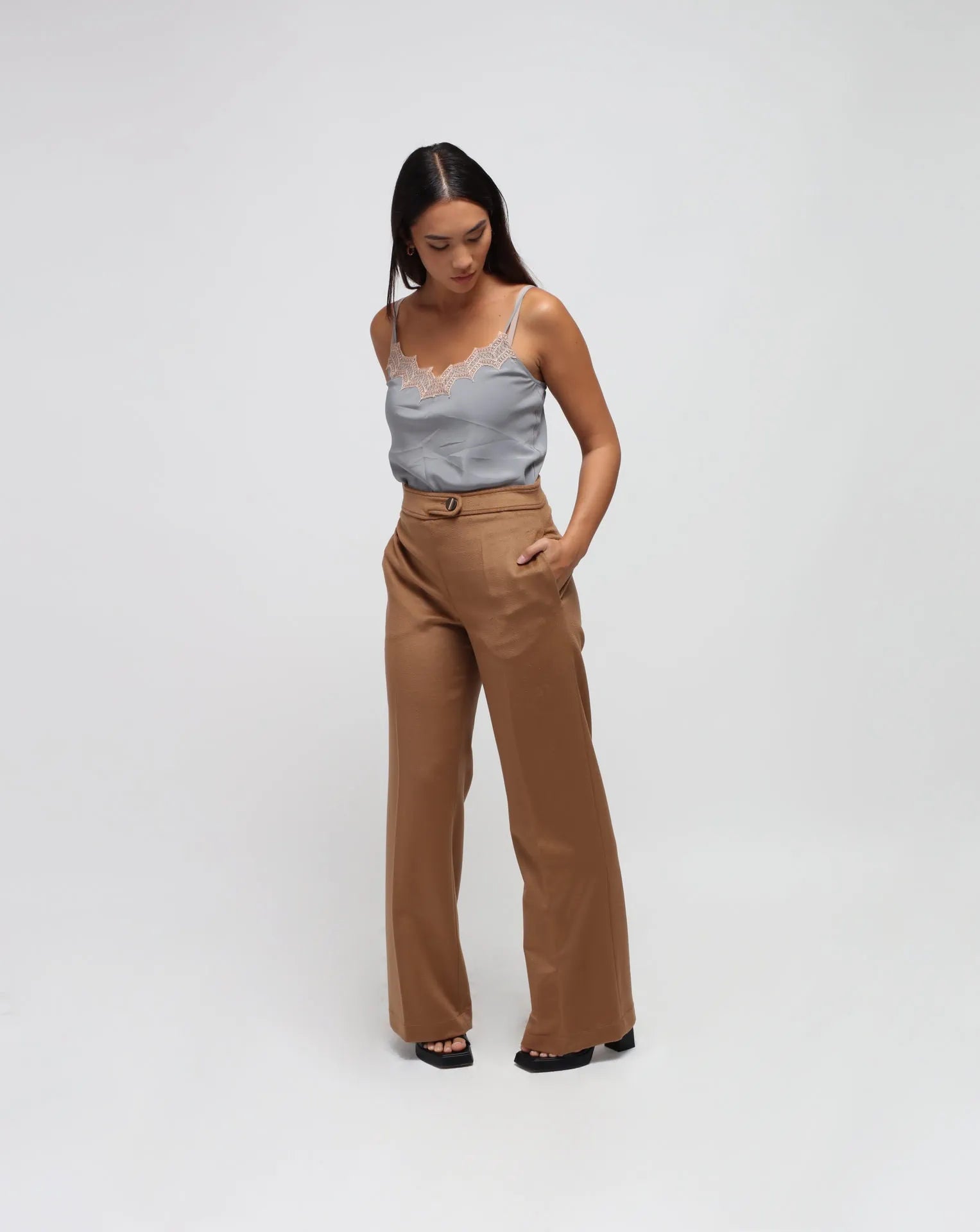
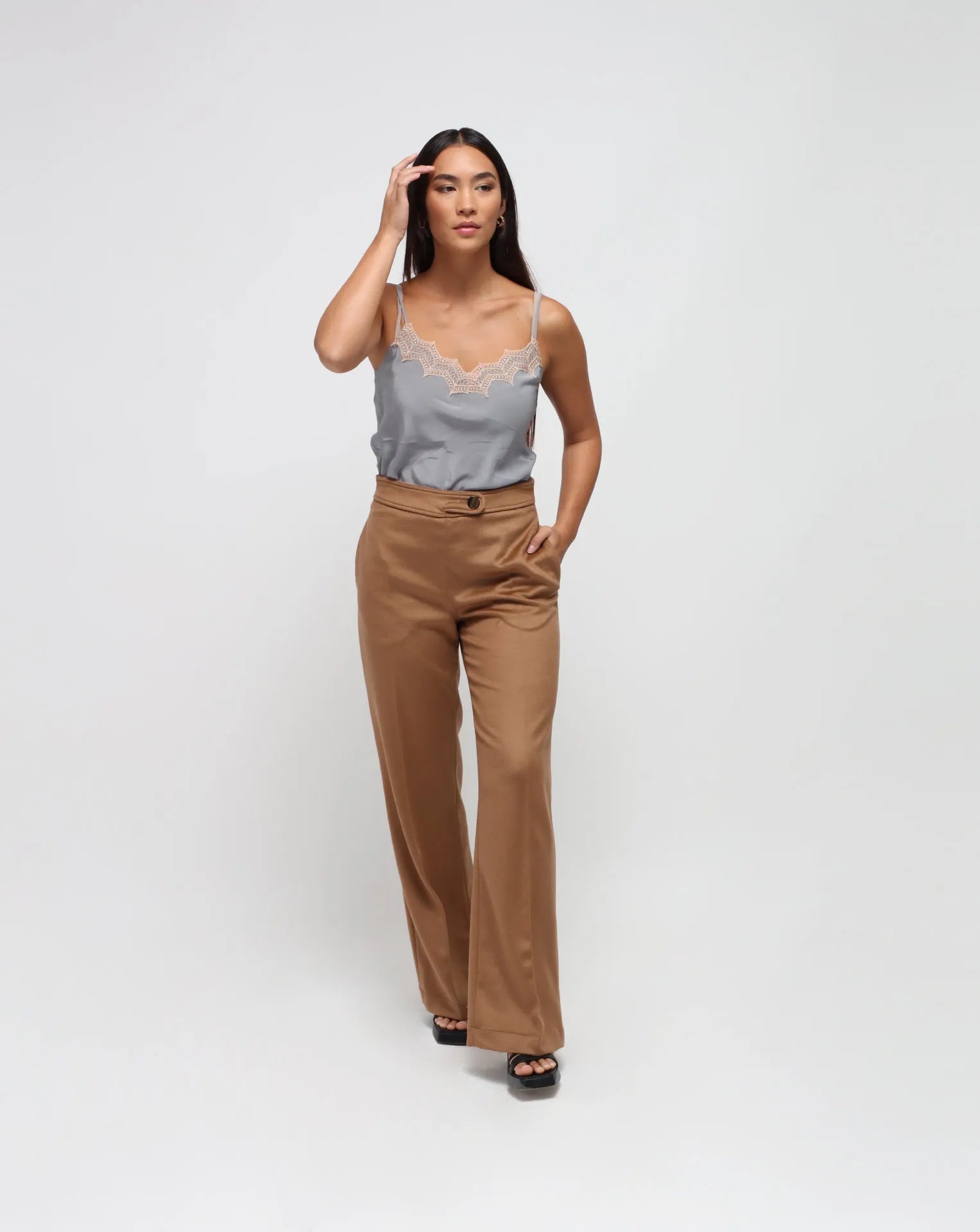
Handmade clothing is worth the investment when it gives you something that factory-speed production cannot: greater attention to finish, more considered material choices, and a garment designed to last beyond one trend cycle. It is especially compelling for the pieces that carry your wardrobe through the most demanding months - coats, knitwear, tailored pants, jackets, and substantial dresses.
The word “handmade” can cover a wide range of work. Few modern garments are made entirely by hand, from first stitch to final hem. The more meaningful question is where human skill enters the process. Was the fabric inspected before cutting? Are seams carefully finished? Has the garment been pressed and checked at each stage? Does the construction support future alterations or repair?
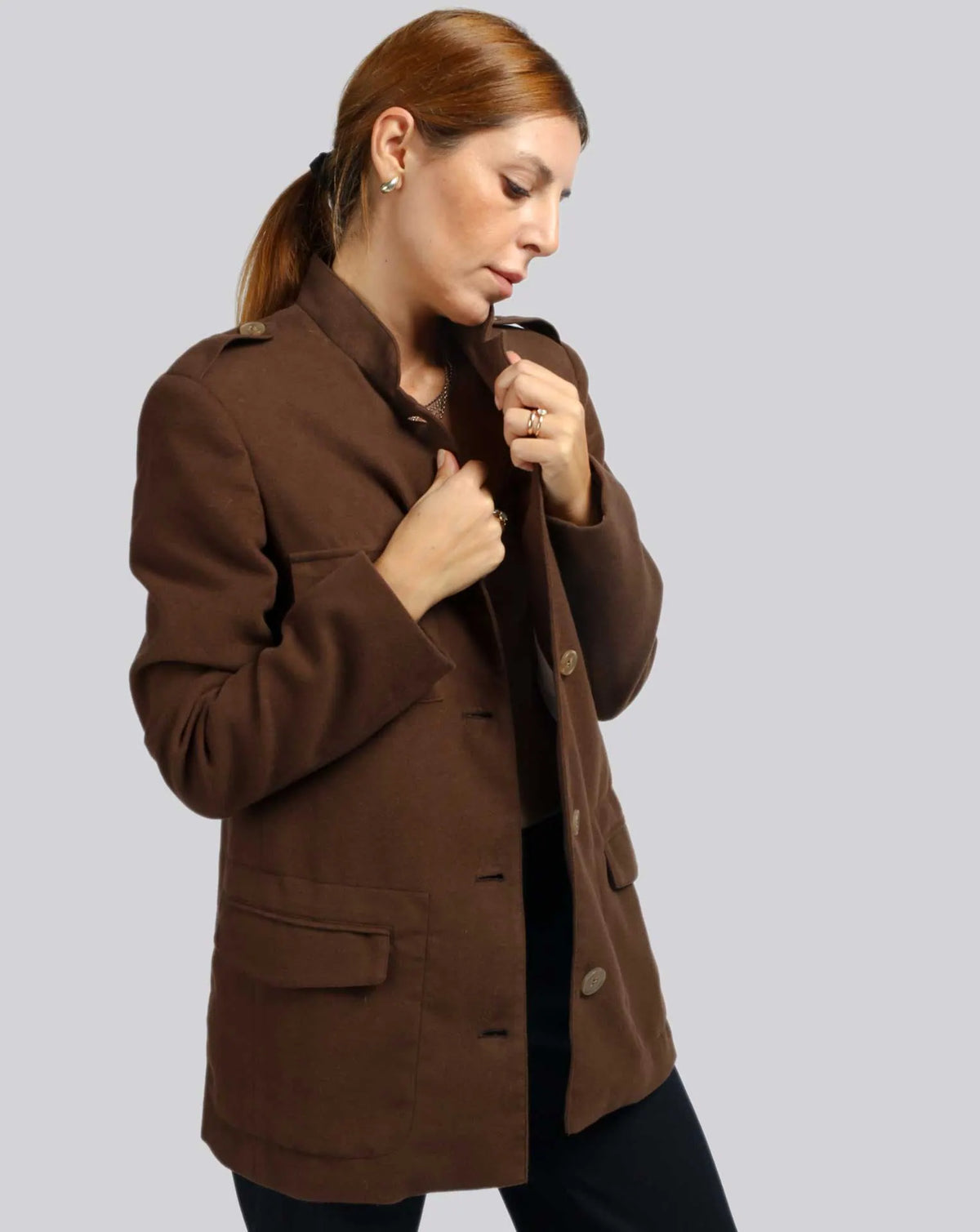
Small-batch Italian production gives makers time for these decisions. That time shows up in the details: a collar that sits cleanly, a lining that moves with the body, a hem that holds its shape, and a sleeve that does not twist after a season of wear. These are quiet qualities, but they make a garment feel right for years.
What You Are Actually Paying For
A higher price should have a clear reason behind it. With well-made handmade clothing, the cost is not only the labor of sewing. It reflects design development, skilled production, responsible fabric sourcing, smaller order quantities, quality control, and the fact that a brand is not relying on enormous volume to make each piece viable.
At Humans & Land, limited-edition pieces are made with premium deadstock fabrics: existing high-quality textiles that deserve a second life rather than being discarded. This changes the equation. Deadstock can offer exceptional wool, cotton, silk, or technical blends, yet it is available only in finite quantities. A small-batch coat made from a recovered Italian wool is not simply scarce by marketing design. Its material supply is genuinely limited.
That scarcity is not for everyone. If you prefer unlimited restocks, identical replacements, or trend-led variety every month, conventional mass production may suit your shopping habits better. But if you value a piece with a distinct fabric story and a lower-waste starting point, limited production is a meaningful advantage.
Cost per wear is useful, but only when it is honest
Cost per wear is often used to justify every expensive purchase. It should not be. The calculation works only if you can realistically imagine wearing the garment often enough.
A $500 wool coat worn 100 times over several winters costs $5 per wear. A $120 coat that pills, loses its shape, or no longer feels good after 15 outings costs $8 per wear - before considering the replacement you will likely buy next. The more important measure is not a spreadsheet, though. It is whether the garment earns a dependable place in your rotation.
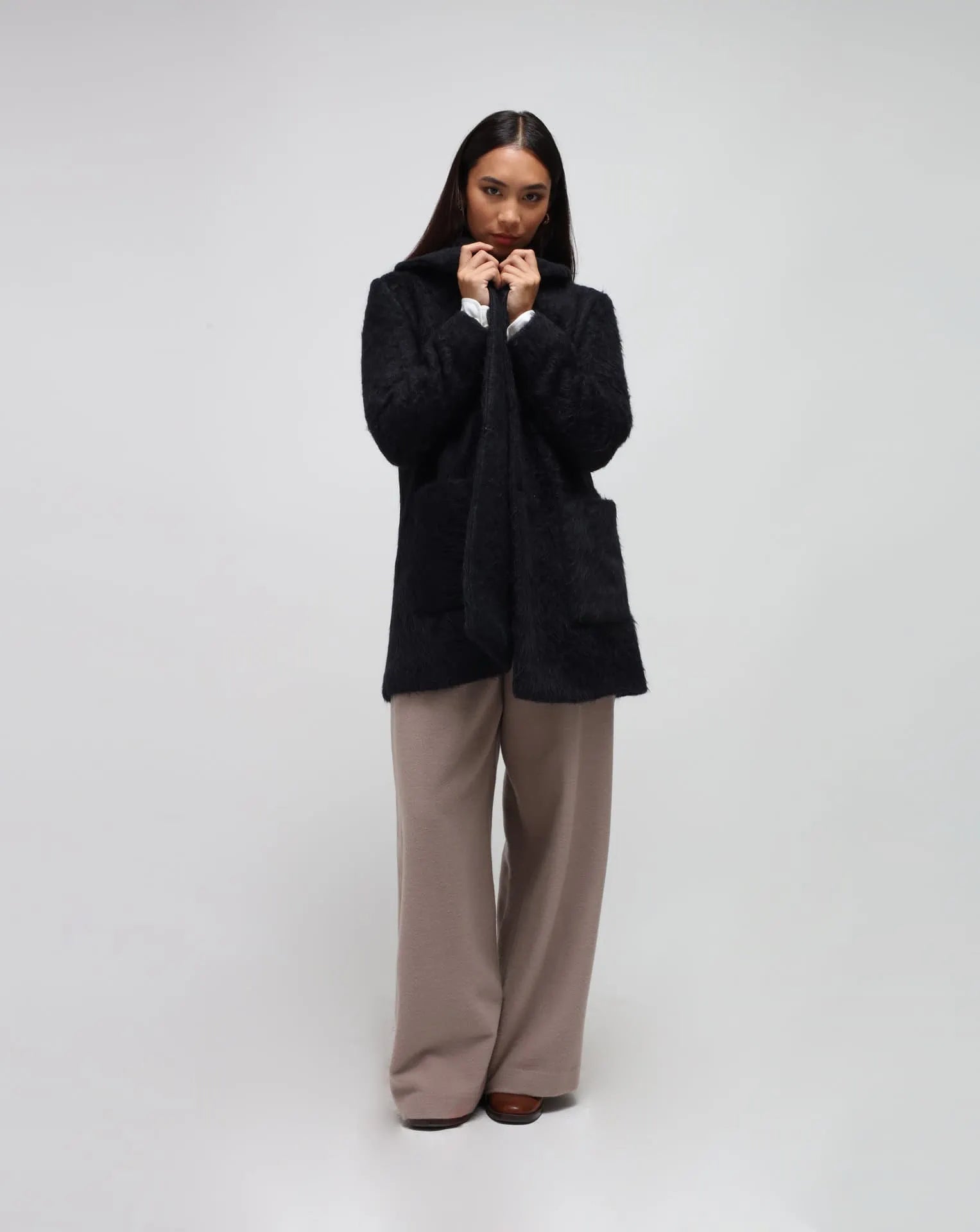
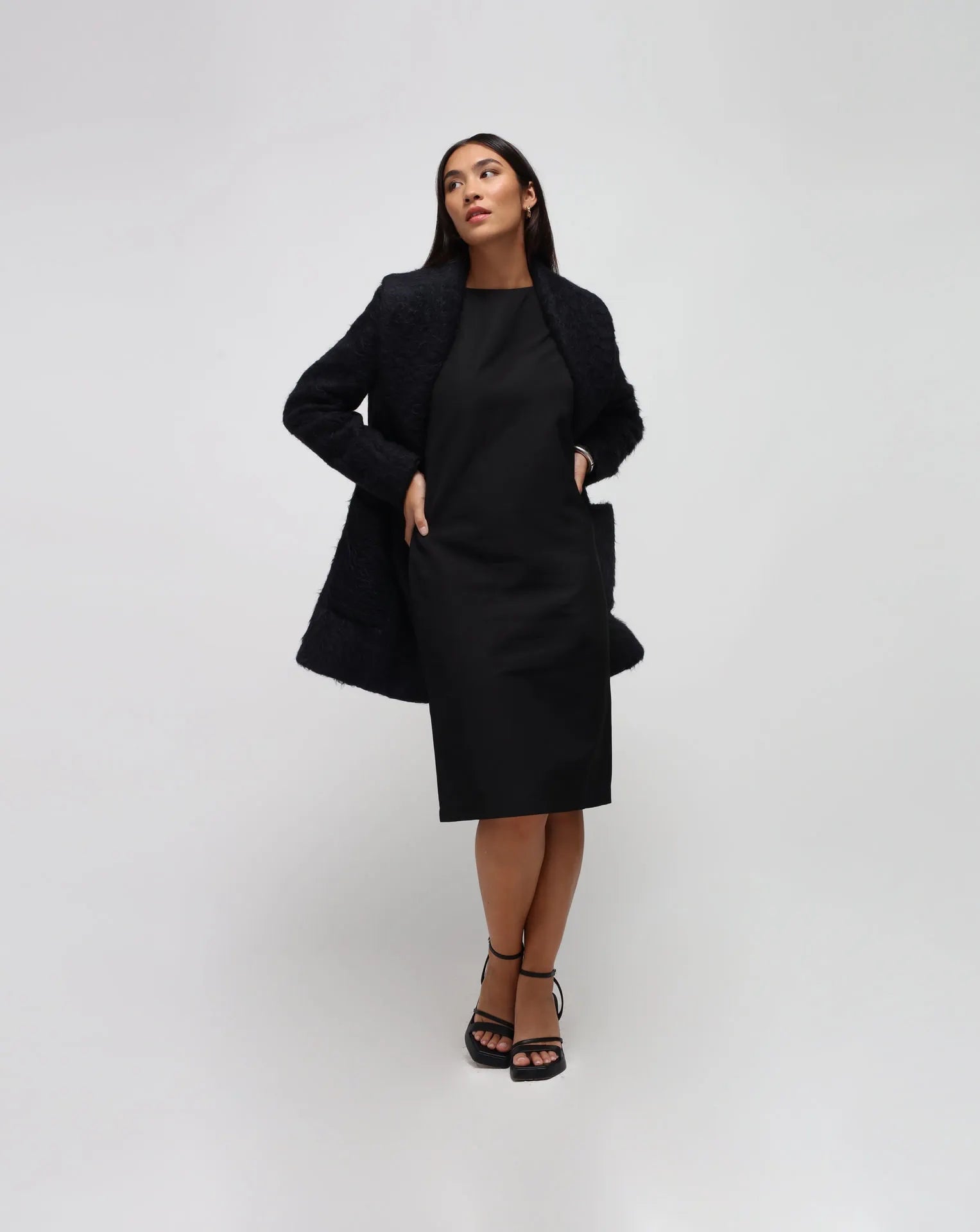
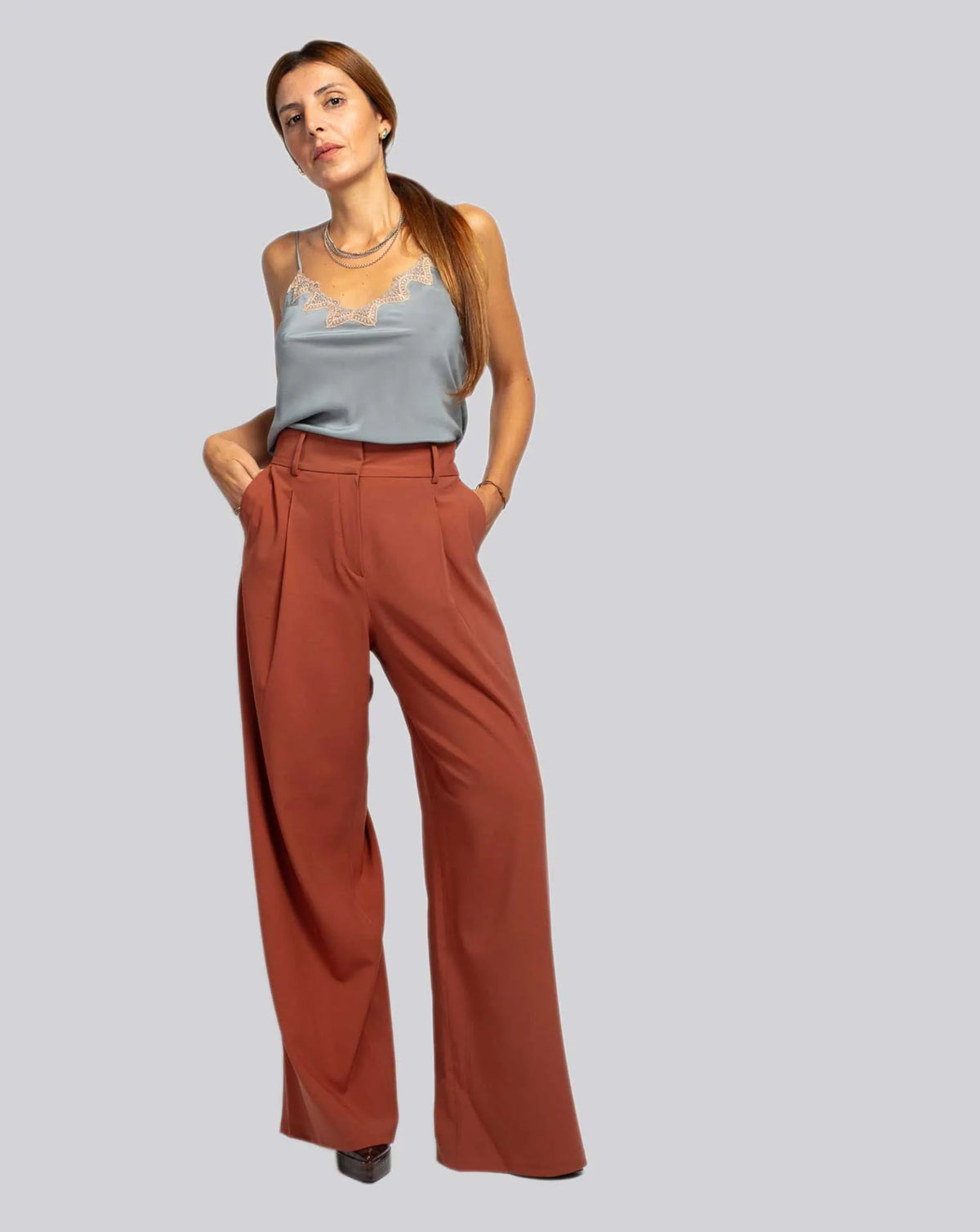
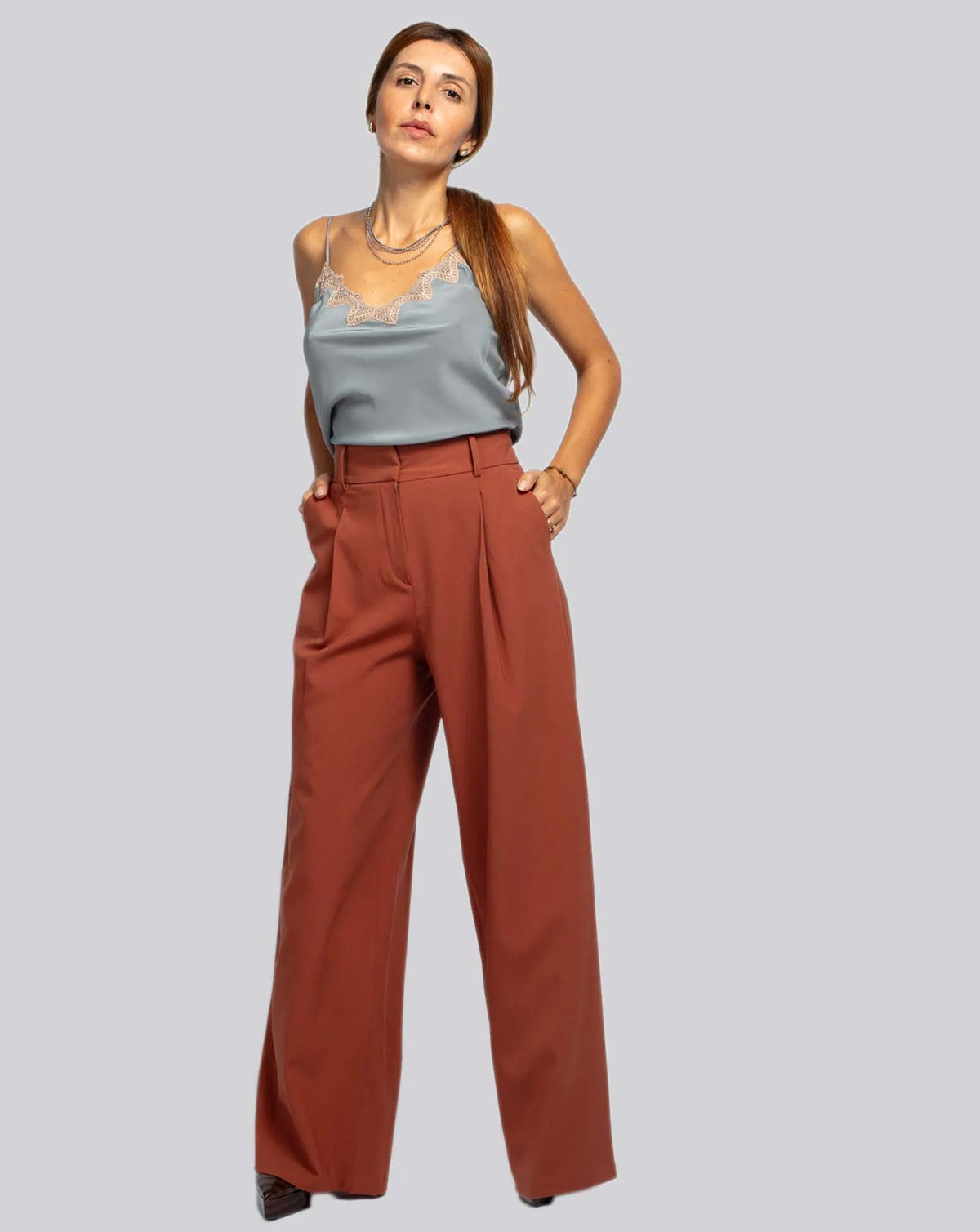
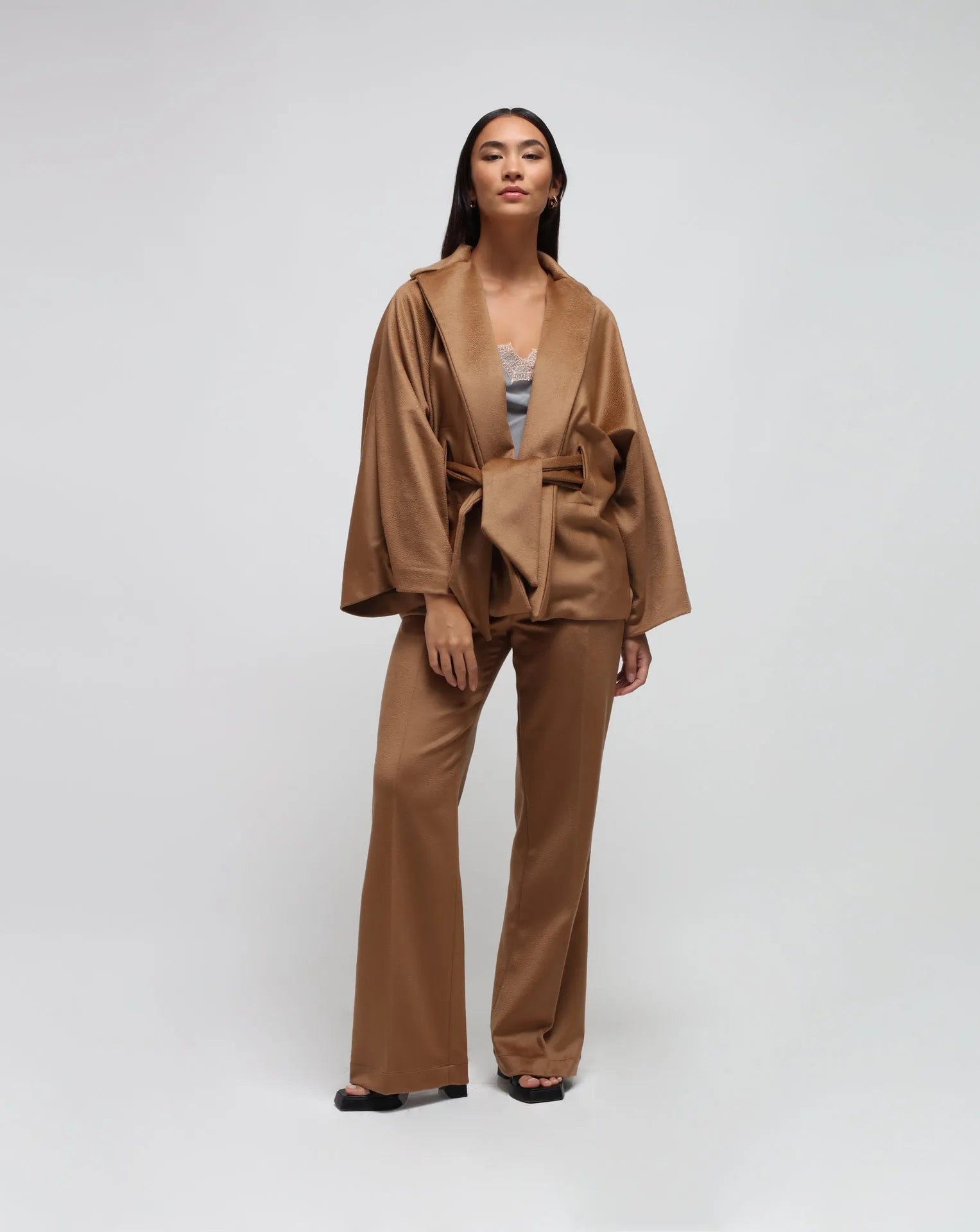
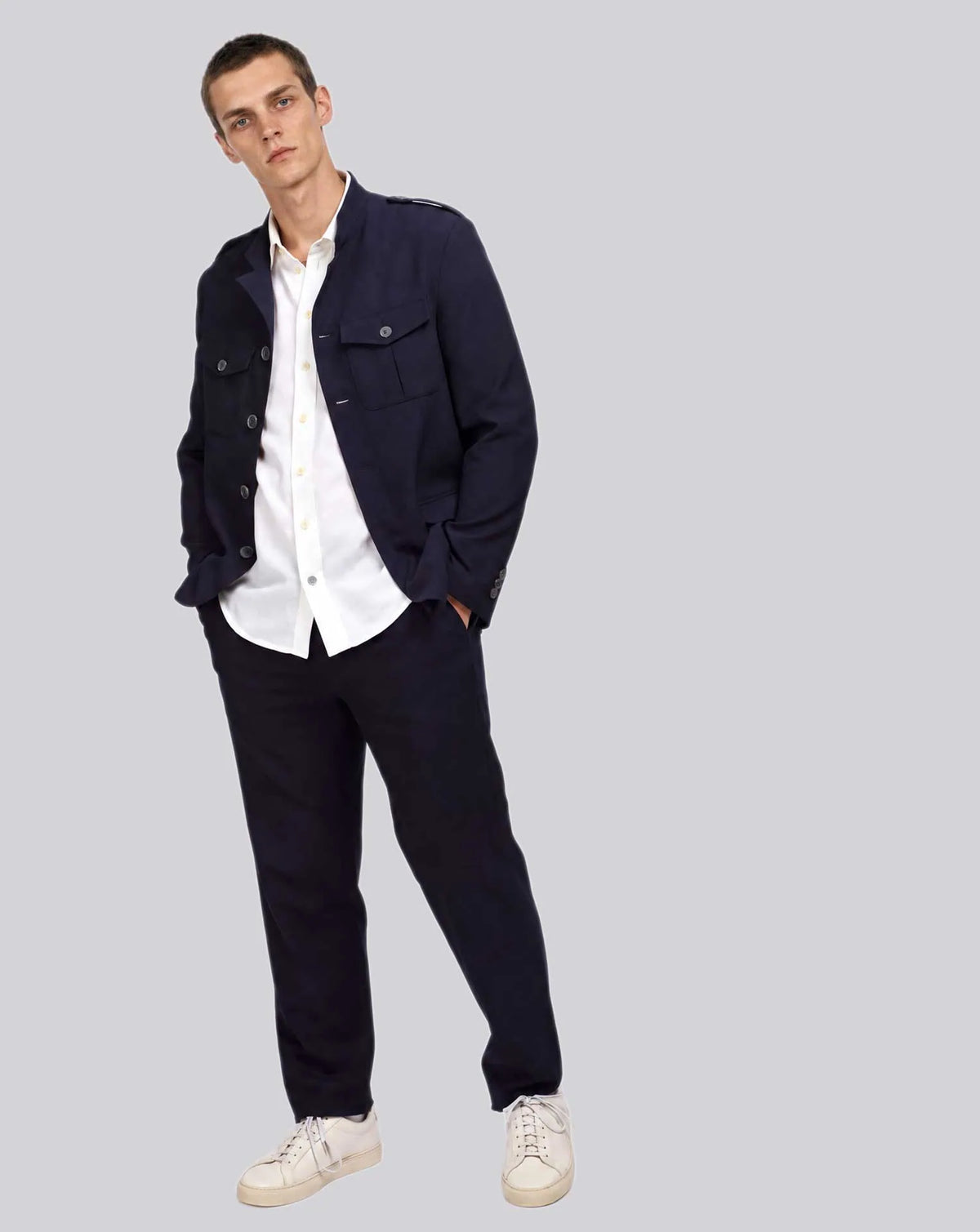
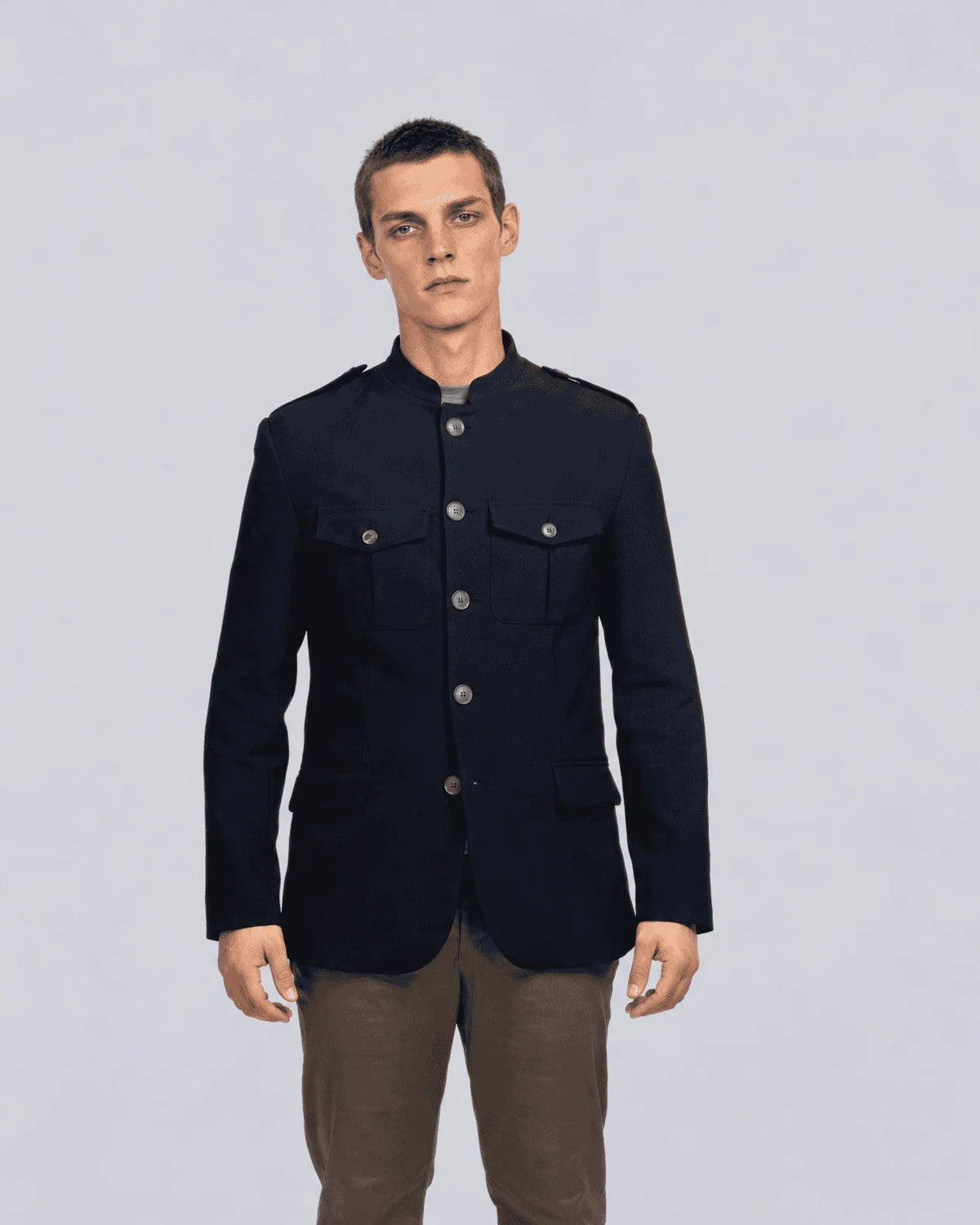
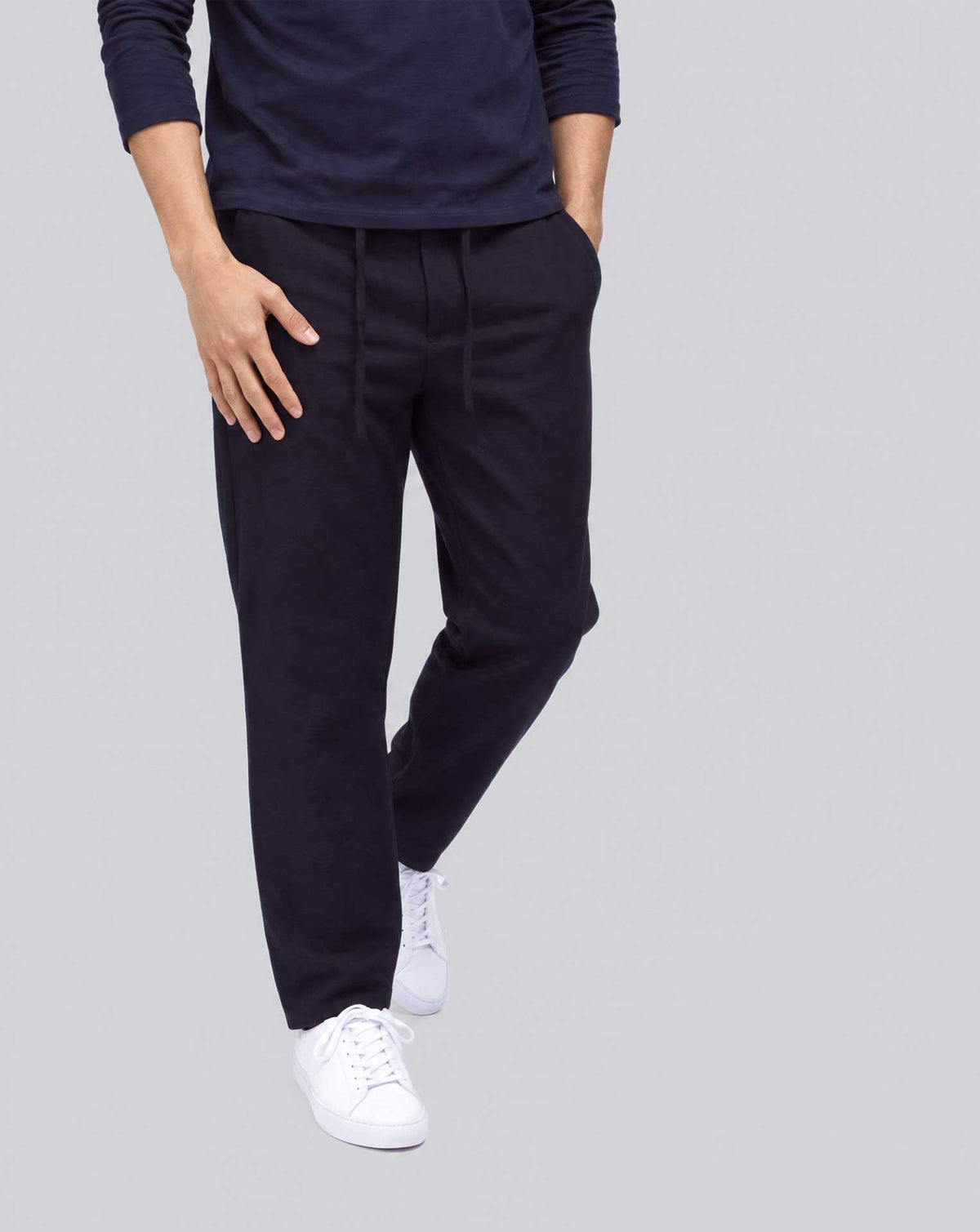
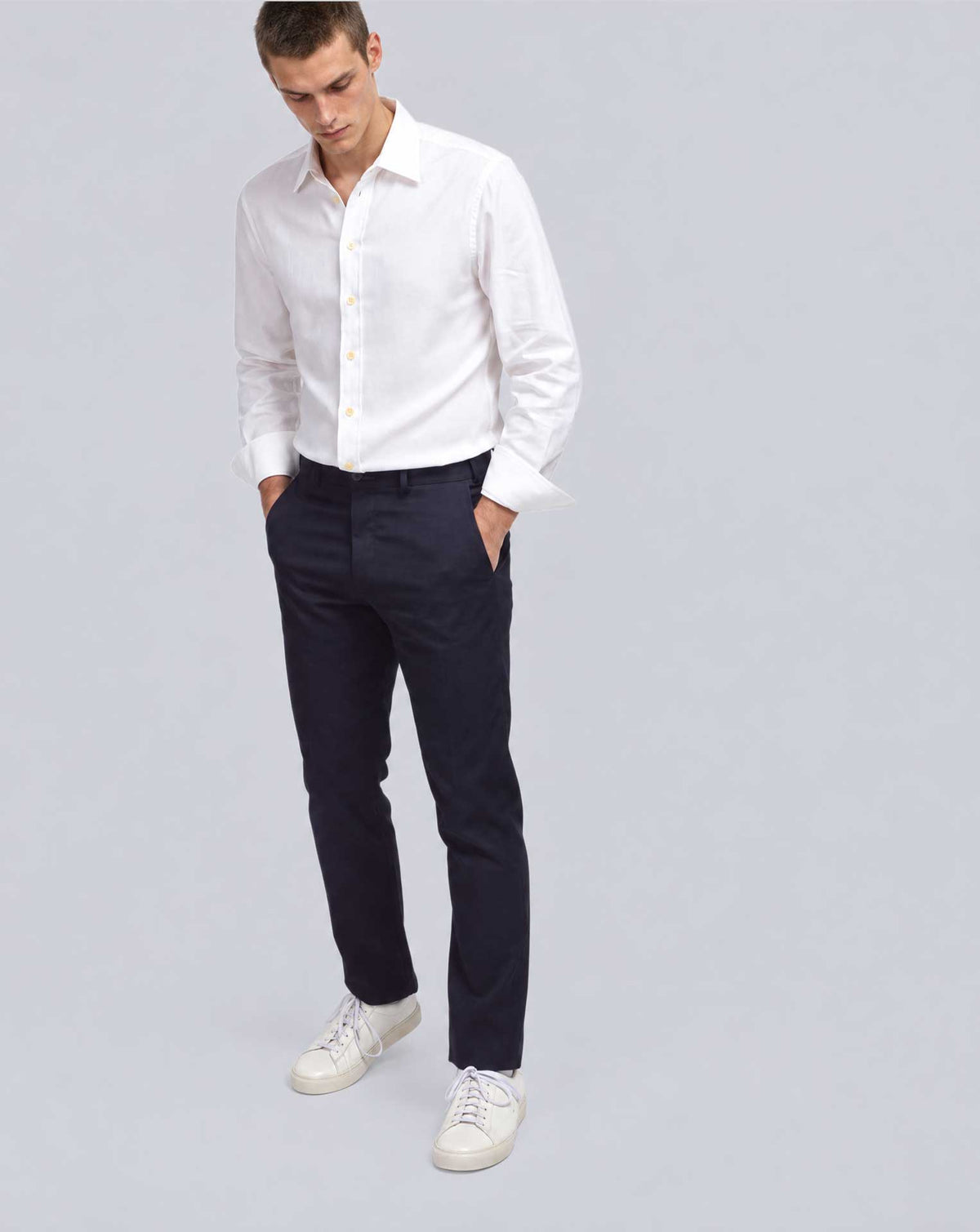
For winter, start with the items that do the most work: an outer layer that can move from weekday meetings to dinner, tailored pants that work with boots and sneakers, and a warm shirt or knit that layers without bulk. Consider a women’s handmade wool coat or men’s Italian-made tailored jacket as core investment categories. Product names and styles can be selected according to the current collection, but the principle stays the same: invest where repetition is highest.
Craftsmanship Changes the Way Clothes Age
Most clothes look good when they are new. The difference appears after wear, cleaning, weather, and movement. Quality construction is designed for that reality.
A carefully sewn garment often has stronger seam allowances, more precise alignment, and finishing that protects raw edges. Better materials can also recover more gracefully after wear. Natural fibers such as wool, linen, cotton, and silk each require care, but they tend to offer breathability, character, and repair potential that disposable synthetic blends often lack.
This does not mean handmade clothes are indestructible. Wool can snag. Silk can stain. A beautiful coat can be damaged by poor storage or a wire hanger. Buying better asks more of the owner, too: read the care label, air out outerwear between wears, address a loose button early, and use professional cleaning only when it is truly needed.
That shared responsibility is part of intentional fashion. A garment becomes more personal when you maintain it rather than treating it as temporary.
Fit Is Part of the Value
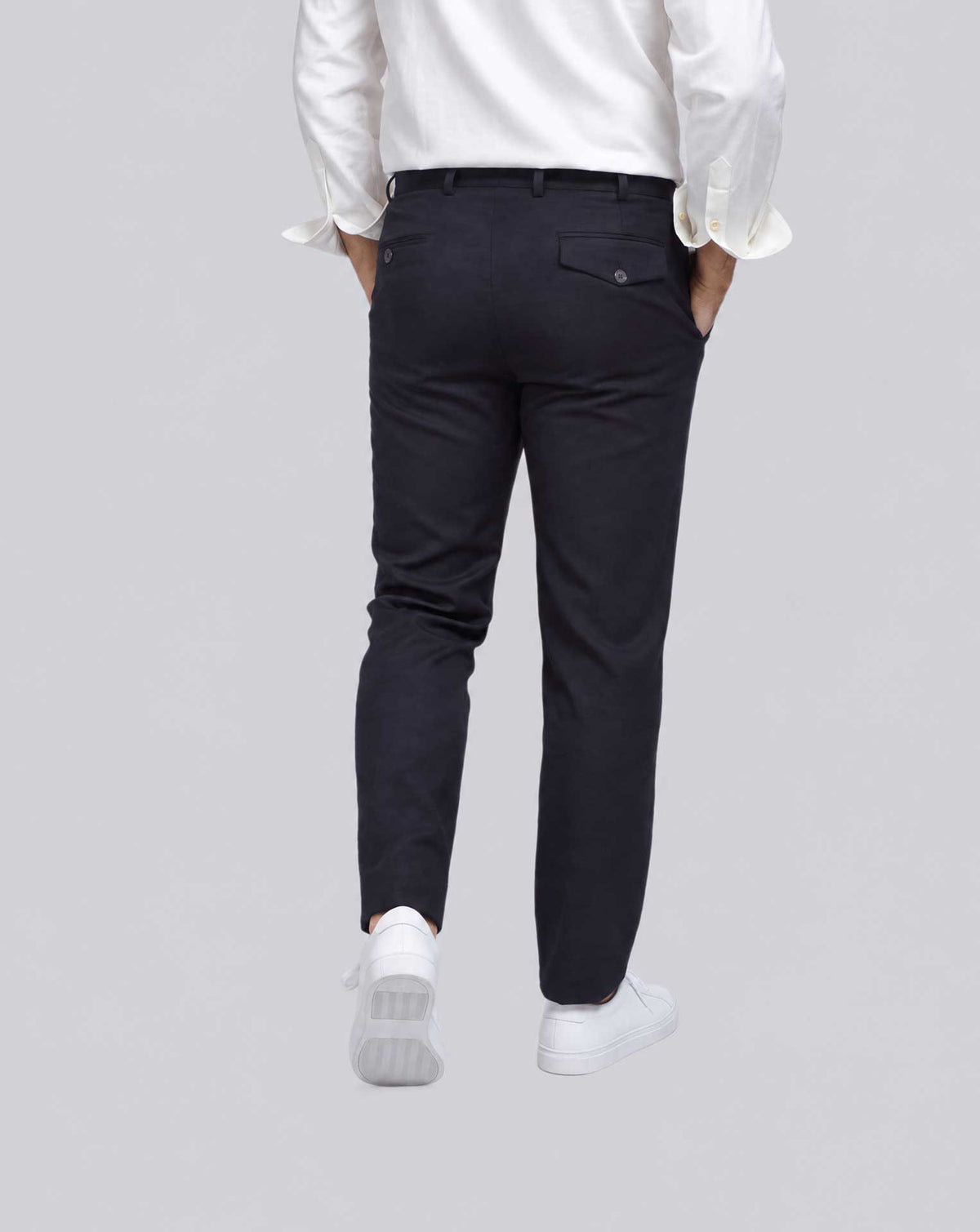
Fit is one of the strongest arguments for thoughtful construction, especially in tailored silhouettes. When shoulders sit properly, the waist is placed well, and the rise of a pant works with your body, clothes become easier to wear. You stop adjusting them throughout the day. You also tend to keep them longer.
Ready-to-wear handmade clothing cannot provide the precision of bespoke tailoring, and it should not pretend to. Still, refined pattern cutting and smaller production runs can result in a more deliberate fit than garments designed around speed and broadest-possible sizing.
Use size exchanges when you need them. Try a new coat with the layers you would actually wear beneath it. Sit down in the pants. Raise your arms in the jacket. Check that a dress works not only in a mirror, but in the movement of a real day. The right size is a sustainability choice because it protects a garment from becoming an expensive closet orphan.
A sharper question than “handmade or not?”
Rather than asking whether every item must be handmade, ask whether the garment has been made with care appropriate to its purpose. A simple cotton tee does not require the same construction as a structured winter coat. A vacation piece may serve a different role than a suit you wear twice a week.
Look for evidence, not vague promises. Consider the fiber content, country of production, fabric origin when available, the scale of the run, and whether the brand explains its pricing and care expectations. Transparent details are more valuable than a generic label claim.
Be equally clear about your own needs. Handmade clothes may not be worth it for an ultra-specific costume, an item you need for one event, or a silhouette you already know you will tire of quickly. Renting, buying secondhand, or choosing a simpler option can be the better decision in those cases.
Building a Winter Wardrobe With Less, Better
Winter is where thoughtful buying proves its value. Outerwear, layers, and tailoring are highly visible, worn repeatedly, and exposed to hard conditions. A compact winter wardrobe can feel expansive when each piece works with the others.
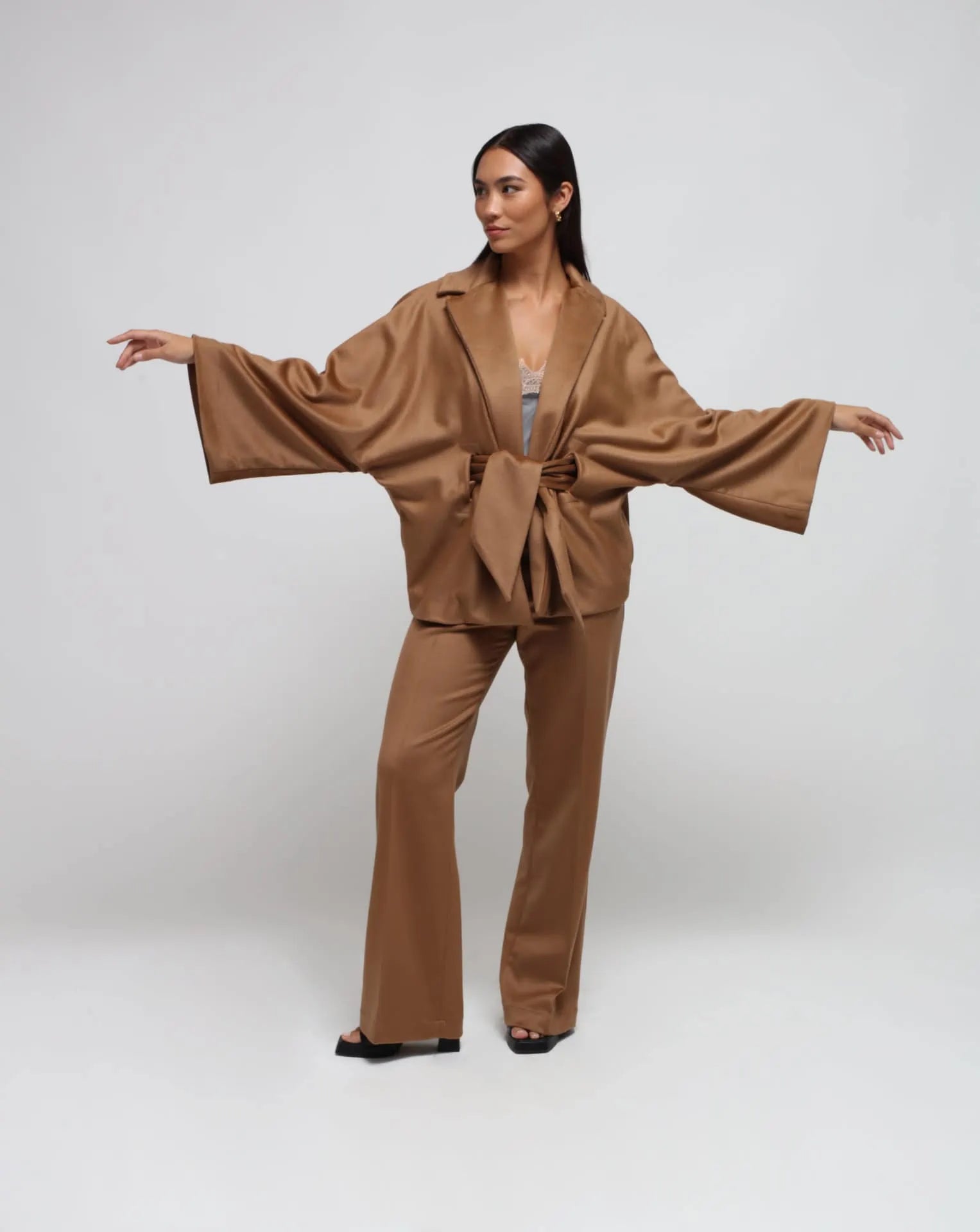
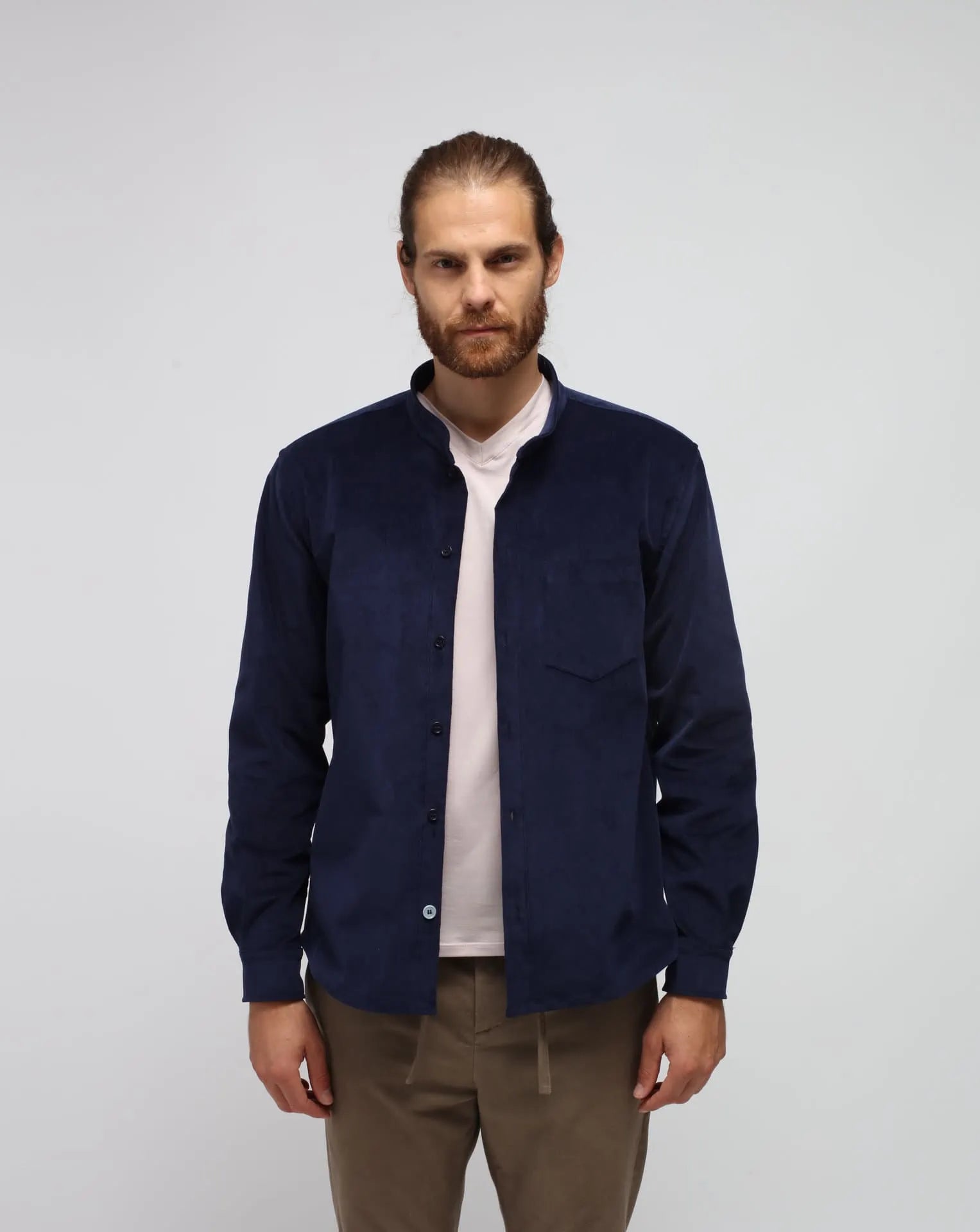
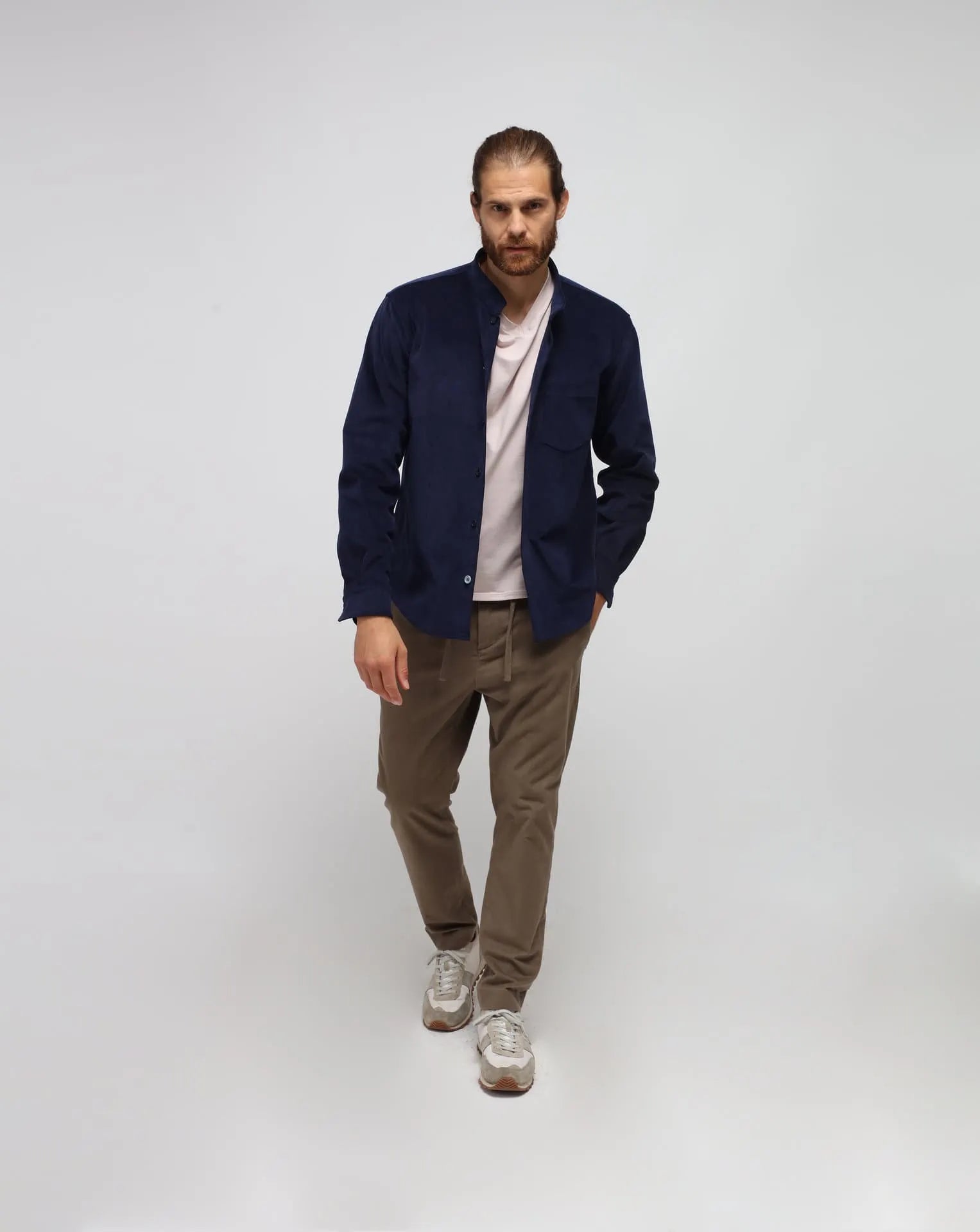
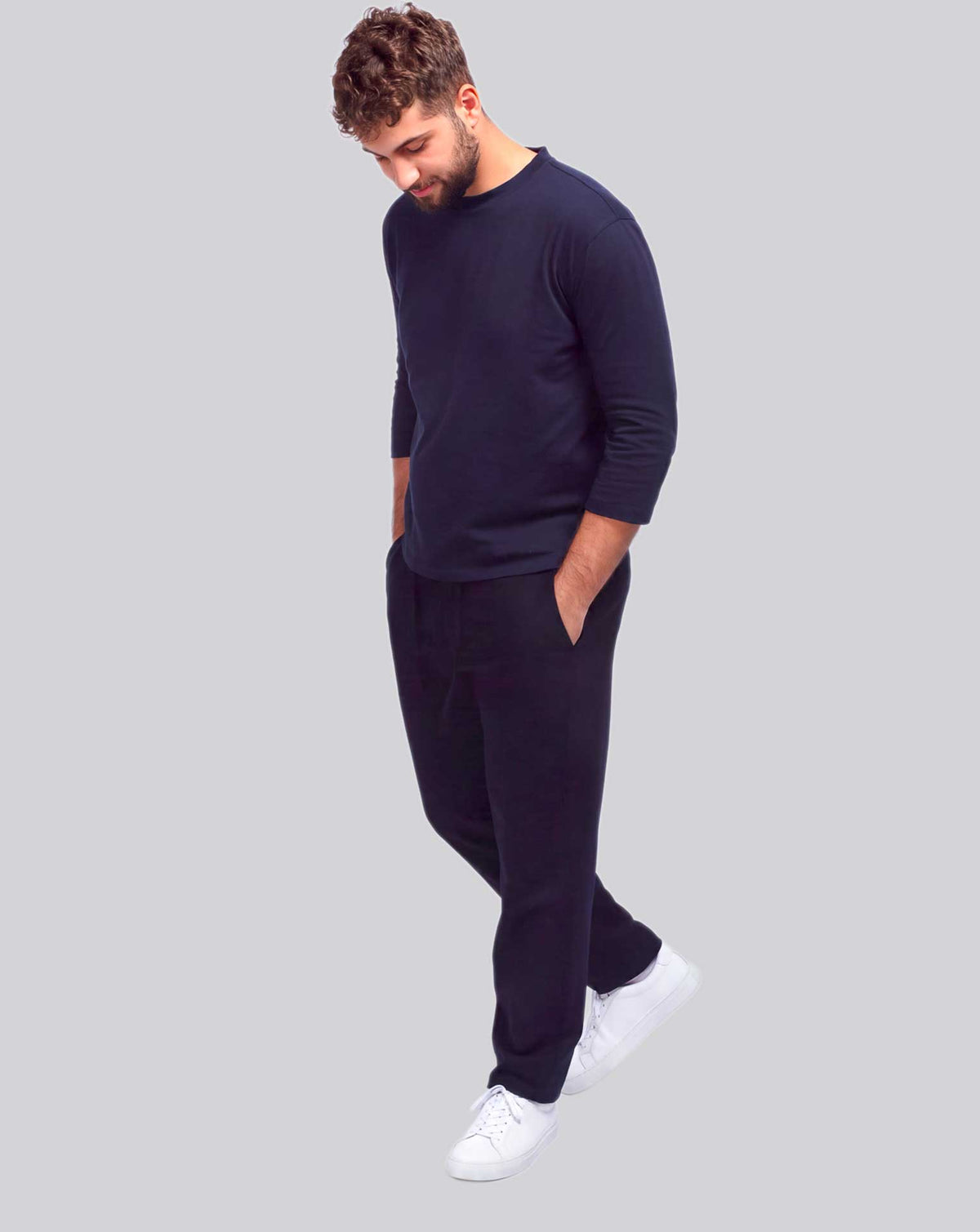
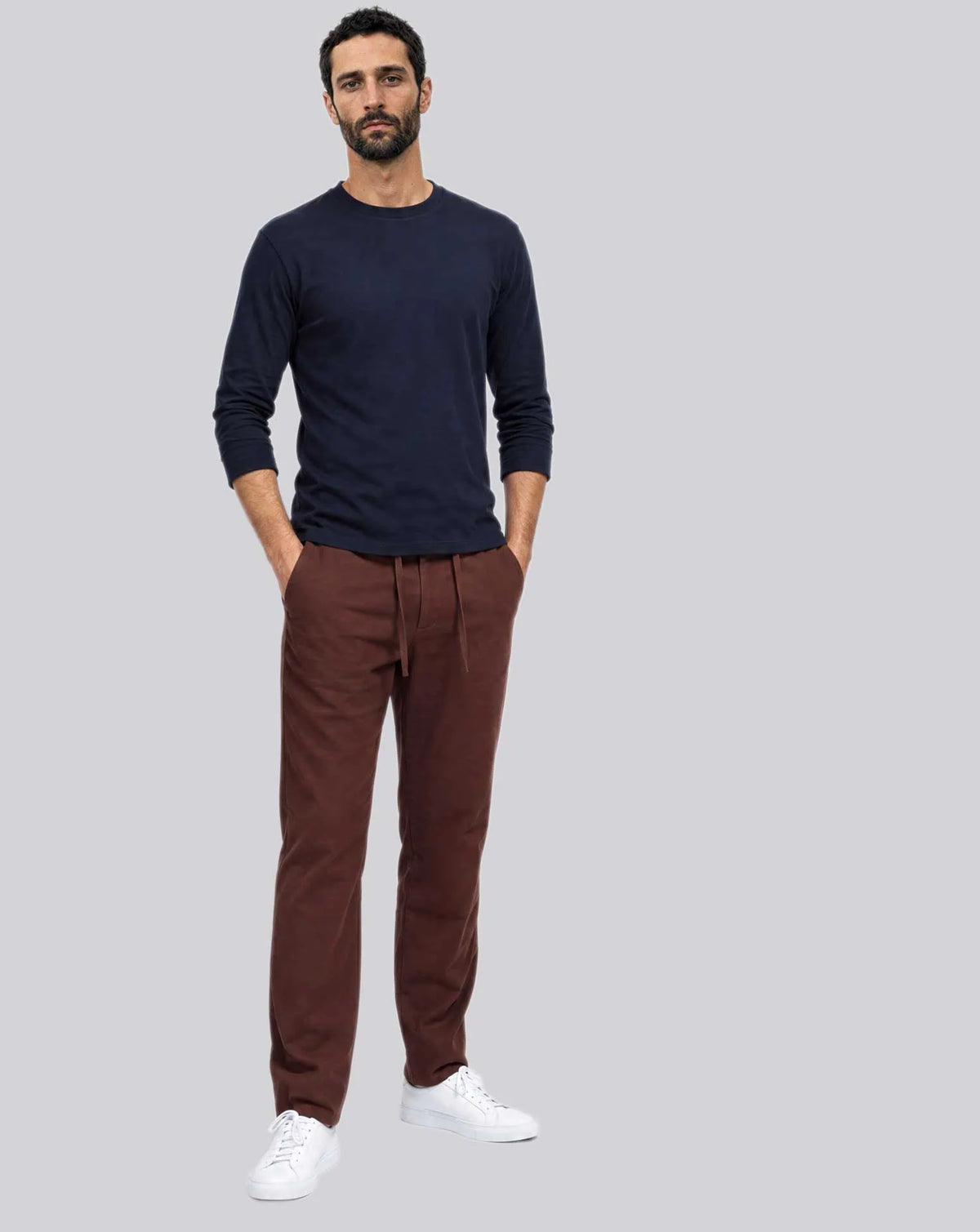
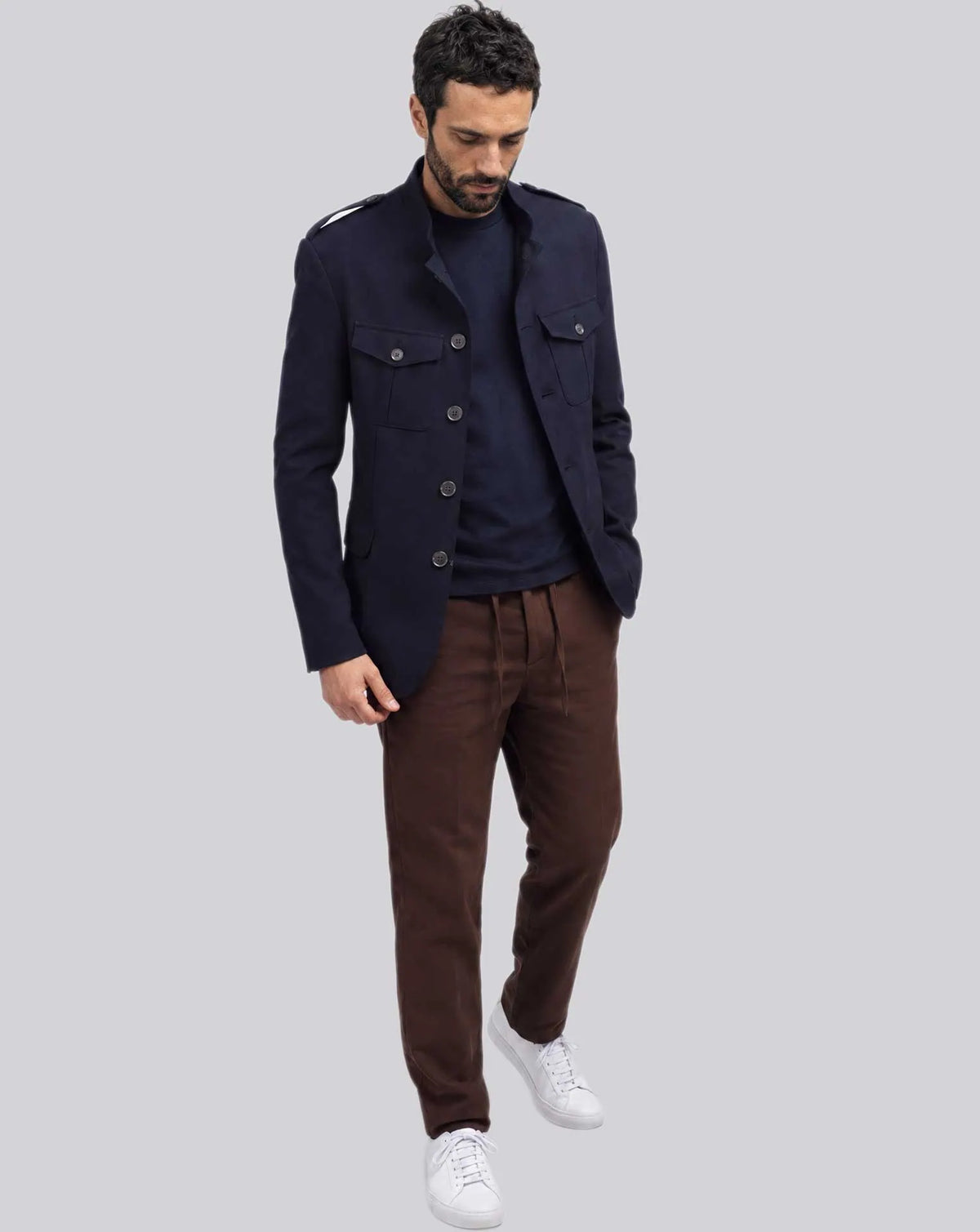
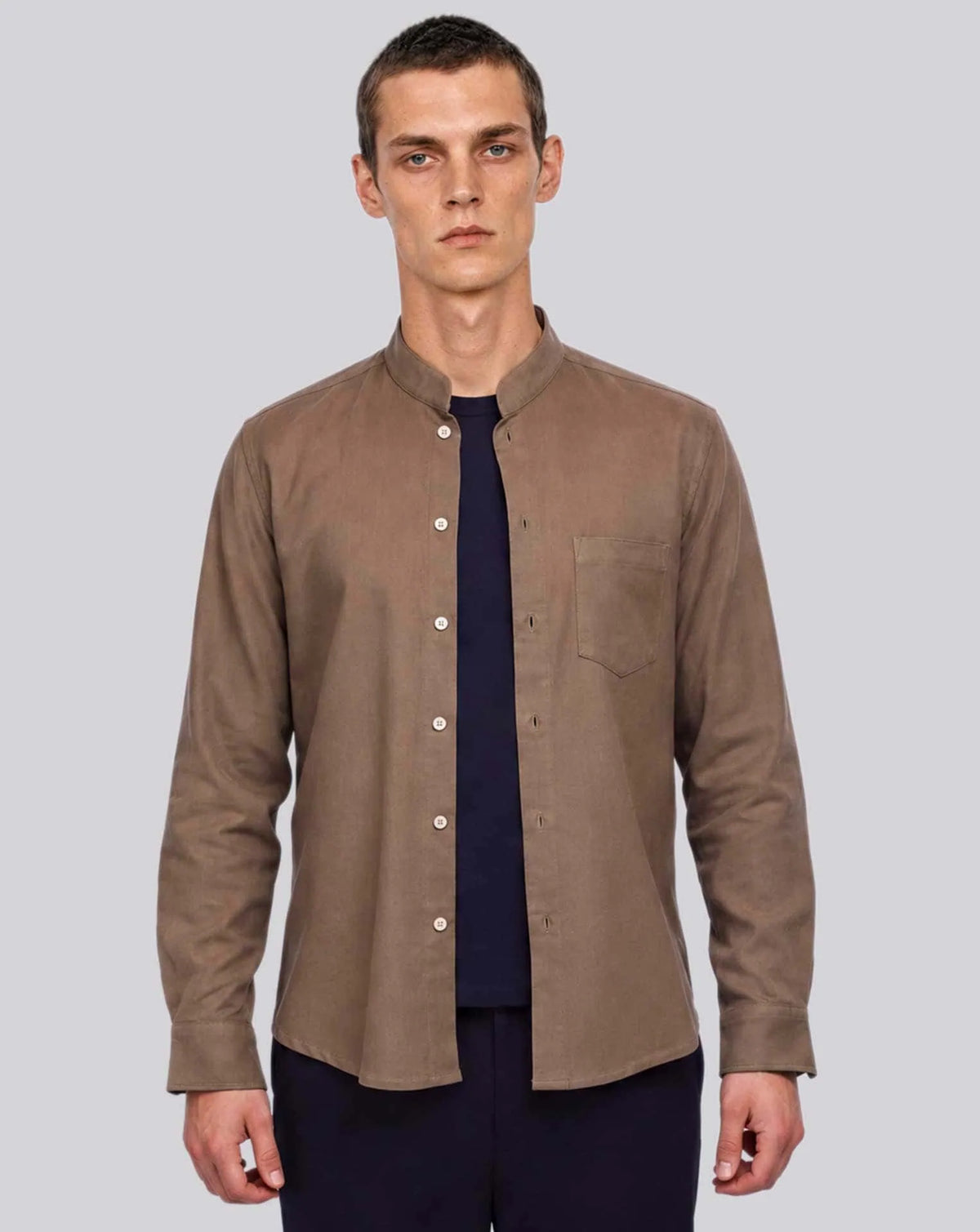
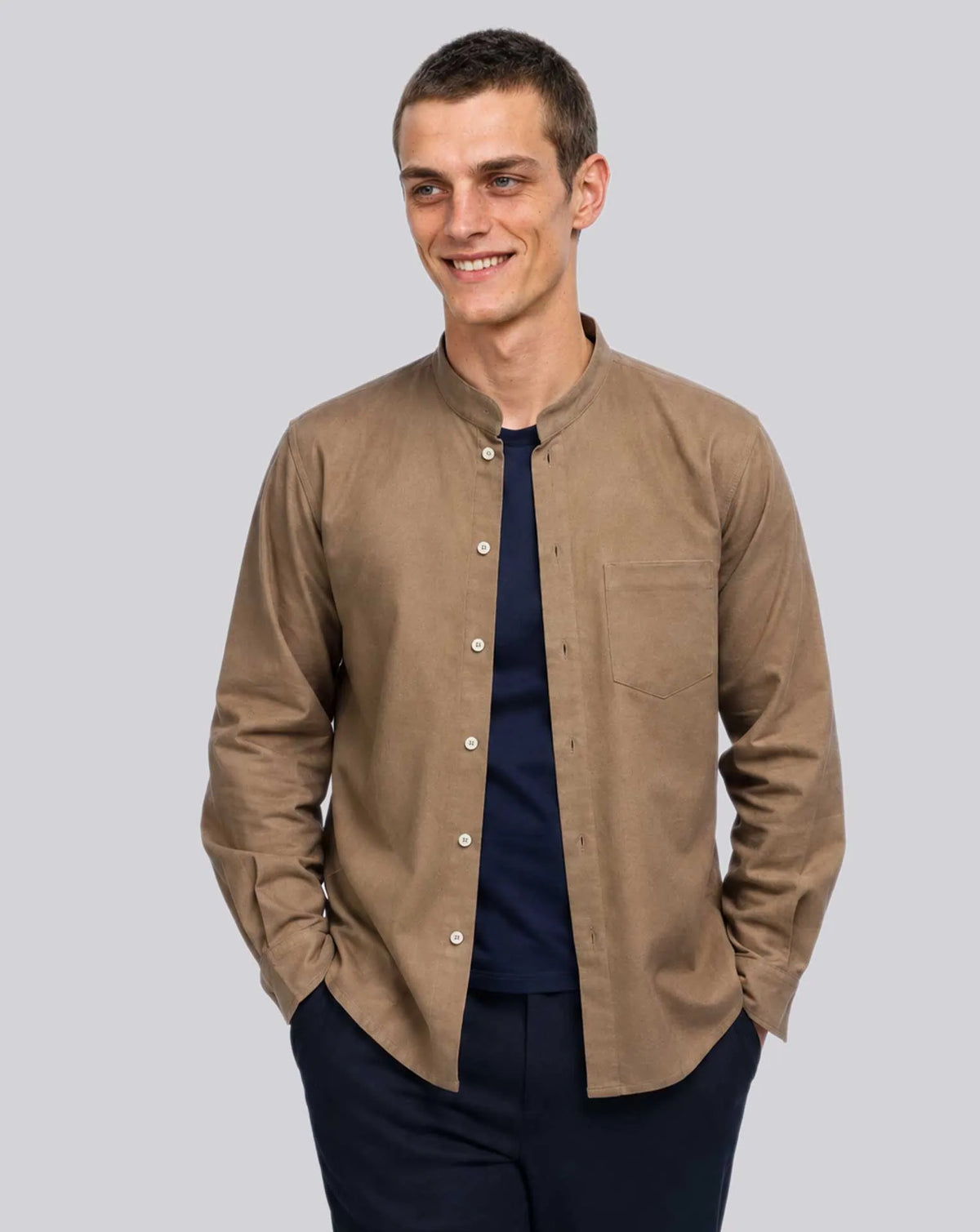
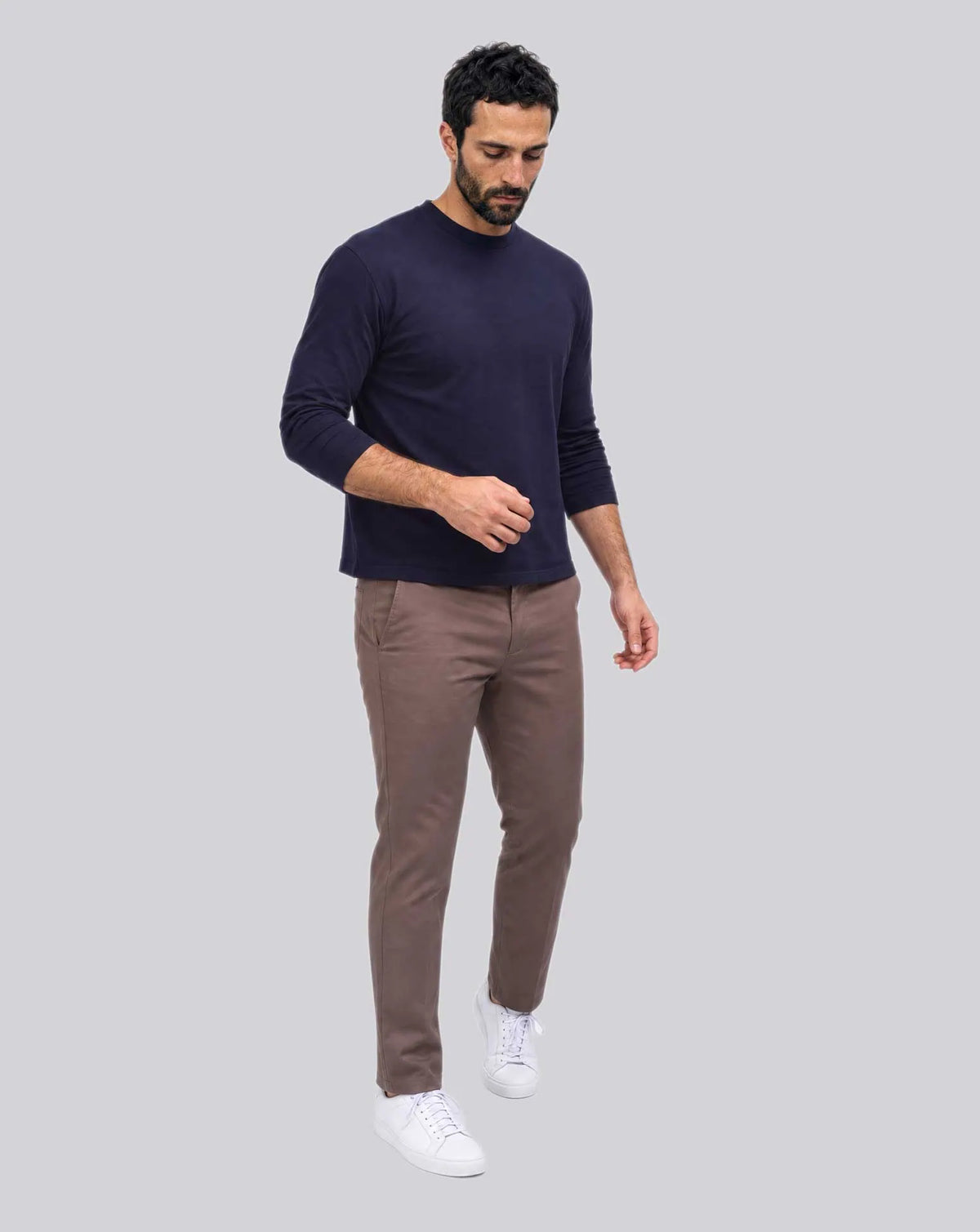
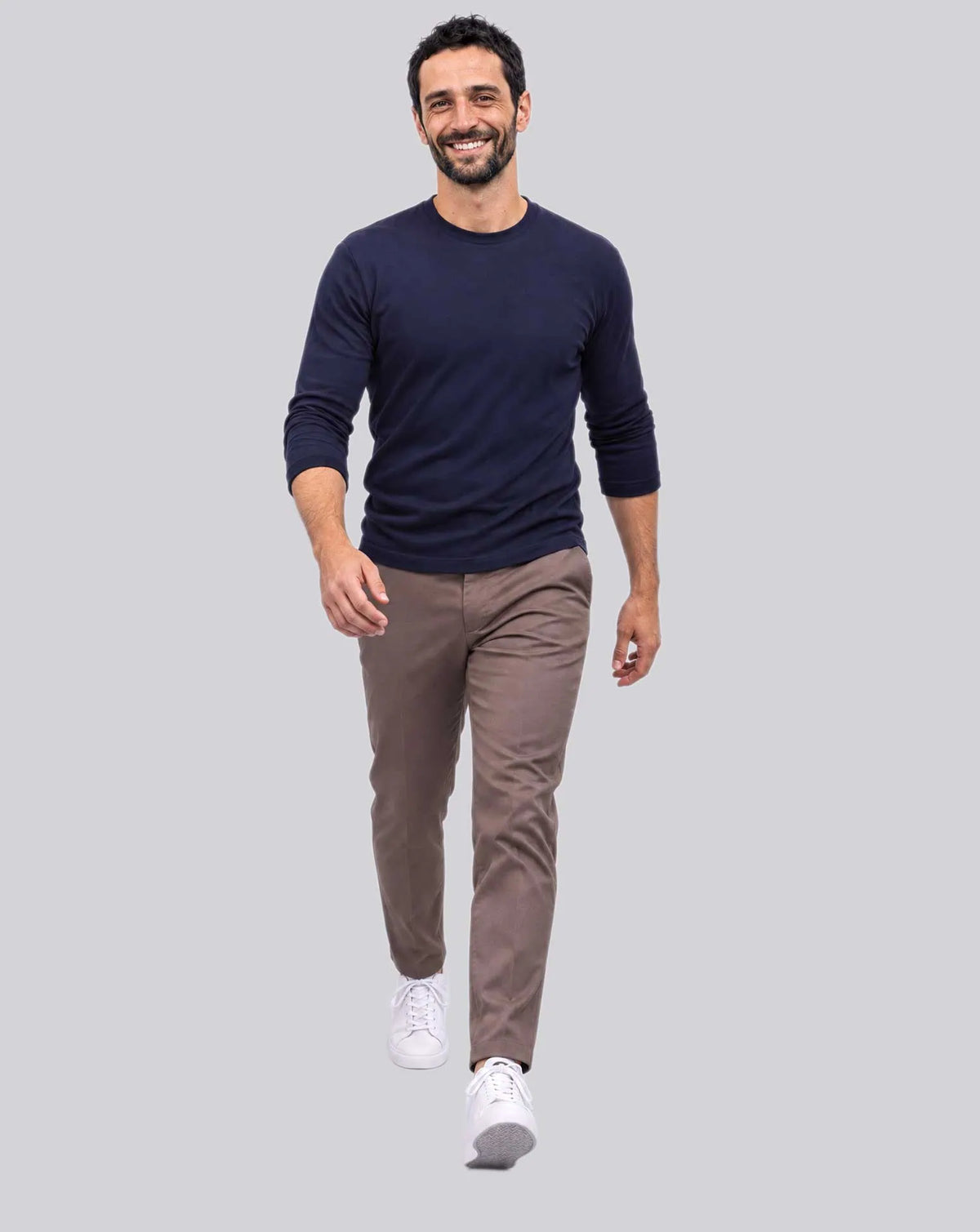
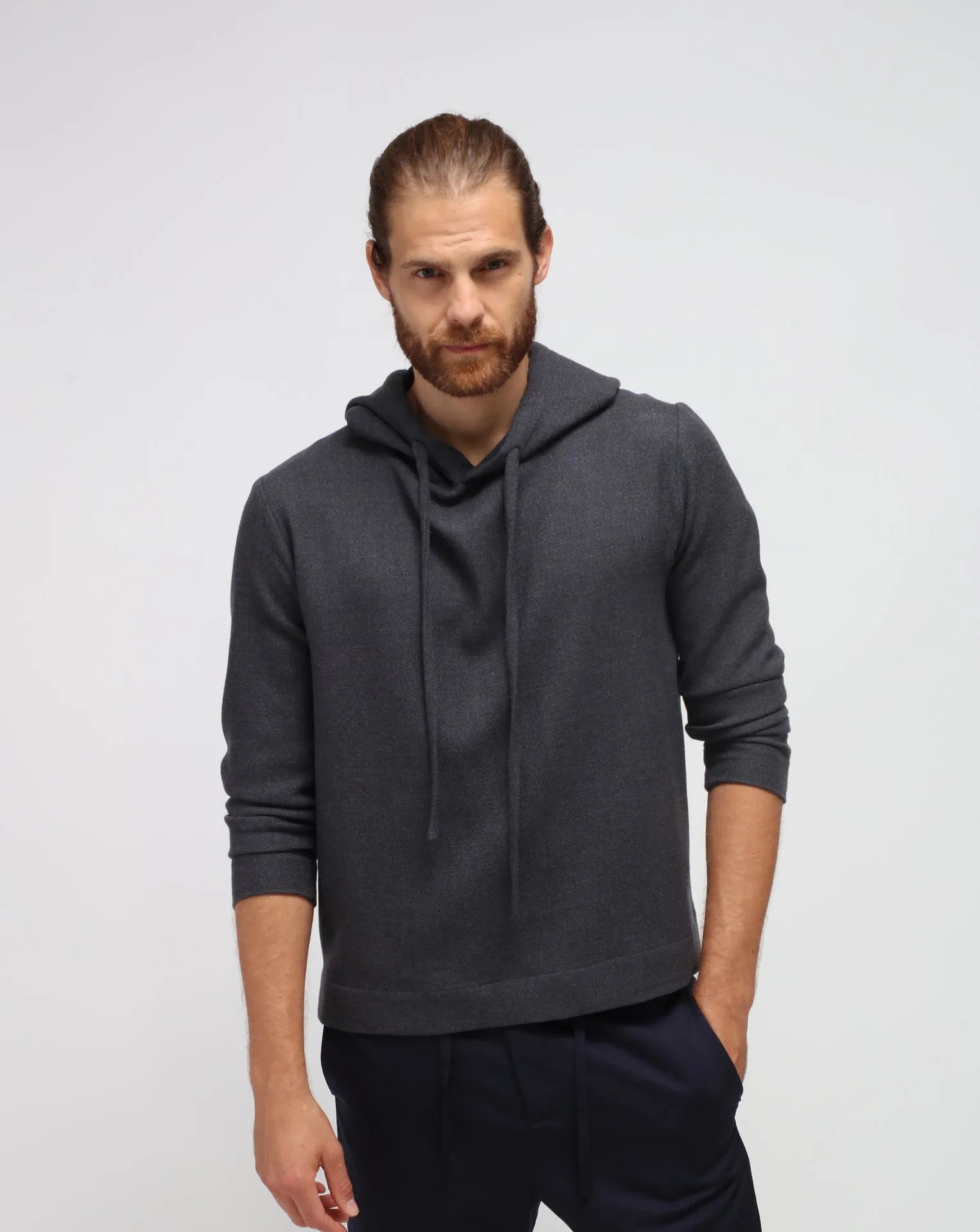
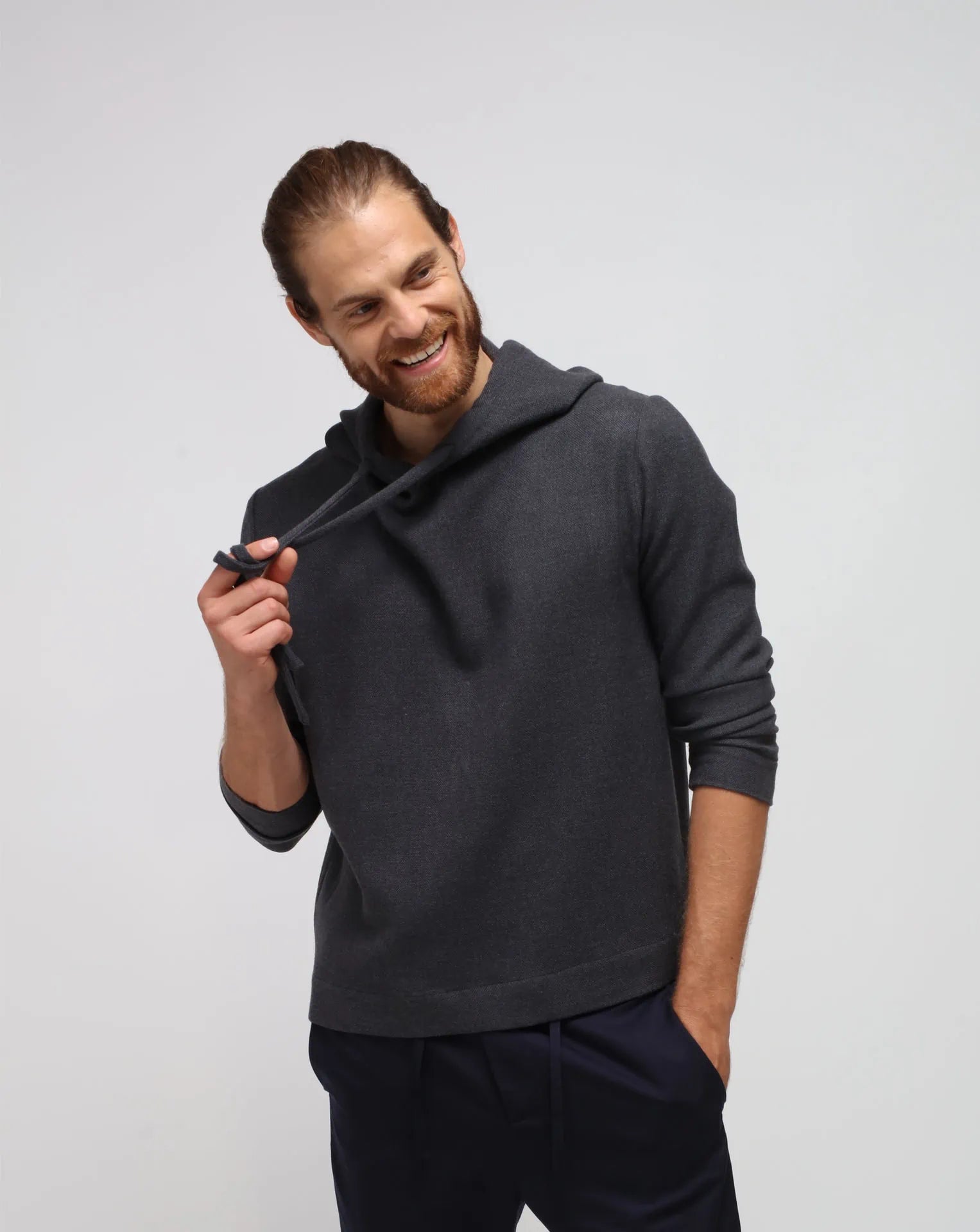
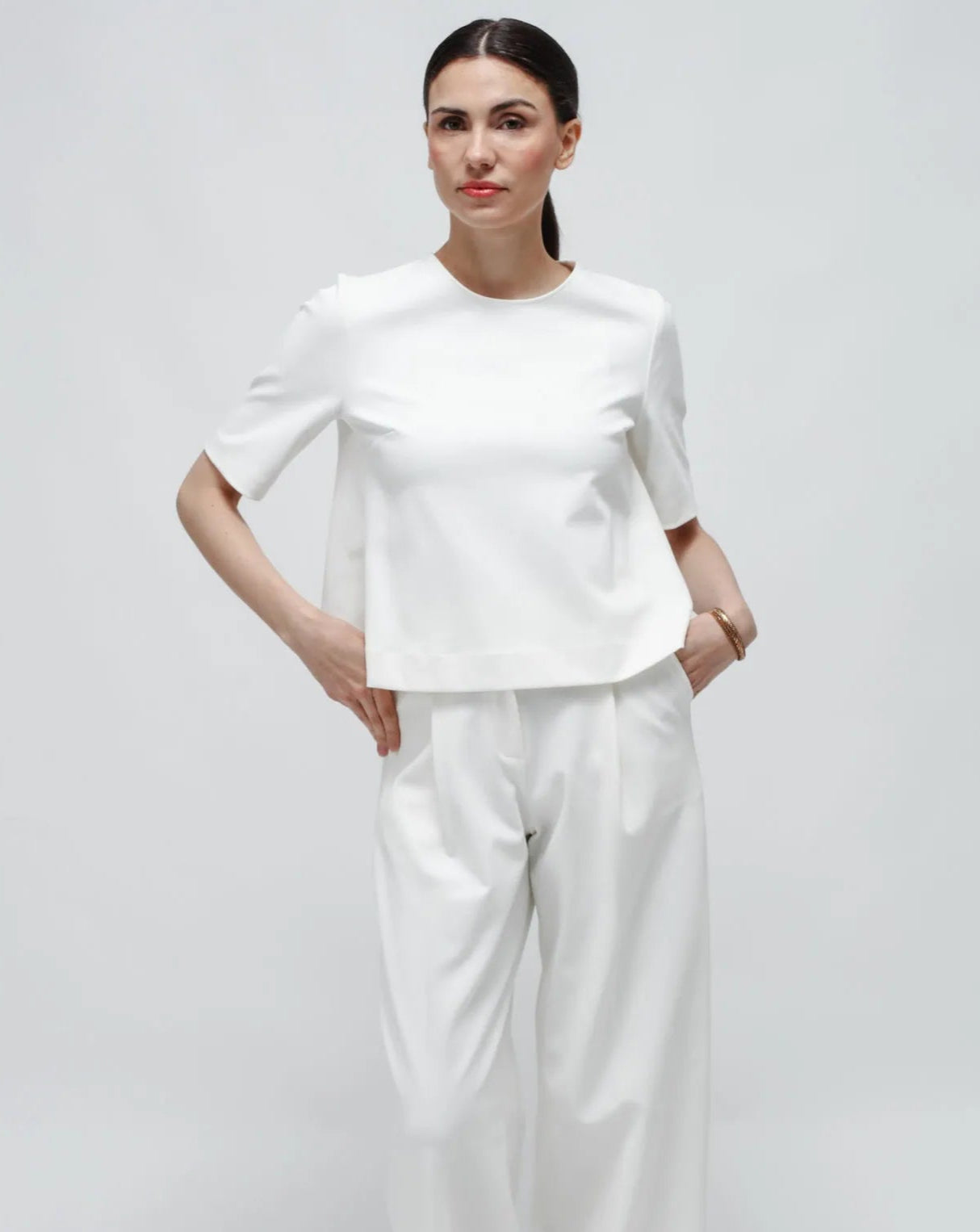
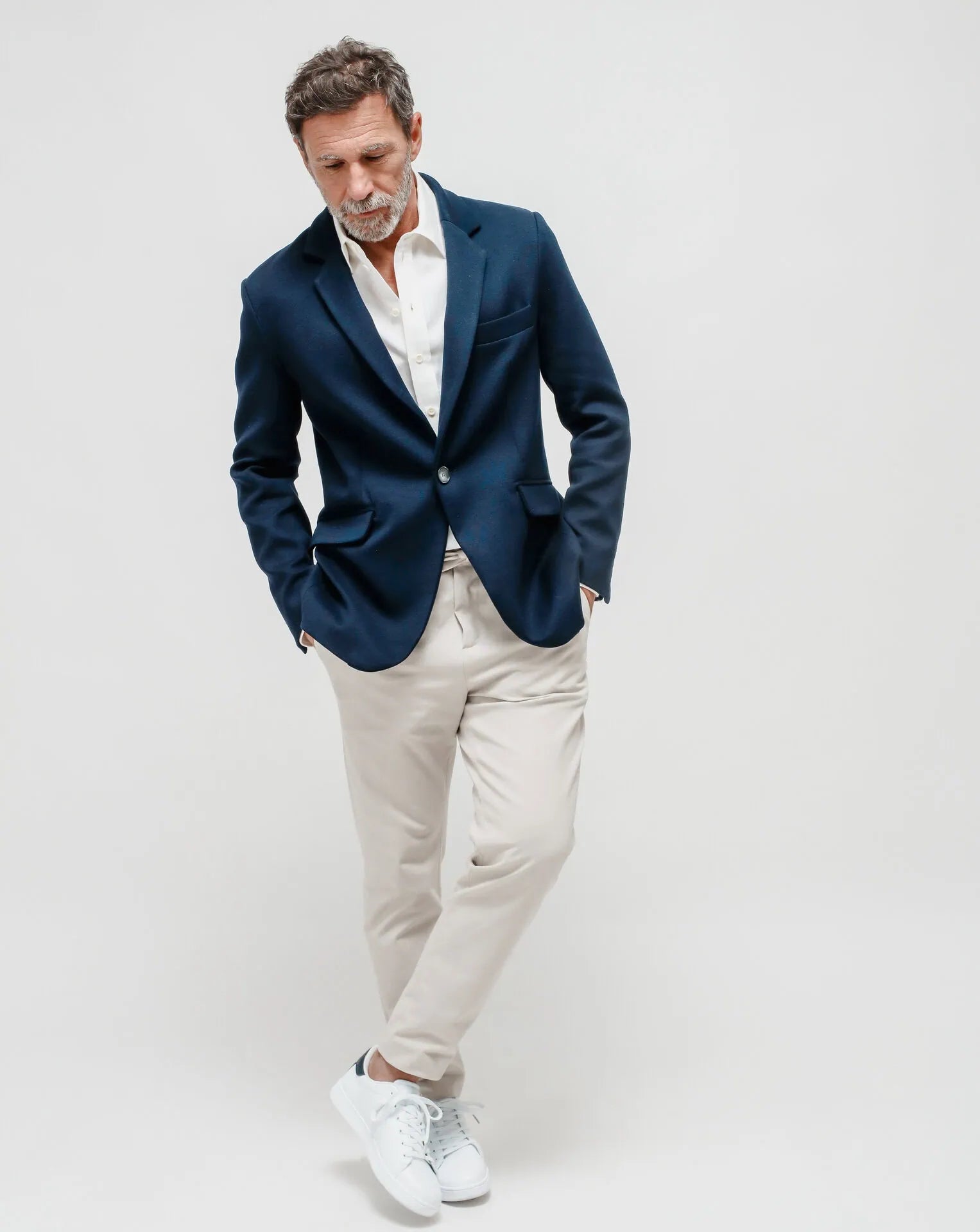
For women, that might mean a long wool coat, a structured jacket, a versatile knit dress, and tailored pants that can be worn with a fine-gauge sweater or an evening top. For men, it may be a wool overshirt, a refined coat, a substantial shirt, and trousers with enough structure for the office and enough ease for weekends. Coordinated sets can extend the system further, creating multiple looks from a smaller number of pieces.
Choose colors that speak to one another. Deep black, charcoal, cream, chocolate, navy, olive, and muted seasonal tones create room for repetition without monotony. Then introduce one stronger piece - a sculptural coat, a textured fabric, or a distinctive silhouette - because a responsible wardrobe should still feel like yours.
The goal is not austerity. It is discernment: clothing with enough beauty and function to be worn hard, cared for well, and loved longer.
Before you buy, picture the garment in the life you already lead. If you can see it on a gray January morning, on a flight, at a dinner table, and walking home after work, it may be ready to become part of your story.
FAQ
Q: Are handmade clothes always more sustainable?
A: Not automatically. Handmade production can reduce waste and support skilled labor, but sustainability also depends on fabric choice, production scale, shipping, garment durability, and how long you wear it. Small-batch pieces made from deadstock fabrics can offer a strong lower-waste alternative to overproduction.
Q: Why do handmade clothes cost more?
A: The price can reflect skilled labor, slower production, higher-quality fabrics, smaller order quantities, careful finishing, and quality checks. The best brands are clear about what supports their price rather than relying on the word “handmade” alone.
Q: How can I tell if a handmade garment is well made?
A: Check the fabric composition, stitching consistency, seam finishing, lining, closures, and how the garment sits on the body. Also look for transparent information about where it was made, how it should be cared for, and why the material was chosen.
Q: Are handmade clothes worth it for everyday wear?
A: They can be, particularly for high-use pieces such as coats, jackets, tailored pants, and versatile dresses. The strongest value comes from garments you will wear regularly across several seasons, not from occasional impulse purchases.
Q: How should I care for handmade winter clothes?
A: Air out wool between wears, brush away surface dirt, store coats on supportive hangers, and follow the care label closely. Repair small issues early and clean only when necessary to preserve fibers, shape, and finish.
the World of H&L