
A Modern Guide to Italian Tailoring for Winter
A jacket can look expensive from across a room and still feel wrong the moment you move. The distinction is often in the shoulder, the cloth, and the restraint of the cut. This guide to Italian tailoring looks beyond the label to explain what makes the tradition distinctive, how to recognize quality, and how to choose winter pieces you will wear for years.
Italian tailoring is not one fixed silhouette. It is a philosophy of proportion: lighter construction where possible, expressive fabric, and a shape that follows the body rather than armoring it. For a considered wardrobe, that philosophy has real value. It asks you to buy less, wear more, and choose garments with enough character to outlast a season.
What Defines Italian Tailoring?
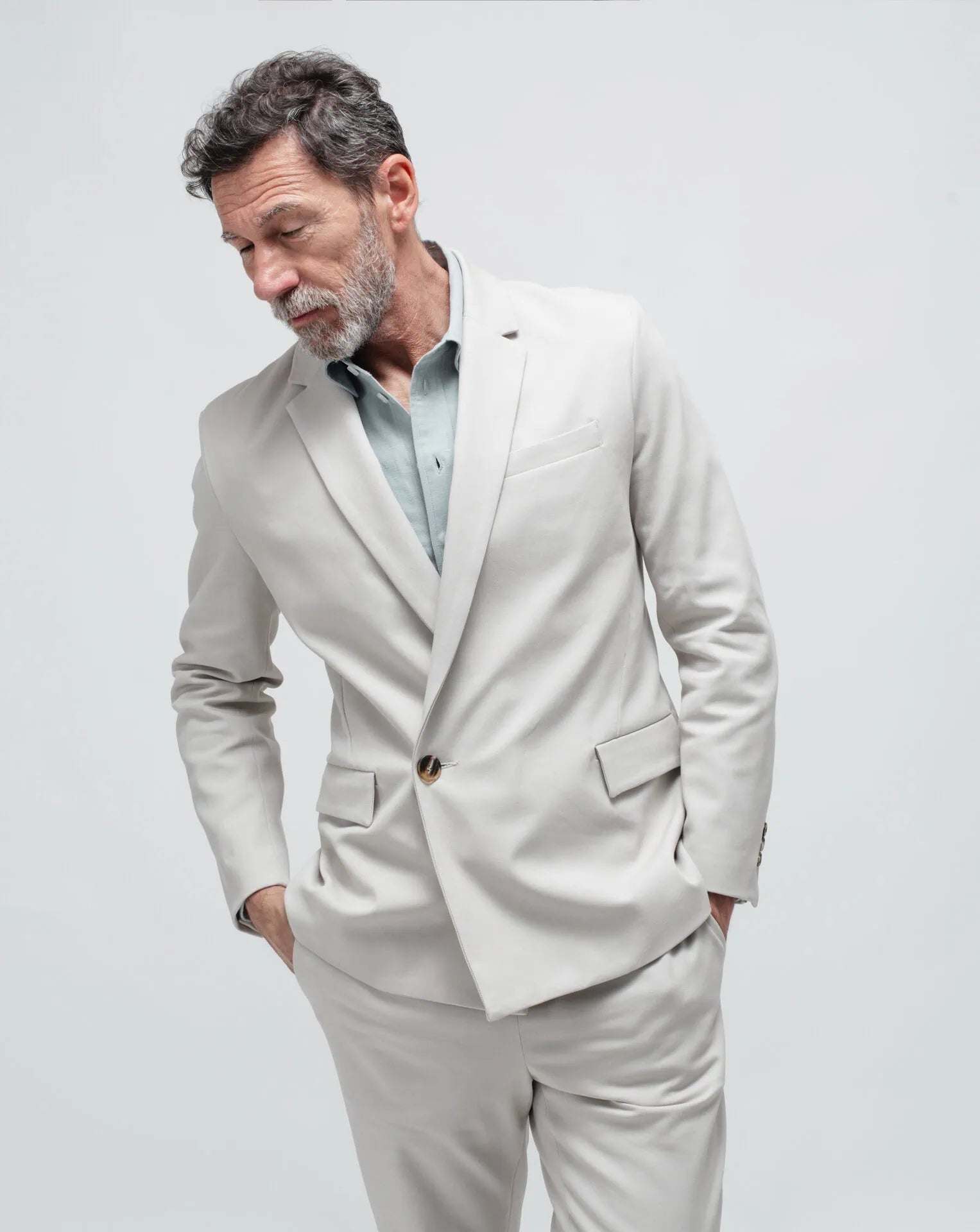
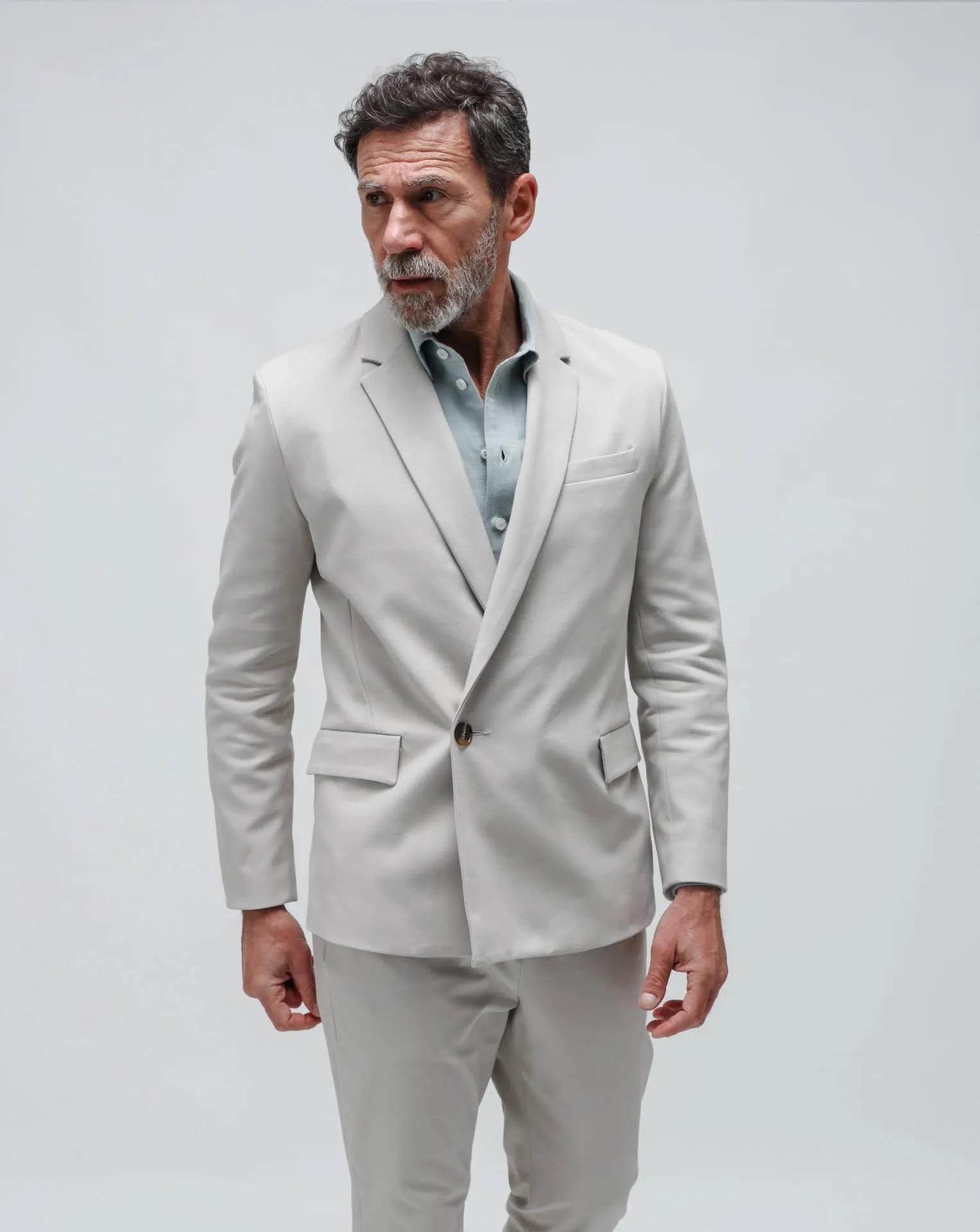
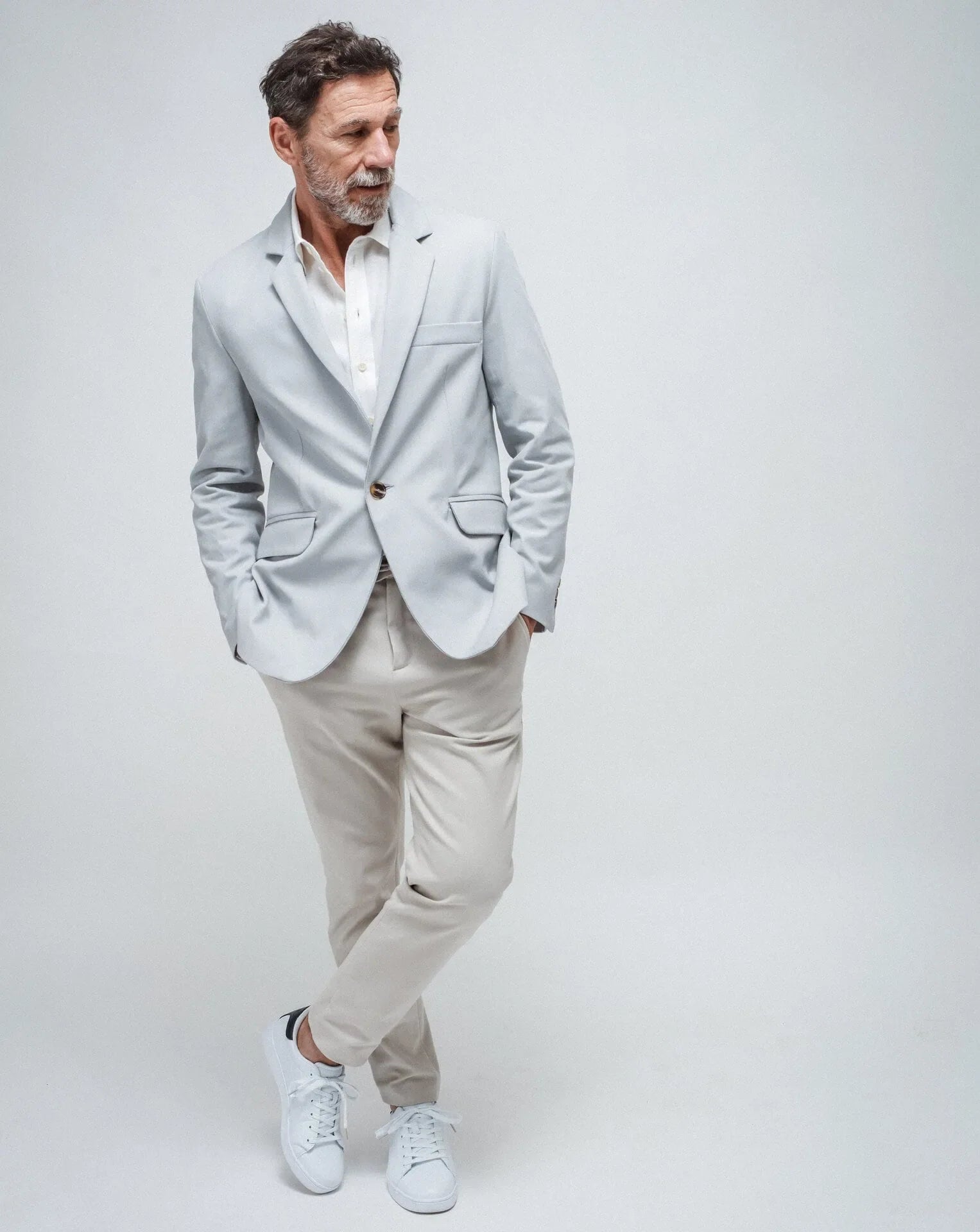
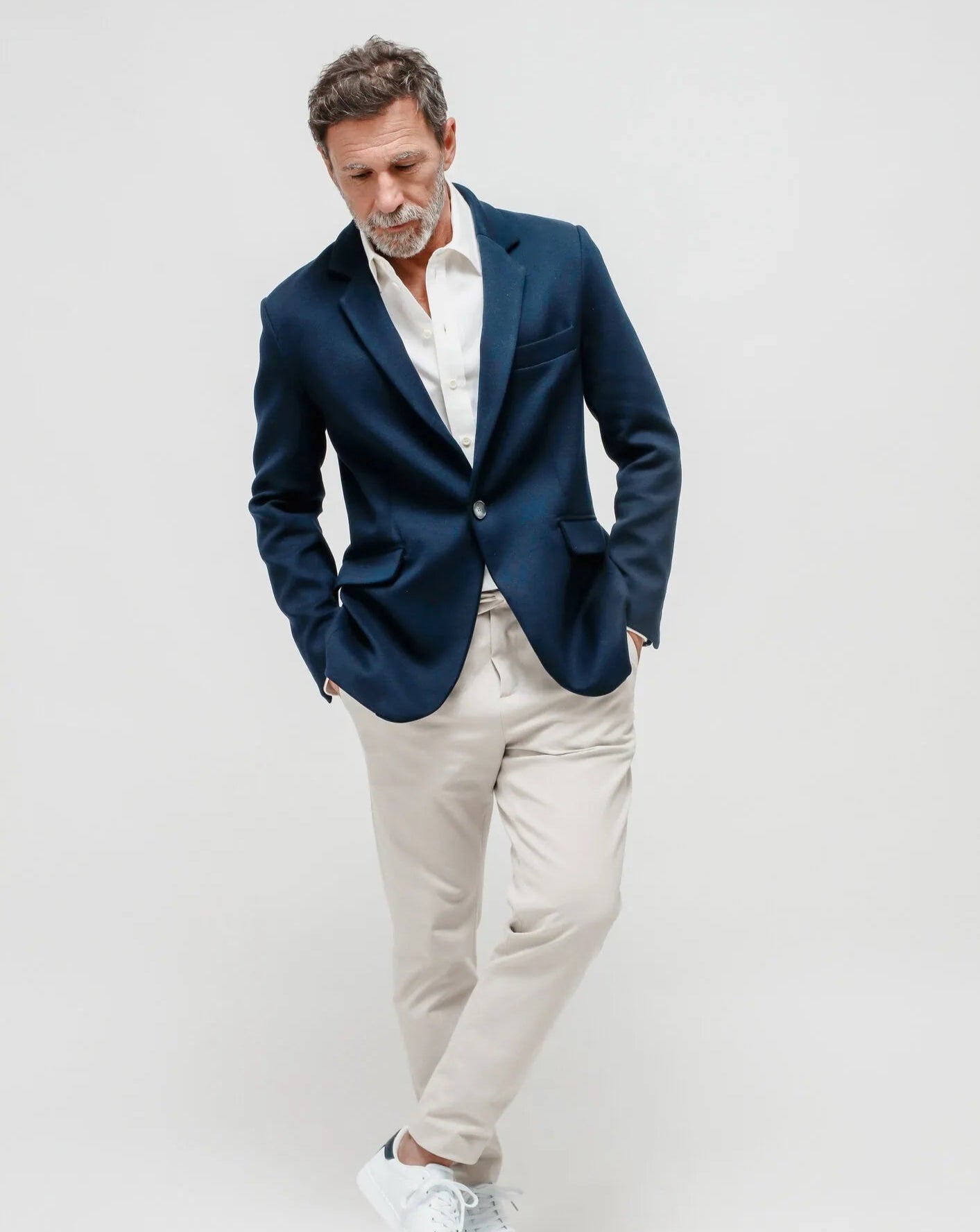
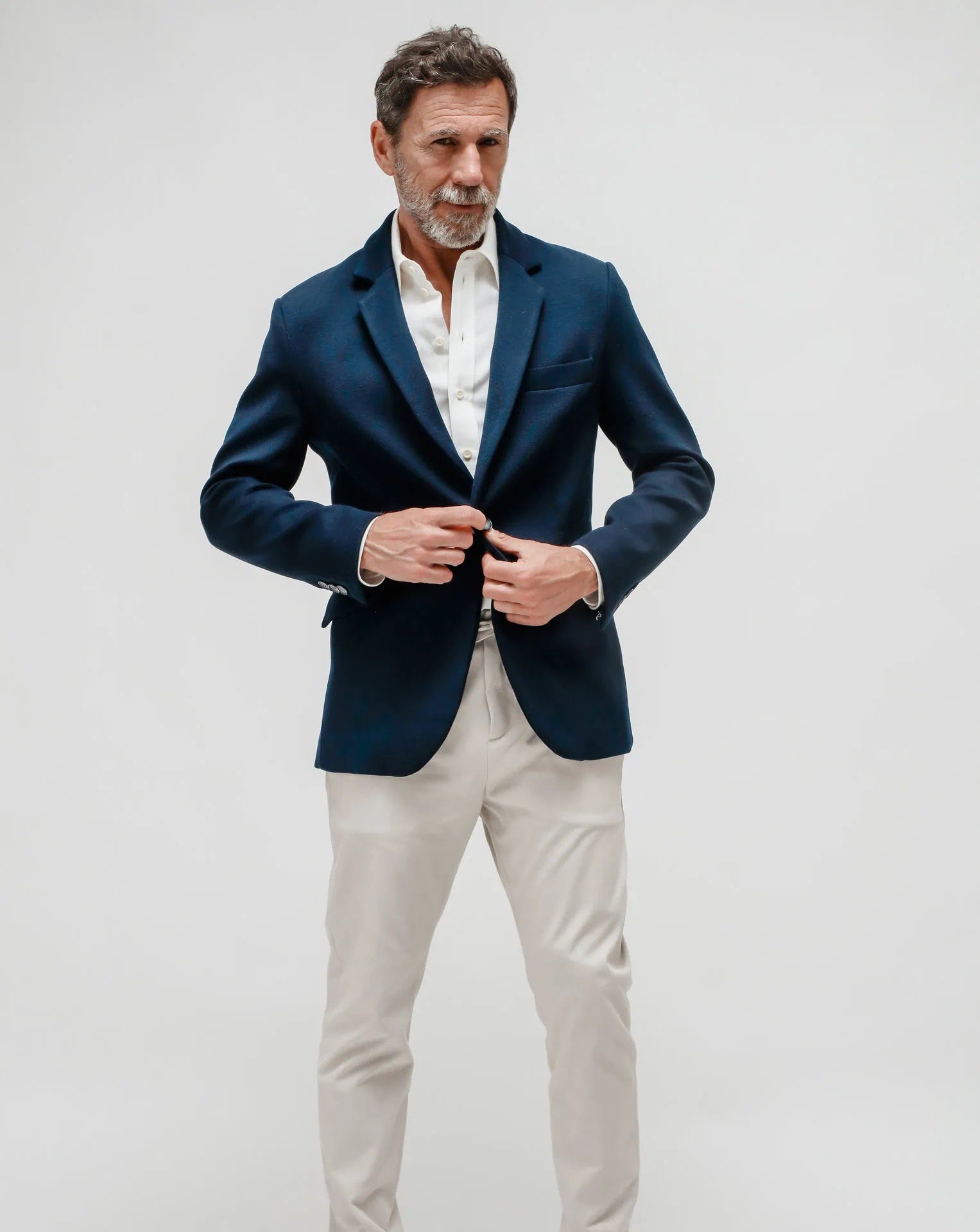
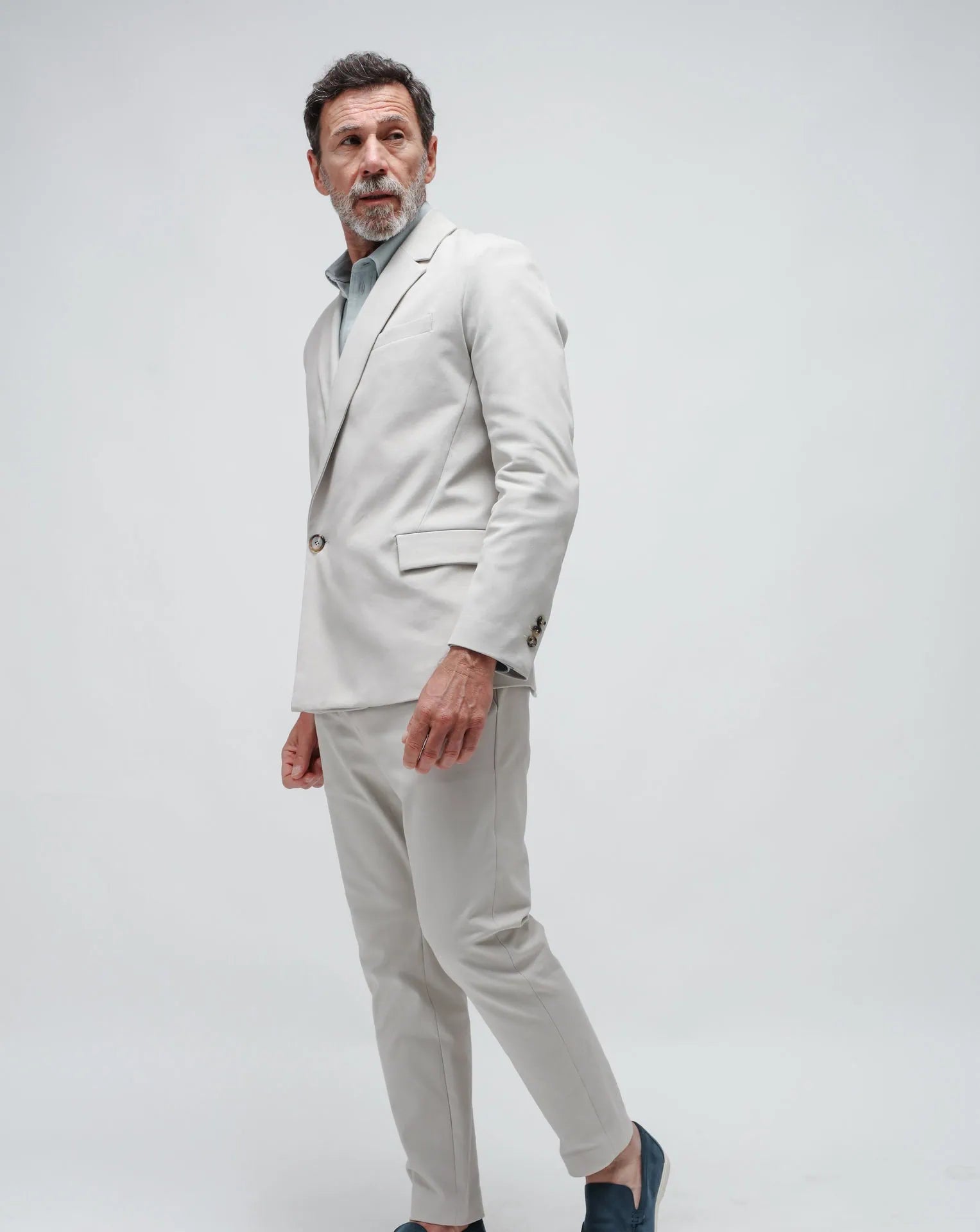
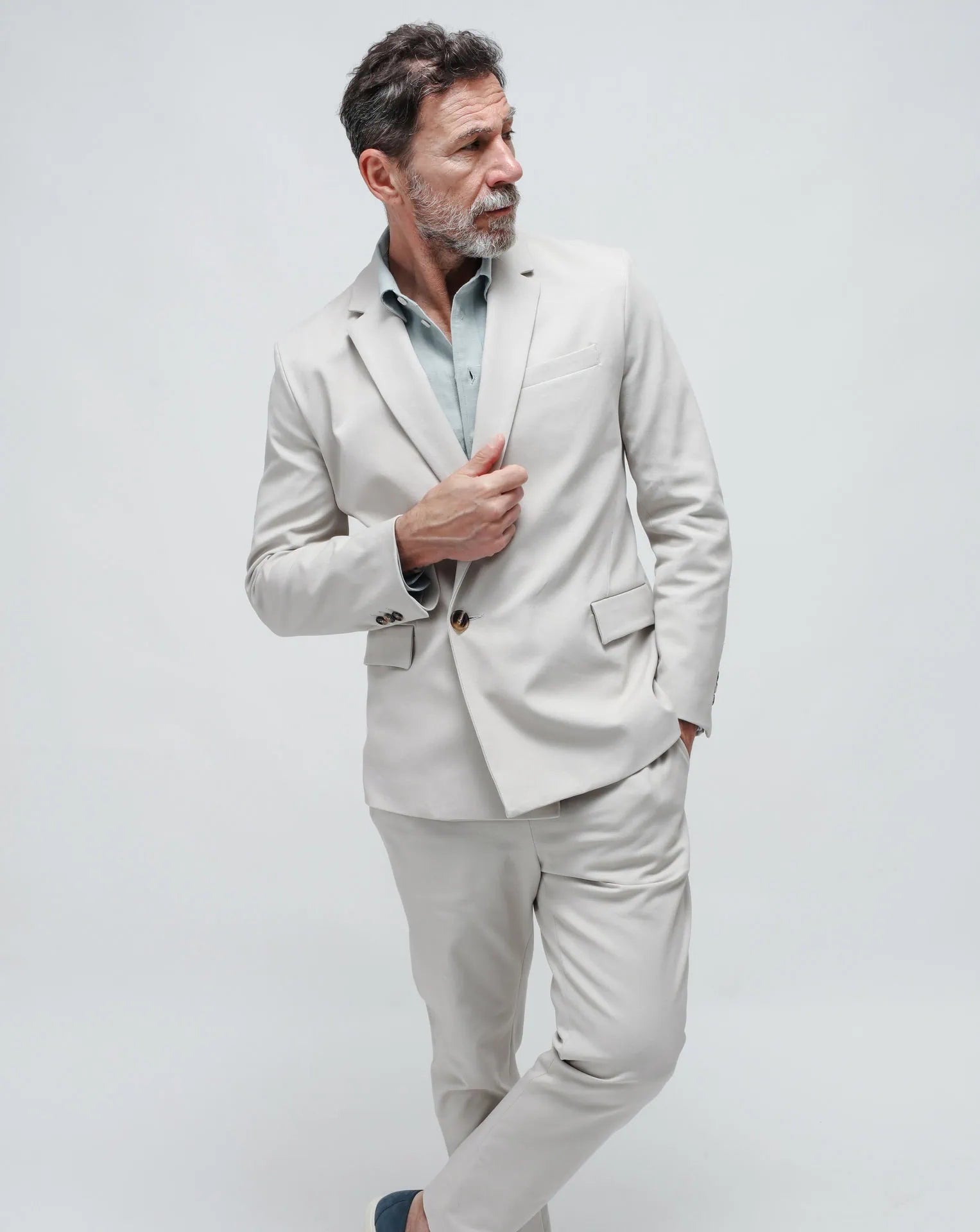
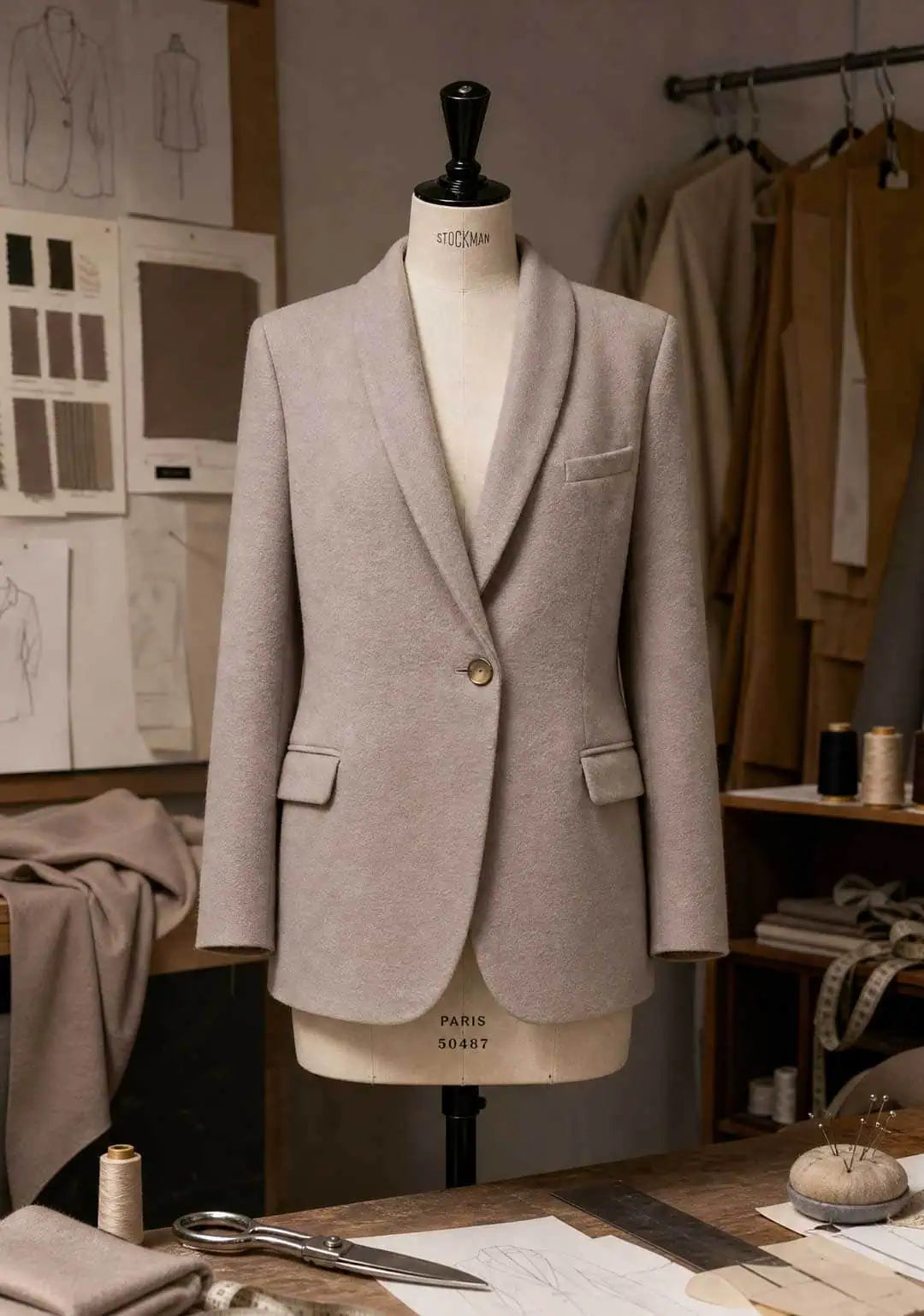
The most recognizable Italian tailoring is softer than its more structured European counterparts. A traditional Italian jacket often has a natural shoulder, minimal padding, higher armholes, and a more fluid chest. It is designed to move easily, whether worn with tailored trousers for work or dark denim at dinner.
That softness does not mean a lack of precision. A good jacket still needs balance. Its lapels should sit flat, its collar should meet the shirt collar cleanly, and its front should fall without pulling. The difference is that the garment achieves definition through cut and cloth, not excessive internal structure.
Regional traditions vary. Southern Italian tailoring is often especially light and relaxed, while northern ateliers may favor a cleaner, more architectural line suited to colder weather and city dressing. Ready-to-wear also brings its own interpretation. The goal is not to find the most “authentic” version, but to understand which expression suits your body, climate, and life.
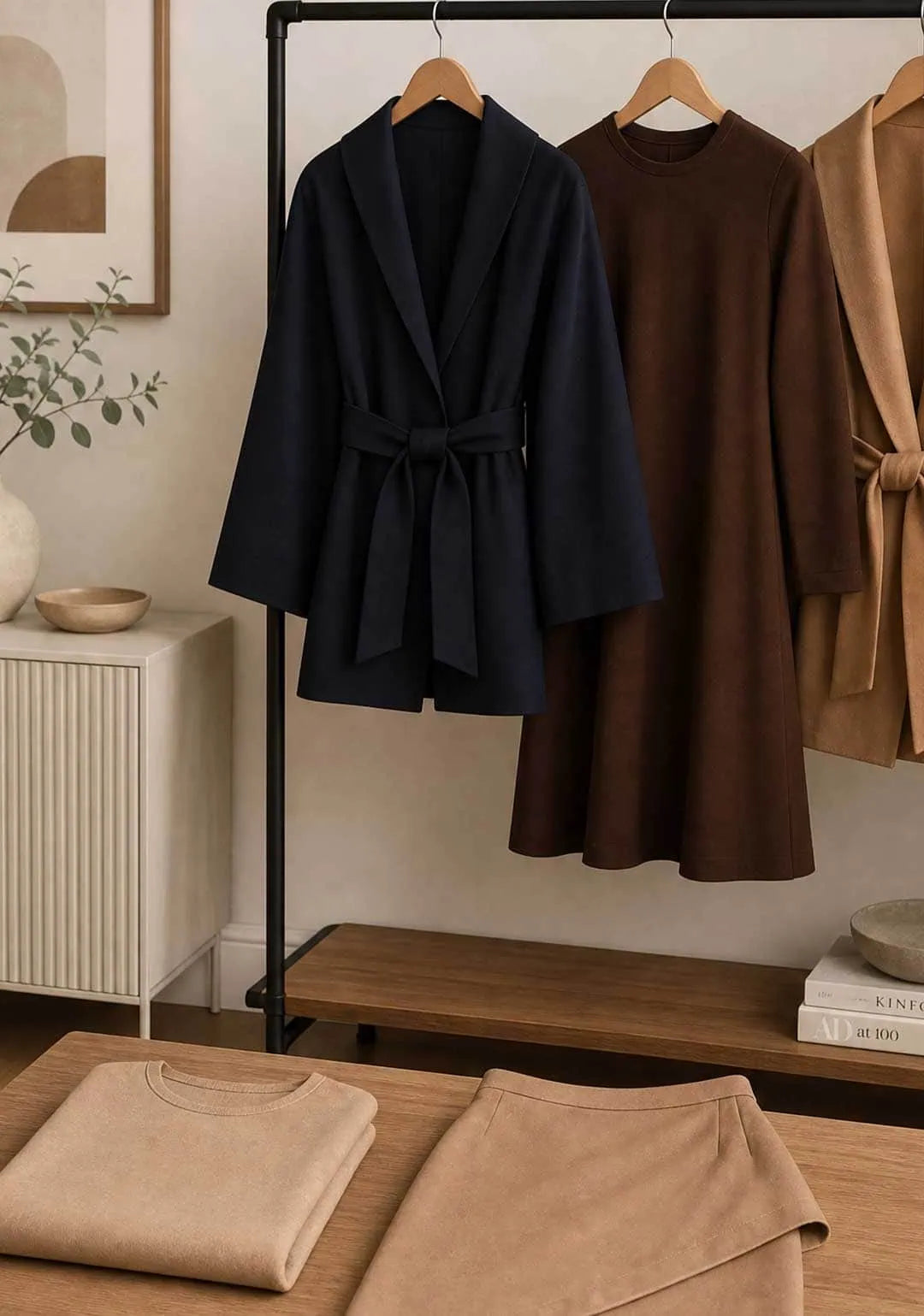
For winter, softness needs substance. A brushed wool jacket, wool flannel trouser, or long wool coat can retain Italian ease while providing the warmth and visual weight the season requires.
The Fabric Is Half the Garment
Tailoring begins with cloth. The same pattern cut in crisp tropical wool, soft flannel, or dense cashmere blend will behave like three different garments. Fabric determines drape, warmth, resilience, and the way a piece ages.
Wool remains the foundation of a strong cold-weather tailoring wardrobe. Look for mid- to heavier-weight wool with a finish appropriate to how you will wear it. Wool flannel has a soft, matte surface that makes a suit or trouser feel relaxed without becoming casual. Twill has more definition and durability. Herringbone and subtle checks bring depth to an otherwise minimal outfit.
Cashmere adds softness and insulation, but it is not automatically the practical choice. A cashmere-rich coat feels exceptional, yet a dense wool or wool-cashmere blend may hold its shape better through frequent wear. For an everyday winter coat, durability matters as much as initial softness.
Deadstock fabrics add another dimension. These are exceptional unused fabrics already produced by mills or fashion houses, rescued before they become waste. Their limited availability means a jacket or trouser may exist in only a small run. That scarcity should be treated as a design advantage, not a reason to rush a purchase. Choose it because the fabric earns a place in your wardrobe.
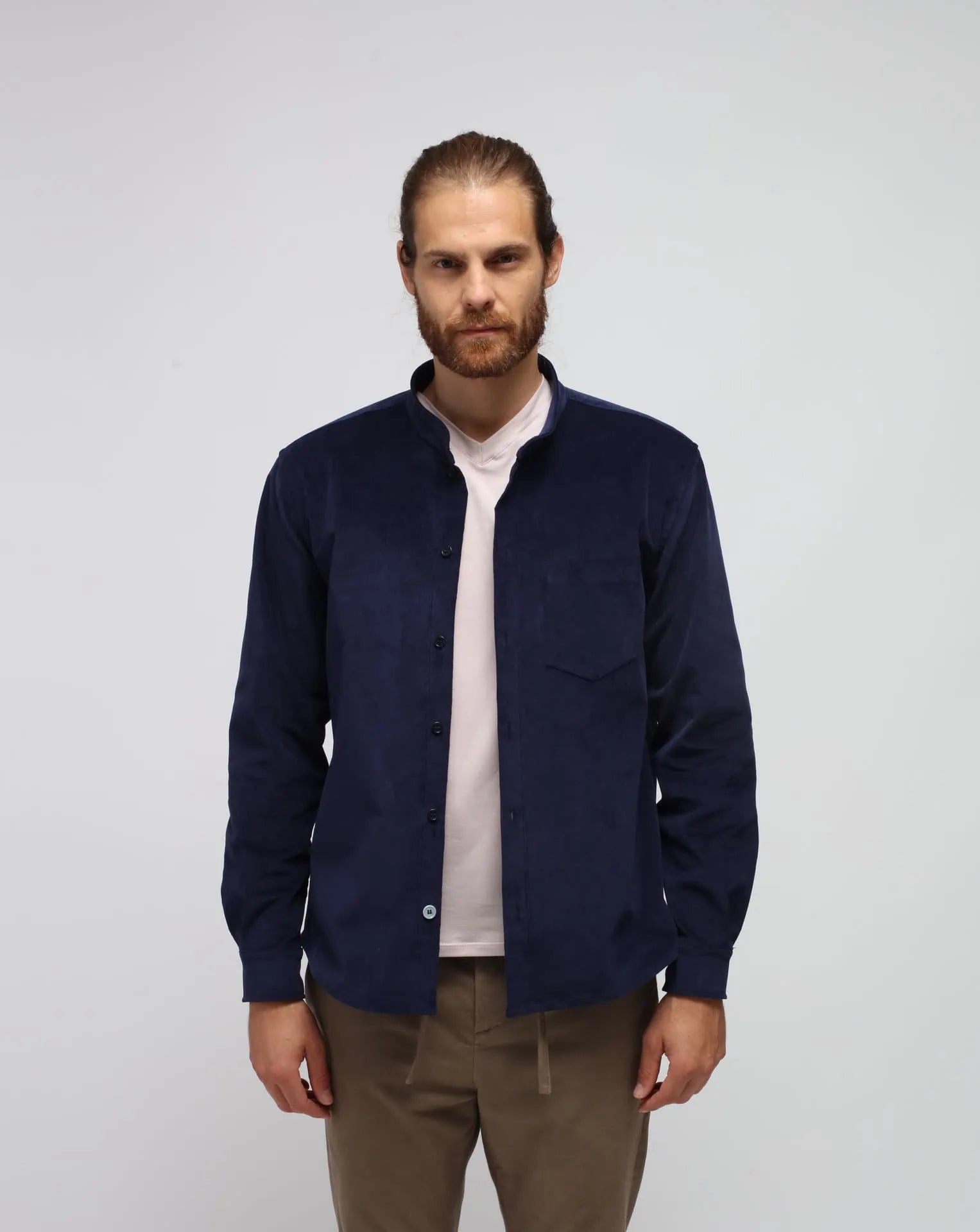
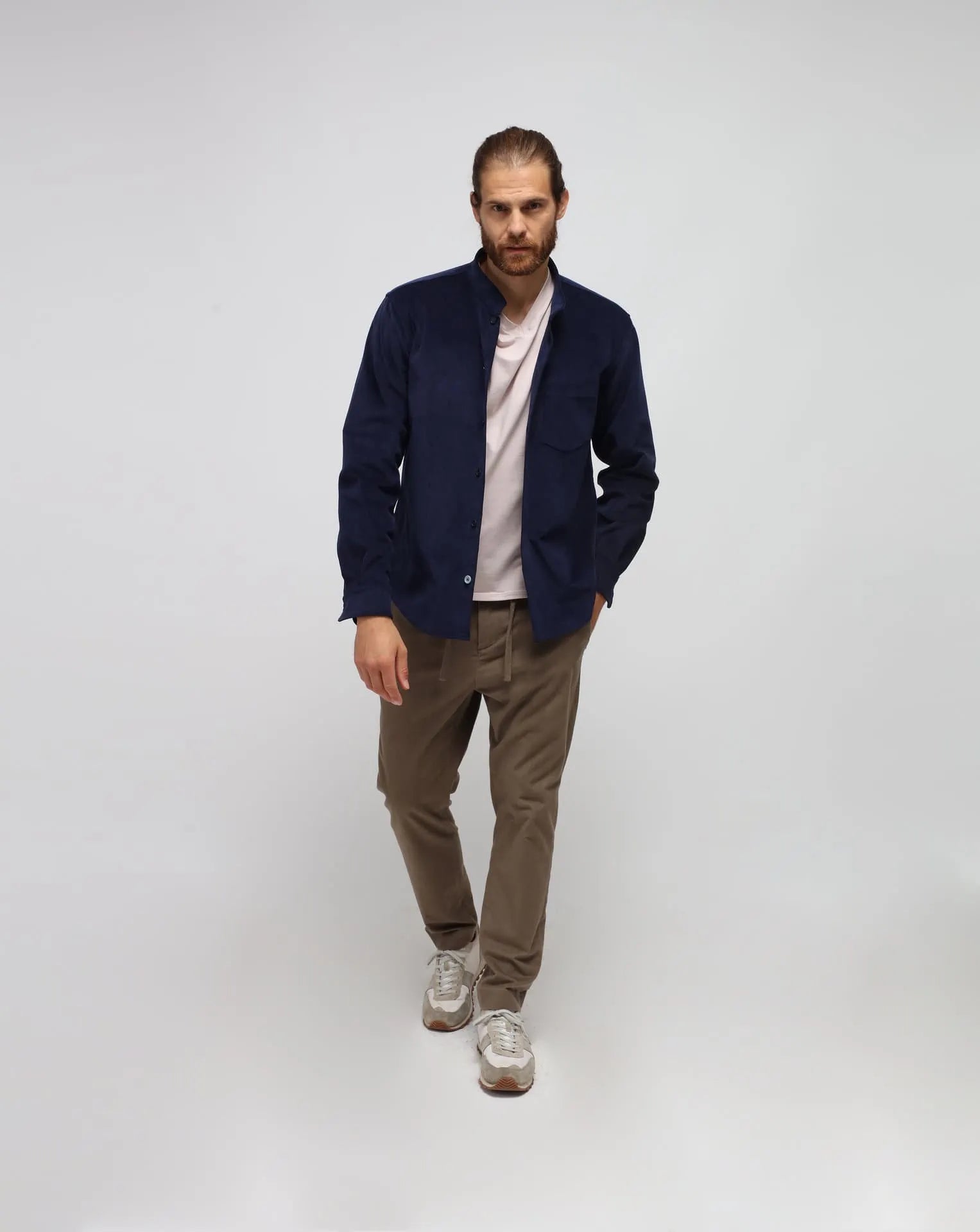
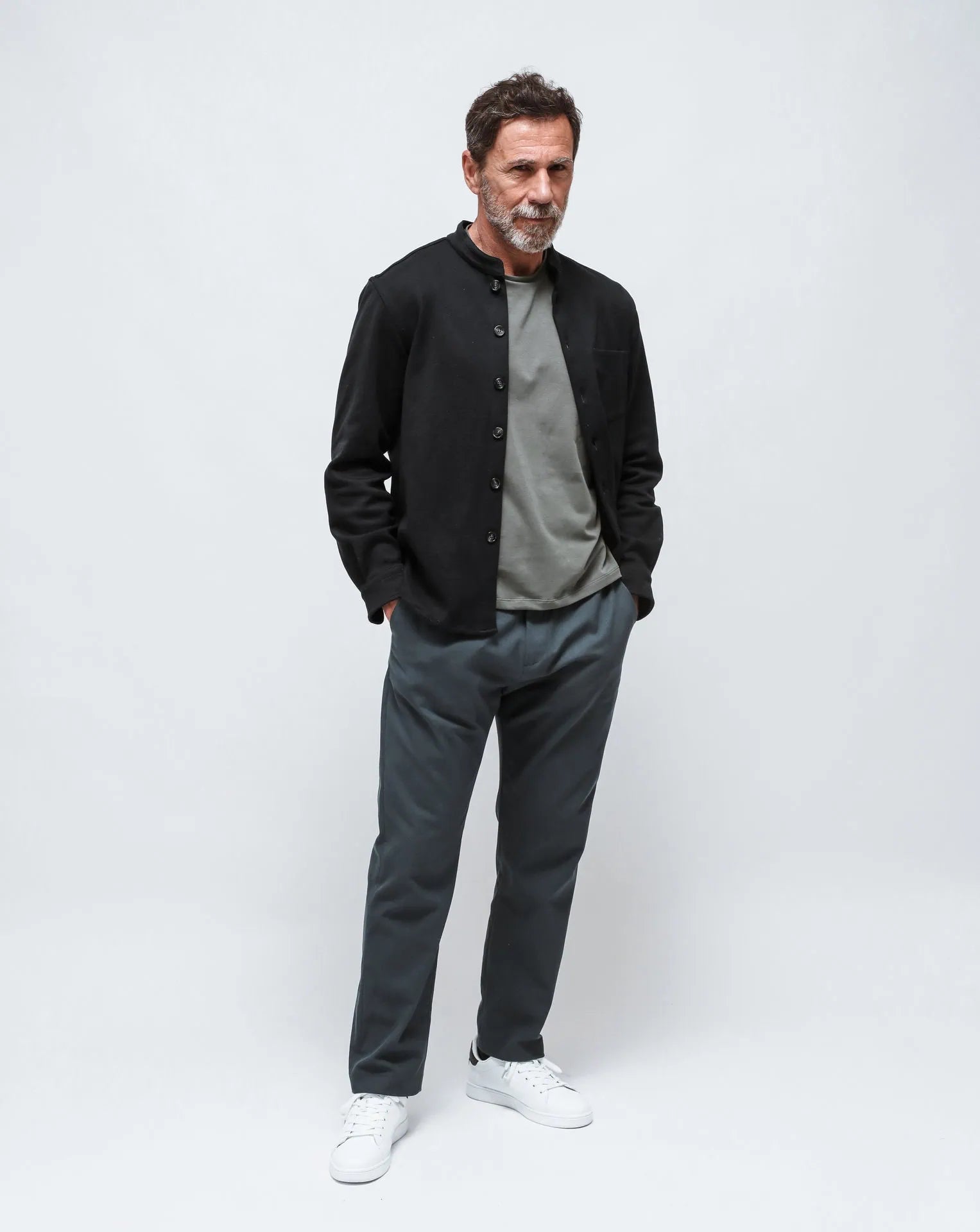
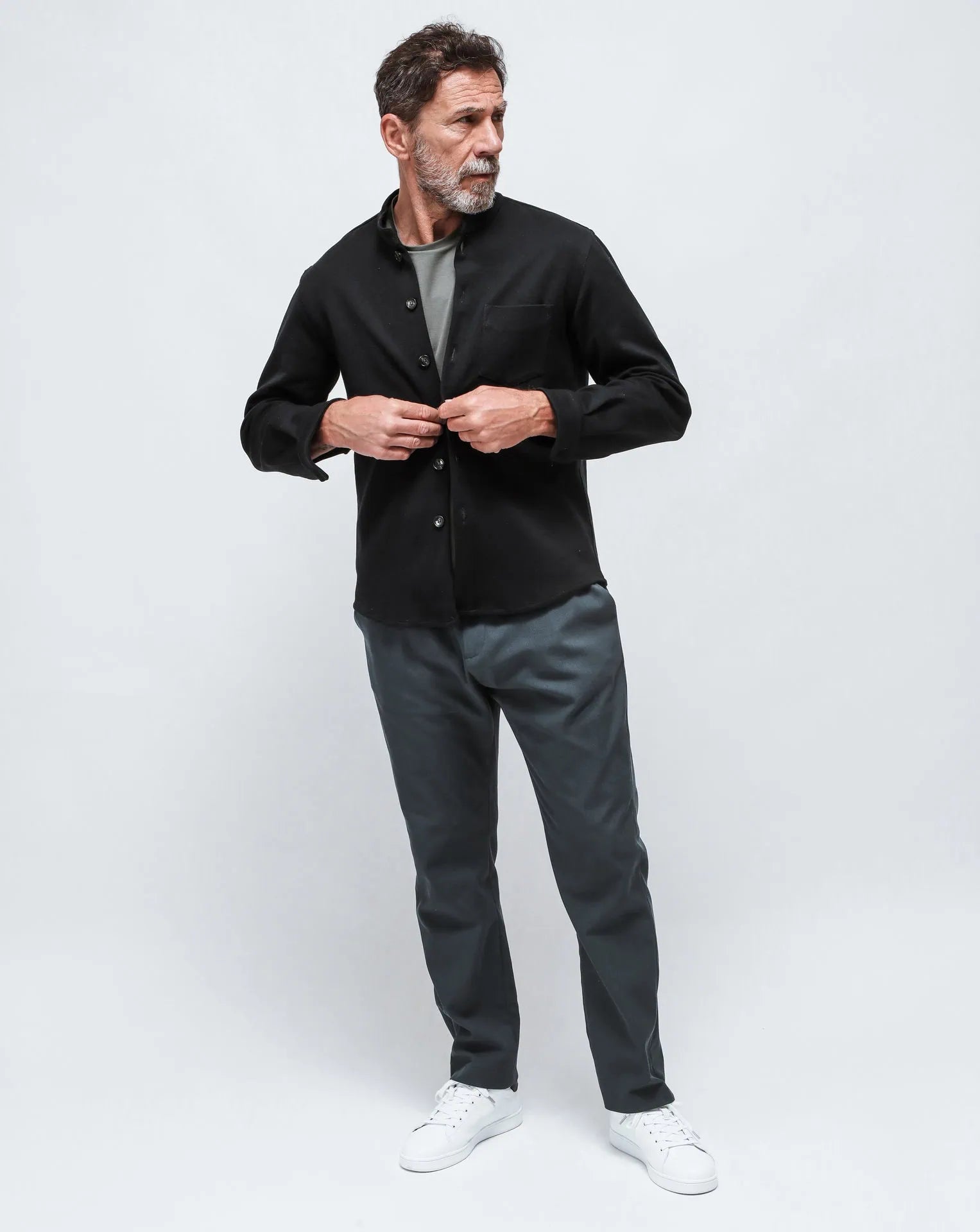
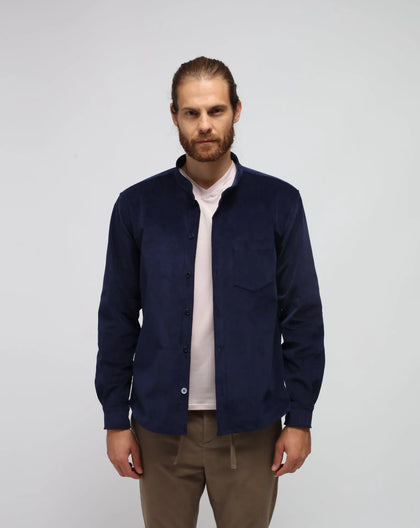
When considering a Women’s Wool Blazer Product, inspect the fabric description for fiber content, weight, and finish. For a Men’s Wool Overshirt Product or Men’s Winter Suit Product, ask whether the cloth has enough body to layer over knitwear without losing its line. Good fabric is not merely luxurious. It makes the garment more useful.
A Guide to Italian Tailoring Fit
Fit is where tailoring becomes personal. The right size is not the smallest one you can fasten or the loosest one you can layer. It is the size that lets the garment perform its intended shape without strain.
Start with the shoulders. The shoulder seam should end close to your natural shoulder point. It should not collapse inward or extend so far that the jacket appears borrowed. This is the hardest area to alter well, so it deserves the most attention.
Next, check the chest and upper back. Button the jacket and move your arms forward as if reaching for a door. Some resistance is normal, especially in a close-cut style. Pulling across the chest, a spreading vent, or strong horizontal lines across the back indicates that you need more room. On the other hand, excess fabric beneath the lapels can make even premium tailoring look unconsidered.
Sleeve length and trouser break are choices, not rules. A jacket sleeve that reveals a small amount of shirt cuff is classic, but a knit or turtleneck changes the equation. Trousers can fall with a clean break over boots or finish shorter with loafers. Winter often favors a slightly fuller trouser and a longer break because heavier fabrics and footwear need visual balance.
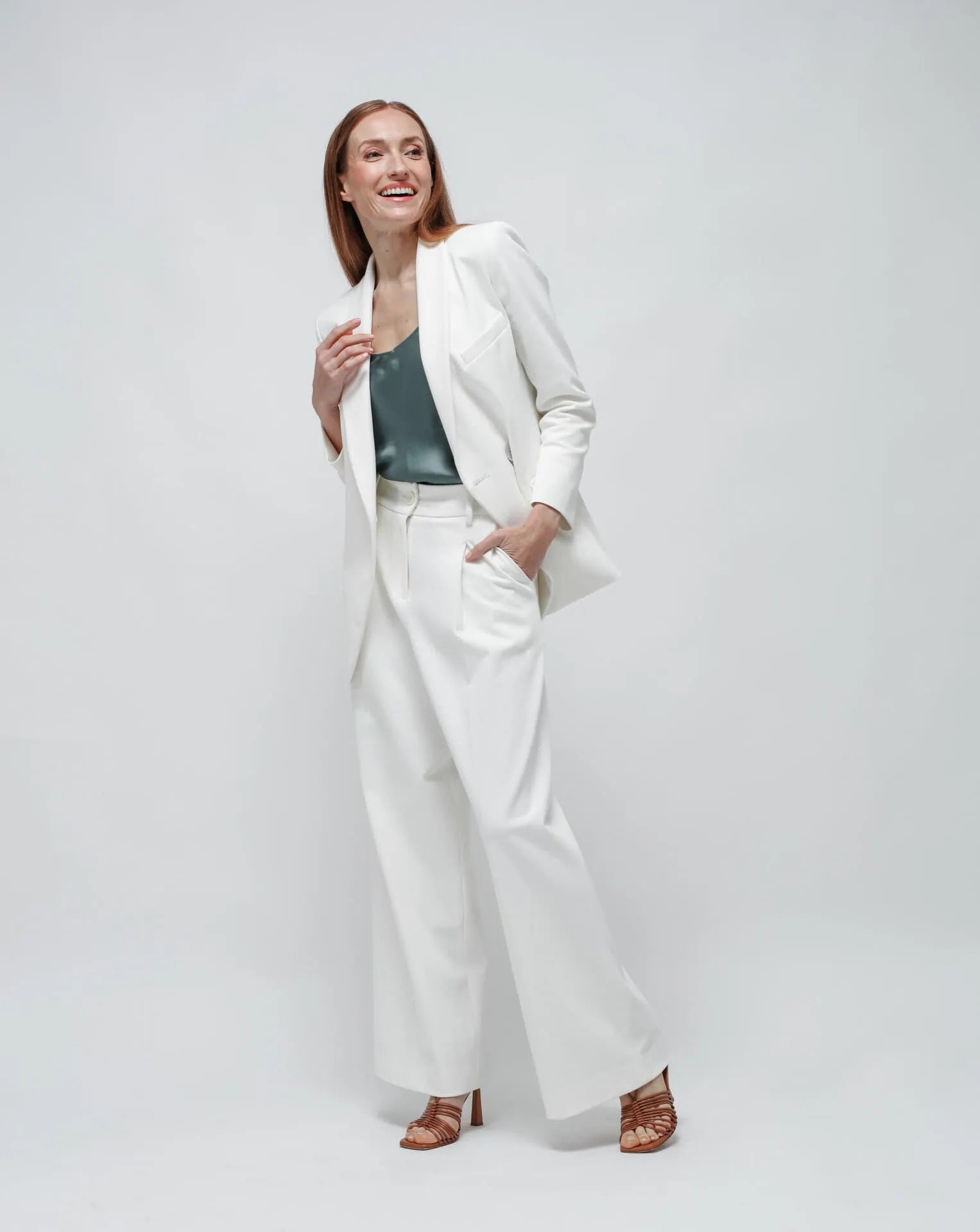
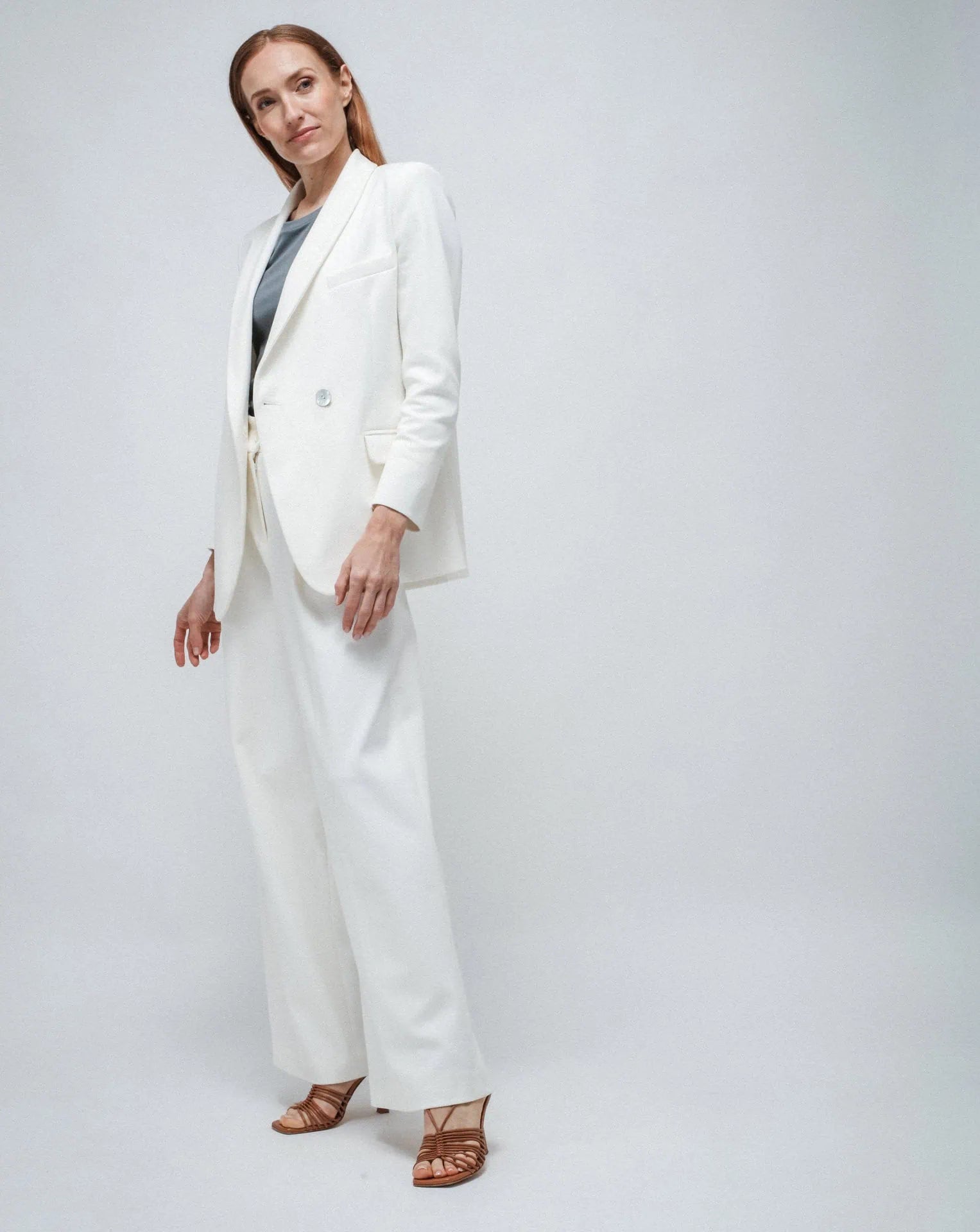
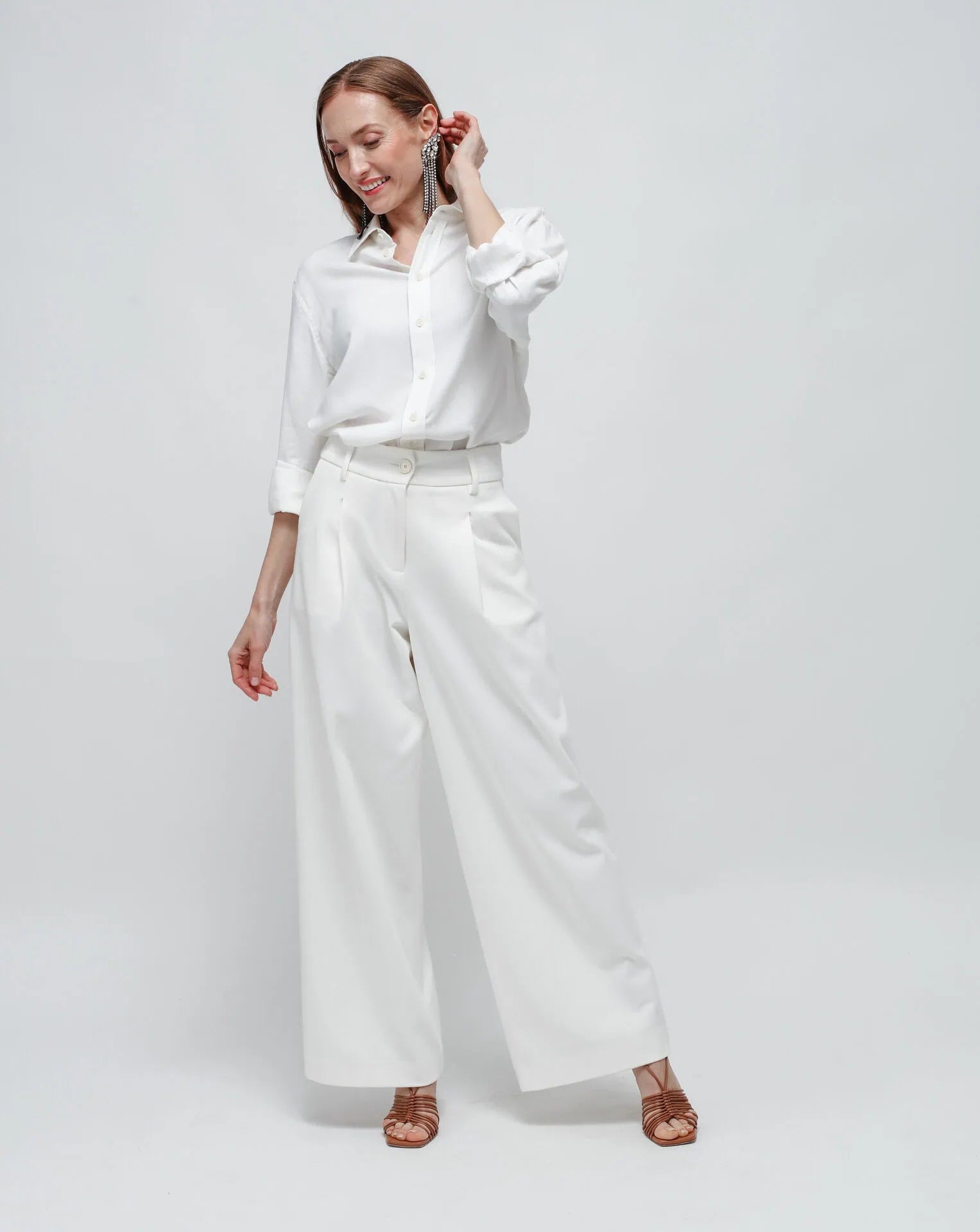
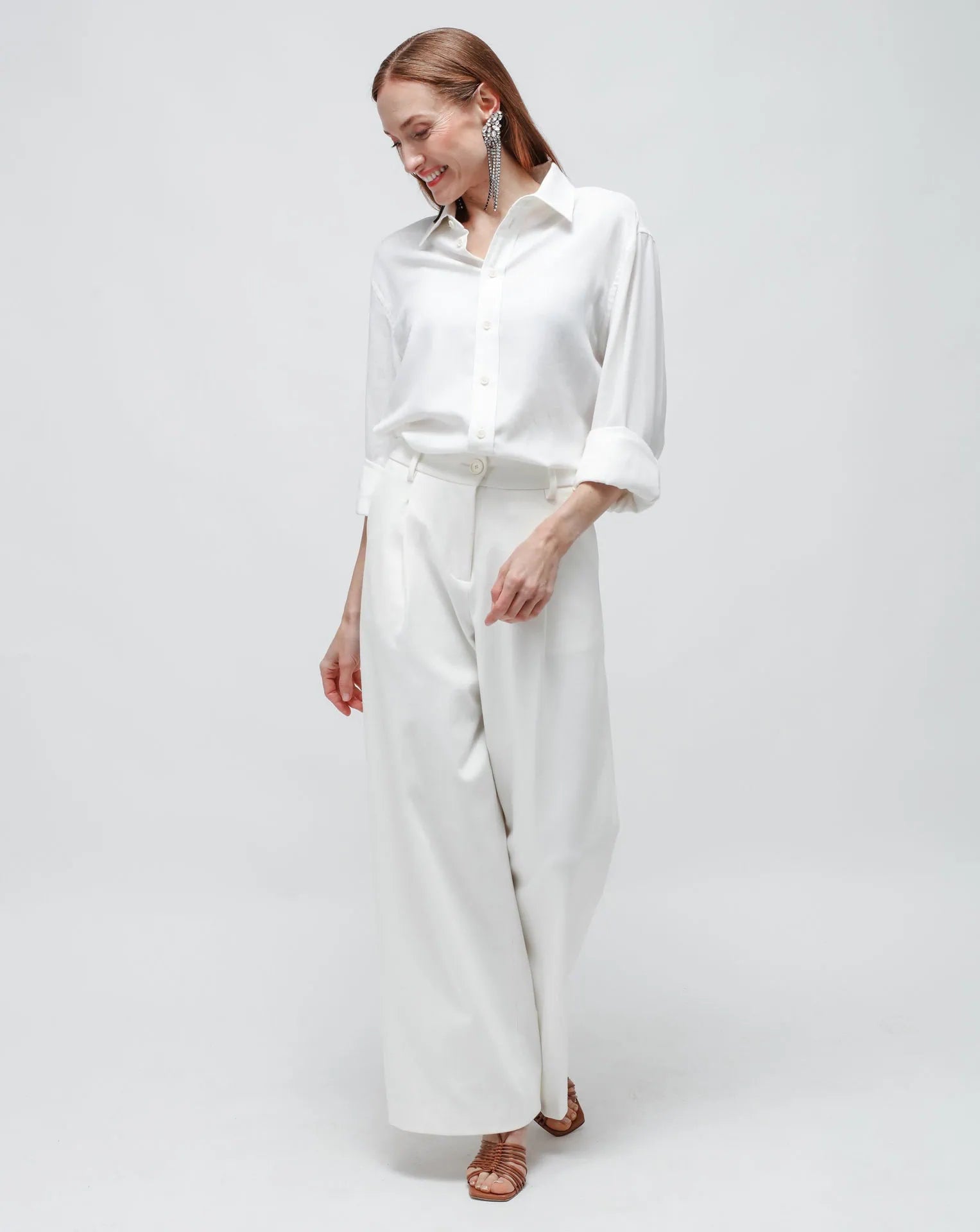
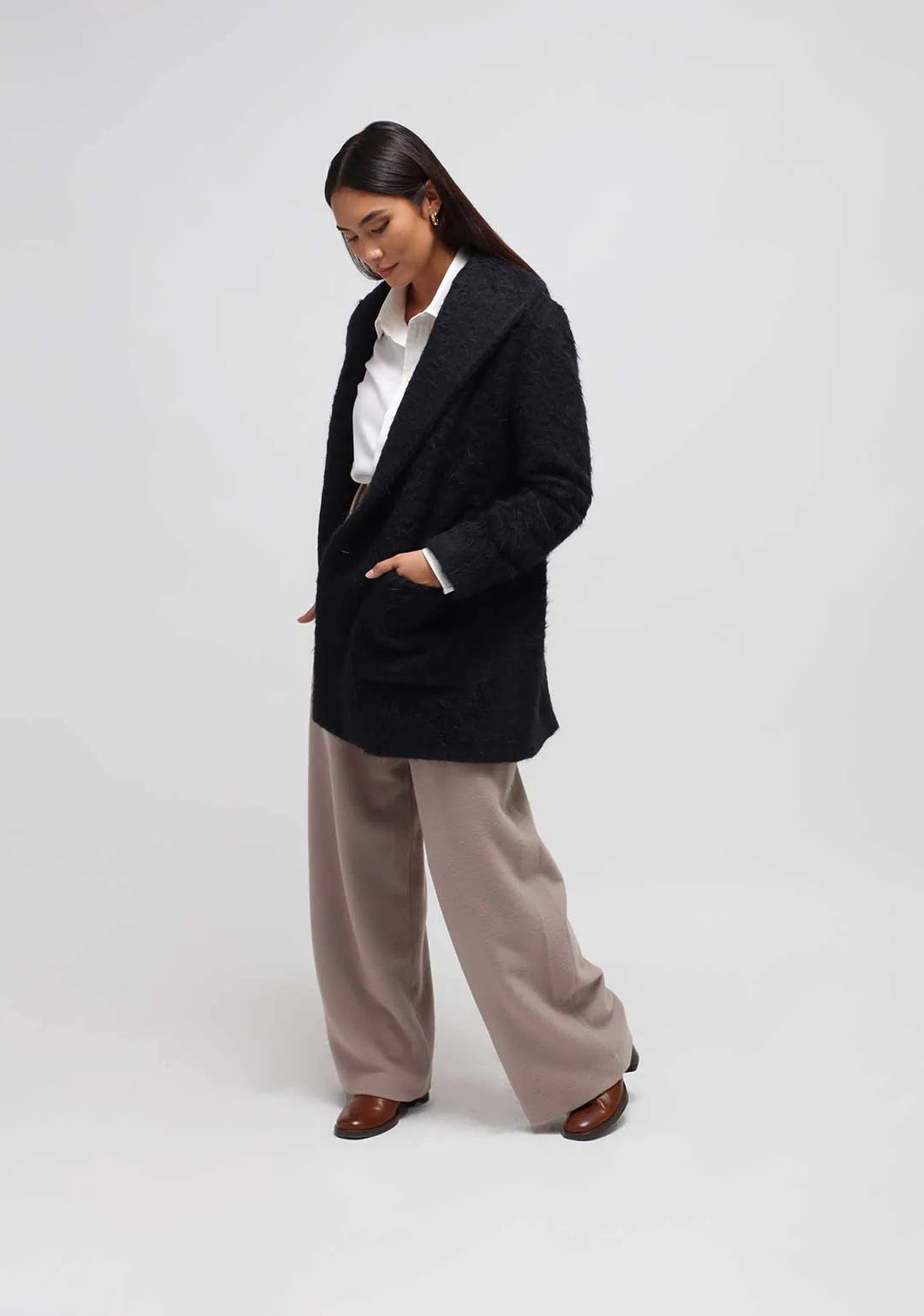
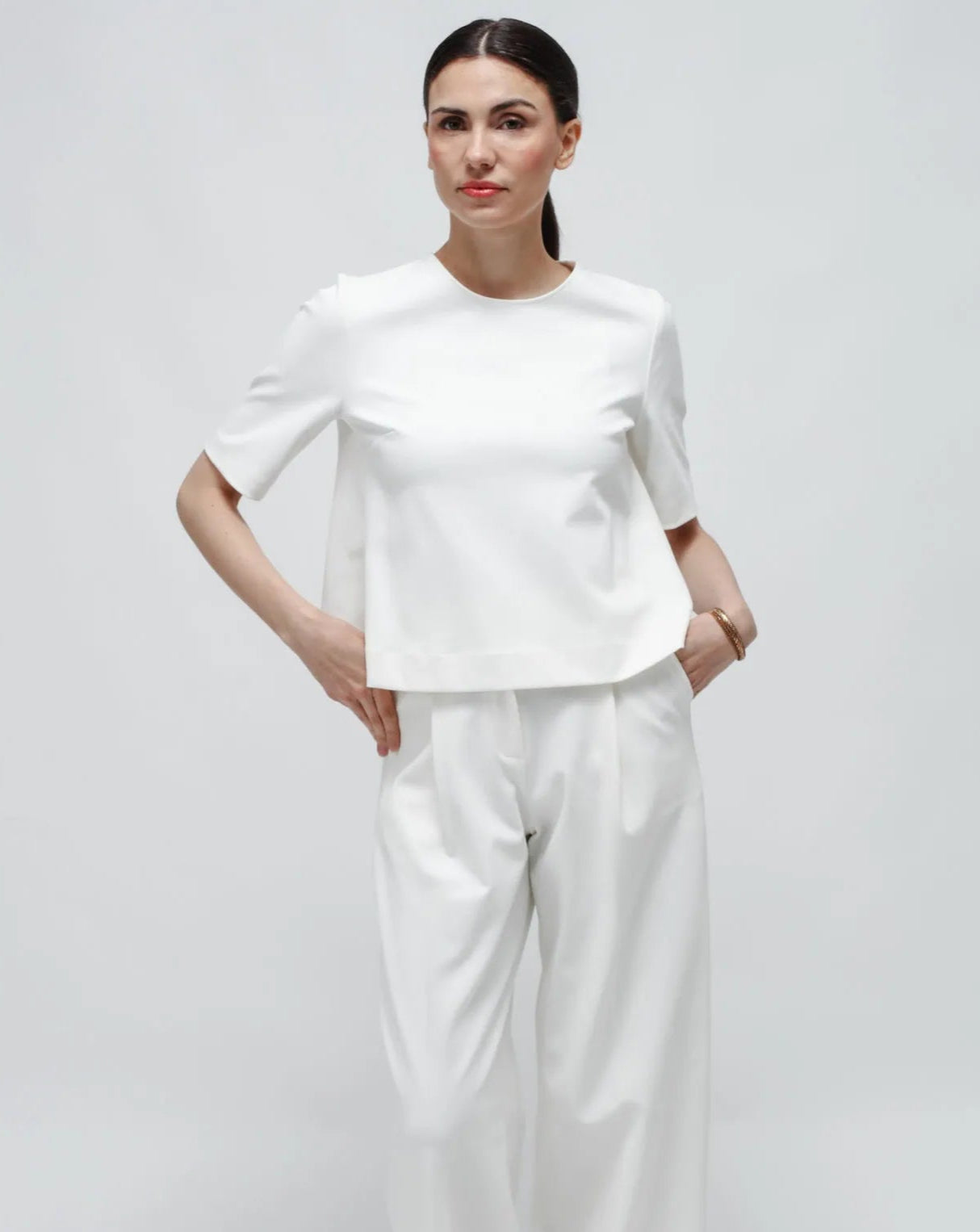
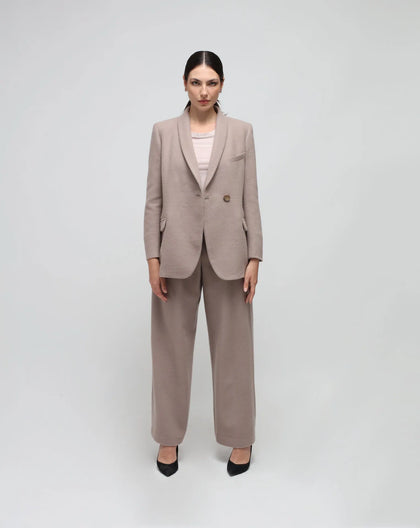
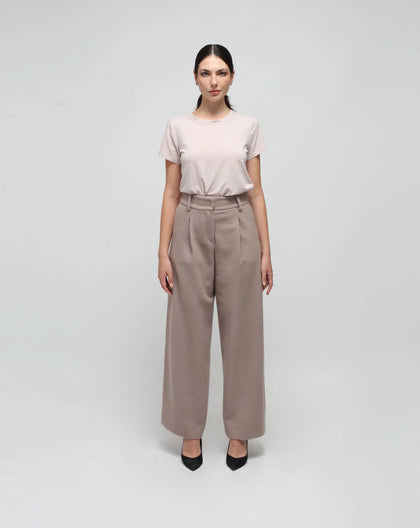
Women’s tailoring should never be reduced to a shrunken version of menswear. A well-cut Women’s Tailored Wool Trouser Product may sit at the waist, mid-rise, or lower on the hip depending on the intended silhouette. The key is a clean hang through the seat and thigh, with enough room to sit comfortably. A [Women’s Double-Breasted Blazer Product] can define the waist or hold a straighter, longer line. Both can be elegant when they are intentional.
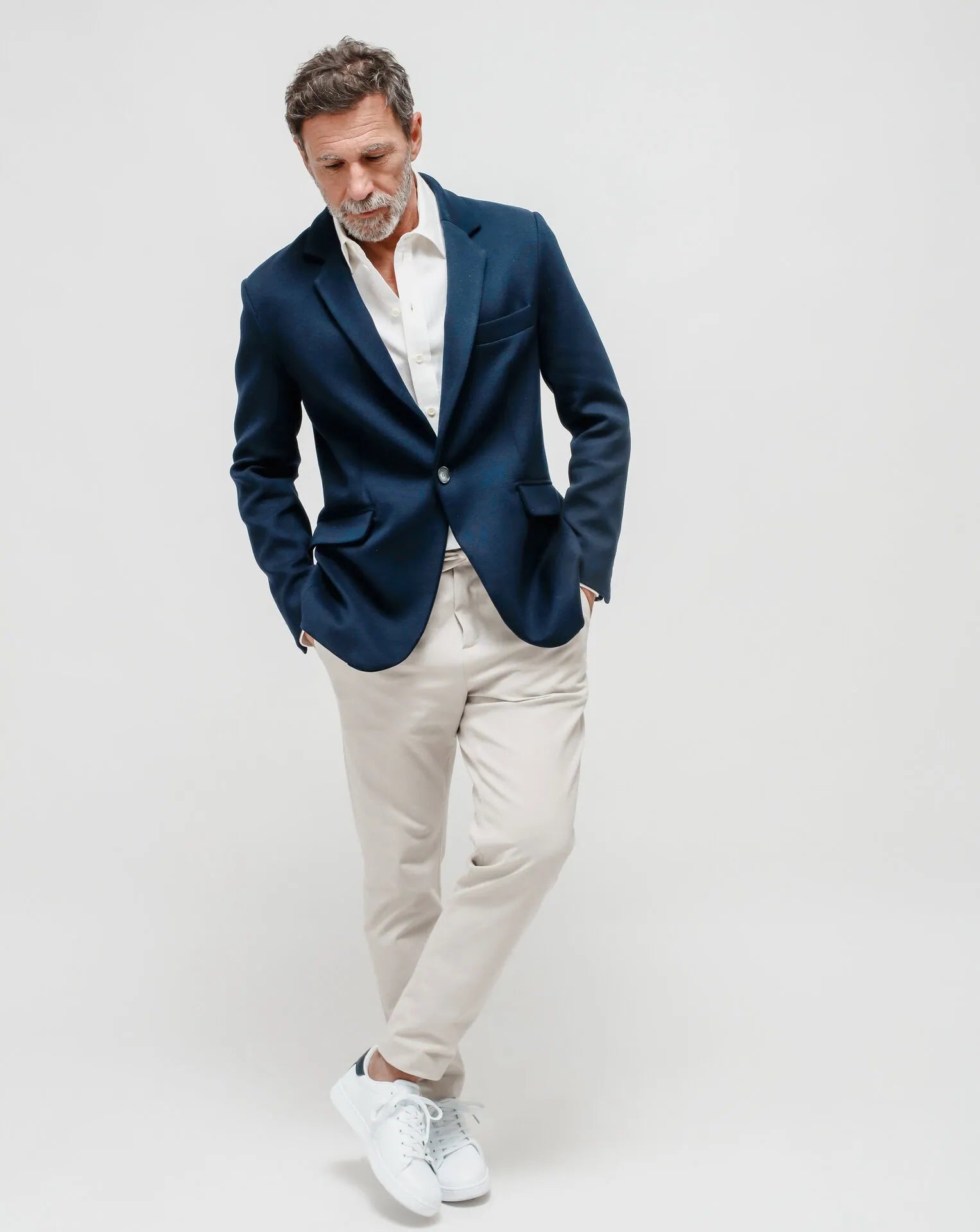
For men, a Men’s Tailored Wool Trouser Product should sit securely without a belt doing all the work. The seat should be smooth, while the thigh needs enough ease for walking and sitting. A tapered leg is useful, but a severe taper can make a winter outfit feel dated and restrict the drape of heavier cloth.
Construction You Can Feel
Tailoring language can become needlessly technical. You do not need to memorize every construction method to shop well, but you should understand the trade-offs.
A fully canvassed jacket has a layer of horsehair canvas between the outer fabric and lining, shaped over time by wear and pressing. It offers beautiful roll at the lapel and can mold gently to the body. It also costs more and is not essential for every garment.
Half canvas provides structure through the chest and lapel while keeping the lower front lighter. It is often an intelligent choice for modern ready-to-wear. Fused construction uses adhesive to bond layers together. It can be perfectly appropriate in accessible tailoring or fashion-led pieces, but poor fusing can eventually bubble or feel stiff.
The best choice depends on use. A special-occasion suit may justify more elaborate construction. A versatile blazer you wear twice a week needs a fabric and fit that withstand real life. Never let technical specifications distract from how the garment sits on your body.
Look closely at practical details, too: clean interior finishing, secure buttons, aligned patterns, smooth lining, and vents that lie flat. These are quiet signals of care. They are not theater for a product page. They affect how a garment wears.
Building a Winter Tailoring Wardrobe
A winter wardrobe does not require multiple formal suits. It needs a small group of tailored pieces that work together in different settings. Begin with one dark, versatile anchor: charcoal, deep navy, espresso, or black in a textured wool. From there, add a separate jacket or trouser in a related neutral, then a coat with enough length to cover a blazer.
A charcoal Men’s Winter Suit Product can separate into a jacket with dark jeans and trousers with a fine-gauge knit. A Women’s Tailored Set Product offers the same flexibility, especially when the blazer and pants are proportioned to work independently. The more combinations a piece supports, the less it needs to prove itself through novelty.
Outerwear deserves particular attention. A tailored coat should accommodate a jacket or thick knit beneath it without dragging at the shoulder. Knee-length styles are especially useful for commuting, travel, and evening plans because they protect the proportions of the outfit underneath. A Women’s Long Wool Coat Product or Men’s Wool Overcoat Product in a quiet neutral can become the final layer you reach for every day.
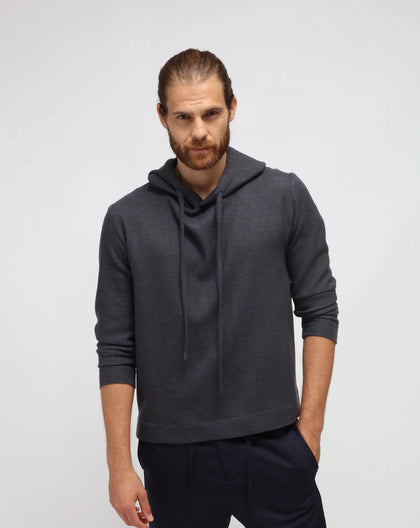
Keep the supporting pieces simple. Fine merino knits, crisp cotton shirts, substantial T-shirts, leather boots, and scarves in complementary textures allow the tailoring to lead. A soft-shouldered jacket loses its appeal if every other element is overly formal. Conversely, pairing it with worn-in denim or a relaxed knit can make it more modern.
Care Is Part of the Investment
Tailored clothing lasts longer when it is rested. Avoid dry cleaning after every wear. Brush wool garments, air them out, and use a steamer to release light creasing. Hang jackets on broad, shaped hangers and let trousers rest after a long day.
For winter wool, protect against moths with clean storage and breathable garment bags. Address stains promptly, but use professional cleaning only when necessary. Repairing a loose button, replacing a worn hem guard, or making a small alteration is not an inconvenience. It is how a garment earns a longer life.
The most compelling Italian tailoring is not precious. It is lived in: worn to meetings, packed for weekends away, layered for cold streets, and returned to season after season. Choose the piece that makes you stand taller and asks nothing wasteful of the world.
FAQ
Q: Is Italian tailoring always slim fit?
A: No. Italian tailoring is often associated with a close, soft silhouette, but it can be relaxed, straight, or generously cut. The defining qualities are balance, fluidity, and thoughtful construction, not a restrictive fit.
Q: What is the best fabric for a winter tailored suit?
A: Mid- to heavy-weight wool is the most versatile choice. Wool flannel is ideal for a softer, more relaxed look, while twill offers a sharper finish and strong durability. A small amount of cashmere can add softness, but pure performance wool is often easier to wear frequently.
Q: Can a blazer be worn casually in winter?
A: Yes. Pair a textured wool blazer with a fine knit, dark denim or relaxed tailored trousers, and leather boots. The key is to avoid overly formal accessories and let the fabric provide the seasonal character.
Q: How should a tailored winter coat fit over a blazer?
A: It should close comfortably over the blazer without pulling across the upper back or chest. The shoulder line should remain clean, and the coat should be long enough to cover the jacket beneath it.
Q: Why choose deadstock fabric for tailored clothing?
A: Deadstock fabric gives existing premium materials a meaningful second life, reducing demand for newly produced cloth. It also supports genuinely limited production, so your tailored piece carries a level of rarity without relying on excess.
the World of H&L