

What Do Brands Do With Unsold Clothes?
A rack of unsold clothing is not just a retail problem. It is a design decision, a forecasting miss, a pricing strategy, and often an environmental liability. When people ask what do brands do with unsold clothes, the honest answer is uncomfortable: it depends on the brand, the business model, and how much waste that company is willing to normalize.
Some excess inventory gets discounted and sold. Some is moved to outlet channels. Some is donated, recycled, exported, or quietly warehoused. And yes, in parts of the industry, some goods are still destroyed when preserving margin matters more than preserving value. The fate of unsold clothes says more about a brand than any campaign ever could.
What do brands do with unsold clothes in practice?
Most brands try the least disruptive option first. They mark items down and hope demand catches up. This is why end-of-season sales exist, and why shoppers have been trained to wait. For businesses built on volume, markdowns are part of the system, not an exception.
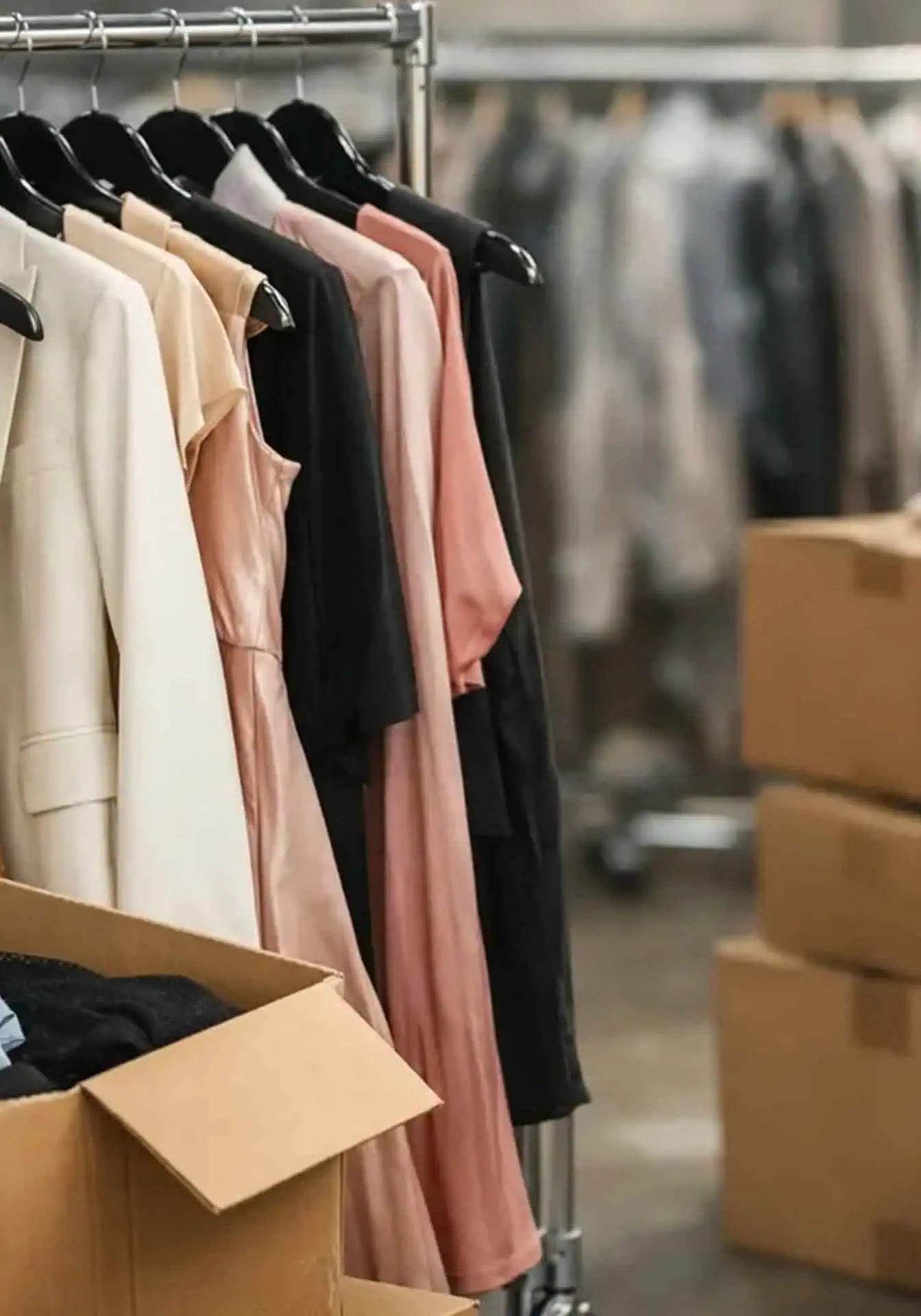
If products still do not move, brands often shift them into secondary channels. That can mean outlet stores, off-price wholesale partners, warehouse events, or flash sales. Financially, this recovers at least part of the cost. But there is a trade-off. The more a label relies on this cycle, the more it teaches customers that full price is optional.
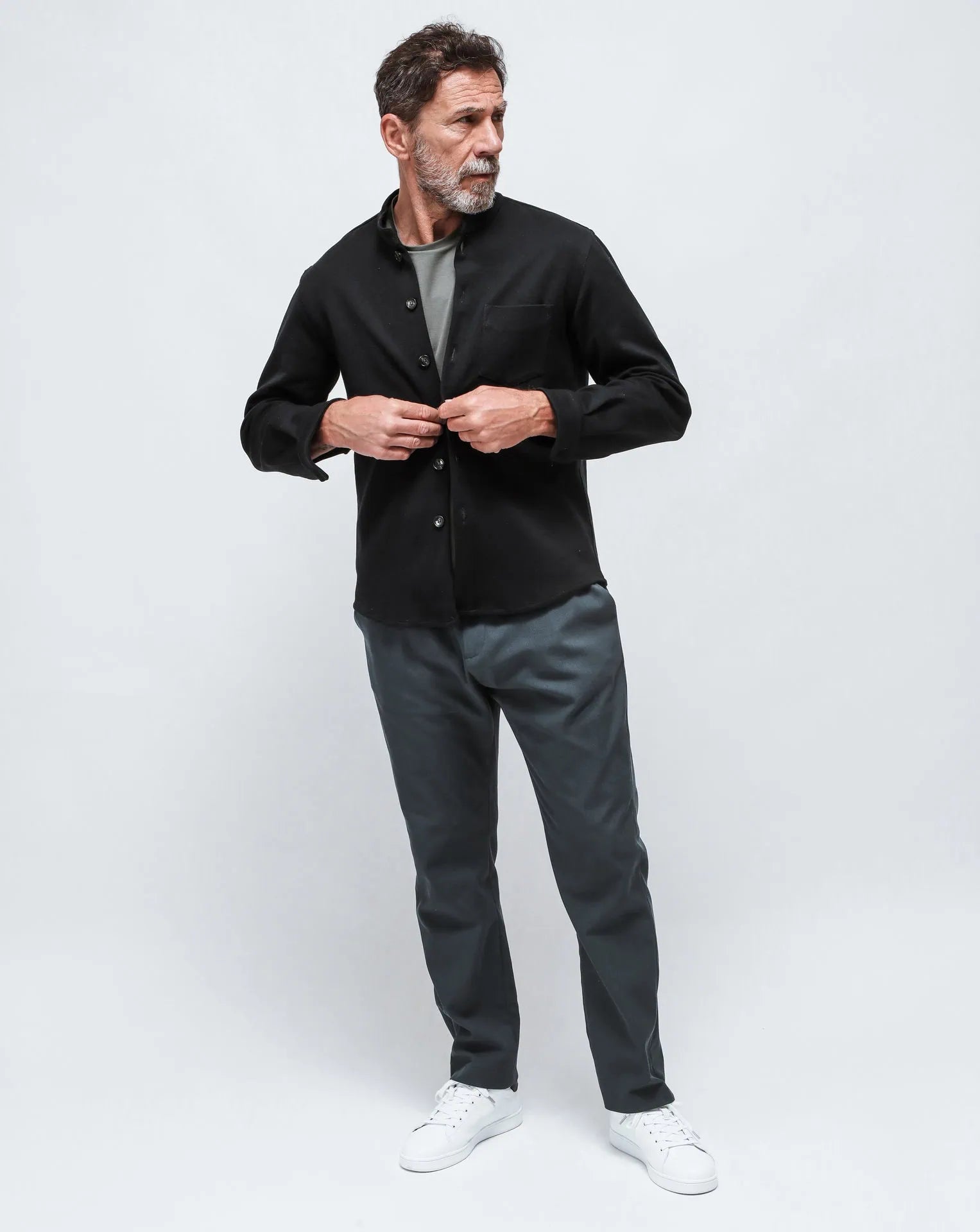
Some inventory is held back for future resale windows. A classic black trouser, tailored shirt, or structured coat may come back the next season if the silhouette remains relevant. This works better for elevated essentials than for trend-driven product. A sharply cut piece in a timeless fabric has a longer commercial life than something built around a short social media moment.
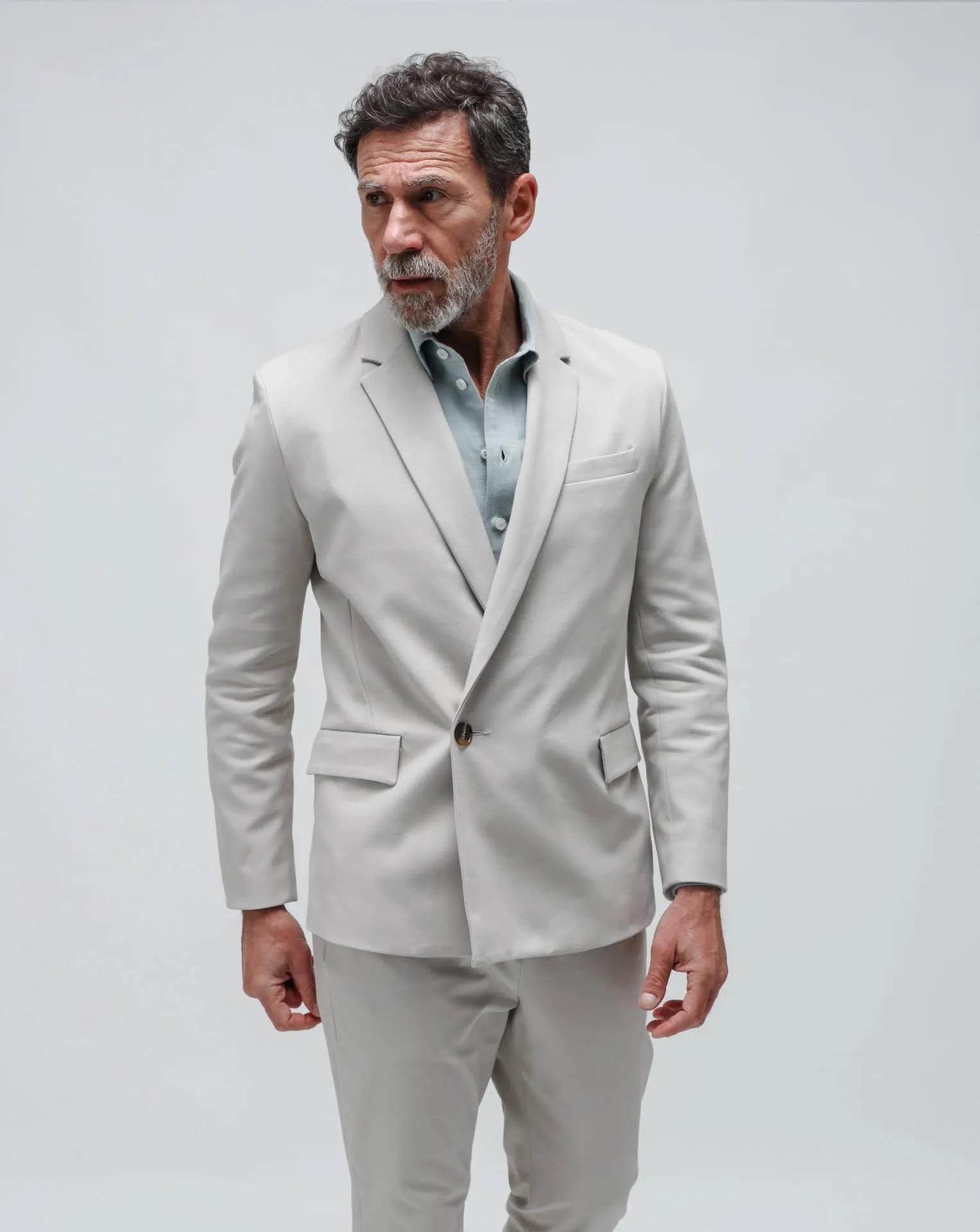
That difference matters. A refined deadstock wool blazer or a clean linen set can often be reintroduced with integrity. A heavily trend-led item usually cannot.
The less visible paths: donation, recycling, and destruction
When products are too late for the selling window, too seasonal, too branded, or too costly to store, brands start looking at less visible options. Donation is the most publicly acceptable route, but it is not as simple as it sounds.
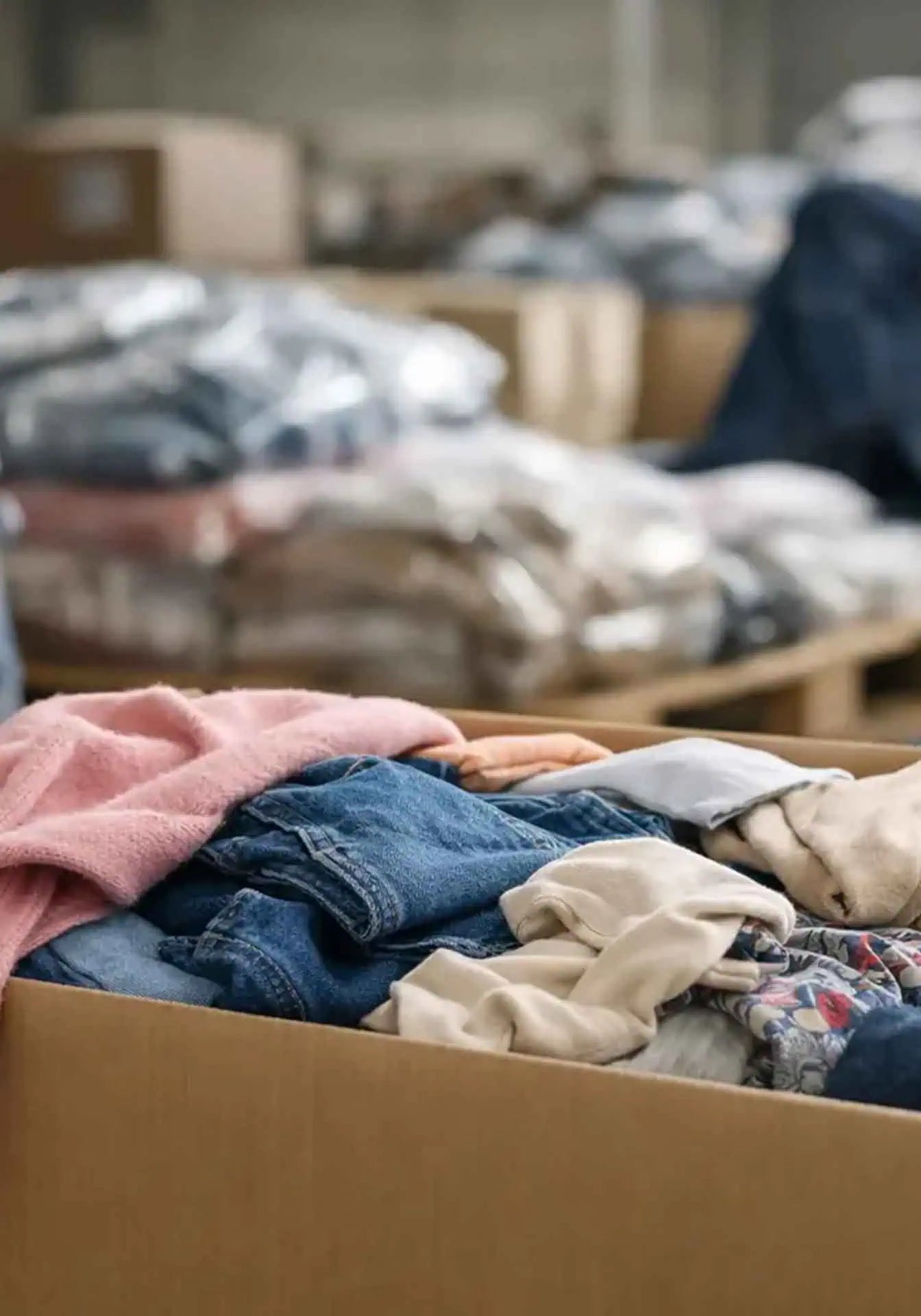
Donating unsold clothing can help communities, yet it can also shift surplus into charity systems already overwhelmed by excess textiles. If products are low quality, hard to wear, or produced in huge quantities, donation may function more like image management than real responsibility.
Recycling is often presented as the clean answer, but fashion recycling remains limited. Natural fibers can sometimes be mechanically recycled, though quality may degrade. Blended fabrics are harder to process. Trims, linings, coatings, and elastane complicate everything. Turning unsold clothes back into high-quality new garments is still far from standard practice.
Then there is destruction, the industry’s most revealing habit. Some brands have incinerated or shredded unsold goods to protect exclusivity, prevent gray-market resale, or avoid discounting. It is wasteful by any ethical measure, but from a narrow accounting perspective, some companies have treated it as efficient. That mindset tells you exactly how they define value.
Why brands end up with unsold clothes at all
Fashion waste rarely begins at the end. It starts at the order sheet.
Brands overproduce for predictable reasons: they chase growth, negotiate lower unit costs at higher volumes, hedge against stockouts, or bet too heavily on a trend. Wholesale calendars also push labels to commit early, often before real demand is clear. By the time a product underperforms, the damage is already made.
This is where business model matters. A company built around constant novelty and aggressive scale is structurally more exposed to unsold inventory. A company built around limited quantities, disciplined assortment, and slower replenishment has a better chance of staying close to actual demand.
Small-batch production is not a slogan. It is inventory control. Deadstock sourcing is not just a fabric story. It can also reduce the impulse to flood the market with more material than necessary.
What better brands do differently
The strongest answer to what do brands do with unsold clothes is to create less surplus in the first place. Prevention is less glamorous than recycling campaigns, but it is far more effective.
That means tighter editing. Fewer styles. Smaller runs. Clearer product roles in the wardrobe. It also means designing pieces with enough longevity to survive beyond a single season. A well-cut shirt, wide-leg pant, or minimal dress has more pathways to wear and resale than a disposable trend piece.
For an ethical brand, product strategy and waste strategy should be the same conversation. If a label offers a limited-edition Italian-made jacket, a versatile matching set, or a tailored trouser intended for office, travel, and occasion wear, those pieces have a better chance of staying desirable at full price. They are not asking the customer for impulse. They are asking for intention.
This is also where quality changes the outcome. Unsold garments made from premium deadstock fabrics retain material value longer. They can be re-merchandised, altered, repaired, or recut more credibly than cheap synthetics made for one season only. A better fabric does not solve overproduction, but it expands the options when inventory remains.
How ethical brands handle excess more responsibly
Responsible inventory management is usually quiet. It looks like lower initial volumes, tighter forecasting, and willingness to sell out rather than overfill a category.
When excess does happen, the next best move is controlled redistribution. That may include private client events, archive sales, or thoughtful markdowns that do not train the customer to distrust full pricing. In some cases, brands may redesign remaining fabric or garments into small capsule drops. Excess yardage can become a short run of shirts, skirts, or statement tops instead of landfill pressure.
There is also a strong case for repair, resale, and remake programs. A returned item with minor damage does not need to become waste. It may only need tailoring, cleaning, or a second-life channel. The same goes for customer returns, which are a major hidden source of fashion surplus.
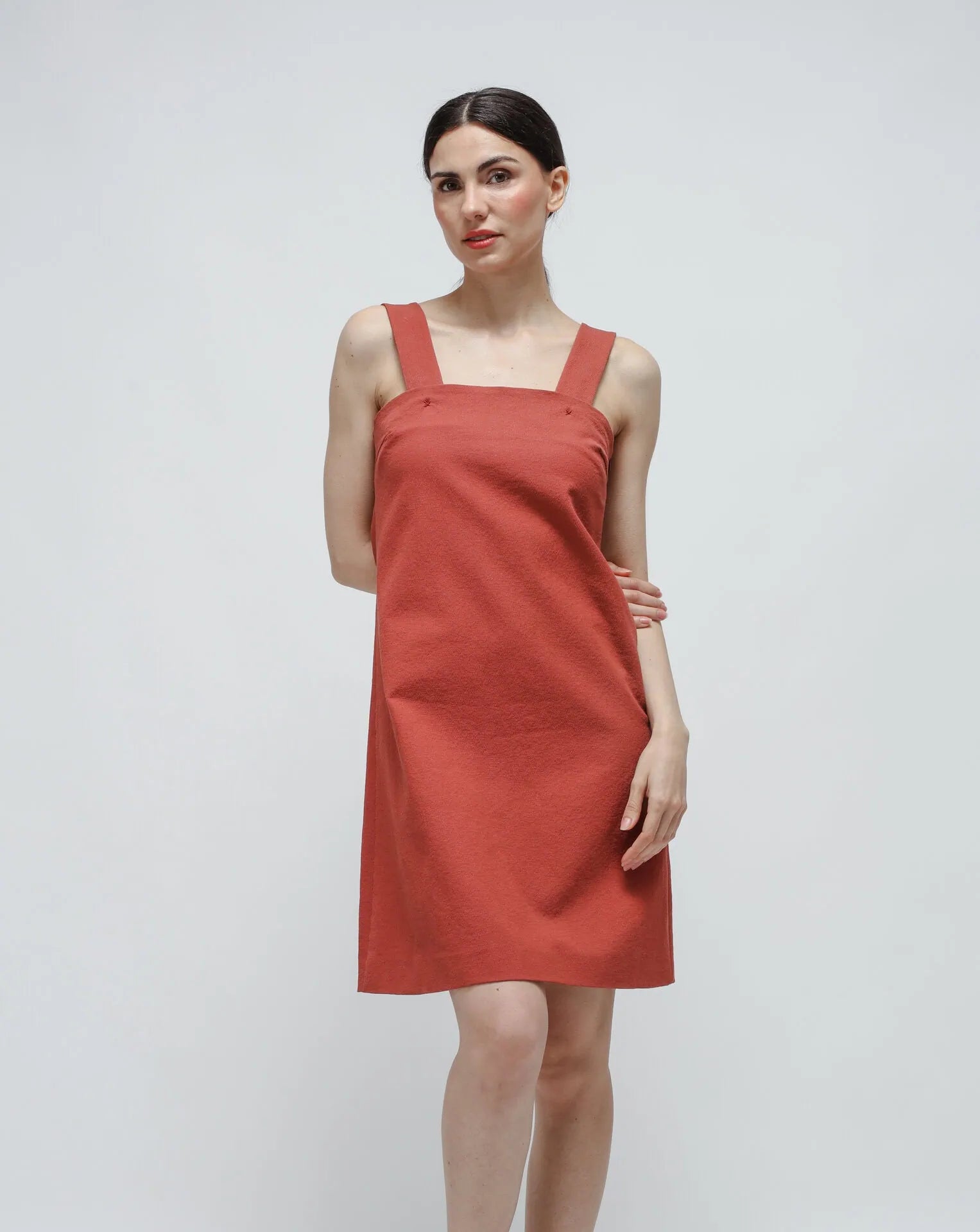
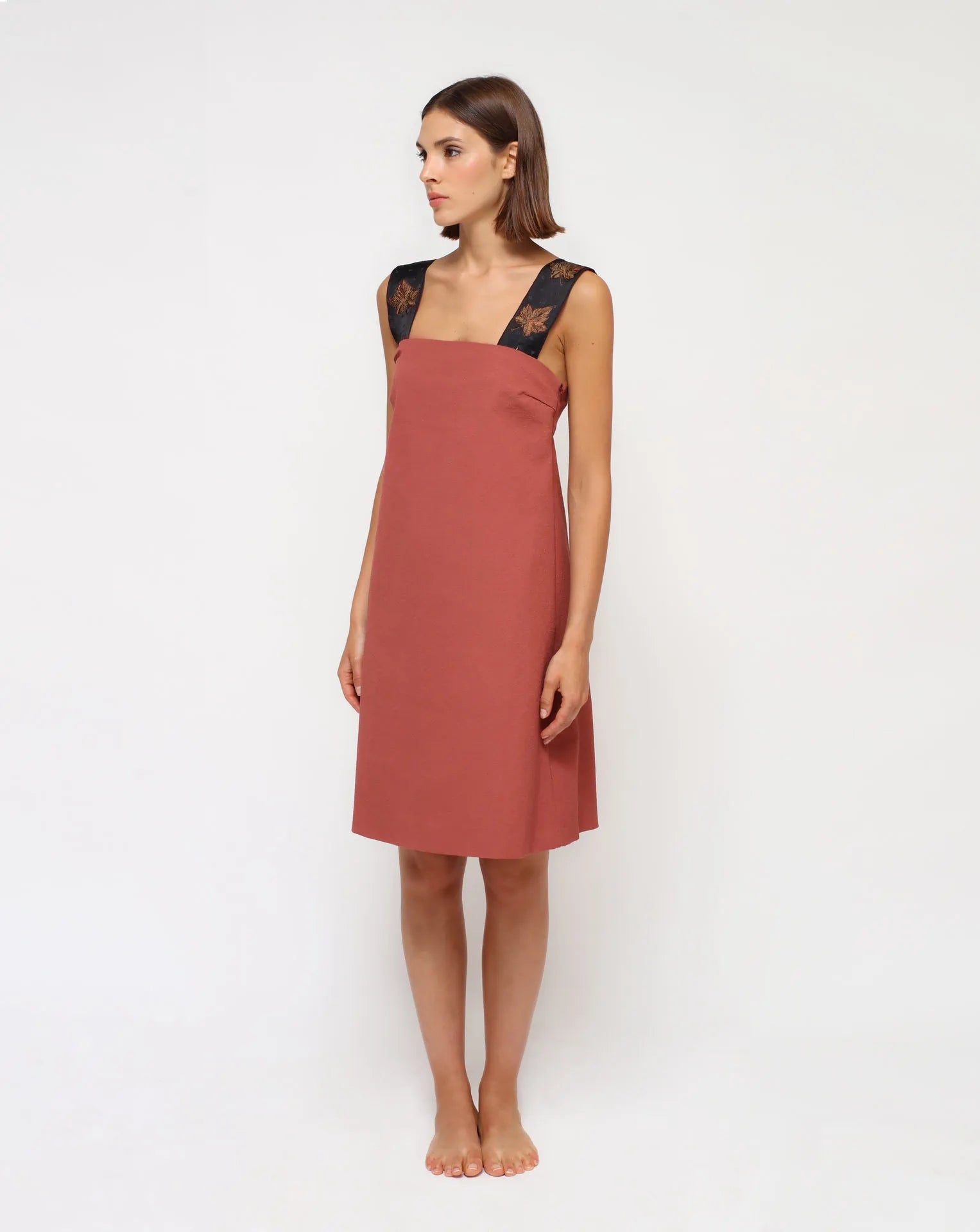
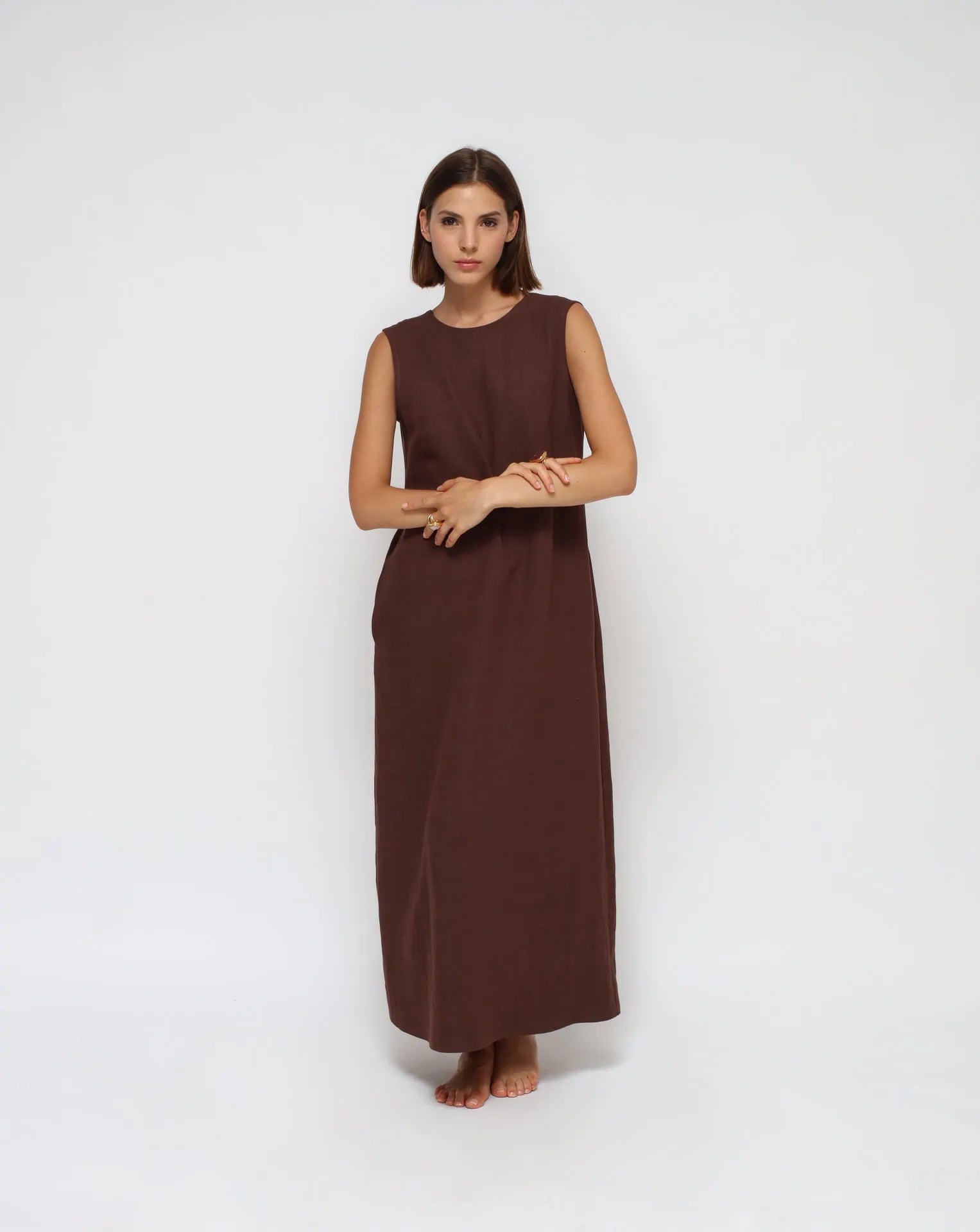
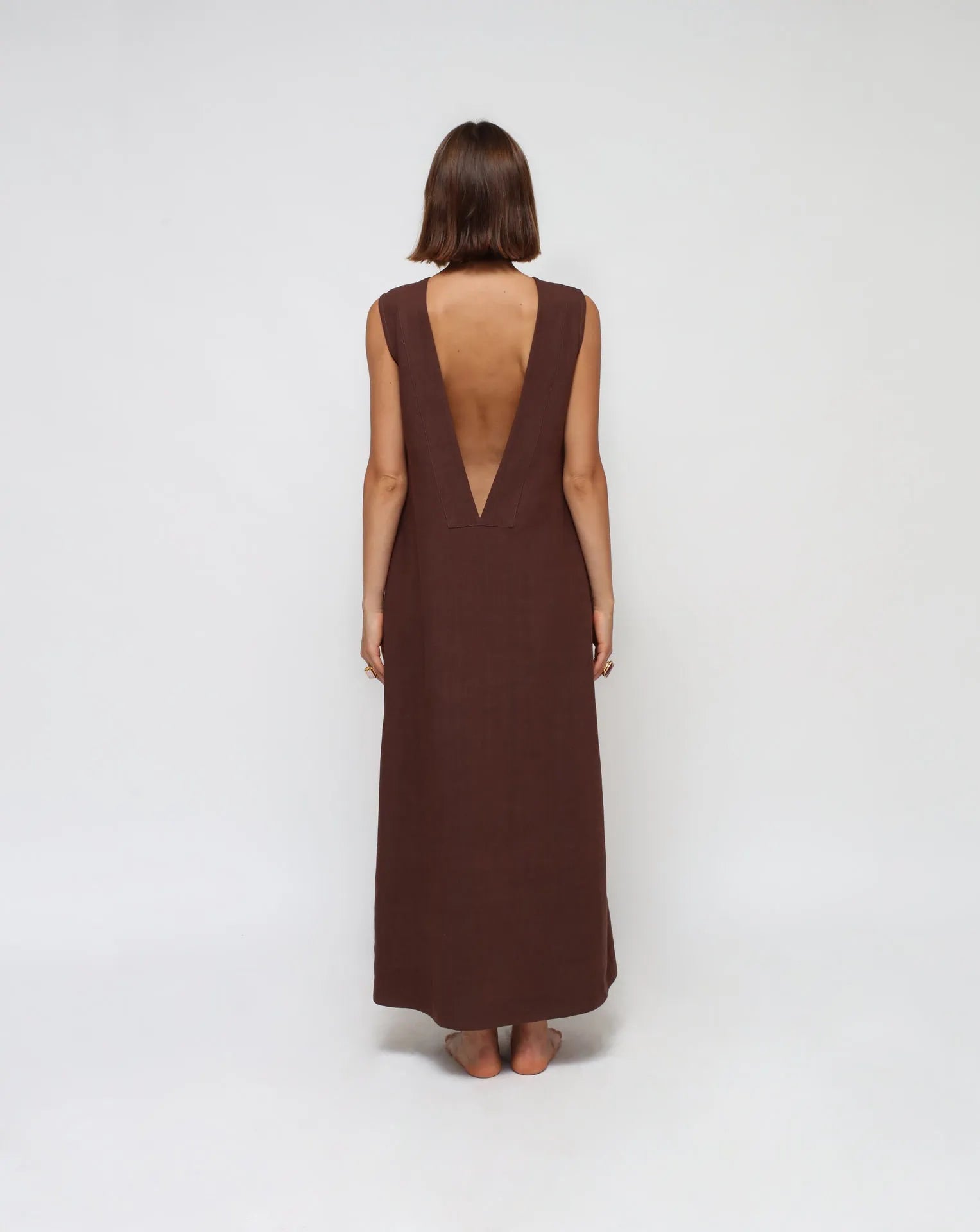
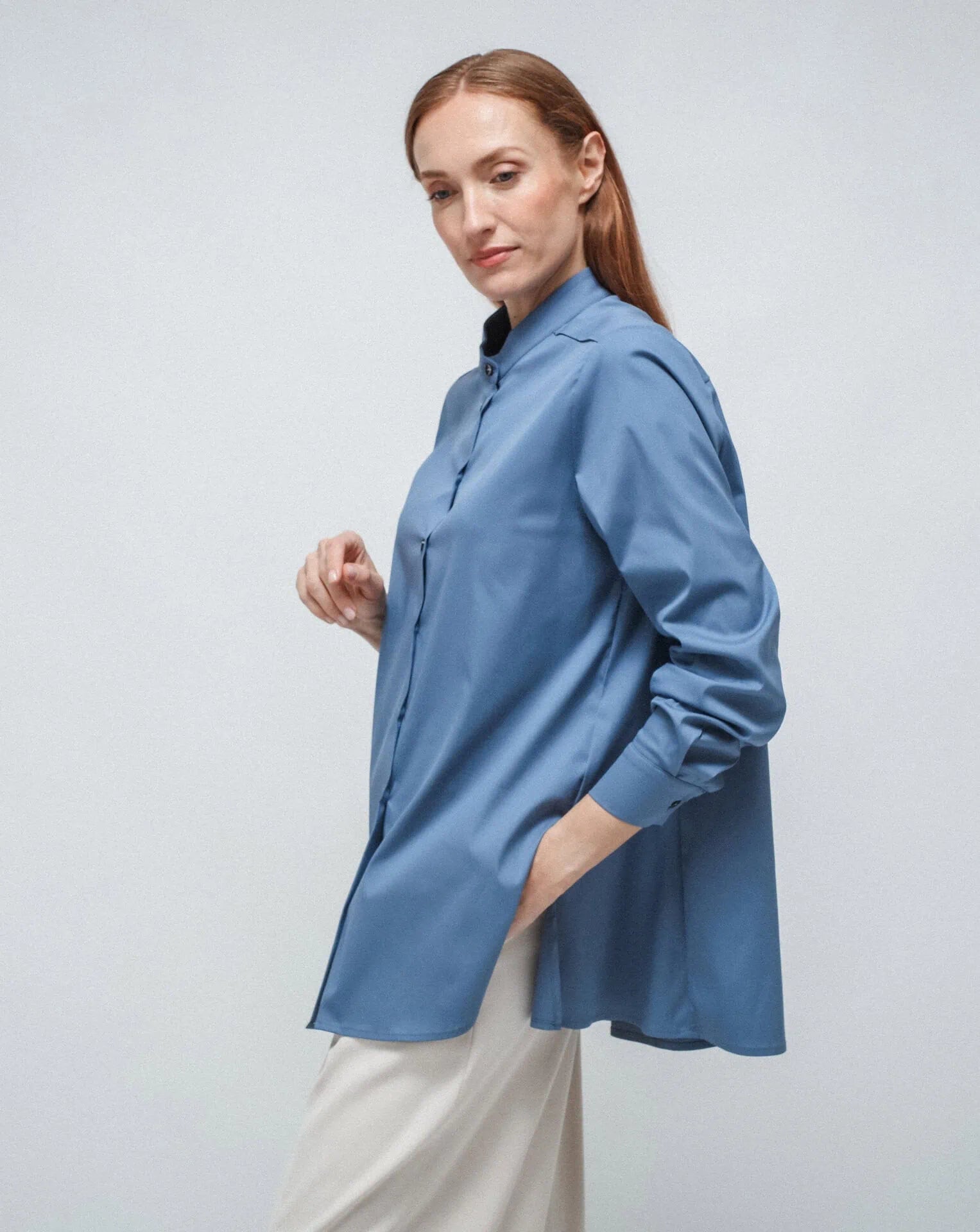
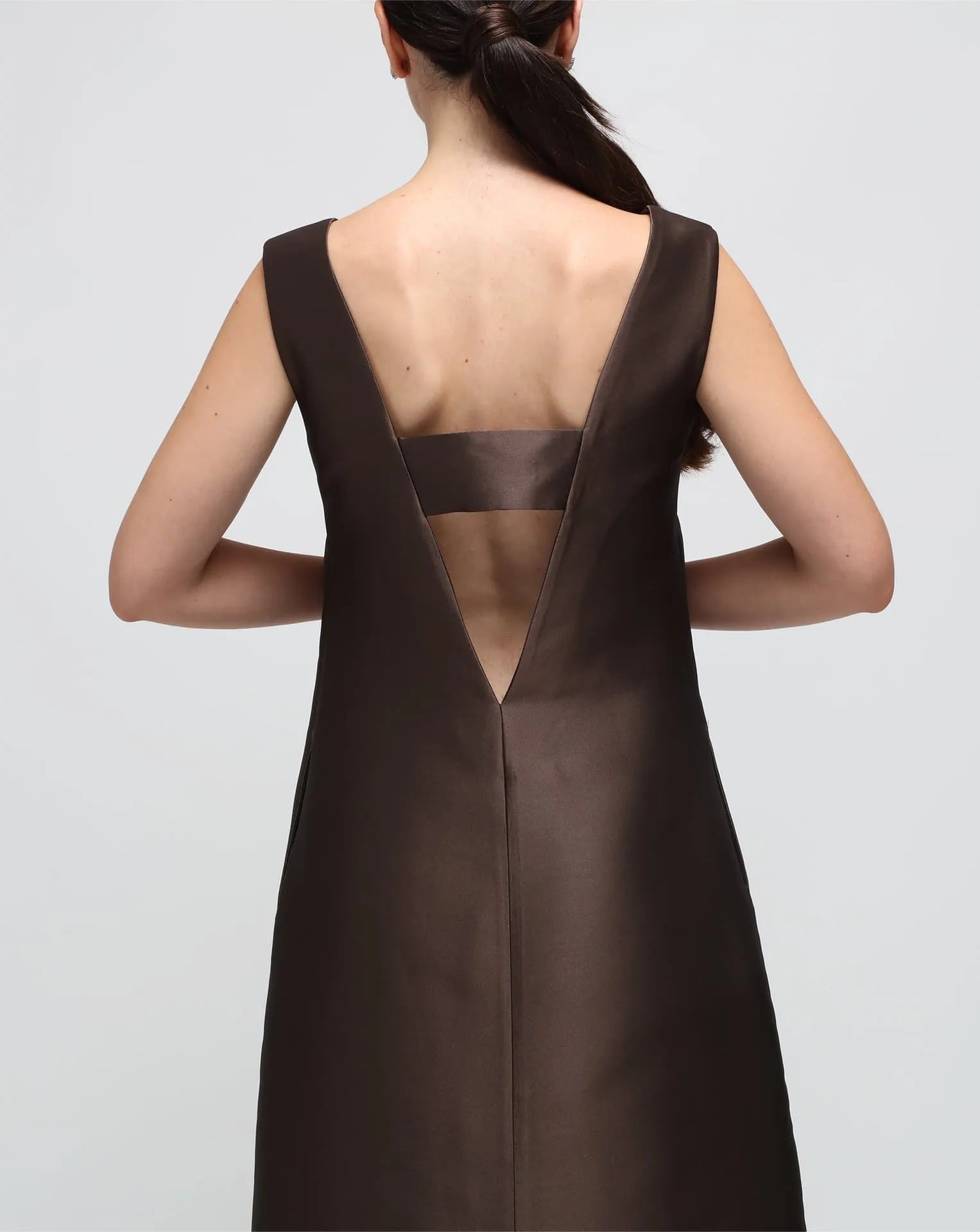
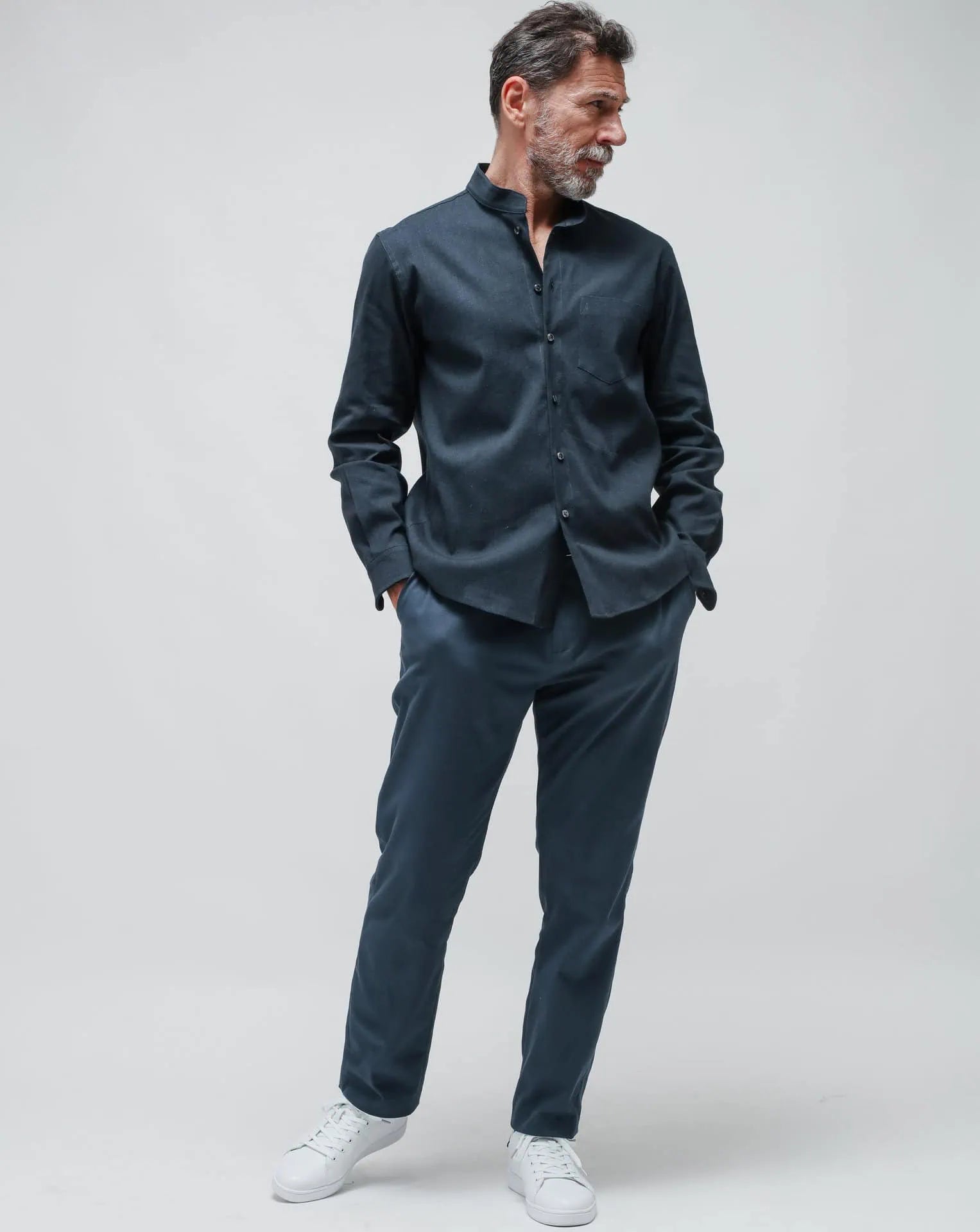
For a brand like Humans & Land, this logic fits naturally with limited-edition runs, handmade production, and elevated essentials. A deadstock fabric dress, a refined shirt for work and weekends, or a sharply tailored coat is easier to place with purpose when the assortment is already disciplined. The point is not to claim perfection. The point is to refuse excess as a growth strategy.
What shoppers should look for
If you want to know whether a brand treats clothing as product or as waste waiting to happen, look at its signals.
Does it constantly run promotions? Does it release endless newness with little explanation of quantity or sourcing? Does it frame sustainability only around packaging while ignoring overproduction? Those are warning signs.
On the other hand, brands that explain small-batch production, deadstock materials, garment care, and limited quantities are often showing you how they reduce unsold inventory before it exists. If a label offers pieces like a seasonless blazer, an occasion-ready dress, or a travel-friendly coordinated set with clear longevity, that is a better sign than a hundred trend drops at permanent markdown.
It is also fair to ask harder questions. Are returns resold? Are unsold items donated responsibly? Are damaged goods repaired, recycled, or destroyed? Transparency here matters more than polished messaging.
The real issue is not unsold clothes. It is planned excess.
Unsold clothes are often discussed as an after-the-fact cleanup problem. They are not. They are evidence of an industry that has normalized producing too much and solving it later through discounting, disposal, and distance from responsibility.
A more intelligent fashion system starts earlier. It begins with better fabrics, fewer units, stronger design, and the discipline to make what can actually be worn and wanted. That approach may not satisfy a volume-at-all-costs business model, but it serves people, product, and land far better.
Clothing should not begin its life with an exit strategy. It should begin with a reason to exist.
FAQ
Q: What do brands do with unsold clothes most often?
A: Most brands start with markdowns, outlet channels, or off-price partners. If inventory still does not sell, it may be donated, warehoused, recycled, or in some cases destroyed.
Q: Do luxury or premium brands destroy unsold clothing?
A: Some have, usually to protect pricing or prevent unauthorized resale. That practice has faced growing scrutiny because it prioritizes brand control over environmental responsibility.
Q: Is donating unsold clothing always a good solution?
A: Not always. Donation can help, but it can also push excess product into overloaded secondhand systems. It is better than destruction, but it does not fix overproduction.
Q: How do small-batch brands avoid unsold inventory?
A: They produce in tighter quantities, edit assortments carefully, and focus on versatile pieces with longer relevance. That lowers the chance of large seasonal leftovers.
Q: What should I buy if I want to support lower-waste fashion?
A: Look for limited-run essentials and occasion pieces with repeat wear potential, such as tailored pants, structured shirts, refined dresses, or coordinated sets made from quality fabrics and designed to last.
the World of H&L