
Article: What's wrong with fast fashion?
What's wrong with fast fashion?
What's Wrong With Fast Fashion? Fast fashion looks harmless on the surface: low prices, constant newness, easy access. But the business model only works by producing more, faster—and pushing us to treat clothing as disposable.
The result is a system that externalizes its true costs: higher emissions, heavier pollution, more waste, and real human harm in supply chains. If you’ve ever asked “why is fast fashion bad?” this is the clear answer—and what we can do instead.

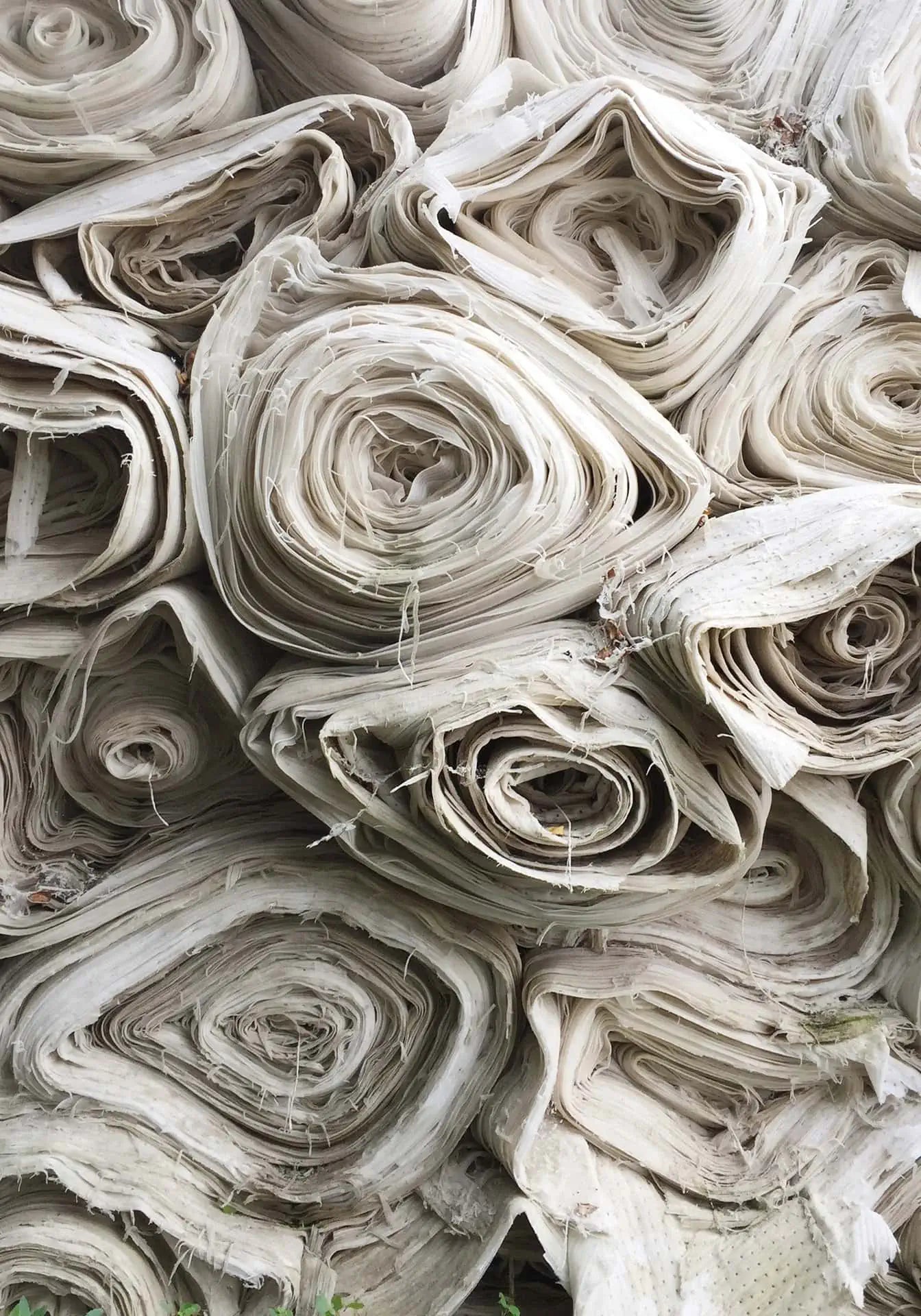
Photo by Stanislav Rabunski on Unsplash
What is fast fashion?
Fast fashion is a production-and-retail model built on speed, volume, and low cost:
-
New styles drop constantly
-
Lead times shrink
-
Prices stay low by cutting corners on materials, labor, and durability
It’s not just “affordable fashion.” It’s a system designed to make clothing feel temporary.
1) Fast fashion drives overproduction (and we wear clothes less)
The biggest problem is volume. When brands produce more, every impact scales with it: energy use, emissions, chemical processing, shipping, packaging, and waste.
One widely cited summary comes from the Ellen MacArthur Foundation:
-
Clothing production doubled from 2000 to 2014
-
The average person buys 60% more garments
-
People keep clothing about half as long
Source: A New Textiles Economy, Ellen MacArthur Foundation
2) The environmental impact: emissions, pollution, and waste
Fast fashion’s footprint isn’t one single issue—it’s a chain reaction.
Higher emissions
More production means more energy use across fiber production, dyeing/finishing, manufacturing, and shipping.
Water and chemical pollution
Dyeing and finishing can be chemically intensive. When production scales, the pollution risk scales too—especially where regulation and wastewater treatment are weak.
Waste
Fast fashion normalizes buying clothing that doesn’t last. Low-quality or trend-driven garments are more likely to end up as closet clutter, landfill waste, or low-value downcycling.
3) The human cost: speed squeezes workers
Fast fashion is “cheap” because someone else pays the difference.
When brands demand lower prices and faster timelines, pressure moves down the supply chain. That often means long hours, unsafe conditions, and wages that don’t match the cost of living.
4) The hidden cost to you: a closet full of “nothing to wear”
Fast fashion trains us to chase novelty. You can end up with pieces that don’t fit well, fabrics that don’t feel good on the body, items that lose shape quickly, and a wardrobe that’s large but not functional.
What’s the alternative to fast fashion?
The opposite of fast fashion isn’t perfection. It’s intentionality.
Buy less, choose better
Start with fewer pieces that you actually love wearing.
Choose materials and construction that last
Durability is sustainability. A garment you wear for years almost always beats one you replace every season.
Care for what you own
Longevity is a skill. Washing less, airing out, spot-cleaning, and repairing small issues can extend a garment’s life.
A practical checklist: how to avoid fast fashion
-
Pause before buying: will I wear this 30+ times?
-
Check fabric + feel
-
Look at construction
-
Choose timeless shapes
-
Learn basic care
Where Humans & Land fits in
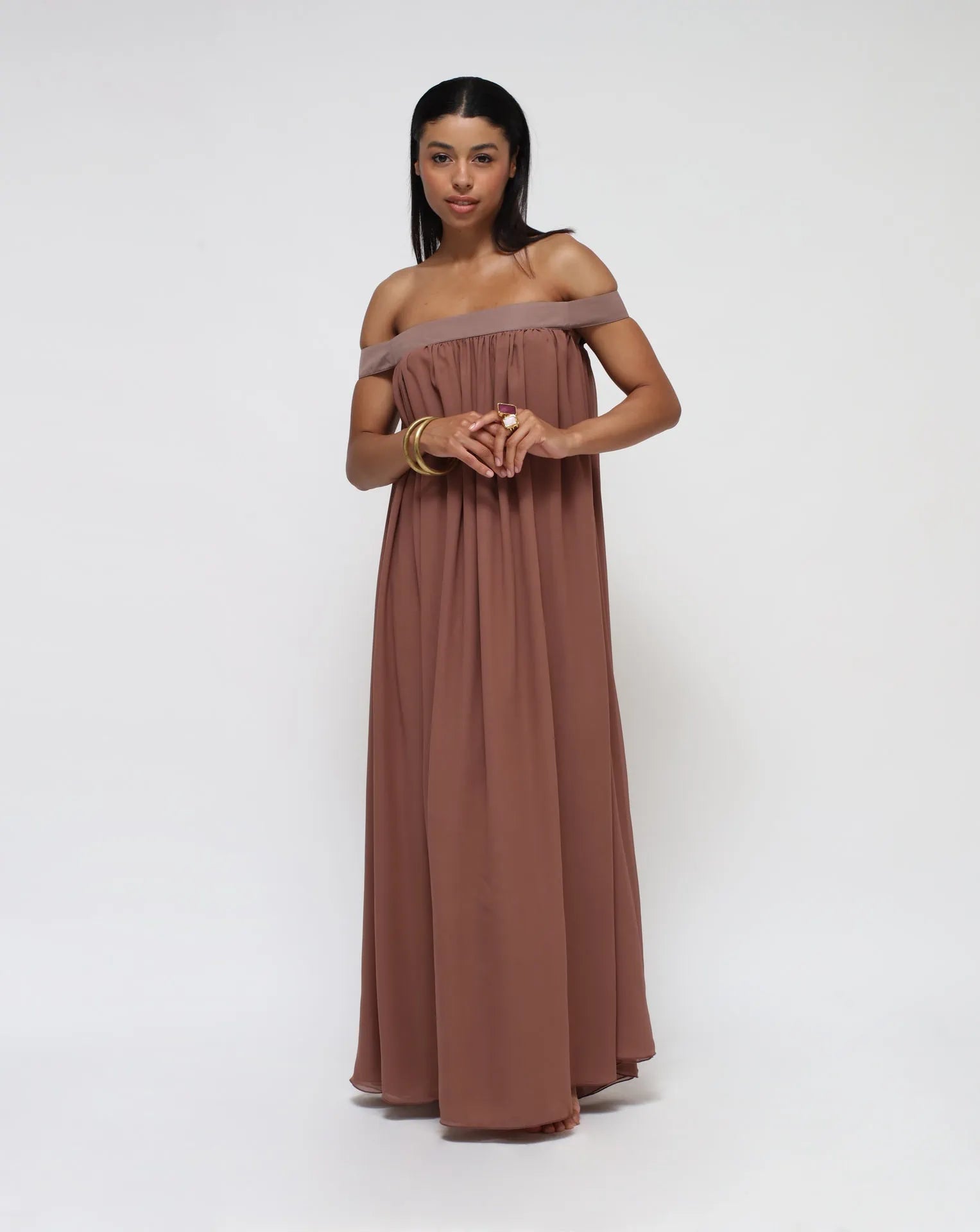
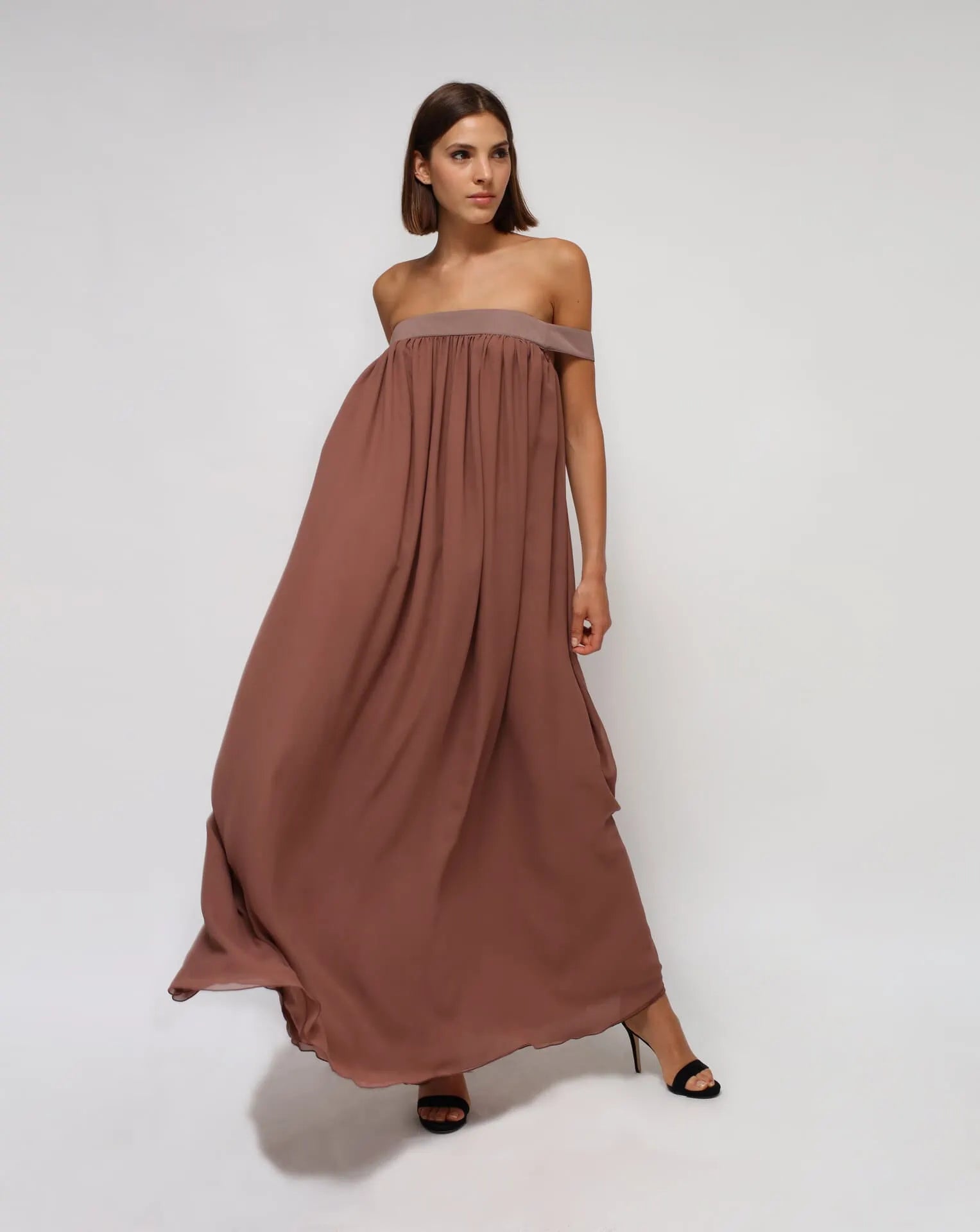
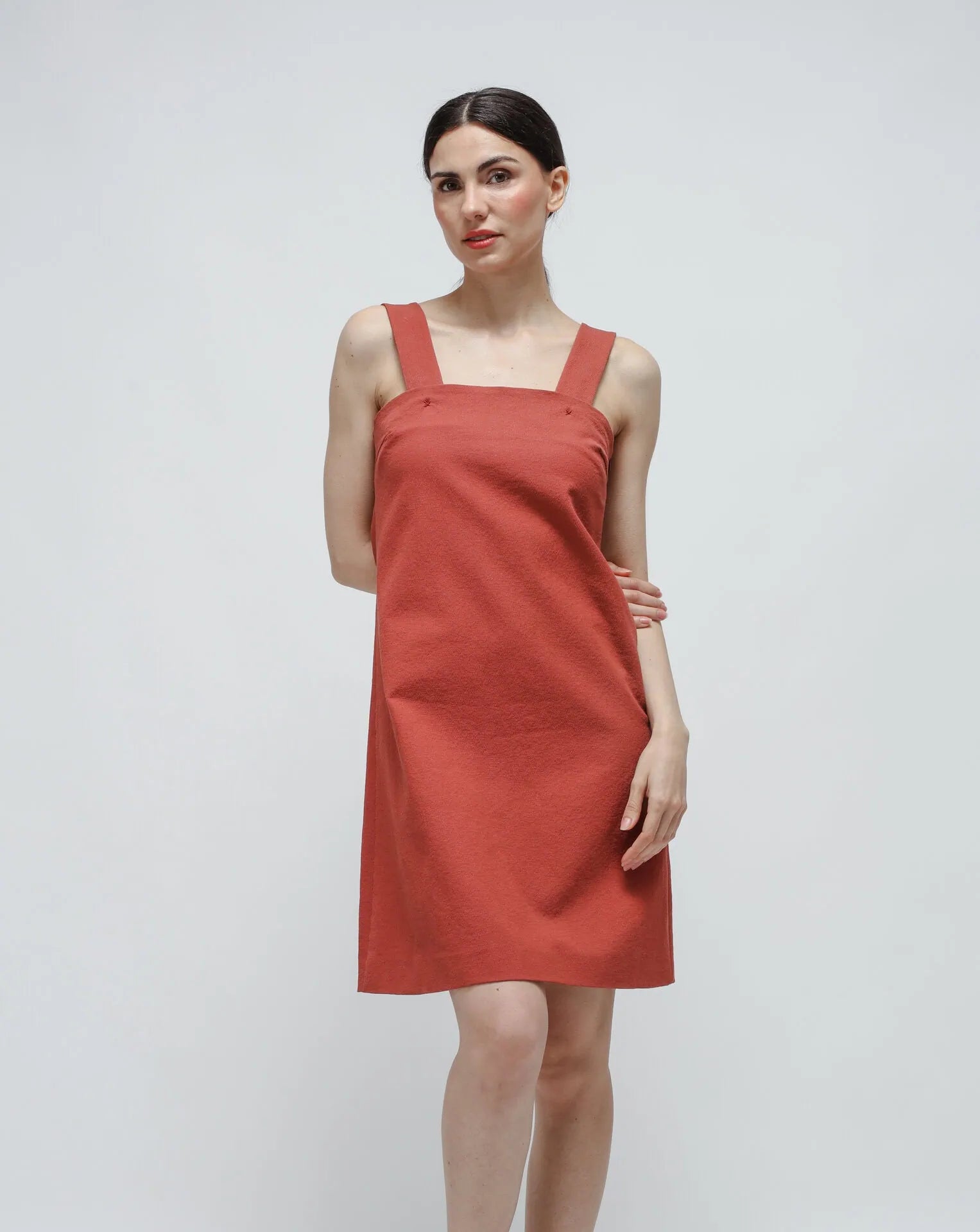
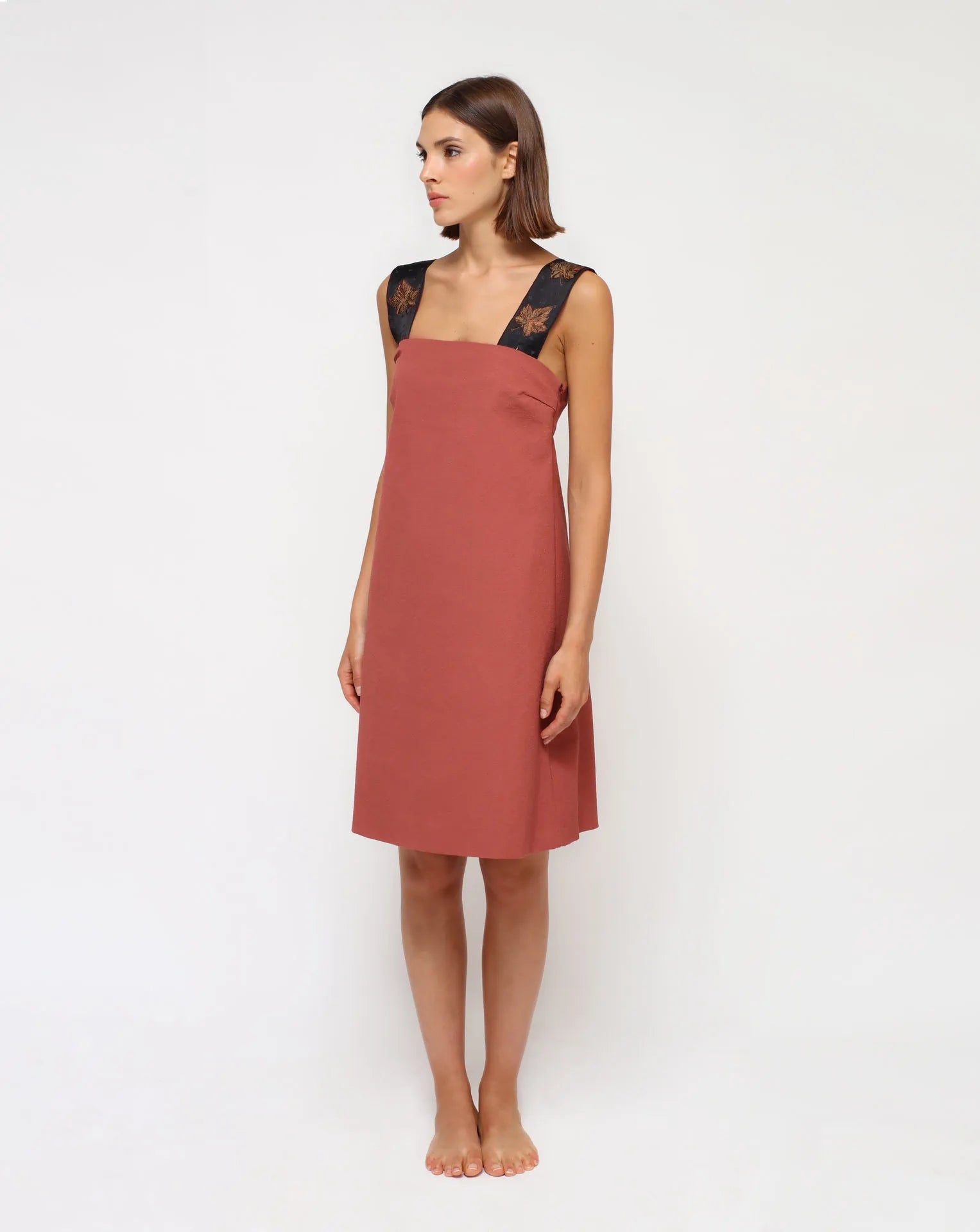
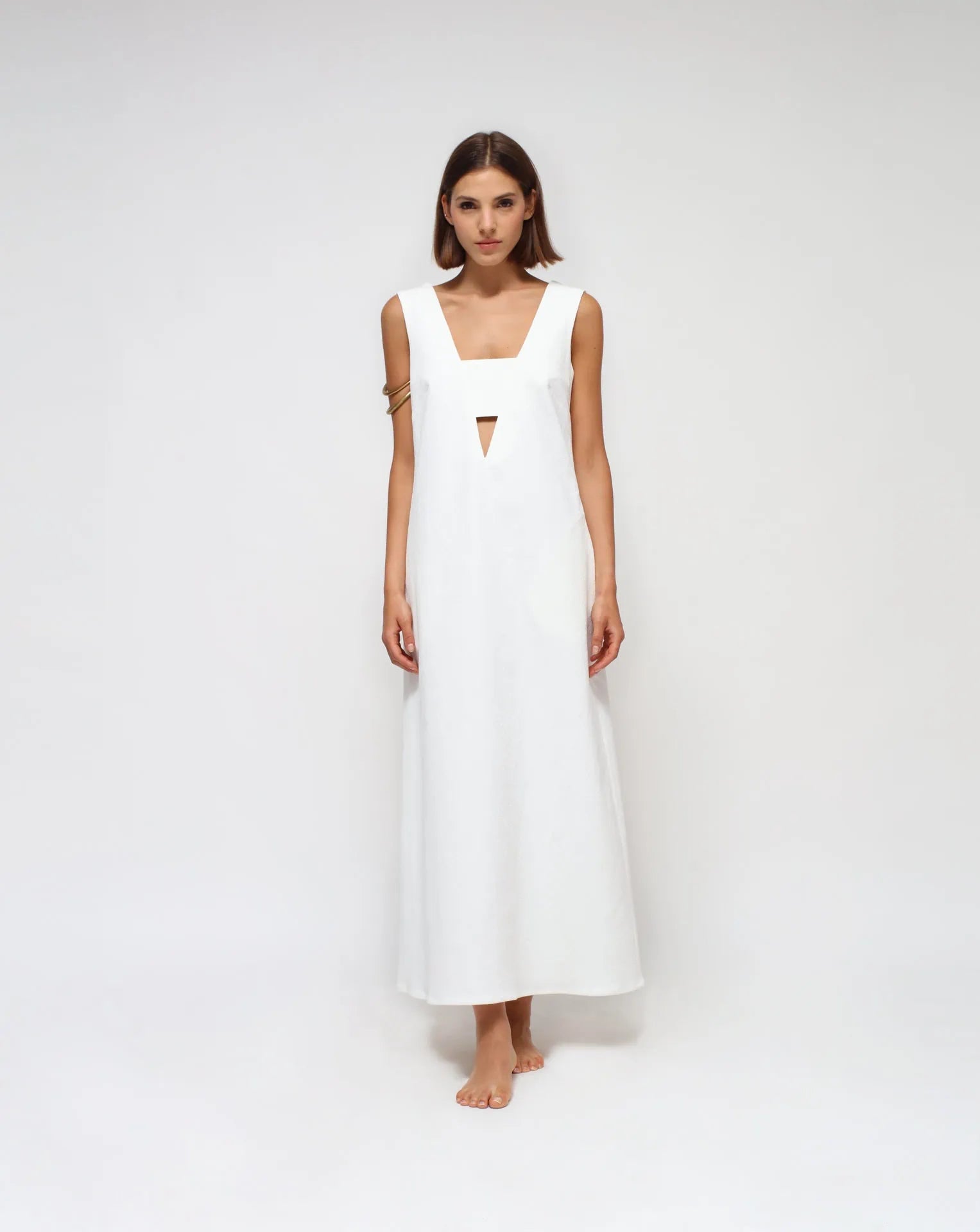
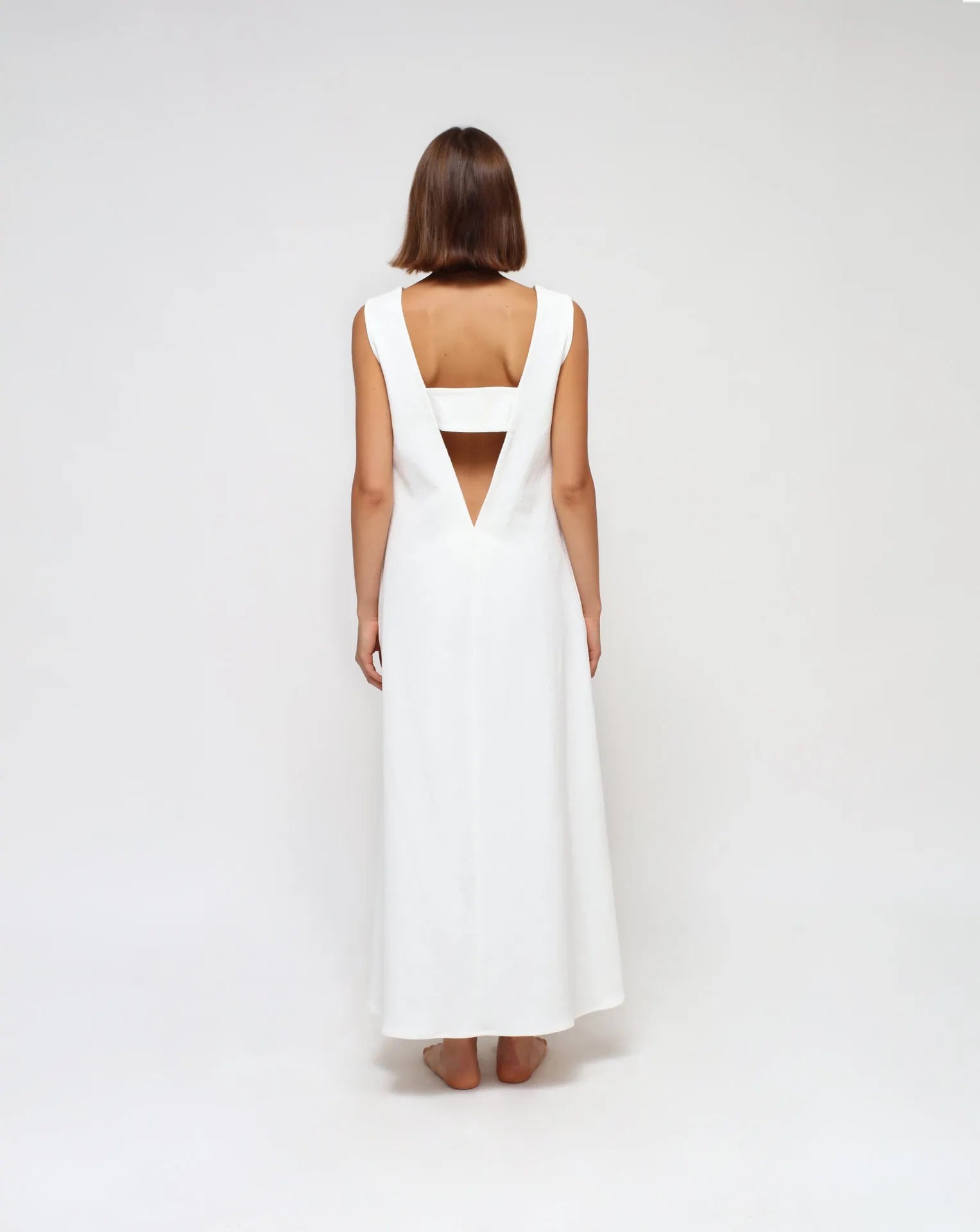
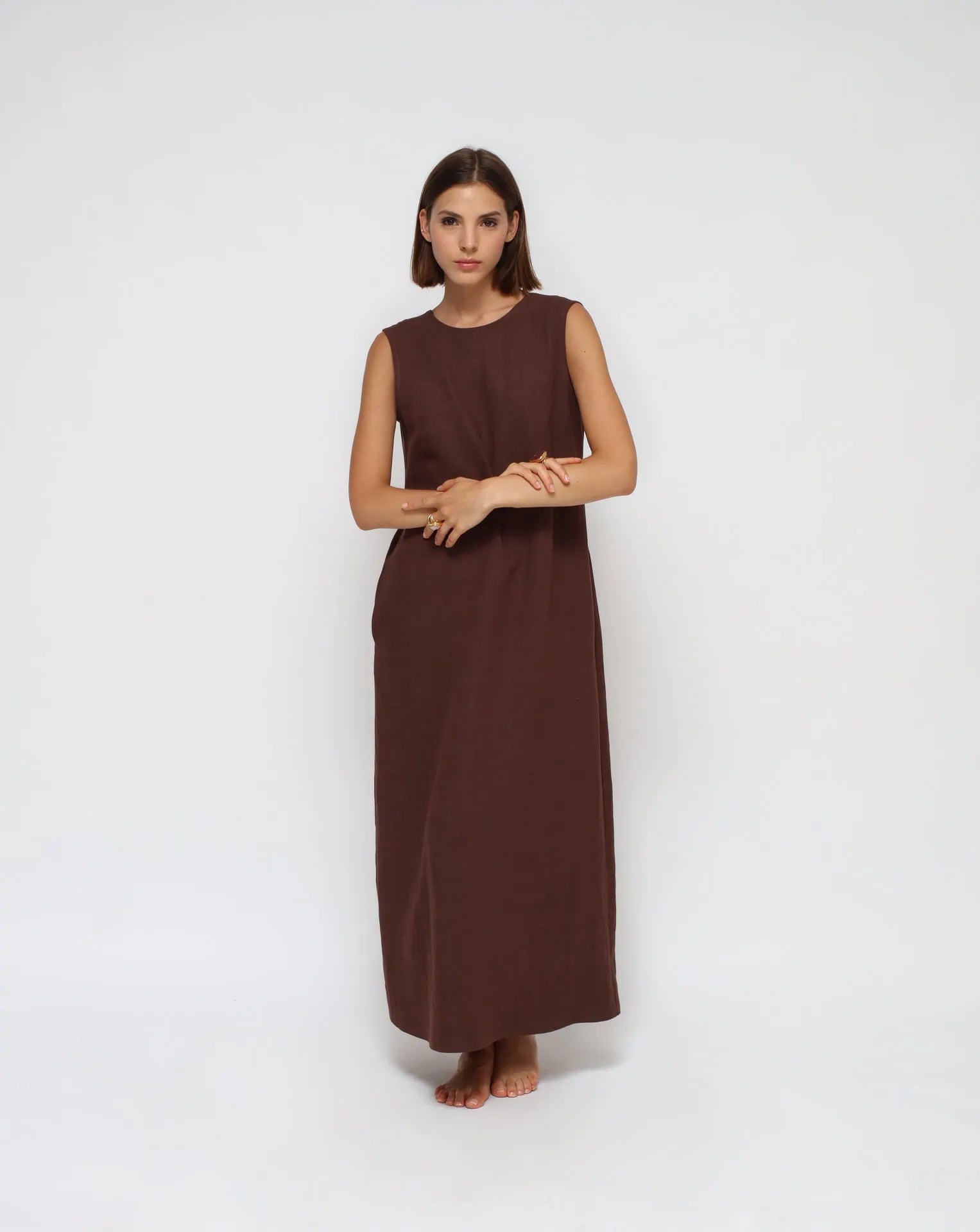
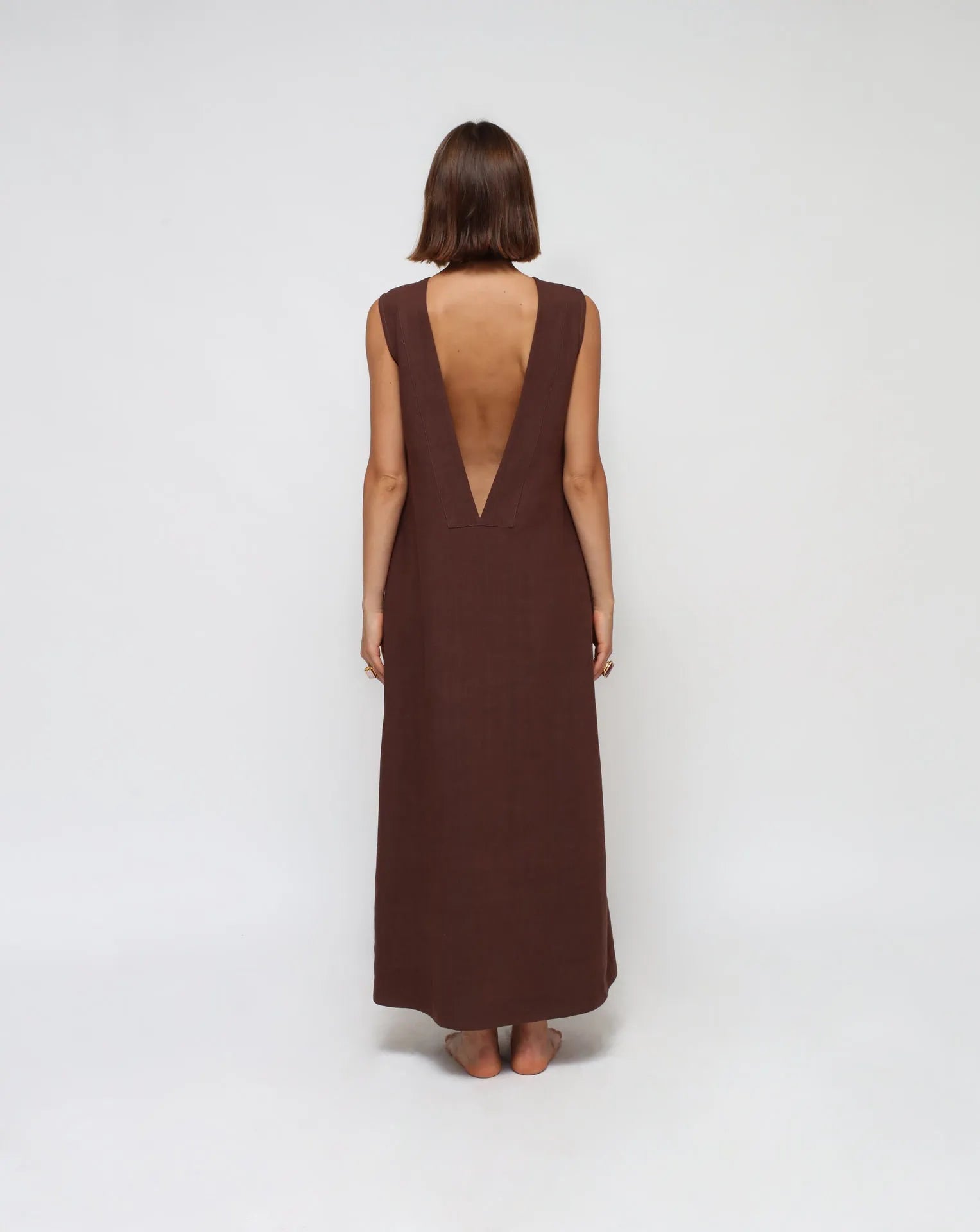
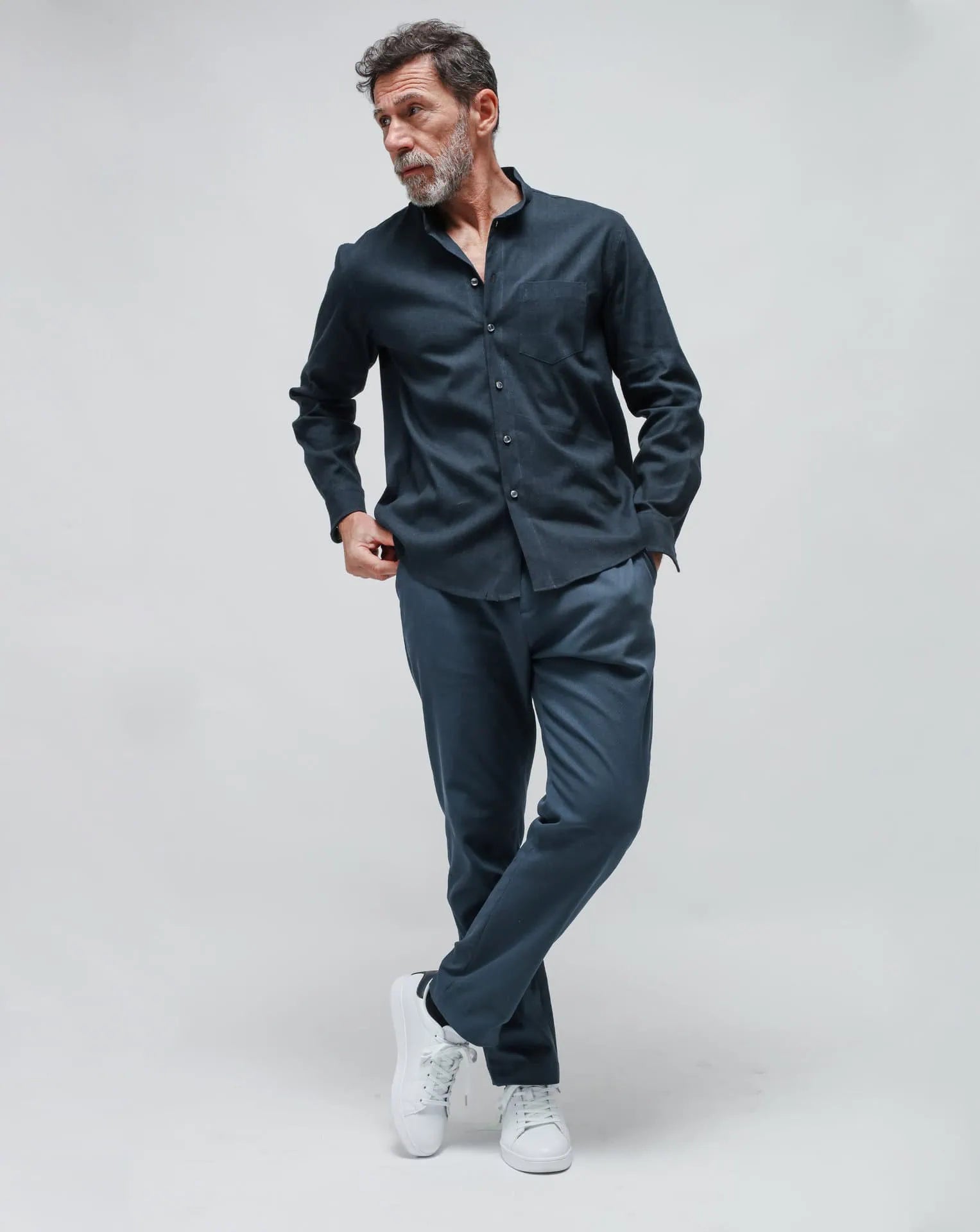
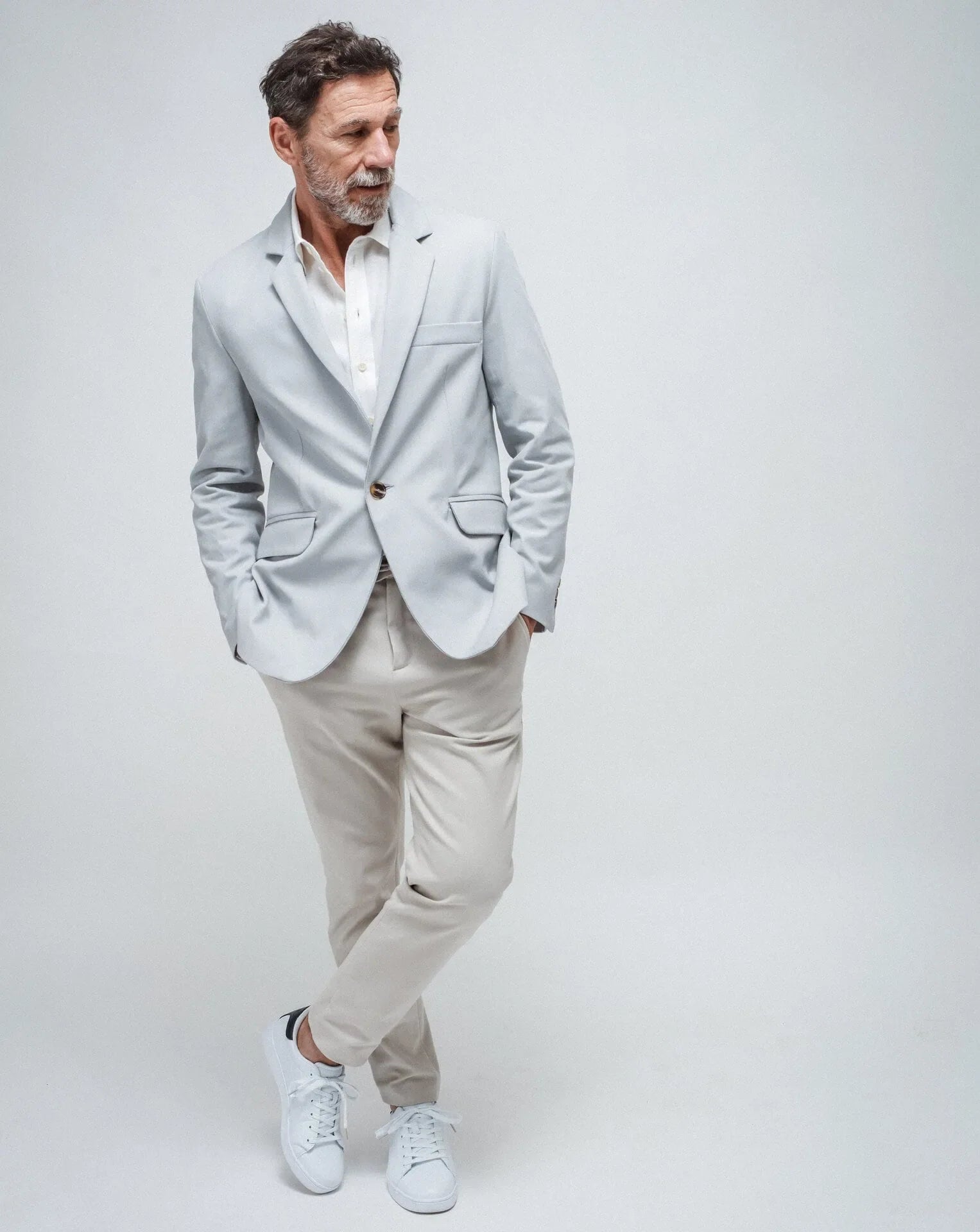
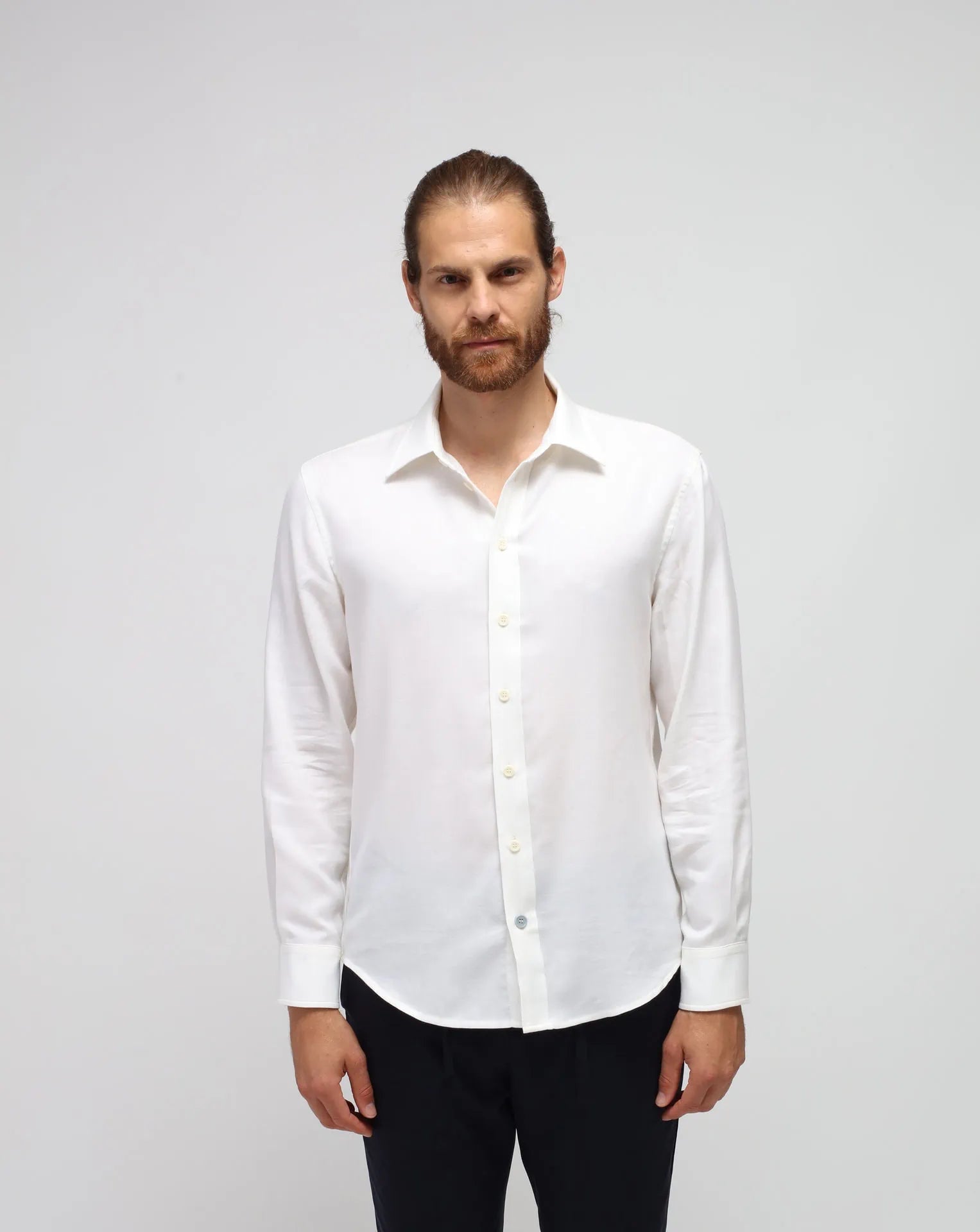
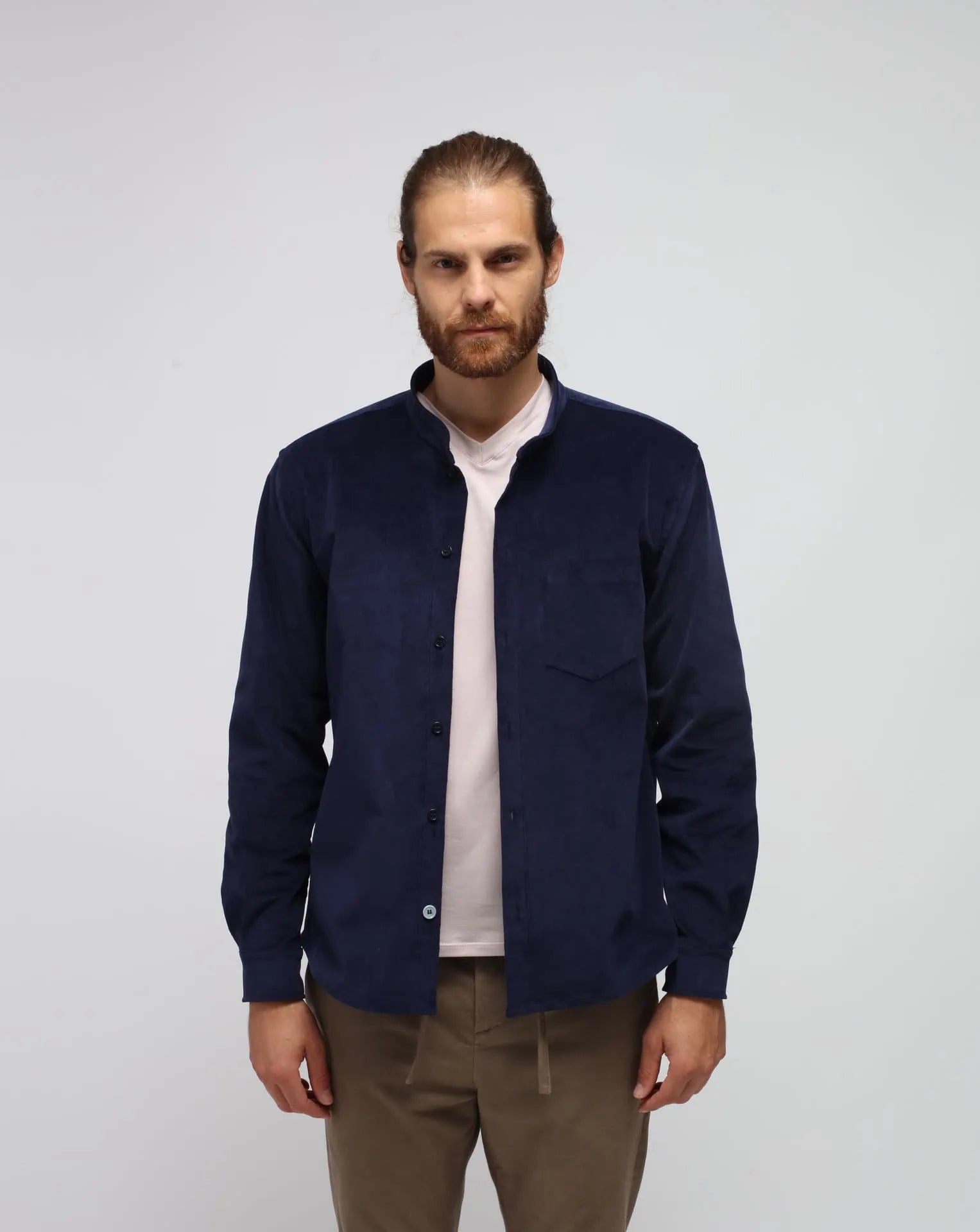
Humans & Land exists to prove you can look good without feeding the fast fashion machine.
Our approach is built around:
-
deadstock fabrics
-
small-batch production
-
handmade in Italy craftsmanship
-
pieces designed to be worn again and again
Related reading (internal links)
FAQ
Why is fast fashion bad?
Because it relies on overproduction and low-cost shortcuts that increase pollution and waste, while also putting intense pressure on workers.
What is the biggest problem with fast fashion?
Overproduction. When brands make more clothing than we can realistically wear for long, every impact scales up.
What can I do to avoid fast fashion?
Buy fewer pieces, choose better materials and construction, wear items longer, and learn simple care habits.
To shop sustainably please visit our collections.
the World of H&L