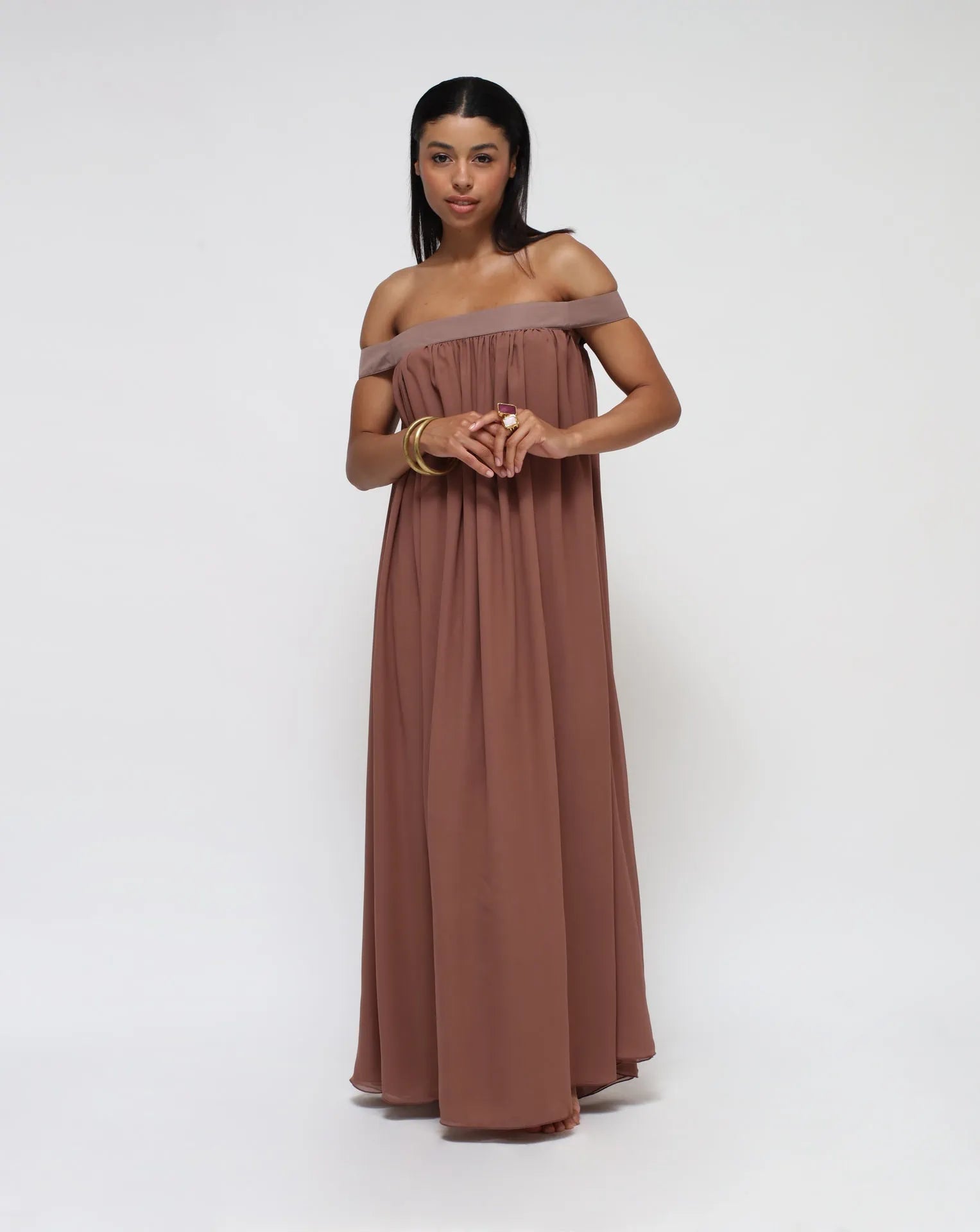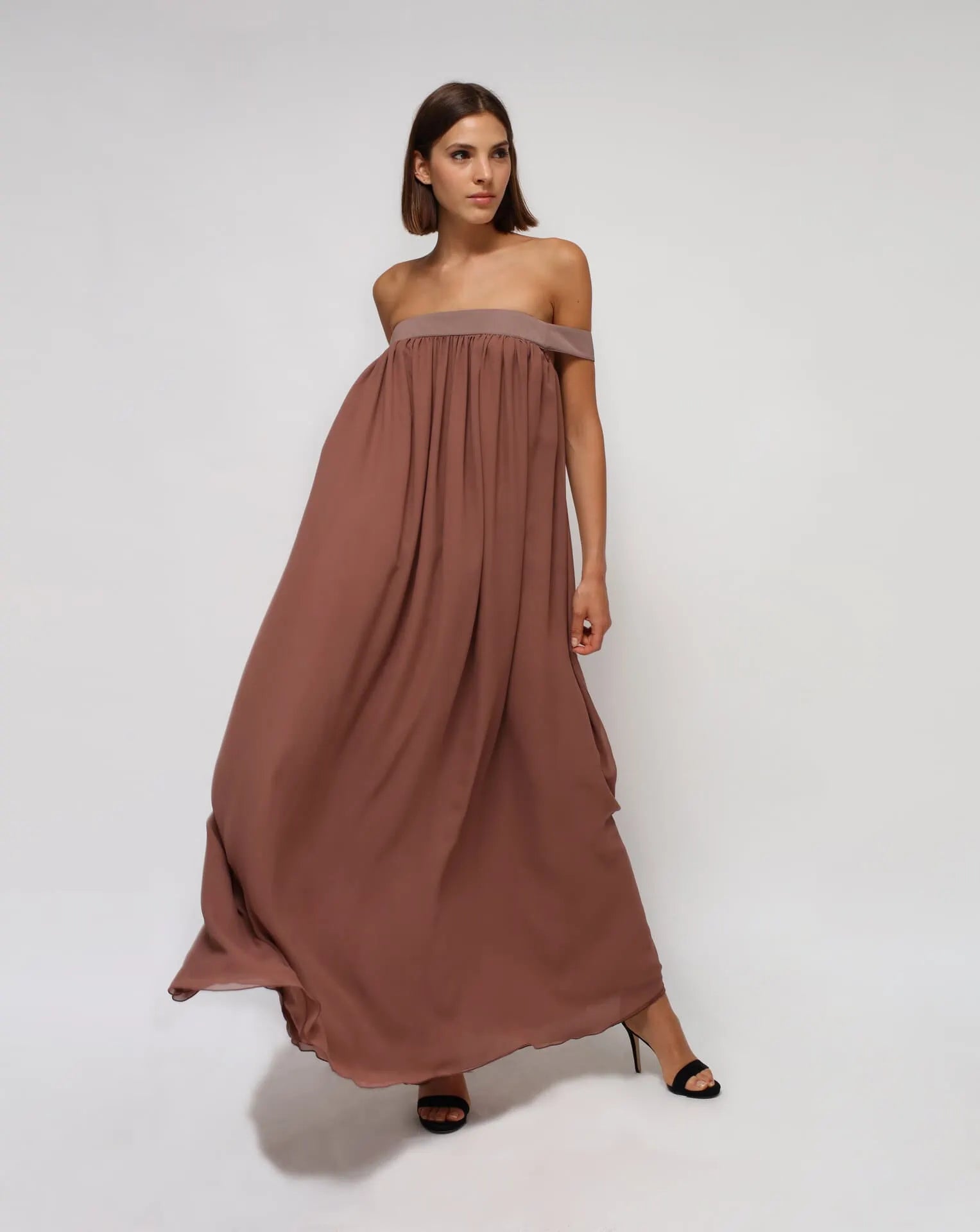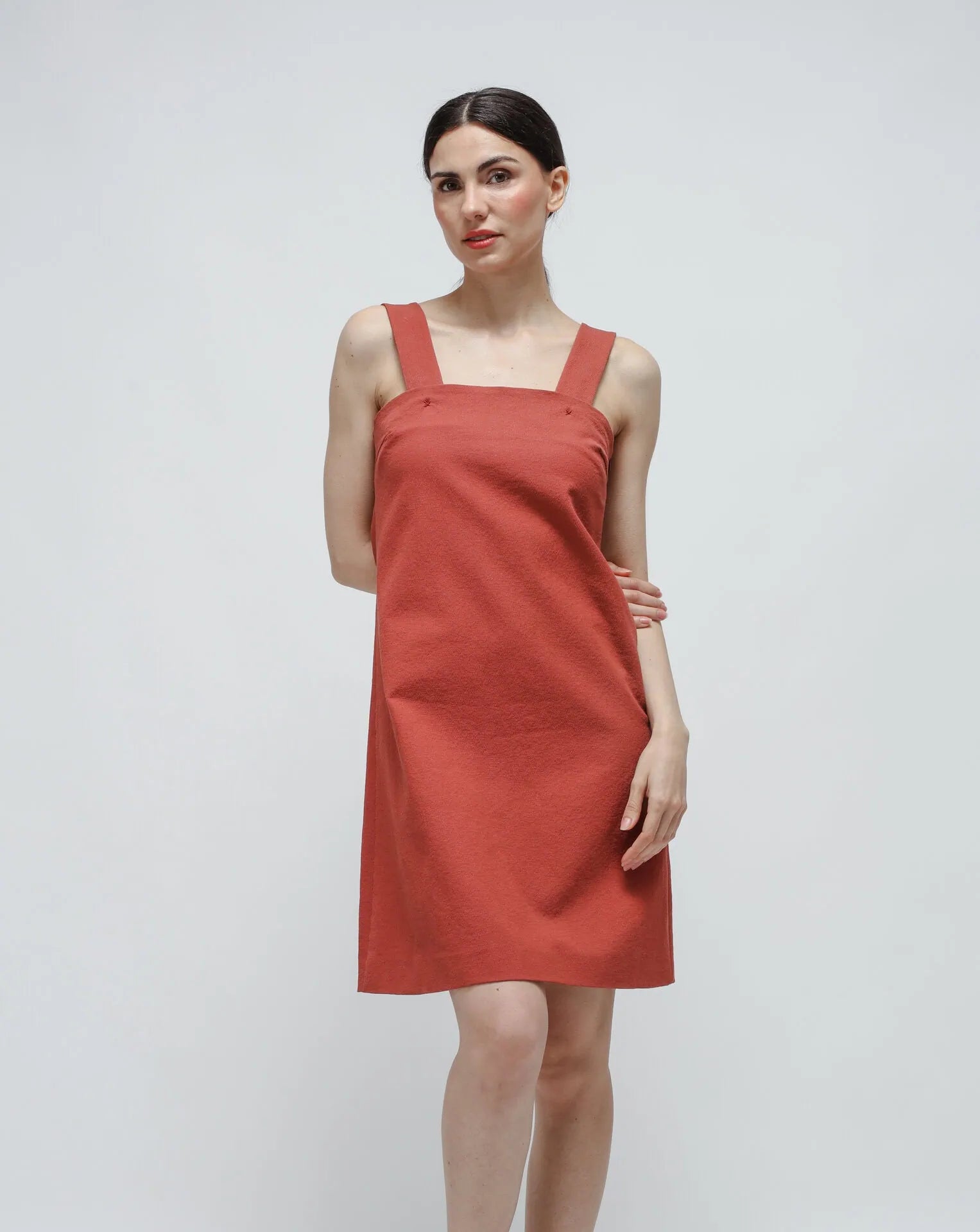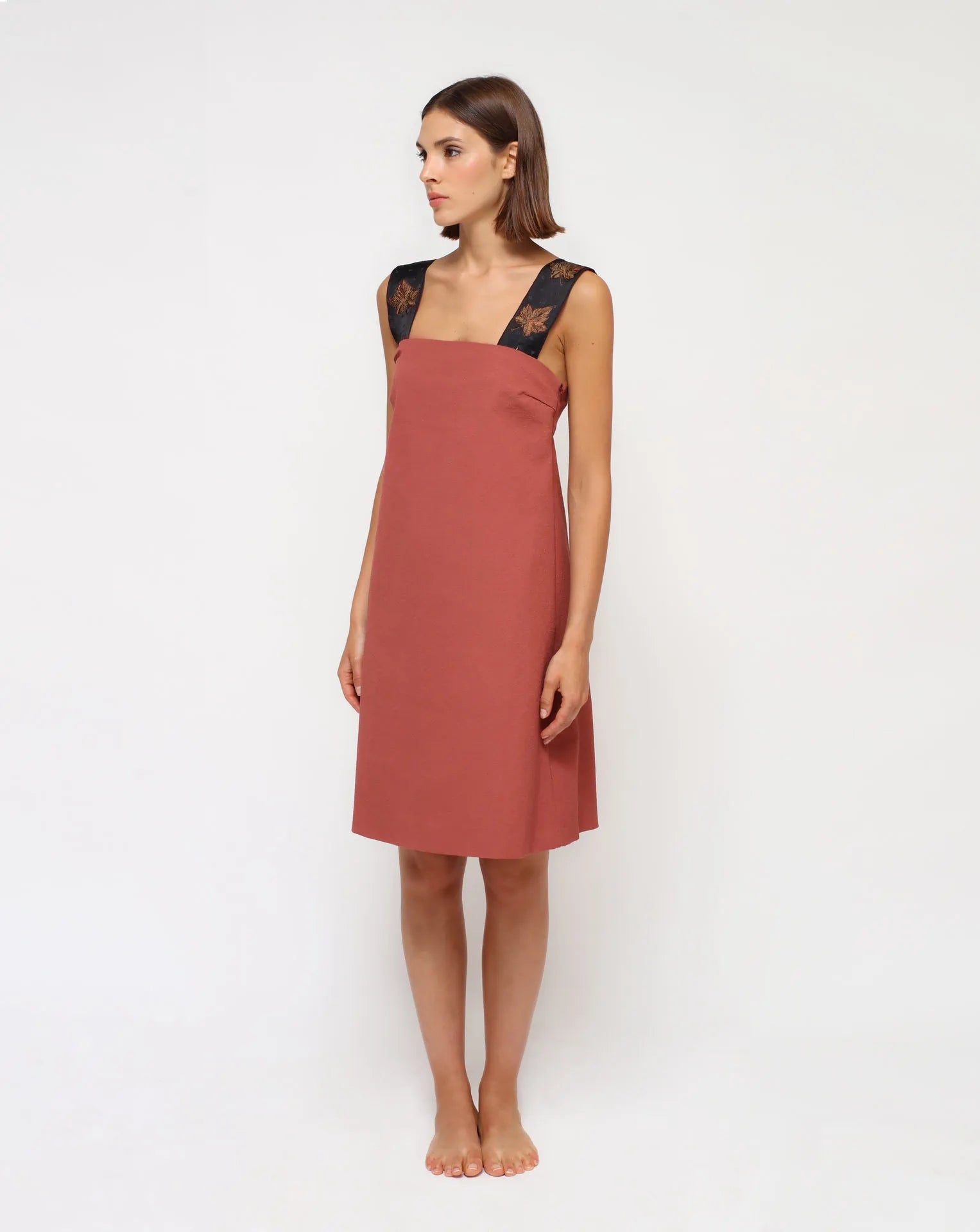


Why Small Batch Handmade Clothing Matters
A crowded sale rack can tell you a lot about how most clothes are made - too fast, too much, and with very little respect for the garment or the person buying it. Small batch handmade clothing takes the opposite position. It values restraint over excess, craft over speed, and a wardrobe with purpose over a closet full of near-duplicates.
That difference is not abstract. You can see it in the fabric, feel it in the fit, and measure it in how often a piece is worn years after purchase. For customers who care about design, ethics, and long-term value, this production model is not a niche preference. It is a better standard.
What small batch handmade clothing actually means
Small batch handmade clothing is produced in limited quantities rather than mass volumes, with greater human involvement at each stage of construction. That does not mean every stitch is done by hand. It means the garment is made with close attention, smaller runs, and a production rhythm that allows for quality control instead of compromise.
In practical terms, small batches reduce overproduction. Brands make fewer units, often because they are working with premium deadstock fabrics or because they choose to release tightly edited collections instead of endless inventory. Handmade production adds another layer of discipline. The cut, finish, drape, and final inspection are treated as part of the design, not as steps to rush through.
For the customer, this usually results in better fabric choices, cleaner finishing, and a piece that feels considered from the first wear. It also means quantity is limited. If you wait too long, your size may be gone. That scarcity is not a sales tactic when it reflects real production limits. It is simply the reality of making clothes responsibly.
Why small batch handmade clothing feels different
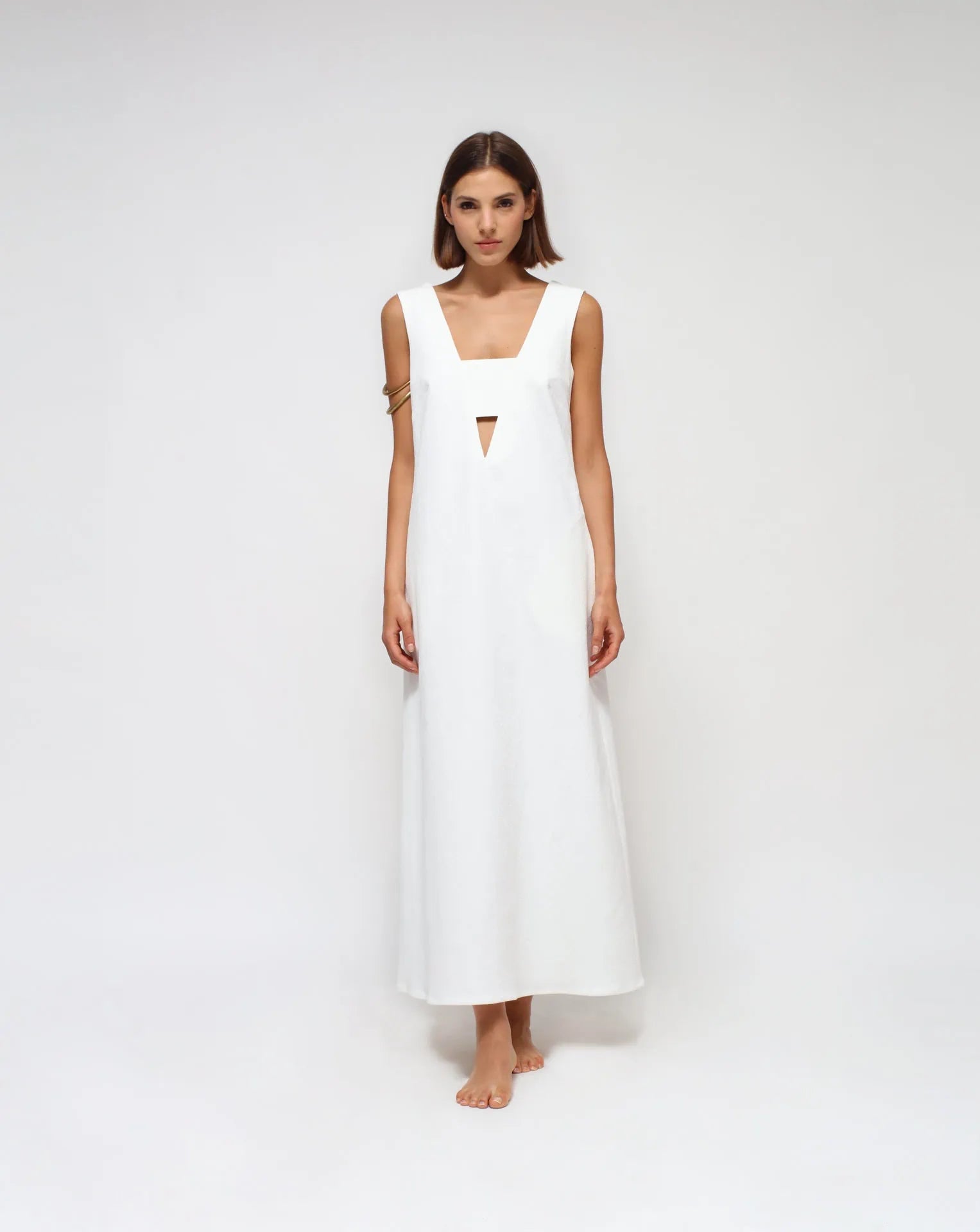
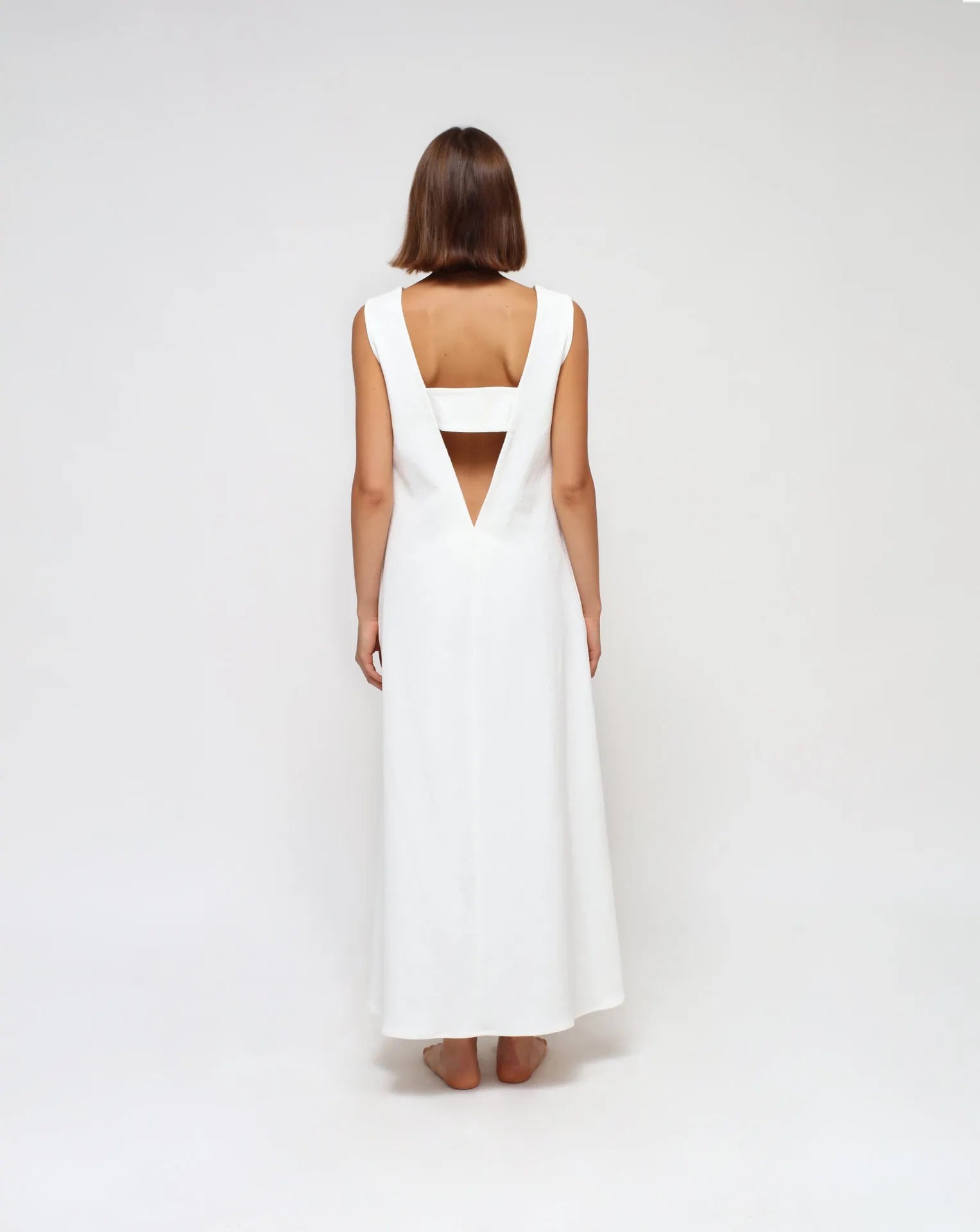
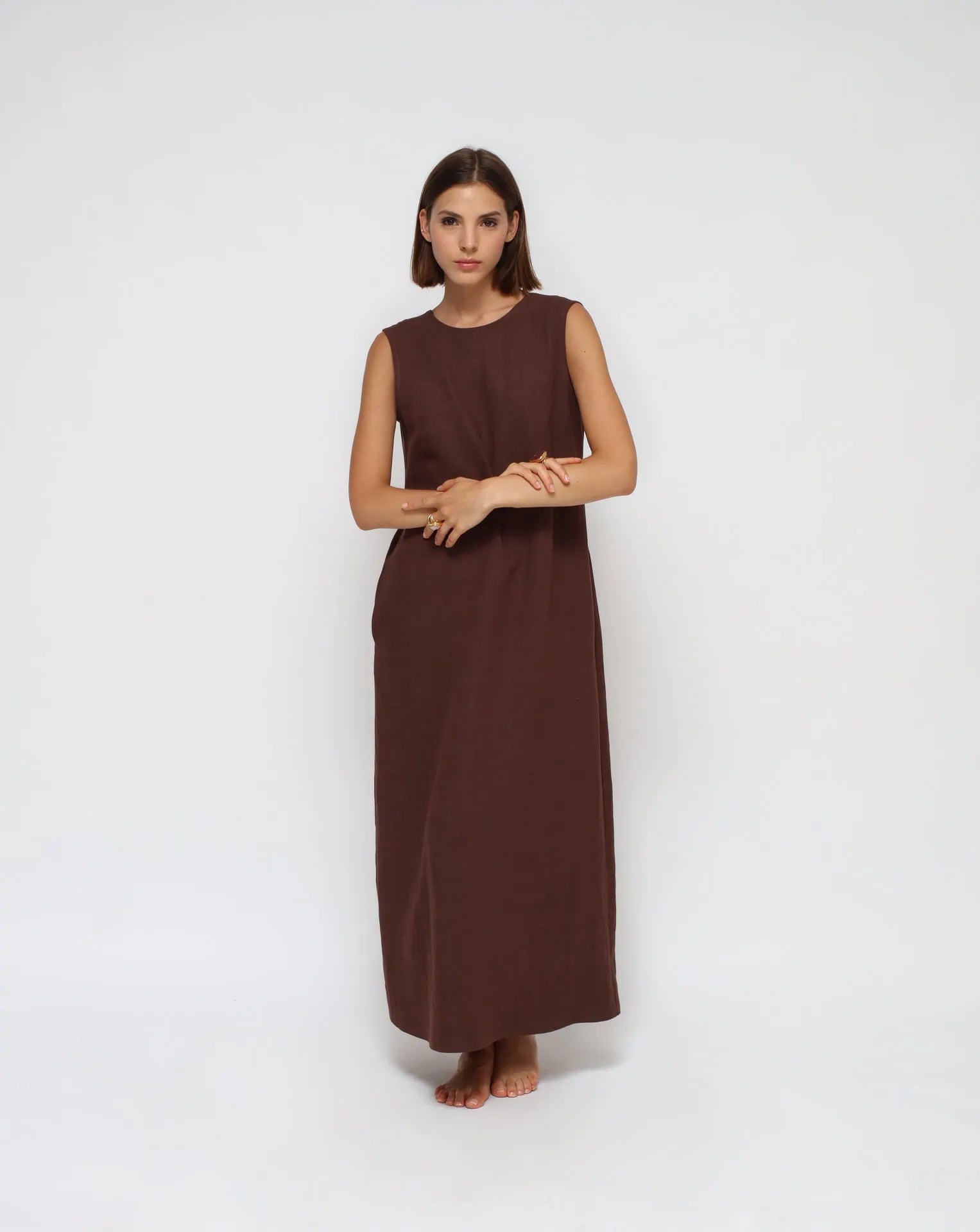
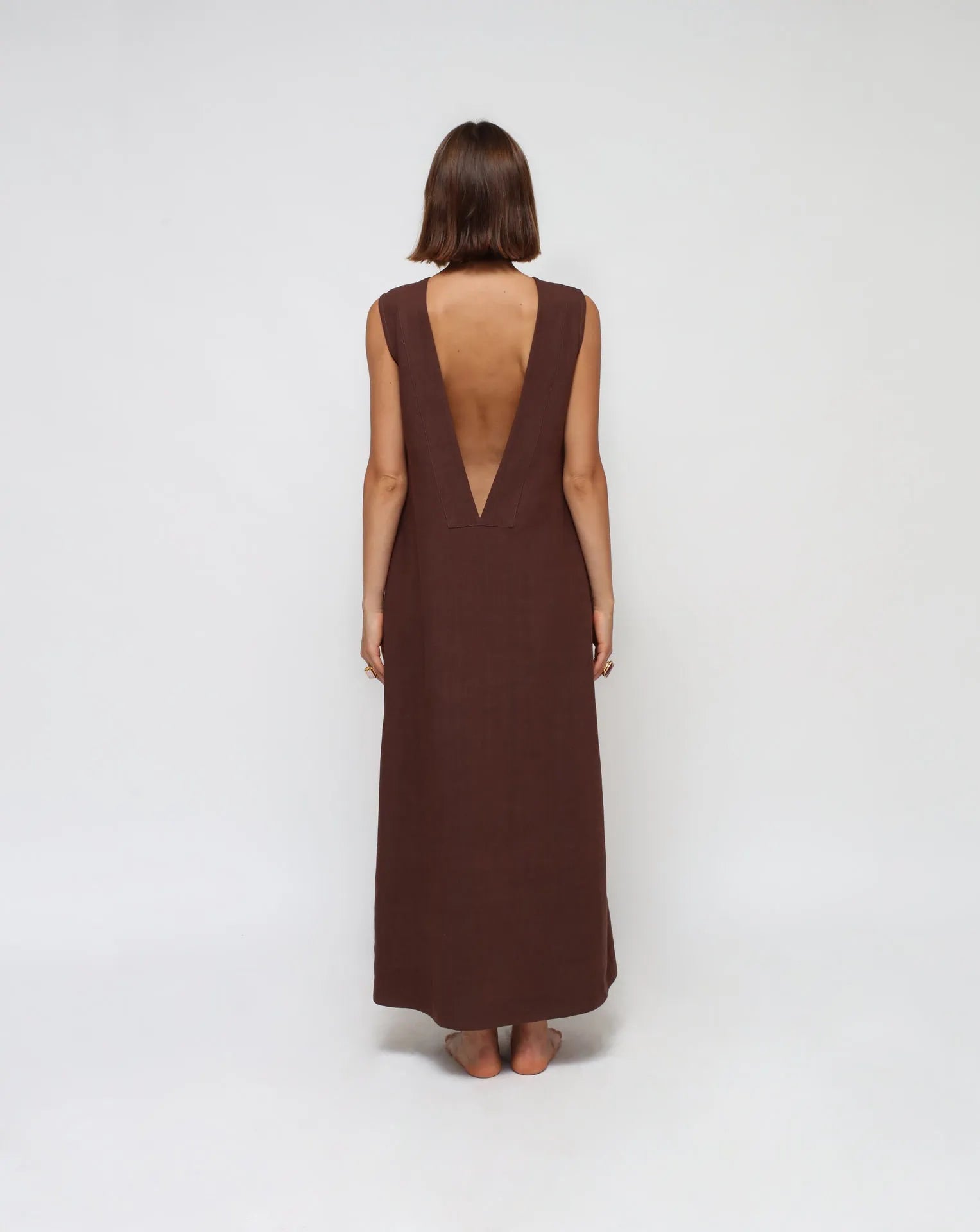
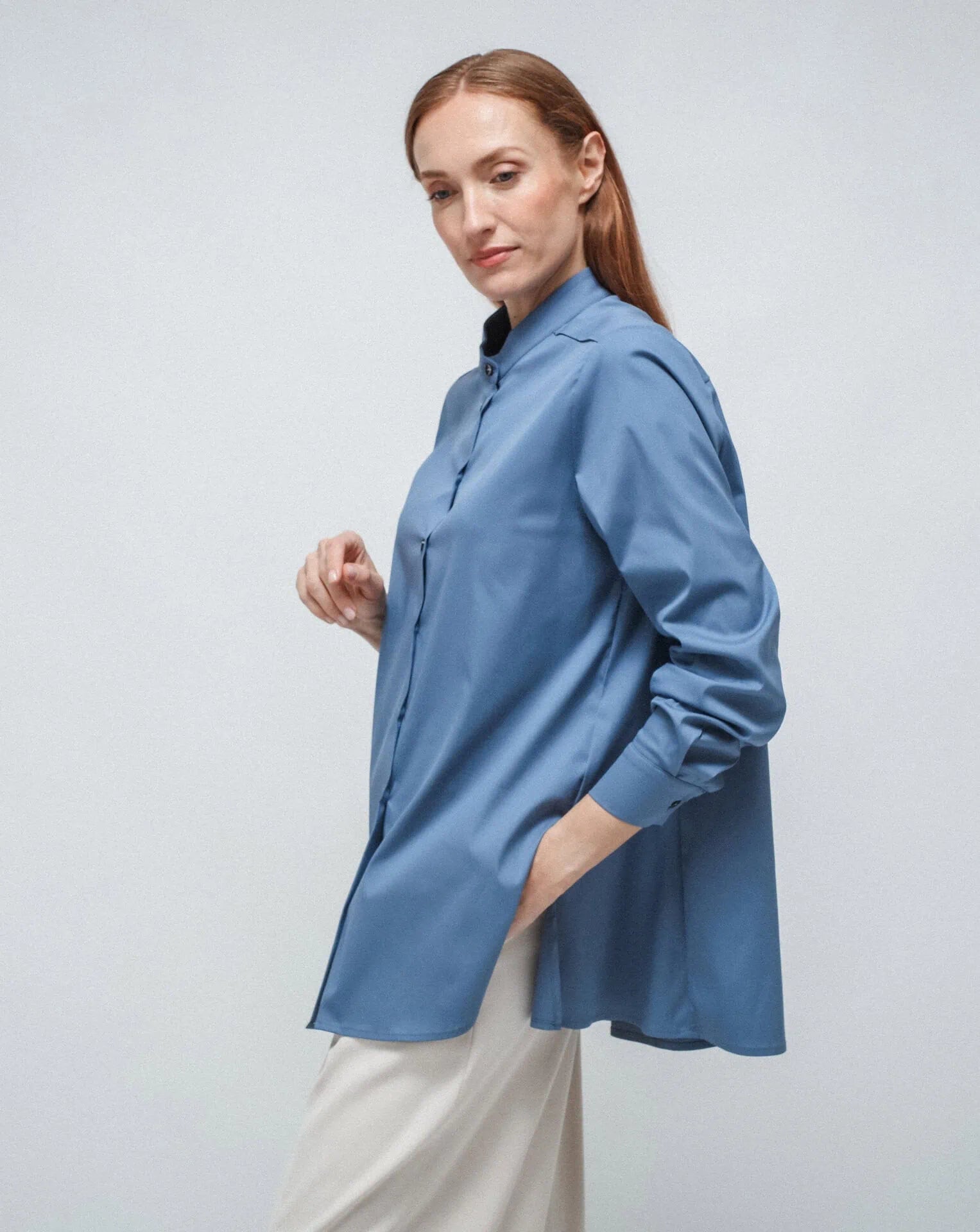
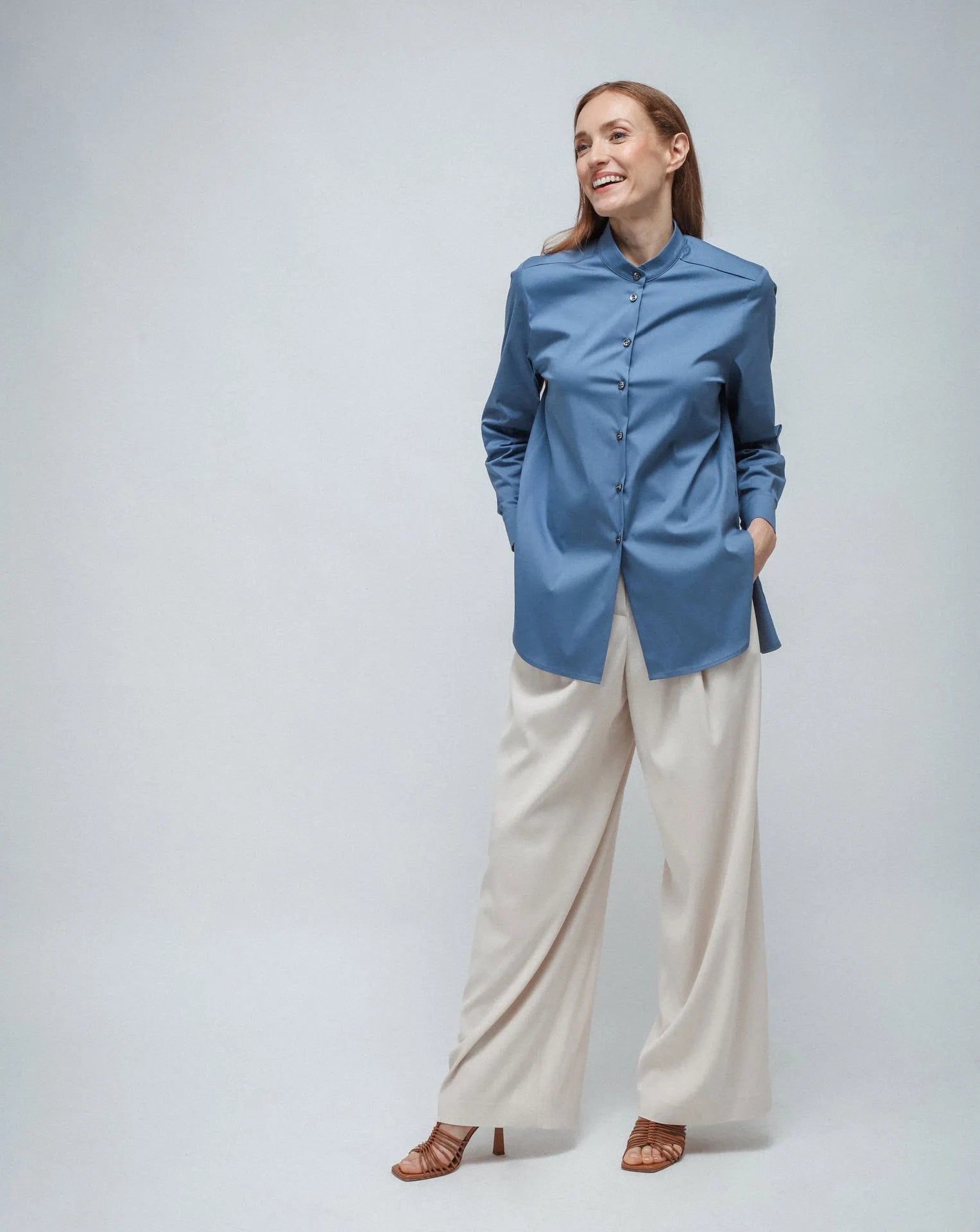
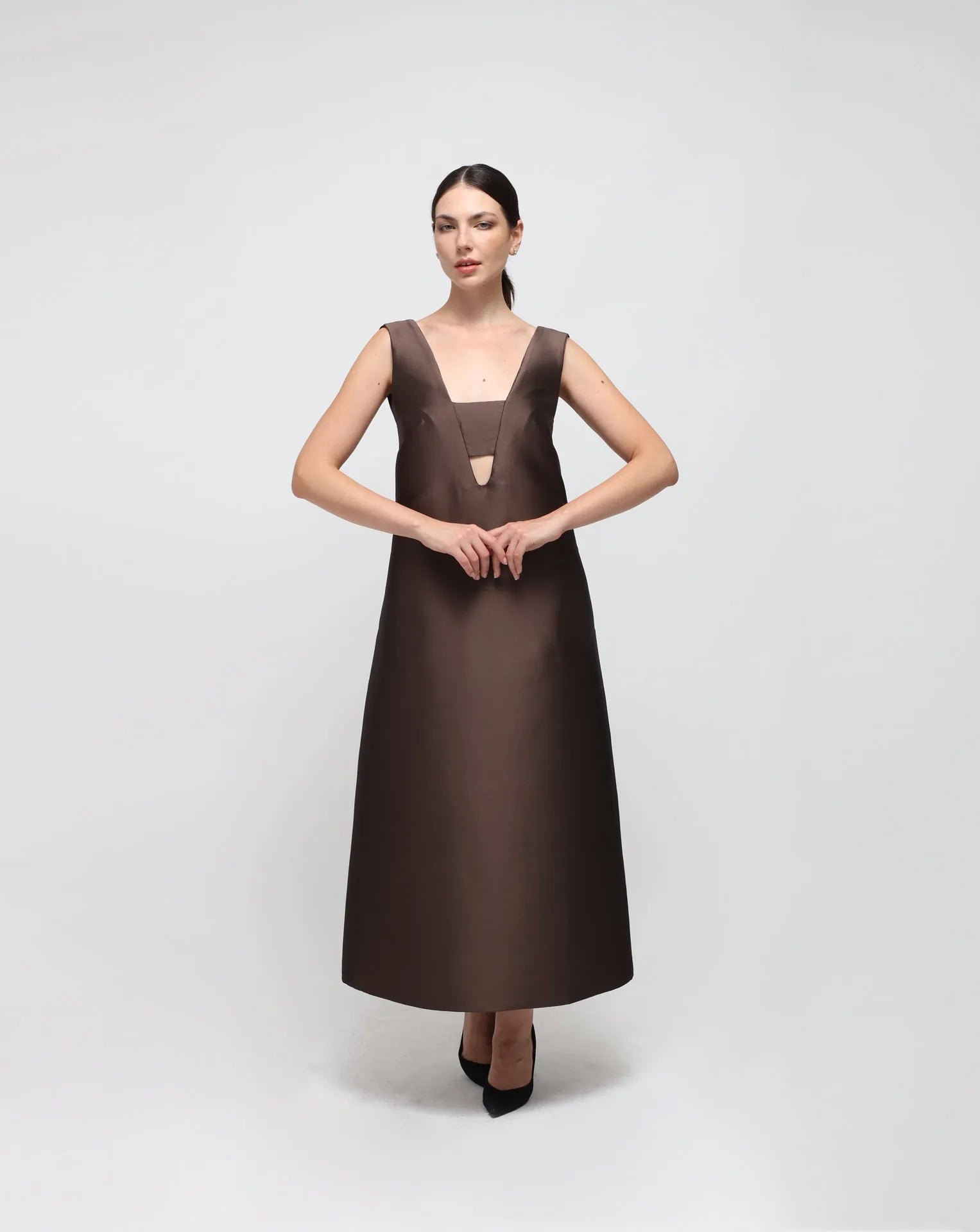
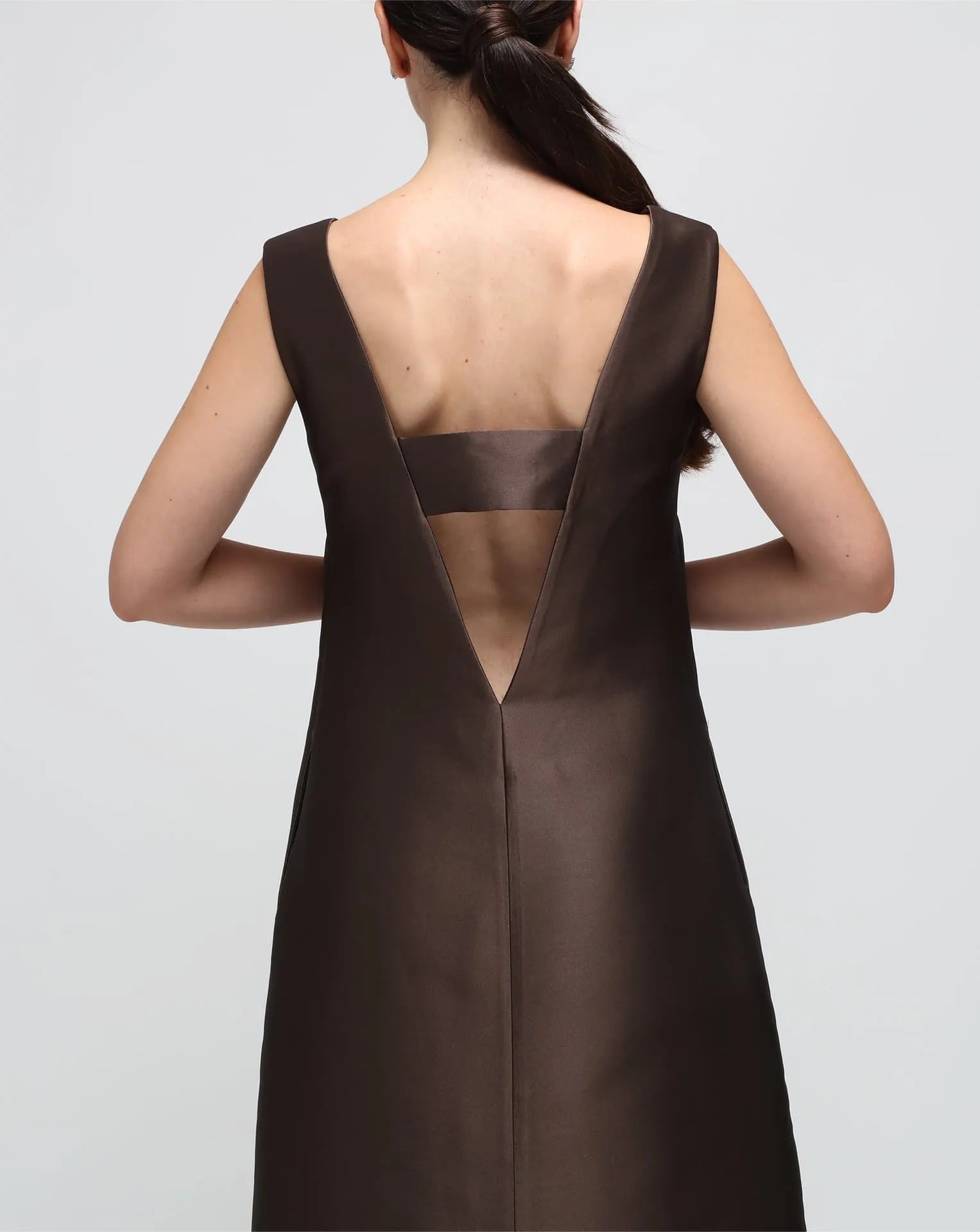
The most immediate difference is quality, but quality is not only about durability. It is also about presence. A well-made shirt sits better on the body. A dress cut from a thoughtful fabric moves with more ease. A tailored pant keeps its line. These details shape how a garment performs in real life, whether you are heading into a meeting, packing for a weekend away, or getting dressed for dinner.
Small-batch production tends to favor fabrics with character. Deadstock, in particular, changes the conversation. Instead of manufacturing new textiles at scale, brands can work with existing premium fabrics that would otherwise go unused. That reduces waste and often leads to pieces with a richer hand feel and a more elevated finish.
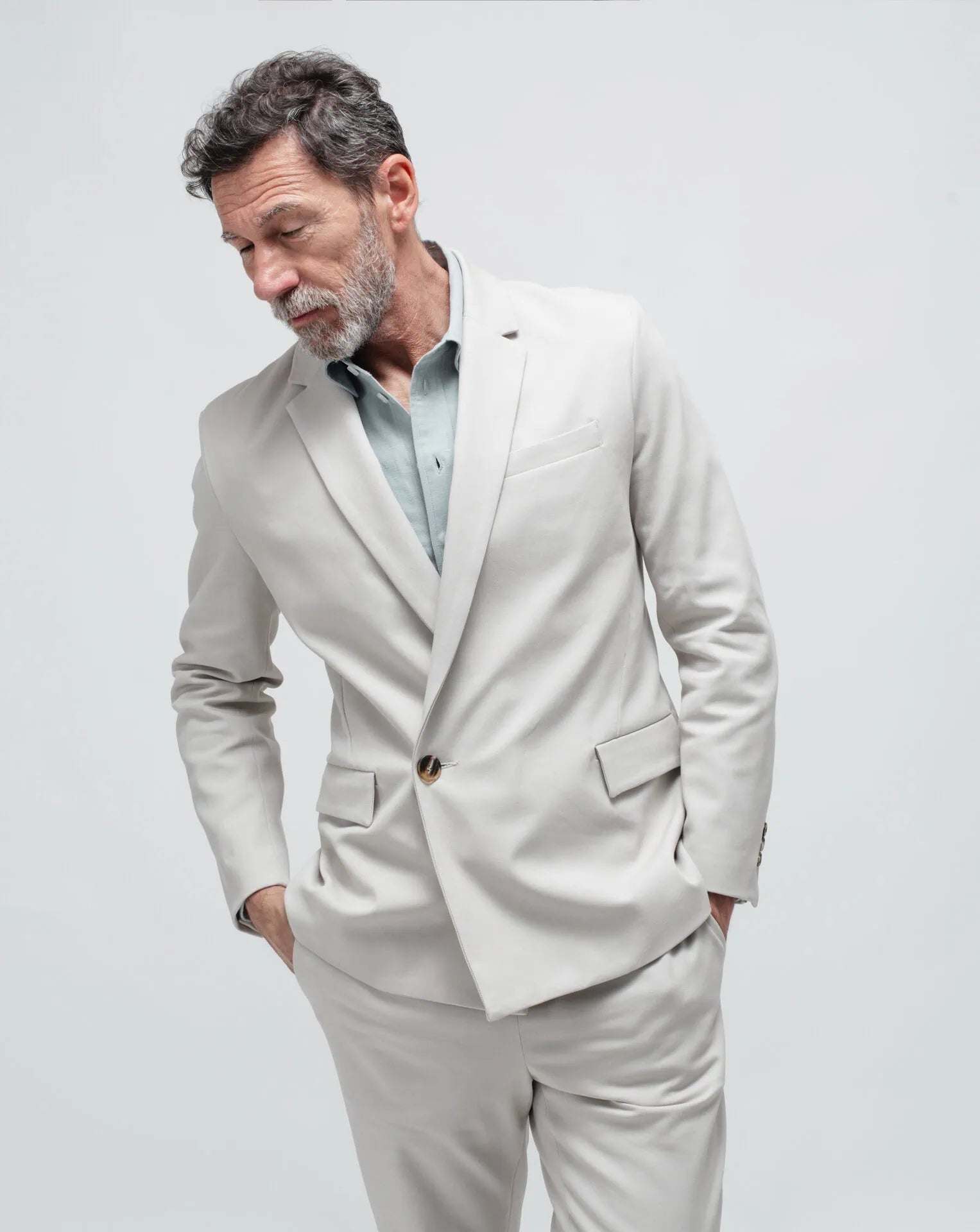
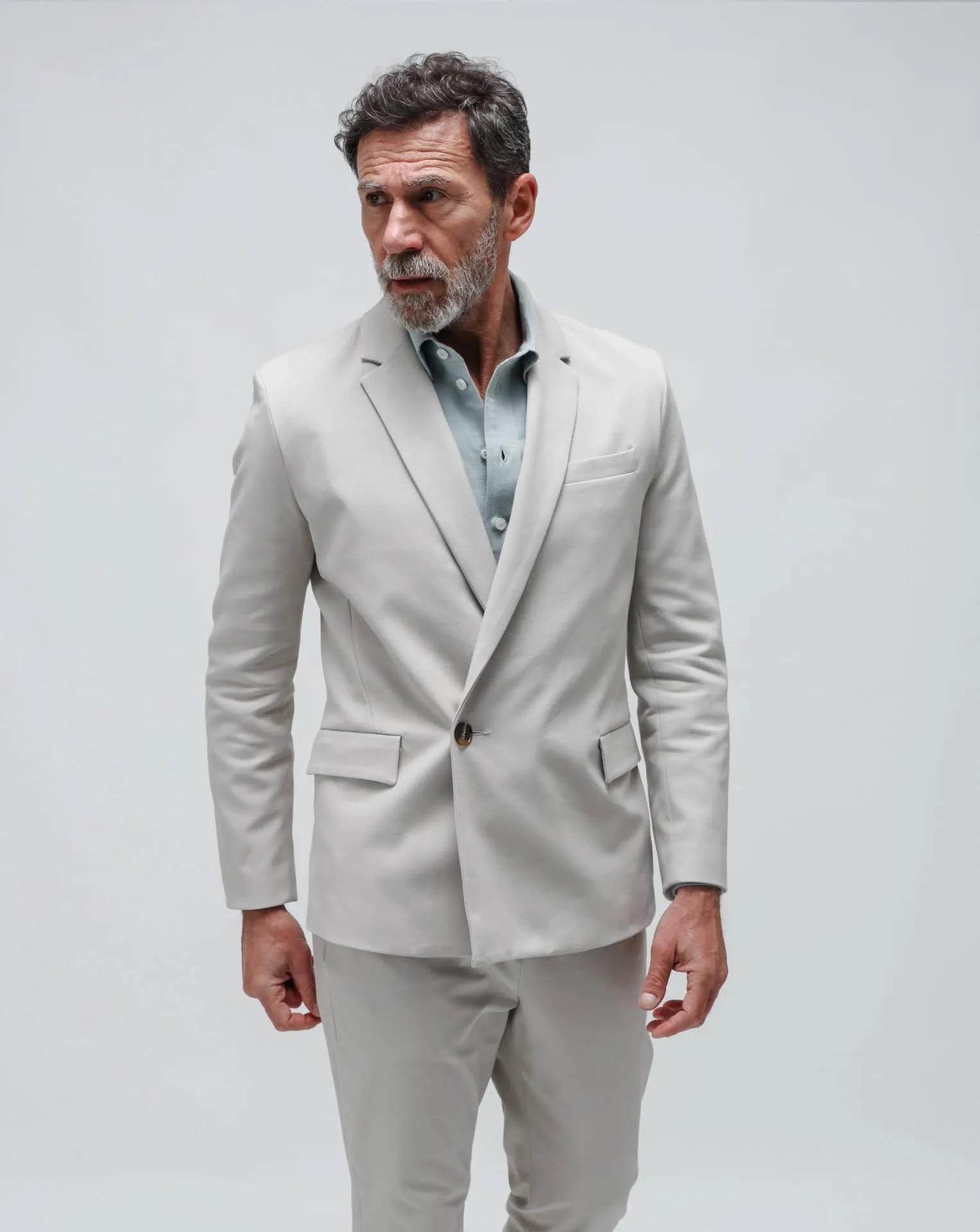
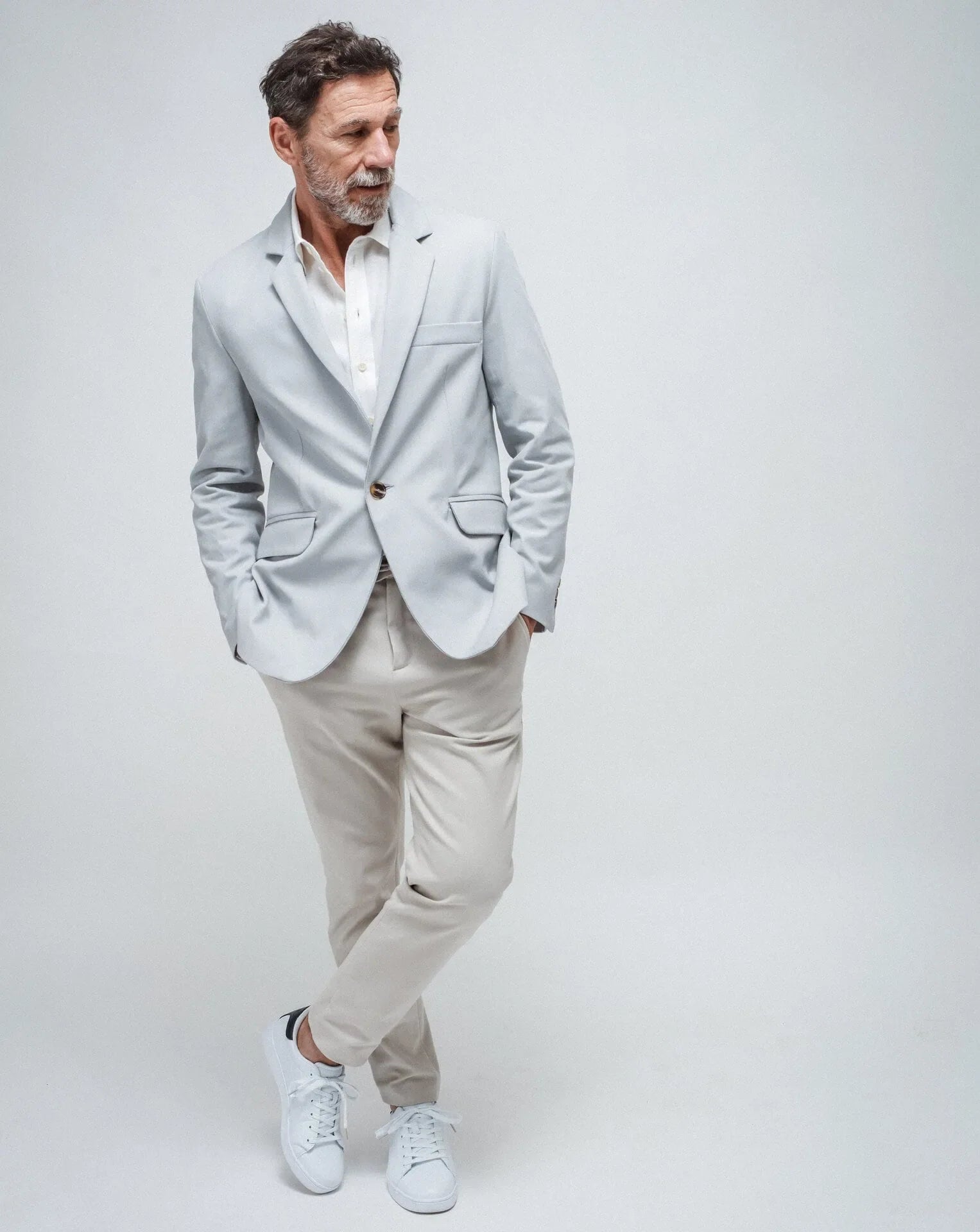
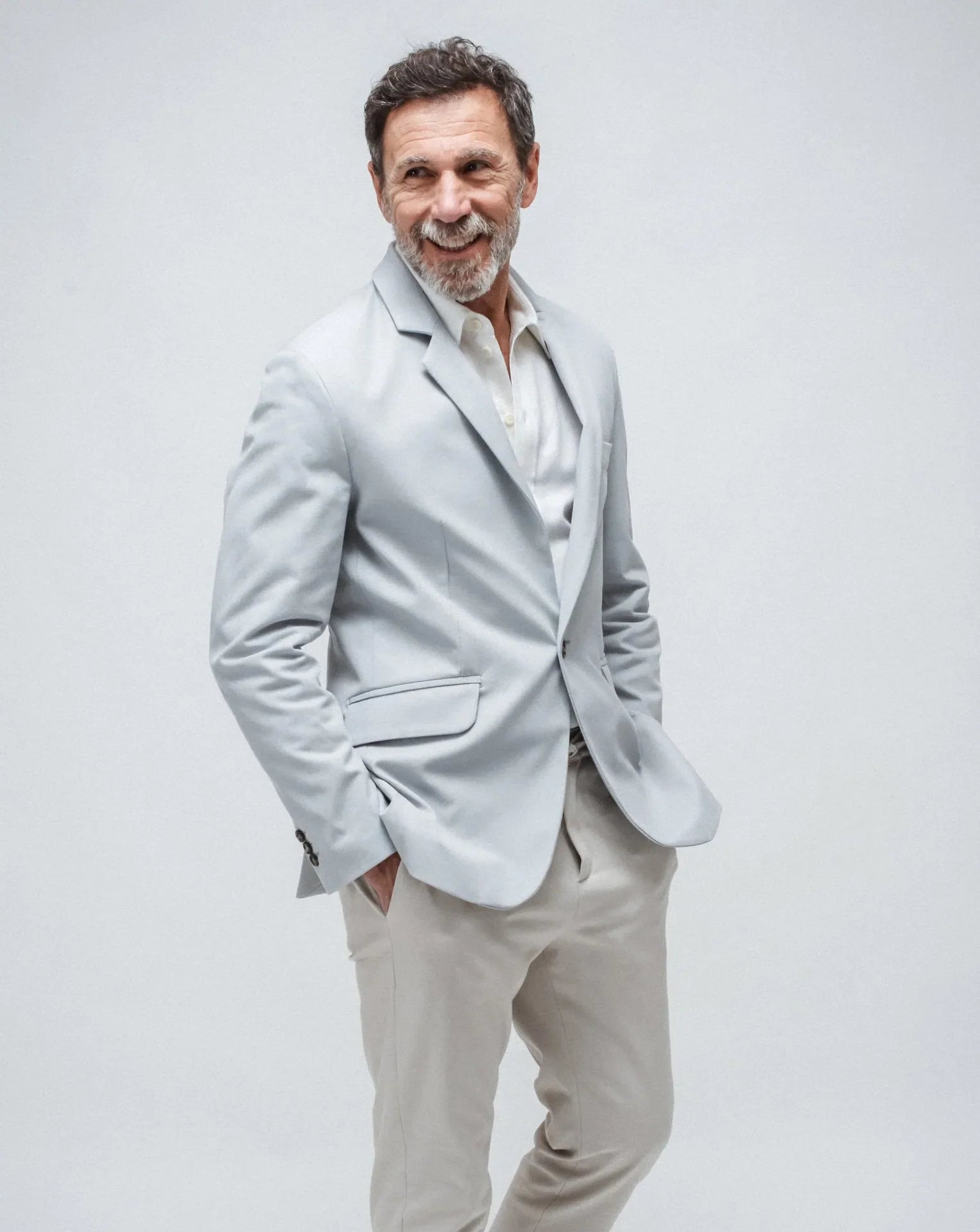
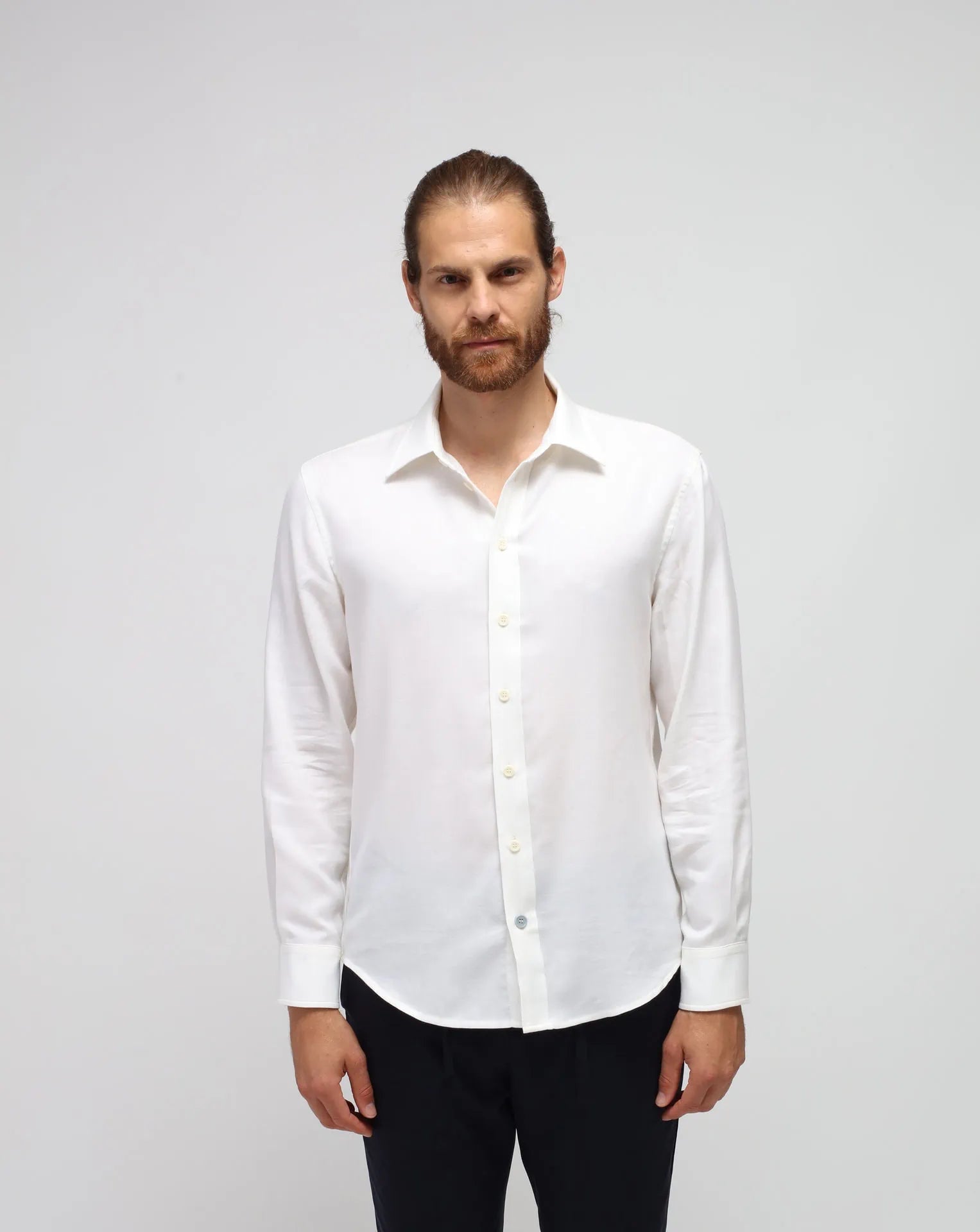
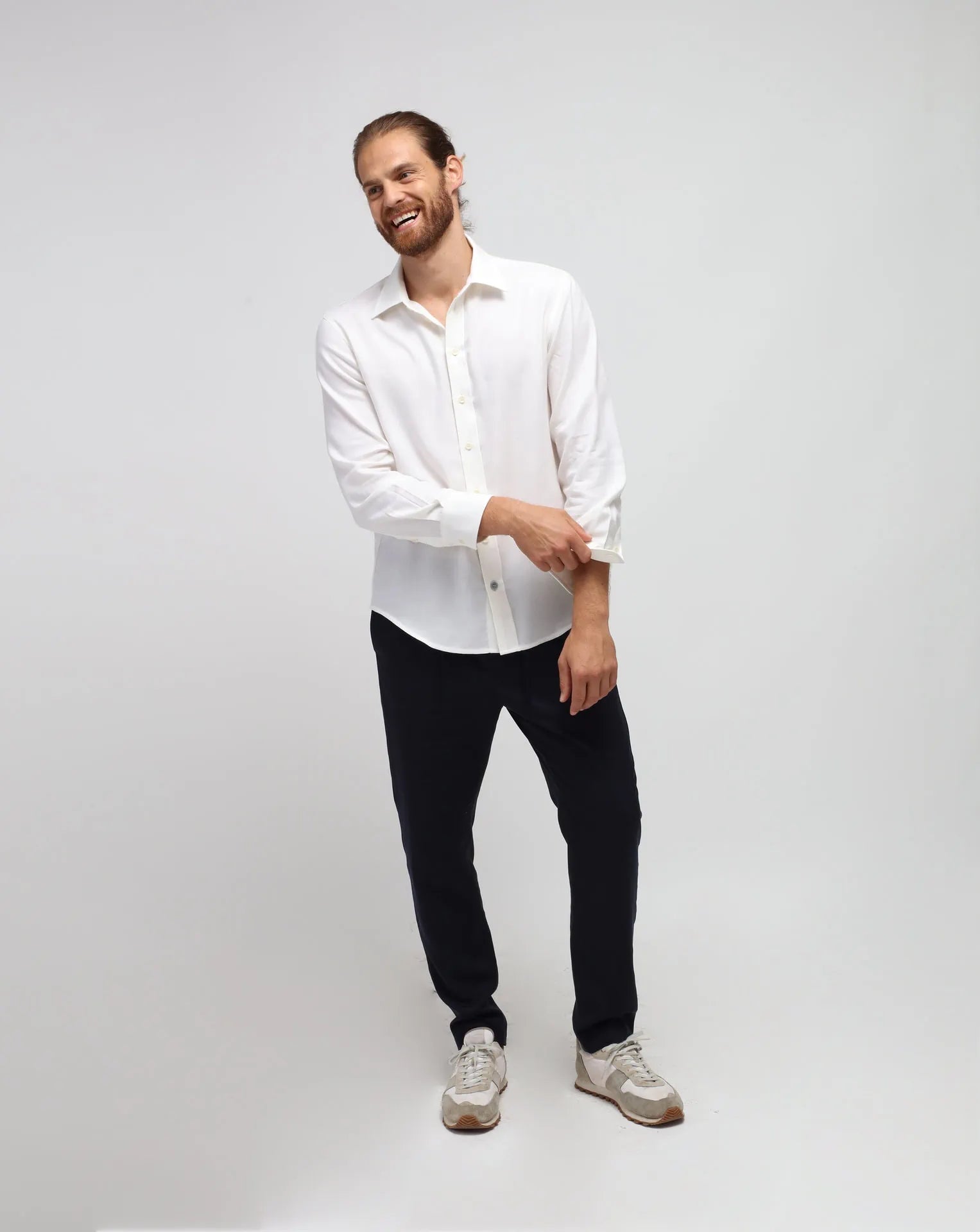
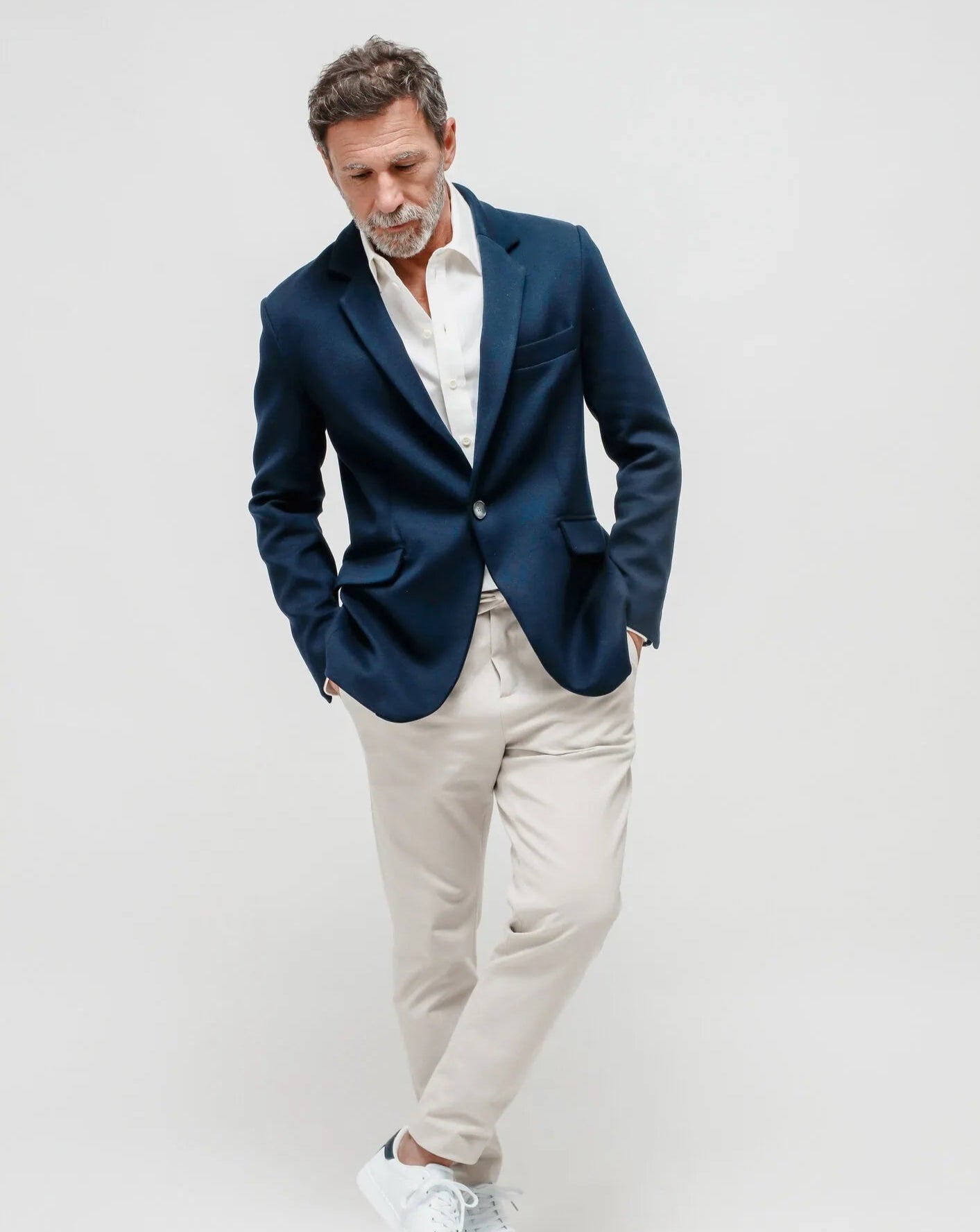
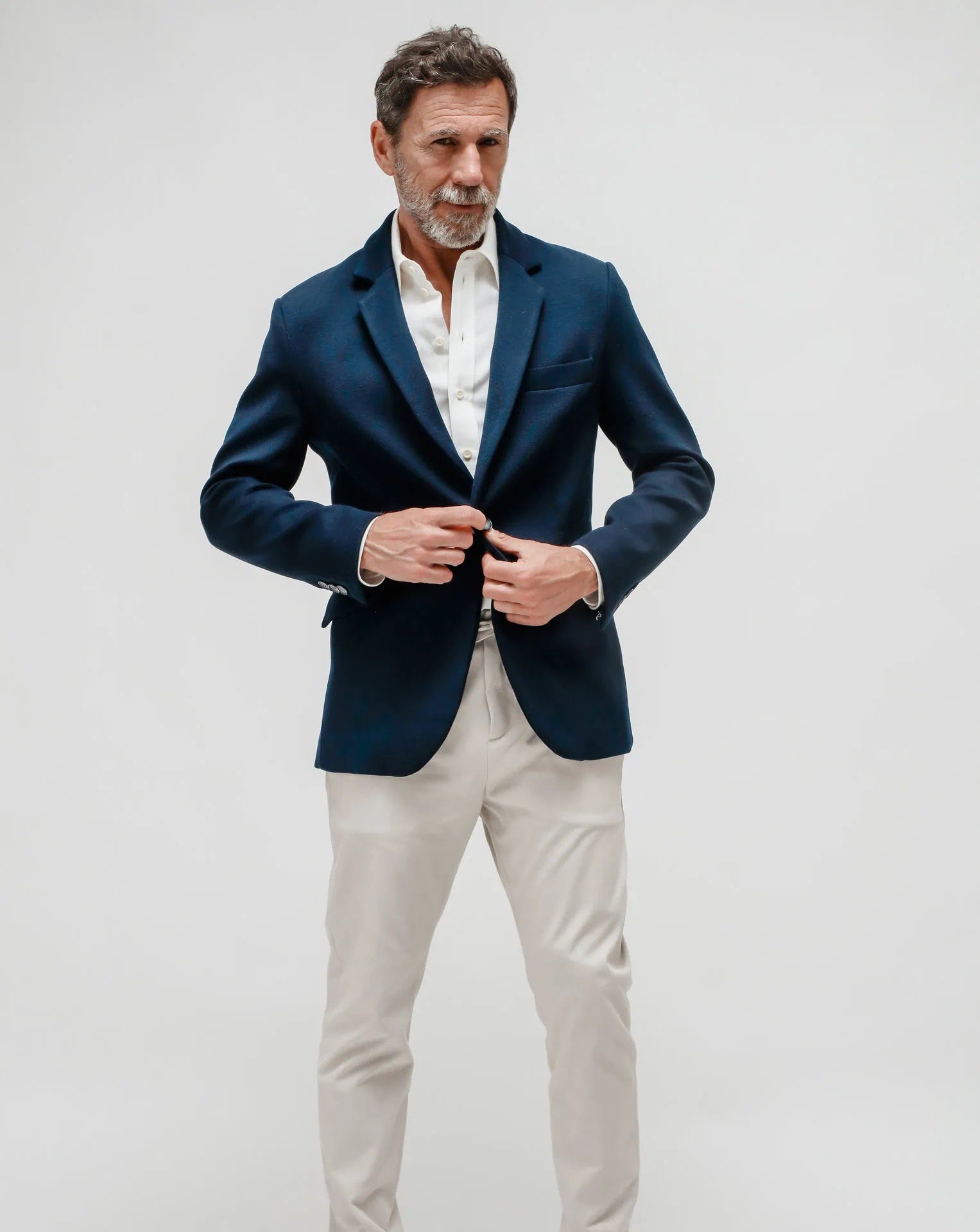
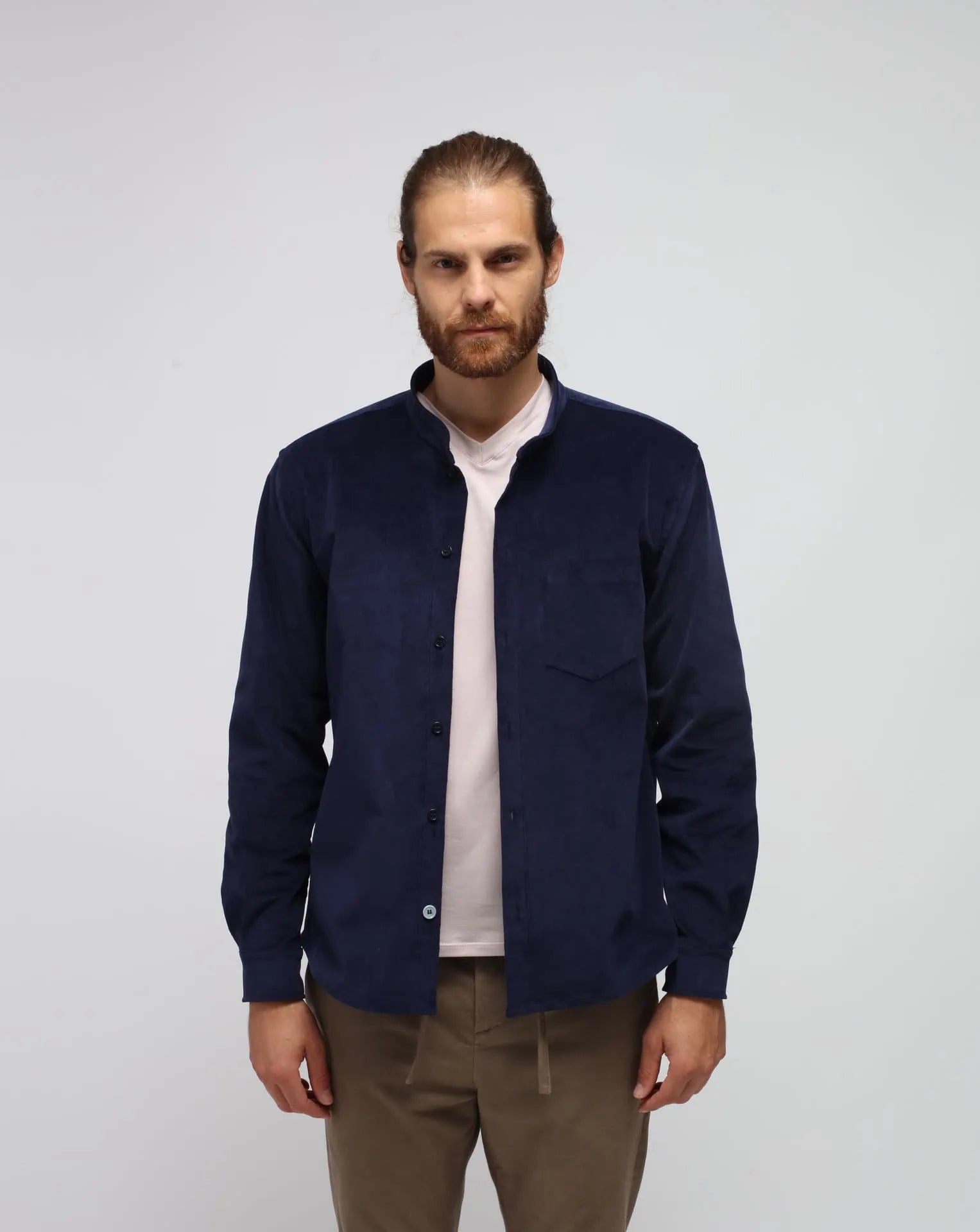
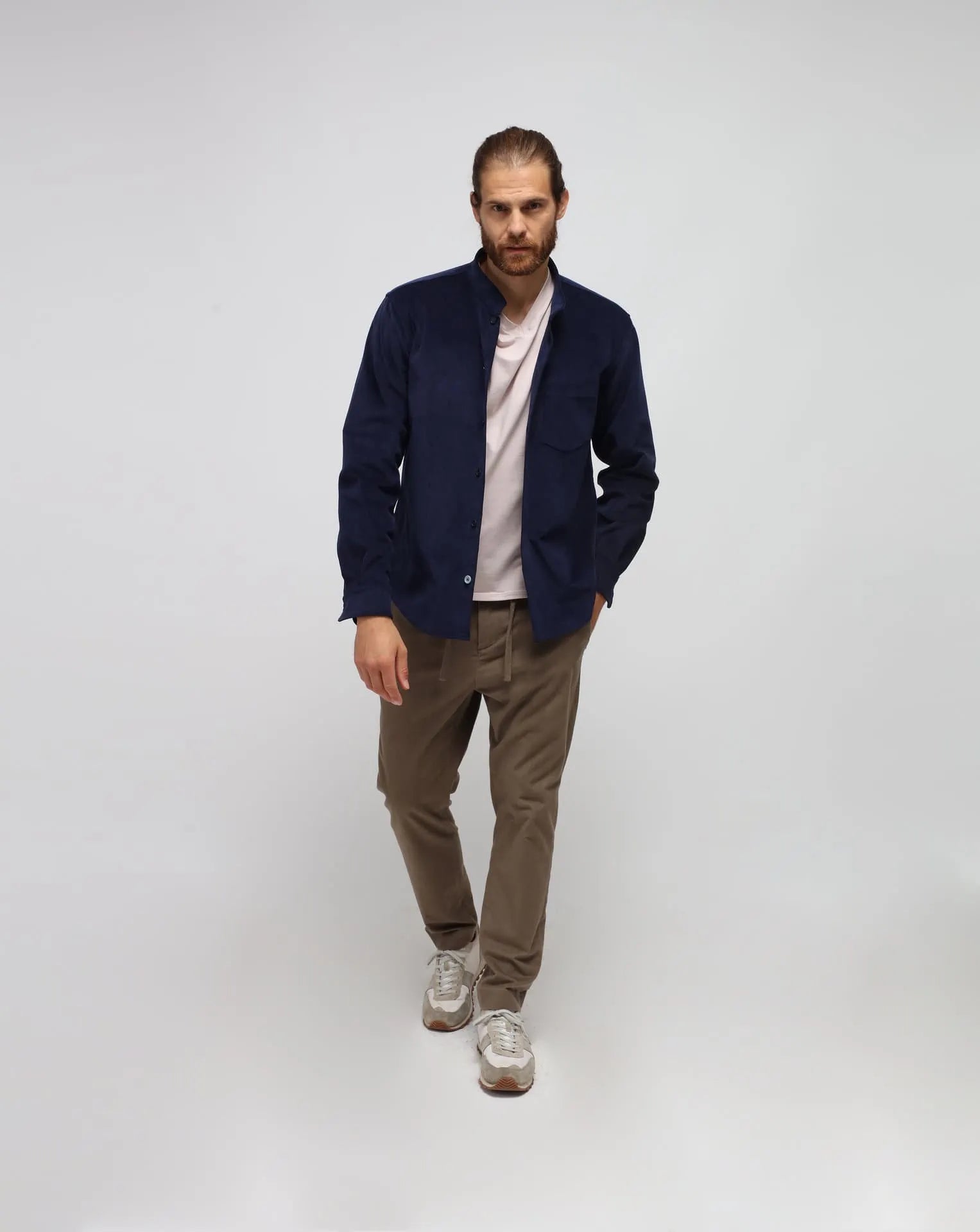
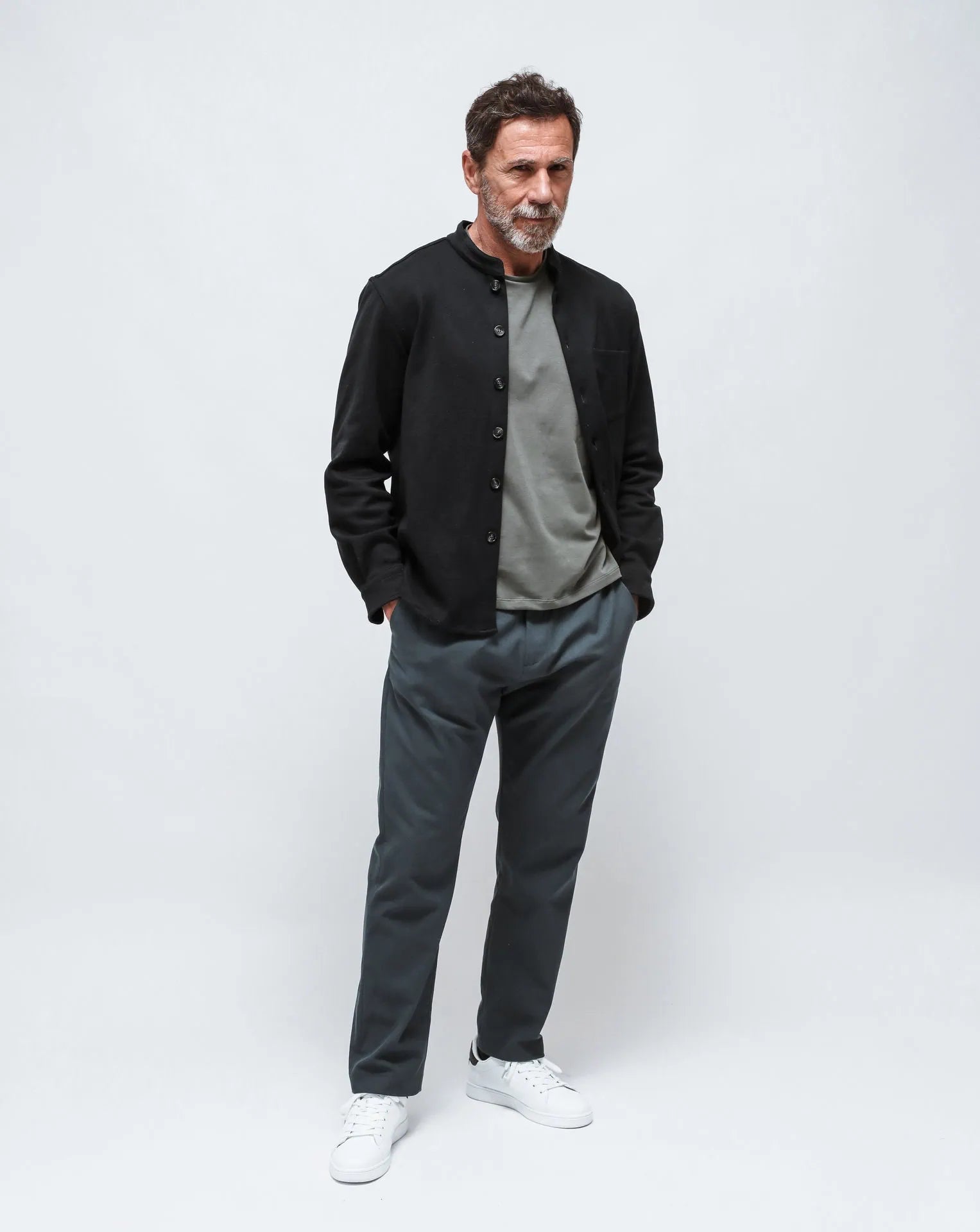
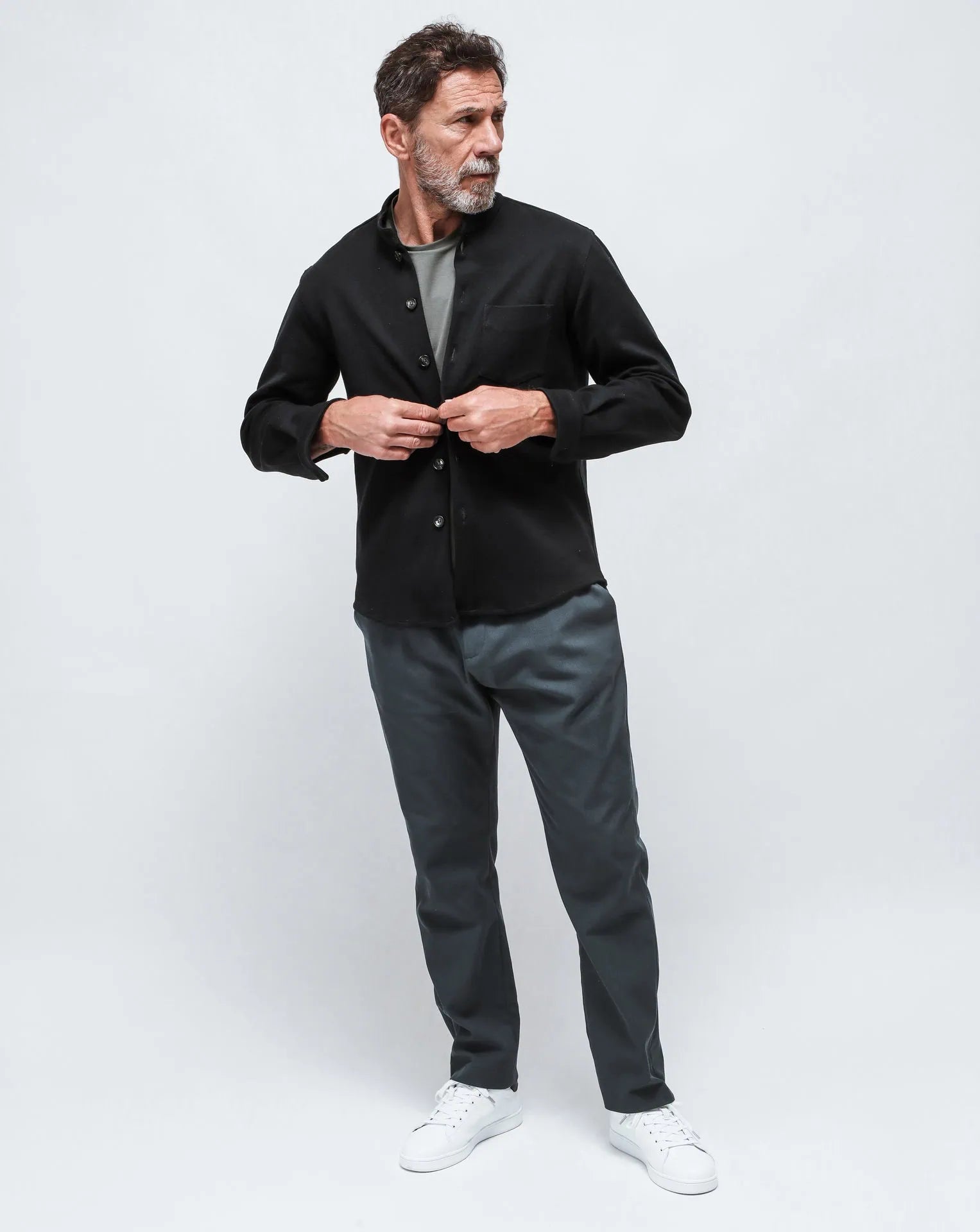
A limited-run silk-blend top, a structured cotton shirt, or a softly tailored jacket made this way carries a different kind of value. It is not just another item in circulation. It feels specific.
The sustainability case, without the performance
Sustainability in fashion is often reduced to slogans. The harder question is whether a garment was made in a way that genuinely avoids waste. Small batch handmade clothing has a stronger answer than most because it addresses one of the industry’s core failures: overproduction.
When brands produce too much, unsold stock becomes a hidden environmental cost. It ties up materials, energy, transport, storage, and eventually disposal. Smaller runs create less excess from the start. When those runs are made using deadstock fabrics, the impact is reduced again because existing materials are being put to use instead of new ones being commissioned unnecessarily.
That said, small batch does not automatically mean perfect. A poorly designed garment made in limited numbers is still a poor garment. A brand can talk about craftsmanship while ignoring fit, transparency, or wearability. The real value comes when limited production, responsible sourcing, and strong design work together.
That is where the standard should be set.
Why the price is often higher - and when it is worth it
Customers used to fast fashion pricing sometimes see small-batch pieces and assume the premium is mostly branding. Usually, it is a reflection of actual cost. Smaller production runs do not benefit from the same scale discounts. Skilled labor costs more, as it should. Better fabrics cost more. Careful finishing takes time.
The better question is not whether the initial price is higher. It often is. The better question is cost per wear.
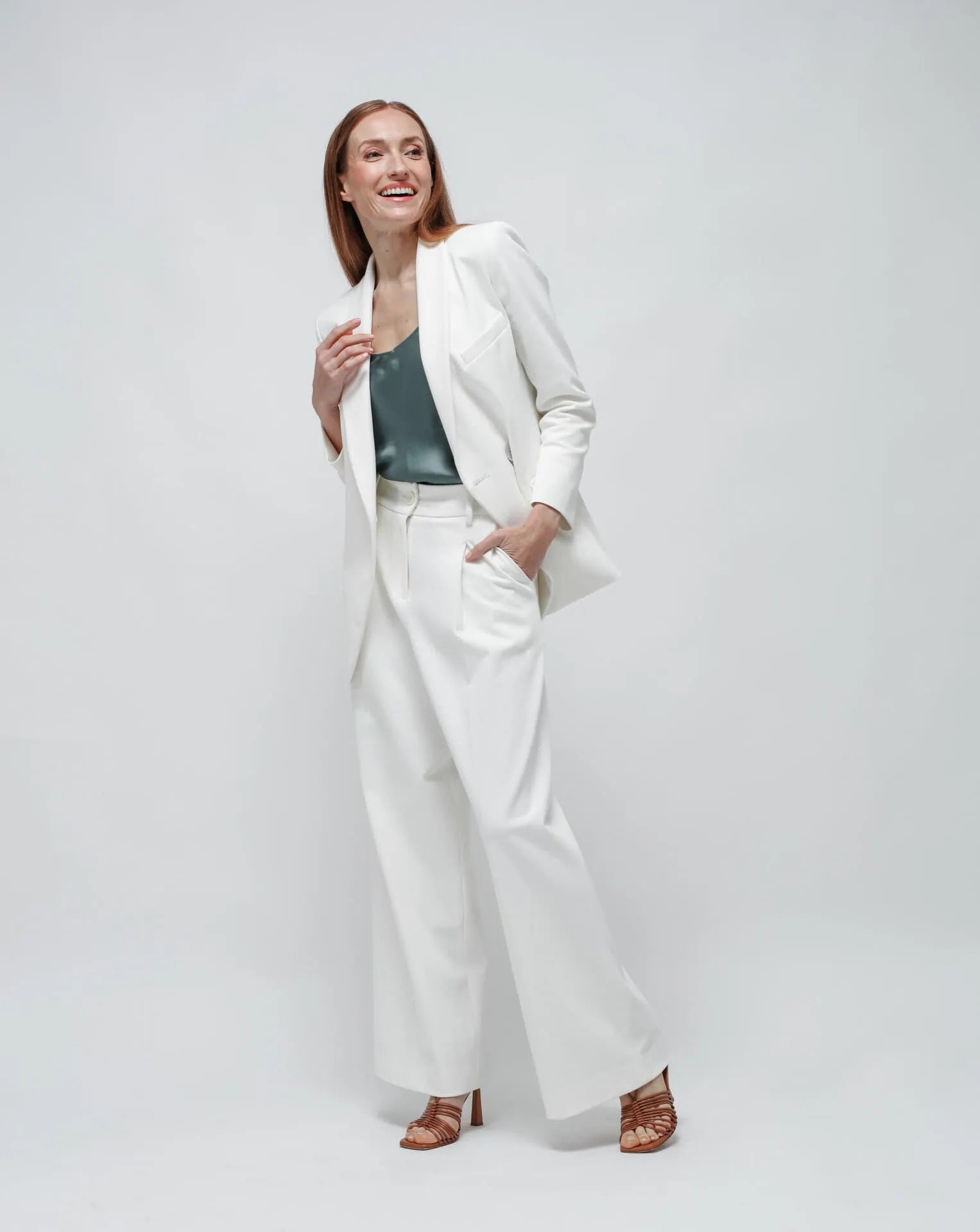
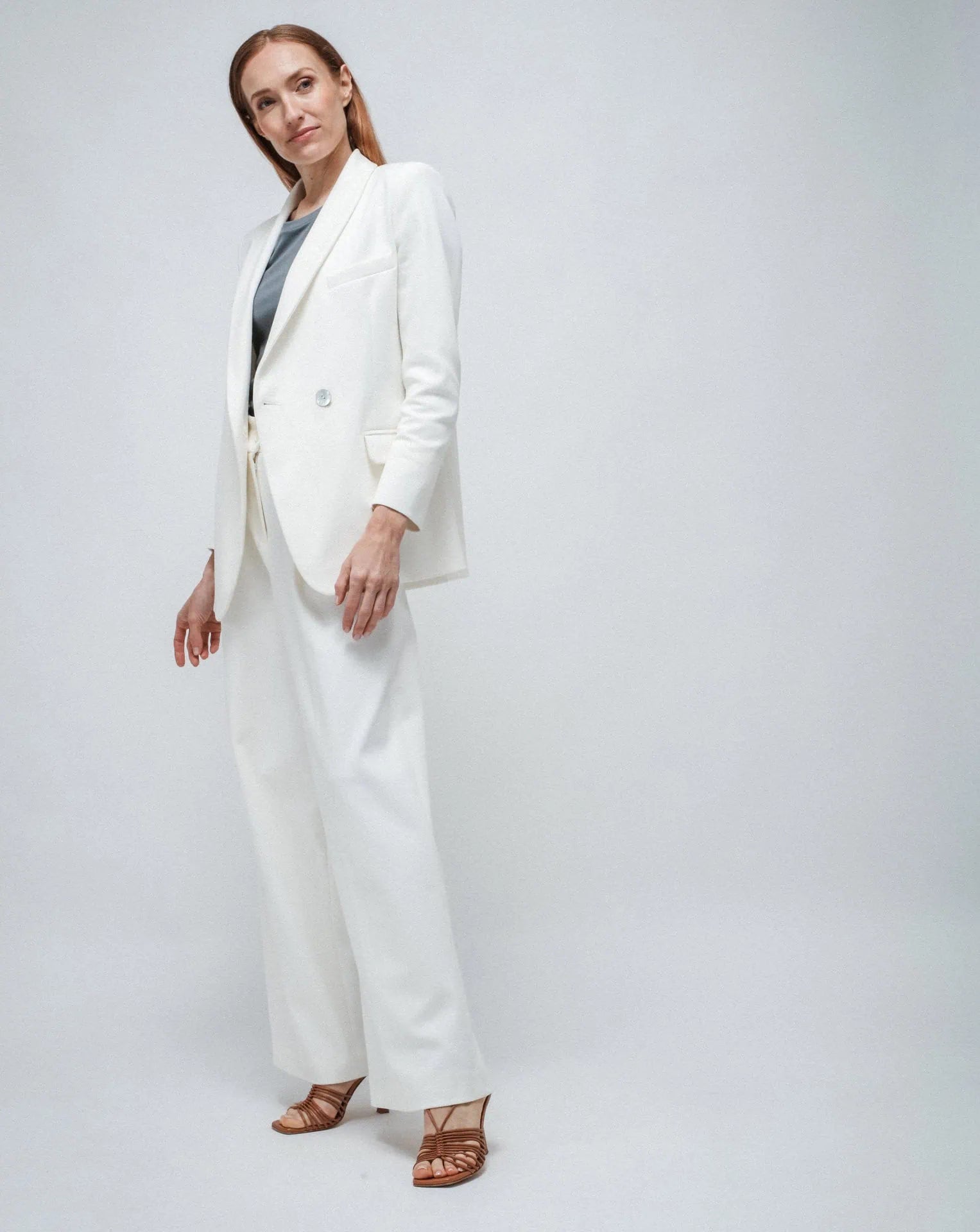
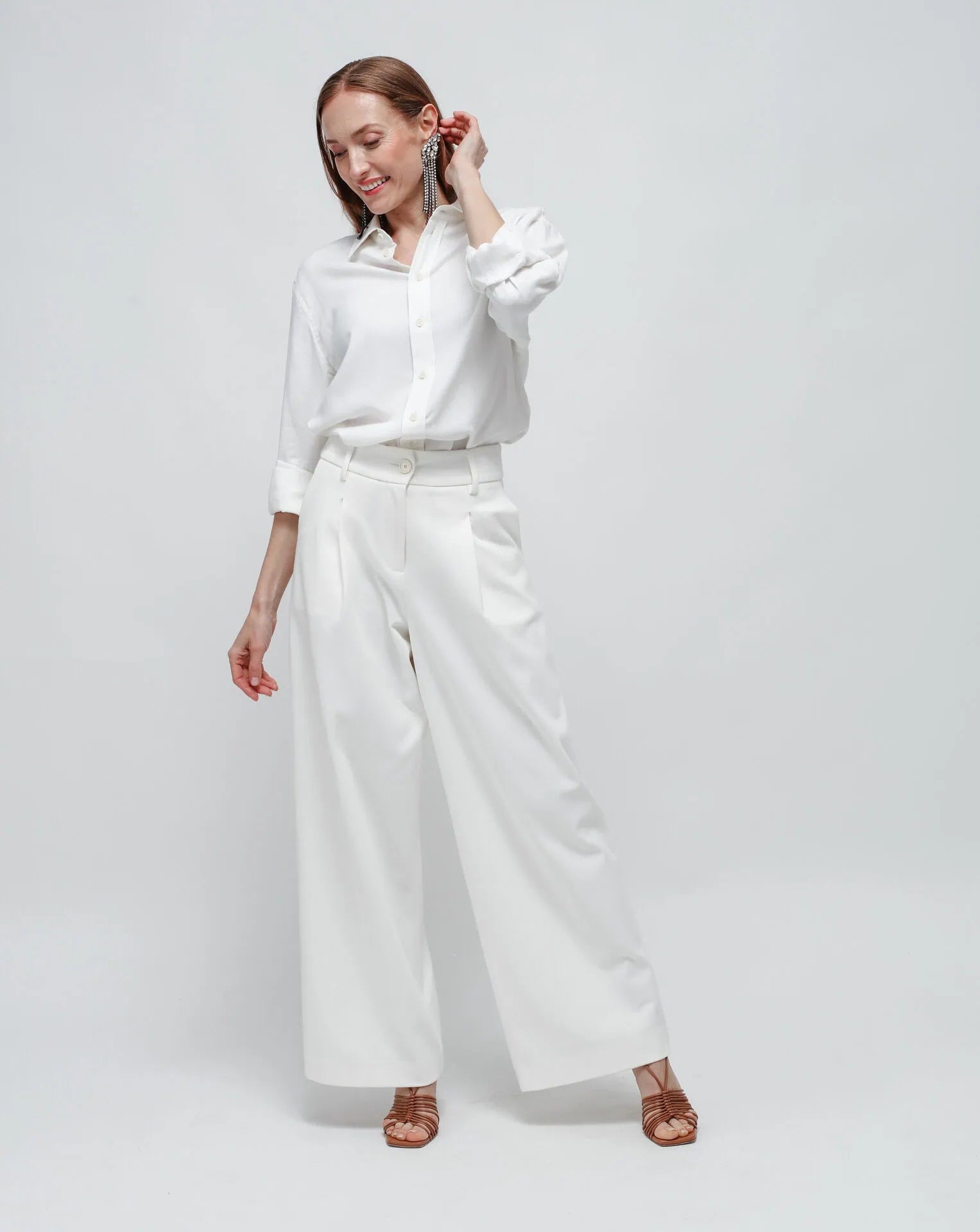
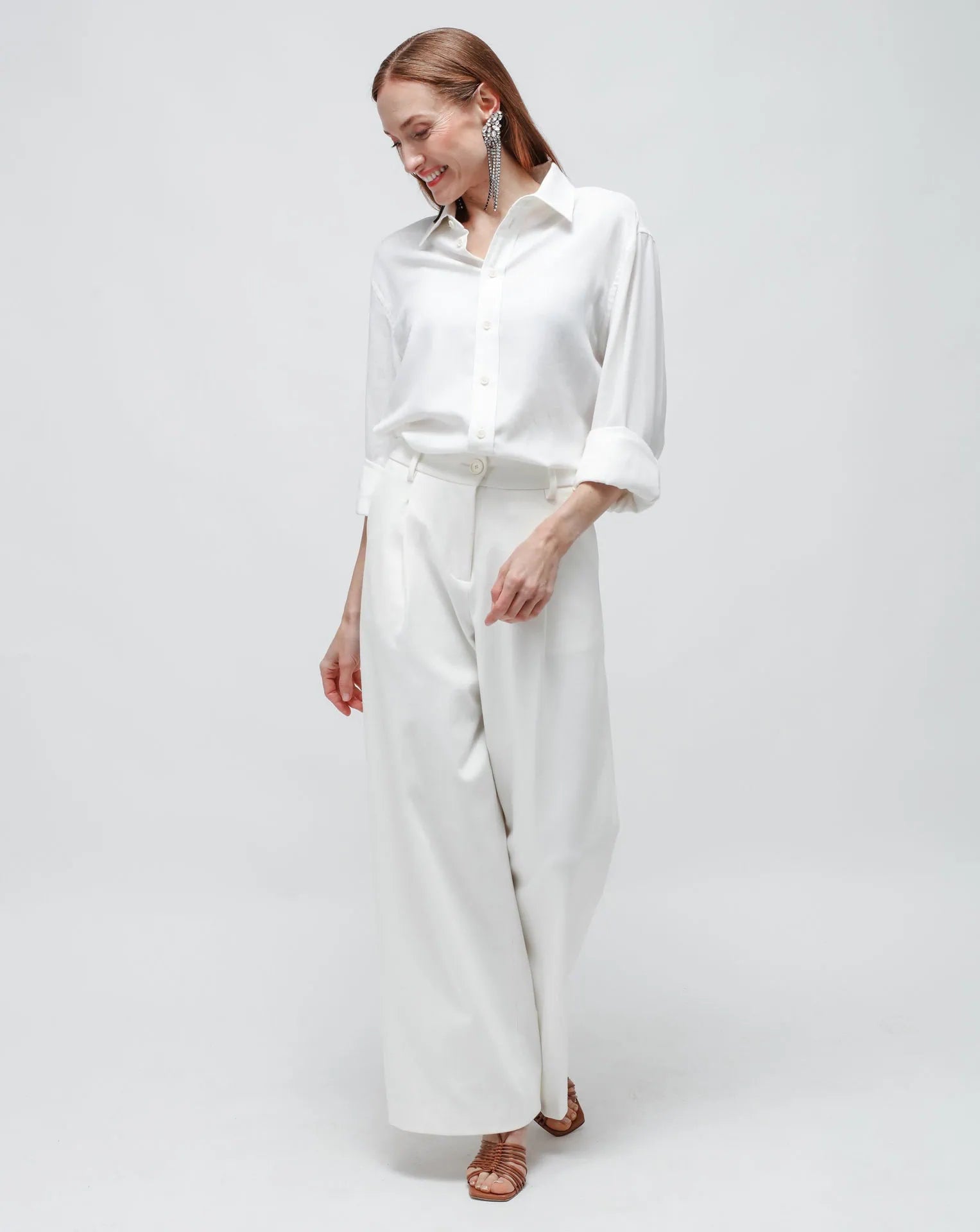
A tailored trouser that works for the office, travel, and evening plans may earn its keep quickly. The same is true for a crisp shirt, a structured coat, or a dress with a clean silhouette you reach for repeatedly. This is where product-level design matters. A piece needs enough distinction to feel elevated, but enough versatility to stay in rotation.
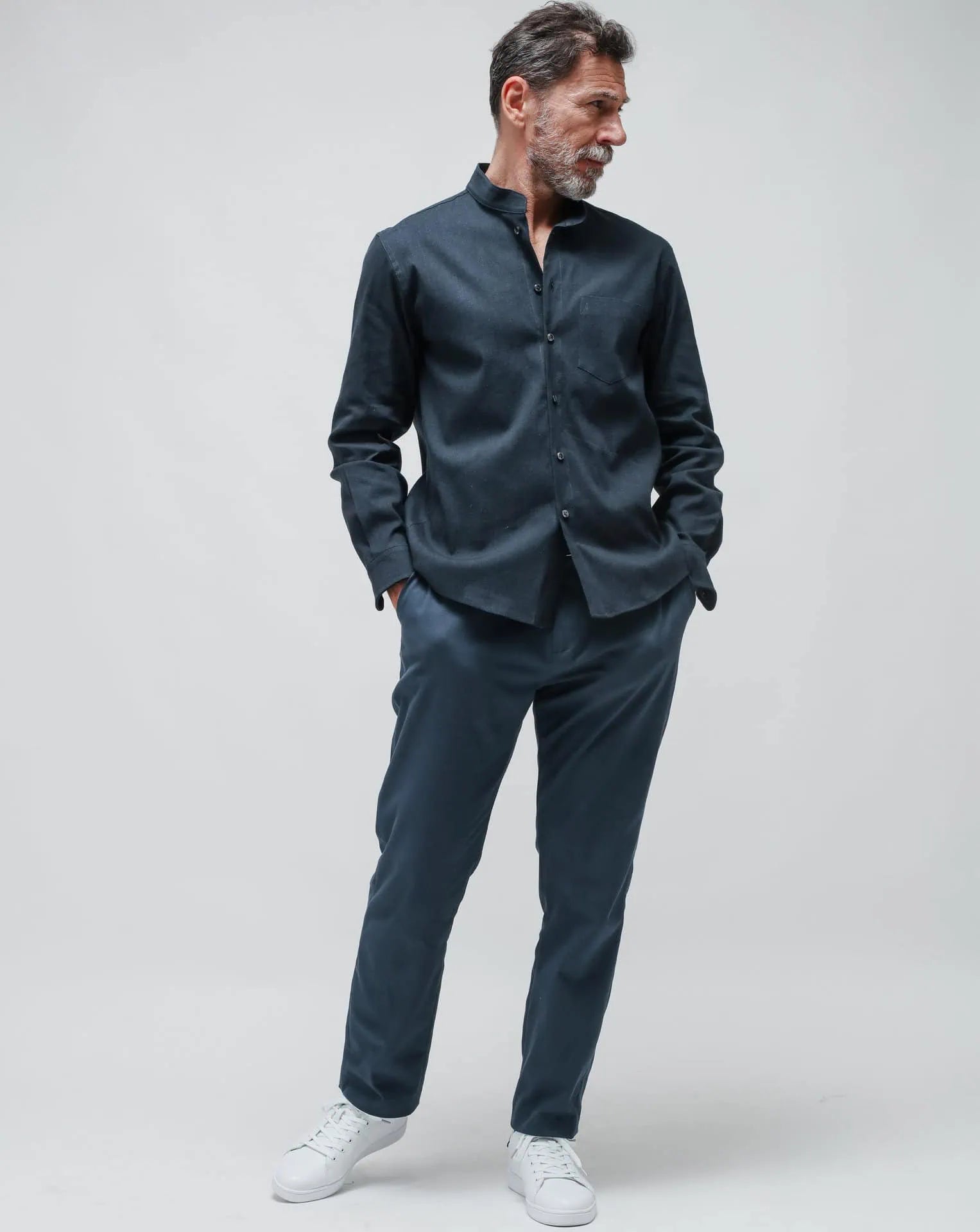
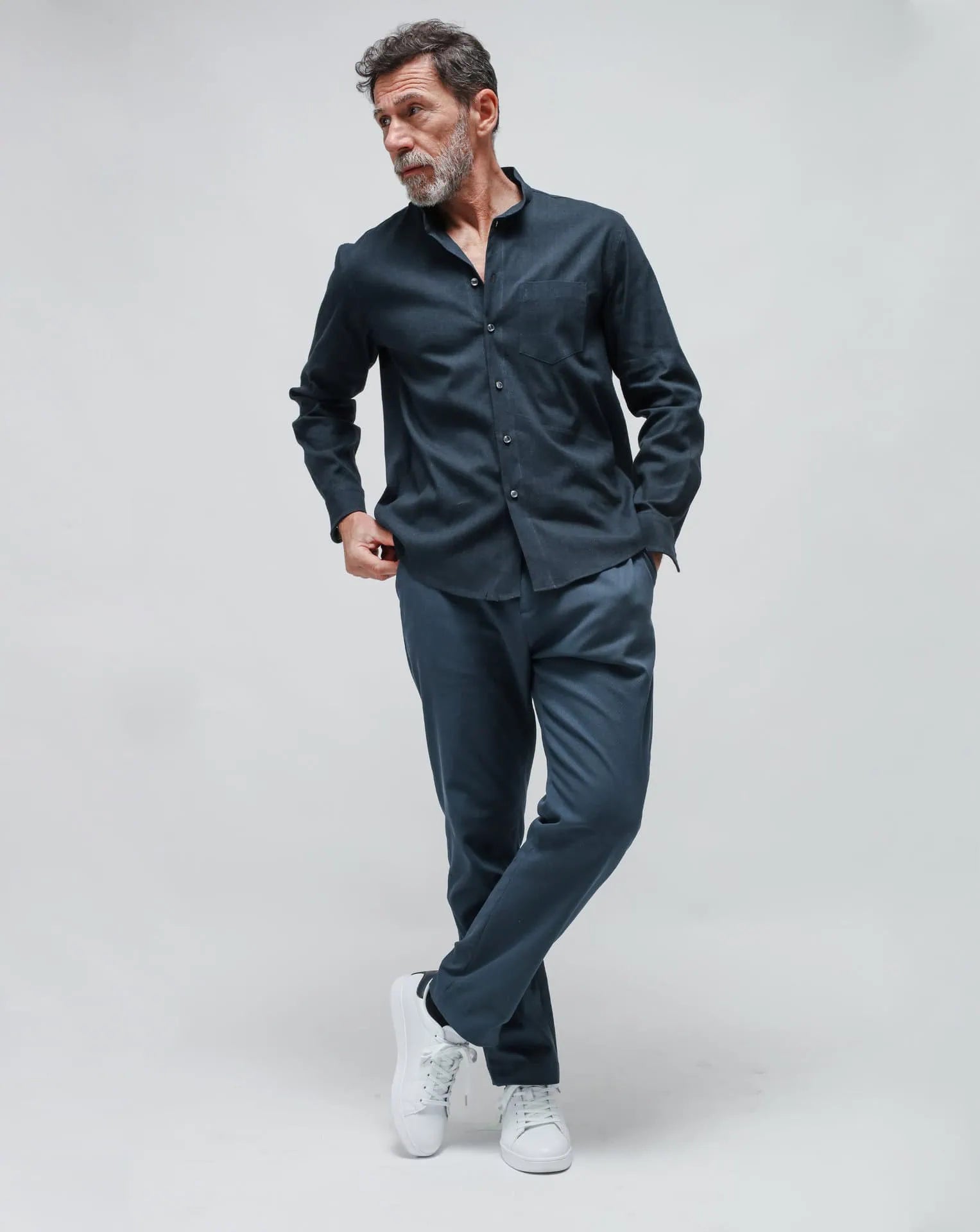
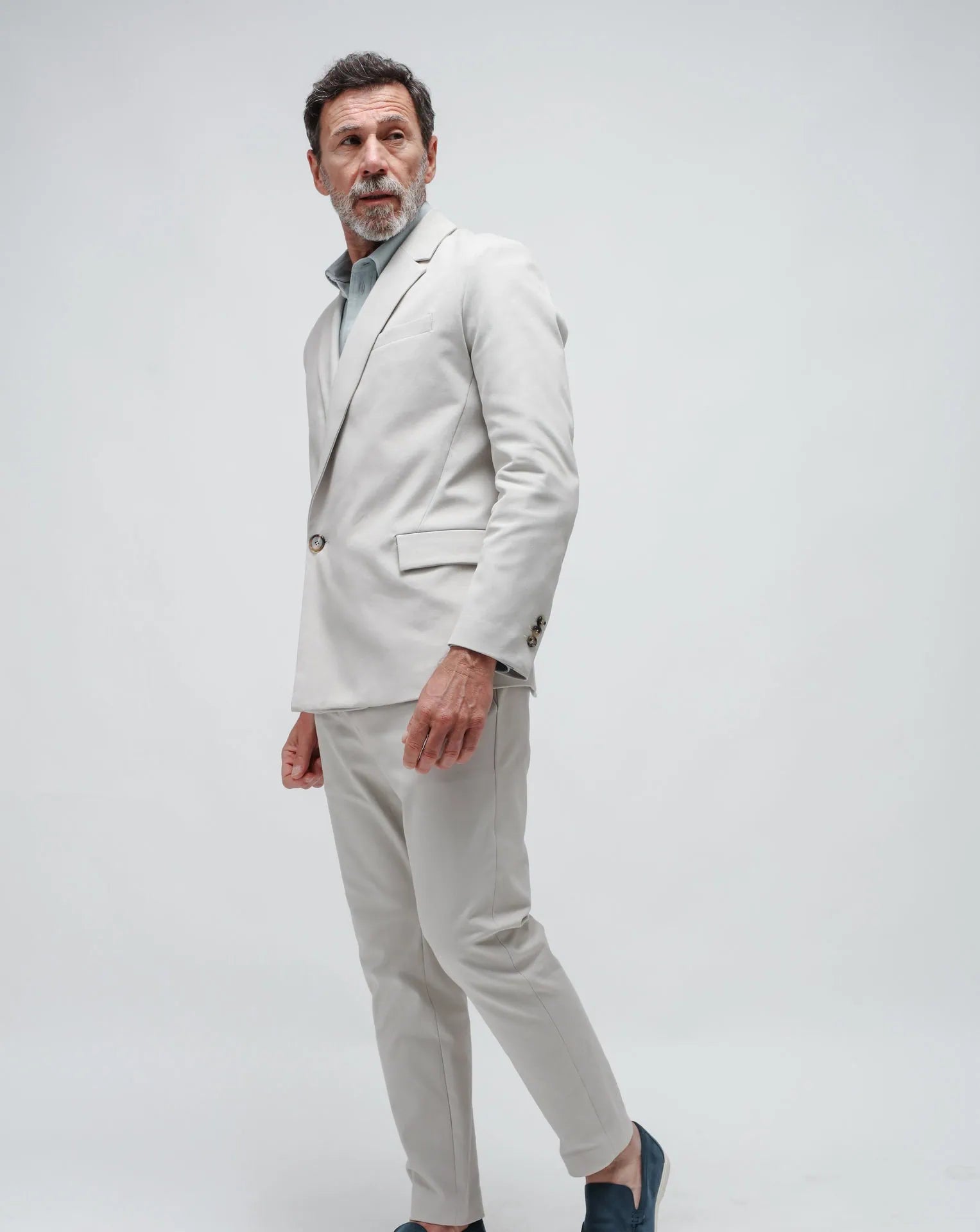
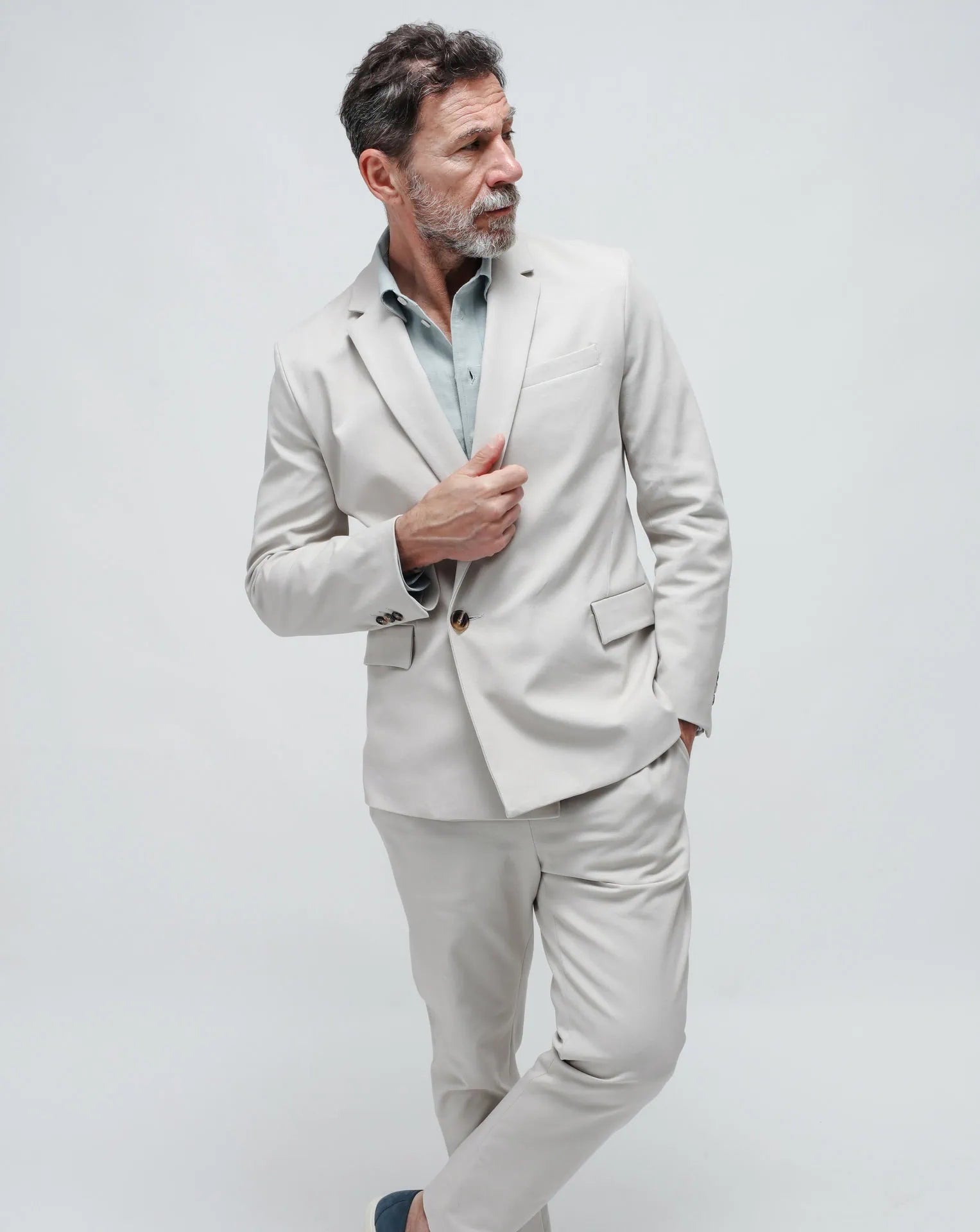
For example, an article like this naturally points readers toward a refined deadstock shirt, an Italian-made jacket, or a limited-edition matching set designed for both work and weekends. A sharp product block could sit here for a bestselling tailored pant or a seasonless dress with free size exchanges built into the buying experience.
How to shop small batch handmade clothing well
Buying fewer pieces only works when you buy with clarity. Start with role, not impulse. Ask what the garment needs to do in your life. Should it anchor your office wardrobe? Travel well? Layer across seasons? Move from day to evening without effort?
Then look at fabric. Deadstock fabrics are a strong signal when they are clearly described, because they show both sourcing intention and material quality. Read for composition, weight, and care requirements. A beautiful fabric that demands a level of maintenance you will not give it may not be the right buy.
Construction matters too. Clean seams, balanced proportions, and thoughtful finishes usually indicate a piece built to last. So does transparency. If a brand is open about where garments are made, how they are produced, and why quantities are limited, that is a better sign than vague sustainability language.
Finally, consider how the piece works with what you already own. The smartest wardrobe additions are often the ones that connect categories. A relaxed blazer that sharpens denim, a skirt that works with knitwear and shirting, or a coordinated set that can be worn together or broken apart gives you more return on a single purchase.
The trade-off is real - and worth understanding
Small batch handmade clothing is not about endless availability. You may not find every size restocked. You may need to move quickly when a piece fits your needs. There is less room for passive browsing and more need for intention.
For some shoppers, that can feel inconvenient. Mass retail has trained people to expect infinite choice, constant markdowns, and immediate replacement. A more responsible model asks for a mindset shift. Buy less. Buy better. Care for what you own.
That shift is not restrictive when the design is right. It is clarifying.
A limited-run wardrobe also feels more personal. You are less likely to wear what everyone else is wearing, and more likely to build a closet that reflects your own standards. For a style-conscious customer, that matters just as much as the sustainability case.
A better future for clothing starts with smaller runs
The future of fashion does not need more product. It needs better judgment. Small batch handmade clothing offers a cleaner model because it respects materials, labor, and the customer’s intelligence. It asks brands to be more disciplined and buyers to be more deliberate.
That is good for the industry, but more importantly, it is good for your wardrobe. The pieces you remember are rarely the ones bought in a rush. They are the ones made with care, worn with confidence, and kept for years.
For a brand like Humans & Land, that standard is not an extra feature. It is the point. When clothing is designed in limited quantities, crafted with intention, and grounded in responsible fabric choices, getting dressed becomes less about consumption and more about values made visible.
The next time a garment catches your attention, pause before asking whether it is worth the price. Ask whether it was worth making in the first place.
FAQ
Q: Is small batch handmade clothing always more sustainable?
A: Not automatically. It is often a better model because it reduces overproduction and can support better sourcing, especially with deadstock fabrics. But design quality, transparency, and wearability still matter.
Q: Why does small batch handmade clothing cost more?
A: Smaller runs, skilled labor, premium materials, and careful finishing all increase cost. In many cases, the value shows up over time through better longevity and lower cost per wear.
Q: Does handmade mean every part is sewn by hand?
A: No. In fashion, handmade usually means greater human involvement in cutting, construction, finishing, and quality control. Machines may still be used, but the process is less industrial and less rushed.
Q: What types of pieces are best to buy in small batches?
A: Start with high-rotation pieces such as tailored pants, shirts, dresses, jackets, and coordinated sets. These are the items where fabric, cut, and construction make the biggest difference.
Q: How do I know if a brand’s limited quantities are real?
A: Look for clear information about fabric sourcing, production methods, and restock patterns. Brands working with deadstock or handmade small runs usually have natural limits rather than unlimited replenishment.
the World of H&L