
Women's Workwear Separates That Work Harder
The meeting starts at 9. The temperature is close to freezing. You need to look considered without feeling confined by a suit that only works as one look. That is where women's workwear separates earn their place: individual pieces with enough presence to stand alone, and enough discipline to work together five days a week.
A thoughtful work wardrobe is not about collecting more options. It is about choosing fewer pieces that answer real demands: a client lunch, a train commute, a presentation, an unexpected dinner. For winter, that means tailored structure, intelligent layering, and fabrics with weight, texture, and a reason to last.
Why separates make better work wardrobes
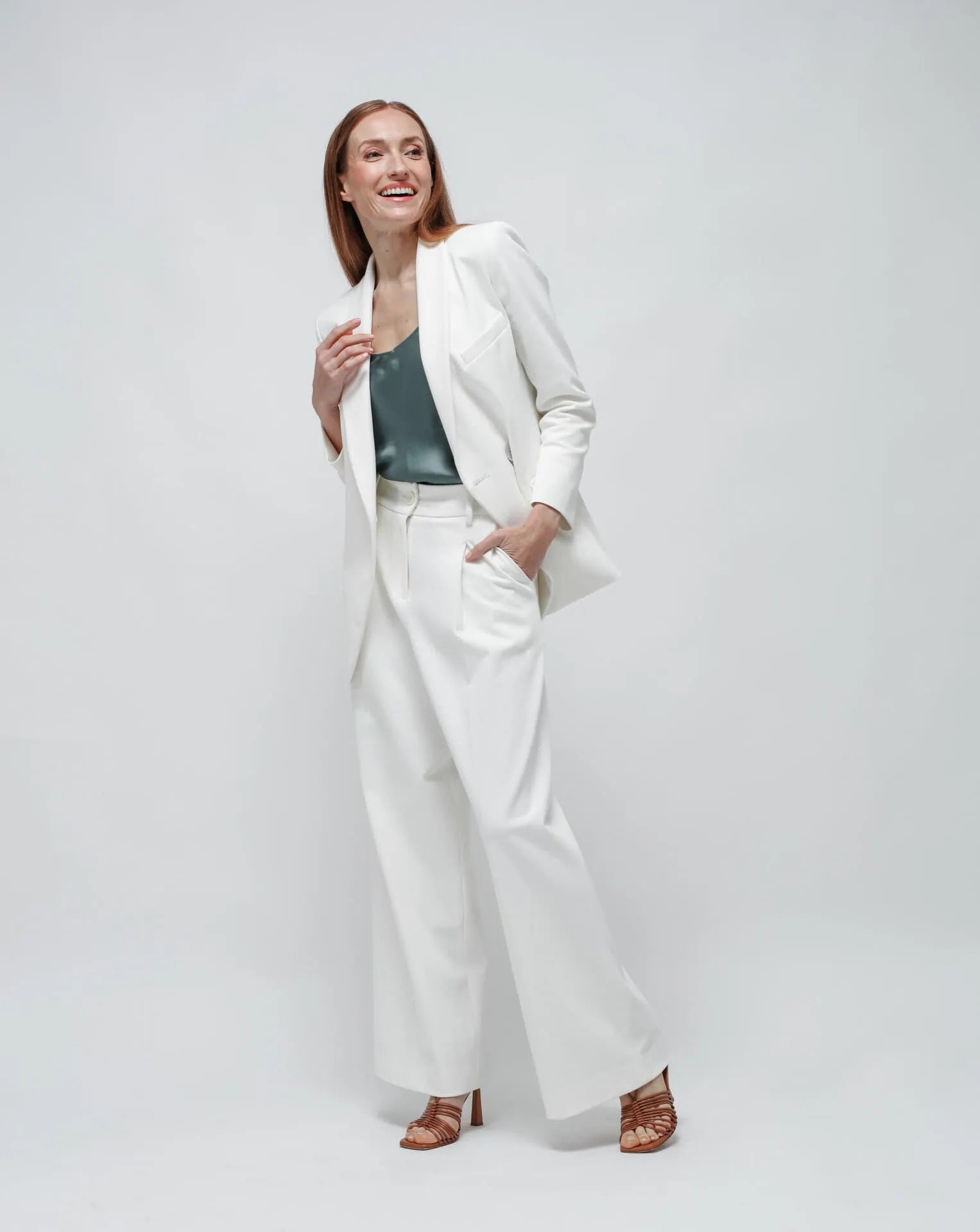
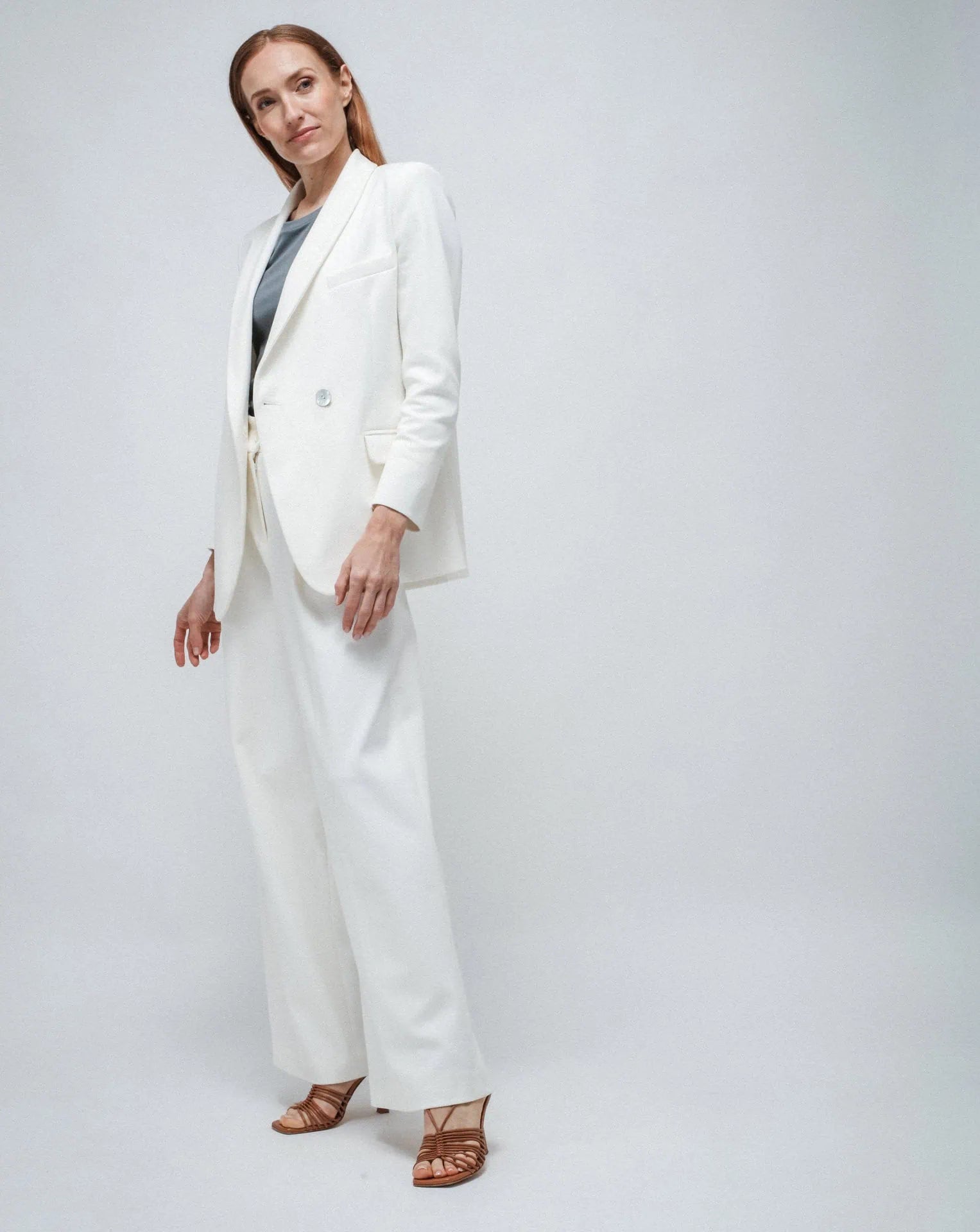
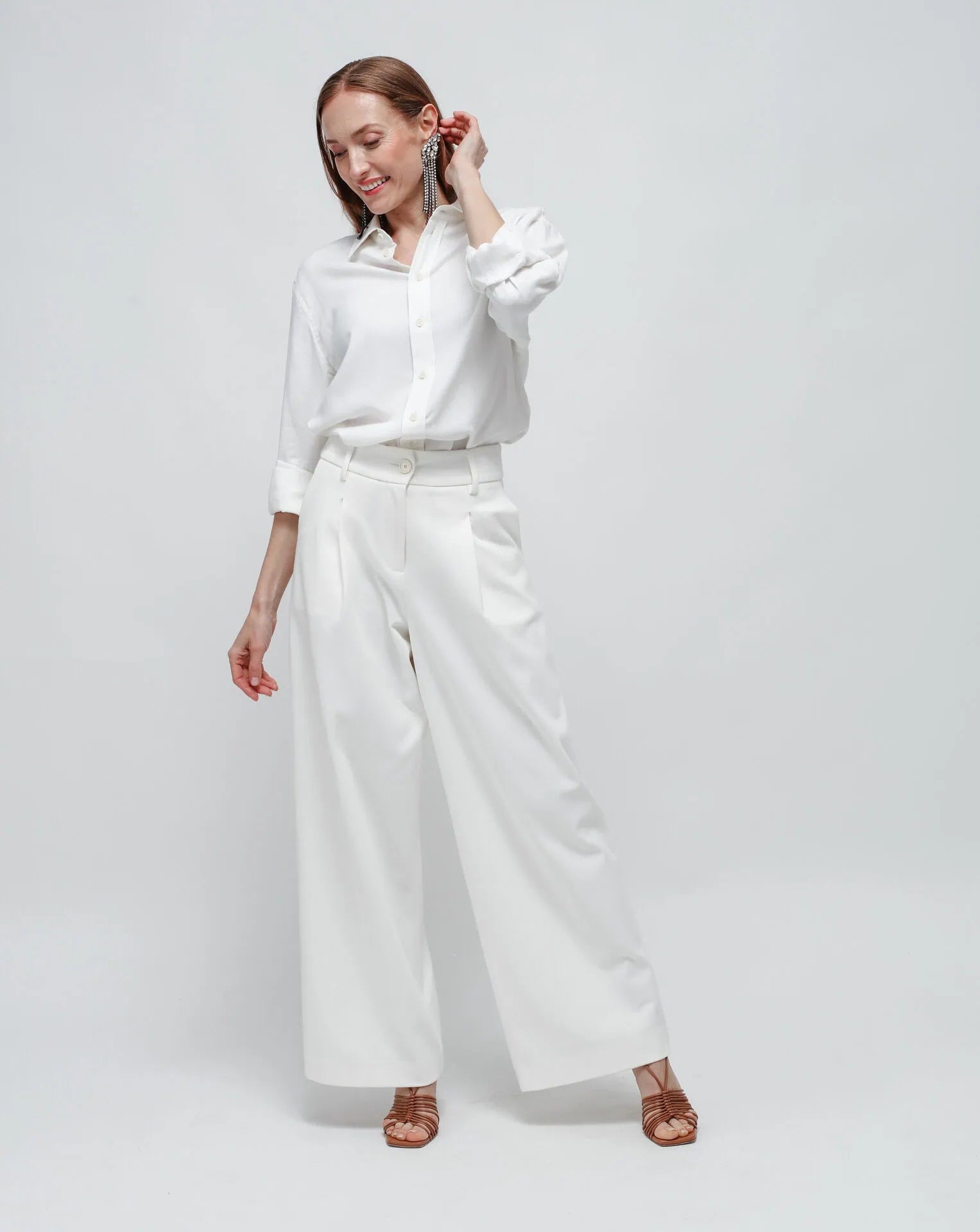
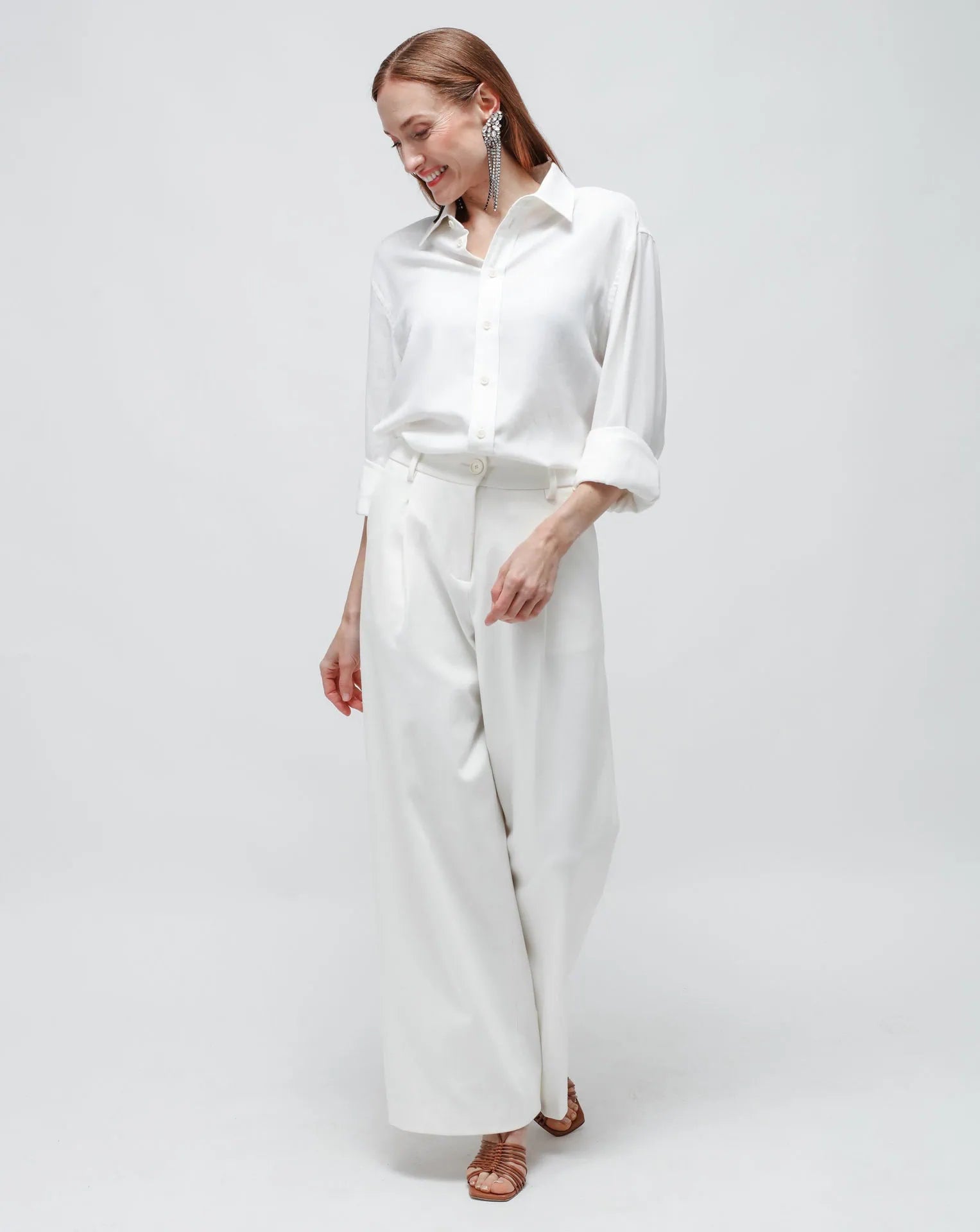
A matching suit has its place. It creates instant authority and removes the morning decision. But relying on complete outfits can make a wardrobe feel limited quickly. Separates create more combinations while asking less of your closet. A single tailored trouser can work with a fine knit on Monday, its matching blazer on Wednesday, and a crisp shirt on Friday.
This approach also makes buying more intentional. Rather than purchasing an outfit for one occasion, you consider whether a jacket works with denim, whether a skirt can take a boot, and whether a top will layer comfortably under outerwear. The question is not, “Is this useful?” It is, “How many lives can this piece have?”
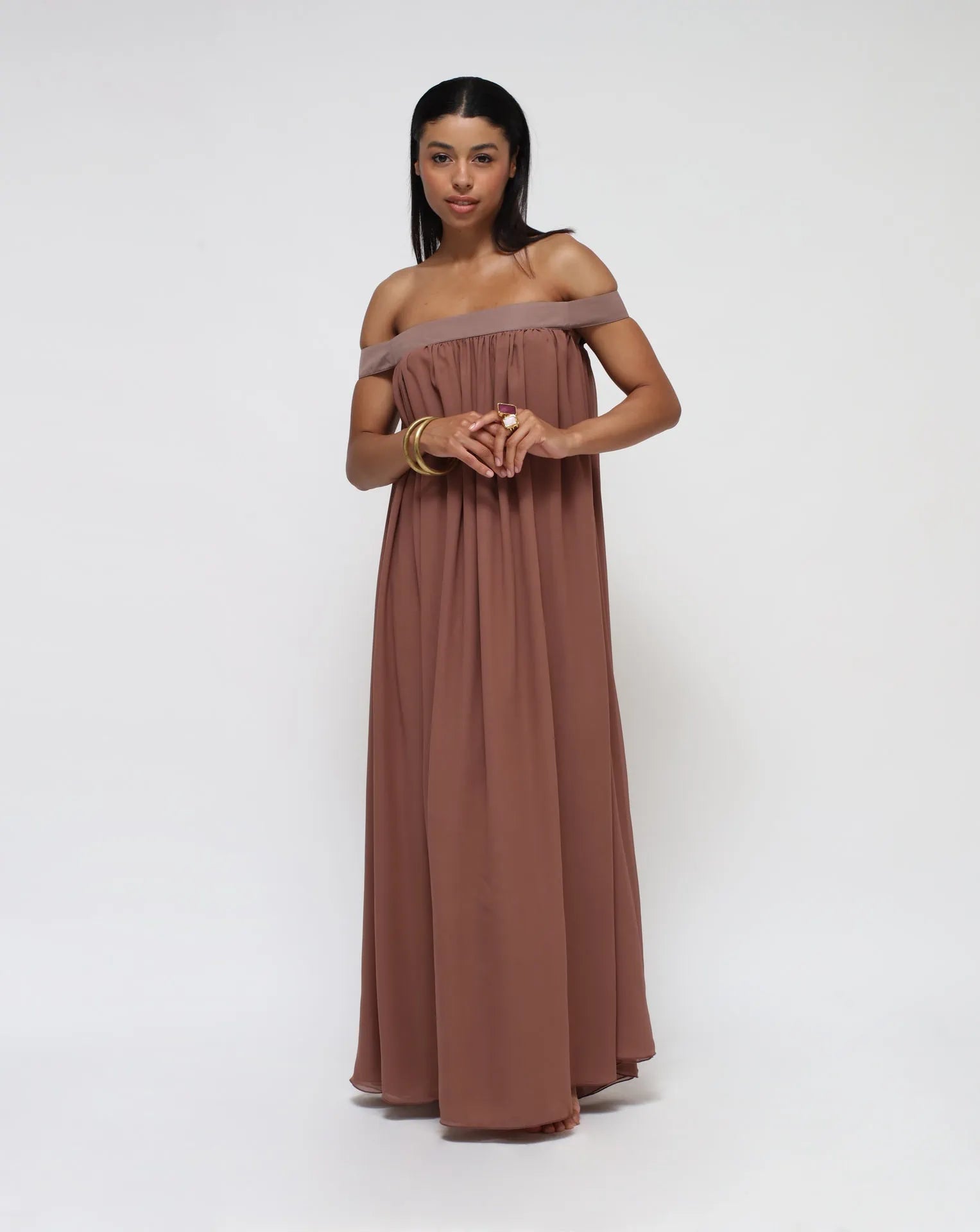
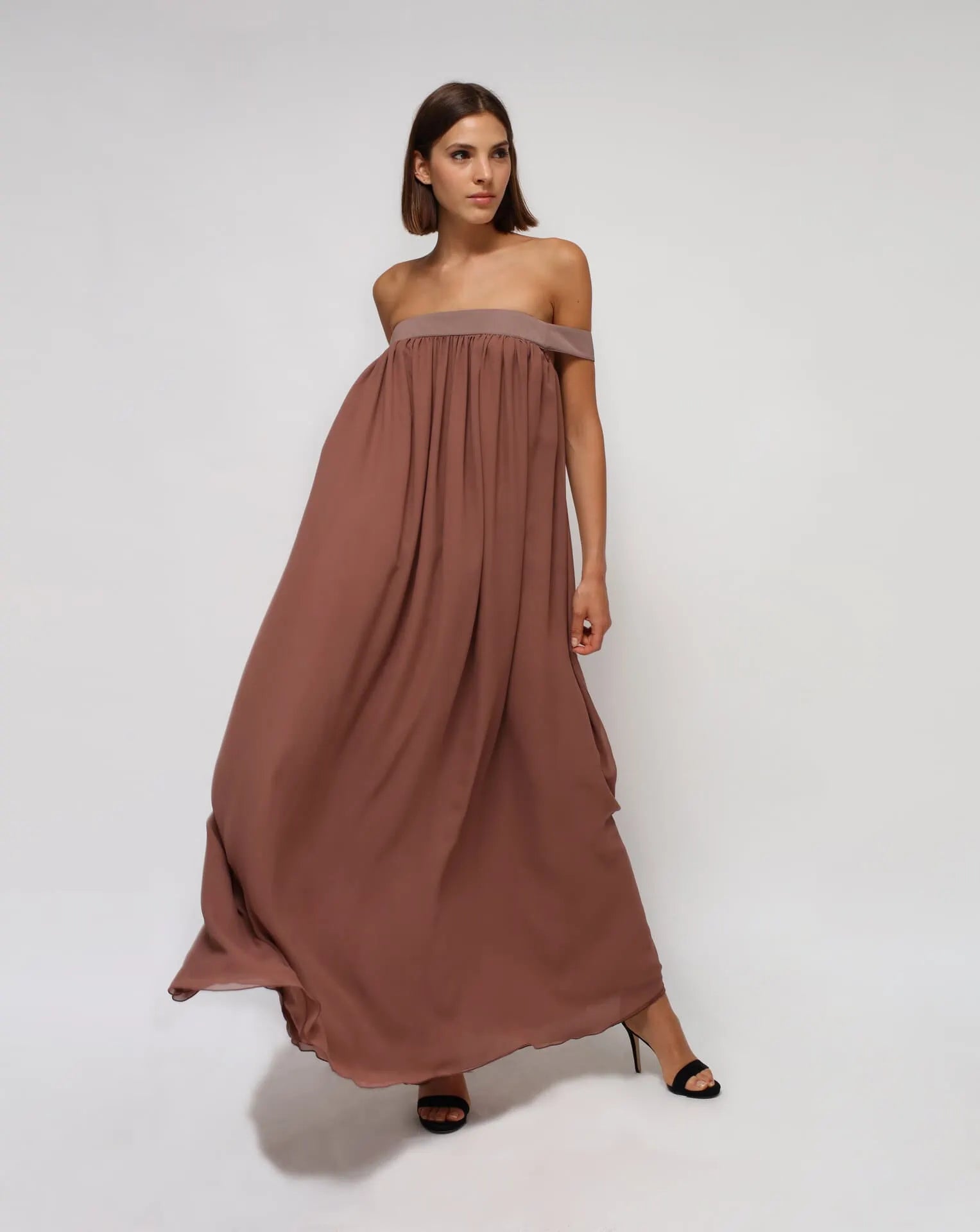
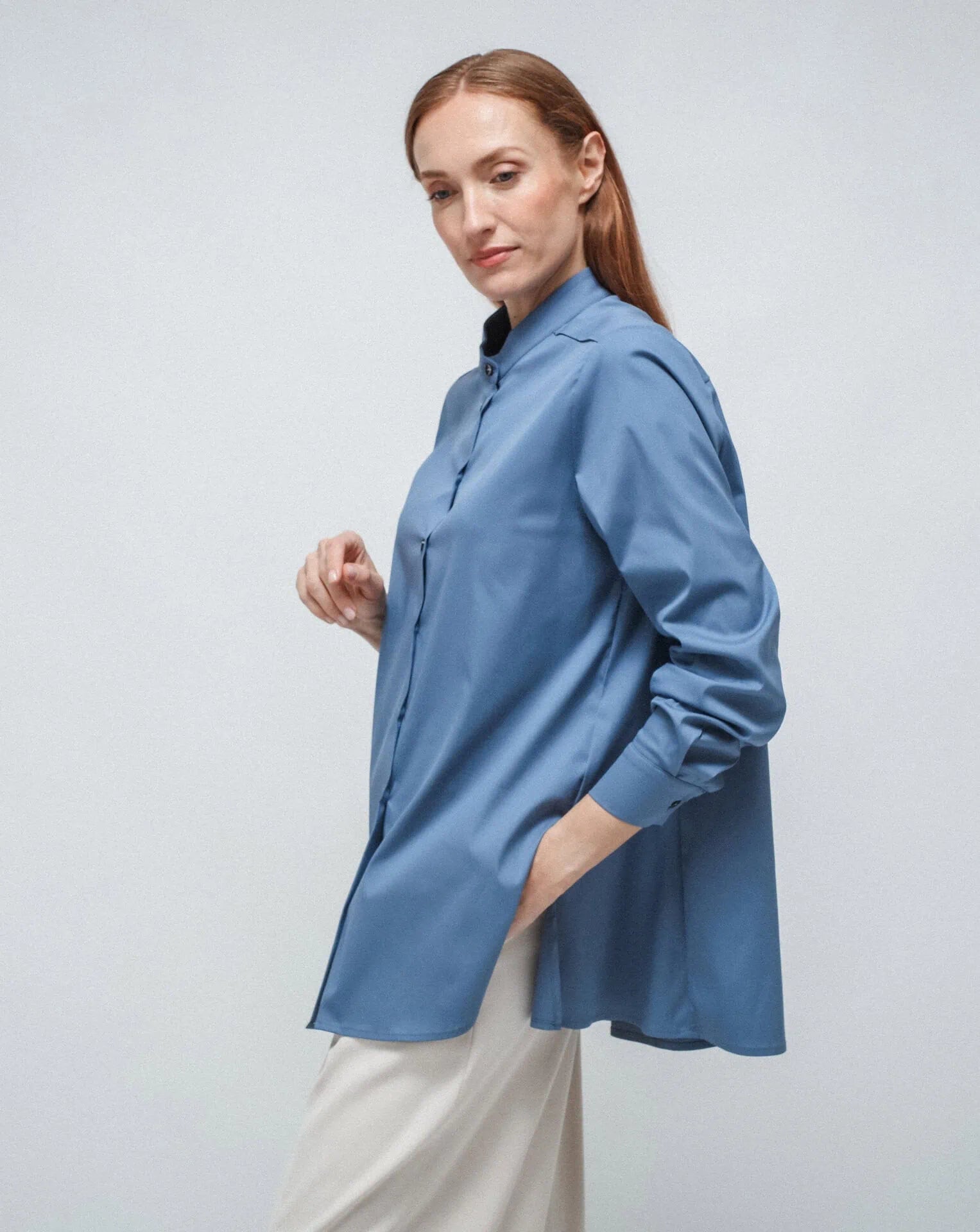
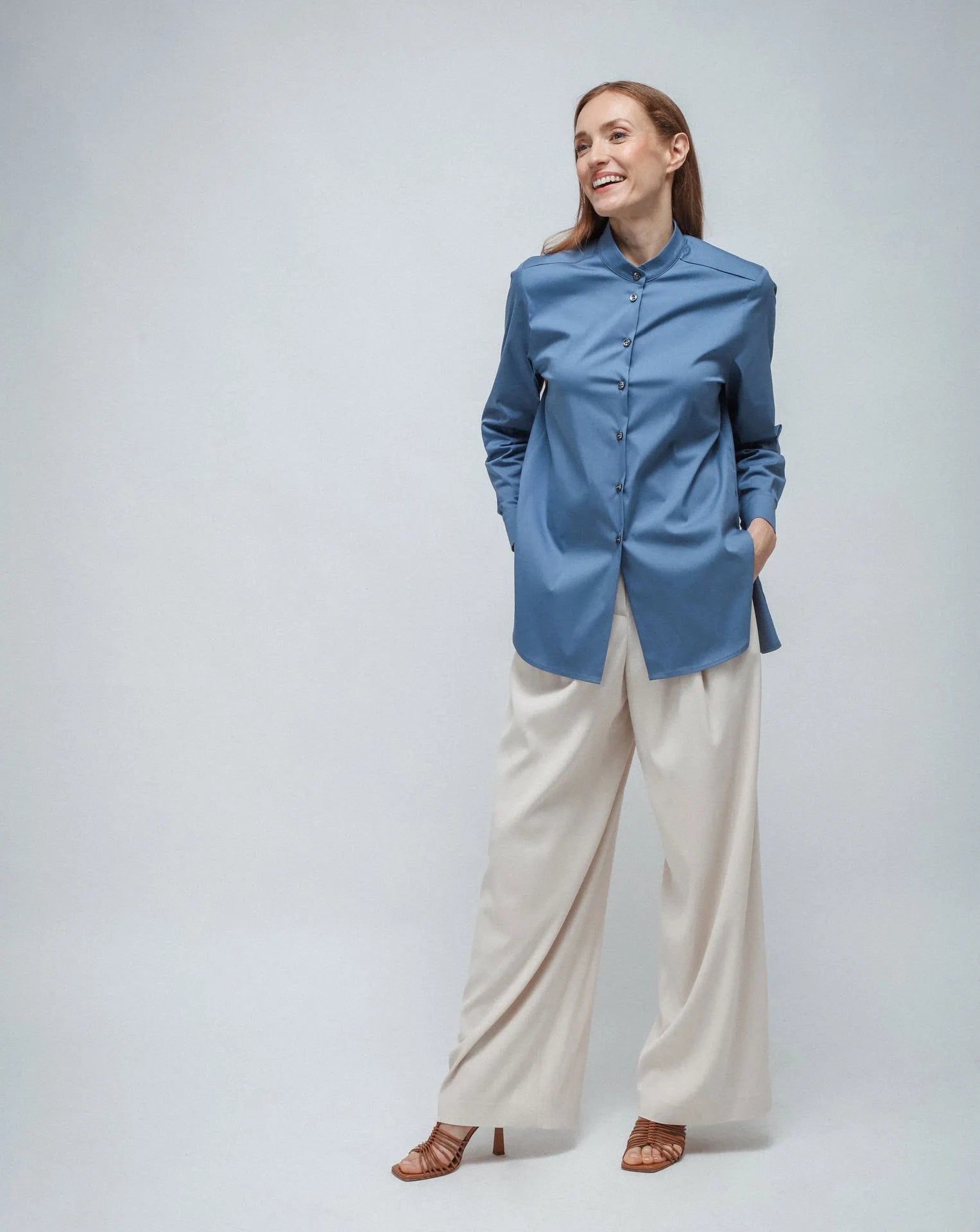
For a premium wardrobe, versatility should never mean blandness. The right separates carry personality through proportion, fabric, color, or a precise detail. A sharply cut jacket in a rich deadstock wool blend feels distinct even when paired with the simplest black pant. A fluid blouse adds movement to structured tailoring without sacrificing polish.
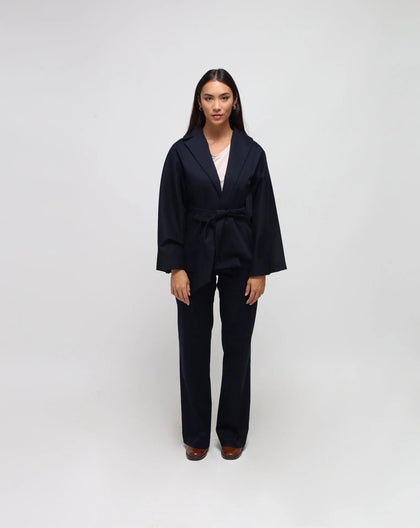
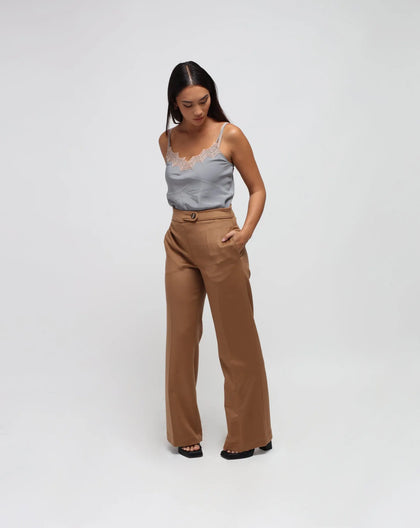
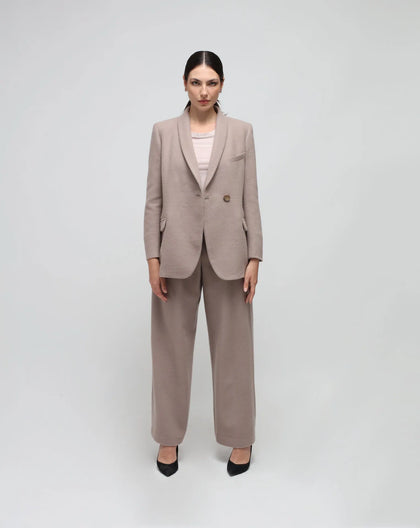
Women's workwear separates for winter
Winter dressing is a balancing act. Offices may run warm, commutes rarely do, and a heavy coat can conceal even the best outfit until you arrive. Build from adaptable layers, not bulk.
Begin with a tailored foundation
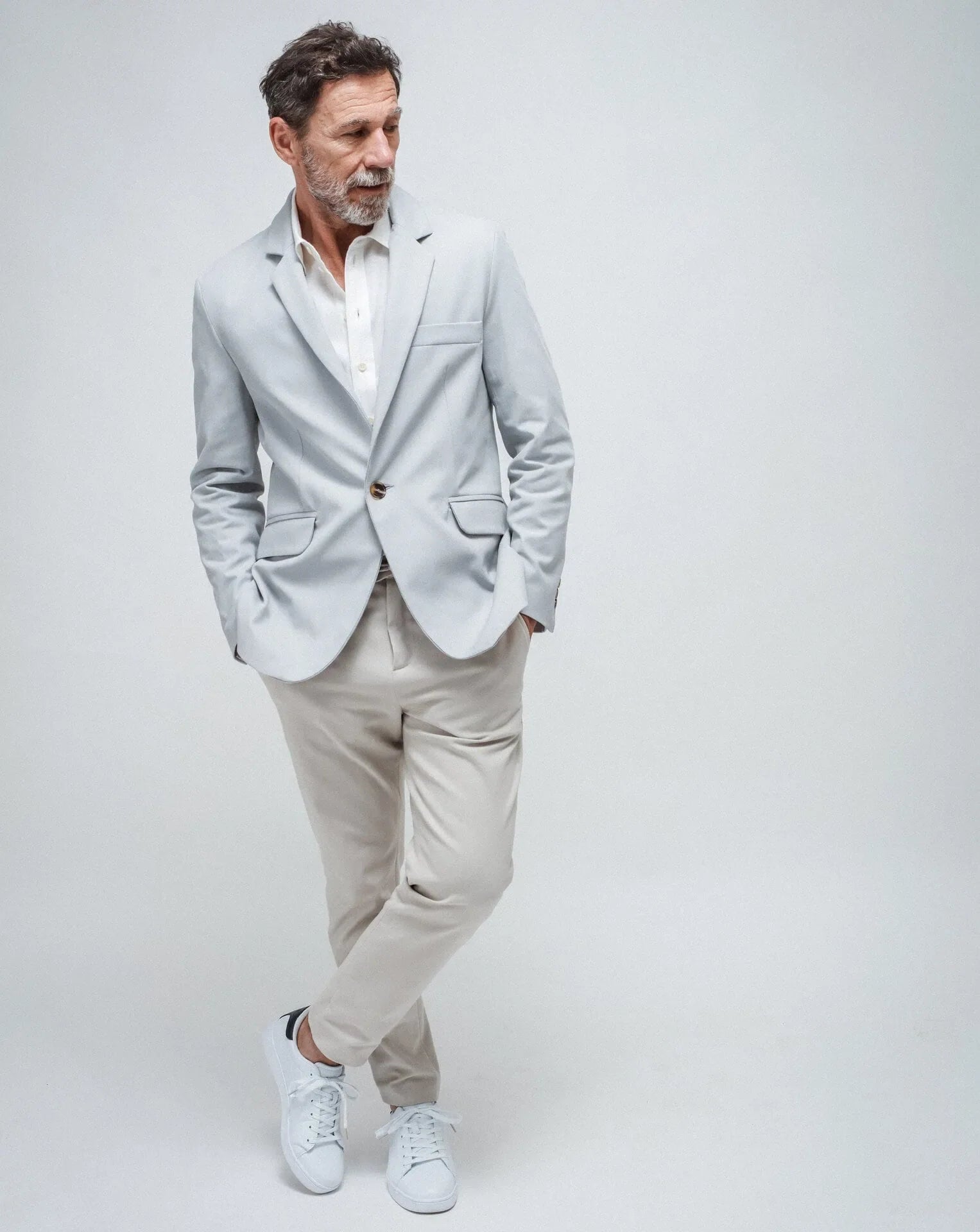
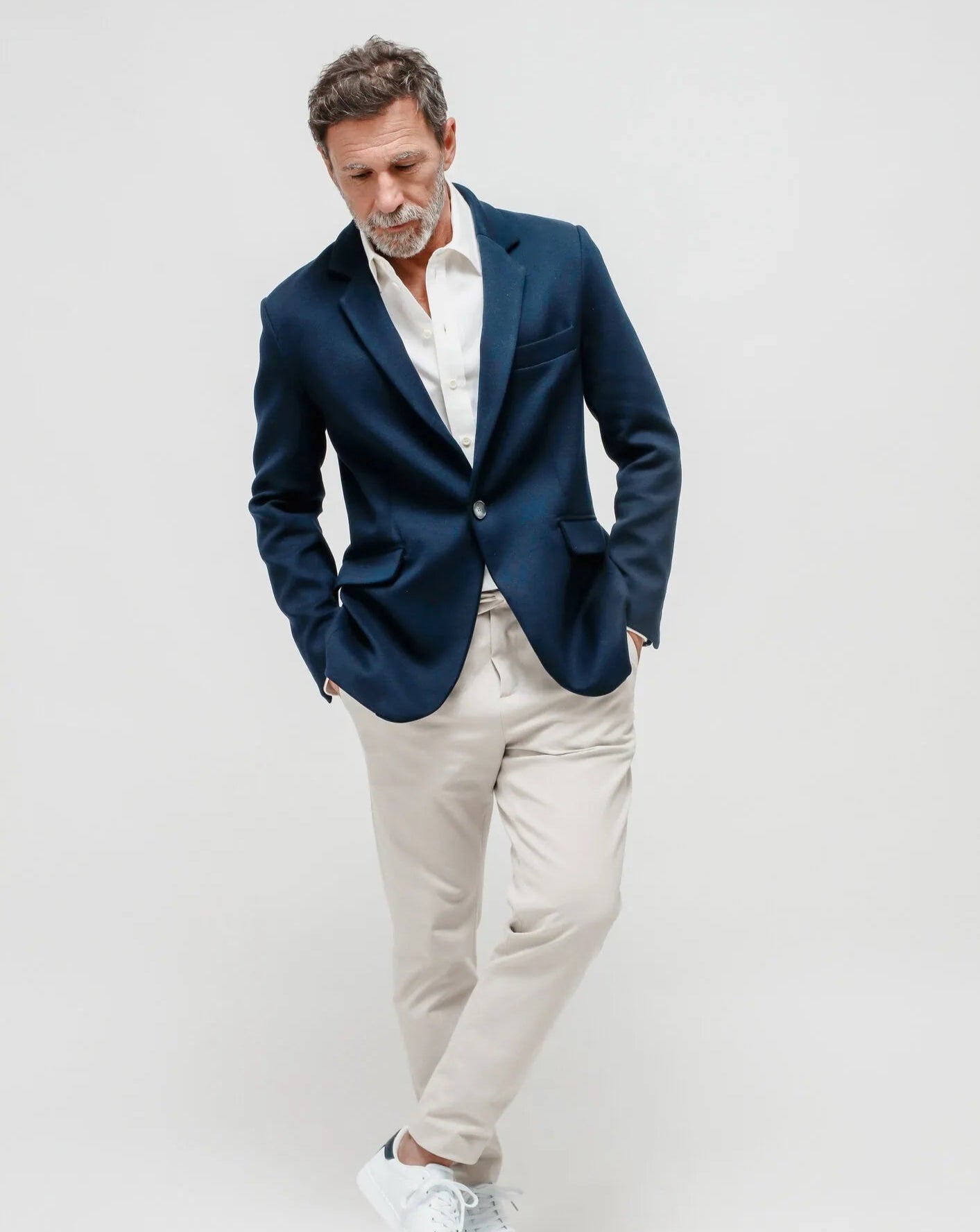
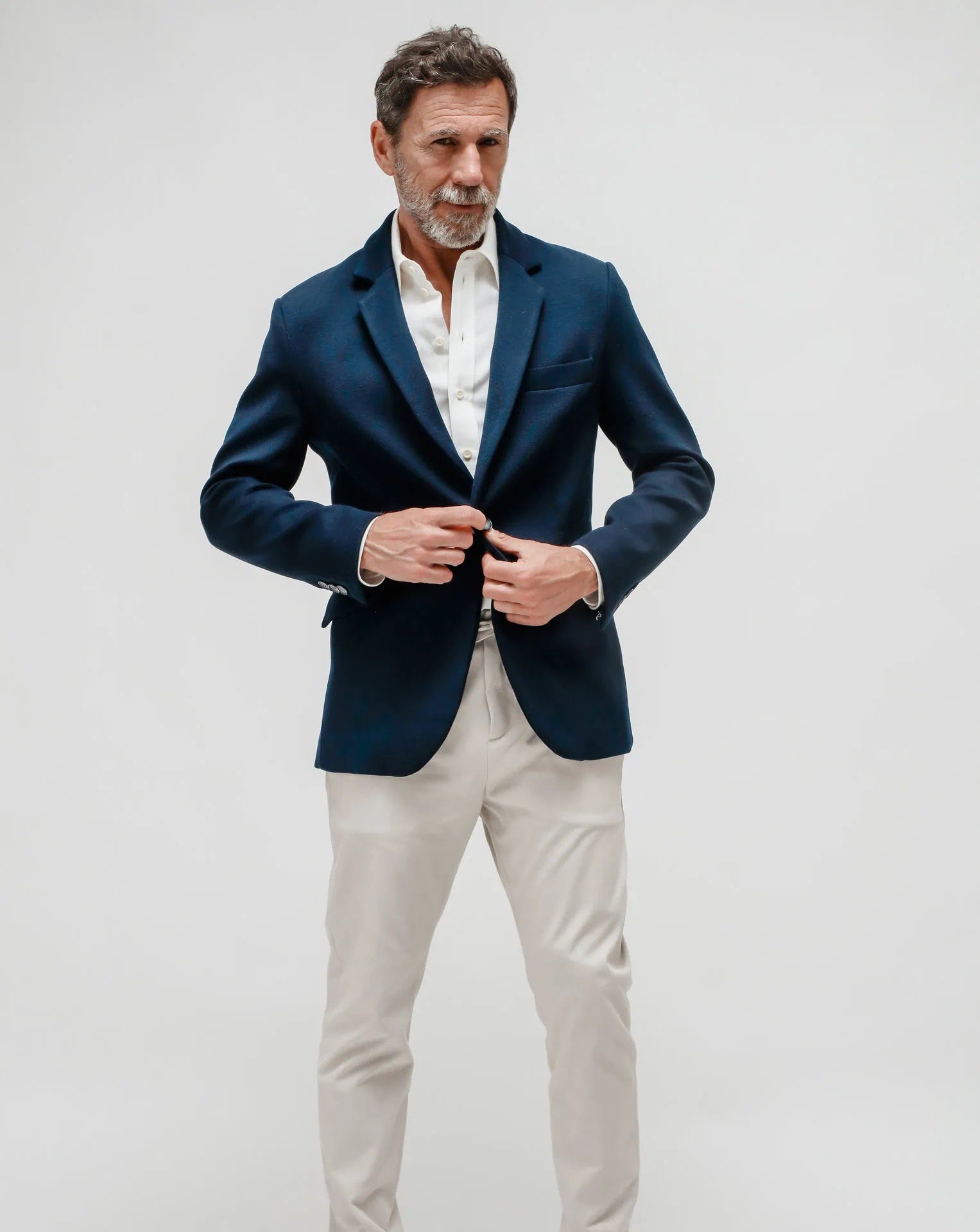
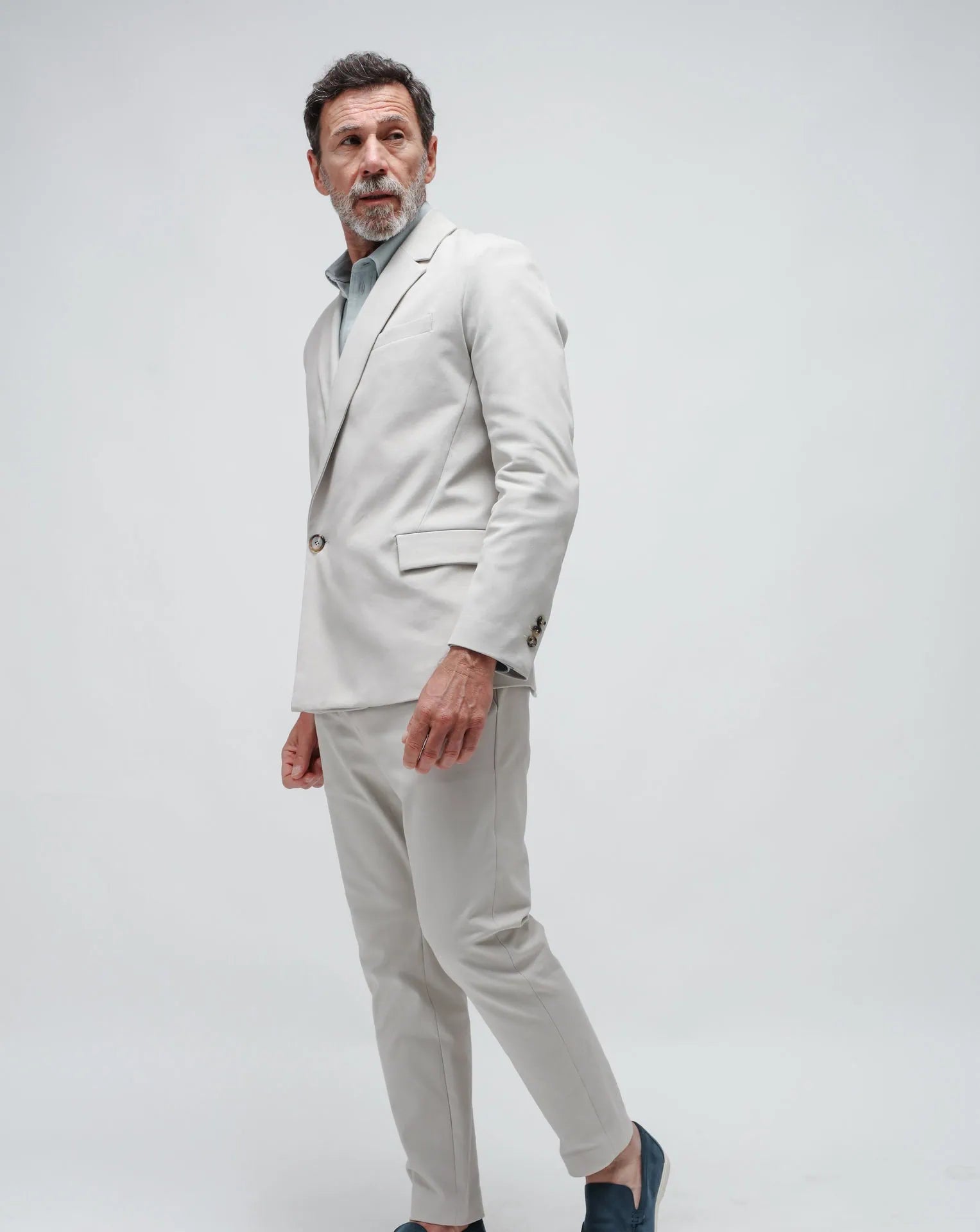
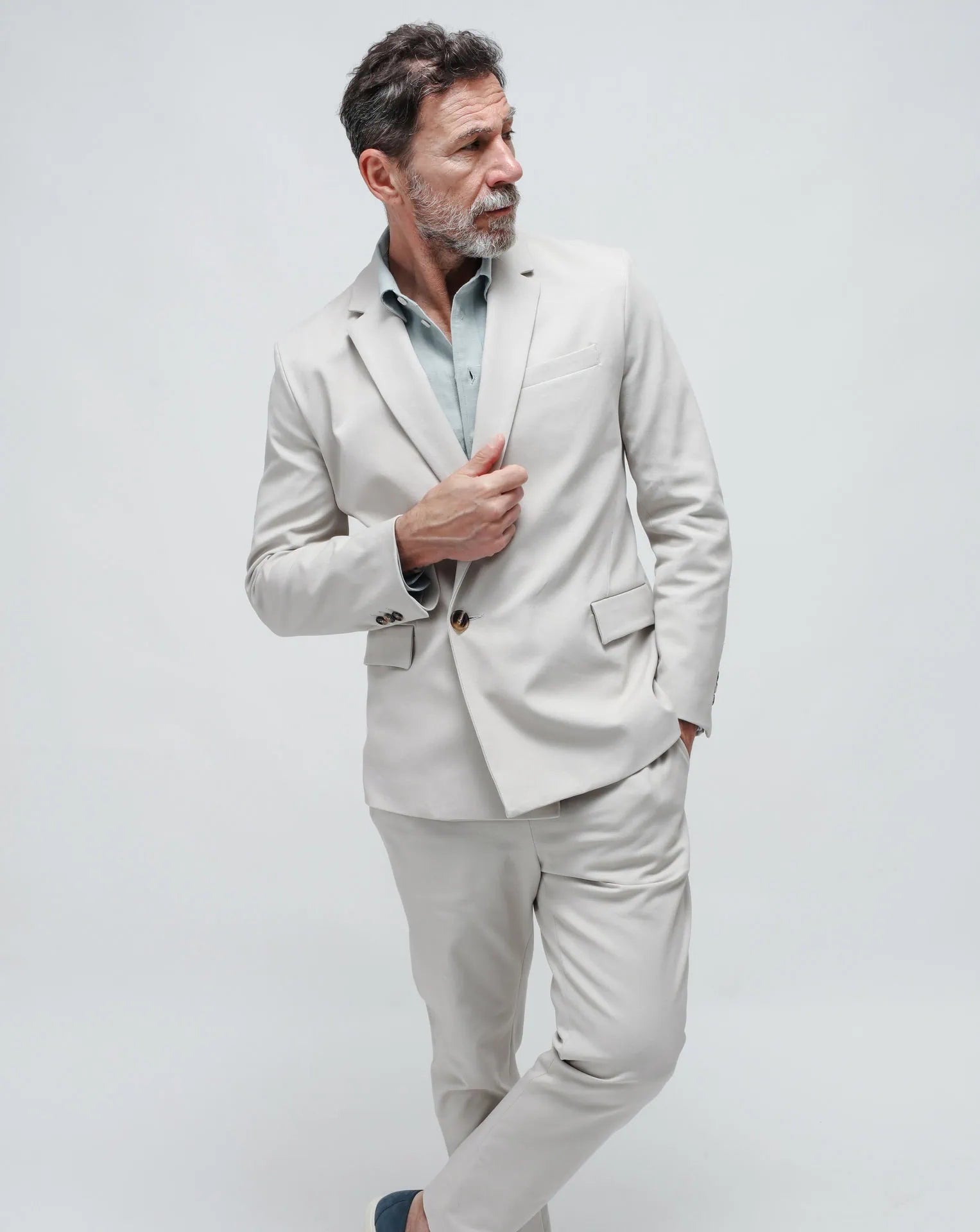
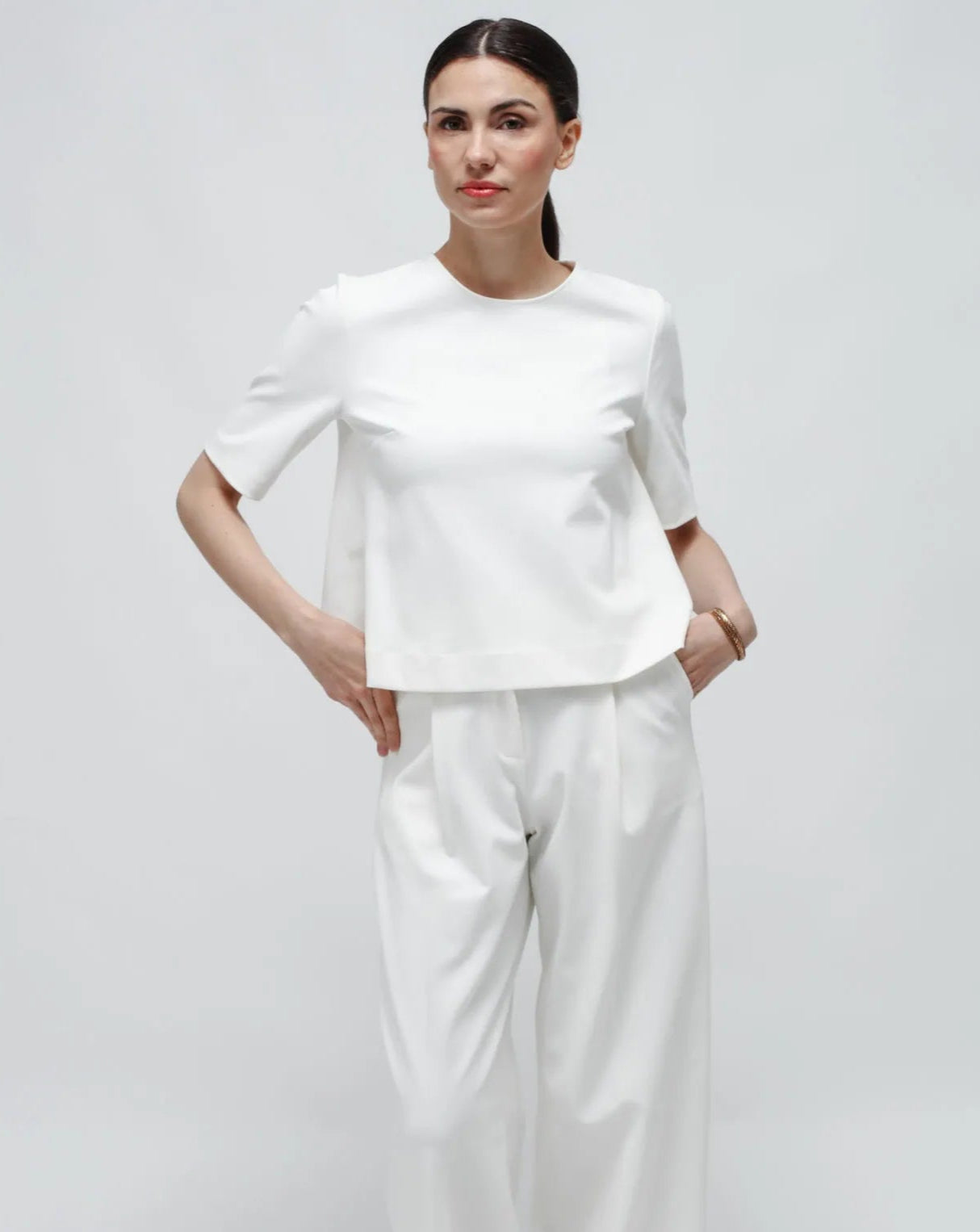
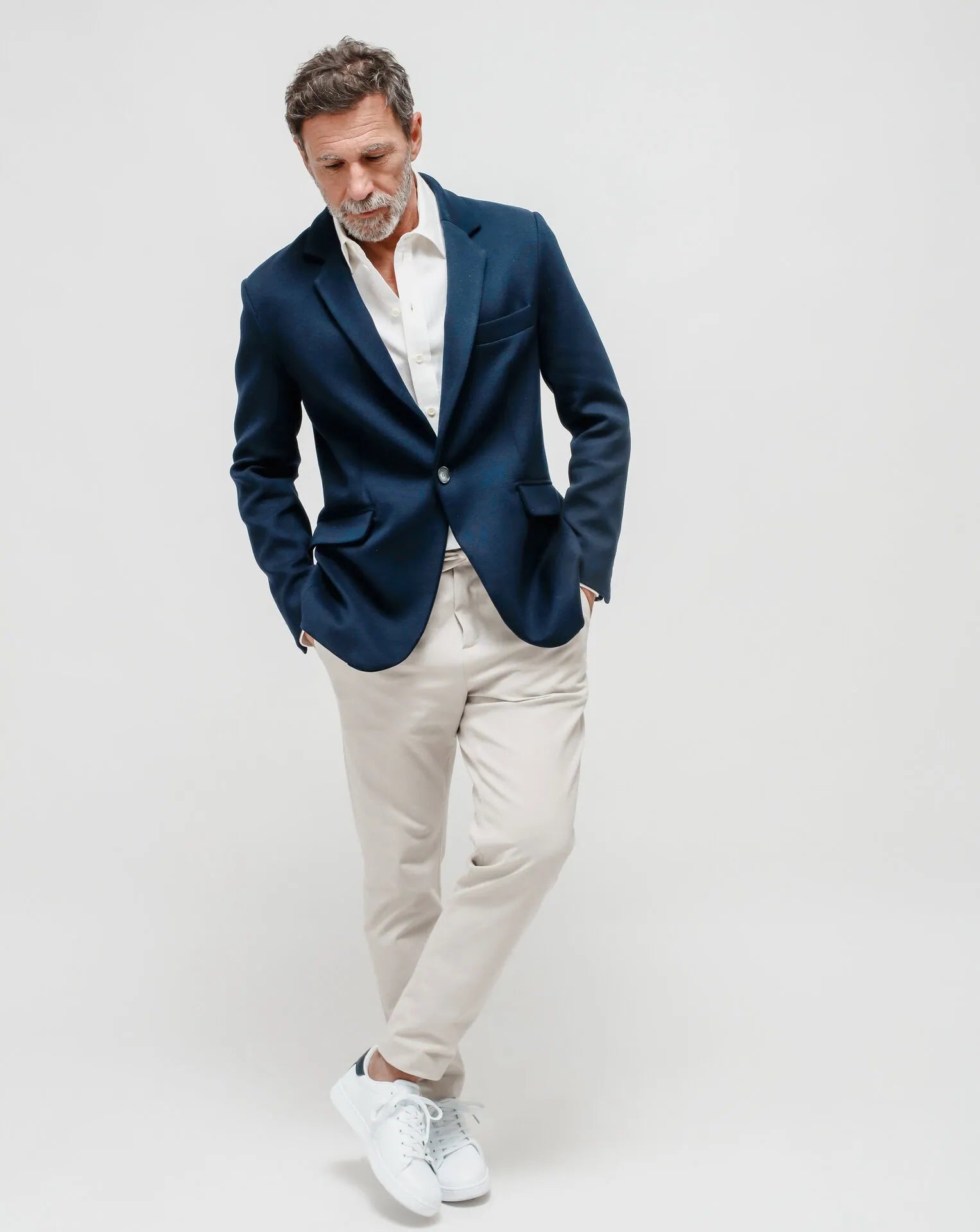
Start with one blazer and one pair of trousers that can be worn together but do not depend on each other. A slightly relaxed blazer gives room for a merino knit or fine-gauge turtleneck beneath it. Straight-leg or softly wide-leg trousers offer ease over the course of a long day and sit naturally over loafers, ankle boots, or a low heel.
Featured piece: Women’s Winter Tailored Blazer
Choose a neutral that has depth. Charcoal, espresso, deep navy, and warm stone tend to work harder than stark black alone, especially in winter light. Black is still useful, of course, but a wardrobe built entirely around it can flatten the texture and tonal variation that make cold-weather outfits feel elevated.
Featured piece: Women’s High-Waist Tailored Trouser
Fit matters more than a trend-led silhouette. The shoulder of a blazer should sit cleanly, while the sleeve should leave enough room to move. Trouser hems should be selected with the shoes you actually wear, not the shoes imagined for a single campaign image. Free size exchanges make it easier to be exact here. A strong fit is what turns a good fabric into a piece you reach for repeatedly.
Use knitwear as the bridge
Knitwear is the quiet engine of a winter work wardrobe. A fine knit crewneck, mock neck, or cardigan can soften tailored pieces while keeping the overall look deliberate. It also solves the practical problem of fluctuating temperatures better than a heavy shirt or oversized sweater.
A close-fitting knit works best under a blazer. A slightly roomier knit can be paired with tailored trousers or a midi skirt when the dress code is less formal. Keep the contrast in mind: if the pants are wide, choose a more defined top; if the skirt is streamlined, a relaxed cardigan can bring ease without losing shape.
Featured piece: Women’s Deadstock Wool Knit
The fabric composition deserves attention. Natural fibers such as wool and wool blends offer warmth without the synthetic shine or static often associated with lower-grade office layers. Care is part of the value equation. Air knitwear between wears, fold it instead of hanging it, and reserve frequent washing for when it is genuinely needed. A well-cared-for knit keeps its shape, which means it keeps earning its space.
Add one piece with movement
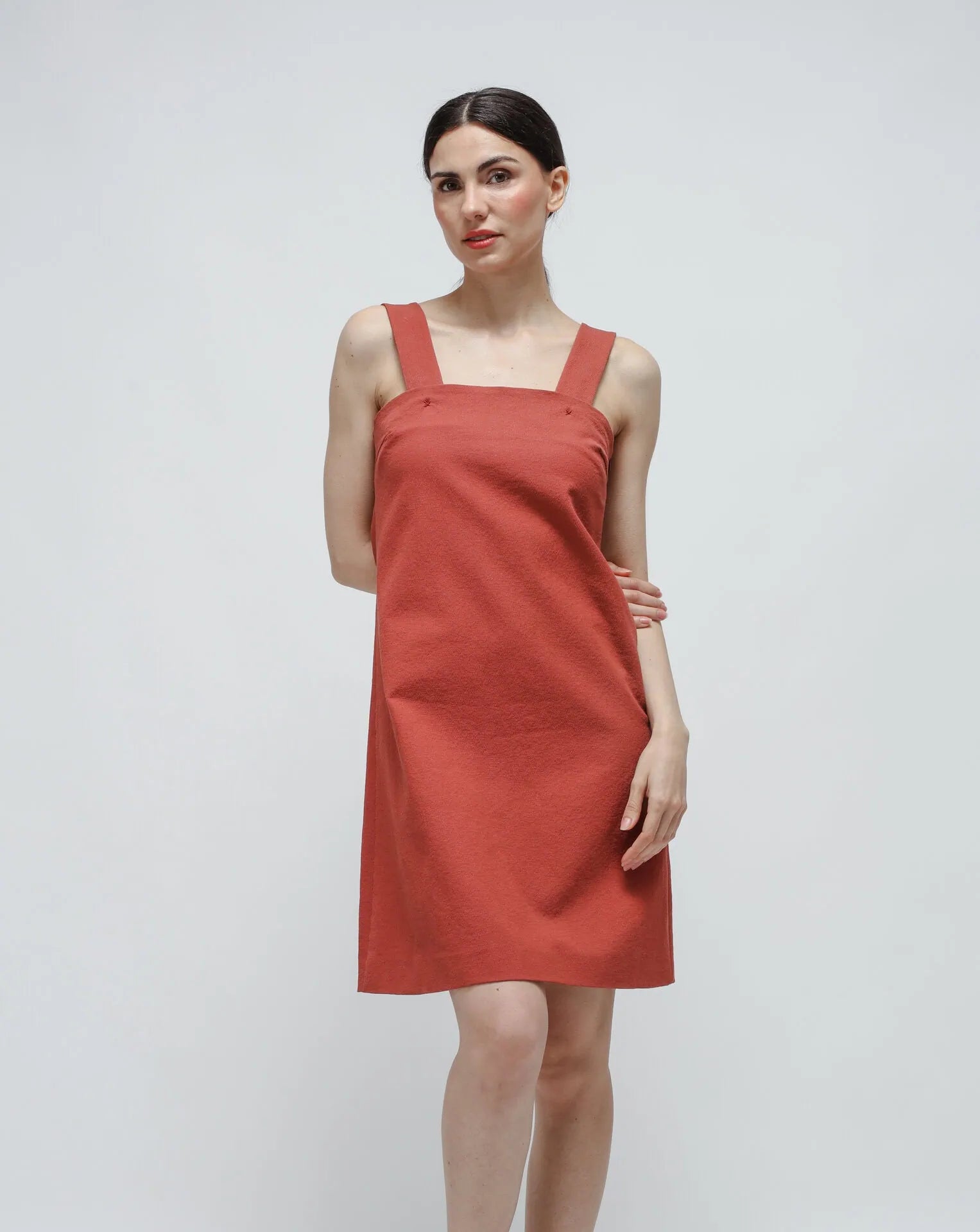
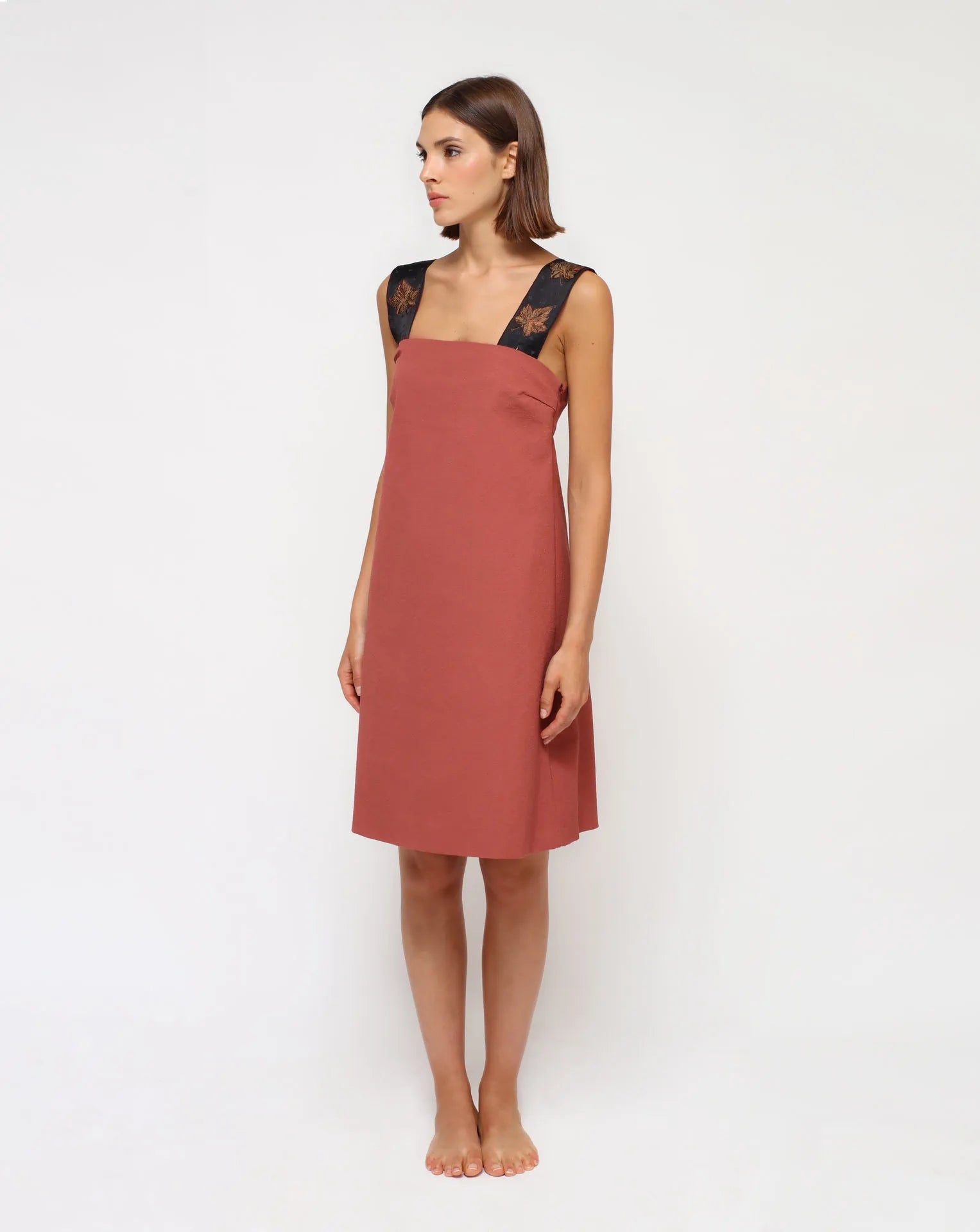
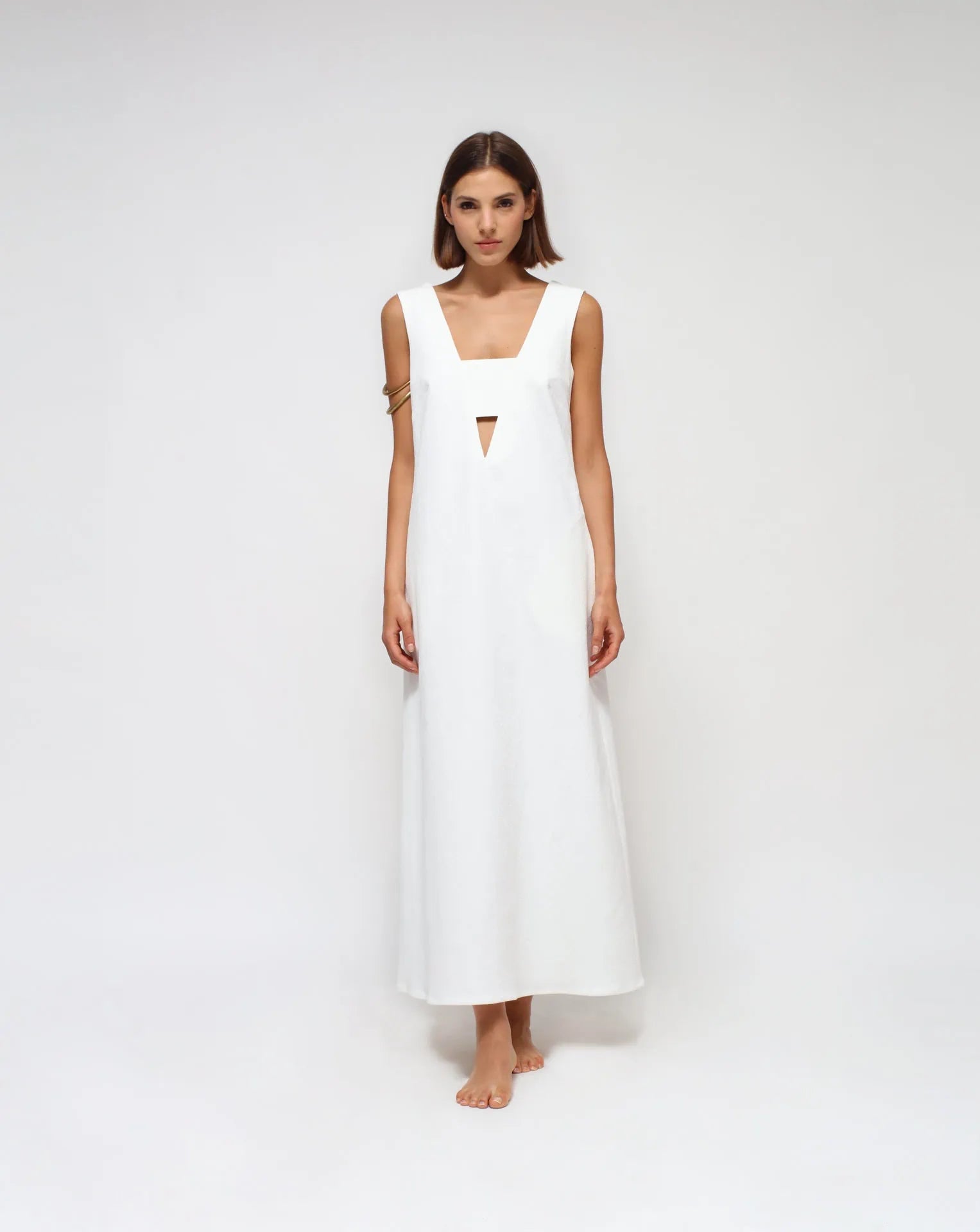
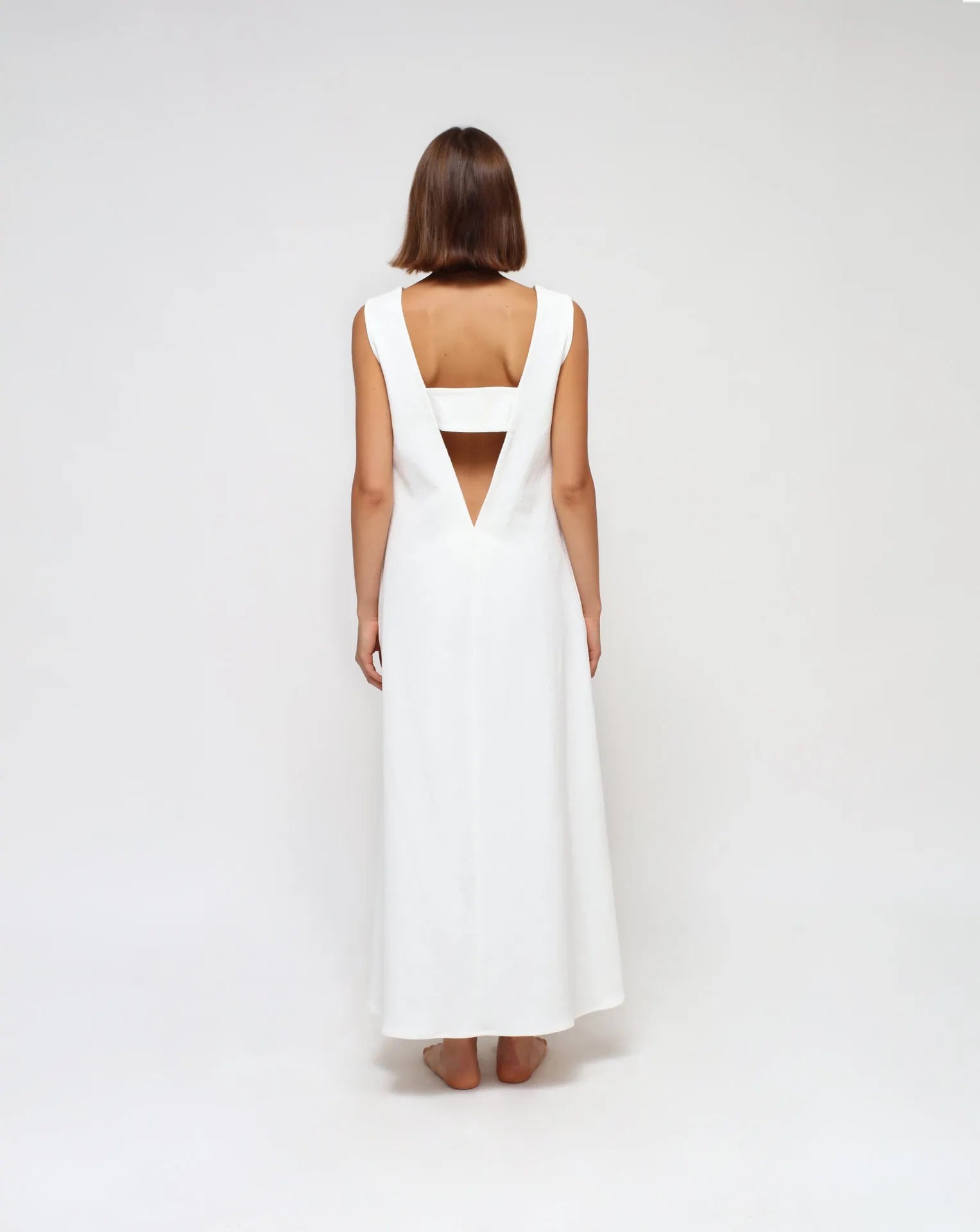
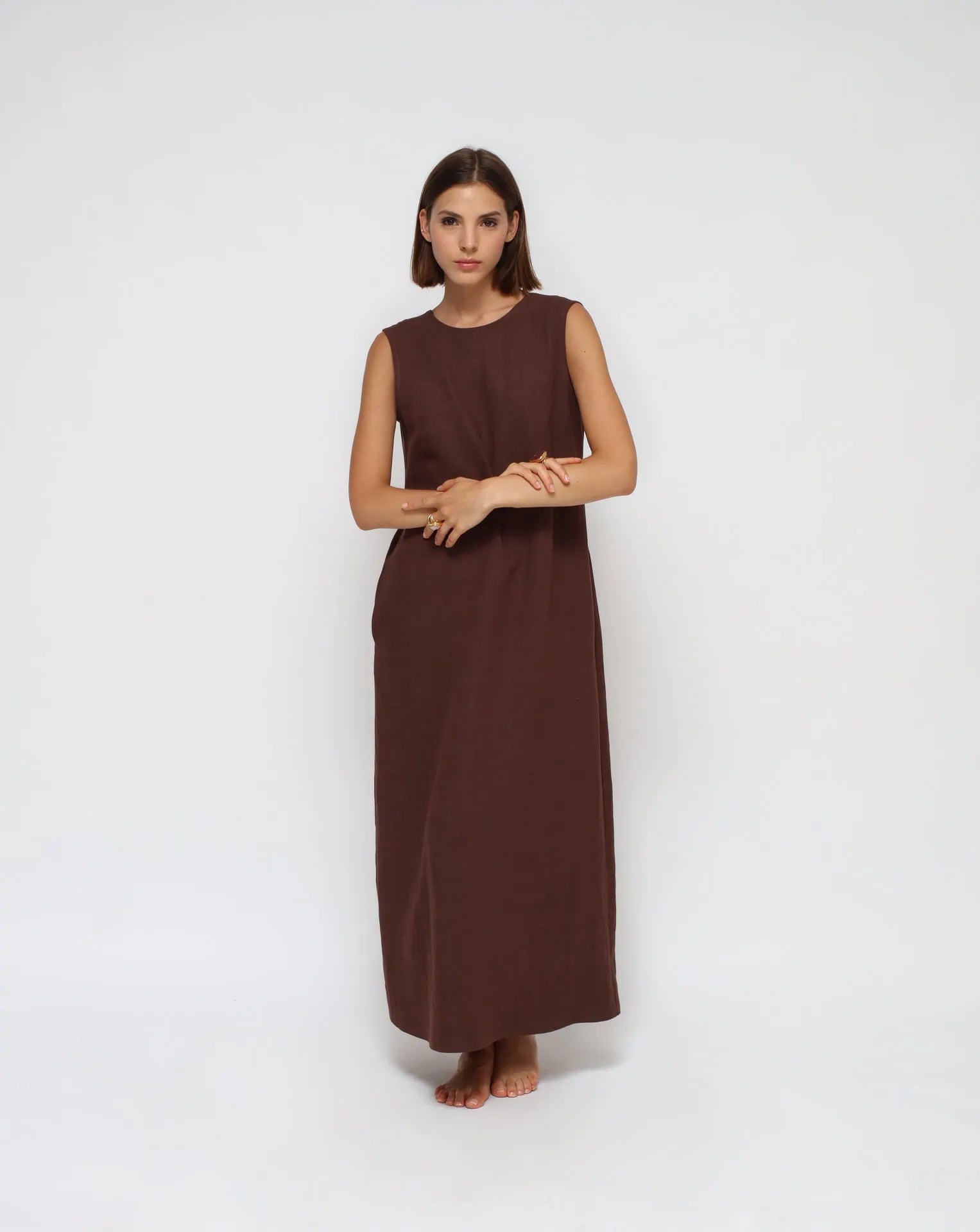
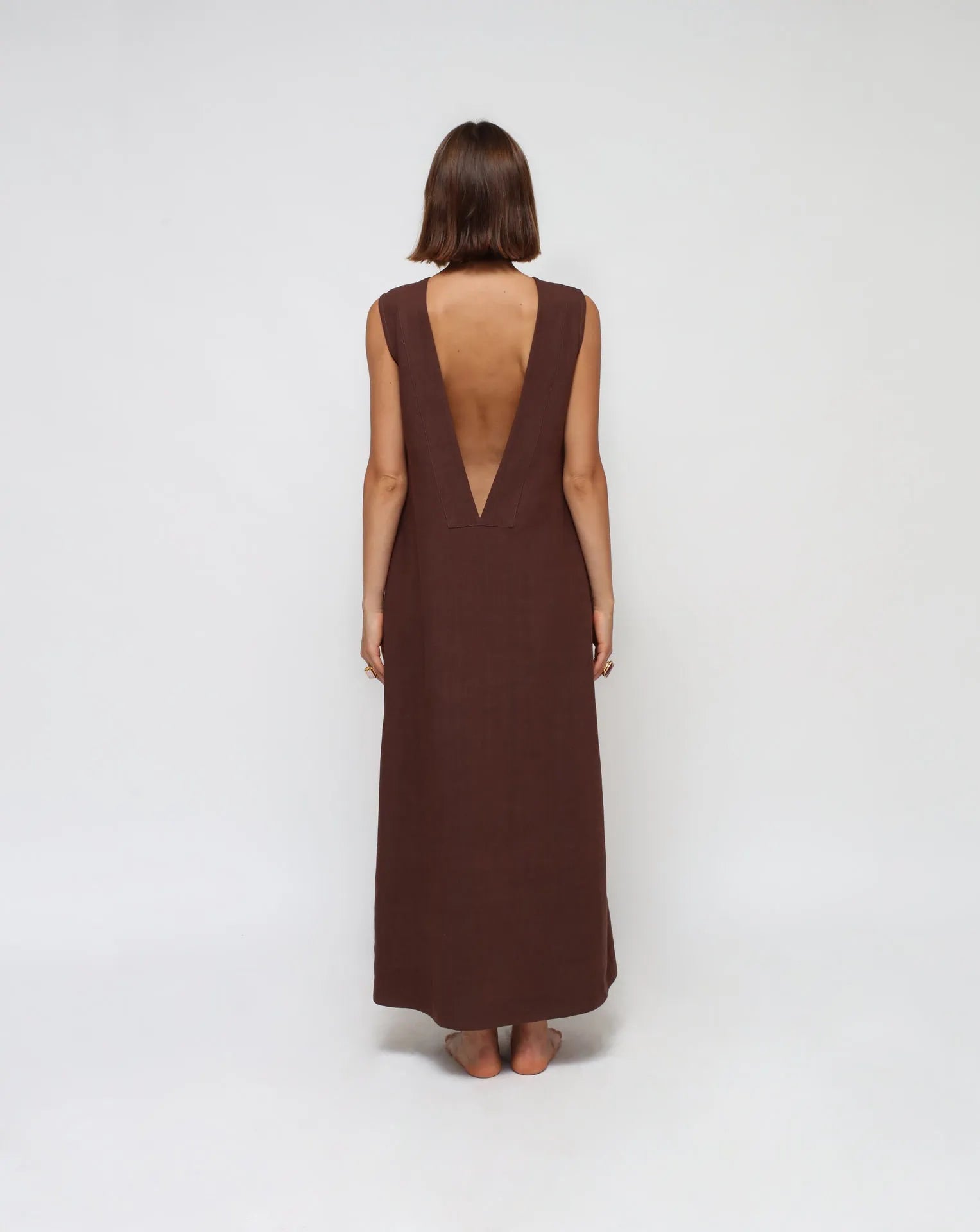
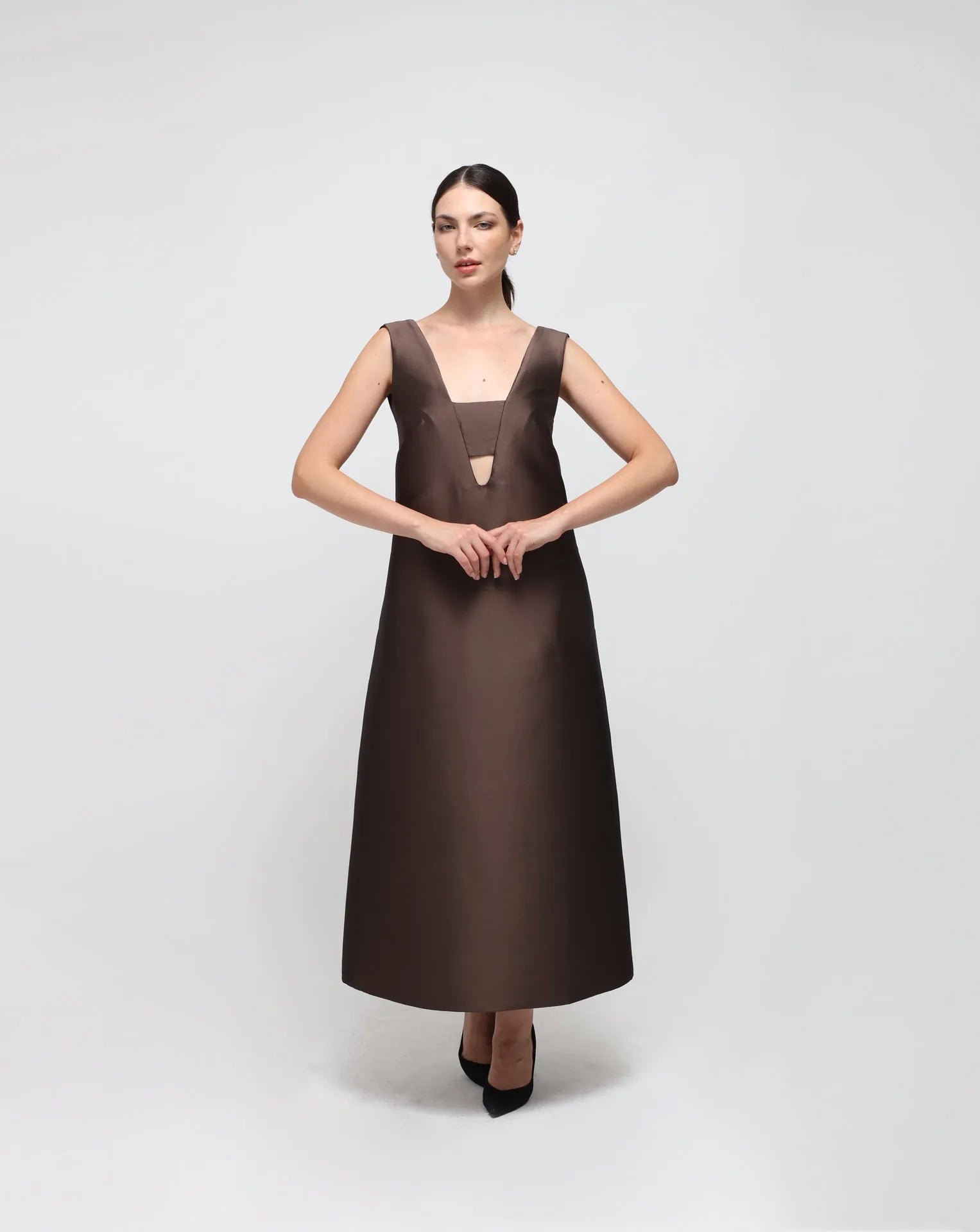
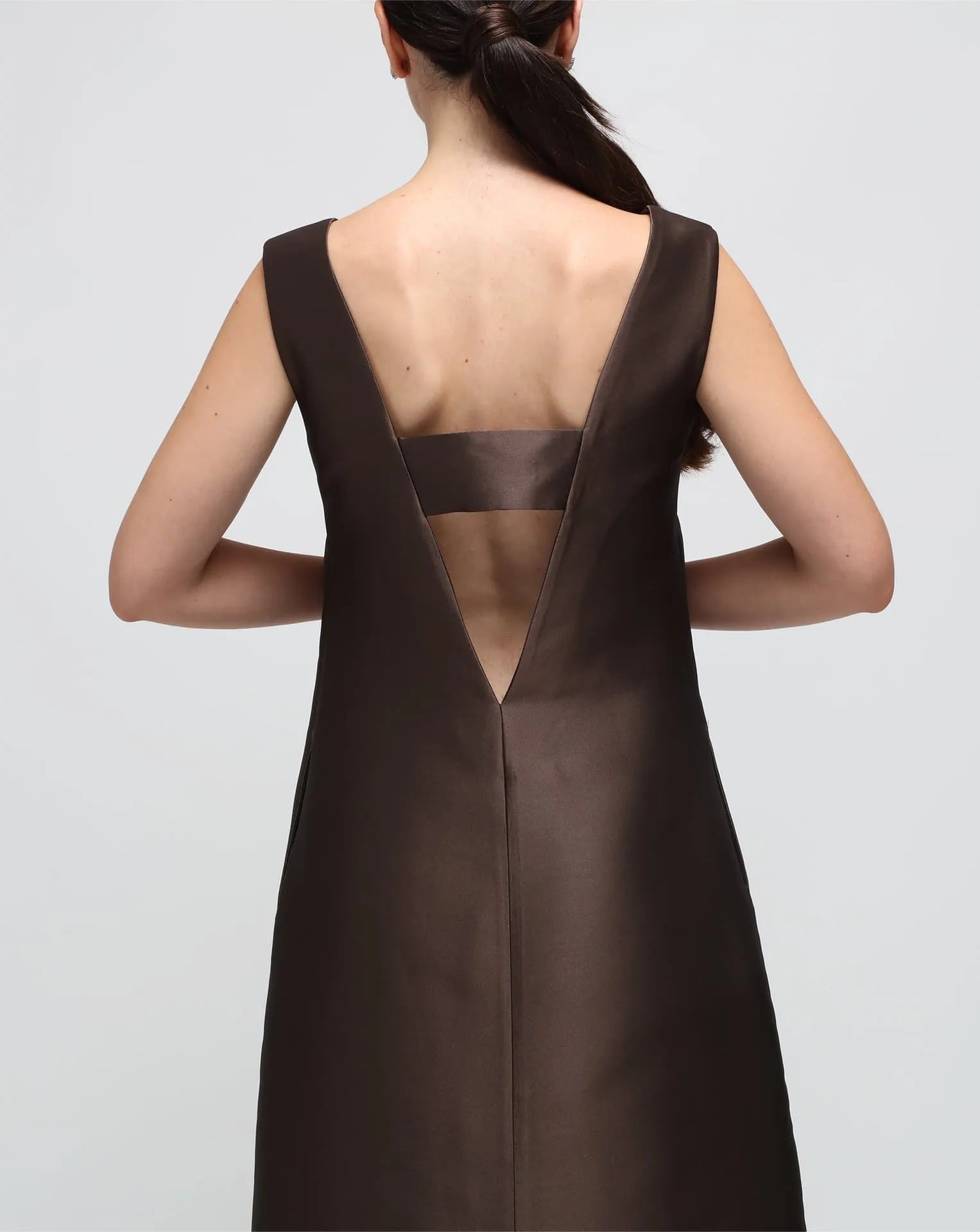
A work wardrobe built entirely from jackets and pants can become overly uniform. Introduce a midi skirt, a fluid shirt, or a softly structured dress that works beneath outerwear. This is not about abandoning tailoring. It is about giving the wardrobe a different rhythm.
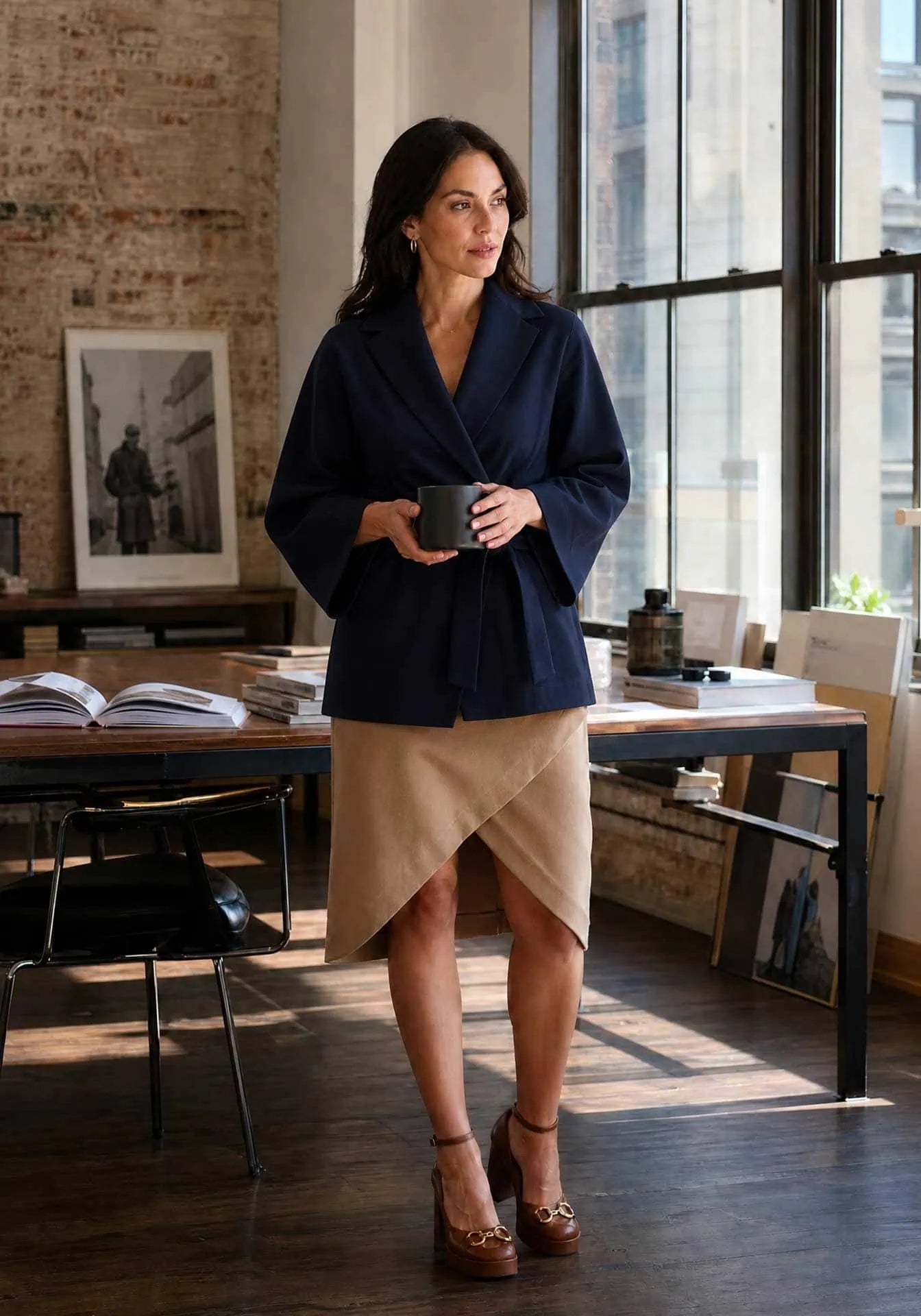
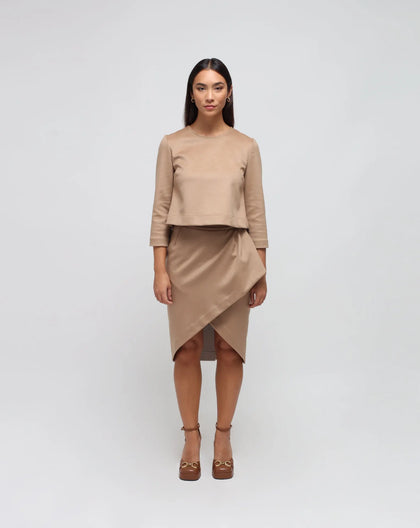
A midi skirt in a substantial fabric pairs naturally with boots and a tucked knit. A refined shirt can move from a boardroom to an evening reservation when worn with a tailored pant and minimal jewelry. If your work setting is creative or less formal, these pieces often become the most useful bridge between professional and personal style.
Featured piece: Women’s Winter Midi Skirt
Let fabric set the standard
Not all workwear needs to look formal, but it should feel considered. Fabric is usually the fastest way to achieve that. A simple silhouette cut in a quality wool, cotton poplin, twill, or textured deadstock fabric has more authority than a complicated design made from something thin and disposable.
Deadstock fabrics offer a particularly meaningful choice. They make use of existing high-quality materials that might otherwise sit unused or become waste. Because availability is limited, they also bring a natural sense of rarity to each small-batch production run. The trade-off is simple: when a fabric is gone, it may not return. That scarcity asks for a more deliberate purchase, not a rushed one.
For winter, seek fabrics that hold their line. A trouser should not lose its shape after a few hours at a desk. A blazer should retain structure while still allowing movement. A shirt should feel substantial enough to layer under a knit without bunching. These details are less dramatic than a new trend, but they define whether clothing serves you season after season.
Build a rotation, not a uniform
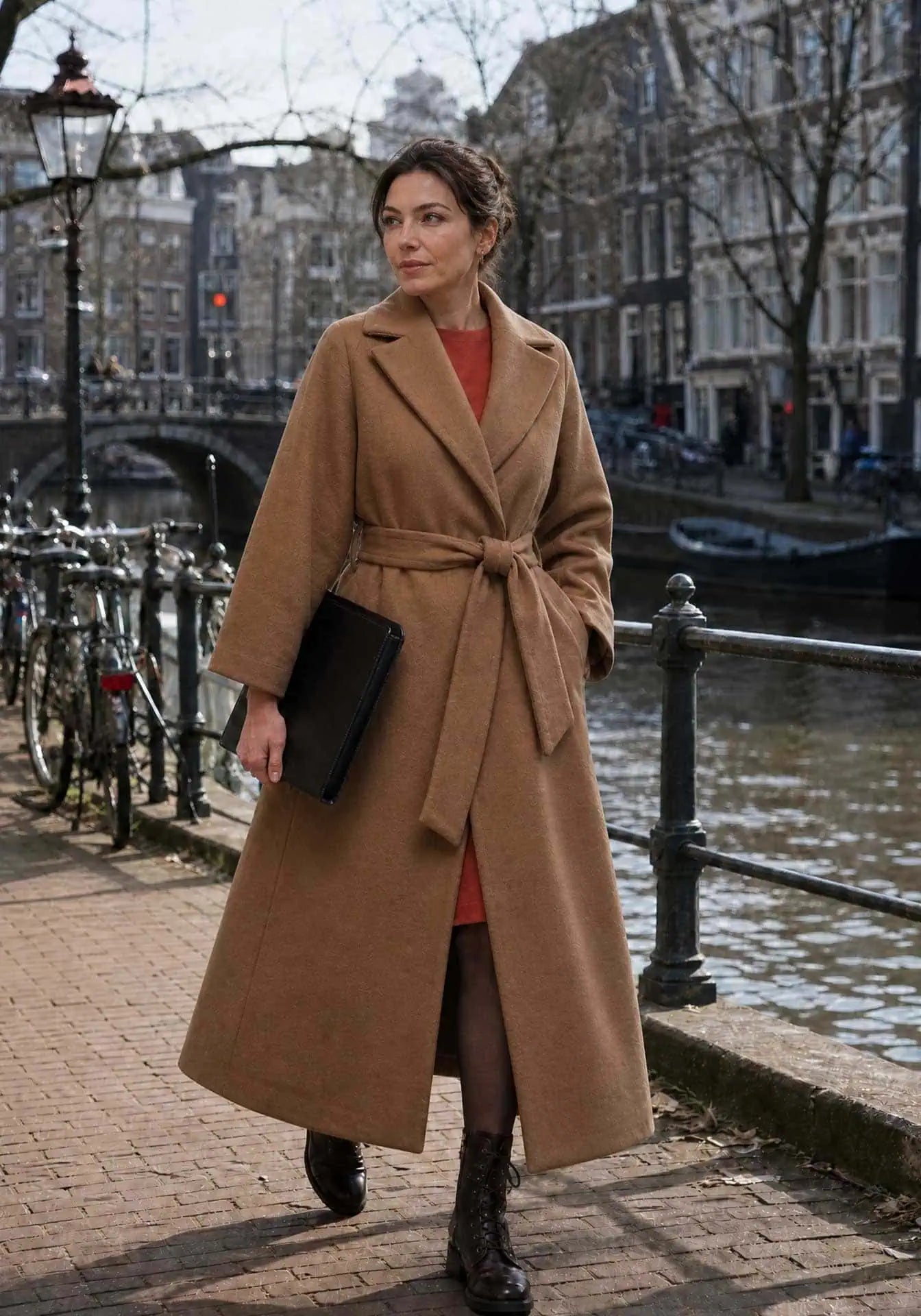
The most effective workwear rotations rely on contrast. Pair crisp tailoring with a soft knit. Wear a fluid blouse with a structured pant. Let a long coat frame clean, simple layers beneath it. When every piece has the same weight, fit, and formality, getting dressed becomes repetitive even if the colors change.
A useful winter rotation might center on a blazer, two tailored bottoms, two knit layers, a shirt, and one skirt or dress. That is enough to create variety without filling a closet with near-duplicates. It also leaves space for personal signatures: a sculptural earring, a favorite leather boot, a vintage watch, or a scarf with real color.
Color should support this flexibility. Build your foundation around two or three neutrals, then add one accent shade that feels like you. Burgundy, forest green, smoky blue, and butter yellow can all work beautifully against winter tailoring, depending on your existing wardrobe. The goal is cohesion, not matching everything perfectly.
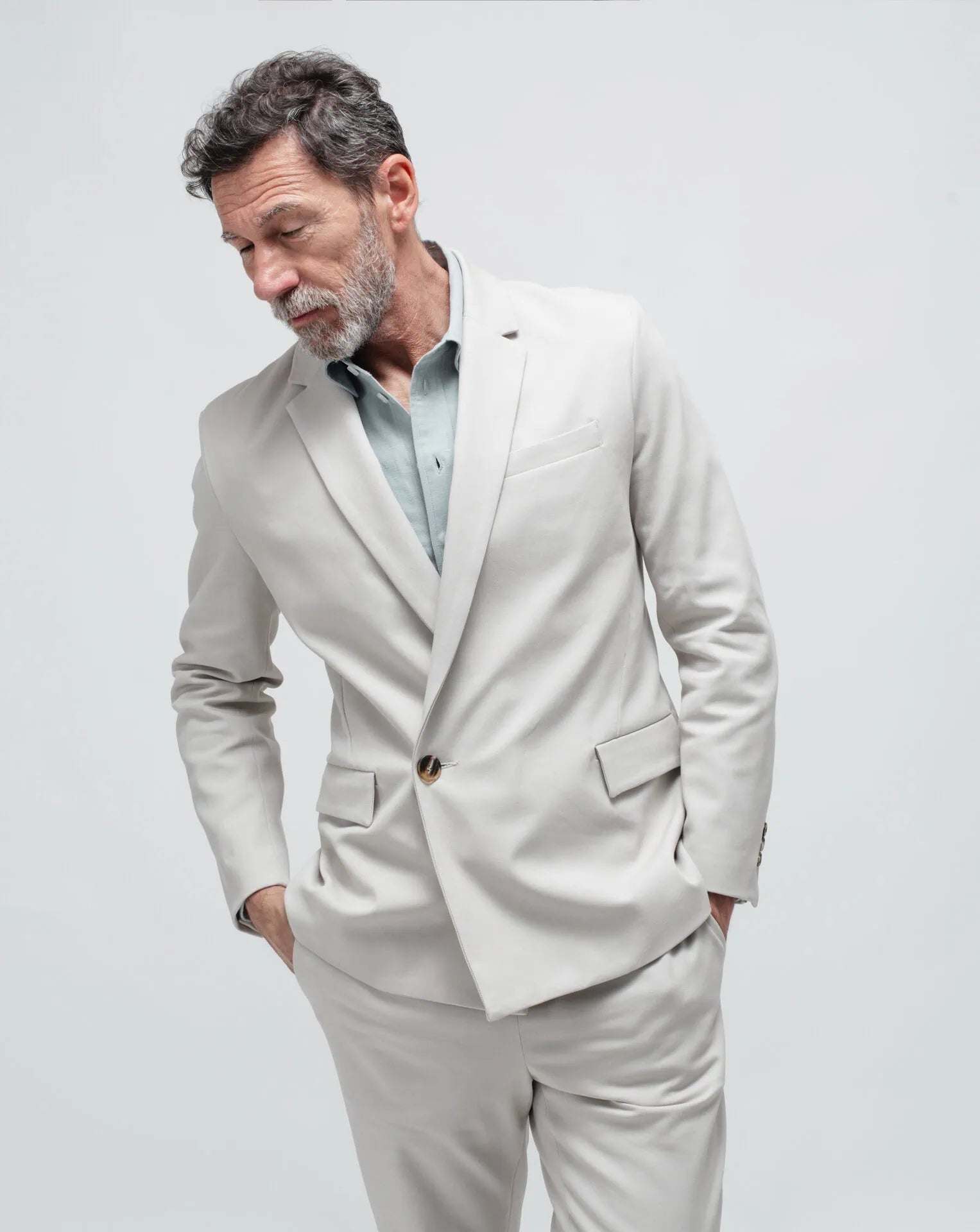
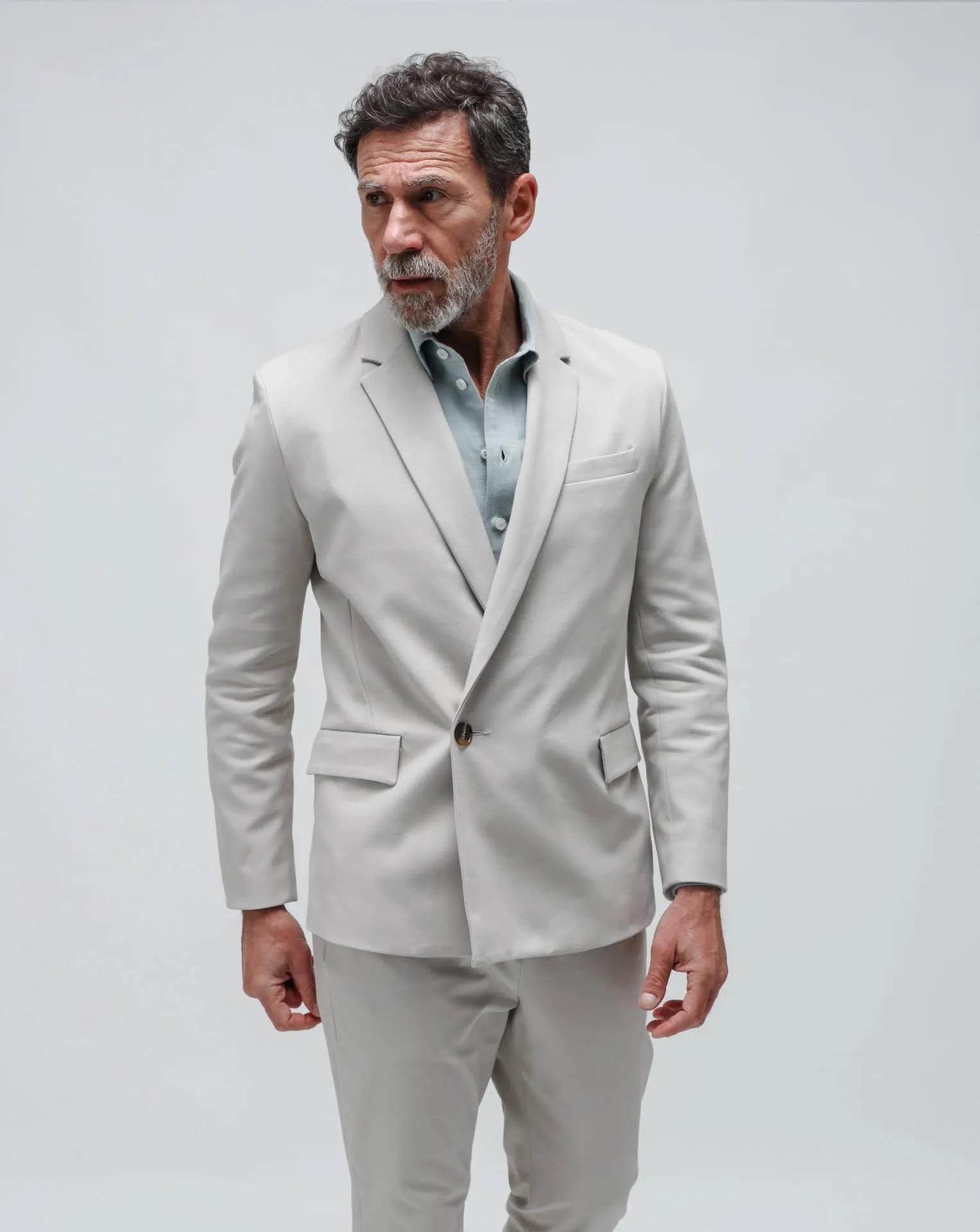
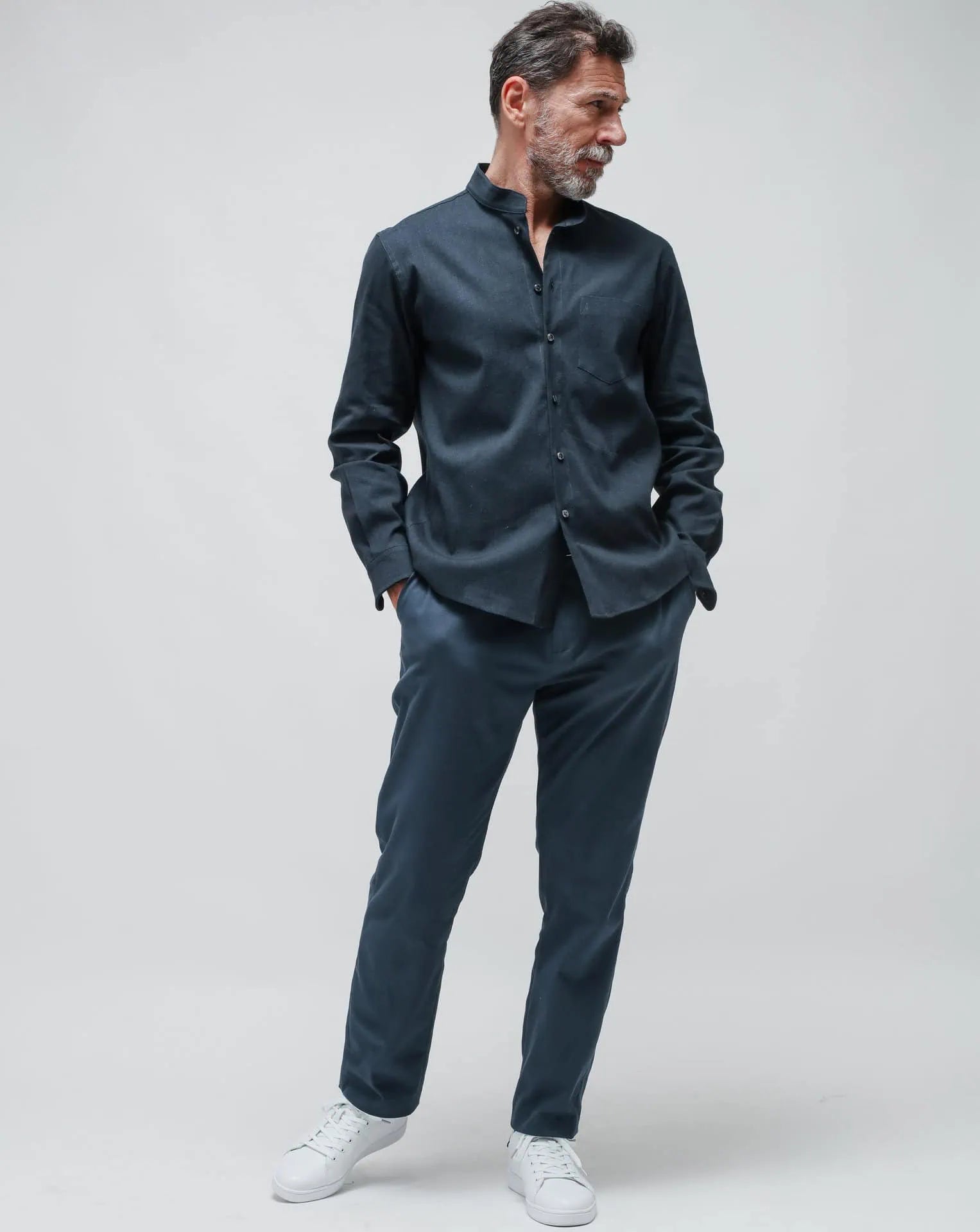
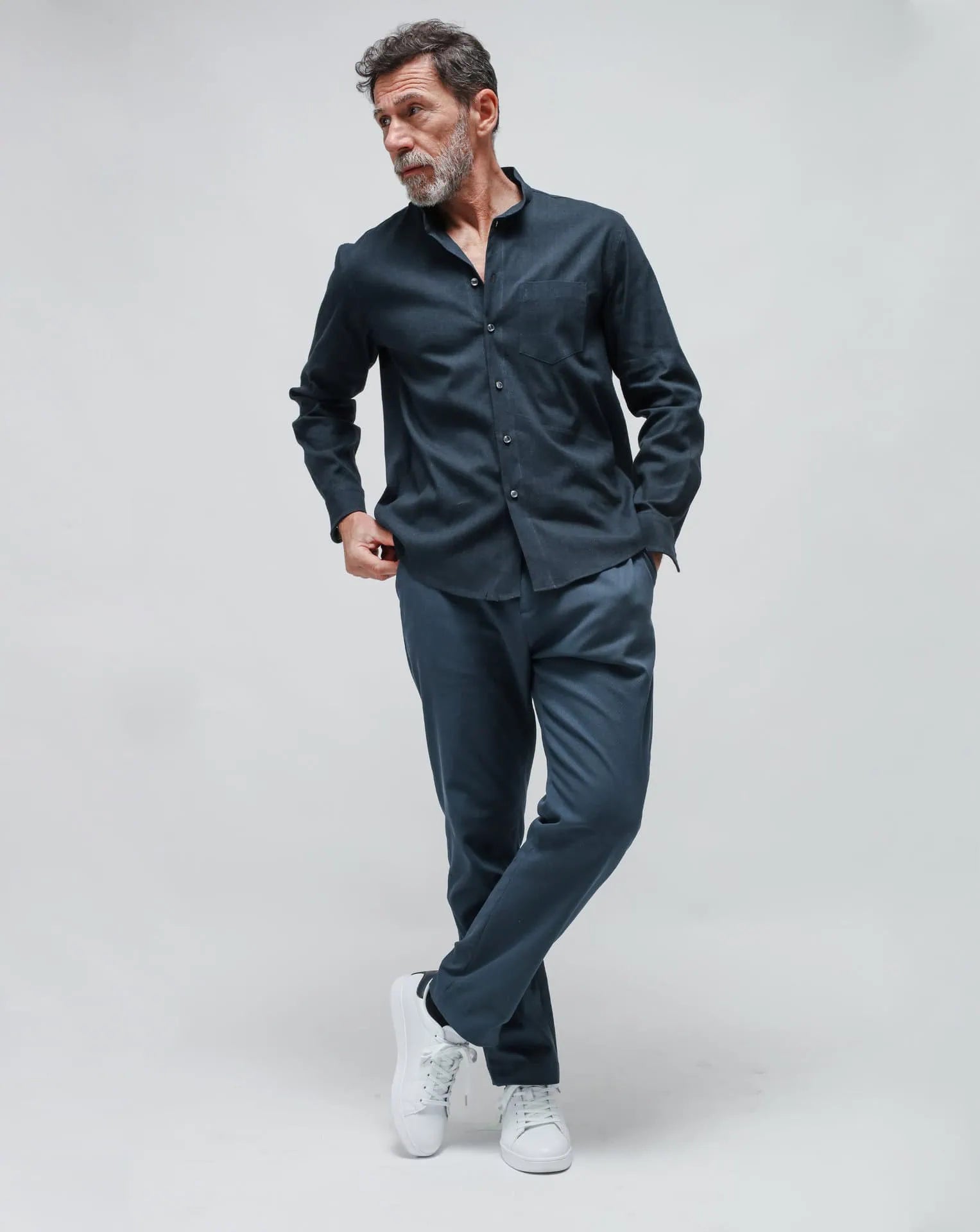
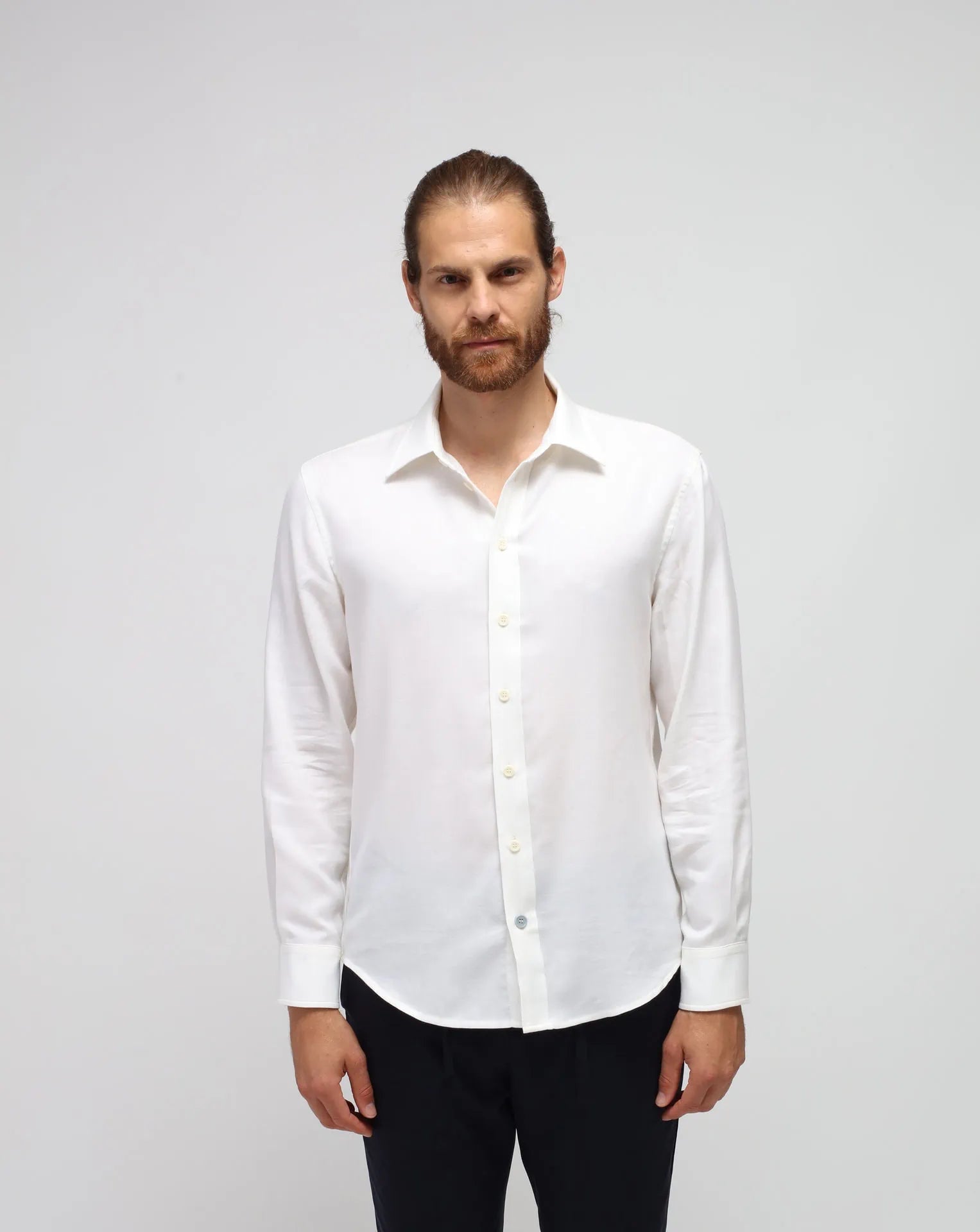
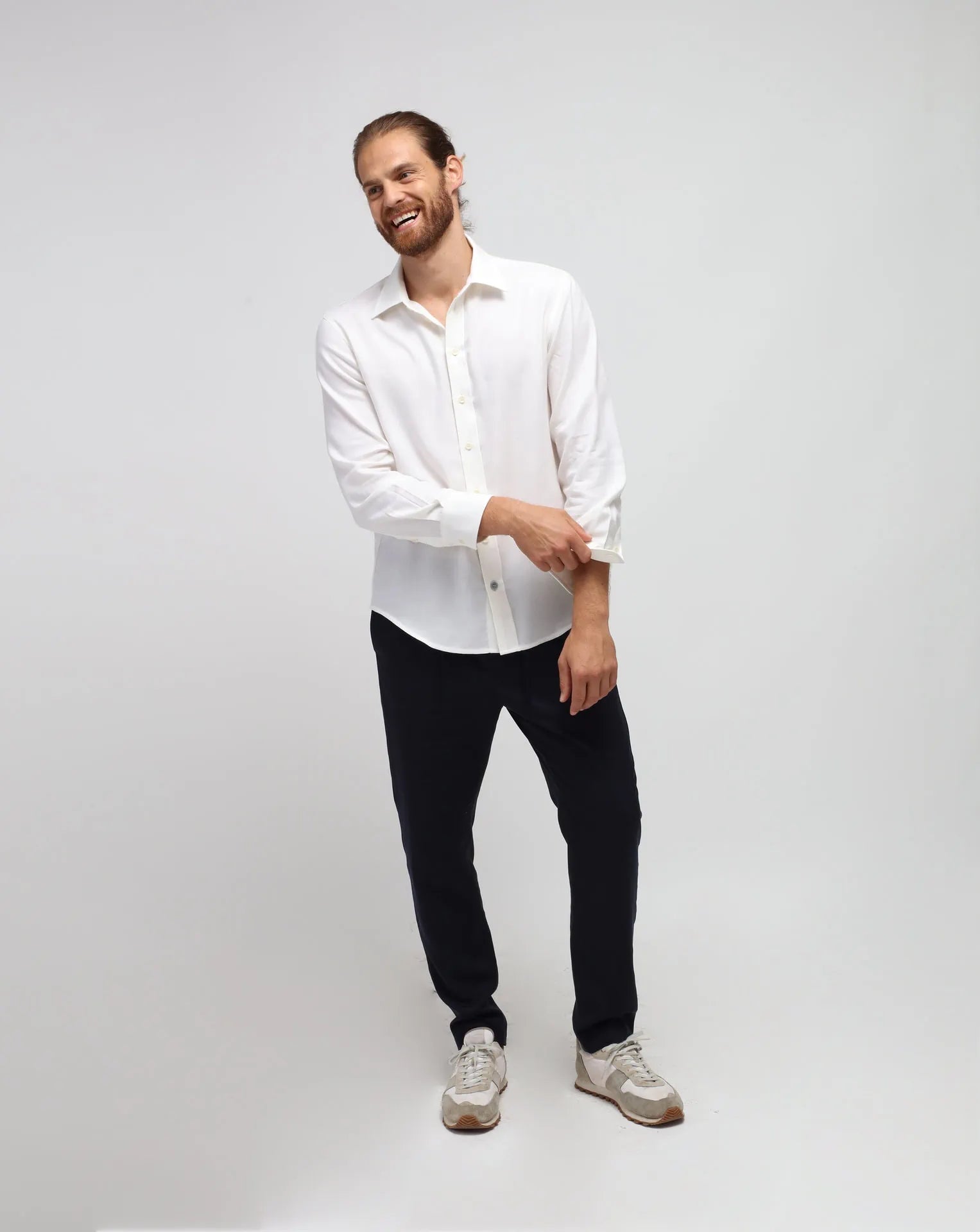
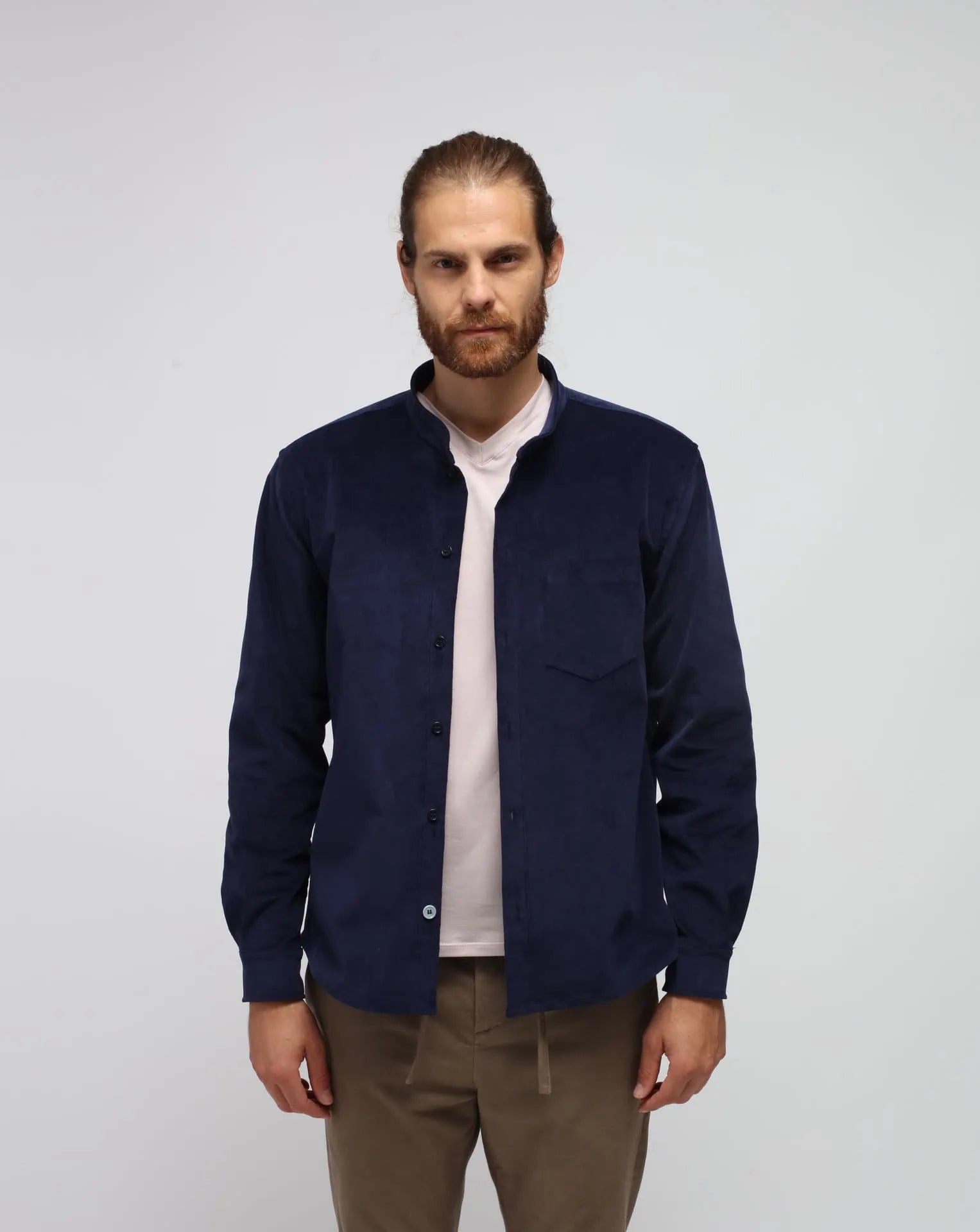
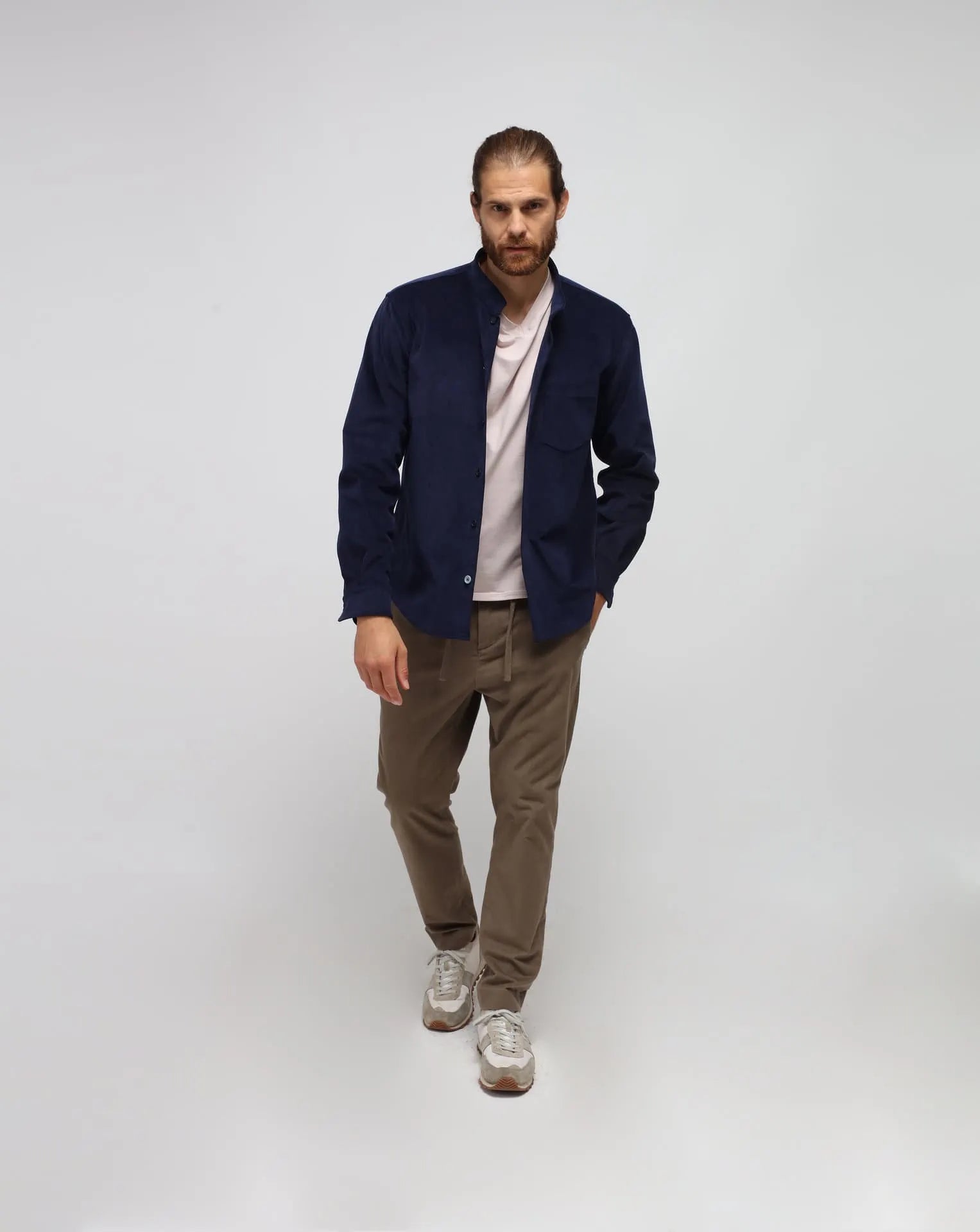
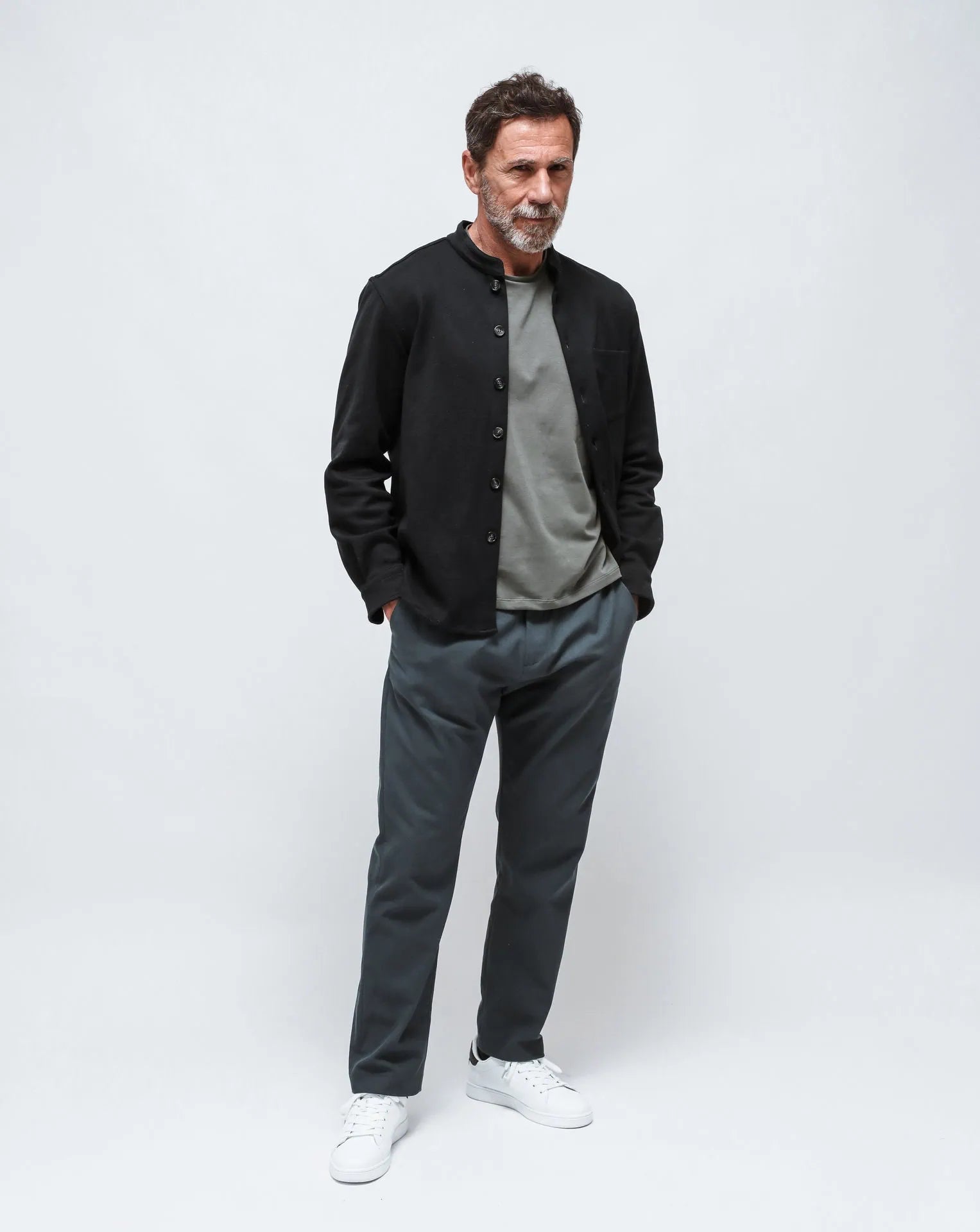
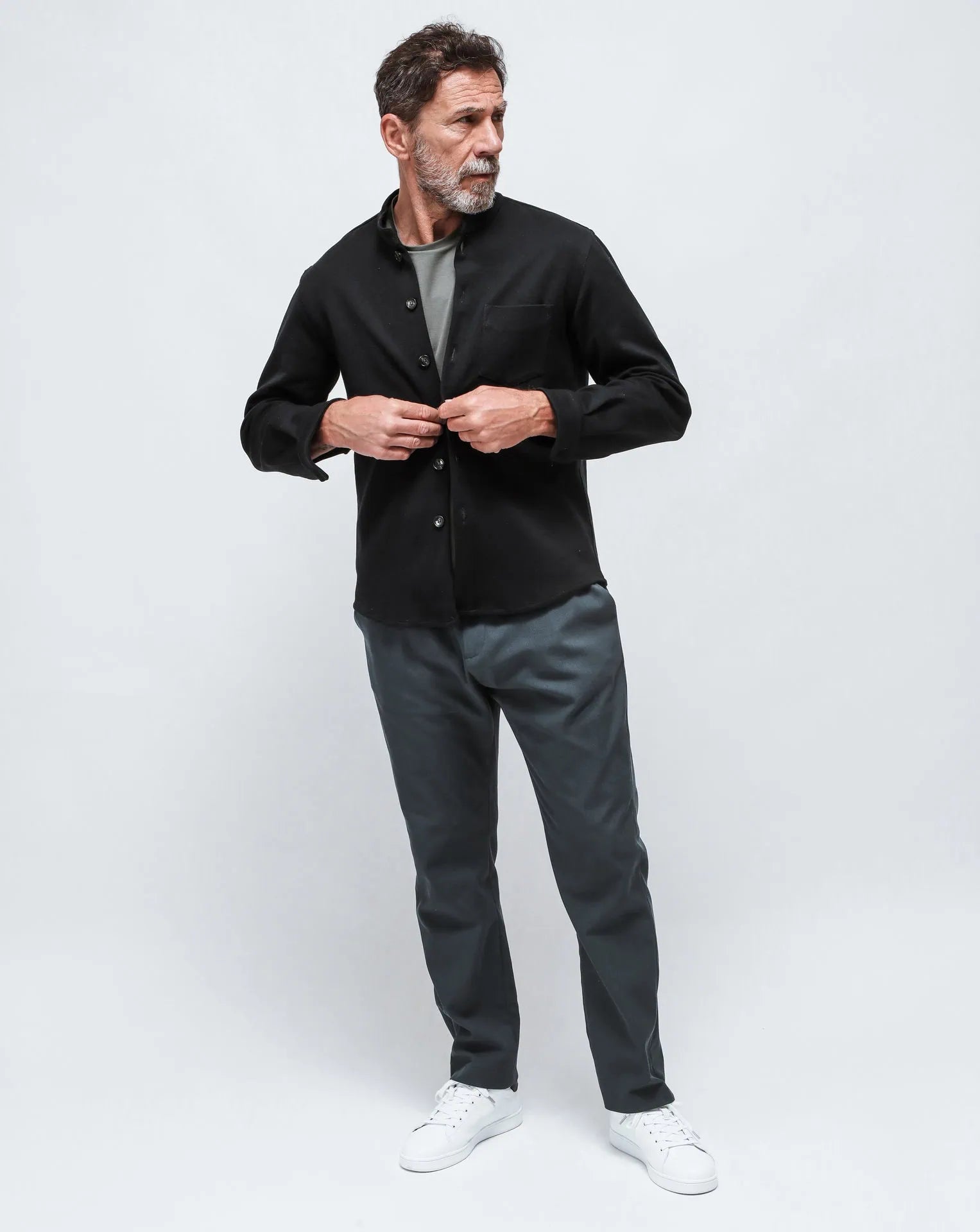
There is also room to think across collections. A clean shirt from a men’s collection can offer an intentionally relaxed proportion when styled with a women’s tailored trouser or skirt. The principle is not gendered dressing for its own sake. It is choosing the cut, fabric, and fit that make you feel most composed.
Make the purchase match your values
A work wardrobe becomes more sustainable when it is worn often, cared for properly, and made with respect for materials and labor. Small-batch production and deadstock sourcing are not decorative claims. They are a different answer to fashion’s habit of making too much, too quickly.
At Humans & Land, limited-edition pieces are designed to make the repeat wear feel intentional. A jacket does not need to be new every season if it remains precise in cut, honest in material, and relevant to the life you lead. That is the value of elevated essentials: they do not ask for attention. They hold it.
Before buying, picture the piece in at least three real situations. Consider your commute, the temperature in your workplace, your preferred shoes, and the layers already in your closet. If it only works in a narrowly styled outfit, leave it. If it makes several existing pieces feel sharper, it has earned consideration.
The best winter workwear does more than make mornings easier. It lets you arrive with clarity, warmth, and the confidence of knowing your clothes reflect both your standards and your values.
FAQ
Q: What are the best women's workwear separates to buy first?
A: Begin with a tailored blazer, a versatile trouser, and a fine knit. These three pieces create a strong foundation and can be styled together or separately.
Q: How can I make workwear separates feel warm enough for winter?
A: Prioritize wool or wool-blend tailoring, use a fine knit as a middle layer, and finish with a structured coat. This keeps warmth close to the body without creating bulk.
Q: Do workwear separates need to match exactly?
A: No. Coordinated color and fabric weight matter more than an exact match. A charcoal blazer with deep navy trousers or a textured skirt can look more modern than a full matching suit.
Q: Why choose deadstock fabric for workwear?
A: Deadstock fabric uses existing premium material rather than requiring new fabric production. It reduces waste while offering limited-edition texture, color, and character.
Q: How should tailored workwear be cared for?
A: Air blazers and trousers between wears, spot-clean when possible, use proper hangers for jackets, and follow the garment care label. Thoughtful care protects fit and extends the life of each piece.
the World of H&L