

Are Italian Clothes More Durable? The Real Test
A black wool coat that still holds its shape after five winters tells you more than a country-of-origin label ever could. So, are Italian clothes more durable? Often, they can be. But durability is earned through fabric, construction, fit, and care - not guaranteed by the words “Made in Italy.”
For an intentional wardrobe, that distinction matters. A beautiful garment should not merely survive a season. It should become more personal with wear, carry you through changing plans and temperatures, and make fast-fashion replacement cycles feel unnecessary.
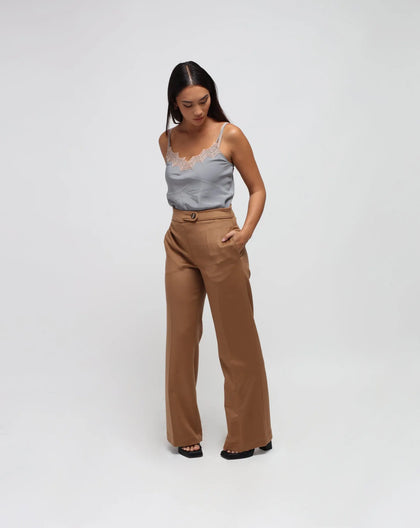
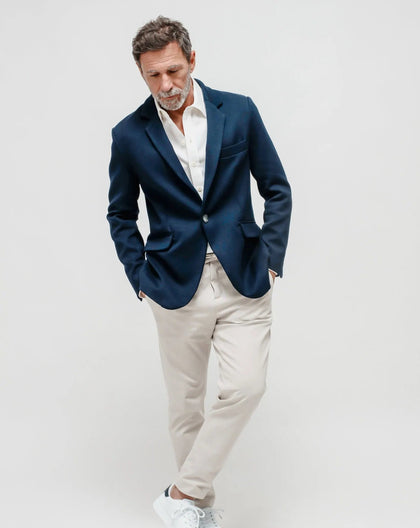
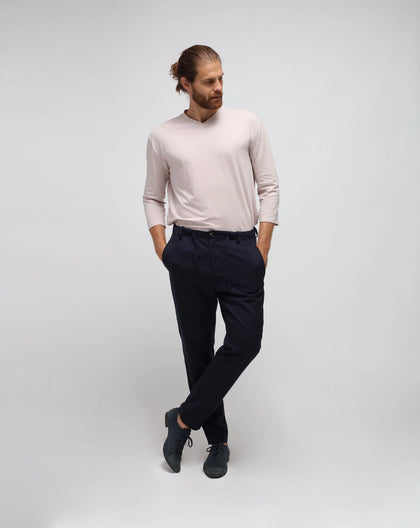
Are Italian clothes more durable by default?
Italy has deep expertise in textiles, tailoring, knitwear, leatherwork, and finishing. Many Italian workshops specialize in a narrow craft practiced over generations, whether that is cutting a sharply tailored jacket, producing dense wool cloth, or sewing delicate silk. This concentration of skill can produce clothing with exceptional longevity.
Still, “Italian-made” is not a universal quality grade. An inexpensive, lightly constructed garment can be made anywhere, including Italy. Conversely, a well-made piece from another country may outlast it. The relevant question is not simply where a garment was made. Ask what it is made from, how it is assembled, and whether its design supports a long life.
Italian production becomes meaningful when it reflects genuine workmanship: stable seams, thoughtful proportions, clean finishing, and fabrics selected for how they perform over time. Those details are quiet, but they are what you feel after the twentieth wear.
Start with the fabric, not the label
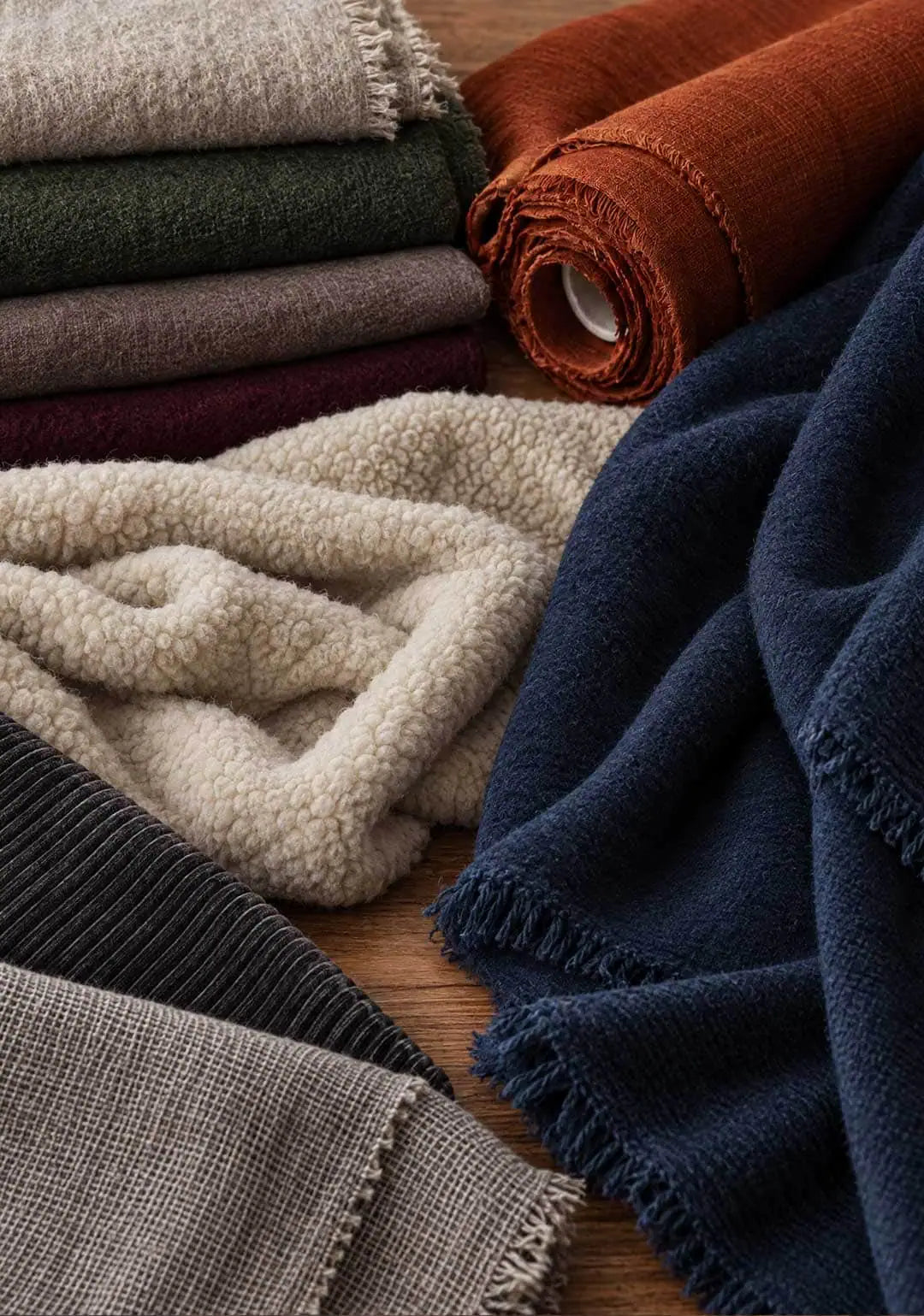
Fabric is the first durability decision. Natural fibers are not automatically superior, but high-quality wool, cotton, linen, silk, and responsibly chosen blends can be repaired, refreshed, and enjoyed for years when the cloth has enough density and integrity.
For winter, look closely at wool. A substantial wool coating fabric can resist pilling, retain warmth, and recover its shape better than a thin, loosely woven alternative. The same principle applies to knitwear. A dense knit with resilient fibers is more likely to hold its form than a garment that feels soft in the fitting room but stretches out quickly.
Deadstock fabrics deserve a more precise conversation. These are surplus textiles from existing production runs, rescued before they become waste. Premium deadstock can offer remarkable quality because it was originally developed for a high standard. Yet every roll is different. Its durability still depends on fiber content, weight, weave, and finish. Limited availability is part of its character, not proof of performance.
Construction is where longevity becomes visible
Turn a garment inside out. This is where the difference between a short-term purchase and a future favorite often appears.
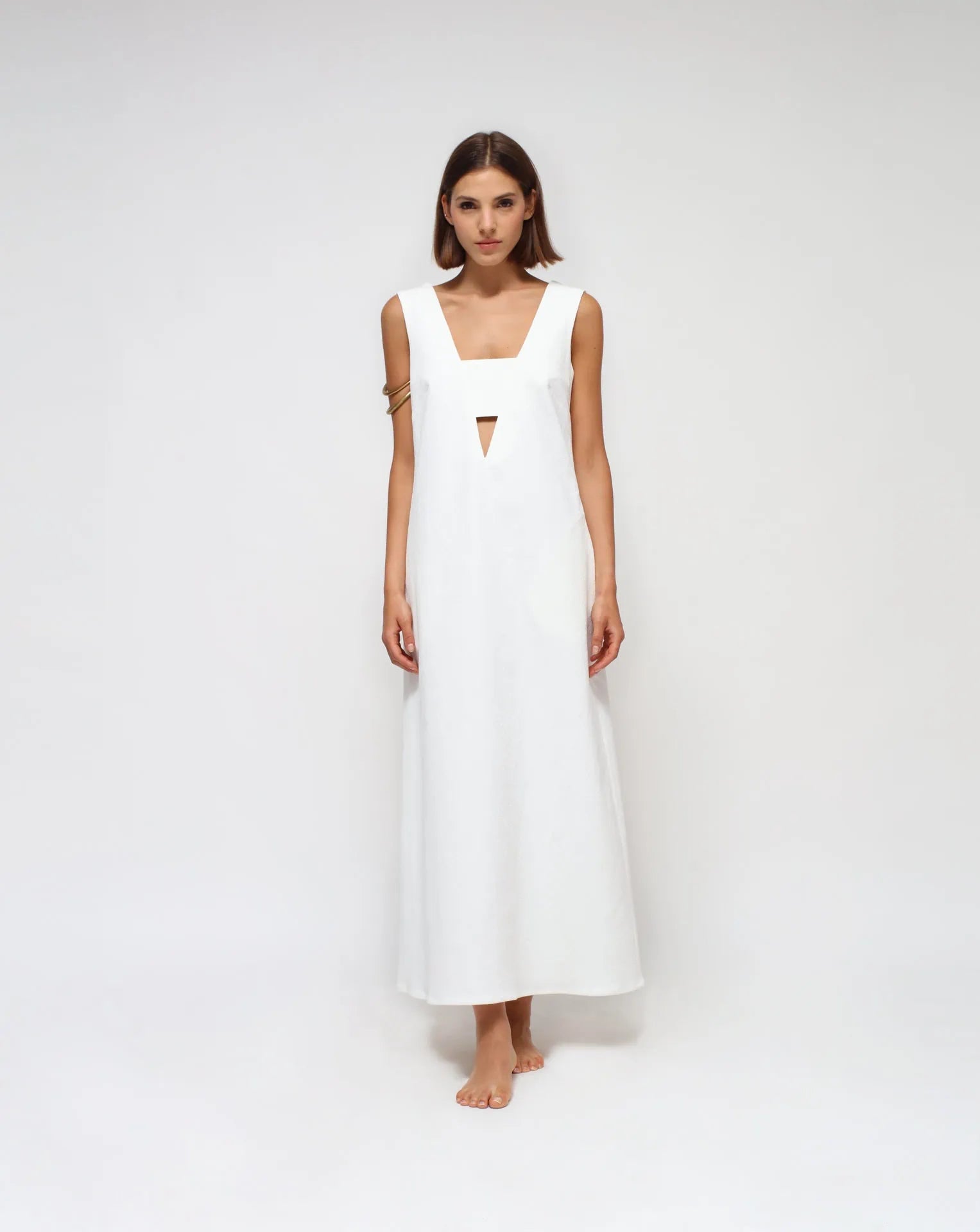
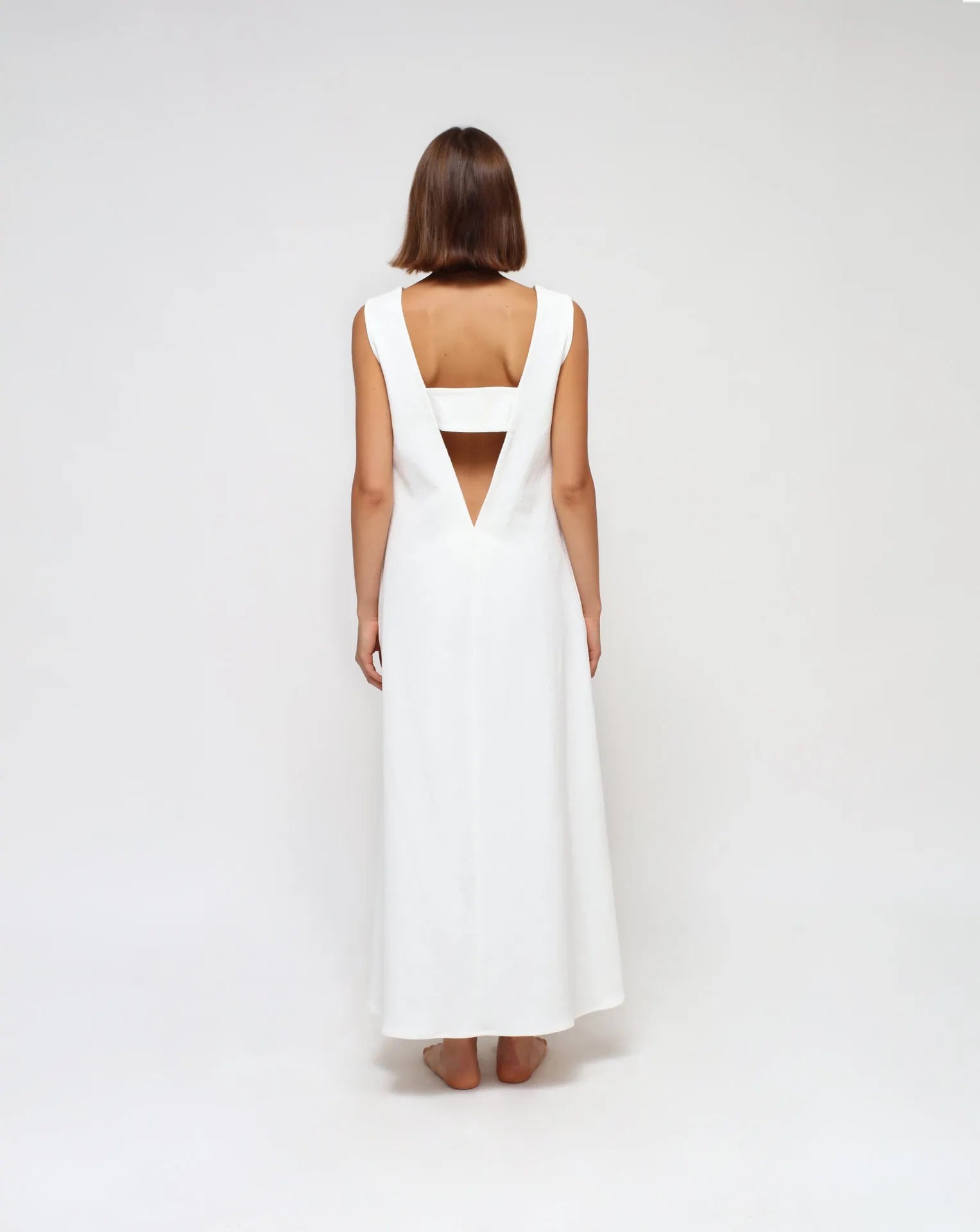
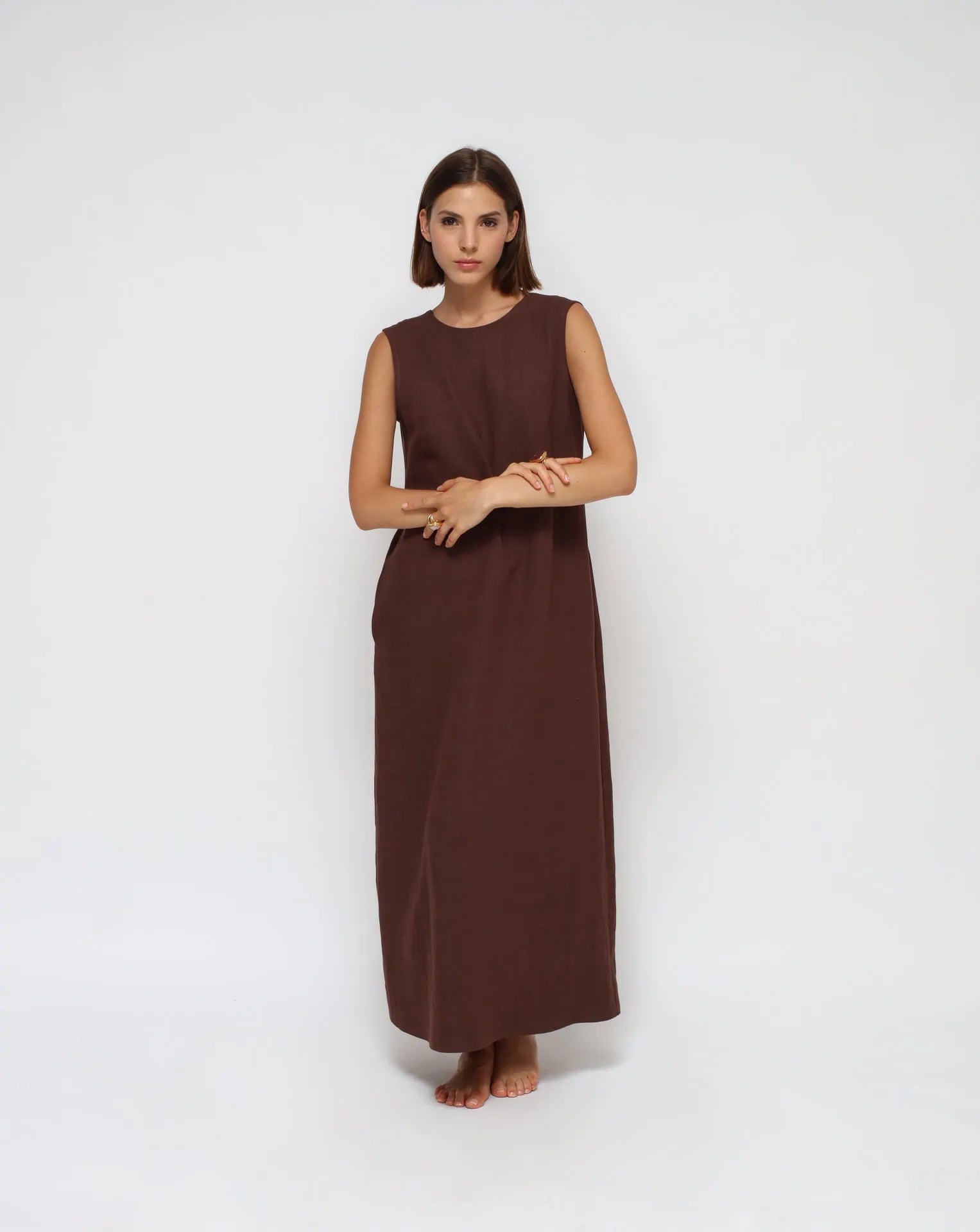
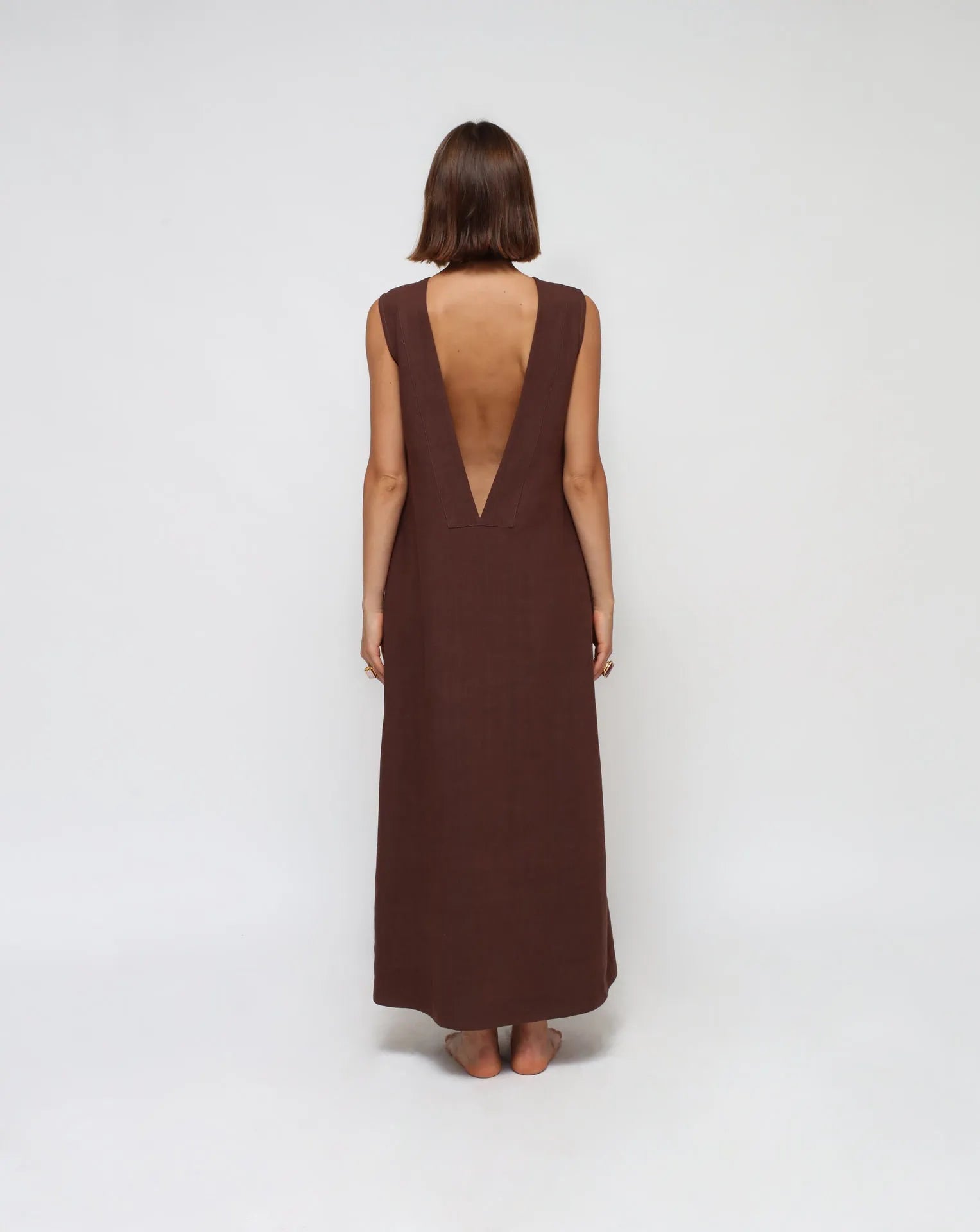
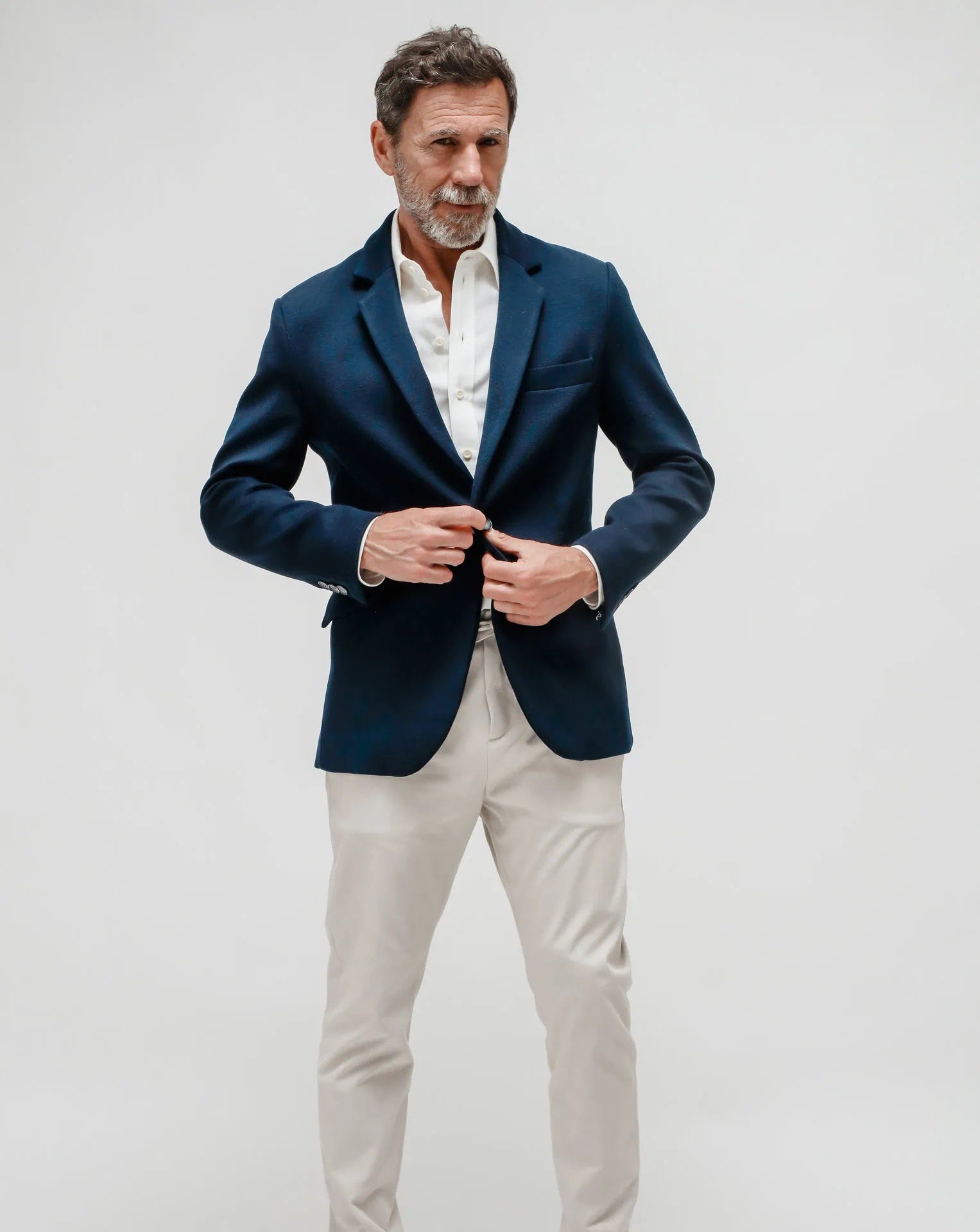
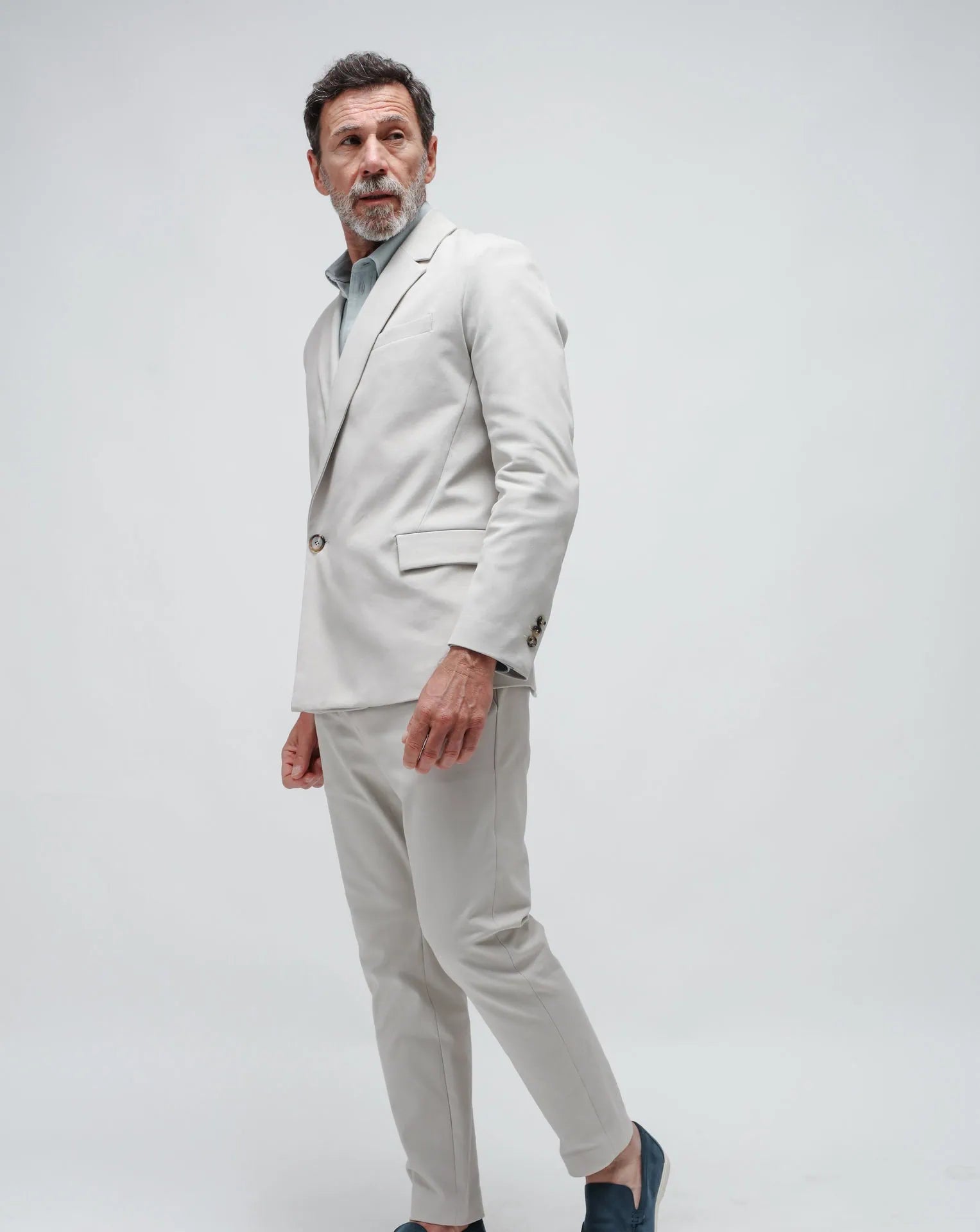
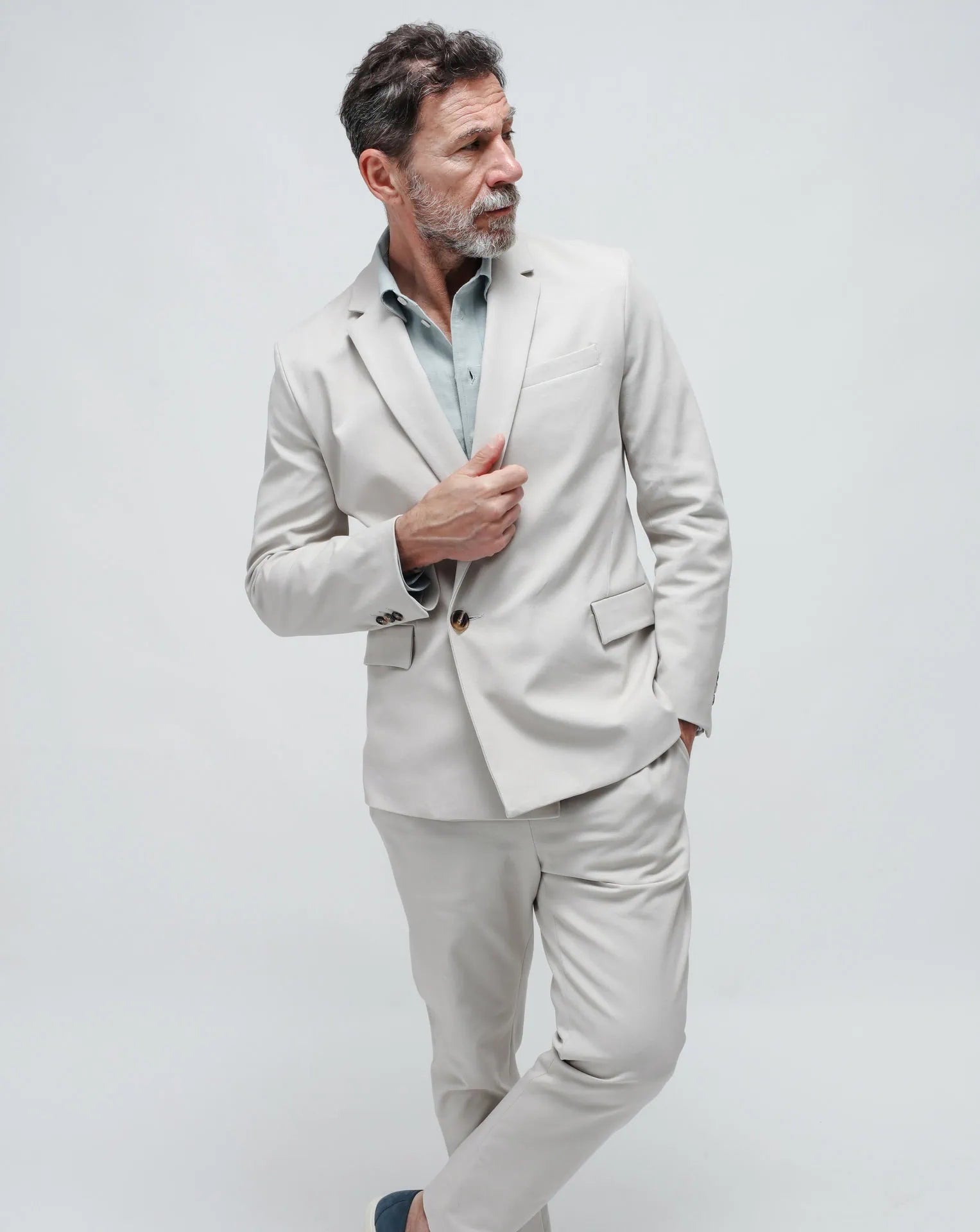
Look for seams that lie flat and even, with no loose threads or puckering. On shirts and dresses, check whether buttons are securely attached and whether stress points receive enough reinforcement. On trousers, examine the rise, inseam, pockets, and closures. On a jacket or coat, pay attention to the lining, the shoulder structure, and how the front hangs when unbuttoned.
Good construction is not always flashy. It is measured in the way a sleeve rotates without pulling, how a waistband returns to place, and whether a hem remains clean after cleaning. Handmade small-batch production can support this level of attention because makers are not being pushed to produce endless volume at the lowest possible cost.
That does not mean every handmade item should look perfectly machine-uniform. Small variations can be evidence of human work. What should remain consistent is the garment’s function: strength where it needs strength, movement where it needs movement, and finishing that does not unravel under ordinary use.
Fit protects a garment, too
A beautiful fabric can fail early when the fit is wrong. Clothing that is too tight at the shoulders, seat, thighs, or armholes places constant tension on seams. Clothing that is too long can drag, fray, and collect damage at the hem. Even a durable material has limits.
This is why a considered fit is part of sustainable buying. Choose the size that lets you sit, reach, walk, and layer comfortably. For tailored pieces, minor alterations can be worthwhile if they transform something good into something you will wear repeatedly. Free size exchanges also make it easier to get the fit right before a garment begins its life in your wardrobe.
What to look for before you buy
Rather than treating an Italian origin label as the final answer, assess the piece as a whole. Ask whether the fabric feels appropriate for its intended use, whether the stitching and closures appear secure, and whether the cut has room for your real life.
A few practical signals matter:
- A winter coat should have enough weight to hang cleanly and accommodate a knit beneath it.
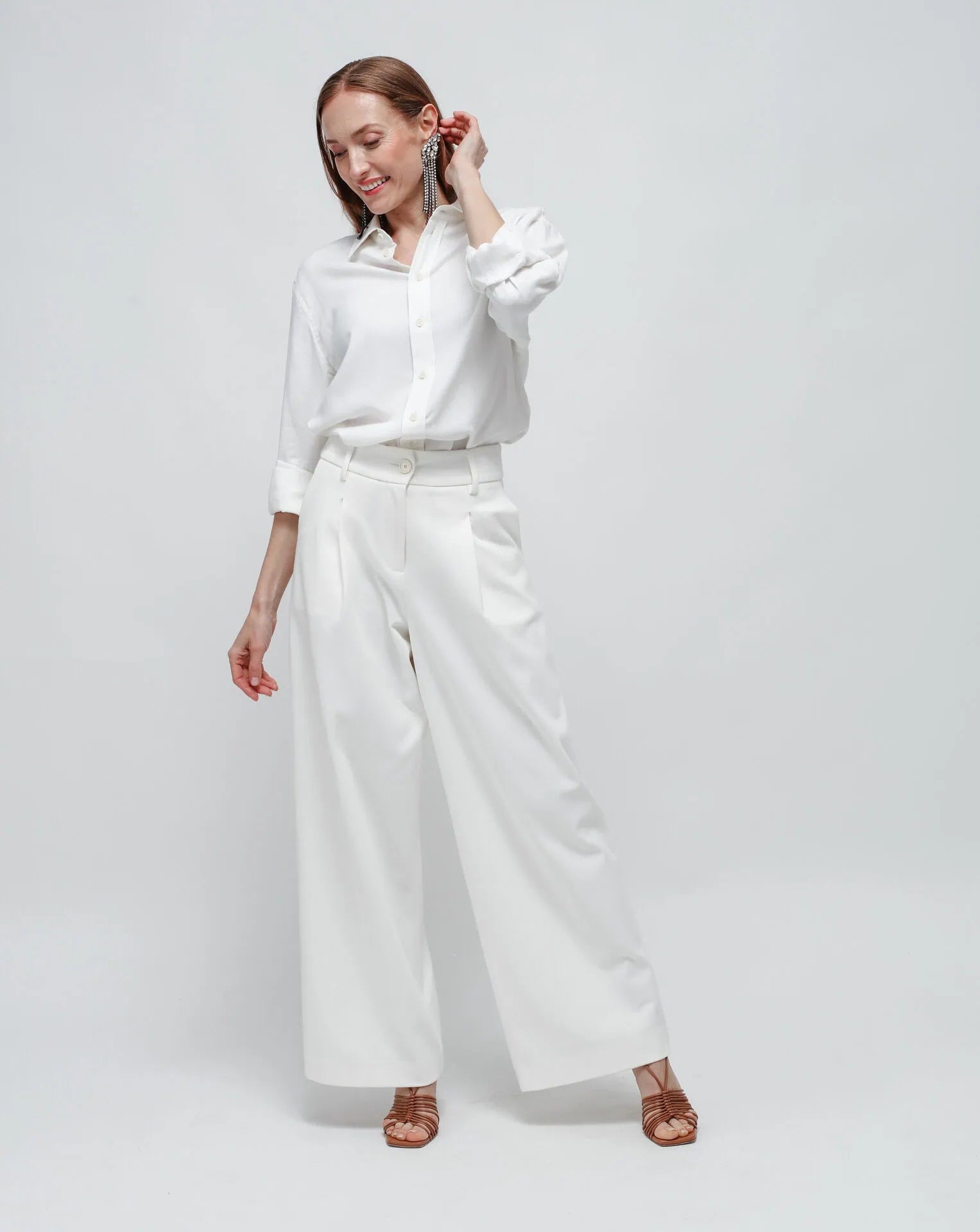
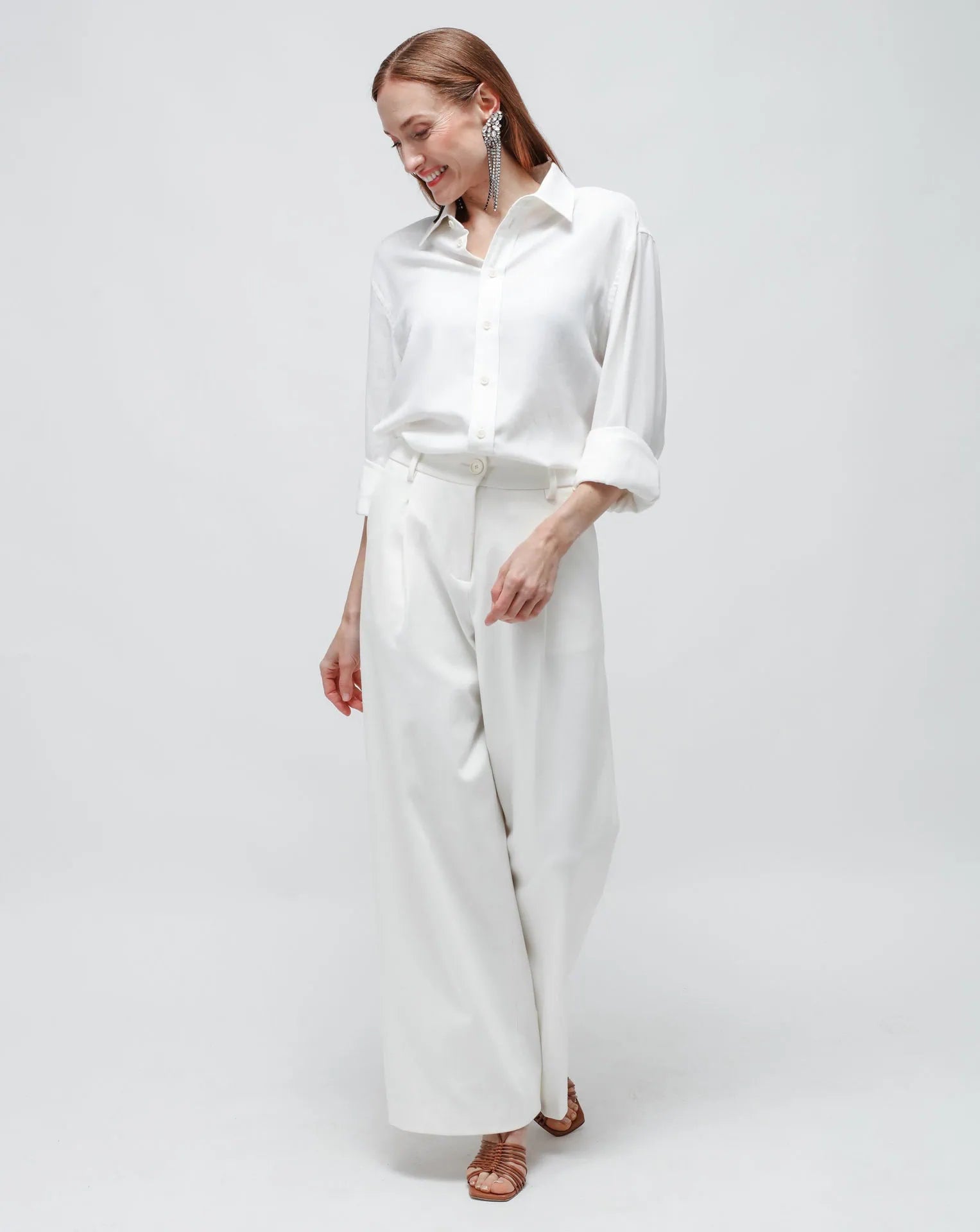
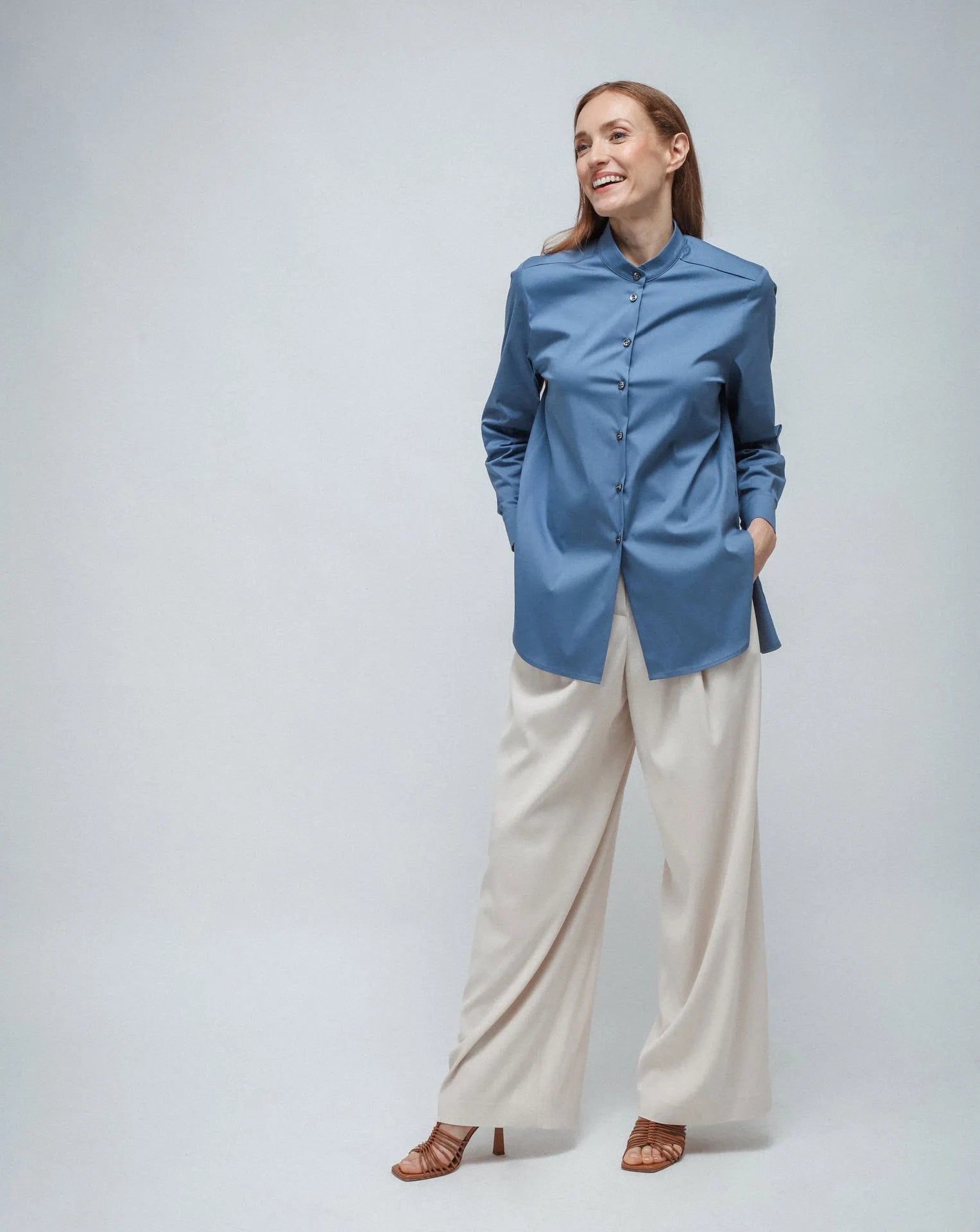
- Trousers should sit comfortably at the waist and move without straining at the seams.
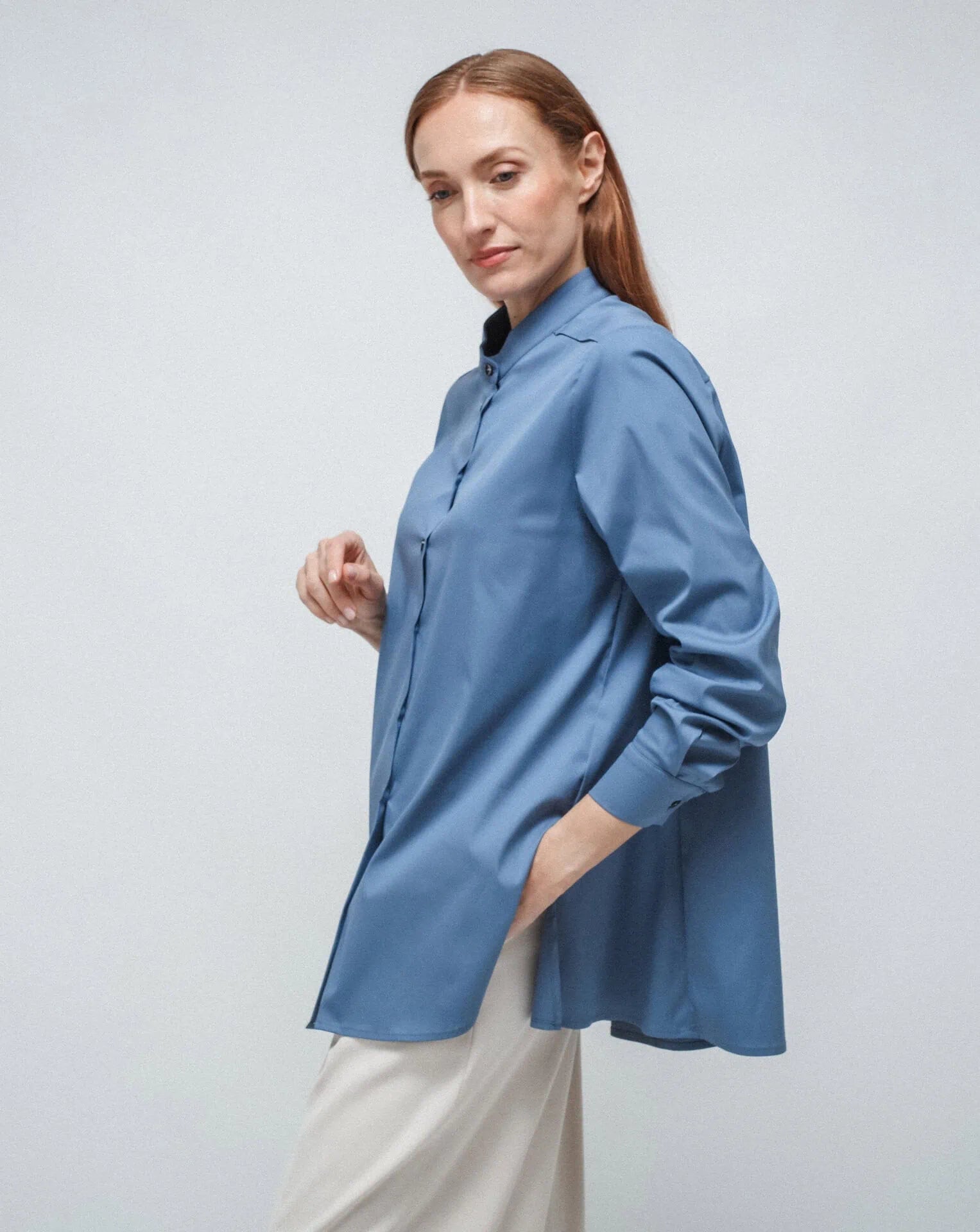
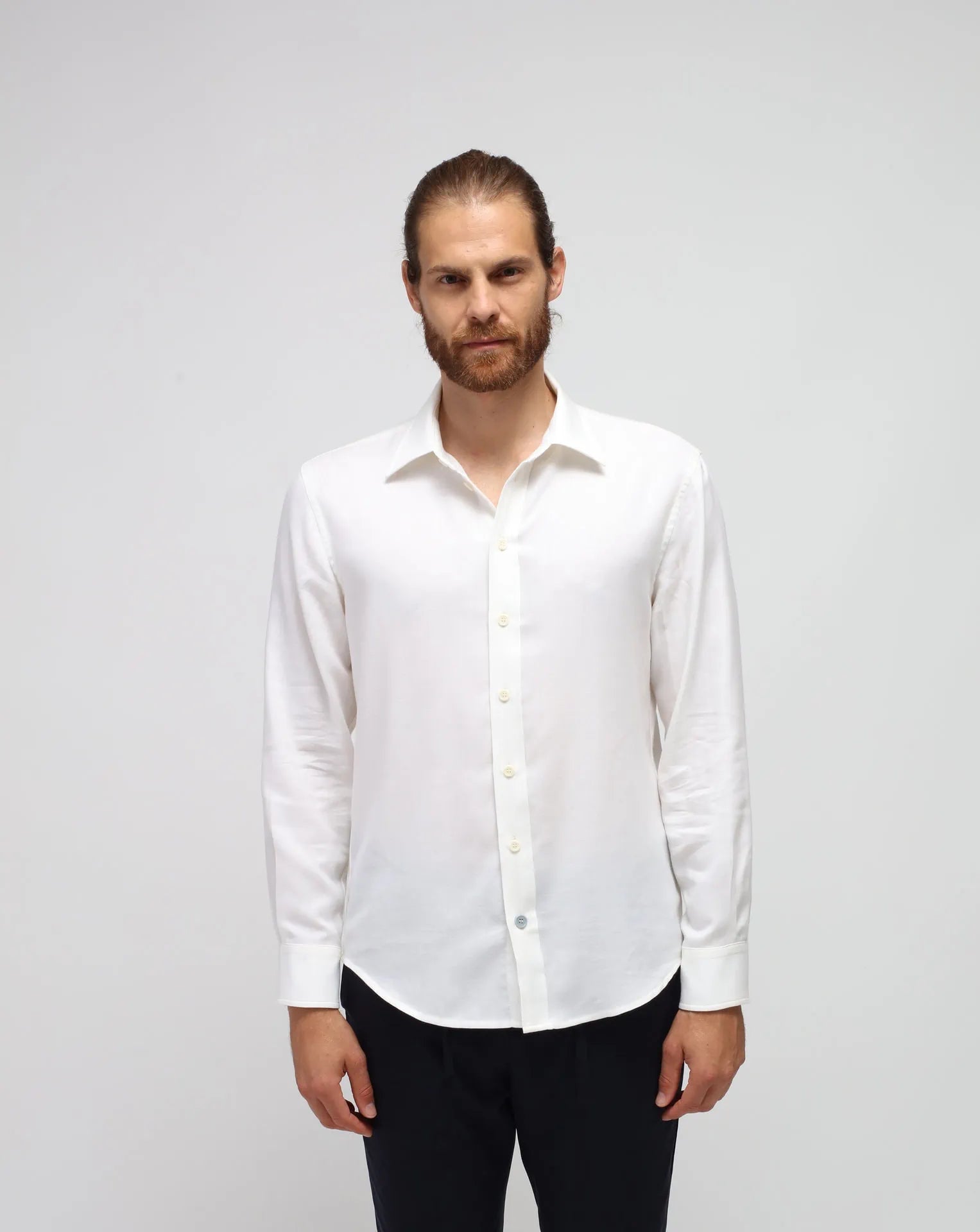
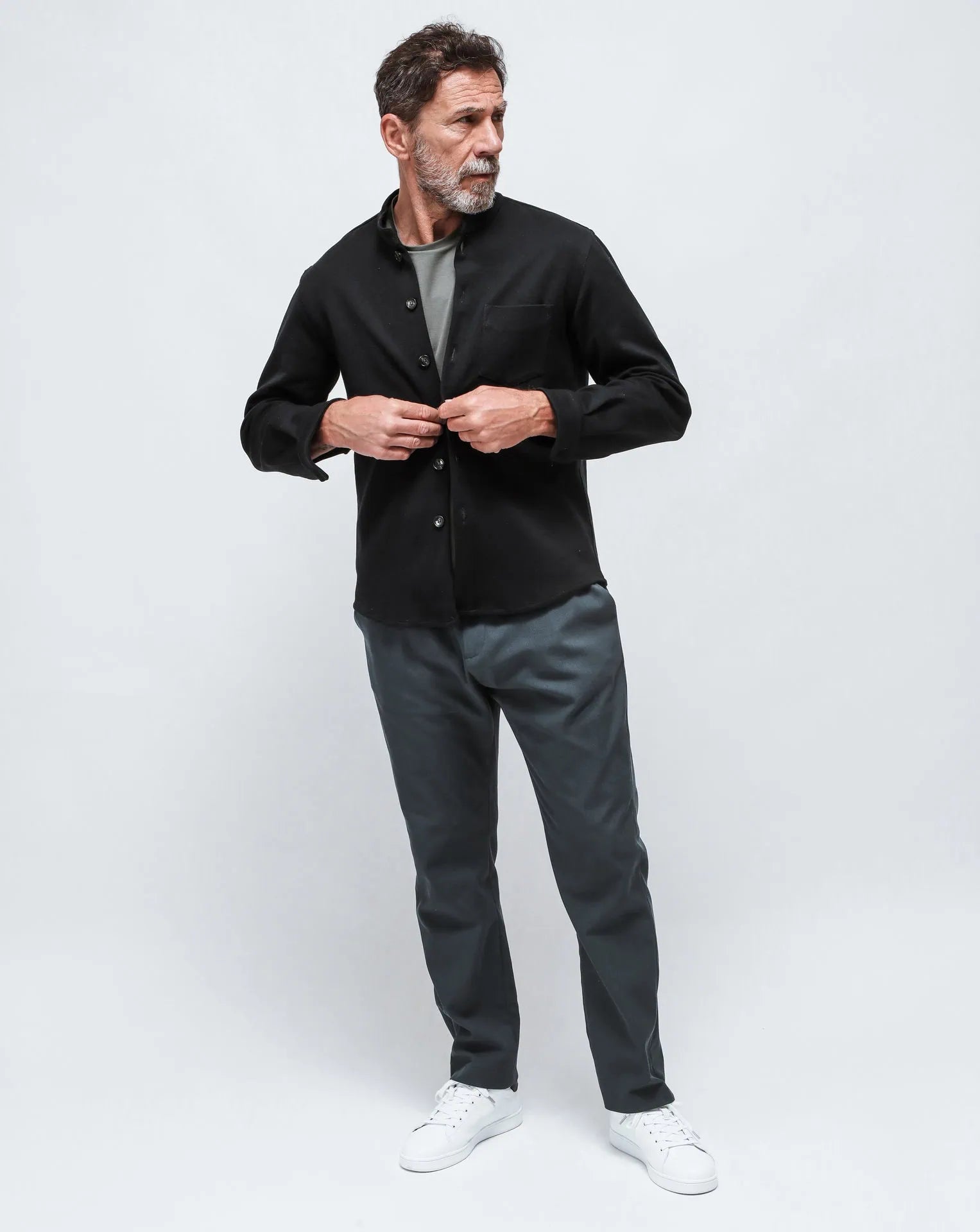
- A shirt should have buttons, cuffs, and a collar that hold their shape after washing.
- A knit should recover after gentle stretching and feel sufficiently dense for its fiber composition.
Also consider design longevity. An unusual print may be exactly right for you, but an exaggerated cut can be harder to rewear than a refined silhouette with one intentional detail. The goal is not a wardrobe without personality. It is a wardrobe where personality survives beyond a trend cycle.
Build a winter wardrobe that lasts
Winter is when craftsmanship becomes practical. You notice whether a coat blocks the wind, whether tailoring layers without bulk, and whether a knit still looks composed after a long day indoors and out.
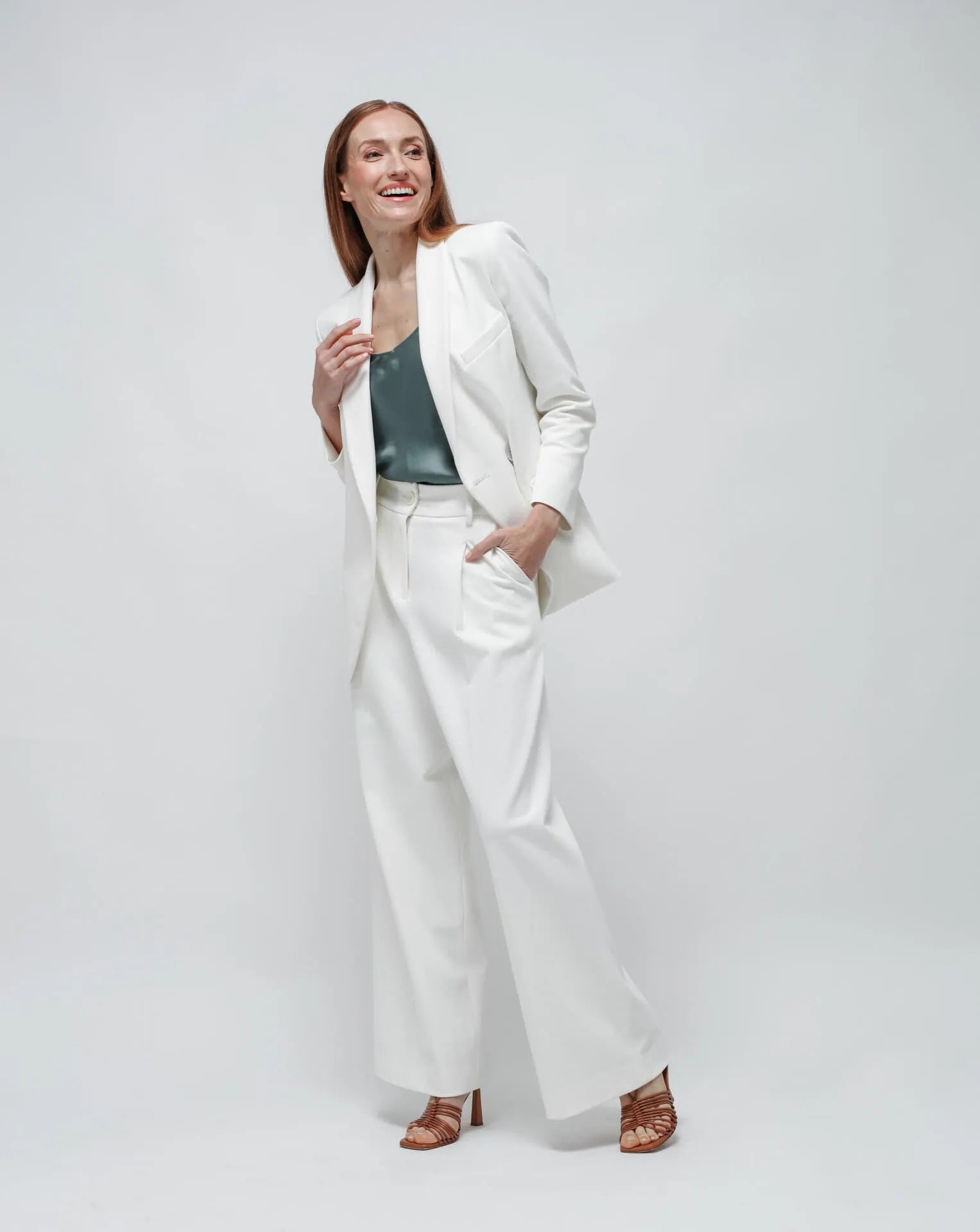
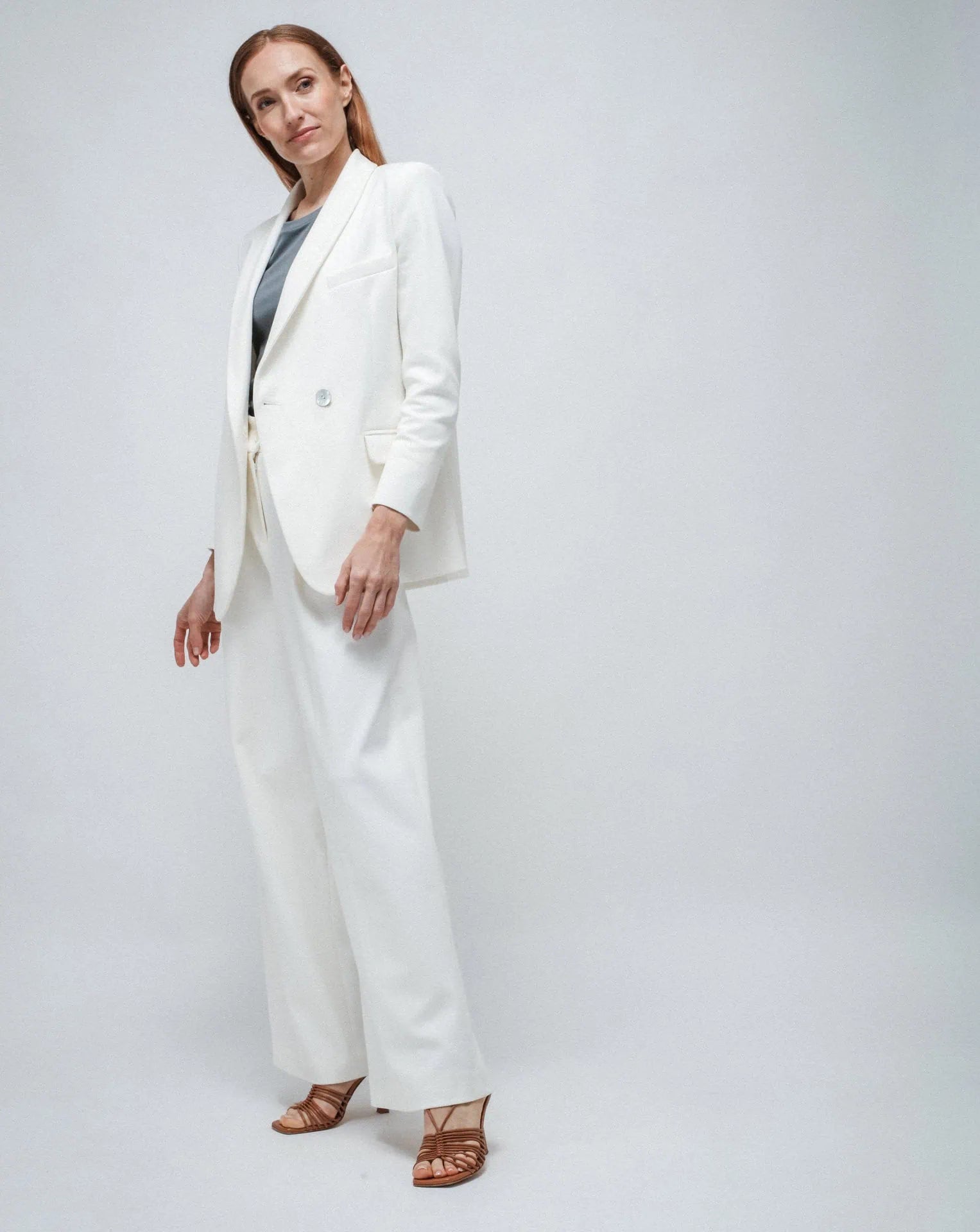
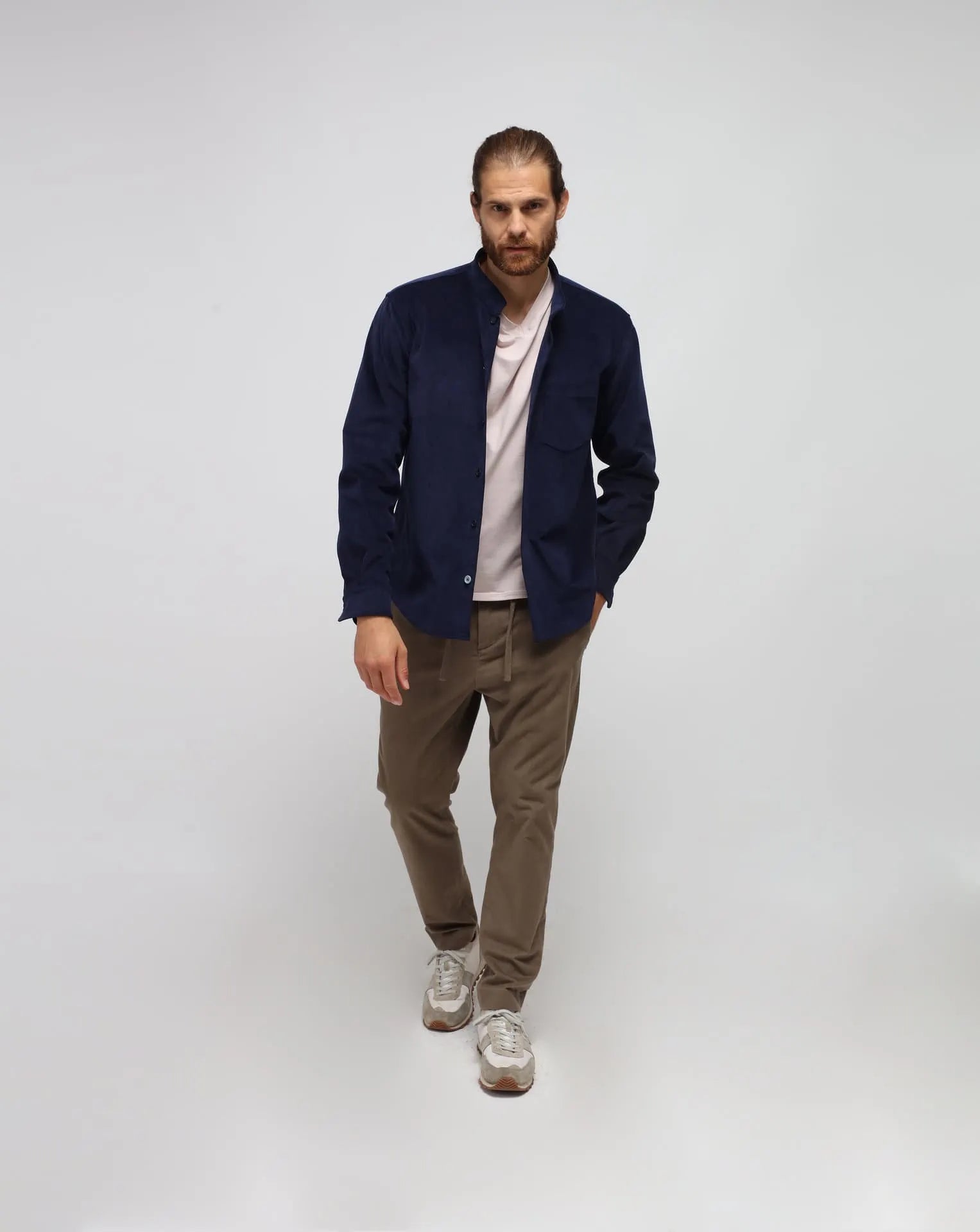
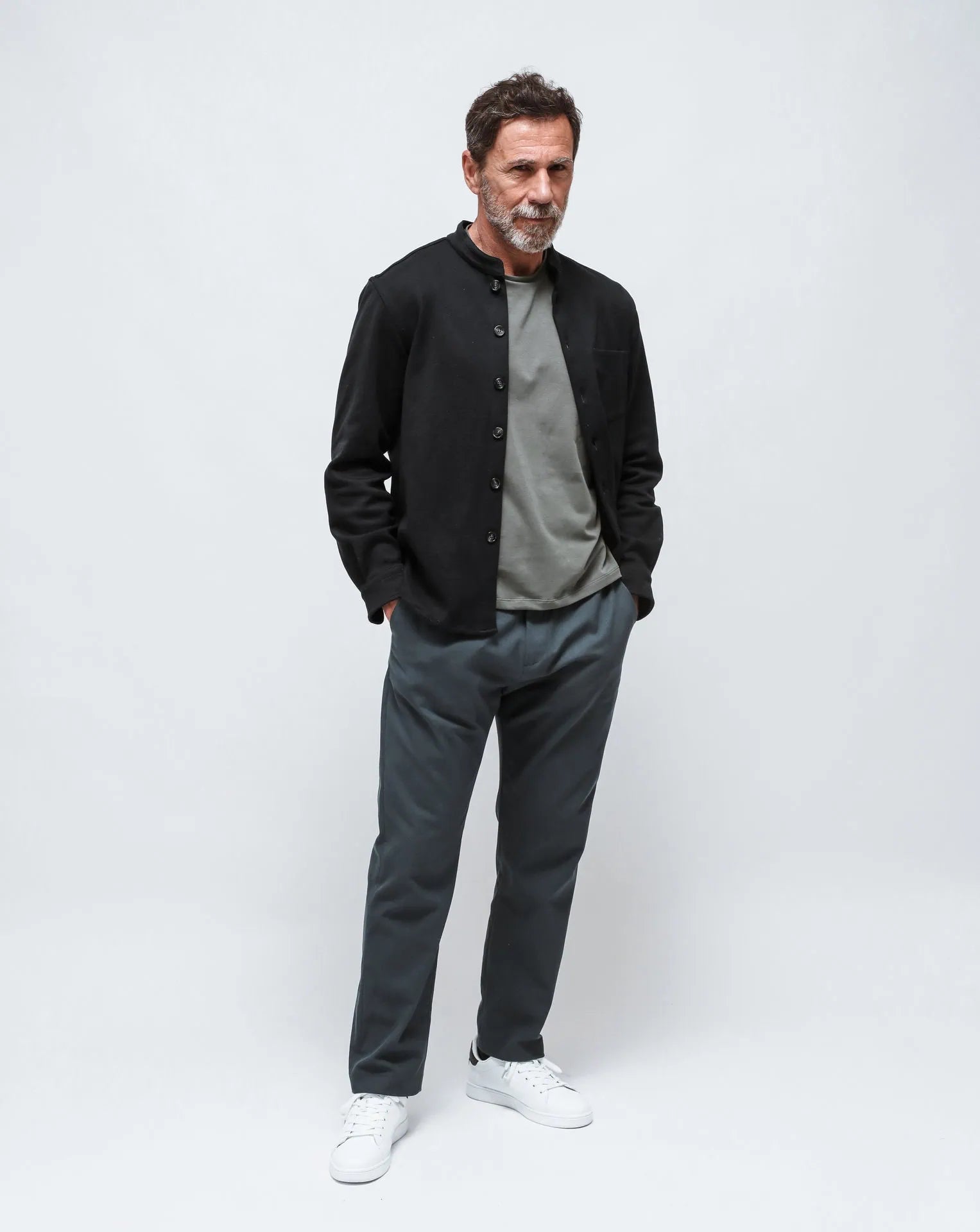
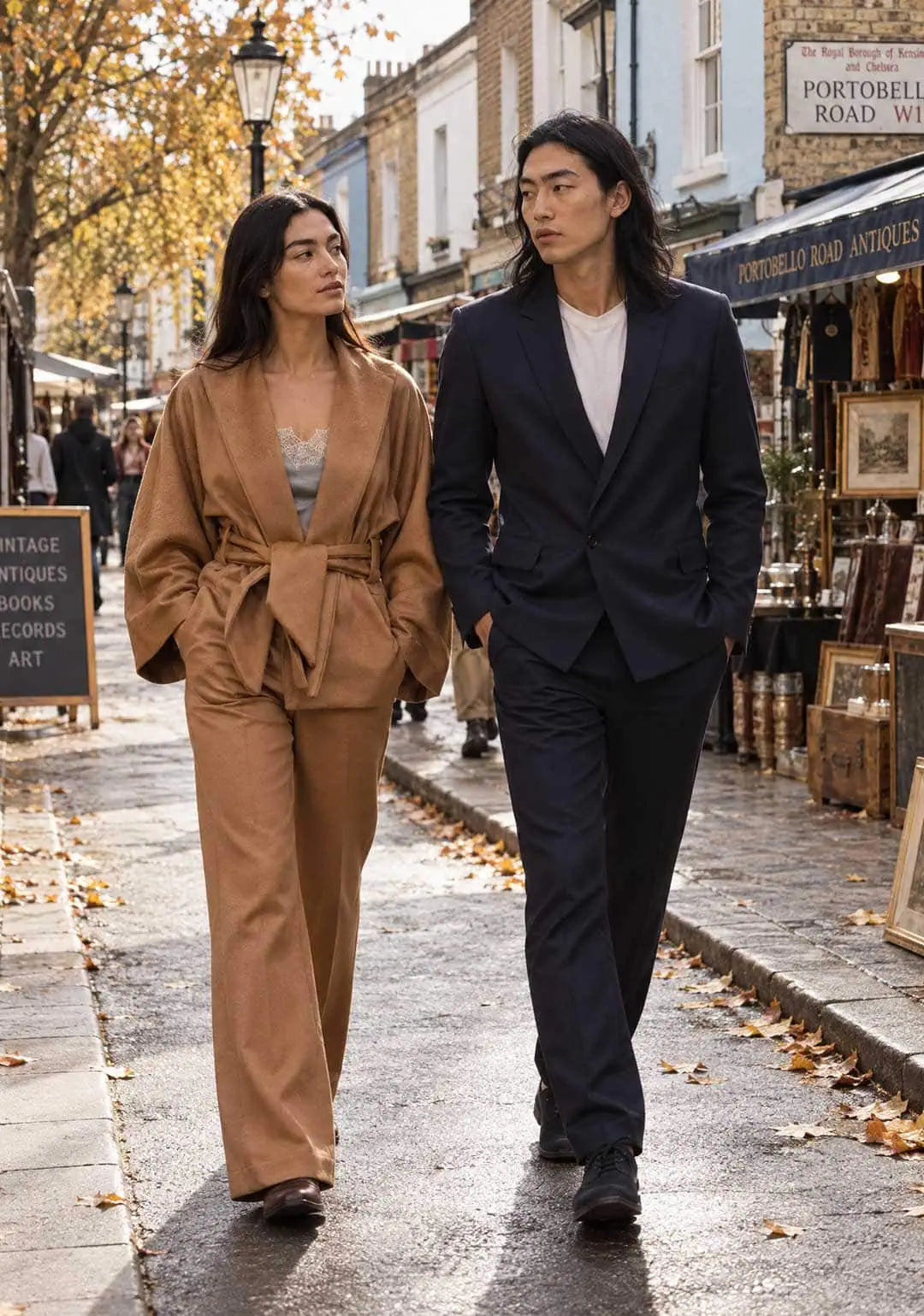
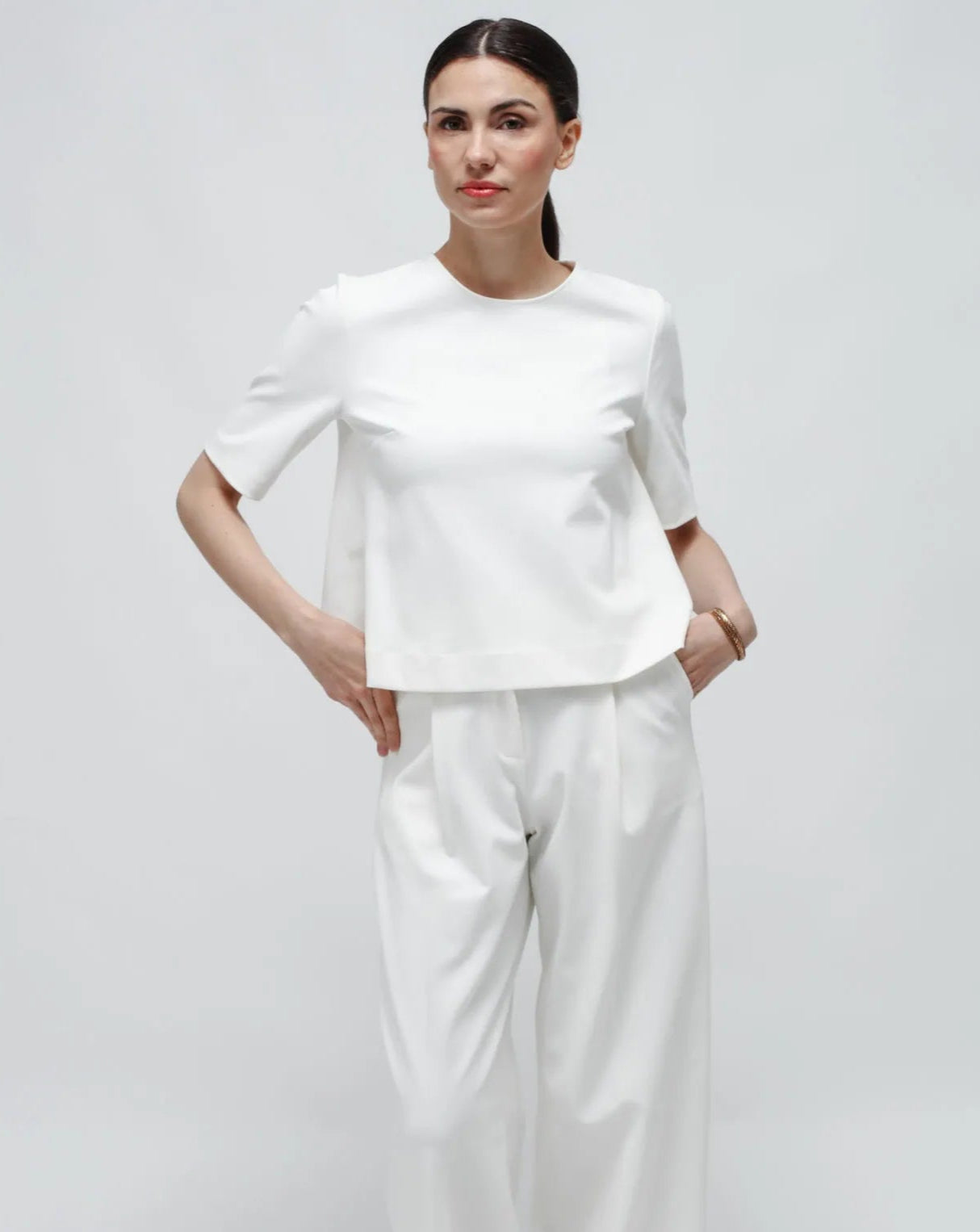
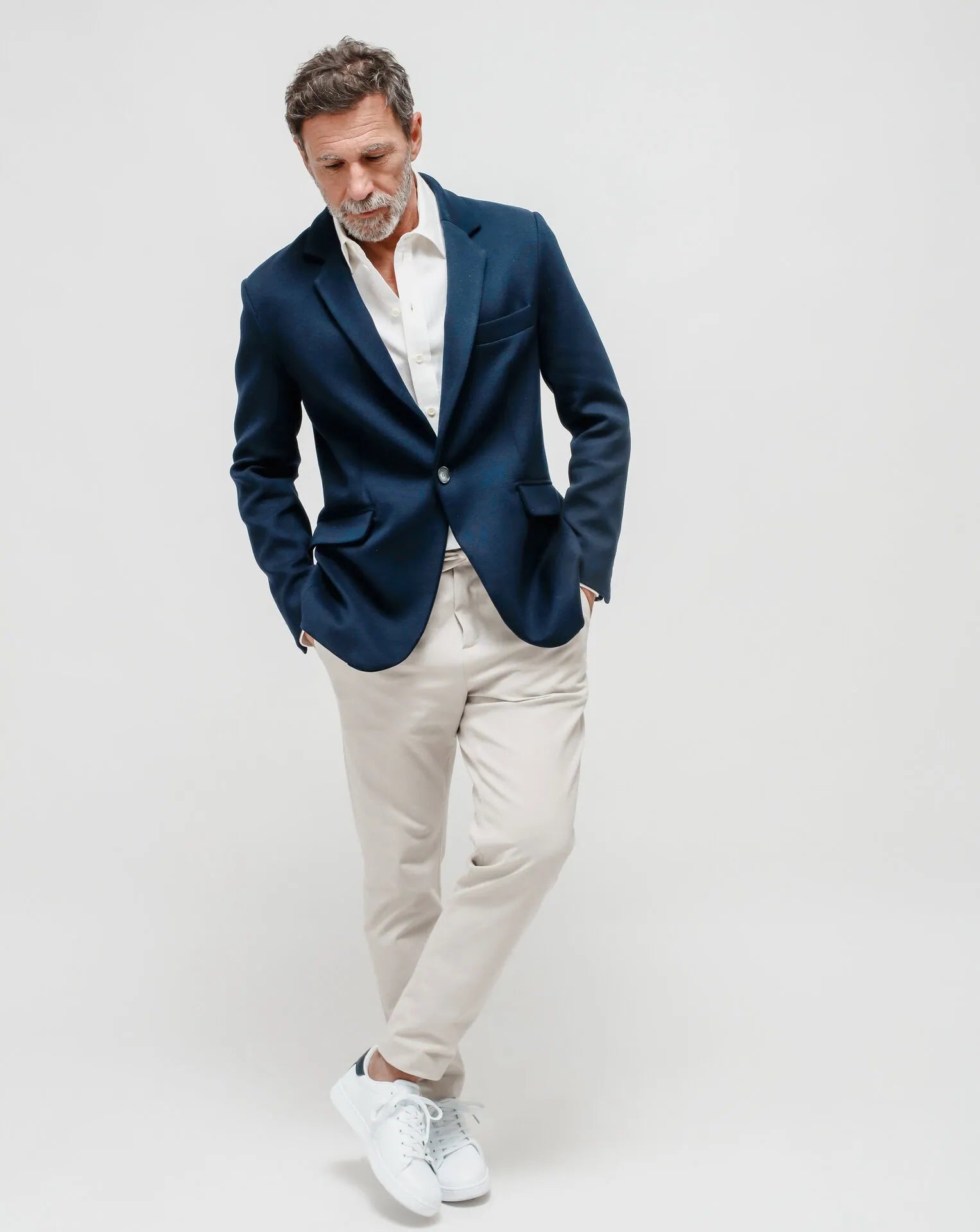
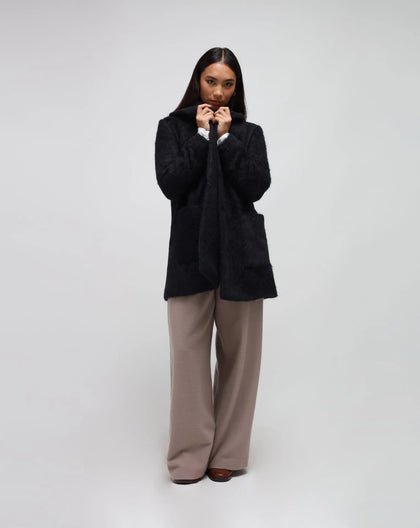
Start with a strong outer layer, such as the Women’s Italian Wool Coat. Add a Women’s Wool Wide-Leg Trouser or Men’s Italian Wool Trouser, then build around a fine knit, a crisp shirt, and a scarf in a compatible palette.
This approach asks fewer garments to do more. A well-cut coat can work for a January commute in New York, a dinner in Paris, or a cold bright afternoon in Amsterdam. Versatility does not make a piece anonymous. It gives it more chances to become essential.
Care determines the second half of durability
Even excellent clothing needs an intelligent care routine. Overwashing, high heat, crowded closets, and aggressive stain treatment shorten the life of garments far more quickly than most people realize.
Air out wool between wears instead of automatically dry cleaning it. Brush coats gently, empty pockets before hanging them, and store knits folded to prevent shoulder distortion. Treat stains promptly according to the care label, and repair a loose button or small snag before it becomes a reason to stop wearing the piece.
Care is not a chore attached to luxury. It is part of the relationship with a garment. When you buy less and choose better, maintenance becomes a small, satisfying act of respect for materials, makers, and your own wardrobe.
The most durable Italian clothes are the ones you can picture wearing often, caring for well, and choosing again when the next season arrives.
FAQ
Q: Are Italian clothes more durable than clothes made elsewhere?
A: Not automatically. Italy is known for skilled textile and garment production, which can support excellent durability. But fabric quality, construction, fit, and care are more reliable indicators than country of origin alone.
Q: What fabrics are best for durable winter clothing?
A: Dense wool, well-made wool blends, sturdy cotton, and tightly knitted natural-fiber yarns are strong choices. Check the garment’s weight, weave or knit density, and care instructions alongside its fiber content.
Q: Does deadstock fabric last as long as newly produced fabric?
A: It can. Deadstock describes where the fabric came from, not how long it will last. Premium surplus fabric may be exceptionally durable, but each textile should be evaluated for its composition, condition, weight, and intended use.
Q: How can I make a wool coat last longer?
A: Air it out after wear, brush it lightly, spot-clean when appropriate, and dry clean only when needed. Use a broad hanger, avoid overfilling pockets, and repair loose buttons or lining issues early.
Q: Is a more expensive Italian garment always a better investment?
A: No. Price can reflect skilled labor and superior materials, but it is not proof by itself. The better investment is a piece with credible construction, a useful fit, a fabric suited to your life, and a design you will continue to wear.
the World of H&L