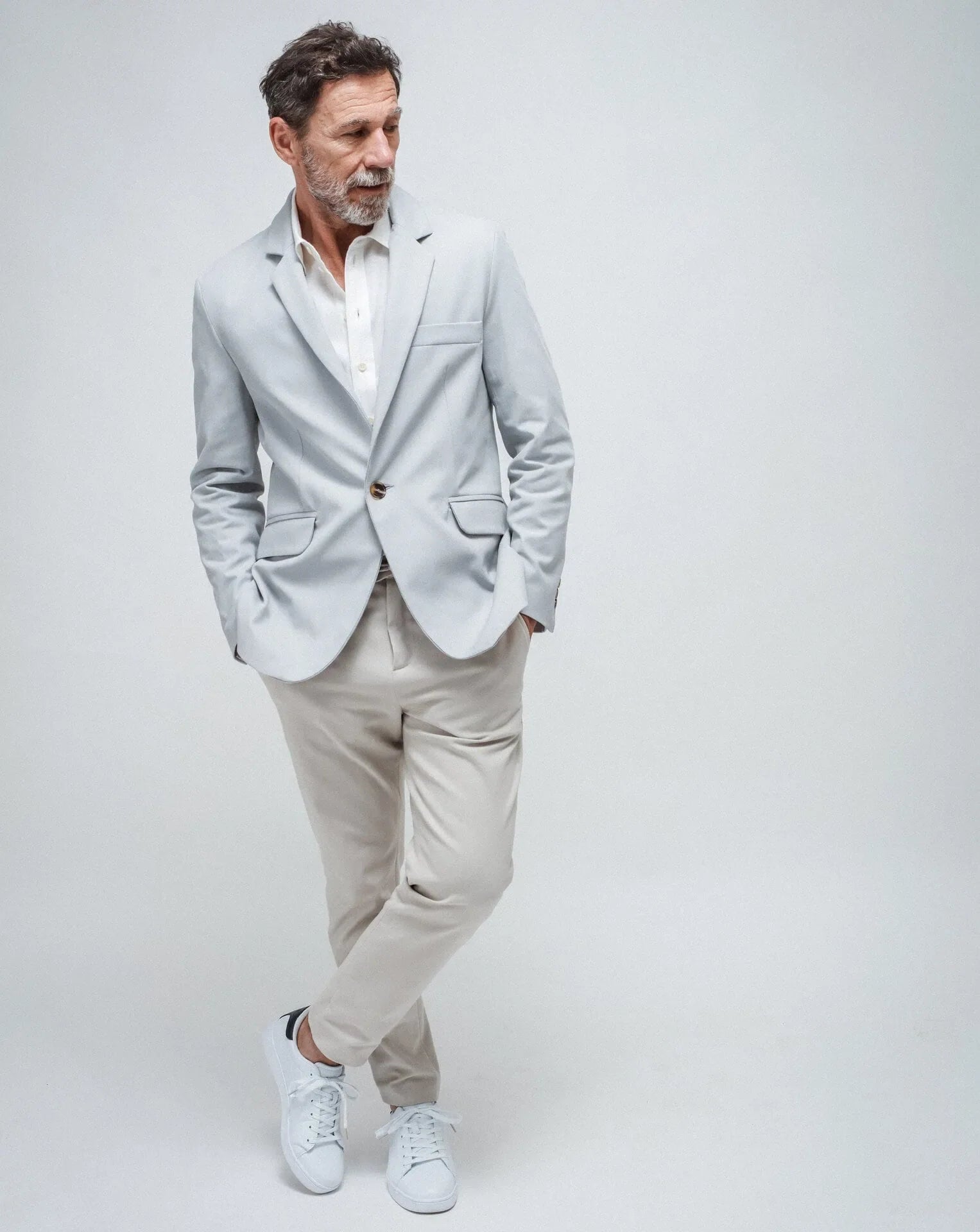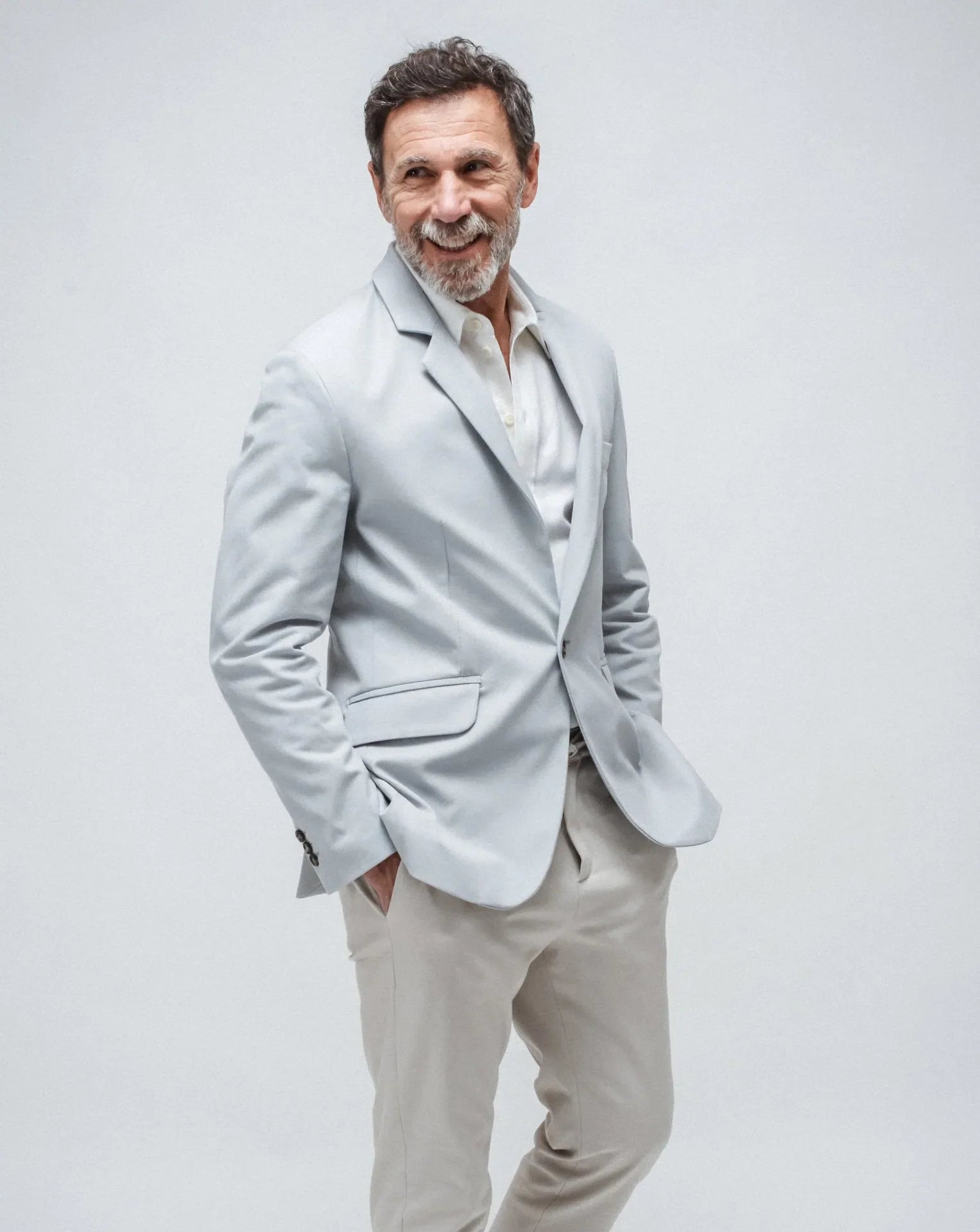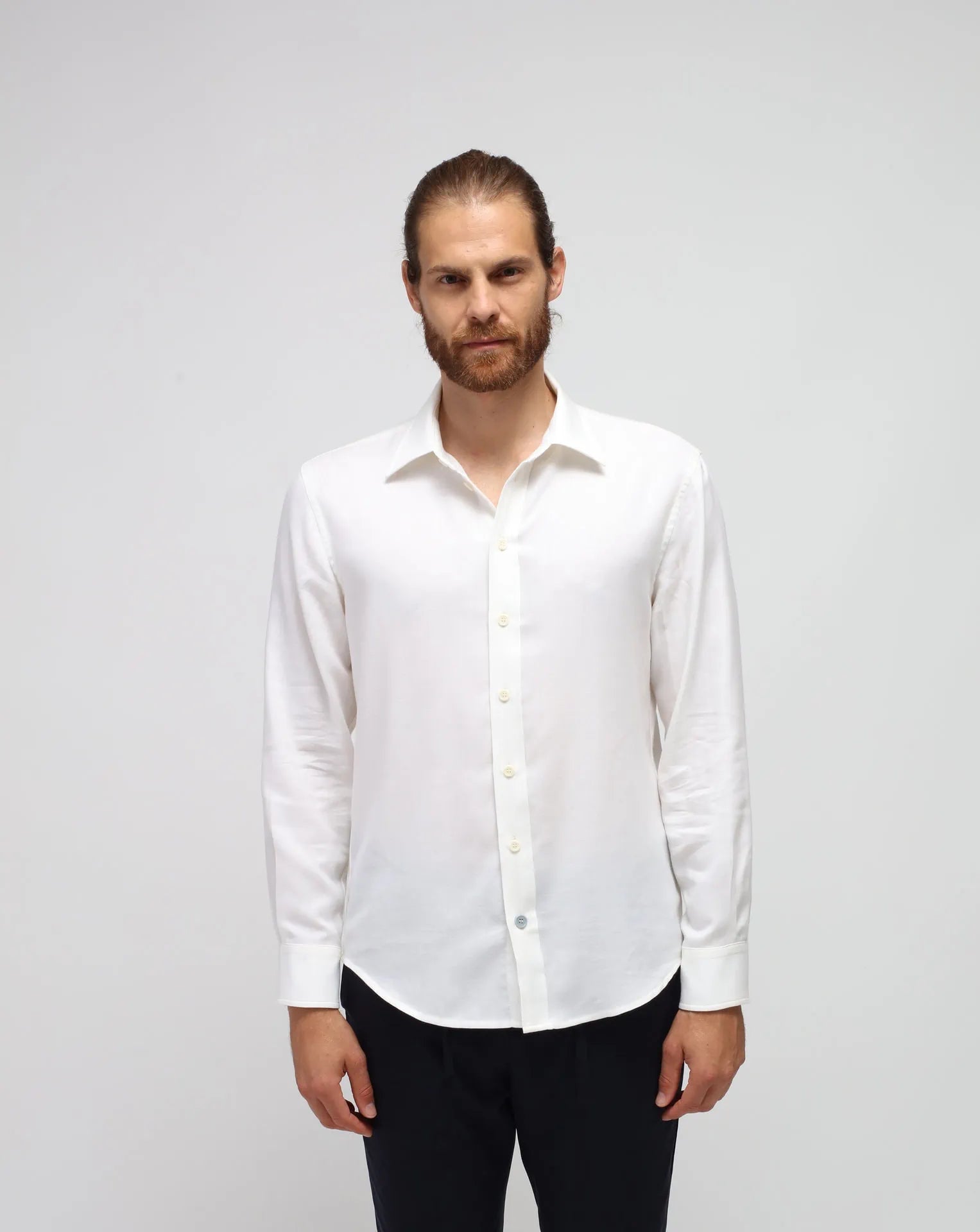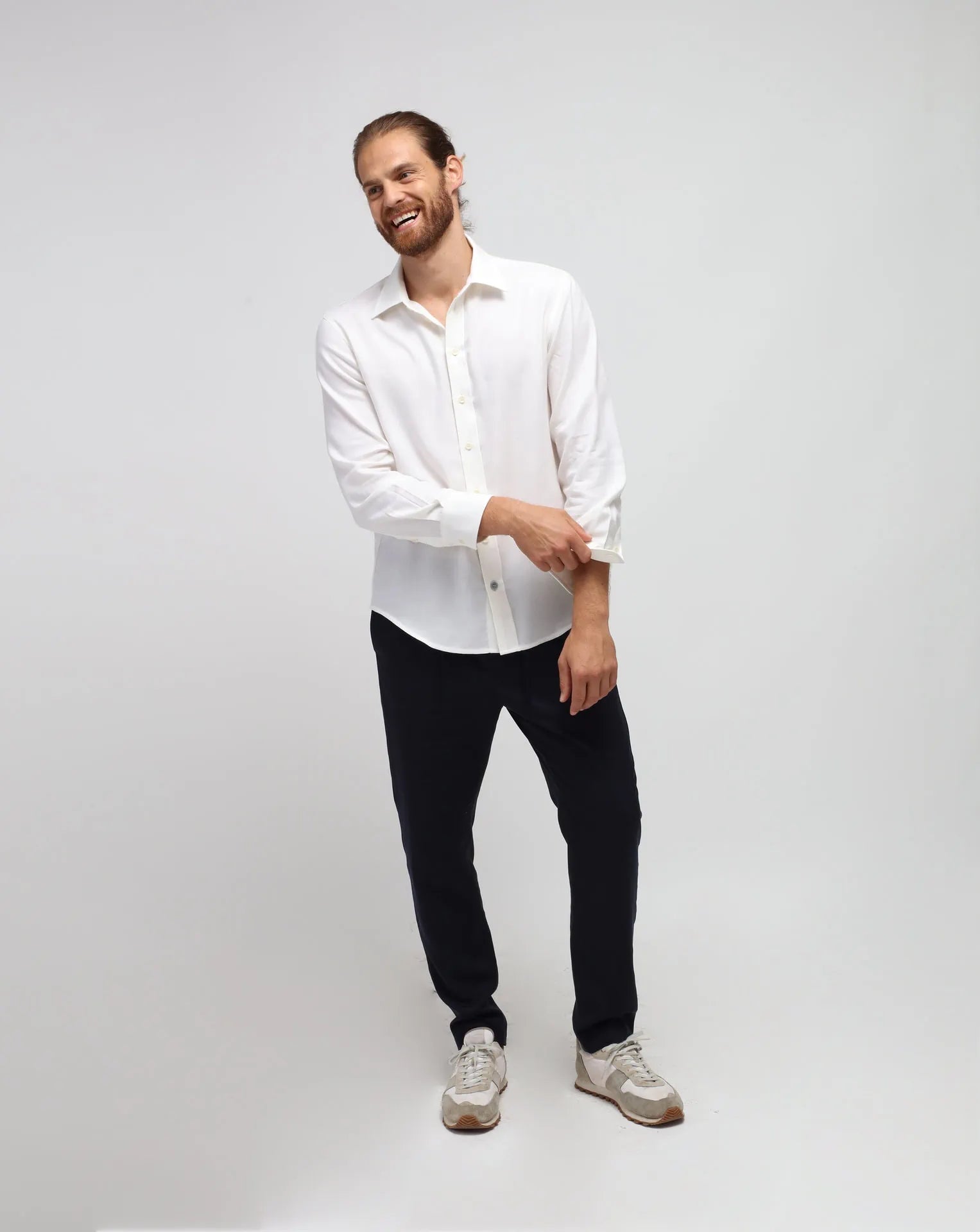

Best Fabrics for Lasting Clothes That Earn Their Place
A great coat should still hold its shape after a dozen winters. A favorite shirt should become more personal with wear, not collapse after a season. The best fabrics for lasting clothes are not simply the thickest or most expensive. They are fibers chosen with purpose, woven or knitted with care, and matched to the life a garment is meant to live.
For an intentional wardrobe, durability is more than a practical concern. It is an environmental decision. Keeping a well-made piece in rotation for years reduces the pressure to buy more, discard more, and settle for less. The right fabric makes that possible.
What Makes a Fabric Last?
Fiber content matters, but it is only one part of the equation. A fine wool can outlast a heavy but loosely made knit. A tightly woven cotton twill can take more daily friction than a lighter plain weave. Construction, finishing, garment design, and care all shape a fabric's lifespan.
Look for materials with natural resilience, stable construction, and an appropriate weight for their purpose. A winter coat needs structure and recovery. A trouser fabric needs abrasion resistance. A shirt needs to tolerate regular laundering without losing its line. No single fabric wins every category, which is why thoughtful wardrobes are built around different materials rather than one universal solution.
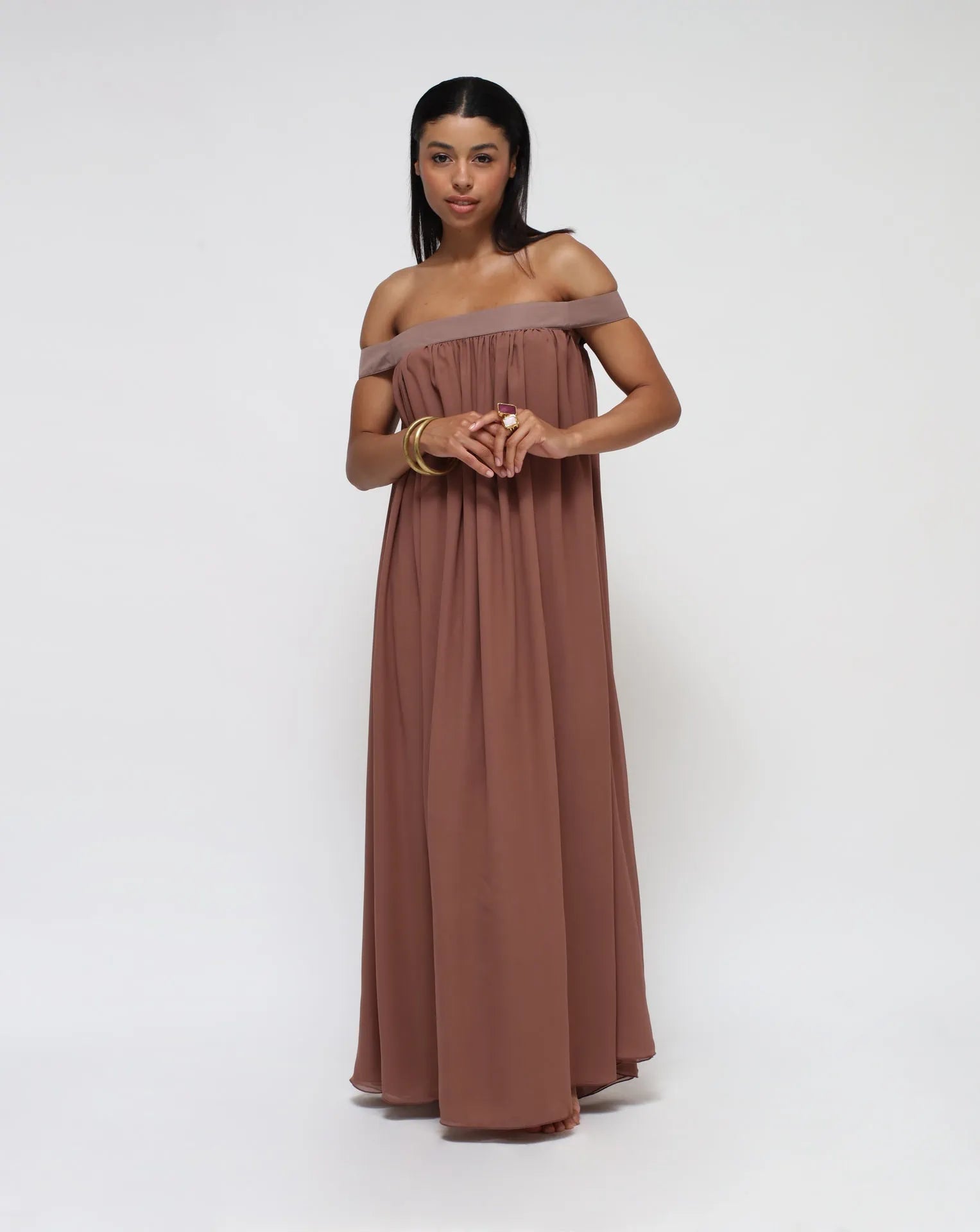
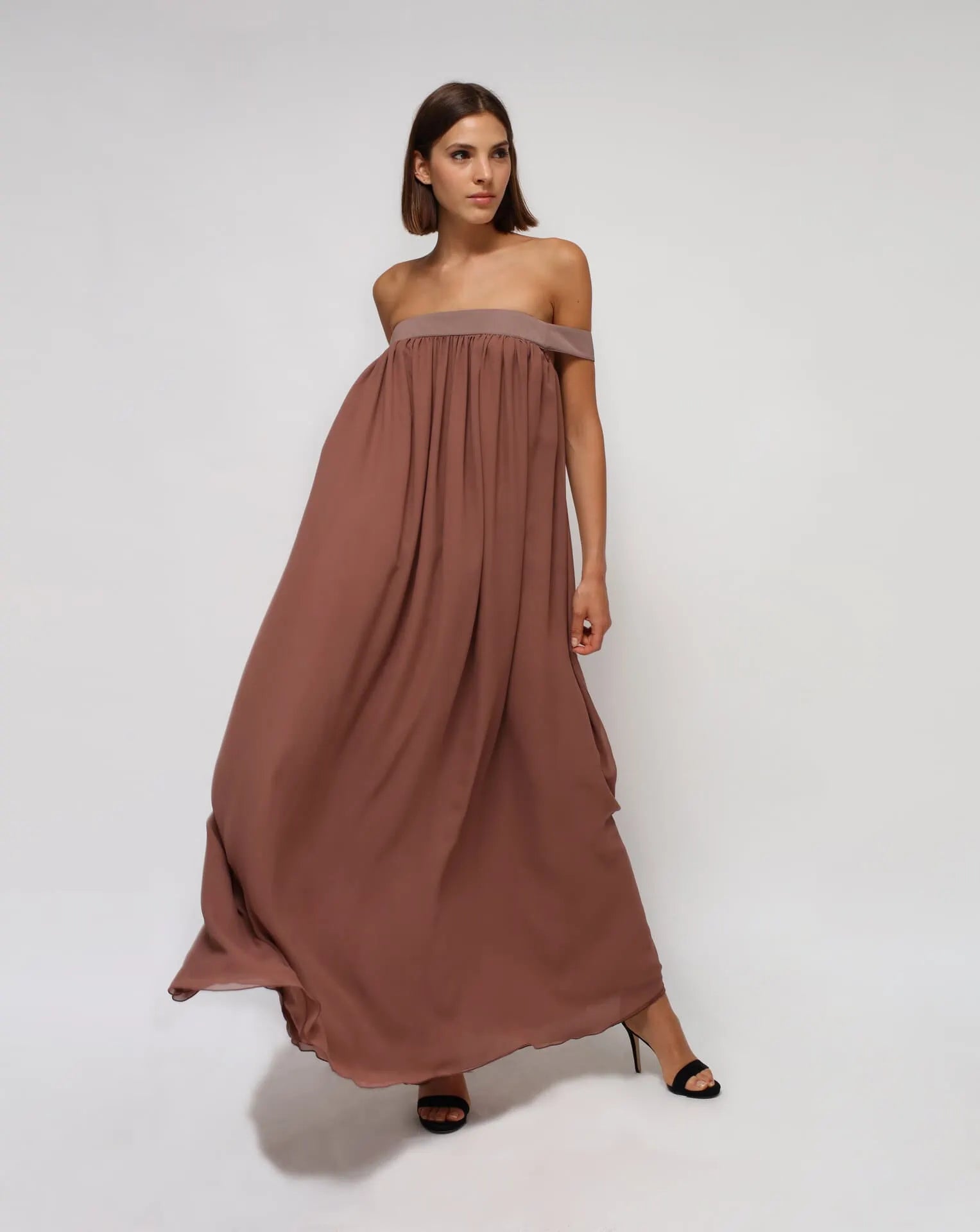
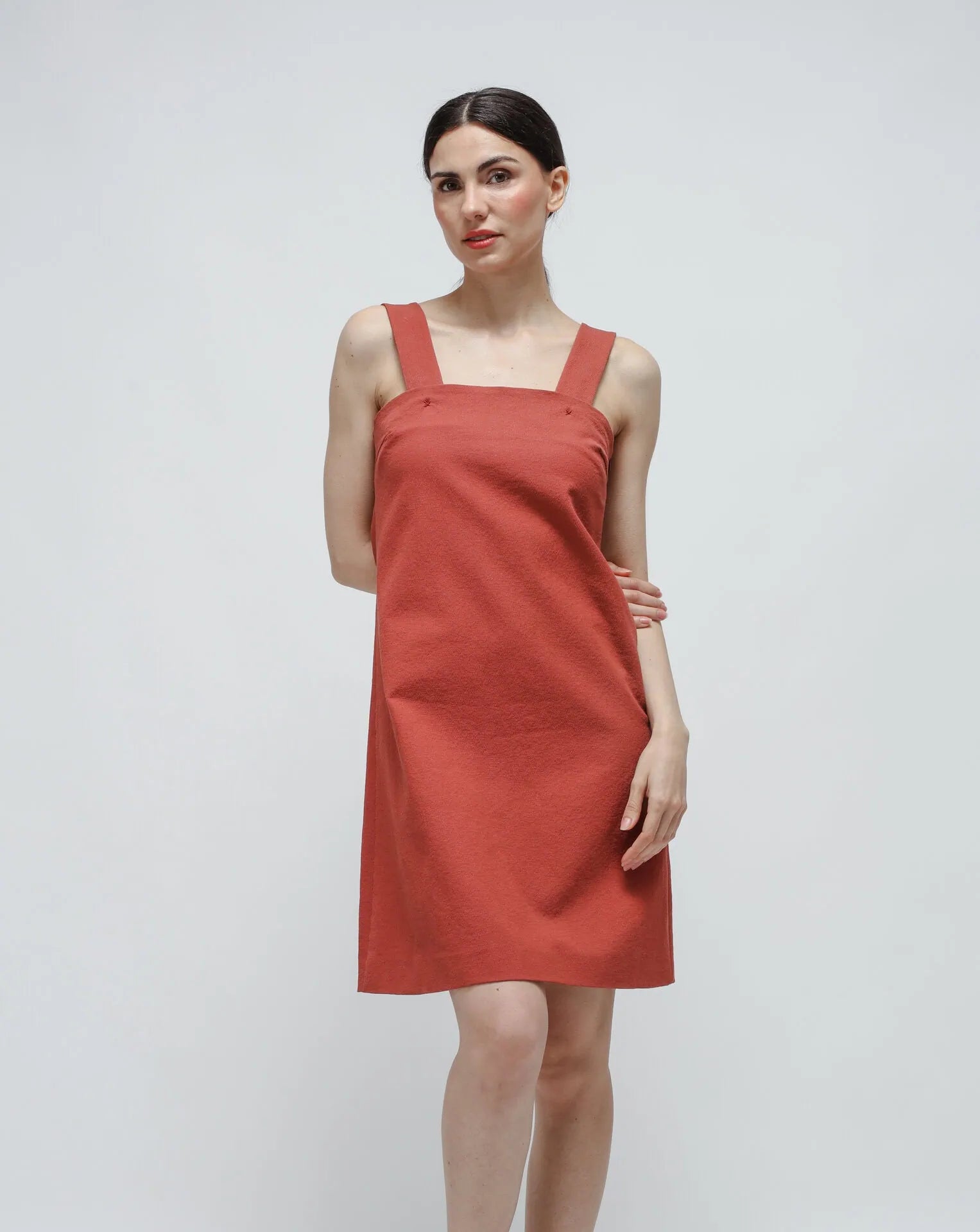
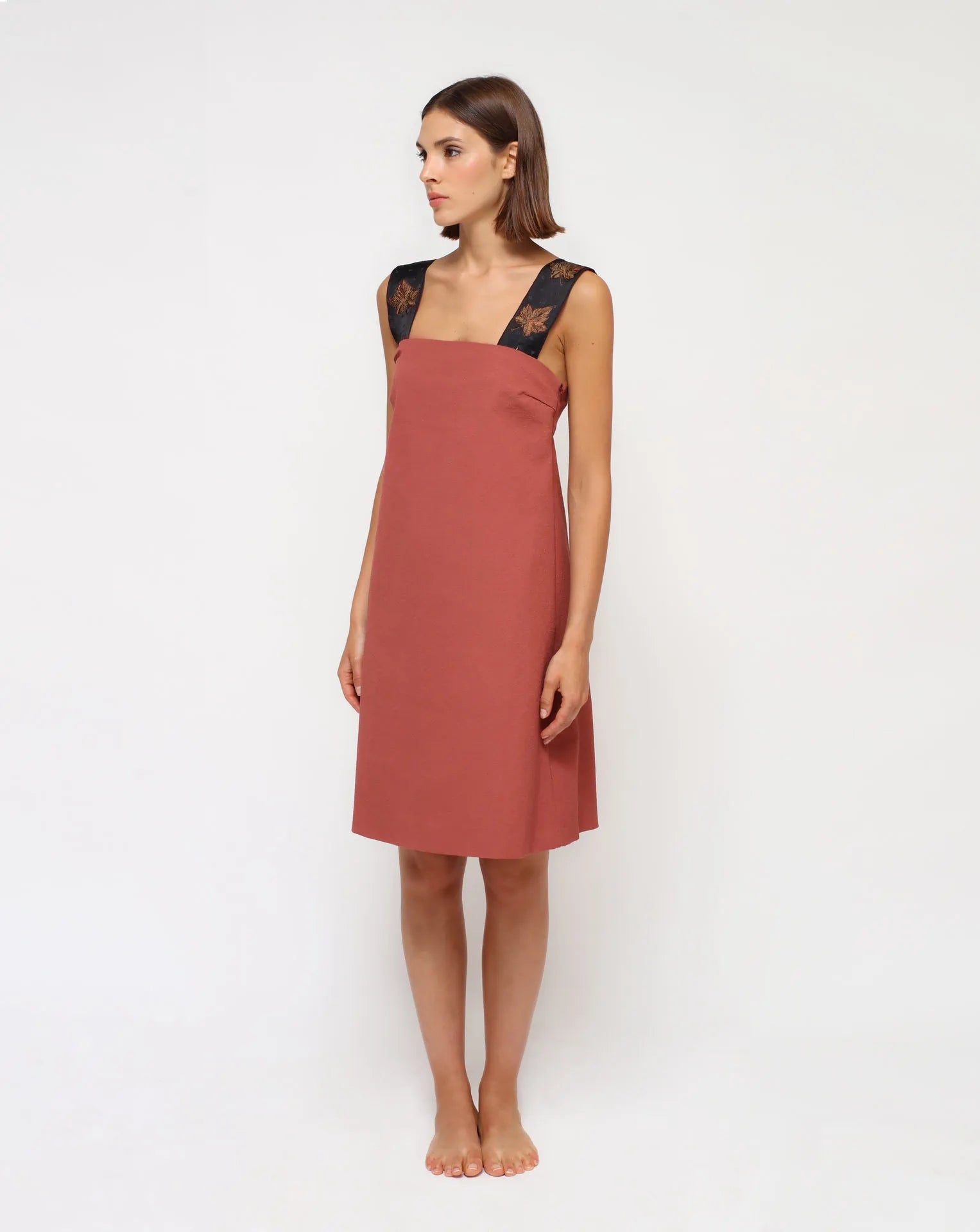
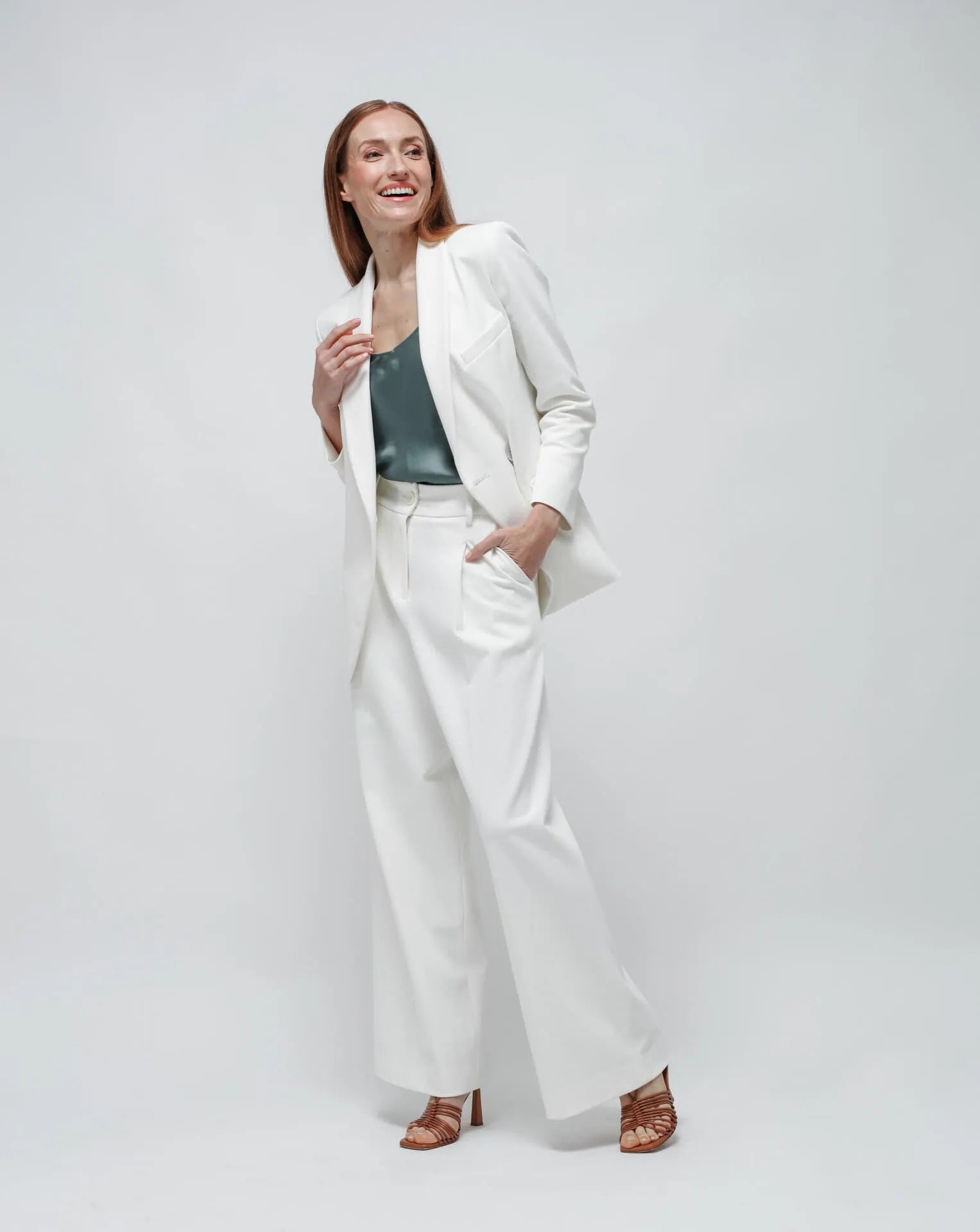
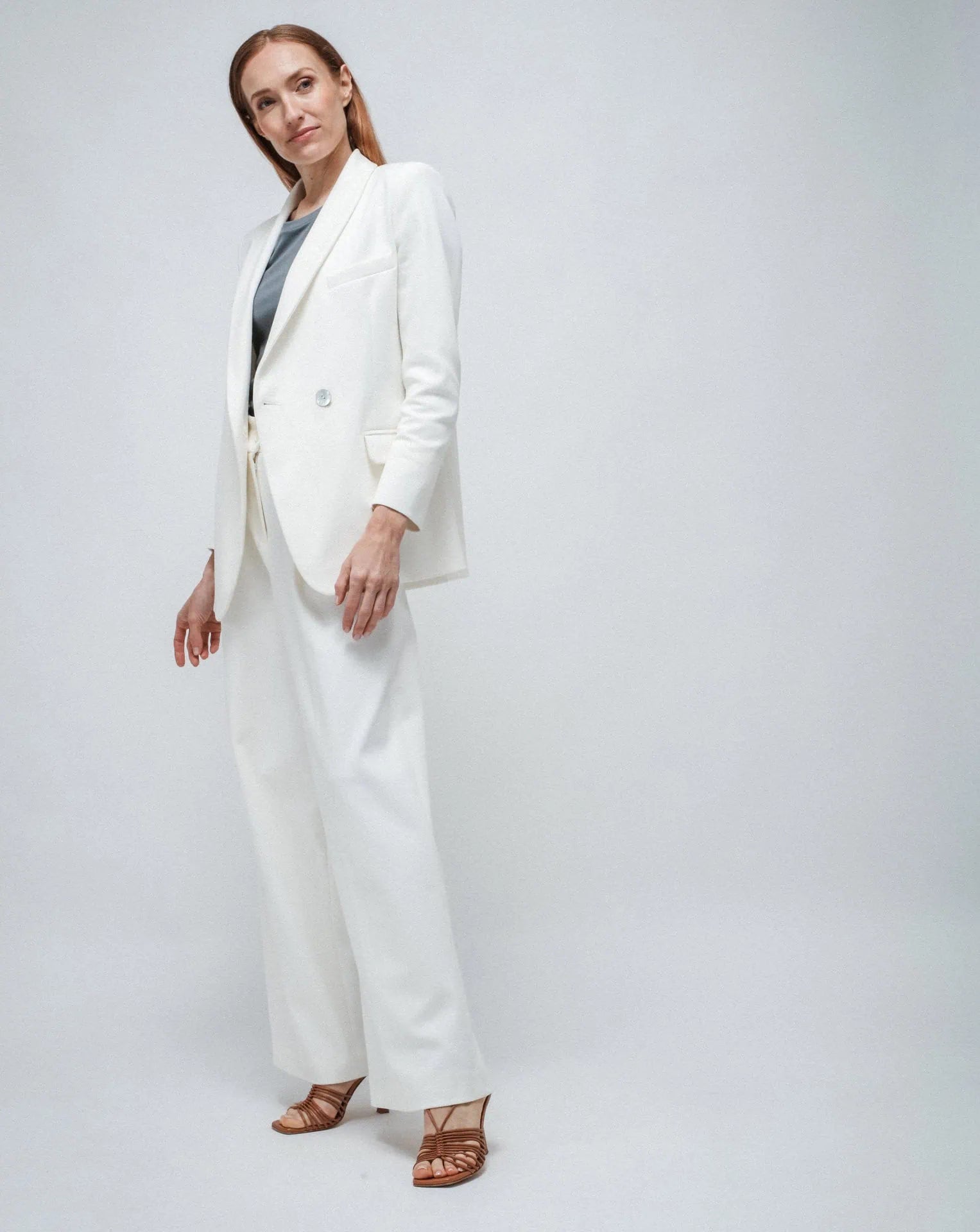
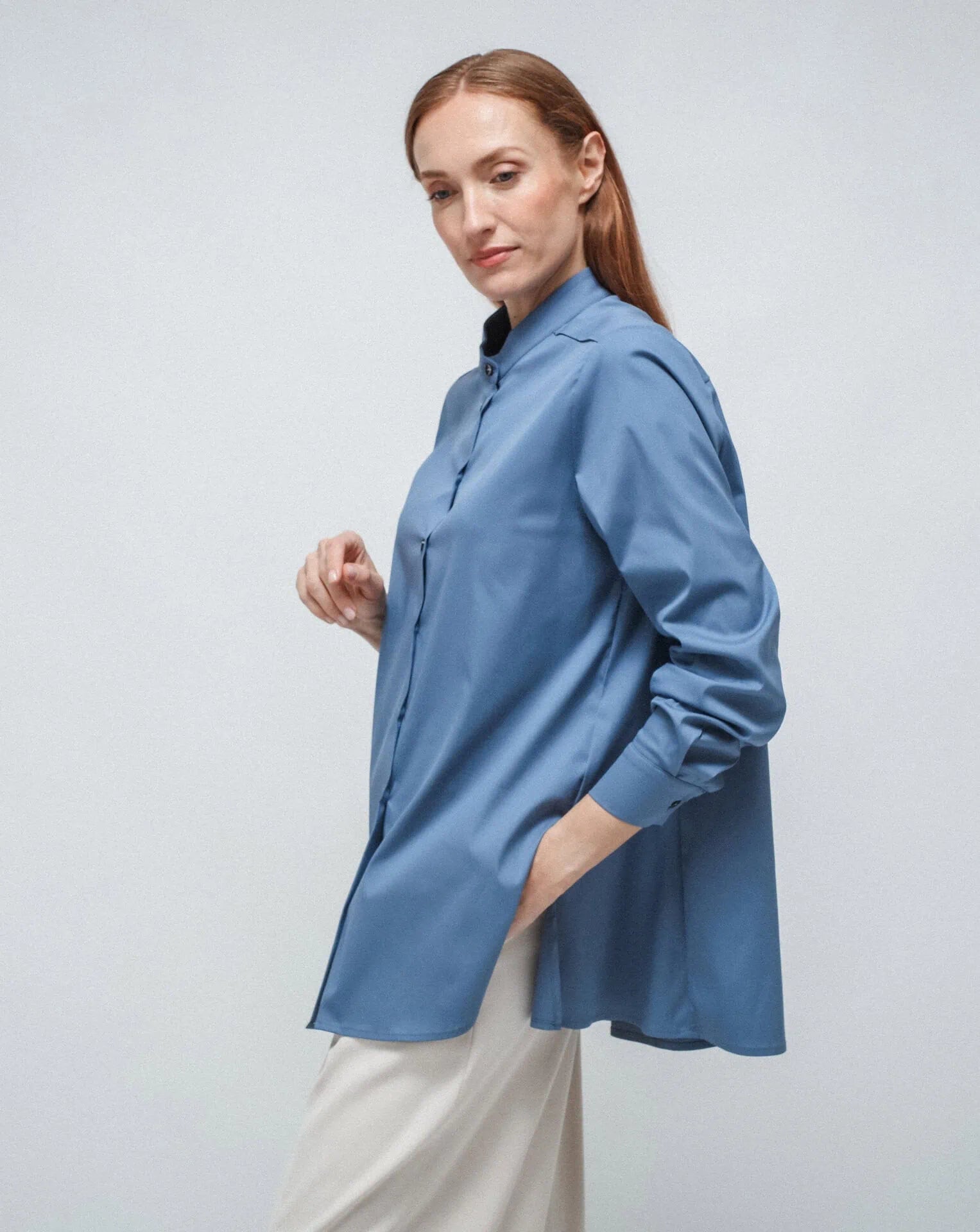
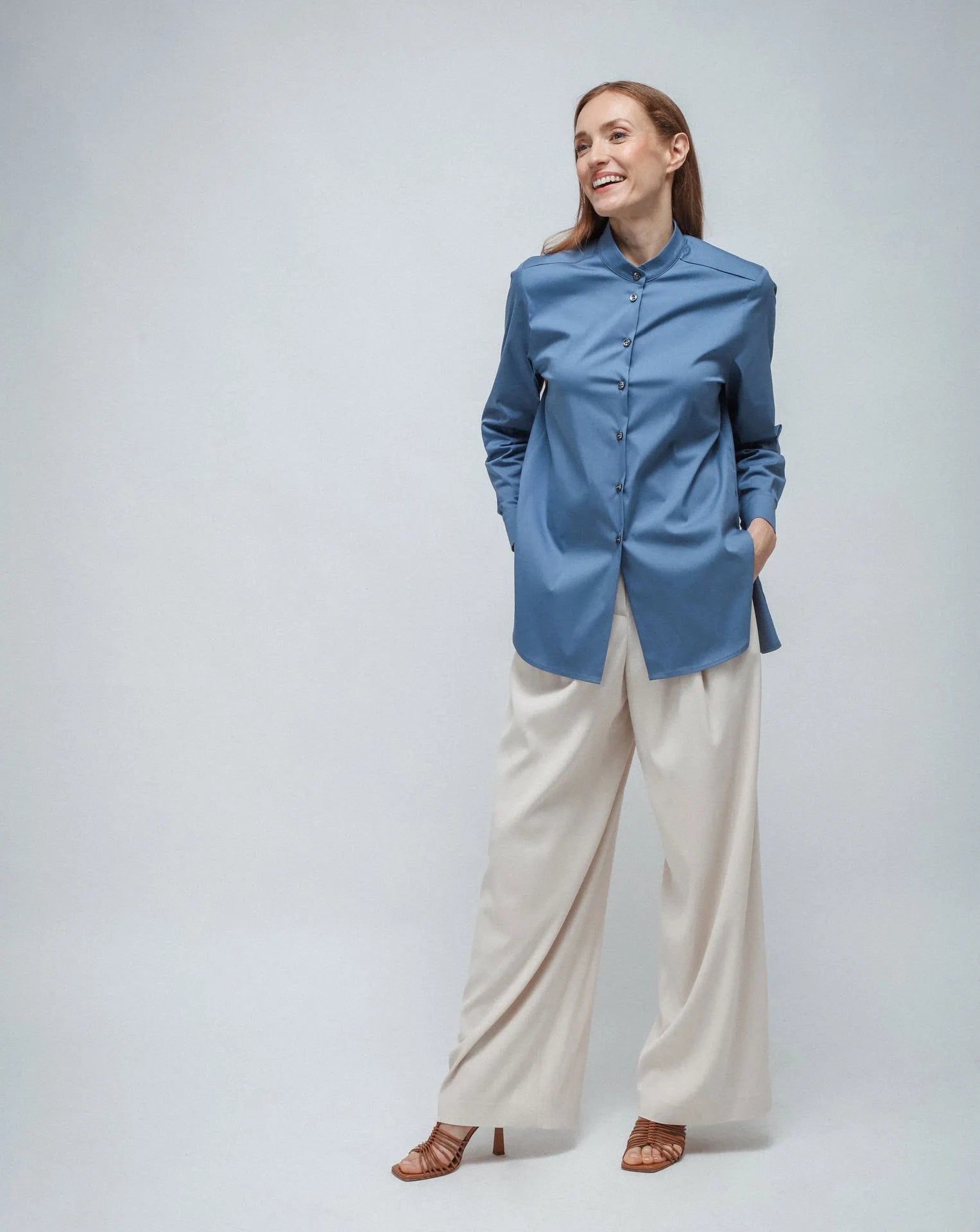
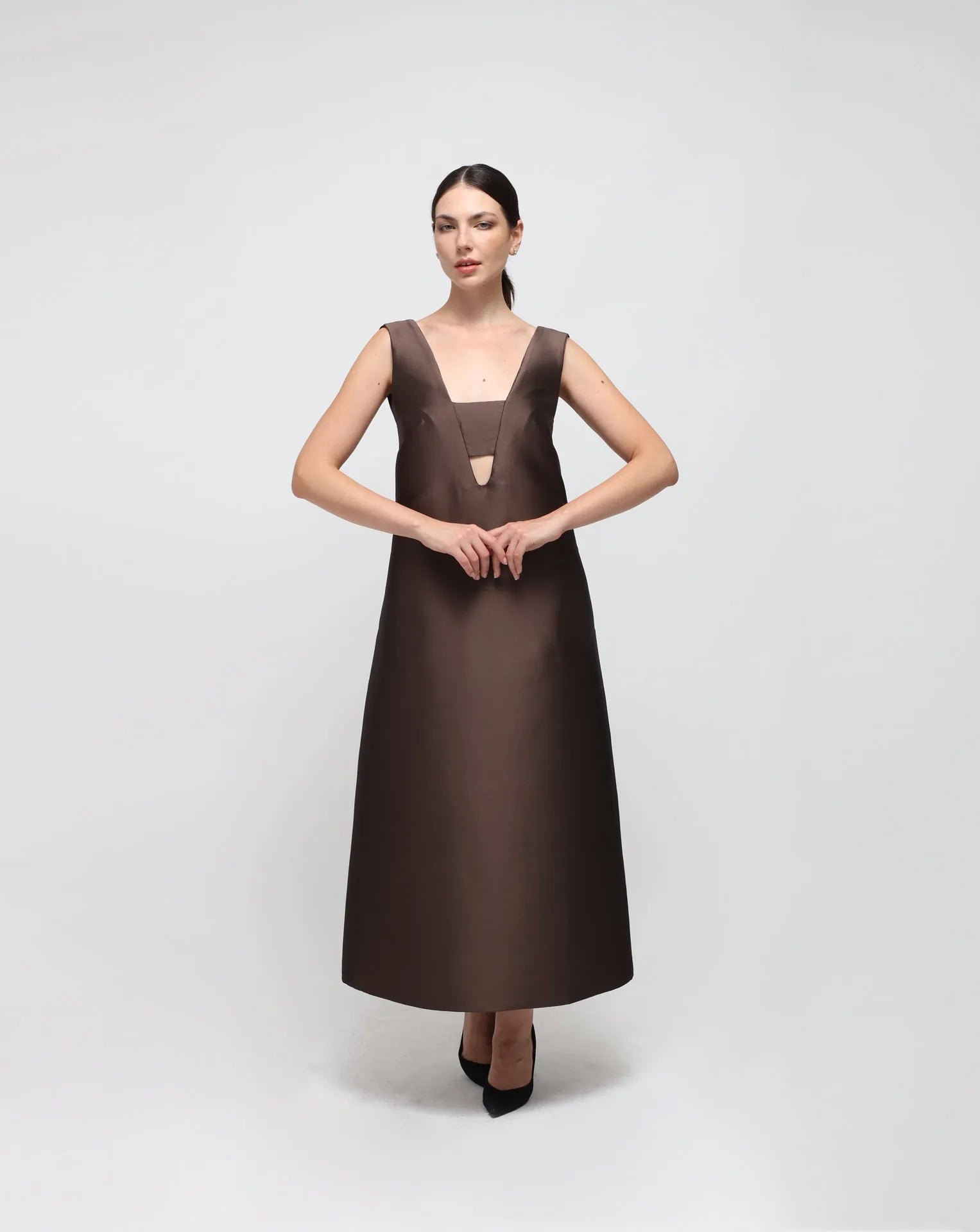
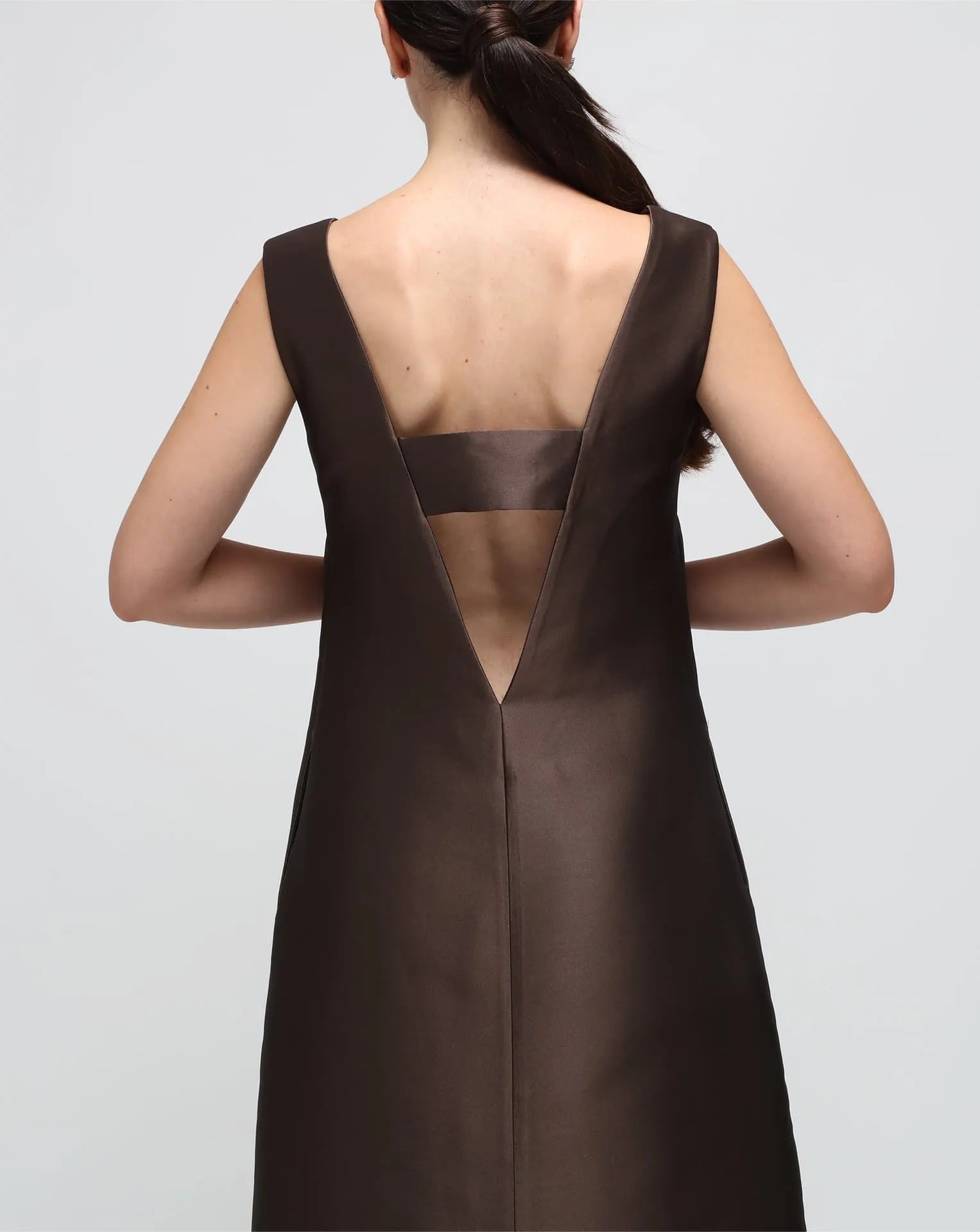
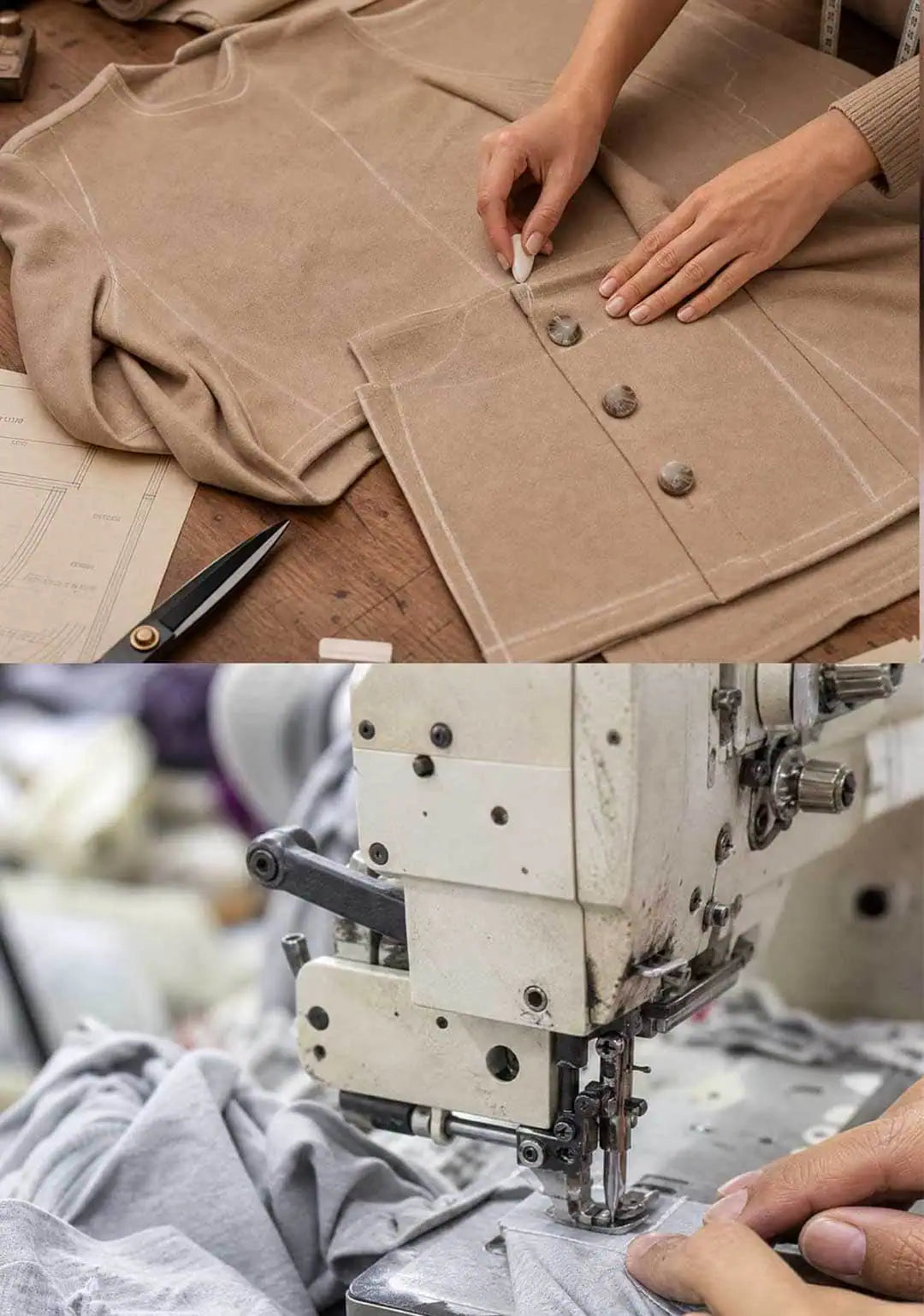
Deadstock fabrics add another consideration. These are premium, unused textiles left from previous production runs. Working with deadstock means the composition, weave, and hand feel are selected for their actual merit, not ordered in excess for endless volume. At Humans & Land, limited runs allow exceptional existing fabrics to become garments with a clear reason to exist.
The Best Fabrics for Lasting Clothes
Wool: the winter wardrobe essential
Wool is one of fashion's most enduring performance fibers. Its natural crimp gives it elasticity, helping garments recover after wear instead of stretching permanently out of shape. It is breathable, insulating, odor resistant, and capable of handling changing temperatures with ease.
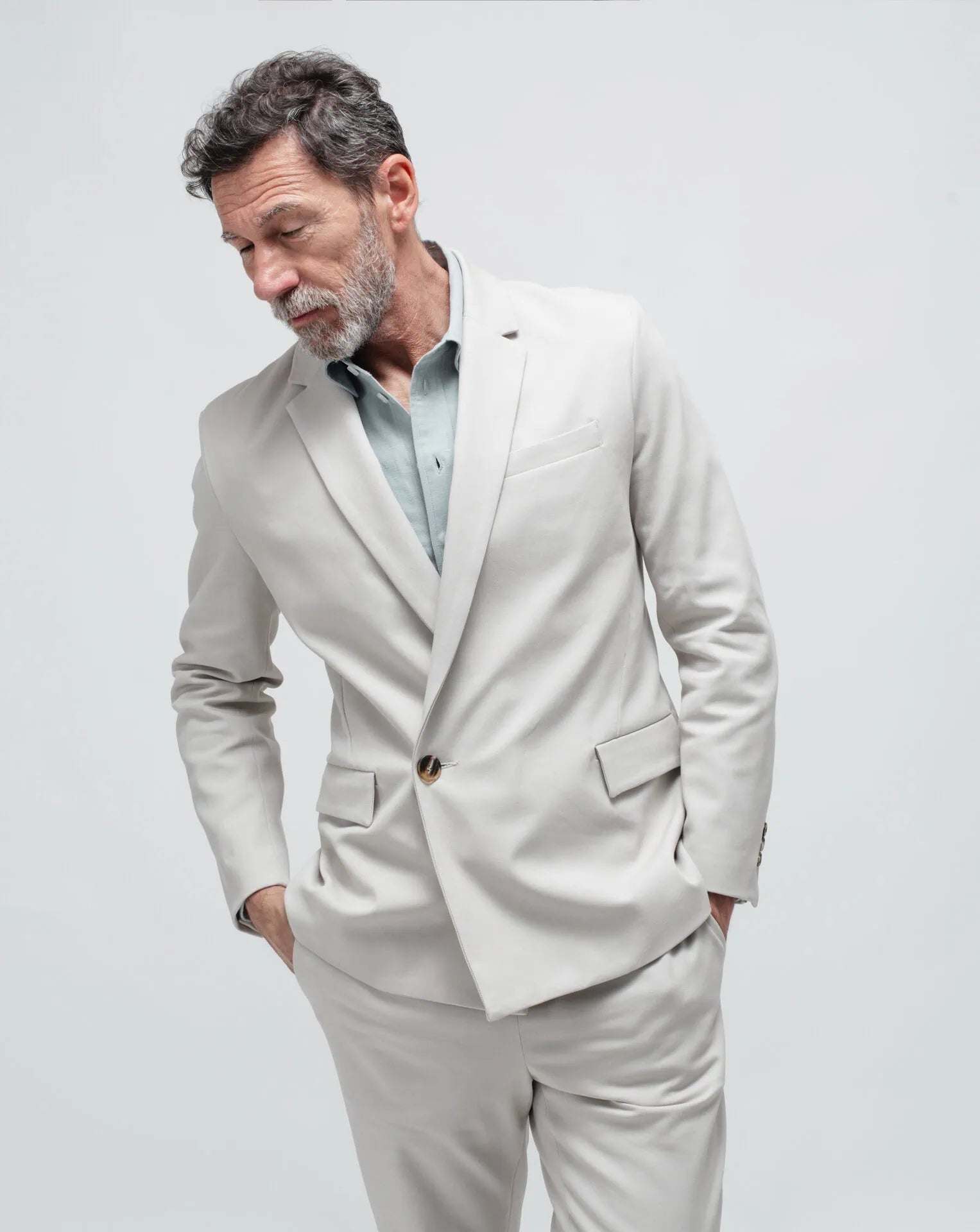
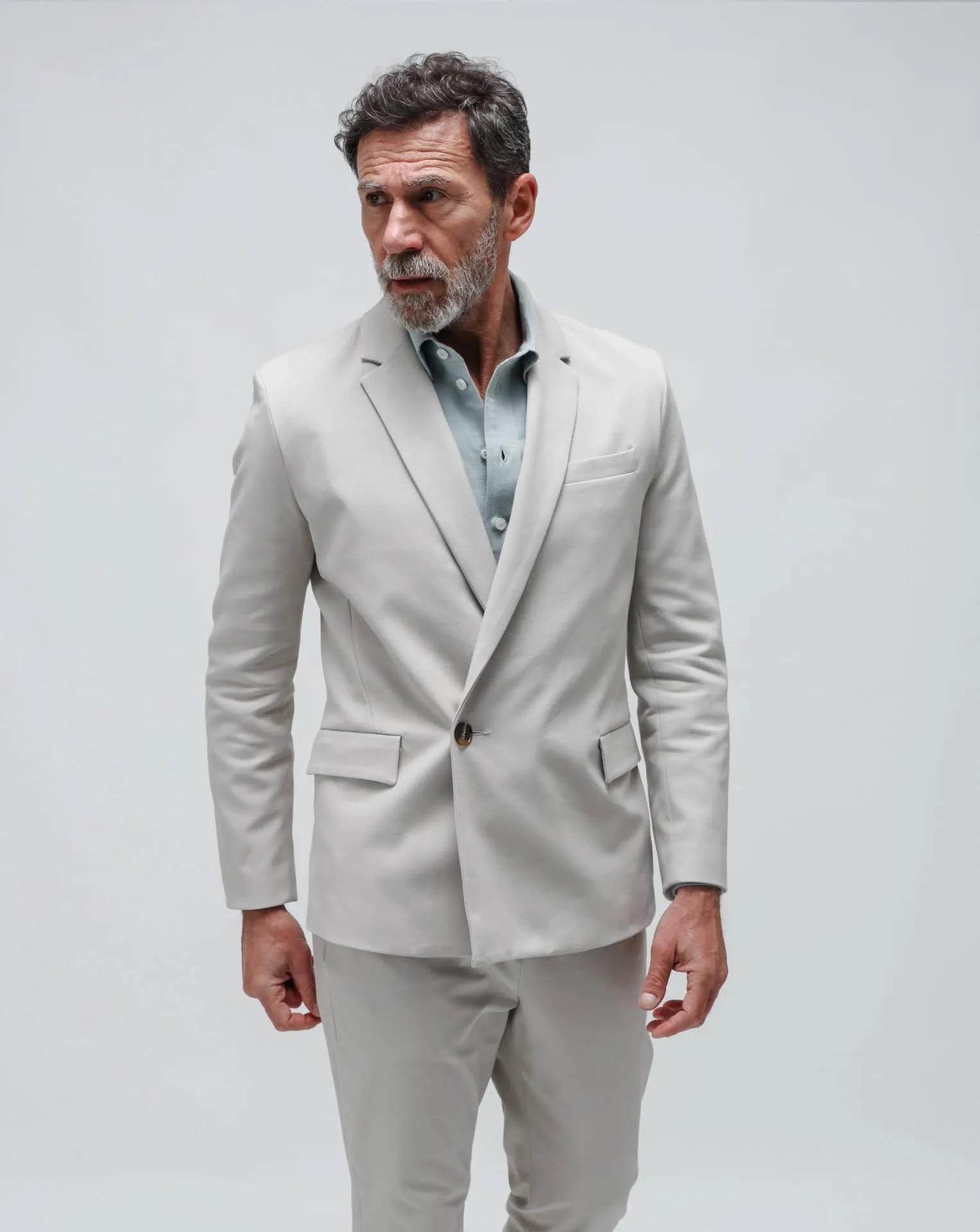
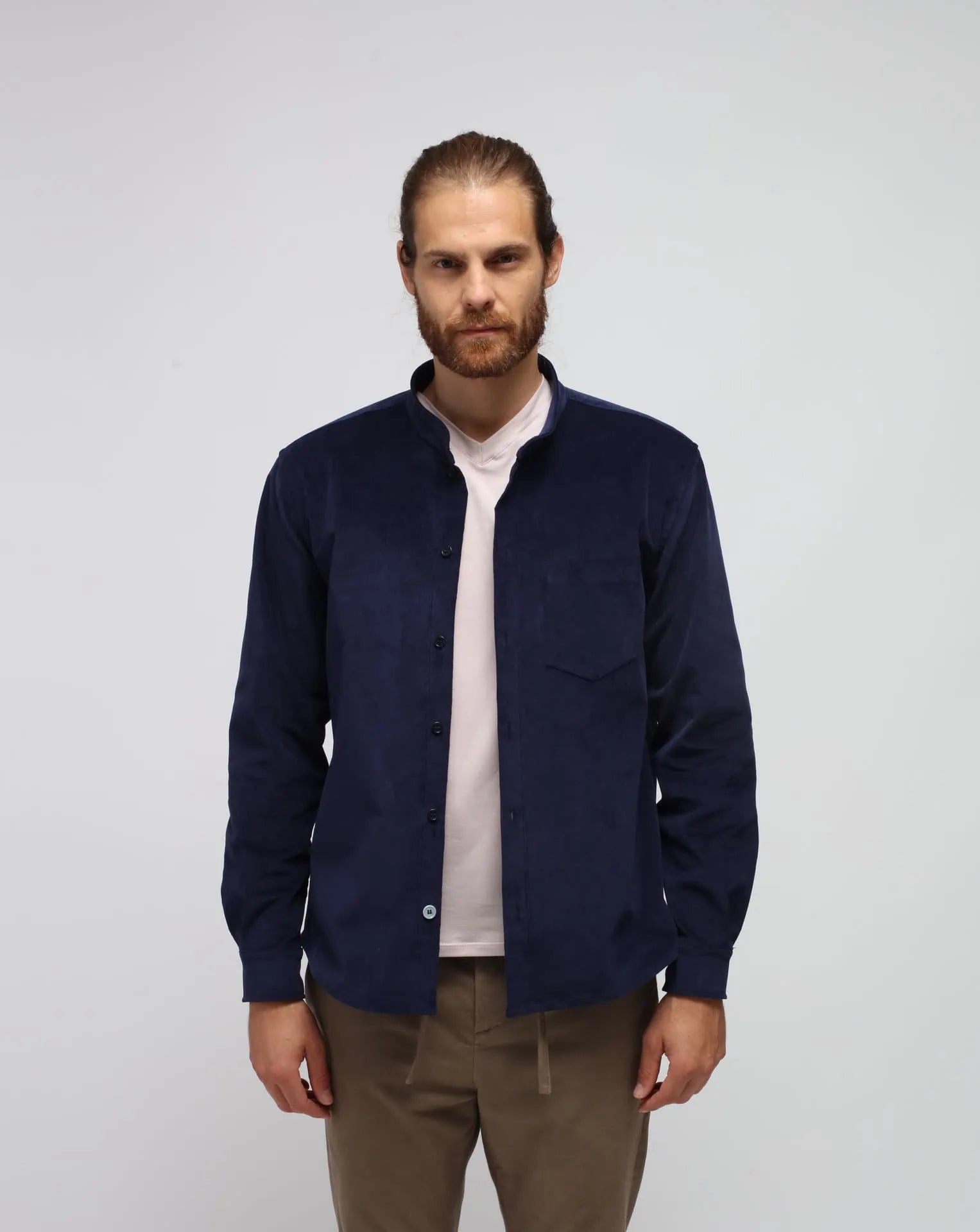
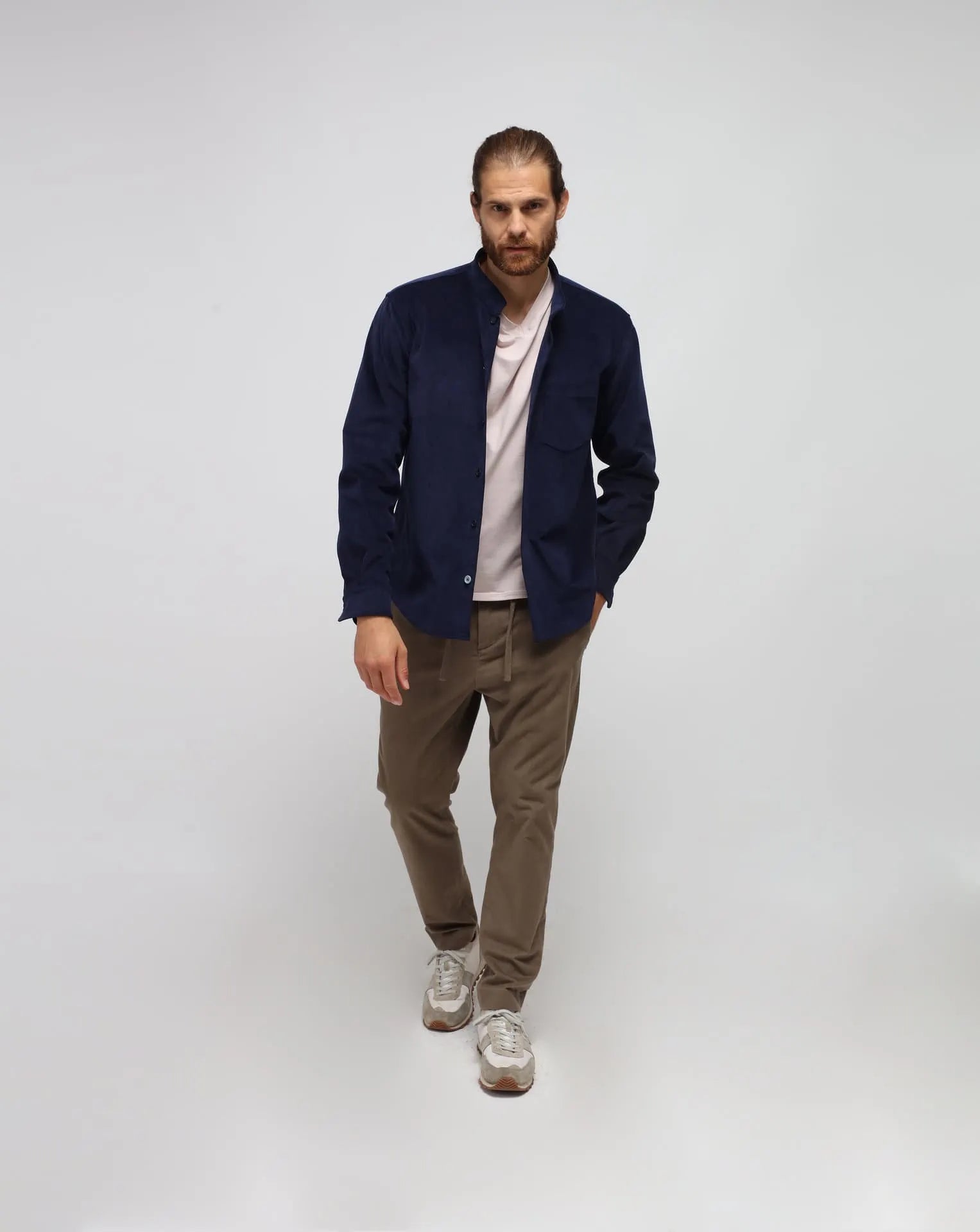
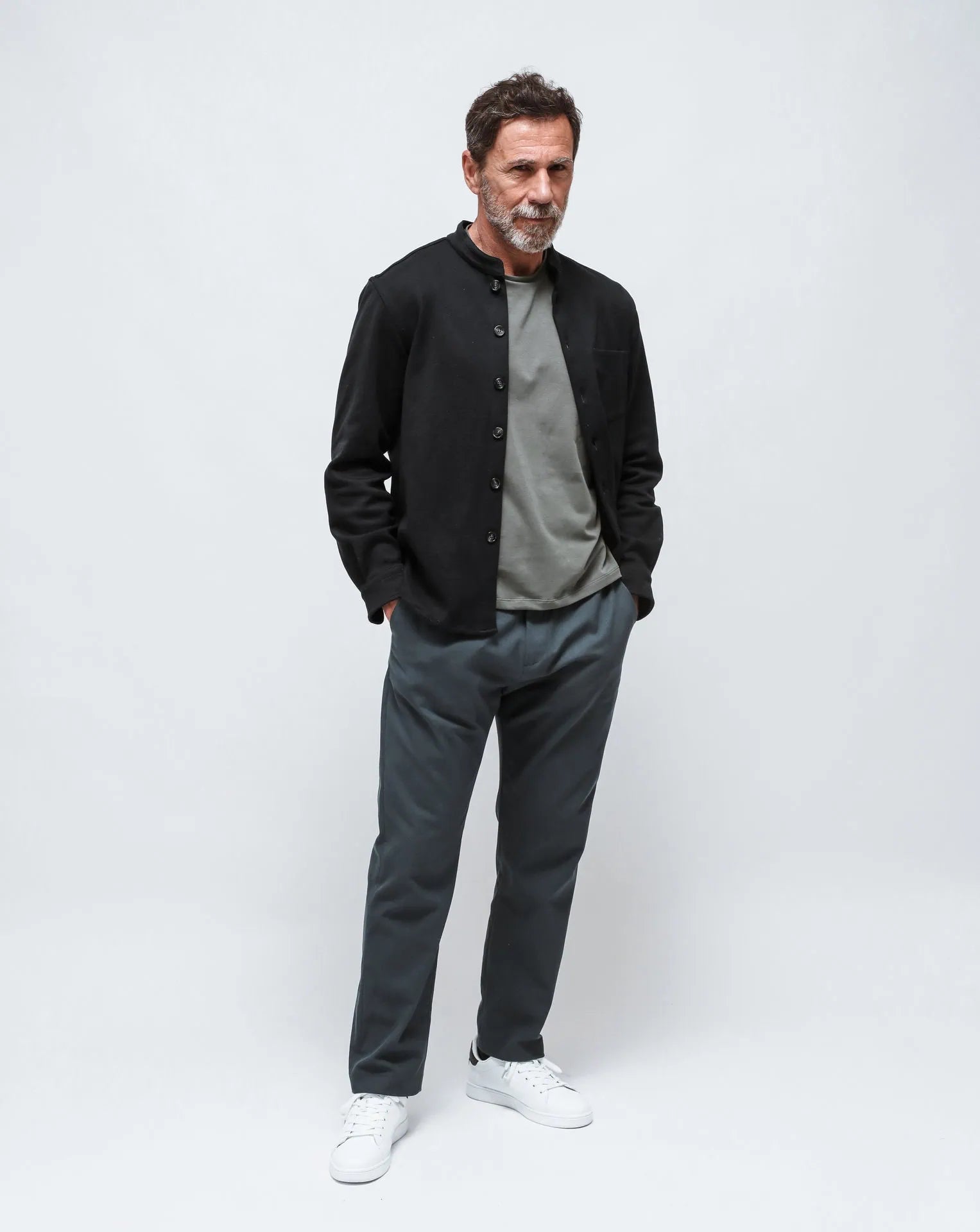
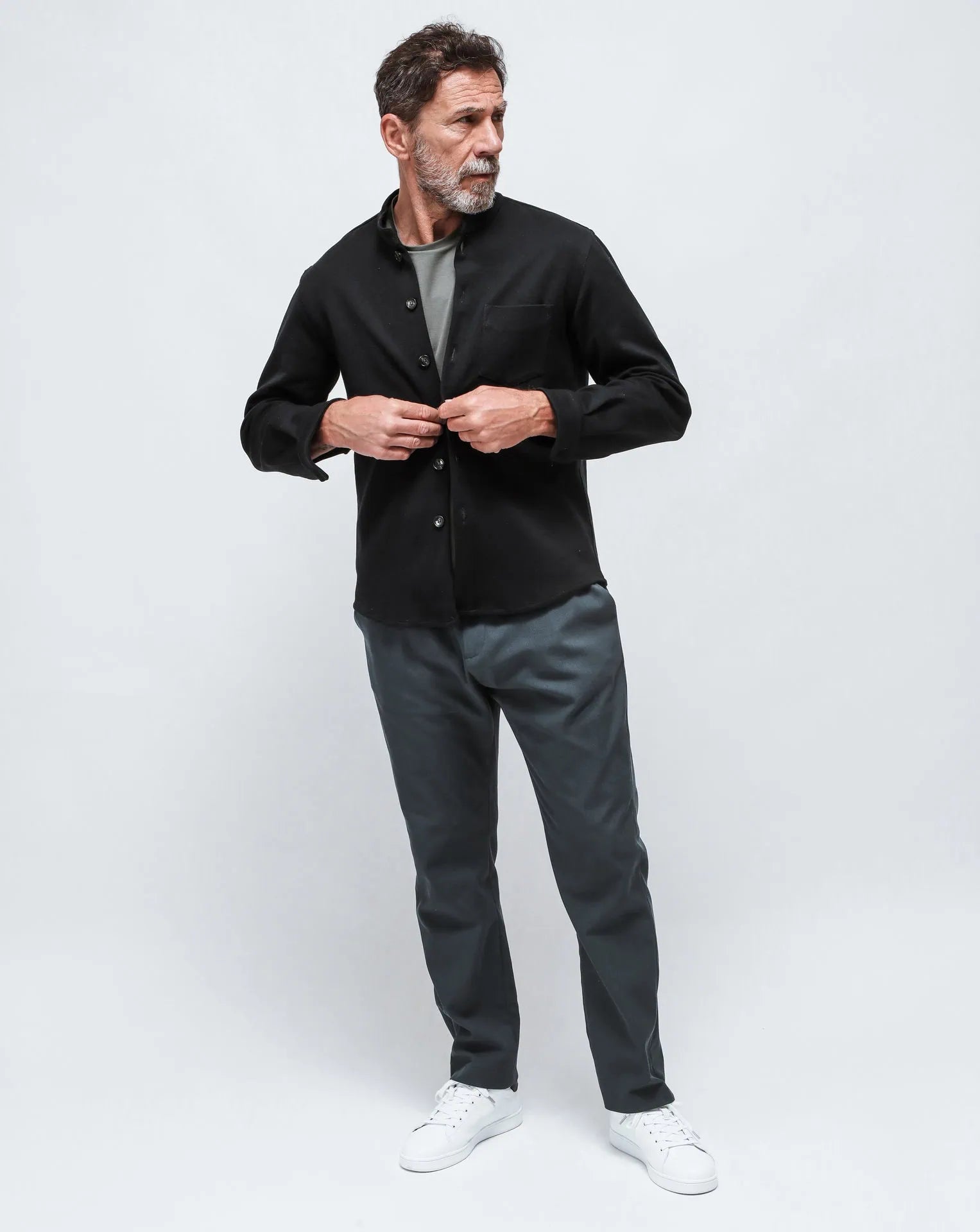
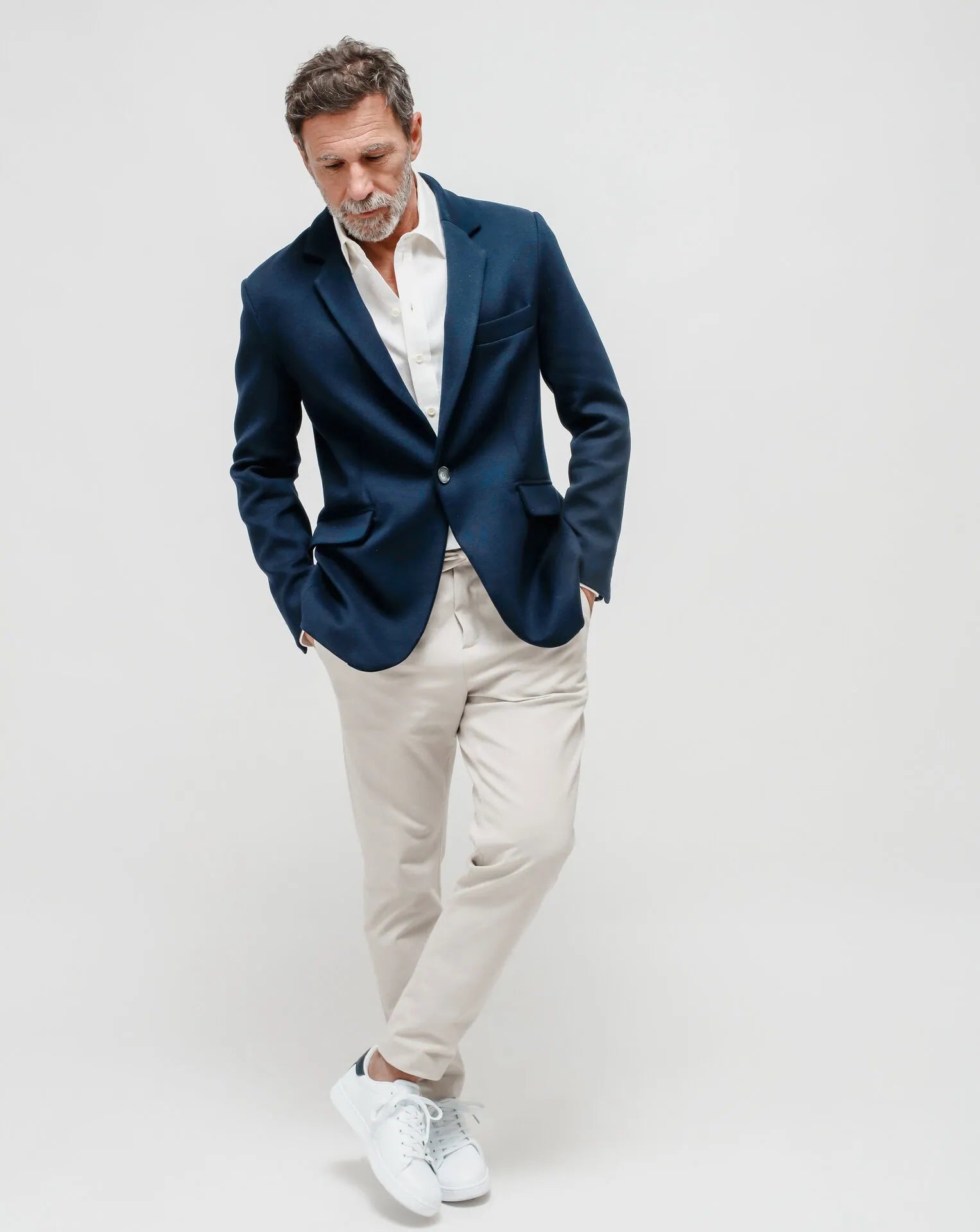
For winter, look to dense wool twill, melton, flannel, or double-faced wool for coats, jackets, tailored pants, and overshirts. A well-constructed women's wool coat can become the outer layer you reach for year after year. The same is true of a men's wool overshirt or tailored jacket that moves from weekday meetings to weekend travel without looking tired.
Not all wool performs equally. Very fine wool feels exceptionally soft but may be better suited to knitwear or refined tailoring than high-friction outerwear. For a coat or everyday trouser, a slightly more substantial wool often offers better structure and longevity. Wool blends can also be practical when a small amount of polyamide or other reinforcing fiber improves abrasion resistance, especially in coats and trousers. The key is intention, not purity for its own sake.
Linen: strong, breathable, and better with age
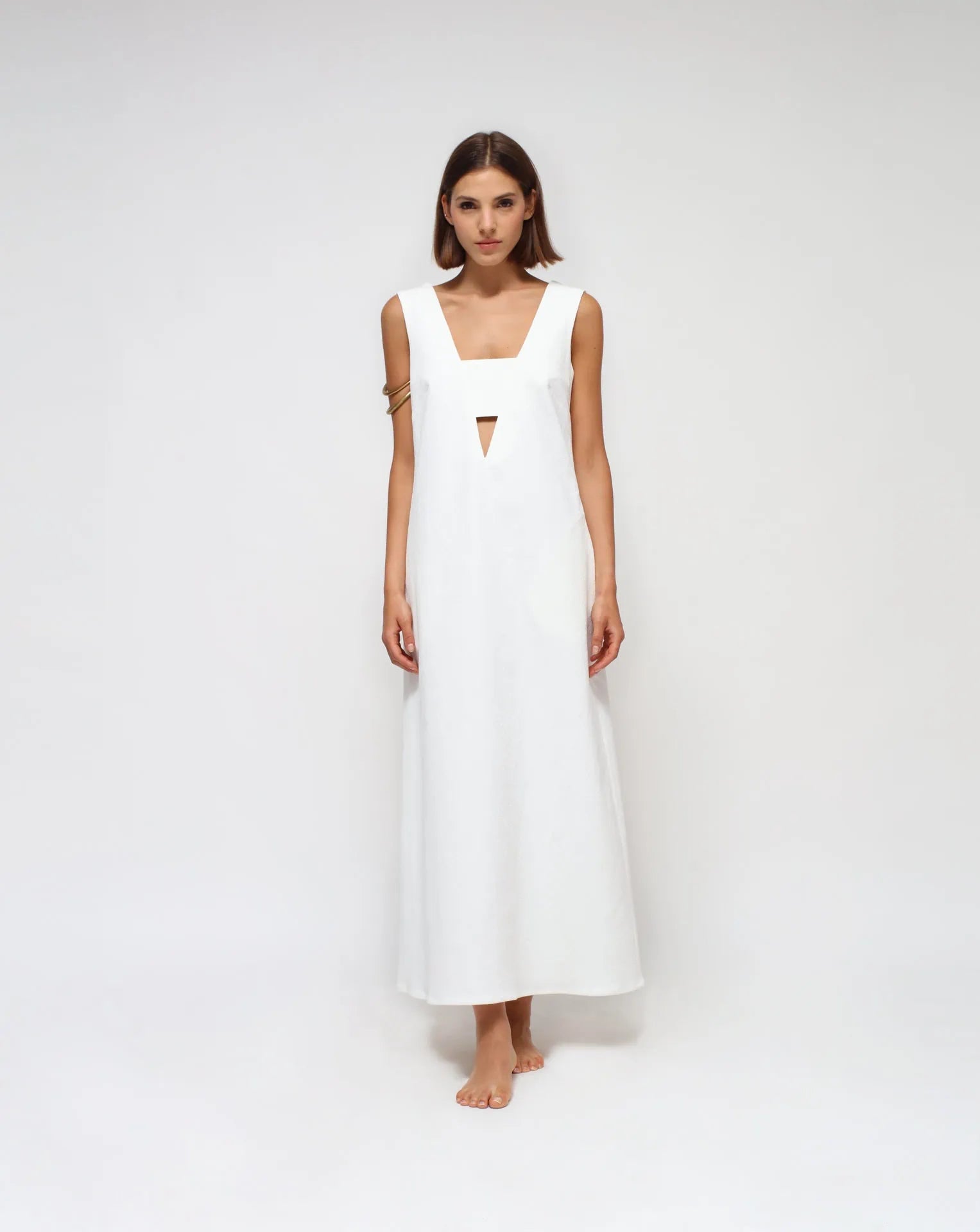
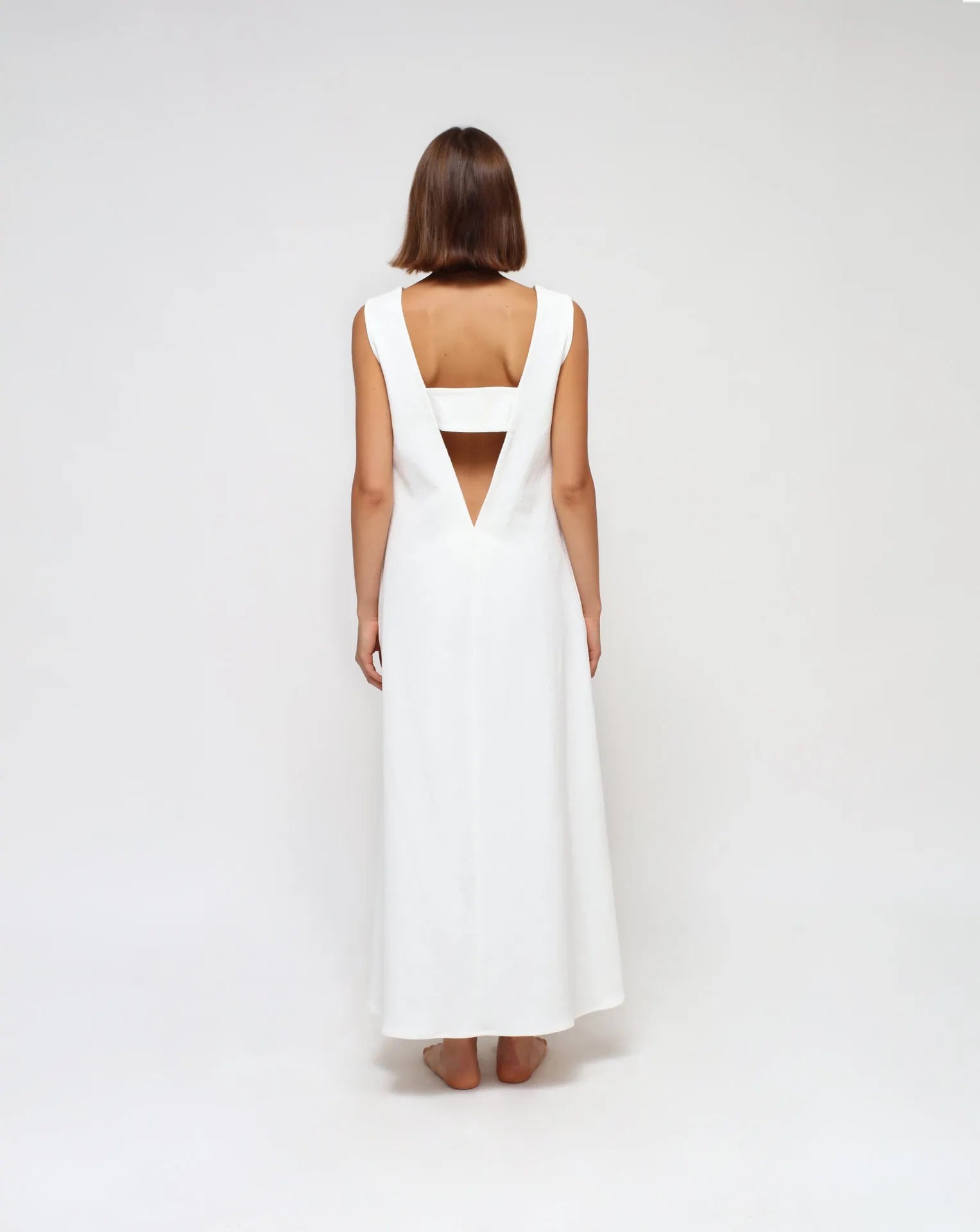
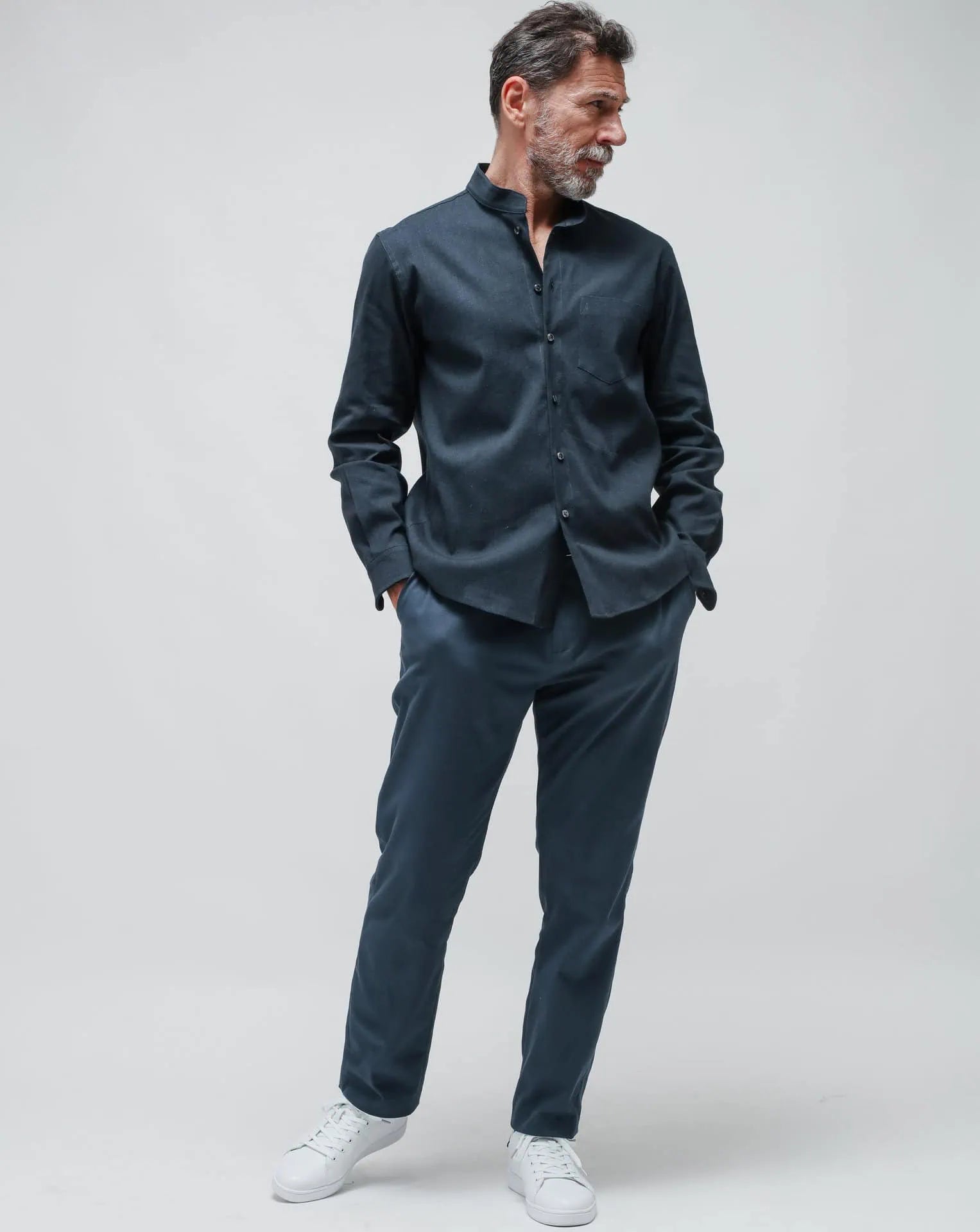
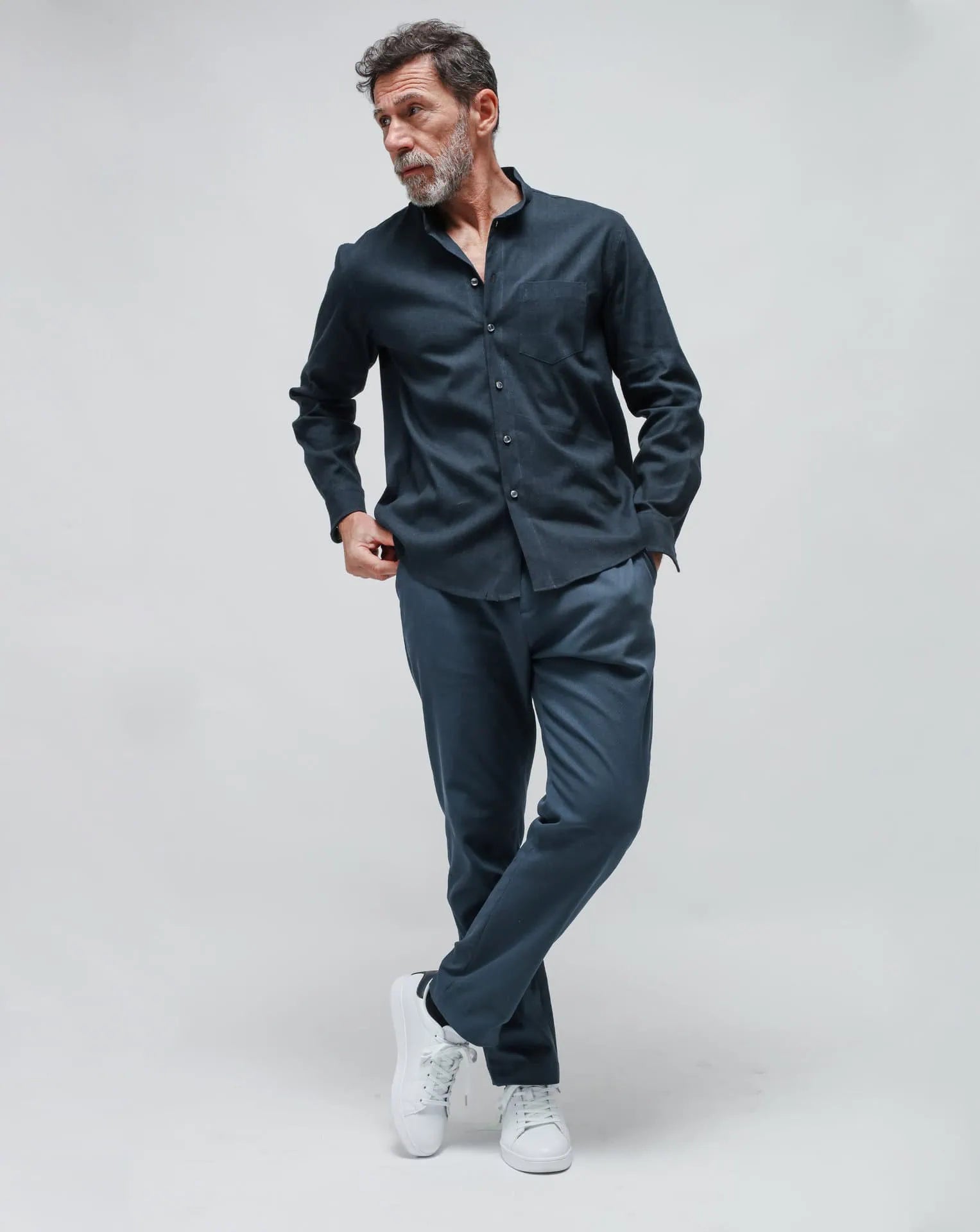
Linen has a reputation for wrinkles, but that is part of its character, not a failure of performance. Made from flax, linen is one of the strongest natural fibers and can become softer over time without losing its distinctive texture. Its breathability makes it ideal for warm-weather shirts, relaxed tailoring, dresses, and lightweight pants.
A medium-to-heavy linen or linen blend will generally last longer than an overly sheer version. Weight matters here. Fine linen is beautiful for occasion dressing, while denser linen is more capable of regular city wear, travel, and repeated washing.
For a lasting wardrobe, choose linen garments with a little ease in the cut. Linen does not need to cling to look refined. A relaxed men's linen shirt or a tailored women's linen dress gains appeal from its lived-in quality, especially when the fabric has enough substance to hold the garment's silhouette.
Cotton: dependability comes down to construction
Cotton is everywhere, but durable cotton is not generic. Long-staple fibers, a tight weave, and a suitable fabric weight make the difference between a T-shirt that fades into a rag pile and one that earns years of wear.
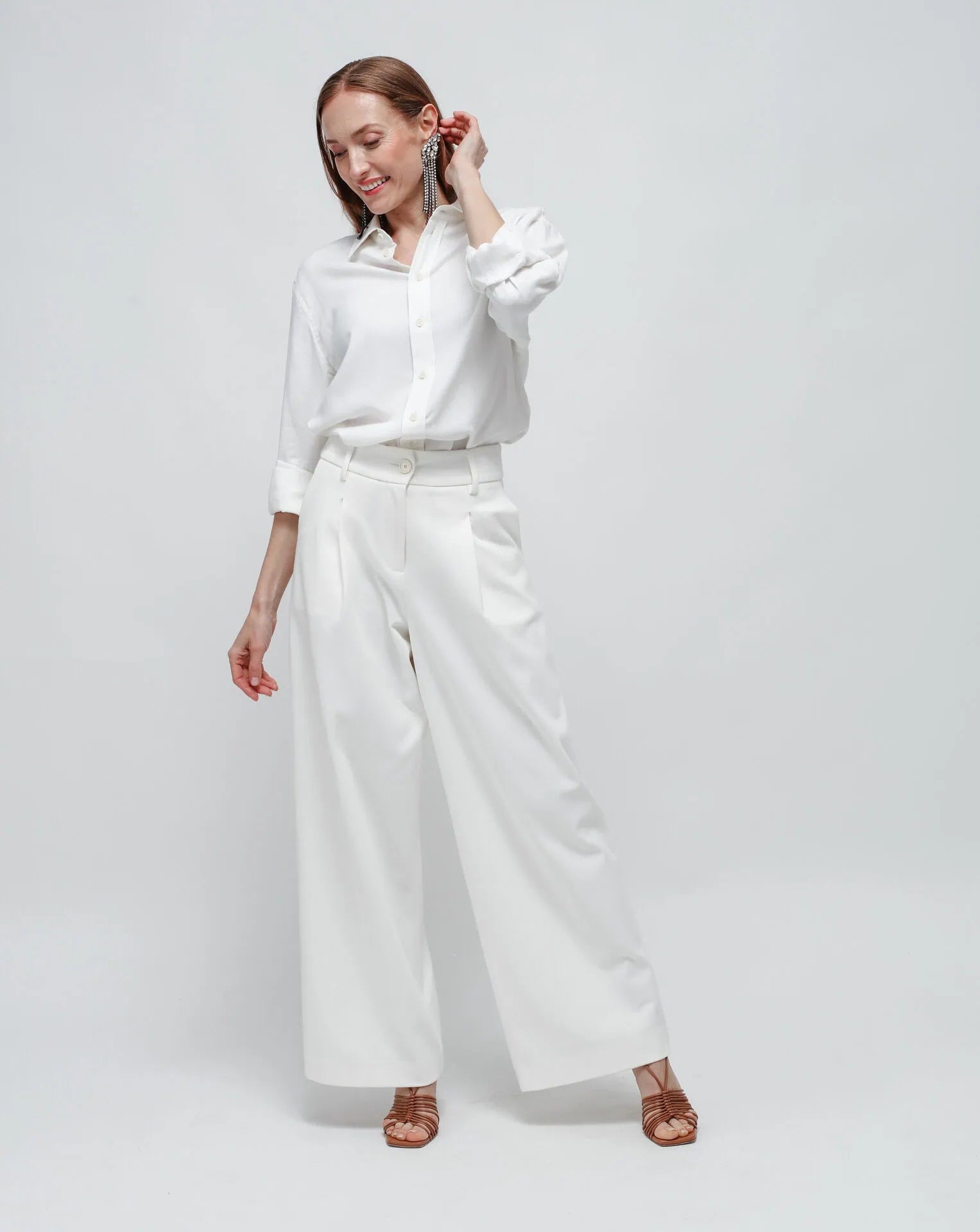
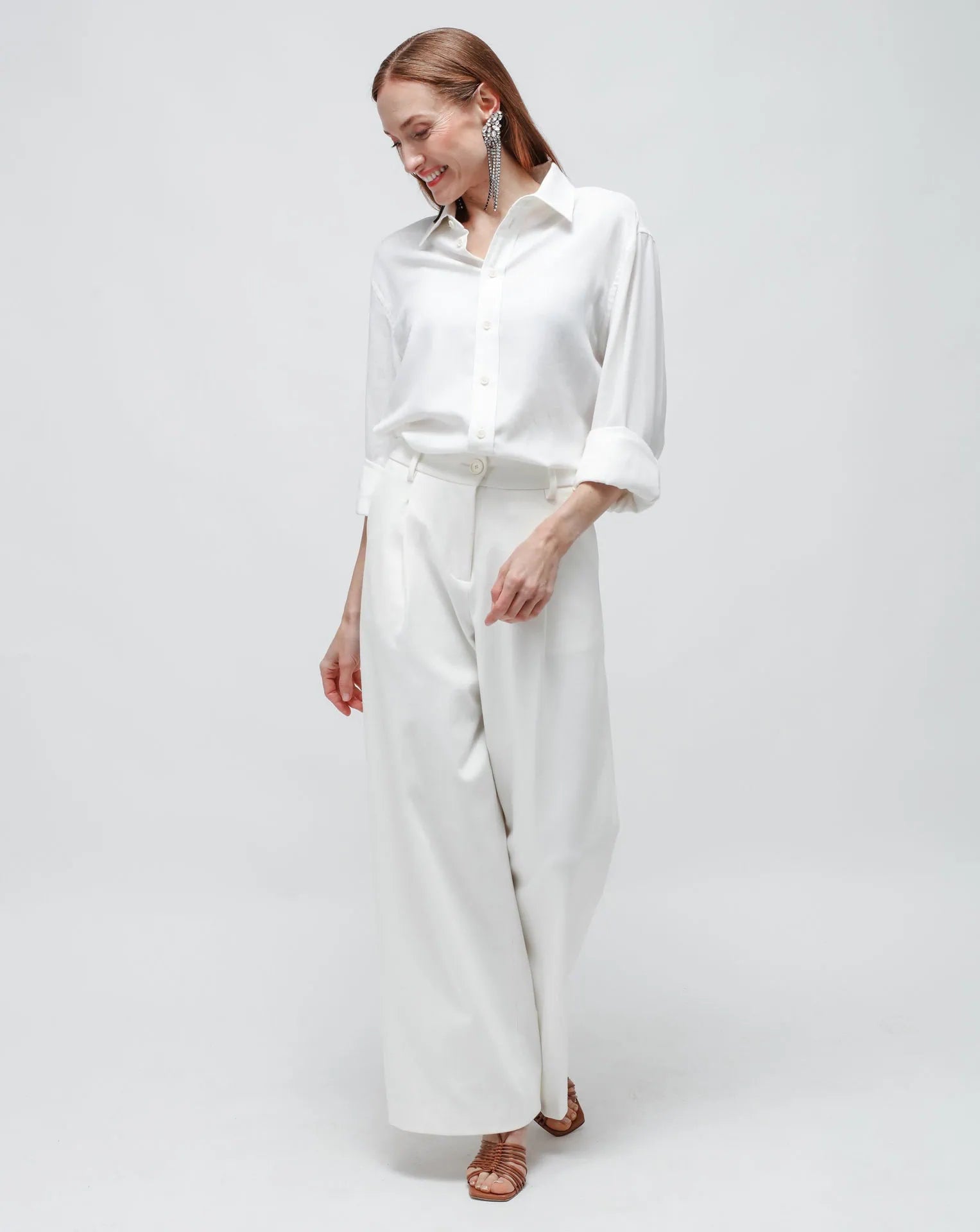
Cotton poplin is crisp and ideal for shirts, while twill offers strength for pants, jackets, and workwear-inspired pieces. Oxford cloth brings texture and resilience to button-downs. Compact jersey is a strong choice for elevated T-shirts because it holds its shape better than a thin, loosely knitted alternative.
Cotton is easy to care for, but it can shrink, fade, and lose shape under harsh heat. Wash it cool, turn darker pieces inside out, and avoid defaulting to the dryer. Those small habits protect color and reduce stress on fibers.
Silk: lasting luxury when the weave is right
Silk is often treated as too delicate for real life. In truth, a quality silk fabric can last beautifully when chosen and cared for appropriately. Silk's strength is impressive for such a fine fiber, but it is best reserved for garments that do not face constant abrasion: blouses, dresses, scarves, and occasion pieces.
Crepe de chine, silk twill, and heavier sandwashed silk tend to be more forgiving than ultra-light silk charmeuse. They offer better opacity, a more grounded drape, and greater resistance to everyday pulls. Silk rewards a considered approach. It is not the fabric for an overfilled commute bag or rough laundering, but it can remain extraordinary for decades when stored carefully and cleaned gently.
Cashmere and alpaca: softness with standards
Cashmere and alpaca bring warmth without bulk, making them valuable for winter layers. Their longevity depends heavily on yarn quality, knit density, and how often a garment is worn without rest. A loosely knitted, ultra-fine sweater may pill quickly, while a denser knit in a well-spun yarn will keep its shape and surface far longer.
Choose these fibers for sweaters, scarves, and refined layers rather than high-abrasion categories. Rotate knitwear instead of wearing the same piece repeatedly, fold rather than hang it, and remove pills gently with a comb or fabric shaver. A little maintenance is not a burden. It is the rhythm of owning something worth keeping.
Leather and suede: built to be repaired
For outerwear, belts, and selected accessories, quality leather can be one of the longest-lasting materials available. Full-grain and top-grain leather develop patina rather than simply deteriorating. Suede has a softer finish and needs more protection from moisture, but it can age beautifully with regular brushing and proper storage.
Leather is not a casual purchase. Its impact and sourcing demand scrutiny, and its care requirements are real. But a well-made leather jacket or belt that is repaired, conditioned, and worn for many years can be a stronger choice than a succession of short-lived alternatives.
Fabric Choices for a Smarter Winter Edit
Winter clothing works hardest when it is built in layers. Start with a dense wool coat or jacket, add a structured wool trouser, then bring in cashmere, alpaca, or merino knitwear for warmth close to the body. Cotton poplin and Oxford shirts provide a clean foundation beneath those layers, while silk can deliver contrast for dinners, events, and evening dressing.
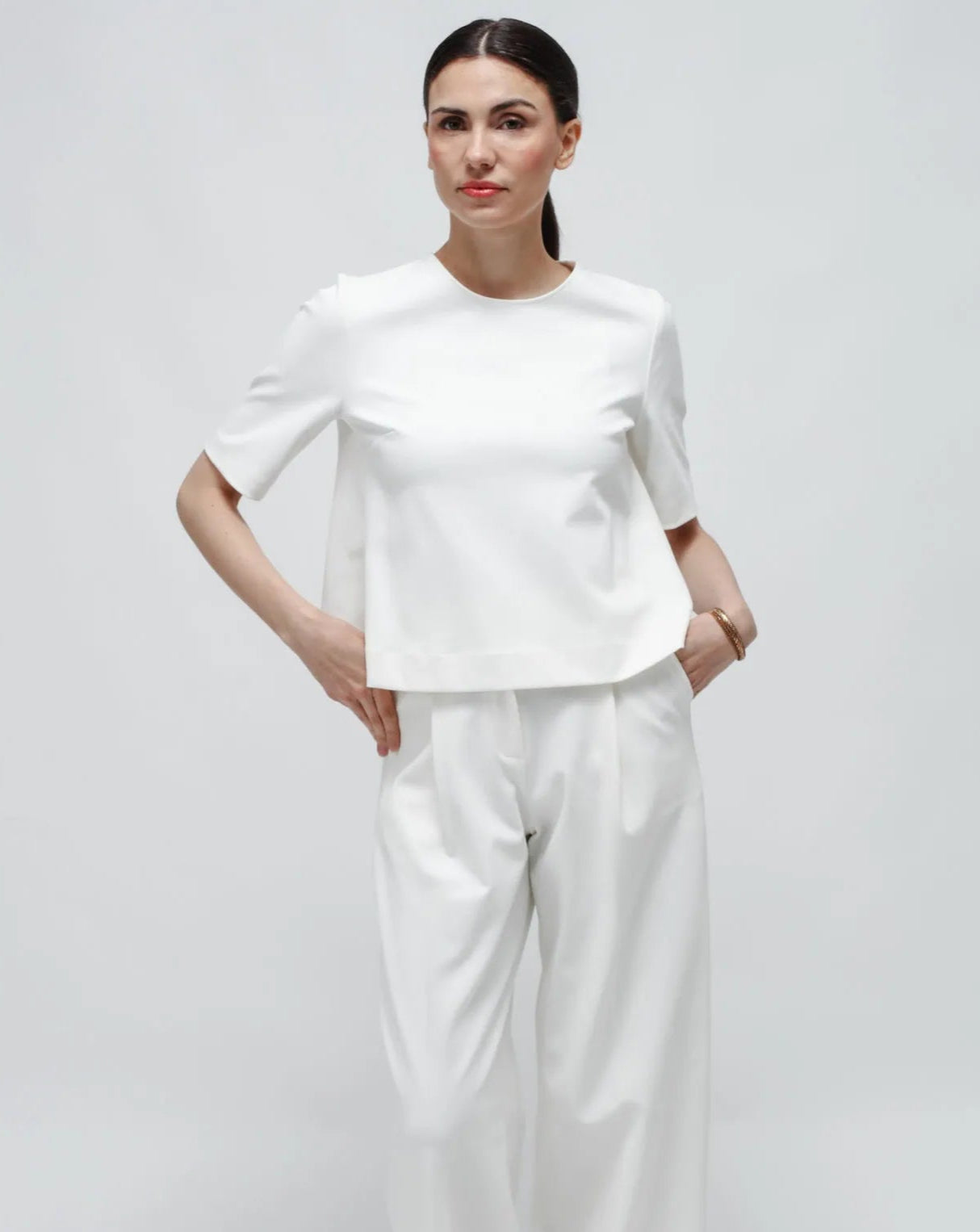
For women's wardrobes, consider the longevity of a wool coat, a tailored trouser, and a substantial knit as a three-piece cold-weather foundation. For men's wardrobes, a wool overshirt, flannel trouser, and dense merino crewneck create the same kind of flexible system. These are not trend-dependent purchases. They are pieces designed to be restyled across seasons.
When adding product placements to a winter edit, prioritize fabric-led pages such as a women's Italian wool coat, a women's deadstock wool trouser, a men's wool overshirt, or a men's merino knit. The product should make the material visible in its purpose: warmth, shape, movement, and repeat wear.
Care Is Part of the Design
Even the finest fabric cannot outlast careless treatment. Read the care label, but also use judgment. Air wool between wears. Spot-clean before sending a garment for a full clean. Wash cotton and linen at lower temperatures. Keep silk away from rough surfaces. Store knitwear folded and protect natural fibers from moths with clean, dry storage.
Over-cleaning is one of the quiet ways clothes wear out early. Many garments need airing, steaming, or a small repair, not a full wash. A loose button, dropped hem, or minor snag is an invitation to repair, not replace.
Choose fabrics that suit your actual life, then give them the attention they deserve. A lasting wardrobe is not built through restraint alone. It is built through discernment: fewer pieces, better materials, and a willingness to let good clothes gather a history.
FAQ
Q: What is the most durable fabric for everyday clothing?
A: It depends on the garment. Dense wool is exceptional for coats and tailoring, cotton twill is highly durable for pants and jackets, and linen is remarkably strong for warm-weather pieces. The weave, weight, and construction matter as much as the fiber itself.
Q: Are natural fabrics always better for lasting clothes?
A: Natural fibers often offer excellent longevity, breathability, and repairability, but some blends are useful. A small percentage of reinforcing fiber can improve a wool coat or trouser's resistance to abrasion. Evaluate the fabric's purpose rather than relying on a single rule.
Q: Which fabrics are best for a winter capsule wardrobe?
A: Prioritize dense wool for coats and tailoring, merino or cashmere for knitwear, cotton poplin or Oxford cloth for shirts, and silk for refined layering pieces. Together, they offer warmth, structure, comfort, and versatility.
Q: How can I make wool clothing last longer?
A: Air wool after wearing, brush coats occasionally, spot-clean when possible, and dry-clean only when truly needed. Fold knitwear, avoid hanging it, and rotate sweaters so fibers have time to recover between wears.
Q: Do deadstock fabrics make durable clothing?
A: Deadstock refers to existing, unused fabric rather than a guaranteed quality level. However, premium deadstock can be an excellent choice when the fiber, weight, and construction are carefully assessed and matched to a garment designed for long-term wear.
the World of H&L