
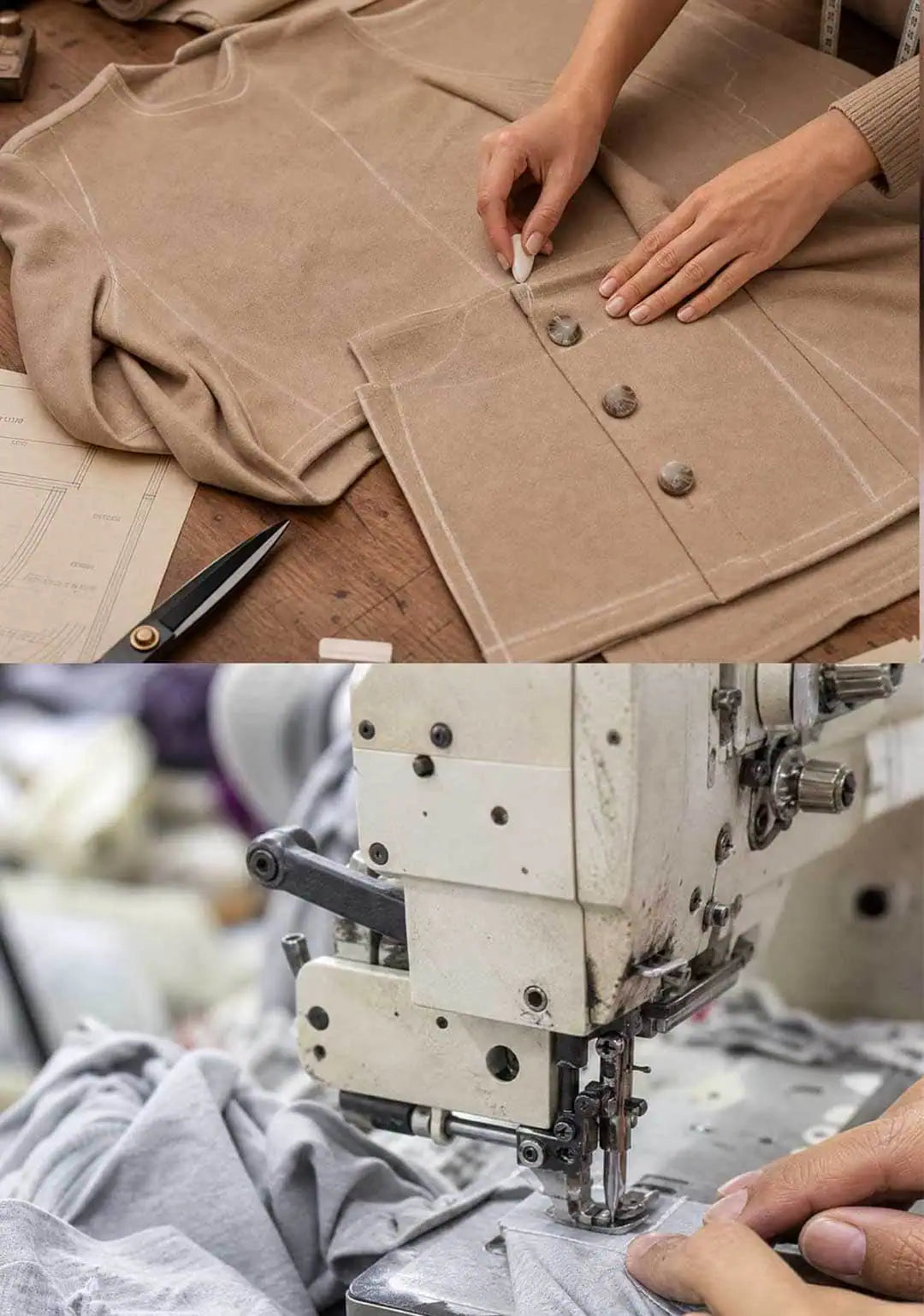
Slow Fashion Versus Fast Fashion Explained
A coat can be cheap at checkout and expensive everywhere else. The difference between slow fashion versus fast fashion is not simply a question of price, trends, or how often a new collection arrives. It is a question of what a garment asks of the people who make it, the materials it consumes, and the place it earns in your wardrobe.
For a considered wardrobe, the goal is not perfection. It is buying fewer pieces that feel right, wear beautifully, and remain useful long after the season changes.
Slow Fashion Versus Fast Fashion: The Core Difference
Fast fashion is built for speed and volume. Designs move quickly from runway references and social feeds to production, often at the lowest possible cost. Newness is the product. A garment may be made to satisfy a passing moment, then replaced by the next one before its first season is over.
Slow fashion takes the opposite position. It values intentional design, responsible materials, fairer production conditions, and a longer relationship with each piece. It does not mean every item must be plain, expensive, or worn forever. It means a brand and its customer make room for craftsmanship, traceability, repair, repeat wear, and thoughtful care.
This distinction matters because fashion has become conditioned by urgency. A sale ends tonight. A micro-trend peaks this week. A new drop makes last month’s purchase feel dated. Slow fashion refuses that pressure. It asks a more useful question: will you want to wear this next winter, on a work trip, at dinner, and again three years from now?
Why Fast Fashion Costs More Than the Ticket Price
Low prices can feel democratic, especially when a shopper needs something immediately. But a very low price rarely reflects the full cost of fabric, skilled labor, transport, quality control, and waste. Those costs do not disappear. They are frequently shifted elsewhere.
The material problem
Fast fashion commonly depends on high-volume material sourcing and short product cycles. Synthetic fibers can be useful in the right application, but garments made without durability in mind are more likely to pill, lose shape, or become difficult to repair. When clothing is treated as disposable, textile waste becomes an expected outcome rather than a failure of design.
Deadstock fabrics offer a different route. These are quality surplus textiles that already exist but might otherwise sit unused or be discarded. Designing with deadstock requires flexibility: quantities are limited, colorways cannot always be repeated, and the design process must respond to the fabric available. That constraint is precisely what gives a small-batch piece its character.
The labor problem
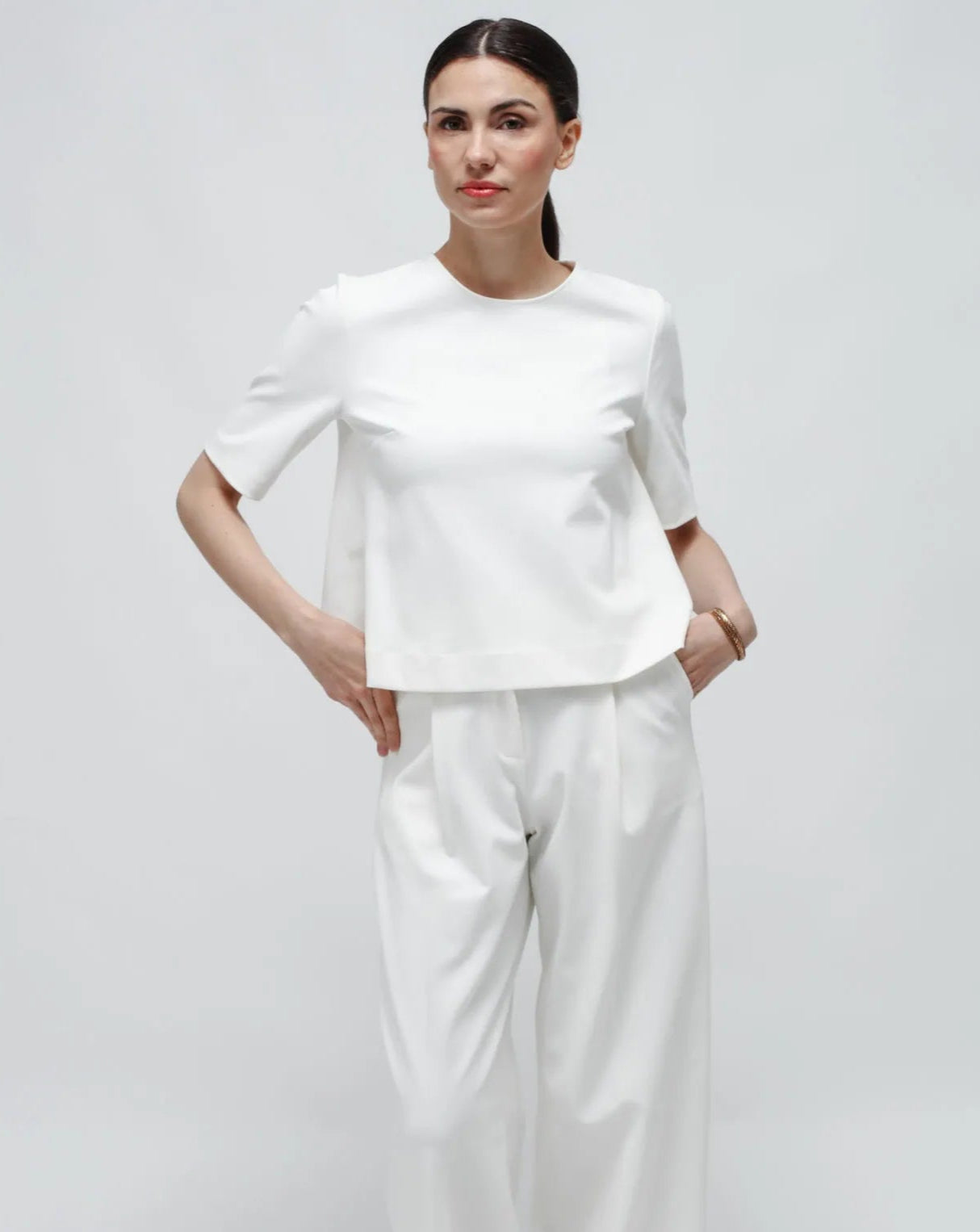
Garment construction is skilled work. A well-cut jacket, a properly set sleeve, or a cleanly finished trouser inseam cannot be reduced to an afterthought without affecting the result. Ultra-low pricing creates pressure across the supply chain, particularly where labor protections and visibility are weakest.
Slow fashion does not claim that a label alone solves every industry problem. It does create the conditions for more accountable choices: smaller runs, closer production relationships, clearer standards, and prices that better reflect the work involved.
The wardrobe problem
The most personal cost of fast fashion is often closet fatigue. A full closet can still leave you with nothing that feels polished, comfortable, or true to your style. Trend-led purchases can work for a single event, but they often fail to build a wardrobe with continuity.
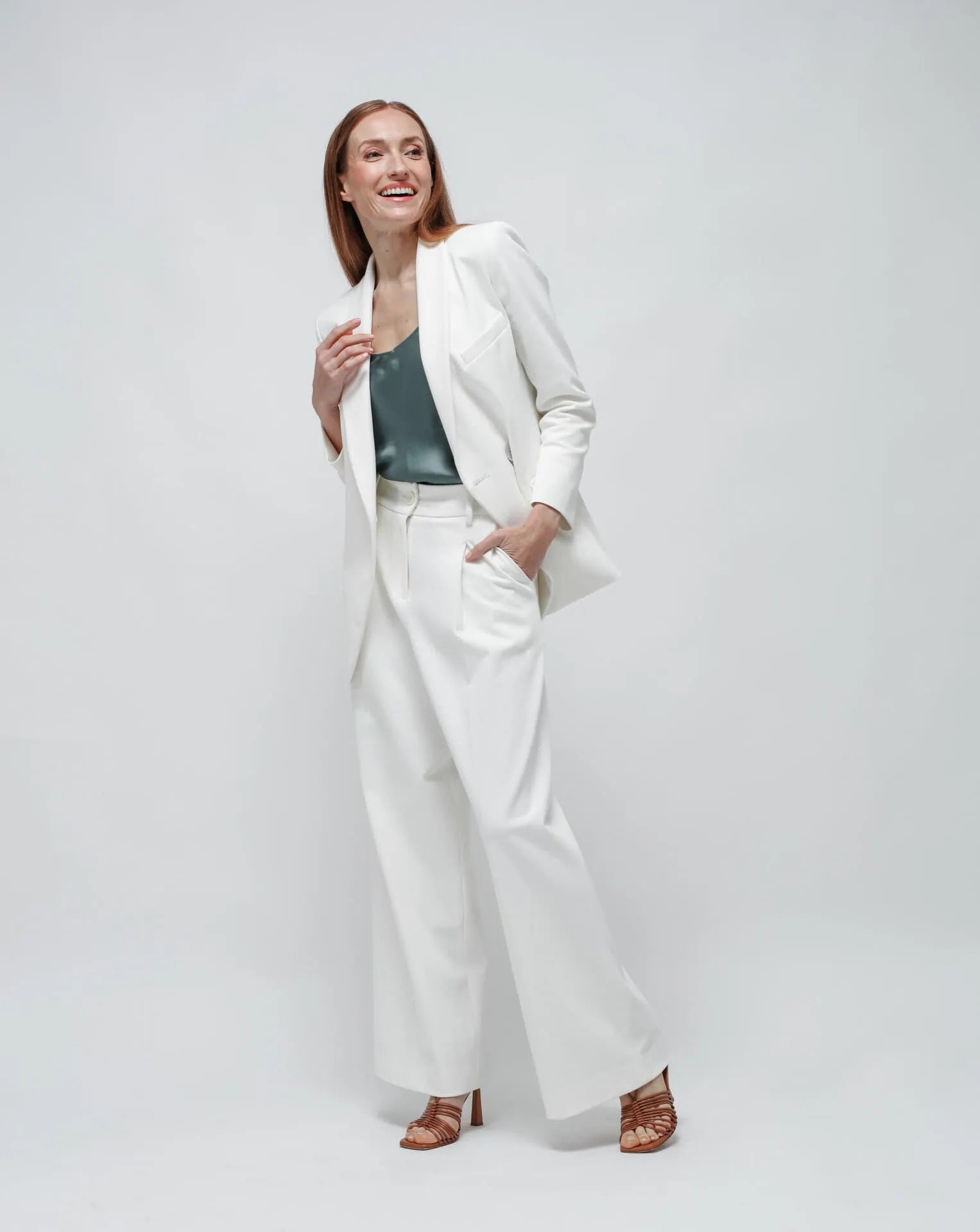
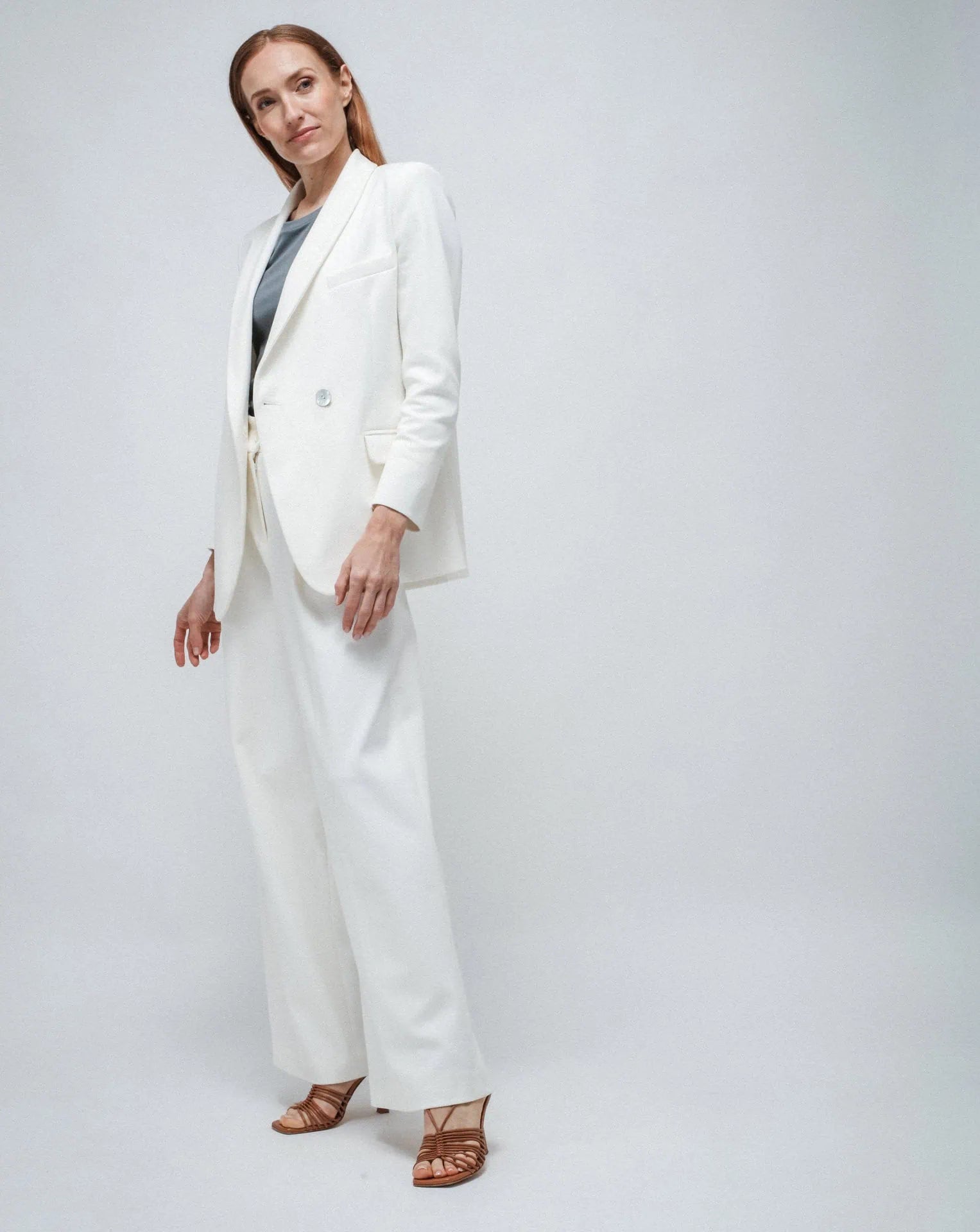
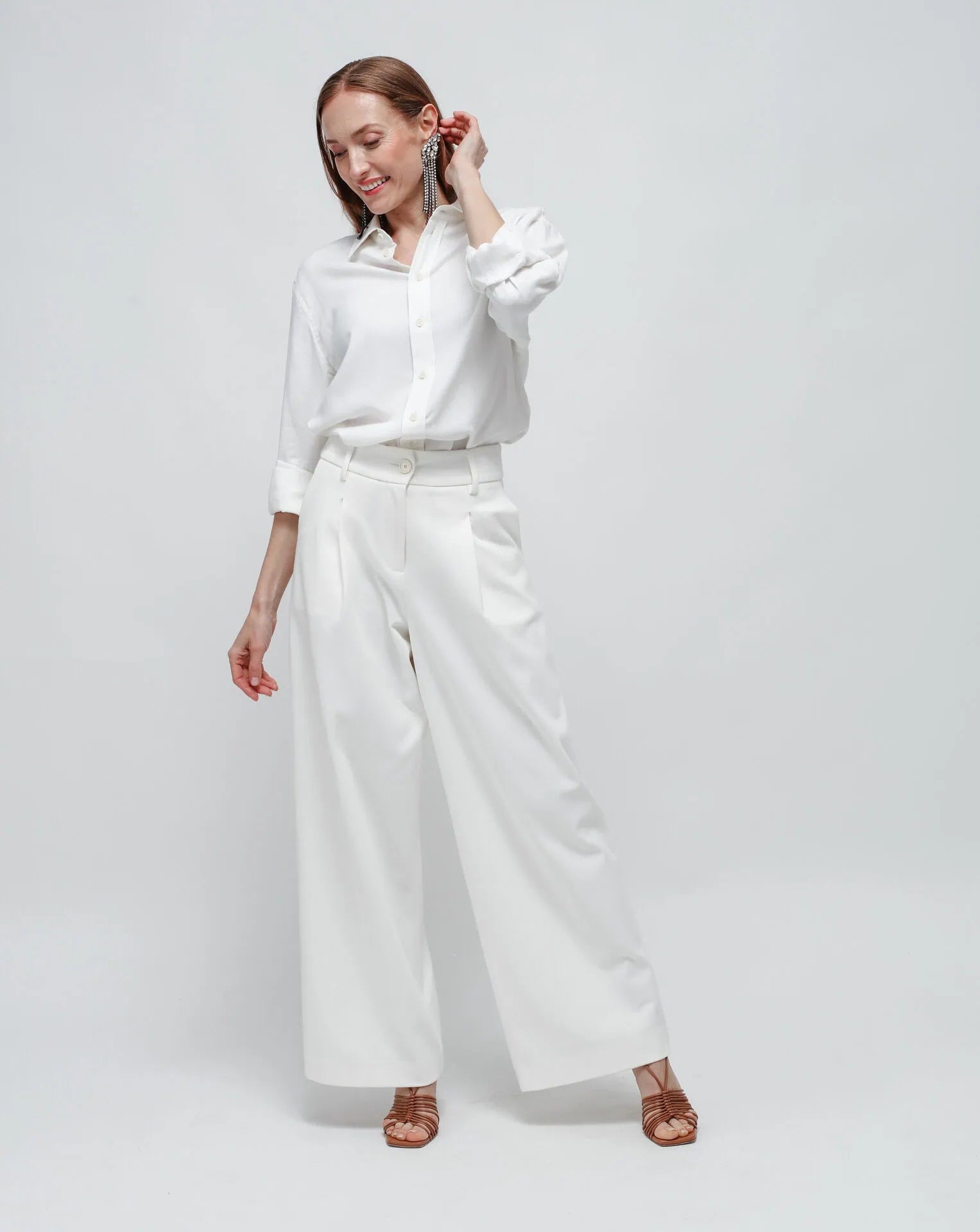
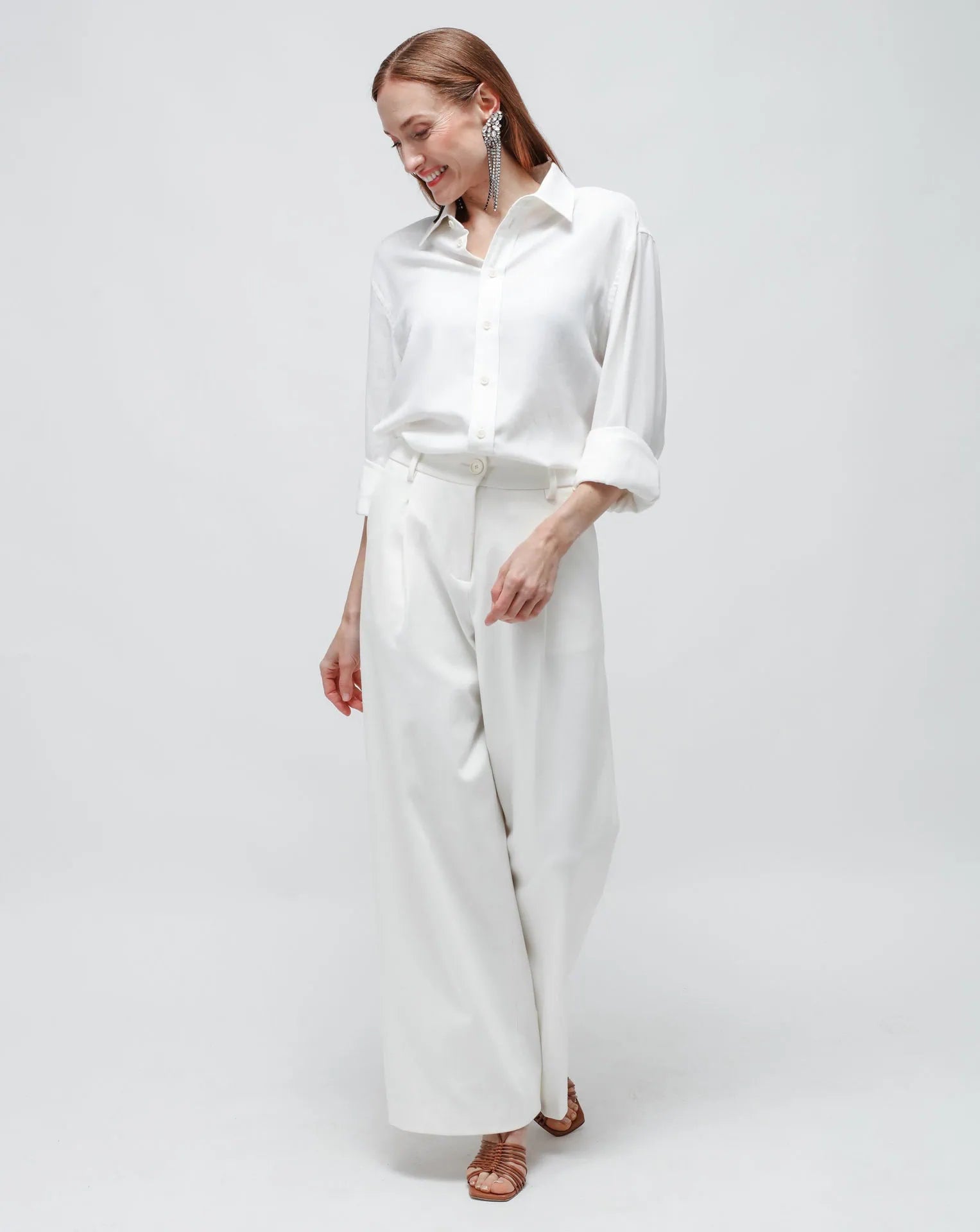
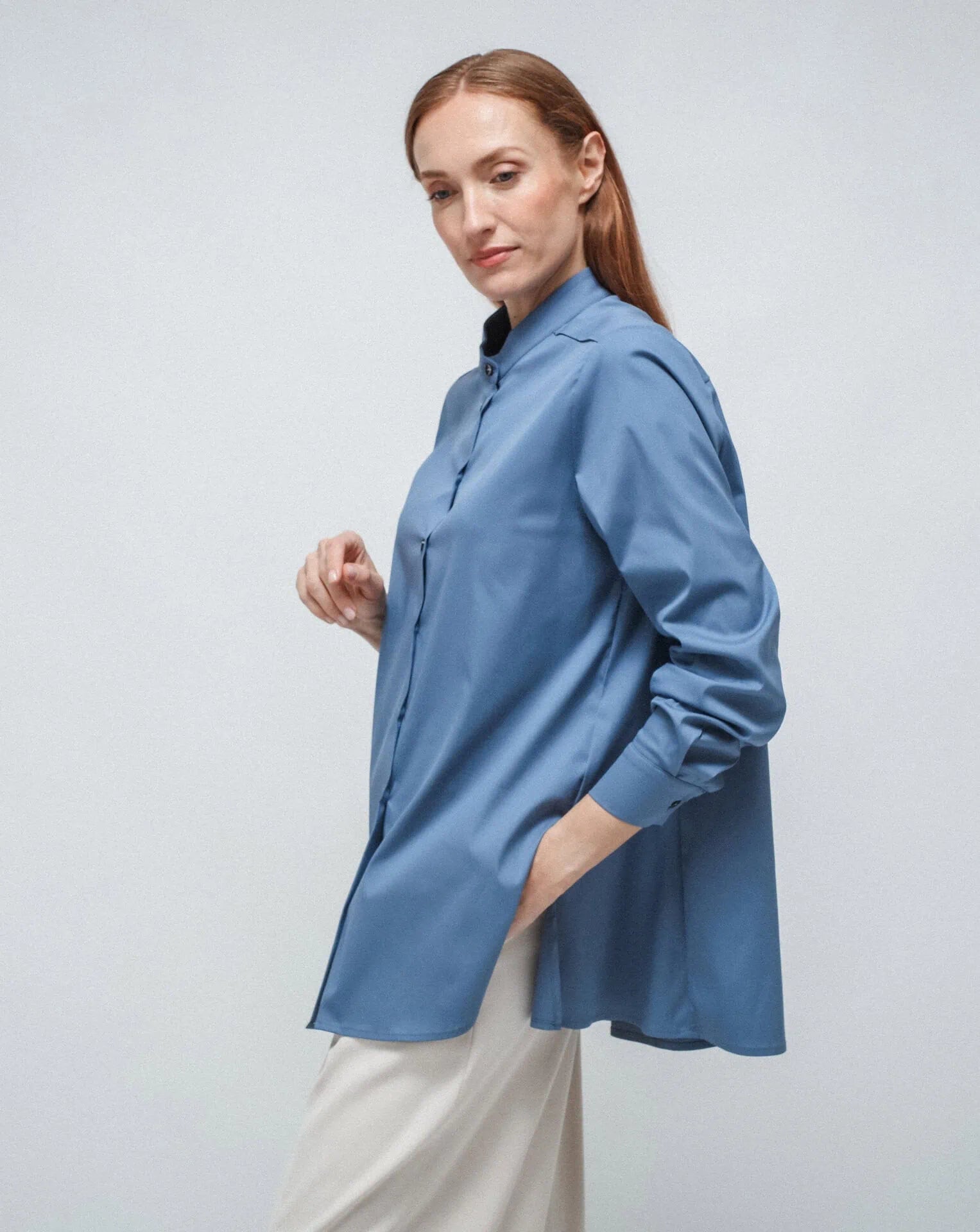
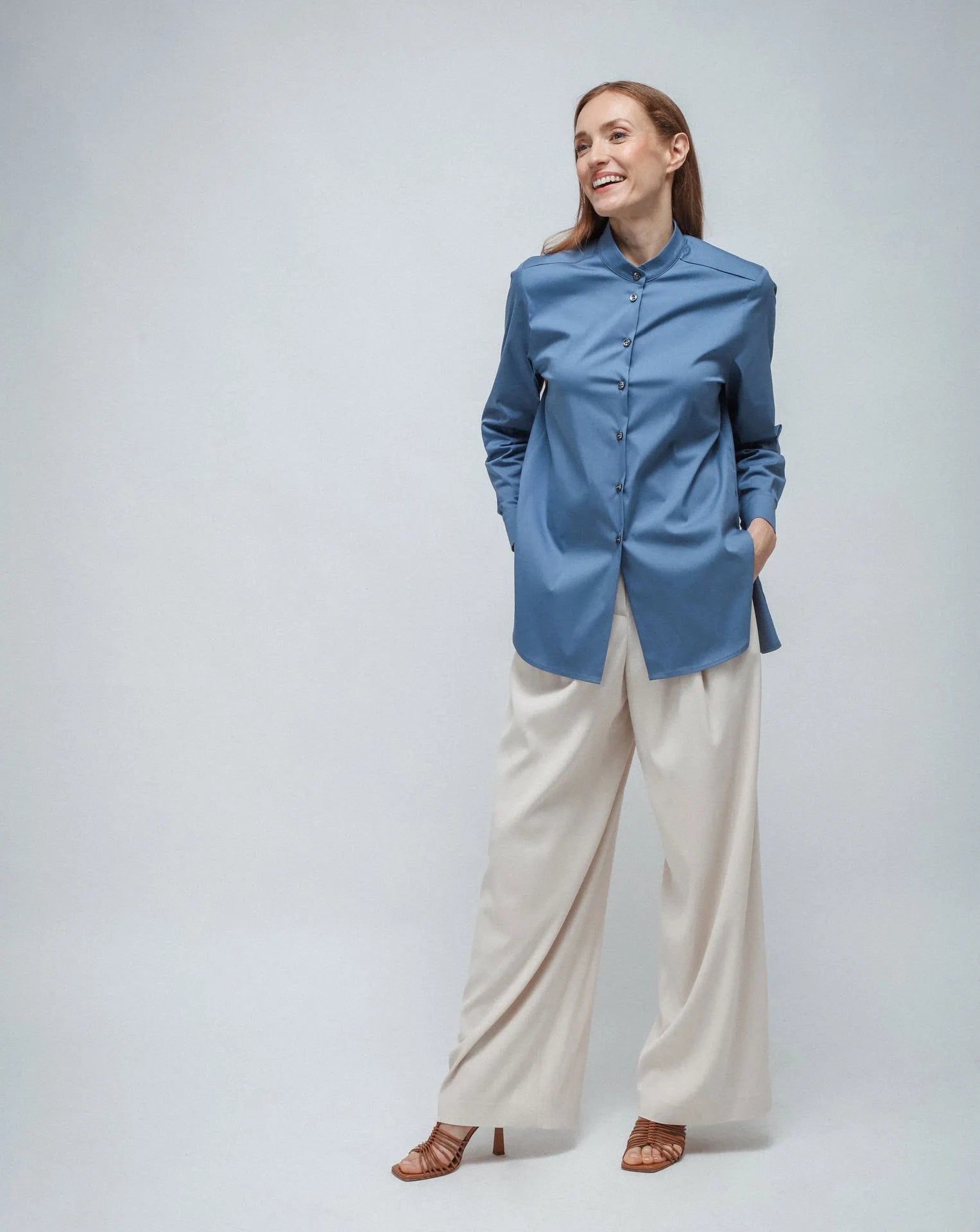
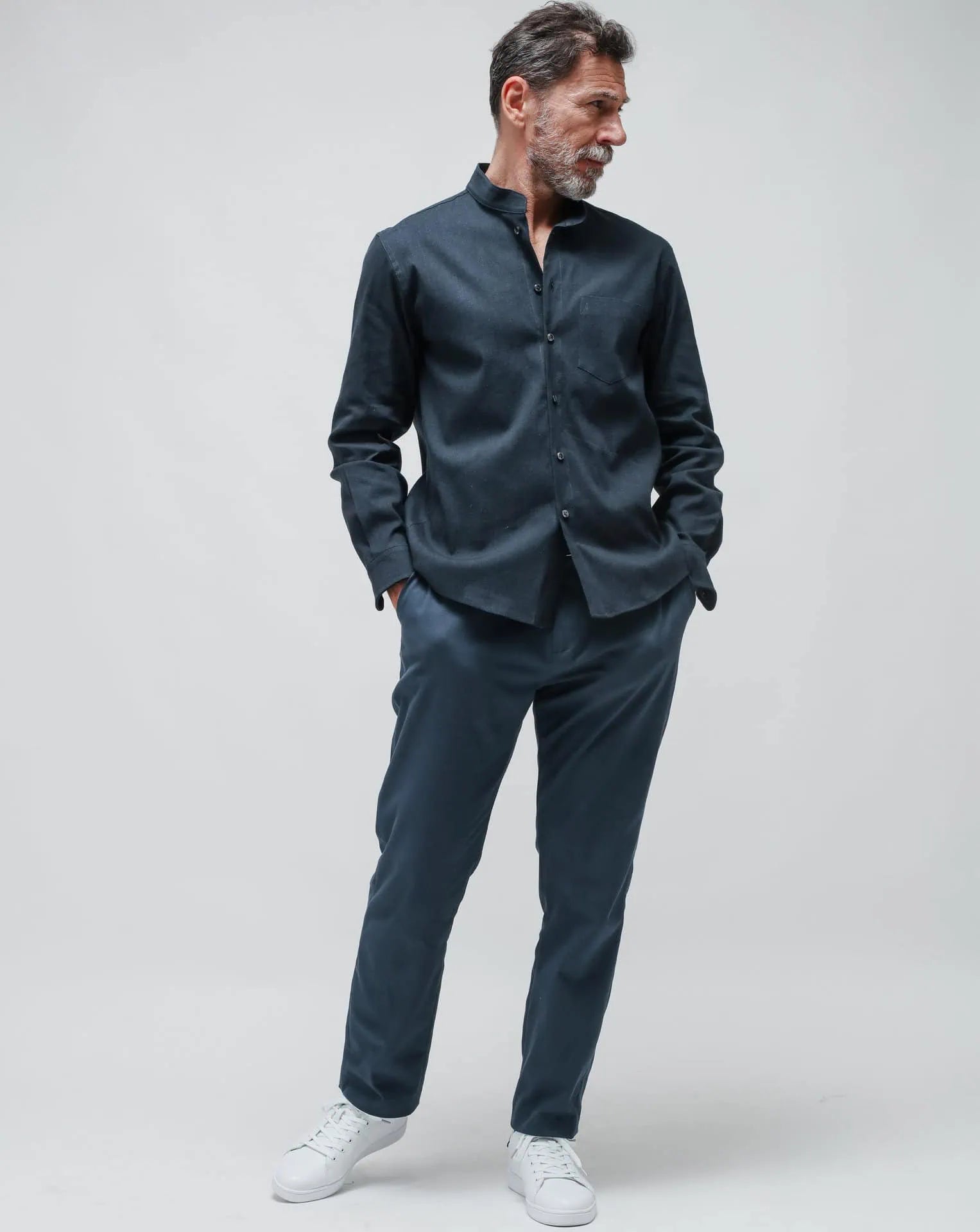
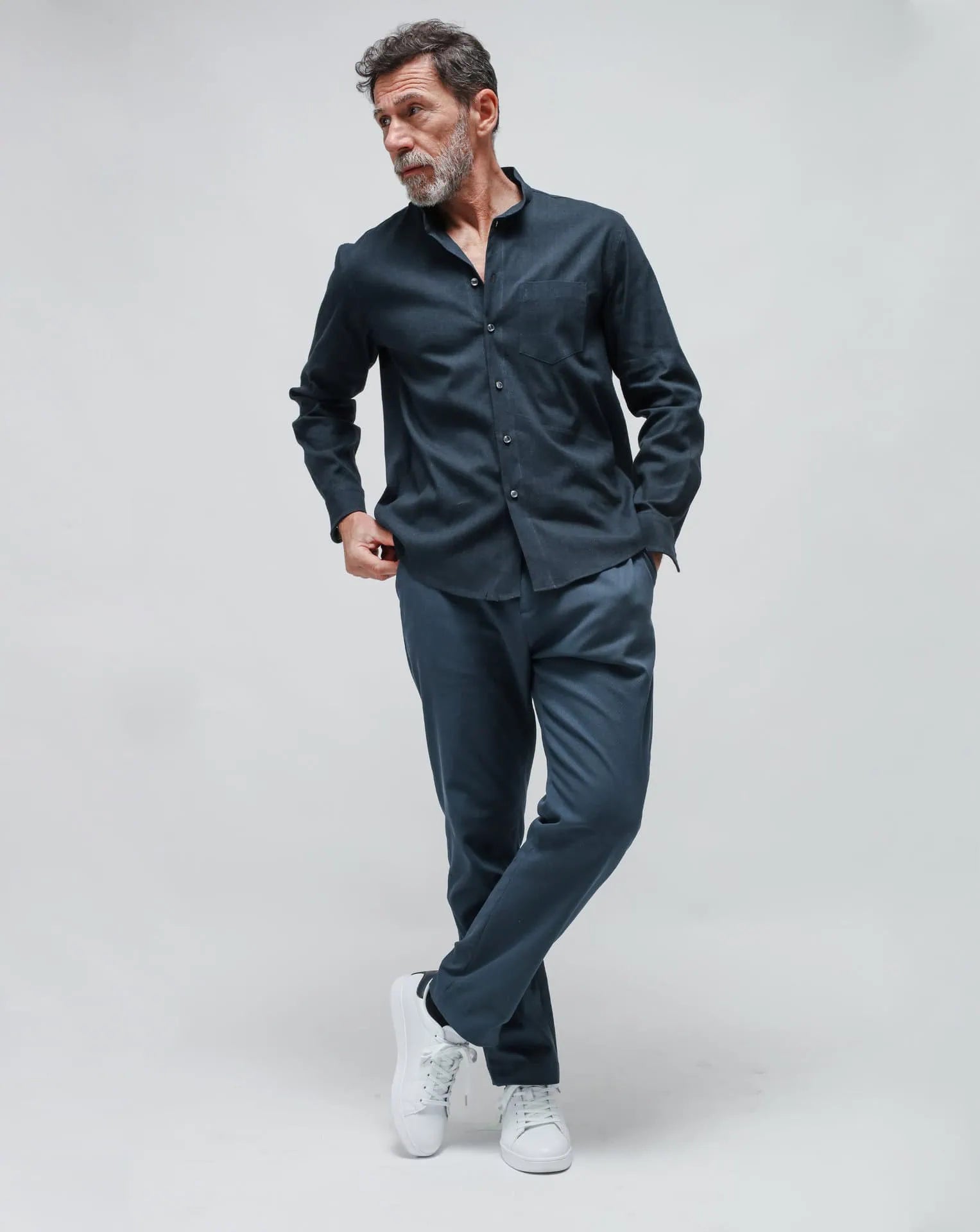
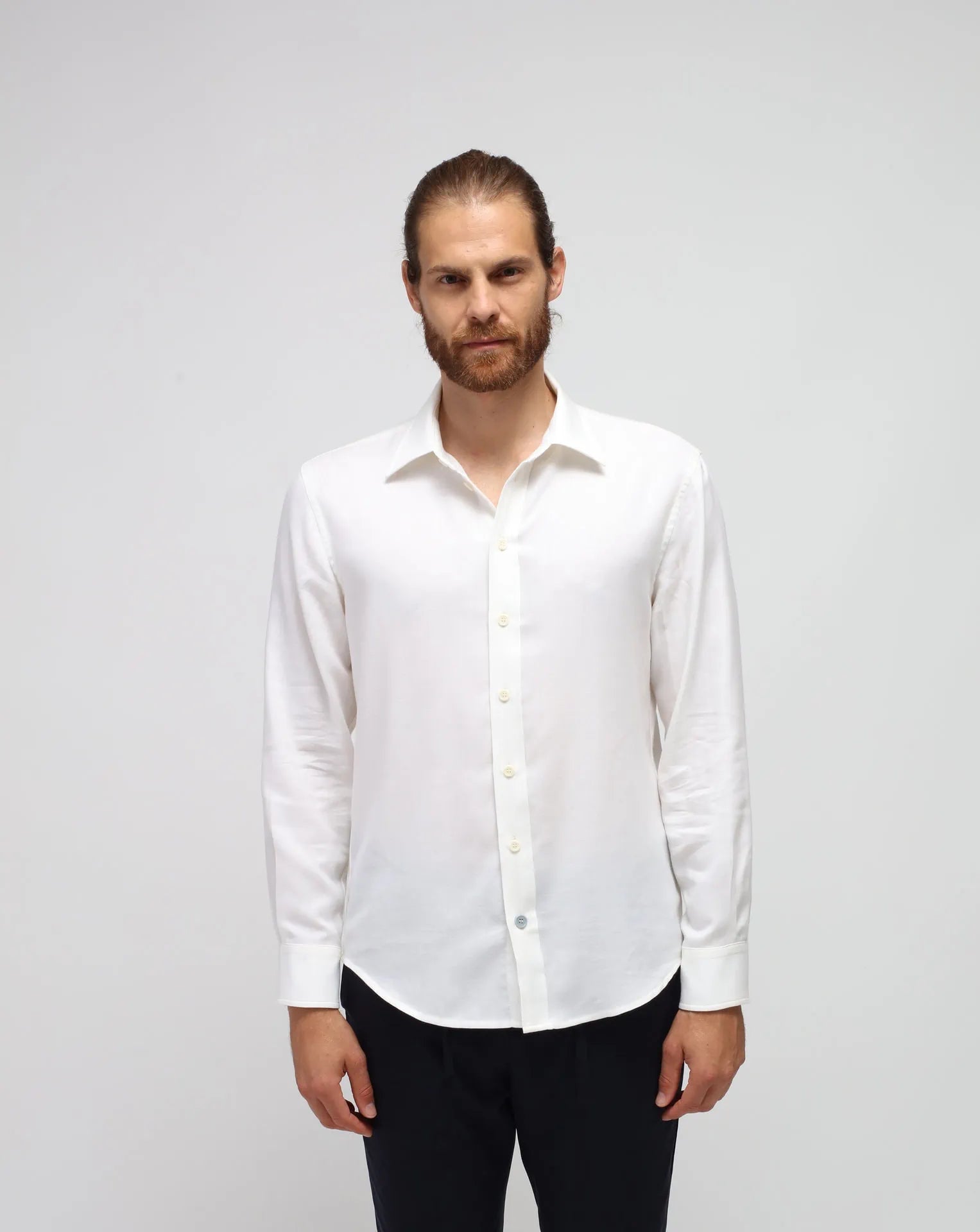
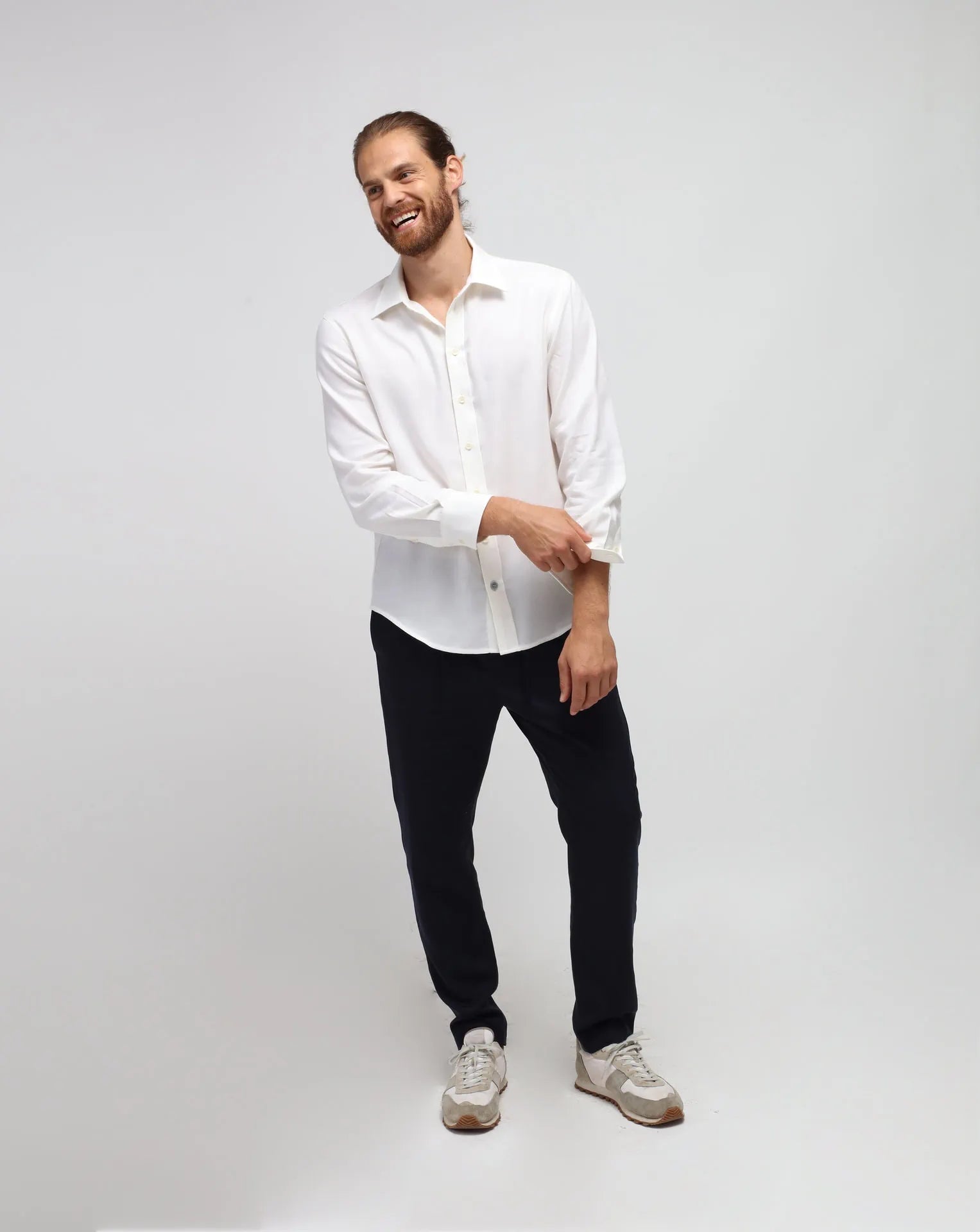
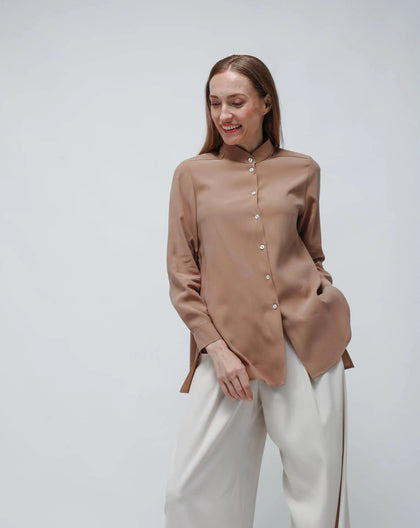
A wardrobe with a point of view needs fewer gaps. It needs a jacket that sharpens denim and tailoring, trousers that travel well, a shirt that carries you from meetings to evenings, and winter layers that are built around repeat wear rather than a single photograph.
What Slow Fashion Looks Like in a Real Wardrobe
Slow fashion is not a uniform of beige basics. It can be expressive, tailored, feminine, relaxed, architectural, or understated. The common thread is intention.
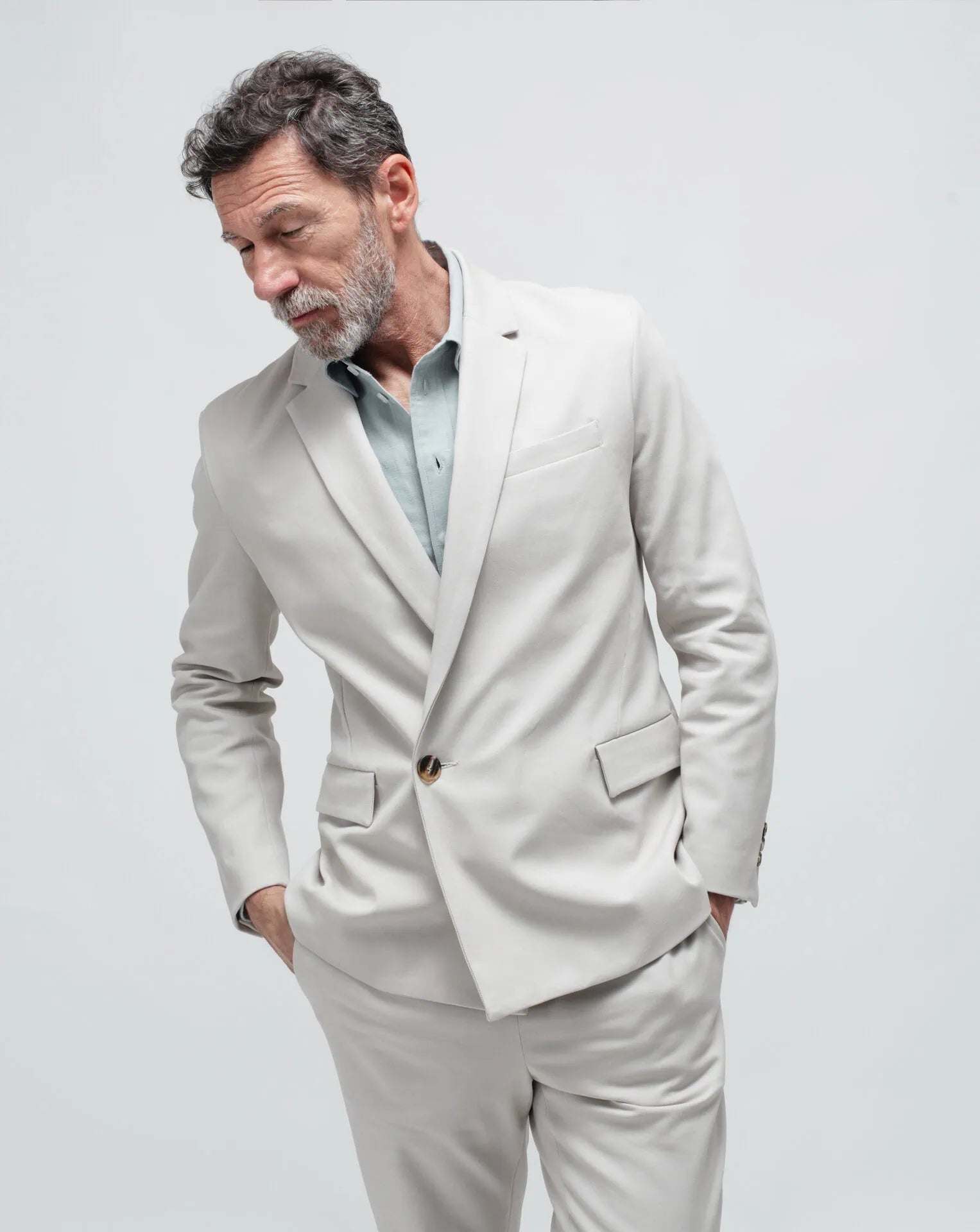
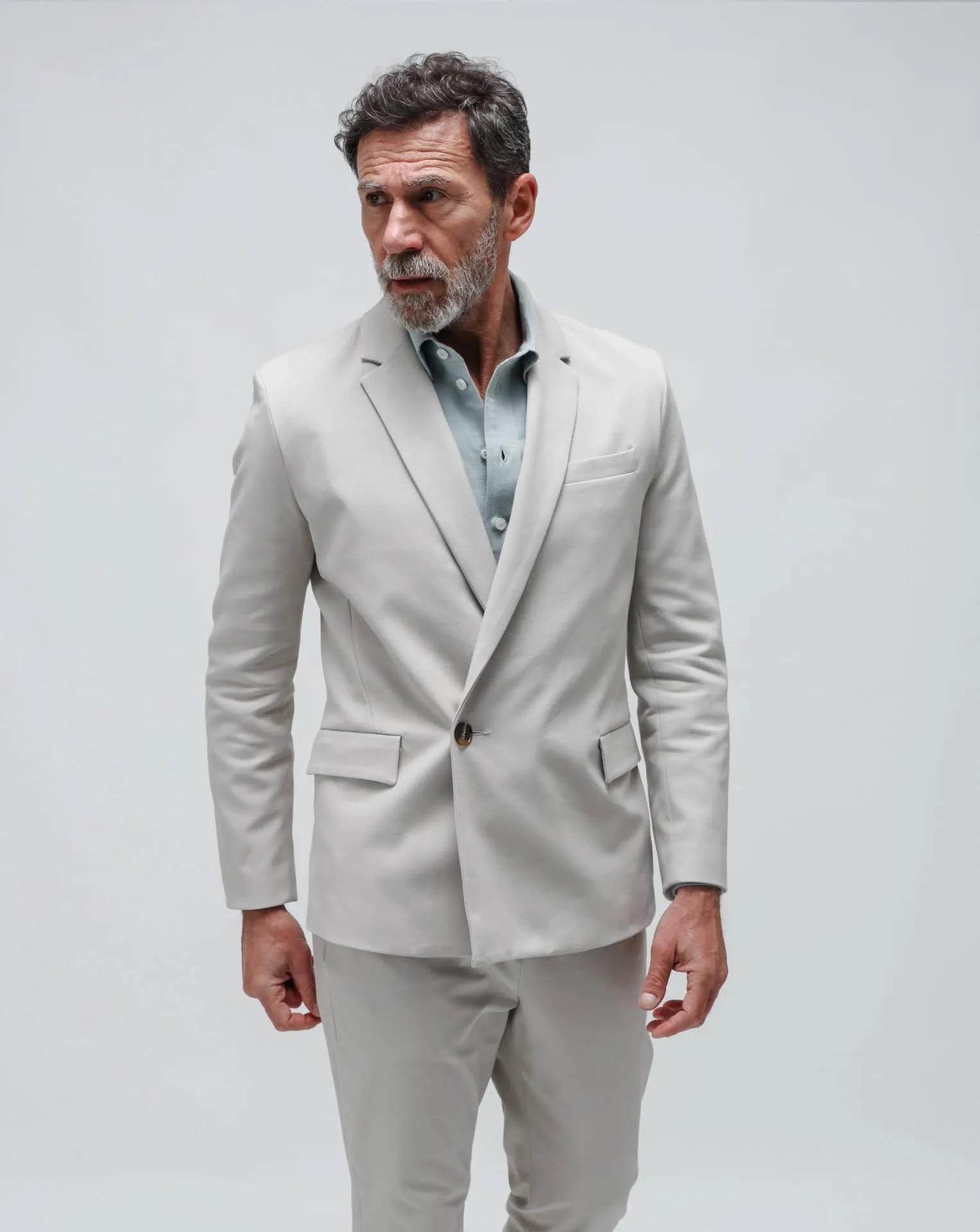
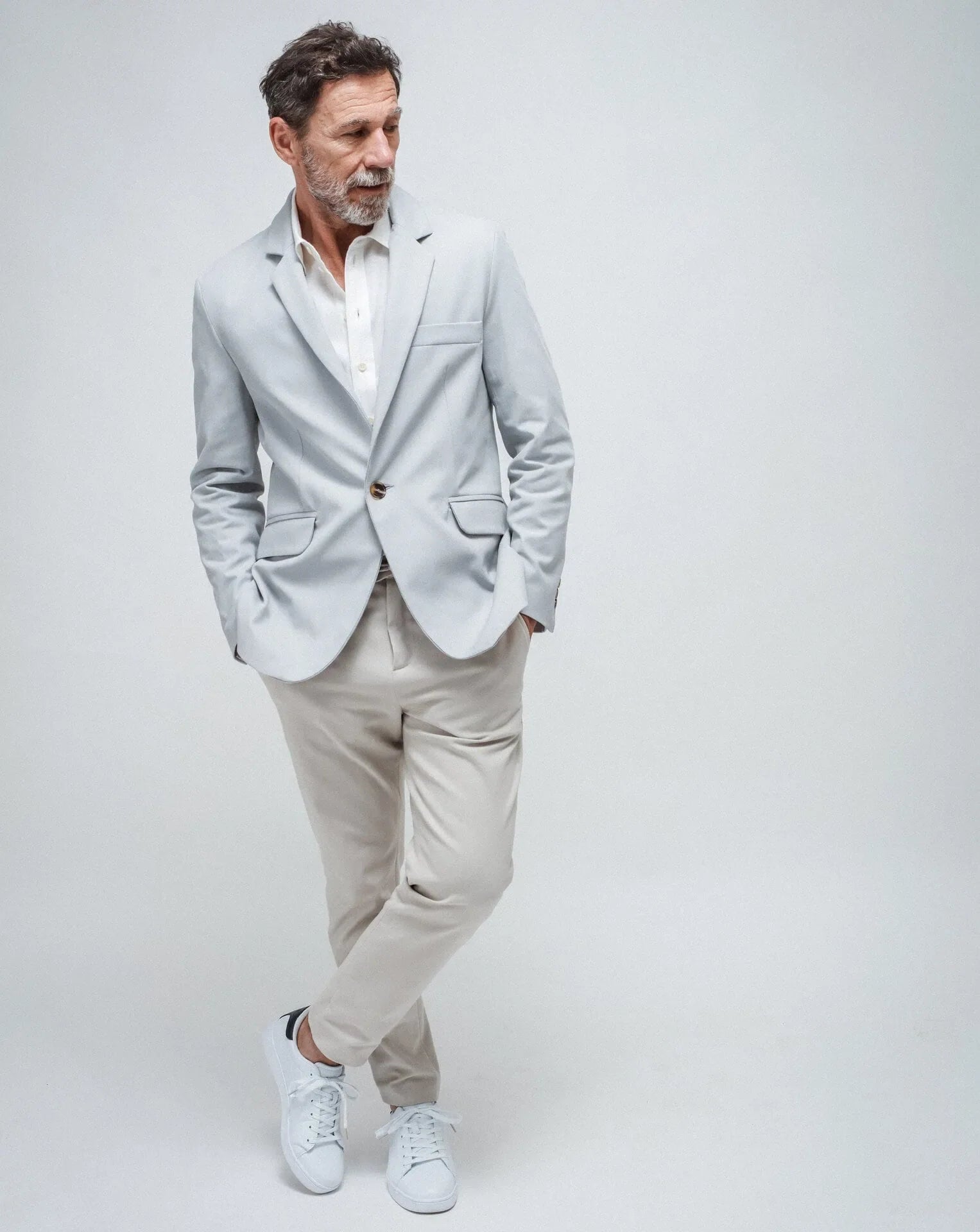
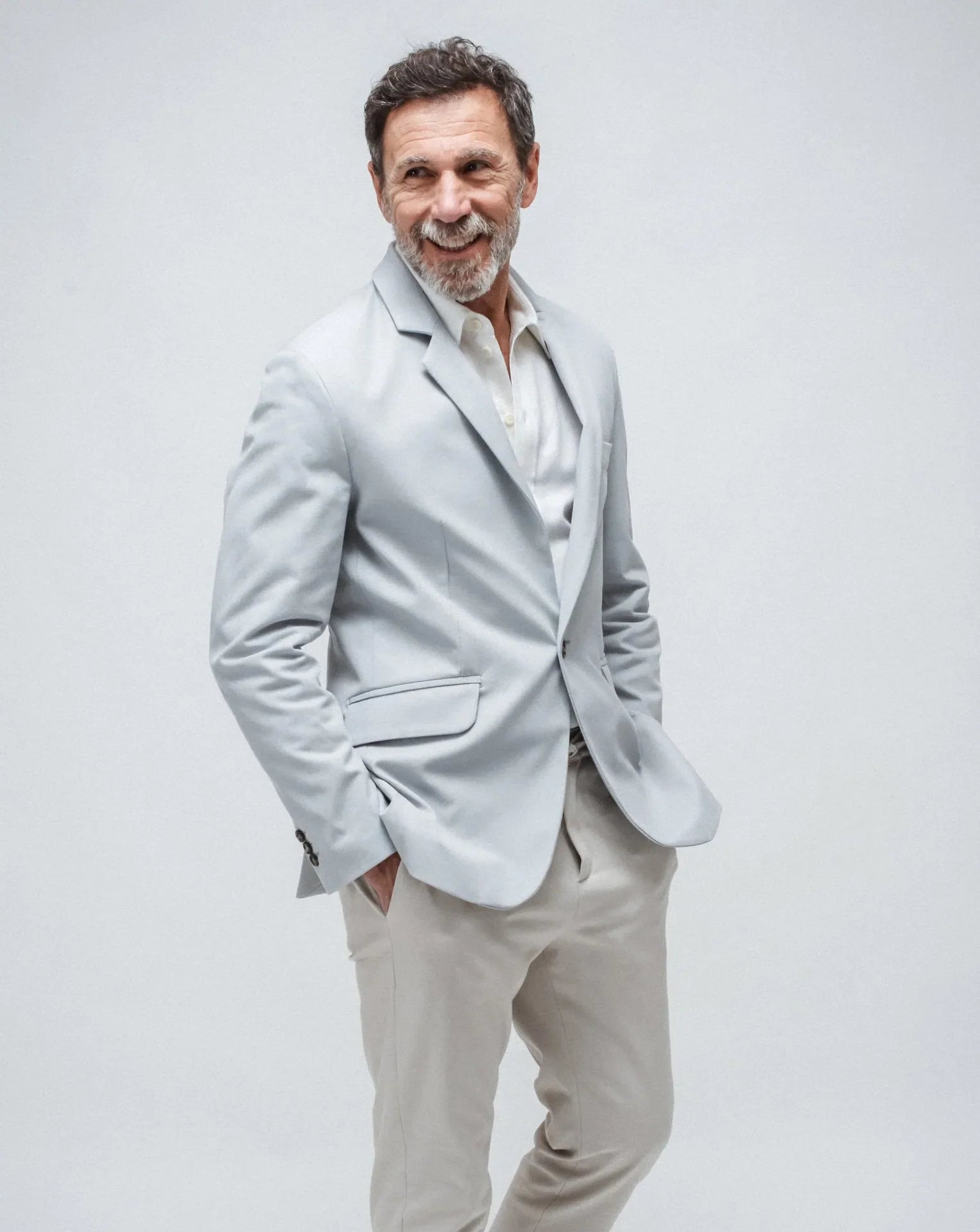
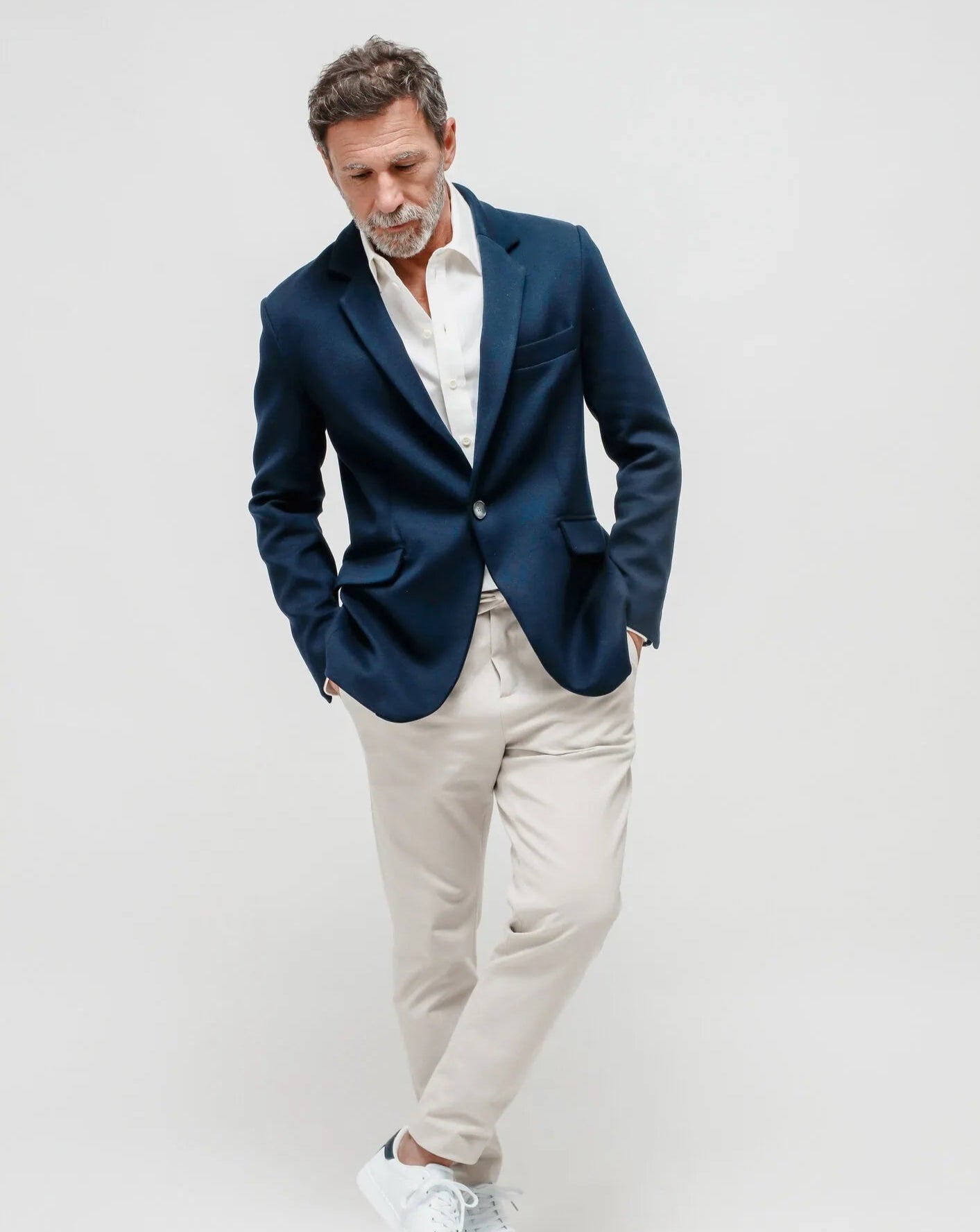
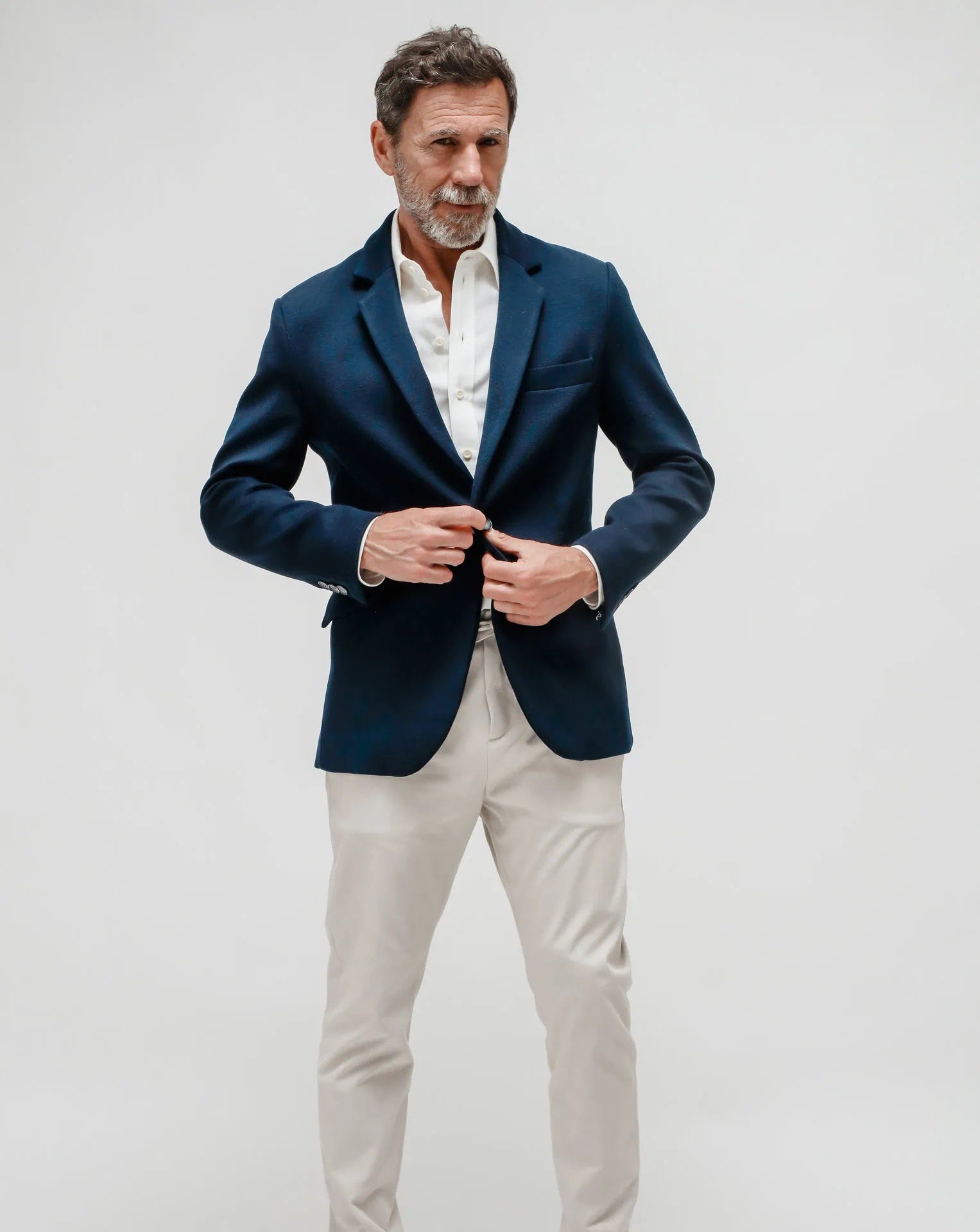
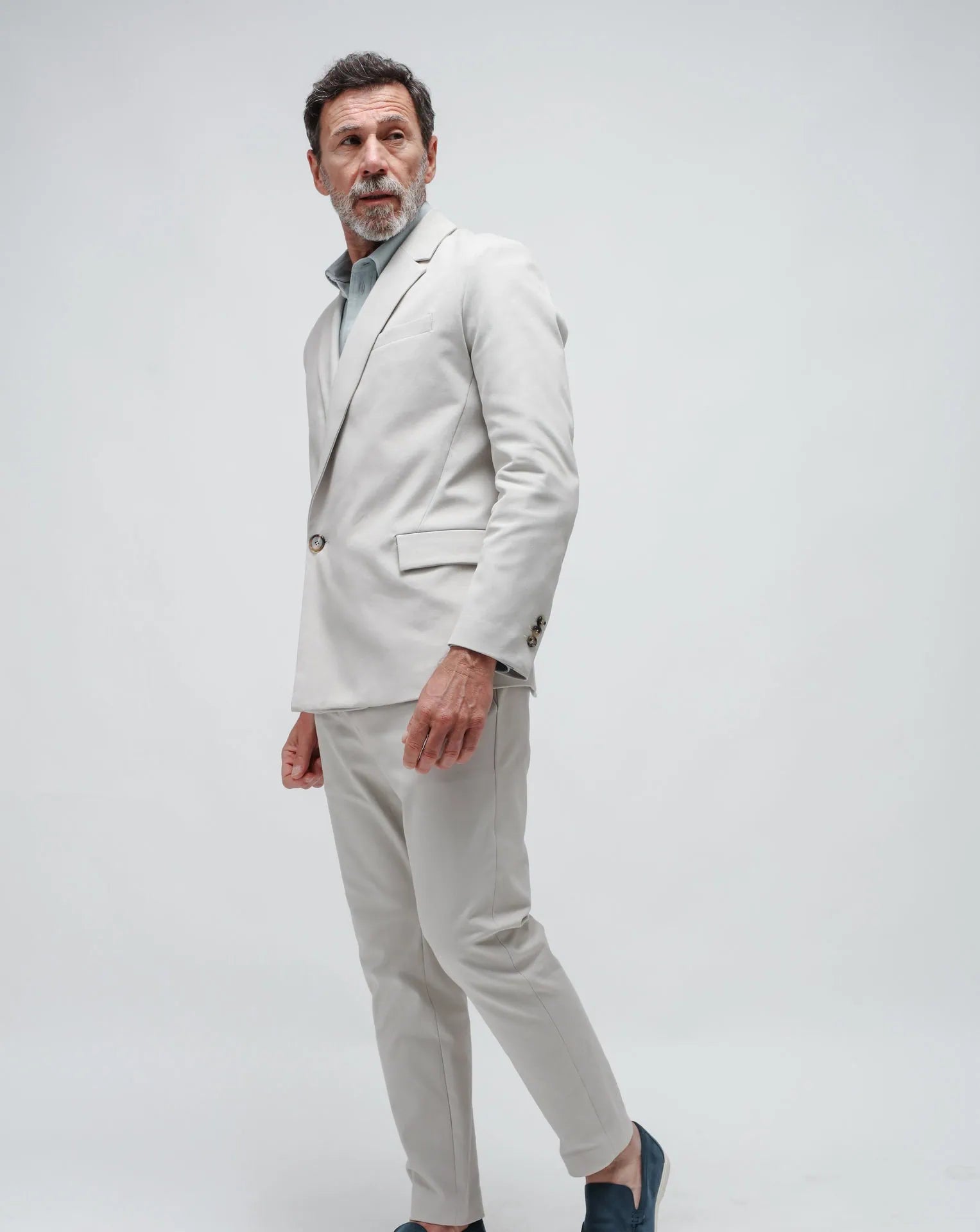
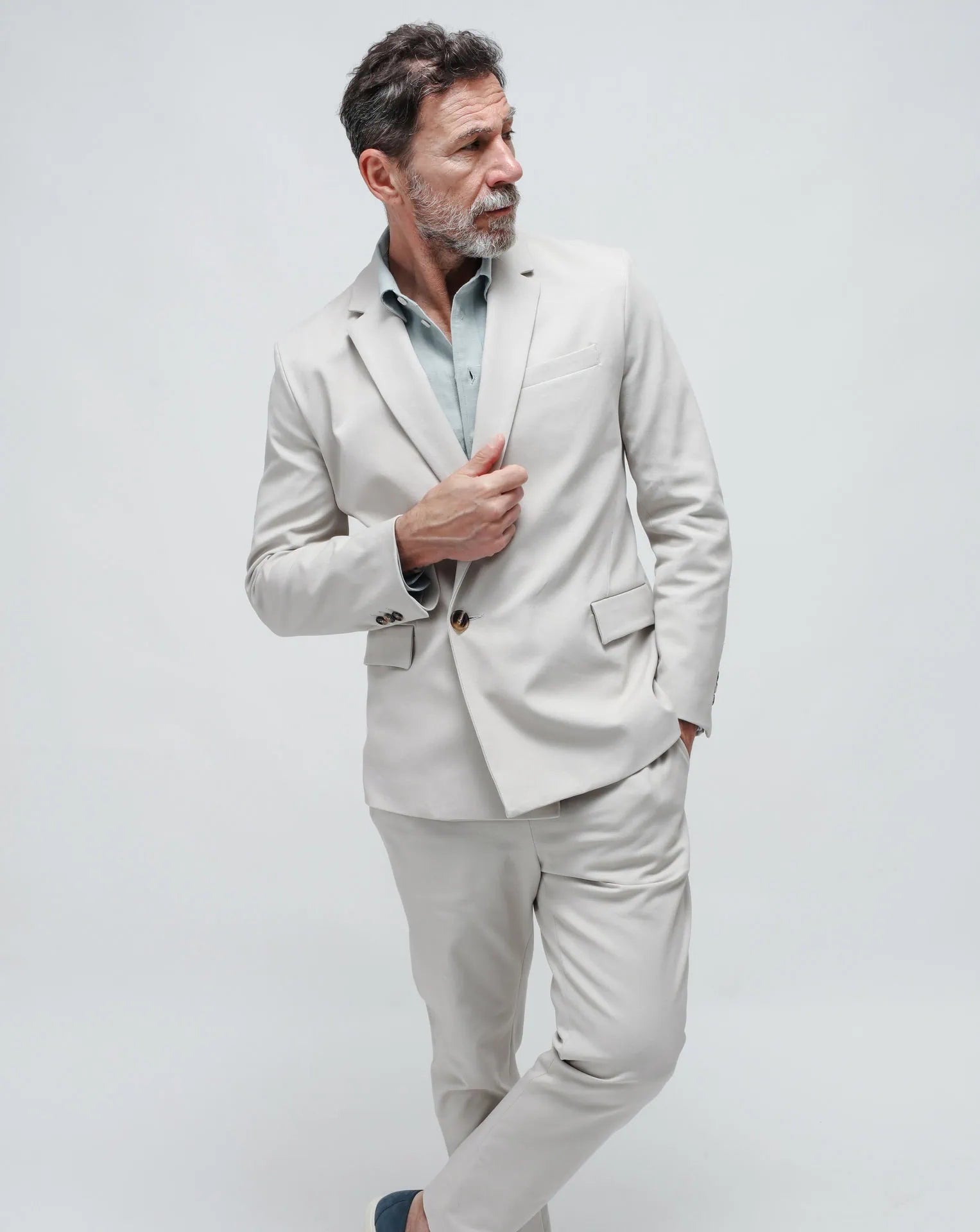
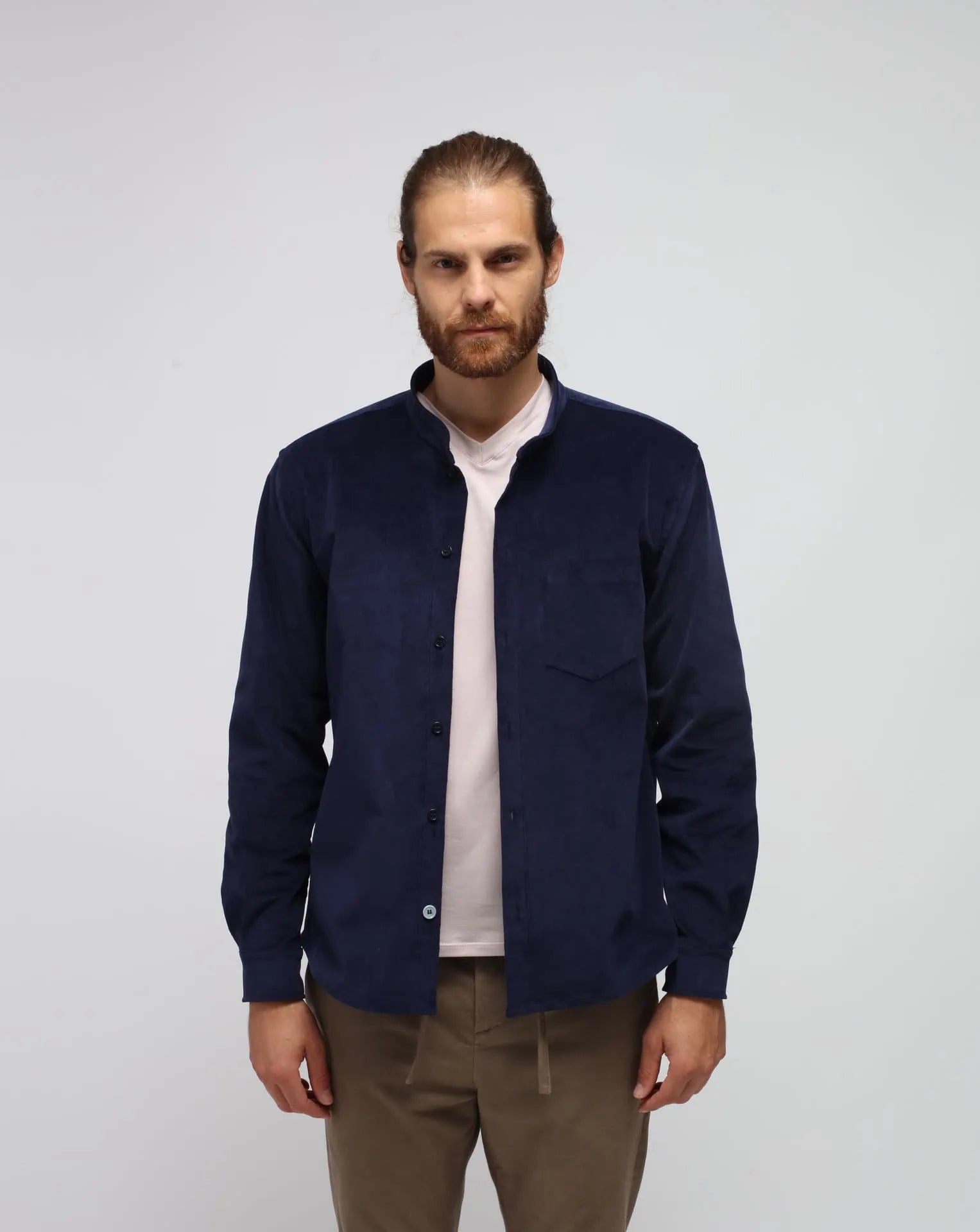
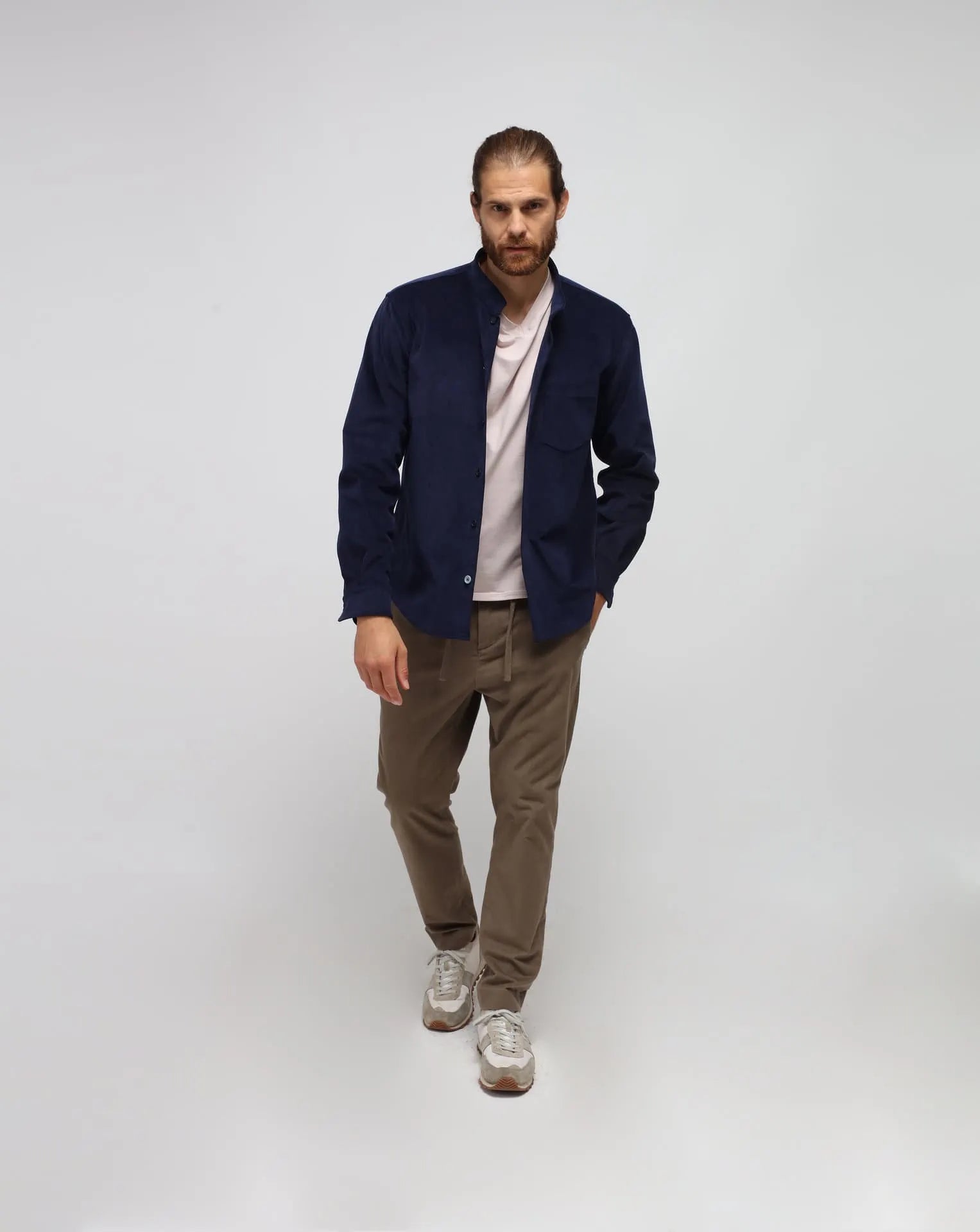
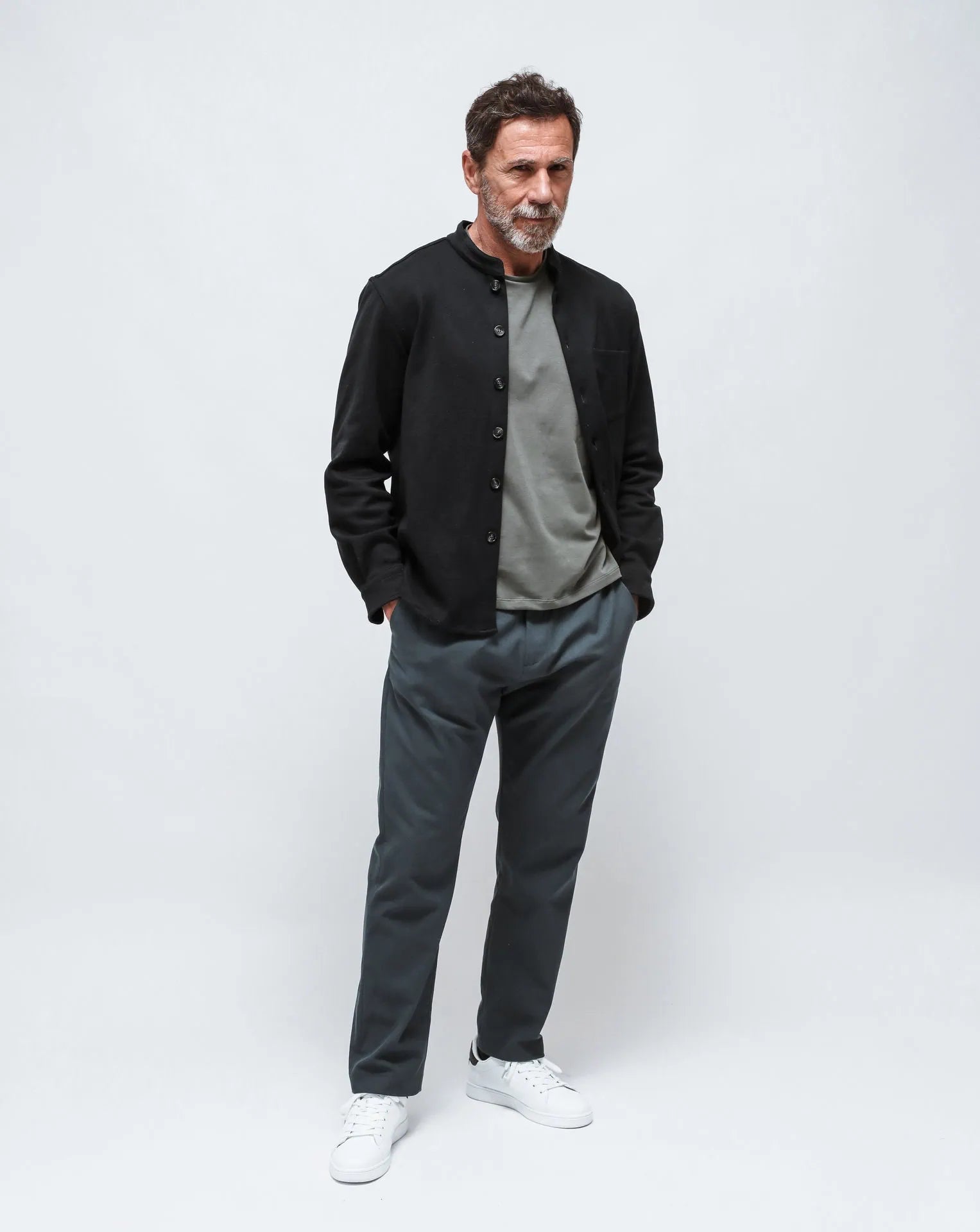
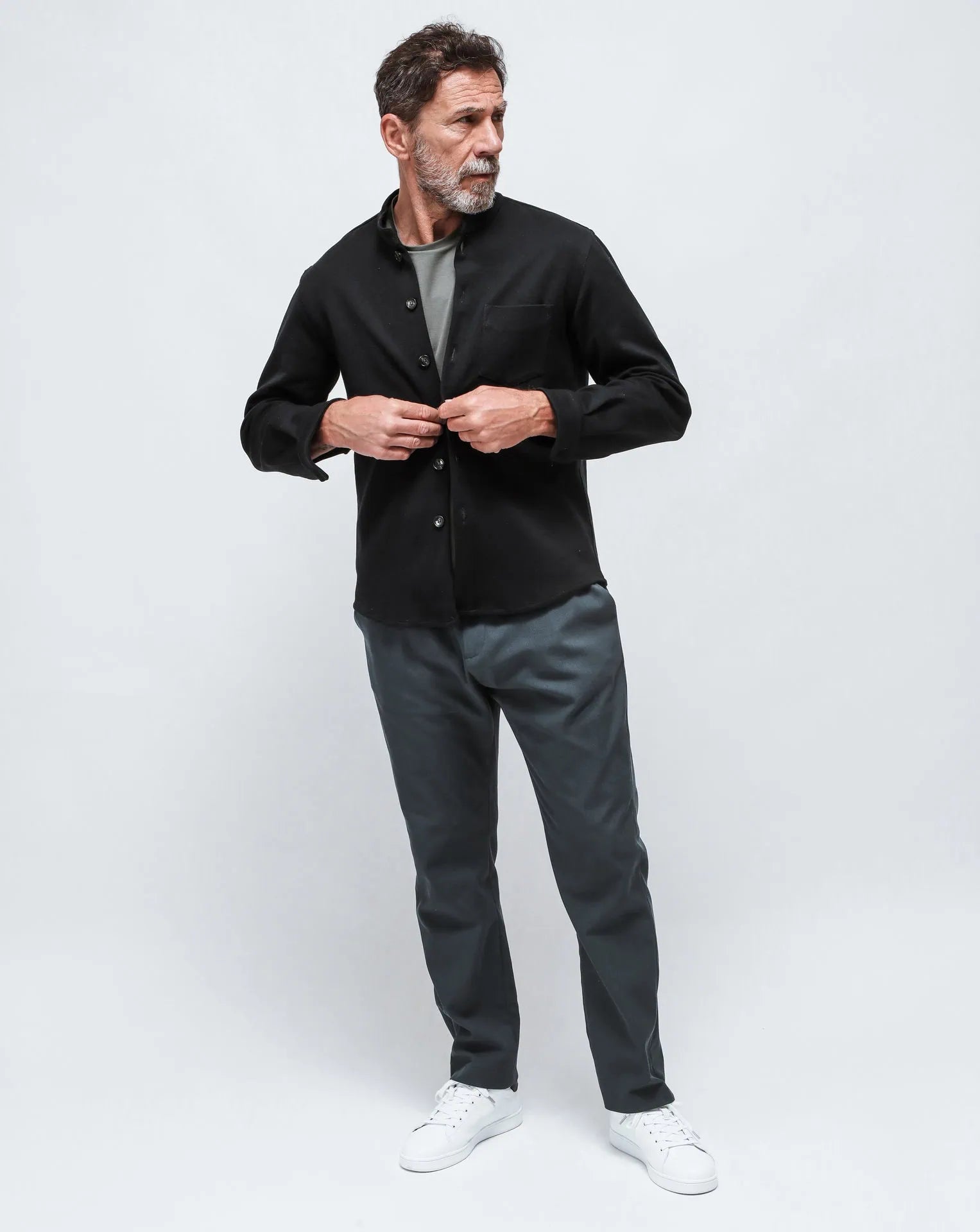
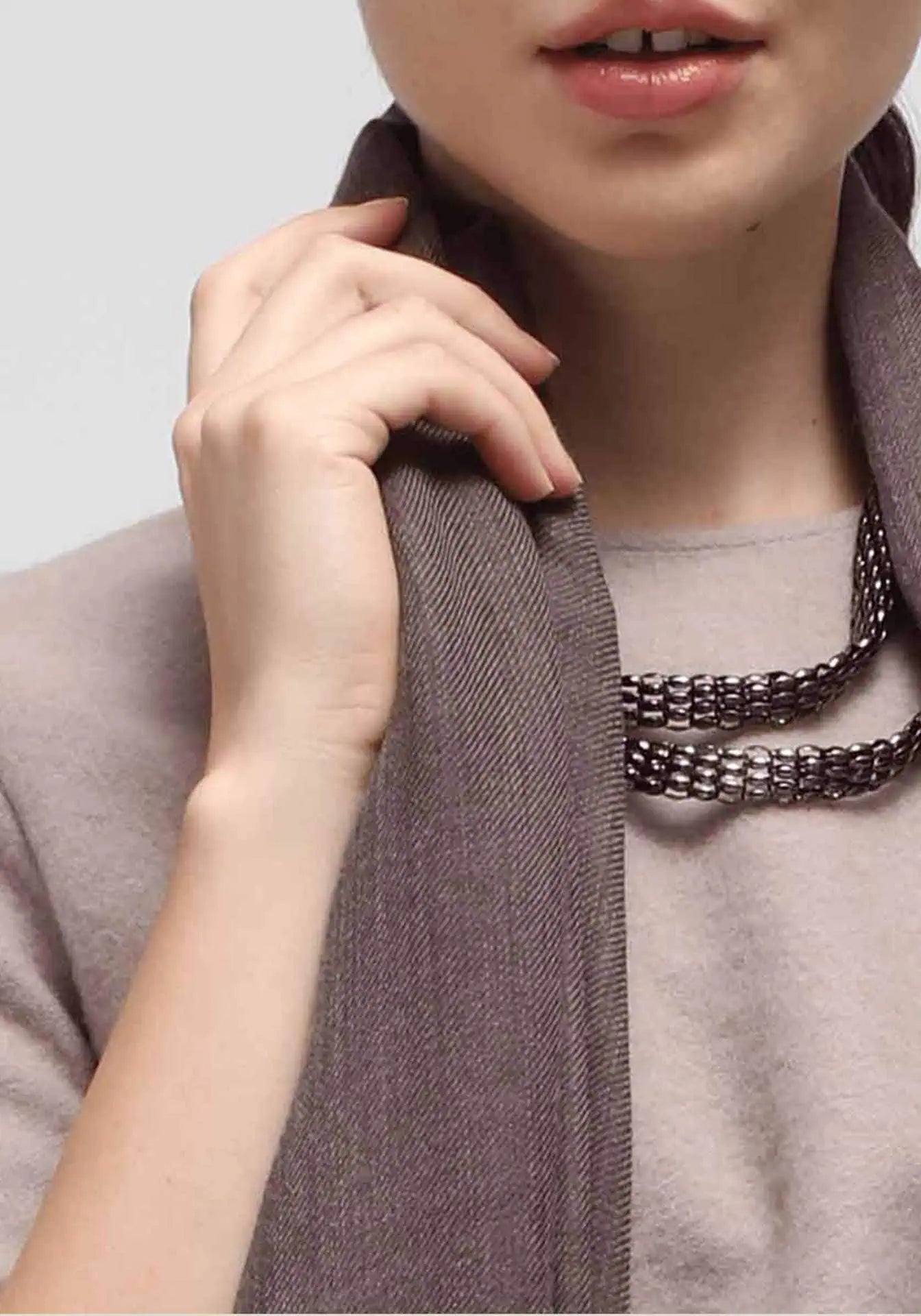
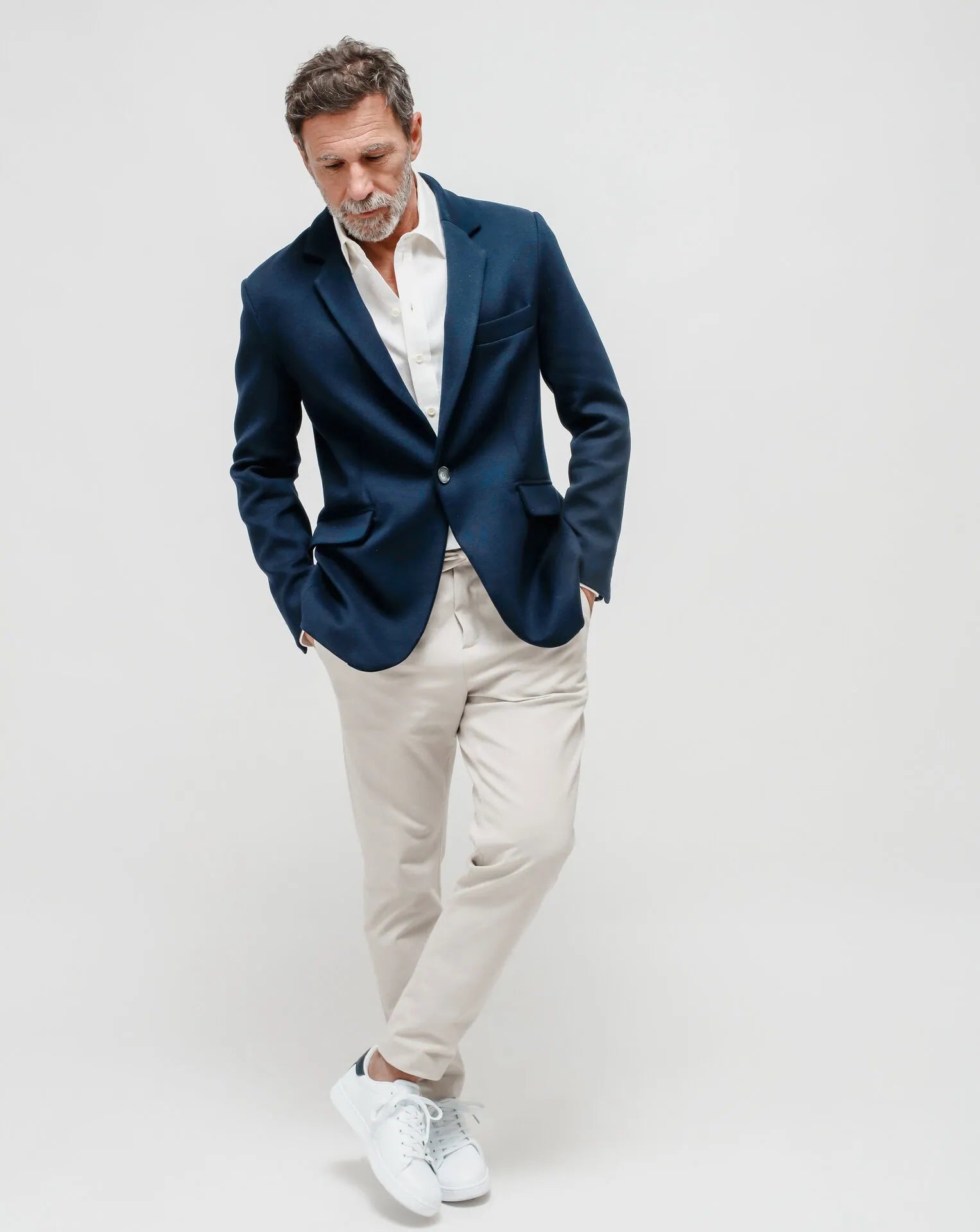
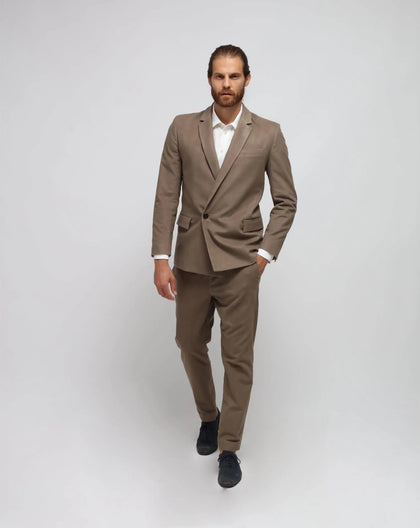
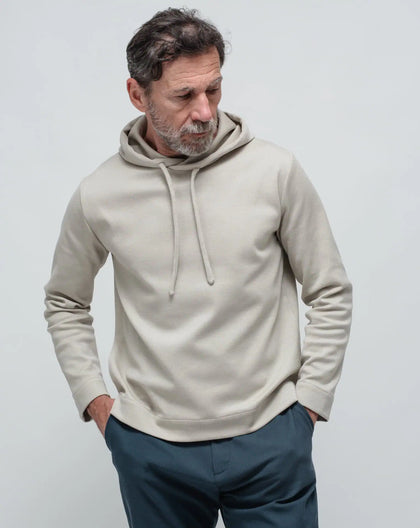
Consider winter dressing. A long wool coat from the women’s collection should work over knitwear, tailoring, and a dress without losing its shape. It should have enough presence to define an outfit rather than demand constant replacement. A tailored wool overshirt or structured jacket from the men’s collection can serve a similar role, moving between office days, weekend plans, and travel with a change of layers.
These are not impulsive purchases, and they should not be presented as such. A premium piece deserves scrutiny. Look closely at the fabric composition, the construction, the fit, and the number of ways you can wear it. Ask whether the silhouette will still feel like you when the season’s loudest trend has moved on.
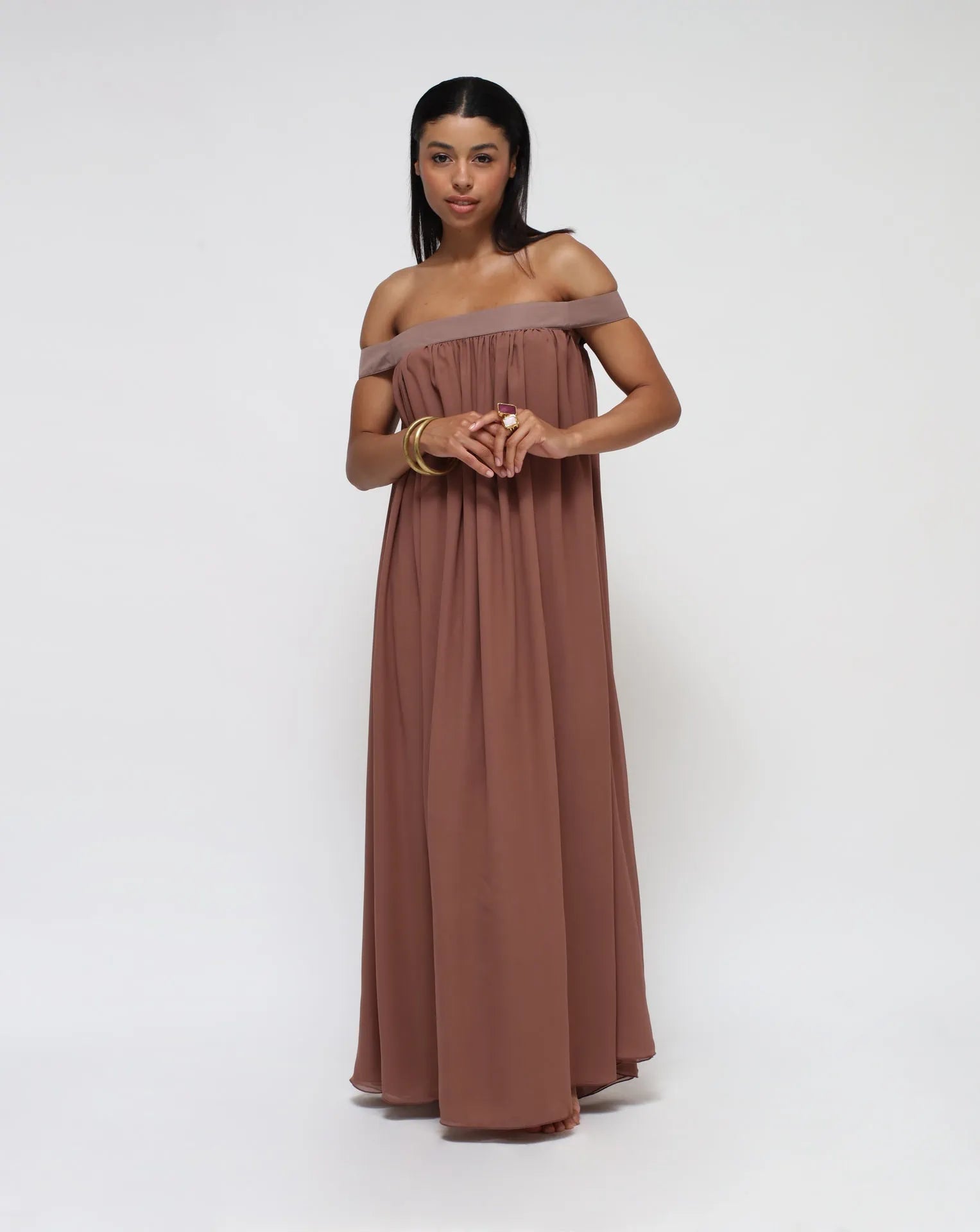
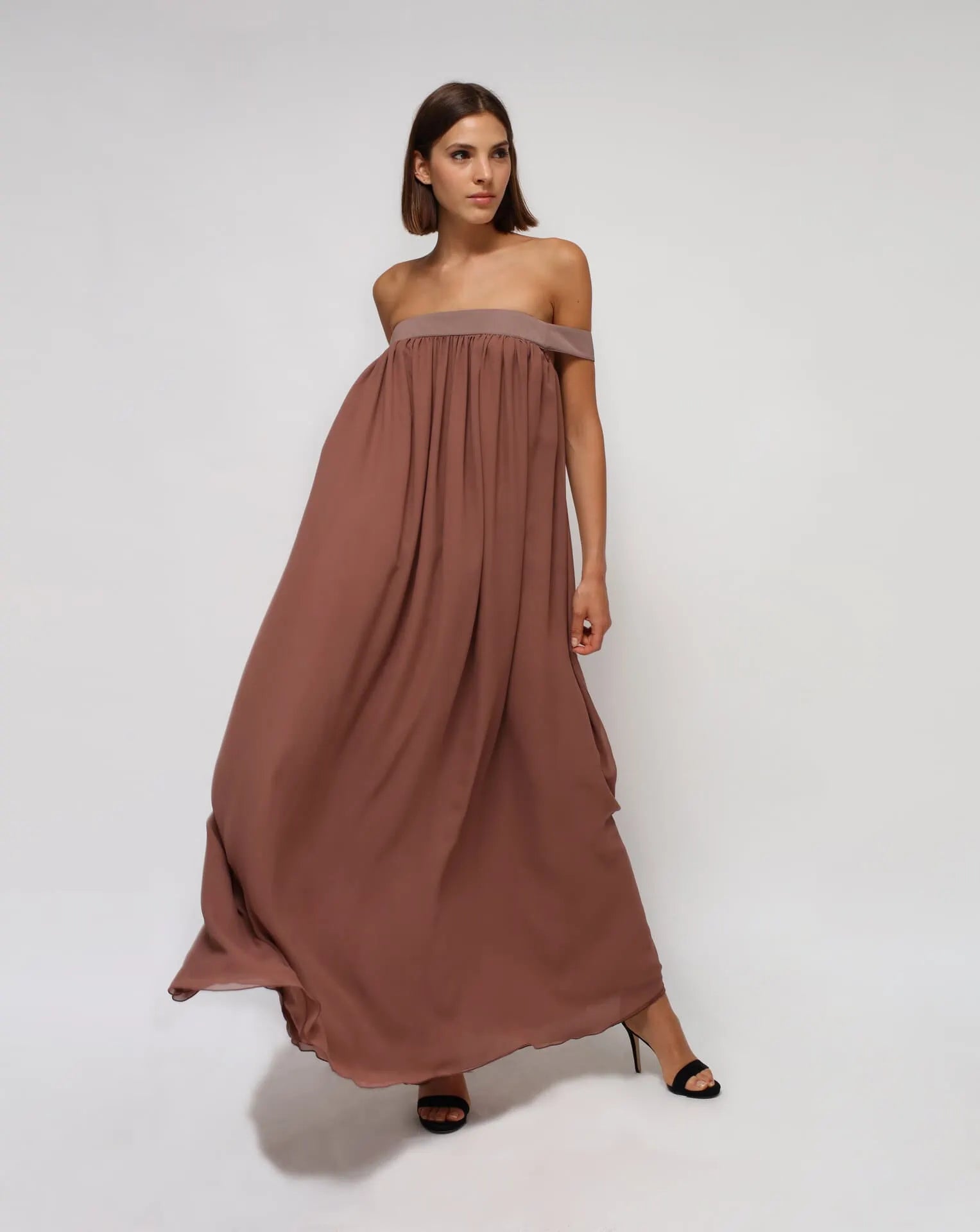
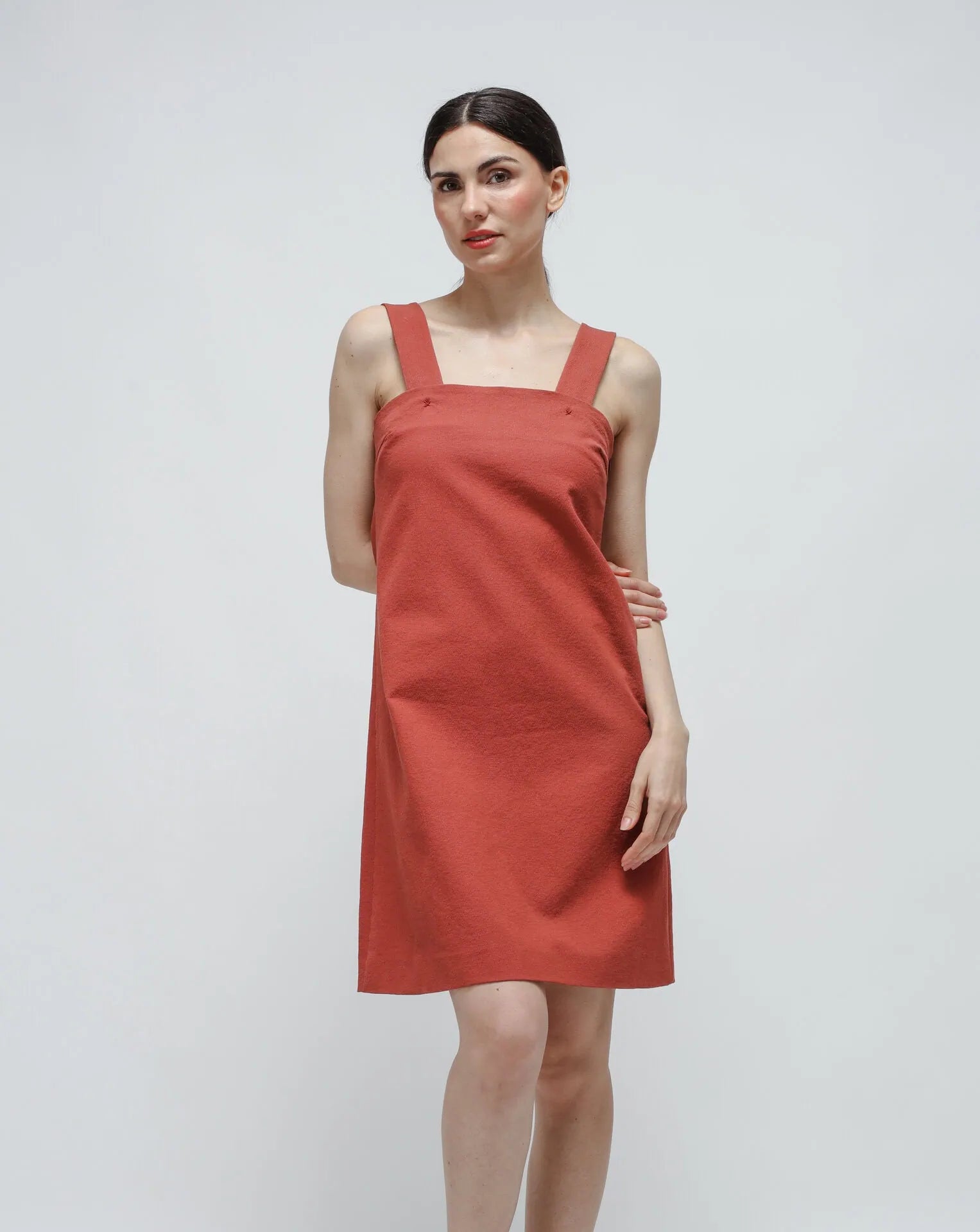
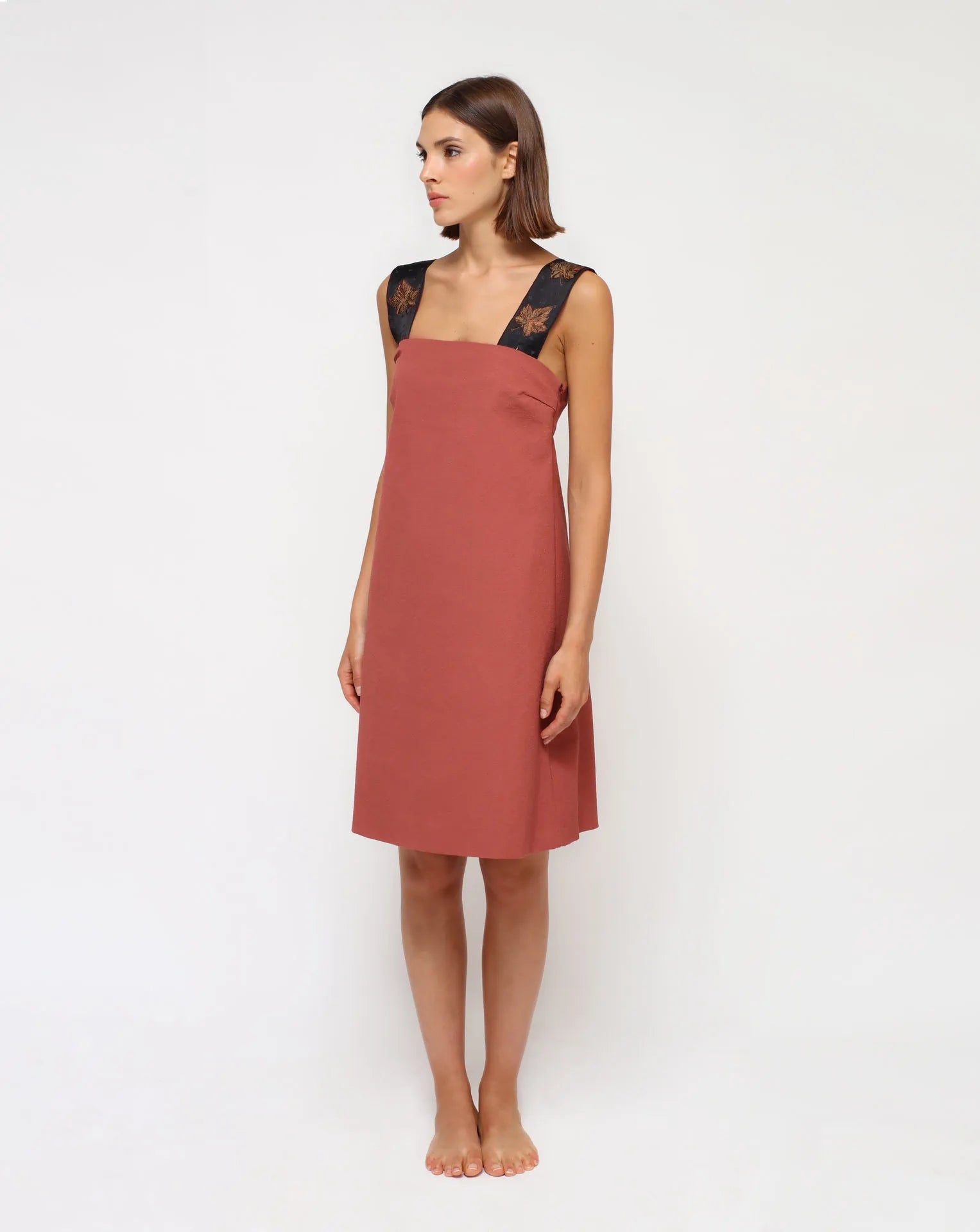
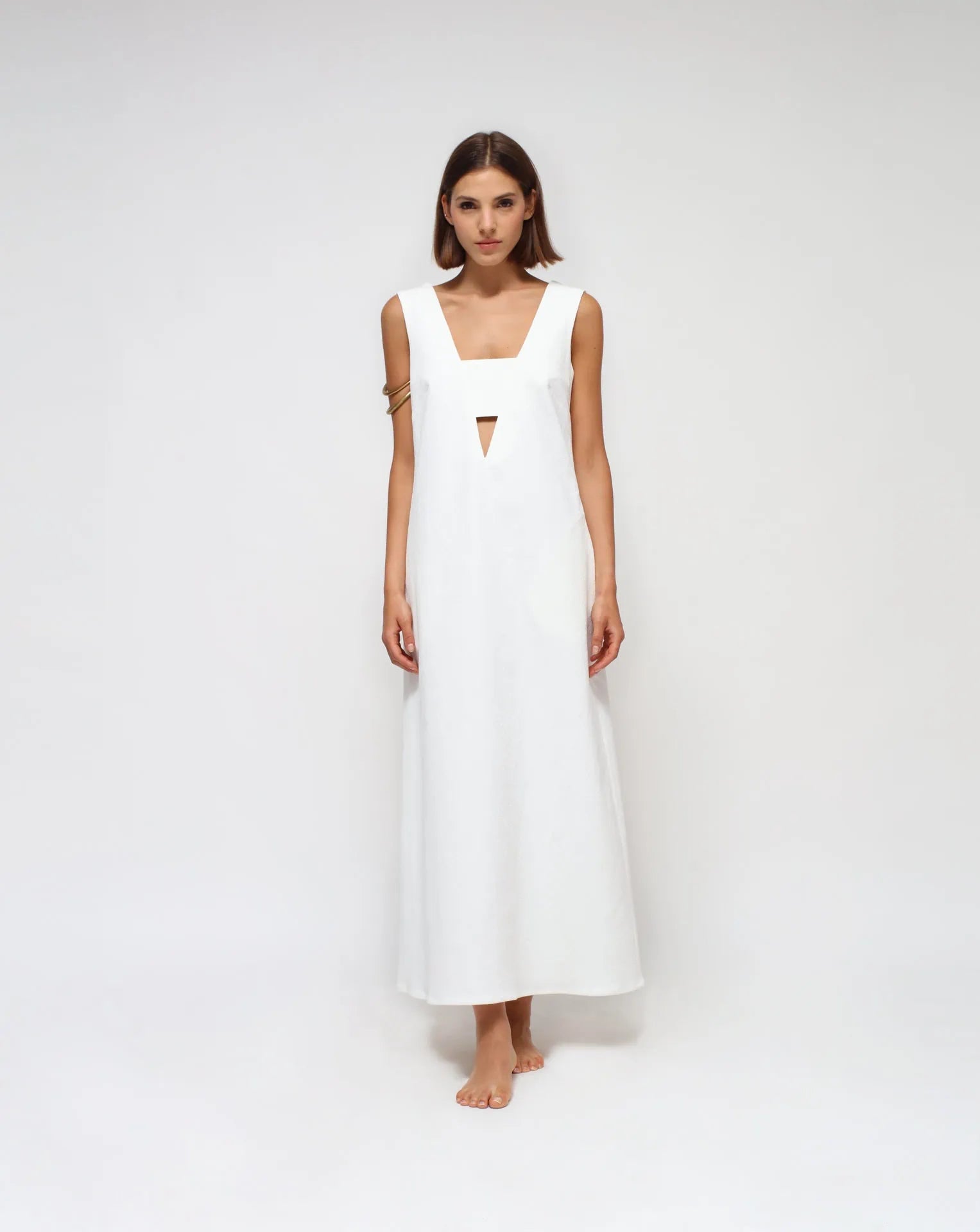
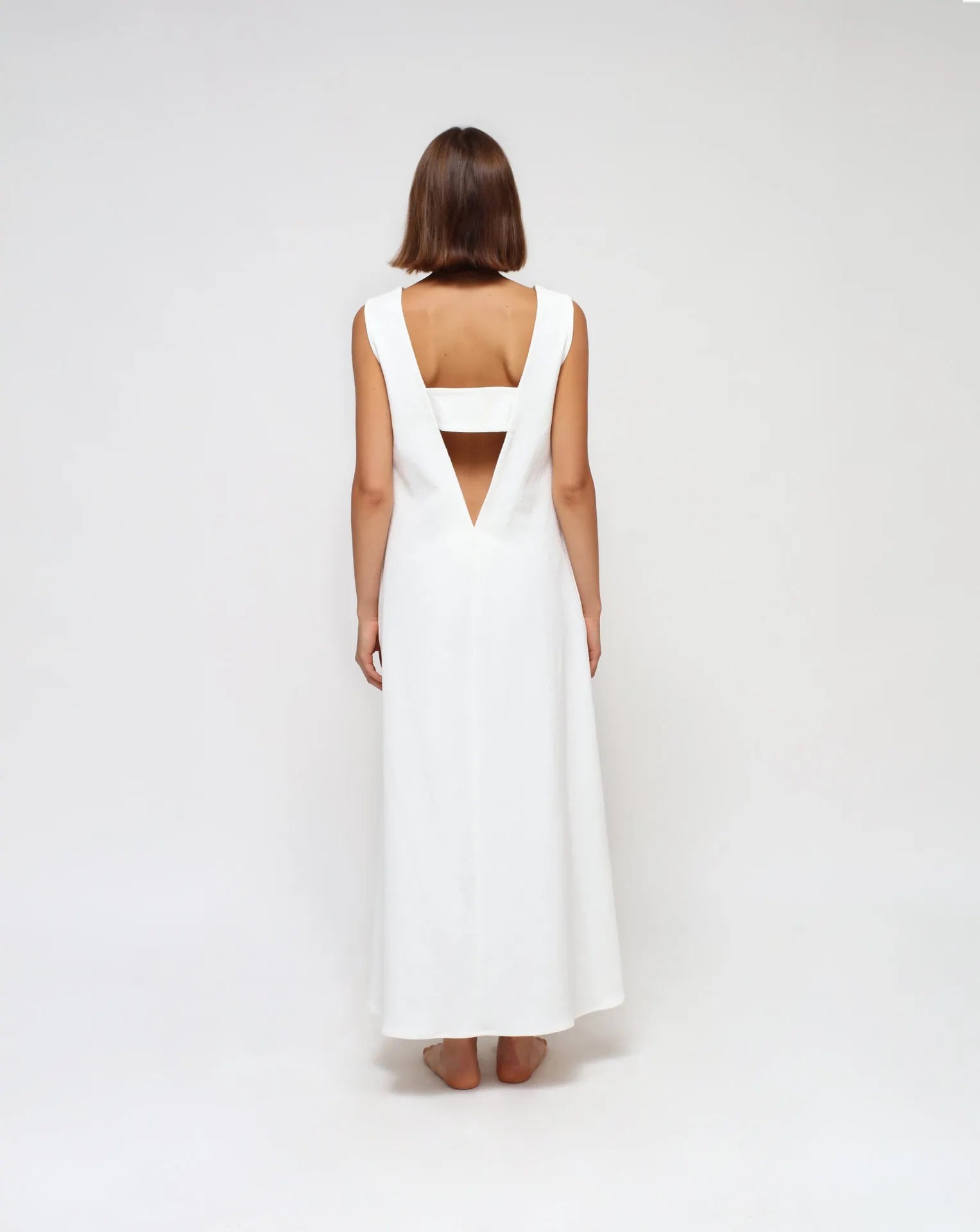
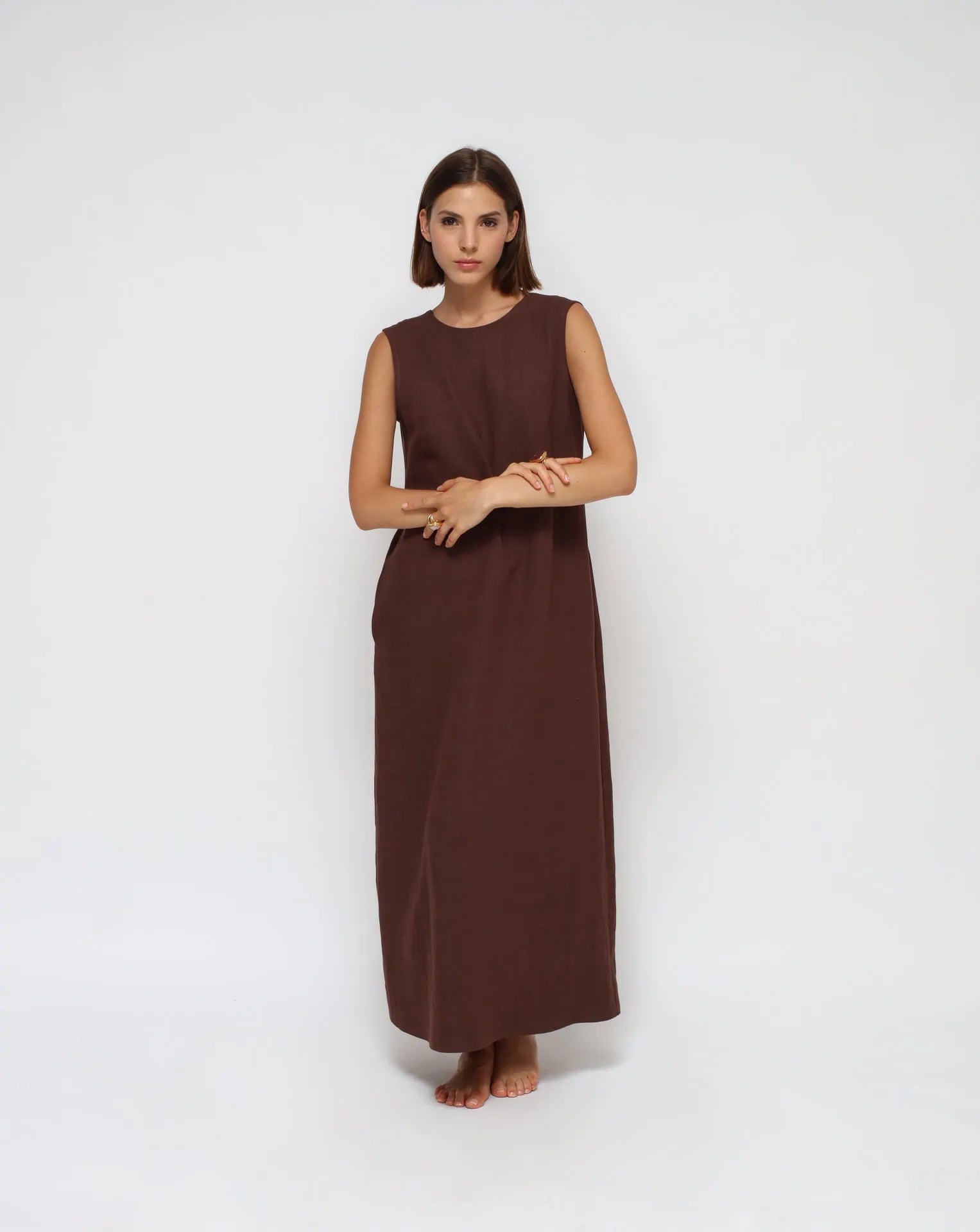
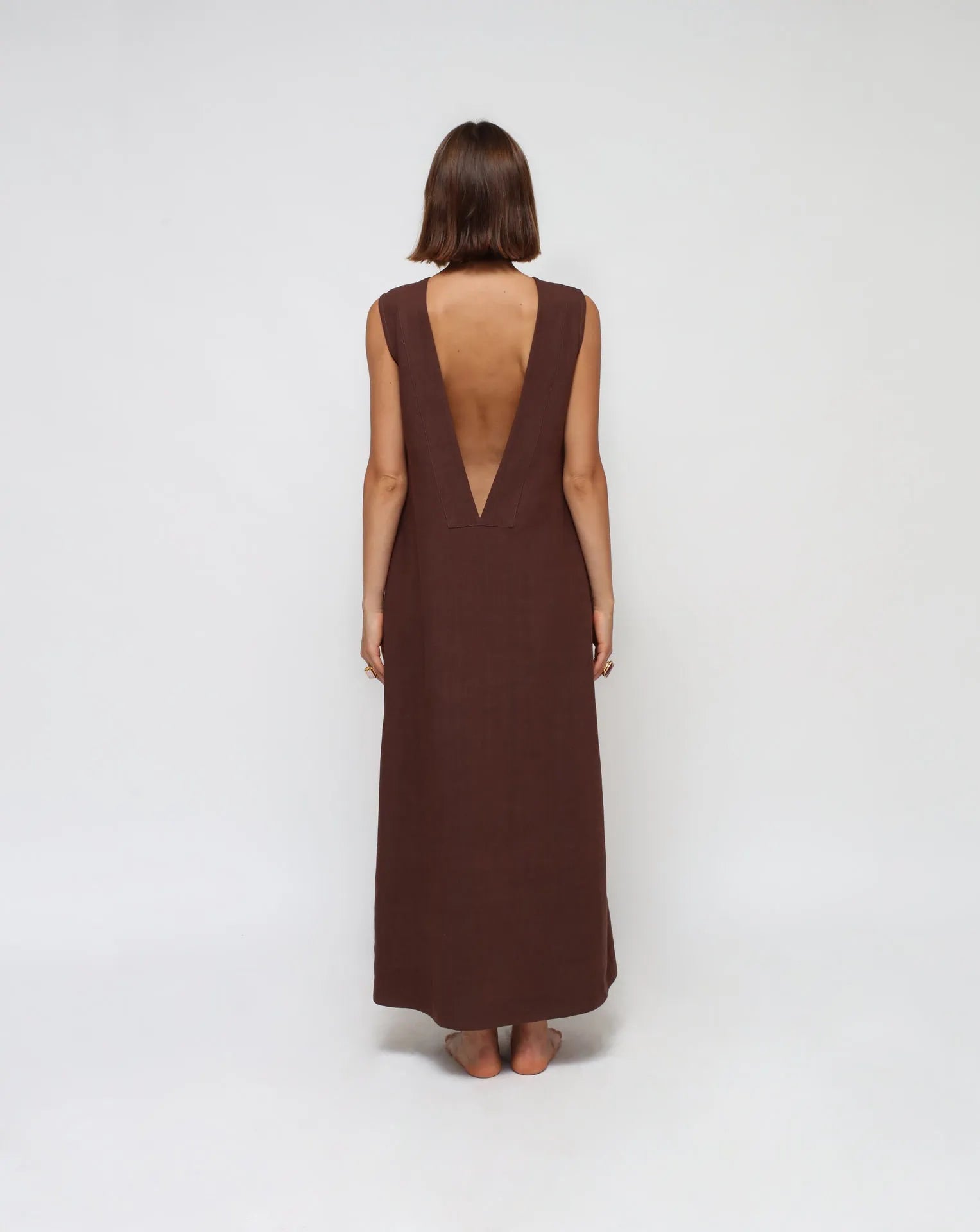
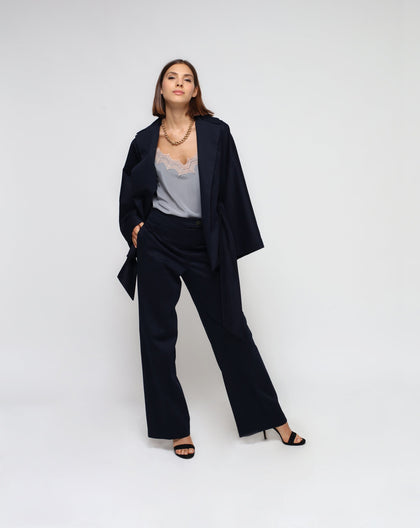
At Humans & Land, limited-edition pieces are made in small batches using premium deadstock fabrics. That model means availability is naturally finite. Scarcity is not a reason to panic-buy. It is a reason to choose carefully. If a piece belongs in your life, buy it with confidence and care for it accordingly.
How to Shop With More Intention
Buying less does not mean denying yourself good clothes. It means becoming more precise about what earns a place in your wardrobe.
Start with the role a piece must play. If you are shopping for a winter coat, decide whether you need warmth for daily commuting, a refined layer for evenings, or one versatile option that does both. If you are considering trousers, think beyond the fitting room: Can you wear them with the shirts, knits, shoes, and outerwear you already own?
Then assess the garment itself. Natural fibers are often a strong foundation for cold-weather clothing, though the best fabric depends on purpose. Wool offers warmth and structure. Cotton can be breathable and versatile. Silk brings drape and finish. Blends may be practical when they improve durability, stretch, or performance. The point is not to chase a single “perfect” fiber. The point is to understand why it was chosen.
Fit deserves equal attention. A garment that needs constant adjusting will not become a favorite, however responsibly it was made. Use measurements, compare them with a piece you already love, and take advantage of size exchanges when needed. Choosing the right size is one of the simplest ways to reduce avoidable returns and unworn clothing.
Finally, calculate cost per wear honestly. A $90 sweater worn twice is not automatically a better value than a $280 knit worn every week through several winters. Cost per wear is not an excuse to overspend. It is a way to measure value against actual use instead of the temporary thrill of a low price.
The Trade-Offs Are Real
Slow fashion is not frictionless. Small-batch production can mean your preferred size sells out. Deadstock fabrics can make restocks impossible. Responsible European production and premium materials will generally cost more than mass-market alternatives. These are real trade-offs, especially when budgets are tight.
The answer is not guilt. It is a better rhythm of buying. Save for the pieces that carry the most weight in your wardrobe, such as outerwear, boots, knitwear, tailoring, and bags. Buy pre-owned when it makes sense. Repair pieces with good bones. Borrow for a one-time occasion. And when you do buy new, choose brands that can explain their materials, production approach, and pricing without hiding behind vague claims.
Fast fashion also has a place in the conversation because access matters. Not everyone can purchase premium garments, and not every affordable item is inherently irresponsible. The deeper issue is the expectation that clothing should be endlessly new, nearly free, and disposable. That expectation damages both the craft of fashion and the way we value our own wardrobes.
Make Winter Pieces Work Harder
Winter is the season when quality becomes visible. Thin fabrics, poor construction, and compromised fit have nowhere to hide beneath cold weather. A strong outerwear layer, a substantial knit, well-made pants, and a versatile shirt can create dozens of outfits with very little excess.
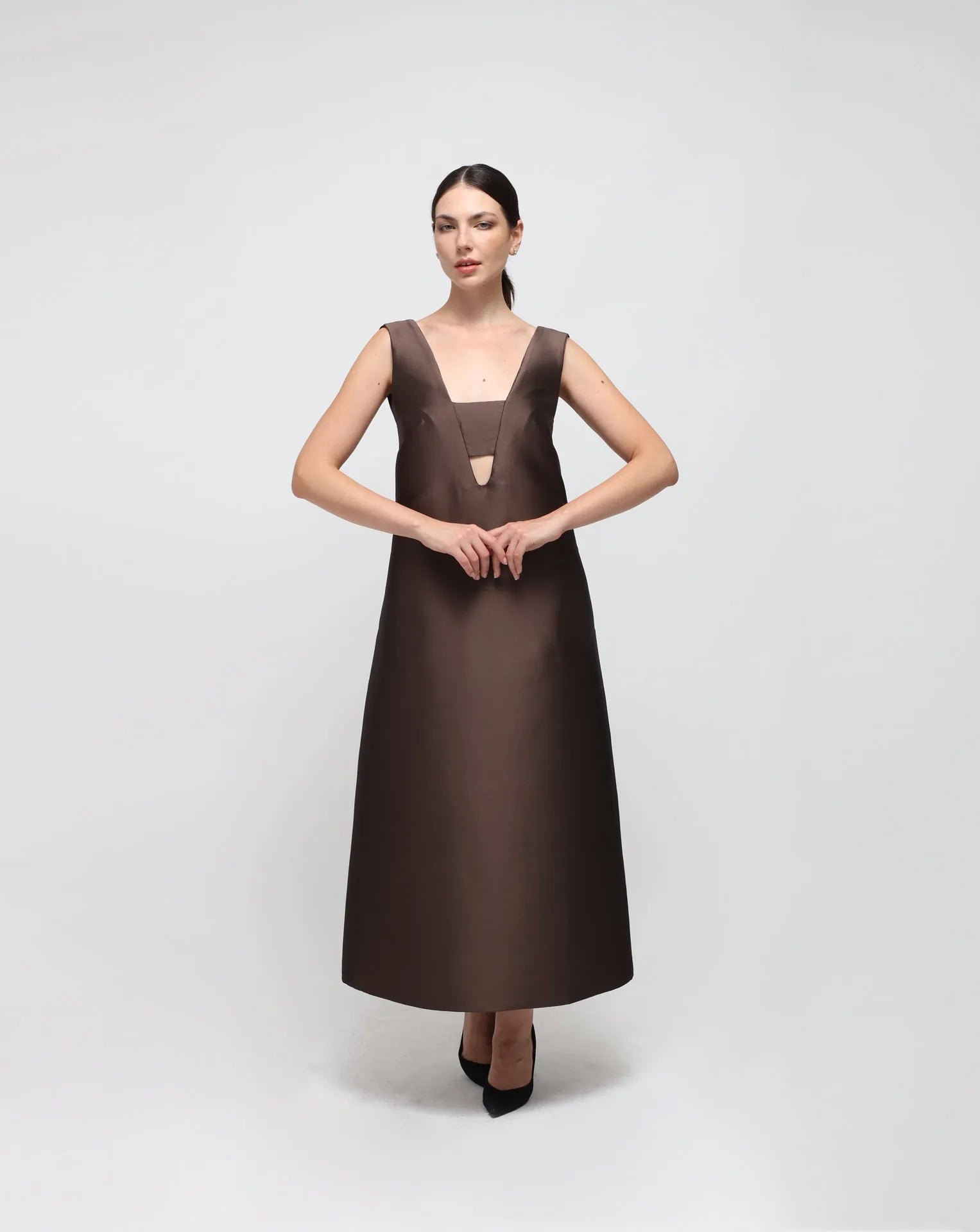
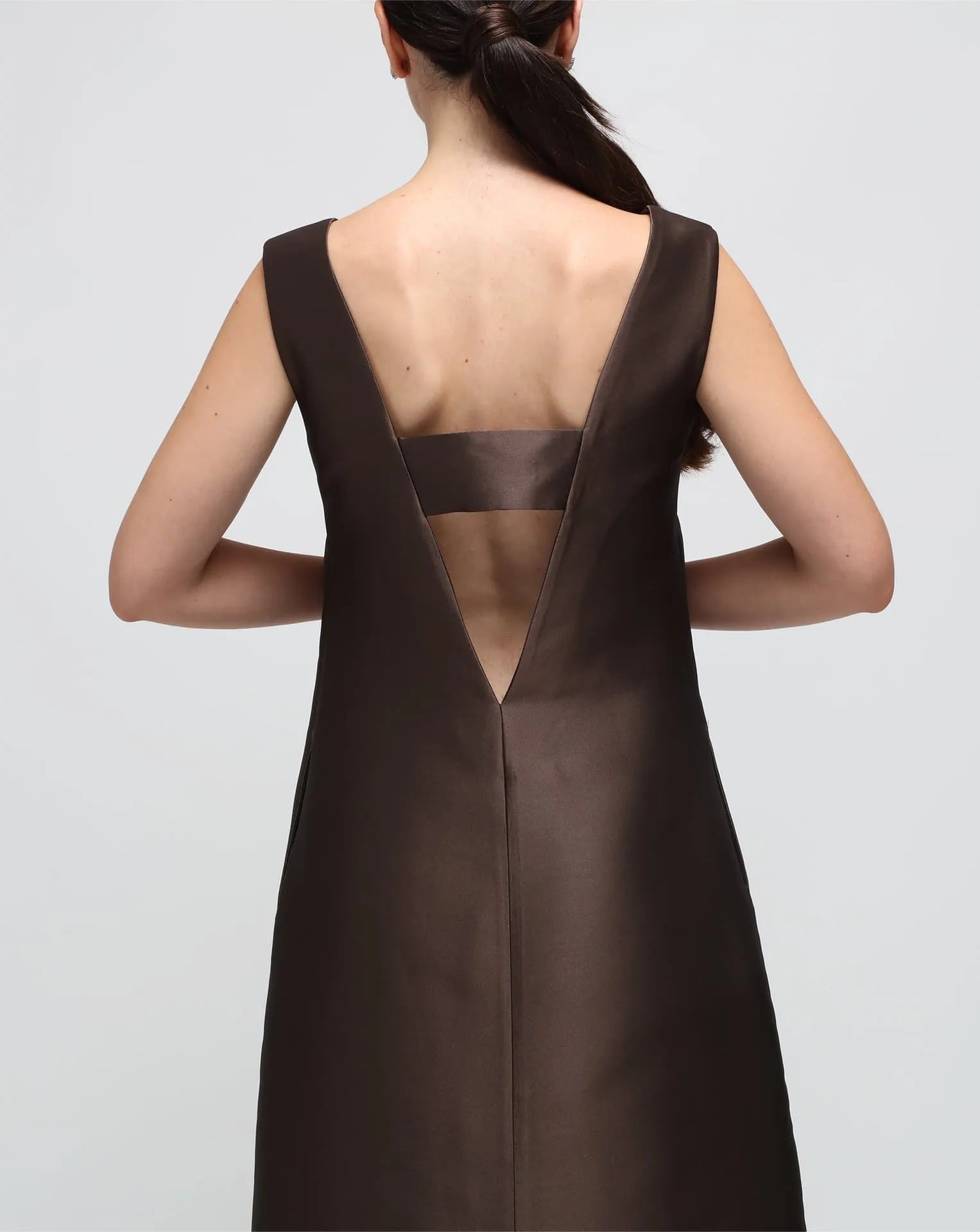
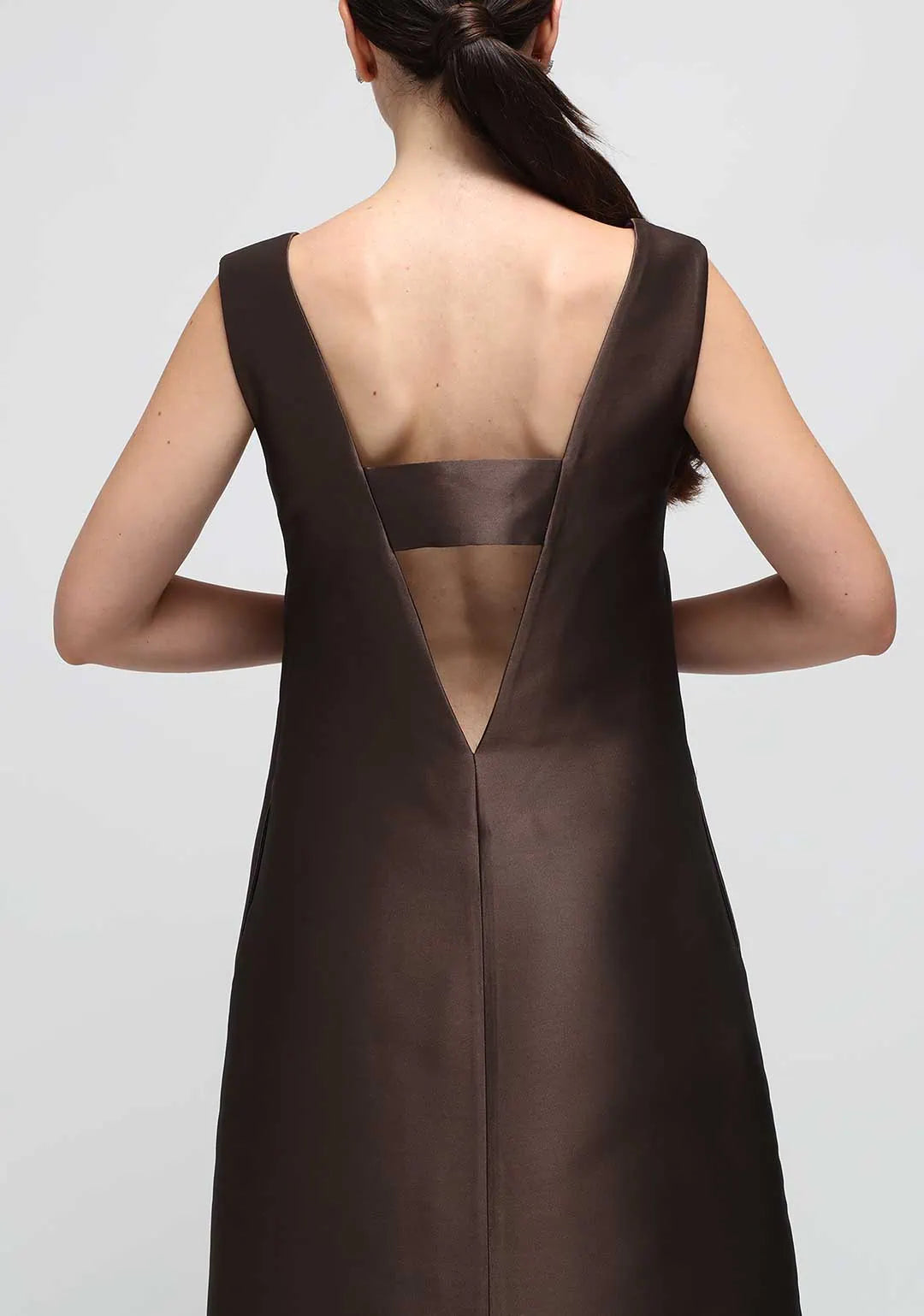
Choose a winter palette that works together - black, charcoal, cream, deep brown, navy, olive, or the shades that already define your closet. Then add one piece with distinction: a sculptural coat, an elegant dress for evening, a textured overshirt, or tailored pants with a sharp line. This is how a wardrobe stays personal without becoming overstuffed.
The most compelling clothes do not demand constant attention. They become part of your life, take on your routines, and keep their place when everything else is trying to be replaced. Choose the pieces that deserve that future.
FAQ
Q: Is slow fashion always more expensive than fast fashion?
A: The upfront price is often higher because smaller production runs, quality materials, and skilled construction cost more. But a durable piece worn repeatedly may offer better long-term value than several lower-priced replacements.
Q: Does slow fashion only mean buying natural fabrics?
A: No. Natural fibers can be excellent choices, especially for winter clothing, but responsible fashion also considers durability, intended use, sourcing, construction, and how long a garment will be worn.
Q: What is deadstock fabric?
A: Deadstock is surplus fabric from mills, manufacturers, or previous production runs. Using it gives high-quality textiles a second life and can reduce demand for newly produced material.
Q: How can I move away from fast fashion without replacing my entire closet?
A: Start by wearing and caring for what you own. Replace only genuine gaps, prioritize versatile pieces, and choose one considered purchase at a time - particularly for high-wear categories such as coats, knitwear, pants, and jackets.
Q: Why do limited-edition slow fashion pieces sell out?
A: Small-batch production and finite deadstock fabrics naturally limit quantities. A sellout is not a reason to rush, but it does reflect a production model designed to avoid excess inventory and unnecessary waste.
the World of H&L