

Deadstock Versus Recycled Fabric: Which Is Better?
A winter coat can look impeccable and still carry a complicated material story. The fabric may be newly made from old fibers, or it may be a beautiful existing textile that was left unused by the conventional fashion system. Both options challenge waste. Neither is automatically the perfect choice.
Deadstock versus recycled fabric is not a contest with one universal winner. It is a question of what was saved, what was required to make it wearable, and how long you will wear it. For an intentional wardrobe, that distinction matters as much as the cut, color, and finish.

Deadstock Versus Recycled Fabric: The Essential Difference
Deadstock fabric is surplus material that already exists. It may come from a mill’s overproduction, a canceled order, a fashion house’s unused rolls, or the remaining quantity from a previous production run. It is often pristine, high-quality fabric that would otherwise sit in storage or be discarded without ever becoming a garment.
Recycled fabric is made by processing waste into new textile material. That waste can be post-industrial, such as factory offcuts, or post-consumer, such as used clothing, plastic bottles, or discarded fishing nets. The material is sorted, cleaned, broken down, and spun or formed again into usable fabric.
The key difference is simple. Deadstock uses a finished fabric in its existing form. Recycled fabric creates a new material from waste. Both can reduce dependence on virgin resources, but the environmental equation changes with fiber type, processing, transport, durability, and garment design.
Why Deadstock Has a Place in a More Considered Wardrobe
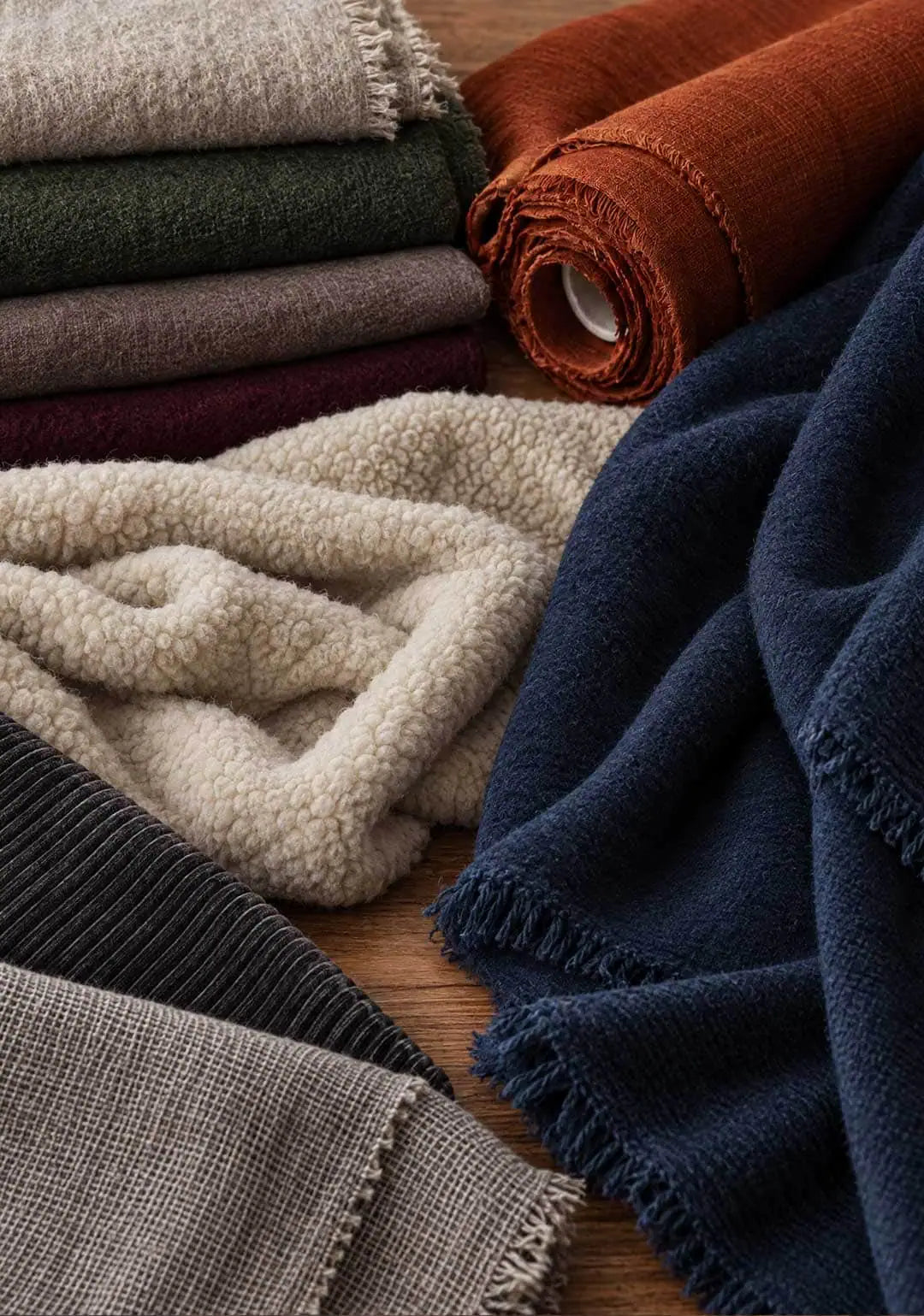
Deadstock is compelling because it gives excellent material a second chance without demanding a new round of fiber production. When a premium wool, cotton, silk, or linen already exists, turning it into a well-made garment can keep valuable resources in use with relatively little additional intervention.
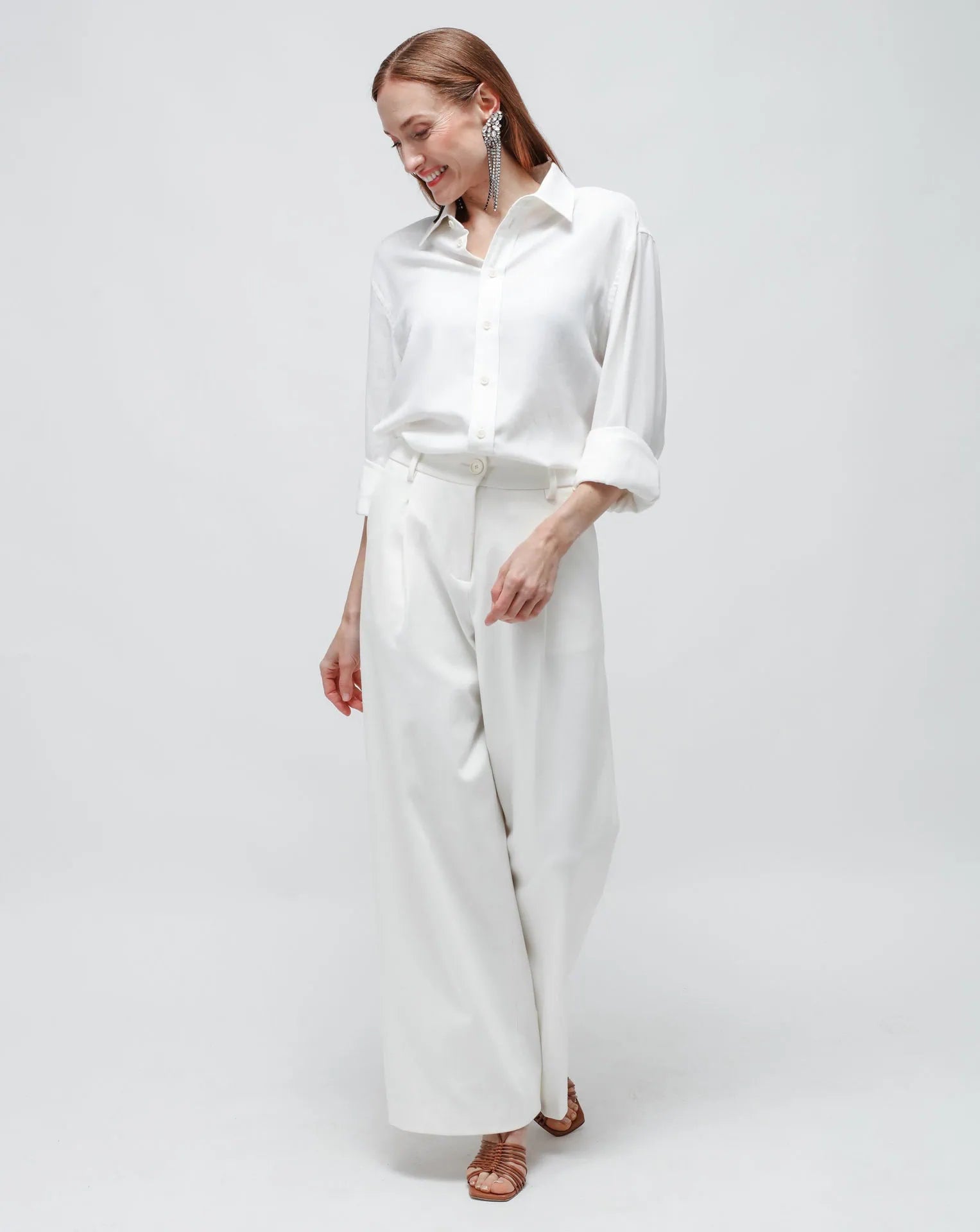
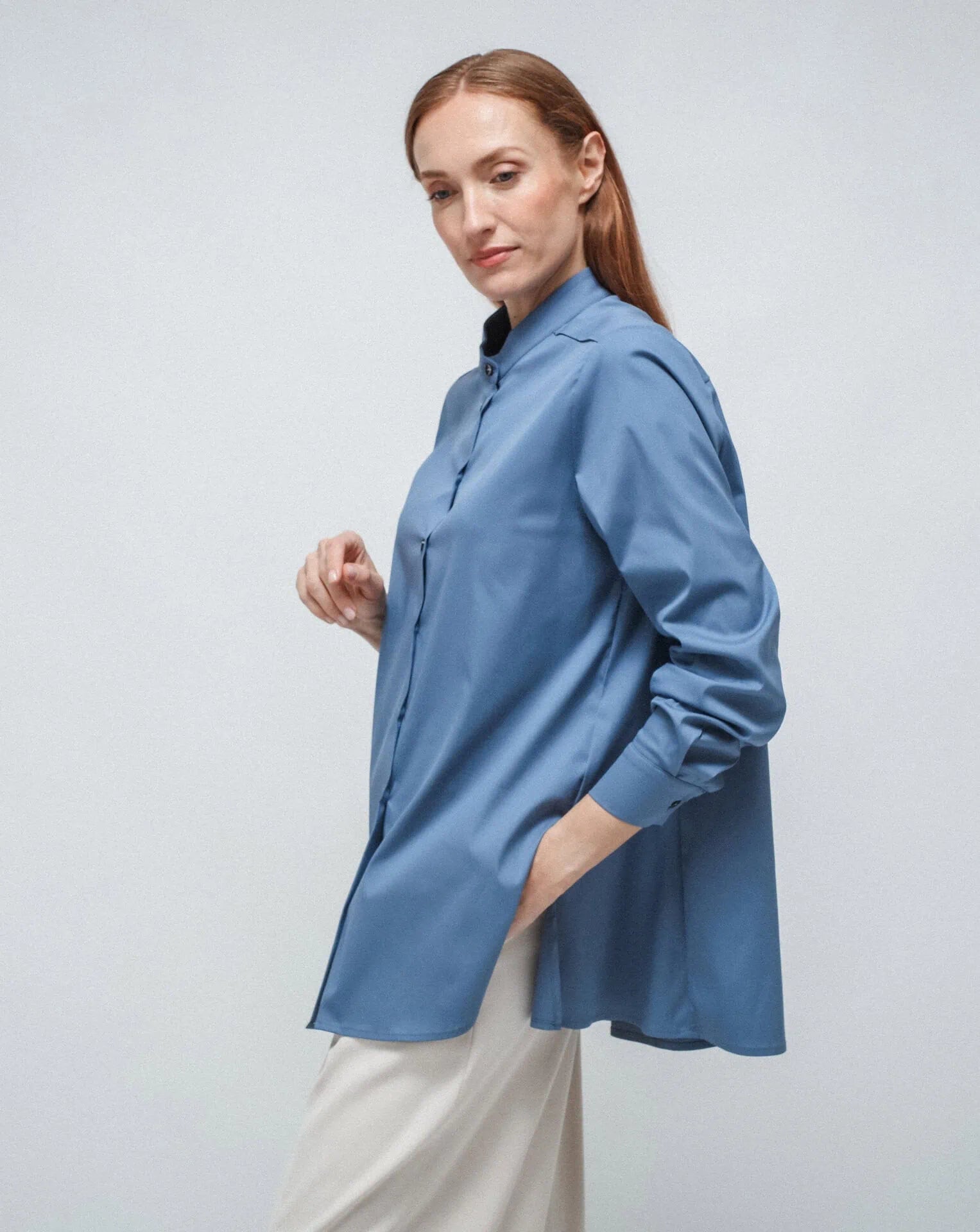
It also offers a level of character that mass production rarely delivers. A deadstock wool may have an exceptional hand feel. A deadstock cotton poplin may hold its shape with a crispness that makes an everyday shirt feel composed. A textured Italian suiting fabric can turn a simple trouser into the piece that carries a week of meetings, dinners, and flights.
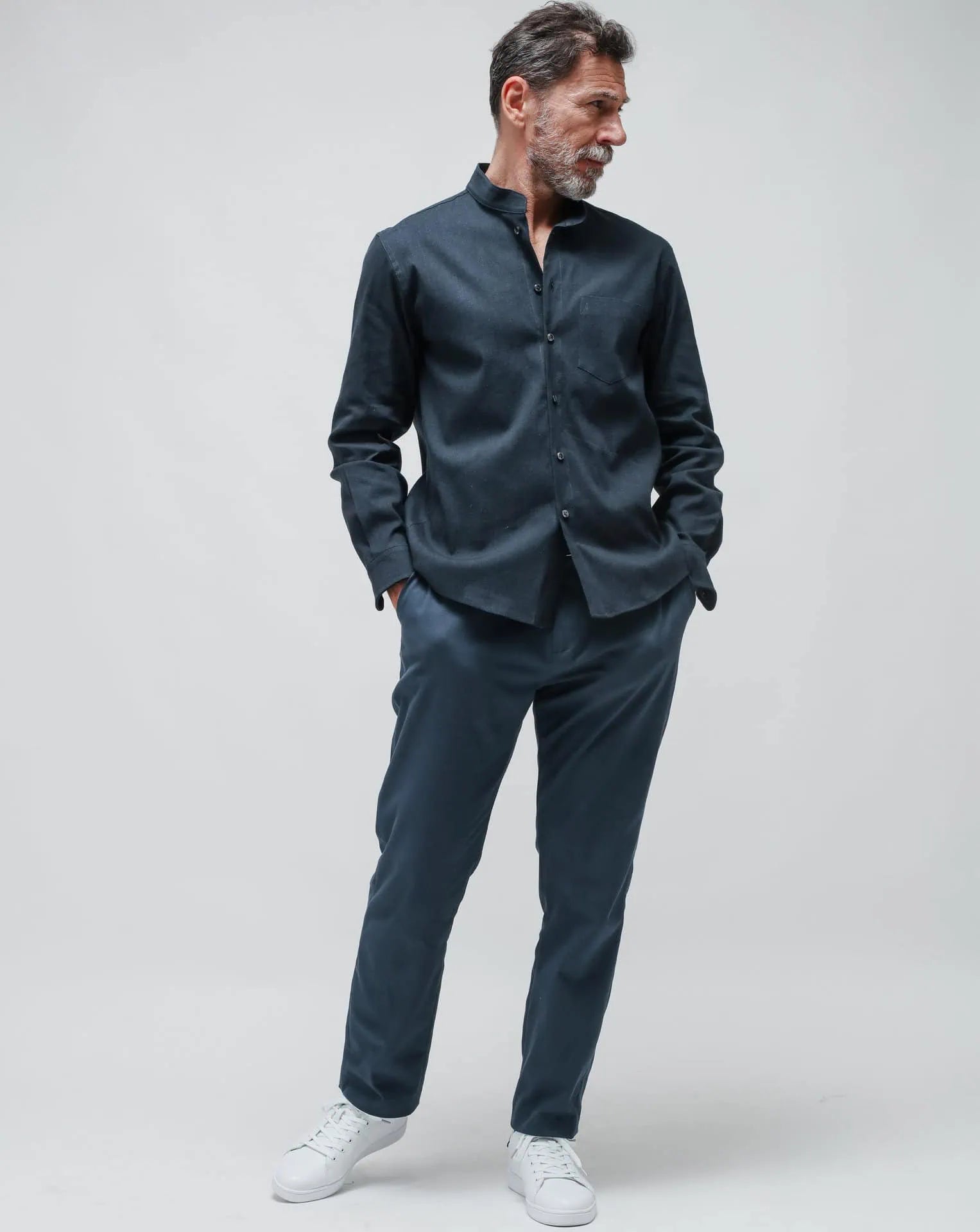
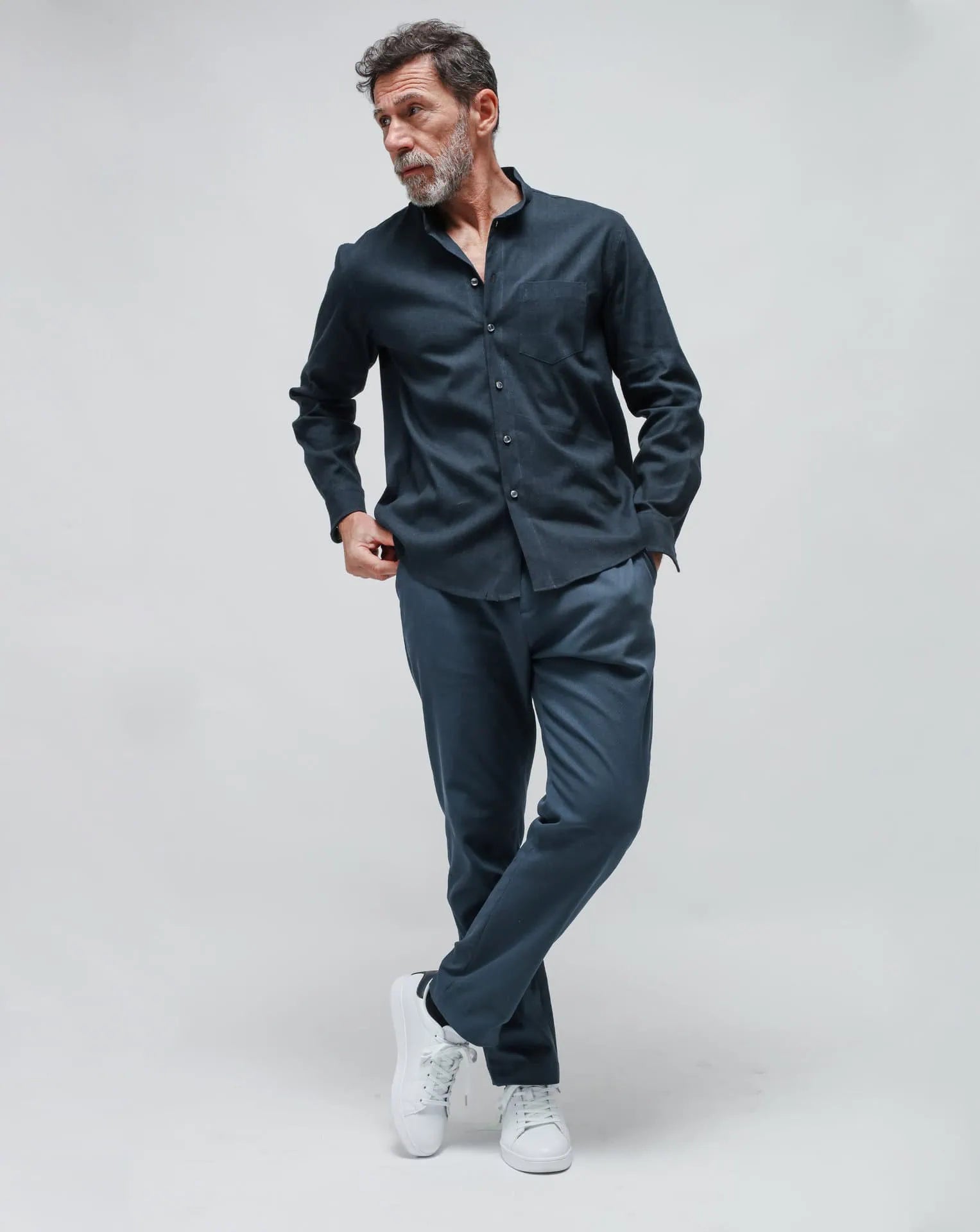
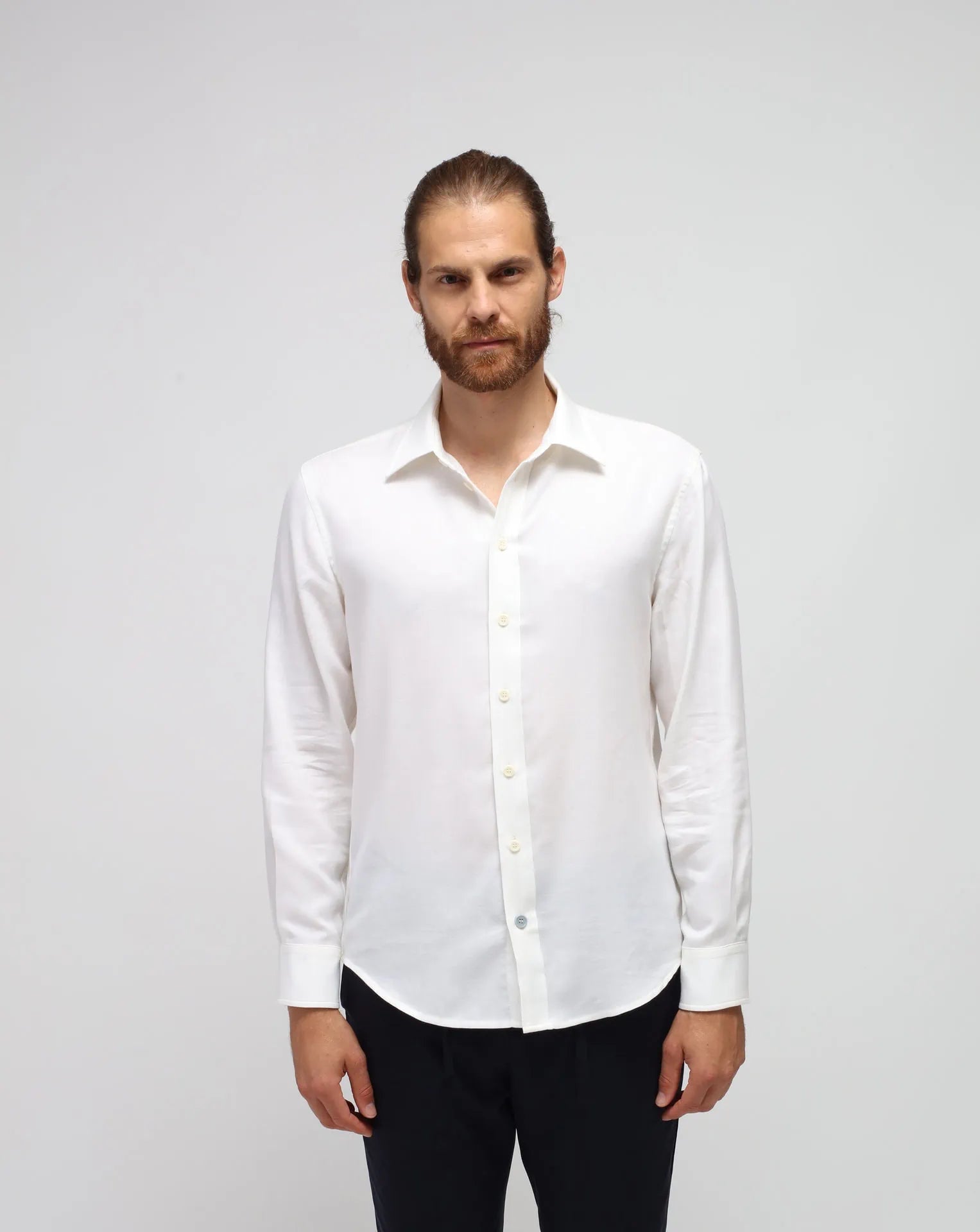
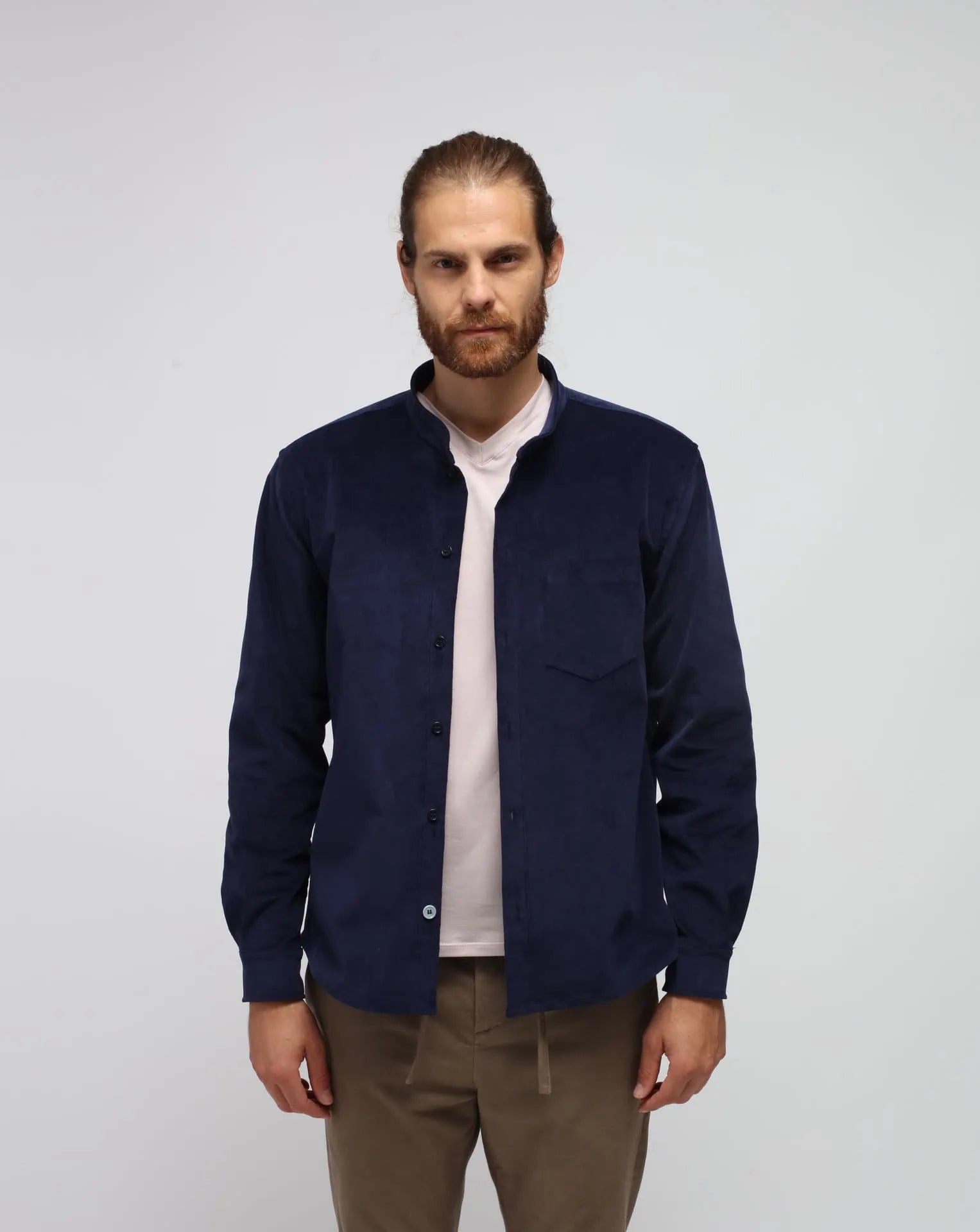
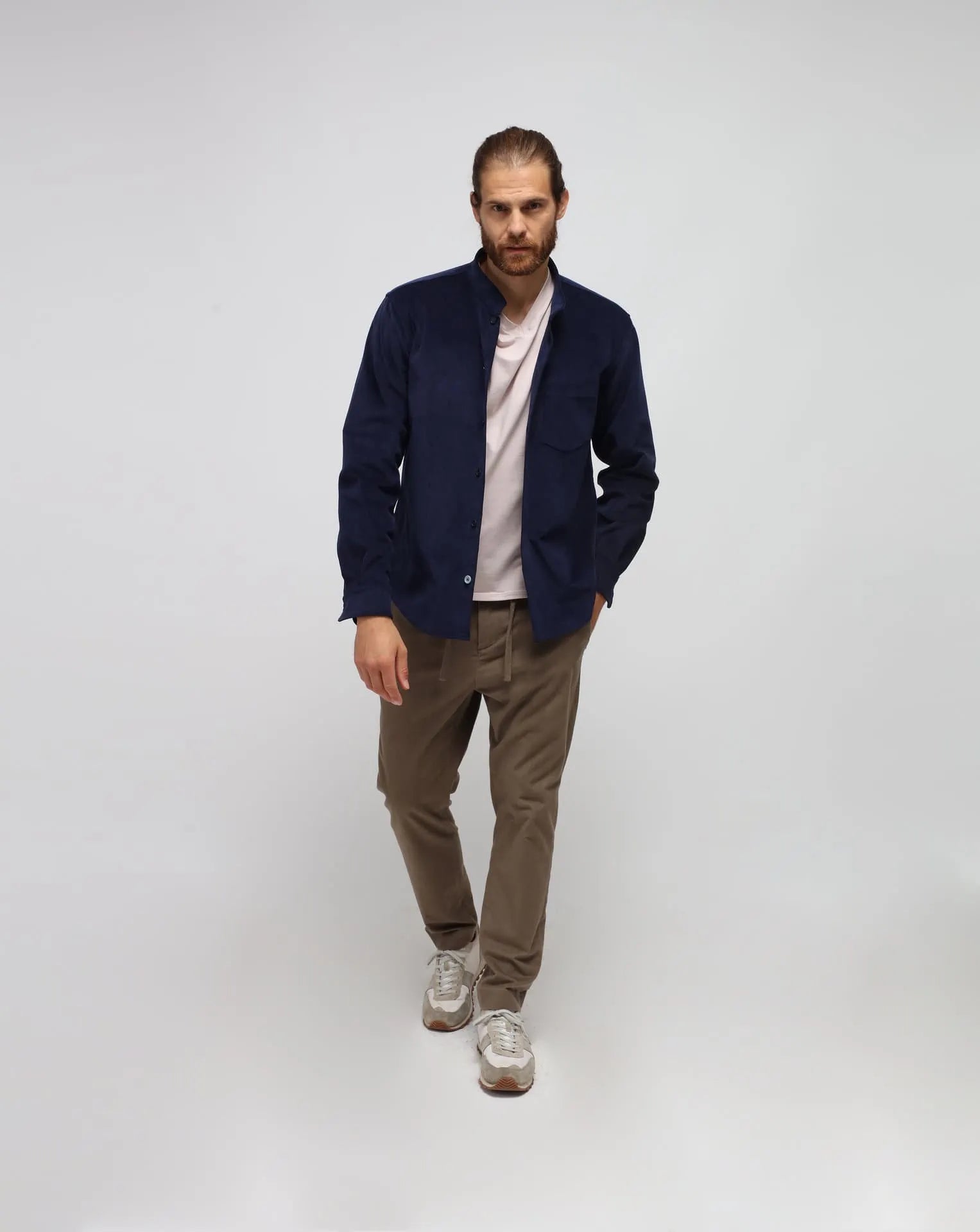
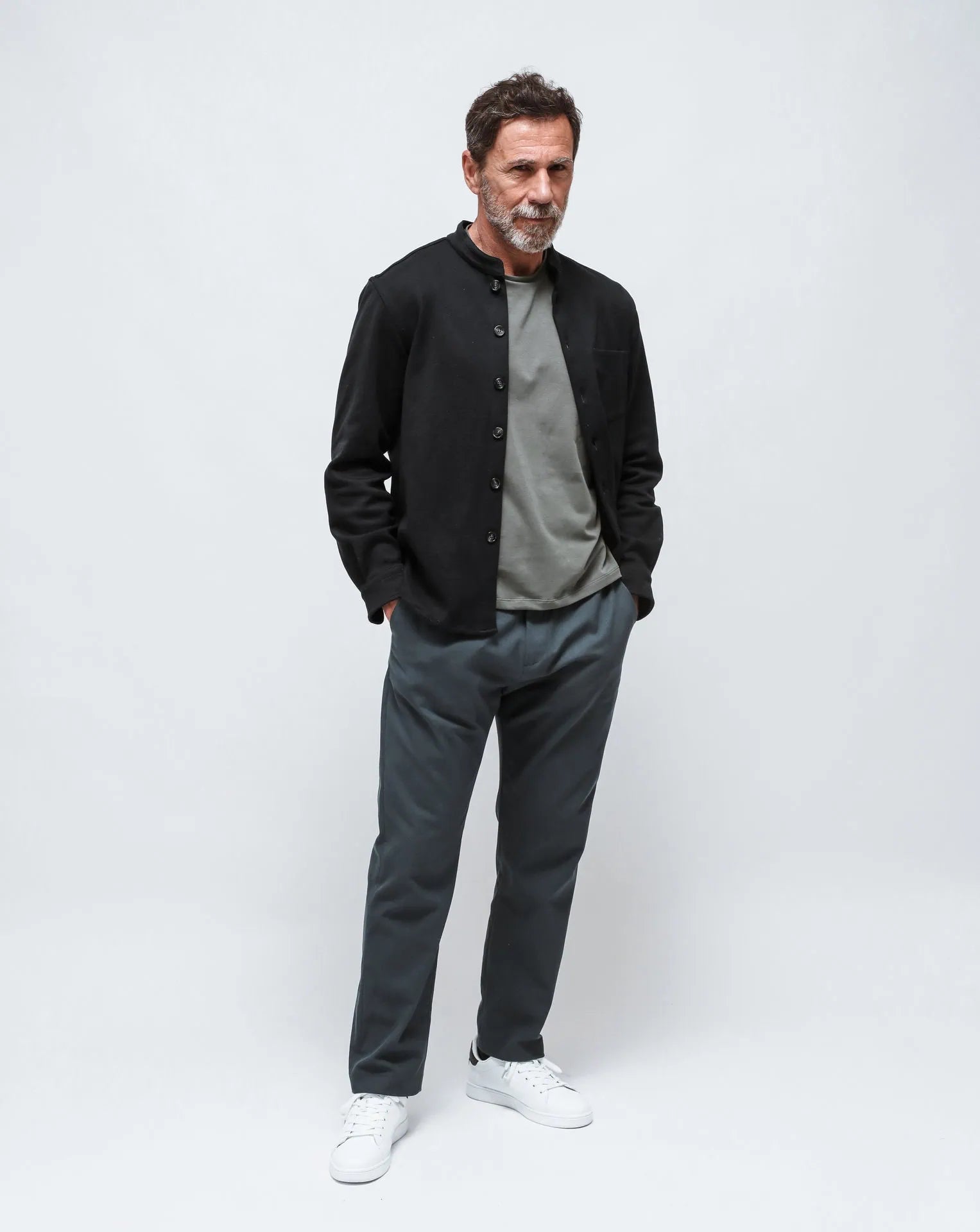
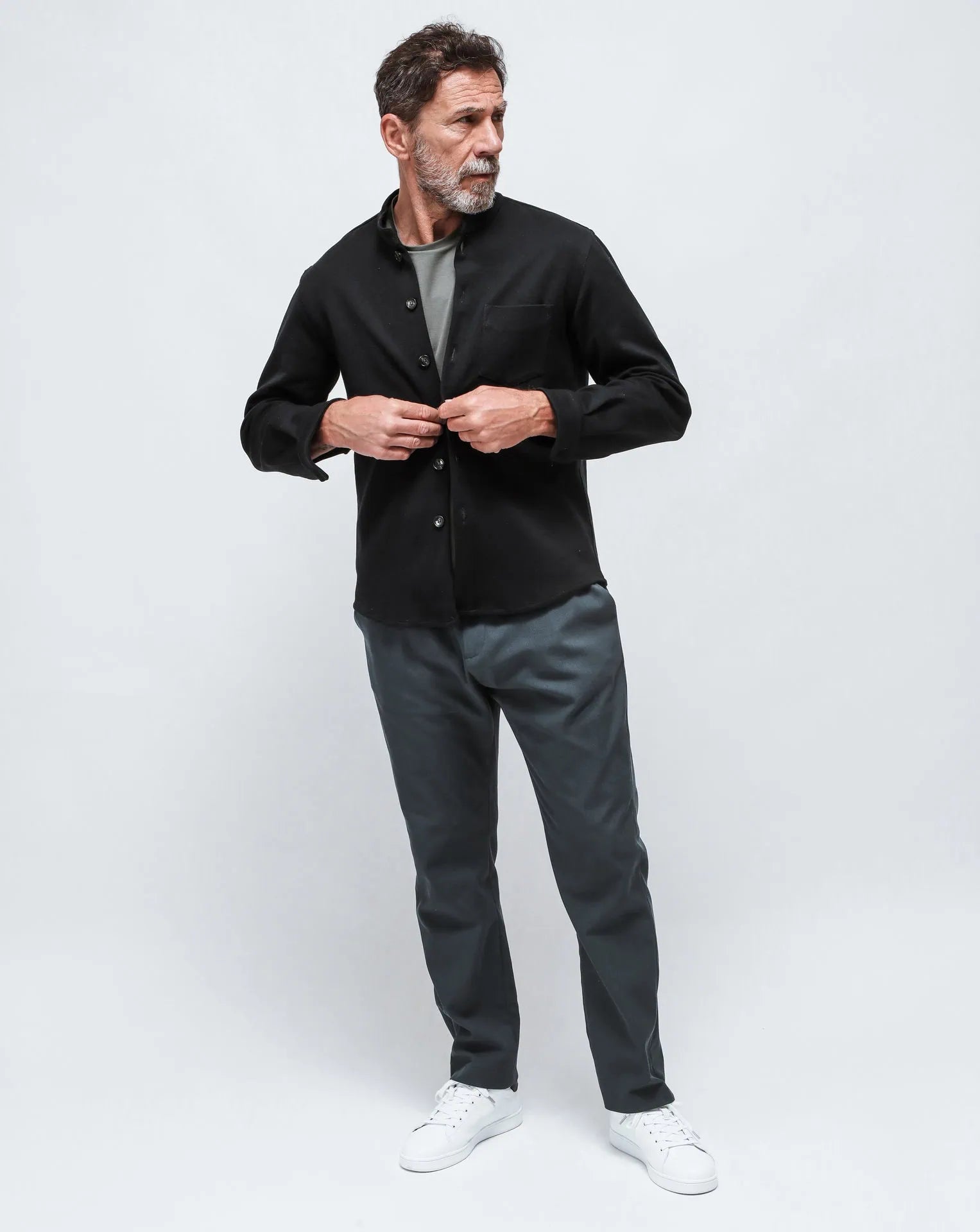
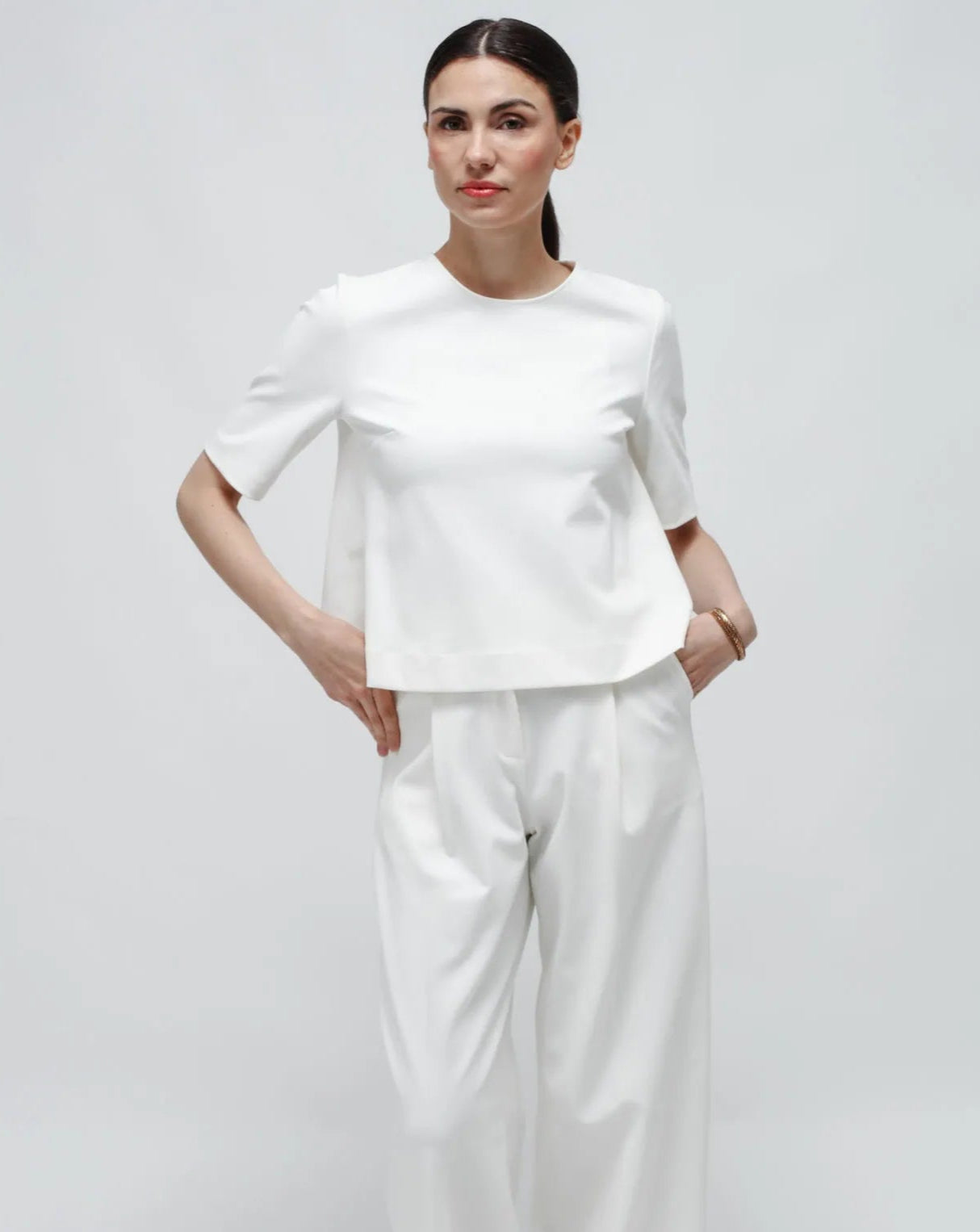
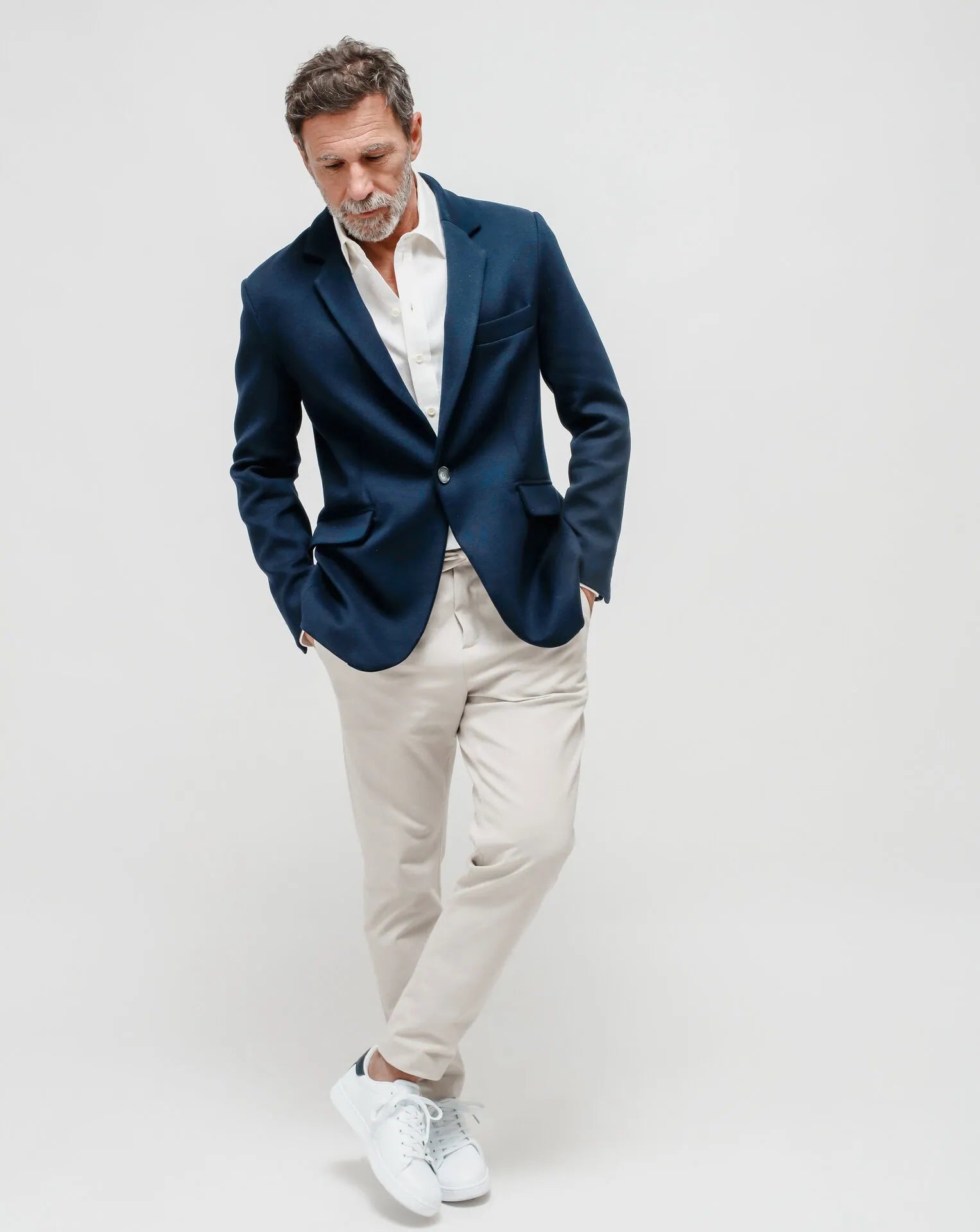
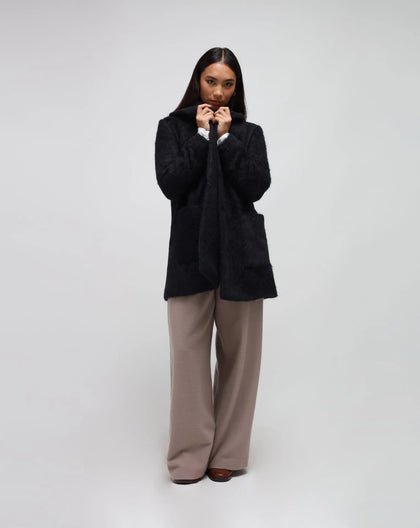
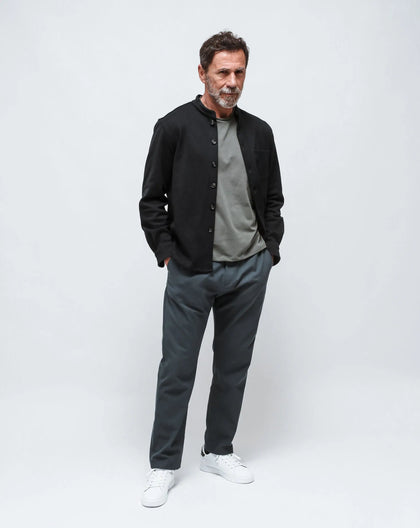
For winter dressing, this can be especially meaningful. Outerwear, tailoring, and knit-adjacent layers are categories where fabric quality is visible and felt. A limited-edition women’s Deadstock Wool Coat or men’s Italian Heavy Cotton Overshirt can be designed around the material’s natural depth, rather than forcing a generic fabric into a trend-driven silhouette.
Deadstock also makes small-batch production honest. The available quantity is finite, so the garment is finite. That scarcity is not a marketing trick when it reflects the reality of the source material. It encourages designers to make fewer, better pieces and shoppers to choose with more care.
The Trade-Offs of Deadstock
Deadstock is not a blank sustainability check. Its supply chain can be difficult to trace, particularly when fabrics have changed hands more than once. Details about the original fiber source, dye process, and mill standards may be incomplete.
Availability is another limitation. A fabric that works beautifully for 40 coats may not be available for 400. Consistent restocks are difficult, and matching a fabric from one season to the next may be impossible. For people accustomed to endless inventory, this requires a different mindset: buy what earns a place in your life, not what can be replaced on demand.
There is also a difference between genuinely unused surplus and material marketed vaguely as “deadstock.” Responsible brands should be clear about what they know, what they do not know, and why they selected a fabric regardless.
What Recycled Fabric Does Well
Recycled fabric can address a different kind of waste problem. It can divert materials that have already reached the end of one useful life, especially where textile waste or plastic waste would otherwise be landfilled, incinerated, or lost to the environment.
Recycled synthetics are often used for performance fabrics because they can offer water resistance, lightness, and durability. That can make sense for a technical shell, an active layer, or a weather-focused travel piece. Recycled wool can preserve some of the value of existing wool fibers, while recycled cotton can reduce the need for newly grown cotton in certain blends.
For a winter wardrobe, recycled fabric may be the right choice when function leads. Consider a men’s Recycled Performance Jacket designed for wet commutes or a women’s Recycled Quilted Layer intended for frequent travel. If the item replaces a less durable alternative and is worn for years, its material story becomes more convincing.
The Trade-Offs of Recycled Fabric
Recycling is a process, not a miracle. Mechanical recycling can shorten fibers, which is why recycled cotton and wool are frequently blended with other fibers to maintain strength. Chemical recycling can preserve or regenerate quality in some cases, but it may require significant energy, water, or chemical inputs depending on the technology and location.
Recycled polyester deserves particular care. It can reduce the demand for virgin fossil-fuel-based polyester, but it is still a synthetic material that may shed microfibers during washing. A recycled polyester garment is not automatically circular, either. Blends, coatings, trims, and limited recycling infrastructure can make the next stage of recycling difficult.
The phrase “made with recycled materials” also needs context. A small recycled content percentage does not carry the same weight as a thoughtfully designed garment with substantial recycled content, clear sourcing, and a long intended lifespan. Ask what was recycled, how much is included, and whether the construction supports years of use.
Which Fabric Should You Choose?
Start with the garment, not the label. A deadstock wool coat that fits impeccably and is worn every winter may be a stronger choice than a recycled-fiber coat that loses its shape after one season. Equally, a recycled technical fabric may be the more responsible option for a rain-ready layer where performance is essential.
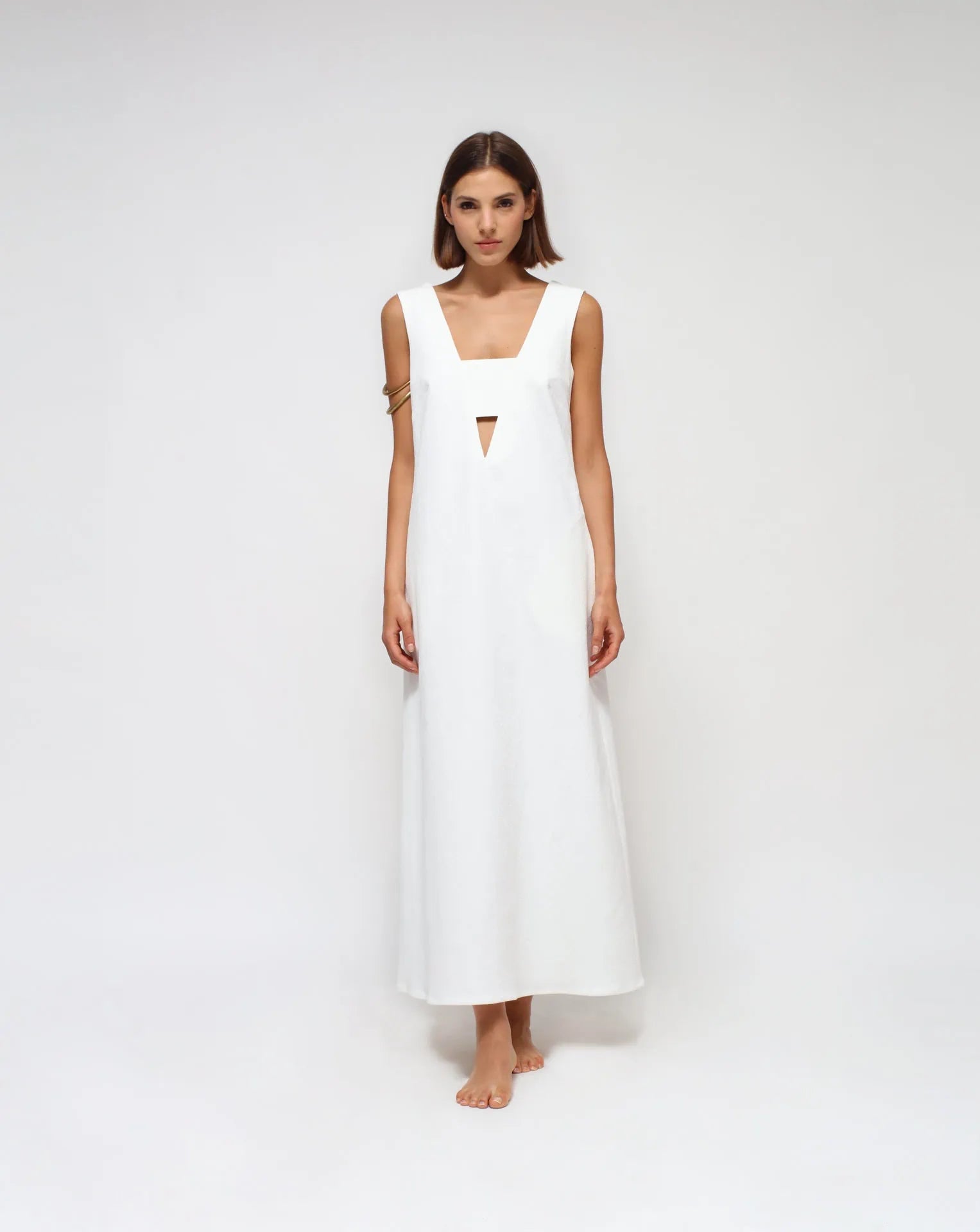
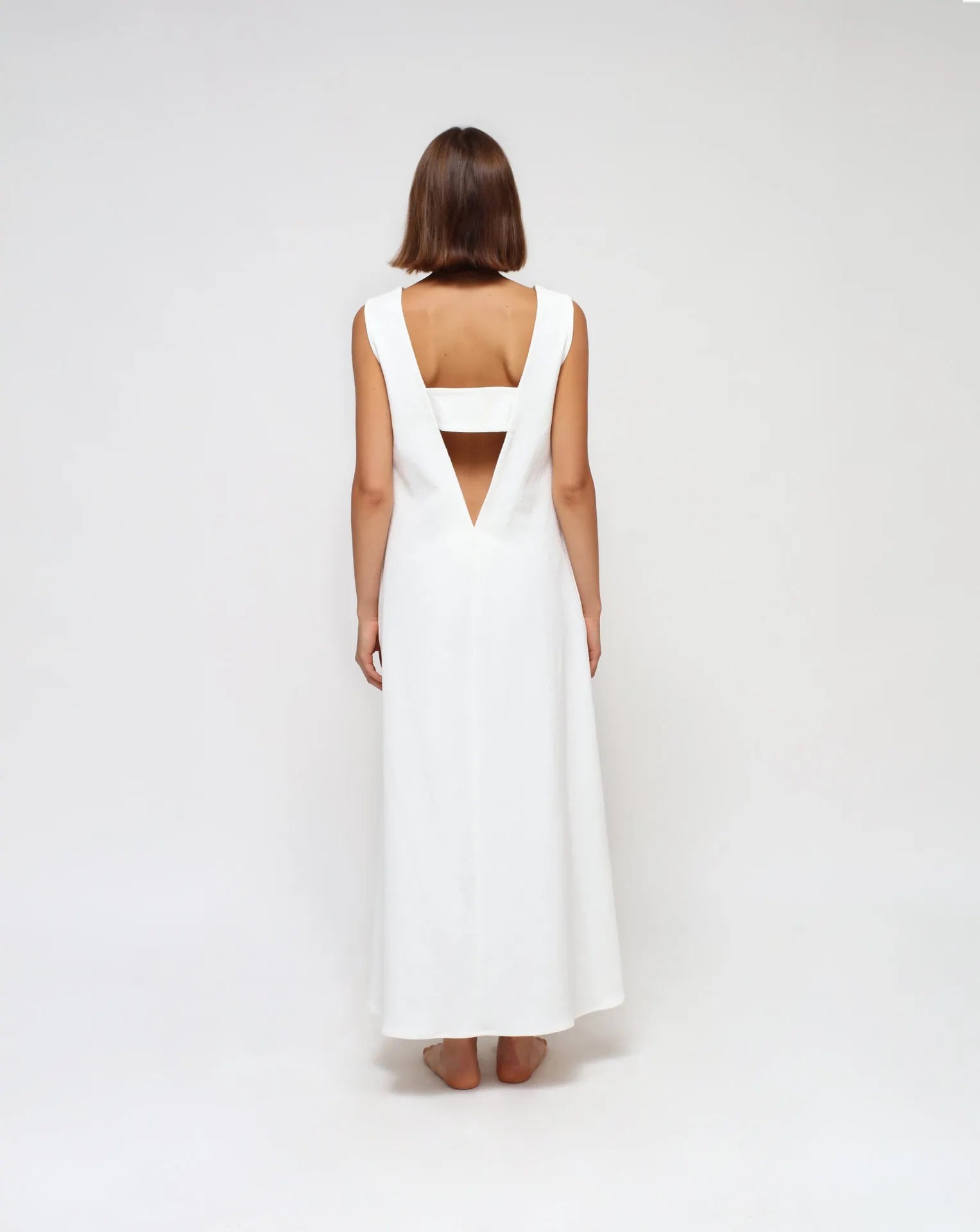
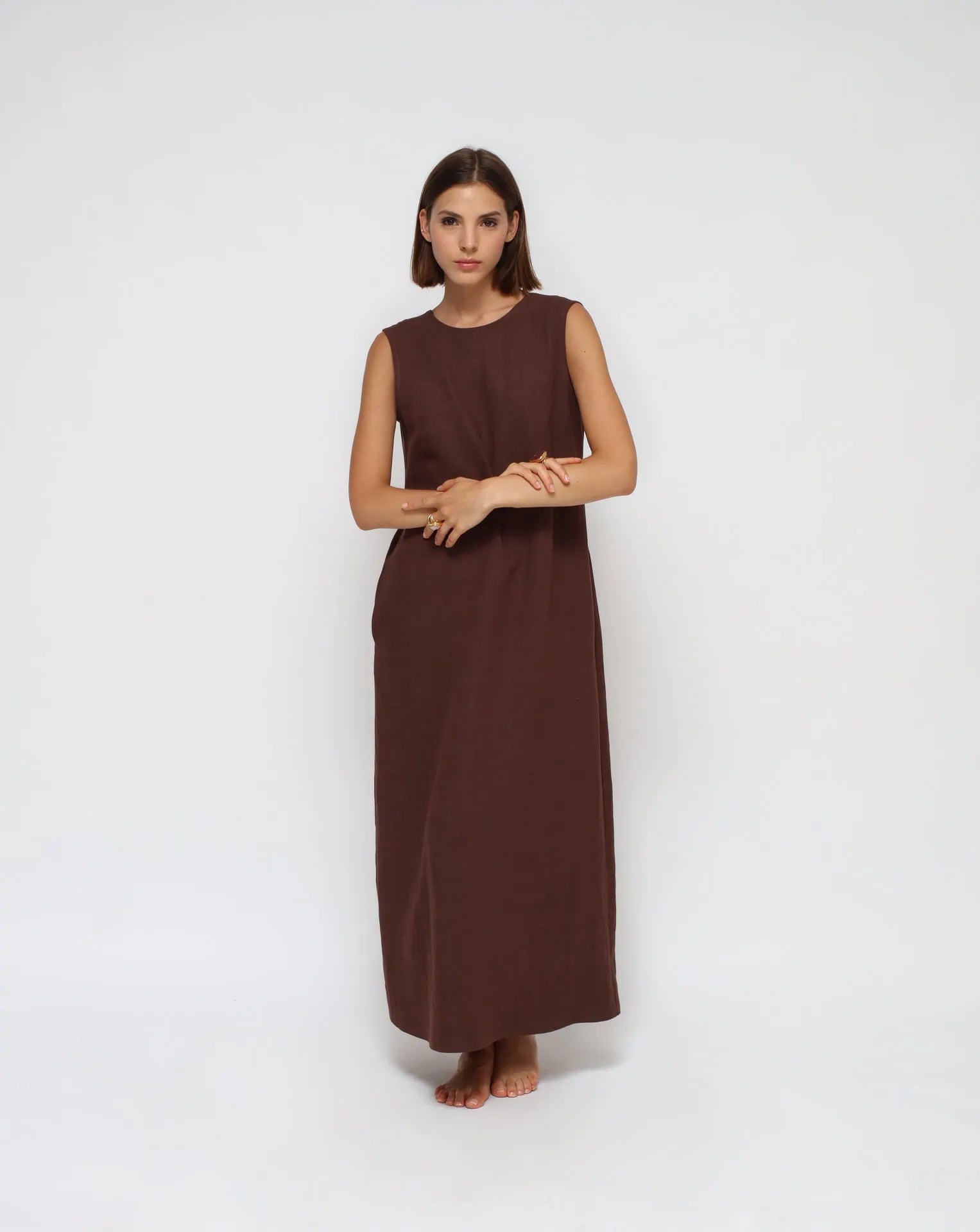
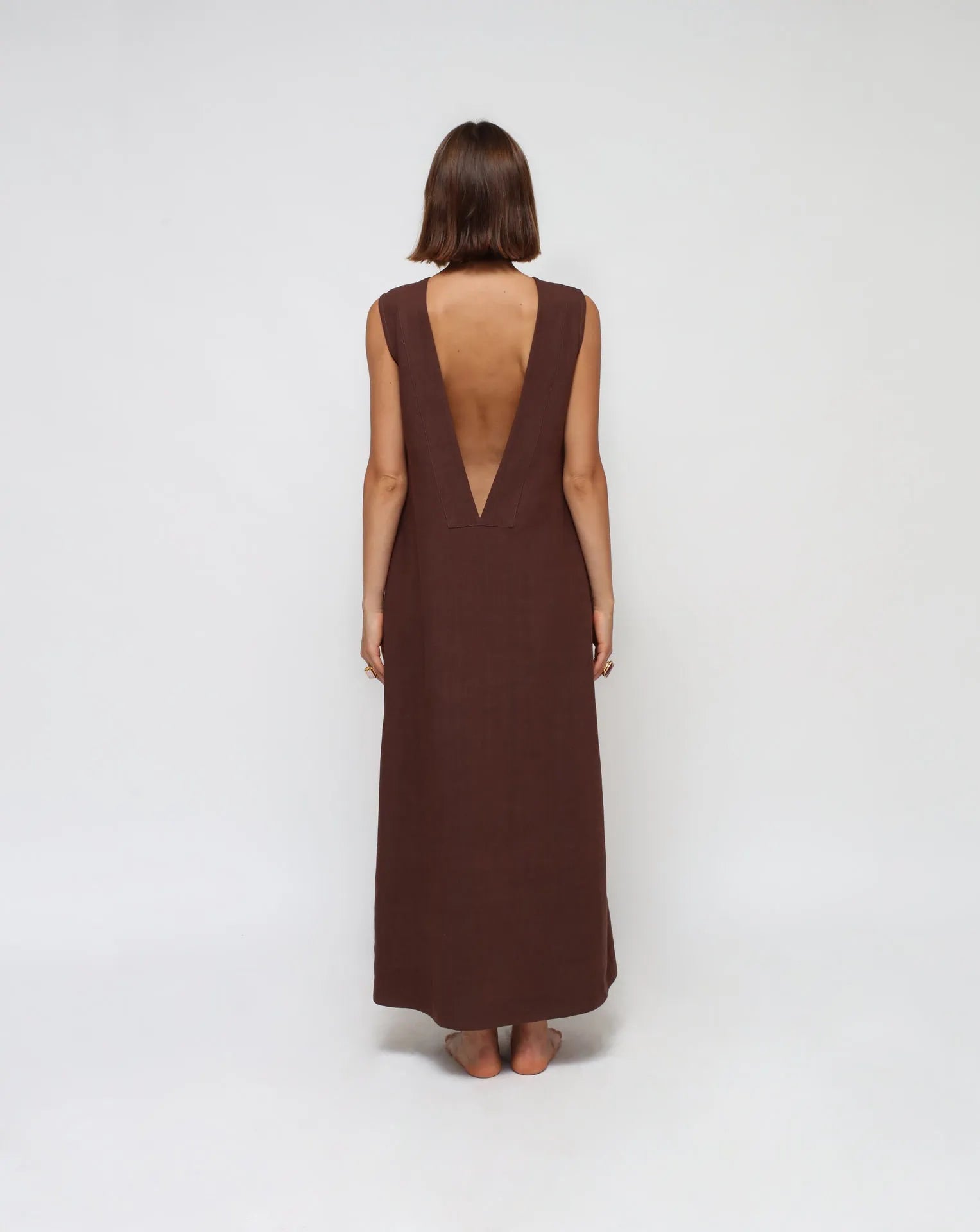
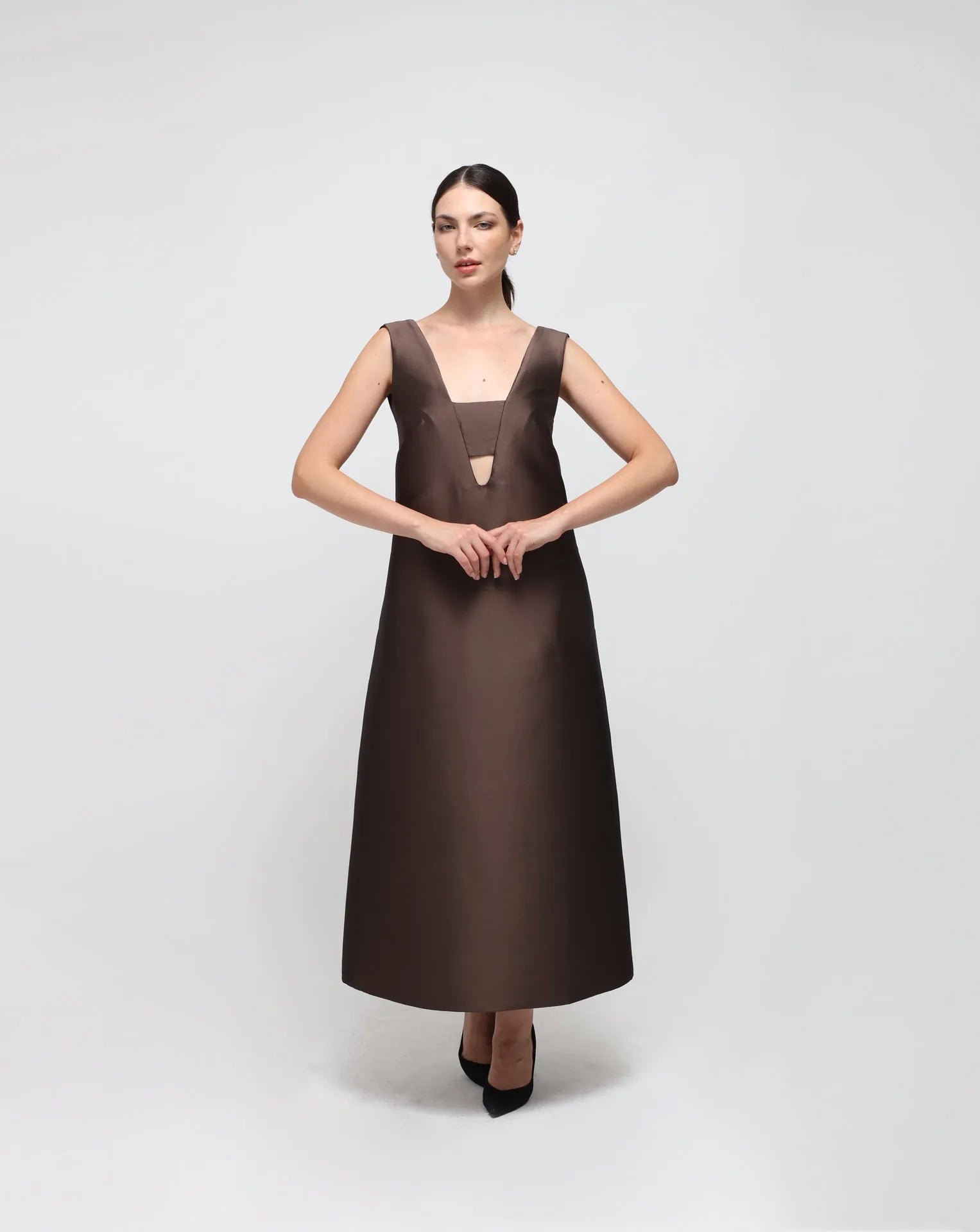
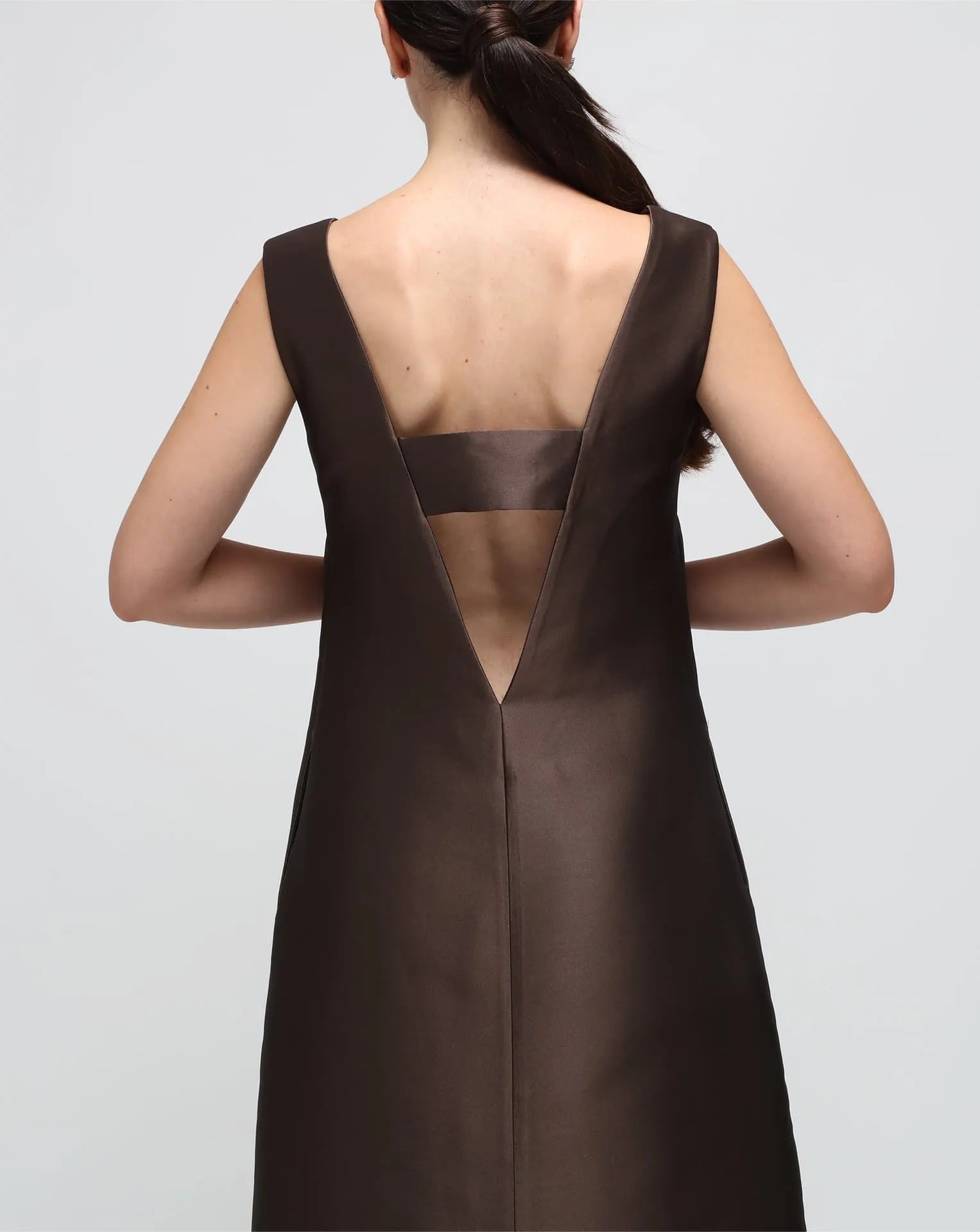
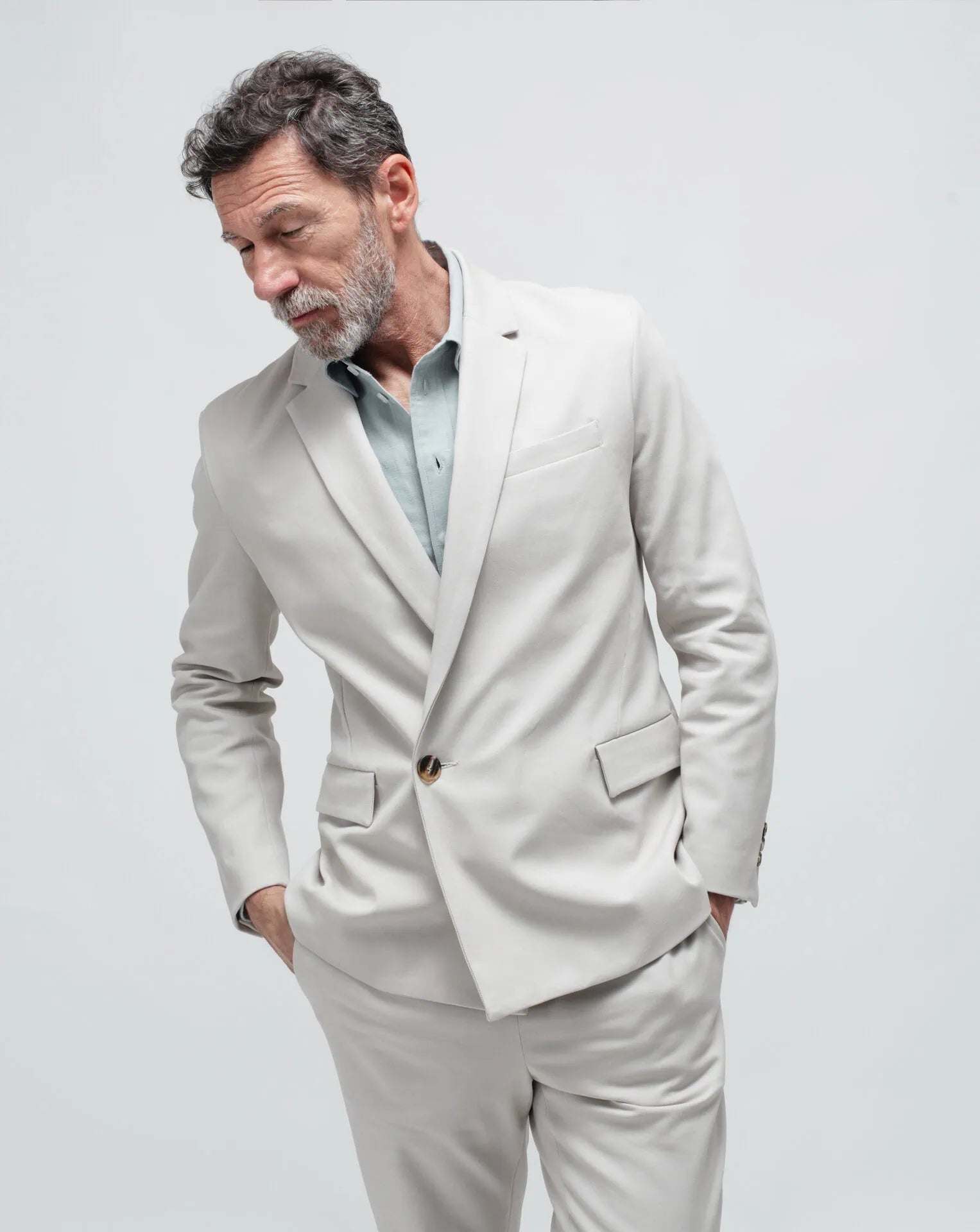
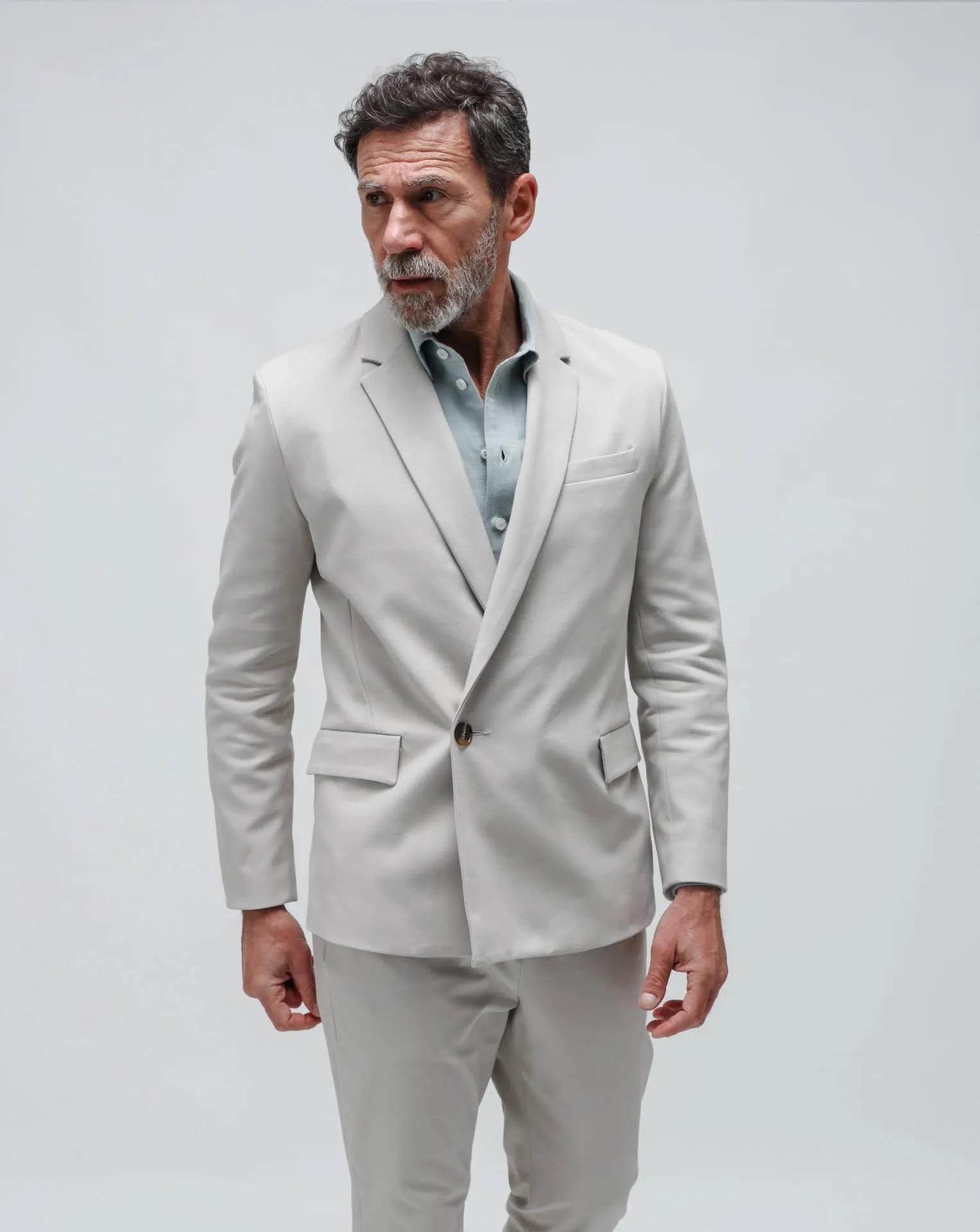
For elevated everyday pieces, deadstock often has a distinct advantage. It can preserve already-produced premium textiles and translate them into timeless garments with minimal excess. This is why Humans & Land works with premium deadstock fabrics in limited quantities: the goal is not to manufacture more material, but to honor what already exists through design, craftsmanship, and wear.
For high-performance clothing, recycled fabrics may be the more practical answer, provided the material is durable and the garment is made to stay in rotation. The best option depends on your needs, not an abstract hierarchy of sustainability claims.
Look Beyond the Fabric Label
A garment’s impact does not begin and end with its main fabric. Lining, buttons, zippers, interfacings, dyes, packaging, shipping, and construction all matter. So does fit. The most responsible garment is rarely the one with the most persuasive tag. It is the one you reach for repeatedly, repair when needed, and keep out of the discard cycle.
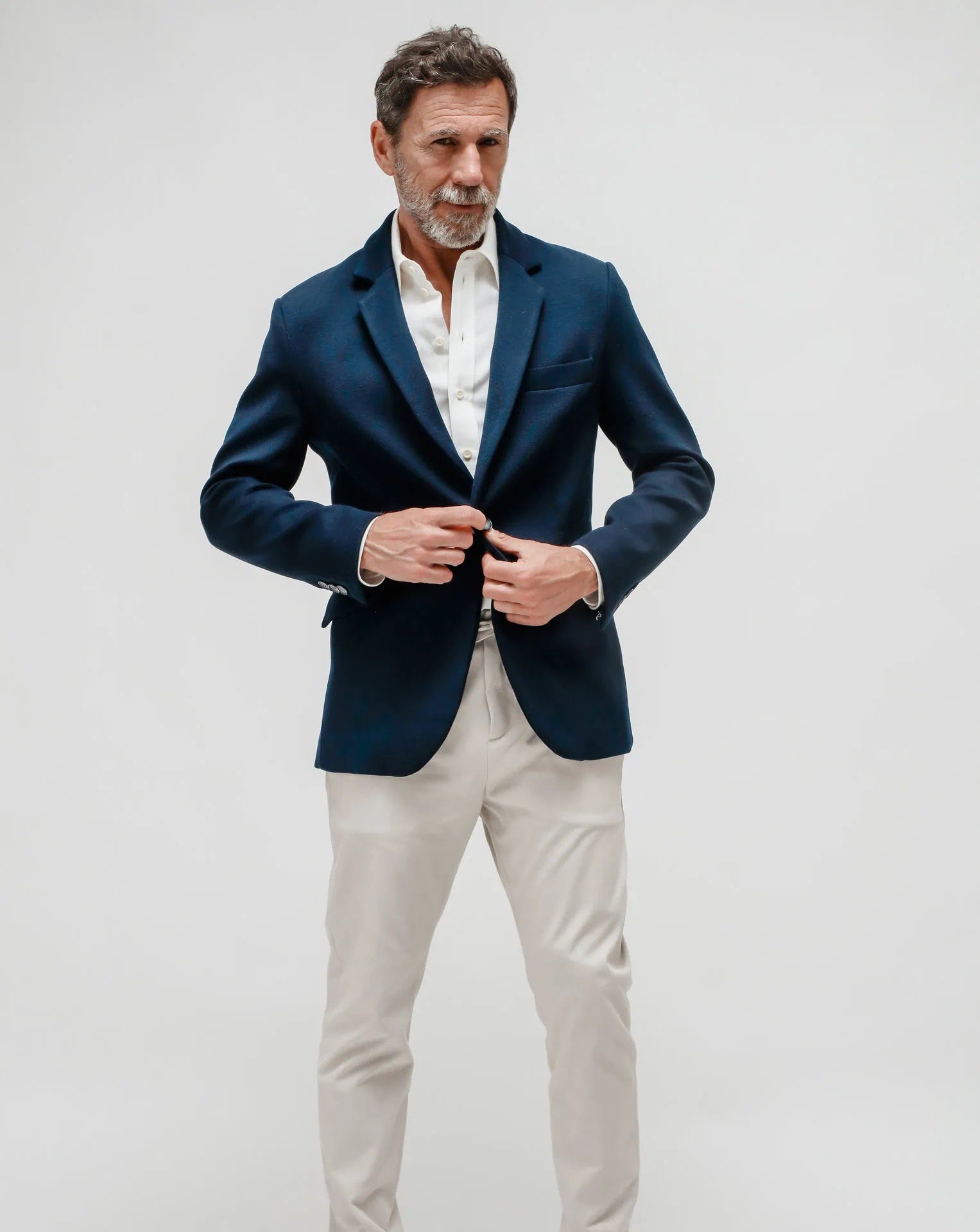
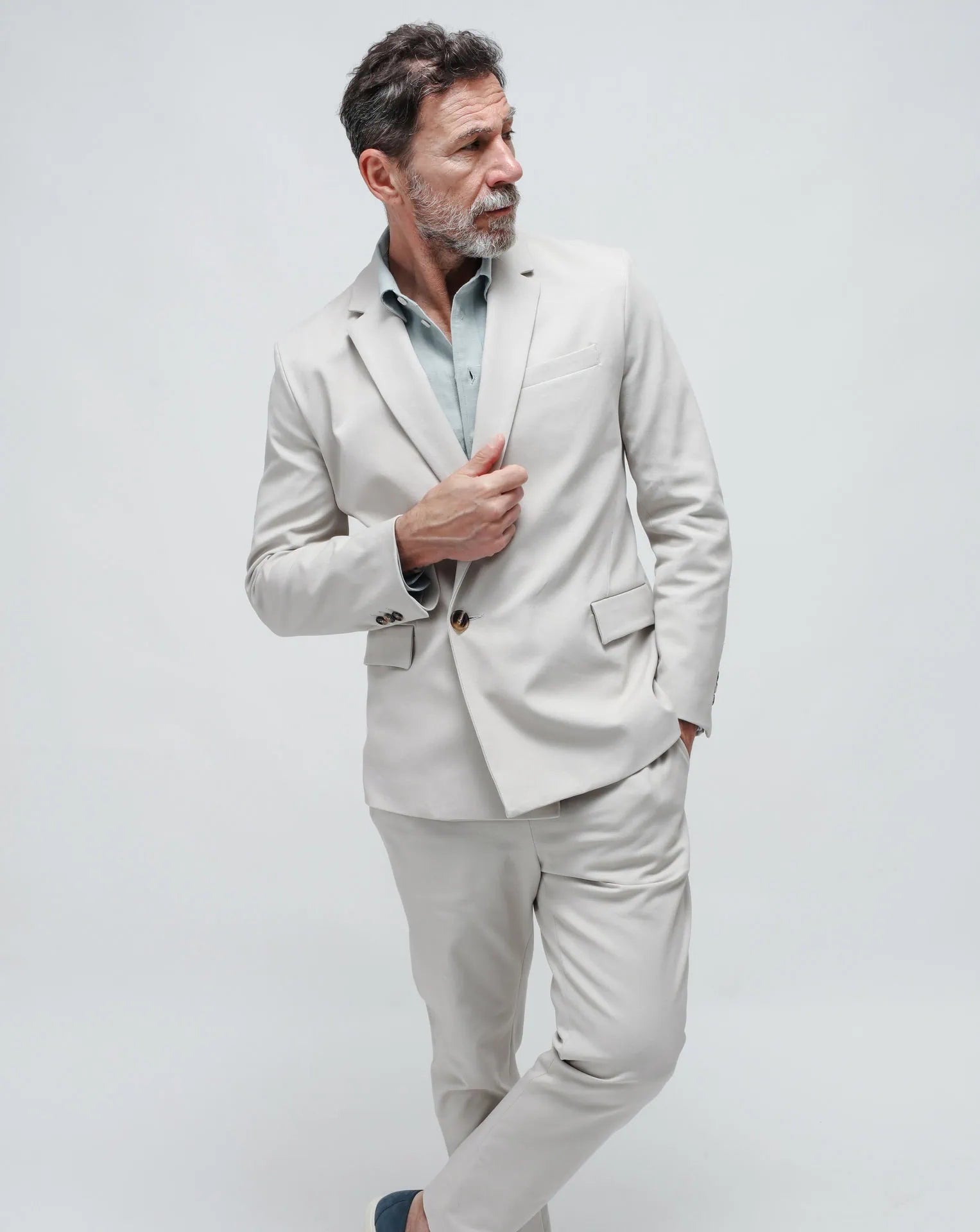
Before buying a winter piece, look for a clear material composition and care guidance. Consider whether it works with the rest of your wardrobe: your office layers, weekend denim, travel uniform, and evening plans. A refined Women’s Deadstock Tailored Blazer or Men’s Deadstock Heavy Cotton Trouser should not need a special occasion to justify its place. Versatility is part of longevity.
Care is equally decisive. Brush wool outerwear, air it between wears, spot-clean when possible, and store it properly at the end of the season. Wash recycled synthetics only when needed and consider a microfiber-catching wash solution. Extending the life of what you own is not an afterthought. It is the discipline that gives every material choice its meaning.
Choose the piece whose material, purpose, and lifespan align. Then wear it enough to make that choice count.
FAQ
Q: Is deadstock fabric more sustainable than recycled fabric?
A: It depends on the fabric and the garment. Deadstock can avoid producing new fabric by using high-quality surplus already in existence. Recycled fabric can divert waste and reduce demand for virgin inputs. Durability, processing, fiber content, and how often you wear the item all shape the better choice.
Q: Is deadstock fabric new or used?
A: Deadstock fabric is generally new, unused fabric. It is surplus from mills, manufacturers, canceled orders, or previous production runs, rather than fabric taken from worn clothing.
Q: Why are deadstock garments often limited edition?
A: The available fabric quantity is limited. Once a particular roll or lot is used, the same material may not be available again. Limited production reflects responsible sourcing and helps prevent unnecessary overproduction.
Q: Can recycled fabrics still be high quality?
A: Yes. Quality depends on the fiber, recycling method, blend, and construction. Recycled fabrics can perform exceptionally well, especially when selected for the specific demands of the garment. Always consider the finished garment’s feel, durability, and care requirements.
Q: What is the best fabric choice for a winter coat?
A: For a refined everyday coat, durable deadstock wool can offer warmth, structure, and lasting appeal. For rain, high activity, or technical travel needs, a recycled performance fabric may be more suitable. Choose based on the weather you face and the years you expect to wear it.
the World of H&L