
Why Handmade Jackets From Italy Are Worth It
A jacket earns its place when it does more than finish an outfit. It has to hold its shape through commutes, travel, changing temperatures, and years of wear. That is why handmade jackets Italy remain a meaningful choice for people who want winter clothing with presence, not disposability. The difference is not simply a label of origin. It is found in the cut, the fabric, the handwork, and the restraint to make fewer pieces better.
For a considered wardrobe, a jacket should feel like an investment in daily life. It should work over tailoring on a weekday, soften a simple knit and denim on the weekend, and still feel right at dinner. Italian-made craftsmanship can support that versatility, especially when it is paired with small-batch production and fabrics that already exist.
What Handmade Jackets From Italy Actually Mean
"Handmade" should not be treated as a vague luxury signal. In a well-made jacket, it refers to the human decisions that machines cannot make on their own: aligning a check or stripe across panels, shaping a collar, setting a sleeve for movement, pressing a seam into its final line, and inspecting the garment before it leaves the workshop.
Italy has a long tradition of textile development and garment-making, but the country alone is not a guarantee of quality. A factory can produce at high volume, and a garment can carry an Italian origin claim while still being built for speed. The more useful questions are practical: Who made it? How many were produced? What fabric was chosen? Is the construction designed to be repaired, cared for, and worn repeatedly?
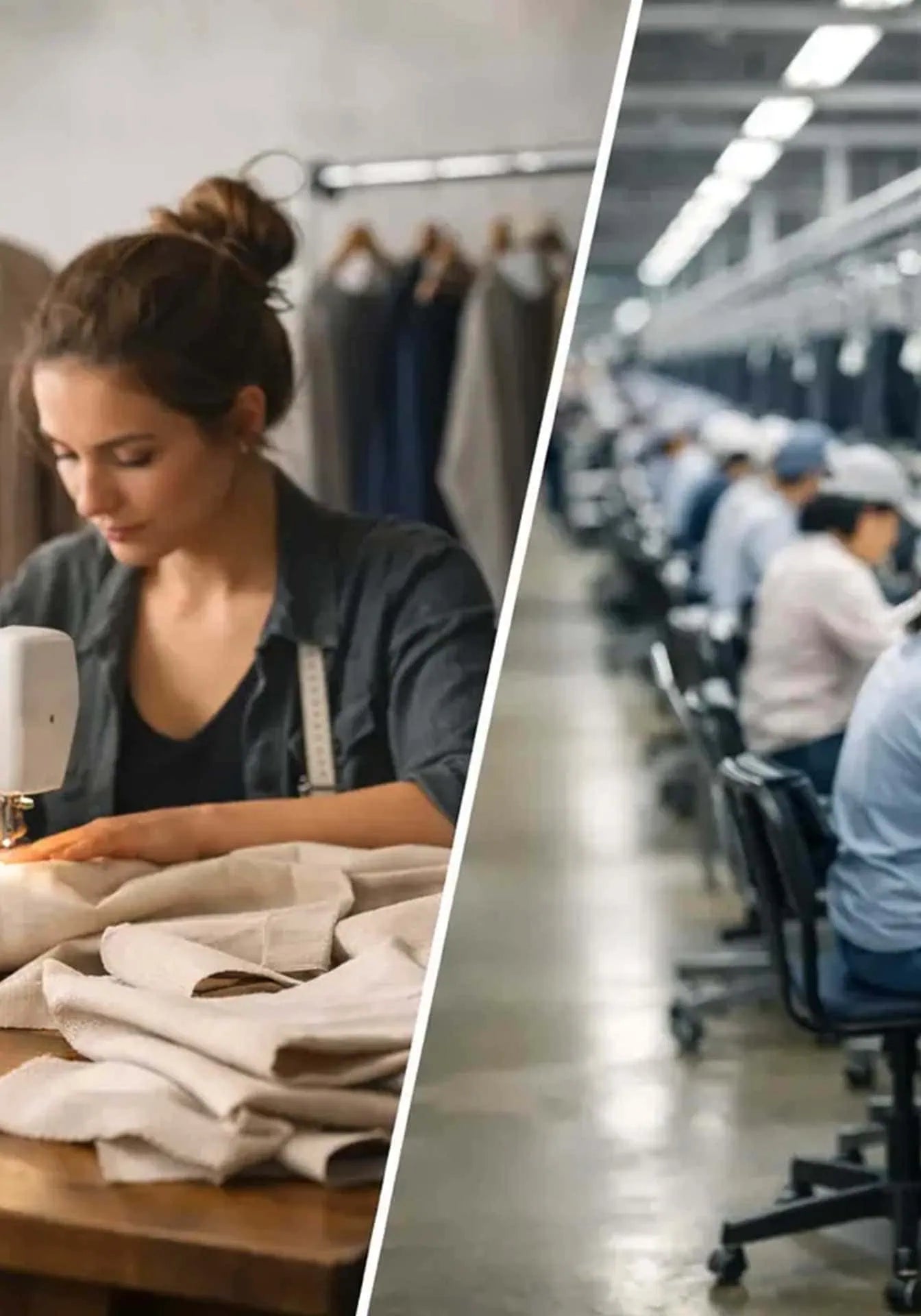
At Humans & Land, production is centered in Italy in limited runs. That scale matters. Small-batch production allows a garment to receive attention without turning craftsmanship into a marketing performance. It also means quantities are naturally finite. When a deadstock fabric is gone, it is gone.
The Fabric Changes Everything
A jacket begins with its cloth. Before a lapel is shaped or a lining is inserted, fabric determines warmth, drape, texture, and how a garment will age. For winter, natural fibers such as wool and wool blends remain compelling because they can provide insulation without the stiff, bulky feel associated with many synthetic outer layers.
Deadstock fabrics bring another dimension. These are high-quality surplus textiles from previous production cycles that would otherwise risk sitting unused or becoming waste. Choosing deadstock does not mean accepting an inferior material. It means designing around what is available, often in limited quantities, rather than commissioning more fabric simply to sustain an endless color run.
That approach has a trade-off. You may not find the same jacket in every size months later, and restocks are not always possible. But scarcity is honest when it comes from responsible sourcing rather than manufactured urgency. A limited-edition jacket has a clear beginning and end, shaped by the fabric itself.
For a winter wardrobe, pay attention to weight as much as fiber content. A lighter wool jacket can be ideal for mild city winters, layering easily over a fine sweater. A denser wool piece offers more protection in colder climates and may need less underneath. Neither is universally better. The right choice depends on where you live, how you commute, and whether you prefer one substantial layer or several lighter ones.
Details That Separate a Lasting Jacket From a Passing One
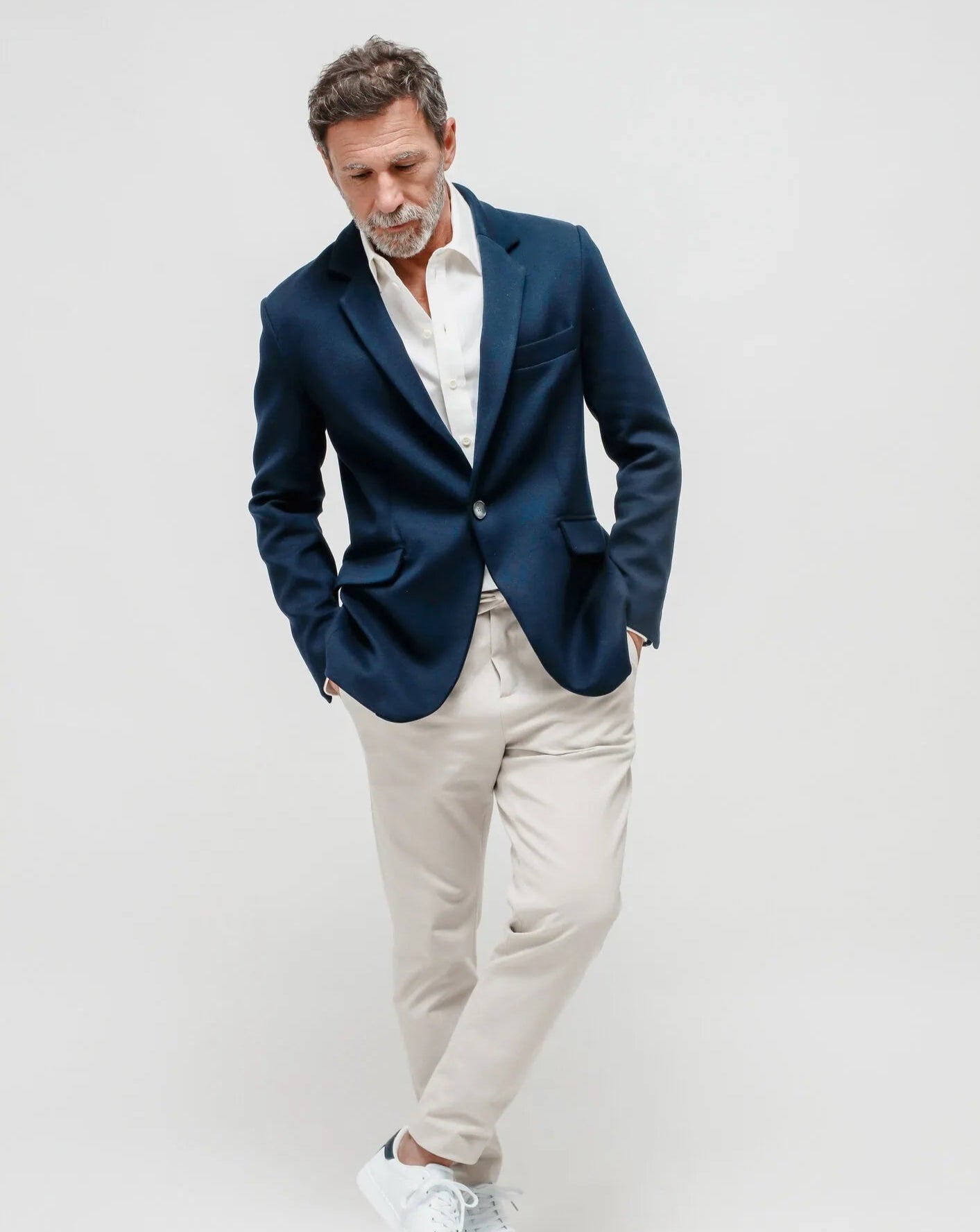
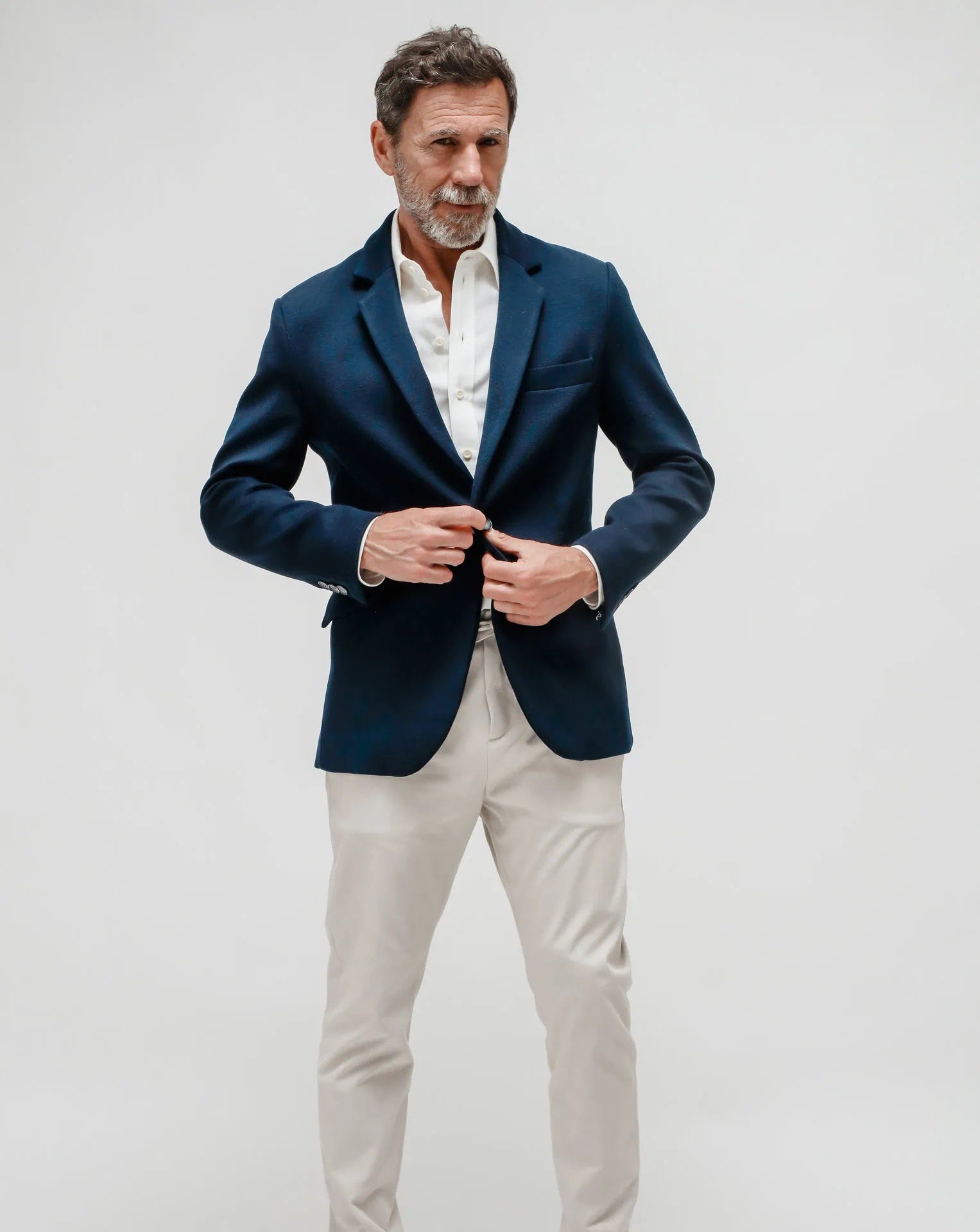
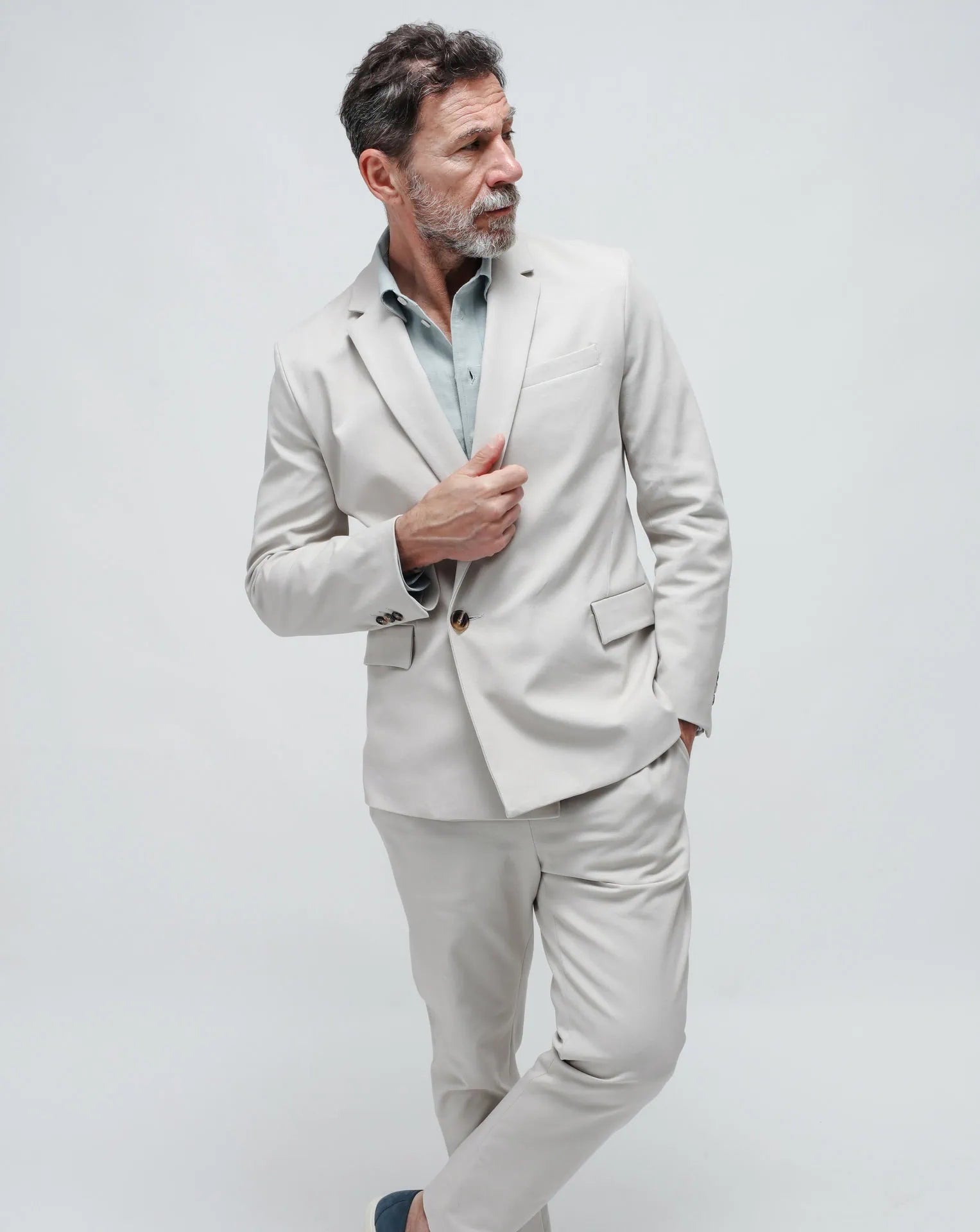
The most persuasive jackets rarely announce every feature. Their quality is visible in proportion and felt in use. Look closely at the shoulder line. It should sit cleanly without pulling across the back or collapsing at the sleeve head. Check how the collar lies when open and when closed. Notice whether pockets sit flat, buttons feel secure, and the lining allows the jacket to move with you.
Fit deserves equal attention. A sharply tailored jacket can create structure and work beautifully in an office-focused wardrobe, while a more relaxed cut leaves room for knitwear and reads with an easy confidence. For winter, a little extra ease is often practical. If you cannot comfortably wear a sweater beneath it, the jacket may spend more time in the closet than on your shoulders.
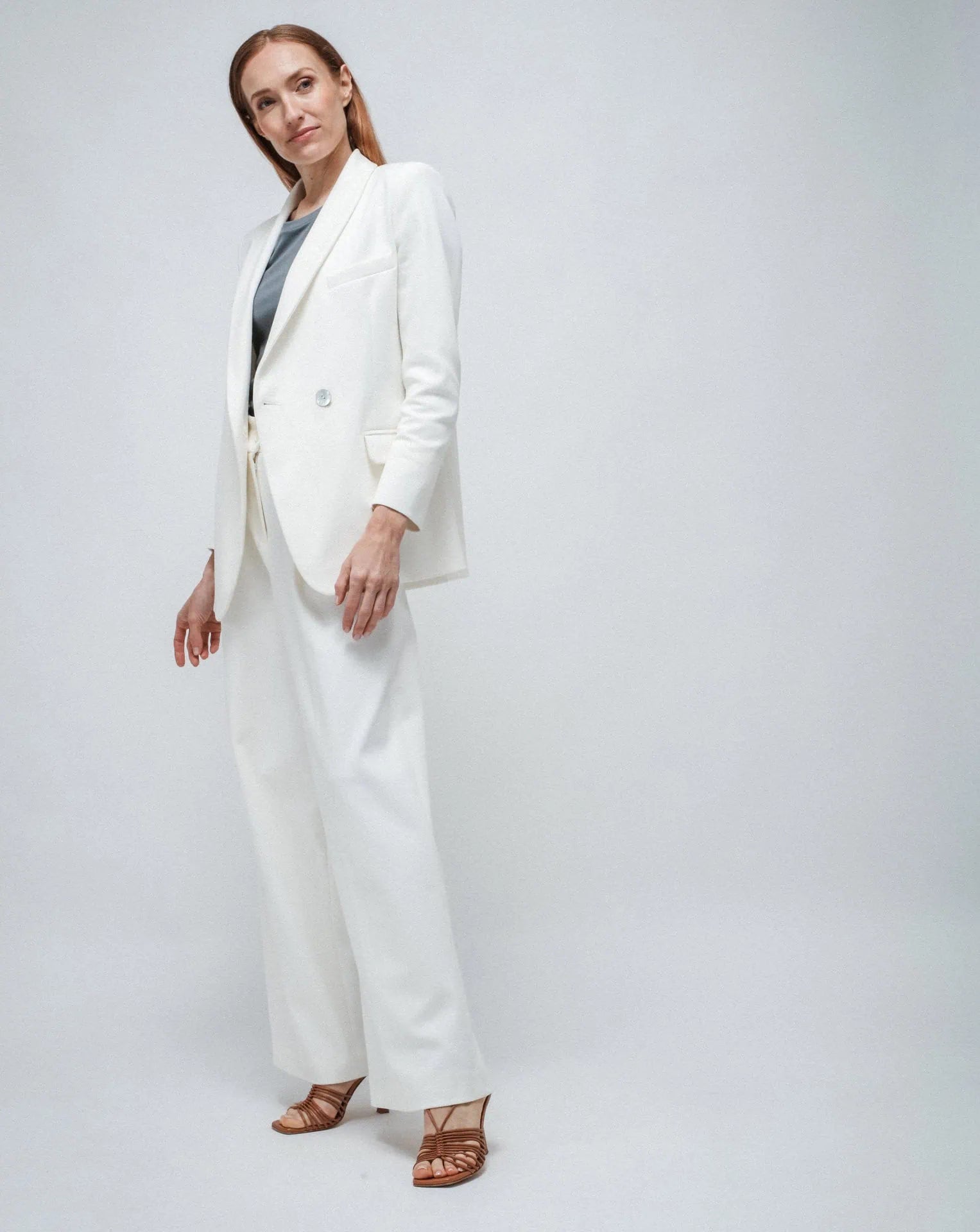
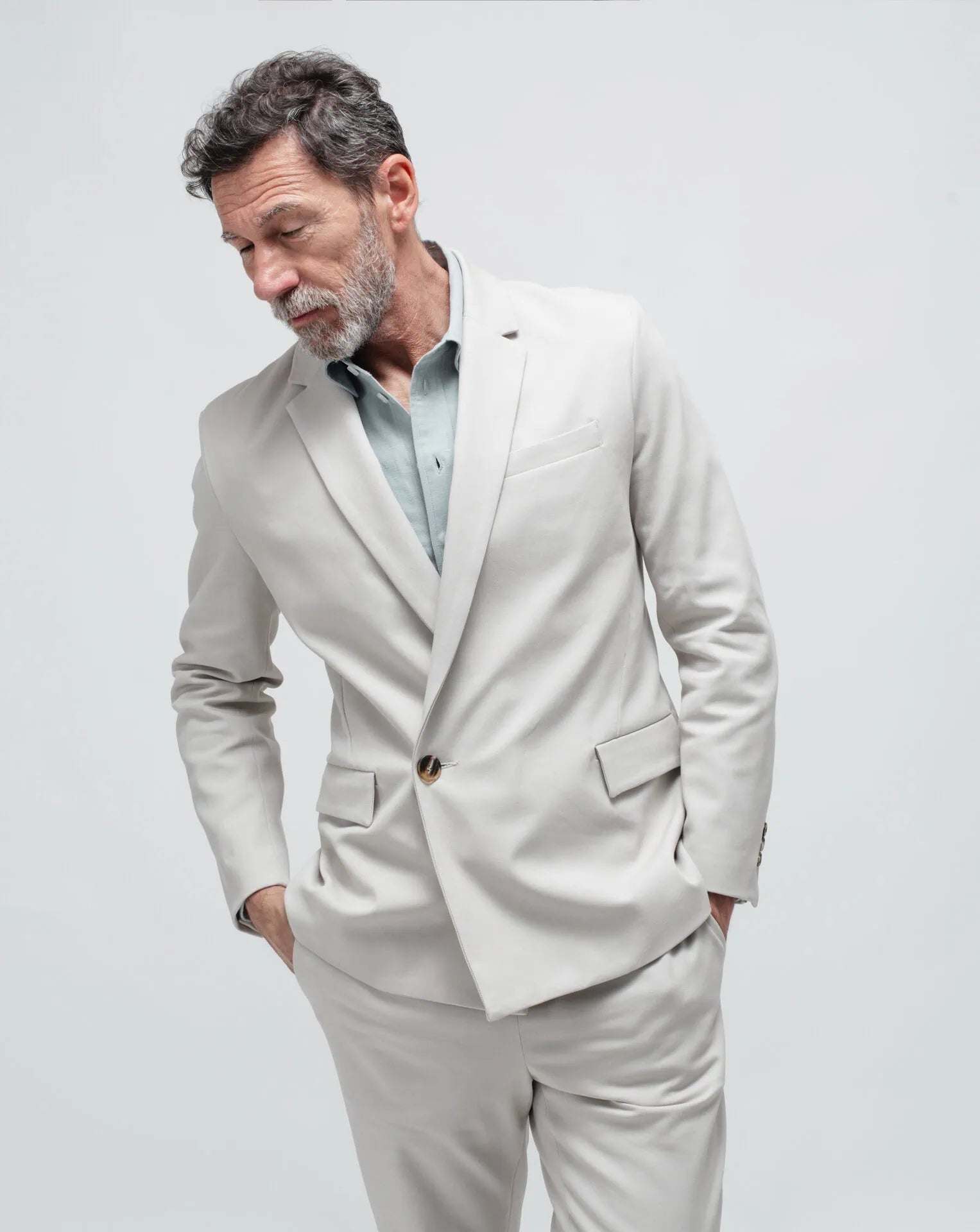
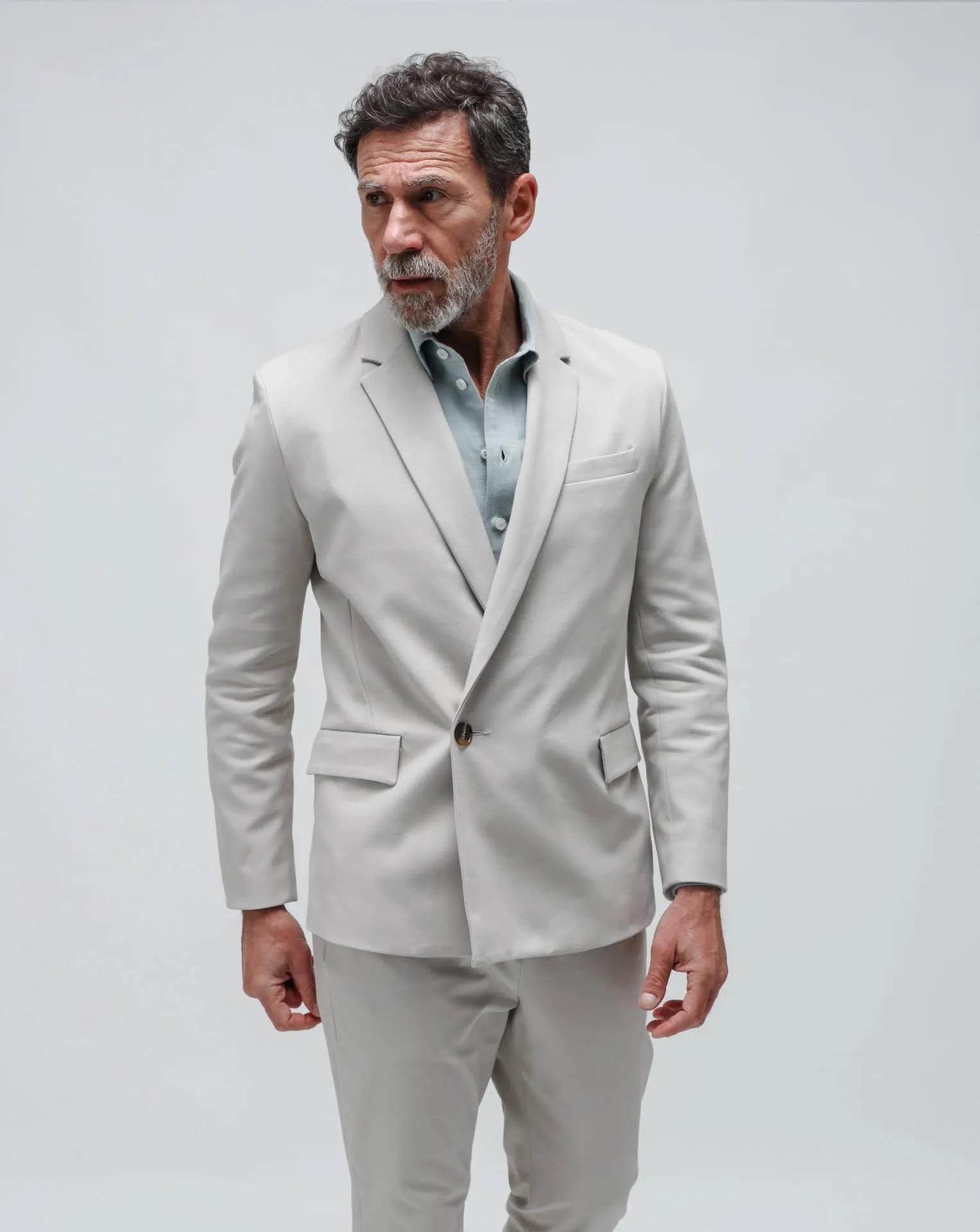
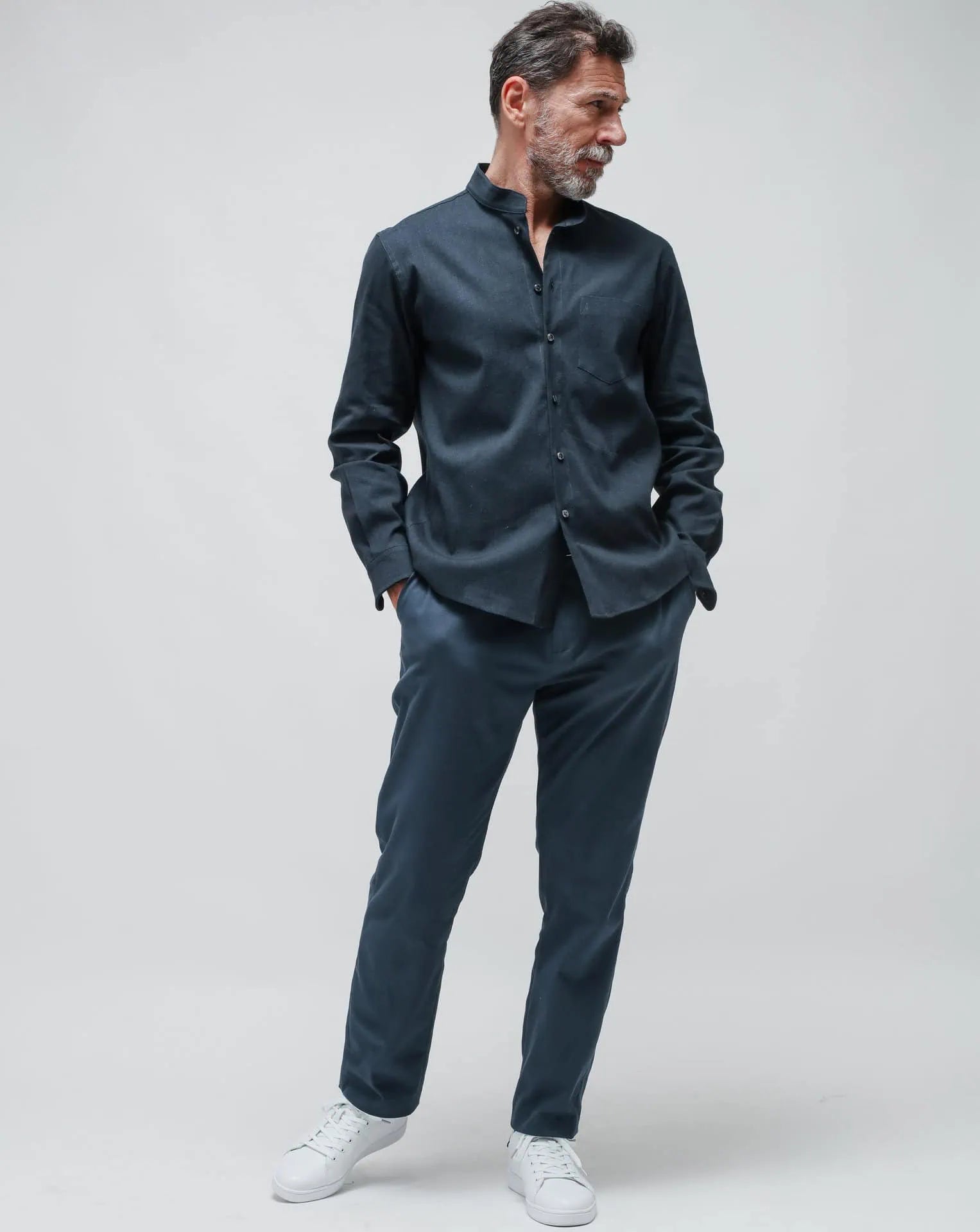
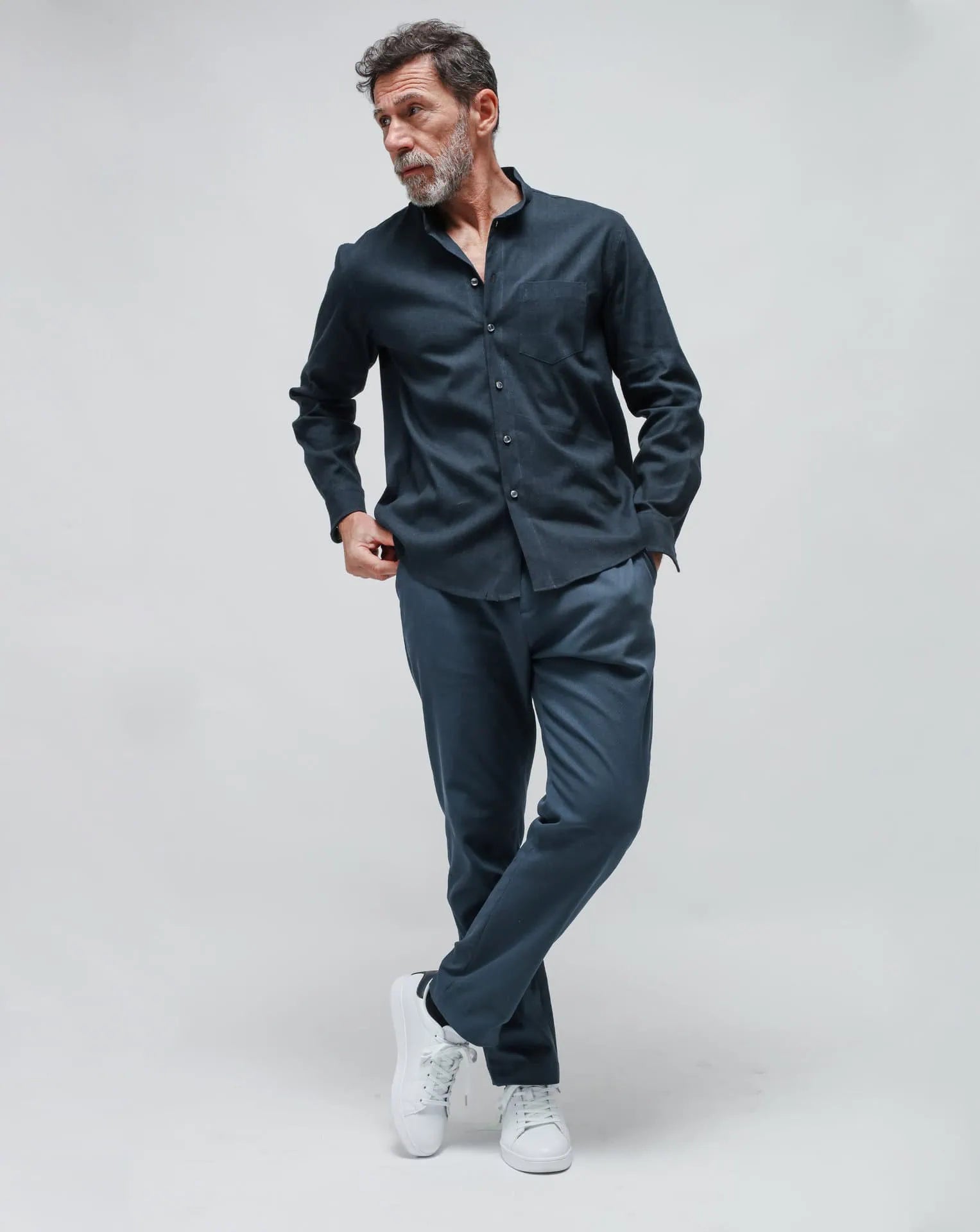
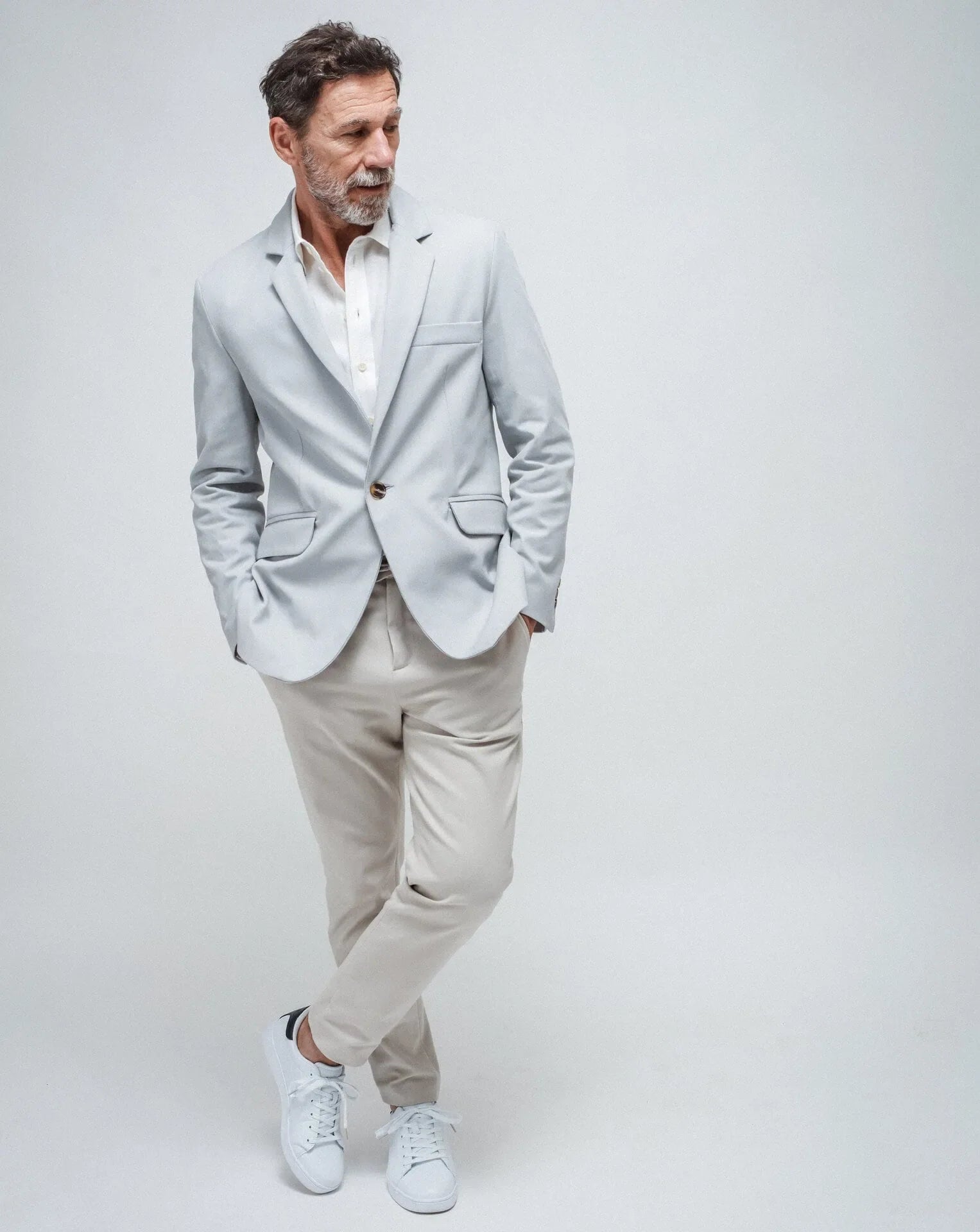
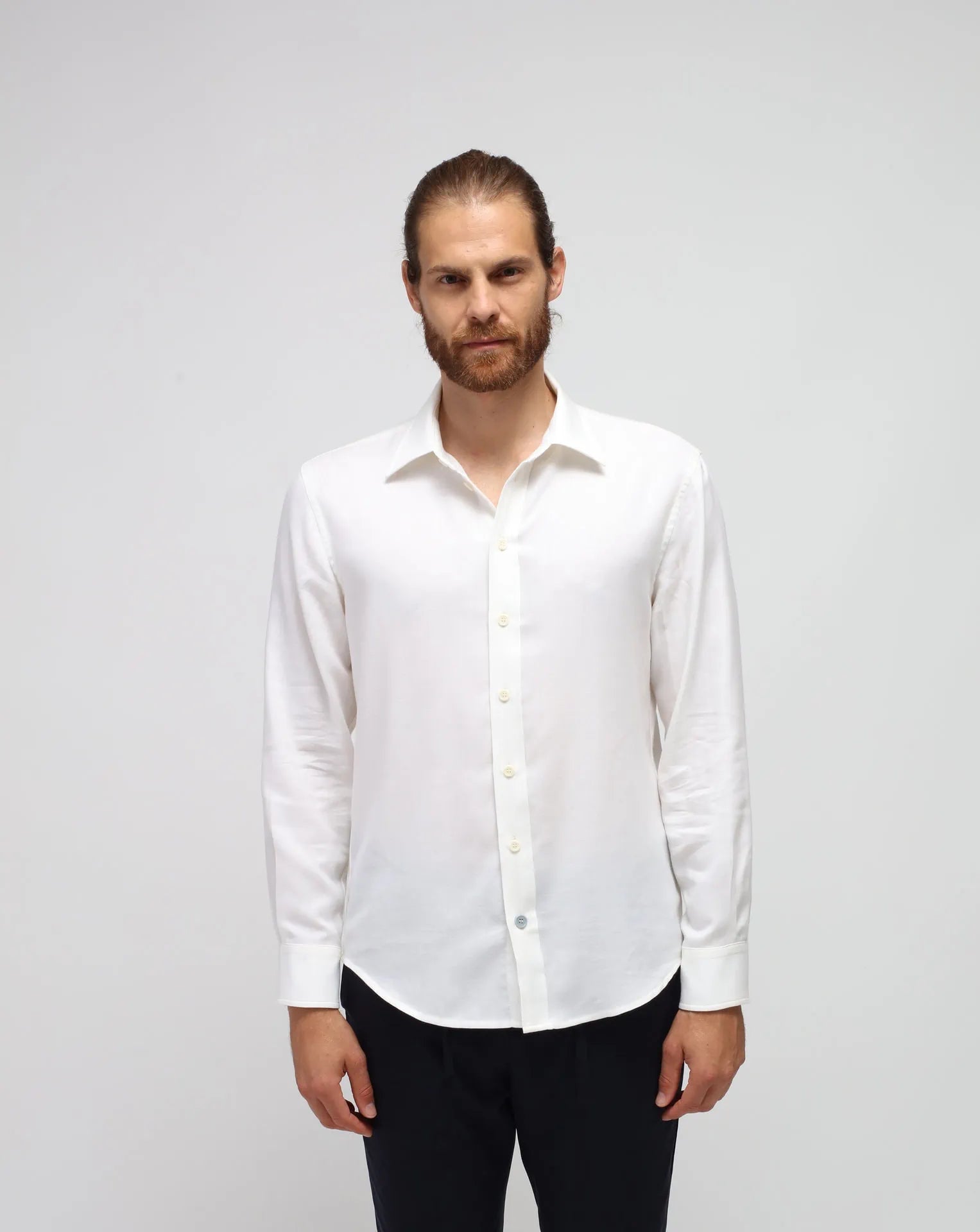
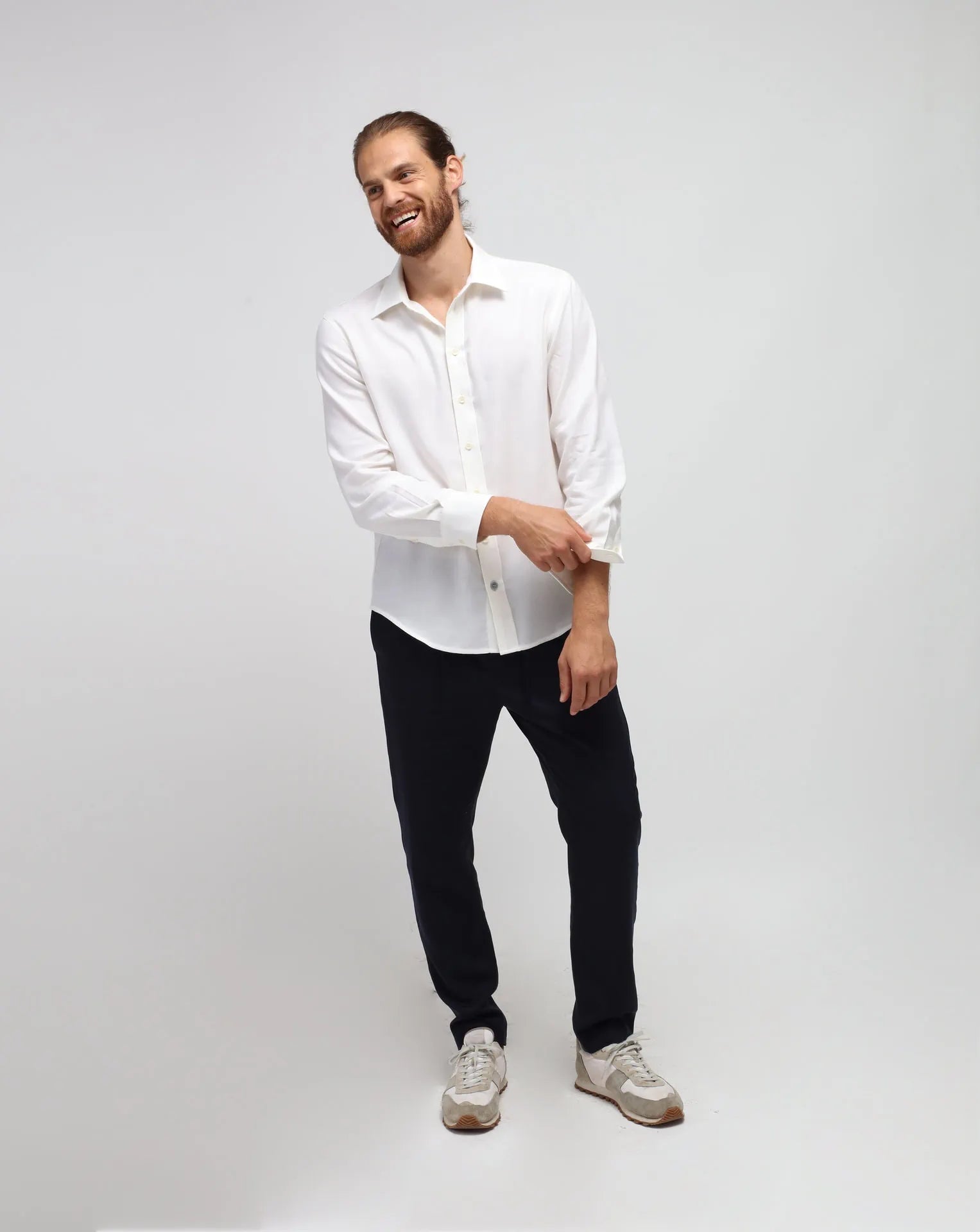
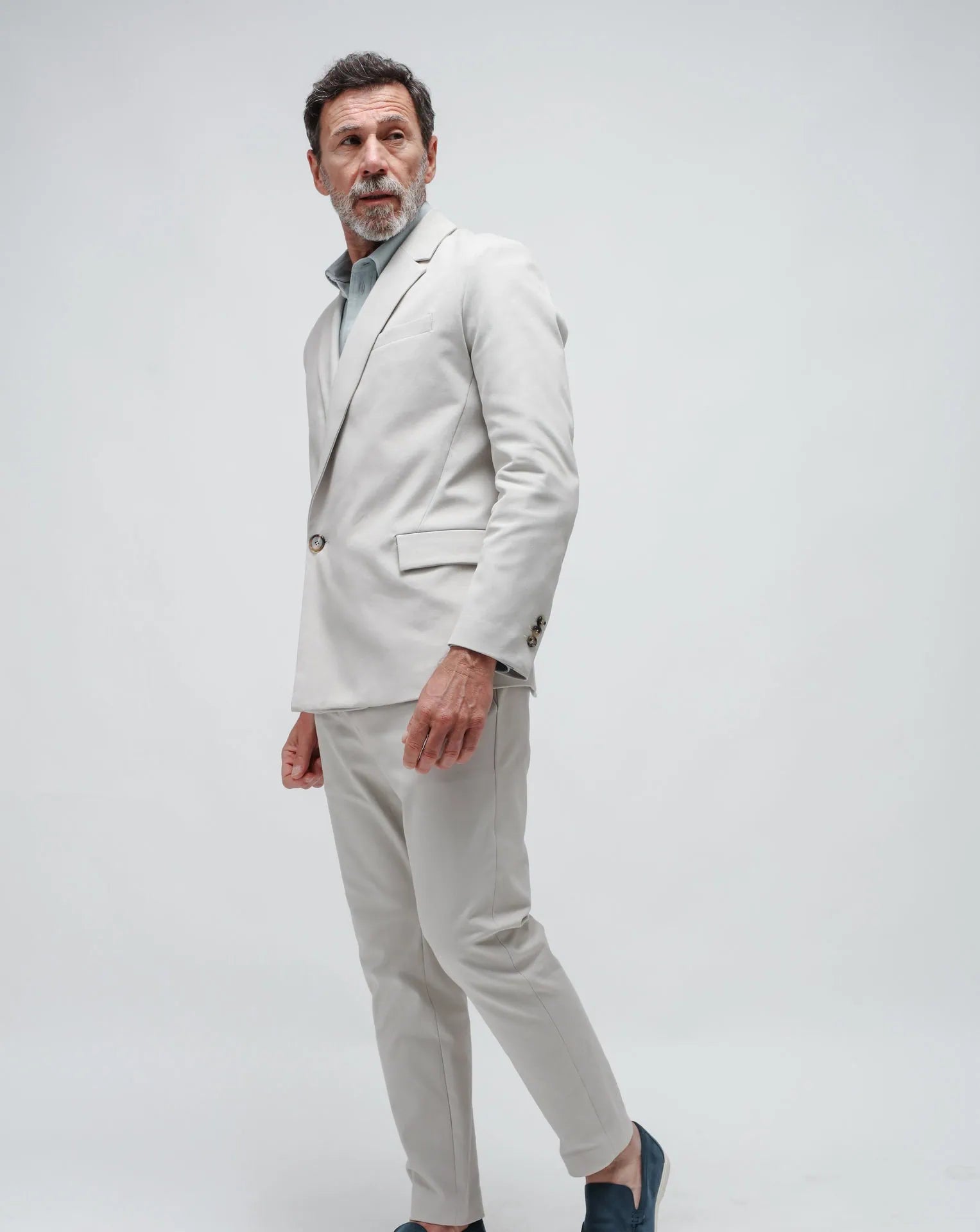
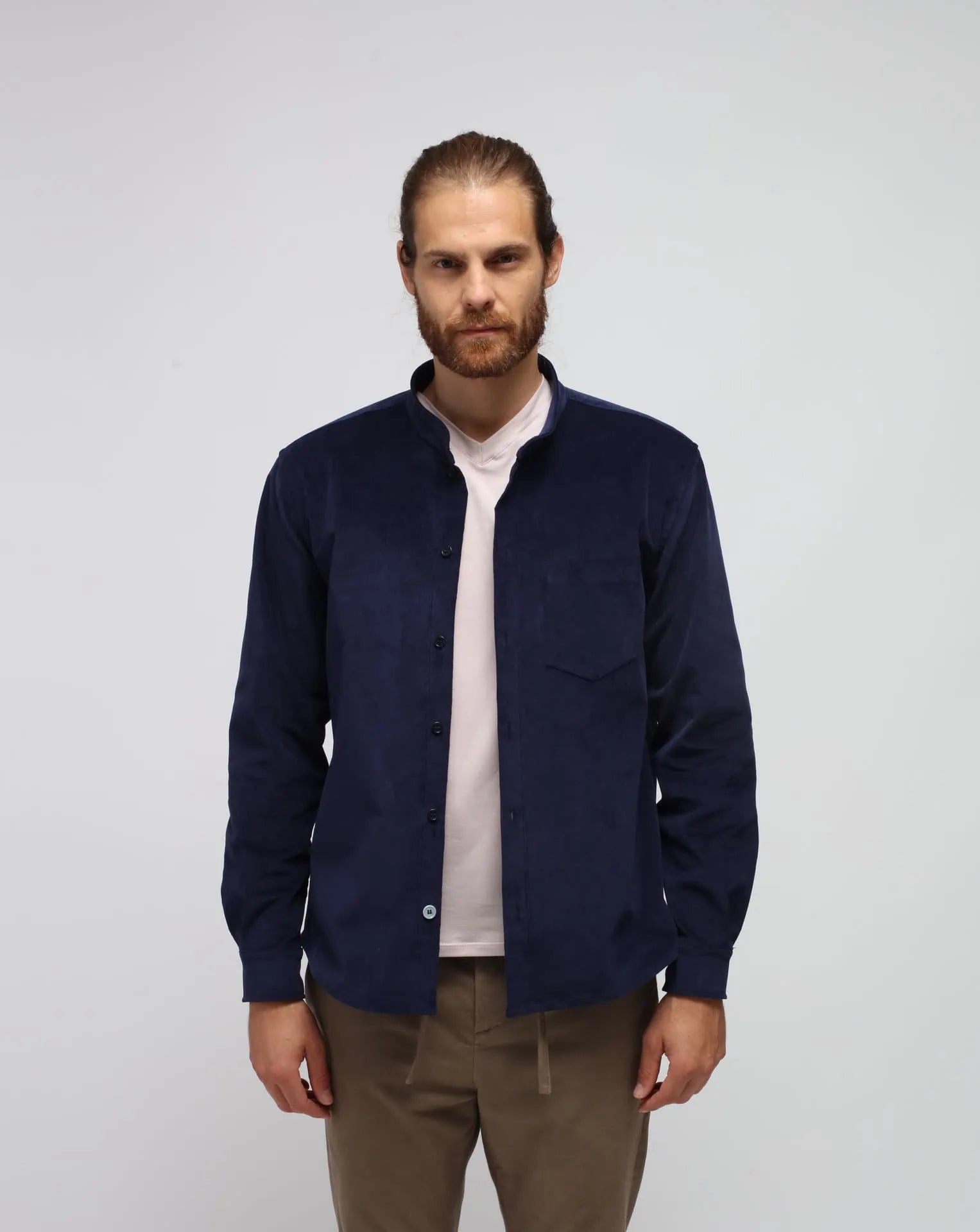
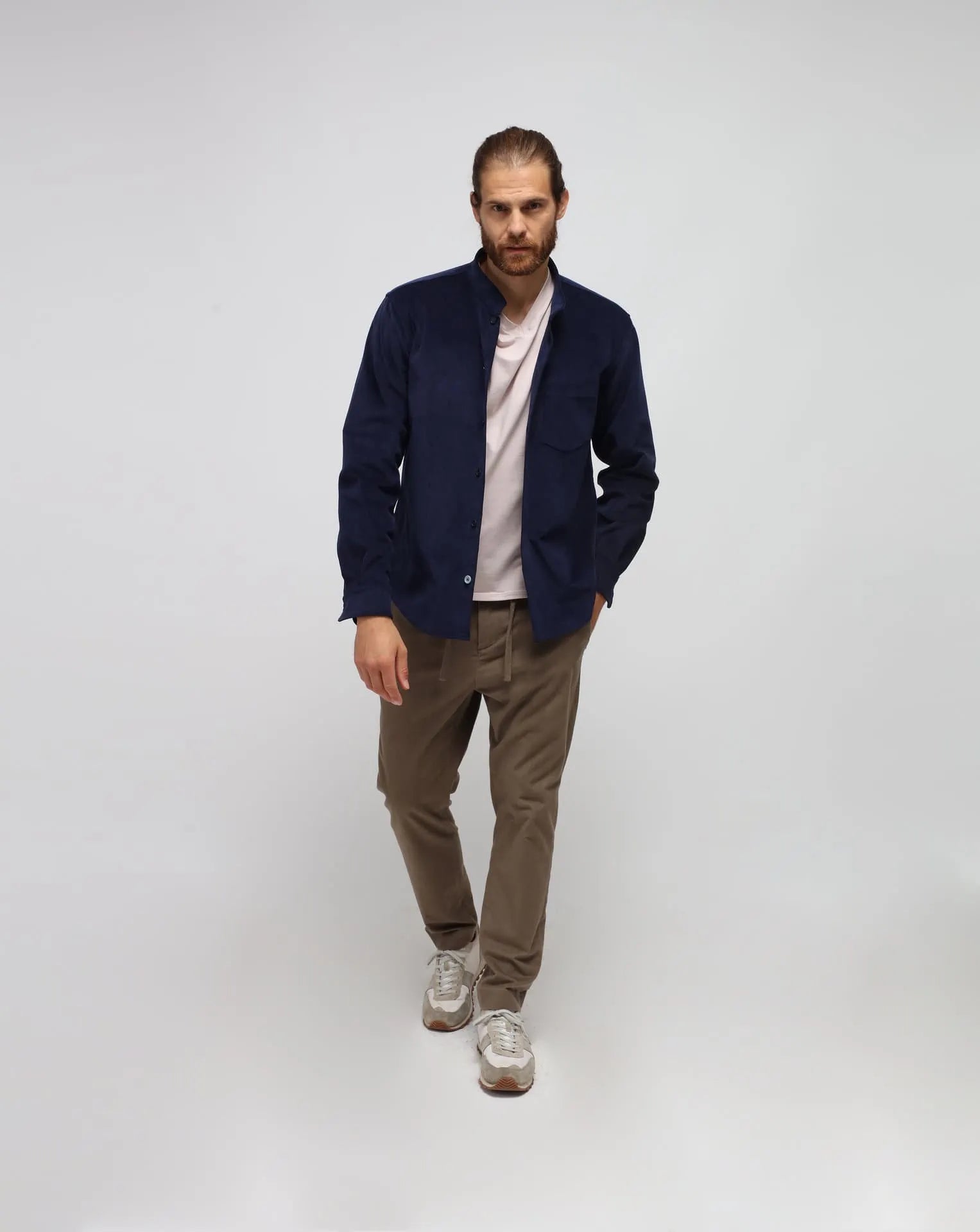
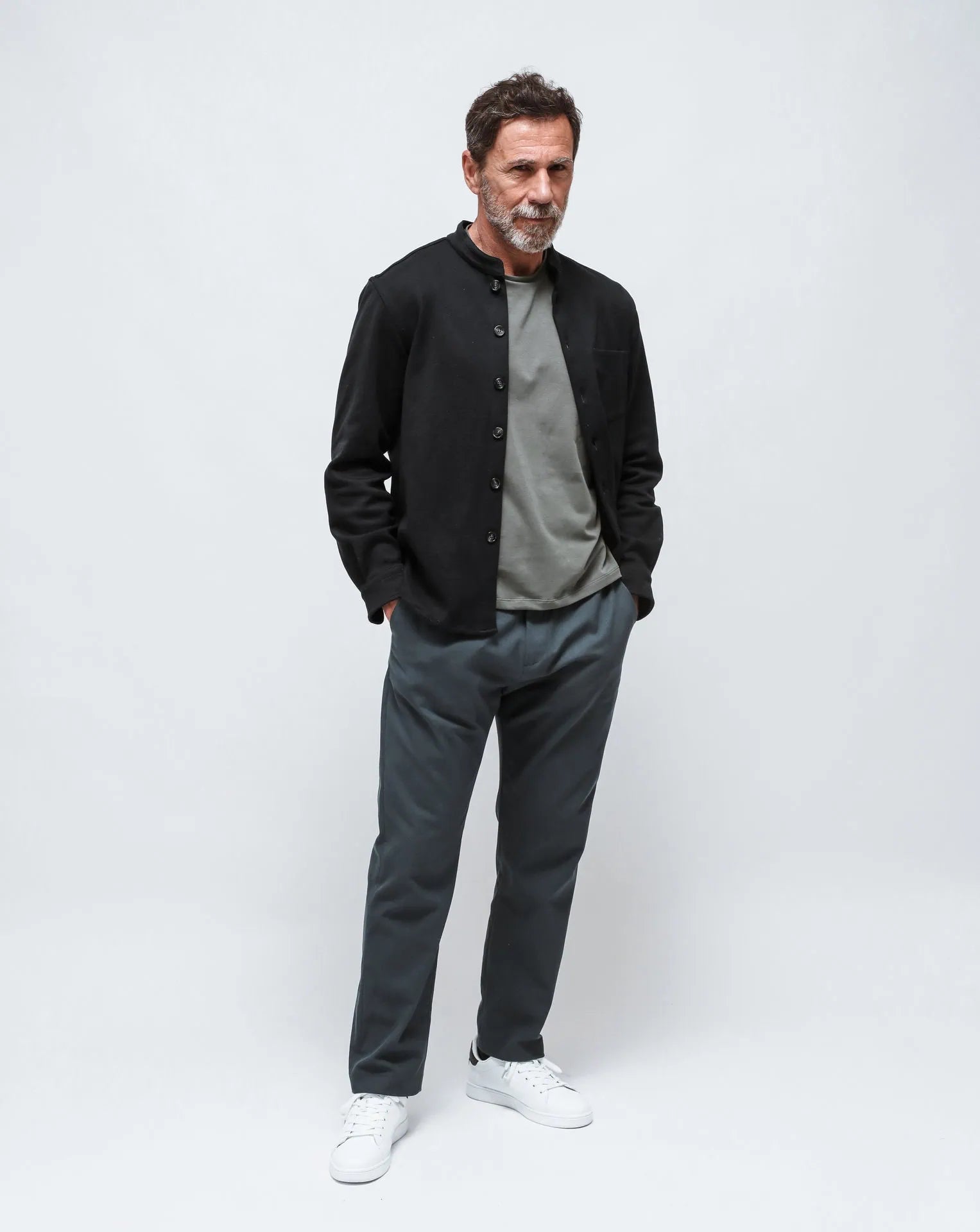
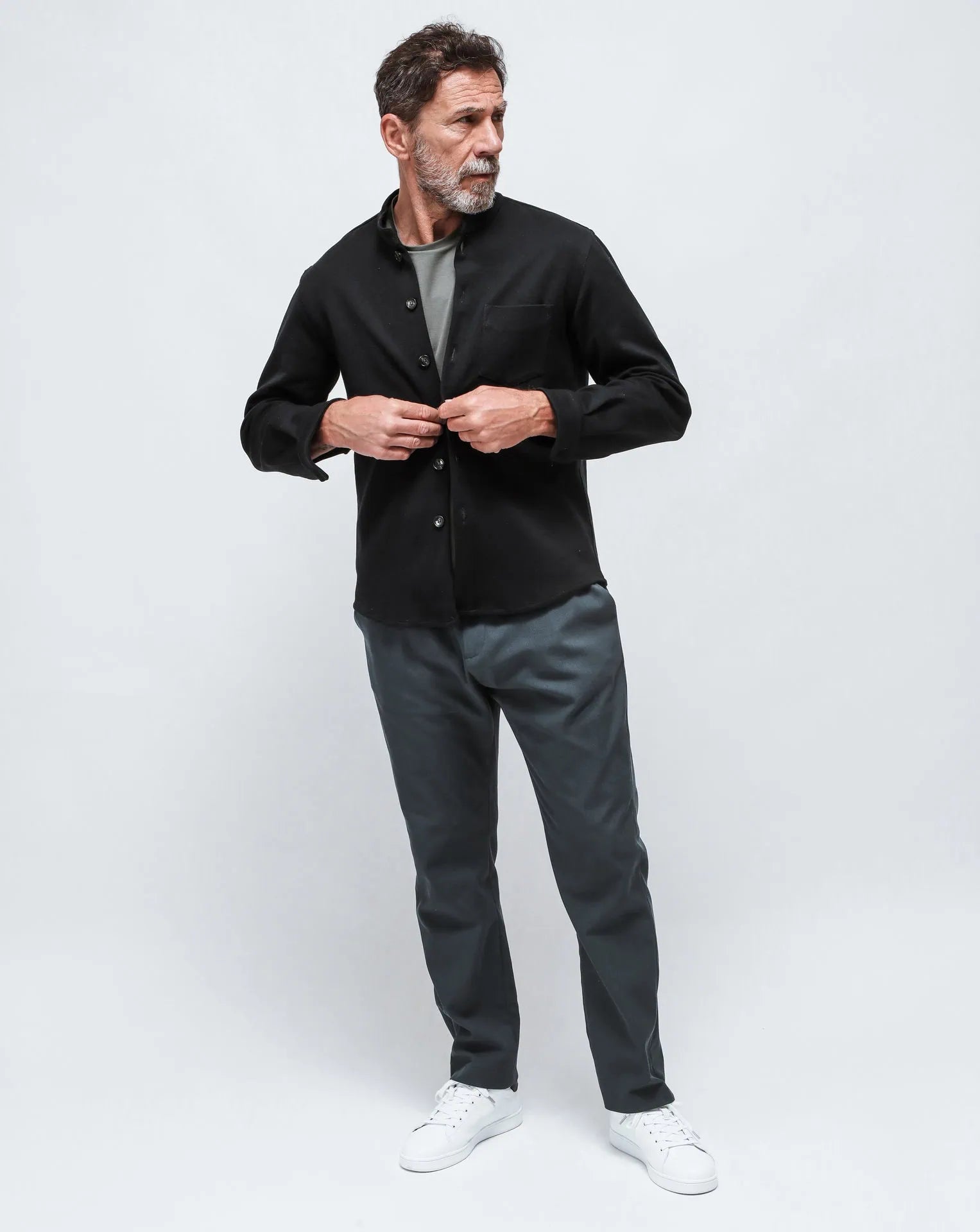
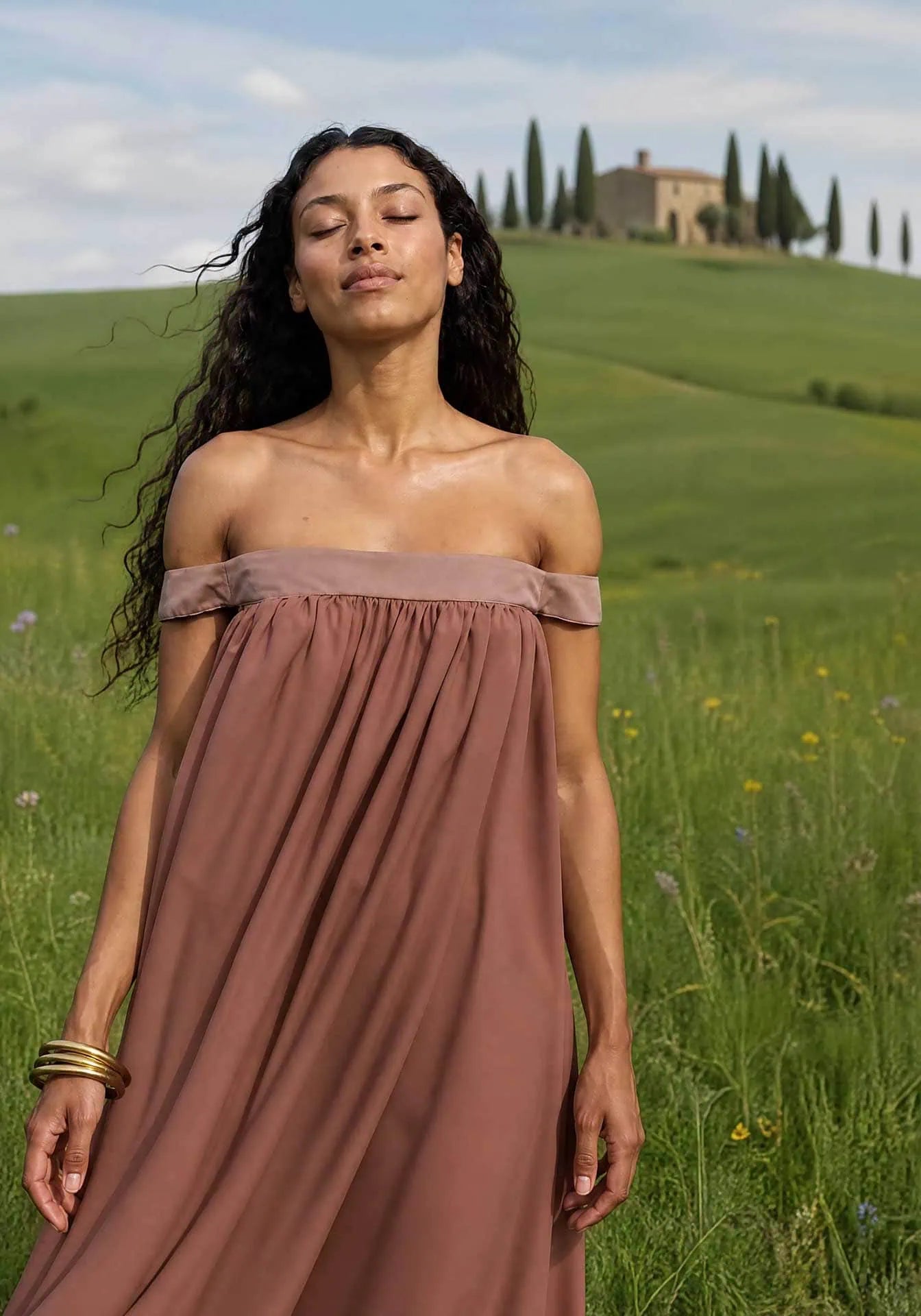
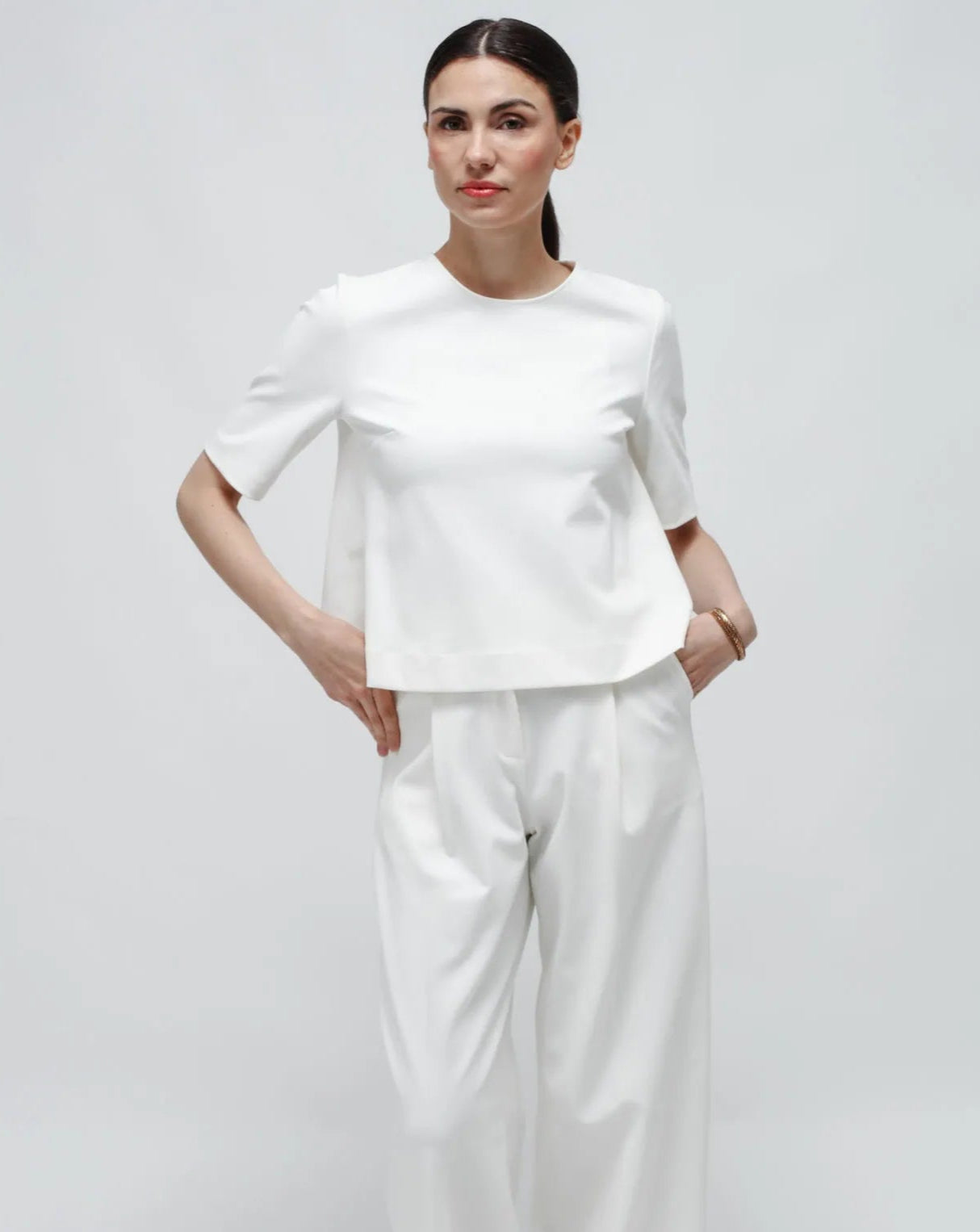
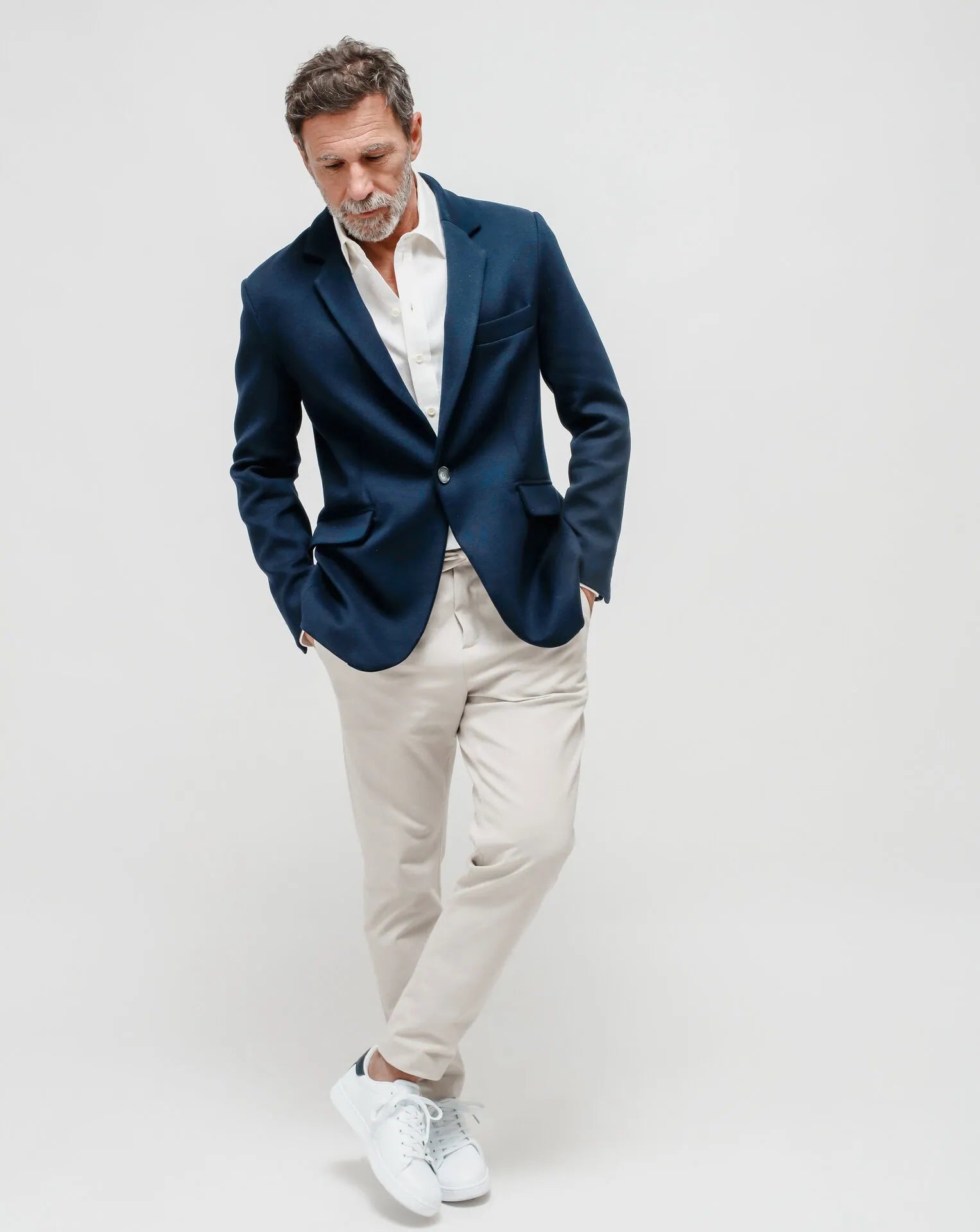
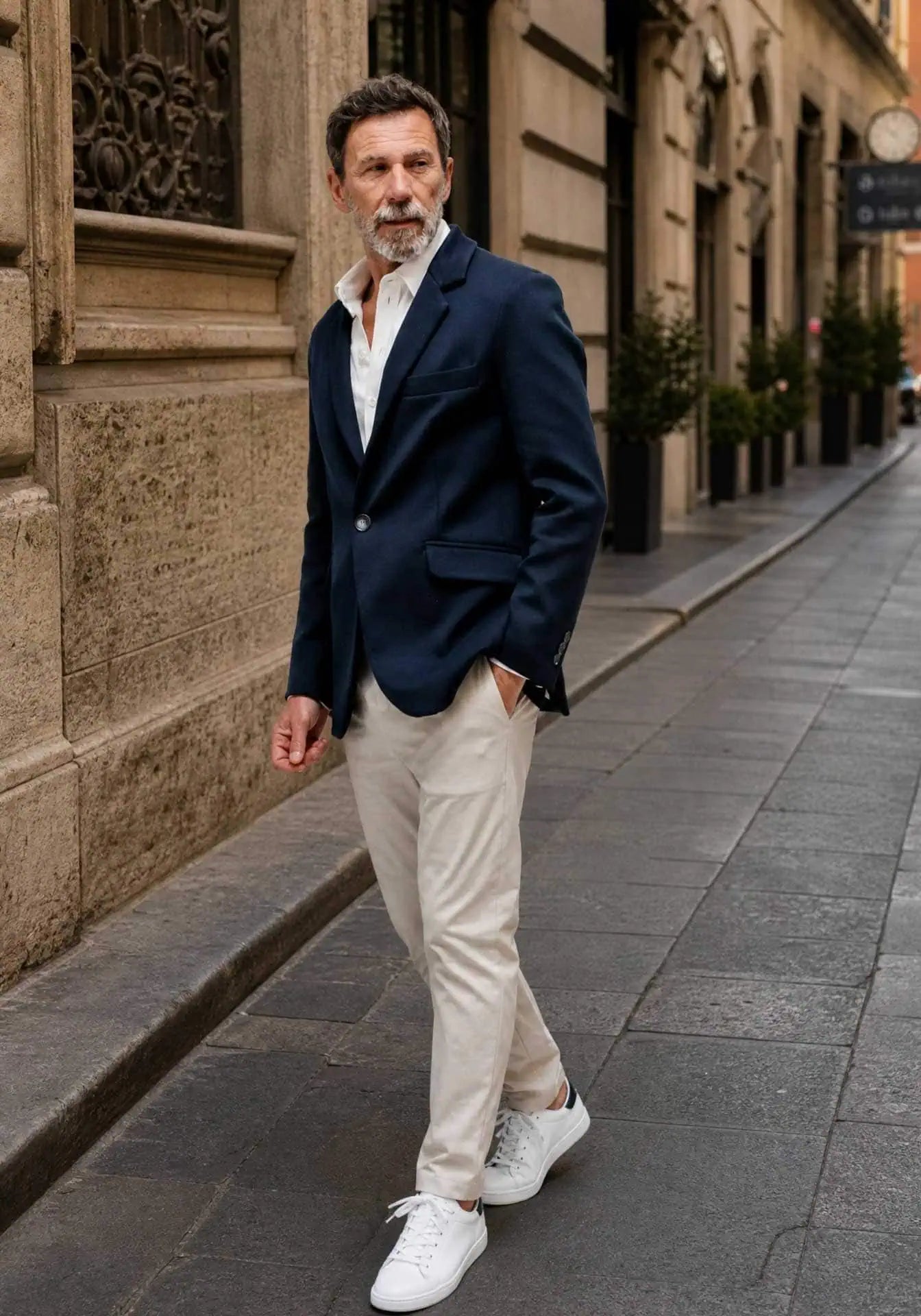
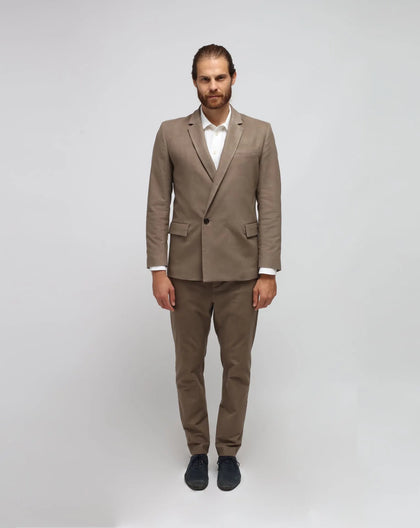
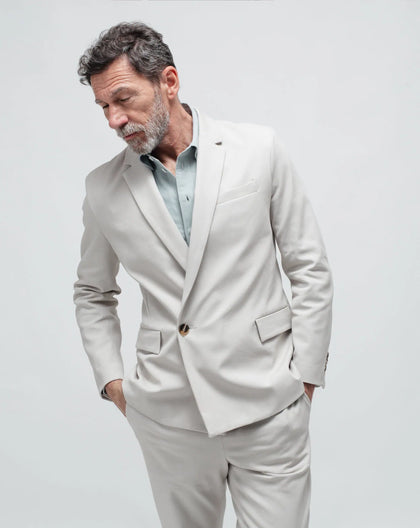
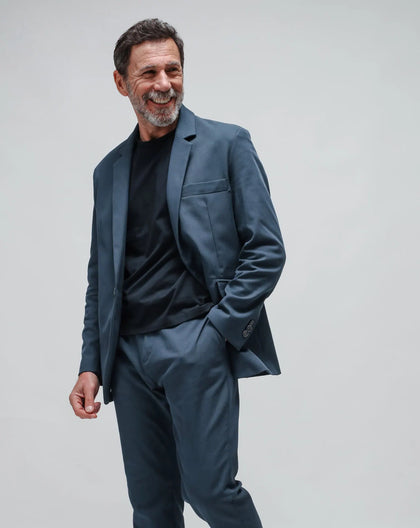
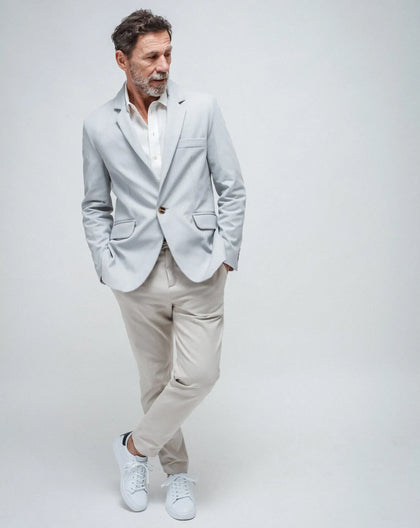
Consider a women’s [Italian Wool Wrap Jacket] as a flexible example. Its shape can create definition over wide-leg pants or a knit dress, while the fabric and construction carry it beyond a single occasion. A men’s [Handmade Wool Overshirt Jacket] can serve a different purpose: less formal than a blazer, more composed than a casual overshirt, and useful as a mid-layer beneath a coat on colder days. These are not interchangeable pieces, but both reflect the value of considered construction.
Color also determines longevity. Black, charcoal, deep navy, camel, and earthy neutrals can anchor a wardrobe for years. A strong check, saturated red, or unexpected texture can be equally lasting if it speaks to your existing clothes rather than a momentary trend. The goal is not to choose only safe options. It is to choose with enough clarity that the jacket remains yours after the season changes.
Why Small-Batch Production Matters in Winter
Winter collections are often built around excess: more layers, more launches, more reasons to replace what already works. Small-batch handmade production offers a different model. It asks for fewer styles with a stronger point of view, made in quantities that respect both materials and the people making them.
This does not make every garment inherently sustainable. A jacket still has an environmental footprint, including the energy used in production and transport. Yet durability, responsible fabric sourcing, and a realistic expectation of long-term wear can reduce the logic of constant replacement. The most responsible jacket is not the one that claims perfection. It is the one you continue reaching for.
For shoppers in the US, the UK, and across Europe, this is also a question of wardrobe distance. An Italian-made jacket designed for repeated styling can replace the cycle of buying separate pieces for work, weekends, and occasional events. One excellent layer can do more when its cut is intentional and its fabric is built to last.
How to Choose the Right Italian-Made Jacket
Start with the role it needs to play. If you need a polished layer for meetings and dinners, focus on a tailored wool jacket with enough room for a lightweight knit. If your winter involves walking, trains, and unpredictable weather, prioritize a slightly roomier shape and a fabric weight that supports layering. For travel, look for a jacket that resists creasing and coordinates with the pants, shirts, and shoes you already pack.
Then assess cost per wear without reducing the decision to math alone. A better-made jacket may cost more upfront because fabric, skilled labor, and limited production all carry real value. It earns that price only if you love wearing it. The right piece should feel specific enough to be exciting and versatile enough to become familiar.
When considering the [Women’s Handmade Jackets Collection] or [Men’s Italian-Made Jackets Collection], use the product details to compare fabric composition, silhouette, care guidance, and measurements. Free size exchanges remove some of the uncertainty, but taking your measurements before ordering remains the best route to a confident fit.
Care Is Part of the Design
A handmade jacket asks for care, not fragility. Hang it on a broad, supportive hanger so the shoulders keep their form. Air it out after wear instead of dry cleaning it by default. Brush away surface dust, spot-clean small marks carefully, and allow wool to rest between wears. When professional cleaning is needed, choose it deliberately rather than routinely.
Minor repairs deserve the same respect. Replacing a loose button or reinforcing a small seam is not an inconvenience. It is how a well-made garment stays in your life. Care is a quiet refusal of the idea that fashion is meant to be consumed and discarded.
Choose the jacket that makes you want to wear winter differently: with fewer pieces, better materials, and enough conviction to keep it close for years.
FAQ
Q: Are handmade jackets from Italy always better quality?
A: Not automatically. Italian origin can point to strong textile and manufacturing traditions, but construction, fabric, fit, and production standards still matter. Look beyond the country label and examine how the jacket was made.
Q: What makes deadstock fabric a good choice for jackets?
A: Deadstock uses existing surplus fabric rather than requiring new textile production for every run. It can offer exceptional quality and distinctive texture while helping reduce material waste. Because supply is limited, exact restocks may not be possible.
Q: Should a winter jacket fit oversized?
A: It depends on how you plan to wear it. A tailored jacket should allow a light knit underneath without pulling. A relaxed jacket can accommodate heavier layers, but too much volume may reduce its versatility.
Q: How often should I dry clean a wool jacket?
A: Usually less often than people think. Airing, brushing, and spot-cleaning can handle much of the routine care. Dry clean when there is a true need, such as a set-in stain or a full-season refresh.
Q: Can a handmade jacket work for both casual and professional outfits?
A: Yes. A clean silhouette, considered fabric, and versatile color allow one jacket to move between denim, knitwear, tailored pants, dresses, and coordinated sets with ease.
the World of H&L