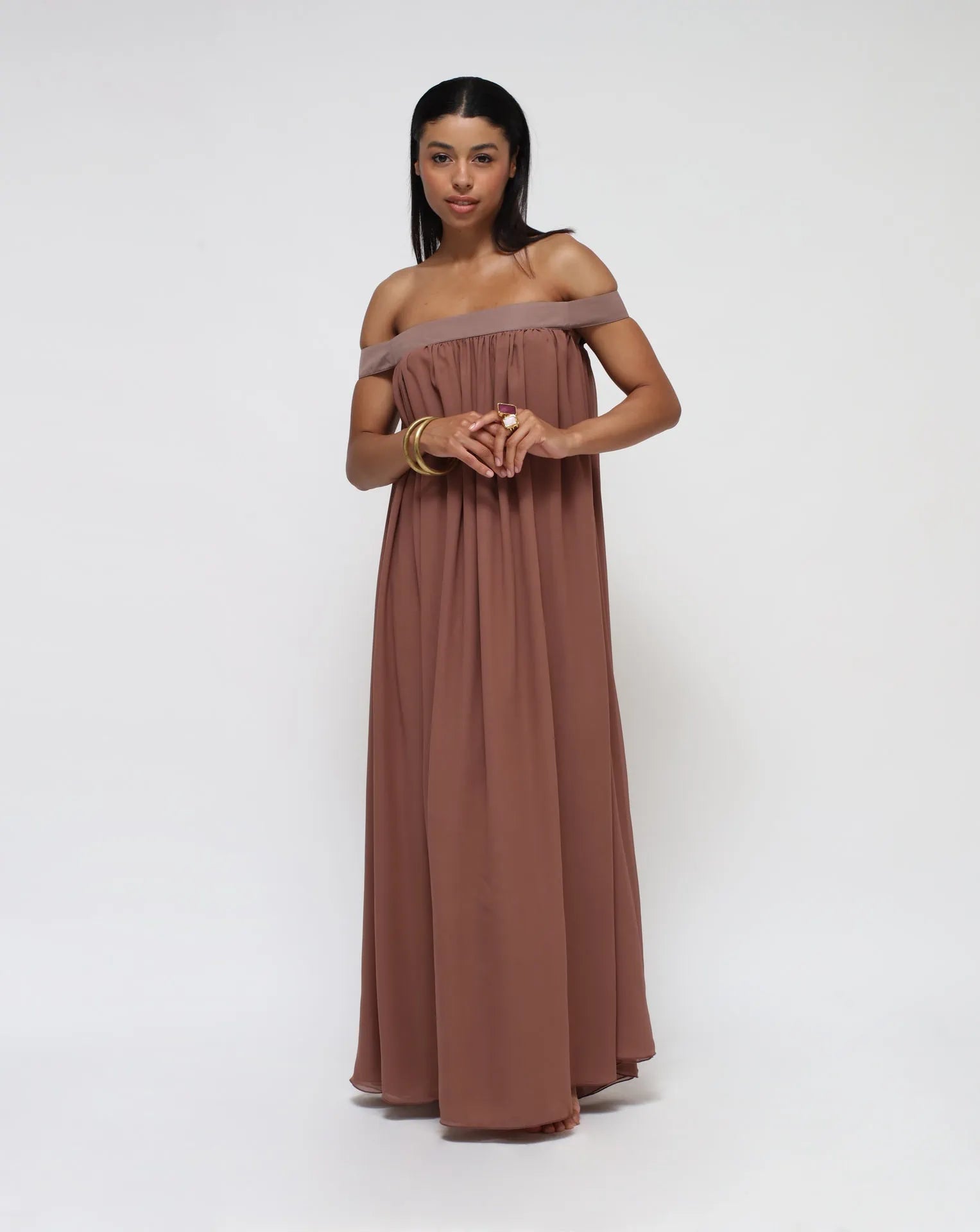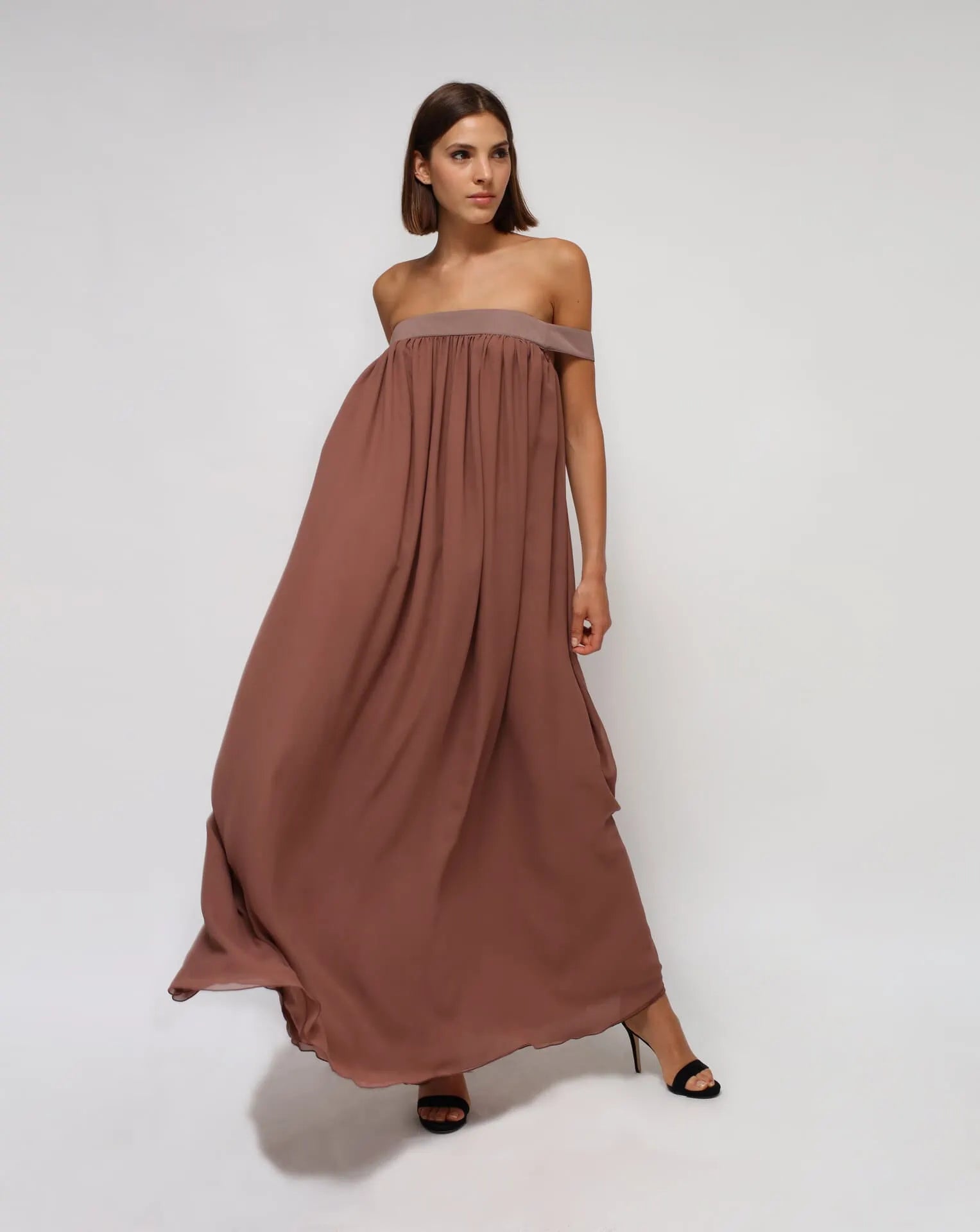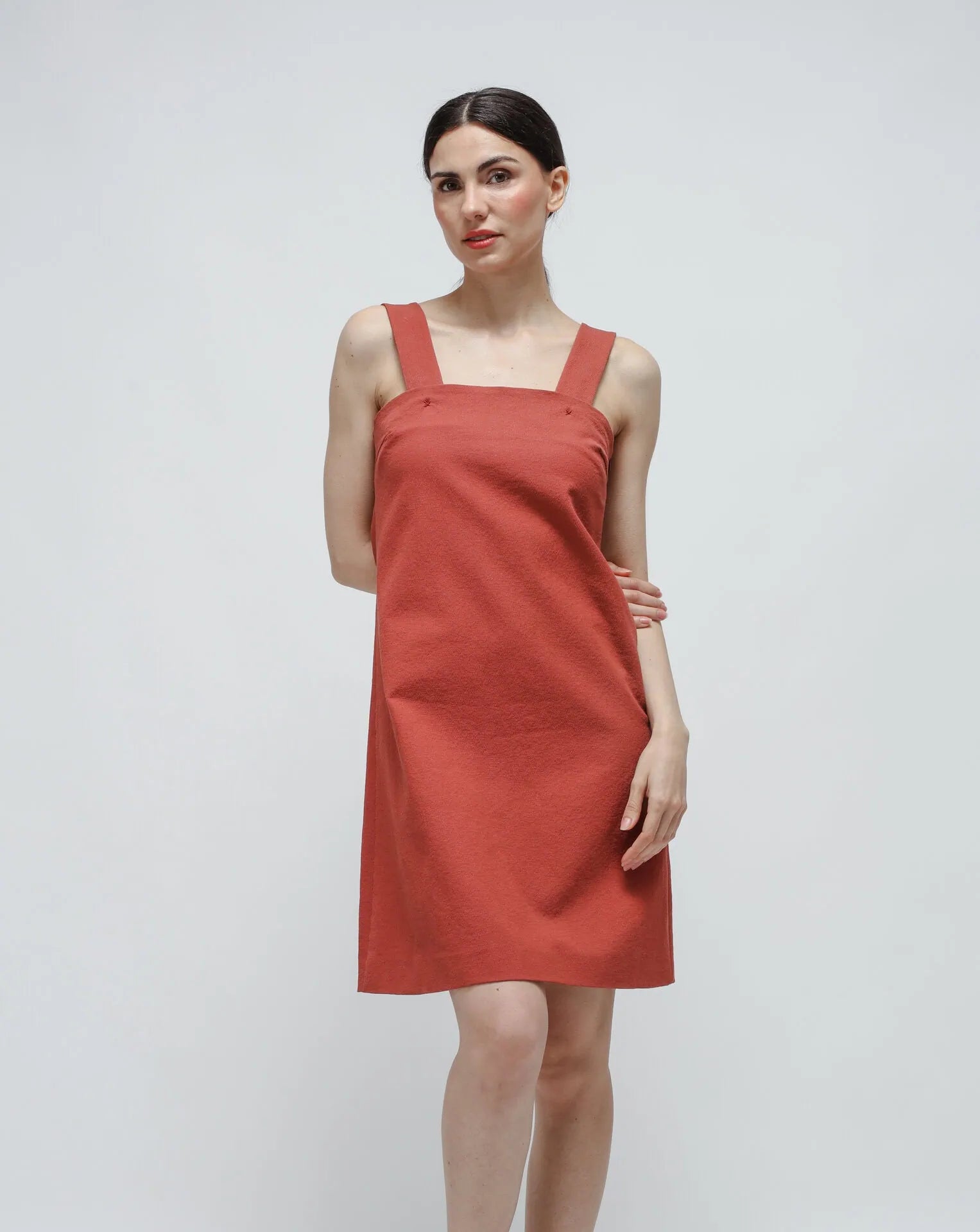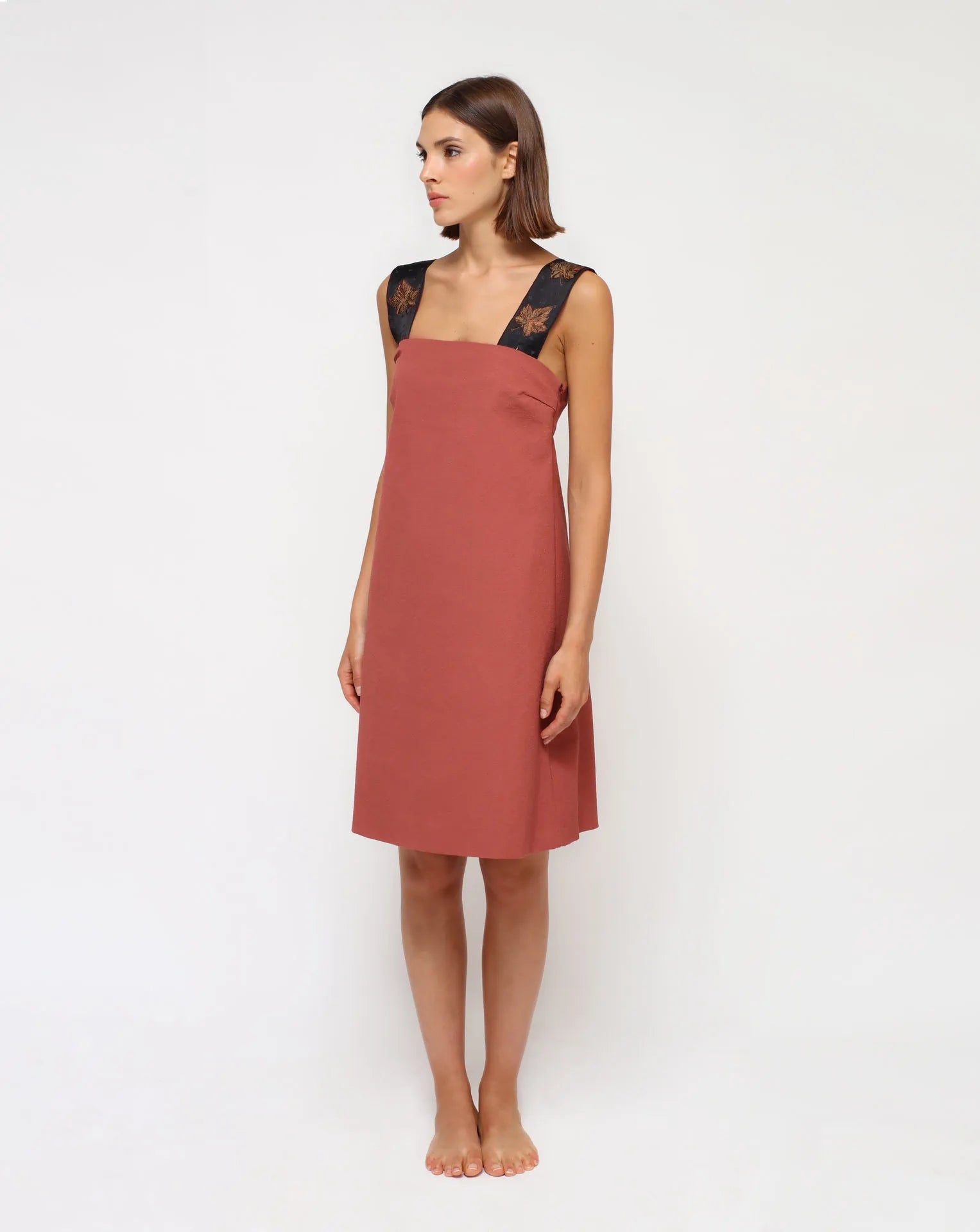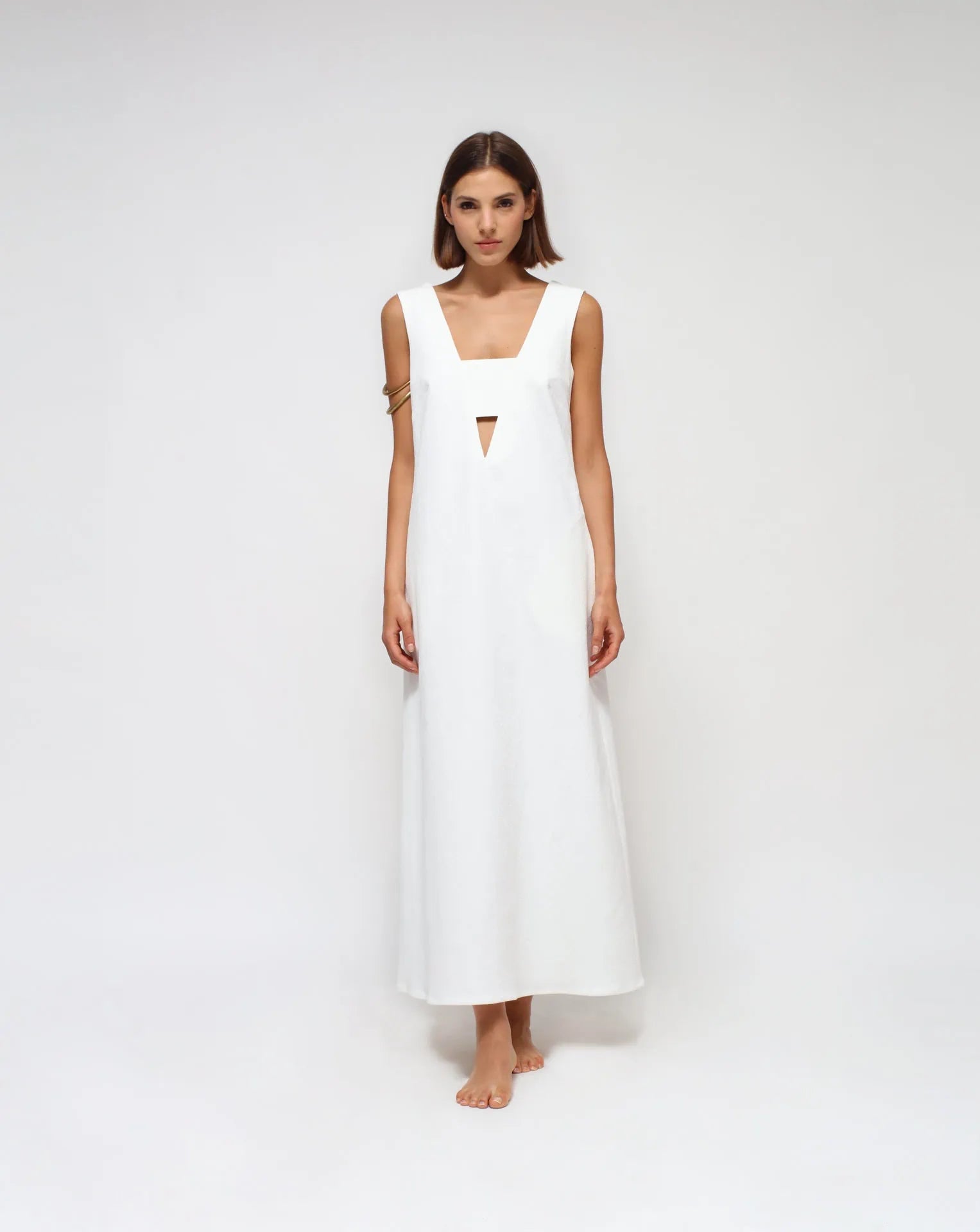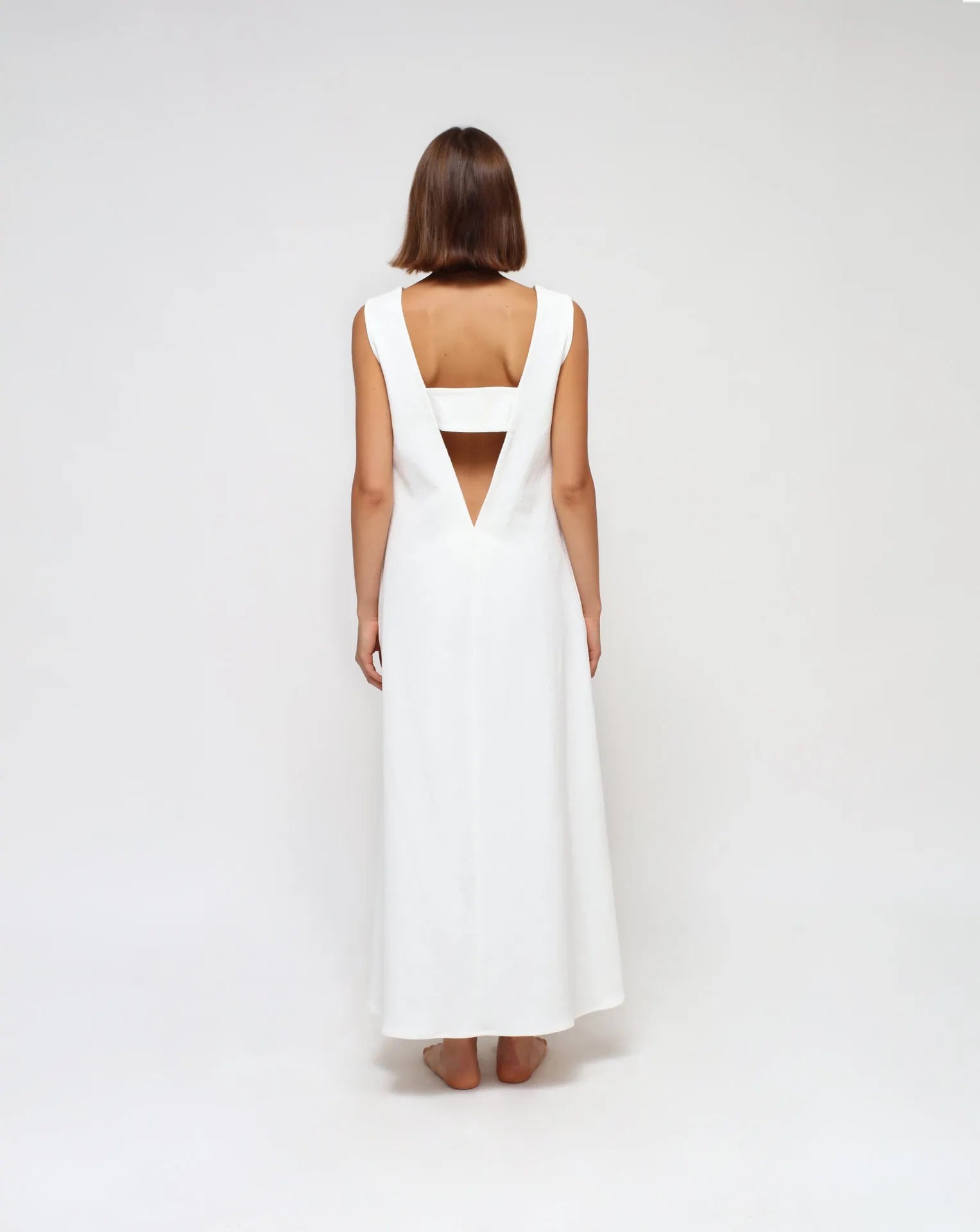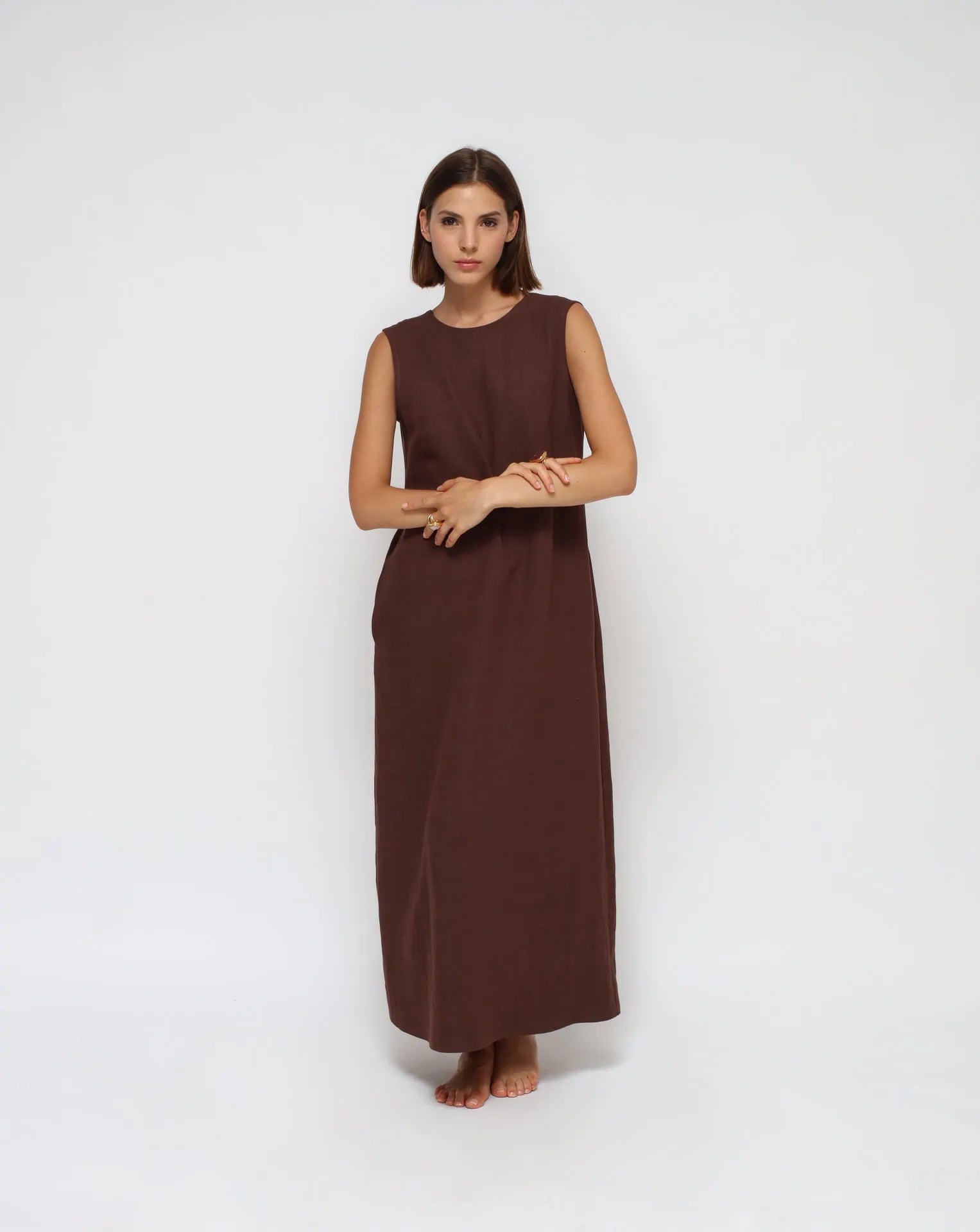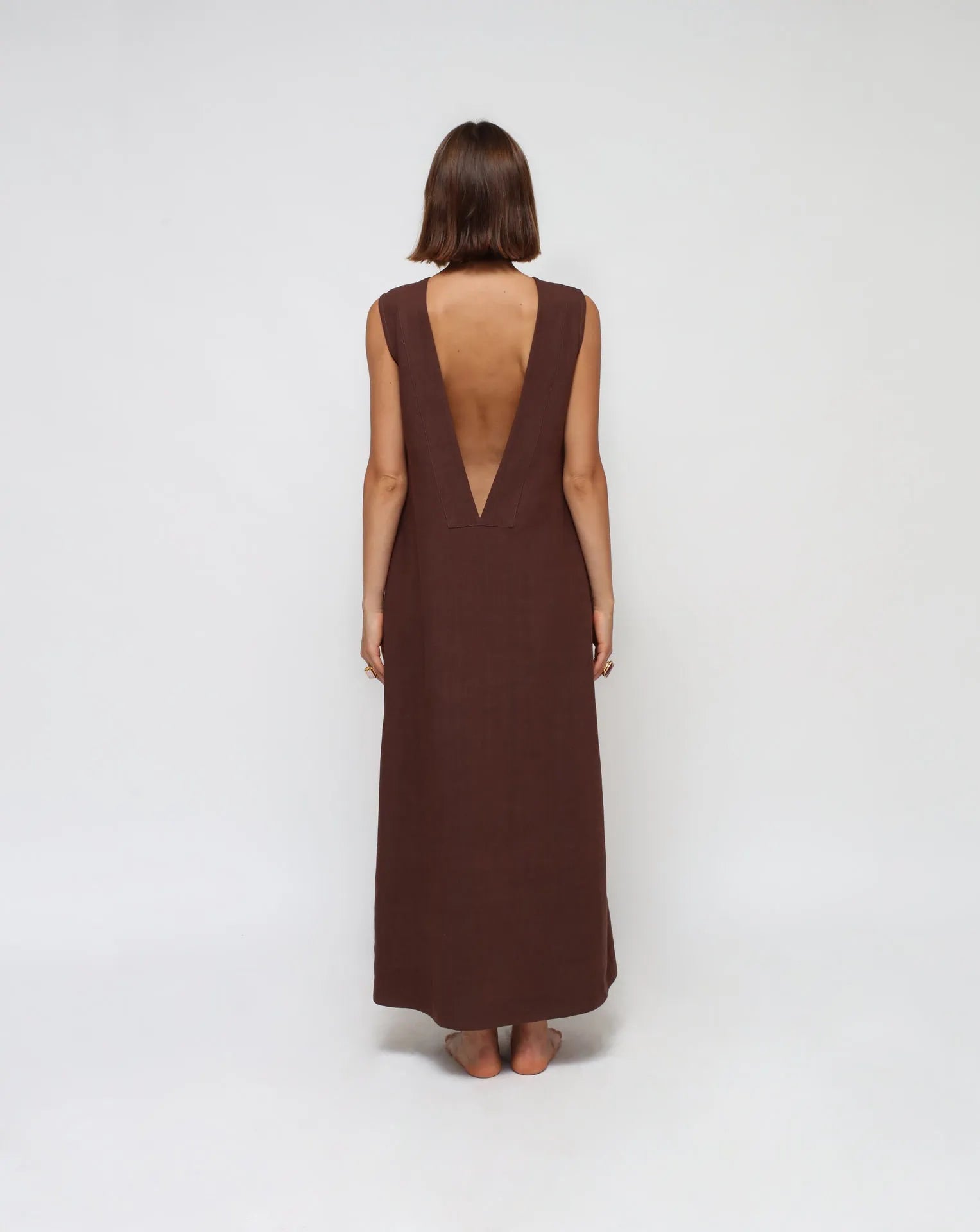

Made in Italy Sustainable Clothing Made to Last
A winter coat should feel considered long before it reaches your door. The weight of the fabric, the precision of the cut, the miles behind its materials, and the number of hands involved all matter. Made in Italy sustainable clothing offers a more intelligent alternative to seasonal excess: fewer pieces, made with purpose, designed to earn their place in your wardrobe year after year.
For people who care how they look and what their choices support, Italy remains meaningful. Not because a label alone guarantees quality or ethics, but because proximity to skilled makers, established textile knowledge, and deliberate production can create clothing with a longer life. The standard is not simply where a garment is made. It is whether it was made well, in quantities that respect materials, people, and demand.
What Made in Italy Sustainable Clothing Should Mean
"Made in Italy" is often used as shorthand for luxury. It should mean more than that. At its best, it points to specialist craftsmanship: pattern cutting that gives a jacket its balance, tailoring that lets trousers move properly, and finishing that keeps a garment looking composed after repeated wear.
Sustainability adds another requirement. A beautifully made piece is not automatically responsible if its fabric is newly produced without consideration, its supply chain is opaque, or its production volume creates unnecessary waste. The strongest made in Italy sustainable clothing joins craftsmanship with material restraint, transparent decisions, and a reason to keep wearing what you buy.
That is why deadstock fabrics matter. These are high-quality surplus textiles left behind by larger production runs. They already exist. Using them gives exceptional wool, cotton, viscose, and blends a second life instead of demanding new yardage for every collection. It also means quantities are naturally limited. When the fabric is gone, the style cannot simply be reproduced at scale.
There is a trade-off worth acknowledging. Deadstock sourcing may limit repeat production and make exact restocks impossible. For the intentional shopper, that constraint is part of the value. It replaces endless inventory with a garment that is genuinely finite, not artificially scarce.
Why Italy Matters for a Winter Wardrobe
Winter clothes reveal construction quickly. A coat with weak structure can lose its shape. A poorly finished lining can catch or wear through. Trousers cut without enough room to move become the piece you leave in the closet, however good they looked online.
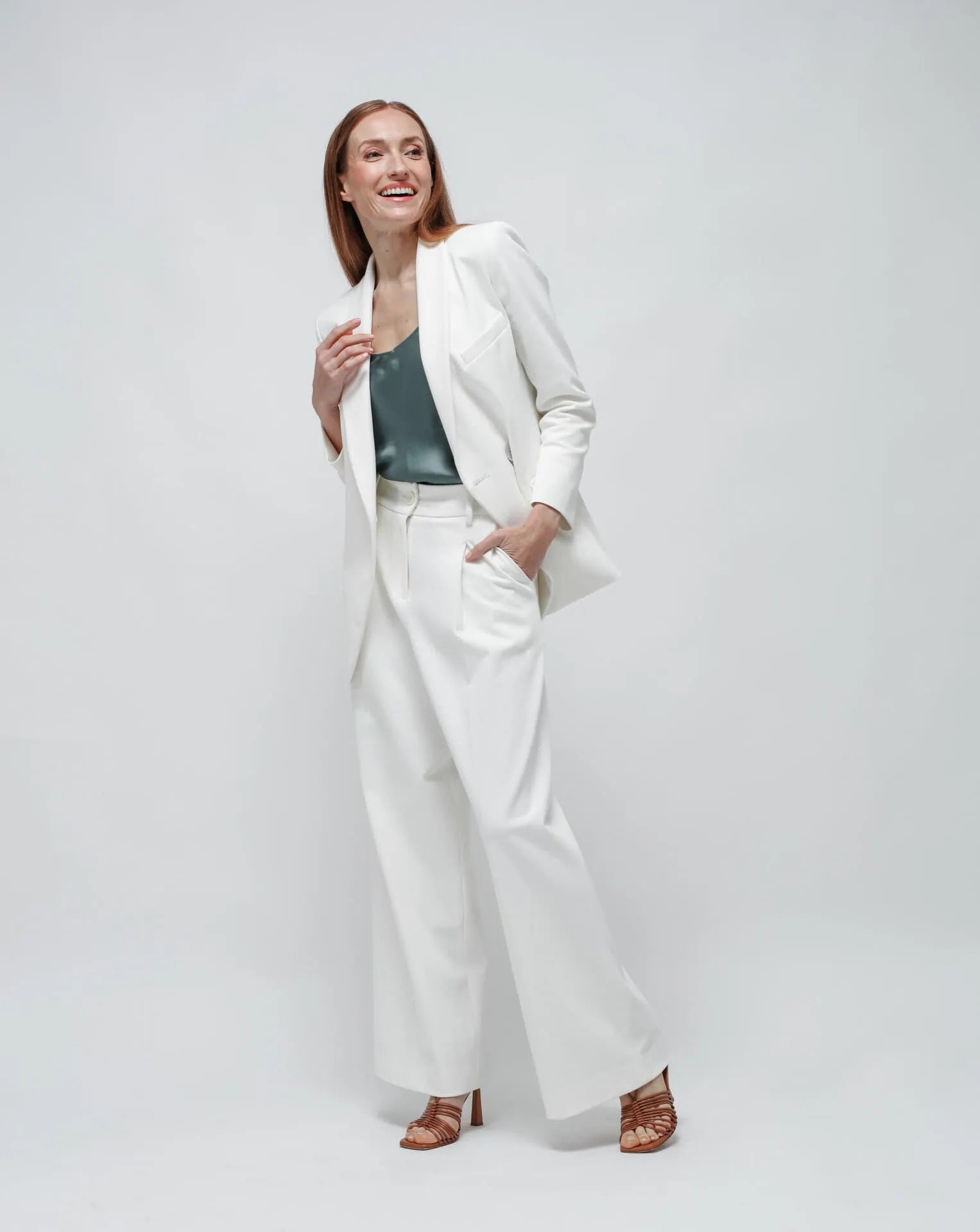
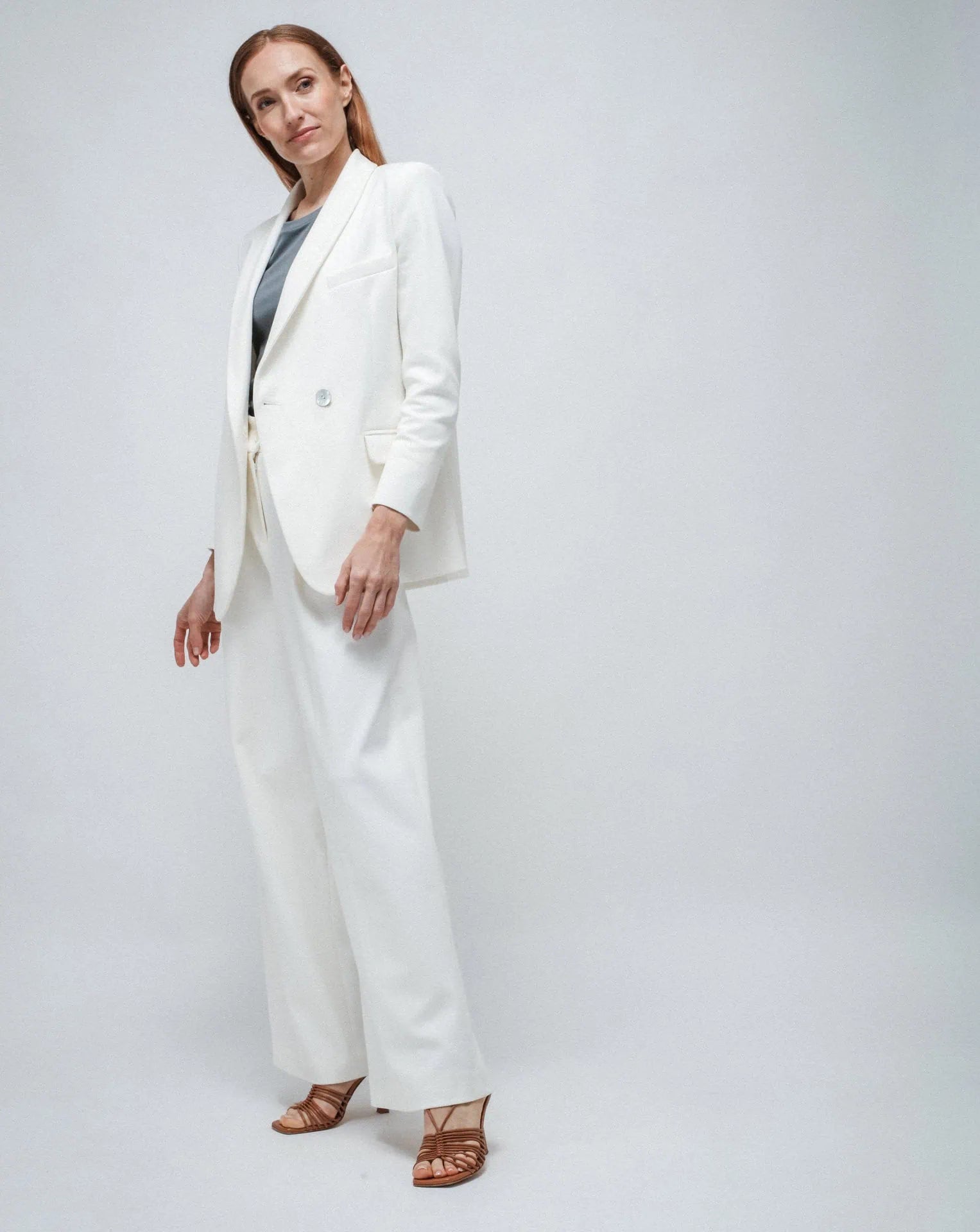
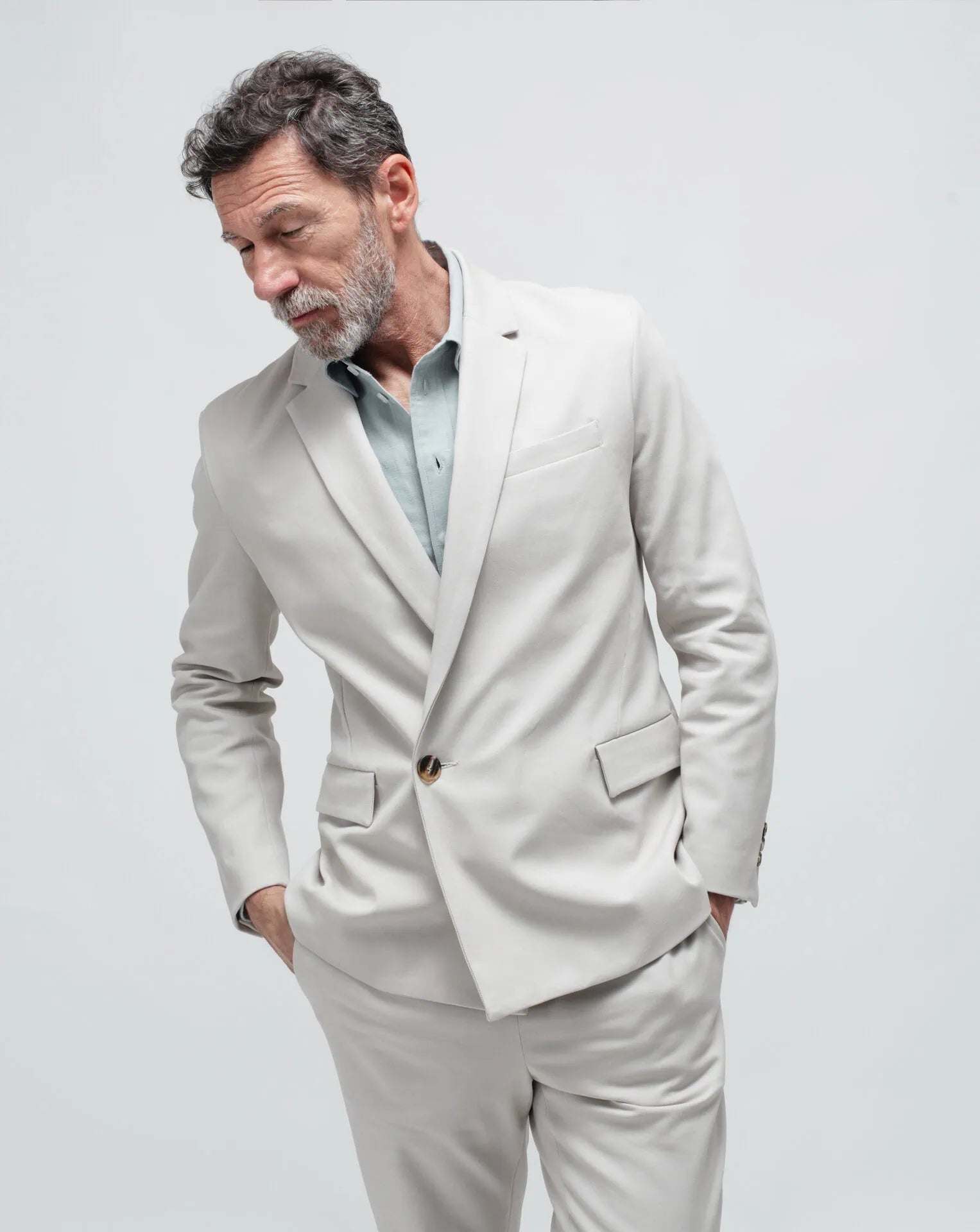
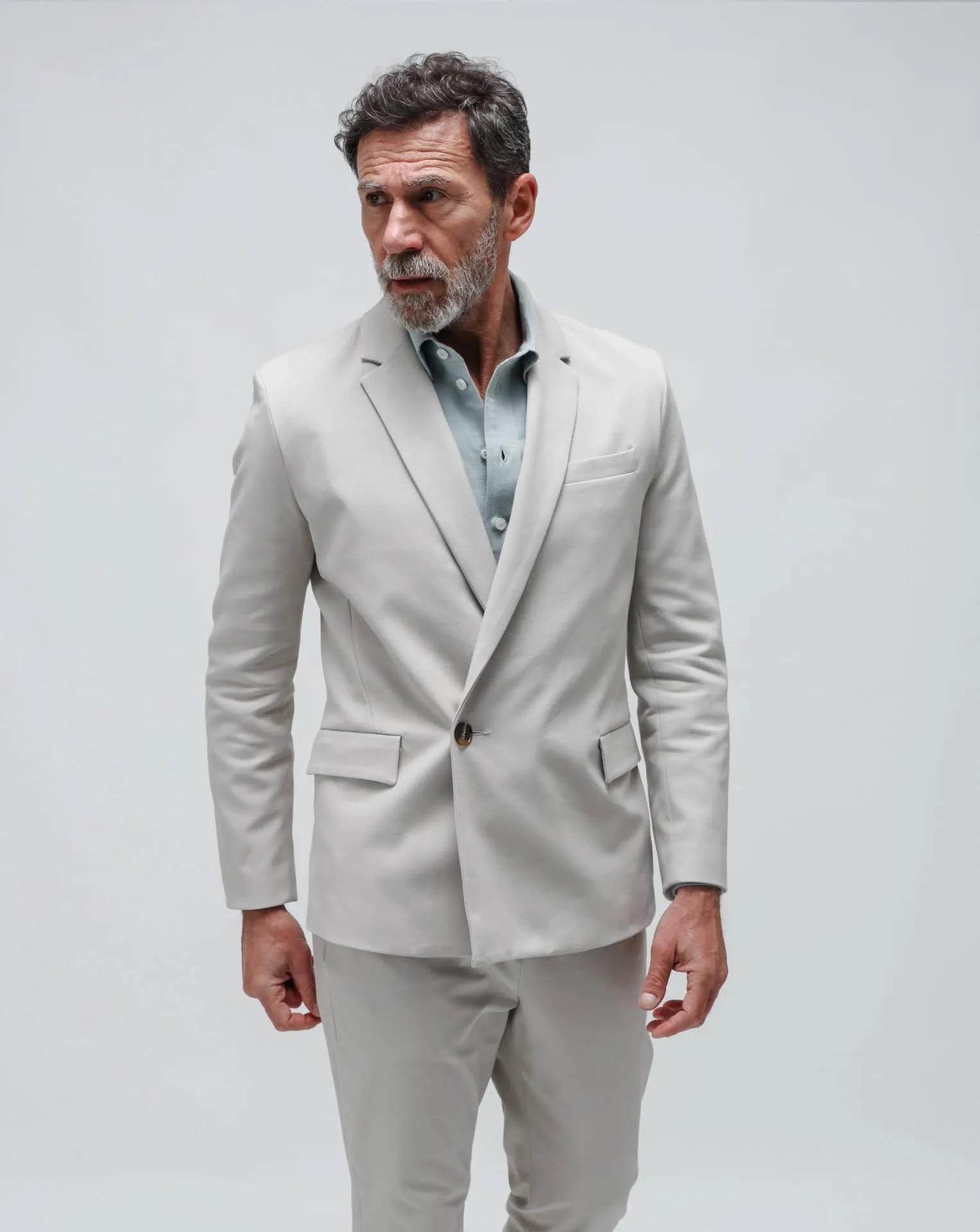
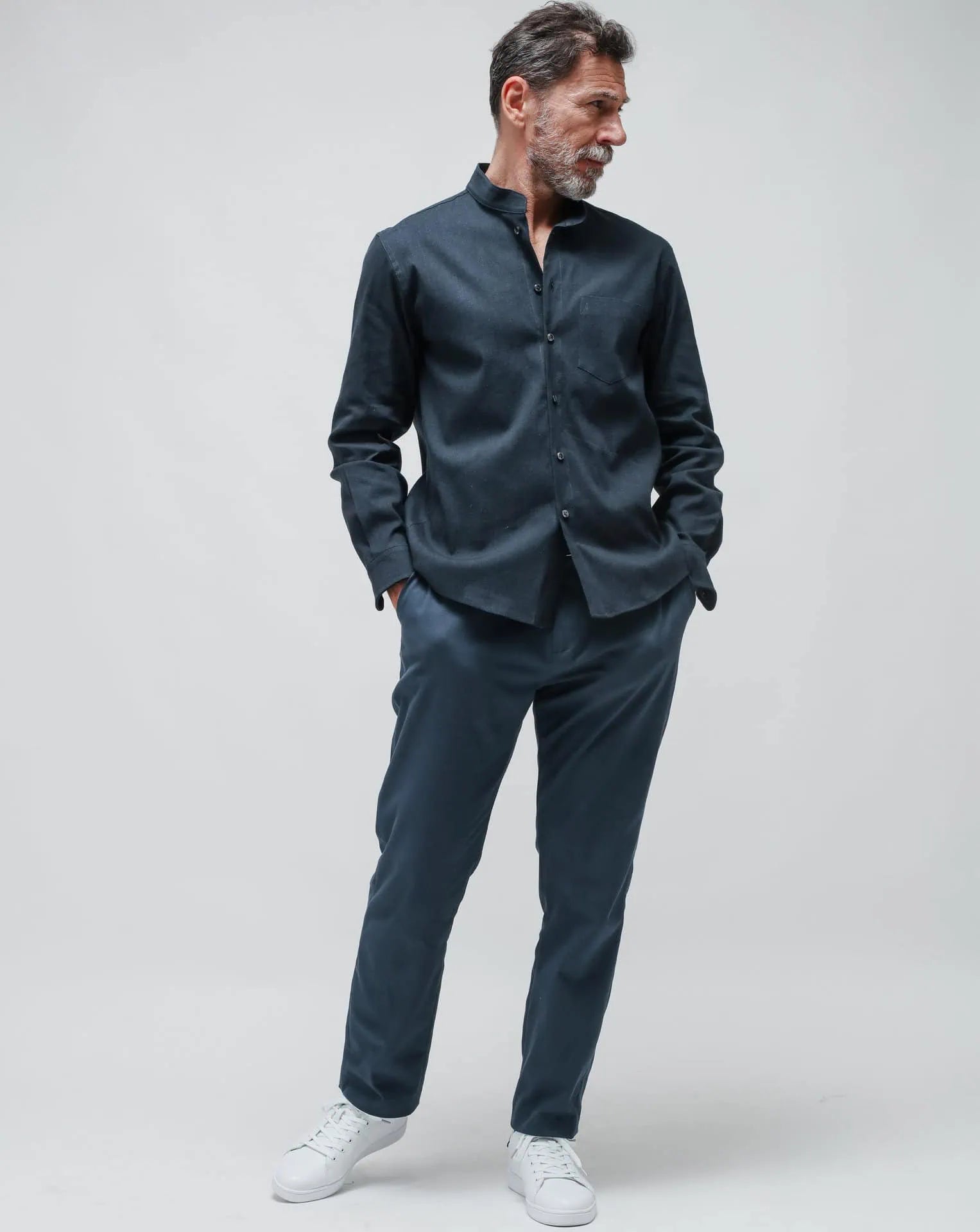
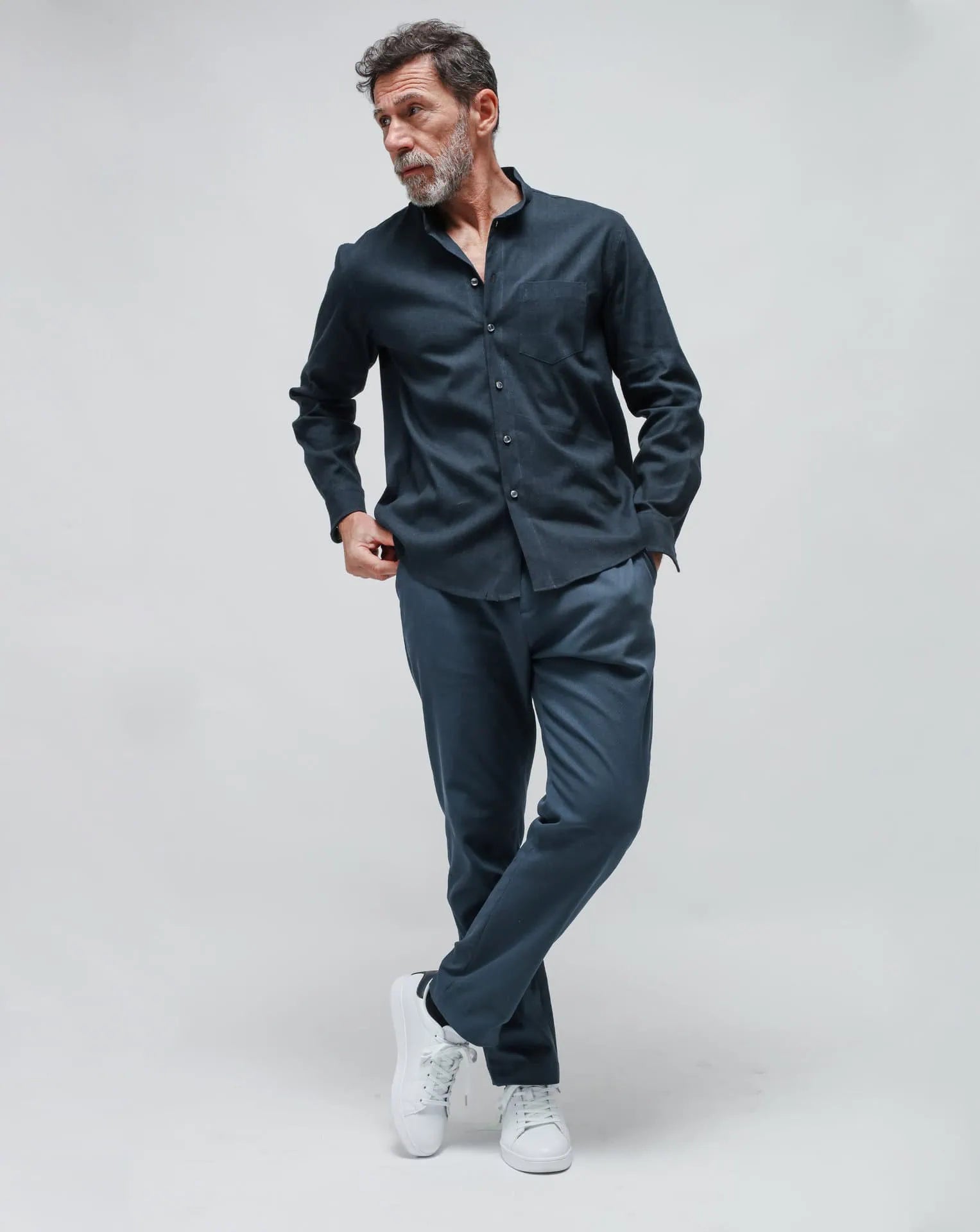
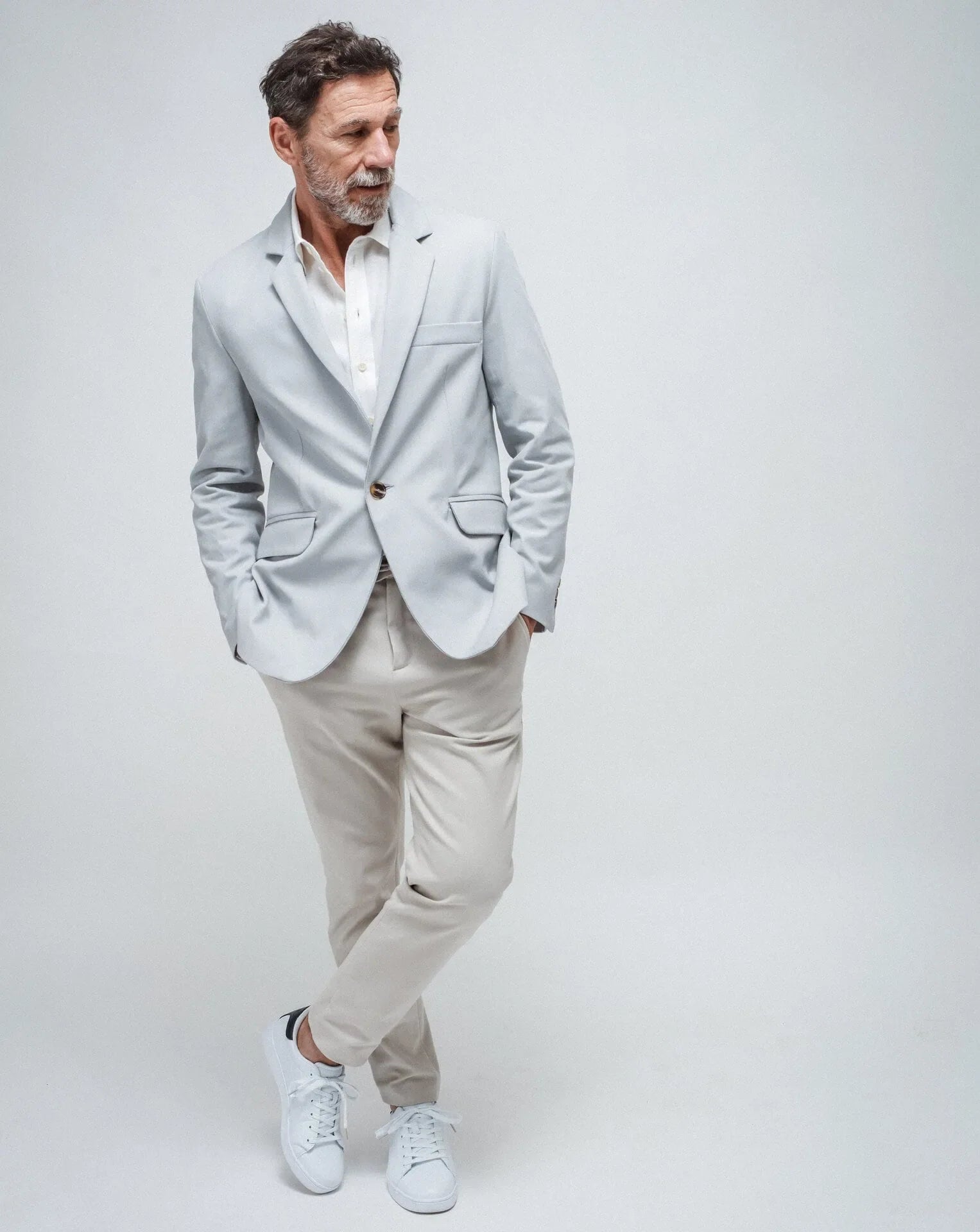
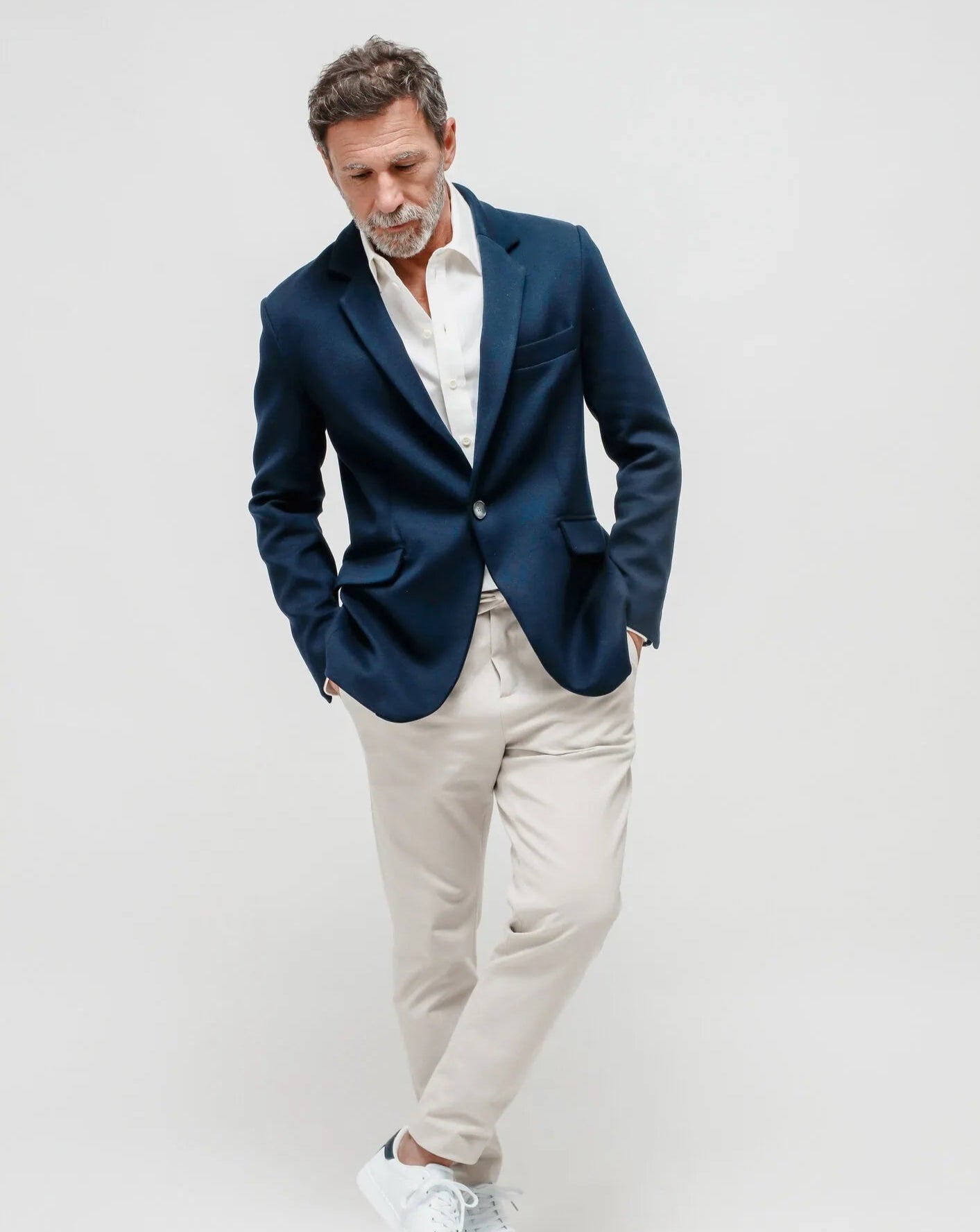
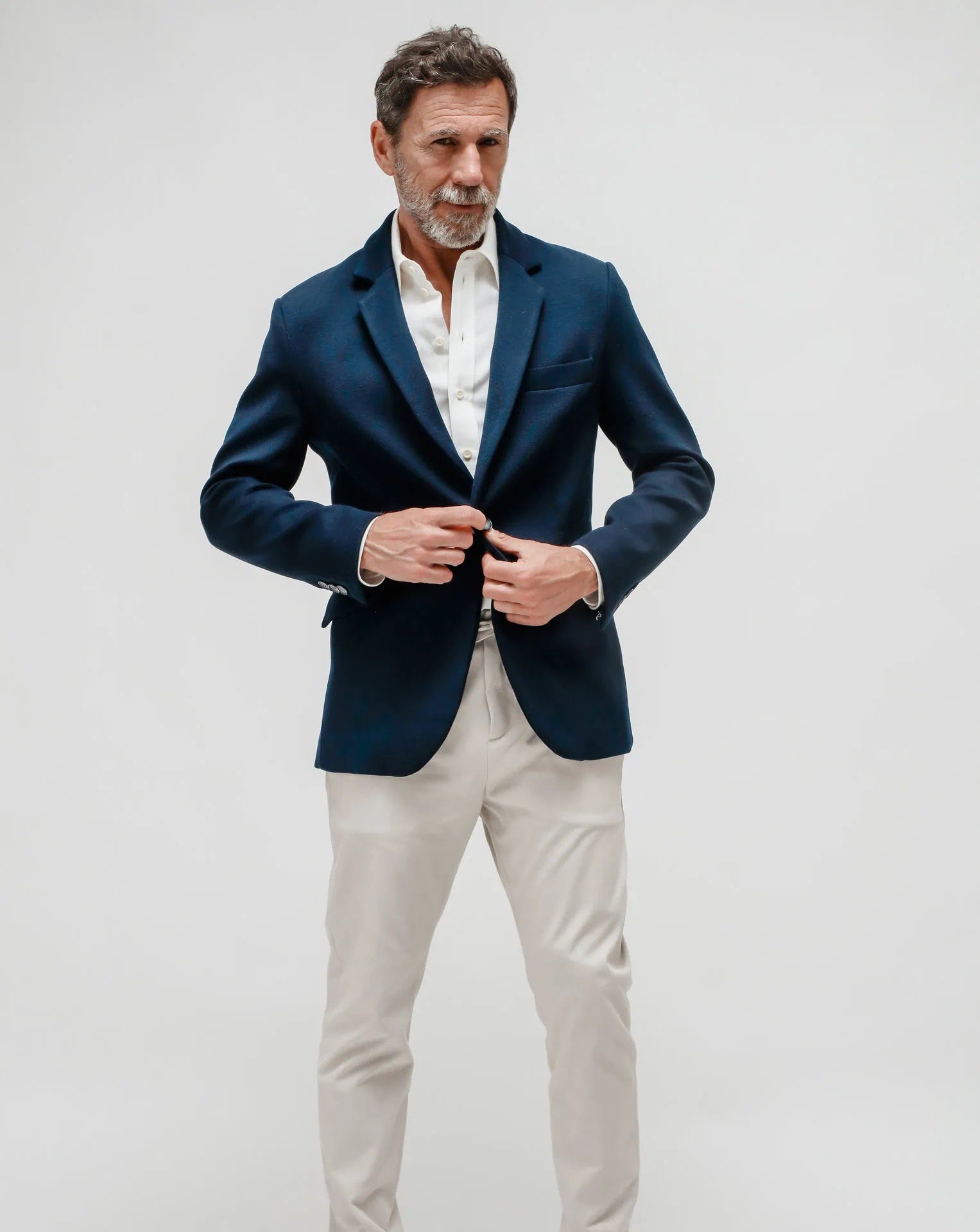
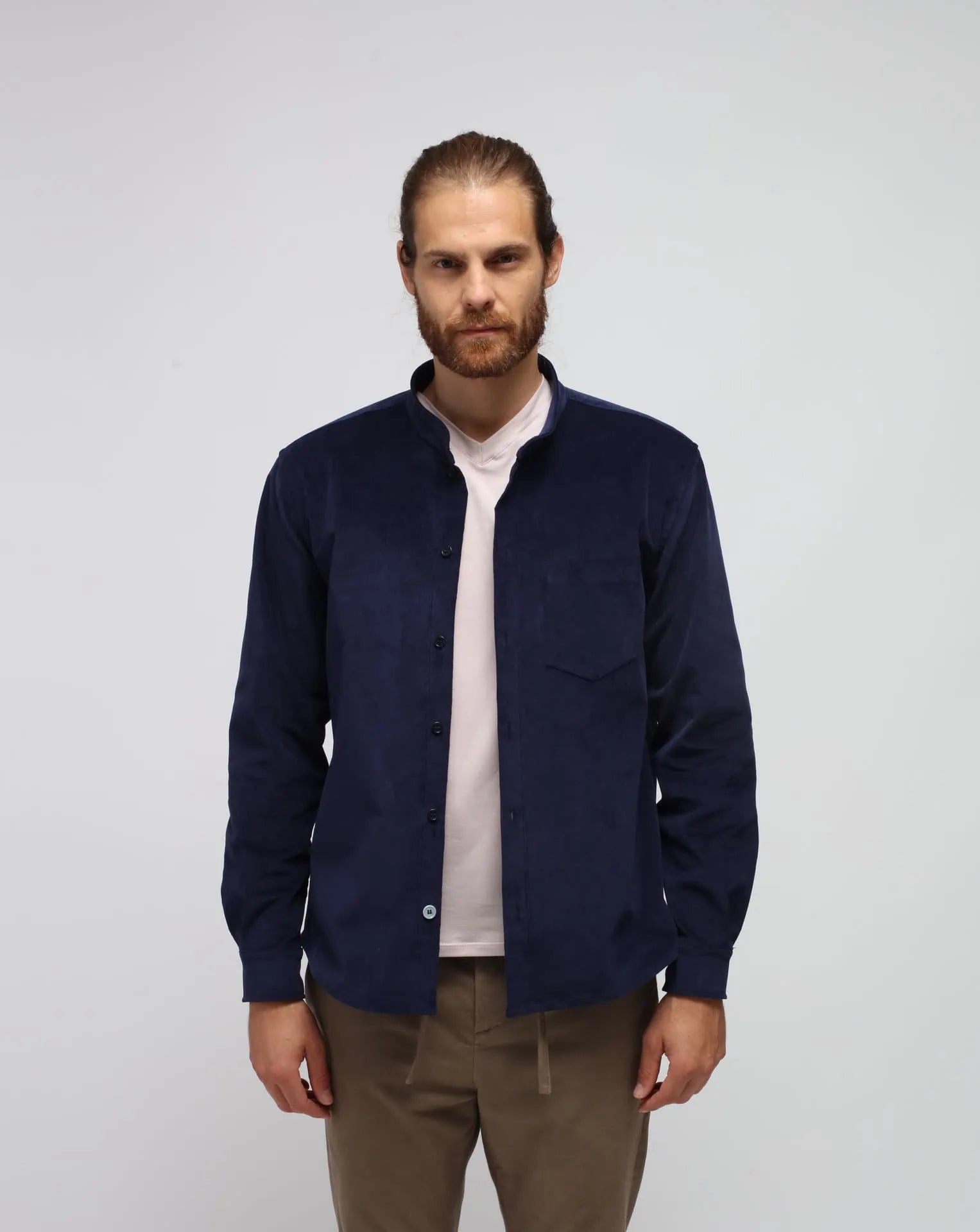
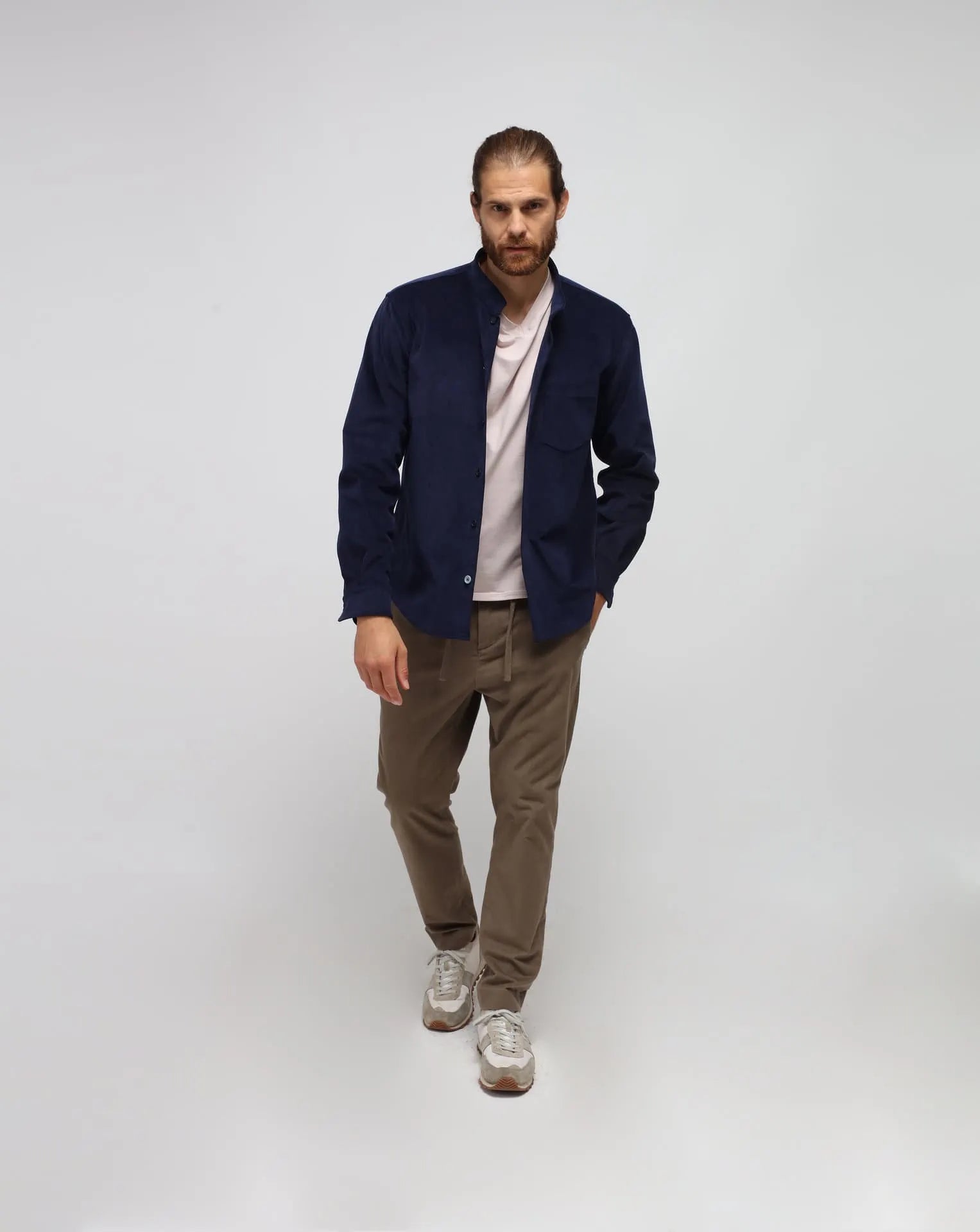
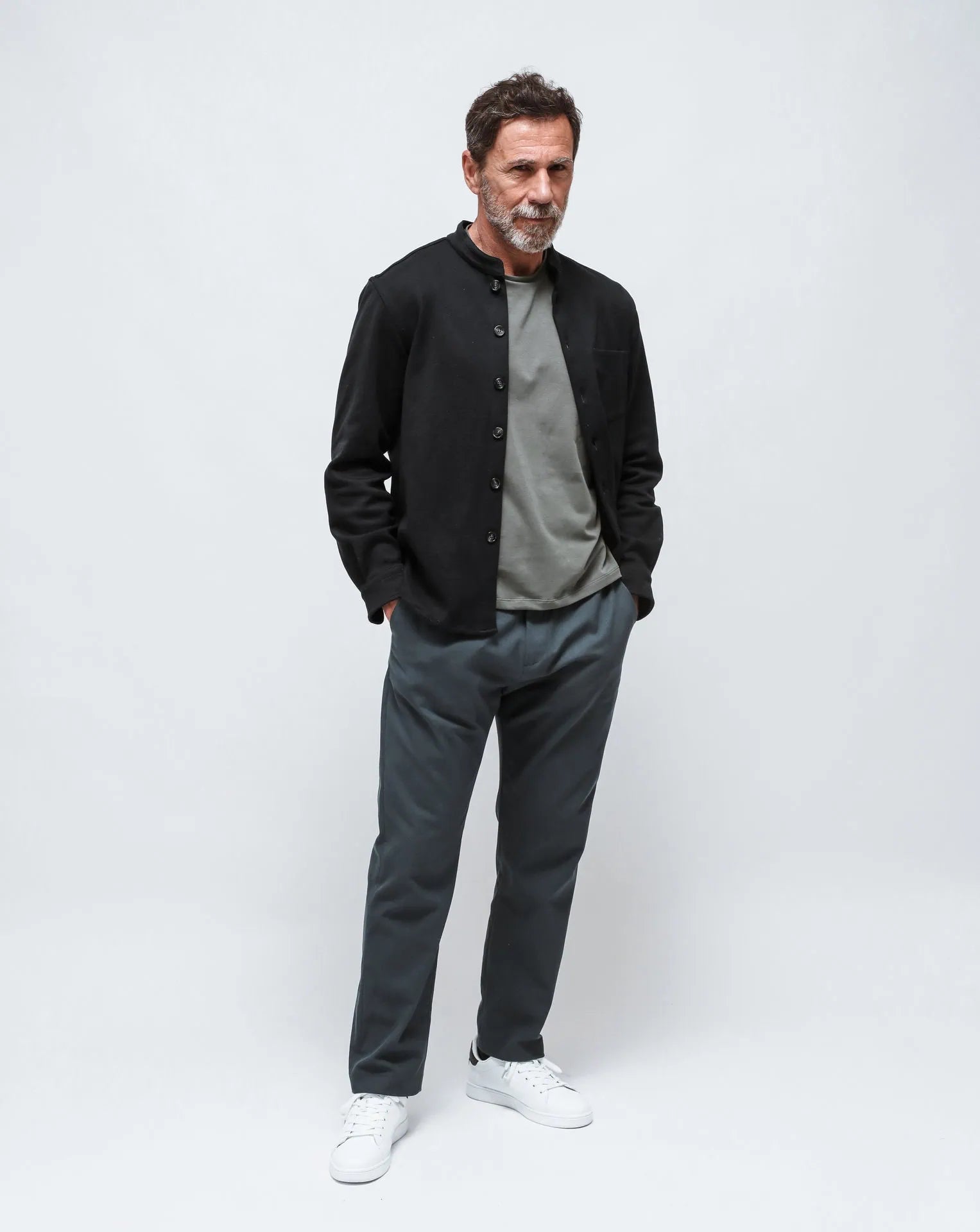
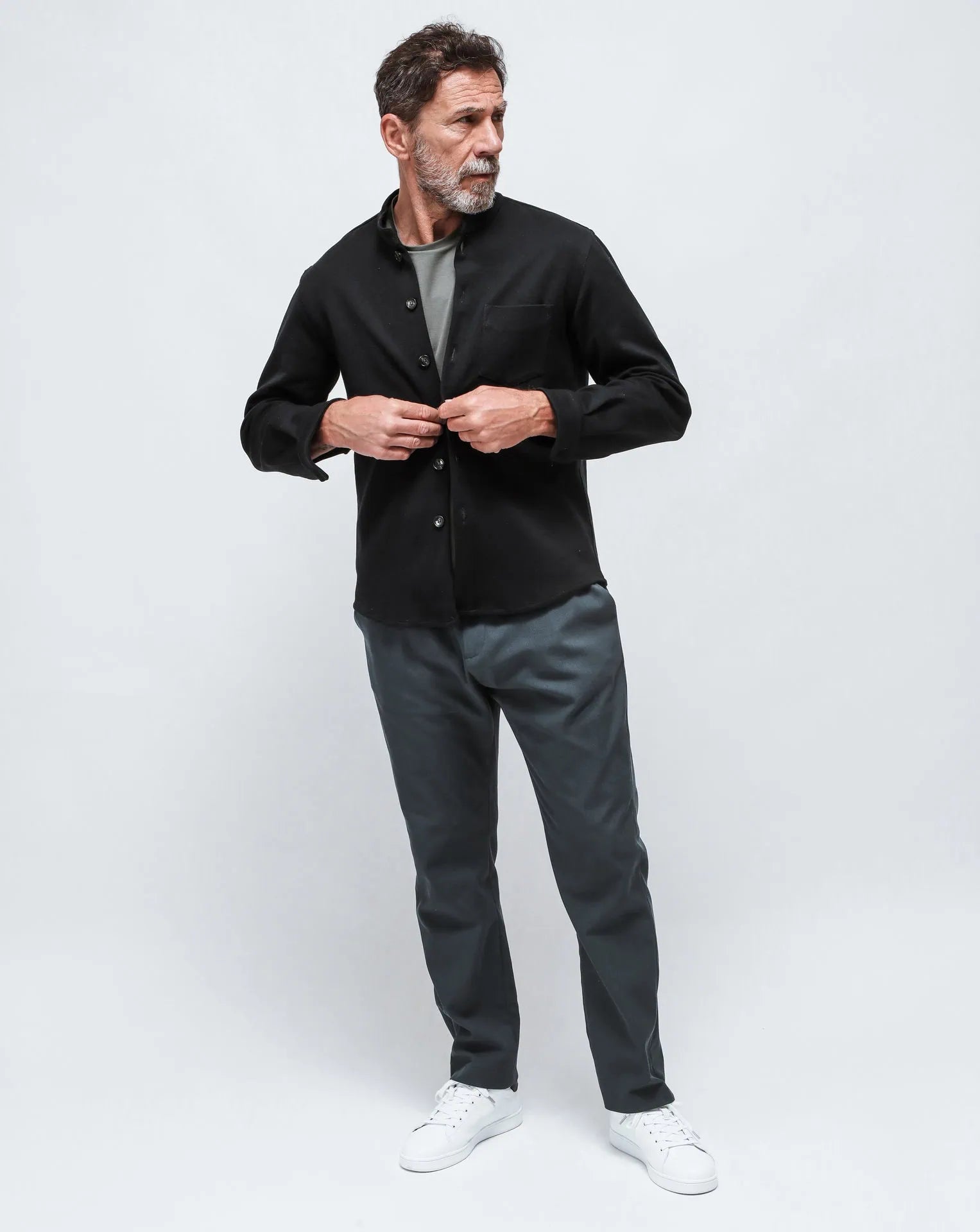
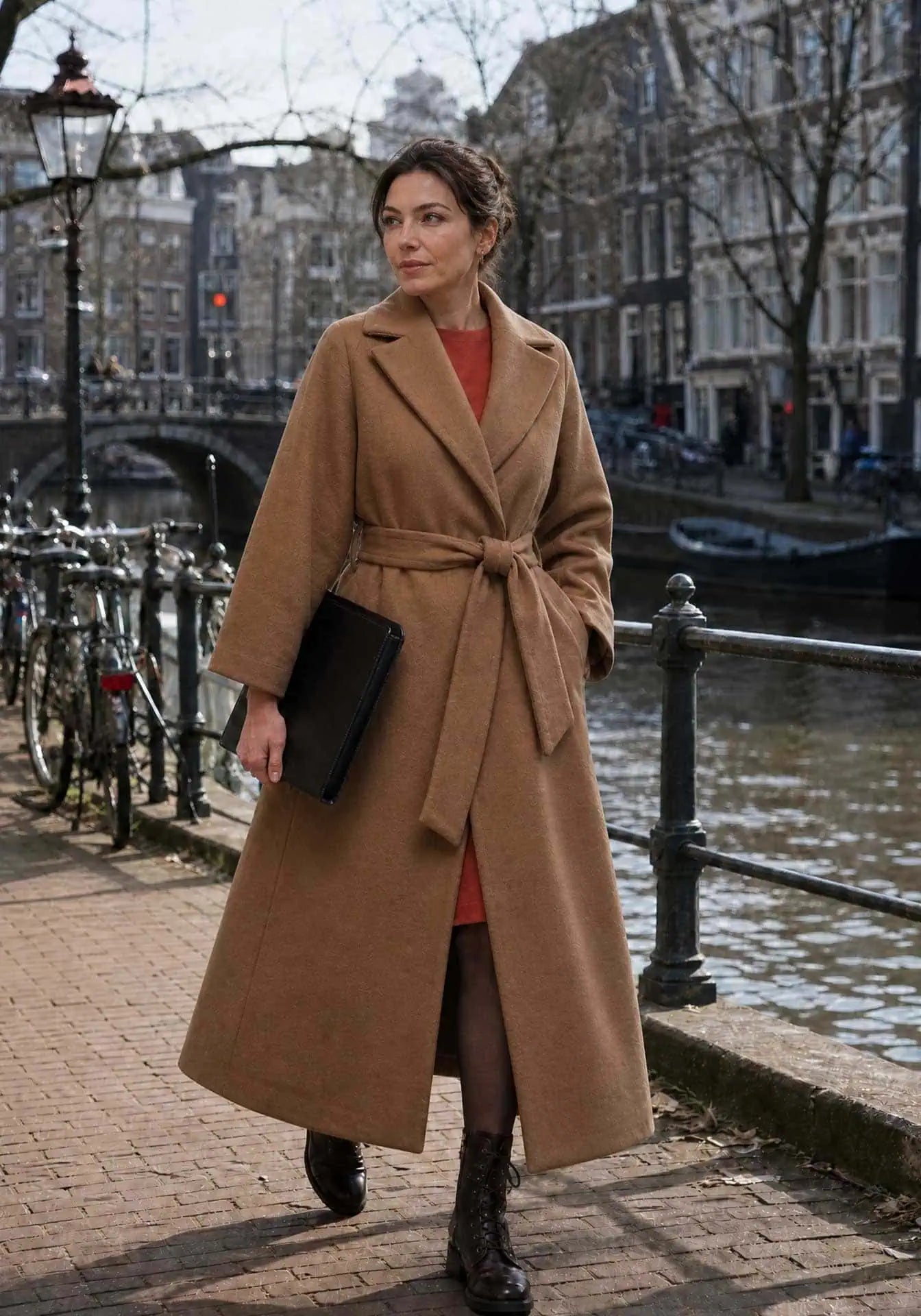
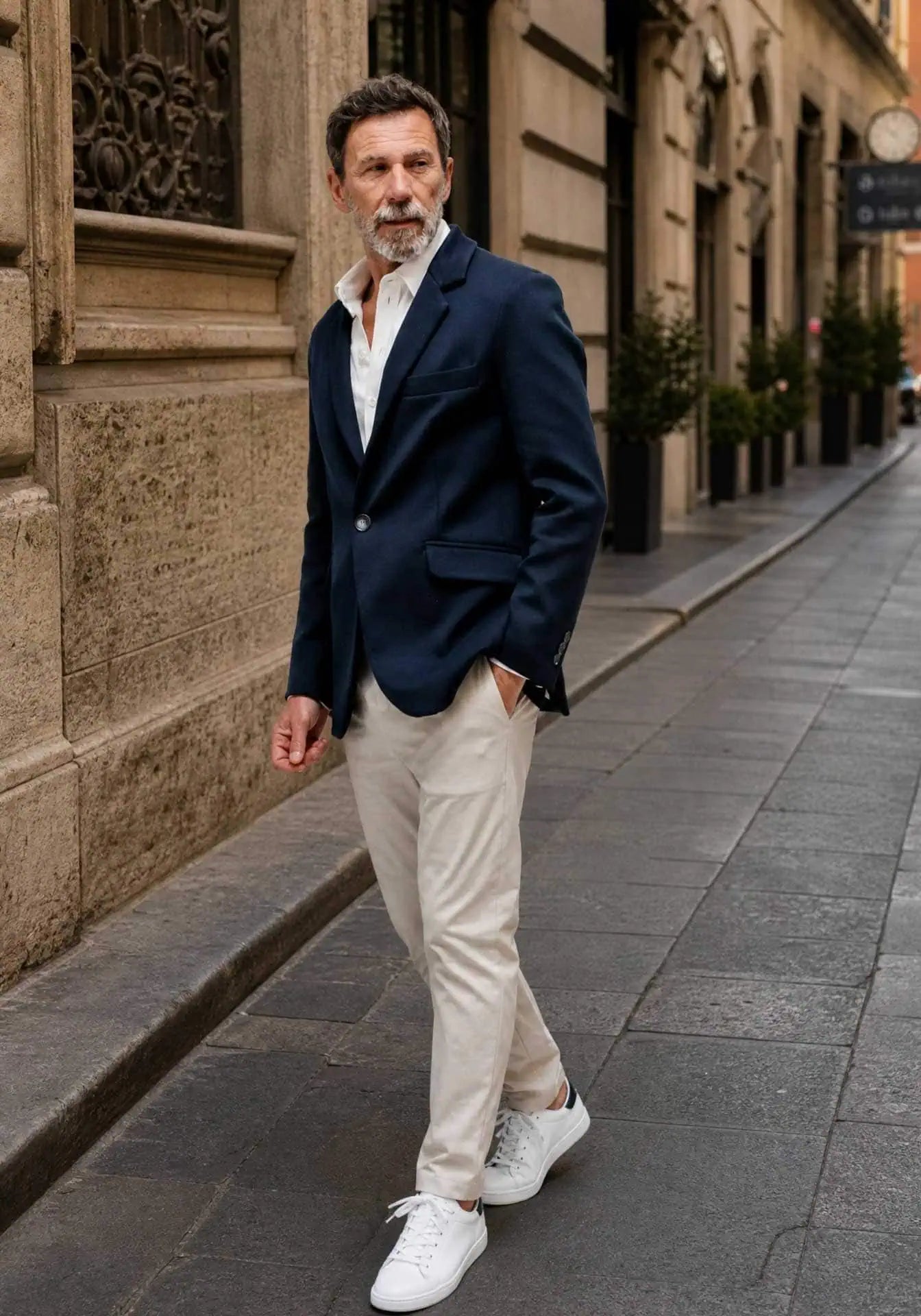
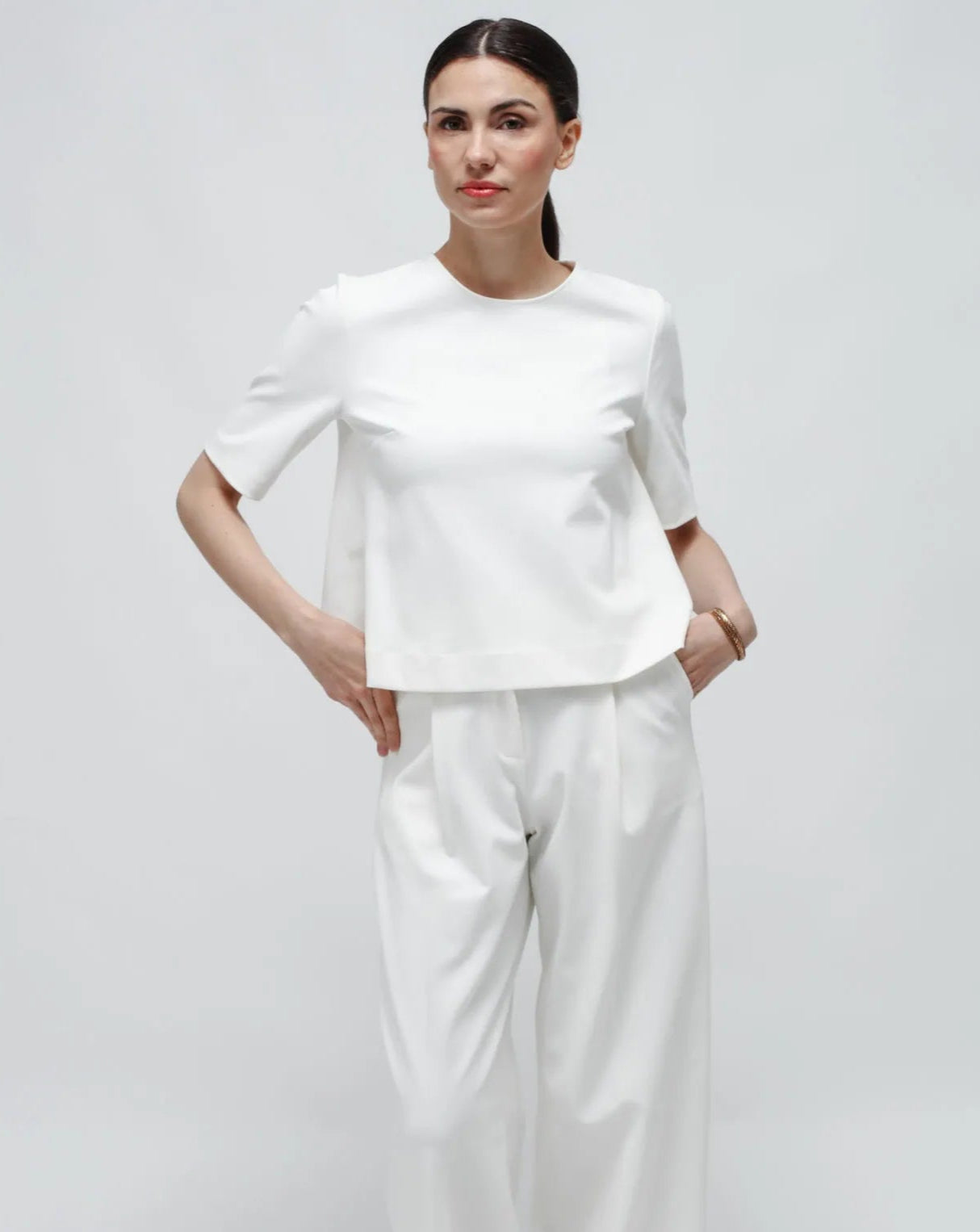
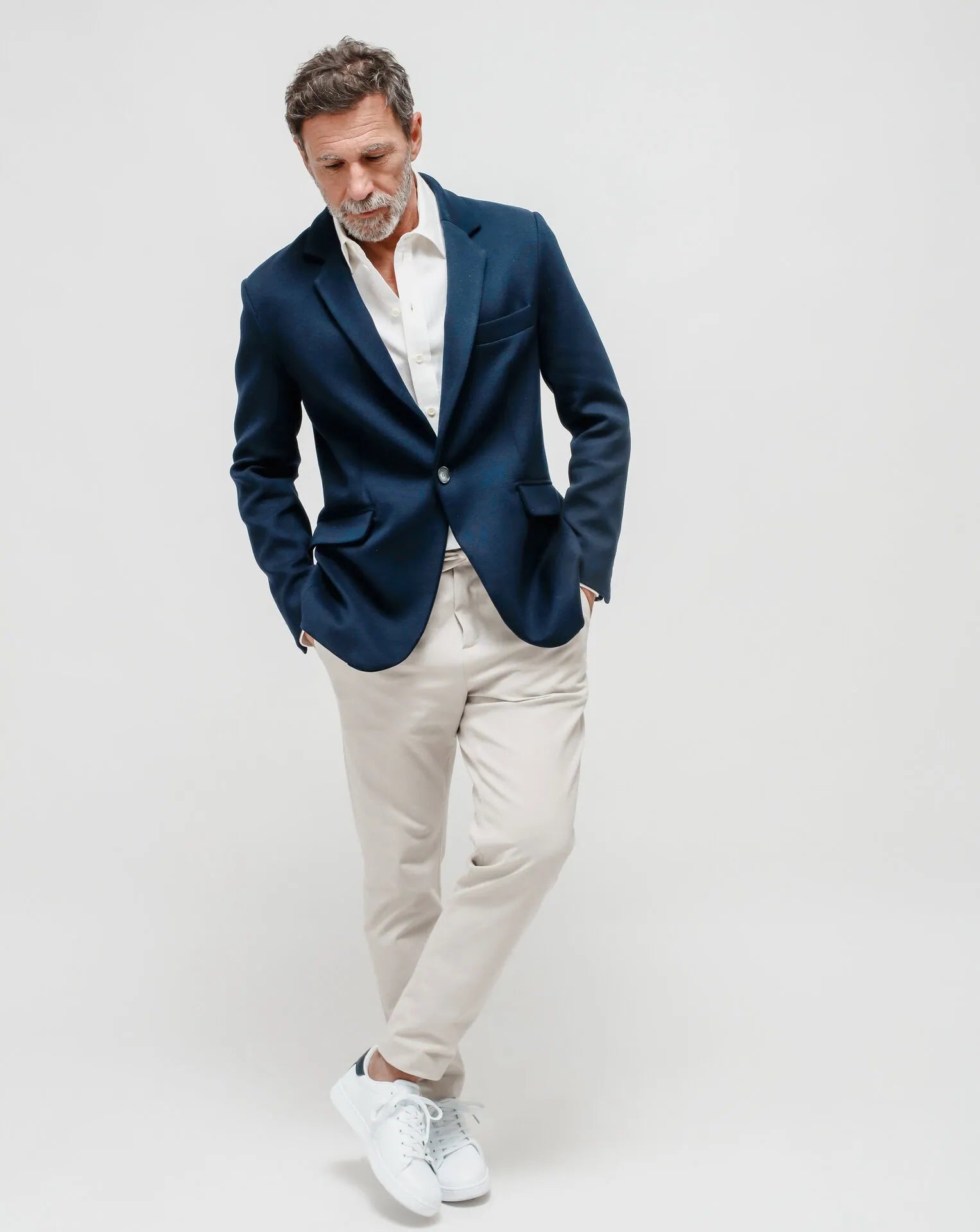
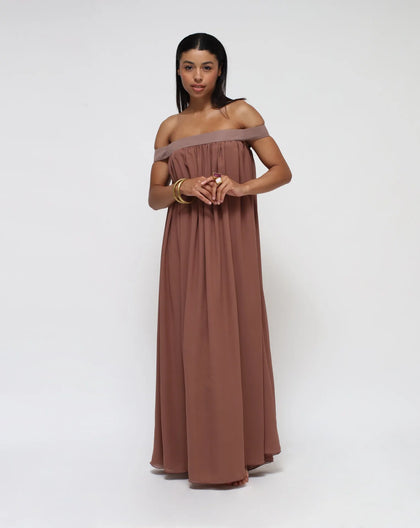
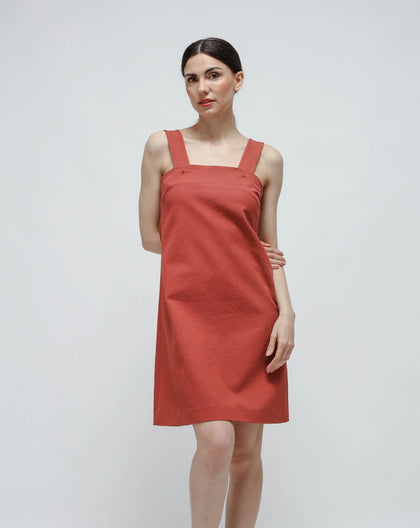
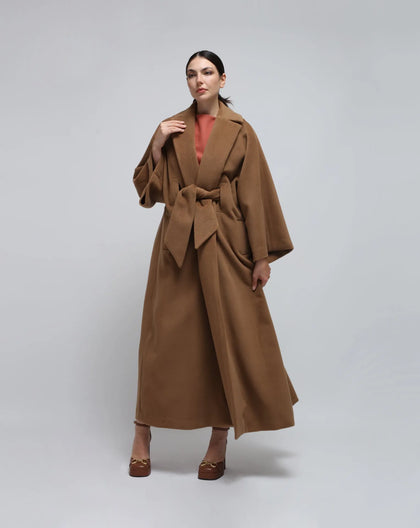
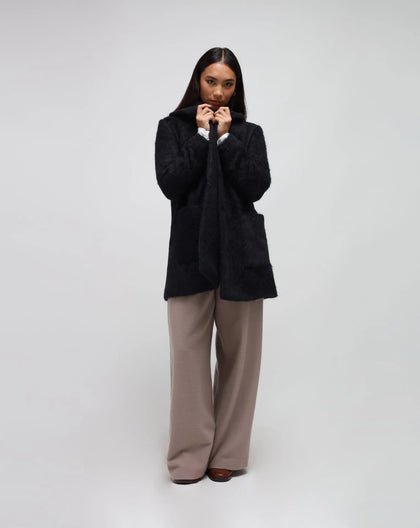
Italian small-batch production makes room for the details that turn cold-weather dressing into a long-term investment. Think of the clean shoulder line on a women's long coat, the relaxed precision of men's tailored wool trousers, or a structured overshirt that works over a fine knit without becoming bulky. These are not disposable trend pieces. They are anchors for a season of repeat wear.
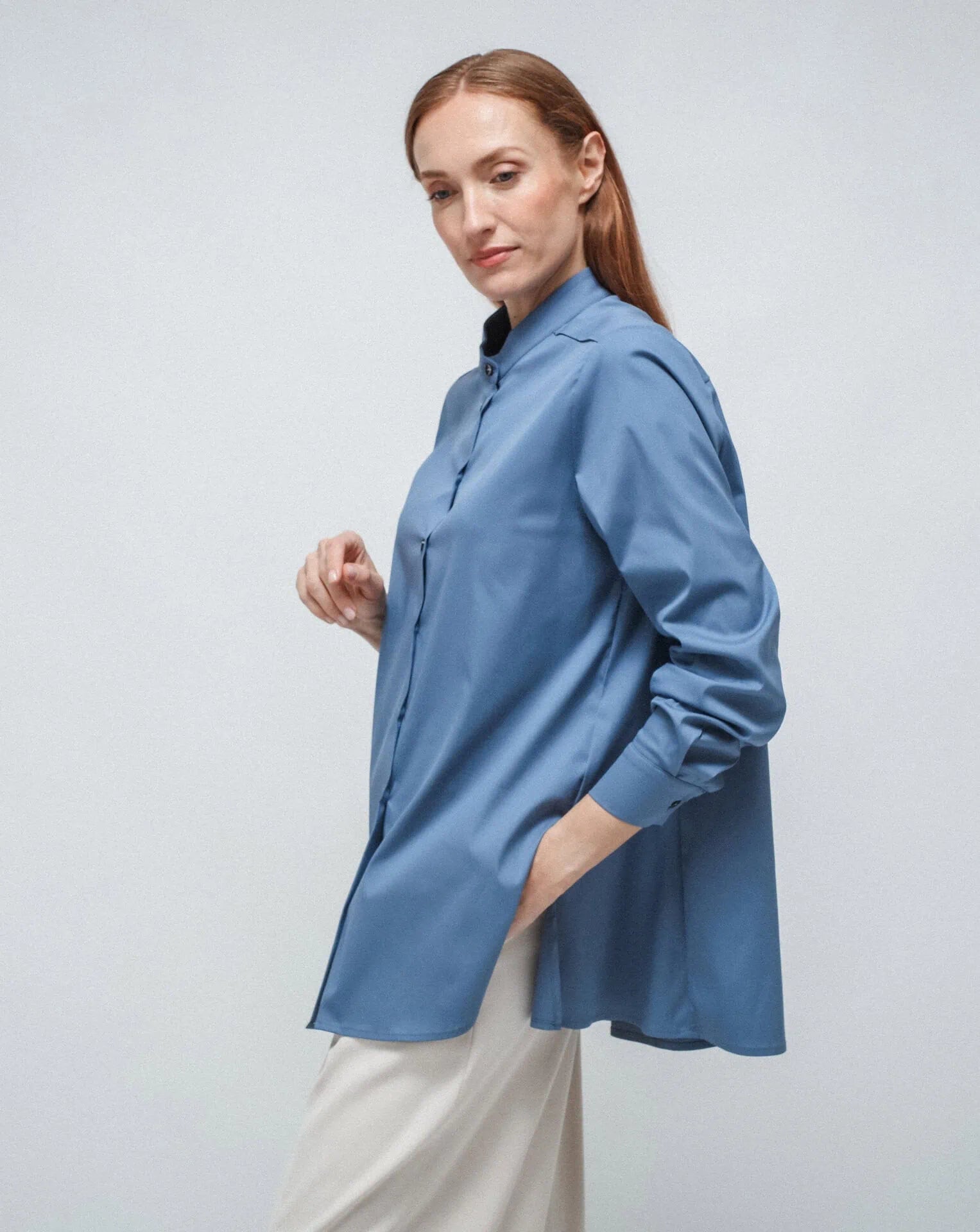
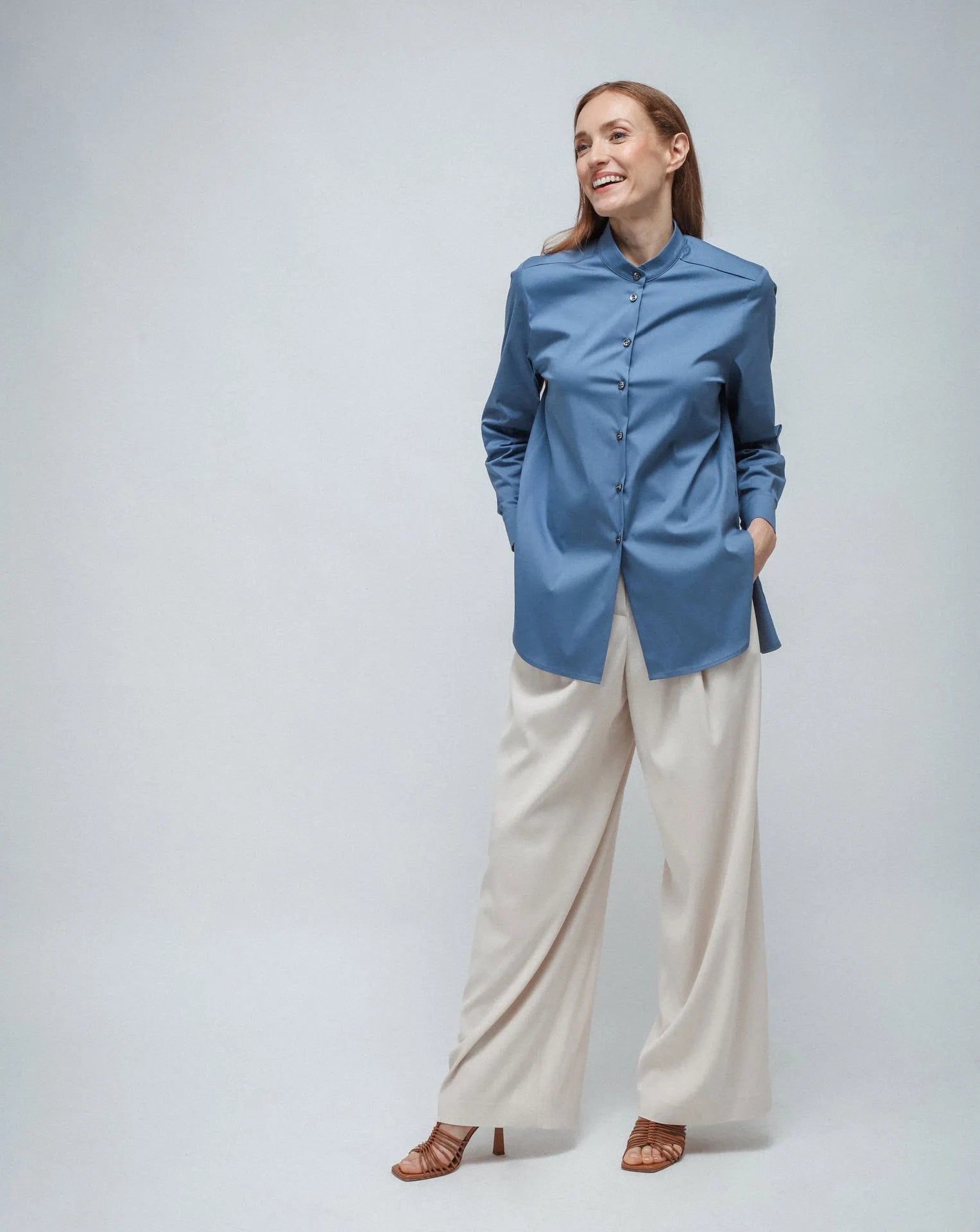
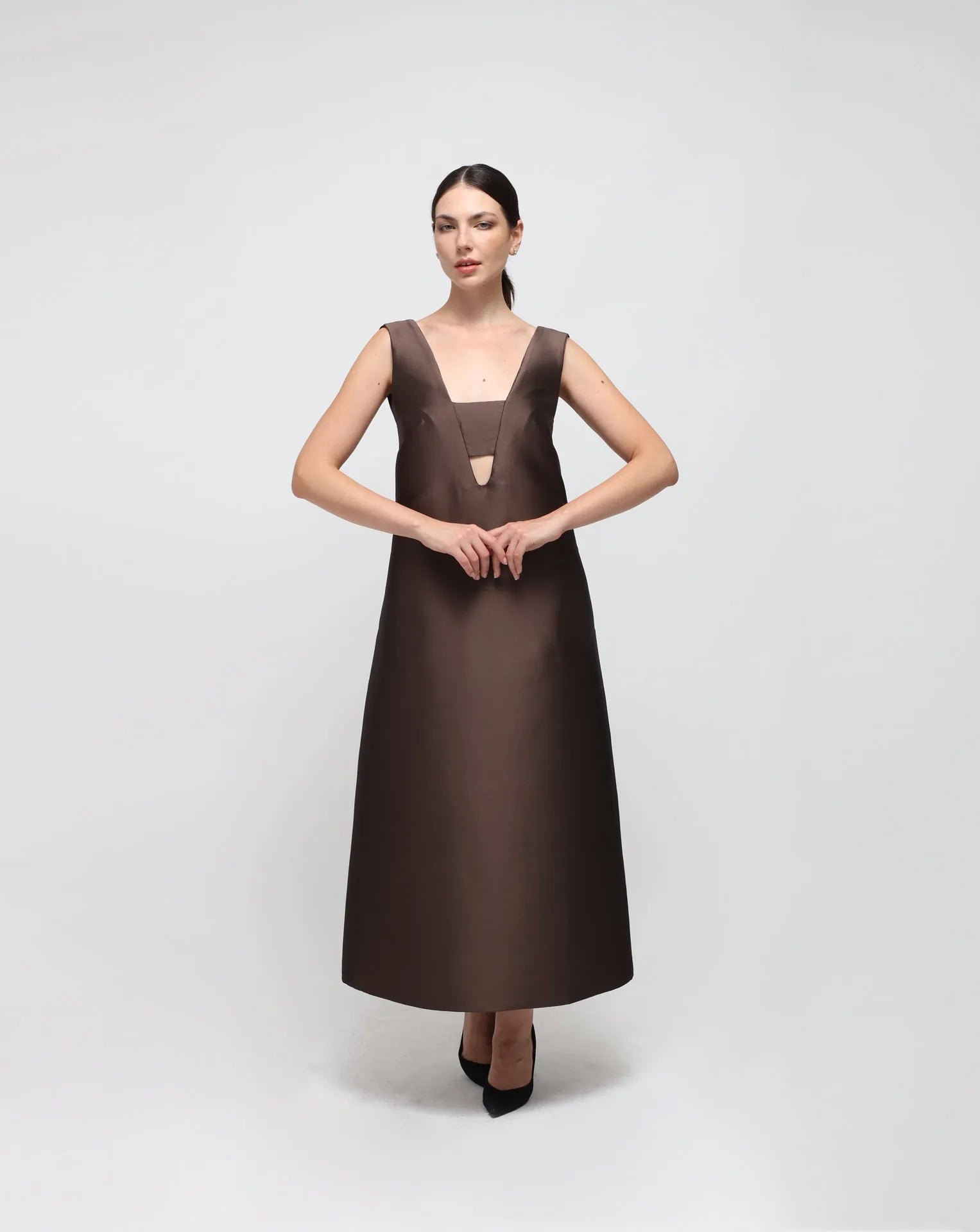
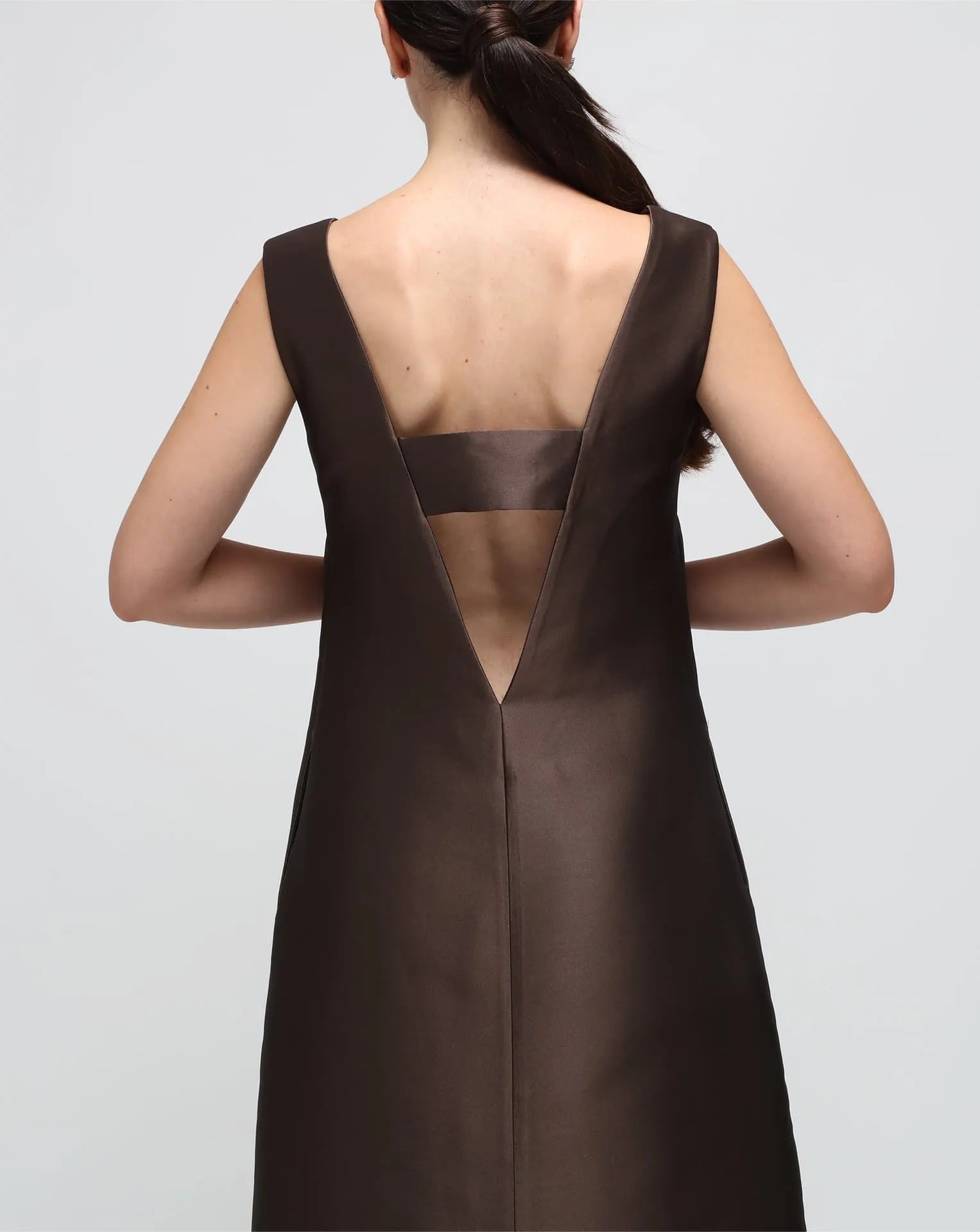
A women's coat from the Winter Coats edit can illustrate this principle: a strong silhouette, substantial deadstock fabric, and enough versatility to wear over denim during the week or a dress for an evening out. A men's jacket from the Winter Jackets edit can do the same, carrying a knit, shirt, or lightweight layer without losing its shape.
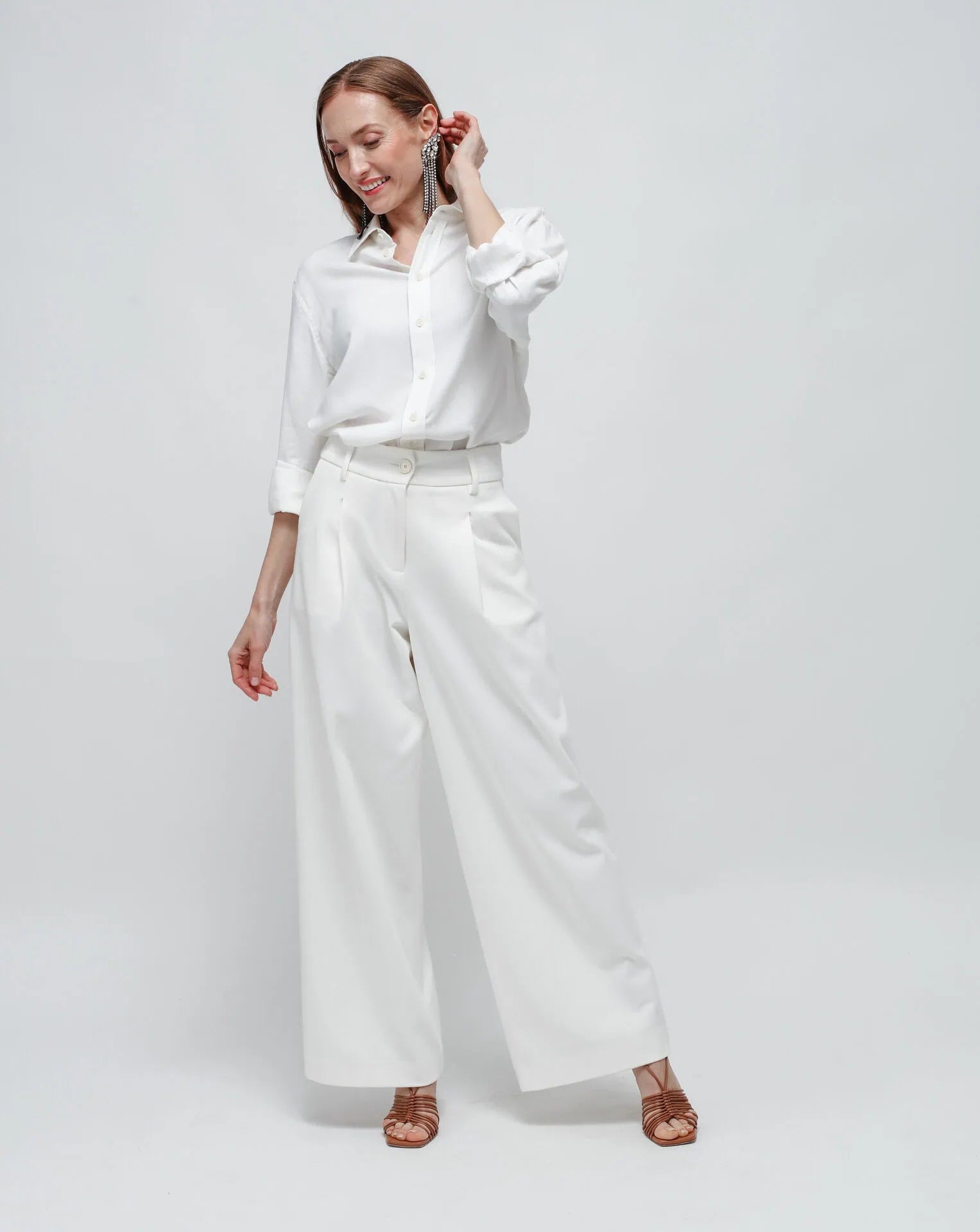
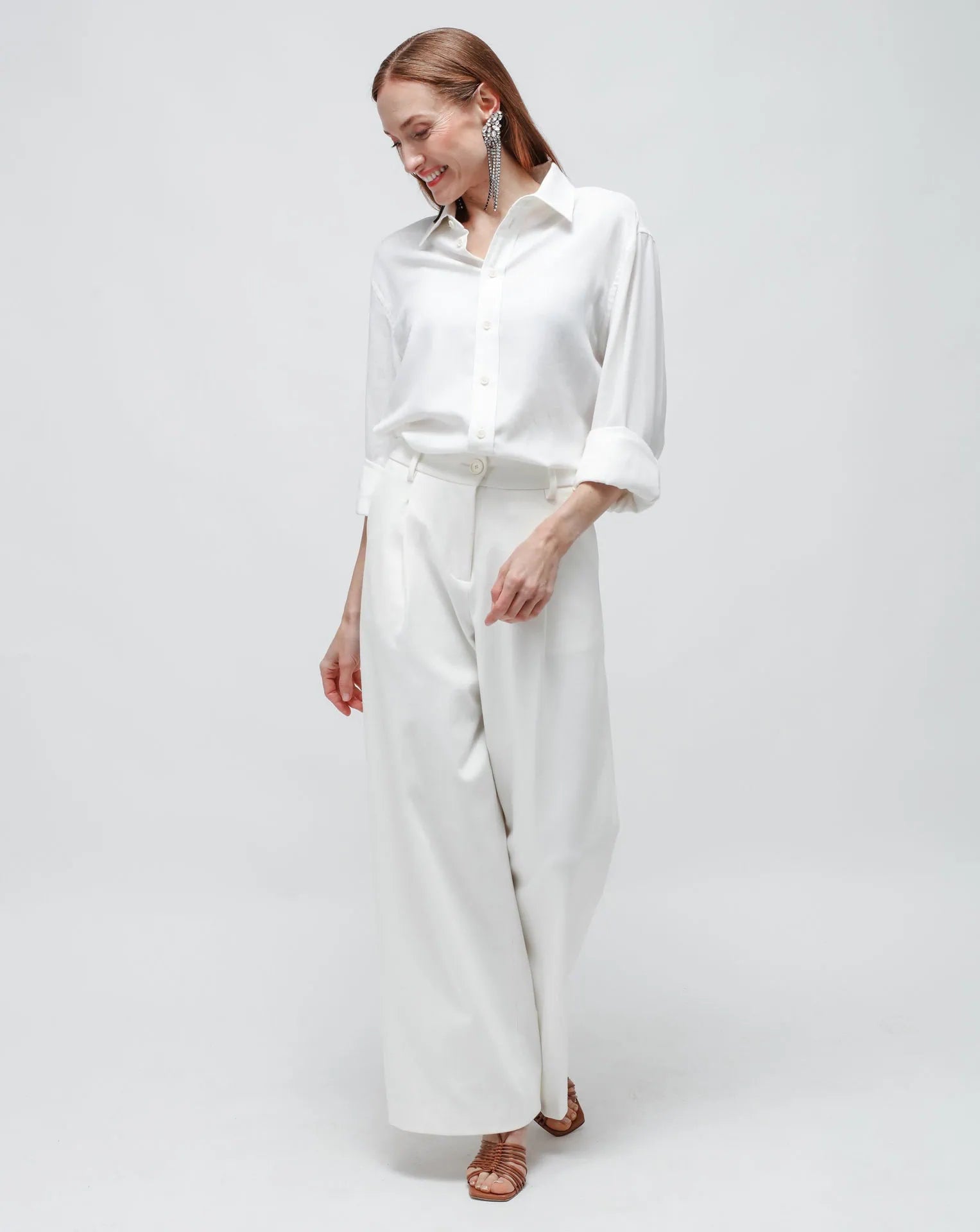
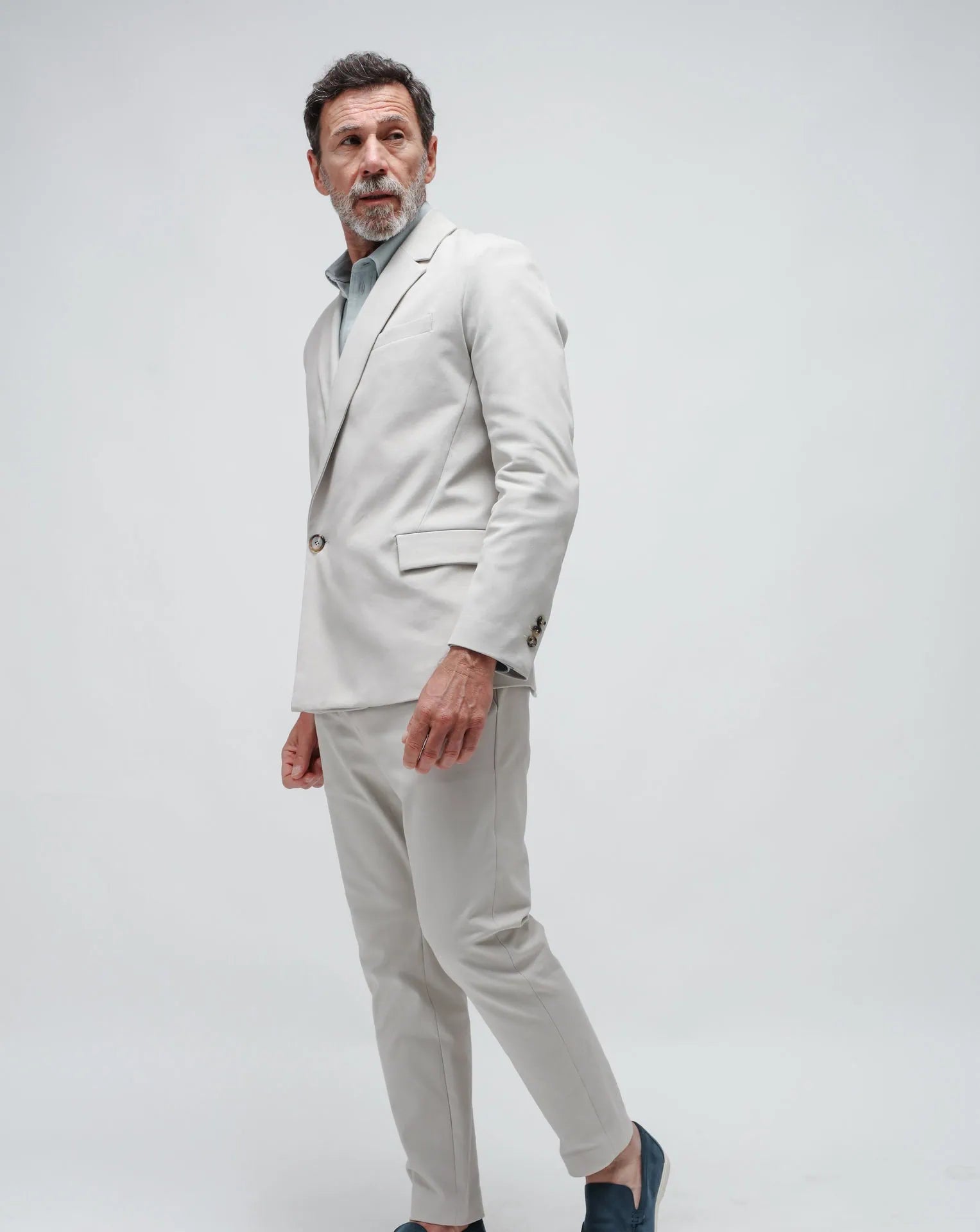
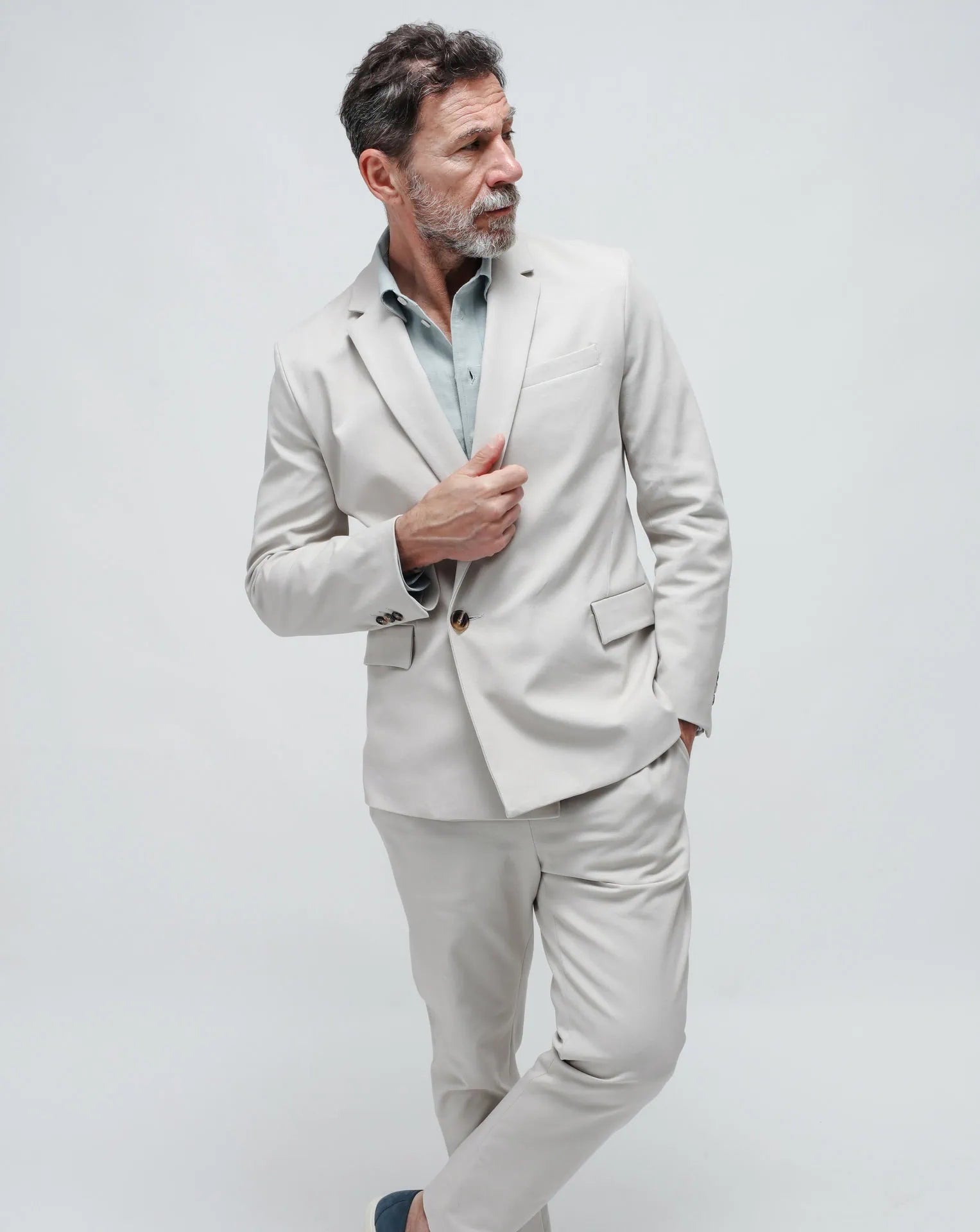
The goal is not to own a separate look for every occasion. It is to have pieces capable of moving between them. A well-cut coat can handle the commute, a dinner reservation, and a weekend departure. A coordinated suit can be separated into a jacket with jeans and trousers with a soft sweater. Better use is one of the most practical forms of sustainability.
Small-Batch Production Changes the Equation
Fashion's waste problem begins well before a sale rack. It starts when brands produce according to speculation rather than realistic demand. Excess units are discounted, stored, destroyed, or pushed into an already crowded market simply because they exist.
Small-batch production challenges that model. It asks for sharper design, closer attention to fabric availability, and a willingness to make less. At Humans & Land, limited-edition apparel is shaped around premium deadstock textiles and handmade production in Italy, rather than the volume-driven calendar of fast fashion.
This approach does not promise perfection. Shipping still has an impact. Some materials will be more resource-intensive than others. A garment's true footprint also depends on how often it is worn, washed, repaired, and eventually passed on. But producing a limited run from existing fabric is a clear step away from creating more material waste for the sake of novelty.
It also changes how a customer shops. Instead of asking, "What is new this week?" the better question is, "Will I choose this again next winter?" That question leads to stronger purchases: a black tailored coat, a textured shirt that layers easily, wide-leg pants with room for boots, or a refined matching set that can be styled in multiple ways.
How to Recognize a Piece Worth Keeping
Price alone does not prove quality. Neither does a country-of-origin label. Look at the garment as a whole: its fabric, shape, finish, and ability to work with what you already own.
Start with fabric. Natural fibers and thoughtful blends can be excellent choices, but the right option depends on the garment. Wool offers warmth and structure for coats and tailoring. Cotton can make a shirt or layering top more breathable. A blend may improve durability, recovery, or drape. The honest answer is rarely that one fiber is always best. What matters is whether the fabric serves the garment and can withstand the life you intend to give it.
Then consider construction and proportion. Check whether sleeves allow layering, whether a jacket closes comfortably over a knit, and whether a skirt or trouser can work with the shoes you actually wear in winter. The most sustainable garment is often the one that eliminates the need for a second, more practical version.
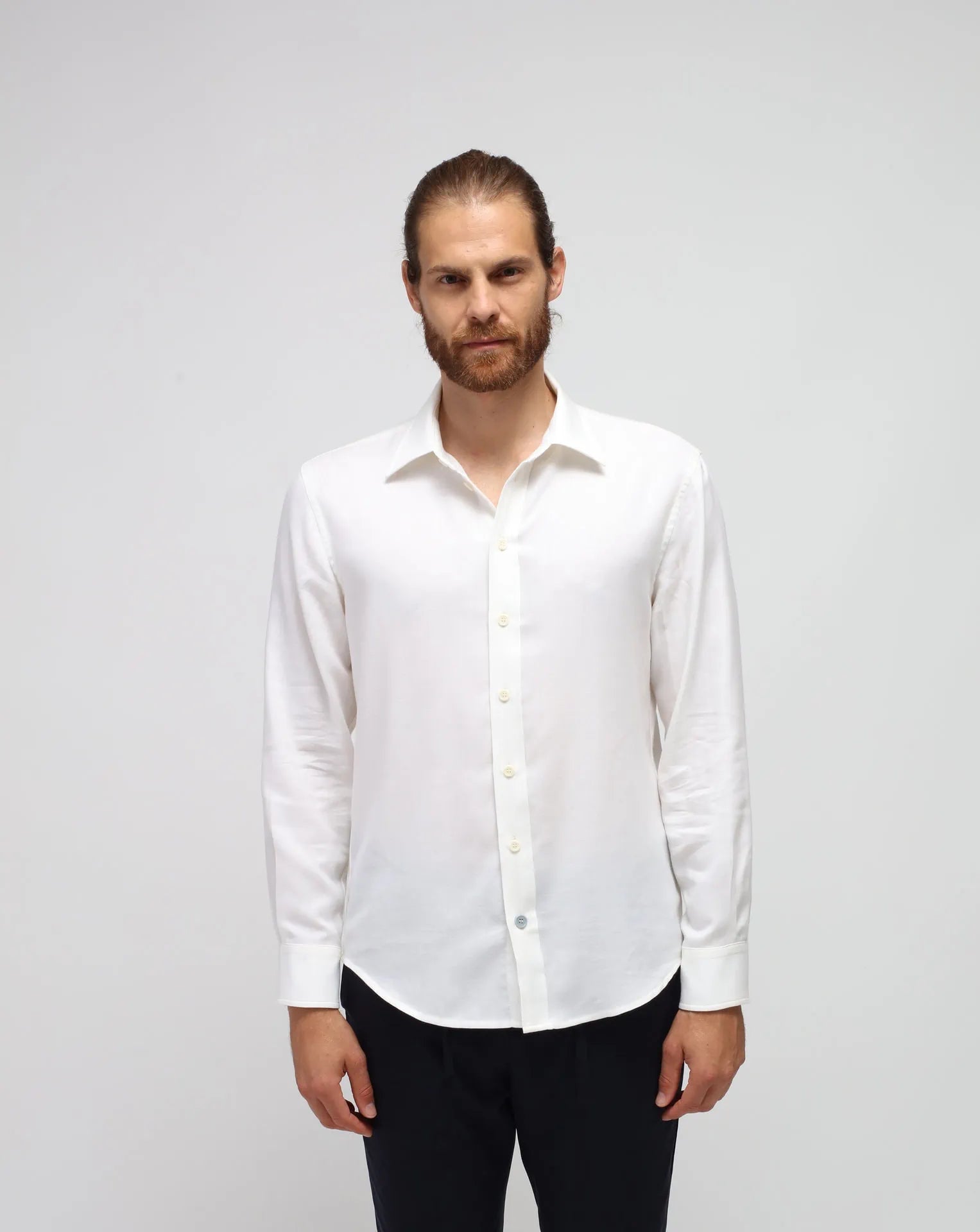
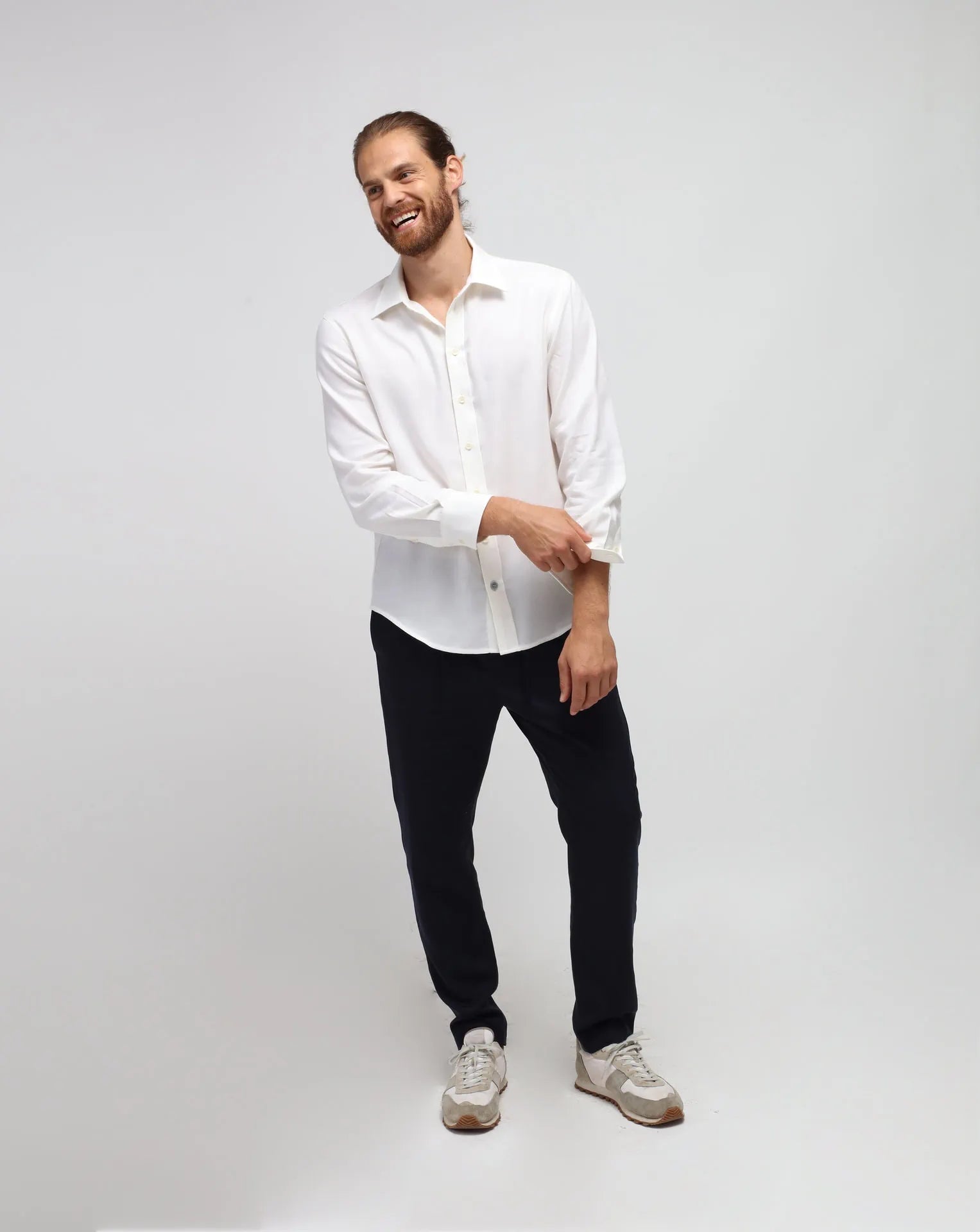
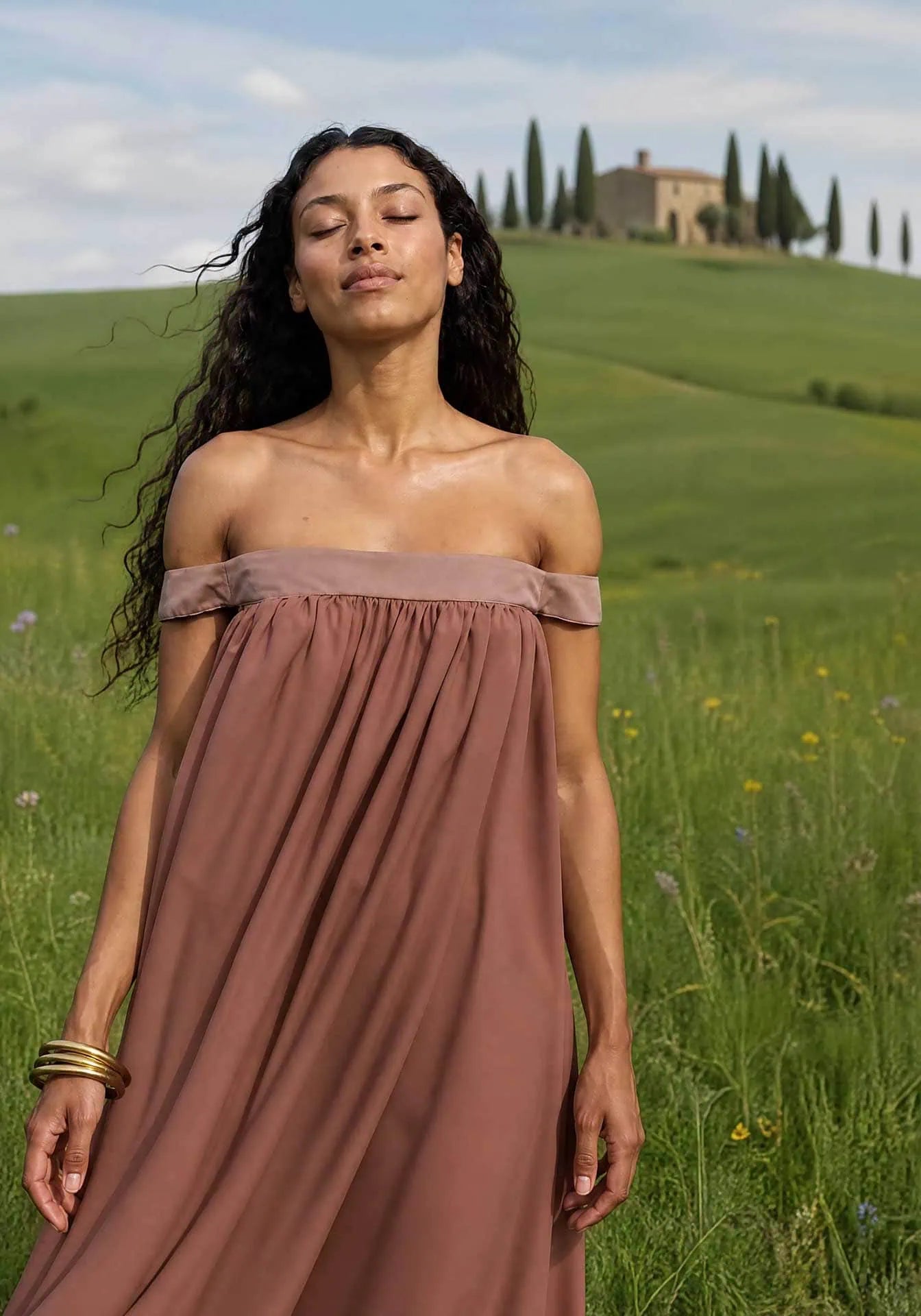
Finally, consider styling range. A women's dress that works with tall boots and a coat has greater value than one designed for a single evening. A men's shirt with enough body to wear open over a tee, yet enough polish for tailoring, will work harder across a week. Product descriptions should help answer these questions clearly, not hide them behind vague claims.
Care Is Part of the Design
A responsible wardrobe does not end at checkout. Care determines whether quality lasts. Air wool between wears, spot-clean when possible, and use dry cleaning selectively rather than automatically. Follow the care label, store knitwear folded, and use a proper hanger for structured outerwear.
These habits are not precious rituals. They protect fabric, preserve shape, and reduce the energy and water used over a garment's lifetime. If a button loosens or a hem needs attention, repair it early. Small interventions are often what keep a favorite piece in rotation for another season.
Free carbon-neutral shipping and free size exchanges can also make a more deliberate purchase easier. The right fit reduces returns, regret, and the tendency to treat clothing as temporary. Take measurements, compare them with the product guidance, and imagine the garment with the layers already in your closet.
A Better Standard for Winter Style
Made in Italy sustainable clothing is not about buying more expensive things to feel absolved. It is about expecting more from every piece: credible materials, skilled production, limited quantities, and a design that remains relevant after the first cold front passes.
Choose the coat you will reach for without thinking. Choose the tailored layer that makes ordinary outfits feel intentional. Let your winter wardrobe be smaller, sharper, and built for a life that asks your clothes to go places. The most convincing statement is not a new outfit every week. It is a piece that still looks right after years of wear.
FAQ
Q: Is made in Italy clothing automatically sustainable?
A: No. Italian production can offer exceptional craftsmanship, but sustainability also depends on fabric sourcing, production volume, labor practices, packaging, shipping, and garment longevity. Look for clear information on materials and how the piece was produced.
Q: Why are deadstock fabrics a more sustainable choice?
A: Deadstock fabrics use existing surplus textiles that might otherwise remain unused. This can reduce demand for newly produced material while preserving the quality and character of premium fabrics. Because availability is limited, colors and styles may not be restocked.
Q: Are limited-edition pieces practical for an everyday wardrobe?
A: They can be, especially when the design prioritizes versatile silhouettes. A limited-edition coat, jacket, trouser, or dress should still be chosen for repeat wear, not simply because it is rare. Focus on fit, fabric, and the number of outfits it can complete.
Q: What should I buy first for a more sustainable winter wardrobe?
A: Begin with the piece you will wear most: often a coat, tailored jacket, or versatile pair of trousers. Choose a color and shape that work with your current wardrobe, then care for it well. A considered first piece can change how you buy everything that follows.
the World of H&L