
How to Pack Versatile Outfits for Winter Travel
A winter suitcase fails long before the zipper closes. It fails when every piece has only one purpose: the sweater that works only with jeans, the dress that needs different shoes, the coat too bulky to wear anywhere but the airport. Learning how to pack versatile outfits means choosing fewer garments with a clear point of view - pieces that hold their shape, layer intelligently, and move from a morning meeting to a late dinner without a full change.
For a considered traveler, versatility is not about looking neutral or dressing without personality. It is about building enough combinations to feel prepared while carrying only what earns its place. The result is a lighter bag, a sharper wardrobe, and less reliance on last-minute purchases made far from home.
Start with the winter conditions, not a packing formula
A three-day city break in Chicago requires a different capsule than a week in Milan or Copenhagen. Check the forecast, but also think about the kind of cold you will actually encounter: dry wind, rain, heated interiors, long walks, formal dinners, or a car-to-door schedule. The best winter wardrobe handles temperature changes as well as social ones.
Choose one outer layer that can carry the visual weight of most outfits. A tailored wool coat in black, charcoal, deep brown, or rich navy works over knitwear, suiting, denim, and evening clothes. If rain is likely, a structured water-resistant jacket may be the wiser choice, though it can feel less formal. This is the first trade-off: choose the coat that best serves the trip you are taking, rather than packing two "just in case."
Then set a restrained color direction. Two base neutrals and one accent color are usually enough. Think black and stone with oxblood, or navy and cream with forest green. When every top works with every bottom, getting dressed becomes simple without becoming repetitive.
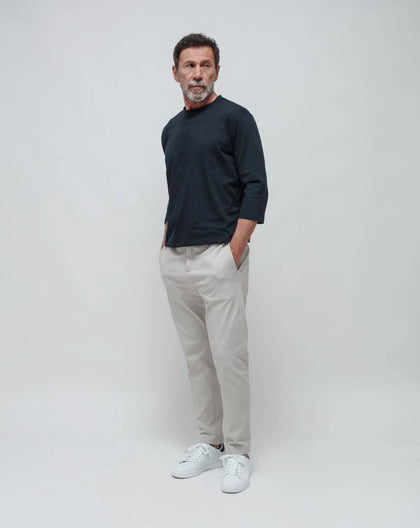
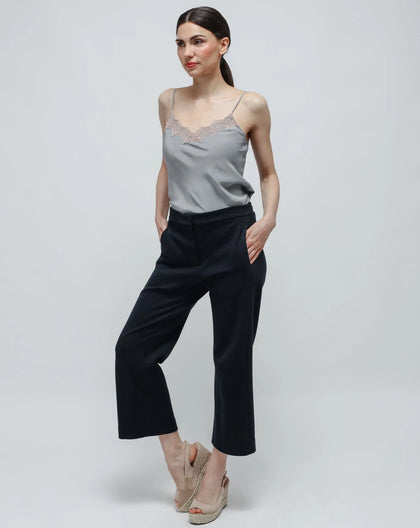
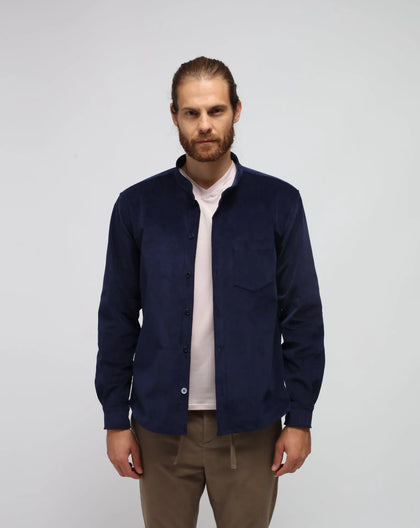
How to pack versatile outfits around a three-part formula
A practical winter capsule begins with three categories: an outer layer, a warm mid-layer, and a refined foundation. Each category should speak to the others.
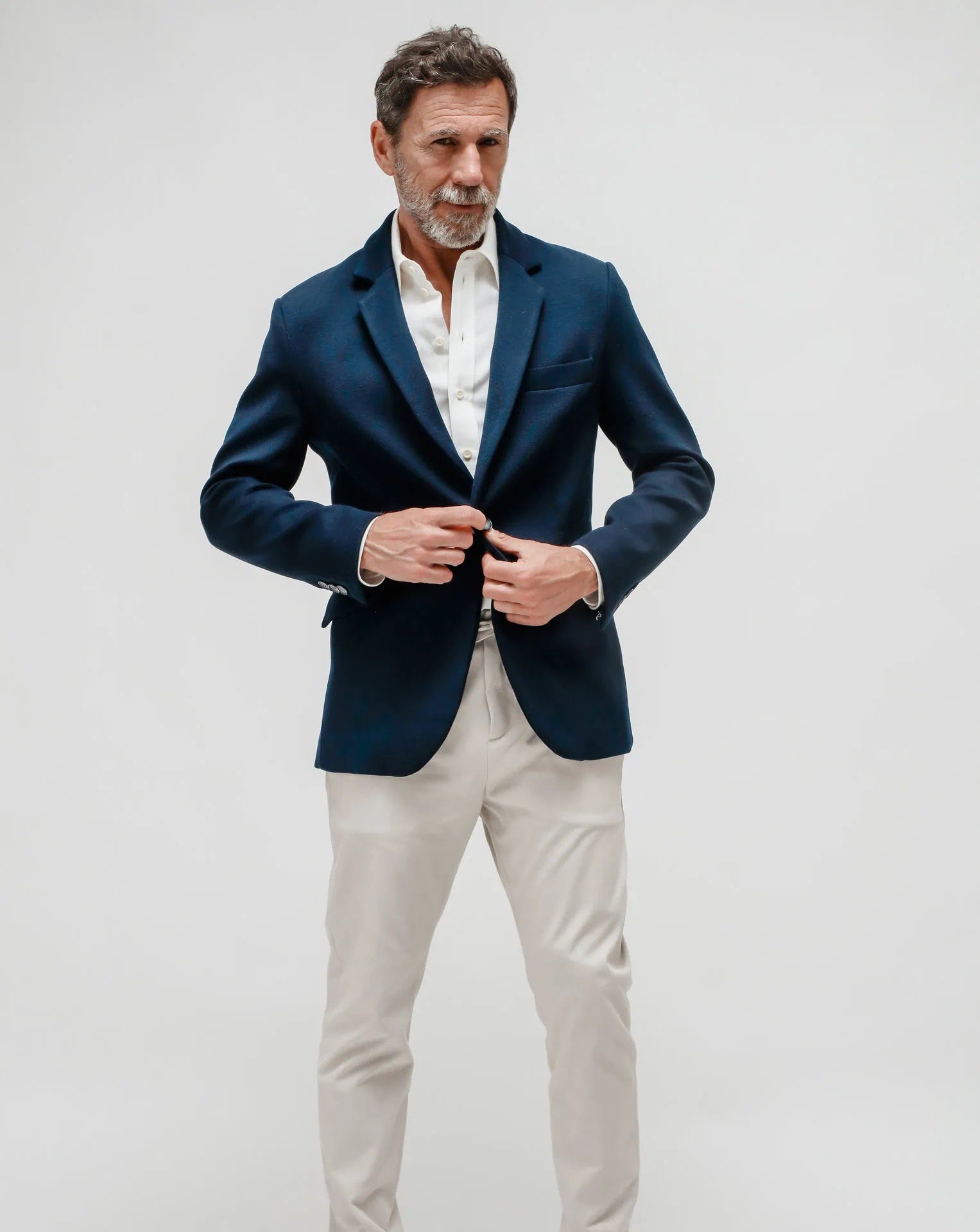
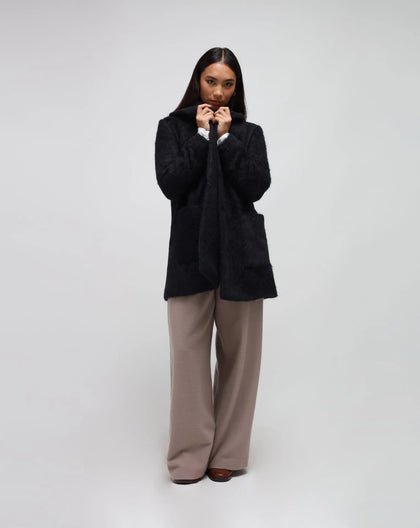
Your outer layer is the coat or jacket you will wear in transit. Your mid-layers are a fine-gauge knit, a cardigan, a soft overshirt, or a tailored blazer. Your foundations are trousers, a skirt, dark denim, a dress, a crisp shirt, or a well-cut jersey top. The proportions matter. A longer coat needs enough room for a knit underneath. Wide-leg pants are strongest with a more defined top. A voluminous sweater may need a slimmer skirt or trouser to retain shape.
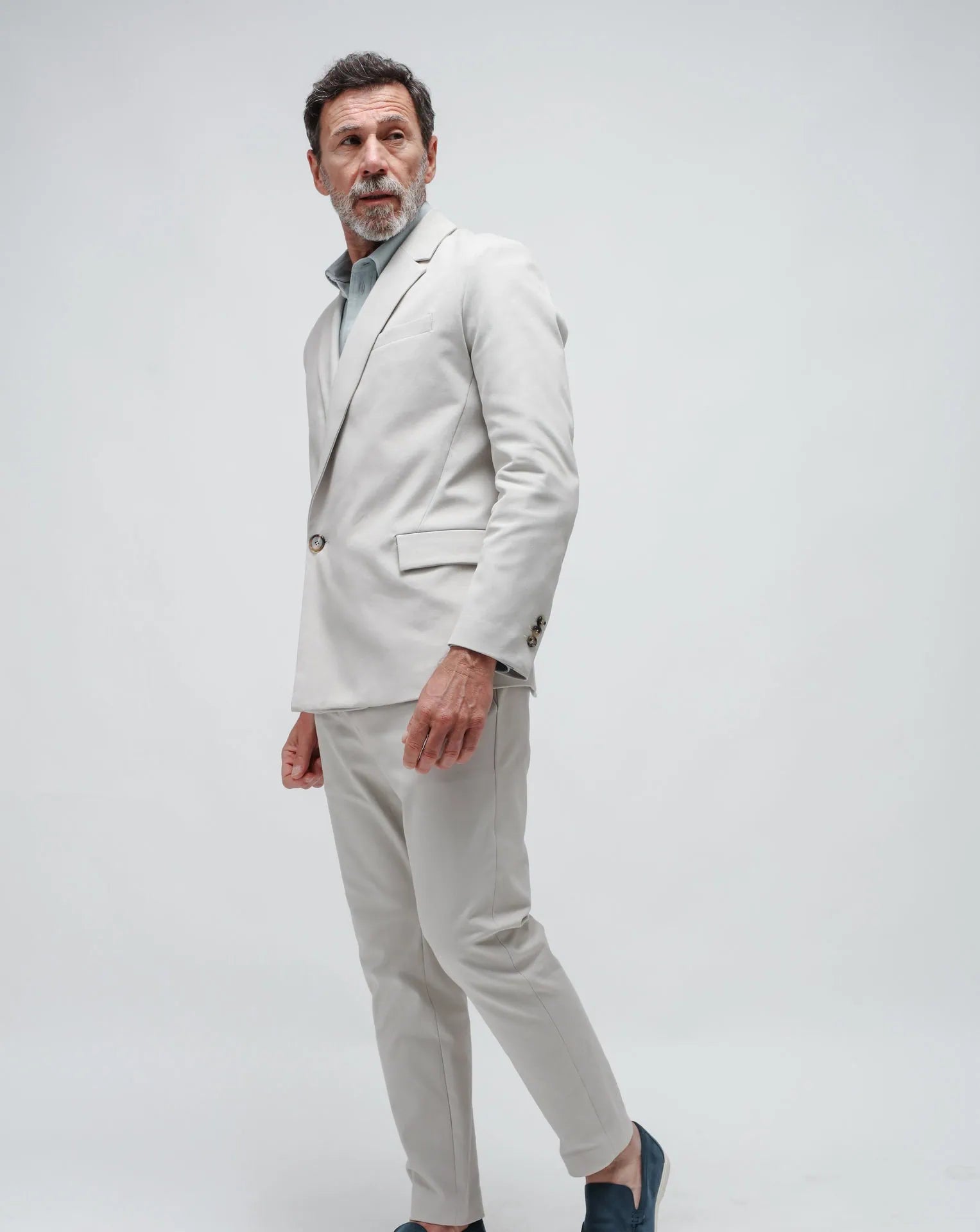
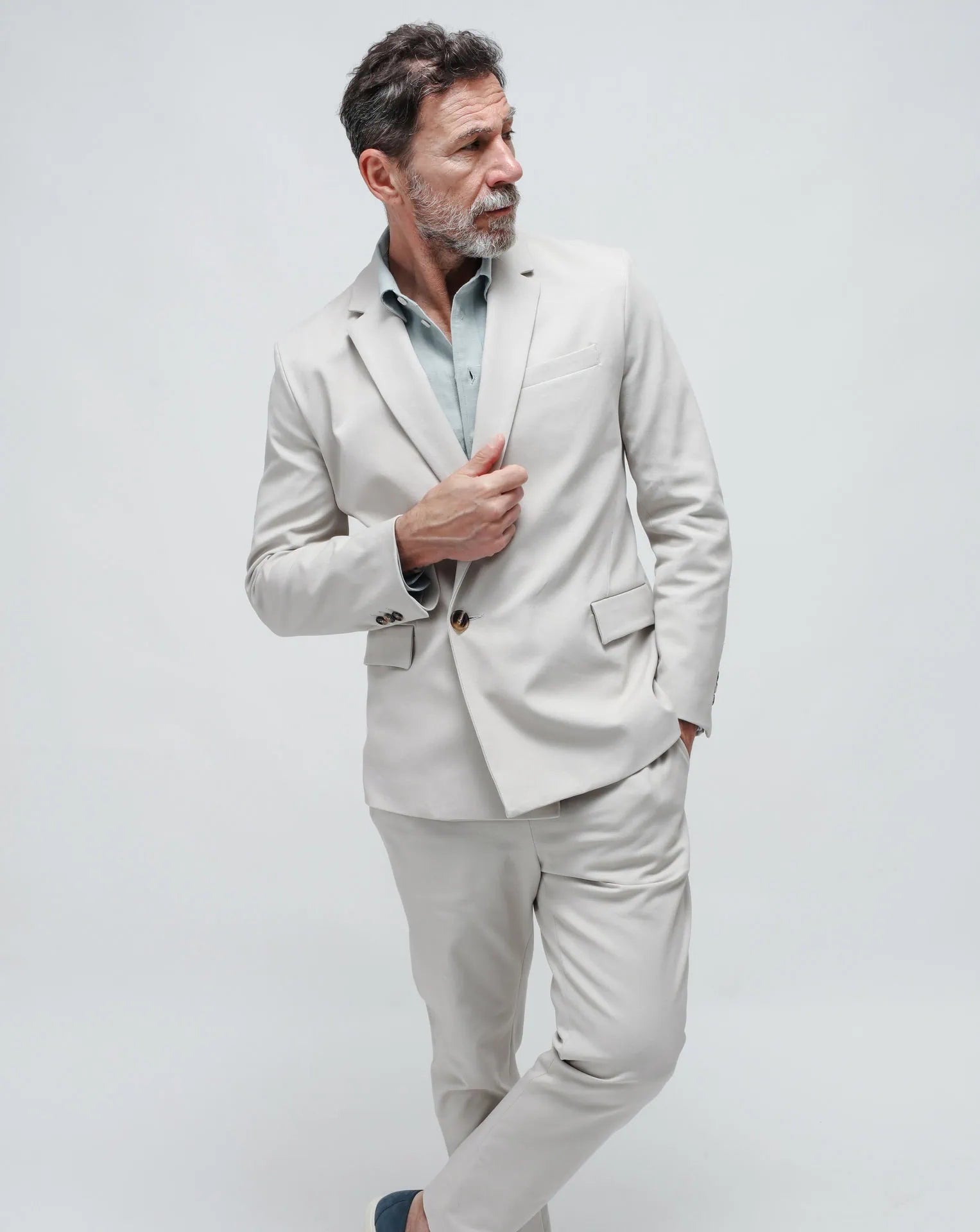
Rather than packing an outfit for every day, pack components for three reliable combinations: polished daytime, relaxed off-duty, and evening-ready. A black knit dress under a wool coat can be office appropriate with boots, then dinner-ready with jewelry. A shirt, tailored pants, and blazer can become more relaxed when the blazer is replaced with a cardigan. The pieces remain the same; the styling changes.
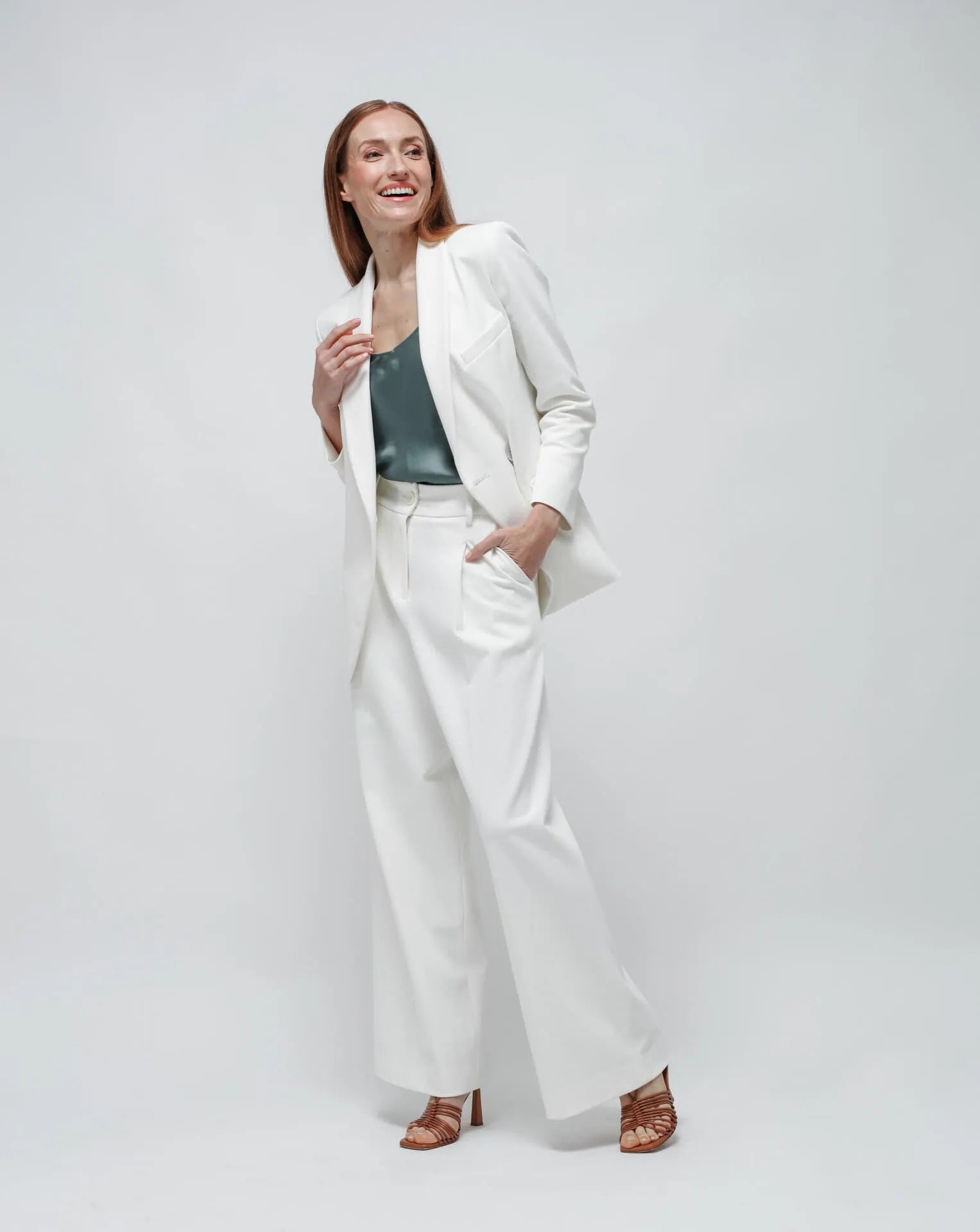
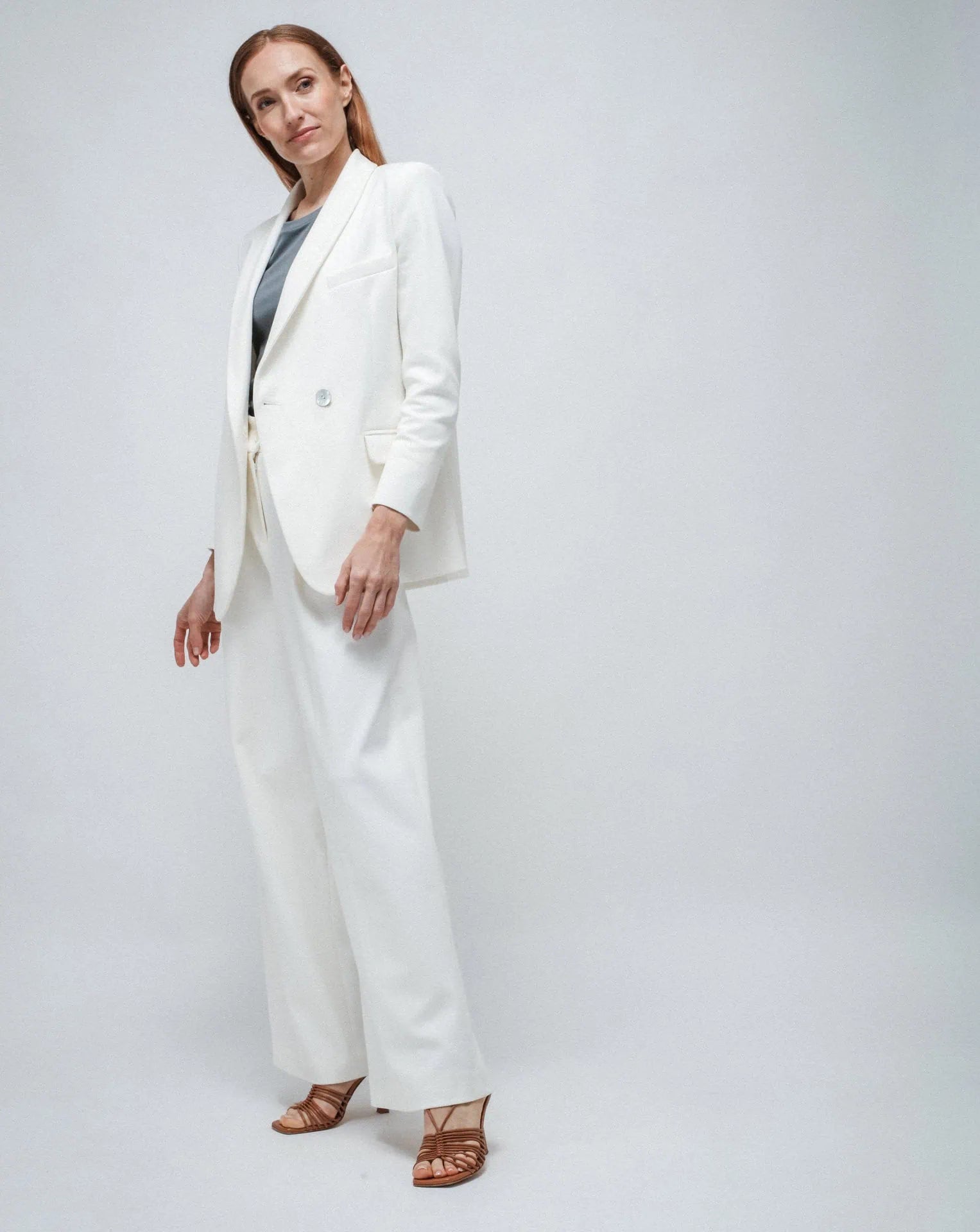
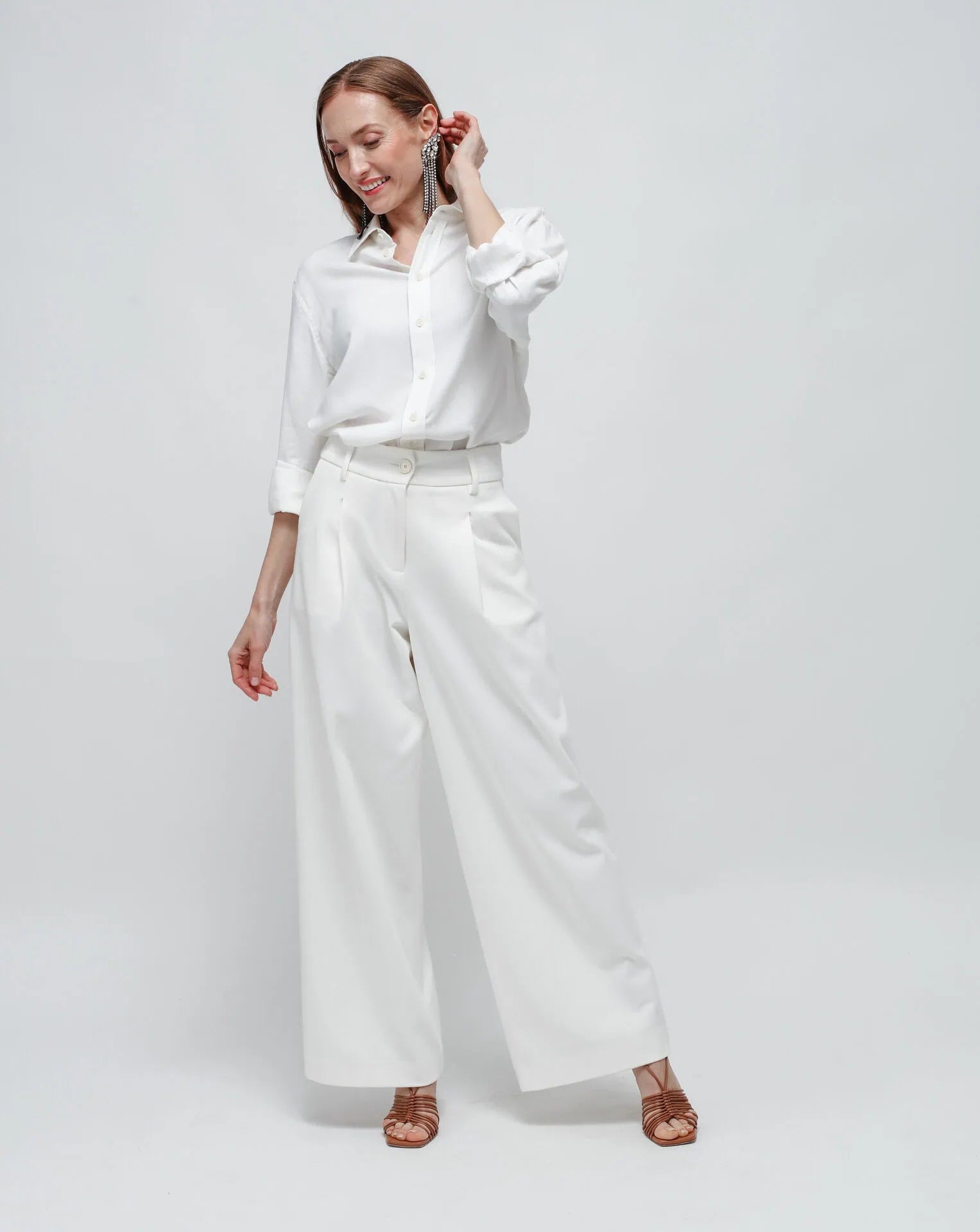
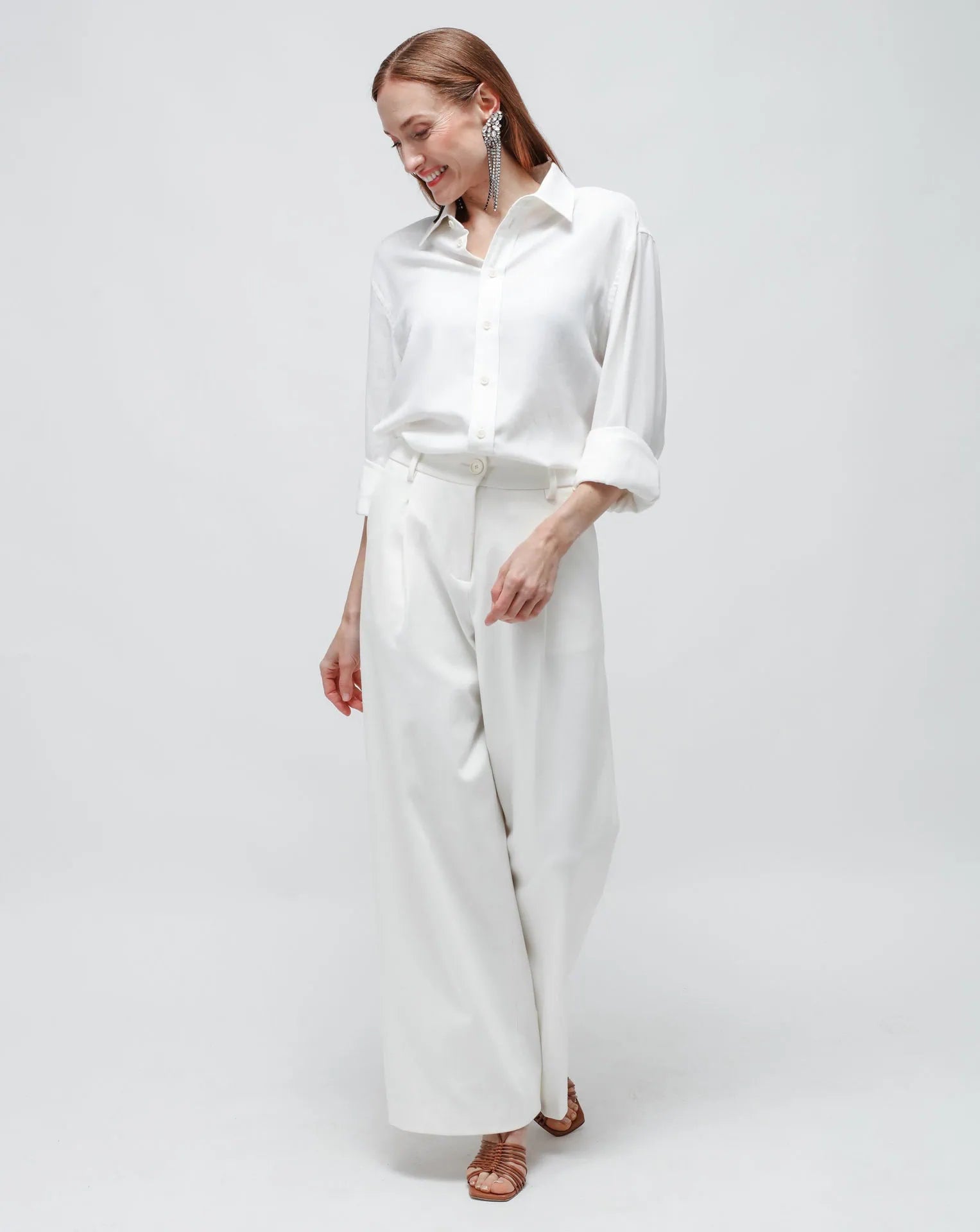
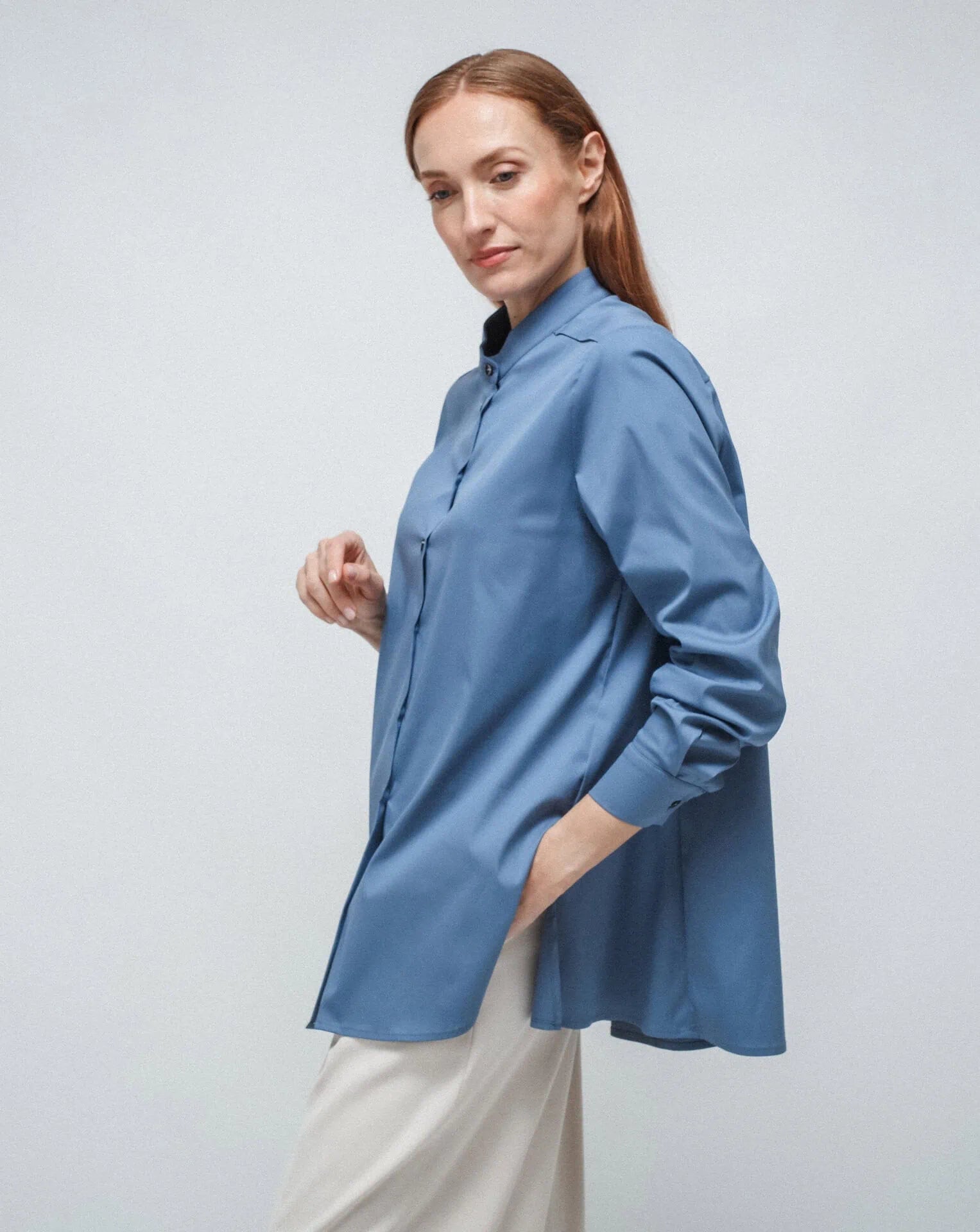
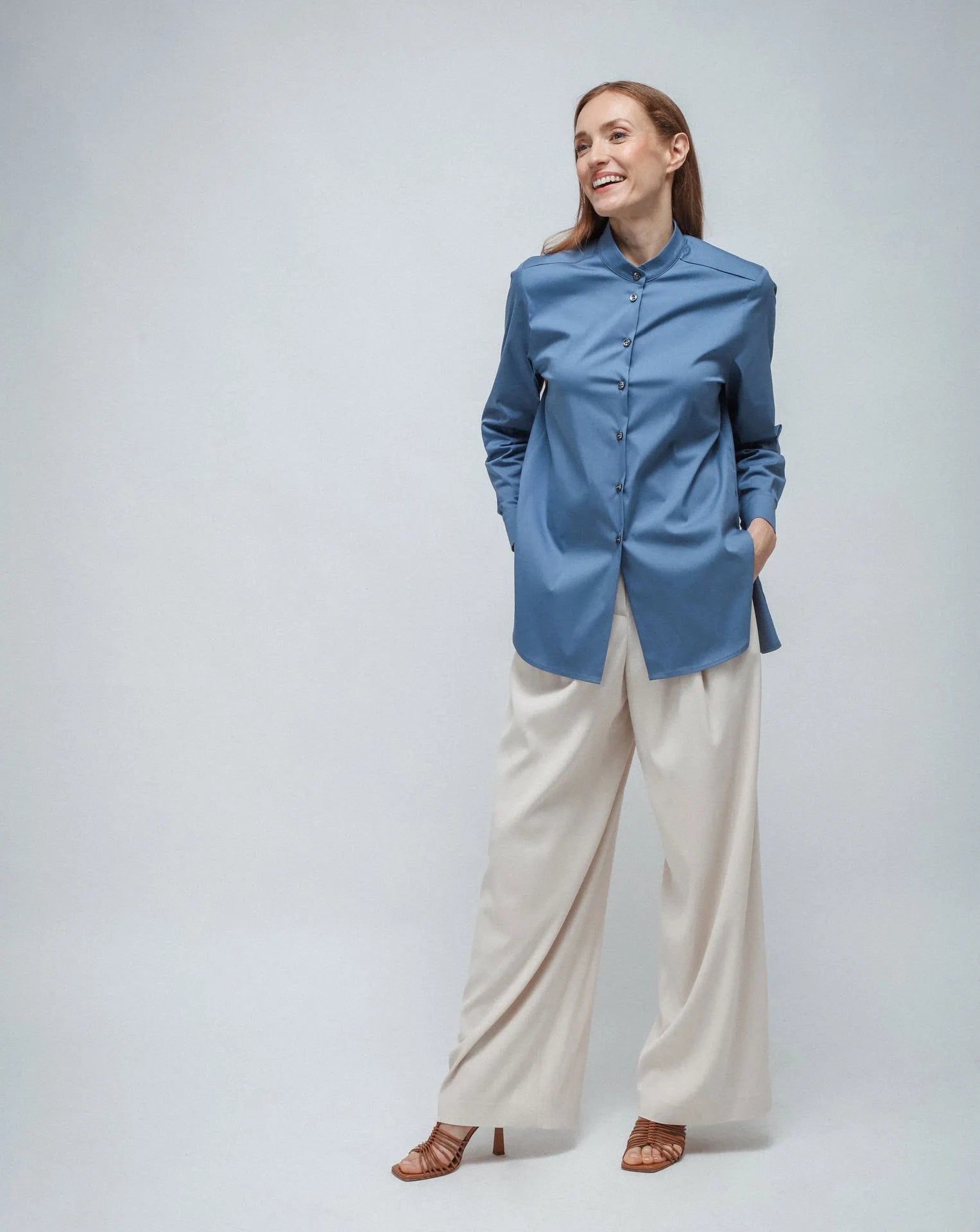
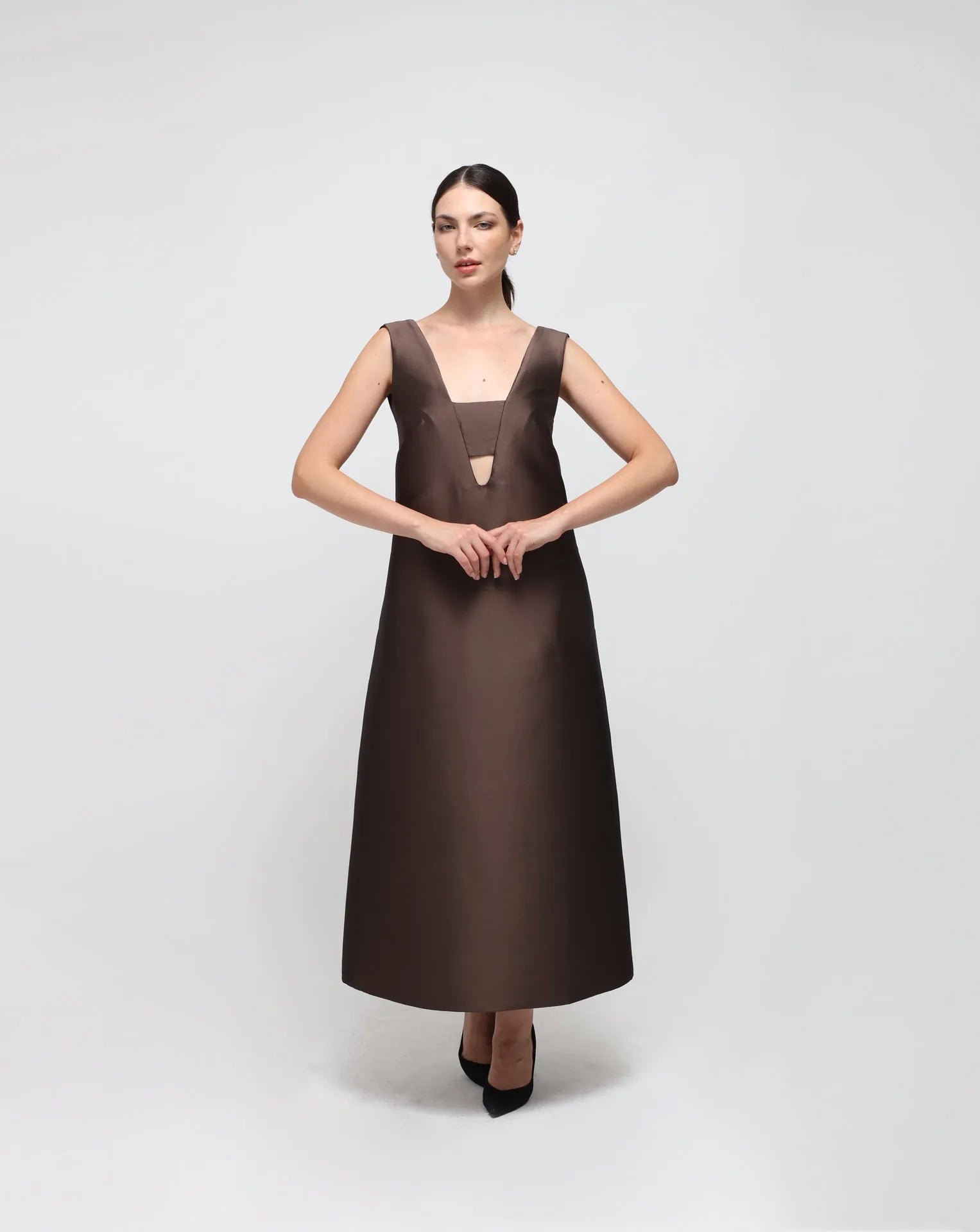
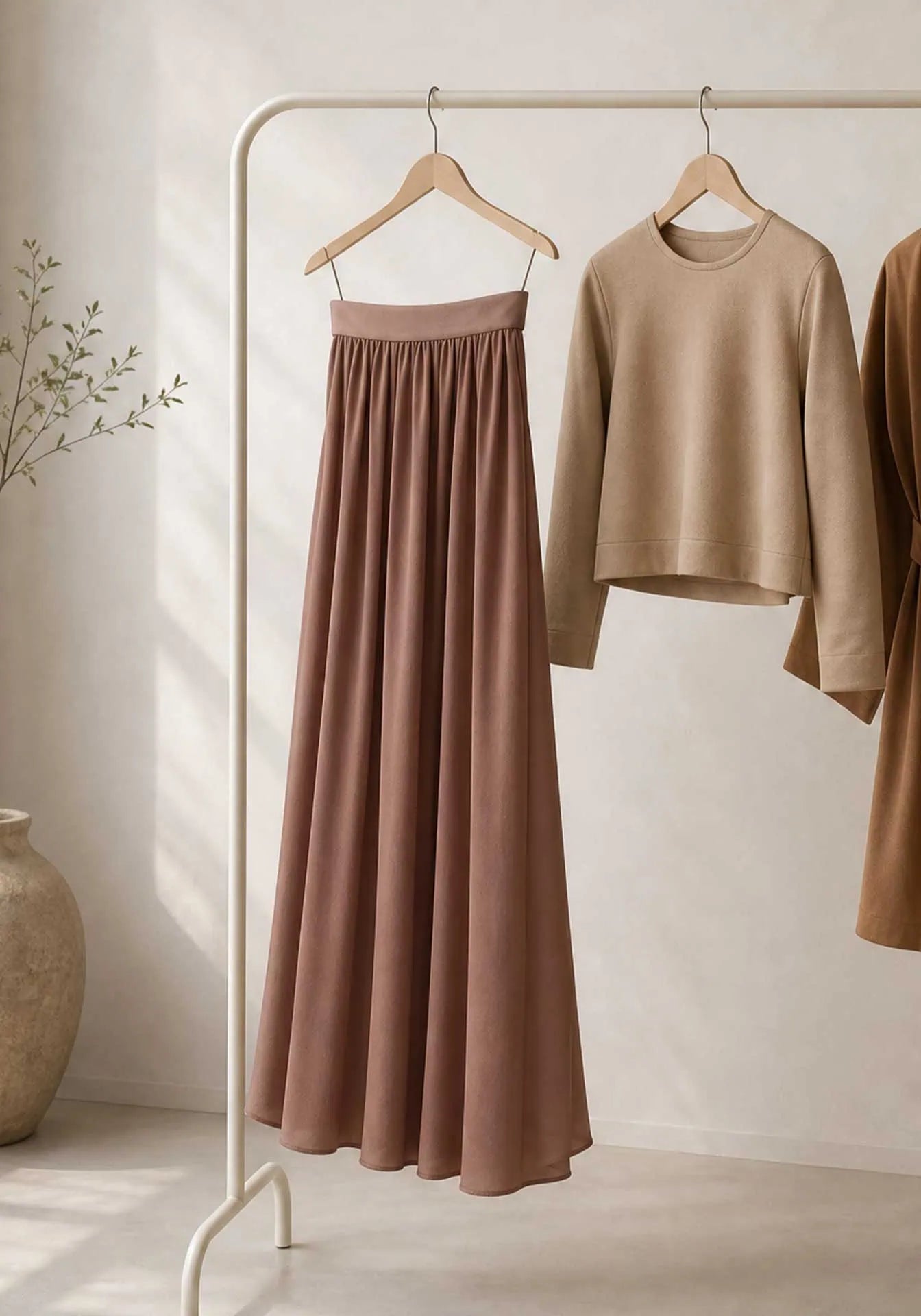
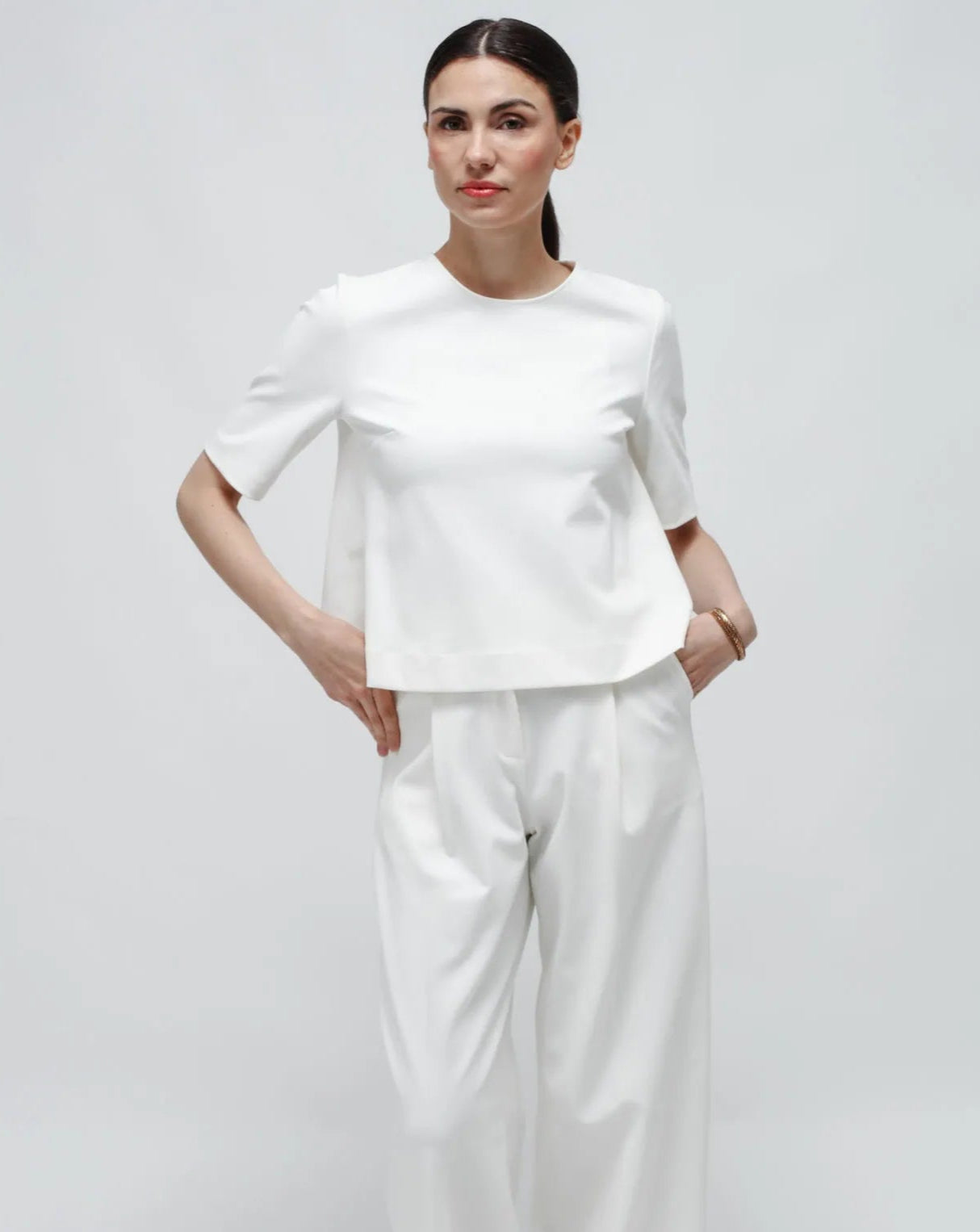
For women, begin with a tailored trouser, a knit dress or midi skirt, dark straight-leg denim, two tops, and two warm layers. Product placeholder: a Women's Tailored Wool Trouser can anchor the shirt-and-blazer look as easily as a fitted knit. Product placeholder: a Women's Long-Sleeve Knit Dress creates an immediate one-piece option that takes up little visual planning space.
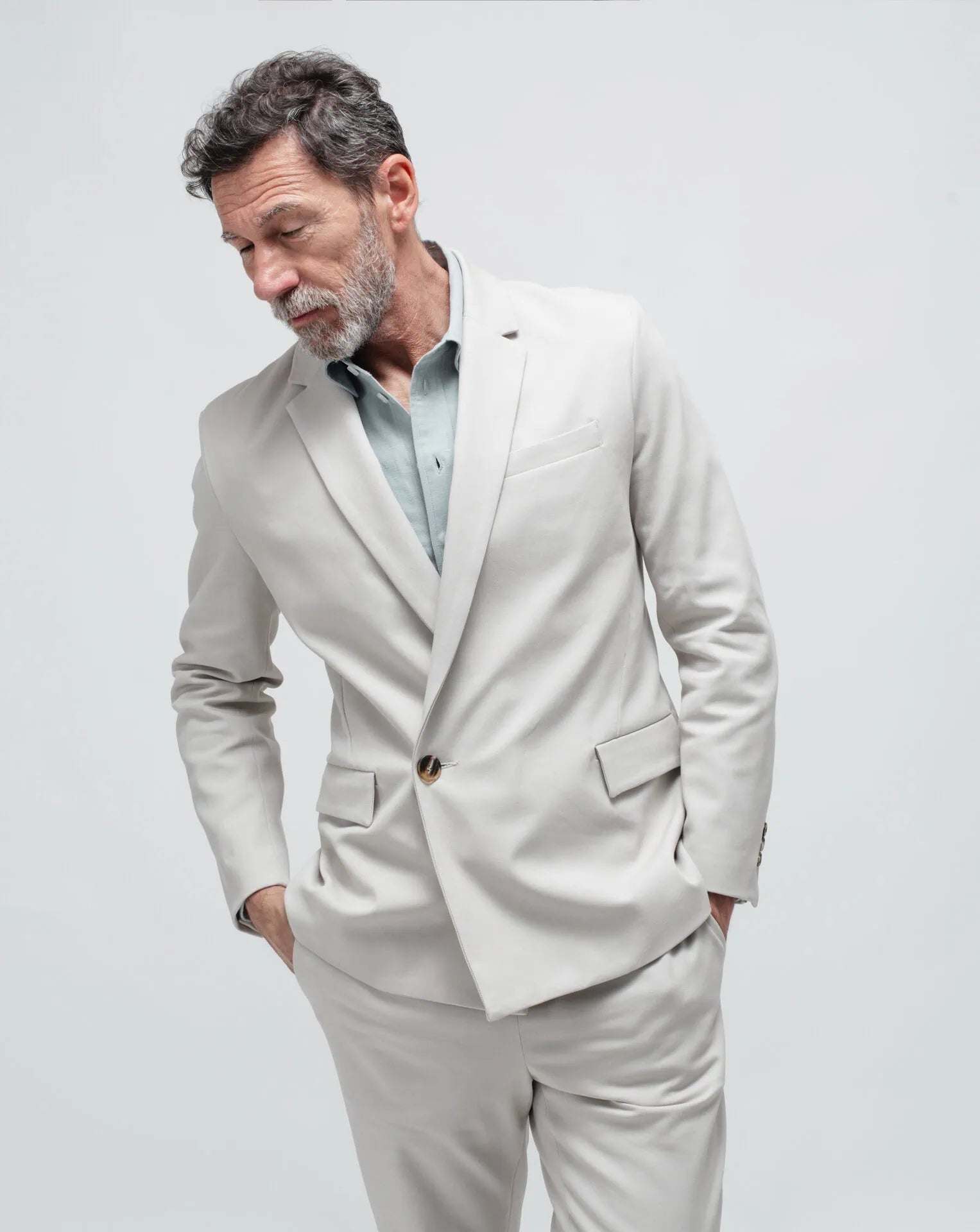
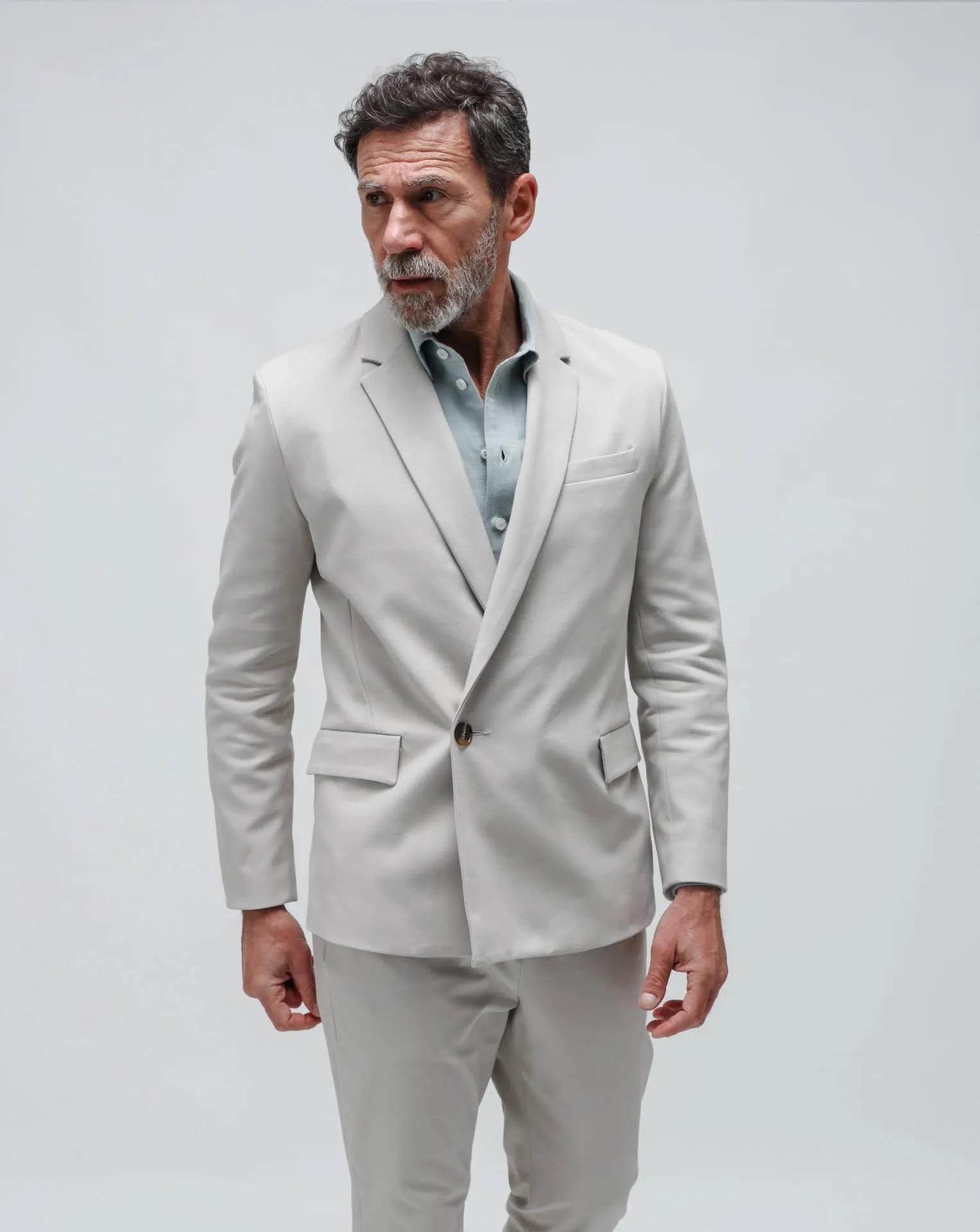
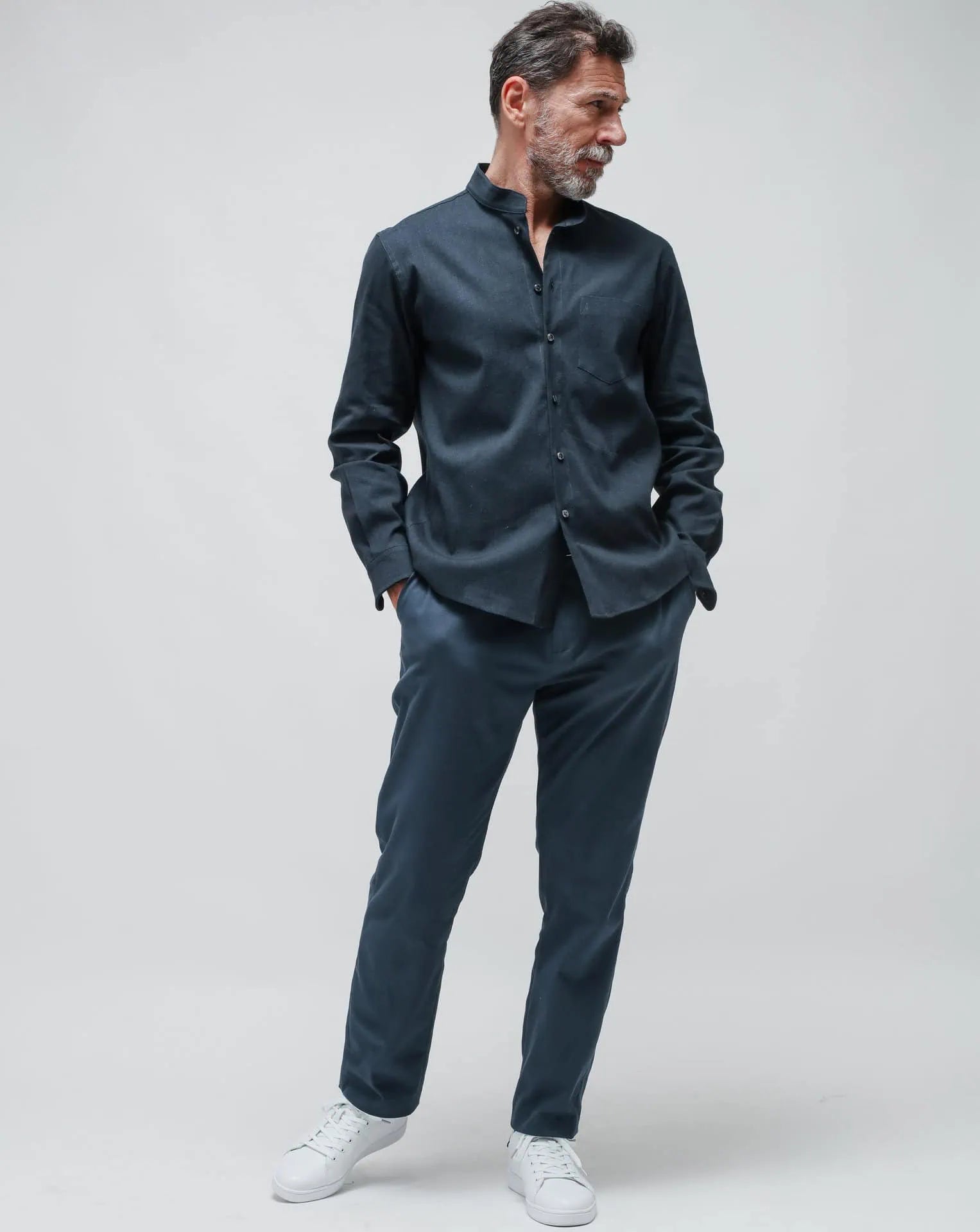
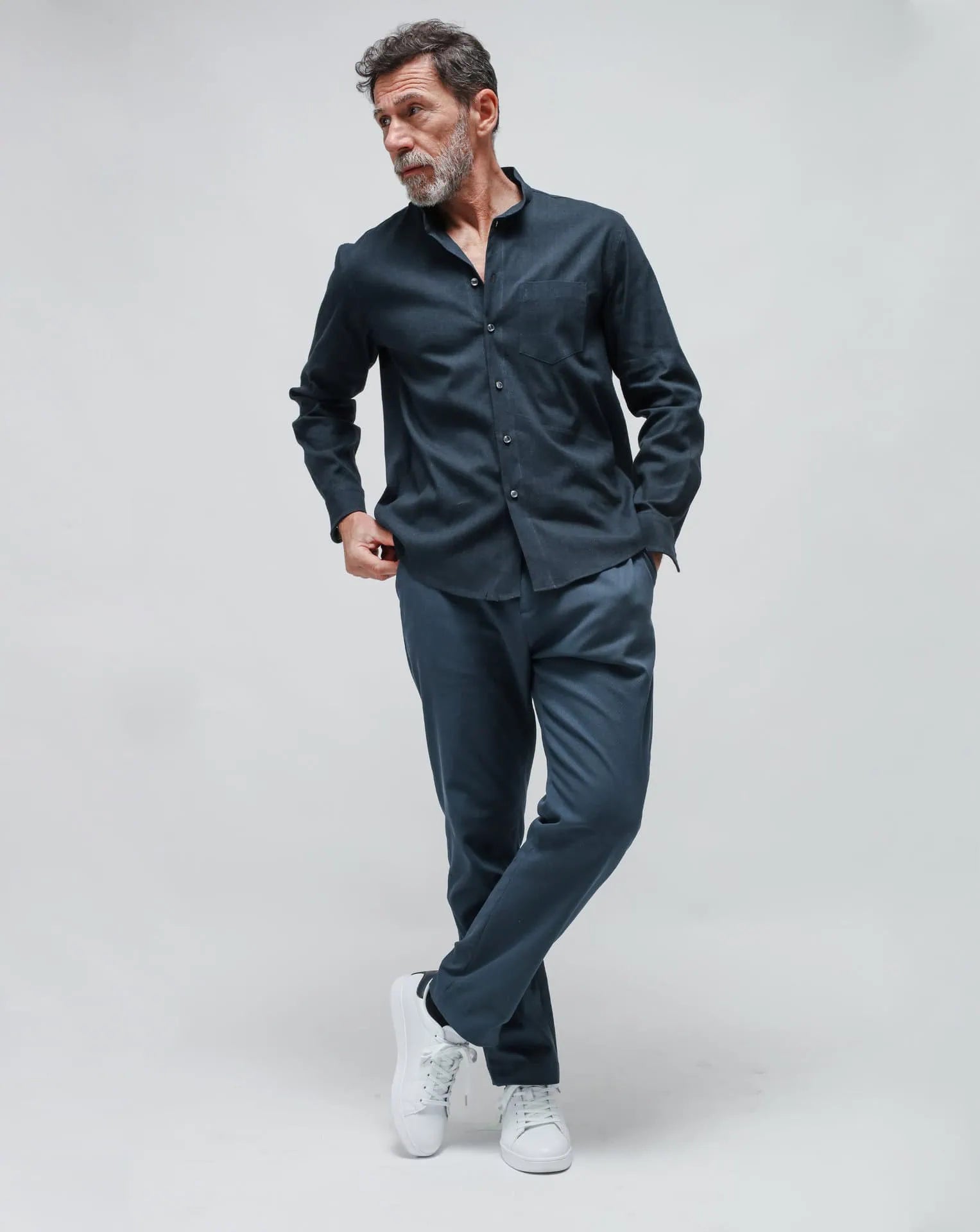
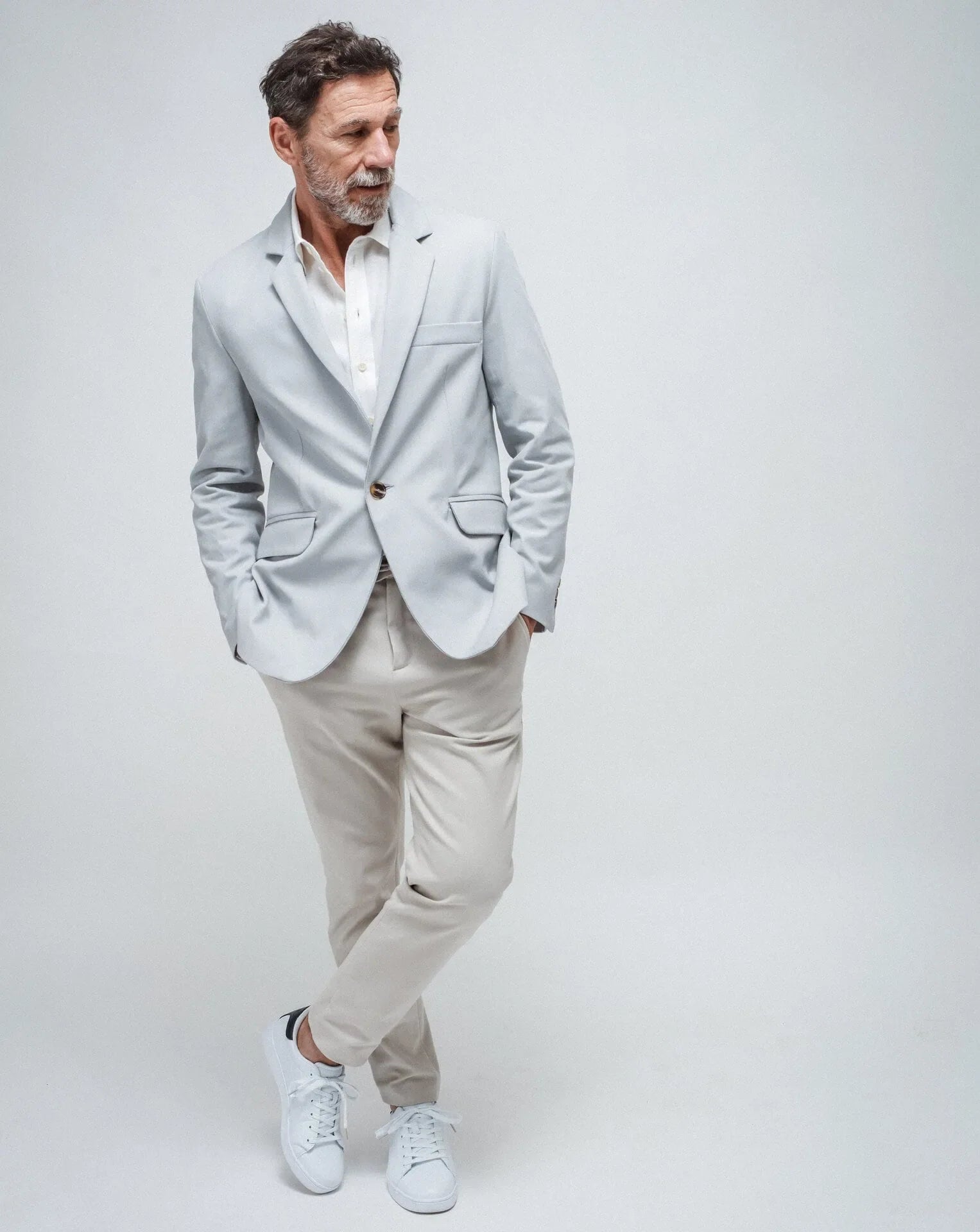
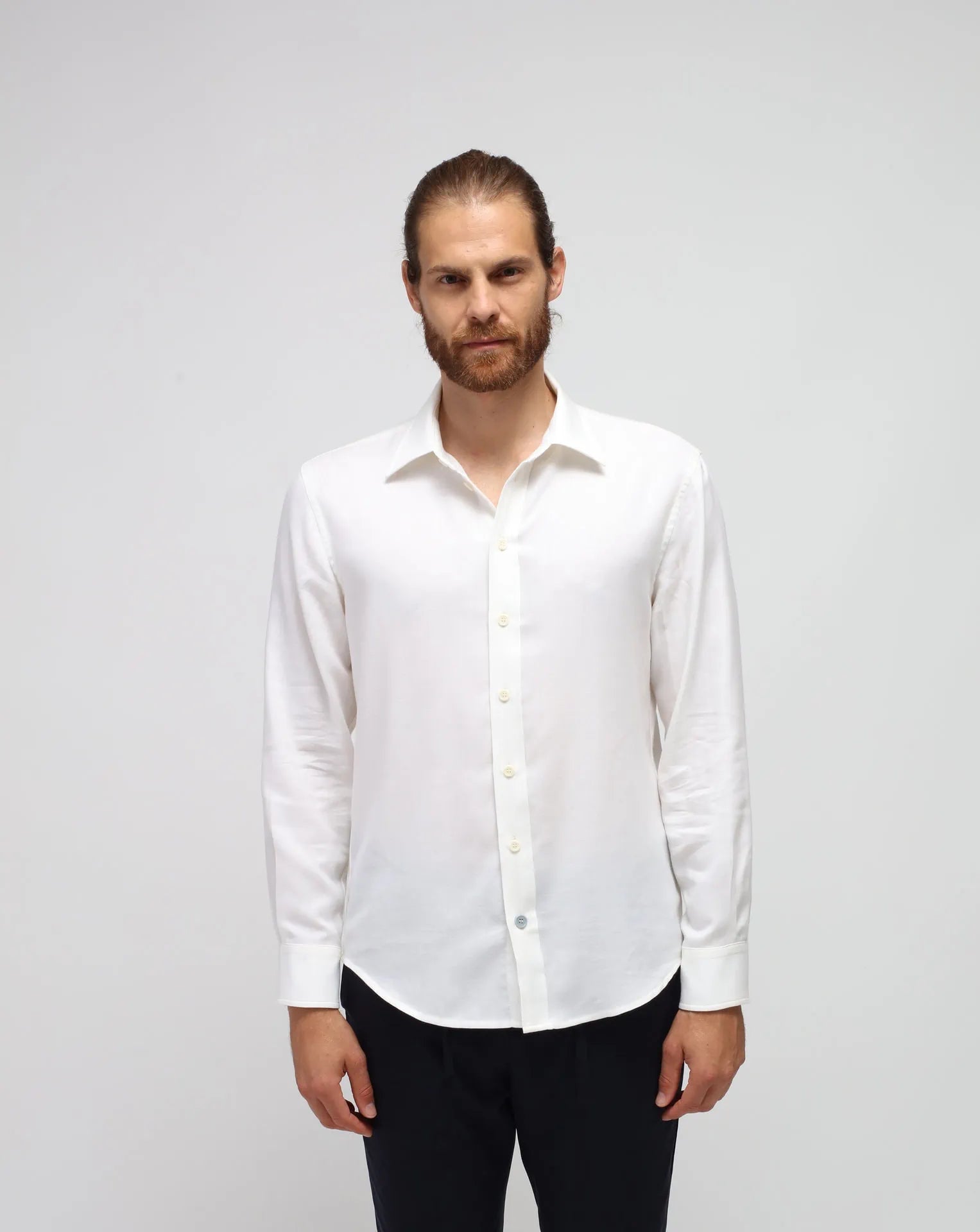
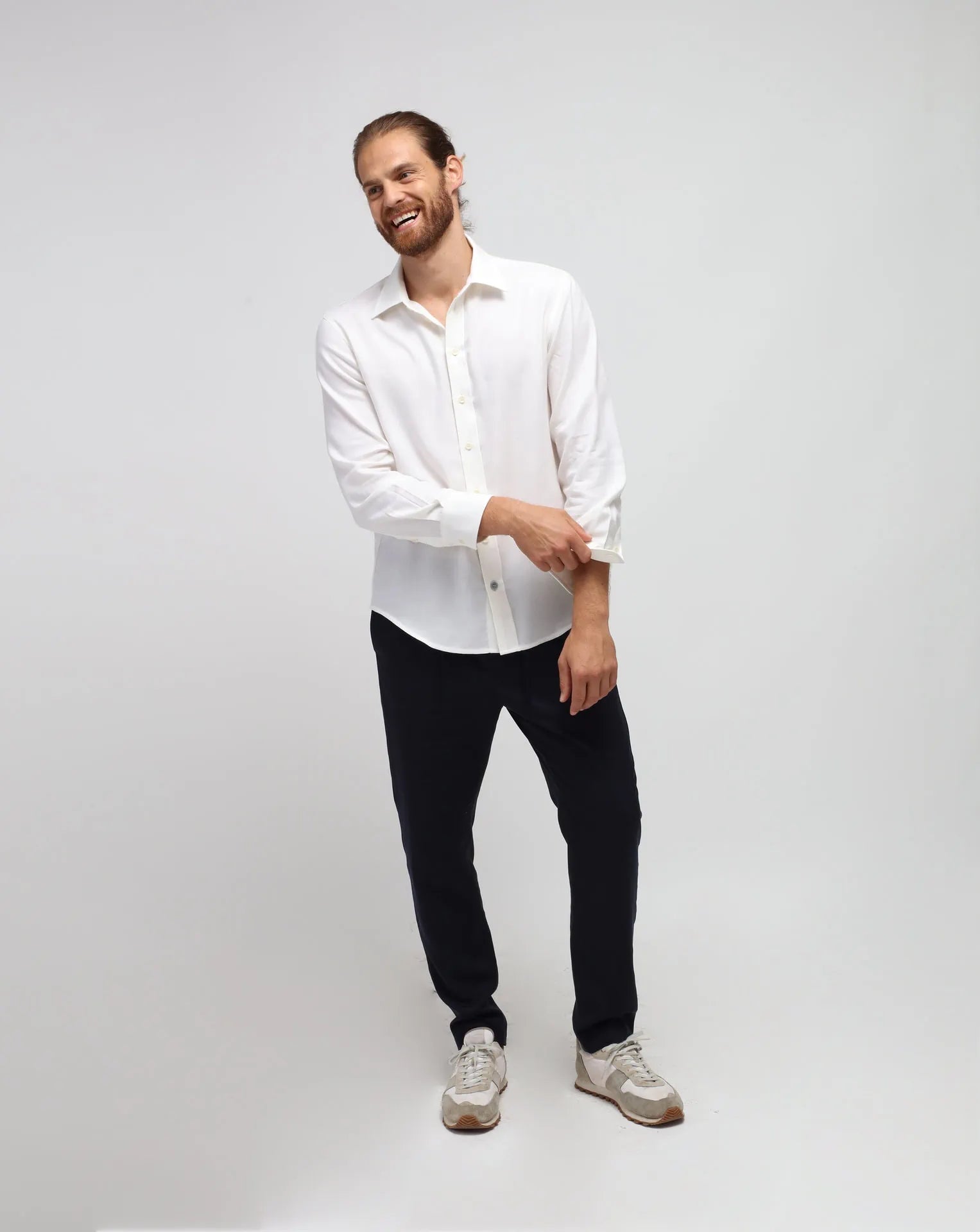
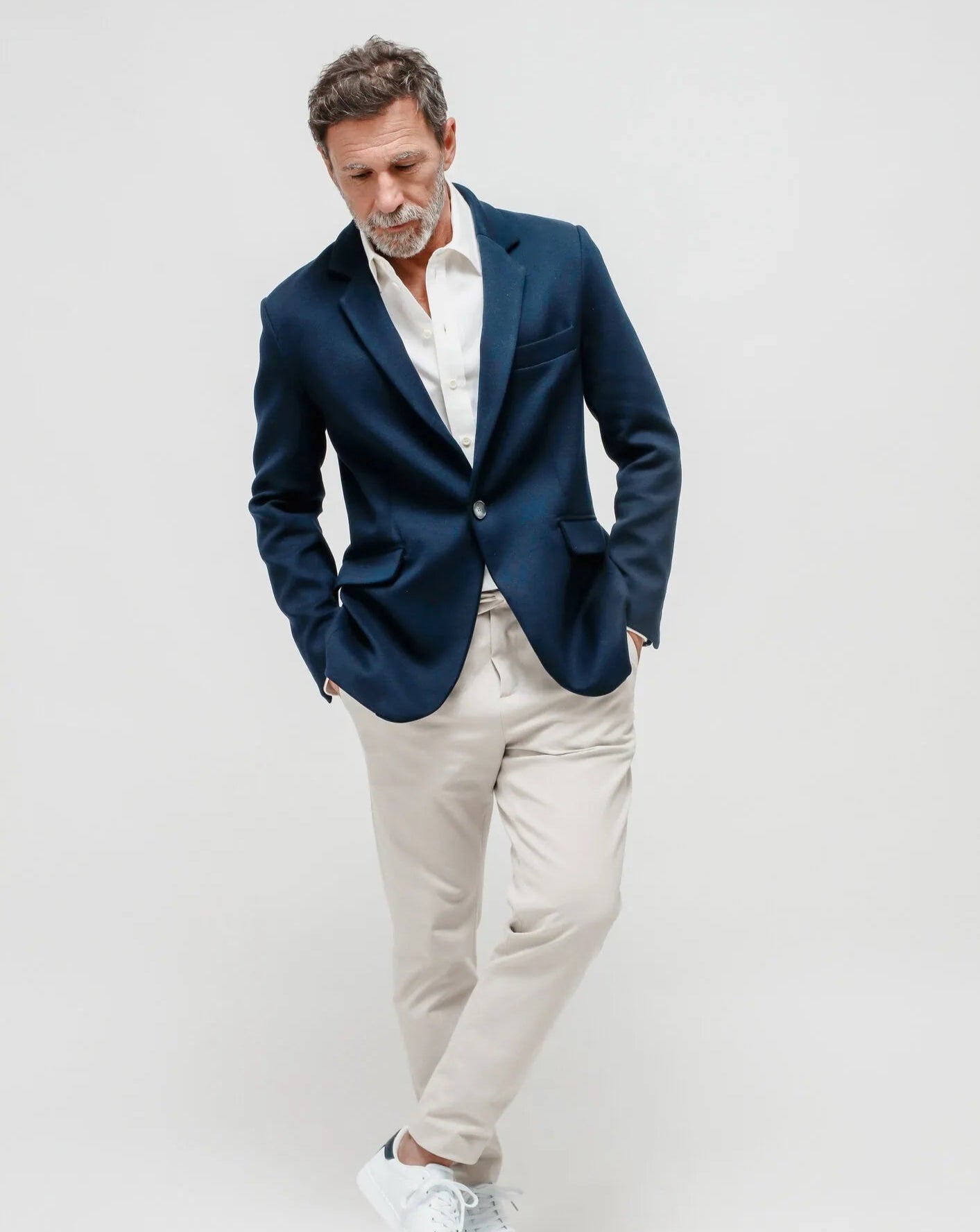
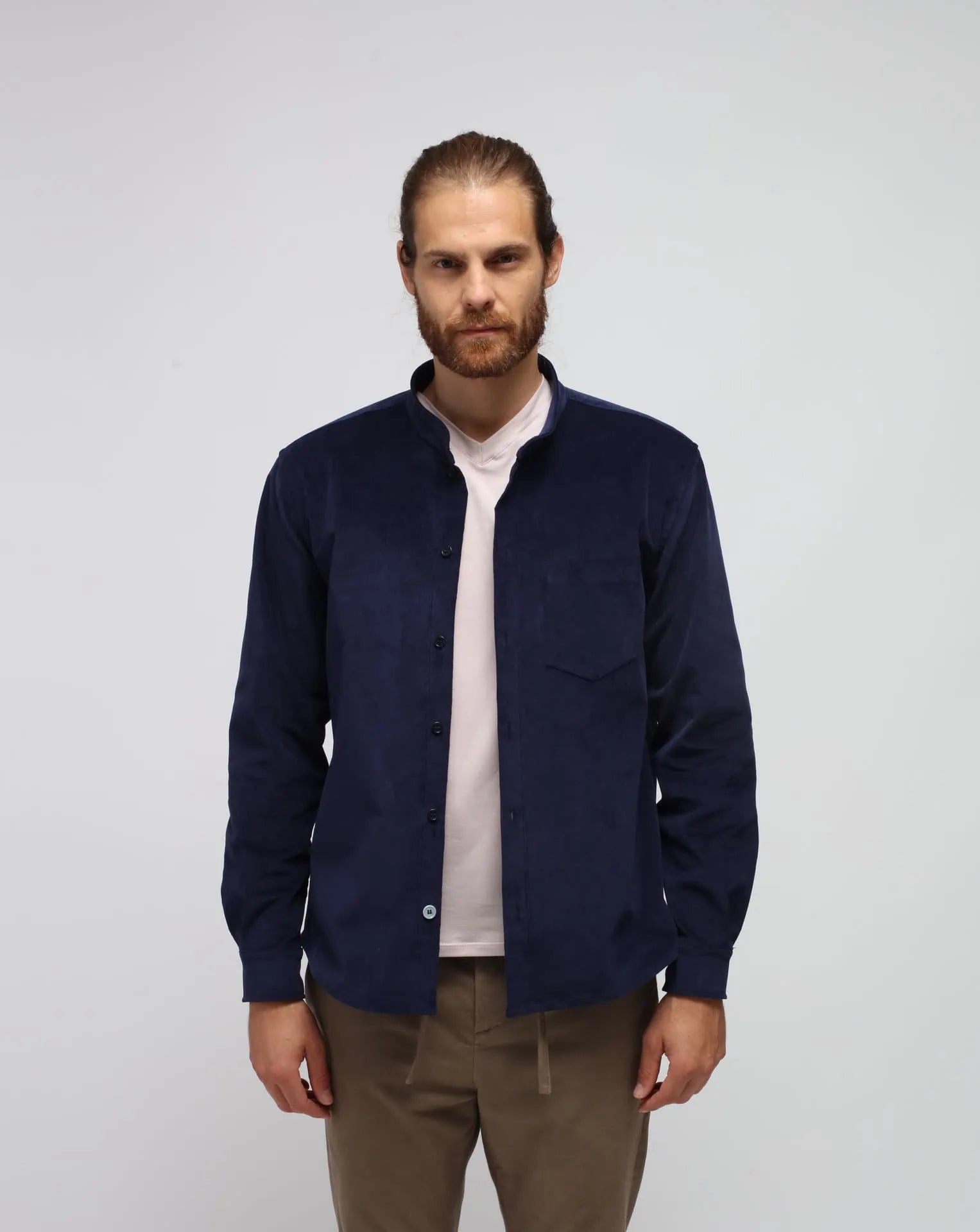
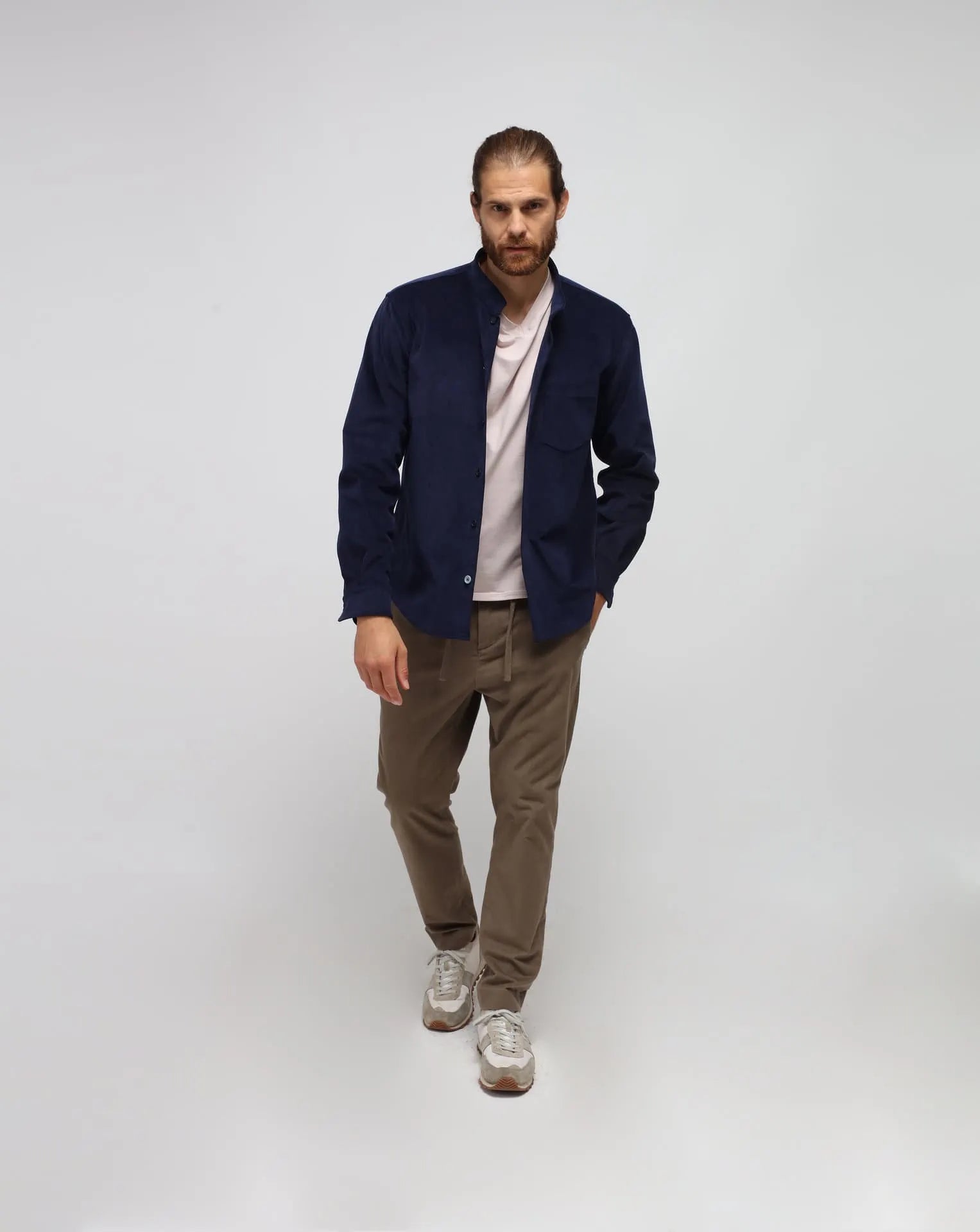
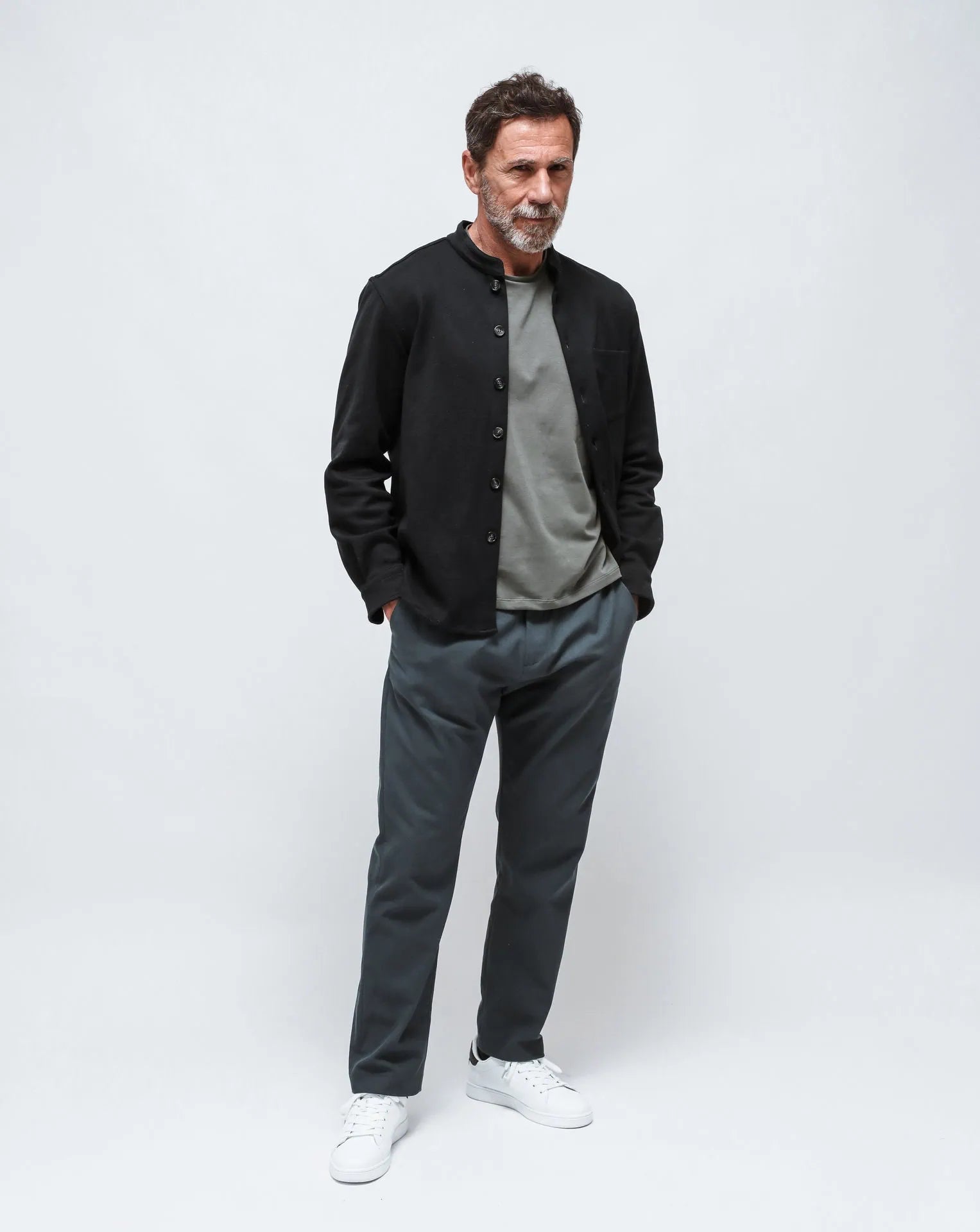
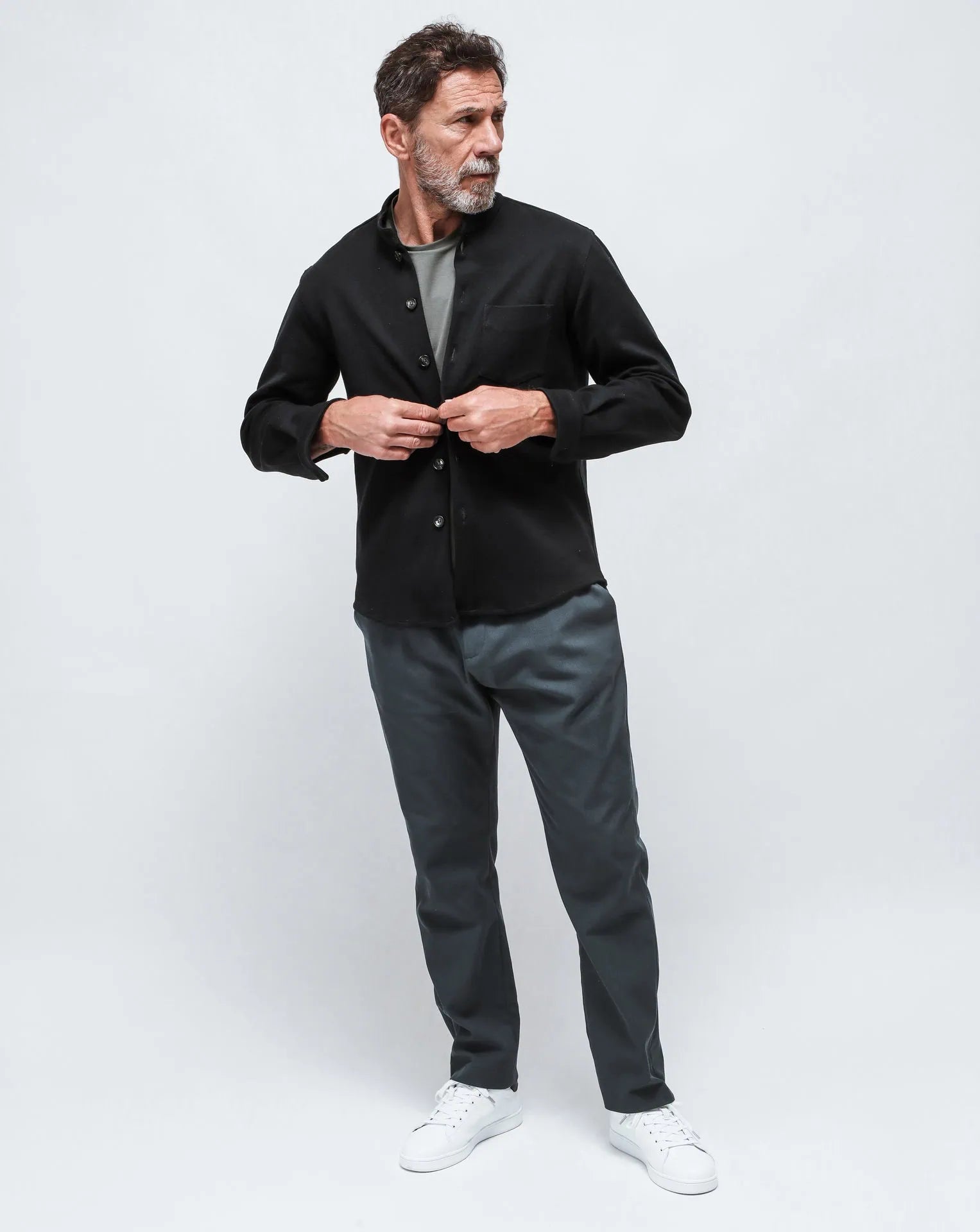
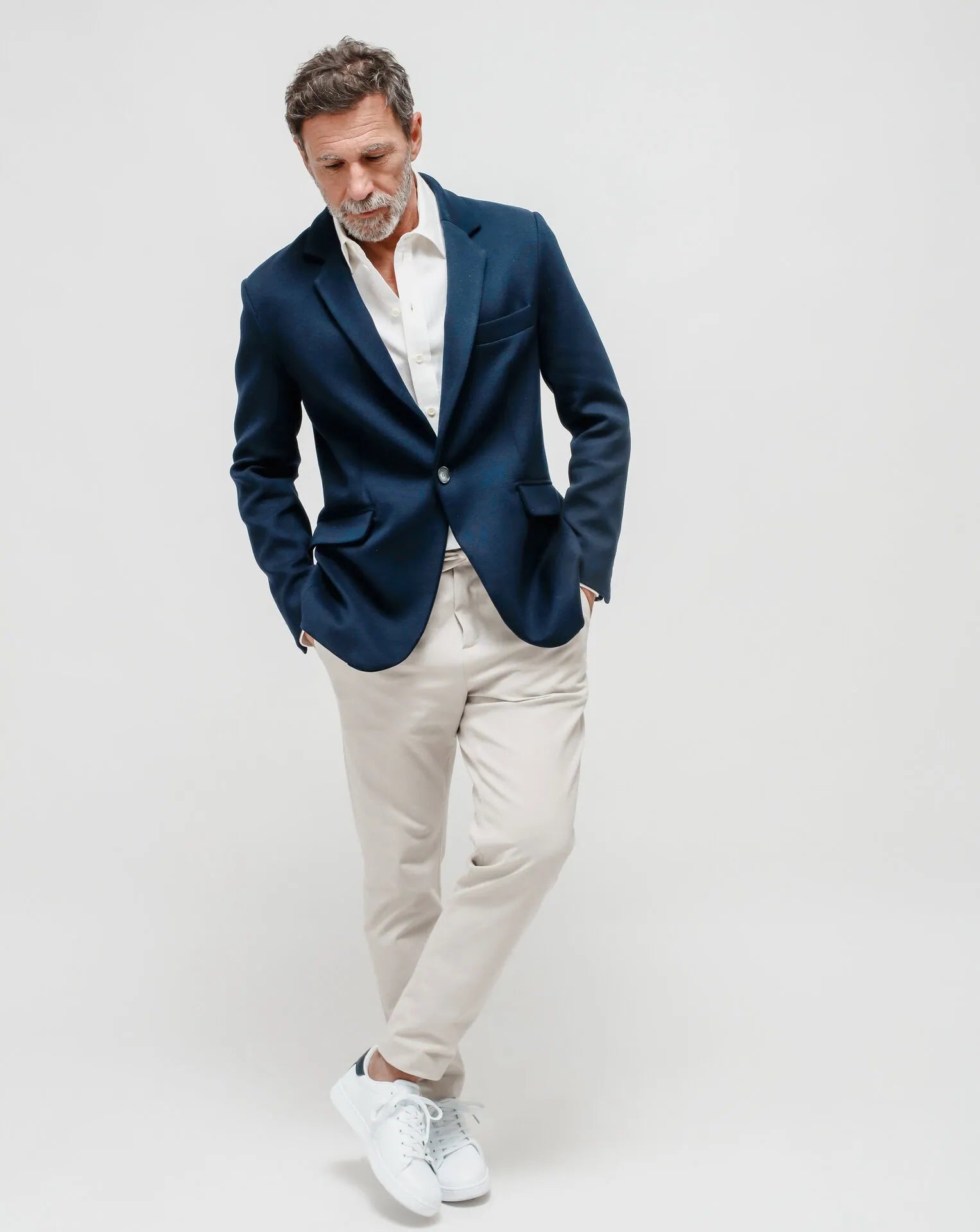
For men, pair a clean wool trouser with dark denim or refined chinos, two shirts or elevated jersey layers, a fine knit, and an overshirt or blazer. Product placeholder: a Men's Italian Wool Overshirt brings useful structure without the stiffness of a full suit jacket. Product placeholder: a Men's Tailored Trousers can be worn with a shirt for dinner or a heavyweight knit for travel days.
The point is not to make everyone dress alike. It is to select silhouettes that can be repeated in fresh combinations.
Prioritize fabric performance over packing quantity
Winter travel asks more from fabric. It must retain warmth, recover after sitting, resist wrinkles, and remain comfortable when temperatures rise indoors. Natural fibers and thoughtfully chosen blends often perform better than thin synthetics that trap heat or lose their shape by day two.
Wool is particularly useful because it insulates without demanding excessive bulk. A wool trouser can look composed after a train journey. A fine merino knit layers under a coat without making your arms feel restricted. Deadstock fabrics add another consideration: their limited availability makes each garment a more intentional choice, but it also means buying a piece because it serves your wardrobe, not because it fills a short-lived trend.
This is where quality changes the economics of packing. A well-made coat, knit, or trouser may cost more initially, but it can reduce the need for duplicate options and remain in rotation for years. Small-batch production is not an excuse to overbuy. It is a reason to choose with care.
Build visual range with accessories and shoes
Accessories should create contrast, not clutter. Pack one belt if your trousers or coat benefit from definition, a scarf with enough scale to add warmth, and a small selection of jewelry or a watch that works for day and night. A silk scarf, leather gloves, or a substantial knit beanie can change the tone of a familiar outfit while serving a real winter purpose.
Shoes require discipline. For most urban winter trips, two pairs are enough: one weather-ready walking boot or leather ankle boot, and one cleaner shoe for indoor settings. If the itinerary is highly formal, replace the second pair with a dressier loafer, heel, or polished boot. Avoid packing shoes that need a specific outfit to justify them. They consume too much space for too little flexibility.
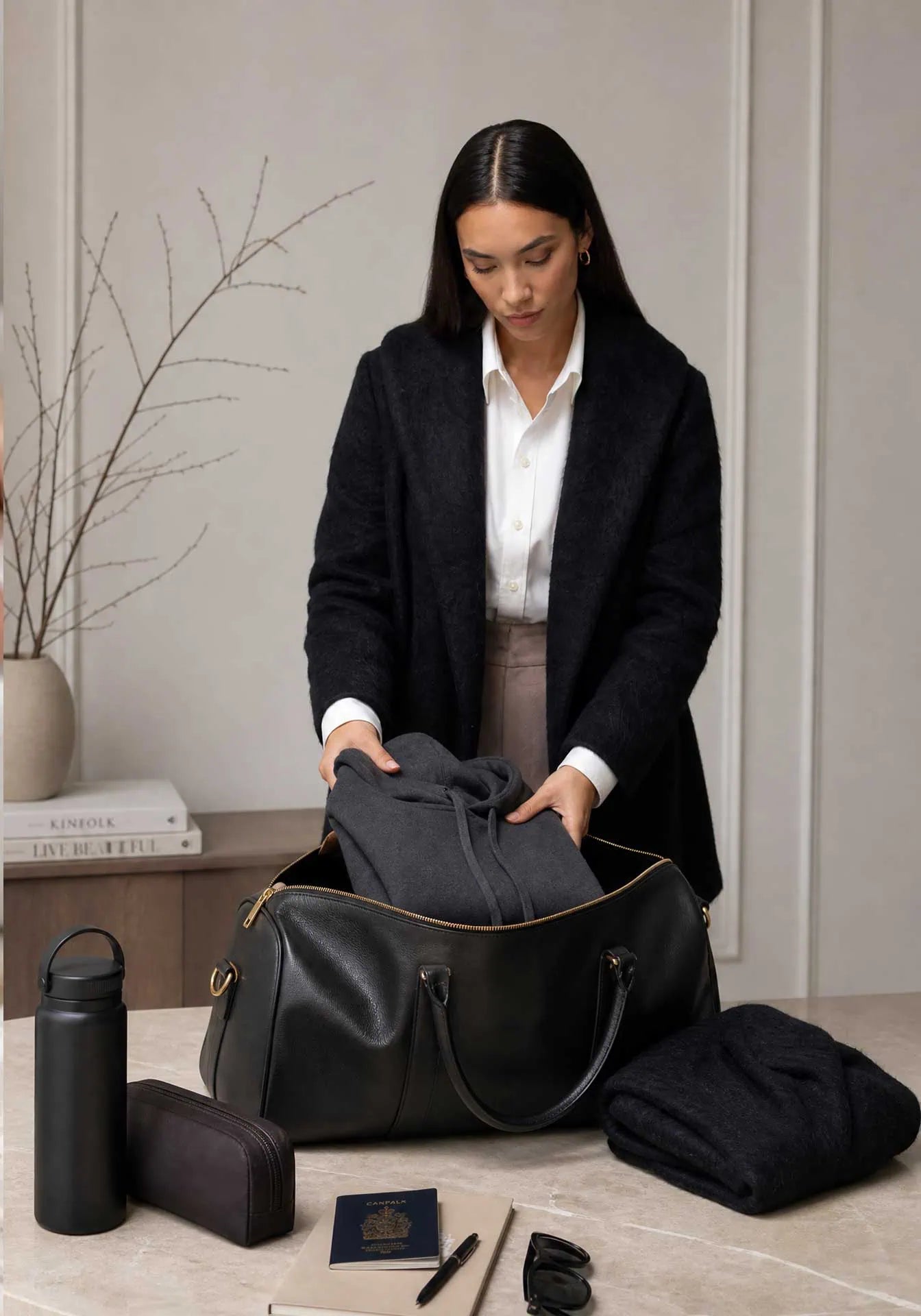
Wear the heavier pair while traveling. Place the second pair in a reusable shoe bag at the bottom of your suitcase, and use the space inside the shoes for socks or a charging cable pouch.
Pack for repetition without looking repeated
Repeating an item is not a style failure. It is evidence that the item was chosen well. The difference between a capsule wardrobe and an underpacked bag is styling intention.
Wear the same tailored pants with a tucked shirt and blazer on one day, then with a crewneck knit and boots the next. Layer the same dress with tights and a coat for dinner, then add a cardigan and belt for daytime. Men can wear the same overshirt open over a tee, buttoned with trousers, or beneath a coat as an extra layer. These shifts are subtle, but they prevent a small wardrobe from feeling fixed.
Before packing, lay out every item and make at least three complete looks around each bottom and outer layer. If a piece only works once, leave it home unless it is essential for a specific occasion. Photograph the combinations on your phone if you are traveling for work or moving quickly between cities. This removes decision fatigue without making the trip feel overly planned.
Use a packing method that protects the clothes you chose
Fold structured pieces along their natural lines. Place trousers flat or fold them once lengthwise to reduce hard creases. Roll jersey tops, fine knits, underwear, and sleepwear. For a tailored jacket or coat that must go in a suitcase, turn one shoulder inside out and tuck the other shoulder into it before folding gently in half. Unpack it as soon as you arrive and hang it in a steamy bathroom if it needs to relax.
Keep knits away from rough hardware and avoid overfilling compression bags, which can flatten fibers and create stubborn creases. A compact lint brush is more useful than another top. It keeps dark wool, coats, and tailoring looking precise throughout the trip.
Humans & Land pieces are designed for this kind of deliberate rotation: elevated essentials made to be worn often, styled differently, and cared for well beyond one season.
Pack for the life you plan to live, not for every imagined version of the trip. A small wardrobe of purposeful layers gives you more room to move, and more confidence in every setting.
FAQ
Q: How many outfits should I pack for a week of winter travel?
A: Aim for six to eight core garments, plus outerwear, underwear, sleepwear, accessories, and two pairs of shoes. With coordinated colors, this can create well over a week's worth of combinations.
Q: What is the best coat to pack for winter travel?
A: A tailored wool coat is the most versatile choice for dry, urban winter destinations because it works with casual and formal looks. For wet or highly active trips, a structured water-resistant jacket may be more practical.
Q: How do I pack knitwear without stretching it?
A: Fold knits rather than hang them in a suitcase. Roll lighter knits loosely, and place heavier sweaters near the top of the bag so they are not compressed under shoes or dense layers.
Q: Can I pack light for winter without sacrificing warmth?
A: Yes. Focus on high-performing layers: a warm coat, a fine wool knit, a shirt or base layer, and a scarf. Several thin, quality layers are often warmer and more adaptable than one oversized sweater.
Q: What colors make a winter travel wardrobe more versatile?
A: Choose two neutrals you already wear confidently, such as black and cream or navy and gray, then add one deeper accent like burgundy, olive, or cobalt. The right palette is one that lets every piece work together.
the World of H&L