
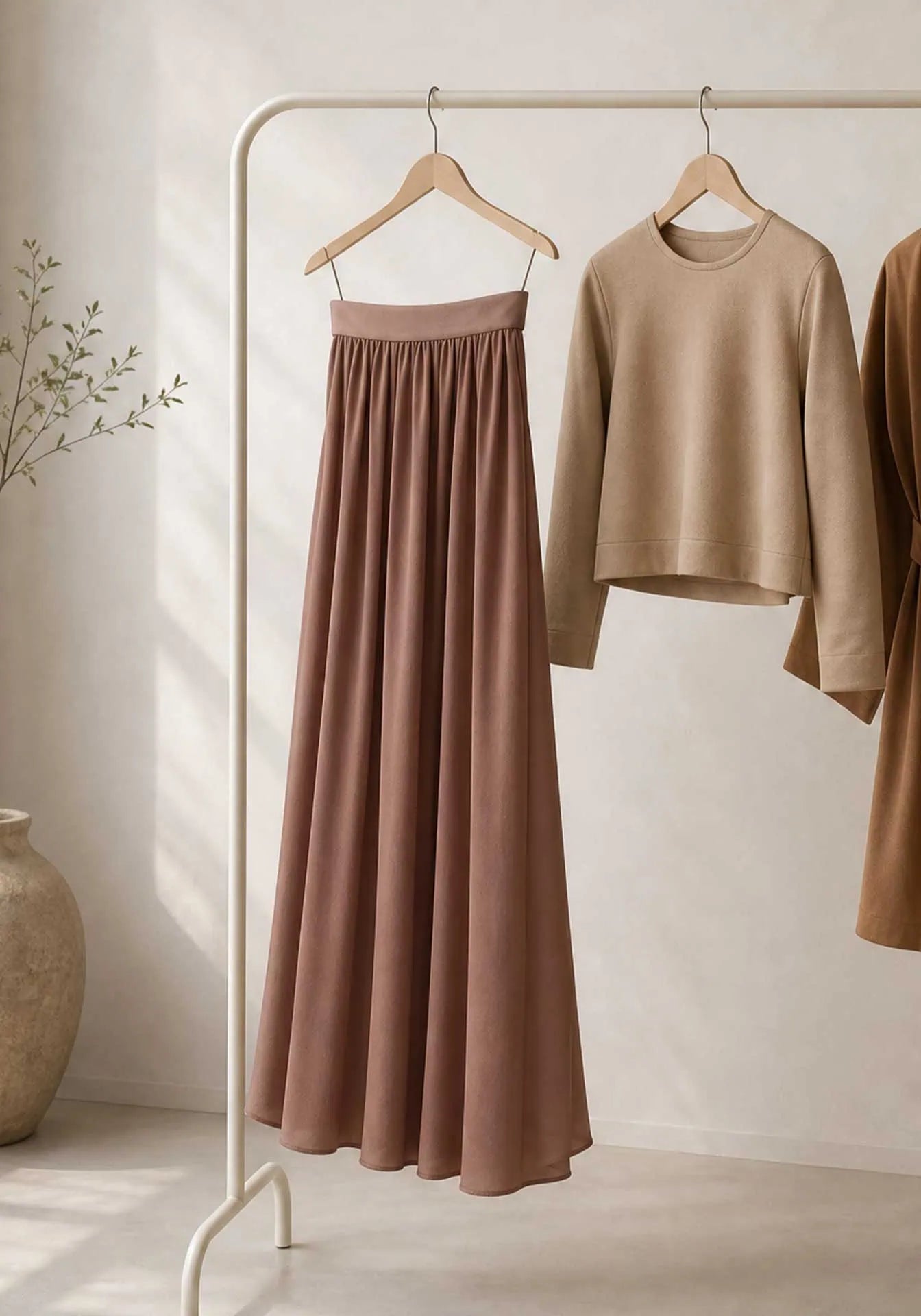
The Slow Fashion Future Starts With Fewer Pieces
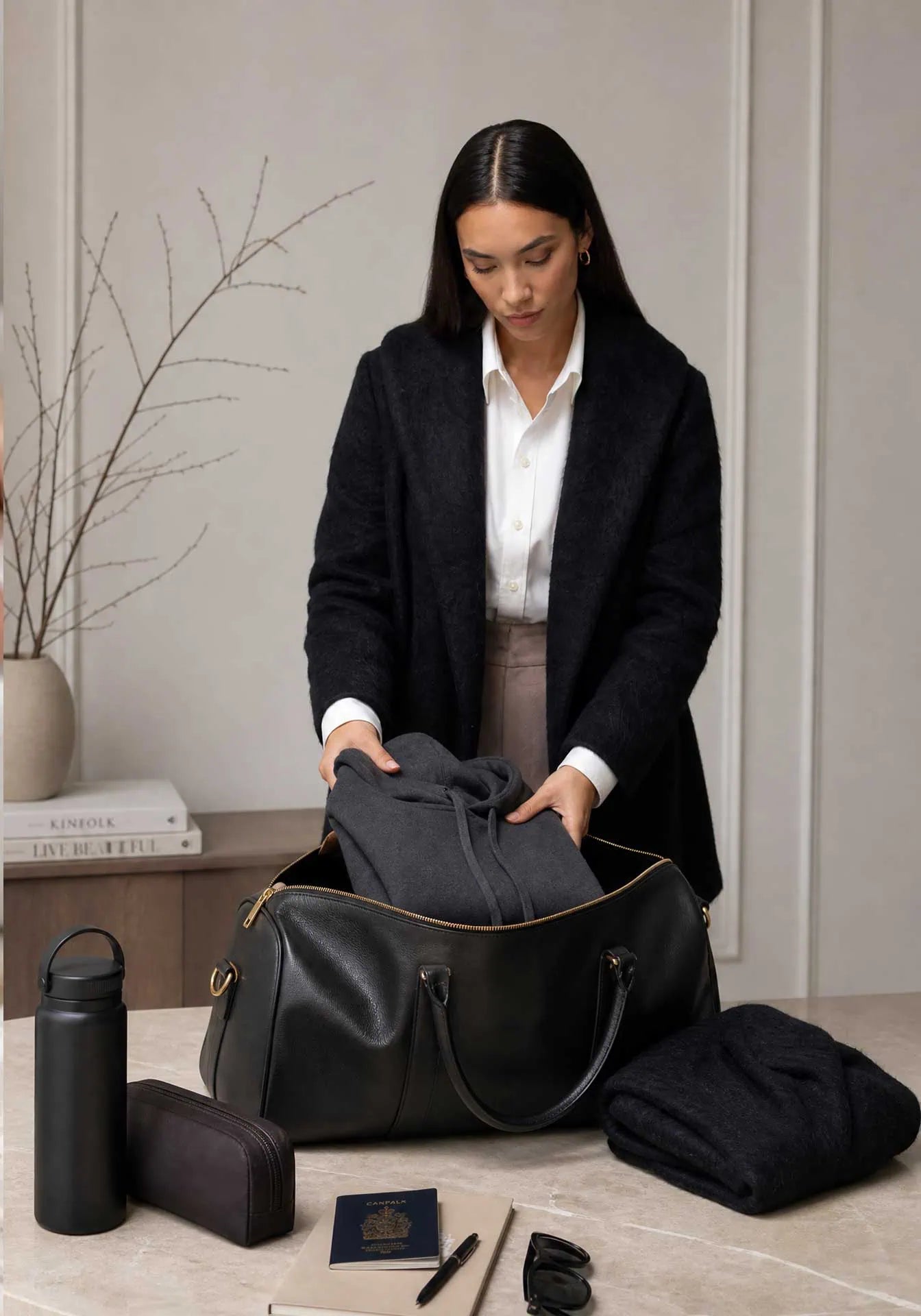
A winter coat is not a one-season purchase. It is the piece that meets early trains, late dinners, wet sidewalks, and the first cold morning when getting dressed needs to feel easy. That is where the slow fashion future becomes tangible: not in vague promises, but in clothes designed to be worn often, cared for well, and chosen with conviction.
Fashion has trained us to expect endless newness. Slow fashion asks for a more satisfying standard - fewer pieces with a clear purpose, made with respect for materials and the people who shape them. It does not mean a wardrobe without pleasure, personality, or occasion dressing. It means placing more value on each garment that earns a place in it.
The Slow Fashion Future Is Built on Better Decisions
The future of fashion will not be defined by buying nothing. It will be defined by buying with a longer view. That begins before checkout: considering fabric, construction, versatility, fit, and whether a piece works beyond the photograph that first caught your attention.
A well-made wardrobe is personal. One person may rely on a sharply cut black blazer for client meetings and dinners; another may get more use from a relaxed overshirt, straight-leg trousers, and a substantial knit. The point is not to follow a prescribed uniform. The point is to choose pieces that reflect a real life rather than a short-lived trend cycle.
Small-batch production supports that shift. When quantities are limited, brands have a reason to be more deliberate about what they make. Customers, in turn, can move away from the idea that clothing is disposable or endlessly replaceable. Scarcity should never be manufactured as a sales trick. In its best form, it is a practical response to overproduction: make less, make it count, and avoid creating garments that were never needed.
Deadstock Fabrics Make Existing Materials Matter
Deadstock fabrics are surplus textiles left behind by larger production runs. They may be exceptional wool, cotton, silk, linen, or technical blends, but without a thoughtful buyer, they risk sitting unused or becoming waste.
Using deadstock is not a perfect environmental solution. Fabric has already been produced, and availability is limited by nature. It can also make exact reorders impossible. Yet that limitation is part of its value. It asks designers to create around what already exists, rather than demand new material simply because a color forecast says so.
For the customer, deadstock brings character. A fabric may be available in only enough quantity for a limited run of tailored pants, a structured jacket, or a winter dress. Once it is gone, it is gone. That gives a garment a different kind of luxury: not a loud logo, but a finite material story and a piece made in deliberately small numbers.
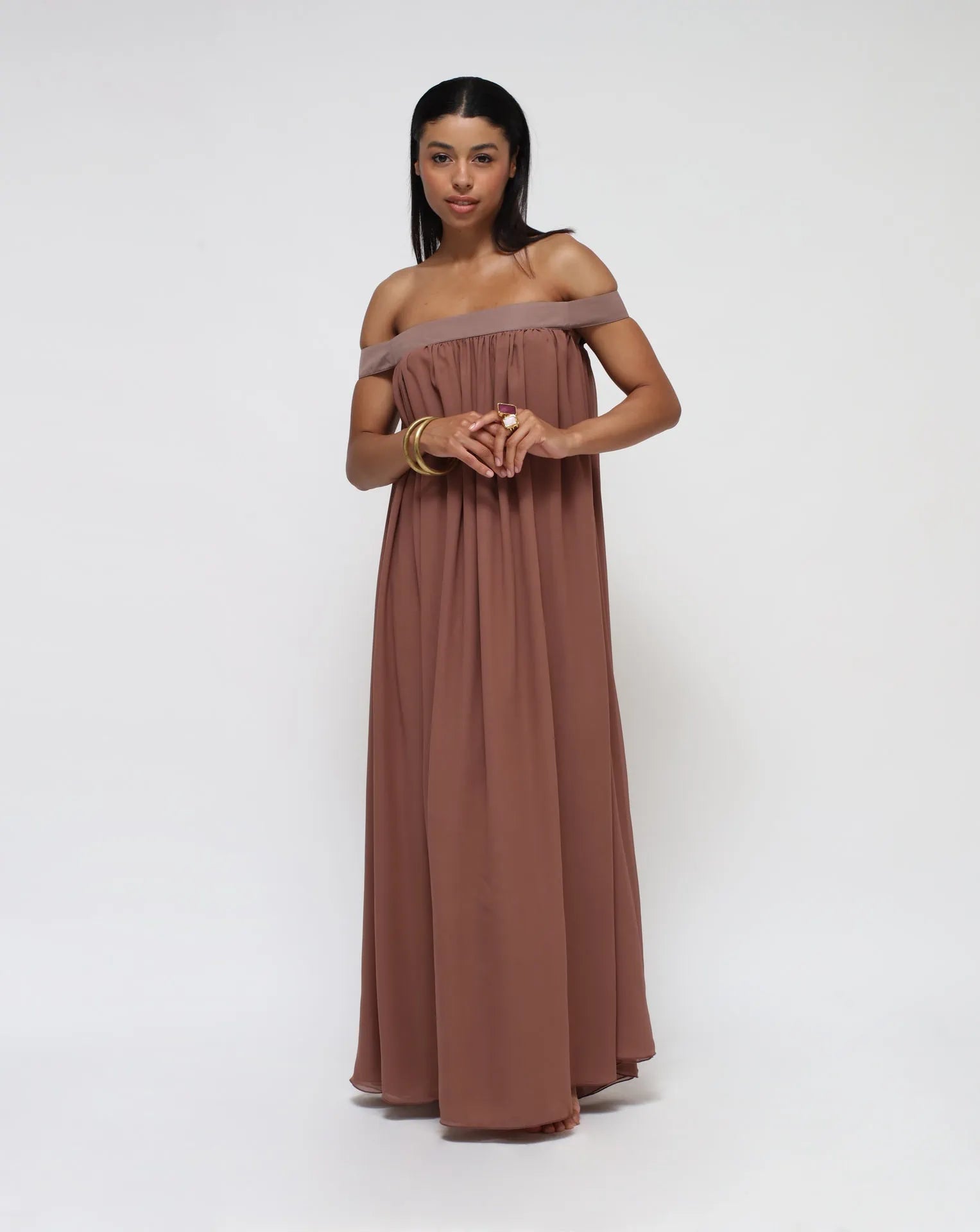
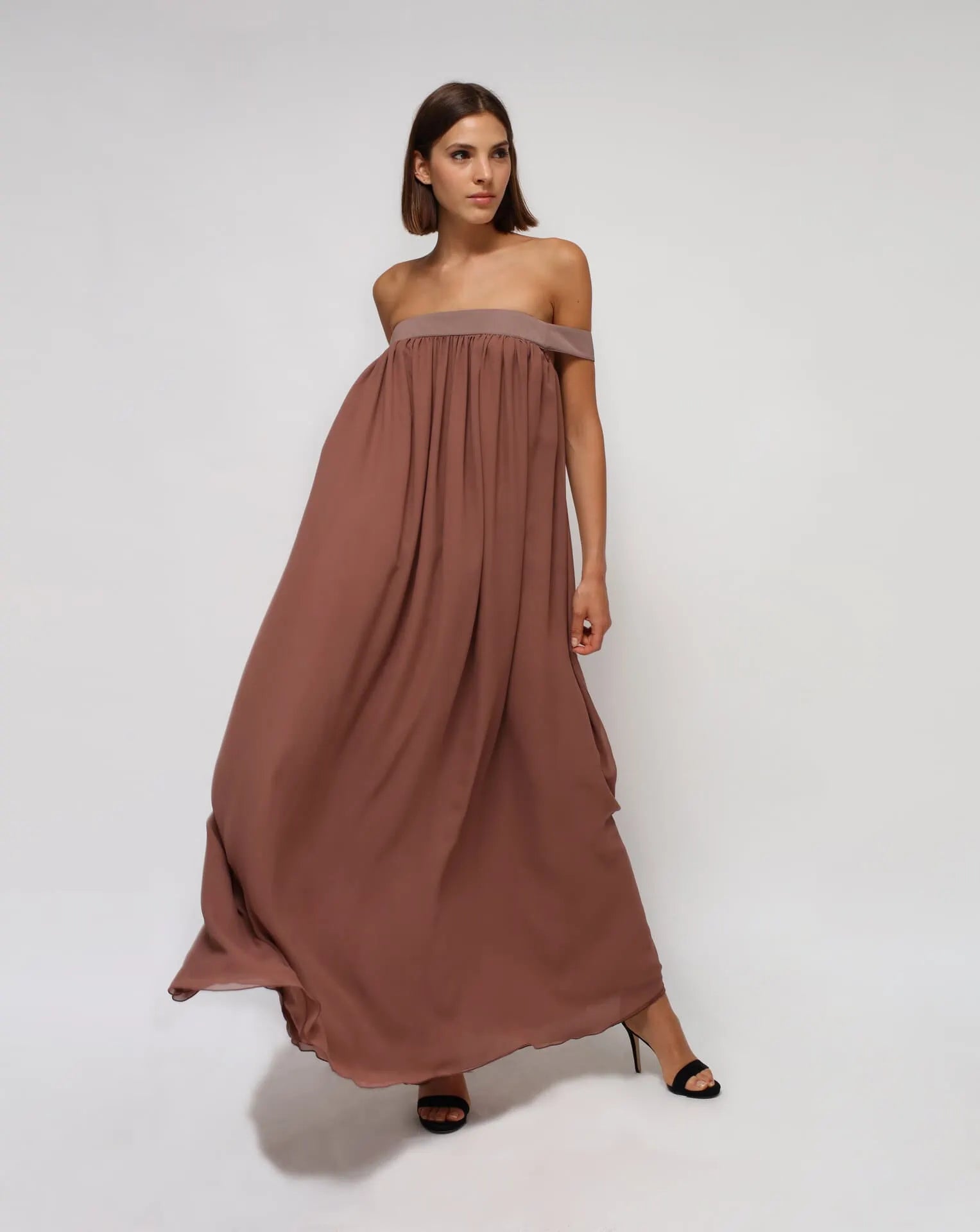
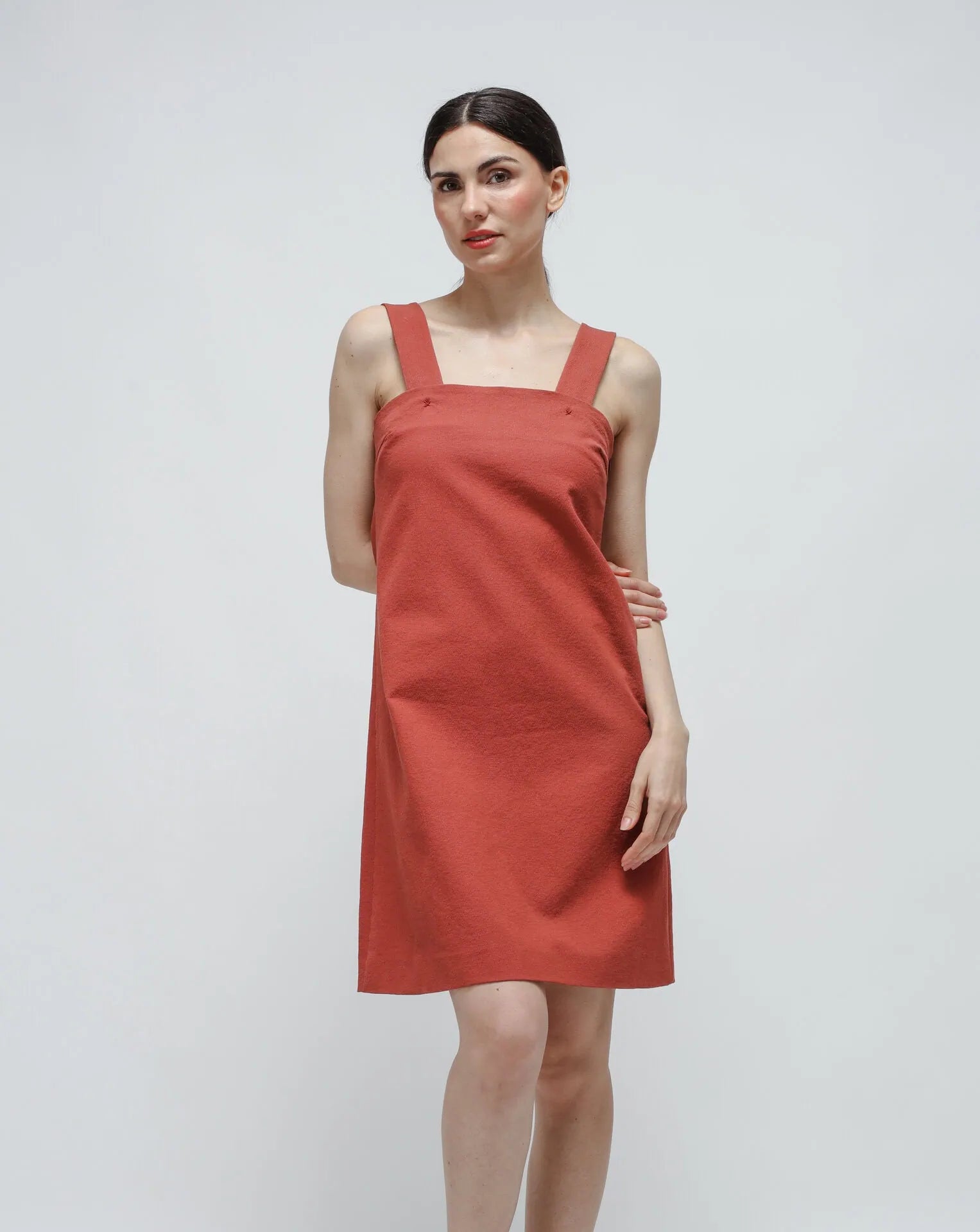
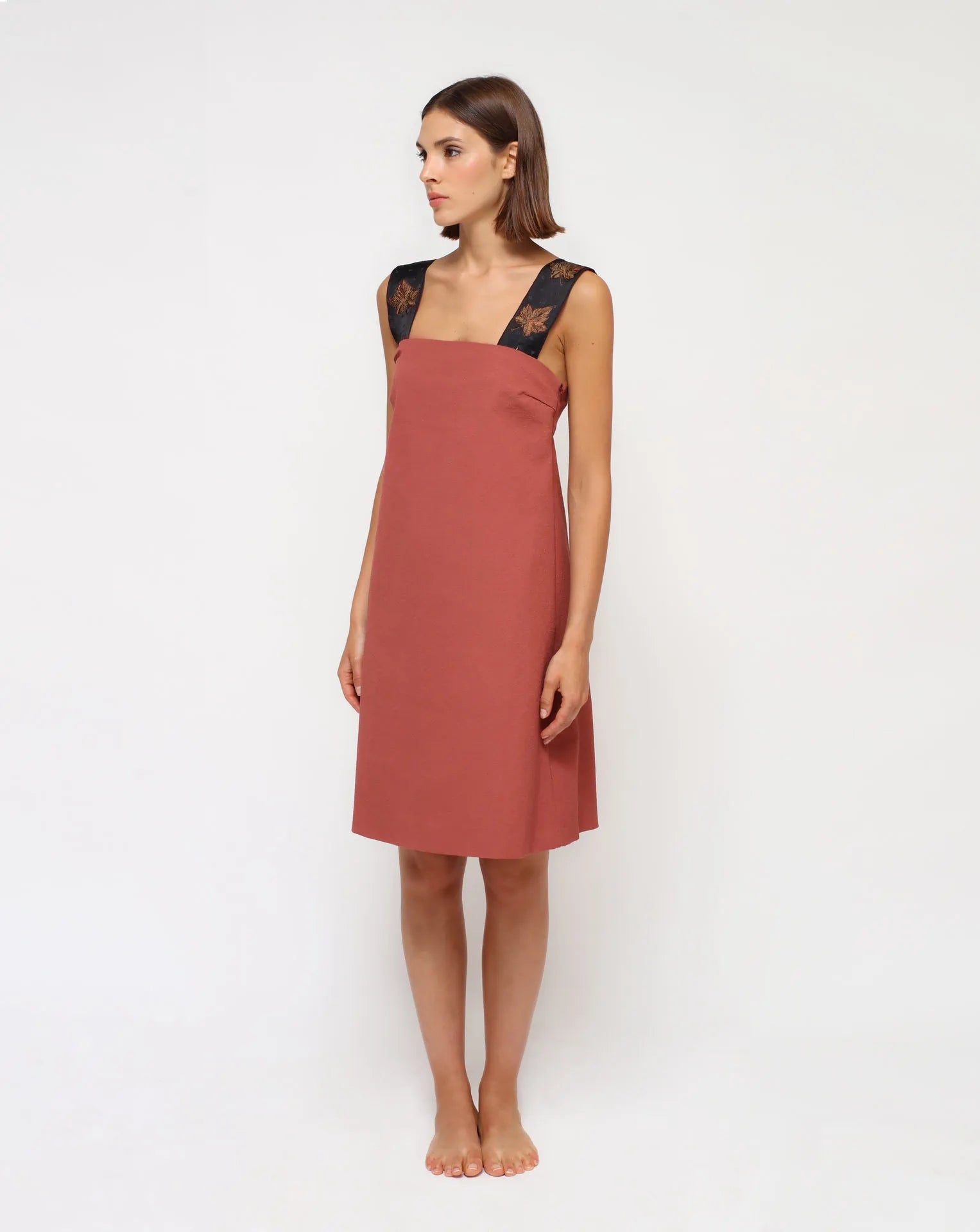
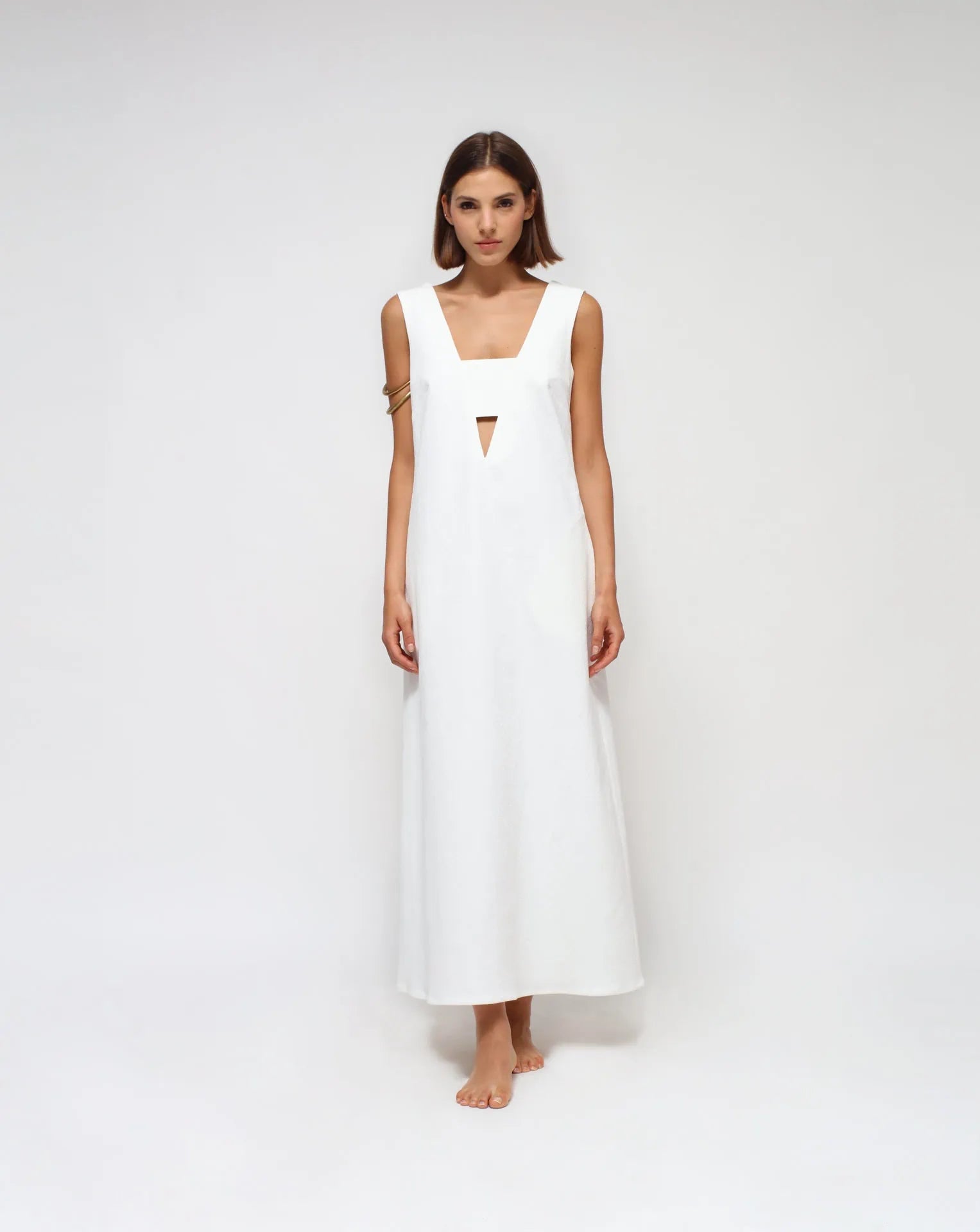
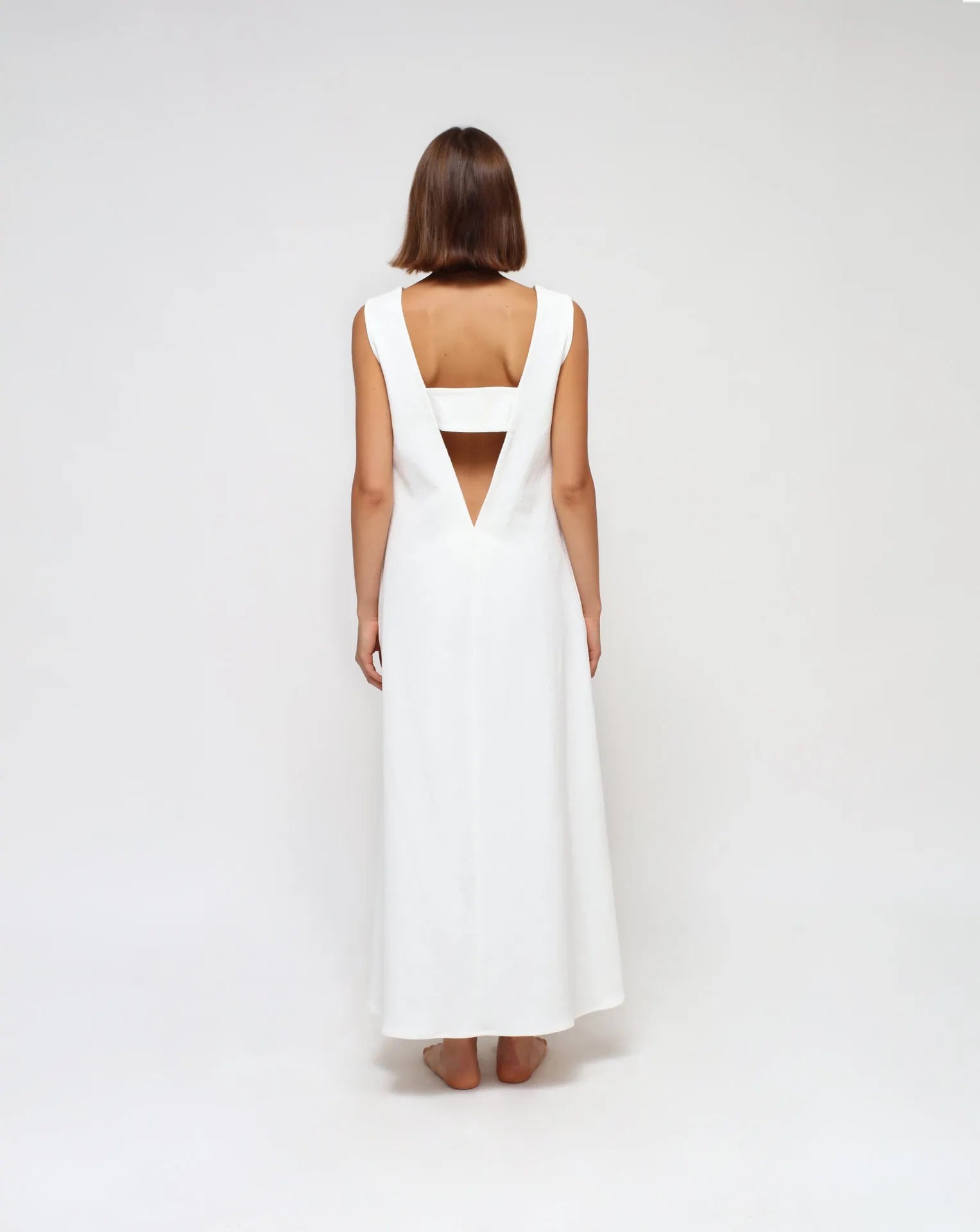
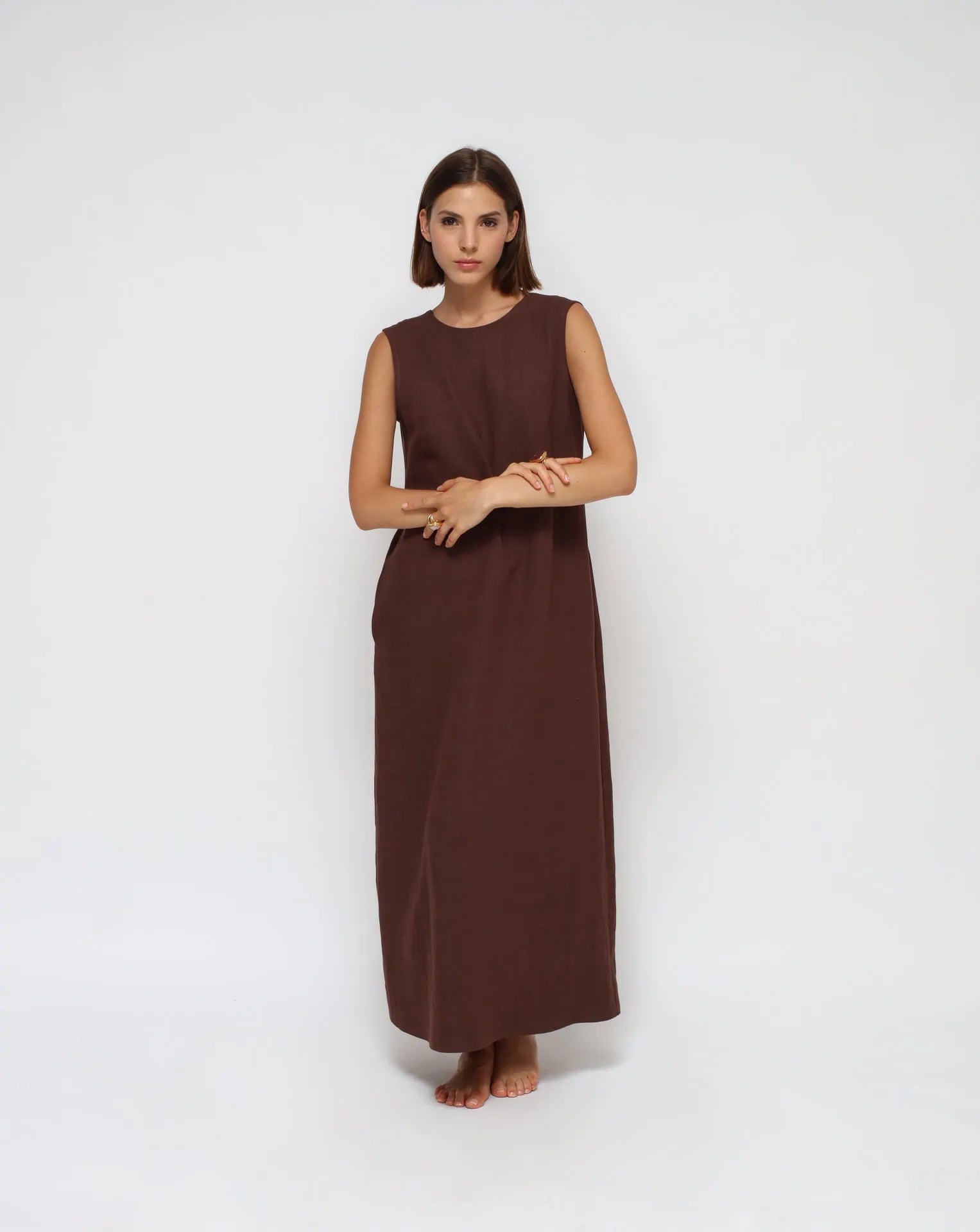
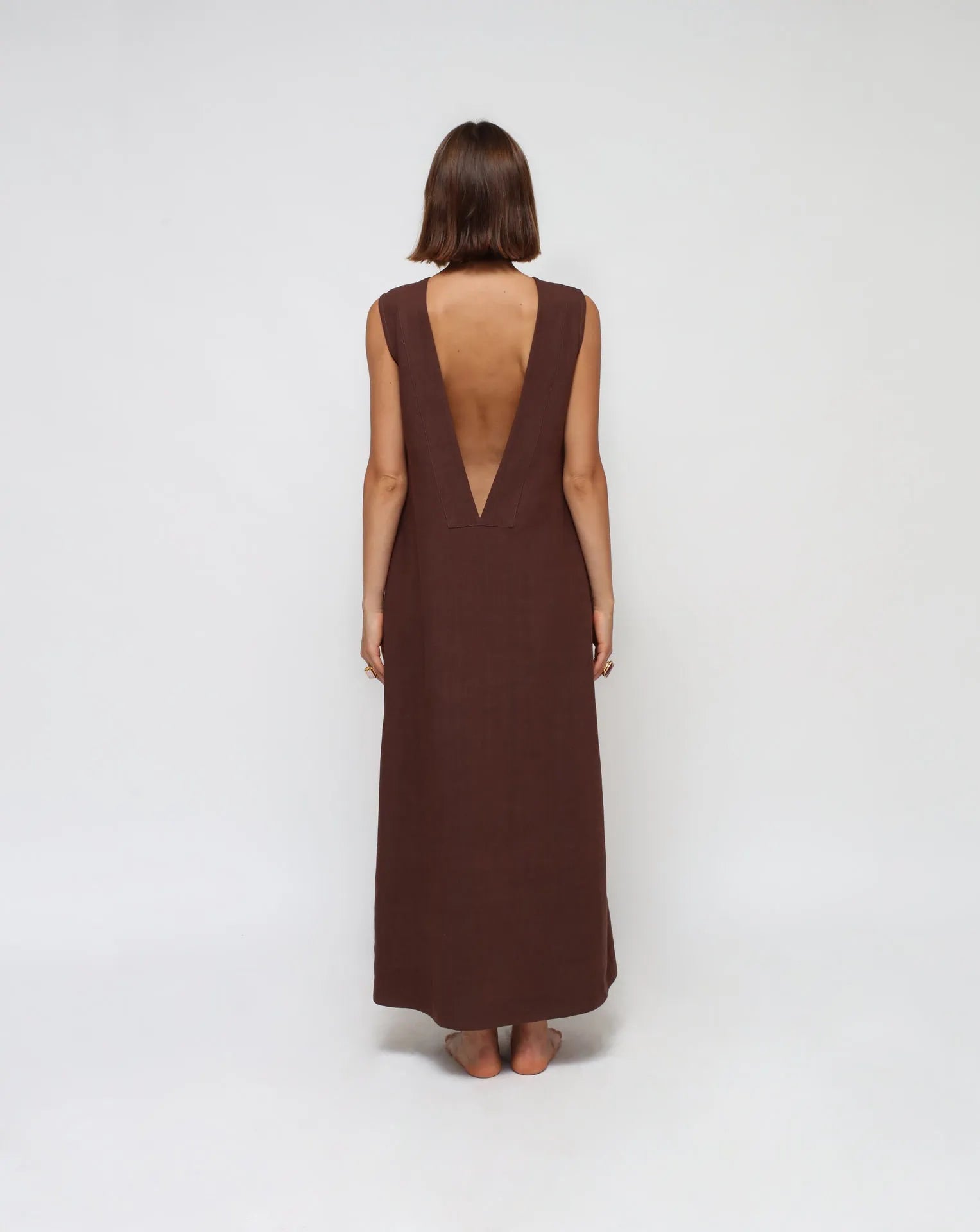
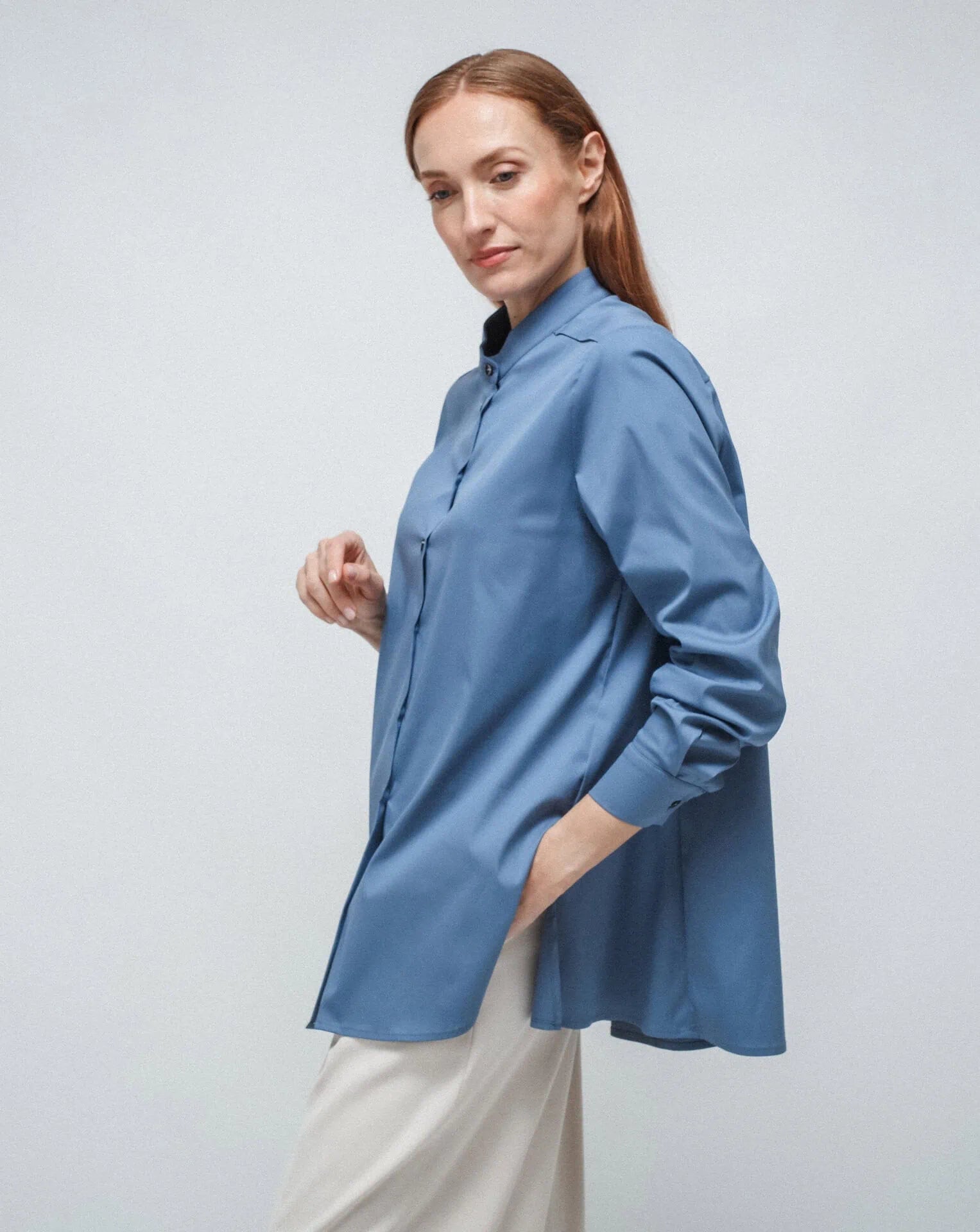
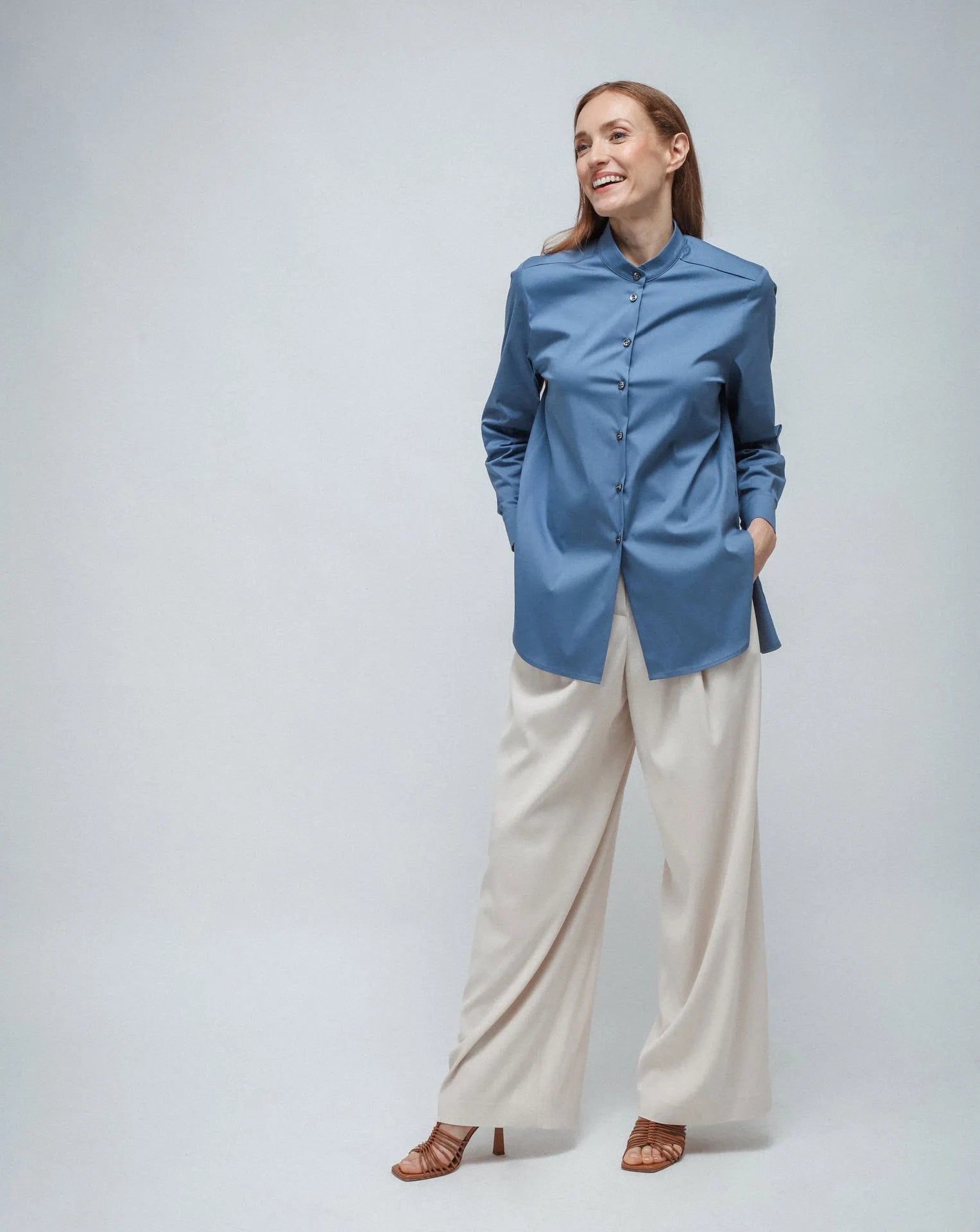
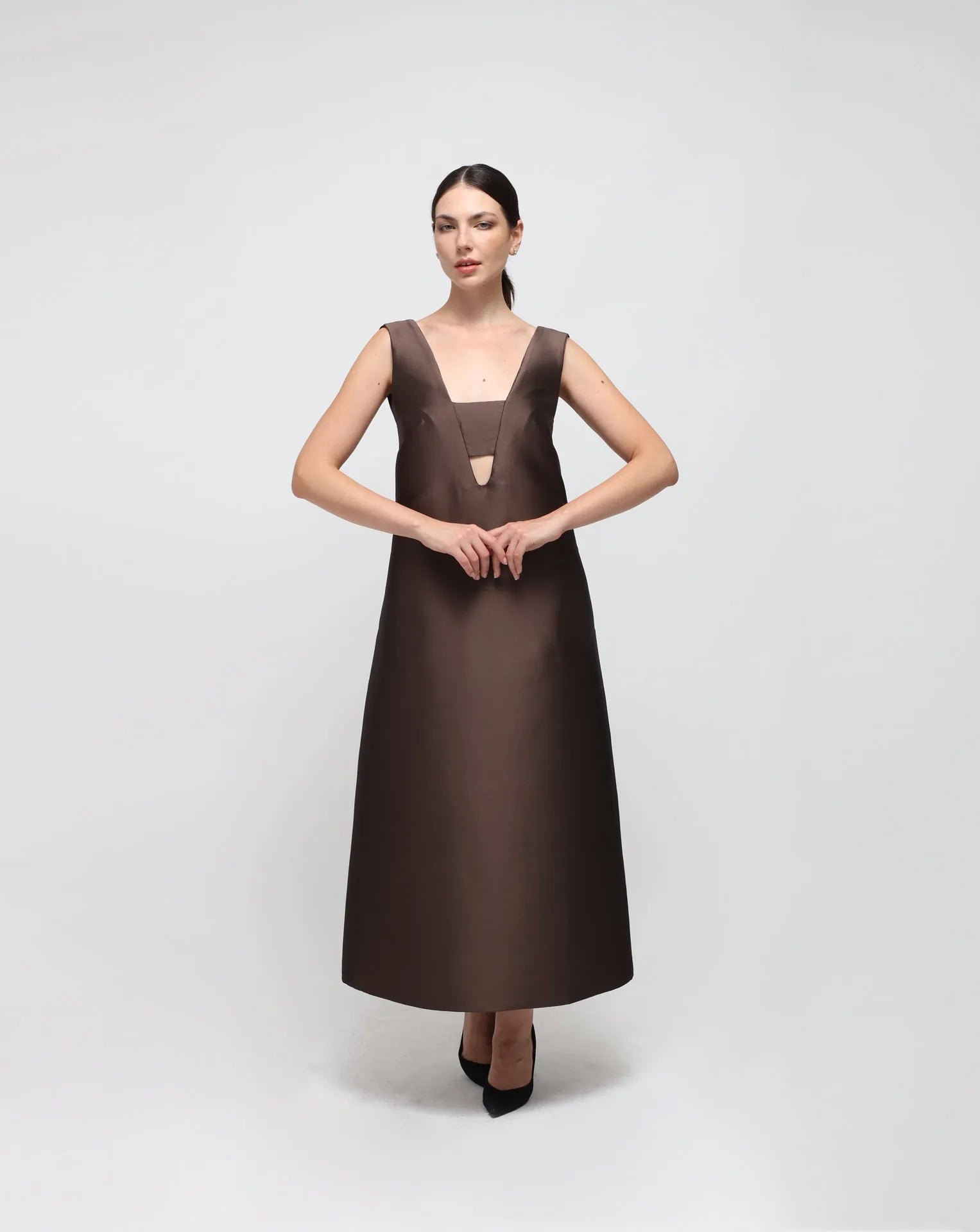
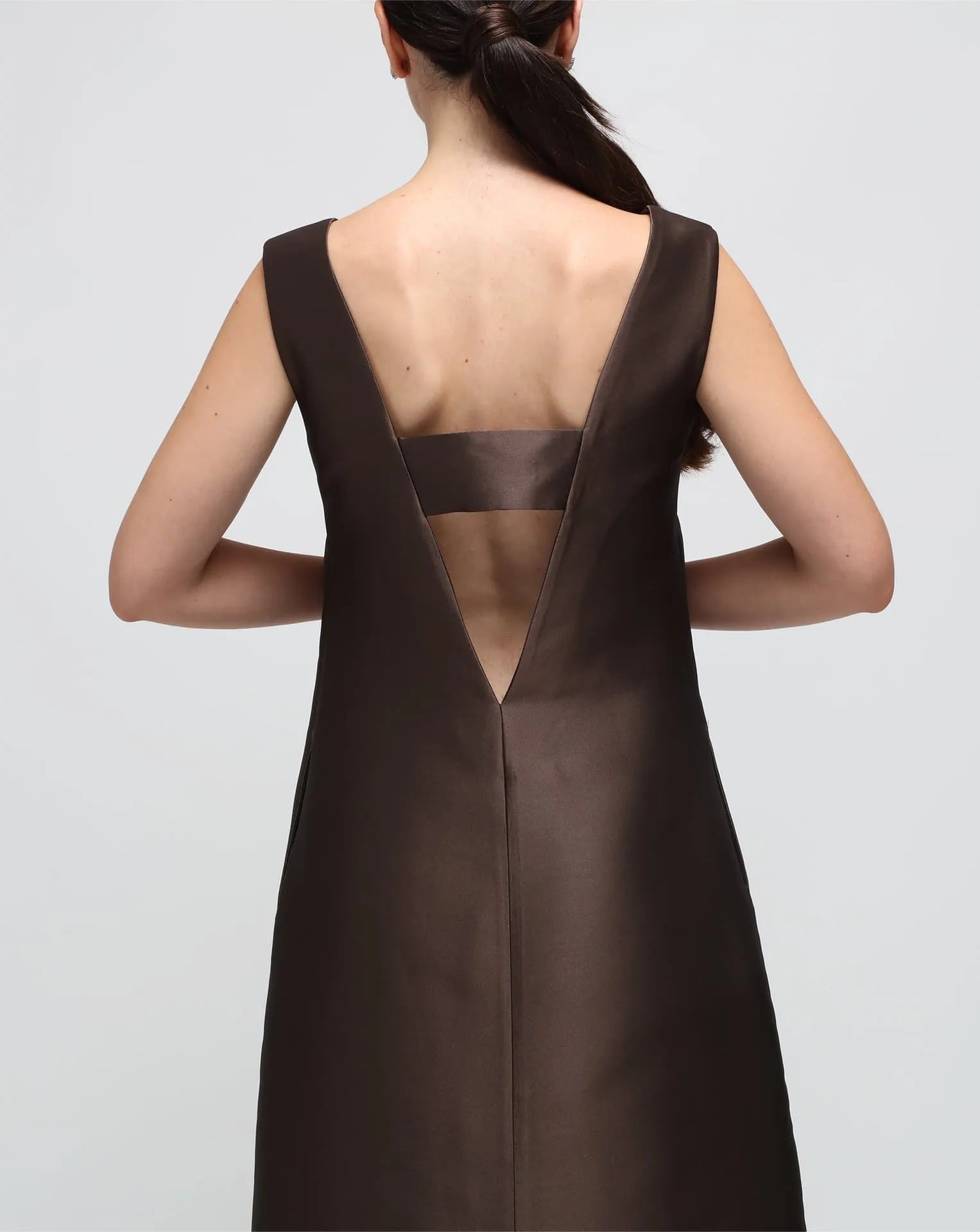
At Humans & Land, deadstock fabrics and handmade Italian production are central to this approach. The result is clothing that feels considered from the start, whether you are looking for a refined dress, an everyday shirt, or a cold-weather layer with a longer life ahead of it.
Build a Winter Wardrobe That Works Harder
Winter is where intentional dressing proves its worth. Layers need to perform across changing temperatures, workdays, travel, and weekends. Instead of adding separate outfits for every setting, begin with a compact foundation and choose pieces that can carry more than one role.
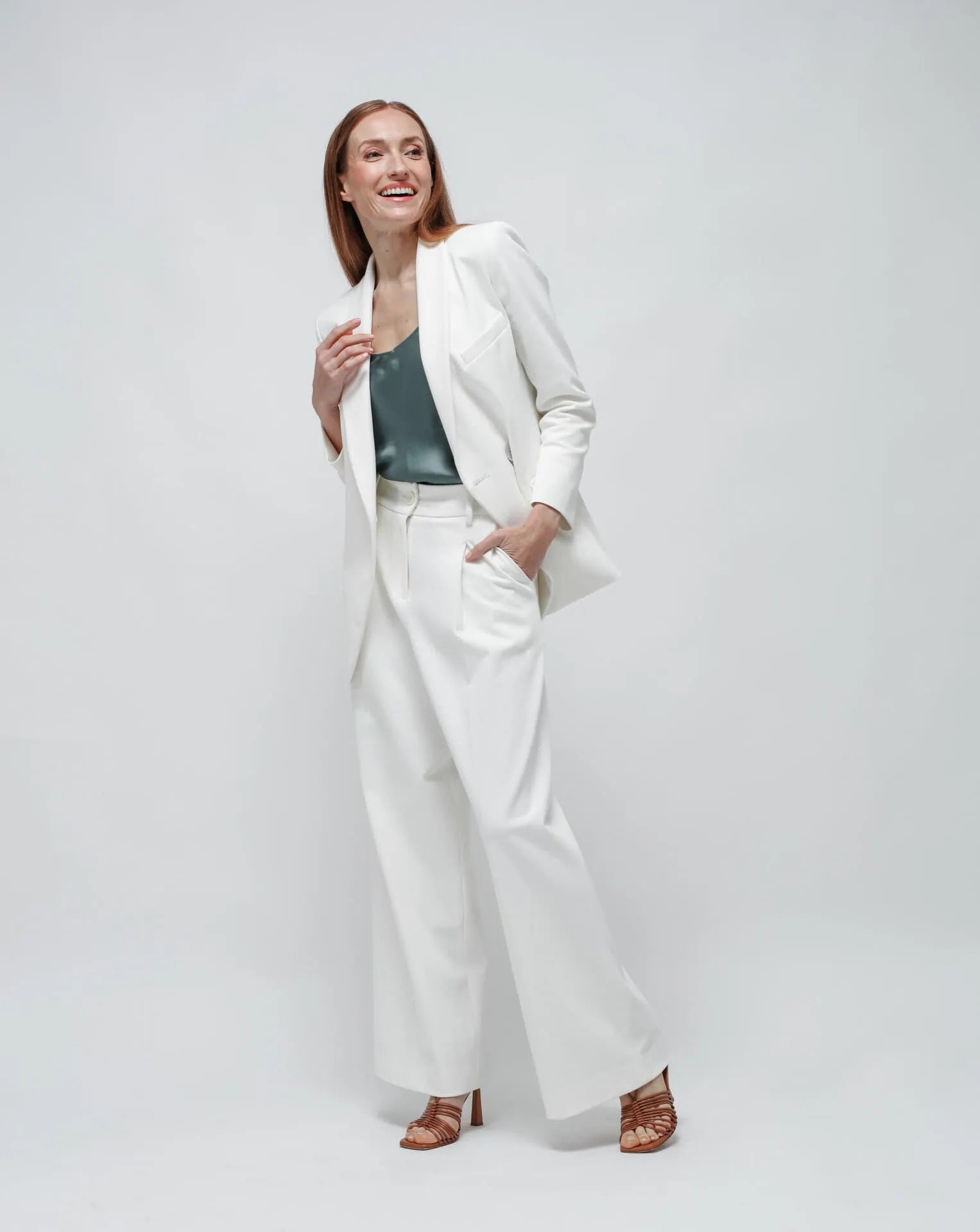
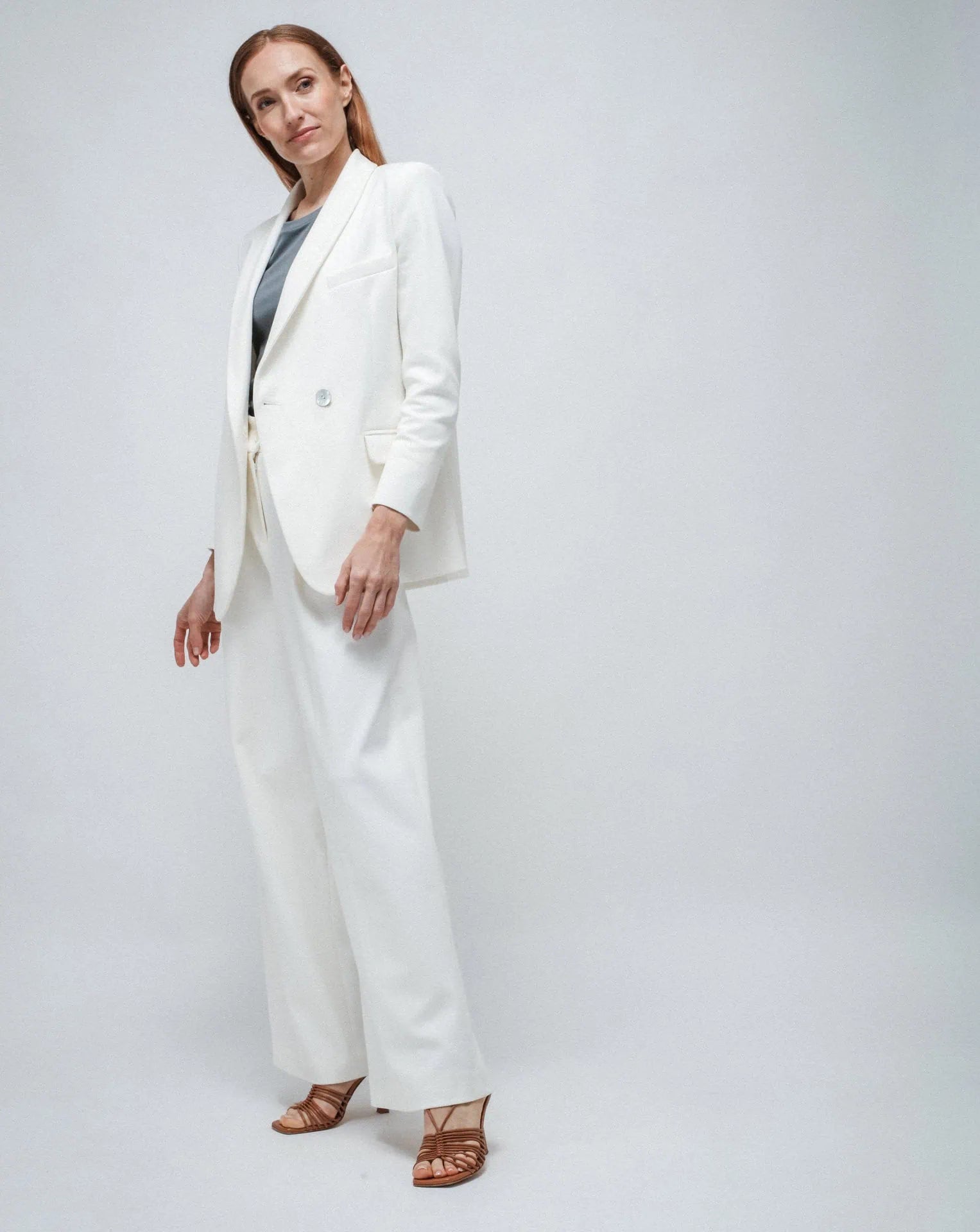
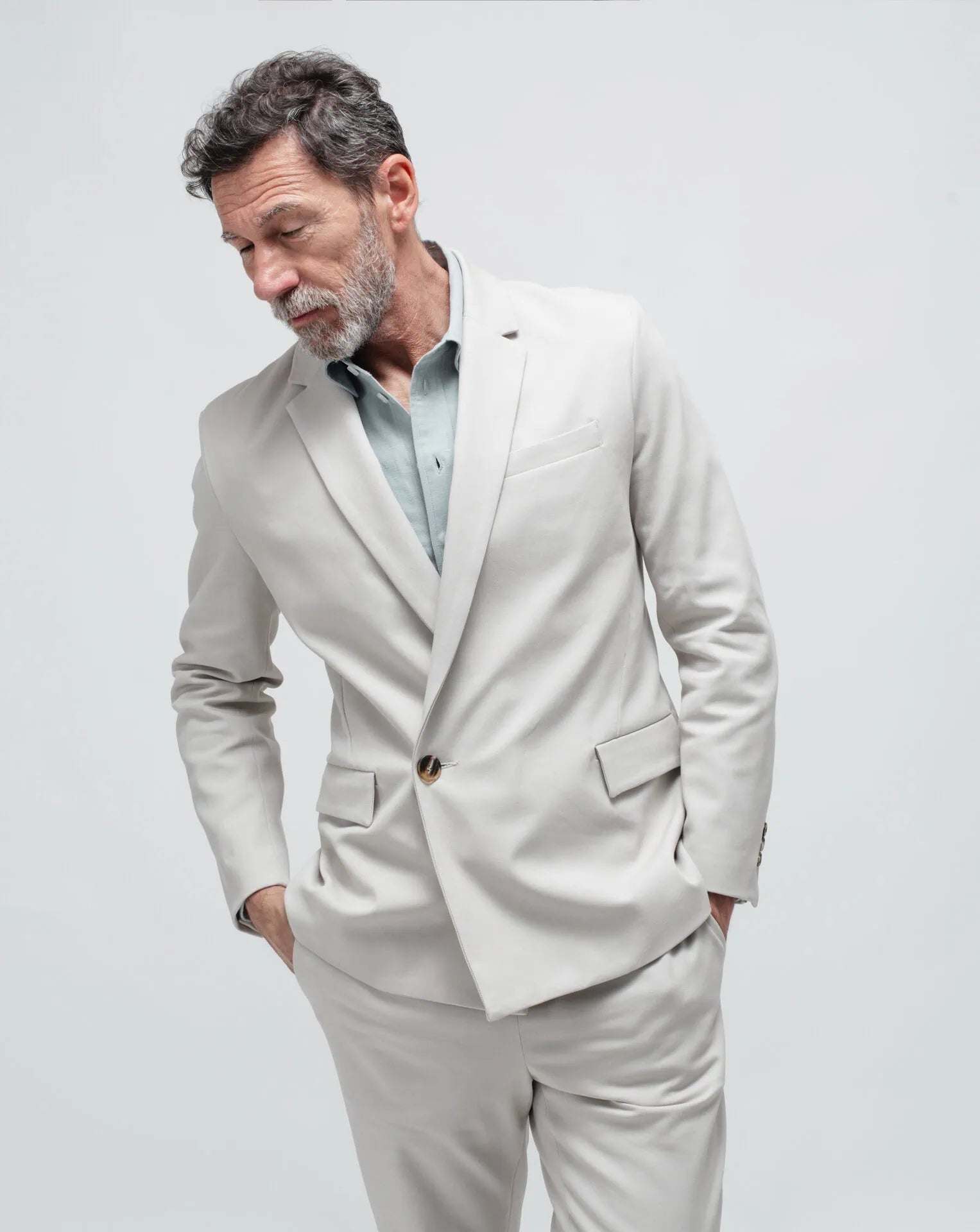
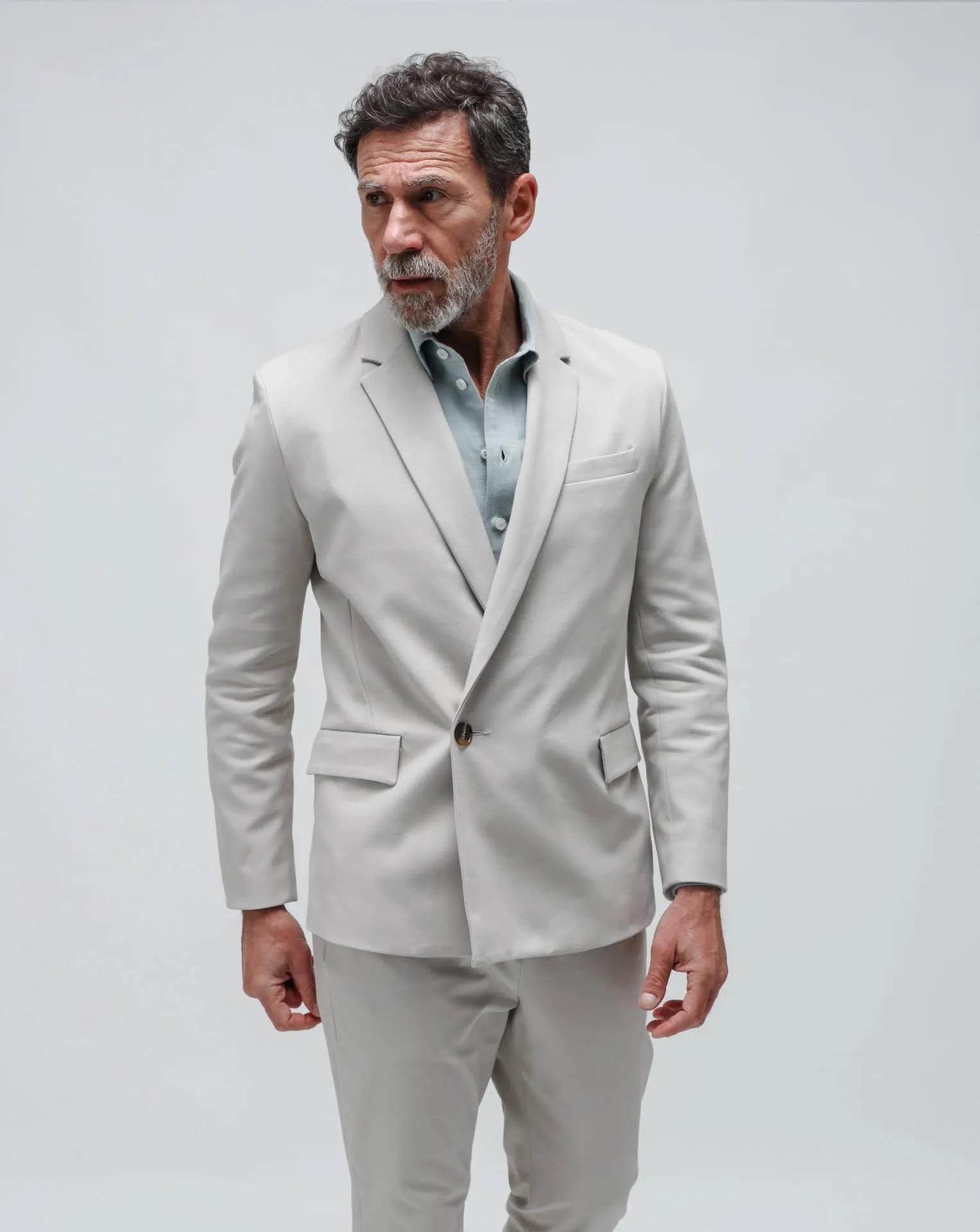
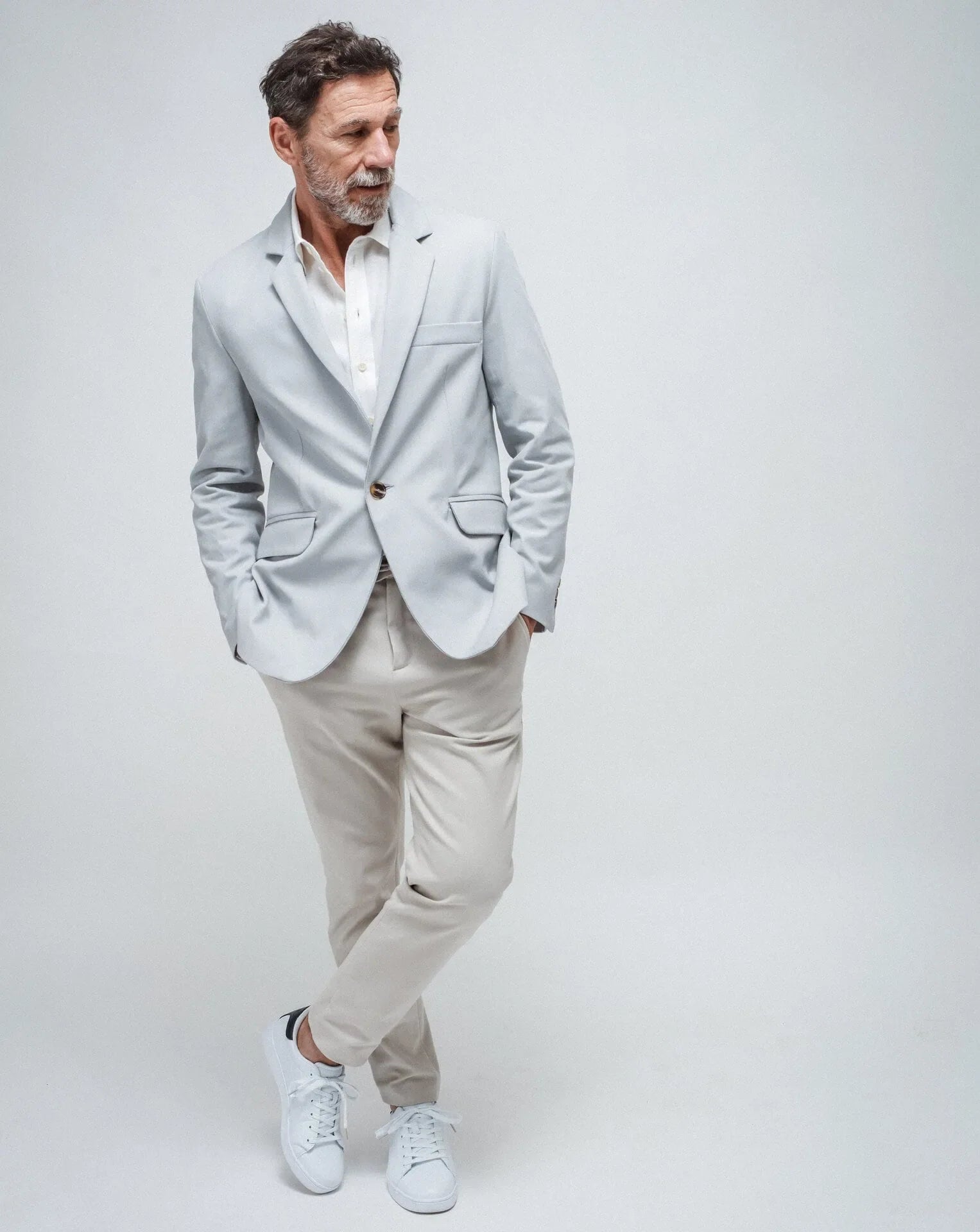
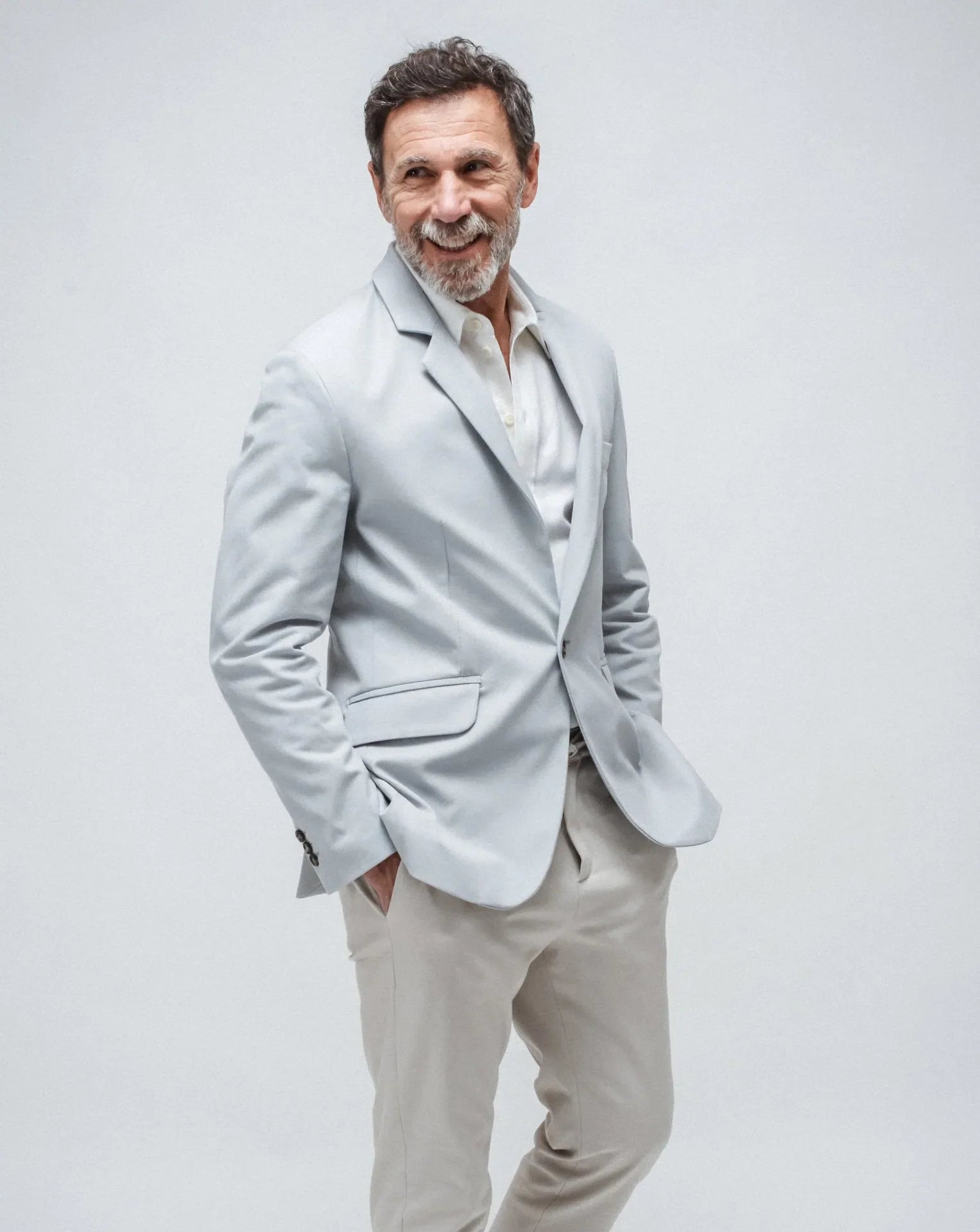
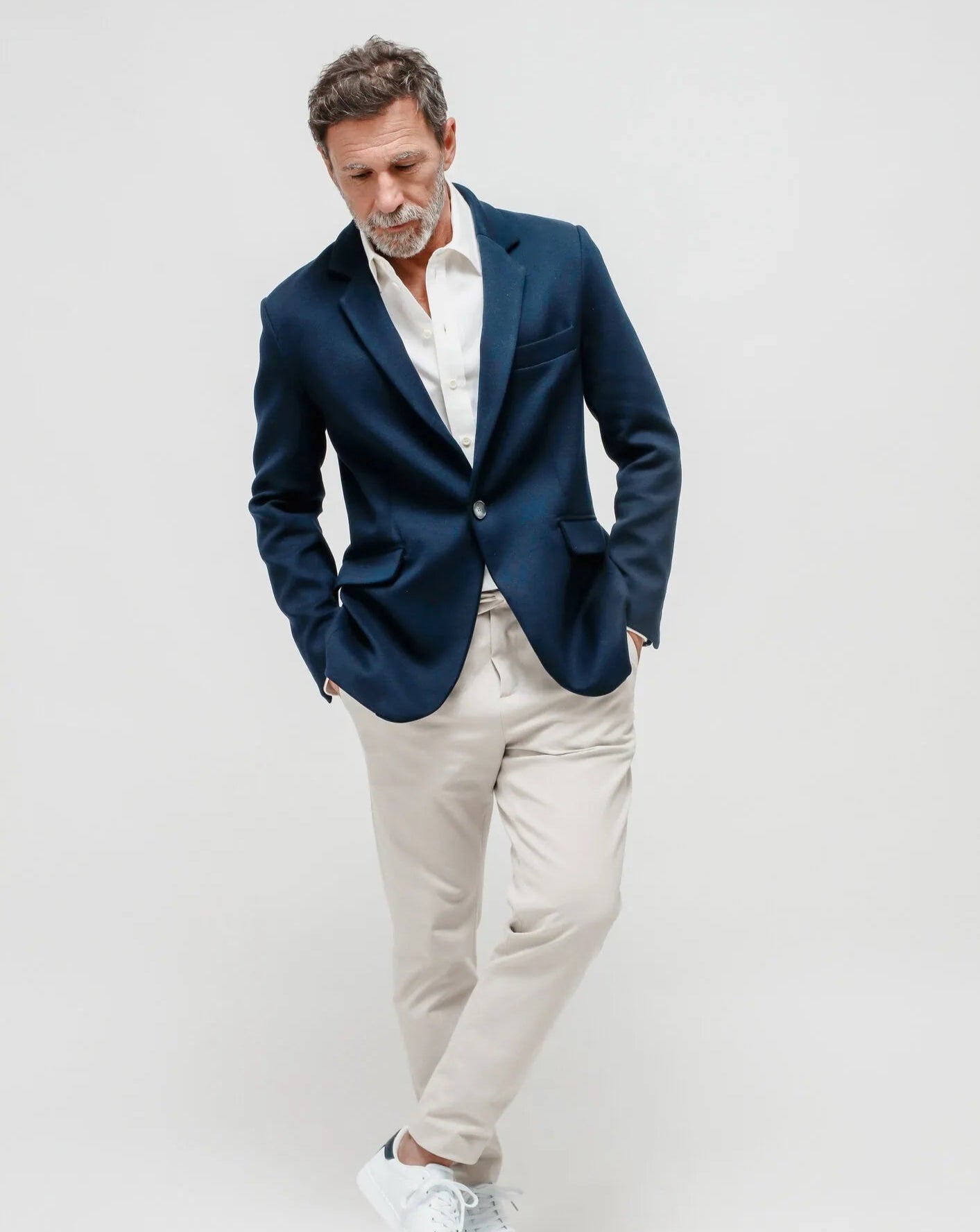
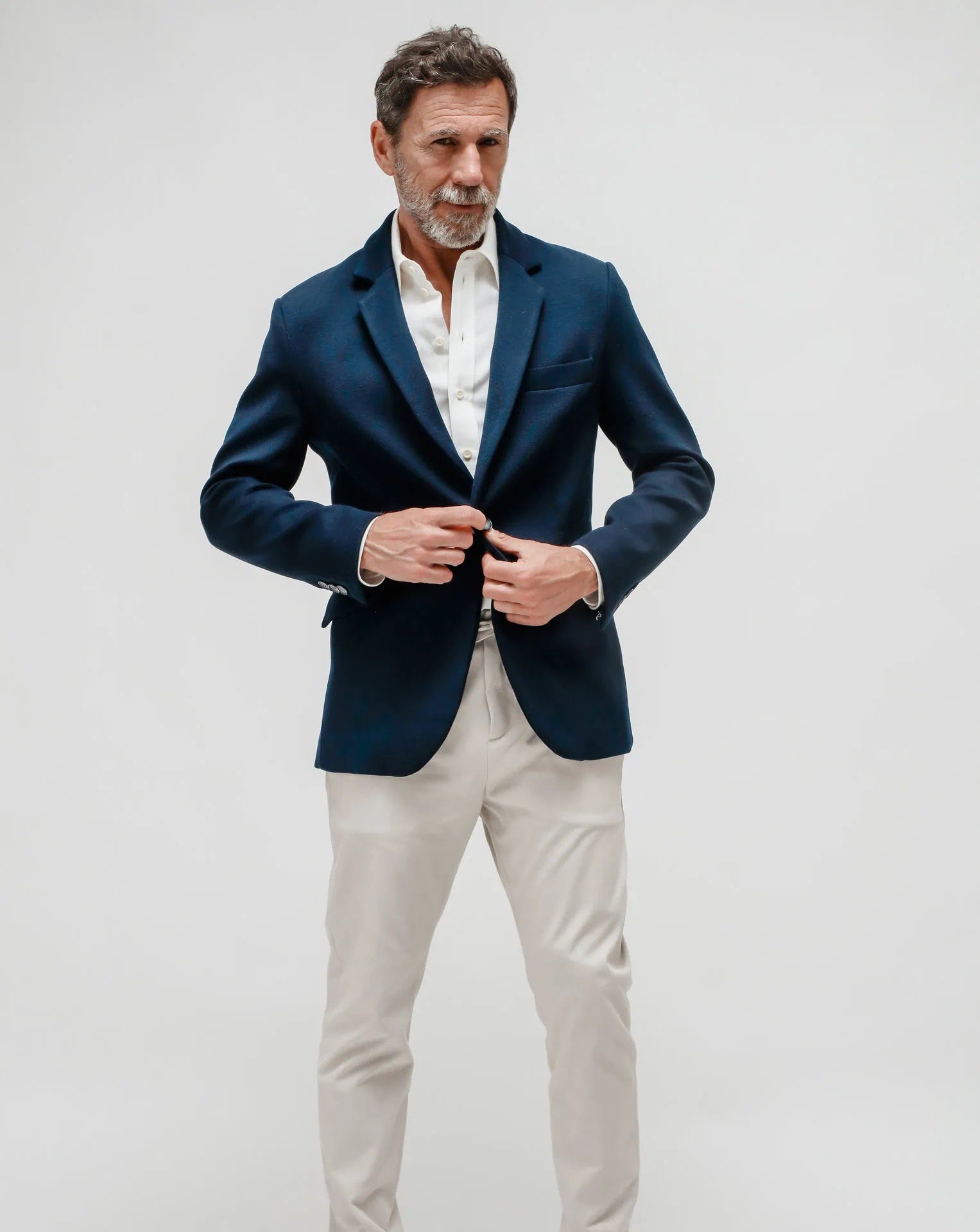
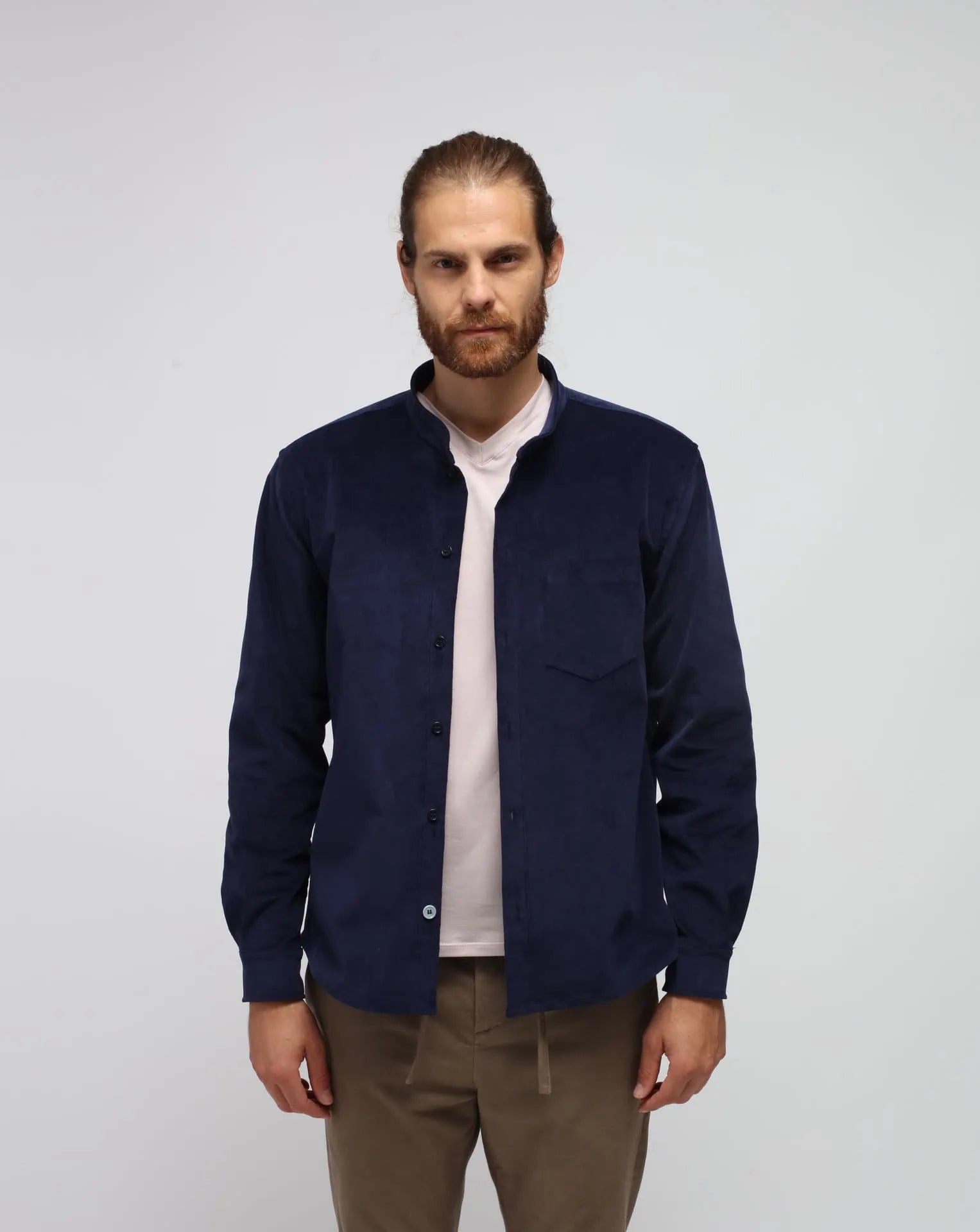
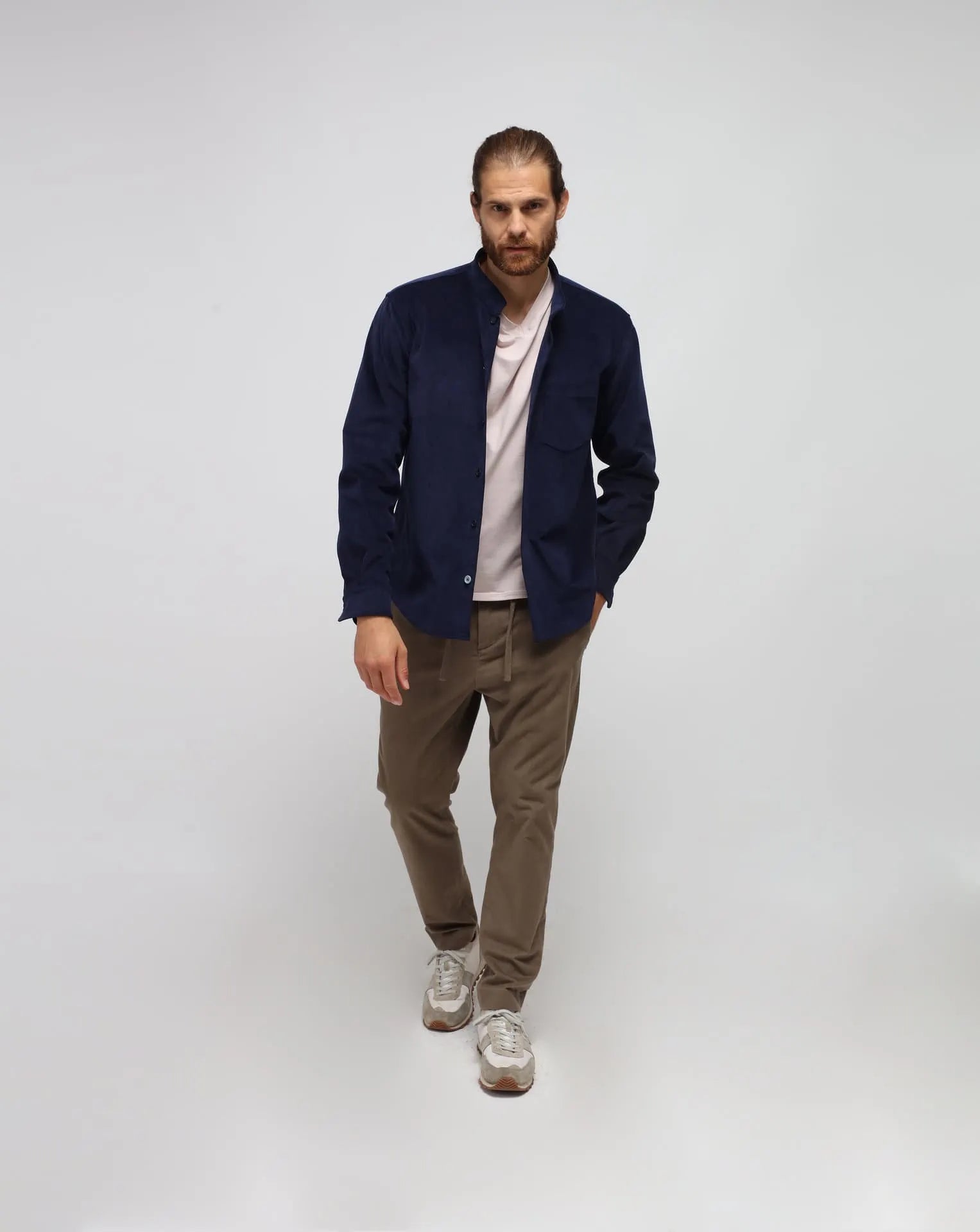
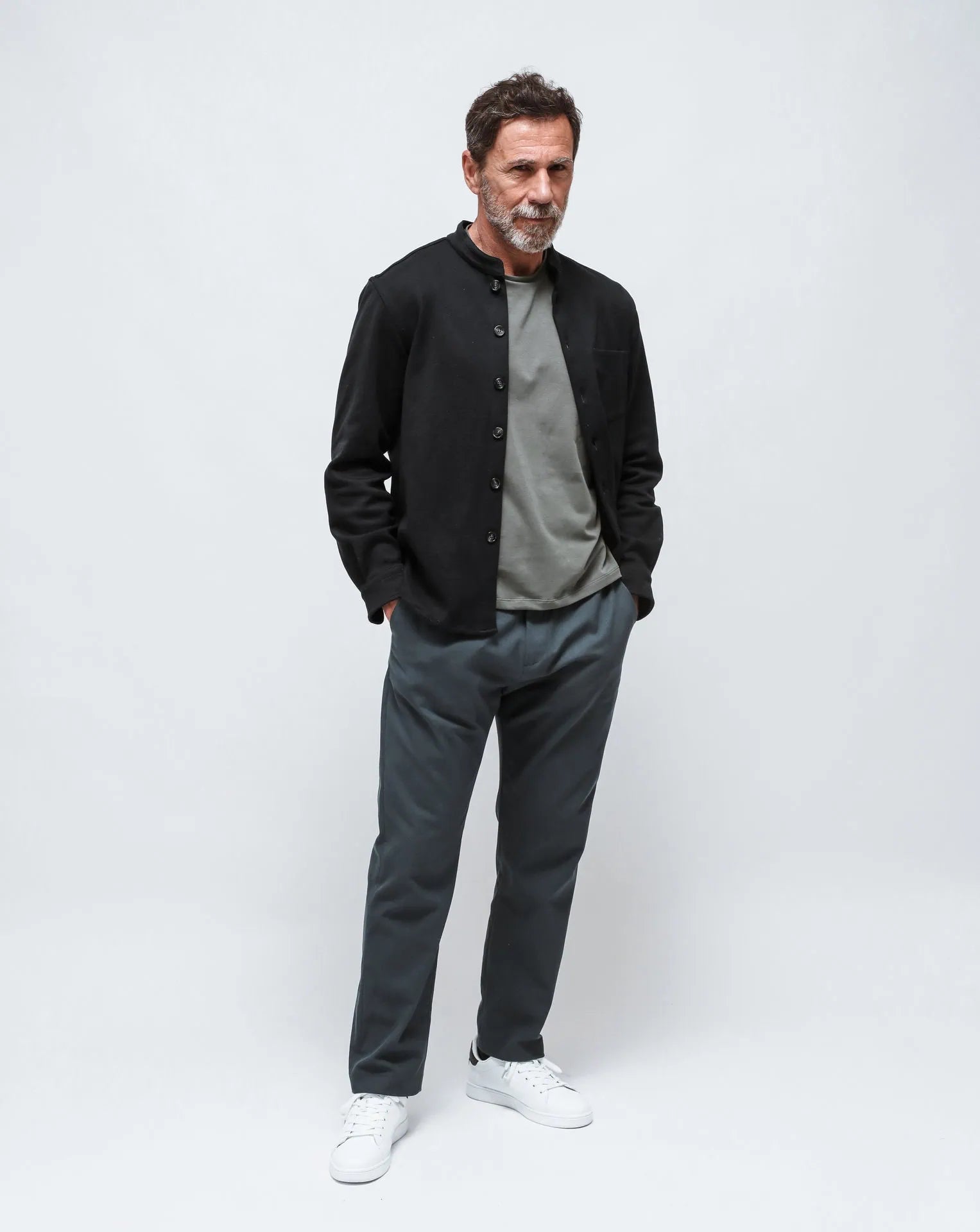
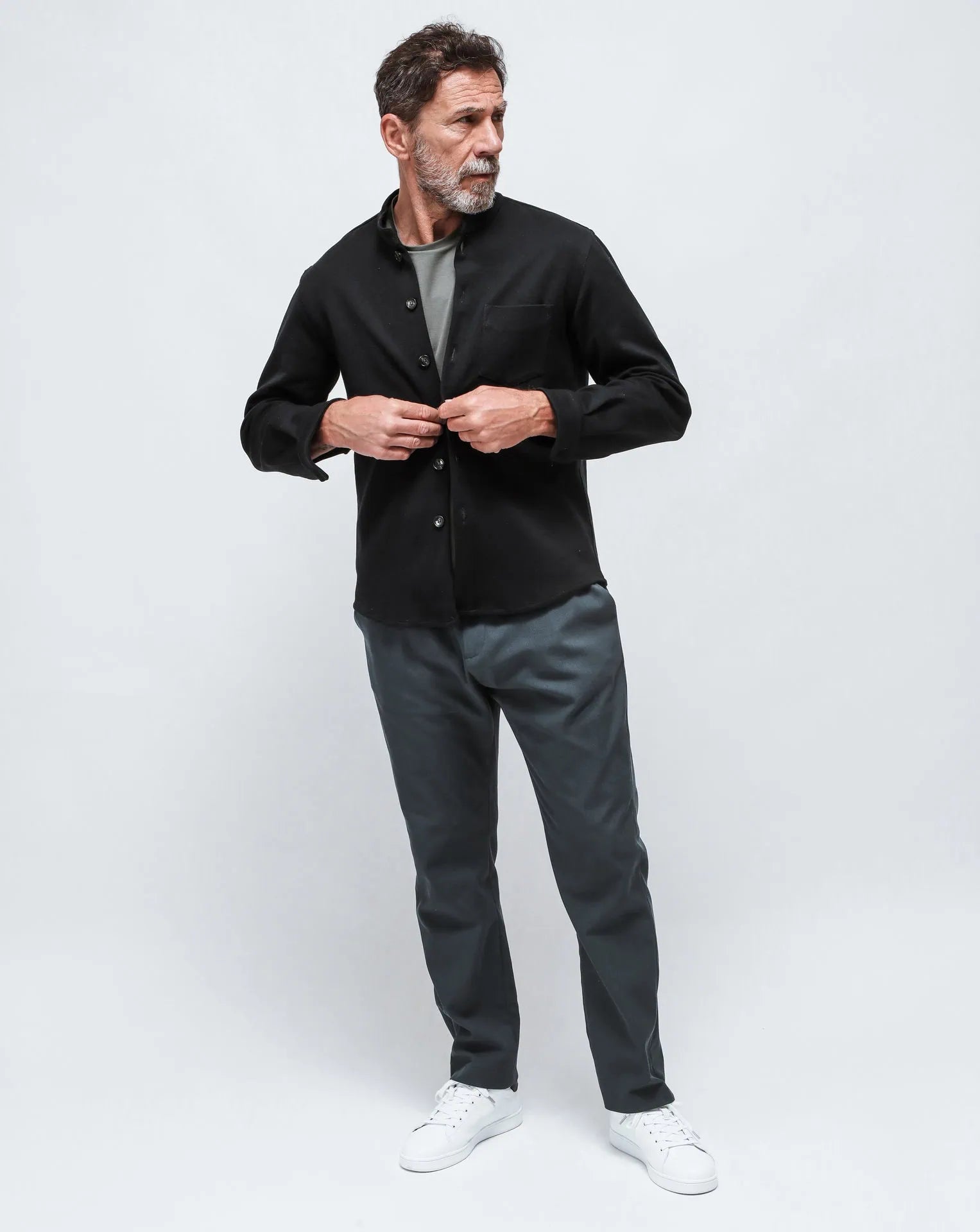
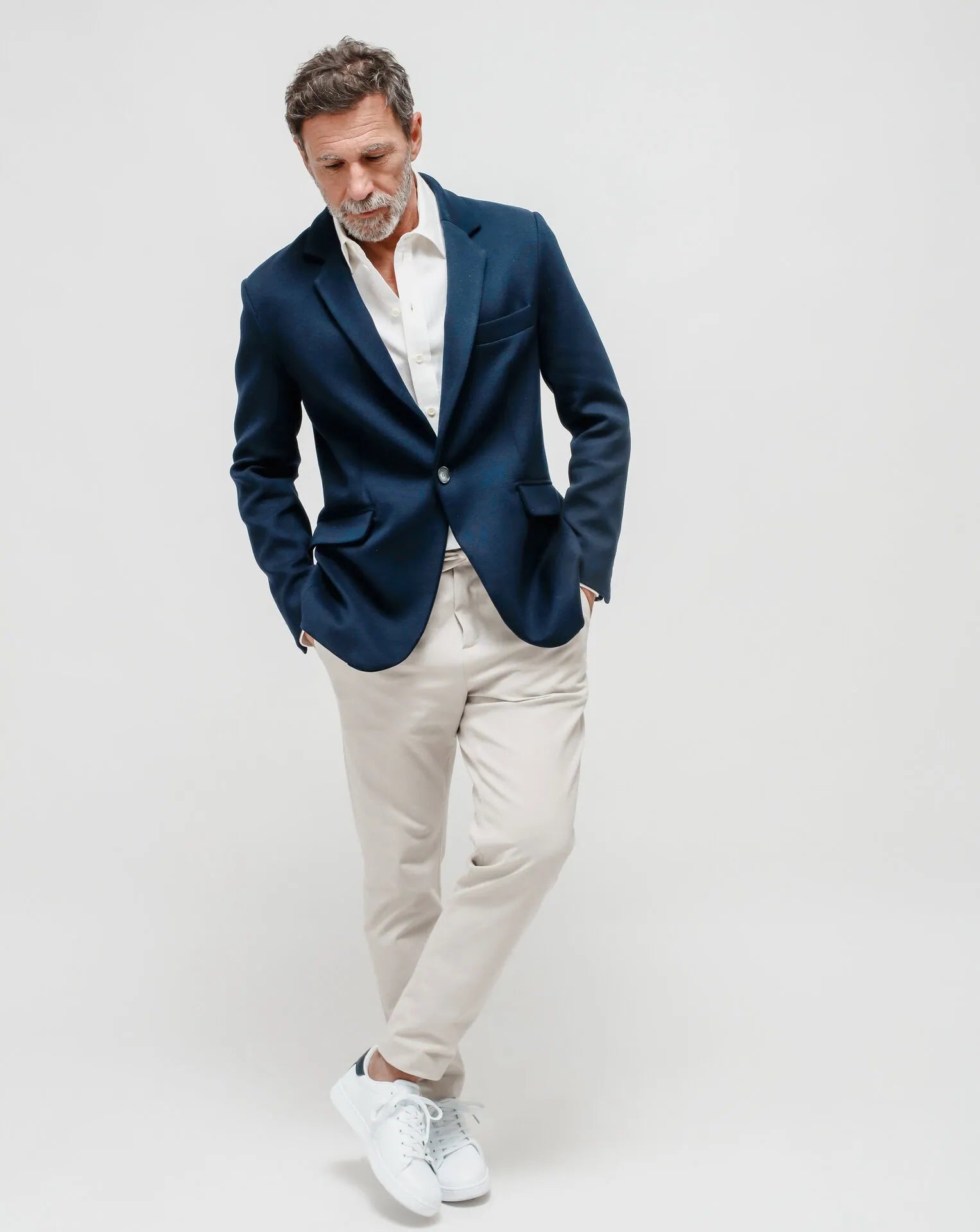
A tailored coat from the Women's Winter Coats collection can frame denim and a fine knit for daytime, then work over a dress for an evening plan. For men, a structured wool jacket or versatile overshirt from the Men's Jackets and Coats collection can move between a commute, a studio, and dinner without feeling overdone. These are not trend-dependent purchases. They are anchors.
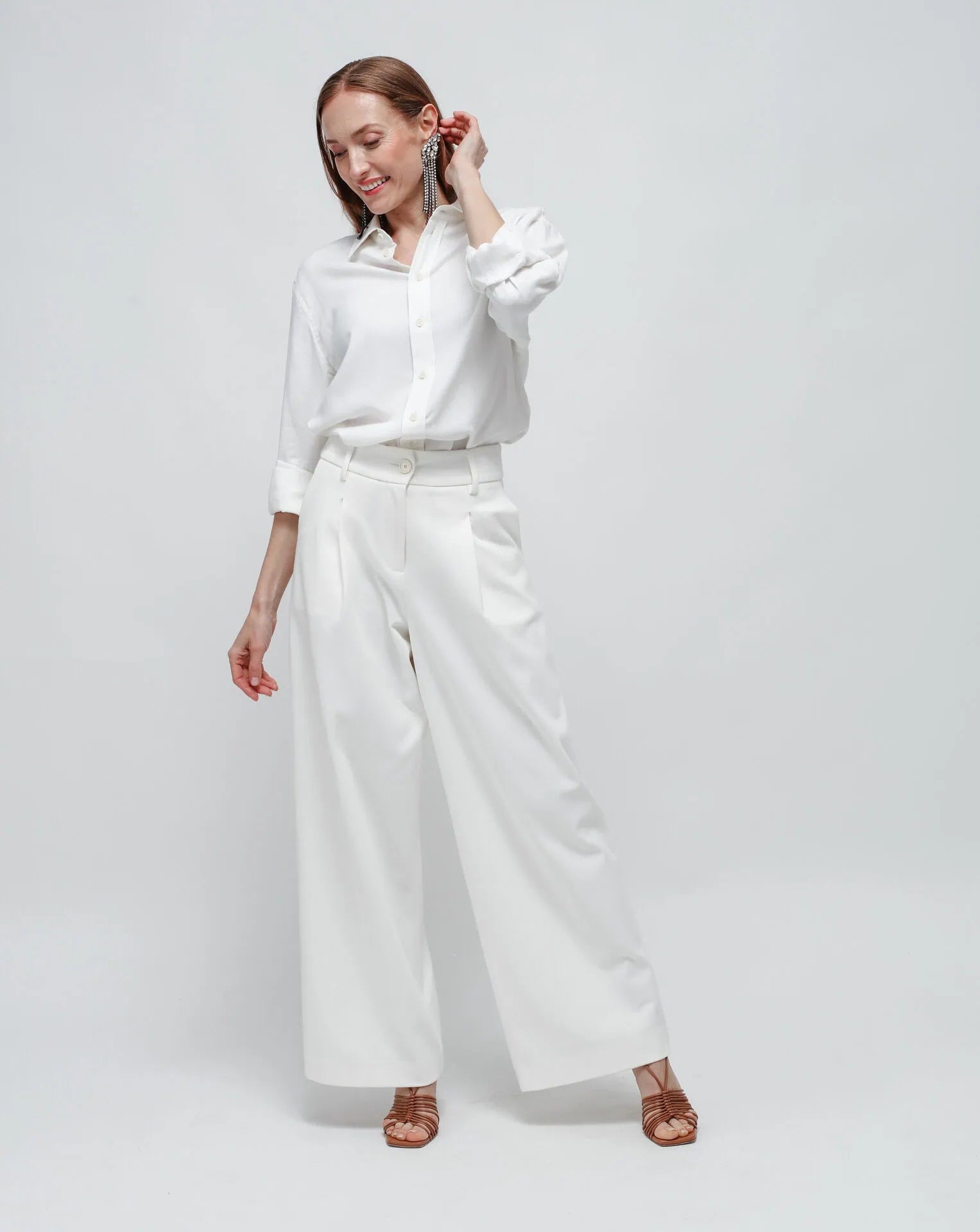
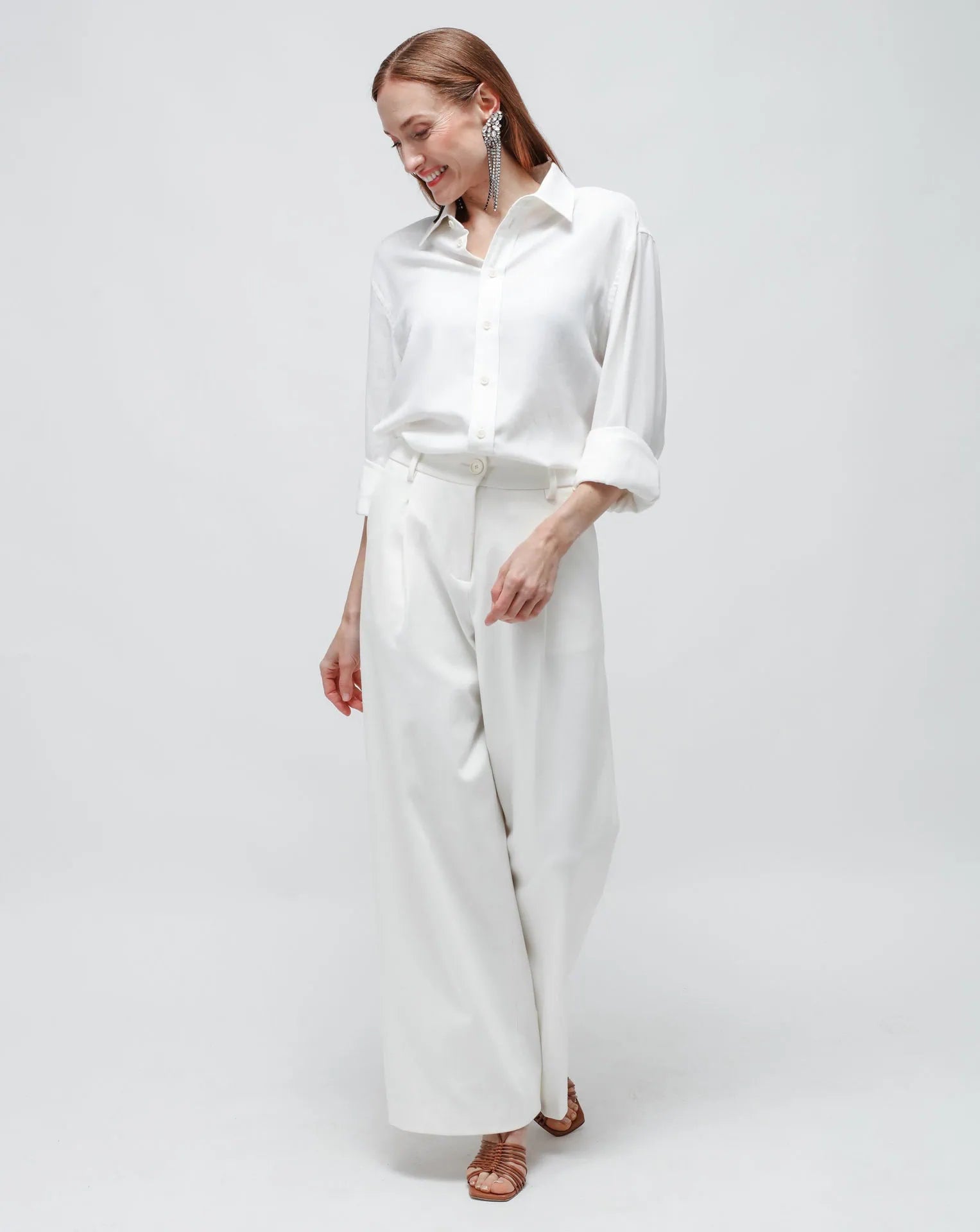
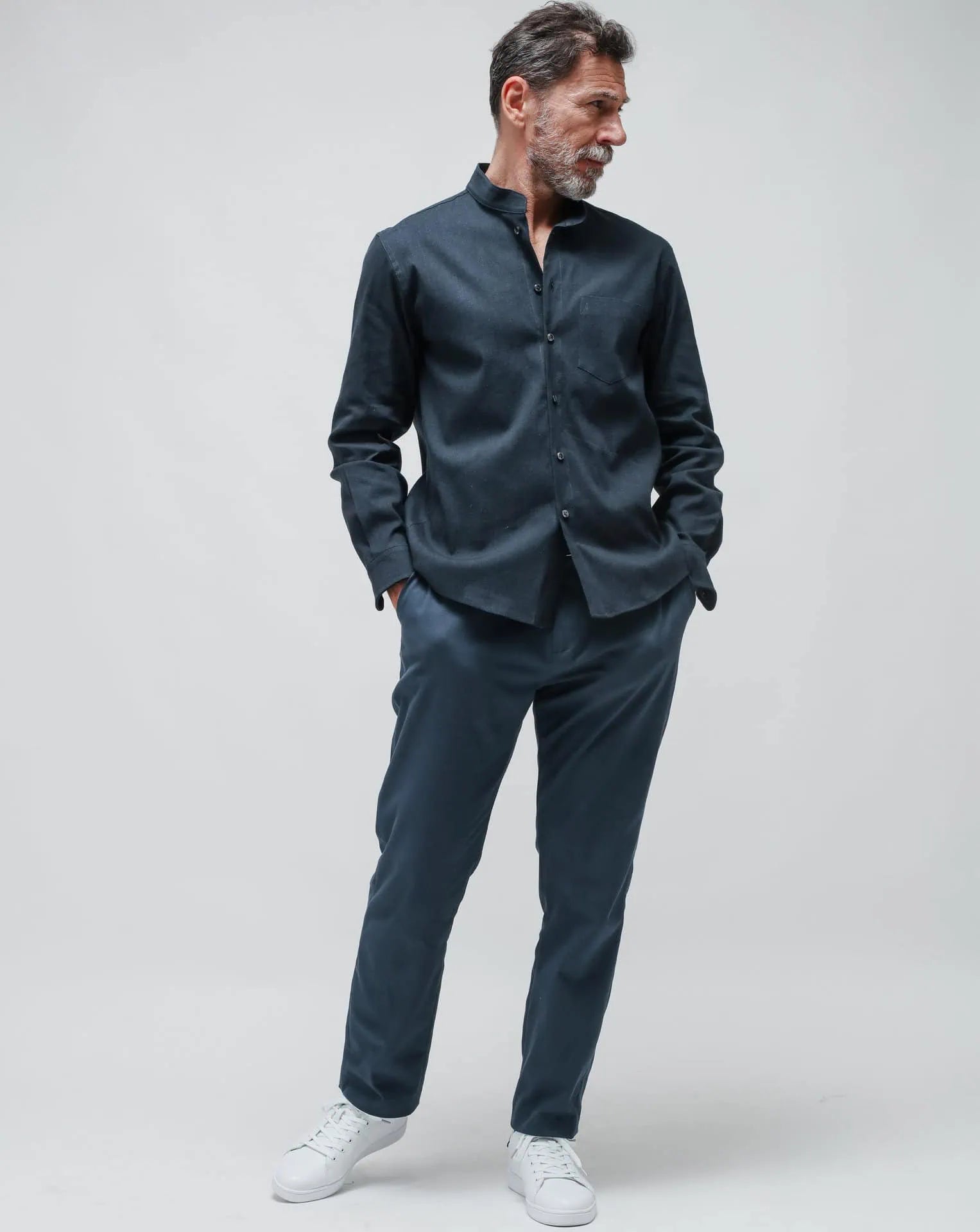
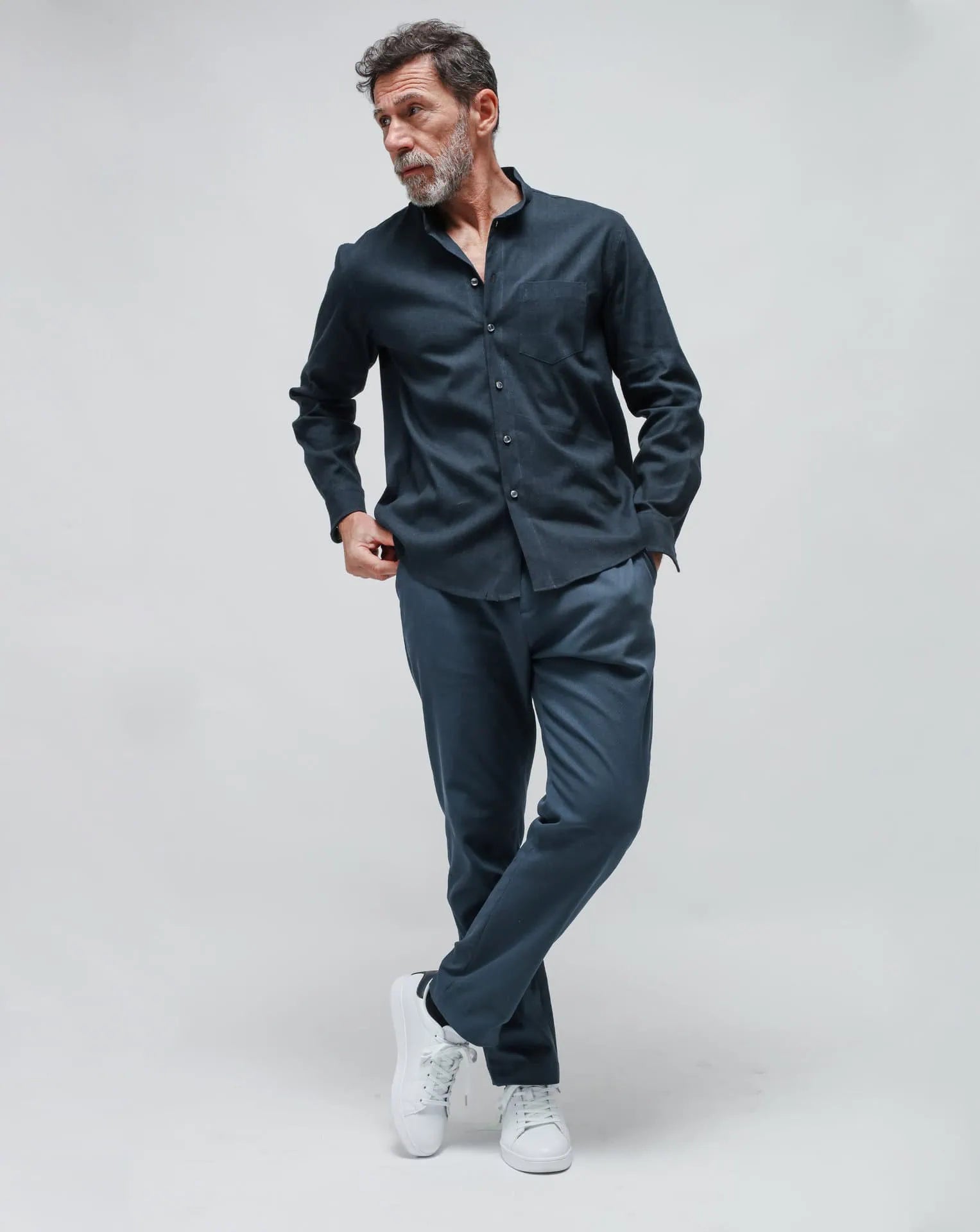
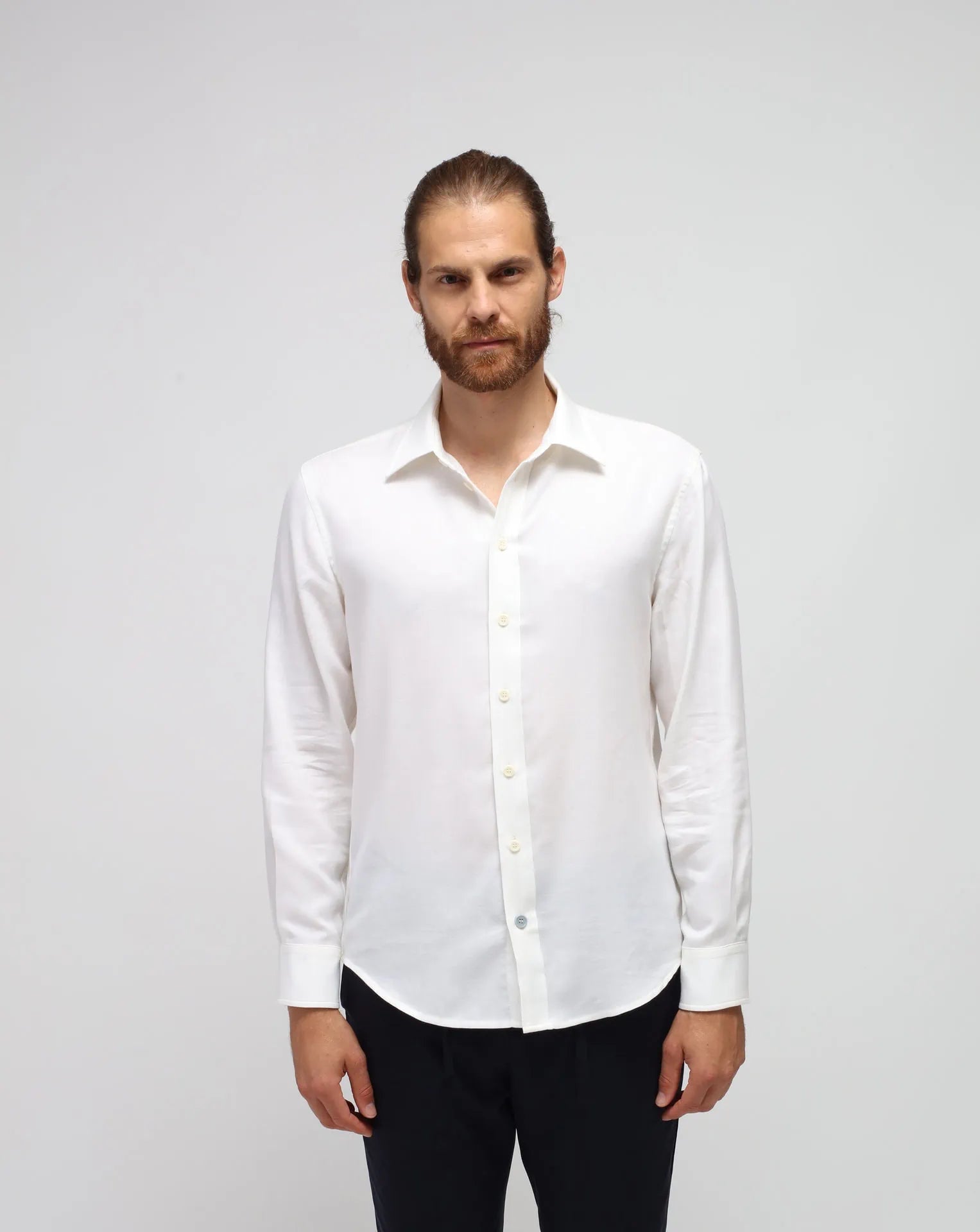
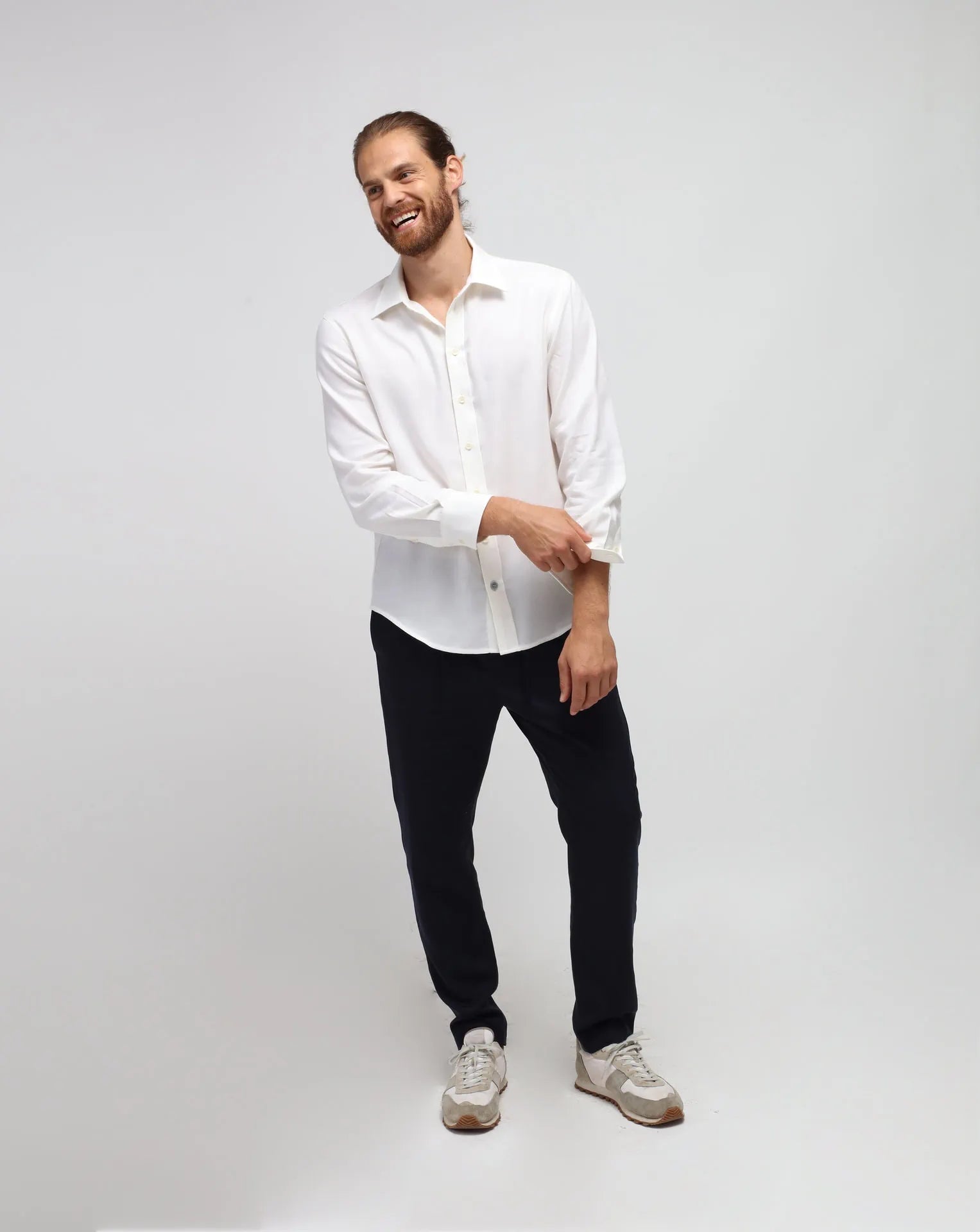
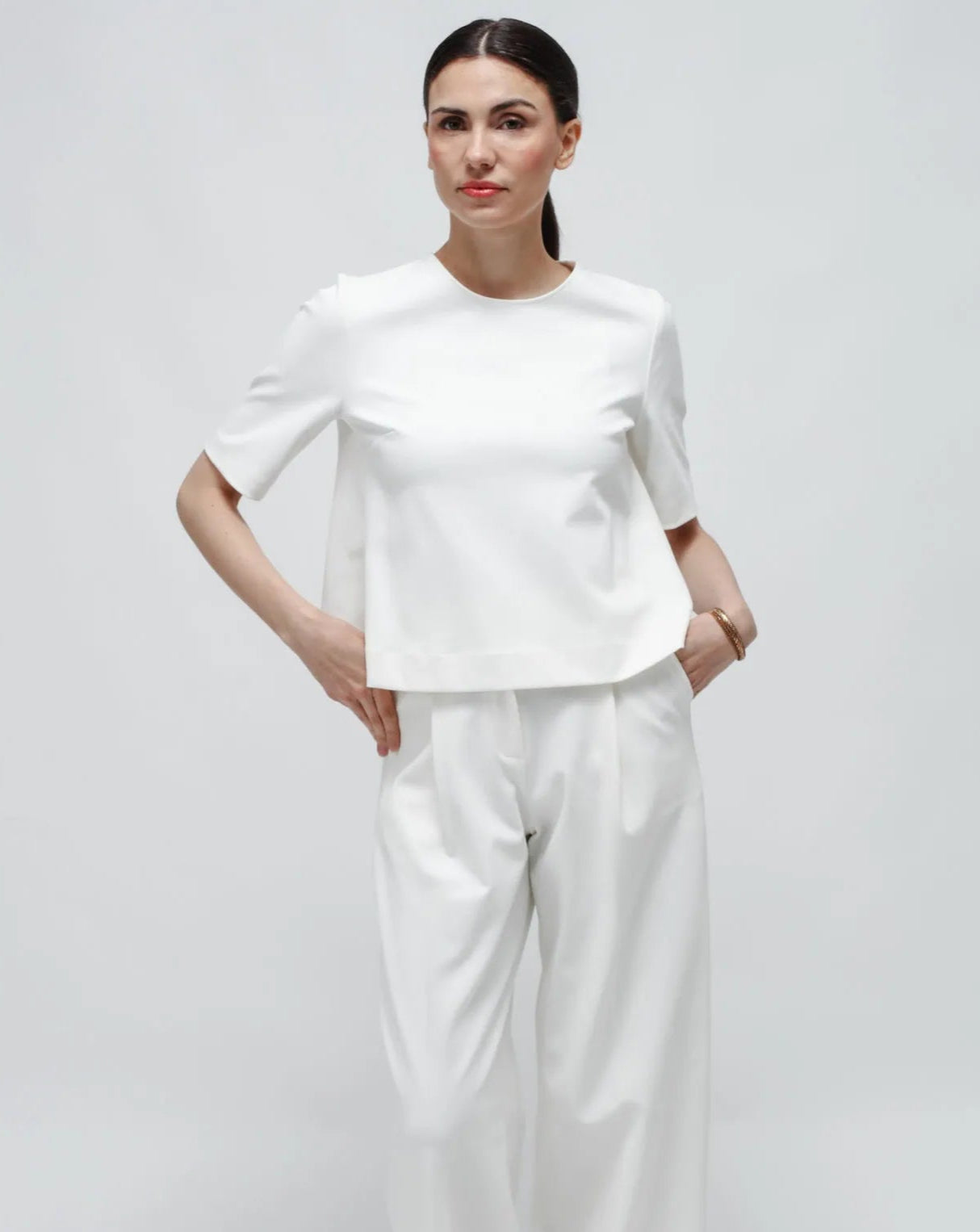
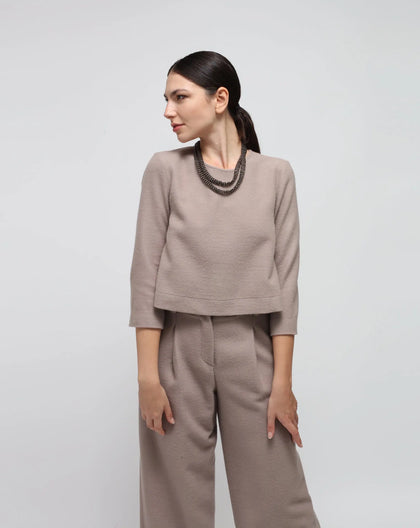
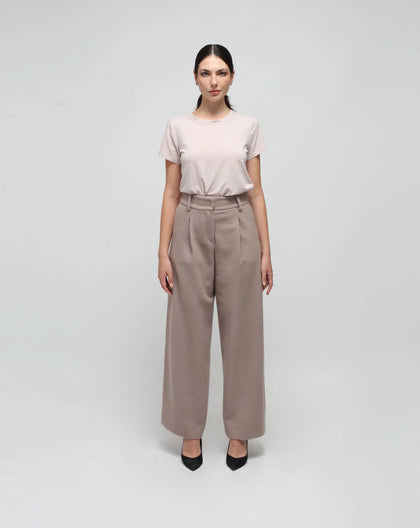
The same principle applies underneath. Consider a long-sleeve top that layers cleanly under a blazer, a pair of trousers with enough structure for the office and enough ease for travel, or a coordinated set that removes the question of what goes together. A well-proportioned knit, a clean shirt, and a strong pair of pants can create more useful combinations than a crowded closet of one-time pieces.
Before choosing a new winter item, ask three direct questions: Will I wear it at least 30 times? Can it work with at least three pieces I already own? Does the fabric and silhouette justify the care it requires? A delicate piece can still be worth owning, but only if its role in your life is clear.
Choose Versatility, Not Uniformity
Versatility is often mistaken for neutrality. It does not require a wardrobe of identical basics in muted shades. A sculptural skirt, a rich-textured coat, or an unexpected color can be highly versatile when the cut is right and the styling options are real.
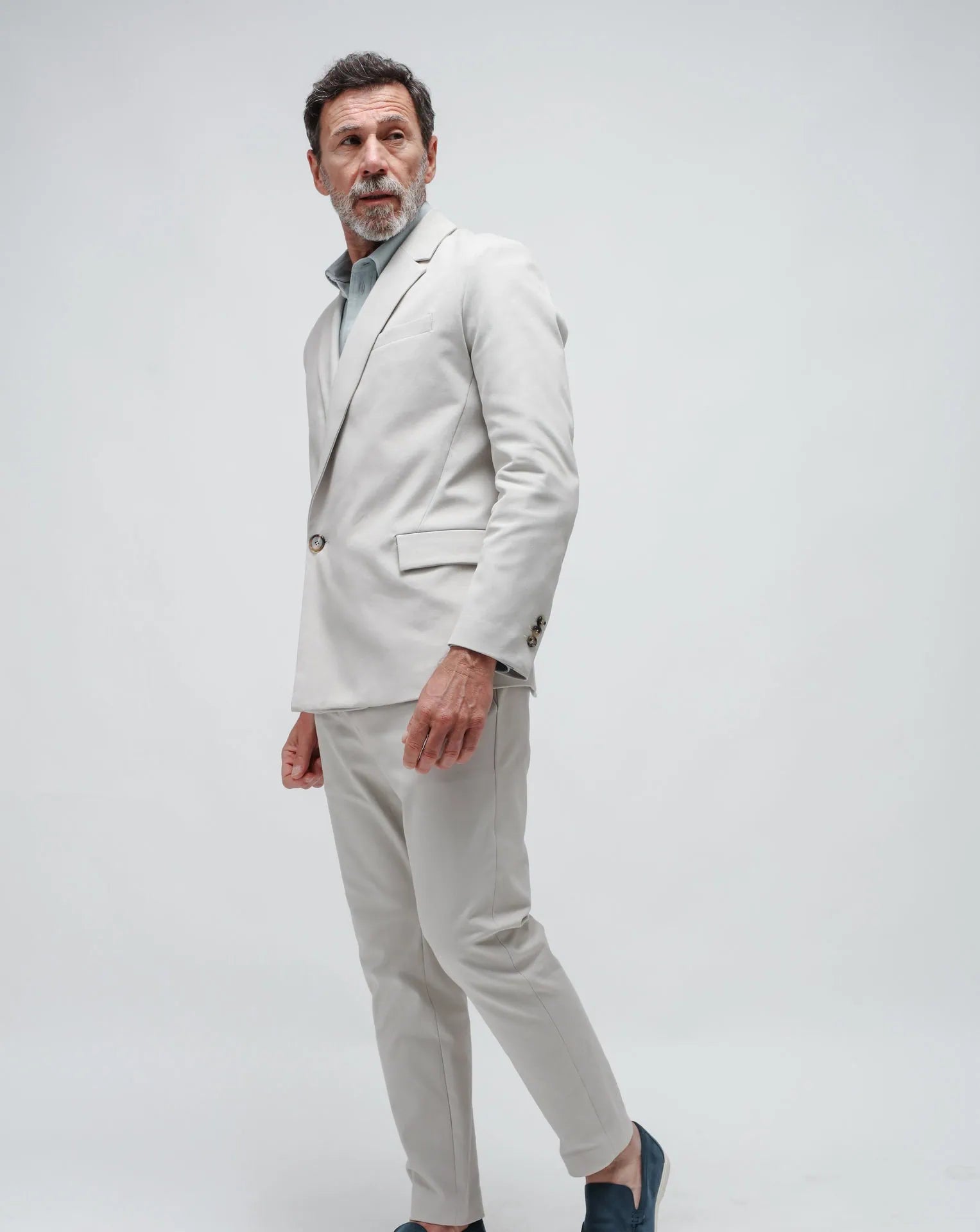
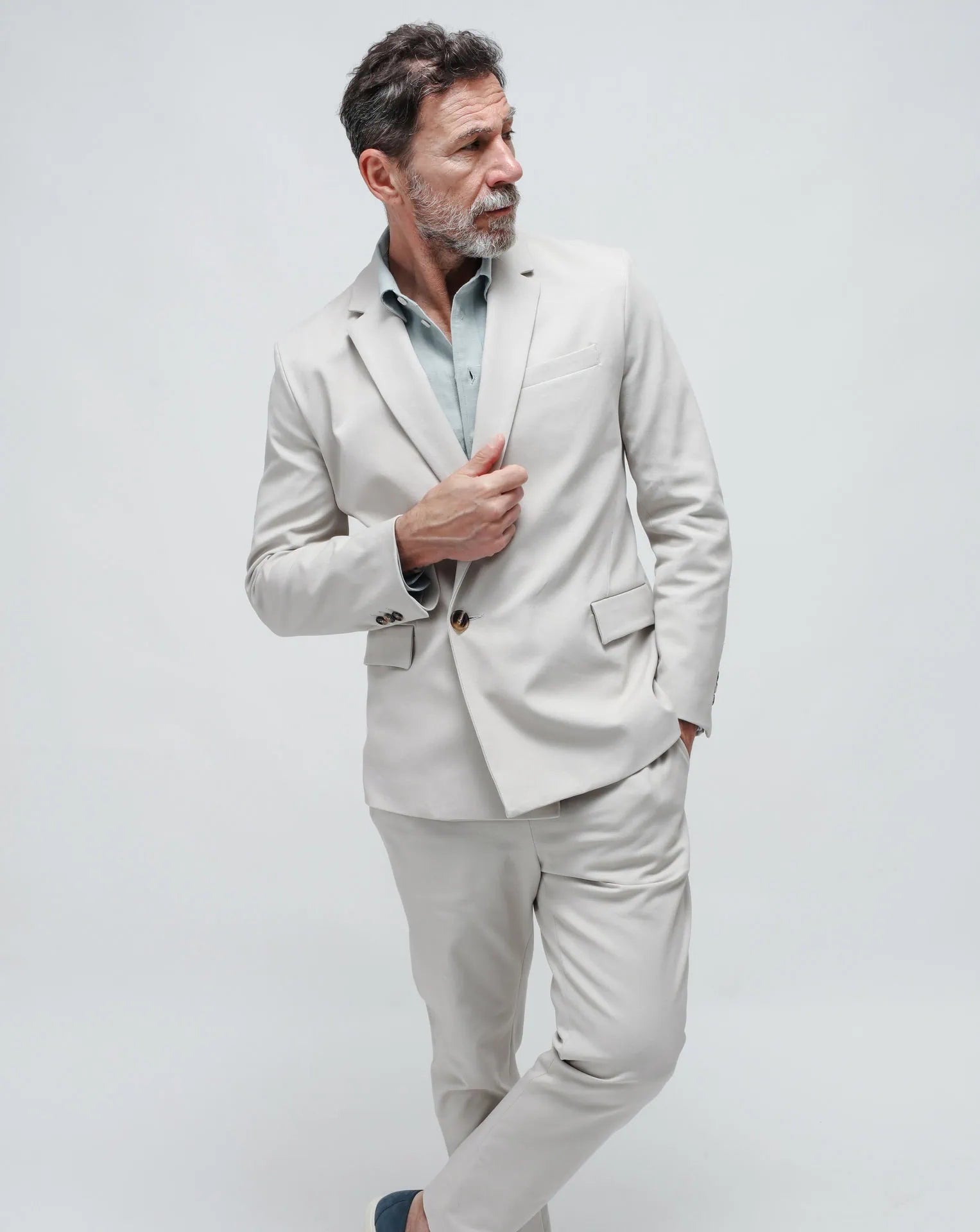
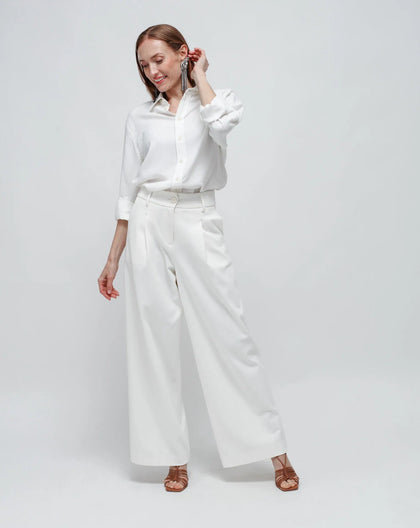
The better question is whether a garment can evolve. Can the same women's tailored pants be worn with a crisp shirt, a fitted knit, and a relaxed jacket? Can a men's suit be separated into pieces and worn with a T-shirt or fine-gauge sweater? Can a winter dress work with boots now and lighter layers later? When one piece gives you several honest answers, it is doing its job.
Care Is Part of the Purchase
Slow fashion does not end when a garment arrives. The longest-lasting wardrobe is built through small habits: airing clothes between wears, treating marks promptly, storing knitwear folded, using proper hangers for coats and jackets, and repairing a loose button before it becomes a lost one.
Overwashing is especially hard on fabric. Many pieces benefit from spot cleaning or a careful refresh rather than a full wash after every wear. Follow the care label, but also use judgment. Natural fibers, structured tailoring, and deadstock materials may need more attentive care than mass-market synthetics. That is a trade-off, not a flaw. Premium clothes ask for more consideration because they are intended to remain in use.
Fit matters here, too. A garment that fits well is more likely to be worn, and free size exchanges remove some of the risk from buying thoughtfully online. Take measurements, read the fit notes, and choose the size that supports how you want the piece to move through your day. Keeping a garment in rotation is more sustainable than keeping it untouched in a closet.
Price Transparency Changes the Conversation
Ethical fashion can seem expensive when compared with garments built for volume, speed, and constant discounting. But the ticket price tells only part of the story. A lower-priced item that loses shape after a few wears, goes out of style quickly, or needs replacing each season is not necessarily the better value.
A more useful measure is cost per wear, alongside the less measurable value of feeling good in what you own. A coat worn 80 times across several winters has a different meaning than a coat bought on impulse and worn twice. Quality construction, responsible sourcing, fairer production, and lower-volume manufacturing all affect price. They also affect whether a garment deserves to stay with you.
This does not mean every purchase must be a lifelong commitment. People change jobs, sizes, cities, and tastes. The goal is not perfection or guilt. It is a more honest relationship with consumption: buy what serves you now, care for it while it does, and pass it on responsibly when it no longer does.
The Future Has Room for Personal Style
The slow fashion future is not beige, joyless, or restricted to a tiny capsule wardrobe. It is more expressive because it is less automatic. When purchases are intentional, a statement coat can feel more powerful, a beautifully cut suit more personal, and an everyday shirt more essential.
Choose the winter layer you will reach for when the weather turns. Choose the trousers that make getting dressed simpler. Choose the fabric with a story worth keeping. The most forward-looking wardrobe is not the one with the most newness. It is the one you want to wear again tomorrow.
FAQ
Q: What is slow fashion?
A: Slow fashion prioritizes considered design, quality materials, fairer production, limited quantities, and longer garment life over rapid trend cycles and disposable clothing.
Q: Is slow fashion always more expensive?
A: The upfront price is often higher because materials, labor, and smaller production runs cost more. Value depends on fit, quality, care, and how often you genuinely wear the piece.
Q: Why are deadstock fabrics used in slow fashion?
A: Deadstock fabrics give existing surplus textiles a new purpose, helping reduce demand for newly produced material and preventing high-quality fabric from going unused.
Q: How can I make my winter wardrobe more sustainable?
A: Start with versatile outerwear, knitwear, trousers, and layers you can repeat in different combinations. Buy for real weather and real routines, then care for each piece properly.
Q: Does limited-edition clothing make it harder to shop slow fashion?
A: It can require a more decisive purchase when a piece truly fits your wardrobe. But limited production also helps reduce excess inventory and supports a more intentional approach to making clothes.
the World of H&L