
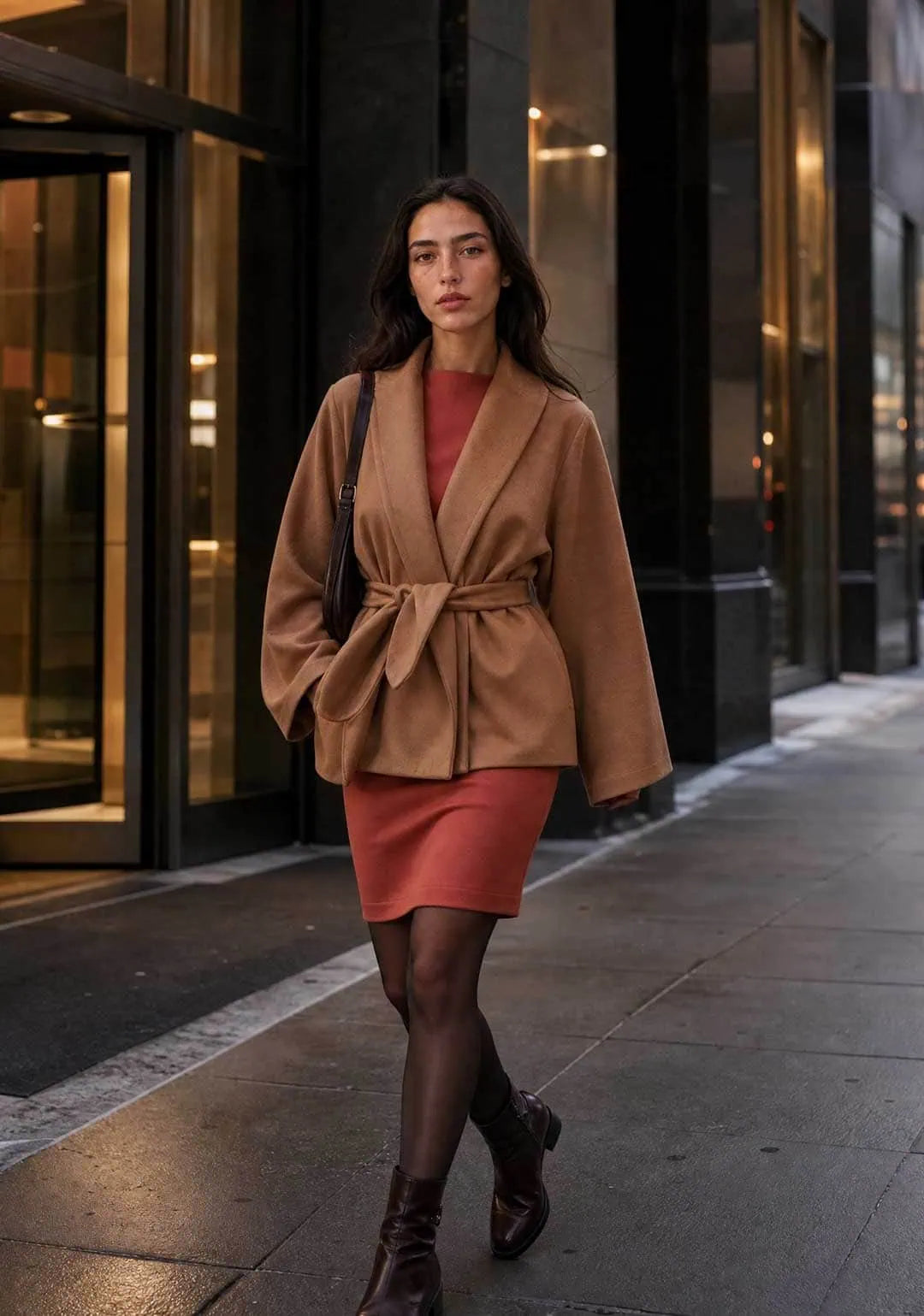
Office to Dinner Outfits for Winter Evenings
A 6 p.m. reservation should not require a trip home, a second outfit, or another purchase you will wear once. The best office to dinner outfits begin with a sharper question: what can carry you from a heated meeting room to a cold city street, then still feel right at the table? For winter, the answer is structure, considered layers, and fabrics with enough presence to make a quiet entrance.
This is not about dressing for two separate lives. It is about building one considered look that adapts as the day changes. A well-cut jacket, substantial trousers, a silk-touch shirt, or a knit dress can shift the mood with one small adjustment. Remove a work tote, add an earring, loosen the collar, trade practical footwear for something more defined. The foundation remains.
Start With a Winter-Ready Foundation
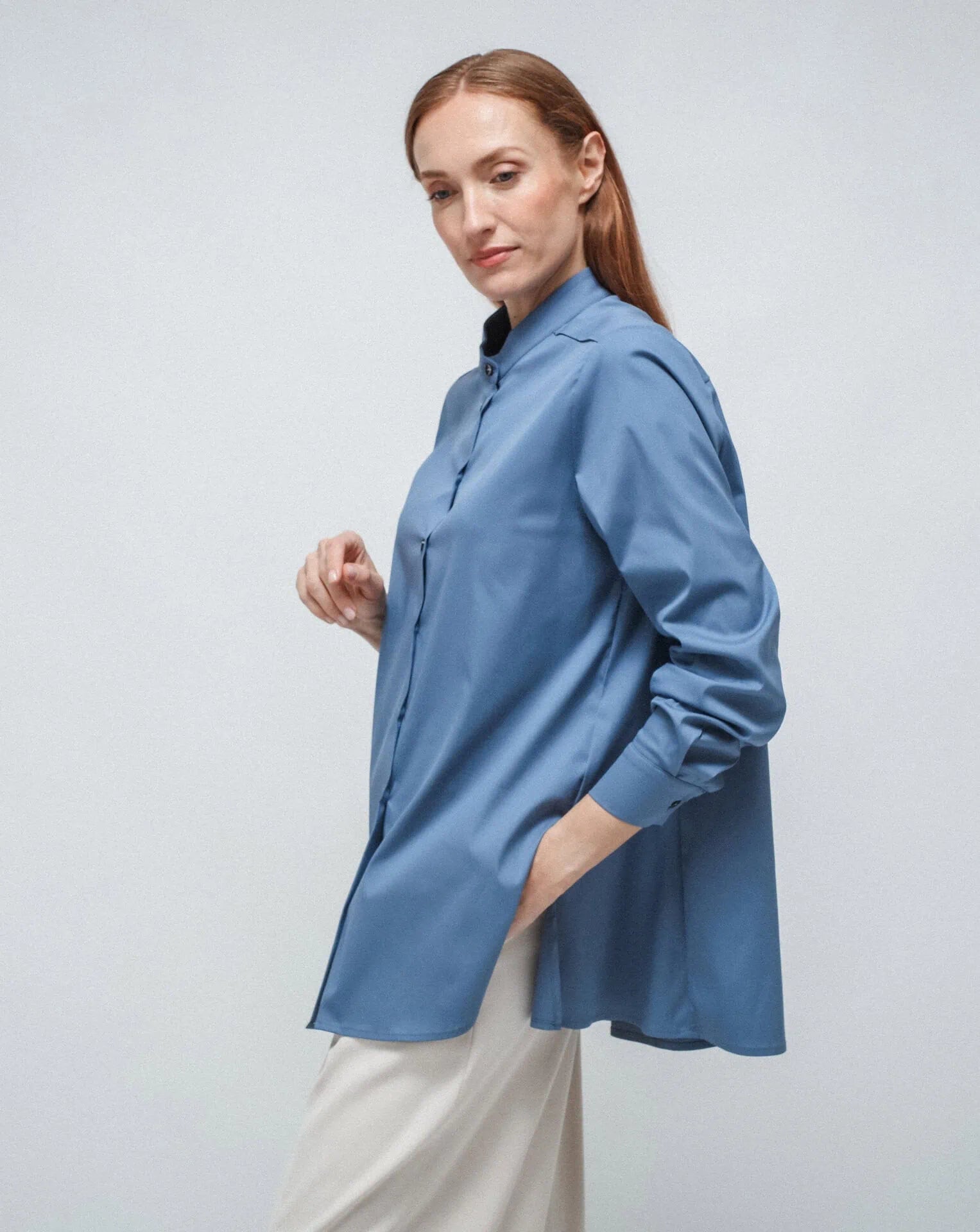
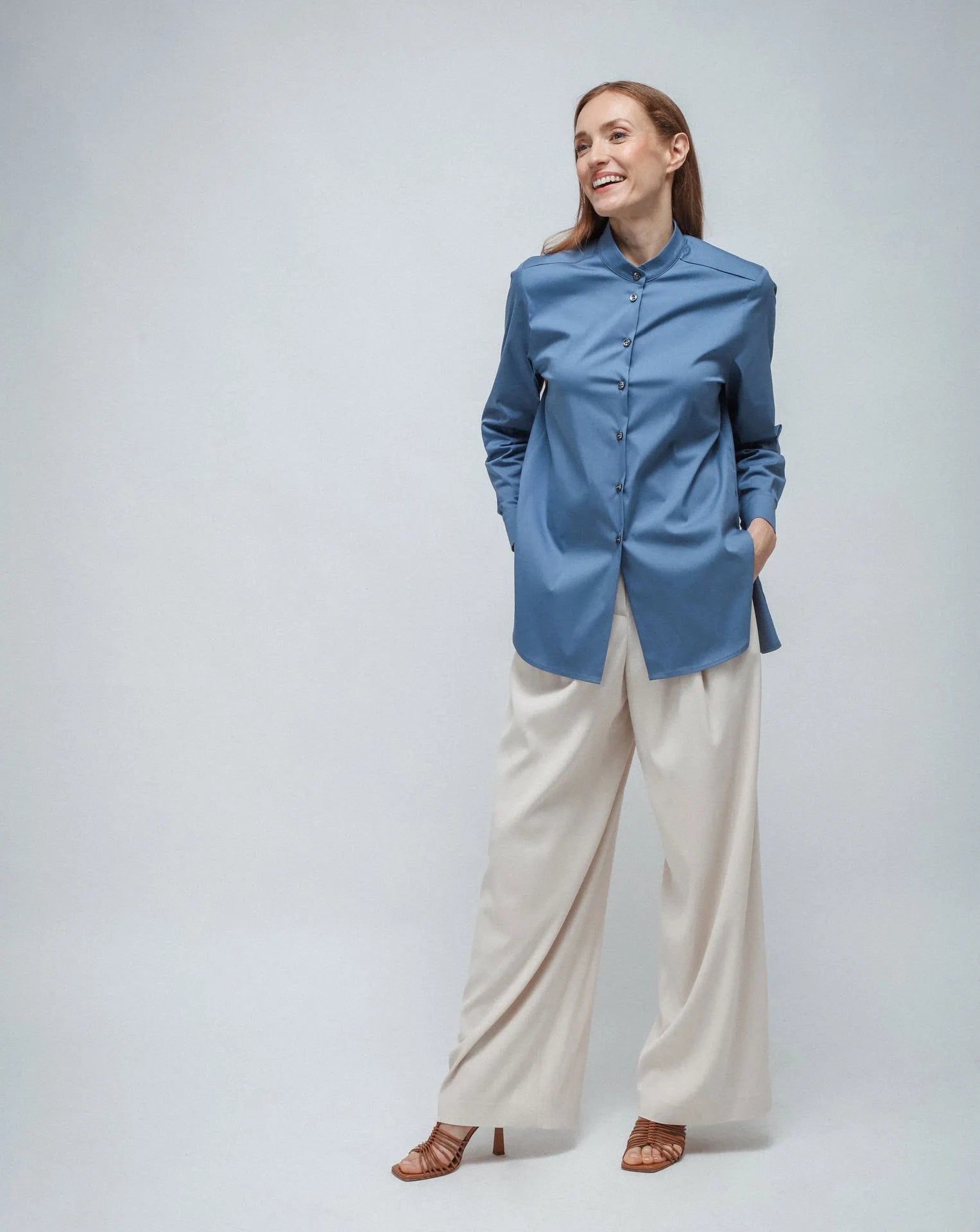
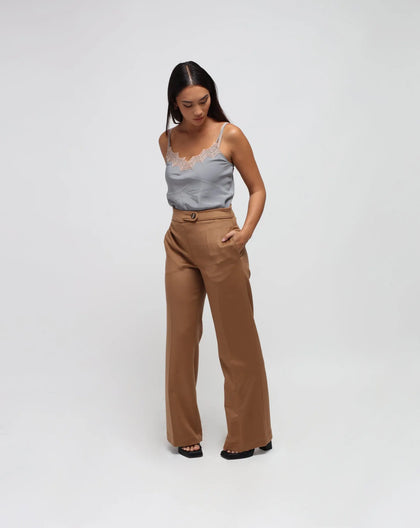
The office-to-dinner formula works best when the base layer looks intentional on its own. Think tailored pants with a fine-gauge knit, a long-sleeve dress with shape through the waist, or a fluid shirt tucked into a midi skirt. These pieces are polished enough for work, but not so corporate that they flatten the evening.
In winter, fabric does much of the work. Deadstock wool blends, weighty crepe, brushed cotton, satin-backed viscose, and textured knits bring depth without needing loud color or excessive styling. They also tend to hold their line better through a full day, which matters more than a fleeting first impression.
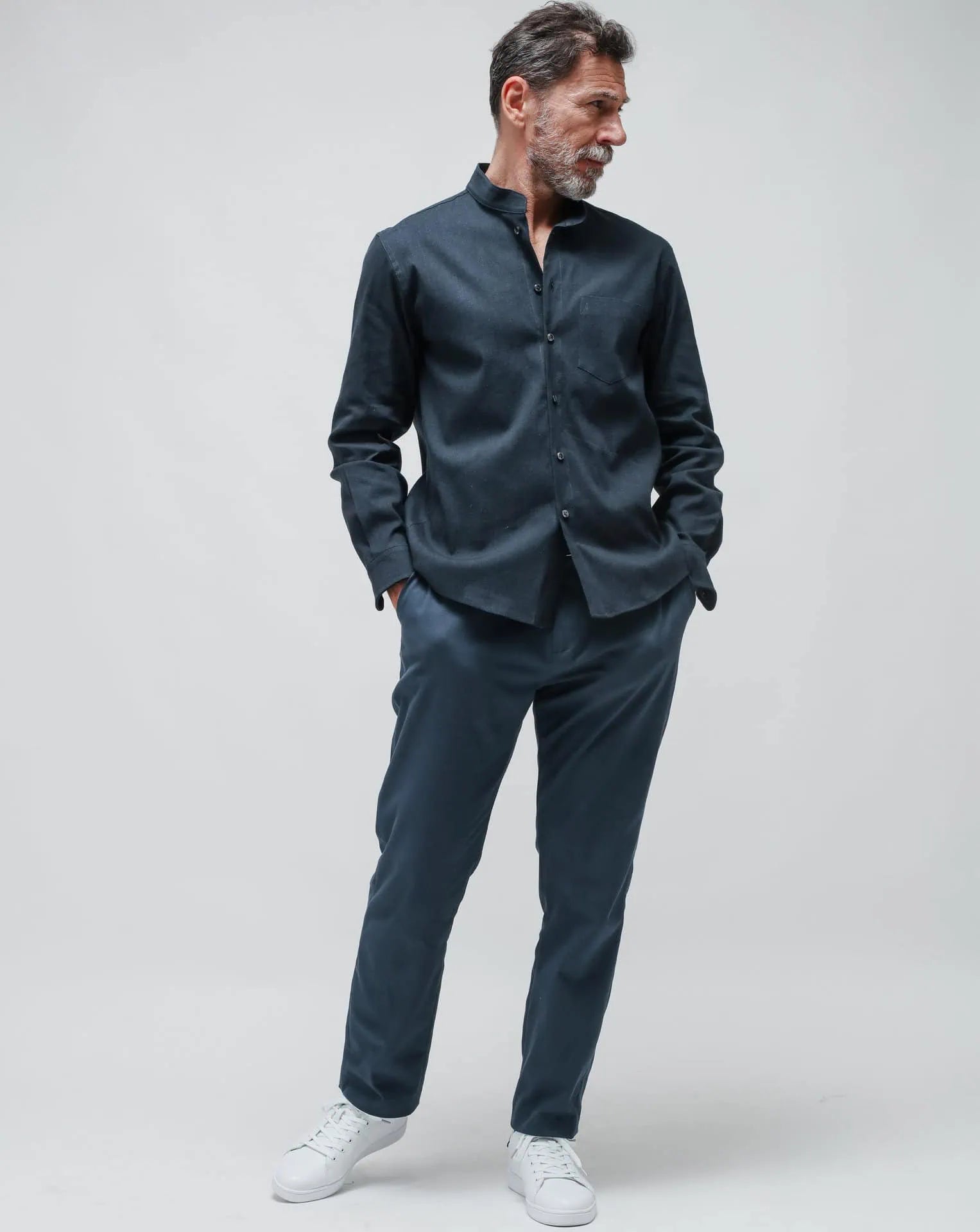
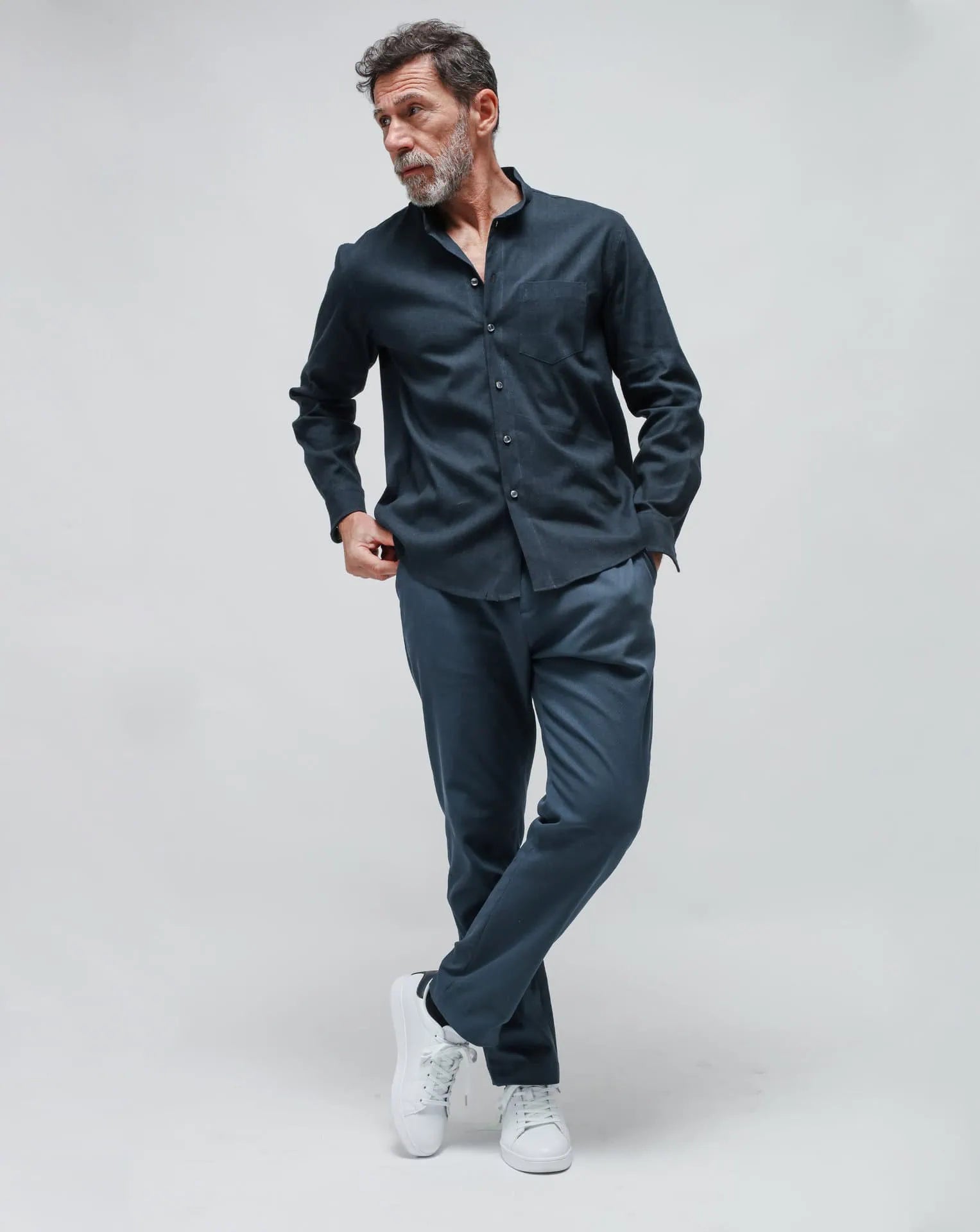
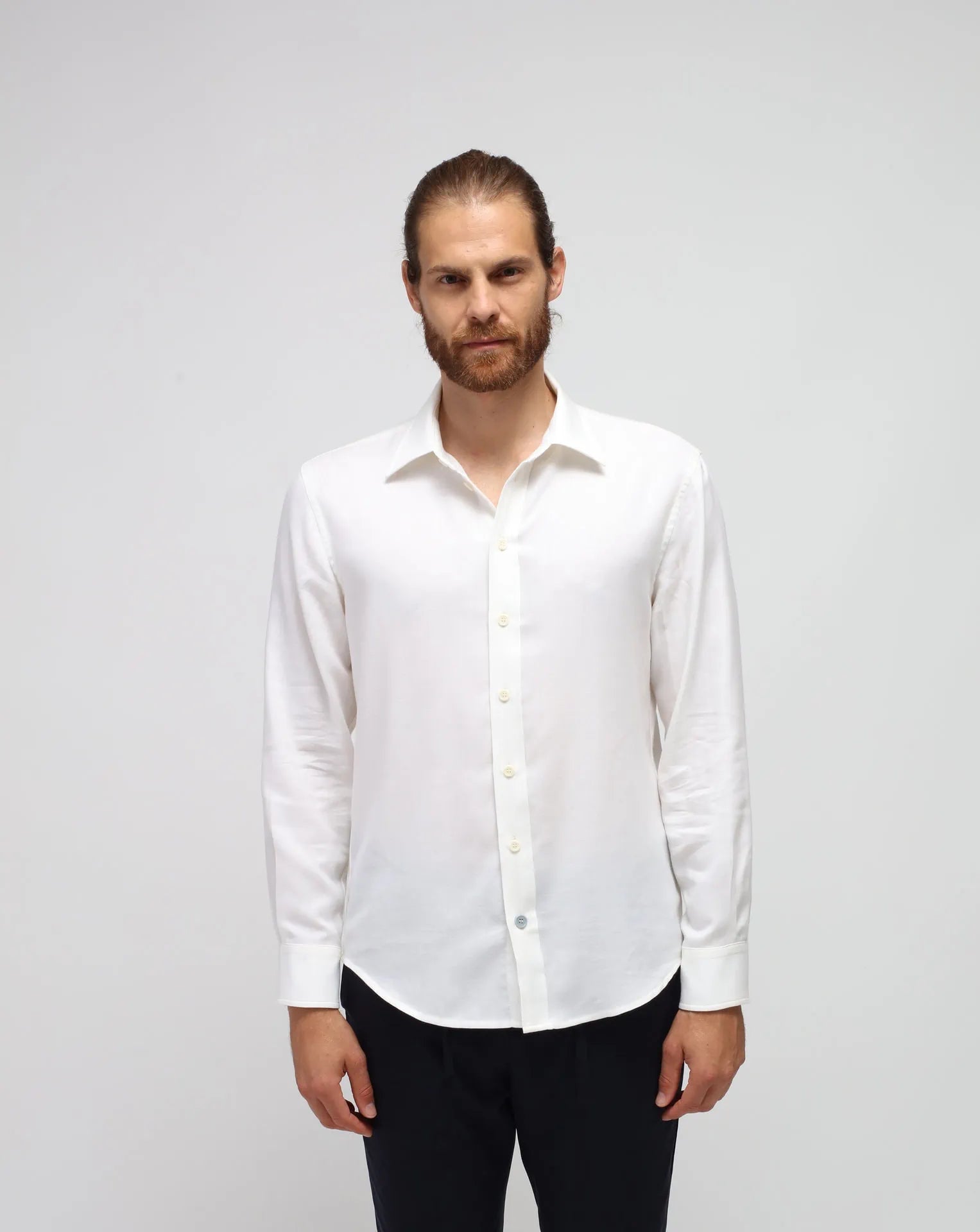
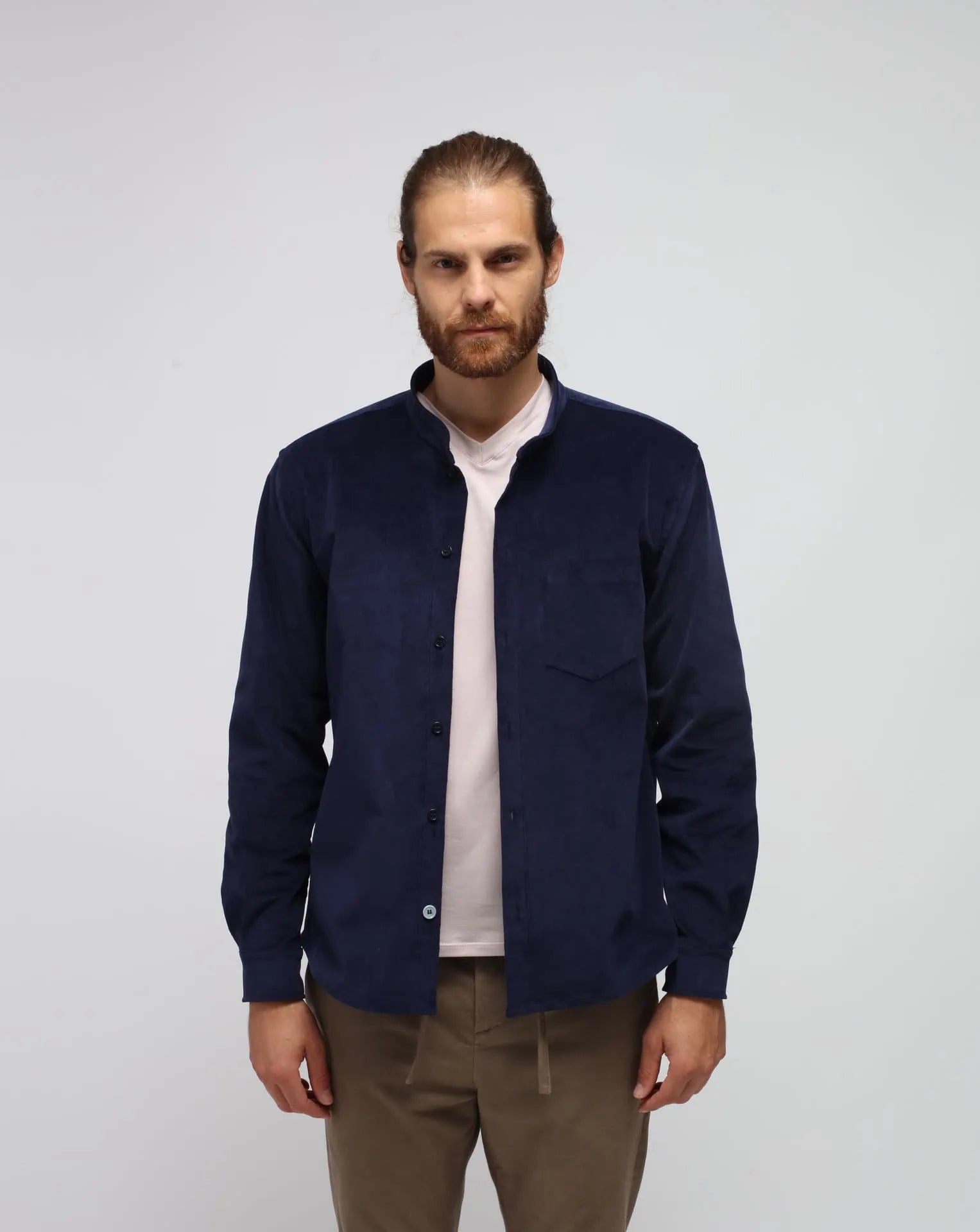
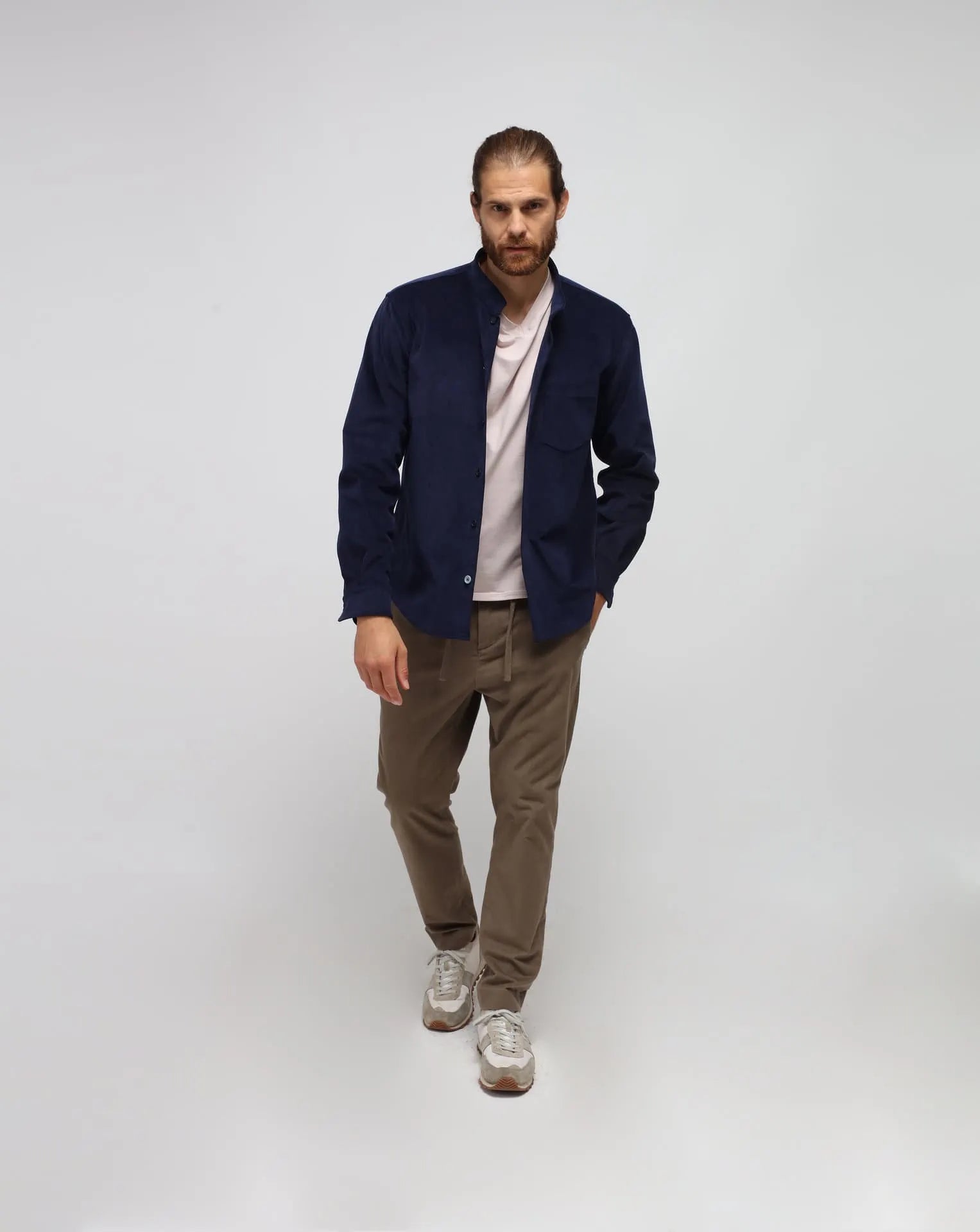
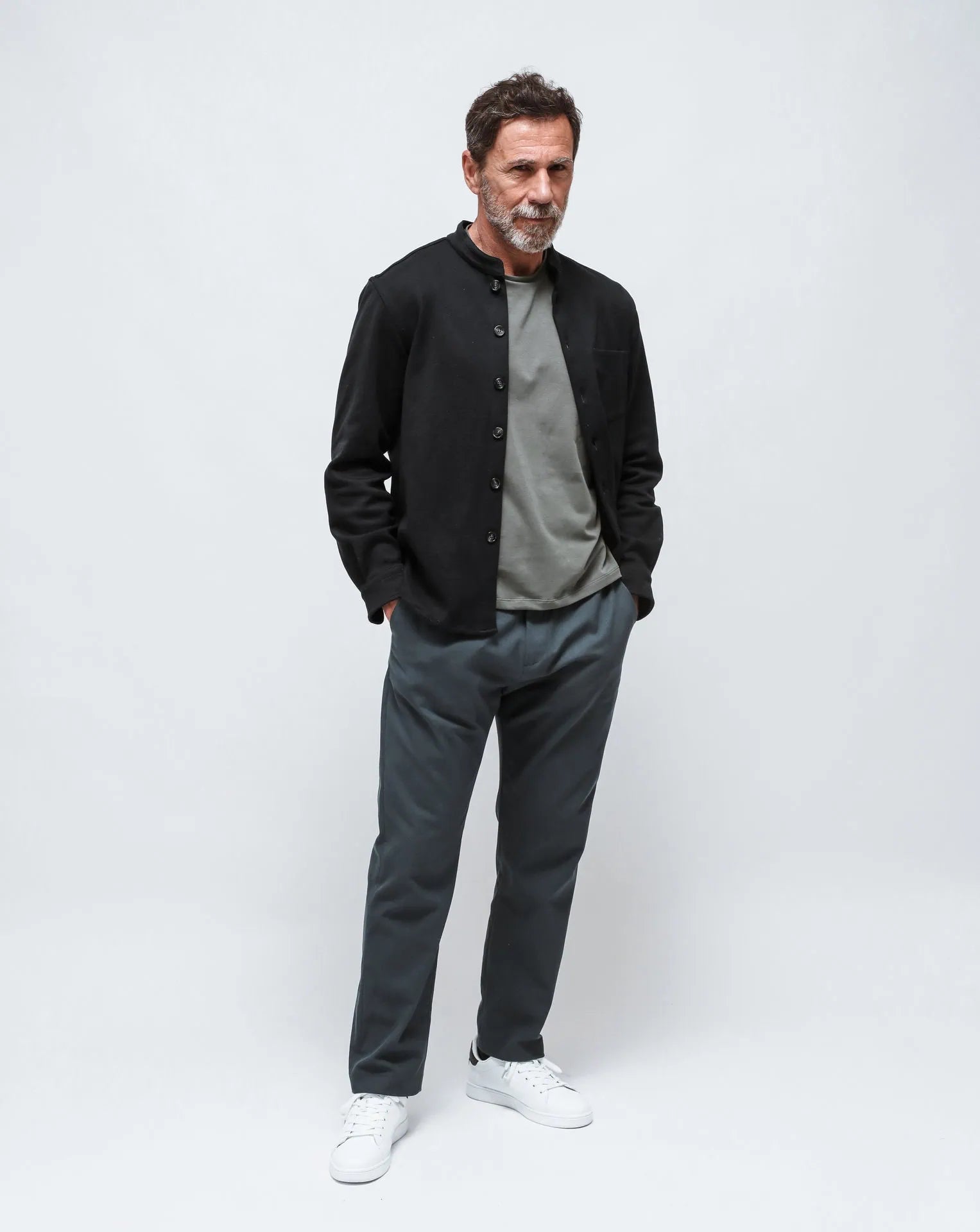
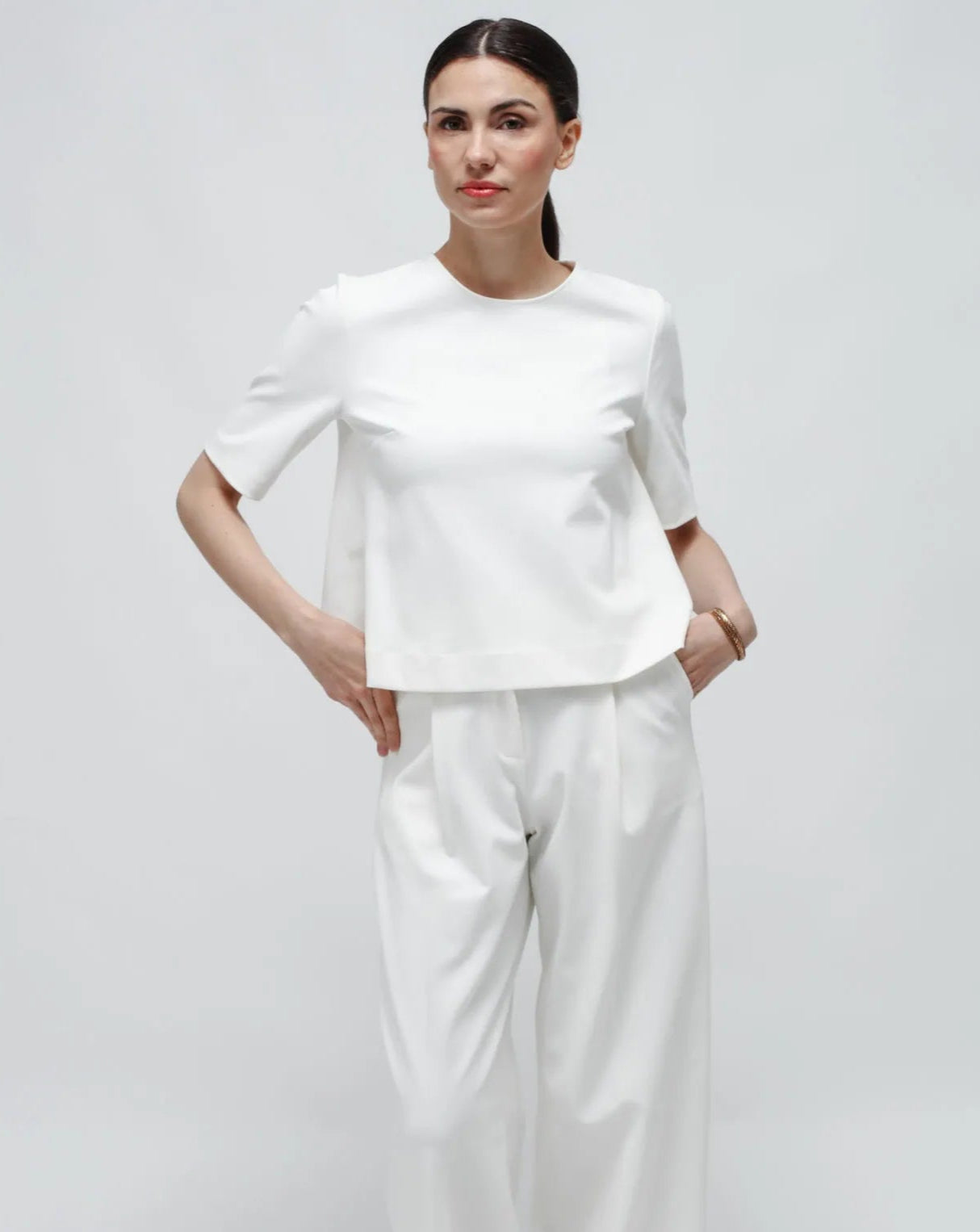
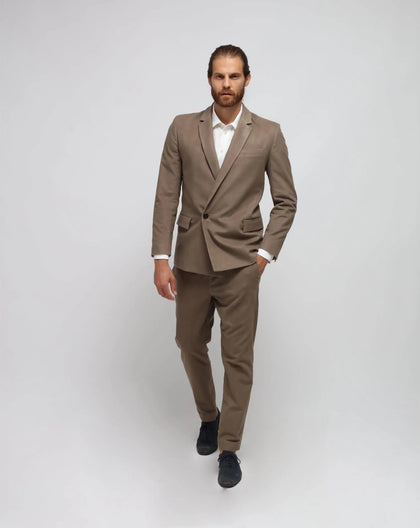
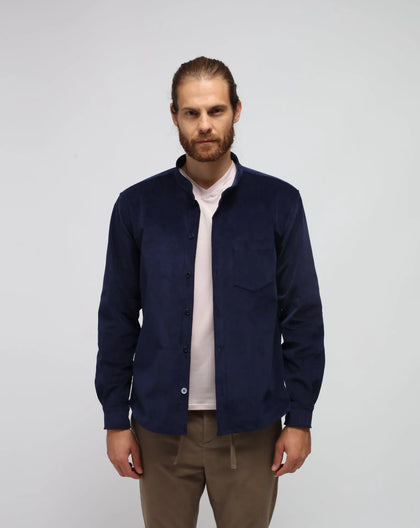
For women, begin with a tailored pant or a column skirt in a deep neutral such as charcoal, espresso, ink, or soft black. Add a fitted knit, sculptural top, or refined shirt. For men, start with a well-proportioned trouser and a crisp shirt, fine knit, or tonal overshirt. The common principle is ease with shape. Nothing should look borrowed from a boardroom costume.
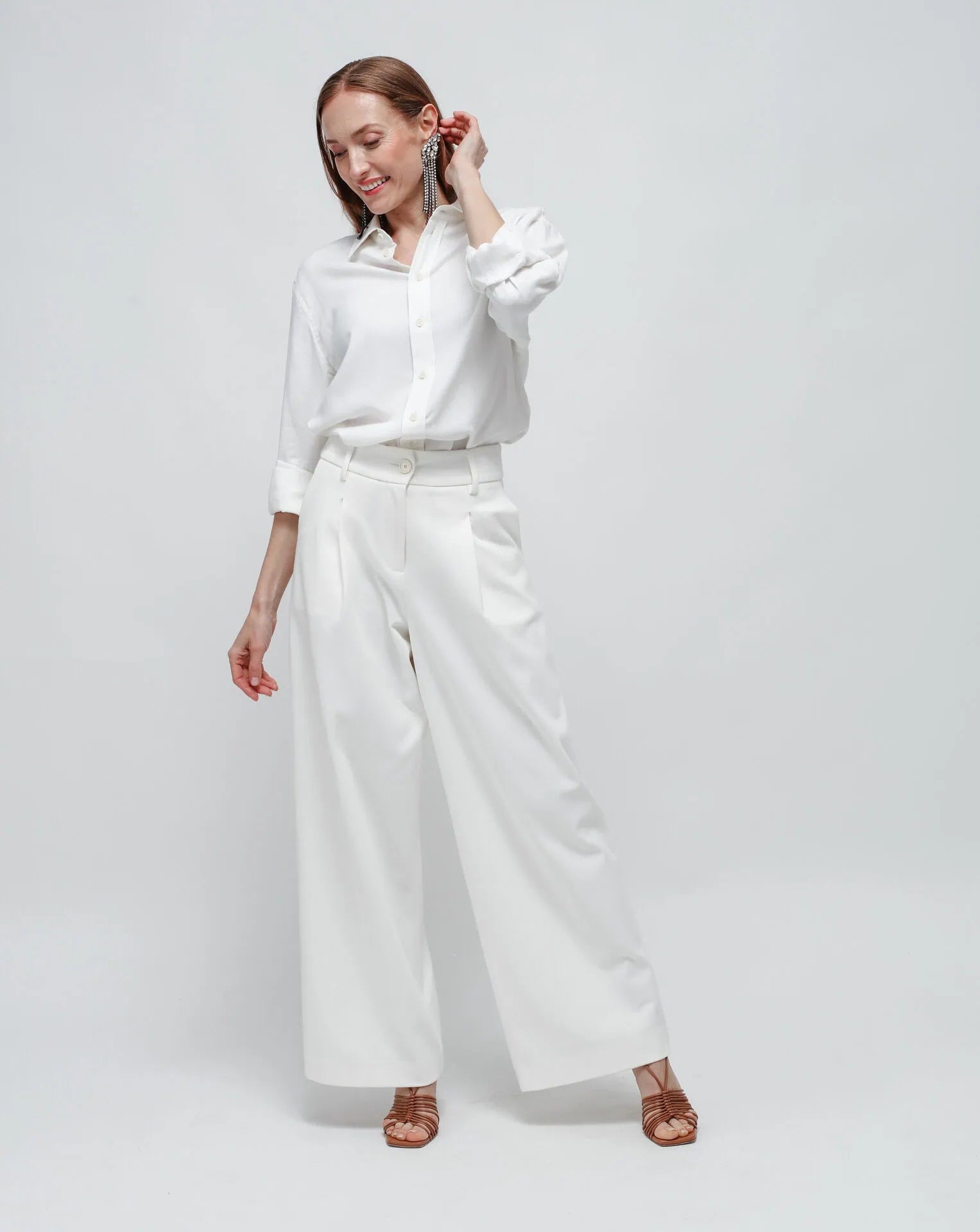
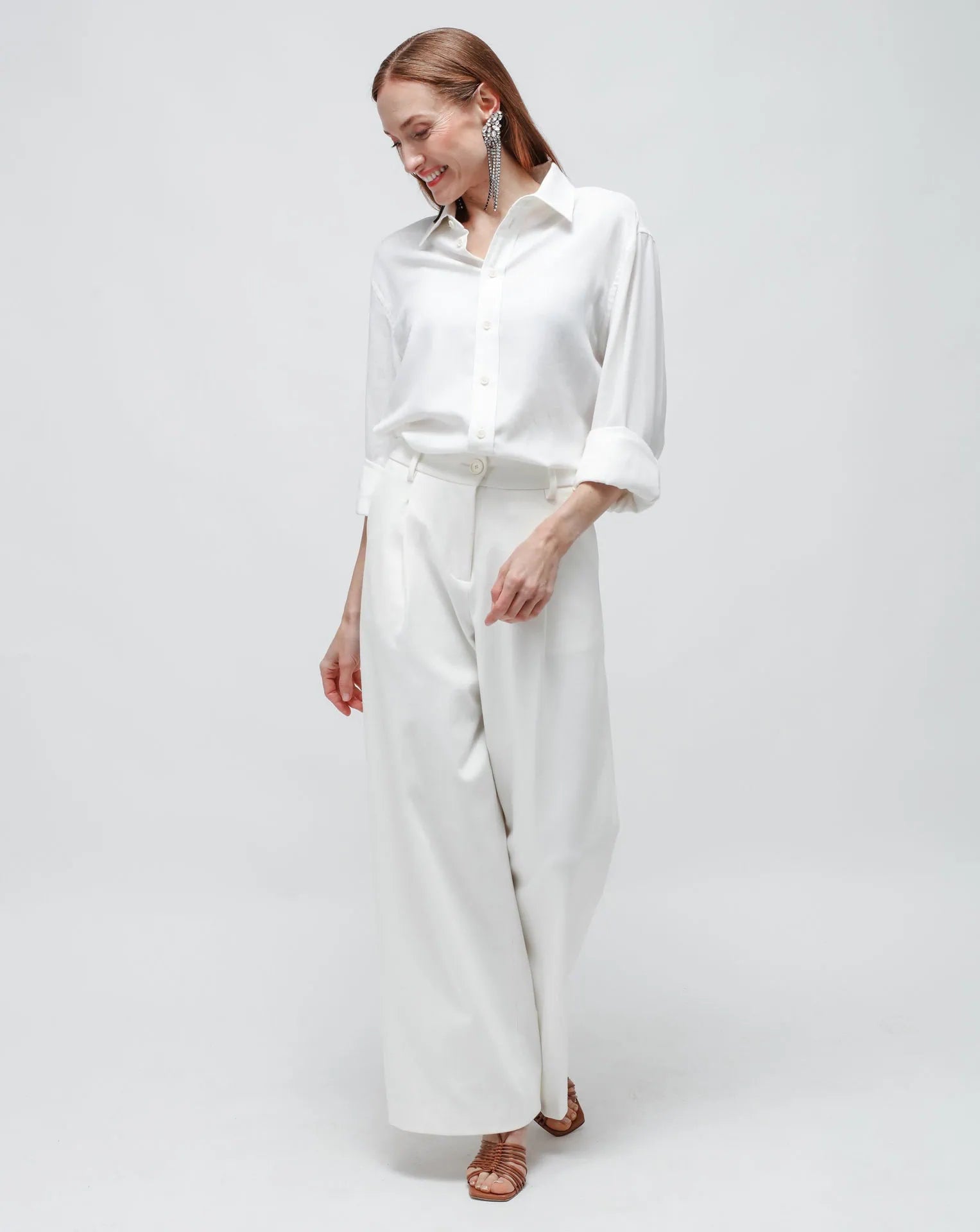
Women’s tailored trousers in deadstock wool can anchor this kind of look. Pair them with a close-fitting knit at the office, then add a statement cuff or compact shoulder bag after hours.
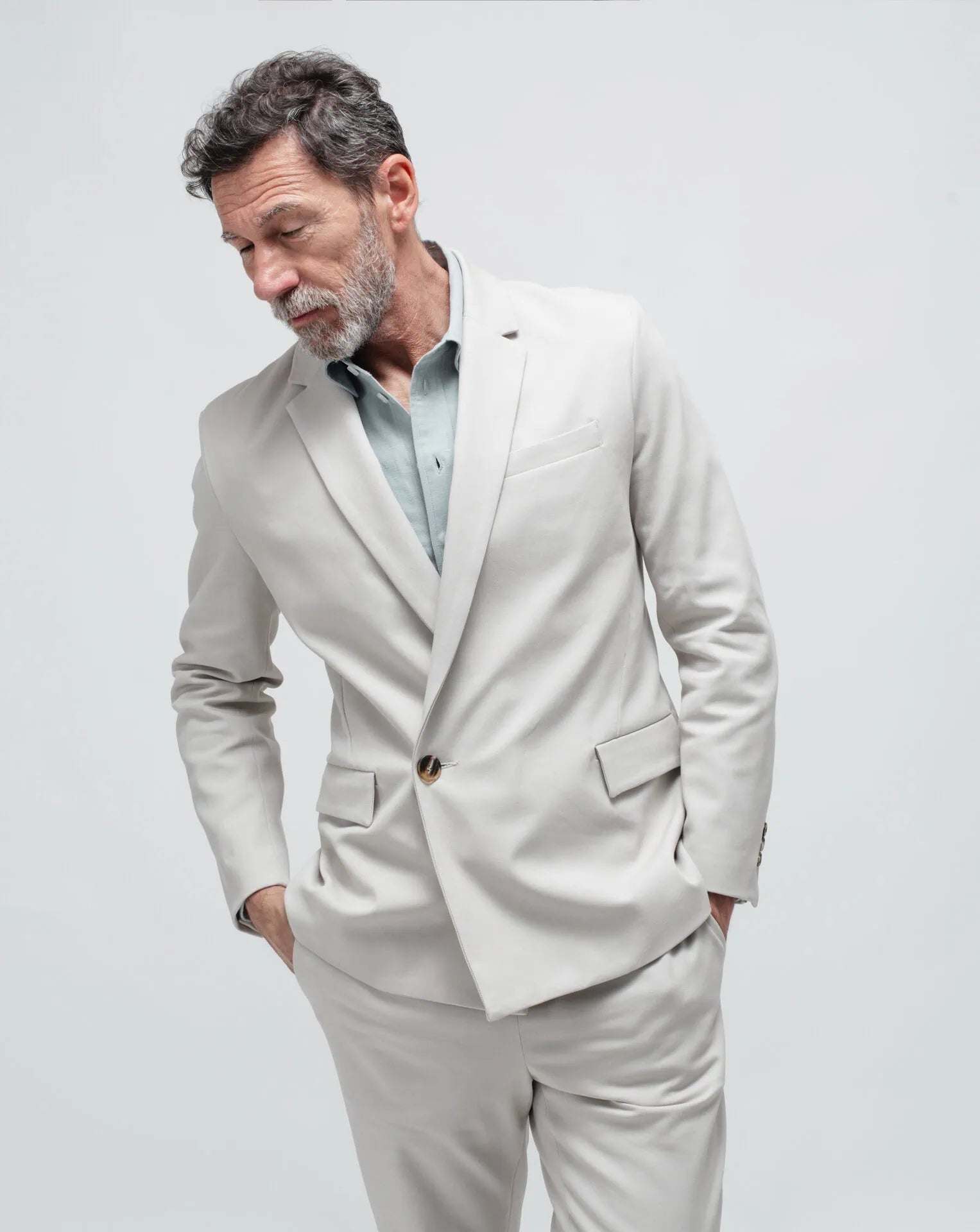
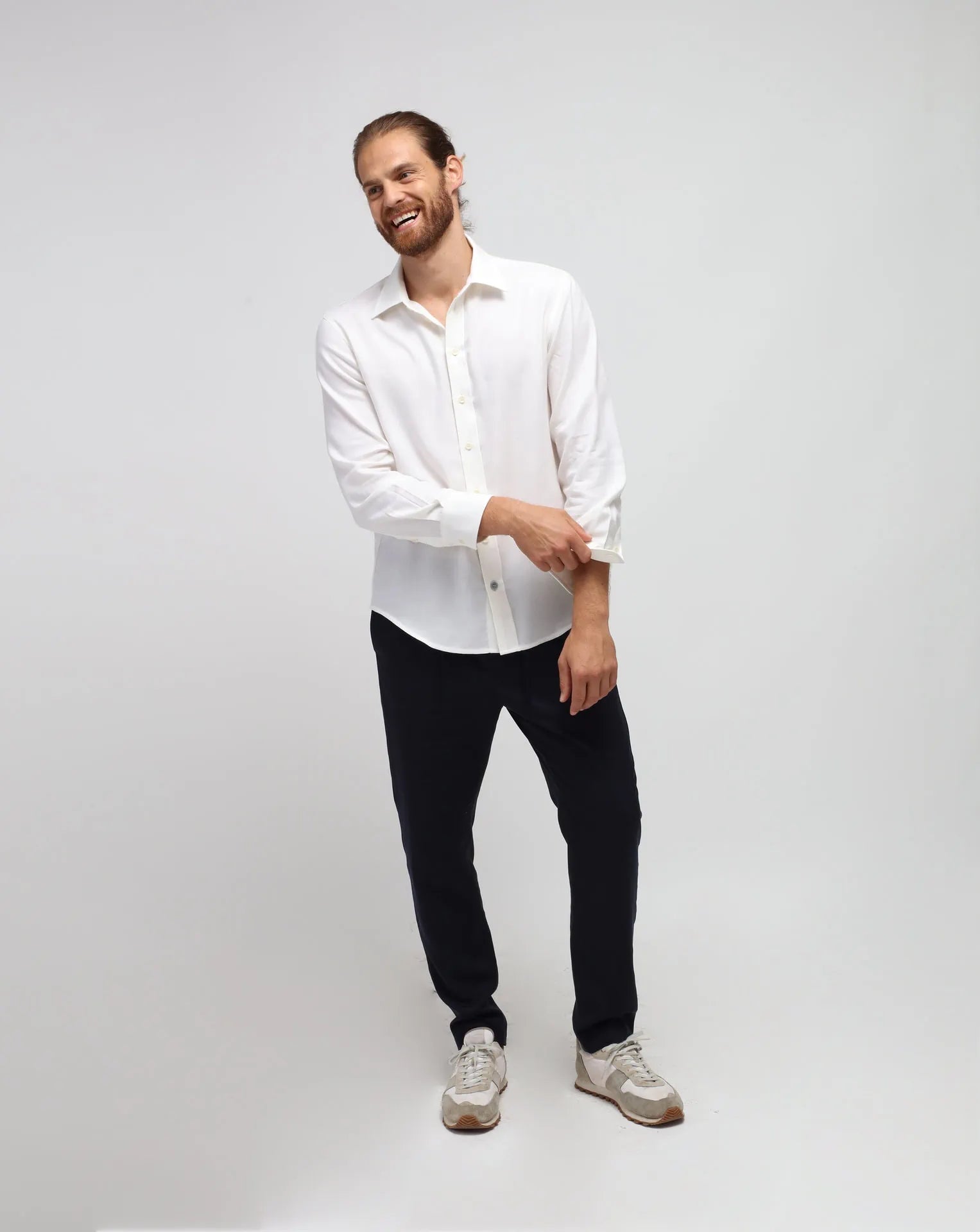
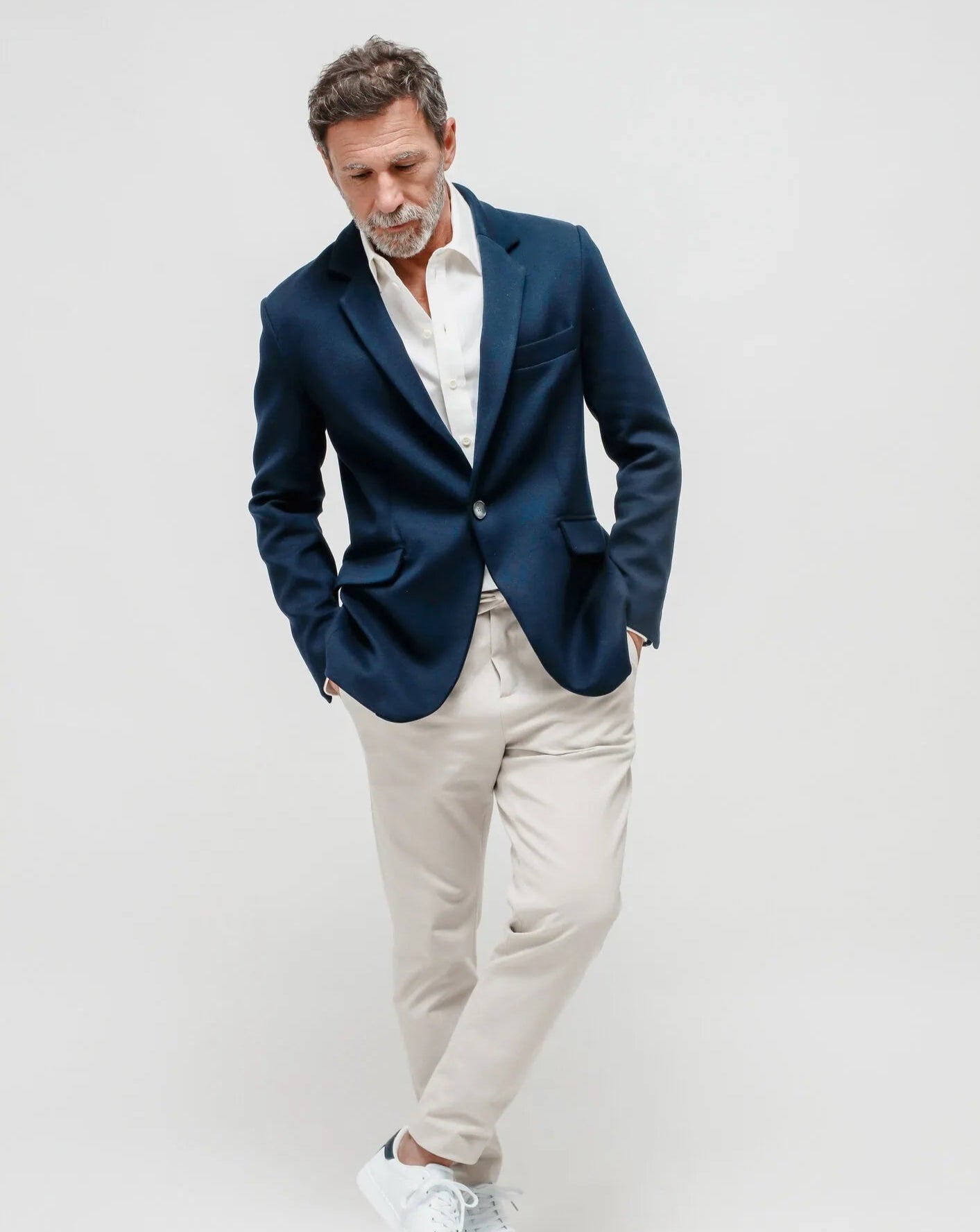
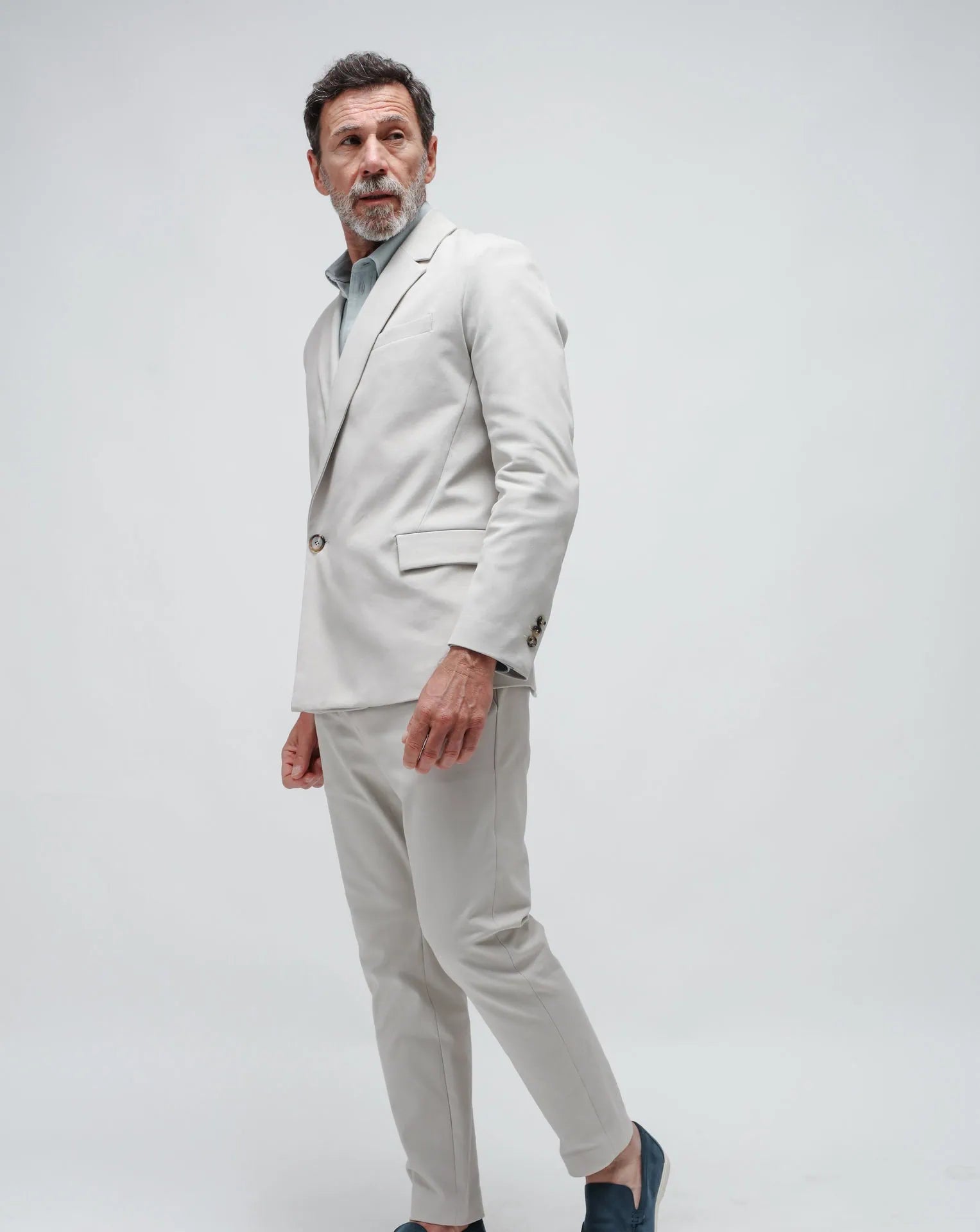
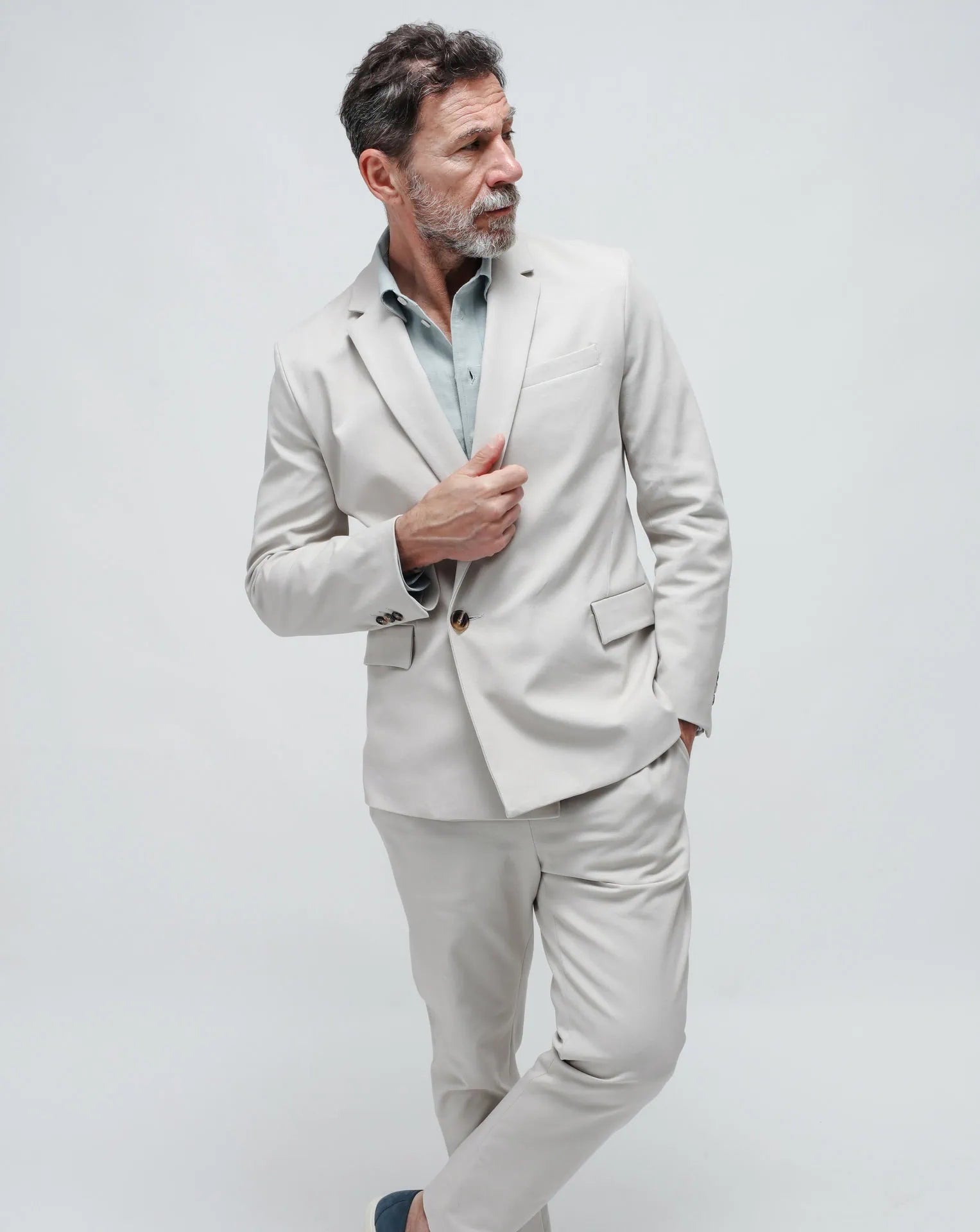
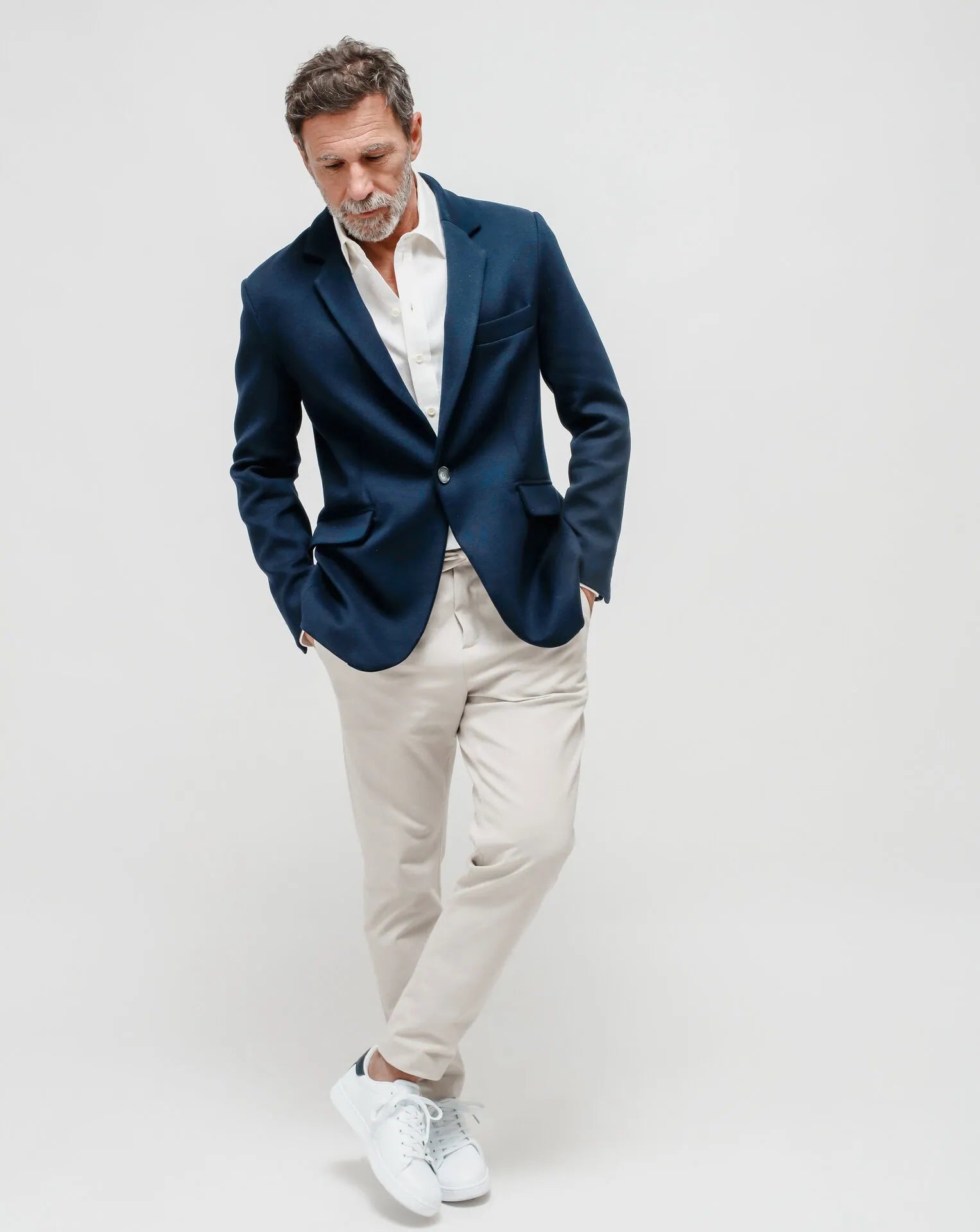
Men’s tailored trousers or relaxed suit pants offer the same range. Worn with a tucked-in shirt during the day and an open-collar knit at dinner, they look composed without appearing overworked.
Choose One Piece That Changes the Temperature
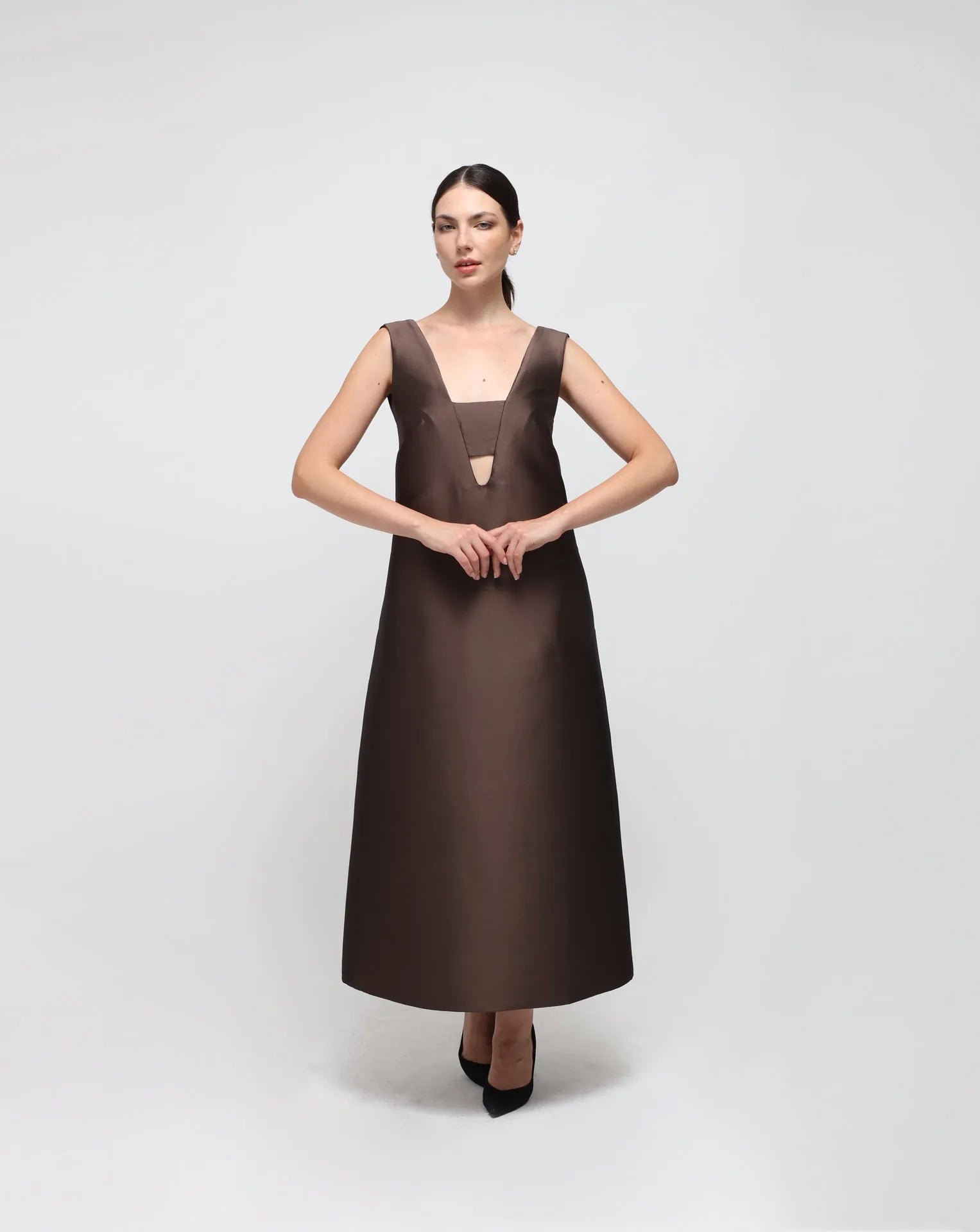
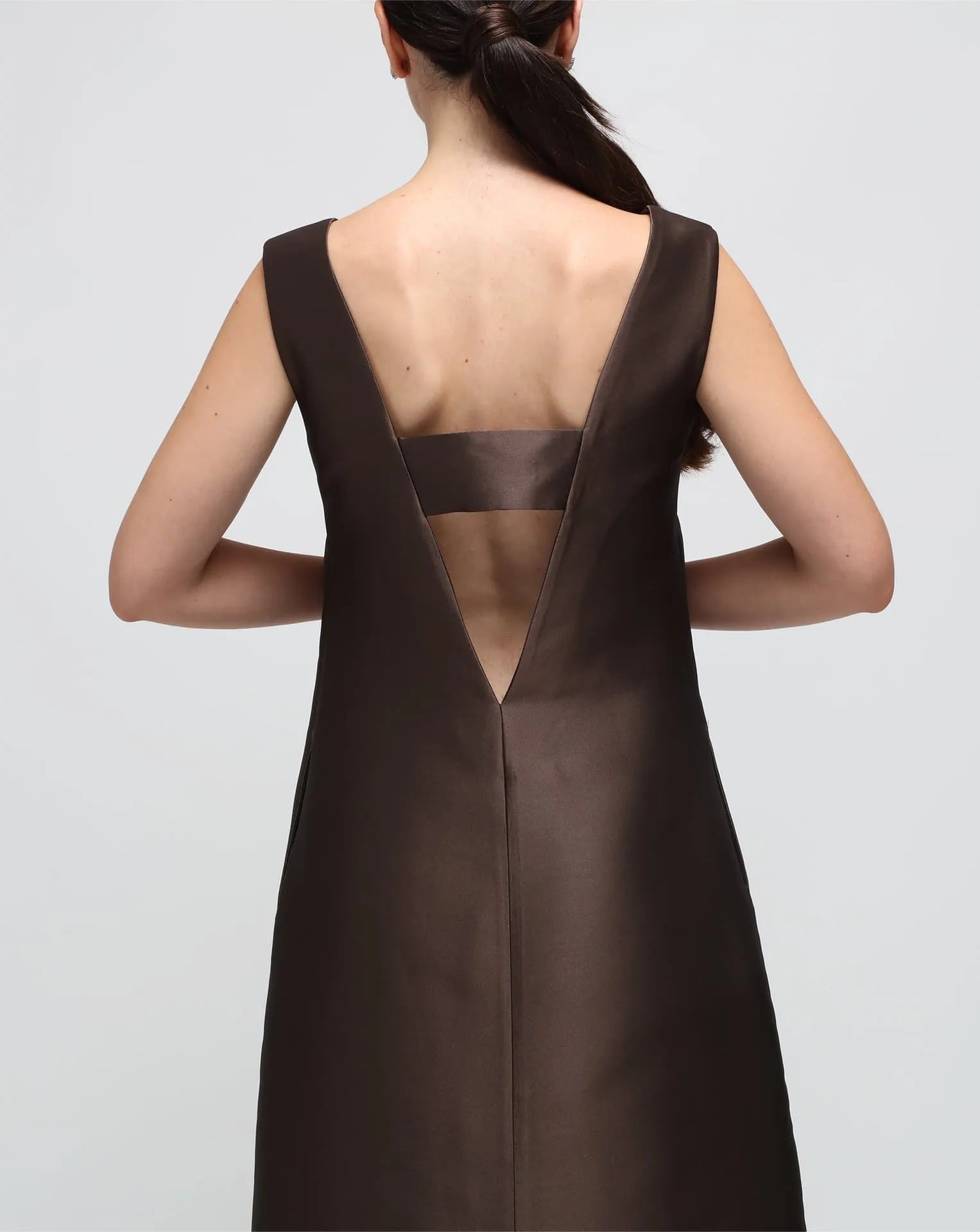
Every strong transition outfit has one piece that makes dinner feel distinct. It does not need sequins or a dramatic cutout. In fact, the most useful evening pieces are often restrained: a jacket with a precise shoulder, a skirt with subtle sheen, a dress in a rich texture, or a shirt with an exceptional drape.
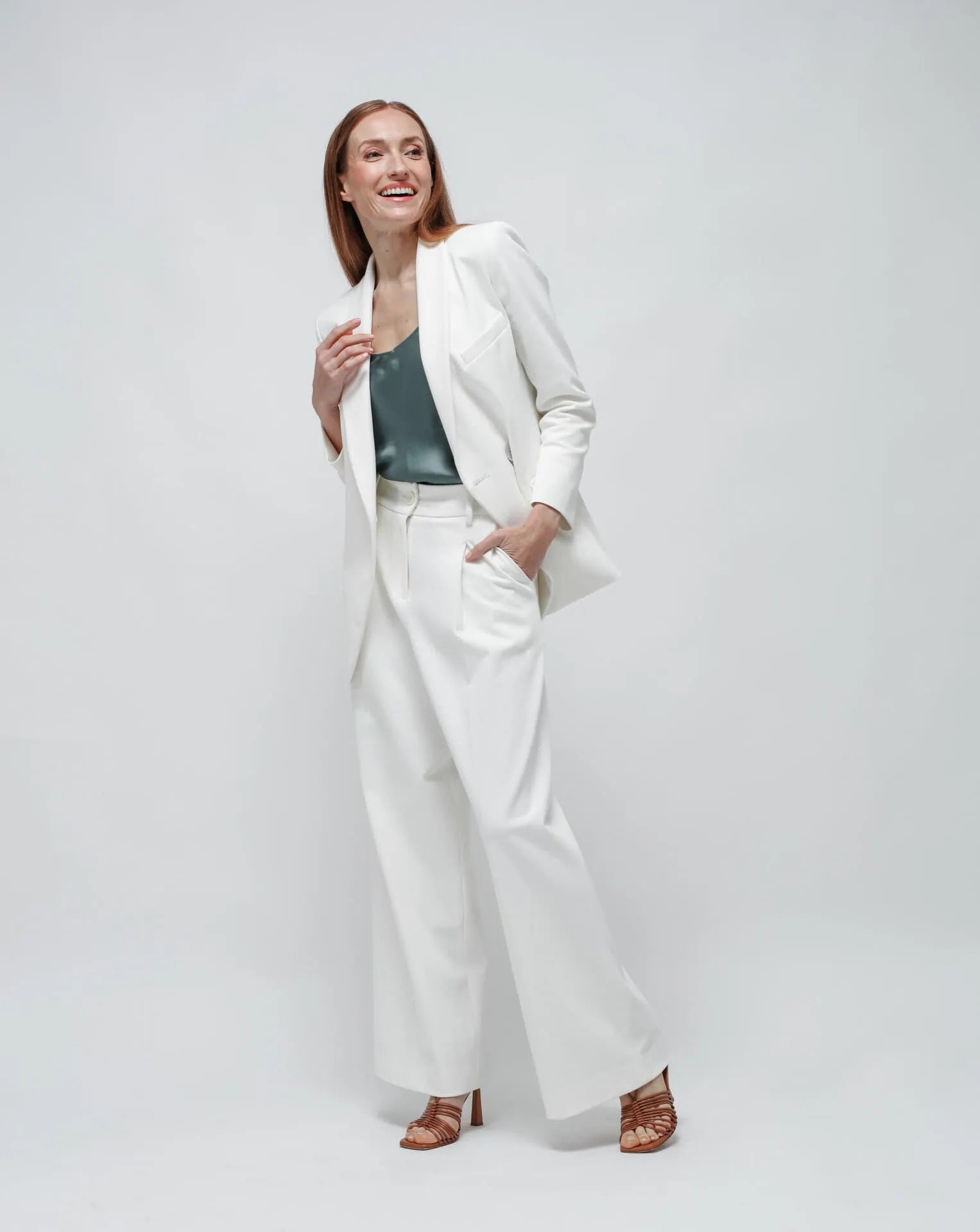
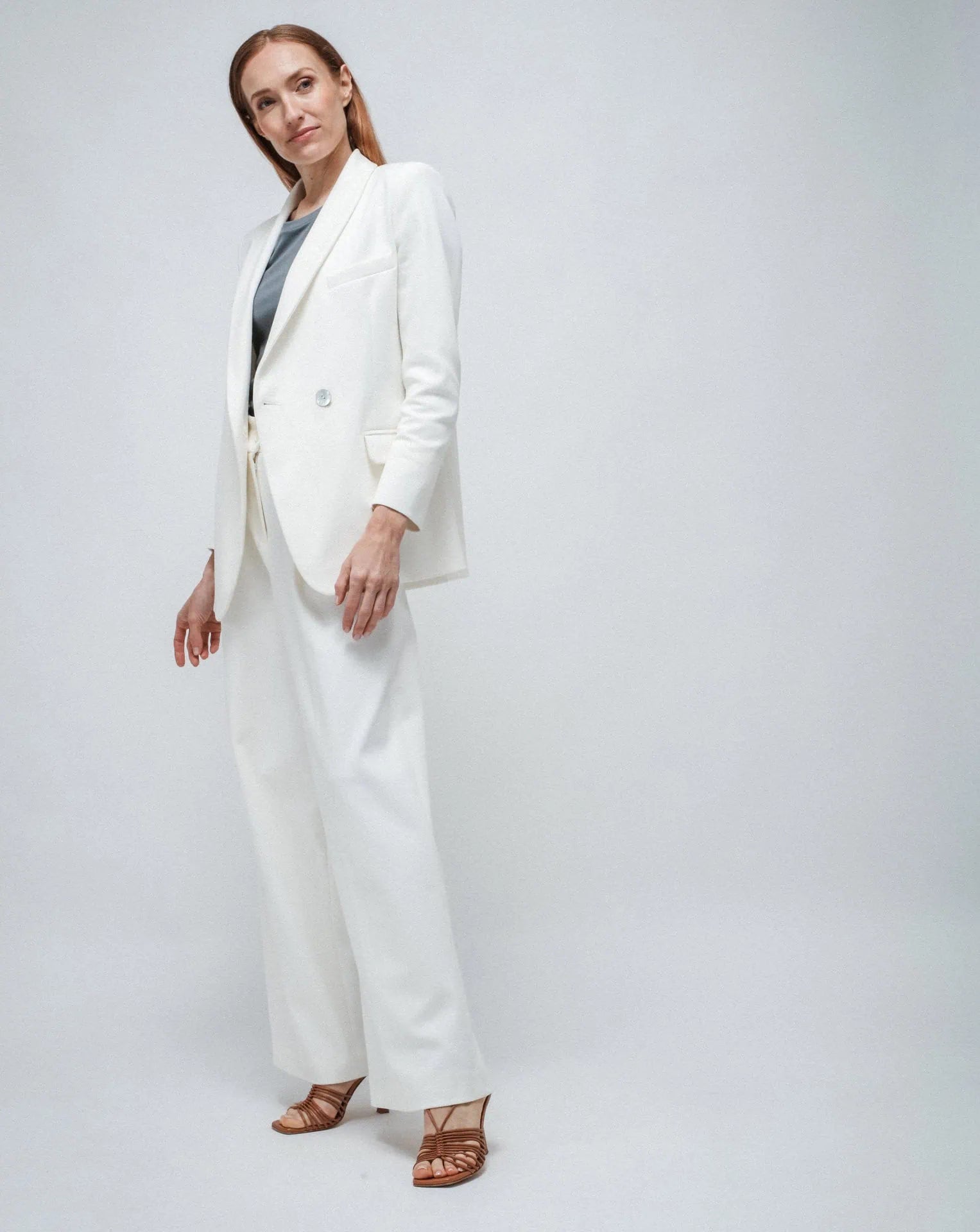
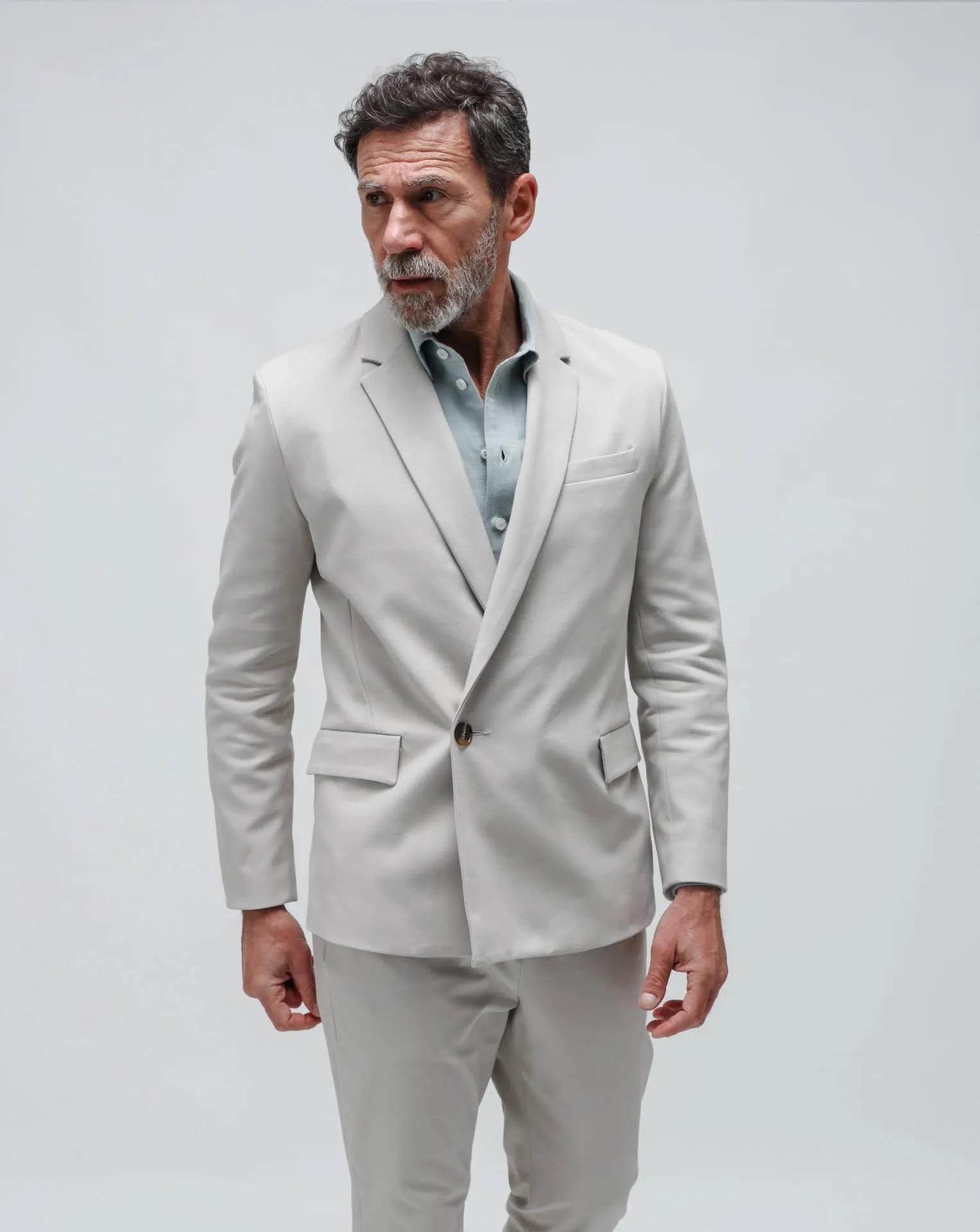
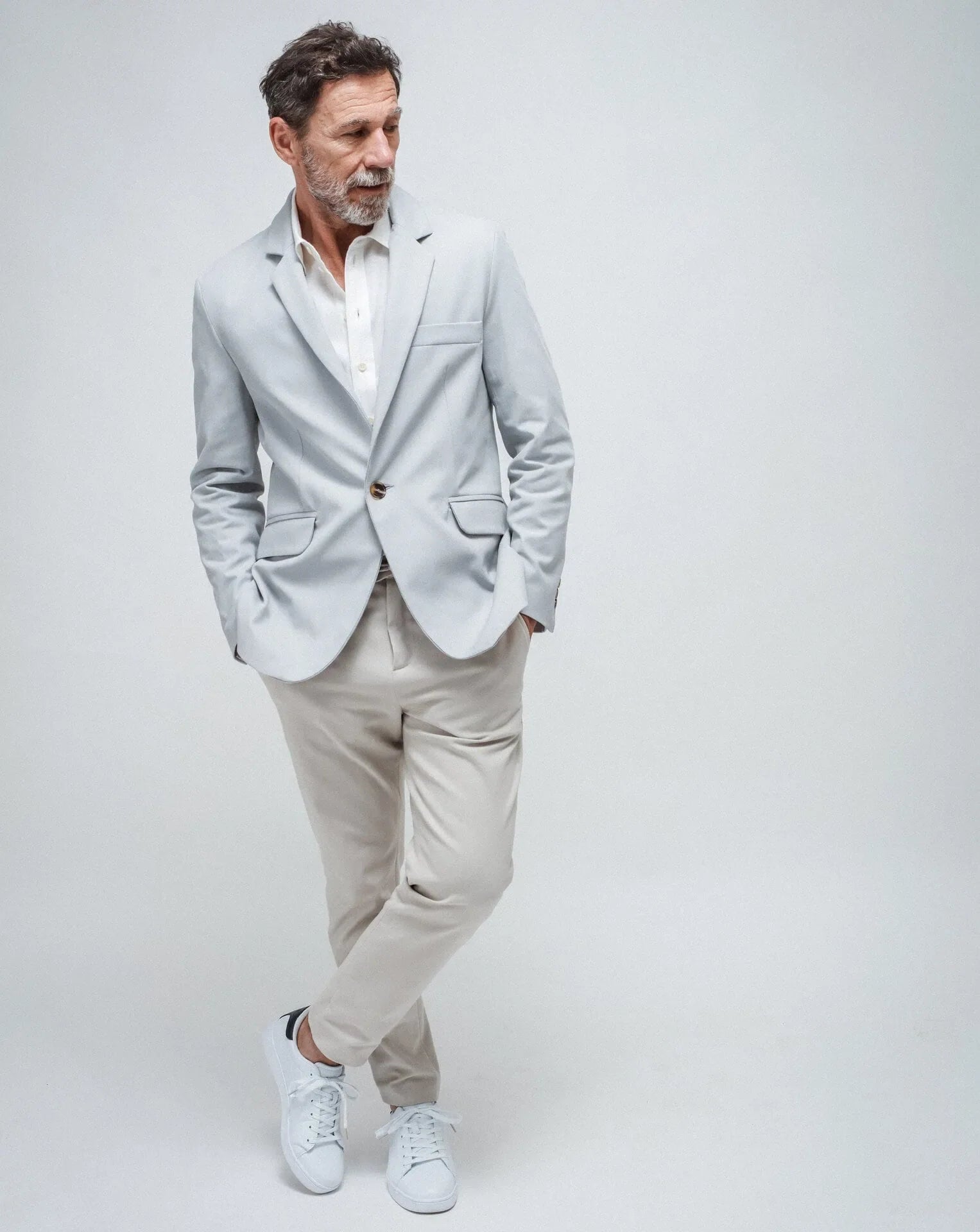
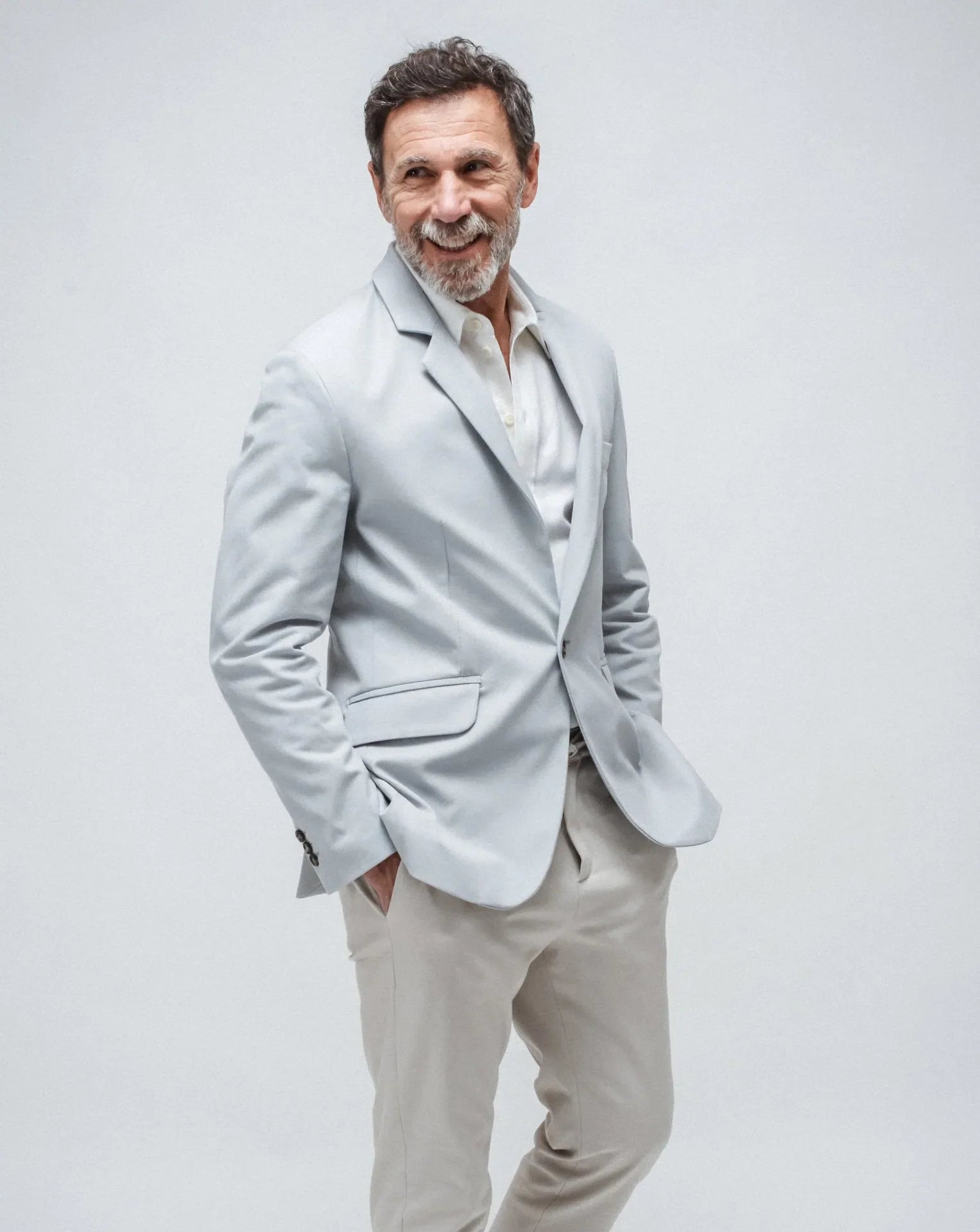
A tailored blazer is especially effective because it earns its place at 10 a.m. and 10 p.m. At work, it creates clarity over a soft knit or shirt. At dinner, it can sit over bare skin, a fitted top, or a dress to make the outfit feel deliberate. The trade-off is warmth. A blazer is not a replacement for an outer coat on a winter commute, so choose one that layers easily beneath a longer wool coat rather than a bulky style that competes with it.
Women’s limited-edition tailored blazer is a natural office-to-evening layer, particularly in a dark neutral or muted jewel tone. Keep the base monochrome for a longer visual line, then use jewelry or a leather belt to shift the look after work.
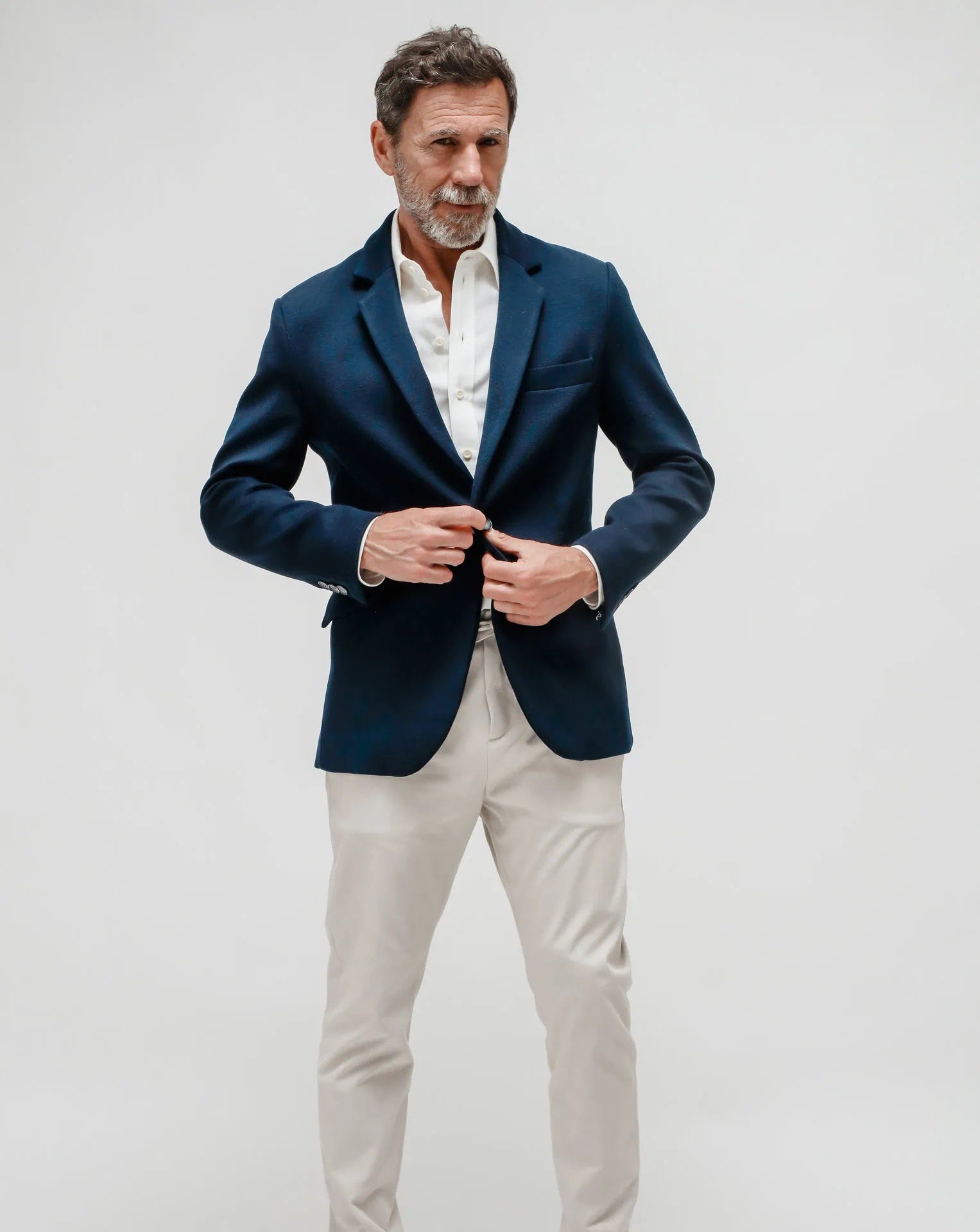
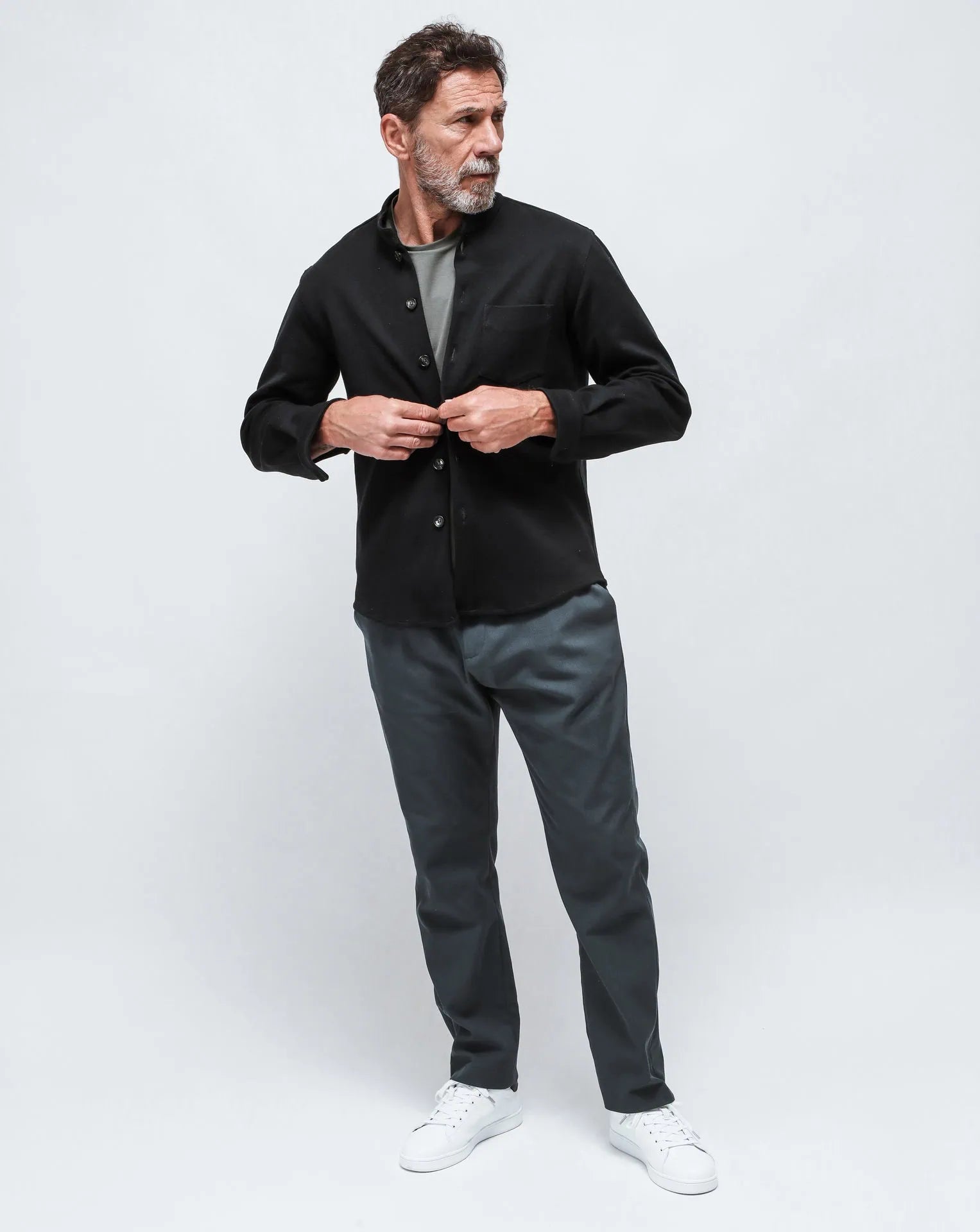
For men, a softly structured jacket or refined overshirt can do the same job. The distinction is in the fabrication and fit. A piece with clean lines and substantial cloth reads considered; one that is too casual can leave the outfit stranded between officewear and weekend wear.
Office to Dinner Outfits Need a Layering Plan
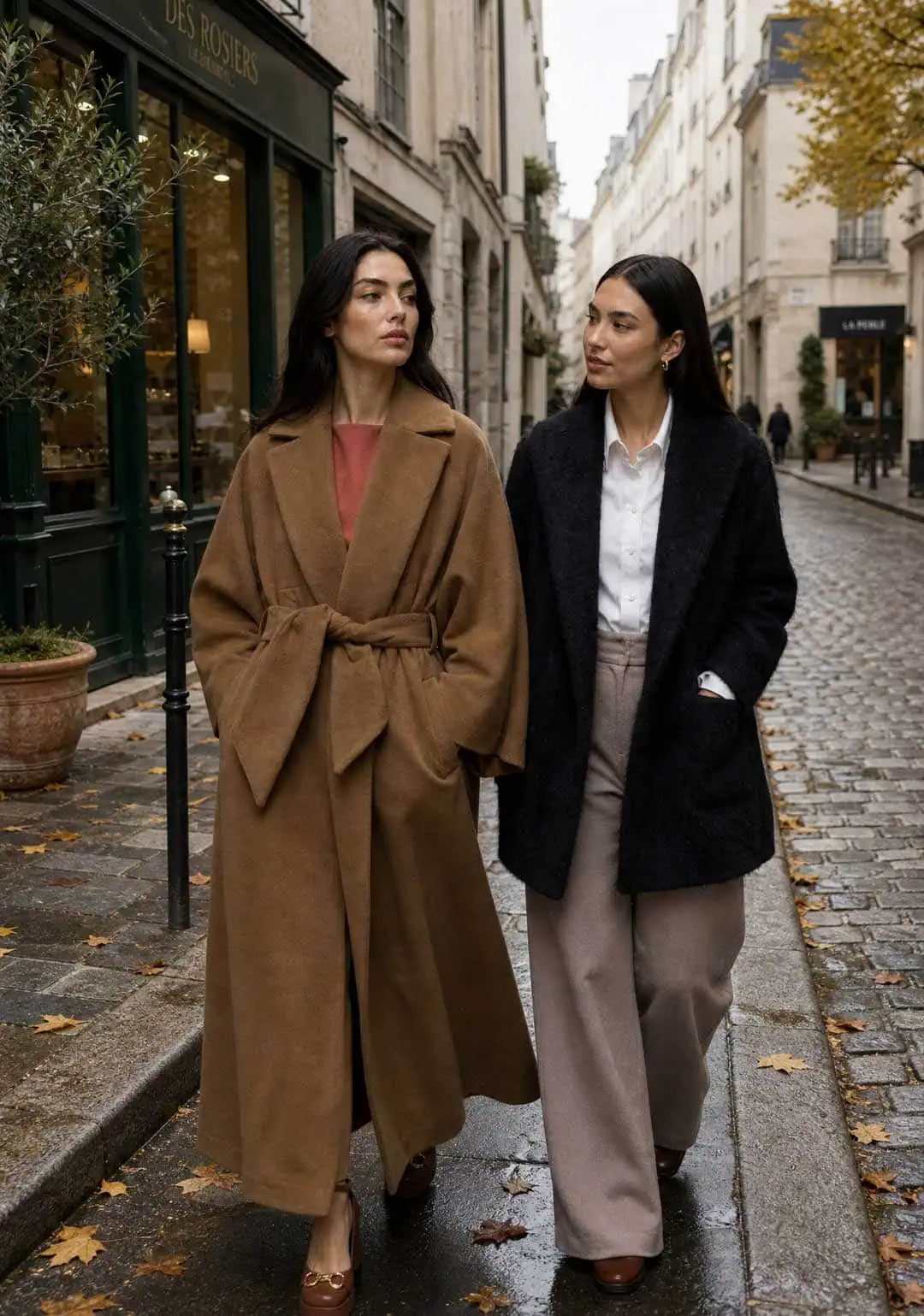
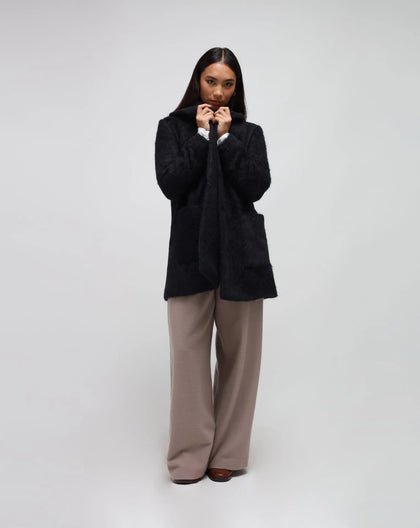
Winter dressing becomes difficult when every layer is functional but none of them feels good once you arrive. Avoid treating the coat, scarf, and knit as an afterthought. They are part of the visual story for most of the day.
Build from thin to substantial. A fitted base layer keeps bulk low. Add a shirt, knit, or dress with enough structure to stand alone indoors. Then choose a jacket only if it improves the silhouette, followed by a coat that can accommodate the layers underneath. This approach prevents the compressed, overstuffed feeling that can make even excellent clothing look accidental.
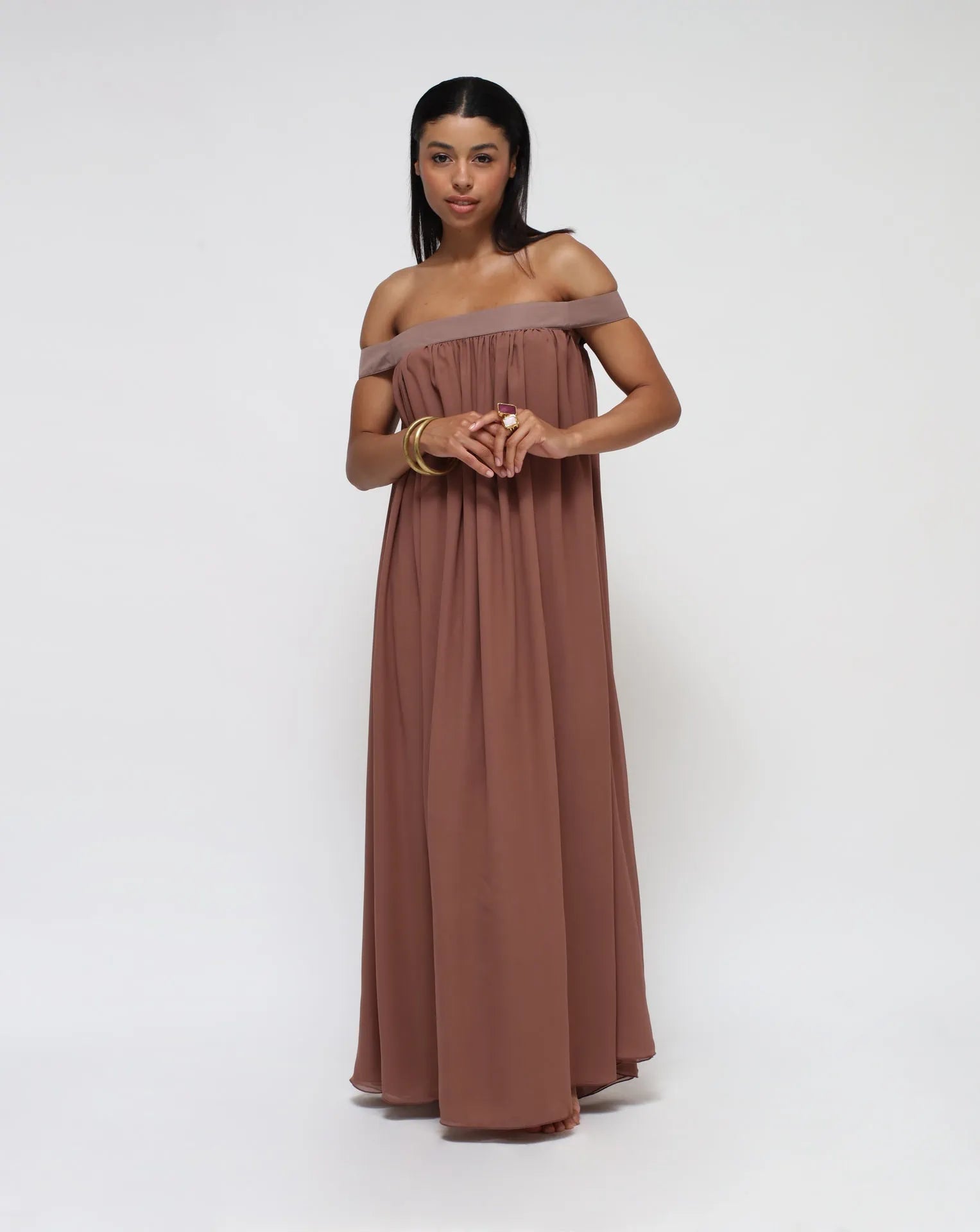
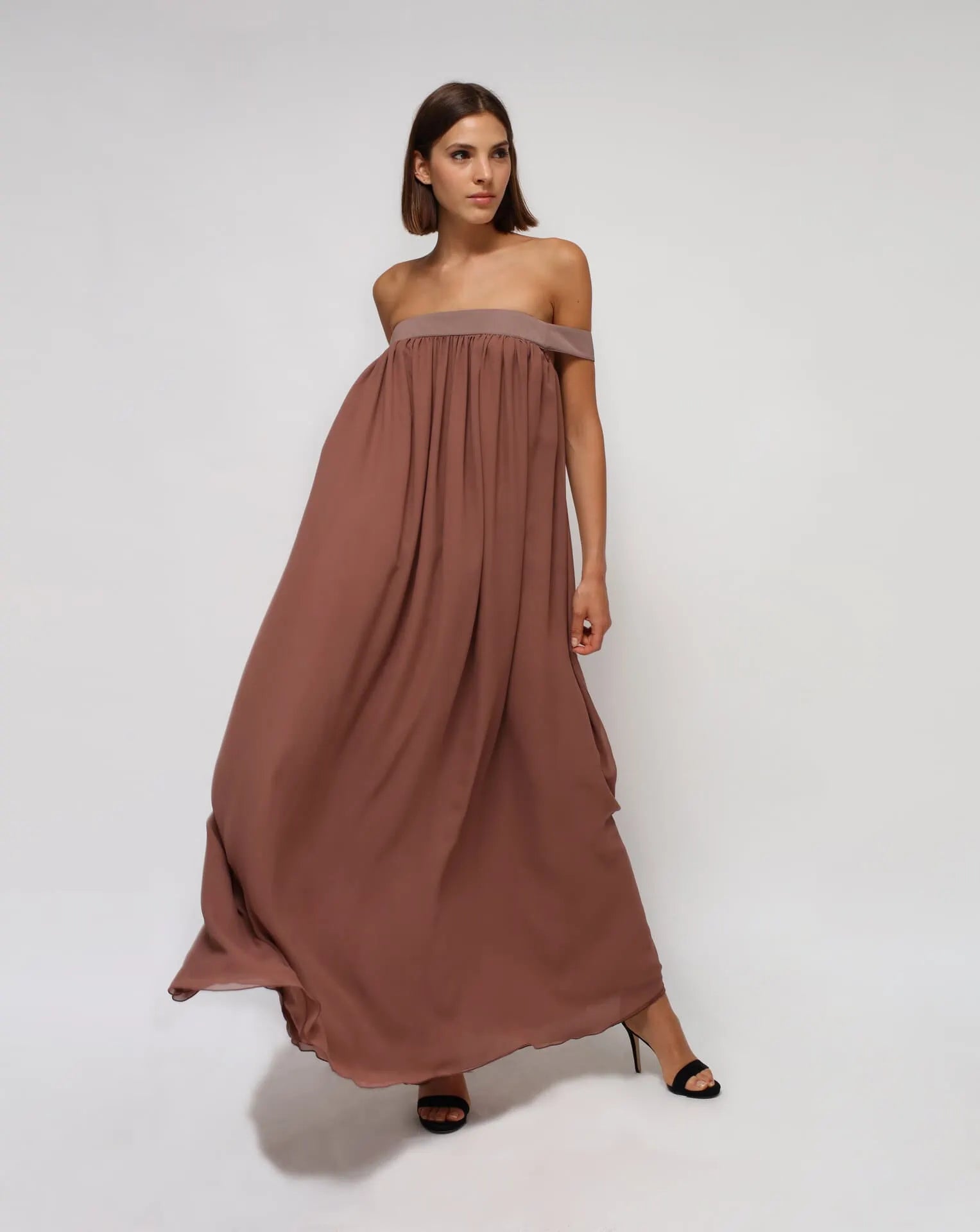
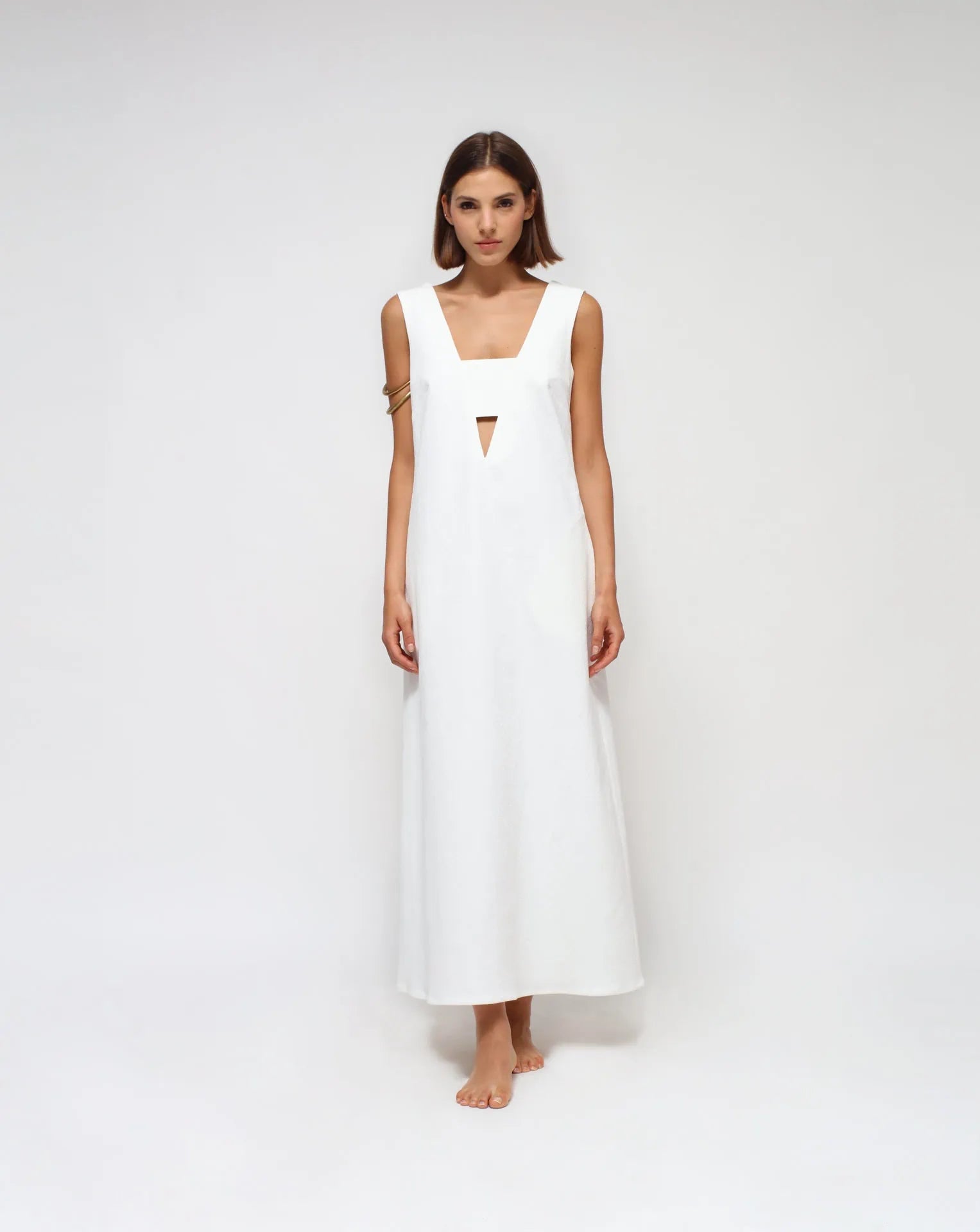
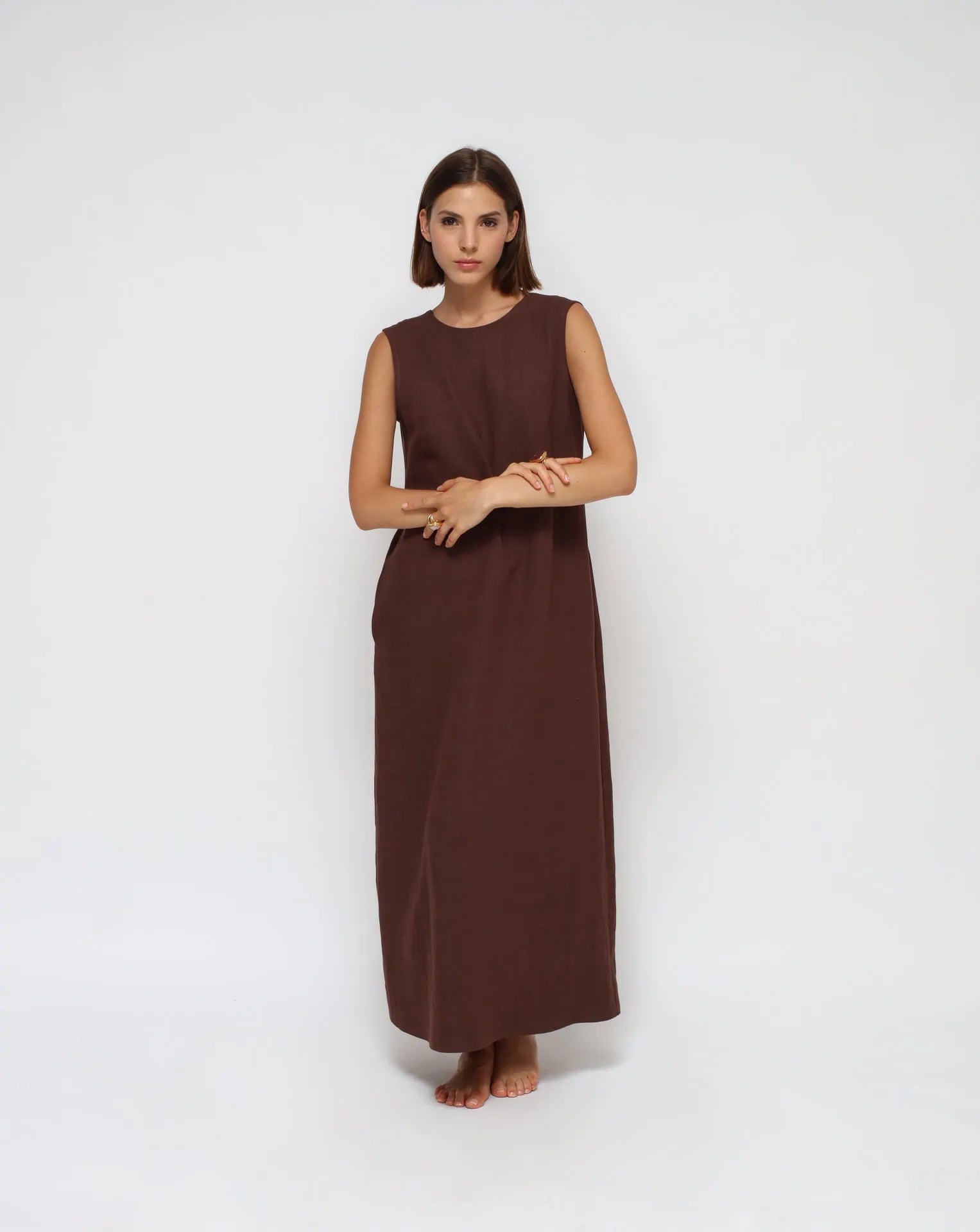
For a women’s dinner look, a long-sleeve knit dress under a wool coat offers a clean solution. Add tall boots for the commute and leave them on for dinner if the shape is sleek rather than overly practical. If your office is conservative, a belt and a pair of refined earrings can create the evening shift without changing the dress.
For men, a fine merino-style knit over a shirt, finished with tailored pants and a longer coat, works across most city settings. At dinner, remove the outer layers and either keep the shirt collar visible or wear the knit alone, depending on the formality of the room. A more relaxed restaurant allows for a textured knit and clean leather sneakers; a formal reservation calls for polished boots or loafers.
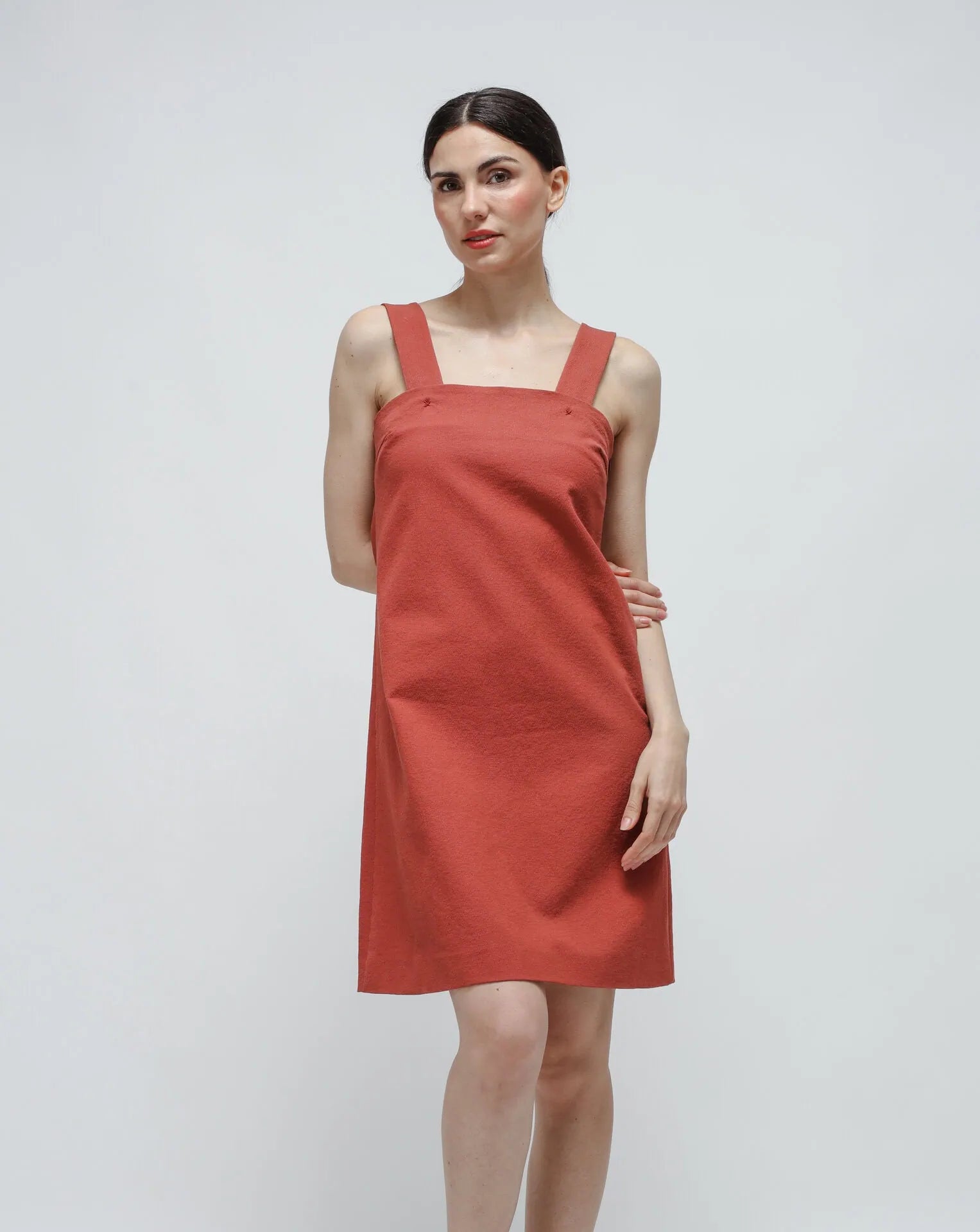
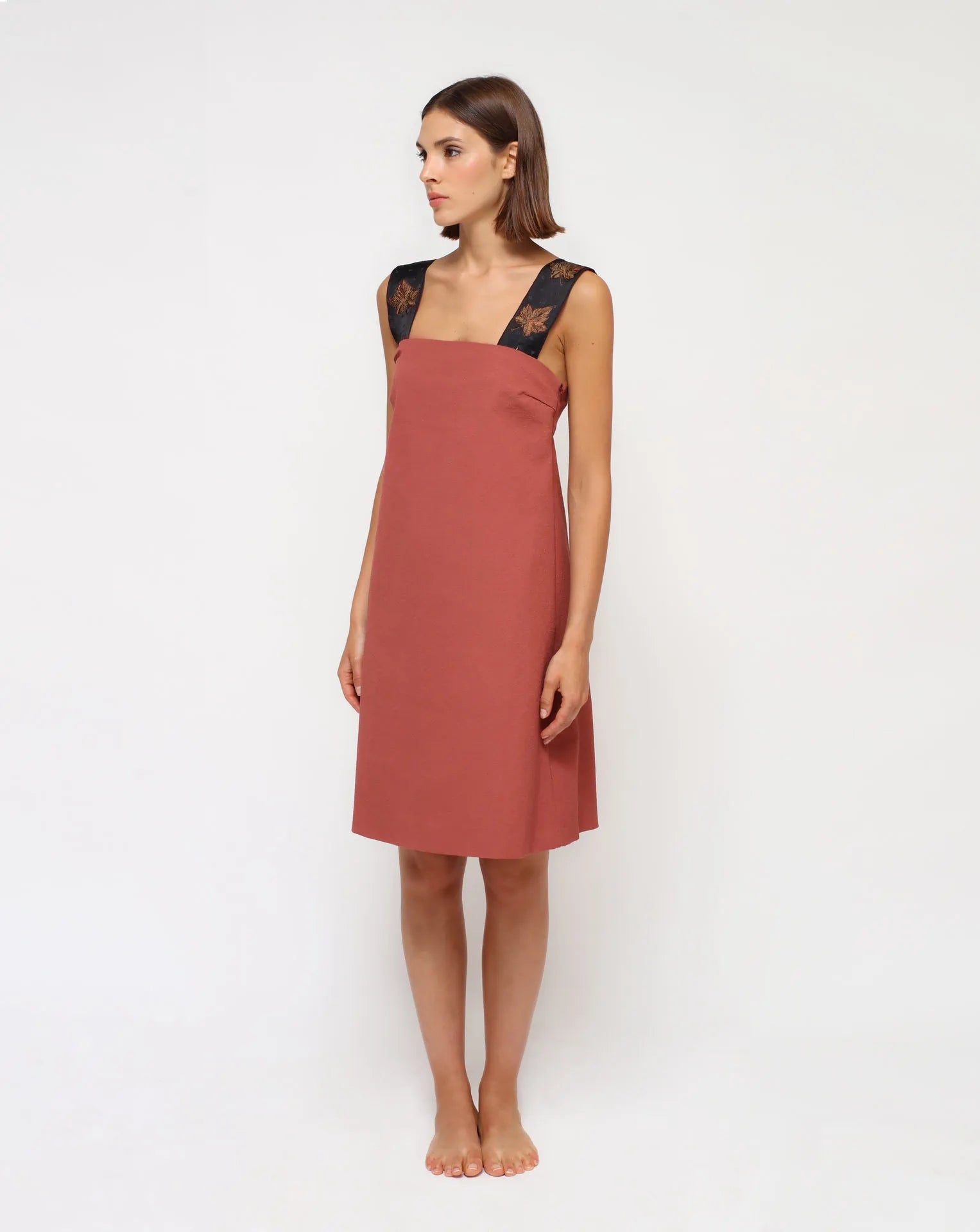
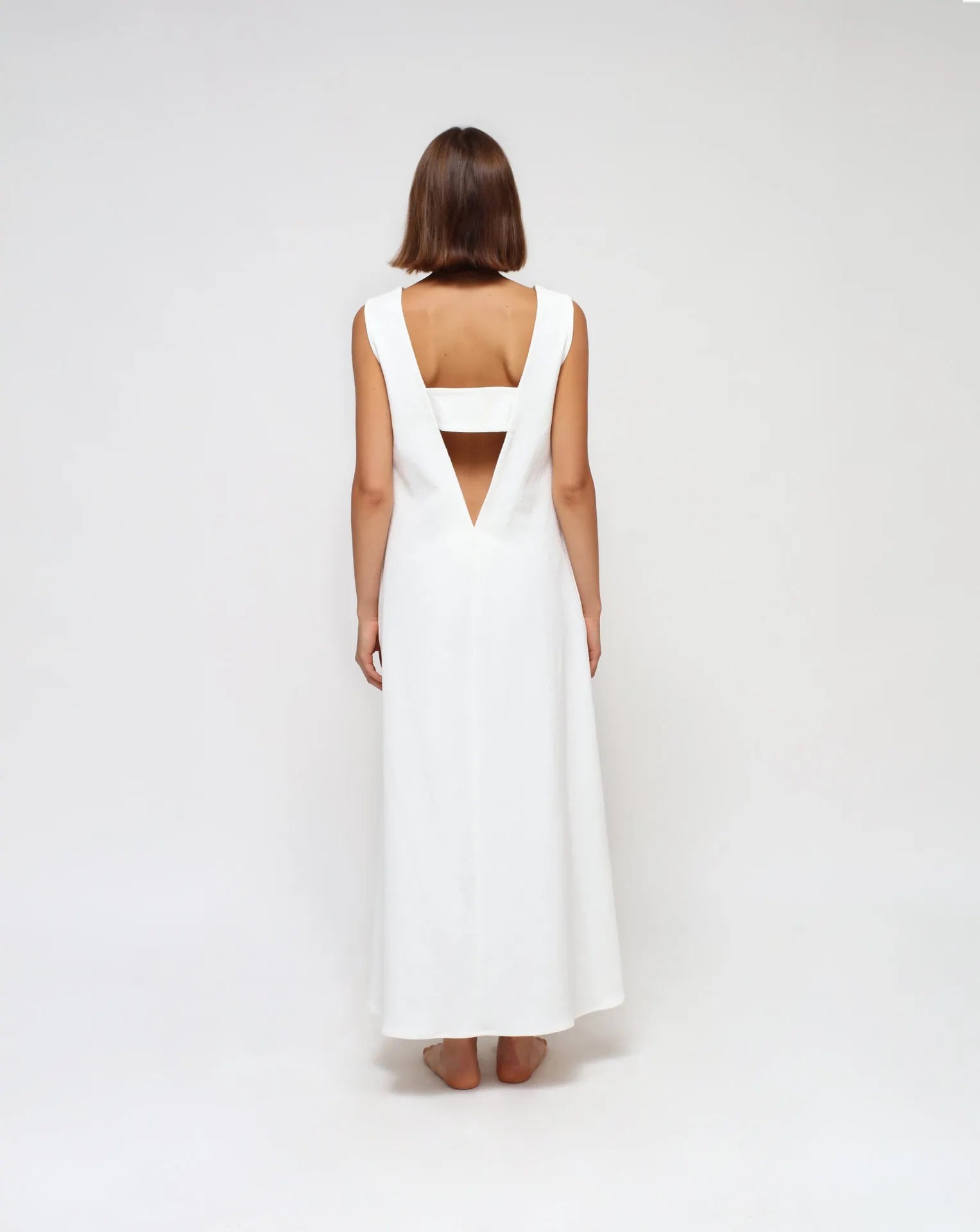
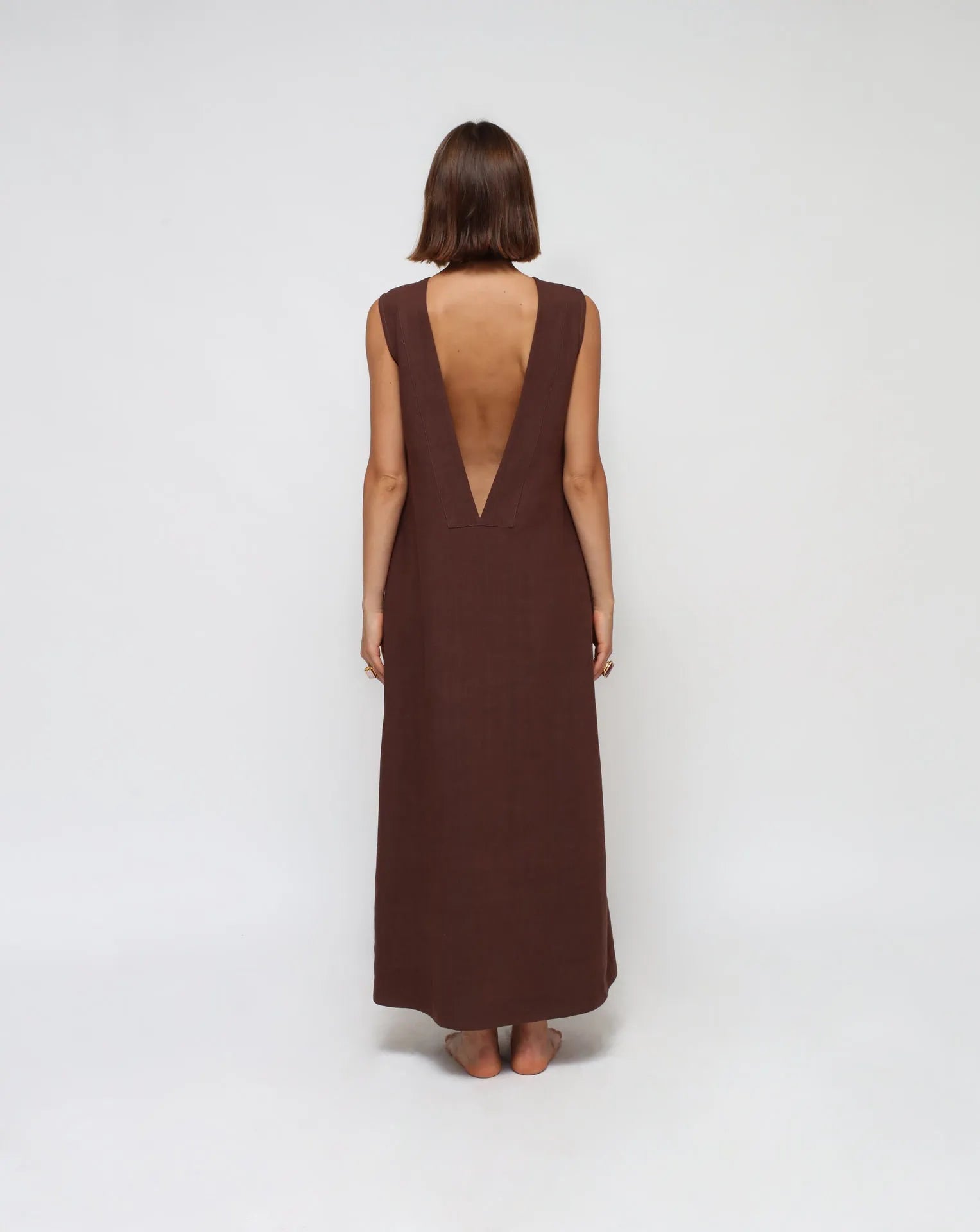
Women’s winter knit dress and Men’s overshirt can be positioned as versatile cold-weather essentials. Choose pieces made for repeat wear rather than an occasion-only moment.
Let Accessories Do the Evening Work
A full outfit change is rarely necessary. Accessories create the most efficient transition because they take up little space and alter the mood quickly. The goal is not to add more, but to replace the item that most clearly says “workday.”
Swap a large laptop bag for a compact bag if you can leave your work items behind. Change from a practical flat to a pointed boot, heeled boot, or polished loafer. For women, a sculptural earring, bolder lip color, or silk scarf tied at the neck can bring focus upward. For men, a watch, a cleaner belt, or a richer shoe can sharpen the whole look without appearing dressed up for its own sake.
Keep color restrained when the day is long. Black, navy, chocolate, stone, and deep olive make winter layering easier, while one accent - oxblood, forest green, burgundy, or a muted metallic - gives the look a reason to exist after dark. The most memorable outfits are often tonal, not busy.
Buy for the Second, Third, and Fiftieth Wear
An office-to-dinner wardrobe is a useful test for intentional consumption. If a garment works only in one context, it may be beautiful, but it is not necessarily versatile. If it works at your desk, on a train, at dinner, and again next week with different layers, it earns more space in your wardrobe.
That is where small-batch production and deadstock fabrics have real relevance. Limited-edition clothing made from existing premium materials asks for a more deliberate relationship with what you buy. It favors pieces with longevity over a rotating stream of disposable answers to every invitation.
Humans & Land designs with that repeat-wear mindset: elevated essentials made to be styled differently rather than replaced quickly. A carefully chosen suit, knit, dress, or coat can serve the office, the dinner table, and the winter travel calendar with only minor changes in styling.
Before your next evening plan, lay out the outfit in the morning and ask one practical question: what will make it feel different after 6 p.m.? If the answer is a jacket removed, a shoe changed, or one piece of jewelry added, you have found a look that works hard without asking for more.
FAQ
Q: What are the easiest office to dinner outfits for women in winter?
A: Tailored trousers with a fitted knit and blazer, a long-sleeve knit dress with tall boots, or a midi skirt with a refined shirt are reliable options. Add a compact bag, jewelry, or a sharper shoe for dinner.
Q: How can men make an office outfit feel right for dinner?
A: Start with tailored pants, a quality shirt or fine knit, and a structured layer. For the evening, remove the outer coat, relax the collar, and let polished shoes or a textured jacket provide the shift.
Q: Which fabrics work best for winter office-to-evening dressing?
A: Look for wool blends, substantial crepe, textured knits, brushed cotton, and fluid fabrics with enough weight to hold their shape. These materials layer well and retain a composed appearance throughout the day.
Q: Do office to dinner outfits need heels or formal shoes?
A: No. The right footwear depends on the venue and your commute. Sleek boots, refined flats, loafers, and minimal leather sneakers can all work when the rest of the outfit has structure and intention.
the World of H&L