

Why Do Clothes Pill? Fabric, Friction, and Care
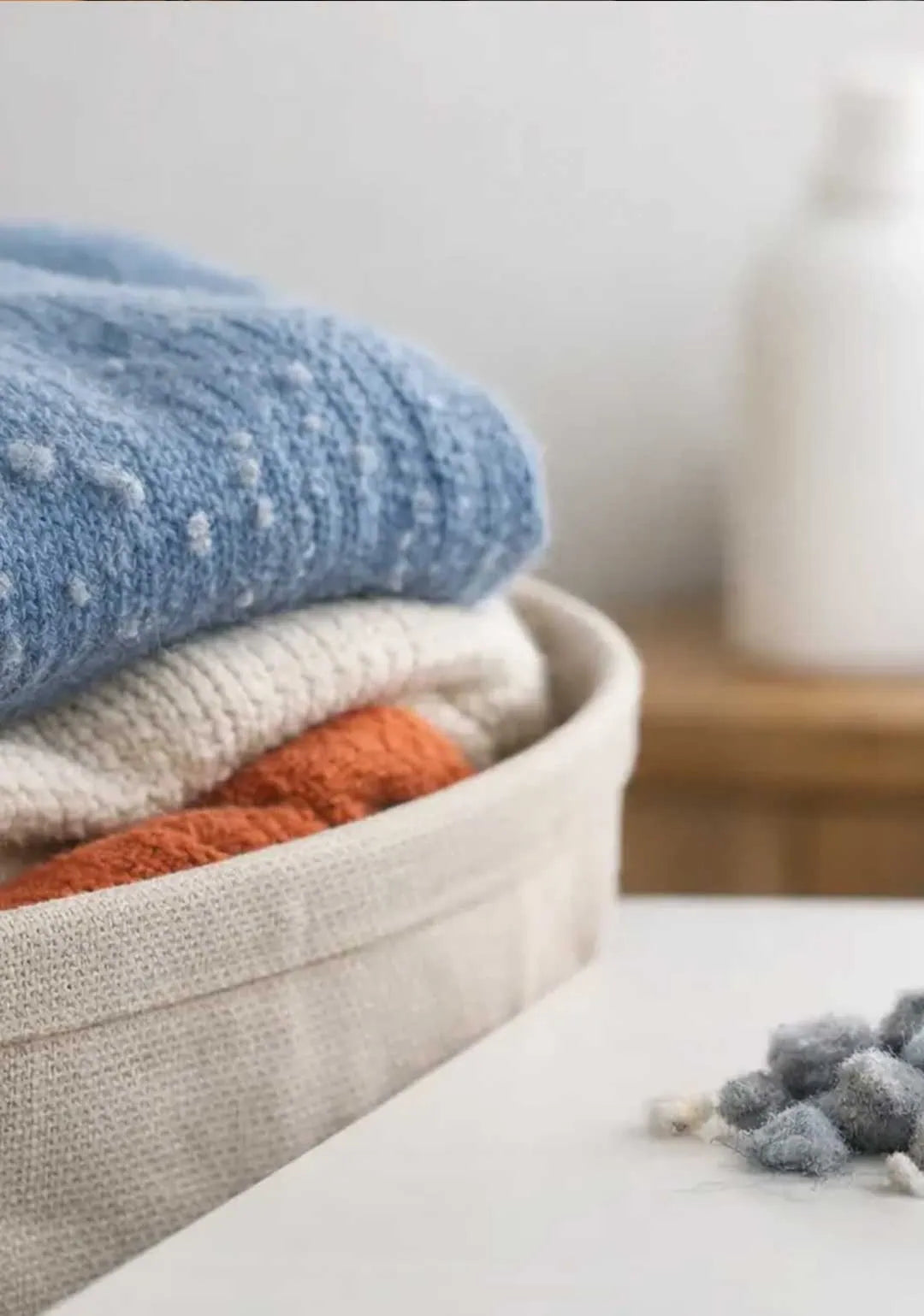
A new sweater can feel immaculate in the fitting room, then develop small fuzzy knots beneath the arms after a few wears. It is frustrating, particularly when you have chosen a piece for its fabric, construction, and place in a more considered wardrobe. So, why do clothes pill? Pilling is the result of loose fibers working free from a fabric, tangling together through friction, and remaining attached to the surface.
It is not always a sign that a garment is poor quality. In fact, some of the most beautiful natural fibers are prone to pilling because they are soft, fine, and expressive. What matters is understanding where those fibers come from, how the fabric is built, and how the piece is worn and cared for over time.
Why Do Clothes Pill in the First Place?
Pills begin as tiny loose fibers. Movement pulls them to the surface, where rubbing twists them into small balls. The process is most visible in high-friction areas: underarms, side seams, cuffs, the lower back where a bag rests, and the front of a knit that meets a desk or seat belt every day.
The fibers then determine what happens next. Short-staple fibers have more ends available to migrate out of the yarn, making them more likely to form fuzz. Longer fibers generally create smoother, more resilient yarns, though no fiber is completely immune. Yarn twist matters, too. Loosely spun yarns often feel exceptionally soft and airy, but that softness can come with a greater chance of surface shedding and pilling.
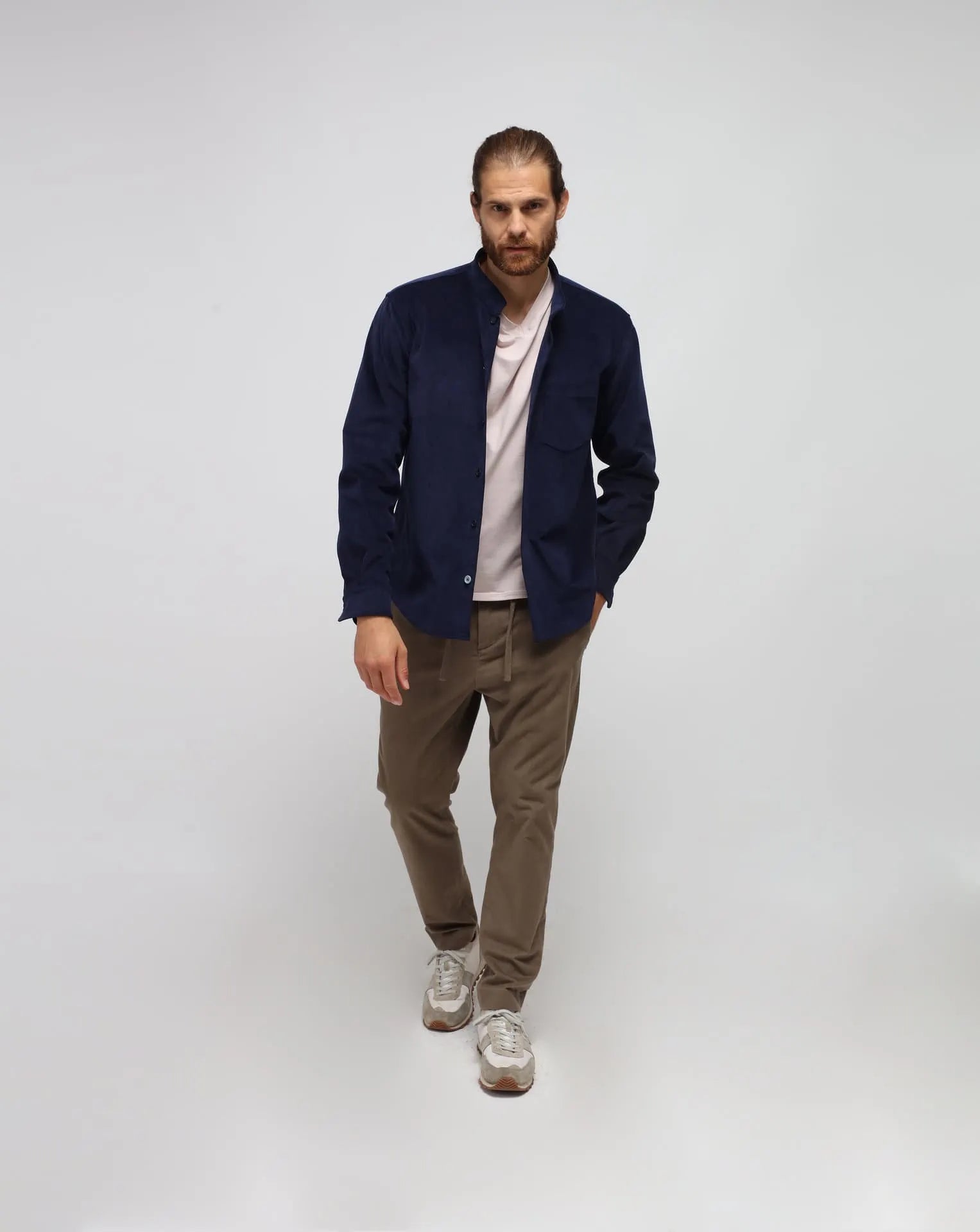
Fabric construction plays its part. Brushed finishes, fleece, jersey, and soft knitwear have raised surfaces by design, so they can pill more readily than a tightly woven poplin shirt or a dense twill trouser. This is a trade-off, not a flaw. A lofty winter knit offers warmth and tactile richness precisely because its fibers are not pressed into a flat, rigid surface.
Natural and synthetic fibers pill differently
Wool, cashmere, alpaca, cotton, and linen can all pill, especially when their fibers are short or the yarn is softly spun. With many natural-fiber garments, early pills may detach over time as the weakest loose fibers are shed. A new wool knit can therefore need a little more attention during its first season than it will later.
Synthetic fibers such as polyester, nylon, and acrylic can create a different problem. Their strength means pills are less likely to break away once formed. Instead, the knots may remain anchored to the garment, becoming more visible with repeated wear. A blend can be practical and durable, but it should be judged by its intended use, construction, and hand feel, rather than by a simplistic rule that one fiber is always better than another.
For limited-edition pieces made from deadstock fabrics, this nuance matters. Deadstock gives existing premium materials a future rather than demanding new production, but every fabric has its own history, blend, weight, and behavior. Thoughtful sourcing means being honest about those distinctions and choosing care practices that respect the material in front of you.
Friction Is Usually the Real Trigger
A garment may be beautifully made and still pill where your life puts pressure on it. The shoulder of a soft cardigan can pill under a heavy work tote. A tailored knit may develop fuzz near the elbows if you spend long days typing. A coat can show abrasion where its sleeve meets a crossbody strap.
Before blaming the garment, look at the pattern. Pilling concentrated beneath the arms or along the sides points to everyday movement. Pilling across the entire surface may suggest a more delicate yarn, a very soft finish, or laundering that is too aggressive.
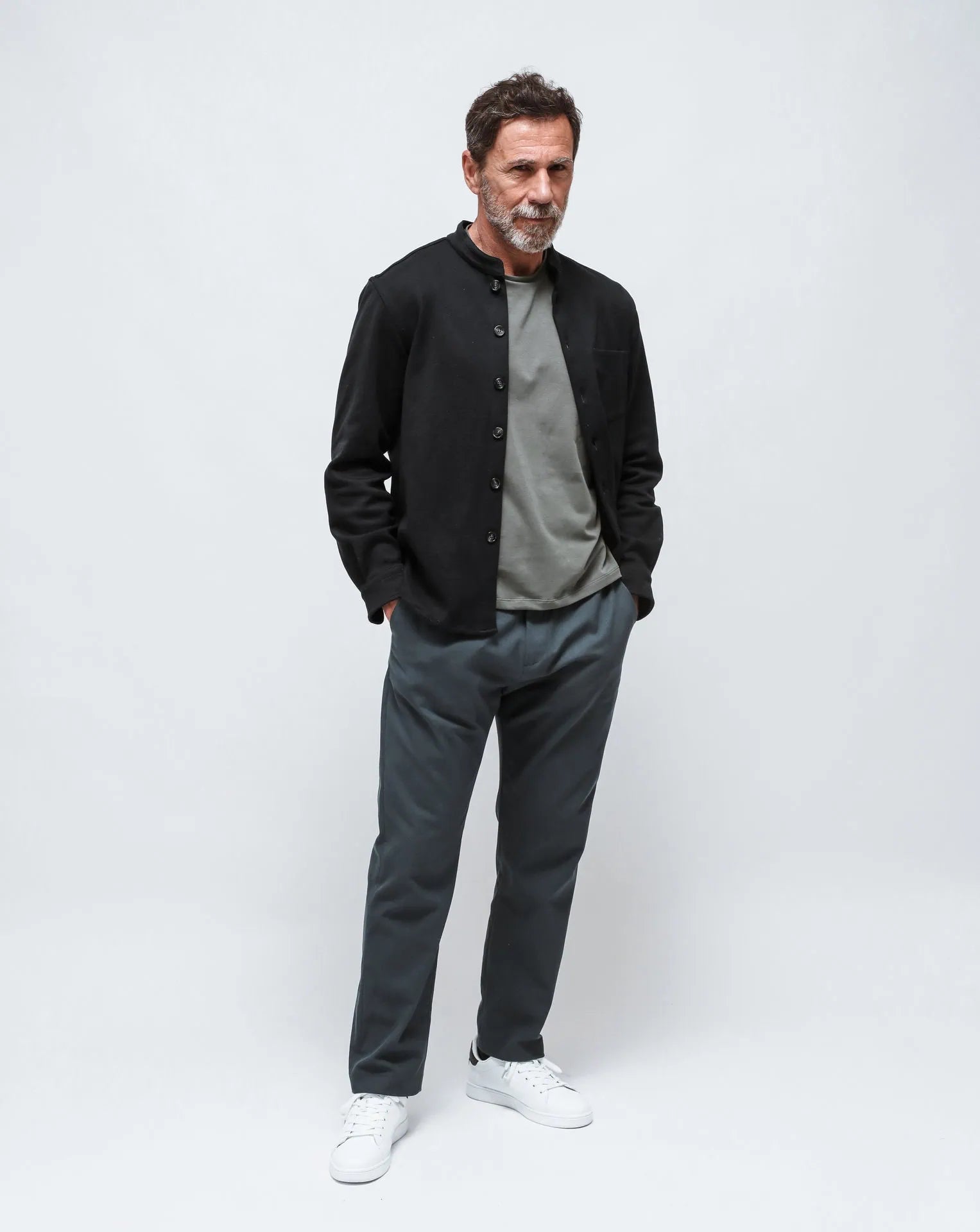
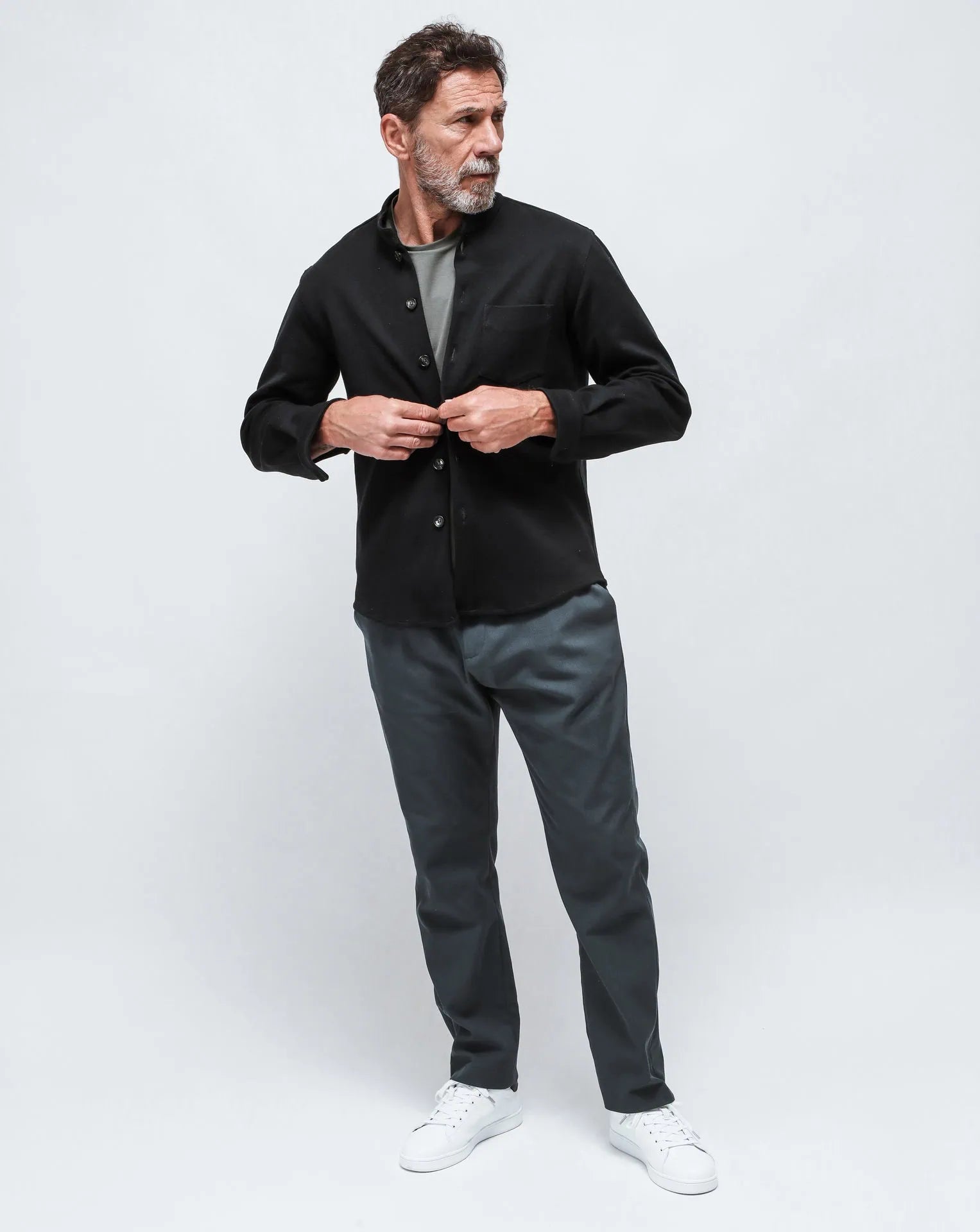
Winter dressing creates more opportunities for friction. Layers rub together, scarves catch against collars, and outerwear is exposed to bags, car seats, and crowded commutes. A fine-gauge merino base layer beneath a structured wool jacket will usually experience less abrasion than a fluffy knit worn under another textured layer. The goal is not to make a wardrobe precious. It is to pair fabrics with enough intention that they can remain in rotation for years.
How to Prevent Clothes From Pilling
The most effective approach begins before the wash. Give knitwear a rest between wears when possible. Fibers recover better when they are not repeatedly compressed, stretched, and rubbed without pause. This is especially useful for soft sweaters, brushed overshirts, and relaxed winter layers.
Turn garments inside out before washing, close zippers and hooks, and separate delicate fabrics from rougher items such as denim, towels, and garments with hardware. Wash cold on a gentle cycle, using a mild detergent and avoiding an overloaded machine. Crowded loads create more rubbing, which is exactly what pilling needs.
For a particularly delicate sweater or elevated knit set, hand washing may be worth the extra few minutes. Press out water rather than wringing it, then dry flat on a towel. Hanging a wet knit can distort its shape, while high dryer heat can weaken fibers and encourage surface abrasion.
A few choices make a significant difference:
- Use a mesh laundry bag for delicate knits, fine jerseys, and pieces with a soft brushed finish.
- Keep abrasive accessories in mind, including rough bag straps, heavy jewelry, and Velcro closures.
- Fold knitwear instead of hanging it for long periods, which protects both shape and yarn tension.
- Follow the care label for the specific fabric rather than applying one rule to every garment.
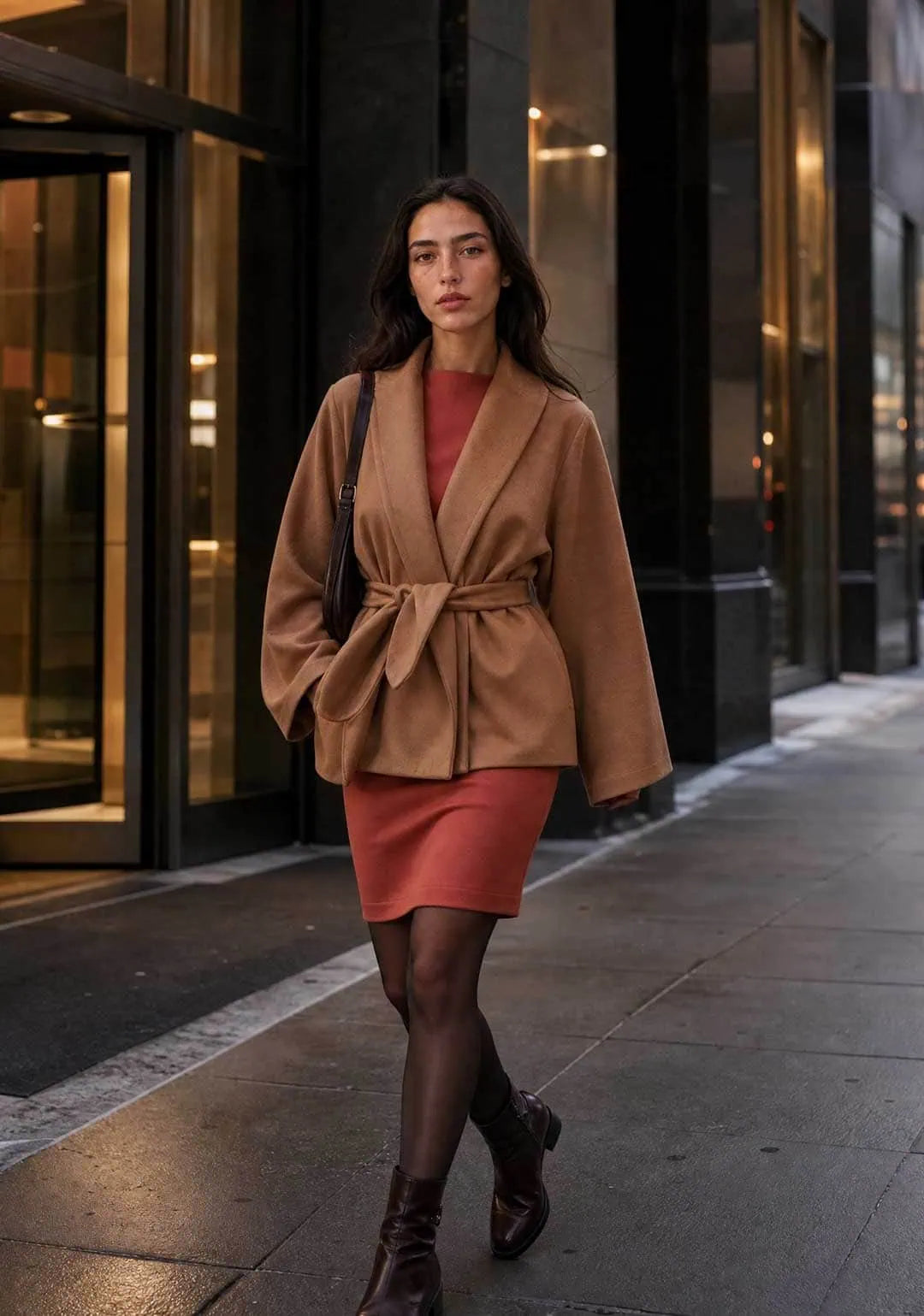
A women’s wool coat collection and men’s winter layers can be designed to work hard across a season, but their longevity still depends on what happens after purchase. Care is not an afterthought. It is part of the garment’s full life cycle.
Can You Remove Pills Without Damaging the Fabric?
Yes, if you use the right tool and a light hand. A fabric shaver is often the cleanest option for larger, denser pills on sturdy knitwear. Lay the garment flat, pull the area gently taut, and move the shaver slowly over the surface. Do not press hard or rush over seams, ribbing, or very thin sections.
For delicate cashmere-like knits or loosely woven fabrics, a cashmere comb or sweater stone may offer more control. Work in one direction with minimal pressure. Test a hidden area first, particularly on fabric with a brushed or boucle texture. The aim is to lift pills, not to scrape the fabric flat.
Avoid pulling pills off by hand. It can tug at the yarn and create a larger loose loop. Scissors are also risky unless you are dealing with one isolated pill and can trim it without touching the base fabric. If the garment is valuable or exceptionally delicate, professional cleaning may be the better choice.
What Pilling Tells You About Quality
Pilling is one useful signal, but it is not a complete quality test. A garment’s longevity is also shaped by fiber sourcing, yarn quality, fabric weight, seam construction, finishing, fit, and whether it suits your actual routines. A tightly woven shirt may resist pilling yet wear out at the elbows if the fabric is too light for frequent use. A soft wool sweater may pill lightly at first while remaining warm, repairable, and beautiful for years.
Ask better questions when you shop: Is this fabric appropriate for how I will wear it? Does the softness reflect a delicate finish I am willing to care for? Can I imagine styling it at least 30 times across work, travel, and weekends? Those questions move the focus from keeping clothing flawless to keeping it valued and wearable.
At Humans & Land, that perspective belongs naturally beside small-batch production and deadstock fabrics. Buying less is only meaningful when the pieces are given the attention to stay with you.
A little pilling does not have to end a garment’s story. Treat it as a small maintenance ritual: smooth the surface, reconsider the friction points, and wear the piece again with intention.
FAQ
Q: Why do clothes pill after only one wash?
A: The first wash can release loose fibers left from manufacturing and finishing, especially on soft knits, brushed fabrics, and short-staple yarns. Washing inside out on a gentle, cold cycle reduces additional friction.
Q: Do expensive clothes pill?
A: They can. Premium natural fibers, including soft wool and cashmere, may pill because of their fine texture. Quality is better assessed through fiber length, yarn and fabric construction, tailoring, durability, and how the garment performs over time.
Q: Does polyester cause pilling?
A: Polyester does not always cause pilling, but its strong fibers can hold onto pills once they form. In blends, those durable synthetic fibers may keep loose natural fibers attached to the fabric surface.
Q: Is a fabric shaver safe for wool sweaters?
A: Usually, yes, when used gently on a flat, dry garment. Use light pressure, keep away from seams and thin areas, and test a less visible section first. Delicate or very loose knits may be better suited to a cashmere comb.
Q: How often should I de-pill knitwear?
A: Only when visible pills affect the surface. For many sweaters, once or twice during a season is enough. Frequent aggressive shaving can thin the fabric, so restraint protects the knit.
the World of H&L