


How to Care for Linen Without Losing Its Ease
Linen is made to be lived in. It softens against the body, breathes through warm afternoons, and develops a character that no factory finish can imitate. Knowing how to care for linen means protecting those qualities rather than trying to force the fabric into rigid perfection. A few thoughtful habits will keep a linen shirt, tailored trouser, or summer dress in rotation for years.
At Humans & Land, limited-edition pieces begin with considered materials and small-batch production. Their care should be just as intentional. Linen rewards a lighter touch: less heat, fewer washes, and room to relax.


How to Care for Linen Starts With the Care Label
The garment’s care label is the final authority. Linen can be woven at different weights and may be blended with cotton, silk, wool, or a small amount of stretch fiber. A crisp linen blazer with a lining, for example, needs different care from an unlined linen camp-collar shirt.
Read the label before the first wash, especially on dyed, dark, tailored, or embellished pieces. If an item is marked dry clean only, respect that instruction. This is particularly true for structured jackets, lined dresses, suits, and garments with delicate construction. Professional cleaning is not necessary after every wear, but it can preserve shape when a piece truly requires it.
For washable linen, turn the garment inside out and close zippers, hooks, and buttons. This reduces friction on the outer surface and protects finer details. Wash similar colors together, particularly during the first few washes, when excess dye is most likely to release.
Wash Linen Gently, Not Constantly
Linen does not need washing after every wear. Unless it has been exposed to perspiration, sunscreen, food, or city dust, airing it out is often enough. Hang it in a ventilated space away from direct sunlight, then return it to the wardrobe once it feels fresh.
When it is time to wash, choose cool or lukewarm water and a gentle cycle. Hot water can cause shrinkage, fade color, and put unnecessary stress on fibers. Use a mild detergent without optical brighteners or harsh bleach. Chlorine bleach is especially unforgiving on linen: it weakens the fiber and can leave yellowing behind.
Avoid overfilling the machine. Linen needs water and space to move freely. A crowded drum creates deep creases and abrasion that no amount of careful pressing will fully undo.
Hand washing is a good option for lighter, more delicate pieces, though it should still be gentle. Swish the garment through cool water, let it soak briefly if needed, then rinse thoroughly. Do not twist or wring it. Instead, press excess water out softly or roll the item in a clean towel.
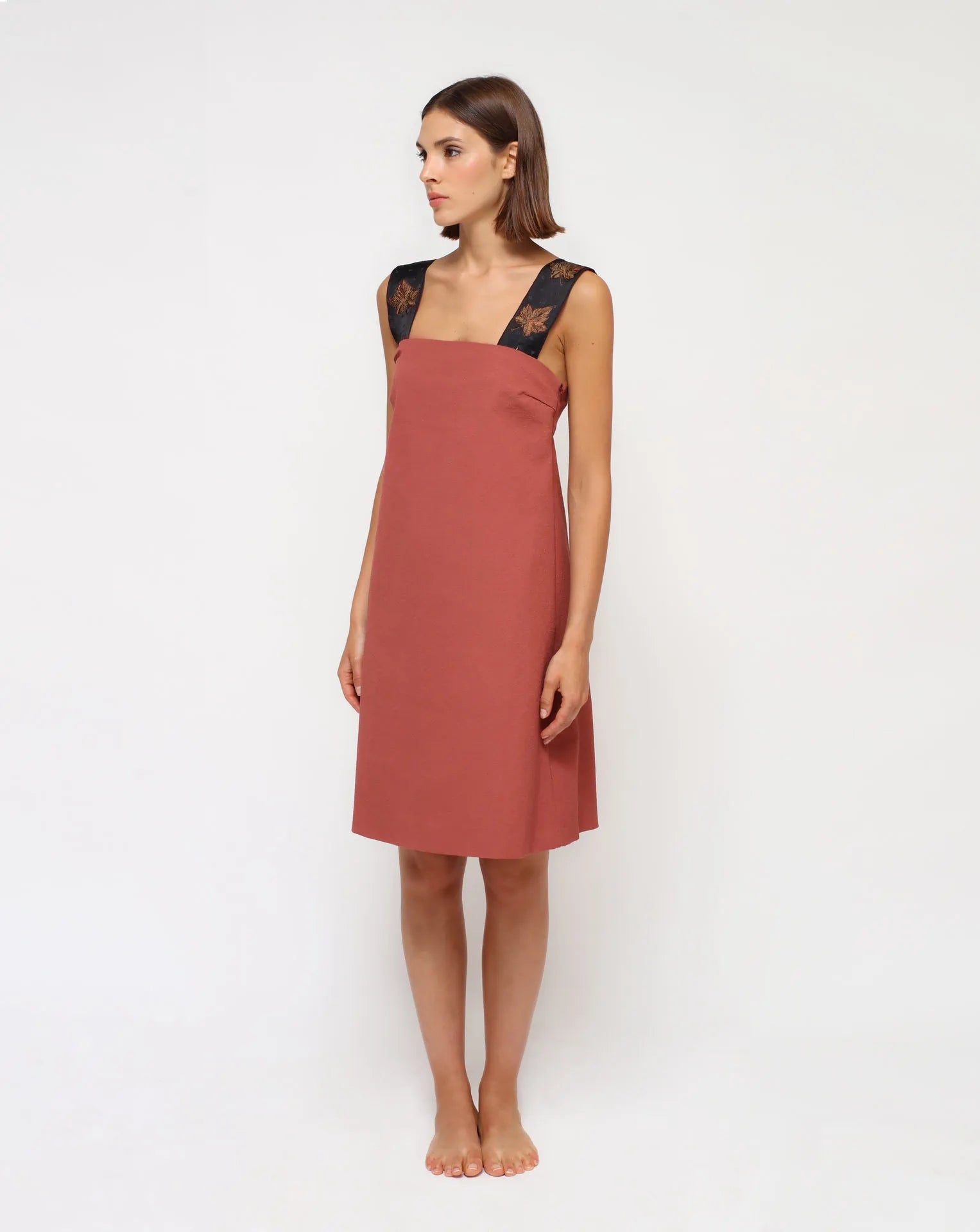
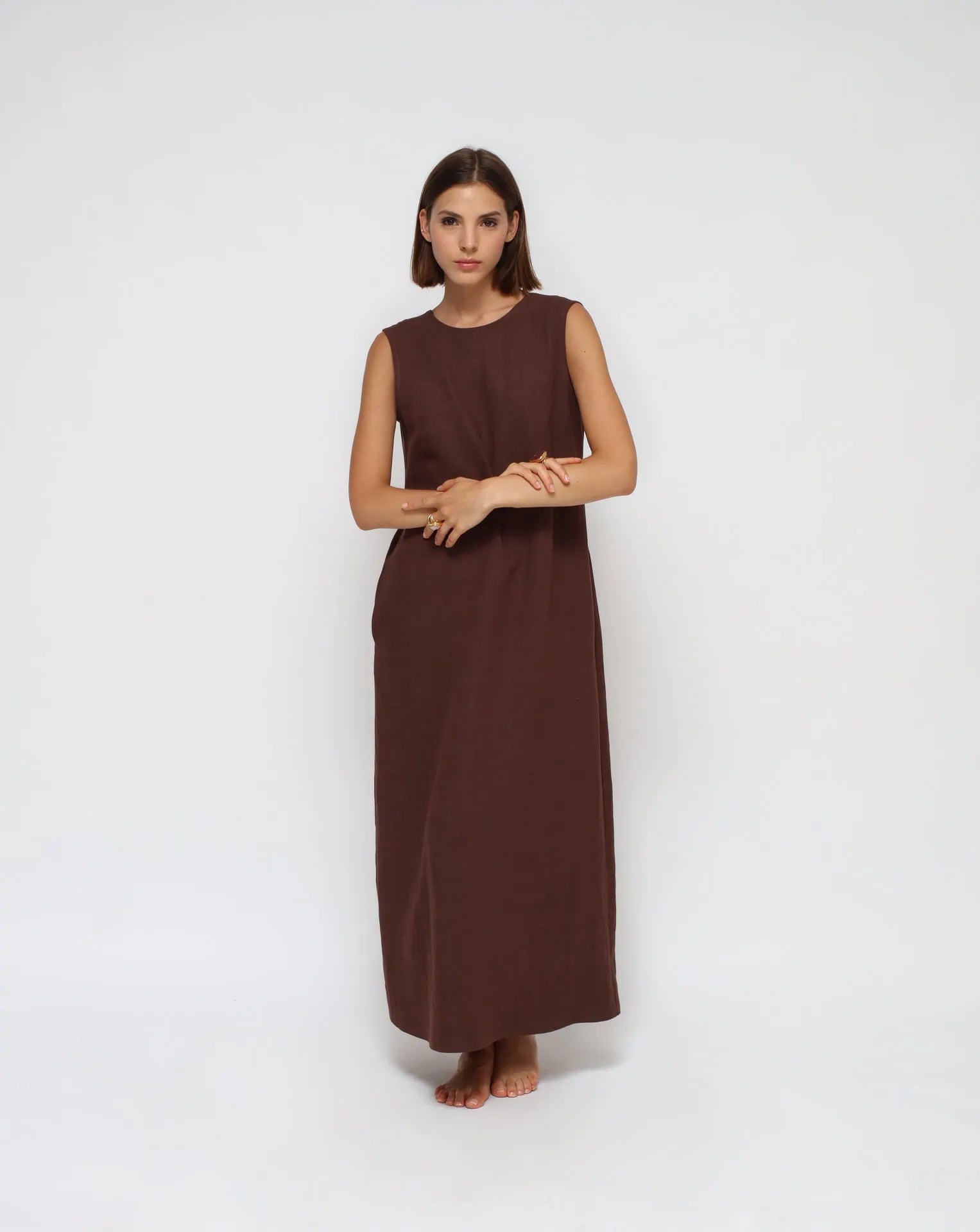
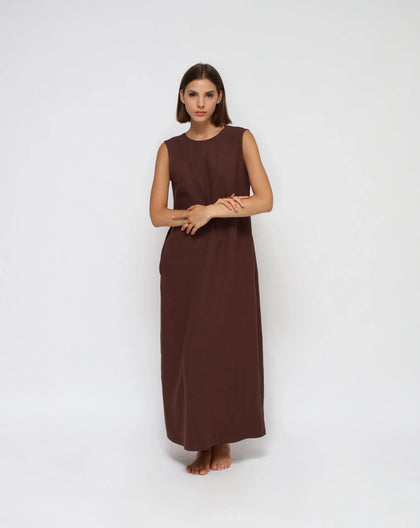
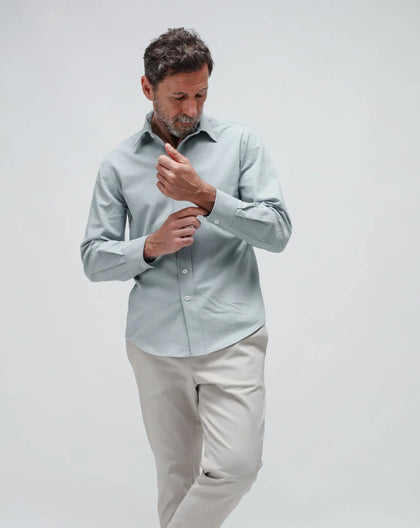
For a women's linen dress or a men's linen shirt in a rich seasonal shade, spot treatment can extend the time between full washes. Treat stains promptly with a small amount of gentle detergent and cool water, testing first on an inconspicuous seam. Rubbing aggressively can create a pale patch or disturb the weave.
Drying Is Where Linen Keeps Its Shape
High dryer heat is linen’s least useful companion. It can shrink fibers, set stubborn wrinkles, and dull the relaxed texture that makes linen feel so distinct. Air drying is the considered choice.
Reshape the garment while damp, smoothing collars, plackets, waistbands, and hems with your hands. Hang shirts and dresses on wide, supportive hangers. Lay knitwear or pieces that could stretch under their own weight flat on a clean towel or drying rack. Keep darker colors out of hard direct sun, which can fade them over time.
If you use a dryer, select low heat and remove the garment while it is still slightly damp. This is a practical compromise for busy weeks, and it makes pressing easier. Do not leave linen tumbling until completely dry.
A small amount of shrinkage can occur with pure linen, particularly before its first wash. That is normal, not a flaw. Buying the correct fit and following the label will help ensure the garment settles as intended.
Press Linen for Polish, or Let It Be Linen
Wrinkles are part of linen’s language. They signal natural fiber, movement, and ease. A softly creased linen set looks entirely appropriate for a weekend market, a coastal dinner, or a long travel day. Trying to remove every fold can become an unnecessary chore.
When the occasion calls for a sharper finish, iron linen while it is slightly damp. Use the linen setting or medium-high heat, with steam if your iron allows it. Press on the reverse side for deeper colors and use a pressing cloth on refined details, embroidery, or delicate trims. Work in sections instead of dragging the iron across the fabric.
A garment steamer is useful for quick refreshes between wears, especially for dresses, shirts, and relaxed trousers. Steam from a short distance and allow the piece to dry fully before wearing. Too much concentrated steam in one area can leave temporary water marks, so keep the movement steady.
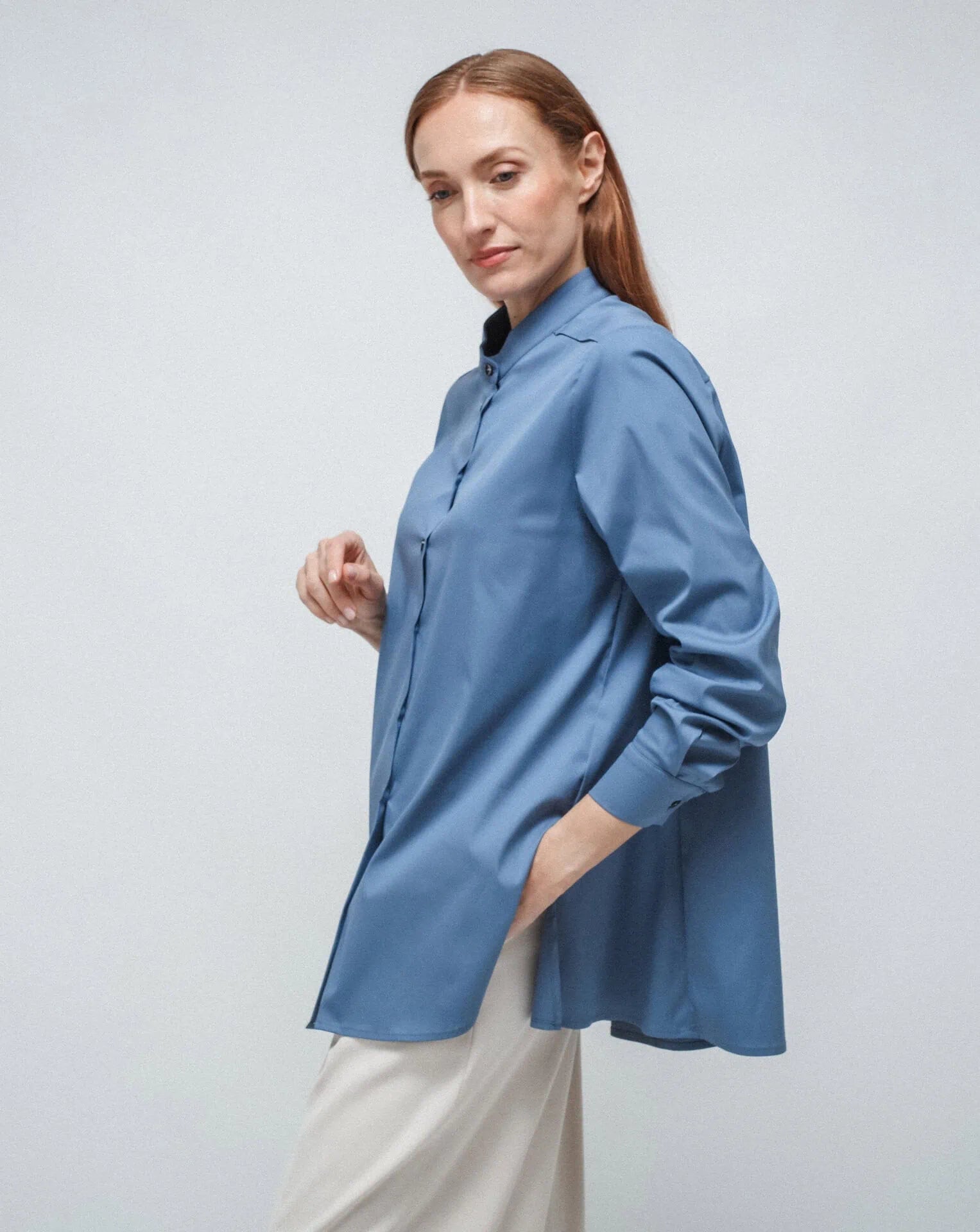
For tailored styles, press seams and lapels with restraint. The aim is to restore shape, not flatten the life out of the garment. This matters for a women's linen blazer or men's linen suit intended to carry you from warm-weather events into early fall gatherings.
Store Linen Clean, Dry, and Uncompressed
Never put linen away with invisible wear still on it. Body oils, fragrance, and food residue can oxidize over time, creating stains that are harder to remove months later. Wash or professionally clean the garment before longer storage, then make sure it is completely dry.
For everyday storage, hang woven linen pieces where air can circulate. Avoid wire hangers, which can distort shoulders, and avoid packing several garments tightly together. Linen needs breathing room.
At the end of the warmer season, fold lighter items such as shorts, tees, and unstructured pants in a cool, dry drawer or breathable cotton storage bag. Avoid plastic bins and garment bags for long periods. They trap moisture and can encourage mildew, especially in humid homes.
For winter wardrobes, linen still has a role. A linen shirt layers beautifully beneath wool tailoring, while linen-blend pieces can bridge the shift between indoor heat and cold streets. Store summer-weight linen thoughtfully so it emerges ready for the first warm weekend, rather than wrinkled, stale, or forgotten. For editors building a seasonal wardrobe story, add internal links here to Women's Linen Dresses, Women's Linen Sets, Men's Linen Shirts, Men's Linen Trousers, and Linen-Blend Tailoring.
Care Is Part of the Garment’s Value
The most sustainable garment is one that remains wanted and wearable. Linen becomes softer with age, but longevity is not automatic. It comes from choosing lower-impact care over default convenience: cool water over heat, air over constant laundering, and repair over replacement.
If a button loosens, sew it back before it disappears. If a seam begins to pull, take it to a tailor early. Small interventions protect the silhouette and honor the labor already invested in the piece. This is what intentional fashion looks like after checkout.
Let linen retain some of its honest texture. A well-cared-for garment should not look untouched. It should look like it has accompanied a life with purpose.
FAQ
Q: Does linen shrink when washed?
A: Pure linen can shrink slightly, particularly during its first wash. Use cool or lukewarm water, a gentle cycle, and air drying to minimize it. Follow the garment label, as blends and tailored pieces may need different treatment.
Q: Can I put linen in the dryer?
A: Air drying is best for preserving fit, color, and fiber strength. If you need to use a dryer, choose low heat and remove the garment while slightly damp, then reshape it or press it as needed.
Q: How often should linen be washed?
A: Wash linen when it is visibly soiled or has absorbed perspiration, sunscreen, or odor. Between wears, air it out in a well-ventilated space. Less frequent washing helps preserve the fabric and reduces water use.
Q: Is it okay for linen to wrinkle?
A: Yes. Natural wrinkling is a defining quality of linen and part of its relaxed elegance. Steam or press it when you want a more polished finish, but do not mistake a soft crease for poor care.
Q: How should I store linen over winter?
A: Store freshly cleaned, fully dry linen in a cool, dry place with room to breathe. Fold lightweight pieces in a drawer or breathable fabric bag, and avoid long-term plastic storage that can trap moisture.
the World of H&L