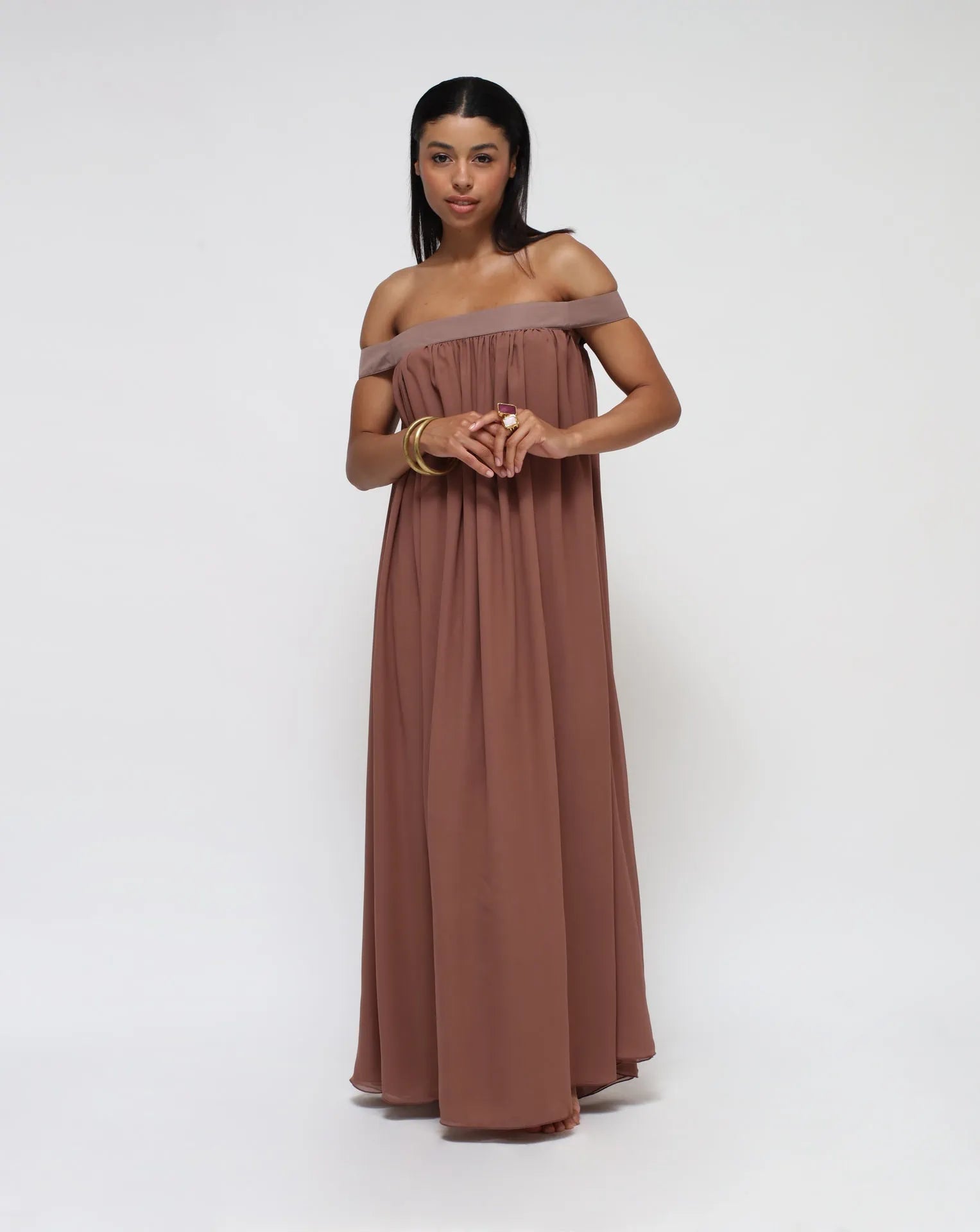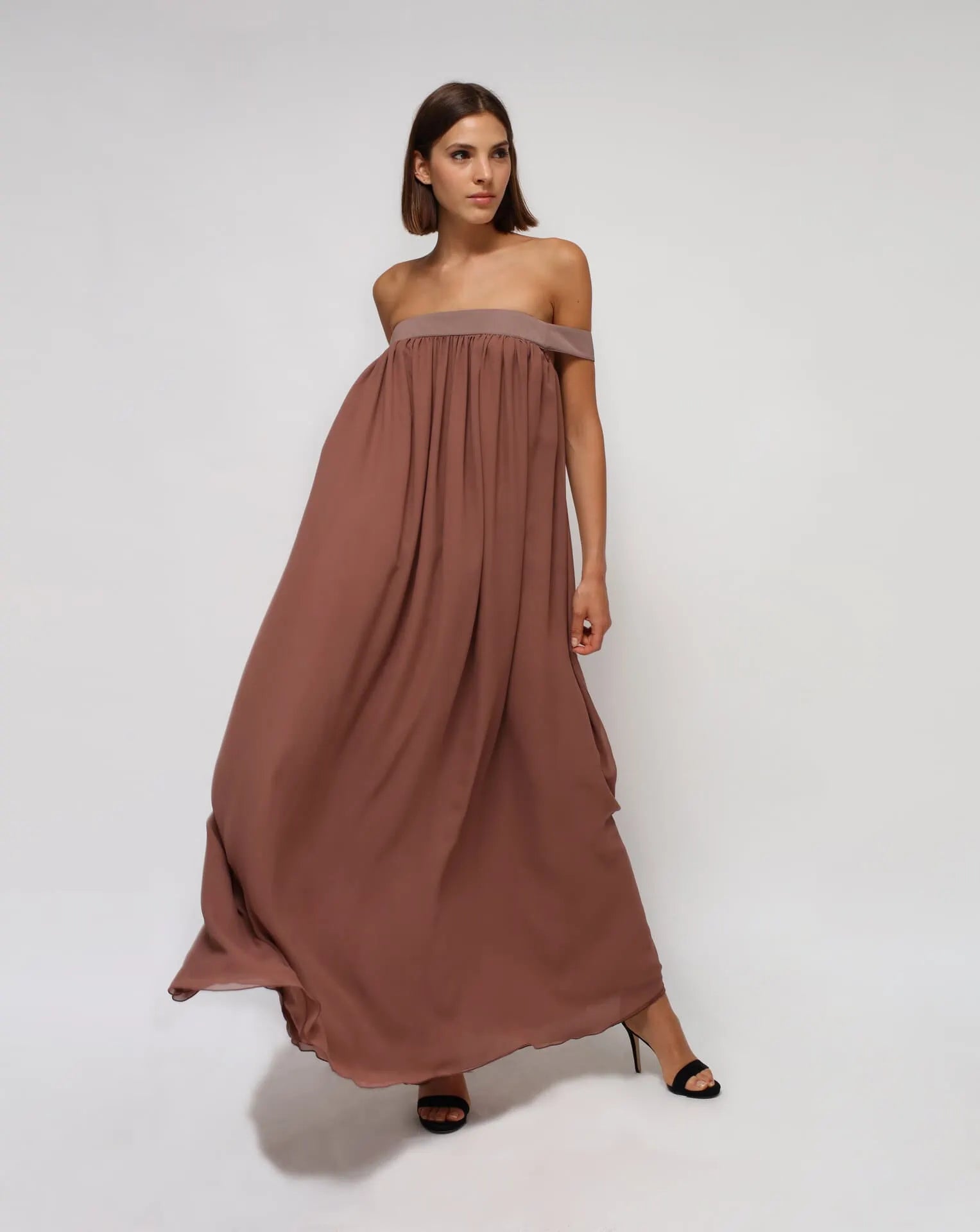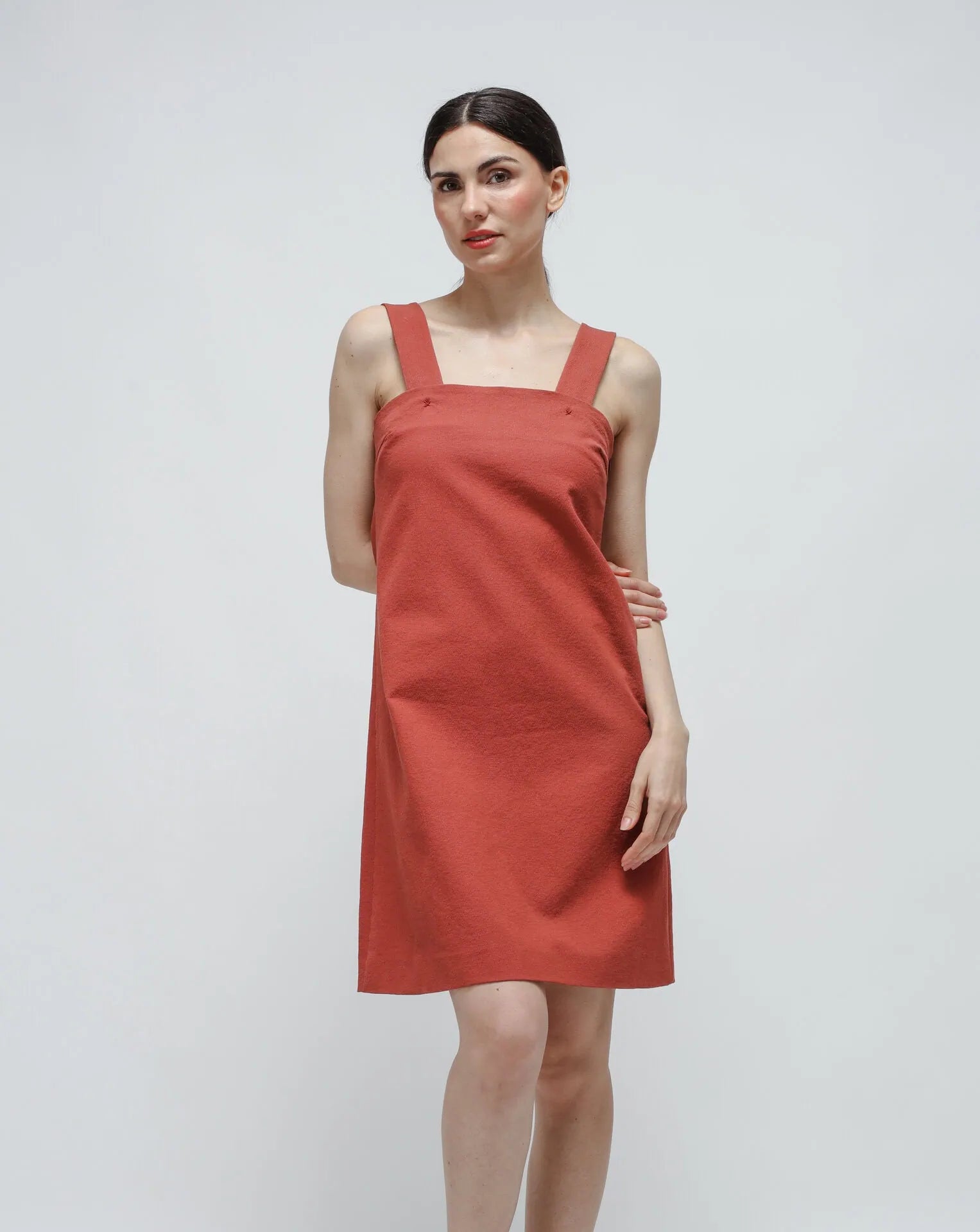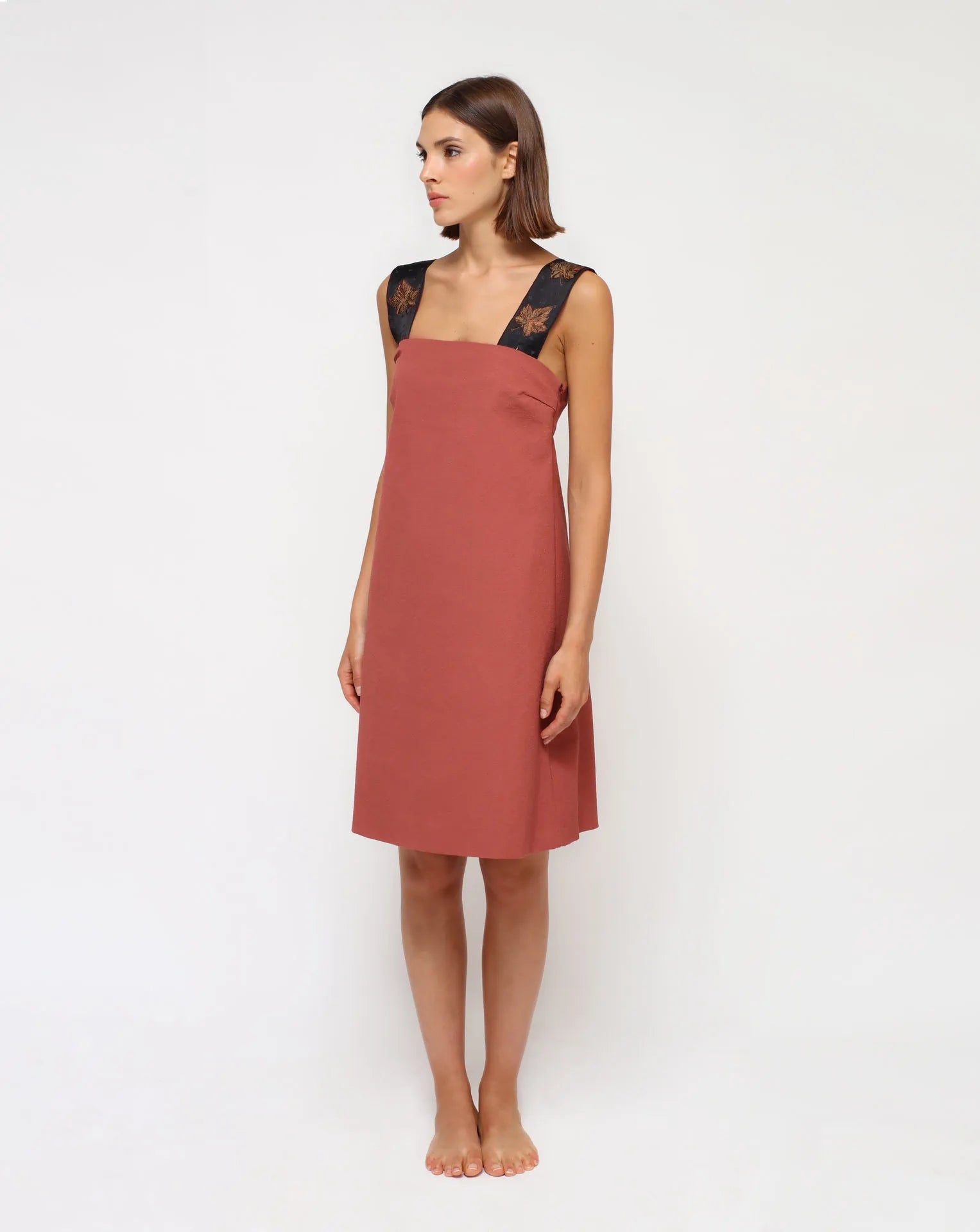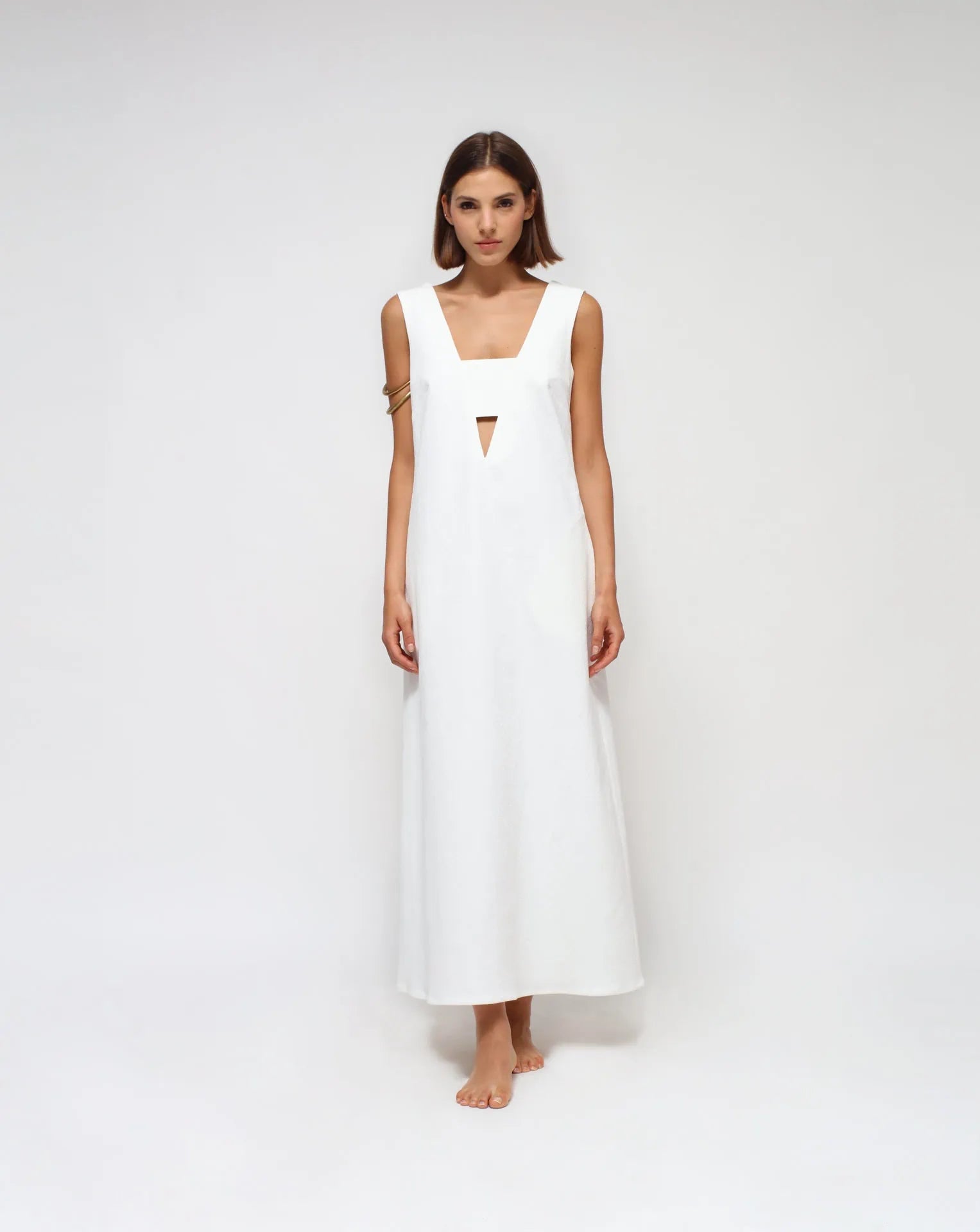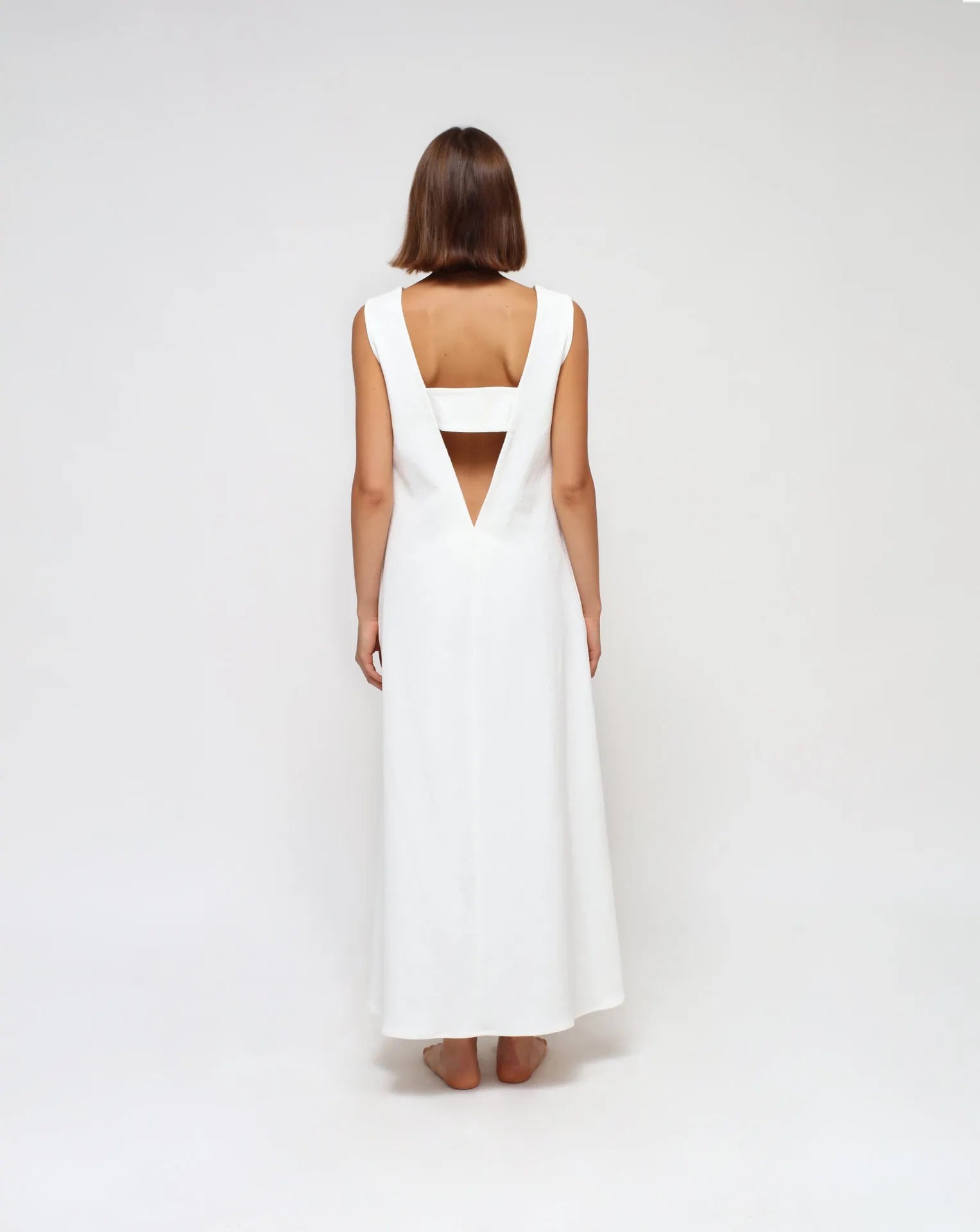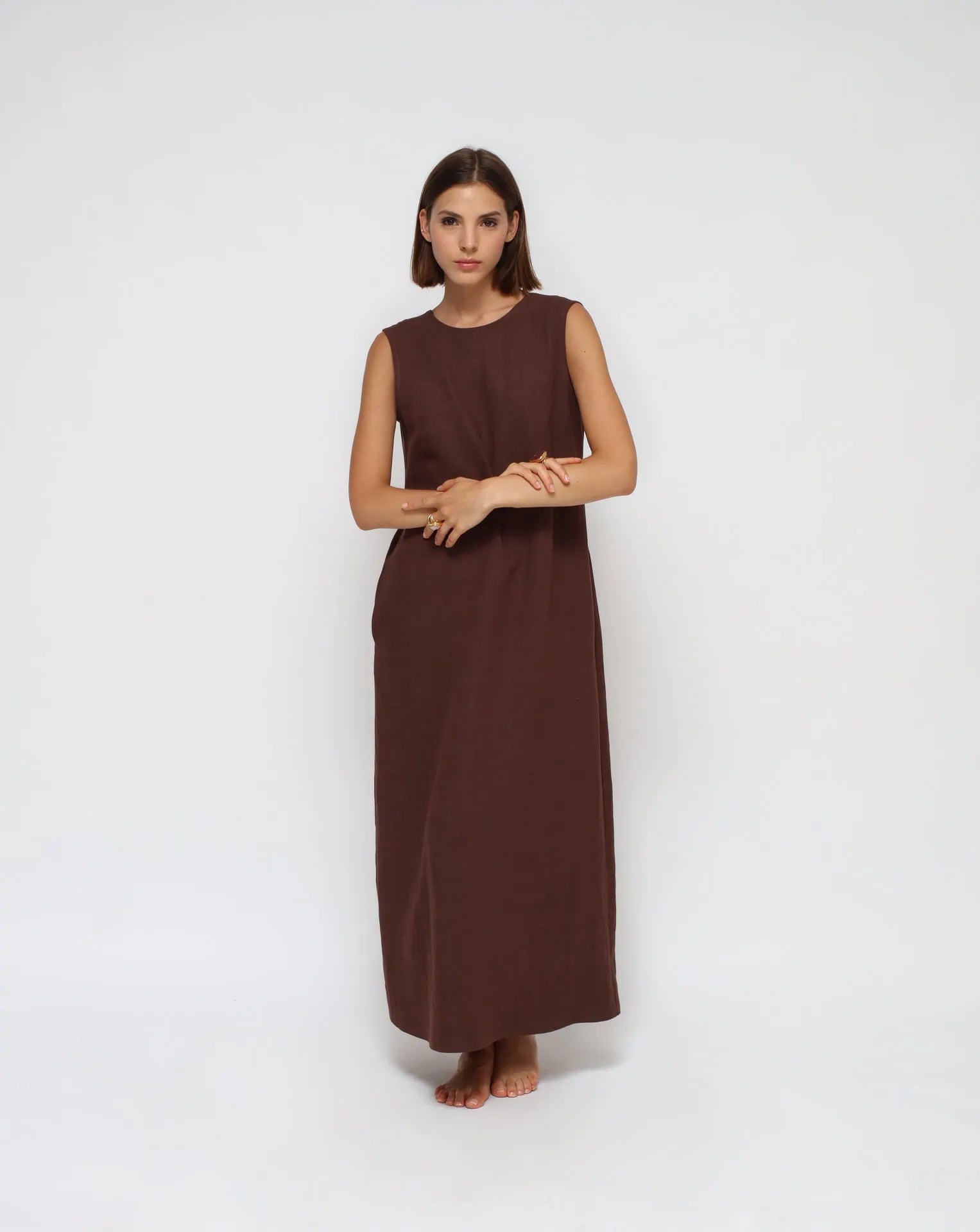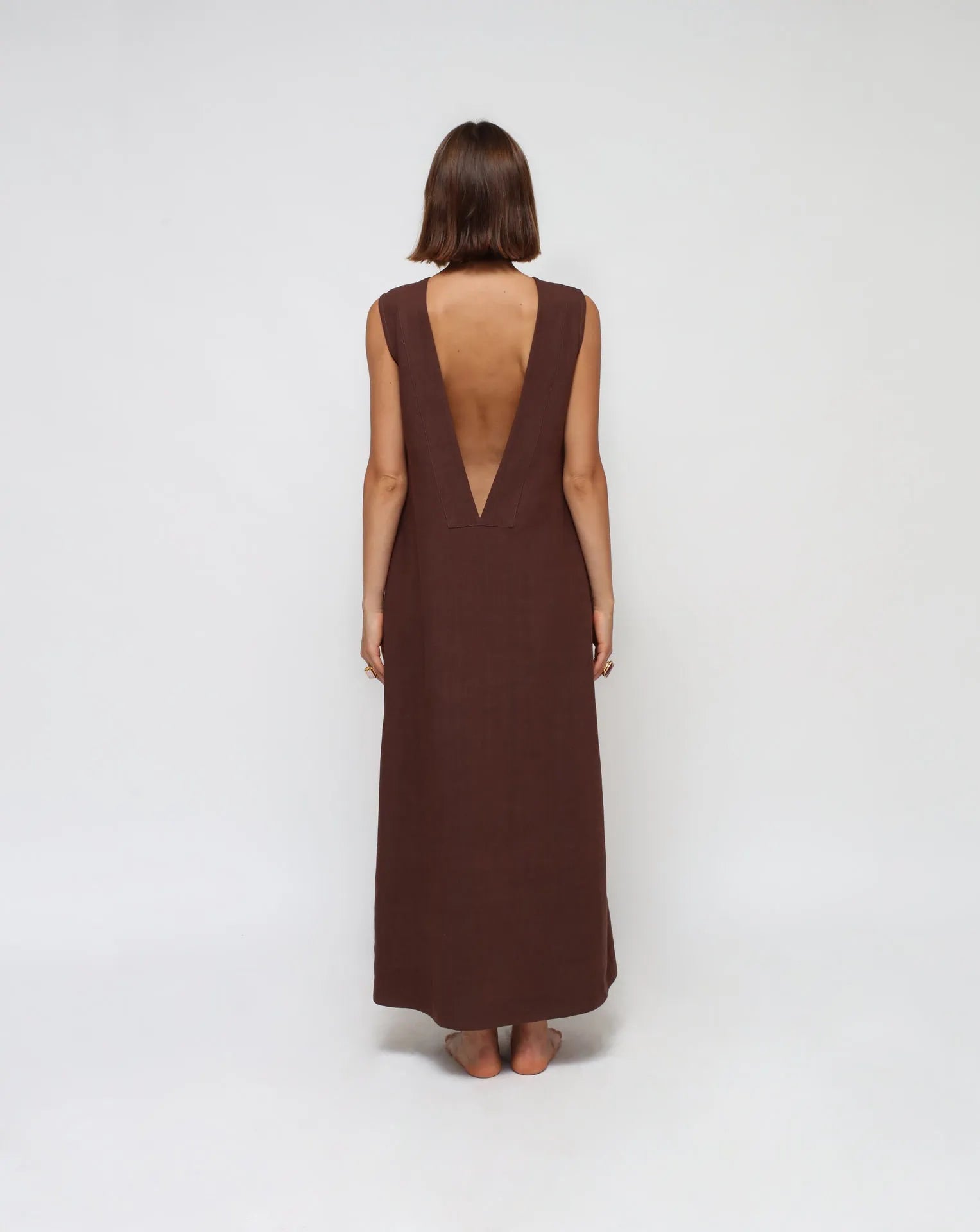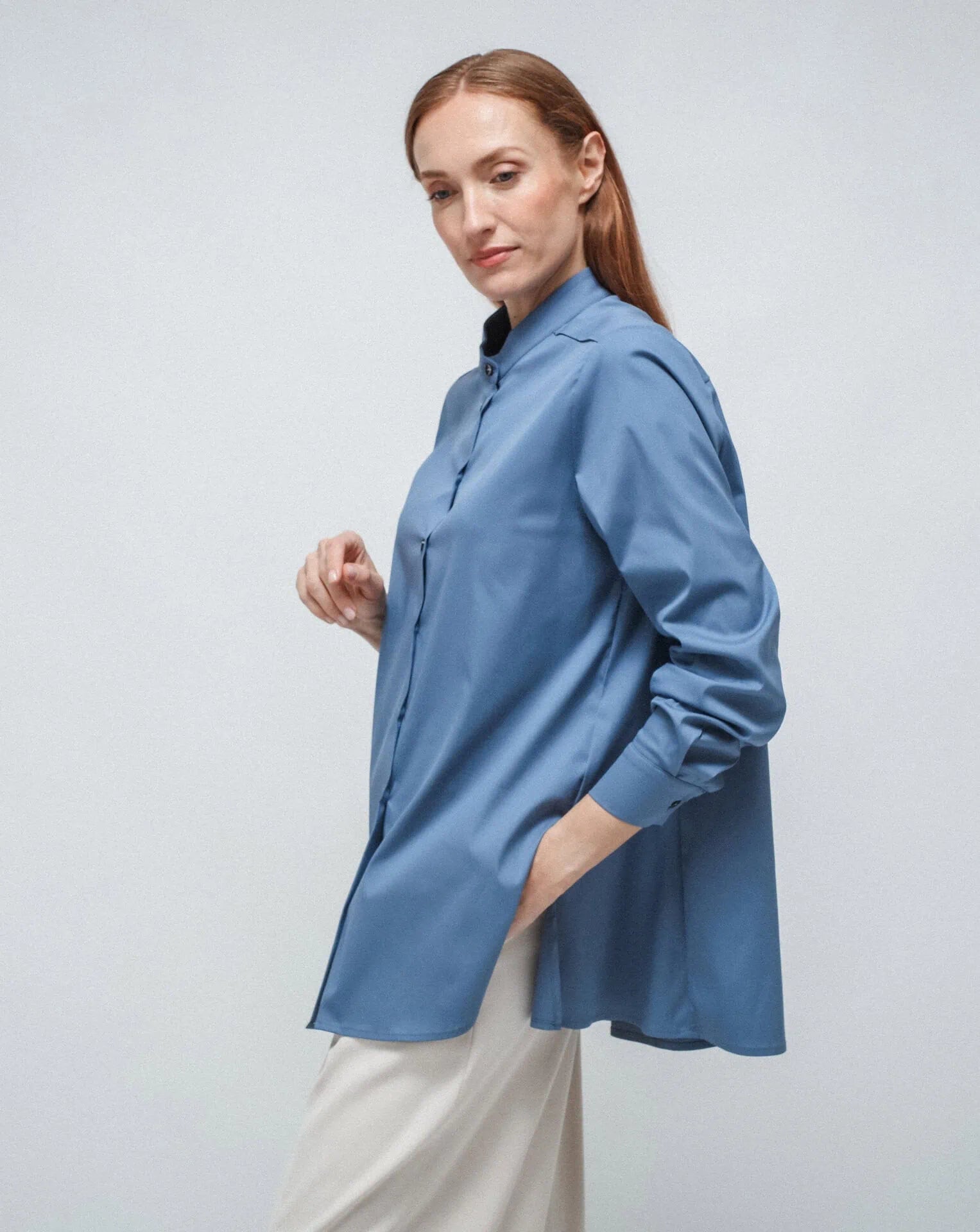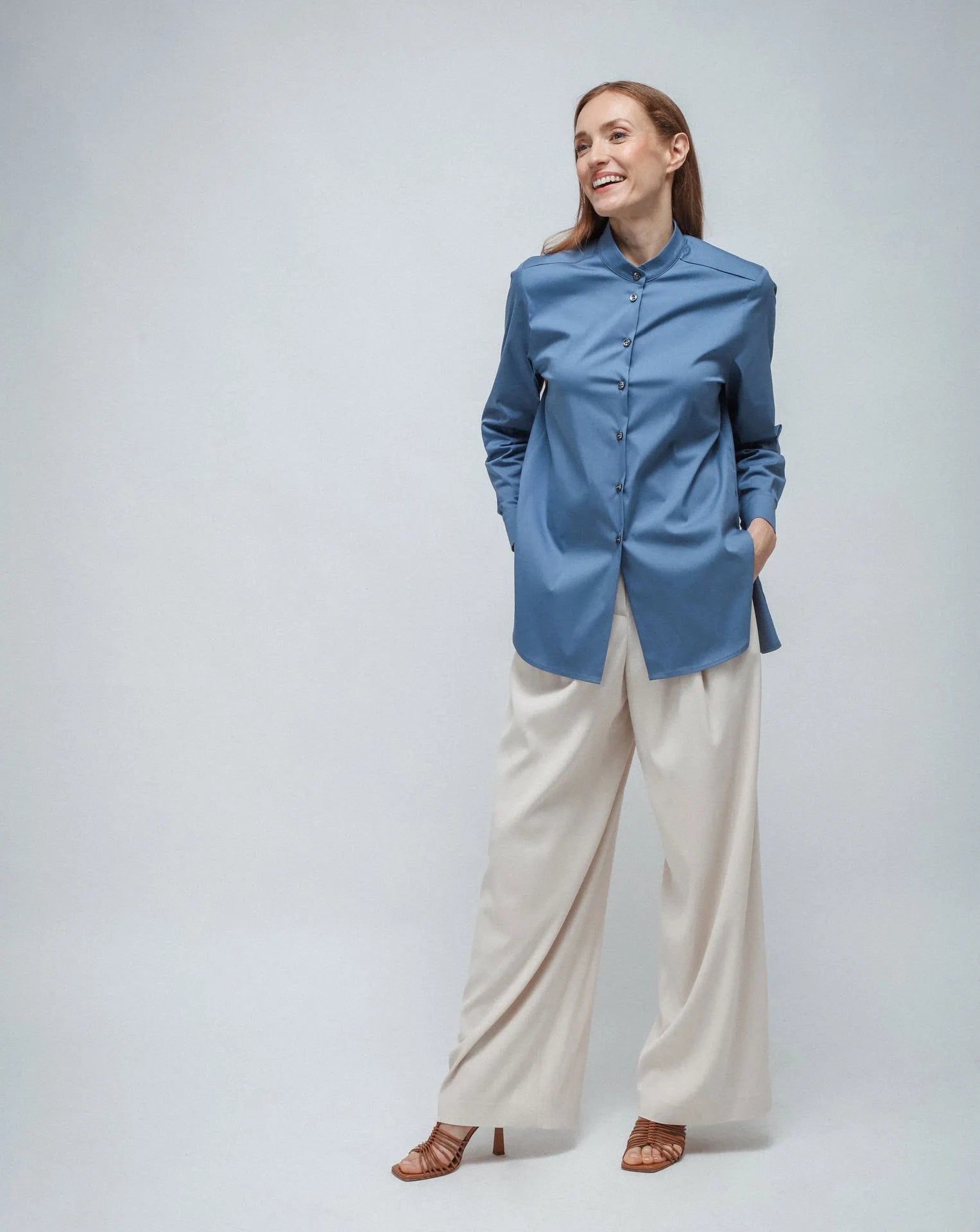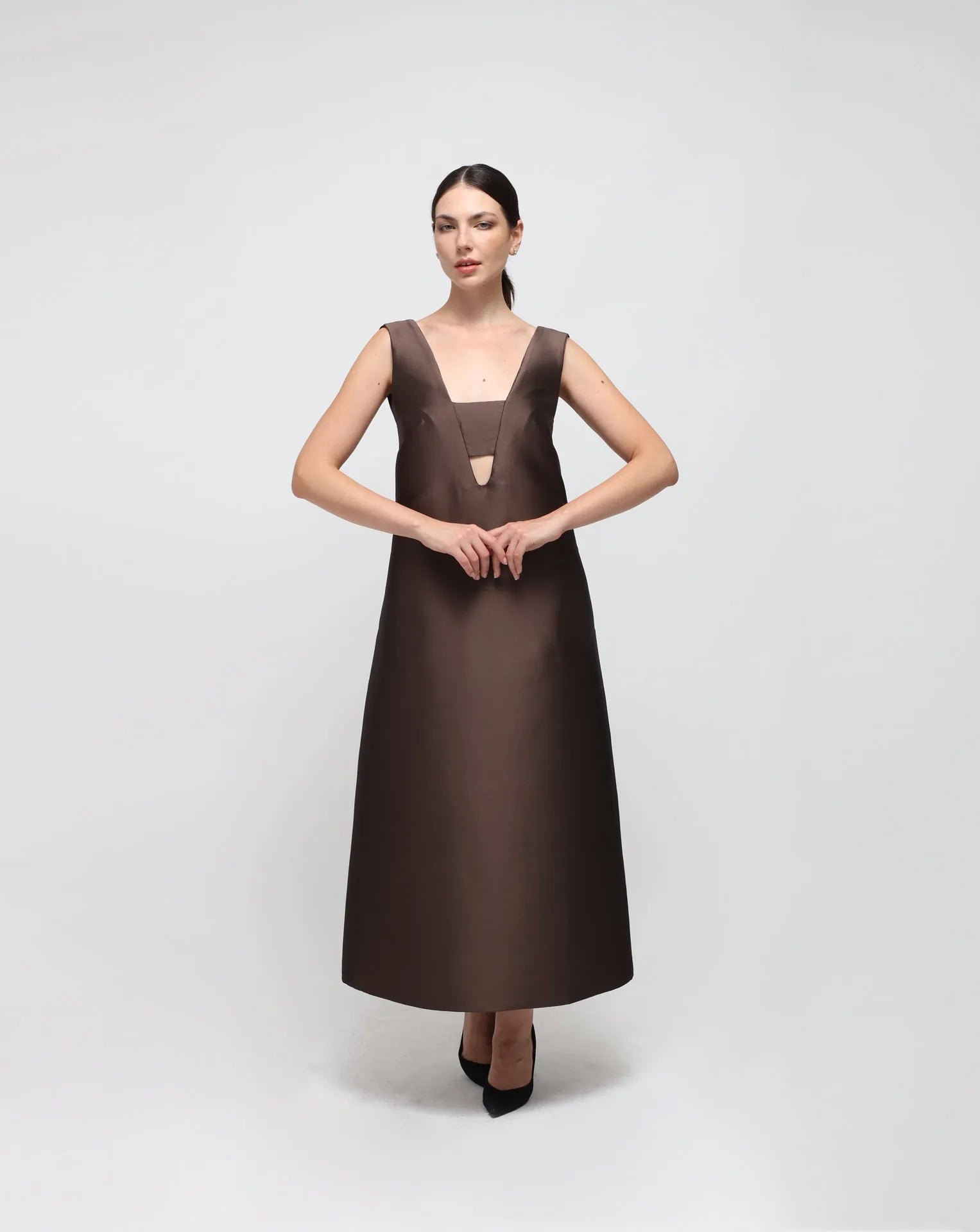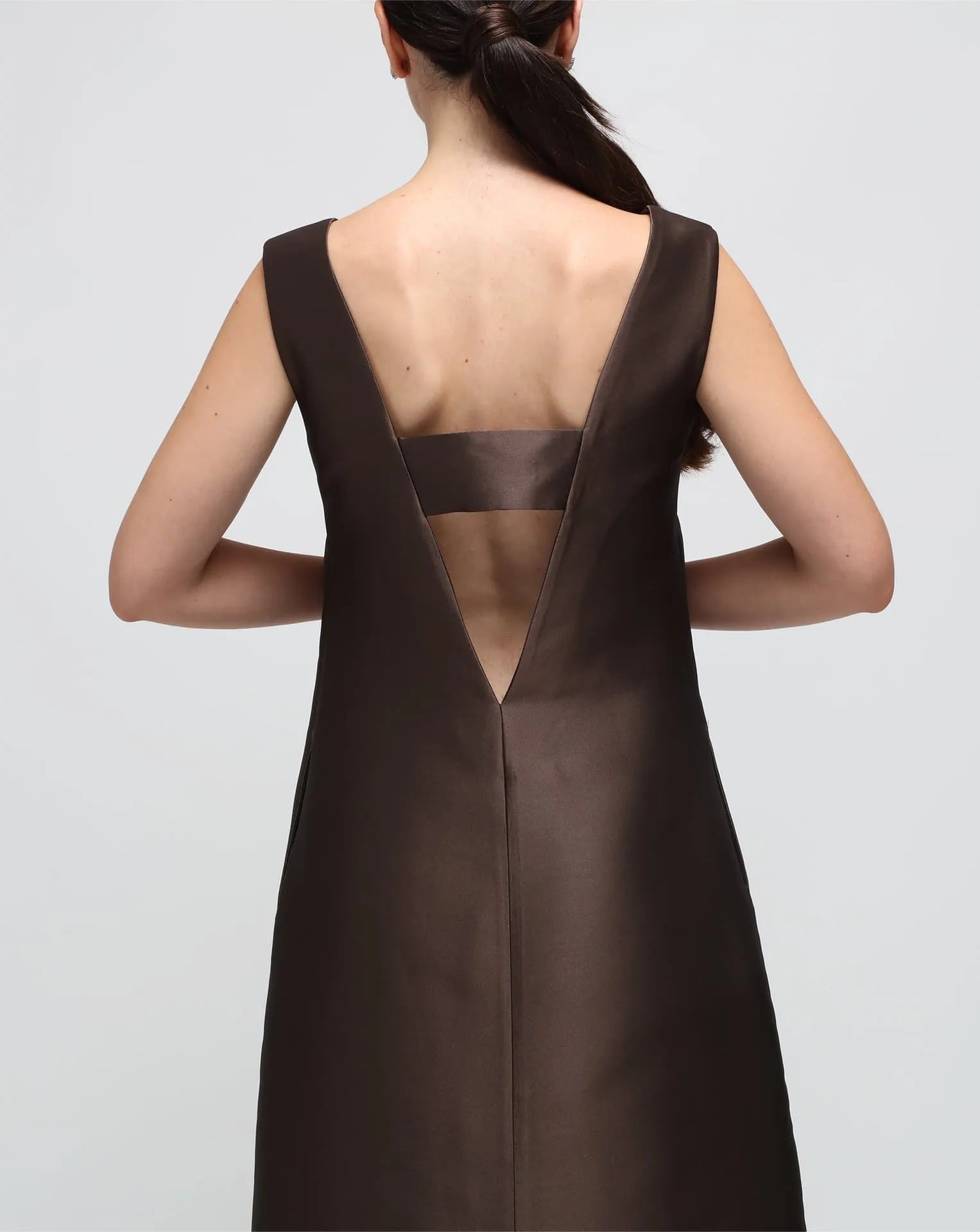

Premium Women's Dresses That Earn Their Place
A dress should not need a special occasion to justify its place in your wardrobe. The best premium women's dresses bring presence to an ordinary dinner, clarity to a demanding workday, and ease to the winter calendar filling up ahead. They are the pieces you reach for when you want to feel composed without looking overdone.
That standard asks more of a garment than a striking color or a seasonal silhouette. It asks for fabric with character, construction that holds its shape, and a design that can move through more than one life. A thoughtfully made dress is not simply bought for an event. It is chosen for the years around it.
What Makes a Dress Truly Premium?
Price alone does not make a dress premium. A higher price can reflect quality, but the real value is visible in the decisions behind the garment: the hand of the fabric, the accuracy of the cut, the finish at the seams, and the number of times it can be worn without feeling repetitive.
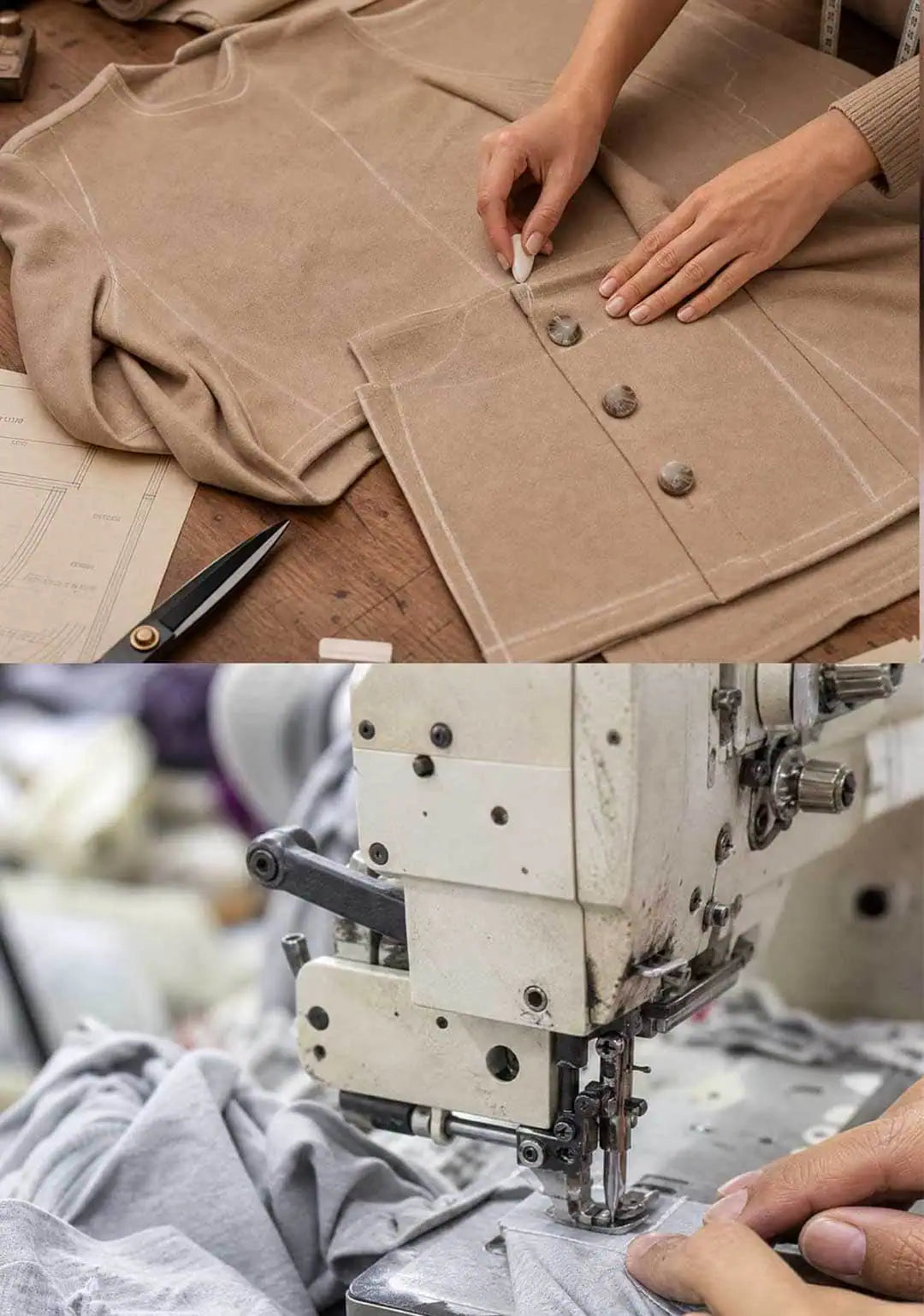
Premium starts with material. Deadstock fabrics - high-quality surplus textiles left from larger production runs - offer a more responsible route to exceptional cloth. They may be a substantial wool blend, fluid satin, textured jacquard, or softly structured crepe. Because availability is limited, each fabric also sets a natural boundary on production. There is no reason to manufacture thousands of identical pieces simply because the machinery can.
Then there is fit. A well-cut dress creates shape through proportion rather than restriction. The shoulder sits cleanly. The waist is placed with intention. A skirt has enough movement to walk, sit, and travel comfortably. None of this is accidental. It comes from skilled pattern work and careful small-batch production, not rushed volume.
At Humans & Land, limited-edition Italian-made pieces are designed around this principle. The goal is not more clothing. It is better clothing, made in quantities that respect the fabric and the person wearing it.
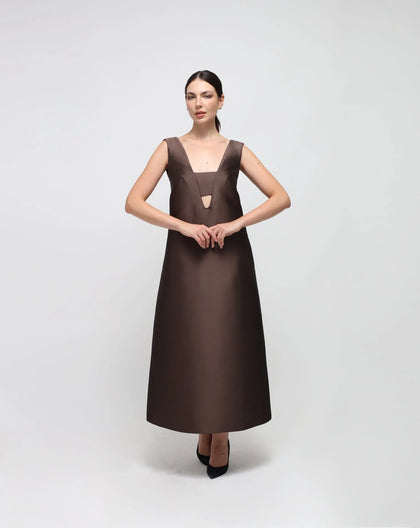
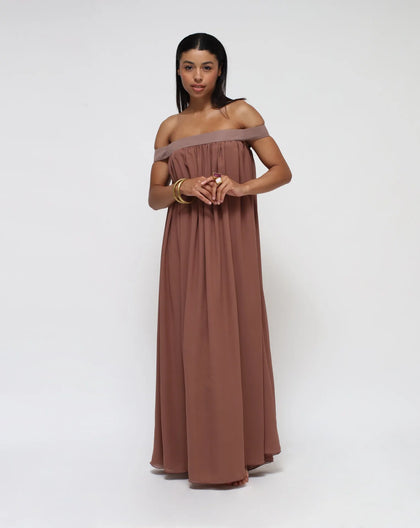
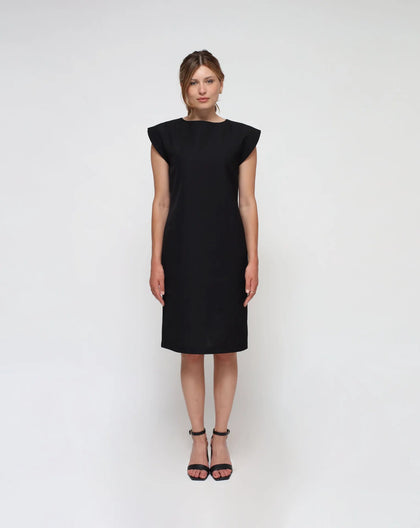
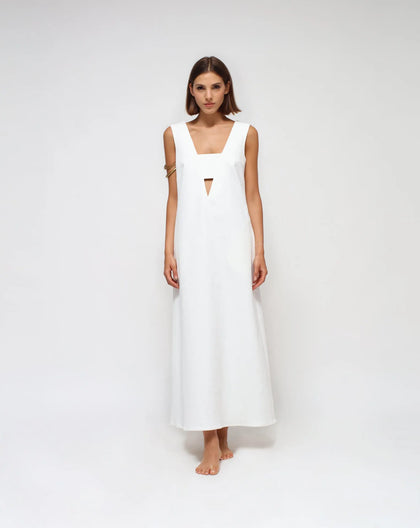
Premium Women's Dresses for a Winter Wardrobe
Winter dressing often pushes people toward two extremes: practical layers with little character, or occasionwear that feels too precious to repeat. A considered dress closes that gap. It can carry the visual weight of an evening look while remaining adaptable enough for daytime, travel, and professional settings.
For the season ahead, look first at dresses with depth in their fabric. A long-sleeve midi in a dense jersey, a wool-blend knit dress, or a softly draped crepe style works with boots and a coat while still looking complete indoors. These are useful foundations for office days, gallery openings, dinners, and weekend plans where the dress code is never entirely clear.
For more formal moments, texture does much of the work. Velvet, satin, tonal embroidery, and subtle sheen bring dimension under low winter light. A midi or maxi length is usually the most versatile choice, especially when paired with a refined boot rather than a delicate shoe. It feels modern, grounded, and ready for the weather.
Consider building product pathways around a few clear needs: Long-Sleeve Midi Dress, Winter Wedding Guest Dress, Satin Occasion Dress, and Wool-Blend Knit Dress. Each can meet a different search intent while still belonging to one coherent wardrobe. The point is not to own a separate outfit for every invitation. It is to select pieces that change with styling.
The Case for a Dress You Can Layer
Layering determines whether an elevated dress earns repeat wear from November through March. A sleeveless dress may be beautiful, but it needs room for a fine-gauge knit, tailored jacket, or long coat if it is expected to work through winter. A slim long sleeve can be even more useful, provided it does not feel restrictive beneath outerwear.
The most flexible silhouettes leave space for a belt, a blazer, or a textured cardigan. They also work with opaque tights and leather boots without losing their line. This is where a clean, minimal cut pays off. It gives you options rather than prescribing one finished look.
How to Choose the Right Dress for Your Life
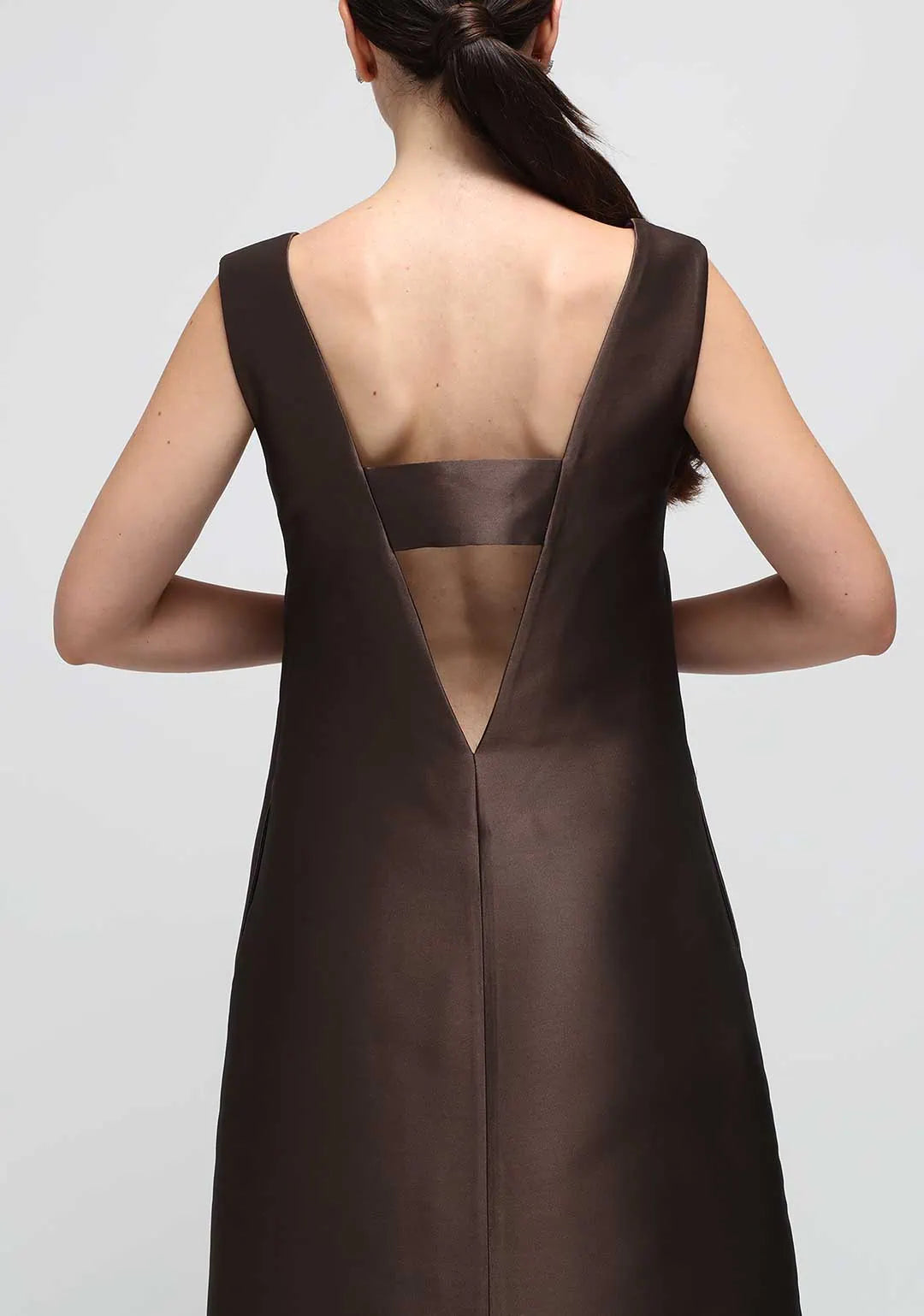
Start with use, not aspiration. Ask where you will wear the dress in the next six months and what you already own to support it. A dramatic open-back silhouette can be exactly right for celebrations, but it may not be the strongest first choice if you need something for work, travel, and dinner plans. There is no universal best dress. There is only the best dress for the role you need it to play.
If your schedule moves between meetings and evenings, prioritize a midi length, a balanced neckline, and fabric that resists creasing. If you are shopping for winter events, look for a stronger shoulder, a considered sleeve, or fabric with texture. These details photograph beautifully but matter more in person, where they give the garment structure and confidence.
Color deserves the same practical thinking. Black remains useful because it adapts so easily, but rich brown, deep navy, forest green, and wine tones offer equal longevity with more distinction. A tonal dress can feel restrained and still make a statement, especially when the fabric has depth.
Before choosing a size, focus on the most important fit point for the design. For a fitted bodice, that may be the bust and waist. For a relaxed shirt dress, shoulder placement and length may matter more. Free size exchanges make it easier to prioritize a proper fit rather than settling for something almost right. A premium garment should feel considered on the body, not merely acceptable.
Why Limited Production Changes the Value
Small-batch production does not mean a dress is automatically sustainable. It does mean the brand has an opportunity to make more deliberate decisions: to use existing fabrics, produce closer to actual demand, and avoid treating unsold inventory as a normal cost of business.
That matters because overproduction is built into much of fashion. Excess clothing is often presented as the price of offering endless choice. It does not have to be. Limited quantities make scarcity honest. When a deadstock fabric is gone, it is gone. The response should be better design and more thoughtful purchasing, not another unnecessary production run.
There is a trade-off. You may not find every style available in every size indefinitely. But that limitation is part of the integrity of a limited-edition piece. It encourages a different relationship with clothing: less impulse, more consideration, and greater care once the garment arrives.
Transparent pricing matters here, too. Premium materials, skilled Italian production, and responsible logistics cost more than disposable manufacturing. The meaningful question is whether those costs are visible in the garment's quality and whether the dress can remain relevant beyond one season. When it can, the cost per wear becomes a more honest measure than a temporary discount.
Make the Dress Last Beyond the Season
A premium dress deserves maintenance that protects both its appearance and its material. Read the care label before the first wear, particularly for delicate deadstock fabrics whose fiber blends may need specific handling. Hang structured styles on suitable hangers, fold knits to prevent stretching, and give a garment air between wears instead of cleaning it unnecessarily.
For a small mark, spot cleaning is often preferable to a full wash. For special fabrics, professional cleaning may be the right choice, but frequent dry cleaning can be hard on fibers. It depends on the material, lining, and finish. Care is not an afterthought. It is part of wearing responsibly.
A dress that stays in rotation can also be restyled across seasons. In winter, add tall boots, a coat, and a knit layer. In spring, remove the tights and add a light jacket. For a dinner or event, shift the same silhouette with jewelry and a sharper shoe. This is how a limited-edition piece becomes personal rather than merely exclusive.
Choose the dress that makes you stand taller, then give it enough future occasions to prove why it belongs with you.
FAQ
Q: What fabrics should I look for in premium women's dresses for winter?
A: Look for fabrics with structure, warmth, or visible texture, such as wool blends, substantial knits, crepe, velvet, and heavier satin. The right choice depends on whether you need everyday comfort, event-ready polish, or a dress that layers easily under a coat.
Q: Are deadstock fabrics lower quality than newly produced fabrics?
A: No. Deadstock can include exceptional surplus fabric from established mills and production houses. Its quality depends on the fiber, finish, and construction, just as it does with any new textile. Using it helps put existing material to meaningful use rather than creating more unnecessary demand.
Q: How can I make an occasion dress feel wearable more often?
A: Choose a versatile length and a silhouette that works with boots, layers, and simpler accessories. A satin midi can become less formal with a tailored jacket, while a long-sleeve textured dress can move from daytime to evening with a change of footwear and jewelry.
Q: Why do limited-edition dresses sell out?
A: Small-batch production is tied to the available amount of each deadstock fabric. Once that fabric is used, reproducing the exact dress may not be possible. This approach limits waste and keeps production aligned with real material availability.
the World of H&L