
How to Choose a Silk Evening Dress
A silk evening dress can look immaculate in a product photo and feel completely wrong the moment you put it on. The issue is rarely silk itself. It is usually the cut, the fabric weight, the finish, or the expectation that one dress should work for every kind of event.
Silk has presence. It reflects light, follows the body, and carries a quiet formality even in simple shapes. That is exactly why it deserves a more considered approach than trend-led occasionwear. If you are buying with intention, the right choice is not just about what looks elegant for one night. It is about what will still feel relevant, wearable, and worth owning years from now.
What makes a silk evening dress worth buying
Not every silk dress earns a place in a thoughtful wardrobe. Some are cut too thin, too tight, or too dependent on styling tricks to feel complete. A strong silk evening dress does more. It stands on fabric quality, proportion, and finish.
The first thing to assess is how the silk behaves in motion. Does it skim the body or cling where it should not? Does it hold a clean line through the waist and hip, or collapse into every crease? Silk can be fluid without being flimsy. The difference matters, especially for evening wear where lighting, movement, and fit are all more exposed.
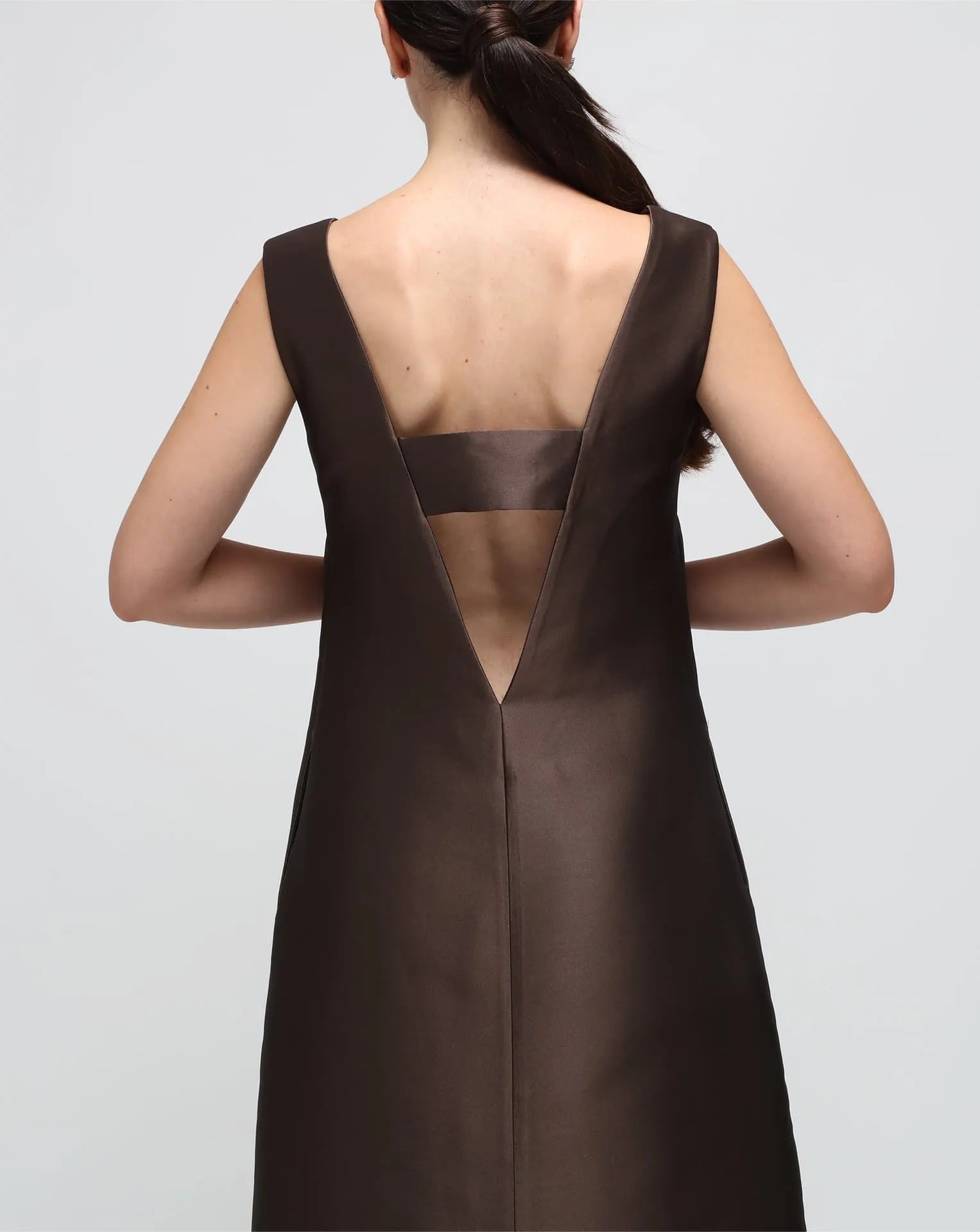
Construction matters just as much. A bias-cut slip dress can be beautiful, but only if the seams are stable and the proportions are precise. A more structured silhouette can feel powerful, but only if the fabric has enough body to support it. Small-batch production often shows its value here. When garments are made with greater attention to fabric behavior rather than volume alone, the result is easier to wear and easier to keep.
For shoppers who care about ethics as much as aesthetics, the fabric story matters too. Deadstock silk offers a more considered route into luxury dressing. It keeps exceptional material in use, reduces waste, and often results in limited-edition pieces that feel more personal than mass-market eveningwear.
How to choose the right silk evening dress for the occasion
The best silk evening dress is not the most dramatic one. It is the one that matches the setting without making you feel costumed.
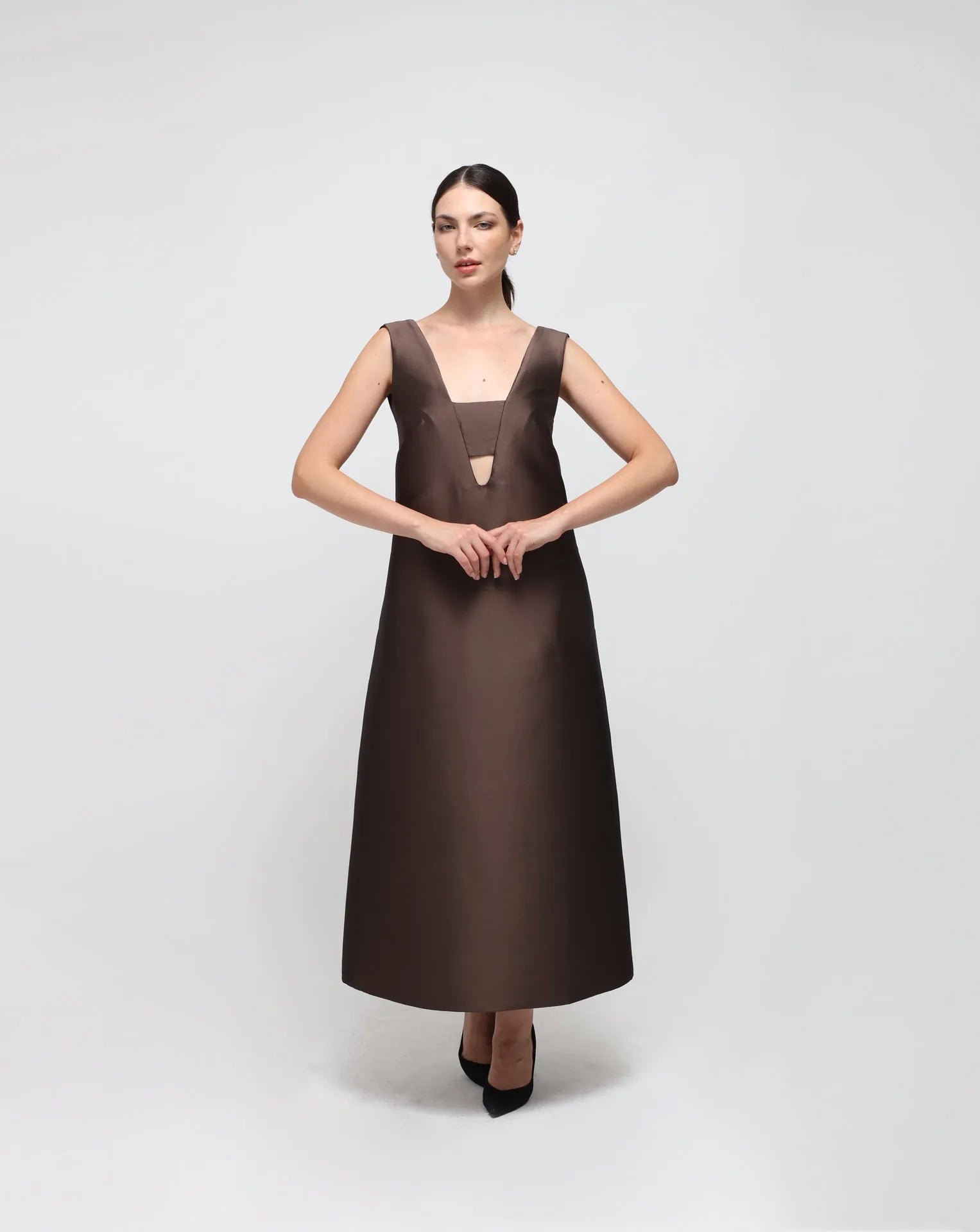
For a formal wedding or black-tie event, look for length, restraint, and depth of color. A full-length silhouette in black, deep olive, espresso, midnight, or soft bronze tends to feel polished without trying too hard. A clean neckline and subtle drape usually outlast overt embellishment.
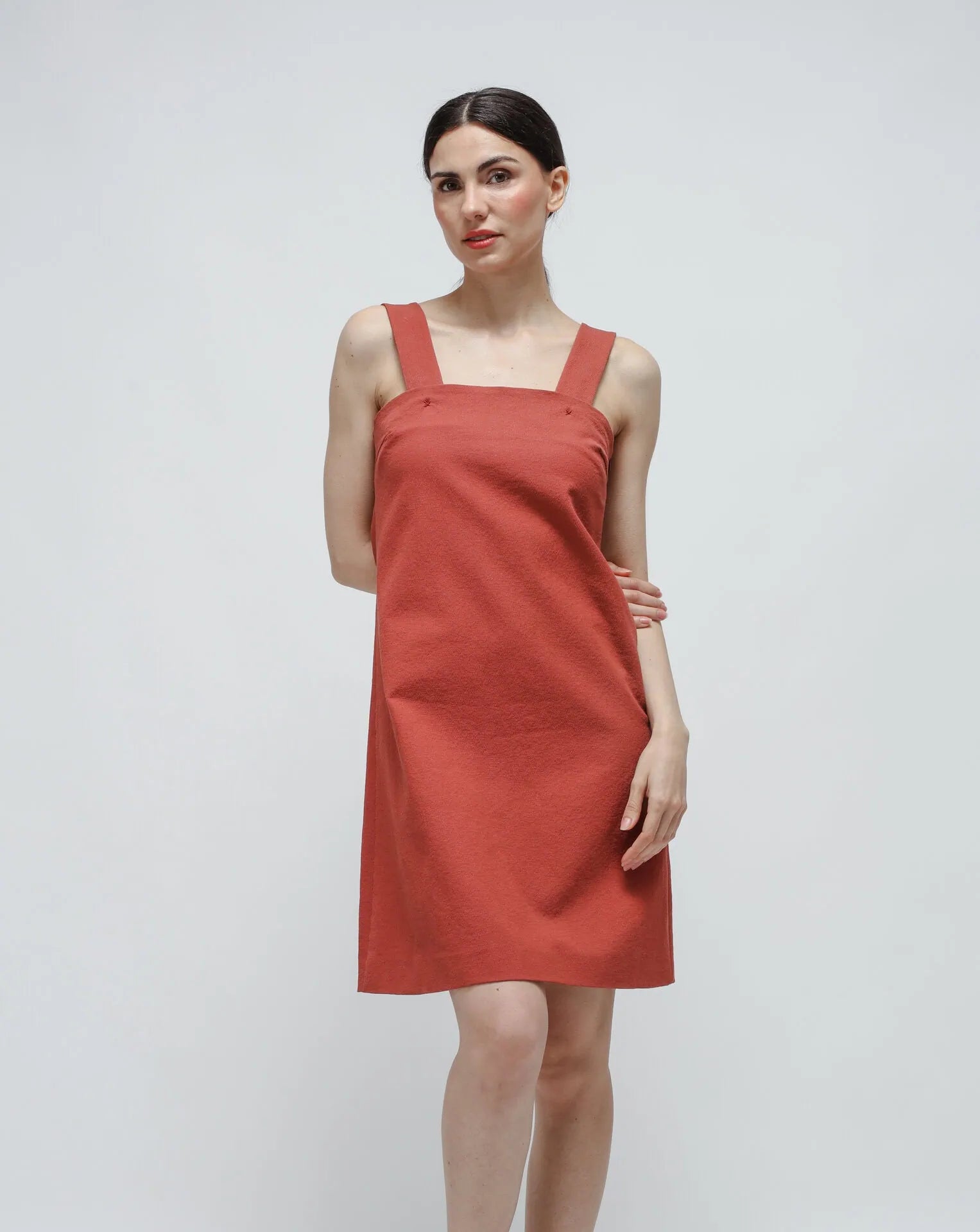
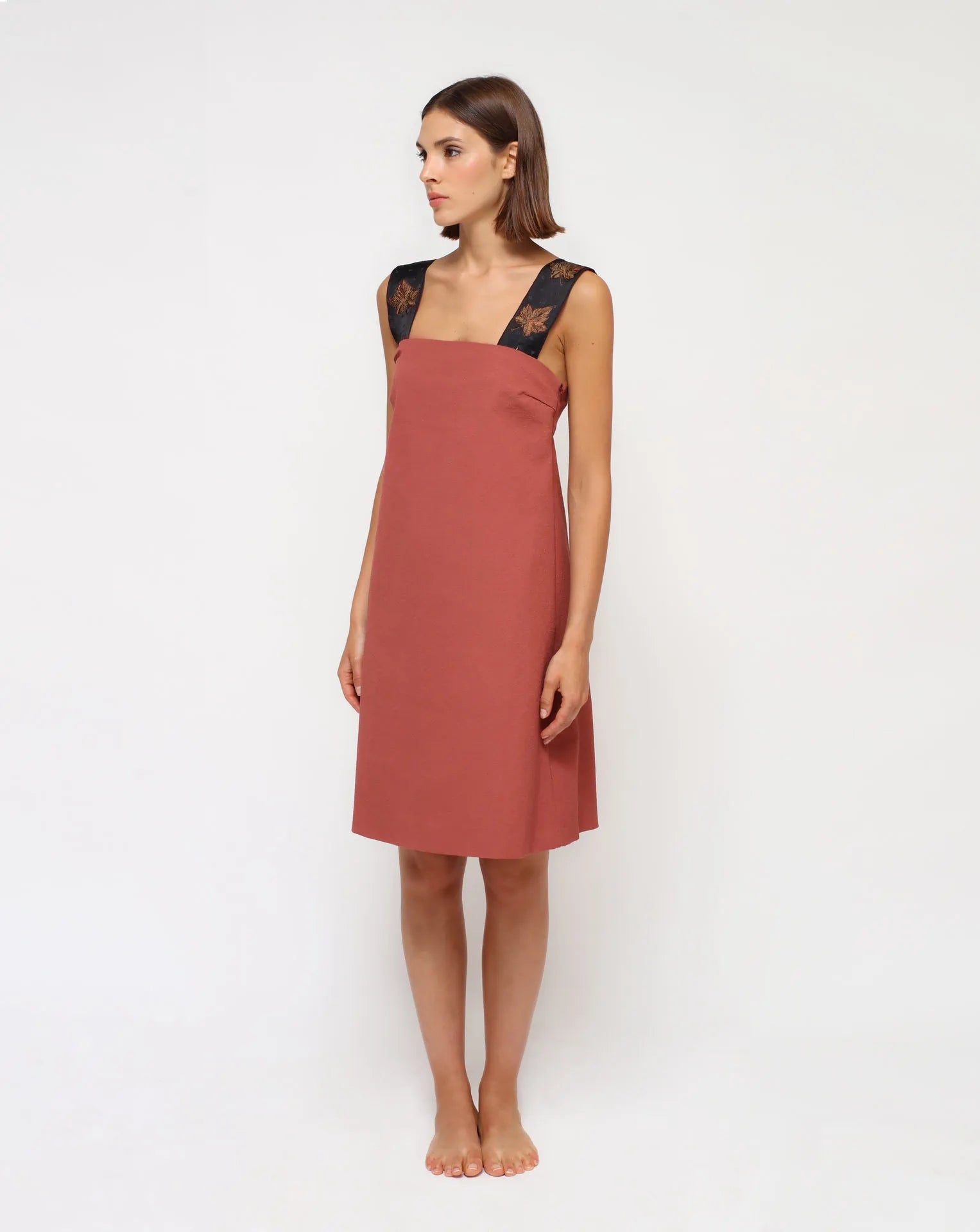
For cocktail events, gallery dinners, or work-related evenings, a silk midi often makes more sense than a gown. It moves easily between settings and does not demand overly precious styling. This is where a refined slip shape, a sculpted column, or a softly draped dress can do real work in your wardrobe.
For destination events or warm-weather evenings, lighter silk qualities come into their own. Here, airiness is an advantage, but transparency can become an issue. A dress that feels effortless in daylight should still feel secure under evening lighting. Lining, layering, and cut become essential.
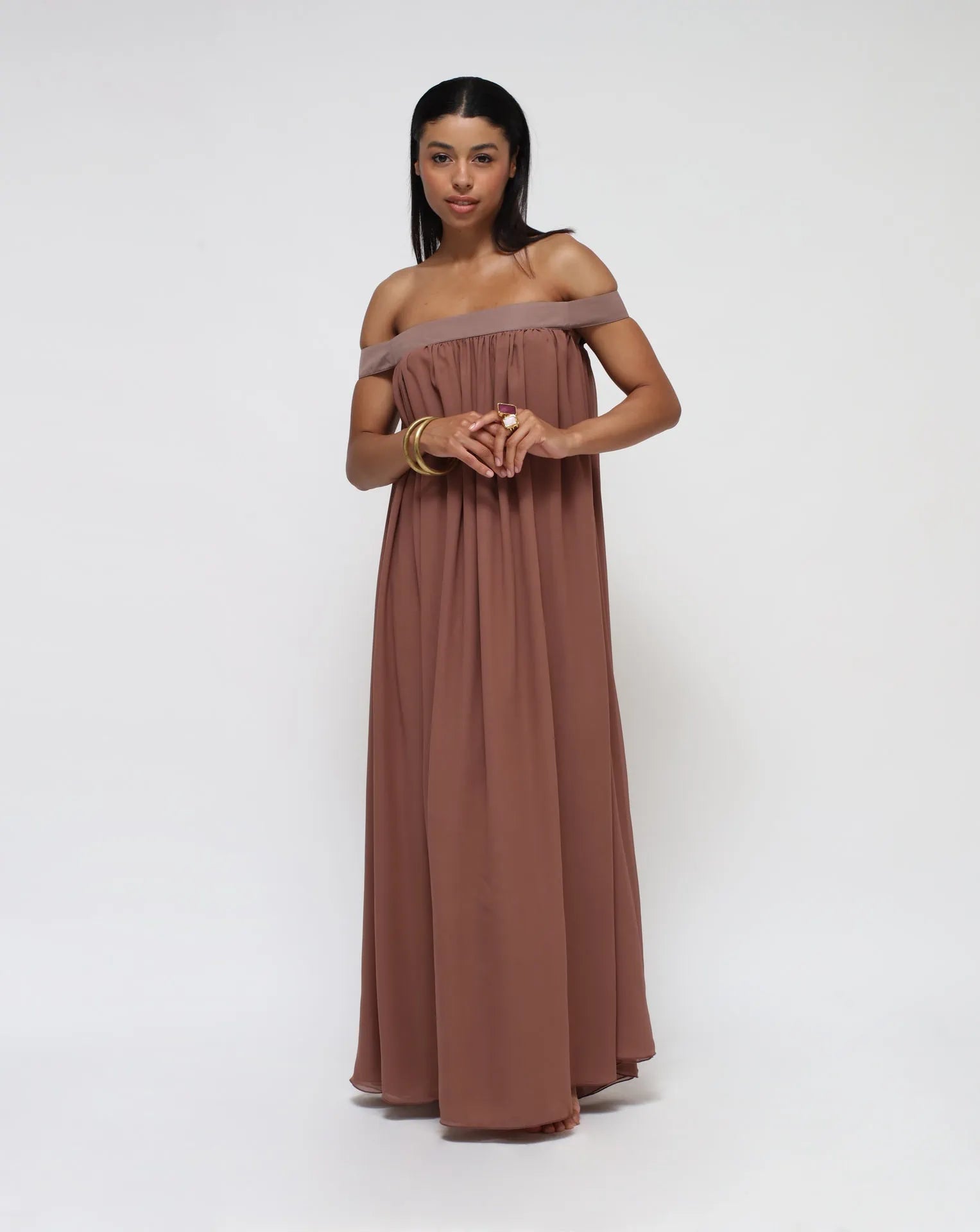
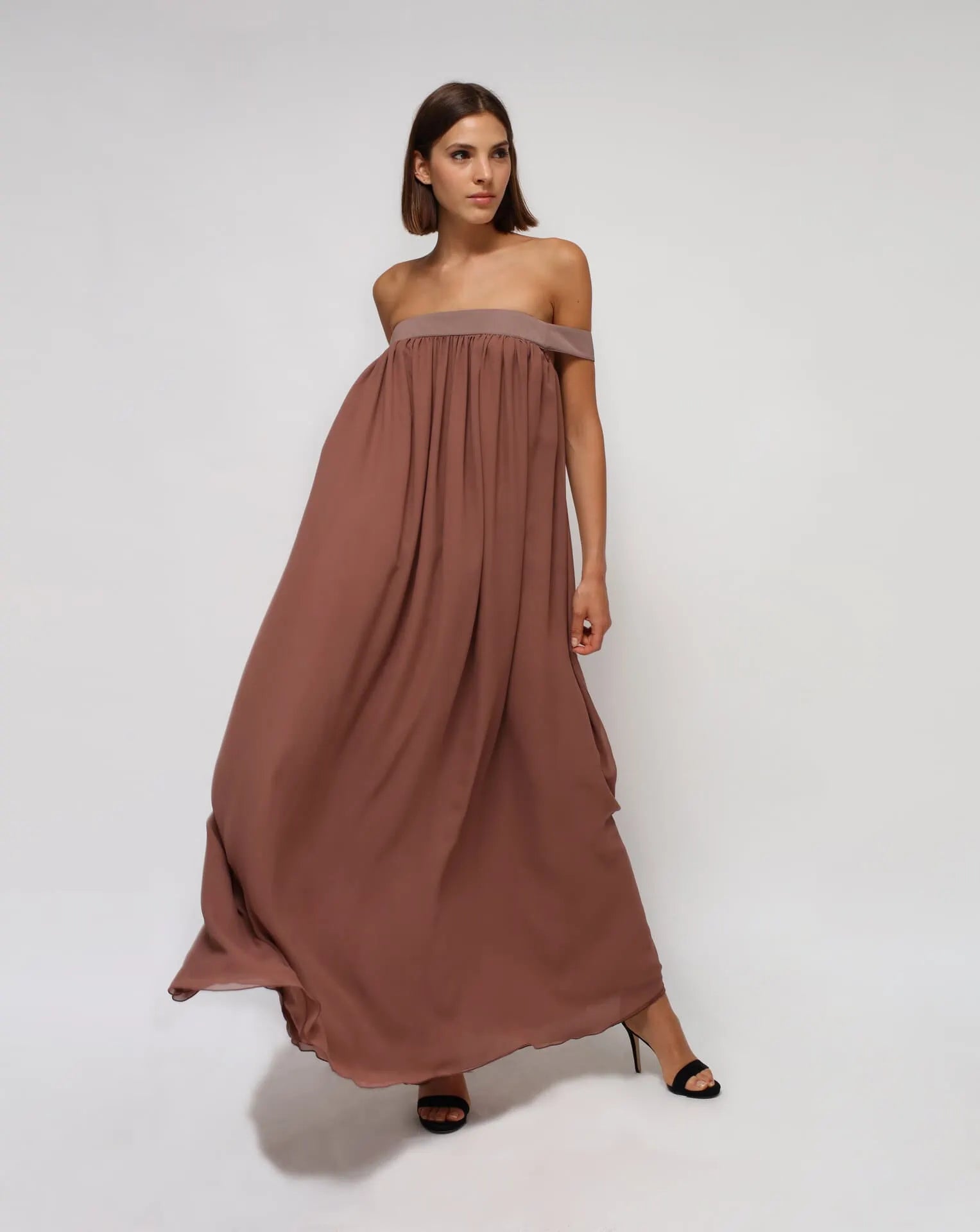
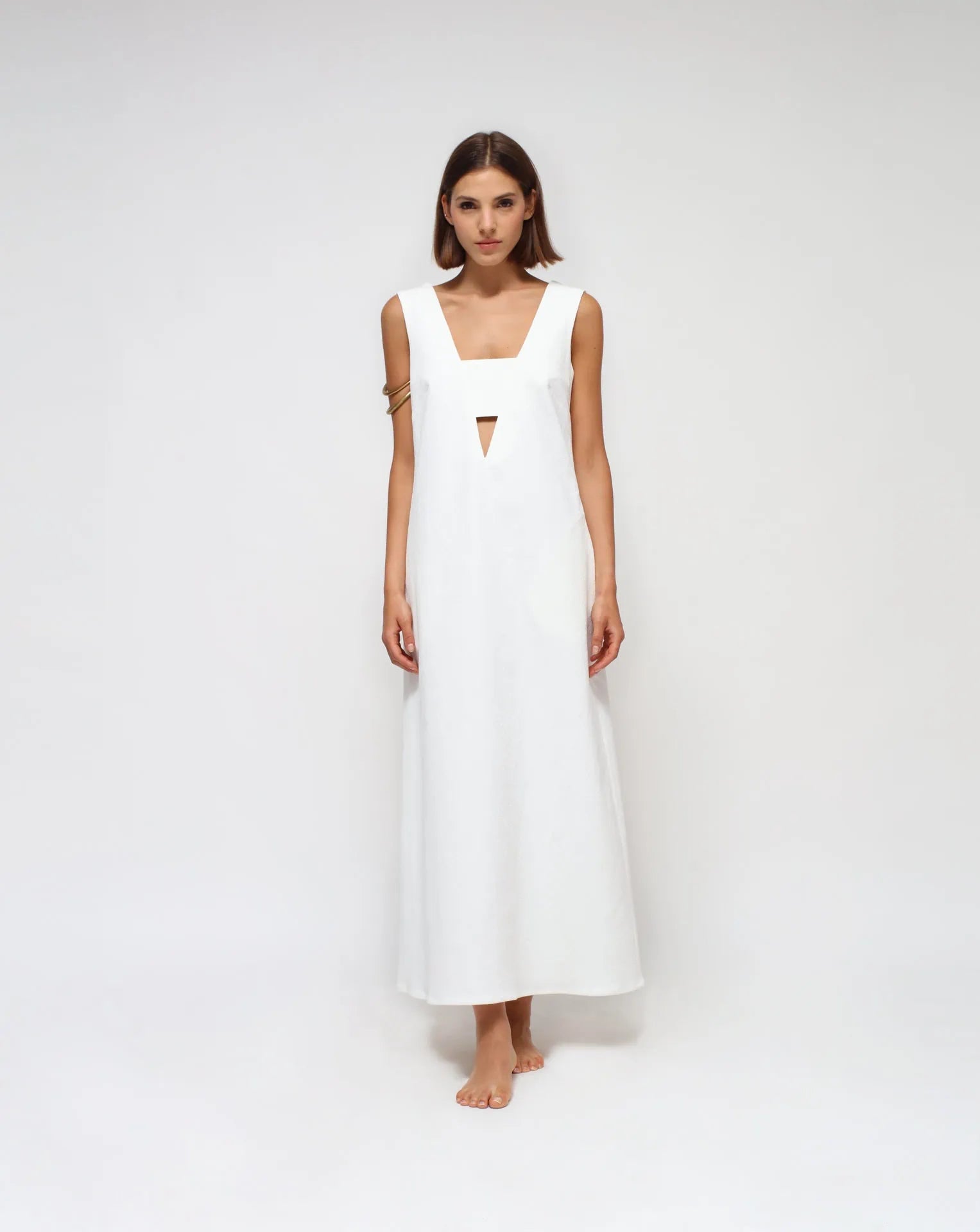
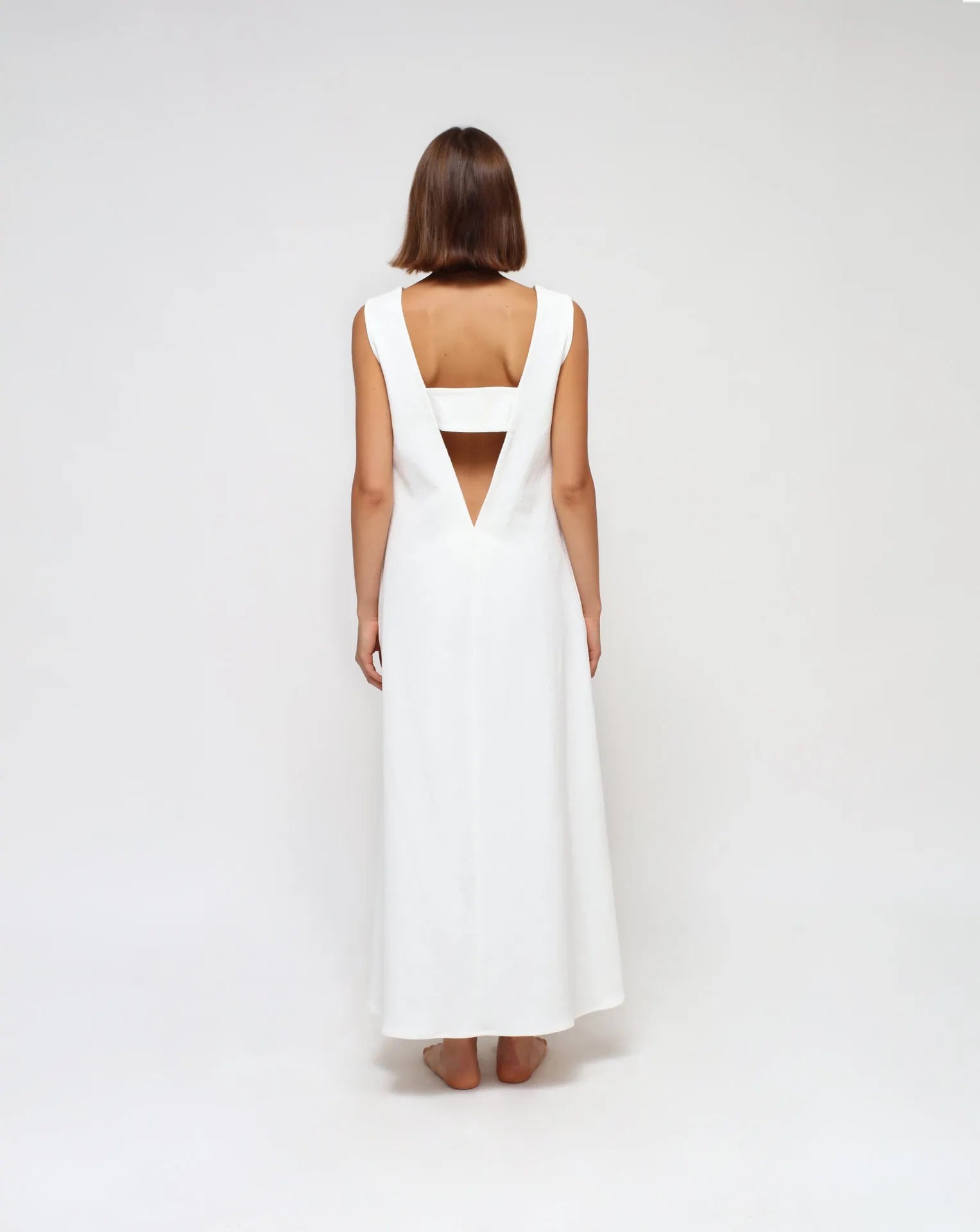
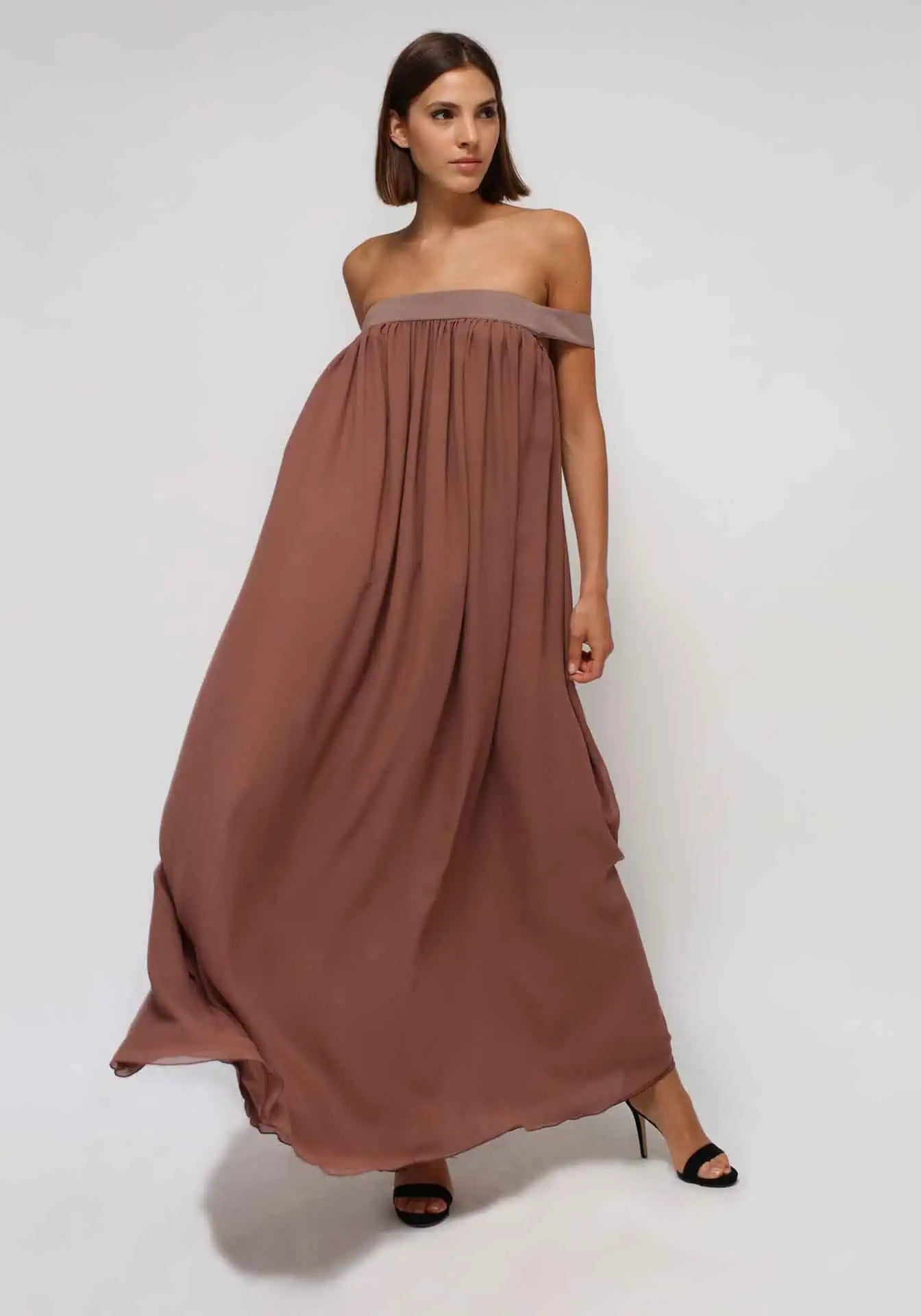
If you are building around occasion dressing with long-term value in mind, this is also where product-specific edits help. A section such as Silk Dresses or Evening Dresses can guide shoppers toward pieces with enough versatility to wear beyond a single event. The same goes for an edited product like the The Bilqis – Chiffon Silk Dress (https://humansandland.com/products/the-bilqis-chiffon-silk-dress), where the cut and fabric can be explained in context rather than reduced to a single image.
Fit matters more than size in a silk evening dress
Silk is unforgiving in the wrong size and exceptional in the right one. That sounds severe, but it is useful. A great fit in silk does not mean tight. It means deliberate.
Start with the point where the dress is meant to sit closest to the body. On a slip dress, that may be the bust and upper hip. On a waist-defined silhouette, it is the waist placement and how the skirt falls from it. If that anchor point is off, the whole dress can feel unstable.
It also helps to think beyond static fit. Sit down. Walk. Raise your arms. Silk reacts to movement differently than heavier occasion fabrics. A dress that looks clean while standing can twist, pull, or flatten once you are actually wearing it through an evening.
This is one reason free size exchanges matter in premium online shopping. They remove some of the pressure to settle for almost right. Occasionwear should not rely on compromise, especially at this level.
Color, shine, and fabric weight
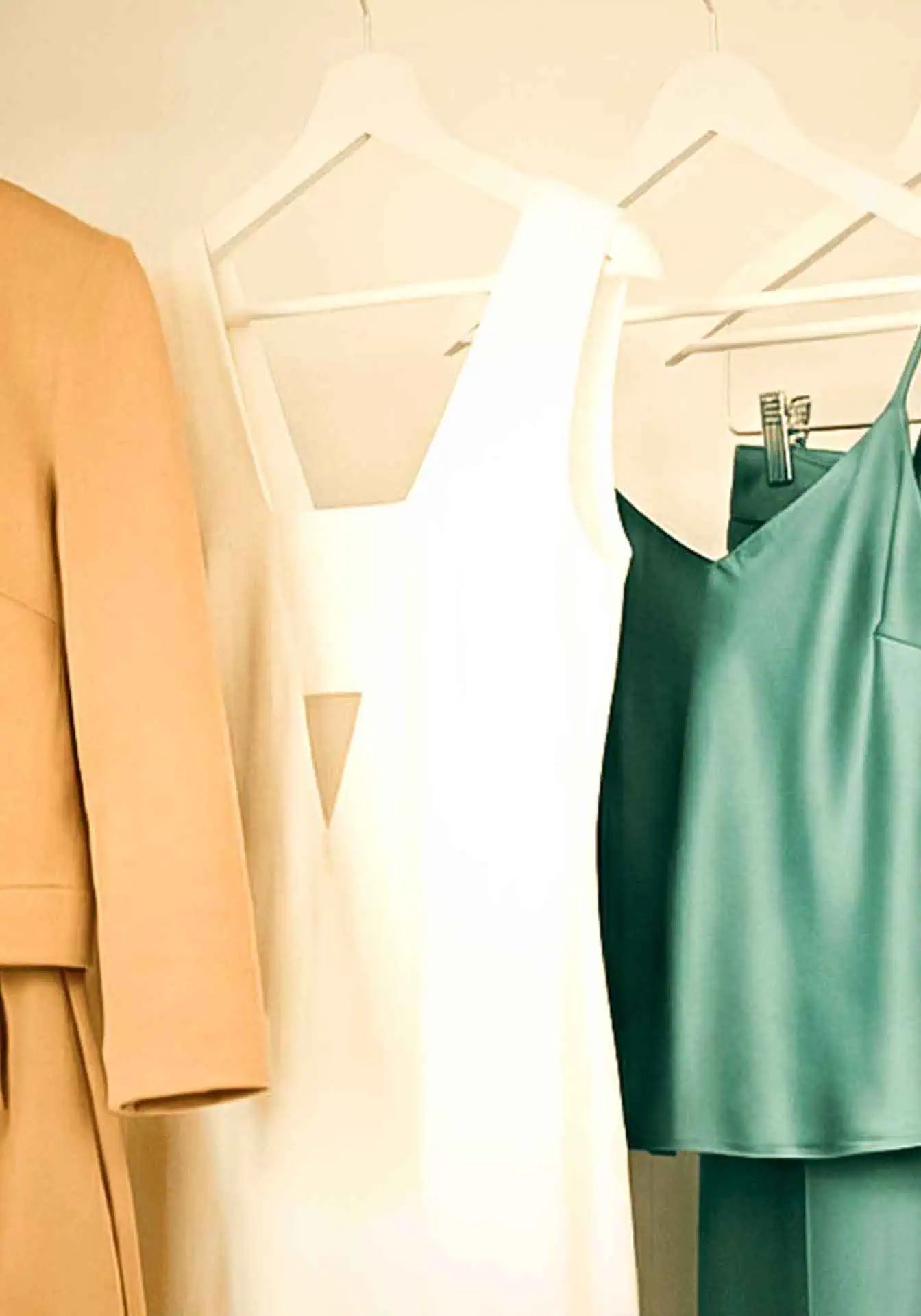
One of the most overlooked parts of buying a silk evening dress is understanding shine. Silk does not just have a color. It has a surface effect. The same navy can read sober in matte crepe and much more sensual in satin.
If you want a quieter kind of luxury, choose silk with a softer luster. It feels modern, especially in minimalist cuts. If you want more impact, satin or silk blends with a stronger sheen can create that liquid effect people often associate with evening dressing. Neither is better. It depends on how visible you want the dress to be before styling even begins.
Fabric weight changes the mood too. Lighter silk feels effortless, but it can reveal more than expected and may require more care in fit and underpinnings. A slightly heavier silk often drapes better and photographs more cleanly. It can also feel more substantial over time, which matters if you are buying for repeat wear rather than a single occasion.
Styling a silk evening dress without overworking it
A silk evening dress does not need much. That is part of its appeal. When the fabric and cut are right, styling should feel like a finishing touch, not a rescue plan.
Shoes should follow the dress rather than compete with it. Minimal sandals, refined heels, or sleek pointed flats can all work depending on hemline and venue. Jewelry is best when it sharpens the line of the look rather than crowds it. Think one strong earring, a sculptural cuff, or a fine necklace if the neckline allows it.
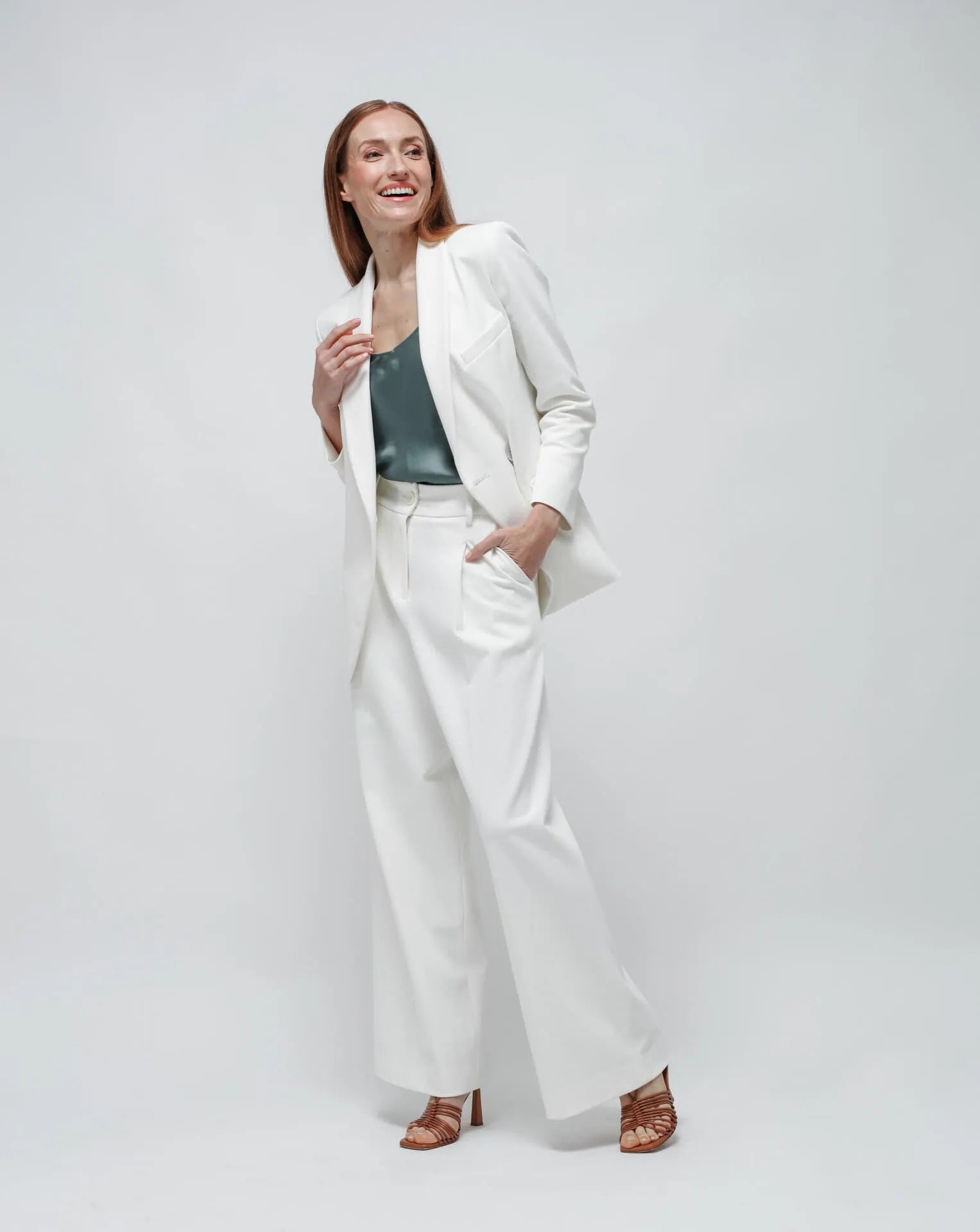
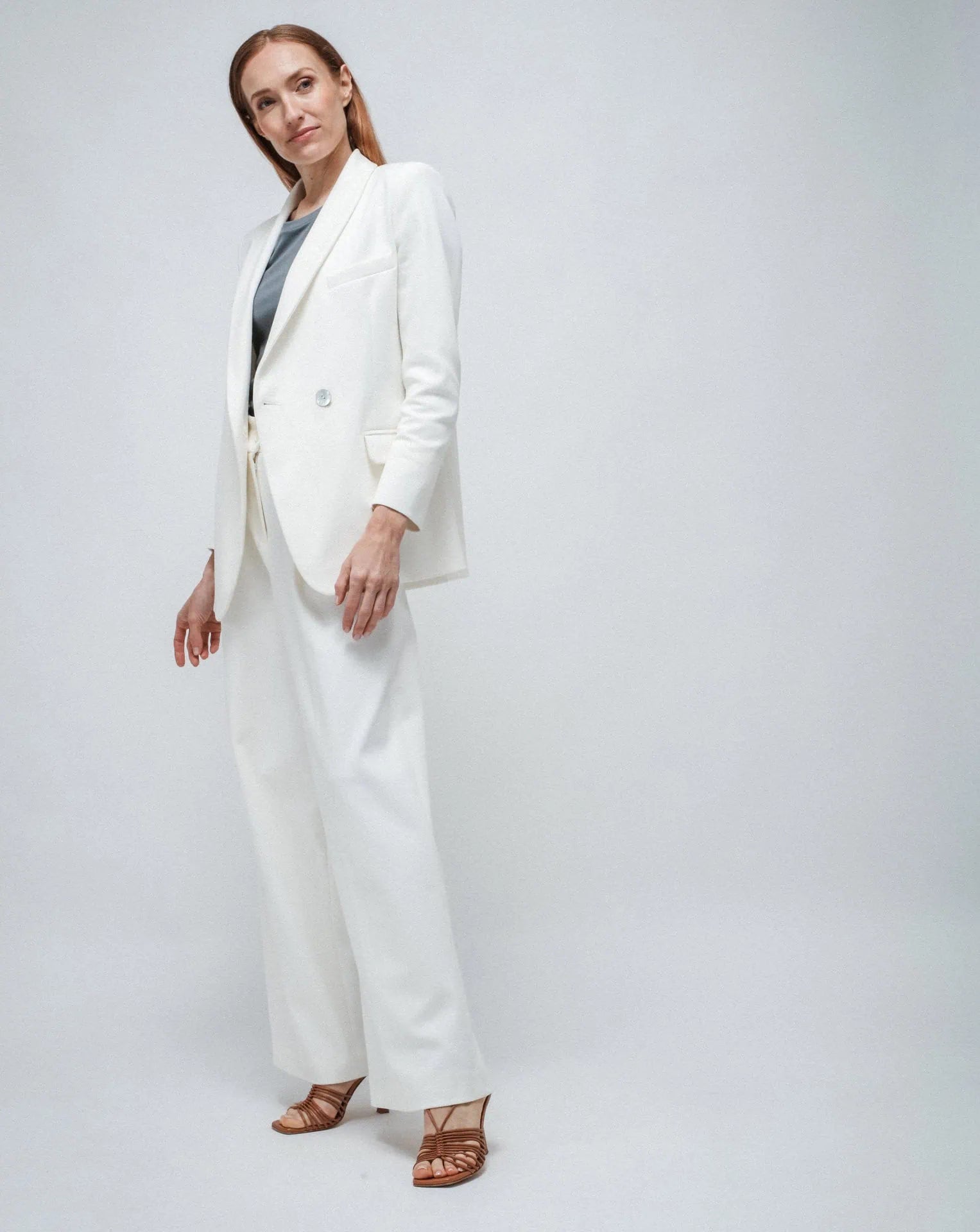
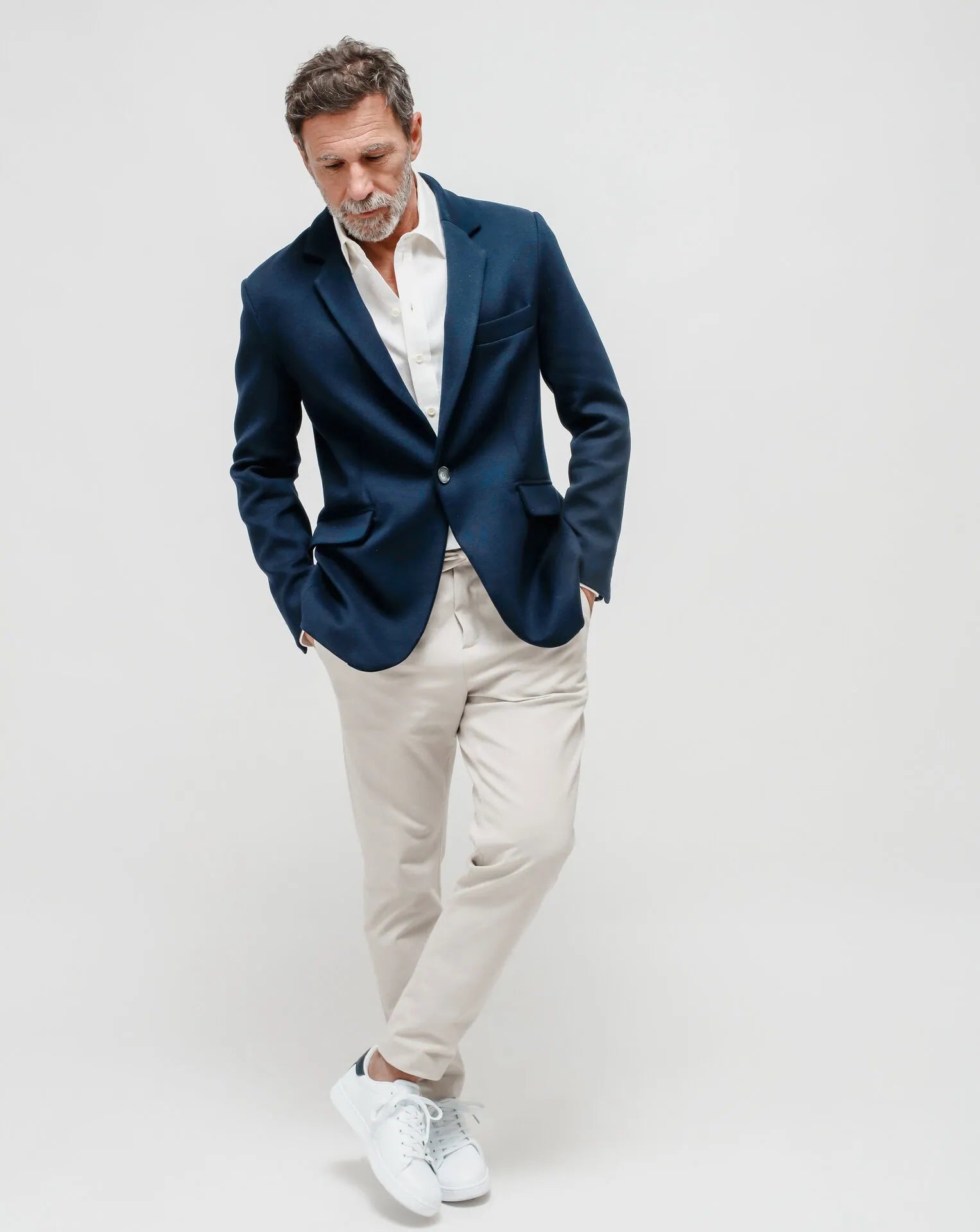
Outerwear is where many evening looks lose coherence. A silk dress with a heavy, overly casual layer can feel disconnected. Better options are a tailored coat, a sharp blazer, or a clean wrap with enough structure to hold its own. If your wardrobe already includes elevated separates, this is where occasion dressing becomes more sustainable. You are not buying a full costume. You are building combinations.
This is also why related categories matter when merchandising occasion pieces. A silk dress becomes easier to justify when styled with a [tailored jacket, an understated coat, or a refined set of evening-ready layers already in the wardrobe.
Why limited-edition silk feels different
There is a practical advantage to limited-run silk dresses that goes beyond scarcity. When fabric is sourced in deadstock quantities, design decisions are often sharper. The piece has to justify its existence. There is less room for generic filler, more reason to focus on line, material, and longevity.
For the customer, that means a silk evening dress can feel less like trend participation and more like personal acquisition. It is not just another dress circulating at scale. It is a considered piece with a shorter production story and, often, a stronger point of view.
That is especially relevant if you are trying to step away from disposable occasionwear. Buying fewer, better pieces is not about denying pleasure. It is about choosing garments that hold their value in wear, memory, and construction.
Care is part of the purchase
A silk evening dress asks for care, but not obsession. The key is to treat maintenance as part of ownership, not a burden added afterward.
Always check the care instructions first, because silk finishes vary. Some pieces handle specialist cleaning best. Others can be managed more gently at home. Between wears, let the dress rest before storing it. Avoid crushing it in an overfilled closet. Use a proper hanger. Keep fragrance and heavy body oils from direct contact where possible, especially around the neckline and underarm.
If this sounds exacting, consider the trade-off. Silk rewards care with longevity, and longevity is where better fashion economics begin. A dress worn beautifully over years is more luxurious than one dramatic purchase that becomes unwearable after a season.
The right silk evening dress should make getting dressed feel precise, not complicated. Choose one with integrity in the fabric, intelligence in the cut, and enough restraint to let your presence do the work.
FAQ
Q: Is a silk evening dress too delicate for regular wear?
A: Not necessarily. Silk needs thoughtful care, but a well-made dress can be worn repeatedly for dinners, weddings, events, and formal work occasions. Fabric weight and construction make a big difference.
Q: What style of silk evening dress is most versatile?
A: A midi or full-length dress with a clean silhouette is usually the most adaptable. Slip shapes, column dresses, and softly draped cuts tend to work across more occasions than heavily embellished styles.
Q: How should a silk evening dress fit?
A: It should skim rather than squeeze. Silk looks best when the fit is precise at the key anchor points, such as the bust, waist, or hip, while still allowing natural movement.
Q: Are deadstock silk dresses a better choice?
A: They can be. Deadstock silk helps reduce fabric waste and often appears in limited-edition runs, which adds exclusivity as well as a more responsible sourcing story.
Q: What can I wear over a silk evening dress?
A: A tailored blazer, refined coat, or structured wrap usually works best. The goal is to add polish without disrupting the clean line of the dress.
the World of H&L