

How to Keep Clothes From Losing Color
A black shirt that turns tired after three washes is rarely a fabric problem alone. More often, it is a care problem - too much heat, too much friction, too much detergent, or simply the wrong routine for the garment. If you are wondering how to keep clothes from losing color, the answer is less about doing more and more about doing things with precision.
Color loss is one of the clearest signs of disposable fashion habits. The good news is that fading is often preventable. With better washing, drying, and storage choices, your wardrobe keeps its depth, shape, and presence longer. That matters even more when you buy intentionally - whether it is a tailored shirt, a deadstock-fabric dress, or a pair of everyday black pants designed to stay in rotation for years.
Why clothes lose color in the first place
Fabric dye is not fixed forever. Every wash, every tumble cycle, and every hour in harsh sunlight puts pressure on it. Some garments lose color because of low-quality dye processes, but even well-made pieces will fade if they are repeatedly exposed to heat, over-washing, and abrasive cycles.
Friction is one of the biggest culprits. When clothes rub against each other in a packed washing machine, the surface fibers weaken and release dye faster. Heat speeds that up. So does detergent overdose, which can leave residues that stress fibers rather than clean them more effectively.
The fabric itself matters too. Natural fibers like cotton, linen, and silk can behave differently from synthetics or blends. Dark saturated shades - black, navy, red, emerald - tend to show fading sooner because any loss is visually obvious. That does not mean you should avoid rich color. It means those pieces deserve a more considered care routine.
How to keep clothes from losing color in the wash
The washing machine is where most avoidable fading happens. Start by washing less often. Not every item needs a full wash after one wear. Structured jackets, trousers, and many dresses can often be aired out or spot-cleaned unless they are visibly dirty.
When you do wash, turn garments inside out. This small step protects the outer surface from friction and helps preserve the visible color. It is especially useful for dark T-shirts, shirts, pants, and printed pieces.
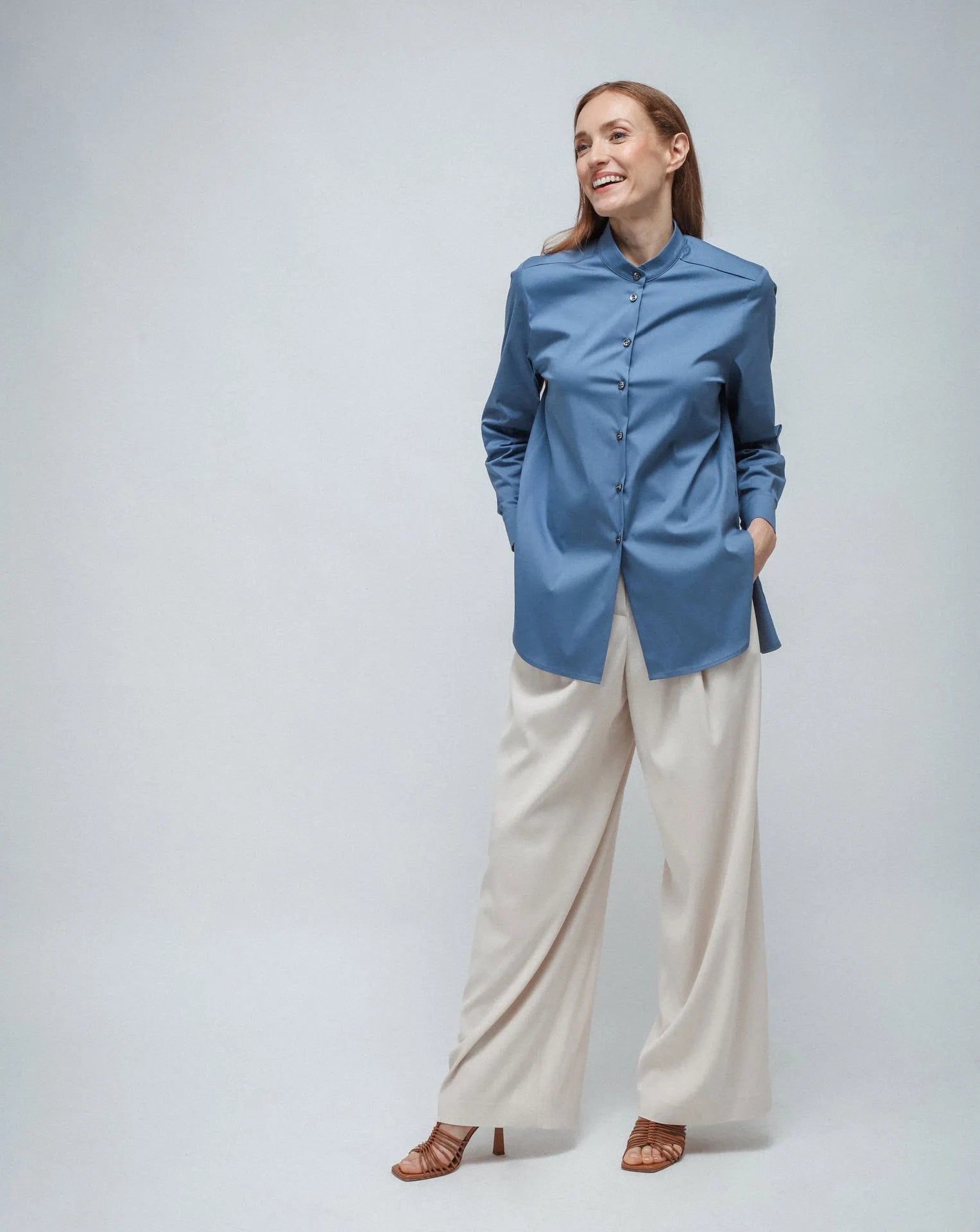
Cold water is usually the right choice. Hot water can loosen dyes and stress fibers, while cold water is gentler and now cleans well with modern detergents. For pieces you want to preserve - such as a black tailored set, a washed poplin shirt, or a richly dyed top - cold water should be the default unless the care label clearly says otherwise.
Sorting matters more than many people think. Wash darks with darks, lights with lights, and avoid mixing heavy items like denim or towels with delicate pieces. A thick towel rubbing against a fine cotton blouse is an easy way to dull the surface prematurely.
Use a short, gentle cycle whenever possible. Long aggressive washes are rarely necessary for well-maintained clothing. Mesh laundry bags can also help for lighter garments, knitwear, and pieces with refined finishes.
Use less detergent, not more
There is a common assumption that more detergent means cleaner clothes. Usually, it means buildup. Excess detergent can cling to fibers, making colors look flat over time and causing fabrics to feel stiff.
Choose a mild detergent and measure it carefully. If you are laundering premium garments or limited-edition pieces, this is not the place for guesswork. A gentle formula supports color retention far better than harsh all-purpose products used in heavy amounts.
If a garment is deeply stained, pre-treat the spot instead of escalating the entire wash load. That is a better trade-off: targeted cleaning without exposing the whole piece to unnecessary stress.
Skip the habits that fade clothes fastest
The dryer is convenient, but it is often the fastest route to faded color and worn-looking fabric. High heat breaks down fibers, dulls dark shades, and can make clothes age before their time. Air-drying is usually the better option, especially for elevated essentials and natural fibers.
Dry garments inside out and away from direct sun when possible. Sunlight can bleach color unevenly, particularly on dark or bright garments. Indoor drying or shaded outdoor drying is gentler and more consistent.
Be careful with bleach and optical brighteners. Even products marketed for whites or stain removal can damage adjacent dyes if used casually. For color garments, avoid anything too aggressive unless the care label explicitly supports it.
And avoid overwashing by default. That pristine feeling right out of the machine can be satisfying, but frequent unnecessary laundering shortens a garment's visual life. A well-made piece should be worn, cared for, and preserved - not mechanically stripped down after every outing.
Fabric-specific care makes a difference
Not all clothes should be treated the same. Cotton is relatively durable, but it can still fade quickly with warm water and high-heat drying. Linen benefits from gentle washing and air-drying, especially in deeper shades that can soften visibly over time. Silk and delicate blends usually need the most restraint - low agitation, mild detergent, and often hand washing or dry cleaning, depending on the label.
Deadstock fabrics can also vary because they come from premium surplus materials rather than standardized mass production. That is part of their beauty, but it also means attention matters. A structured deadstock cotton dress may handle machine washing well on gentle, while a fluid blouse in a more delicate weave may need a completely different approach.
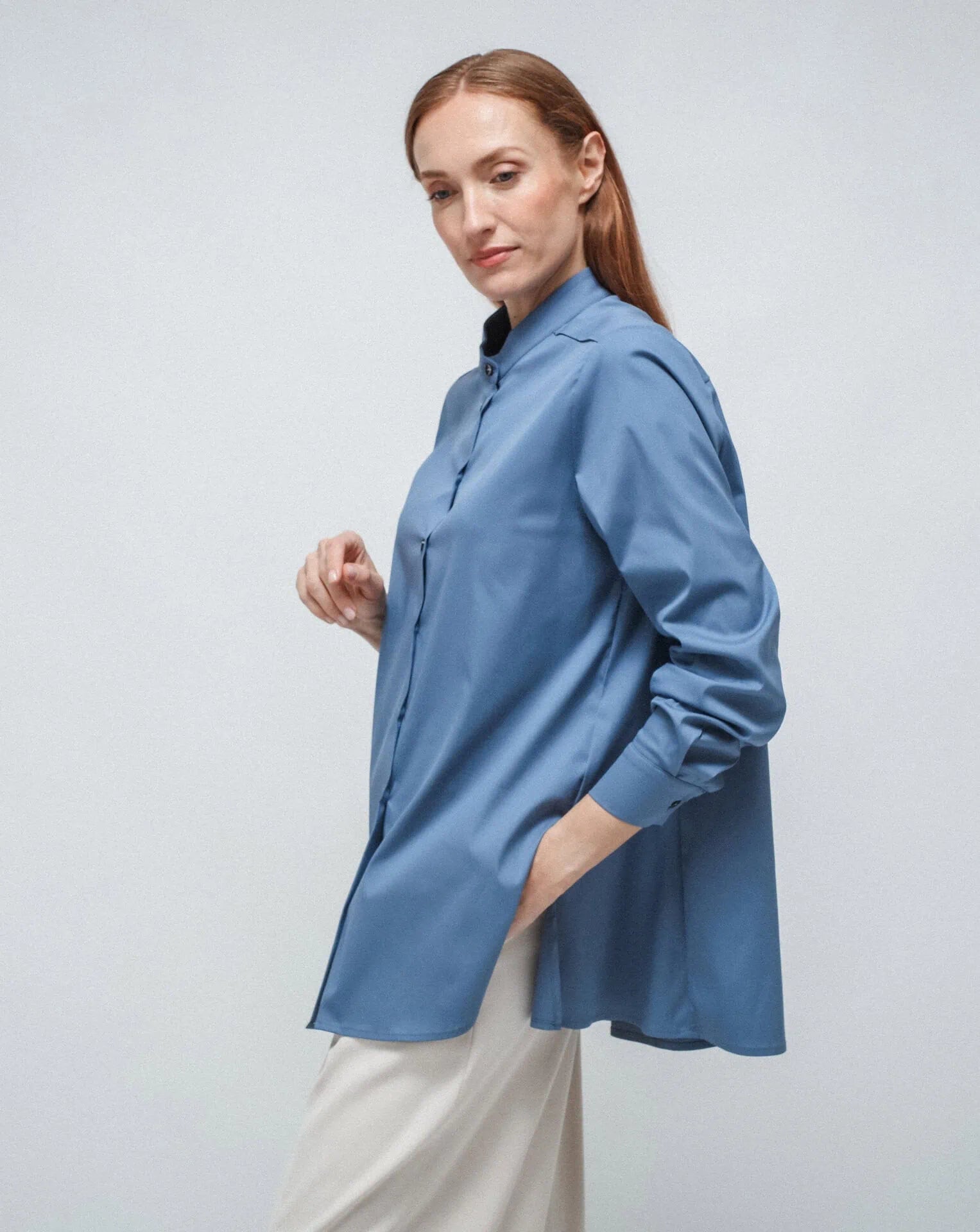
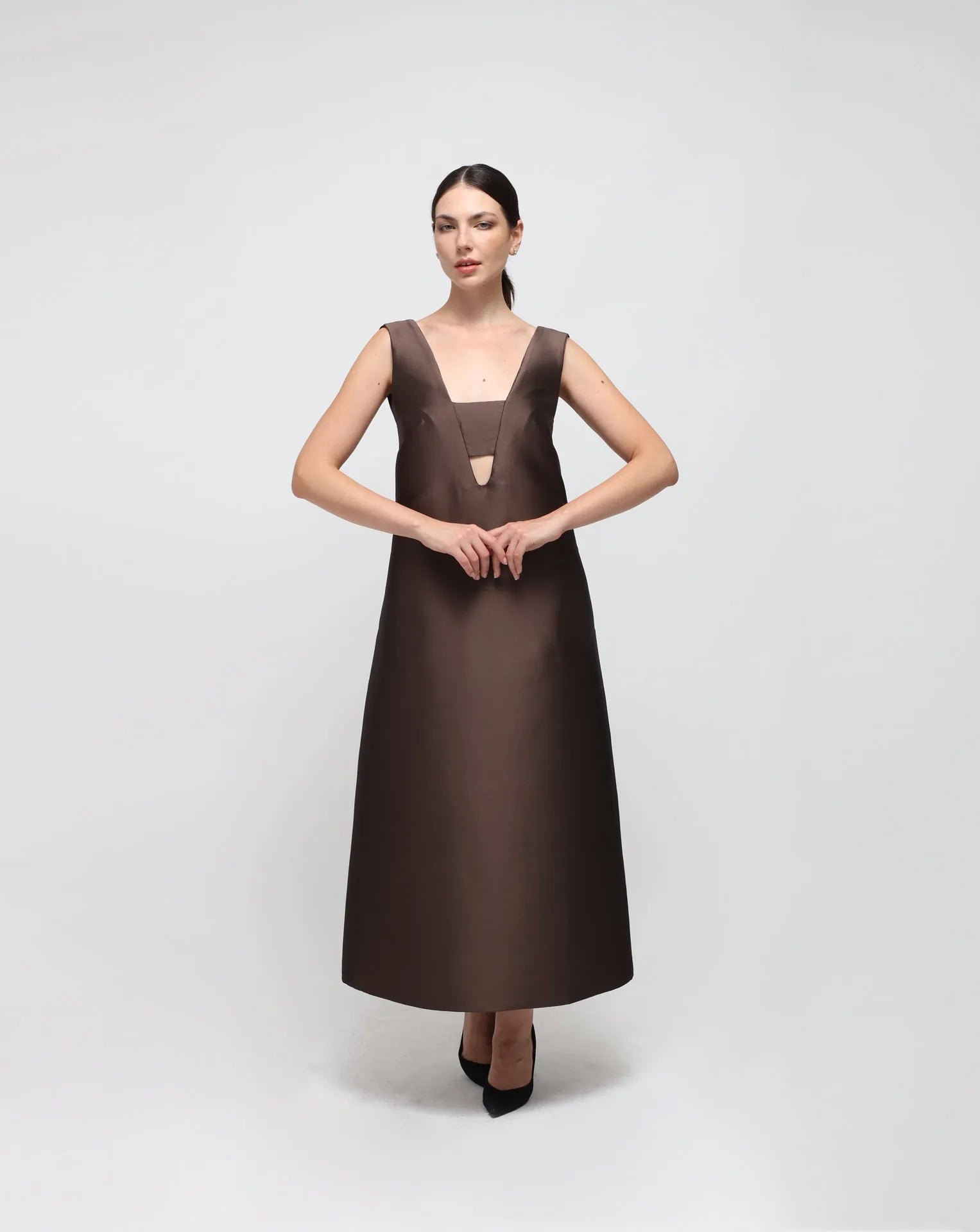
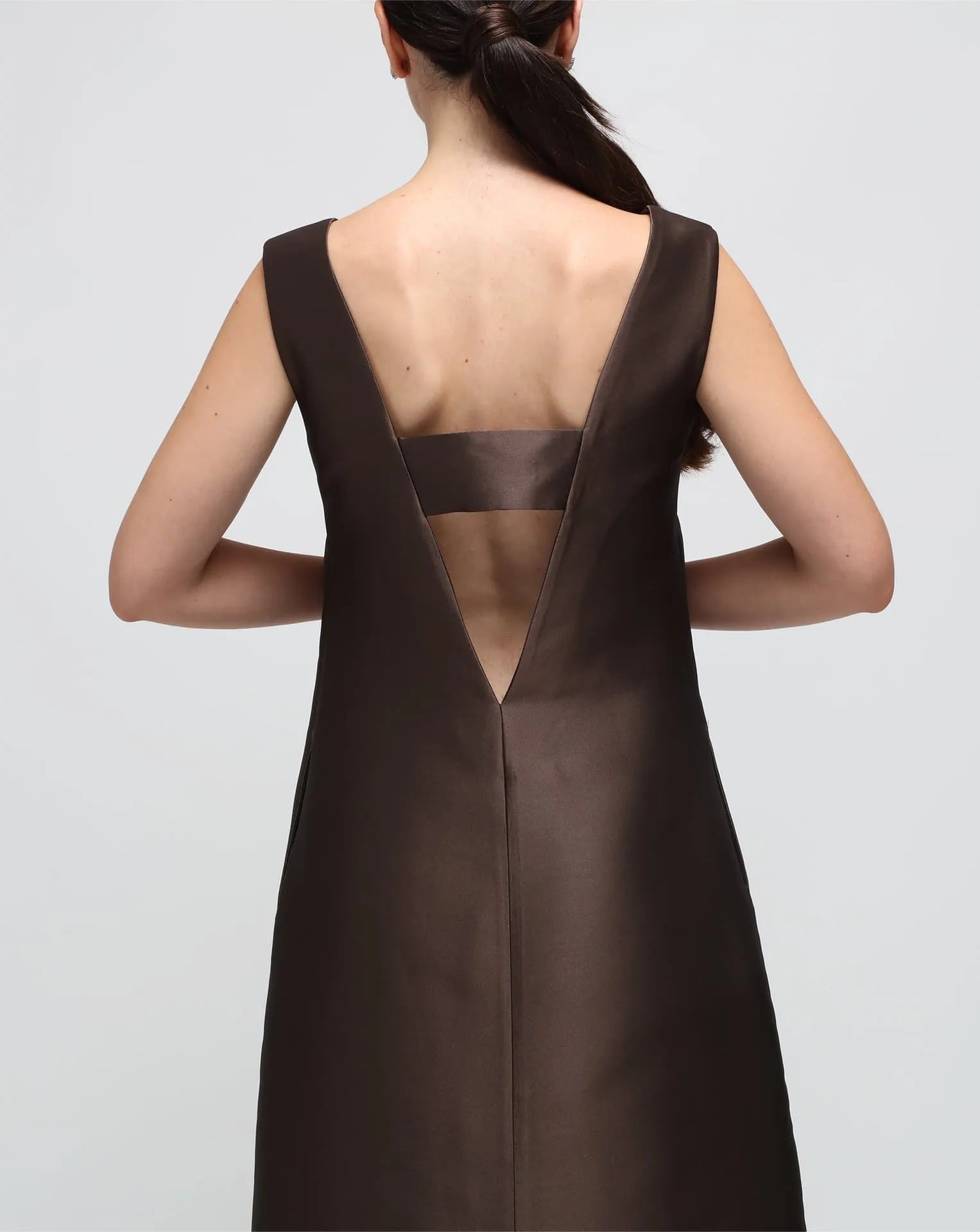
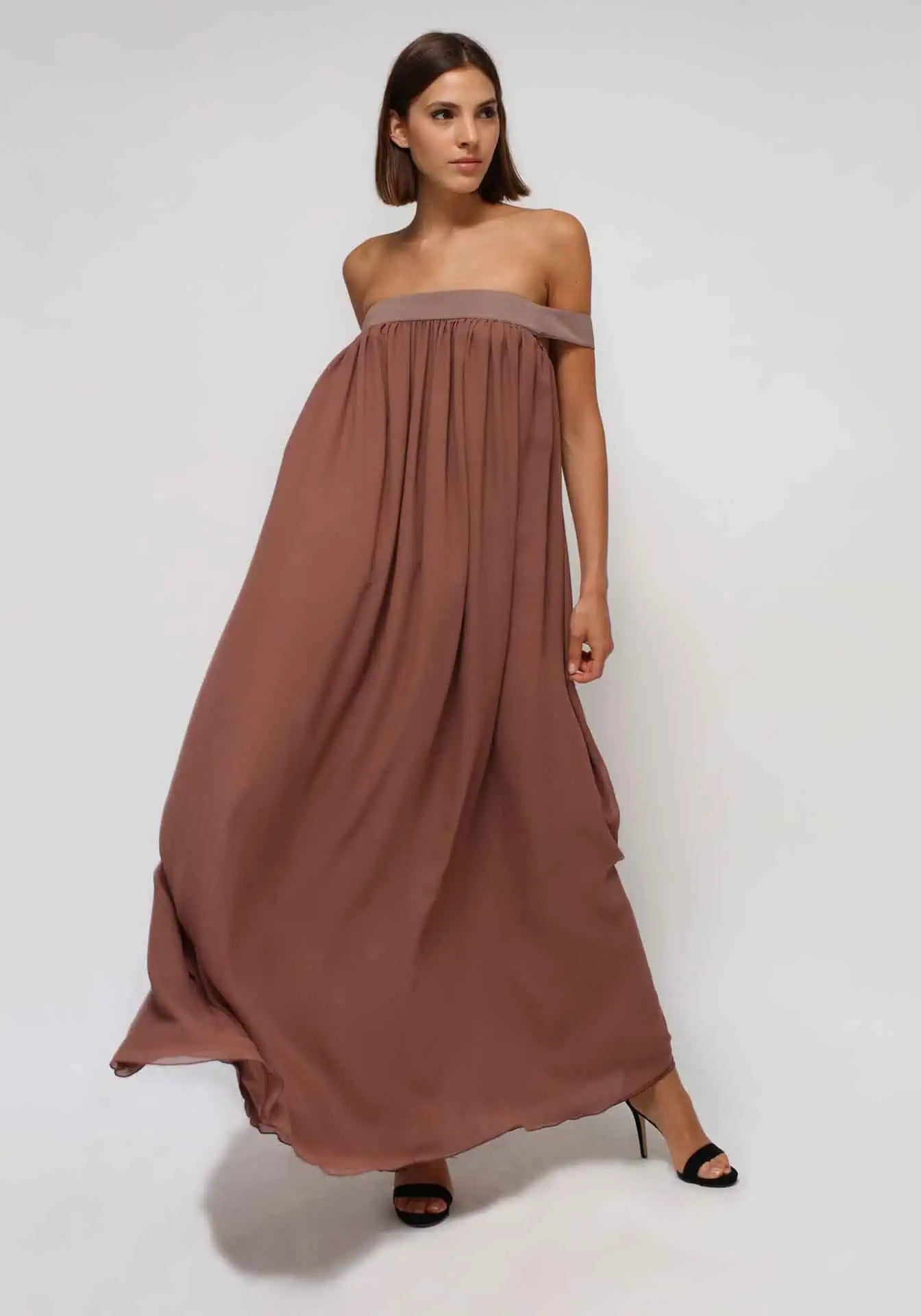
This is where product-level care guidance becomes valuable. For example, if you are shopping a black dress, an Italian-made shirt, or tailored pants from a premium small-batch collection, build in a clear care section so customers know how to protect the color from day one. That kind of detail supports the garment and the relationship with the customer.
Storage matters more than most people realize
Learning how to keep clothes from losing color is not only about washing. Storage affects fading too. Long-term exposure to direct daylight can slowly bleach hanging garments, especially if they live near uncovered windows.
Keep your wardrobe in a cool, dry place and avoid crowding. When clothes are crushed together, they crease more deeply and surfaces wear faster from repeated friction. Use proper hangers for shirts, jackets, and dresses so the fabric keeps its shape and does not develop stress points.
For seasonal storage, clean garments first. Invisible residue from body oils, fragrance, or sweat can oxidize over time and alter the fabric's appearance. Breathable garment bags are a better choice than trapping clothes in plastic for months.
Smart care for dark clothes and statement colors
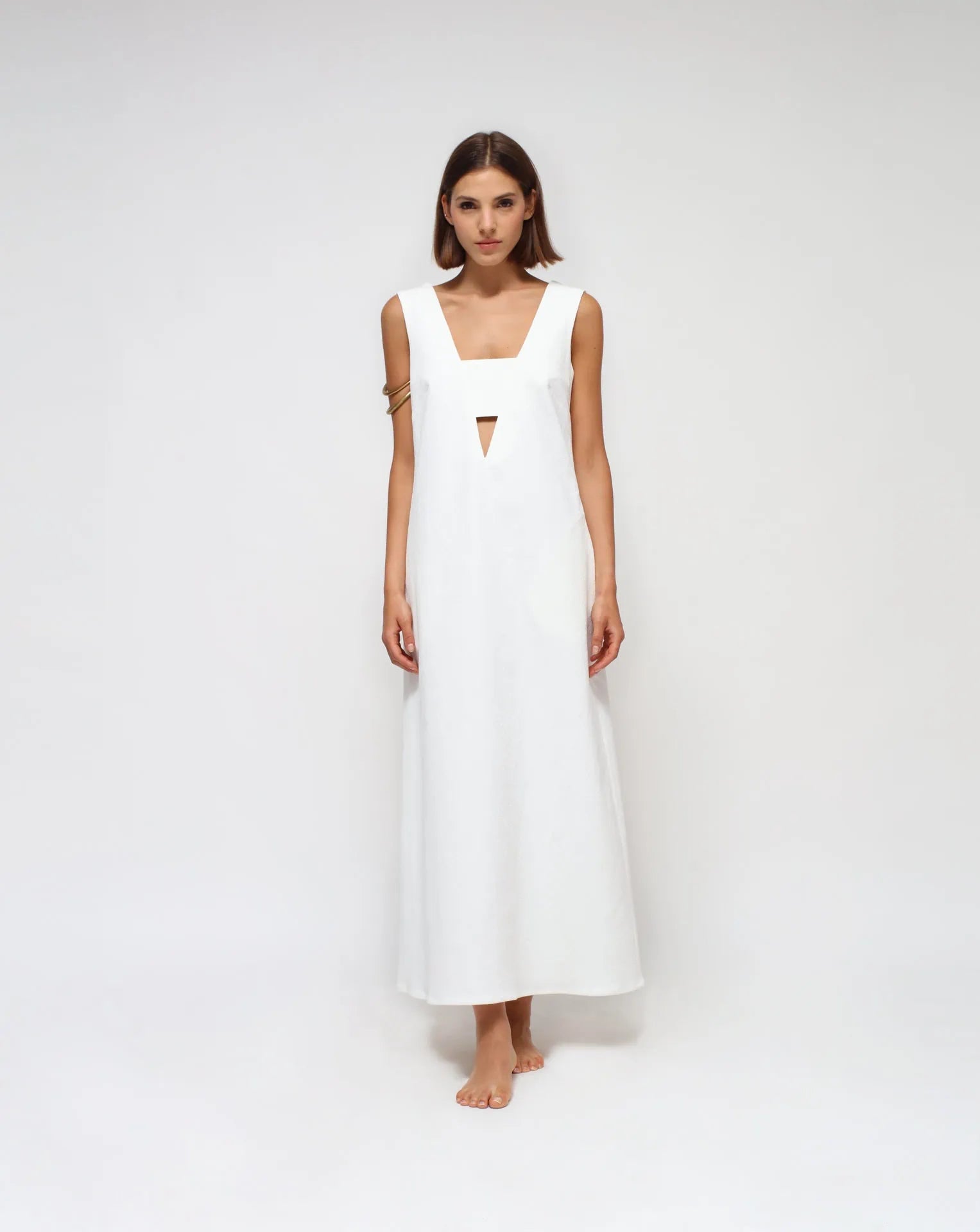
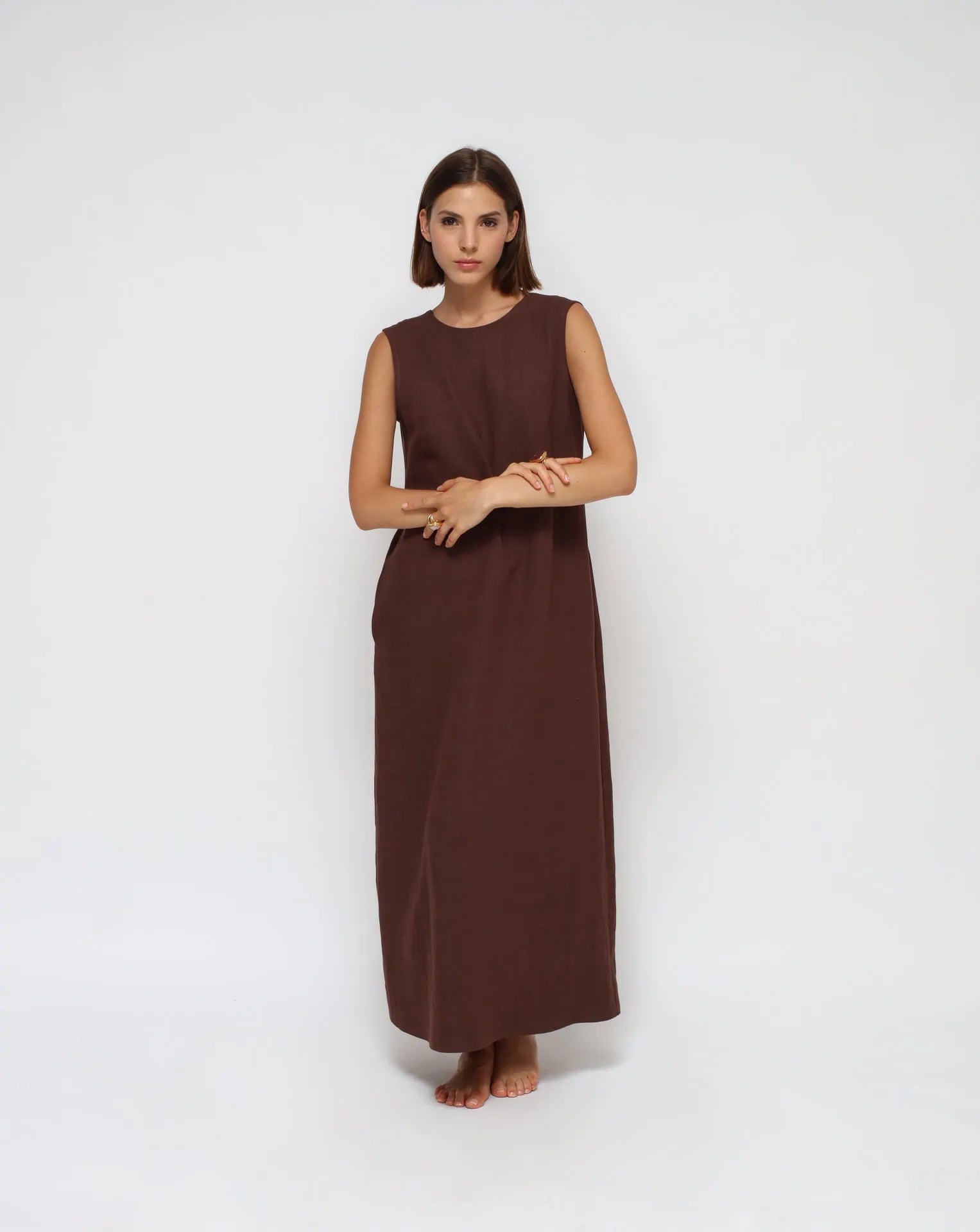
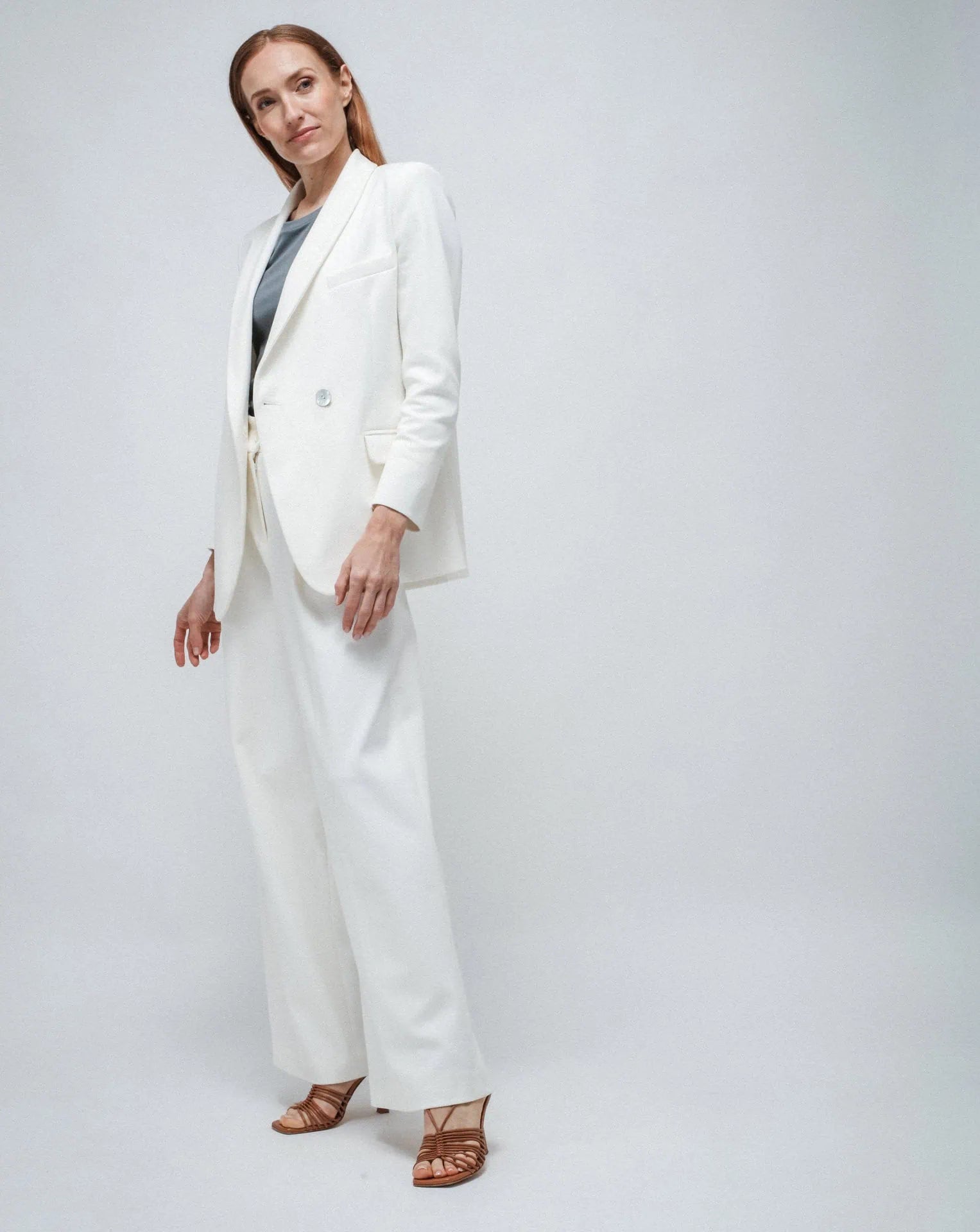
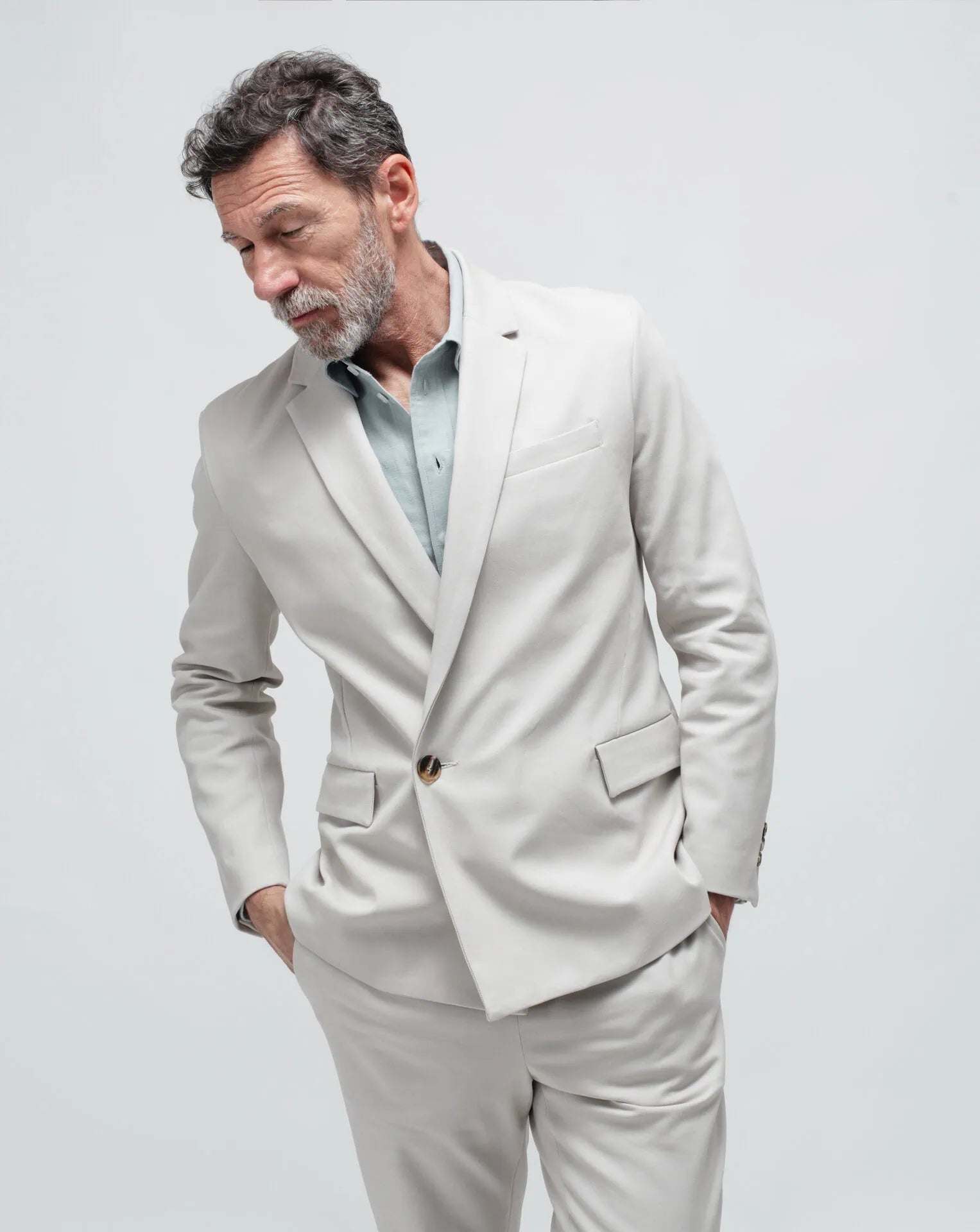
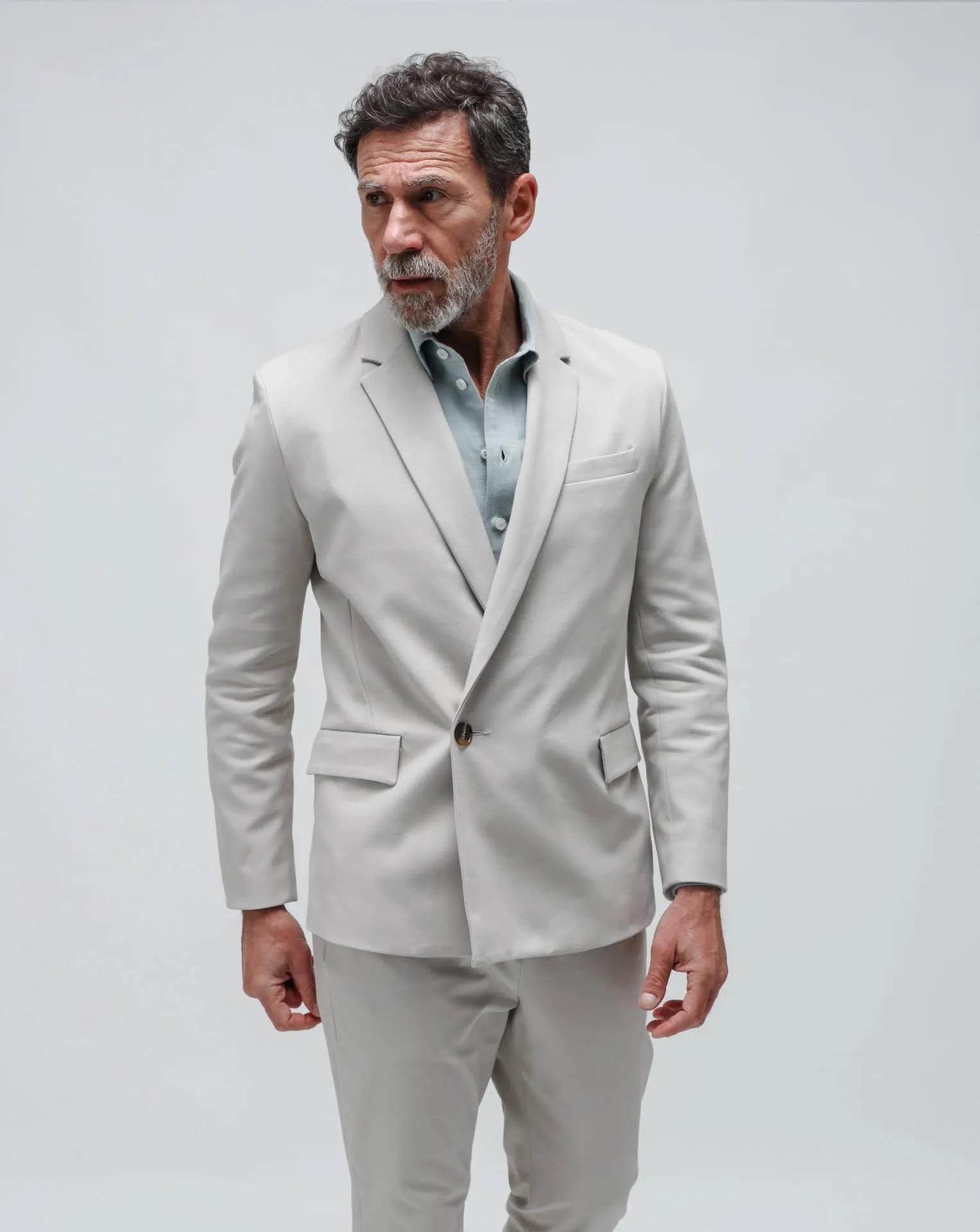
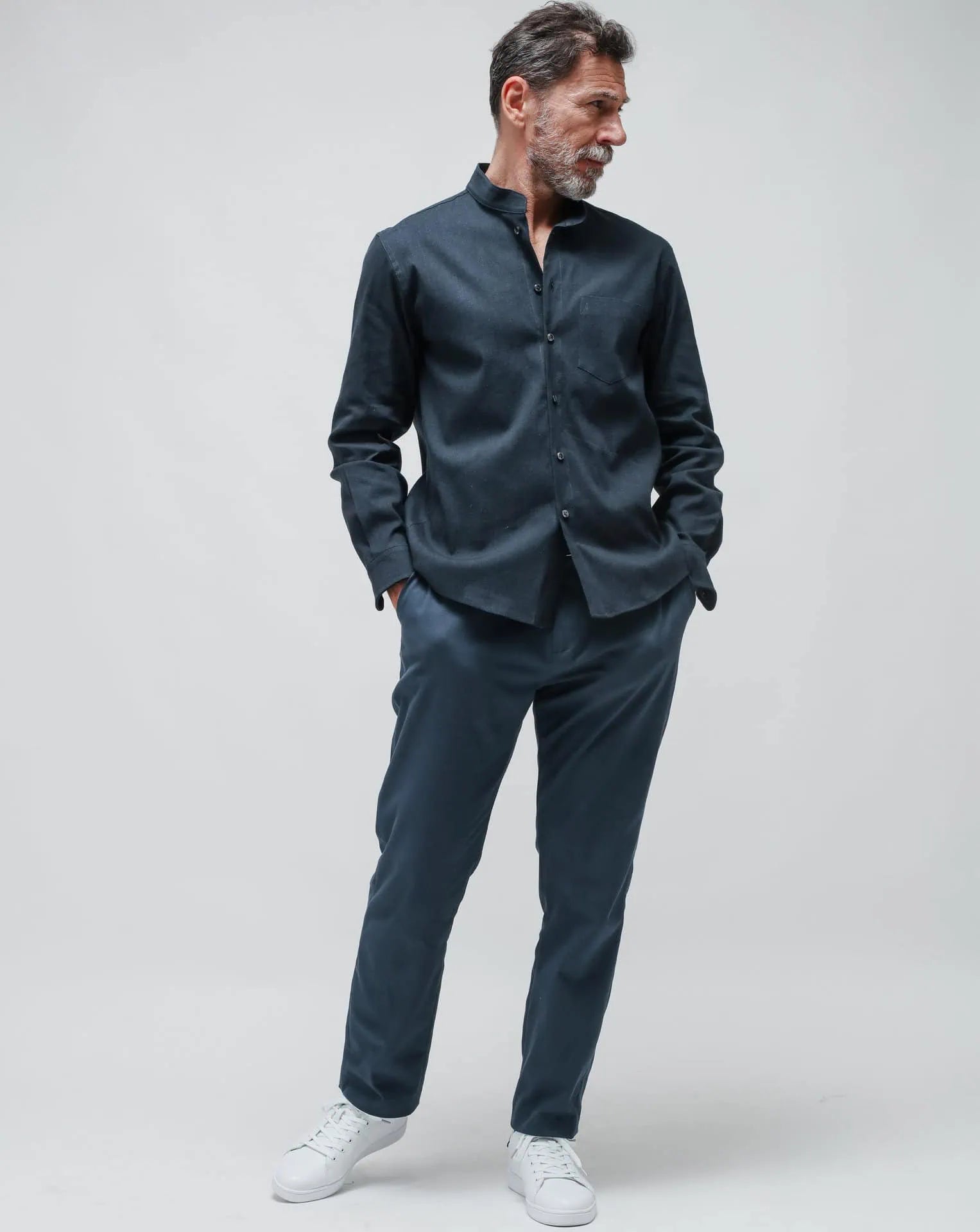
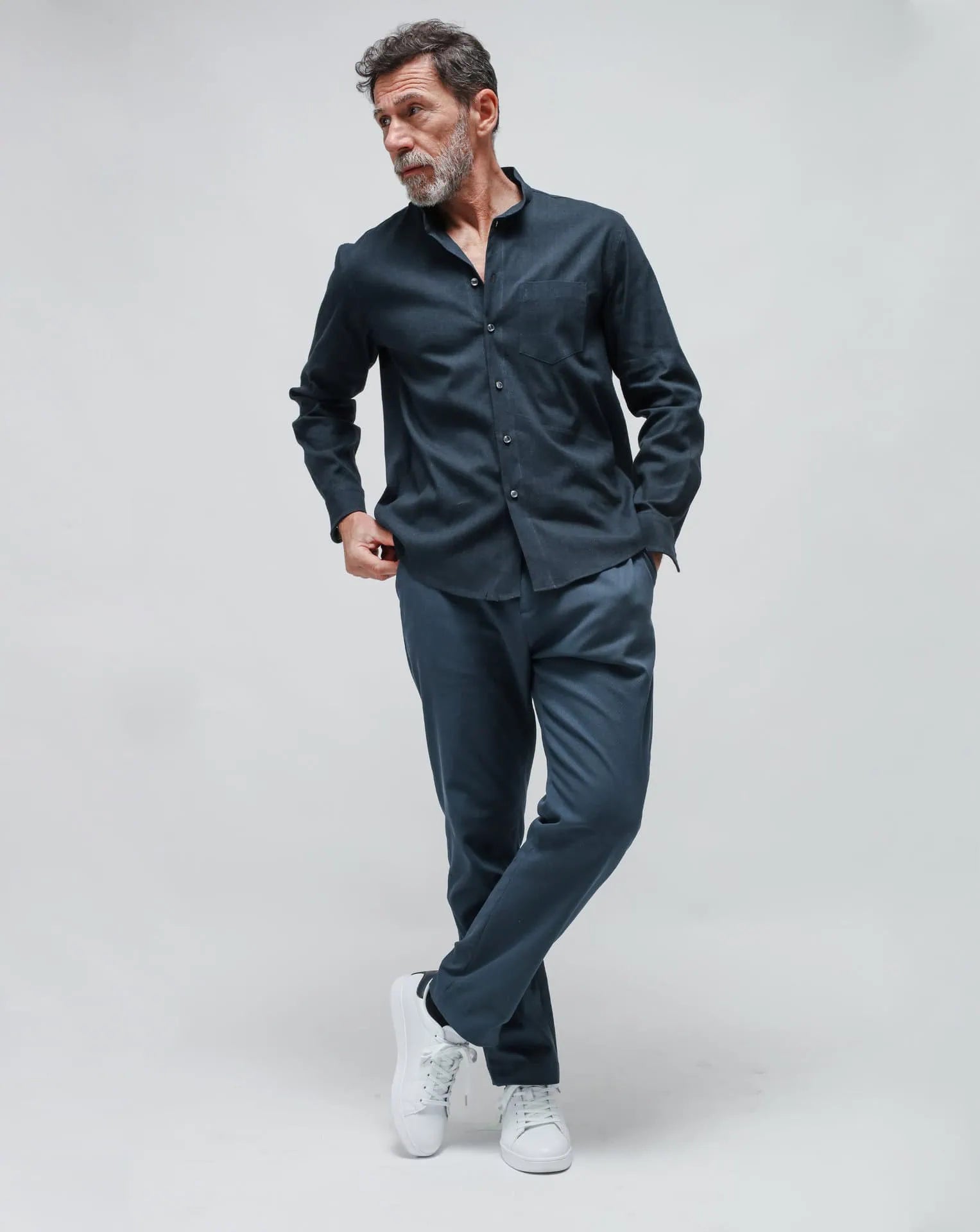
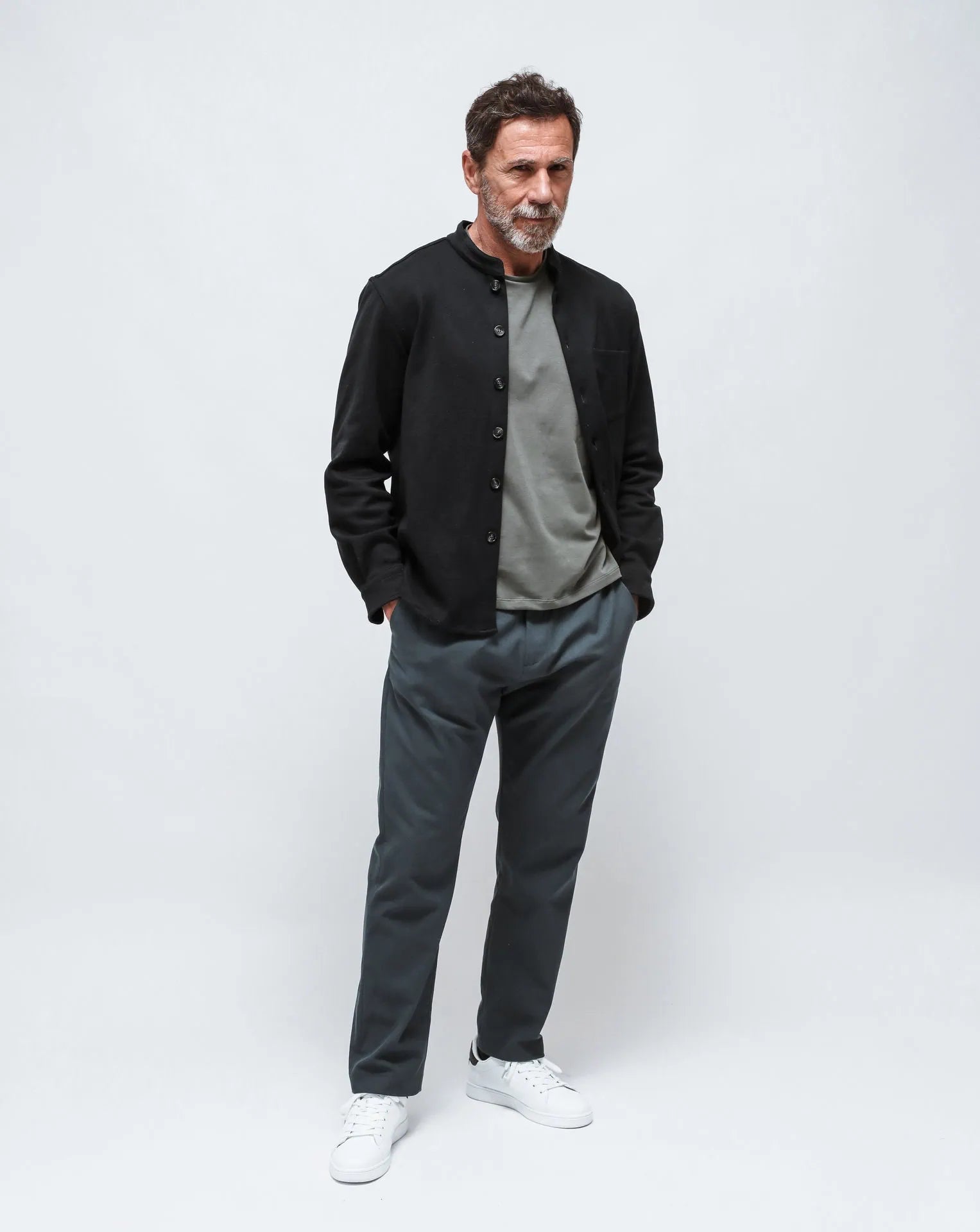
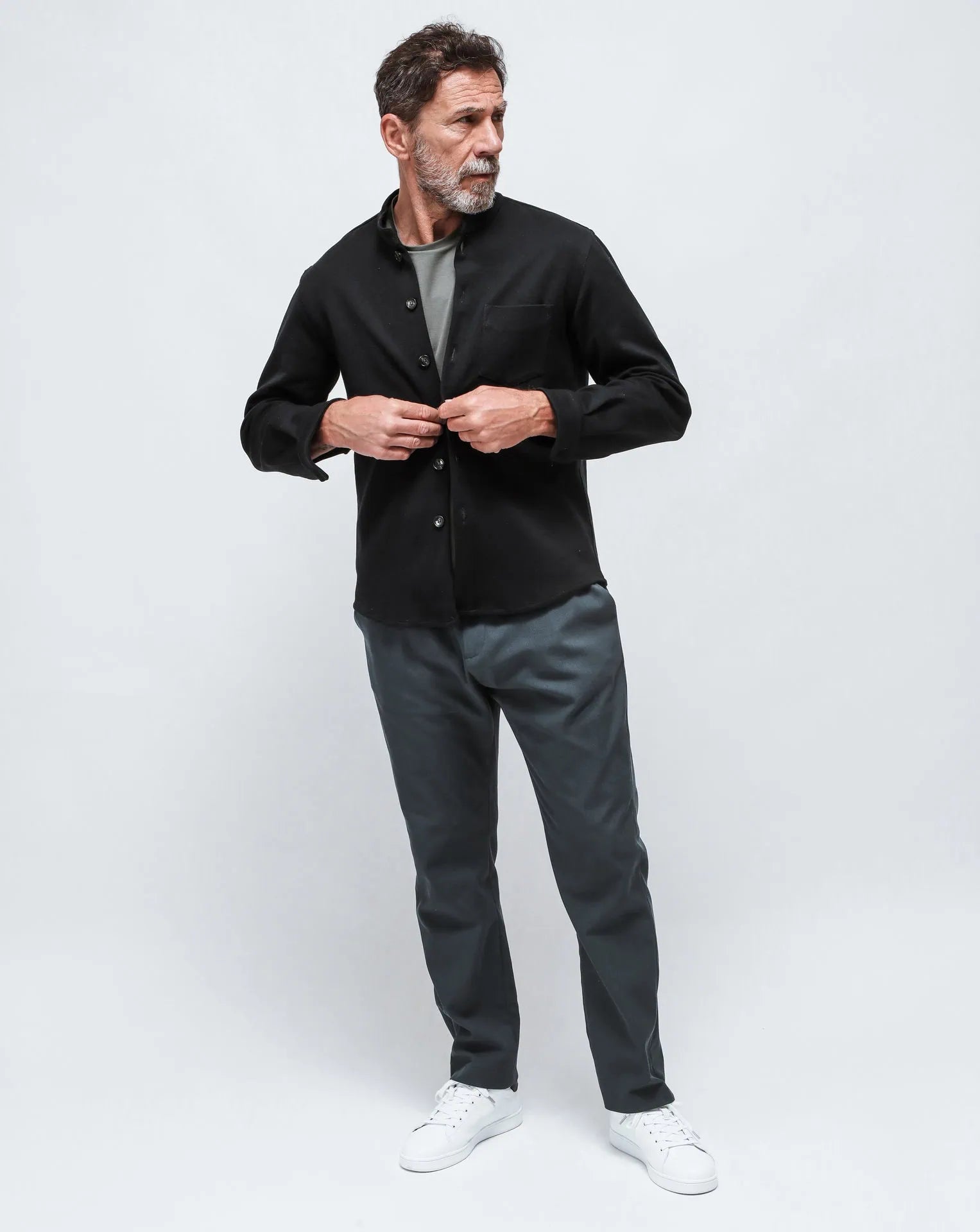
Black clothes deserve their own rules because fading shows immediately. Wash black garments only with other dark items, in cold water, on the gentlest practical cycle. Turn them inside out and keep them out of the dryer whenever possible. If you have a black coordinated set or tailored separates that you rely on frequently, consider spacing out washes with steaming and spot-cleaning.
Bright shades need a different kind of caution. Reds, cobalt, green, and saturated pinks may release excess dye early on, so it helps to wash them separately for the first few cycles. After that, they still benefit from cool temperatures and low-friction care.
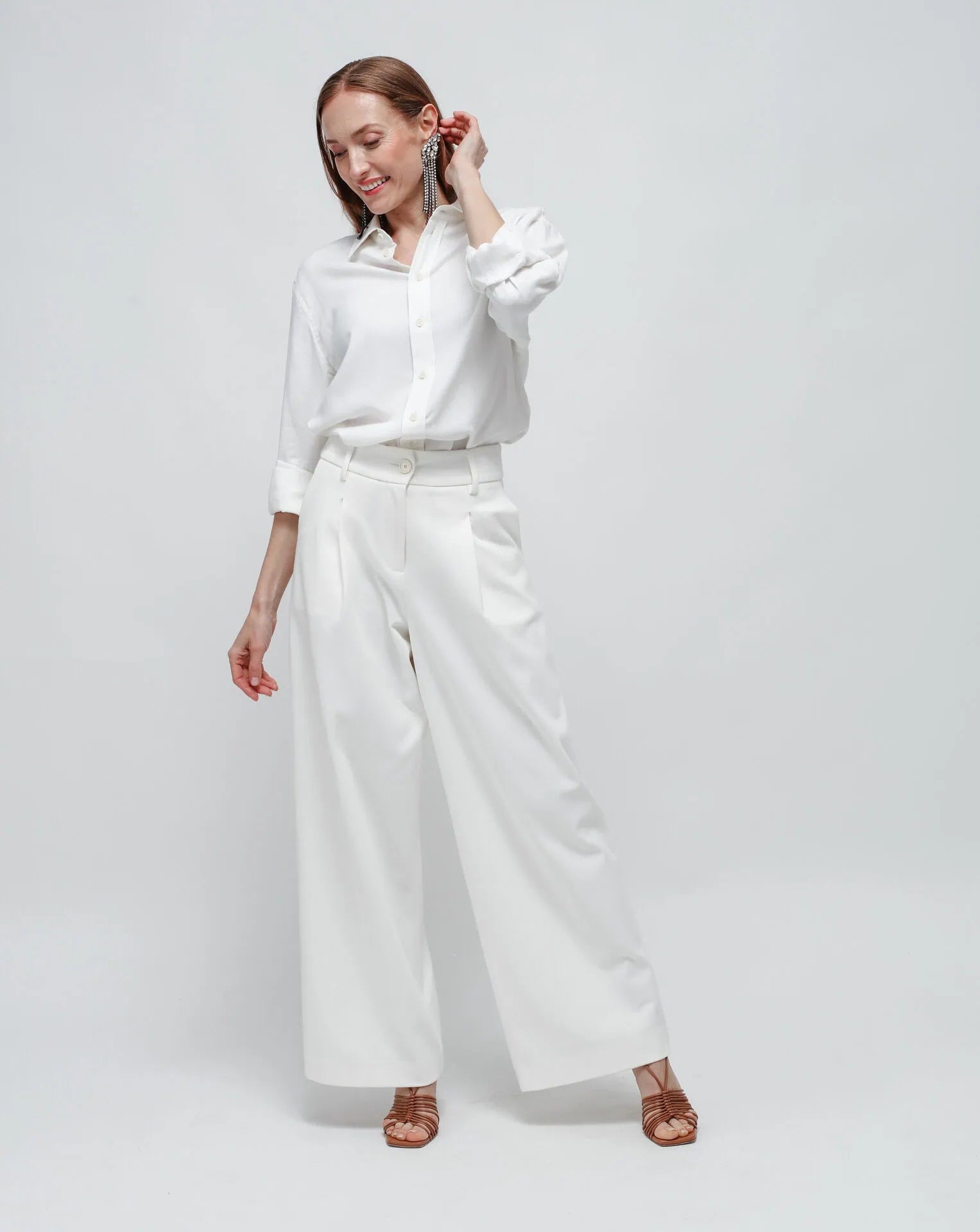
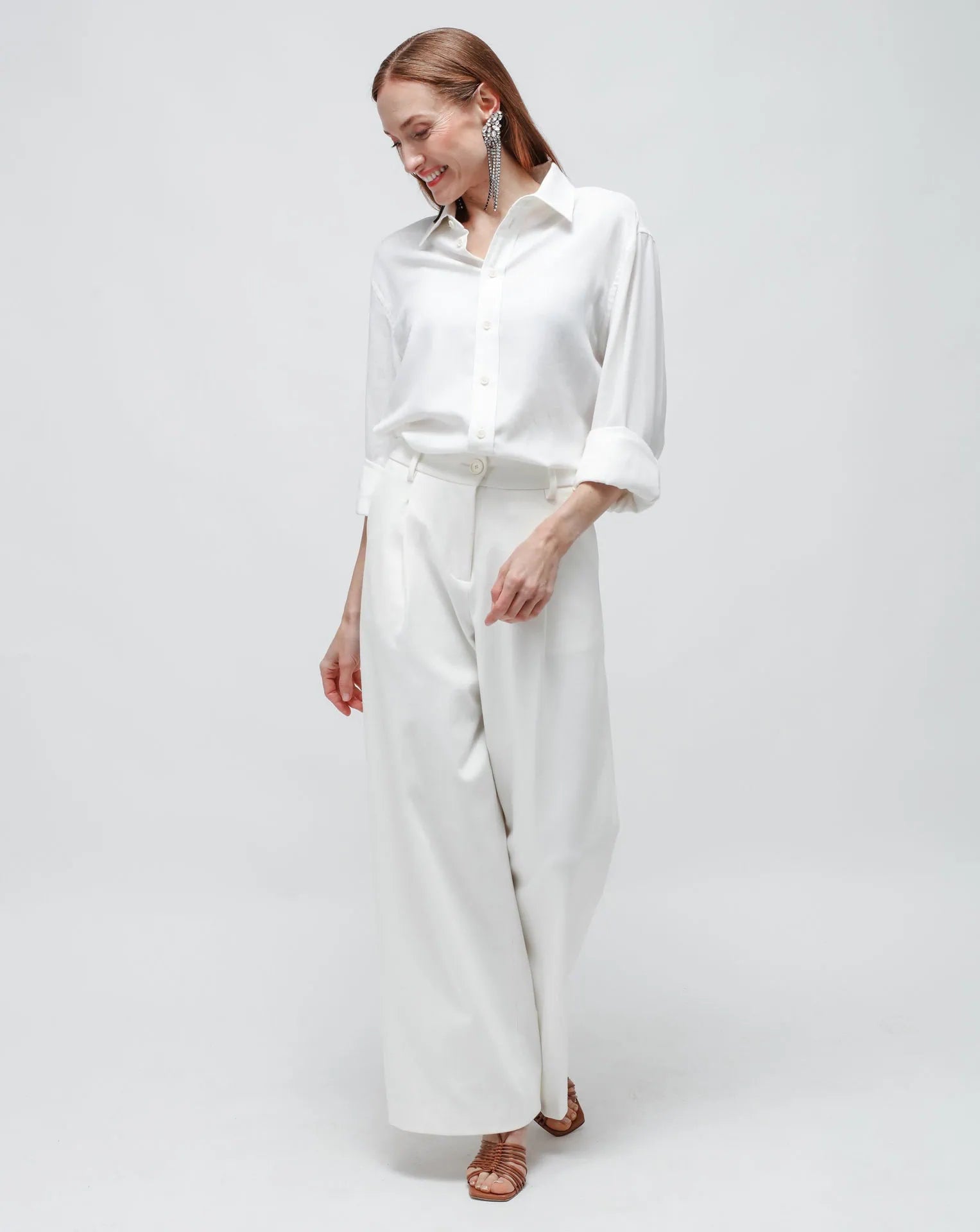
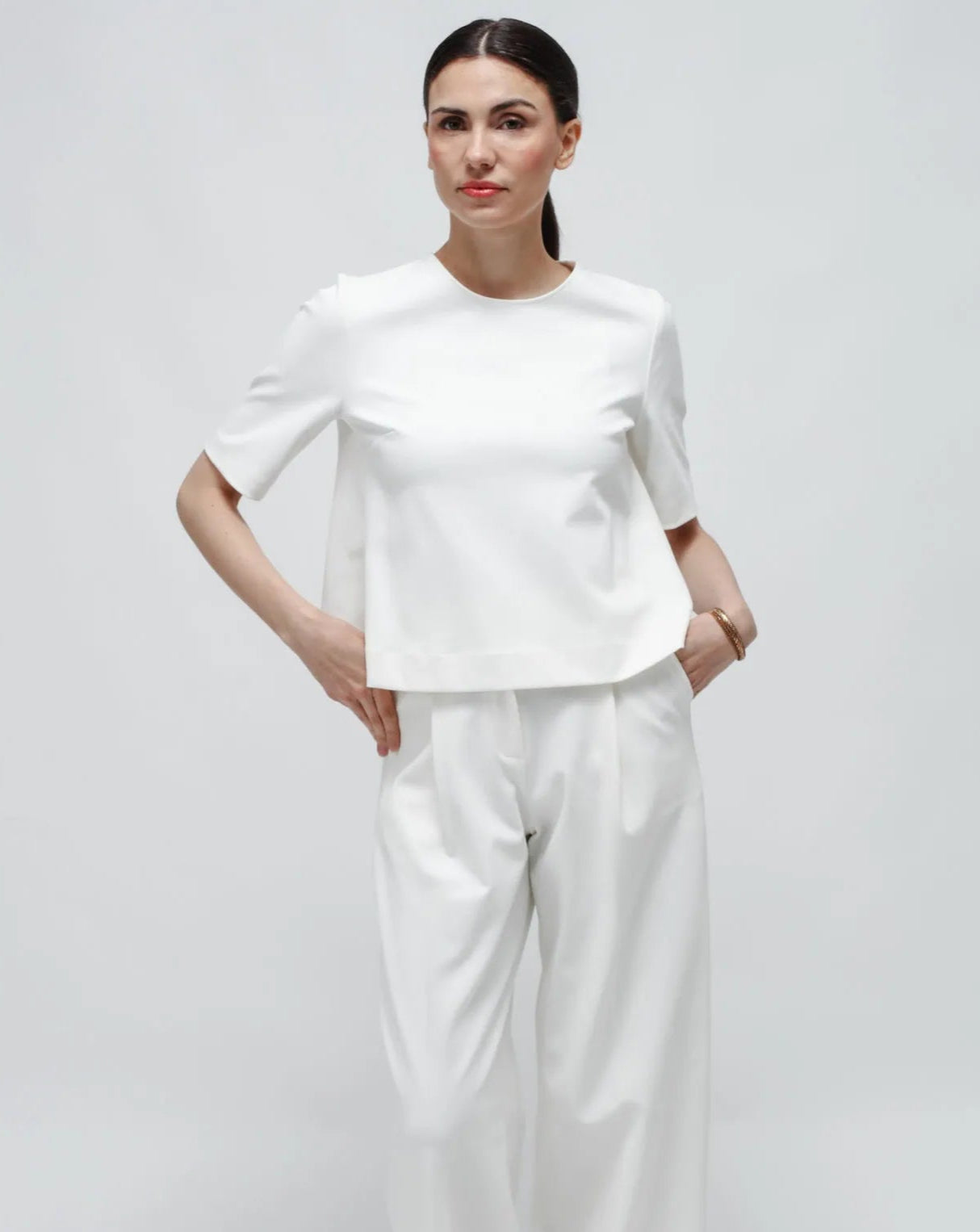
White garments with colored trim or contrast stitching also need attention. A rough wash can dull the contrast and make the whole piece look less crisp. Care is not only about preserving color intensity. It is also about preserving definition.
A better wardrobe starts with better habits
The most sustainable garment is the one that keeps earning its place in your wardrobe. Color retention is not cosmetic. It is part of longevity, and longevity is part of responsible fashion.
That is why premium clothing deserves disciplined care. A thoughtfully made shirt should still look precise after many wears. A limited-run dress should keep its depth and drape. A refined everyday pant should not lose character because it was washed too hot on a rushed Sunday.
If you buy less and buy better, care becomes part of the purchase. That is not extra work. It is the final step in wearing your values well.
FAQ
Q: How often should I wash clothes to prevent fading?
A: Less often than most people do. Wash when the garment is actually dirty, holds odor, or has lost freshness. Many pieces can be aired out or spot-cleaned between wears.
Q: Does cold water really help keep clothes from losing color?
A: Yes. Cold water is gentler on dye and fibers than warm or hot water. For most colored garments, it is the best default setting.
Q: Is air-drying always better than using a dryer?
A: For color retention, usually yes. Air-drying reduces heat damage and helps fabrics keep their finish. The trade-off is time, but it is worth it for premium pieces.
Q: What type of detergent is best for dark clothes?
A: Use a mild detergent and measure it carefully. Harsh formulas and too much detergent can leave residue and make dark fabrics look dull faster.
Q: Can faded clothes regain their original color?
A: Sometimes partially, depending on the fabric and the extent of fading, but not always. Prevention is far more reliable than trying to restore color after the damage is done.
the World of H&L