


How to Choose a Winter Coat That Lasts
A winter coat is not a finishing touch. It is the piece you reach for on the commute, at the airport, outside the restaurant, and during every stretch of weather that makes getting dressed feel like a negotiation. Learning how to choose a winter coat means looking beyond a convincing silhouette and asking whether it will genuinely serve your climate, wardrobe, and standards for years to come.
The right coat should feel considered rather than merely seasonal. It should hold its shape, work with the clothes you already own, and earn its place through repeated wear. That is the opposite of buying for one cold week and forgetting it by spring.
How to Choose a Winter Coat for Your Actual Life
Start with where and how you spend winter. A long wool coat may be ideal for city walks, office days, dinners, and travel, but it is not automatically the warmest option for hours in freezing rain. A padded coat provides more insulation, yet a highly technical silhouette may feel out of place if most of your wardrobe is tailored and polished.
Think in terms of exposure. Do you walk to work? Wait on train platforms? Drive almost everywhere? Travel between climates? A coat for a mild urban winter needs a different level of protection than one for wind, snow, and long stretches below freezing.
Then consider the role the coat needs to play. Many people need two outerwear options: a refined wool coat for everyday dressing and a warmer padded layer for the coldest days. If you are choosing only one, prioritize the conditions you encounter most often, not the rare weather event that makes you question every wardrobe decision.
Length also changes the experience. A hip-length jacket gives freedom of movement and suits casual dressing. A mid-length coat offers flexibility for work and weekends. A full-length coat protects more of the body and brings a quieter, more intentional line to dresses, tailoring, wide-leg pants, and boots. The trade-off is weight and ease of movement, particularly on stairs, bikes, or crowded transit.
Choose Fabric Before You Choose Color
Fabric determines much of a coat's warmth, drape, durability, and character. It also reveals whether a piece is designed for a short season or for a long relationship with your wardrobe.
Wool is a natural starting point for elevated winter outerwear. It is breathable, insulating, and naturally resilient when well made. A dense wool or wool-blend fabric can block wind better than a loose, airy weave, while a brushed finish may feel softer but can require more careful maintenance. Look closely at the composition rather than assuming every wool coat offers the same performance.
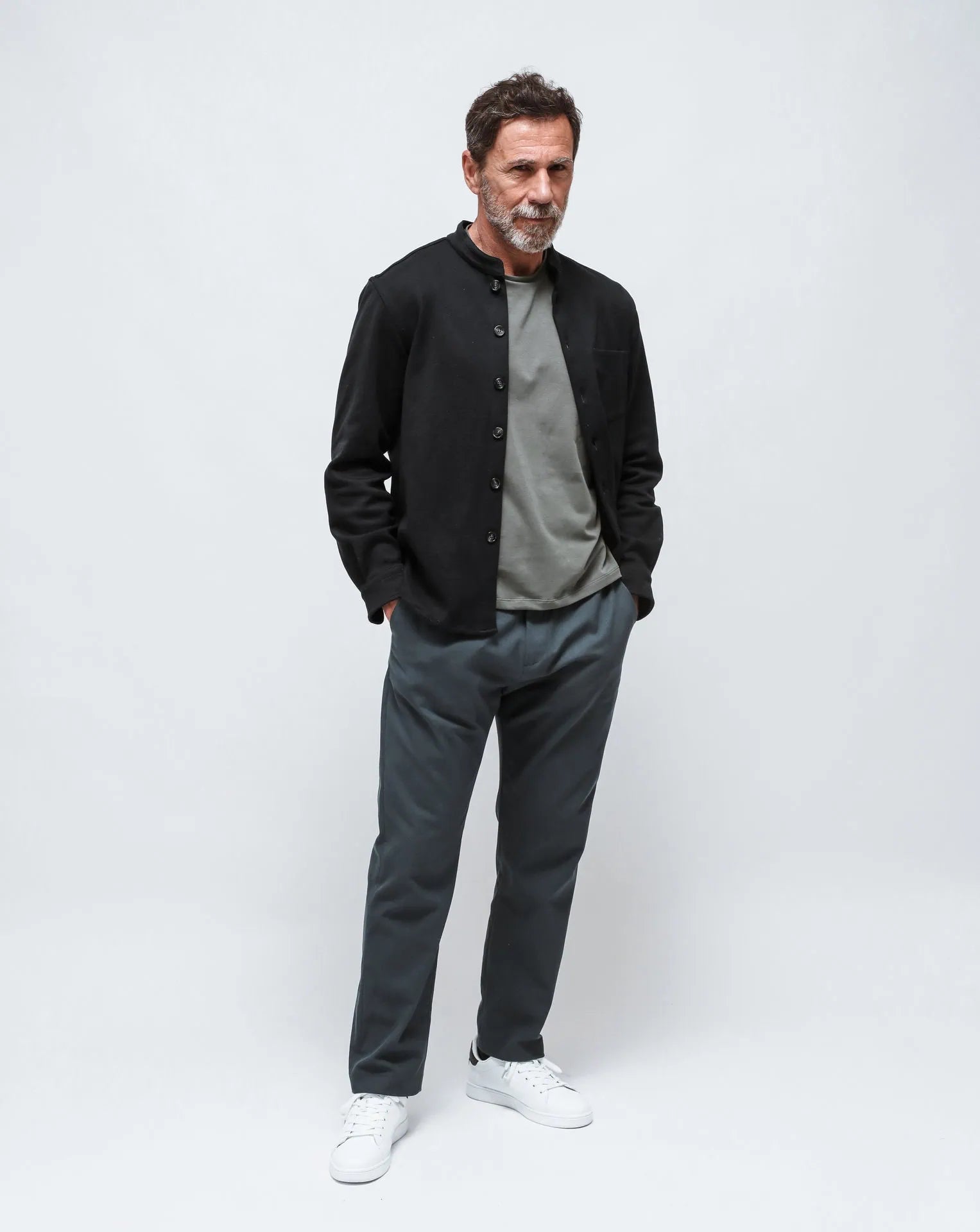
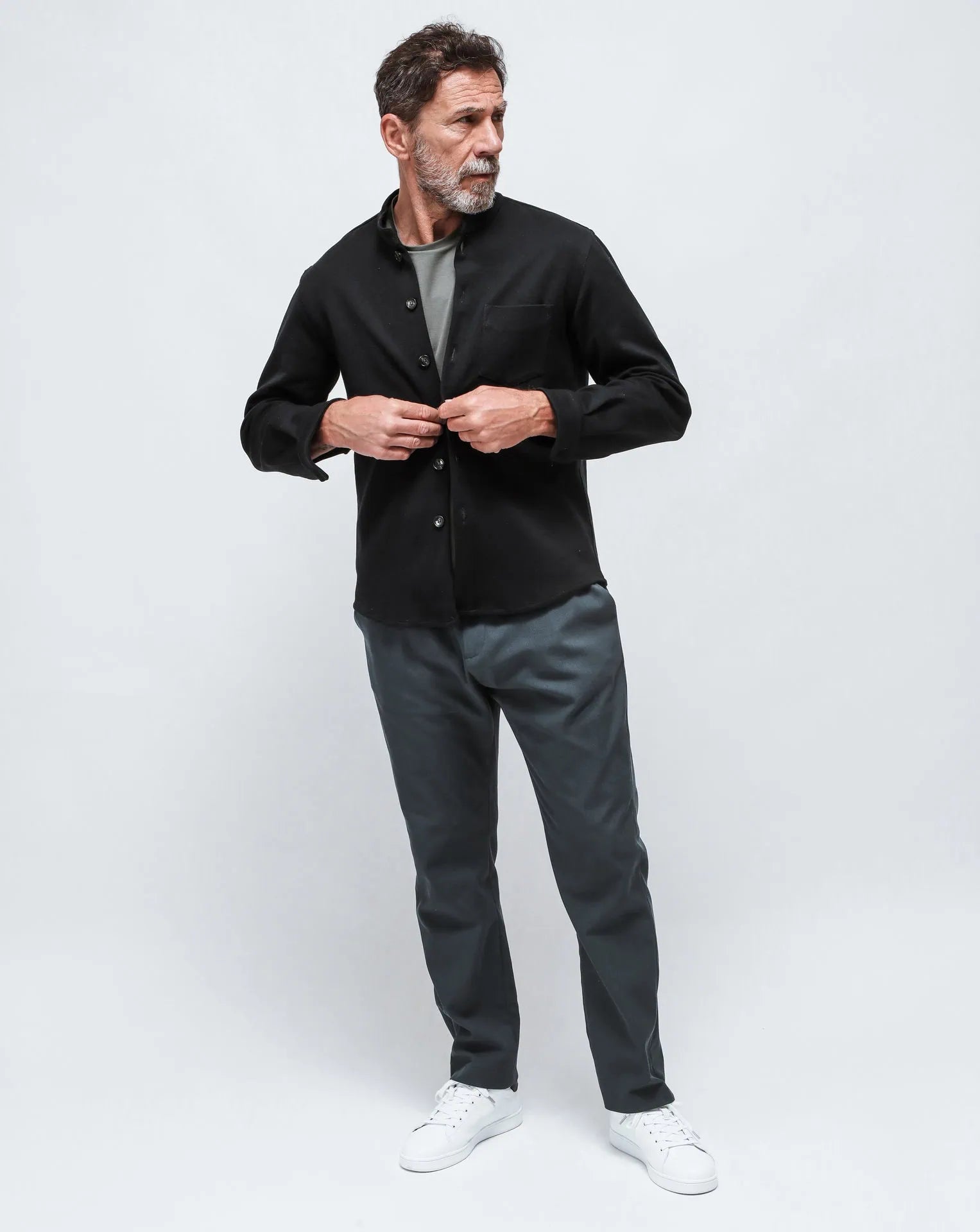
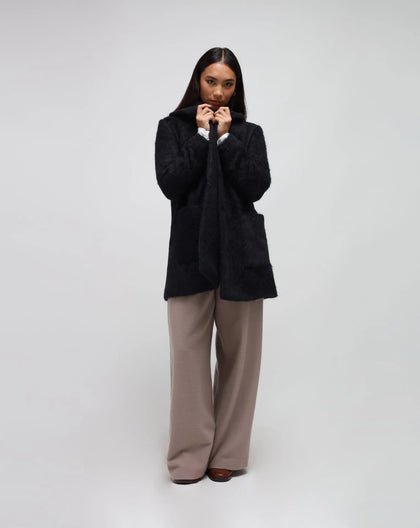
Humans & Land's Winter Black Short Coat
Cashmere adds softness and warmth without much bulk, but it is more delicate. It works beautifully in a coat intended for measured daily wear, especially when blended with wool for structure. A high percentage of synthetic fiber can improve durability or weather resistance in some cases, but it can also change how a garment breathes, feels, and ages. There is no universal best composition. The question is whether the blend supports the coat's intended use.
For padded styles, check what provides the insulation and how the shell fabric handles wind and moisture. A lighter insulated coat may be enough for active city days, while a fuller fill is better for prolonged cold. Avoid judging warmth by thickness alone. Construction, lining, closures, and room for layering all matter.
Deadstock fabric adds another consideration worth valuing. It gives existing premium textiles a purposeful second life instead of demanding new material production. At Humans & Land, limited deadstock fabrics also mean a coat may exist in small quantities. That scarcity is not an invitation to buy impulsively. It is a reason to choose carefully when you find a fabric and fit you know you will wear.
Fit Is What Makes a Coat Feel Expensive
A beautiful fabric cannot compensate for restrictive shoulders, a strained back, or sleeves that stop too far above the wrist. Try a coat on over what you will actually wear beneath it: a knit, a blazer, or the heavier layer you rely on in January.
Your shoulders should sit cleanly, without pulling across the upper back when you reach forward. Button or zip the coat fully. You should have enough room to breathe and move, but not so much that cold air rushes through the body. For a tailored wool coat, a little structure is desirable. For an oversized silhouette, ease should look deliberate, not accidental.
Check sleeve length with your arms relaxed and while holding a bag. Check the collar against the neck. A high collar, lapels that close well, or a removable belt can make a meaningful difference on a windy day. Finally, sit down if possible. A coat that looks perfect standing but feels tight across the hips will not become more appealing with wear.
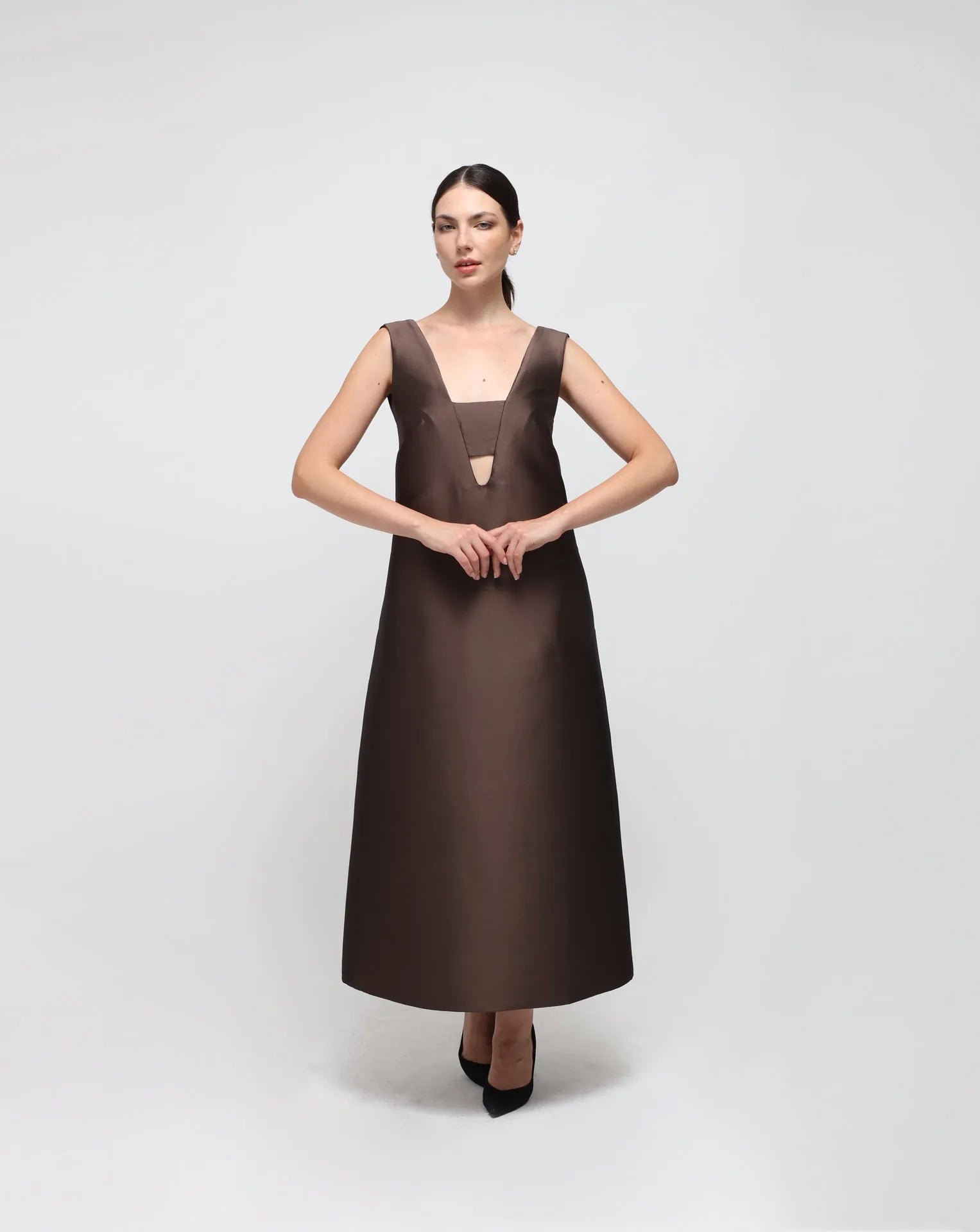
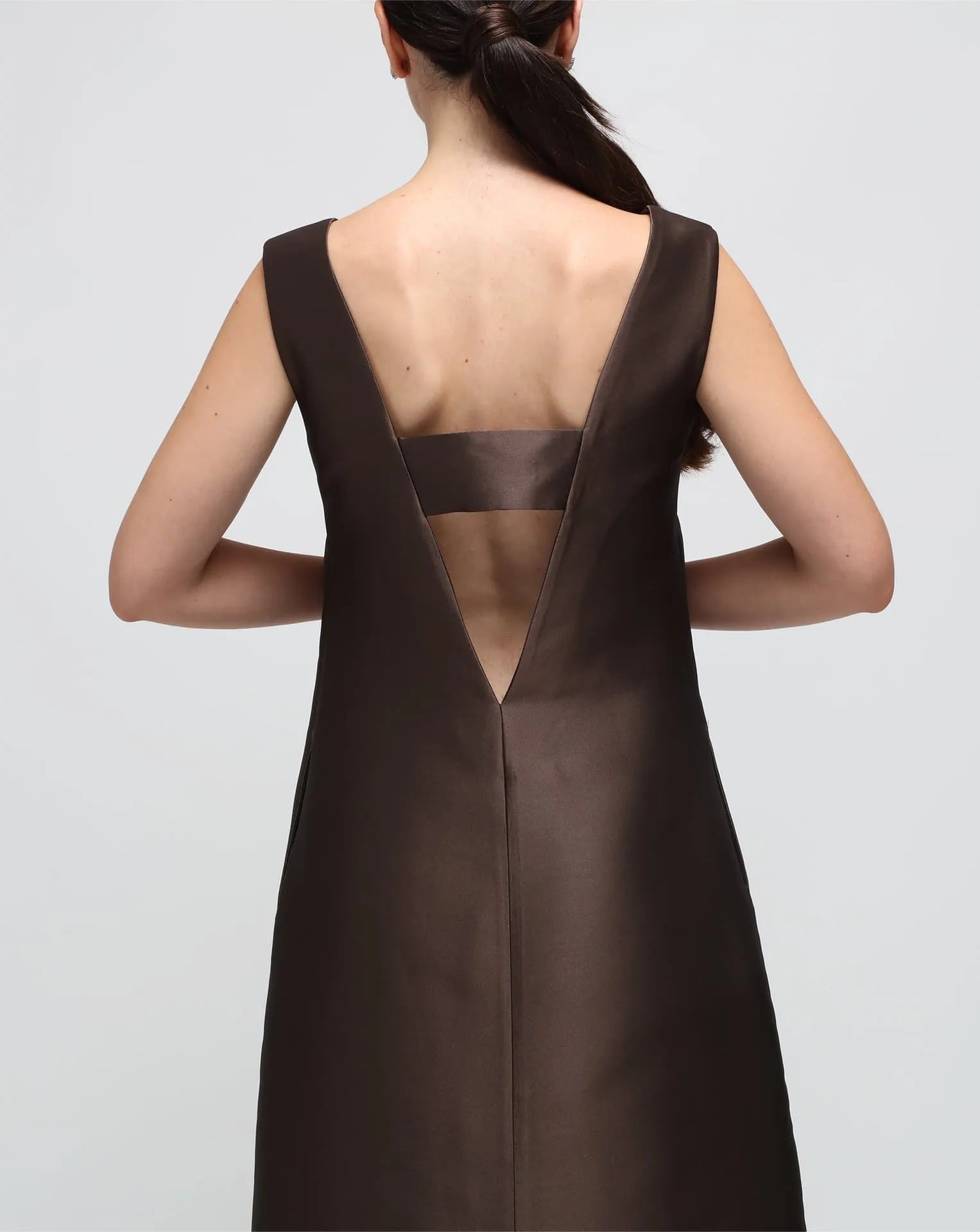
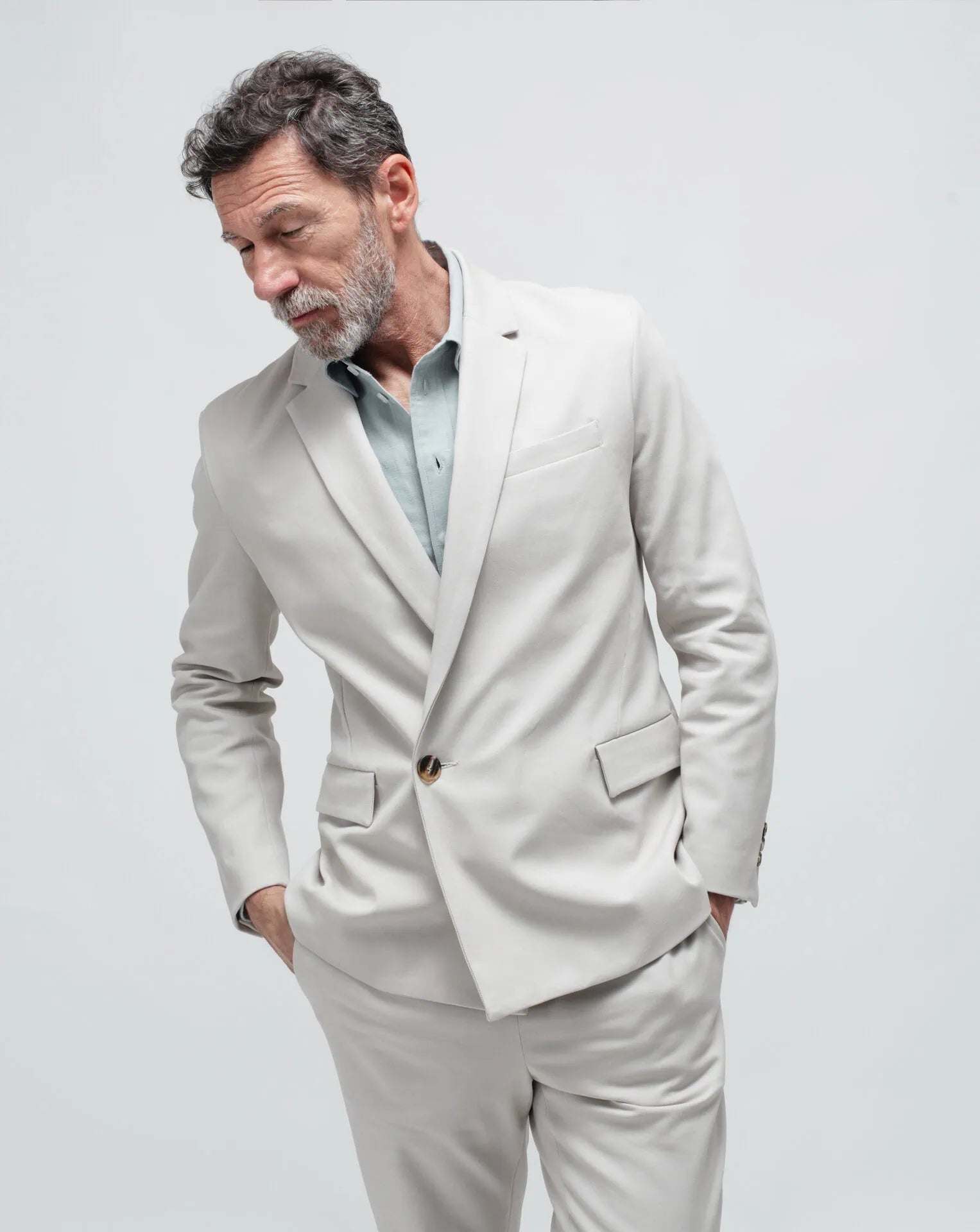
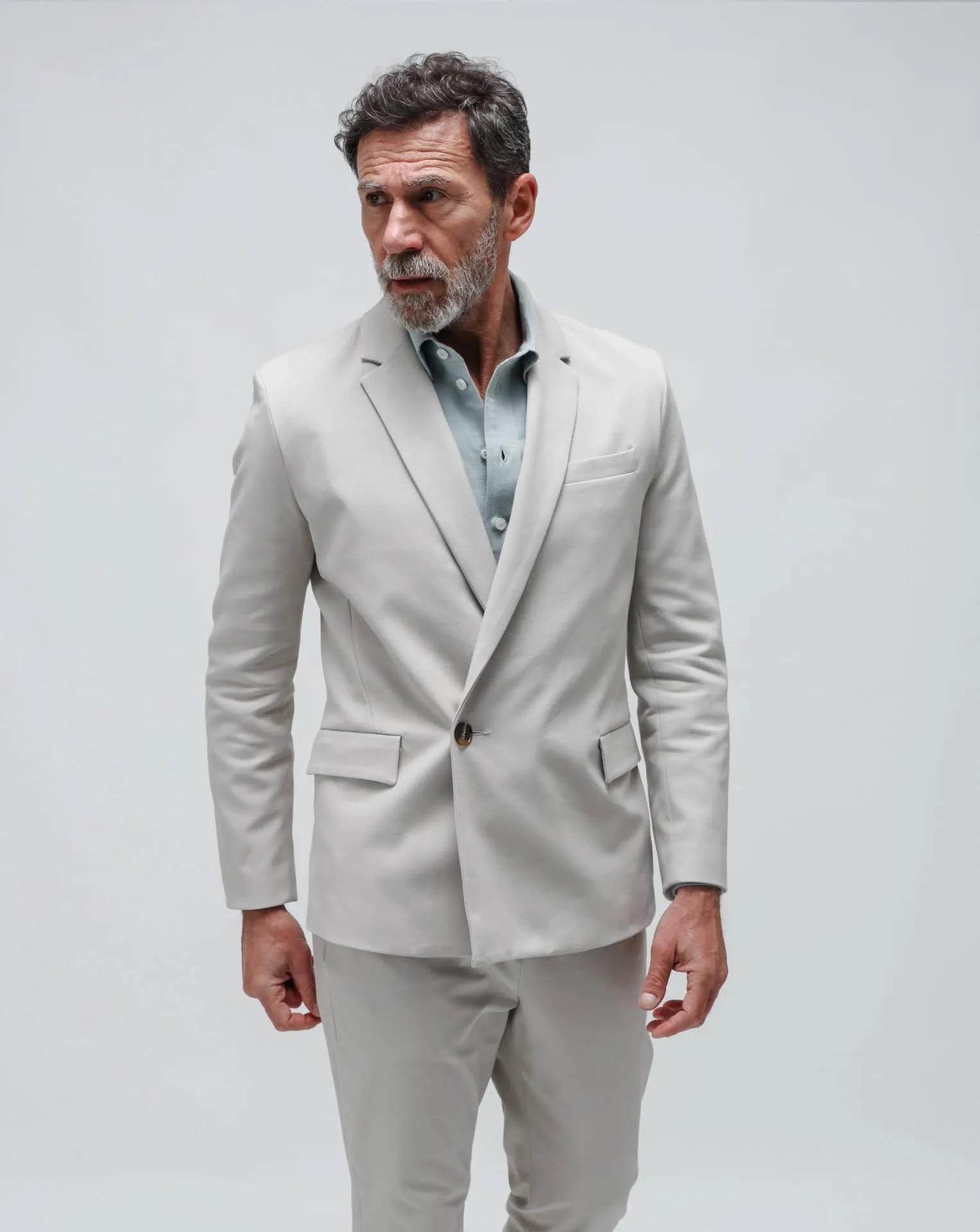
For women, a belted or wrap silhouette can create definition while leaving room for knitwear. A straight, double-breasted coat offers a sharper line and layers easily over tailoring. For men, a clean car coat, wool overcoat, or relaxed longline style can move from denim and boots to a suit without feeling overly formal. The best choice depends less on gendered rules than on proportion, layering needs, and the clothes you wear most.
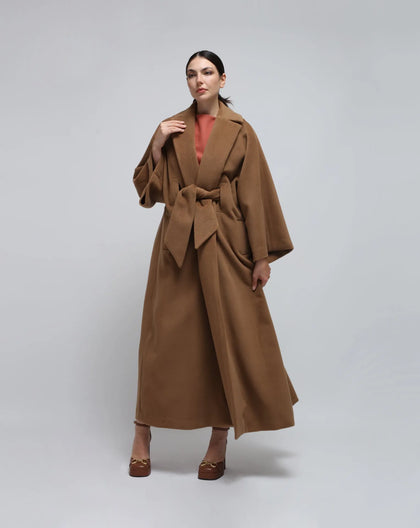
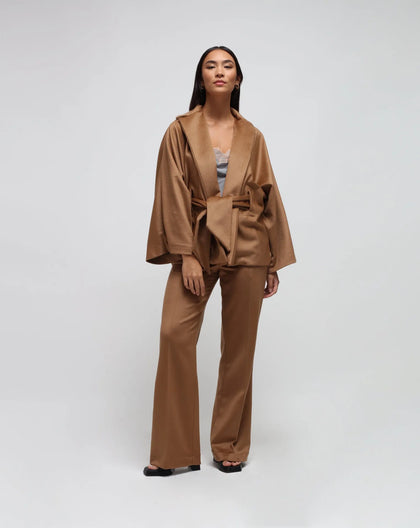
When building winter product pages, a Women's Camel Long Kimono Coatcan illustrate soft tailoring and versatile layering. A Men's Tailored Wool Overcoat can show how a structured outer layer completes workwear and evening dressing.
Details That Determine Warmth and Wear
The smallest elements often separate a coat that looks good from one that performs well. A full lining helps the garment slide over layers and protects the outer fabric from friction. Deep pockets keep hands warmer and make daily life easier. Quality closures should feel secure without distorting the front of the coat.
Pay attention to these practical details when comparing options:
- A high neckline, storm flap, or substantial lapel offers better protection in wind.
- A back vent improves movement in longer tailored coats, though it can admit cold air in severe weather.
- A belt lets you adjust the fit over light or heavy layers.
- Roomy armholes make a coat far more comfortable over sweaters and jackets.
- Reinforced stitching at pockets, buttons, and seams supports repeated wear.
A detachable hood can be useful for wet climates, but it is not essential for everyone. If you rarely wear hoods, do not choose a coat solely because one is attached. A great scarf, knit hat, and well-cut collar may better suit your style while keeping you protected.
Build a Coat Around Your Existing Wardrobe
A winter coat earns longevity when it works with at least 80 percent of what you already wear. Before buying, picture it with your most-used shoes, bags, pants, and knitwear. If it only works with a new set of purchases, it is likely a statement piece rather than a wardrobe foundation.
Black, charcoal, navy, deep brown, and camel remain dependable because they accommodate changing colors and occasions. Yet a coat does not have to be neutral to be versatile. A rich forest green, oxblood, or soft stone can function like a neutral when it aligns with your wardrobe's existing palette.
Choose the silhouette before chasing a trend. A generous shoulder, a long hem, or a precise waist can all be current without becoming disposable. What matters is whether the shape reflects your personal uniform. Limited-edition production makes this discipline even more valuable: buy the piece you will return to, not the one that only feels exciting in the moment.
Care Is Part of the Purchase
A responsibly made coat deserves responsible care. Air wool outerwear between wears, use a wide hanger that supports the shoulders, and remove surface lint with a garment brush. Spot-clean small marks promptly. Frequent dry cleaning can be hard on fibers, so follow the care label and use professional cleaning only when it is truly needed.
At the end of the season, clean the coat before storage, empty the pockets, fasten closures, and place it in a breathable garment bag. Avoid plastic, which can trap moisture. A few minutes of care protects the material, the fit, and the value of the piece.
Choose the coat that meets the weather you actually face, supports the life you actually lead, and still feels right when the season's noise has passed. That is how a winter layer becomes part of a more intentional wardrobe.
FAQ
Q: What is the warmest material for a winter coat?
A: Dense wool is warm, breathable, and well suited to refined everyday coats. For prolonged freezing conditions, an insulated padded coat may offer more warmth. The warmest choice depends on construction, wind protection, layering room, and your activity level.
Q: Should a winter coat fit loose or fitted?
A: It should have enough room for a sweater or light jacket underneath without pulling at the shoulders, back, or buttons. Tailored coats can feel close to the body, while oversized coats need intentional volume rather than excess fabric.
Q: Is a wool coat warm enough for winter?
A: A well-made, lined wool coat is often warm enough for cool to cold city winters, especially with knitwear and accessories. In very cold, wet, or windy conditions, choose a denser fabric, longer length, and more protective layering, or add an insulated coat to your wardrobe.
Q: How many winter coats should I own?
A: Two is a practical starting point for many wardrobes: one polished wool coat for everyday dressing and one insulated or weather-focused layer for harsher conditions. If your climate is mild, one versatile coat may be enough.
Q: Are deadstock fabrics good for winter coats?
A: Yes, when the fabric composition, weight, and construction suit outerwear. Deadstock refers to existing unused fabric, not a lower standard of quality. Always review the fiber content and care requirements to understand how the coat will perform and age.
the World of H&L