
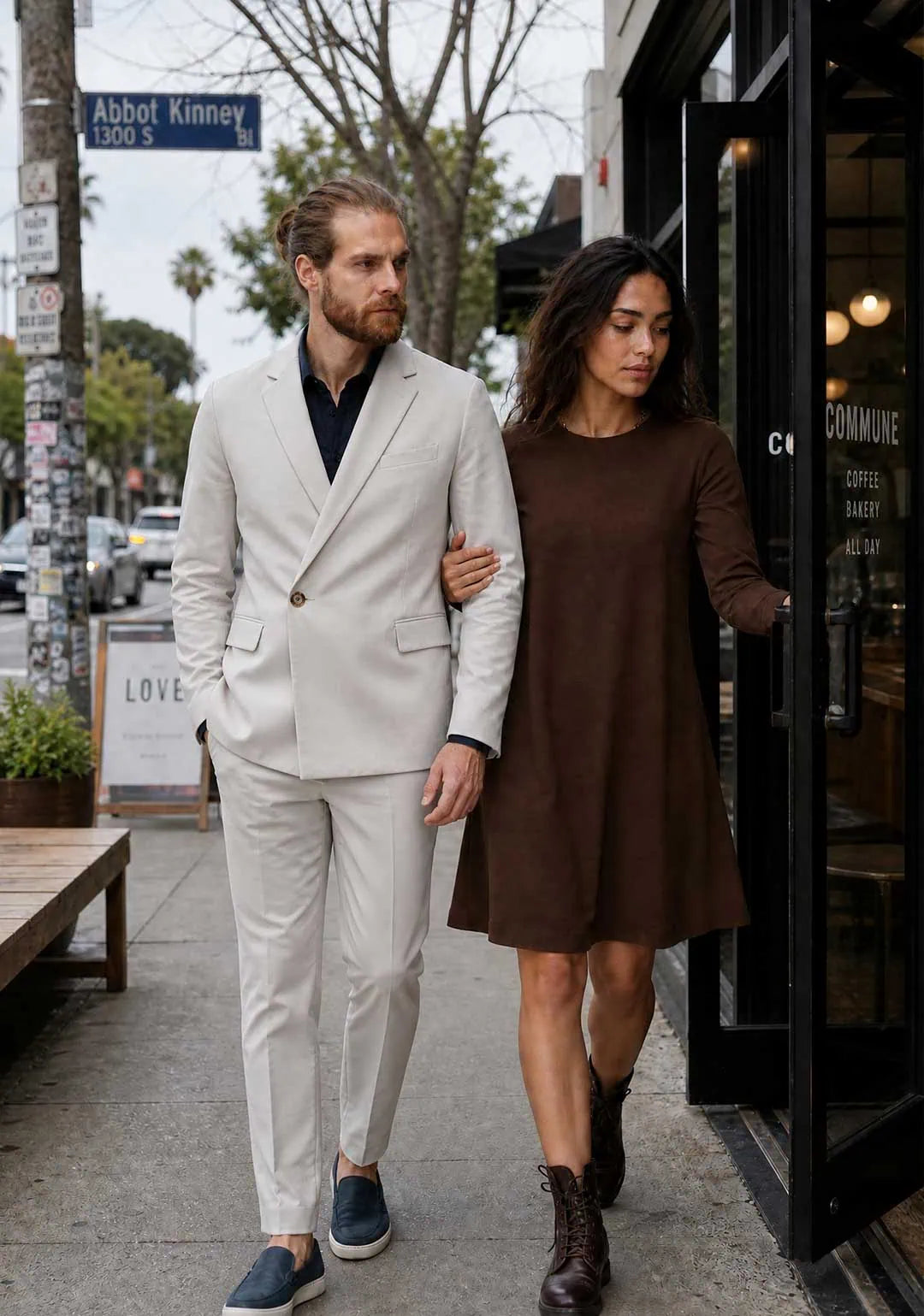
A Los Angeles Winter Wardrobe That Works
Los Angeles winter is not built for one-note dressing. A 48-degree morning in Los Feliz can turn into a 72-degree lunch downtown, then cool sharply after sunset in Santa Monica. The right Los Angeles winter wardrobe is therefore less about heavy outerwear and more about intelligent layers: pieces with presence, ease, and enough flexibility to move through the city without a costume change.
For a city that treats personal style as a daily language, the goal is simple. Build fewer looks that do more. Choose elevated fabrics, intentional proportions, and layers that can be removed, carried, and worn again tomorrow.
Start With Light Warmth, Not Bulk
Los Angeles does have cold spells, rain, and evenings that demand a real coat. But a thick, expedition-ready parka will spend most of the season hanging unused. A refined wool coat, a structured jacket, or a relaxed blazer usually has more range.
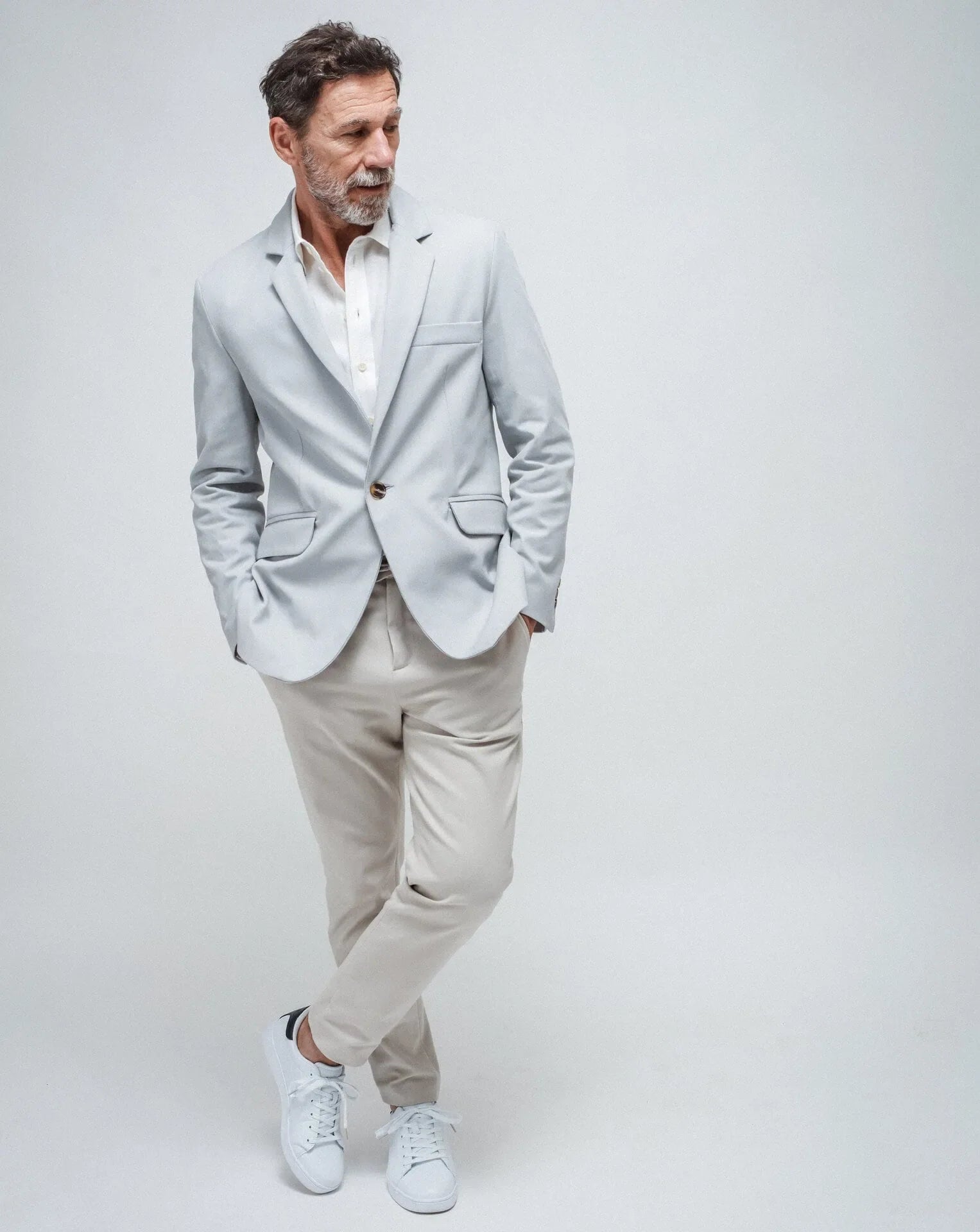
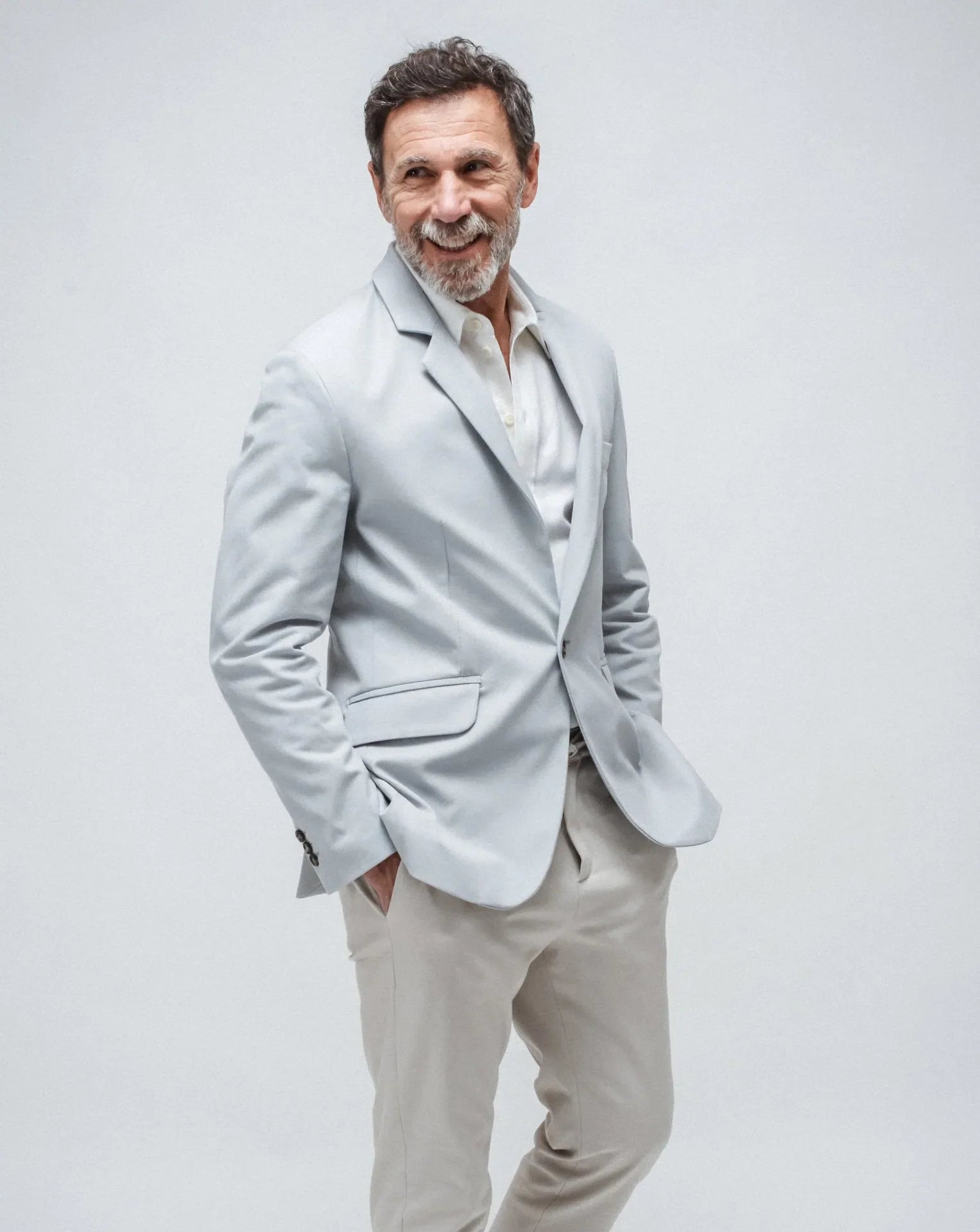
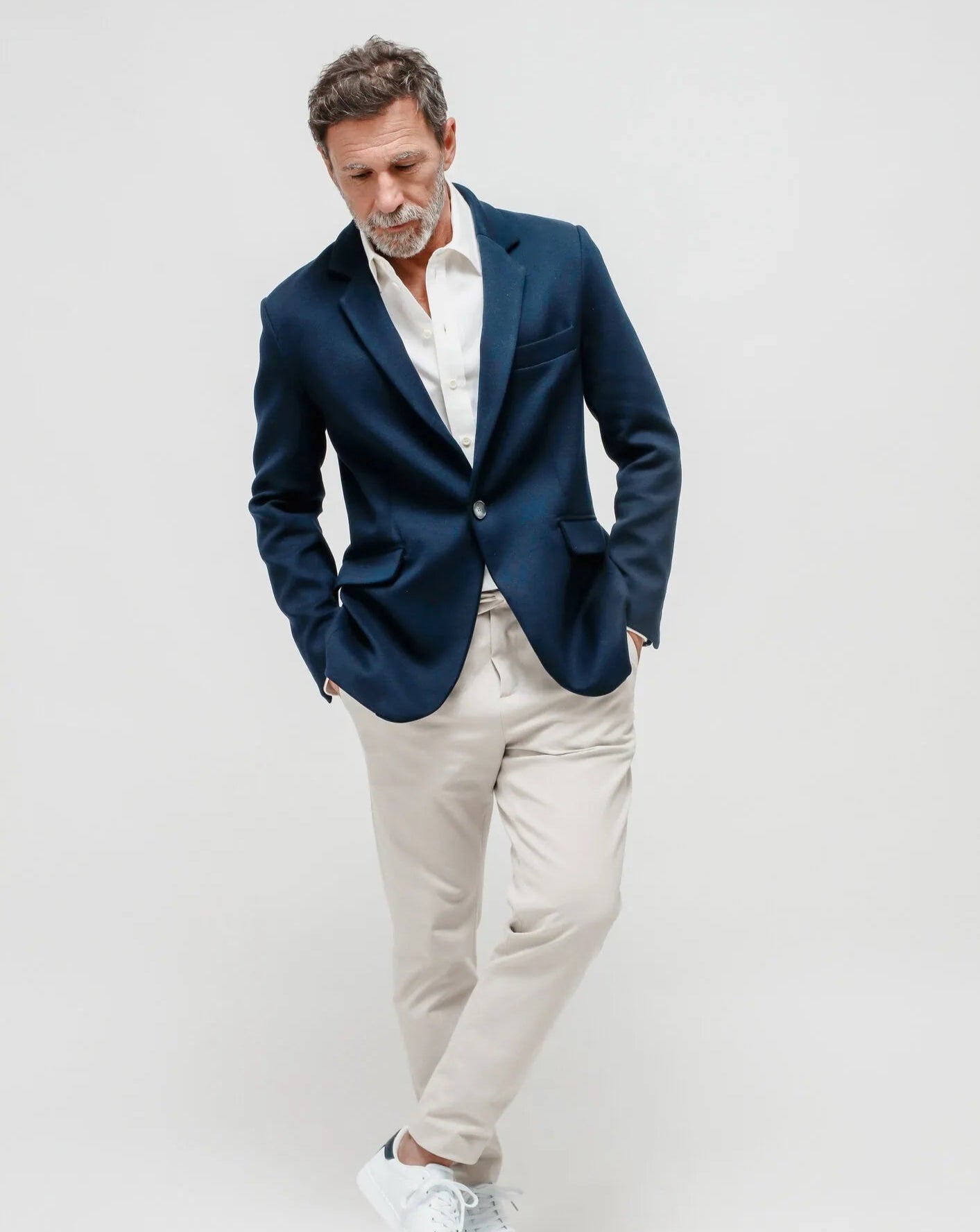
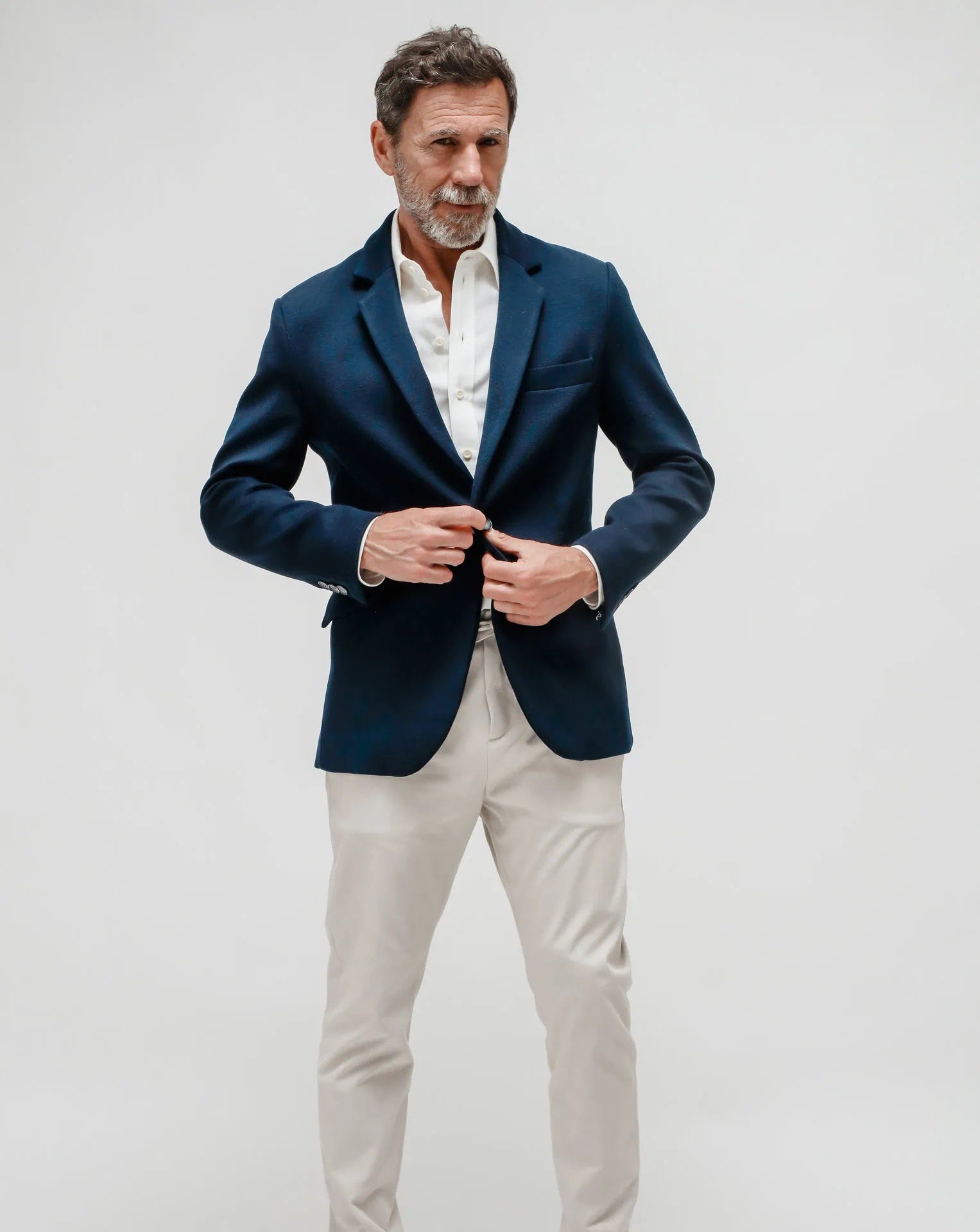
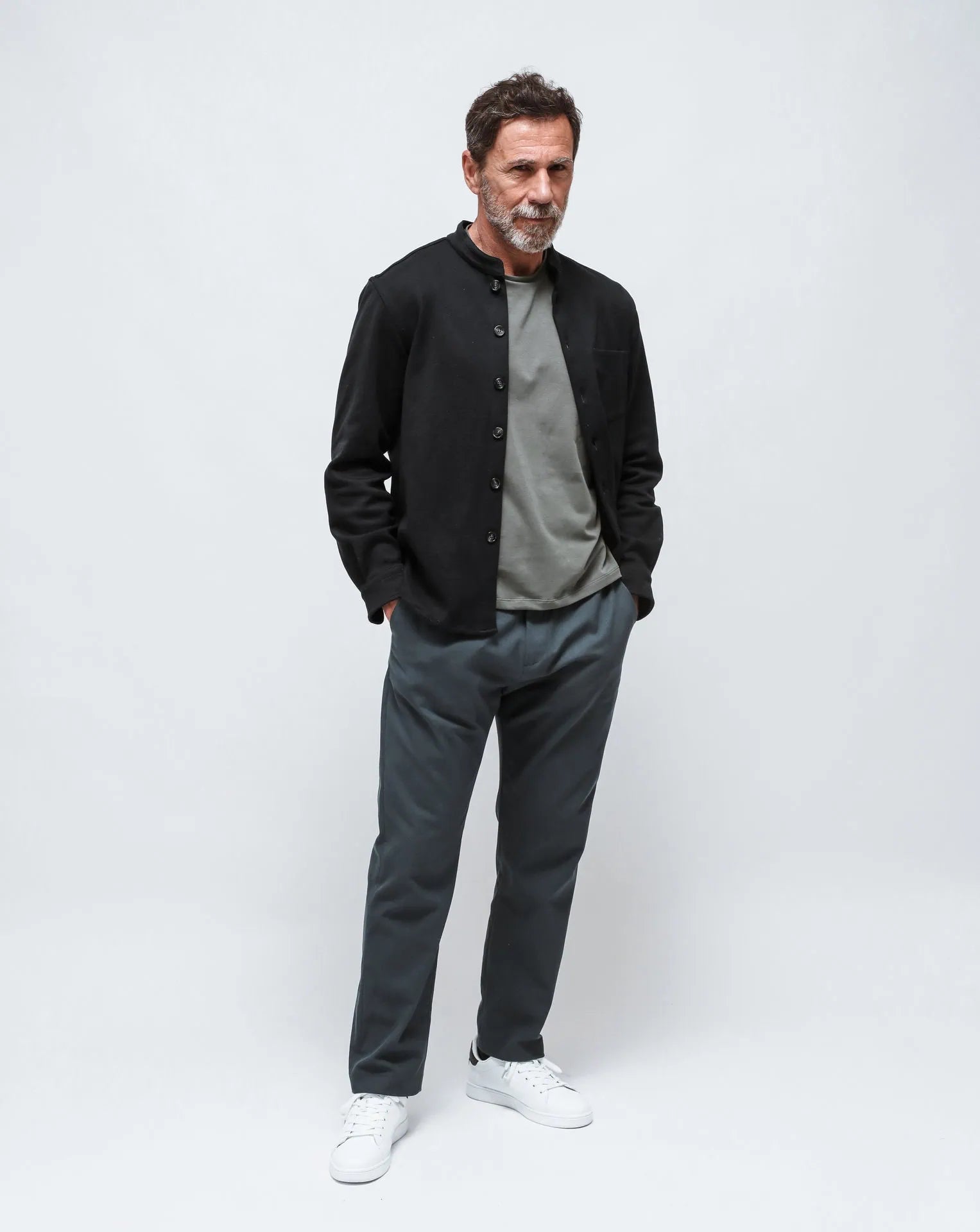
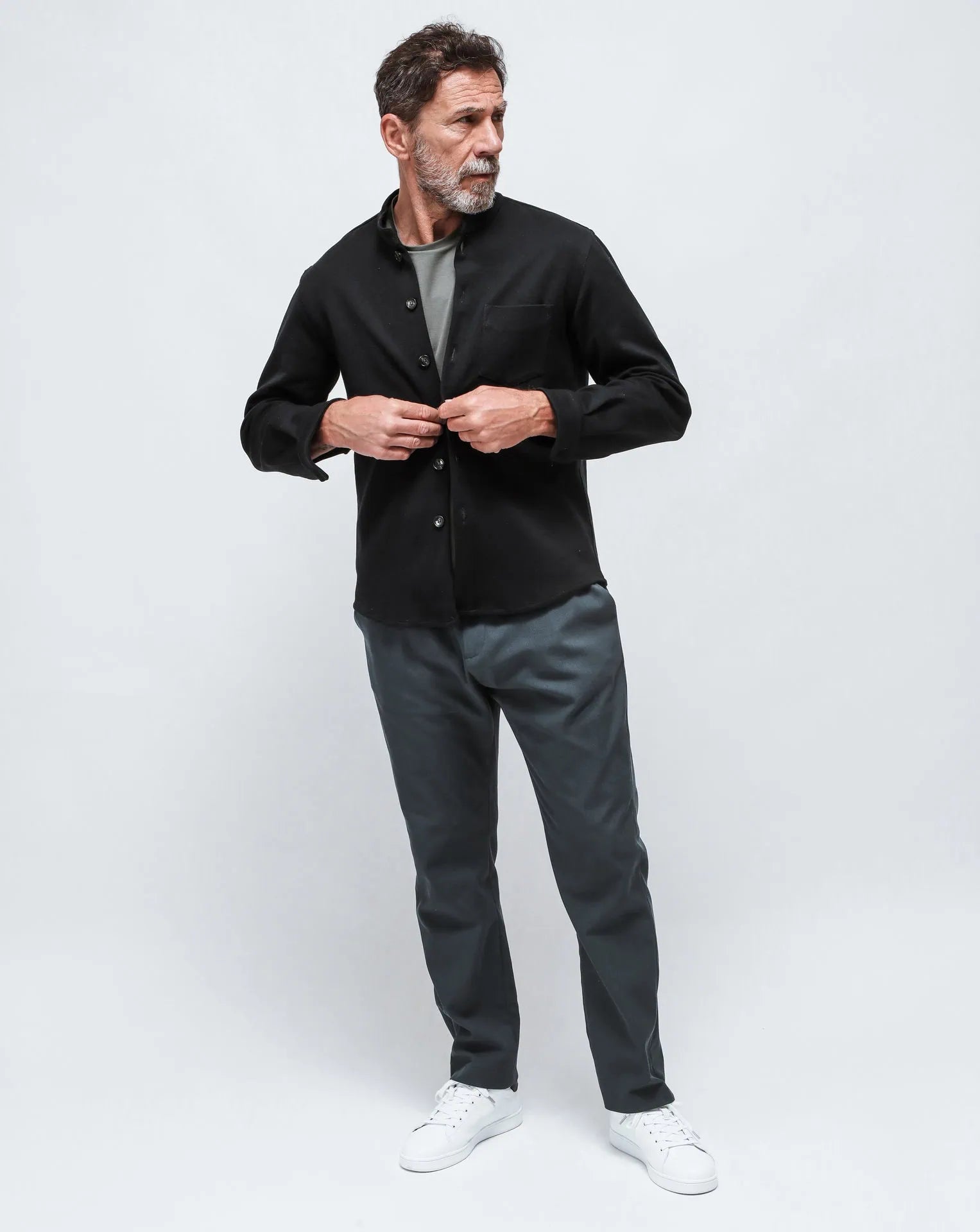
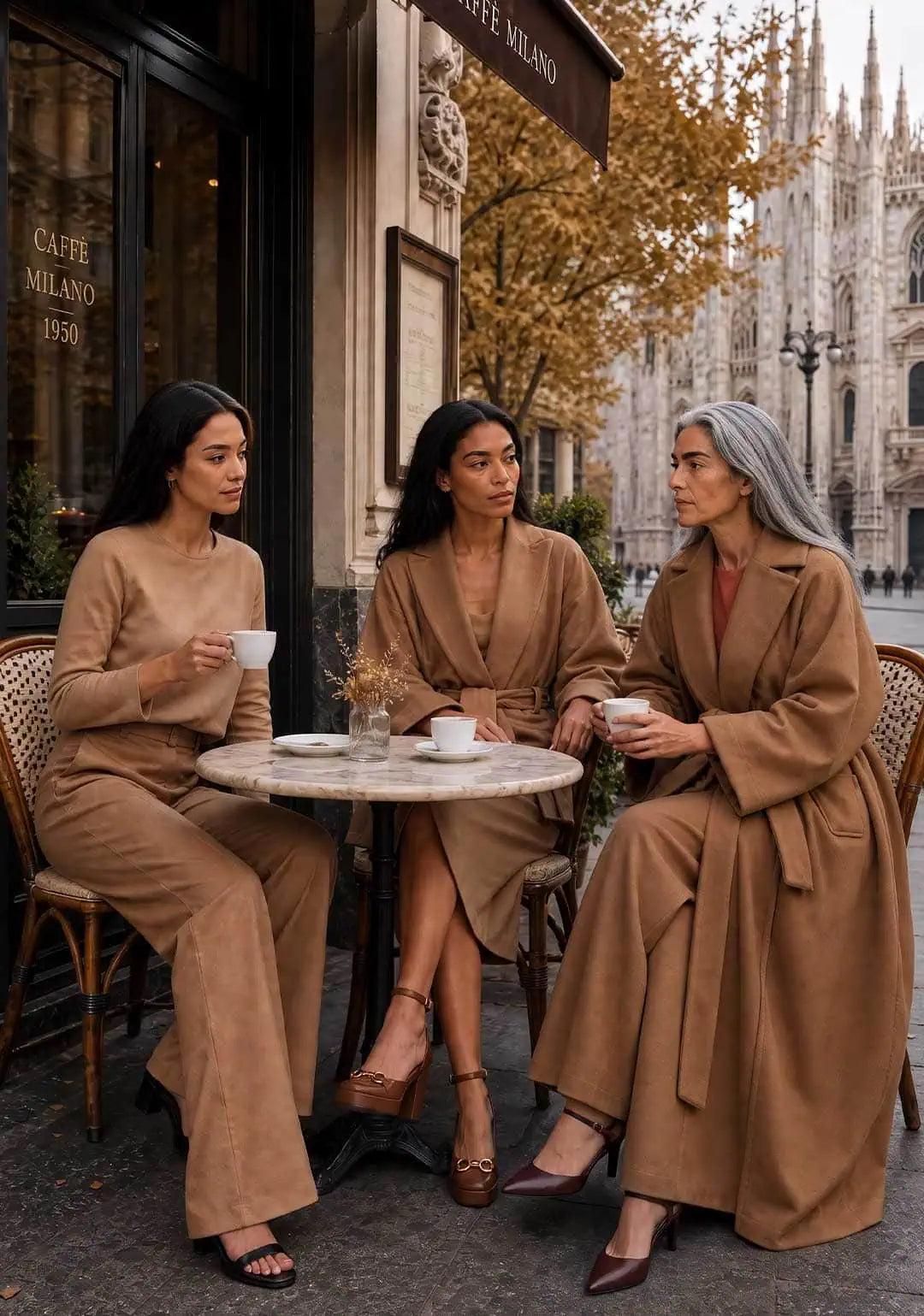
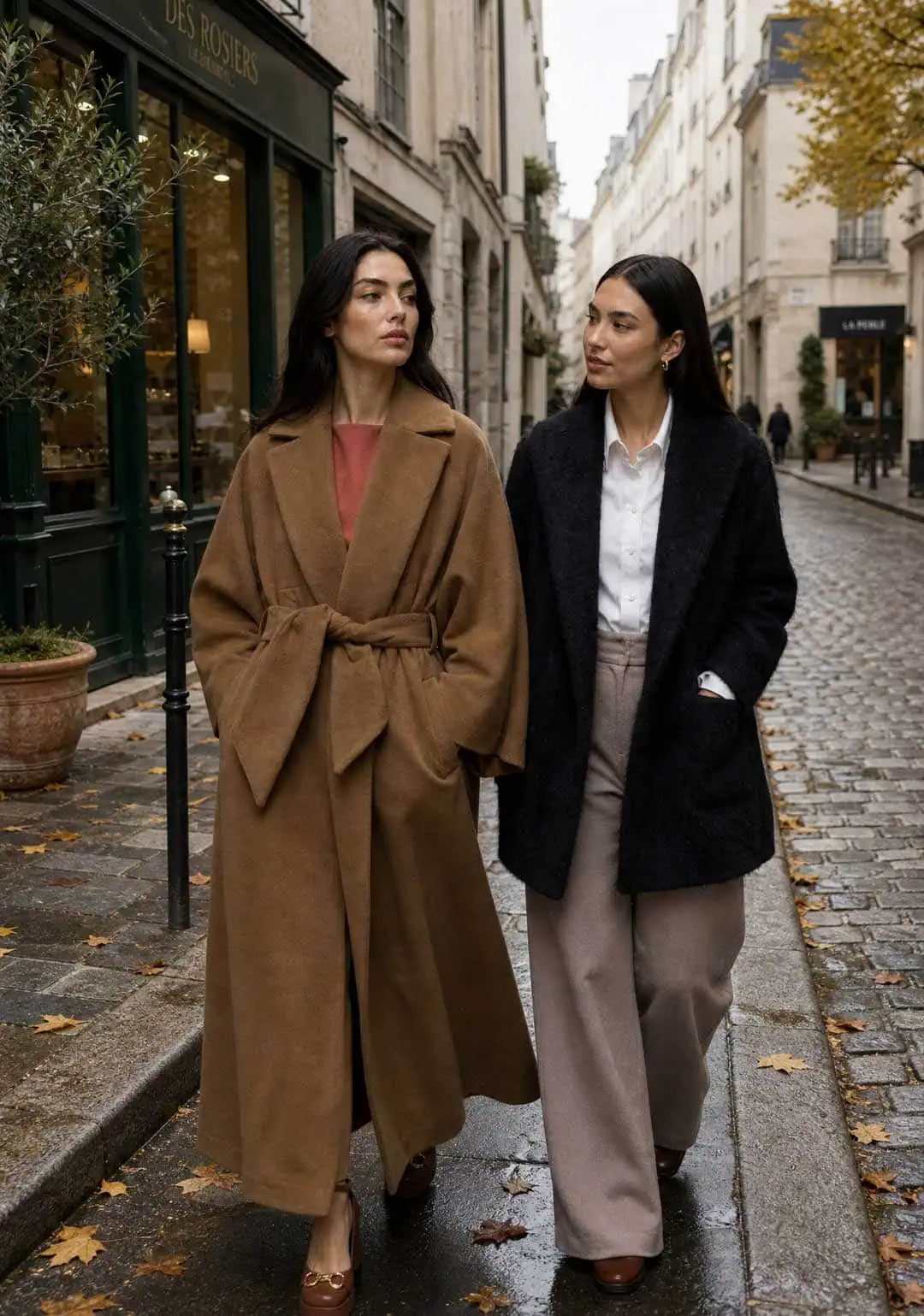
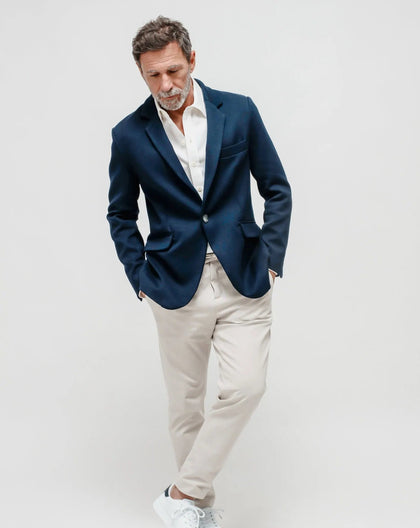
Look for outerwear that works open as well as closed. A long Women’s Wool Coat over a fine knit and wide-leg pants feels considered for a gallery opening or dinner in West Hollywood. A Men’s Tailored Punto Milano Jacket can sharpen a T-shirt and trousers for a creative office, then layer over a button-down when the temperature drops.
Fabric matters here. Wool, brushed cotton, substantial deadstock suiting, and textured knits offer warmth without visual heaviness. They also hold their shape across a long day, which is part of what makes a smaller wardrobe feel more capable.
The Los Angeles Winter Wardrobe Formula
A useful winter look in Los Angeles usually begins with a breathable base, adds a polished middle layer, and finishes with an outer layer that can be carried without becoming a burden. It sounds practical because it is. The city rewards clothes that can cross neighborhoods, dress codes, and shifting weather with very little effort.
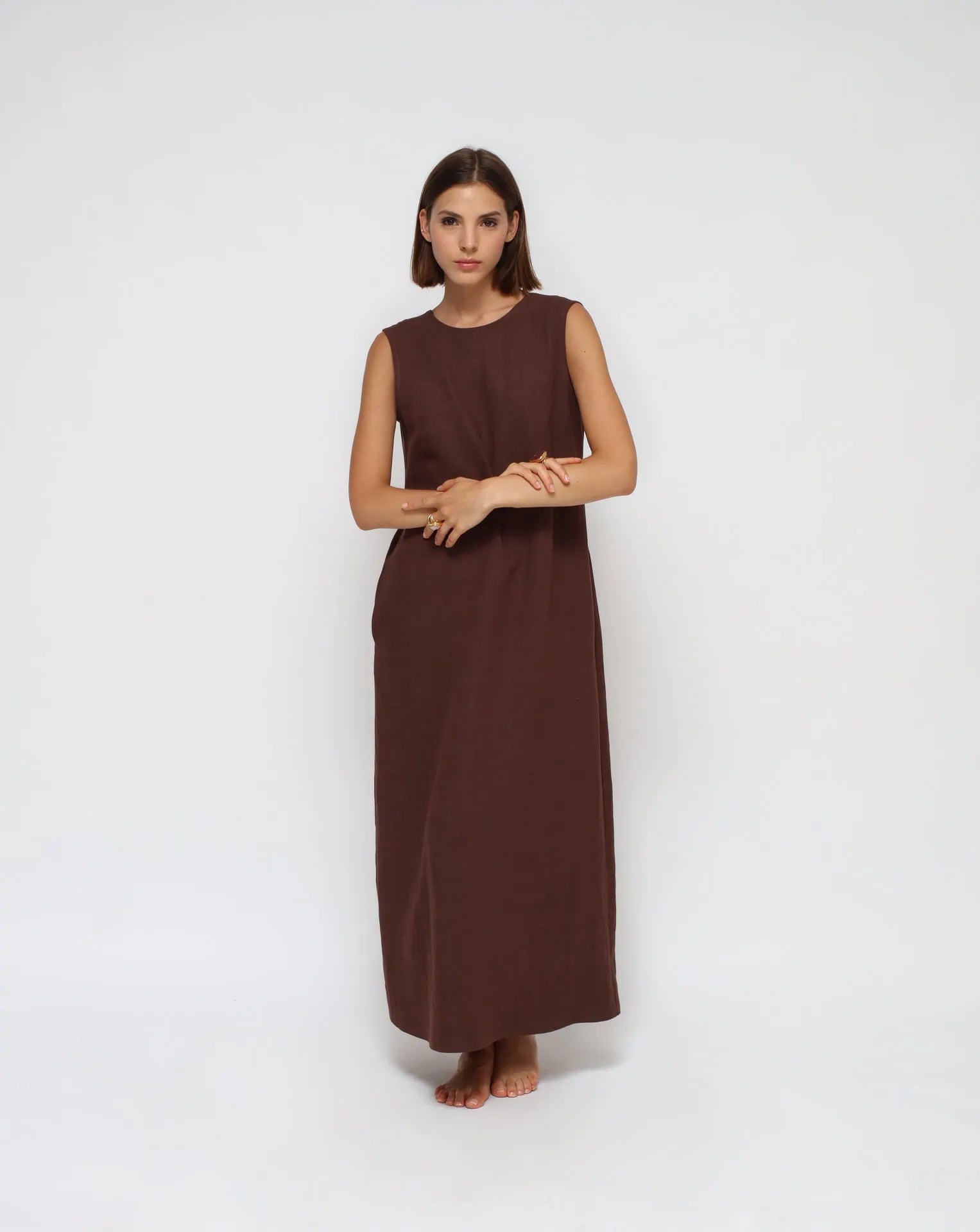
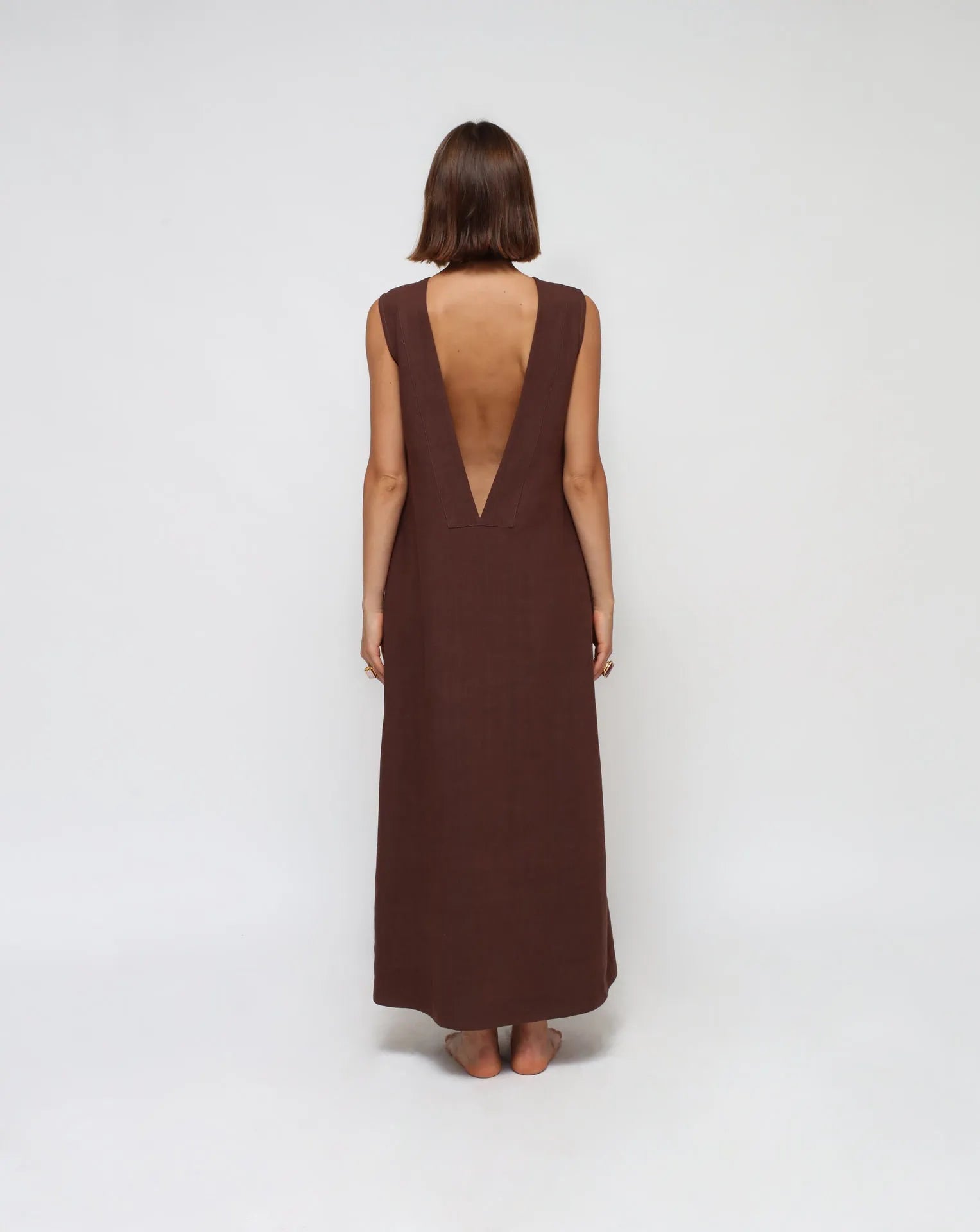
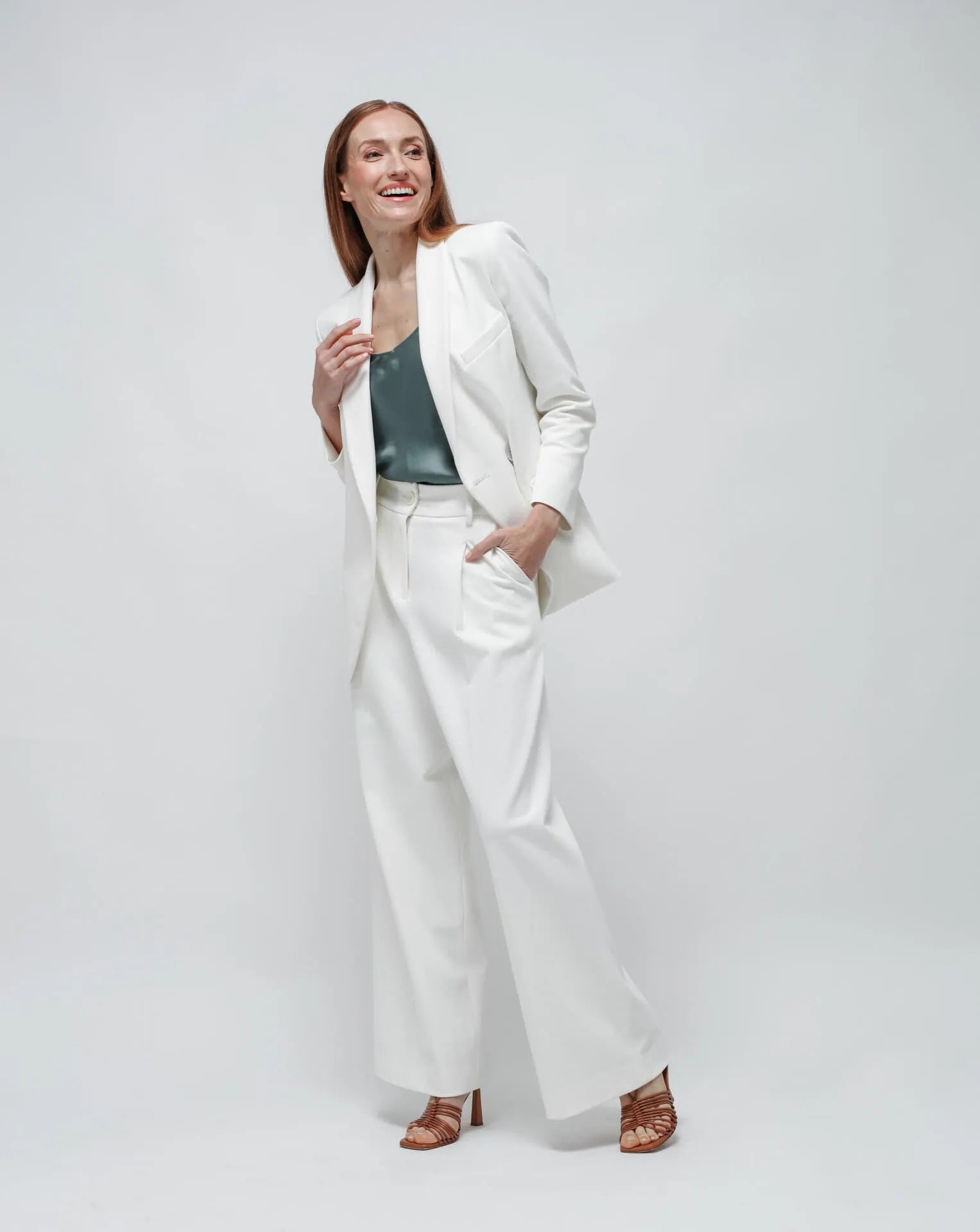
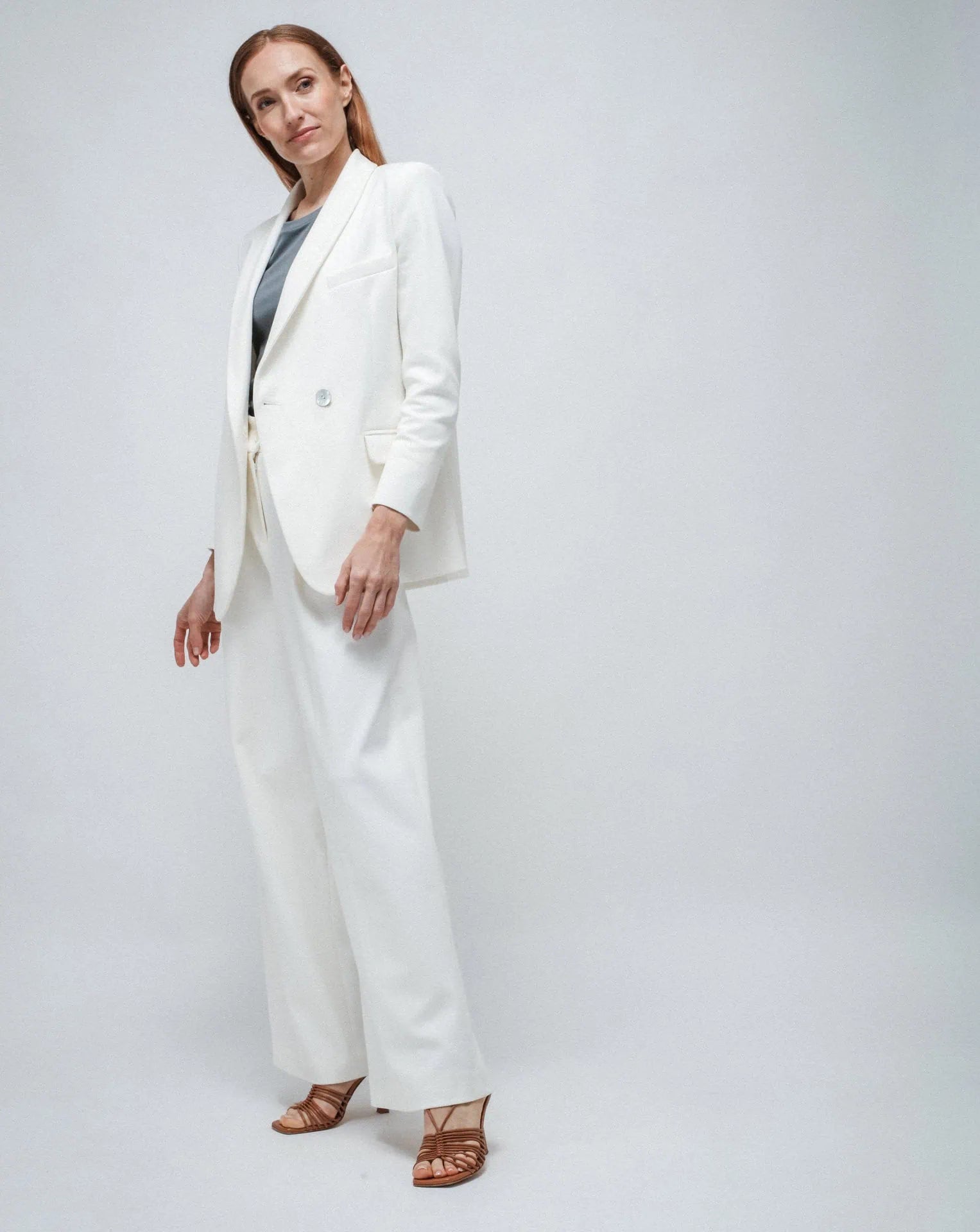
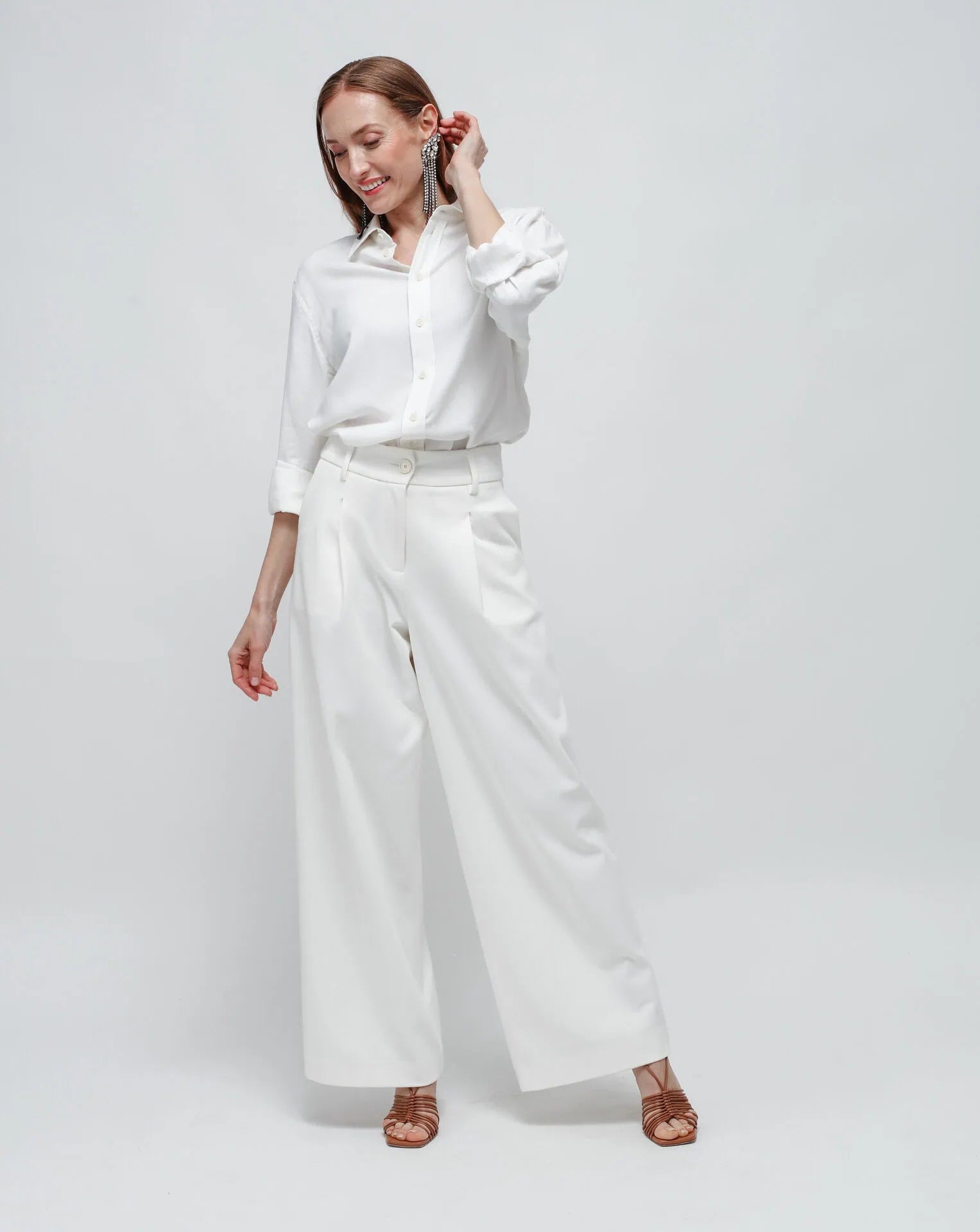
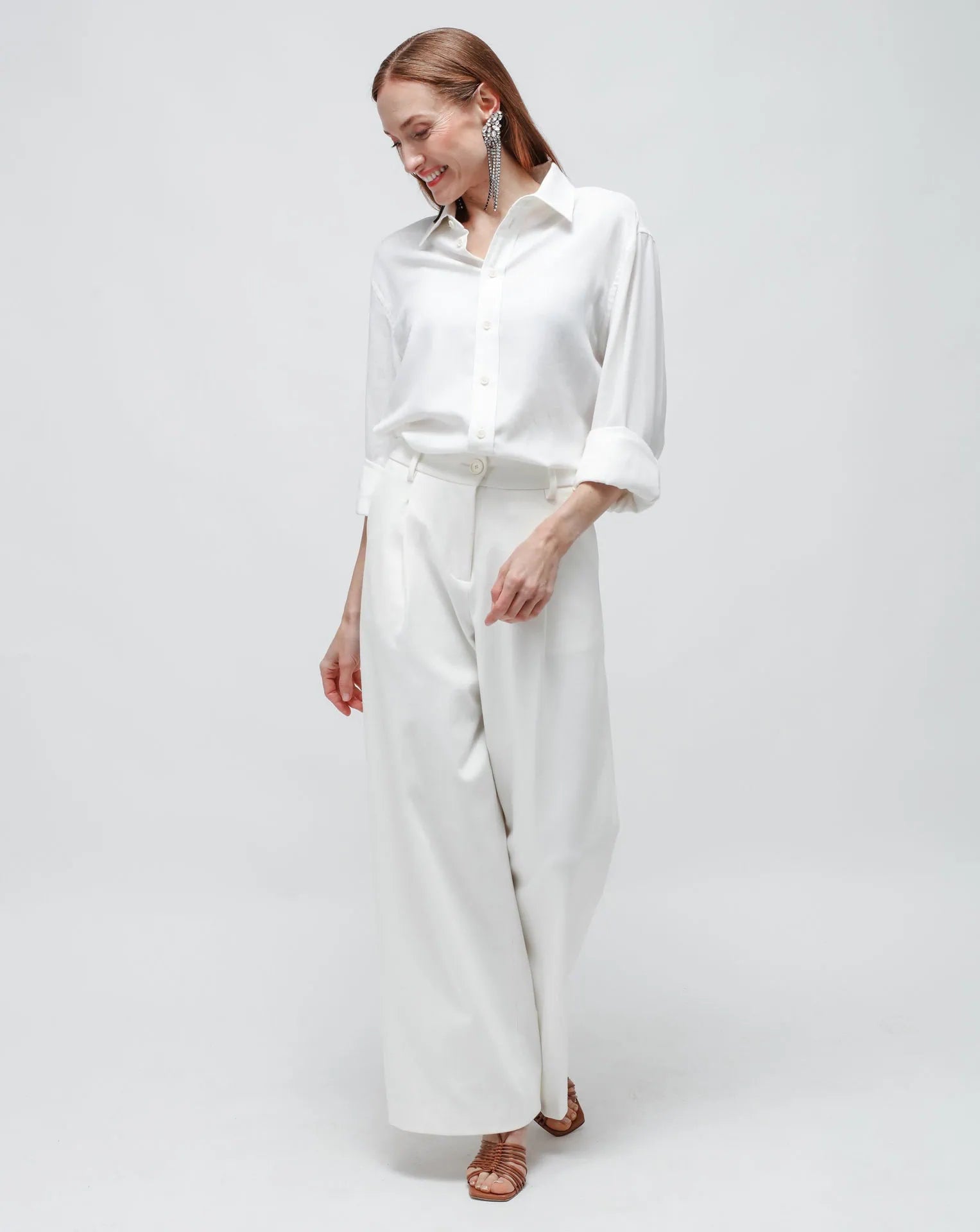
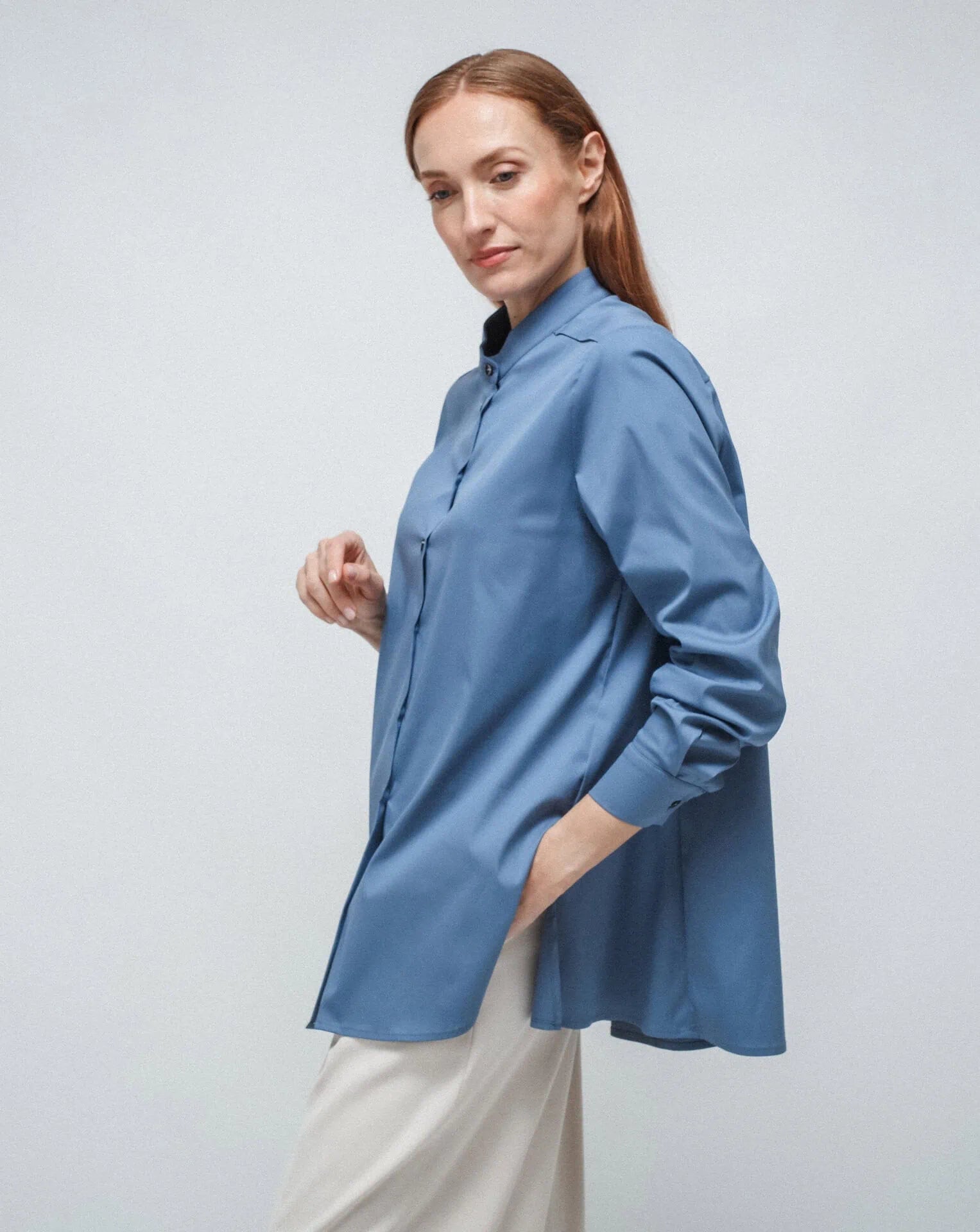
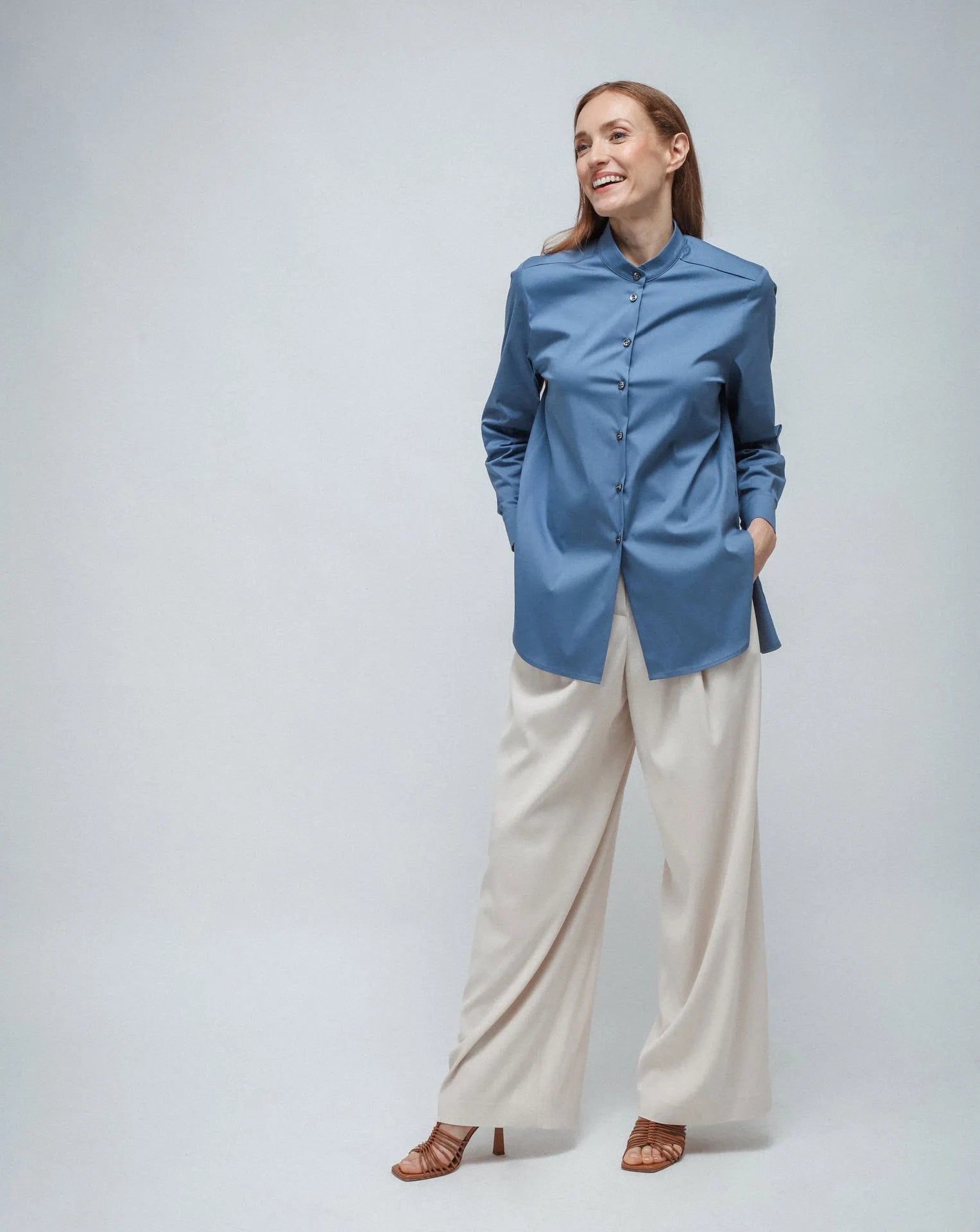
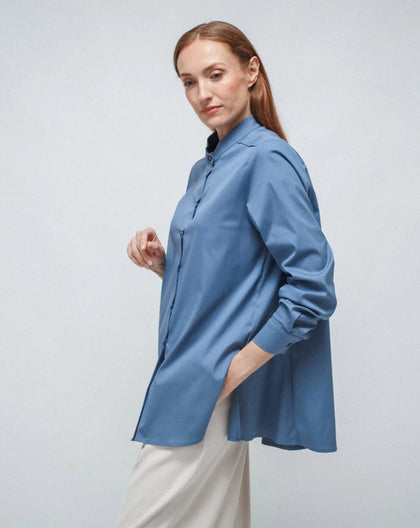
For women, consider a fitted knit or Women’s Long-Sleeve Top with a midi skirt, tailored pants, or a fluid dress. Add boots, a leather belt, and a jacket with a clean shoulder line. On warmer afternoons, the jacket comes off and the outfit still feels complete.
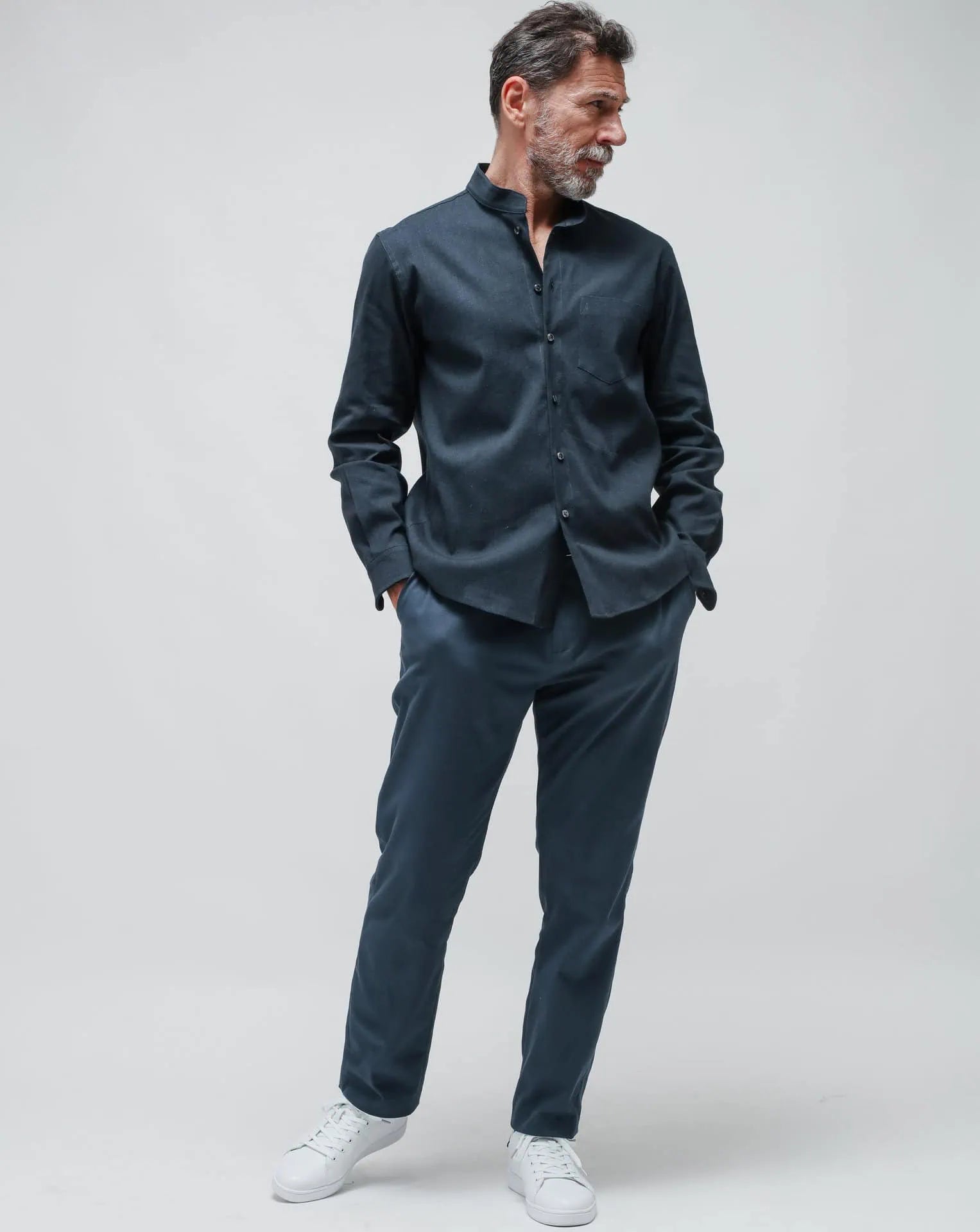
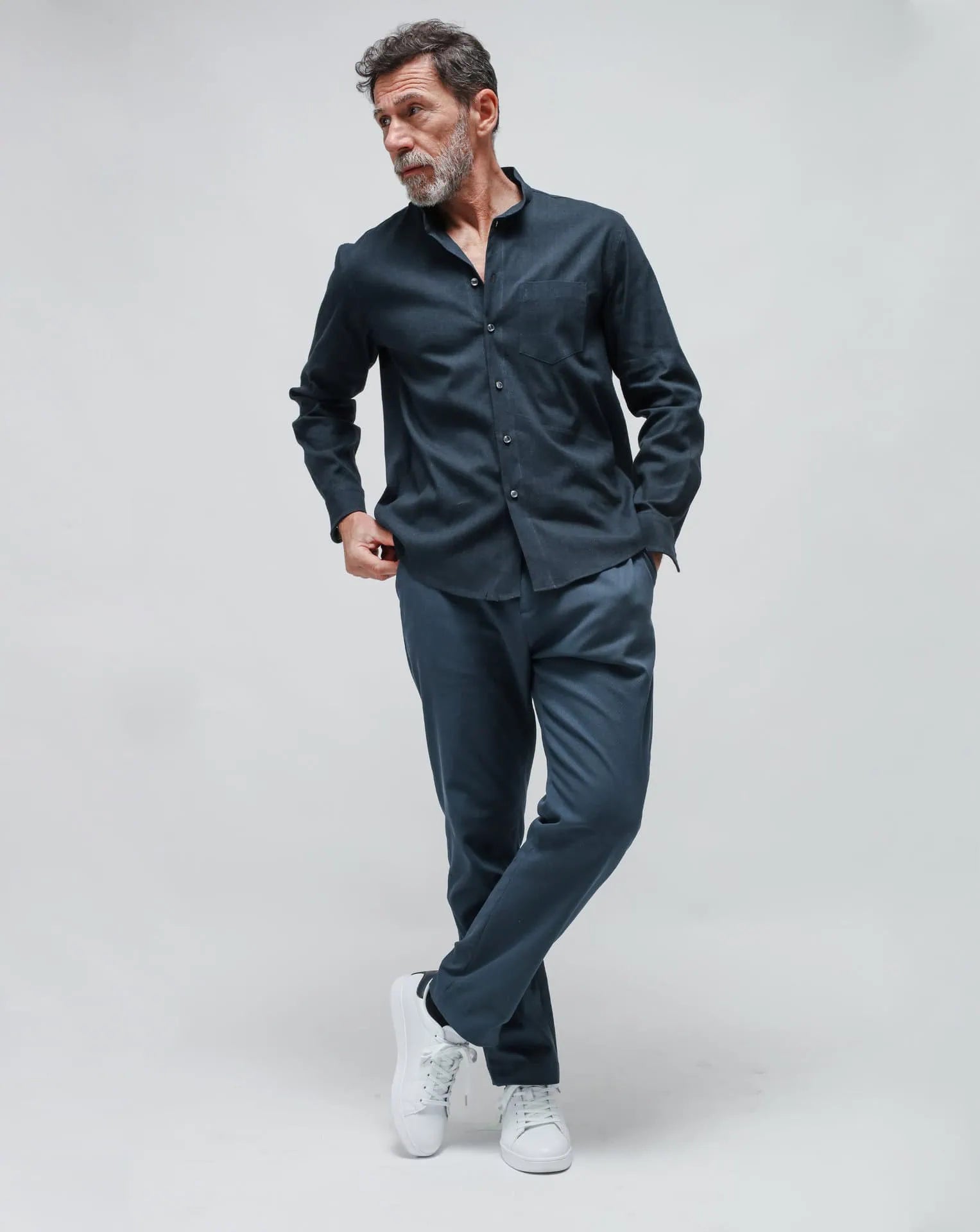
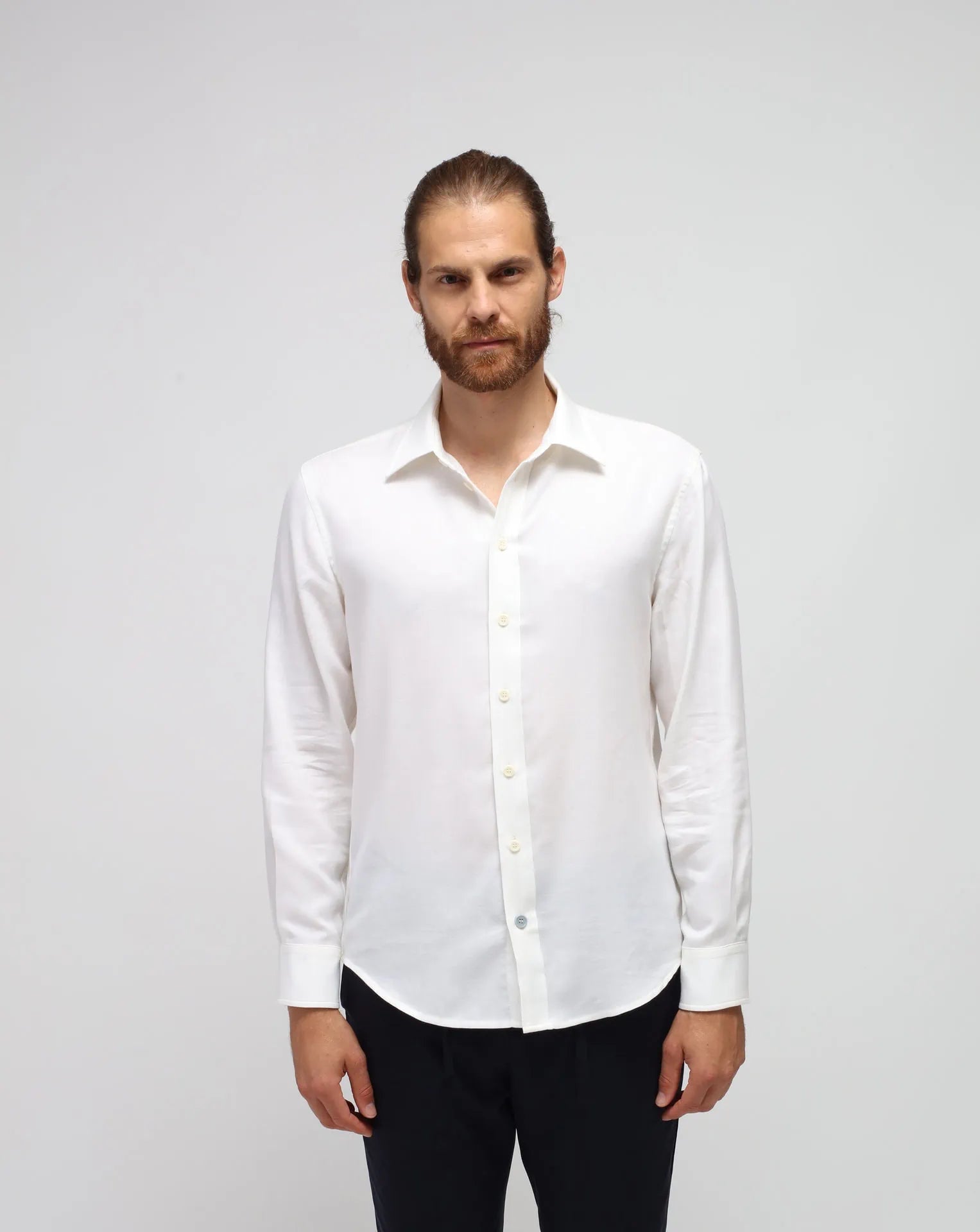
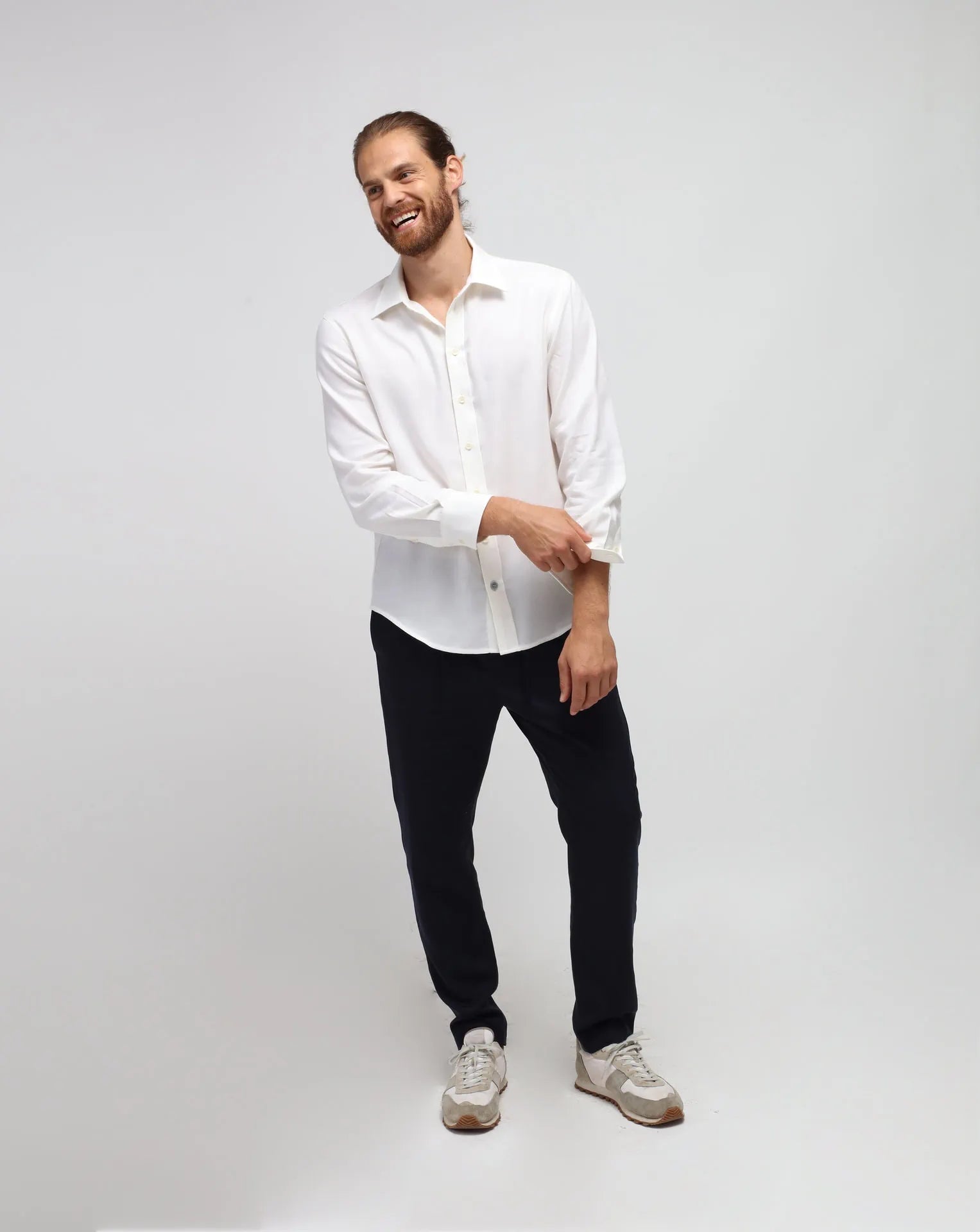
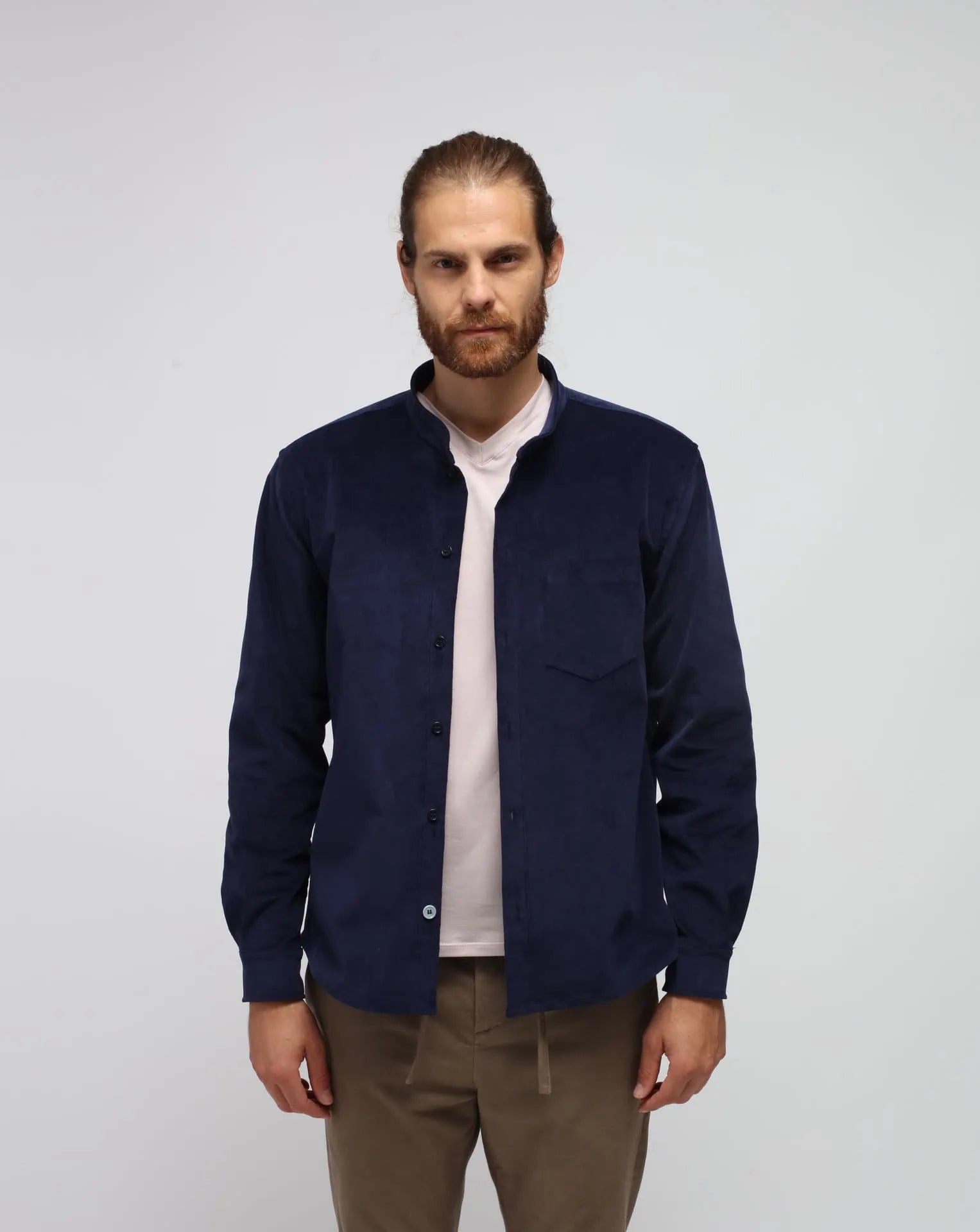
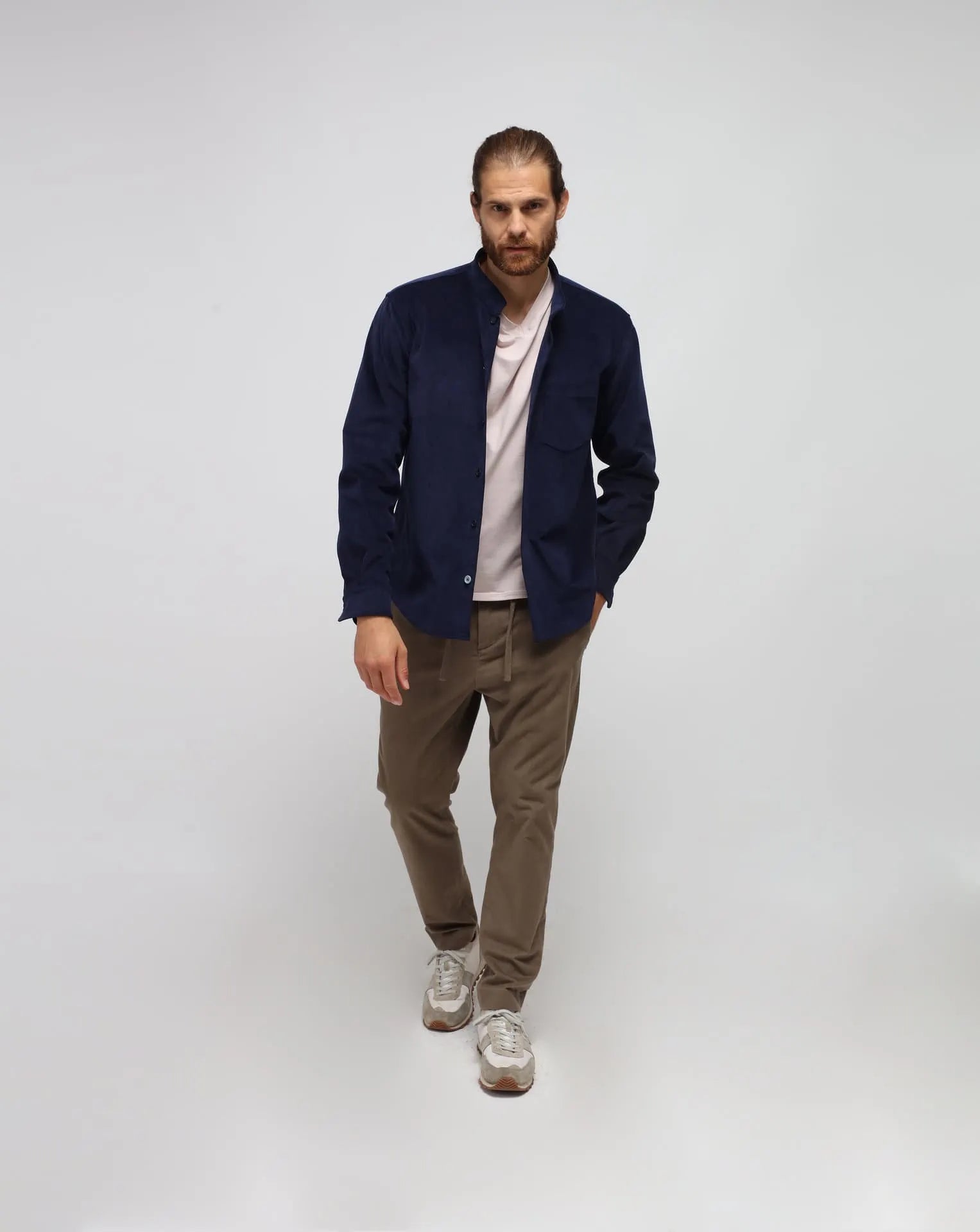
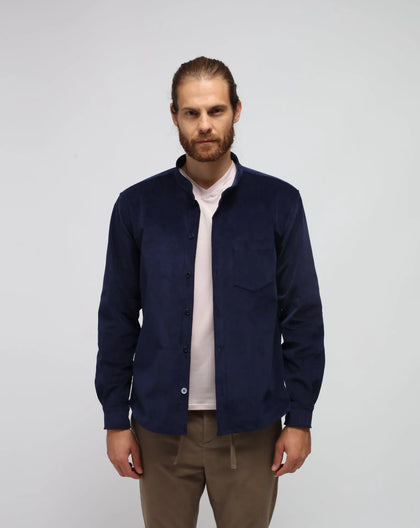
For men, start with a heavyweight tee, fine-gauge knit, or Men’s Italian-Made Shirt. Pair it with pleated trousers or refined denim, then add an overshirt, blazer, or coat. This approach works because each piece has a role. Nothing is included simply to imitate winter.
The distinction is worth protecting. Layering should create dimension, not clutter. If the base layer, jacket, and coat all compete for attention, the outfit loses its clarity. Let one element carry the texture or color, and keep the rest precise.
Build Around Pieces That Travel Across the City
The best city wardrobes are shaped by real movement. Los Angeles may be known for driving, but its days are still full of transitions: an early coffee run, a meeting in Culver City, a walk through a museum, dinner outdoors, a late ride home. Your clothes should meet those moments without asking for excess.
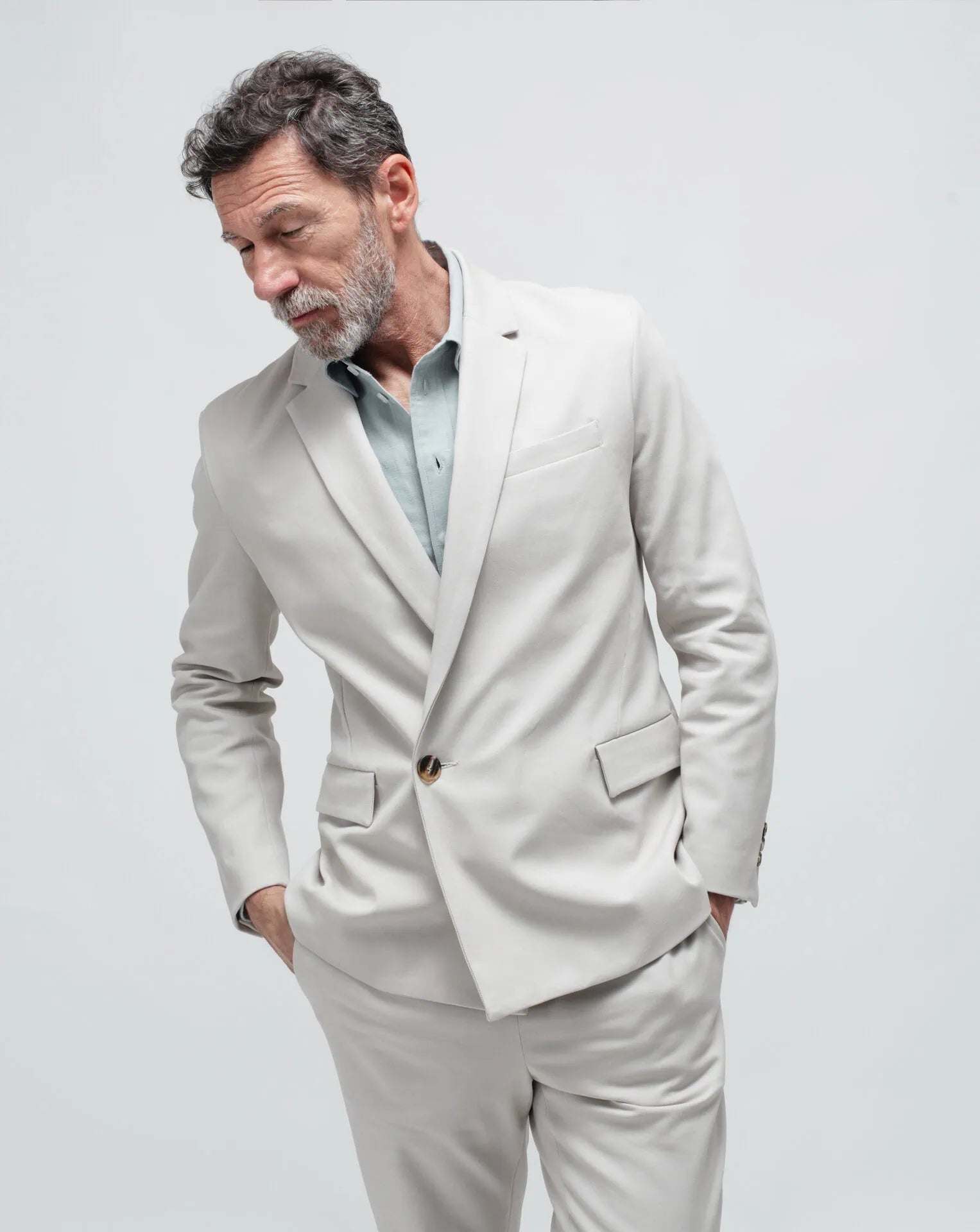
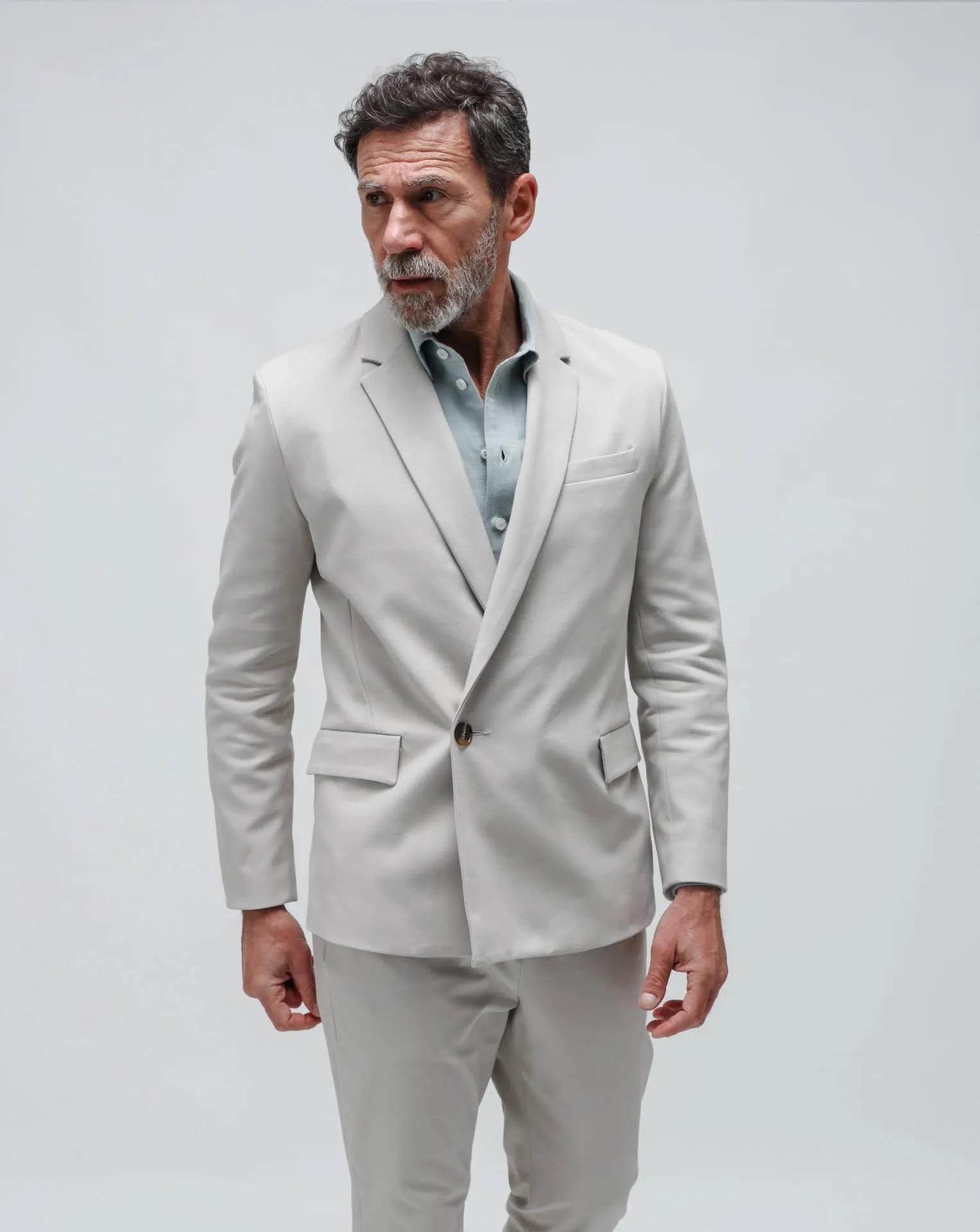
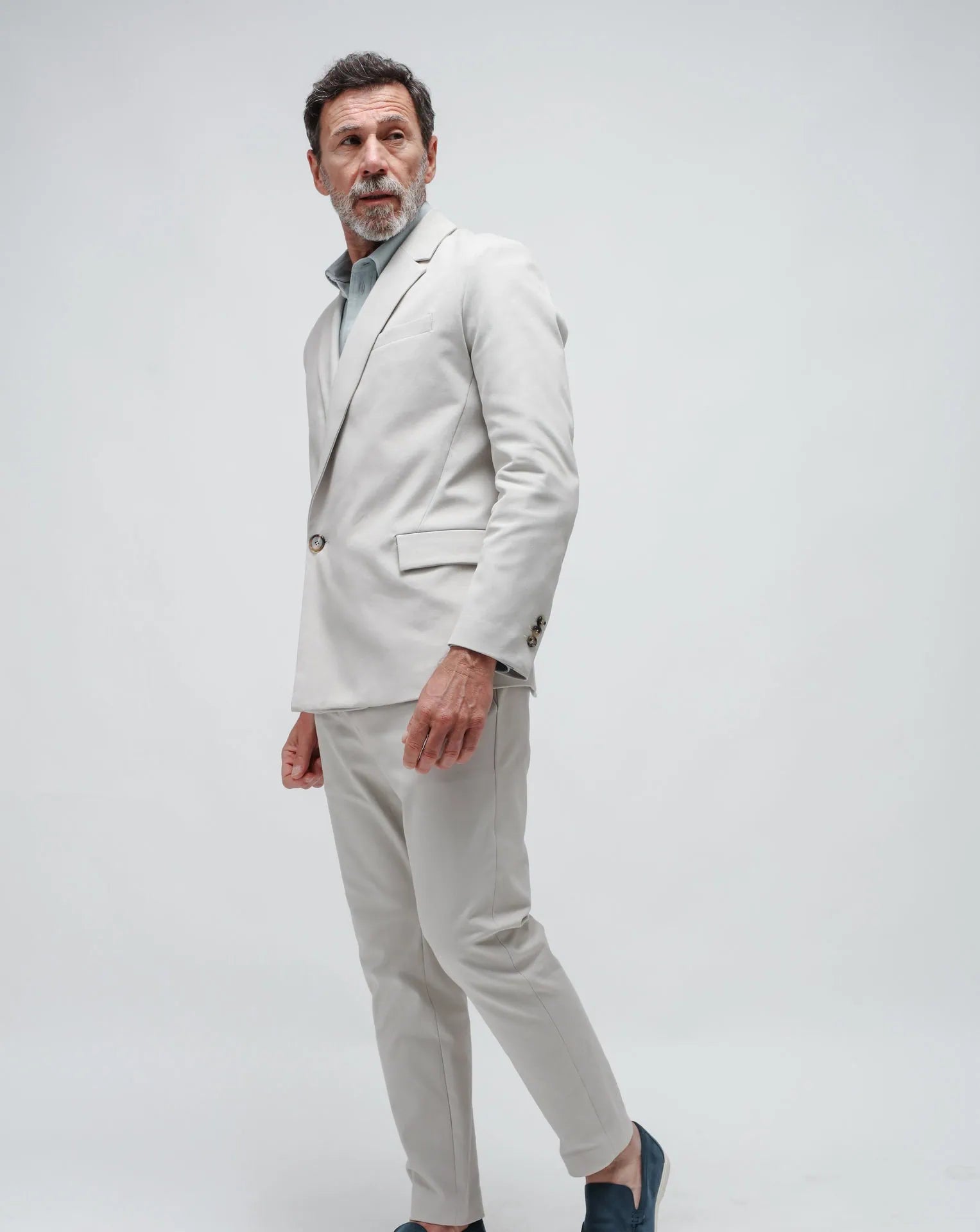
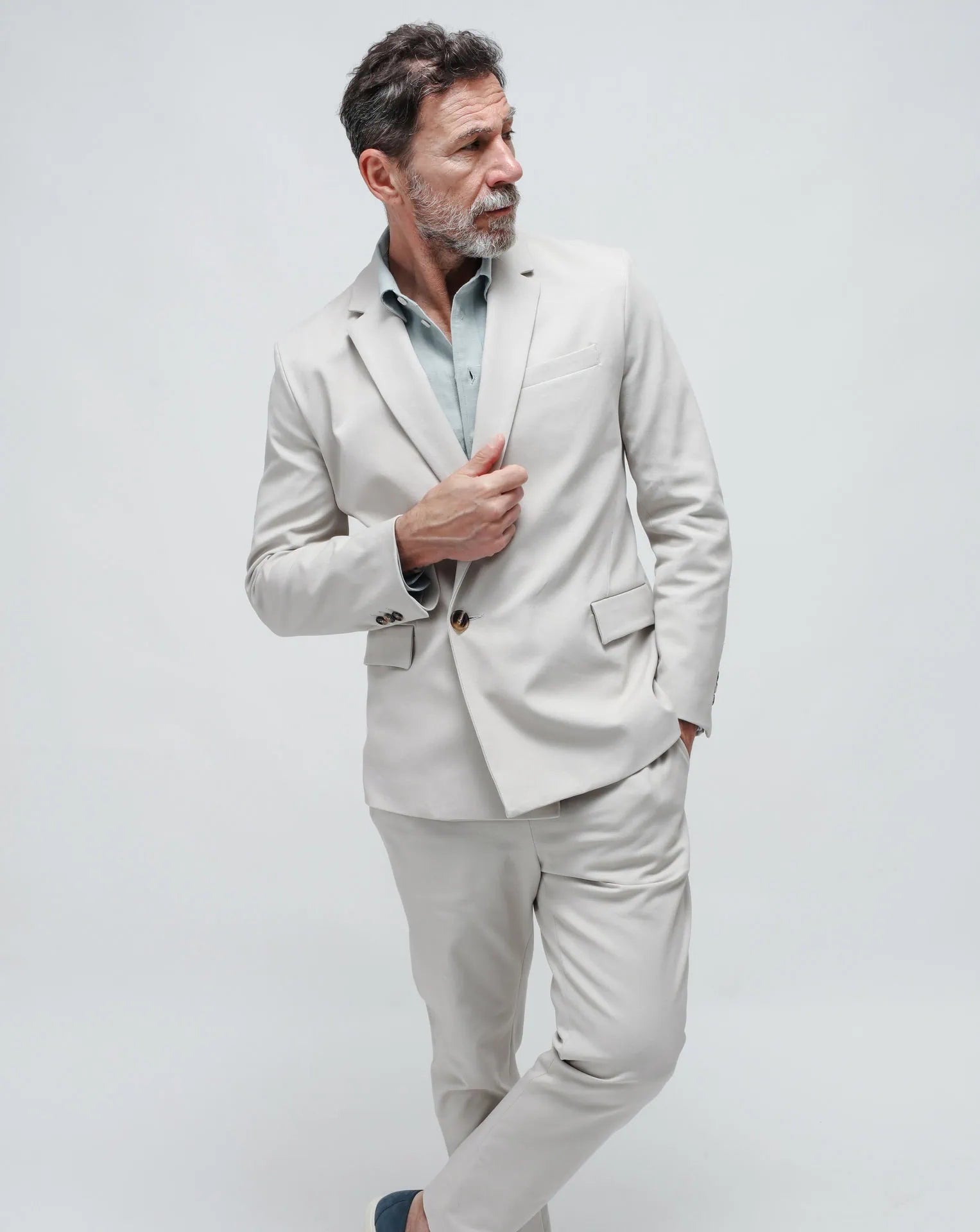
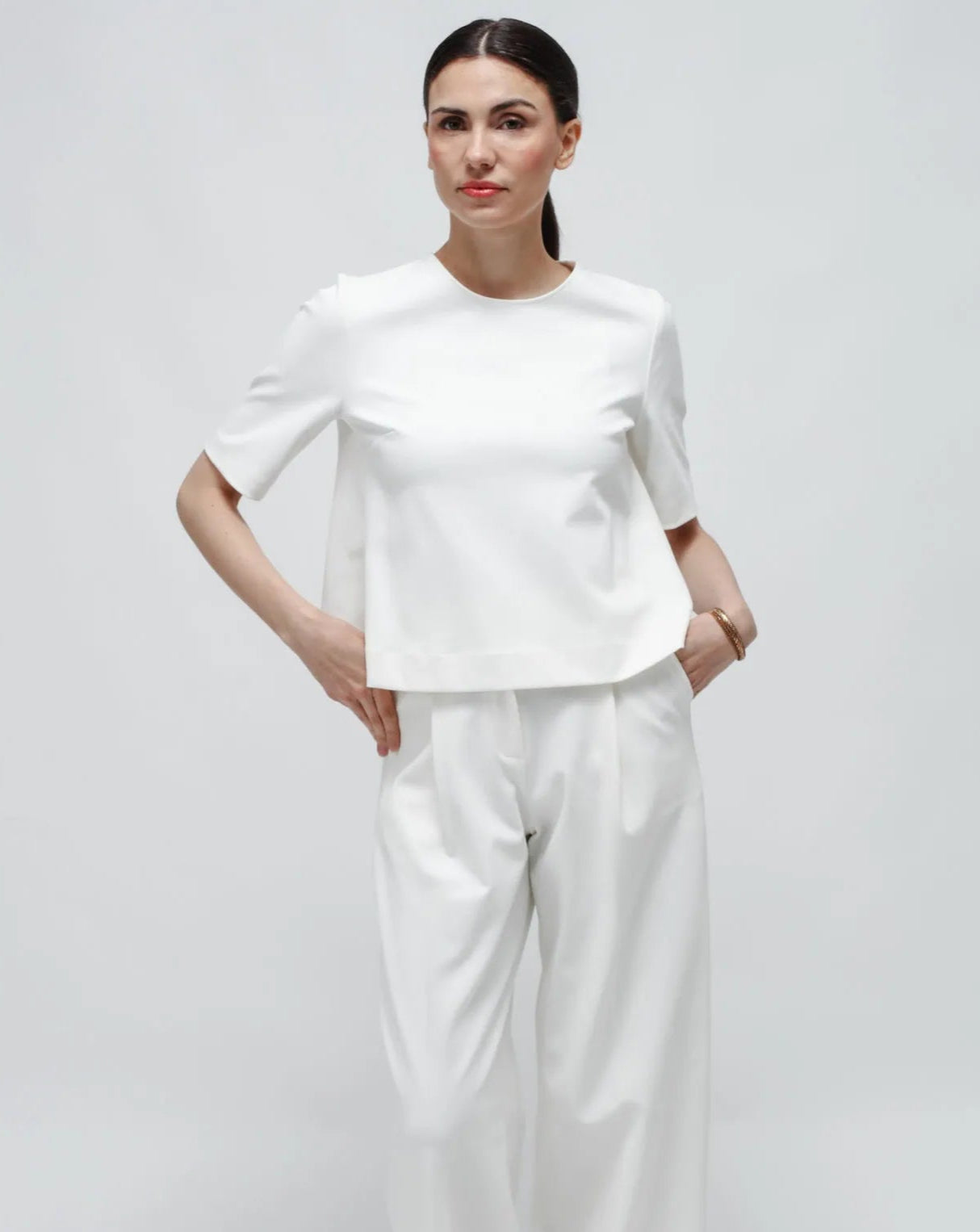
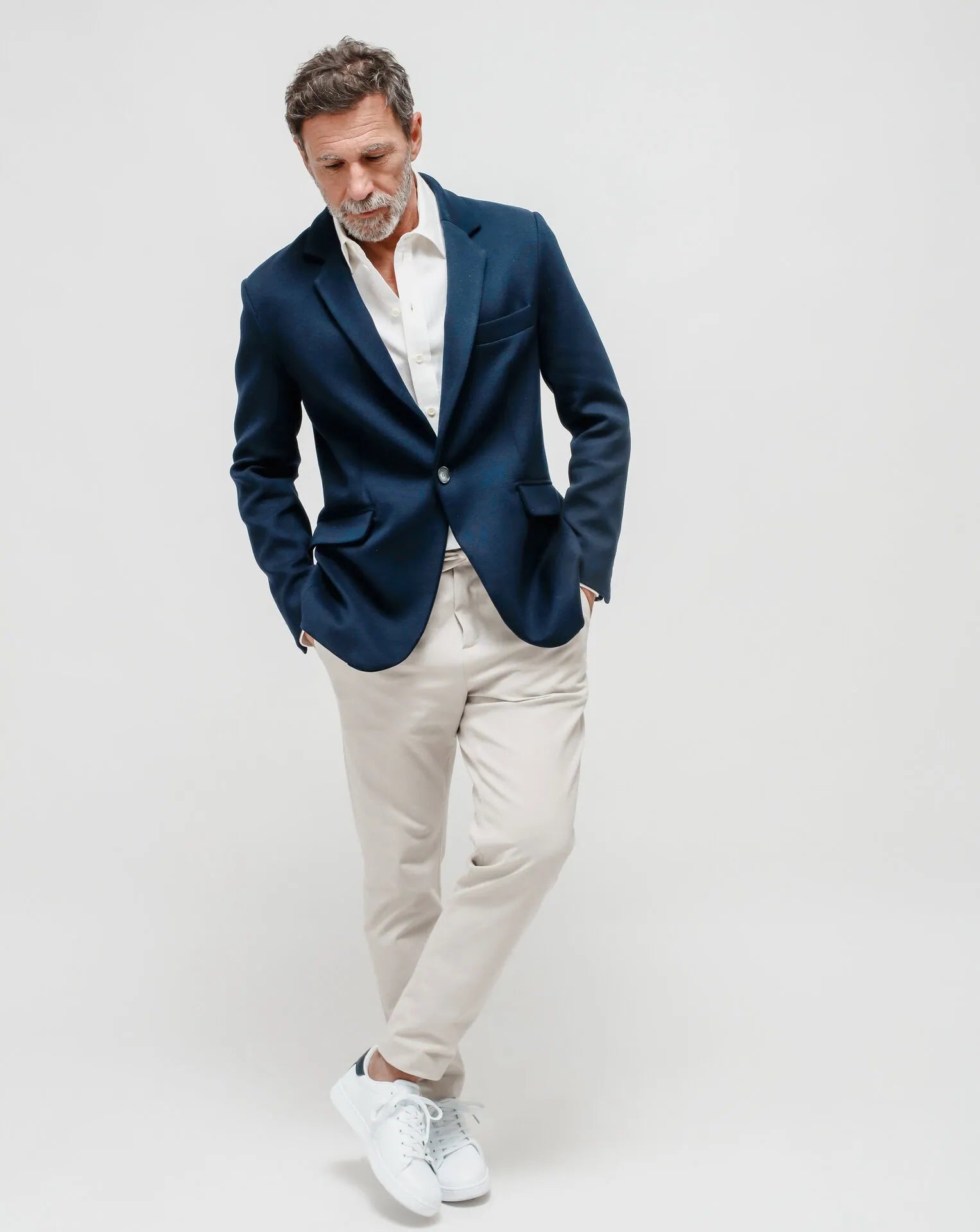
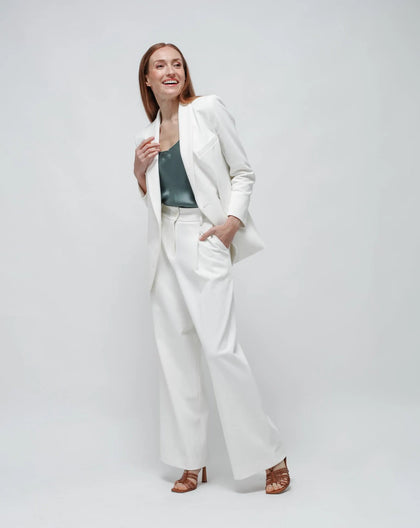
A tailored Women’s Coordinated Set is particularly useful for this rhythm. Worn together, it creates a composed silhouette for work or an occasion. Separated, the jacket can anchor jeans while the pants work with a soft sweater. A Men’s Two-Piece Suit offers similar value when cut with ease and styled without formality. Wear the blazer with a knit and sneakers, or wear the trousers with an open-collar shirt.
This is the case for investing in versatile separates rather than buying a new outfit for every plan. A garment earns its place when it can be styled at least three ways, through multiple parts of the week, and across more than one season.
Use Color With Restraint and Intention
Los Angeles winter light is unusually clear. Black is always relevant, but a wardrobe of only black can feel severe against bright blue skies and pale concrete. Consider a grounded palette of charcoal, espresso, cream, deep navy, olive, stone, and muted burgundy. These shades layer naturally and allow a distinctive fabric or silhouette to stand out.
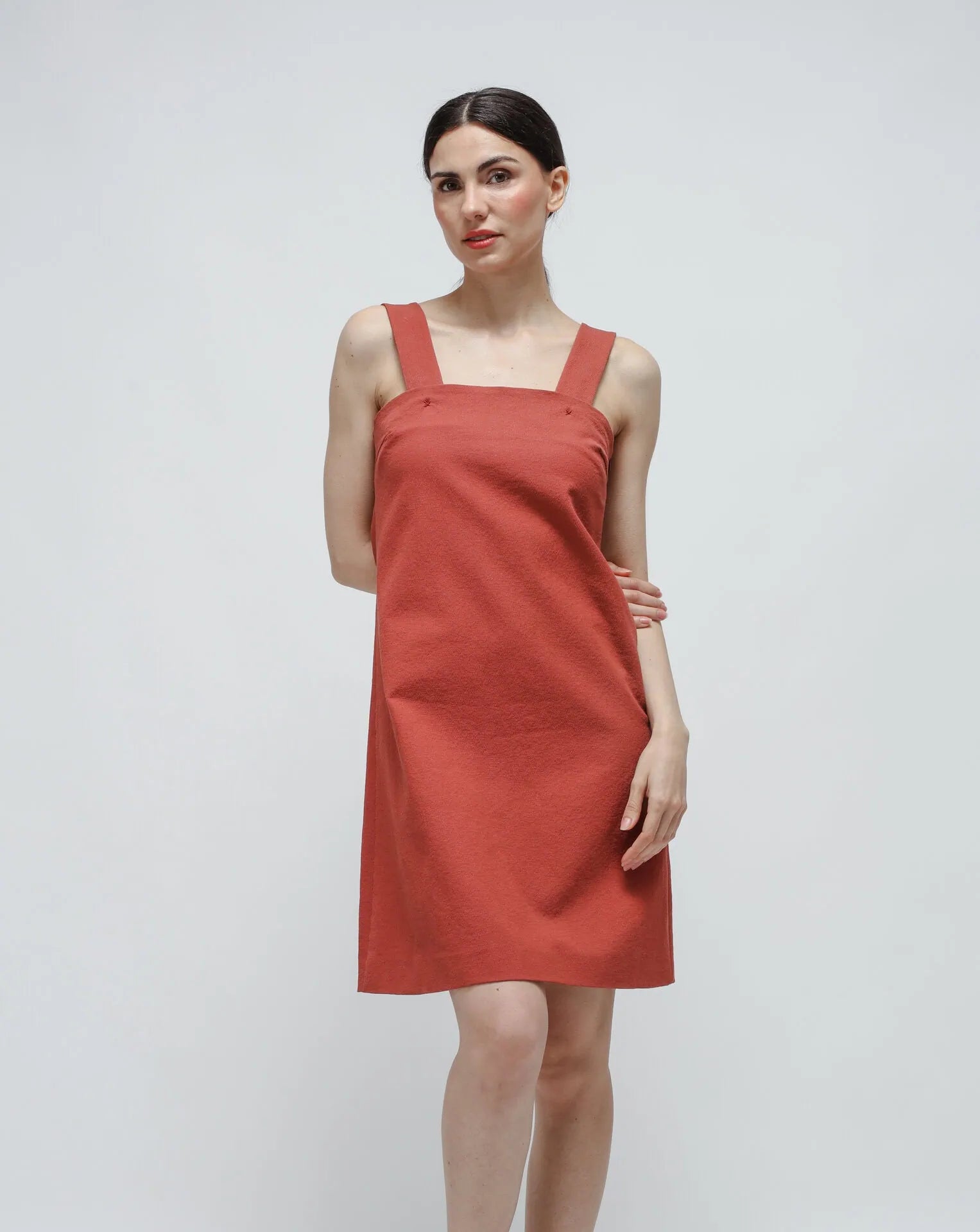
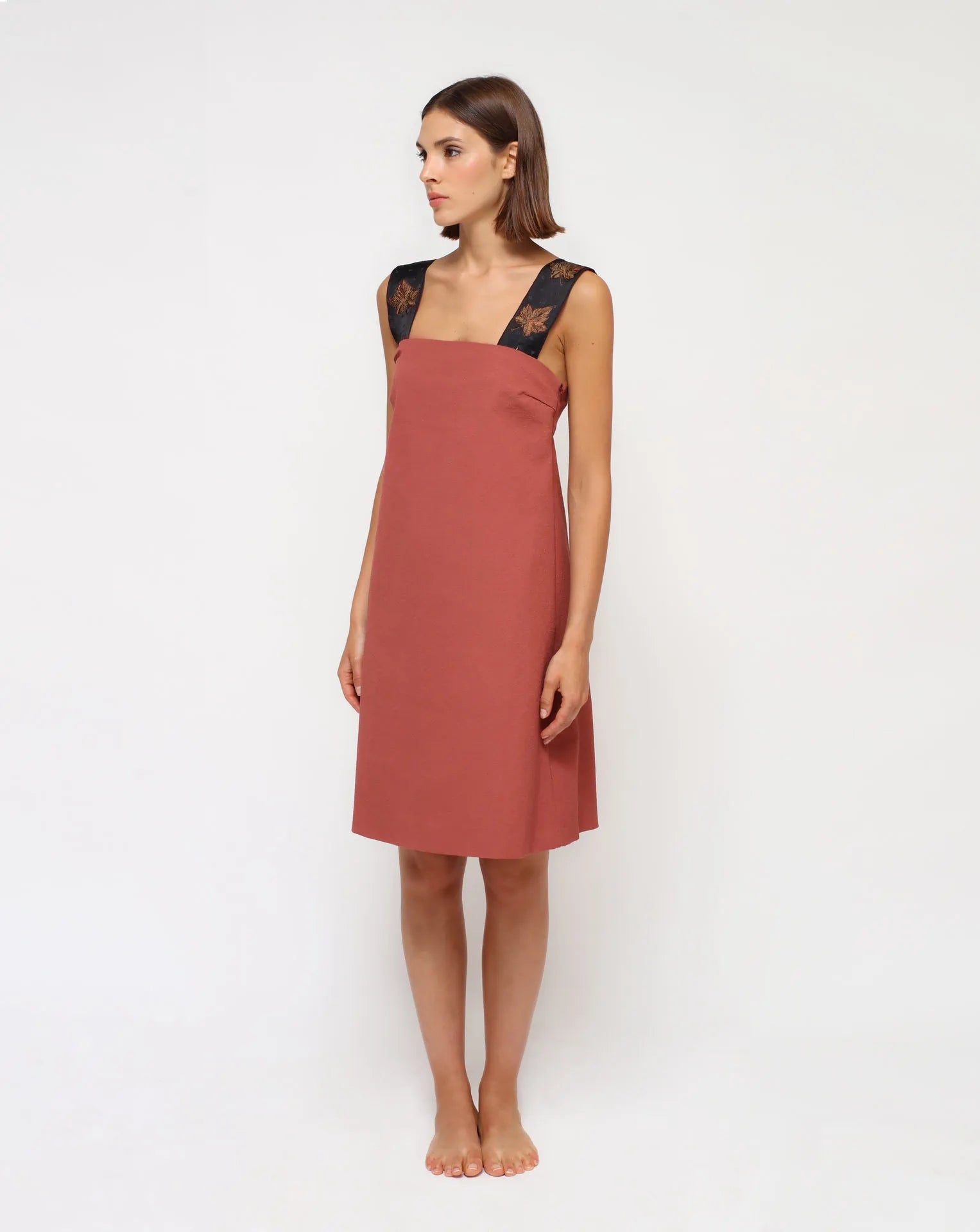
A cream knit under a charcoal coat feels lighter than an all-black combination while remaining polished. An olive overshirt gives neutral trousers a stronger point of view. For those who prefer color, one saturated piece - a cobalt knit, rust dress, or deep red scarf - is often more powerful than several competing shades.
Deadstock fabrics can make this approach even more compelling. Limited rolls often bring uncommon textures, subtle checks, and nuanced colors that cannot be reproduced at industrial scale. That scarcity is not a reason to chase novelty. It is a reason to choose carefully, then wear the piece often.
Dress for Rain Without Losing the Look
Rain in Los Angeles is irregular, but when it arrives, the city can feel unprepared. Keep a water-resistant outer layer, sturdy boots, and a compact umbrella within reach. The point is not to build a separate rainy-day identity. It is to protect the wardrobe you already wear.
Leather boots with a practical sole are more useful than delicate shoes on wet sidewalks. A cropped jacket may be enough for brief showers, while a longer wool coat offers better coverage when the forecast calls for a full day of rain. If you commute by car, consider how a coat wears while seated. A softer, less restrictive construction may serve you better than a heavily padded style.
Care is part of responsible dressing, too. Air out wool between wears, brush off surface dirt, and treat stains promptly. Well-made garments do not require constant washing. In many cases, less laundering preserves the fabric, saves water, and extends the life of the piece.
Let Occasionwear Remain Useful
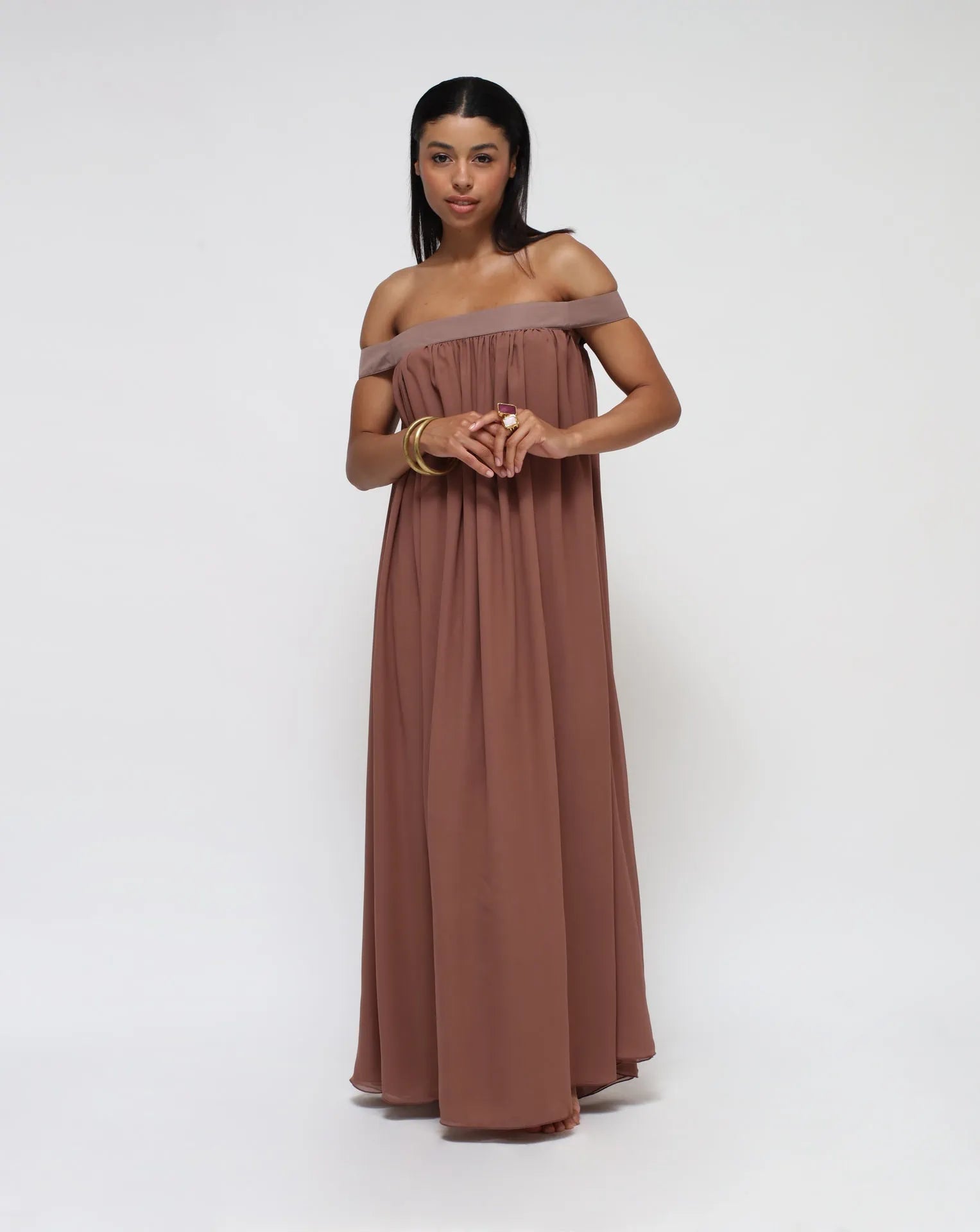
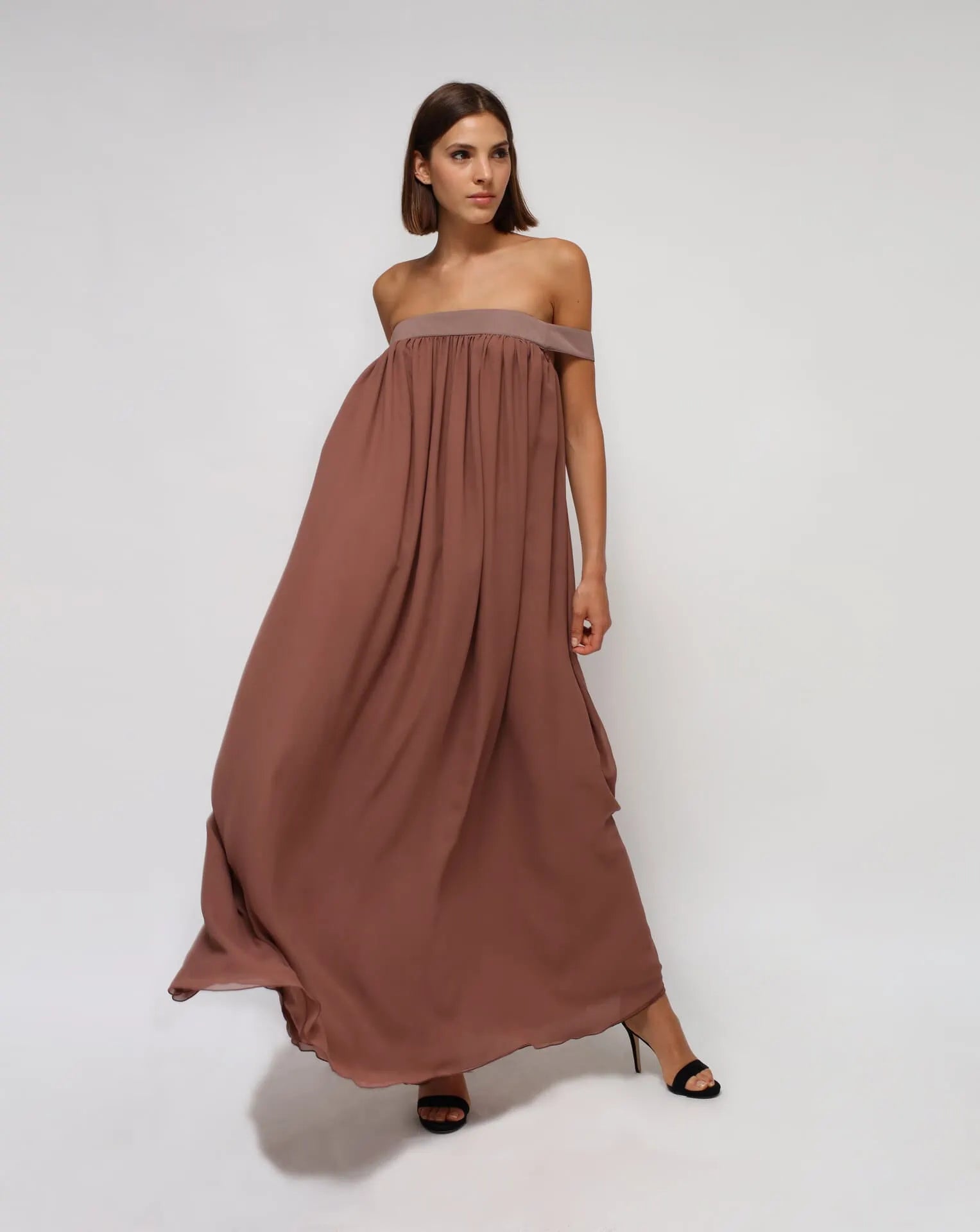
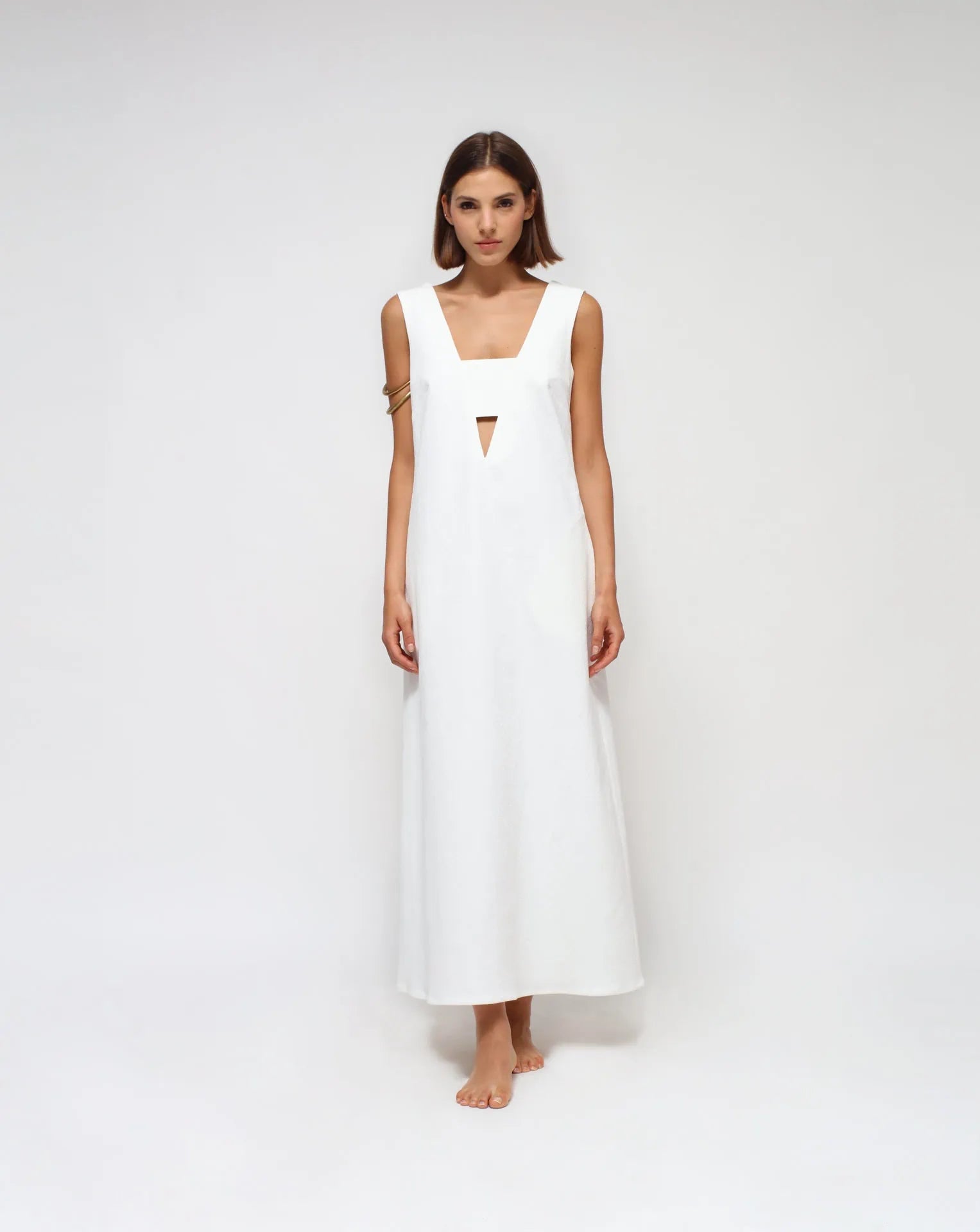
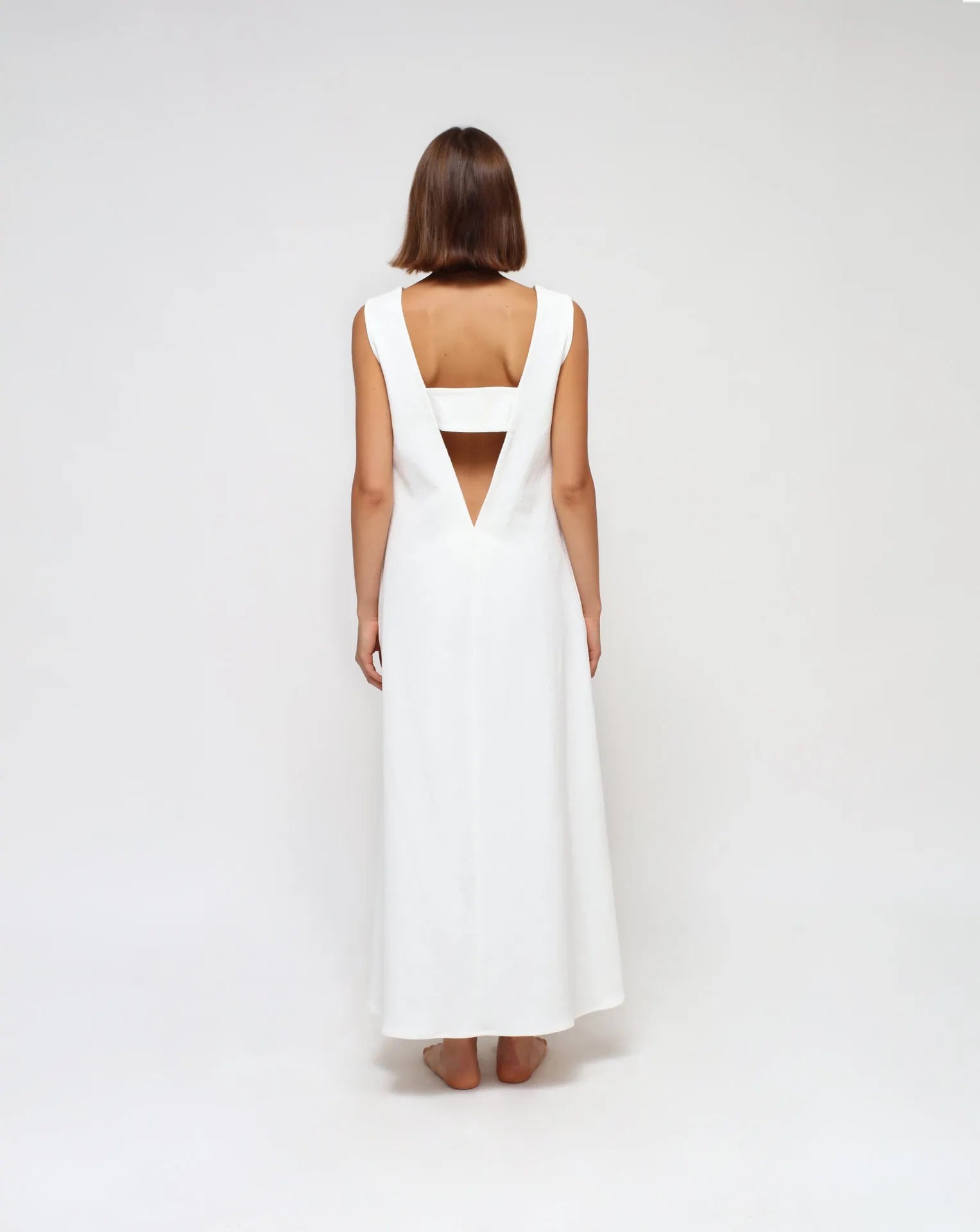
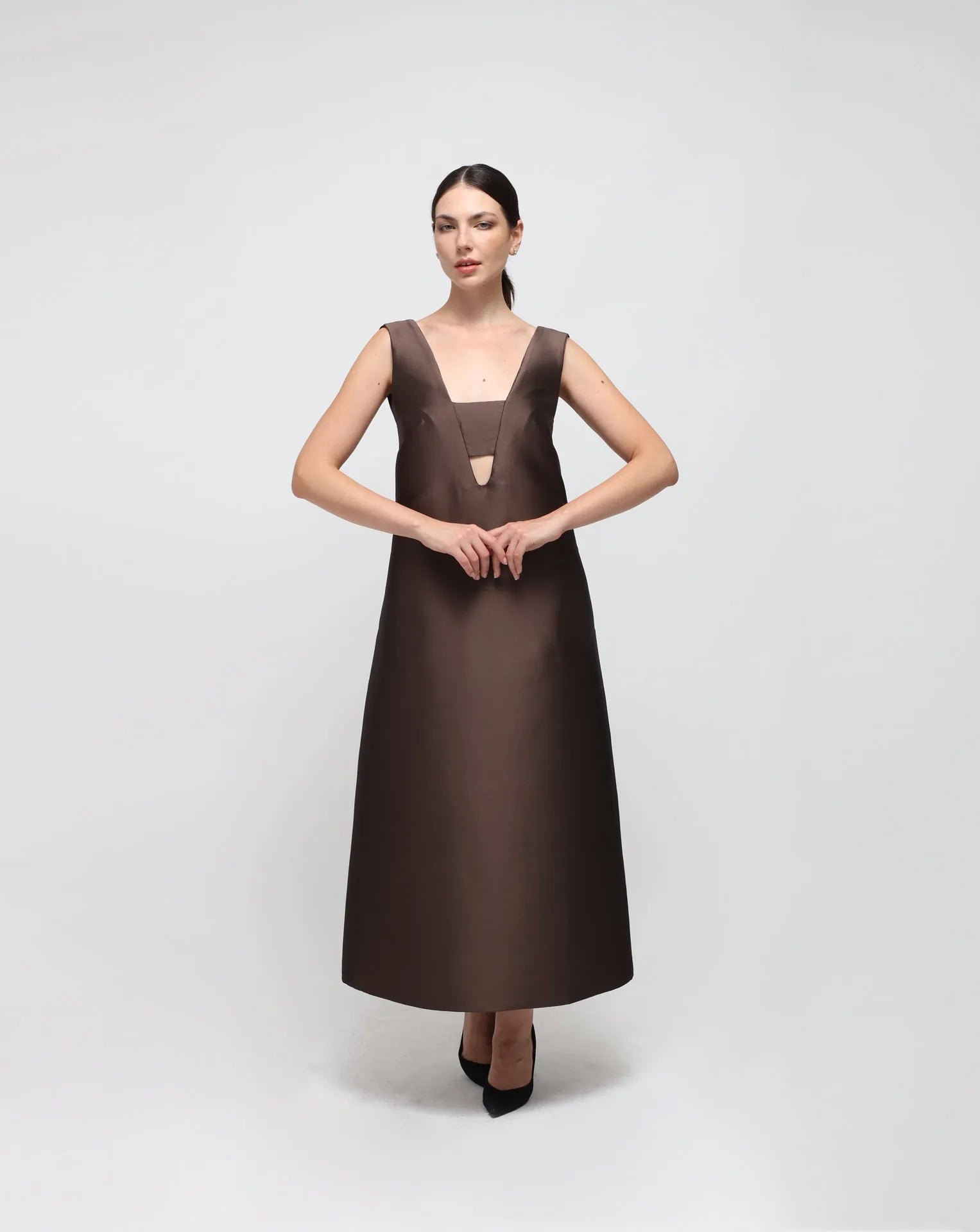
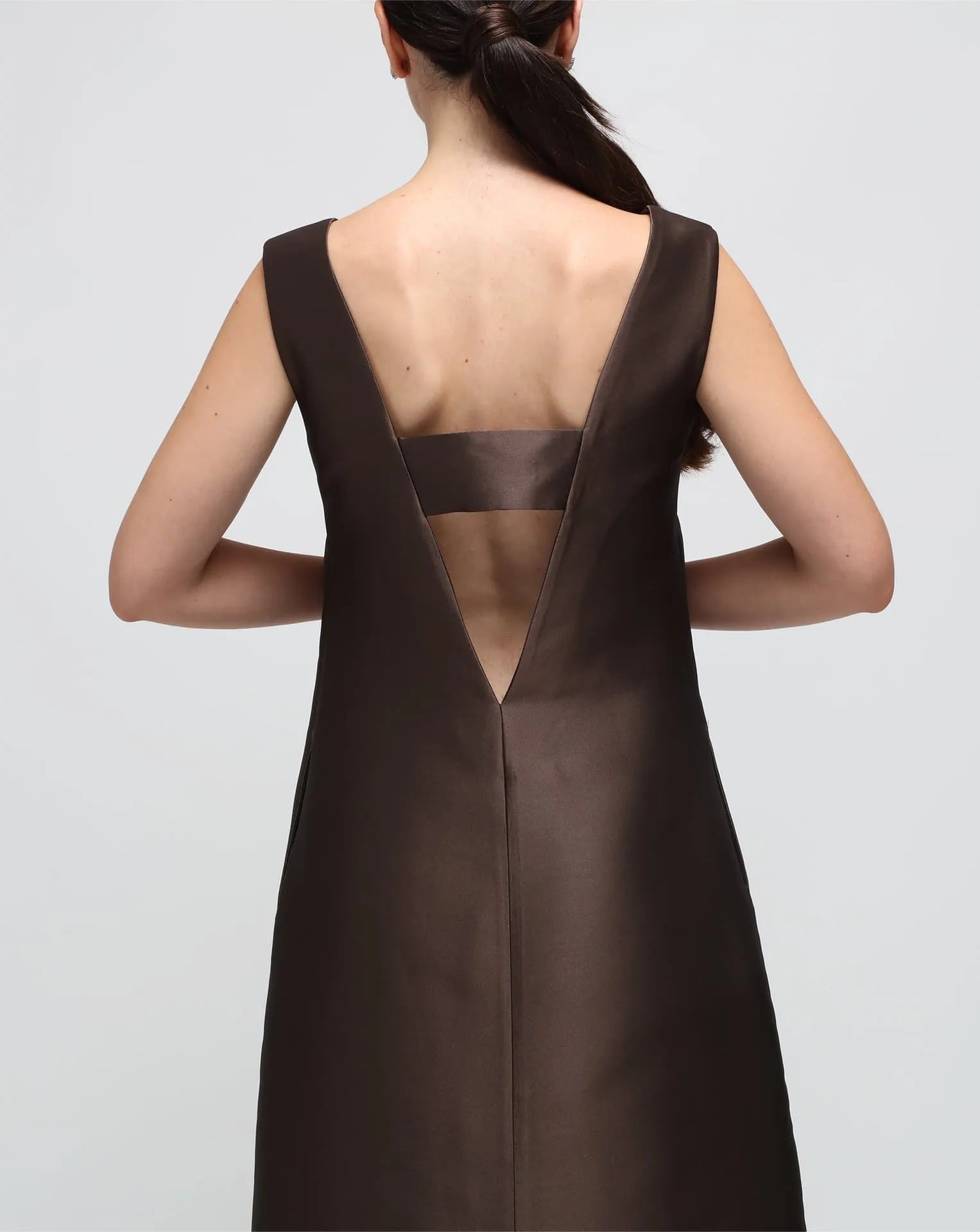
Winter brings dinners, events, and holiday gatherings, but occasionwear does not need to be a one-evening purchase. A sculptural Women’s Long-Sleeve Dress can be worn with boots and a coat for an evening out, then softened with a cardigan and flats for daytime. A Men’s White Shirt becomes more versatile when paired with relaxed trousers rather than reserved only for formal plans.
The trade-off is clear: highly specific statement pieces can create a memorable impression, but they may have limited repeat value. Choose them when the fabric, cut, and emotional pull are strong enough to make repeat wear desirable. Otherwise, let tailoring and accessories create the occasion.
Humans & Land approaches this through small-batch production and premium deadstock fabrics: less volume, more purpose, and clothing made to remain in rotation long after one season passes.
A Smaller Wardrobe Creates Better Options
A considered Los Angeles winter wardrobe does not need dozens of layers. It needs a reliable coat or jacket, a few knitwear options, refined shirts and tops, adaptable trousers or skirts, weather-ready shoes, and one or two pieces that make an ordinary plan feel special. The exact balance depends on your work, your neighborhood, and how often you spend evenings outdoors.
Choose the layer you will reach for when the temperature shifts at 5 p.m. Choose the trousers that work with both boots and sneakers. Choose fabrics that feel good enough to wear again before laundry day. That is how a winter wardrobe becomes personal: not through more choices, but through better ones.
FAQ
Q: What should I wear in Los Angeles during winter?
A: Start with breathable layers: a knit or long-sleeve top, tailored pants or a skirt, and a wool coat, blazer, or structured jacket. Add boots for cooler evenings and rainy days.
Q: Do I need a heavy coat for a Los Angeles winter wardrobe?
A: Usually, no. A medium-weight wool coat or lined jacket is more practical for most days. If you run cold or spend significant time outside at night, add a warmer knit layer underneath.
Q: What shoes work best for Los Angeles winter?
A: Leather ankle boots, loafers, refined sneakers, and closed-toe flats cover most situations. Choose a sturdier sole during rainy periods, especially if you walk frequently.
Q: How can I make a winter wardrobe more sustainable?
A: Buy fewer pieces with clear repeat value, favor quality fabrics, care for garments properly, and choose small-batch clothing made from existing materials such as deadstock. The most responsible piece is one that stays in your life.
Q: Can winter occasionwear still be versatile?
A: Yes. Choose dresses, suits, shirts, and tailored separates that can be restyled with casual layers and everyday shoes. A special piece should still have a place after the invitation is over.
the World of H&L