
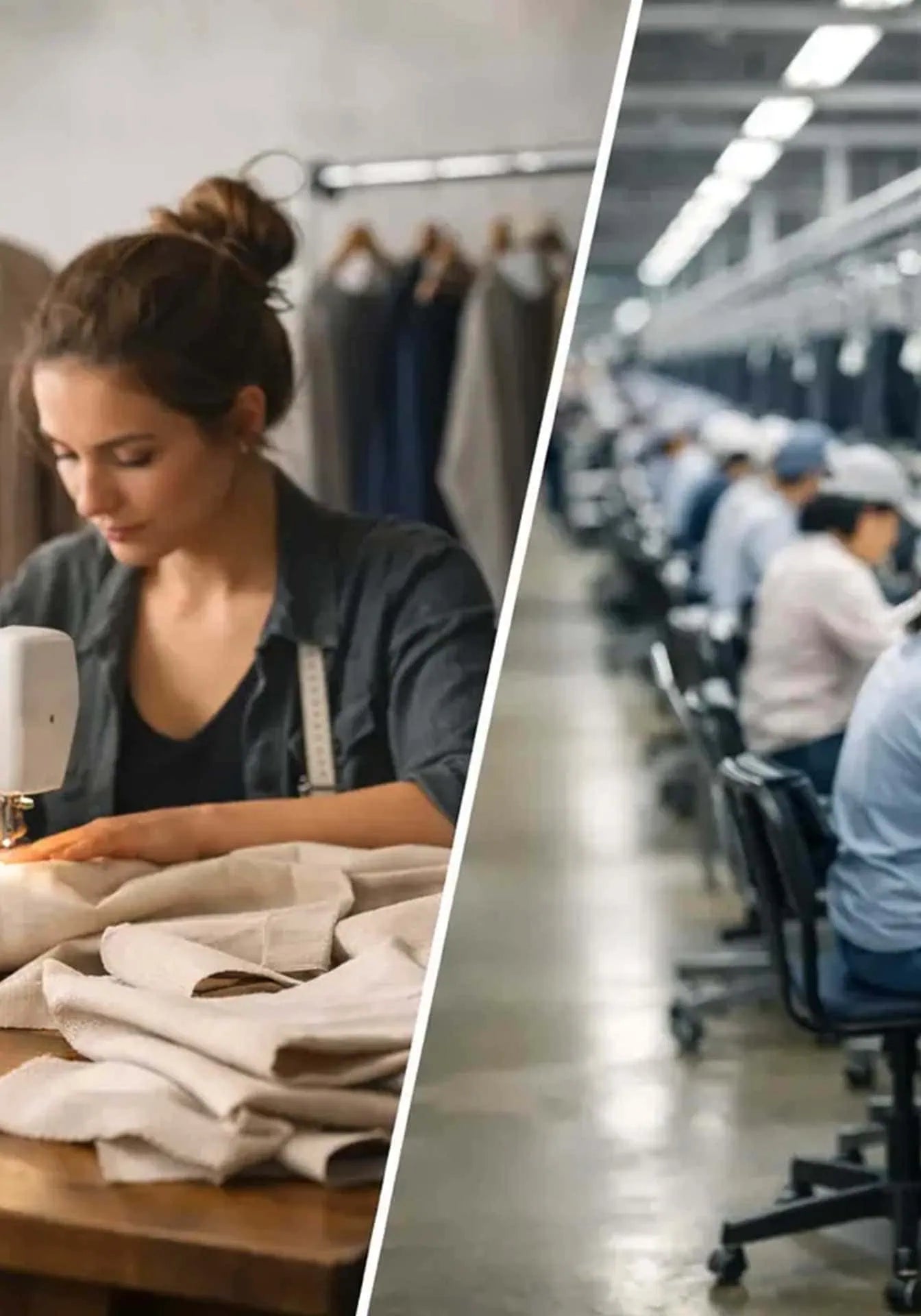
Small Batch vs Mass Production in Fashion
A winter coat can look like a simple purchase. But behind its weight, warmth, and silhouette sits a production decision with consequences far beyond your closet. Small batch vs mass production determines how much fabric is ordered, who makes the garment, how carefully quality is controlled, and how much excess is left when a season moves on.
For people who want fewer, better pieces, the distinction is not abstract. It is the difference between buying clothing made to move quickly and clothing made to stay.
Small Batch vs Mass Production: The Real Difference
Mass production is built on volume. A brand forecasts demand, orders large quantities of fabric and trims, standardizes construction, and produces thousands or millions of identical garments. This model can reduce the per-unit cost, but it also relies on getting predictions right. When they are wrong, the result is often surplus stock, markdowns, waste, and an industry trained to treat clothes as disposable.
Small-batch production starts from a different premise: make only what can be meaningfully placed in a wardrobe. Runs are limited, materials are selected in more deliberate quantities, and production teams can give closer attention to finishing, fit, and consistency. The unit cost may be higher because the efficiencies of huge volume are absent. That higher cost is not automatically proof of quality, but it creates room for a different set of priorities.
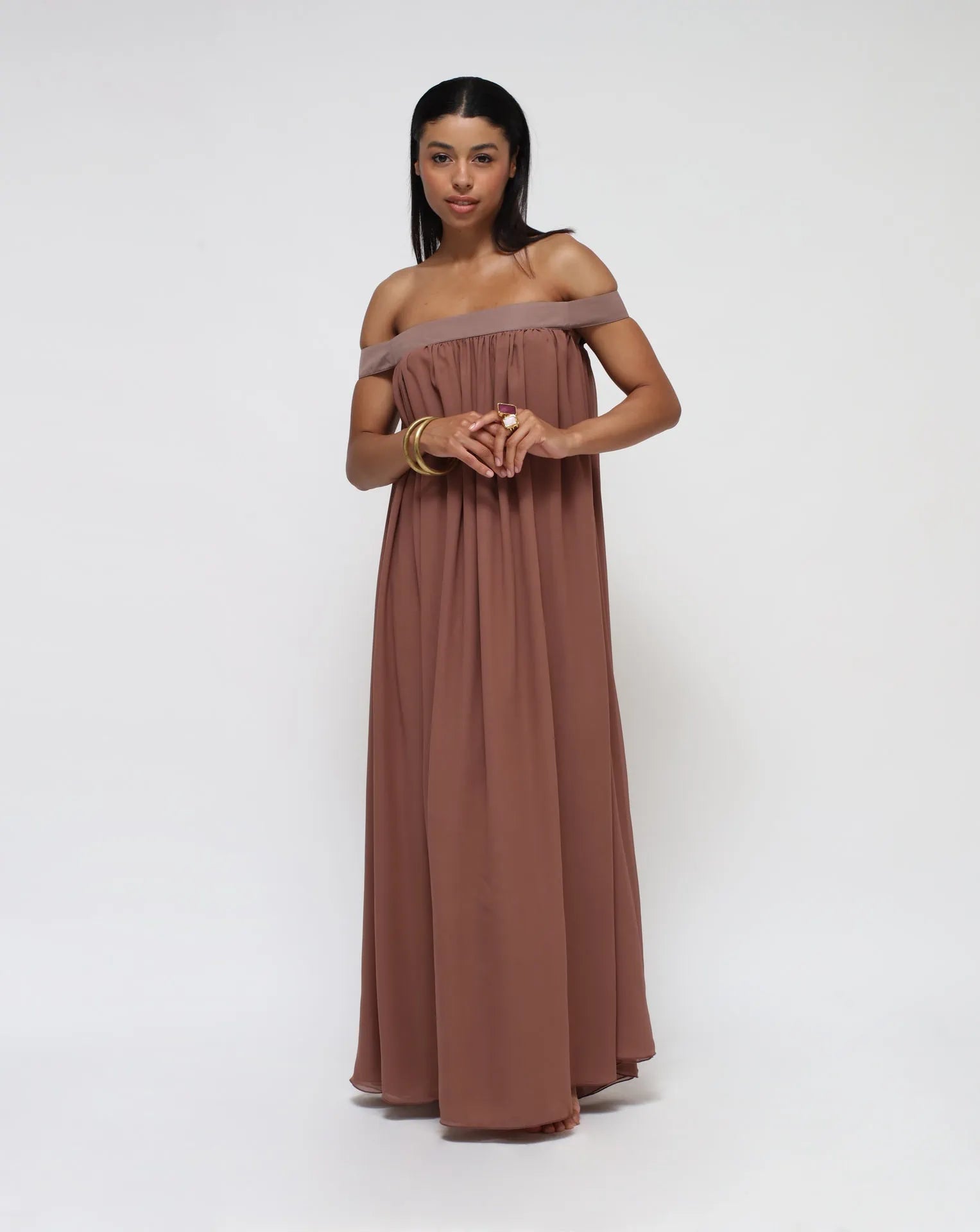
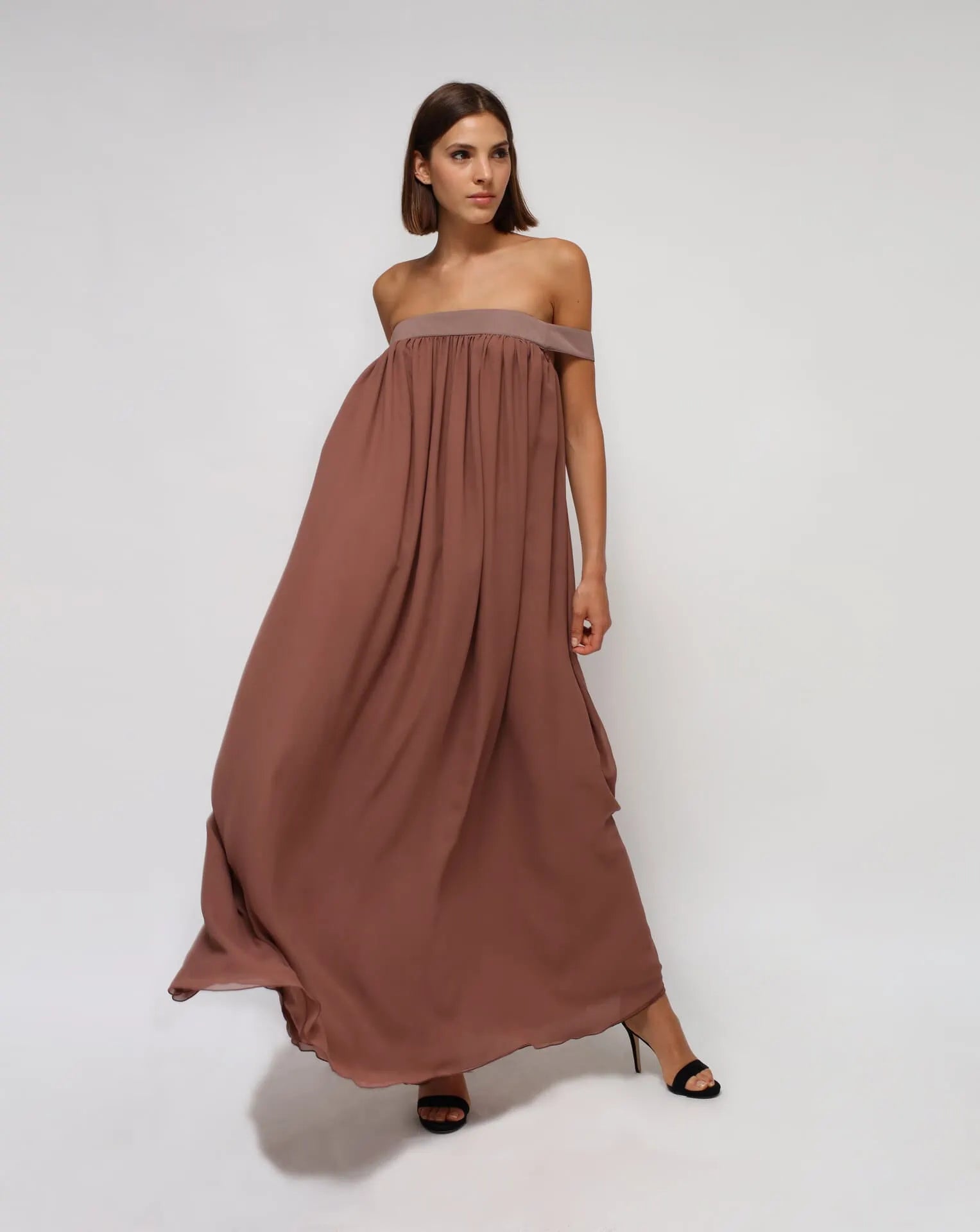
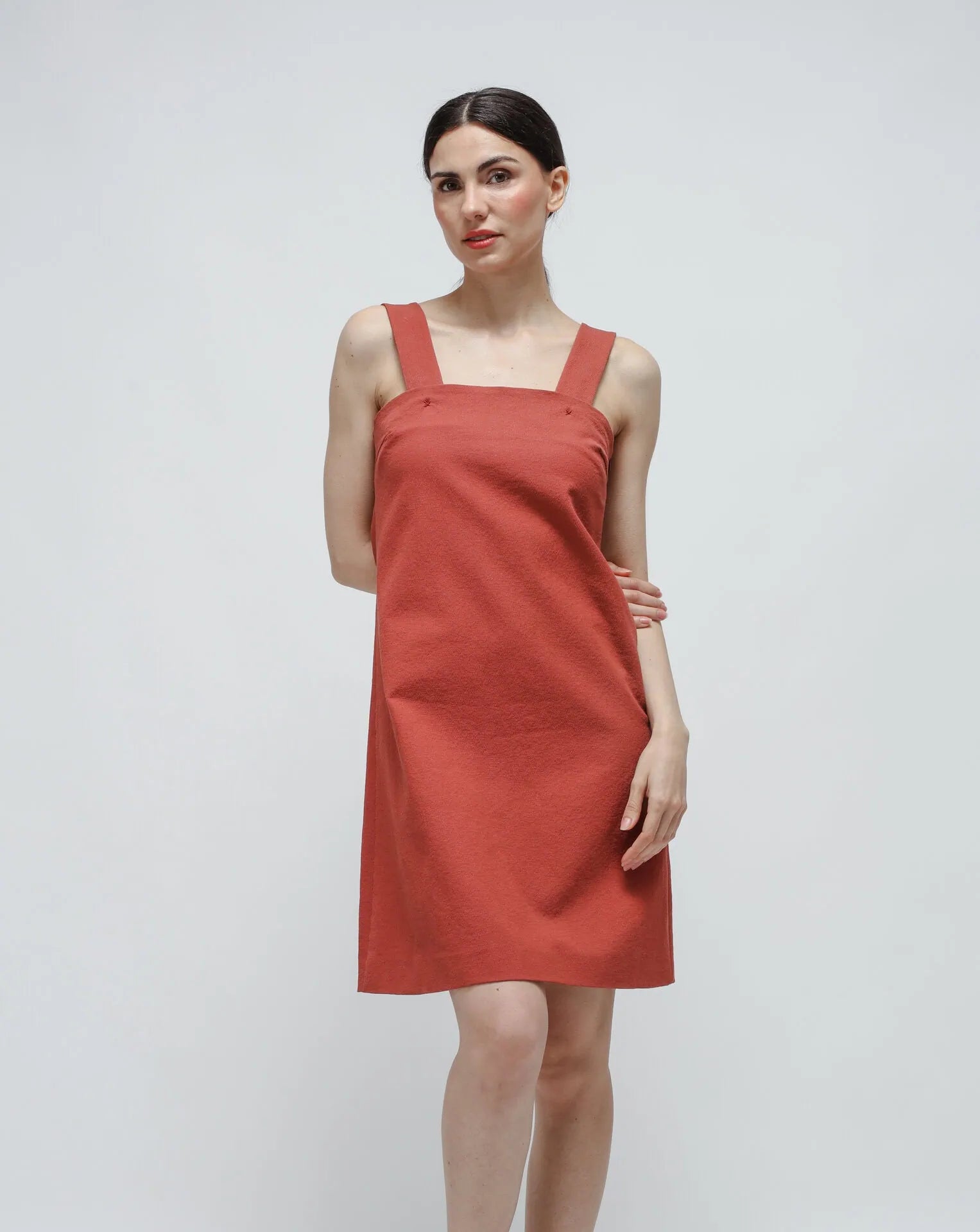
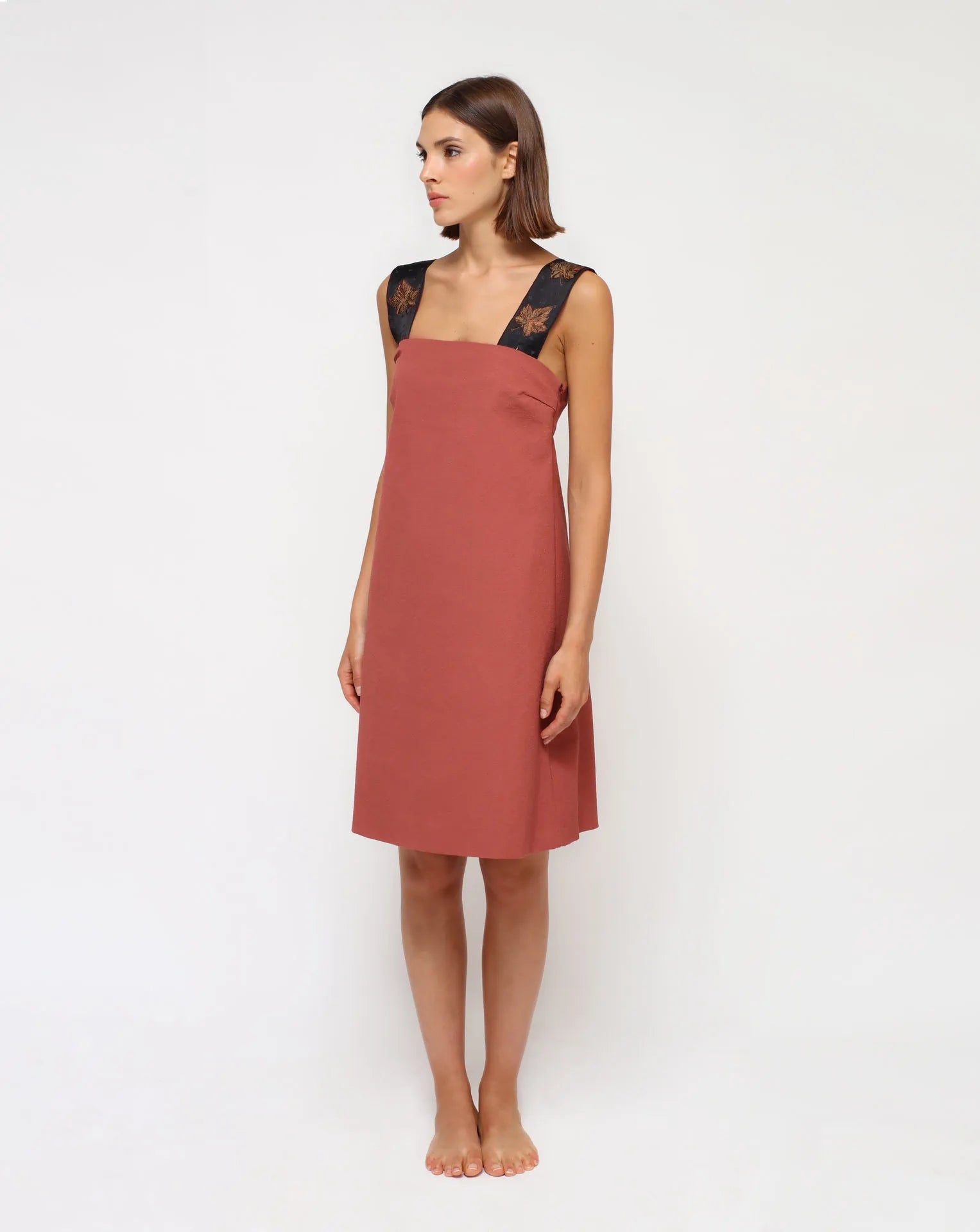
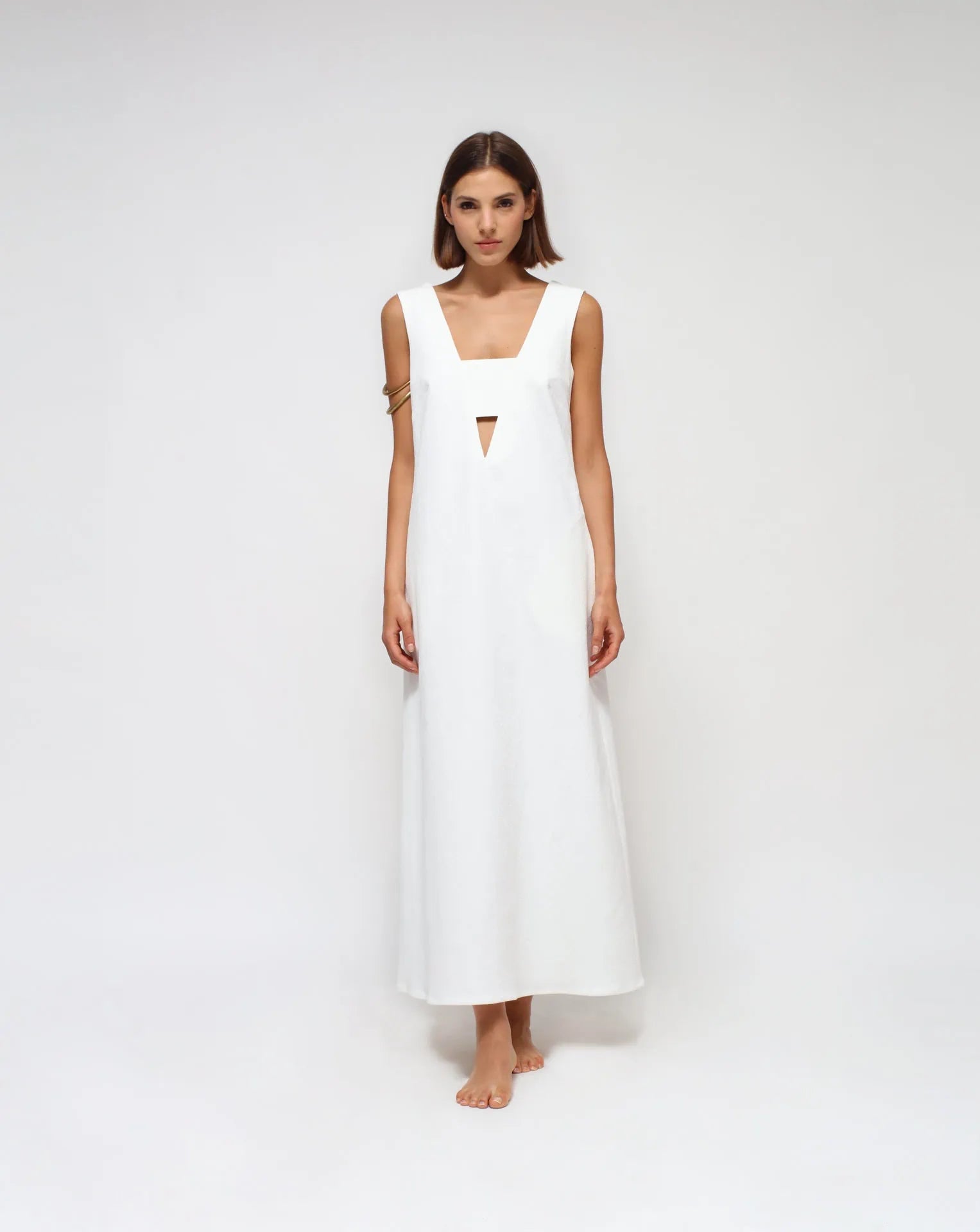
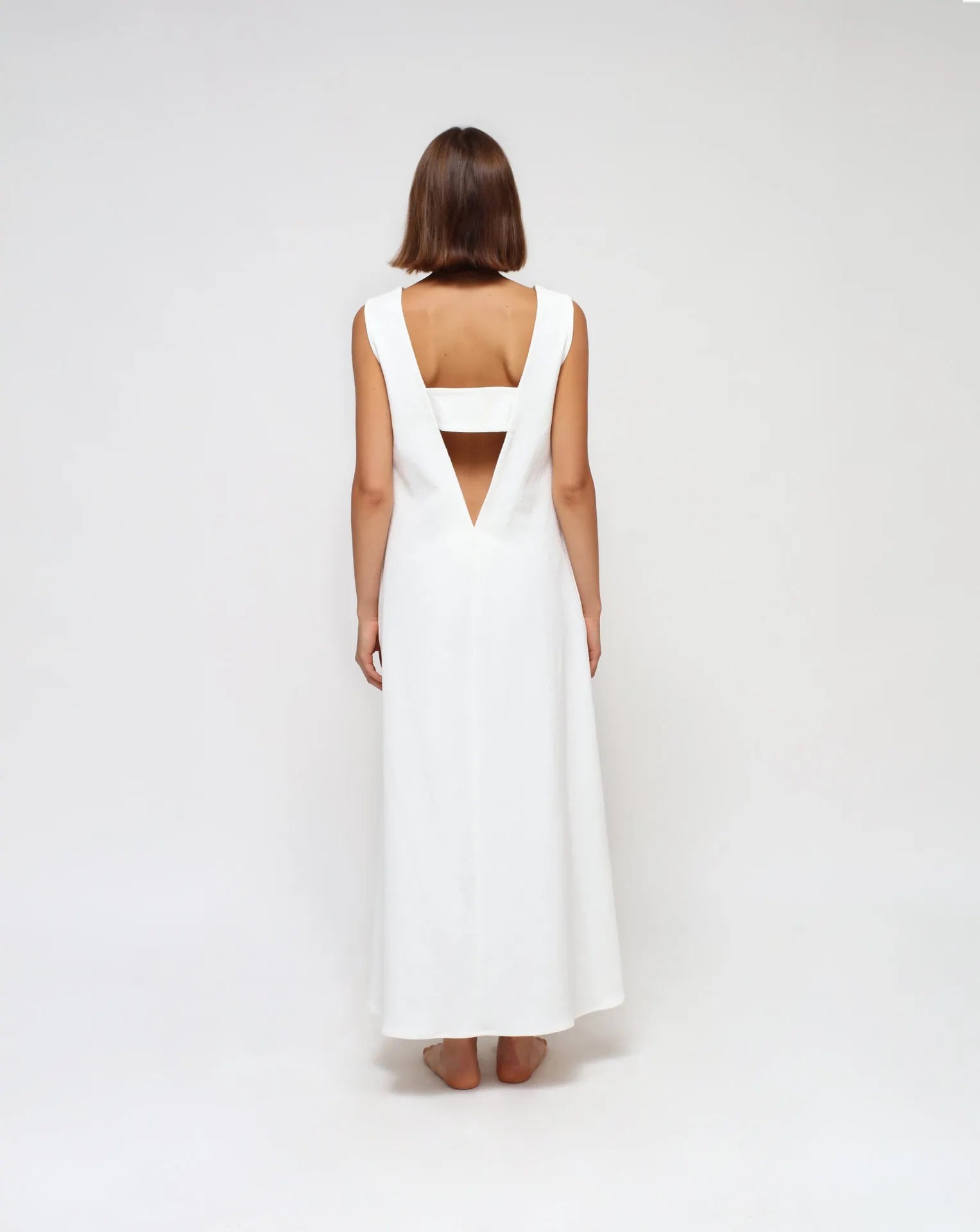
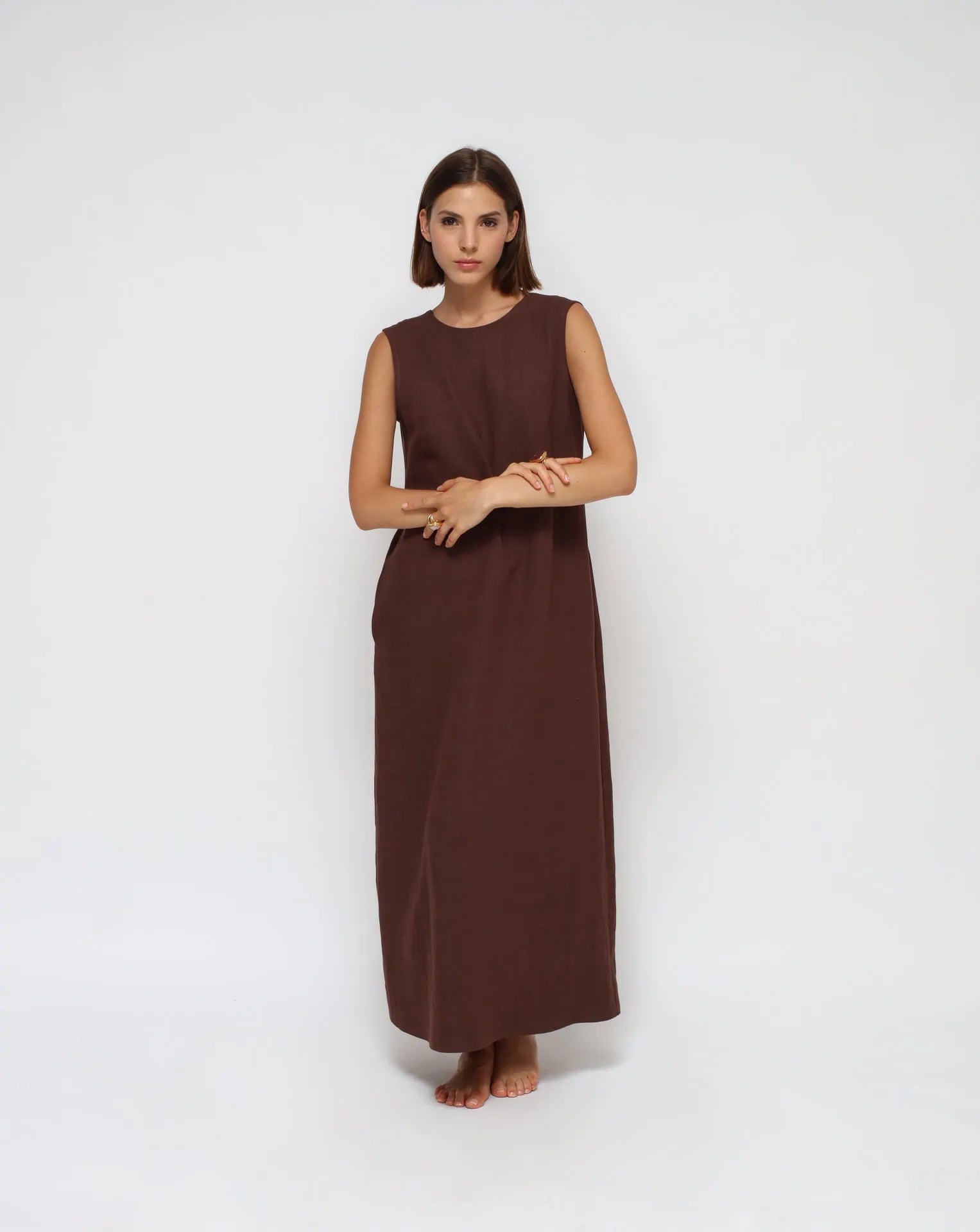
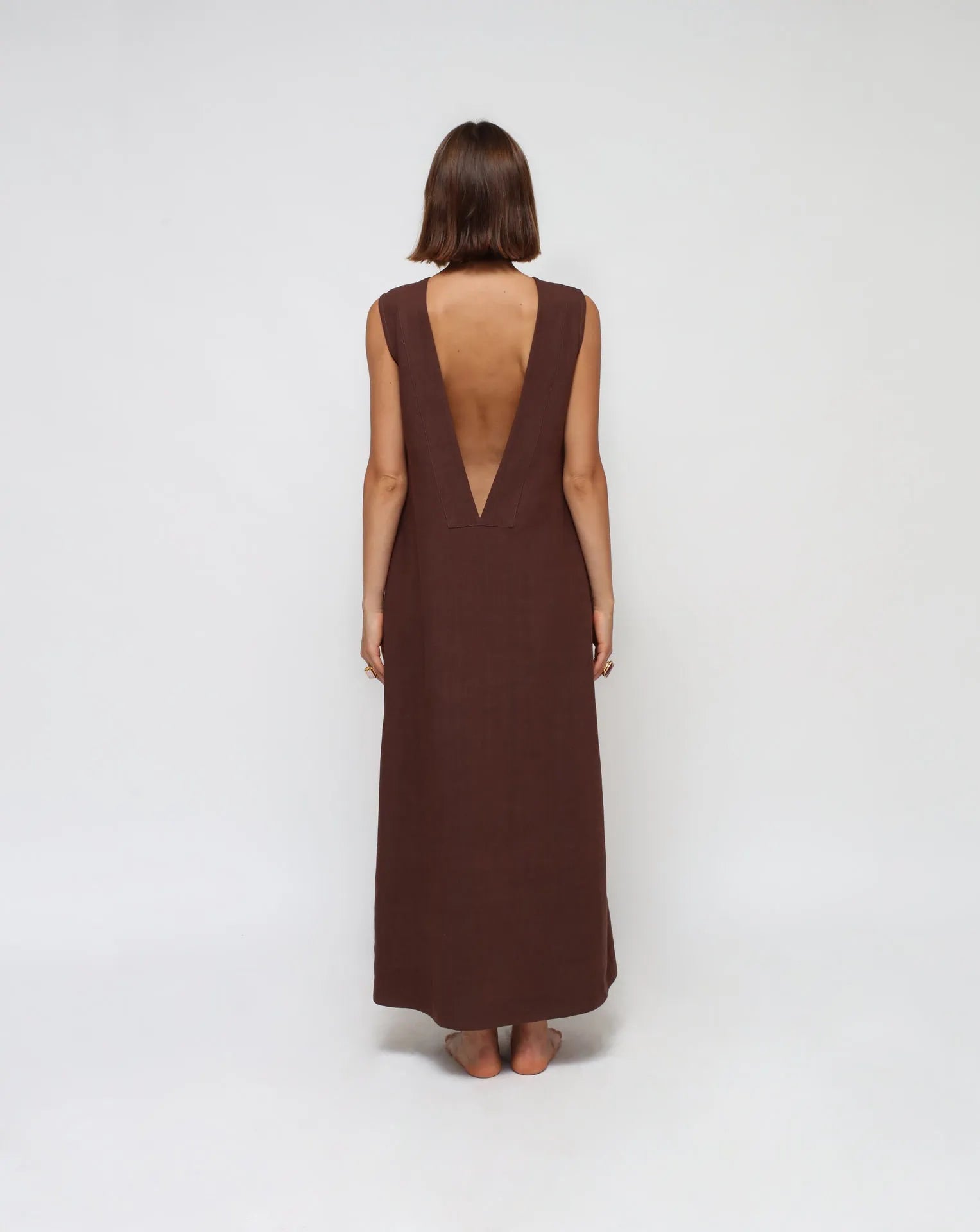
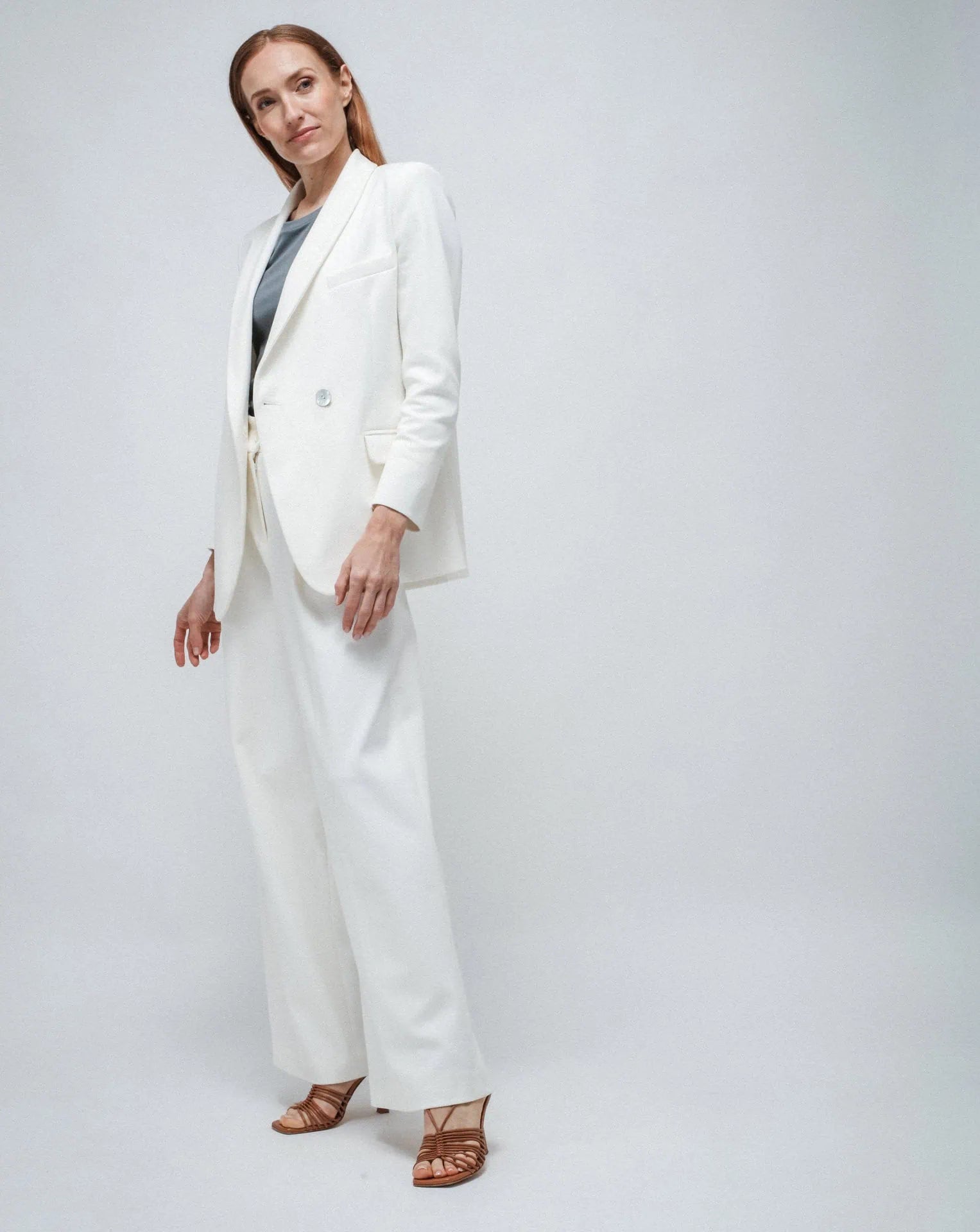
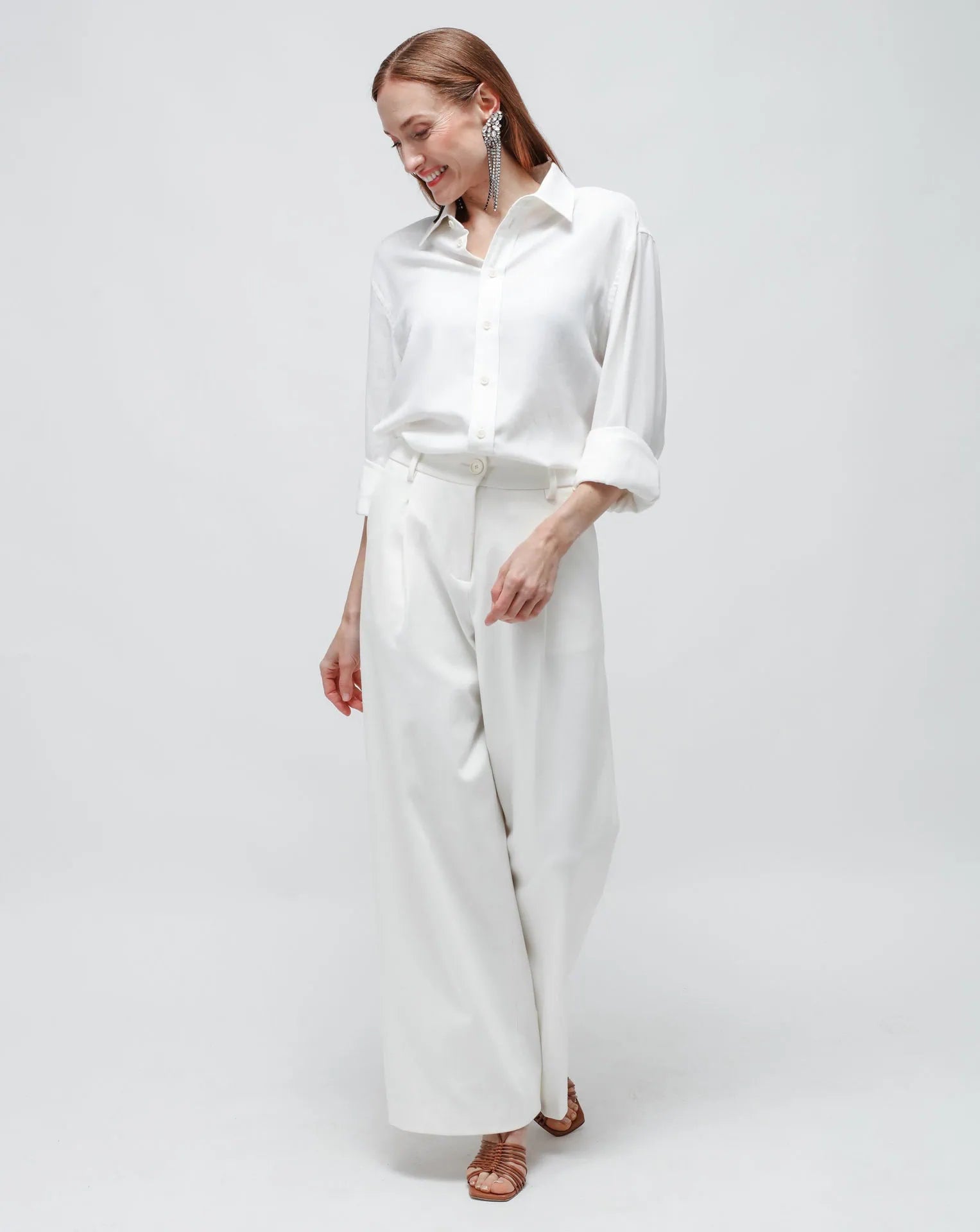
At Humans & Land, limited-edition production is paired with deadstock fabrics: high-quality existing materials that might otherwise remain unused. It is a practical way to reduce demand for newly made fabric while giving each collection a finite, considered character.
Why Volume Creates Fashion Waste
The issue with mass production is not simply that it produces a lot. People need accessible clothing, and scale can have a legitimate place when it is managed responsibly. The problem is the familiar cycle of overproduction: too many styles, too many units, and too little accountability for what happens after the first rush of sales.
Large orders require certainty before customers have had a chance to respond. Brands may compensate for that uncertainty by producing extra inventory, using lower-cost materials, or speeding up design decisions. A garment can arrive on time and still be poorly considered - in fabric performance, construction, fit, or relevance beyond one trend.
Winter makes this especially visible. Coats, jackets, suits, and knit-ready layers use more material than a summer top. When these pieces are produced in excess, the environmental and financial cost of unsold inventory grows with them. A well-made wool-blend coat or tailored jacket deserves more than a brief window on a sale rack.
What Small-Batch Production Makes Possible
Small batches do not make a garment perfect. They do make restraint possible. When quantities are limited, each choice matters more: the hand feel of a deadstock fabric, the placement of a pocket, the lining inside a coat, and the fit that allows a piece to work across real life rather than a single campaign image.
More attention to material and make
Smaller runs allow makers to work with fabrics that may not exist in enough quantity for a mass-market order. Deadstock can be especially valuable here. It offers the opportunity to use premium materials already in circulation, although it also means a fabric may not be available again once it is gone.
That limitation is part of the point. Limited availability asks a brand to design with the material rather than demand unlimited material for a design. For the wearer, it creates a piece with a more specific story and a lower likelihood of seeing the same garment everywhere.
Better conditions for quality control
Craftsmanship benefits from proximity. In smaller production runs, issues can be seen and corrected before they become thousands of repeated problems. Handmade production in Italy brings skilled labor and established garment-making knowledge to the process, particularly in structured pieces where cut, pressing, and finishing shape how a garment wears over time.
A higher price should still invite questions. What is the fabric? Where was it made? How will it hold up? Transparency matters because ethical language without detail is only decoration. The goal is not to romanticize small production. It is to make the production choice visible.
A more personal wardrobe
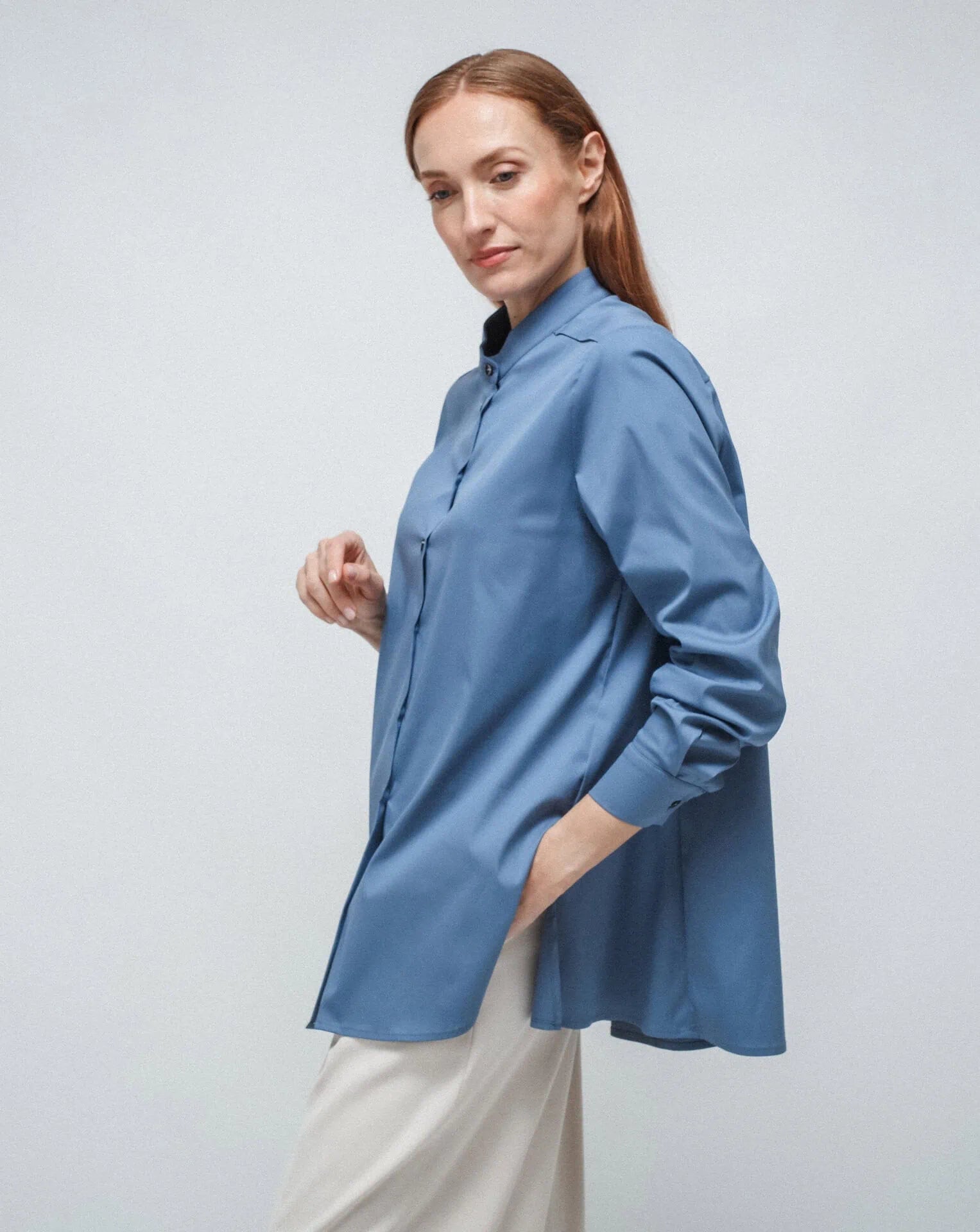
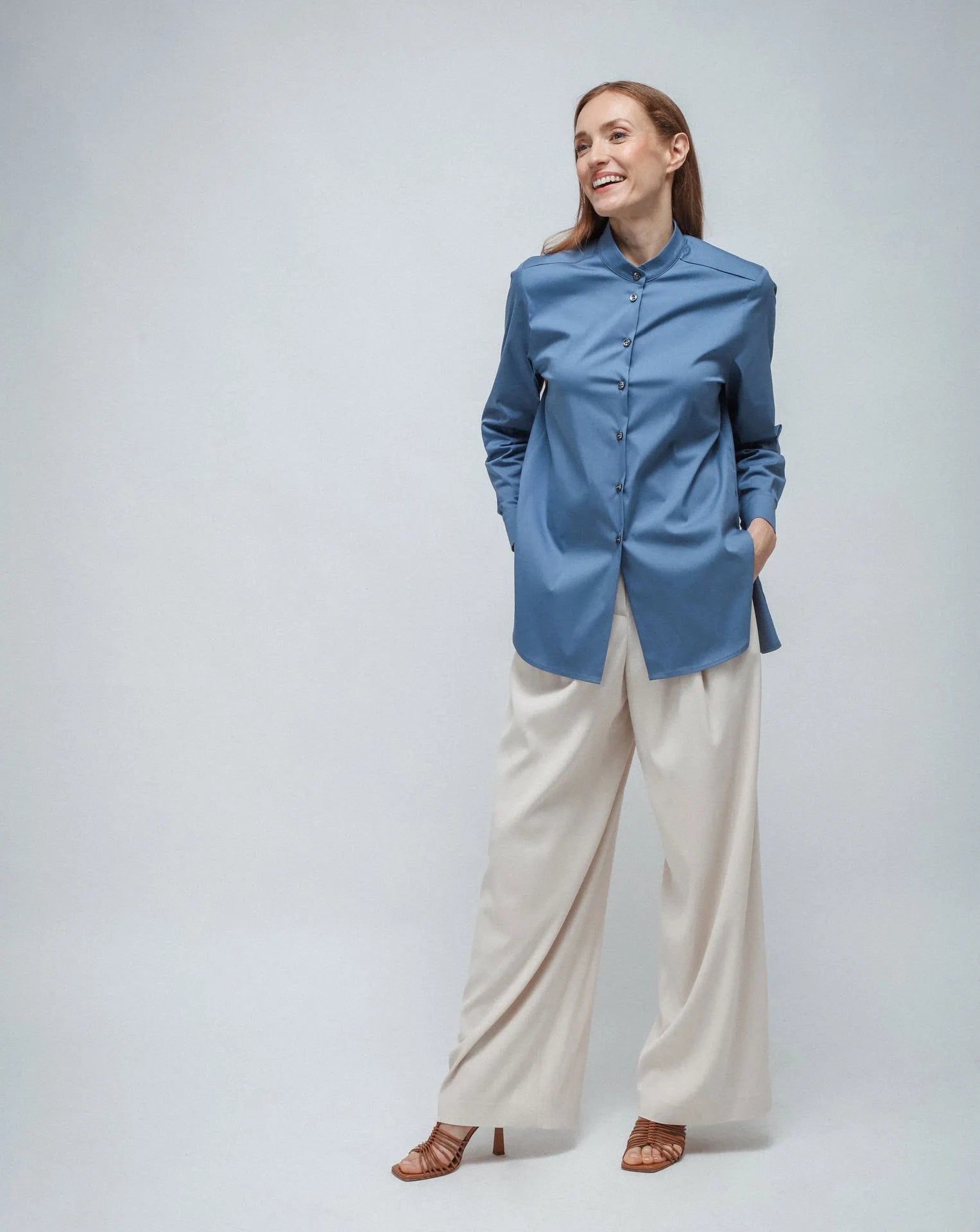
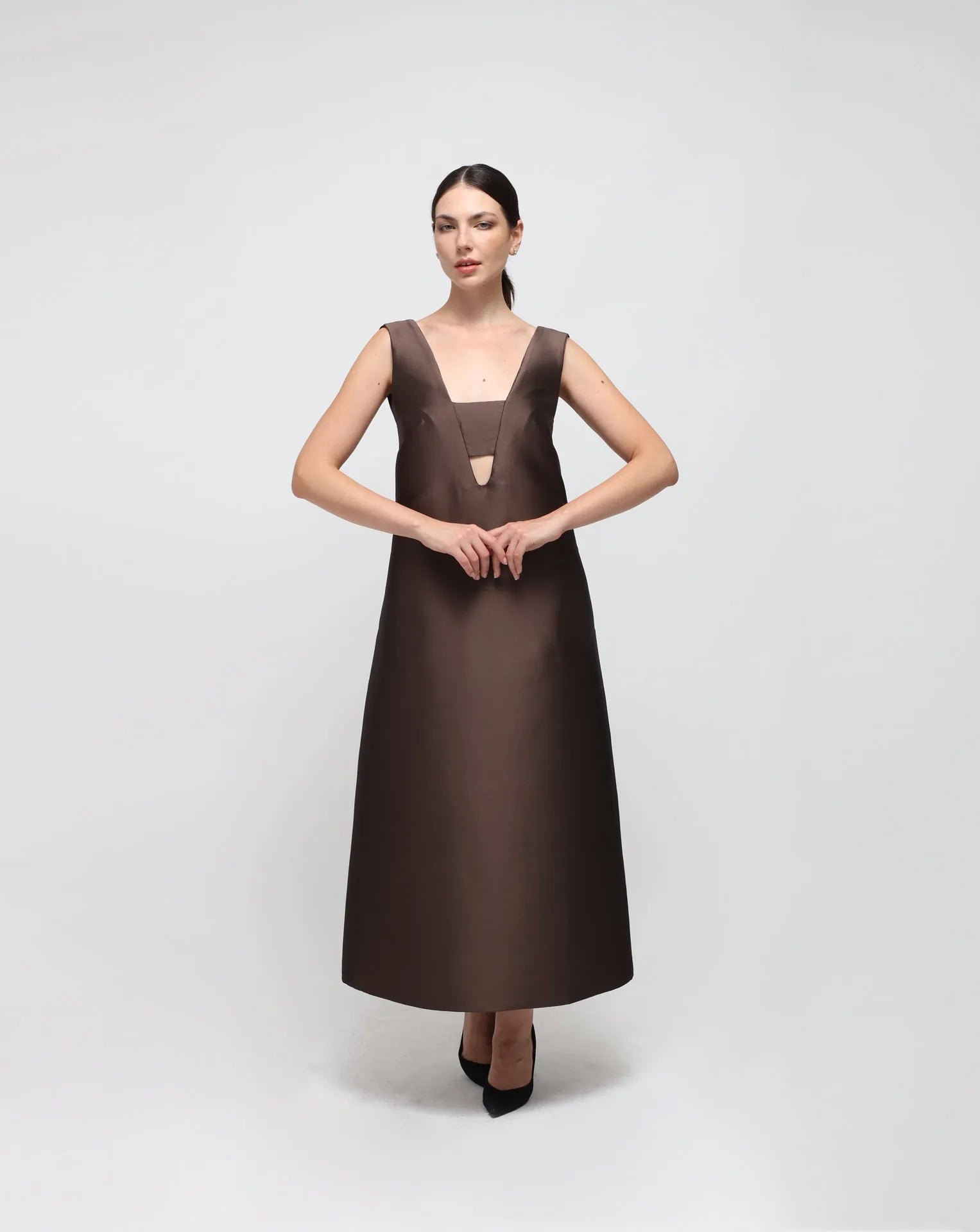
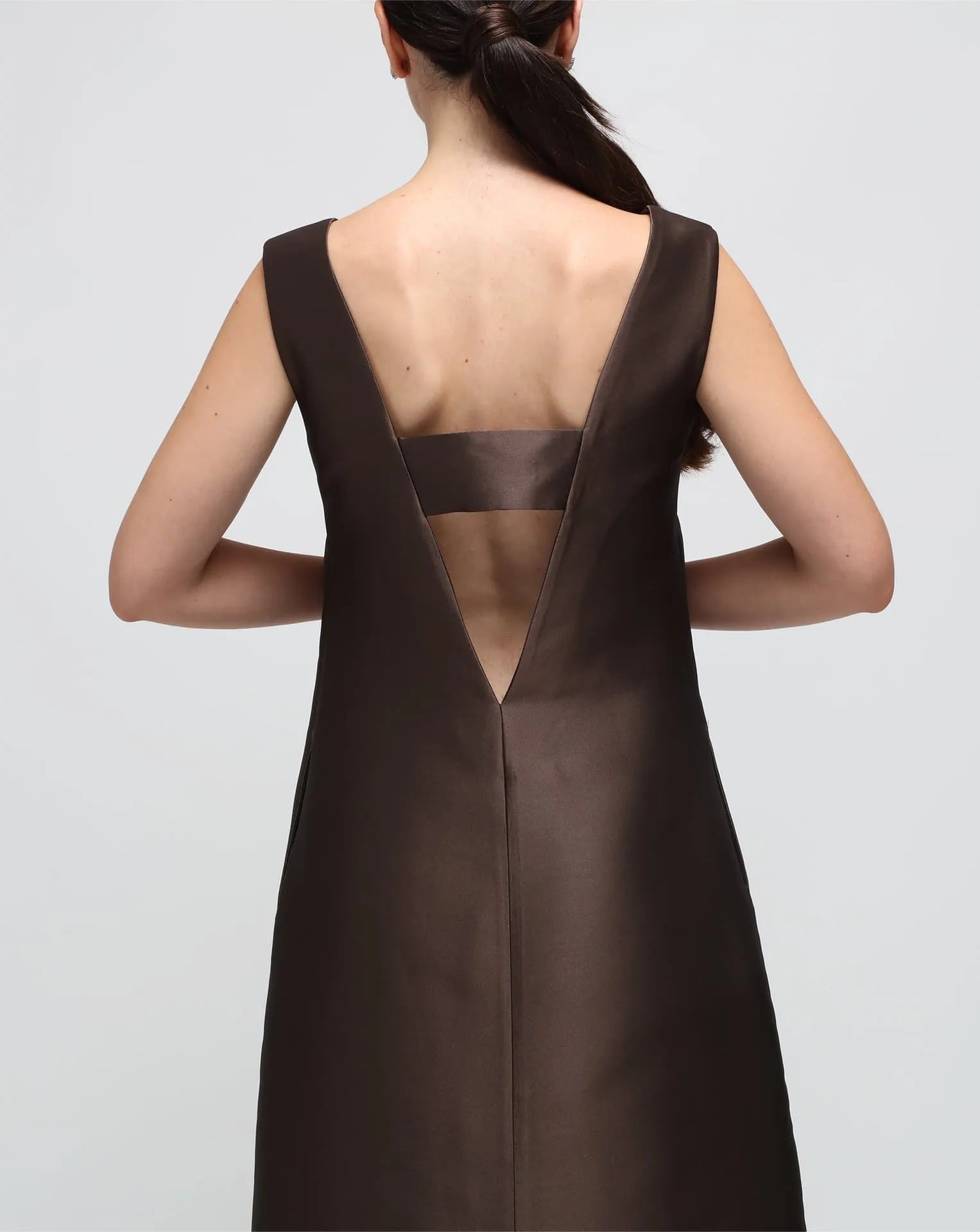
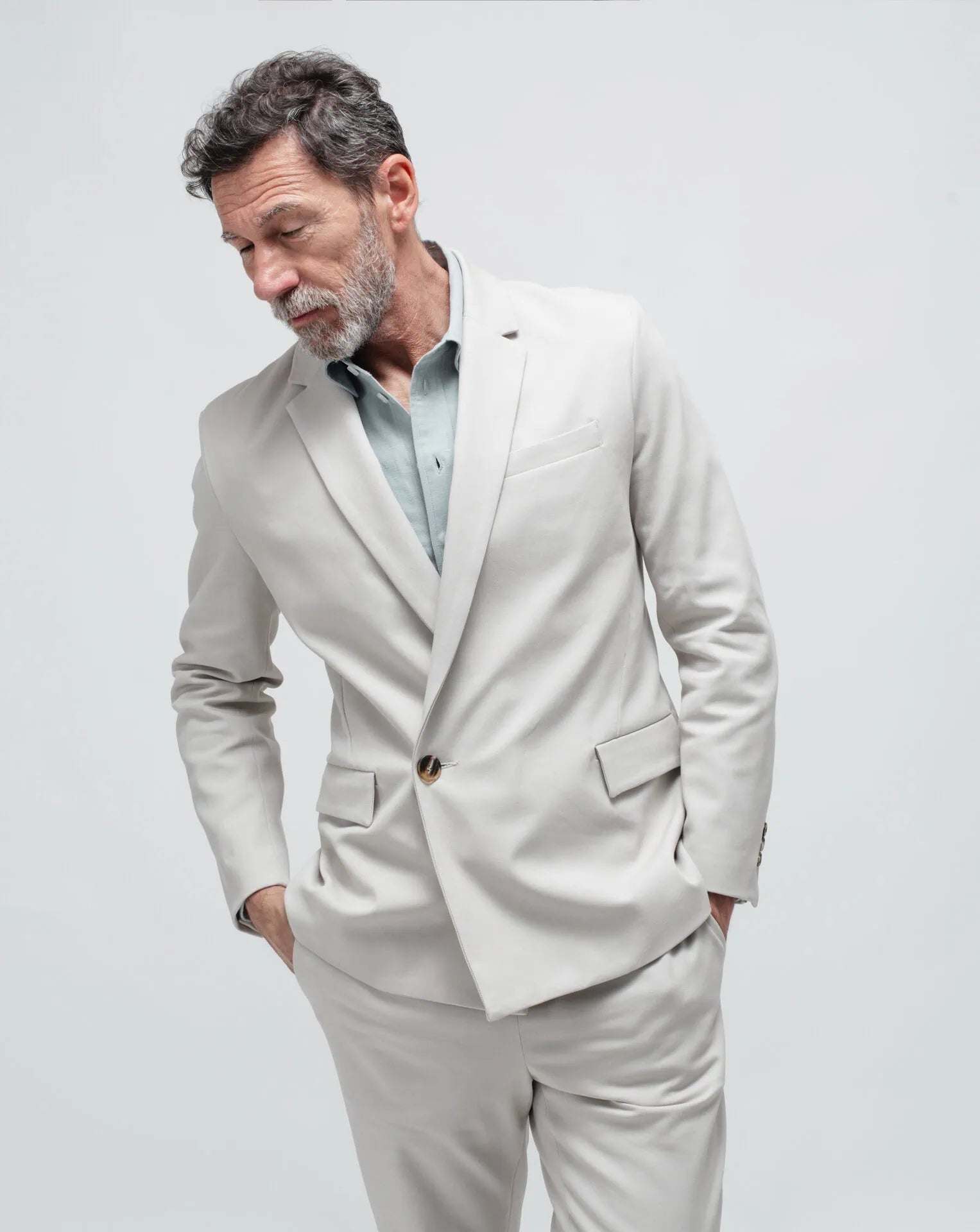
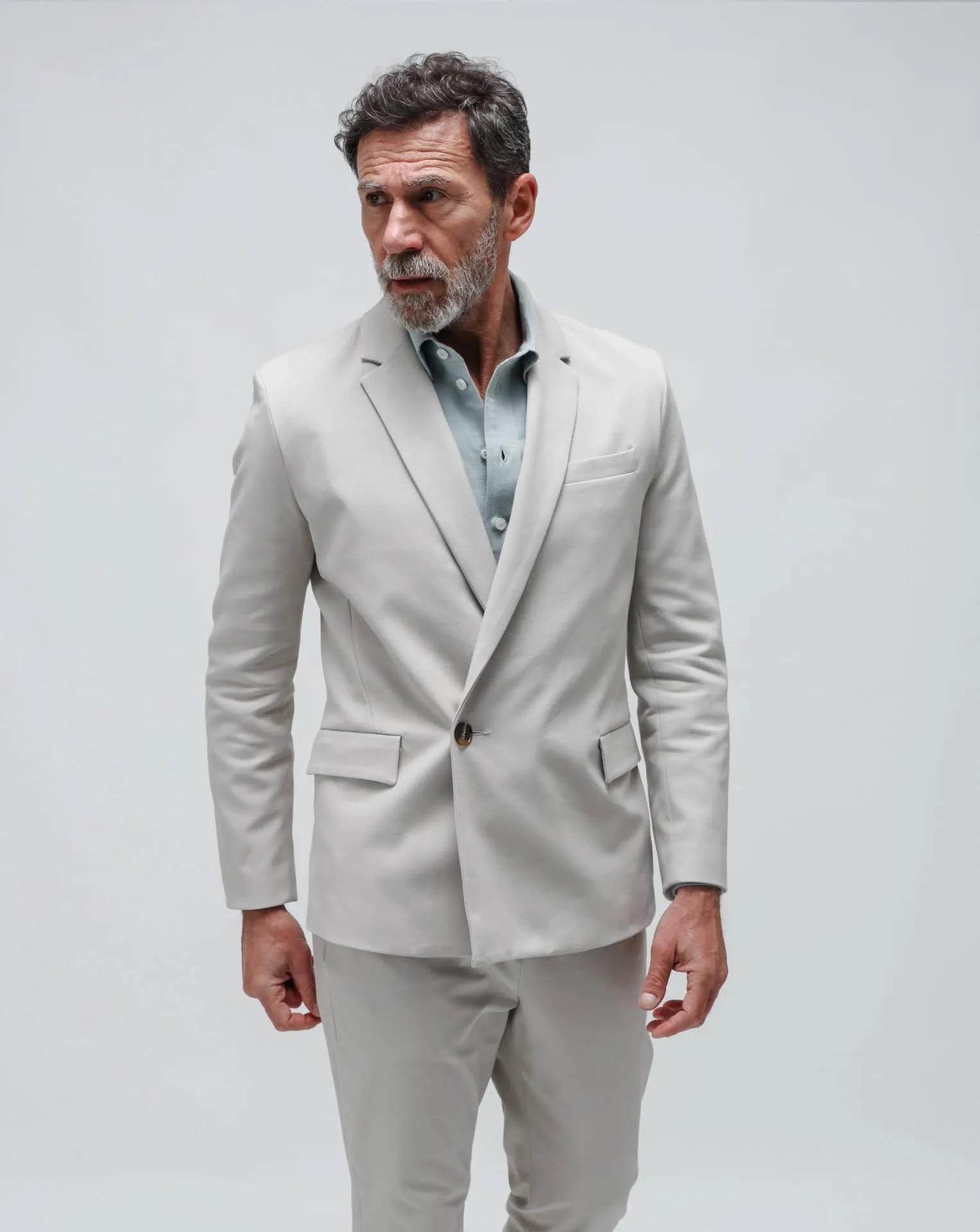
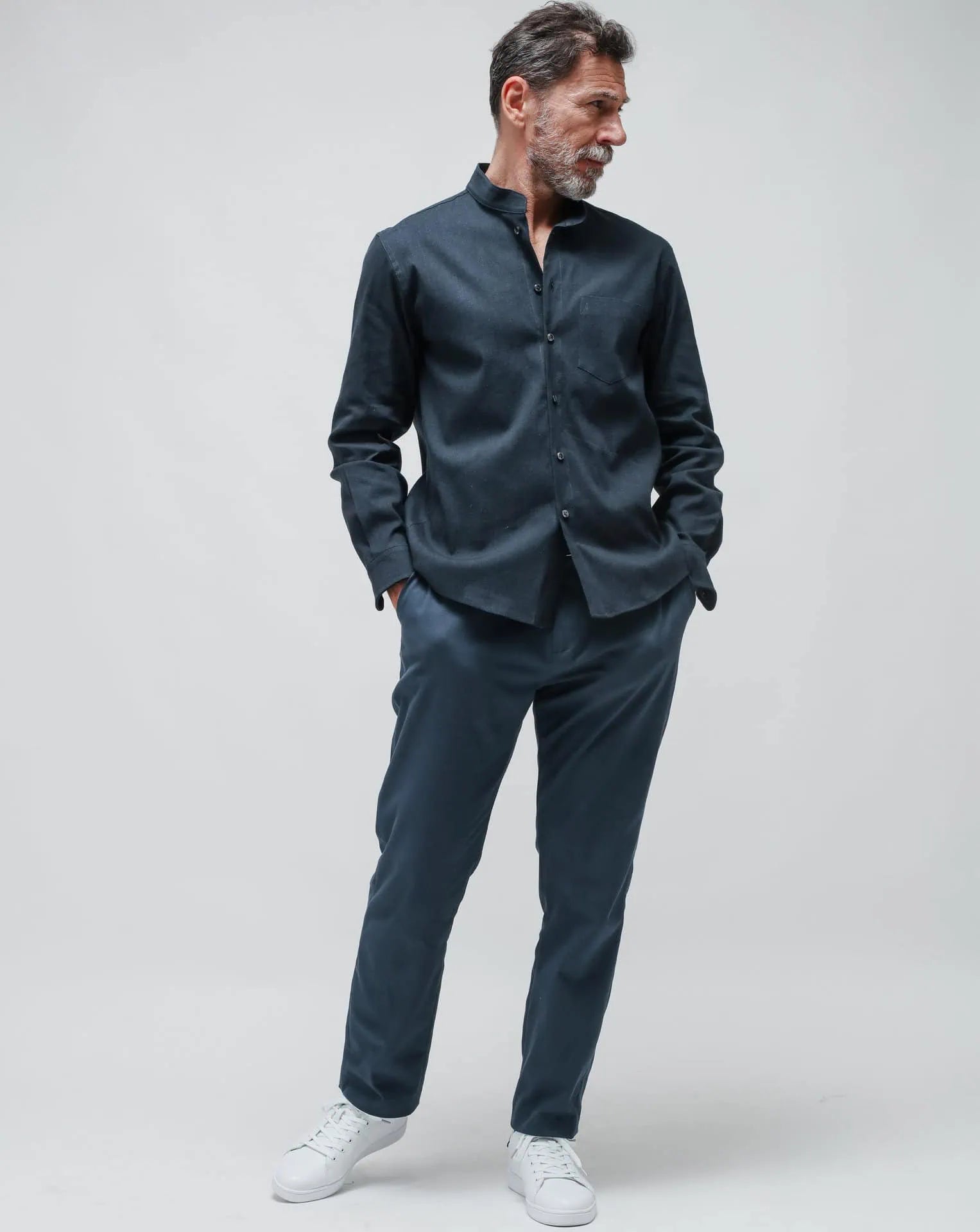
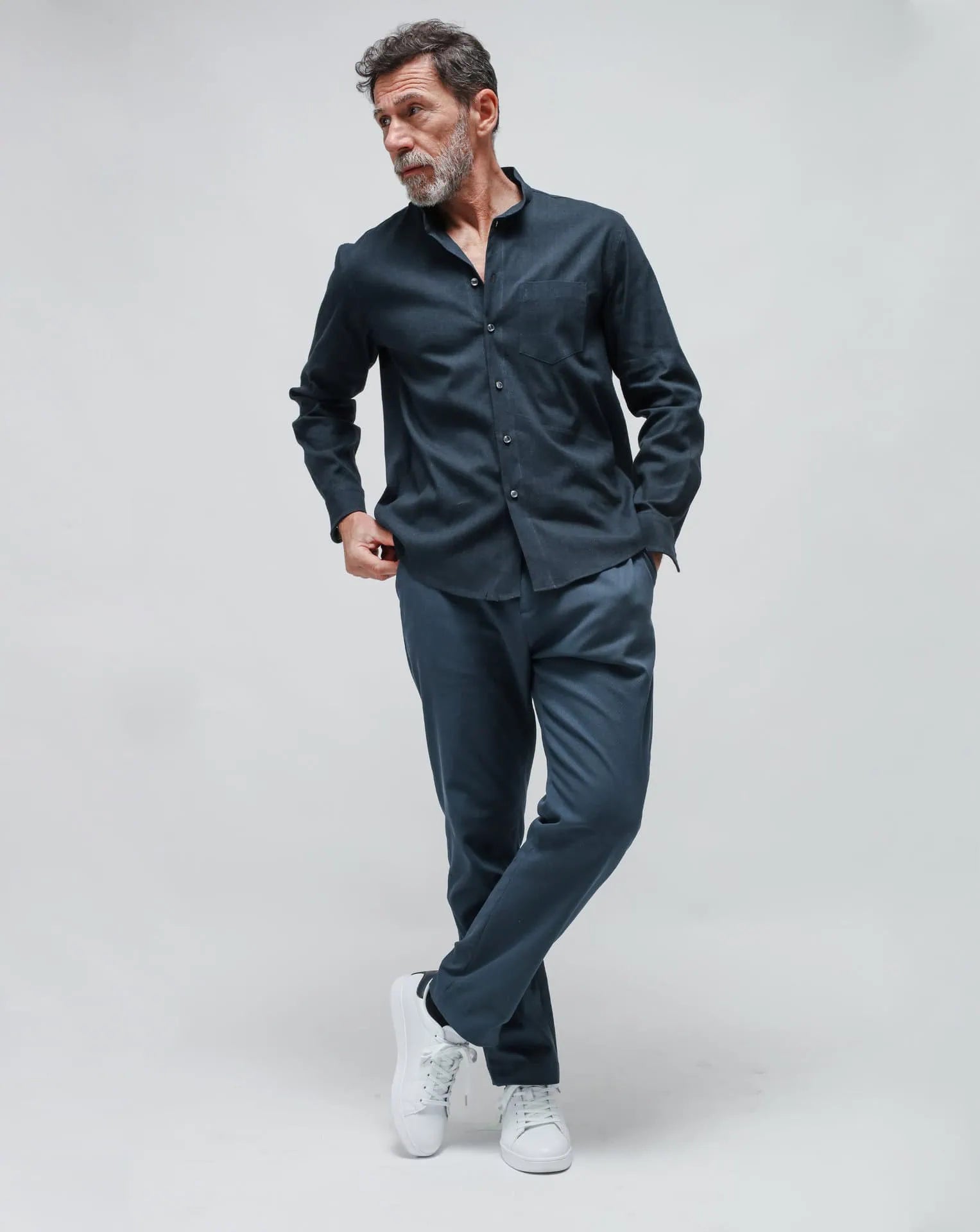
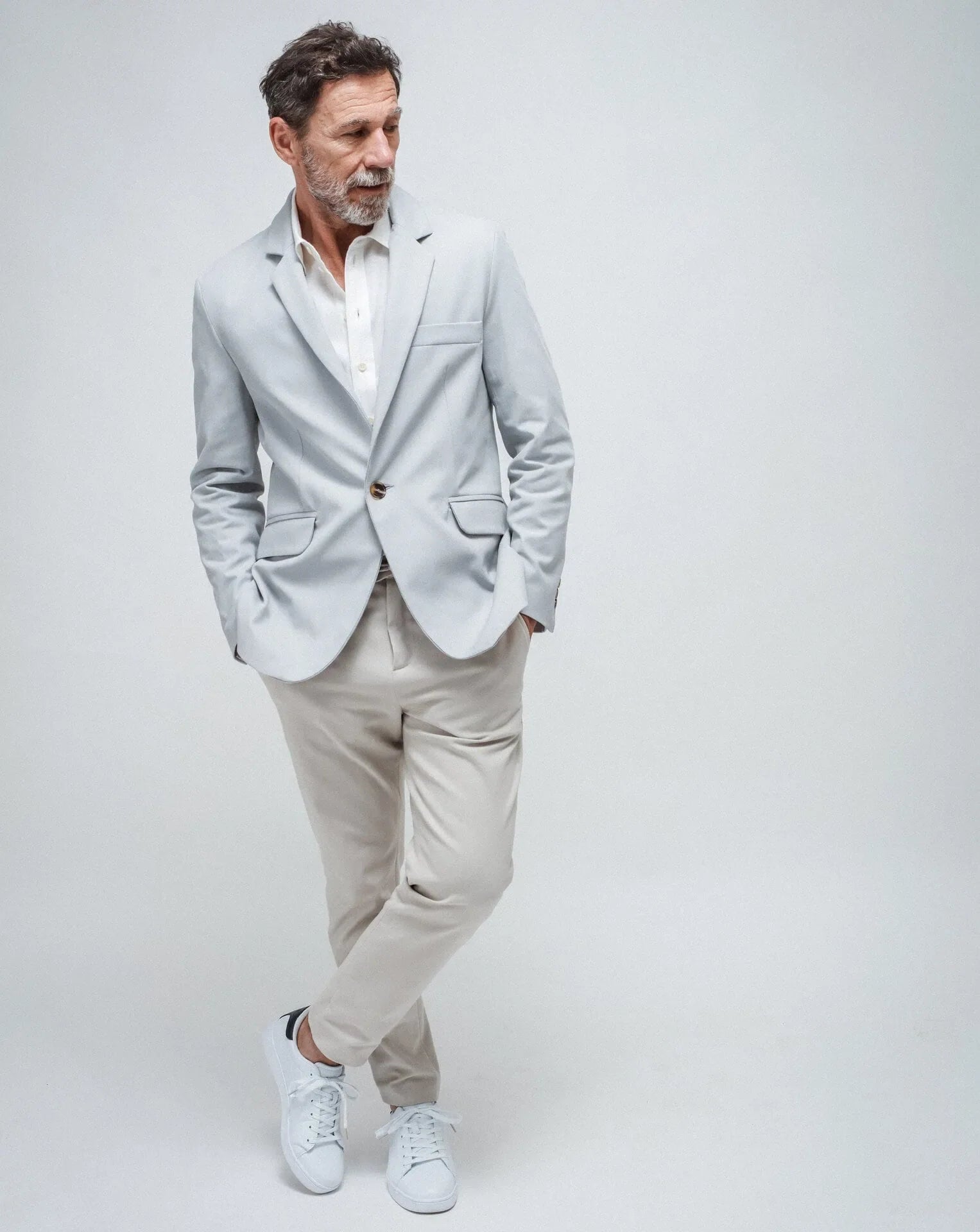
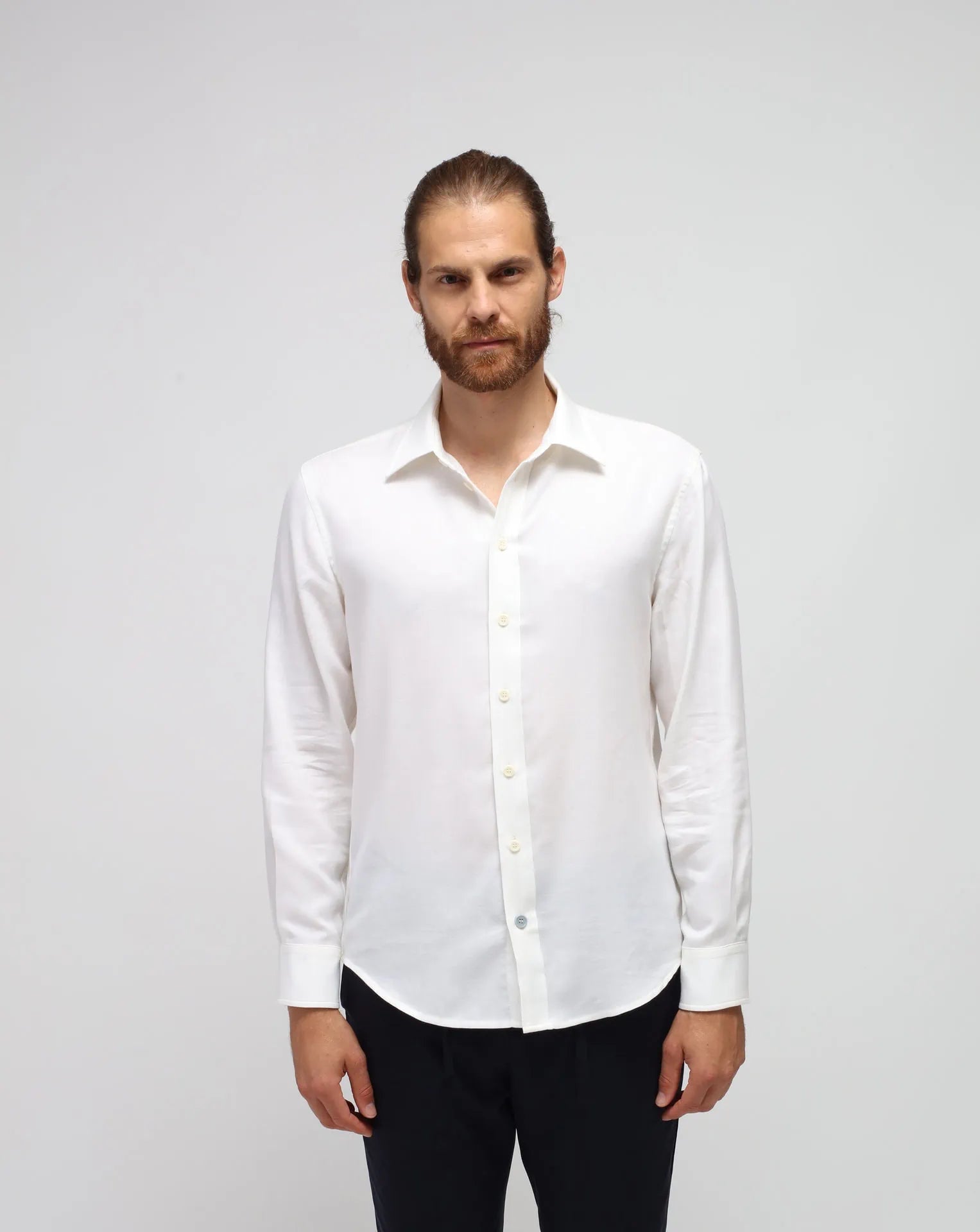
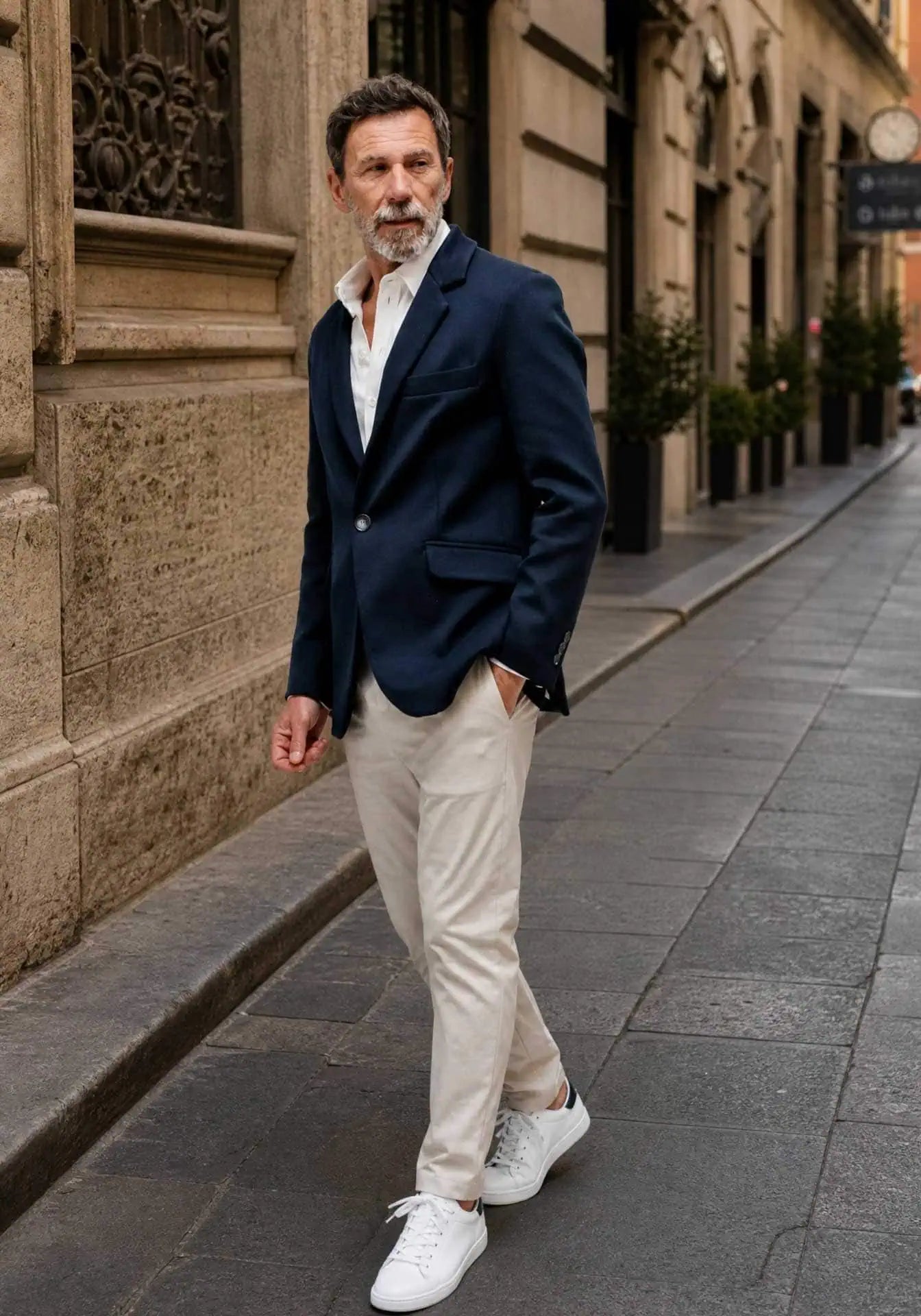
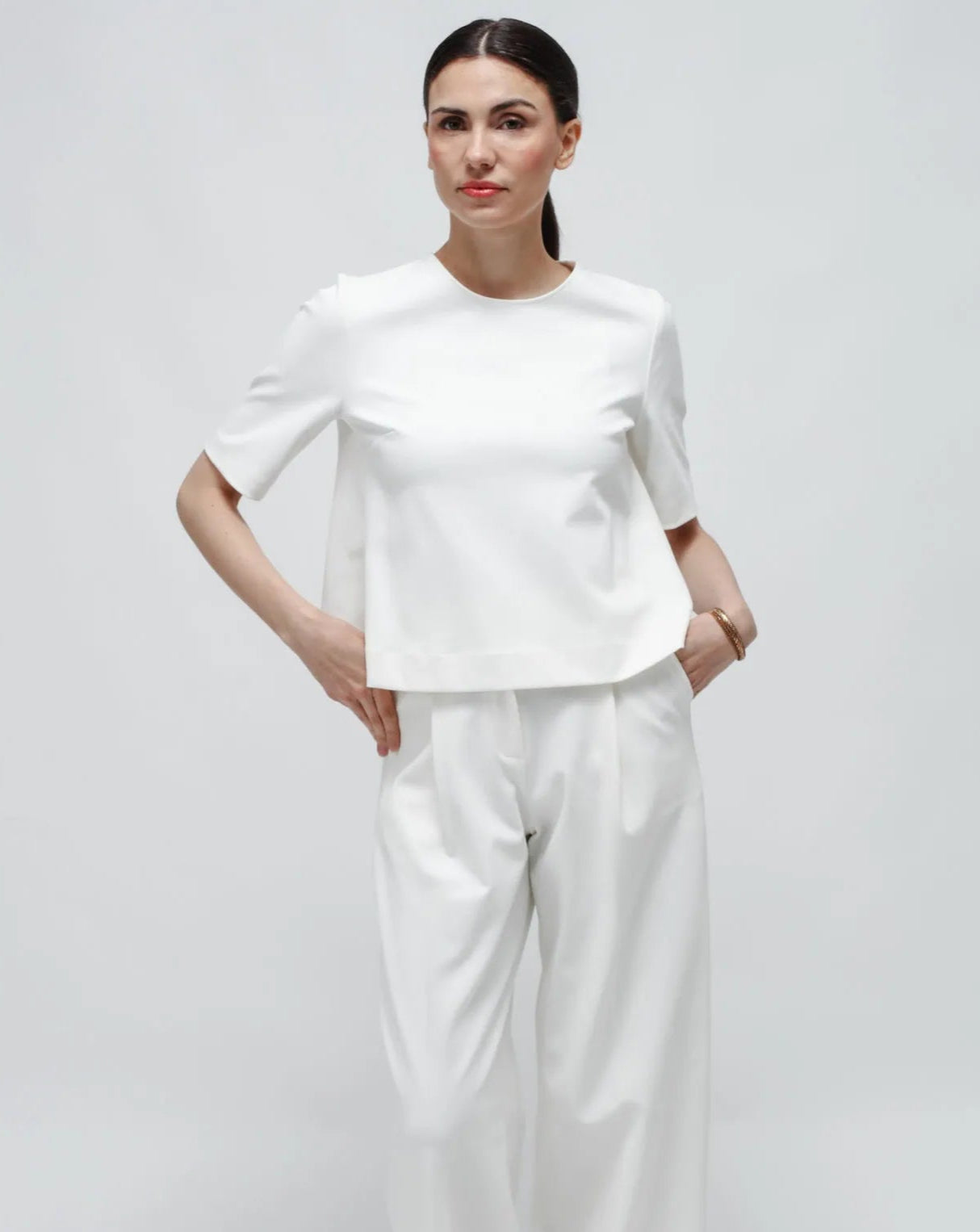
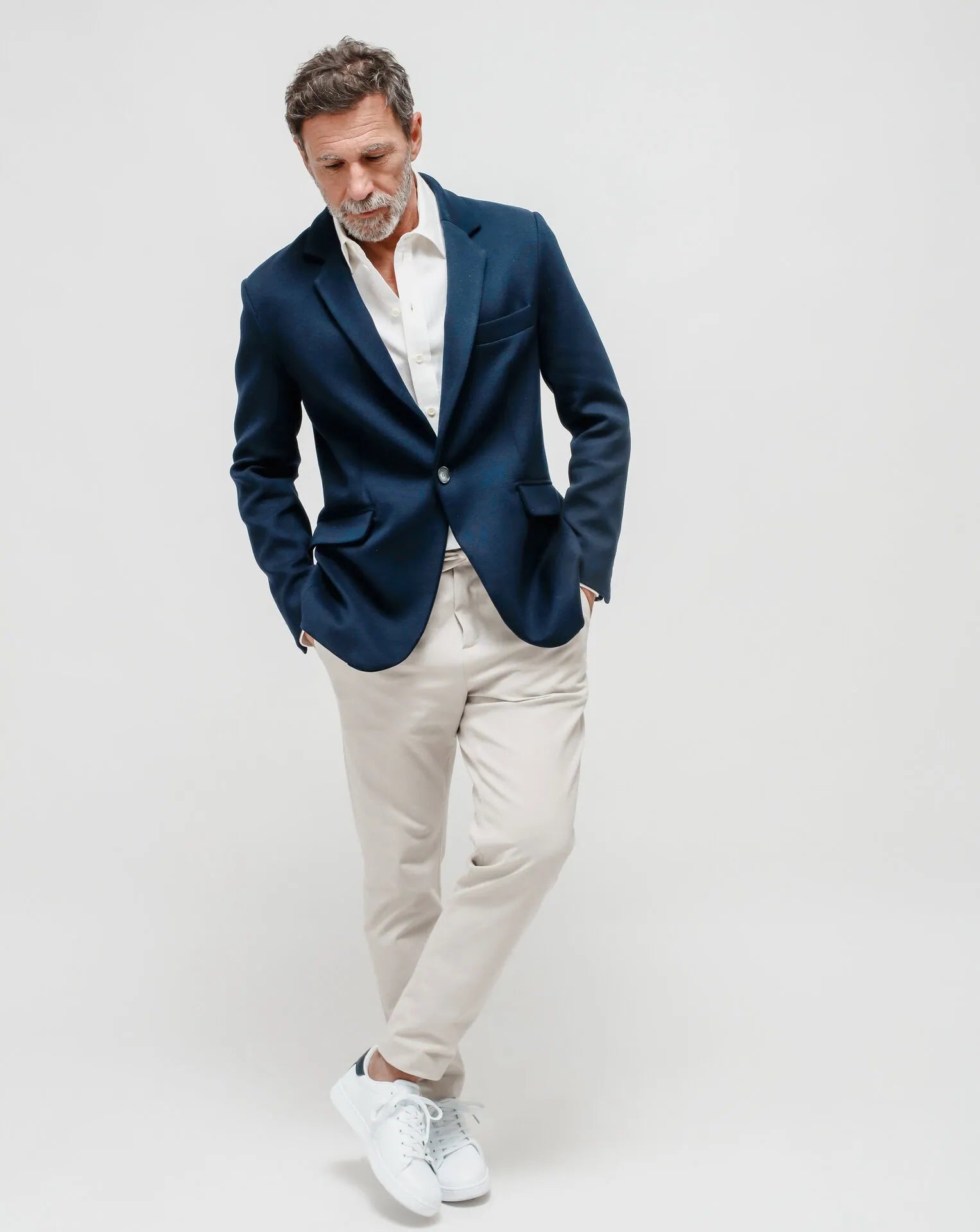
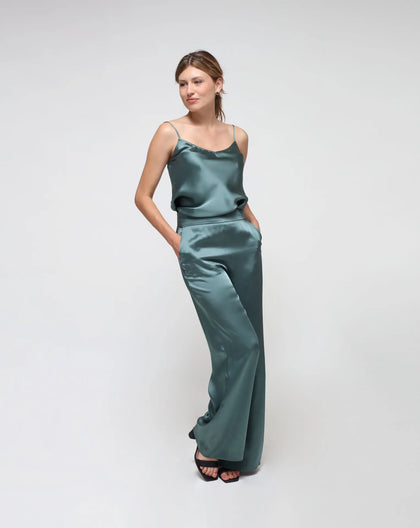
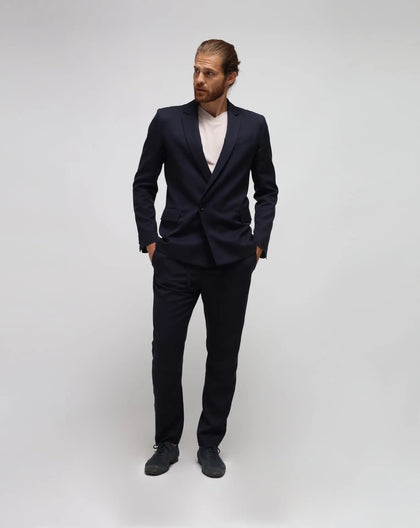
Small-batch fashion has an aesthetic advantage, too. Limited quantities can protect a sense of individuality without forcing you into novelty for novelty's sake. A sharp pair of men's tailored pants, a women's long coat, or a coordinated set becomes distinctive through proportion, material, and longevity - not a loud logo or a microtrend.
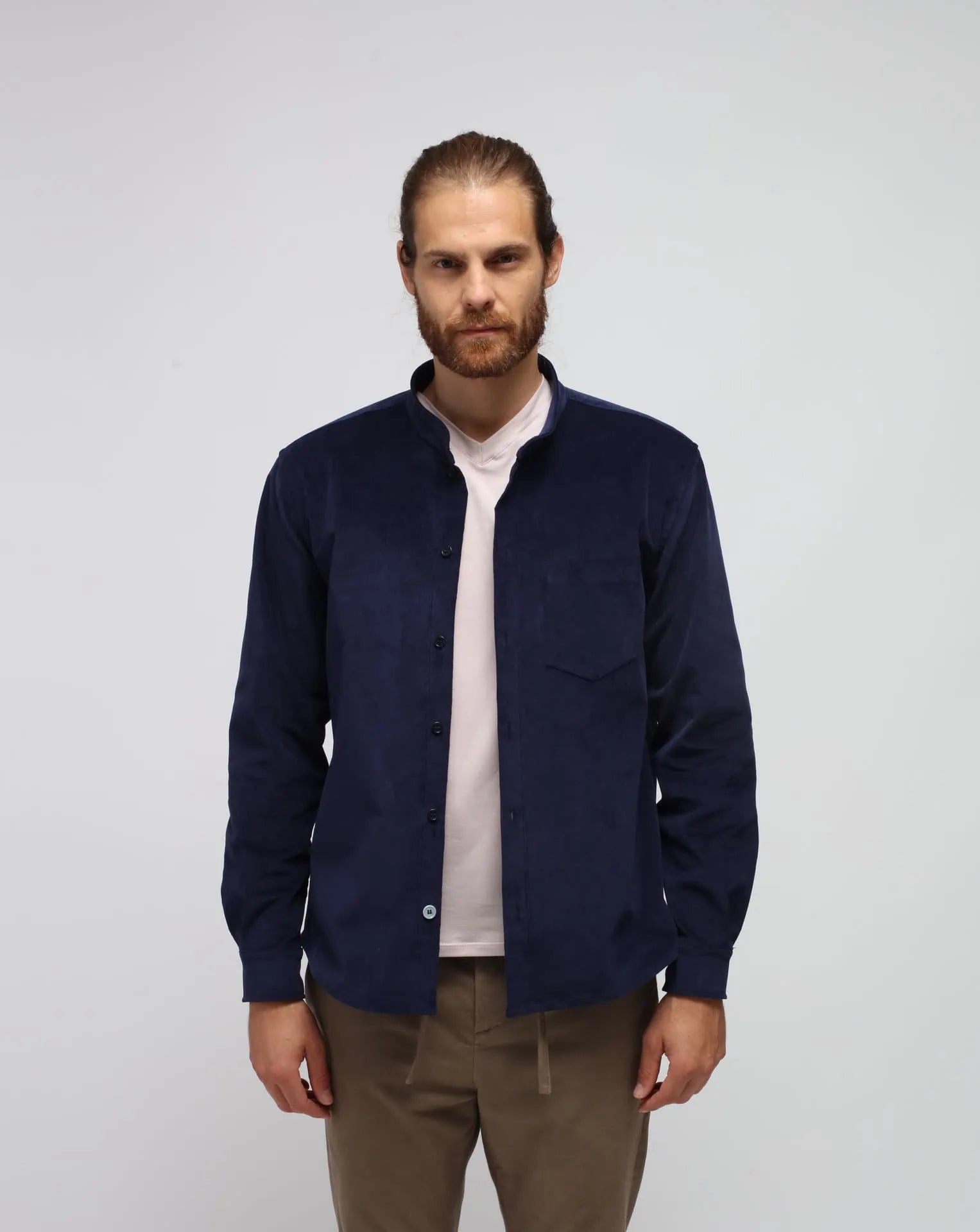
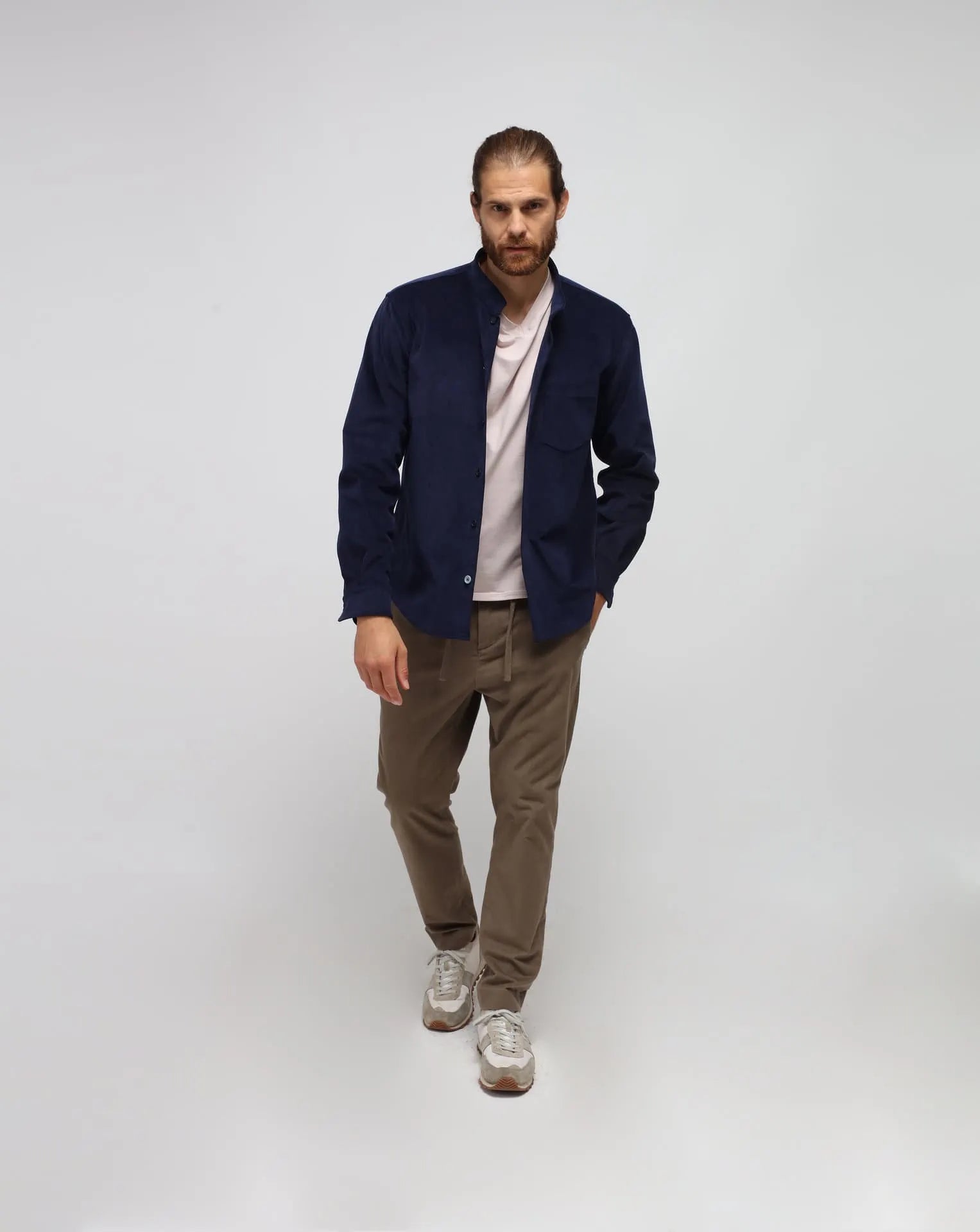
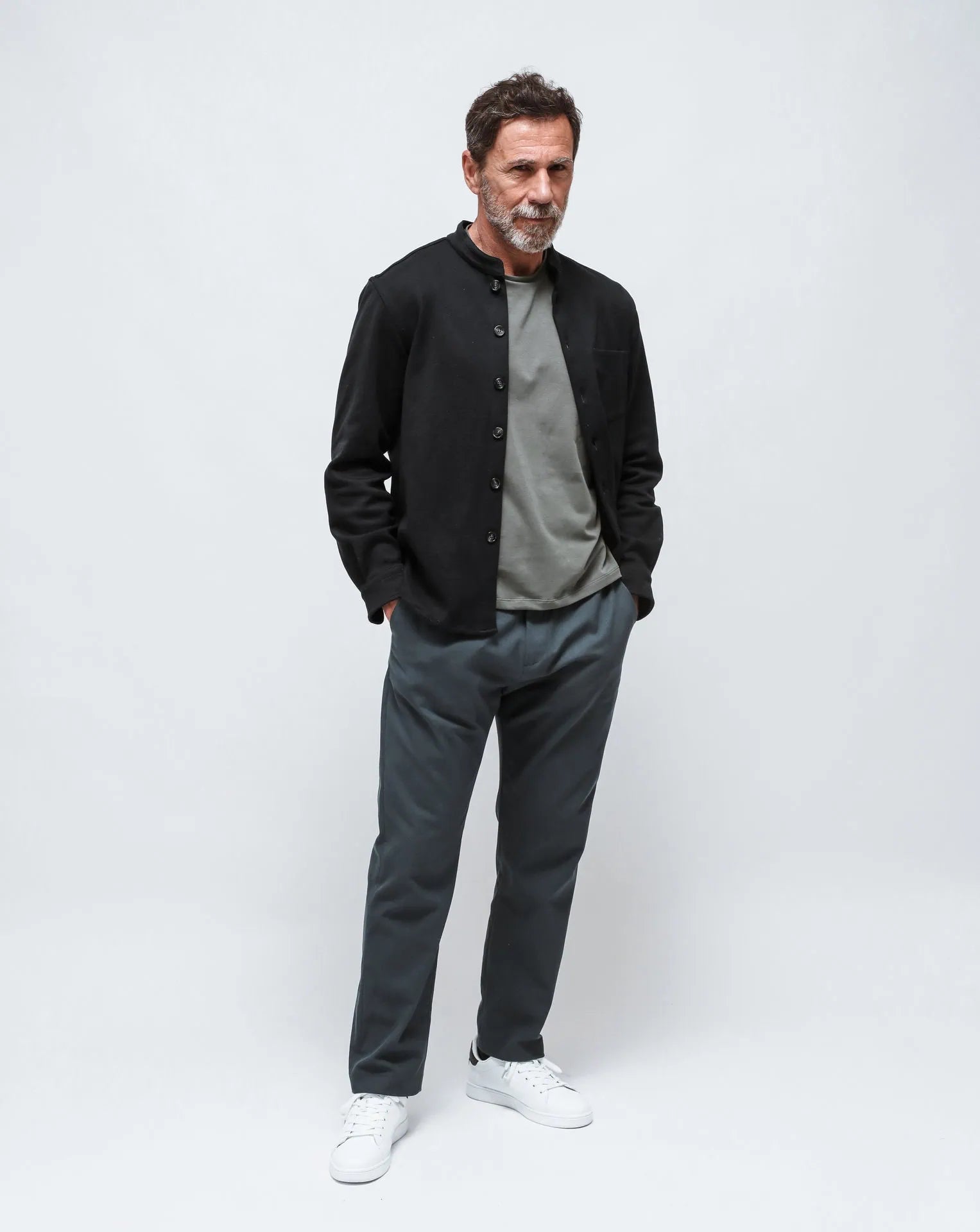
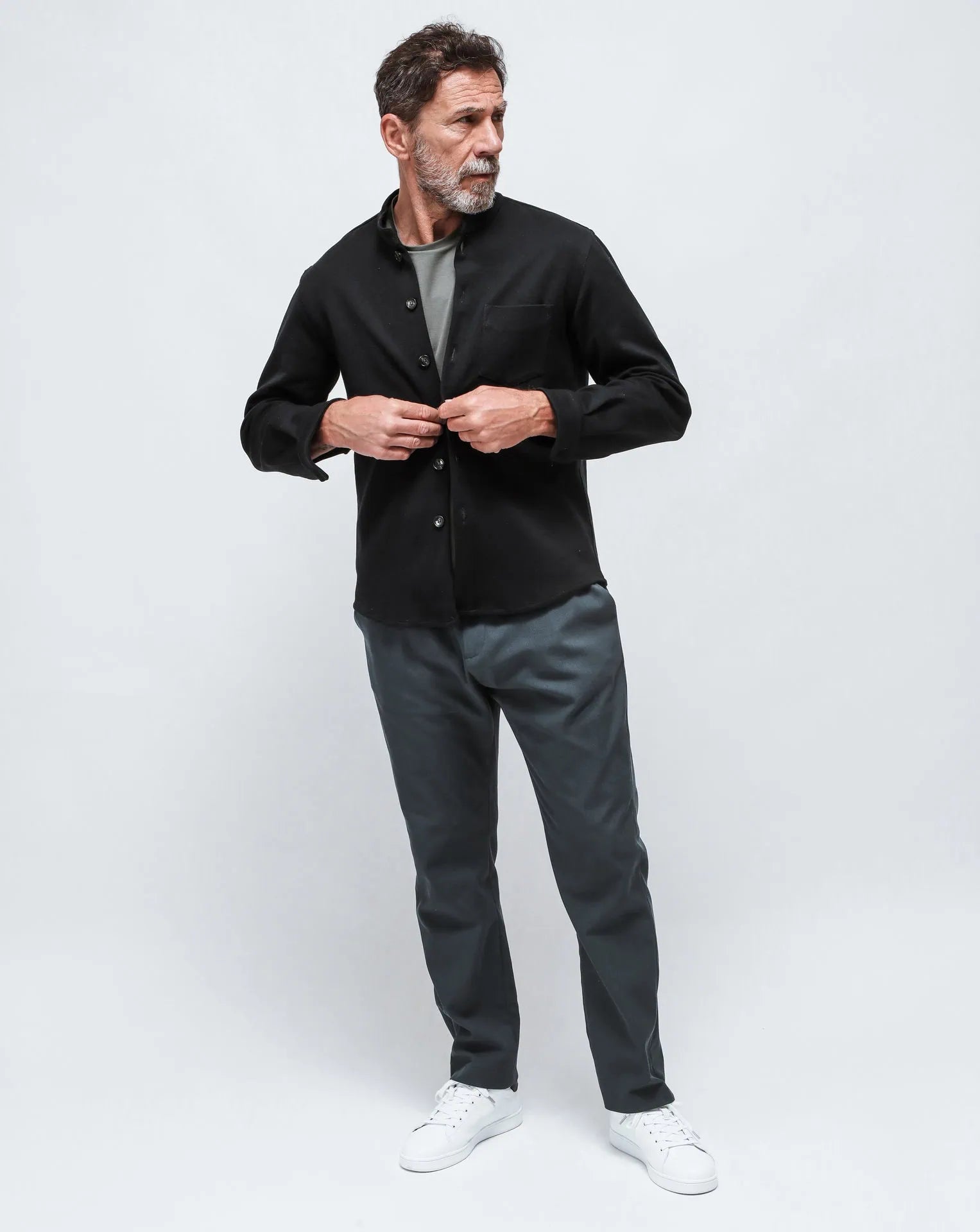
For winter, begin with pieces that do more than one job. Consider a refined coat that layers over office tailoring and weekend denim, a men's overshirt that works as a light jacket, or a women's knit-friendly dress designed for boots and a structured outer layer. Explore the Women’s Winter Coats edit and Men’s Jackets and Coats edit for pieces built around this kind of repeat wear.
The Trade-Offs Worth Knowing
Intentional production has limits, and honest fashion should say so. Small batches can sell out. A favorite fabric may not return. There may be fewer color options or less immediate availability in every size. These are not failures of the model; they are the realities of making less and refusing to manufacture endless replacement stock.
Mass production can also offer broader sizing and lower upfront prices. For shoppers with urgent needs or tight budgets, that access matters. The more useful question is not whether every purchase can be small batch. It is where you can choose quality, longevity, and lower waste when building the core of your wardrobe.
Think in cost per wear, but do not use it as an excuse to buy something you will not love. A premium coat that stays in rotation for years can earn its place. A supposedly versatile piece that remains unworn cannot. The most sustainable garment is not merely the one made with better intentions. It is the one you reach for repeatedly, care for properly, and keep.
How to Shop Small Batch With Intention
Start with the role a garment needs to play. Before adding a winter layer to your cart, picture three occasions you will actually wear it. Your commute, a dinner reservation, a work trip, a cold weekend away. If the piece works across those settings, it has a stronger claim on your closet.
Then assess fabric and construction. Look for material information, care guidance, and clear sizing details. Natural and durable fibers can be excellent choices, but they still need care. Air out outerwear between wears, brush coats gently, treat stains promptly, and store pieces clean and dry at season's end. Care is not an afterthought. It is how a good garment becomes a long-term one.
Finally, respect the fit. Free size exchanges remove some of the uncertainty of shopping online, but taking measurements before ordering remains the smartest first step. A well-fitting coat is more likely to be worn. A pair of pants that sits correctly at the waist is more likely to become a weekly essential.
Small-batch fashion asks for a slower decision, not a lesser one. Choose the piece that feels like a future favorite, then give it the care and repeat wear that make its limited production matter.


FAQ
Q: Is small-batch production always more sustainable than mass production?
A: Not automatically. Sustainability depends on materials, labor practices, shipping, durability, and what happens to unsold stock. Small batches can reduce overproduction and enable deadstock sourcing, but brands should still be transparent about the full process.
Q: Why do small-batch garments often cost more?
A: Smaller runs do not benefit from the same volume discounts as mass production. The price may reflect premium materials, skilled labor, more careful quality control, and lower inventory risk. Look for clear details that support the price.
Q: Will a limited-edition winter coat be restocked?
A: It depends on fabric availability. When a coat is made from deadstock fabric, the exact material may be finite. A similar silhouette may return in another fabric, but an identical restock is not always possible.
Q: How can I make a winter wardrobe more intentional?
A: Build around versatile outerwear, tailored layers, and pieces that work across workdays, travel, and evenings out. Prioritize fit, fabric, and at least three realistic ways to wear each item.
Q: Does small-batch production include menswear as well as womenswear?
A: Yes. The same principles apply across women’s and men’s collections: limited quantities, considered materials, and versatile pieces designed to be worn well beyond one season.
the World of H&L