
Are Deadstock Fabrics Really Sustainable?
A fabric can be labeled deadstock and still tell very different stories. One roll might be rescued from a mill that overproduced high-quality wool. Another might be leftover synthetic fabric that would otherwise sit in storage for years. So if you are asking are deadstock fabrics really sustainable, the honest answer is not a simple yes or no.
Deadstock can be a smarter material choice, but it is not a free pass. Sustainability in fashion depends on what the fabric is made of, how much of it is used, how the garment is produced, and whether it stays in your wardrobe long enough to matter. The label matters less than the full system behind it.
Are deadstock fabrics really sustainable in practice?
At their best, deadstock fabrics prevent perfectly usable materials from being wasted. These are leftover textiles from mills, fashion houses, or manufacturers that were ordered in excess, canceled, or never used. Instead of producing new fabric from scratch, a brand can work with what already exists.
That matters. Textile production is resource-intensive. It uses water, energy, chemicals, transport, and labor before a garment is even cut. When existing fabric is repurposed, some of that demand for virgin material can be avoided. From a waste perspective, deadstock is a practical intervention.
But deadstock does not erase the impact that already went into making the fabric. If a fabric was produced through harmful dye processes, made from fossil-fuel-based fibers, or shipped across multiple countries before it was ever recut, those impacts remain part of the story. Deadstock is better understood as a form of material recovery, not pure sustainability.
This is why thoughtful brands pair deadstock fabrics with small-batch production, careful pattern cutting, and limited-edition drops. If the sourcing is responsible but the business model still pushes overconsumption, the benefit shrinks quickly.
What deadstock does well
The strongest argument for deadstock is simple. It uses what already exists.
In an industry built on excess, that is not a small thing. Fashion routinely overorders materials to meet uncertain demand, then moves on to the next season. Deadstock interrupts that cycle by giving unused fabric a purpose. It can also support more intentional production because fabric availability is finite. Once a roll is gone, it is gone.
That scarcity can encourage better design decisions. Instead of producing endless units, brands often create tighter collections and smaller runs. For customers, that usually means pieces with more character and less repetition. A limited-edition deadstock shirt, tailored pant, or structured jacket feels distinct because it is.
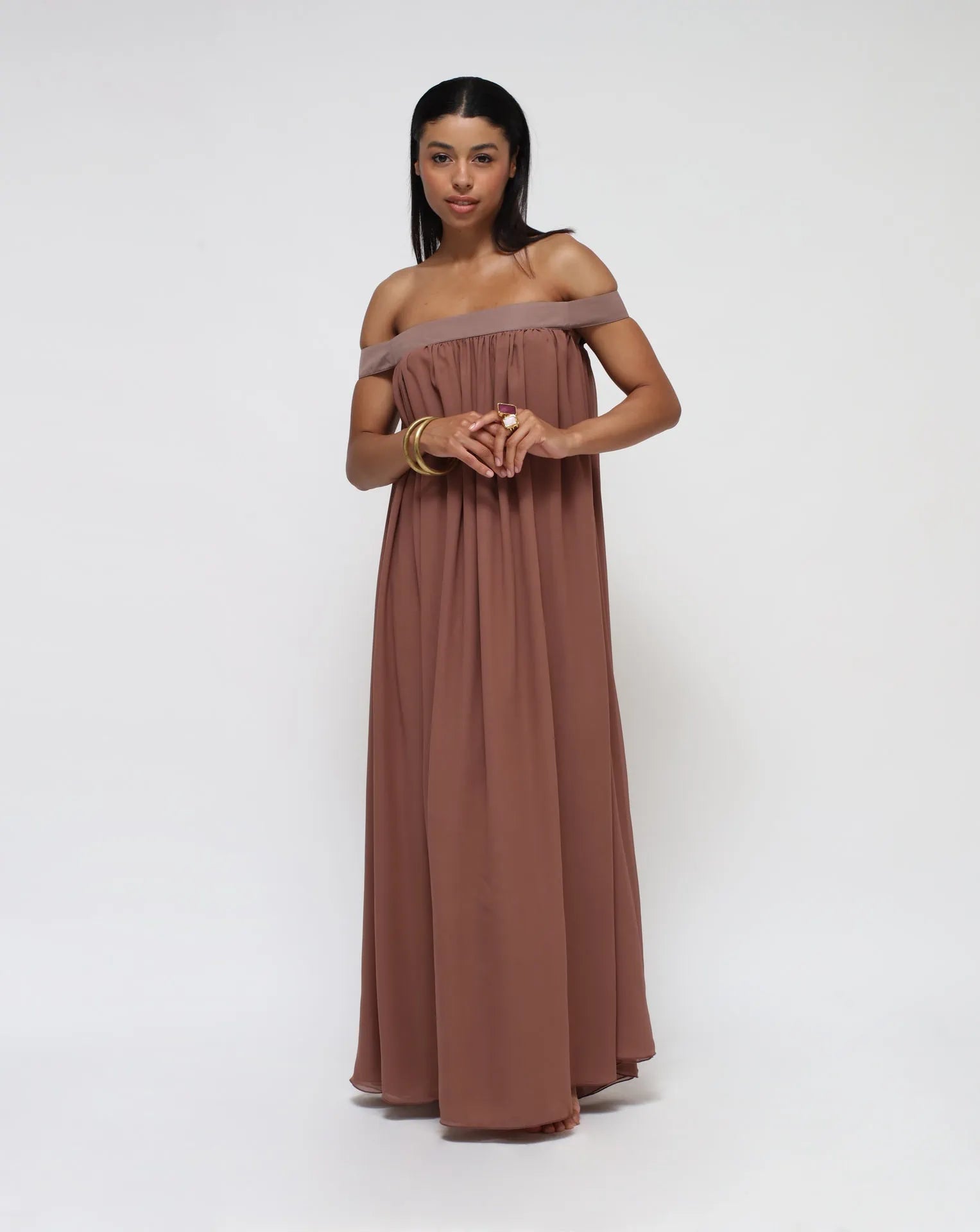
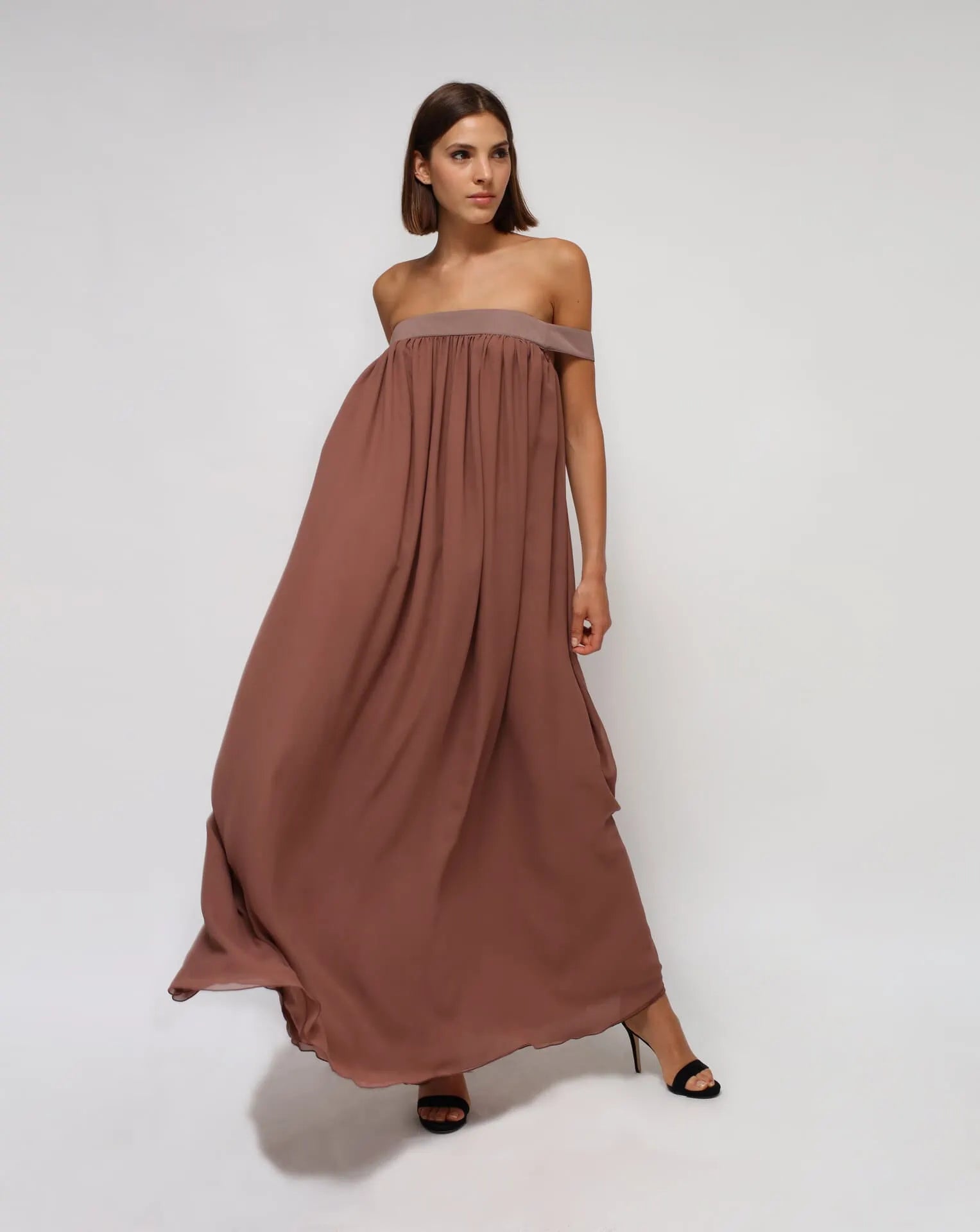
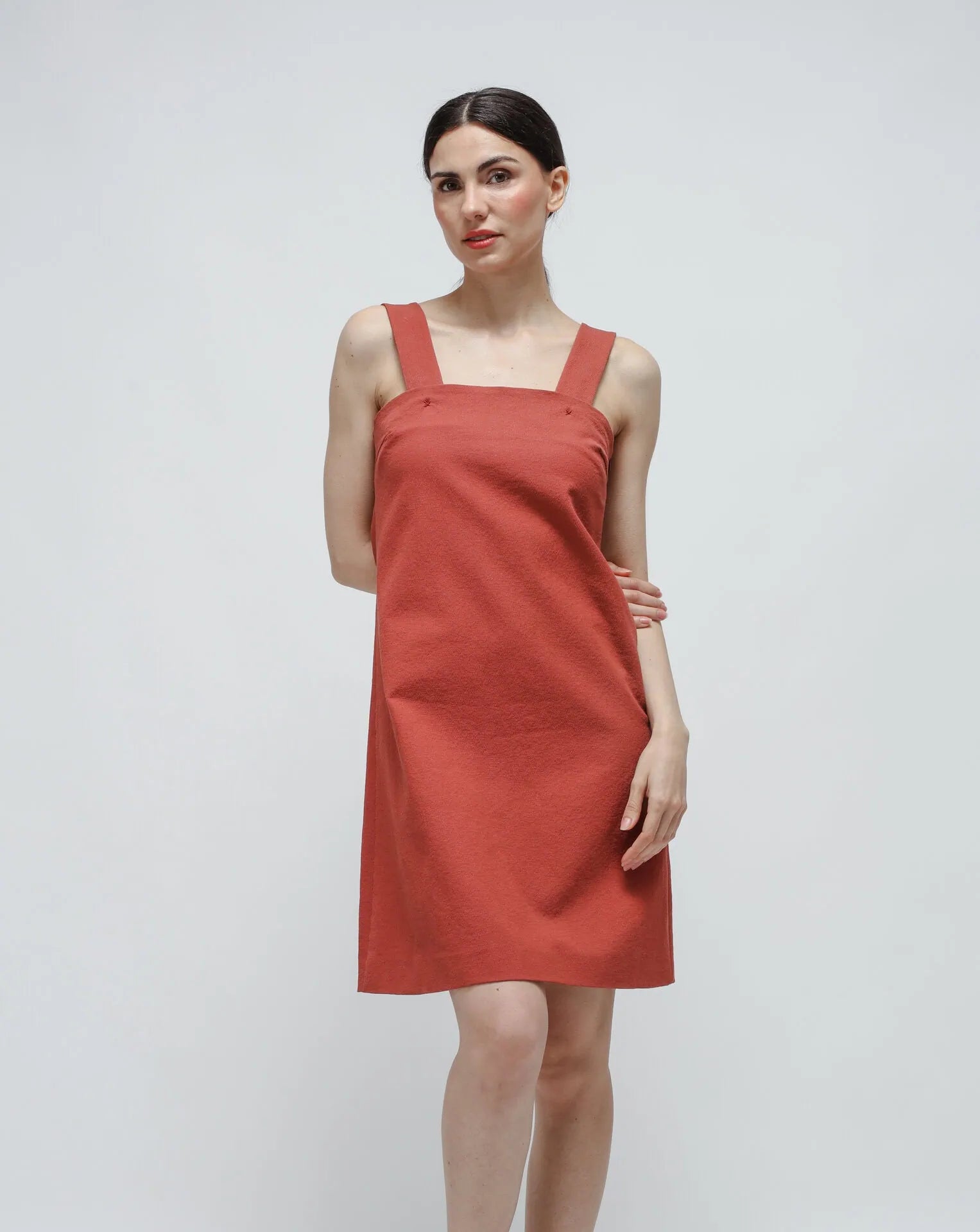
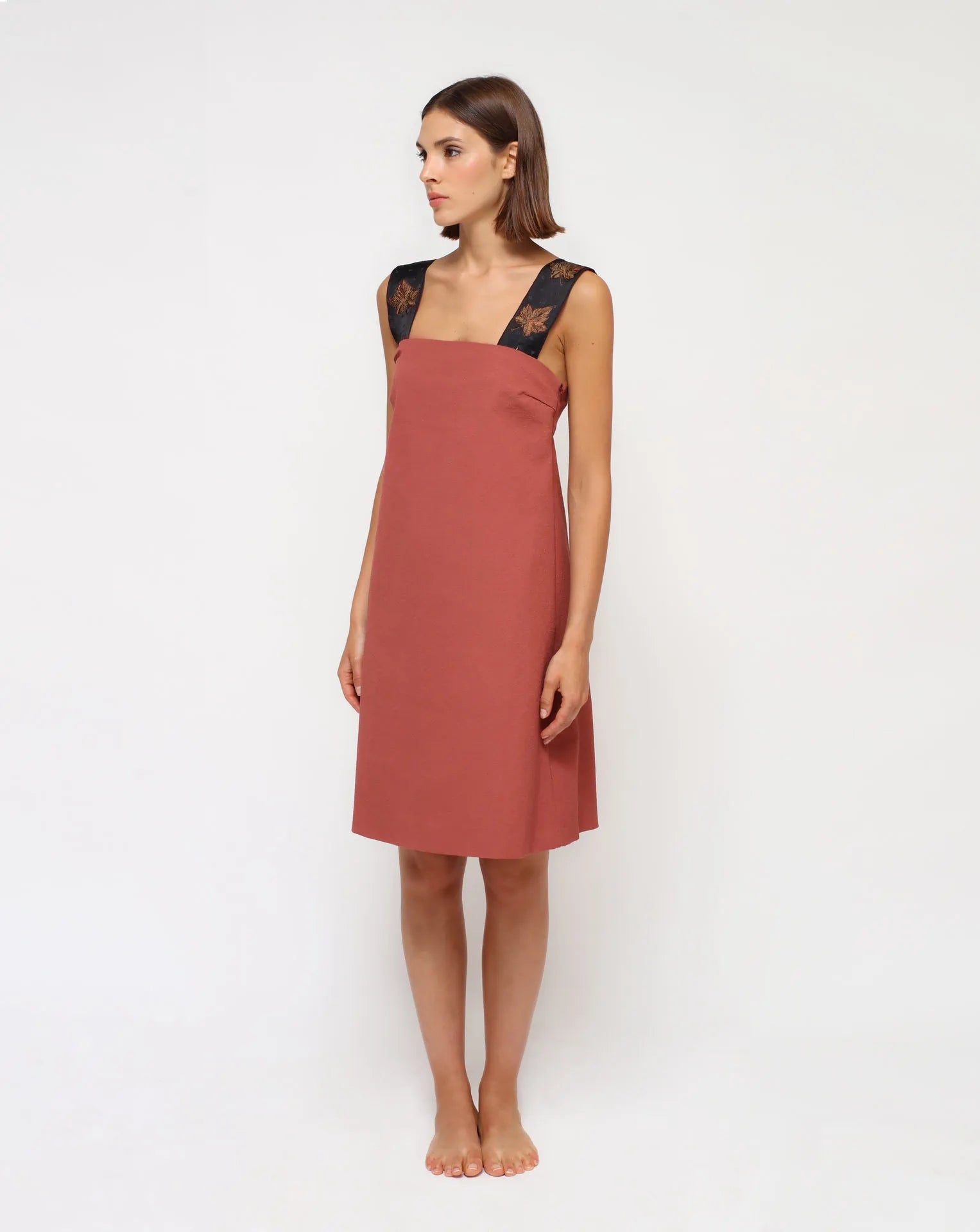
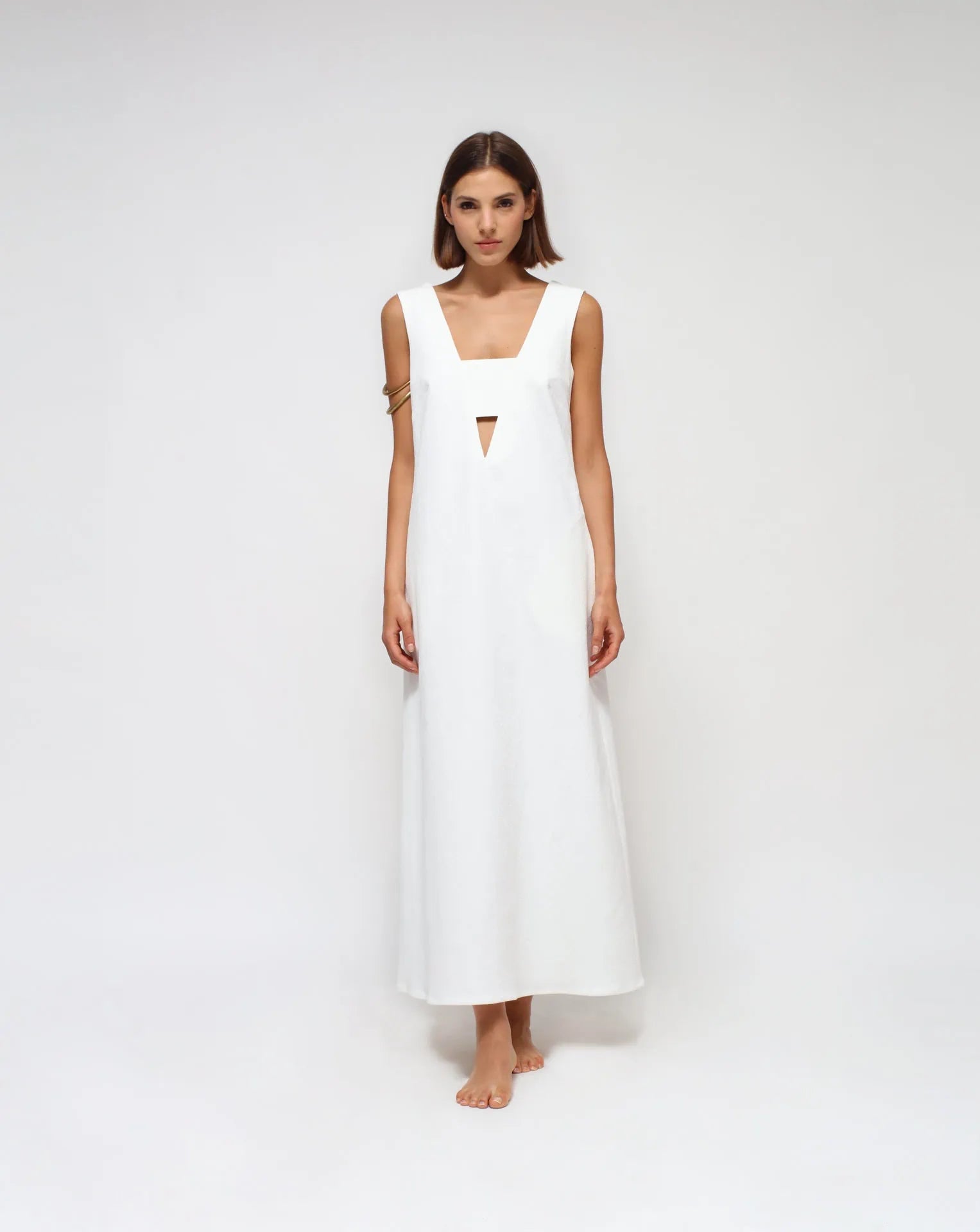
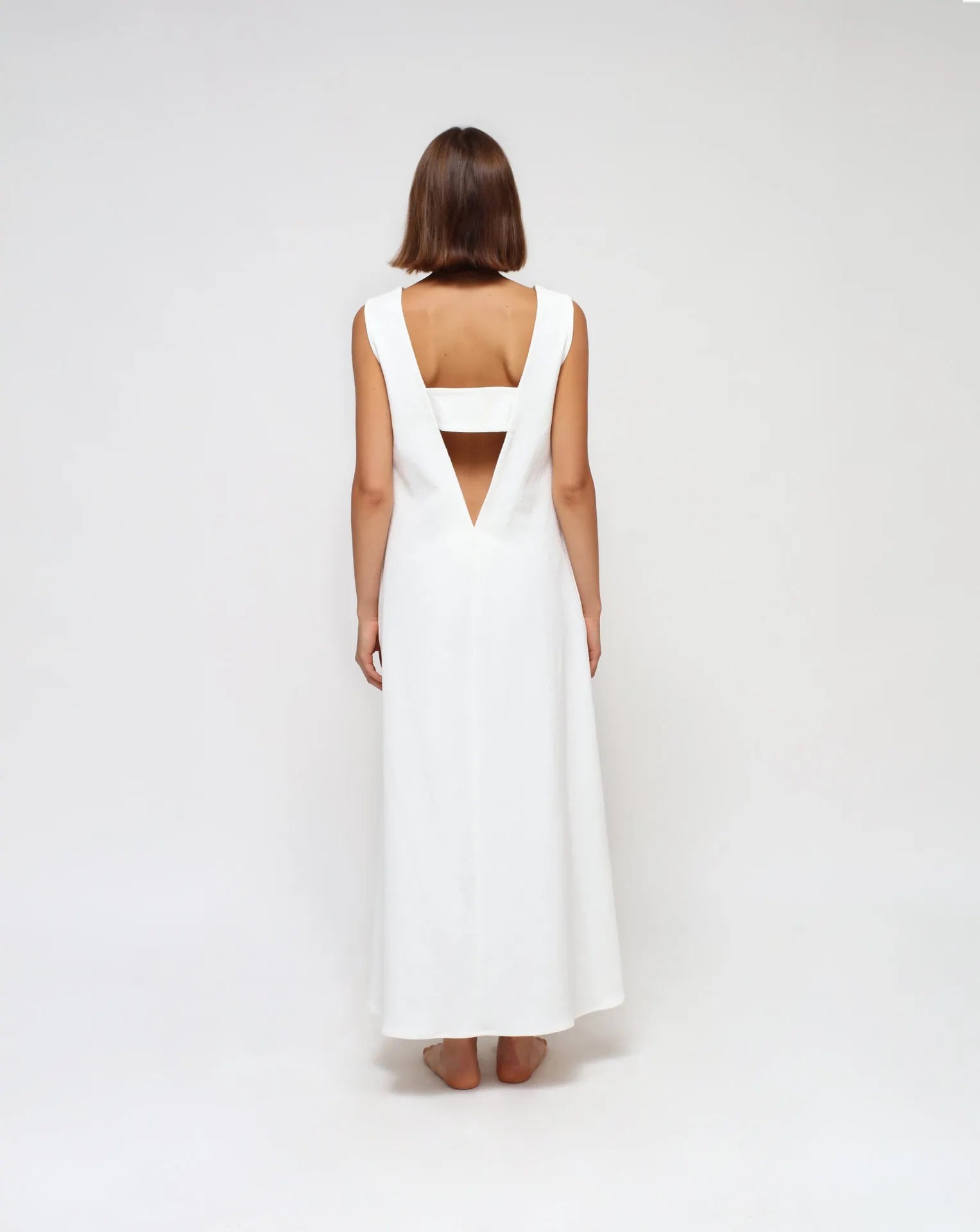
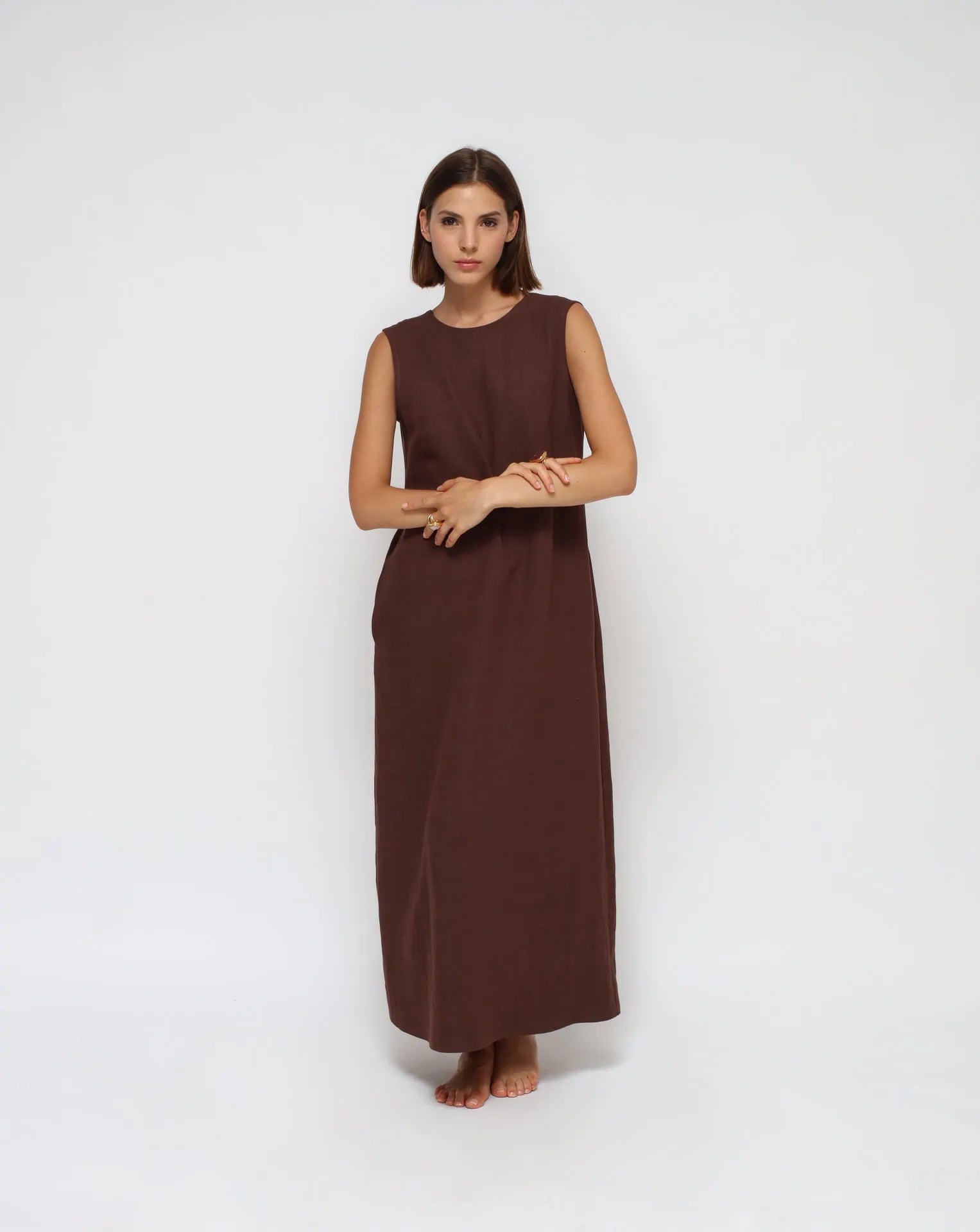
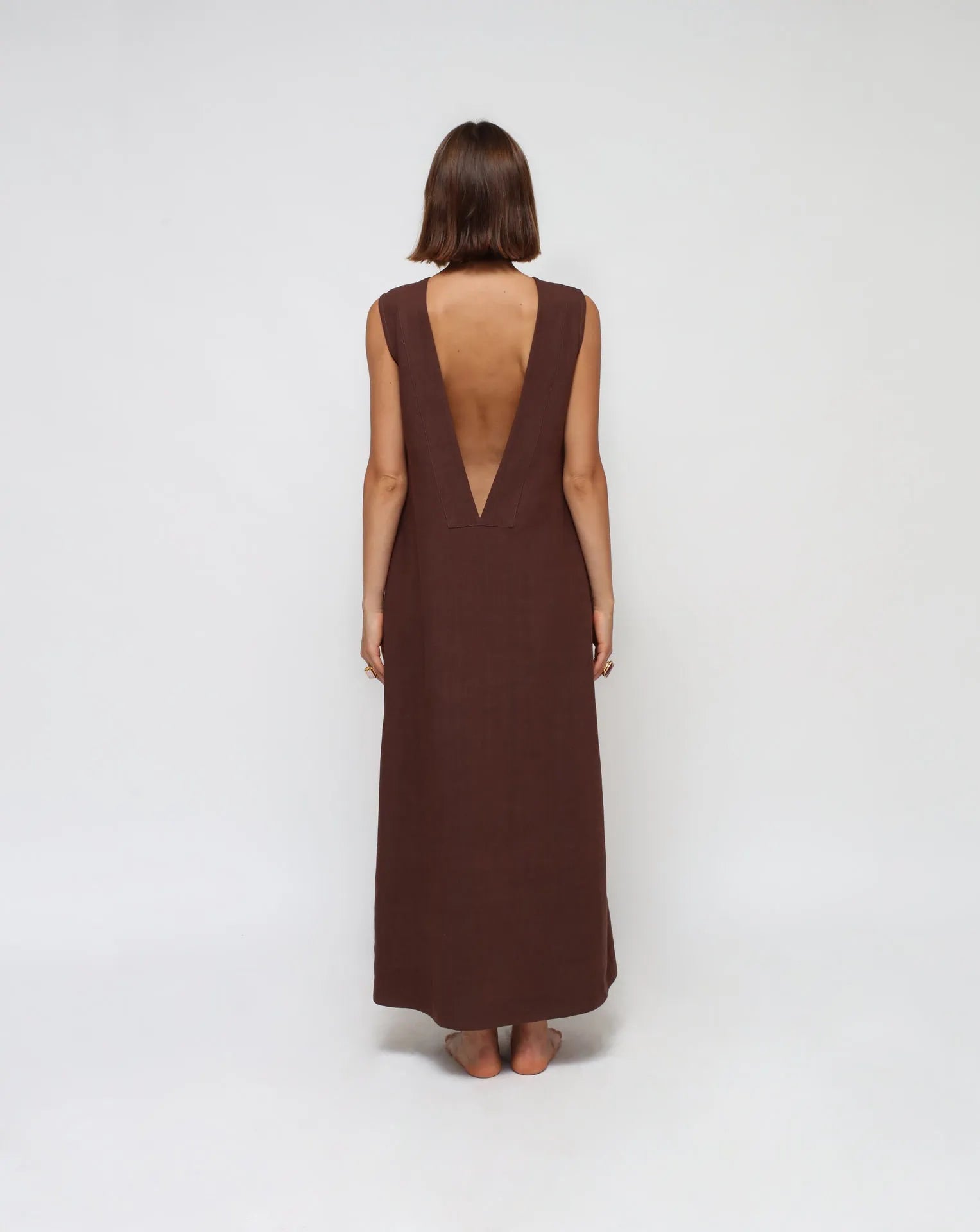
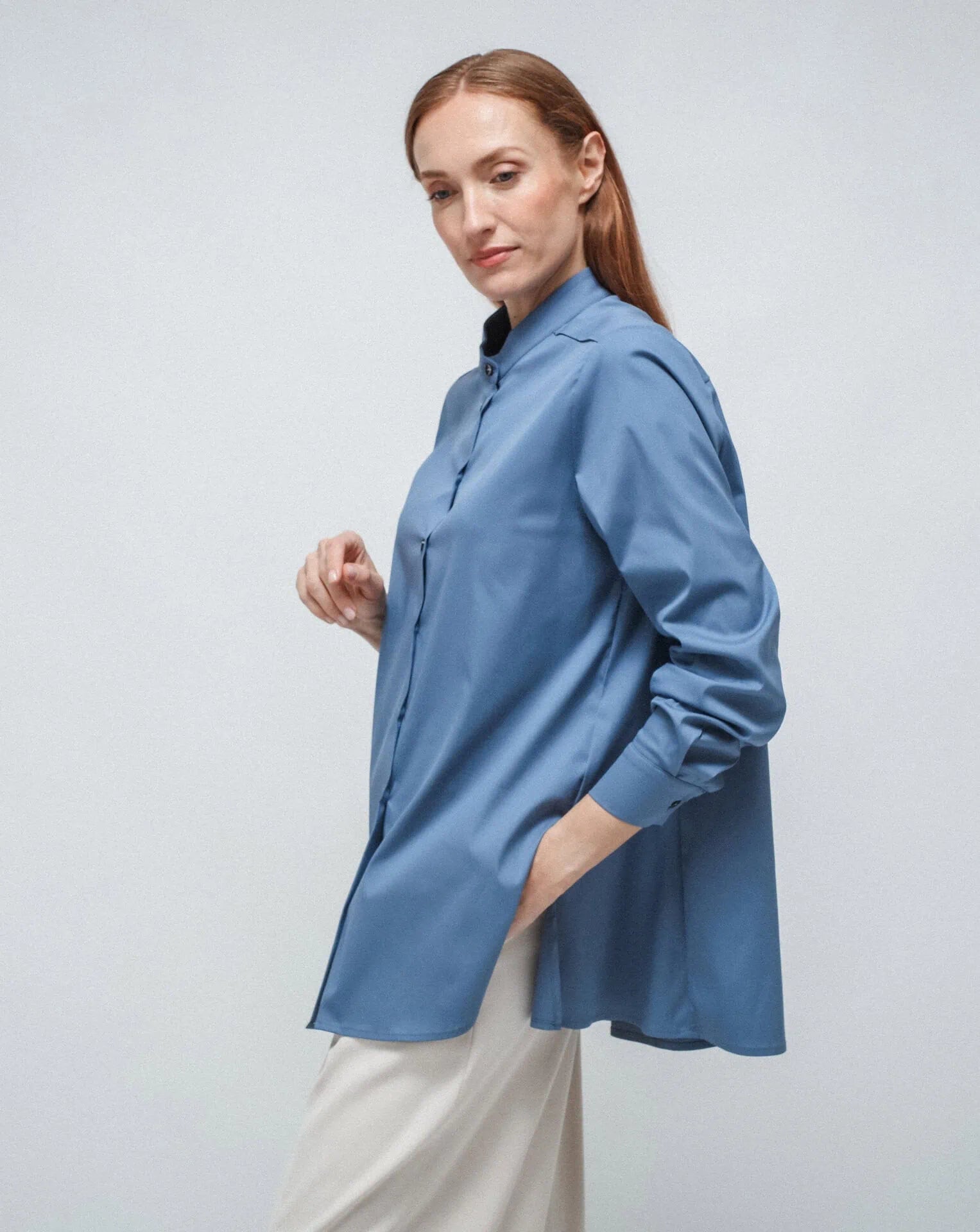
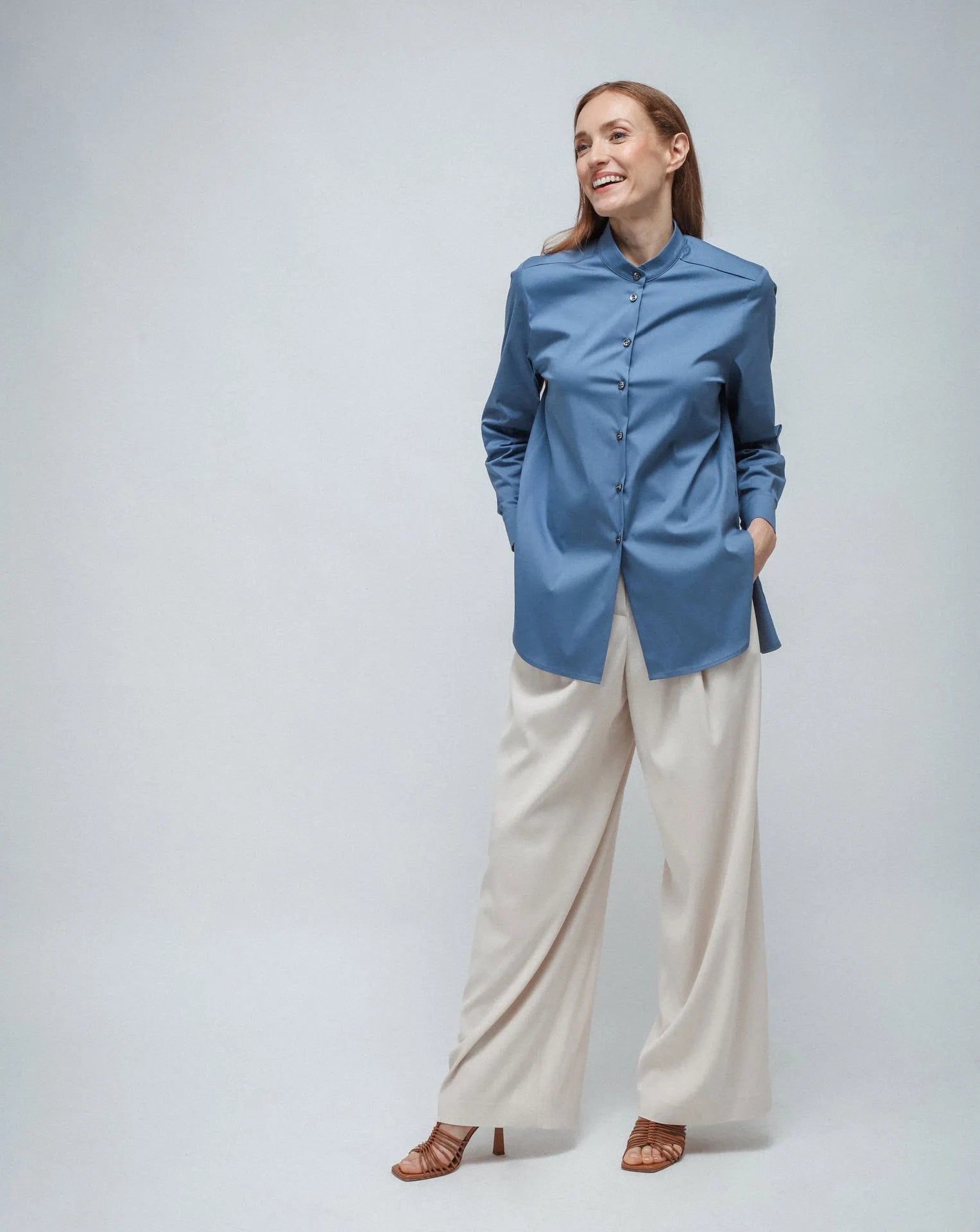
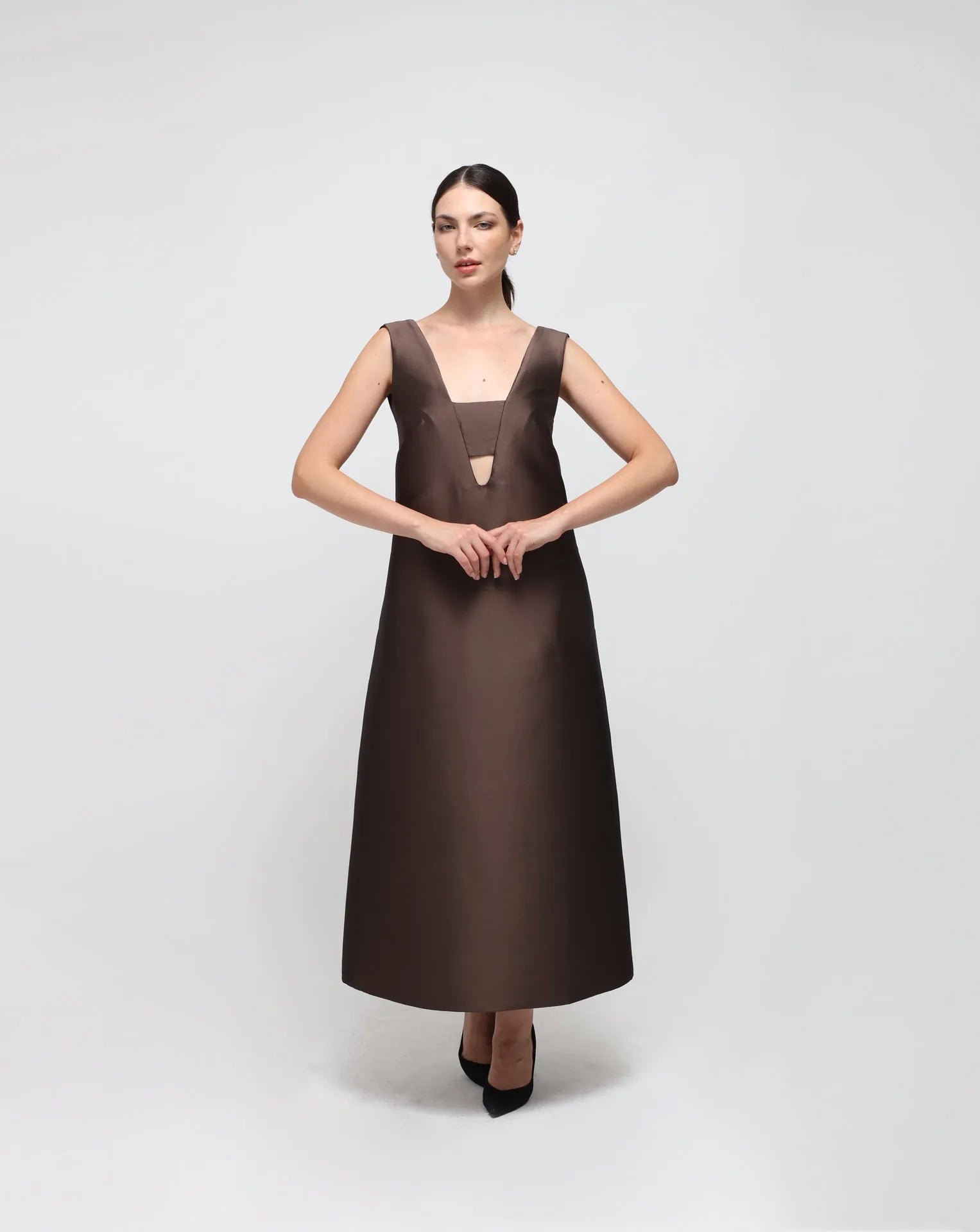
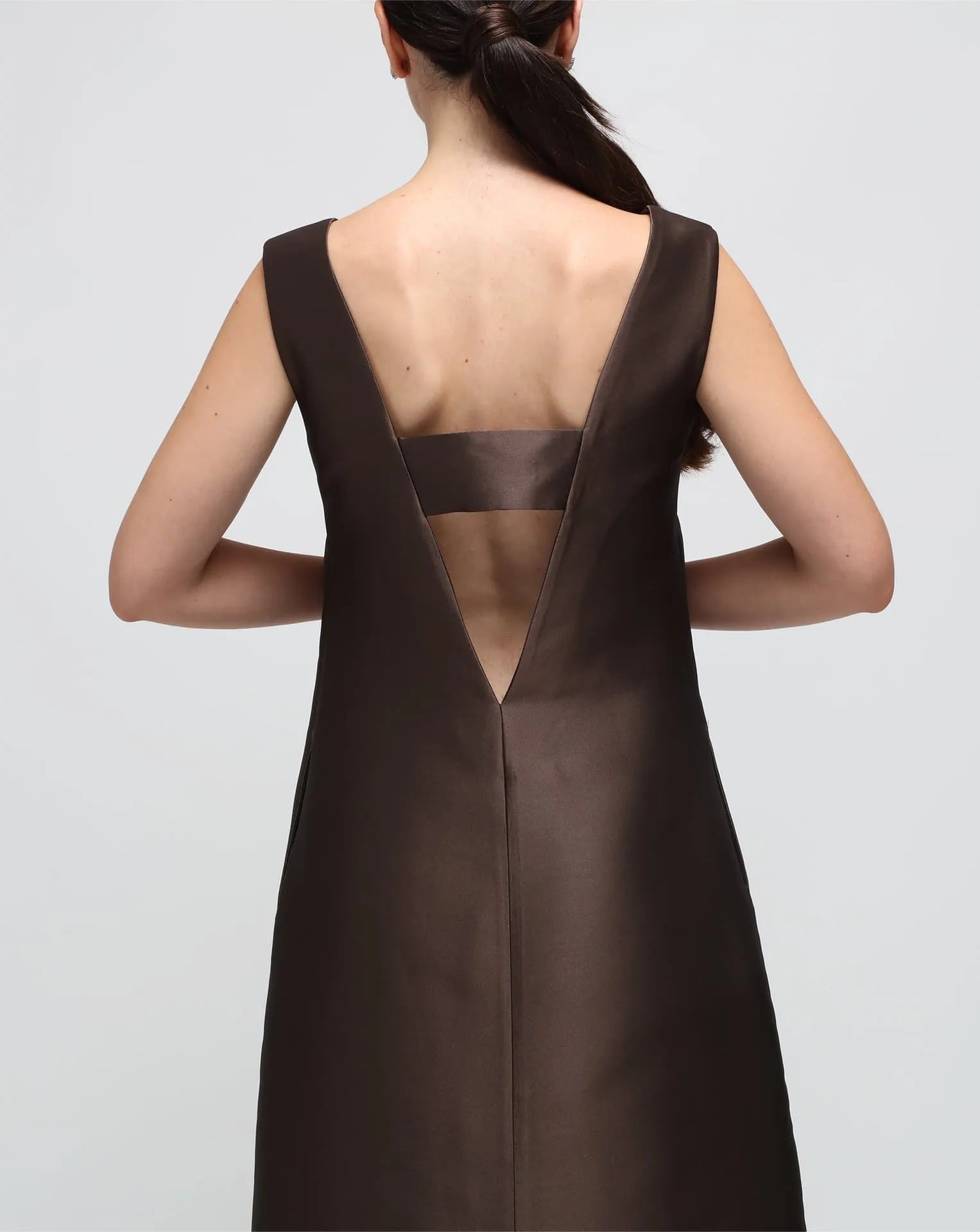
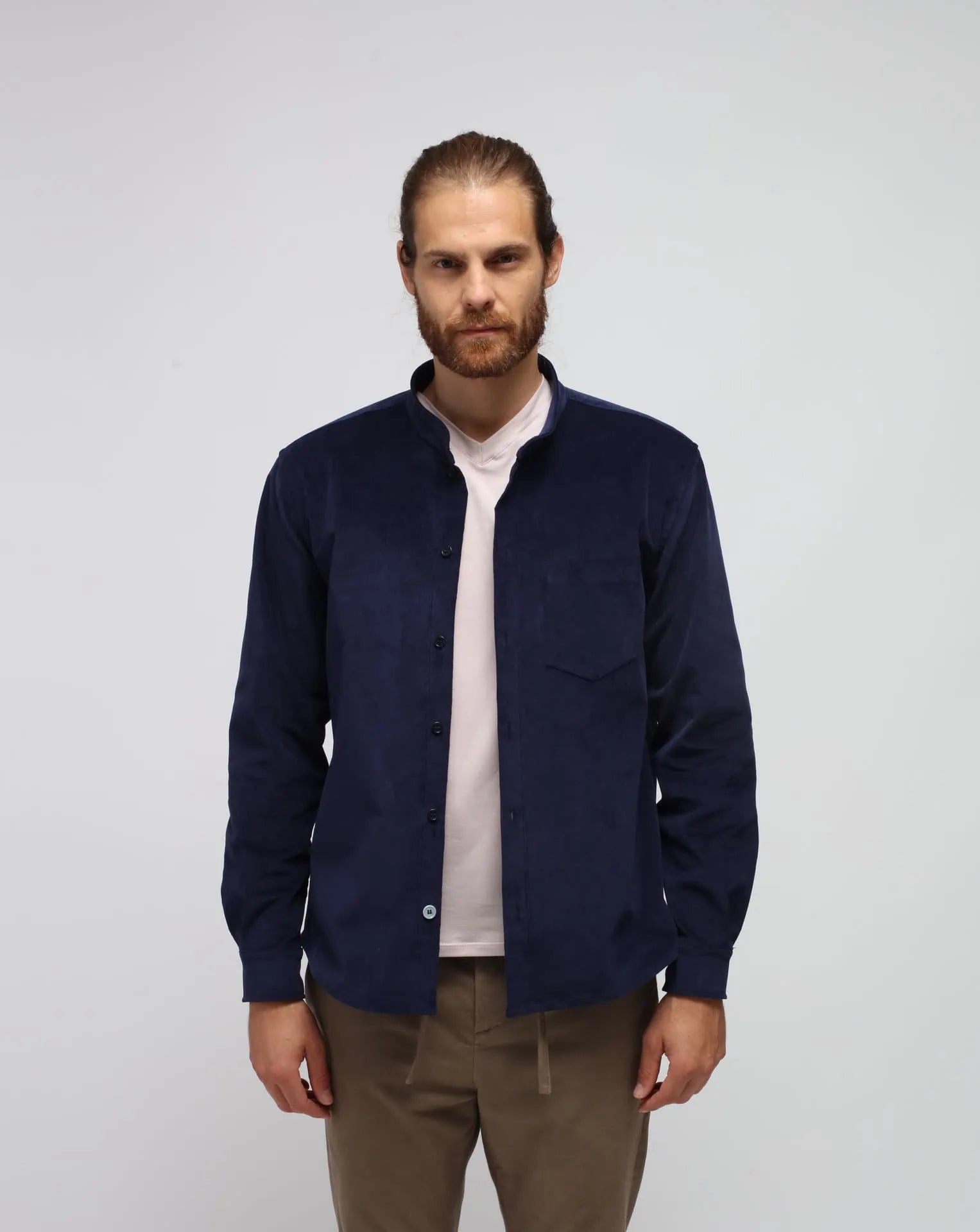
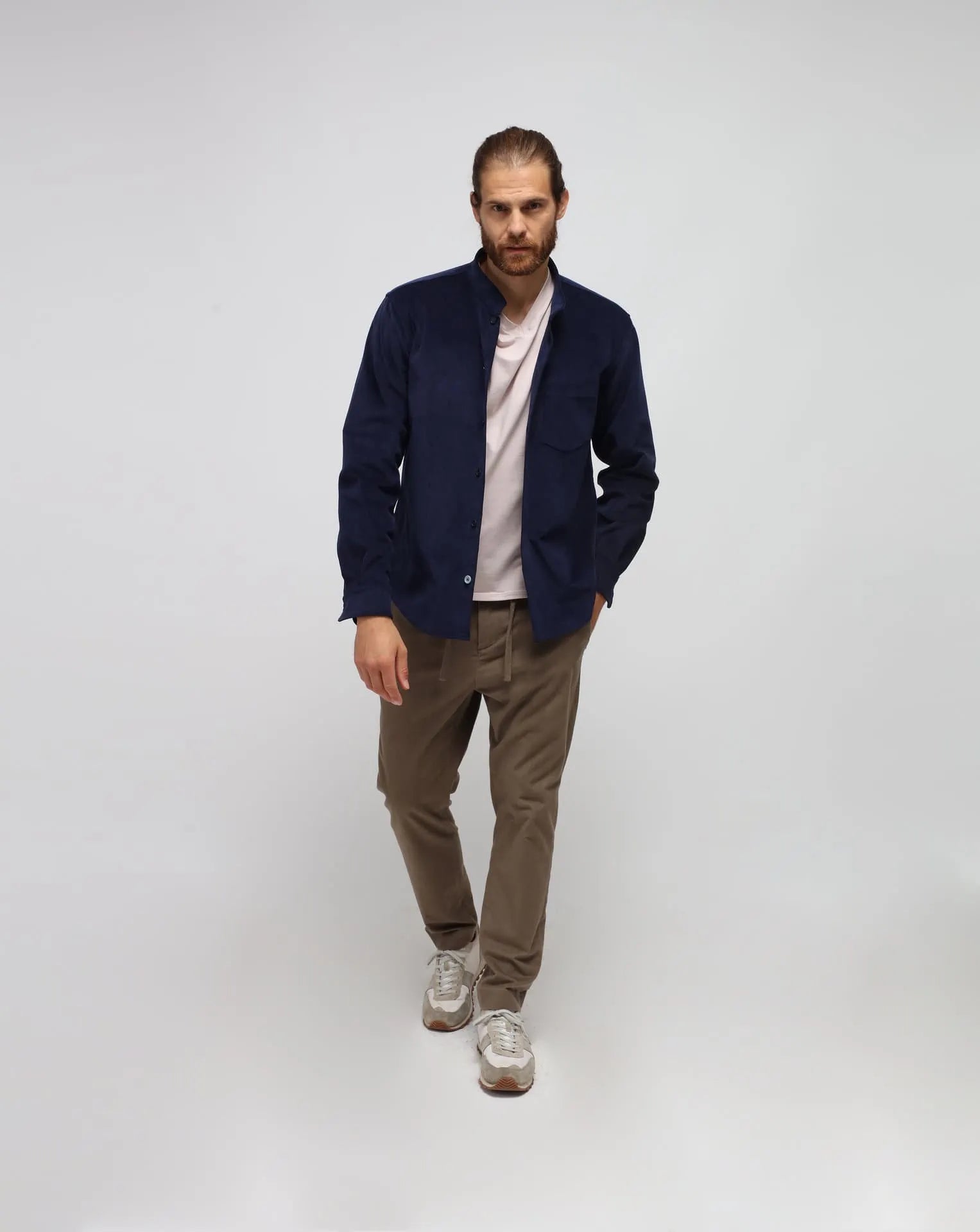
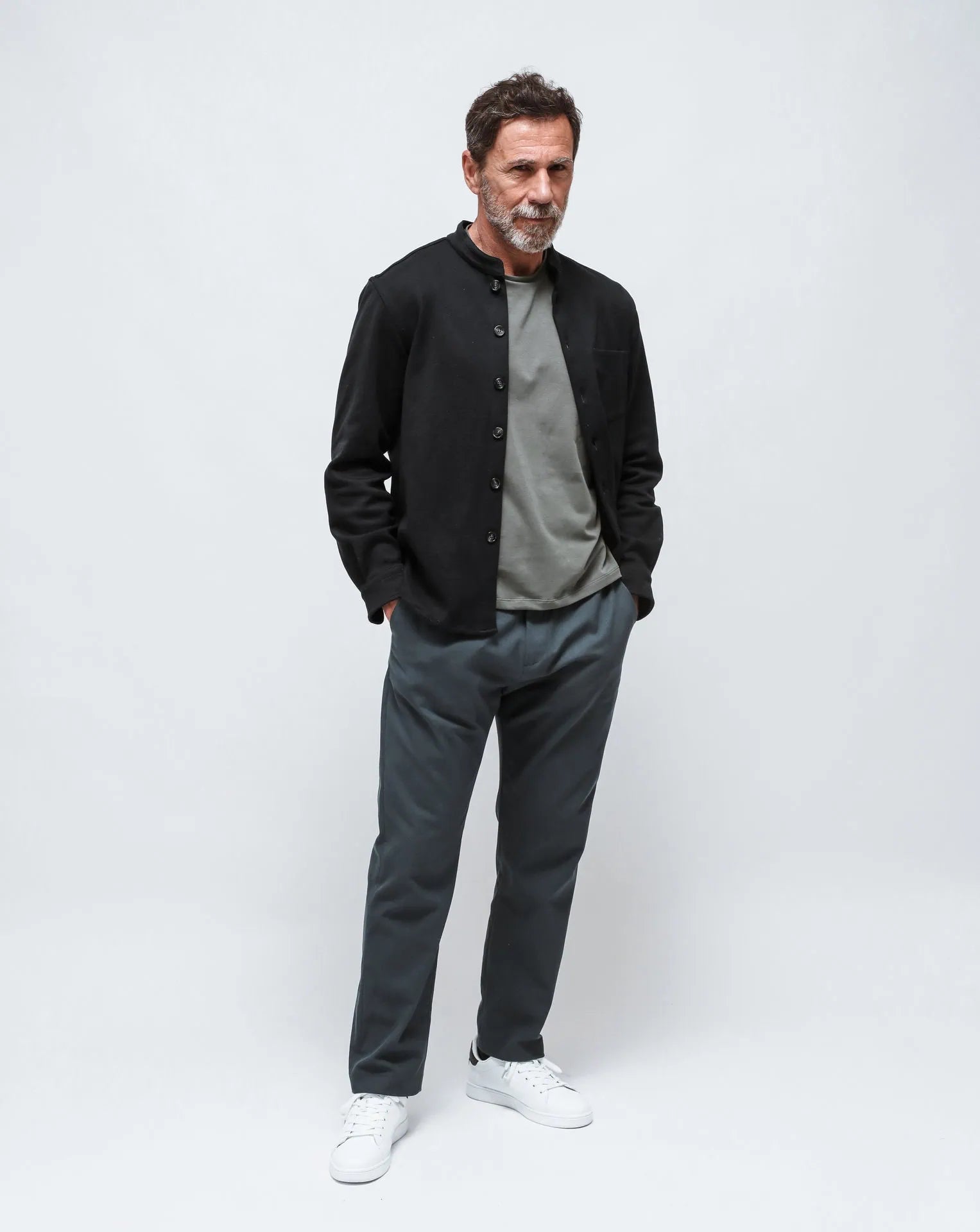
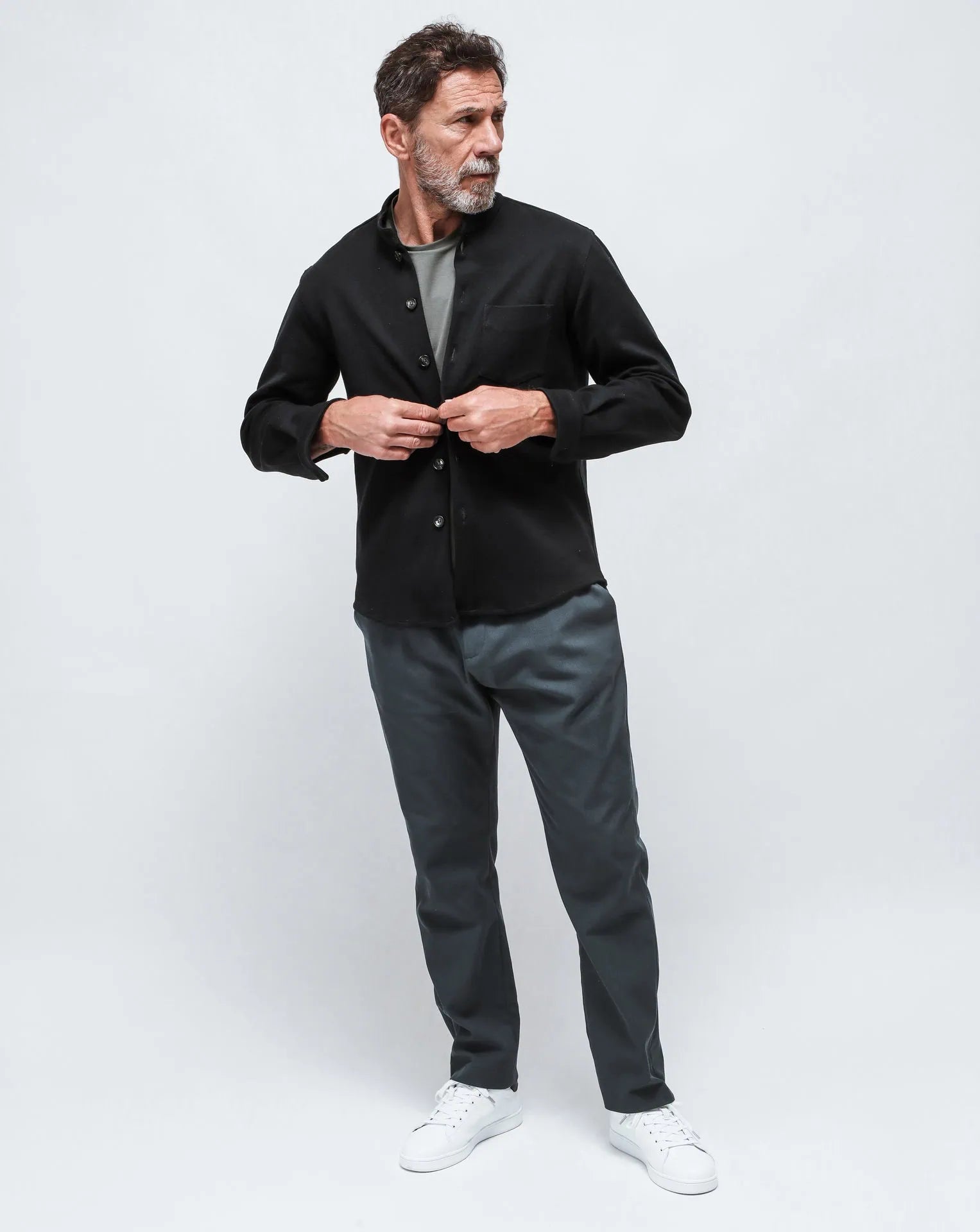
There is also a quality argument. Many deadstock fabrics come from premium mills or original luxury overproduction. When used well, they can elevate the finish, drape, and longevity of a garment. A women’s deadstock dress in an exceptional Italian weave or a men’s deadstock overshirt in a crisp cotton blend can outperform cheaper new fabric in both feel and lifespan.
And lifespan matters. The most sustainable garment is not just the one made from better material. It is the one you keep reaching for.
Where deadstock falls short
Deadstock has limits, and they deserve a clear look.
First, deadstock is only as sustainable as the fabric itself allows it to be. A leftover polyester satin is still polyester satin. Reusing it may be better than discarding it, but it does not suddenly become low-impact. Fiber content still shapes durability, breathability, shedding, biodegradability, and end-of-life outcomes.
Second, deadstock can sometimes be used as a marketing shortcut. The word sounds responsible, and often it is used that way, but not every brand explains where the fabric came from, how much is available, or how the production process works around it. Without transparency, deadstock risks becoming another feel-good phrase.
Third, limited fabric quantities can create real production constraints. That is not inherently negative, but it does mean sizing continuity and restocks can be difficult. Customers used to infinite inventory may see scarcity as inconvenient. From a sustainability standpoint, though, that constraint is often part of the point. Fashion does not need more endless duplication.
There is also a design challenge. Working with deadstock means designing around available materials rather than ordering any fabric in any quantity at any time. That requires discipline. The strongest brands make this a creative advantage rather than an operational excuse.
Are deadstock fabrics really sustainable compared with new fabric?
Compared with producing brand-new fabric, deadstock often comes out ahead, especially when the alternative is manufacturing more material that the market does not need. Using existing inventory can reduce waste and lower demand for fresh resource extraction.
But the comparison depends on what kind of new fabric you mean. A deadstock synthetic may not always be the obvious winner against a newly produced, responsibly processed natural fiber from a highly traceable supply chain. Sustainability is rarely one metric.
This is where nuance matters. If you are choosing between a thoughtfully made deadstock garment and a trend-driven item made from low-grade virgin fabric, deadstock is usually the stronger option. If you are comparing two high-quality garments designed for years of wear, then fiber composition, craftsmanship, care needs, and cost-per-wear all become central.
A deadstock piece should not be purchased just because it sounds ethical. It should still earn its place in your wardrobe.
How to shop deadstock clothing with more clarity
The better question is not only are deadstock fabrics really sustainable, but when are they sustainable enough to support?
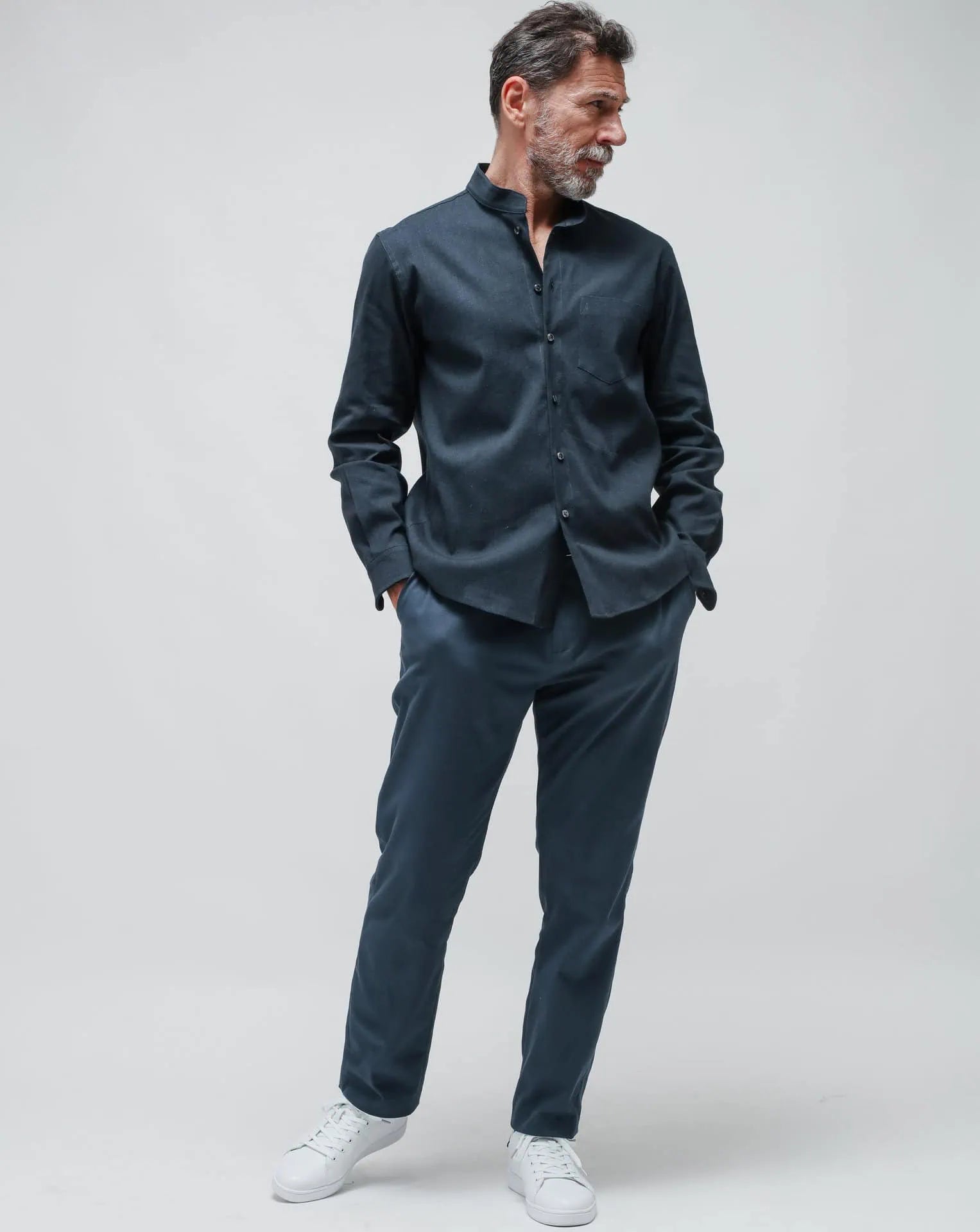
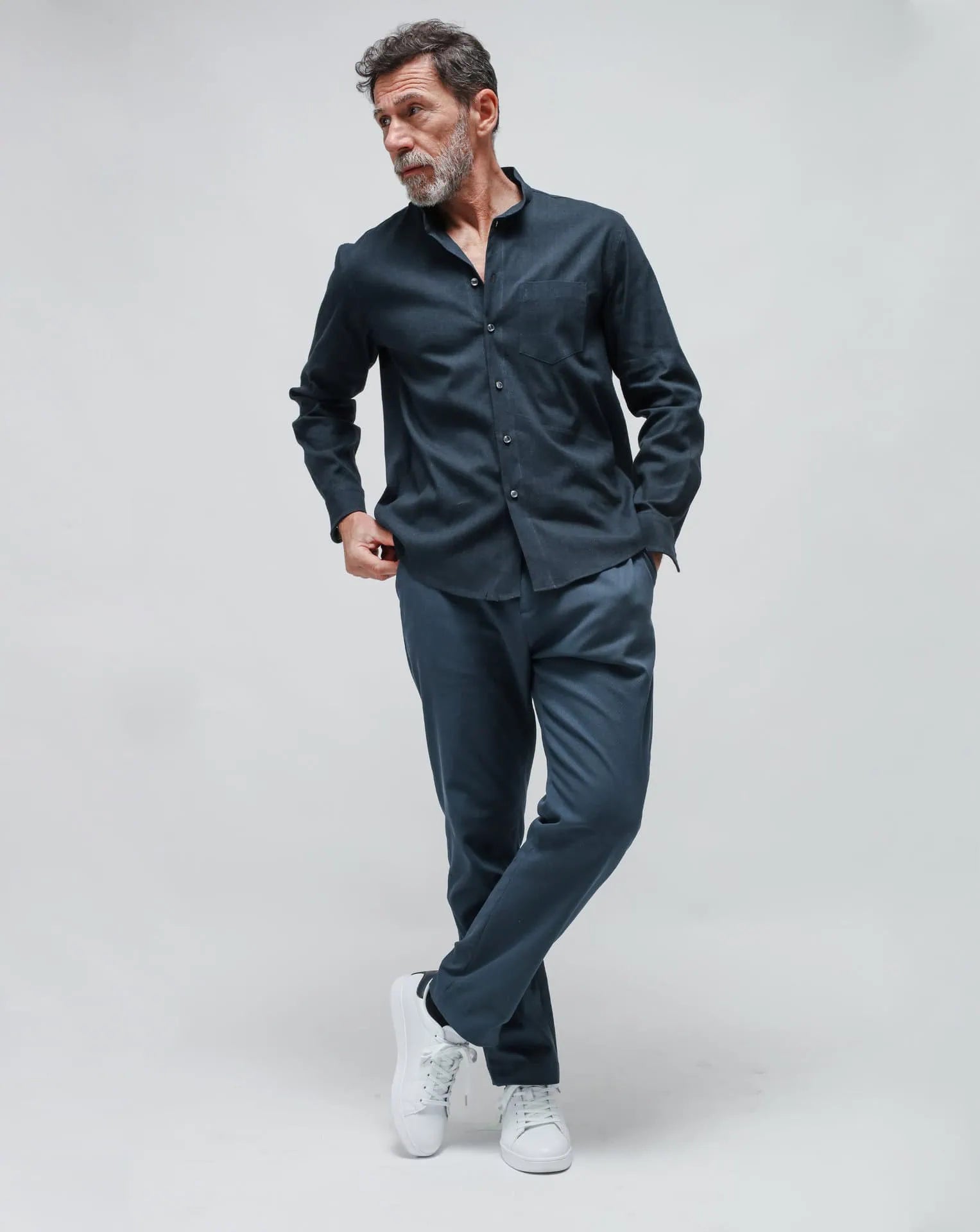
Start with fiber content. Natural fibers and durable blends often offer a stronger long-term value, depending on the garment category. A deadstock wool coat, cotton poplin shirt, or linen-blend trouser may align well with both style and wearability. A delicate synthetic item you rarely wear, less so.
Then look at the production model. Small-batch manufacturing is a meaningful companion to deadstock sourcing because it reduces the risk of turning reclaimed material into another overproduced inventory problem. Handmade finishing, local or regional production, and realistic quantities all strengthen the case.
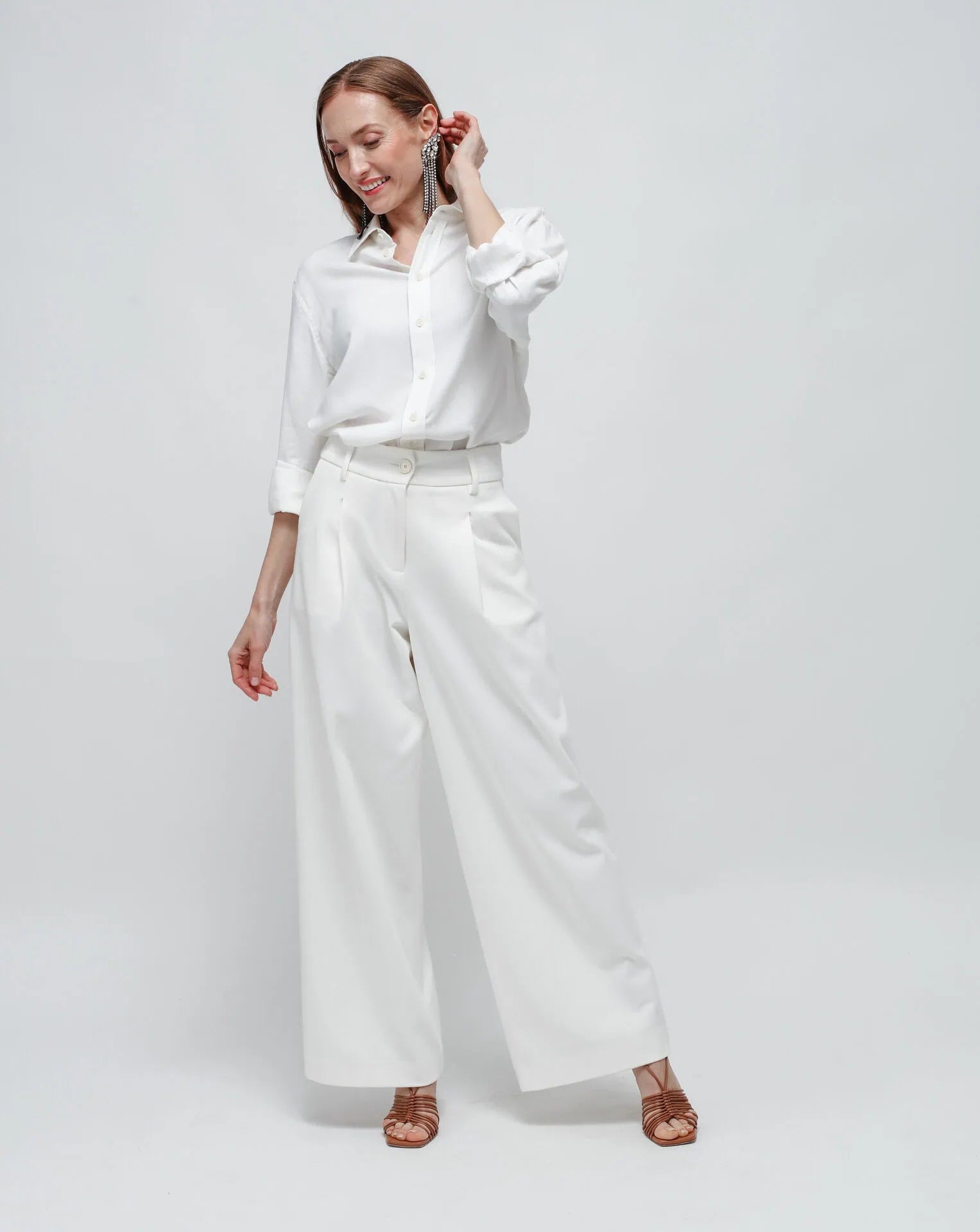
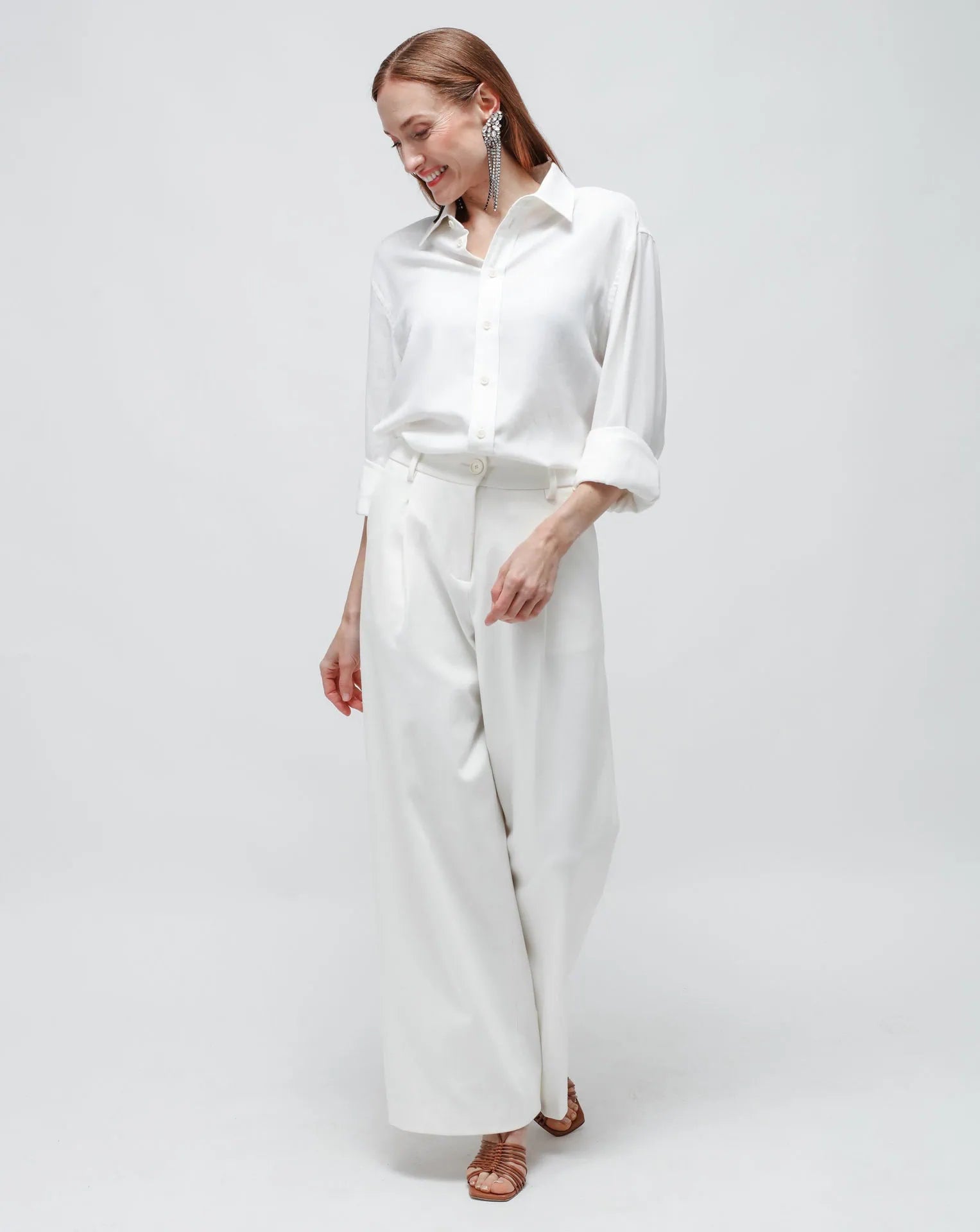
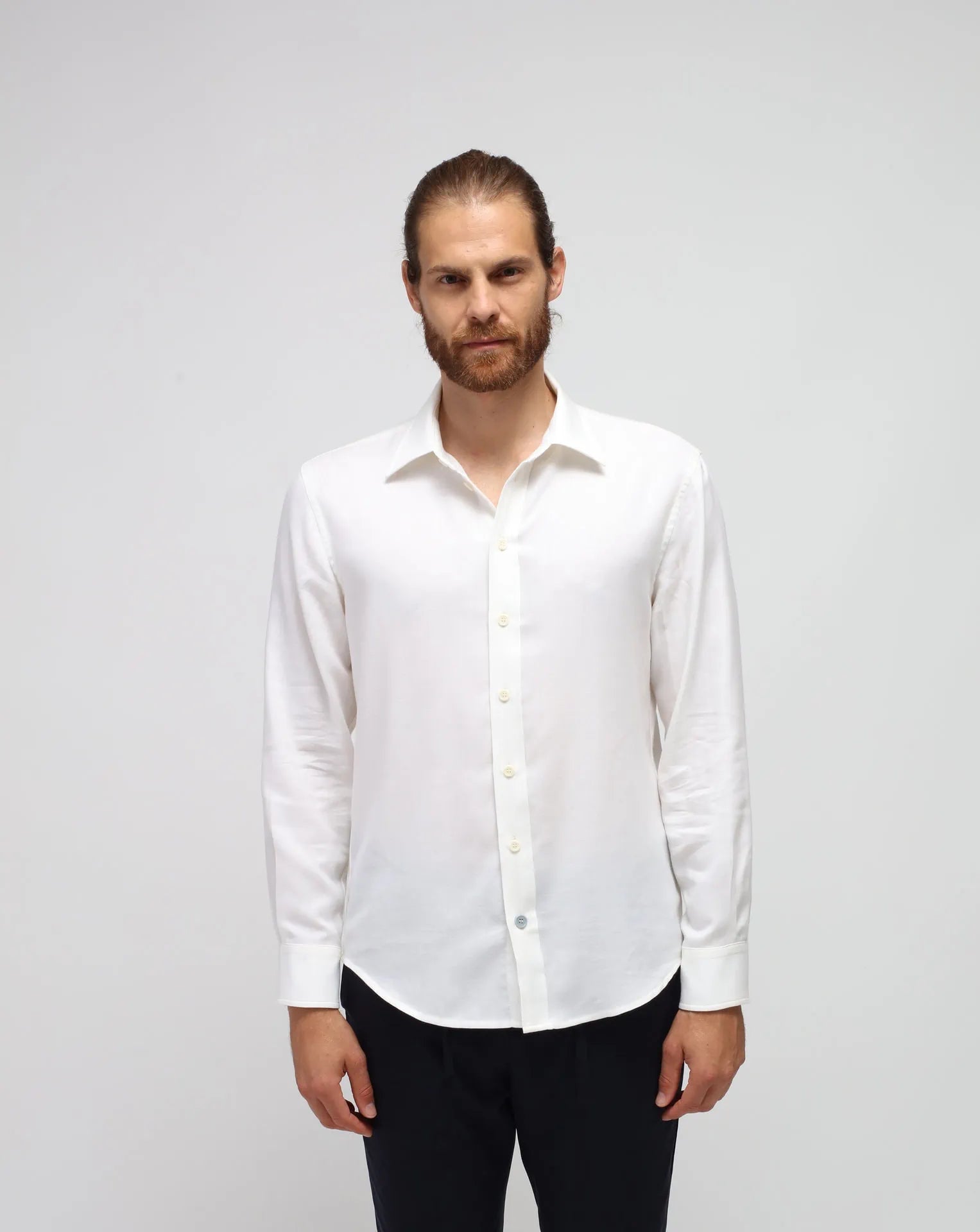
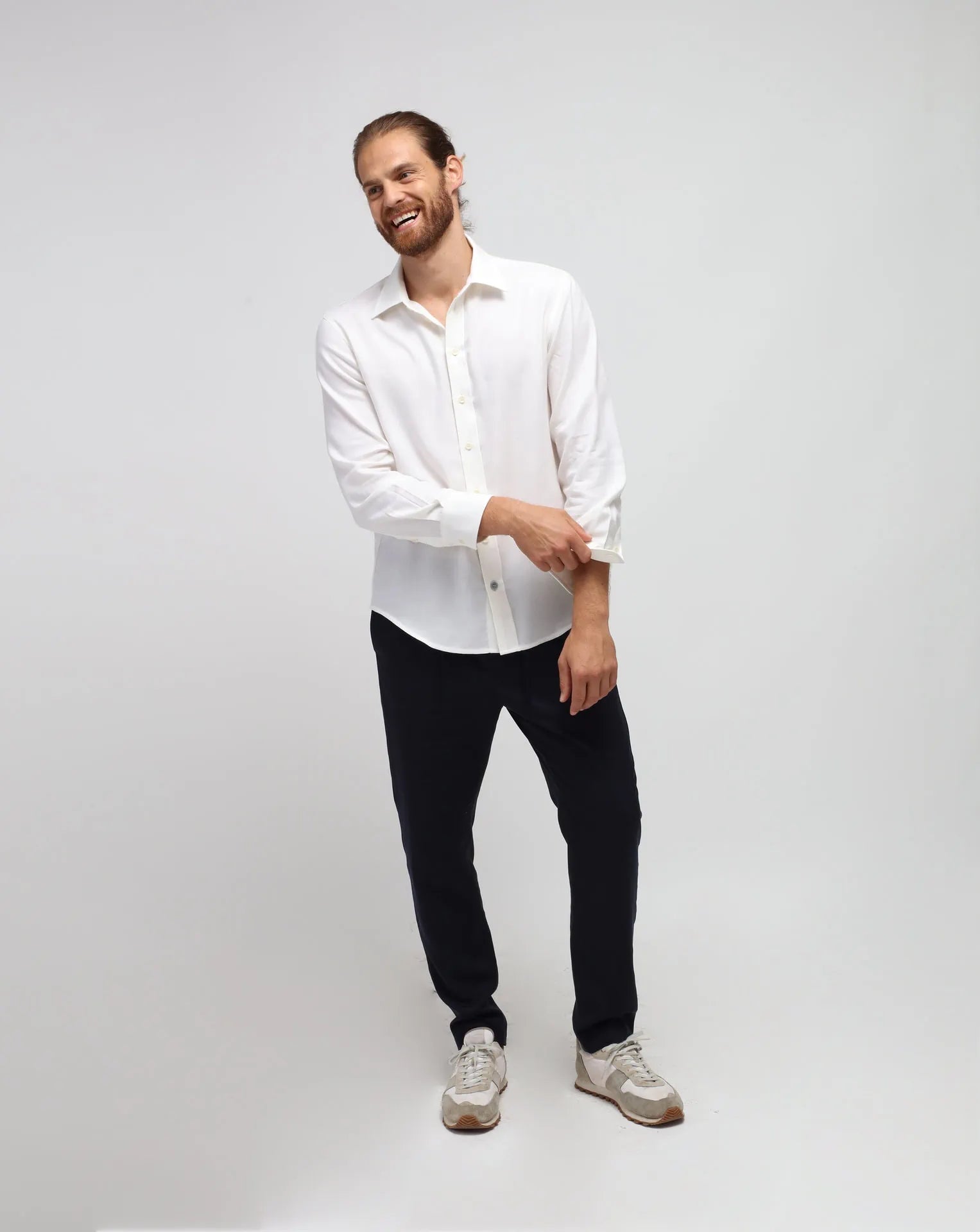
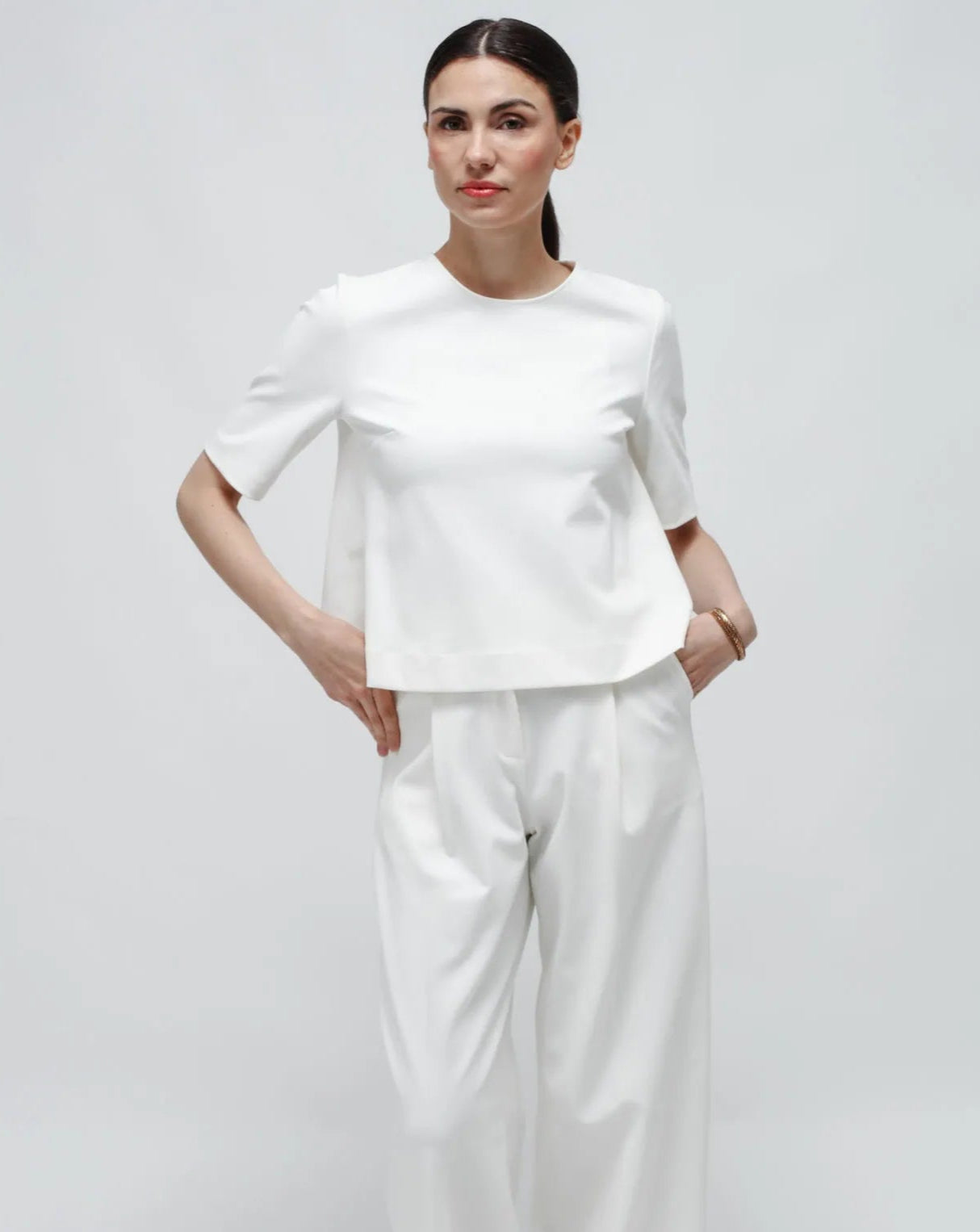
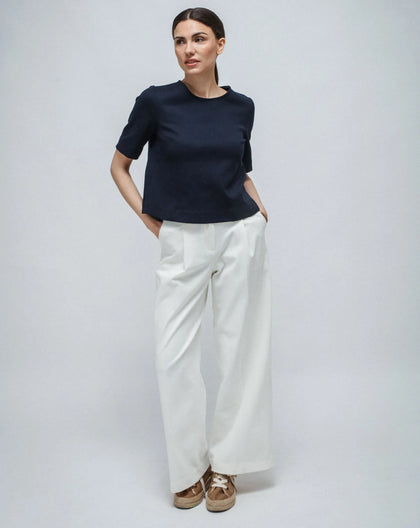
Next, consider the design itself. Is this piece versatile enough to wear across seasons, settings, and years? Elevated essentials tend to outperform impulse pieces here. A women’s deadstock tailored pant, a structured midi skirt, or an understated men’s camp-collar shirt can move through work, travel, dinners, and weekends with very little friction.
Finally, pay attention to garment care. Even a better-made piece loses sustainability value if it is treated as disposable. Repair, proper washing, and thoughtful storage are not glamorous topics, but they extend life dramatically. Sustainability lives in use, not just purchase.
Why deadstock works especially well for limited-edition fashion
Deadstock is at its strongest when it is part of a restrained fashion model. Limited runs, considered cuts, and intentional drops make sense because the material supply is already finite.
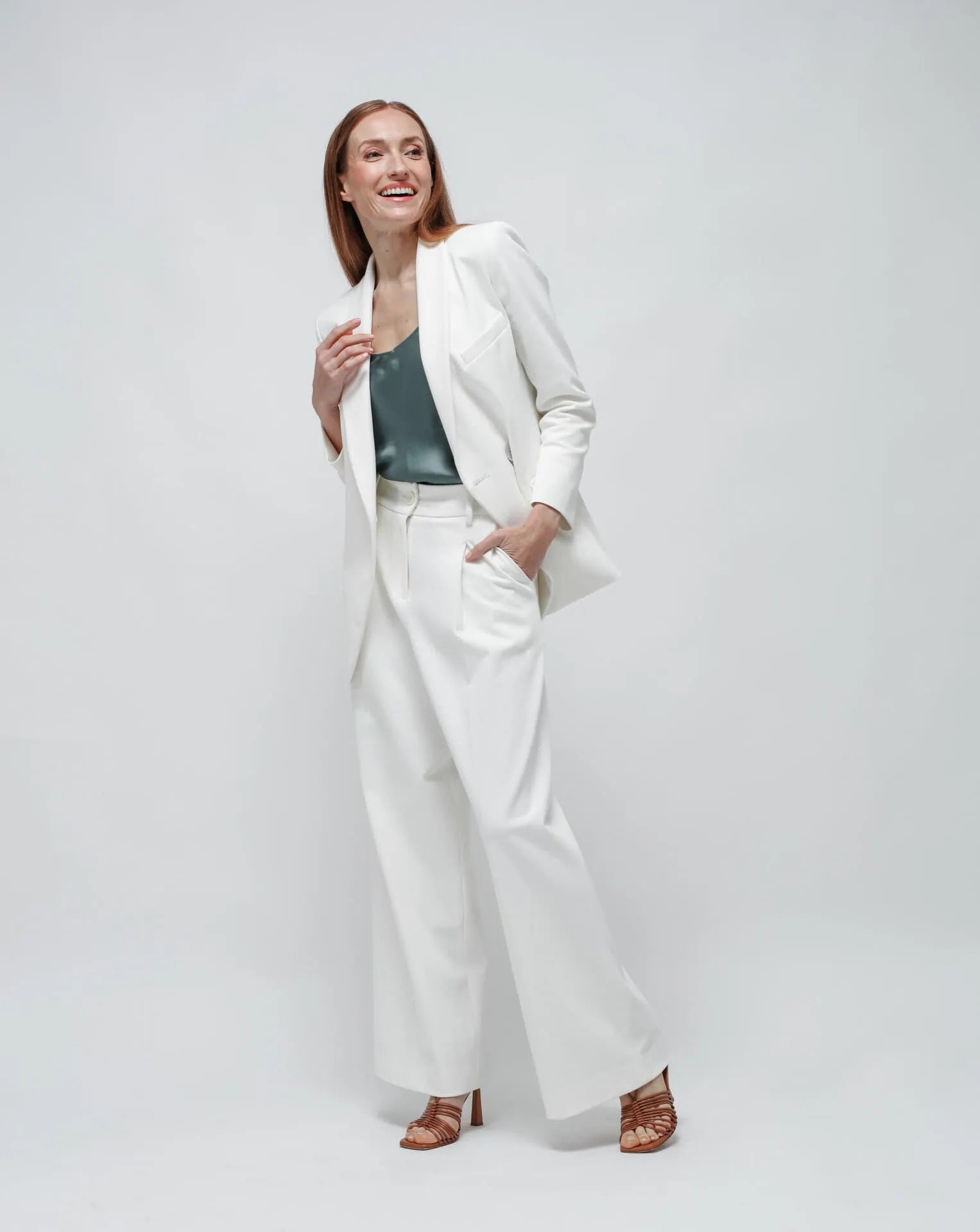
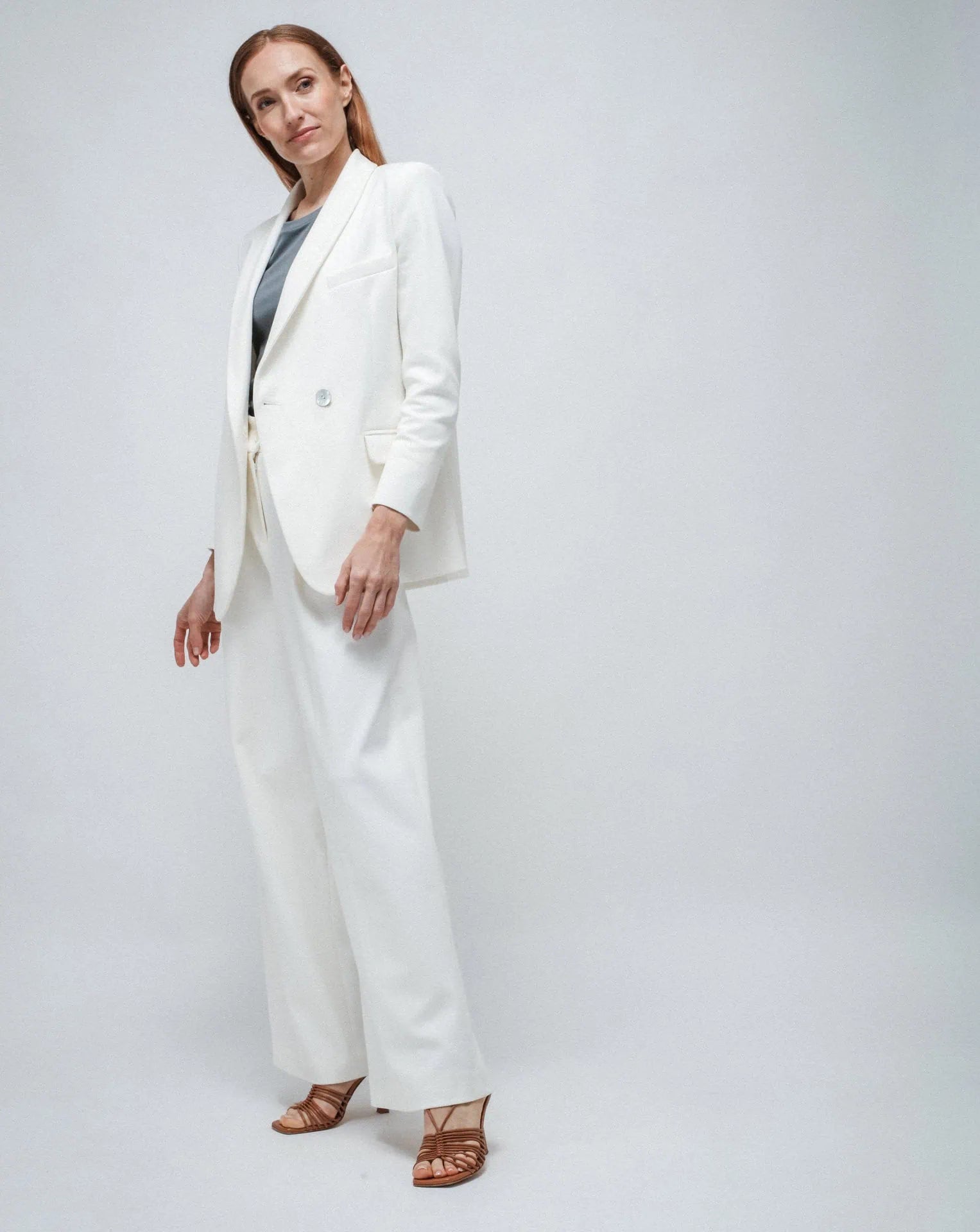
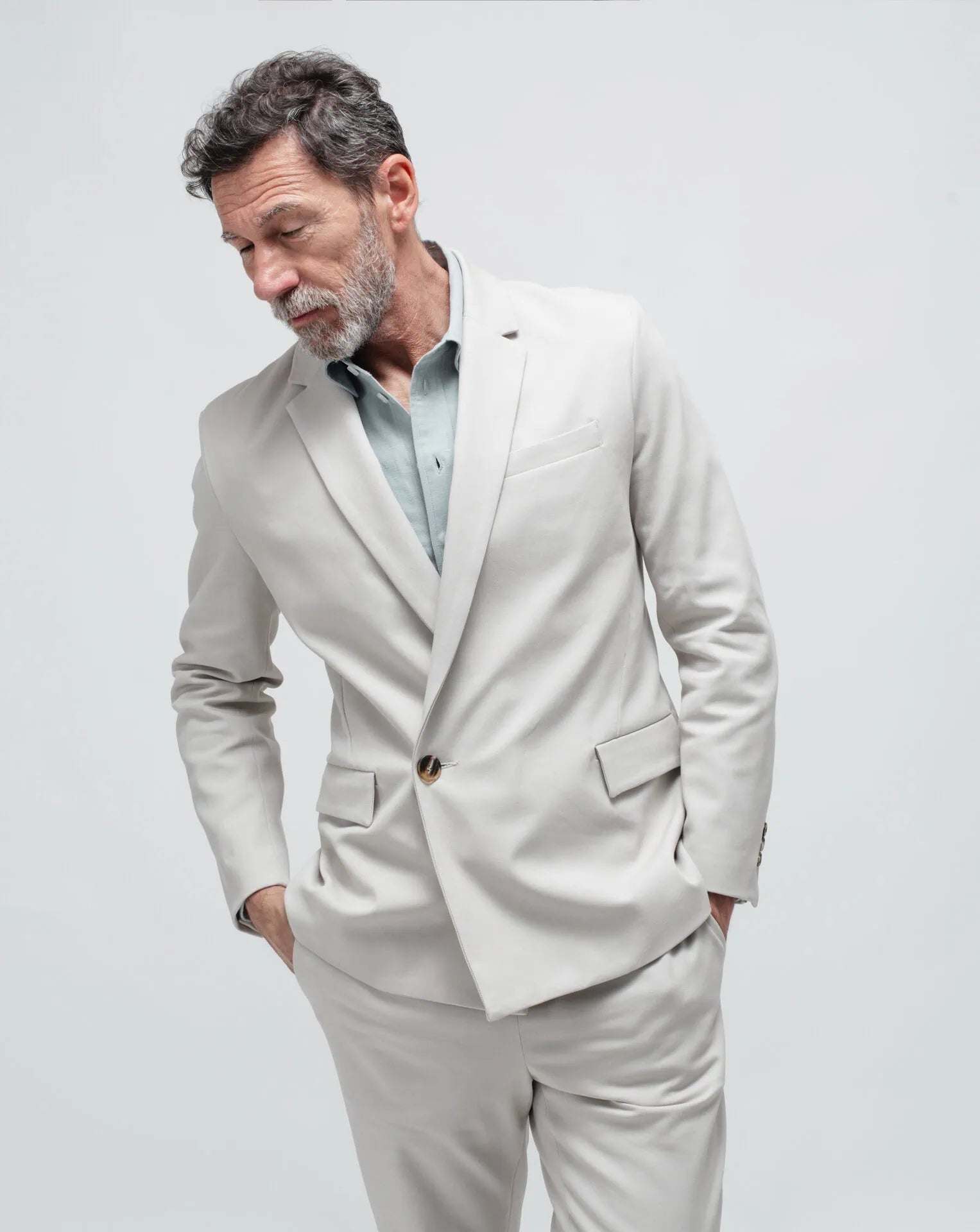
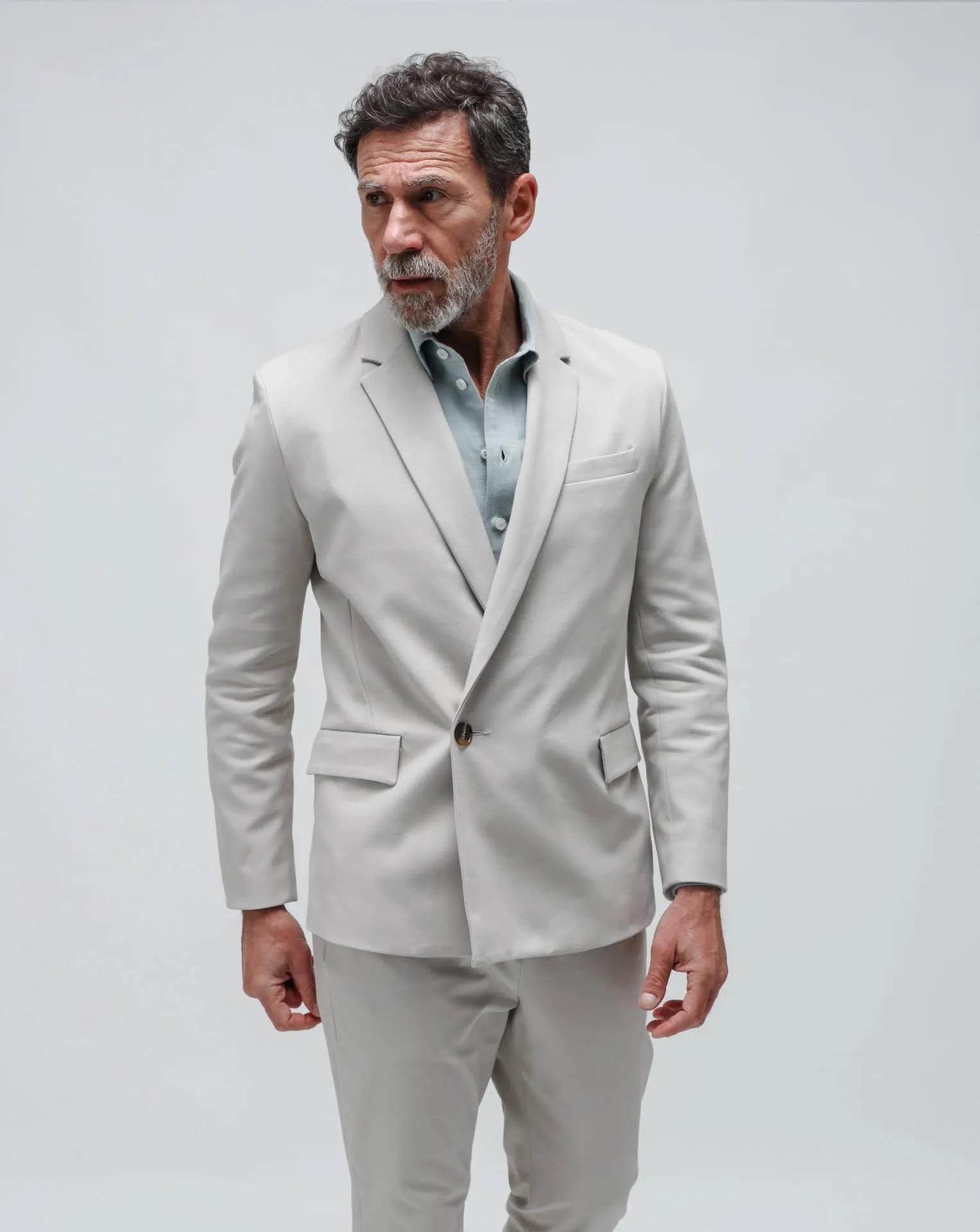
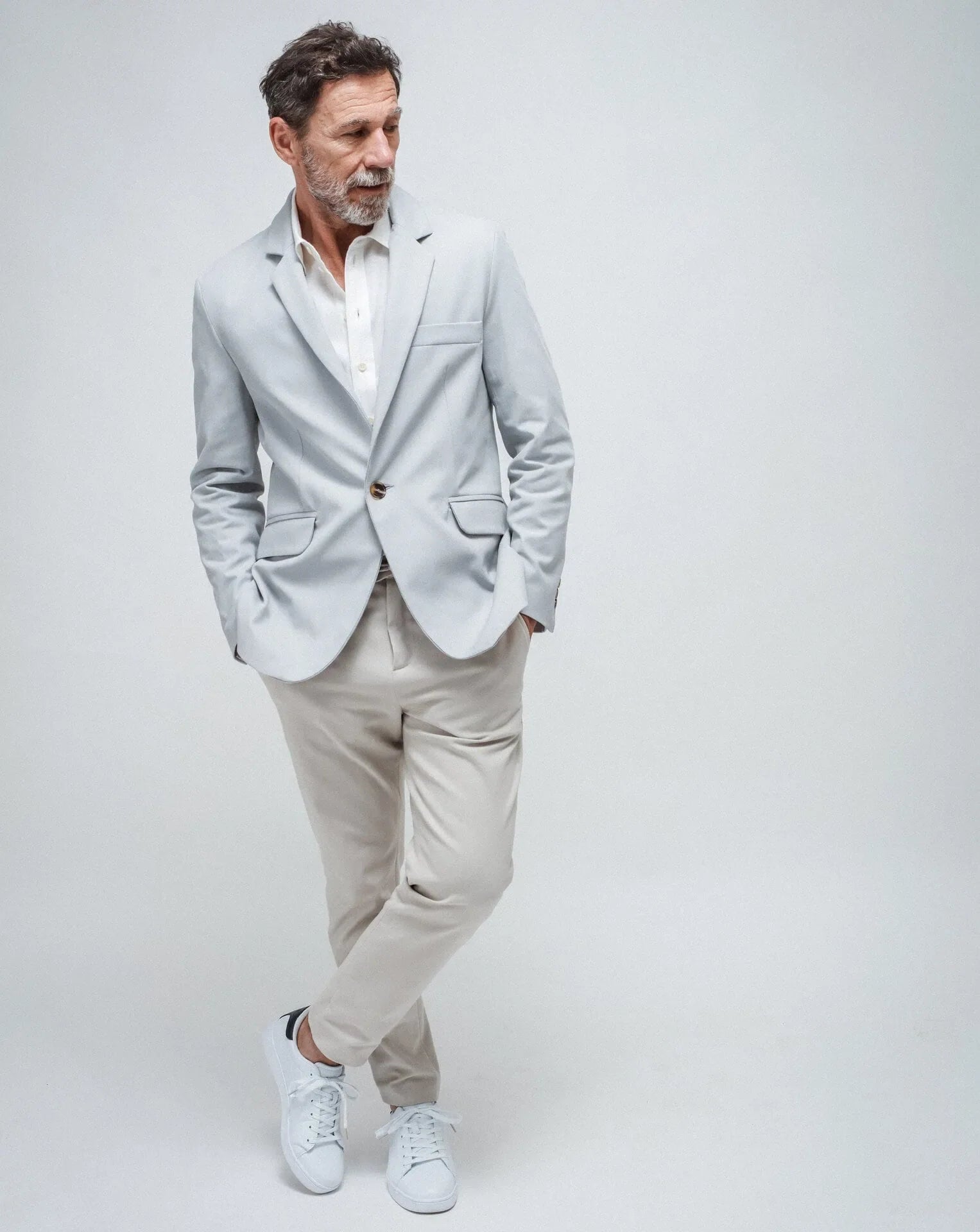
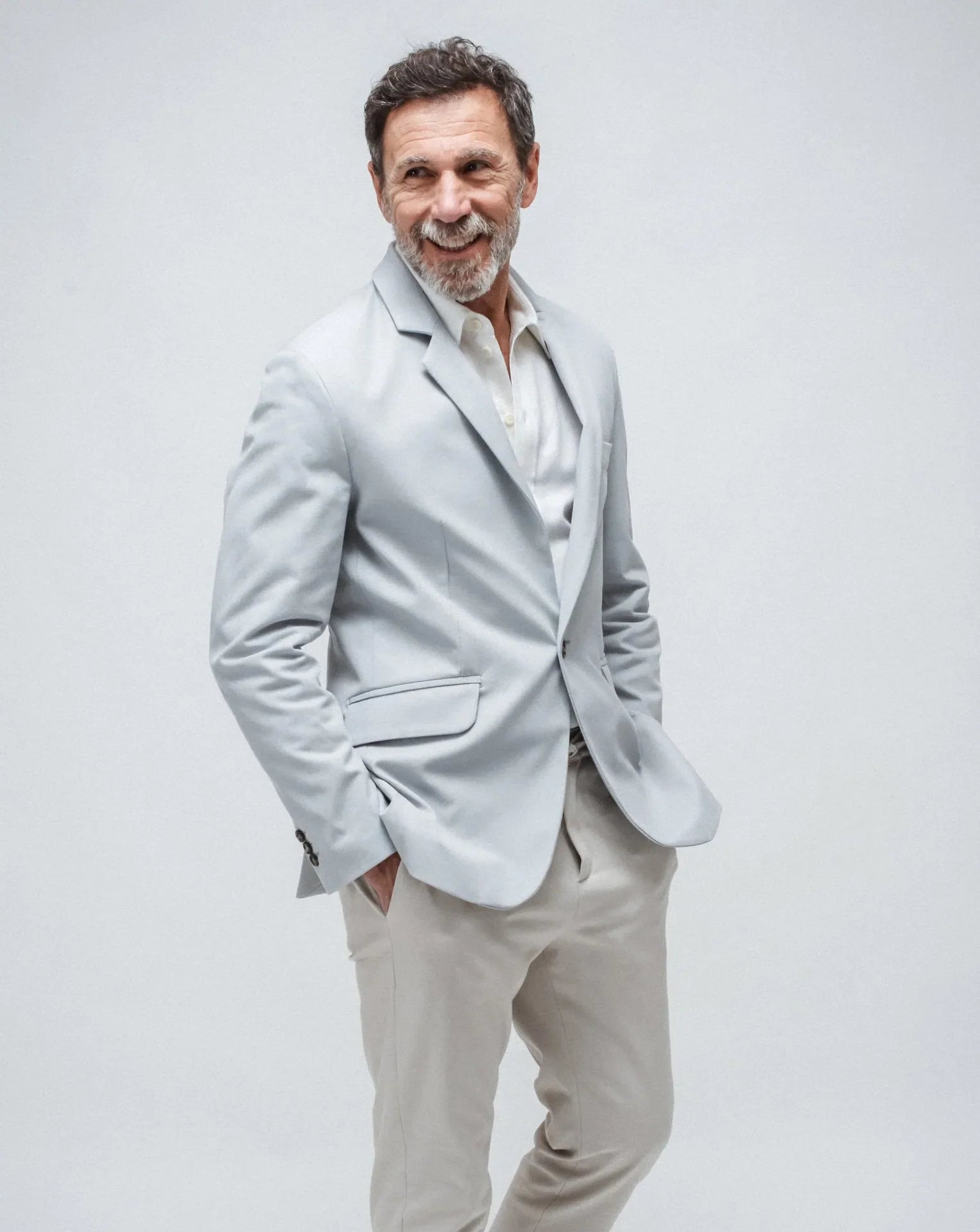
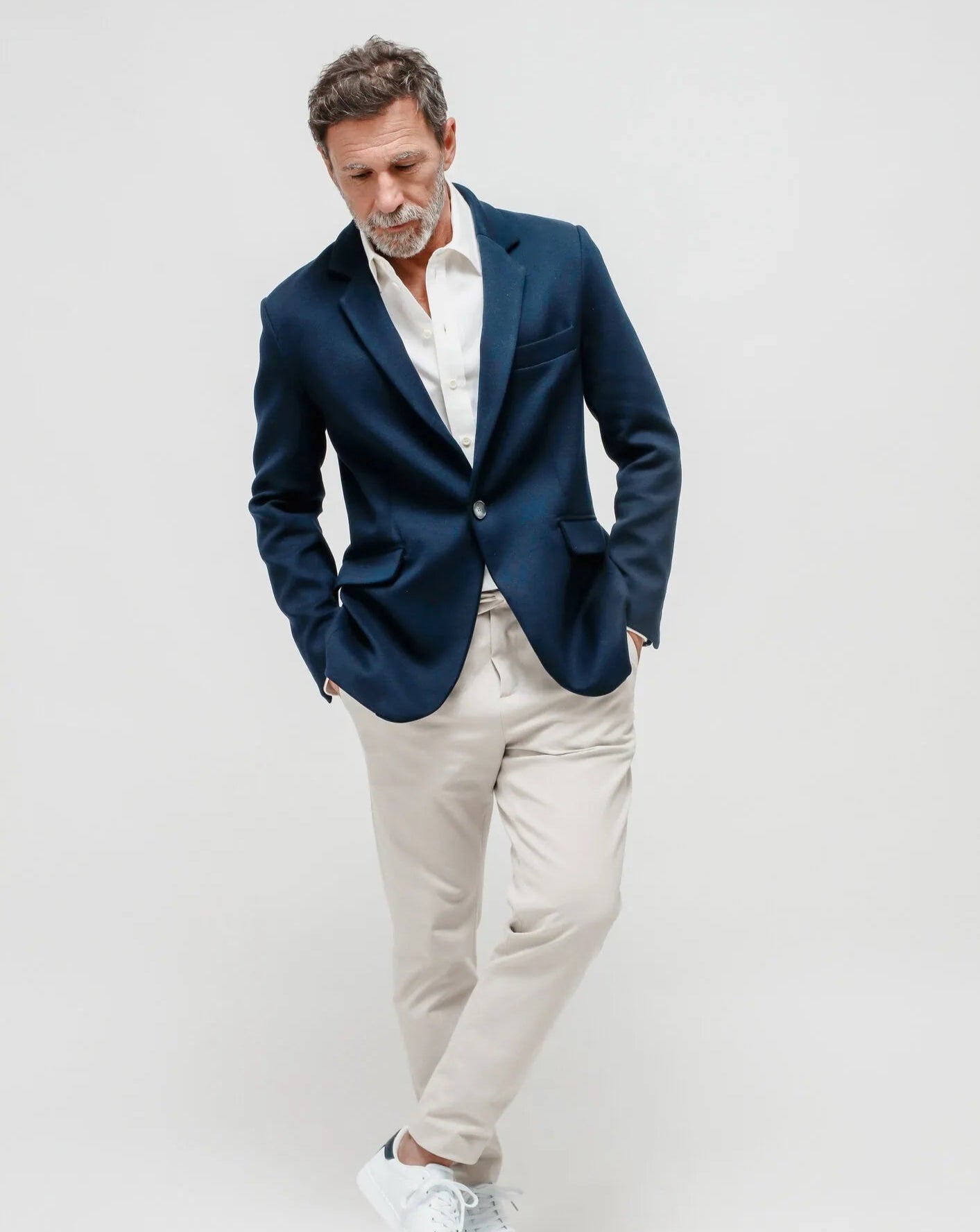
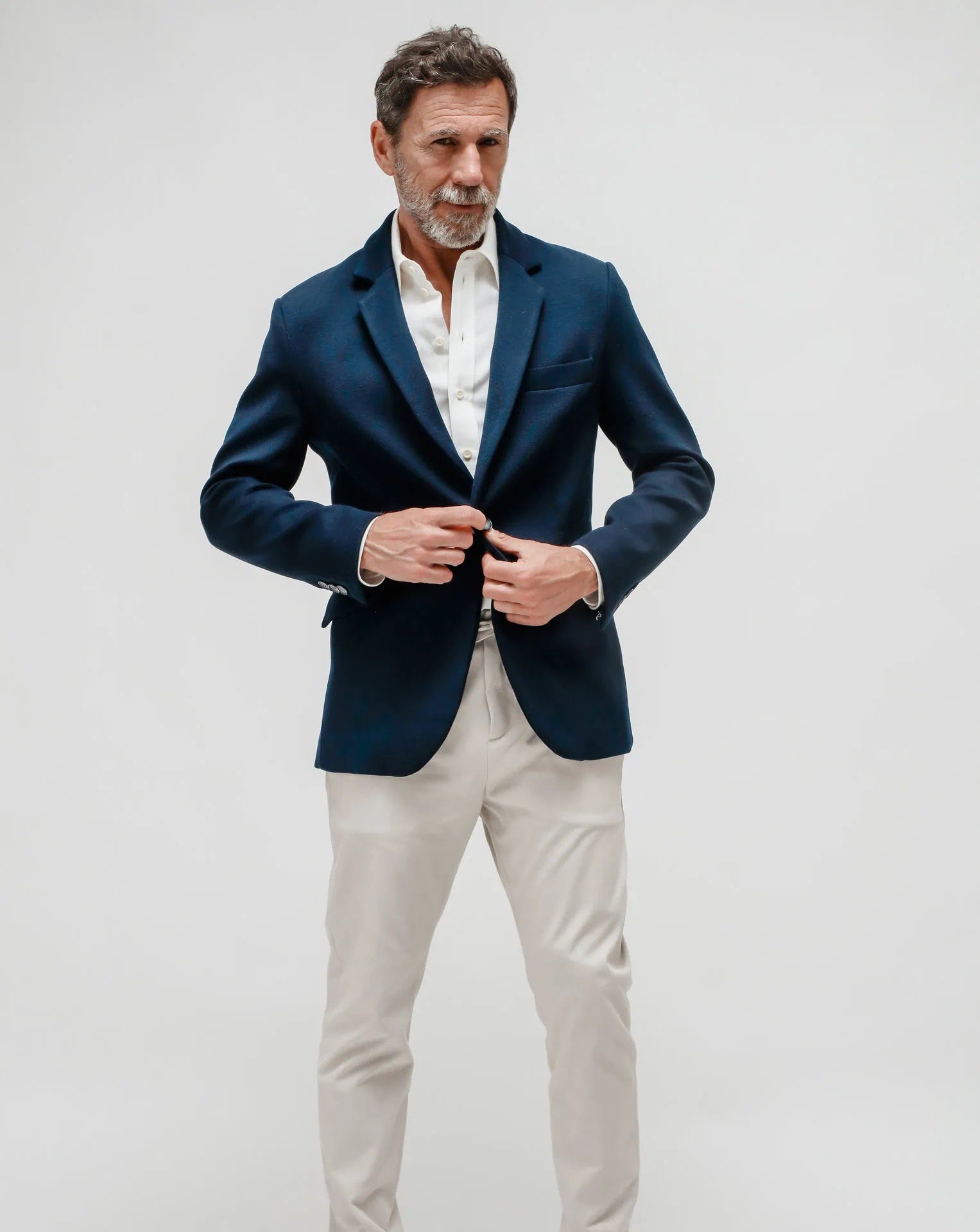
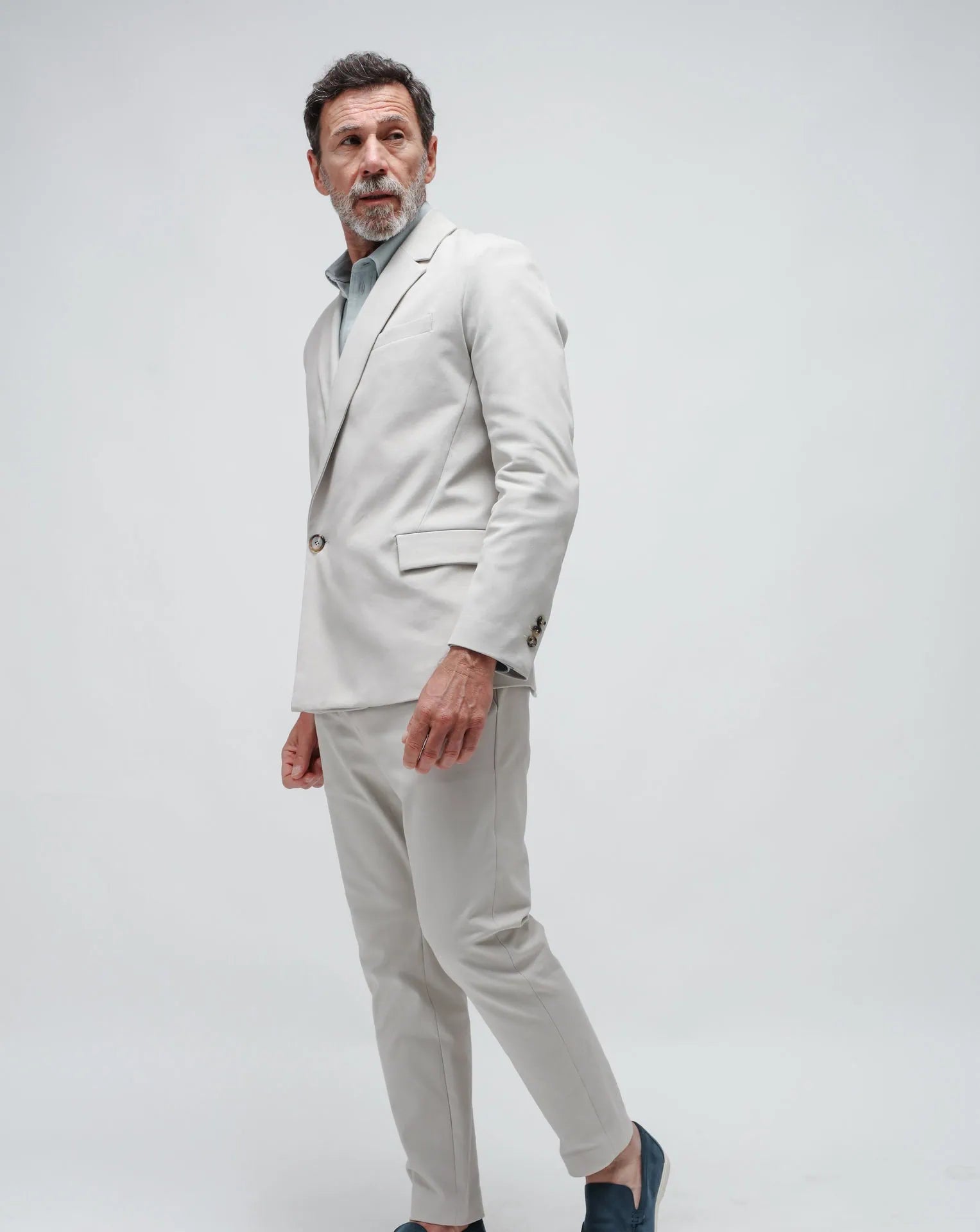
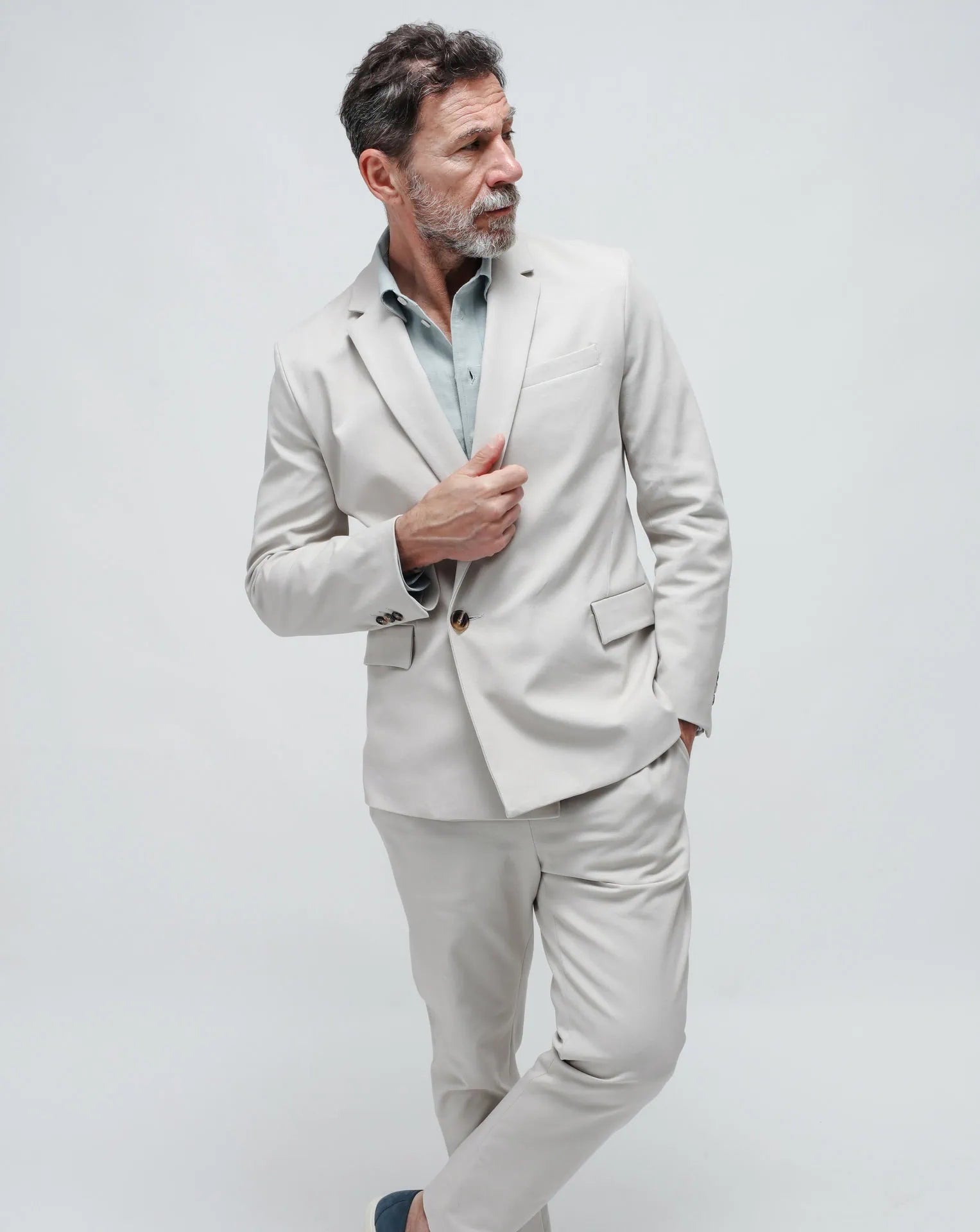
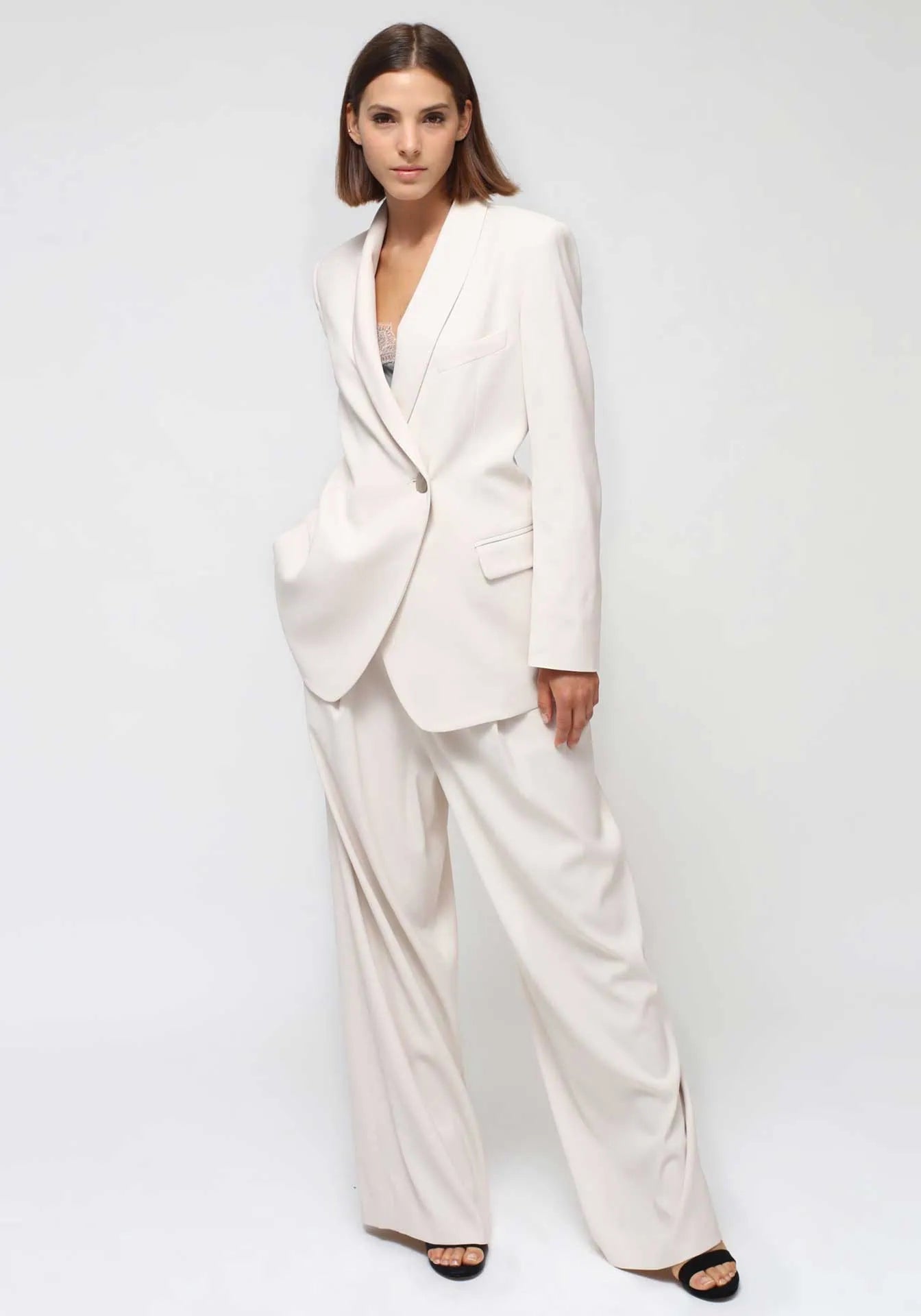
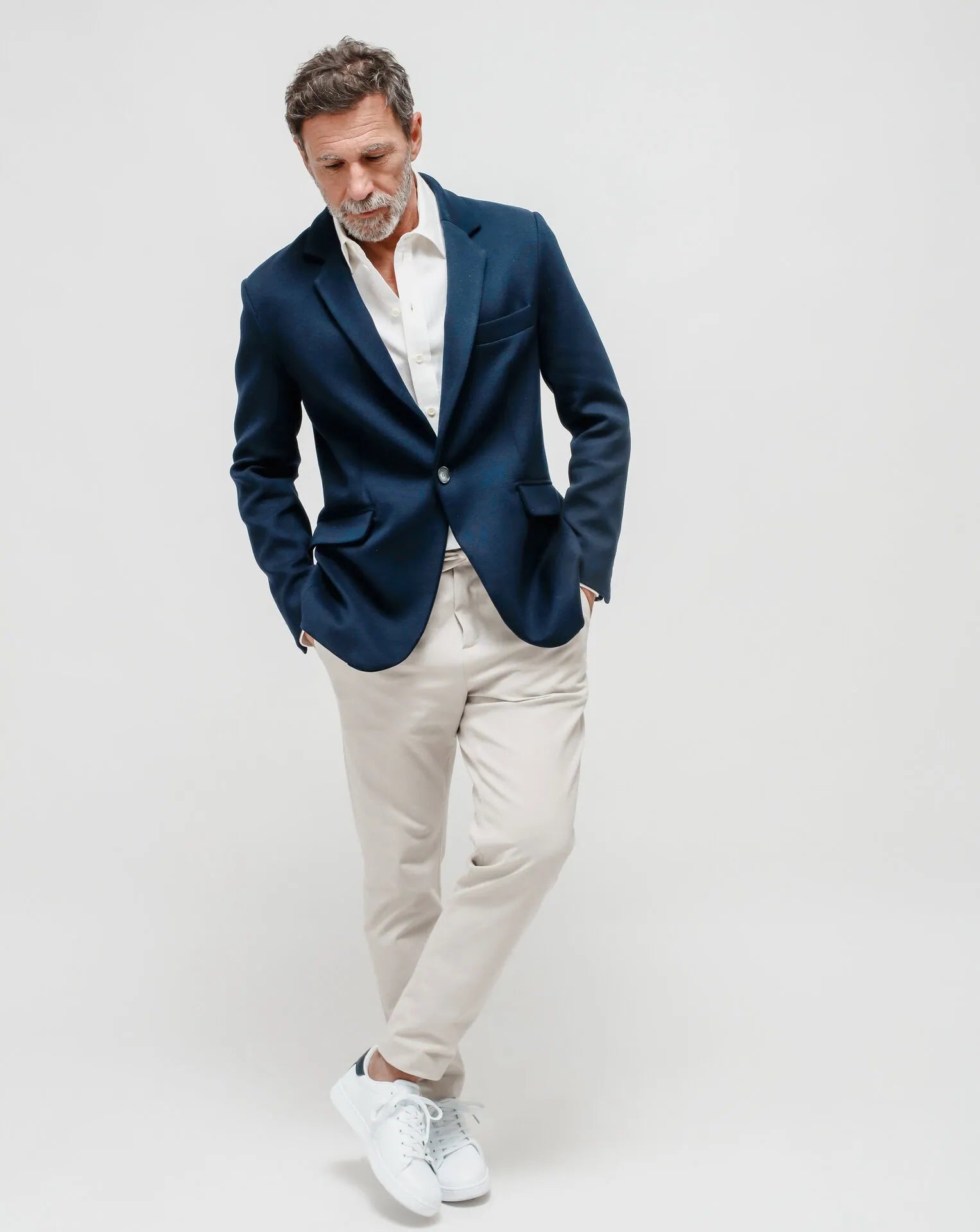
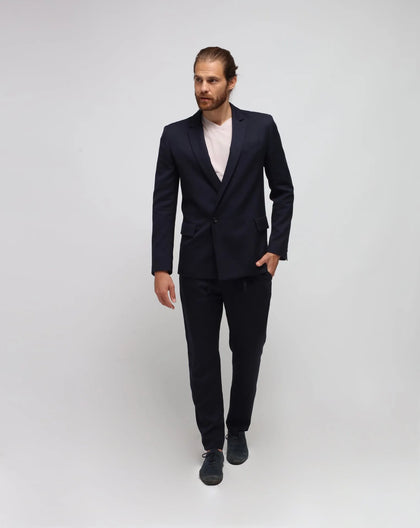
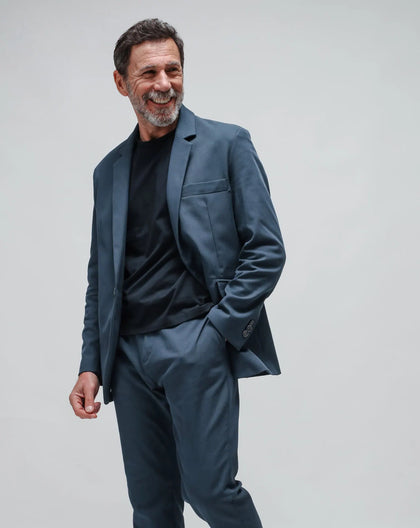
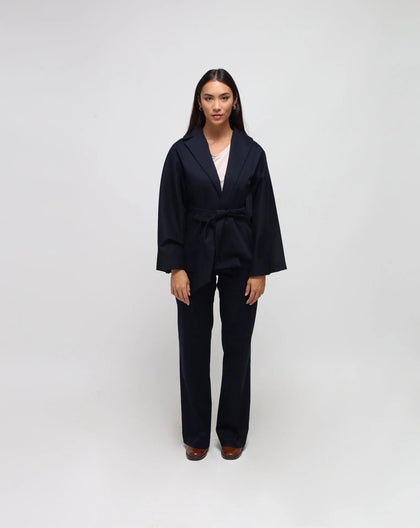
That is why deadstock fits so naturally with curated collections for both women and men. Instead of chasing mass volume, a brand can create focused pieces that feel rare for a reason. Think of a sharply cut women’s blazer in a premium deadstock twill, a fluid dress in a surplus Italian crepe, or a men’s suit separate made from a rescued wool blend. These are the kinds of garments that justify being made in smaller numbers.
This approach also supports a healthier relationship with shopping. You buy less, but you buy with more conviction. Scarcity here is not artificial hype. It is the real consequence of using available materials responsibly.
For a brand like Humans & Land, that alignment matters. Premium deadstock fabrics, small-batch production, and limited editions are not separate ideas. They reinforce each other.
The better standard for sustainability
Deadstock should be judged as part of a broader standard, not a standalone badge.
A genuinely responsible garment combines better sourcing with thoughtful production, quality construction, fewer unnecessary units, and a design worth keeping. If even one of those elements is missing, the sustainability claim weakens. If all of them are present, deadstock becomes more than leftover fabric. It becomes part of a more disciplined way to make clothes.
That is the shift that matters. Not more product with greener language, but better product with less waste built in from the start.
The most useful way to think about deadstock is this: it is not perfect, but it is often a meaningful improvement in an industry that has normalized excess. And if a piece is beautiful, well made, and worn often, that improvement becomes tangible in everyday life.
Choose deadstock when the garment is excellent, the production is restrained, and the piece belongs in your wardrobe for the long term. That is where sustainability stops being a slogan and starts looking like good judgment.
FAQ
Q: What are deadstock fabrics?
A: Deadstock fabrics are unused leftover textiles from mills, factories, or fashion houses. They may come from overproduction, canceled orders, or surplus inventory that was never turned into garments.
Q: Are deadstock fabrics really sustainable if they contain polyester?
A: They can still be a better option than producing new polyester fabric, but they are not impact-free. Reusing existing synthetic material reduces waste, yet fiber content still matters for shedding, durability, and end-of-life concerns.
Q: Why are deadstock clothing collections often limited edition?
A: Because the fabric supply is finite. Once that specific deadstock roll is used, it usually cannot be reordered in the same way. That is why deadstock works well for small-batch women’s and men’s collections.
Q: Is deadstock always better than new sustainable fabric?
A: Not always. It depends on the deadstock fiber, the quality of the garment, and the production process. A well-made deadstock piece often has advantages, but it should still be assessed case by case.
Q: What should I look for when buying deadstock clothing?
A: Focus on fiber composition, garment quality, production scale, and versatility. The best deadstock pieces are the ones you will wear often and keep for years.
the World of H&L