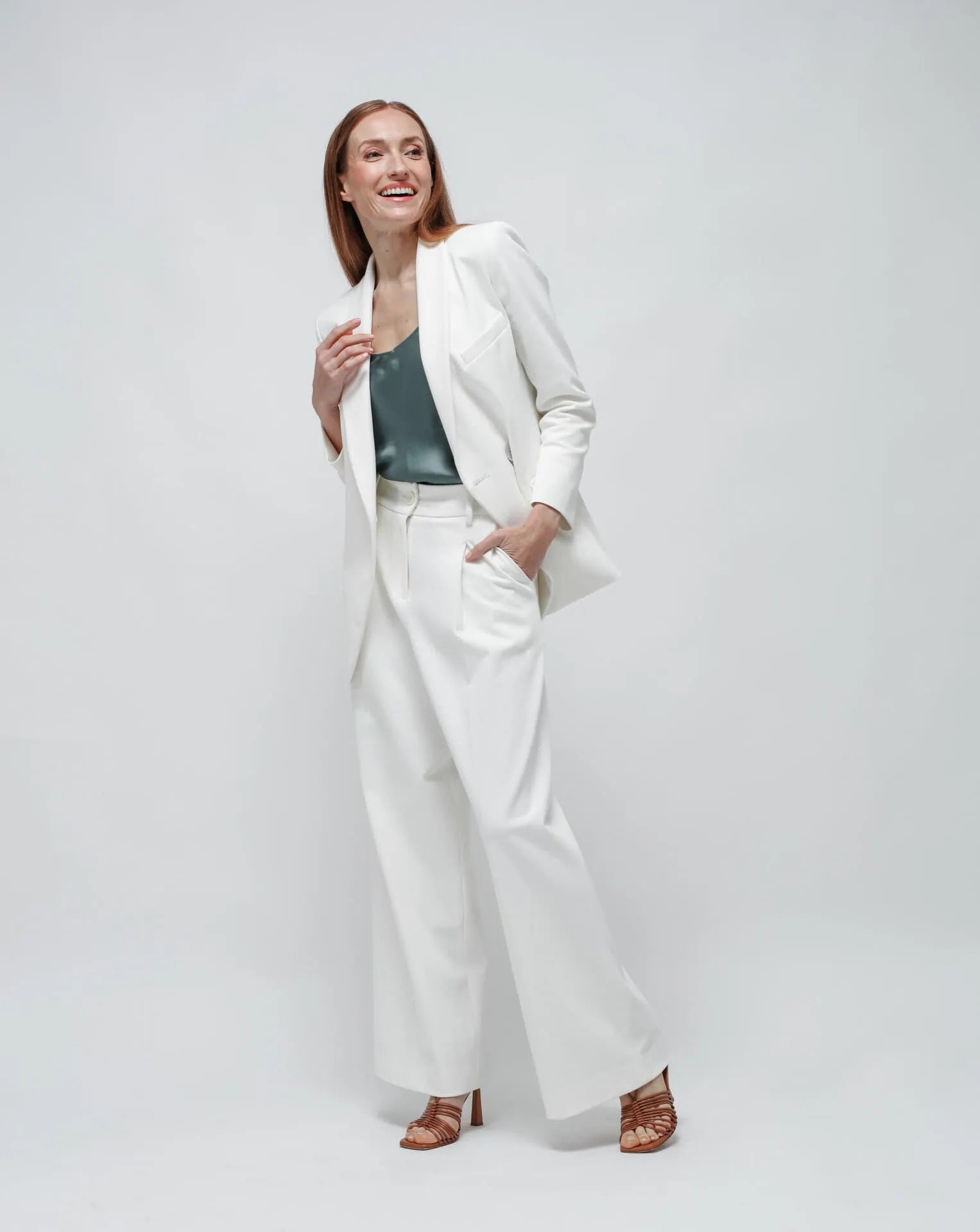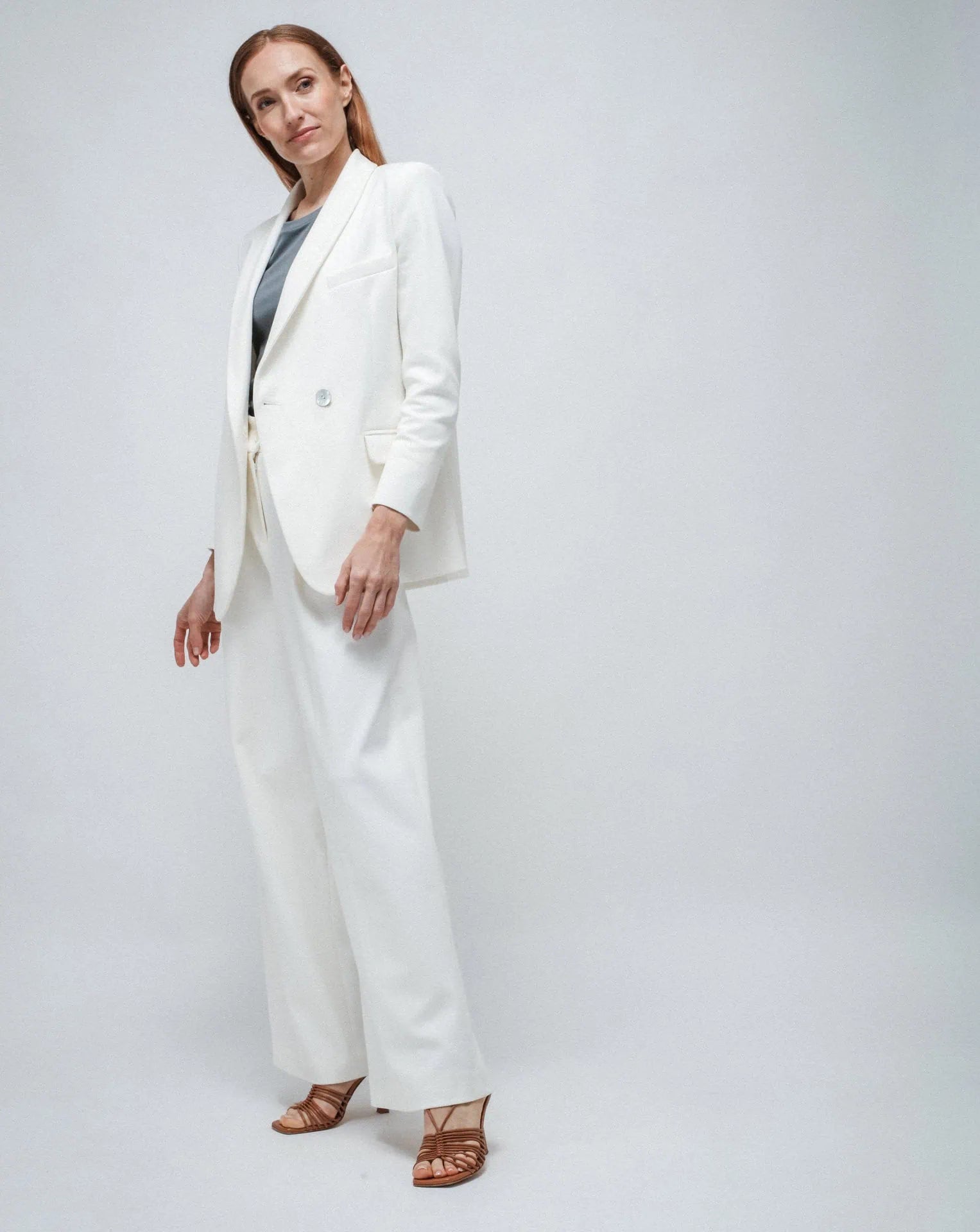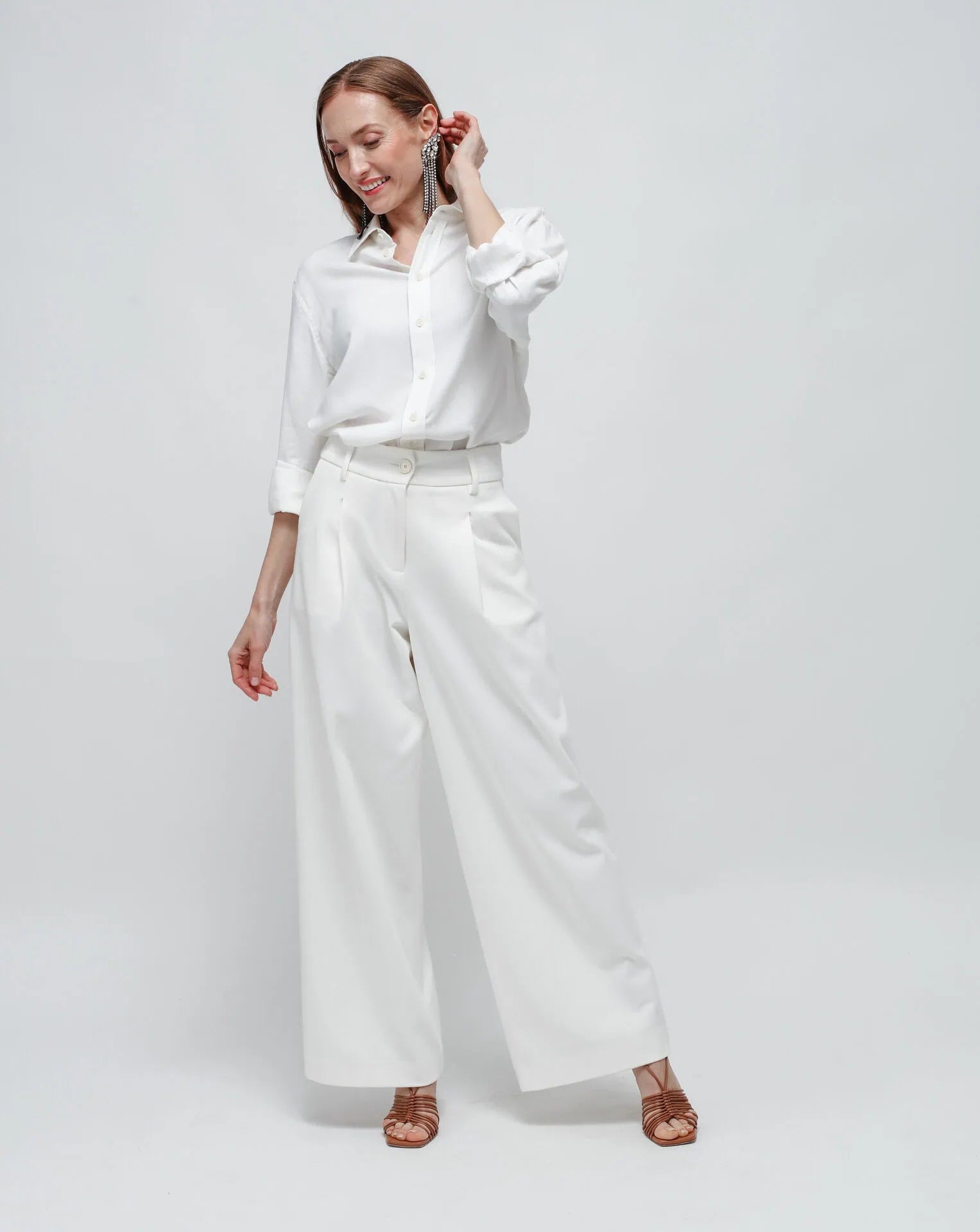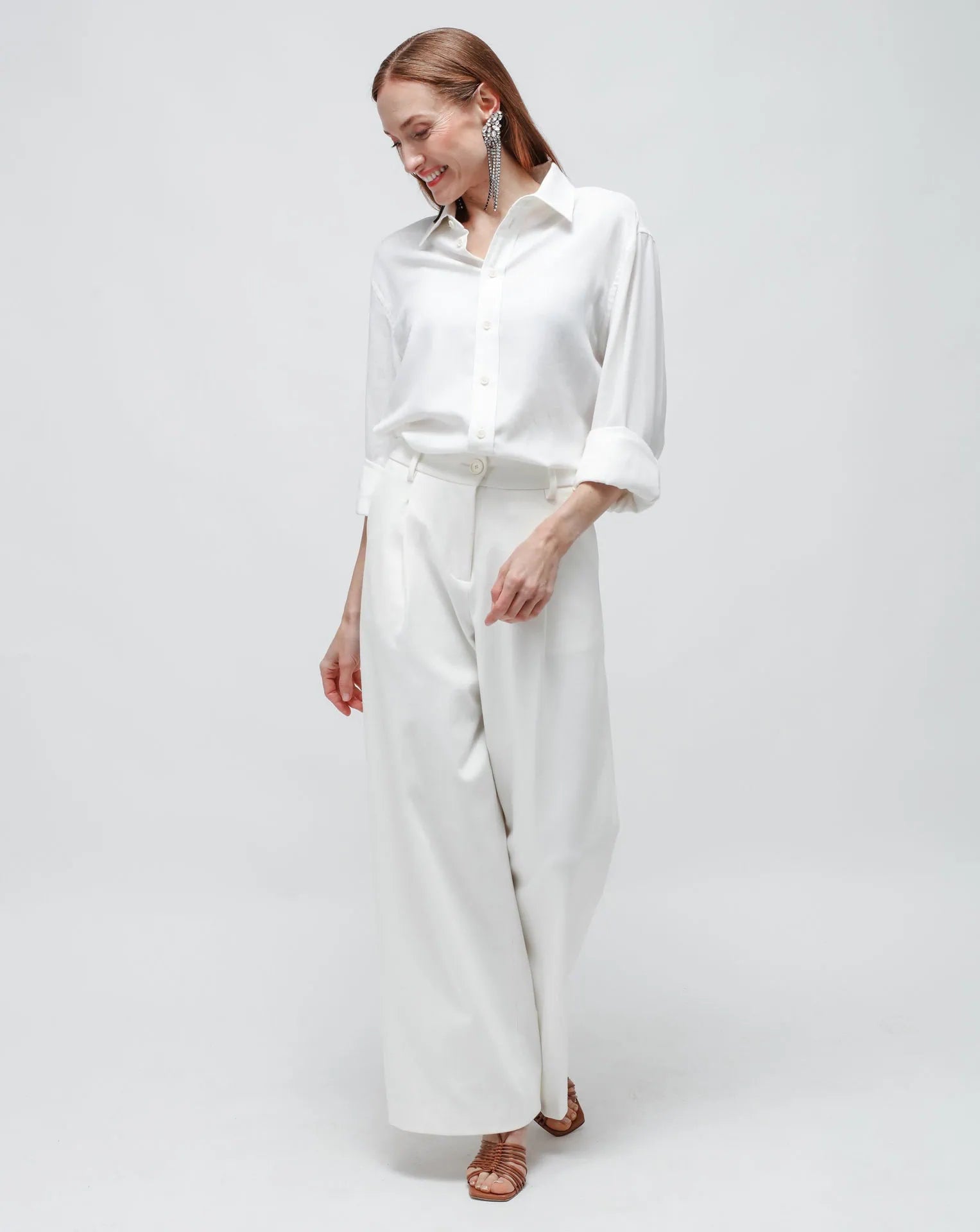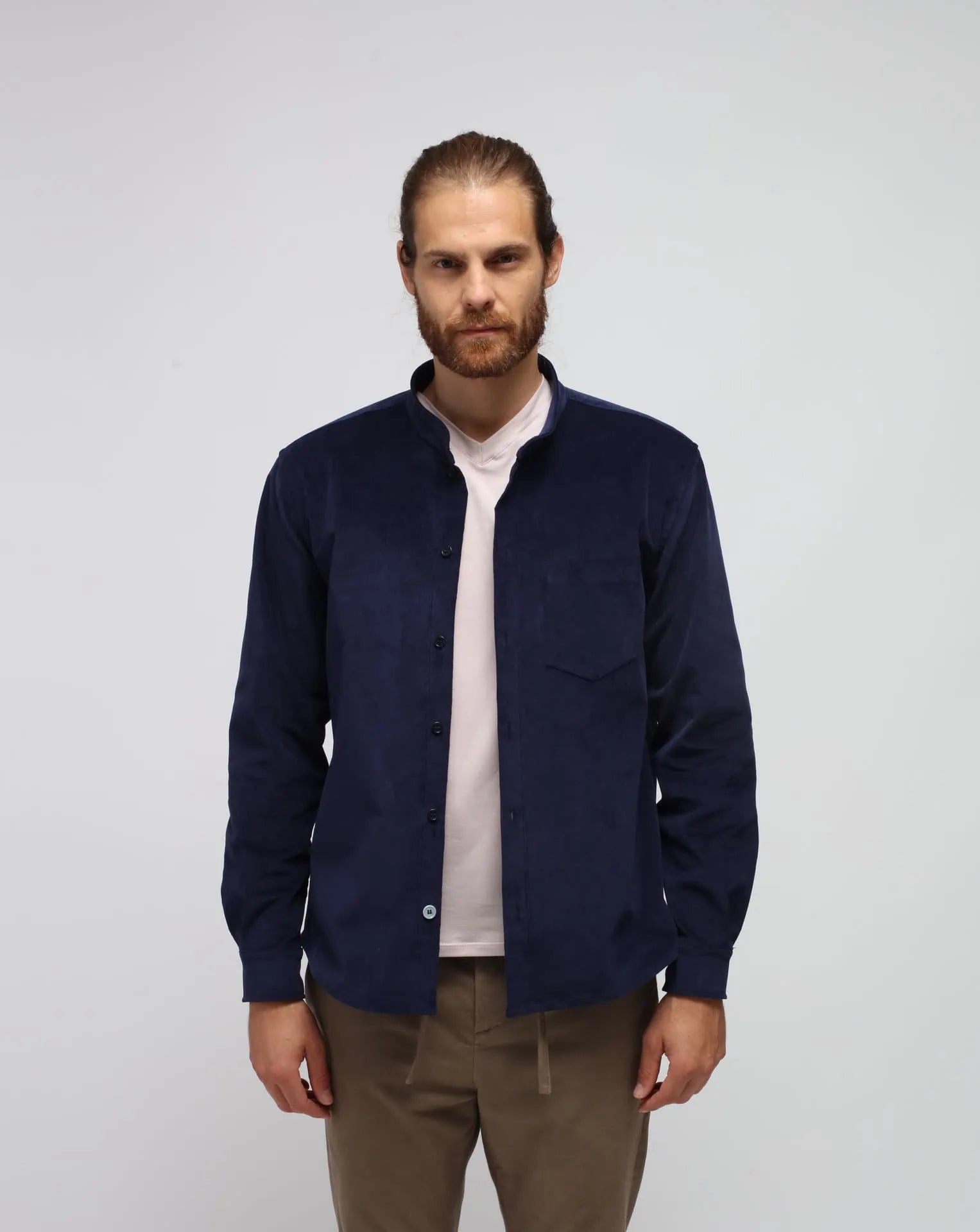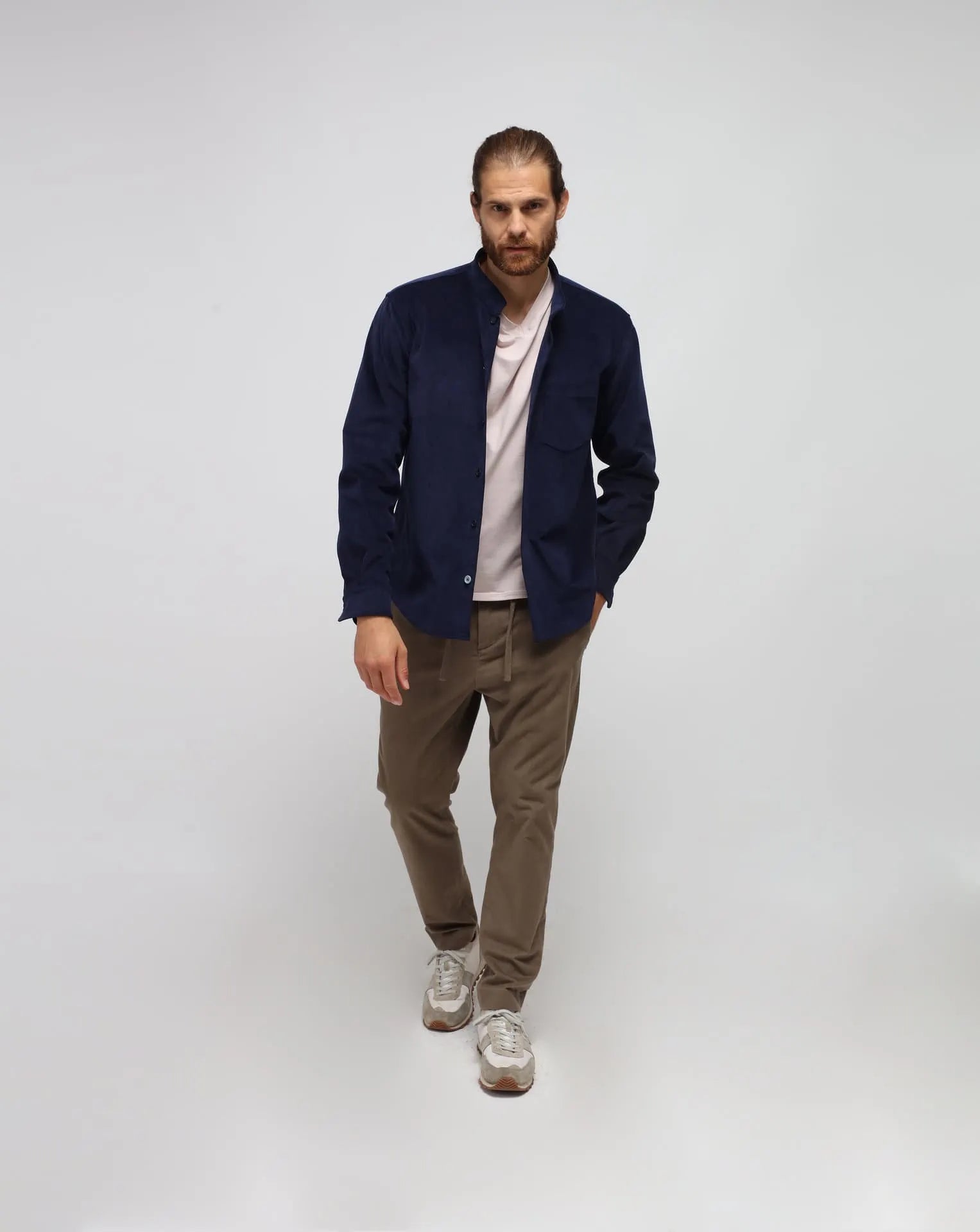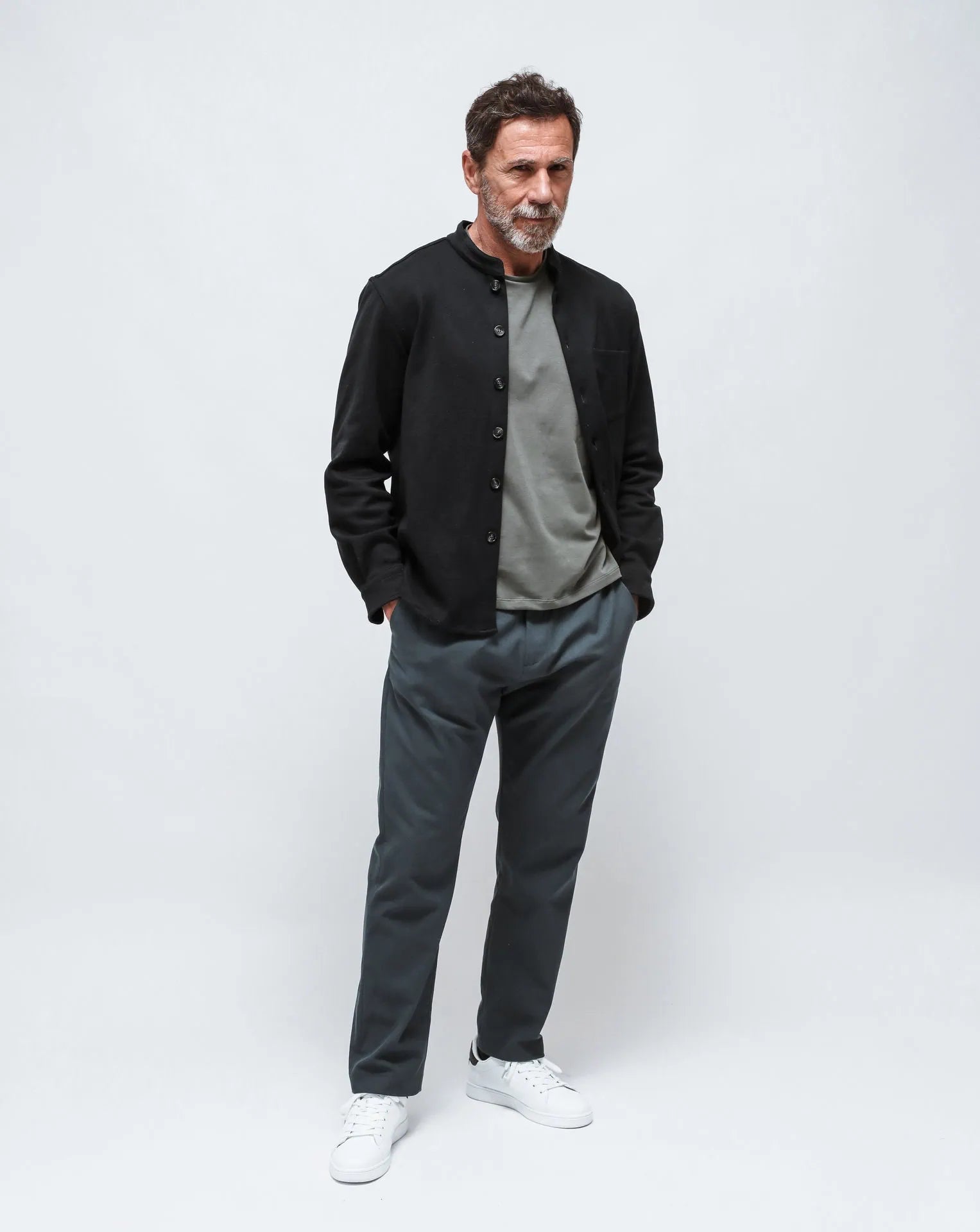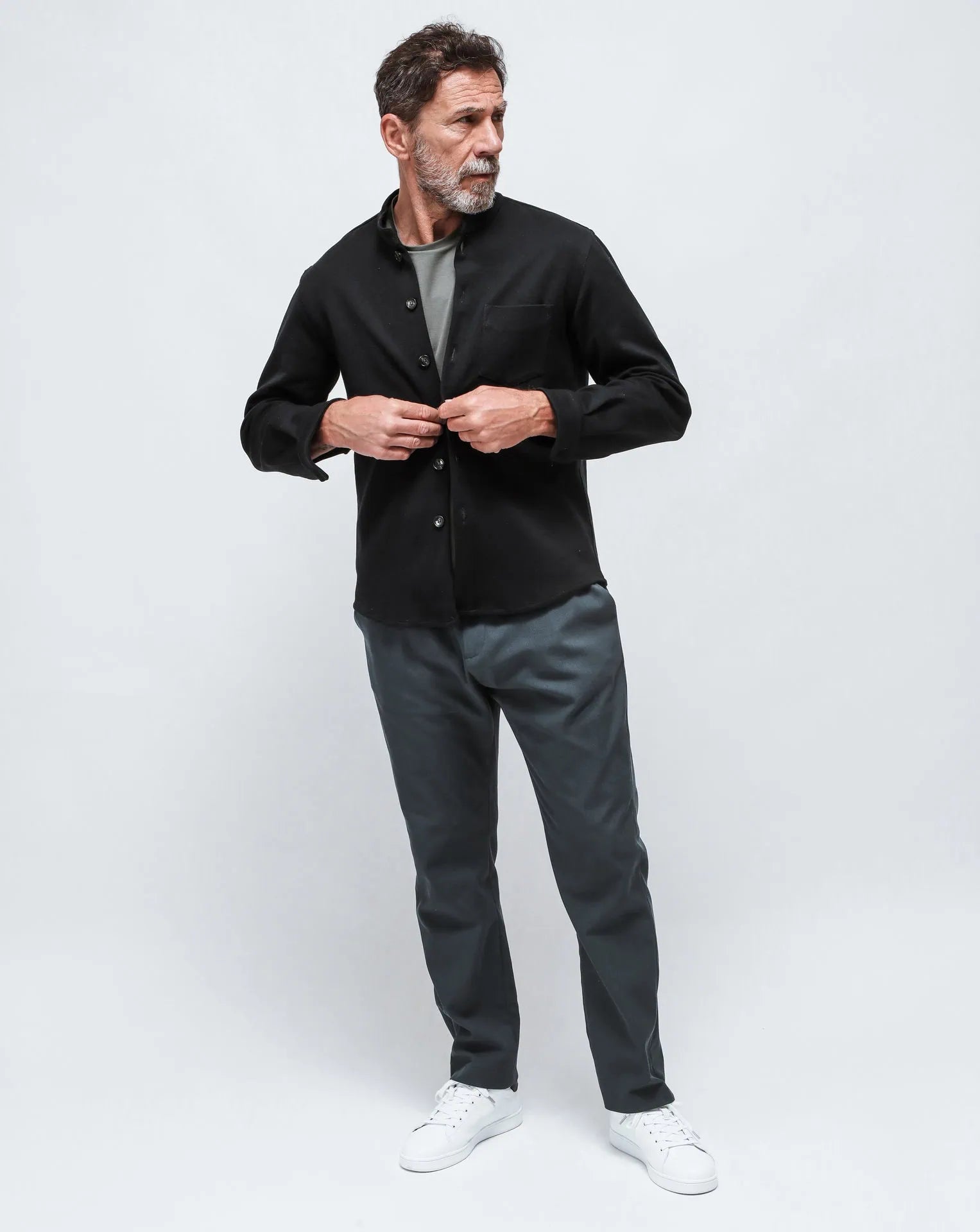

10 Ethical Mens Wardrobe Essentials
A good wardrobe is not built on volume. It is built on repetition - the pieces you reach for on Monday morning, on a last-minute dinner plan, and again before a flight because they simply work. That is where ethical mens wardrobe essentials earn their place. They are not just the sustainable version of basics. They are the foundation of a more disciplined closet: fewer pieces, better fabric, stronger fit, and a clear point of view.
For men who care how clothing is made, the real question is not whether an item is trendy. It is whether it deserves space in a finite wardrobe. An ethical essential should handle real life, wear well over time, and come from a production model that does not depend on overstock, shortcuts, or disposable quality. That standard is higher than most brands can meet. It should be.
What makes ethical mens wardrobe essentials worth buying
The word ethical gets used loosely. In practice, it should mean more than a soft fabric and a vague promise. For a wardrobe essential, ethics show up in sourcing, labor, production scale, and longevity.
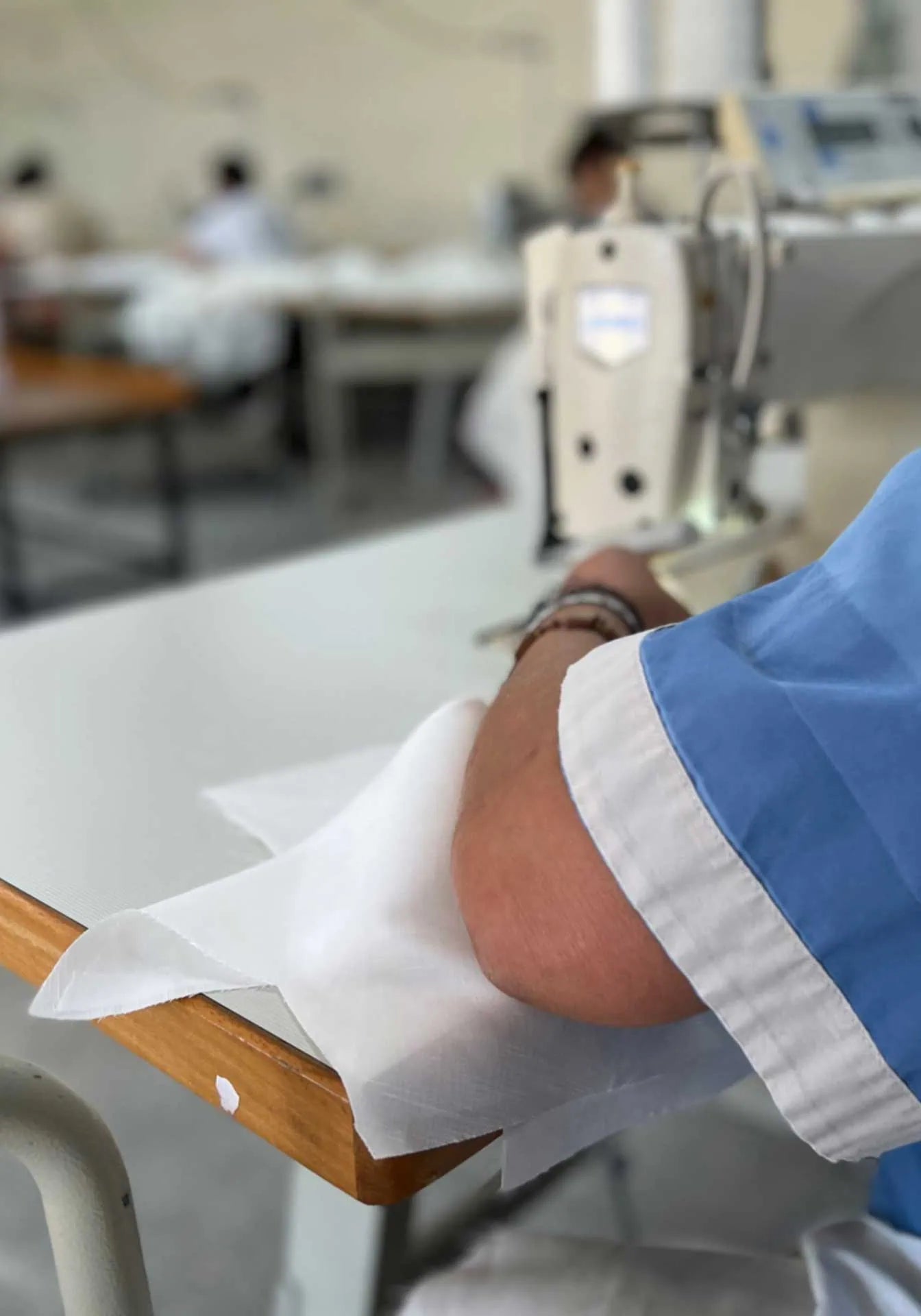
Deadstock fabrics are a strong example. When quality leftover fabric is rescued and turned into limited-run clothing, waste is reduced without compromising the finish of the garment. Small-batch production matters too. It keeps quantities intentional, lowers the risk of excess inventory, and usually signals greater attention to construction.
But ethics without design is still a weak buy. A shirt can be responsibly made and still fit poorly. A pair of pants can have impeccable sourcing and still feel irrelevant after one season. The best essentials combine moral clarity with aesthetic restraint. They feel elevated, not performative.
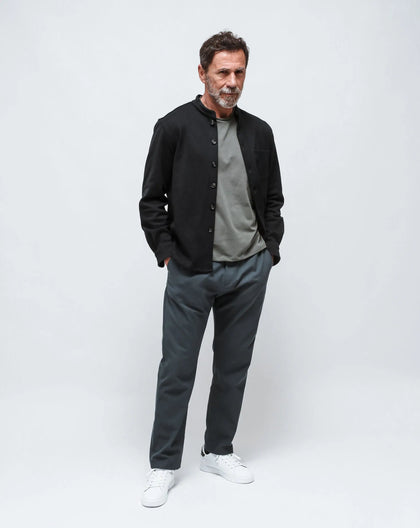
The 10 ethical mens wardrobe essentials that do the heavy lifting
1. The neutral organic cotton T-shirt
This is the piece that exposes quality fastest. If the collar warps, the fabric goes sheer, or the body twists after washing, the shirt was never an essential. A strong ethical T-shirt should have enough weight to hold its shape and enough softness to layer easily under overshirts, tailoring, and knitwear.
Off-white or beige often looks richer than bright optic white, especially in natural fibers. It also tends to age more gracefully. If your style leans minimal, this is where you can justify owning two or three, provided each one serves a different role - one cleaner for sharper outfits, one slightly more relaxed for everyday wear.
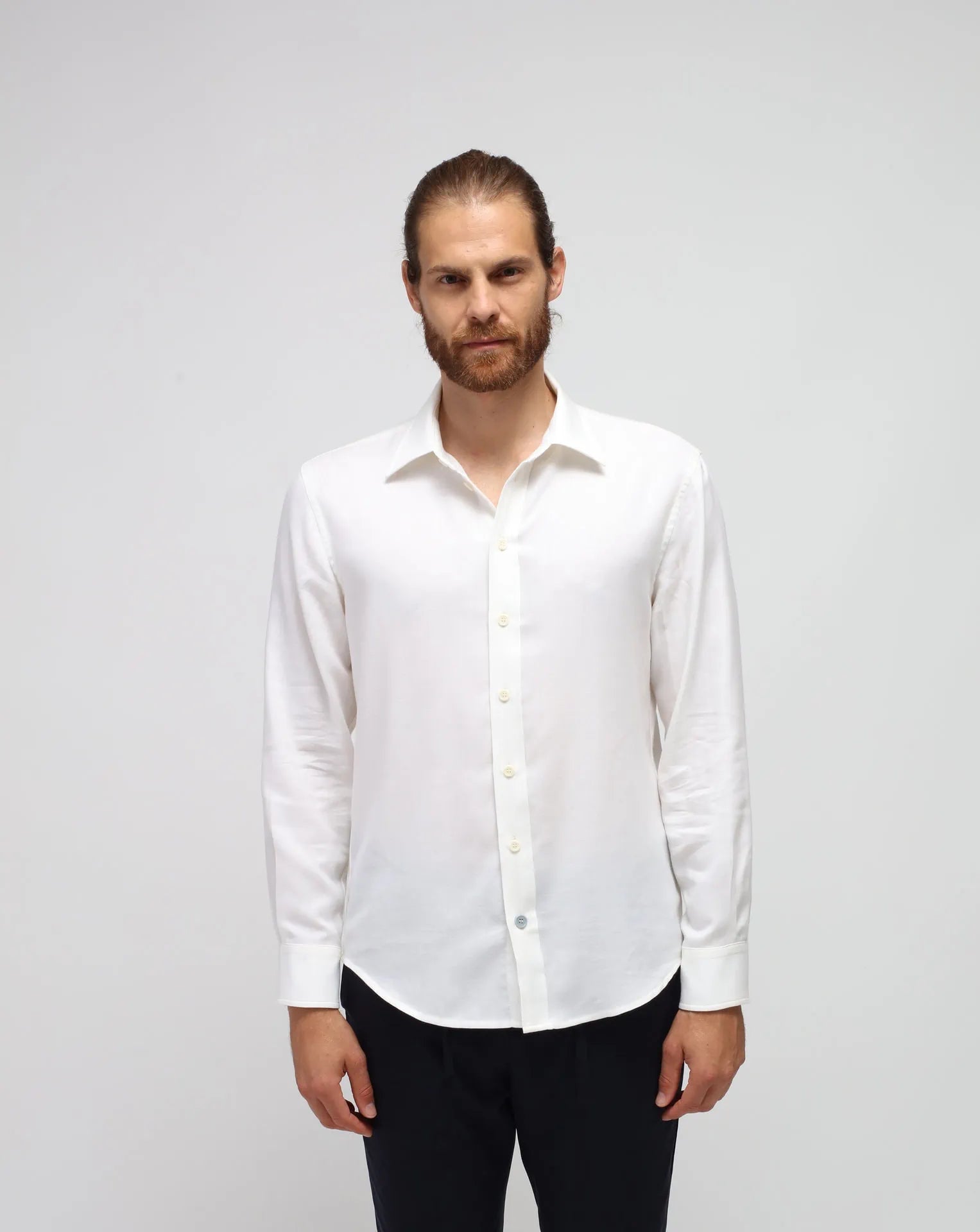
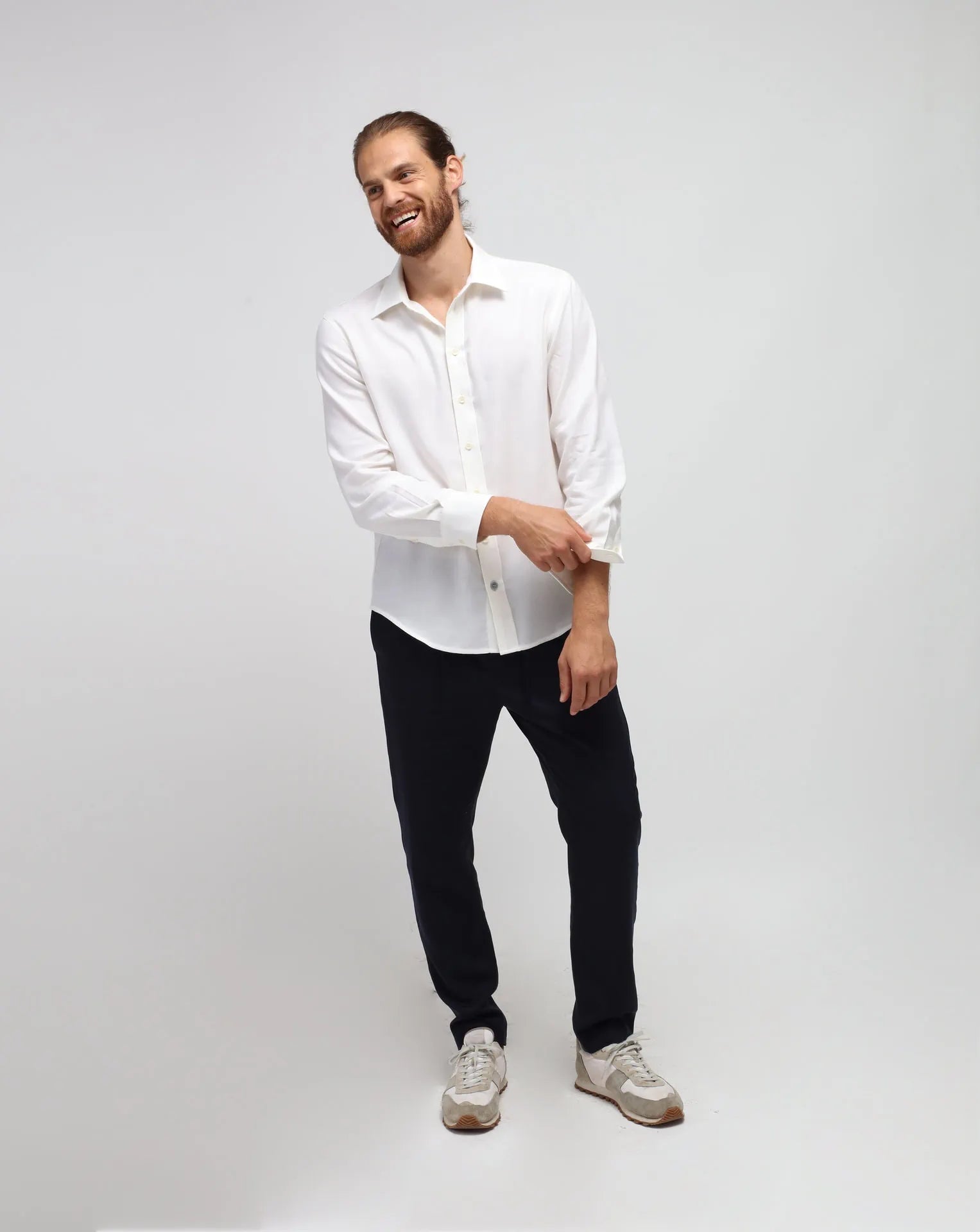
2. A crisp button-up shirt in cotton or deadstock poplin
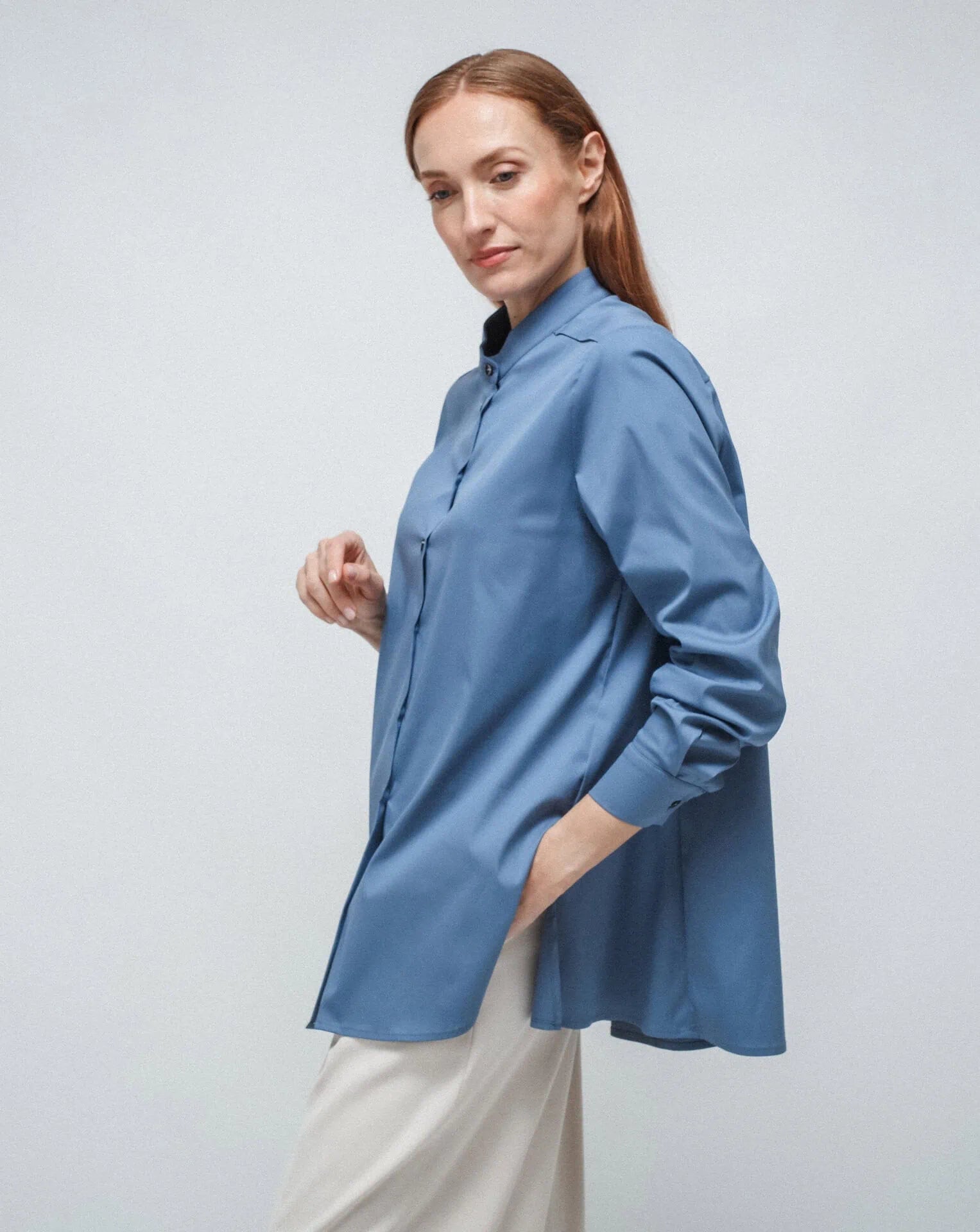
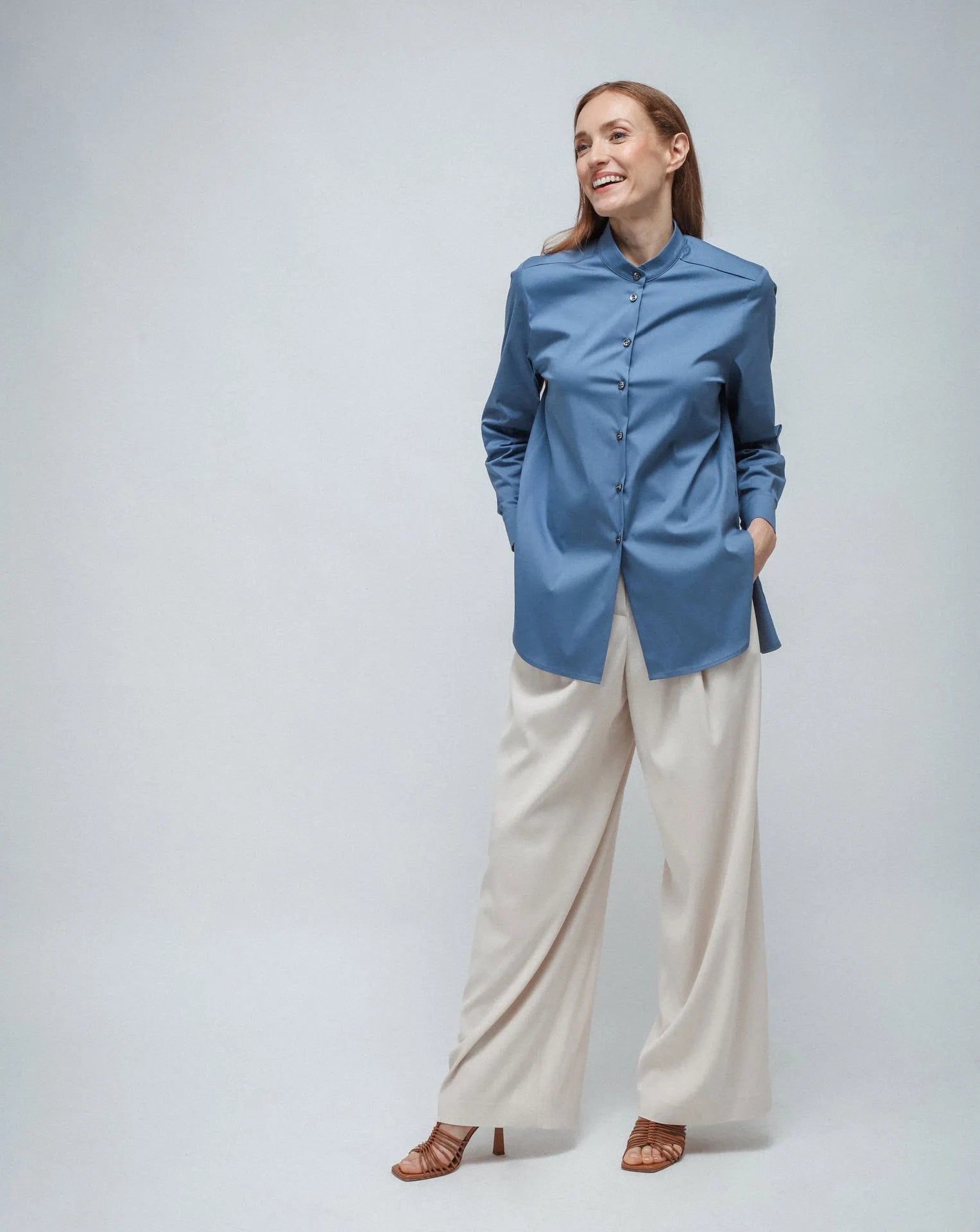
A proper button-up solves more situations than almost any other piece in a man’s closet. It works under a jacket, open over a tee, tucked into trousers, or worn with shorts in warmer weather. The ethical version should avoid gimmicks and focus on line, drape, and fabric integrity.
This is also a smart place to look for product-specific options such as a men’s deadstock cotton shirt, an Italian-made poplin shirt, or a relaxed ethical button-up that can move between office and weekend settings. A shirt like this should not feel stiff and corporate unless that is your actual dress code. For most men, relaxed precision is more useful.
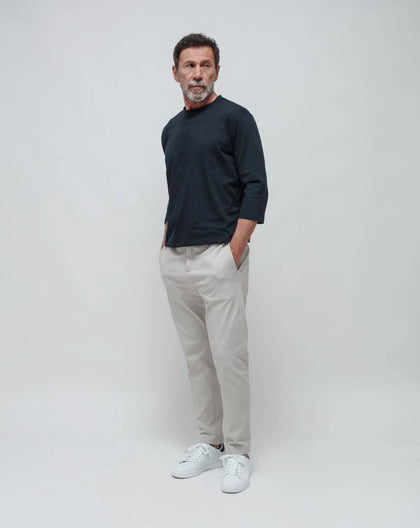
3. Tailored trousers that are not too formal
There is a reason good trousers change how everything else looks. Even a simple knit or T-shirt appears more considered when anchored by a clean, well-cut trouser. The key is moderation. Too slim and the silhouette dates quickly. Too wide and versatility drops.
Look for a straight or gently tapered leg, a comfortable rise, and a fabric with enough structure to hold shape through the day. Deadstock wool blends or cotton twills are excellent here. This is also where ethical luxury makes sense. Better construction around the waistband, seat, and hem pays off over years, not weeks.
4. Dark denim with minimal distressing
Ethical denim should feel honest. Dark indigo or washed black gives you range without relying on fake aging or trend-driven washes. It can move into evening, pair with tailoring, and handle repeated wear without looking careless.
Denim is one of those categories where it depends on your lifestyle. If you wear tailoring often, one exceptional pair may be enough. If your week is more casual, two pairs in different cuts can still count as disciplined buying. The point is to avoid redundancy disguised as choice.
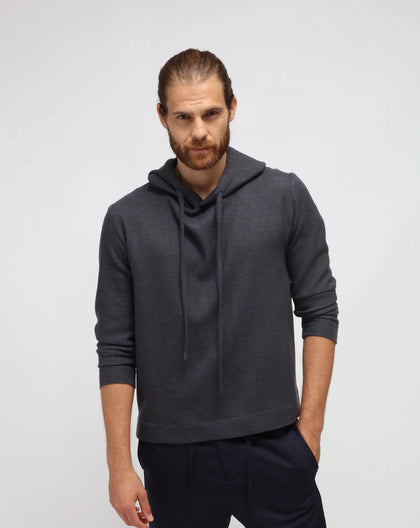
5. A fine-gauge knit for year-round layering
A lightweight crewneck, mock neck or elegant hoodie in cashmere or a similarly refined natural fiber is a quiet power piece. It sits under outerwear without bulk, layers over shirting, and adds polish where a sweatshirt might feel too casual.
The ethical advantage here is durability. Premium yarns and careful construction create a cleaner drape and better recovery. A knit that pills heavily after a few wears is not an investment, no matter how elevated the branding may sound.
6. An overshirt or lightweight jacket
This is often the hardest-working layer in a modern wardrobe. It replaces a blazer in casual offices, works as outerwear in transitional weather, and adds structure to simple outfits. The best versions are clean enough for city wear but relaxed enough for travel.
A deadstock Milano Stitch overshirt, a cotton twill chore-style jacket, or a softly tailored zip jacket can all qualify. This is also a natural place to reference a men’s ethical jacket collection or a limited-edition overshirt made in small batches. The exact form matters less than the function: easy layering, strong pockets, and a silhouette that holds its own without styling tricks.
7. Refined shorts for warm-weather dressing
Shorts are where many wardrobes fall apart. The issue is usually proportion. Too long looks dated. Too short can feel try-hard unless the cut is excellent. A clean mid-thigh or just-above-the-knee length in cotton, linen, or a structured deadstock fabric tends to be the sweet spot.
Refined shortsshould pair with a camp-collar shirt, a plain tee, or a lightweight knit without collapsing into beachwear. If you travel often or live in a warm climate, this category deserves more attention than it usually gets.
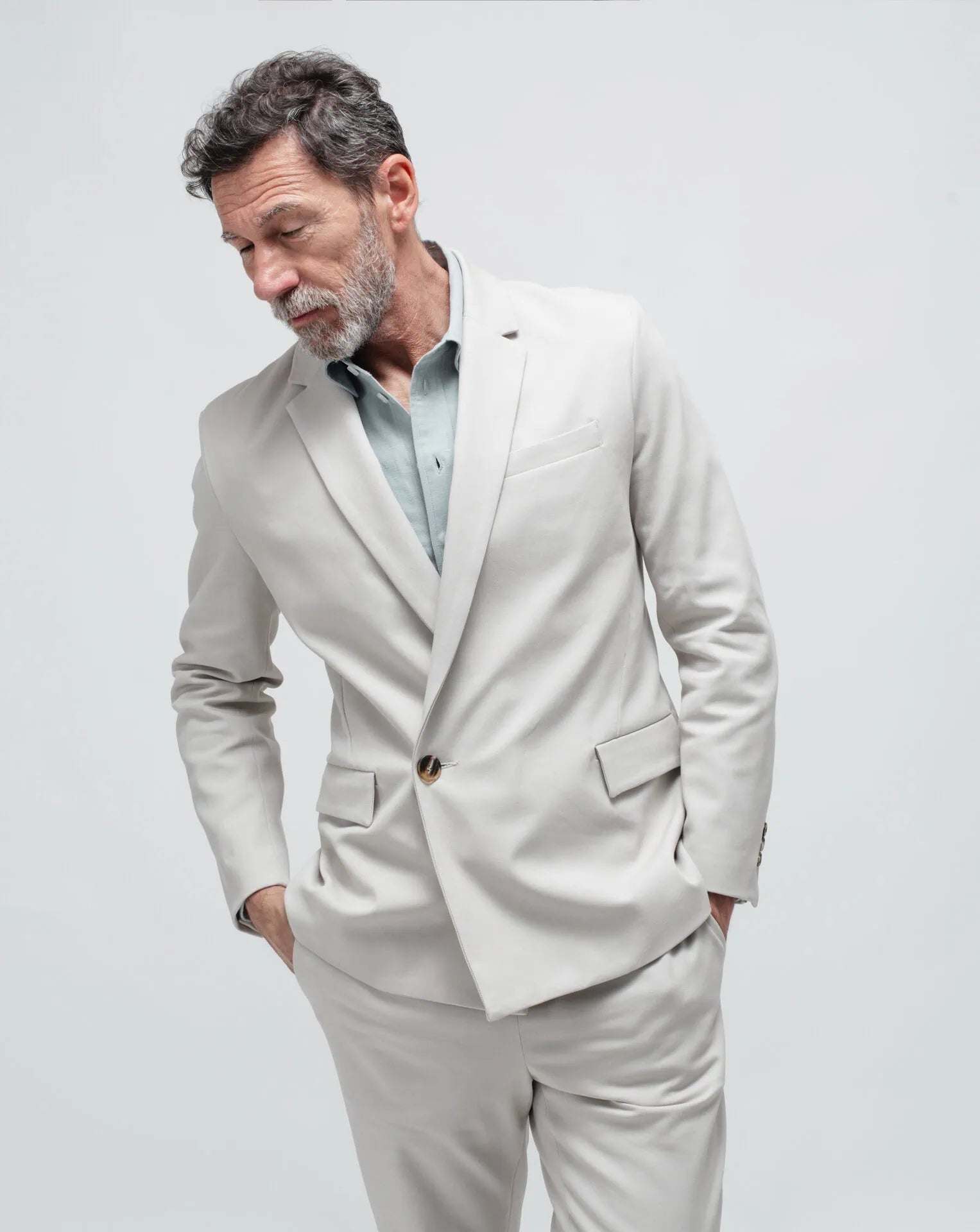
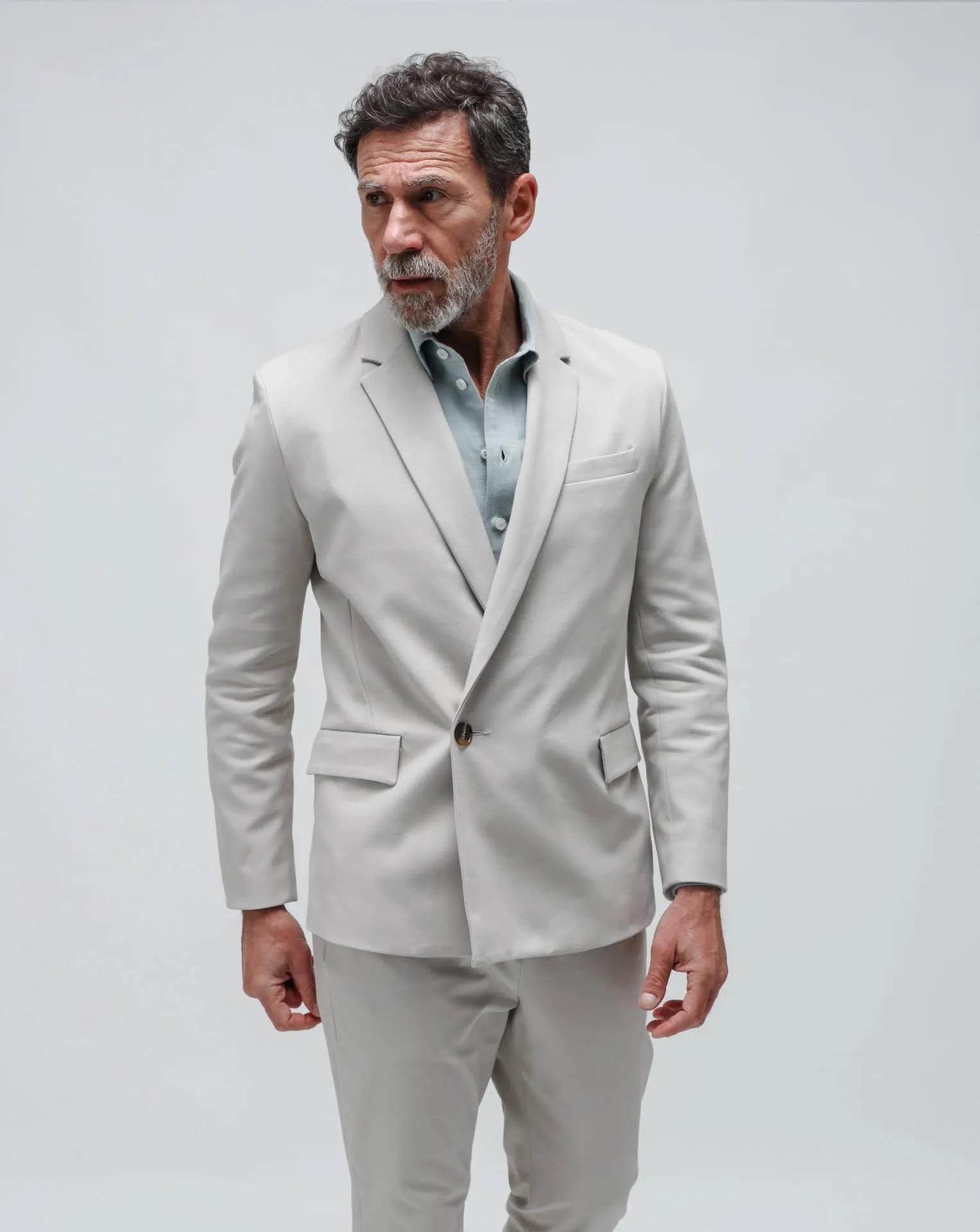
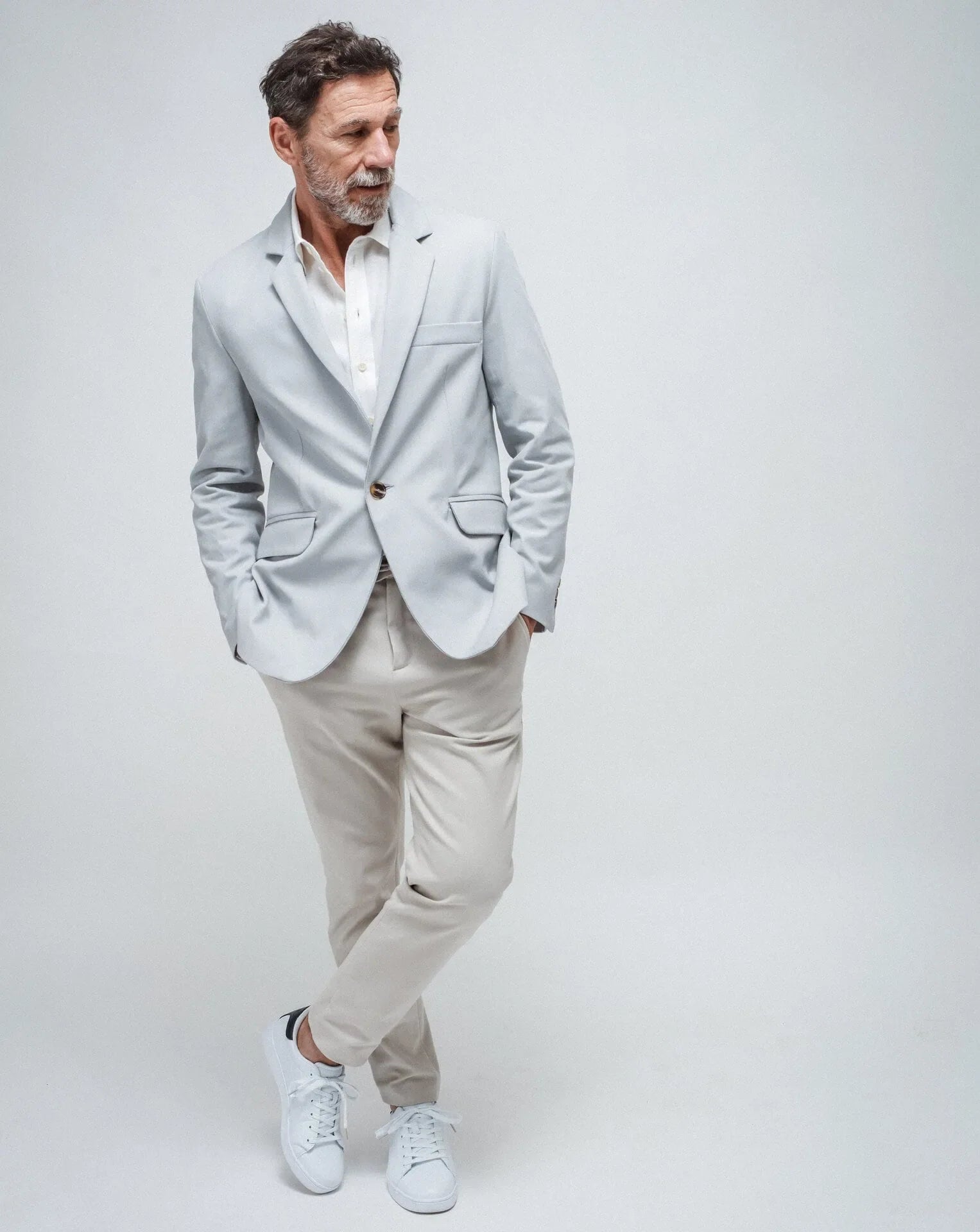
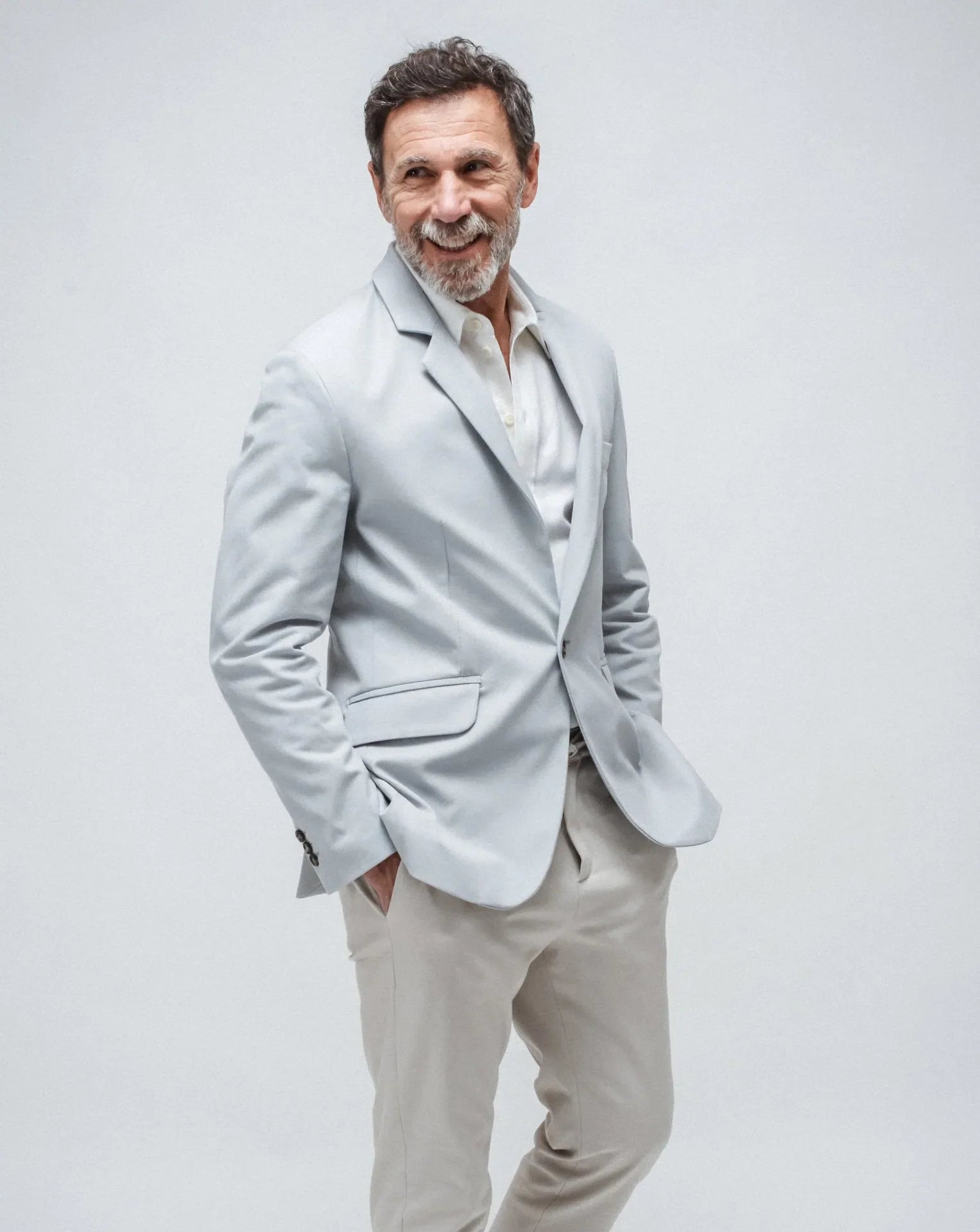
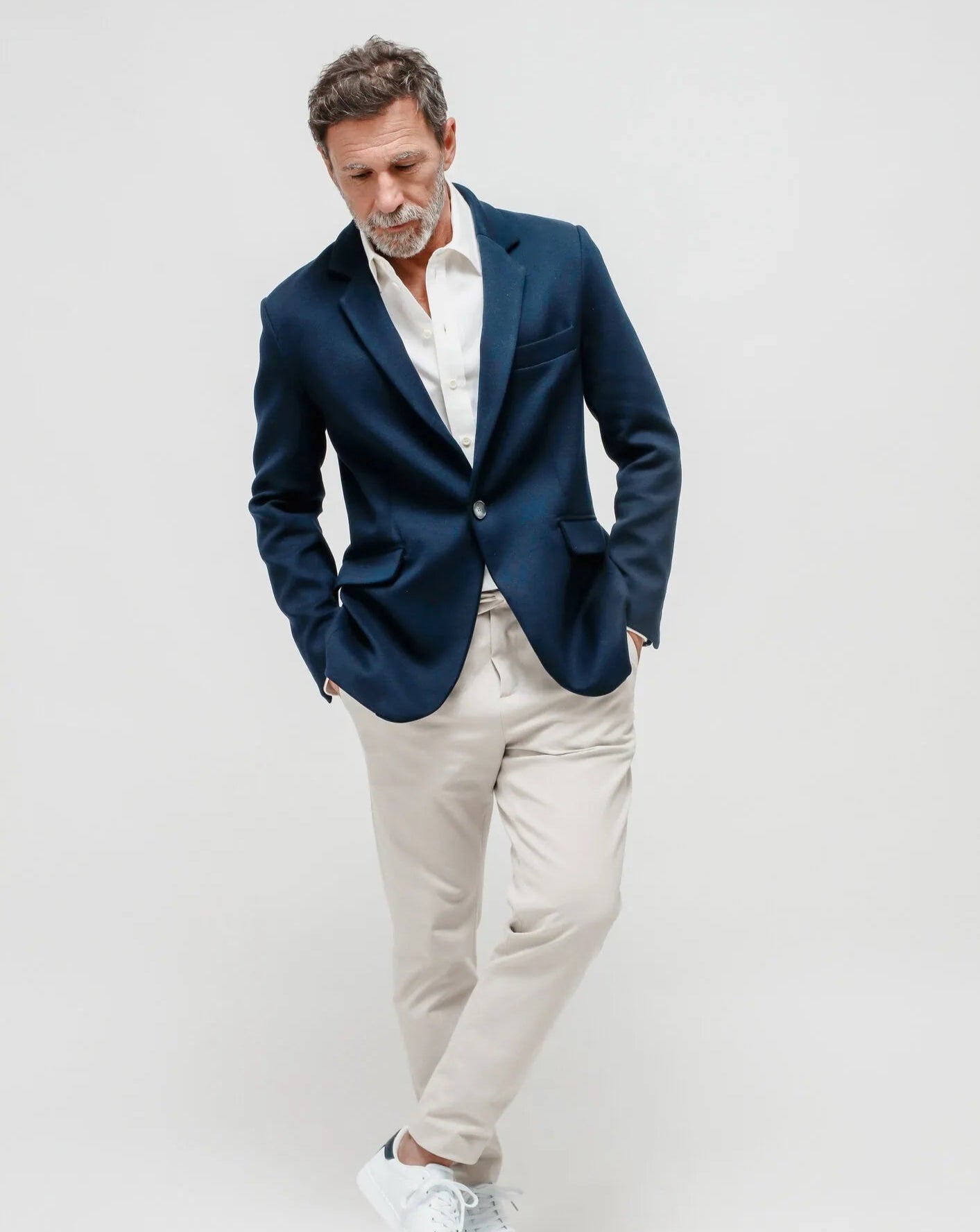
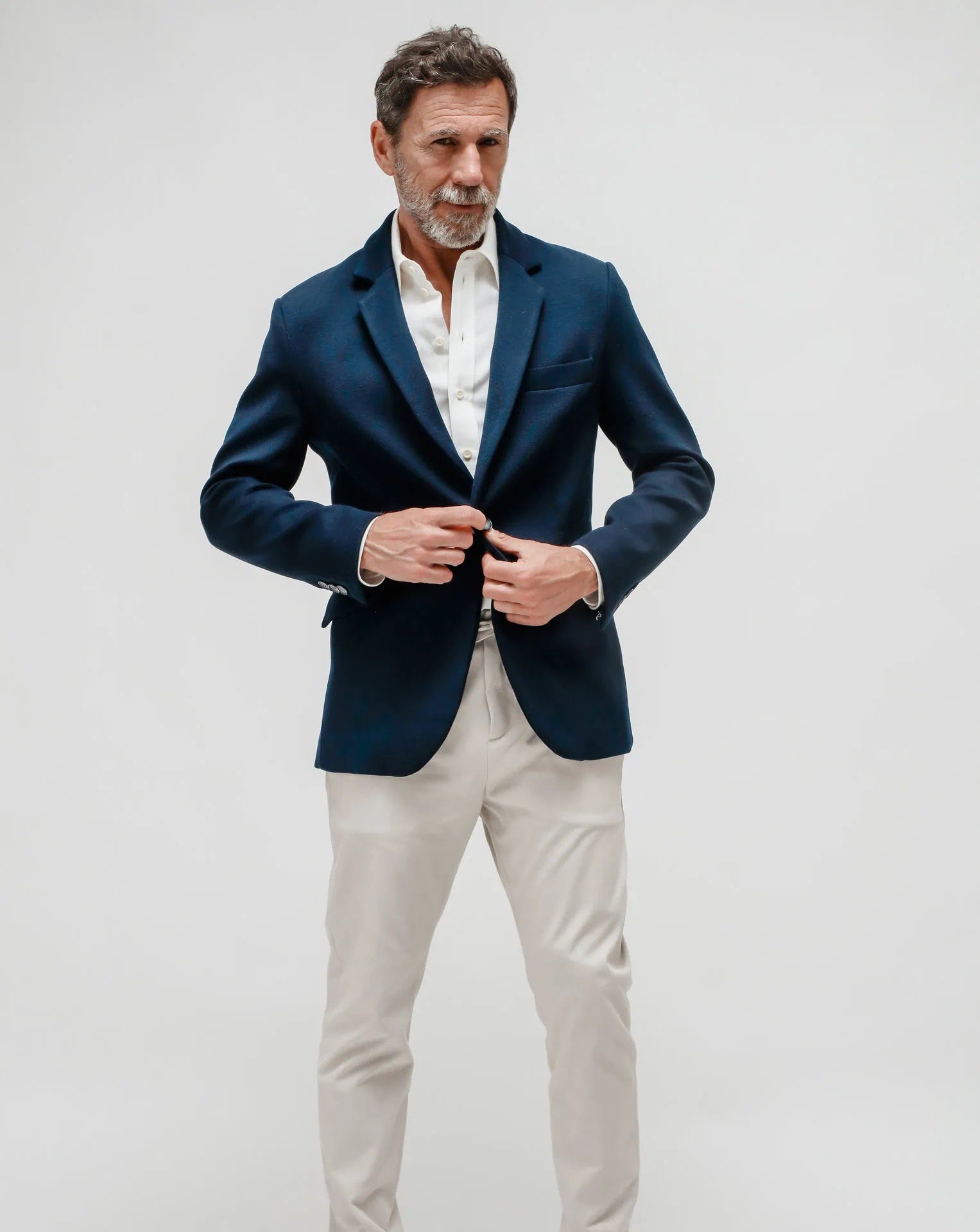
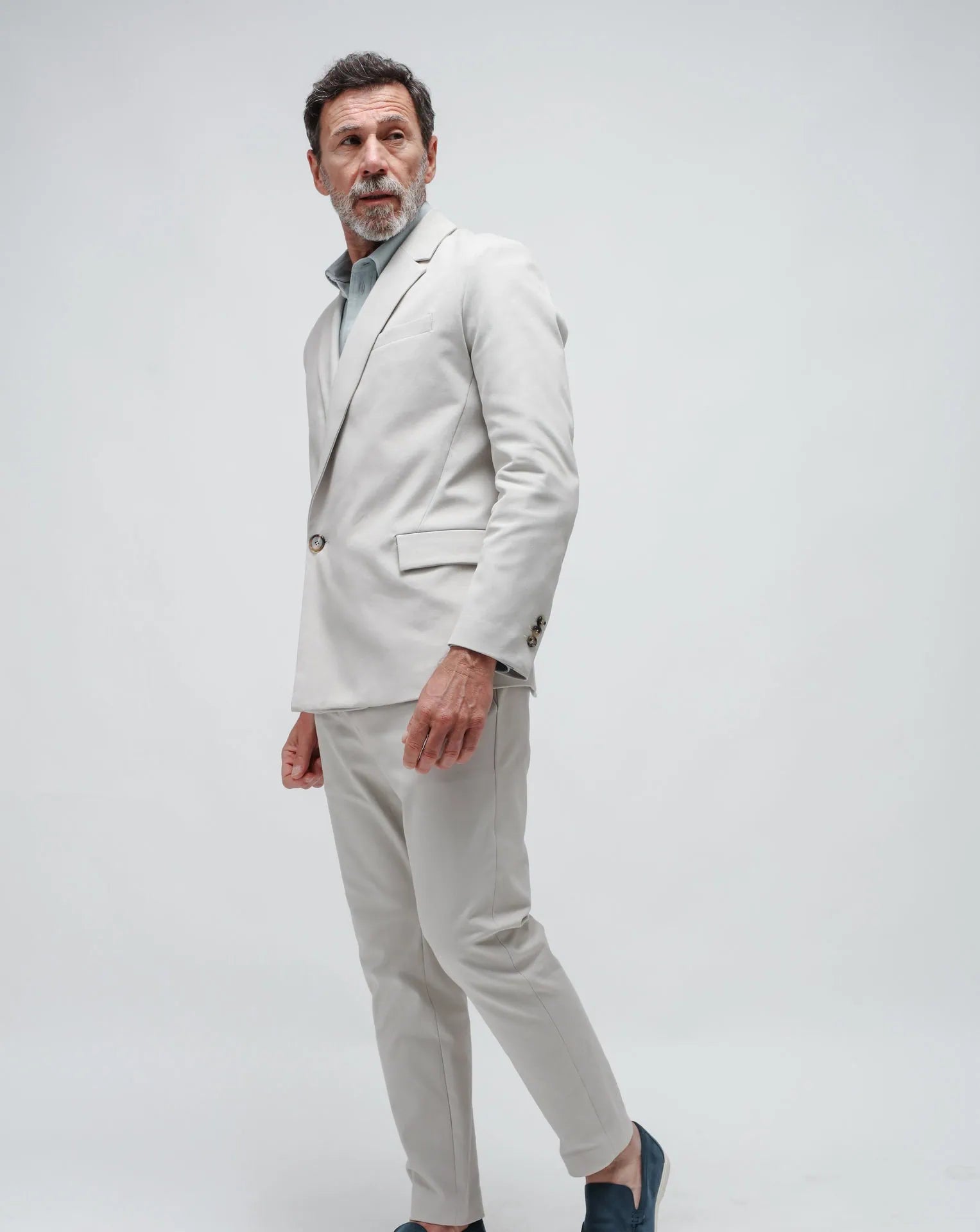
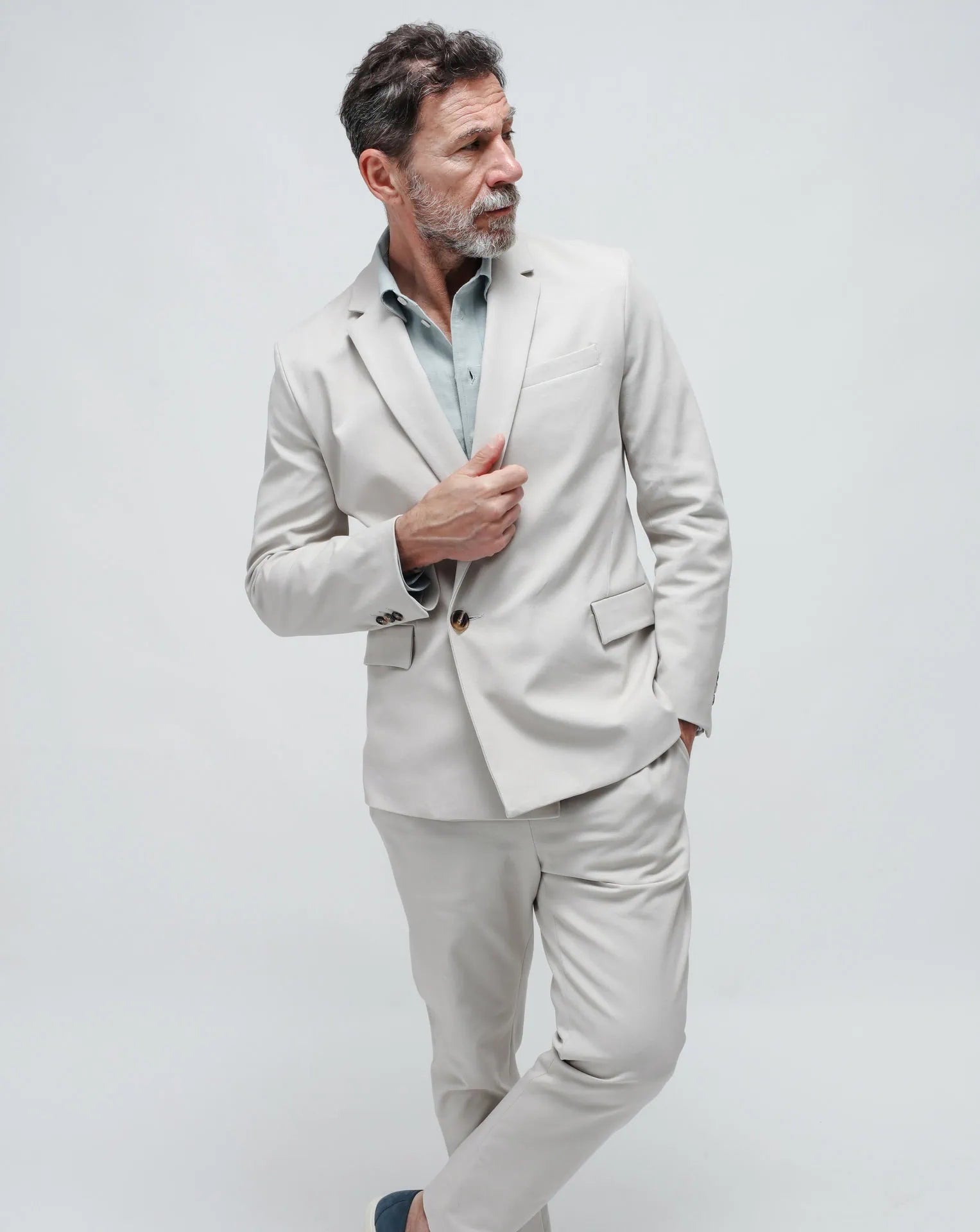
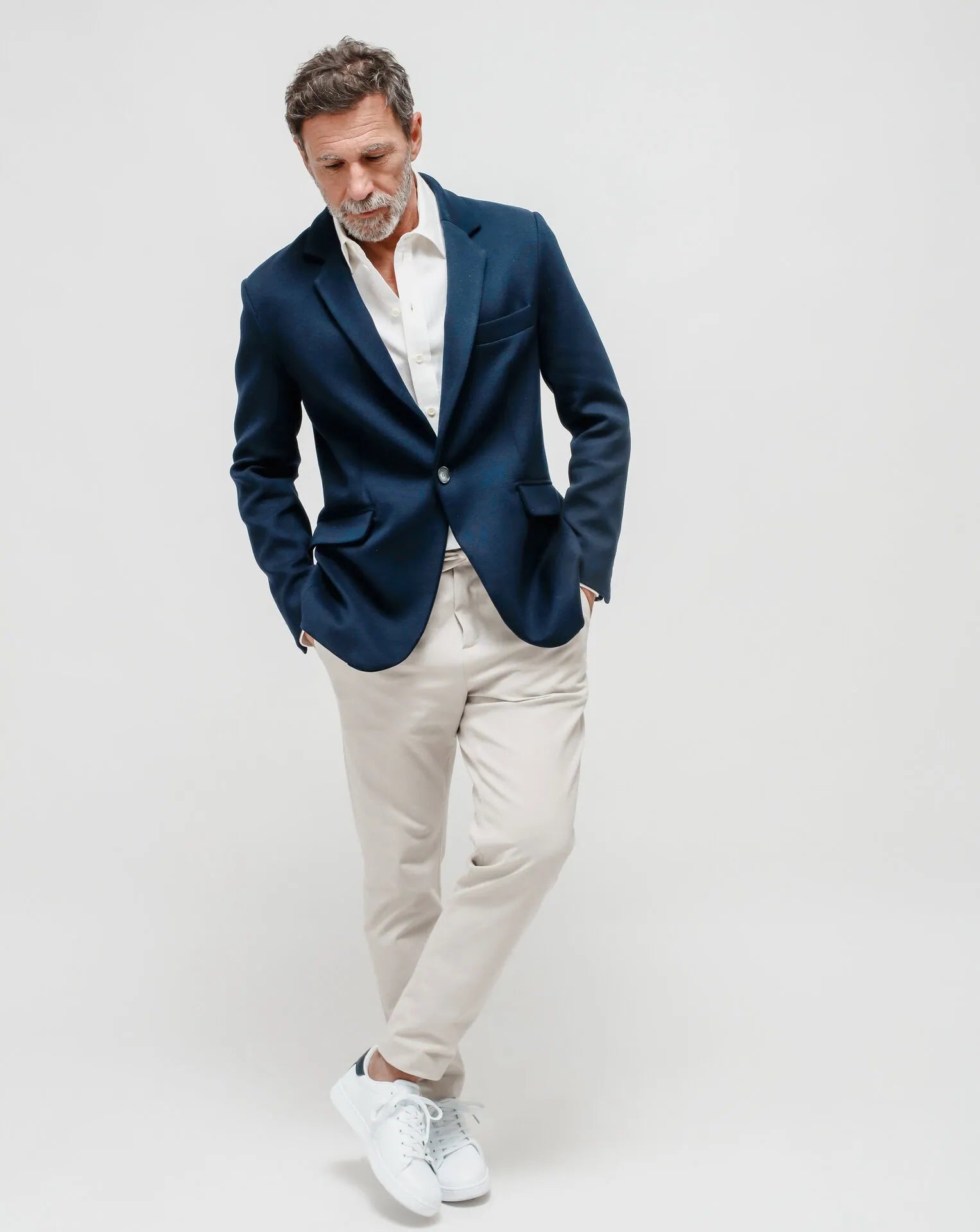
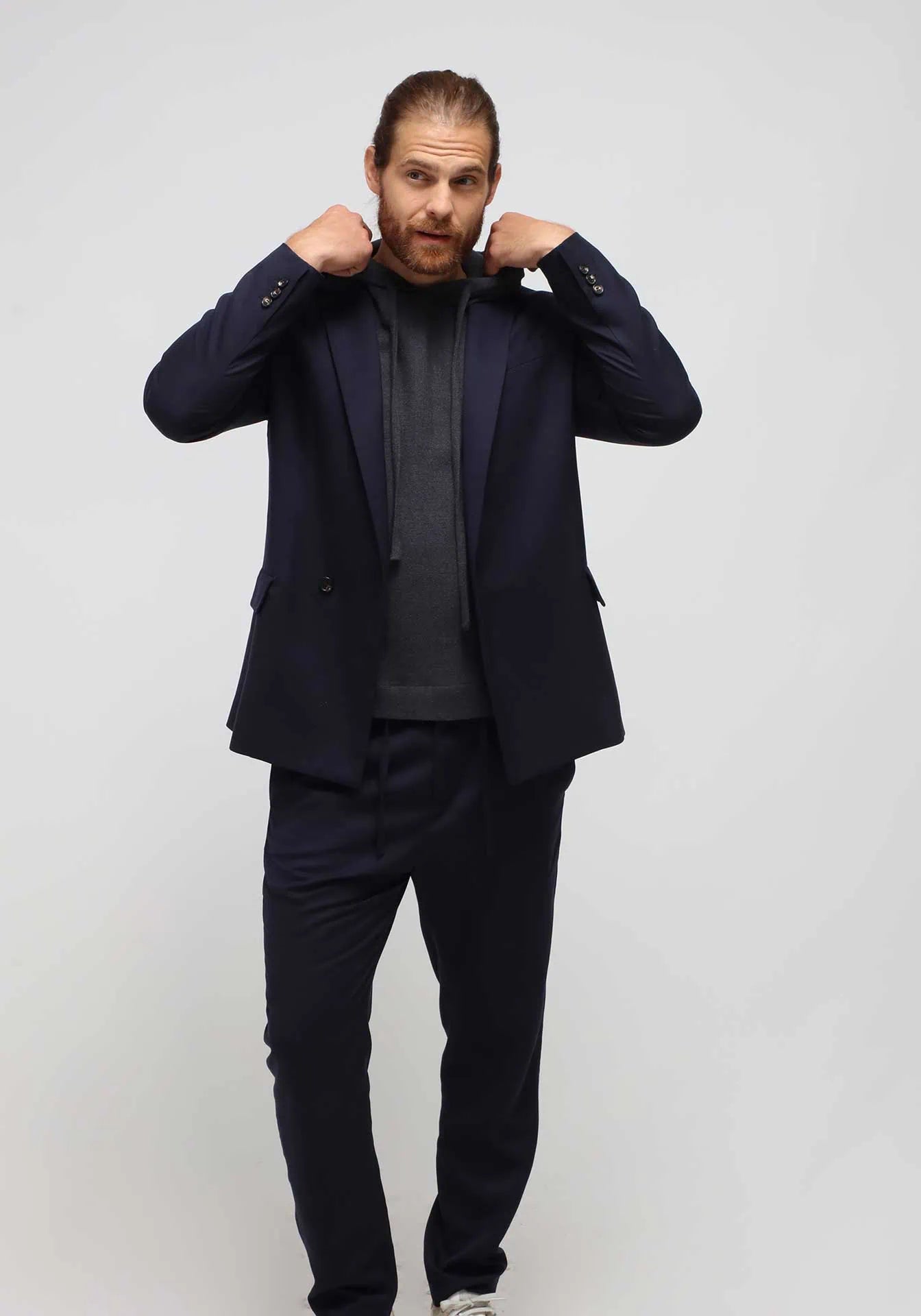
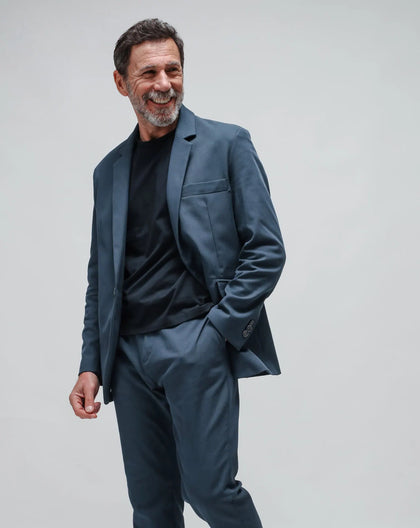
8. A versatile suit or relaxed tailoring set
An ethical wardrobe still needs occasionwear. Weddings, presentations, dinners, and cultural events do not disappear because your style is understated. The answer is not a stiff suit you wear twice a year. It is relaxed tailoring that can separate into useful parts.
A softly structured blazer worn with denim is more valuable than a highly formal jacket with no second life. The same goes for trousers that can work with knitwear and shirts outside of the full set. If a brand offers men’s ethical suits or coordinated sets made in limited quantities, that is a strong category to explore.
9. A quality coat with a clean line
Outerwear often carries the highest price, but it also shapes the strongest first impression. A well-cut wool coat, minimal trench, or sharply considered transitional coat can elevate the entire wardrobe.
This is not where you want novelty. Choose a neutral tone that works over tailoring and casual wear alike. The ethical case for investing here is straightforward: a coat made with care, worn for years, has a far lower emotional and environmental cost than a revolving door of mediocre options.
10. A dependable shirt-jacket or set for travel days
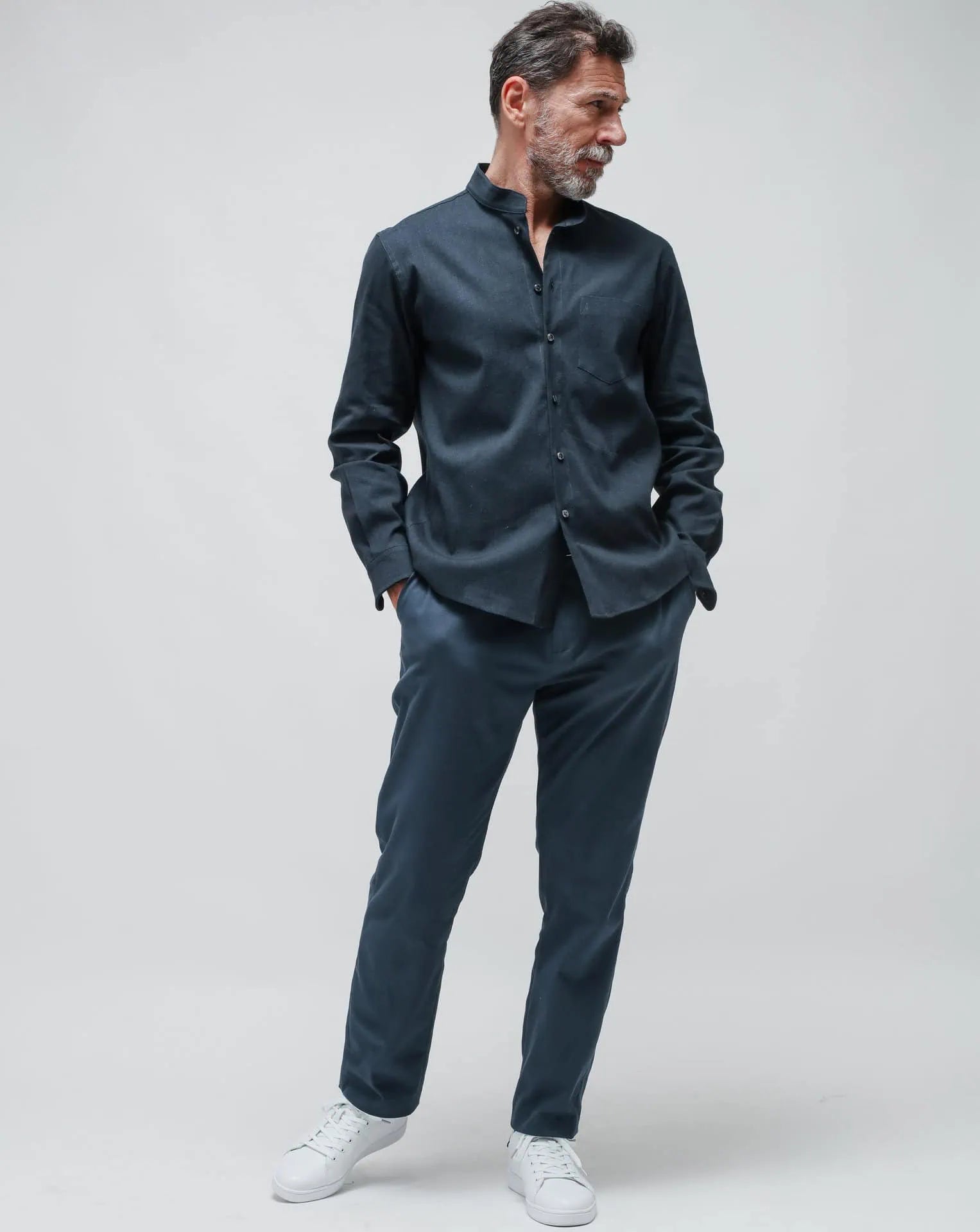
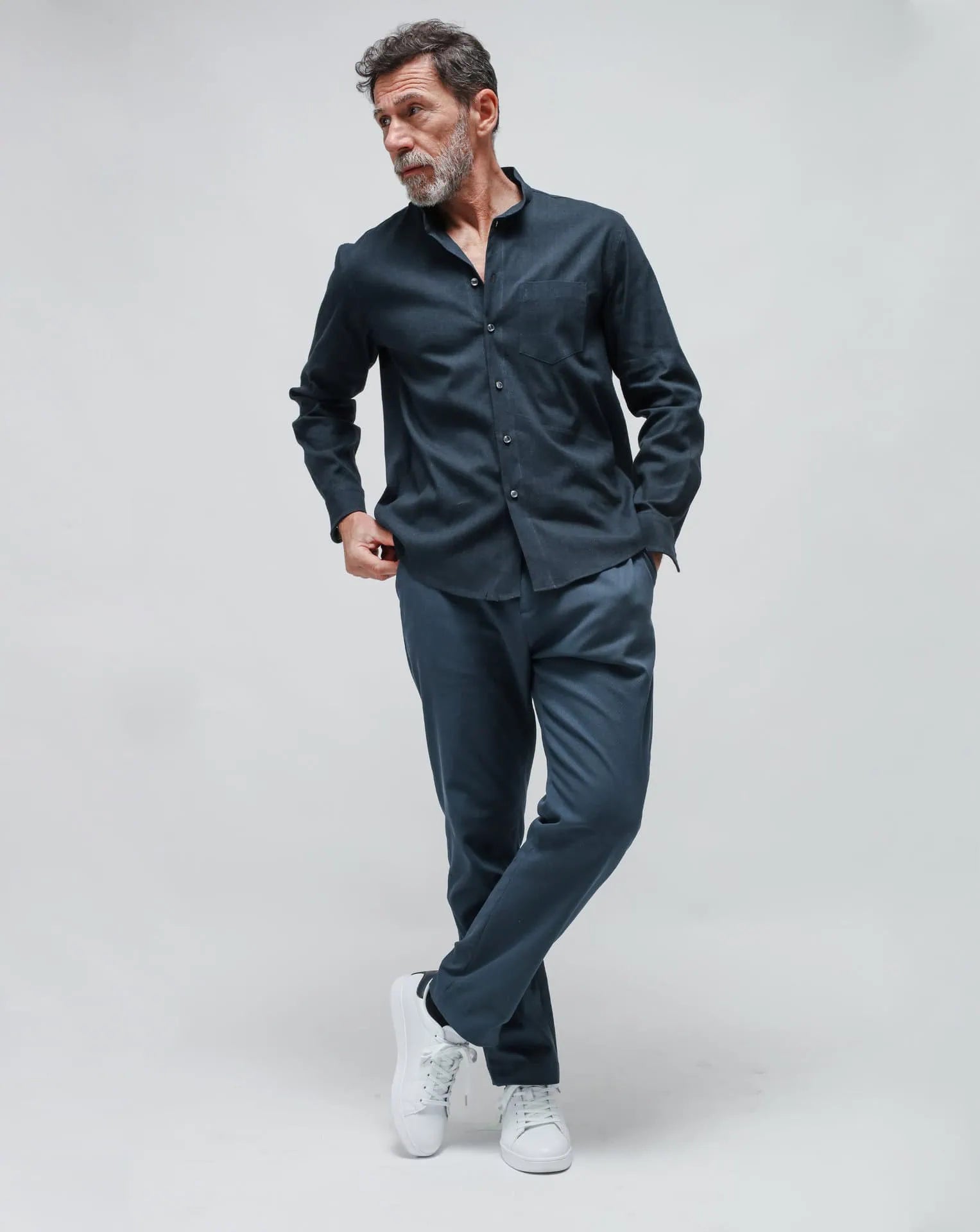
Modern wardrobes benefit from one category that handles movement well - travel, commuting, long days, and shifting temperatures. A matching set or shirt-jacket combination can solve that elegantly.
This is where brands with curated men’s edits have an advantage. Instead of forcing customers to assemble outfits from unrelated pieces, they can offer modular dressing: a top, pant, and layer built to work together. It saves time and cuts down on orphan garments that never quite fit into the rest of the closet.
How to buy fewer, better pieces
The fastest way to improve your wardrobe is to stop buying in categories you already own badly. If you have five average shirts and still struggle to get dressed, the issue is not quantity. It is precision. Focus on the pieces you actually repeat.
Start with one-week evidence. What did you wear three times? What did you avoid because the fabric annoyed you, the fit felt off, or the styling required too much effort? Ethical shopping should be practical before it is aspirational.
It also helps to think in outfits, not isolated garments. A pair of trousers that works with your knitwear, shirts, and coat is more valuable than a striking standalone piece. This is one reason curated edits matter. They reduce friction and increase wear frequency.
For shoppers building wardrobes across households, there is a broader point too. A brand that understands both men’s and women’s collections often creates a more coherent approach to dressing overall - cleaner silhouettes, stronger fabric stories, and better seasonal coordination. Humans & Land approaches essentials with that level of discipline, which is exactly what ethical fashion needs more of.
Here is Humans & Land's Men Collection.
The trade-offs nobody mentions enough
There is no perfect ethical purchase. Limited-edition production can mean your size sells out quickly. Deadstock fabrics are a more responsible solution, but they also mean exact materials may not return next season. Premium pricing can be higher upfront, even when transparent pricing makes the value clear.
Still, those trade-offs are often signs that the system is working differently from fast fashion. Scarcity can support more intentional buying. Material variation can create individuality. Paying more for a piece you wear for years is often more rational than paying less five times.
The goal is not purity. It is discernment. Buy the pieces that reduce noise, sharpen your style, and reflect the kind of system you actually want to support.
A better wardrobe should make your mornings easier and your standards clearer. That is reason enough to choose well.
FAQ
Q: What are the most important ethical mens wardrobe essentials to buy first?
A: Start with the pieces you will wear weekly: a quality T-shirt, a crisp button-up, tailored trousers, dark denim, and a versatile jacket or overshirt. These create the most outfit combinations with the least waste.
Q: Are deadstock fabrics actually better for sustainable fashion?
A: They can be. Deadstock fabrics help reduce waste by using existing high-quality materials that might otherwise go unused. They are especially strong when paired with small-batch production and durable design.
Q: How many essentials should a men’s ethical wardrobe have?
A: There is no universal number. For most men, 10 to 20 strong core pieces can cover work, weekends, travel, and events. The right number depends on climate, dress code, and laundry habits.
Q: Is ethical menswear always more expensive?
A: Usually upfront, yes. But it depends on fabric quality, construction, and production model. Better-made clothing often costs more initially and less over time because it lasts longer and gets worn more.
Q: What should I look for when buying ethical men’s clothing online?
A: Check fabric details, fit notes, country of production, and how transparent the brand is about sourcing and pricing. It also helps when a brand offers size support or exchanges, since fit is what determines whether a piece becomes essential.
the World of H&L