

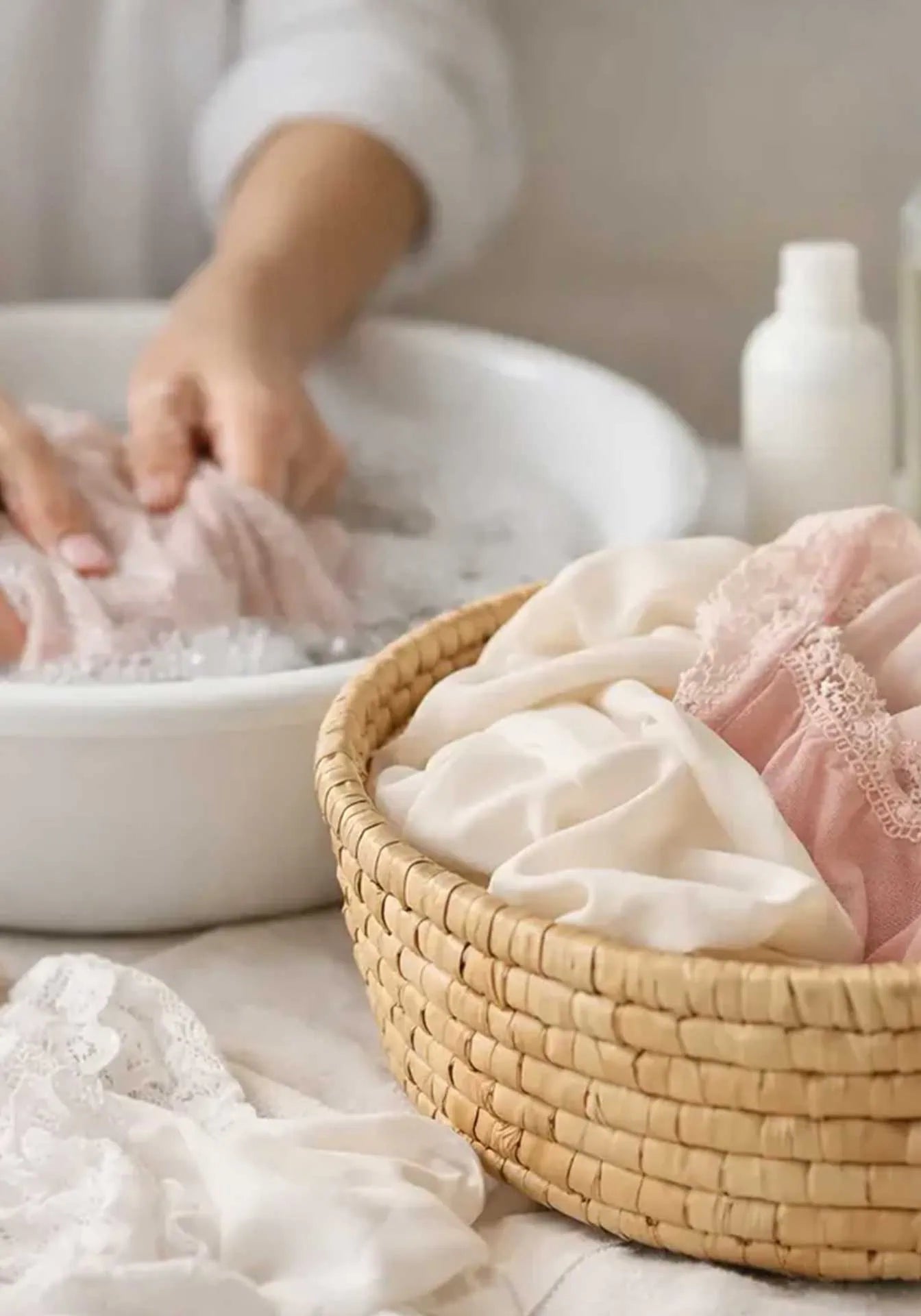
How to Wash Delicate Garments Properly
A silk blouse loses its polish after one careless wash. A knit stretches at the shoulders. A tailored shirt comes out clean, but somehow tired. If you have invested in better clothing, knowing how to wash delicate garments is not a small detail - it is part of preserving the life, fit, and finish you paid for.
Delicate care is not about being precious for the sake of it. It is about respecting fabric. Deadstock silk, fine cotton poplin, viscose blends, lightweight wool, lace trims, and lined pieces all respond differently to water, heat, detergent, and friction. Wash them well, and they keep their shape and depth. Wash them casually, and even beautiful construction can start to break down.
How to wash delicate garments without ruining them
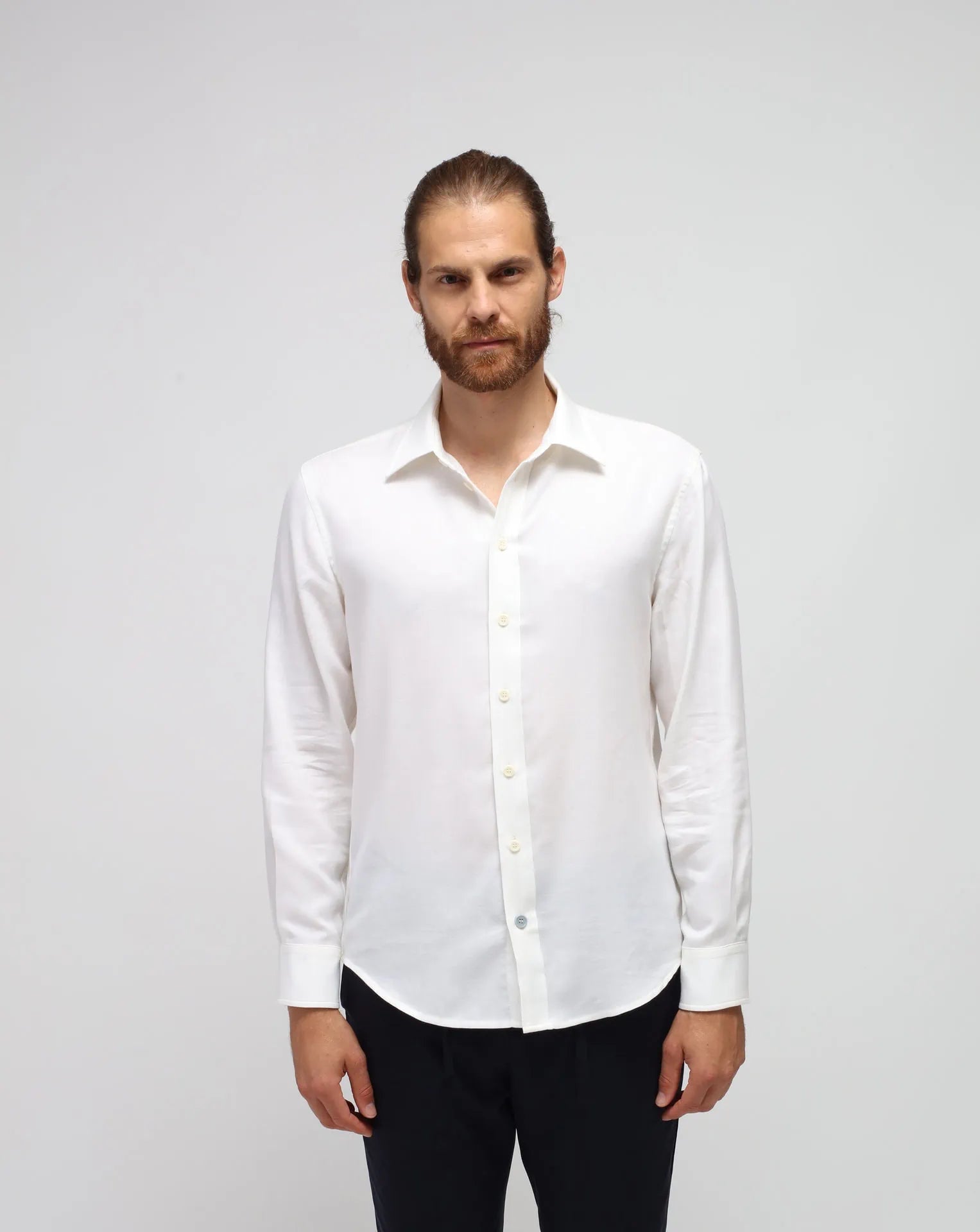
The first rule is simple: treat the fabric, not the label category. A "delicate" piece might be a camisole, but it could also be a sharply cut men’s shirt, a fluid dress, or tailored pants with a sensitive finish. The right method depends on fiber content, construction, and what the garment actually needs.
If the piece is lightly worn and not stained, washing may not even be the best first move. Airing it out, steaming it, or spot cleaning can often do enough. Overwashing is one of the quickest ways to shorten a garment’s life, especially with premium materials and small-batch pieces designed to be kept, not replaced.
When washing is necessary, start by reading the care label, then use your own judgment. "Hand wash" is usually a real instruction. "Dry clean only" sometimes reflects structure more than dirt sensitivity, but that does not mean it is safe to improvise. Lined jackets, suits, pleated skirts, and garments with interfacing or sharp tailoring usually need more caution than a simple slip top or unstructured blouse.
Sort by fabric, not just by color
Most people separate whites from darks and stop there. For delicates, that is not enough. You also want to separate heavy fabrics from light ones, rough textures from smooth ones, and lint-shedding items from everything else.
A lace-trim camisole should not share a load with denim. A fine merino knit should not be washed alongside towels. Friction matters as much as dye transfer. Delicate fabrics are often damaged less by water than by rubbing against the wrong neighbor in the drum.
Use less detergent than you think
More detergent does not mean cleaner clothing. On delicate garments, it often means residue, dulled texture, and unnecessary stress on fibers. A small amount of mild detergent is enough. Choose one made for delicate fabrics or for wool and silk when appropriate.
Avoid bleach, brighteners, and anything heavily fragranced. These can be harsh on natural fibers and finishes. If you care about the hand feel of a fabric - the soft drape of a blouse, the smooth surface of a dress, the clean line of a men’s tailored shirt - gentleness matters.
Hand washing is often the better option
For many delicate pieces, hand washing is not old-fashioned. It is simply more precise. Fill a clean sink or basin with cool water, add a small amount of gentle detergent, and submerge the garment. Swish softly for a few minutes. Do not scrub, twist, or wring.
If there is perspiration at the underarms or makeup at the collar, work that area lightly with your fingertips. Let the piece soak briefly if needed, but not for long stretches. Then rinse with cool water until the detergent is gone.
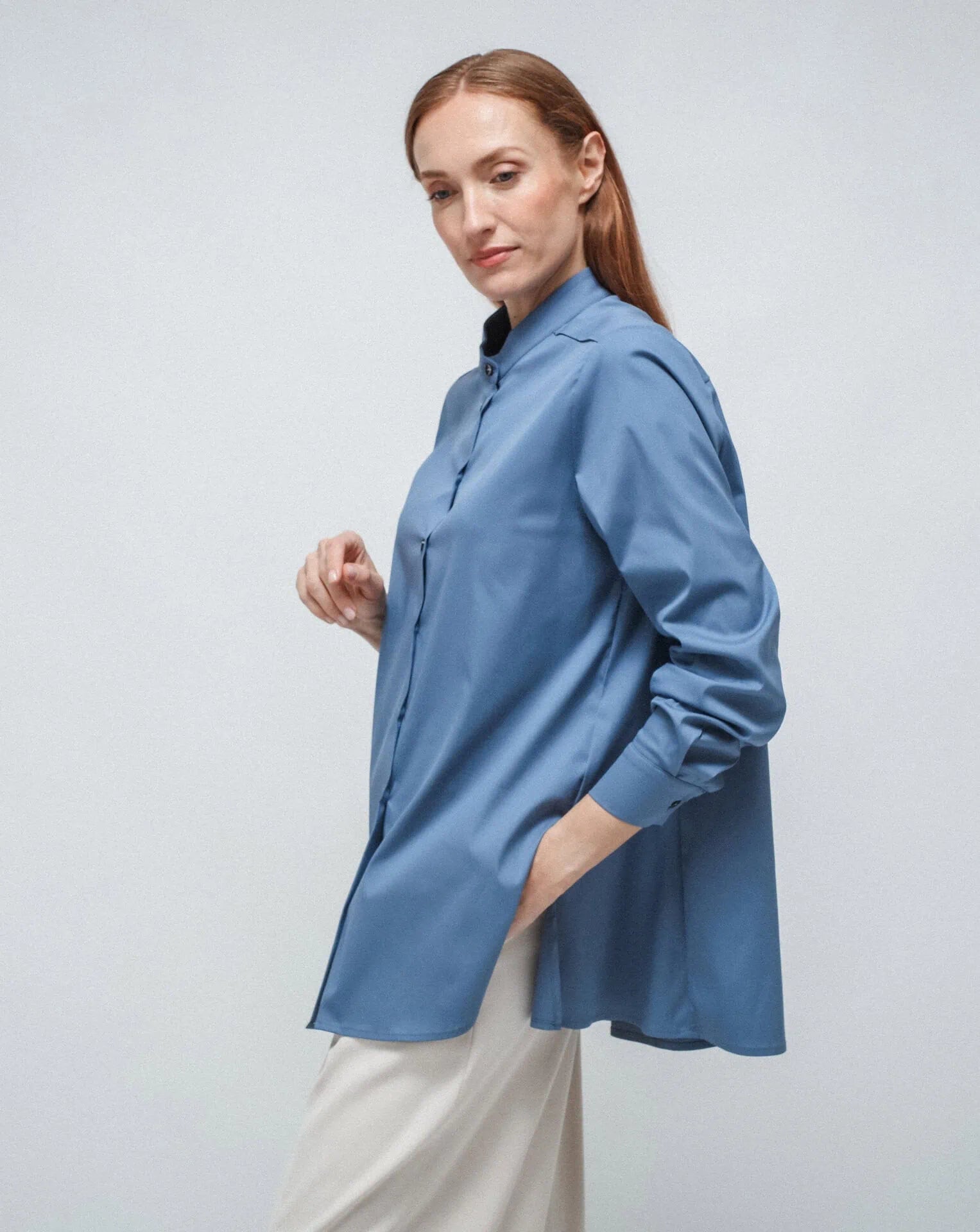
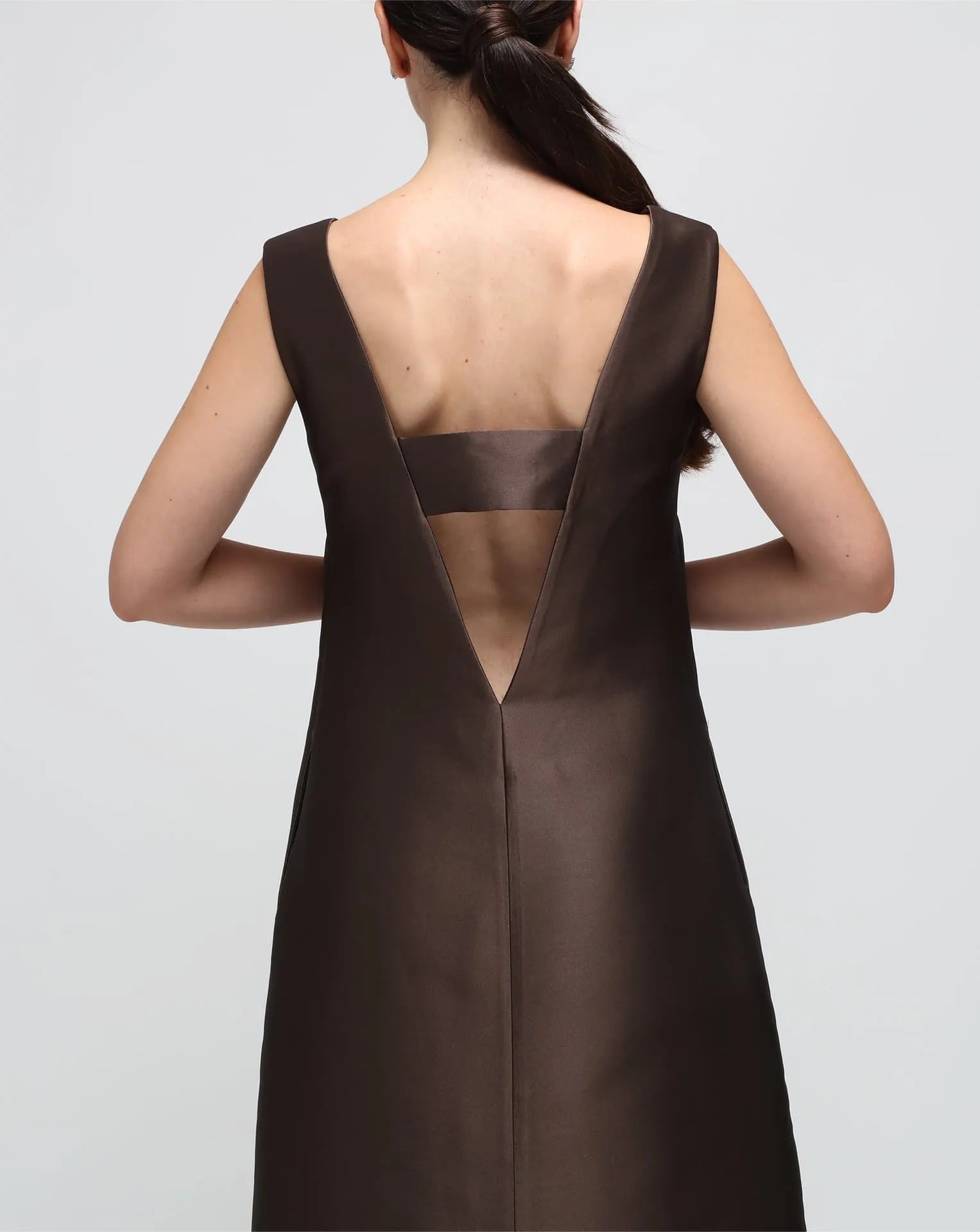
This method works well for silk tops, lightweight blouses, knit tanks, soft dresses, and many elevated essentials that do not need aggressive cleaning. A women’s satin-feel slip dress, for example, is usually better served by five careful minutes in cool water than a full machine cycle. The same goes for a men’s fine-gauge knit polo or a lightweight camp shirt in a fluid fabric.
Never wring out a delicate piece
This is where damage often happens. Twisting a garment to remove water can distort seams, stretch fibers, and leave permanent misshaping. Instead, press water out gently while the item is still in the basin. Then lay it flat on a clean towel, roll the towel, and press again.
The goal is to remove moisture without stressing the fabric. It takes a little more time, but it protects the silhouette. That matters even more with pieces that rely on drape and clean proportion.
Can you machine wash delicates?
Sometimes yes, but only if the fabric and construction allow it. If you are deciding how to wash delicate garments in a machine, think in terms of risk control. Use a mesh laundry bag, turn the garment inside out, wash in cold water, and choose the shortest delicate cycle available.
This can work for cotton voile tops, washable knitwear, uncomplicated skirts, and some shirts without heavy structure. It is less suitable for silk, embellished pieces, lace panels, lined garments, or anything with shape that could shift in the drum.
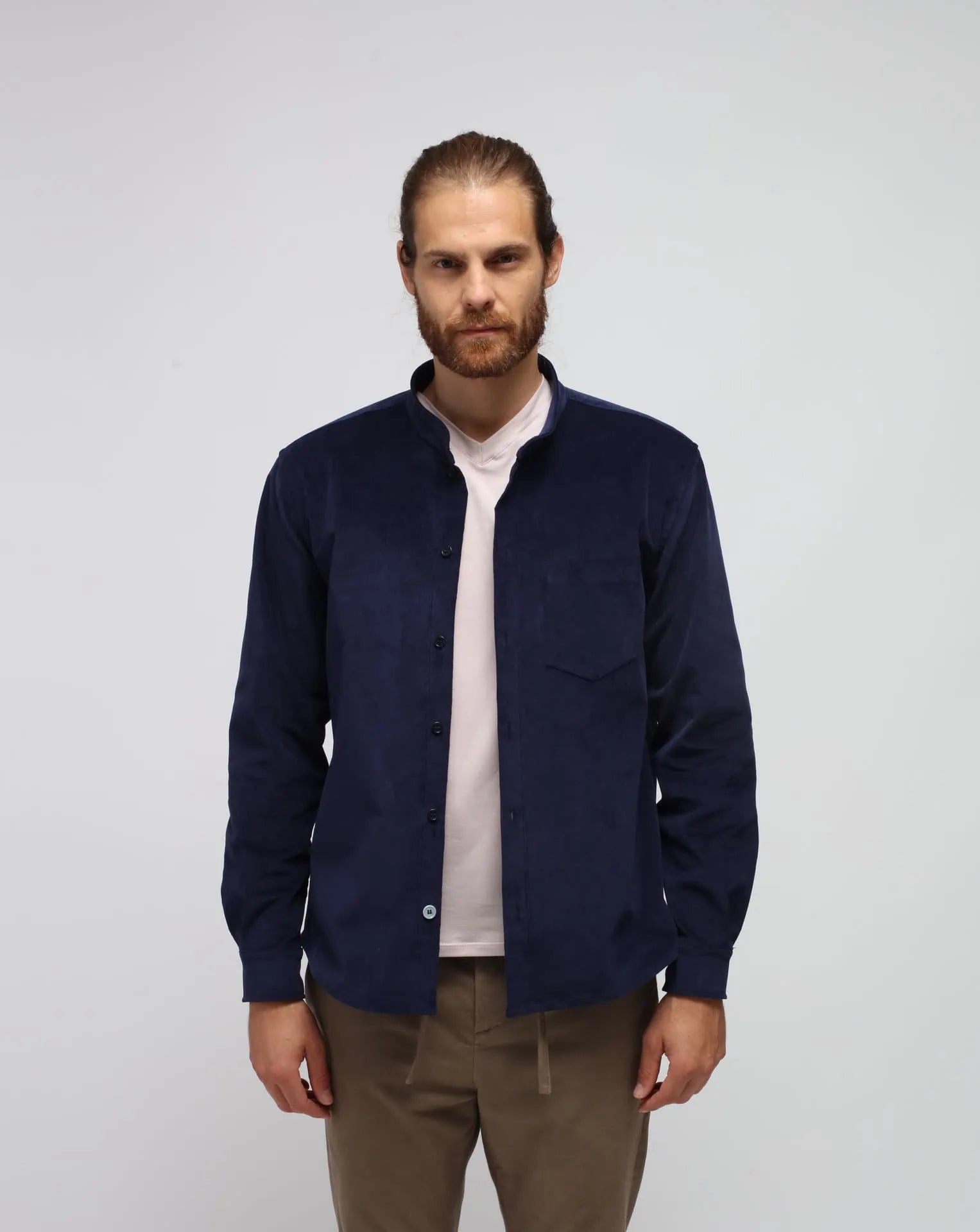
A good example is a women’s relaxed cotton blouse from a summer edit or men’s drawstring trousers in a lightweight woven fabric. These may tolerate a careful machine wash. A bias-cut dress or softly tailored vest probably should not.
The water temperature matters more than most people think
Heat is one of the fastest ways to damage a delicate garment. Hot water can shrink wool, fade dyes, weaken elastic, and alter the finish of fine blends. Cold or cool water is the safest default.
That said, cold water is not magic. It protects fabric, but it may not remove oils or heavy buildup as well as warmer temperatures. If a garment is truly soiled, you may need a longer soak, targeted spot treatment, or professional cleaning rather than simply turning up the heat.
Drying is half the care process
If washing gets all the attention, drying is where shape is either preserved or lost. Delicate garments should almost never go in the dryer. Heat and tumbling can shrink, warp, pill, and age a fabric faster than repeated wear.
Instead, reshape the garment while damp. Lay knits flat to dry. Hang woven pieces only if their weight will not cause stretching. Keep items away from direct sun, radiators, and high heat.
This is particularly important for pieces designed with a fluid fit. A softly cut women’s midi dress, a draped blouse, or men’s lightweight trousers can all dry beautifully when given space and patience. Rush the process, and the fabric often remembers it.
How to handle stains on delicate fabrics
Treat stains early, but gently. Blot - do not rub. Use cool water first, then a small amount of delicate detergent on the affected area. Test on an inconspicuous spot if the fabric is richly dyed or has a special finish.
Oil-based stains, wine, and cosmetics are often more complex. On silk or structured pieces, home stain removal can make the mark worse or leave a ring. If the garment is high value, limited edition, or difficult to replace, caution is the smarter choice.
This is one of the clearest trade-offs in garment care. Acting fast helps, but over-treating can create permanent damage. If you are unsure, do less, not more.
Storage affects cleanliness too
A well-washed garment can still deteriorate in the closet. Make sure pieces are fully dry before storing them. Use shaped hangers for blouses, shirts, jackets, and dresses that benefit from support. Fold knits to avoid stretching.
Breathable storage matters more than sealed plastic. Natural fibers need airflow. If you rotate wardrobe essentials carefully, you may find you need to wash them less often in the first place. Better storage supports better longevity.
For a brand like Humans & Land, where clothing is designed with limited production and lasting wear in mind, care is part of the value equation. The cleaner your habits, the longer refined materials and thoughtful construction stay visible.
The best wardrobe is not the one you replace most often. It is the one you know how to keep.




FAQ
Q: How often should I wash delicate garments?
A: Less often than everyday basics. If a piece is not stained or sweaty, airing it out or steaming it may be enough.
Q: Is hand washing always safer than machine washing?
A: Usually, yes. Hand washing gives you more control and reduces friction, but some delicates can handle a cold machine cycle in a mesh bag.
Q: Can I use regular detergent on delicate clothing?
A: It is better to use a mild detergent made for delicate fabrics. Regular formulas can be too harsh and may leave residue.
Q: Should I dry delicate garments on a hanger?
A: It depends on the fabric and weight. Woven blouses and shirts may hang well, but knitwear and heavier wet garments should be dried flat.
Q: What delicate items should never go in the dryer?
A: Silk, wool, lace, embellished pieces, fine knits, and most lined garments should stay out of the dryer to protect shape and finish.
the World of H&L