


A Guide to Seasonal Wardrobe Transitions
The first cold morning of the year reveals every weak point in a wardrobe. A shirt that looked perfect in September suddenly needs a layer. Lightweight pants feel impractical by late afternoon. A guide to seasonal wardrobe transitions is not about buying a new identity every three months. It is about building a considered system of pieces that respond to weather, work, travel, and real life.
For an intentional wardrobe, the move toward winter should feel like an edit, not an accumulation. Keep what earns its space. Repair what still has years ahead. Add only the pieces that create more outfits, more warmth, and more reasons to wear what you already own.
Start Your Guide to Seasonal Wardrobe Transitions With an Edit
Before bringing in heavier layers, look at the clothes you reached for during the previous season. Not the aspirational pieces. The ones you actually wore on office days, weekend walks, late dinners, and airport mornings. These reveal your personal uniform more honestly than any trend report.
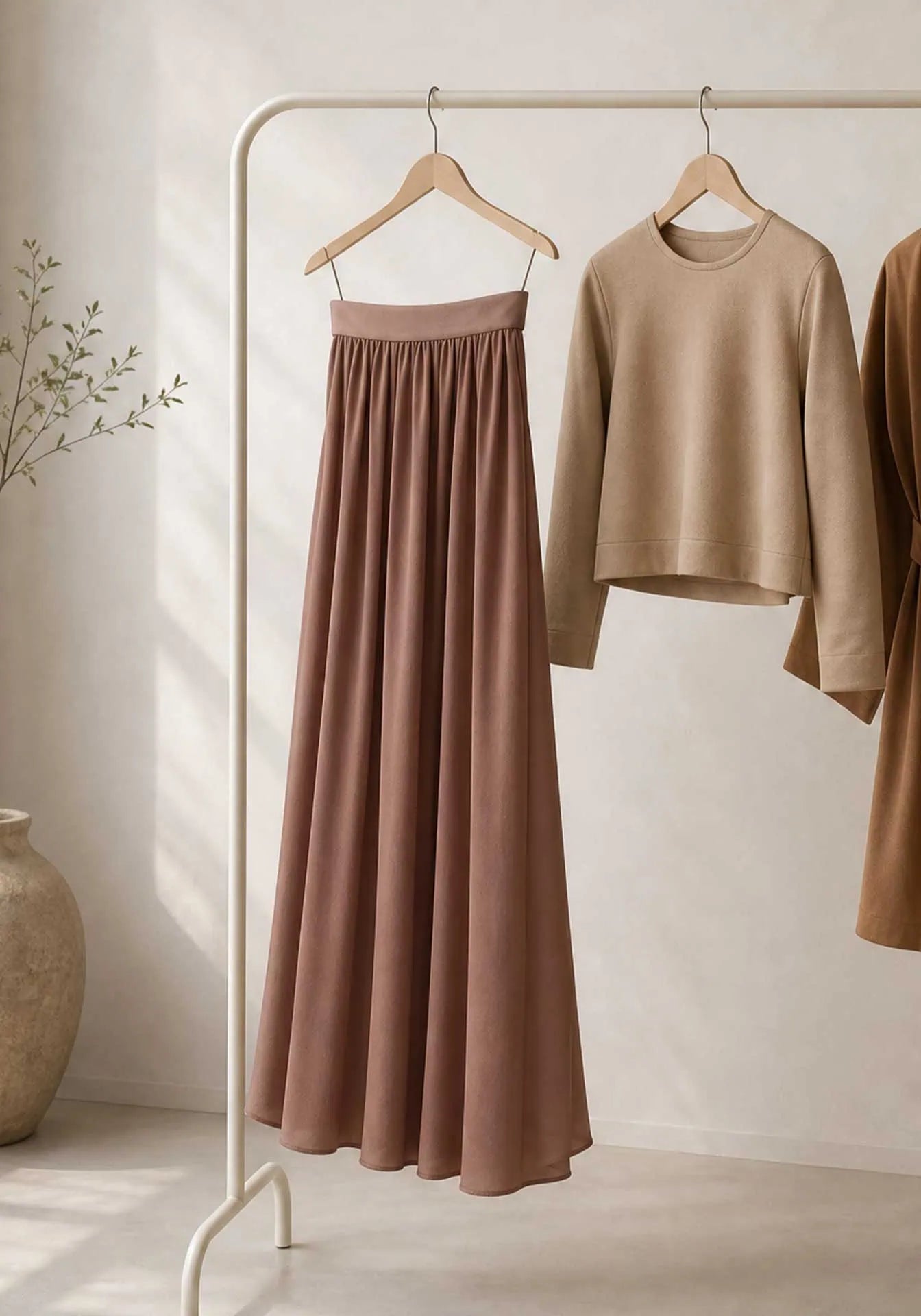
Separate your wardrobe into three working groups: pieces to keep in active rotation, pieces to store, and pieces that need attention. A summer dress may move to storage, while a crisp shirt, tailored pants, or a fluid skirt can remain visible because it works under knitwear and outerwear. The goal is not to pack away everything light. It is to recognize what can carry the season forward.
Be direct about fit and condition. If a garment has not worked for two years because the cut is wrong, the fabric is uncomfortable, or it requires an unrealistic occasion, keeping it does not make your wardrobe more sustainable. Passing it on responsibly makes room for pieces with a genuine future.
Keep transitional pieces within reach
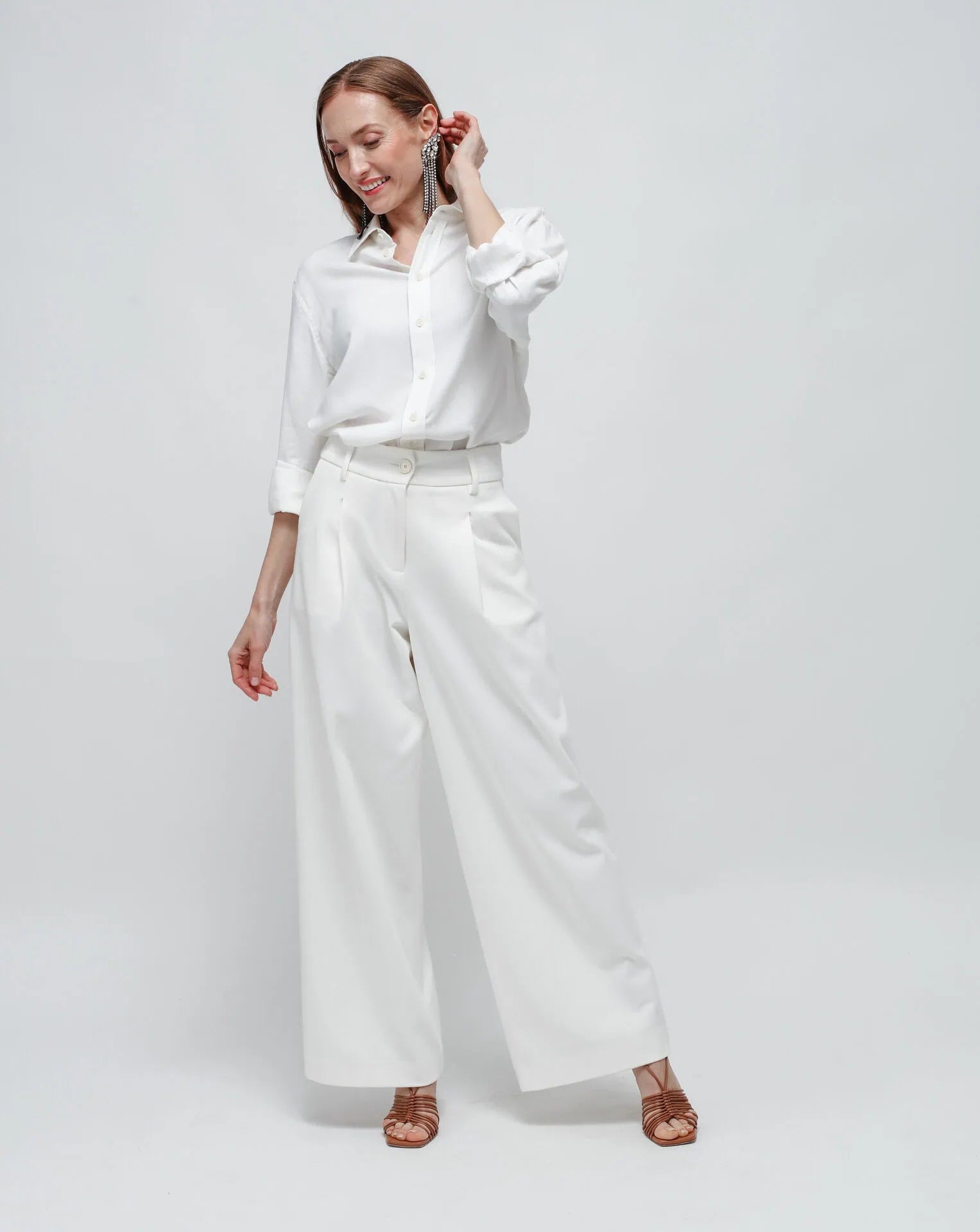
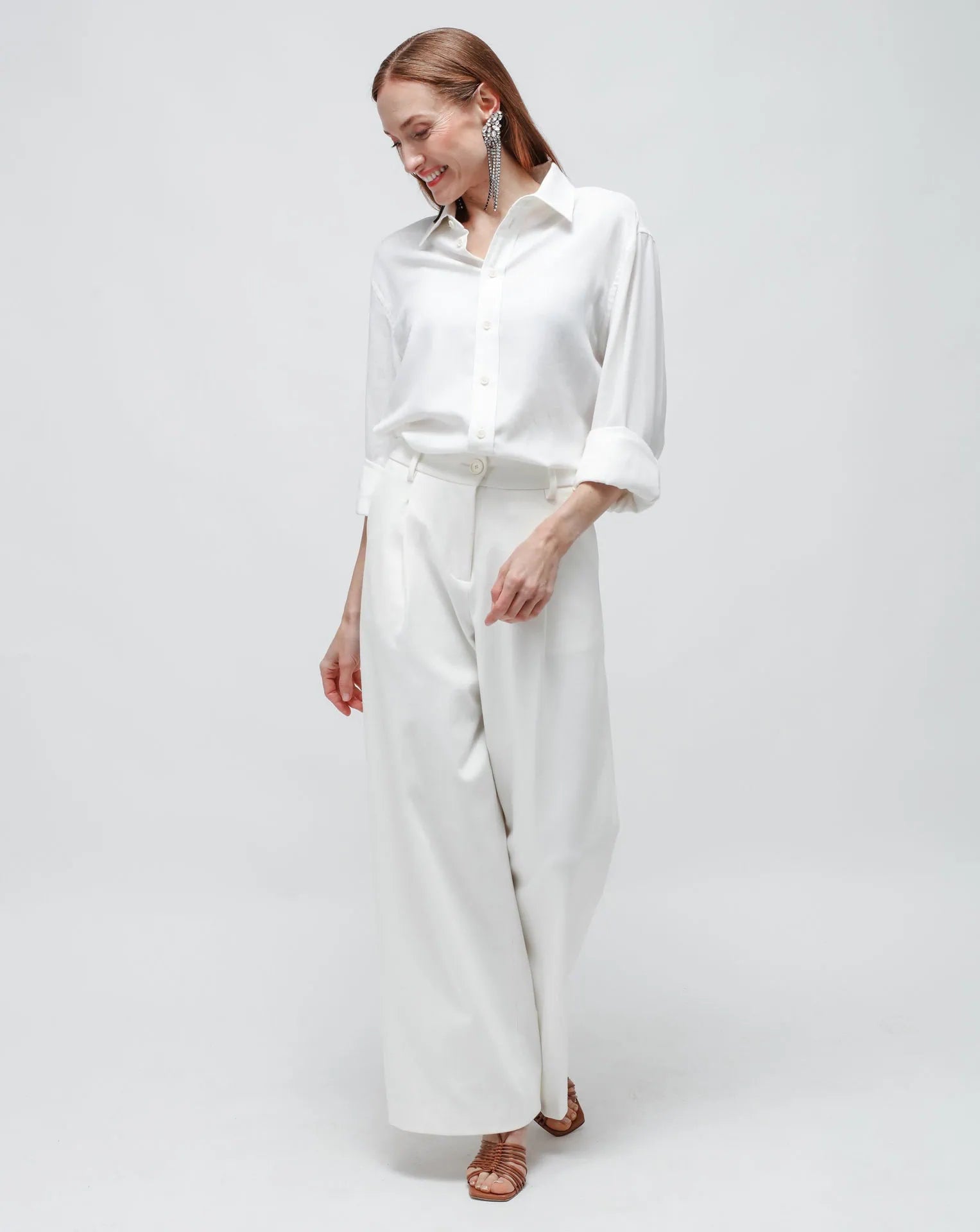
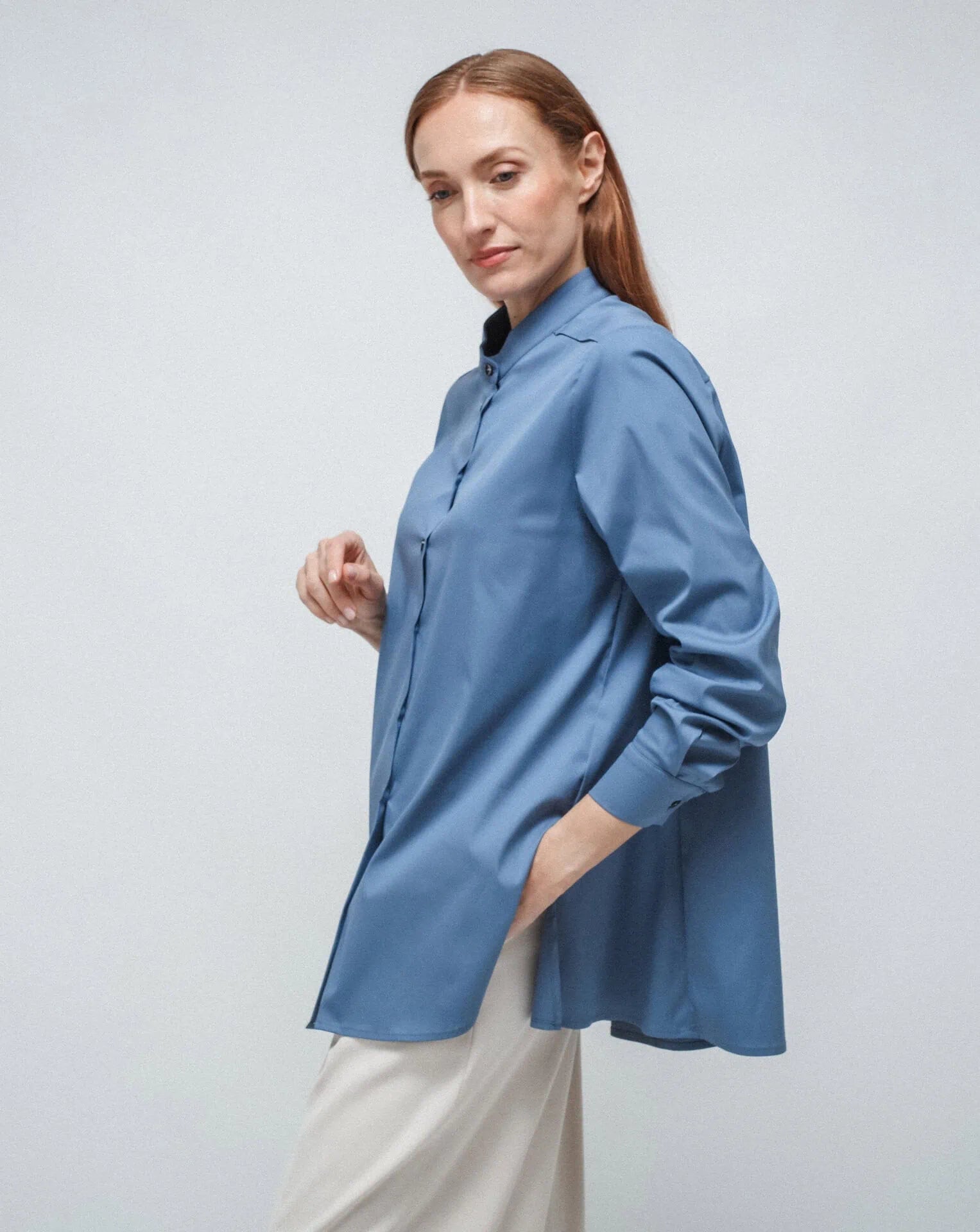
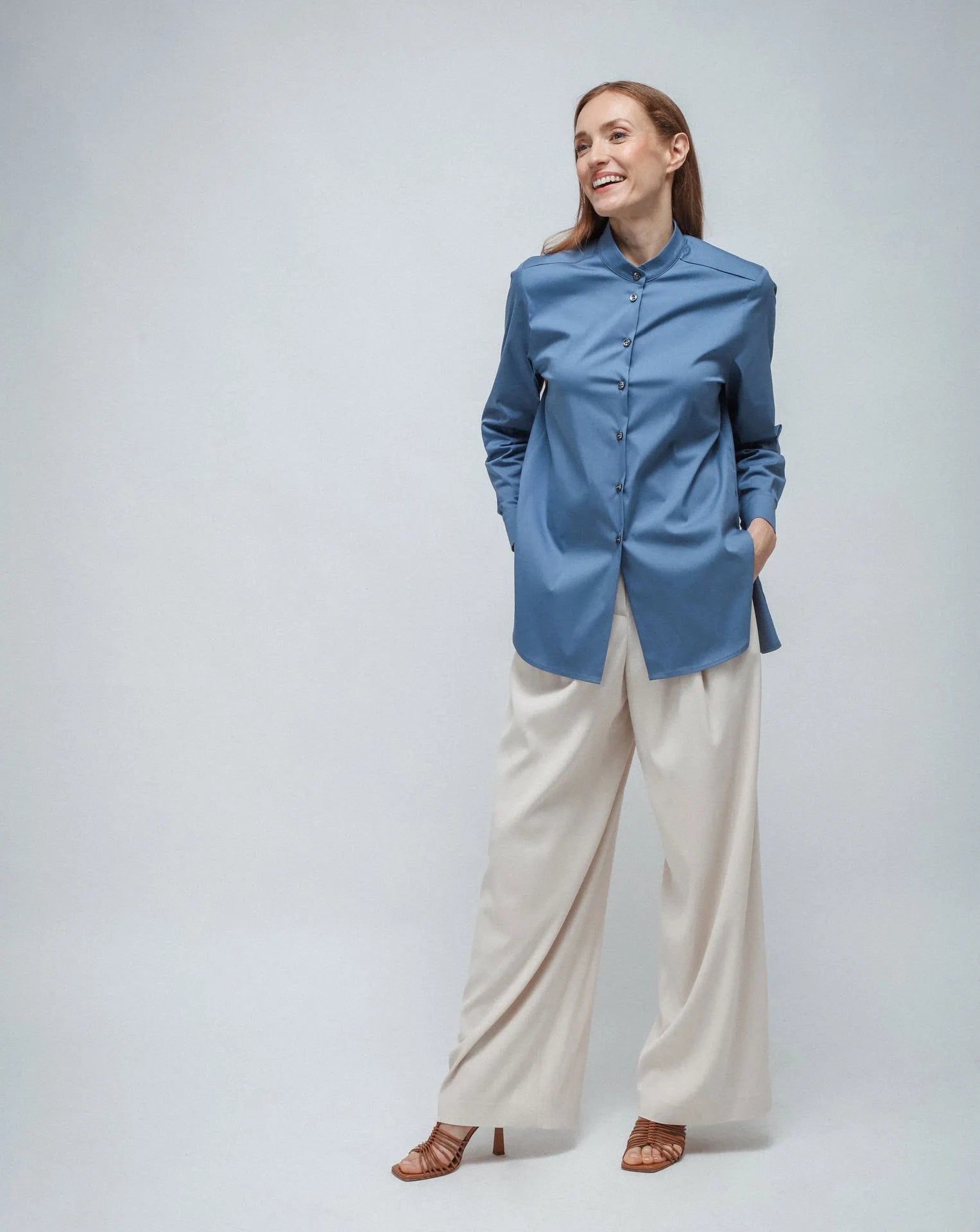
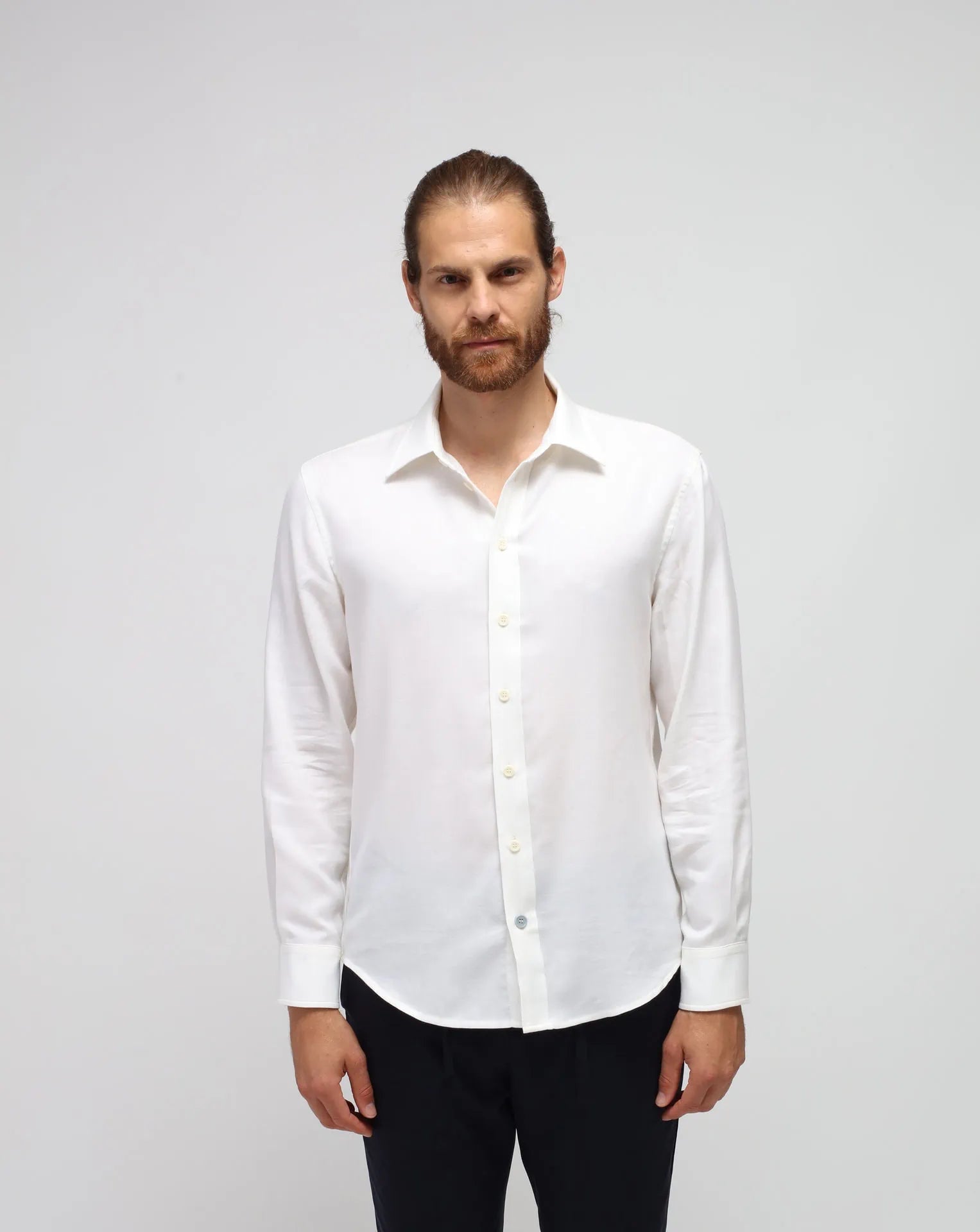
Certain categories do more work than others between seasons. A long-sleeve shirt can sit beneath a jacket or over a fine knit. A midi dress can move from bare legs and sandals to tall boots and a coat. Straight-leg pants can accommodate a light top in early fall and a heavier layer in winter.
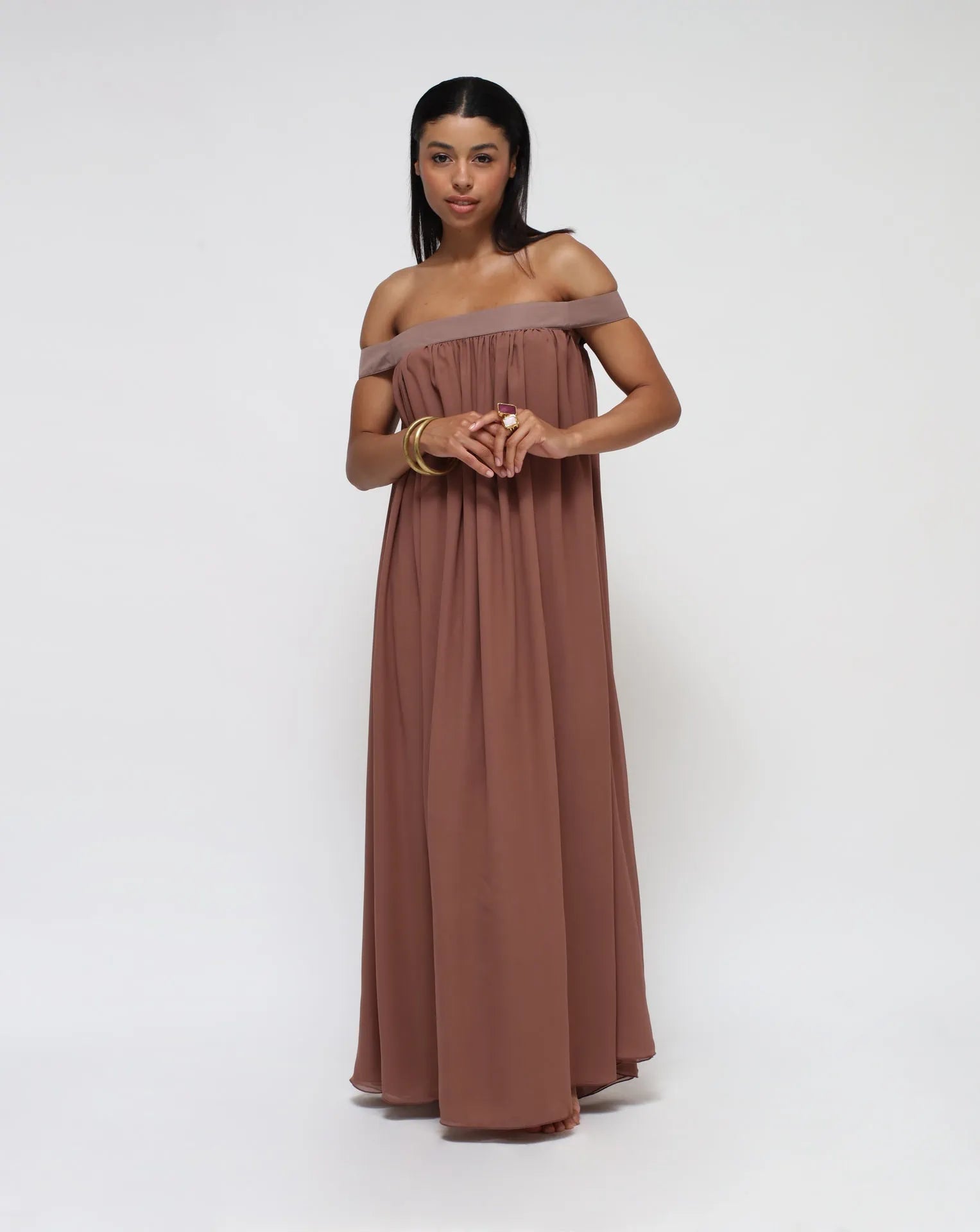
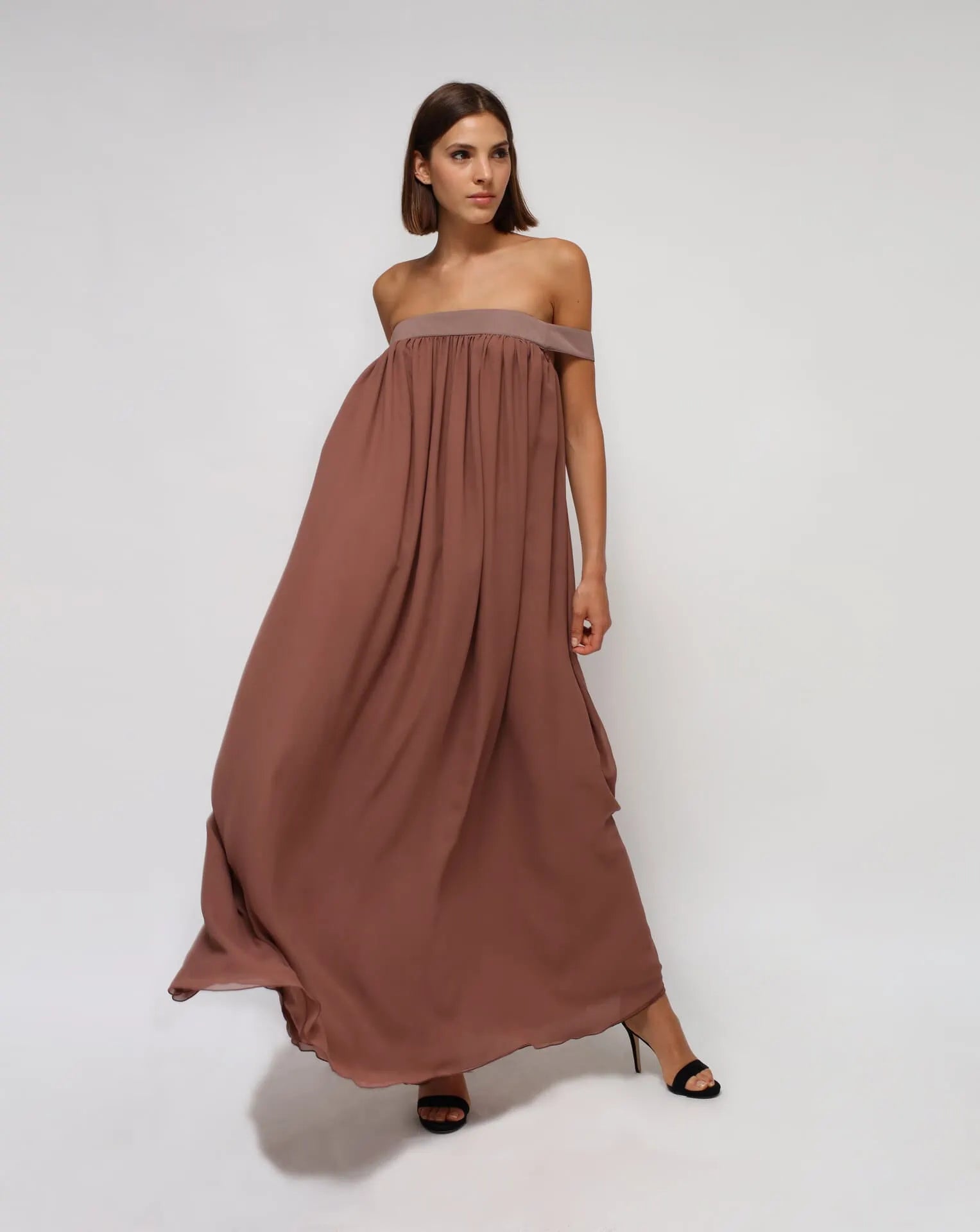
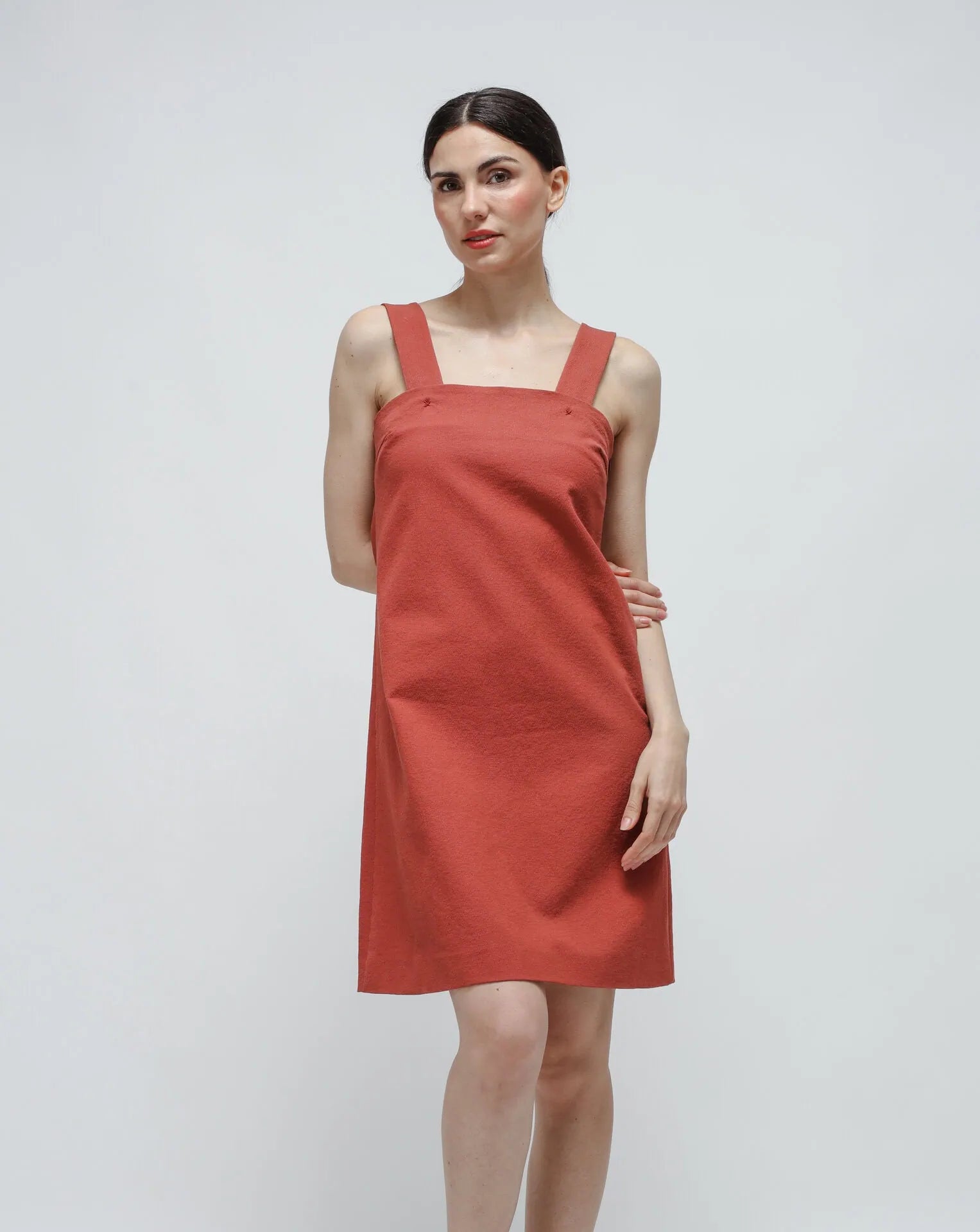
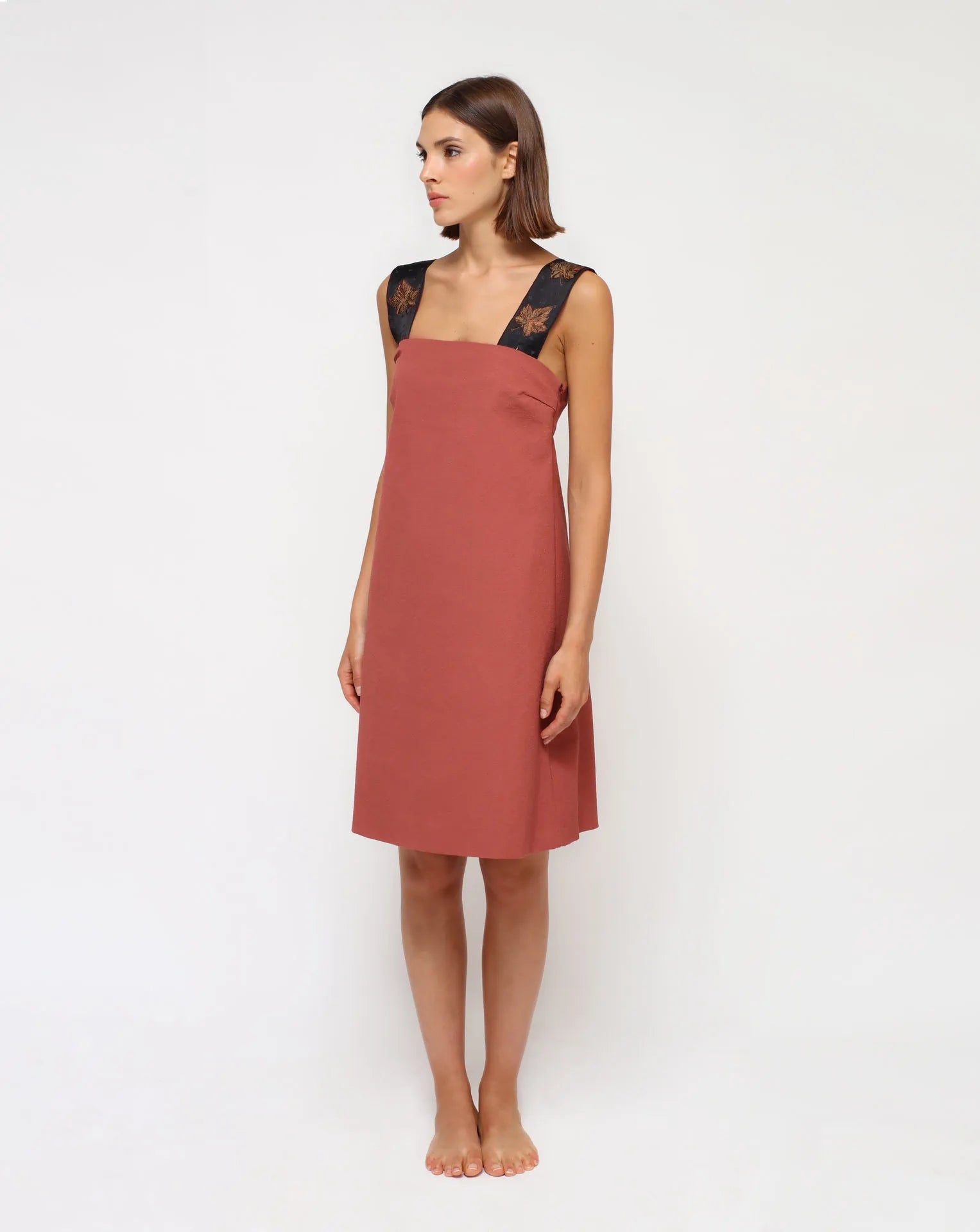
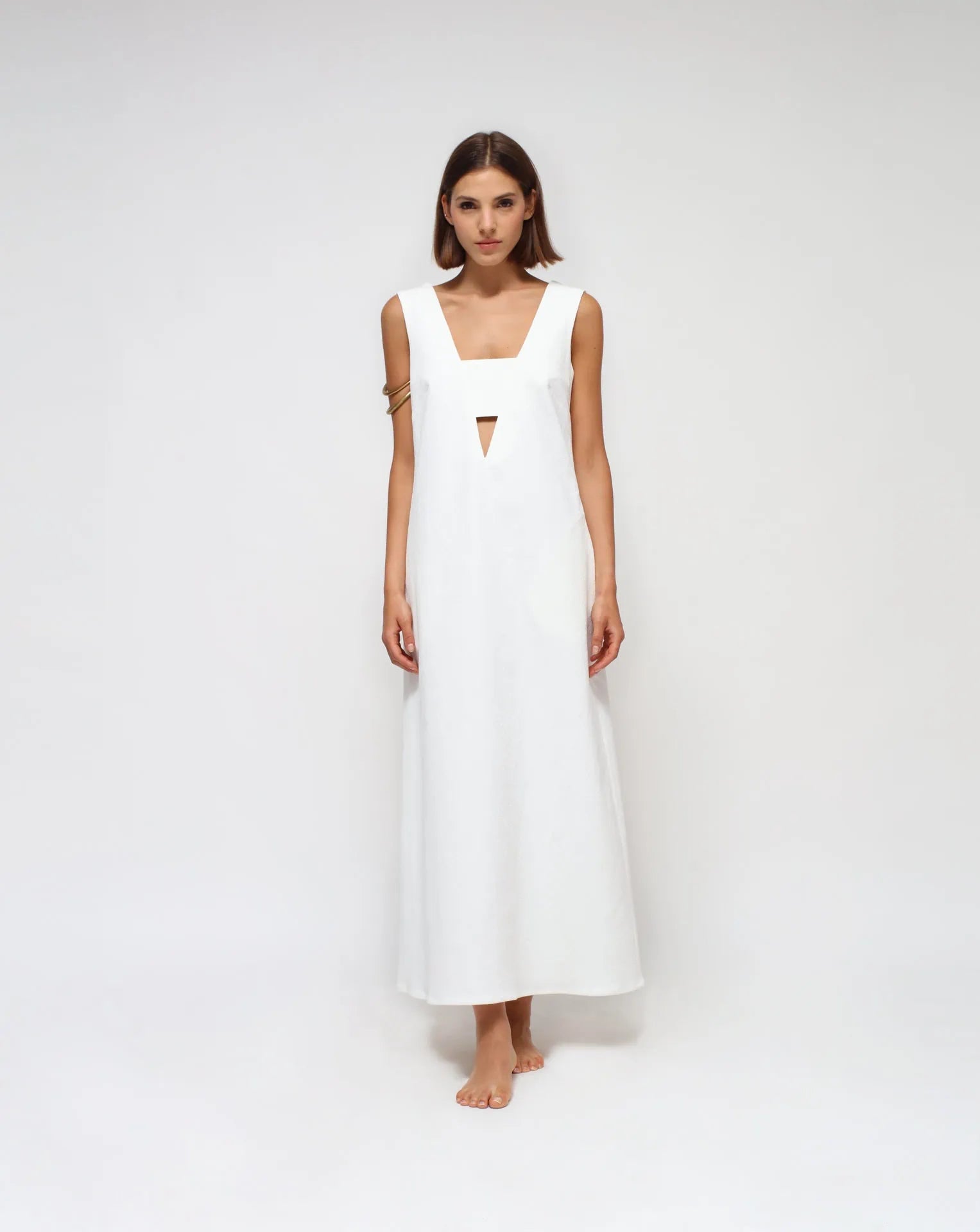
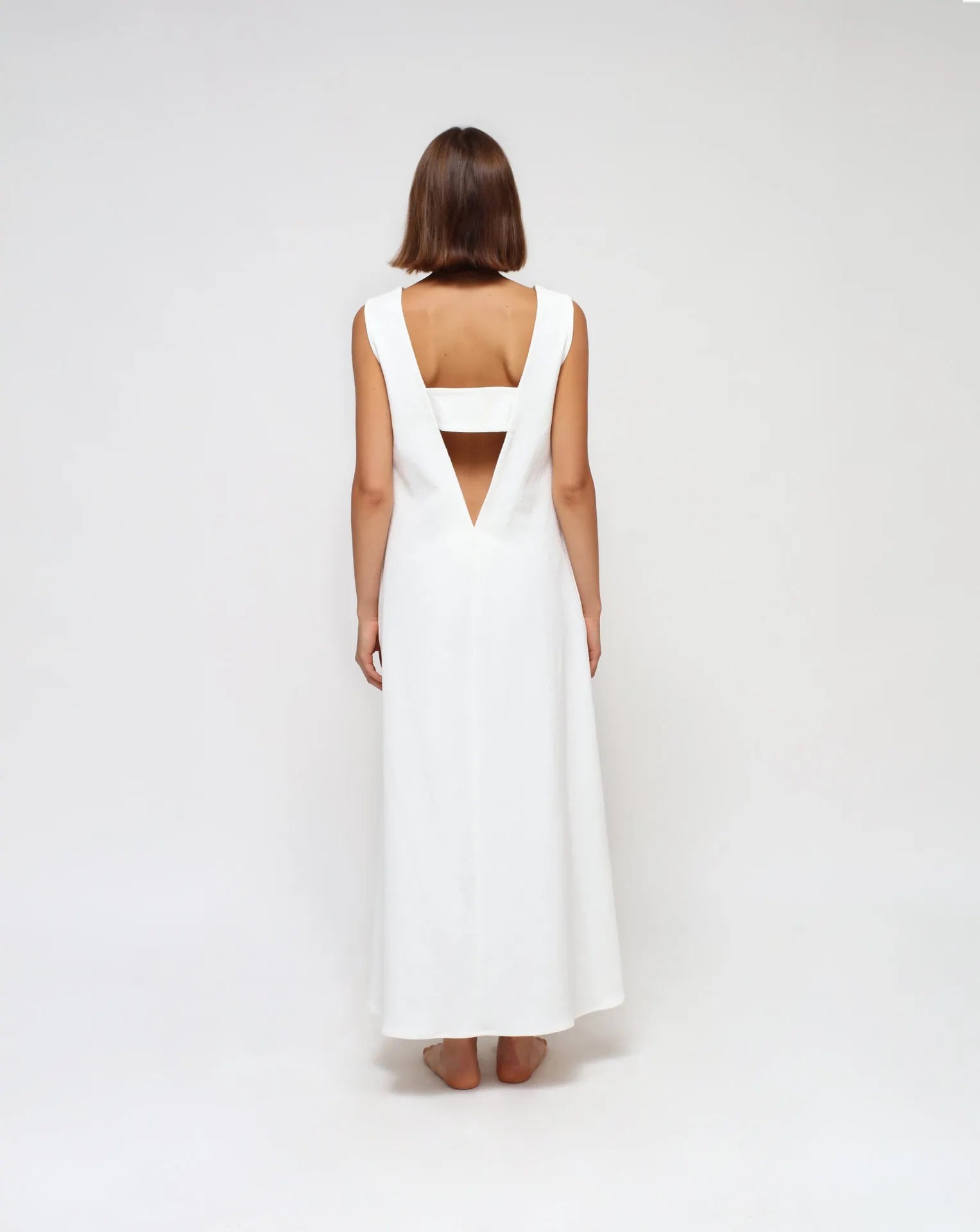
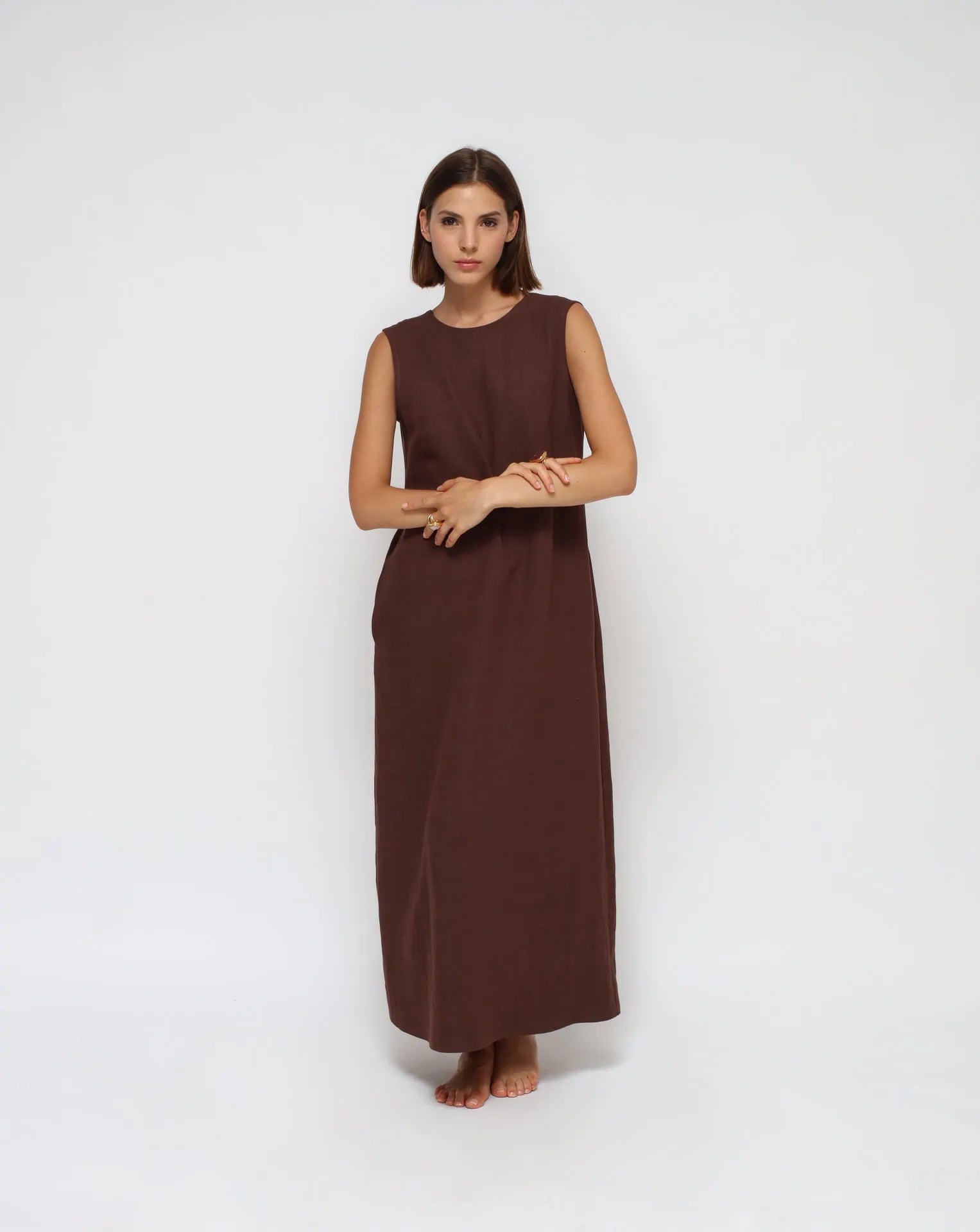
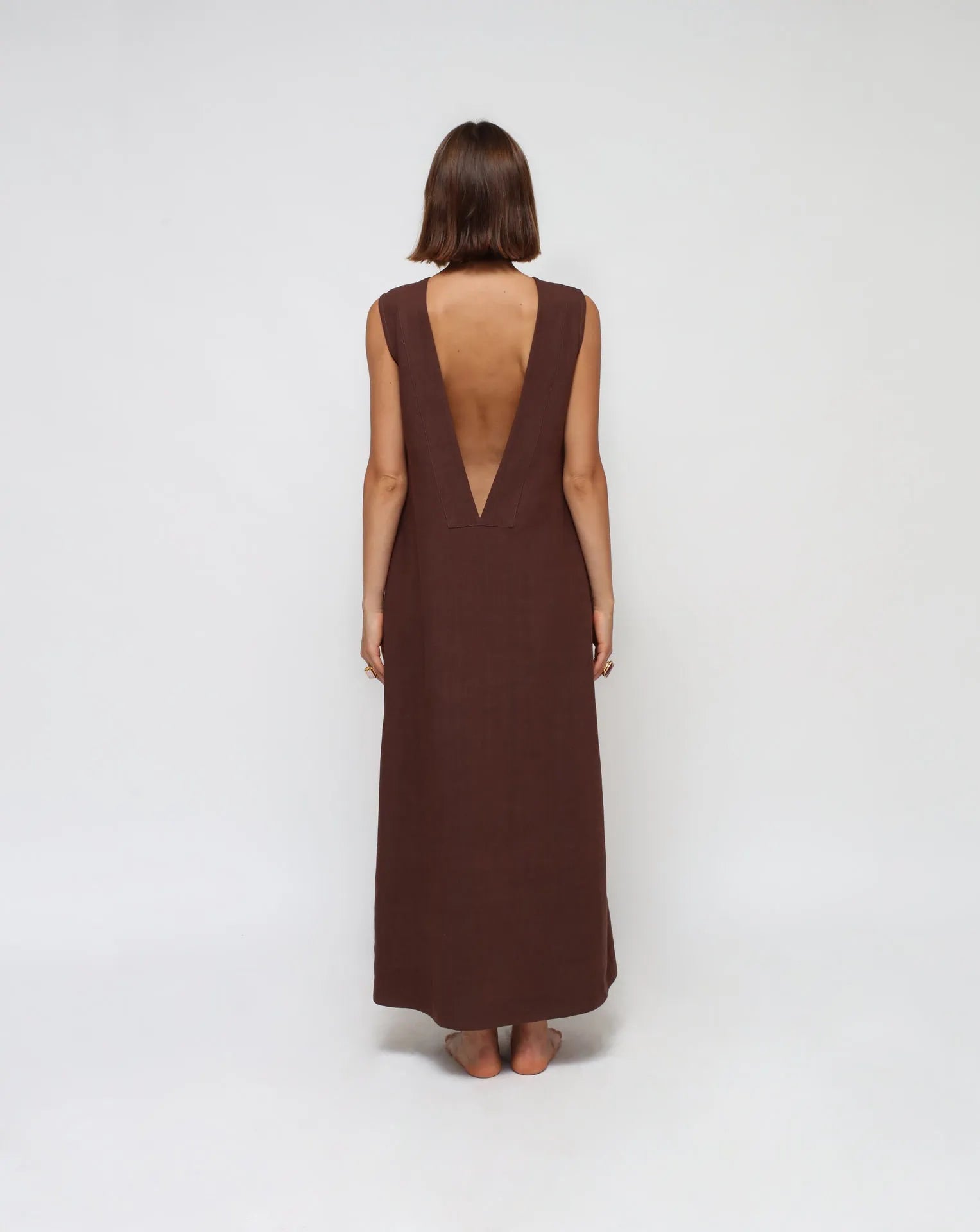
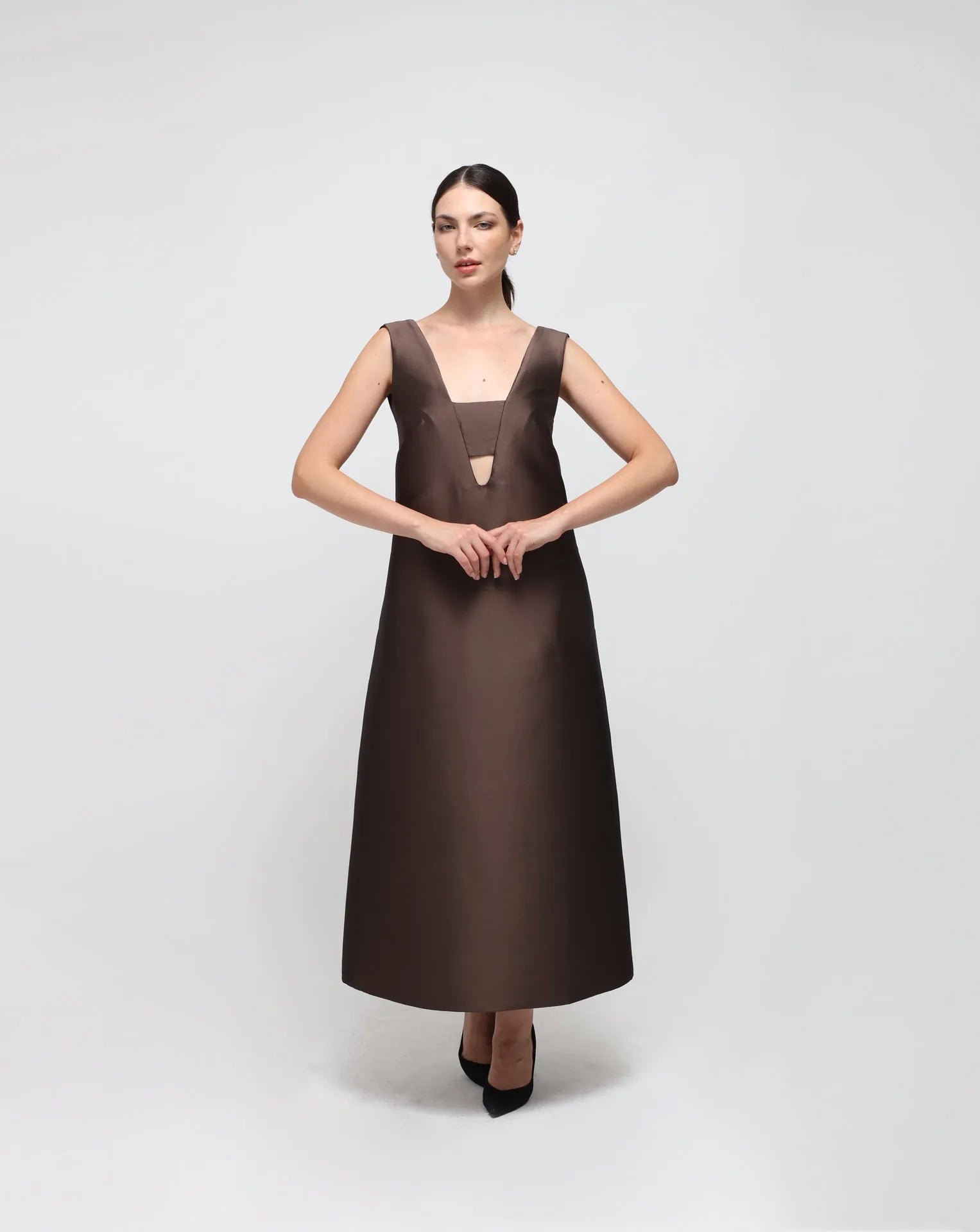
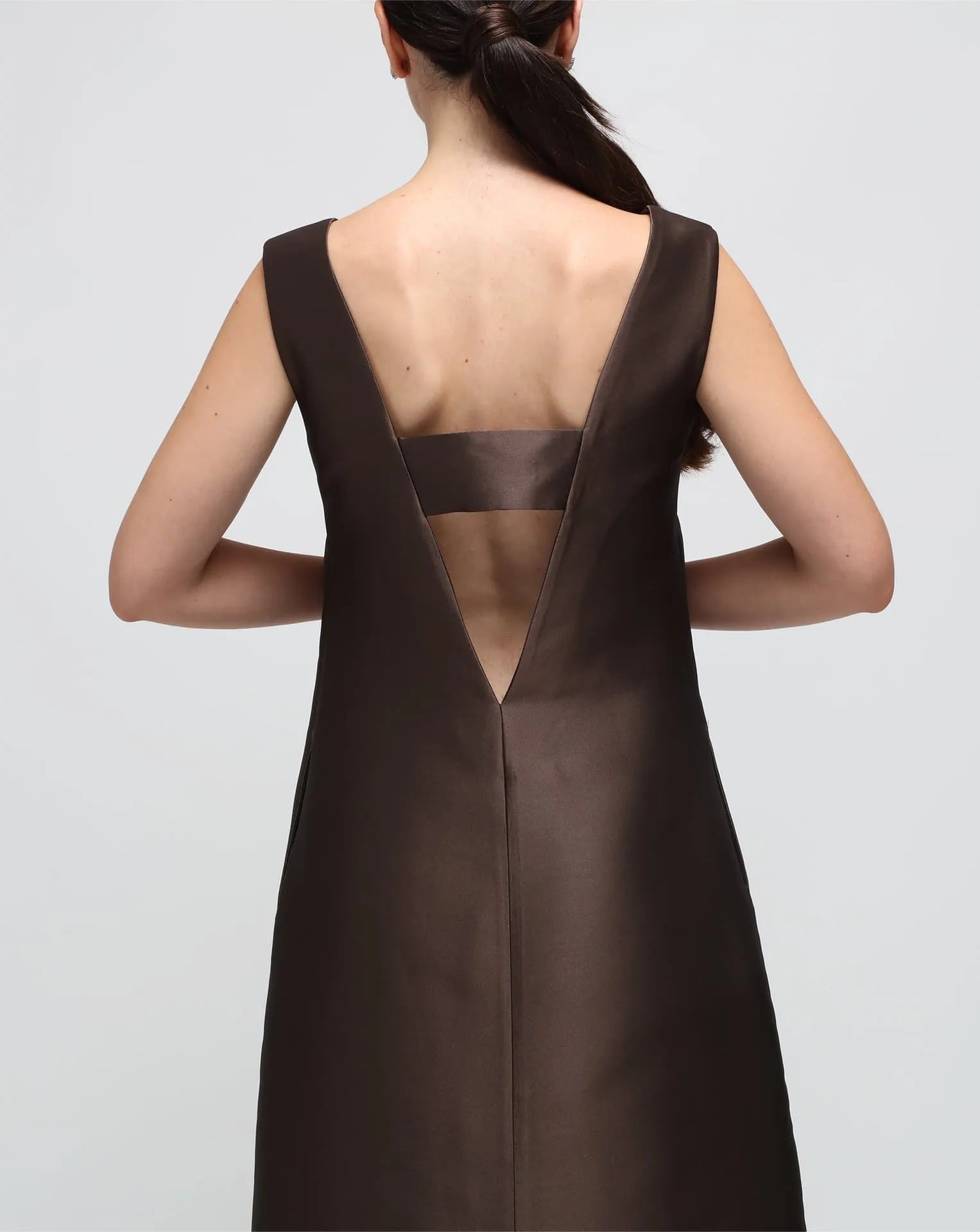
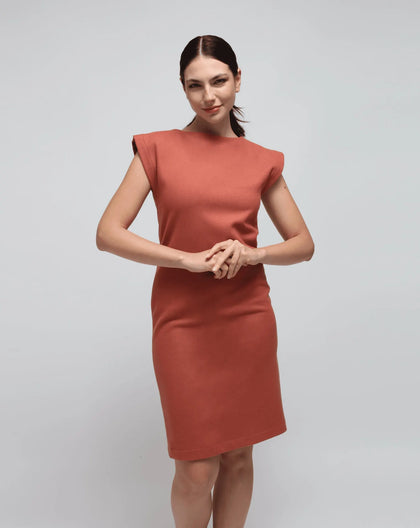
For women, consider a piece such as the Women’s Wool sheath Dress as a foundation. In early fall, wear it with a leather boot and light jacket. As temperatures drop, add opaque tights, a knit, and a tailored wool coat. One strong dress can replace several single-purpose purchases.
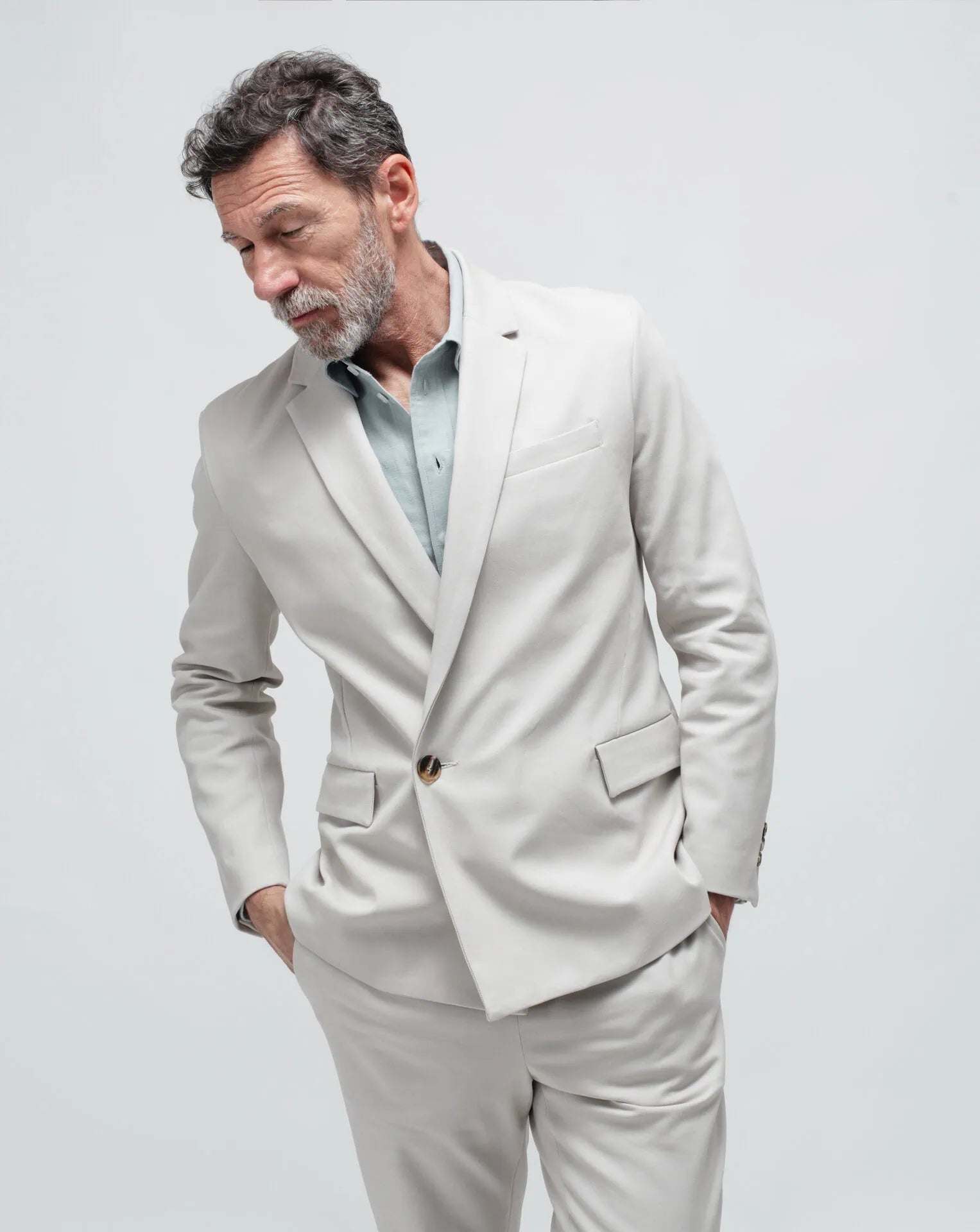
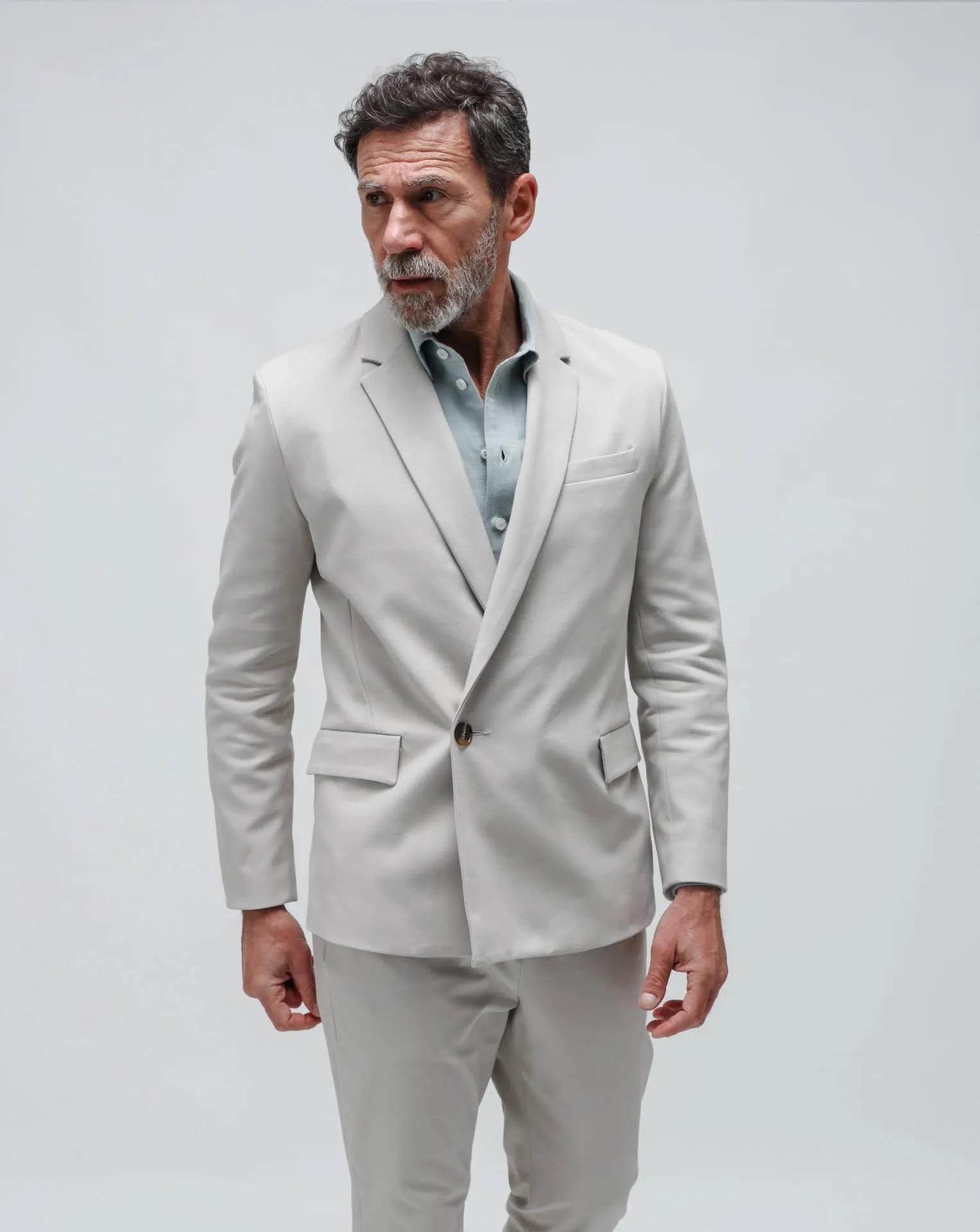
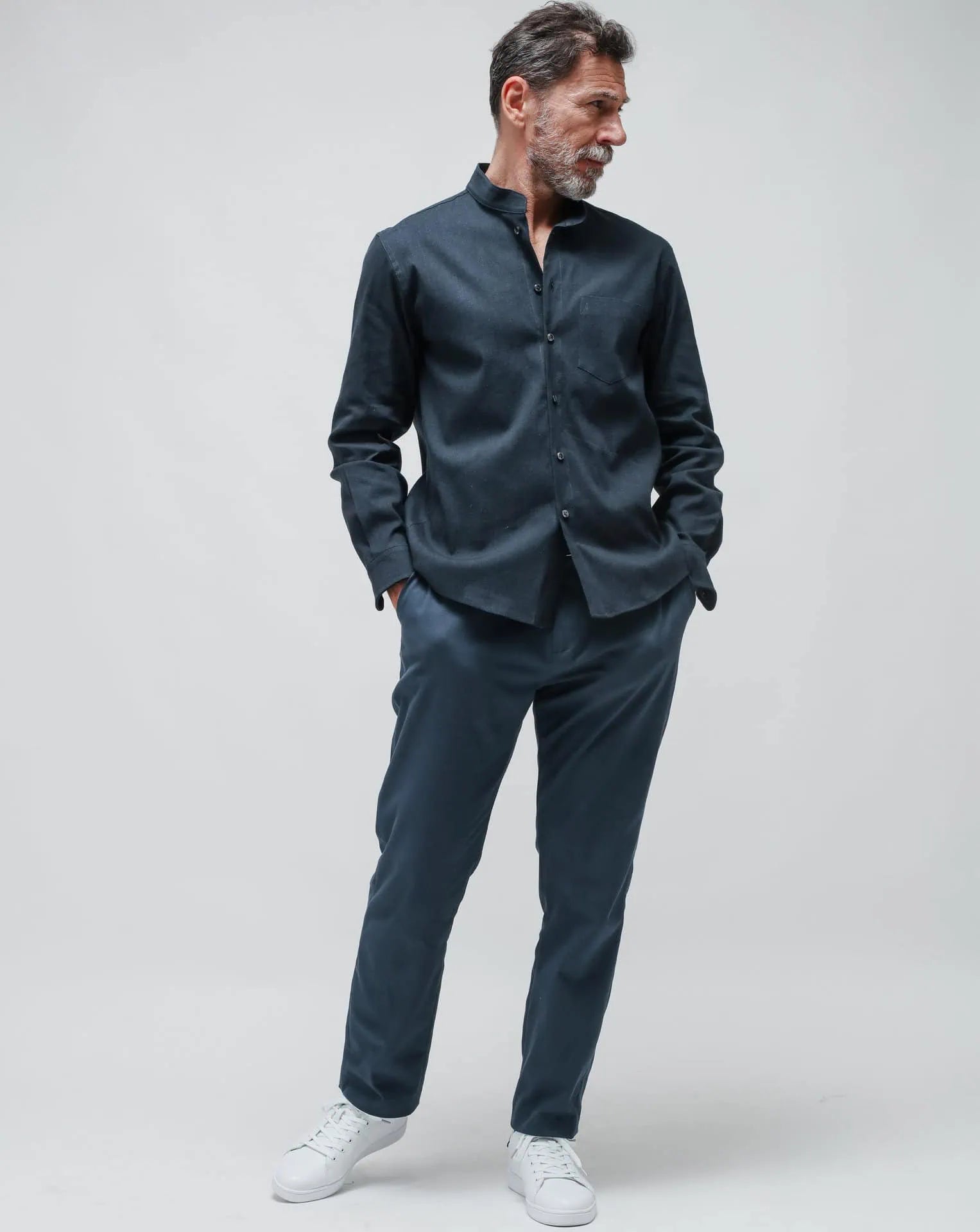
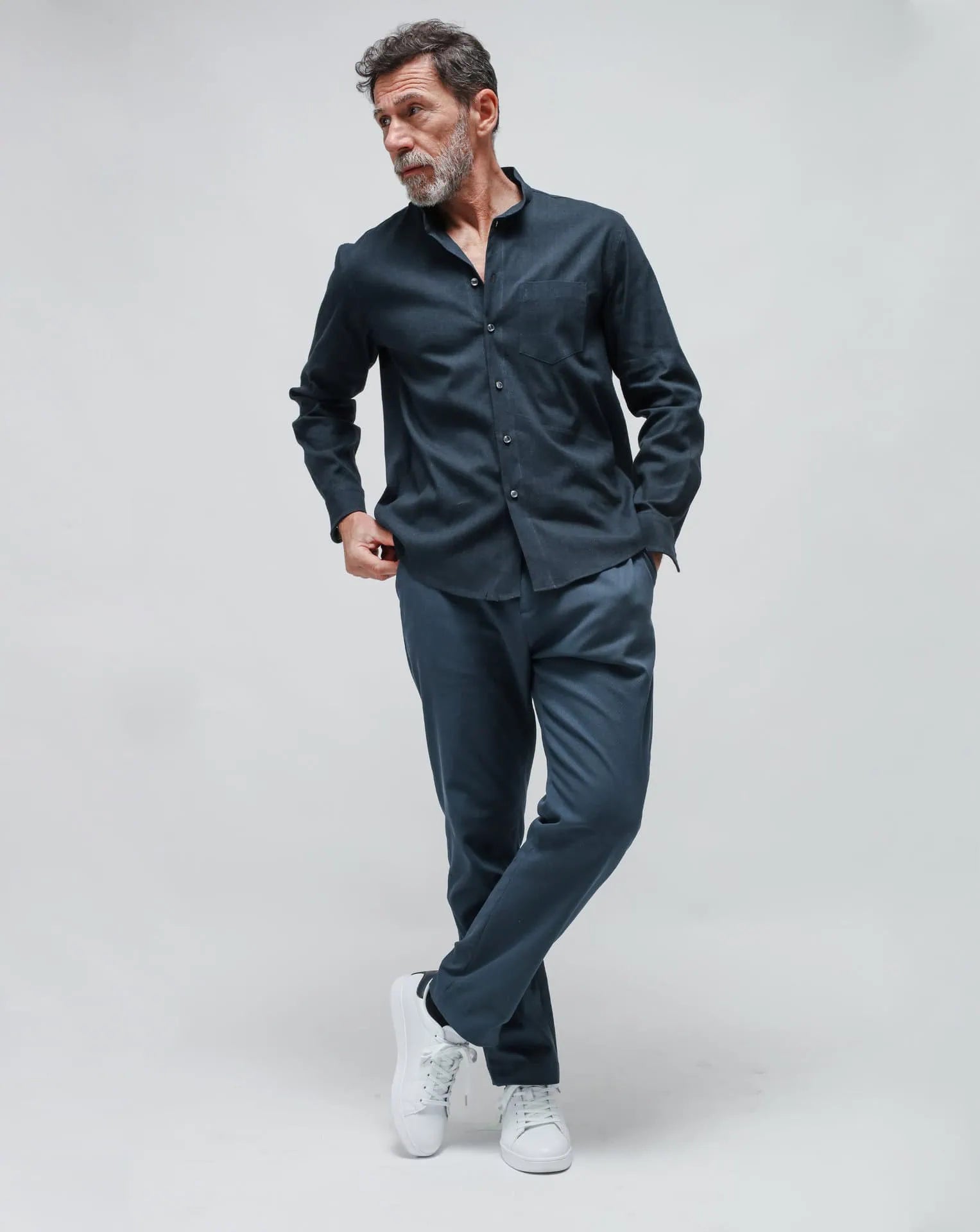
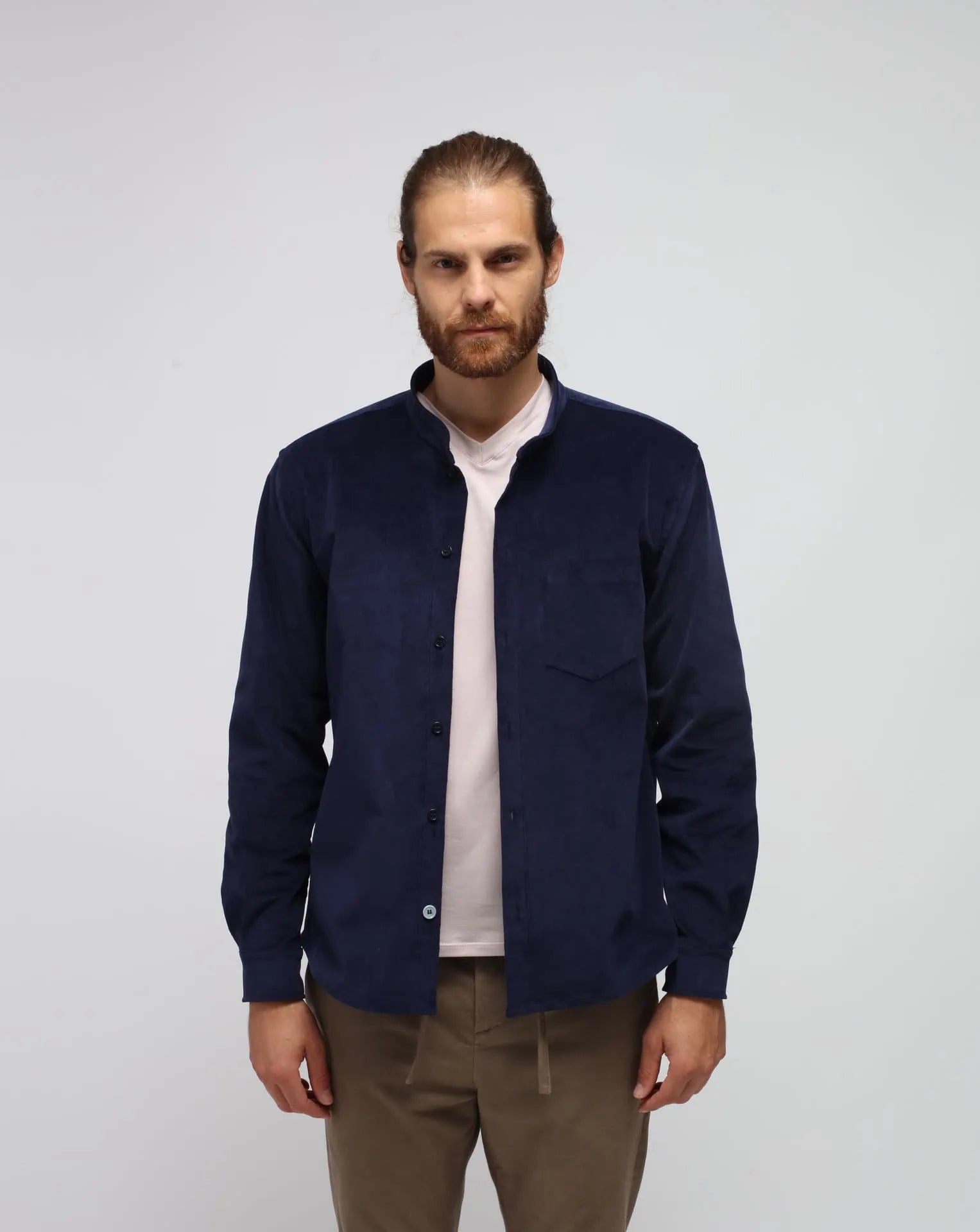
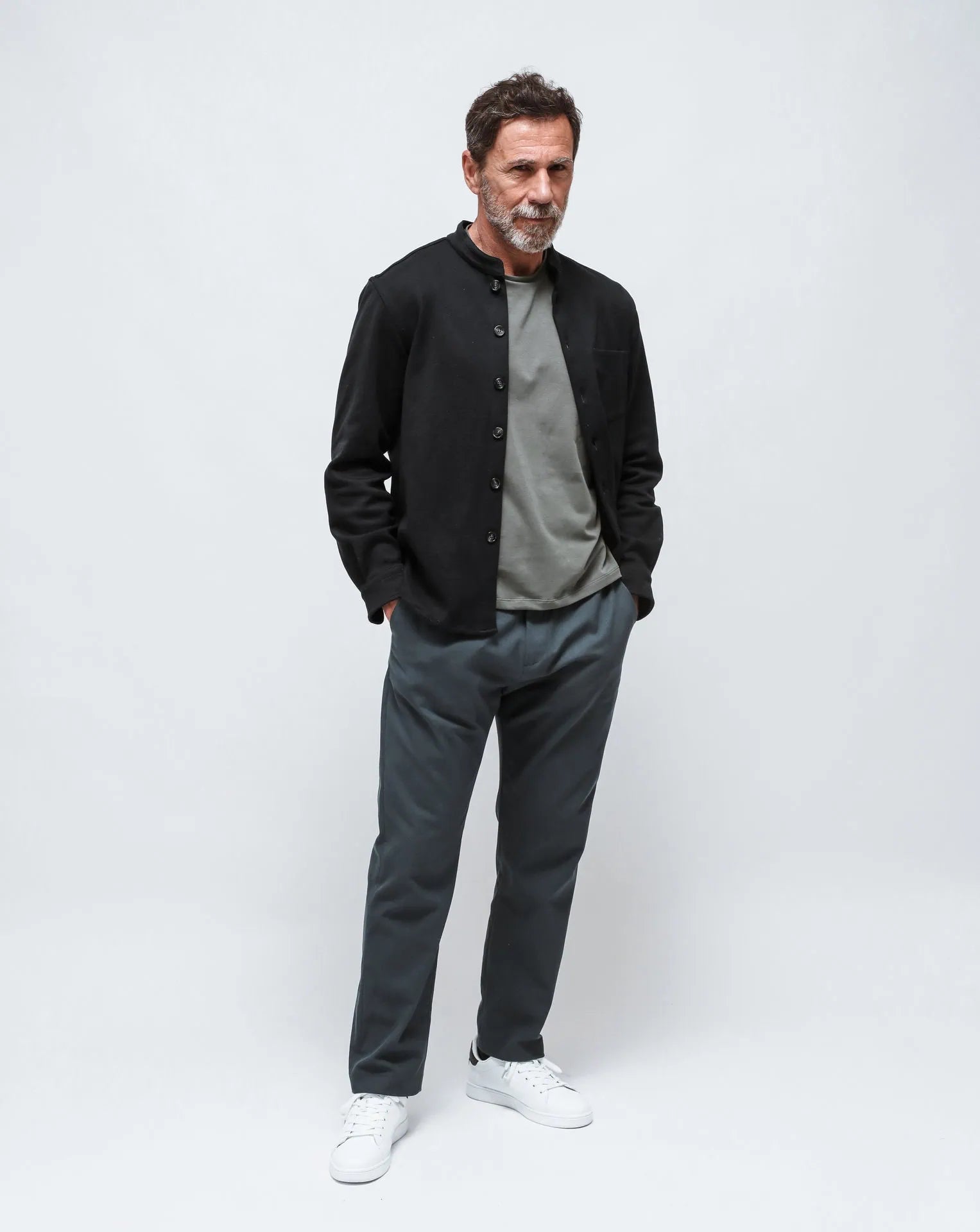
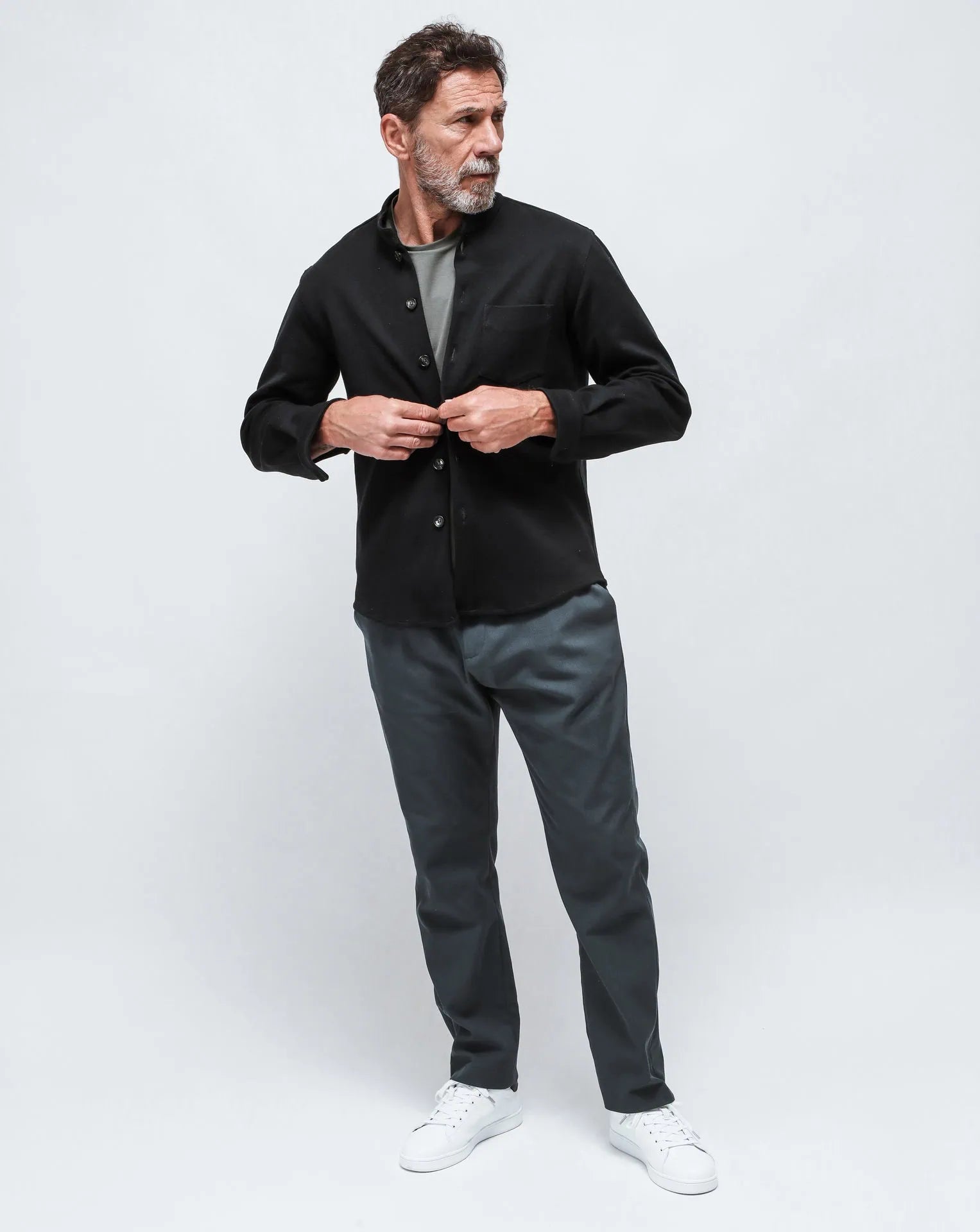
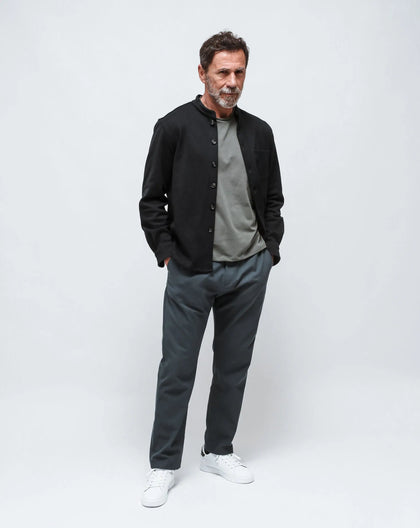
For men, a Men’s Italian-Made Overshirt in Punto Milano offers the same range. It can function as a shirt in mild weather, a mid-layer under a coat, or a relaxed jacket indoors. This is the kind of utility that justifies a place in a small, well-made wardrobe.
Build Warmth Through Layers, Not Excess
The most useful winter wardrobes are built in three parts: a breathable base, an insulating middle, and a protective outer layer. This principle is simple, but it prevents the common mistake of relying on one overly heavy item that becomes uncomfortable as soon as you step indoors.
Your base layer should feel good against the skin and work independently. Think soft long-sleeve tops, refined shirts, close-fitting dresses, and well-cut tees. The middle layer adds warmth and dimension: knitwear, an overshirt, a cardigan, or a structured jacket. The outer layer takes on wind, rain, and cold while giving the look its final shape.
Proportion matters. A substantial coat over a thin, clingy layer can look and feel unbalanced. A sharper trouser often benefits from a more relaxed knit. If your outerwear is oversized, keep one element beneath it more defined. If your coat is tailored and narrow, make sure it can comfortably accommodate the layers you intend to wear.
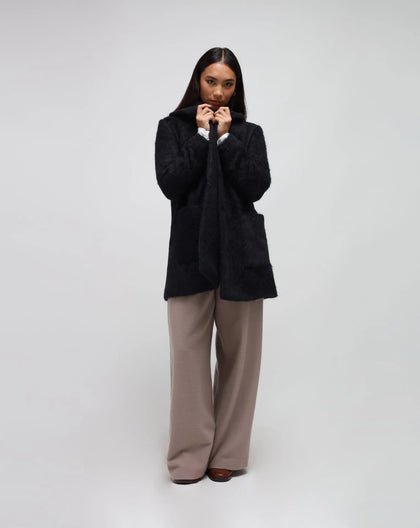
This is also where buying less becomes more practical. Rather than collecting multiple novelty jackets, invest in one Women’s Wool Coat and one Men’s Tailored Winter Coat that suit your daily movement. A polished coat is the first thing people see for months of the year. It should have presence, but it should also work with the clothing already in your closet.
Choose Fabrics That Support the Season
Fabric determines whether a garment merely looks seasonal or truly performs through changing weather. Natural fibers and thoughtful blends often offer better breathability, comfort, and longevity than disposable synthetics, though the right choice depends on how and where you wear the piece.
Wool is a natural winter ally because it insulates while allowing heat and moisture to move. It is especially effective in coats, tailoring, and knitwear. Cotton remains useful for shirts, jersey layers, and structured pants, while silk or viscose blends can bring ease to dresses and occasion pieces. A fabric does not need to be heavy to be useful. It needs to work with your layering plan.
Deadstock fabrics add another consideration. They make use of existing high-quality materials that might otherwise go unused, reducing demand for newly produced yardage. The trade-off is scarcity: when a limited fabric is gone, it may not return. That is not a reason to rush into a purchase. It is a reason to choose carefully when you find a piece that genuinely fits your wardrobe.
Look closely at care labels before winter arrives. Coats may need professional cleaning sparingly, while knitwear benefits from gentle hand washing or a delicate cycle when appropriate. Airing a wool garment after wear, rather than washing it automatically, preserves fibers and reduces unnecessary energy use. Garment care is not an afterthought. It is part of the life of the piece.
Make Summer Pieces Work Harder
Seasonal dressing does not require strict rules about what belongs in each month. A lightweight dress, skirt, or tailored short-sleeve shirt can still earn its place in cold weather when styled with intention.
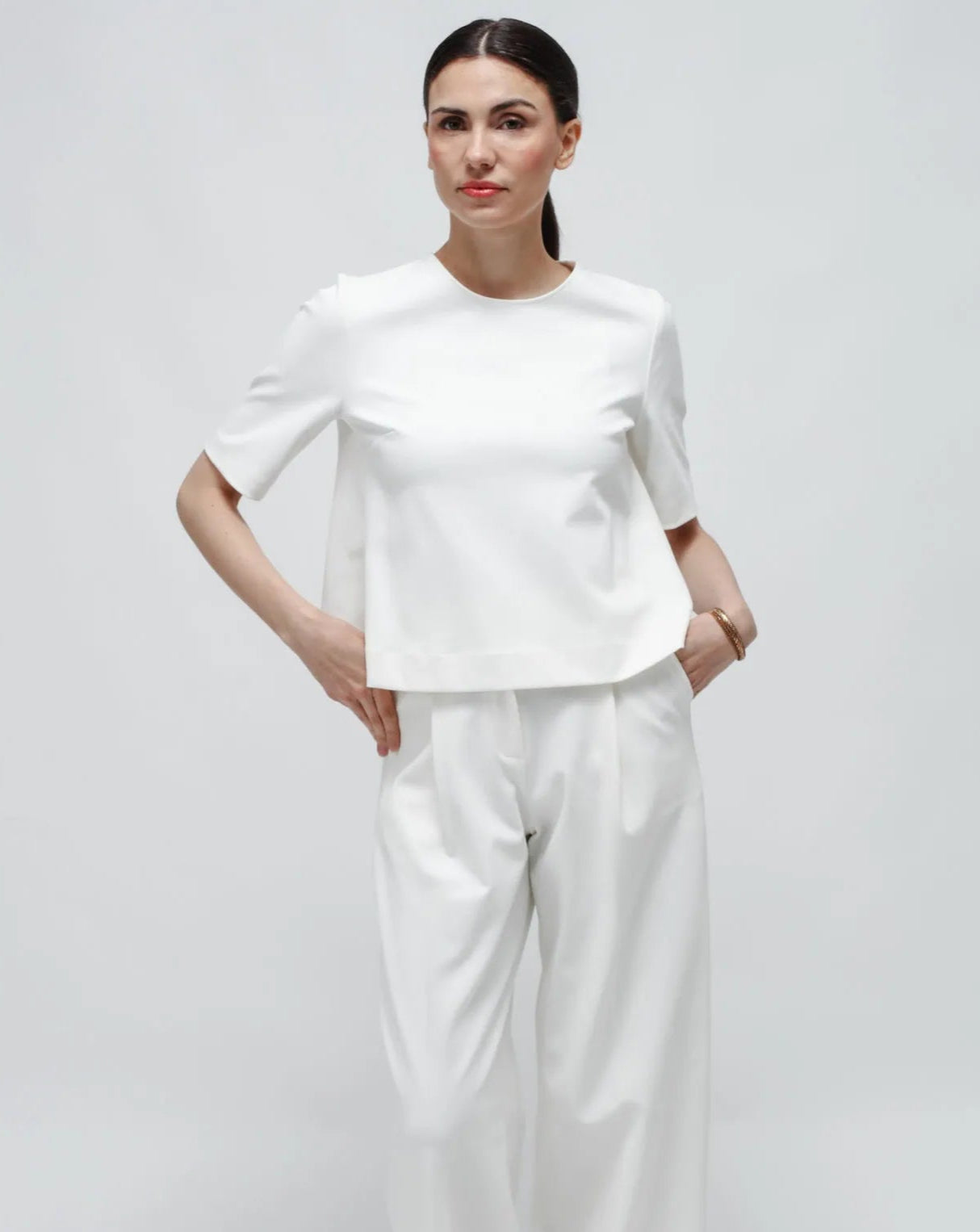
A Women’s Coordinated Set can be separated and layered: wear the top beneath a blazer, then pair the matching pants or skirt with a fine-gauge sweater. A sleeveless dress gains new life with a fitted turtleneck beneath it and a substantial coat above it. The effect is more individual than buying a head-to-toe winter look, and it keeps well-made clothes in use longer.
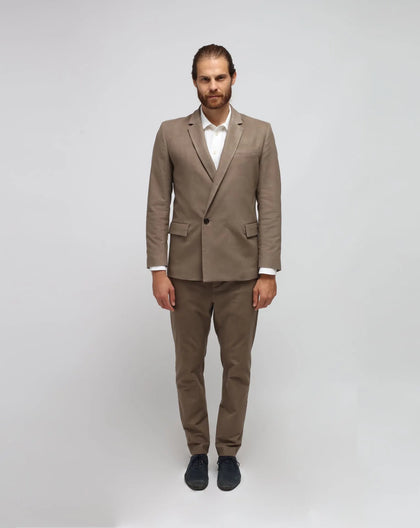
Men can extend warm-weather tailoring with a heavier overshirt, textured knit, and wool outerwear. A [Men’s Tailored Trouser] that worked with a tee in summer can shift to a fine knit and lace-up boot in winter. The silhouette remains clean, but the materials and layers signal the season.
Color can help make these combinations feel deliberate. Keep a neutral anchor such as black, charcoal, cream, navy, or chocolate, then let one richer winter tone carry the look. Deep green, oxblood, rust, and midnight blue add seasonal depth without turning a wardrobe into a costume.
Buy for the Gap, Not the Fantasy
The most disciplined way to shop a seasonal transition is to identify a specific gap. Perhaps you own several sweaters but no layer that works over them outdoors. Perhaps your pants are versatile, but your shoes cannot handle rain. Perhaps you have occasionwear but need a jacket that makes it usable on an ordinary Wednesday.
Write down the missing function before you browse. A useful winter purchase should answer a clear question: What existing pieces will this work with? How many settings can it handle? Can it be repaired, cleaned, and worn repeatedly? If the answer is vague, wait.
A limited-edition garment should feel considered rather than precious. Wear it. Repeat it. Let it become recognizable as part of your style. Small-batch production and premium deadstock fabrics have the greatest value when they lead to a longer relationship with clothing, not a more crowded closet.
Prepare for Winter Before It Arrives
Do not wait for the first freezing week to assess outerwear, boots, and knitwear. Try on your coat with the layers you plan to wear beneath it. Check buttons, hems, lining, and pocket seams. Resole shoes before the weather turns. Mend loose threads while the repair is small.
Then place your strongest cold-weather pieces where you can see them. A wardrobe should make getting dressed easier, especially when the light is low and the morning is rushed. The right winter edit does not ask you to choose between warmth, style, and principles. It asks each garment to carry its share of the work.
FAQ
Q: When should I start transitioning my wardrobe for winter?
A: Start when your daily temperature range makes layering necessary, often several weeks before true winter. Early preparation gives you time to repair, clean, and assess what you need without rushed purchases.
Q: How many coats do I need for winter?
A: It depends on your climate and lifestyle, but one versatile tailored coat and one more weather-protective option can be enough for many wardrobes. Prioritize the coat you will wear most often.
Q: Can I wear dresses and skirts in winter?
A: Yes. Add a close-fitting base layer, warm tights, boots, knitwear, and a substantial coat. The key is balancing the lighter piece with insulating layers rather than retiring it for the season.
Q: What makes a winter garment a more sustainable choice?
A: A sustainable choice is one you will wear often, care for properly, and keep for years. Favor quality construction, versatile design, responsible materials, and small-batch production over short-lived novelty.
Q: How do I avoid overbuying during seasonal transitions?
A: Shop from a defined gap list. Buy only when a piece works with several items you already own and solves a real need, such as warmth, weather protection, or more useful layering.
A winter wardrobe becomes more personal with repetition. Let the pieces you choose carry stories, not just seasons.
the World of H&L