
How to Choose Quality Clothing That Lasts
A winter coat that pills after one season is not a bargain. Neither is a sweater that loses its shape before its second wash, or a pair of trousers that fit beautifully in the fitting room but twist at the seams after a few wears. Learning how to choose quality clothing means looking past the first impression and judging what will remain: the fabric, the cut, the construction, and the life a garment can live in your wardrobe.
Quality is not about buying more expensive clothing by default. It is about choosing pieces with a purpose, made well enough to be worn repeatedly, repaired when needed, and styled in more than one way. That is better for your closet, your budget over time, and the resources behind every garment.
How to Choose Quality Clothing Before You Buy
The most useful test is simple: slow down. A quality garment should hold up to closer inspection. Read the fabric composition, touch the material if you can, turn the piece inside out, and imagine at least three occasions where you would wear it.
Price can be a signal, but it is not proof. A high price may reflect skilled labor, thoughtful sourcing, and durable materials. It can also reflect marketing or a logo. At the other end, low prices often depend on rushed production and fabrics selected for immediate appearance rather than long-term performance. The better question is whether the garment earns its price through material, make, fit, and versatility.
For winter especially, consider cost per wear. A well-cut wool coat worn for five cold seasons can become one of the most valuable pieces you own. A trend-led jacket worn twice before it falls apart is simply waste with a price tag.
Start With the Fabric
Fabric is the foundation of quality. It affects how a garment feels, drapes, breathes, ages, and responds to care. Natural fibers are not automatically superior in every case, but they often offer strong performance when chosen thoughtfully.
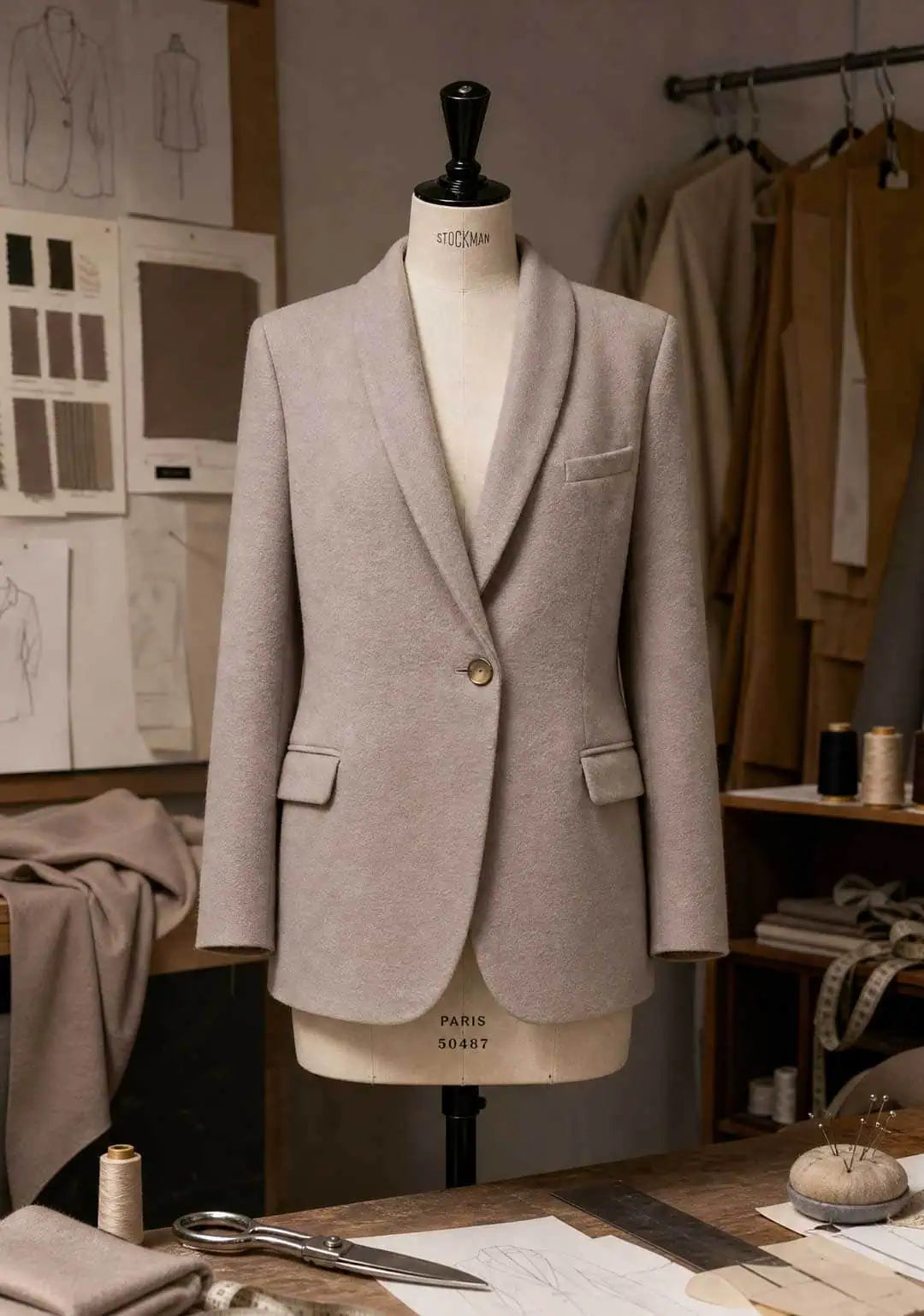
Wool is a winter essential because it insulates, breathes, and naturally resists odor. Look for a coat or knit with a substantial hand and enough density that it does not feel thin or loosely formed. Cashmere can be exceptionally soft, but fine cashmere requires careful wear and care. A heavier gauge knit or a well-made wool-cashmere blend may be a more practical choice for frequent use.
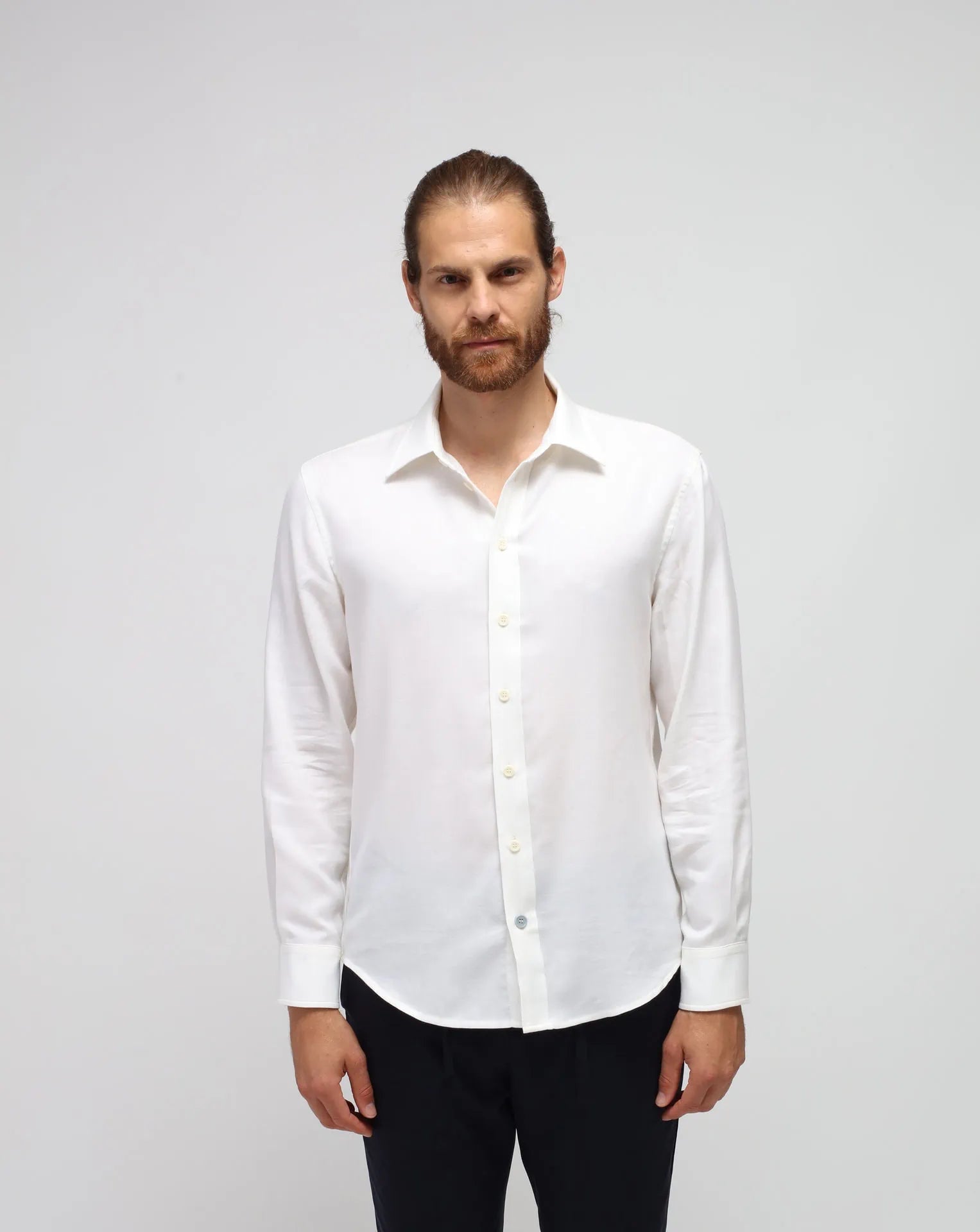
Cotton is versatile and dependable for shirts, jersey tops, and layering pieces. Examine its weight and recovery. A quality cotton shirt should feel structured enough to retain its shape, while a T-shirt should not become transparent when gently stretched. Linen works beautifully in warmer seasons, though its natural wrinkles are part of its character rather than a flaw.
Silk brings drape and luminosity to dresses, blouses, and occasion pieces. It needs more delicate care, so it is best chosen for garments you will treat accordingly. For daily winter dressing, silk can work as a refined base layer beneath knitwear or tailoring.
Synthetic fibers deserve a more considered view than simple rejection. A small amount of elastane can help trousers, fitted dresses, and shirting move with the body and recover their shape. Recycled synthetics can offer technical weather resistance in outerwear. The concern is overreliance on cheap, plastic-heavy blends that trap heat, retain odor, and deteriorate quickly. Read the label rather than assuming.
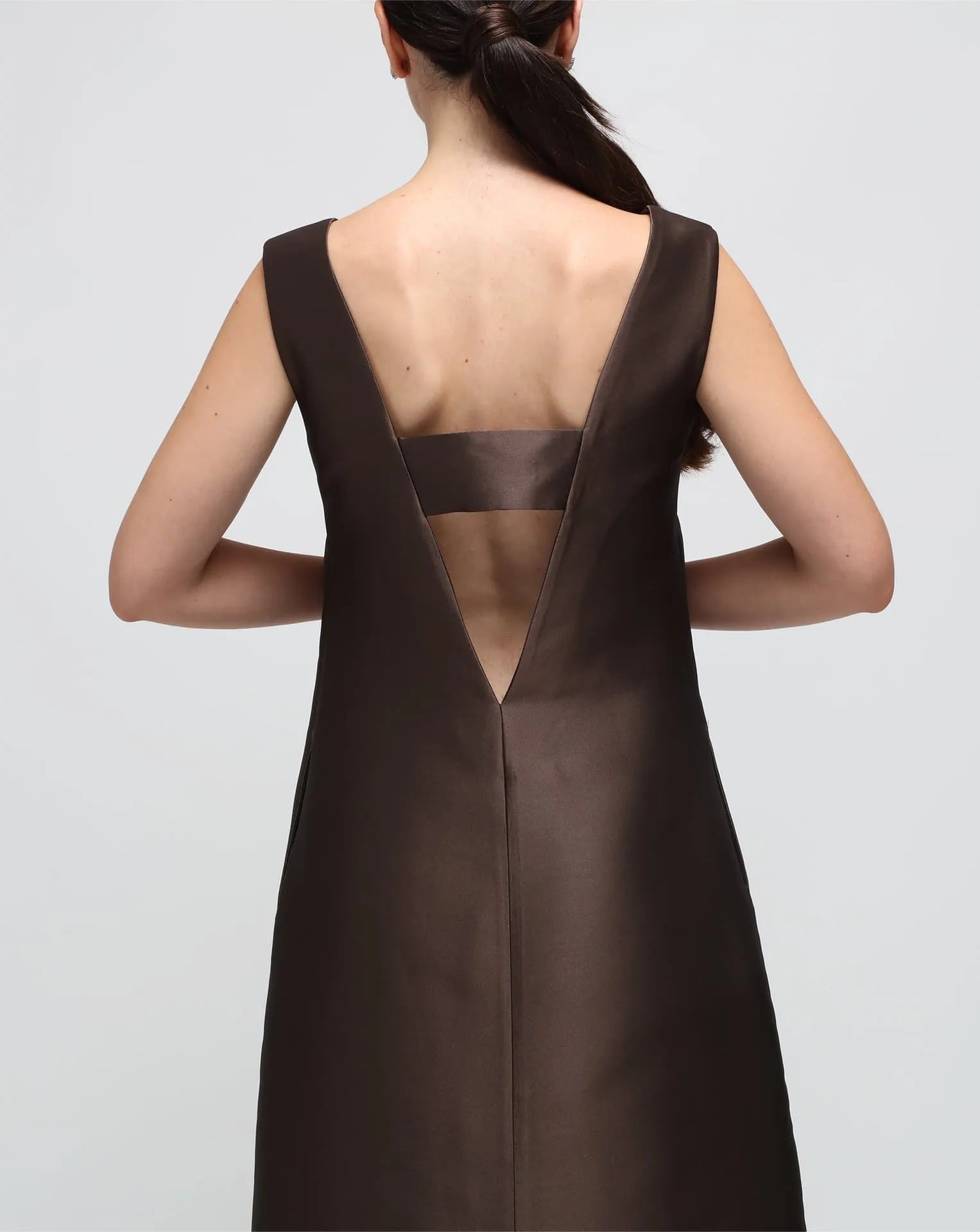
Deadstock fabrics add another dimension. These are high-quality surplus textiles that already exist but might otherwise be discarded. When used in limited runs, they turn overlooked material into distinctive clothing without demanding new fabric production. Availability is naturally finite, which is part of the point: less excess, more intention.
What to Look for in Winter Fabrics
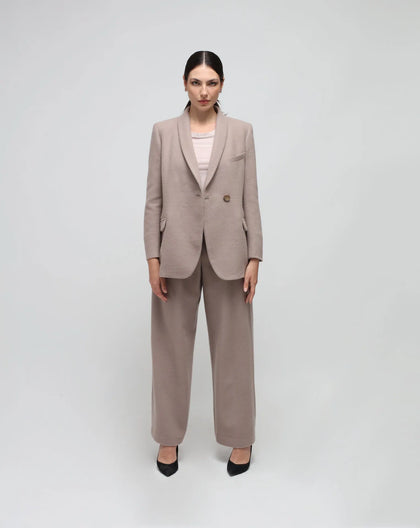
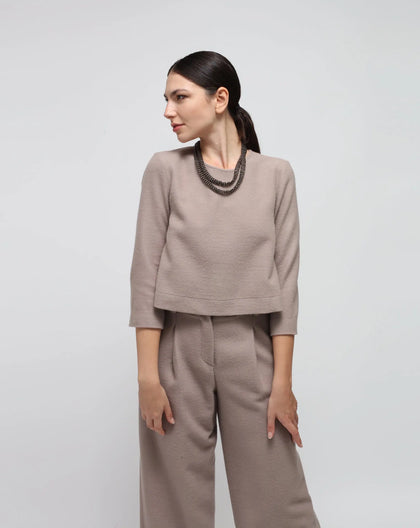
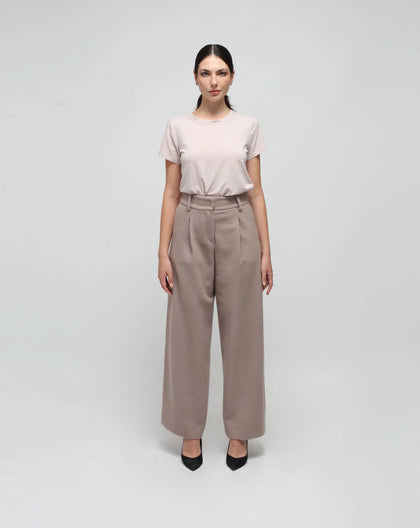
For coats, inspect the fiber content and the density of the fabric. For knitwear, look for a resilient knit that returns to shape after a gentle stretch. For trousers and suiting, consider a wool blend with enough structure to hold a clean line through a full workday.
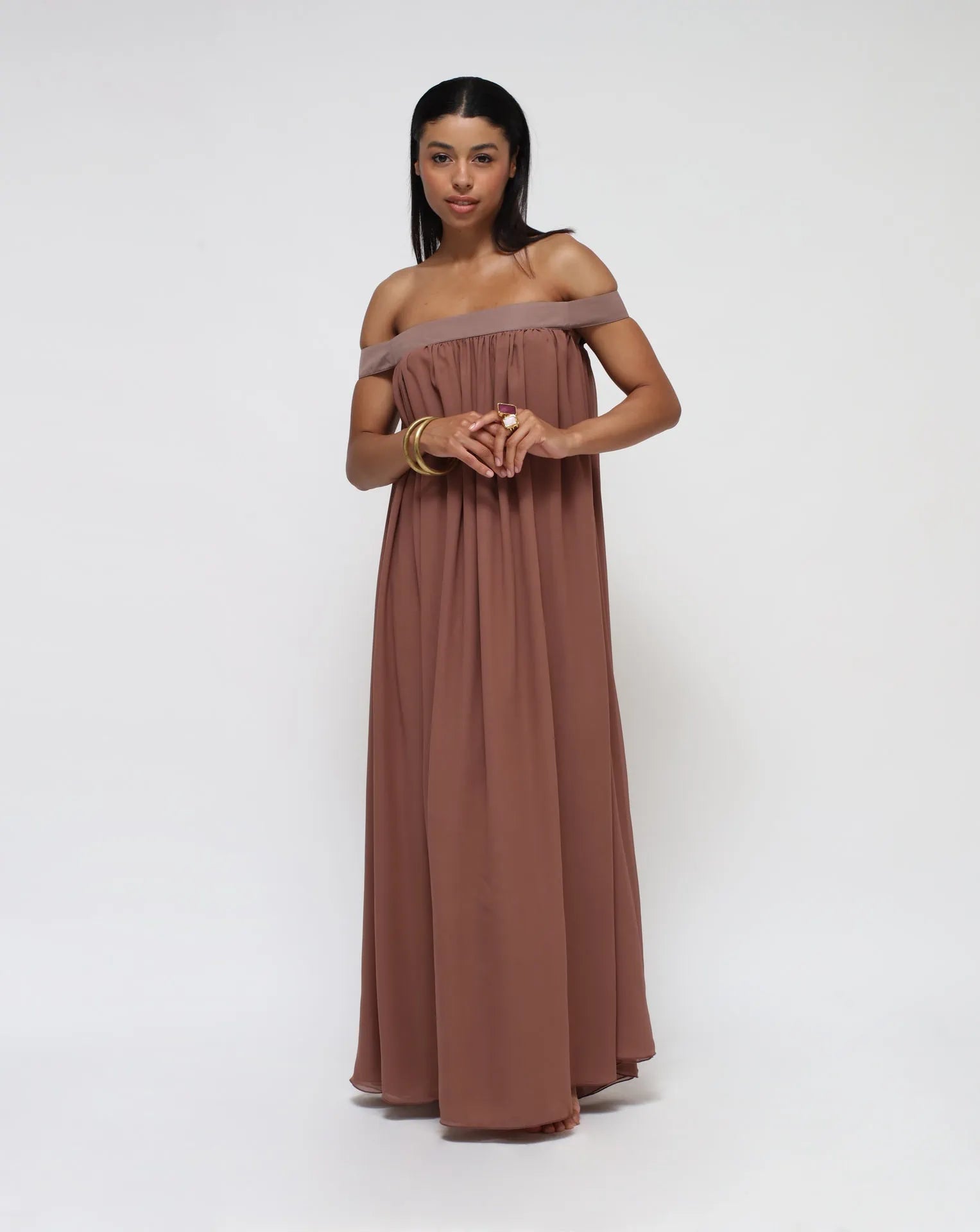
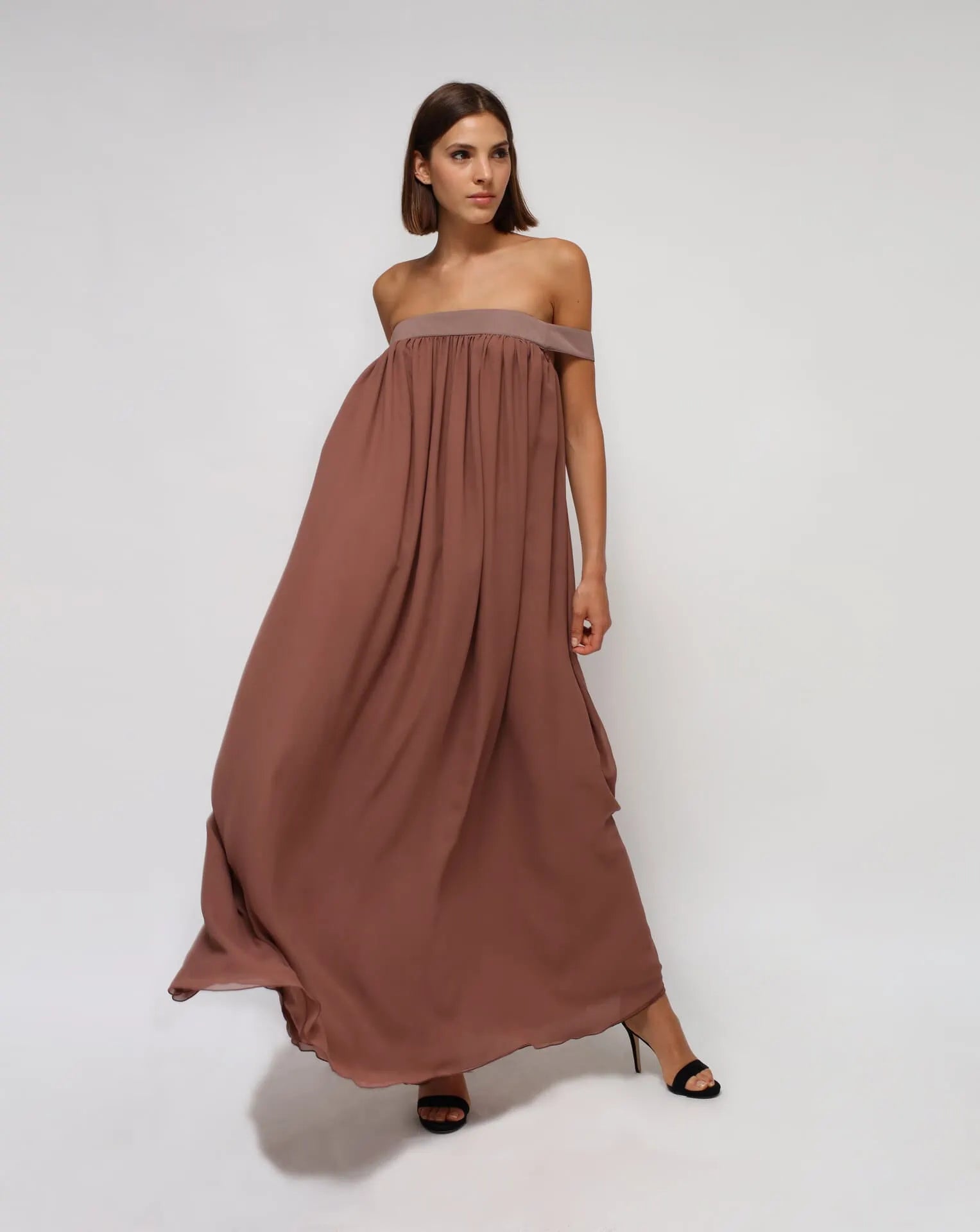
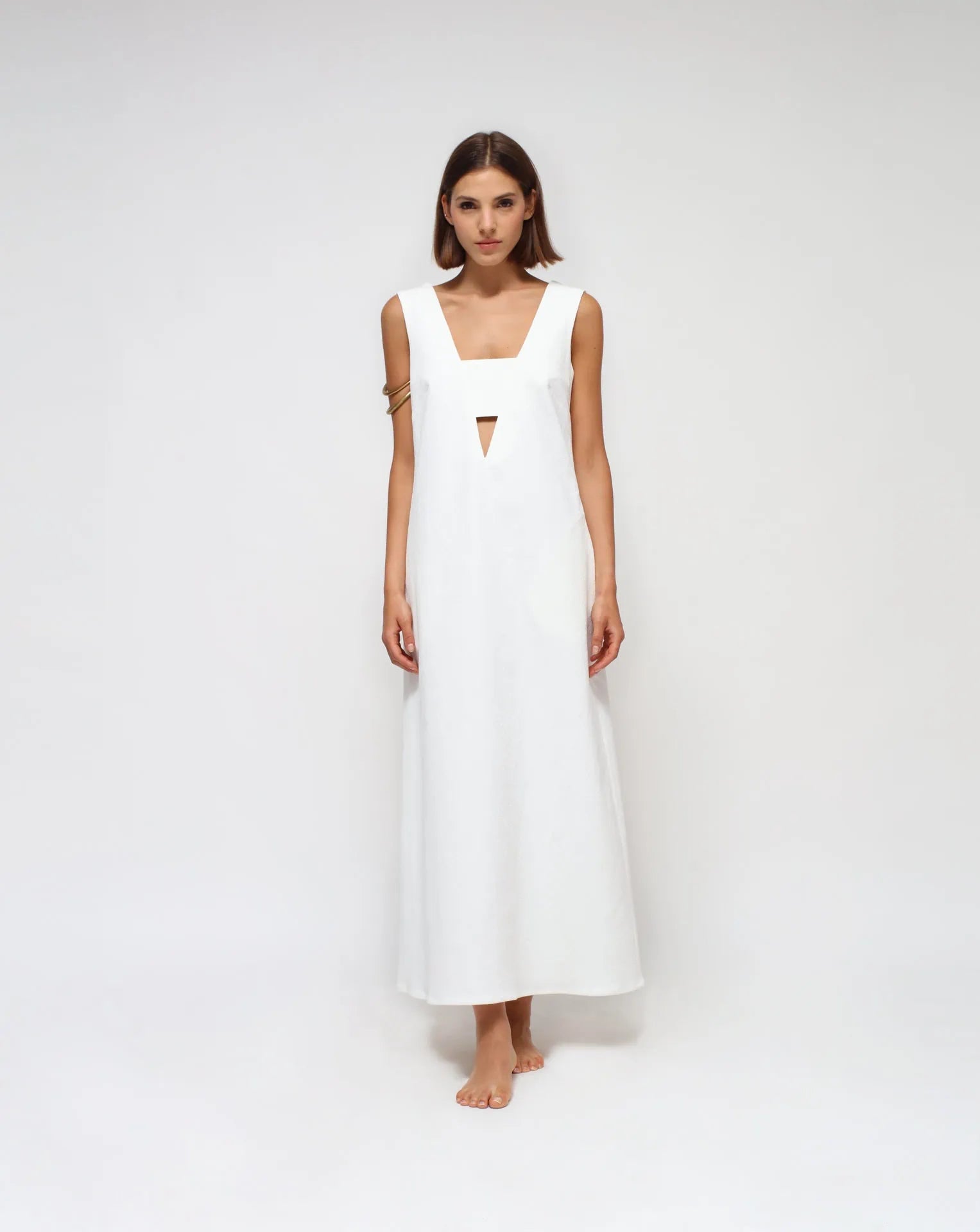
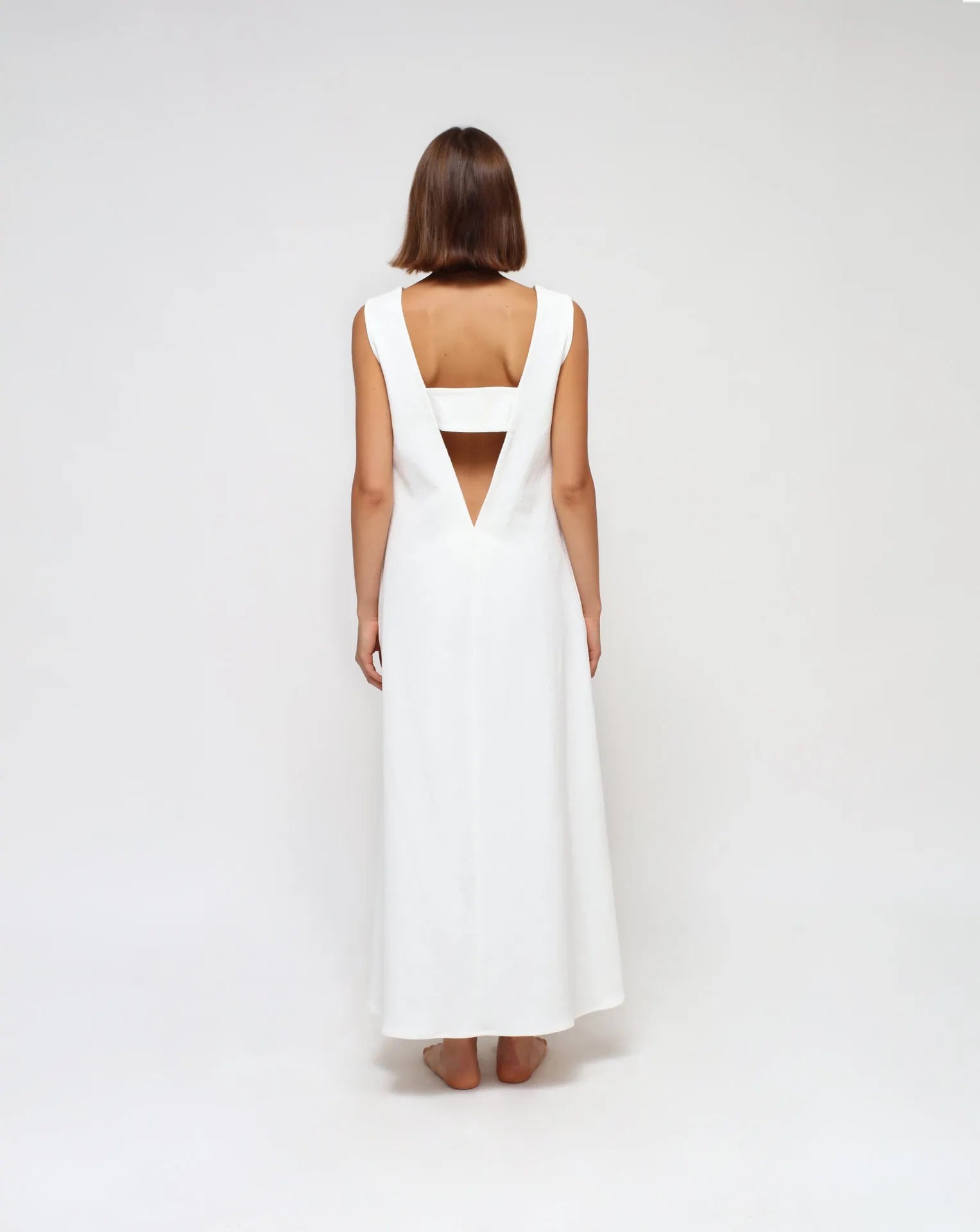
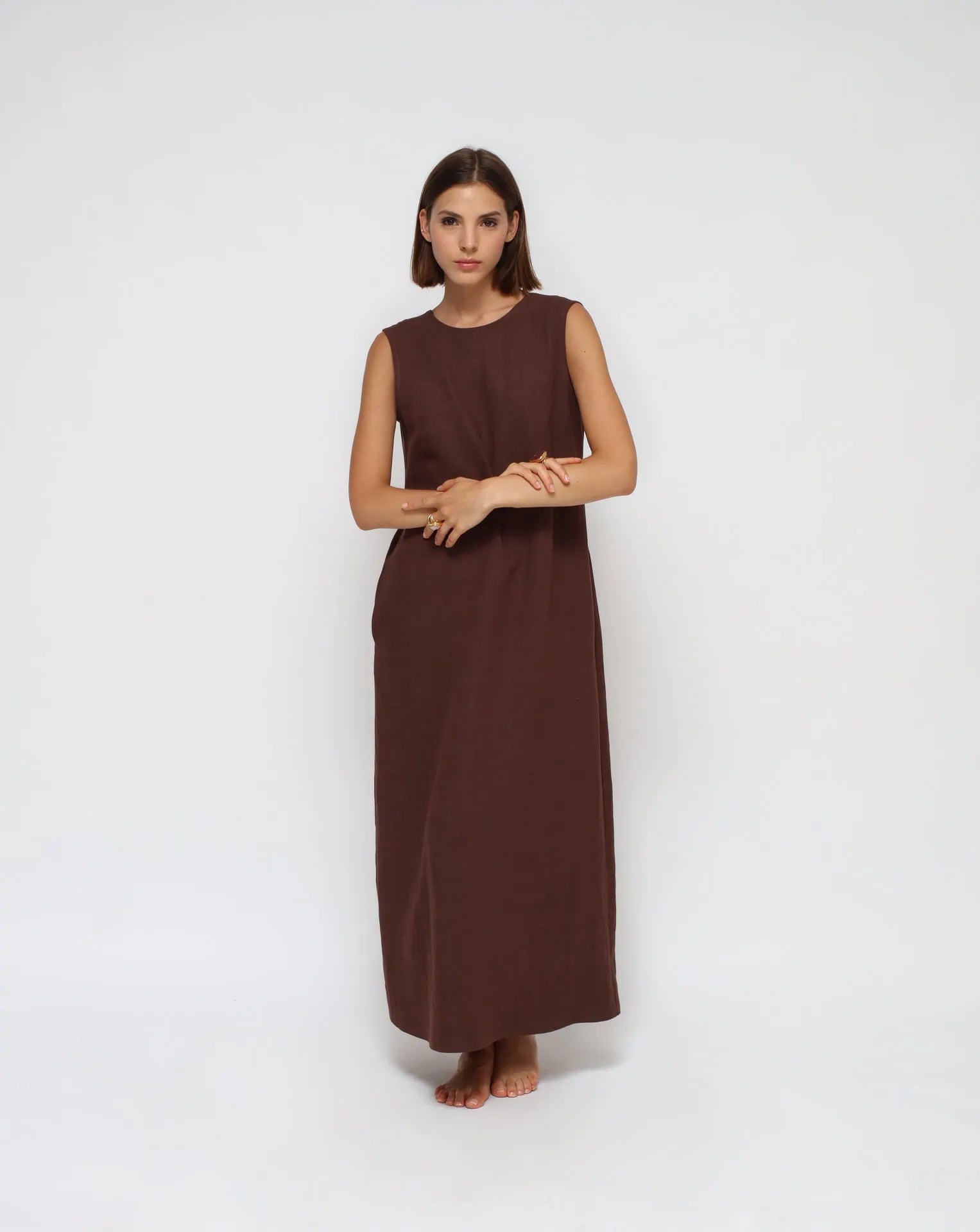
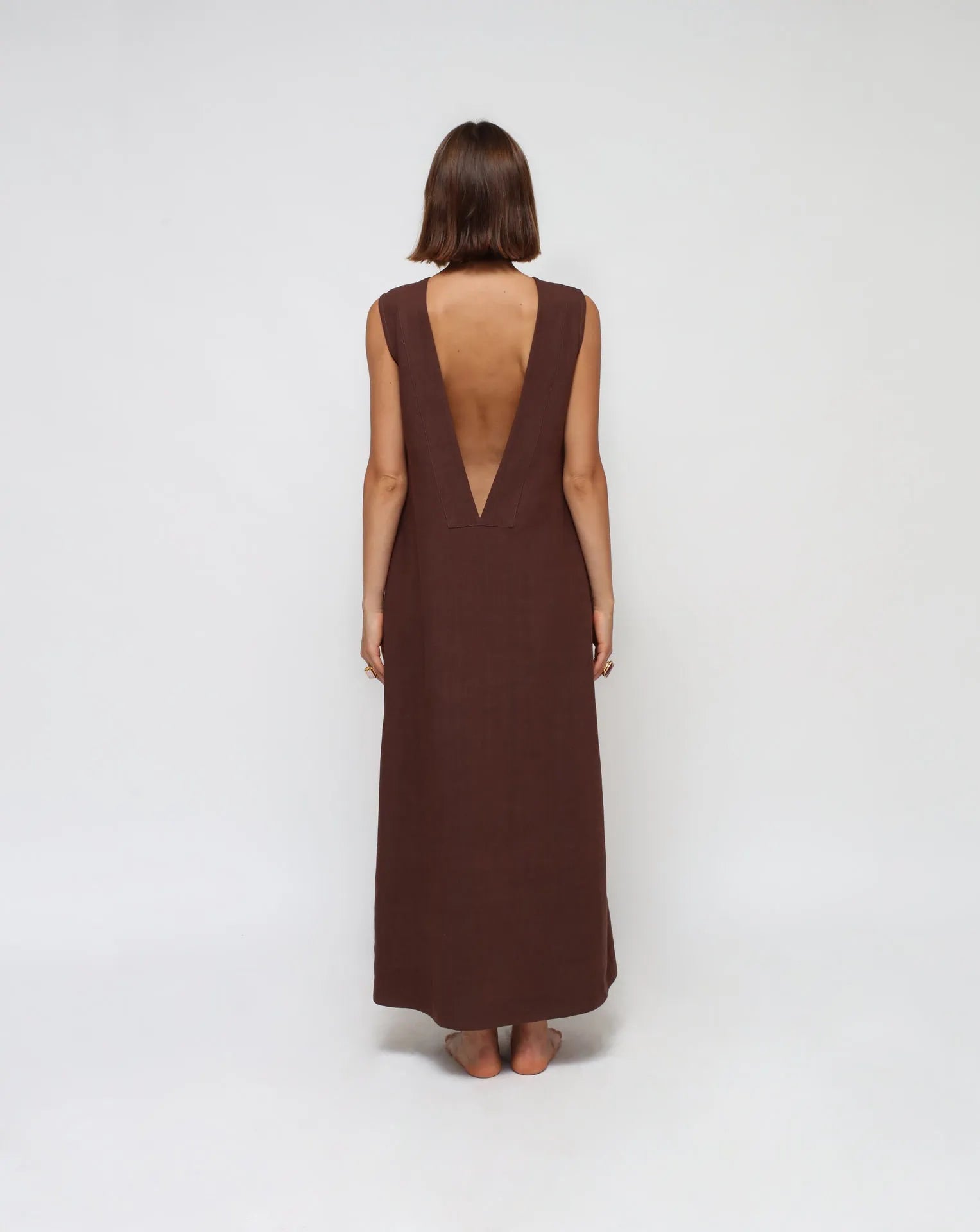
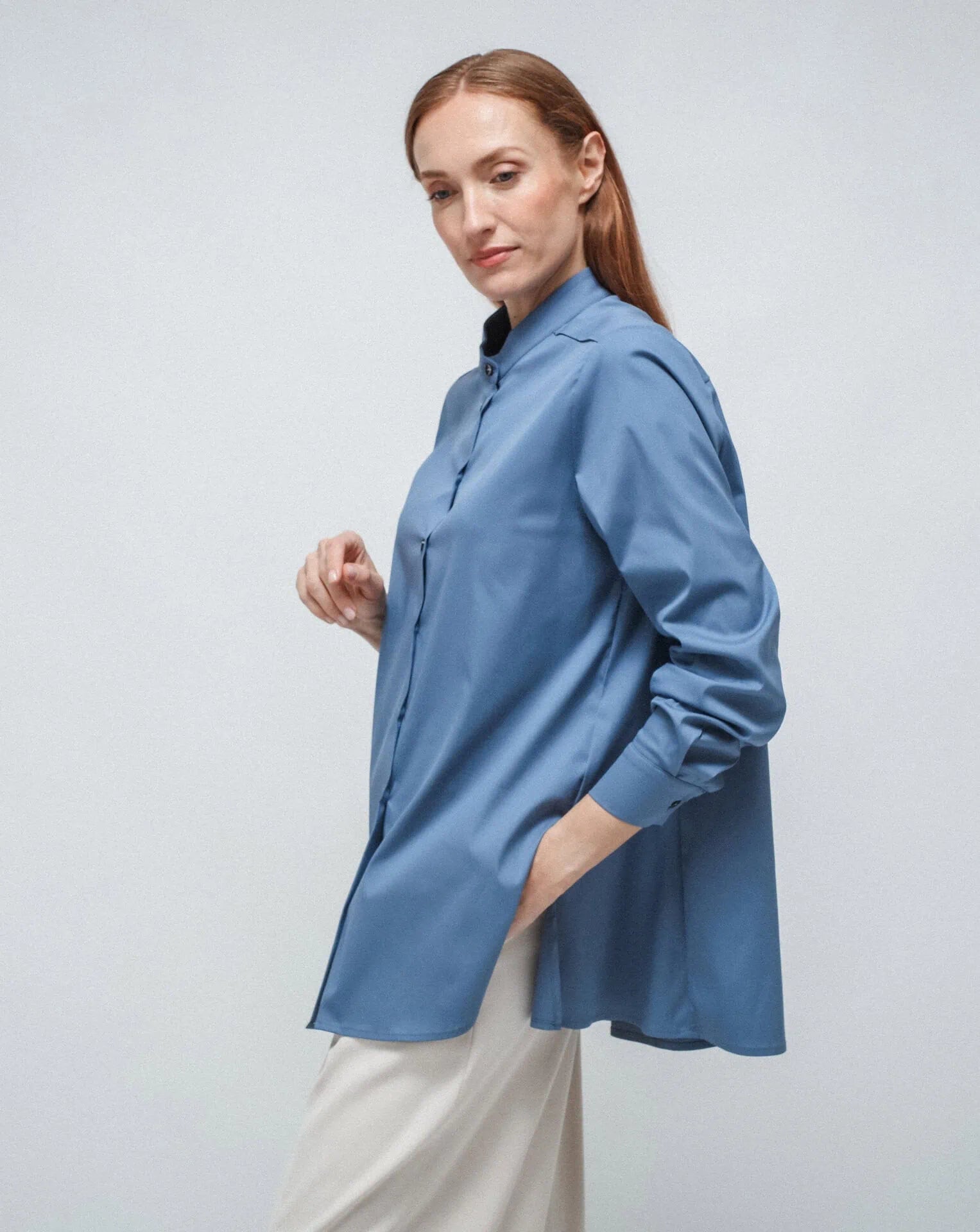
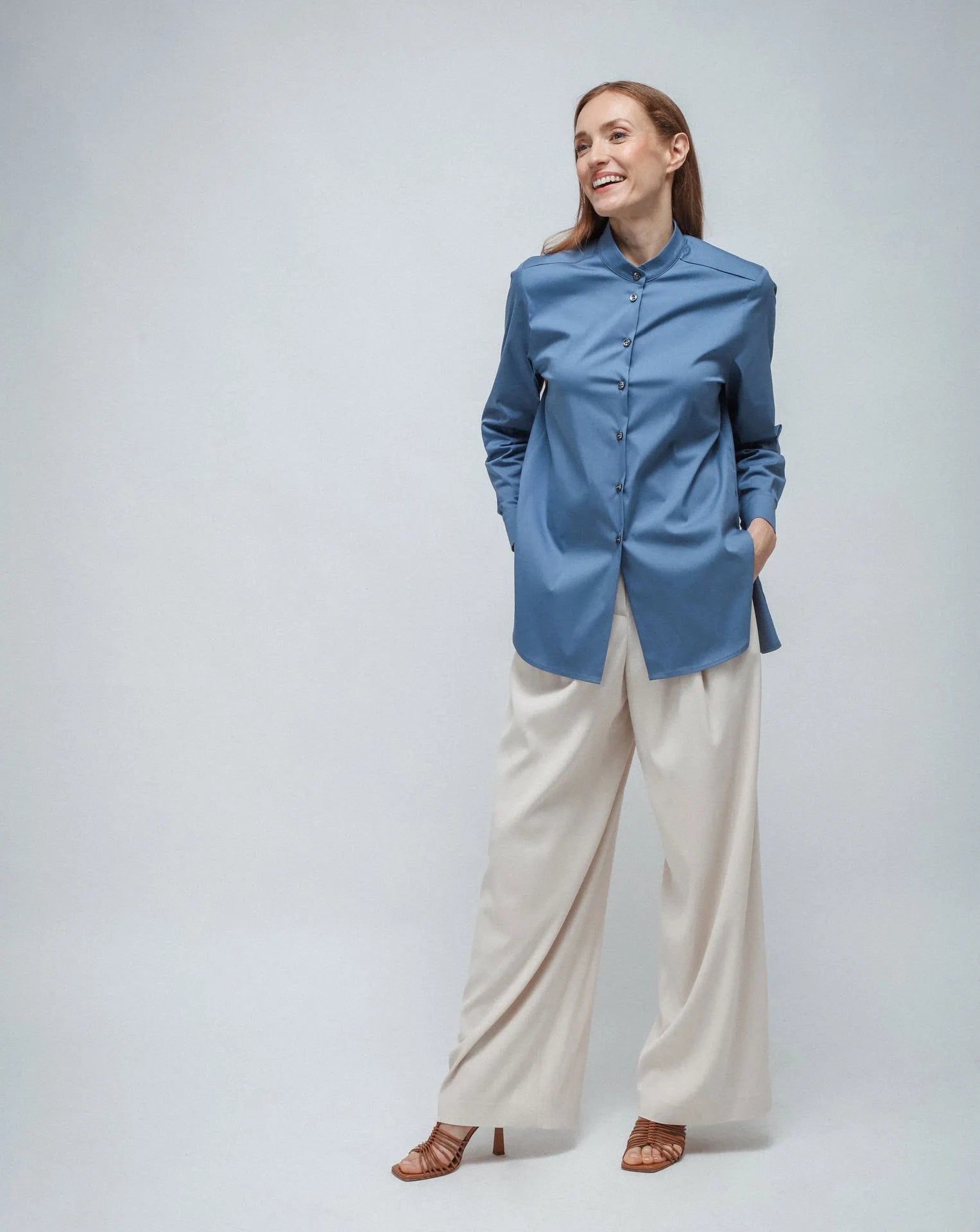
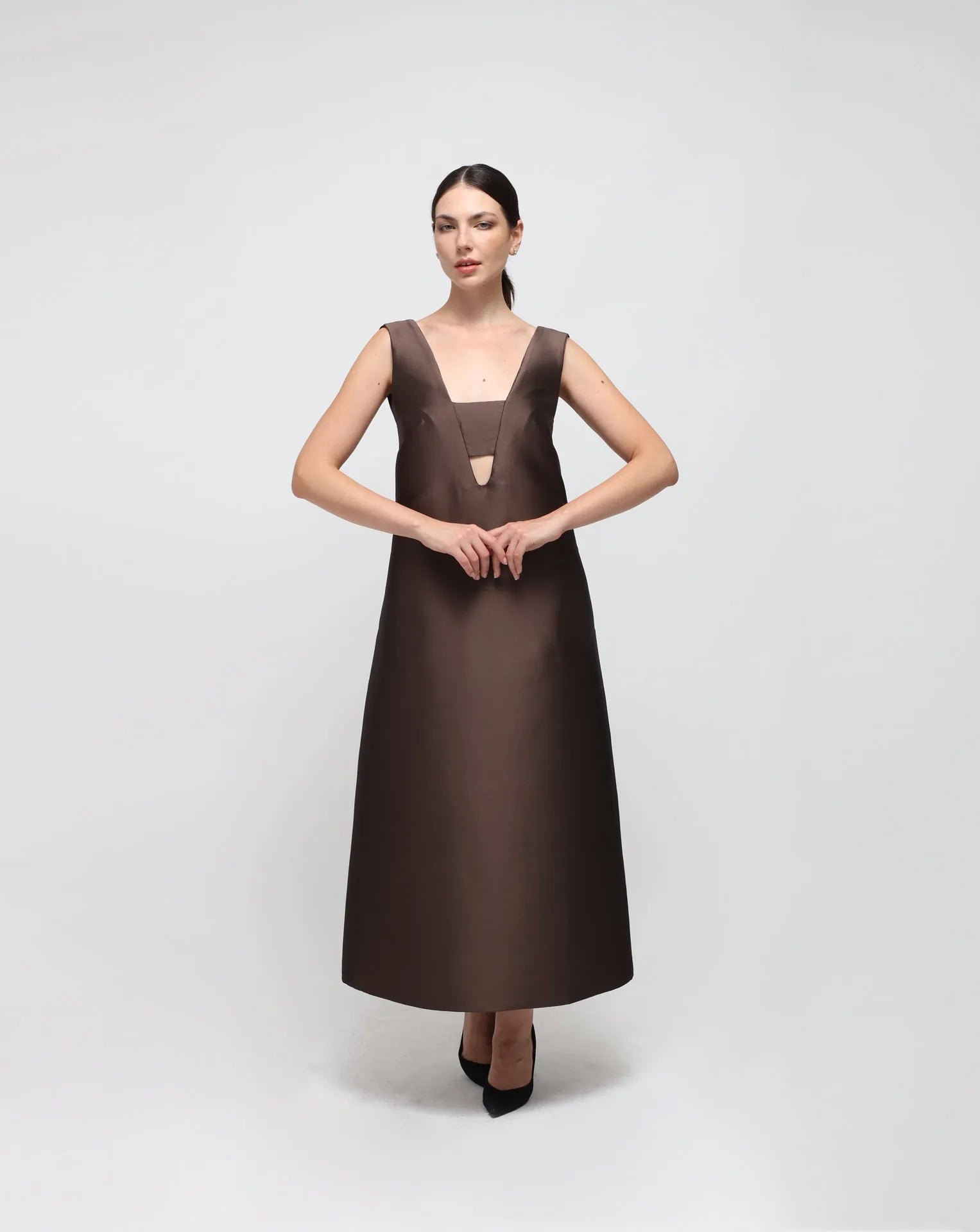
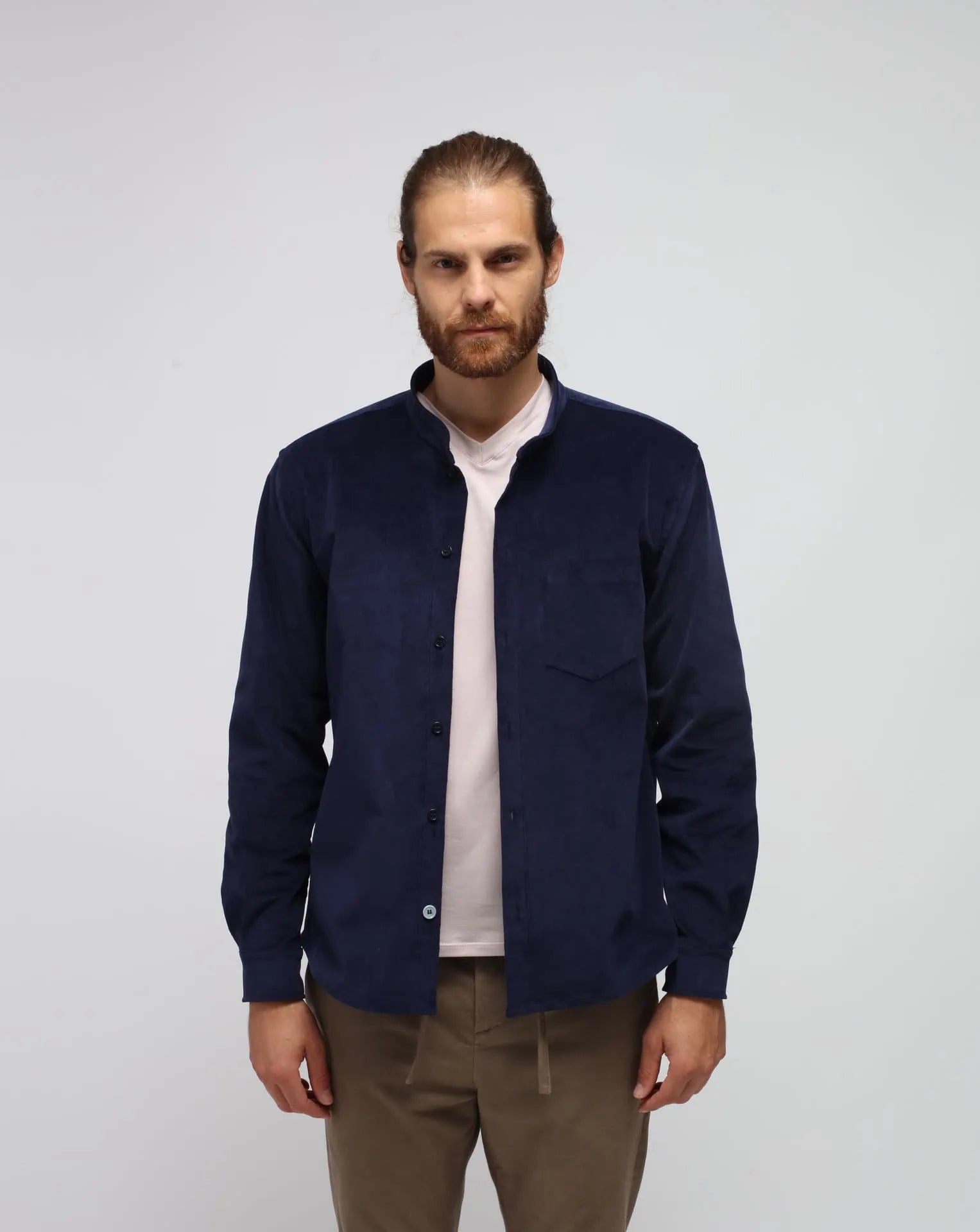
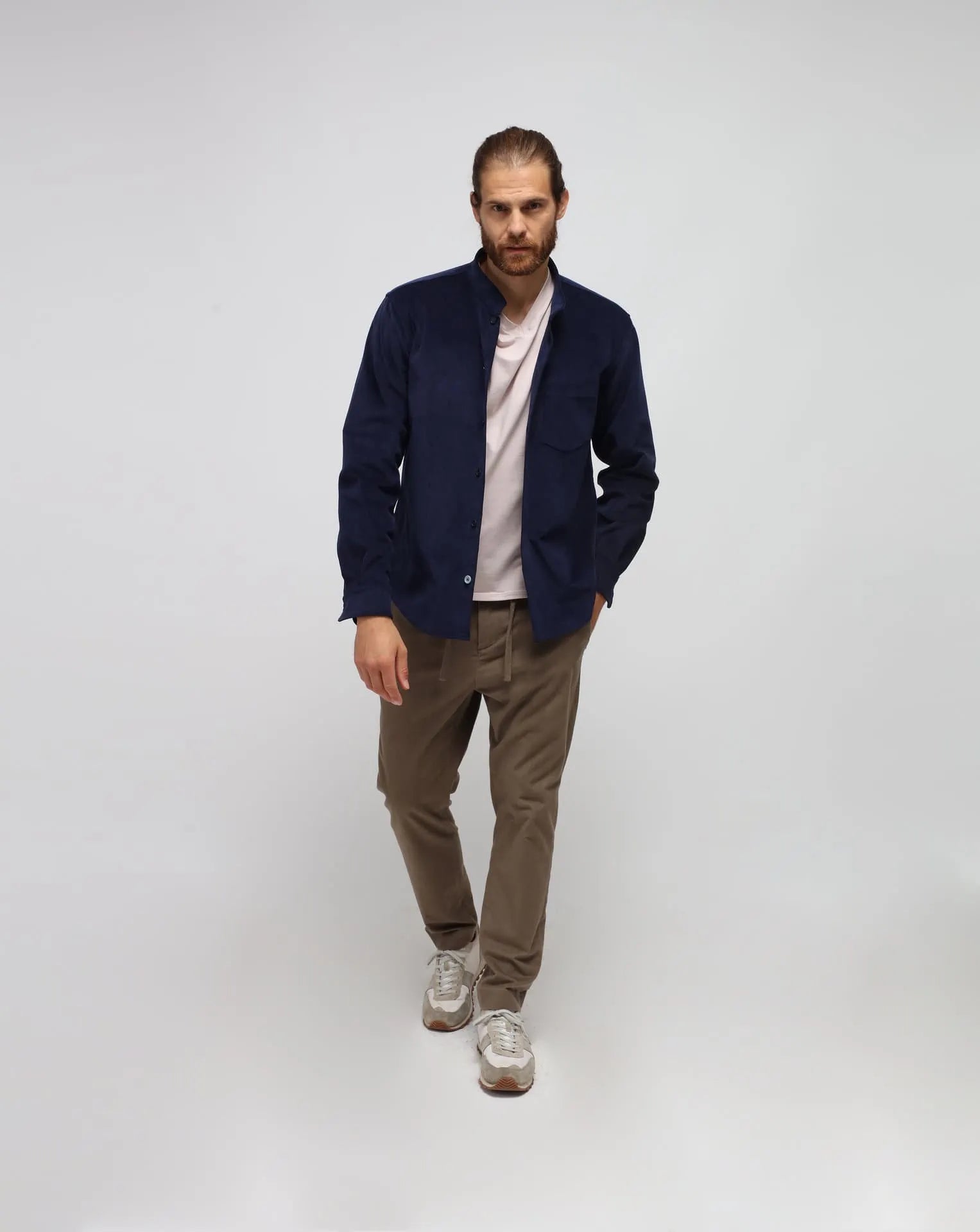
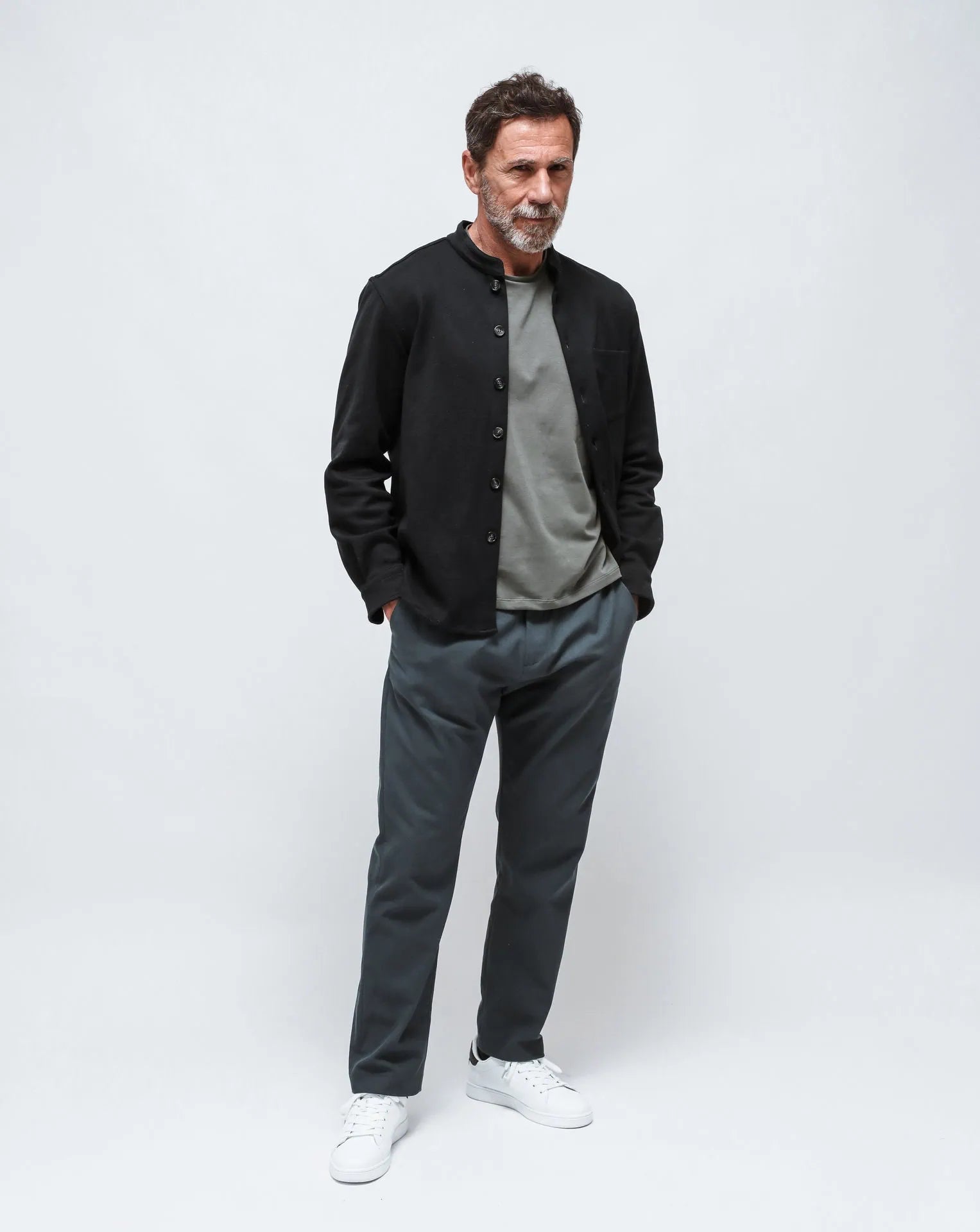
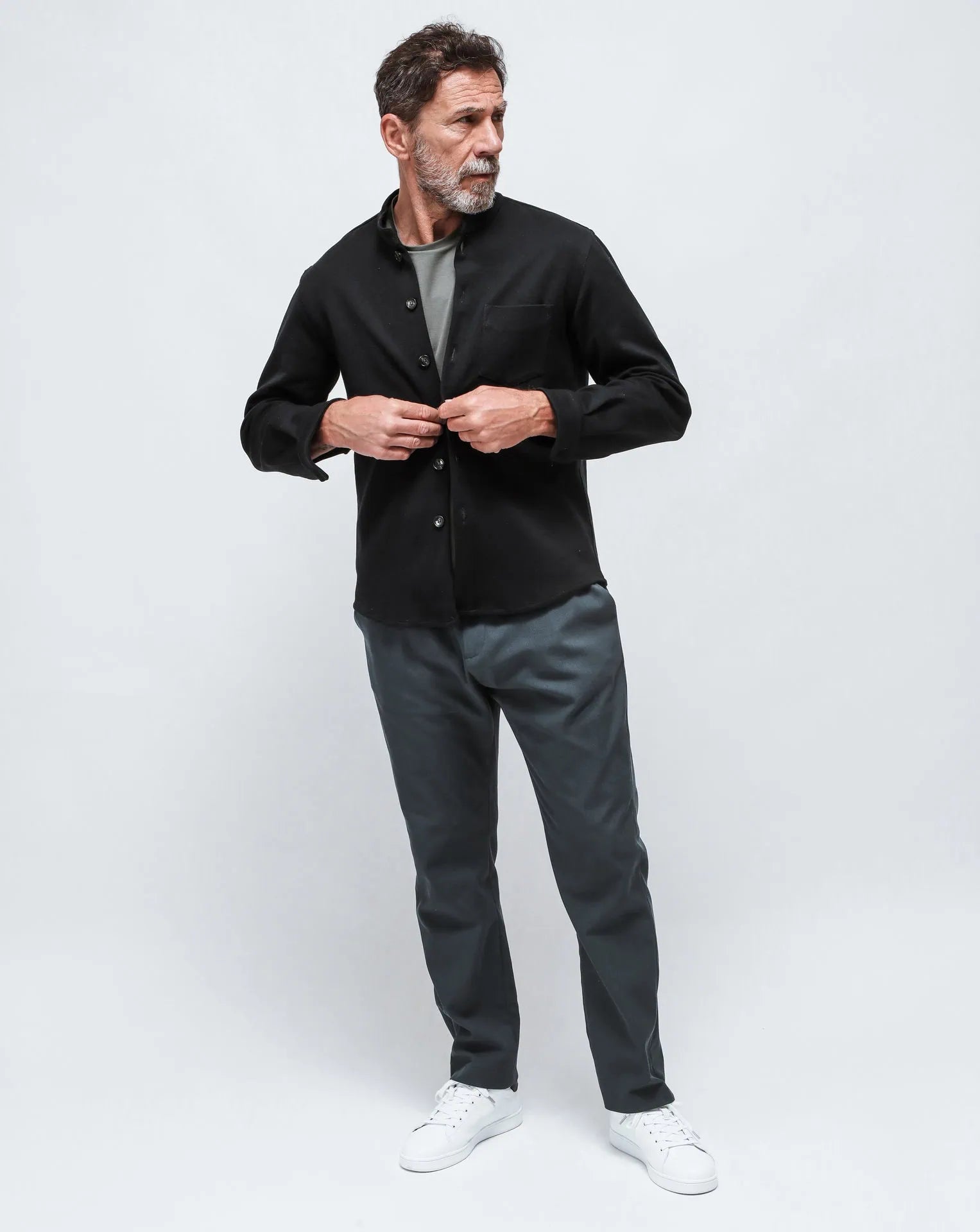
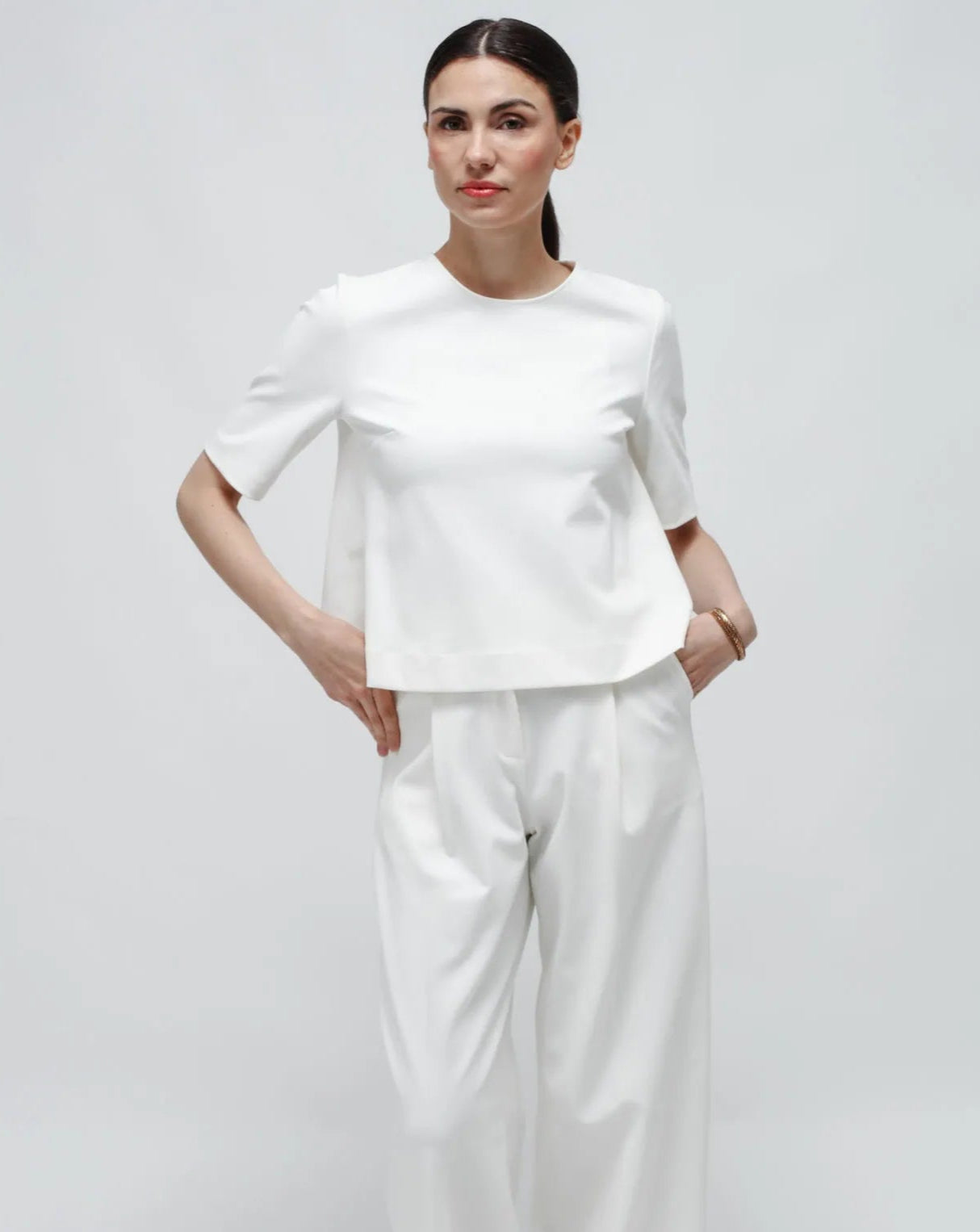
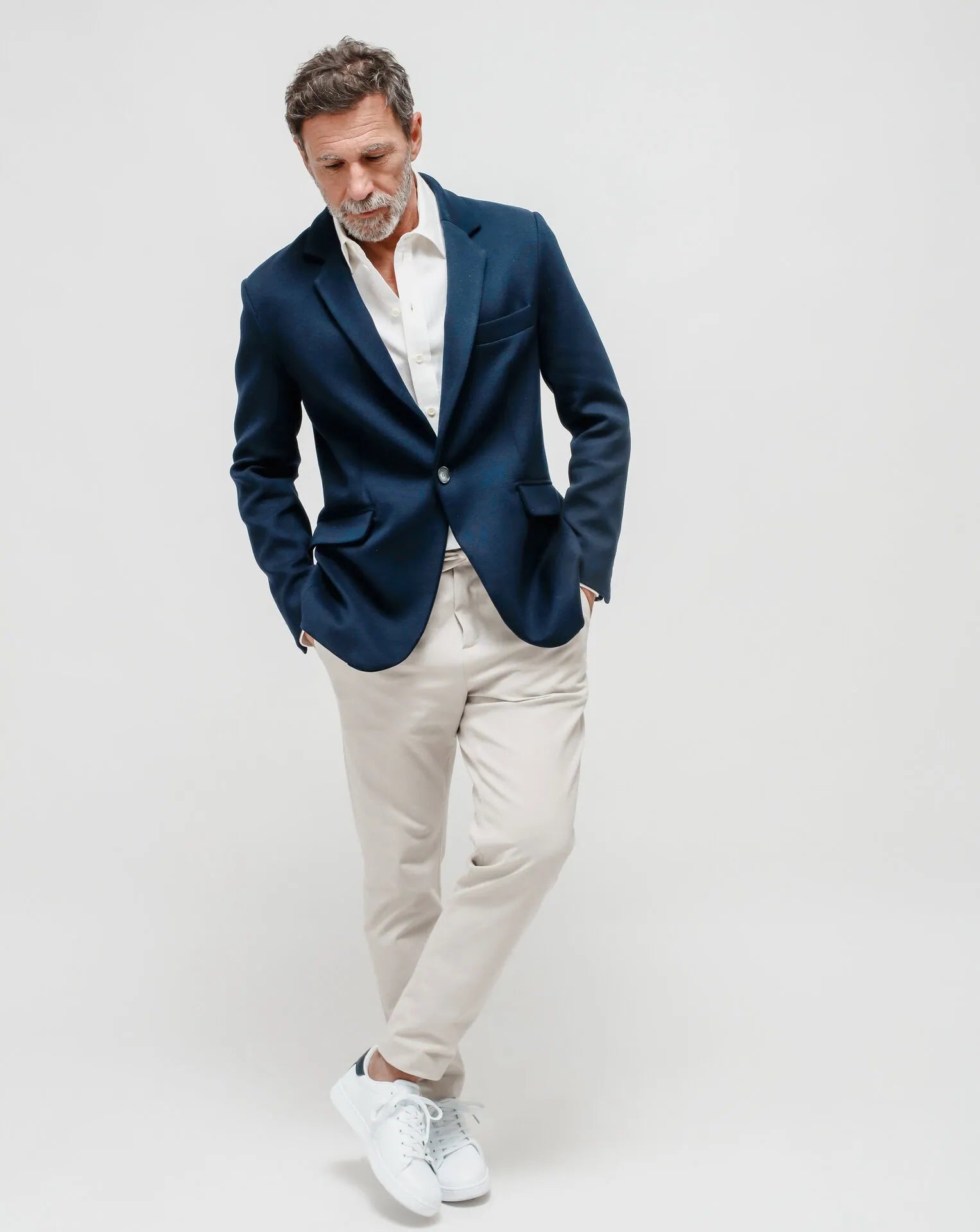
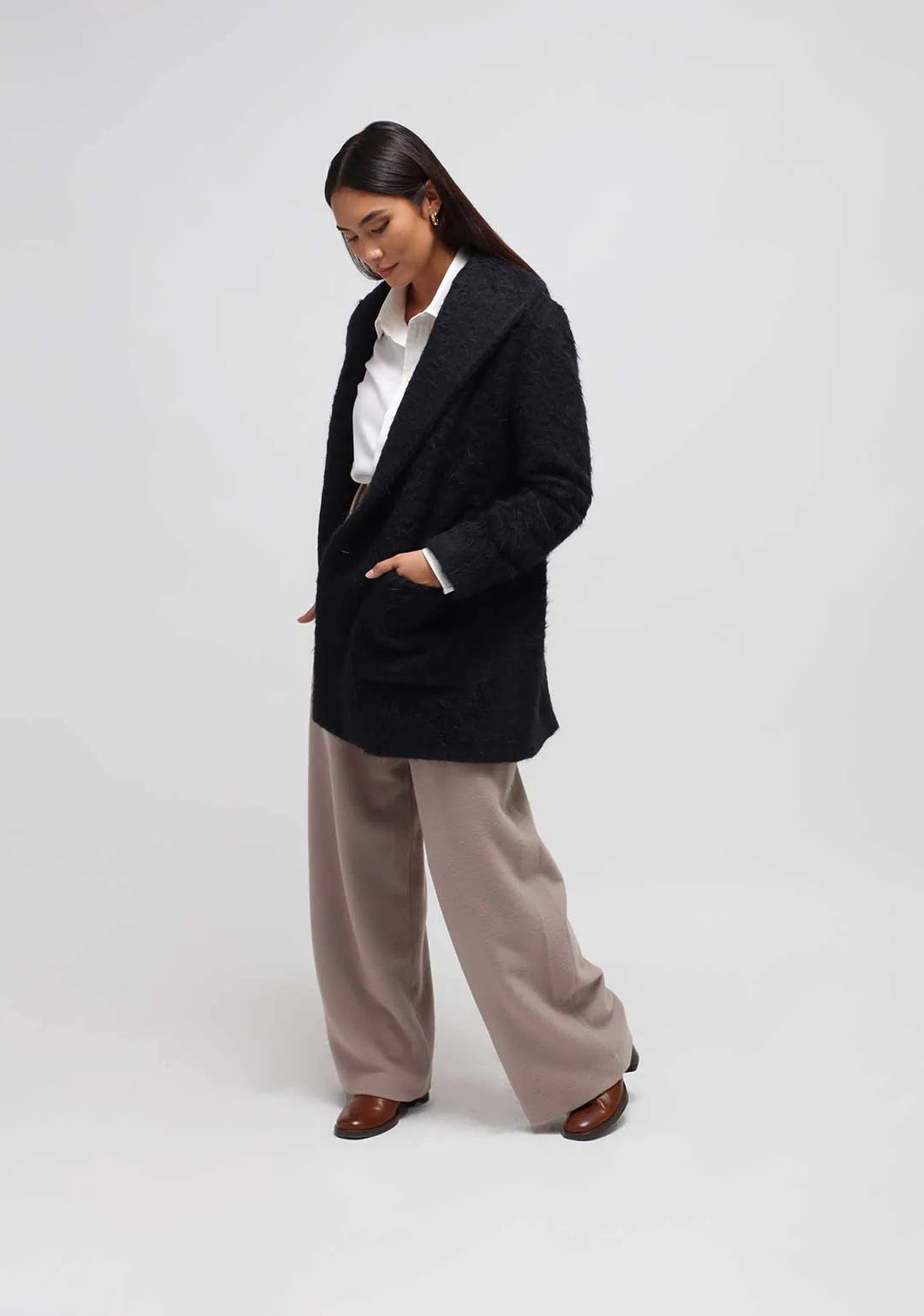
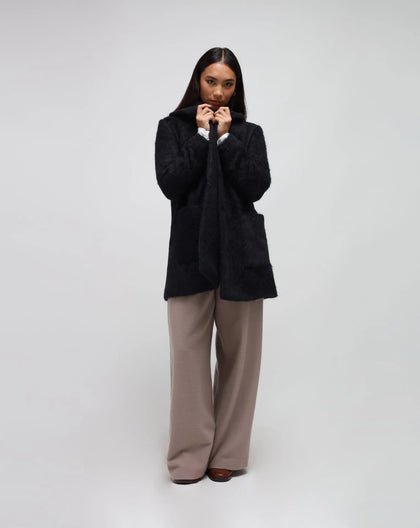
A women's wool coat should feel protective without becoming stiff, while a men's wool overshirt should layer easily over a fine knit or shirt. For evening plans, a long-sleeve dress in a fluid deadstock fabric can carry you through the season with fewer, better pieces.
Inspect the Construction, Not Just the Surface
A polished exterior can hide weak construction. Take a few seconds to inspect the details that determine whether clothing survives real life.
First, check the seams. They should lie flat, feel secure, and show even stitching without loose threads or skipped sections. On woven garments, gently pull the seam between your fingers. If it separates easily or reveals a gap, the construction may not withstand regular wear.
Then look at hems, buttonholes, zippers, and linings. Hems should be clean and substantial rather than hastily finished. Buttons should be firmly attached, and buttonholes should be tightly stitched with no fraying. A zipper should move smoothly and sit flat. In tailored jackets, coats, and dresses, a lining can improve comfort, preserve the garment's shape, and reduce friction against the layers beneath.
Pattern alignment is another quiet signal. Stripes, checks, and prints should meet thoughtfully across seams where possible. This is not always feasible on every cut, and it should not be treated as the only measure of quality, but careful alignment reflects attention during production.
Handmade and small-batch production can support this level of attention. It does not mean every garment must be visibly hand-finished. It means production is treated as craft rather than an anonymous race to make the maximum number of units at the lowest possible cost.
Fit Is Part of Quality
Even excellent fabric cannot rescue a garment that does not work with your body and your life. Fit determines whether an item is worn often or left untouched.
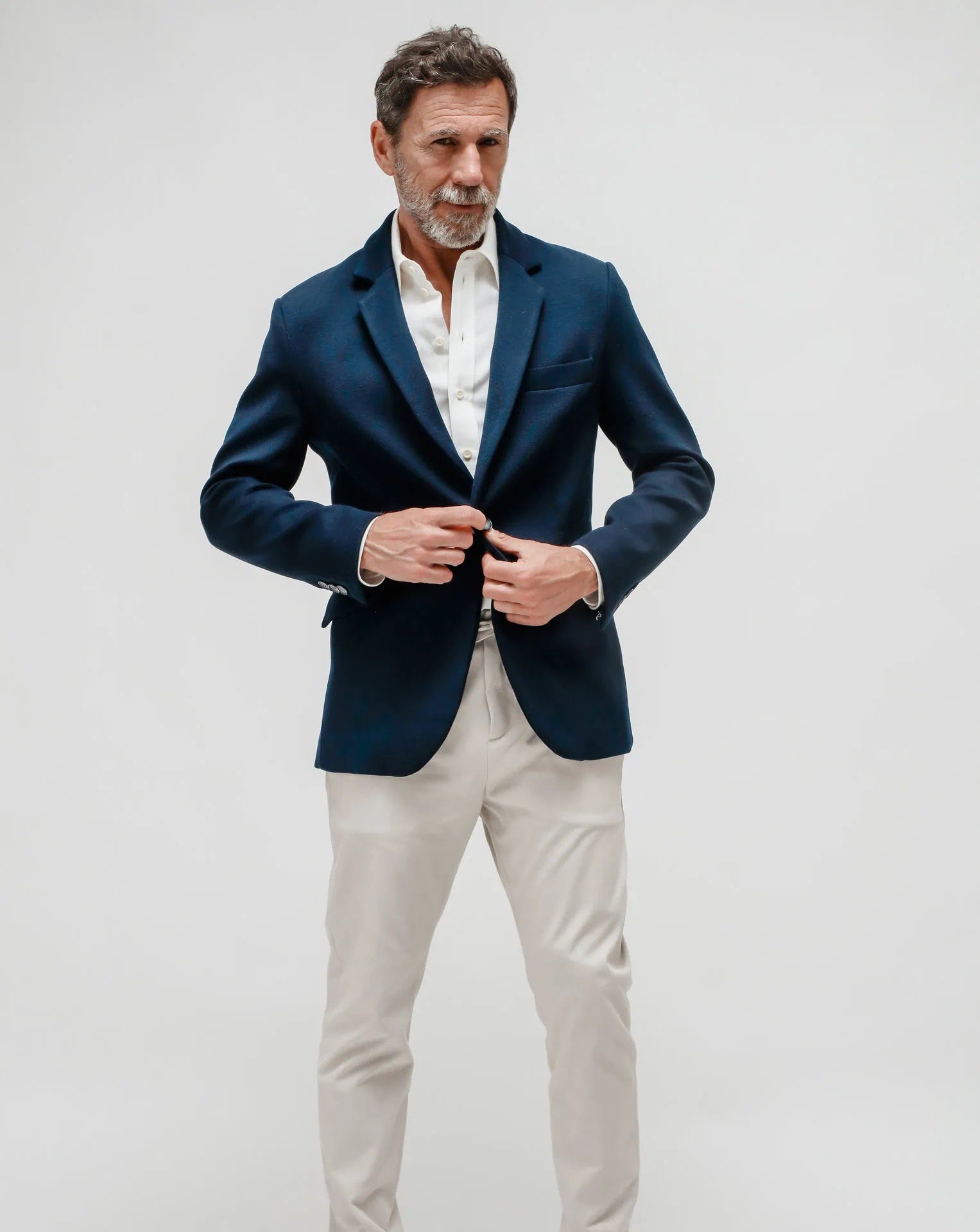
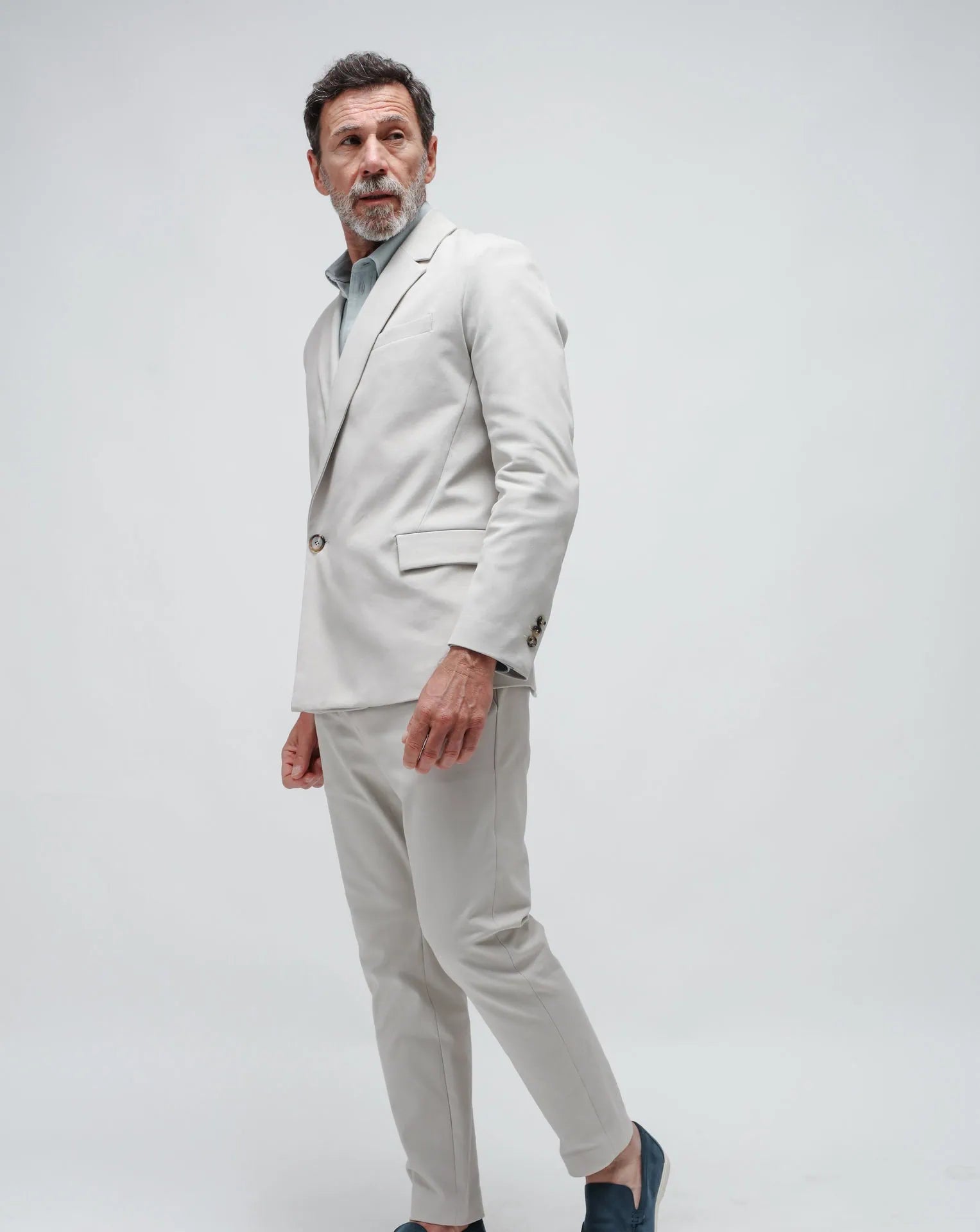
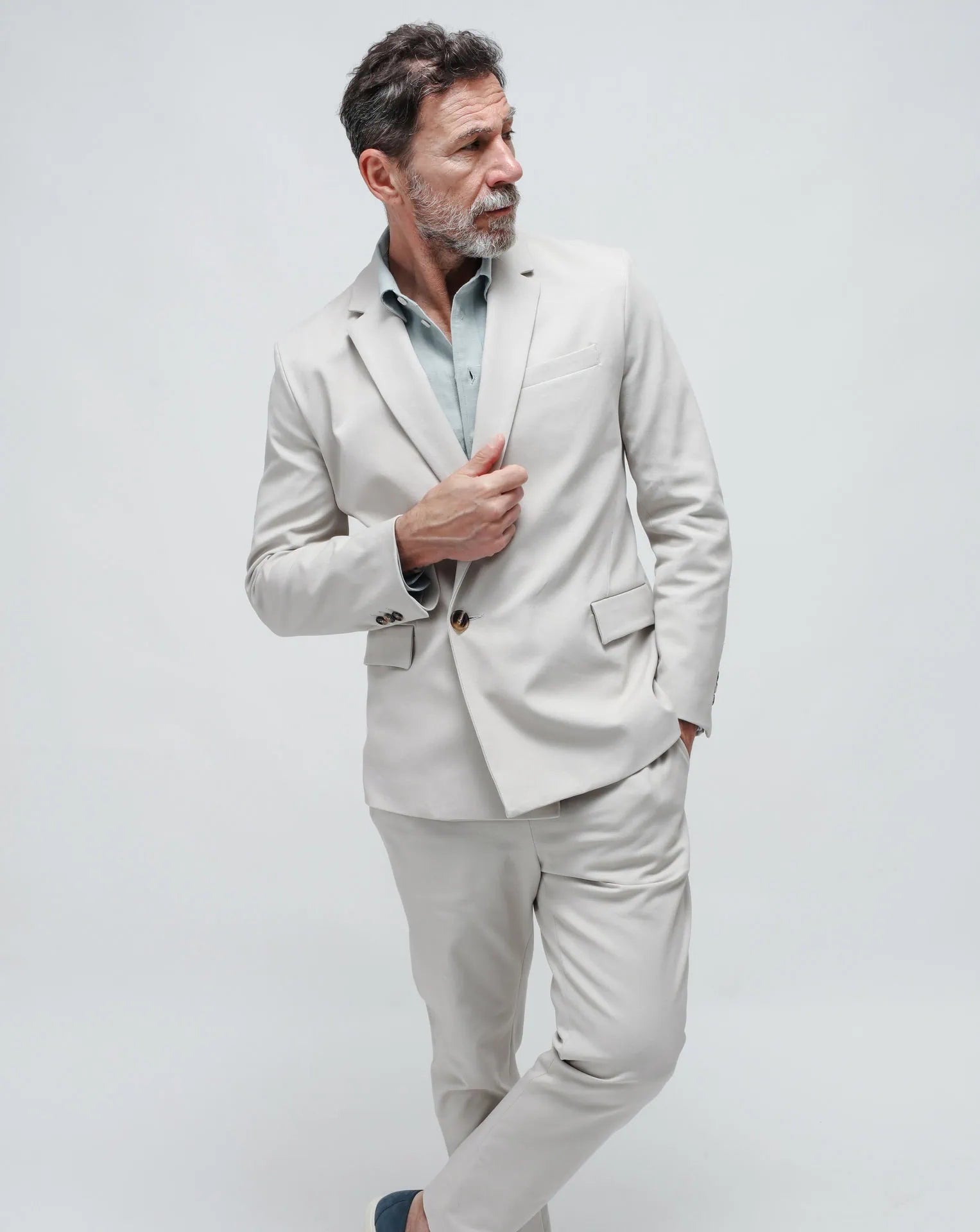
Try pieces on with the layers and shoes you would actually wear. A winter coat needs room for a knit underneath. Trousers should allow you to sit comfortably without pulling across the hips or thighs. A blazer should let you reach forward without the shoulders fighting back. For men and women alike, the shoulder line is one of the hardest areas to alter, so prioritize a good fit there.
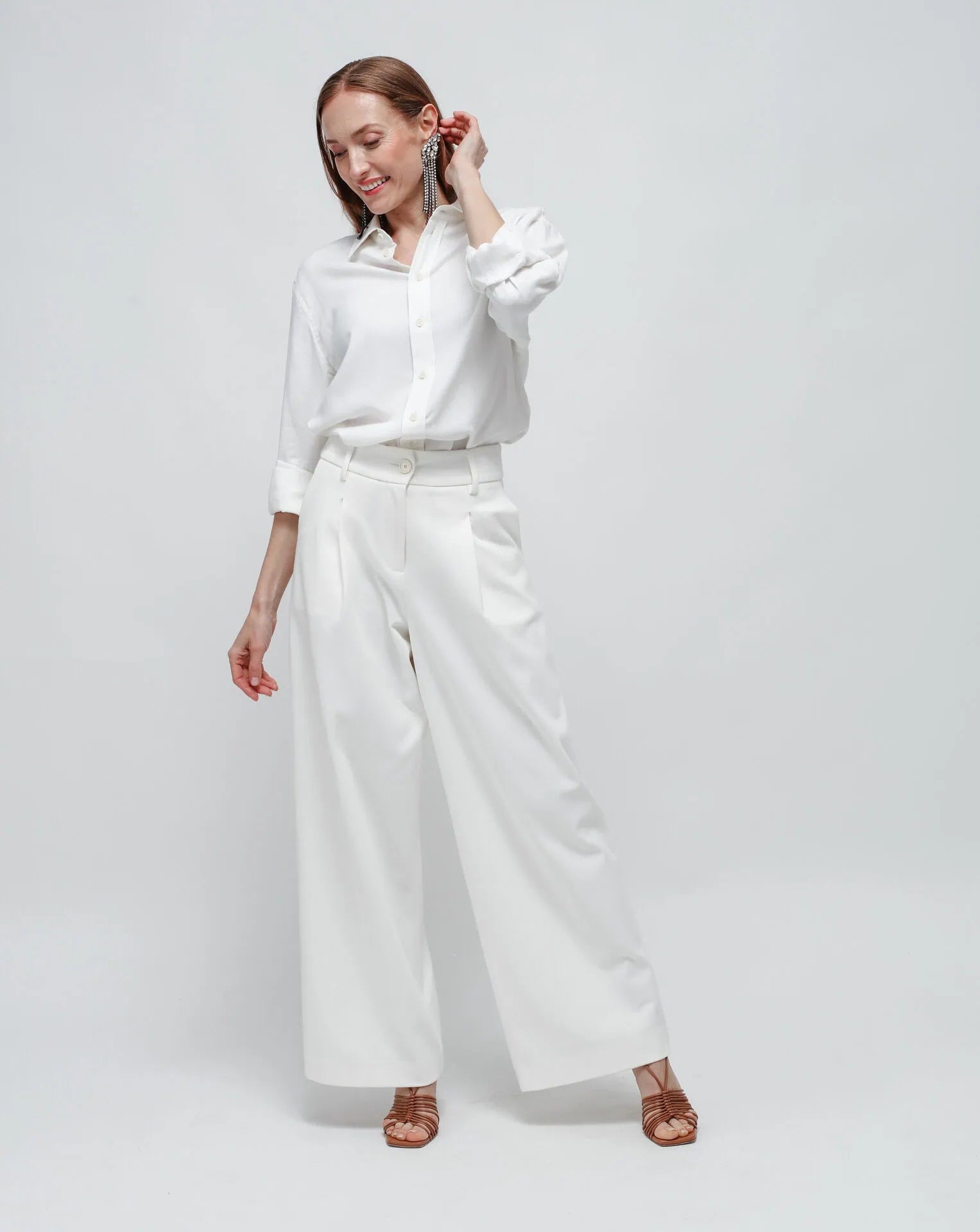
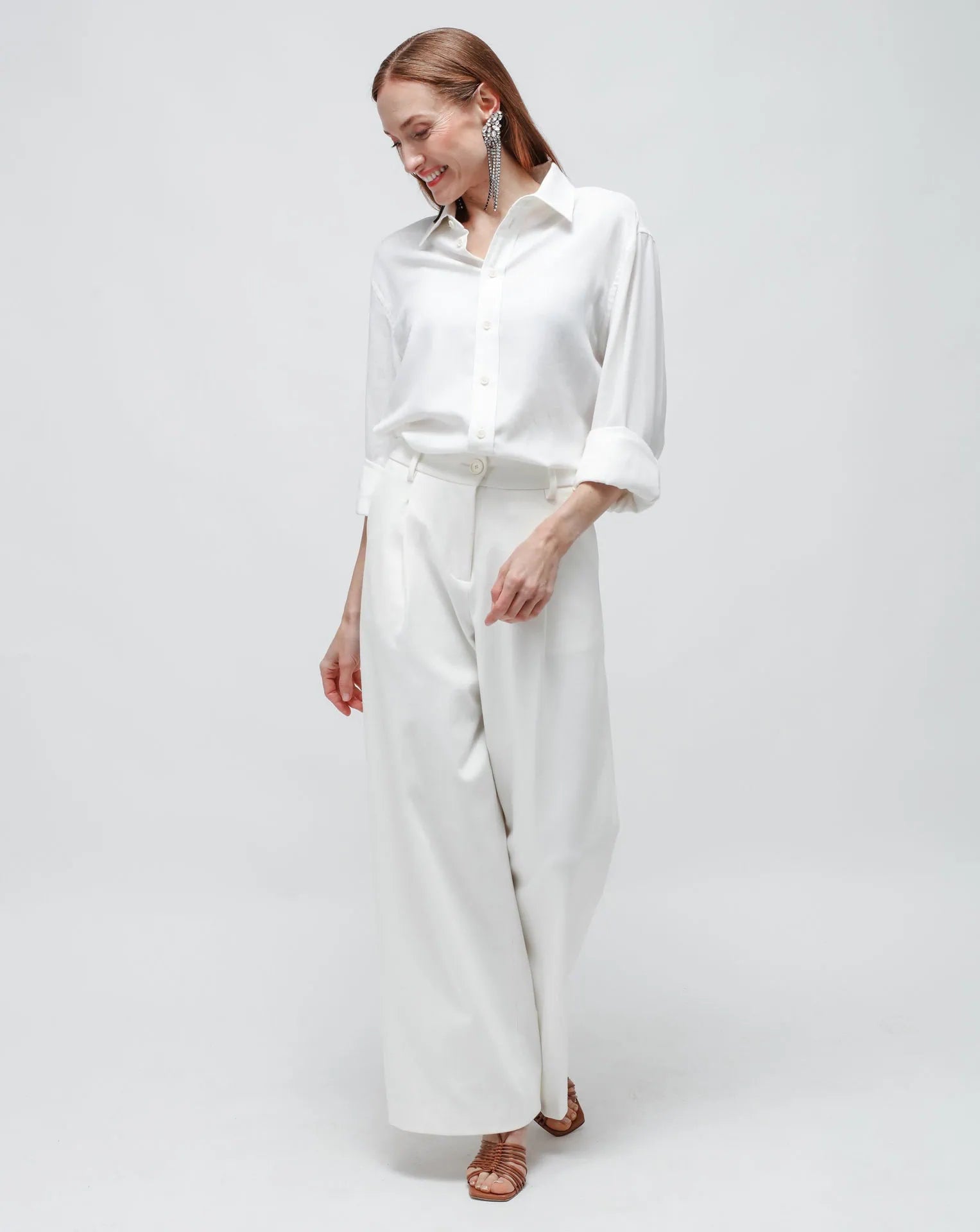
Do not confuse restrictive with tailored. A garment can have a precise silhouette and still allow movement. Likewise, oversized pieces should look intentional rather than simply too large. Consider proportions: a voluminous coat may work best with straighter trousers, while wide-leg pants can balance a closer-fitting top or a cropped jacket.
Online shopping requires a more deliberate approach. Use garment measurements alongside your own, rather than relying only on a size label. Compare them with a favorite item you already own. When a brand offers free size exchanges, use that flexibility to find the fit that will make the garment earn its place.
Choose Pieces That Can Be Reworn, Not Just Seen
The strongest wardrobe is not built around a single aesthetic moment. It is built around pieces that adapt. Before purchasing, ask whether the garment works across your actual calendar: office days, travel, dinners, weekends, and colder commutes.
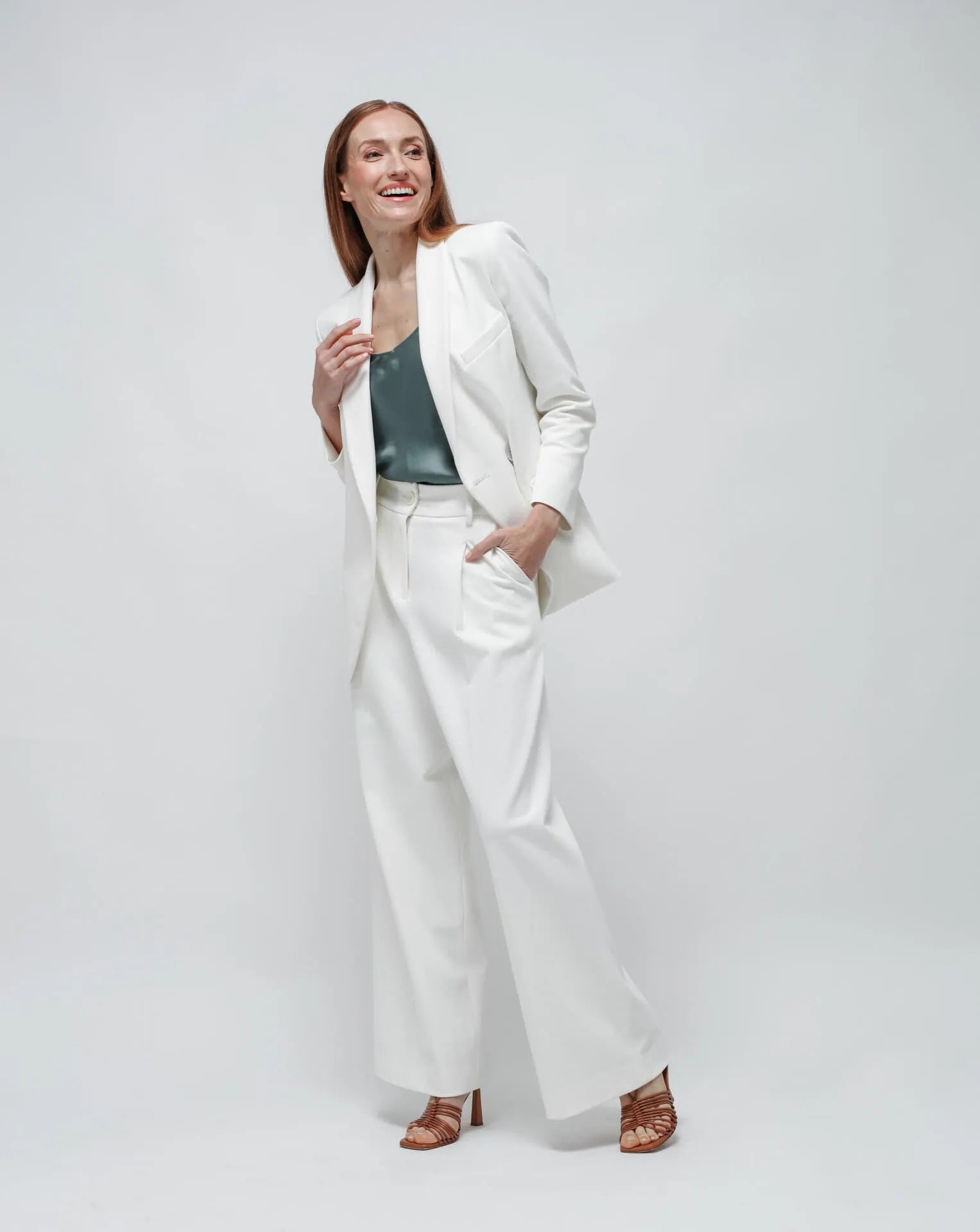
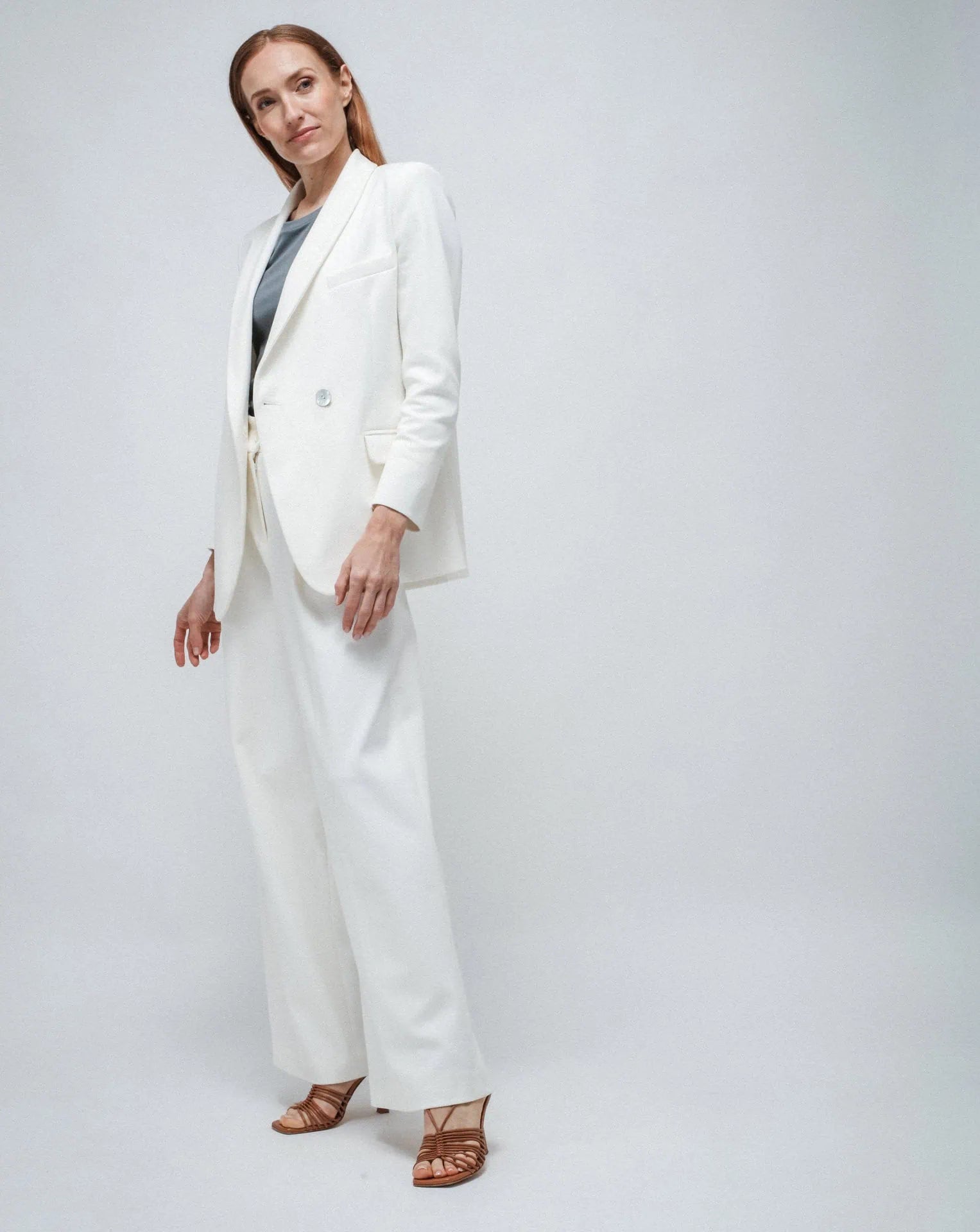
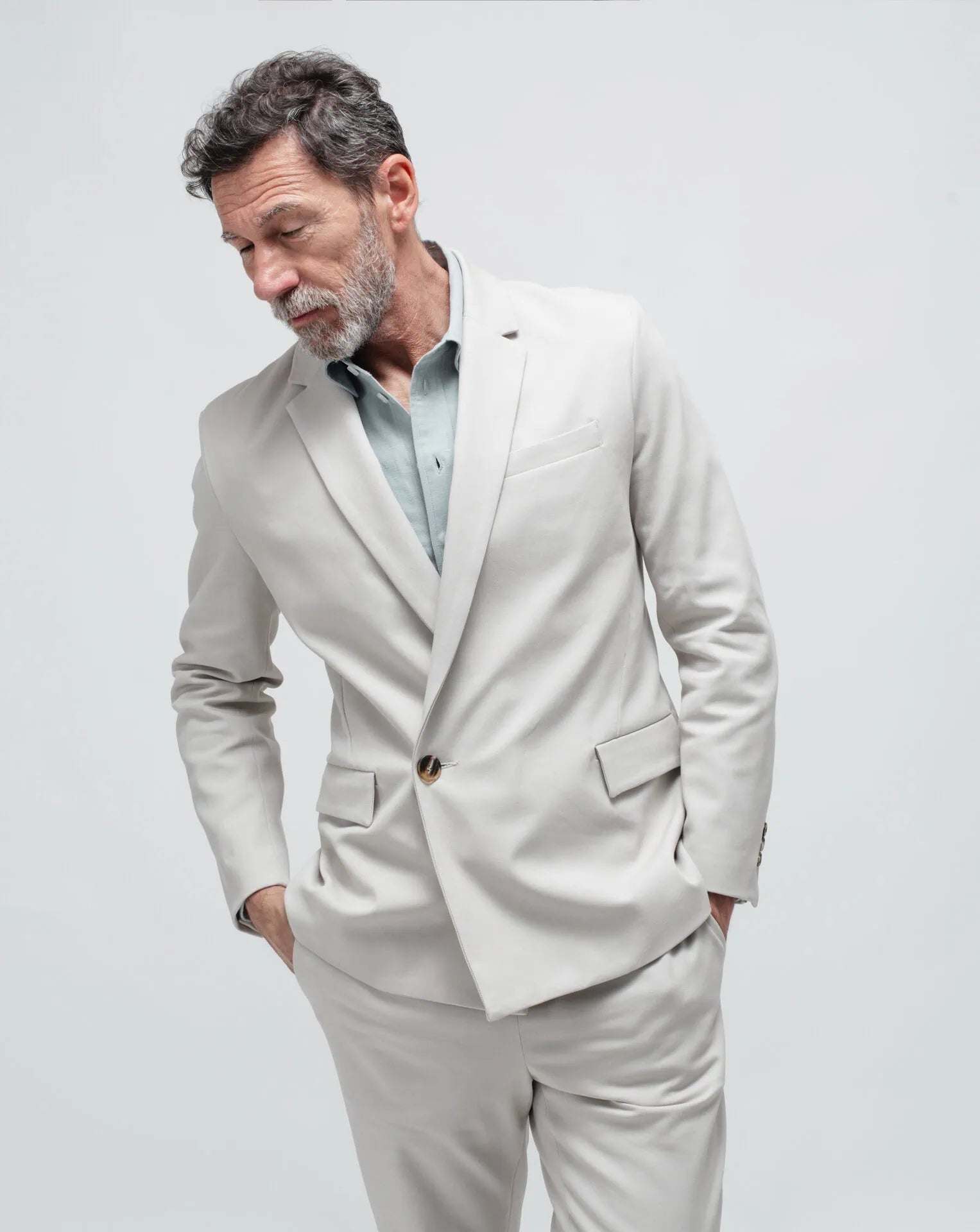
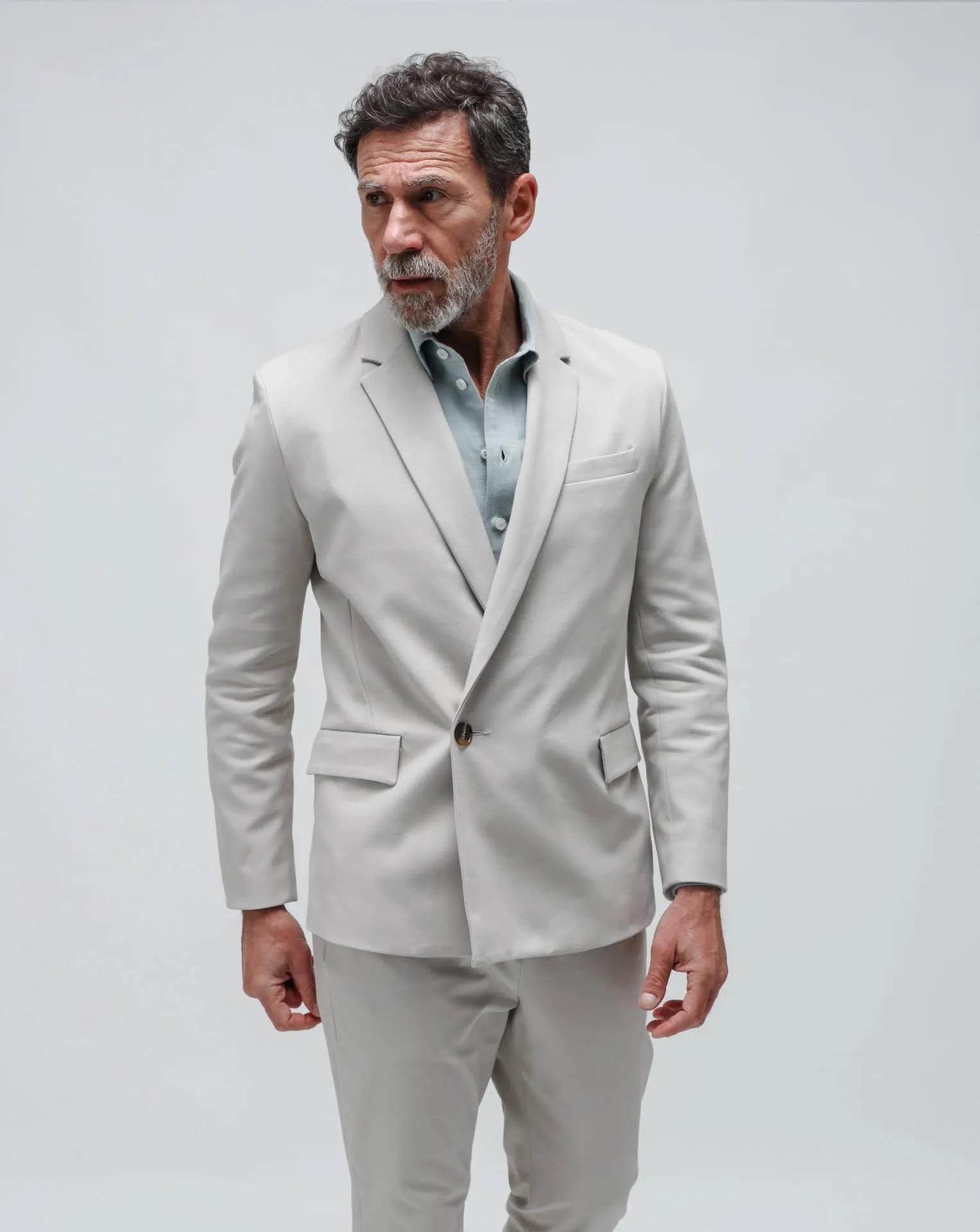
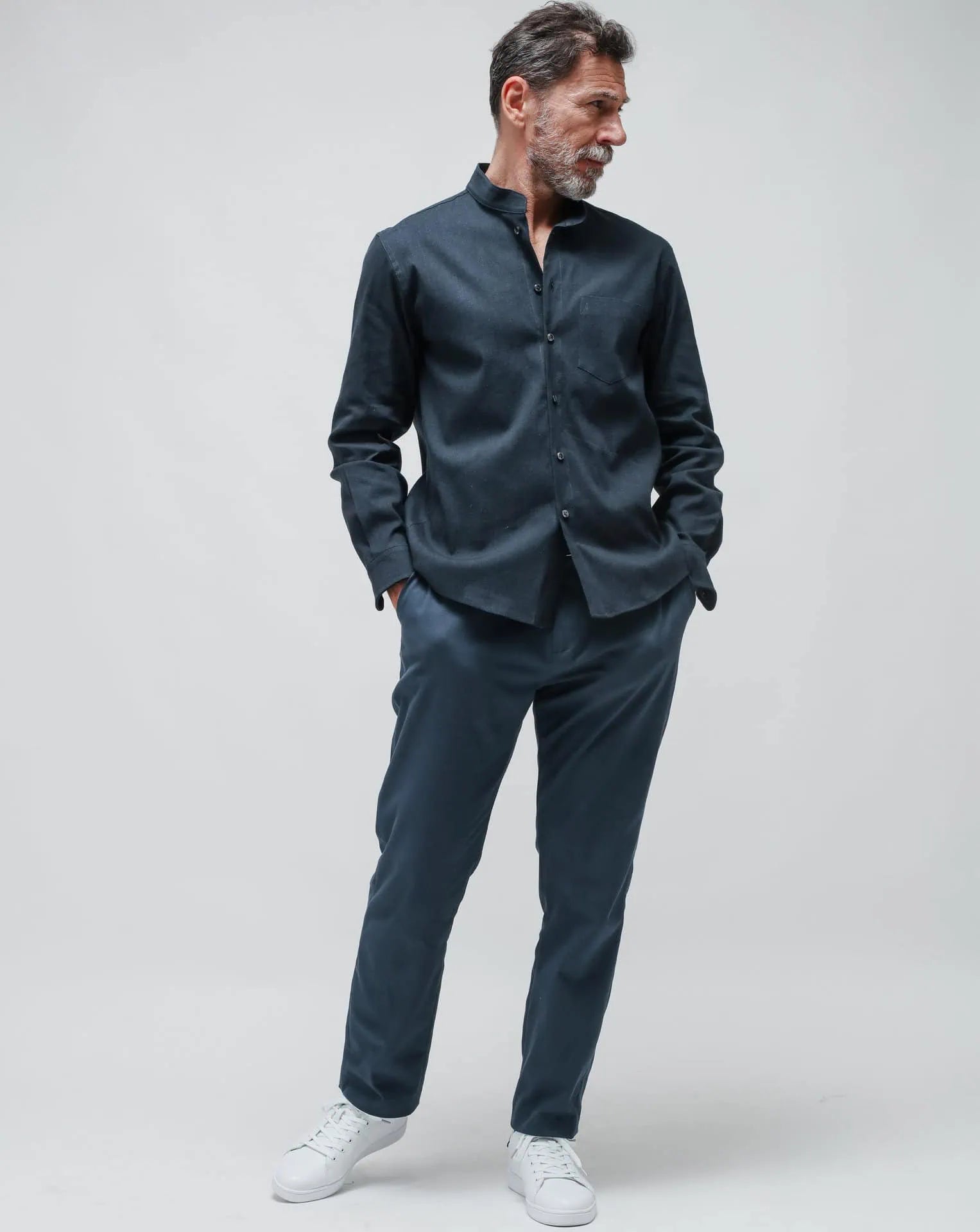
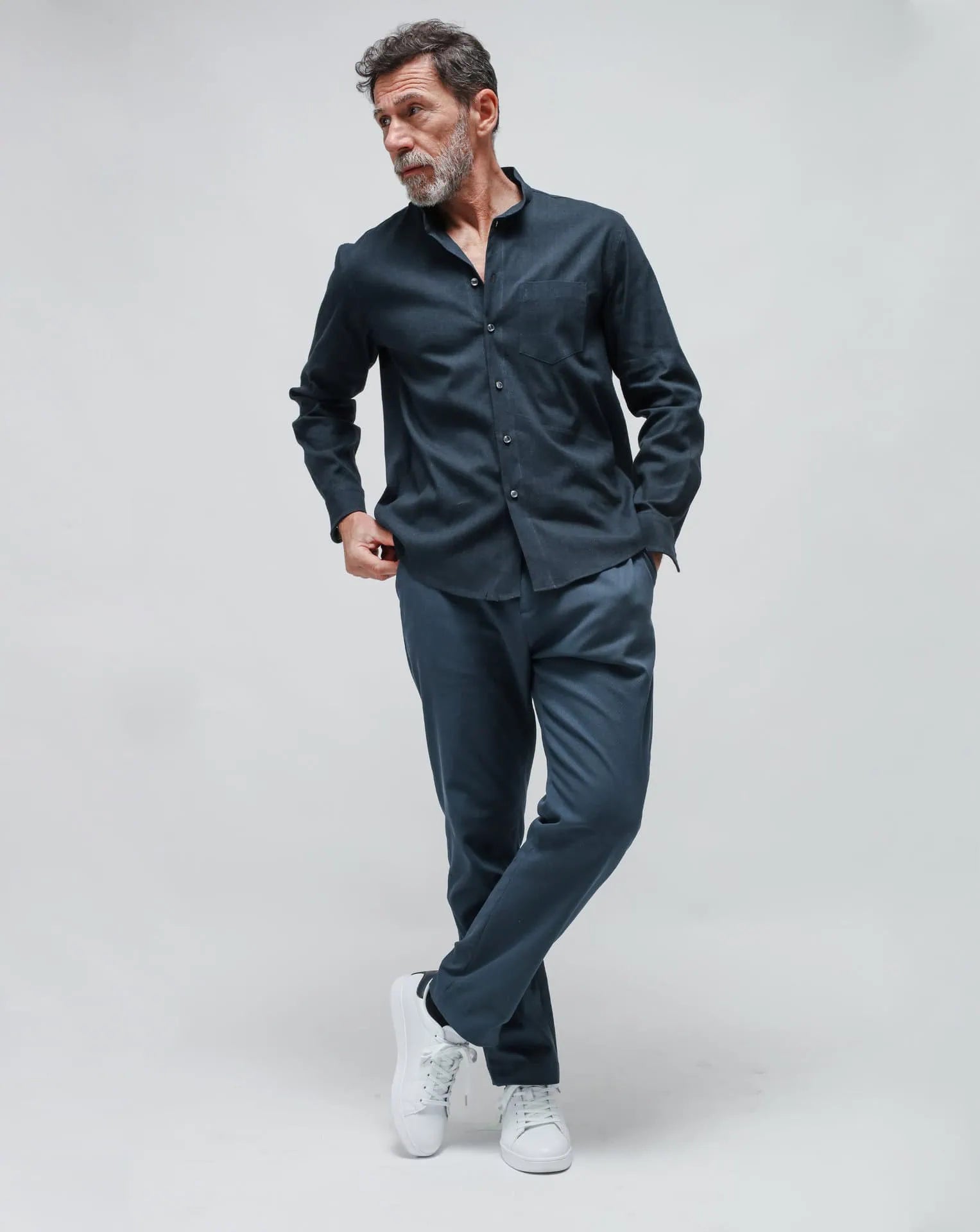
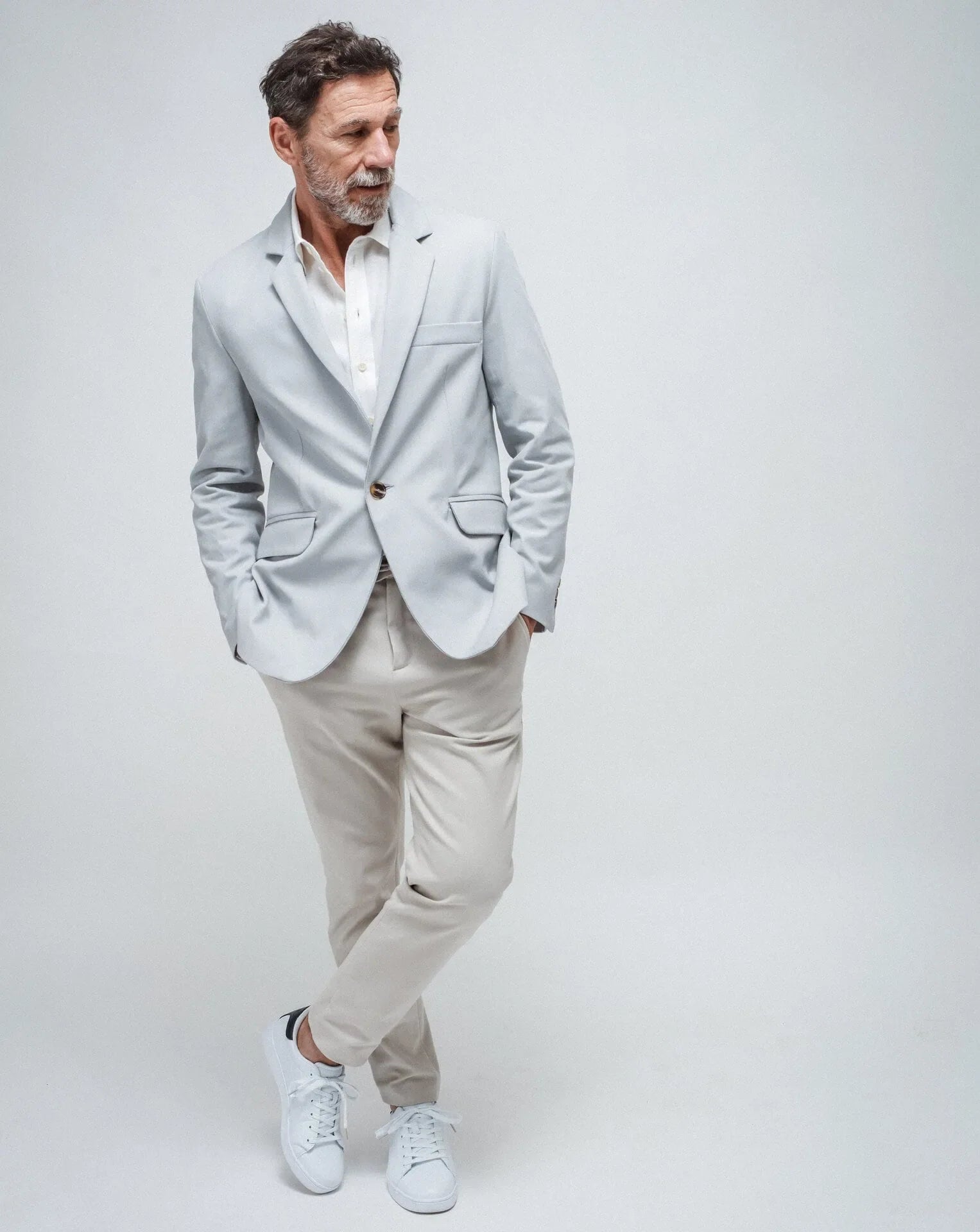
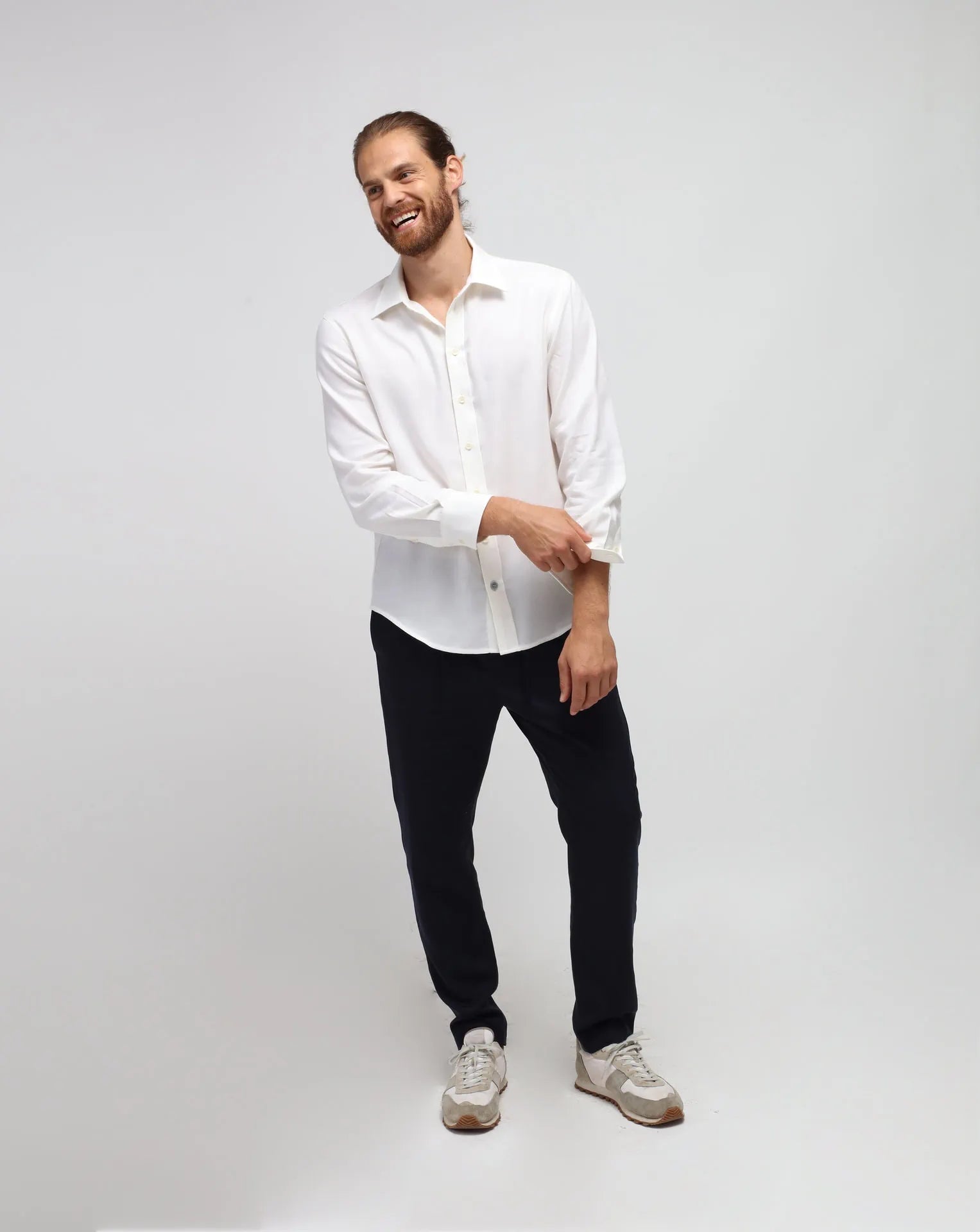
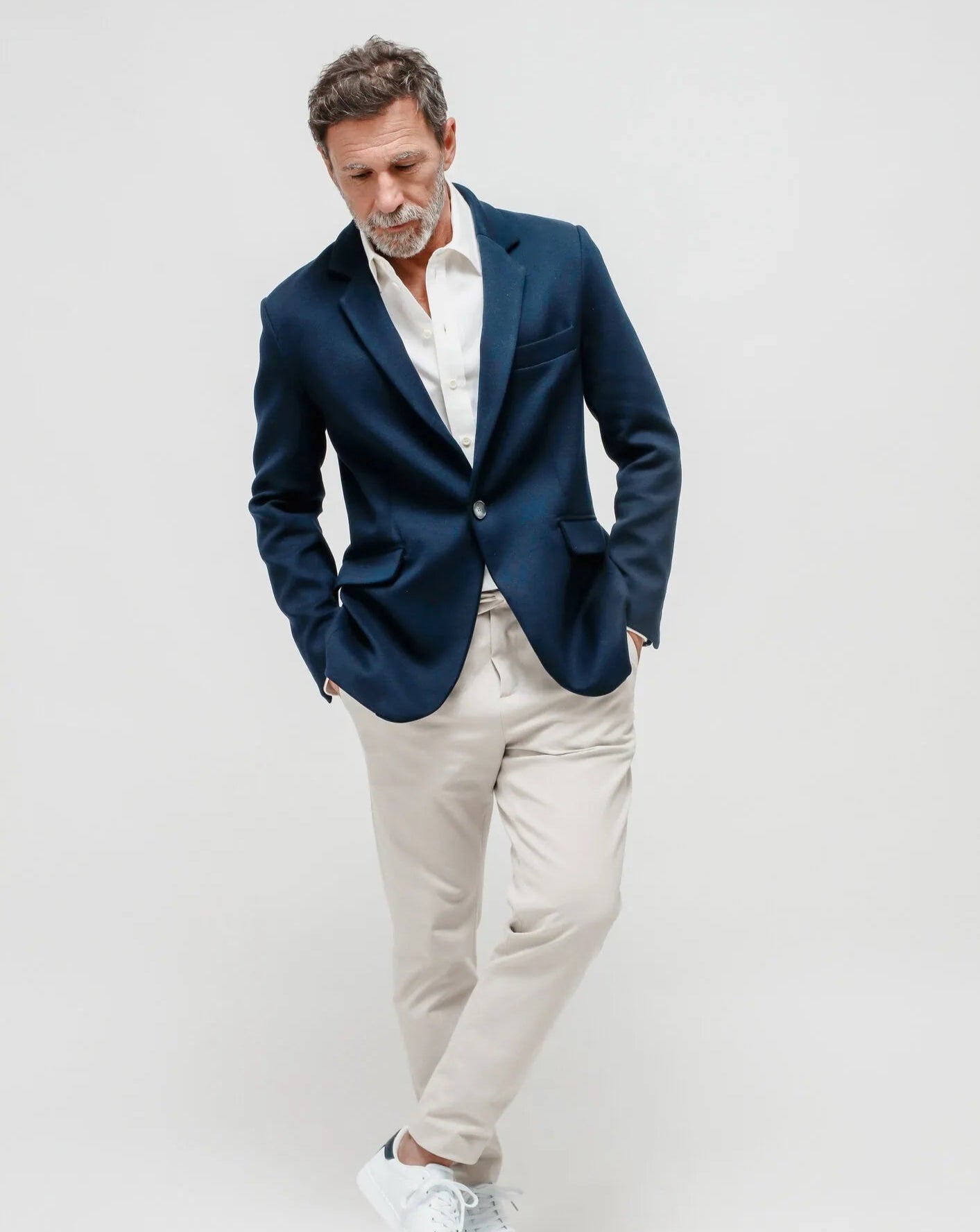
A women's tailored trouser can move from a meeting to dinner with a silk top and a structured coat. A men's wool trouser can work with a crisp shirt, fine-gauge knit, or relaxed overshirt. A coordinated set may be worn together for impact, then separated into multiple looks. This is where considered design becomes practical value.
Statement pieces still have a place. The key is choosing one with enough integrity to outlast the trend cycle. A rich color, an unusual texture, or a distinctive cut can feel memorable without becoming disposable. Limited-edition clothing made from deadstock fabrics often creates that balance: individual enough to feel special, designed well enough to return to season after season.
Care Is the Final Quality Test
A garment's longevity depends partly on what happens after purchase. Care labels are not decorative. They are instructions for preserving the fibers, finish, and shape you paid for.
Wash less when possible. Airing wool, spot-cleaning a small mark, and steaming a garment can often replace a full wash. Use cold water and gentle cycles for pieces that allow machine washing, then avoid high heat, which can damage elastic fibers and cause shrinkage. Fold knitwear instead of hanging it to prevent stretched shoulders. Store coats on broad hangers and give them space to recover between wears.
Quality clothing should not demand perfection from you. It should invite better habits. A small repair, a replaced button, or professional cleaning before seasonal storage can extend a favorite piece for years.
Choose fewer garments with stronger materials, honest construction, and a fit you want to return to. The goal is not a flawless wardrobe. It is a more personal one, built slowly enough that every piece has a reason to stay.
FAQ
Q: Does a higher price always mean better-quality clothing?
A: No. Price is only one clue. Check the fabric composition, stitching, finishing, fit, and the transparency of the production process. A well-made garment should show clear value beyond branding.
Q: Are natural fibers always better than synthetic fabrics?
A: Not always. Wool, cotton, linen, and silk can age beautifully, but a small amount of elastane may improve fit and recovery. Technical outerwear may also benefit from recycled synthetic fibers. Focus on whether the blend serves the garment's purpose.
Q: How can I assess quality when shopping online?
A: Read fabric details and care instructions, study close-up images of seams and finishing, and use garment measurements instead of size alone. Compare measurements with a piece you already wear often.
Q: What should I prioritize when buying winter clothing?
A: Start with fabric weight, warmth, layering room, and construction. A dense wool coat, durable knit, and well-cut trousers form a useful winter foundation because each can be worn repeatedly in different settings.
Q: What is deadstock fabric, and is it good quality?
A: Deadstock is surplus fabric from existing textile production. It can be premium-quality material that would otherwise go unused. Because quantities are limited, it is especially suited to small-batch, limited-edition pieces.
the World of H&L