
Article: Why Italian Small Batch Production Matters
Why Italian Small Batch Production Matters
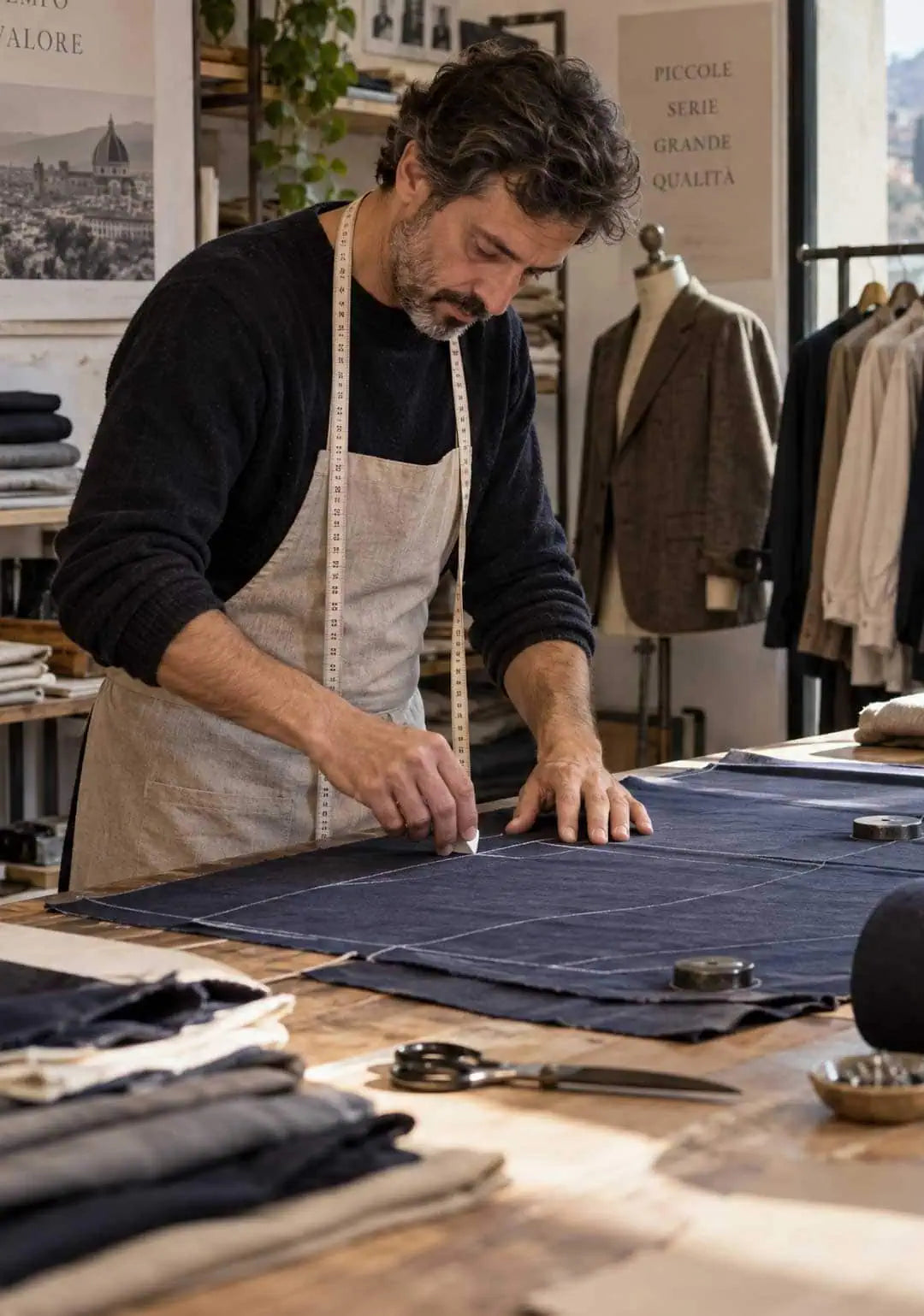
A winter coat should not begin as a spreadsheet target. It should begin with fabric worth wearing for years, hands that understand its weight, and a quantity that respects what is available. That is the value of Italian small batch production: fewer garments made with closer attention to material, fit, finish, and the people behind each piece.
For a considered wardrobe, limited production is not manufactured scarcity for its own sake. It is a decision to step away from excess. It allows design to respond to exceptional deadstock fabrics, keeps inventory disciplined, and gives each garment a reason to exist beyond one season of trend churn.
What Italian Small Batch Production Means
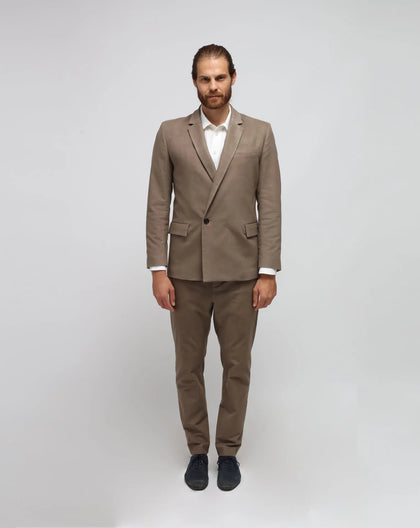
Italian small batch production means garments are made in limited runs by specialized makers in Italy, rather than ordered in vast quantities from anonymous, volume-driven supply chains. The scale is intentionally smaller. Production can be aligned with available fabric, realistic demand, and the level of care a garment requires.
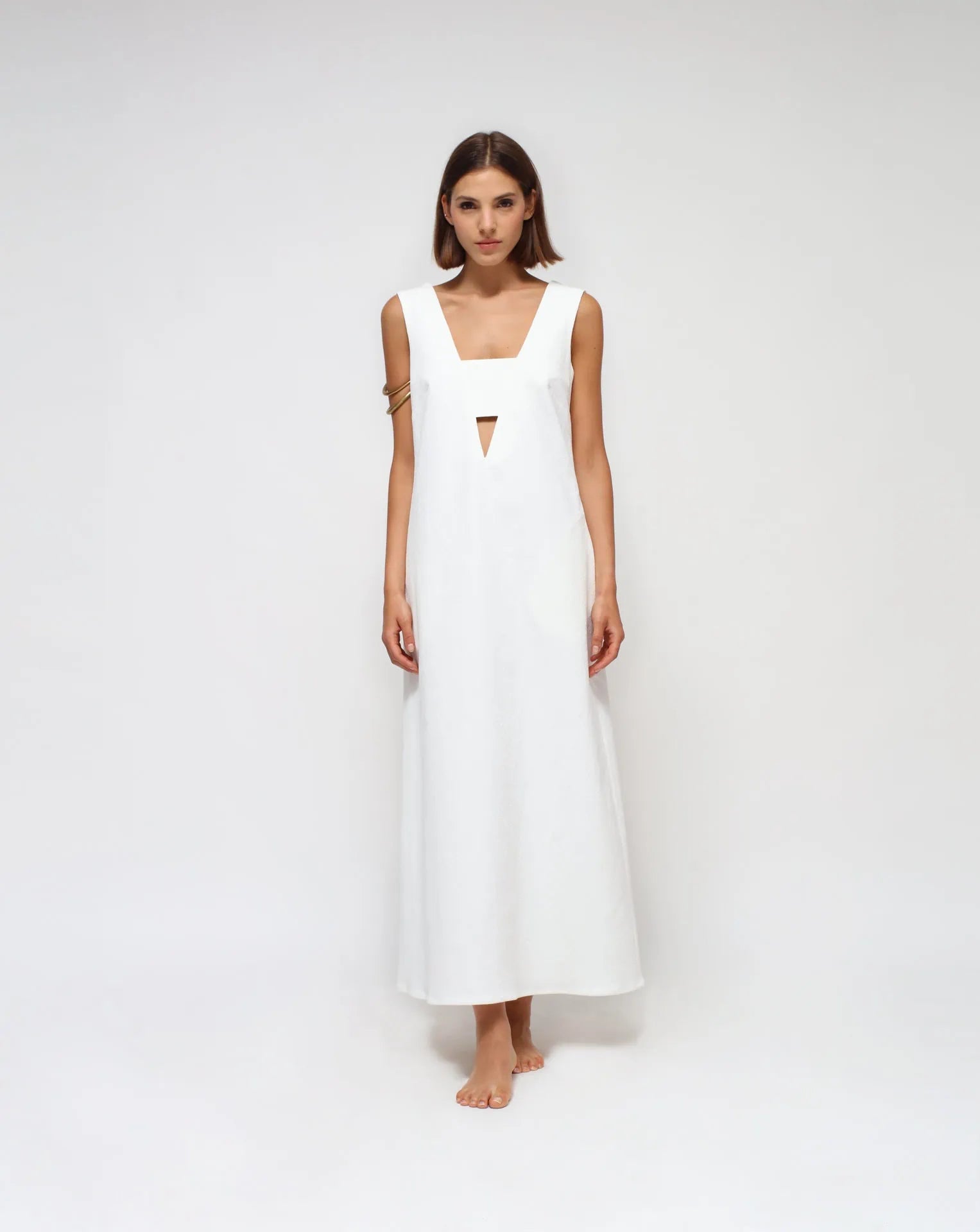
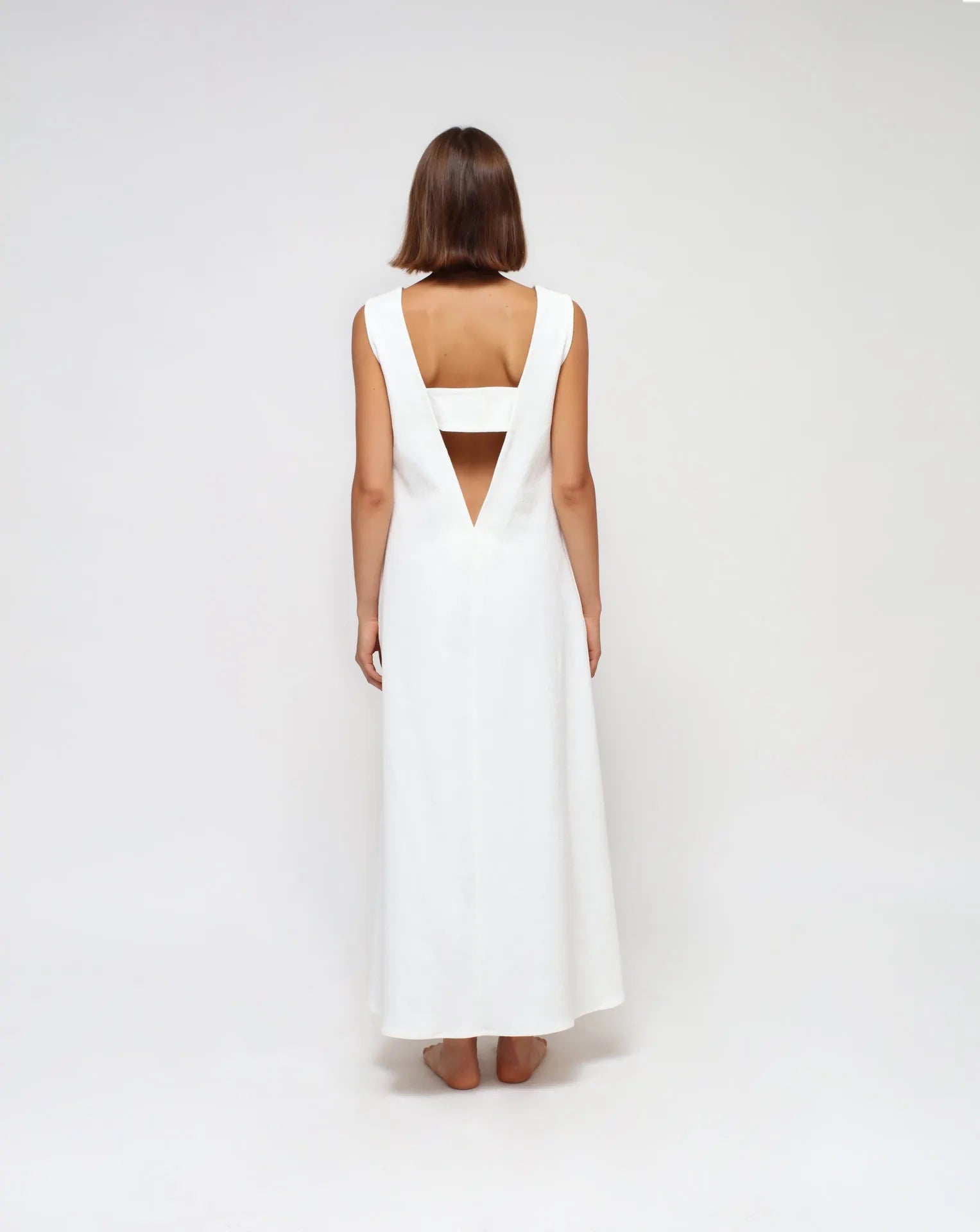
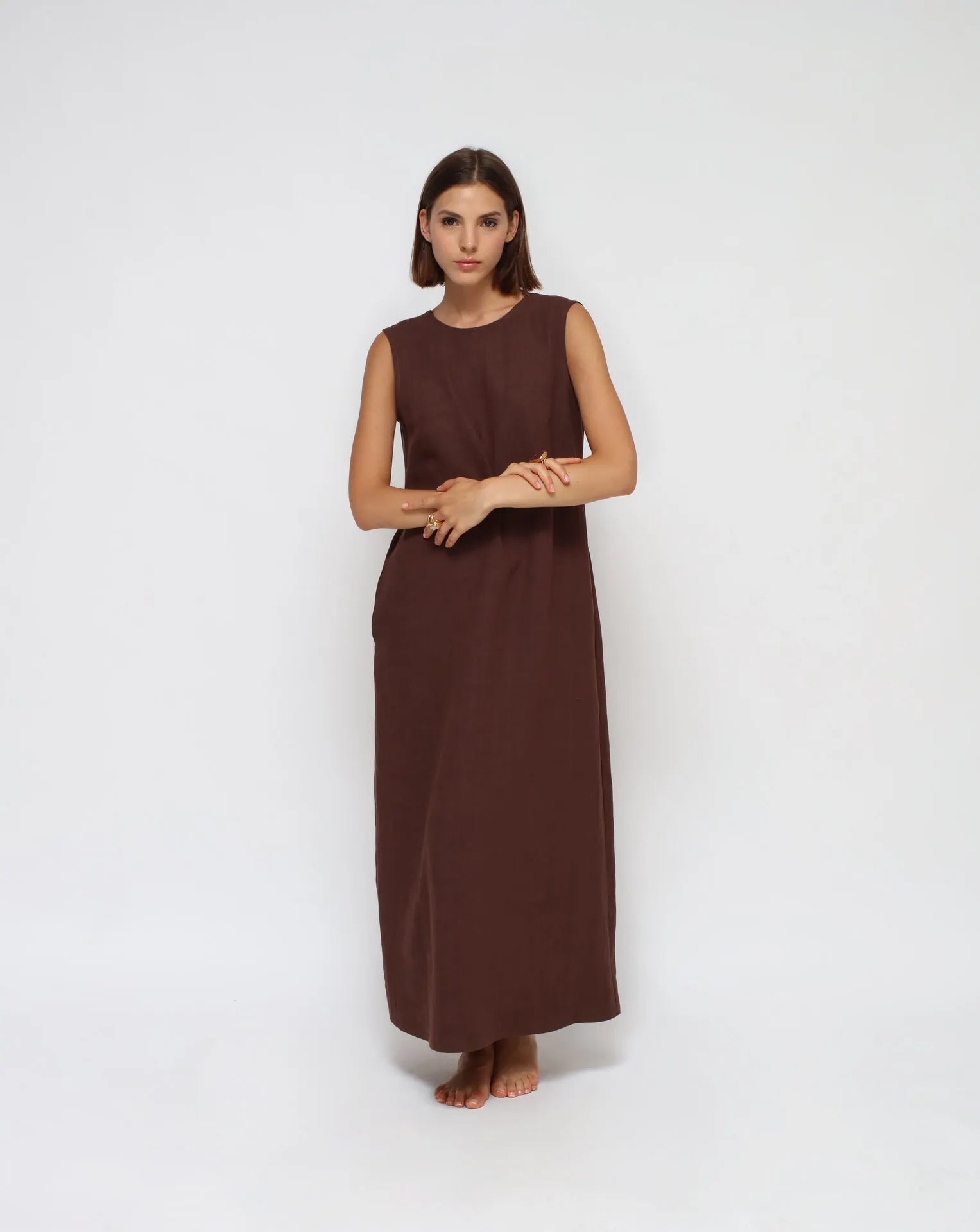
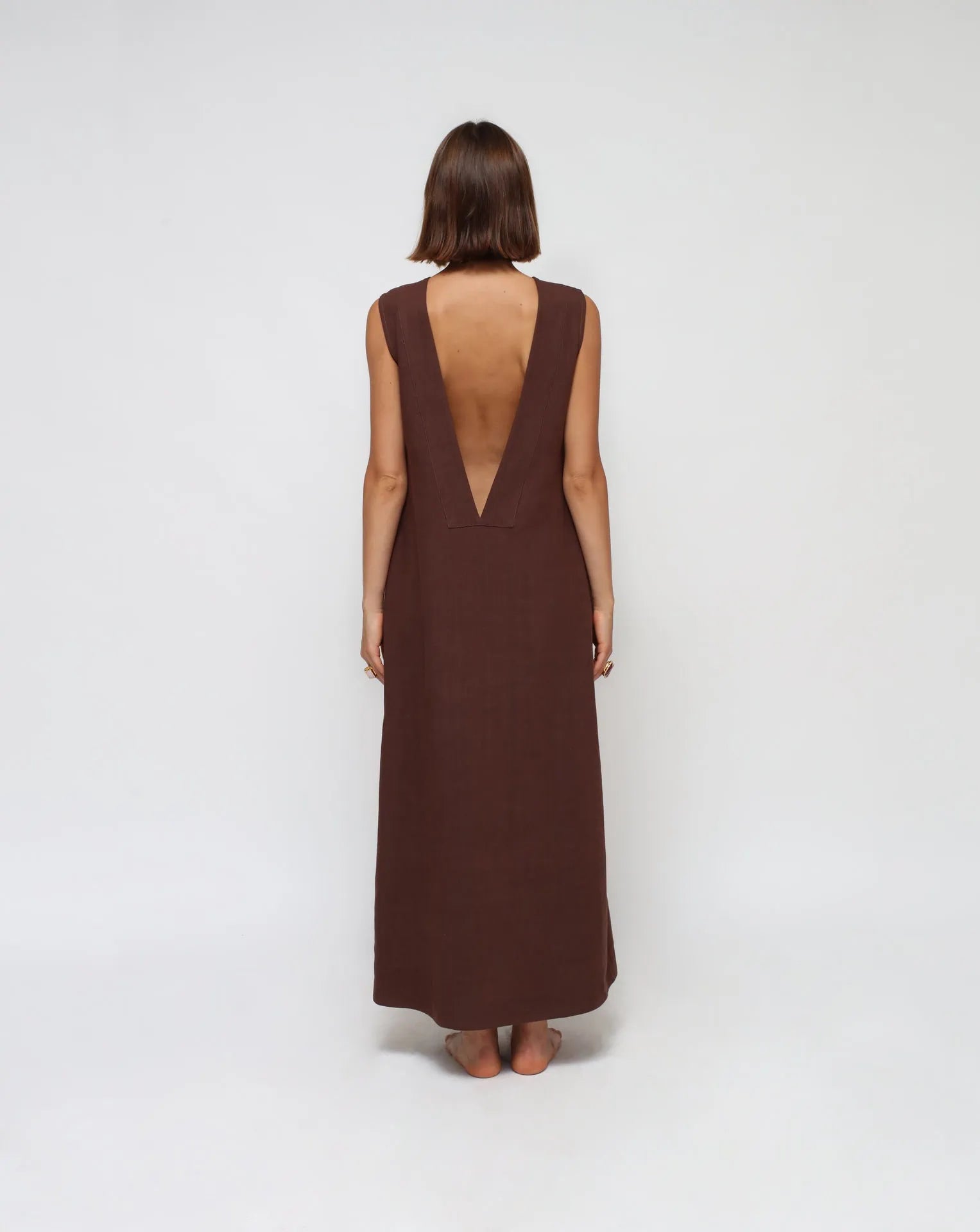
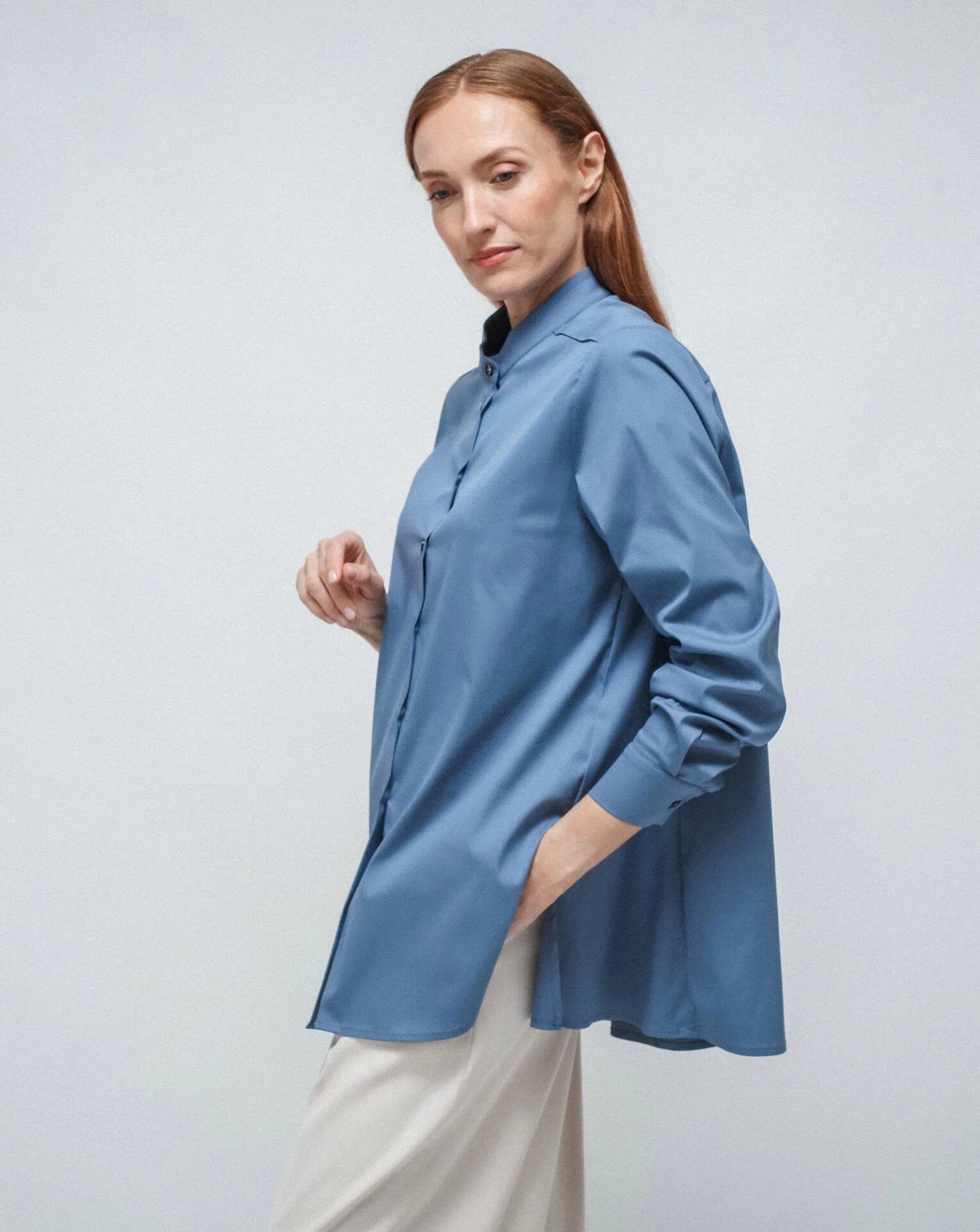
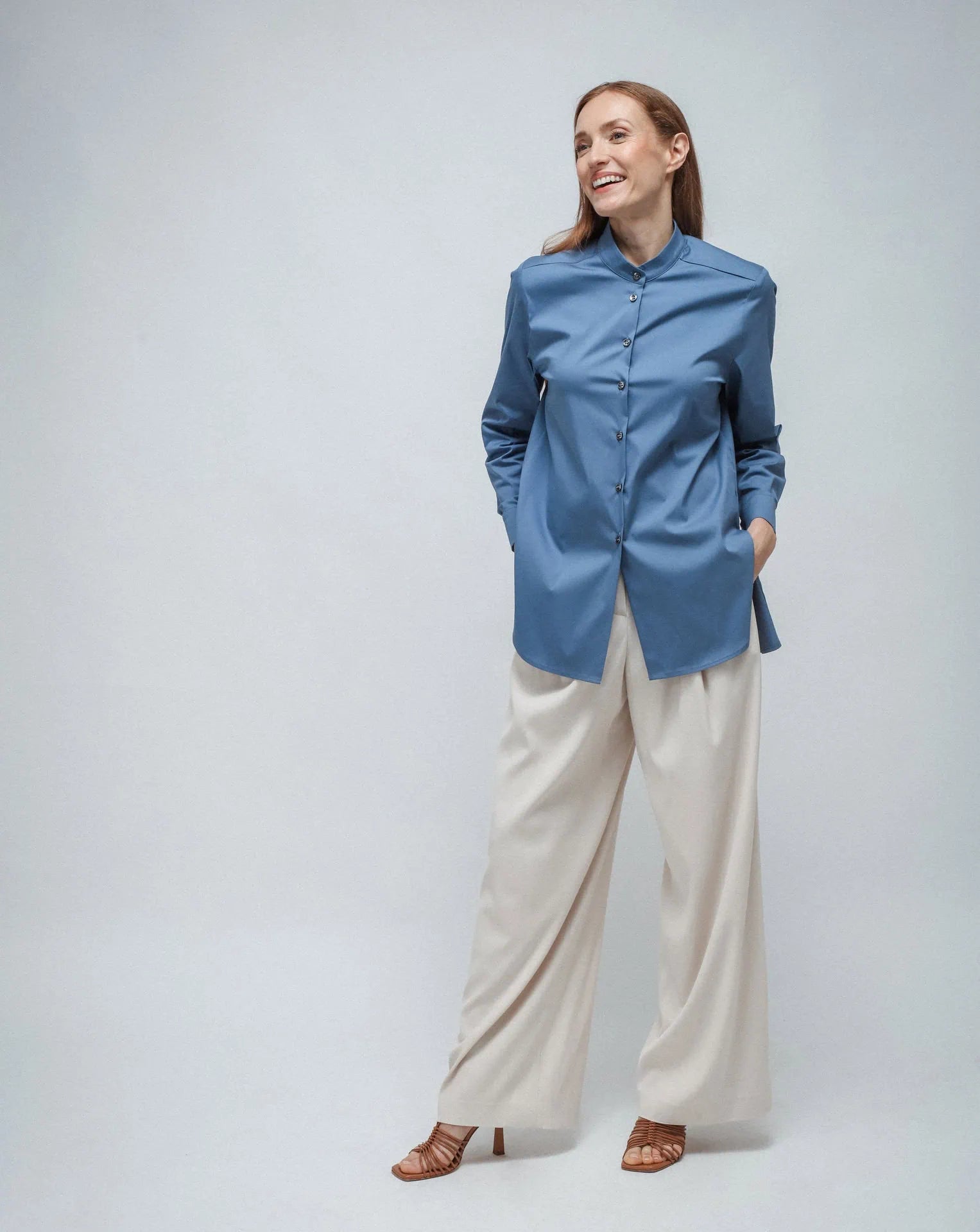
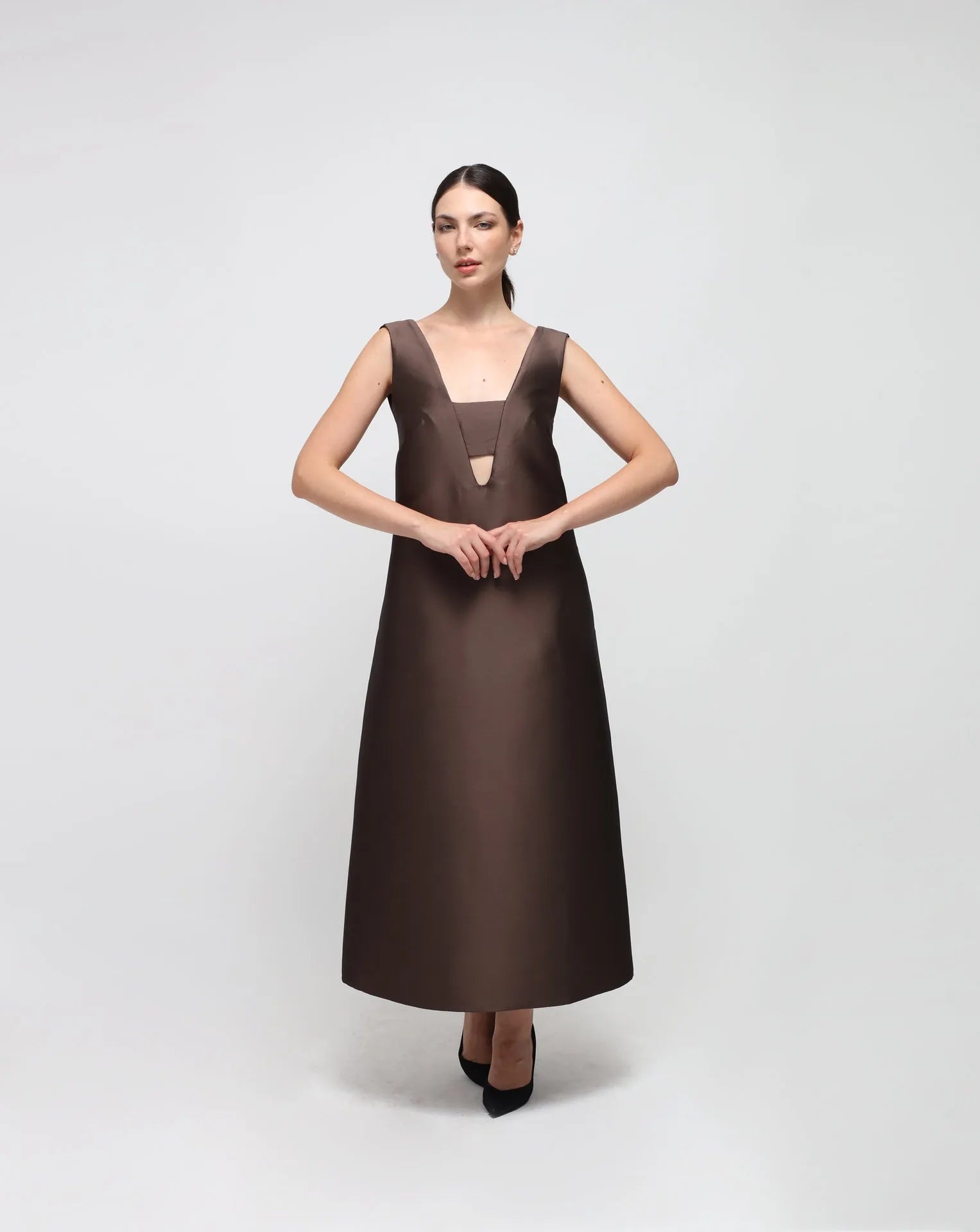
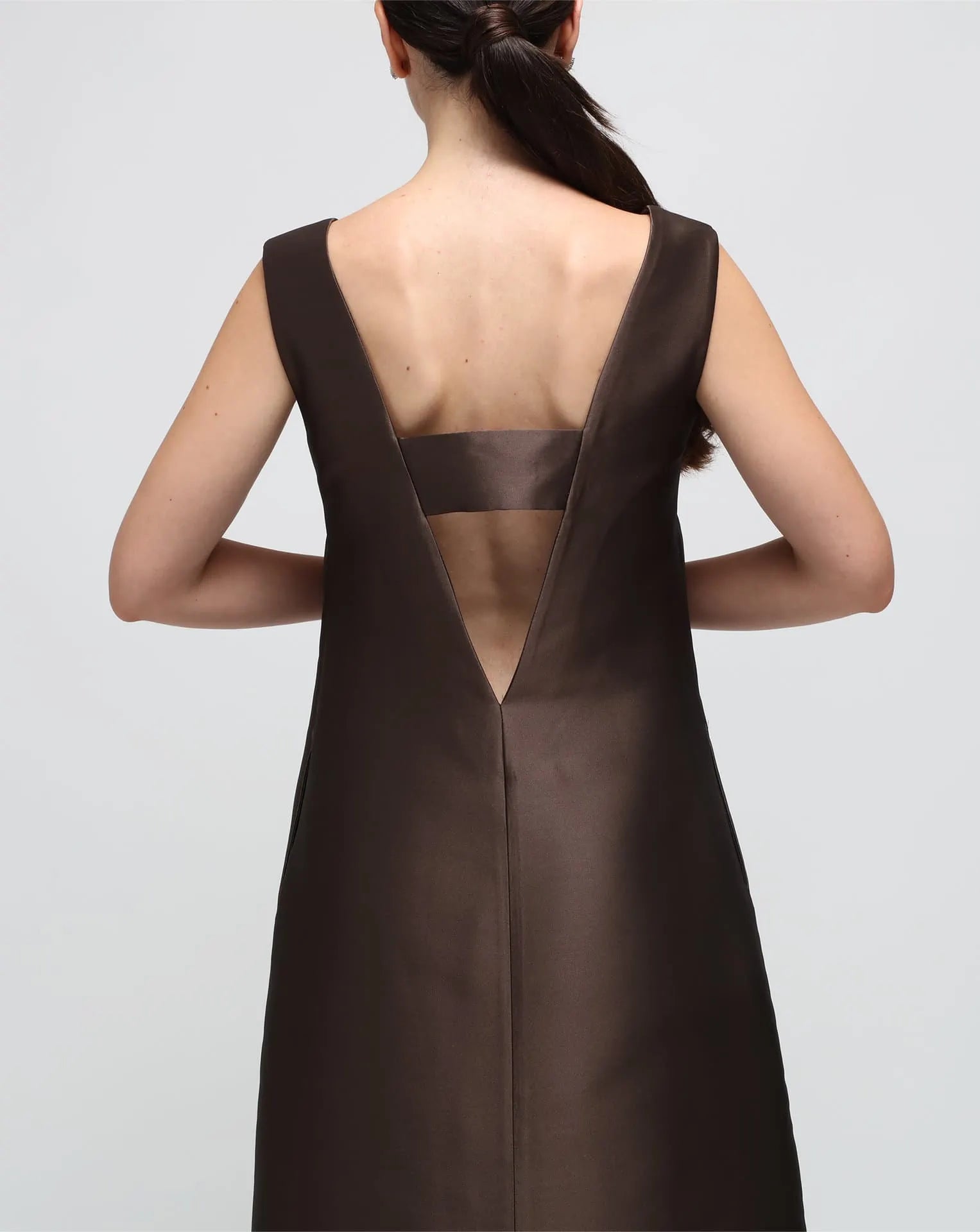
Italy has a deep textile and garment-making tradition, but the phrase should mean more than a country-of-origin label. Its real value is in the process: experienced pattern cutting, precise construction, and an understanding of how a fabric behaves once it becomes a coat, suit, dress, or shirt. A sharp shoulder needs different handling than a fluid skirt. A dense wool blend requires a different finish than crisp cotton poplin.
Small runs create room for those distinctions. They also demand better decisions earlier. When fewer pieces are being made, there is less room to hide a weak proportion, a careless seam, or a fabric selected only because it was cheap.
Why Limited Quantities Are the More Responsible Choice
Fashion has long treated overproduction as normal. Brands order too much, discount aggressively, and leave consumers to absorb the cost of a system built around disposal. Small-batch production challenges that model by making quantity a design consideration rather than an afterthought.
It does not make every garment impact-free. No new clothing is. But producing with restraint can reduce the likelihood of surplus stock, unnecessary markdowns, and perfectly wearable garments being treated as waste. It also encourages a more honest relationship between demand and supply.
For the customer, this changes the question from “How much can I get?” to “Will I keep choosing this?” A limited-edition women’s wool coat or men’s tailored overshirt should earn its place through versatility, fabrication, and how it makes you feel when you put it on, not through an artificially low price tag.
There is a trade-off. Limited production means a favorite style may sell out, and a restock may not be possible if the deadstock fabric is gone. That can feel inconvenient when shopping is built around instant replacement. Yet it is also the point: a finite material should not be treated as infinite.
Deadstock Fabrics Set the Pace
Deadstock fabrics are high-quality leftover textiles from mills, fashion houses, or previous production runs. They may be unused rolls, surplus yardage, or fabrics that were never brought into a finished collection. Rather than leaving them idle or sending them toward disposal, thoughtful brands give them a new life.
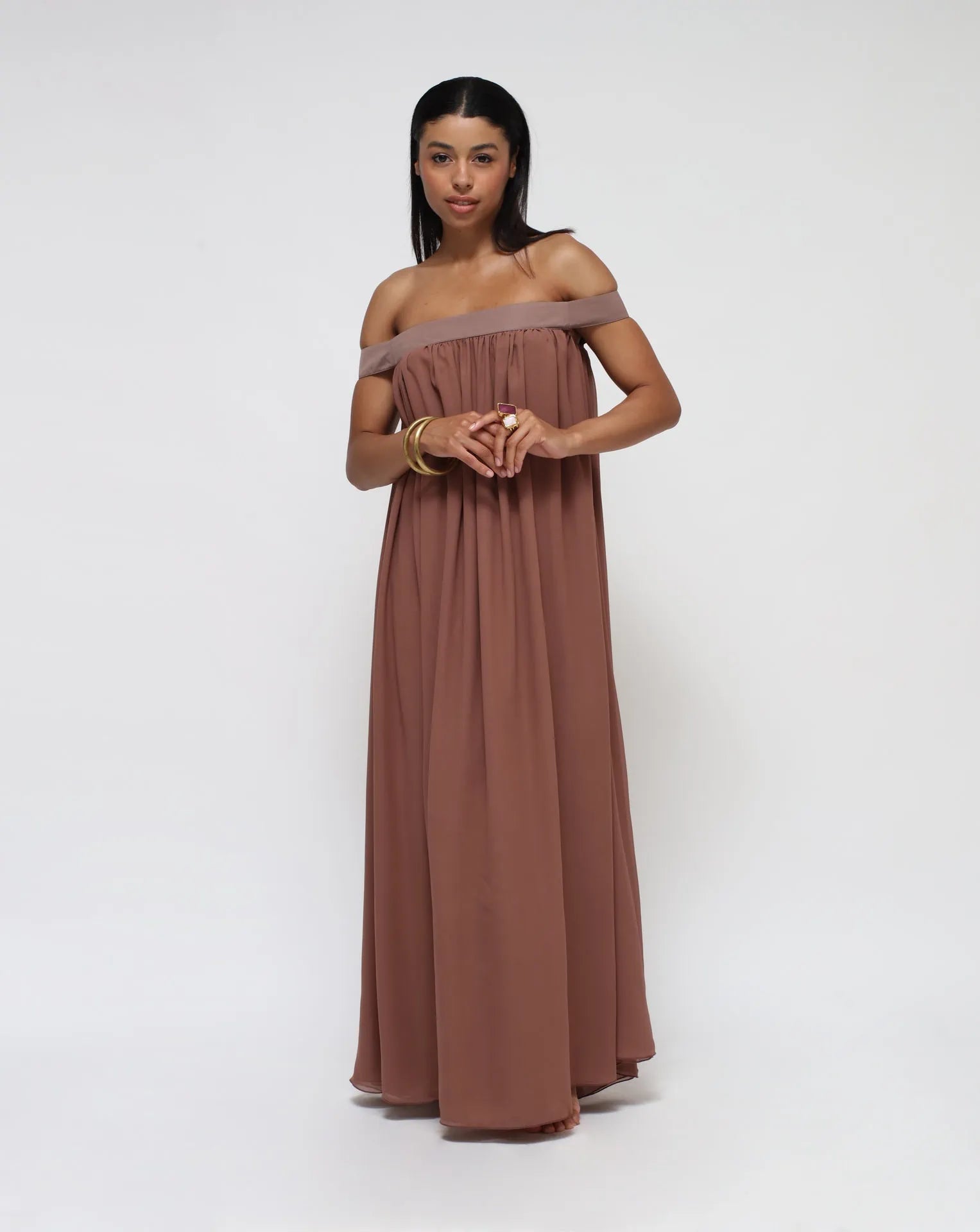
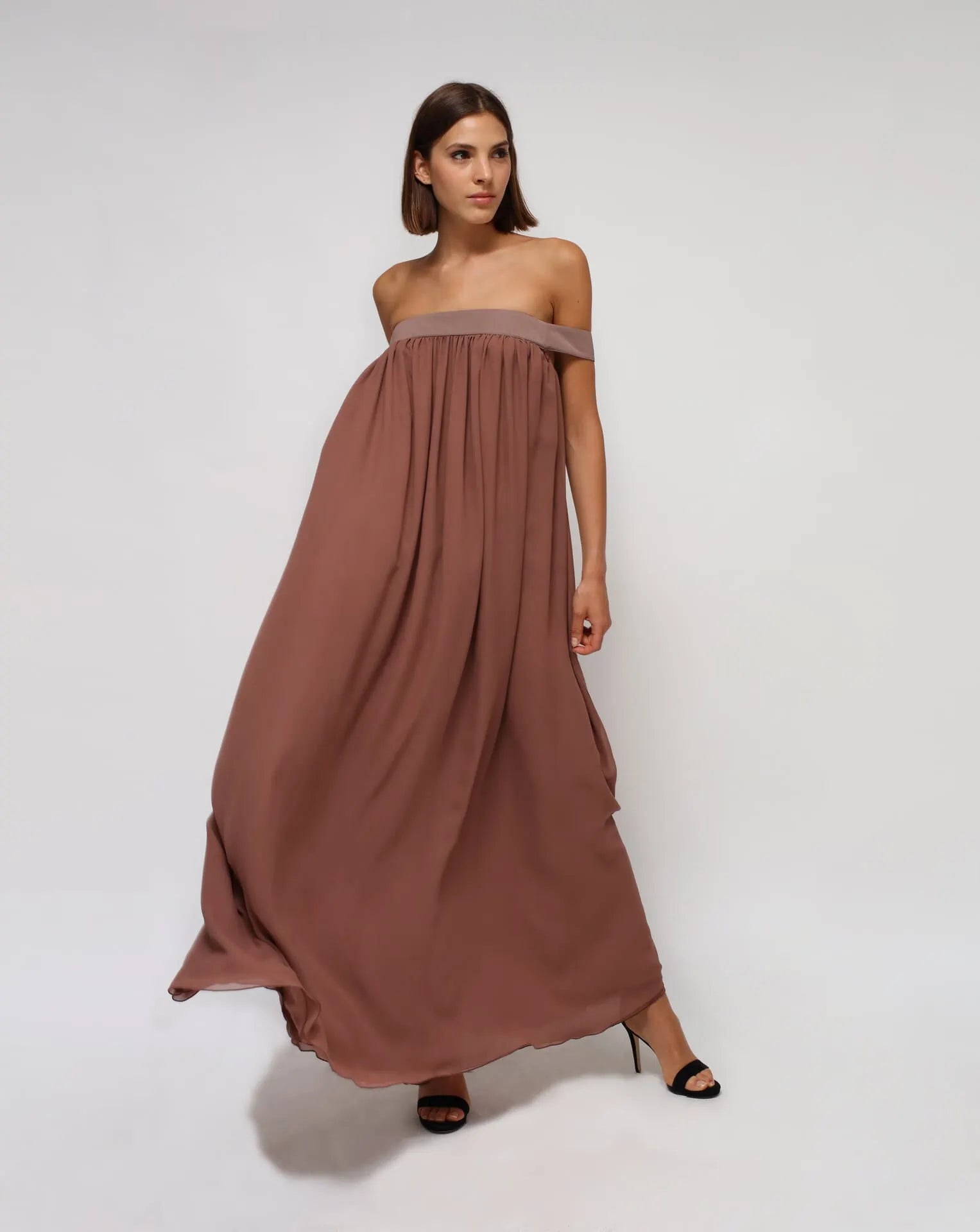
This approach makes each collection more distinctive. A rich herringbone wool for a women’s long coat, a refined charcoal suiting for men’s trousers, or a textured satin for an evening dress may only exist in a limited amount. The fabric becomes part of the garment’s story, not a generic input that can be reordered endlessly.
It also means consistency looks different. One season’s perfect navy wool may not return next year. A new fabric may call for a slightly different shape, shade, or finish. For shoppers who value individuality, that variation is a strength. For shoppers seeking the same basic piece indefinitely, it may require a different expectation.
At Humans & Land, deadstock sourcing and small-batch making work together. The fabric determines the possible quantity, while the limited quantity keeps the collection honest. It is a more measured way to create elevated essentials without pretending that endless newness is progress.
The Craft Is Visible in Winter Pieces
Winter clothing makes craftsmanship easier to see and feel. The fabric is heavier. The layers are more demanding. The construction has to hold its shape through cold commutes, travel days, dinners out, and repeated wear.
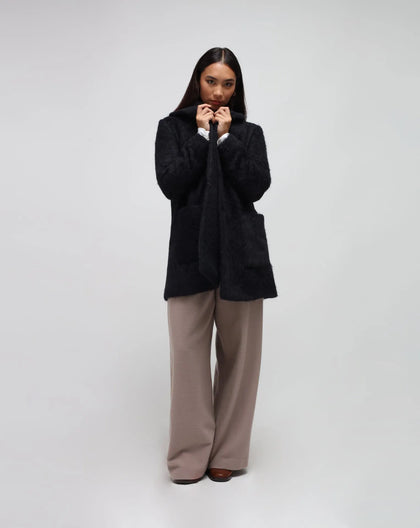
Consider a women’s Italian wool coat. Its appeal is not only the first impression of the silhouette. Look at the collar roll, the alignment of the lining, the structure of the sleeve, and whether the pockets sit cleanly without pulling the front. These are quiet details, but they determine whether a coat becomes a trusted part of your life or spends most of winter on a chair.
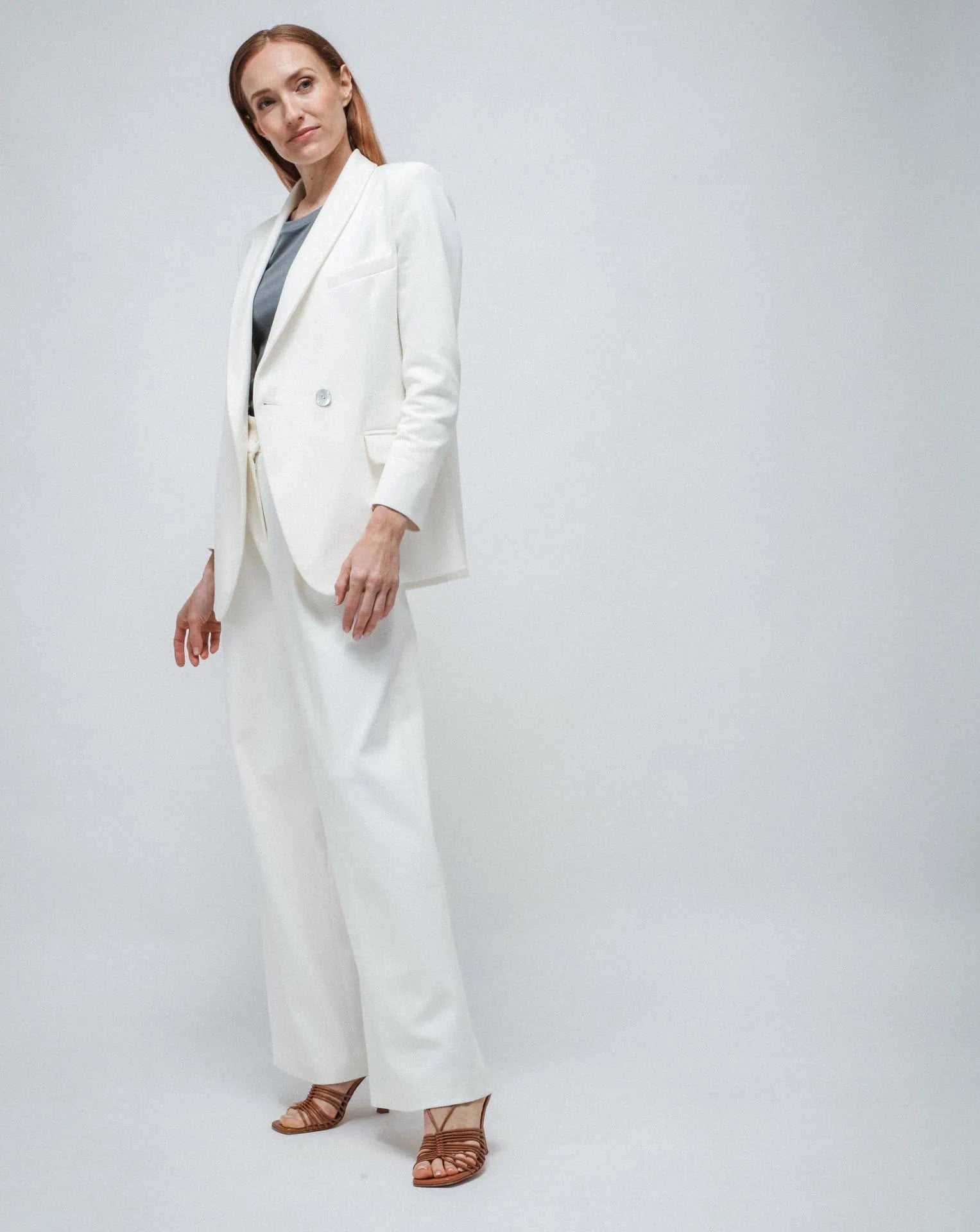
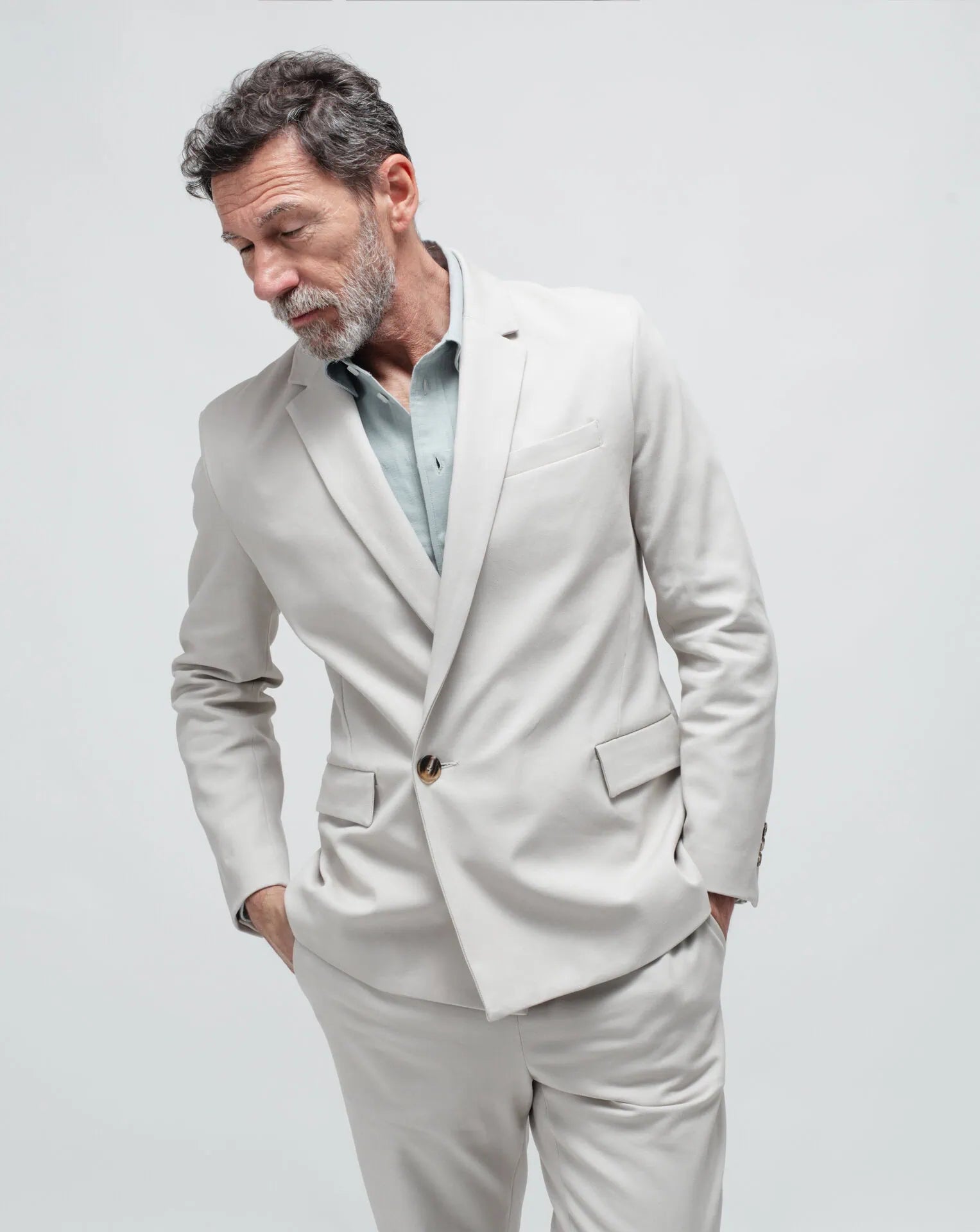
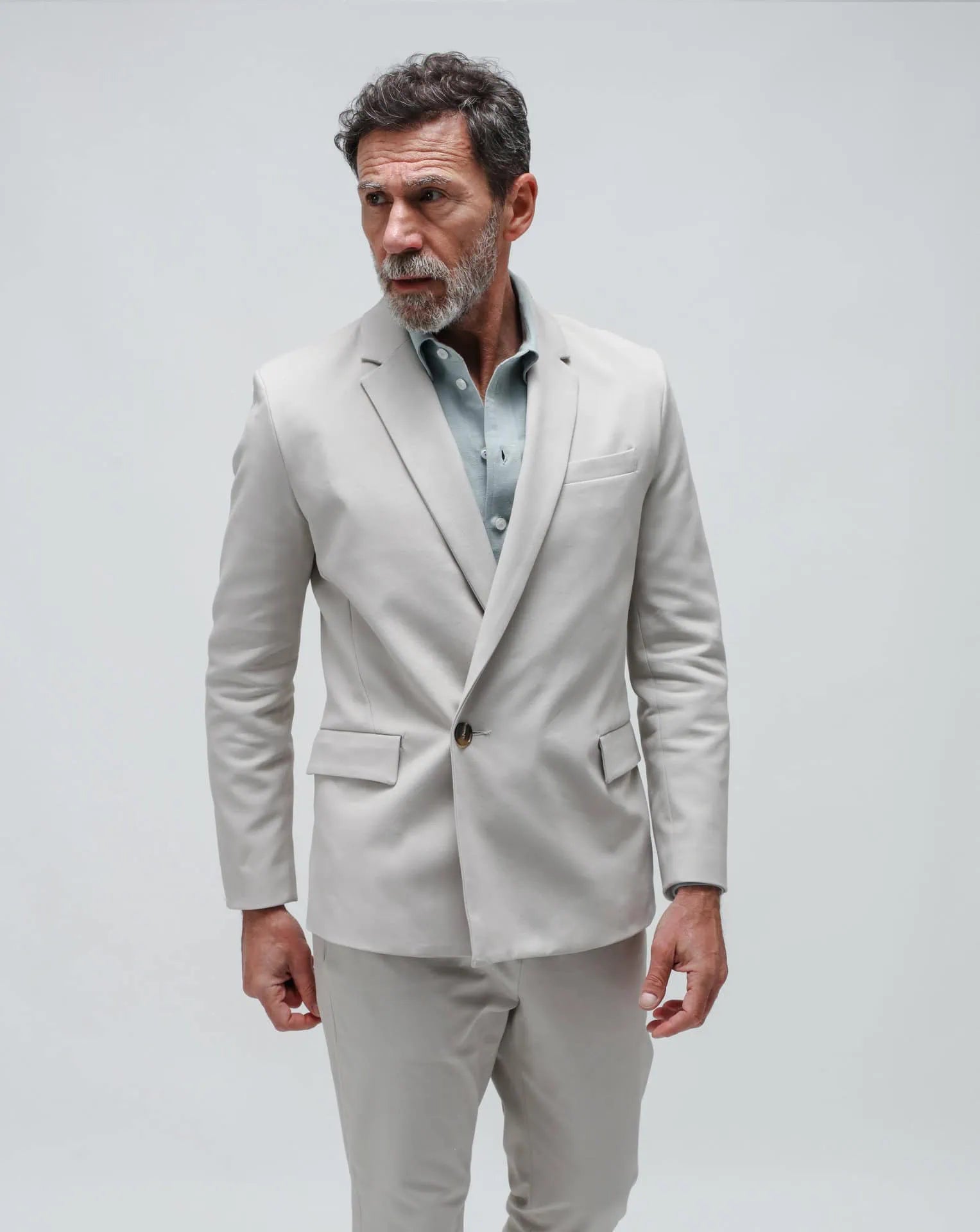
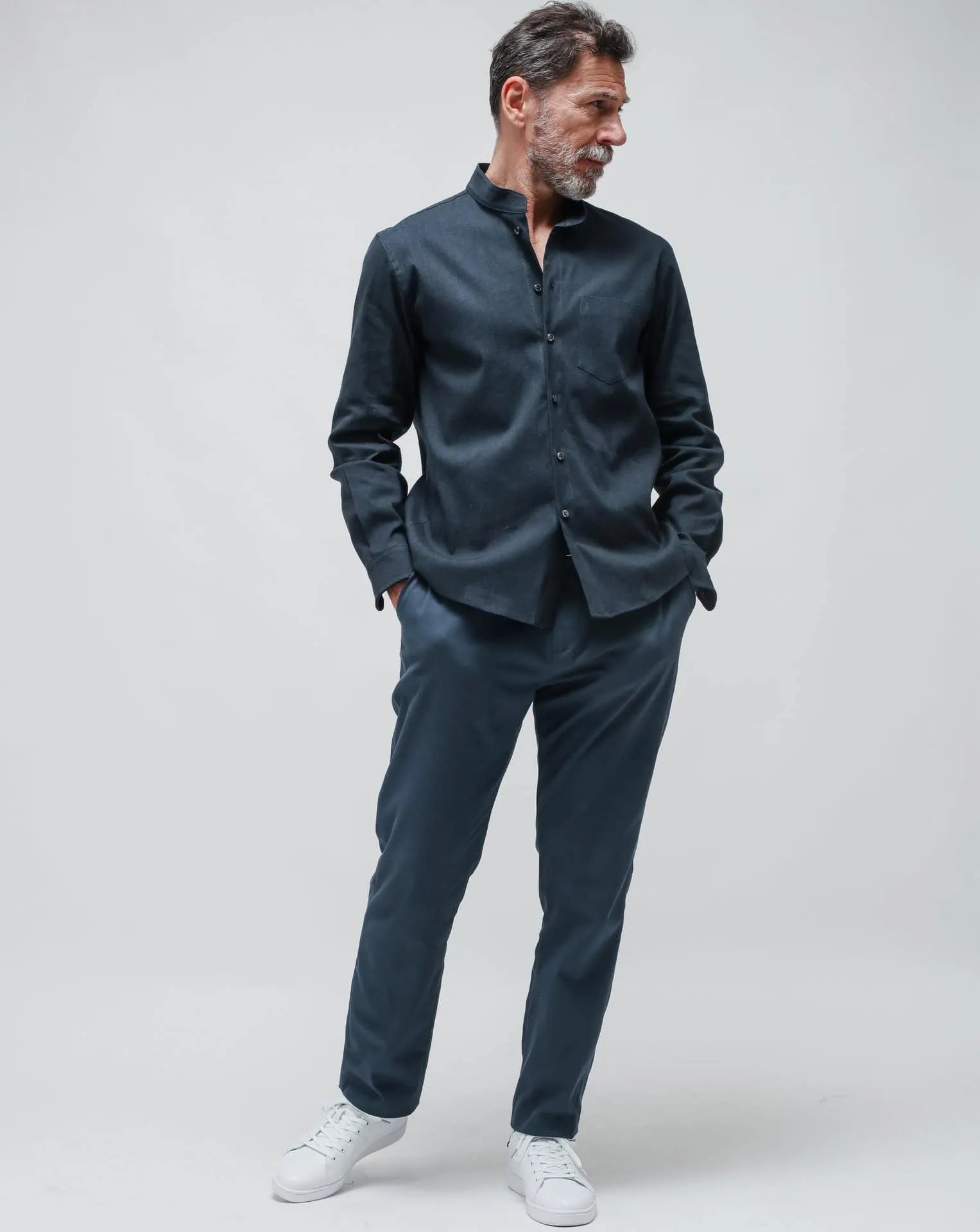
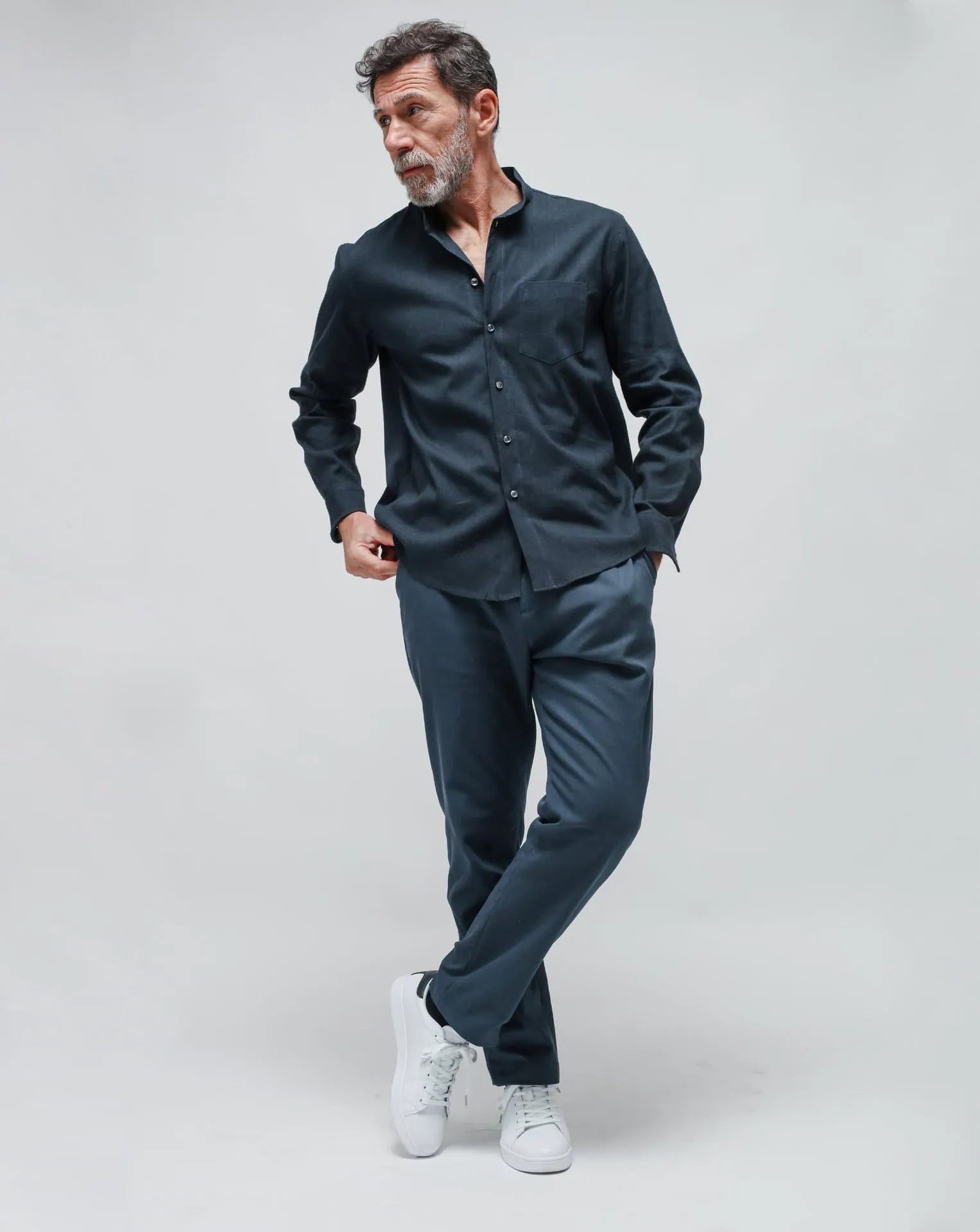
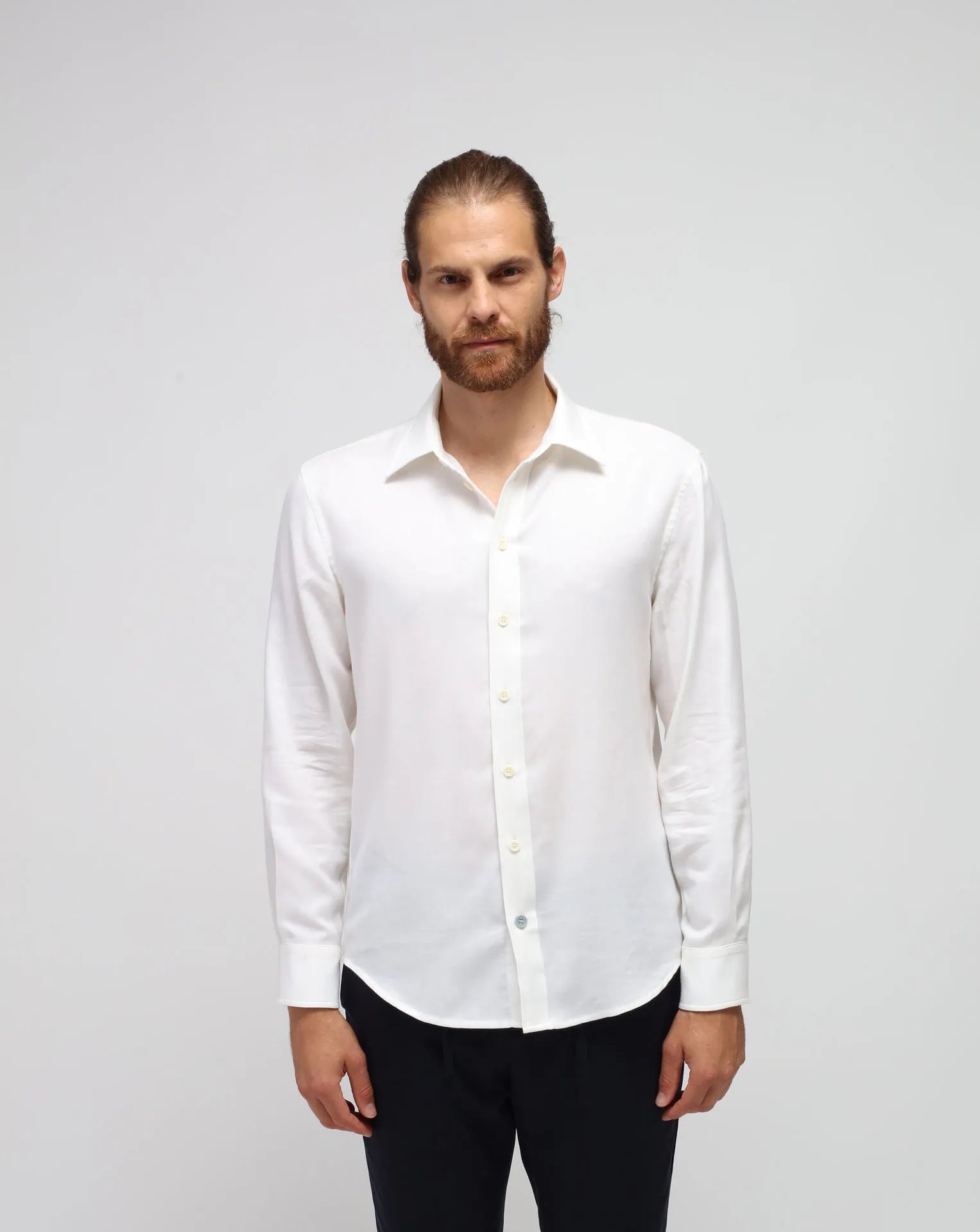
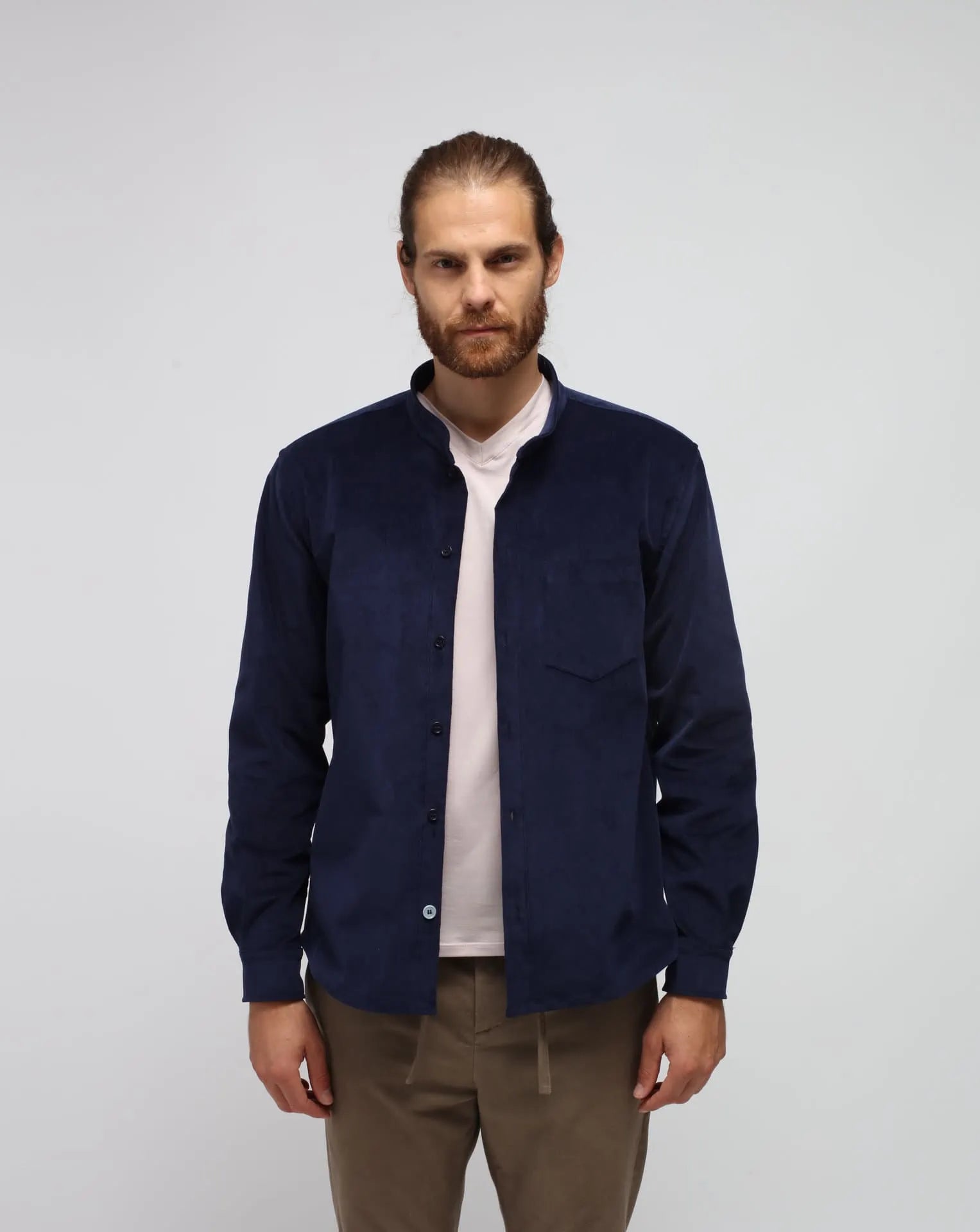
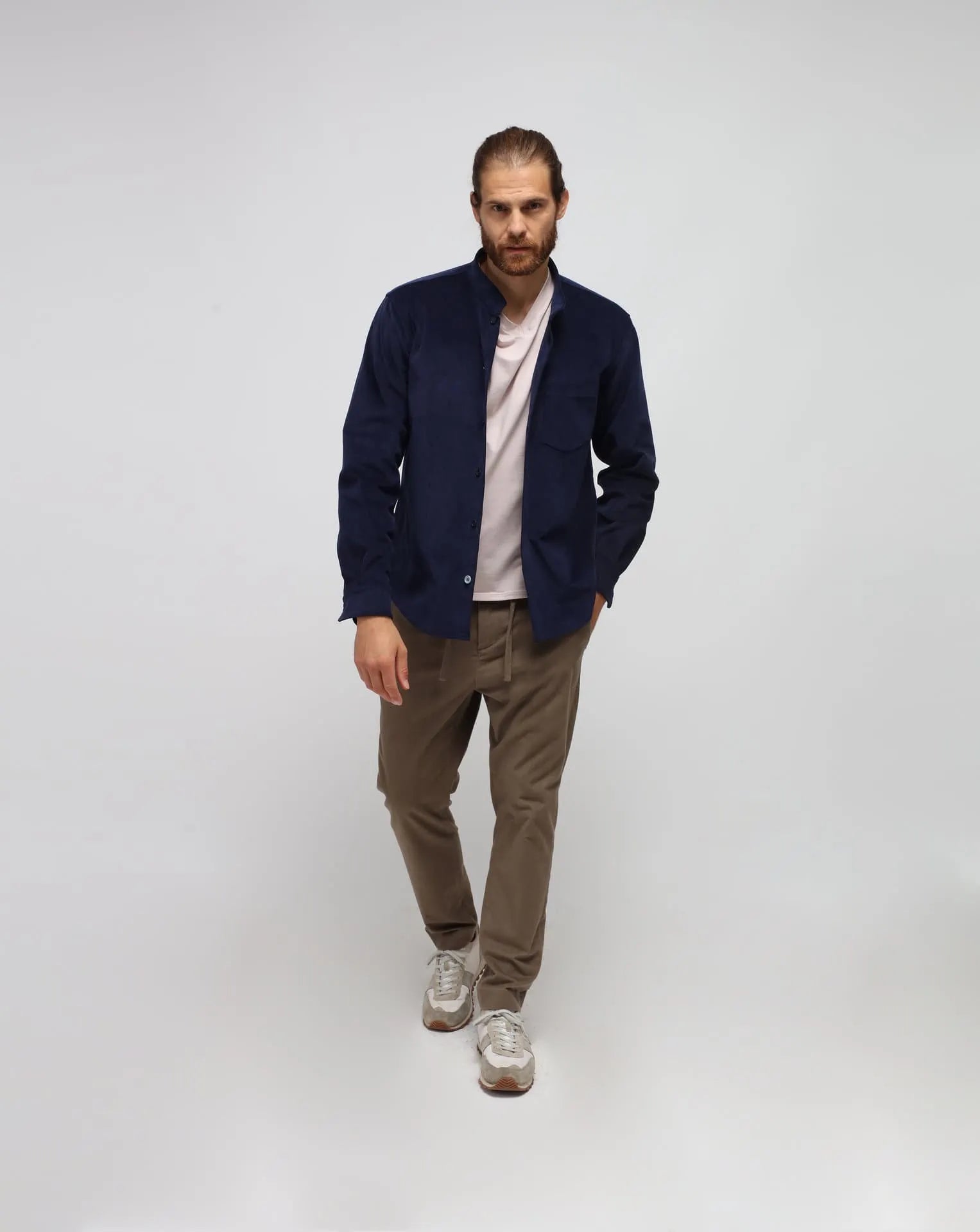
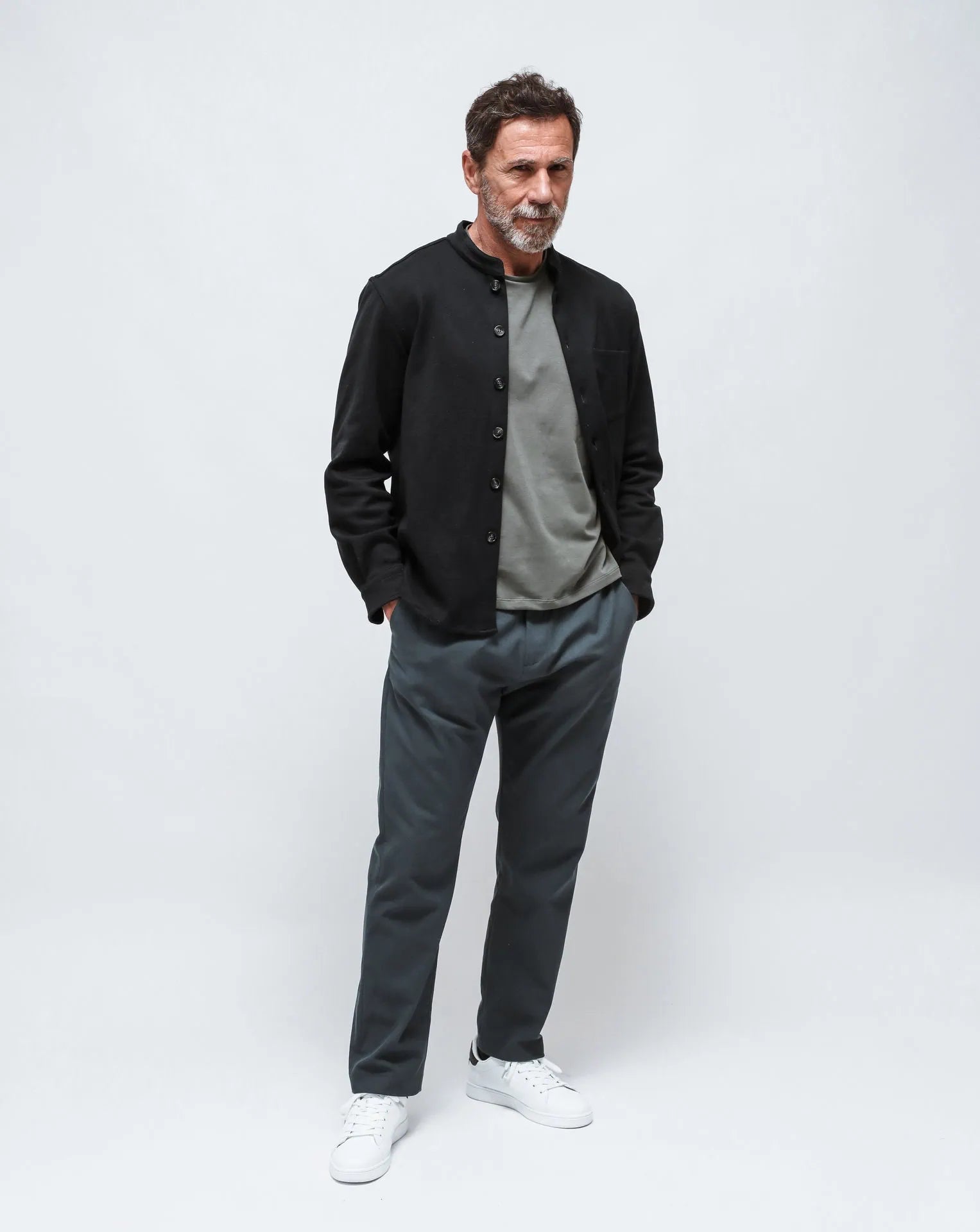
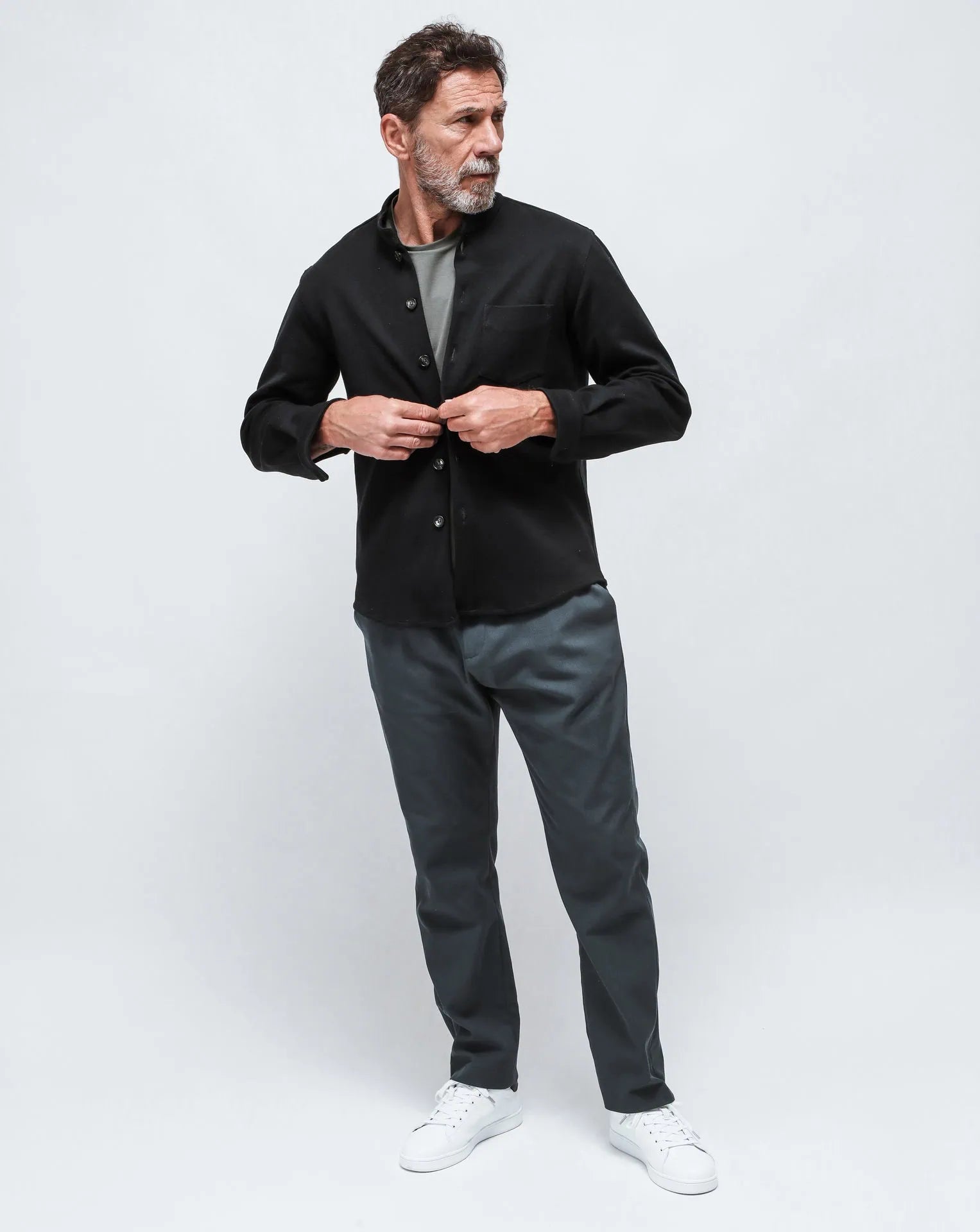
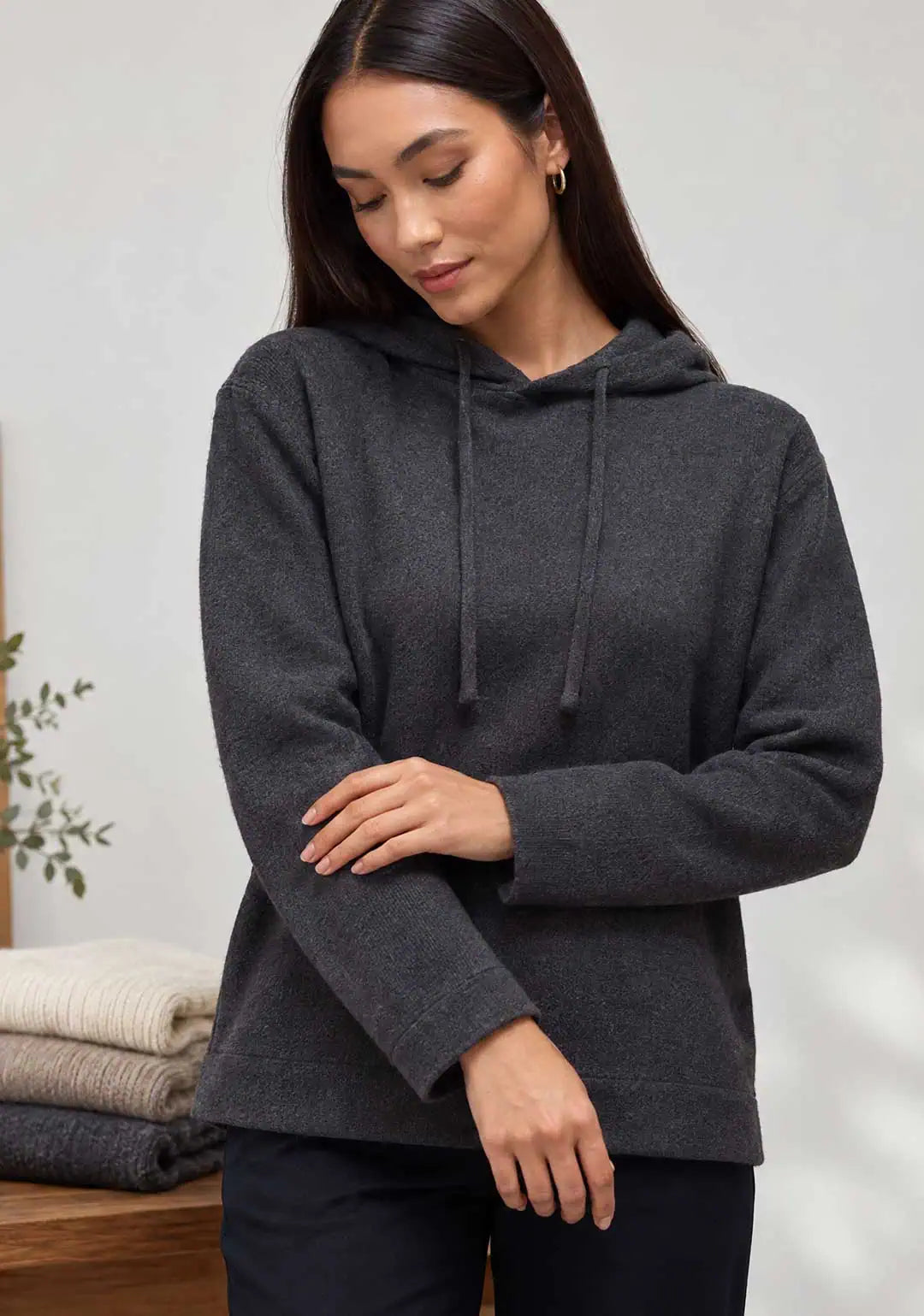
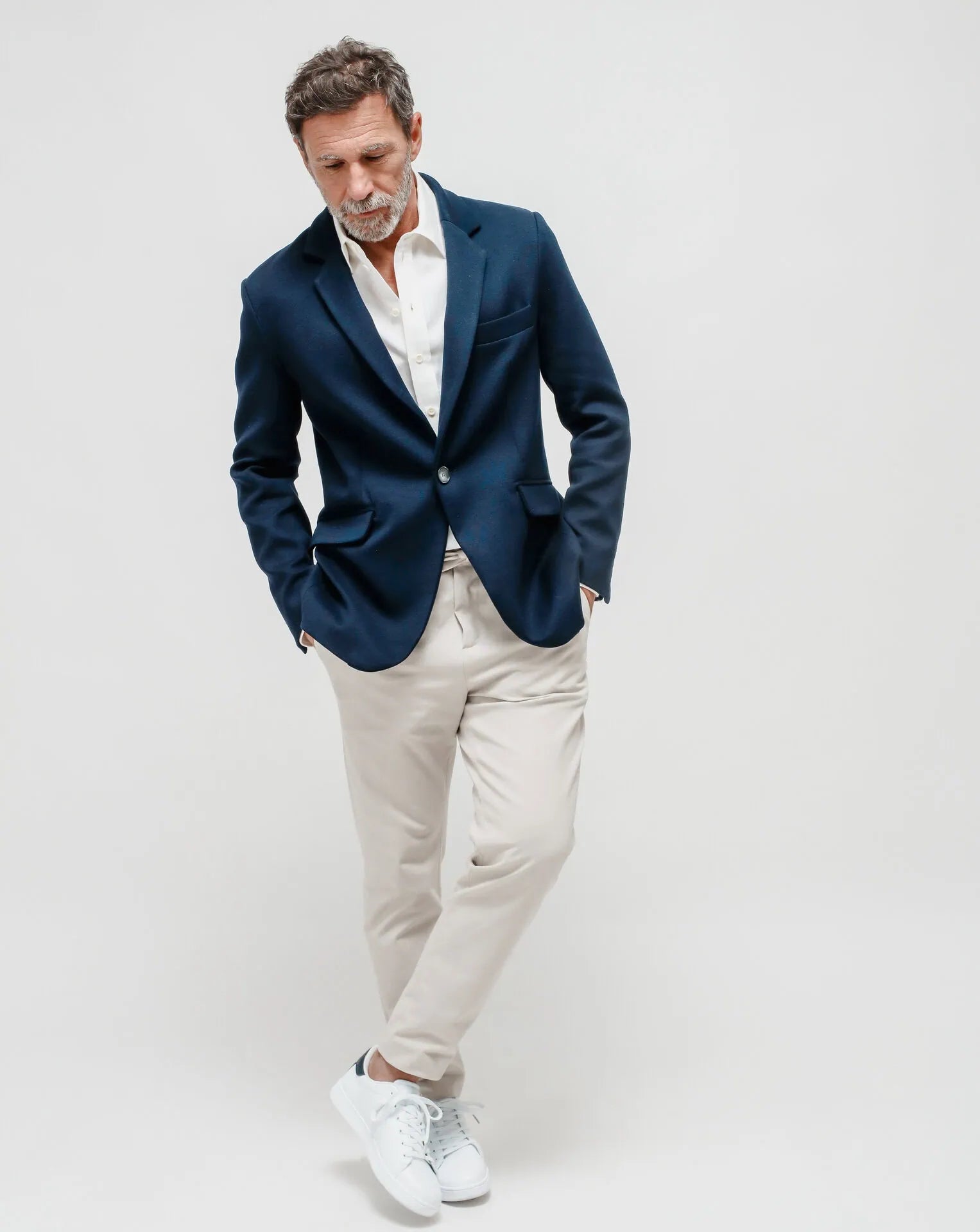
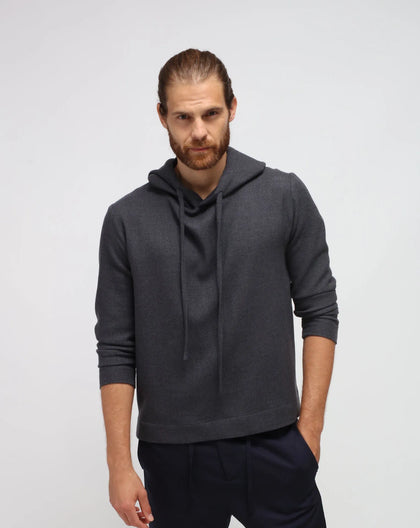
The same is true for a men’s wool overcoat, tailored jacket, or brushed overshirt. A small production run allows more attention to proportion and finishing, particularly when the fabric has character. The goal is not stiffness or needless formality. It is clothing with enough integrity to look composed over a knit, a crisp shirt, or a simple tee.
How to Shop Small-Batch Pieces With Intention
A smaller wardrobe does not need to be a uniform. It should be a collection of pieces that move through your real life. Before choosing a limited-edition garment, think about where it will go with you: the office, a long weekend in New York, a winter dinner in London, a gallery afternoon in Amsterdam, or a cold morning walk closer to home.
Start with the fabric. Natural fibers and quality blends often bring better warmth, drape, and longevity, though care requirements vary. Wool may need brushing, airing, and occasional professional cleaning. Delicate deadstock fabrics may call for gentler handling. That is not a flaw. Caring for clothing is part of extending its useful life.
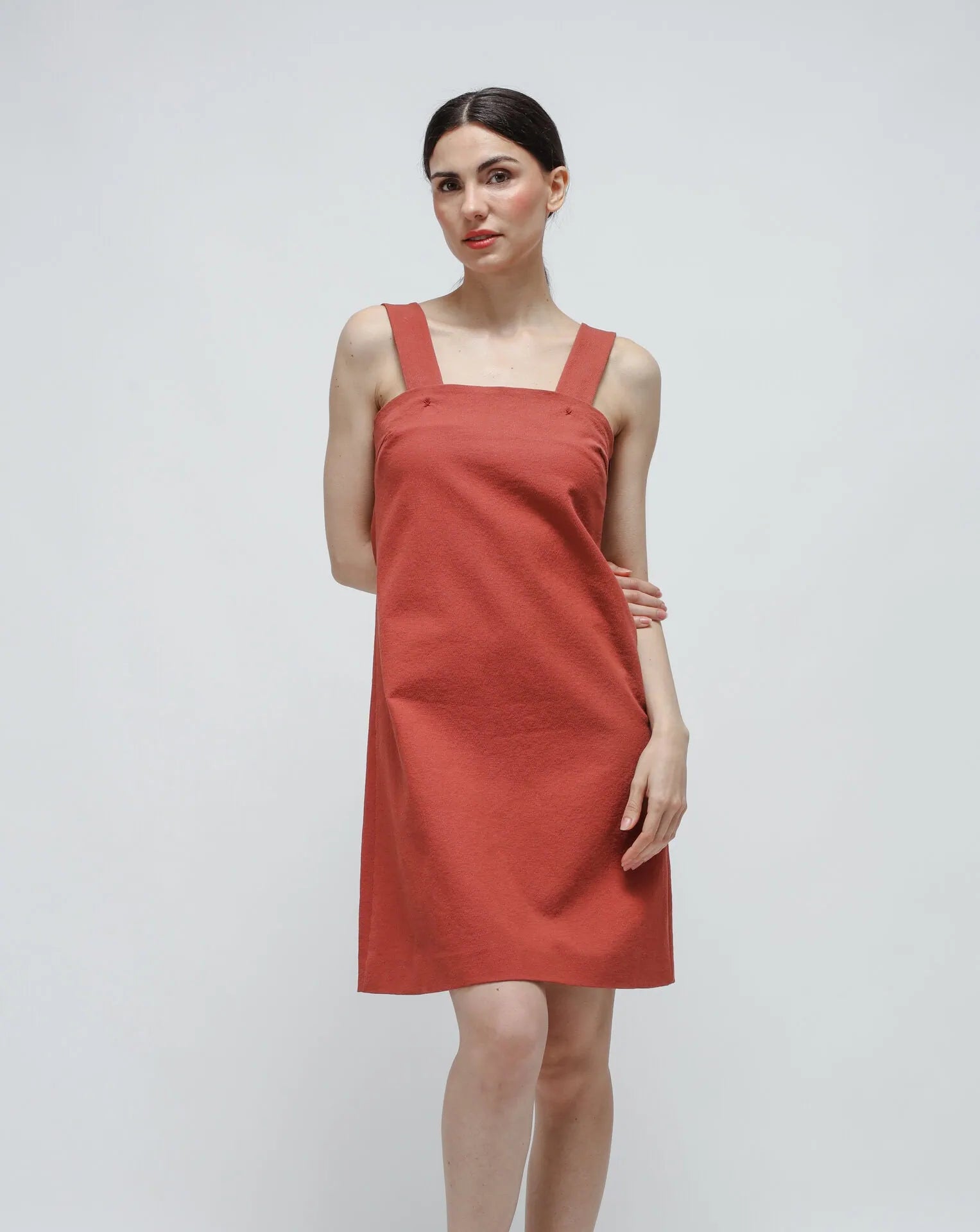
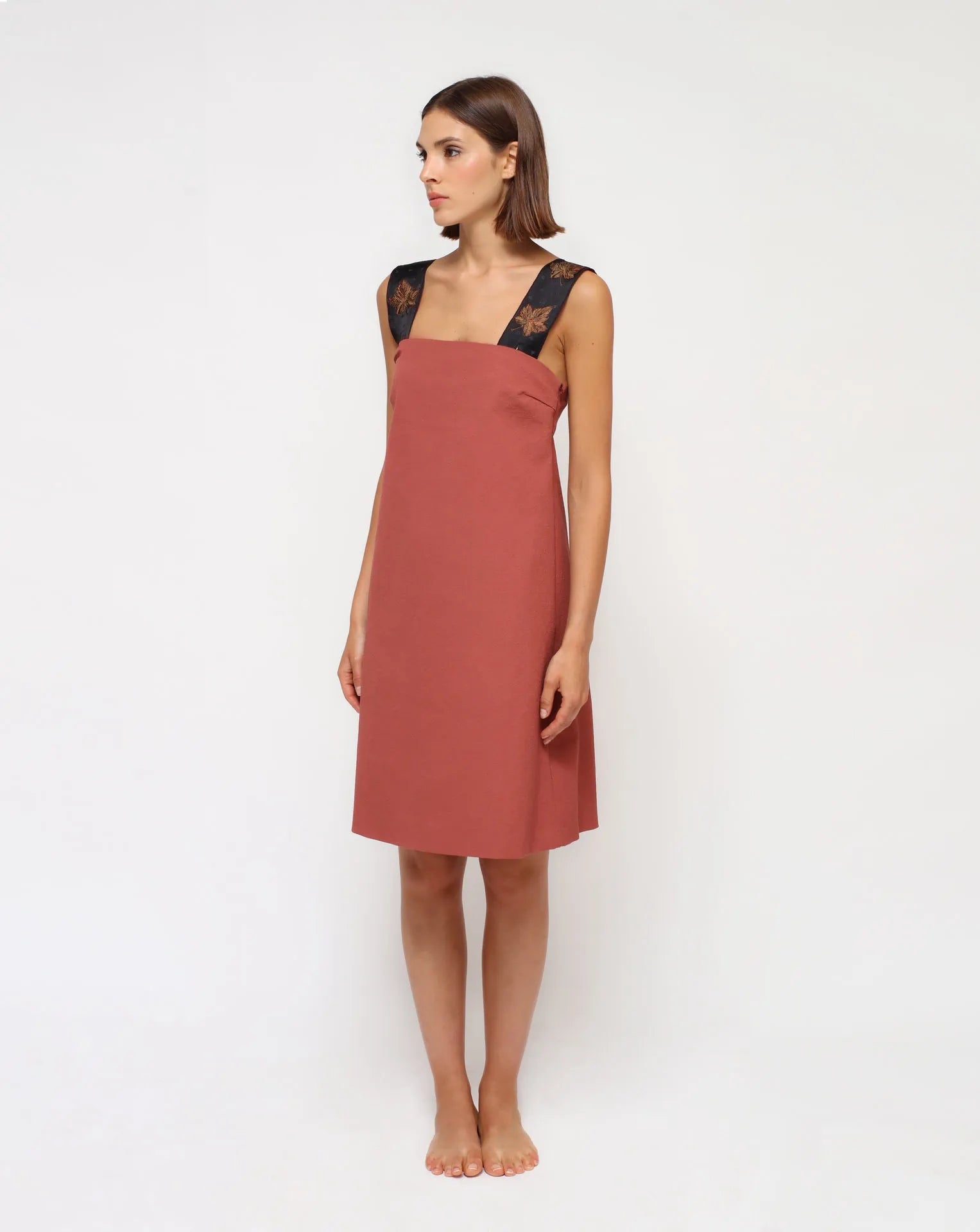
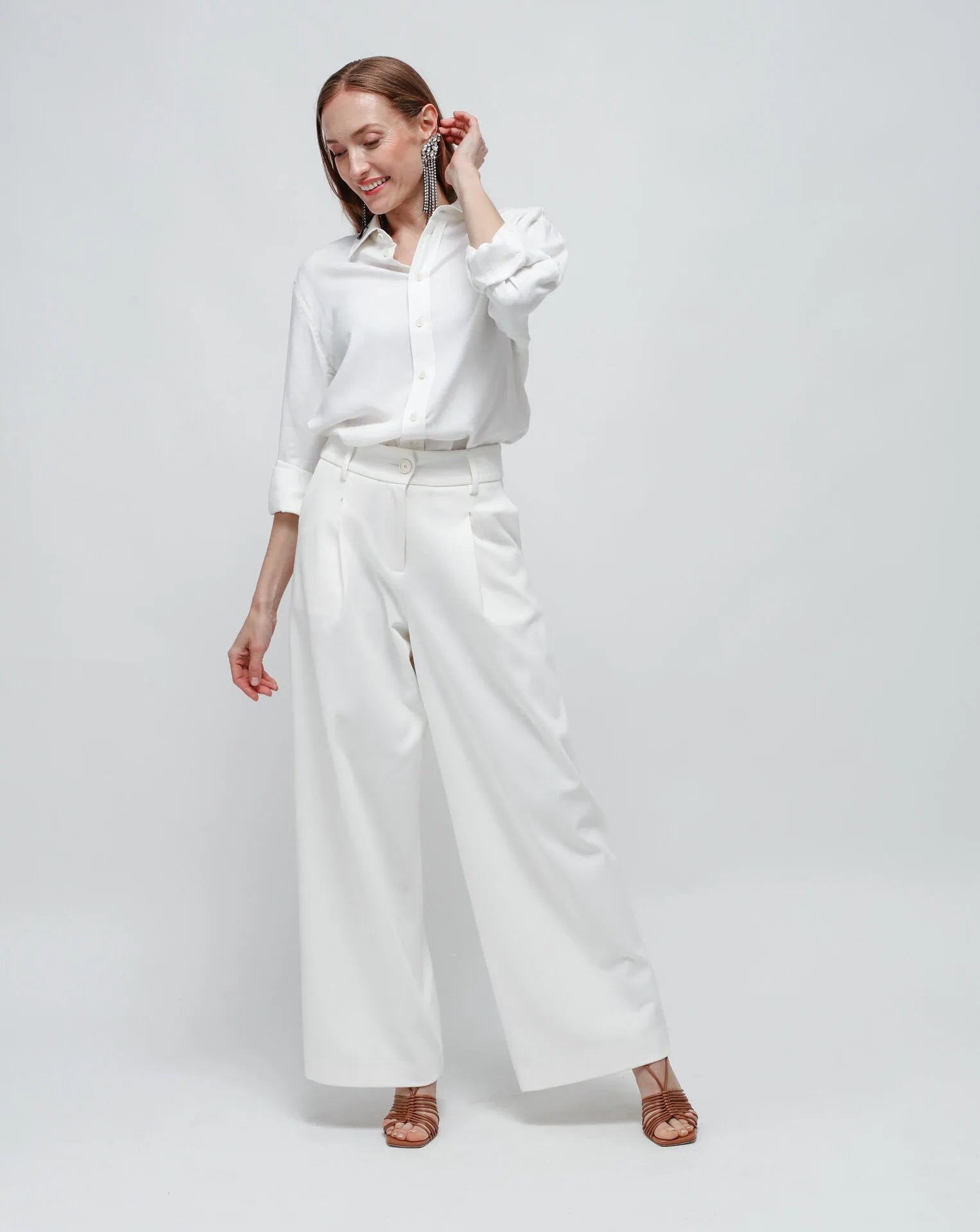
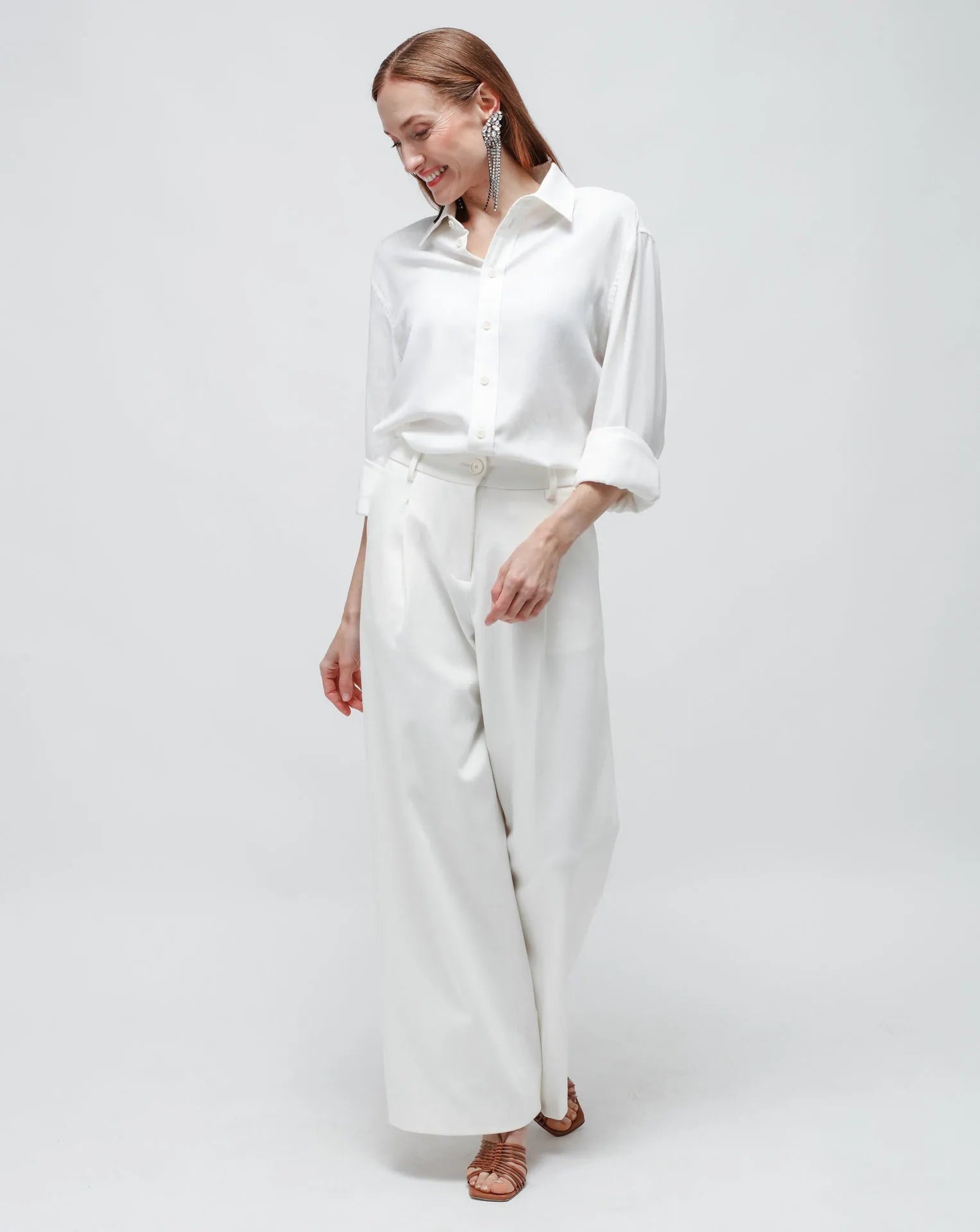
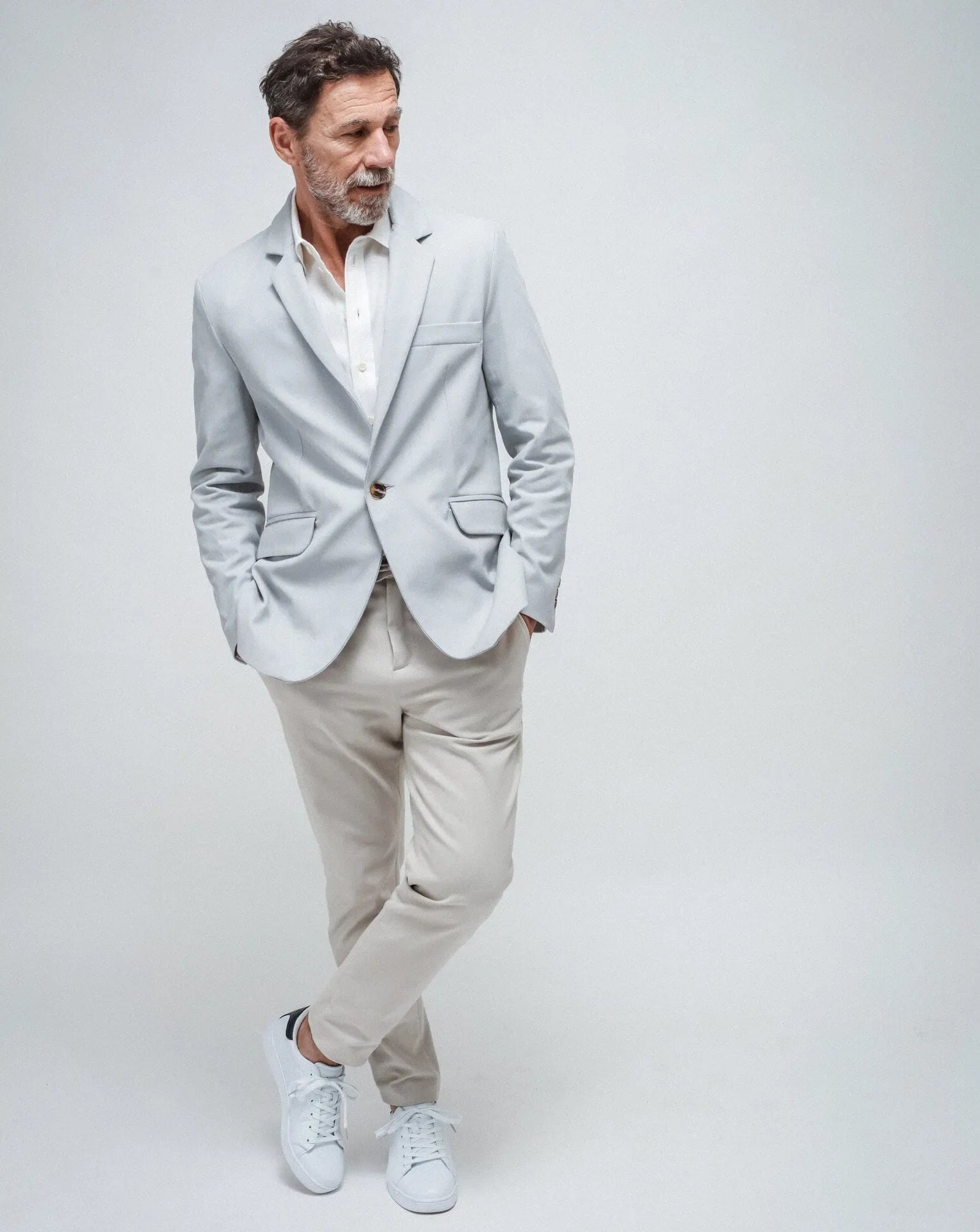
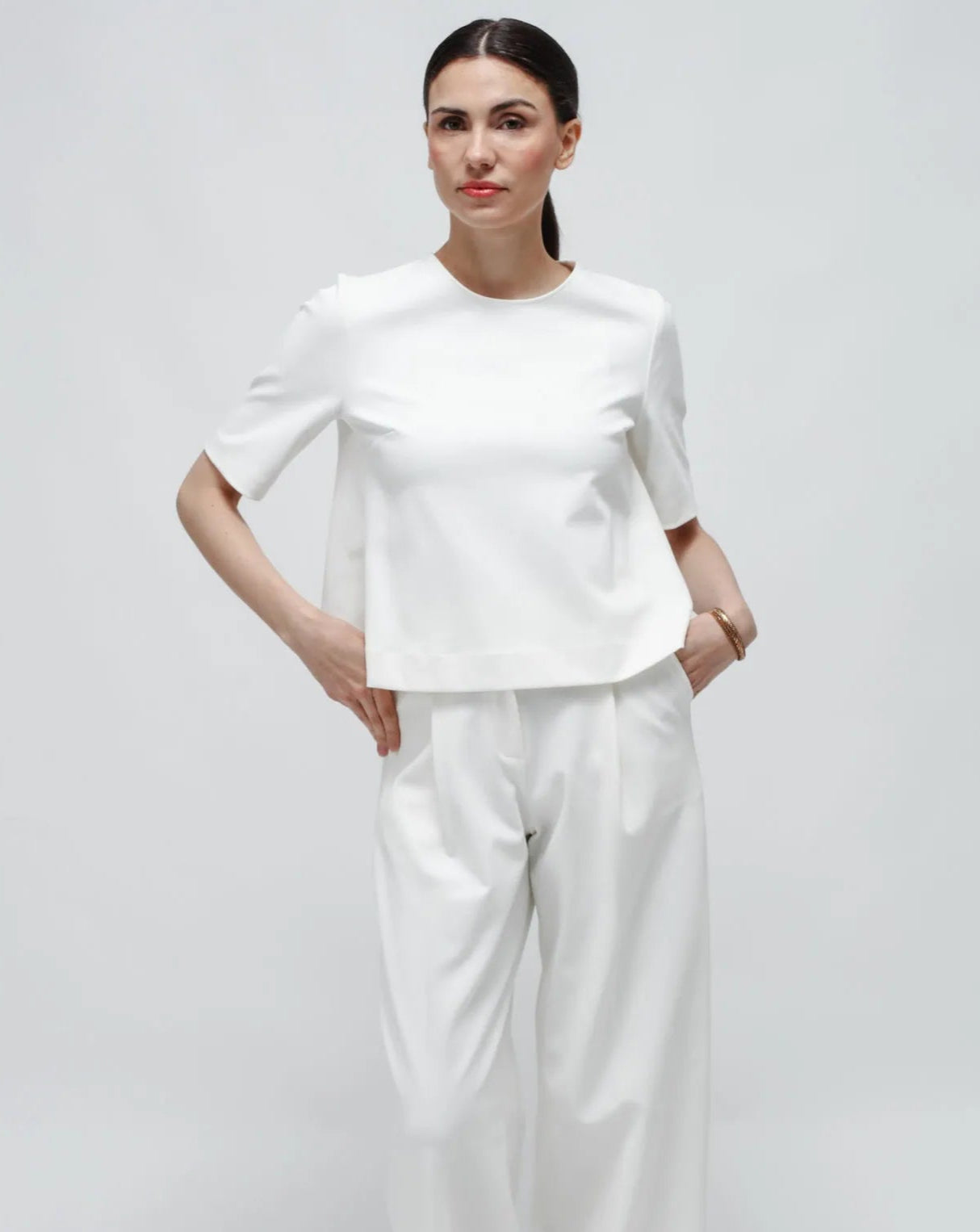
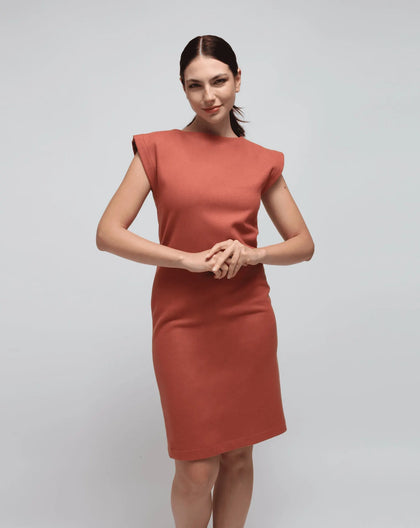
Then consider styling range. A black tailored trouser can work with a knit and sneakers during the day, then shift easily with a sharp shirt or jacket after dark. A midi dress in a substantial winter fabric can become more useful with boots, tights, and a structured coat. A coordinated set can create multiple looks when worn together or separately.
Fit deserves patience, especially online. Measure a garment you already love, compare it with the size guidance, and use available fit support before purchasing. Free size exchanges reduce friction, but getting the silhouette right from the start is better for you and for the garment’s journey.
Small Batch Is Not an Excuse for Less Transparency
“Made in small quantities” should not be a vague luxury phrase. Customers deserve clarity about where garments are made, what fabrics are used, why quantities are limited, and how to care for the final piece. Responsible production is not only about a lower unit count. It is about accountability at every stage.
Price also needs context. Premium European production, skilled labor, quality materials, and smaller order volumes cost more than mass manufacturing. A transparent price reflects those realities without using sustainability as decoration. The worthwhile test is simple: does the garment offer enough design, function, and longevity to justify being kept?
For winter especially, buying fewer, better layers can be a practical form of personal style. One exceptional coat will meet more moments than several disposable alternatives. One pair of well-cut trousers can anchor weeks of outfits. The aim is not deprivation. It is discernment.
Choose pieces that make the season feel more lived in: a coat you reach for before a morning walk, a suit that carries you from work to dinner, a knit layer that becomes familiar in the best way. When production honors material and craft, clothing has the chance to become part of your memory, not part of the problem.
FAQ
Q: Is Italian small batch production more sustainable?
A: It can be a more responsible model because limited quantities can reduce overproduction and unsold inventory. Its impact also depends on fabric sourcing, manufacturing practices, transportation, garment care, and how long the piece is worn.
Q: Why do small-batch garments sell out?
A: Production is limited by design, often because deadstock fabric is available only in finite yardage. Once that material is used, an identical restock may not be possible.
Q: Are deadstock fabrics lower quality?
A: No. Deadstock can include premium fabrics that are simply surplus from previous orders or production runs. Quality depends on the individual textile, not the fact that it is deadstock.
Q: What winter pieces are worth buying in small batches?
A: Coats, tailored jackets, wool trousers, overshirts, dresses, and coordinated sets are strong choices because construction, fabric quality, and fit have a clear effect on repeat wear.
Q: How should I care for a limited-edition wool garment?
A: Follow the care label first. In general, air wool between wears, use a soft garment brush when needed, store it clean and dry, and avoid over-cleaning. Proper care helps preserve shape, color, and fabric character.
the World of H&L