
Linen Shirts Versus Cotton Shirts for Every Season
A shirt earns its place in a considered wardrobe when it works beyond one perfect afternoon. The real question behind linen shirts versus cotton shirts is not which fabric is universally better. It is which one supports the way you live, layer, travel, and care for your clothes.
Linen brings an ease that looks intentional even when the day is not. Cotton offers familiar softness, structure, and year-round adaptability. Both can become enduring essentials when the fabric is well chosen, the cut is right, and the garment is made to be worn repeatedly rather than replaced on impulse.
Linen shirts versus cotton shirts: the essential difference
Linen is made from flax, a plant fiber with a naturally textured surface and a distinctly airy hand. Its fibers are longer and stiffer than cotton fibers, which creates linen's characteristic dry feel, visible weave, and relaxed wrinkles. A linen shirt rarely looks pressed into submission. That is part of its appeal.
Cotton comes from the fluffy fibers surrounding the cotton plant's seeds. Depending on the weave and finish, it can feel crisp, smooth, brushed, weighty, or exceptionally soft. In a shirt, cotton often delivers more polish and shape than linen, especially in poplin, twill, and oxford constructions.
Neither fiber is a shortcut to a responsible wardrobe. Farming methods, dyeing, finishing, transportation, garment construction, and how long a piece is worn all matter. At Humans & Land, the use of premium deadstock fabrics and small-batch Italian production addresses another part of the equation: using existing quality materials with purpose, rather than demanding unnecessary new production.
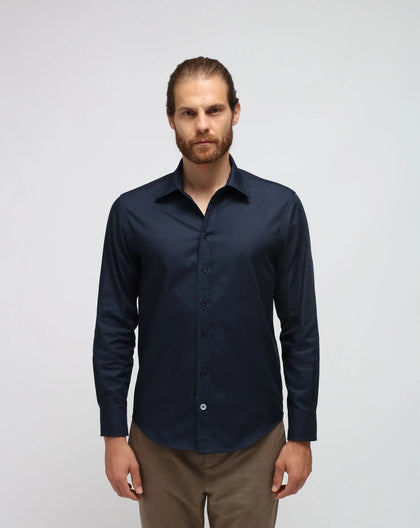
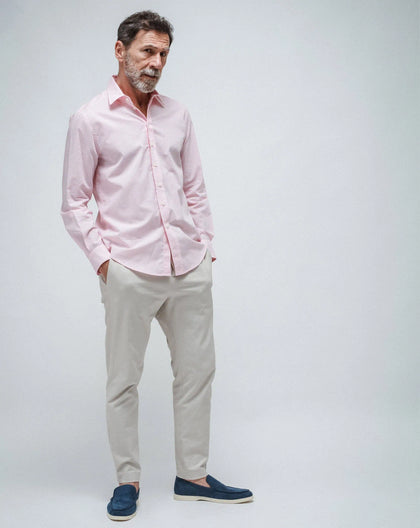
Choose linen when airiness and drape matter most
A linen shirt is the piece you reach for when heat, movement, and a relaxed silhouette define the day. Linen absorbs moisture and releases it readily, so it tends to feel dry and ventilated in warm, humid conditions. Its naturally open, textured character also keeps the fabric from sitting too closely against the skin.
That makes linen a strong choice for summer commutes, vacations, garden dinners, and offices where the air conditioning appears to have a mind of its own. A tailored linen shirt can still look refined with trousers or a skirt, but it brings softness to the outfit rather than sharp formality.
Linen's wrinkles are the trade-off. They arrive quickly, particularly at the elbows, waist, and placket. For some, this signals a life well lived. For others, especially those whose workwear leans precise, it can feel too undone. If you prefer a cleaner line, choose a slightly heavier linen with a more substantial weave, or reserve linen for relaxed settings and layered looks.
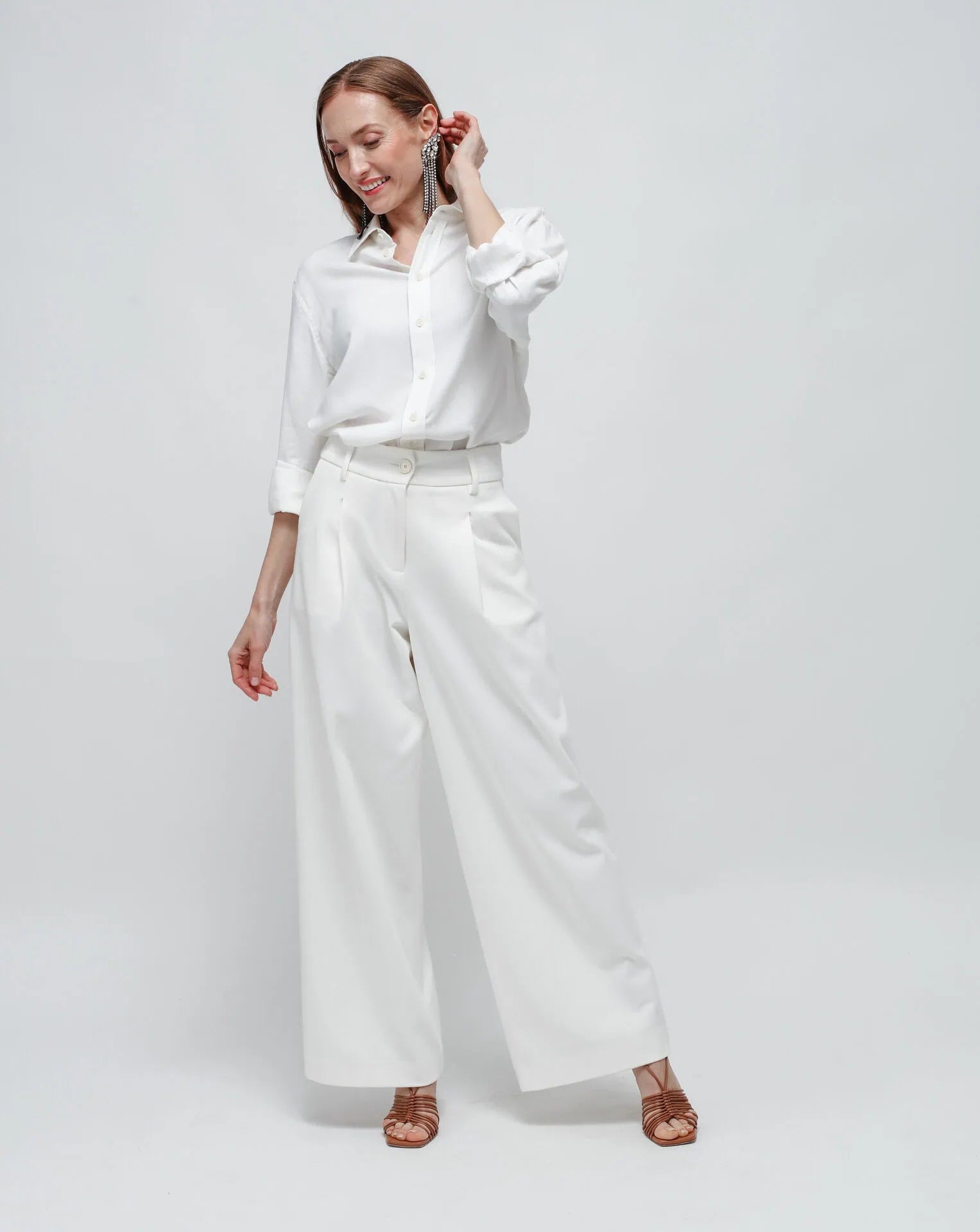
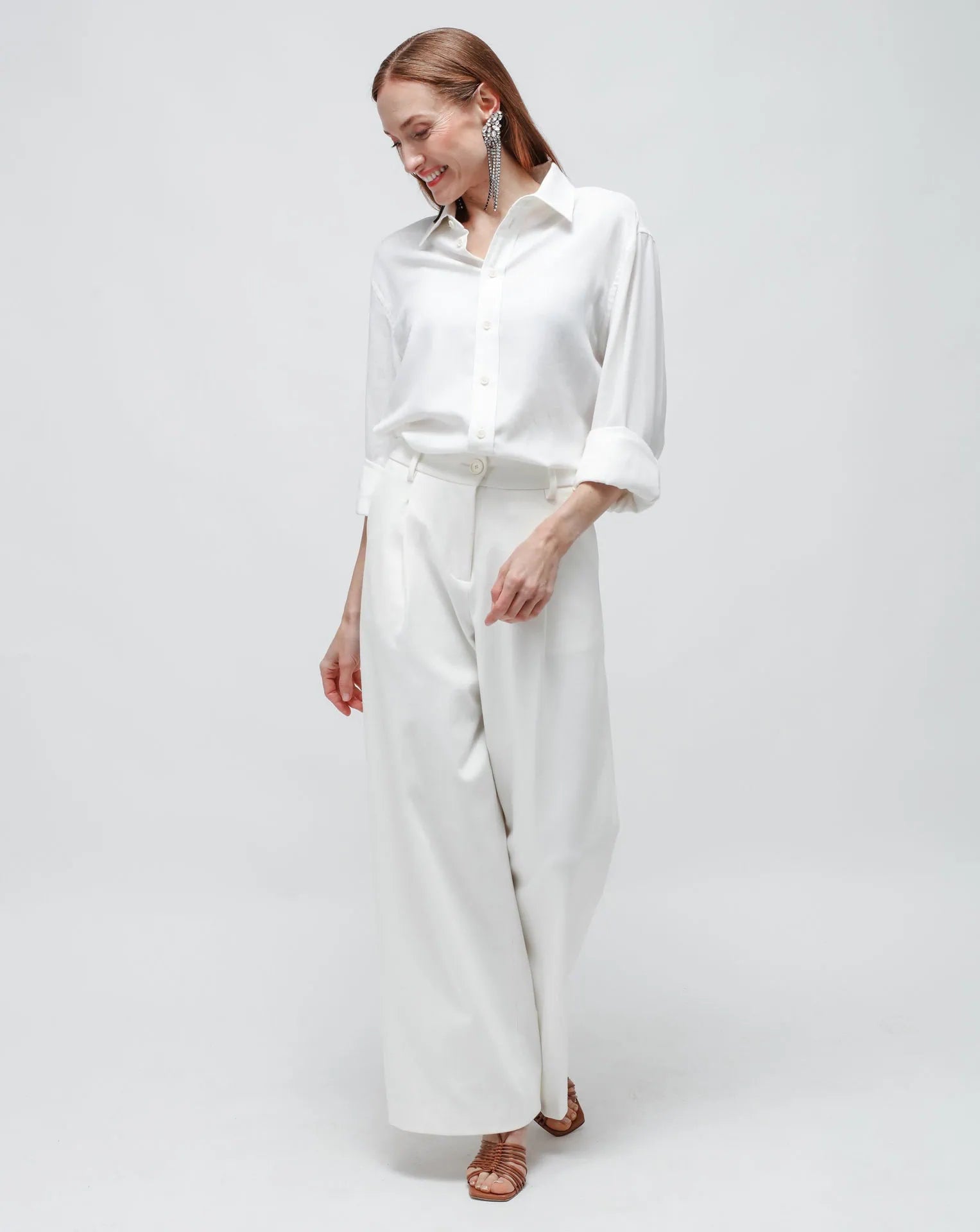
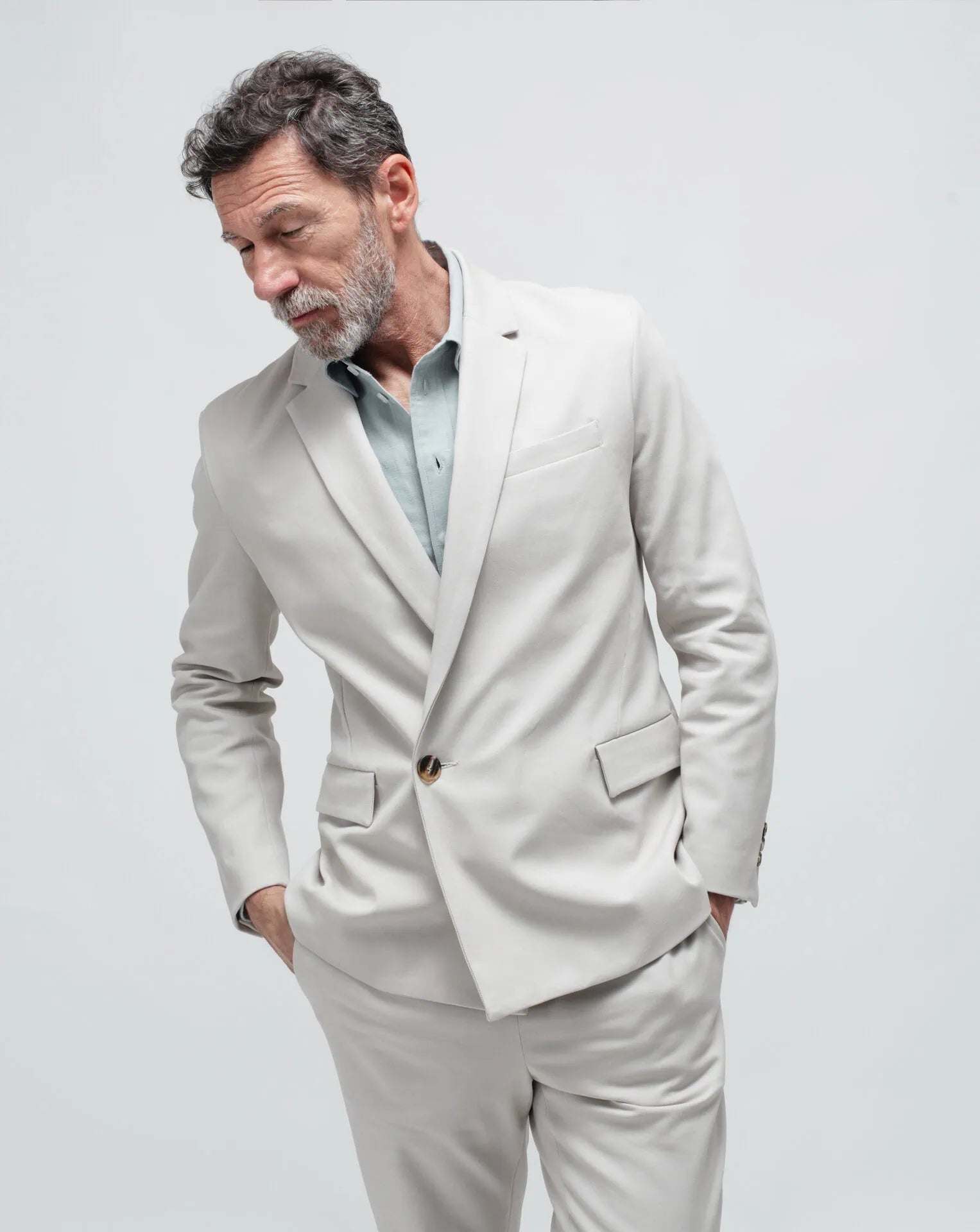
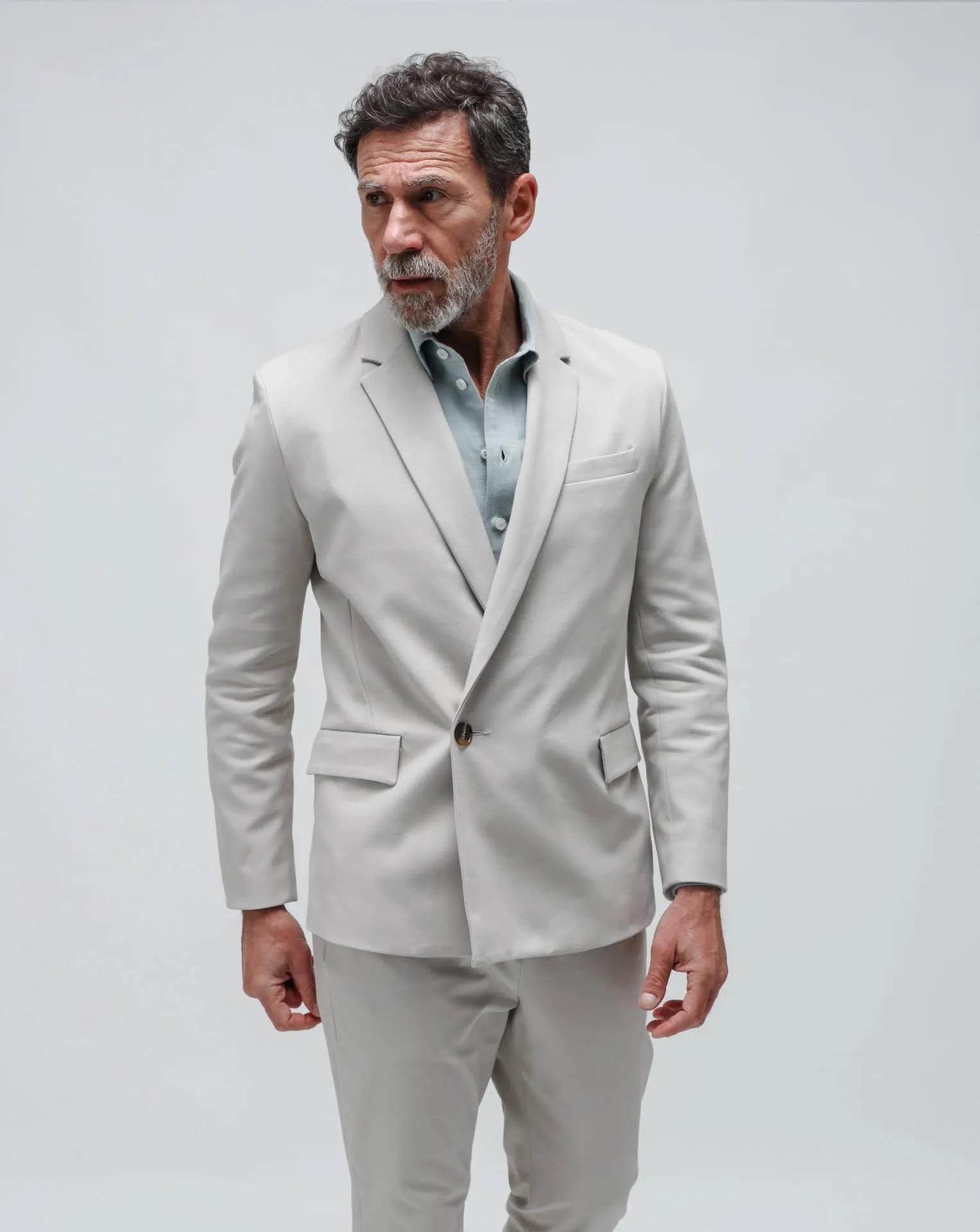
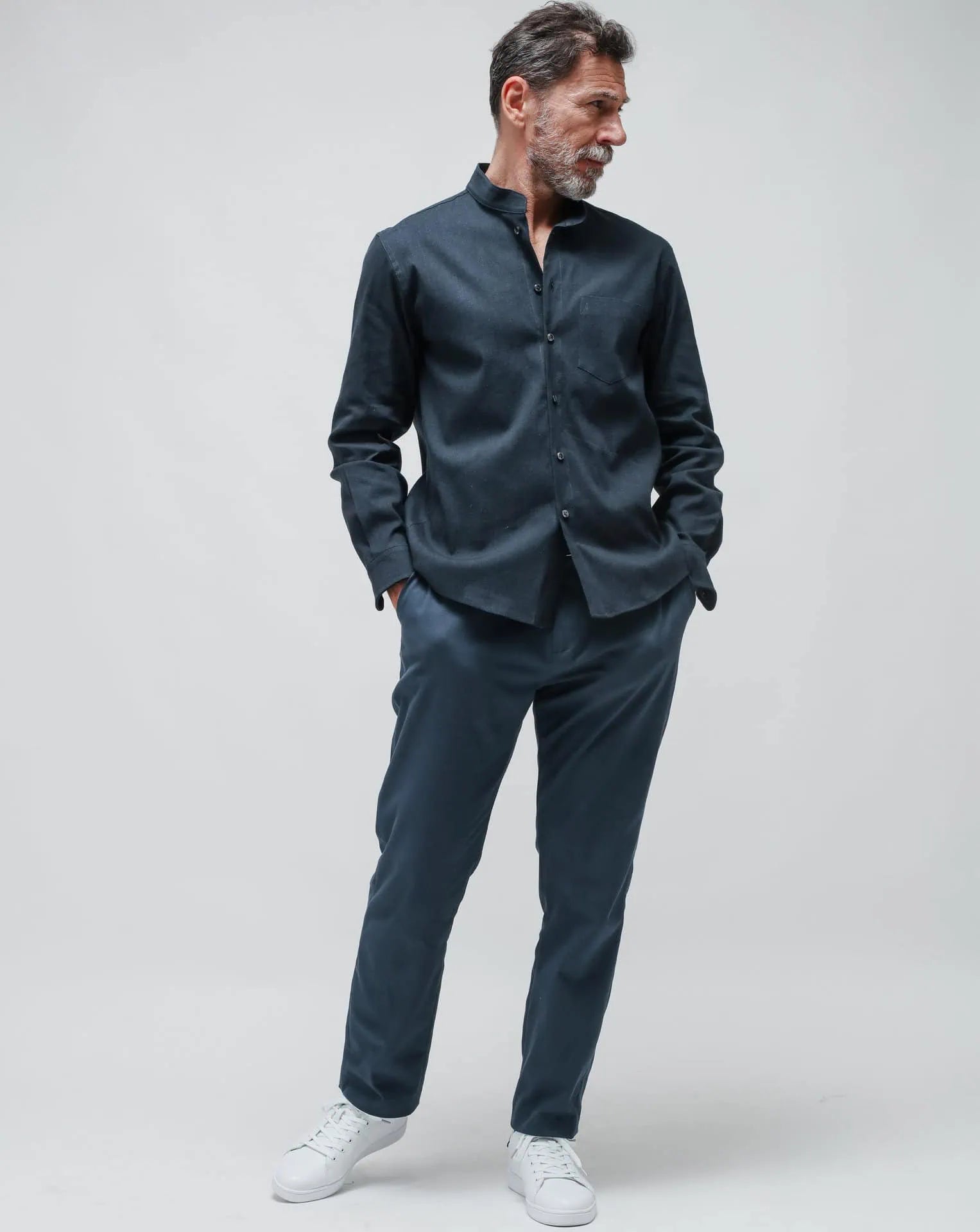
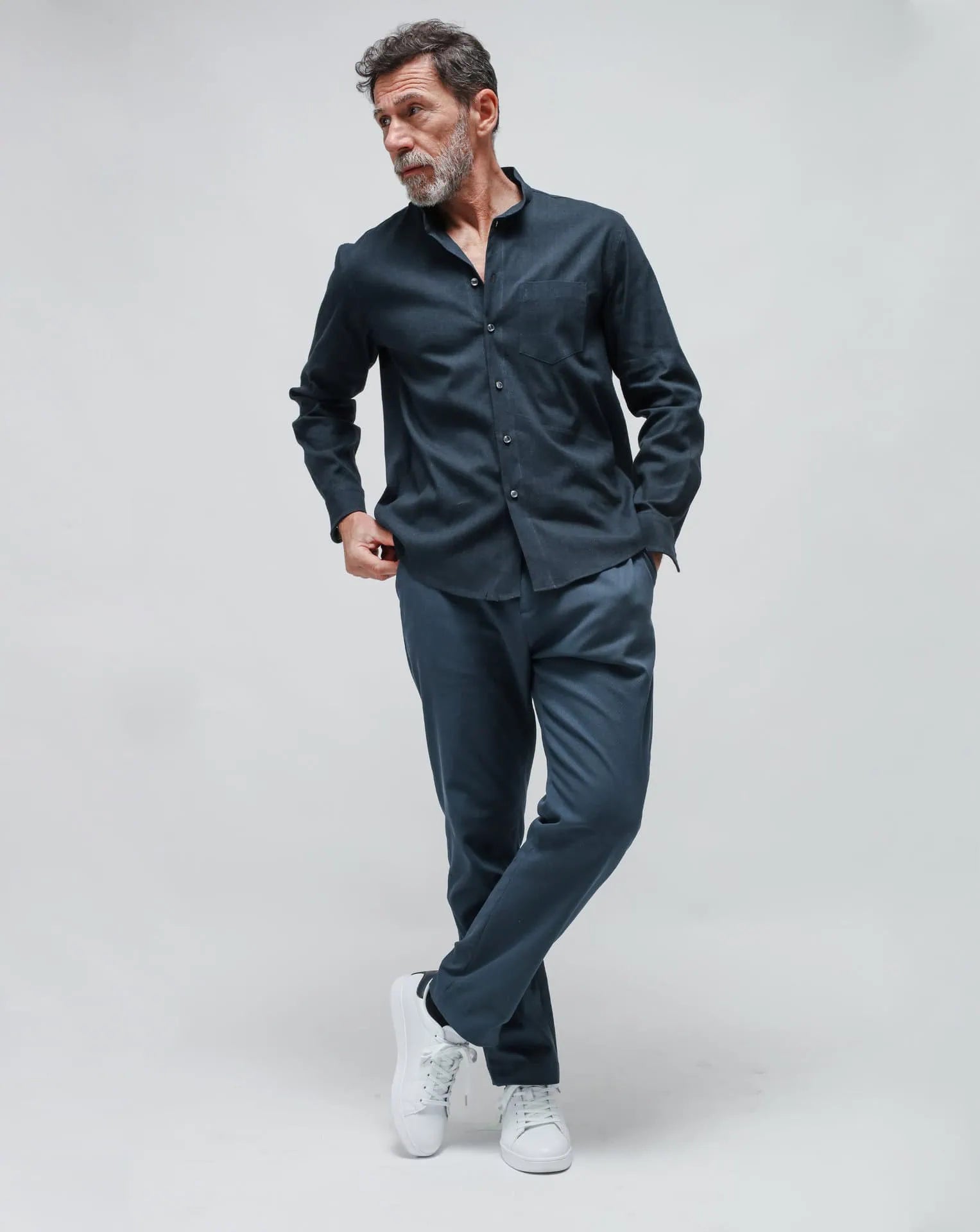
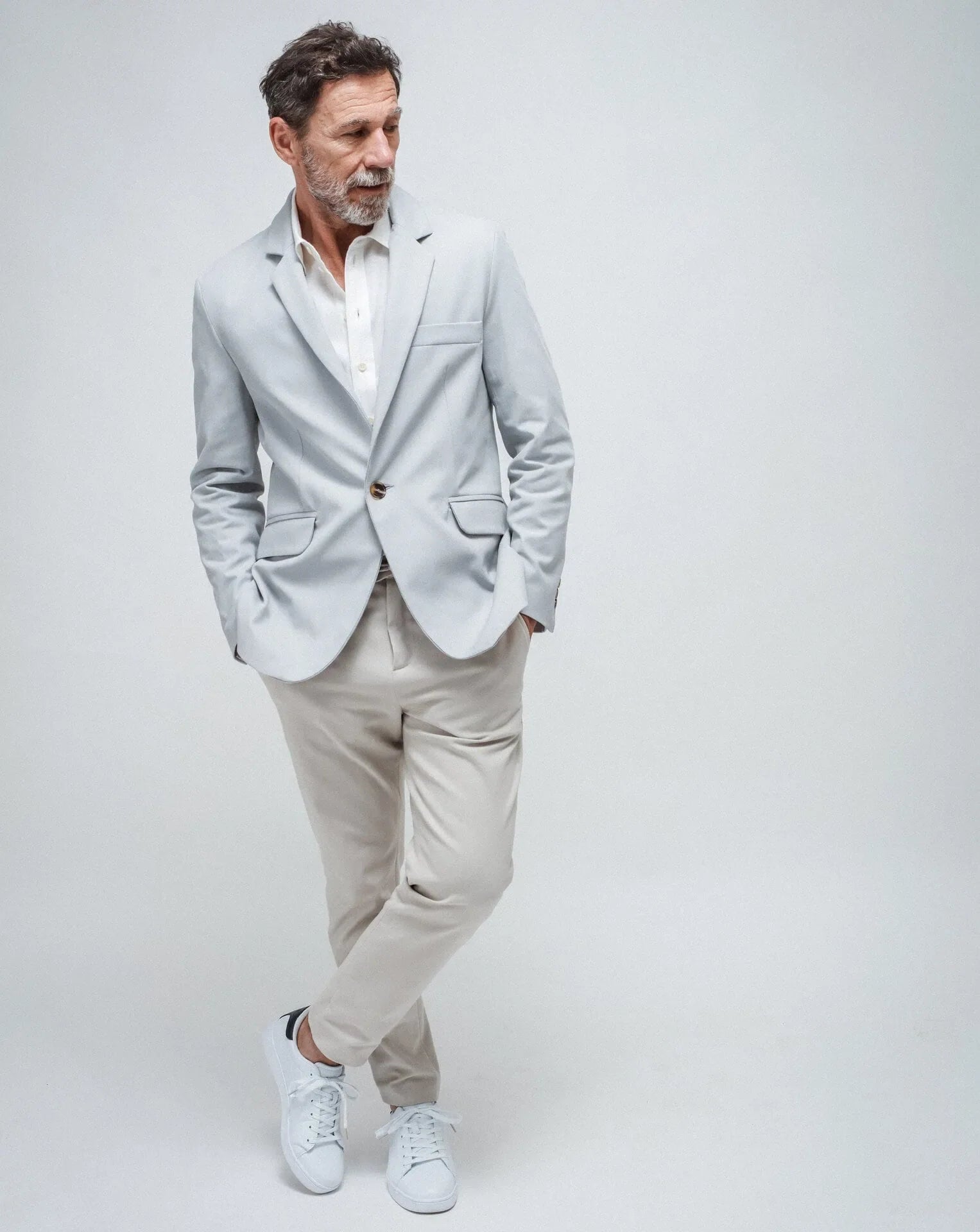
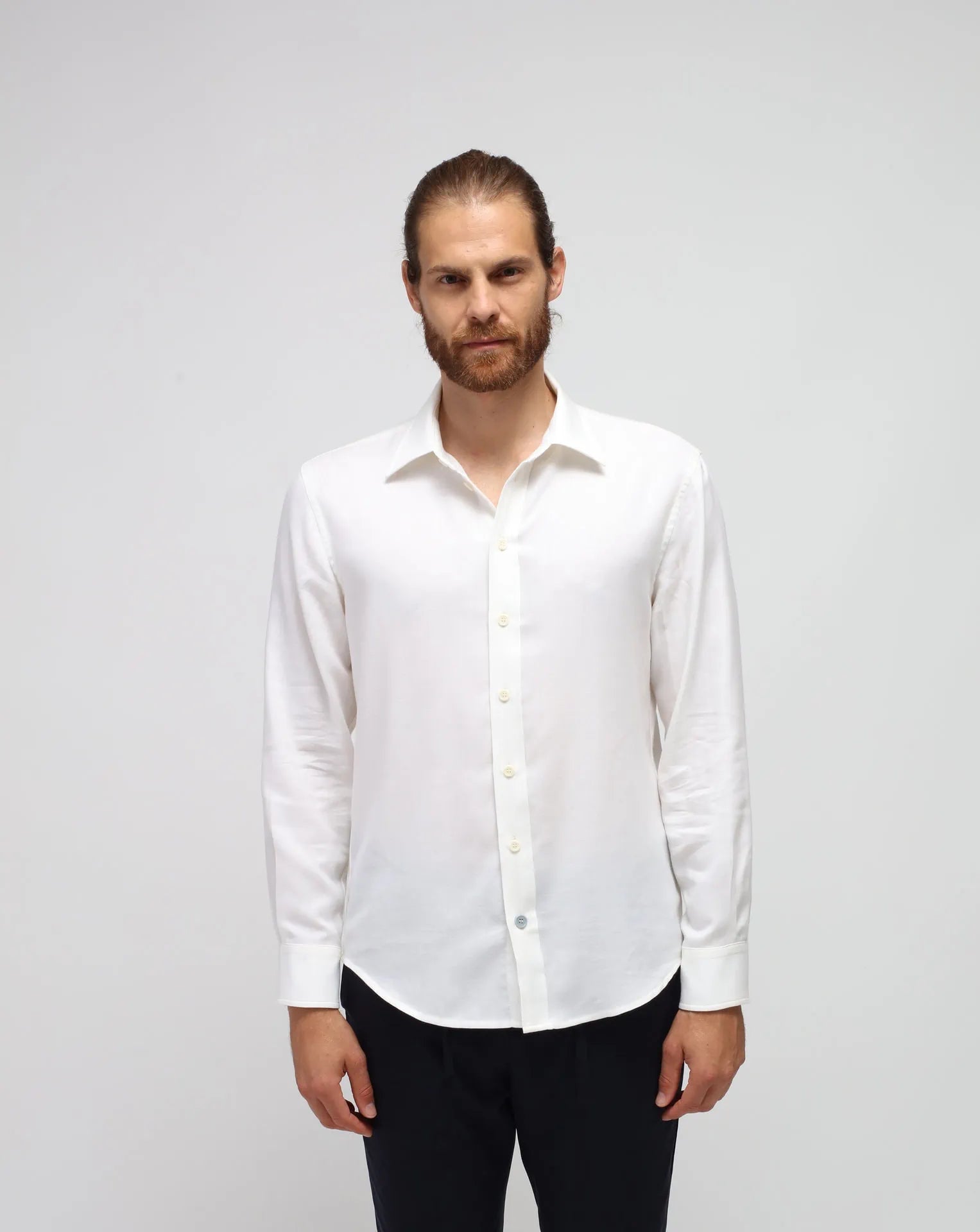
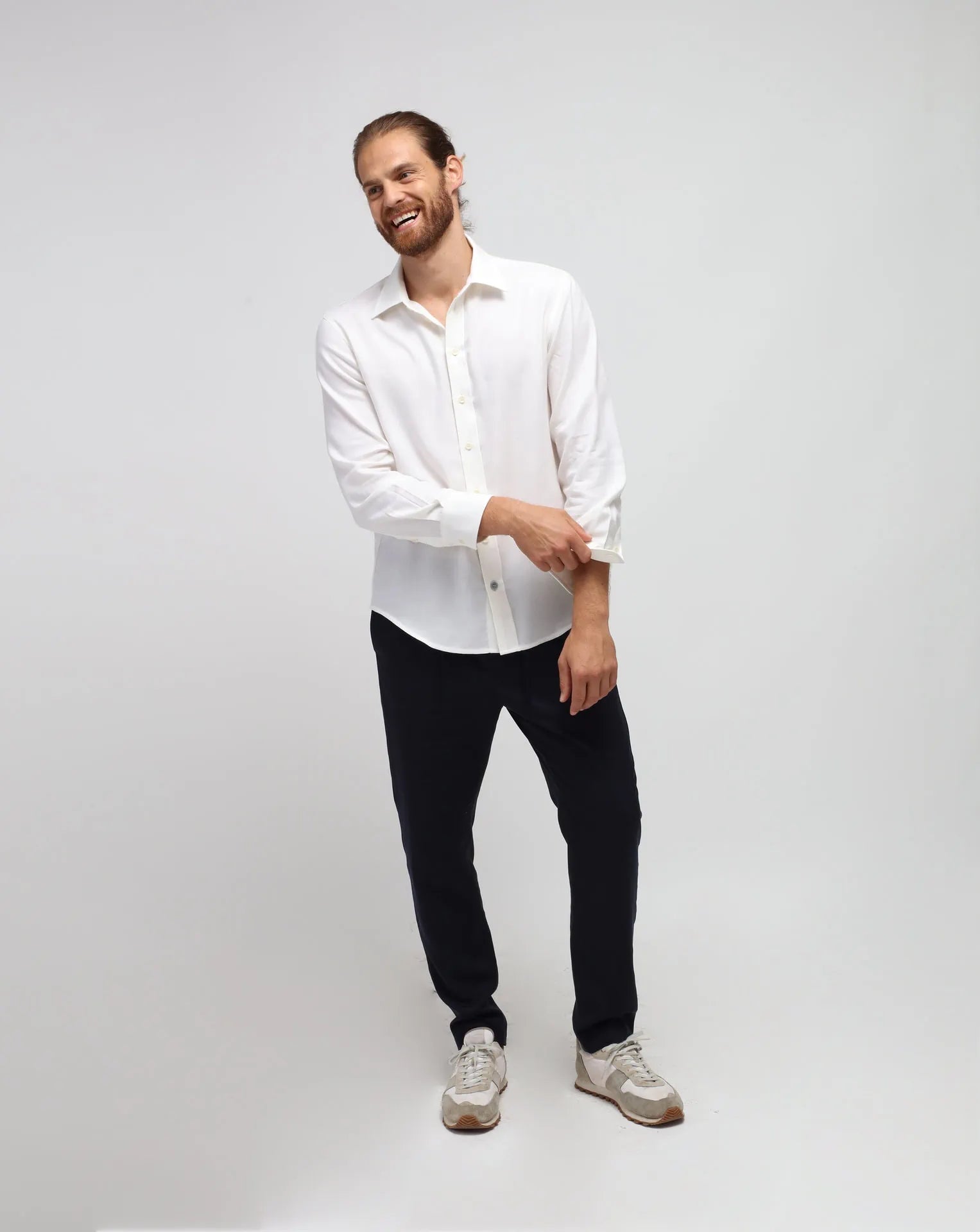
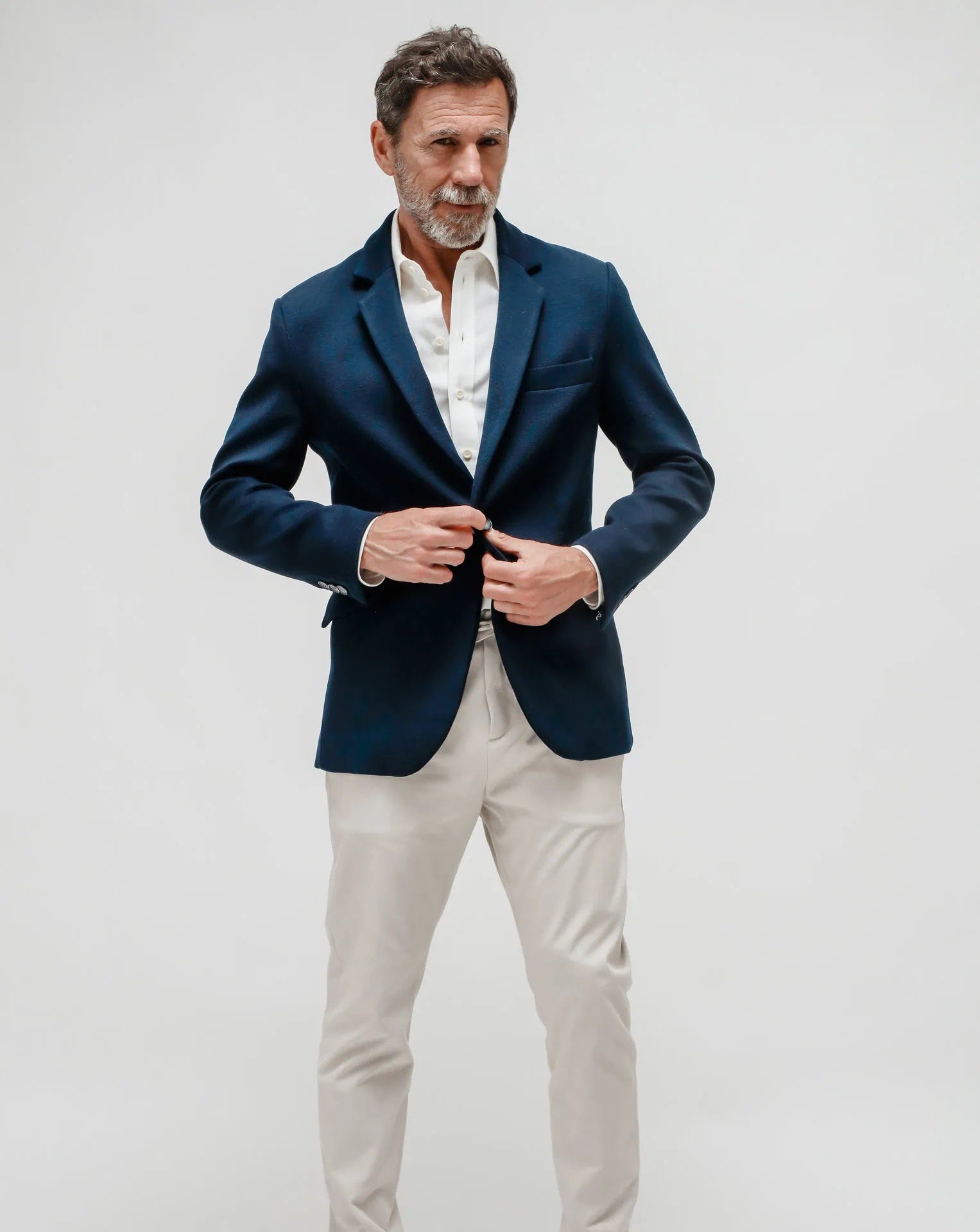
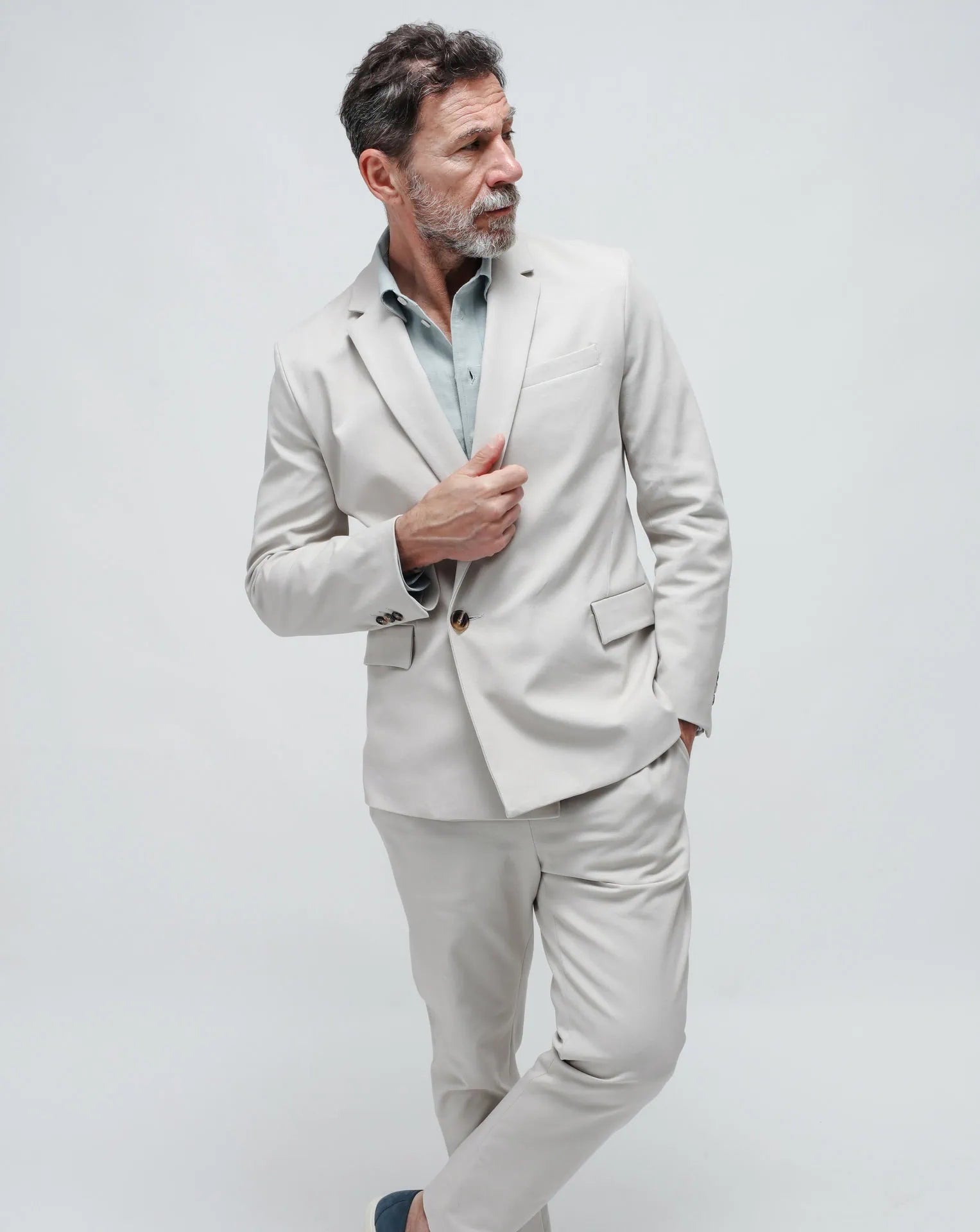
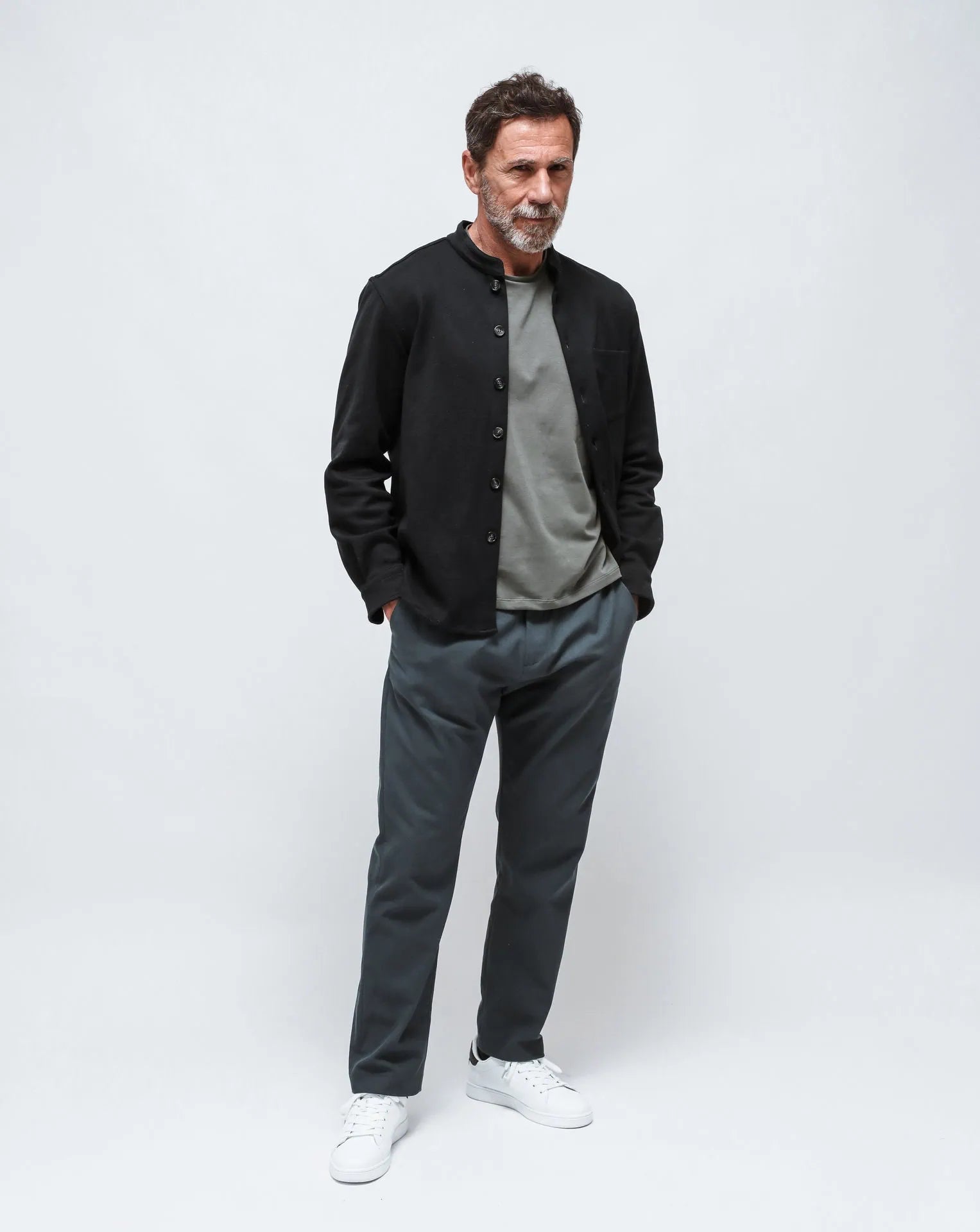
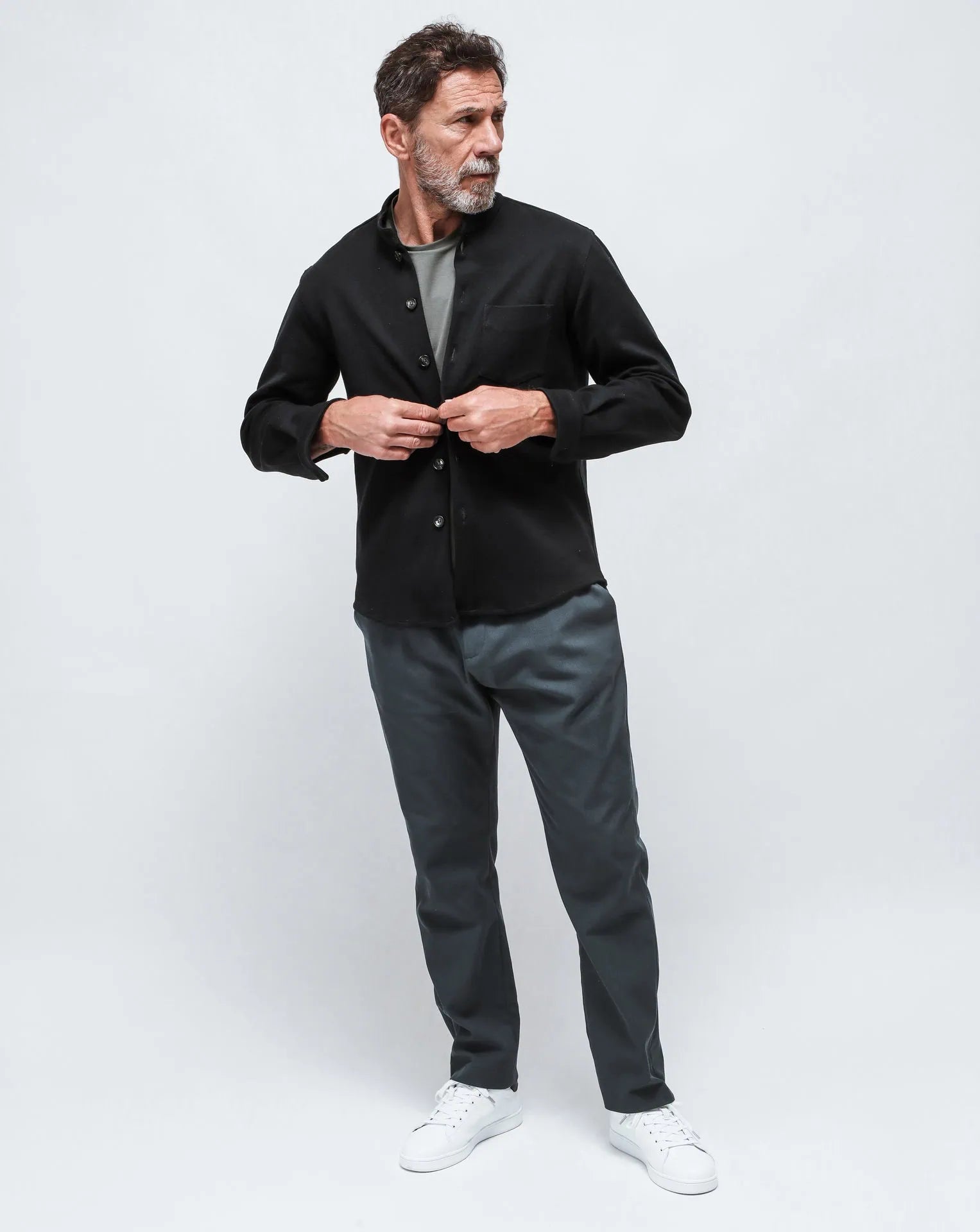
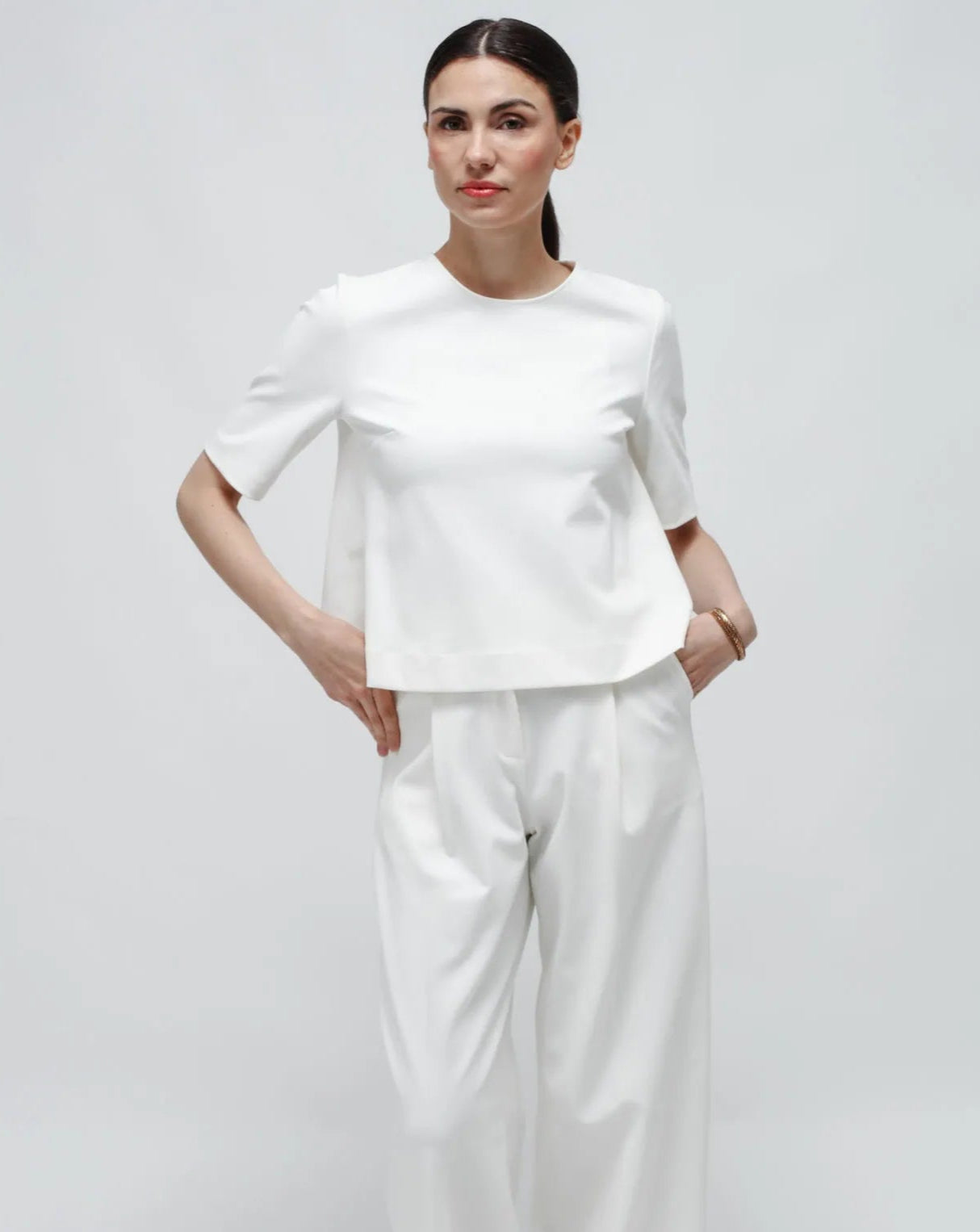
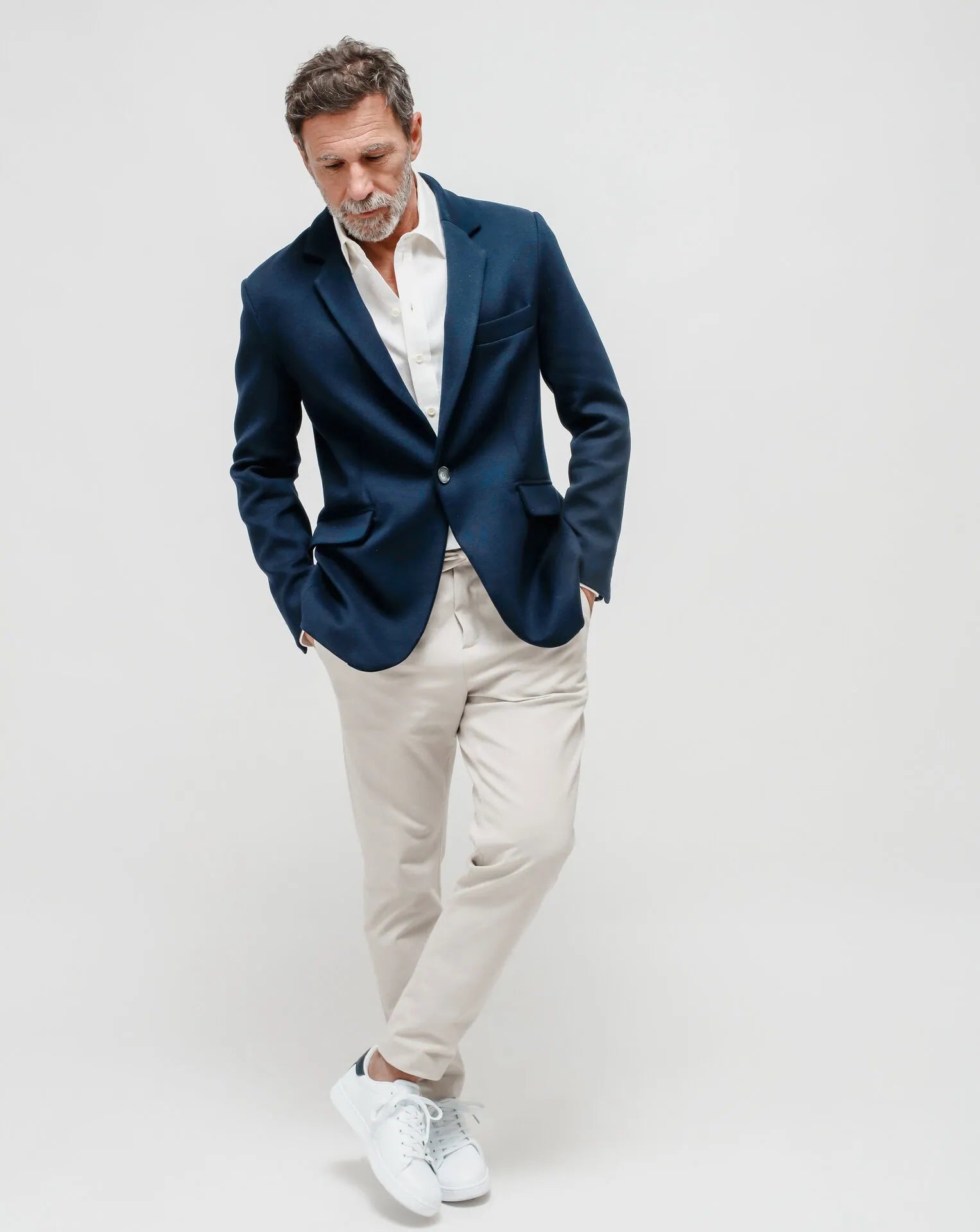
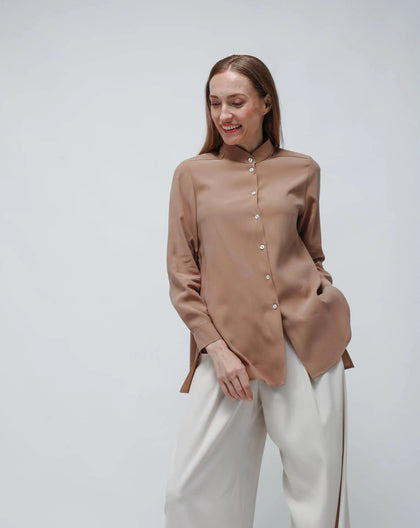
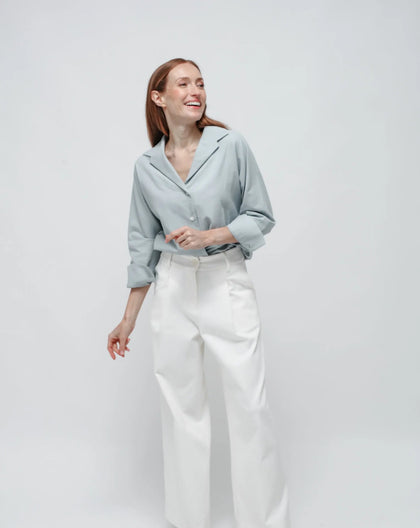
For product-led styling, a Women's Linen Shirt in a softly structured cut can work open over a tank with wide-leg pants, then tuck into a skirt for dinner. A [Men's Linen Shirt] in a refined neutral becomes a warm-weather alternative to a casual button-down, paired with tailored shorts or lightweight trousers.
Is linen only for summer?
No. Linen is often treated as a seasonal fabric because its cooling qualities are so noticeable, but it can carry into colder months with better styling. The key is weight and layering. A dense linen shirt under knitwear offers texture without bulk, while an overshirt-style linen piece can sit over a fine long-sleeve tee.
For early fall, choose deeper tones and wear linen with wool-blend trousers, denim, or a substantial jacket. Once winter arrives, linen is less likely to be your first layer for warmth, but it remains useful indoors and under merino. Think of it as a textural counterpoint, not a replacement for insulating fabrics.
Choose cotton when structure and versatility lead
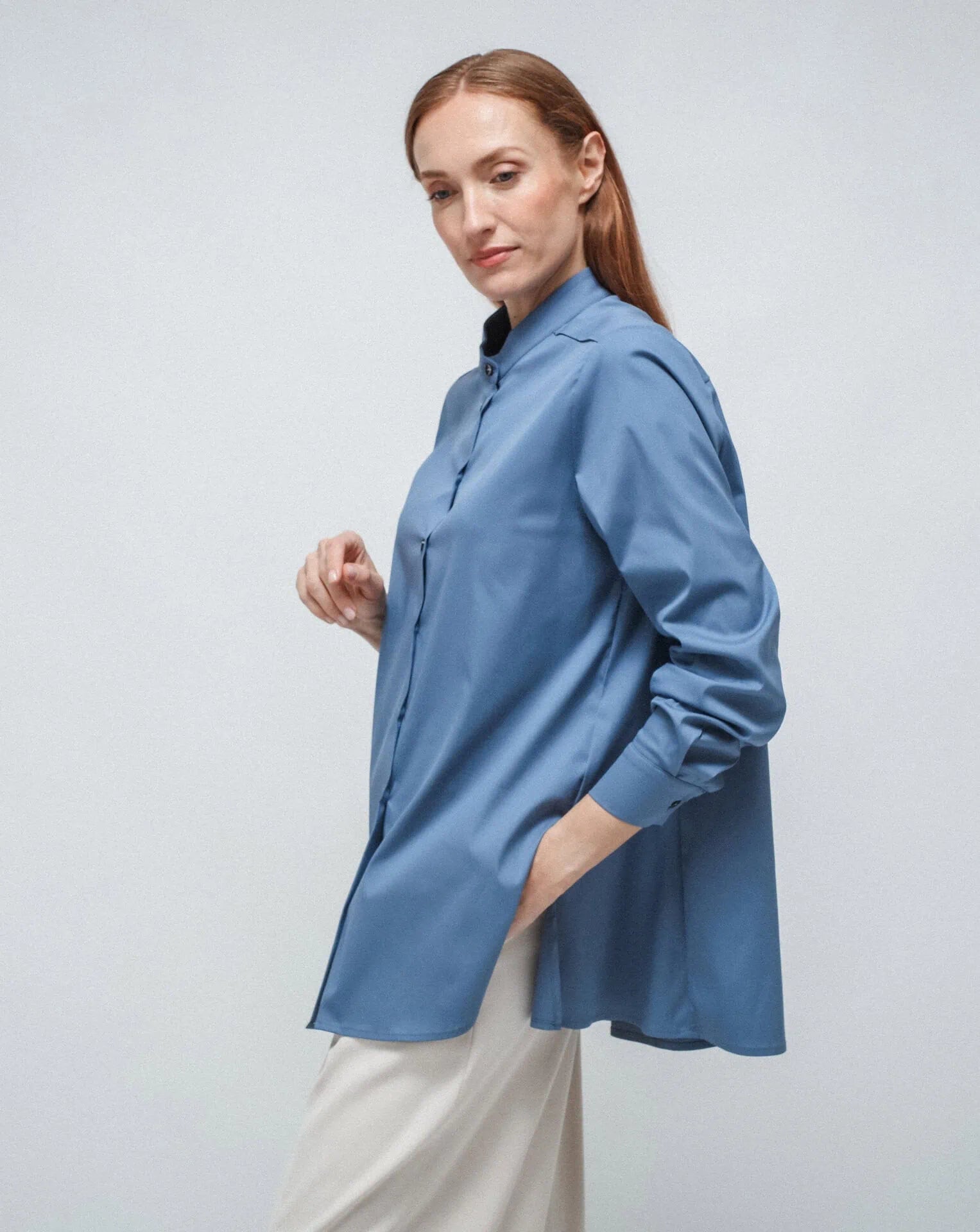
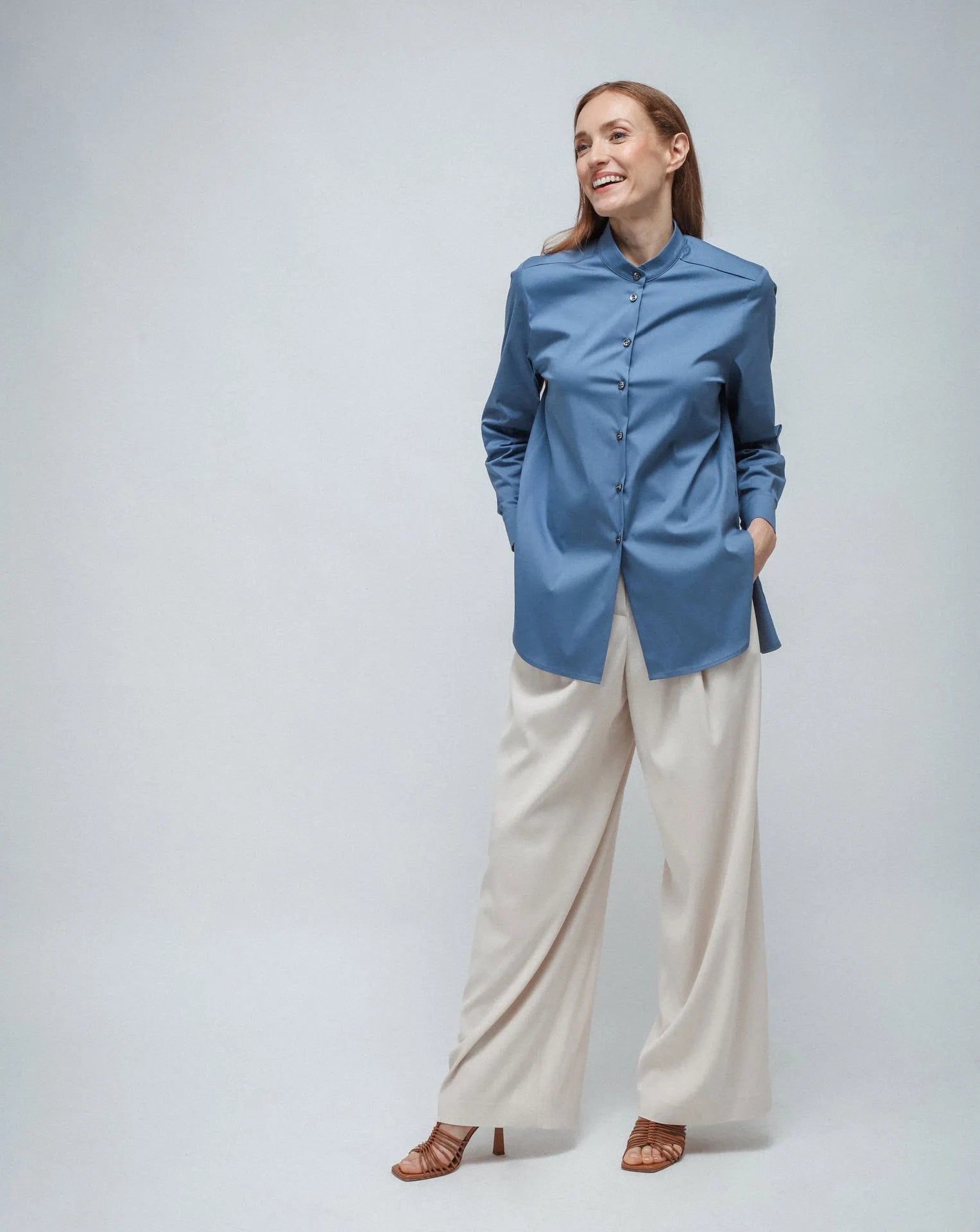
Cotton is the reliable foundation of many wardrobes because it can take on so many roles. A crisp cotton shirt looks at home under a blazer. A heavier oxford feels relaxed but composed. A soft brushed cotton shirt offers comfort when temperatures drop. Its range makes cotton especially useful for people who need one piece to move between meetings, travel, and off-duty plans.
Cotton usually wrinkles less dramatically than linen, although it is not wrinkle-proof. It also tends to hold a more defined collar, placket, and cuff. If you wear shirts tucked in often, favor architectural silhouettes, or want a fabric that feels appropriate across more formal settings, cotton may be the stronger everyday choice.
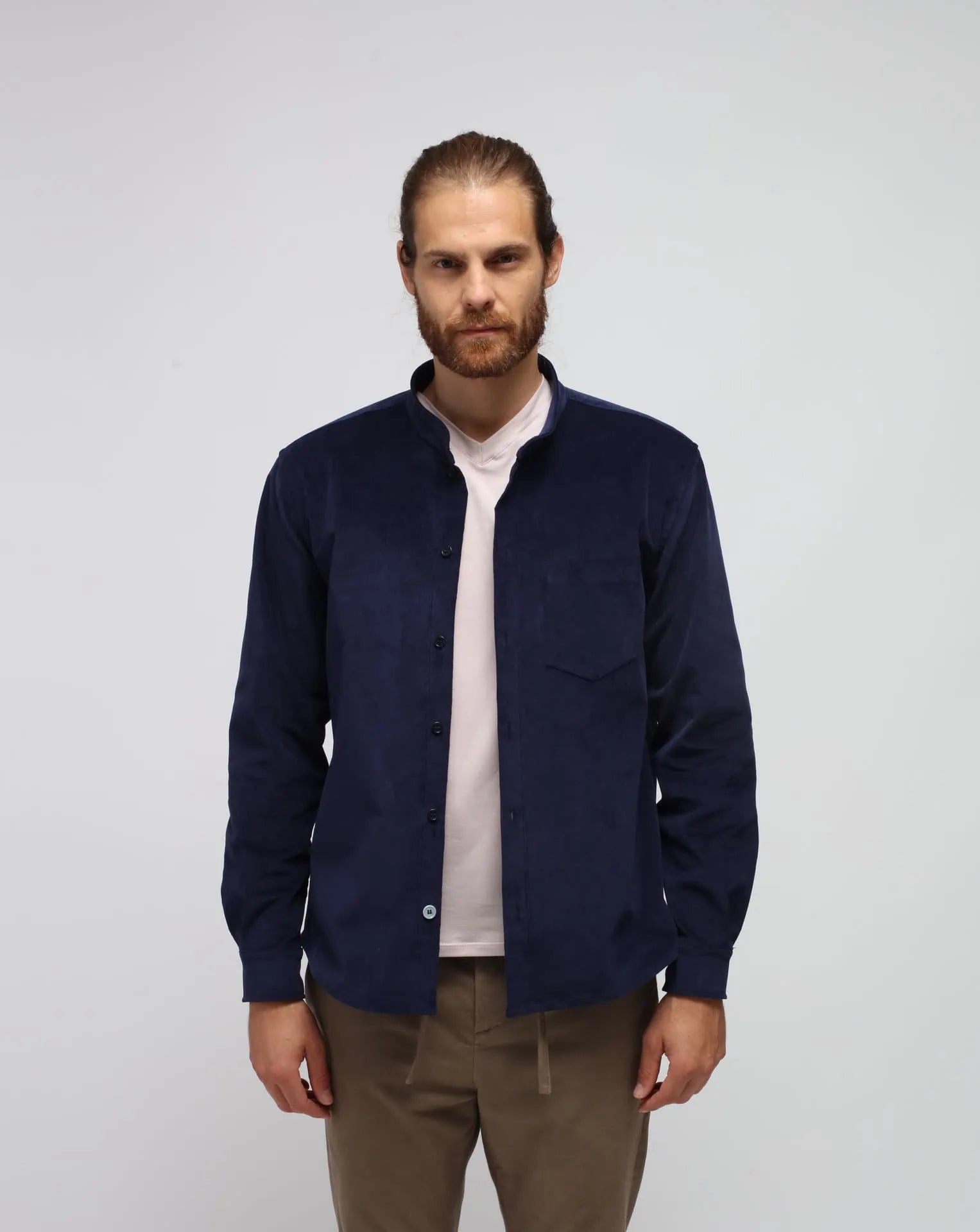
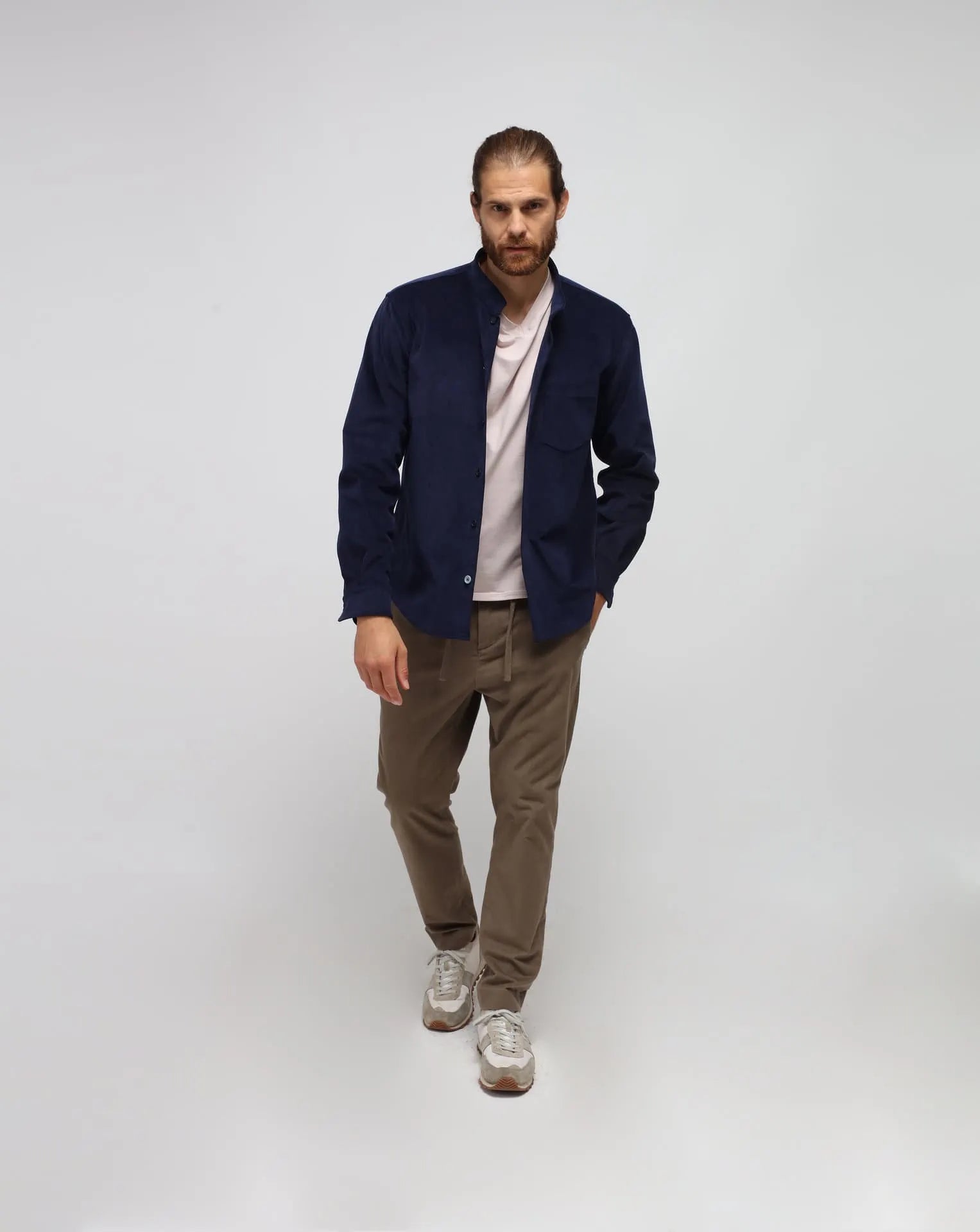
For the coming cooler season, cotton earns further ground. A Men's Cotton Overshirt can layer over a jersey tee and under a coat without the stiffness of a heavier jacket. A Women's Cotton Button-Down becomes a practical base beneath a knit vest, blazer, or wool coat. Look for enough room at the shoulder and sleeve to accommodate layers without pulling.
Cotton does have its limits in high heat. Dense cotton can hold moisture longer than linen and may feel heavier during humid days. The solution is not to dismiss cotton, but to choose the right construction. Lightweight cotton poplin and airy cotton weaves are more comfortable in summer than thick oxford cloth, while brushed and midweight cotton are better reserved for fall and winter.
The fabric weight changes the answer
Comparing fibers without considering fabric weight is like comparing coats without mentioning insulation. A featherlight cotton shirt can be cooler than a heavy linen one. A substantial linen can feel more formal and durable than a thin cotton poplin.
Before choosing, consider the shirt in your hands. Does it feel transparent or substantial? Does it recover after being gently squeezed? Is the weave open, smooth, crisp, or textured? These details determine how it will wear, not just the label stating linen or cotton.
Fabric blends deserve the same measured approach. A linen-cotton blend can reduce some of linen's wrinkling while retaining breathability and texture. That can be useful for frequent travel or office wear. Still, a blend is not automatically superior. It depends on the percentage of each fiber, the weave, and whether the finished garment delivers the hand, drape, and longevity you want.
Care is part of the purchase decision
The most sustainable shirt is one that remains in rotation. Care is therefore not an afterthought. It is how a good garment becomes a long-term relationship.
Linen benefits from gentle washing in cool water and air-drying when possible. Remove it while slightly damp, smooth seams and collars by hand, and use steam or a warm iron if you want a more polished finish. Avoid over-drying, which can leave any natural fiber feeling unnecessarily rigid.
Cotton responds well to similar restraint. Wash only when needed, follow the care label, and avoid high heat that can encourage shrinkage and wear. Hang shirts on suitable hangers, buttoning the top button if the collar needs help holding its shape. Treat stains early rather than escalating every wash cycle.
A well-made shirt should also be repairable in spirit. Replace a missing button, reinforce a loose seam, and keep a favorite piece in use. This is the opposite of fashion madness: seeing value in the material, labor, and years already invested in a garment.
Build a shirt wardrobe, not a fabric allegiance
The strongest answer to linen or cotton is often both, chosen with intention. Keep linen for warm days, travel, and moments that call for effortless texture. Rely on cotton for clean lines, frequent layering, and cooler weather. Then make each purchase count by favoring limited-run pieces in fabrics you genuinely want to wear again and again.
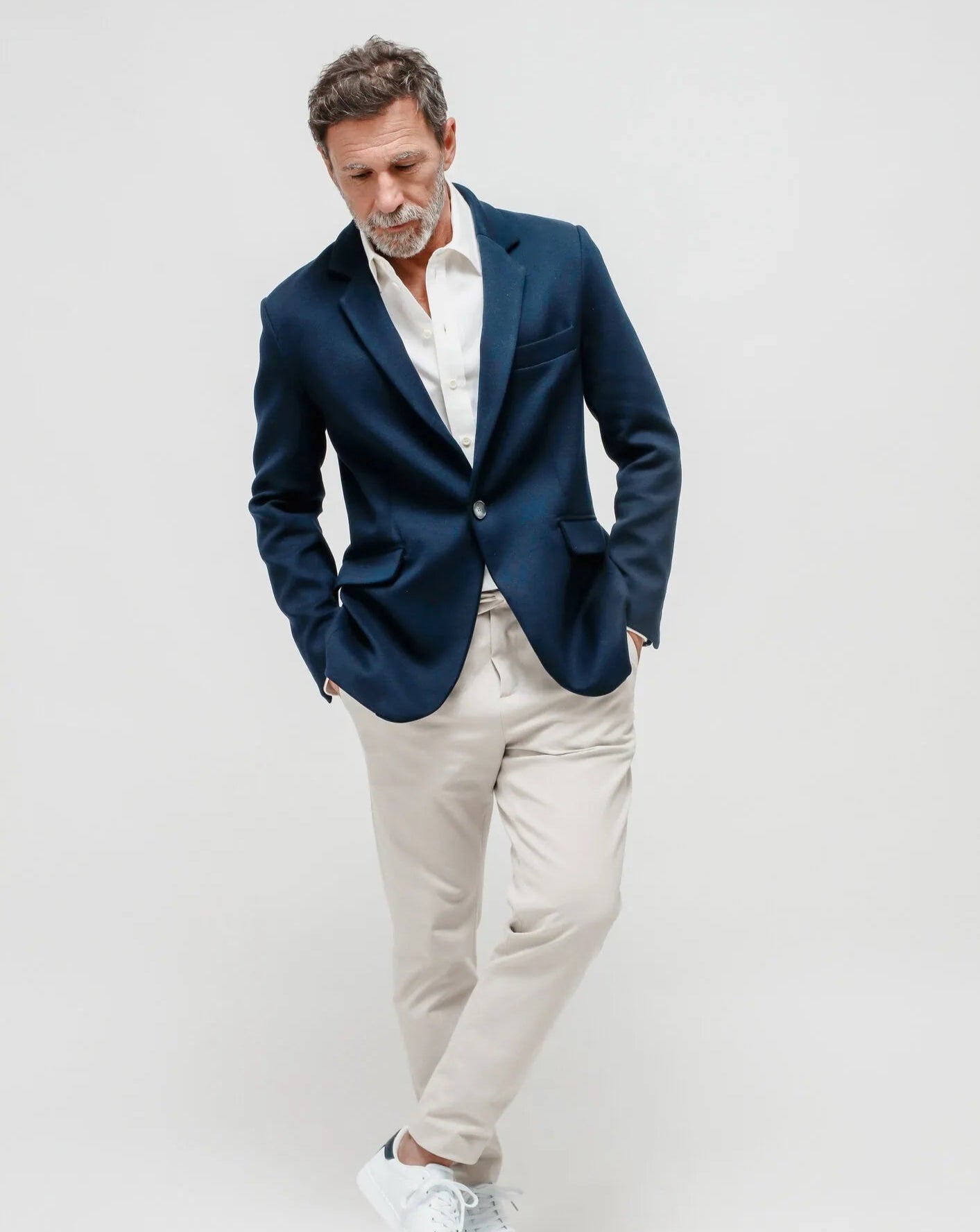
A winter wardrobe does not require abandoning lightness. It asks for better combinations: cotton next to the skin, knitwear for insulation, a tailored outer layer for protection, and perhaps linen for texture when the setting moves indoors. Choose the shirt that suits the season, but keep it because it suits your life.
FAQ
Q: Are linen shirts more sustainable than cotton shirts?
A: Not automatically. Linen can be a lower-impact choice in some supply chains, but fiber type is only one factor. Responsible sourcing, deadstock use, dye processes, production volume, garment quality, and long-term wear all shape a shirt's impact.
Q: Do linen shirts shrink?
A: Linen can shrink if washed or dried with excessive heat, particularly before it has settled through a few wears and washes. Follow the care label, wash cool, and air-dry when possible to protect fit and finish.
Q: Which shirt fabric is better for winter?
A: Midweight or brushed cotton is generally more practical for winter because it layers easily and offers more insulation. Linen can still work indoors or beneath knitwear, especially in a denser weave.
Q: Can I wear a linen shirt to the office?
A: Yes, if the office dress code allows relaxed tailoring. Choose a well-cut linen shirt in a neutral shade, keep the rest of the outfit polished, and embrace a small amount of natural texture rather than trying to make linen look unnaturally crisp.
Q: How many linen and cotton shirts should I own?
A: Start with the situations you repeat. One or two breathable linen shirts for warm weather and travel, plus two or three cotton shirts in weights suited to your work and winter layers, is more useful than a crowded rail of near-identical options. Buy the pieces that invite repeat wear, then give them the care that makes that choice last.
the World of H&L