
A New York City Wardrobe for Winter, Built to Last
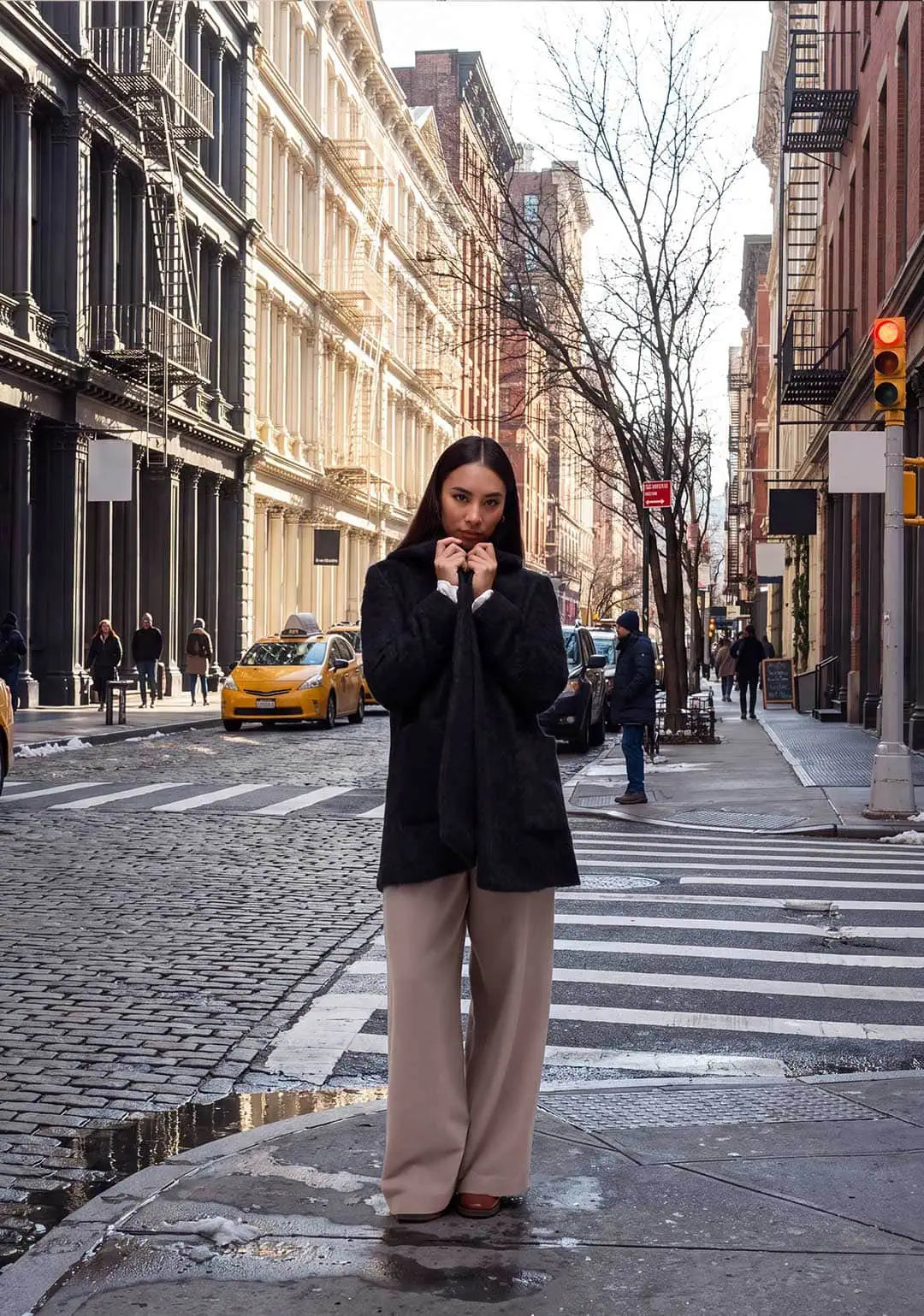
A subway platform is not a runway, but it does reveal whether a look works. The coat has to hold its shape in wind. The shoes have to survive wet sidewalks. A New York City wardrobe needs to move from an early meeting to a late reservation without asking you to change your entire identity halfway through the day.
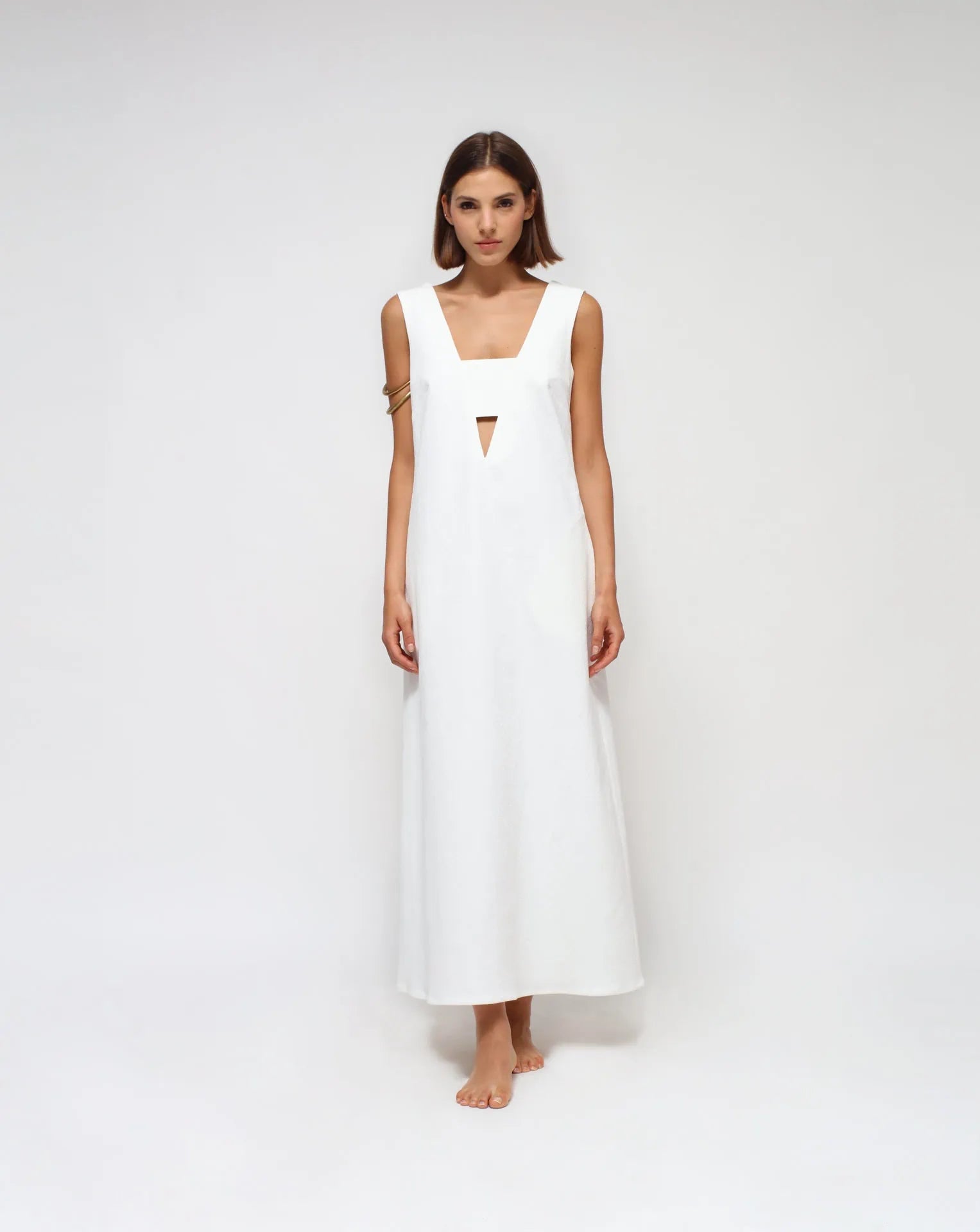
That is why winter dressing in New York is less about owning more and more about choosing pieces with range. The strongest wardrobes are built around texture, proportion, and repeat wear: tailored layers that feel intentional, elevated knitwear that earns its place, and outerwear that makes even a simple outfit feel considered.
Build a New York City Wardrobe Around Real Movement
New York winter style is often described as black, but color is not the real point. The city rewards clarity. A concise palette of black, charcoal, navy, cream, deep brown, olive, or burgundy makes getting dressed faster and creates more combinations from fewer garments. Choose the shades you genuinely wear, then let fabric and silhouette do the work.
Start with the conditions of your actual week. Someone walking twenty minutes to work needs different outerwear from someone traveling mostly by car. A creative director attending gallery openings may need stronger tailoring than a remote worker who wants polished layers for client lunches. There is no single uniform, but there should be a consistent standard: every piece must be comfortable enough to live in and distinct enough to wear again with confidence.
A useful test is to ask whether an item can be styled at least three ways. A well-cut trouser should work with a fine knit, a crisp shirt, and a structured jacket. A long skirt should work with boots and a coat, but also with loafers and a lightweight top when the temperature changes. This is not restriction. It is a more intelligent kind of freedom.
Start With the Winter Coat
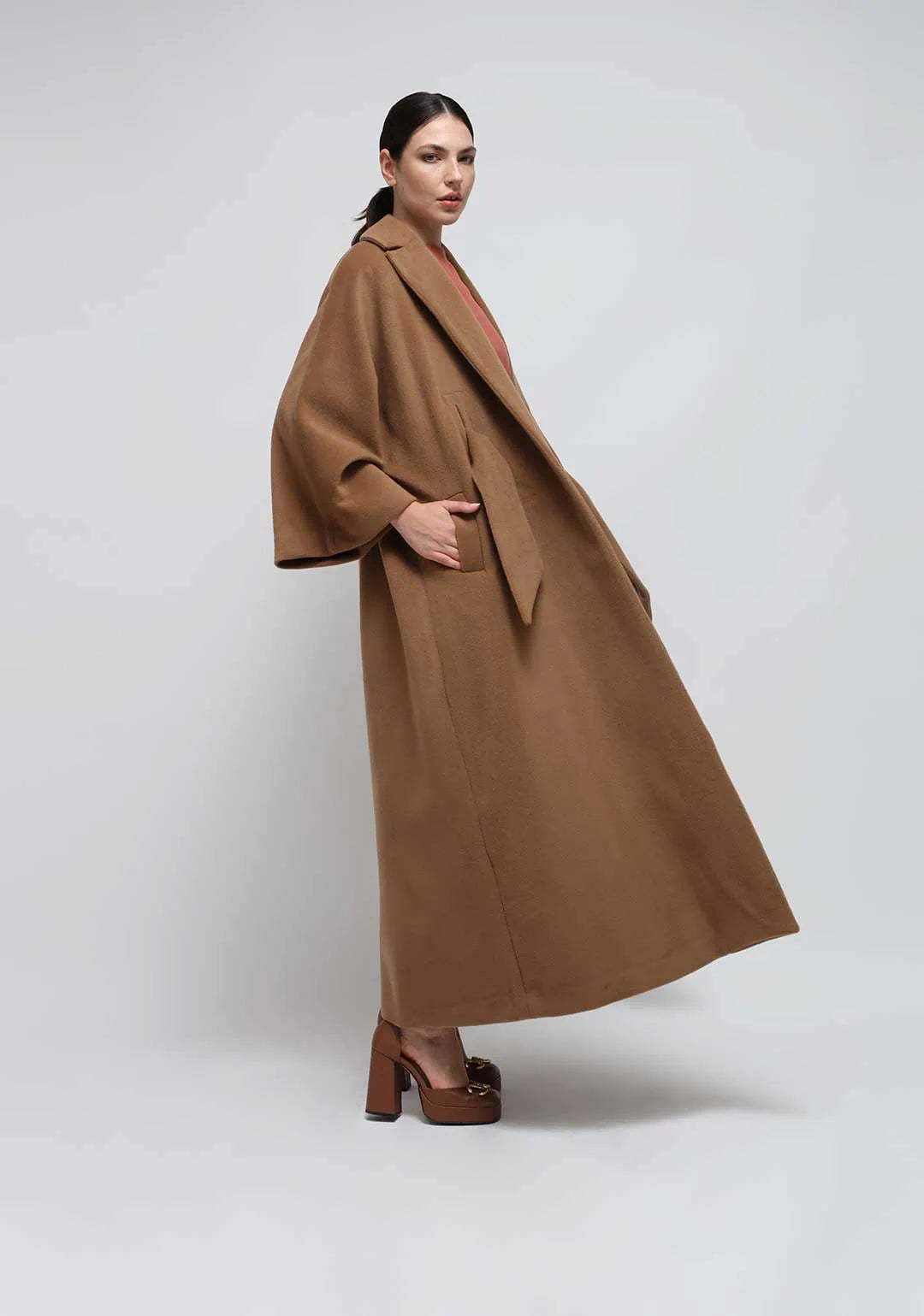
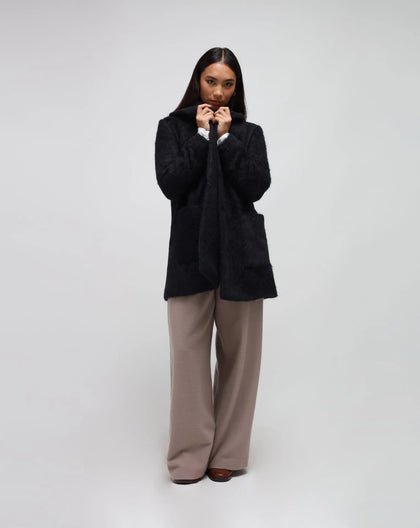
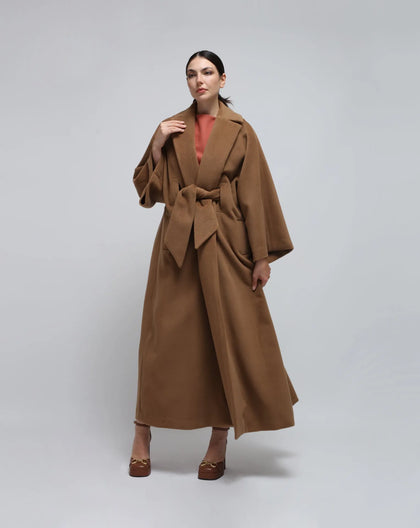
In a city where your coat is visible for most of the day, outerwear is not an afterthought. It is the first decision. Choose one substantial coat that works over a blazer or thick knit without pulling at the shoulders. A longer wool coat offers the most versatility for office days, evening plans, and weekends. A shorter jacket can bring definition to wider trousers or longer skirts, especially when you want a sharper, more architectural silhouette.
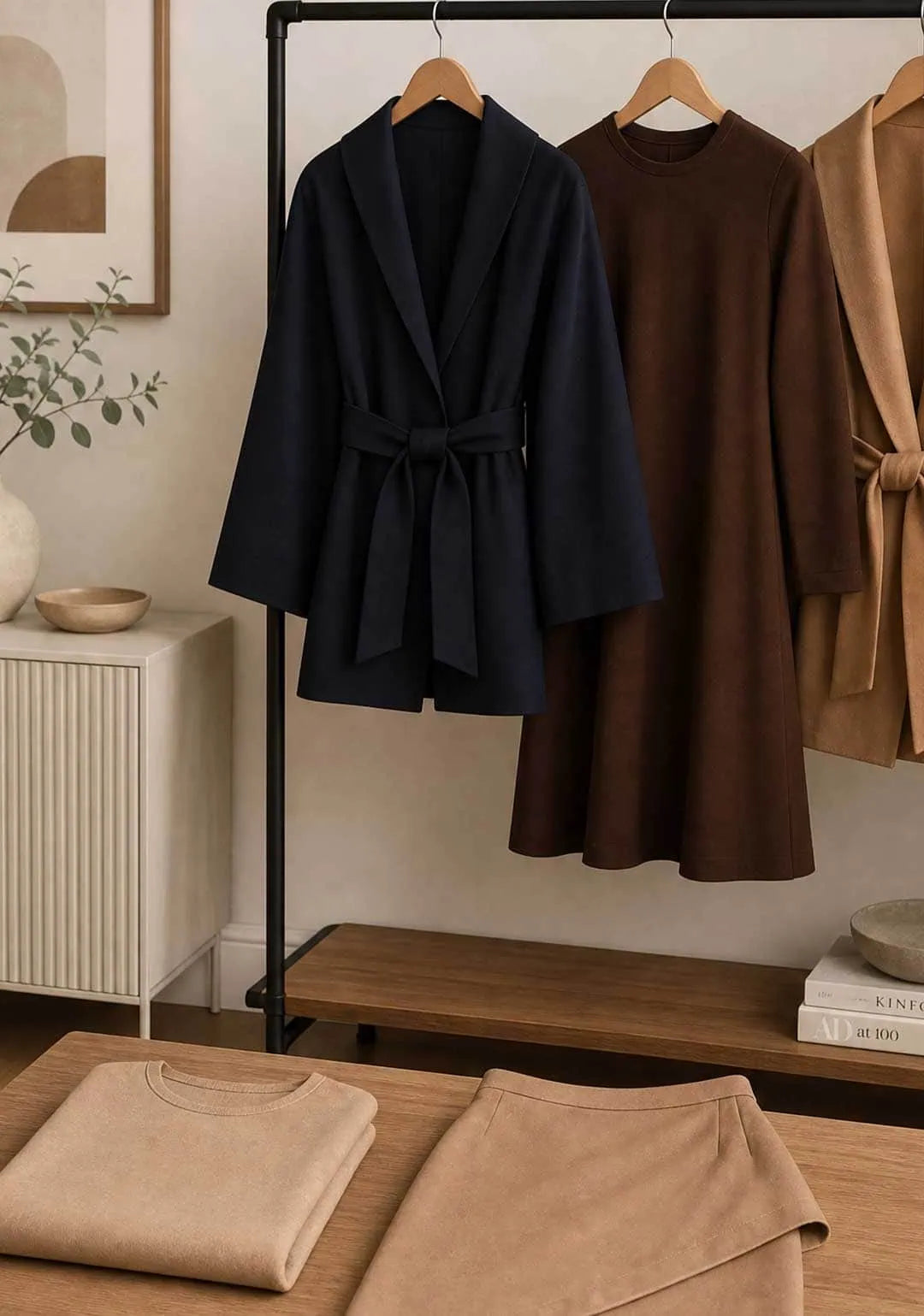
For women, build around a tailored wool coat in black, espresso, charcoal, or a rich neutral that complements your existing wardrobe. Women’s Italian Wool Coat. Wear it over a matching suit for a direct, polished line, or over a soft knit dress and tall boots when the occasion calls for ease rather than formality.
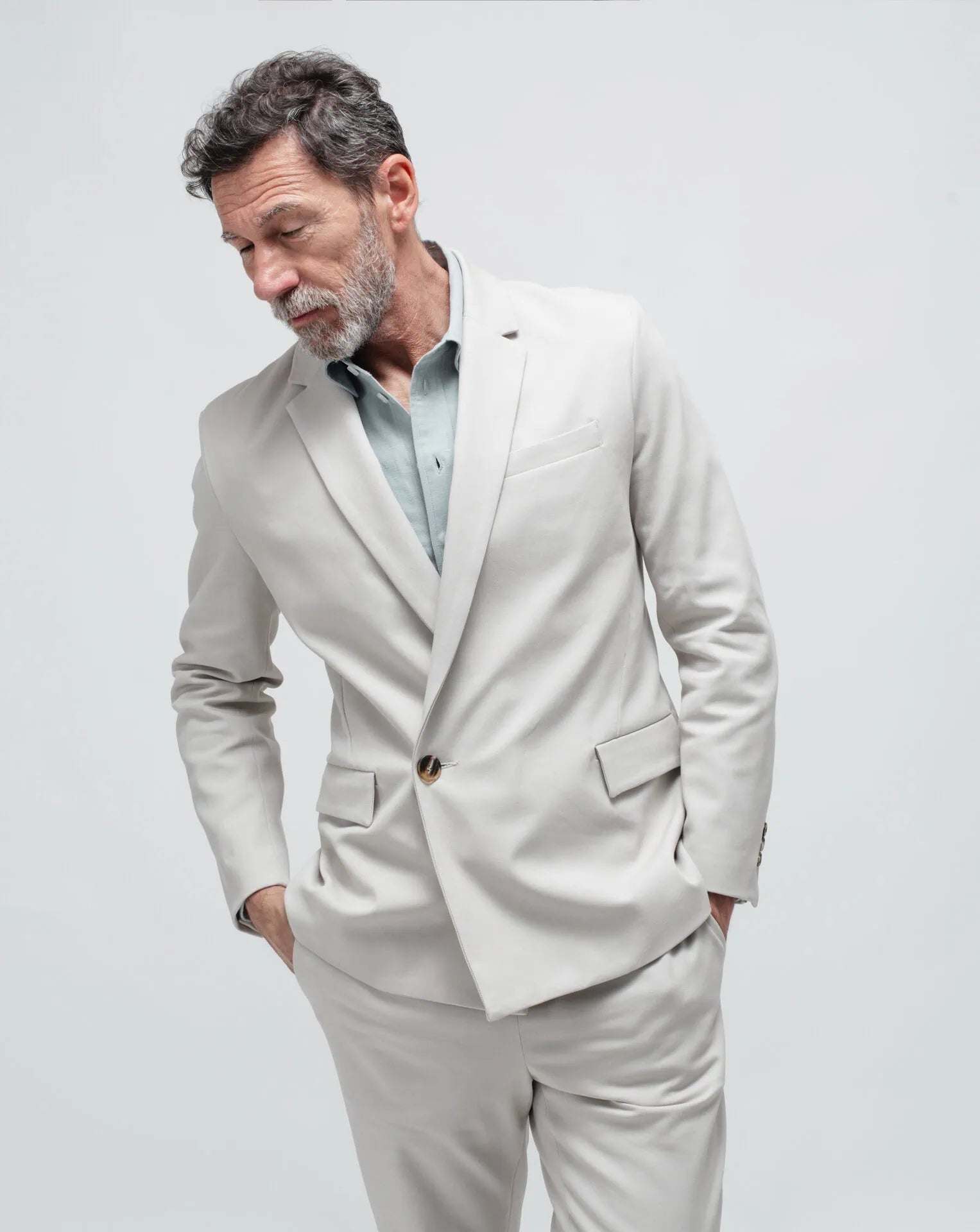
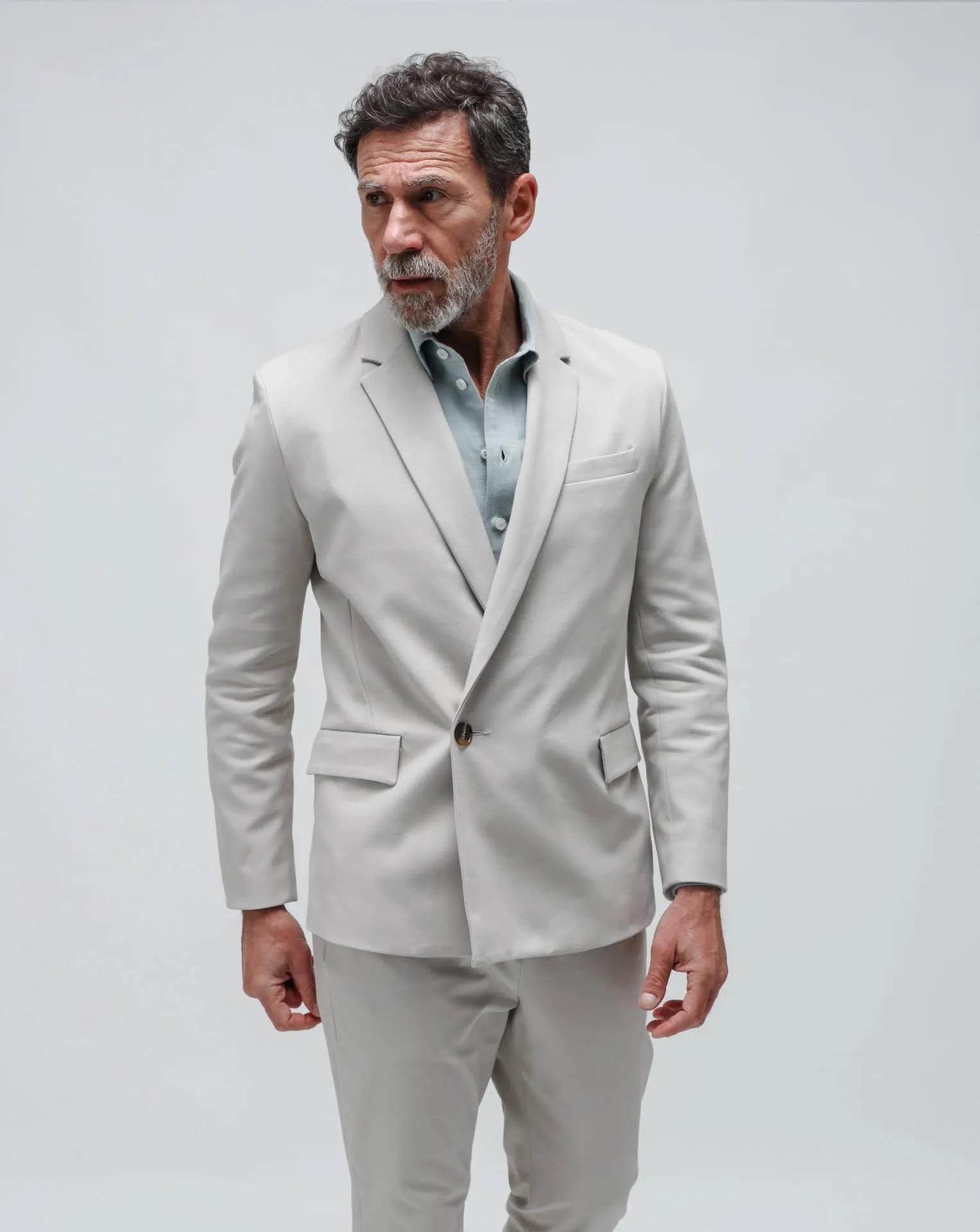
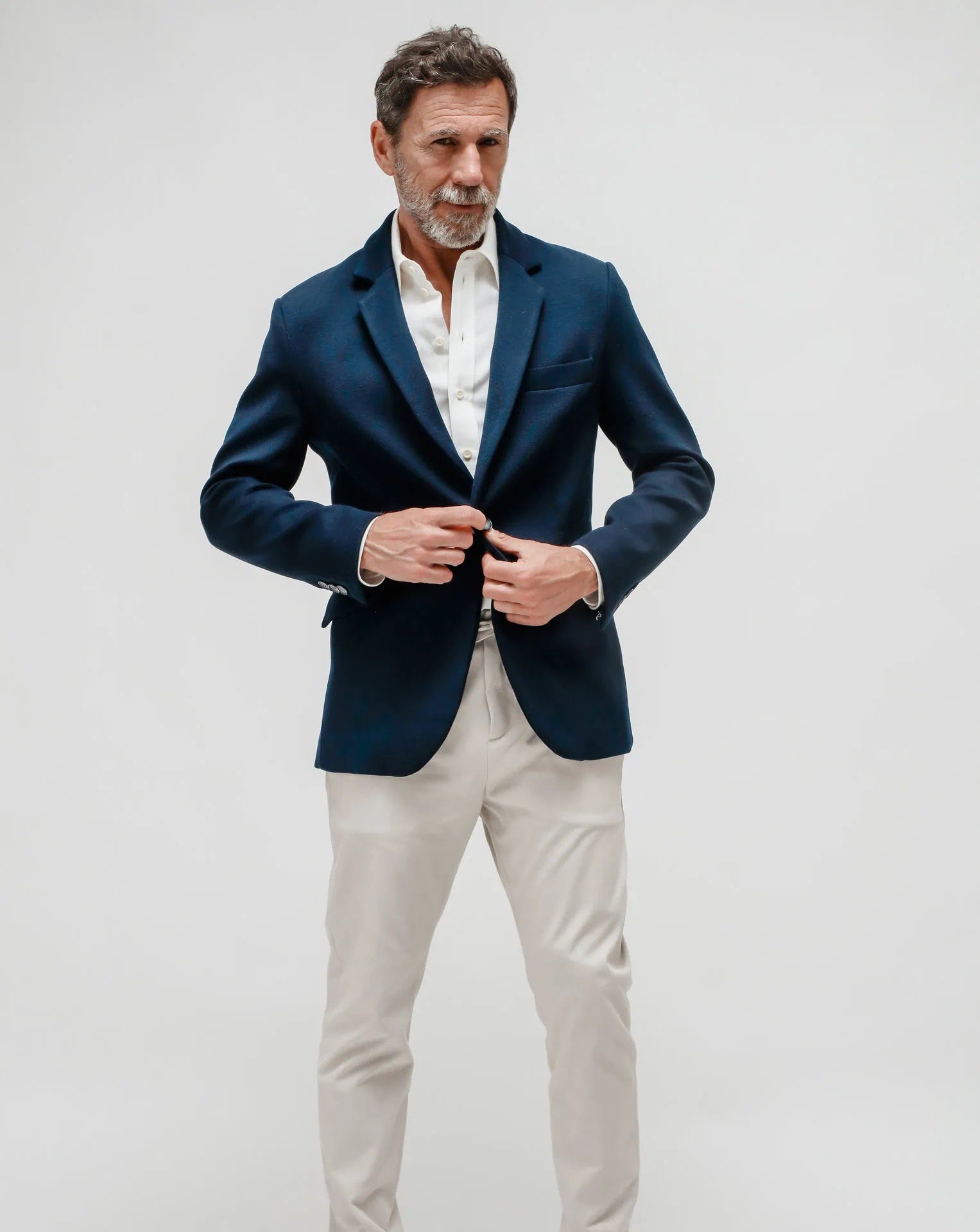
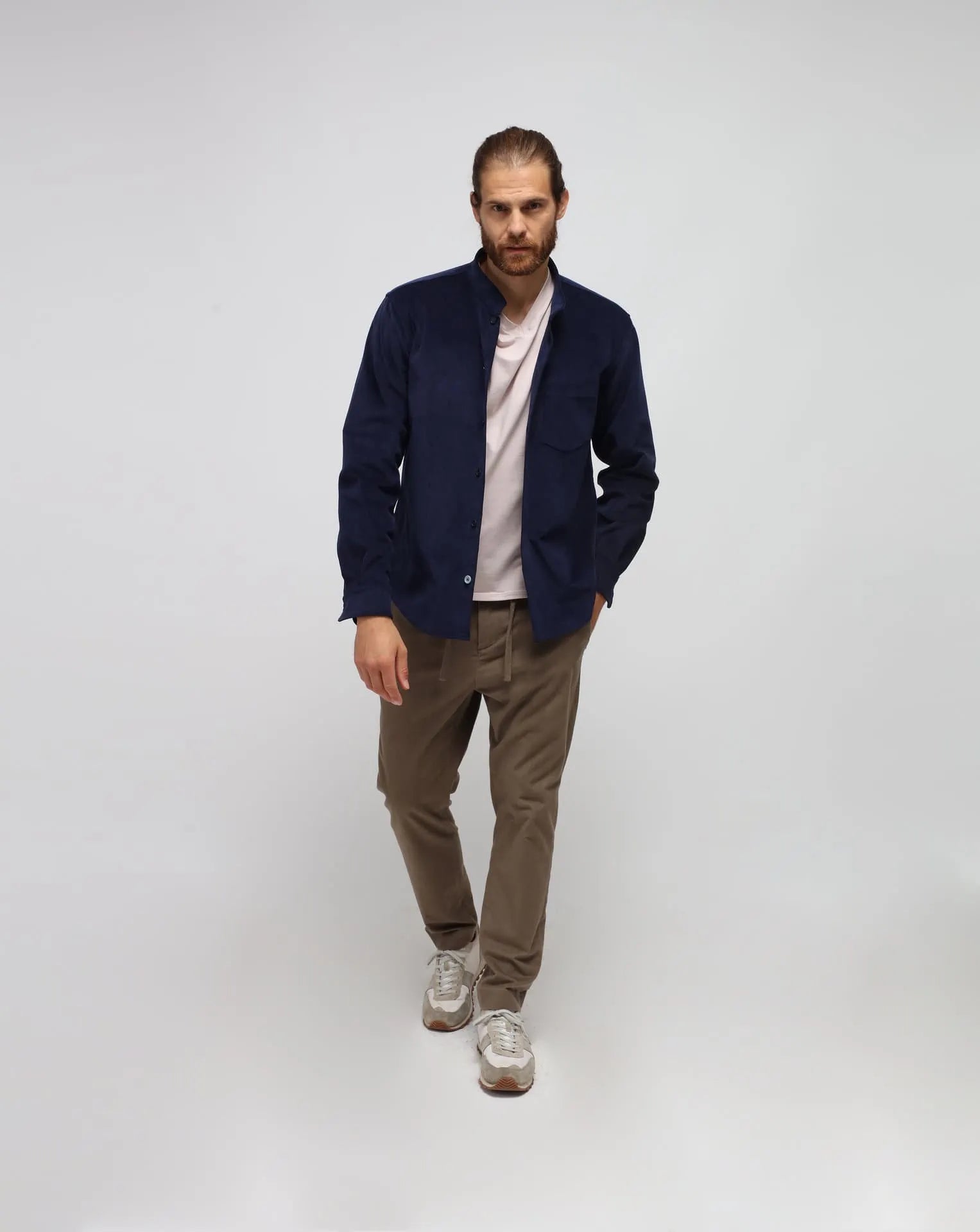
For men, a clean single-breasted or double-breasted wool coat can carry almost the entire season. It should sit comfortably over knitwear and tailoring, while still looking composed with a heavier shirt and straight-leg trousers. Avoid buying outerwear too slim in the name of sharpness. Winter layers need room, and a coat that cannot accommodate them will spend more time in the closet than on the street.
Deadstock wool and premium blends bring a practical advantage beyond their lower-waste origin: they often have texture and character that make simple forms feel more substantial. Small-batch production also means a piece is less likely to become another interchangeable winter coat in a sea of identical options.
Make Layering Look Deliberate
Warmth is essential, but bulk is optional. The difference comes from selecting layers with distinct weights. Begin with a close-fitting base layer, then add a fine merino or wool knit, a shirt, or a tailored jacket depending on the day. Finish with outerwear that has enough space to fall cleanly.
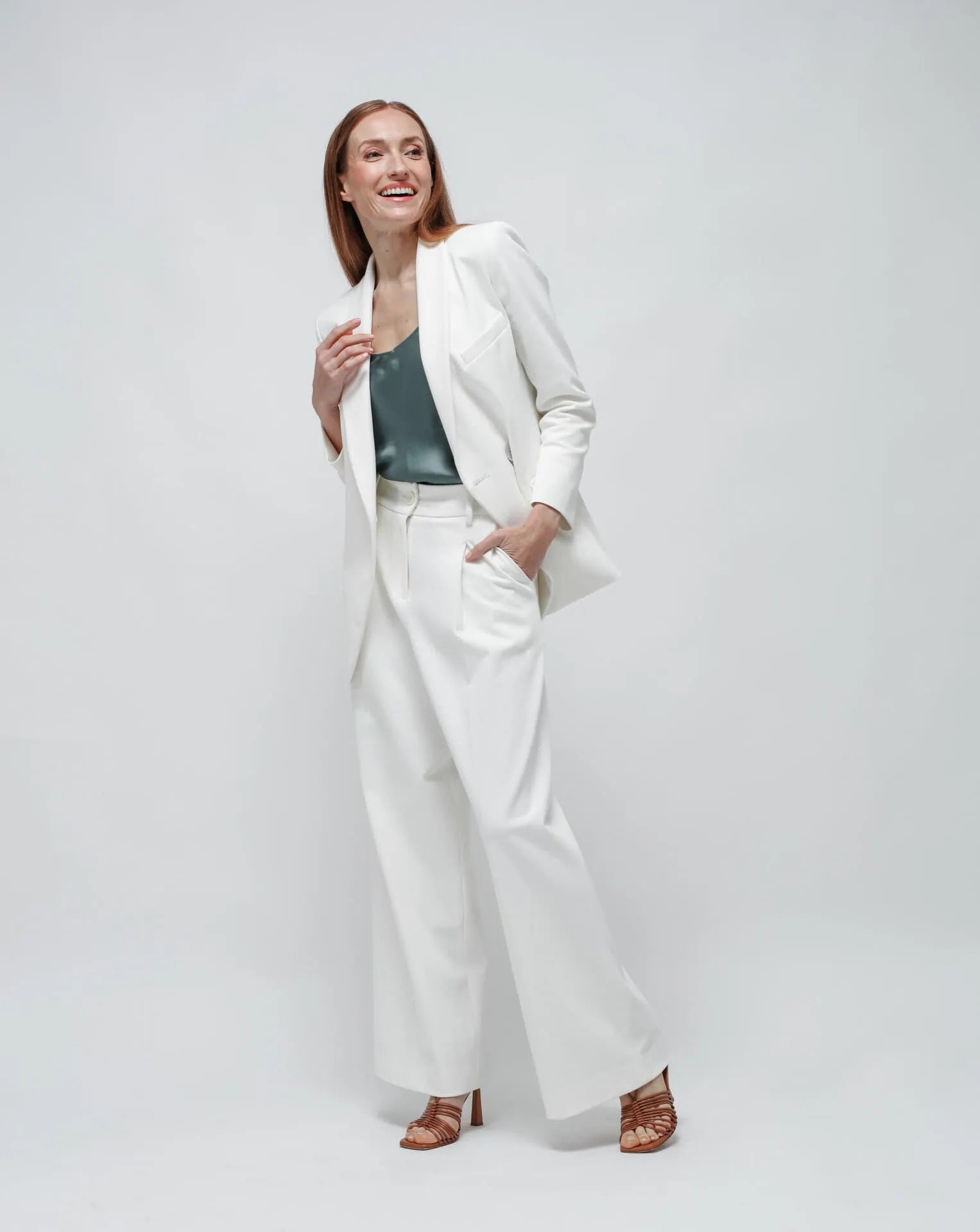
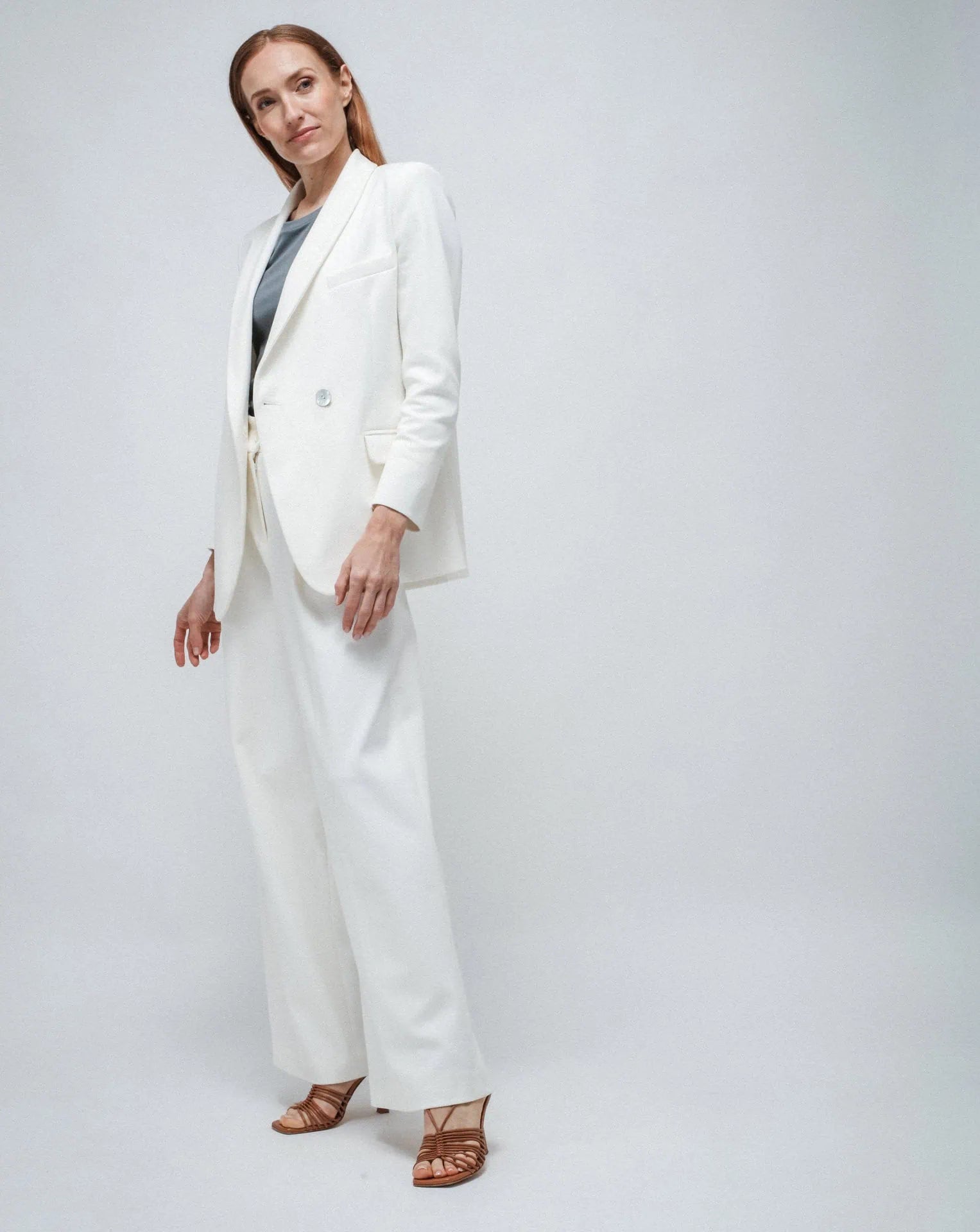
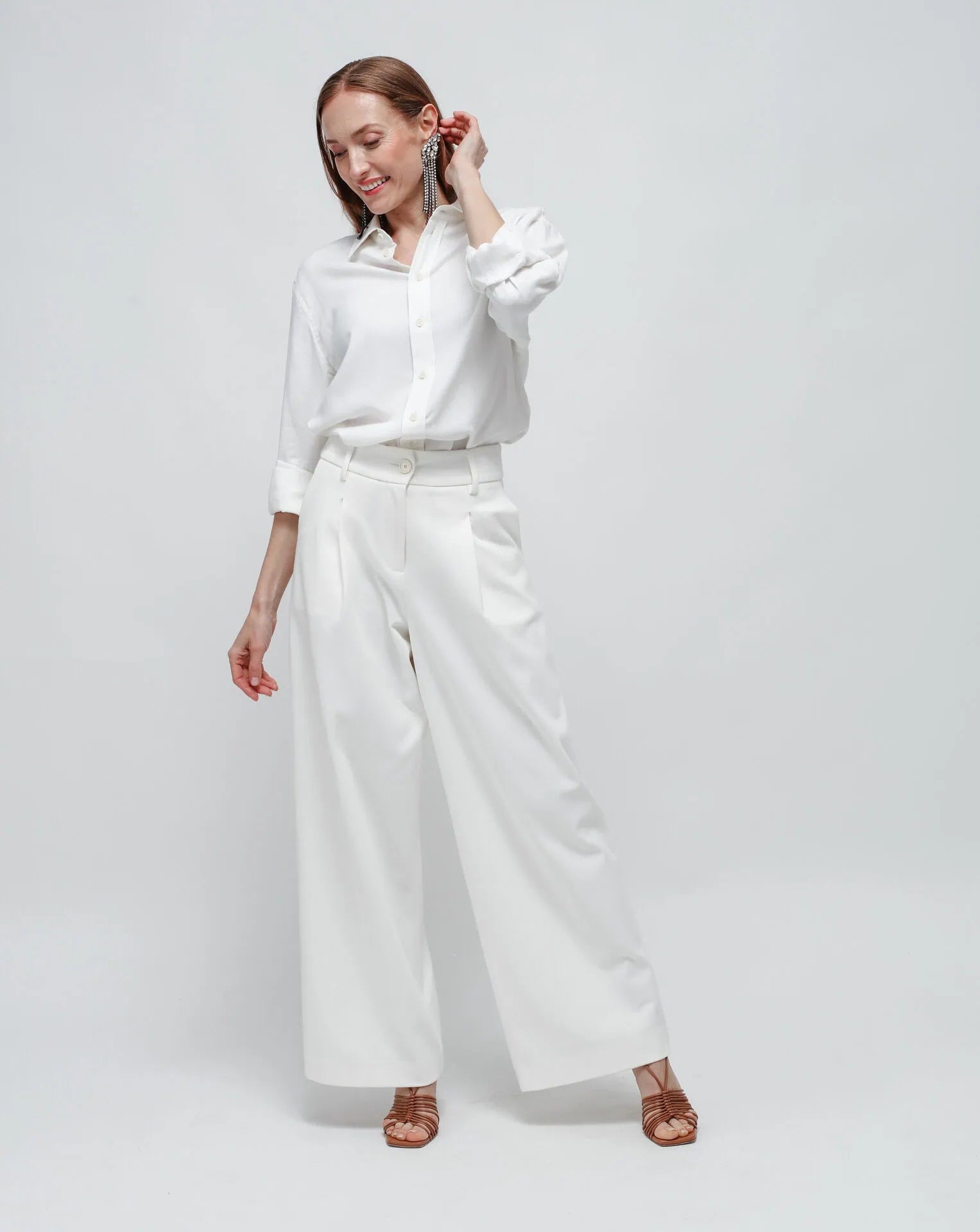
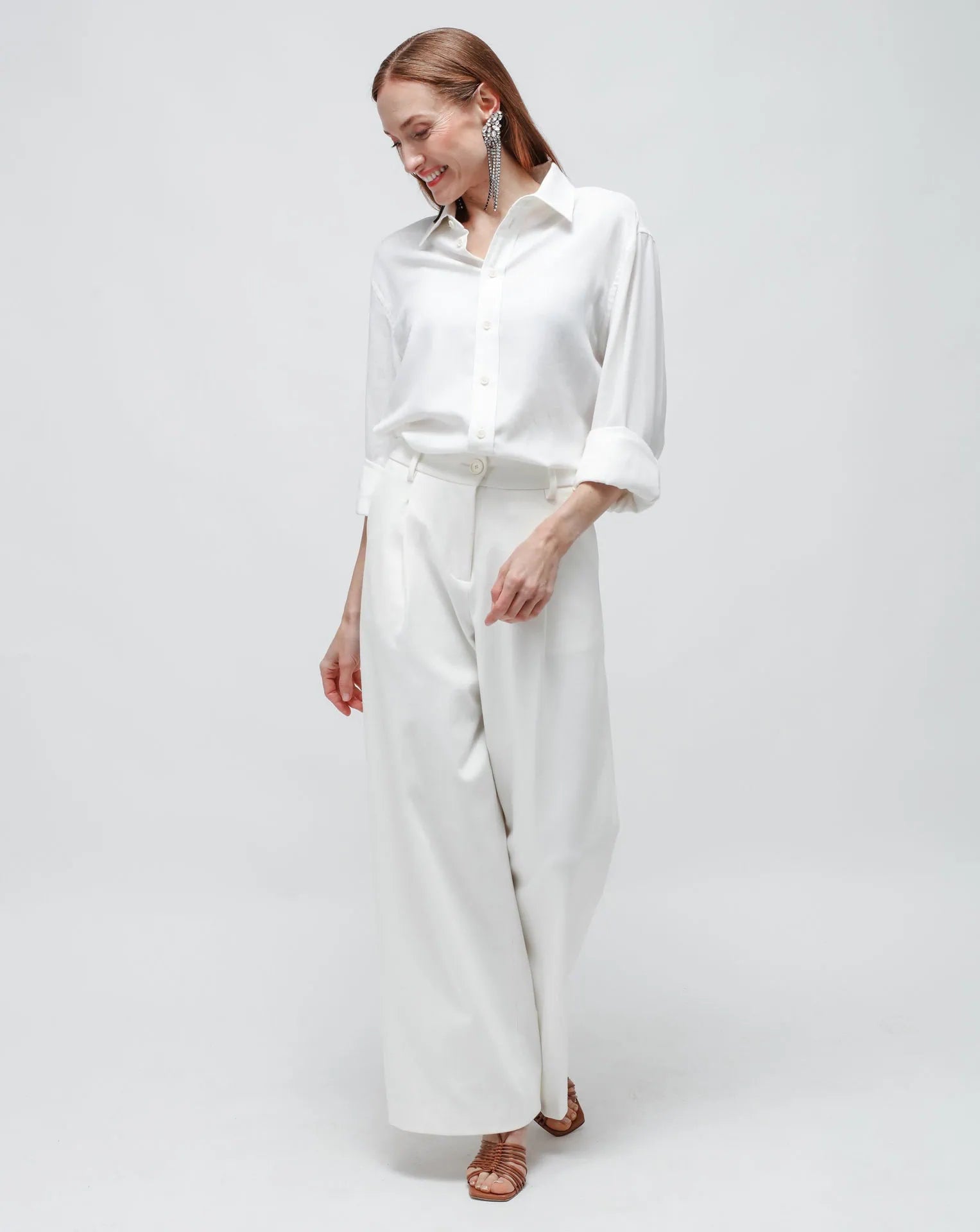
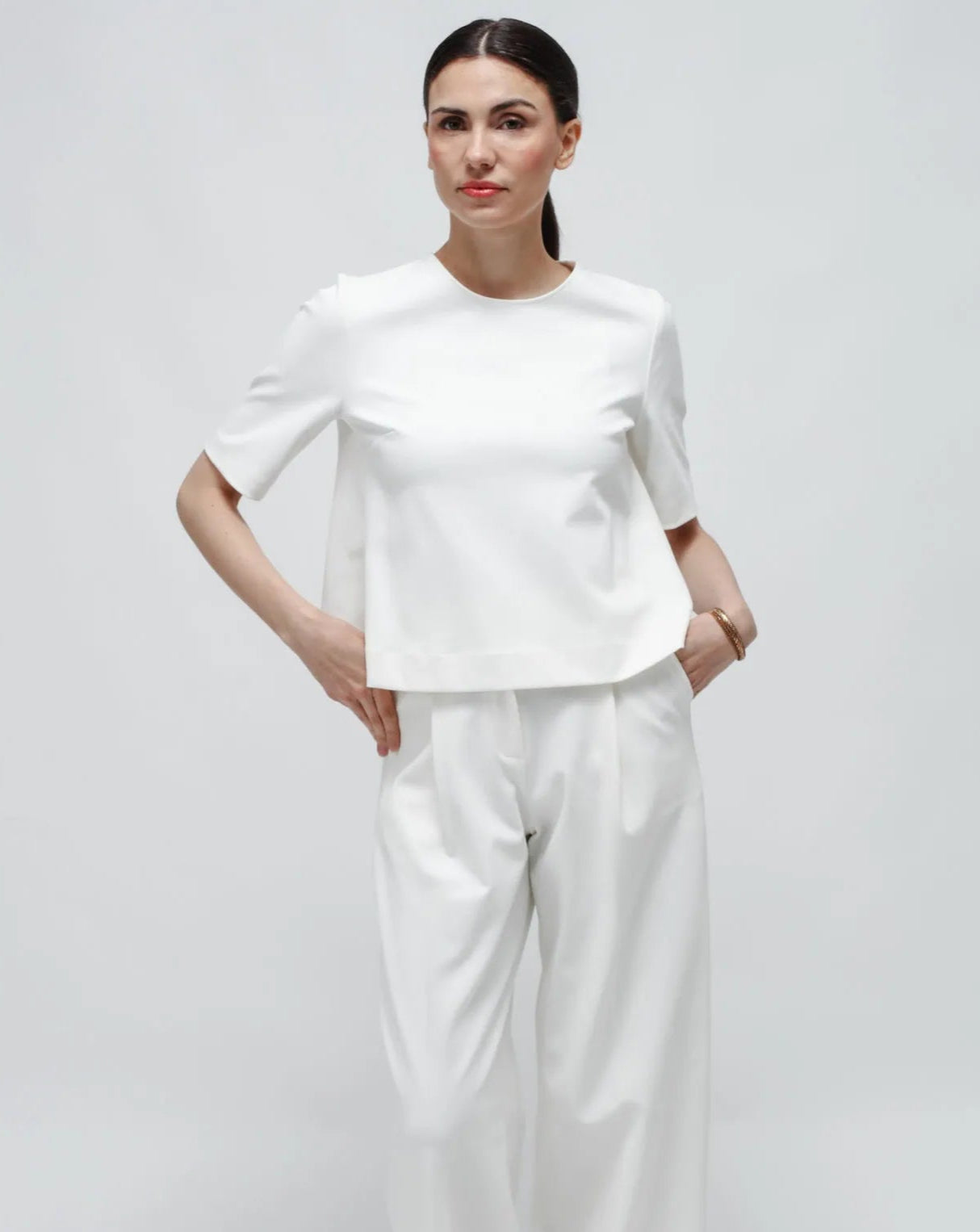
For a polished women’s formula, pair a fitted long-sleeve top with high-waisted trousers, a relaxed blazer, and a long coat. Women’s Deadstock Wool Blazer and High-Waisted Tailored Trouser. The proportions are calm, practical, and ready for almost any downtown or midtown setting.
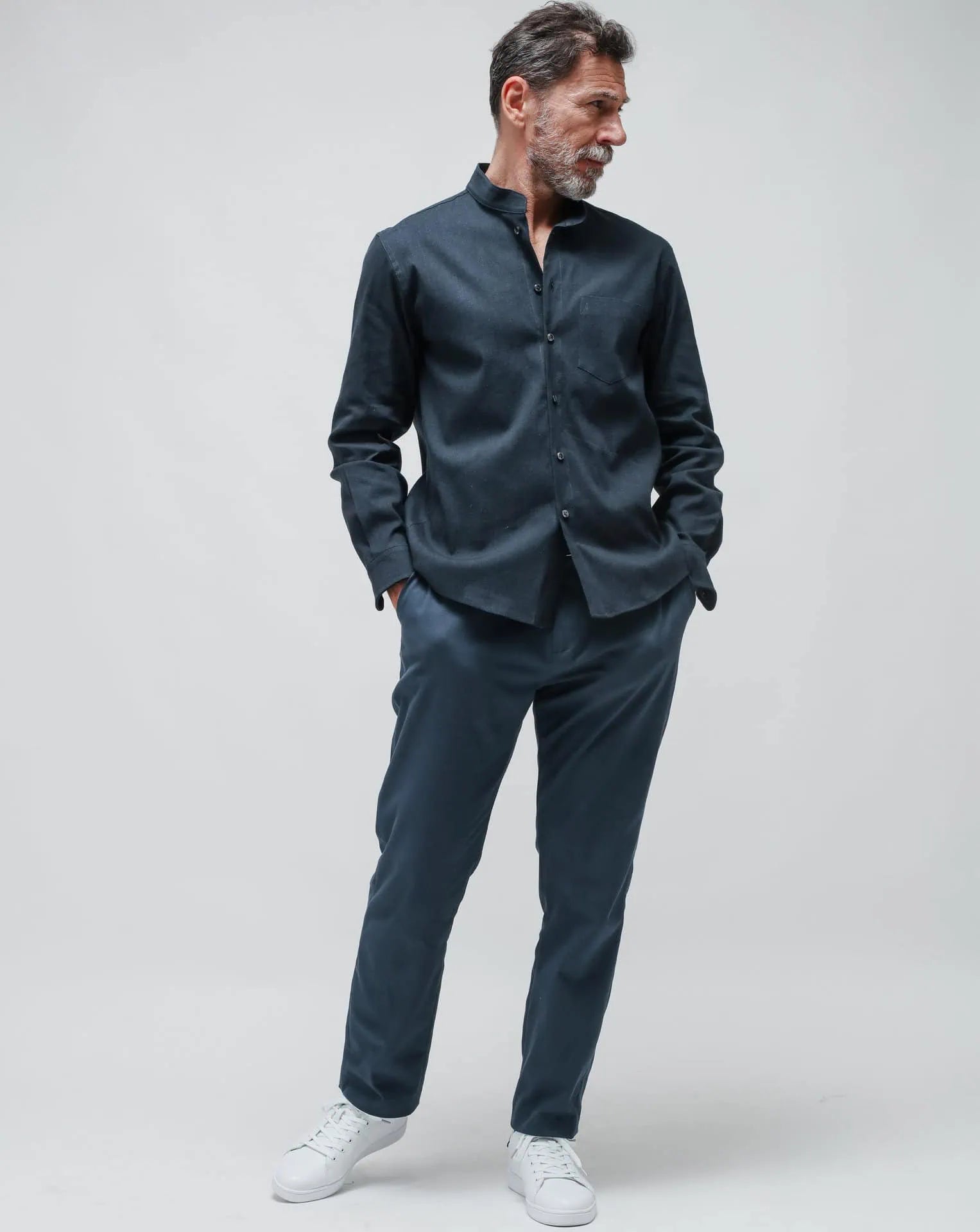
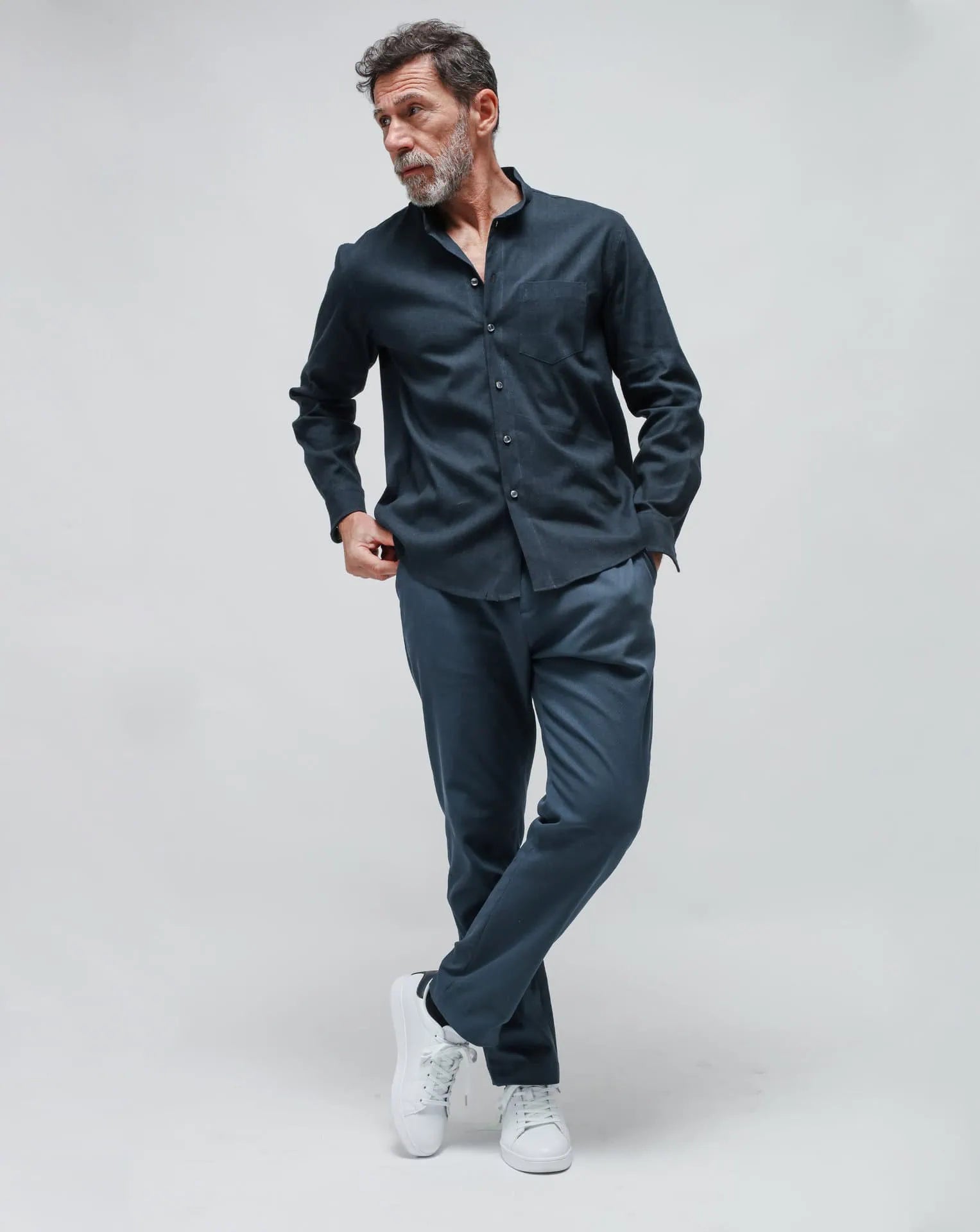
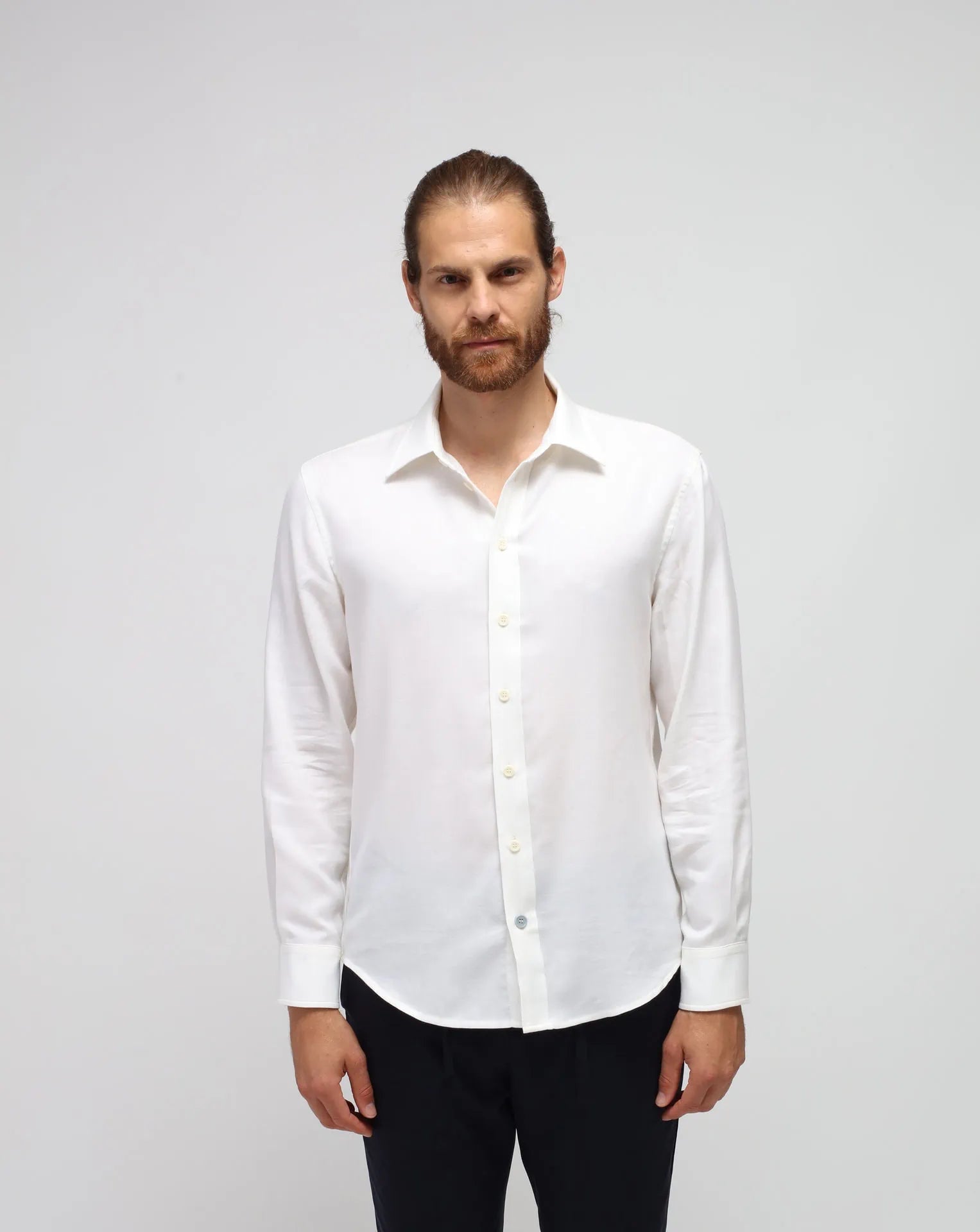
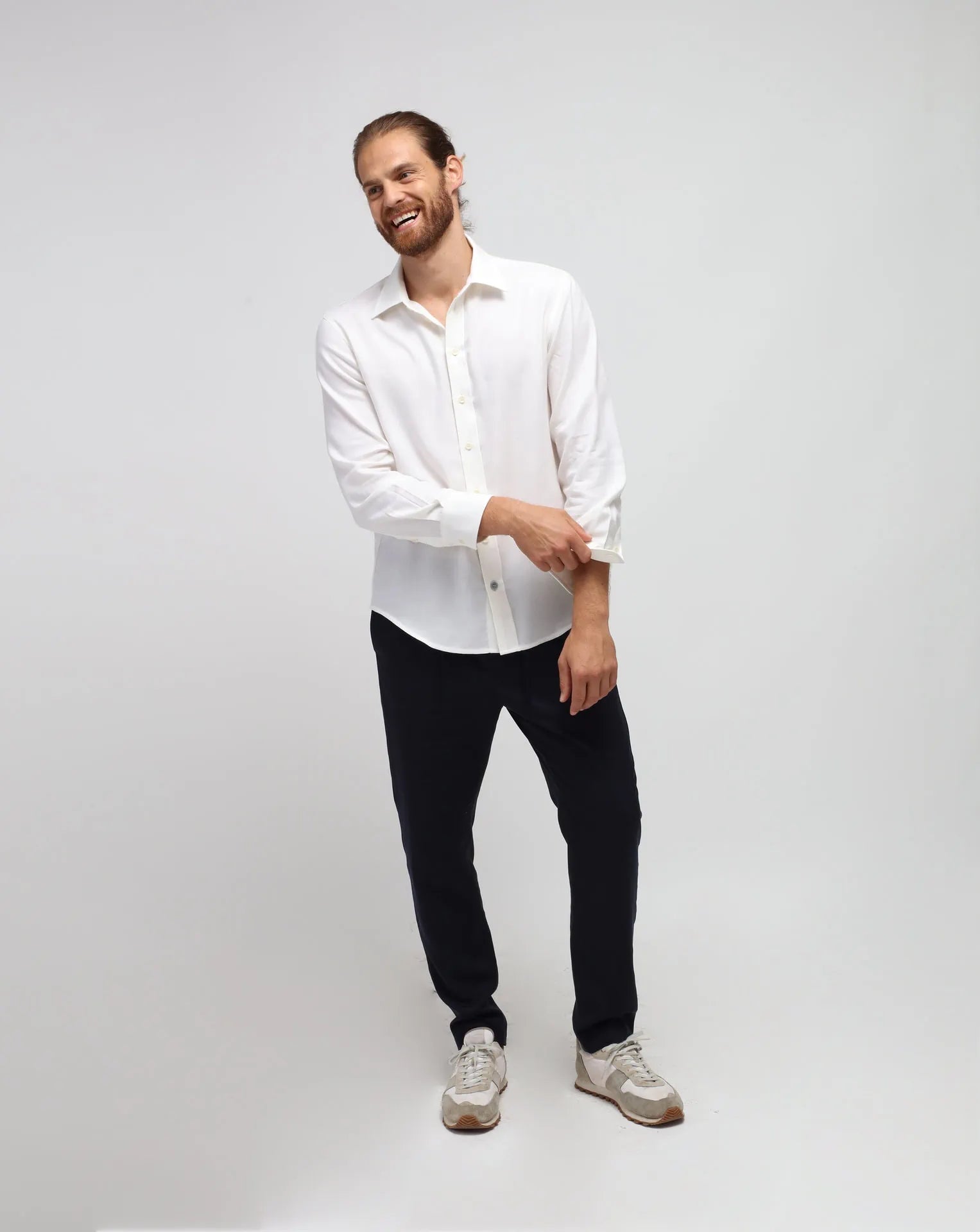
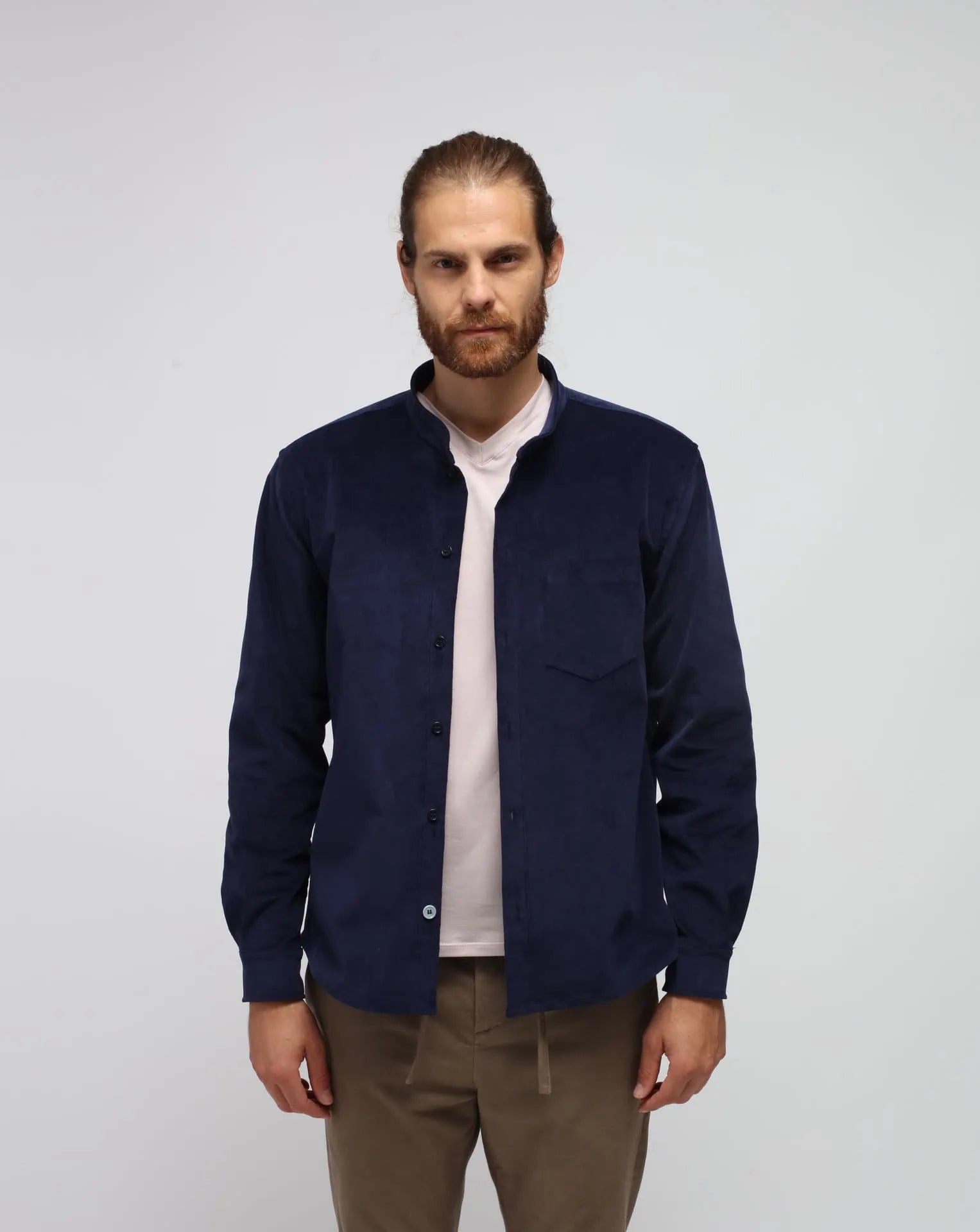
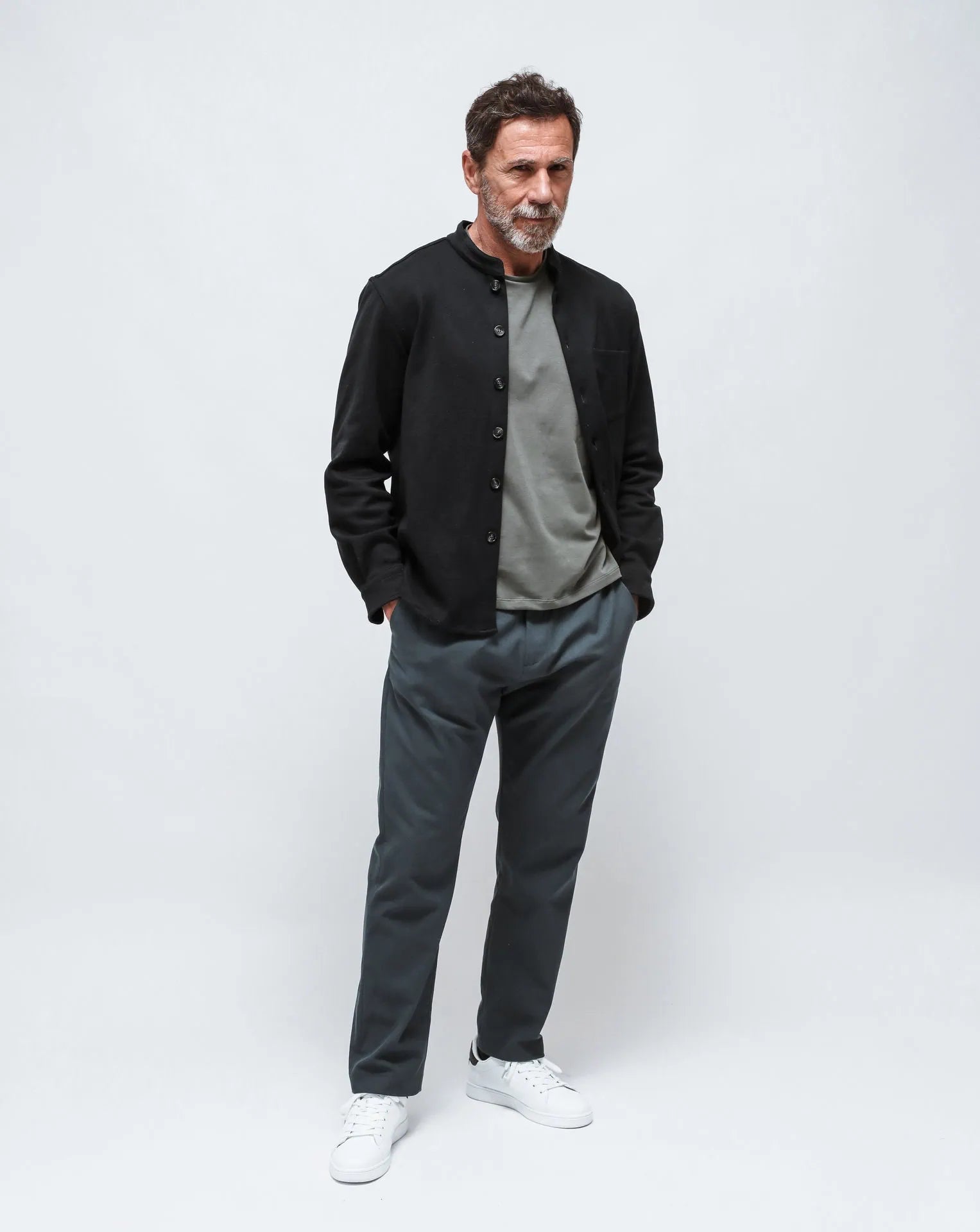
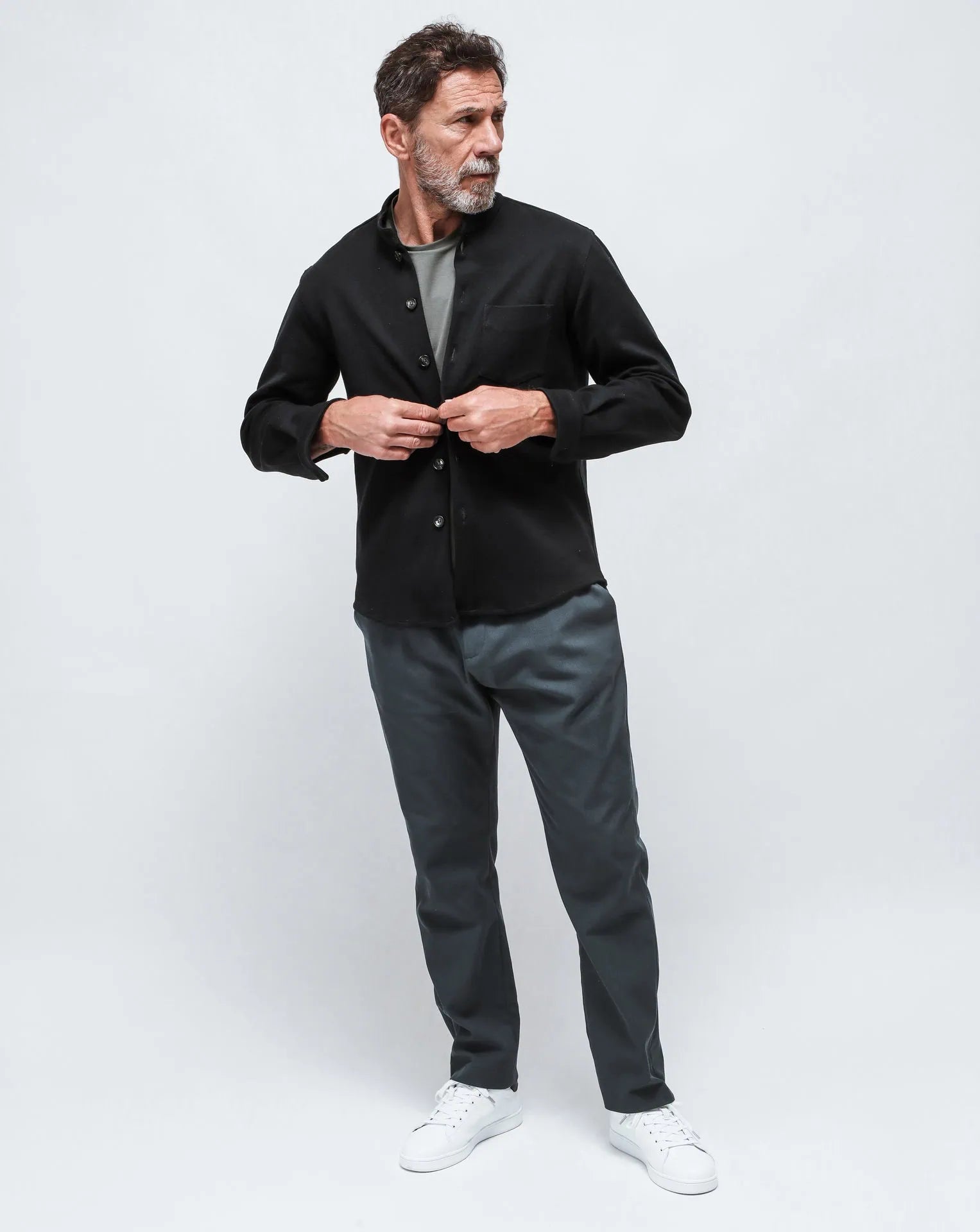
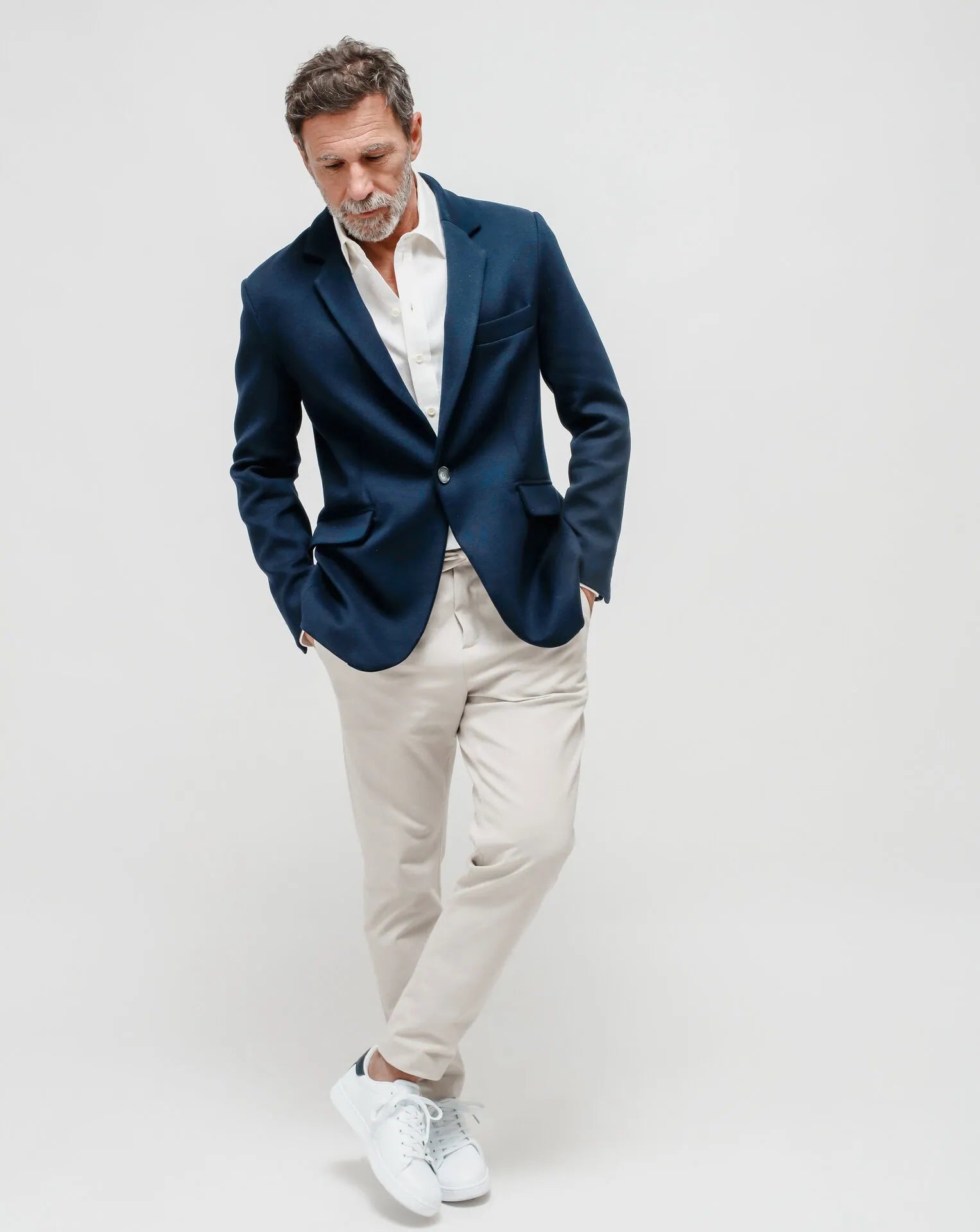
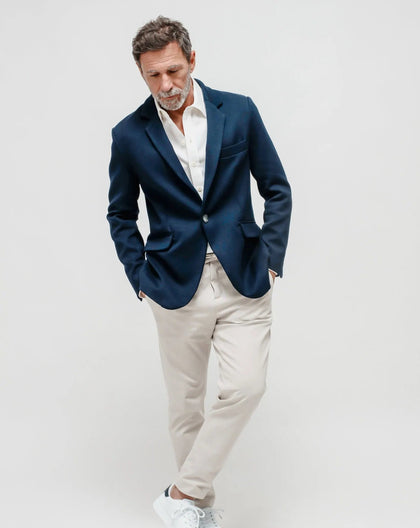
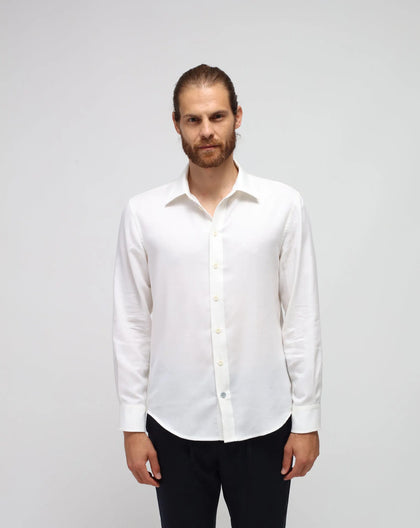
For men, try a brushed cotton or wool shirt beneath a crewneck knit, finished with straight trousers and an overcoat. This combination works because it does not depend on a single trend. Remove the knit indoors and the outfit still has structure.
The trade-off is simple: too many thin, casual layers can look unfinished, while too many heavy pieces can feel restrictive. Prioritize one structured element per look, whether it is a blazer, a defined trouser, a long coat, or a boot with a firm shape.
Tailoring Makes Everyday Pieces Work Harder
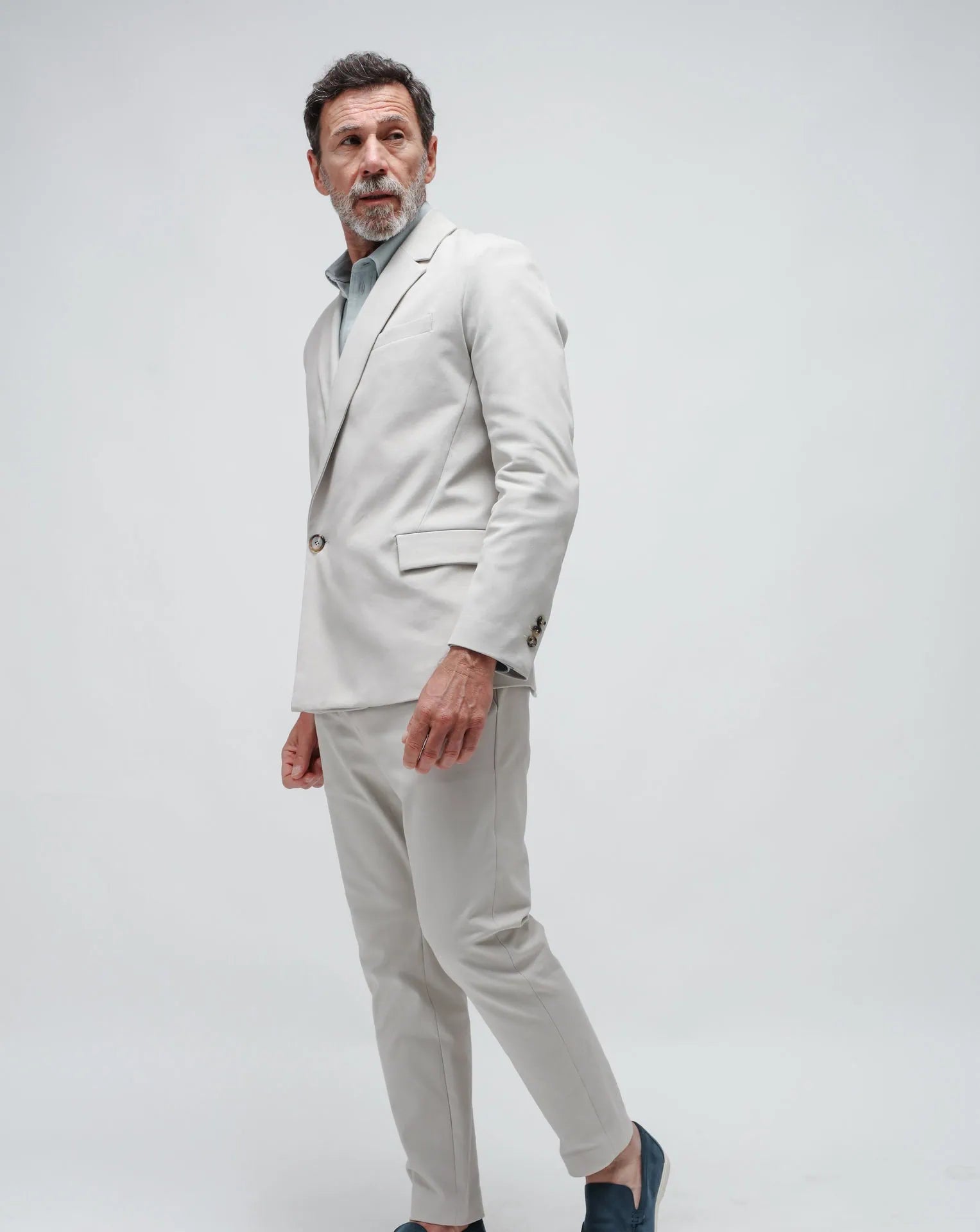
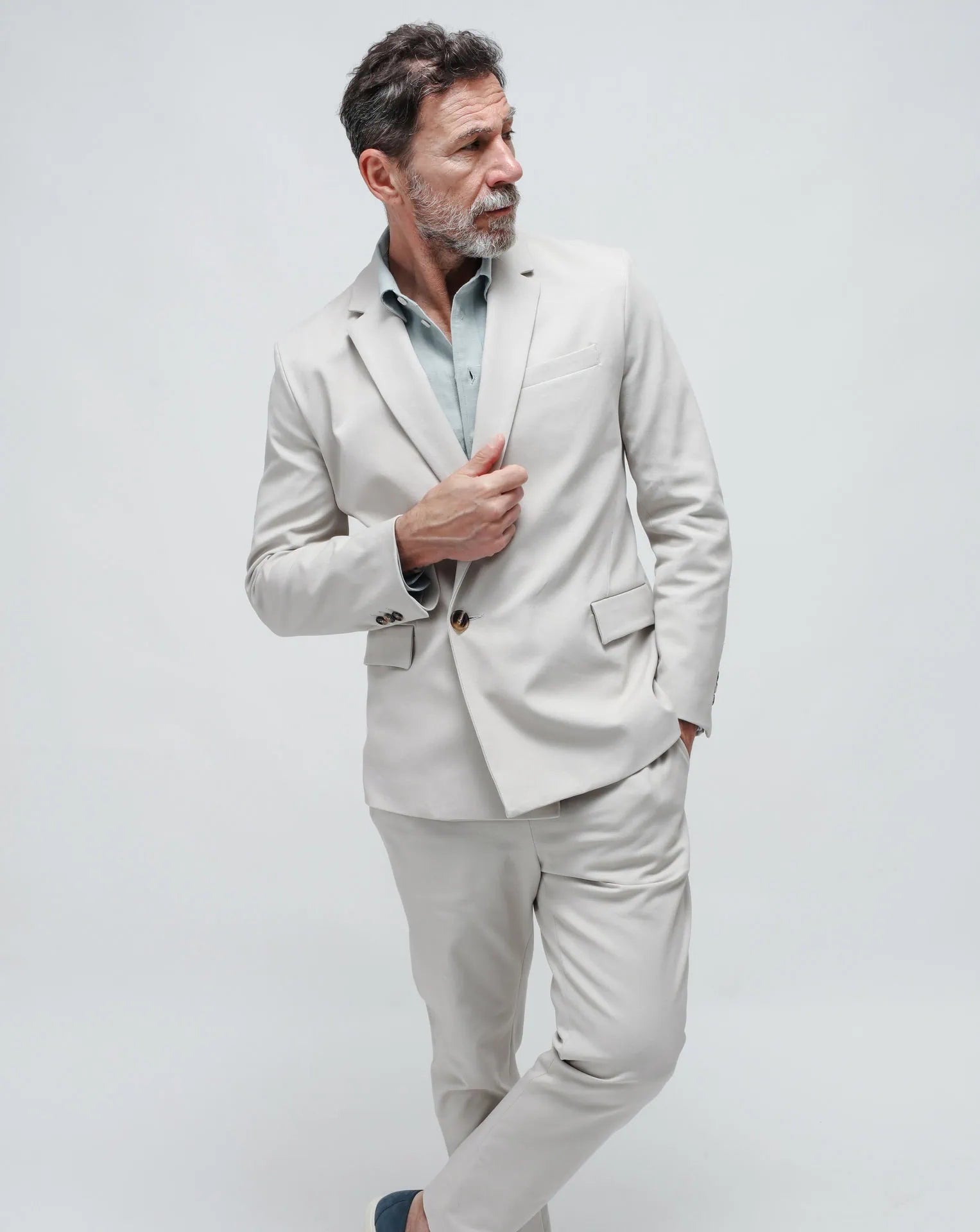
New York style has room for denim, sneakers, and oversized silhouettes. But tailoring remains the anchor that keeps a wardrobe useful across work, travel, and dinner. A suit does not need to be reserved for formal events. Worn as separates, it becomes one of the most flexible investments you can make.
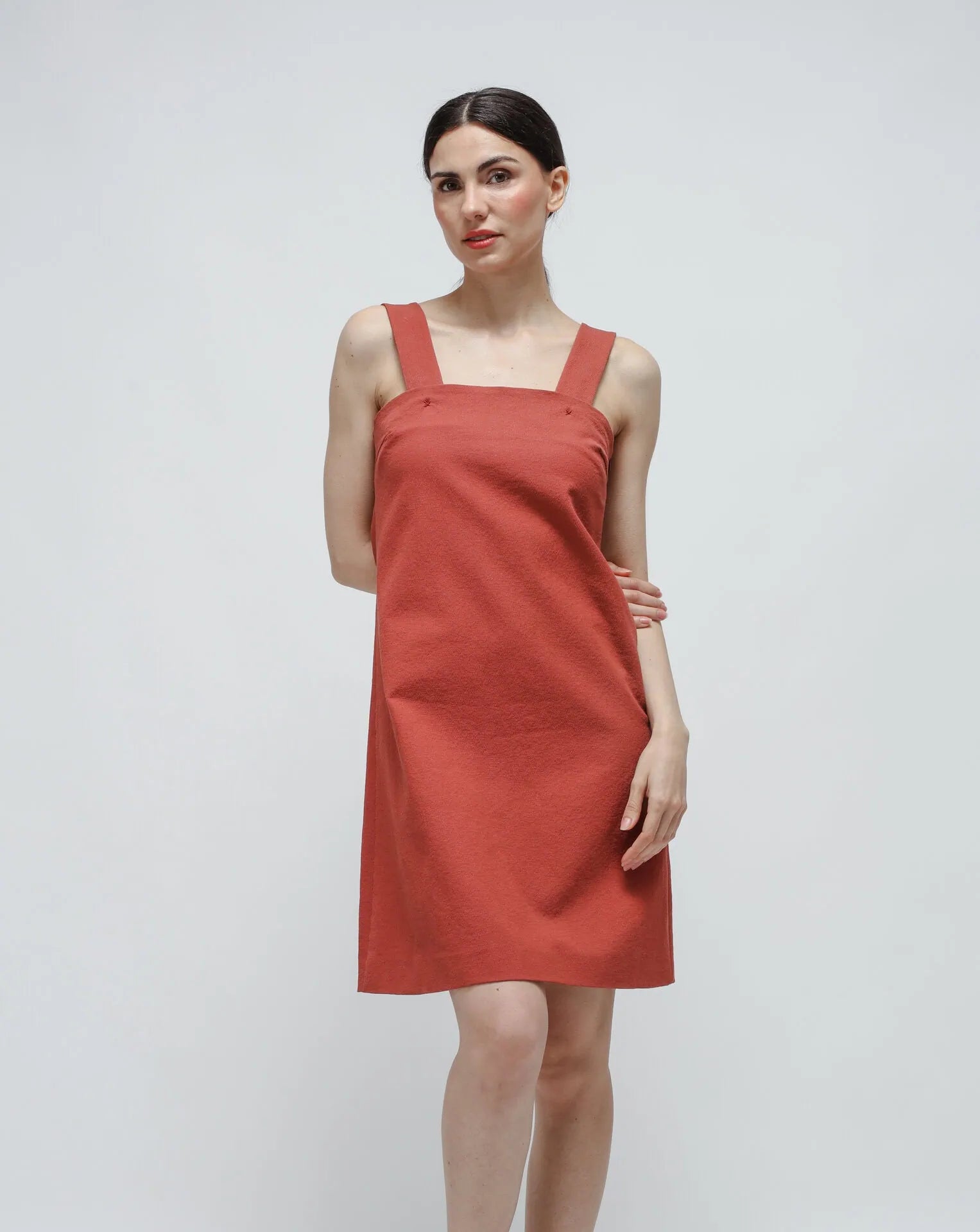
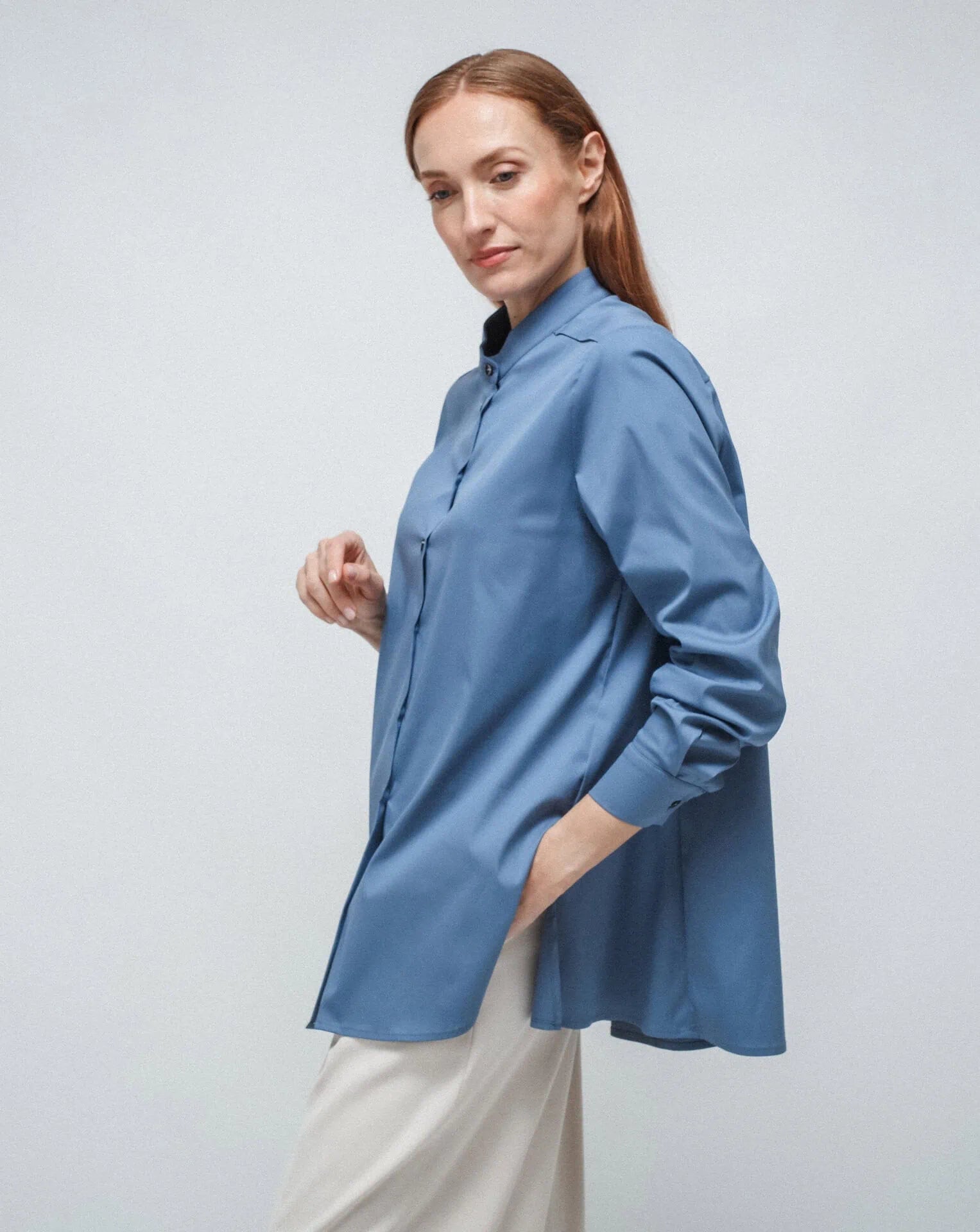
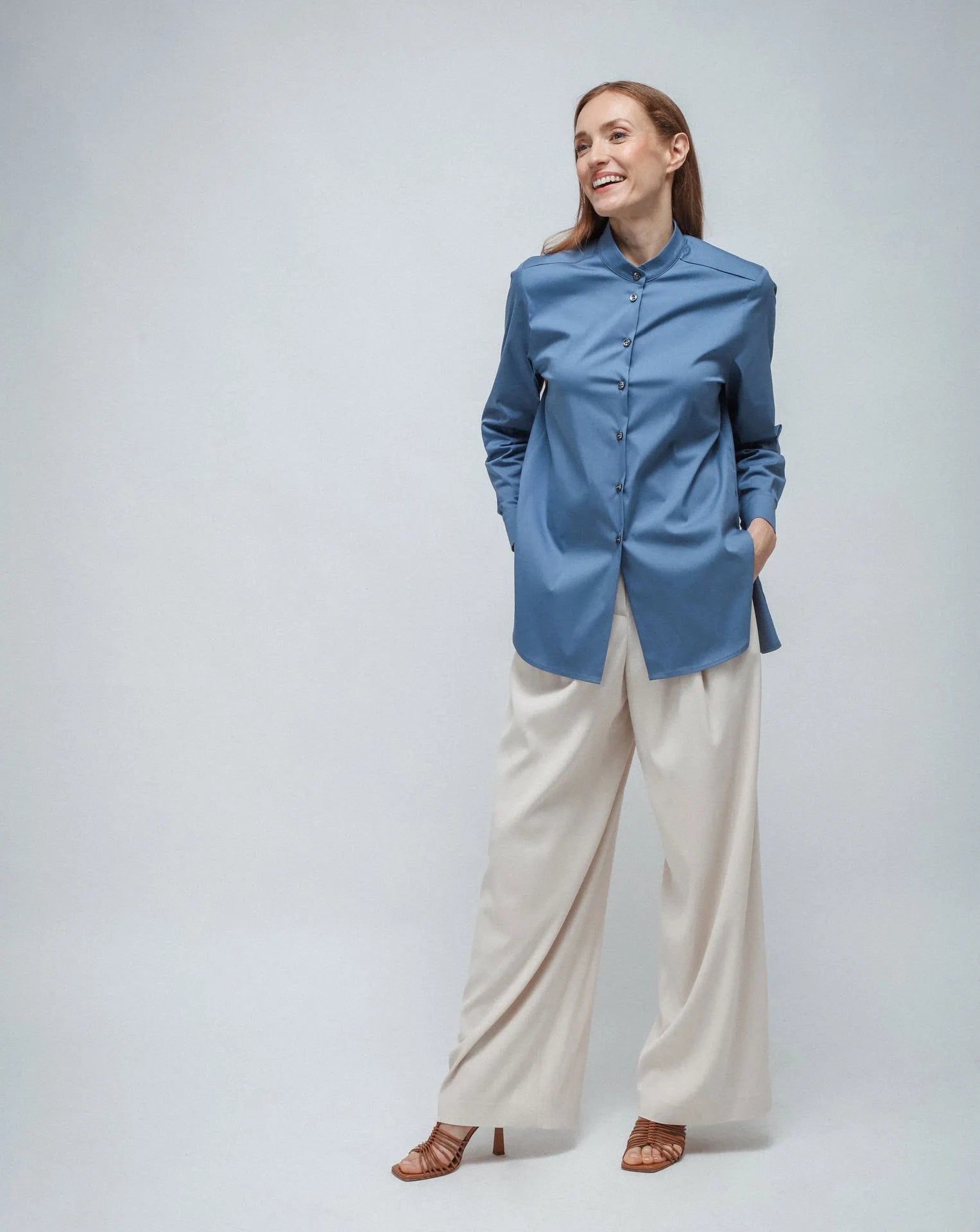
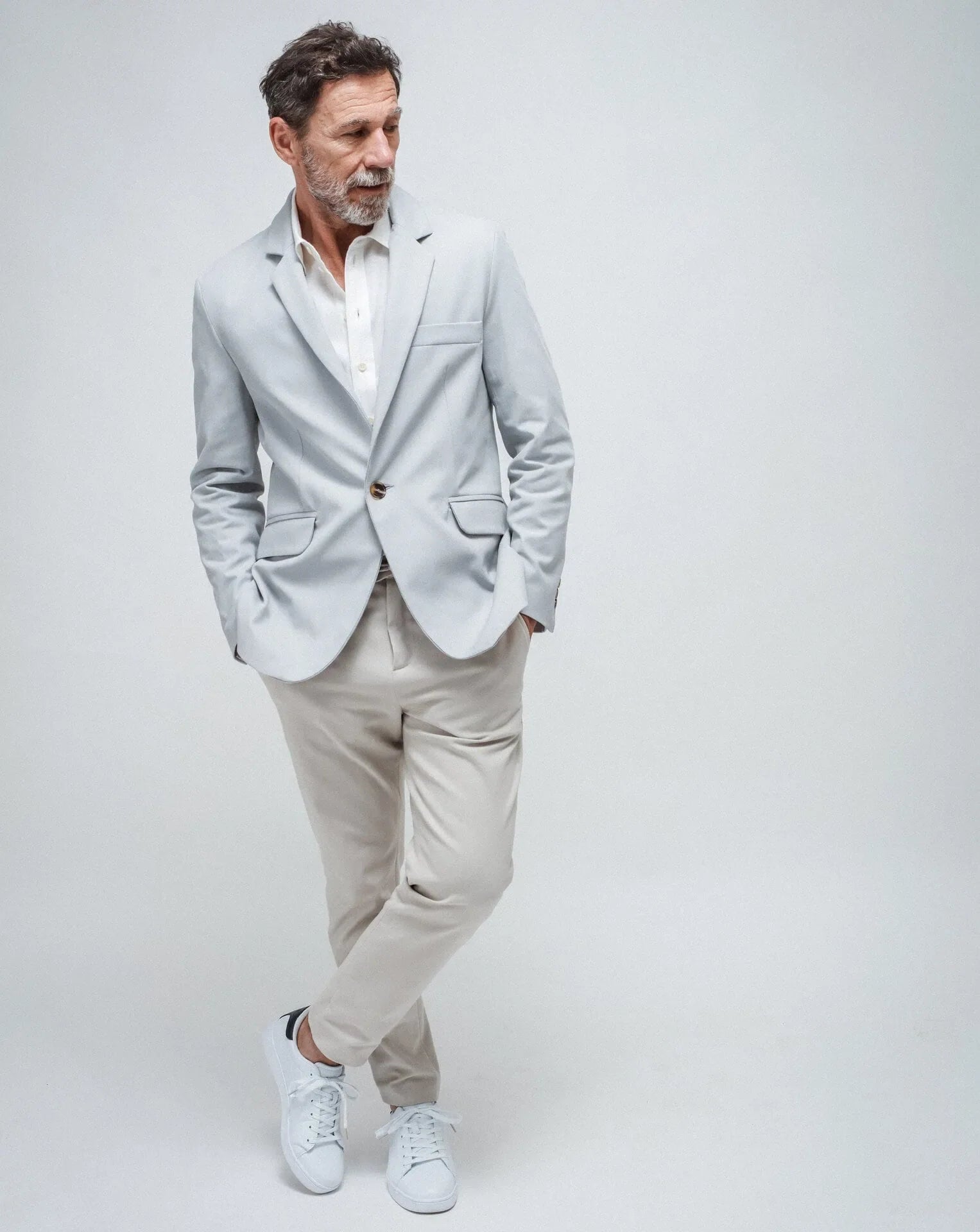
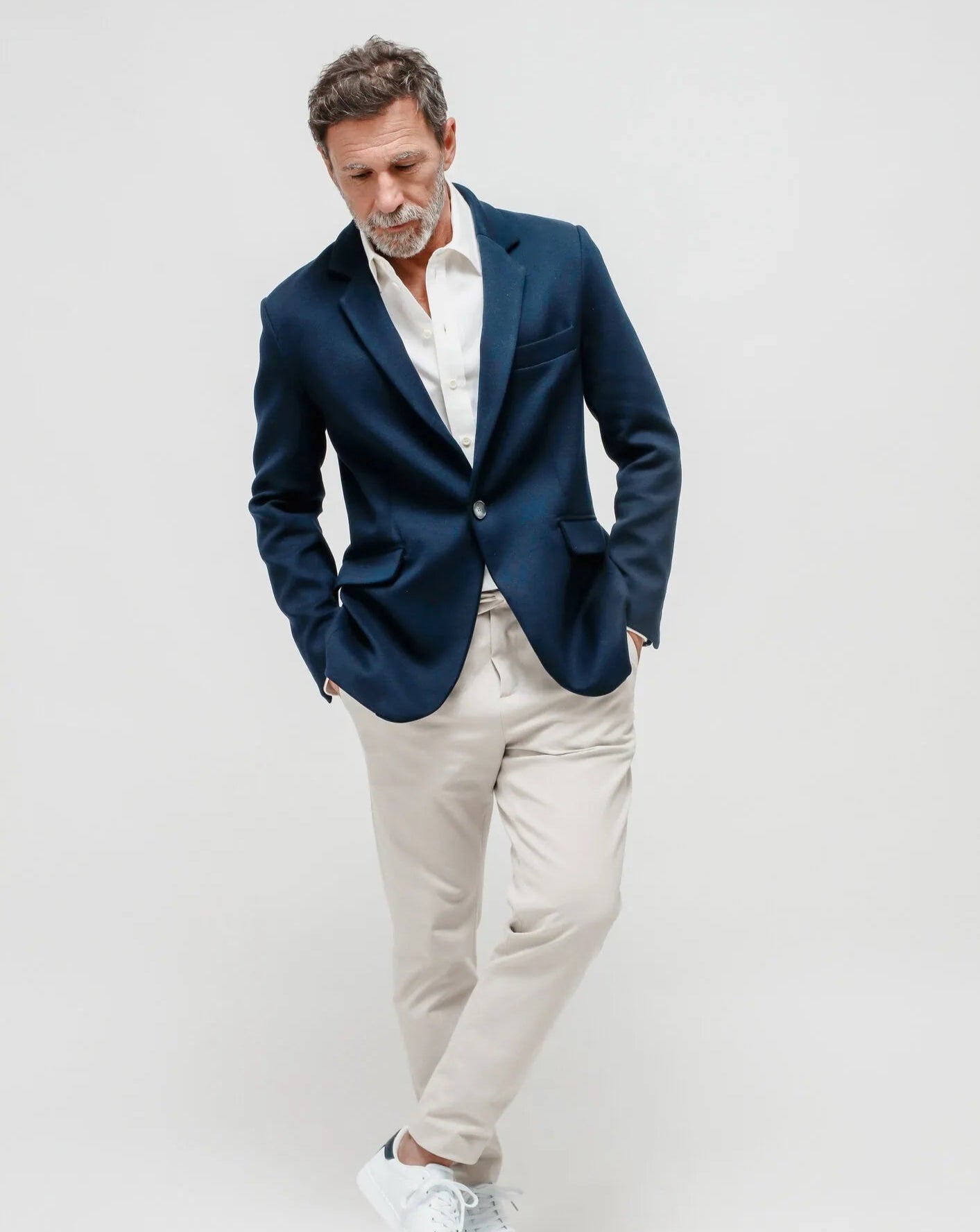
A women’s blazer can sharpen a knit dress, balance a flowing skirt, or turn a simple tee and trouser combination into something meeting-ready. A men’s tailored jacketcan do the same over a fine-gauge sweater and dark trousers. Consider coordinated sets when you want the ease of a suit with a softer, more modern feel.
Fit matters more than a label or a passing silhouette. The shoulder seam should sit in the right place unless the garment is intentionally oversized. Trouser hems should work with the shoes you wear most. Sleeves should allow for movement. Free size exchanges make it easier to get this right, and getting it right is part of buying less.
Choose Shoes for Sidewalks, Not Just Photos
Winter footwear has one job before all others: keep you walking. A sleek leather boot with a supportive sole is more valuable than a delicate shoe you avoid when rain is in the forecast. Look for a toe shape that works with your trousers and enough room for a proper sock without feeling cramped.
For women, an ankle boot works particularly well with tailored pants, midi skirts, and knit dresses. A tall boot adds warmth and creates a continuous line under a longer skirt or coat. For men, a polished leather boot can bridge the gap between formal shoes and casual footwear, especially with straight trousers or dark denim.
Keep one cleaner, lighter option for dry days and indoor events, but let your most-worn shoes reflect the city you actually walk through. Protect leather, rotate pairs, and allow shoes to dry fully between wet days. Care is not a minor detail. It extends the life of the pieces you chose deliberately.
Use Texture to Keep a Neutral Wardrobe Alive
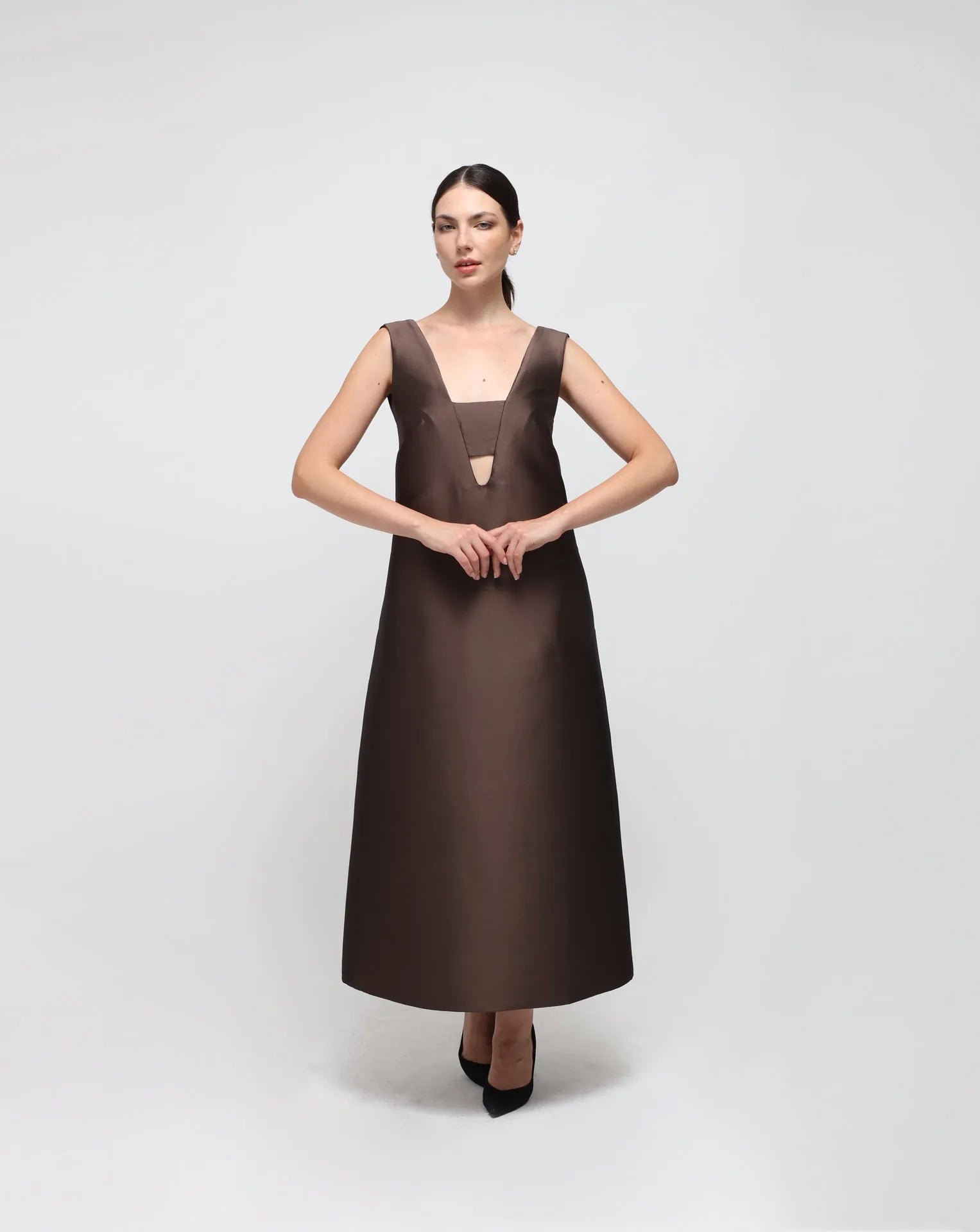
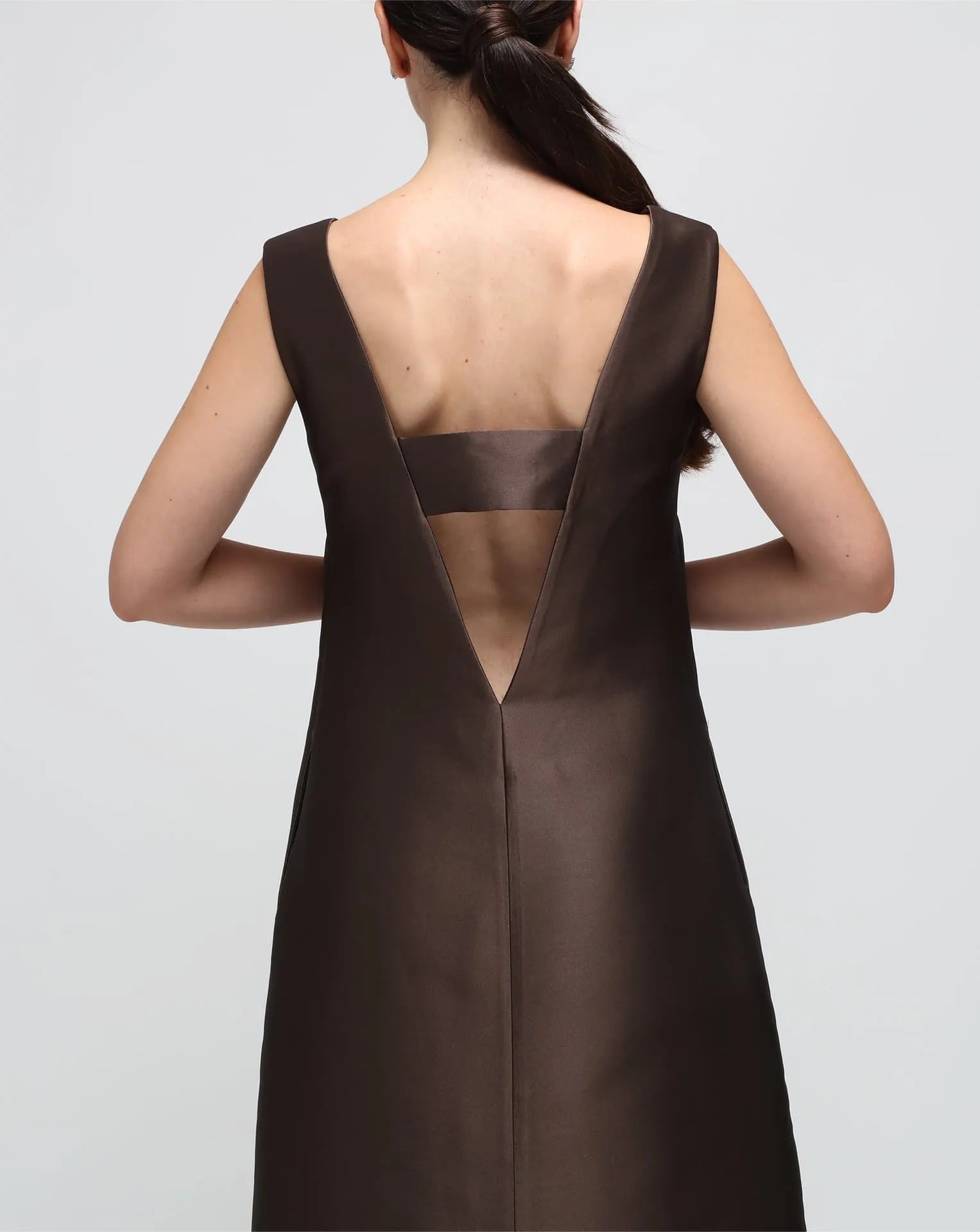
A neutral wardrobe should never feel flat. Winter is the season for contrast: brushed wool against crisp poplin, a dense knit beneath a smooth coat, matte trousers with a subtle sheen from a silk-blend top. These details create depth without demanding loud color or disposable novelty.
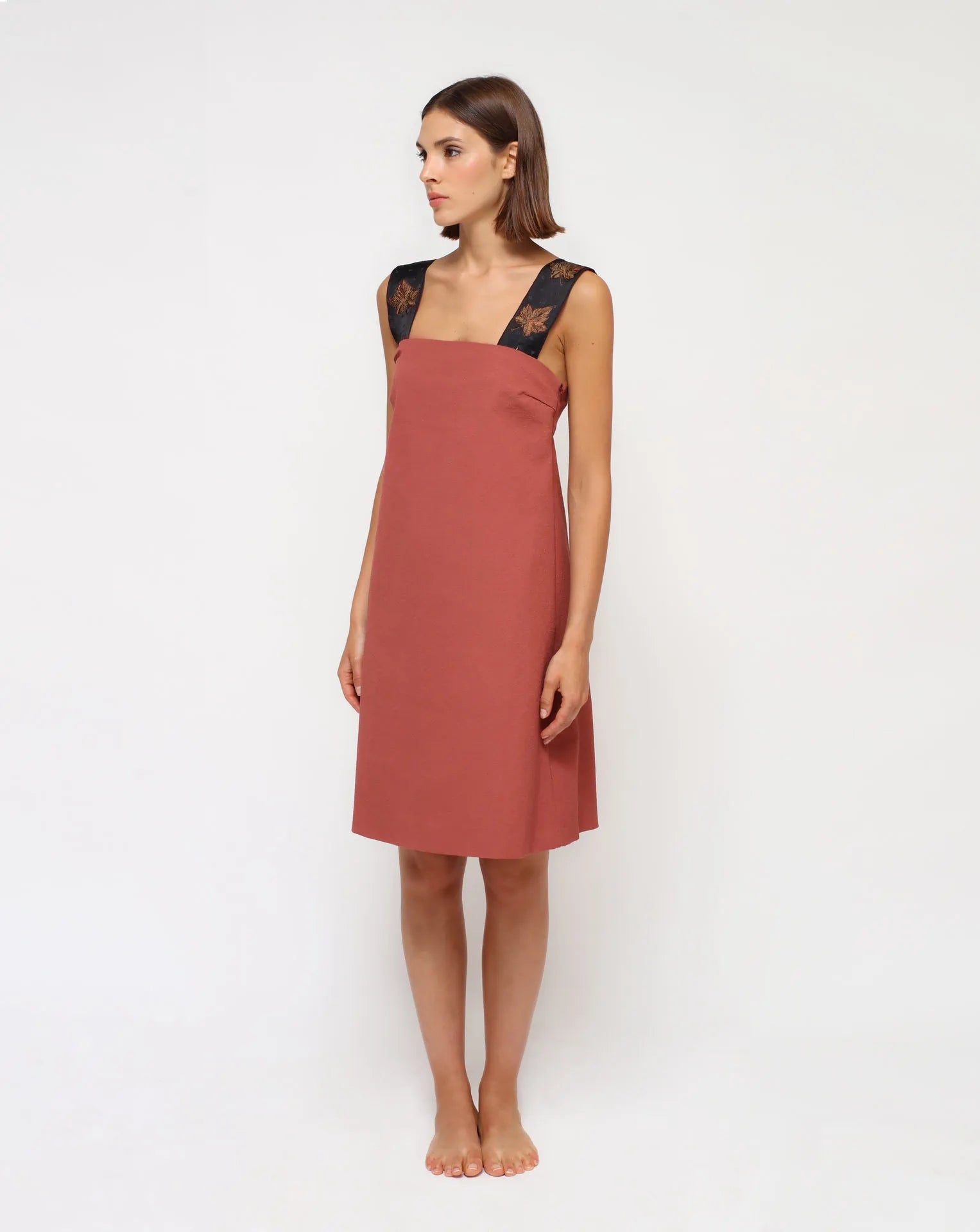
A limited-edition piece in a beautiful deadstock fabric can be the element that changes the rhythm of your rotation. Perhaps it is a textured skirt, a sculptural top, a patterned shirt, or a richly colored knit. The key is restraint. Let one piece carry the visual interest, then support it with familiar shapes that make it easy to wear again.
This is also where thoughtful accessories matter. A substantial scarf, leather gloves, and a structured bag have a disproportionate effect on a winter look. They are visible, functional, and easier to rewear than trend-led statement purchases. Choose materials that improve with care and colors that belong with your outerwear.
Buy for Repetition, Not the Weekend Fantasy
A wardrobe becomes sustainable when it earns repetition. That means resisting the purchase made for a hypothetical life, an isolated event, or a fleeting micro-trend. It also means accepting that a smaller wardrobe may require more attention to fit, fabric, and care.
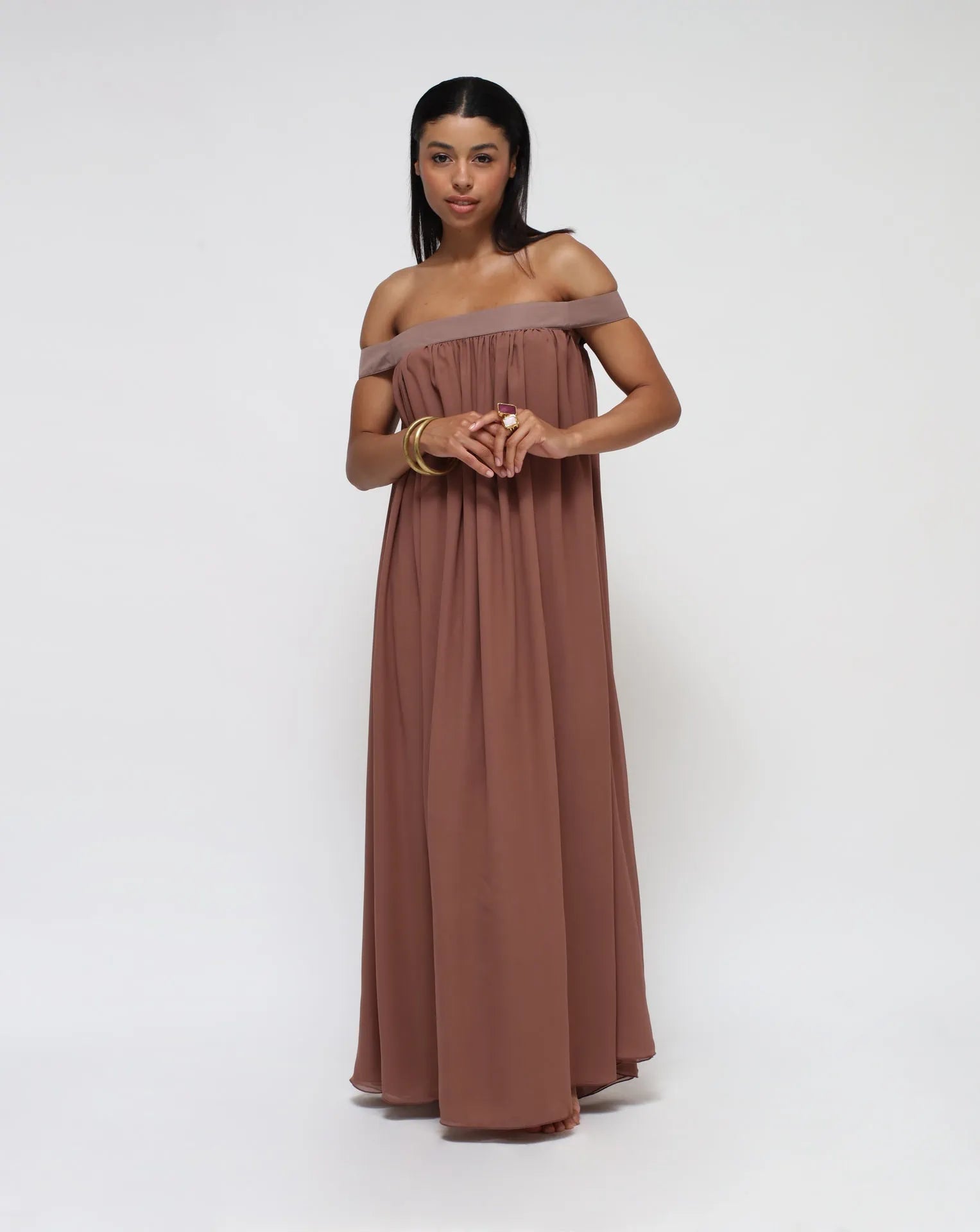
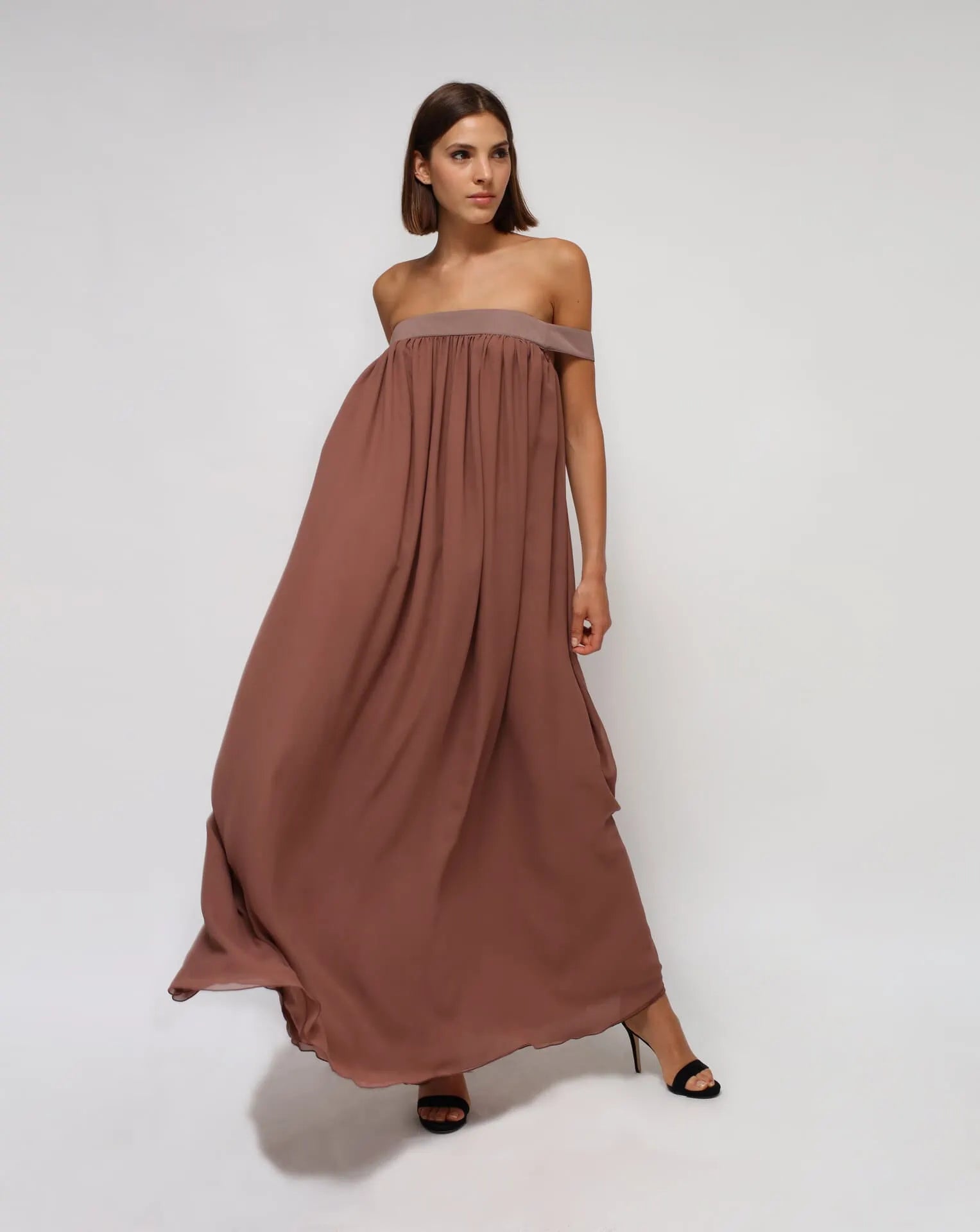
Humans & Land approaches this choice through deadstock fabrics and small-batch handmade production in Italy. The goal is not to make restraint feel austere. It is to make every purchase feel more personal: less waste, fewer compromises, and garments with enough presence to become part of your signature.
Before adding anything new, picture it under your coat, beside your existing shoes, and in the context of a normal Tuesday. If it works there, it will likely work on the night you want to dress up, too. Build slowly. Choose pieces that hold their ground. A winter wardrobe should make city life feel lighter, not more crowded.
FAQ
Q: What are the essential pieces in a New York City wardrobe for winter?
A: Begin with a substantial wool coat, versatile knitwear, tailored trousers, a blazer or structured jacket, weather-ready boots, and a few refined base layers. Add a knit dress or skirt for women, or a brushed shirt and relaxed tailoring for men, based on your lifestyle.
Q: How many coats do I need for a New York winter?
A: One excellent long wool coat can cover most workdays, dinners, and travel. A second, shorter jacket is useful if you want a more casual option or need variety in proportion. Quality and fit matter more than quantity.
Q: Can a sustainable wardrobe still feel distinctive?
A: Yes. Distinction comes from cut, texture, color, and personal styling, not constant newness. Limited-edition deadstock fabrics can add character while reducing demand for newly produced material.
Q: How should men and women adapt tailoring for colder weather?
A: Choose tailoring with enough room for a fine knit or shirt underneath, then layer a wool coat over it. Women can use skirts, knit dresses, and tall boots to vary the silhouette. Men can alternate tailored trousers with dark denim or brushed wool shirts for a less formal approach.
the World of H&L