
Luxury Fashion vs Fast Fashion That Lasts
A winter coat can look like a simple purchase until you consider what sits behind the price tag: the fiber, the hands that made it, the number of units produced, and how many winters it is expected to survive. Luxury fashion vs fast fashion is not simply a question of expensive versus affordable. It is a choice between two radically different ideas of what clothing is for.
One model treats garments as short-term entertainment. The other treats them as objects of use, expression, and care. Neither requires a perfectly minimal wardrobe or a uniform made of neutrals. It asks for something more useful: a sharper standard for what deserves a place in your closet.
Luxury Fashion vs Fast Fashion: The Real Difference
Fast fashion is built around speed. Newness is the product. Collections move quickly from concept to checkout, often with low prices designed to reduce hesitation and encourage frequent purchases. That pace can make fashion feel accessible, but it also puts pressure on material quality, production conditions, and the lifespan of each piece.
Luxury fashion, at its best, works from a different premise. It gives priority to construction, fabric, fit, and a longer creative horizon. A higher price can reflect skilled labor, more durable materials, smaller production runs, and fewer compromises in finishing. It can also reflect branding and distribution, which is why a luxury label alone is not proof of responsible practice.
The meaningful distinction is not the logo. It is the evidence. Where was the garment made? What is it made from? How much was produced? Can it be repaired, reworn, and styled beyond one moment? A considered wardrobe asks these questions before asking what is trending.
Price Is Not the Same as Cost
Fast fashion usually wins at checkout. A low upfront price is persuasive, especially when a shopper needs something quickly for work, travel, or an event. But the purchase price rarely tells the full story.
A sweater that pills after several wears, a coat that loses its shape by February, or trousers that twist after washing can become more expensive than one well-made alternative. The cost per wear matters because it measures the life of a garment, not merely the moment it is bought.
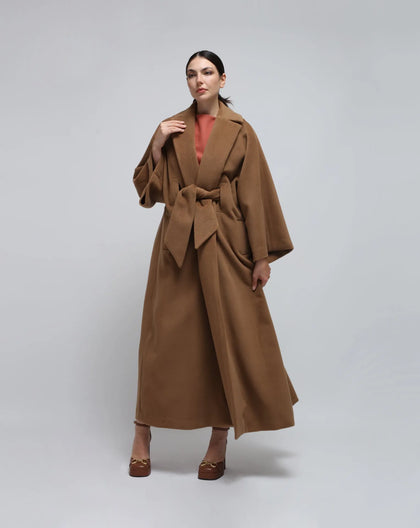
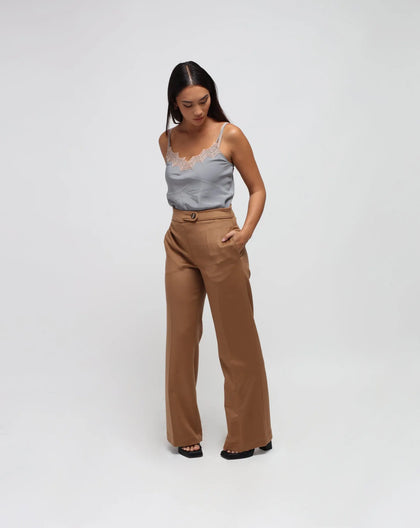
For winter, this calculation becomes especially clear. A structured wool coat, a properly cut pair of trousers, or a substantial knit is expected to work hard. These are pieces worn repeatedly, layered often, and seen up close. Their value lies in performance as much as appearance.
That does not mean every purchase needs to be premium. A thoughtful wardrobe can mix price points. Spend more where construction and material are essential - outerwear, knitwear, tailoring, leather accessories, and everyday shoes. Be more flexible with occasional items, provided they are still likely to earn repeat wear.
What Better Construction Looks Like
You do not need formal training to recognize a garment designed to last. Start with the fabric composition and the weight of the material. Natural fibers such as wool, cotton, linen, and silk are not automatically sustainable, but their quality and finishing can offer better longevity than thin, unstable synthetics.
Then look at the details: seams that lie flat, buttons that feel secure, linings that do not pull, hems that hold their shape, and pockets placed with intention. Fit is equally important. A beautiful garment that restricts movement or requires constant adjustment will not become a favorite.
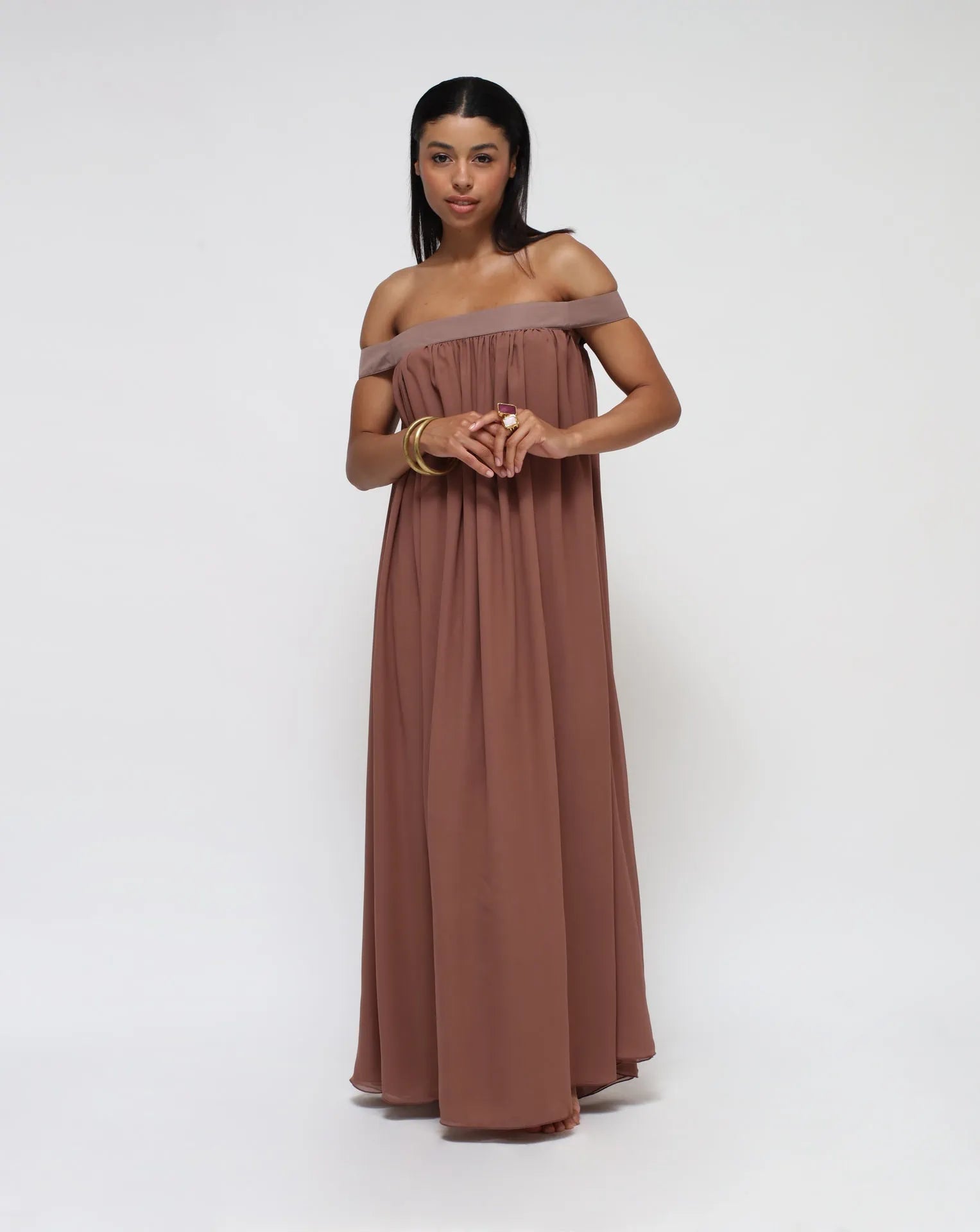
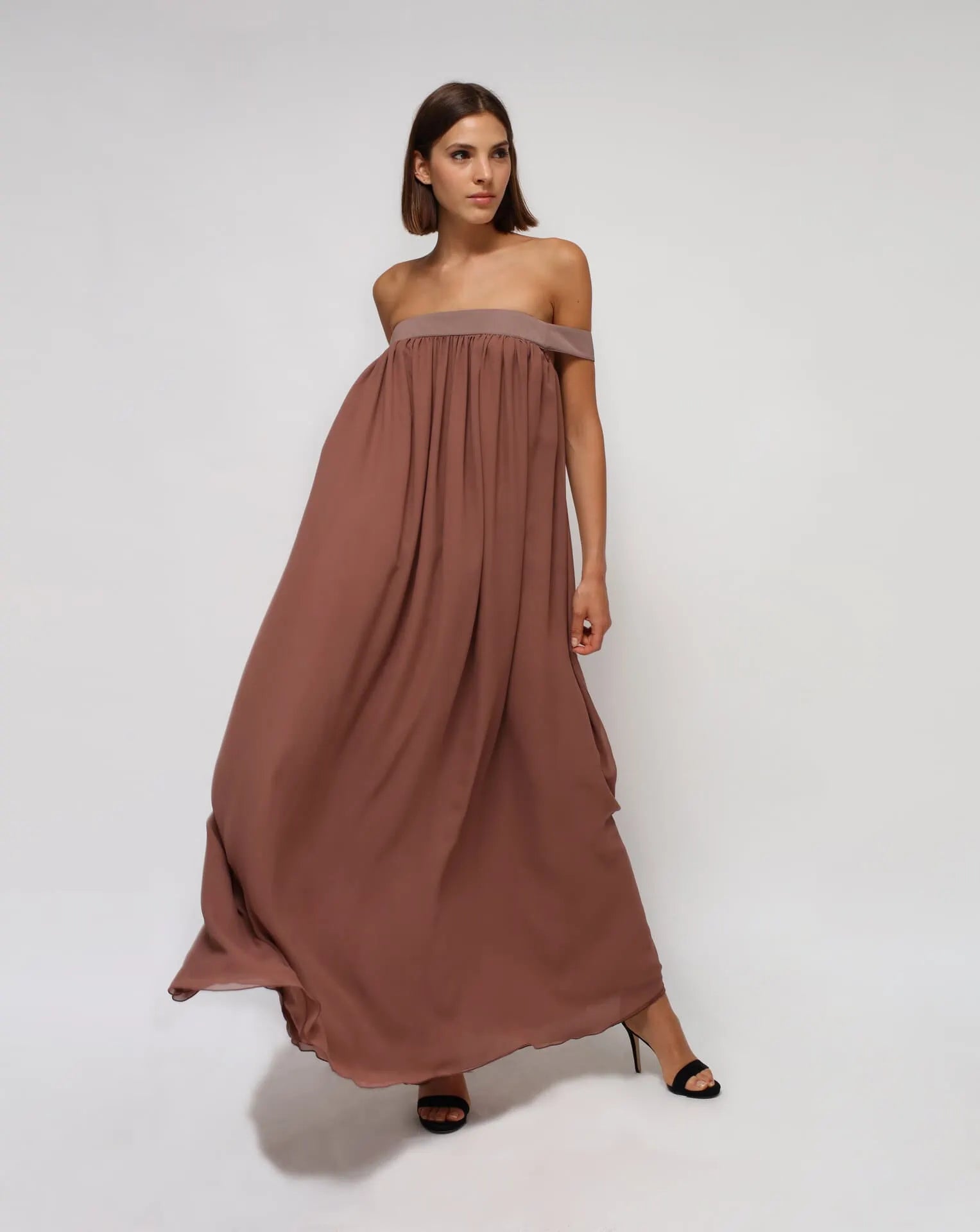
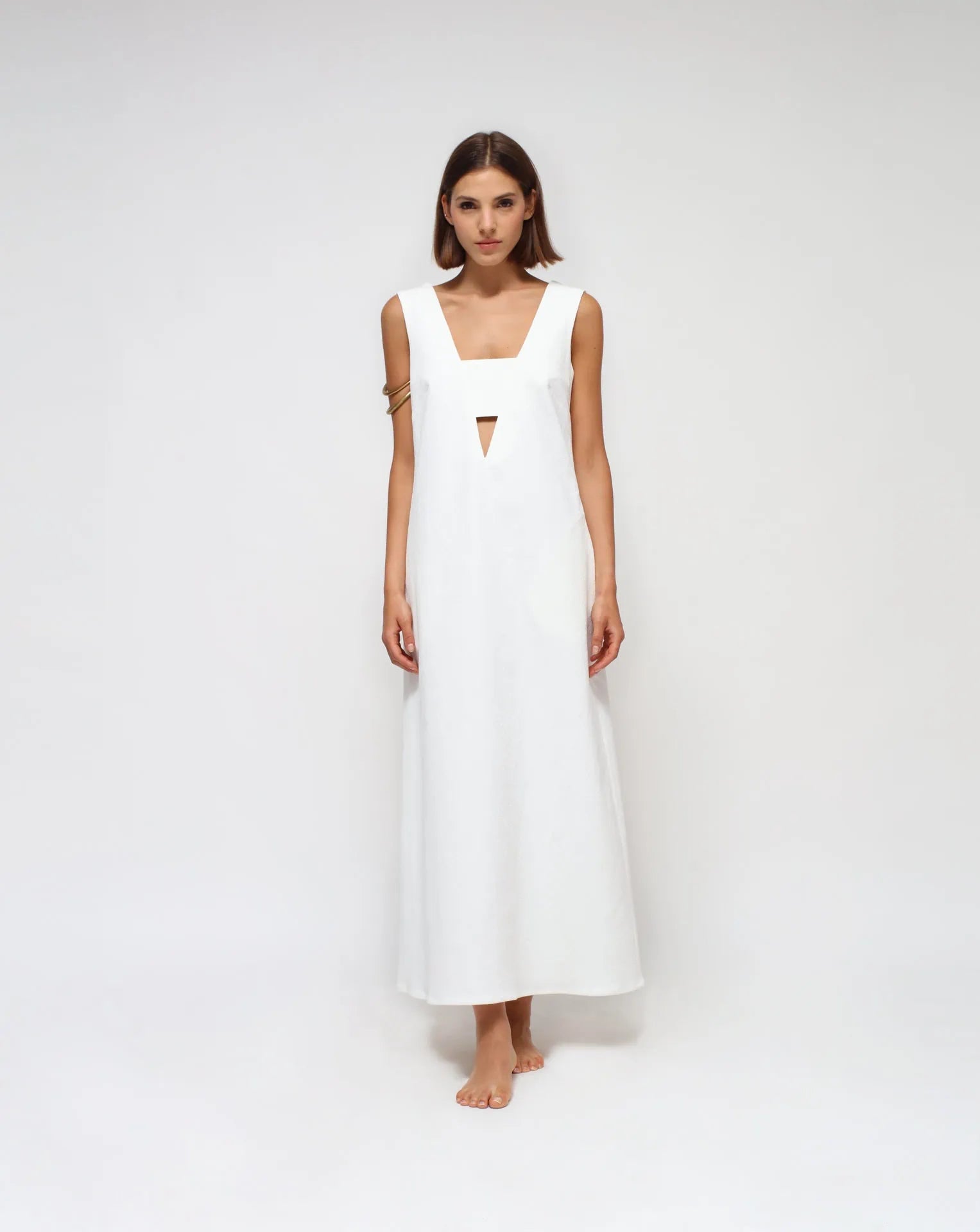
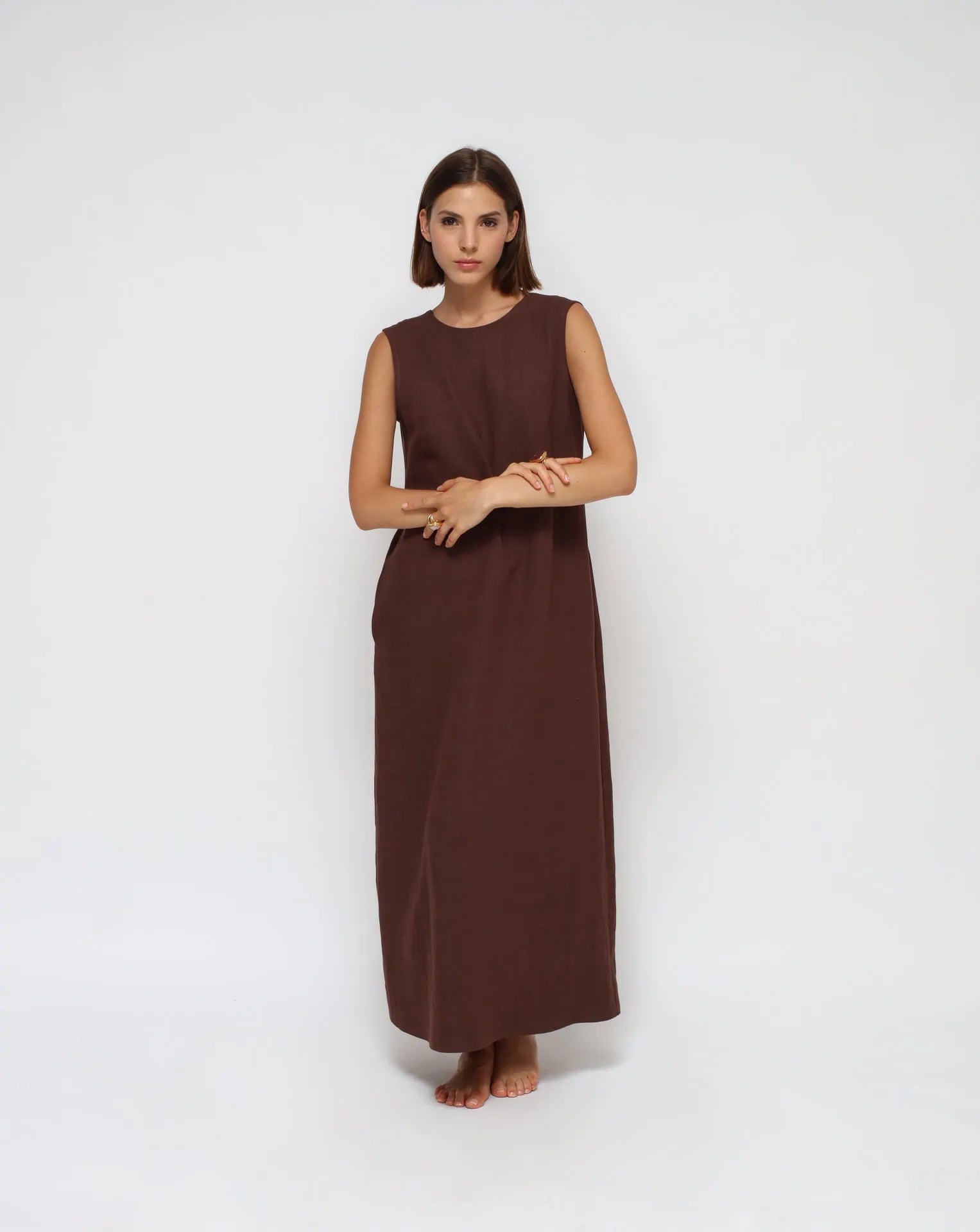
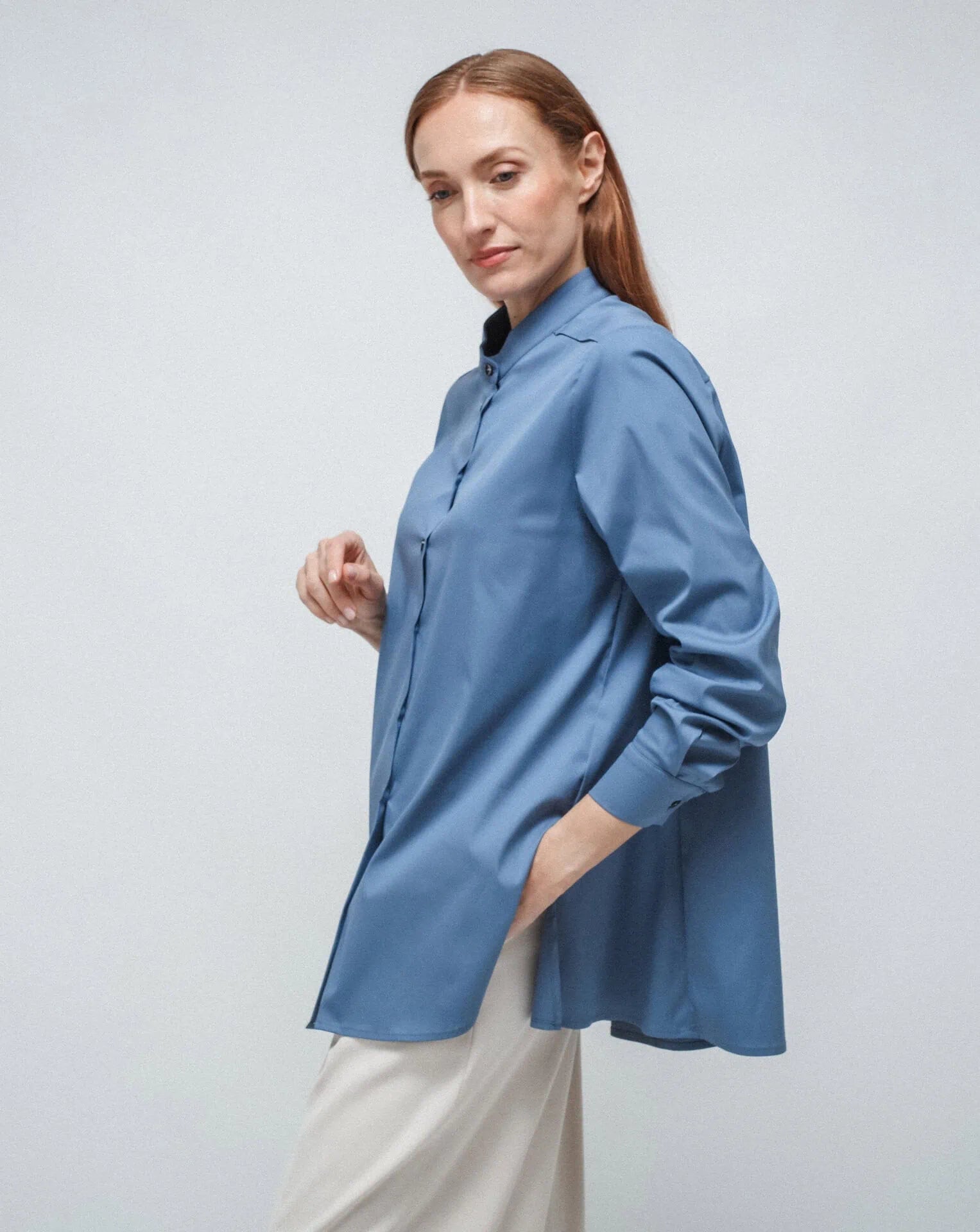
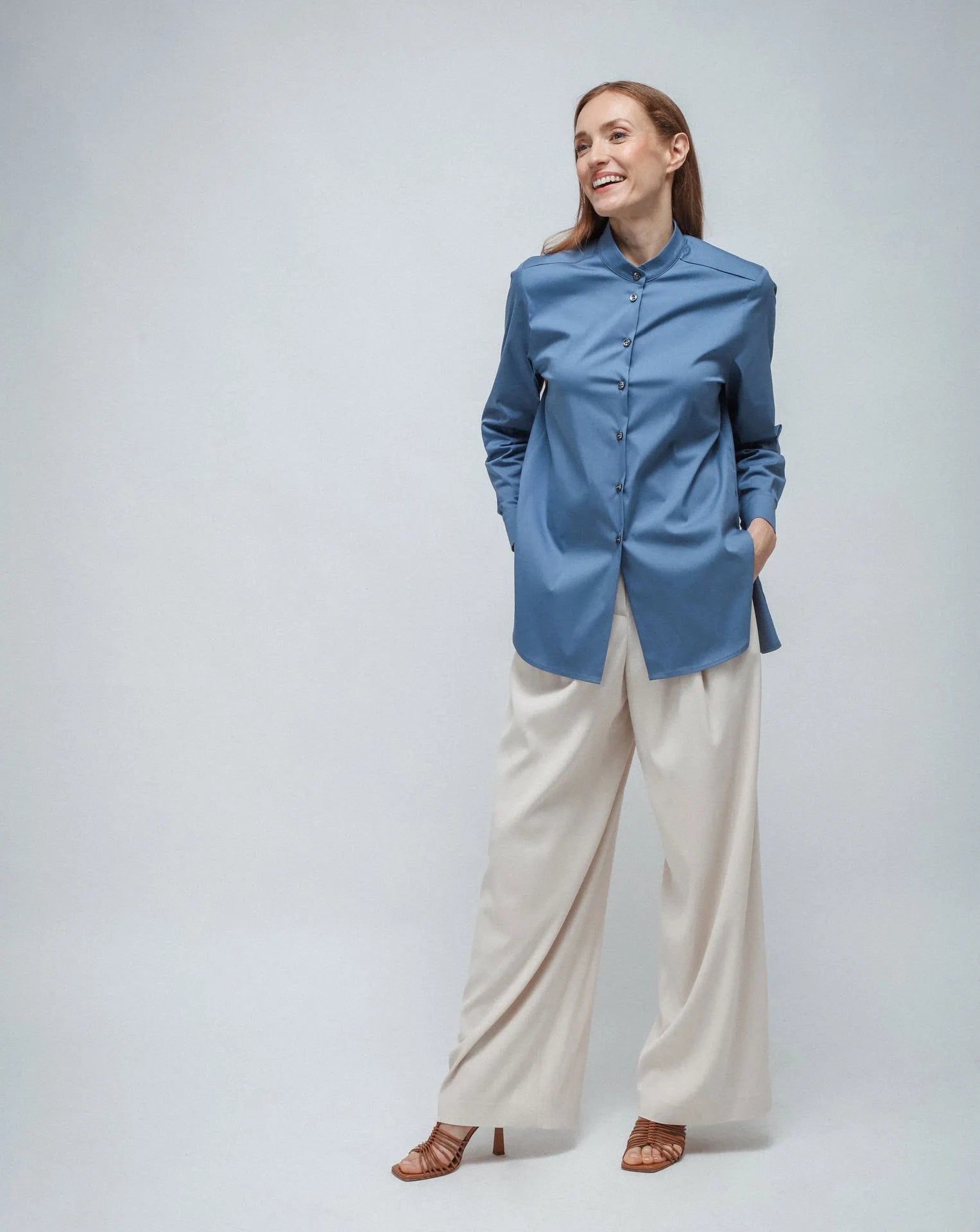
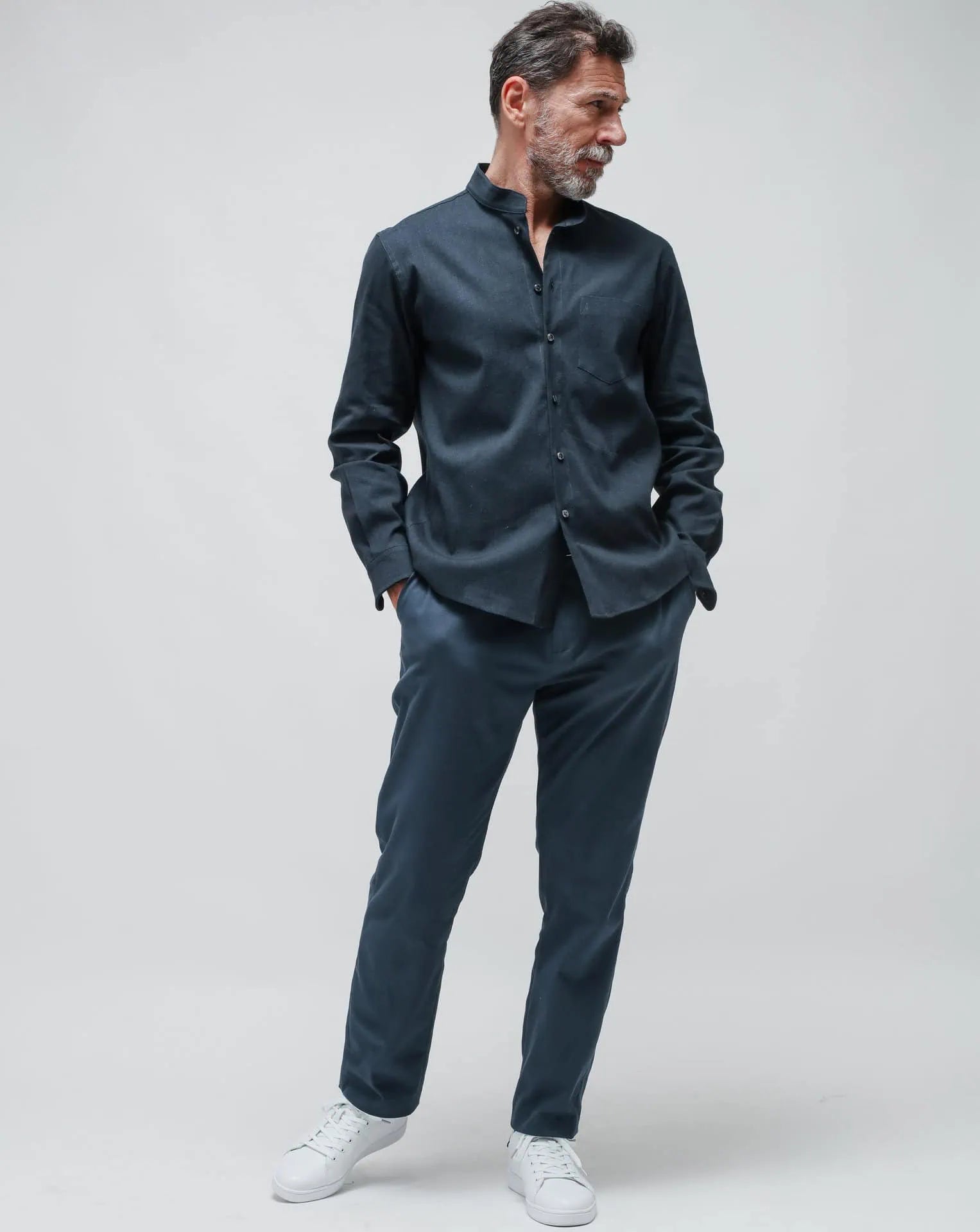
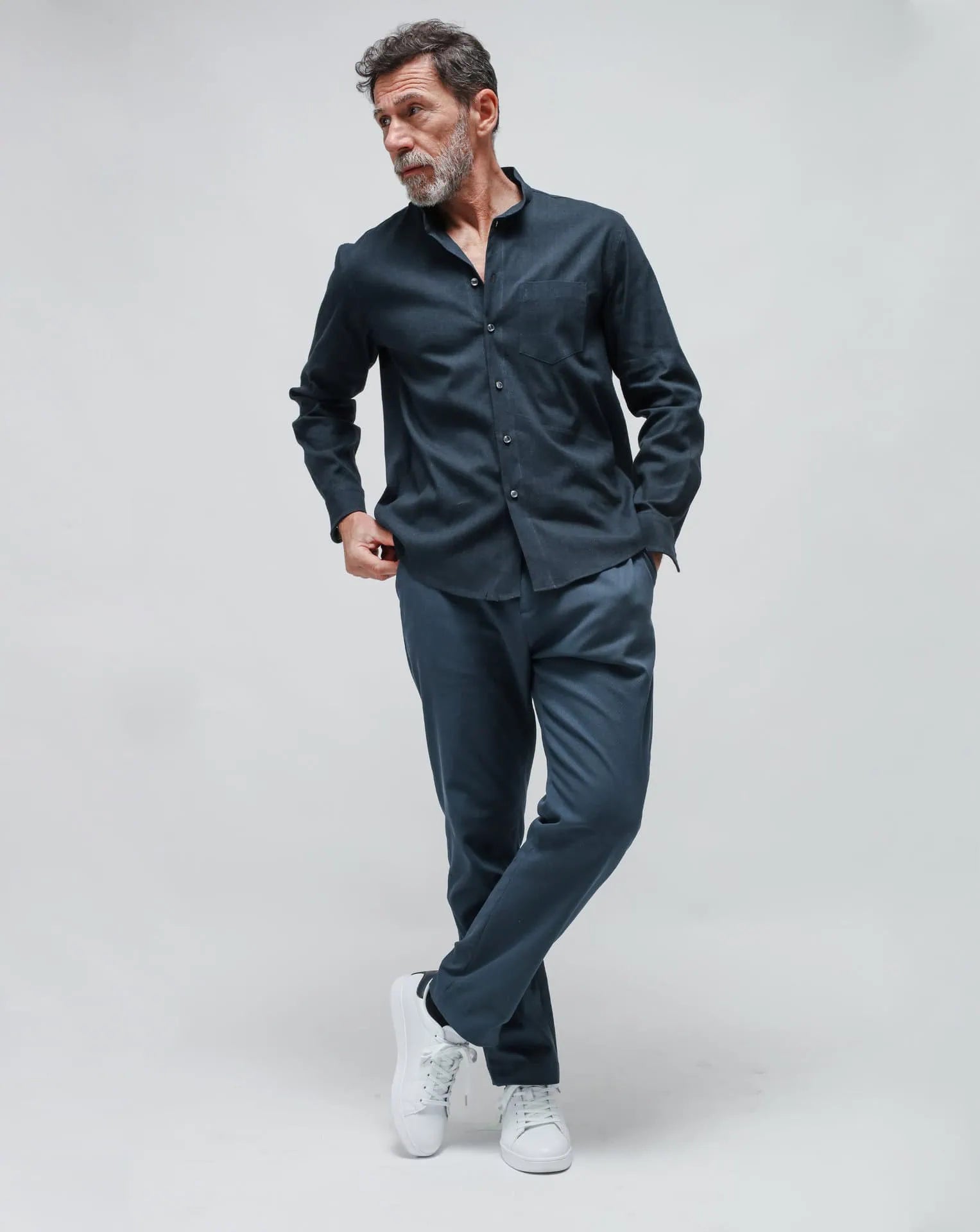
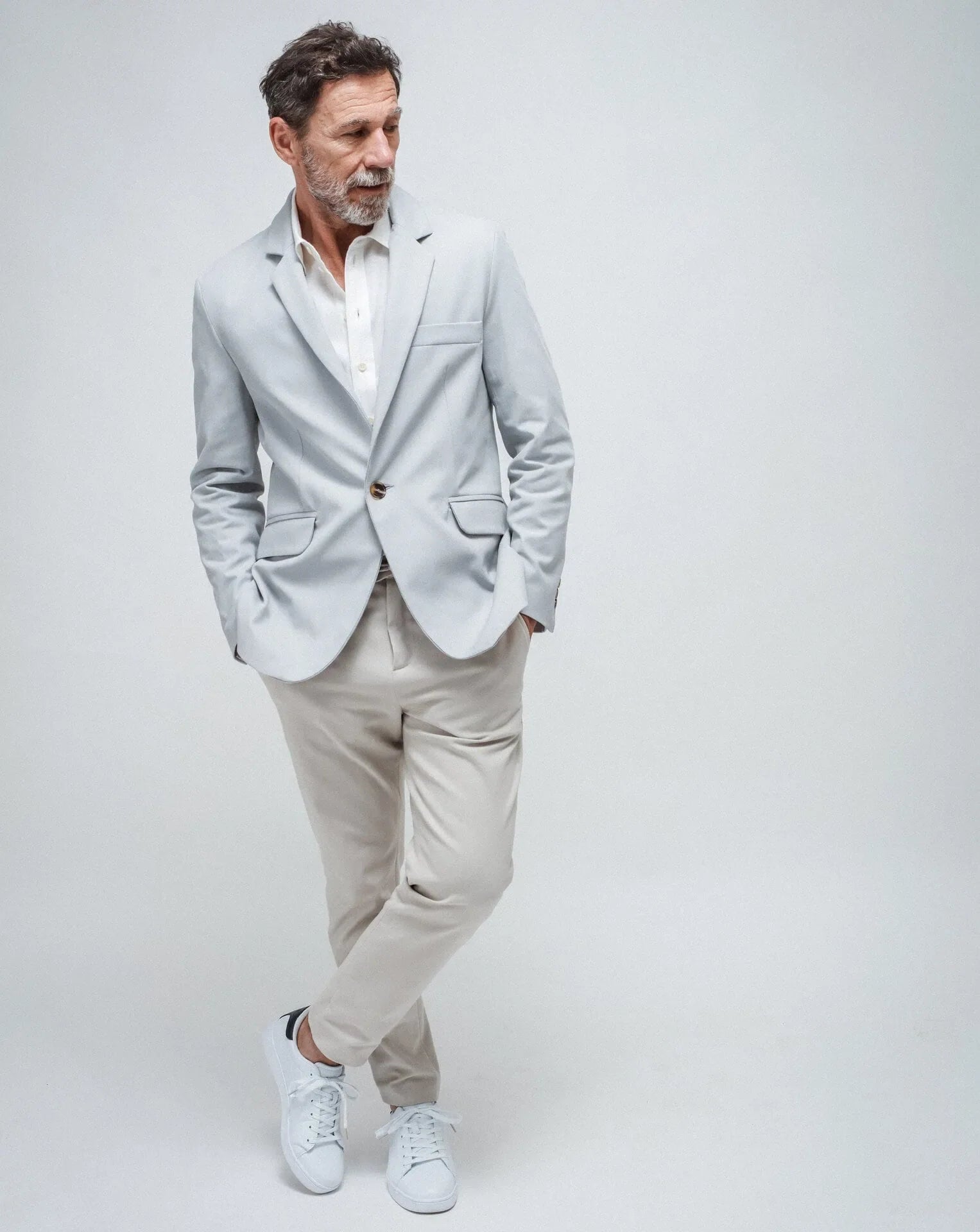
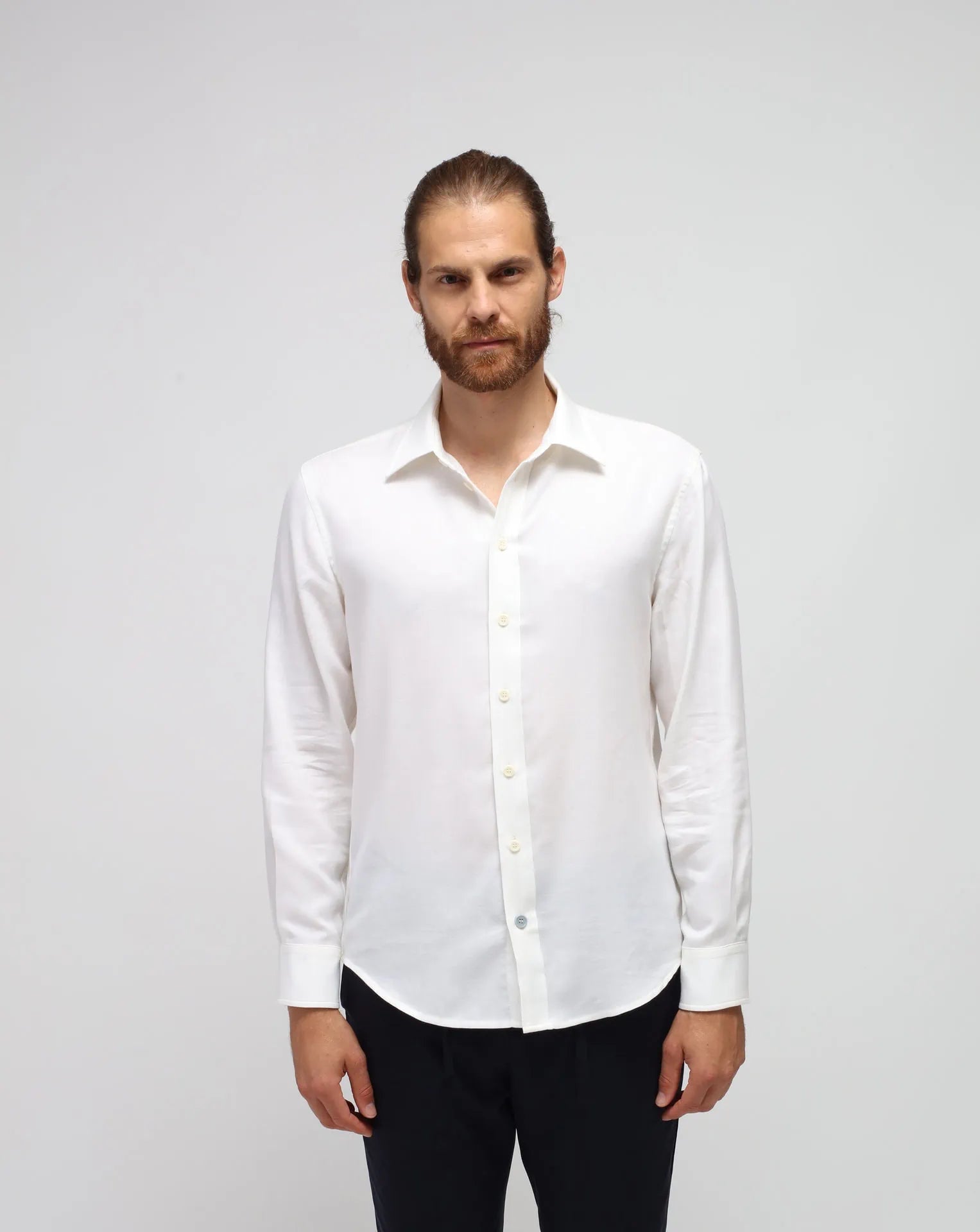
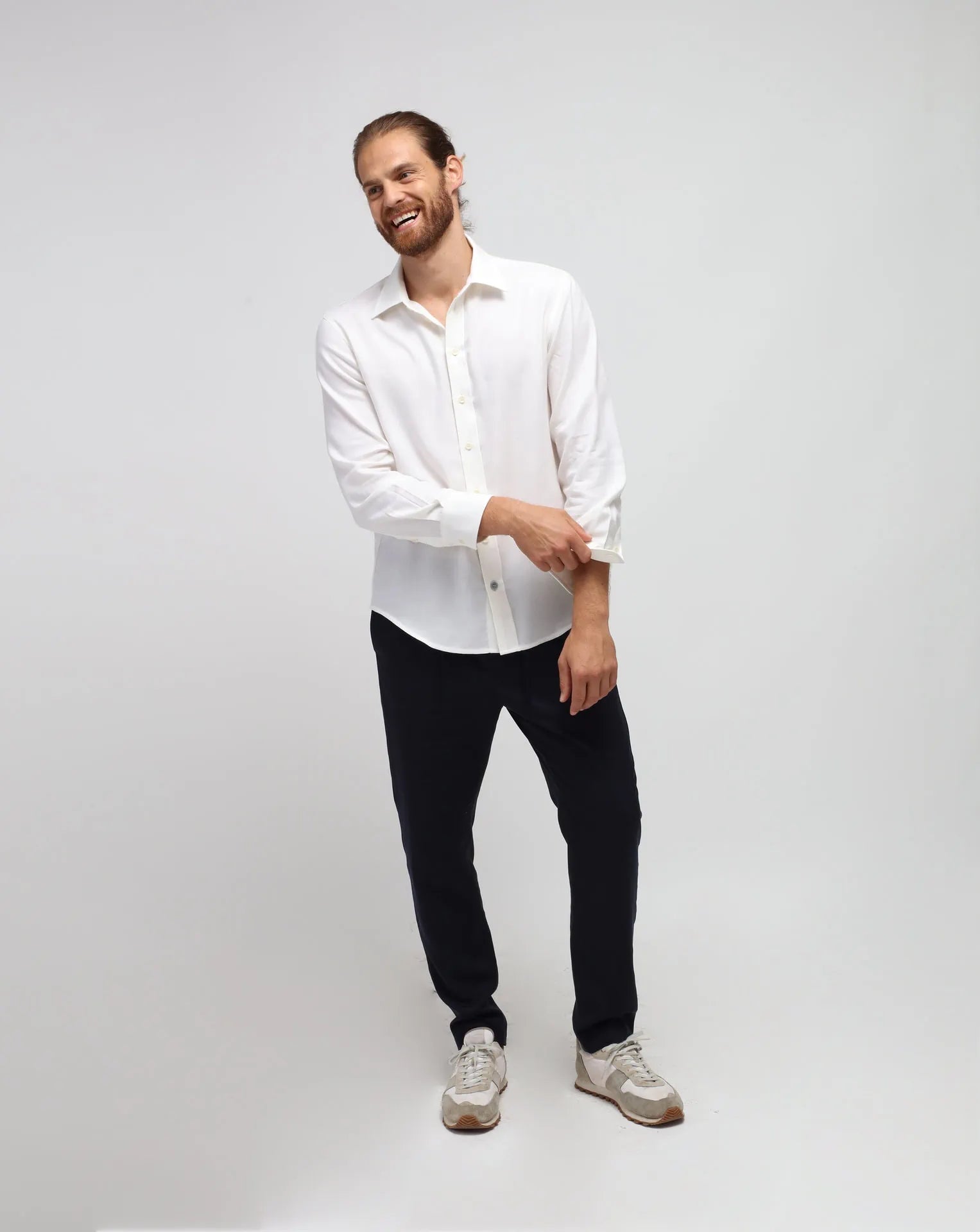
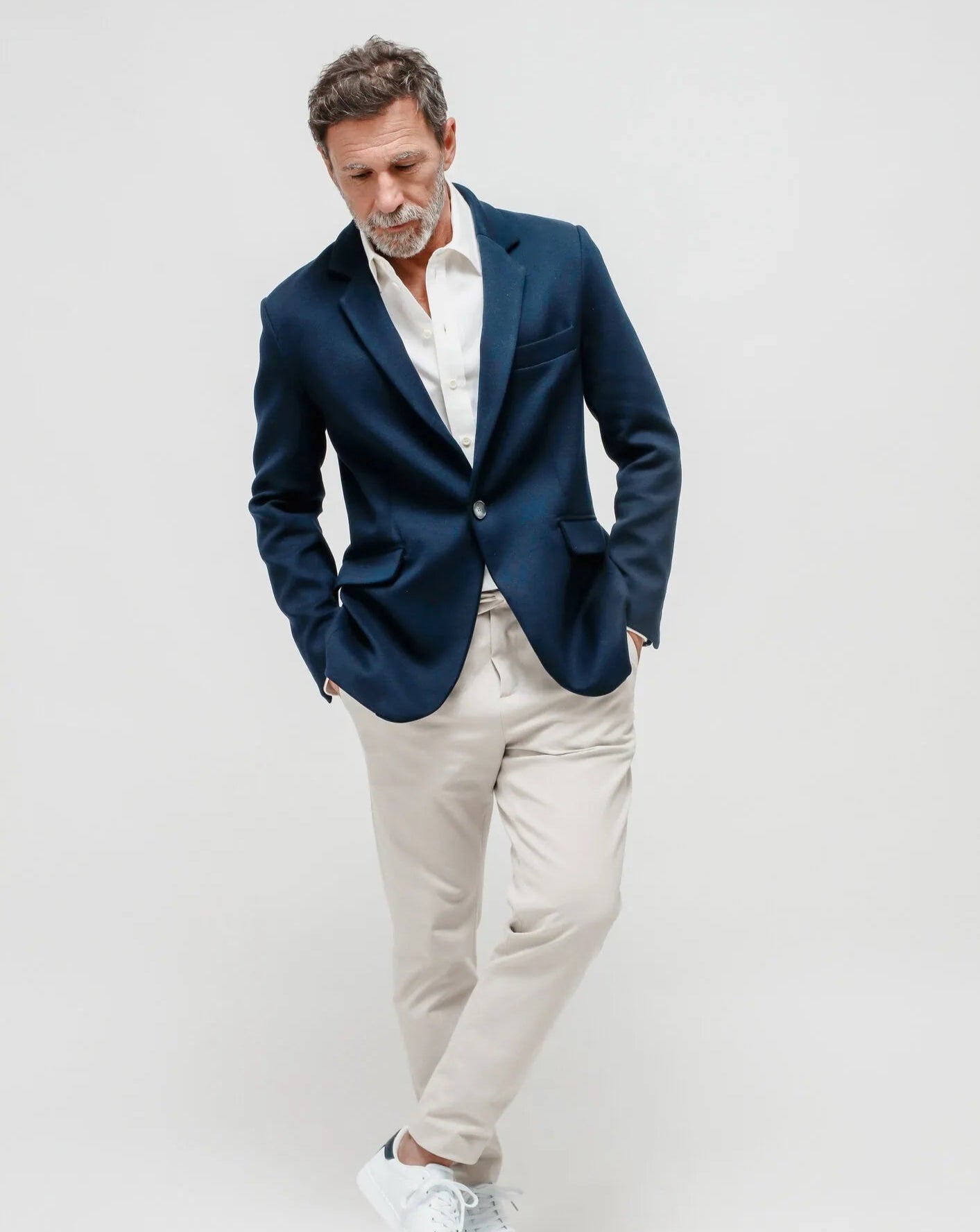
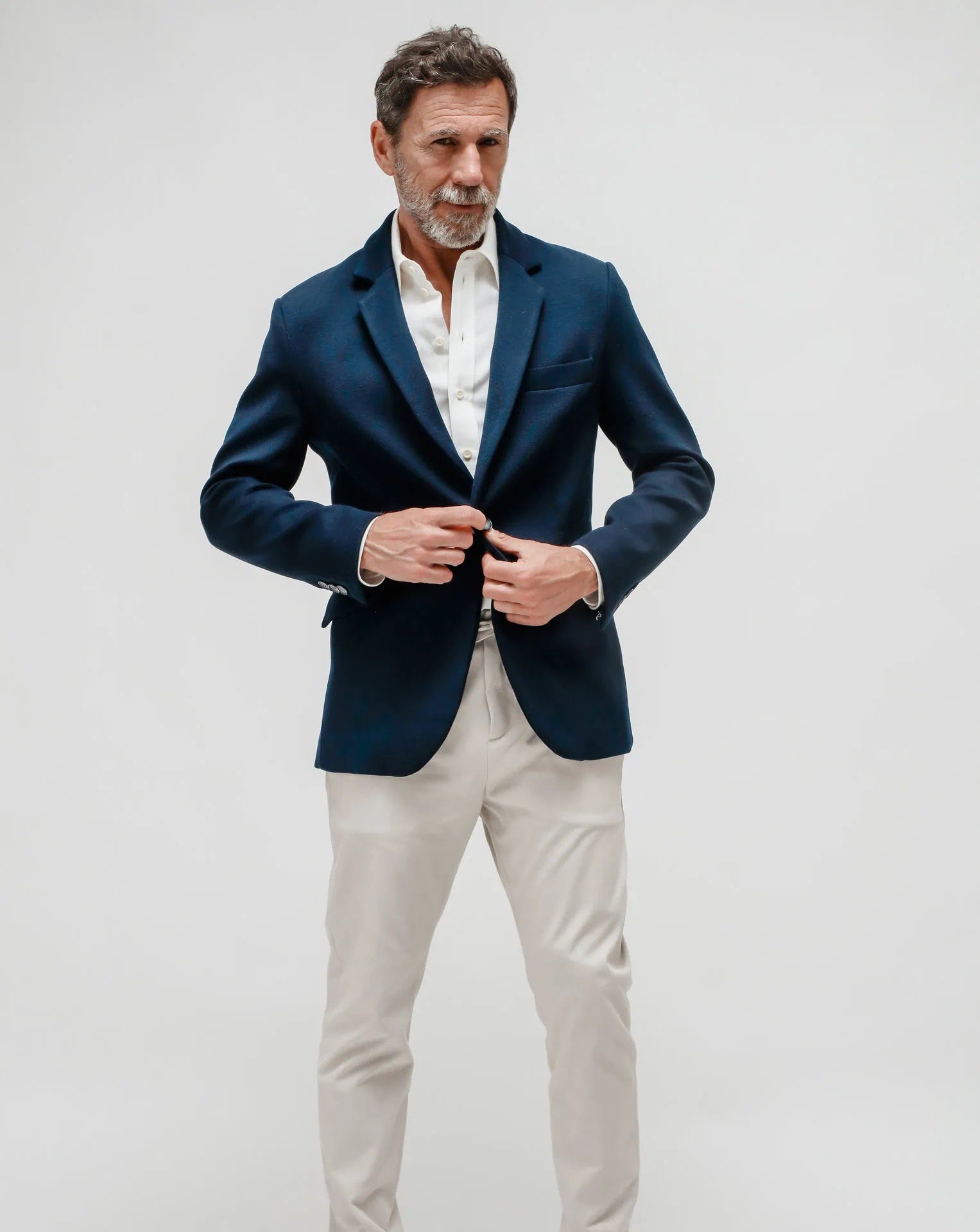
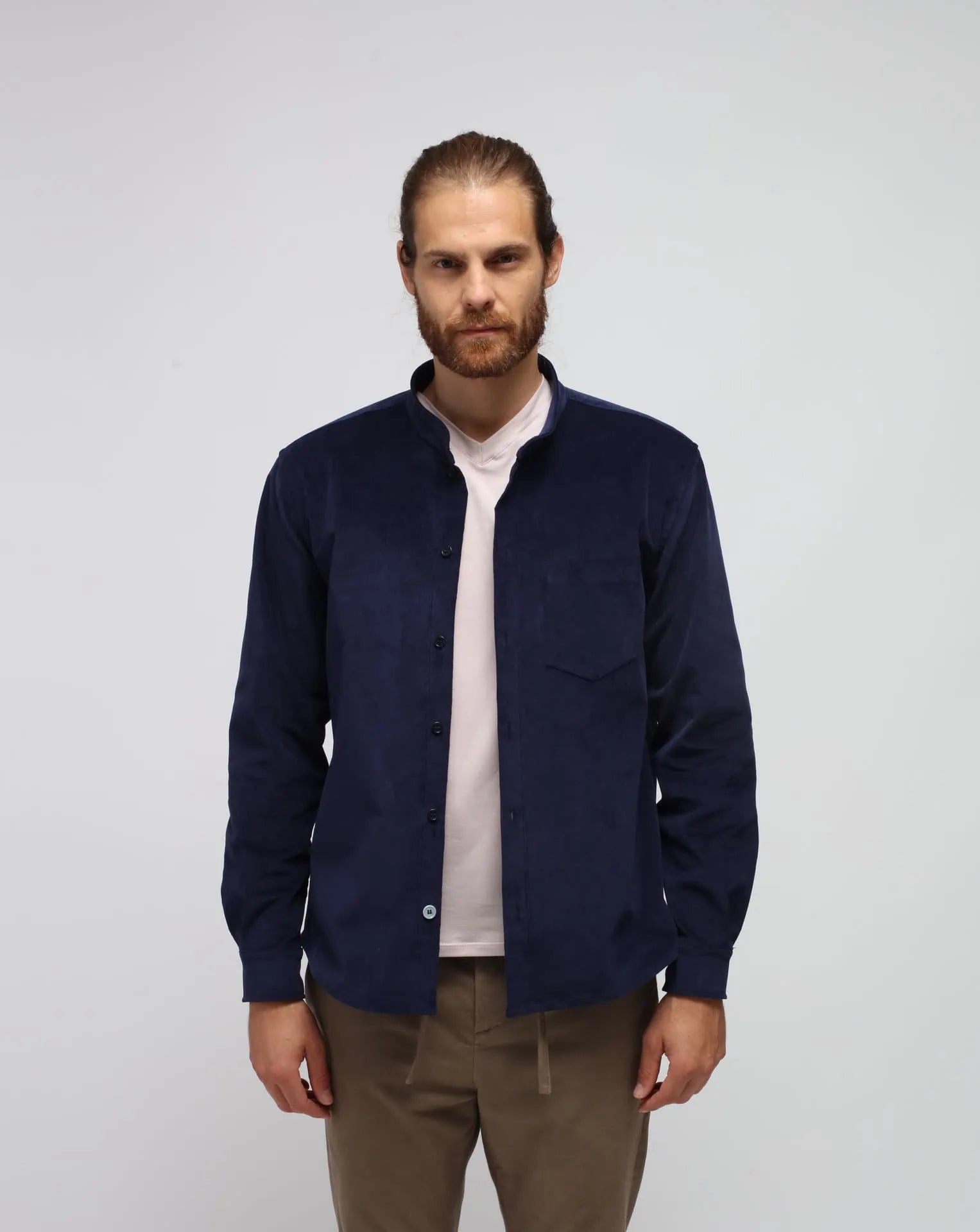
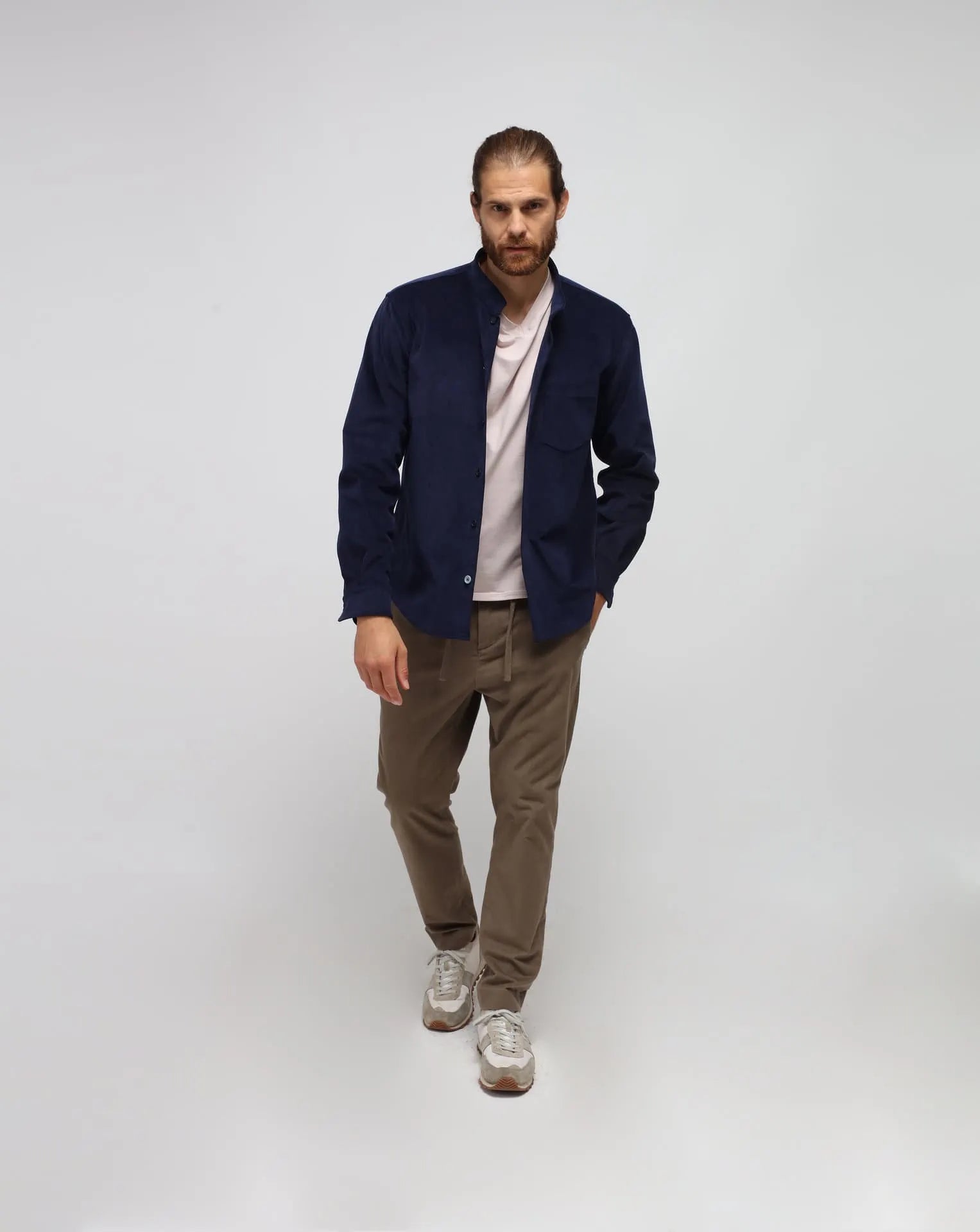
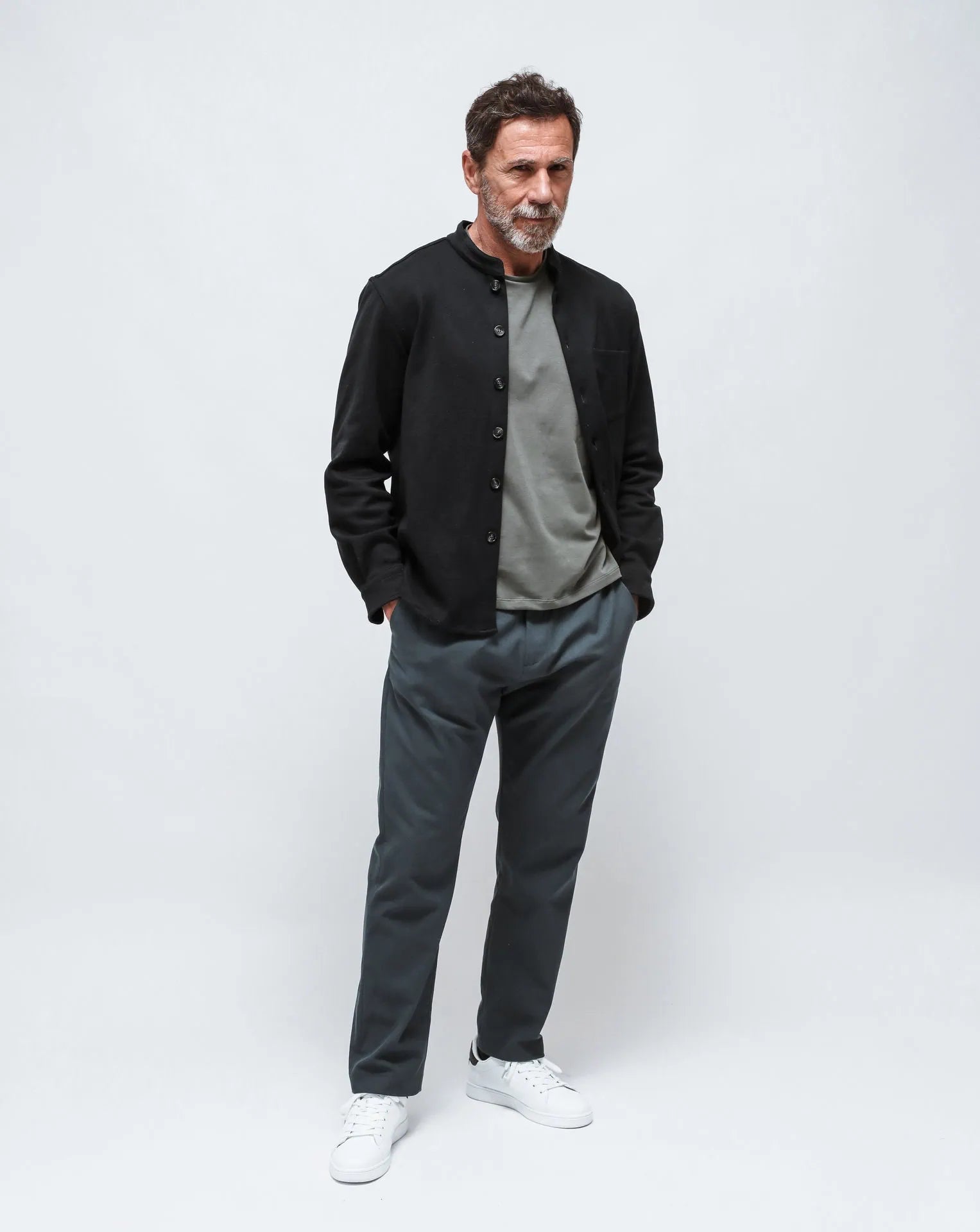
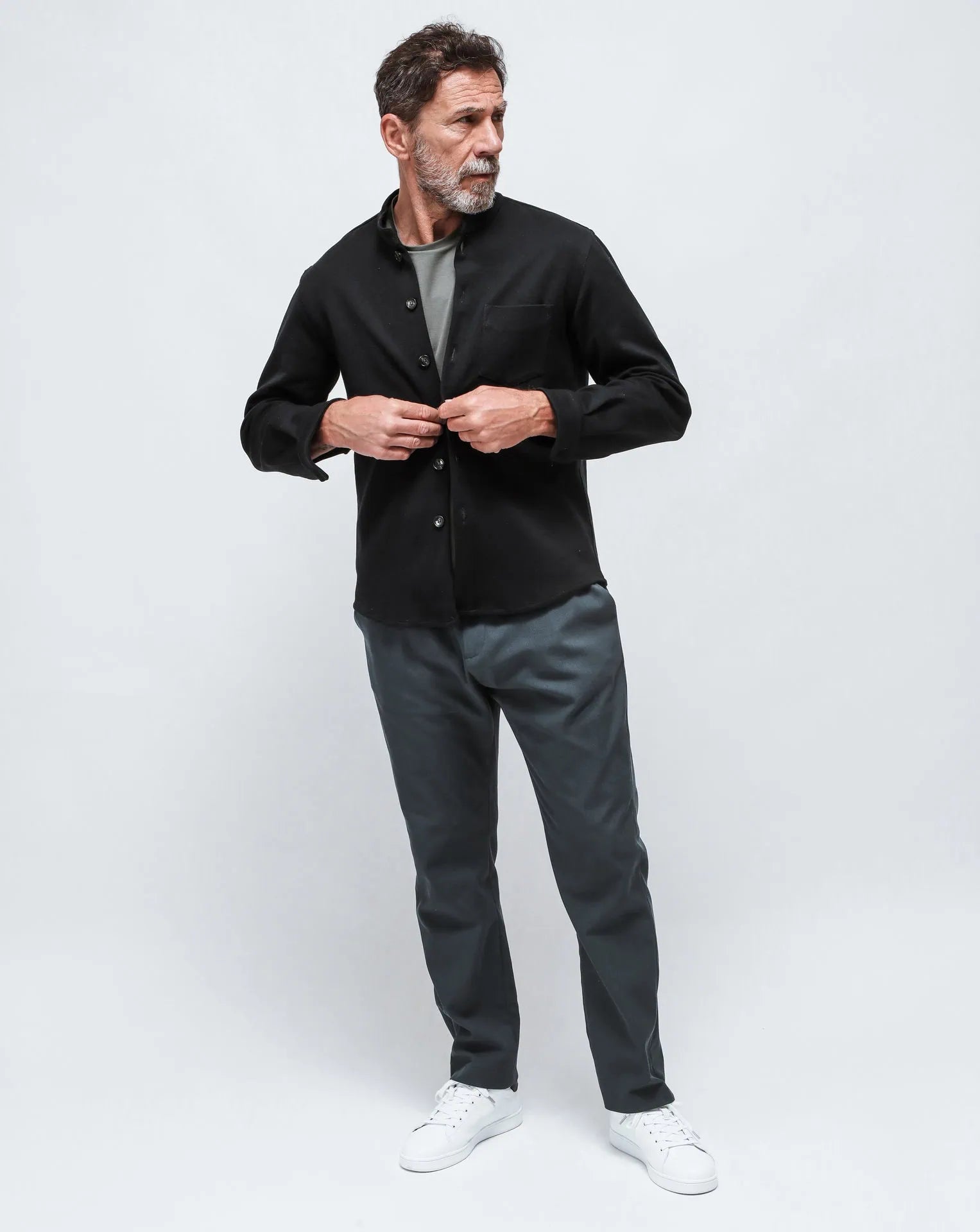
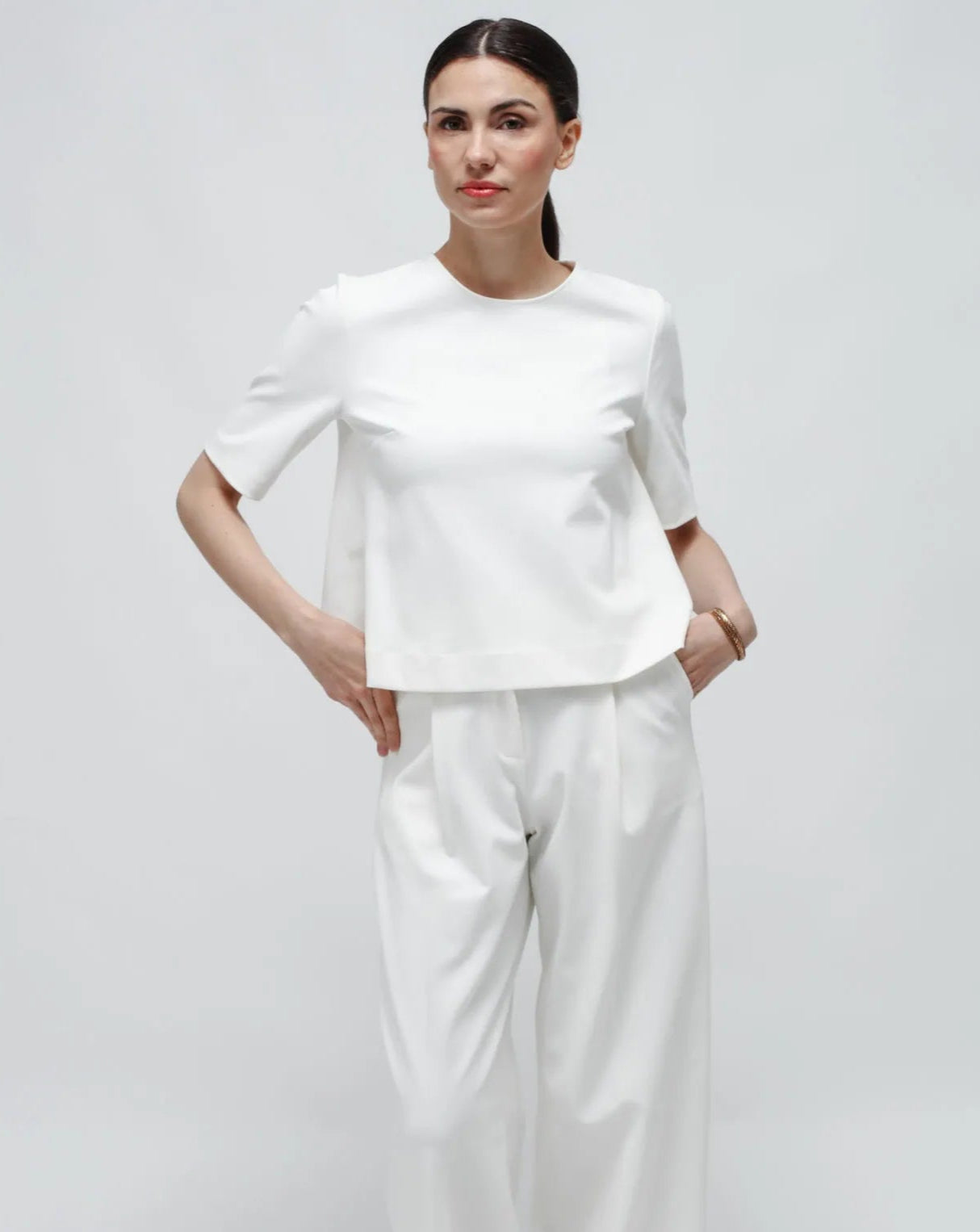
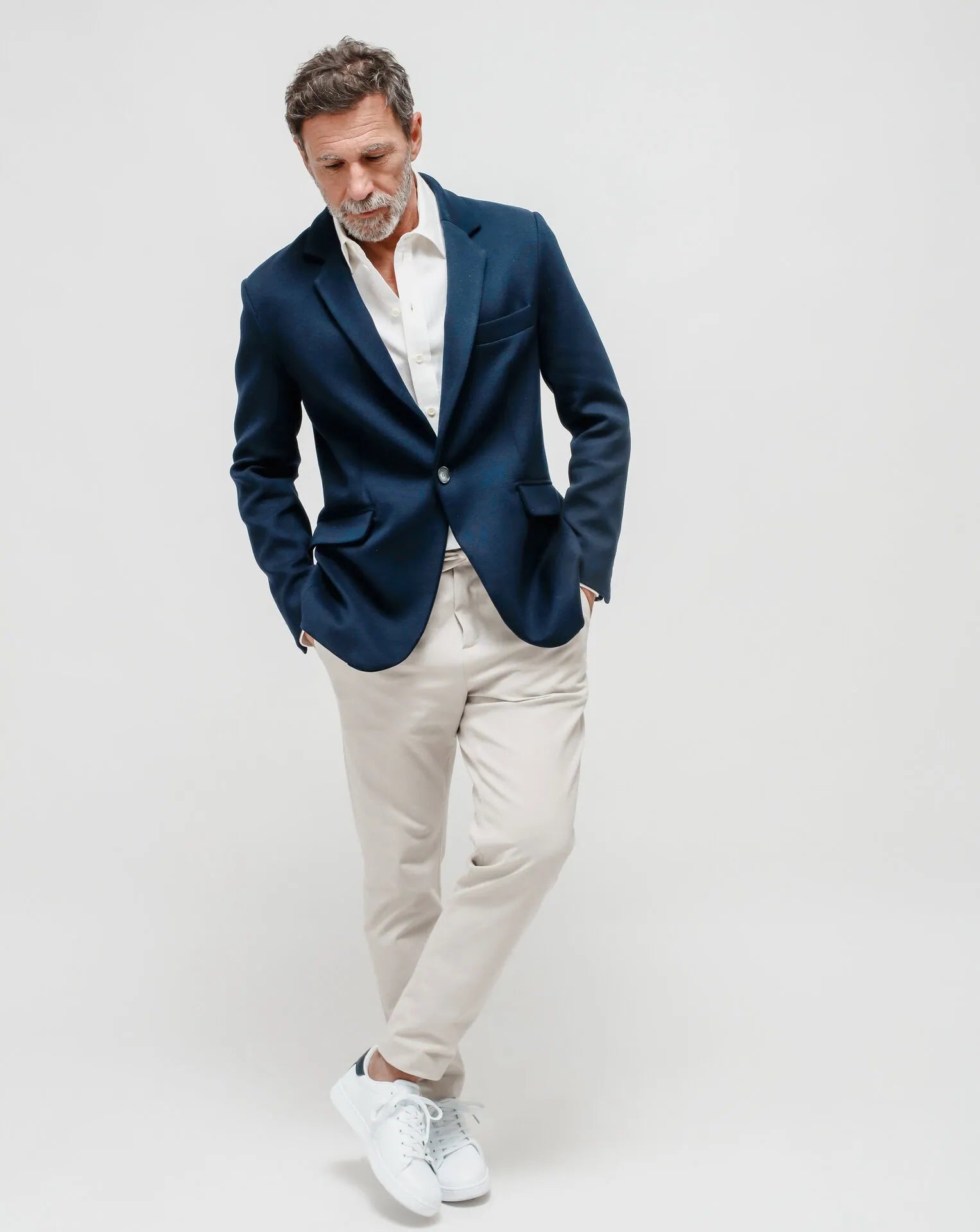
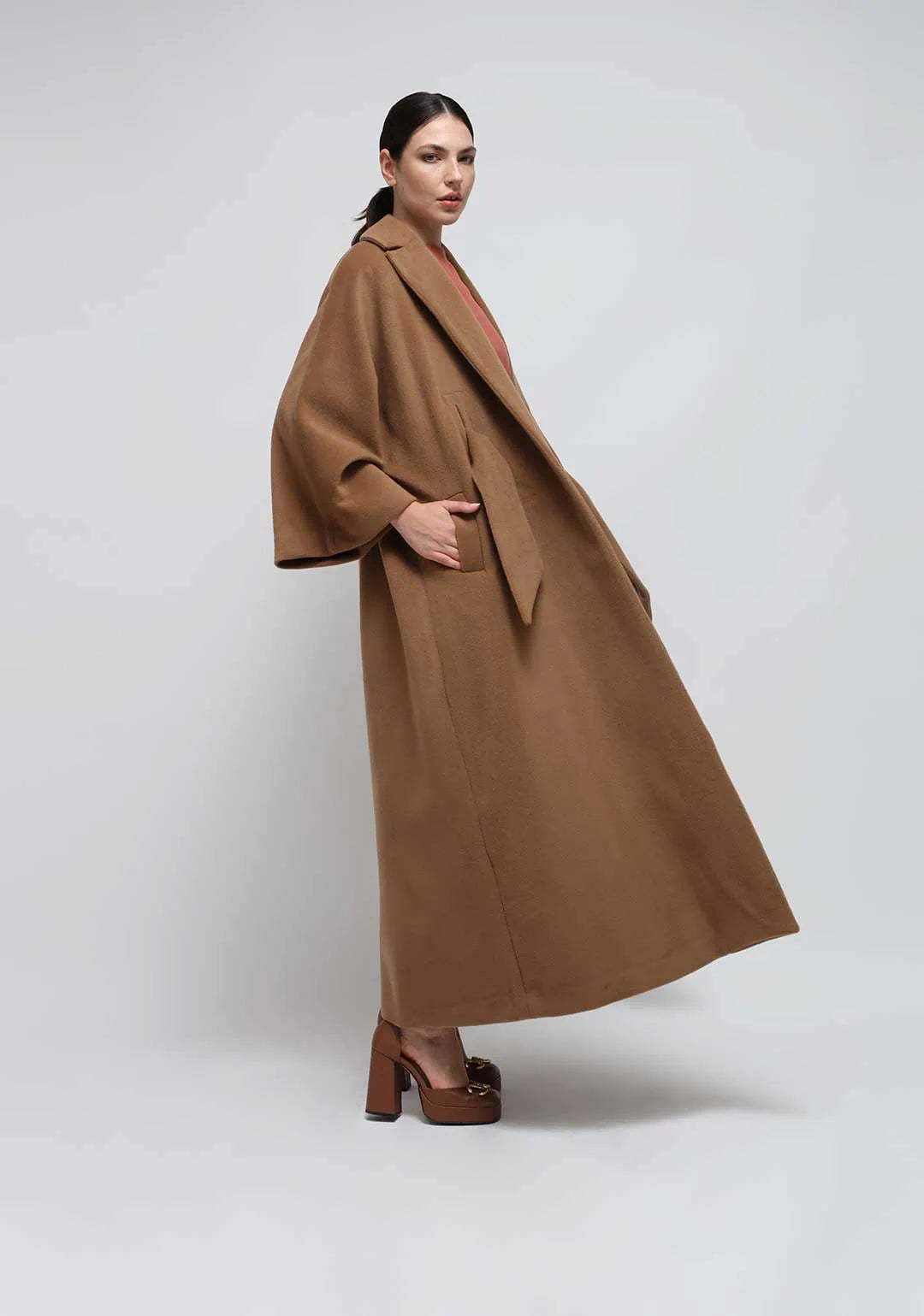
For a winter wardrobe, seek pieces that layer without bulk and retain their shape through repeated use. A women's tailored coat can anchor office days and evenings out. A men's wool overshirt can move from commute to dinner with a knit underneath. These are the kinds of product pages worth connecting to this conversation because they show how intentional design becomes everyday utility.
The Environmental Trade-Off Is About Volume
Fashion's impact is not solved by one fabric label or a single marketing claim. It is shaped by extraction, dyeing, transportation, packaging, returns, garment care, and what happens after a piece is no longer wanted. Volume intensifies every part of that equation.
Fast fashion depends on producing more options, more often. When clothing is designed around short trend cycles, excess inventory and underused garments become structural problems rather than exceptions. A low-cost top worn once carries a much different footprint from a considered shirt worn for years.
Small-batch production offers a more disciplined alternative. Making limited quantities can reduce the pressure to clear mountains of unsold stock, while deadstock fabrics give already-produced materials a second life. Deadstock is not a magic word. It still requires transparency around composition, origin, and production. Yet using existing premium fabric can be a practical way to avoid commissioning new material solely for another season of excess.
At Humans & Land, limited-edition production and Italian-made craftsmanship are part of that proposition: fewer pieces, selected fabrics, and a reason to care for what you own. The goal is not perfection. It is to stop treating waste as an acceptable side effect of getting dressed.
Labor Cannot Be Separated From the Garment
The difference between luxury fashion and fast fashion is also a human question. Clothing is made by people, and speed-driven production frequently obscures the labor behind a garment. When a price seems implausibly low, someone else may be absorbing the real cost through compressed timelines, insecure wages, or unsafe conditions.
Responsible production requires more than a vague statement about ethics. It means asking brands to explain their manufacturing relationships, quantities, materials, and standards. Transparency should be specific enough to be useful, not polished enough to end the conversation.
European production does not guarantee responsibility, just as production elsewhere does not guarantee exploitation. Geography is not the test. Ongoing accountability is. Still, closer production networks and smaller runs can make it easier for brands to maintain visibility over craftsmanship and working conditions.
Build a Winter Wardrobe With Fewer Regrets
The strongest argument for choosing better fashion is not guilt. It is satisfaction. Getting dressed becomes easier when your closet contains pieces that work together, feel good against the skin, and hold up to real life.
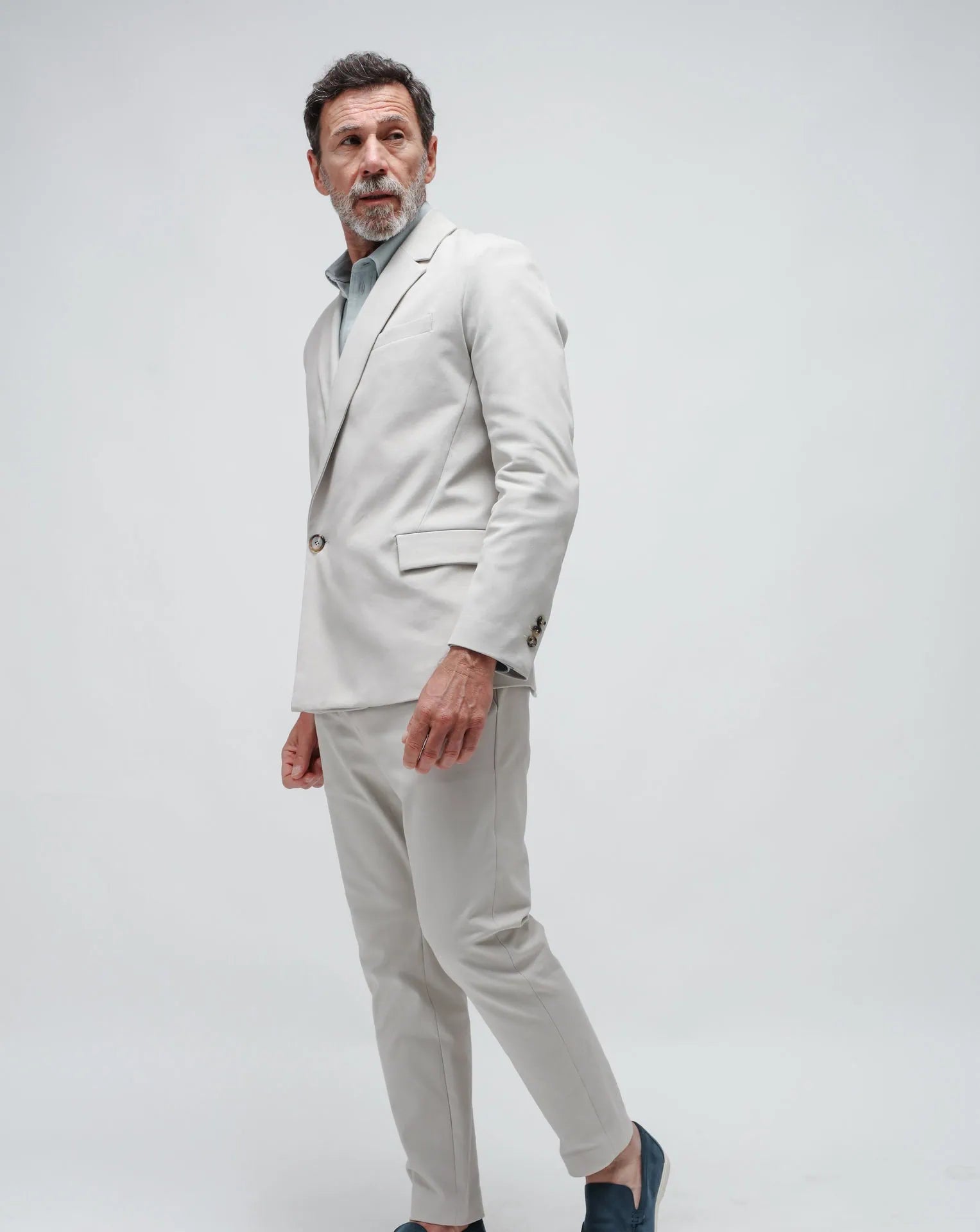
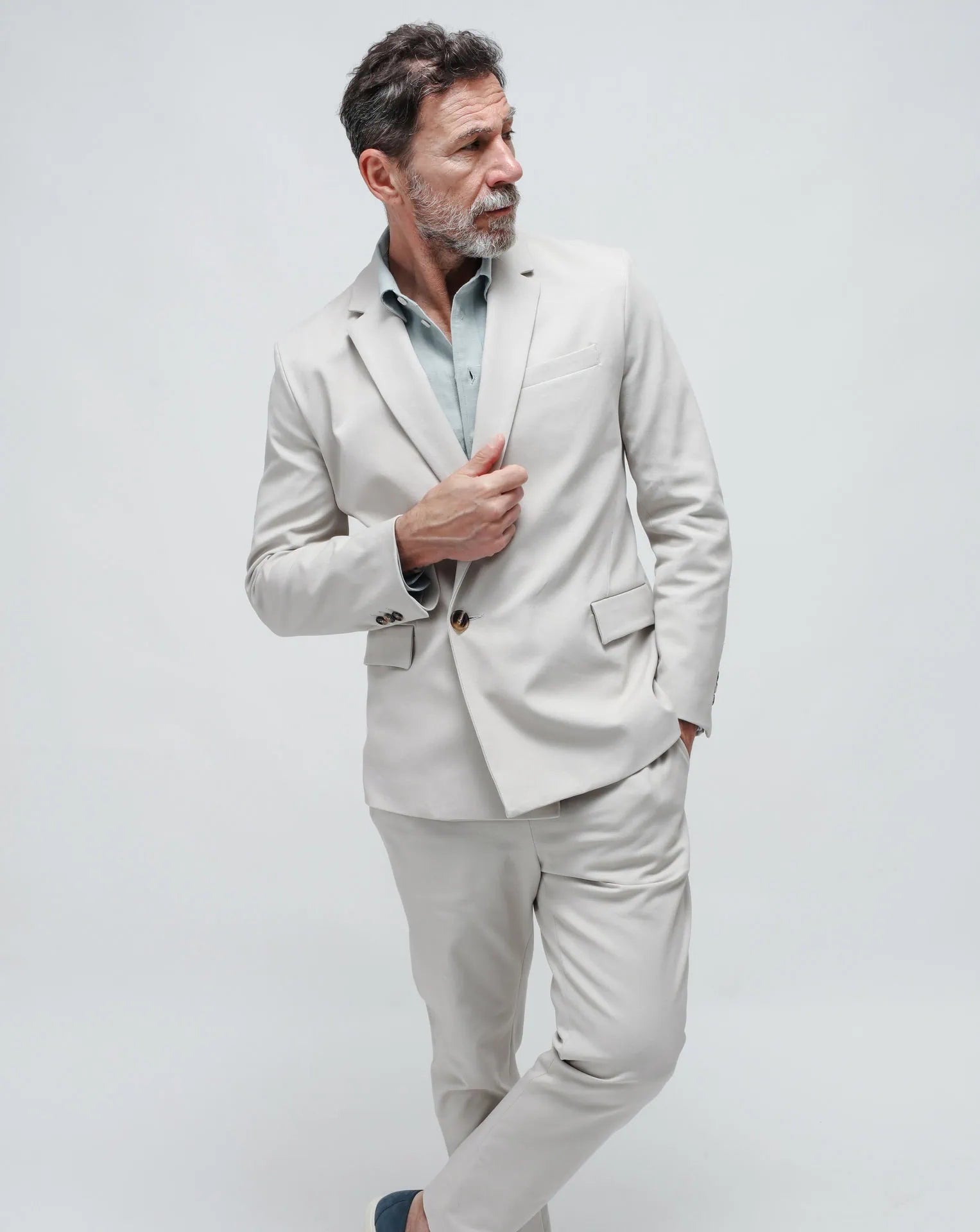
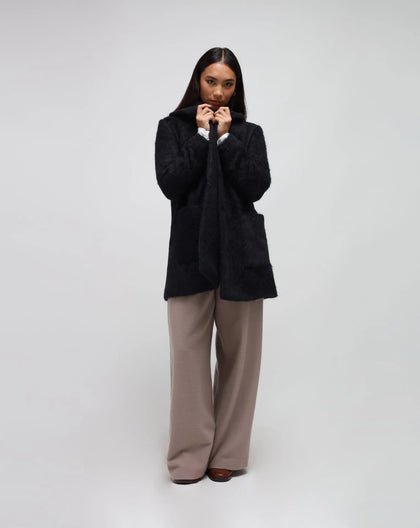
Start with the garments that will carry the season: a coat with room for layers, a knit with enough substance to wear on its own, trousers that work with boots and sneakers, and a shirt or dress that can shift from daytime obligations to dinner. Then add one piece with a point of view - perhaps a textured jacket, a deep-color set, or a sharply tailored suit.
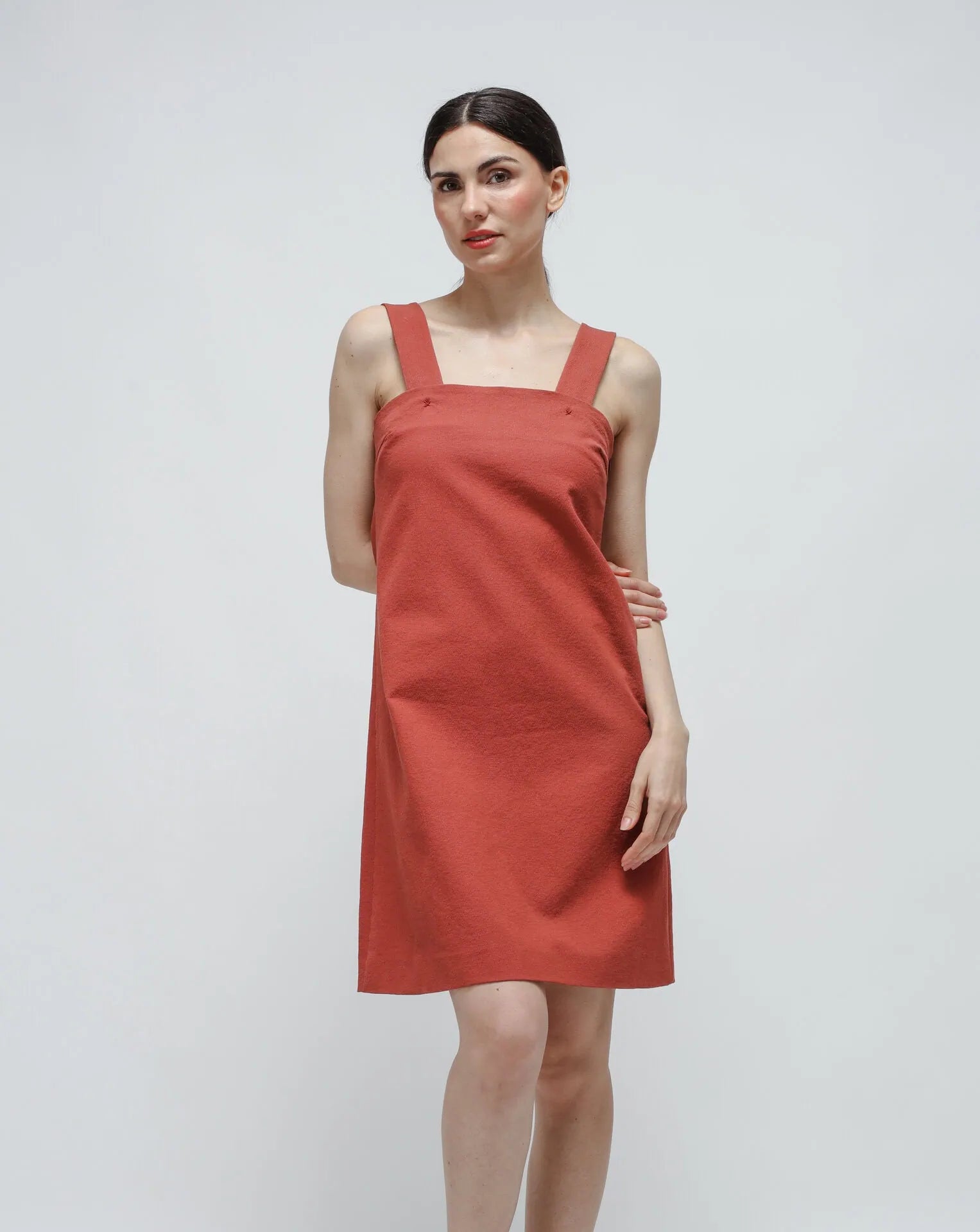
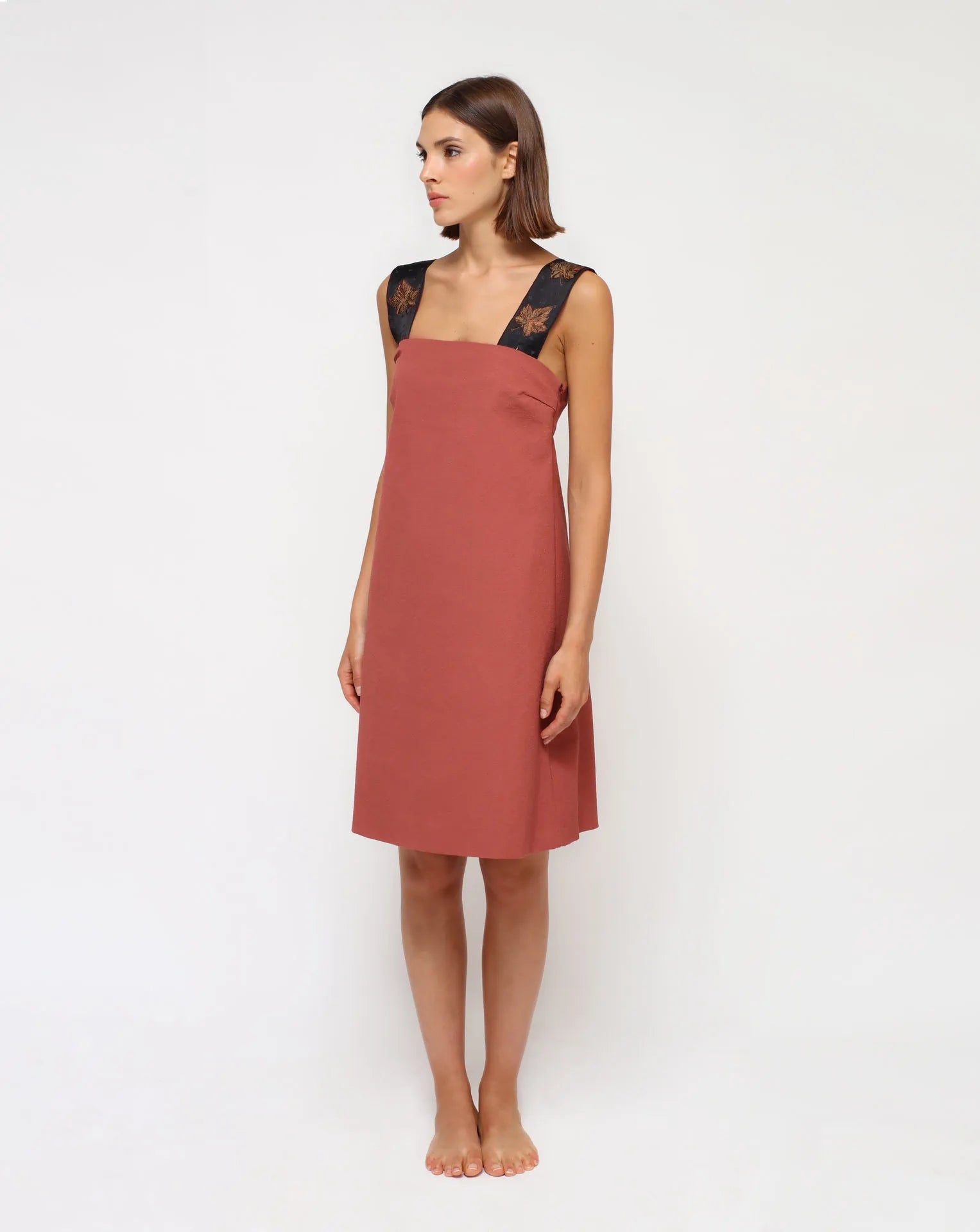
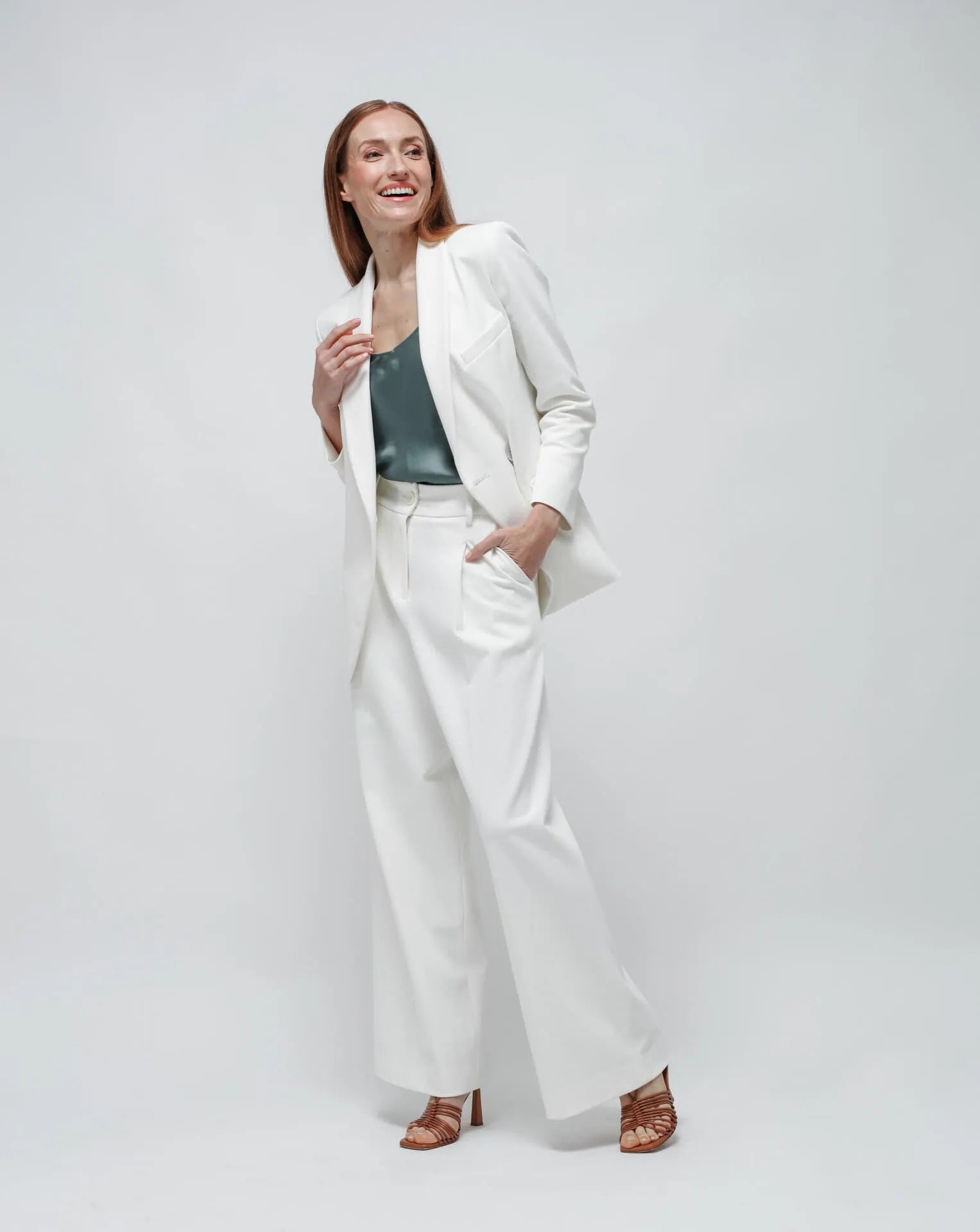
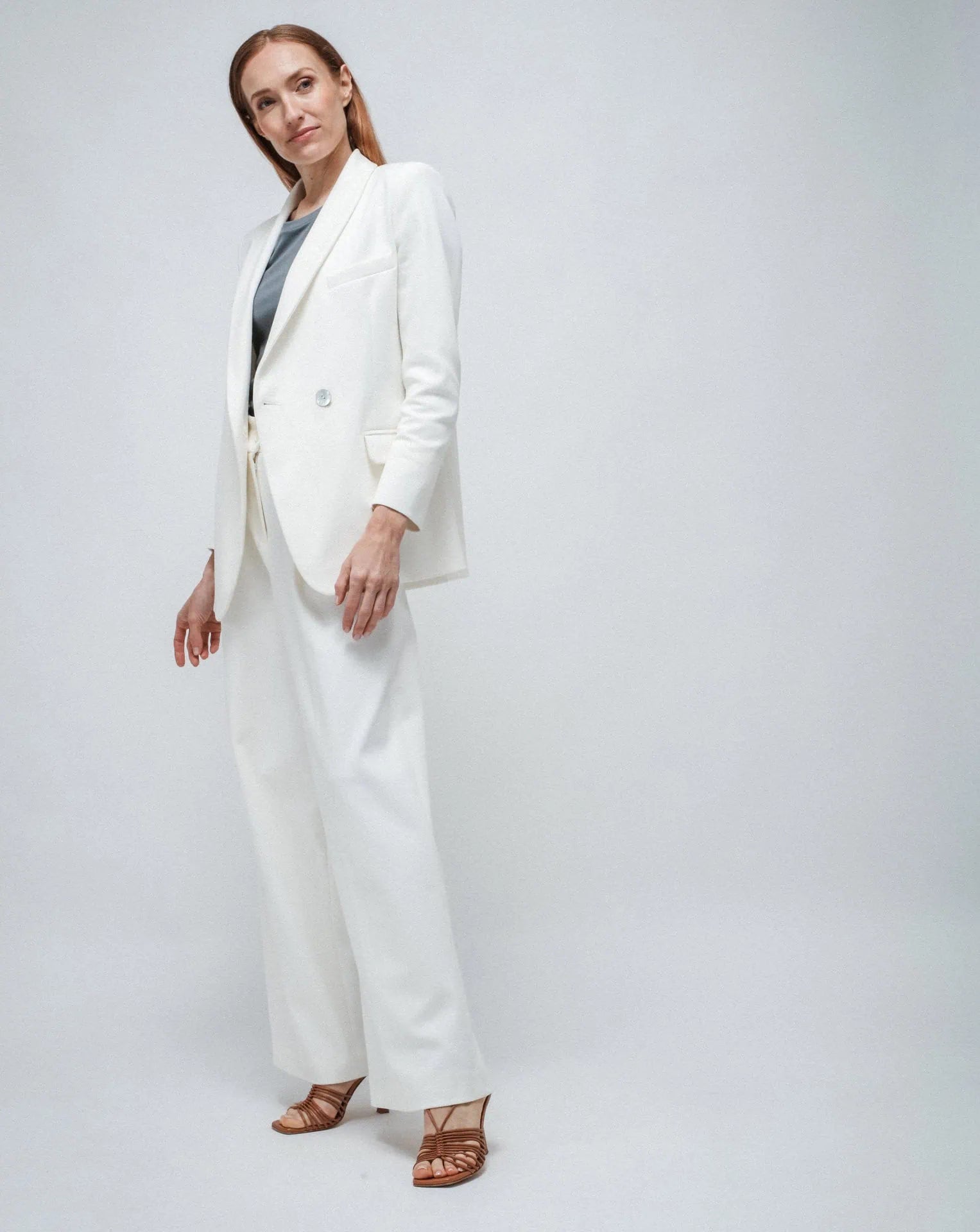
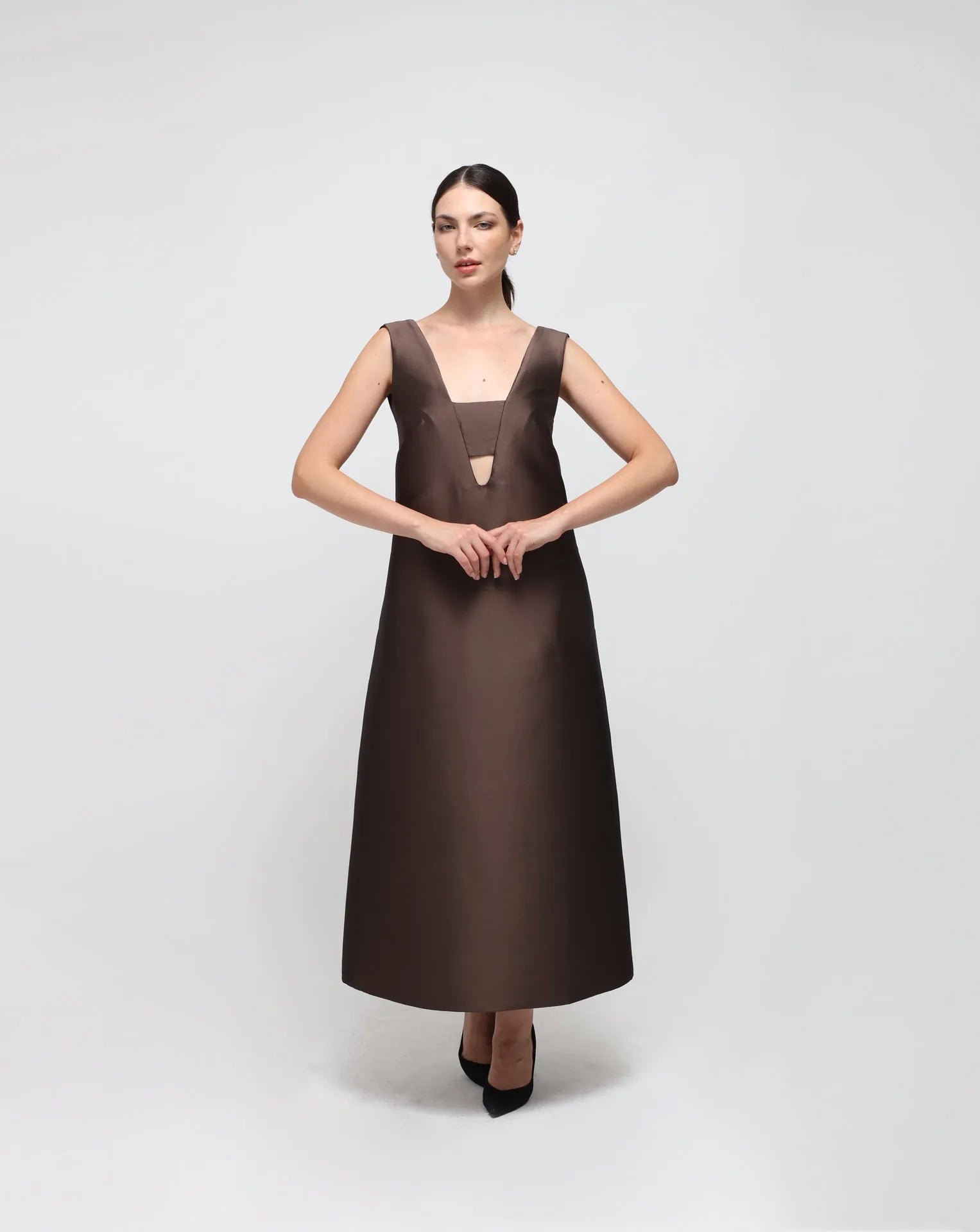
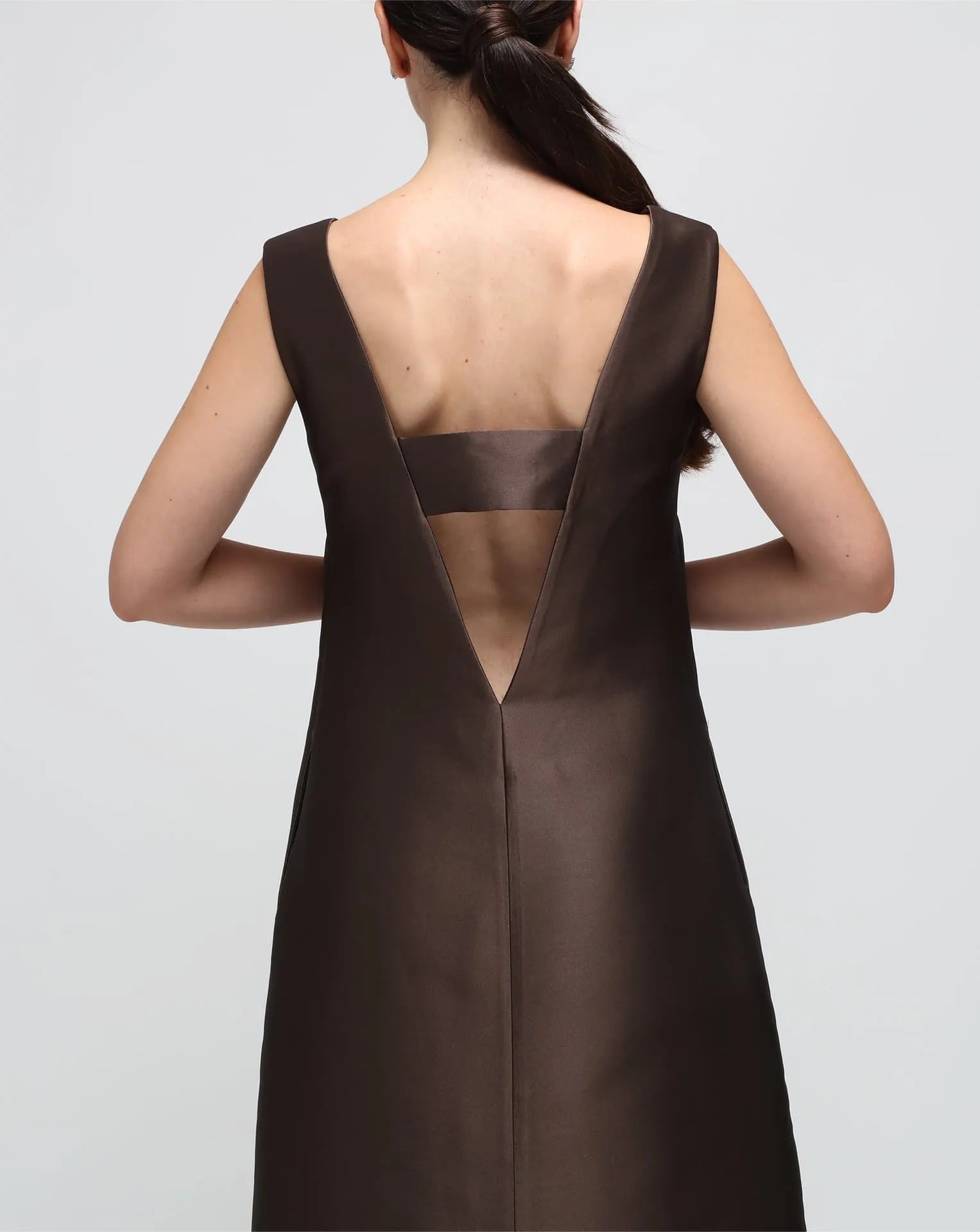
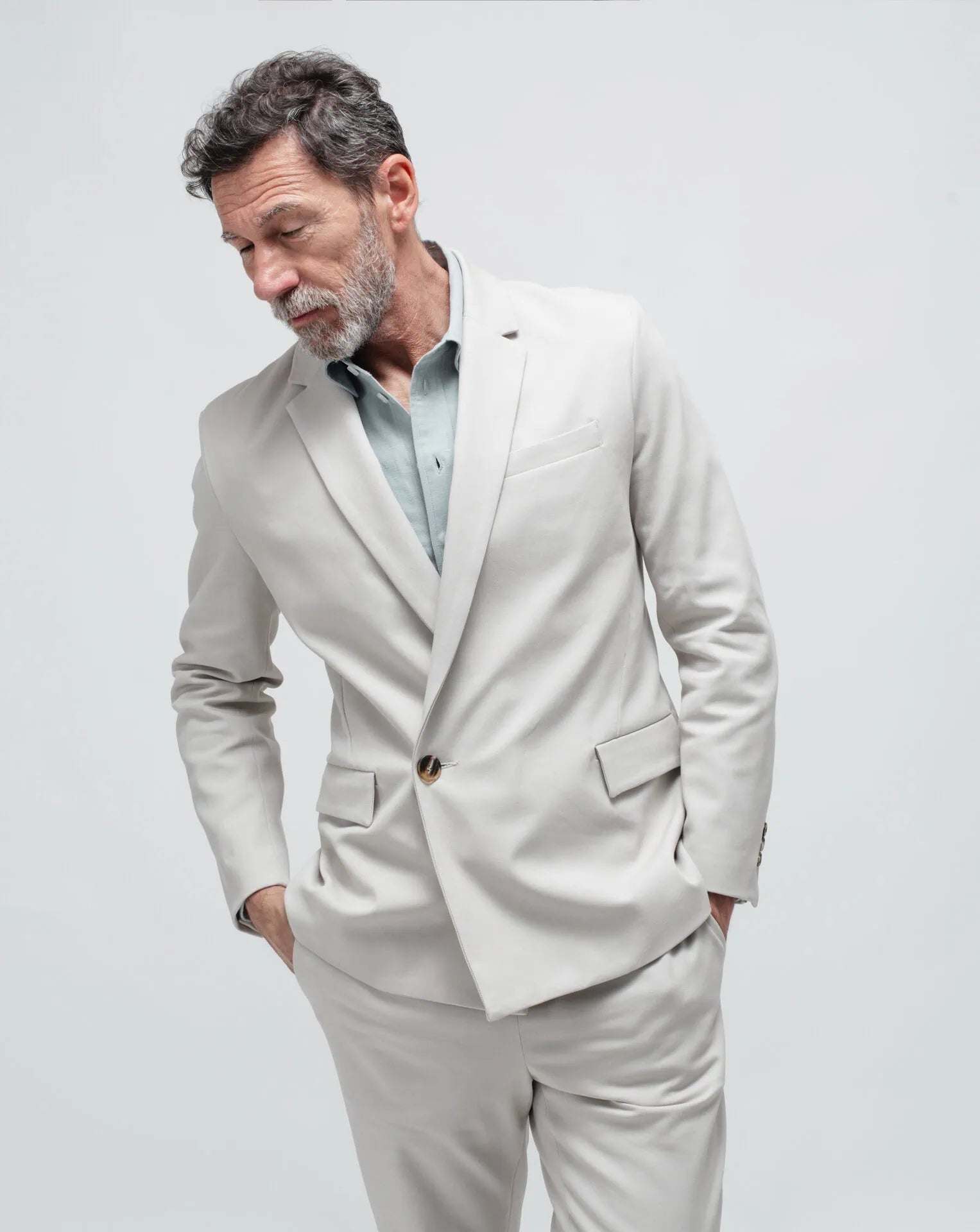
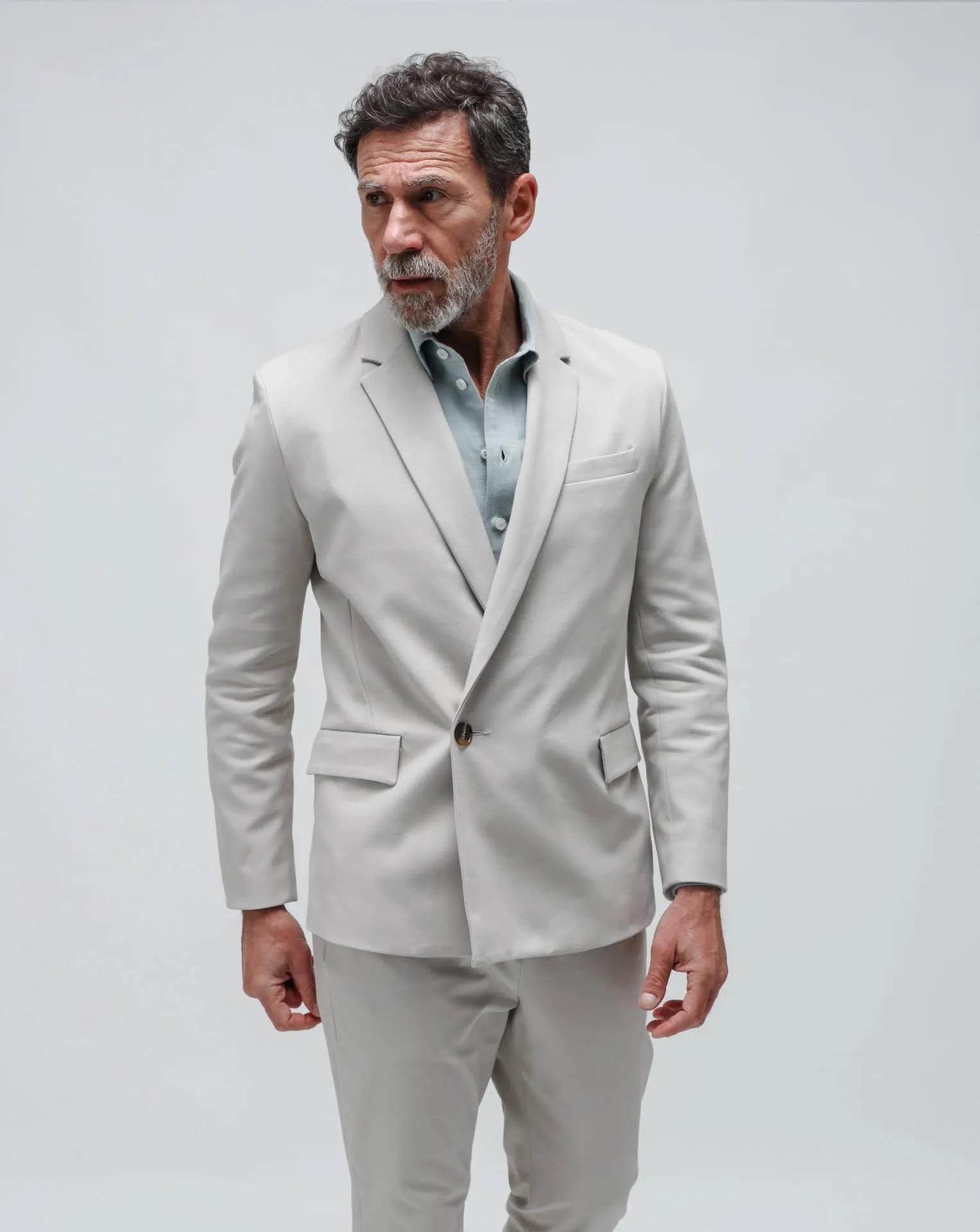
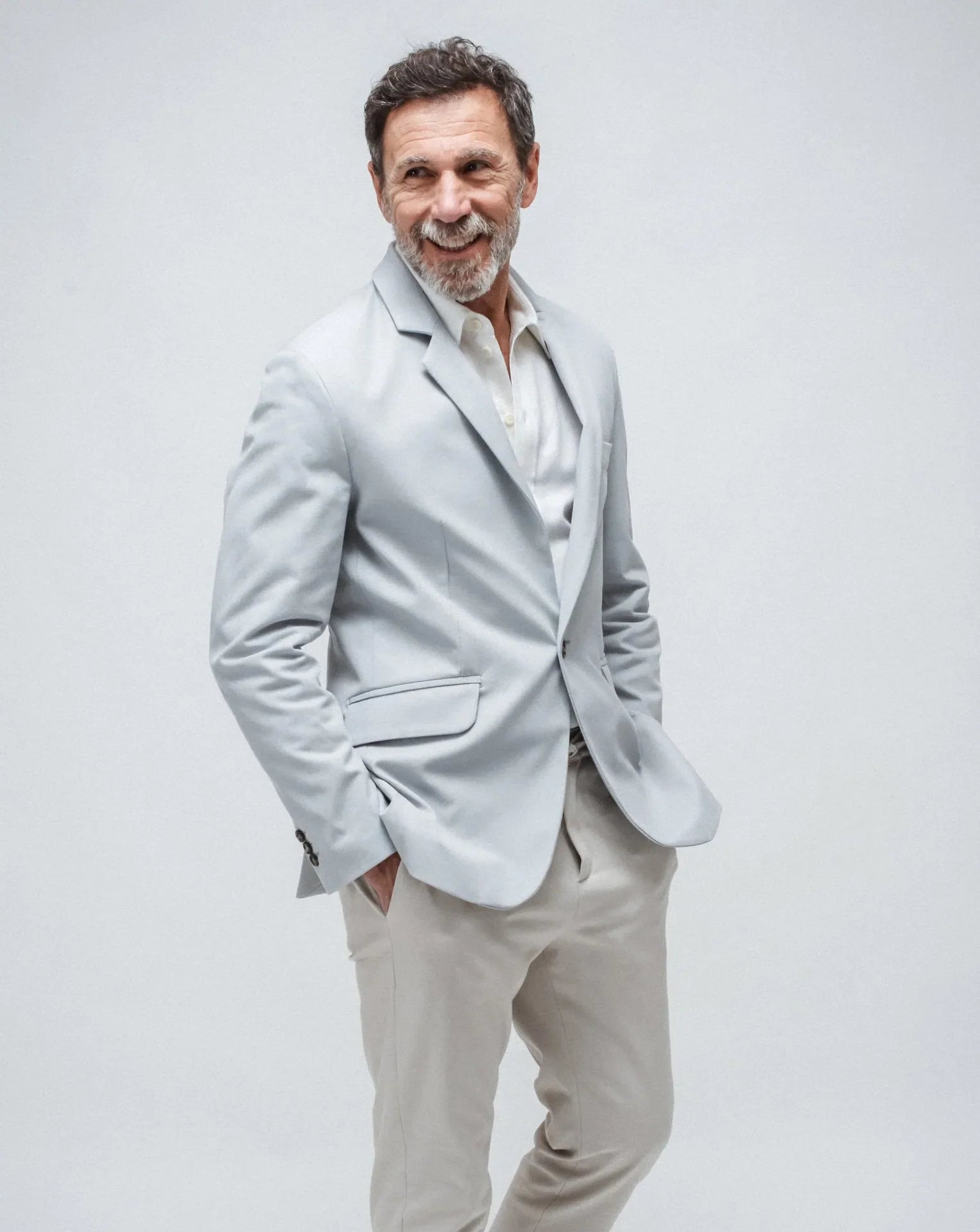
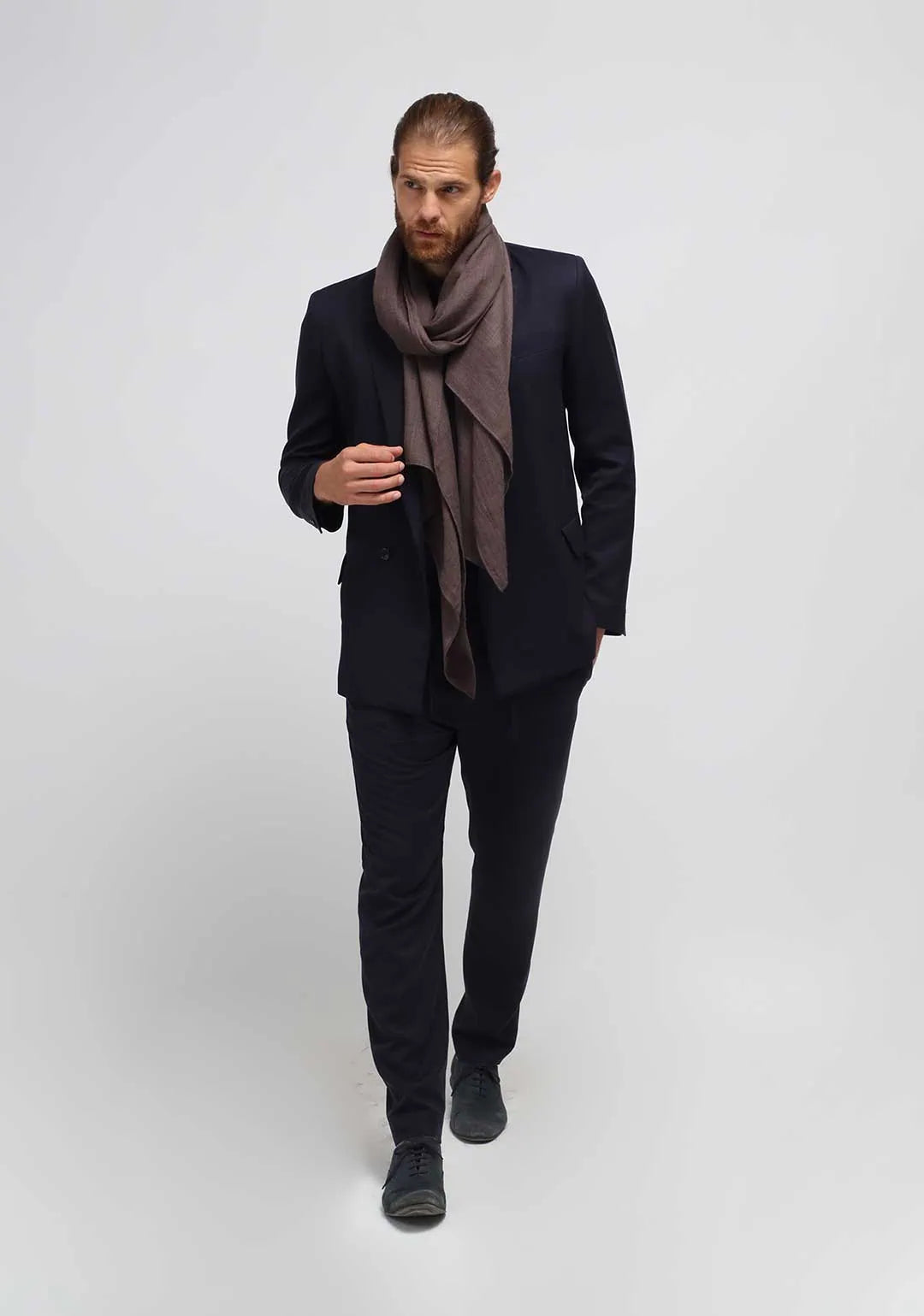
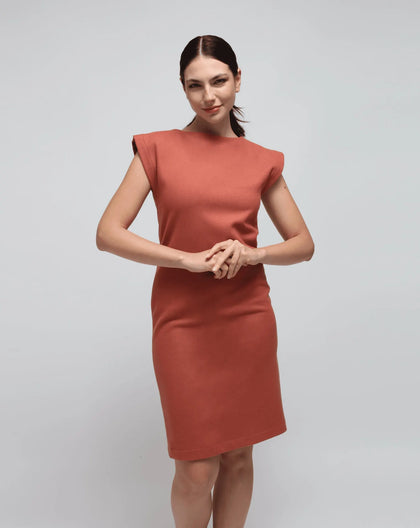
A women's winter dress can show how one long-sleeve silhouette works with tights, boots, and a coat. A men's winter jacket can demonstrate how a suit separates into trousers, jacket, and multiple looks. These are not just products. They are examples of buying for range rather than for a single photograph.
Care is the final part of the purchase. Air wool between wears, wash less when appropriate, follow the label, store knitwear folded, and repair small issues before they become reasons to discard a piece. A garment's second, third, and fifth winter are often where its value becomes visible.
When Fast Fashion May Still Feel Tempting
There are real reasons people buy fast fashion: budget limits, sizing needs, time pressure, and the desire to experiment. Pretending those pressures do not exist is not useful. The better response is to make each decision more deliberate.
If you do buy an inexpensive item, choose one you can picture wearing at least thirty times. Avoid pieces that rely on a fleeting novelty to feel relevant. Check fabric content, prioritize fit, and skip the cart fillers that are unlikely to leave the closet more than once.
Fashion should offer pleasure, not a purity test. But pleasure lasts longer when it is not attached to constant replacement. Buy less when you can. Choose well when it matters. Let winter be the season you invest in the clothes that meet you year after year.
FAQ
Q: Is luxury fashion always more sustainable than fast fashion?
A: No. A high price or designer label does not automatically mean lower impact. Look for clear information about materials, production quantities, manufacturing, and garment longevity. Responsible luxury is defined by accountability, not image.
Q: Why are small-batch fashion collections better for winter wardrobes?
A: Small-batch production can reduce excess inventory while prioritizing carefully chosen pieces. For winter, it also supports a more focused wardrobe built around coats, knitwear, tailoring, and layers that earn frequent wear.
Q: What is deadstock fabric?
A: Deadstock fabric is unused material left from previous production runs. Using it can help prevent quality fabric from going to waste, while creating limited-edition garments with a more considered material story.
Q: Which winter pieces are worth investing in?
A: Start with the items you wear most: a well-made coat, versatile knitwear, durable trousers, and tailoring that can be styled in several ways. Prioritize fit, fabric, and construction over novelty.
Q: How can I make clothes last longer?
A: Follow care labels, wash only when needed, air garments between wears, mend loose buttons or seams promptly, and store wool and knitwear properly. Care is one of the most direct ways to reduce fashion waste.
the World of H&L