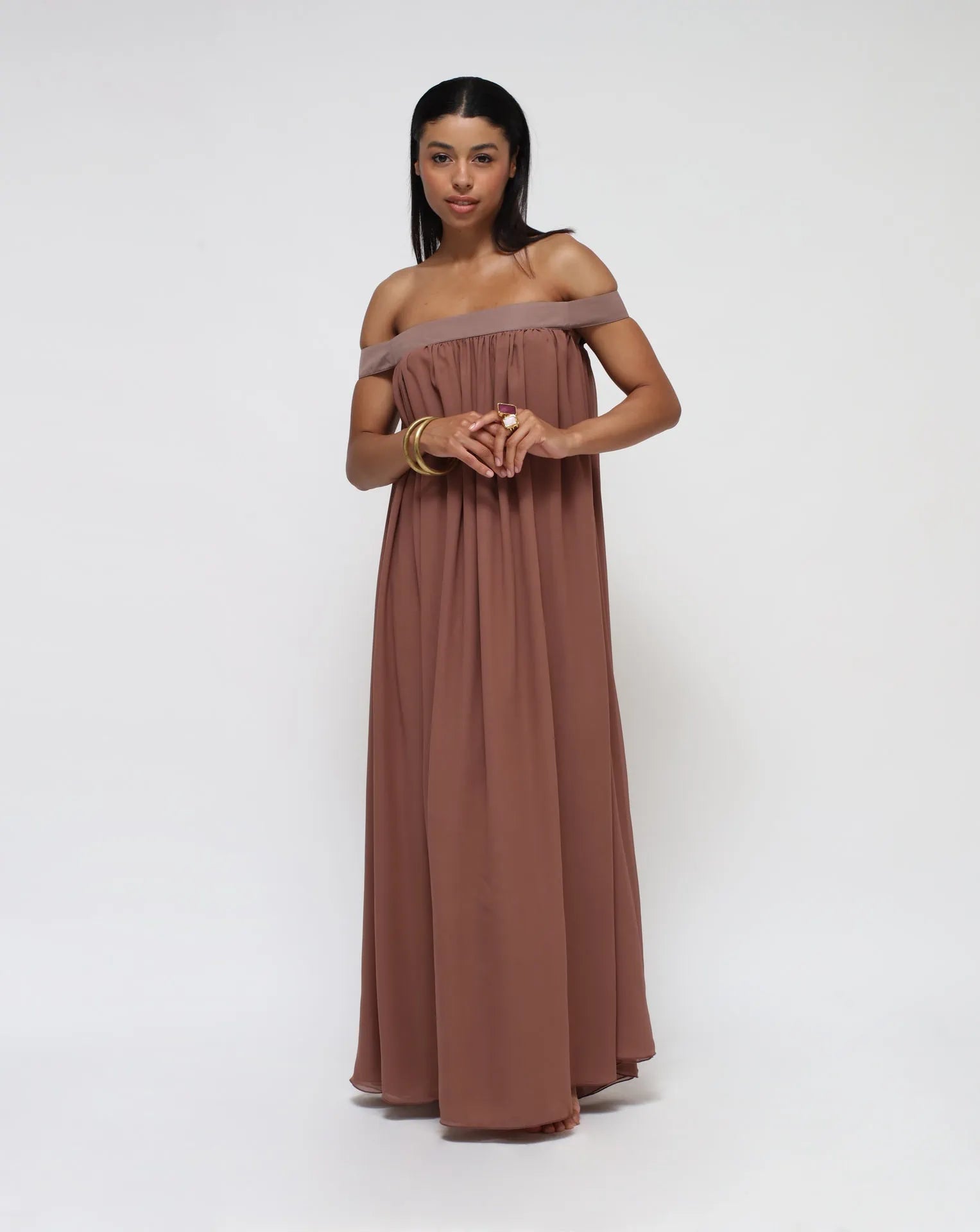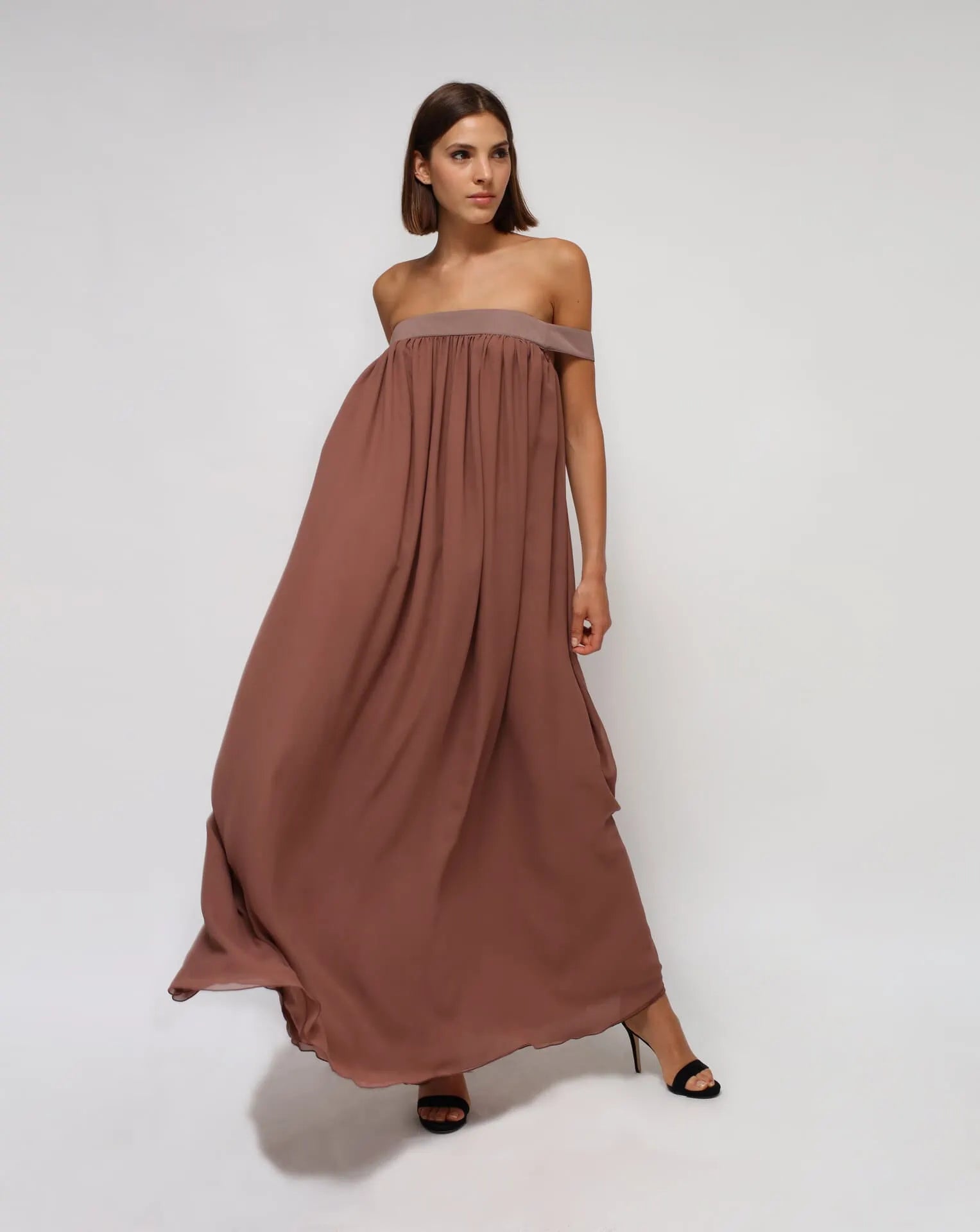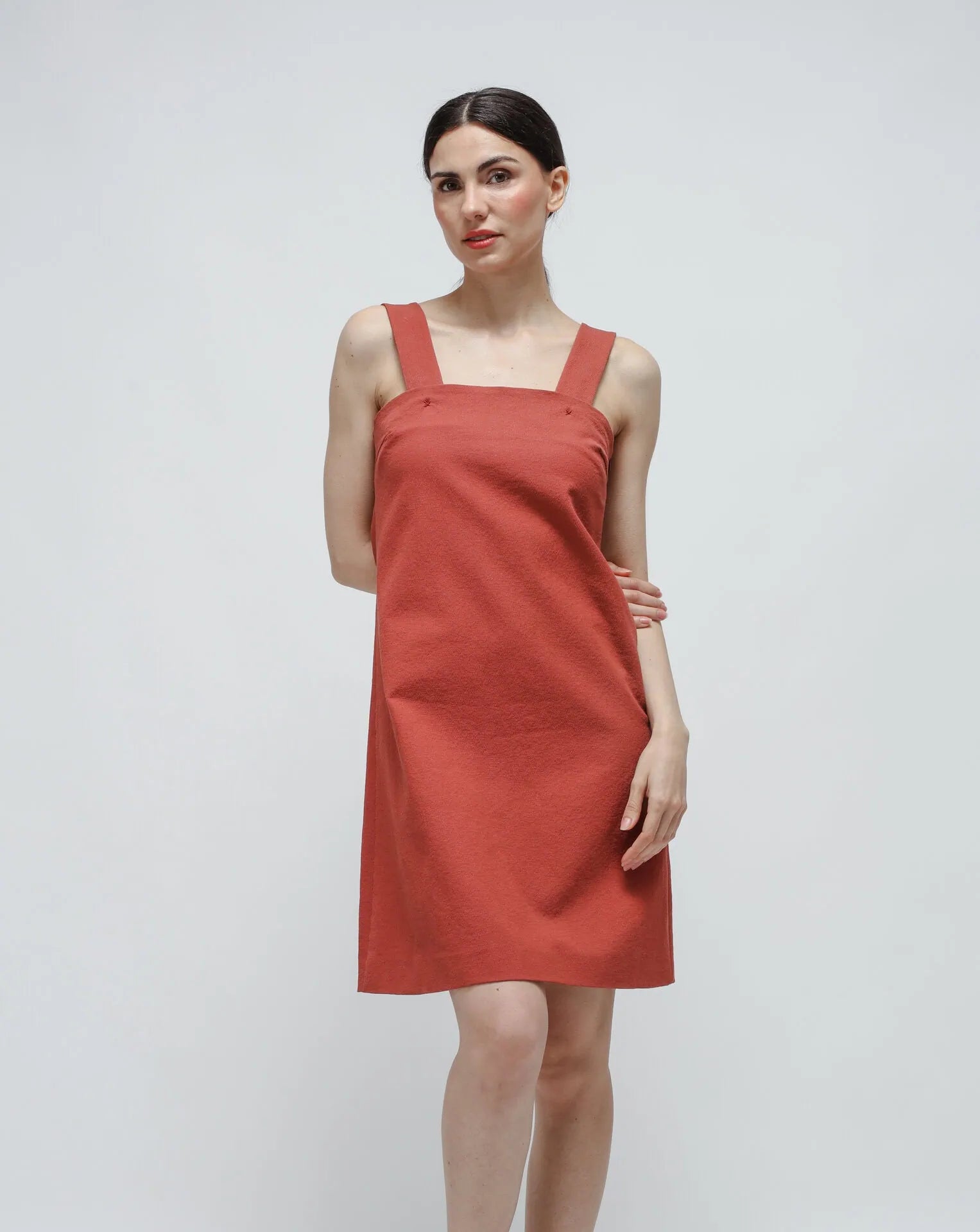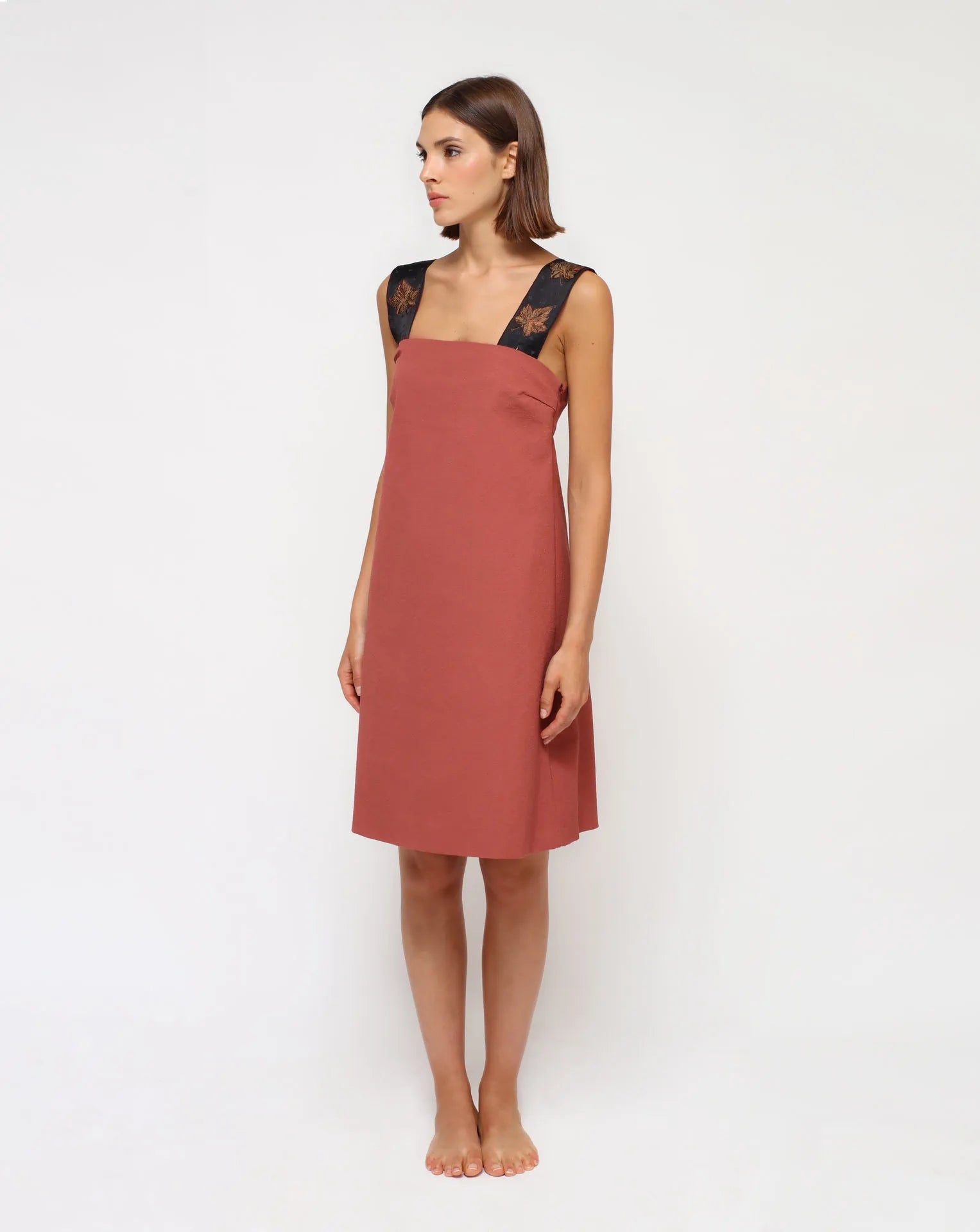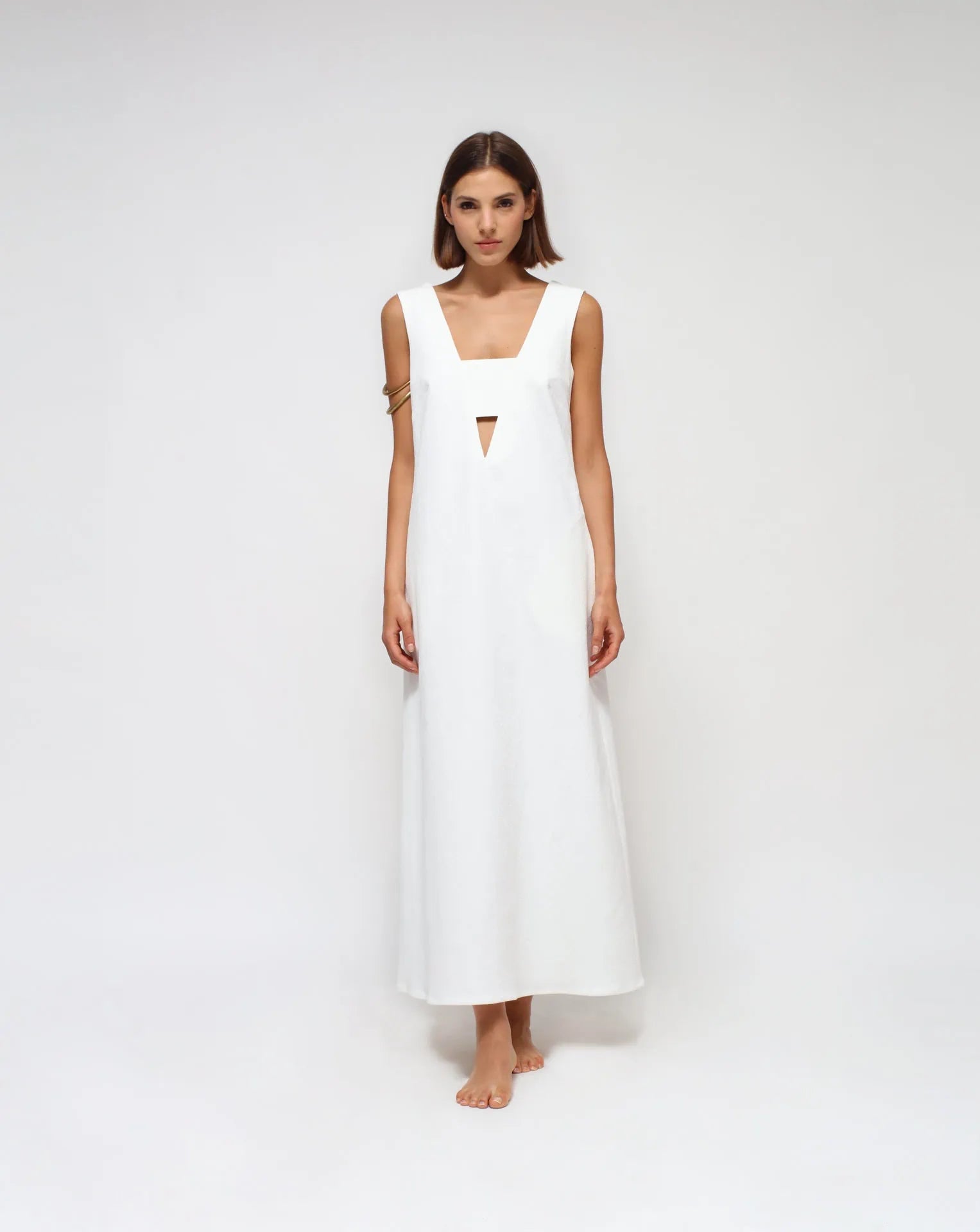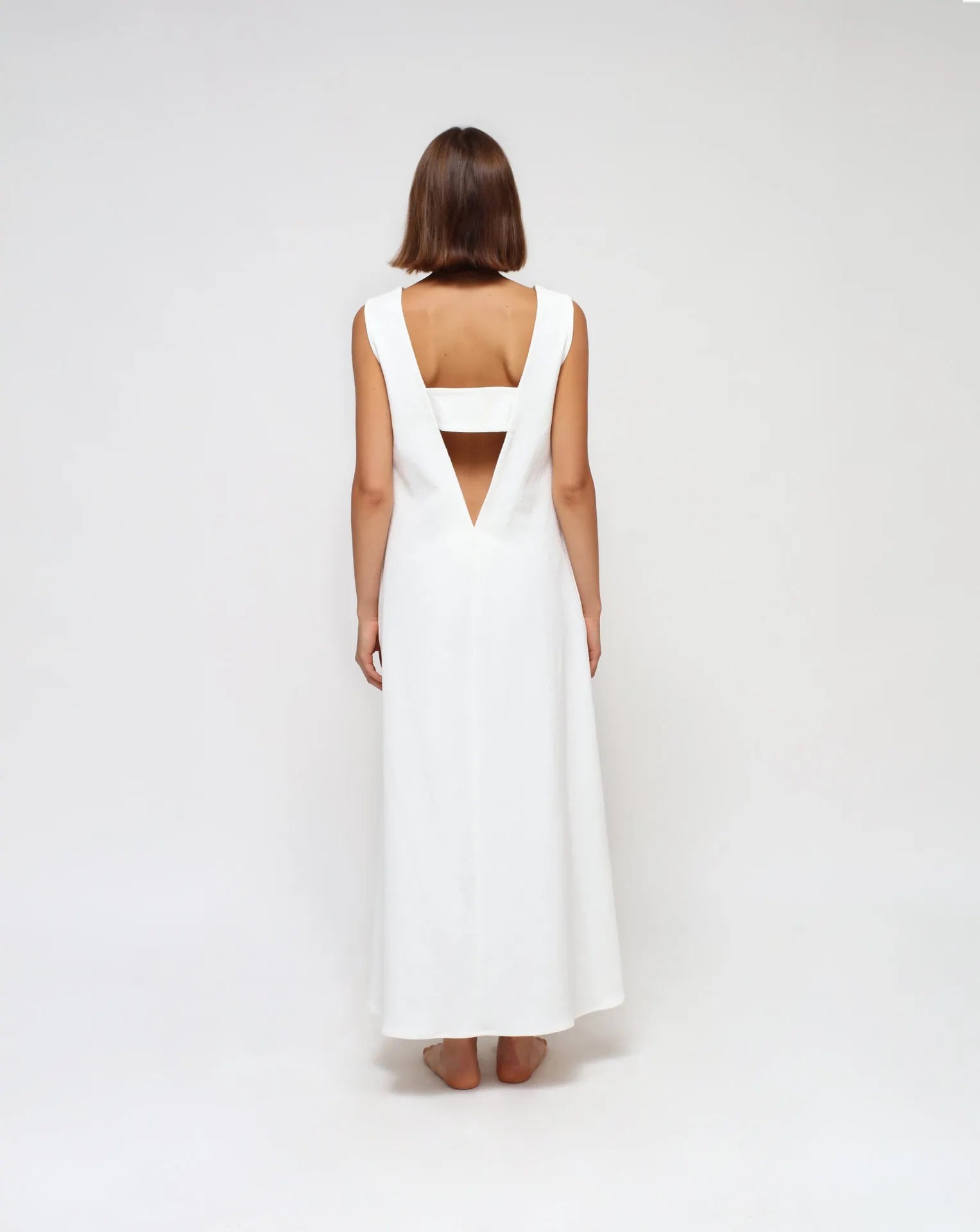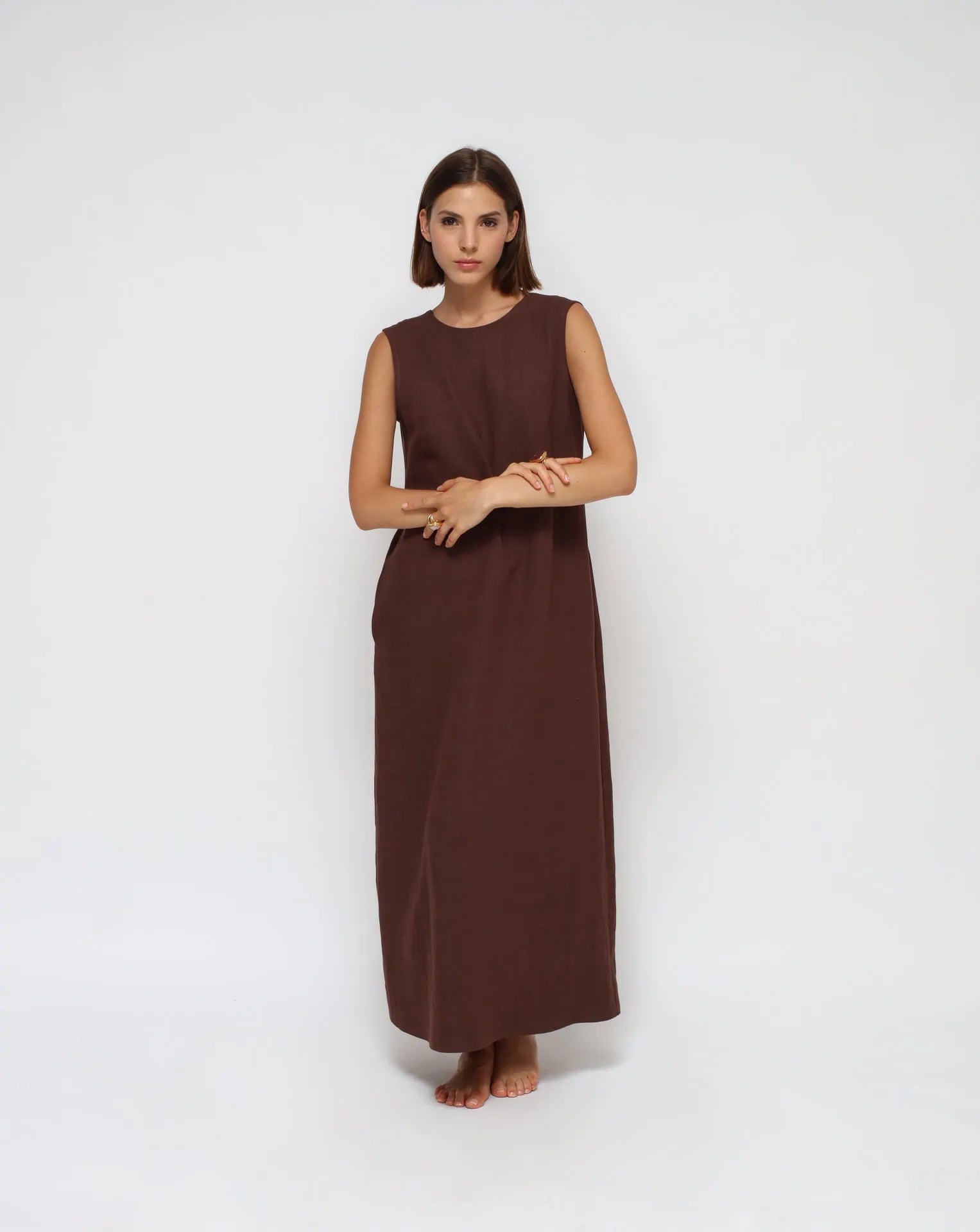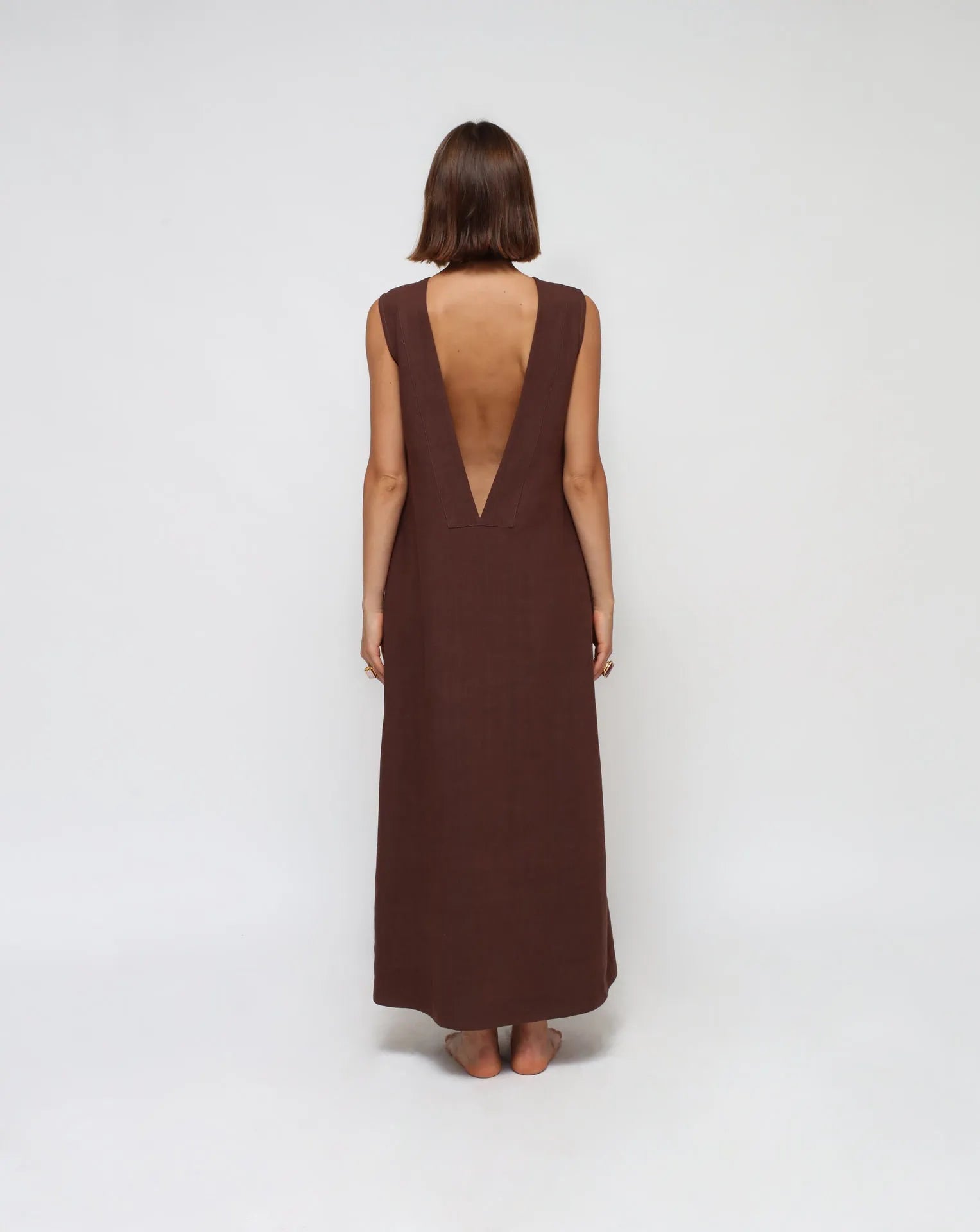

A Paris Minimalist Wardrobe for Winter Days
A good winter wardrobe should make a 7 a.m. commute, an impromptu dinner, and a long weekend away feel equally considered. That is the appeal of a Paris minimalist wardrobe: not a costume of stripes and berets, but a disciplined edit of pieces with presence. The palette is calm, the fit is exacting, and every garment earns its place through repeat wear.
For winter, this approach becomes even more useful. Outerwear is no longer an afterthought. Knitwear, trousers, boots, and layers do the daily work. Buying fewer pieces only succeeds when each one has a clear role, feels good against the skin, and holds its shape through a full season of living.
What Defines a Paris Minimalist Wardrobe?
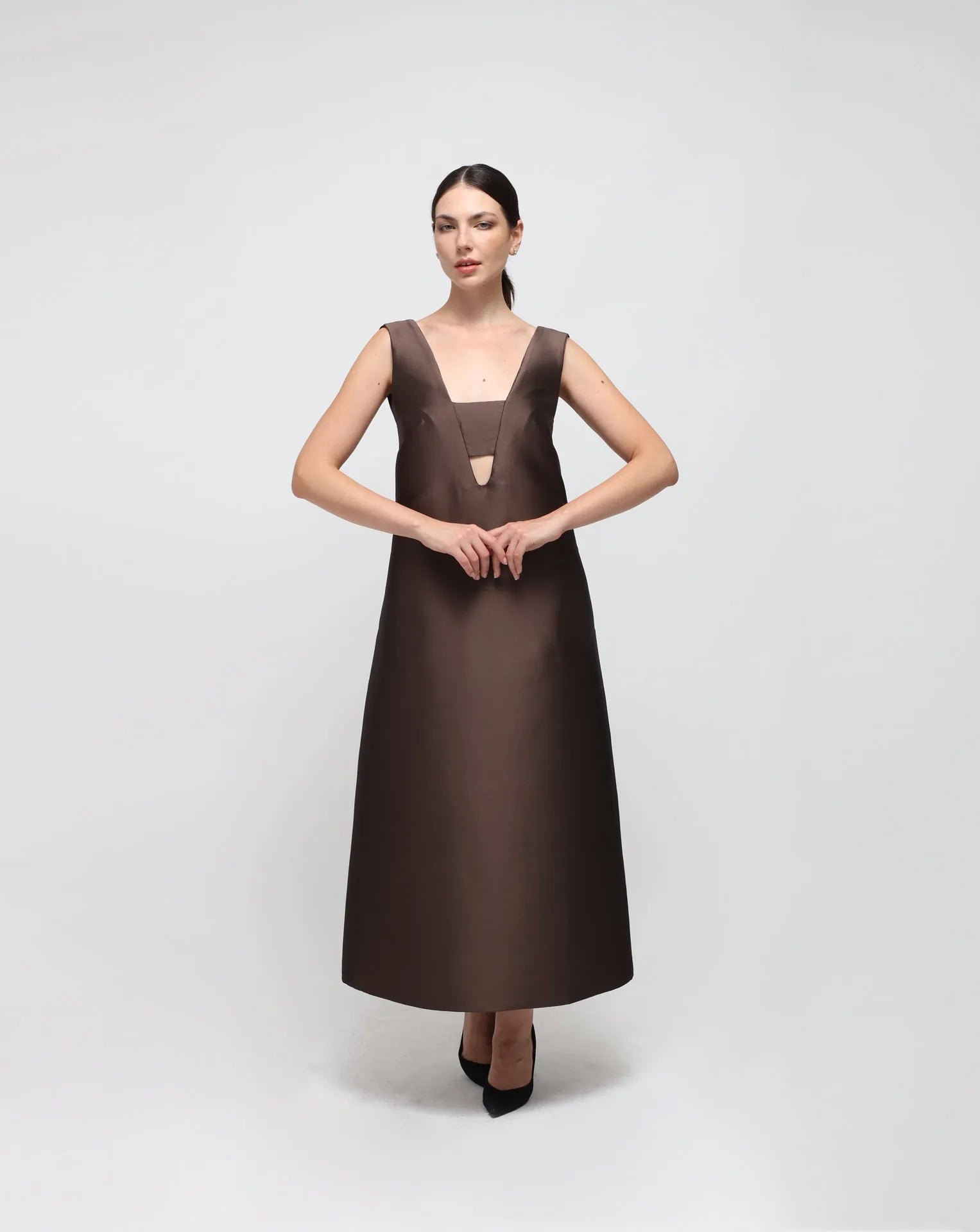
Parisian minimalism is often mistaken for a strict uniform of black. In reality, it is about restraint with character. Think softened charcoal, navy, cream, deep brown, tobacco, olive, and a precise red lipstick if color is your preferred punctuation. These shades combine without effort and make getting dressed faster without making the result anonymous.
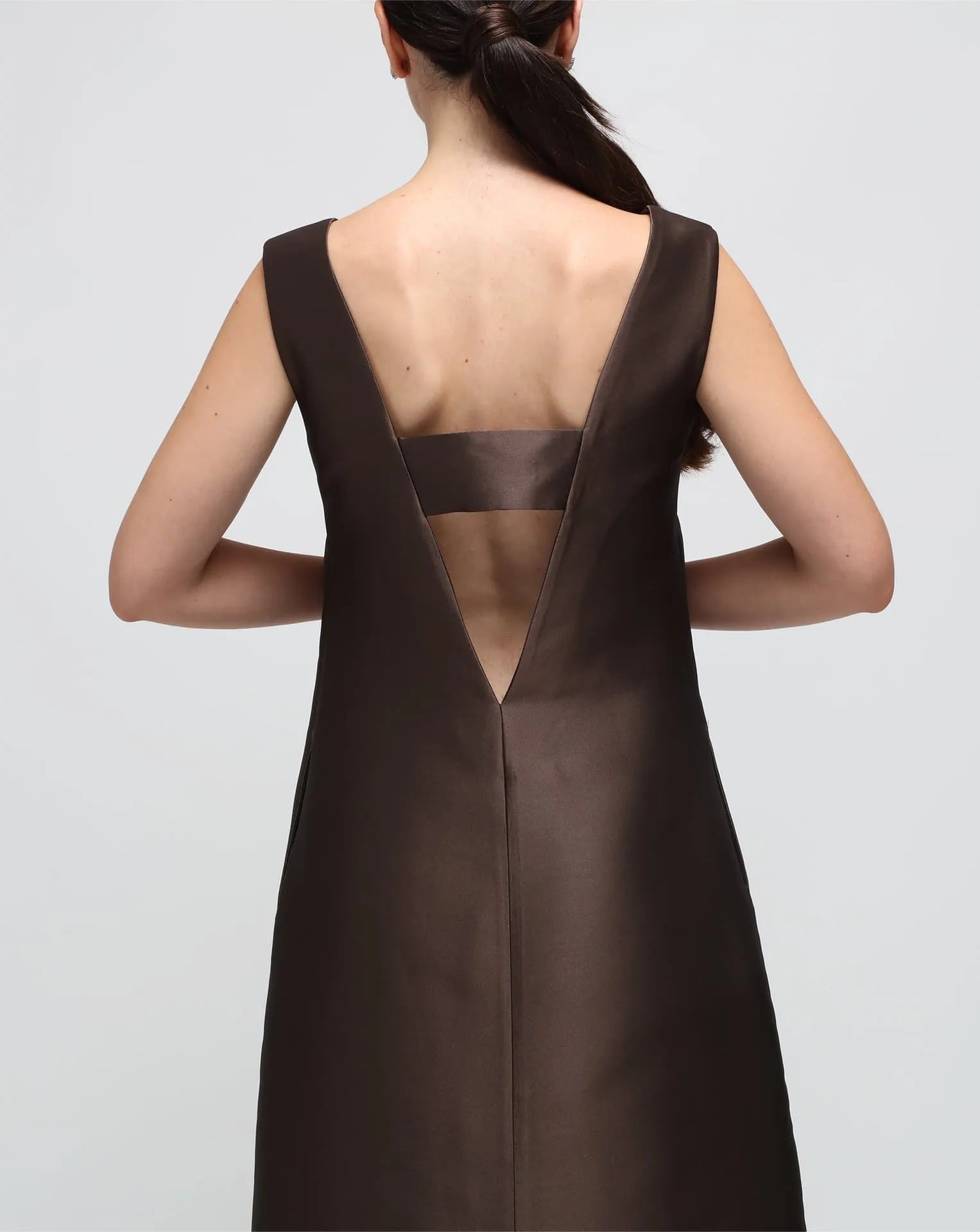
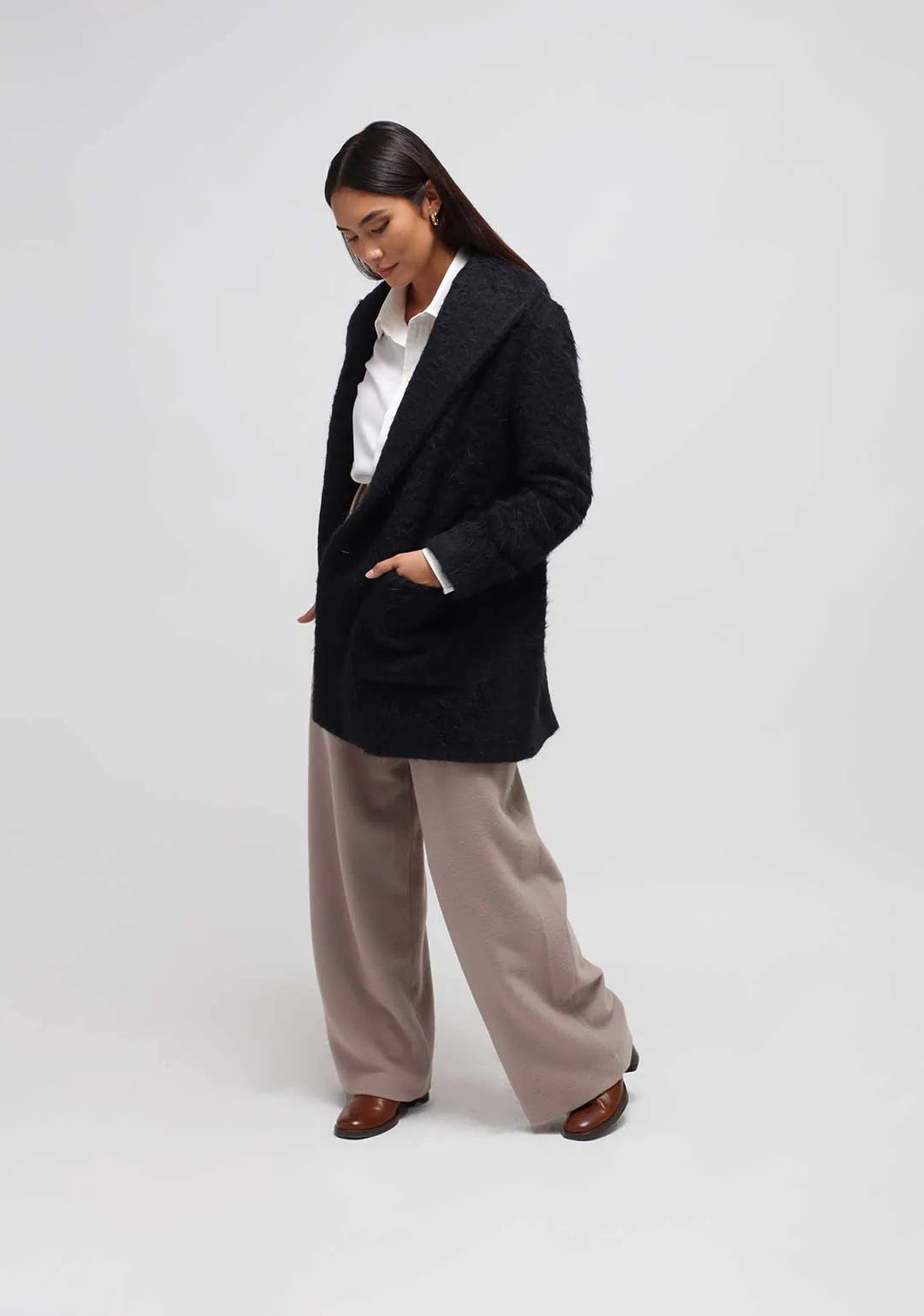
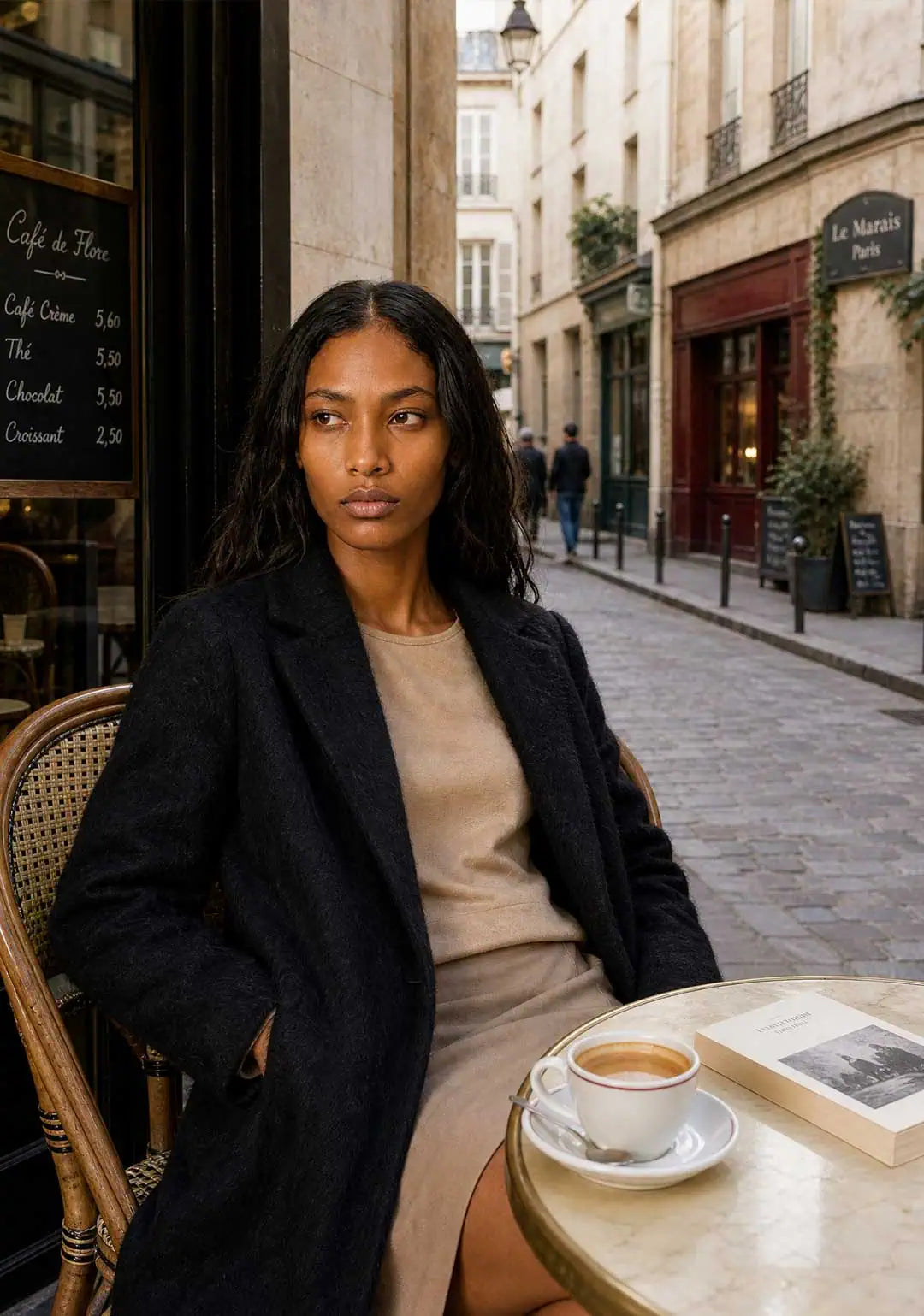
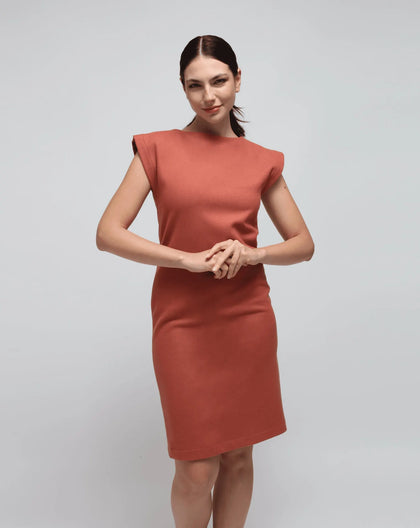
The silhouette matters as much as the color. A structured coat over a fine knit and straight-leg trouser feels intentional because the proportions are balanced: volume on top, clean lines below. A dress works harder when it can be worn with boots now, then with lighter layers when the weather turns. The goal is not to own identical basics. It is to collect elevated essentials with a point of view.
This is also where ethics and aesthetics meet. A garment made from premium deadstock fabric carries a material history that would otherwise be wasted. In small-batch production, the focus can return to finish, fit, and longevity instead of endless volume. Minimalism is most convincing when it reduces excess before the garment reaches your closet.
Start With Winter Outerwear That Sets the Tone
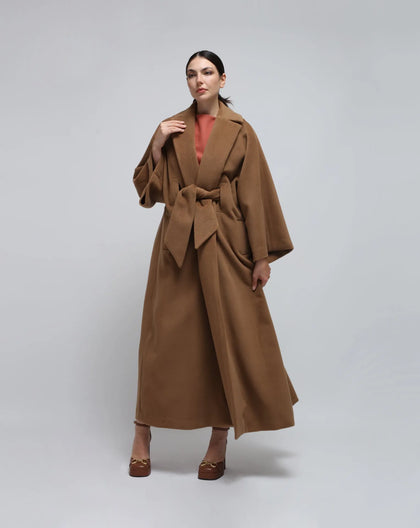
If you are building from scratch, begin with the coat. It is the item seen most often and the one that makes simple layers look complete. A long wool coat in black, dark navy, or warm camel gives trousers, denim, knit dresses, and tailored separates a common visual language. For example Humans & Land Women's long kimono coat.
For men, a Men's Double-Breasted Wool Coat offers similar range. Wear it over a button-down and tailored trousers for work, or over a merino crewneck and dark denim on the weekend. Choose a length that works with your real life. A long coat has more drama and warmth, while a shorter tailored coat can be more practical for frequent driving, cycling, or crowded public transit.
One exceptional coat can be enough in a mild climate. Colder, wetter winters may justify two: a refined wool coat for city days and a weather-ready layer for more exposed conditions. Minimalism should not require pretending that one garment solves every climate and occasion.
The colors that create the most outfits
Black is sharp and forgiving, but it is not mandatory. Navy can feel softer with black boots. Chocolate brown brings depth to cream and denim. Charcoal is especially useful for anyone who wants the authority of black without its severity. Select one dominant neutral, then add two supporting shades that work across your wardrobe.
Avoid building a palette from colors that only match one another in theory. Hold garments together in natural light before committing. The right neutrals should make a coat, knit, trouser, and scarf look like they belong in the same conversation.
Build the Core Layers, Not a Stack of Basics
A Paris minimalist wardrobe is not improved by buying five versions of the same thin sweater. Build a small hierarchy of layers instead: one fine knit for indoors, one substantial knit for cold days, one crisp shirt for structure, and one jacket that can sit under your coat or replace it in milder weather.
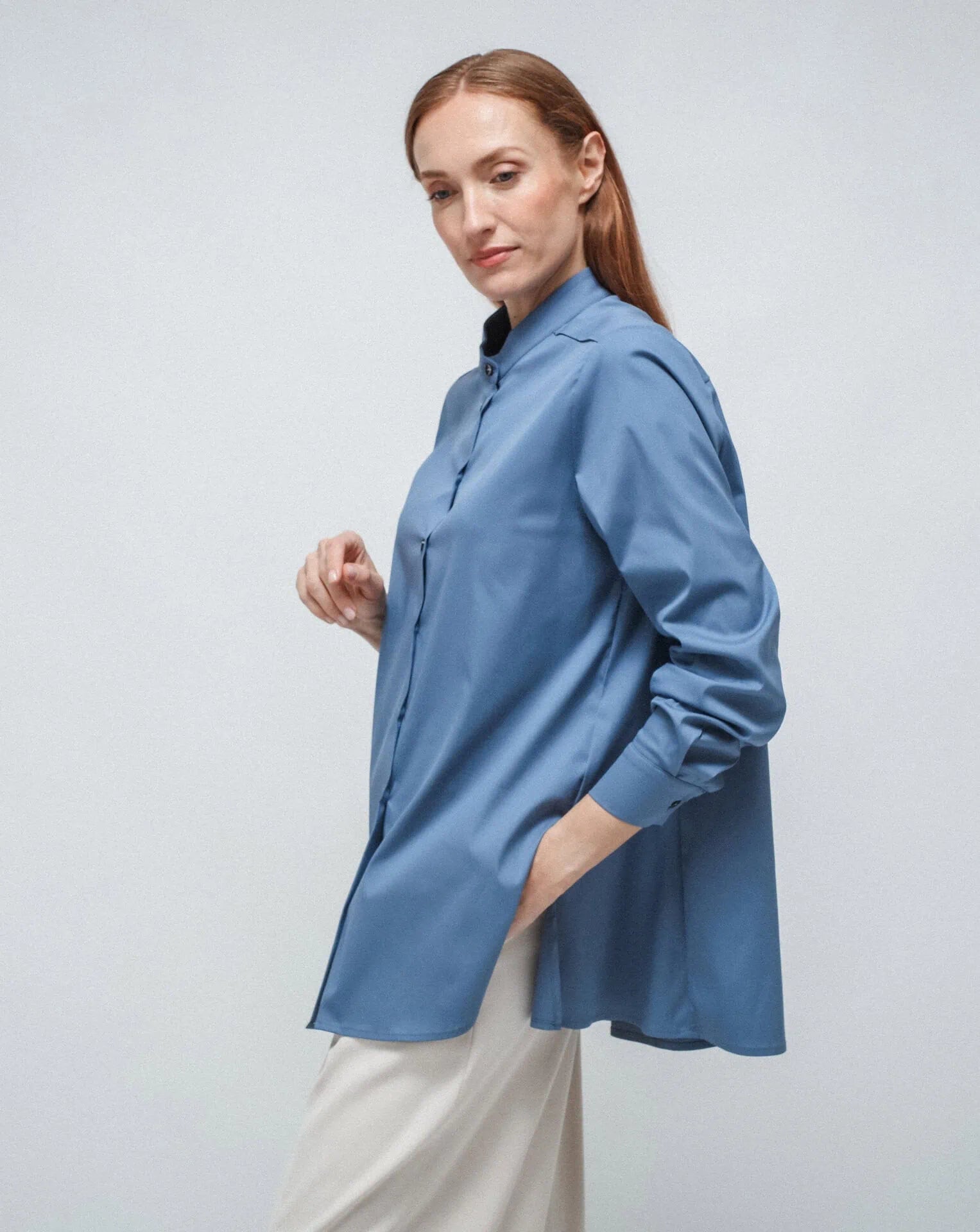
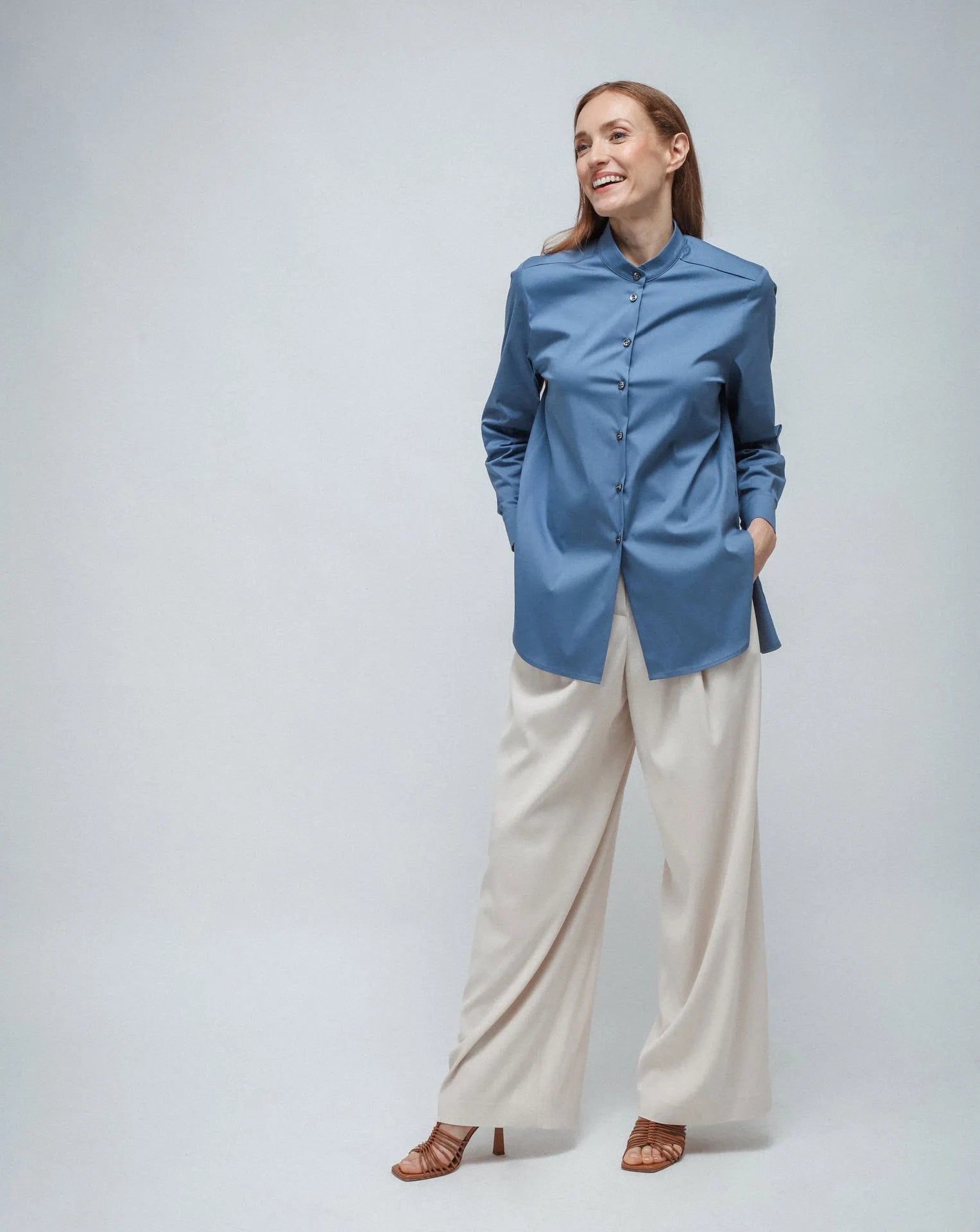
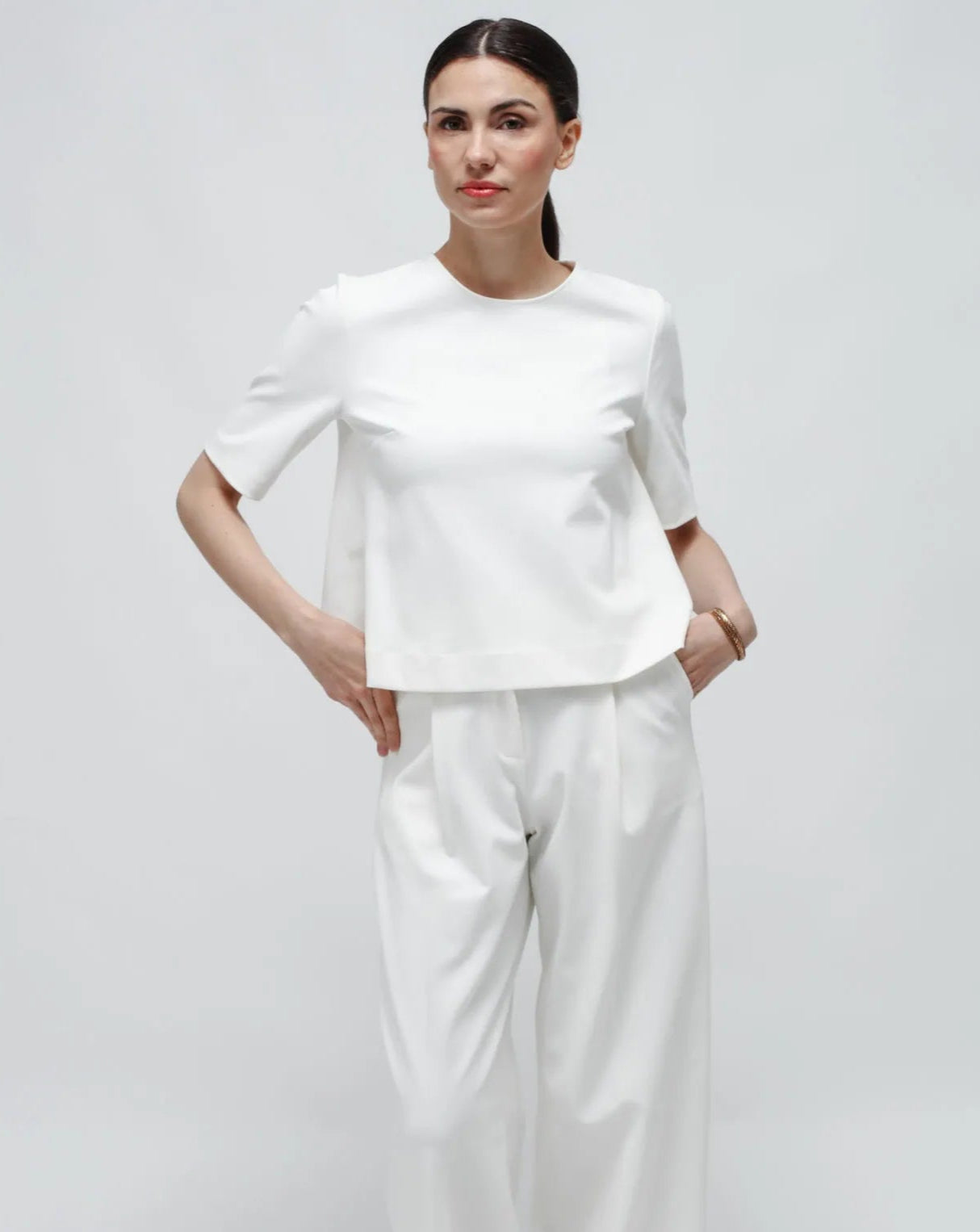
A Women's Fine-Knit Top in ivory or black can move from a daytime meeting to dinner with a change of earrings and a stronger shoe. Pair it with a Women's Tailored Wool Trouser for a clean, lengthened line. A button-down shirt beneath the knit adds dimension without bulk, especially if the collar and cuffs are allowed to show.
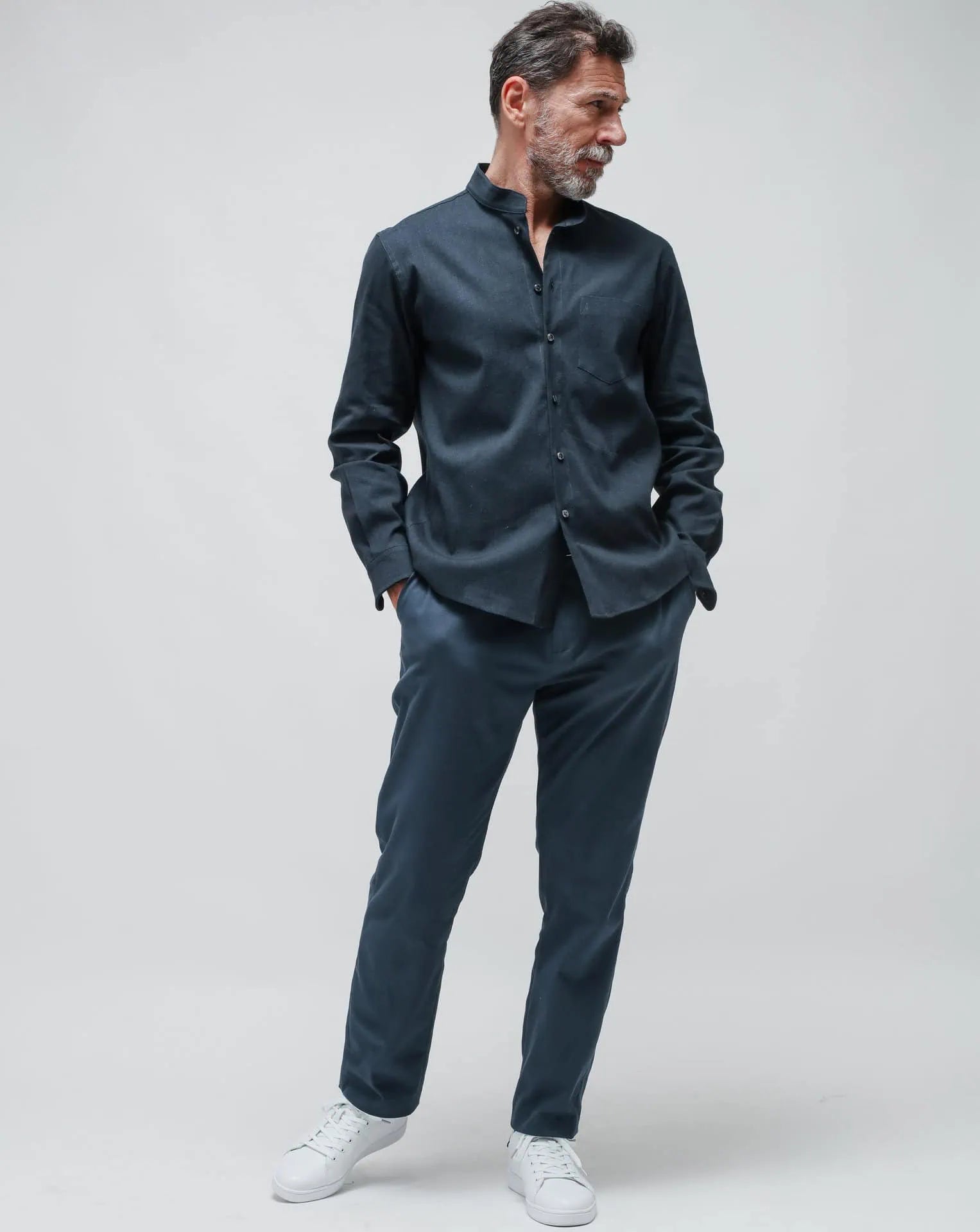
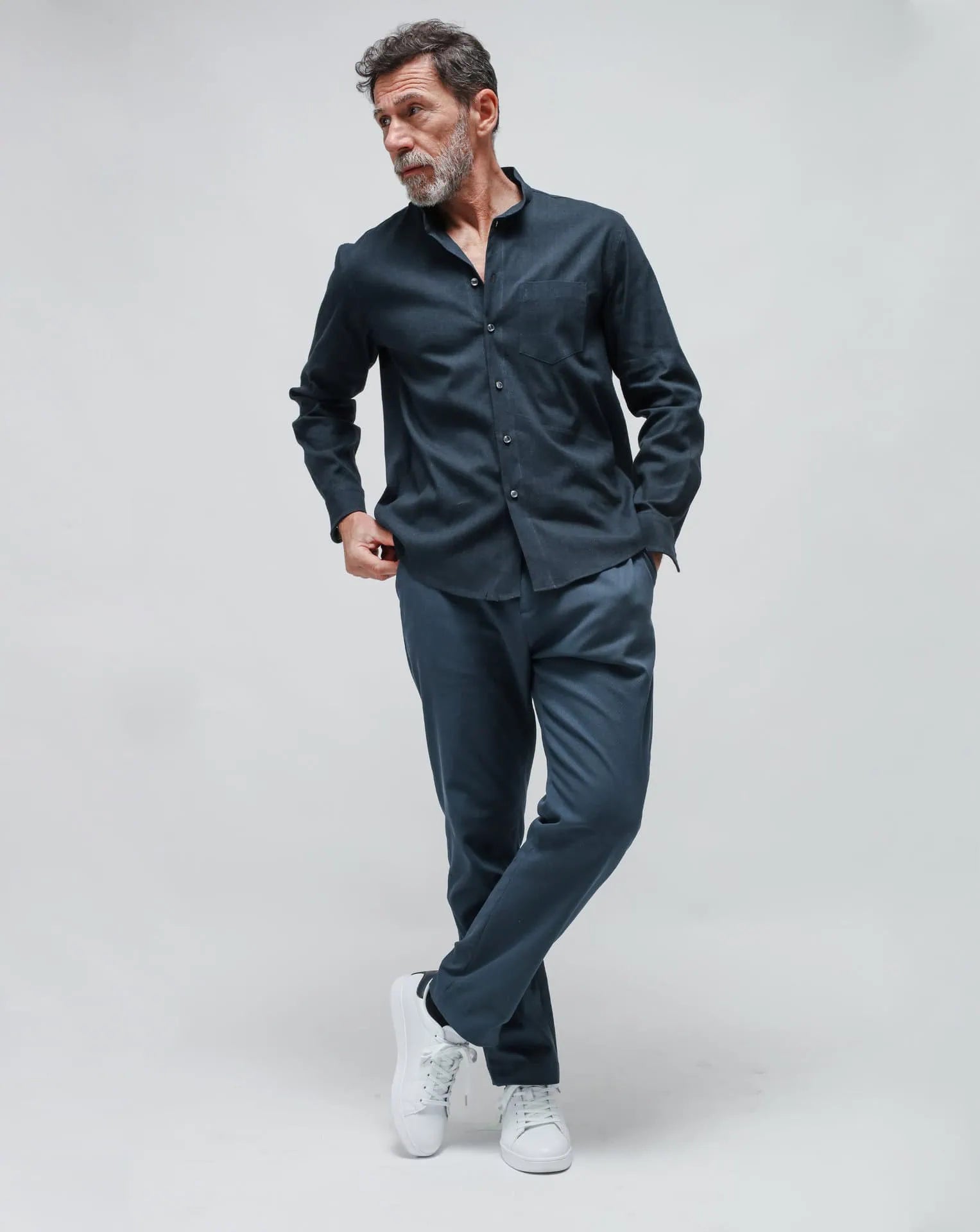
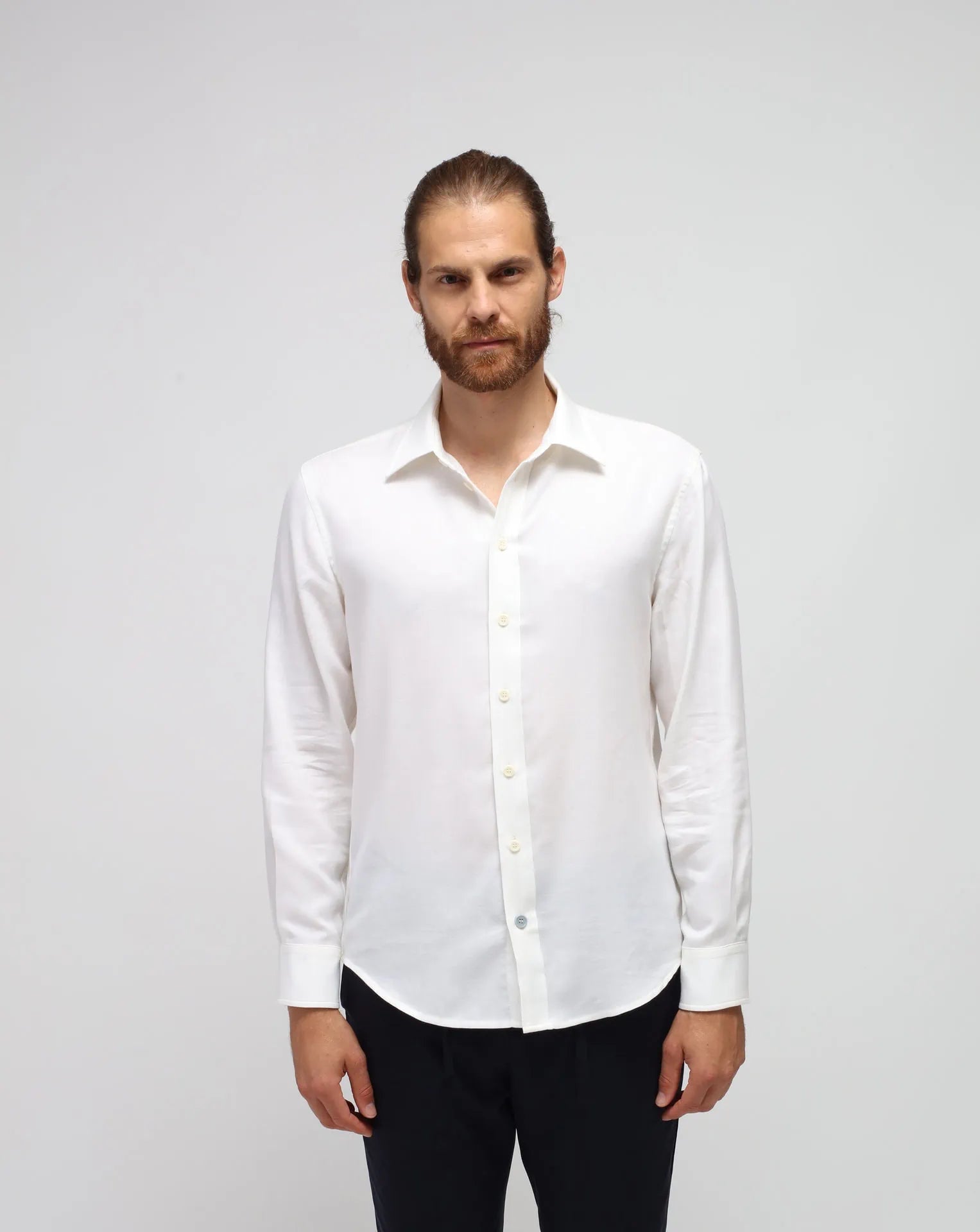
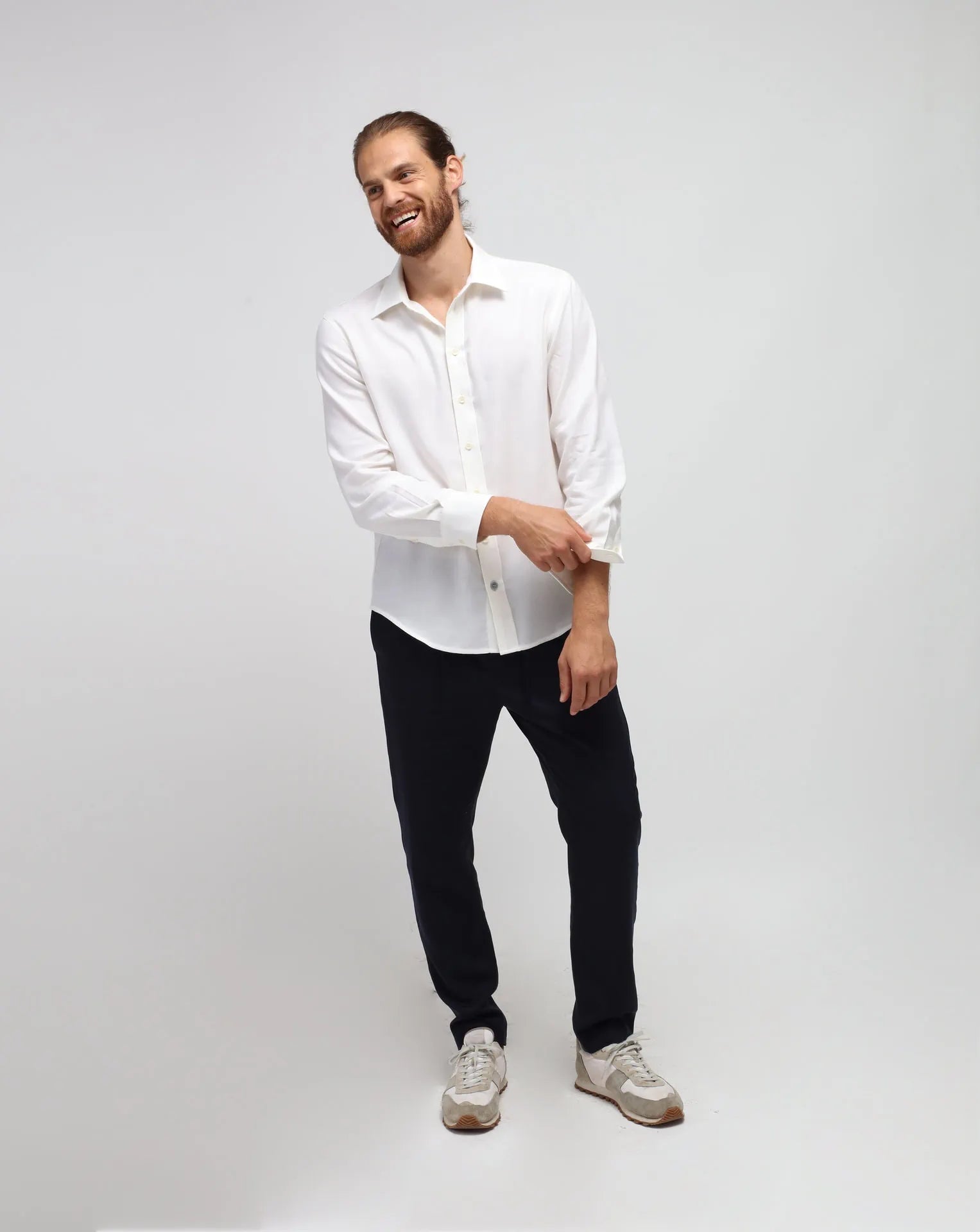
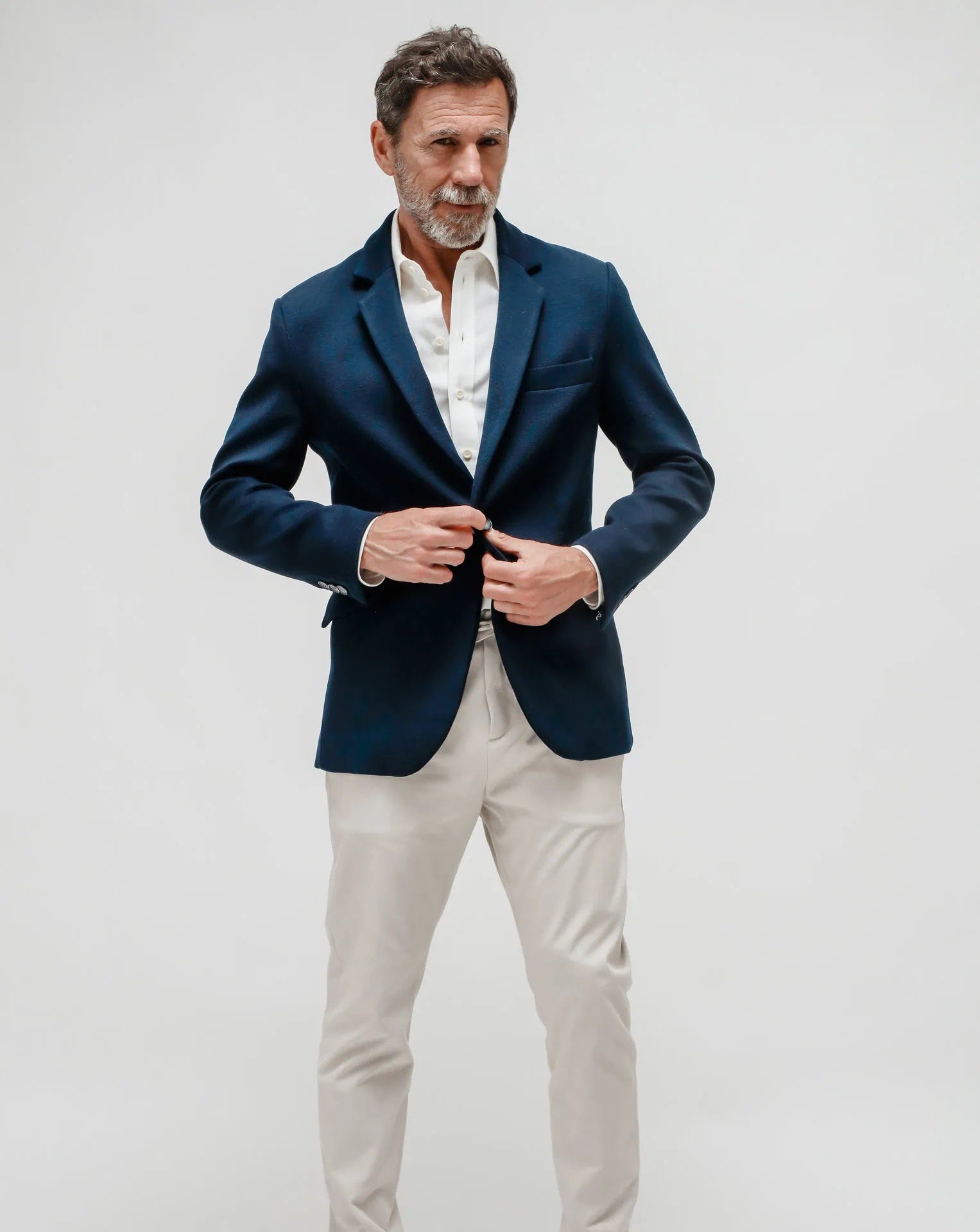
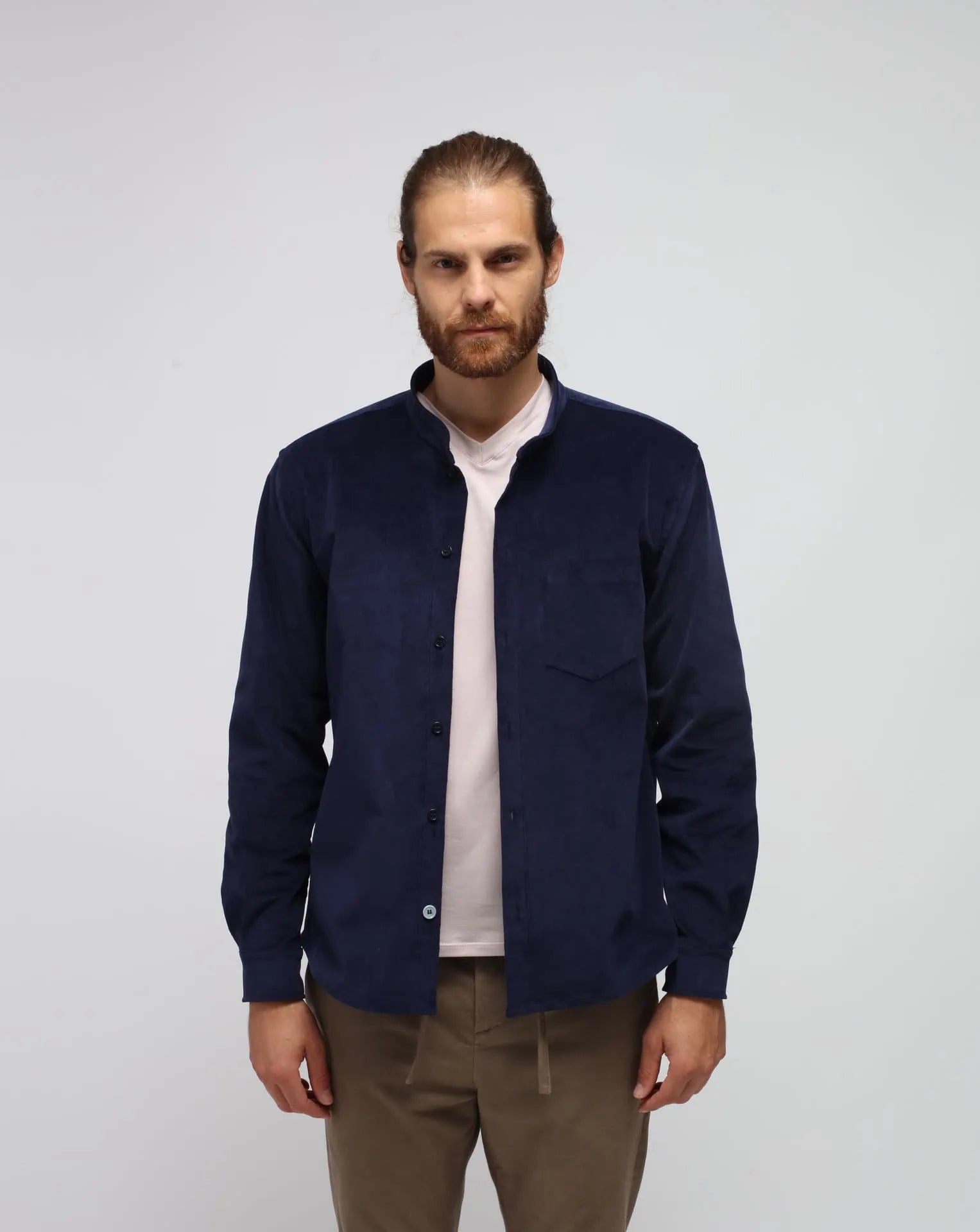
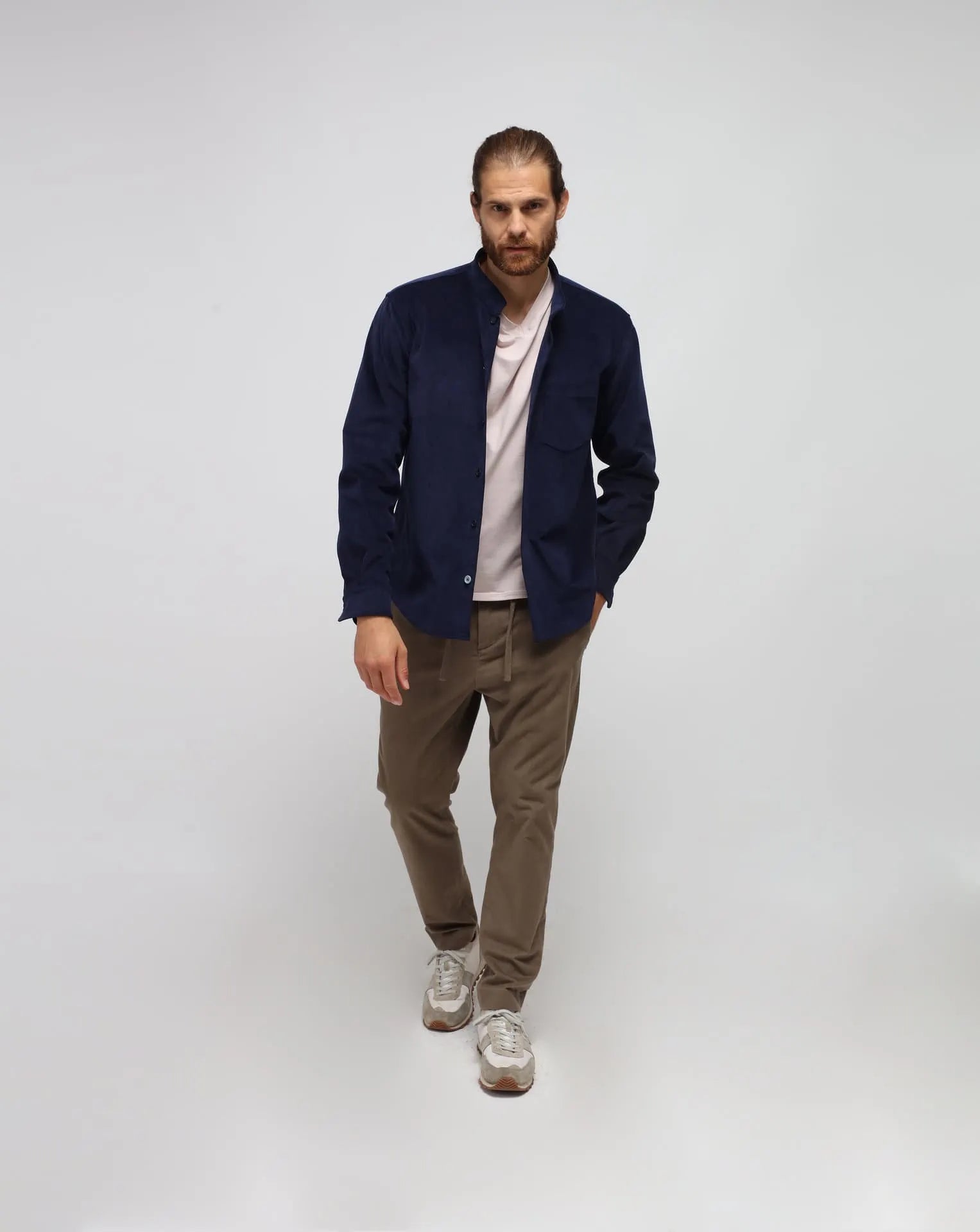
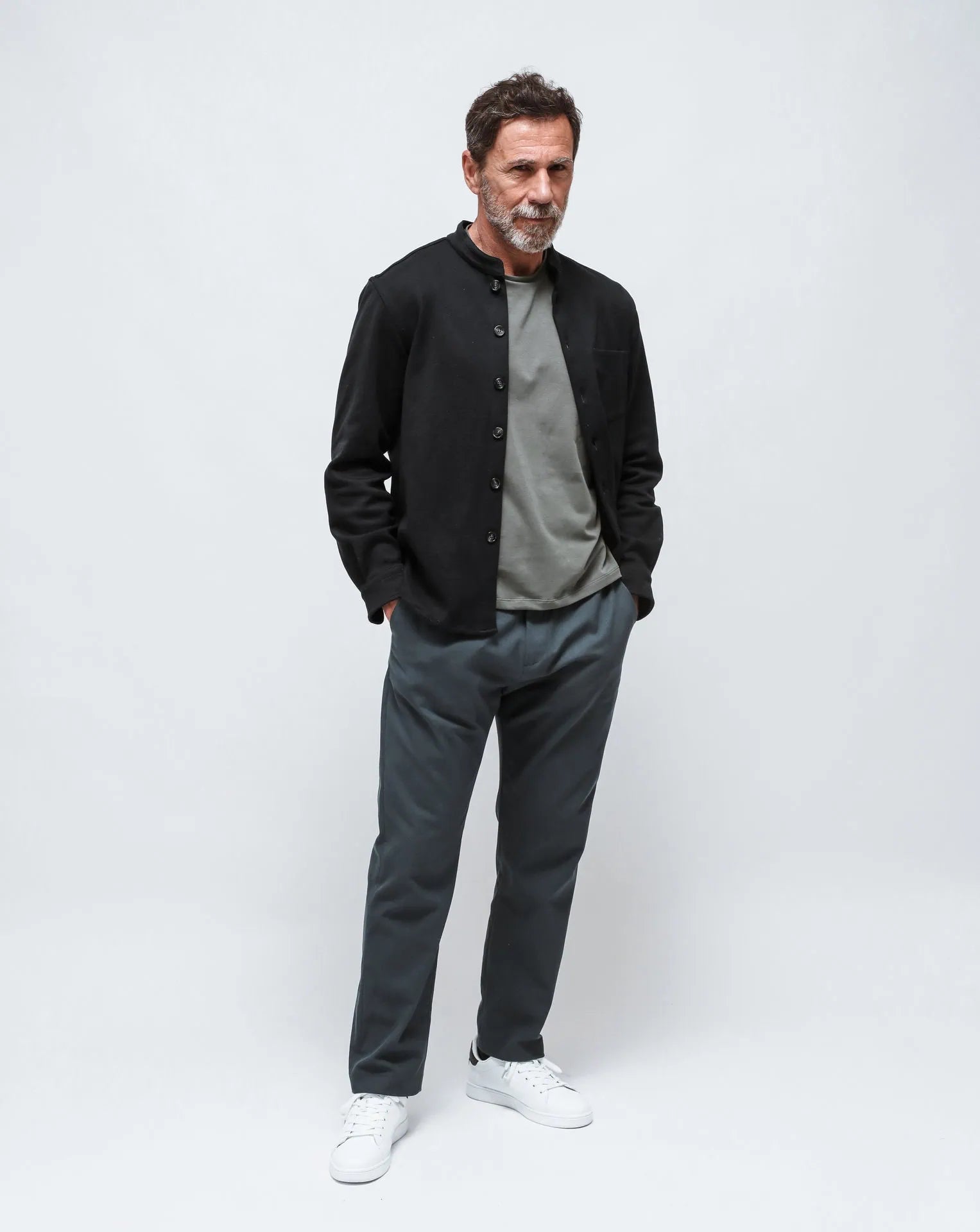
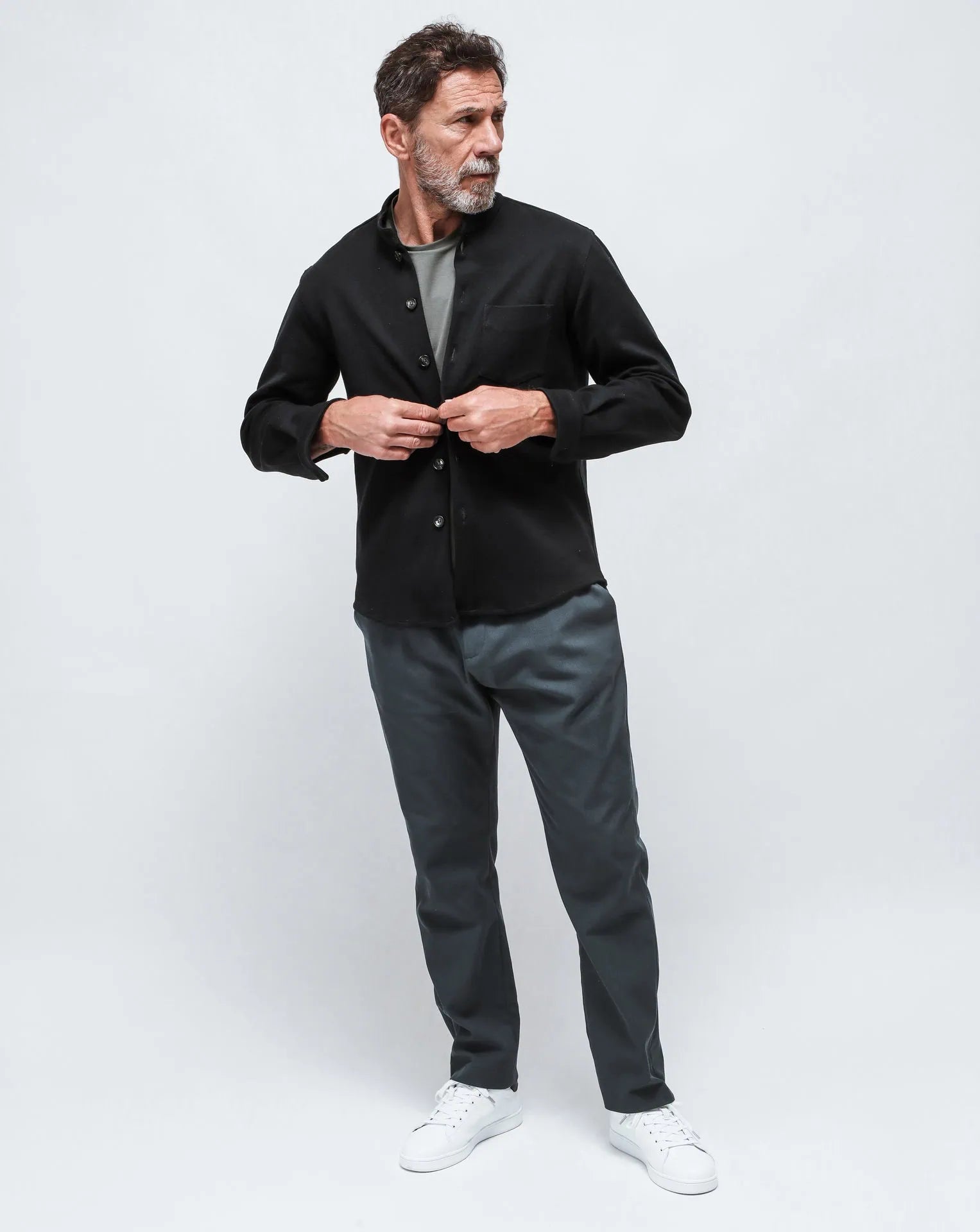
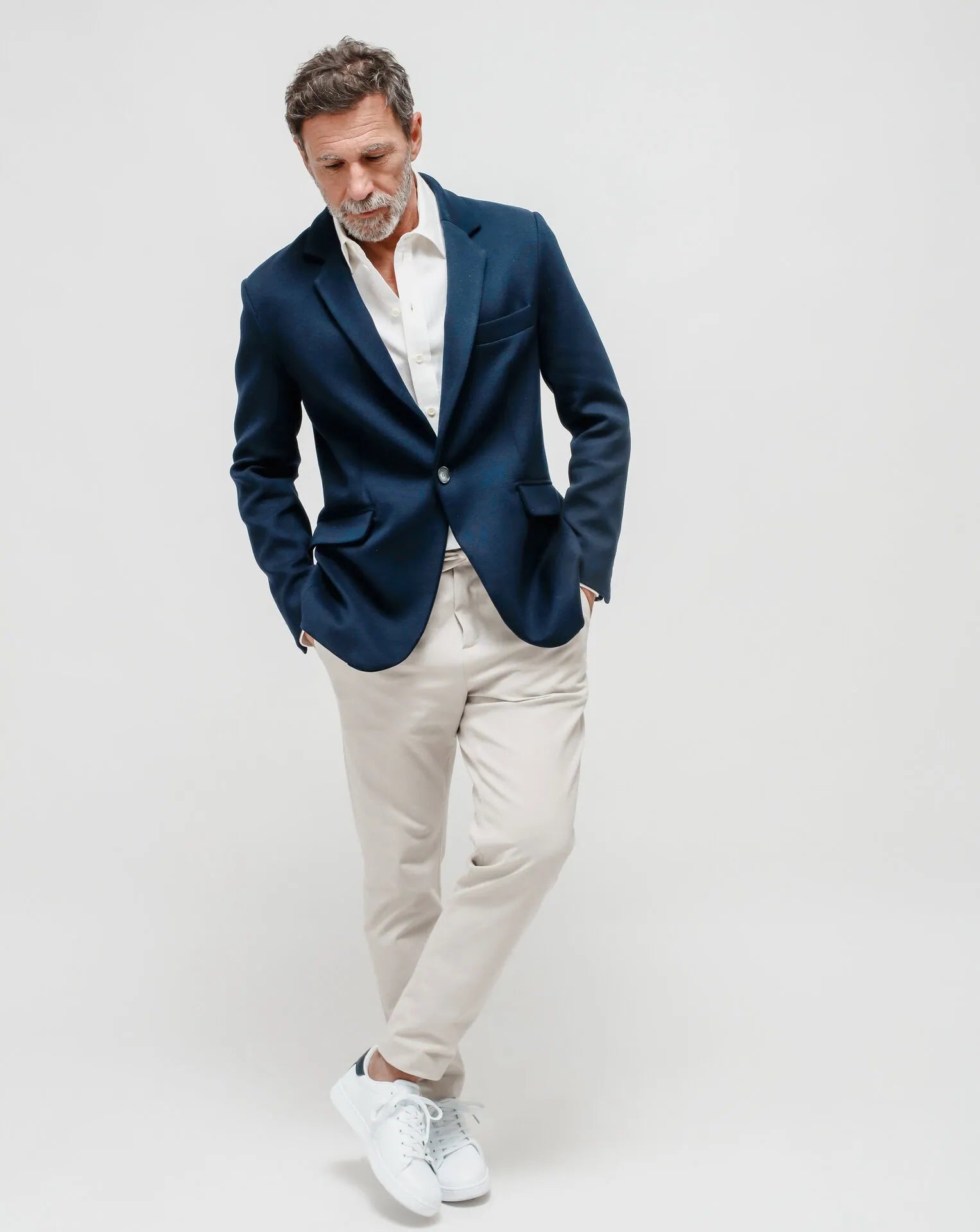
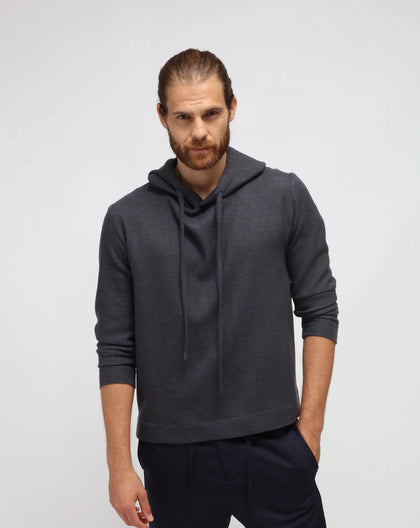
For men, the same logic applies. A Men's Cashmere Sweater, a sharply cut shirt, and a Men's Tailored Trouser form a reliable winter foundation. The value is not in their simplicity alone, but in their compatibility. Each piece should work with the others without requiring a separate styling plan.
Fabric deserves more attention than trend forecasts. Deadstock wool, substantial cotton, and carefully selected blends can give a minimalist wardrobe its depth. Look for materials that drape well, resist looking tired after a long day, and feel appropriate for the garment’s job. A polished trouser needs a different hand feel than a relaxed overshirt. “Versatile” should never mean one fabric forced into every category.
Keep Tailoring Relaxed, Not Careless
The Parisian effect often comes from a slight tension between ease and precision. Trousers may have a relaxed leg, but the waist must fit. A blazer can be less rigid than traditional suiting, but its shoulders should still create shape. A long skirt can move freely, yet it needs the right hem length for the boots you actually wear.
This is why fit should guide every purchase. An oversized silhouette is elegant when it looks chosen, not when it obscures the body or overwhelms the rest of the outfit. If your coat is generous, balance it with a straighter trouser or a fitted knit. If you prefer wide-leg pants, try a closer layer on top and keep your footwear sleek.
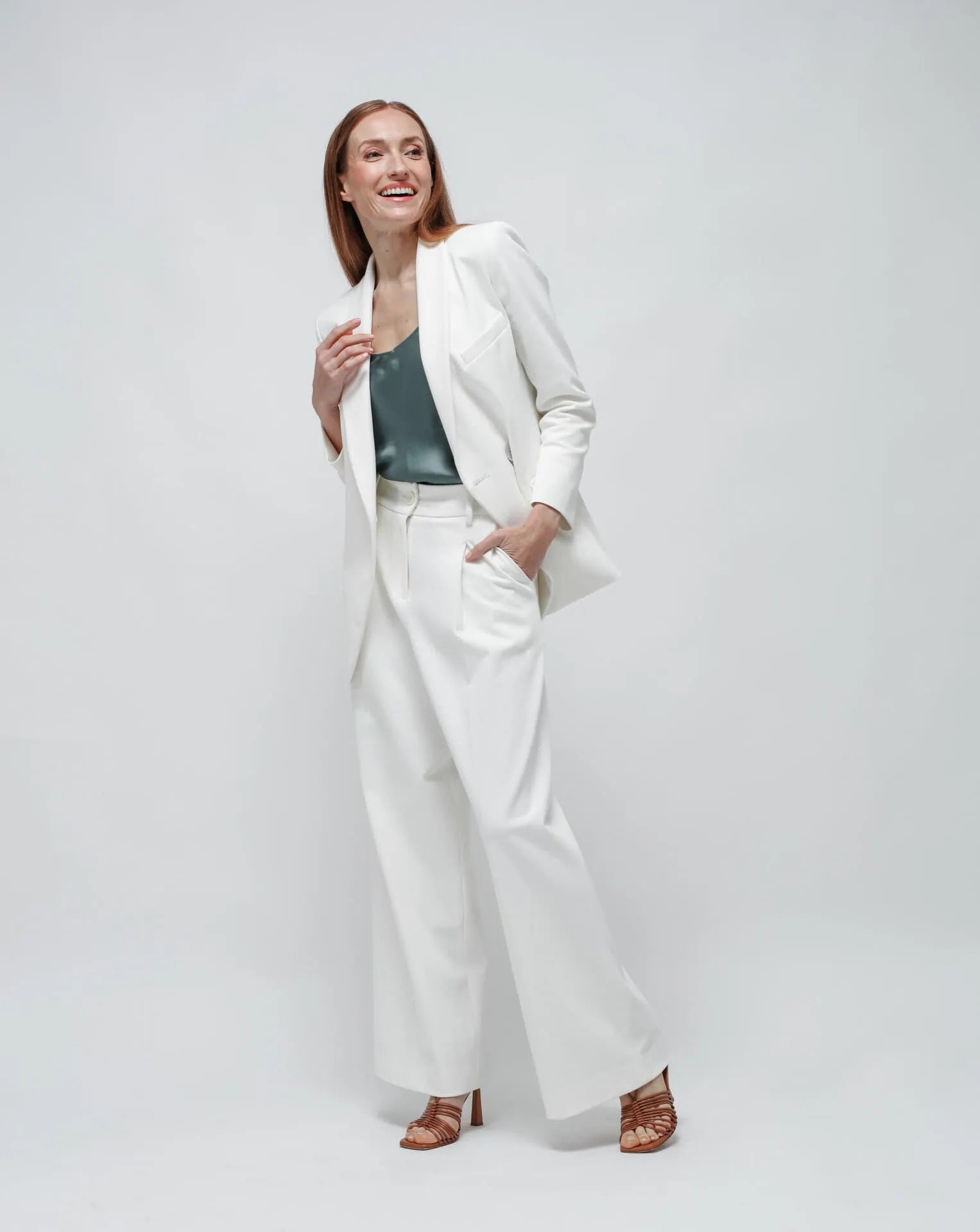
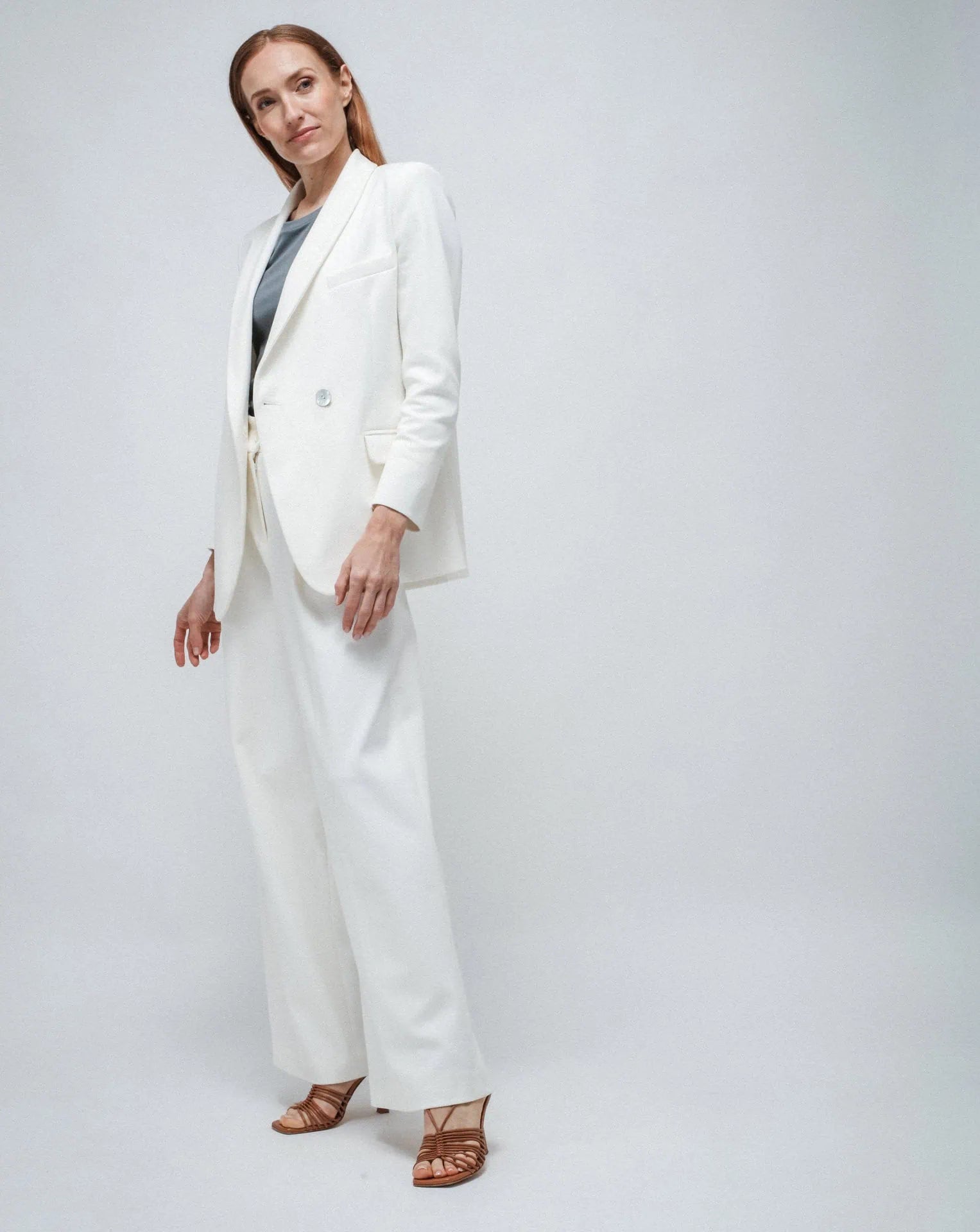
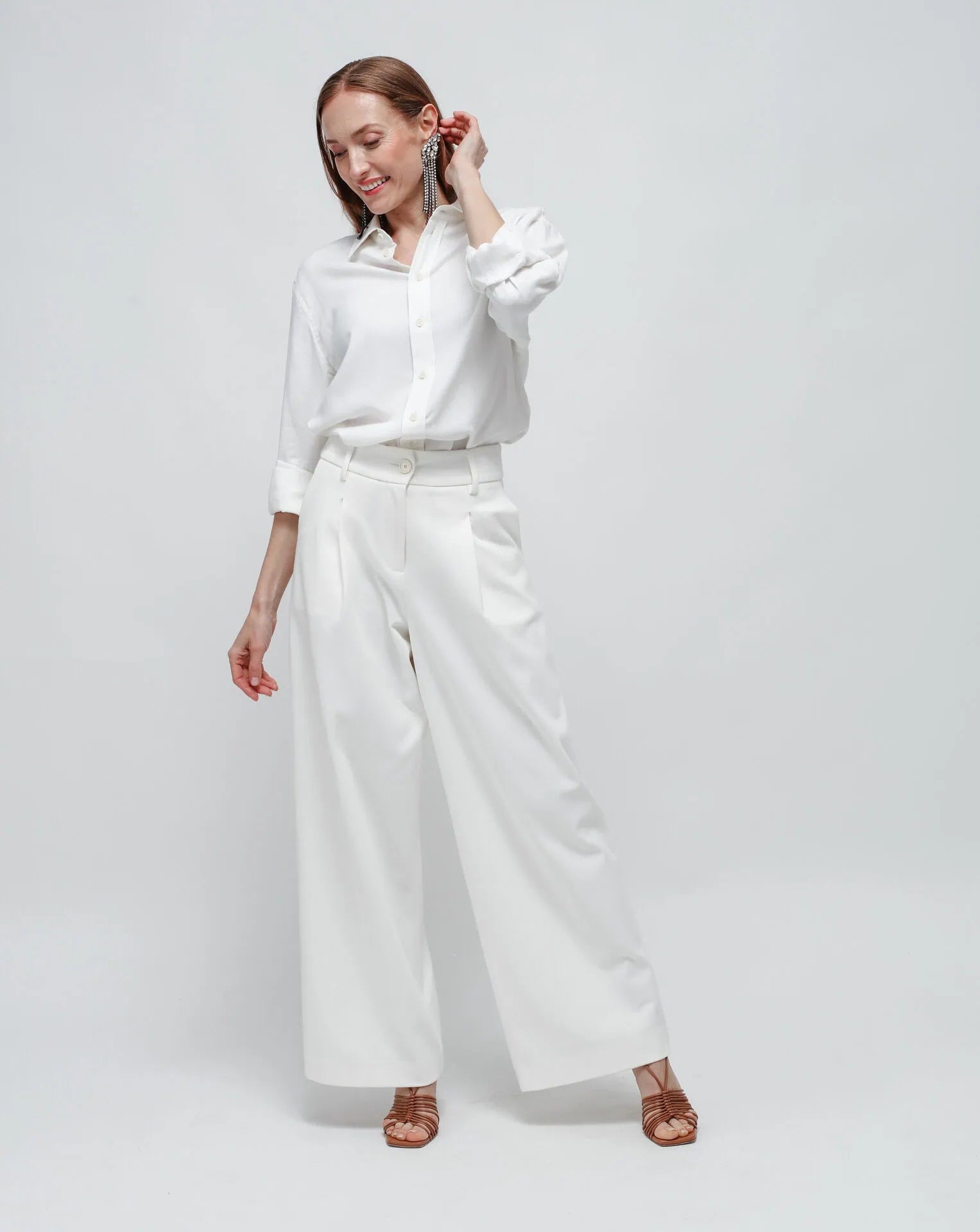
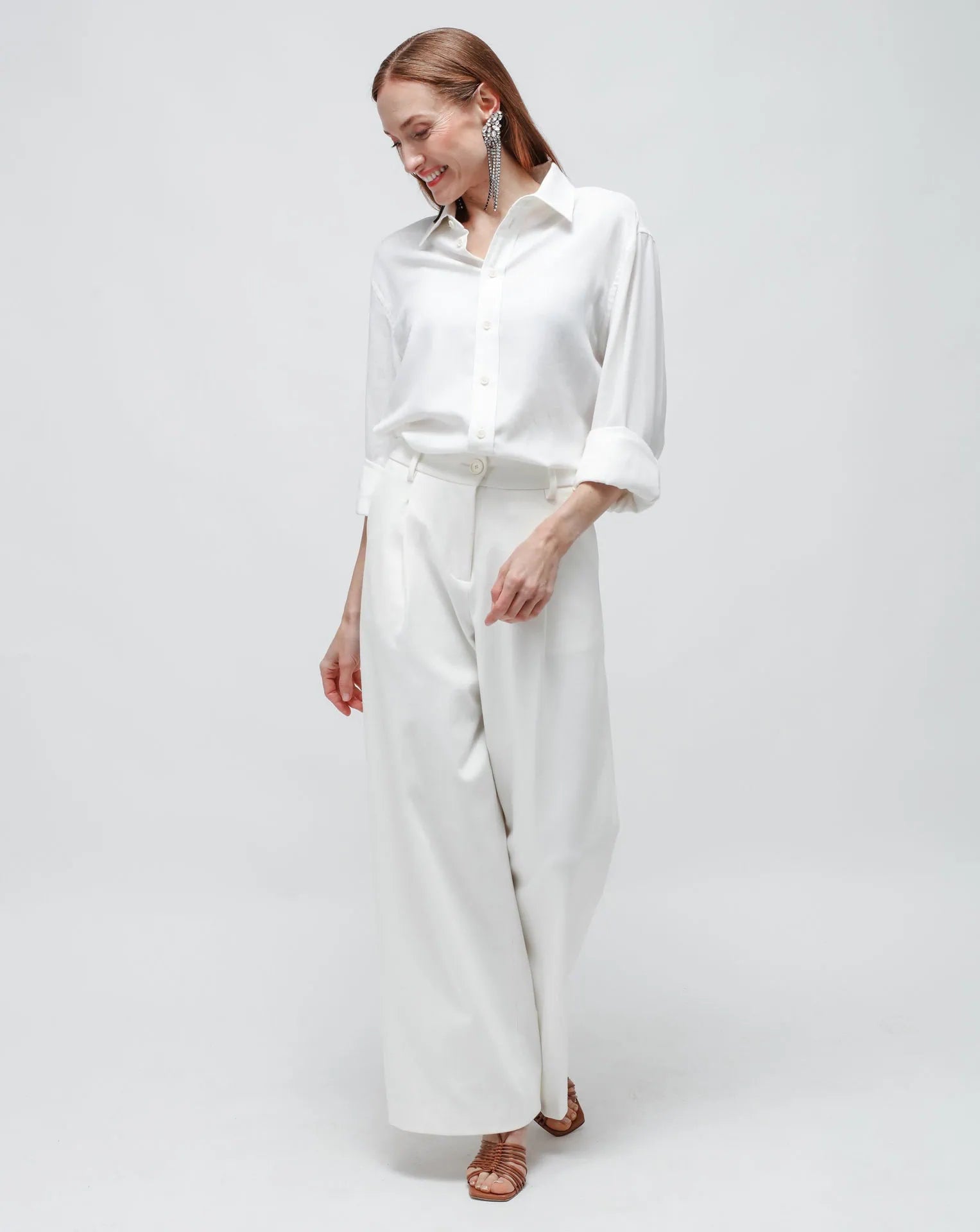
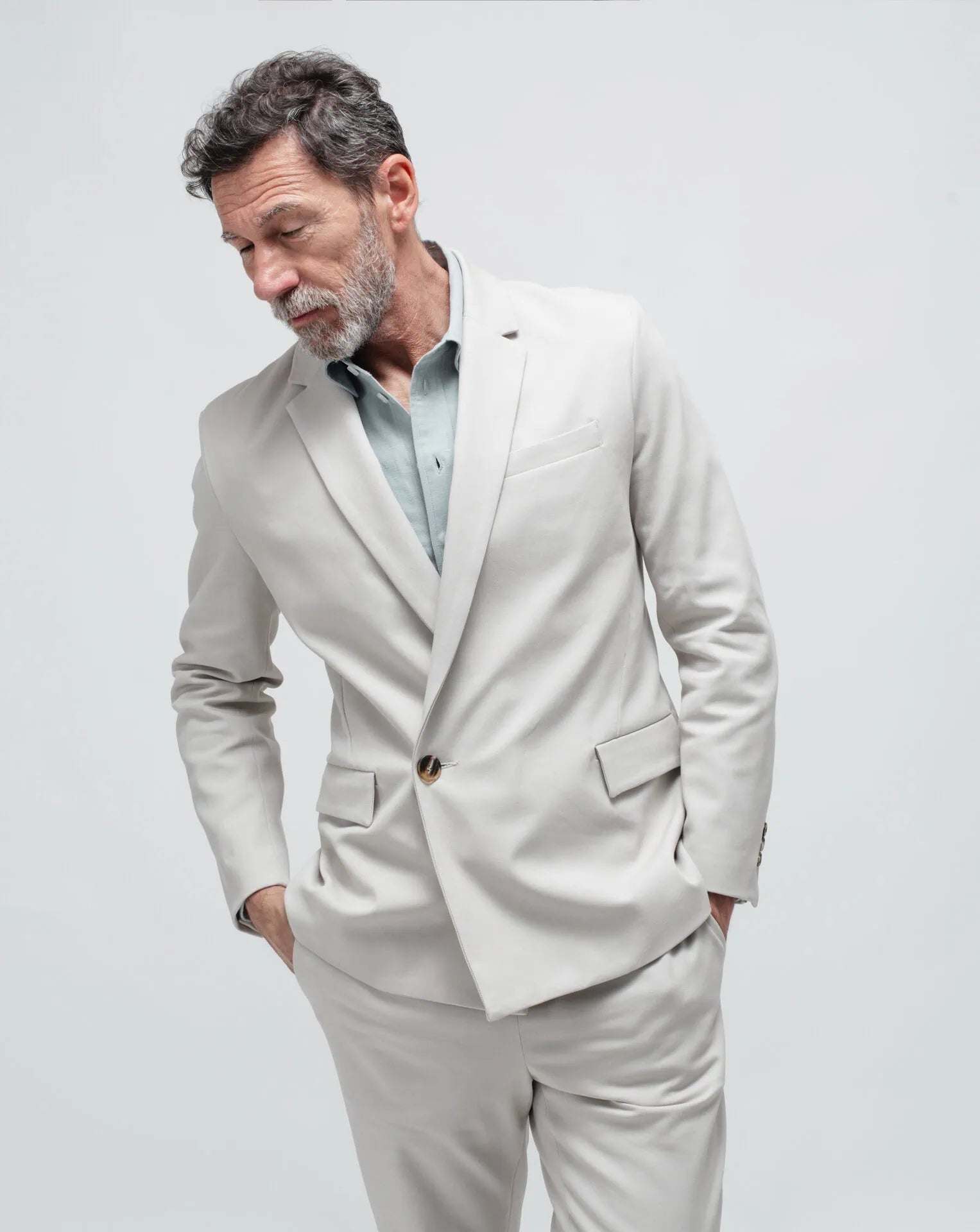
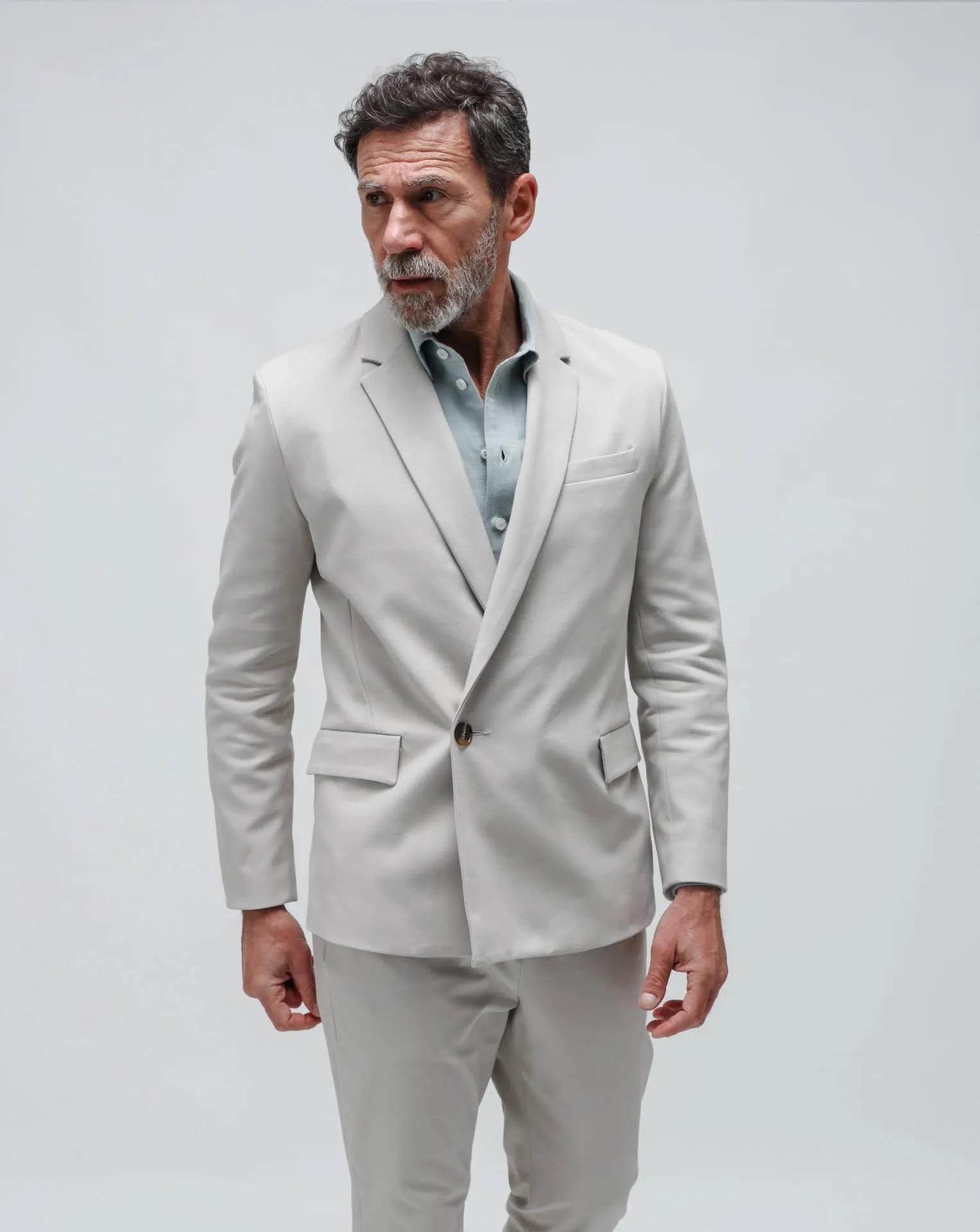
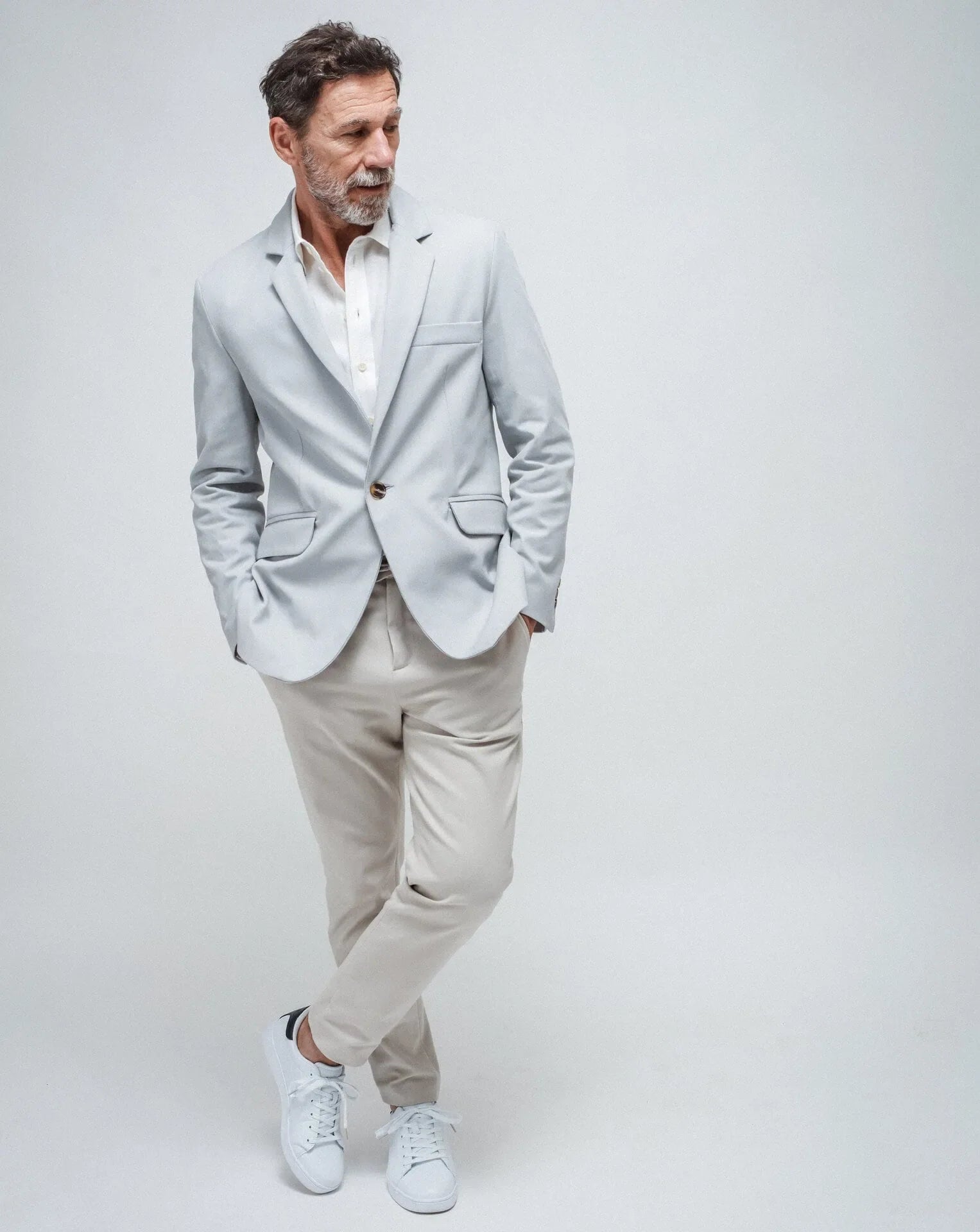
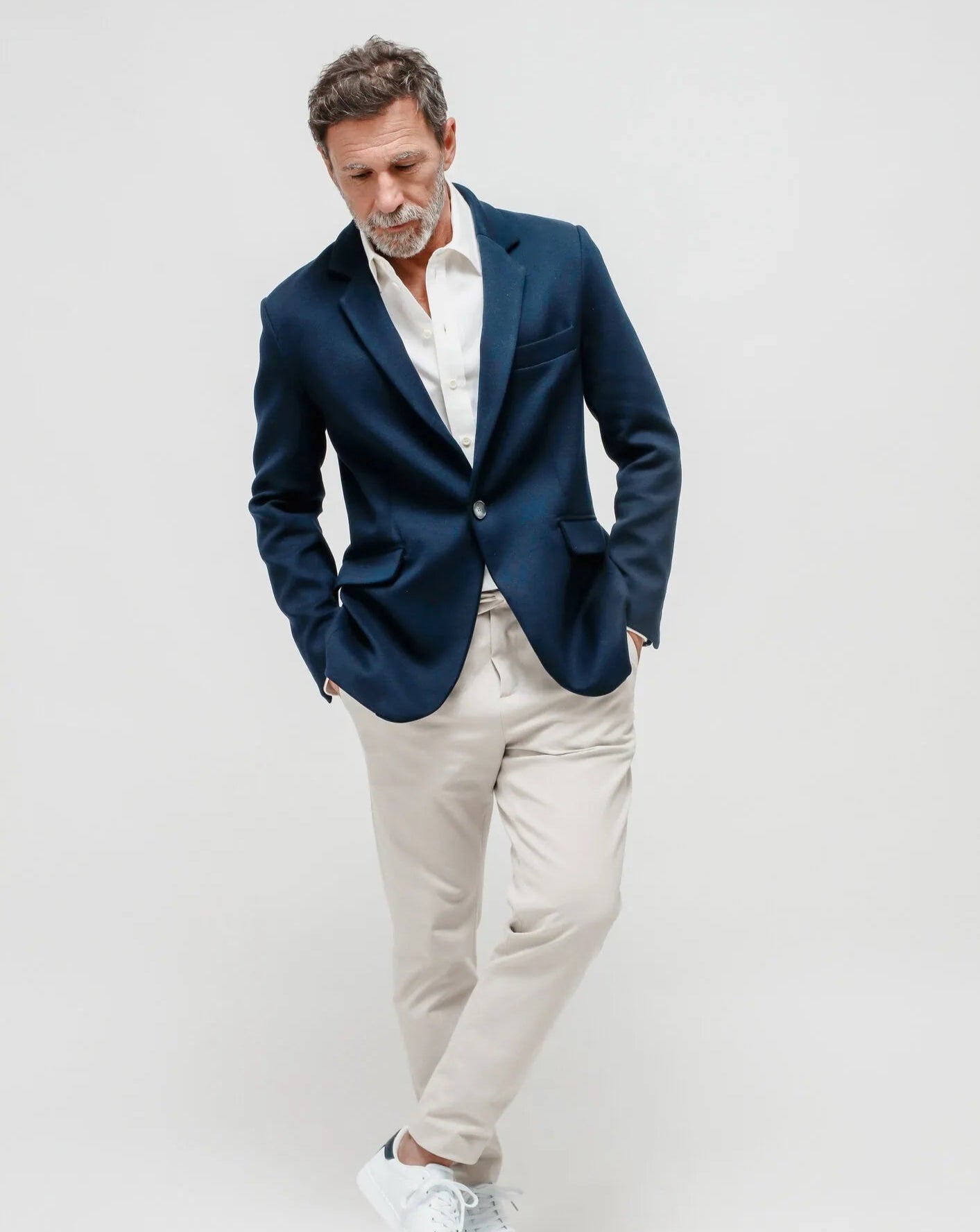
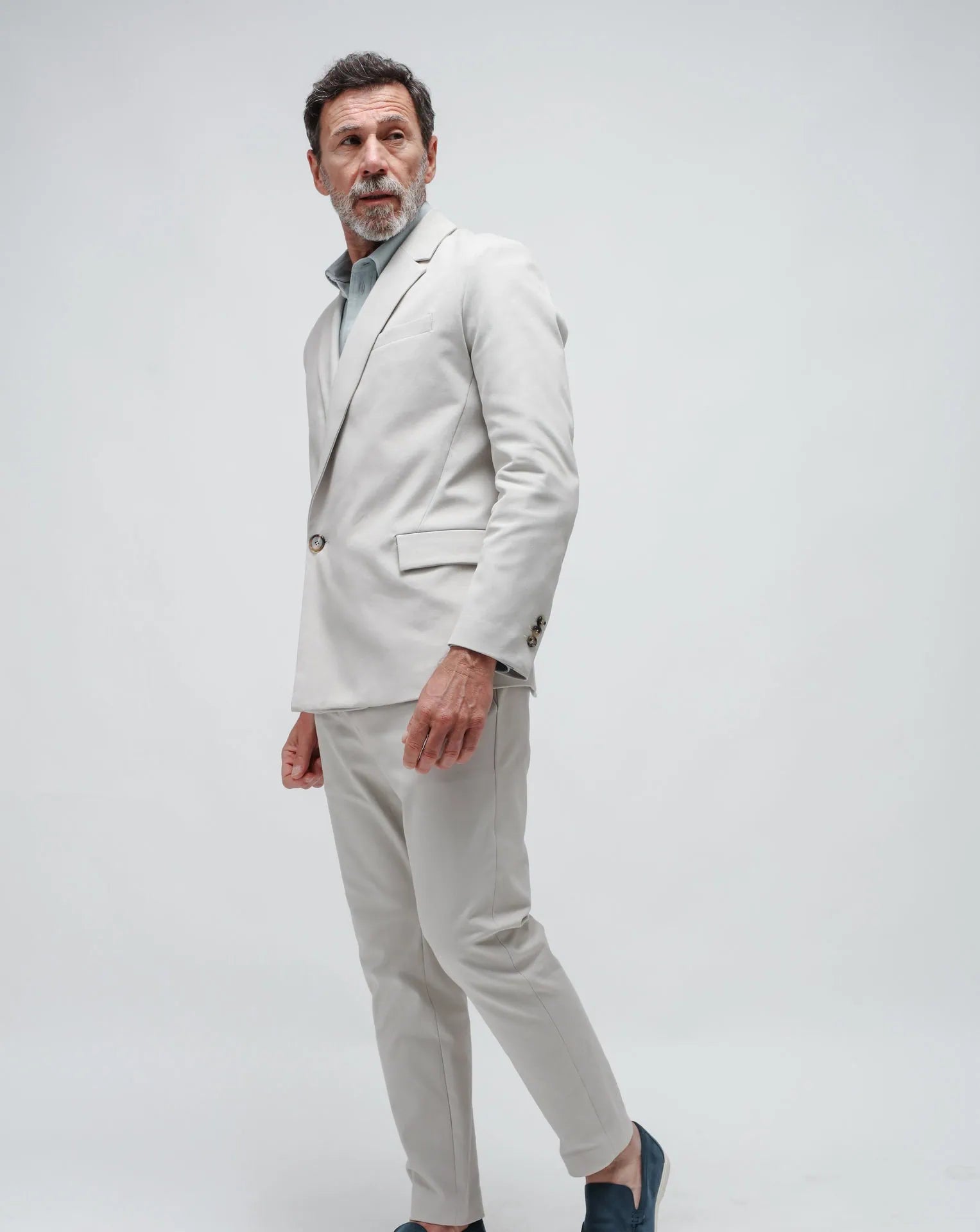
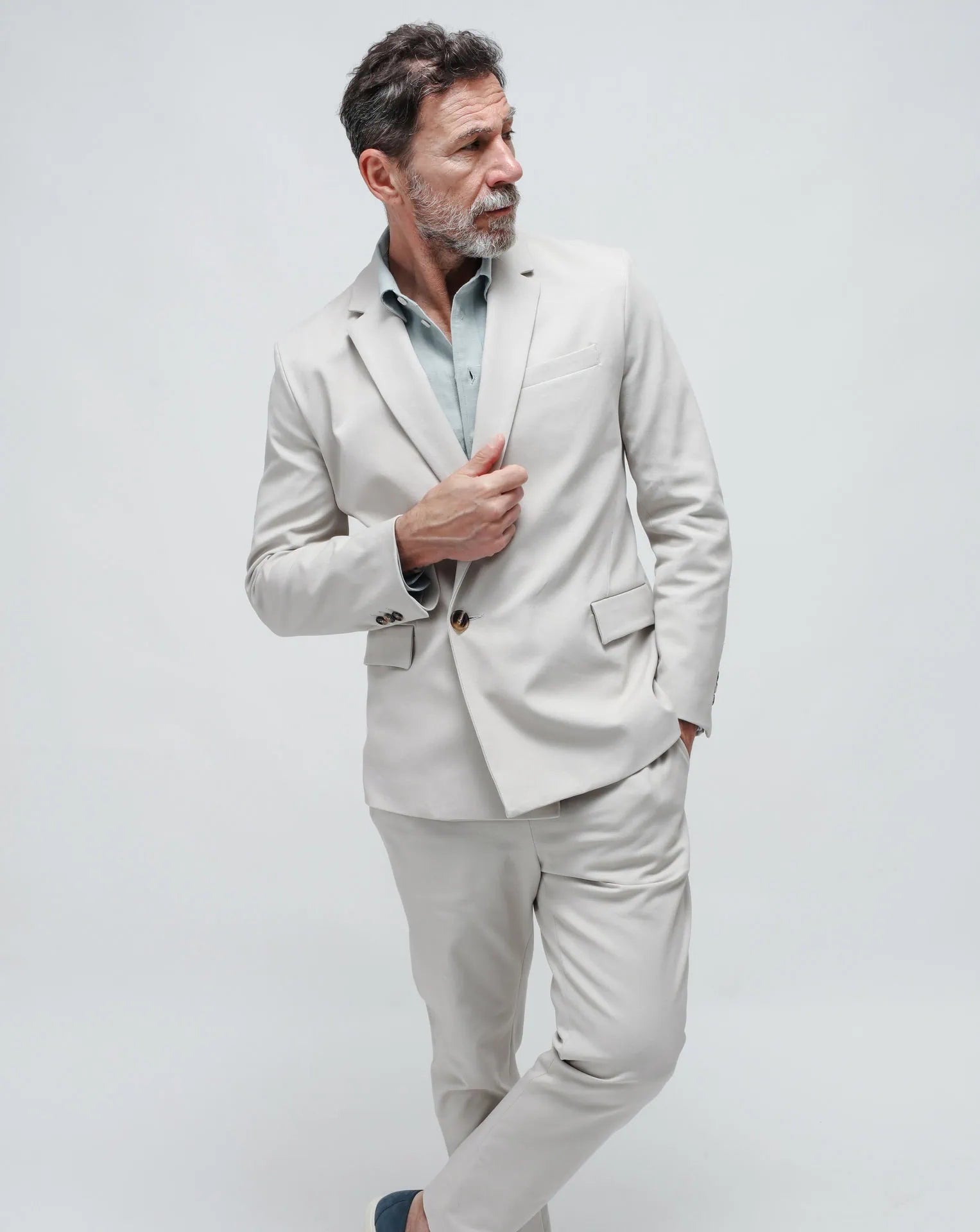
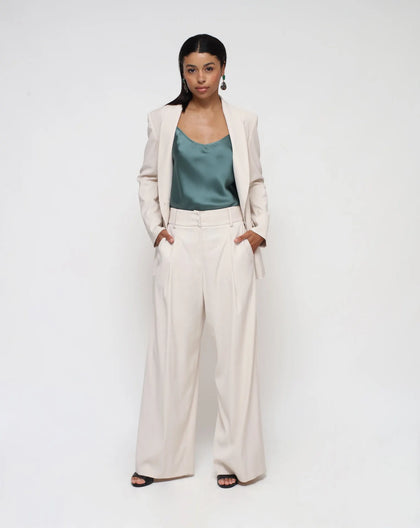
The Women's Oversized Blazer and Women's Wide-Leg Trouser can become an all-season set when bought in a compatible neutral. Separate them for more outfits: the blazer over dark denim, the trouser with a fine knit, or both together with a simple tank under a coat. For men, a softly structured jacket and pleated trouser create the same adaptable framework without the stiffness of formal business wear.
Add Character Through Shoes and Small Details
Minimal does not mean sterile. It means the details can carry more weight. A leather ankle boot, a polished loafer, or a clean low-profile sneaker changes the mood of the same outfit. For winter, prioritize a sole that can handle wet sidewalks and enough room for a substantial sock. Beautiful shoes that make you avoid walking are not a sensible wardrobe investment.
Accessories should be edited with the same care. A long wool scarf, leather belt, understated jewelry, and a bag with a considered shape are enough to shift an outfit from functional to memorable. Choose metals deliberately. If you wear silver most days, let it recur in your jewelry and hardware. The repetition creates coherence without looking overstyled.
This is also the place for one personal signature: a vintage watch, sculptural earrings, a saturated scarf, or a fragrance that feels like part of getting dressed. A minimalist wardrobe needs an individual note. Otherwise, it becomes a formula rather than a reflection of the person wearing it.
Buy With a Longer Timeline in Mind
Winter shopping can encourage panic purchases, particularly when the first cold week arrives. Pause before adding another sweater or coat. Ask whether it works with at least three existing pieces, whether you can picture wearing it next winter, and whether its construction justifies the space it takes up.
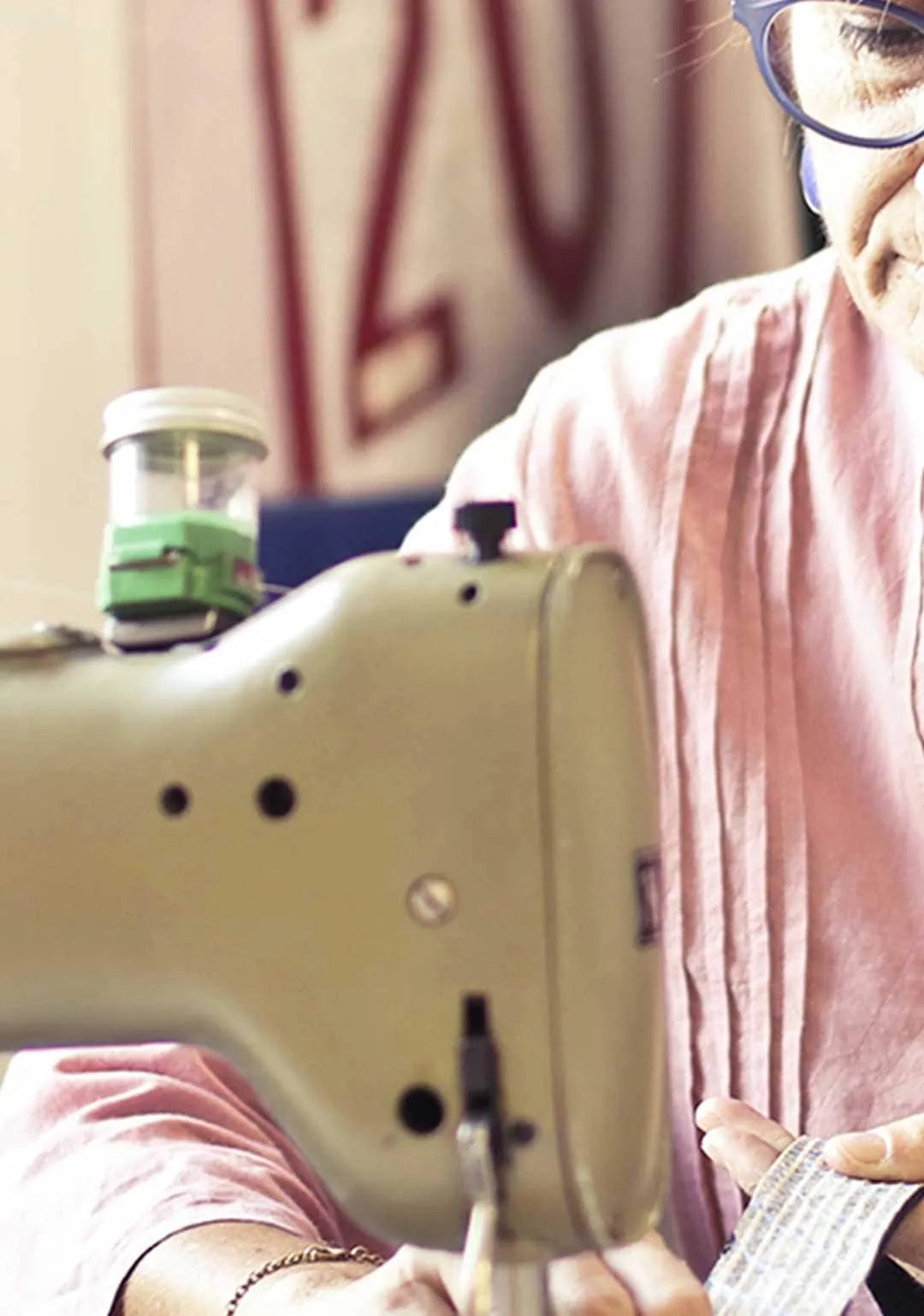
Limited-edition clothing can make that decision more meaningful when scarcity is tied to responsible sourcing rather than manufactured urgency. Humans & Land uses premium deadstock fabrics and small-batch handmade production to create pieces intended for ongoing wear, not a brief trend cycle. Care is part of that commitment. Hang coats on broad hangers, fold knits rather than stretching them on hooks, spot-clean when possible, and repair small issues before they become reasons to replace a garment.
A winter wardrobe built this way becomes easier over time. You learn the combinations that feel most like you. You stop searching for a new personality at every sale. The best Paris minimalist wardrobe is not perfectly sparse. It is precise, lived-in, and chosen with enough conviction to last.
FAQ
Q: How many pieces should be in a Paris minimalist wardrobe?
A: There is no fixed number. For winter, many people can create strong rotation from one or two coats, three to five knit layers, two to four trousers or skirts, a few shirts or tops, and two or three dependable shoes. Your work dress code, climate, and laundry routine matter more than a strict capsule count.
Q: Does a Paris minimalist wardrobe have to be all black?
A: No. Black is useful, but navy, charcoal, cream, chocolate, olive, and camel can be equally refined. A limited palette works best when the colors combine easily and suit your complexion and daily life.
Q: What is the first piece to buy for a minimalist winter wardrobe?
A: Start with the coat you will reach for most. A well-cut wool coat establishes the silhouette of your winter outfits and makes simple knitwear and trousers feel more intentional. Then build the layers that work beneath it.
Q: How can I make a minimalist wardrobe feel personal?
A: Focus on fit, texture, and one or two recognizable details rather than accumulating statement pieces. A favorite boot shape, a recurring metal tone, a strong scarf, or a distinct tailoring preference gives a restrained wardrobe its identity.
Q: Are deadstock fabrics suitable for winter clothing?
A: Yes, provided the fabric is selected for the garment’s purpose. Premium deadstock wool and other substantial materials can create warm, durable winter pieces while redirecting existing fabric inventory away from waste.
the World of H&L