

Artículo: How to Store Dress Up Clothes Properly
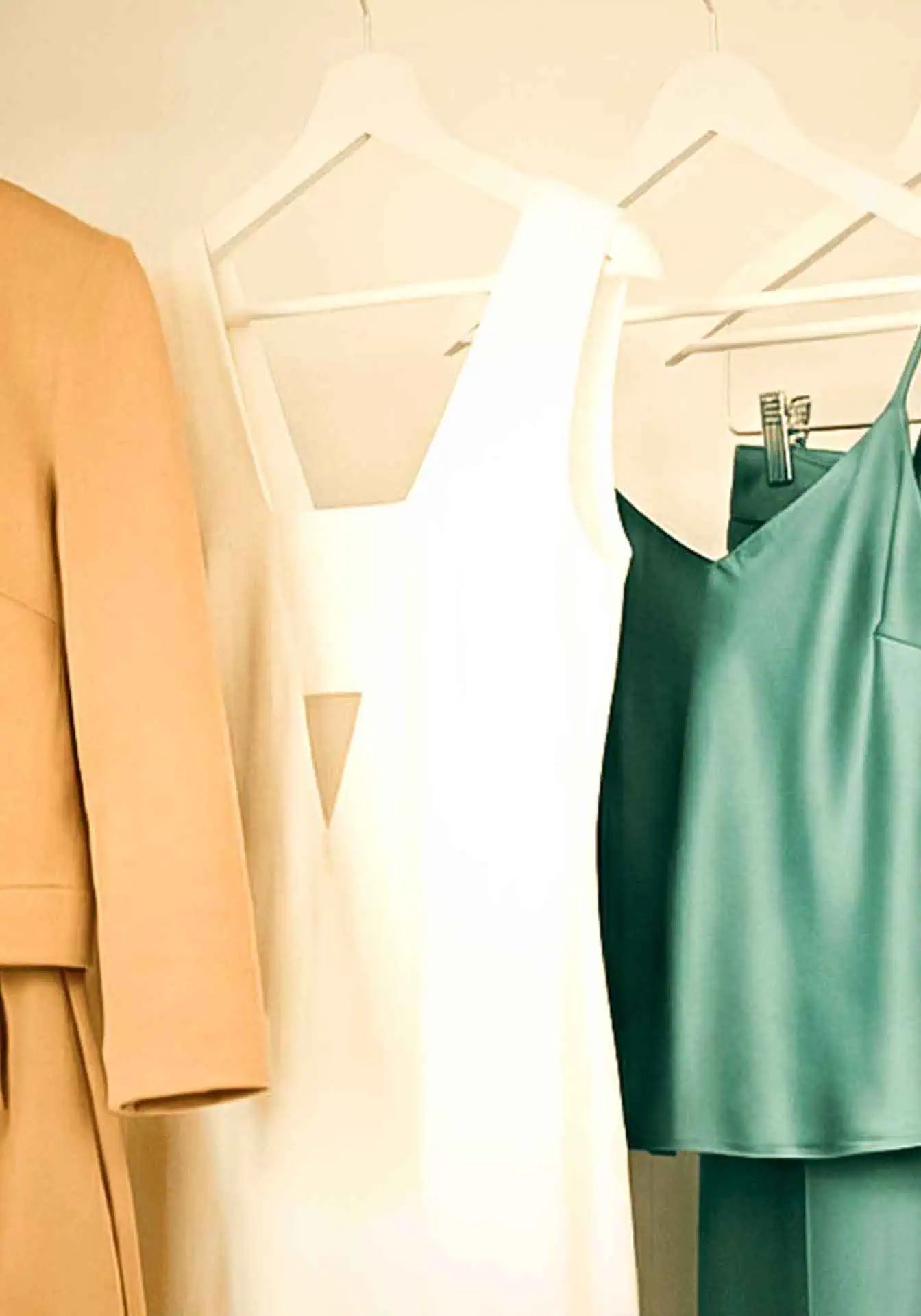
How to Store Dress Up Clothes Properly
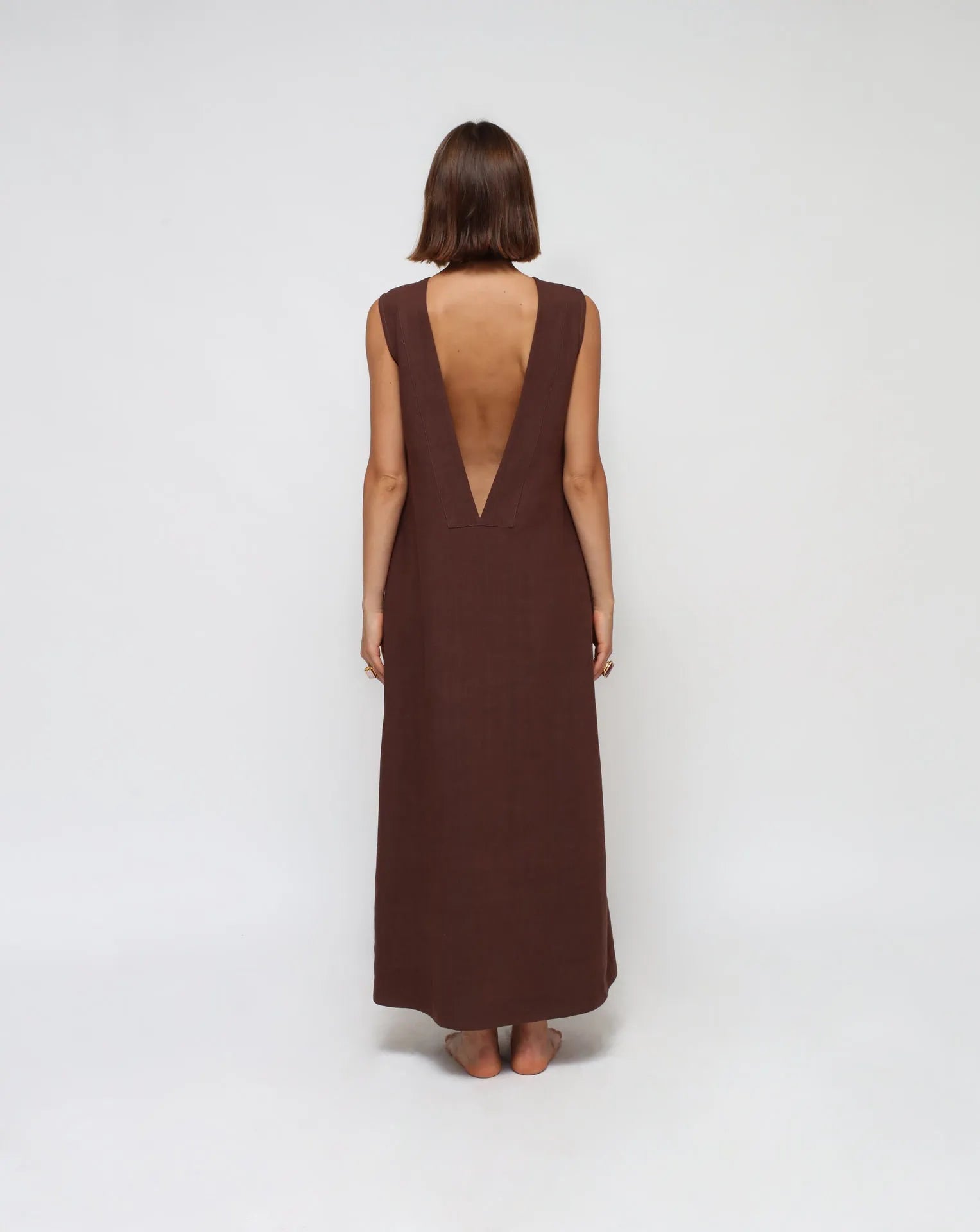
That silk slip dress you save for gallery openings, the tailored suit you wear to weddings, the sequined piece that only comes out a few nights a year - none of it benefits from being crushed into the back of a crowded closet. If you are wondering how to store dress up clothes, the real goal is not just tidiness. It is preservation. Better storage protects shape, fabric, color, and finish, so the pieces you buy with intention keep earning their place in your wardrobe.
Special-occasion clothing often fails in quiet ways. Shoulders lose structure on bad hangers. Beading snags on neighboring zippers. A garment bag traps moisture. Hemlines crease so deeply they need professional pressing before you can wear them again. Thoughtful storage is part of responsible fashion care. It extends the life of what you already own, which is always more refined than replacing pieces too soon.
How to store dress up clothes without damaging them
Start by separating dress-up clothing from your everyday rotation. Occasion pieces need visual space and physical space. When they are packed tightly beside denim, heavy knits, and outerwear, friction and weight do unnecessary damage.
Before you store anything, clean it properly. That does not always mean dry cleaning after one wear, but it does mean removing invisible residue. Body oil, fragrance, deodorant, and a single champagne splash can oxidize over time. A dress that looks clean in October may reveal yellowing by spring if it was stored carelessly. Follow the care label, and if the fabric is delicate - silk, velvet, beaded mesh, or deadstock blends with a more nuanced finish - let the garment rest, air out, and then store it only when fully dry and fresh.
Your choice between hanging and folding depends on weight and structure. Tailored blazers, structured dresses, suits, and pieces with crisp shoulders should usually be hung. Heavy embellished garments, bias-cut slips that can stretch, and knit eveningwear often do better folded flat with acid-free tissue between folds. There is no single rule. Fabric decides.
Choose storage by fabric, not by habit
Many people store formalwear according to category. All dresses together, all suits together, all party pieces together. That is easy, but it is not always smart. Fabric behavior matters more than garment type.
Silk and satin need protection from light, pressure, and rough surfaces. Use padded or smooth wood hangers for structured silk dresses, and avoid thin wire hangers entirely. For a fluid bias-cut dress, folding may be safer than hanging long term because gravity can distort the line.
Velvet should never be crushed for months at a time. Hang velvet where possible, leaving space around it. If folding is unavoidable, use generous tissue padding and do not stack heavier items on top.
Sequined or beaded pieces require a barrier. Turn them inside out if the construction allows, or place acid-free tissue over embellished areas so they do not catch on other garments. Store each one separately. Friction is the enemy.
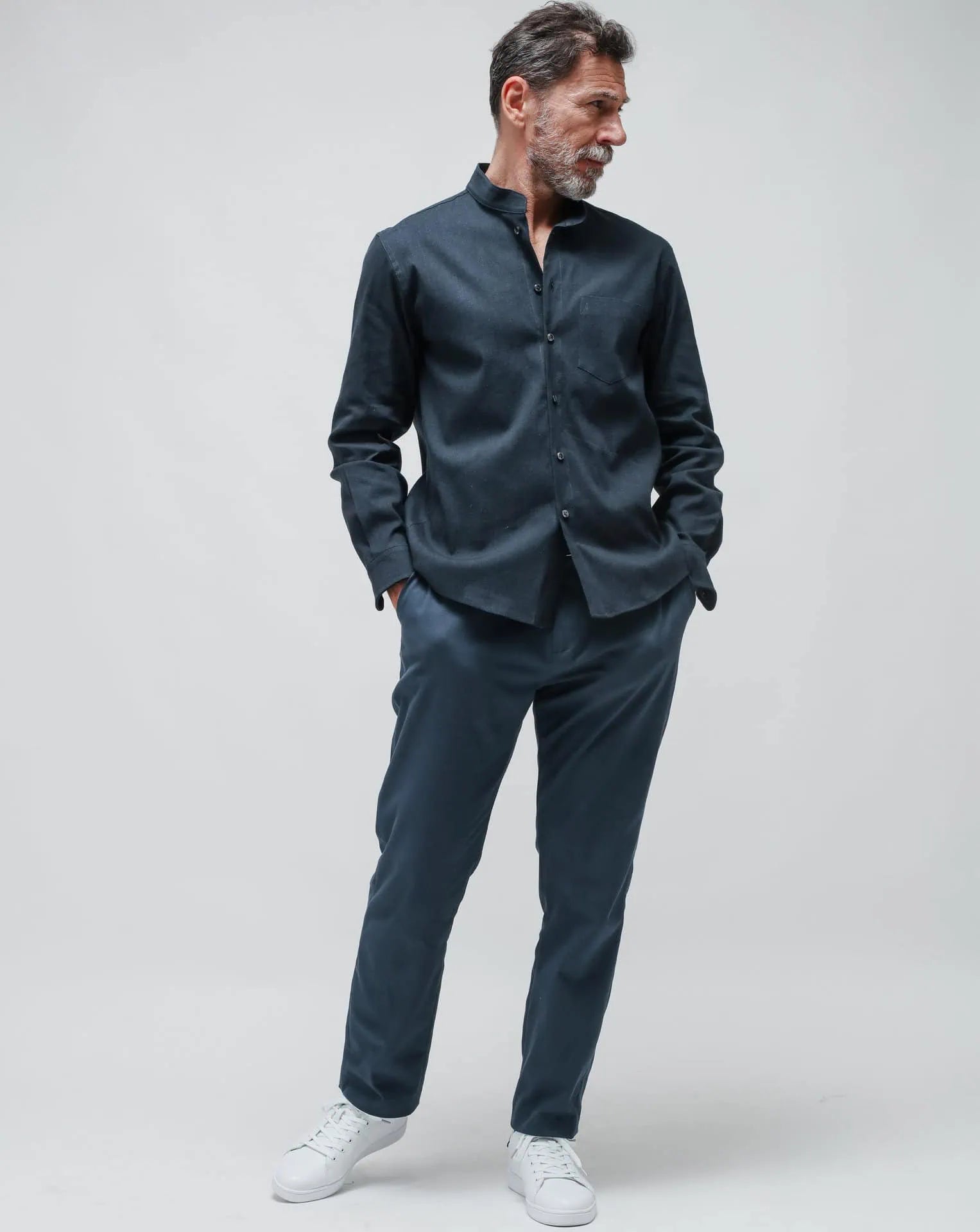
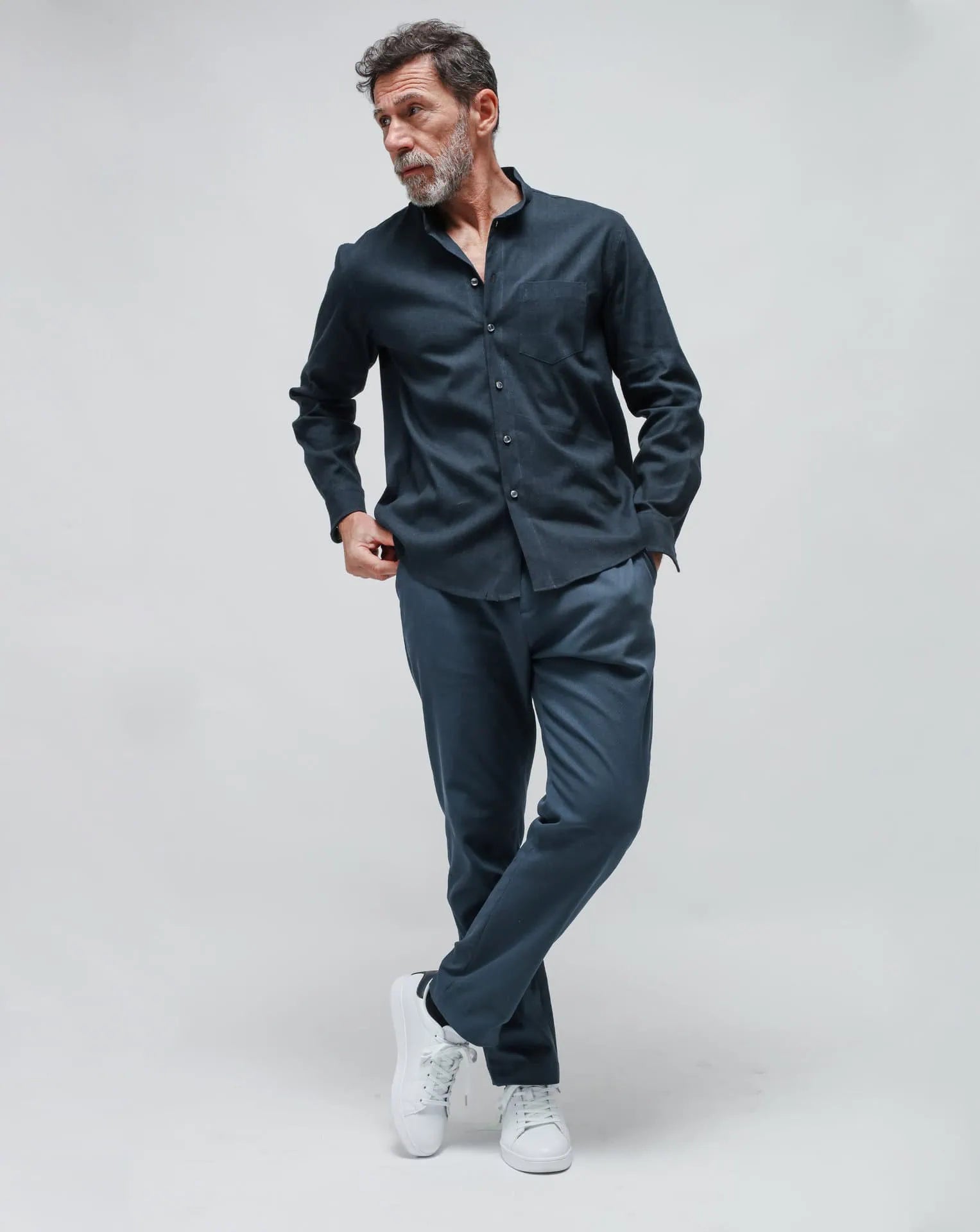
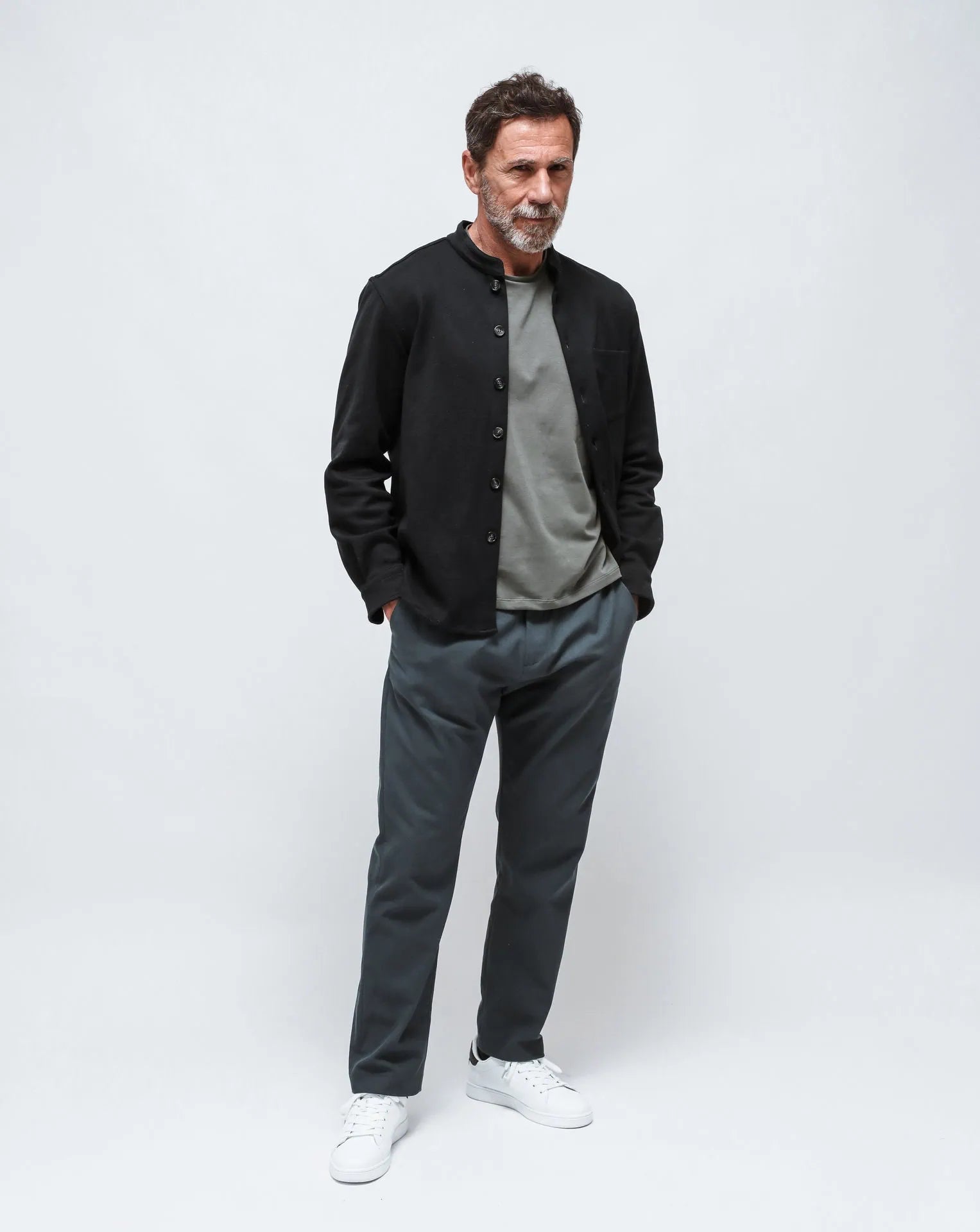
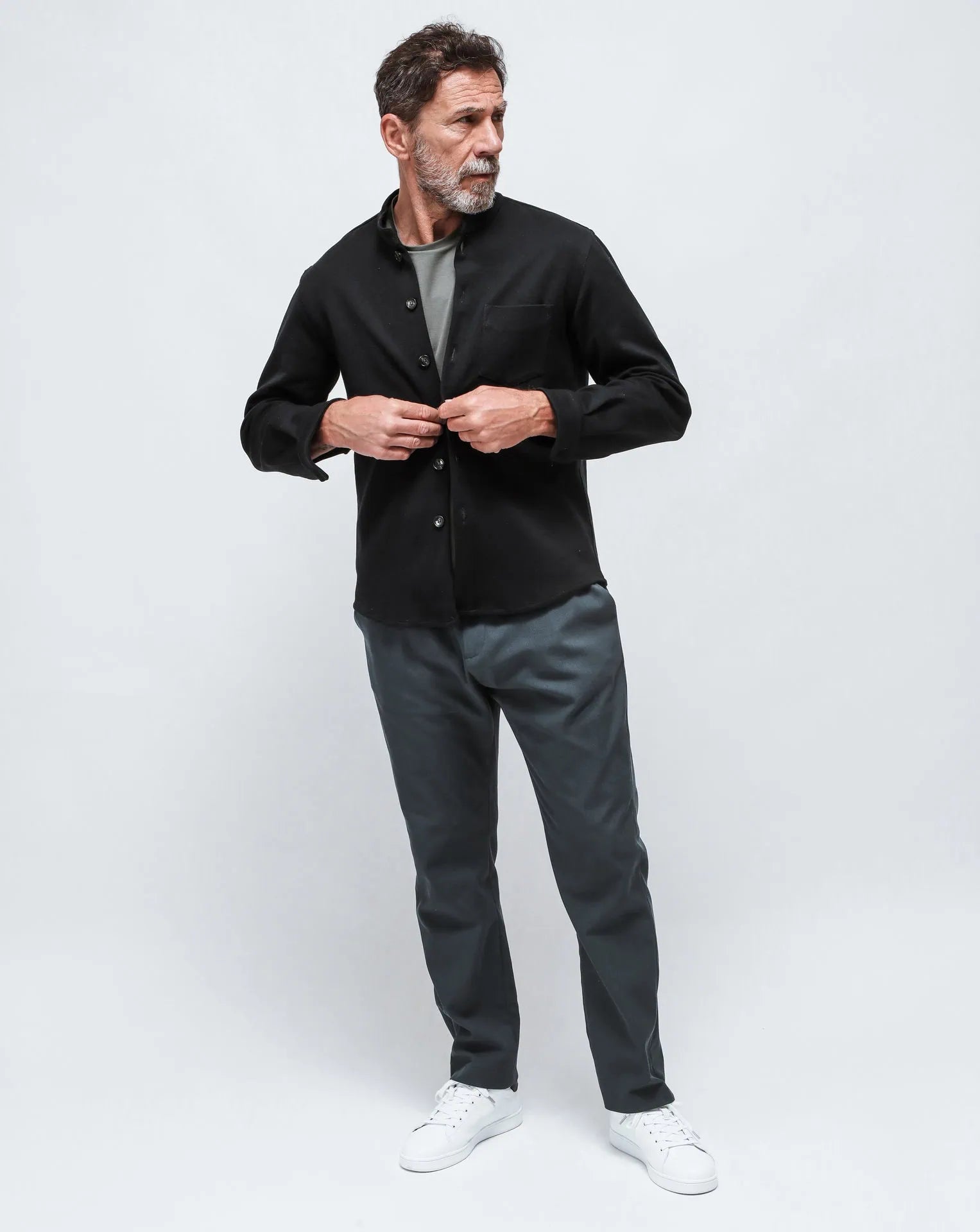
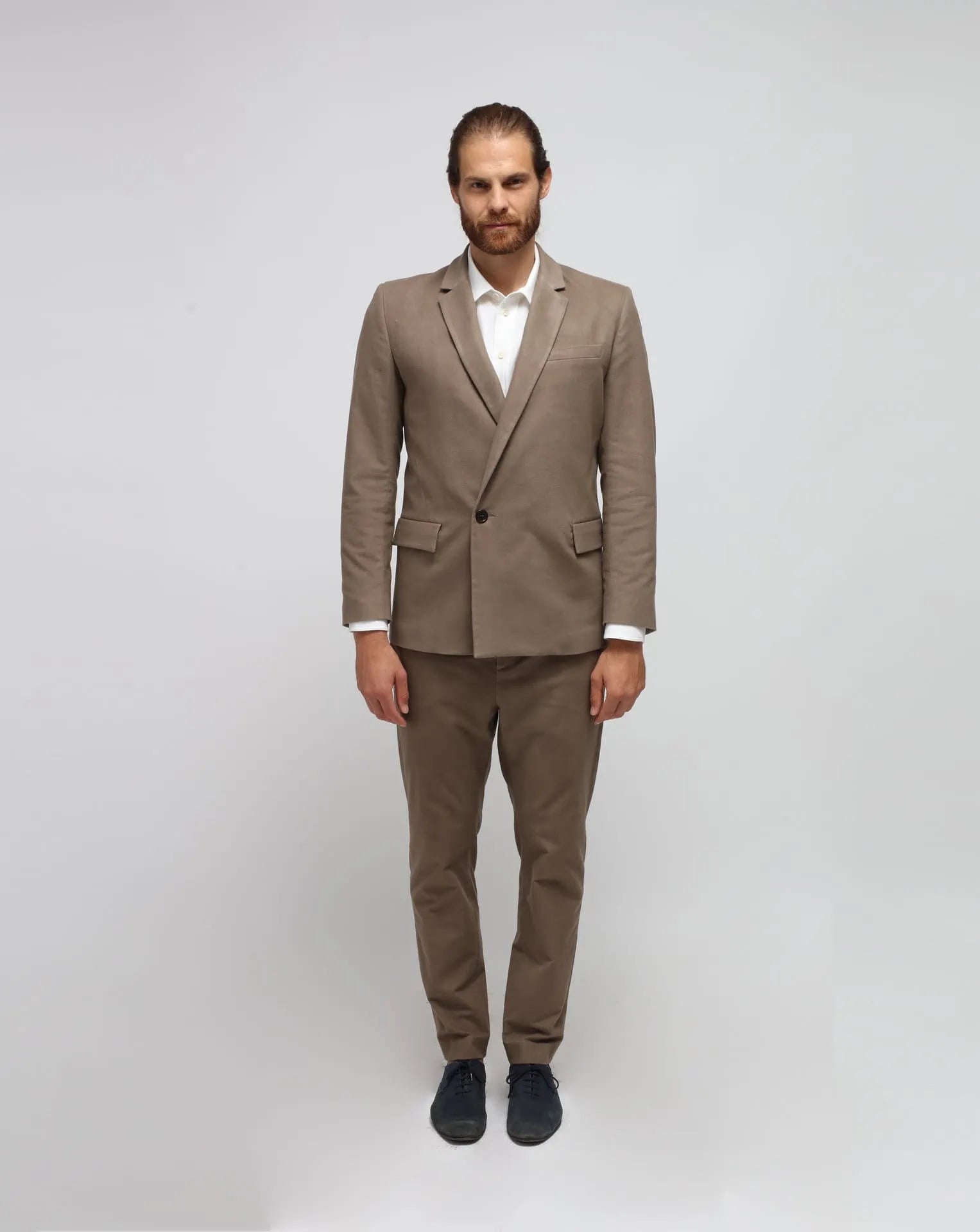
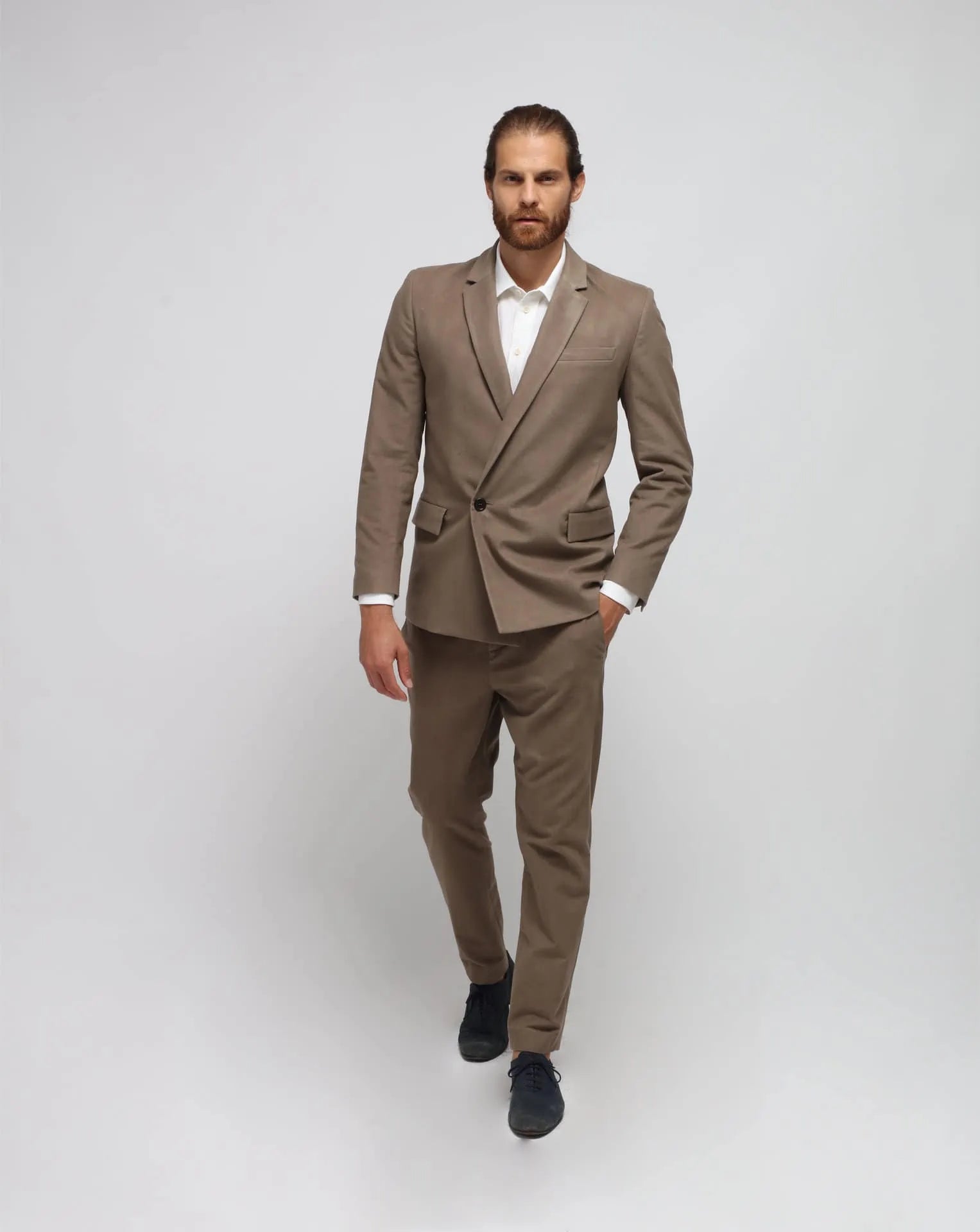
Wool suiting and occasion tailoring need breathable storage and shape support. A well-cut suit jacket deserves a broad hanger that mirrors the shoulder line. This is especially true for investment pieces and limited-edition tailoring. If you own a clean-lined piece such as a women’s Italian-made blazer or a refined men’s suit from a small-batch collection, storage should support the architecture that made you buy it in the first place.
The best hangers, garment bags, and boxes
Good storage tools do not need to be excessive, but they should be deliberate. One quality hanger is better than five flimsy ones. Padded hangers work well for delicate dresses and blouses. Broad wooden hangers are best for jackets, coats, and structured tops. Slim velvet hangers can help with grip, but they are not ideal for heavier garments that need more support.
Garment bags are useful, but only when breathable. Cotton is preferable to plastic for long-term storage. Plastic can trap humidity and stale air, which is risky for natural fibers. If you keep a formal dress in a garment bag, leave enough room for the garment to hang freely. Compression saves space, but it does not preserve clothing.
For folded storage, use archival boxes or clean bins lined with acid-free tissue. This is especially helpful for embellished pieces, heirloom garments, and items worn only once or twice a year. Label the box clearly so you are not repeatedly unfolding everything to find one piece.
Closet conditions matter more than most people think
The right closet is dark, dry, and stable. Not warm one month and damp the next. Not flooded with direct sun. Not wedged beside a radiator. Heat, light, and moisture alter fabric faster than many people realize.
If your closet runs humid, use moisture control carefully. You want airflow, not a sealed environment. Natural fibers need to breathe. If your space is small, edit harder rather than packing tighter. Dress-up clothing should not be squeezed into submission.
This is also where seasonality helps. If you have a velvet holiday dress, a sharply cut black suit, and a silk event set you only wear for formal occasions, move off-season pieces to a separate section or storage box. Rotating them creates room and prevents accidental wear from overcrowding.
How to store dress up clothes after an event
Post-event storage is where damage usually begins. People come home late, hang a dress with makeup on the neckline, or drape a suit over a chair for three days. Then the garment gets shoved into the closet half-worn, half-wrinkled, and fully vulnerable.
Instead, do a simple reset the next day. Check for stains under natural light. Empty pockets. Remove pins, tape, and accessories. Brush suiting lightly if needed. Let the piece breathe for a few hours away from direct sunlight, then steam or press only if the fabric allows. Once it is clean and dry, return it to proper storage.
If the item needs repair, do not postpone it. A loose hem, missing hook, or weak seam rarely improves with time. Small maintenance protects long-term wearability. This is especially true for premium garments made in limited runs. When a piece cannot be easily replaced, care becomes part of its value.
Build a system that makes good care realistic
The best storage system is the one you will actually maintain. If your formalwear area is too complicated, you will stop using it. Keep the process precise but livable.
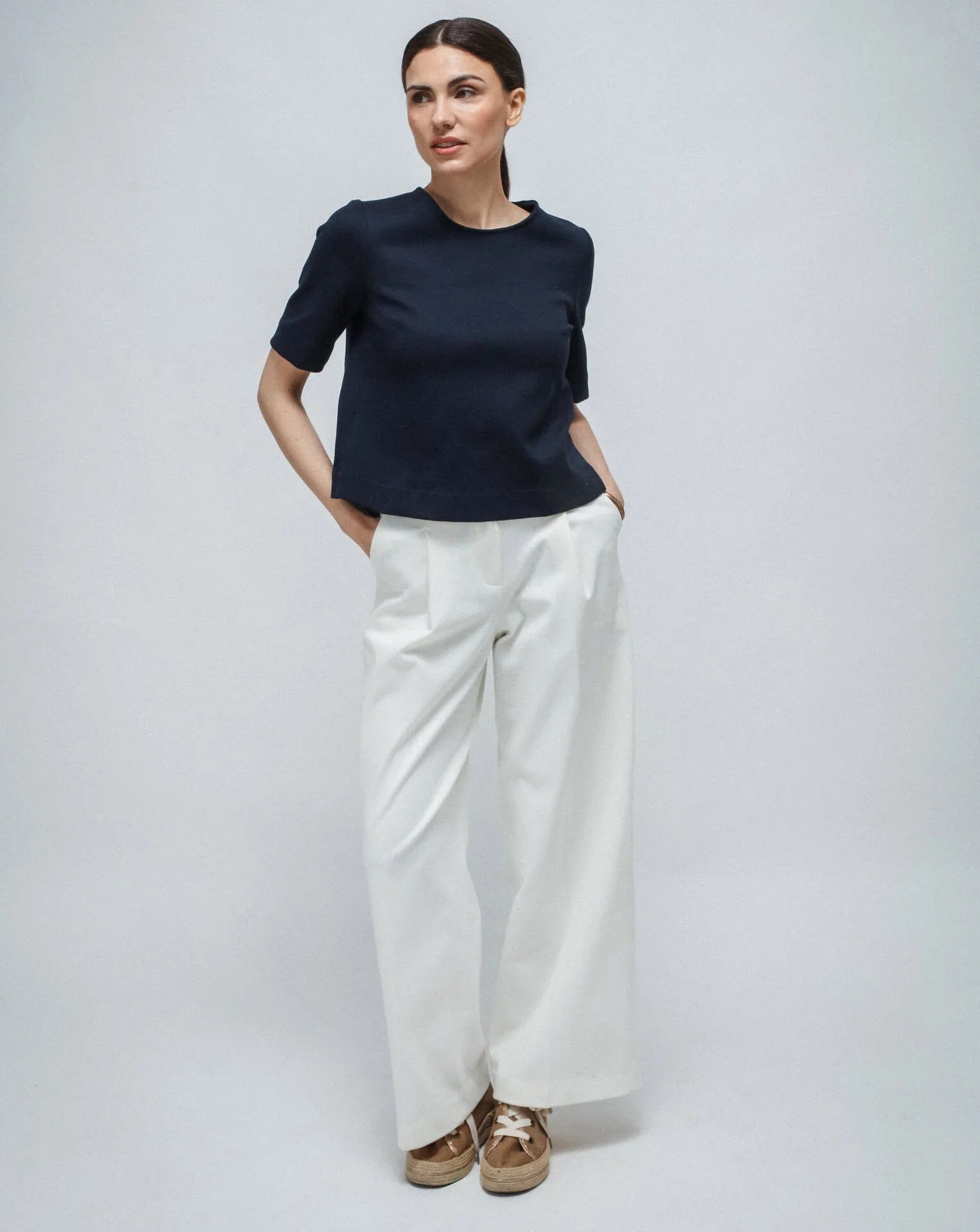
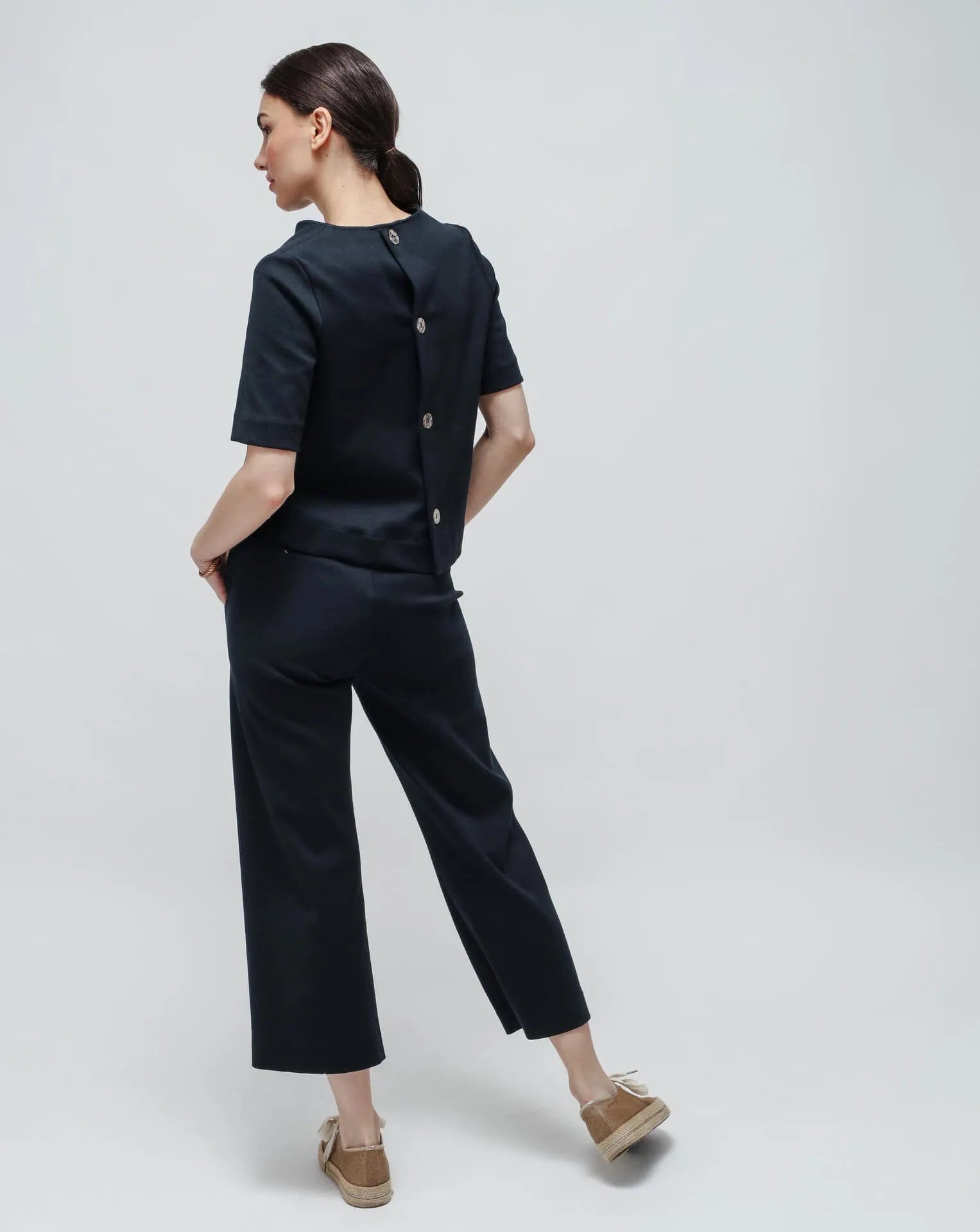
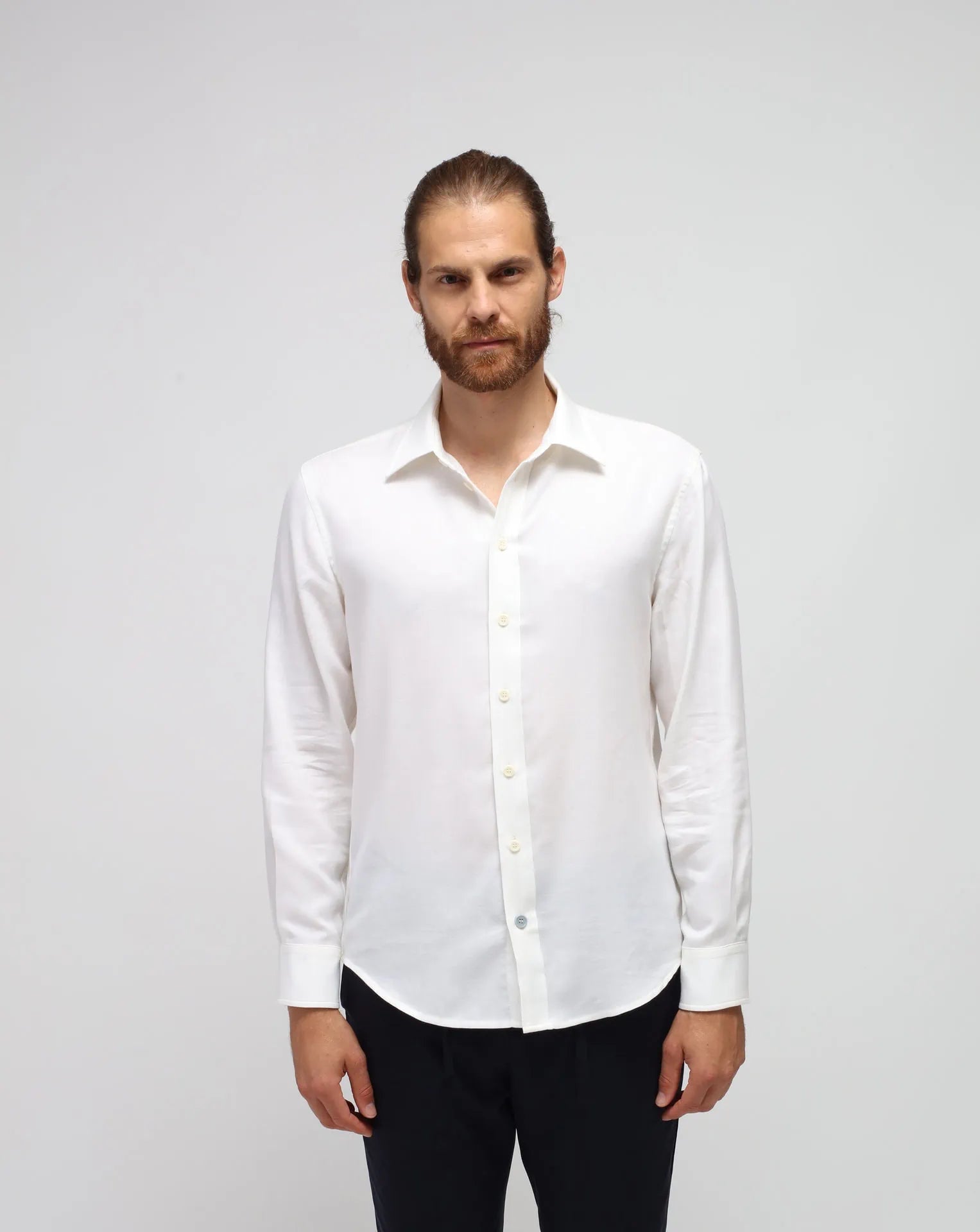
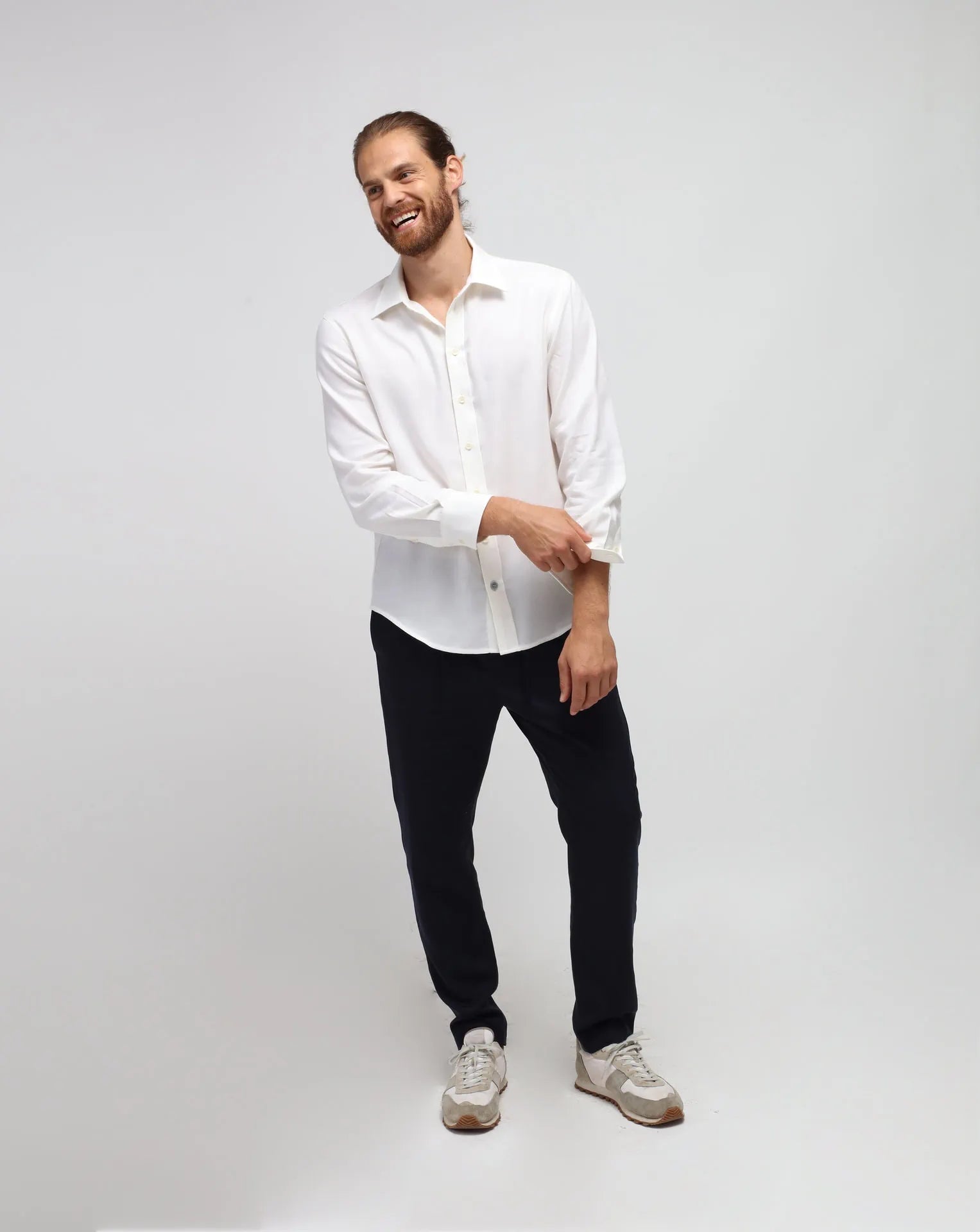
A practical setup might include one closet zone for hanging occasion pieces, one shelf or archival box for folded delicate items, and one small kit with tissue, a lint brush, and spare garment bags. If you own elevated essentials that move between day and evening - a black slip dress, a sharp white shirt, tailored pants, or a minimal blazer - keep them slightly more accessible than purely occasional pieces. They should be protected, but not buried.
This is also where product-specific organization helps. A structured section for occasion dresses, tailored suits, silk tops, and event-ready sets makes future shopping and wardrobe planning more intentional. If you are building a long-wear wardrobe, pieces like an Italian-made dress, a deadstock-fabric tailored jacket, or a polished matching set should each have a storage method that reflects how often they are worn and what the fabric needs.
Care is not a domestic afterthought. It is part of a better fashion standard. Buying less, choosing better, and storing well all belong to the same mindset.
A beautifully made garment should never feel disposable once it reaches your closet. Store it like it matters, and it will keep showing up with the same quiet authority that made you choose it.
FAQ
Q: Should I keep dress up clothes in plastic dry-cleaning bags?
A: No. Plastic is fine for transport, but not for long-term storage. It can trap moisture and stale air, which may damage natural fibers and embellishments over time.
Q: Is it better to hang or fold formal dresses?
A: It depends on the fabric and weight. Structured dresses usually do well on proper hangers, while heavy beaded gowns, knit eveningwear, and bias-cut styles are often safer folded with tissue.
Q: How often should I clean occasion wear before storing it?
A: Clean it whenever there is visible staining, odor, or residue from body oil, fragrance, or makeup. Even if a piece looks fine, storing it without proper care can set hidden stains.
Q: What is the best way to store suits for special occasions?
A: Use broad-shouldered hangers, breathable garment bags, and enough closet space to prevent crushing. Tailoring holds up best when the shoulder line and lapel shape are fully supported.
Q: Can I store dress up clothes under the bed?
A: Yes, if they are clean, fully dry, and placed in breathable, structured storage. Avoid overfilling soft bins, especially for delicate fabrics or embellished garments.